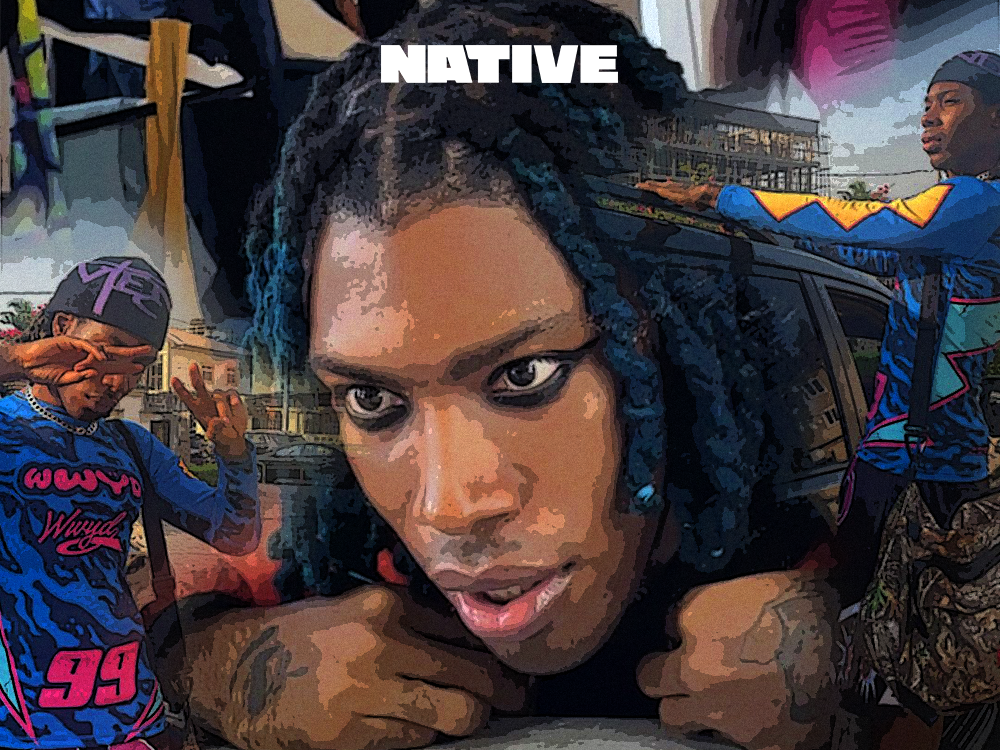
Primarily because they’ve become a symbol of civil antipathy towards authority, there’s a general shrug when the Nigeria Police Force is strongly against something. In this case, it’s a viral social media parlance that’s now been adopted as a widespread mantra. About two weeks ago, The Nigerian Police force spokesperson held a press briefing to state that ‘No gree for anybody’ is a threat to national security. “No gree for anybody has been seen as normal talk, but in the security business and the security community, we have seen it as a dangerous slogan that can trigger crisis,”Muyiwa Adejobi said.
Yeah, right.
Not to make this about the Nigerian Police, an institution that’s definitely not a friend to the vast portion of Nigerian youth, but its stance can be classified as further validation for the “dangerous slogan.” In a time where insecurity keeps hitting alarming highs, with entire communities being attacked by terrorists and kidnappers even breaking into homes to abduct entire families, it’s disturbing that words, with incredibly clear meaning, got the attention of the institution that should be serving and protecting human lives.
My cartoon today: NO GREE FOR ANYBODY Is this another case of misplaced priority? 🤷🏽♂️ pic.twitter.com/o8S0MPFZnl
The exact origin point of “No gree for anybody” is somewhat hazy, but it generally caught on during December, last year. As with many things, it was amplified on TikTok, where random videos of people fighting went viral, with the catchphrase as the tag for these videos. In one of the videos I saw first, a woman who’s hawking her goods in traffic pulls a passenger down from the bus and the duo slug it out on red clay. What kick-started the fight was unclear, but the passenger had hit the trader, and because the cars were parked in standstill traffic, she decided to dish out some get-back, plus more.
The context of “No gree for anybody” is simple: Stand up for yourself. Opening 2024, it has carried over and has been adopted as a mantra for wanting more and wanting better. Not ‘greeing’ means doing whatever is necessary to achieve set personal goals for the year, even if that means the anybody is yourself. As people have applied it to the annual resolutions conversations, there have been tweets like “No gree for yourself,” with respect to complacency and procrastination. As a resolve, it’s has the same galvanising yet jovial force of slangs like “Standing on bidness” and “Keeping it 100.”
Just beyond the immediacy of its personal context, the mantra also has its wider importance, in response to the conditions of Nigeria’s ailing economy and general social issues. Over a week ago, the National Bureau of Statistics (NBS) reported that headline inflation for December 2023 hit 28.92%, and food inflation rose to 33.9%, both significantly worse numbers compared to a year ago.
Generally, the mood is sour, with the aforementioned insecurity woes being a prominent theme, and a social infrastructure that doesn’t elevate the quality of life for everyday Nigerians. Electricity supply has become worse, the price of petrol has reached historic highs, transportation has gotten more expensive without being more efficient, and for many there’s lack of faith in the federal administration that entered office following last year’s controversial elections. All of this, plus more, has pushed Nigerians into high alert mode, where survival is essential, however, we also want to find pockets of joy without our actual pockets drying up.
“No gree for anybody” is a self-serving mantra in service of the difficult times we find ourselves in. There’s always been a prevailing theory that Nigerians often look out for ourselves first, many times at the expense of others—this slogan might as well be evidence. But it always bears mentioning that it’s in response to the times, desperate times warrant desperate measures and other similar sentiments. Perhaps, the positive part is that the generally agreed measures that align with “No gree for anybody” means Nigerians, especially the youth, are doubling down on working hard and working smart. It’s not like there are any other viable options, earning more (as a lazy Nigerian youth no less) is a necessity.
No one is going to define Nigerians as altruistic but, even in our prescribed self-absorbedness, there’s a communal aspect to our lives that’s been amplified in bracing moments, from the EndSARS protests, to the crowdfunding for victims and survivors of insecurity attacks, and even a woman and her family’s life changing overnight. (For the latter, let’s save the discussion about broke-shaming and fragile male egos for another day.) These instances would make it disingenuous to reduce “No gree for anybody” into a clarion call for selfishness. The fact that it was unanimously agreed upon speaks to the dynamism of the Nigerian experience.
It feels apt to end on the addendum: “You wan gree? If you like, gree!”
December in Lagos is always chaotic. Fun, yes. But the chaos comes with the package. Most of it is always centred on the many, many concerts, festivals, parties, live events, and influx of people that the period comes with. In this moment, the gears of entertainment and pop culture turns from the daily grind and focuses on these happenings, but that doesn’t mean new, fascinating events aren’t feeding the timeline with stuff to discuss. The past month-plus had more than its fair share of cultural moments, which The NATIVE’s editorial team was out of office for – due to our festival NATIVELAND. Here’s a quick recap of some of the headlines that kept December 2023 and early 2024 going.
The Davido & Wizkid Bromance Reaches a New High at ‘Even With SkylaTylaa’
Amidst all of the tiffs and controversies they’ve been central to, there isn’t any bromance in Nigerian pop quite like Wizkid and Davido’s current relationship. The consuming embers of rivalry have seemingly cooled off for years, dating back to Davido stating that the pair had embraced maturity in his 2018 cover story with The NATIVE. During the Detty December festivities in Lagos, both artists reunited at The Good Village for a great party time at ‘Even With Skyla Tyla’.
The daytime party, headlined by renowned British DJ SkylaTylaa, who’s sisters with music executive and Wizkid manager Jada Pollock, saw Davido pull up with members of his 30BG crew, as well as Nigerian rap artist (and “IDK” collaborator) Zlatan. Clips of the superstars from the party, featuring Davido’s trademark exuberance and Wizkid’s chill aura, populated social media. It might be trivial to some, but it was a heartwarming moment that reinforced how far past they’re beyond the toxicity of the past. Maybe, it’s time their respective Stans follow suit.
During the Detty SZN, you could count the number of artists as hot as Shallipopi on one hand and not exhaust those five fingers. The Benin-raised artist was everywhere, from Dvpper Digital’s ‘Trench Fest’ to NATIVELAND 2023. Every time, he’d saunter on stage and scream “PLUTOMANIA!!” to an even more raucous crowd reception. In clubs and pretty much everywhere you went, the Odumodu-assisted “Cast” rang off, and it was emblematic of the star power he wielded throughout the festive period.
In addition to cameo and feature appearances on ensemble festival and concert line-ups, Shalli headlined his own concerts in Lagos and Benin, Edo State. The homecoming concert was a watershed moment, one where the melodic rapper was joined on stage by his mother—this is after a video of him going to see his mother at home went viral online. In addition to that, Shalli was joined by his brother and fellow artist Zerry DL for an emotional moment, where both of them performed the hit song “Puff & Pass (Remix)” with tears of joy streaming down their faces. There’s a reason why tears fly into the wind during rollercoaster rides.
Prime Video’s ‘Breath of Life’ Elicits Warm Reception
For nearly two years now, Amazon’s Prime Video has been looking for ways to better imprint its presence on Nigerian cinephiles and the general public. 2023 was arguably the streamer’s most fruitful year in Nollywood yet, unveiling ‘Gangs of Lagos’ as its first commissioned film and acquiring showing rights to dozens of films, including the Nigerian cinema blockbusters, ‘Battle on Buka Street’ and ‘King of Thieves’. To close out the year, Prime Video finally released the much teased BB Sasore original, ‘Breath of Life’. Part of the exclusive deal Sasore and Nemsia studio signed with Prime, the December 15th-released film is a faith-based story set in 1960s Nigeria.
It stars Wale Ojo, Eku Edewor and Ademola Adedoyin in lead roles. Within days of its release on Prime Video, social media was filled with opinions, mostly positive, especially concerning the film’s affecting themes. ‘Breath of Life’ also rocketed up the Prime Video charts in at least 11 countries, claiming top spots in Nigeria and Ghana. Just yesterday, January 18, Prime announced that it will be cutting down investments in Africa and the Middle East, a sign that it will be restricting its operations to acquisition of films in these regions. If that’s the case, ‘Breath of Life’ can at least be acquitted as a well-received film amongst the definitely short roster of Prime originals in Nollywood.
KENDRICK LAMAR HEADLINES CONCERT IN RWANDA
In 2022, Compton-born rapper Kendrick Lamar traveled to Ghana amidst the roll out for a new album that was feverishly anticipated for years prior to its release. It was culturally significant that the Best rap artist of his generation was on the continent at such a personally momentous time, extending his relationship with the continent. Last December, the Pulitzer winner headlined a concert at the BK Arena in Kigali, Rwanda, for Move Afrika. The concert, which had Rwandan president Paul Kagame in attendance and on stage for a bit, was held in celebration of African music and unity, with opening performances by local superstar Bruce Melodie and popular Tanzanian singer Zuchu. Kendrick’s set, which lasted well over an hour, held the 8,000 concertgoers in awe of his showmanship. It’s not just another casual flex of his greatness, it also shows that African live shows and festivals are attracting the biggest names in music.
ODUMODUBLVCK and Shallipopi perform “Cast” for the first time at NATIVELAND ‘23
After a long morning of waiting, an outsider wouldn’t have guessed that it was almost past 6am when the pair of 2023 breakout stars, Shallipopi and ODUMODUBLVCK, united on stage for the most anticipated performance of NATIVELAND ‘23. A few moments before, Bloody Civilian had joined the NATIVE Records signee for a memorable rendition of an ‘EZIOKWU’ favourite, “BLOOD ON THE DANCE FLOOR.”Switching up from the calm atmosphere, the self acclaimed pluto presido brought life to the crowd chanting the duo’s collab song, “Cast,” word for word, which many would consider the song for Detty December in Lagos. The pair’s effortless bromance shone through clearly as they drifted back and forth along the high-tempo Ampaino-tinged rhythm with a beautiful firework display to close out the night on a raucous high.
Funke Akindele Sets a New Nollywood Record With ‘A Tribe Called Judah’
Funke Akindele has figured out the art and business of dropping holiday film blockbusters. For her latest bar-setting feat, the filmmaker released her new film, ‘A Tribe Called Judah’, to huge fanfare. Coming in a year after ‘Battle on Buka Street’ quickly became a runaway box office hit, this new film packed out theatres across Nigeria right from its debut screening date of December 15th. Even more gratifying is that the film has been well-received for being an action-comedy caper that weaves in familial themes to its core. To open the year, it was announced that ‘A Tribe Called Judah’ has become the first Nigerian film to hit the 1 billion naira revenue threshold, a landmark accomplishment for Funke Akindele, a leading woman in Nollywood who’s used to breaking and setting new records.
BRAZY’S ELECTRIC PERFORMANCE AT NATIVELAND ‘23
Post her breakout hit song, “Attends,” Brazy has slowly cultivated a fanbase with a steady stream of refreshing content in her usual fashion. Alongside new releases like Kelela’s “Closure” or her breezy December single, “Daddy,”Brazy has since appeared on a slew of stages across the world including opening for Ayra Starr at Koko, London. Last December, she took on her biggest stage yet – NATIVELAND ‘23 – with soul stirring vocal renditions accompanied by her enthralling dance moves and masterful mixing. She opened up her set with crowd favourite “Attends,” sustaining the crowd’s momentum after a buzzing performance by South Africa’s Uncle Waffles. However, she really got the crowd buzzing when she introduced her dance-rap fusions of “omg”with the iconic single “Azonto,” taking us all the way back 2014.
Like many of his colleagues, Burna Boy was in Lagos in December. Unlike many, he barely performed at public events. Perhaps it was the best thing for everyone, considering the debacle of his last Lagos headline show in early 2023, where he came on stage six hours after the show was billed to start, and started off by cussing out the crowd before performing one song. At that, it’s undeniable that Burna is one of the best performers working in global pop music. For a brief cameo, street pop superstar Seyi Vibez brought out the singer at his Lagos headline concert in December, and Burna proceeded to turn things up with a performance of the stomping banger, “City Boys.” In the video clips that quickly went viral, you can hear the crowd ripping its collective voice to match Burna’s electric energy, another indicator that the Port Harcourt-raised phenom will always be loved at home—regardless of what he thinks.
Seyi Vibez brought out Burna Boy at his sold out concert today at Eko Hotel.
Pop culture finds some of its best slangs from stuff that’s uttered mundanely. Obviously, it has to be latently funny, and that’s pretty much the case with the now infamous Rahman Jago quip: “You look like Metro too much.” That iconic, incredibly hilarious moment came while Jago, a respected high fashion connoisseur, was in the presence of Roddy Ricch, the American rap artist who was in Lagos for a concert appearance. While telling Roddy about how much he loved the artist’s official debut album, ‘Please Excuse Me for being Antisocial’, Jago turned to one of the rapper’s associates and let him know that he looked a lot like the American super-producer Metro Boomin’. The associate mean-mugged, some people captured in the video giggled, Nigerian twitter collectively laughed and turned the moment into a meme, and Metro Boomin’ joined in on the raucous fun. Throughout December, a lot of people looked into their mirrors to make sure that they didn’t (or maybe did) look like Metro too much.
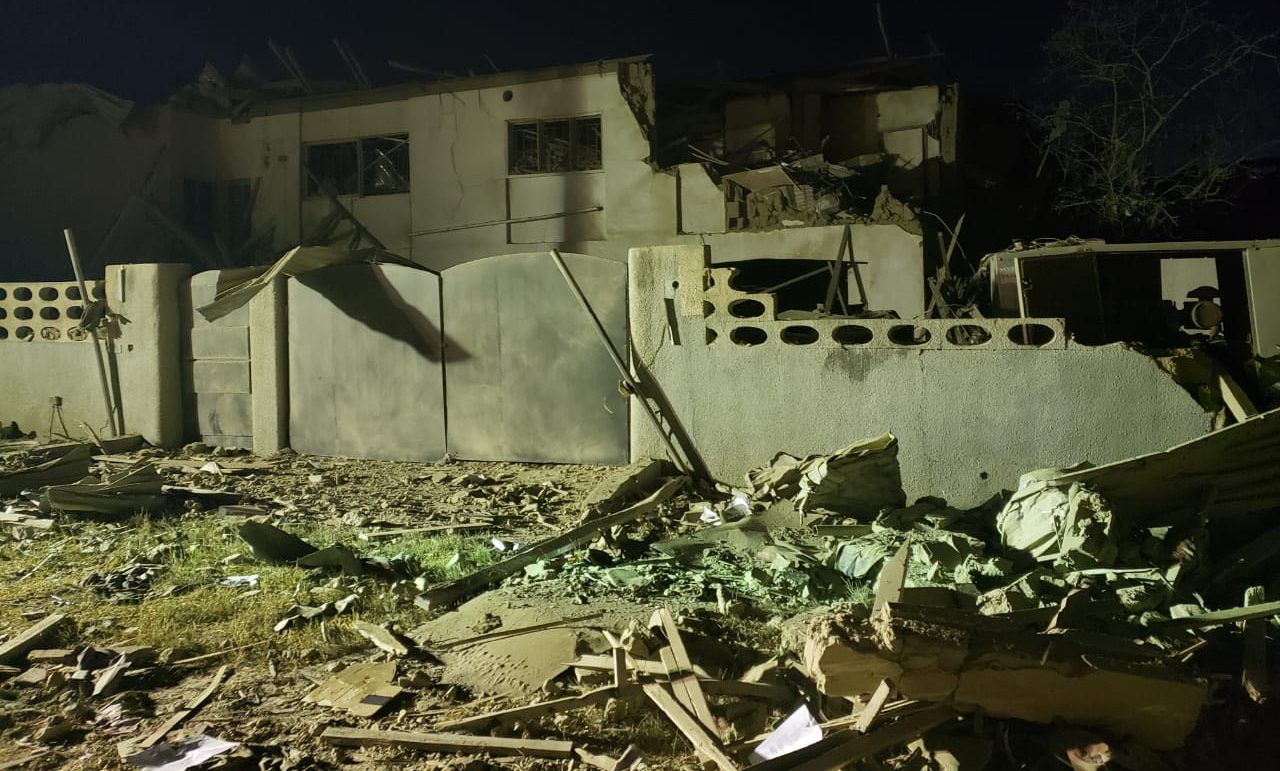
On the evening of Tuesday, Jan. 16, a deadly blast occurred in Bodija, a suburban area of Ibadan, the capital city of Oyo State. The blast, which happened around 7:45PM local time, originated on Adeyi street and its effects spanned across a 14 KM radius. According to Oyo State Governor, Seyi Makinde, preliminary investigations have revealed that the fatal event was caused by explosive devices that had been stored by illegal miners.
The blast destroyed several buildings within its epicentre, reportedly sinking two houses. Cars around were also destroyed beyond repair. In the wider radius, people’s homes and properties were badly damaged. So far, five people have been reported dead, and 77 people have been hospitalised for varying grades of injuries. Since the night of the blast, rescue workers, led by the National Emergency Management Agency, have been searching for survivors in and around the affected areas, pulling out several people trapped under the rubble. Also, hundreds have been displaced from their homes, with houses needing to be rebuilt and renovated.
Joining first responders and concerned citizens shortly after the blast, Governor Makinde has ordered that displaced individuals and families are to be temporarily sheltered in hotels, and will be assisted by the Oyo state government as they recover and rebuild their lives. Of the people in hospitals, 60 people have been discharged so far, with hopes that the other injured persons will make full recoveries. Also, in his public statement on Wednesday morning, Makinde has stated that finding the person(s) who stored the illegal mining equipment is a top priority for the state government and security agencies.
Speaking from Ibadan on the Channels TV program, Politics Today, Makinde stated that nothing will be covered from the public during these investigations. “We’ve done a few fact-finding on the company involved and yes, there are indeed some foreign names on the CAC [Corporate Affairs Commission] documents of the company involved but these are still early days,” he said. The Nigerian police have declared the owners of the house wanted, while the Miners Association of Nigeria (MAN) have stated that the mining company allegedly responsible for the blast is not a registered member of the body.
Since the turn of the millennium, Plateau state has been beset by fatal bouts of insecurity, leading to the killings of thousands and injuries to many more. Dating all the way back to the deeply saddening Jos riots of 2001, the central Northern/middle belt state has dealt with several conflicts, many of them reportedly centred on religious tensions. Amidst last year’s Christmas festivities, armed groups killed over 100 people, injured and displaced many more across three local government areas in the state.
According to reports, the fatal attacks began in the evening of Saturday, 23rd December, and lasted untill the early hours of Christmas morning. Initially, local authorities stated that 16 people had been killed in the attacks, before the numbers were reported to be more than 113 people. Addressing the press just in the aftermath of the attacks, Monday Kassah, head of the local government in Bokkos, said the attacks were “well-coordinated” and they happened across “not fewer than 20 different communities.”
With rural communities making up the grounds of these attacks, analysts have pointed at climate conditions as a core cause of the attacks, noting that farmer-herder clashes have been frequent in the region, owing to locals seeking to protect their farmlands at a time where fertile lands are decreasing. The local community have also claimed that ethnoreligious motivations play a huge role in fulani, muslim herdsmen attacking local, predominantly christian communities. In survivor accounts, the herdsmen – or bandits as they’re often referred to by news media – killed, maimed and chased people out of their homes, and also razed houses and food barns to the ground.
One of the Victims of the Attack who was interviewed by the Middle Belt Patriots team yesterday.
We crave your indulgence to listen to their story and understand what these people have had to experience (and are still experiencing)
Located in the middle of the country, separating the mainly muslim north from the south, Plateau State is in close proximity to the insurgency that has plagued the North. In the last two-plus years, the danger of armed herdsmen attacking locals in communities as far as Southeastern states and Southwestern states has been a recurrent issue, with concerned citizens even forming vigilante groups. The attacked communities in Plateau state also formed vigilante groups for self-defence, however, locals claim that local police frequently arrest and disarm young people found with firearms, which leave them at the mercy of the same police force and military personnel who reportedly have extremely slow response times.
The Christmas attacks took affected communities by surprise, bloodying what should have been a joyous festive period. “We were scared because we weren’t expecting an attack. People hid, but the assailants captured many of us, some were killed, others wounded,” Markus Amorodu, a resident of Mushu village, told AFP. Immediately after the tragedies, condolence messages poured out across social media, from concerned Nigerians to the global Christian community, who identified the attacks as a fatal persecution for the thousands who live in these communities.
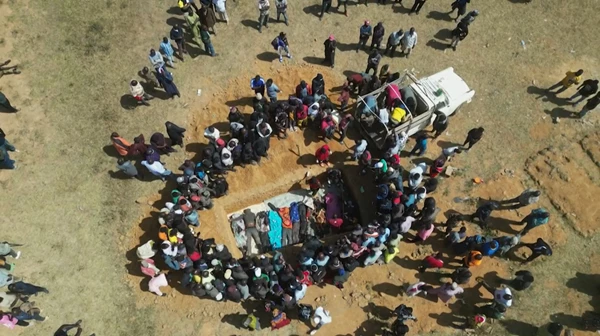
Currently, many of the survivors have been displaced, while many killed victims were buried in mass graves. Many displaced survivors are living in IDPs, barely subsisting on donations from individuals. A GoFundMe account has been set up to assist survivors during these difficult times, and volunteers have reached out to people from these communities, publicly sharing their stories and how the donated funds are being used. The NATIVE urges everyone who can donate to please do so.
These are some of the houses that were burnt in the 24th December attack. Some partially and others completely to ashes. pic.twitter.com/VvsbxMndAA
Since our very first festival in 2016, the NATIVE has existed at the fringes of popular culture committed to highlighting, analysing and championing the rising talent coming from the African continent tomorrow: today. Right from the very start, we’ve aligned ourselves with telling important stories and connecting audiences at home and in the diaspora with culture from both sides of the world.
At NATIVELAND Festival, we serve as the bridge that connects the people at home with the diaspora. Our diverse roster of artists from around the world have attracted these audiences and artists alike to spend one memorable night with NATIVE every year. From headliners such as Burna Boy, J Hus, Dave, Naira Marley, Davido, Tems, Rema and more, our vision has always been clear in bringing together the best in class talent to an audience deeply connected to their music and sensibilities.
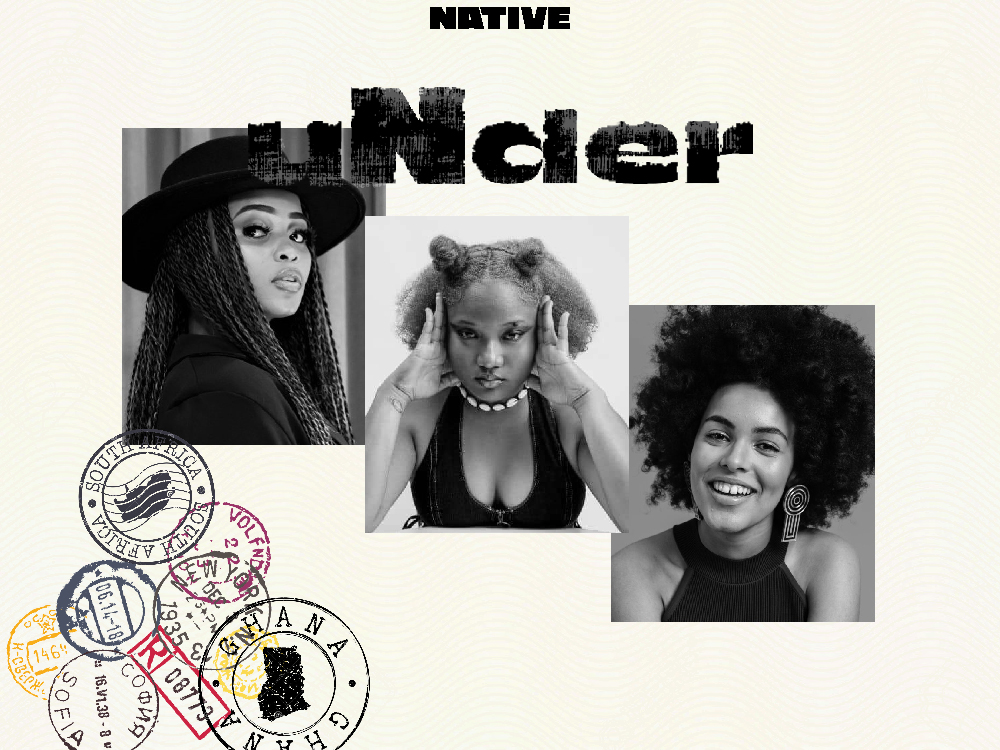
In March 2020, we launched Fresh Meat (now known as uNder), a monthly column that stayed true to our mission to reshape the face of African popular culture with a monthly list that highlighted a rising generation of fearless artists who refuse to conform to norms, and are creating their own paths, on their own terms. The inaugural edition featured artists such as Omah Lay, Zilla Oaks, emose (now known as Bloody Civilian), Olayinka Ehi, FOREVATIRED and more stellar acts who have only grown to become household names today.
In 2022, we revamped Fresh Meat into uNder giving it a new name and face, albeit the same mission. The name was a play on the word underground. Usually, the trope attached to underground music is its distance from mainstream success, however, the Internet has revolutionised music streaming and success at the click of a button. As such, the artists who featured in this column were far from “under the radar,” but come from a line of talented artists, from around the continent and diaspora, including those that you may have heard of before, and others you might never have heard of, but are on the cusp of their biggest moment.
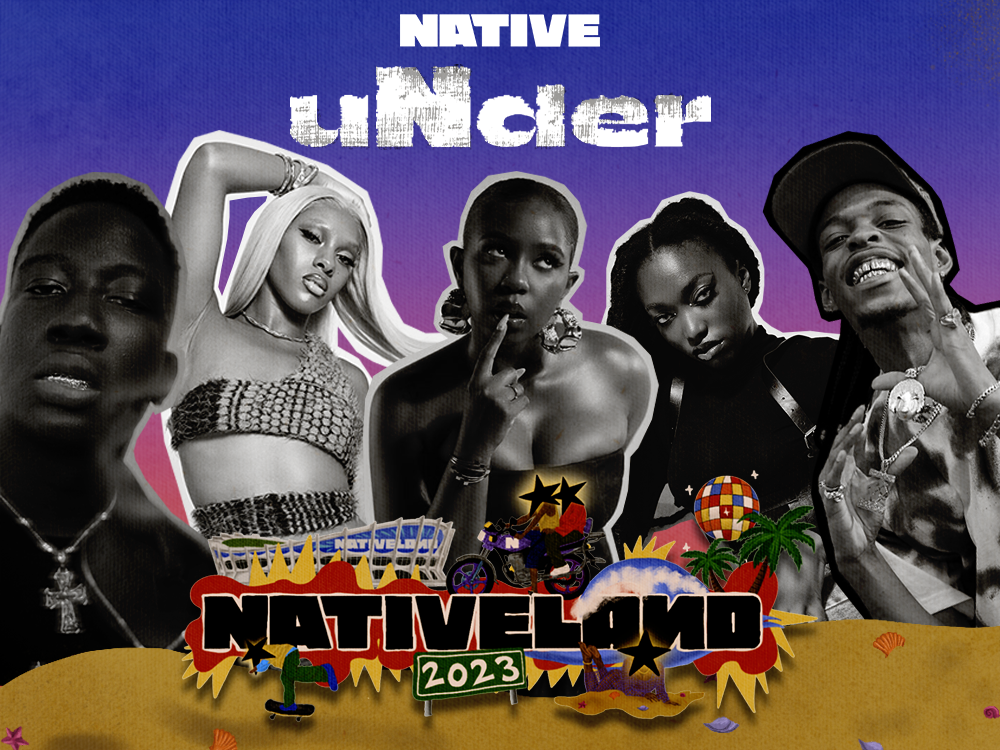
For our fifth edition of our festival, we’re merging the worlds of uNder and NATIVELAND with a special uNder artist presentation powered by our partnership with Hennessy. This Friday, we’ll be unveiling a new artist to perform on the NATIVELAND2023 stage with a “Very Special Freestyle” challenge that invites artists from around the country to submit a verse to Trill Xöe’s Very Special beat. While we wait to unveil the final artist on the lineup, we’re placing the spotlight on the talented spate of uNder artists who are all at various stages of their career and drumming up anticipation with each new release.
From 2023’s breakout star Brazy to new names such as xinsomniac, here are the exciting acts gracing the stage at NATIVELAND 2023 this Friday.
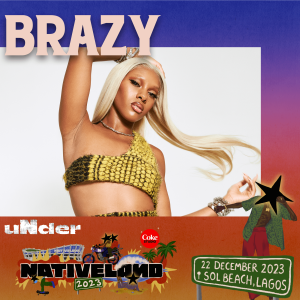
BRAZY
Brazy is a name to get familiar with before the year runs out. After creating bright spots on the Afropop canvas this year with genre-bending music from “Attends,”“omg,”“Brazy Skank” and the recently released bopper, “Daddy,” Brazy makes her debut on the NATIVELAND stage this year. Given that she’s embarked on a near-peerless run, topping charts, weaving dance music with alternative Rap and racking up new listeners in the space of twelve months, we’re very certain the Afro Sexy rapper will bring the same heat to the main stage with an unforgettable performance.
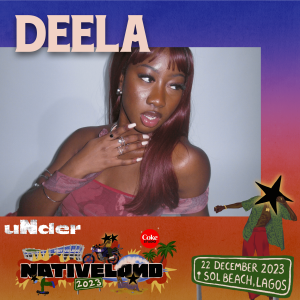
DEELA is no stranger to the NATIVE platform. Since her debut, we’ve been keenly covering her off-the-cuff raps and delectable cadence leading to her feature on uNder in August 2021. After two years spent improving her skills and working on her mixtapes including ‘DONE DEEL’ and ‘Is This On?..’ the London-based rapper makes her debut on the NATIVELAND stage after an impressive year spent racking up accolades including a guest feature from Flo Milli. The rising star has consistently fine-tuned her penmanship, armed with a youthful outlook on life and an unbridled confidence.
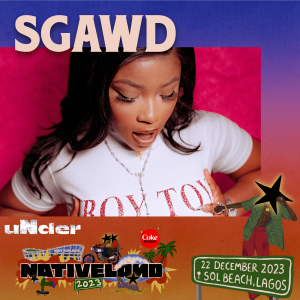
SGaWD has been running laps around her contemporaries since her debut on the scene in 2019. Since then, she’s been offering fierce reflections about life as a female rapper in Nigeria and delivering bars at a breakneck pace. SGaWD unapologetically comes with affirming sex-positive bars, reminding women that they call all the shots. She does all this armed with an experimental approach, constantly reshaping the face of rap music in Nigeria with fusions across EDM, R&B, pop and other soundscapes. This year, she debuts on the NATIVELAND stage after featuring on TRYBE in our NATIVE The Reset Issue 5.
Read our full-length interview with SGaWD here.
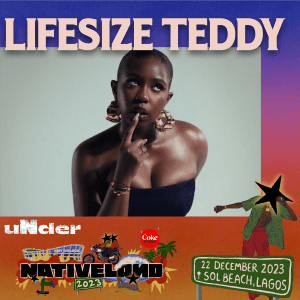
LIFESIZE TEDDY
Lifesize Teddy launched into our radar at the top of the year when she arrived as Mavins Records latest act on its growing all-star lineup. Arriving with a self-titled EP laced with confident hits and charming slappers, Lifesize Teddy introduced herself as the rapper and poet with a heart of gold. Not up to a year after her debut on the scene, the rapper is already recording wins from performing with Ayra Starr on the London leg of her tour to making her memorable debut at NATIVELAND. Lifesize Teddy is only getting better and better.
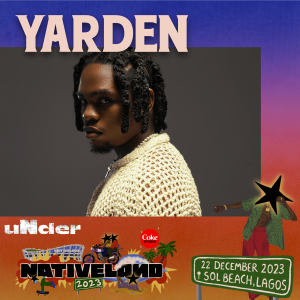
Last year, Yarden reiterated his penchant for feel-good hits on Afropop chart-topping single “Wetin,” a melting pot of mainstream sounds padded with his uniquely alternative touches. This reintroduced Yarden to a new world of listeners, only just getting familiar with his sweet-sounding synths and smooth cadenced raps as he tells stories of love and life. With each new release, Yarden continues to navigate a gradual come up, learning the ropes of mainstream audience appeal while staying true to himself. This is what makes him the perfect addition to our all-star lineup.
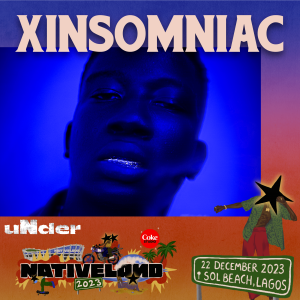
XINSOMNIAC
xlnsomniac’s chameleon-like tendencies allow him traverse bedroom pop-leaning sounds with flagrant touches of electronic music and other relative influences. His debut project, ‘House of X’ snagged production credits and features from artists within the alternative pop soundscape such as Tochi Bedford, T3agray and Icitooicy. With an electrifying sound and fierce rhyming skills, xinsomniac has a lot to offer the NATIVELAND crowd as he makes his debut on stage this weekend with hit songs such as “Running” and “All I Had.”
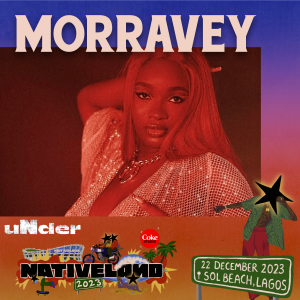
Davido’s return was marked by a classic album titled ‘Timeless,’ and the introduction of two new acts in the revamped version of his record label, DMW 2.0. After the global superstar discovered her through a freestyle on Instagram, Morravey went on to deliver a noteworthy debut on “In the Garden” for the album. The Rivers-born crooner came clutch with dreamy chords and awe-inspiring delivery for the Amapiano-driven record. Since then, Morravey’s star has only continued to shine and it’s this energy she brings to NATIVELAND 2023.
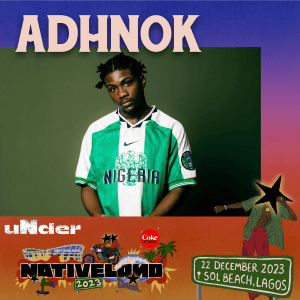
In the age of social media, one viral second can change the course of an artist’s whole entire trajectory. For an artist like Adhnok, he’s no stranger to the success of viral moments. After working behind the scenes with the NATIVE as a videographer, Adhnok is making his debut on the NATIVELAND stage off the back of his viral hit single, “Straight From Naija.” The memorable track invites audiences to share memories of being Nigerian and proud. Adhnok is a performance you don’t want to miss.
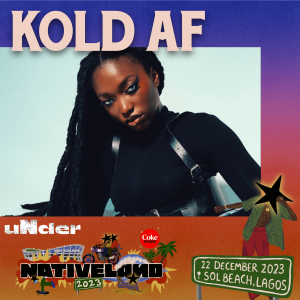
Kold AF is a name to get familiar with this year. Her sonic influences span genres such as Dancehall commingled with Caribbean-birthed sensibilities and rap cadences which have honed the singer’s trademark flow. With a two-pack release and debut EP now under her belt, Kold AF’s unique sensitivity and refined vocal delivery gives her a visceral edge among the new generation of young women musicians waxing lyrical through song.
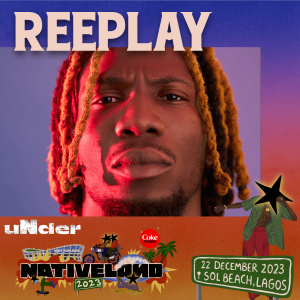
REEPLAY is a member of the ANTI WORLD GANGSTARS–a music collective emanating from the country’s capital city, Abuja. The rapper’s effervescent bars shine through across solo releases like ‘The Jig is Over’ and on “Homebase” with ODUMODUBLVCK for tracks like “SAINT OBI” or “BADMAN BOUNCE.” With his gritty bars and clever wordplay, he’s a prime candidate for wowing the crowd at NATIVELAND 2023.
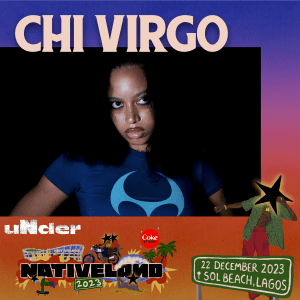
CHI VIRGO
Chi’s mellifluous vocals glaze through a series of R&B, pop and dance sound waves, gleaming with a pomp and sensual energy allows her define her craft on her own terms. Her recently release extended play, ‘I’ve Seen The Lizard People’ perfectly encapsulates this, showcasing Chi’s dexterity and air of honesty as she tells stories of love and life in bewitching vocal performances.
TRILL TEGA
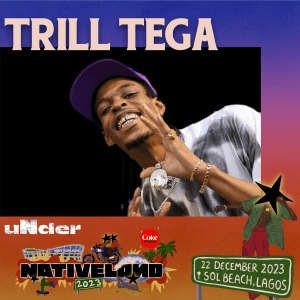
The way Trill Tega tells it a few years ago, he and his friends were hustling tickets to get into NATIVELAND and this year, he makes his memorable debut on the stage of a lifetime. Armed with gritty bars and textured palettes, Trill Tega has always displayed an ear for transforming Hip-Hop with a slew of other genres. His charismatic energy shines through on his music and translates to high-energy performances which you can catch this Friday.
In 2012, the third edition of Hennessy Nigeria’s ‘Hennessy Artistry Cypher’ was headlined by Naeto C and M.I Abaga. The resulting song, “Bartender,” is one of the few on-wax collaborations between two of the most essential names in Nigeria’s rap music history. It’s also arguably the best and most memorable in the series of songs created by headlining acts of the cognac brand’s music-centric venture. A glossy pop-rap cut driven by Tee-Y Mix’s bubbly production, both rappers revel in the luxurious perks of living the high life, with their preference for Henny coming across as worthy signifiers, even though it was obvious brand-extolling.
Over its two preceding editions, the headline song was graced by Rap in a more auxiliary way, from M.I and Ice Prince trading bars over the Kas-produced, electronic Juju cut “Like A Bottle,” to eLDee delivering slick raps on the clubby and kitschy “Toast to the Good Life.” Where those installments featured non-rap headliners – Sir Shina Peters, Bez and Nneka on the former, and Banky W and Tiwa Savage on the latter – Naeto and M.I’s headlining tenure was the first (and only, so far) all-rap affair. It’s a consequential detail to point out, largely because of the time in which it took place.
Depending on who you ask, the golden period of Rap music in Nigeria is a debatable point. One of the periods in contention, though, is the stretch between the late 2000s and early 2010s. In 2012, specifically, M.I and Naeto were at the top of the totem, leading a burgeoning but albeit, commercially vibrant English rap scene. At the same time, the multiplying effect of Dagrin’s supernova run and his untimely demise was beginning to take hold, with lyricists who rapped in their indigenous tongue proudly emerging from the fringes of the country. It was an abundant time for Rap music in these parts, and not only did that year’s Hennessy Artistry Cypher reflect this, but it also marked a practical starting point for Hennessy’s consistent presence in Nigerian Hip-Hop.
For fans of Rap music in Nigeria and its lyricists, there’s one thing that’s a certainty going into every new year: Hennessy cyphers. First debuting back in 2015, the Hennessy Cyphers have become the most prominent cypher platform in Nigeria, the go-to place for audiences to see and hear a range of rappers, both popular and emerging, engage in one of the most basic forms of exhibition associated with hip-hop. In the company of their peers, rappers in a cypher attack a single beat, taking turns with freestyle or written bars or a mix of both, a no-frills, sometimes low stakes, avenue to (partially) highlight the talent pool of Rap music in Nigeria.
The launch of the cypher was preceded by the introduction of VS Class, a freestyle battle space for yet-to-be-popular rappers to battle each other for a chance to win and make launch their careers. Inclusive of the first Hennessy VS Class competition in 2014 was a freestyle series by more prominent rappers, who also doubled as judges. Aired live on Lagos-based radio station, 99.9 Beat FM, these first batch of freestyles from Reminisce, Show Dem Camp, Illbliss, and more, set the stage for the Hennessy cyphers, an annual ritual that’s now in its tenth consecutive year.
Since its inception, the number of Hennessy cyphers in Nigeria has varied from year to year, but it’s never been less than three in one annual installment, accounting for at least twelve of the country’s rap artists at each time. While it’s difficult to determine the exact number of Nigerian rap artists who’ve graced the famed platform, I can safely say the number ranges somewhere beyond sixty. With that nebulous but certain ballpark figure, it’s definite to claim that Hennessy cyphers has hosted more rappers than any other freestyle platform of its specific kind in the country.
With each year the cyphers take place, and as these speculative figures increase, Hennessy’s dedication to Nigerian Hip-Hop is reconfirmed, however, this has not always been matched by a consistent streak of stellar execution. The cyphers’ 10-year run has been graced by the good, the middling and even the wearying, leading to a mixed bag of reception from viewers. At the beginning of 2019, M.I—in an ironic twist—led a charge against the lukewarm results of the Hennessy Cyphers in the immediate past two years, pitching his tent with a competing cognac brand. That cypher, which also featured A-Q, Loose Kaynon and Blaqbonez, immediately went viral, sparking a deluge of hot takes that leaned into the derisive energy.
Beyond the hot takes, there were those who hoped the situation would spark a renaissance on the path of the Hennessy Cyphers. In revisiting the cyphers from 2017 and 2018 for this story, the sentiments were understandable. Compared to the fiery, competitive verve of the first two installments, things had clearly gotten wry. A year later, those expecting a corrective course in 2019 were disappointed. Complaints ranged from near-atrocious beat selection to poor video editing and generally uninspiring rapping. Not too long after, M.I and associates would return for another round of taunts, which would contribute to one of the biggest rap beefs in Nigerian Hip-Hop history. Pulling off a much-needed feat of perseverance, Hennessy remained steadfast in its commitment to Nigeria’s Hip-Hop scene.
To an extent, the uninspired spell of Hennessy Cyphers mirrored Rap music in Nigeria, a space that had been effectively taken over by indigenous Rap proponents. In the latter part of the last decade, the commercial space for English-speaking rap music shrunk significantly, a situation unwittingly aided by divisiveness. At that time, organisers of the cyphers tried—but not hard enough, in my opinion—and failed to meaningfully integrate rappers with a preference for spitting in their respective mother tongues.
It became clear that cyphers weren’t fully representing rap music in Nigeria, from the indigenous rap issues to the severely limited number of women who’ve graced the platform. These are complaints that deserve urgent and wholesome treatments, and the continued presence of the cyphers projects hope that they will get sorted, especially since cyphers such as Hennessy have been back to a green patch over the last two editions.
In 2020, following a highly publicised reconciliation between M.I and Hennessy’s long term Nigerian rap ambassador, Vector, the cyphers returned with its best curation since 2016. Twelve rap artists across three cyphers took to three knocking, Chopstix-produced beats, cumulatively delivering an entertaining and engaging cypher experience. For the first time in years, the freewheeling essence of freestyle cyphers was at the fore, from Falz’s joyful raps to Vader the Wildcard’s confrontational energy, to Phlow’s infectious confidence, to Vector’s eye-widening punchlines, and more highlights. It was the sort of long-awaited return to exciting execution that signalled a better path going forward.
Building on the previous year’s premise, the 2021 cypher utilised the same format of twelve rappers across three cyphers. The first cypher, featuring Alpha Ojini’s topical verve, PsychoYP’s flashy lyricism, Barrylane’s proto-Kendrick delivery, and Legendary Styles’ impish puns over a creeping drill beat, was the most forward-facing of the trio. In comparison to the other two, the second featuring VS Class alumni and the third featuring the “headline” cypher acts rapping over beats of similar tenor, it shows rappers with different and distinct rap inclinations, a hallmark of where Rap music in Nigeria is currently at and could be.
Following last year’s all VS Class alumni showcase and the headline, pan-African cypher line-up, this year’s solitary Hennessy cypher went for flash—and rightfully so. To be cautious, it’s difficult to use the term ‘renaissance’, but rap music in Nigeria is flourishing creatively and recording tangible commercial success, whether it’s something like the niche corner of women-dominated dance and electronic-infused stylings, or the nationwide success of slang generators Shallipopi and ODUMODUBLVCK.
Currently, Ladipoe, Vector, Blaqbonez and Zlatan are part of the rap artists moving the genre beyond any limitations, and subtly redefining hip-hop culture in relation to Nigerian youth culture. Their participation in this year’s cypher is visibly defined by joy, for the scene they represent and its upward trajectory. It’s not the most blistering execution of a Hennessy cypher on a lyrical level, but the visuals are stunning and there’s a much higher sense of camaraderie, which is notable for a community that has often undercut its cumulative growth by overly relying on beefs and controversies for nationwide attention.
With this year’s cypher primarily centred on stars, it slightly obscured a key aspect of Hennessy’s relationship with Nigerian rap: Platforming up-and-coming talent. From the VS cypher competitions to the multi-tiered cypher editions, many rappers have passed through the Hennessy platforms, so much so it’s a rite of passage. Perhaps, that’s why the collaboration with NATIVELAND feels more appropriate than corrective. Ahead of the anticipated music and culture festival, the NATIVELAND x Hennessy ‘Very Special’ freestyle challenge is a space for exhibition, with solid payoff—especially for the winner who gets a performance slot on the main stage and a chance to vault into ‘Next Up’ conversations.
Prior to this moment, it would be a little preposterous to describe as rap music in Nigeria as popular, to the point where it’s at the centre of a partnership between two illustrious brands. It’s not unprecedented, though, with NATIVE’s consistent, conversation-starting coverage of Hip-Hop over the years. For the cognac brand, this is another statement in itself: Hennessy has been along for Nigerian Hip-Hop’s heavily bumpy ride for a decade and, as the rewards are becoming tangible, it isn’t looking to stop anytime soon.
With NATIVELAND only a week away, we’re unveiling many special surprises and announcements in the run up to the highly anticipated festival. This week, we’re partnering with Hennessy–one of our official sponsors for NATIVELAND 2023 to give back to our community and allow one lucky artist the chance to make their debut on the NATIVELAND lineup.
Kicking off today, NATIVELAND and Hennessy have partnered on the “Very Special Freestyle” which invites artists from around the country to submit an open freestyle verse to award-winning NATIVE Records and 44DB producer, Trill Xöe’s “Very Special” beat.
To participate, rappers must record a 45-second verse over the beat titled: “Very Special” by Award-Winning Hip Hop Producer, Trill Xoe. The verse must include these three words: NATIVE, Very Special, and Hennessy and be uploaded to social media using the hashtag #nativelandxhennessy. The winner of the competition will be selected by our judges Trill Xoe (Producer), Teezee (NATIVE Records Label Exec), and Odumodublvck (Rapper).
In 2023, Nigerian hip-hop continued solidifying its place as a force resonating across the nation and beyond. The “Very Special Freestyle Challenge” is an effort to continue championing the future of Nigerian rap today. This partnership aligns with our unwavering commitment to spotlighting the best of talent in the underground and mainstream talent coming out of Africa tomorrow: today.
NATIVELAND 2023 will return to Lagos next week Friday on December 22, 2023 at an all new location, SOL Beach Lagos. Click here to purchase your tickets.
Music history is littered with record labels whose specific focus helped elevate genres and heighten the hype of subcultures. Think Motown in the 1960s/70s and Soul Music, Def Jam and the early days of Hip-Hop popularity in the ‘80s, Death Row and West Coast Gangsta Rap in the ‘90s, Kennis Music and the foundational era of Nigerian pop post-mid-‘90s, and several more. In just a few years of becoming a mainstream fixture, Dvpper Music already fits the bill of similar labels—as label services, artist management and distribution company—through its clear dedication to amplifying Nigerian street music.
Over the last three years, Dvpper Music has digitally distributed music for a range of artists, from the emo-pop of Omah Lay to the accessible pop-rap of Falz to Savage’s omnivorous curations. However, its primary identity these days is hitched to its affiliation with street music acts, evident in current roster of Dvpper signees and partner artists: the irreverent and ultra-prolific Seyi Vibez, Benin-raised street-rap hit-maker Shallipopi, the self-professed ‘Trench Kid’, Balloranking, the poignant crooner TI Blaze, and many more.
The current phase of Street Music, broadly and alternately referred to as Street-Pop and Street-Hop, has seen an influx of stars emerge from the grittier areas of Nigeria’s southern hoods, southwest especially, hitting regional success, viral nationwide attention and, in some cases, veritable global popularity. Post-Covid, Dvpper Music has become synonymous to street-pop, a frontline player in arguably the most defining part of secular youth culture and music. With its track record of breaking out and supporting street-bred artists, a tangible show of domination during the Detty December live shows and music festivals period seems appropriate and well-earned.
On December 20th, at the Palms, Lagos, Dvpper Music and Entertainment, through its subsidiary Dvpper Live, is curating Trench Fest, a concert experience featuring live performances from artists on the label services company’s packed roster, alongside other stars and related street-pop acts. Seyi Vibez, Shallipopi, Balloranking and TI Blaze are undoubtedly on the bill, and they will be joined by street-rap superstar Zlatan, UK-based group and self-acclaimed ‘Area Boyz’, NSG, neo-Fuji singer Barry Jhay, Ghanaian pop breakout act Lasmid, Nigerian rap OG Ice Prince, popular singers L.A.X, Skiibii, and Bad Boy Timz, and more. The bill also features emerging Dvpper artists like Zerry DL, Kashcoming, and TML Vibez.
Trench Fest is set to be a celebration on several levels: of some the artists who currently are defining Nigerian music through musical style, slang and substance; of the places and environments that have informed street-pop; of an entertainment company with an in-the-moment yet forward-facing agenda. In a time where achievements in Nigerian pop are viewed through an outward-looking, globalised lens, Trench Fest is the perfect avenue to celebrate the deeply-rooted parts of music culture.
You can buy your tickets ahead of December 20thhere.
In ten days, the doors of NATIVELAND 2023 will be opening to music lovers and listeners from around the continent at the SOL Beach in Victoria Island, Lagos. Anticipation is already rife for one of the most highly anticipated festivals of the year which will mark a welcome return after a four year break since 2019.
As we count down the days, it’s easy to fall victim to overpacking for the festival or turning up with little to no essentials. Attending a concert is no menial task, it requires rapt attention, awareness of your physical surroundings, carefulness with friends and concert-goers, and much more. Never fear, we’ve got you covered and we will be spending the next week making sure you’re ready to rage at the ‘Land.
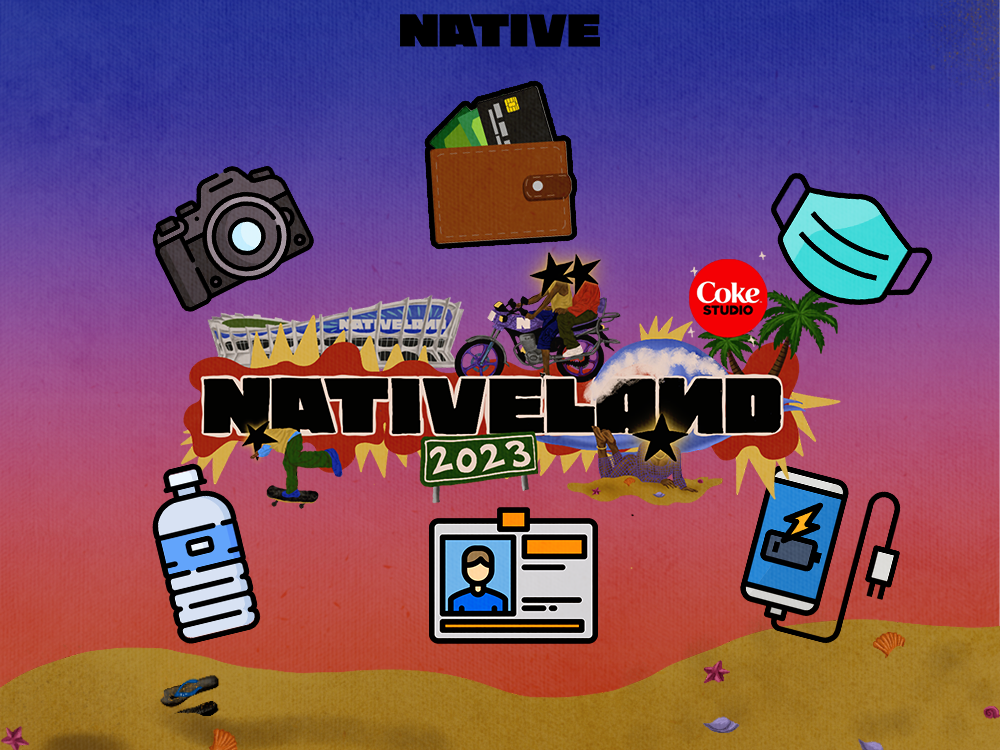
If you’re already thinking of what to bring to the NATIVELAND festival, then look no further than this starter’s guide to attending NATIVELAND 2023. Whether you’re a first-time attendee or a series regular since 2016, or just discovering us for the very first time, we’ve got you covered on all the necessary essentials to bring with you next week.
From your digital concert ticket which can be used to redeem a wristband at SOL Beach to a trusty hand fan and enough cash to enjoy the myriad of food stalls and entertainment, here’s everything you need to know when getting ready for NATIVELAND this year.
DIGITAL TICKET
No ticket, No entry! It’s important that all attendees for NATIVELAND 2023 arrive on time at the venue with a copy of their digital ticket which will be used to redeem a physical wristband at the venue. No digital ticket means no wristband and all wristbands are given out once, so don’t lose yours!
CASH
It’s imperative that you stay strapped with enough cash to allow you access to the food stalls, drink vendors and exciting offers that we have in store for you next week. Whether you’re looking to try out some of the exciting restaurants that SOL Beach offers such as Danfo Bistro, Rapa Nui and more, or you’re looking to try out some incredible pouches of unique Quacktails flavour then come ready with some extra cash to splurge. There will also be point of sale terminals at the venue for bank transfers and Apple Pay.
FACE MASKS
The Coronavirus pandemic introduced facemasks to our everyday lives and looking back at life before 2020 while gaining awareness on just how quickly germs spread, it’s astonishing to see our lives without. While there will be no mask mandates at the festival, it is advised concert goers wear one for their own safety, especially if you or anyone you’ve been around had a flu in recent days. Considering the end of year in Lagos comes with Harmattan’s dry and dusty winds, a facemask would ensure you —particularly the asthma and other respiratory health attendants— enjoy the show without feeling uncomfortable.
ID
A valid means of identification is just as important as your ticket barcode when you’re attending NATIVELAND. For students, a valid student ID from a recognised educational institution is required. For those above 18+, we have bevvy of cocktails and alcohol available on the day so come down with your ID card to verify purchases.
PORTABLE CHARGER
Ain’t no party like a Lagos party. It’s very easy to lose charge while attending the ‘Land for several hours. This year, we highly advise attendees to come with a portable charging system to ensure that their devices stay connected while on the beach. There are lots of unmissable acts and you won’t want to miss the action due to low battery. It is also very important to make sure no one is stranded and you can easily contact your Bolt to safely exit the festival grounds.
HAND FAN
Anyone that’s been in Lagos for the past couple of weeks can testify to the mind-numbing heat we’ve experienced, with a temperature ranging from degrees in lower twenties to early thirties. Hydration is important now more than ever so bringing a bottle of water and a fan to stay cool and hydrated comes highly recommended. The last thing you want is also looking sweaty in those pictures.
We might be back outside again but safety measure have not taken a backseat. For anyone attending the festival next week, it’s imperative you come with items that can aid sanitation and cleanliness. Essentials include hand sanitisers, disinfectant wipes, pocket tissues and more, that are portable and compact to fit into your purse.
COMFORTABLE SHOES
NATIVELAND 2023 is at SOL Beach in Victoria Island, Lagos. This means that we’ll be watching artists perform on the beach. As such, comfortable footwear is advised for standing and walking for several hours. There will be chairs and seating areas provided as well.
COMPACT BAG
All the aforementioned items will have to go somewhere and rather than clumsily stuffing items into your pocket, a shoulder bag, crossbody or fanny pack would be perfect. However, not all bags will be appropriate like a tote bag considering those don’t have any top covering. A small bag is also easier to carry around without hindering movements or weighing you down.
CAMERA
While your phone camera is one way to document the night, a film or digital camera is another way to capture all the excitement. For those weary of carrying a film or digital camera, you could purchase a simple Fujifilm or Kodak disposable camera beforehand.
Returning for one of the most highly anticipated celebrations of music and culture in West Africa, it only made sense to mark this five year milestone with our recurring collaborator, Power Horse. The premium energy drink has in many ways over the past decade reiterated its ethos of feeling big ambitions, showing support for culture events NATIVELAND, Groove on the Grass and Street Souk, Africa’s biggest streetwear convention.
After four years since the last appearance, our flagship festival, NATIVELAND, has now returned bigger and better than ever with headline sponsor, Power Horse. Since the NATIVE Network’s establishment and the festival’s birth in 2016, our priority has always been supporting the budding talents emanating from Africa, by providing a platform to showcase their creativity on their own terms. This keys in perfectly to Power Horse’s decade long creative vision of showcasing thousands of regional artist debuts, coupled with holistic music experiences with the fast growing main and subculture.
We’ve spent over half of the last decade identifying, analysing and championing the best of tomorrow, today while revitalising live entertainment experiences in Nigeria. It is now time to make our long awaited return with NATIVELAND V, a show-stopping experience on December 22, 2023. Hosted at SOL Beach, Victoria Island, this year promises high energy performances blended by Africa’s rich culture in form of our headliners: Uncle Waffles, ODUMODUBLVCK, Ayra Starr and Lancey Foux, alongside a fusion of cultures through food, style, activations and more.
As we draw closer to one of the most highly anticipated celebrations of music and culture in West Africa, it was almost a no-brainer that Smirnoff, a leading distilled spirit brand, joined us for the celebration. The esteemed platform has shown support for our budding creative scene over the past couple years, by partnering with platforms like Big Brother Naija.
After four years since the last appearance, our flagship festival, NATIVELAND, has now returned bigger and better than ever for the fifth edition with headline sponsor, Smirnoff. Since the NATIVE Network’s establishment and the festival’s birth in 2016, our priority has always been supporting the budding talents emanating from Africa, by providing a platform to showcase their creativity on their own terms. This keys in perfectly to Smirnoff’s long standing support of niche and mainstream creative communities across the world.
We’ve spent over half of the last decade identifying, analysing and championing the best of tomorrow, today while revitalising live entertainment experiences in Nigeria. It is now time to make our long awaited return with NATIVELAND V, a show-stopping experience on December 22, 2023. Hosted at SOL Beach, Victoria Island, this year promises high energy performances blended by Africa’s rich culture in form of our headliners: Uncle Waffles, ODUMODUBLVCK, Ayra Starr and Lancey Foux, alongside a fusion of cultures through food, style, activations and more.
To mark the highly anticipated return of our flagship festival, NATIVELAND, we are partnering with Spotify Frequency as one of the official sponsors of 2023.
Spotify is one of the major streaming platforms available in the world, and they have spent the past few years reaching further into the African continent by spotlighting the most exciting emerging and breakthrough artists, to create music that transcends borders, backgrounds and music genres.
For NATIVELAND 2023, Spotify Frequency will be taking over our new festival ground at SOL Beach in Victoria Island, Lagos. From documenting Uncle Waffles’ journey from South Africa to NATIVELAND, Spotify Frequency through its partnership with the NATIVE, will provide entertainment and refreshments for festival goers and music lovers from around the continent.
Since the birth of our annual festival in 2016, the NATIVE has made it a mission to support, identify and champion the rising talent from arond Africa tomorrow: today. This is in tandem with Coke Studio’s ethos of spotlighting rising talent and ensuring that these emerging acts have a platform to showcase their abilities, on their own terms.
Join us on December 22, 2023 for NATIVELAND V, an unmissable experience for music lovers with a stacked lineup featuring 2023’s breakout rapper ODUMODUBLVCK; Amapiano sensation Uncle Waffles; UK trap cult hero Lancey Foux; and Afropop’s brightest star, Ayra Starr.
Find the latest updates on NATIVELAND 2023 here and buy tickets here.
To mark the highly anticipated return of our flagship festival, NATIVELAND, we are partnering with Coke Studio as our official headline sponsor of 2023.
Coke Studio is a global music platform that brings together the most exciting emerging and breakthrough artists from around the world, to create music that transcends borders, backgrounds and music genres.
As one of the biggest music performance platforms in the world, it is no surprise that for our return, we’re partnering with Coke Studio who has spent the past few years providing a platform for talented African acts such as Nasty C, Runtown, Young Stunna, and more.
For NATIVELAND 2023, Coke Studio will be taking over our new festival ground at SOL Beach in Victoria Island, Lagos. From … to … which will be available on site, Coke Studio will provide entertainment and refreshments for festival goers and music lovers from around the continent.
Since the birth of our annual festival in 2016, the NATIVE has made it a mission to support, identify and champion the rising talent from arond Africa tomorrow: today. This is in tandem with Coke Studio’s ethos of spotlighting rising talent and ensuring that these emerging acts have a platform to showcase their abilities, on their own terms.
Join us on December 22, 2023 for NATIVELAND V, an unmissable experience for music lovers with a stacked lineup featuring 2023’s breakout rapper ODUMODUBLVCK; Amapiano sensation Uncle Waffles; UK trap cult hero Lancey Foux; and Afropop’s brightest star, Ayra Starr.
The rumours are true – NATIVELAND is back. After a four year break, our annual music festival is returning this December for an unmissable fifth edition.
Returning on December 22, 2023, six years after our first concert in 2016, our marquee fifth installment will be hosted at an all-new location right here in Lagos, Nigeria at SOL Beach. With a stacked line-up, brand activations and collaborations with amazing brand partners and collaborations such as our headline sponsor Coke Studio and support from a host of other sponsors including Spotify, Frequency, Hennessy, Power Horse and Smirnoff.
For over half a decade, the NATIVE has remained committed to spotlighting the best mainstream and underground talents at home and abroad. Since our 2016 debut, NATIVELAND has brought a renewed perspective to live entertainment, delivering top of the class performances to an energy-filled crowd. Our culture festival assembled local and international acts including Skepta, Burna Boy, J Hus in 2016; Davido, Tekno, Not3s in 2017; Burna Boy, Wizkid, Skepta in 2018; Dave, Tems, Cruel Santino in 2019; and Rema, Amaarae, CKay at an intimate free-access show in 2021 for our core community of fans.
As Afropop continues to make its triumphant crossover on a global scale, it’s the best time ever before to make our highly-anticipated return, with a renewed mission to champion the best talent of tomorrow: today. After eleven months well spent watching, championing and highlighting the best of African talent, we’re looking to give back to our community who has been on this journey along with us.
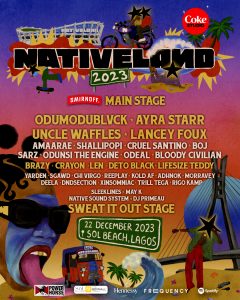
Without giving too much away, we can’t wait to open the doors of NATIVELAND V to you this December. Our all-star lineup will feature headliners such as 2023’s breakout rapper ODUMODUBLVCK; Amapiano sensation Uncle Waffles; UK trap cult hero Lancey Foux; and Afropop’s brightest star, Ayra Starr. The line-up will also feature a talented spate of artists from around the continent including Cruel Santino, Shallipopi, JELEEL!, DNDSection, DETO BLACK, BOJ, Odunsi The Engine, Bloody Civilian, Lifesize Teddy, Brazy, Rigo Kamp, Len, DEELA, Kold Af, SGaWD, Odeal and special guests.
In the 70-year long history of the National Basketball Association (NBA), the sport has grown beyond an on-the-court product and transcended across a range of industries spanning art, music, fashion, and more. Basketball is no longer a sport to be enjoyed solely on the court among nine players, but now a huge phenomenon that intersects with popular culture today. This wholesale exchange between sports and culture is due in large part to the several strategic partnerships and collaborations that have been forged across the years by the NBA and its players.
In Africa, the NBA is making similar strides and reaching into the creative ecosystem. Since its entry into the Nigerian market in 2022, the NBA has made clear and concerted efforts to strengthen its presence in Africa,Its most notable milestone before this is the establishment of the Basketball Africa League (BAL) in 2021, its first league outside North America. Also, to honour the NBA’s 75th anniversary season, the first floating basketball court in Africa was created off the Lekki-Ikoyi Bridge along with the NBA Crossover event, which consisted of a celebrity game.
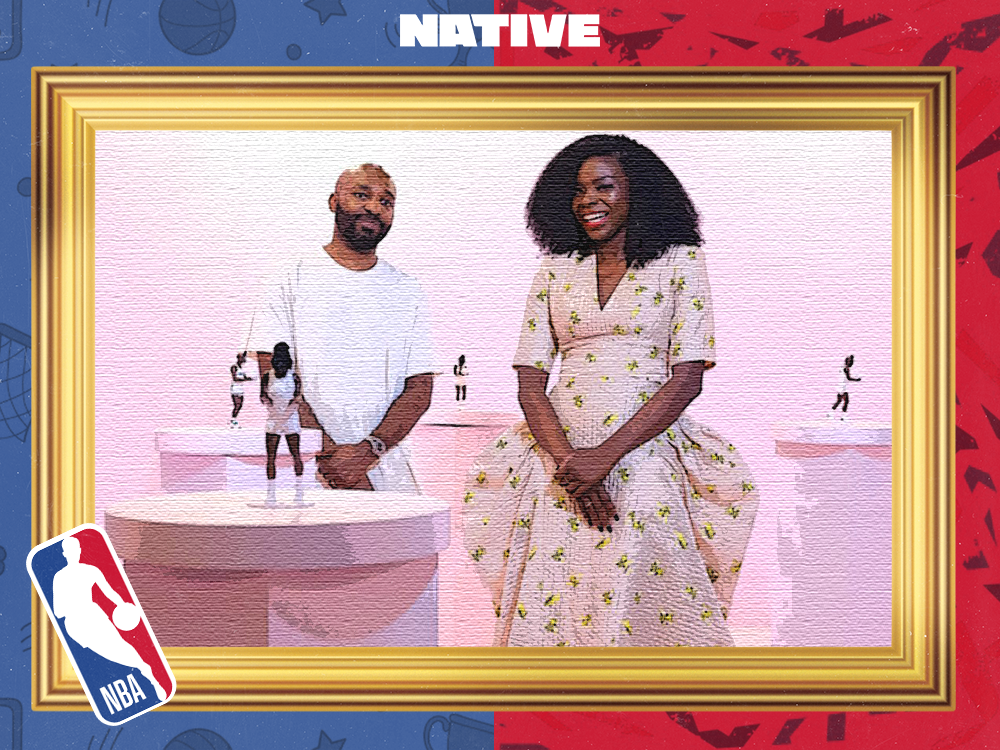
This collaborative spirit lays at the centre of the NBA’s mission in Africa, which has been forged so far through team work and community building. Last year, the NBA hosted the first edition of its NBA Meets Art installation, a stunning photography exhibition connecting various key players in the art and sport world. This year, for its second installation, NBA Africa brought together key industry players and leaders to enjoy a curated celebration of the game of basketball through the lens of Nigerian artist, Dennis Osadebe.
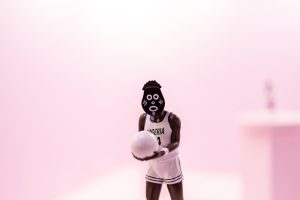
The latest installation titled ‘Passing/Building/Victory,’ is the brainchild of Osadebe and explores the key role of teamwork and how similar collaboration can help develop communities, aligning with the NBA’s own mission to inspire and connect people everywhere through basketball. The installation consists of five figurines representing basketball players wearing the artist’s distinctive mask, a recurring symbol in his visual work that speaks to Nigeria’s heritage.
“When we had our initial conversation with Dennis, we said we want work that represents what the NBA stands for: teamwork. You can’t win a championship on your own. We also wanted something that promotes Nigerian excellence. Everything we said, he interpreted in a way that shows a really strong and powerful message,” shares Gbemisola Abudu, the NBA Africa Vice-President and the Country Head of NBA Nigeria. The unique figurines which were launched at the Art X Lagos week last month in Lagos, draw on inspiration from Osadebe’s childhood.
“What was most important to me was to creatively embody what basketball offers, which is teamwork and how that relates to community development,” Osadebe admits. As such, the installation touches on universal themes of the enjoyment of play in our formative years. The figurines are set in dynamic motion, symbolically passing the ball through their unified, outstretched arms to enscapusulate the shared spirit of camaraderie and victory.
NBA Meets Art beautifully merged the worlds of basketball and art, showcasing the power of cross-industry collaboration and the NBA’s mission to reach and extend themselves far beyond the game.
Our conversation, which follows below, has been lightly edited for clarity.
NATIVE: For Gbemisola, why is it important for the NBA to make great strides within the creative industries?
Gbemisola: In Africa, NBA’s objective is to be the number one lifestyle brands in Africa and it’s in how we find ways to make the brand culturally relevant in Nigeria. When we opened our first office in February 2022, I spent the first several months really looking at the market through the lens of the NBA, trying to determine the best way to connect with existing fans. In the past several years, Nigeria has been the purveyor of culture in Africa. Being a marketer by training, it meant taking a step back and figuring out how to create something that tells an effective story. That’s where the idea of NBA Meets Culture came from.
We started out with NBA Meets Art in November 2022, where we had the Deputy Commissioner of the NBA present. The first edition featured a dinner and a photographic exhibition. For the second edition, we kept thinking, “how do you take this to the next level?” The idea was to have five pillars of culture: art, fashion, film, music, and tech; and embed our brand and the cultural relevance of our brand to those five pillars.
NATIVE: What informed the theme of “Passing/Building/Victory” and how did you land on a Nigerian artist for this edition?
Gbemisola: The theme was the genius of Dennis. For the second edition of NBA Meets Art, we wanted to take it a step further by actually working with an artist. We commissioned the artist and they decided how they would interpret the vision of NBA Nigeria. In multiple conversations, Dennis’s name kept coming up. I was at his first exhibition at the Red Door gallery, so when his name kept coming up, I remembered him. When we had our initial conversation with him, we said we want work that represents what the NBA stands for: teamwork. You can’t win a championship on your own. We also wanted something that promotes Nigerian excellence. Everything we said, he interpreted in a way that shows a really strong and powerful message.
Dennis: Thank you so much for that intro. What was most important to me was to creatively embody what basketball offers, which is teamwork and how that relates to community development. I was trying to find that connection and put it in the work that I created. Traditional sports figurines are a staple for me. I wanted to create something around that space. When we started the conversation, I didn’t want to create a figurine that would dunk or make a point. I wanted to reinterpret what a figurine could do. We started thinking in that direction.
Dennis, before coming on board this project, how would you describe your relationship with basketball or sports in general?
Dennis: There’s no one particular intro into basketball, but two things I vividly remember were my love for sporting games from NBA2k to NBA Street, and I remember that my older brother was into basketball and he was someone I looked up to. There’ve been different ways the NBA has allowed me to engage in the sport outside of the sport itself like through fashion.
What were your initial thoughts on this collaboration?
Dennis: I had to keep in mind all of the NBA’s goals but also find that synergy between their vision and my work. It was important to find that thread to present an idea that is relevant to our community as a whole. That potential is something that really excited me. Outside of that it was all about the momentum and the NBA team aligning with the idea was enough to keep me going.
Gbemisola: I think it’s worth adding that during the selection process, it’s one thing when an artist’s name keeps coming up, but it’s another when the artist has a natural affinity for the game, which is one of the reasons why I believe Dennis was able to distil the vision in the way he did. He understands basketball and really understands the DNA of the brand.
NATIVE: From the ideation stage to the final exhibition, how well would you say your visions were executed?
Dennis: 100 percent executed. I would say the support, belief and patience allowed for the idea to grow within itself.
Gbemisola: This process with Dennis had obstacles and challenges but everything actually made the work more powerful in the end. I think the initial display, the idea of that process is reflected in it. Whereas in the initial conversation, that wasn’t part of the discussion but it gave it a more powerful story in the end. We didn’t anticipate all the challenges the process would bring our way but honestly it was great. By the time the installation went up at Art X, I would say it was a great piece. It really captured the essence of the NBA and the DNA of who we are. At the end of the day that’s what you want, work that creates a dialogue and an interaction between the artist and the audience.
Dennis: The final piece was a true testament of the title because we all had to work together to make it happen.
NATIVE: The installation features five masked figures holding basketballs in Dennis’ signature style. What does this represent?
Dennis: I’d say the mask is a symbol of identity and heritage which reflects the rich cultural history of Nigeria. It was, of course, important to have that symbolism as it creates a reminder of who we are and what we hold. To take it further, it was also important to celebrate Nigeria’s history and achievements in the NBA. We really wanted to show our participation in the sport. It was about who are the players in the sports and their contributions, from winning the highest titles to even being a team player who was on the bench. It was a true testament to celebrating each year with every number we picked. What was important was being creative about the number and working on a very abstract level where we celebrate our history and celebrate it creatively.
What do you each hope people took away from the exhibition?
Dennis: As an artist, it’s always hard to determine what people will take away. What’s most important is that they feel a sense of joy and a sense of responsibility to work together. Most importantly, I hope they create a dialogue between themselves. Once there’s a conversation, I think the work is complete. It can be an internal dialogue with yourself, your partner or your enemy. As long as it exists, the work is complete.
Gbemisola: In addition to that, I hope people understand that it takes teamwork to build anything, whether it’s a project or community, it’s about everybody coming together and applying what their strengths are. Also as a brand, it’s letting people understand our relevance in the art space. Here in Nigeria and in Africa, what I hope for is for people to understand how the NBA is committed to the growth of basketball.
Art X Lagos is a special platform that prioritises making art accessible to everyone. Considering NBA Africa champions community building, why was it important to have the exhibition and interactive session there?
Gbemisola: It’s one of the reasons why I’m a huge fan of Art X. For the longest time when people think about art, it’s almost like art is for the few. It’s not accessible to everyone. In a country like Nigeria, we don’t have a lot of museums like other people do. What Art X has done is that democratisation of art, making it accessible to the average person. The NBA is that as well. This is a game and this is a brand for everybody. Being able to showcase this installation in place accessible to everybody, we couldn’t have selected a better platform for the work to be showcased.
Other than community-building, there was an overarching theme of youth culture and involvement as a whole. Why was it important to keep young people in the picture for this edition?
Gbemisola: I think for everything we do in Nigeria, Africa and as a whole, a big part of our target audience is the youth. If you look at Nigeria, 60% of the population are young people. The New York Times published an article where it talks about how the world is becoming more African because the rest of the world is ageing and we’re not because we have a youthful demographic. For any business, it’s an important demographic but especially for us. If you look at our players, most of them fall into that category.
As we continue to build the brand here and increase the footprint of basketball in Nigeria, we’re looking at how to create a defined path from the moment a child picks up a basketball for the first time to the time to where they can play professionally. If you look at it that way, it’s the youth that we’re speaking to. Our strategy is built around that and to take it a step further, the way we define basketball in Nigeria is the tool that the youth use to maximise their potential.
NATIVE: Collaborative projects may come with some challenges regarding creative liberty or even difference in ideas. How were you able to overcome those and arrive at what we had at the exhibition?
Dennis: I always say that, for me, collaborative projects are like a residency because you go into the universe of a brand and you learn about structure. I felt free to execute. Having their input is always important to me because I find collaborations to not just be about the artist or the collaborators. It’s about the team and how we all put our hands together to ensure that the idea which is the most important thing is executed. Once there’s that structure, I just work within it and enjoy the process as much as I can.
Gbemisola: Collaborations work when both parties know their strengths. Both parties understand what they bring to the table and they give each other the freedom and liberty to do that. One thing I’d always say is whenever you’re working with an artist, whether it’s a musician or filmmaker, you don’t want to take away that creativity because you rob them of the ability to do their best work. To his point, for a brand like the NBA we had parameters we needed to work within but he understood those quite well. When you’re doing anything, you have curve balls that come your way. But being able to rise above that and present a great work, it’s a testament to what we created.
Where would you say you see the relationship between art and basketball and the pillars you mentioned in the future and how do you think our creatives can be more involved in that?
Gbemisola: We’ve not even scratched the surface. I think there are so many opportunities and so much potential. We’ve created a template for how we interact with the creative industry, particularly with art. I’m very curious and quite excited for the life of this particular installation because it’s beyond Art X. The goal is for us to do it with the other pillars we’ve identified. I’d say watch this space without giving away too much, but we intend to replicate what we’ve done with Dennis and the learning from that, I think that will further define how we work with the other pillars.
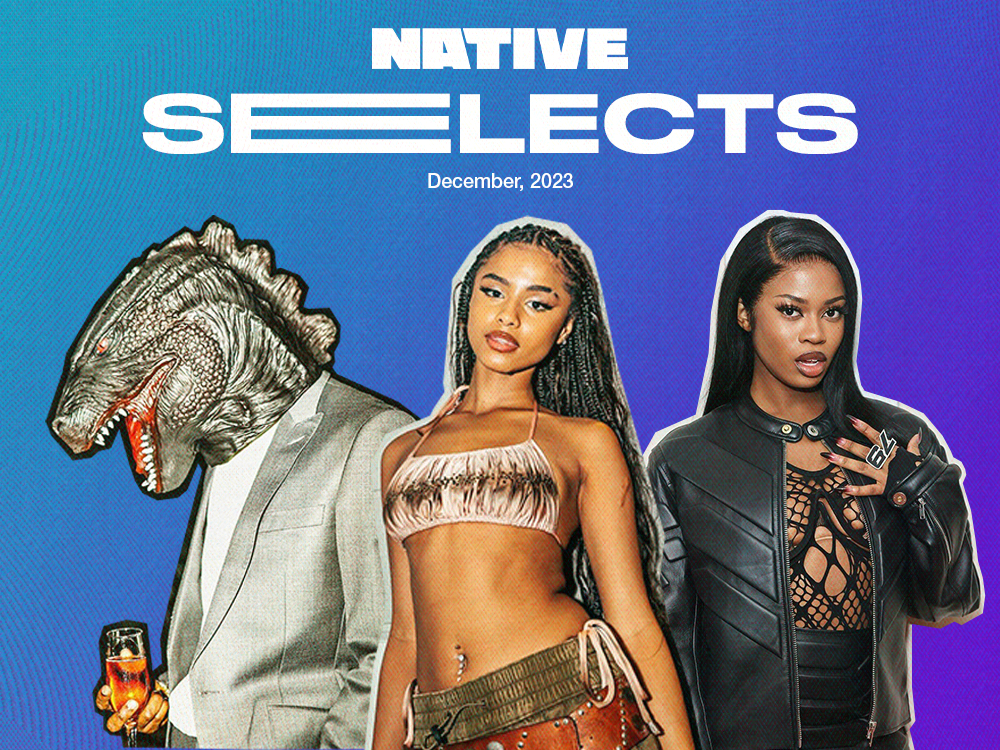
It’s that time again. Every week, new music shows up, sweeping fans and music lovers off their feet while artists gauge reactions to know the effect of their creativity. At the NATIVE, we are committed to keeping our ears on the pulse of the music scene and bringing the best sounds to your doorstep. In our last edition, we brought you stellar new releases from BOJ & Abjebutter22, Tim Lyre, PDSTRN and more. Today’s NATIVE Selects features singles from Tyla, DETO BLACK, GDZILLA and more. Lock in!
TYLA – “TRUTH OR DARE”
Tyla is currently one of the most ubiquitous stars from the African continent. Following the smash success of “Water”which gained cross-continental collaborations with Travis Scott and Marshmallow, the South African singer is now teasing the release of her debut self-titled album which is slated for release in the new year. Ahead of this, she’s shared a five-pack release with fans which includes “Butterflies,”“On And On” and the catchy lead single, “Truth or Dare.” The Sammy Soso-produced track provides the perfect the new pop-leaning backdrop for Tyla to play on familiar sensibilities. The result is a track that puts her in contention for one of the most exciting artists of today.
DETO BLACK – “JUST LIKE DETO”
Nigerian rapper DETO BLACK is not afraid to pack an onslaught of wordplay for the haters, aunties and the naysayers. On her first solo single of the year titled “Just Like DETO,” the slick-tongued rapper delivers an anthemic and uncompromising rap banger that is unapologetically confident in the best possible way. Produced by Cadenza, the catchy new track finds the rapper tackling fame and imitation with sharp, clear bars.
MASTERKRAFT – “FRUIT” FT. JOEBOY & MAJEEED
Masterkraft is an auteur when it comes to pairing the right set of artists for a collaboration. On his latest single “Fruit,” the Nigerian DJ and producer taps the sweet sounds of Joeboy and Majeeed for a delectable and catchy new number. Across a sweet array of melodies, Joeboy and Majeeed address their respective muses and seek out their love and attention. The groovy Amapiano-tinged number is a stunning piece of songwriting that also places its catchy production at the centrepiece.
GDZILLA – “HIGH TENSION”
Earlier this year, Jonzing Records unveiled its latest act GDZILLA whose reptilian aesthetics has derived more conversation than his short but sparse discography. Making good on this promise to deliver bangers, GDZILLA returns with new single “High Tension” which arrives with a Jyde Ajala-directed music video. On “High Tension,” GDZILLA wastes no time in showcasing his steller penmanship with bars laced in Yoruba, English and Pidgin. The groovy anthem reintroduces the singer to audiences as he sings about becoming a force to be reckoned with in due time.
PHEELZ – “JOY FT. OLAMIDE
Pheelz has spent the past few years merging his sharp production acumen with his love for performing and singing across charismatic beats. On “Joy,” he recruits Olamide for a bouncy new anthem which contains a melting pot of feel-good melodies. Here, Pheelz is basking in the limelight of his success, grateful for all the opportunities and challenges presented before him with lyrics such as “I just face my grind/and I stack up my money.” Olamide also updates the track with a catchy verse as the pair showcase incredible chemistry and clear-cut delivery.
BALLORANKING – “DON PERIGNON” FT. SHALLIPOPI
Three months ago, Balloranking shared his sophomore LP ‘Ghetto Gospel,’ a snapshot of his gritty upbringing on the streets and the strides he’s made to become a better man. This week, he shares a new EP titled ‘Ghetto Vibrations,’ a 6-tracker which finds the rapper doubling down on his comical antics and delivering memorable lyrics. On the Shallipopi-assisted “Don Perignon,” both artists deliver a self-determined showcase over Amapiano-tinged production. The dance-ready hit is tailor made for the detty December period.
ODEAL – “FINE BY MYSELF”
Odeal is one of the most authentic artists today. On his new LP ‘Thoughts I Never Said,’ the British-Nigerian singer confronts his own psyche and examines his wiring. The standout single “Fine By Myself,” finds him in a pensive and sombre mood, delivering airy and light vocals across light guitar strings and percussive instruments. “I can’t look you in the eyes no more/I’m fine by myself,” he chants over twinkling keys.
SKEPTA & RYDER – “ALL ALONE” FT DRE SIX
In the world of music and fashion, Skepta is a name to be reckoned with. Since the release of his 2021 EP ‘All In,’ the British MC has been quietly making moves in the scene, whether he’s partnering with Burberry or working with Slawn. On his latest release, the rapper taps British singer-songwriter Ryder for a 5-track EP titled ’48 Hours.’ On“For You,” the second track on the project, Skepta rides the wave of a skittish slow-tempo beat which provides the perfect backdrop for his pained raps. The daunting keys later transition into a more upbeat, house-leaning soundscape as he reflects on his life and themes of love.
NTATE TSHEGO – “UTHANDO LWAKHO” FT. FRENCH AUGUST
South African producer, Ntate Tshego teams up with French August for a soulful, mid-tempo rendition on “Uthando Lwakho.” The Deep House track adds to Ntate’s expansive catalogue of emotive displays, characterised by a gradual buildup and hypnotic high-tempo fusions. French August heightens the track several notches as his low-cadence mellifluous vocals transport you to another universe.
It’s finally November, the penultimate month of the music year in review–and what a time in history it currently is. All around the world, Afropop is being welcomed and celebrated with its frontrunners selling out 20,000 capacity stadiums and bagging revered nods at the 65th Grammy Awards, there’s no dearth of accolades or celebration to witness. Now, it’s easier and more common than ever for new stars to arise fully formed with contagious buzz and instant popularity.
With 2024 already poised to herald a new era in the current Afropop vanguard, it’s important to identify and champion the stars of tomorrow: today. As such, this month’s list is a collection of unmissable acts who are making waves in their own corridors of the Internet, and forging impressive careers and formidable music catalogues. Whether you’re into stellar penmanship or appreciate an artist’s overall aesthetic, these selection of artists come formed and ready to gain the attention of loyal fans and share their music with the world. From South Africa’s Mila Smith is delivering a fusion of pop, rock and punk hits at only 19 years old to Ghana’s Anabel Rose taking alternative pop to new heights, these are the Best New Artists of November. enjoy!
Read more below and listen to our uNder playlist here.
Mila Smith
For listeners of Msaki, Tyla, Ayra Starr & more
Mila Smith is the vocalist and songwriter from South Africa who is taking the slow and steady approach to releasing music. Barely two years into her career, the singer has been building a steady fanbase with powerful and honest releases that sound like a late night phone call with your best girlfriends. Her amorous music veers between Pop, R&B, Rock, Punk, Afropop and more, as she elucidates tales about underserving lovers and finding self-confidence.
Pairing a wistful, familiar production acumen with her silky timeless vocals, her music is littered with efficient needle drops of aural healing. Her debut EP ‘You Need Therapy’is a concise snapshot of the dissolution of a relationship and the scars gained from giving your heart out to an undeserving lover. While her inspirations range anywhere from Madonna to Msaki, Black Coffee and more, Mila’s music never strays too far away from her singular vision. Tracks such as “Nice Guy” and “Toxic” reinforce her profound sense of emotional depth and clarity. “I spend a lot of time on lyrics. I define myself as a singer but also as a songwriter and so, I hope that my lyrics are something that people can relate to. A lot of what I write about are universal experiences and in that sense, I hope that that would contribute to the broader South African music scene,” she tells the NATIVE.
AZÜMI
For listeners of Titose, Olayinka Ehi, Mysie & more
The music that rising newcomer AZÜMI has released in the space of a year is impactful enough to earn her a spot on our Best New Artists list this month. Although her discography contains only three songs currently, all of AZÜMI’s work is anchored by her airy and light vocals which is the centrepiece of her craft. Her voice contains the strength of a traditional R&B singer, and elements of powerful Soul and laidback Pop which are constantly at play despite her freewheeling style of writing. An affecting writer in every sense of the word, her music is tailor-made for reflection and pensive late night thoughts.
On recent single “2120,” she delivers a captivating showcase as she addresses an ungrateful lover who clearly underestimates her power. With laidback delivery, she sings to her muse while unafraid to present all her emotions and rough edges, infusing a subtle but human touch that makes “2120” a magical and gratifying listen. The “new” part of Best New Artists is always somewhat subjective, but there’s no denying when an artist has enough of the essential elements to break out of the mold.
Sbahle
For listeners of Ami Faku, Nkosazana Daughter, Sha Sha
Since her debut in 2015, South African singer Sbahle has led a strong run with standout singles such as “Emlanjeni”which have catapulted her into further stardom. Her music pays stunning tribute to her culture and family background of KwaZulu-Natal where she hails from. When her breakout moment came along in 2020 with Ndisumo Mdletshe-produced single, “Emlanjeni,” Sbahle was more than ready to hit the limelight, armed with poignant and intimate stories at her disposal, alongside transcendental melodies and soundscapes that allowed her to connect with audiences despite the language barriers. With the attention gained from this release, Sbahle expanded the scope of her artistry with a captivating Hip-Hop tinged single, “Ipiki,” where her writing skills shone even brighter.
Despite a difficult start to her career, going into 2024, Sbahle is making some of her best and powerful music so far. Her latest single “Bhala Mabhalane” which featured fellow South African vocalist, Amahle is a heart-wrenching rendition that puts her musical abilities on full display. Each word carries a profound sense of emotional depth and reveals an artist subtly widening the scope of her discography.
Anabel Rose
For listeners of Amaarae, 99 Phaces, Cruel Santino
Anabel Rose is certainly a name to get familiar with. Hailing from Ghana’s alternative scene, Anabel Rose’s charming vocals has won the hearts of many listeners with genre-defying music that encapsulates everything this modern moment has to offer. Despite only having a sparse catalogue of music to her name, her unique abilities deserve to be celebrated for its bright spot on the West African sonic canvas.
Her debut single, “Love Me Or Die,” arrived mid-way through 2023 during the summer, and provided a lush soundscape rich with dreamy pop synths assisted by subtle punk-rock sensibilities. “Love me love me say that you want me/I’ll come clean if you say you complete me,” she sings over the song’s hook, declaring her commitment to a deserving lover. Her sophomore single, “Do Not Disturb”was released four months later in October to incredible reception, laced with propuslive and groovy rhythms, the track finds the singer speaking her mind. “I don’t want to do this life/I just wanna enjoy/If you hate me tell my mama,” she chants over futursitic production with laser-precision flow.
Despite these being Anabel’s only solo performances, her abilities continue to shine on collaborations such as DJ Yamz’ 2020 EP ‘kilonshe’and Aviti’s self-titled EP in 2023. As she continues to build herself into her own kind of star, it’s clear that Anabel Rose’s journey to the top is an exciting must-watch.
ZADA
For listeners of Elaine, Brazy, Bellah & more.
The pressure to operate out of your comfort zone might be a heavy decision for new artists in this age. The willingness to experiment with a range of genres and colour outside of the lines has proven successful for artists looking to find their feet. Born in Ethiopia and raised in Canada, rising singer ZADA knows the pressures of experimentation all too well but her music never suffers from any jagged edges.
The singer has concocted a sound that bridges a myriad of genres from Afropop to Folk, neo-soul, R&B and more, offering an undeniably raw and expressive musical landscape in her music. Her music is boundless and sounds atmospheric in delivery with recent single “Deep End” serving as a perfect introduction for any new listeners. On “Deep End,” she paints a portrait of her true self with reflective one-liners and a pensive hook that demands listeners to hold a mirror up to their own life experiences. With clever songwriting and a charismatic voice, GADA is earmarking herself as one of the most exciting acts of today.
Exploring any creative path, especially at such a young age comes with significant levels of doubt and the universal weight of personal expectations. In these times, forging a creative career is even more tasking given the vast amount of saturation in the industry and the overwhelming pool of talent looking to make their big break. Nonetheless, when it comes to music, new stars are being minted and a new vanguard of hitmakers are emerging from the African continent.
In the music industry today, success is measured by the billions of streams and number of accolades an artist can accomplish in their career span. Given this system of rewarding based on merit, it can be easy to side-step the collaborative process of music creation and remain insular in music delivery and performance. However, true creativity springs from the channeling a true and honest collaborative spirit and inviting others into your creative vision. This experience of working closely with other creatives is at the heart and soul of rising South African singer, Mila Smith’s music which sounds like aural healing for listeners in need.
In an exclusive interview with the NATIVE, Mila emphasises the sacred process of choosing collaborators so early on in her professional career and how one move could make or break your career. “It’s also just someone that holds the space for you to fail. Oftentimes, the best ideas will come out of failure and a shot in the dark. Sometimes you wouldn’t take that shot or make that leap if you’re afraid of judgment. I look out for people that hold that space and make room for that creativity to shine through,” she admits. With the release of her debut EP, ‘You Need Therapy,’ Mila’s maturity shines through not only in her choice of collaborators, but also in her ability to peel back the curtain on her personal experiences and journey thus far. Her sound, depicted largely through a soulful, pop-driven soundscape shines a spotlight on her storytelling abilities as she details her roaring emotions in the most honest and vulnerable way.
The arrival of the 6-track extended play was teased by her 2021 standout debut, “Liars and Fakes.” Largely inspired by American pop princess, Dua Lipa and one of Mila’s greatest inspirations, Madonna, the pop-driven track provides an upbeat atmosphere for Mila to call out all the two-faced people in her life. The single leads in with daunting piano keys, followed shortly after with groovy strings that allow Mila travel into the rock atmosphere and aptly unpack her emotions. “Special, just an adjective you used for me,” she croons, immediately establishing the mood of the track.
She is unafraid to express her true emotions as she shares just how exhausting the inconsistencies are for her. When the song’s hook rolls around, Mila clearly proclaims over the now high-tempo progressions, “I don’t like liars, I don’t like fakes.” She takes the second verse to warn, “don’t come back when I succeed,” evidently confident in her abilities. When the track draws to a close, it is clear that Mila isn’t one to shy away from somewhat replicating her idols, while adding her own unique spin.
In a short time, Mila has been able to connect to audiences both within South Africa and beyond, holding the promise of an artist on the cusp of further breakthrough. It was in this well-deserved limelight that she unveiled another layer of her artistry with a pop-punk track, “Nice Guy,” in late 2022. “Nice Guy,” also serves as an introduction to her latest EP ‘You Need Therapy,’ and finds Mila operating pre-naturally at ease with her budding talent. “The lyrics are very honest but they pack a punch. I felt like it was only with a more Rock or Punk sound that the message of the song would’ve been perfectly conveyed. Had I stuck to another genre, maybe the music would not have been as effective,” Mila shares of the track.
On “You Need Therapy(Ready),” Mila shirks stylistic expectations and delivers a powerful rendition which brings her soulful vocals to the fore. After a series of distasteful actions, Mila has finally decided to part ways with her love interest in what we can conclude is her most honest delivery yet. This self-empowering number sees Mila reassuring herself and listeners that it is alright to part ways with unfavourable situations despite how familiar they may seem. Despite the song’s emotion-laden lyrics, the narrative is told through the lens of an upbeat, piano and guitar-led production with pop sensibilities.
“Toxic,” like the other tracks on the EP, is hinged on the subject of romance and affection. Here, Mila sings “You’ve got two personalities and I don’t know which one you are with me/It’s toxic, it’s toxic,” addressing an undeserving lover. On this mid-tempo number, Mila grapples with disappointment from discovering the truth about a close companion. In a similar fashion to “Nice Guy,” she struggles to connect her expectations and reality as she explains, “Were you like this all along?, I had hoped that I was wrong.“ By the conclusion, it’s clear that Mila is just here to express her emotions whether or not that comes with a resolution.
The penultimate track, “Hide In Hell,” is a powerful anthem depicting all the self-assuredness and conviction that comes from forging one’s own path and not leaning on anyone else. Mila had to tap into strong emotions to relay this experience and told the NATIVE that “Initially, when I was writing this I had this fixation on distance. My other producer also had this imagery of a hotel which kind of links to distance, travel and separation.” The track takes on a darker, more mature tone as she outrightly asks her love interest to hide in hell because their situation is beyond redemption.
On the EP closer, “Can’t Cope,” Mila gets candid about her struggles from childhood, a familiar experience for most young African adults. She aptly expresses feelings of dread while singing with a powerful voice laced with a honeyed falsetto, vivid yet economical songwriting, and expansive production. Speaking about the track, Mila shared “this was written when I was preparing for a math test in 2018. I was 14 years old at the time and I was on the stairs, crying because I despise math. The first line was my real experience because my head was in my hands and I did hate it.”
With a collection of poignant and resonating tracks, alongside lyrical breakup anthems more pointed and razor-focused than the last, it’s safe to say that Mila Smith is a recognisable talent with a penchant for narrative and relatable emotions. Mila’s conviction is apparent through the course of the ‘You Need Therapy,’ priming her for eventual success in her near future.
Since his dazzling breakthrough with revered Nigerian DJ-producer, Sarz, on their collaborative EP, ‘LV N ATTN,’ Lojay has rightfully earned the ears of many listeners by carving out his own space in Afropop complete with a charismatic personality, emotion-laden songwriting and back to back hits. The 5-track offering evidently primed him for greatness and has sustained the artist since then as he proves he’s worth more than his salt.
Earlier this year, the singer served up his sophomore effort, ‘GANGSTER ROMANTIC’which more than proves his solo capabilities as a performer. What makes ‘GANGSTER ROMANTIC’ an easy listen is the faultless sequencing that accentuates Lojay’s emotions throughout the project, from playboy to loverboy, and from self-assured to hesitant. Although his career is still nascent, Lojay has worked with some of the best hands in the music business and, with his ability to make great music, the signs portend good tidings for his future.
On the other side of the coin, Nigerian rap legend, Olamide continues to leave an indelible mark on Nigeria’s music history with a series of timeless hits and the mentorship of prized signees via his record label, YBNL. The release of his latest and according to him, last album, ‘Unruly,’crystallised Olamide’s status as the leading street-pop artist of our generation, eclipsing all leftover doubt.
And if it is truly the last we hear of Olamide in album mode, as he chooses to focus on expanding and reaping the benefits of the powerhouse that is YBNL, he is well within his rights. A few weeks ago, his star signee, Asake pushed the boundaries of his success a step further after snagging a Grammy nomination for “Amapiano” under the Best African Music Performance category. As Olamide joins Lojay for an intoxicating delivery on “Arizona,” it is evident that he is currently on flight mode, breezing through with potential hits like the superstar he is.
From the opening seconds of “Arizona,” it is clear that we’re in for a good time. The track opens with signature log drum-shakers combination that portends the song’s irresistible and dance-ready quality. With this solid sonic foundation, Lojay and his guest star, Baddo lay down poignant and intimate verses that find them in loverboy anguish. Lojay’s lush chords alongside Olamide’s sonorous bars come into the picture, making for an instant recipe for success.
The track leads in with a heart-thumping mid-tempo beat, credited to P.Prime, only to be accompanied shortly after by echoey chords fading in and out of the track. Lojay’s croons take over as he sings, “What’s your lucky number baby, give me update,” immediately alerting us that we have another love-themed track on our hands. He takes on the narrative approach to detail an interaction with his love interest, where he beckons her to commit and follow him to various parts of the world.
Olamide slips in immediately after, raining praises on her physical appearance while explaining how crazy she makes him feel, “Nobody got this type of ukwu, omo buruku/You make a nigga coocoo.” As opposed to clearly expressing in words in a similar way to Lojay, he takes the onomatopoeic approach, creating melodies by repeating similar sounding words. It wouldn’t be Olamide without a comedic and memorable one-liner. So when he wraps up his verse saying “Agege bread no dey get label” it reiterates his witty penmanship many listeners have grown to love. His razor sharp flow, matched with the track’s smooth progressions and ‘Piano log drums in the background allow for his verse to carry tension of its own, forging “Arizona” as one of the catchiest feel-good numbers in recent months.
With a pairing as promising as this, coupled with the synergy the pair were able to display, it is safe to conclude that Lojay has added another string to his ever-growing catalogue. His efforts are a clear indication of his desire for growth and global visibility, achieved by his consistency all bound together by his admirably raw approach to relaying his lived experiences.
A new vanguard of hitmakers have emerged, tactfully exploring the inner workings of the music spaces with a childlike wonder that allows creativity flow into reliable, hit-making recipes. These newcomers are navigating the industry, armed with the expertise of veteran who paved the way before them, while conjuring new formulas to success all on their own. The likes of Nigeria’s Rema,Ayra Starr and South Africa’s Tyla are near-perfect embodiment of what countless years of dedication and growth, alongside the unrelenting support garnered at home base can look like.
It’s from this same ilk and mindset that South Africa’s Mila Smith comes from; expertly blending her mellifluous vocals with radio-ready beats that stand out from her peers. “I also look up to Black Coffee in terms of the success he’s been able to accomplish and Tyla who’s closer in age to me and doing groundbreaking things in the Pop-leaning scene,” Mila speaks on her African influences and reference points.
Off the back of her debut single, “Liars and Fakes,” Mila earned the ears of loyal listeners from across the globe for her honest take and raw delivery over a pop-driven soundscape. The solo single showcased Mila’s penmanship which showcases her maturity as a performer, a feat that surprised many for such a young artist. In an exclusive interview with The NATIVE, Mila explained that the breakout debut single initially ventured within the Techno soundscape before taking a new Pop face with the aid of a slew of producers and South African R&B crooner, Mañana.
Her debut EP, ‘You Need Therapy,’ finds Mila pulling from a bountiful well of inspiration while making a point to provide an original perspective on her favourite songs. “This period had a lot of bumps and opportunity for growth as well as finding sound and expressing myself. You can see that all across ‘You need Therapy.’ One track, “Hide in Hell” has an R&B feel and “Nice Guy” has a more pop-punk feel. Then you jump to “Can’t Cope” which I’d describe as a ballad. It’s very emotive.” As such,‘You Need Therapy’ serves as an intimate conversation with friends, acting as a testament to Mila’s dedication to exploration and overall, penchant for making feel good music her audience can connect.
Following the release of her standout debut EP, we caught up with Mila Smith to discuss her creative process, moments leading up to the release and what her future could look like.
Our conversation, which follows below, has been lightly edited for clarity.
NATIVE: Thank you for joining me today. Talk to me about your background in music and who are some of your early influences?
Mila: I’ve always felt a passion for music and the first memory I have was when I got a microphone on my 3rd birthday. I spent the rest of the day singing Madonna songs and i’d say that’s when the spark was ignited. Following that, I’d write about my day and that was a creative outlet to me. It really took off in 2015 when I started a band with my schoolmates called Skyscrapers. I performed original music that I’d written and that’s when I thought music would become a career of mine. The band sadly disbanded in 2018 and I had a teen-life crisis. I was unsure of what to do until I was approached by Platoon, a label and artist agency and they signed me. The rest was history. Regarding influences from a young age, I’d say Madonna and Erykah Badu but as I’ve gotten older, I’d say Lana Del Ray, Adele, Taylor Swift and Beyoncé.
Would you say that those people and your tastes have reflected the music you create now?
Absolutely. “Reassemble Myself,” I’ve always described as an Adele Ballad because it is very emotional, raw and honest. She was certainly a reference when I was writing and producing that. I love Dua Lipa and “Liars and Fakes” is largely inspired by her pop sound.
Are there any Africans in the mix that you take a particular liking to? It need not be sound. Maybe their style or journey has informed yours in some way.
Of course. The first person that comes to mind, purely because of the lyricism is Msaki. I’ve also had the pleasure of meeting her and there’s people that have a presence about them and she’s certainly one of those. There’s an emerging artist called Lukhanyo and the Highrollers whose stage presence is amazing. I take a lot of inspiration from Lukhanyo and the Highrollers when it comes to performing. There’s an energy and chemistry between them that’s undeniable. I also look up to Black Coffee in terms of the success he’s been able to accomplish and Tyla who’s closer in age to me and doing groundbreaking things in the Pop-leaning scene.
You’re still quite young. What’s your experience navigating the music industry been like so far?
I think it’s been mostly positive for the most part. I have that support system in my immediate family, producers, writers and from Platoon as well. This period had a lot of bumps and opportunity for growth as well as finding sound and expressing myself. You can see that all across ‘You need Therapy.’ One track, “Hide in Hell” has an R&B feel and “Nice Guy” has a more pop-punk feel. Then you jump to “Can’t Cope” which I’d describe as a ballad. It’s very emotive. That’s just a testament to how I’ve been allowed to collaborate. I’ve been allowed to fail and not fear failure which has made the entire experience.
South Africa has vastly textured music references steep in incredibly rich history, how would you say being from this part of the world has influenced your style?
Music is in South Africans DNA. Everywhere sort of has a musicality to it even if it’s not playing music. It inspired me because we’re exposed to so much and there’s a wide range of sounds from Amapiano to Qqom or Pop and more alternative styles. Overall, it inspired me to create and play around with different sounds.
As much as South Africa’s greatest export at the moment is Amapiano, your sound is still largely pop and soul leaning. Why haven’t you dedicated to threading this part amidst the current mainstream sound?
I feel like it’s just the sound that speaks to me the most. A lot of influences are pop focused and it just happened to be the direction I chose. I feel most comfortable playing around with that for now but I’m still very young so who knows? I might do an Amapiano track and experiment with more sounds in the future. I don’t believe in being completely defined by one genre.
How do you see your music contributing to or standing out within the broader South African music landscape?
I hope that it contributes in the sense that it’s very honest. I spend a lot of time on lyrics. I define myself as a singer but also as a songwriter and so, I hope that my lyrics are something that people can relate to. A lot of what I write about are universal experiences and in that sense, I hope that that would contribute to the broader South African music scene. Also, because the music in ‘You Need Therapy’ is diverse, I hope that versatility is something that draws people to the music.
Let’s talk about your creative process. This could differ depending on the project but usually what comes first to you, the beat or the words?
Initially, what comes to me is a melody followed closely by a few lines of the song. After which I sit down by a piano and establish chords for the song. The lyrics would usually come after. That or I go into the studio with an idea of reference from a song I’d like to emulate in some way. It’s a collaborative process between all of us to then take that idea and make a song.
We’ve briefly touched on how you dabble between a couple of genres. How would you say these various soundscapes have enabled you to convey your message in the best way?
They help me simply because they’re the most fitting medium to do so. My song, “Nice Guy” for example is all about someone who poses as a nice guy and in reality they’re anything but. The lyrics are very honest but they pack a punch. I felt like it was only with a more Rock or Punk sound that the message of the song would’ve been perfectly conveyed. Had I stuck to another genre, maybe the music would not have been as effective. A lot of the message would have been lost. So that’s why I feel like the difference in sound and the versatility it brings is so important.
Your emotions really come through clear with your storytelling and ability to wear your heart on your sleeve. Why do you think it is important for you to come up so vulnerably in your music and how do you manage to stay grounded with the emotions?
I don’t think it’s something I try to do or something calculated. It’s very natural for me. My way of expressing myself and how I’m feeling is through the songs. I think a large part of how I stay grounded is expressing myself through song. It feels like my own personal diary and it’s a great emotional outlet.
Let’s talk about the moments leading up to your debut EP ‘You Need Therapy.’ What were those moments like for you?
I didn’t even fathom that it could be released. I was fully doubting that this body of work would ever see the light of day because it’s been such a long time coming. So the few moments leading up to it were just completely surreal. They were filled with such anticipation and I wanted it so badly to be shared with the world. Following the release, I feel so ecstatic. I am so hungry to write more and I’m already working more with producers so it’s clear that the project has encouraged me to look into more live performances. I want to continue to push myself genre wise as well so it’s just the beginning.
During the creation, what messages were a priority for you to communicate to your audience?
I would say it differs from song to song because a lot of the time, once the music is shared to the world, it’s no longer my message. It’s now the message they receive from it which can differ from person to person or song to song. The universal feeling is just that they’re not alone. Also just the feeling of being able to jam out and enjoy the music. I’d hope that they appreciate the body of work, like the lyrics and also the versatility in the tracks.
Collaborations can lead to unique creative experiences but are very sacred especially so early on in your career. What usually informs your choice of collaborators?
Initially, I didn’t really know anyone because people that inform my collaborative choices are members of Platoon, my record label who would suggest people and from there, I’ve met the most incredible collaborators who in turn recommend other people. It’s been great and I hope that continues because it’s kind of one big family. Regarding what I look for, I’d also say chemistry matters. There’s a certain energy that would just work and you almost always know when it’s going to sit right and when it’s not. You get the sense that you’re on the same wavelength. It’s also just someone that holds the space for you to fail. Oftentimes, the best ideas will come out of failure and a shot in the dark. Sometimes you wouldn’t take that shot or make that leap if you’re afraid of judgment. I look out for people that hold that space and make room for that creativity to shine through.
Are there any artists, producers, or songwriters you dream of collaborating with in the future?
I’d love to collaborate with Lukhanyo and the Highrollers if we’re talking about South Africa. It wouldn’t hurt to work with some of the greats like Beyonce, Taylor Swift or Olivia Rodrigo. That’d be the dream.
What can we expect from you in the future following the release of the EP? Accompanying visuals perhaps?
Definitely. There will be visuals for “Hide in Hell” coming soon. We can also expect more live performances and I’d also love to have my music in a movie of series as s score. That’d be a dream
Listen to ‘You Need Therapy’ here,
Featured Image Credits/Lunghelo Mlati (@theblvr_za)
Cruel Santino is constantly evolving. Since his debut, the singer has been peeling back new layers to his artistry with an even more diverse sonic palette built on genre-blending fusions, cinematic productions and accentuated with a rich array of melodies. As one of the frontrunners of the non-conformist alte subculture, the masterful genre bender has widened the potency of his arsenal while retaining the hallmarks of an experimental artist.
On his recent album ‘Subaru Boys: FINAL HEAVEN,’ Cruel Santino’s evolution was brought into full view: with omnivorous music that escapes labels and actively contests them.The 21-tracker reaffirmed Cruel Santino’s master shape shifting and his ability as a pop culture collagist, to blend and meld genres to his will while offering one of the most daring projects released in the past few years. Since then, Santi has consistently expanded the Subaru universe with followup releases including his 2-pack release, ‘Holiday Sniping’ and now ‘Cincinnati Pumpin!!’
For his latest 4-track effort, we’re in full Subaru territory. The EP opens with the Len-assisted “4ever,” produced by Monster Boys. Before Santi’s instantly recognisable vocals arrive, the pair lay the groundwork with a daunting atmosphere layered with dull chords and soft croons. When the groovy bass drops, cue in a melancholic Santi who addresses his love interest in charming words. Shortly after, Len takes over to reiterate the message of the love-themed track, riding the wave of the beat with mellow bars and heartwarming promises. The track doesn’t fail to remind us that we’re tuned in to Subaru radio before it draws to a close and smoothly transitions to an equally mellow atmosphere for “Cincinatti Pumpin!!.”
Arguably the most intriguing track on the EP, “Cincinatti Pumpin!!,” offers up the charismatic production of Tochi Bedford who continues to deliver trunk-rattling sonic homages and cascading flows. Here, the pair are a match in heaven as the track’s smooth, groovy soundscape of light drum patterns as Cruel Santino lightly sings of his experience serenading his love interest, “She was frontin’ as I tried to talk to her.” He emphasises his persistence despite her noncommittal attitude, laying a stellar verse before the track’s percussive elements switch tempo.
On “Panic Island,” Cruel Santino joins forces with Odunsi (The Engine), a kinetic pairing that has served up memorable tracks such as “alte cruise,”“Nostalgia” and more. For “Panic Island,” both artists are utterly relaxed as they wax poetic over an airy mid-tempo beat that vibrates with emotion and angst about a current lover.“I want to taste you before he gets in the way,” expressing the lengths he would go to for her attention. As willing as he is to go the extra mile, he questions “Are you worth this love?” but sharply concludes “I’m feeling good.” Odunsi steps in midway across the track similarly questioning his love interest in a series of silvery melodies as he croons, “When will I have you to myself?”
The EP closes off with the bouncy number, “FTR” which wraps up the project on high notes with a smashing upbeat delivery alongside street-pop artist, S-Smart. The pair glide over the track’s dance-leaning instrumentals as they proclaim their love for the trenches. “In the trenches, they love me,” Cruel Santino chants over the smattering bounce and drums, boldly showcasing an impressive versatility as he delves outside his typical beat. Closing under 10 minutes, ‘Cincinnati Pumpin!!,’ is a reminder that Cruel Santino is constantly carving out his own space