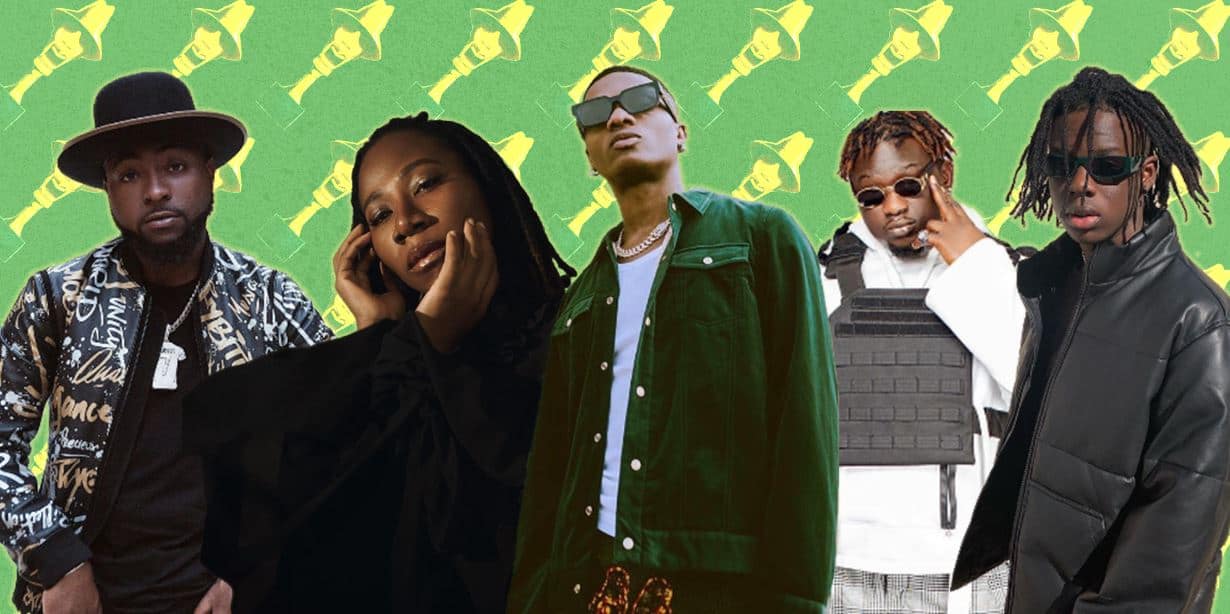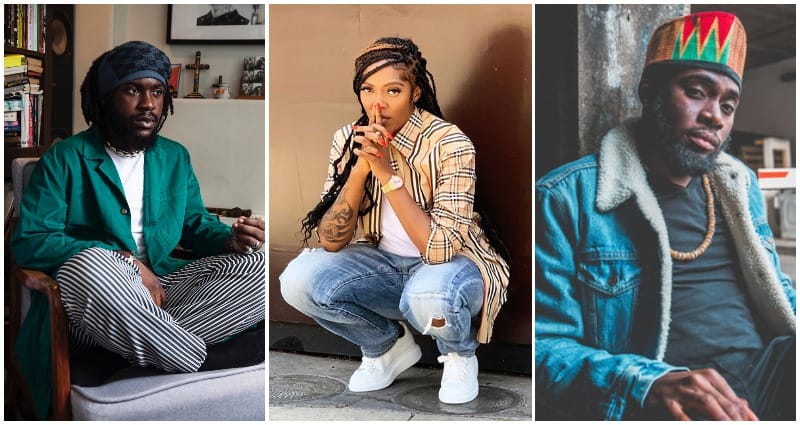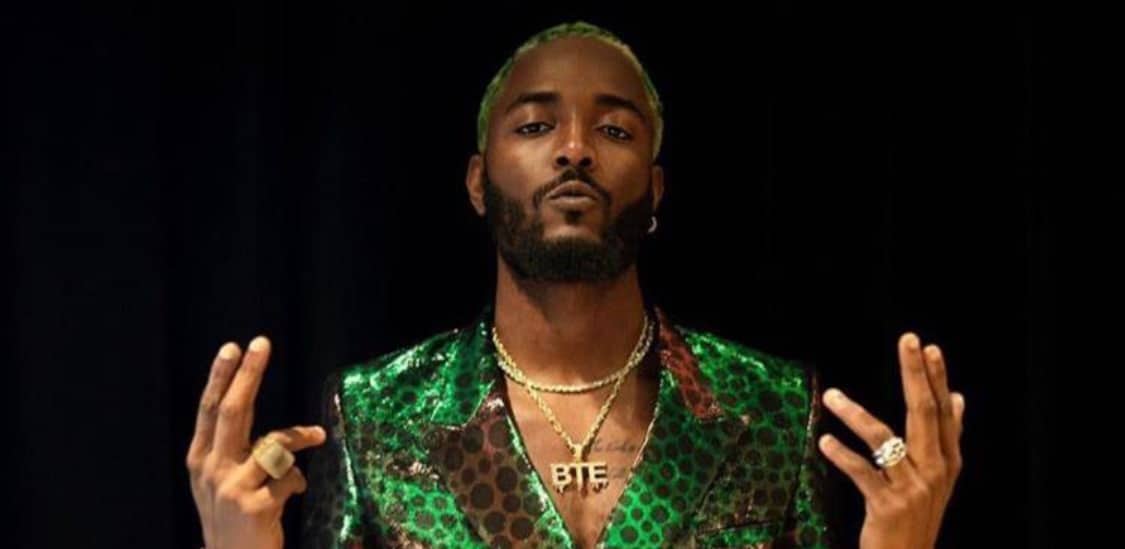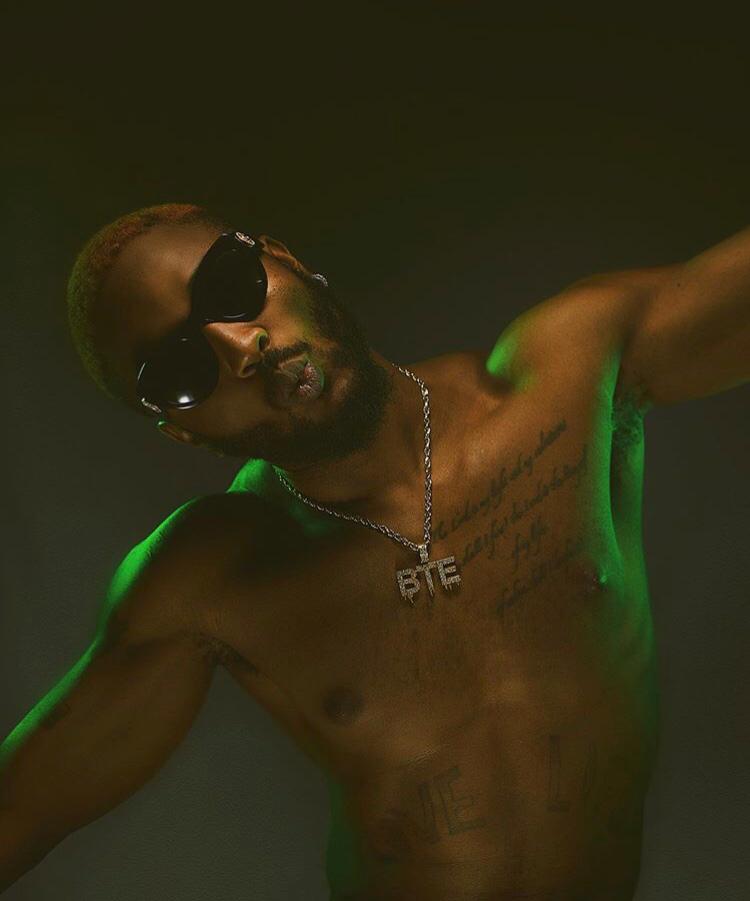

NATIVE Exclusive: BeBe Zahara Benet is bridging the gap between her two worlds

“If you take away the drag, and the costume, hair, makeup, I still have all the gifts I was given as a performer, as a makeup artist, as a singer, as a musician, without the drag. The drag is just the icing on the cake. A lot of mainstream artists use the art form of drag to add more to their art. I’m here to tell my story and I’m here to tell you so you understand and use your platform to educate others”.

Cameroonian-American drag artist, Bebe Zahara had her first tryst with fame back in 2009, after snagging the title and the cash price of America’s Next Drag Superstar on the first season of Ru Paul Charles competition. Regardless of this, she doesn’t want to be solely known as a drag queen, and she does not hesitate to tell me that during our Zoom conversation: ‘First thing first, I need to set the record straight that I do not identify as a drag queen. I identify as a drag artist or an artist who uses the art form of drag’. 

Born Nea Marshall Kudi Ngwa, BeBe has been making music for as long as she can remember. “Growing up, I was very into the arts, I grew up with music. My dad played the guitar, my mum loved to sing and for us, it was never about the right notes or the right harmonies but the idea of music just connected us together as a family. I later joined the choir at our family church, before becoming the choir director and then later teaching music’ she excitedly explains to me.  


View this post on Instagram


A post shared by BeBe Zahara Benet (@bebezahara) on

Growing up in an African house hold, you can imagine how far away from her mind anything like drag was to her. In fact, BeBe didn’t even know or understand drag until a friend introduced her to the underground world of sensual performances and late night shows one evening while she was at university. Music and performance were second nature to her, and once she came across drag, something clicked and her love for fashion, theatre and music all began to make sense – she realised her calling.

“The little boy in me was telling the older mature boy ‘you were not crazy when you were growing up’. Back in Cameroon, I never knew what it was called and I had never seen drag before. In my mind, growing up I would go into the bathroom and play Whitney Houston or Diana Ross and I’ll lip sync my heart out and create this huge stage that people are there clapping for me”. 

From then on, BeBe began to look for how to merge her passion for entertaining with her new found love for drag, and then landed her first show performing “Girls Just Wanna Have Fun” for Cindy Lauper during one of her shows. 

At first, she struggled a bit to reconcile the different parts of her persona; her voice was tenor not soprano, her clothes and style weren’t quite ‘on trend’ since she was African, and her accent also proved to be difficult at first. Of course, she had people who offered unwarranted advice, telling her to be more this or more that, in order to suit a more westernised gaze, however, luckily, these things didn’t get to her. She tells me “I realised  what I was being told to do differently was actually what people were appreciating and celebrating me for – being authentic, living my truth, celebrating global drag and most importantly being Bebe Zahara Benet.”


View this post on Instagram


A post shared by BeBe Zahara Benet (@bebezahara) on

From then on, an urge to fit in was never on the cards for her, and now she’s living her entire truth both in self and in music. BeBe is fresh off the release of her latest pidgin-inflected number “Banjo”, and is set to roll out her new EP ‘Broken English’ in a few days. Beyond that, she’s booked and busy, preparing to grace the stage of TLC’s new show ‘Dragnificent’ with her drag sisters Thorgy Thor and Jujubee.

Her upcoming EP, is coming after two years since she released any original music, and with this, she wanted to represent her vision of her two homes, Cameroon and America. She tells me that with her music, she wants to create a fusion “which is like a melting pot of melodies, afrobeat rhythms and also with a touch of pop sensibilities”, however, the most important thing to her is for her music to be an ambassador of global drag.

Broken English’ is really part of this journey. It’s really just saying this is who I am, and this is how I talk. Broken English or Pidgin is how people converse where I come from, it’s not a make-believe kind of language, but rather it’s a whole part of our culture and I am going to do justice to it in this way”.

Global drag became BeBe’s focus after meeting her current band mates ‘Afro Chord’, a group in Minneapolis who take pop music and reinterprets them with a world beat. ‘What people fail to understand is I don’t only represent Cameroon and West Africa, but I try to represent what we call global drag where there is just diversity. Because if you have not travelled enough or opened your mind to experience different cultures and different kinds of music, then you are missing a lot. There is just so much talent and creativity and the gifts are endless from where we come from’.

“When you come to my shows and see me perform, it’s always a melting pot of different kinds of people.”

While the entire world has become more accepting of Africa in general, thanks to ‘Black Panther’, we still in some ways have to create a version of ourselves which is pallatable to the worlds’ tastes, and people like BeBe are a beacon of light in this sense. In addition, our thoughts and beliefs are typically backwards driven, and without even trying BeBe just existing and being successful is very important to our LGBT community, who are very oppressed over here.

We still have a lot of work to do back home and here in America, you don’t stop living your truth and being authentic because of everything else that is working against you. Being authentic about who you are and the music you want to make, it will never ever fail you’.

For now, BeBe wants to bridge the gap between her two worlds, having drawn influence from artists like Yemi Alade, Whitney Houston, Yvonne Shaka Shaka, Paul Simon, Diana Ross, and many others who are dominating their respective genres.

BeBe’s EP ‘Broken English’ will be out tomorrow, and while we wait in anticipation to listen to her take on fusing pidgin English with melodic tunes and afropop drums, it’s very comforting to know that she’s not using it as a gimmick for sales. ‘My sista I dey talk broken english all the time. I sabi am weh weh, I grew up with pidgin ehn. You sabi am too?’.

Watch the video for her latest single “Body on Me” below.

Featured image credits/BirdLambroPhotography


Tami is a lover of women, music and astrology. Tweet your fave female artistes at her @tamimak_


ICYMI: Watch BeBe Zahara Benet in the fabulous video for new single “Banjo”

Khalid teams up with Tems & Davido for “Know Your Worth” Remix

Earlier this year, Khalid teamed up with Disclosure for the dance-heavy “Know Your Worth” in February, which seemed like a love letter to anyone who was downtrodden in a relationship where they weren’t appreciated. Now, to drive his message even further, he has teamed up with our very own Davido and Tems for an even more upbeat remix, and it’s definitely a vibe.

View this post on Instagram

New me, New York🌌

A post shared by TEMS (@temsbaby) on


Maintaining the lyrics from the original song, Khalid starts off addressing the listener with his verse, before he asks them to keep their head up and to find someone who knows will put them first in the chorus. Davido then joins him for an impressive verse where he asks a lover whether she’s happy with the mediocre love she’s getting, maintaining the best form we’ve ever seen him in.

Tems then joins and steals the show with her impeccable vocals as usual, where she’s demanding the kind of love she knows she deserves, urging the listener to find themselves a new thing, before the song launches into the chorus where she and Khalid duet. Tems only has a handful of collaborations under her belt, and this in addition definitely makes a case for her being at the forefront of the next generation of hitmakers.

Hopefully, we’ll be getting more fire from her soon, and we can’t wait. Until then, listen to “Know Your Worth” here:

[Featured Image Credits: Instagram/Davido/Tems]

[mc4wp_form id=”26074″]


Dennis is not an interesting person. Tweet Your Favourite Playboi Carti Songs at him @dennisadepeter


ICYMI: WE’RE WITNESSING A DOMINANT NEW LINE IN THE AFROPOP VANGUARD

The CEO: Remembering the legend of DaGrin, Nigeria’s first street superstar

In just over a year of prominence, DaGrin changed the face of rap music in Nigeria, and by extension, all of the entire musical soundscape in West Africa. Prior to his phenomenal and abruptly truncated run, there were rappers doling out their raps in their native languages and even scoring hit songs—Lord of Ajasa and Mr Raw (aka Nigga Raw) are two quick examples that come to mind. What they never managed to attain was a wholesome level of critical respect and commercial success that cut across the spectrum of music listeners. DaGrin reached those heights, and then some.

Today marks a decade since Oladapo Olaonipekun’s tragic passing, but his name has yet to be forgotten. He didn’t just attain success, he won the type of approval that was unprecedented for indigenous rappers at the time. DaGrin spoke the language of the streets, and told the stories of the majority who were routinely underrepresented in the mainstream; that’s the norm nowadays. He is the catalyst behind the movement that’s still sometimes shunned but has only continued to grow its impact on contemporary Afropop.

Sonically, DaGrin was stylistically different from the current crop of high-flying street-bred artists that he unknowingly paved the way for, and rightfully so—he came of age in the era where 50 Cent reigned supreme, and it influenced his own style. At that, the aftershock of his success and attitude has continued to directly and indirectly impact those who have come after him. You can hear the influence of his agile flow in a rapper like Zlatan, while his authenticity echoes in the irreverent but relatable energy of rappers like Prettyboy D-O and Kida Kudz.

Music from the continent is being consumed at a larger and faster pace than ever before. Due to streaming capabilities, social media and the general inter-connectedness of the world in the 2020, a hit record in Lagos is more than likely to be a hit record in London and New York, too. Although DaGrin was sadly not able to utilise the tools and reach available to artists today, it is without question that he paved the way for an entire generation of musicians from Nigeria, spanning multiple genres, to be true to themselves.

To remember him, we spoke to artists, label executives, radio owners and friends of DaGrin, about his rise, his legacy and what made him so special.

Loose Kanyon

Rapper, Co-Founder 100 Crowns Ent.

“The rise of DaGrin was really interesting to watch. He was one of those guys that had been rapping his ass off for a little bit, and you just knew that when he got that one record, he was out of here—which is what happened with “Pon Pon Pon”. Most people who heard that single thought that he was an overnight success, but that couldn’t be further from the truth. He had been killing the features and working his way up, he had “Efimile” with YQ, so when he got with Sossick, he was out of here. And the video also did justice to the song, it portrayed him in the most authentic light of who he was—he was a street dude and a proper Lagos boy. People gravitated towards him and his story.

Let me tell you this story. I started doing Wax Lyrical—a now-defunct bi-weekly hip-hop live show—at Koko lounge. At the time, Koko lounge was a buzzing joint in Lagos and artists used to come through and do whatever. DaGrin is there on the night I started doing Wax Lyrical, maybe on a date ‘cos he had a lady with him. He got a bottle of Guinness, sitting down in the corner and minding his business. The show starts, the DJ is playing the records and I’m rapping my ass off and stuff. Clearly, he wanted to be a part of it and he asked for a mic, and we started going back-and-forth. My Yoruba has never been great, but you could tell that this guy was just great at what he does, and he was electrifying the crowd. He did that for about thirty minutes, went back to his corner and left when he was done. It was so genuine and so original to me, ‘cos people were so hype about him.

It’s such a shame we lost him when we did, ‘cos he was just about to start properly dominating and killing the game. But, I mean, his legacy is forever written in stone, it’s not going anywhere. I hope his family continue to have the strength to deal with the unfortunate situation—I know it’s been ten years, but you still keep dealing with that kind of stuff. God bless him and may his soul rest in peace.

https://www.youtube.com/watch?v=FDgGBe7sxro

Olisa Adibua

Entertainment & Media Entrepreneur 

If I say I knew DaGrin personally, I’d be lying, but I did have the opportunity to work with him and witness the quality and greatness of his talent. Back in mid-2009, we’d just started Beat 99.9FM, so we decided to do a formal launch of the station in February 2010. I remember we had it at the GET Arena, and DaGrin really had a great performance on that night. You know that corny bit in movies where an artist is on stage and everyone just focuses their attention on the stage, that was how it was. Witnessing the rise of DaGrin was fresh—the way he flowed in Yoruba and street slangs in Pidgin English. It reminded me of when 50 Cent first came up, that raw energy, the grit and the attitude. It was all so infectious, no matter who you are.

Losing him so early was even more painful, ‘cos you have to wonder what could have been. But then, he inspired a lot of people. People now knew that it could be with talent and will, you didn’t have to copy, ‘cos he was a true original. He gave a lot of encouragement to what we’re seeing now, what we’ve seen over the last ten years. Street sound that was only appreciated by a few people has become THE mainstream. Sure, he’s sorely missed, but the thing about people like Dagrin is that they always leave a timeless legacy. If you play Da Grin’s music now, it still resonates with young people of any generation. His legacy is that, he’s left a sound that has grown and become embedded in Nigerian music.

Ehis Combs

Journalist

For me, the first time I heard a Yoruba rapper was AY, and he was a dope MC but the timing just wasn’t right. Then Dagrin comes up, and I honestly did not expect him to have that much appeal at the time, ‘cos the year before he dropped “Pon Pon Pon”, M.I had just dropped and guys like Modenine and Ruggedman were still very much around. Then that single drops and, literally, everything stopped. There was instant shift in what Nigerians were being offered as the way to rap and what could be termed as our own way to rap. Da Grin was the guy with the voice that puts you on notice. He went from having a commercially quiet album to having a classic that influenced so many young rappers. He broke the boundaries, ‘cos he showed that irrespective of the language, as long as you were doing something people can connect with, you had a chance to succeed. I would be lying if I said that without Da Grin, street music would never have gotten this big—that would be unfair to those who did it before him and even after him—but I would also be correct to say Da Grin made it happen quicker.

Prettyboy D-O [Artist]

Rapper

I remember “Kondo”, that’s like the first song of his I remember. I just remember going to the club, that was Rehab at the time, and that’s what the DJs used to play. He’s the first voice of the streets, man. I love Baddo (Olamide) with all my life, that’s my Presido, but he definitely to the mantle—Dagrin ran so Baddo could fly. In terms of legacy, that’s Makavelli, like 2Pac. I say that ‘cause he was from the streets, the streets listened to everything he said, they related with him. He had everything—the attitude, the arrogance—as a Yoruba street nigga. As an artist, [he inspired me] with the attitude and the bravado. With Dagrin, I feel more of a sadness that he left too soon. Long live the legend, rest in peace.

A-Q

Rapper

When I first met him, he had just started working with Sossick. At the time, he had released his debut project and he had one song off it that had some buzz, “Rap Rules Anthem”. I used to record at a friend’s place at Ikotun, it wasn’t far off from Ejigbo, where Sossick lived the time, and sometimes we’d go there to listen to beats or just find out what people were up to. Seeing DaGrin a couple times, his confidence level was really high, he kinda knew he was going to make it big. I mean, there were many people around that area that rapped in Yoruba but he just sorta knew, you know, he had this 50 Cent delivery and he could even switch it up to English sometimes. After they dropped that first single off the second project, it blew up in our faces. At the time, Storms Records were doing their thing, M.I and his guys had recently blown up, but there was a difference when DaGrin came into the game. He represented something—the streets. For those of us that were not posh, DaGrin showed that someone from our kind of background could actually really make it big. Rappers blew up, but DaGrin’s was different, and he became something of an aspirational symbol; he became the standard, he became the bar.

Naeto C

Rapper, Friend

First of all, I must admit that I am biased when it comes to DaGrin, because he’s legit one of my favourite artists ever. Everybody has their own perspective on hip-hop culture, but from my personal standpoint, I could identify with him as an artist, because his understanding of what hip-hop culture represented was spot on, especially in terms of authenticity. I met him in 2008 through DJ Neptune and YQ, and we worked on three records together. His album was one of the greatest bodies of work from a Nigerian hip-hop artist, in my opinion. That’s because, he pretty much had the right kind of ideology, and that’s what drew me into his artistry and made me a fan.

I remember working on a record with him on my second album, that’s the remix to “Ako Mi ti Poju”, and I hit him up to come to Dr Frabz’s studio in Iyana Ipaja to drop the verse. He came in, we chopped it up a bit and he went into the studio with no paper and knocked it out in like one take, which was really dope. Like, my first album, I barely wrote anything, so I admired that we were on the same kind of wave. He’s definitely an artist I enjoyed working with, the few times I was privileged to work with him. When he dropped that C.E.O album, I wasn’t surprised it was that dope to be honest. It was my favourite hip-hop album at the time, I was really excited for him.

I remember being in Dundee hearing that he’d passed after the accident, and I was very devastated, just like any regular fan. I rcback to Nigeria shortly after, on the day of his funeral, and I went to pay my last respects—which is the least I could have done. I really do believe he was a huge loss for Nigerian hip-hop, he is an icon, and what he represented for Nigerian hip-hop, I knew it couldn’t be replicated that easily. But if you look at where street music is in Nigerian music today, my perspective is that he is the template. To have that level of courage, authenticity and conviction at that age and in that time, and to reflect it in the music, it’s genius. From the artists driving Nigerian hip-hop and street music now, and you can clearly see that his legacy is still living on. I’m just appreciative to have had the opportunity to work with him. May his soul rest in peace, and I pray he continues to be celebrated forever.

[mc4wp_form id=”26074″]


READ OUR SHUFFLE SPECIAL ON DAGRIN’S GAME-CHANGING SOPHOMORE ALBUM, ‘C.E.O’

Songs of the day: New music from Sauti Sol, Bbanks, Olamide, Jean Feier and more

More than just a bit of songs we can listen to, music has become a cure to the cabin fever we’re all facing in these unprecedented times. As the music scene grows more diverse with drops from many different artists on a regular basis, we’ve decided to help out, by sorting through all the new songs from across all the sub-genres around the continent to curate a column with all the best “Songs of the Day”, to highlight all the new releases you absolutely need to hear.

We started the week with new releases from Ria Boss and Efya, Sarkodie and Oxlade, DaRe, Prettyboy D-O and MOJO, LOS and many more from around the continent. Today, we feature new music releases like Sauti Sol’s collaboration with South African band, Soweto Gospel Choir, “Brighter Days”, Tide and Straffitti’s “Brand New”, Bbanks and Olamde’s “4.20”, Jean Feier’s “Destiny”, Rozzz’s “Asaba Riddim” and Bluf7ame’s “90k Freestyle”. These are all the new songs you absolutely need to listen to today.

Sauti Sol – “Brighter Days” Feat. Soweto Gospel Choir

Sauti Sol have just released “Brighter Days”, the lead single from their upcoming project, ‘Midnight Train‘, were, they’ve teamed up with Soweto Gospel Choir. Together, both groups deliver an optimistic song with a positive message we all need in these times. While the choir provides backing harmonies, each of the Sauti Sol members take turns to sing reassuring lyrics about the future; “Ain’t no question that tomorrow there’ll be good times”. Their heartwarming video, encouraging lyrics, pleasant melodies and the lightweight guitar-led instrumentals are just what the doctor ordered for the uncertain times we’re living in.

Bbanks – “4.20” Feat. Olamide

After making his name as a producer under Olamide’s YBNL label, Bbanks made the career switch to an artist with his debut single, “Ajilomoto”. The producer turned artist has now dropped a new single, “420” and featuring YBNL boss, Olamide for a groovy celebration of partying under the influence of marijuana; “When I put my 420 on it/ You make me sing I know”. Though “4.20” was released in celebration of the holiday from Monday, the mix of groovy drums and ambient synths produced by Bbanks is designed to serve dancefloors for much longer.

Jean Feier – “Destiny”

Jean Feier’s “Destiny” evokes an empowering sense of pride for listeners to lose themselves in the joys of dancing in front of a mirror. “I don’t have to pull up with a stick now/ I just kill them dead with a look now/ they gon feel me like a bassline/ Every time I drop, I just blow minds” she sings with a strong voice accented by the nonchalant dancehall beat produced by NLMGNM. Though the UK-based Nigerian singer is yet to break into the mainstream, her confident lyrics mark her territory and promote her as one of the artists to look out for.

https://soundcloud.com/jeanfeier/destiny

Tide – “Brand New” Feat. Straffitti

Tide and Straffitti subvert R&B’s reputation for babymaking music, in their biting ode to unrequited love on their latest collaboration, “Brand New”. Over the soft and soulful beat with woozy vocal samples, Tide sings “I tell you say I love you/ Got me feeling like it ain’t mutual” on the chorus. Straffitti joins him for a duet, where they both muster up some bravado and try to deliver charming lyrics meant to convince their lovers; “I just want to keep on rocking with you/ fucking with you/ smoking with you”. However, from the song’s title and lyrics, “You ain’t gotta act brand new”, you get the sense that their lovers have long moved on and can only offer inspiration for more heartbreaking anthems.

Blue Flame – “90k Freestyle”

Blue Flame burrows into the grimy details of street rap narration on his latest single, “90k Freestyle”. His raspy voice and lyrics, “If a neighbour acting nosey, then a nigga relocate/ I move away/ Out of state/ Not a trace” offer a vivid image of the gangster lifestyle hip-hop sheds light on. The exciting street tales he offers are made even more engrossing when he teams up with Marco, who produced the mosh-pit inspiring trap beat. The beat’s zig-zagging synth lines sound equally cheerful and menacing and allows “90K Freestyle” listen like the soundtrack for the opening sequence of an violent anime.

Rozzz – “Asaba Riddim”

Rozzz only has two songs on his catalogue on Soundcloud and both are fueled by his romantic sentiments. His latest single, “Asaba Riddim” continues the ritual, where he switches charmingly between English and Igbo lyrics, over a smooth guitar-led beat. Singing “You make man dem craze/make man dem shut down the place all because of your presence”, his lyrics praising his muse confess to the power women have over men.

Featured Image Credits: YouTube/Sauti Sol
[mc4wp_form id=”26074″]


You are meeting Debola at a strange time in his life. He wandered into a dream and lost his way back. Tweet at him @debola_abimbolu


ICYMI: Catch up on all the songs you may have missed from earlier in the week

Legacy: The late Da Grin, a beacon of hope to the hopeless

Today marks a decade since Barack O’ Grin passed away. After a nasty car accident and a tough battle for his life, Da Grin died while he was at the cusp of greatness and at the brink of mainstream success. As hundreds of people marched from his former home in Surulere to the National Stadium during his candlelight service, Da Grin had endeared himself with the poor and  downtrodden – the lost generation.

He became the illustrator of the streets, who told stories about life in the slums and ghettos of Lagos. Similarly to the way rappers like Notorious B.I.G, Eazy E, Fredo Santana, Nipsey Hussle, Pop Smoke & others did before their untimely deaths, Da Grin composed vignettes about parts of Lagos lacking enough tarred roads for flashy cars to roam. 

He put a spotlight on the neglected, and became a source of hope for those at the bottom of the economic ladder. A street general to the core, Da Grin had amassed a legion of followers before he died, and even after his death, is still celebrated as a hero.

Less than a year before he passed, Dagrin released his sophomore album, ‘C.E.O’ (Chief Executive Omo’ta) to both critical and commercial acclaim. While his debut album, ‘Still On The Matter’, was a muted affair, his second LP was a work of art that shifted culture and moved the needle. It’s perhaps the most influential album of this generation after Wande Coal’s ‘Mushin 2 Mo ‘Hits’.

Dagrin’s sophomore smashed the glass ceiling and listening to the album in 2009, you knew you were listening to a work of art that was about to change history, you could feel it in your bones, you could taste it in the air – it was that real. C.E.O shifted the trajectory of Nigerian rap music.

In late 2008, M.I dropped his debut album ‘Talk About It’, a blistering album which was equal parts swag, mainstream appeal, cool rhymes and lifestyle engineering. It was a momentous LP that sold rap as a lifestyle and a culture, rather than a geeky art-form. M.I wasn’t alone in selling rap music to the mainstream; straight from Nigeria’s elite, Naeto C arrived with so much swag you’d think he invented it. His debut album ‘You Know My P’ was another great cultural moment for Nigerian hip-hop, where he managed to influence lingo, fashion and pop culture like none other.

With Naeto C and M.I peddling this brand of rap music, it was difficult to imagine someone succeeding with a different, more gritty style of hip-hop. During this period of glossy rap music, in the dark alleys of inner city Lagos, a street singer by the name of YQ released a single titled “Efimile” featuring Da Grin, which became a hit where many applauded ‘Grin’s input. Regardless, he wasn’t dominating the rap headlines.

M.I still reigned supreme, and at the 2009 Headies in Abuja, he took home the award for Best Rap Album, whilst Dagrin merely attended the show. For his second album, Dagrin primarily worked with Sossick whose work with his brother Gino a few years before on his debut album had earned him a reputation as a sick producer.

The first release from the project was “Pon Pon Pon”, a track hard as nails, which made you want to beat your chest with your fist and swoon in Naija pride. Dagrin’s opening lines on the song kick off with pro-Naija sentiments, but quickly settles into poignant bars about what life is like in the ghetto – dark, cunning, brutish, bullish and tough.

The gunshot at the beginning of the song was the bullet that killed swag. From then on, Dagrin captivated the soul of the economically disenfranchised, and a hero was born. When C.E.O finally dropped, it moved faster than hand sanitisers during the current pandemic, thanks to emotional songs like “Ghetto Dream” which was the soundtrack of a generation who was yet to see the benefits of Nigerian democracy one whole decade after the evacuation of military powers. You can hear Dagrin’s despair, pain, sorrow on many of the cornerstone tracks on the LP.

It wasn’t all pain, though. C.E.O is a story of hope, which tells the story of an impoverished young man who was born into the bowels of poverty; one who made it out of the hood through undeniable talent, sheer will and some serendipity. The last official track on the album, the Omawumi-assisted “Thank God”, ends with his success story—one which would have created a dynasty if he were still here with us.

A decade after, the legacy of this honest album is that, it was made for a generation who was promised everything but given nothing. It effectively and immediately changed the face of Nigerian rap music. After the death of Dagrin, there was a noticeable increase in the number of indigenous rappers. Just like Dagrin, they too would tell the stories that Nigeria’s political and rich elite would sneer at. A rapper like Naira Marley who has gone on to offend Nigeria’s ultra-conservative society has offered comical commentary on everything from Internet fraud and cosmetic surgery, to drug abuse and police brutality. He might have not been directly inspired by Dagrin but the template he works with was created by the late rapper.

C.E.O took rap music to a class of Nigerians previously neglected by its rappers. M.I, Trybesmen and Naeto C sold rap music to the cool kids. Wordy lyricists like Modenine made music for the hip-hop heads. For the impoverished and young, Fuji was the music of choice—that is, until Dagrin kicked the door down and sold them hope. He consecrated the land on which immediate and future successors like Reminisce, Kida Kudz and Zlatan now triumphantly march.

For that, we might as well call him the Hood Pope. Rest In Peace.

[mc4wp_form id=”26074″]


Ayomide O. Tayo is an award-winning Nigerian music and pop culture journalist. Get at him on Twitter @AOT2


OLAMIDE, NAIRA MARLEY & THE LEGITIMACY OF INDIGENOUS RAPPERS

The Shuffle Special: Dagrin’s phenomenal sophomore album, ‘C.E.O’

On the 30th of April, 2010, thousands of people packed in and around Lagos’ Atan cemetery to pay last respects to the then just departed rapper, Dagrin. Eight days prior, the man born Oladapo Olaitan Olaonipekun passed away at the Lagos University Teaching Hospital (LUTH), following health complications from a ghastly car accident that happened eight days before his death.

At just 26years old, Dagrin’s passing was very sudden, and the instant grief it caused many was heightened by the impression that he would have achieved way more if it wasn’t for the finality of his death. This was the fuel behind the morose, yet charged atmosphere at his burial, where attendees included visibly distraught family members, friends and industry colleagues. Majority of those present were fans, including myself and three other friends, who had come to hang onto every word of the rapper’s hugely successful 2009 album, C.E.O (Chief Executive Omo Ita).

Although C.E.O was a breakout of epic proportions, it took some time for Dagrin to become the burgeoning superstar he was, at the tail end of his life. Back in 2006, he independently released Still on the Matter, a debut album that barely made a dent commercially. To be fair, the quality of Dagrin’s debut was a far cry from his follow-up: his song craft was still very crude, the mixing was less than ideal and the production choices did little to flatter his still developing voice. There was promise on the album, though, mainly from in his writing. Cuts like the romantic “Kowale” and the self-assured “Rap Rules” flaunted his ability for vivid raps—but in the music business, promise doesn’t always equate to staying power.

Very often, artists tend to go from obscurity to non-existent after a self-funded project flops. In Dagrin’s case, though, he successfully kicked against oblivion. In addition to his tenacity, his rise was buoyed by finding the right allies – musically and business-wise. On the business side of things, the rapper stuck to putting out music on his own imprint, Missofunyin Entertainment, however, he signed a management deal with Edlyne Records, the label behind DJ Zeez “Fokasibe” and “Bobbie FC”. Dagrin’s pact with a record label, who knew the workings of the Nigerian music space at the time, gave him a huge boost in terms of marketing and promotion.

This positioning was made supremely effective due to the tangible improvement in Dagrin’s music. An integral part of that renaissance was Sossick, the principal sonic architect behind C.E.O. The two crossed paths circa late 2007, after a friend of Dagrin’s introduced the rapper to the producer. At the time of their acquaintance, Sossick was already a popular name within Nigerian hip-hop circles, due to his production work with one of the best rappers around at the time, Gino. Sossick produced the entirety of Gino’s 2006 classic album, Pain Plus Work, which housed the seminal track, “No Be God”.

With their match-up as an undeniably talented rapper and experienced producer, Dagrin and Sossick formed a great musical partnership, which was further entrenched by the deep friendship they fostered along the way. On C.E.O, their synergy is on full display; Dagrin’s guttural voice and striking lyricism are commanding, while Sossick’s superior knowledge of song arrangement and his consistent beat-making—ranging from moving soul-samplers to chunky thumpers—enhances the album’s entertainment value.

Darting between the introspective “Ghetto Dreams”, ambitious “Make Doe”, celebratory “Gboro” and imperial “Swag [Fi Le]”, C.E.O is a wholesome portrait of a man with an enduring spirit. Coming from a relatively poor background where little is given, and growing up in the inner parts of Lagos where closing your eyes was a respite from the harshness of reality, Dagrin’s music reflected his truths at every turn, which is what drew die hard fans to him, especially those who understood Yoruba. For those who didn’t understand his every word, the catch was in his ability to make you feel the emotions behind his words, with alternating cadences and appropriate beat selections.

Similar to Gino’s “No Be God” and M.I’s “Safe”, impactful lead singles off classic Nigerian hip-hop albums, C.E.O’s lead single was “Pon Pon Pon”, a cut that’s widely regarded as one of the hardest rap songs made by a Nigerian. Over Sossick’s screeching piano strings and Leviathan bass drops, Dagrin runs through a series of declarative bars, each one as potent as the preceding one, contributing to the infectious feeling of being invincible the rapper exudes throughout the song. Crystallising its outsize impact, the song’s car horn-mimicking hook—“mo l’enu bi pon pon pon”—quickly entered pop culture lexicon, one of the signifiers of a true street-bred smash hit.

Although Dagrin’s commercial impact was the biggest it had ever been for an indigenous rapper, it didn’t occur in isolation. At the time of his blow-up, the ID Cabasa-led collective, Coded Tunes, was having a major moment following the smash success of 9ice’s 2008 classic album, Gongo Aso. 9ice, who performs the majority of his music in Yoruba, was one of the country’s biggest pop stars, and his ongoing success provided a direct lineage for Dagrin’s reception. There’s also Lord of Ajasa, the Coded Tunes affiliate who is credited for pioneering Yoruba rap on a mainstream level. Although Ajasa never reached the same level of acclaim, there’s no doubt he was important in paving the way for Dagrin.

None of this diminishes Dagrin’s achievements, it only provides the proper context for a stunning, short career that held even more potential. Due to his unfortunate, untimely passing, we cannot correctly gauge how well Dagrin would have thrived in the last decade, but with the ongoing domination of indigenous rap music and street-hop in the contemporary afropop terrain, the projections are positive. What can be said with certainty, however, is that Barrack O’grin—as he proclaimed himself on the remix of General Pype’s “Champion”—left two indelible footprints in the sands of Nigerian music history.

Stream ‘C.E.O’ here.

[mc4wp_form id=”26074″]


ON THE EVERLASTING MYSTERY OF DAGRIN’S LAST SONG

Essentials: M.I Abaga & A-Q’s thrilling joint project, ‘The Live Report’

At the beginning of this month, a joint project between M.I Abaga and A-Q wasn’t on the cards. Just last month, both veteran rappers dropped their latest projects, ‘Judah’ and ‘God’s Engineering’, respectively, so it was unprecedented that they agreed to a fan’s request for a collaborative project. Beyond the proximity to their most recent work, though, what really mattered is that the pairing made sense on paper, and it ultimately translated into one of the more thrilling African rap projects in recent memory.

‘The Live Report’ builds off an already established chemistry between M.I and A-Q. While their striking guest appearances on each other’s solo releases were a livewire act in contrasting styles, this 6-track project uses those differences to emphasise the similarities in their experiences and perspectives. “Tone of the Conversation”, the opening song, is a good old lyrical outburst, with both rappers establishing their regal credentials. As much as it’s filled with brags, it doesn’t take much to see the diverging points if their candour: M.I’s raps about his larger-than-life influence projects his slick conceitedness, while A-Q’s threats of burying the hatchet into his rivals’ skulls is a trademark offshoot of his raw pugilism.

While assertive rapping is what carries the project, thematic timeliness is its main sell. The pair address pertinent social issues in a manner that’s provocative and a tad heavy-handed at times, but always finds a way to land in profound territory. At those points, ‘The Live Report’ is a time capsule for the dystopian reality we’re all currently living in.

On the title track, they grimace at the conspiracy theories linking the ongoing coronavirus pandemic with 5G technology, disappointed with the absurdity of it all. Where M.I, in between his dense schemes and optimism, simply urges listeners to apply common sense instead of looking to influential figures who don’t know any better, A-Q flips those theories into part-rant, part-satire that climaxes with the cutting, final lines: “The question is, where is Africa in all of this/we busy playing politics, on some corruption shit”.

“The Live Report” is closed off by a soundbite from a tech expert who harps on the necessity of mobile networks in a time where many have to physically distance themselves from family and close friends. Bits like these are worked into ‘The Live Report’ as a means of building and easing the tensions of songs, as well as emboldening nuance. The lampooning of exploitive religious leaders on “Jesus Said Use Your Head” starts off with preachers quoting and explaining bible passages, while the morbid honesty of “When I’m Gone” begins with a matter-of-fact statement: “…it could be in a month, it could be tomorrow, it could be in a year, it could be in twenty years, but the thing is, you’re gonna die”.

Although M.I and A-Q are rapping on top form, the project’s sole producer, Beats By Jayy, is the spine of ‘The Live Report’. Jayy’s production on the tape combines simple elegance and a vintage knock; soulful loops are girded by head-nodding drum patterns, creating enough negative space for both rappers to find different pockets on each song.

On a less impressive note, “Jesus Said Use Your Head” allegedly samples Daramola’s “I Used To”, without the singer’s permission. Even though the flip is artfully done, and Daramola has since taken down the tweet in which he complained, it’s noteworthy mentioning that artists need to respect the intellectual properties of their colleagues, no matter the level of prominence.

On the purely musical side of things, though, ‘The Live Report’ is a nearly flawless body of work, with two of Nigeria’s finest rappers speaking truth to power over phenomenal production. The fact that this project was conceived and executed within all of five days speaks to the virtuosity of all parties involved. It’s the result of purposeful spontaneity and points to the idea that sometimes, there’s really no need to overthink.

Listen to ‘The Live Report’  here.

[mc4wp_form id=”26074″]


Dennis is not an interesting person. Tweet Your Favourite Playboi Carti Songs at him @dennisadepeter


NATIVE EXCLUSIVE: M.I ISN’T THE MESSIAH THE WORLD WANTS HIM TO BE

Here’s a list of 5 old Nollywood films you can watch on YouTube

Last month when we checked in on our friends and family in isolation, we found that a lot of people in our community are seeking out old habits to ground themselves with something familiar for a sense of stability. A number of responses admitted to revisiting classic tv shows and movies, an thanks to carefully curated Instagram pages such as Nollybabes, we get short bursts of these. To take it up a notch, there have now been a number of old Nollywood movies made available on YouTube for anyone looking to indulge in some feel good, slightly humorous and terrifying cinema.


View this post on Instagram


A post shared by @nolly.babes on

Speaking to the PAPER magazine earlier this year, digital archivists behind the popular Nollybabes account admitted that the nostalgic value of sharing these old Nollywood clips and photos was one of their main reasons for starting the account. “For many of us, these images are reminiscent of a simpler time that we’d gladly go back to” she says, explaining the importance of keeping old Nollywood alive in these present times.

Nollybabes are now taking the work they do a step further, and making some of these old Nollywood movies available online for viewers to watch. This is a very significant cultural feat, as back then, majority of these films were blockbusters that could only be purchased through cassette tapes or watched on local television stations. Thanks to Nollybabes, we now have films like Nneka the Pretty Serpent, Glamour Girls, The President’s Daughter, Girls Cot, Living in Bondage and a slew of other old Nollywood films from the early oo’s available to watch online.

We had a look through Nollybabes carefully curated catalogue of old Nollywood films and picked out 5 films you should watch now that we have all the dfee time to. From blood rituals, aggrieved lovers to even the odd ghouly ghost risen from the dead, here are our top picks:

1. Nneka the Pretty Serpent

At the top of our list is this 1994 classic directed by Zeb Ejiro which at the time served as one of the first femme fatale flicks that canonised old Nollywood’s affair with horror. The film follows the story of Nneka (played by Ndidi Obi) a mermaid with supernatural powers whose human disguise makes it easier for her to prey on gullible men who she gets to do her bidding. The film is mainly in Igbo with English subtitles, and makes for a good watch if you want to see men squirm at the power of the female protagonist.

2. Glamour Girls

Another femme fatale flick from 1994 directed by Chika Onkwufor. The two-part film at the time of its release was said to have put Nollywood on the map as it posed a threat to the tale that women could only be mothers or an aggrieved lover. Here, women were allowed to be unconventional and had autonomy and control over their bodies, which they used as a means to an end; the film followed the story of a young girl who moved from the village to the city and made money off sex work. While we await the remake of Glamour Girls, you can get into the original here.

3. Karishika

‘Karishika’ is a cult classic, and one of Santi’s favourite horror films which he cites as an essential watch for anyone looking to get into old Nollywood. Directed by Christian Onu, this 1996 classic follows the story of a girl named ‘Karishika’, the queen of darkness who has been sent to earth by Lucifer to wreak havoc and initiate men who fall prey to her tricks. Packed with everything from shapeshifters to over-dramatic storylines and grainy shots of blood and gore, ‘Karishika’ is definitely a must watch.

4. Living in Bondage

Chris Obi Rapu’s 1992 classic ‘Living in Bondage’ is considered to be one of the first Nigerian blockbusters and it’s definitely a must watch for any OG Nollywood fans. Everyone knows any film with Kanayo O. Kanayo involves some sort of ritual or sacrifice, and ‘Living in Bondage’ marked the herald of that stereotype. The classic film tells a story about a down and out businessman, who engages in rituals and blood money to get ahead and secure his future.

5. Beyonce, The President’s Daughter

You know when a film is so bad it’s good? Yeah, this is one of those. This film follows the story of Beyonce, the President’s Daughter (played by Nadia Buhari) who meets Raj (played by Van Vicker) at a supermarket and falls in love with him. However, Raj is engaged to be married to Ciara (played by Jackie Appiah) but this does not deter Beyoncé who is ready to go to war to get her man.

Featured image credits/nollybabes


Tami is a lover of women, music and astrology. Tweet your fave female artistes at her @tamimak_


ICYMI: Kasala! is powered by a strong execution and a story soaked in reality

A list of the best songs to celebrate 4/20 with today

Today is a special day. Celebrating 4/20 in the fourth month of 2020 must count for something, and the holiday feels especially necessary in 2020, given the mental toll recent global events have taken on the entire world. To add to this, the increasing support for the legalisation of marijuana also doesn’t count for nothing, as just last month, Ghana’s parliament passed the Narcotics Control Commission Bill into law and created the Narcotics Control Board (NACOB), a commission charged with regulating the industrial use of cannabis and eliminating the trafficking of prohibited drugs to ensure public safety. Ghana joined other African countries like Malawi, Zimbabwe and South Africa who also already legalised the drug for medicinal purpose.

In Nigeria, the Ondo State government has also shown interest in the profit potential of marijuana, as the governor tweeted back in 2019 that the state would be shortchanging itself by not getting into the marijuana business. Oil prices have crashed even further since that statement was made, and diversifying the economy towards an industry with an estimated value of $145 billion by 2025 is certainly more mouth-watering than it ever was before. This could be the year of the 4/20 and if you’re really keen, you could celebrate 4/20 all through the month of April because the calendar year reads 4/20 through out the month.

The origin of the 4/20 tradition varies from myths that 420 was the penal code for marijuana in California but since that’s factually inaccurate, we’re led to believe that the tradition was started by a group of high school students in the 1970s who met at 4:20 pm for their ritualistic smoke session before the time was adopted into 4/20 for calendar purposes. Over the years, the celebration of 4/20 has meant different things to different people. Some marijuana enthusiastic take the opportunity to protest and demand the removal of marijuana from the Controlled Substances Act.

This could be the year of the 4/20 and if you’re really keen, you could celebrate 4/20 all through the month of April because the calendar year reads 4/20 through out the month. So, to celebrate this special day, which we’re only going to get once, we’ve decided to celebrate by offering a list of relevant Afropop songs, which were penned in appreciation of marijuana. Happy Holidays people

Mojo -“Shawarma”

Depending on where you’re from, you probably call marijuana a more fond nickname like weed, green, skunk, Ganga, kush, pot and really the list is endless. Some of these nicknames are practical and self-explanatory while others like …. are just extra. Mojo’s “Shawarma” reminds us that the real reason for these nicknames is to be discrete while marijuana remains criminalised. The rapper playfully narrates his experience being ‘high’ after eating “Shawarma” and “Gala” but with the street-hop beat DaRe Kasali produced for the song, it’s a nice wink for those who know how it goes down in the streets.

SoulBlackSheep – “On Melancholy Days”

SoulBlackSheep is everyone’s favourite indie artist from Ibadan. His soulful R&B songs capture those vulnerable moments in relationships when anxious thoughts haunt your mind. With his minimalist lo-fi production, he maintains a breezy tone that makes his songs compelling, much like “On Melancholy Days”, he sings “On melancholy days/ I blaze I blaze so I don’t remember” , reminding us of how the drug numbs your pain temporarily.

Santi – “Sparky”

“Sparky” was one of the first hints at the dark-twisted mindscape Santi was crafting for his debut album, ‘Mandy and the Jungle’. It was first premiered on Drake’s OVO radio in May and from the lyrics, we find him admitting his smoking habit and his gang’s violent tendencies when they “get sparky”. The ominous accompanying video was one of the highlights leading up to the project’s eventual release.

Burna Boy – “Tonight”

Burna Boy’s “Tonight” is as relaxing as any high grade strain of weed and he pulls this off thanks to succinct melody and a flow that spirals between different dialects with the practised ease. Like most songs from Burna, “Tonight” listens like a freestyle but sticks to the central narrative of having a good time.

Naira Marley – “Mary Juana” Feat. Wax Twigz

You’ve probably heard about how the president of the Marlian stan-dom currently dominating street-hop Nigeria was once a grime act in the UK. “Mary Juana” is proof that the change wasn’t as drastic as you probably imagined as you can already catch a feel of his unapologetic attitude and hear some of the street-lingo taking form on the tribute song to marijuana he released in 2014.

AYLØ – “Litt!” Feat. Tay Iwar

No matter how talented you are, sometimes it can be hard to find self-confidence, especially for those who suffer from anxiety. AYLØ and Tay Iwar’s “Litt!” finds them confidently bragging about their skills and talents over the atmospheric synth-led beat Le Mav-produced beat. Though they don’t talk about smoking weed directly, their confident lyrics allude to being “lit” like a blunt and when AYLØ says “Roaches of experience”, he creates the imagery that their source of inspiration is in marijuana.

Tulenkey – “Yard” Feat. Ara and Wes7ar 22

Ghanaian rapper, Tulenkey finally made the jump from the underground to the mainstream last year. His gritty storytelling highlighted him as a rapper to watch and his cinematic detailing of a drug operation on “Yard” featuring Ara and Wes7ar 22 was one of his standout moment from last year.

DMW – “Mafa Mafa” Feat. Davido, The Flowolf, Dremo

While we’re all enjoying the highs to cancel out the lows, we must also be cautious of the possible effects. Videos of people rolling in the dirt are often shared across social media to discourage people from abusing drugs. The DMW crew of Davido, Dremo and The Flowolf teamed up to deliver their own warning against drug abuse as they plead for people to stay away fro drugs over the street-hop beat produced by Nakademus.

Olamide – “Science Student”

Olamide should be credit for the government’s decision to ban the sale of codeine without prescription. He released a protest song against drug abuse, which was somehow misunderstood for encouraging people to do drugs, however, the video made his anti-drug abuse message clear. With the nightmare-ish clip following Olamide through a broken-down asylum, which shows the need for facilities to foster properly rehabilitation rather than treating addicts like criminals.

Featured Image Credits: Instagram/debola_abimbolu
[mc4wp_form id=”26074″]


You are meeting Debola at a strange time in his life. He wandered into a dream and lost his way back. Tweet at him @debola_abimbolu


ICYMI: See Olamide’s Thriller inspired video for “Science Student” here

NATIVE Exclusive: Ladipoe talks self-conviction & pushing his artistry

Ladipoe is every interviewer’s dream. Considering the calm vigour and poise he exudes on wax, his eloquence is unsurprising, however, it remained noticeable and entrancing during our conversation over the phone. He speaks with the casual intensity of someone who needs to be fully understood, making sure every sentence imbues a sense of clarity.

“When you feel like you represent something to people, you want to hit that target—and more so, because you represent that thing to yourself”, Poe offers when I ask him about the lofty expectations that have trailed him since he came on to the Nigerian rap scene. As far back as 2010, Ladipoe made his debut on “Victoria Island of Broken Dreams”, a standout off Show Dem Camp’s ‘Clone Wars, Vol. 1’ mixtape. In sixteen resounding bars, Poe walked listeners through the peculiarities of his Nigerian experience, culminating into a socially charged rant that was held up by prodigious rapping.

In fact, it took Poe eight years to put out a studio album ‘Talk about Poe’ in October 2018. “I didn’t want to call it a studio album”, he admits, but there was little wiggle room for the title semantics of a long-awaited project, especially since the years in between were filled with stellar, yet sparse features and loose singles. Upon its release, ‘T.A.P’ became a victory on two notable fronts, the first being by the sheer value of its existence. It might not be widely deemed as a modern Nigerian rap classic, but it felt important: it was the final arrival of a potential rap star who was only gearing up to go his own distance.

The second victory was in its chosen musical direction. A year-and-a-half prior to the debut full-length release, Ladipoe’s recording deal with Mavin Records was announced, a move that was met with surprising—and divisive—murmurs. As a label that had earned its acclaim for constantly and successful marketing pop acts, there were fears that Poe’s new affiliation would drastically alter the creative direction of his music. Allaying those fears, ‘T.A.P’ found him in his tested and trusted element, merging dynamic lyricism, relatable emotions and eclectic production which ran the gamut from soulful, reflective raps to thumping anthems.

“I’ve learnt that people don’t know what they want, so you need to give them you, and don’t worry about whether they will like it or not. It has to be your authentic self, first, so that they set their own standards and expectations accordingly.”

To him, fulfilling high hopes isn’t pressure—“I look at it too positively to call it that”—and he needs those who care to know that he also has his sights on the highest plane possible, but it’s a journey he considers continuous. If you add his debut album, Ladipoe has arguably been in the most prolific period of his career yet for the past eighteen months. The guest verses have been pouring in, he’s shared a handful of singles, and he flipped the calendar between 2019 and 2020 with Revival Sundays, a series where he put out five new songs and accompanying DIY-ish videos over five weeks. The defining element of these drops is that, Poe is adjusting and widening the musical range of his output.

To open last year’s run, he dropped “Jaiye (Time of our Lives)”, a vibrant and colourful song about finding the right people to enjoy the beauty of Lagos with, amidst all of its chaos. Produced by label mate Johnny Drille and accompanied by a stunning video, you’d think the glossy folk-pop cut was an overt play at finagling a hit song, but Ladipoe proclaims his intentions with the opening ad-lib—“I do know this is my vibe”. Although “Jaiye” was a well-executed switch-up his next single, the Crayon-assisted “Based on Kpa”, felt drastic by comparison.

In the larger context that is Poe’s career, though, the back-to-back drop of those singles was a reclamation of the perceived boundaries around his skillset. “It was less of a catalyst and more of remembering”, Poe began to explain when I probed him on the motivation behind the musical adjustments. “When I first started making music, my first producer was a guy named Kurt, and he used to play the guitar—he’s a full-on white boy. I introduced him to more African music, he introduced me to a lot of old rock/folk shit. I was listening to Elliot Smith, Death Cab for Cuties, Postal Service, and I even got into bands like Vampire Weekend and MGMT. Of course I’d been listening to hip-hop and rap growing, but all of this came at a stage where I was learning to make music, so that period heavily influenced how I felt music.”

For him, channelling those influences in his music only feels natural when you’re actively trying to grow. In these parts, when you’re deemed something of a rap messiah, putting out anything but lyric-driven rap songs is a recipe for backlash from familiar listeners, however, he sees it as a by-product of the artist having to evolve before the listener. “I’ve elevated from thinking that when I hear a song, I have to rap the sickest verse, to ‘when I make music, I need to make a great song’”, he explains with a stronger hint of passion in his voice.

“I am not just a rapper, I am a songwriter—I am an artist. If the music doesn’t need a hard sixteen, and it needs a melodic flow and something really catchy, that’s what I will do.”

While he’s still working his way up to acceptance at home, Ladipoe’s ethos has become the norm in rap’s global landscape. In referring to himself as more than a rapper, he cites Drake as an inspiration, noting how his fluidity plays an integral role in the connecting value of his music. “Niggas want a classic, that’s just ten of these”, Drake rapped on the 2019 deep cut, “Sandra’s Rose”, a nod to the multitude of fans who would rather hear him rap over soul samples, but also an acknowledgement that his musical ambitions won’t be chained to one specific style. This is where Ladipoe’s currently at.

In July 2019, Poe released “LOTR (Leader of the Revival)”, a potent statement track of skill and ambition that quickly went viral after its informal drop on Twitter. Attacking Ikon’s Jazz-inflected beat with a vicious purpose, Poe unloaded a flurry of clever and clear raps, culminating in a song that felt—and still feels—like watching thunder spark and sizzle in a bottle. Predictably, comments started rolling in “LOTR” being Ladipoe in his best form, and how he needed to stick to those elements to justify the hype that’s always surrounded him. Well, he’s not planning to play to those rigid rules.

“The whole idea behind LOTR, in my head, is not about rap or hip-hop is dead, it’s that the bar for artistry needs to remain high.”

Chances are, if you’ve been paying attention to Poe in recent times, the word “artistry” isn’t alien when he talks. For him, the concept of artistry is one that allows musicians purposefully work within their ambitions, where the only boundary that truly matters is excellent. “If you’re a rapper, think of yourself as much more: how you want to see yourself, who people should see you as, how you want to perform your music. I can’t imagine being a great rapper but a bad stage performer.”

To Ladipoe, being wholesome is the essence of being an artist. It’s why he’s making music that reflects the diversity of his influence and range of his skillset, and why he carries himself with an electrifying presence on stage. As a self-appointed leader, being an artist also means being a beacon for the next generation of artists that their style of music is relevant. One explicit way of achieving this is through collaborations: in the last year, Poe has appeared on projects from Bella Alubo, Remy Baggins and Psycho YP, while also introducing rising rapper Victony via Revival Sunday cut, “Revival Mode”.

“I believe in them, I think they’re important, and it’s important for there to be a swell of new, young artists, ‘cos our industry has the space and it needs the freshness”

Towards the end of our conversation, we finally got to the reason for the interview in the first place: Ladipoe’s new single, “Know You”, featuring Simi. Poe describes the song as the perfect quarantine song, as it addresses growing and missed connections. “Social distancing doesn’t mean emotional distancing, that’s just really the core of the song”, he excitedly explains. “So that person you were trying to get with before lockdown, or the person you’re communicating with during this period, or even just family you’re reconnecting with, this is the song for all of that.”

For all intents and purposes, “Know You” is what you’d describe as a sultry bop. Alongside his guest, Poe slips into a melodic cadence that exudes charm and sensuality, applying vivid songwriting to properly convey the song’s relatable topic. This is a  change of pace from the explosive “LOTR” and boisterous cuts on the Revival Sunday series, which the new single a win for Poe’s increasingly effective versatility, and pushes him another step in the right direction of cementing himself as an ambassador for artistry.

Currently, he’s is working on a project—not his sophomore album—that we should be getting mid-way through the year, but could likely be delayed by the ongoing lockdown. He deems the project as something that would show all the sides to his capabilities and person.

“I started this off as someone who could put together sixteens, and while there’s still a thrill to that, I want to explore and show off every facet of what I can do. I came into this thing to get better, not worse.”

[Featured Image Credits Provided by Artist]

[mc4wp_form id=”26074″]


Dennis is not an interesting person. Tweet Your Favourite Playboi Carti Songs at him @dennisadepeter


NATIVE EXCLUSIVE: A-Q IS MOVING FROM VETERAN RAPPER TO LEADER OF A RENAISSANCE

We’re getting new music from our favorite neo-soul princess, Amaarae soon

Thanks to the world-imposed inside life we’re all experiencing right now, we have now become heavily reliant on the internet as a source of entertainment to wade off the anxieties from the pandemic news cycle. Instagram Live sessions and apps like Zoom and Houseparty have become the latest trend, giving us close access to each other. As a result, artists have become more accessible, as they skip the middlemen, and connect directly to listeners via social media.

Just last week we found out Santi is feeding us with new music this month, Tems also revealed she has an EP in the works and played some singles for eager fans on her Instagram  Live. Now, it seems like we’re getting some new music from our favourite Ghanaian pop princess, Amaarae who announced via an Instagram Live on Sunday that she will be releasing her debut album sometime this year.


View this post on Instagram


A post shared by Burberry (@burberry) on

This was shortly after she teamed up with Burberry to play us a bunch of her old and new singles, and performed six pitched-down, chopped-and-screwed-esque tracks for the #BSeries including her tracks “LIKE IT”, “Spend Some Time” and “Happy Mistakes”. In addition, she also performed never-heard-before tracks such as  “Jumping Ship” and “Leave Me Alone” which from the performance, we’re hoping will be included on the EP.

Both tracks showed Amaarae experimenting with her sound, and sprinkling some of her familiar sonic fusion dust on synth-inflected bops, where she crooned about toying with the idea of infidelity in a relationship and pleads with the haters and naysers to leave her alone. The new album will serve as a follow up to her 2017 EP ‘Passionfruit Summers’ and from the looks of it, she’s come full circle and cemented herself in the center of neo-R&B conversations just like we predicted then.

We can’t wait to see what she cooks up!

In the meantime, catch her Burberry performance here:


View this post on Instagram


A post shared by Burberry (@burberry) on

Featured image credits/Burberry


Tami is a lover of women, music and astrology. Tweet your fave female artistes at her @tamimak_


ICYMI: It’s time for the ultimate girl anthem

Best New Music: L.O.S are sensitive thugs on the Genio-produced “Emotionz”

Back in the day when we were all in our formative years, the most popular boys were the ones who made music, and it’s very interesting to see that many of them, are still in the game today. D.R.B, L.O.S Show Dem Camp, Bonafide Crew etc were some of the most popular groups at the time, and over the years, their positions in the industry have evolved, and now we seem to be seeing a renaissance of these collectives.

While we await the release of DRB’s album, ‘Pioneers’, L.O.S, made up of Bris B, Zamir, Bridge & Tomi Thomas recently released a short 3 track project, ‘Tribe’ with one of the standouts being the Genio-produced “Emotionz”

View this post on Instagram

Tribe. @losmusic__ New music from the Family 🦋 Link In my bio

A post shared by Zamir (@kingzamir_los) on

Over the past few years since they released standout tracks like “Magic” and “Bad Guy P”, which gave them a push into underground status, they all went on to pursue prolific solo careers. Their return as an all-star crew who have cemented their individual positions on the scene portrays L.O.S as a faction with one collective voice of charismatic raps with vulnerable narratives.

Produced by Genio, the bouncy beat for standout track, “Emotionz”, leans on trap’s eerie synth harmonies, but channels it into a stomper, complete with 808 drum riffs, jittery snares and vocal samples that serve as adlibs. In many ways, “Emotionz” is a timely release and should fit comfortably into everyone’s quarantine playlist, as they express their frustration with dealing with uncertainty in their relationships; “Why are you toying with my emotions huh?”

Each featured member, Zamir, Tomi Thomas and BrisB take turns narrating their unique experience navigating a hostile relationships, presenting us with interesting perspective with each verse. While Tomi Thomas plays the emotionally unavailable ‘bad boy’ saying, “I play by the rules, don’t let emotion show”, Zamir struggles to understand a lover who is inconsistent with their feelings, as he raps “You say you love me/ Now you don’t want me no more”. Tomi Thomas is later heard chanting “Spend enough nights alone” as though he’s suffering the consequence of his relationship tact while BrisB embodies the group’s rap emo, by placing violent threats at their ops right next to lyrics about cutting off fake people.

The duality between love and conflict heard on “Emotionz” paints the L.O.S crew as the epitome of sensitive thugs as they flash vulnerability and insert raw emotion into bars. It’s important for men to express deep emotion in a world where toxic masculinity dictates that they shouldn’t, and L.O.S’ return to form presents the perfect opportunity for this.

It’s still too soon to determine if reuniting as a crew will be a mainstay for the rest of this decade, however, the entire project, and “Emotionz” in particular shows that they have grown into their own as men, and we’re looking forward to seeing what else they have up their collective sleeves.

Stream “Emotionz” below.

[mc4wp_form id=”26074″]


You are meeting Debola at a strange time in his life. He wandered into a dream and lost his way back. Tweet at him @debola_abimbolu


ICYMI: Buju and WANI make an instant hit of “Company” by Hvrry and Higo

Songs of the Day: New music from Sarkodie, Oxlade, DaRe, Crayon, Ria Boss and more

Music has become increasingly important in the last month, and the constant cycle can mean that you miss some of the new music coming out of Africa. As the music scene grows more and more expansive, we’ve decided to help out, by sorting through all the new songs from across all the sub-genres around the continent to curate a column with all the best “Songs of the Day”, to highlight all the new releases you absolutely Need to hear.

Last week, we had a slew of new releases from Simi, Fave, Mut4y, Minz, Studio Magic and many more from around the continent. Today, the ladies are packing heat as we enjoy new music from Ria Boss and Efya. To start the week, Sarkodie teams up with Oxlade for new single as well as Prettyboy D-O and MOJO who reunite on a DaRe-produced track. We also witness the re-emergence of our favorite boy group, LOS and a new single from Psviv.

Sarkodie – “Overload 2” feat. Oxlade

Following the stunning video for his latest single, “Away”, Oxlade has ventured further into Ghana with his new collaboration with Sarkodie. The two have teamed up for “Overload 2” where Sakordie raps amorously about a love interest in Twi, showering her with compliments about her undeniable good qualities which keep him coming back for me. ‘I want to love you overload/anything you want I’ll give you overload’ Oxlade sings over the song’s hook, expressing his determination to provide the world for his lover.

L.O.S – “Didn’t Know”

Today, we might all know of them as individual artists, however, back in the day, L.O.S were one of the most popular music groups in our secondary school days. After years of releasing music individually, the group have finally reunited for new 3-part project titled ‘Tribe’. One of the standouts from this project is “Didn’t Know” an upbeat cut produced by Smallz and Cubix on which each member trades off bars with Tomi Thomas’ angelic vocals taking center stage and captivating listeners from the very beginning. ‘What you mean affection?/you say it’s love and not obsession’ Zamir raps over the hi-hat heavy beat, as the group collectively muse about love and avoiding distractions if it’s not the real deal.

Crayon – “Mo Bad”

Mavin Records has been setting themselves up as the frontrunners of the scene for a while now, in their camp are some of the most promising names at the moment from Rema & Ladipoe to “Gock Am” singer, Crayon. Crayon is back with a new track “Mo Bad” as a follow up to his earlier release “Kpano” which saw him boasting about his music’s efficiency. For “Mo Bad”, Crayon turns to his more seductive side as he sings about a very attractive woman who has caught his interest while on a night out over the song’s lightweight afropop drums and catchy riffs produced by Babyface and Prestige.

DaRe – “Isolation” featuring MOJO & Prettyboy D-O

During these strange and unprecedented times, we appreciate everyone who is still releasing music and joining forces to give people something to be excited about. This week, we have producer, DaRe to thank for reuniting “Chop Life Crew” crooners Prettyboy D-O and MOJO for new single “Isolation”. Over the reverb-heavy beat, Mojo raps ‘I don tire for isolation I wan go find money/everything don dey finish for house’ about the struggles he and other artists may be facing as there are no funds coming in from shows and live performances. At a time when we’re all looking for something to hold unto, this upbeat track is sure to get anyone bursting their best leg work (indoors of course!)

Ria Boss – “Call Up”

2020 is not all bad, one good thing at least, is that we get to hear new Ria Boss music ahead of her album release later this year. For her first single of the year, “Call Up” Ria Boss offers a reflective number which urges listeners to become better people to those closest to them. ‘Pick up the phone call up your father/pick up the phone call up your sister’ she sings on the song’s hook, calling for her listeners to rise to action and check on their family and loved ones in these highly strange and unsafe times.

Speaking to the NATIVE, Ria shared:

“This song created itself on the evening of December 19th during one of my songwriting sessions. I was free singing  and “Call Up” was one of the songs birthed from that. I did not know what it meant at the time or what it would mean for the time now. The song has become so important to me and is really a call of action, to call our loved ones. Interaction is so important right now, if you didn’t have the time then, then I’m sure you have the time now”.

Efya – “Pricelezz” feat. Mugeez

Since the beginning of the year, we’ve got to learn more of Efya’s alter-ego, BIGDRAGON, but now it seems like Efya is back To start off the week. For her latest single, she recruits fellow Ghanaian artist, Mugeez for new single “Pricelezz”, an upbeat new single primed for dance floors. ‘See your body dey causing damage/I go touch I go taste’ Mugeez sings suggestively over the songs hook, as the two artists make their intentions known to charm their way into their love interest arms.

Psiv – “Crazy” feat. Zick

After starting the year off with high energy trap song “Hella Night”, Psiv is back with new single “Crazy” which sees him returning to his signature afroswing persona which clearly draws influence from Kida Kudz. On “Crazy” Psiv delivers some profane boasts over the catchy and highly infectious bouncy beat about his sexual prowess. ‘I climb stage all the girlies go crazy/I ain’t even tryna throw shade’ he raps over the song’s hook, offering a light fun track on his experiences.

Featured image credits/instagram


Tami is a lover of women, music and astrology. Tweet your fave female artistes at her @tamimak_


ICYMI: Here’s all the new music you may have missed last Friday

Why we need to stop expecting celebrities to always do and say the right things

Being a celebrity must be difficult. Sure, celebrities live the kind of lavish lifestyle many can only dream of, putting them in a somewhat rarefied plane of existence, which places a weight of expectations on them because of their fame. By virtue of their popularity, everything a celebrity says or does is amplified according to their degree of fame, intentionally or unintentionally creating an avenue for the public scrutinise their every move.

The fundamental issue with this culture is that we often unknowingly hold celebrities to standards that are guided by our own personal ideals. In doing this, we forget that celebrities are not superheros, but are just human beings themselves. As ridiculous as they might be, they’re also entitled to their own ideals,  so when they air out opinions and act in ways we disagree with, we become disappointed—and even disoriented. We would like for all of our celebrities to be as woke and helpful to society as some of them are, however, the bitter truth is that just because a person is popular doesn’t mean they have to – and will always – be right.

Prior to the social media age, the pubic could only glimpse at the lives of celebrities through TV interviews, magazine stories and other pre-digital age media sources. These days, we have 280 characters on Twitter, Instagram live videos and much more to gain direct access, which means we can find out what they think about any and everything, as long as they just say it. With these barriers out of the way, we start to realise that popular people who we expect more from can conflict with our perspectives, and they can be completely wrong, painfully ignorant and wilfully arrogant about the wrongness – just like normal human beings usually are.

Earlier this month, Funke Akindele was fined for flouting the regulations of the lockdown by hosting a birthday party for her husband, JJC Skillz. A few weeks before, Funke Akindele had appeared in a PSA by the Nigerian Centre for Disease Control, urging people to take necessary precautions during this period, so it was disheartening to many that she was a part of those who aren’t being cautious.

When you consider that Naira Marley, the man currently revolutionising Stan culture was a part of the gathering, it wasn’t unexpected that there would be people who didn’t see what all the outrage was about. However, it was shocking to most that one of such people was Burna Boy. In a video uploaded to his IG live, the singer castigated Nigerian youth on social media, saying that the energy they’re using to come for Funke Akindele—“a woman who works for her money”—would have been better directed at Nigeria’s corrupt and inept politicians.

Relativity politics aside, it’s not difficult to see how off the mark Burna’s comments were, but looking at it as the rant of someone with allegiances makes it easier to understand his motivation. I’m not saying Burna is right, not even remotely, it’s just that, similarly to everyone else, the opinions and actions of celebrities are informed by their personal biases. With this realisation, we can better temper our expectations of popular people in society.

With life being drastically altered and celebrities looking to corner our attentions through social media, this lockdown period has served to exacerbate the fact that popularity doesn’t equate to faultless—and it’s not limited to Nigerian celebs. A few days ago, during her first show from home, Ellen DeGeneres compared quarantine to being like living in jail. Here is someone, known for bringing smiles to the faces of many via her long-running daytime show and general philanthropy, making an insensitive joke/parallel at the expense of incarcerated people. This abhorrent comparison doesn’t automatically make Ellen a terrible person, but you can see why a privileged white person would say such a thing – again, not condoning, just breaking it down.

https://twitter.com/sageseid/status/1248128508796243968?s=09

Usually, when celebrities go out of pocket with their opinions, many people advise them to keep quiet, and are sometimes rude about it, which isn’t really fair, ‘cause they’re people too. As much as they might say and do a lot of flagrant things, celebrities, much like the rest of us, reserve the right to express themselves freely. It’s then up to those paying attention and who care enough to express their dissatisfaction.

However, feeling disappointed is the effect of placing a popular person on a pedestal. We shouldn’t be looking to other people to form our own ideals, or to support them, and it’s not a celebrity’s job to pass social commentary. While it is okay to expect celebrities to use their platforms correctly—with power comes responsibility, etc.—it’s also important to understand that they’re not all-knowing, so it makes little sense to expect that they will always say and do the right thing.

[mc4wp_form id=”26074″]


Dennis is not an interesting person. Tweet Your Favourite Playboi Carti Songs at him @dennisadepeter


ICYMI: BANTU SEND A TIMELY MESSAGE WITH THEIR LATEST RELEASE, “DISRUPT THE PROGRAMME”

For the Girls: How multi-faceted artist, AMKMQ is redefining purity politics for West African women

Born Ann-Maree Quaynor, AMKMQ has been drawing, painting and creating for as long as she can remember, however, it wasn’t until she turned 19, that the young multi-faceted artist, decided to take her visual art seriously as a professional career. “I grew up not speaking very much, I was a very visual thinker and I would voice everything I wanted to say out loud through painting and drawing. When I would upset anyone, I would apologise through a painting” she reveals to me over a late-night FaceTime call, while she was getting ready for bed.

Like many other African creatives, choosing art as a career meant upsetting her African parents who had a grand plan for her to  attend impressive universities, however, after a year at the University of Warwick studying Sociology, AMKMQ came to find that she was nothing if she wasn’t creating. Following this, she had to compromise by promising to attend an Ivy League college that would merge both a commercial career and an art one.

“I realised I was unhappy at Warwick, I didn’t really feel like myself. I would see my friends at schools like Central Saint Martins and would go back to school and feel empty. I knew my parents would only let me go to art school if it was attached to an Ivy League school. I actually grew up reciting all the Ivy League schools, and have been prepared from birth to go to one. I went to Warwick because my dad did not let me go to Berklee when I got accepted”

Now a student at the Brown University and the Rhode Island School of Design, AMKMQ is finally at a point in her life where she is producing art in different forms: from creating zines with her bestie & engaging in performance art, to exploring videography & even trying a hand at DJ’ing during this quarantine period. The girl has done it all, and done it all by herself too, so now, she’s ready to take up space in the art industry unapologetically.


View this post on Instagram


A post shared by AMKMQ (@amkmq.art) on

Her work spans across different themes, which she has named herself with the most noteworthy one being, Purity Politics. In this  side of her art, she explores themes of feminism, choice and purity in relation to her experience as a West African woman. Growing up all around the world, AMKMQ is always constantly searching for herself in her art. She was born in America and raised in England & Nigeria to Ghanaian parents, which made the concept of home incredibly difficult to attain.

“I was bullied quite a lot growing up because of my accent, it was like when I was in Nigeria, people saw me as Ghanaian but when I’m in Ghana, then I’m Nigerian and when I’m abroad, I’m a black woman”.

It wasn’t all bad though, her upbringing also sparked her interest in the colonial history of both Nigeria and Ghana. Led by her rage towards the injustice and the erasure of our culture, she became very preoccupied in creating art about a  version of herself and of her people which could have existed if we were not colonised. The helplessness from feeling like she can’t change the past, actually gave birth to her love for afro-futurism, which allows her to explore a future that is incredibly diverse and open to her own interpretation.

“When you are trying to find history about Ghana or Nigeria, it’s mostly colonial writers or English writers and that’s just one side of a bigger story that’s now been erased. This is what led me to afro-futurism. If I can’t change the past and the present is not really entirely me, then I can dream about creating the future I want through my art”

A running theme in AMKMQ’s work is the use of her body as a medium to create art. Growing up, she attended predominantly white schools, where there were no black female references she could admire or look up to. Her style also irked her mother, who believed in the traditional forms of femininity, and didn’t approve of the way AMKMQ liked to dress. However, AMKMQ would find support in her parents over the years as they would support and fund her art career by paying for supplies and also introducing her to people they knew in the art world. The unwavering acceptance and love from her parents plays a strong pat in AMKMQ’s confidence today, as she speaks so highly of their support.

This feeds into her Platonian philosophical outlook of life where belief in duality and the ability to detach from our physical bodies is possible; as the body or objects become tools through which art is brought to life, which is explained in her short film, ‘Purity Politics’

As you’ll find in any aspect of life, the 21 year old has already had her fair share of men being out to silence her. When she was 16, a distant male friend stole one of her artworks, passed it off as his own and auction it out for £2000. This really enraged her, and fuelled her drive to create everything in her own way, and on her own terms. “I love teaching myself to do things, it’s like crack” she reveals with a laugh. “Everything I do now I taught myself because it’s just fun to learn and it’s nice as a woman to say, I did that myself because men will try to claim your work”.

AMKMQ has tried her hand at a number of things, but her main love at the moment is videography and collating zines under the moniker ‘AVOCADHOES’ with her best friend, Ayo Sule. She’s always wanted to be a director, and happily runs through a list of her film influences from Gasper Noe to Tarantino.

I like art and cinema that feels situational, when you experience the moments with the people in the film. My work a lot of the time is about evoking emotion rather than showing it. That’s what I’m really trying to build up now with my video work, videos that evoke emotion from anyone who watches”.

For her, she doesn’t think she needs to explain her art to anyone – in fact she’s done with answering questions about what inspired her work because sometimes it’s nothing other than just for the sake of creating. When she first started being public with her art, AMKMQ felt a huge pressure to always have a detailed description of each piece and if she didn’t, then she wouldn’t post it online. This affected her work a lot because she was then left feeling a bit pretentious.

I stopped thinking like this at the end of last year because my perception changed. In one of my studios, we were talking about art as religion. Creating not to have shit to say or seem talented, but more for the sake of art. Like art as a devotional object, something to admire. Knowing you don’t always have to have an answer for why you created something, or know immediately why you did. It’s like the sake of creating is so important.”

AMKMQ also has the benefit of enjoying visibility in different art scenes around the world, because of her connection to different places. She’s worked in the Lagos, Accra, London and New York art scenes and mixed and matched ehr experiences from these places into her art. “The Accra art scene is soo much better than anywhere else I have experienced, in Lagos it’s very gate keeped and only a certain set of artists stay getting all the deals and attention. No one pays attention to younger artists, especially not women. But in Ghana, people are so much more accepting and everybody really be on their grind, so there’s space for everyone to eat literally”.

As the world slows down due to the ongoing ‘rona pandemic, AMKMQ is keeping her art and creativity alive through constantly learning and creating. For her, it’s a great time as any for creatives especially because she feels the heavy use of digital media may give rise to a post-pandemic movement characterised by digital art. While we wait to see what great ideas are birthed from this, you can catch up with all things AMKMQ and her art here.

Featured image credits/Clawdia Marine and Lena Morton


Tami is a lover of women, music and astrology. Tweet your fave female artistes at her @tamimak_


ICYMI: Meet Seyi Alawode, the twenty-two year old changing th e face of corporate culture

Some iconic cars you’ll remember from your childhood in Nigeria

The history behind the first car to ply Nigerian roads is shrouded in mystery and conflicting reports, but it has been confirmed that Herbert Macaulay is the first Nigerian citizen to own and drive a car, while Funmilayo Ransome Kuti besides being a civil rights activist was also a car enthusiast, being the first Nigerian woman to ever drive a car.

Beyond being a necessary means of transportation, the type of car a person drives reflects their taste, status and personality. While most vehicles in Nigeria are imported, our adaptation and use of these cars have made them truly Nigerian, and car enthusiasts even coined specifically Nigerian names for different car models.


Peugeot 504

Perhaps the most iconic of all cars to ply Nigerian roads, the 504, up until the early 2000s was the pinnacle mark of prestige for high ranking government and military officials, as well as people in the middle class. In partnership with the Nigerian government, Peugeot set up a manufacturing plant in Nigeria in 1975, which assembled over 400,000 models of the 504, until production stopped in 2006. Reliable and sturdy, the 504 has a simple and rigid exterior, the car’s high suspension and sharp steering made it the prime choice for handling the rough roads.


“Ti m ba hammer, first thing na hummer
One million dollars, elo lo ma je ti m ba se si naira”

Hummer Jeep

In his 2007 hit, “Yahooze”, Olu Maintain endorsed Hummer as the quintessential ‘I don hammer’ whip, representing the success of the biggest boys and girls, and the young at heart. The show-stopping SUV and it’s stretch variation are still a staple for weddings, and parties, where celebrants want to make a big entrance. With low fuel economy and high emissions, we are glad everyone is over this mini-tank.

The ‘German Mistake’ & ‘V-Boot’

Mercedes Benz has always been an automobile brand that represents the best in engineering and luxury. Before the s500 was the standard for the merger, the 1984 200 Benz, known as the ‘German Mistake’ in Nigeria and its junior brother, the V-boot were the legends with which successful Nigerian business people were marked by. The W123 (or Mercedes 200) was known as “German Mistake” because of the fact that it rarely had a mechanical fault, a testimony to its durability. The ‘V-boot’ represented stability and a sound investment for the Nigerian middle class, and would become one of the most sought after vehicles on the car market.

Volvo 240

Nigerian roads are some the most testing in the world, and finding a good mechanic who won’t do more damage to your car is an even tougher task. To reduce the stress of car ownership, the best bet is to buy a car that has low maintenance costs, and for that, Volvo is probably your bet. The Volvo 240 is perhaps one the safest and most durable cars ever manufactured, and as a result, enjoyed a lot of success amongst middle class civil servants in Nigeria. Poor fuel consumption, a scarce dashboard, and lackluster build make this car a bit boring aesthetically, but it’s reputation for safety made the setbacks worth it. Made from British steel, being the best in the world in the 80s, the Sweedish car has one of the best reputations in the world.

Innoson: The son of the soil, and the nation’s pride. Originally founded in 1981 as a motorcycle parts importer, Innoson Motors has gone on to become Nigeria’s first indigenous car and bus manufacturer. Establishing their production factor in Nnewi Anambra, the company has produced a fleet of vehicles, producing 70% of them locally, and sourcing the rest from Japan and China. The Innoson Jeep is quite popular, though it is not a cheap vehicle with a new one going for anywhere between 20 & 30 million Naira. Choosing human labour over machine assembly, we look forward to the new levels of innovation this homegrown brand will bring.

Honda ‘End of Discussion’: Nigerian car fanatics are always in arms about which car reigns supreme between the Honda Accord, and the Toyota Camry. Settling the score for Honda, and heralded as the ‘End of Discussion’ when it first hit our shores, the 2003 – 2005 Accord is still one of the most common cars on Nigerian roads. With a sleek, beveled exterior, and comfortable interior, the car is very popular among first time car owners in Nigeria. As an investment, the Accord is fantastic as it does not depreciate a lot and still has an active used car market. Quiet and sturdy, the economical Accord is a Nigerian favorite.

Simple, robust and economical seem to be the defining characteristics of Nigerian automobile taste. We hope to see more Nigerian owned and produced cars in the next decade, particularly those that take advantage of renewable technology. Is there an Iconic Nigerian car we missed? Let us know down below.

Featured Image Credits: Web
[mc4wp_form id=”26074″]


Djaji is a creative Vagabond, send me your takes on music and African culture @djajiprime


ICYMI: AFROPOP ON THE RISE: We’re Witnessing A Dominant New Line In The Afropop Vanguarde

Rap Song of the Week: Espiquet’s catchy & sinister “The Krown”

First things first, R.I.P to Pop Smoke. One of the defining qualities of drill music is attitude. As a genre embedded with machismo, hip-hop demands that rappers are charismatic, however, drill takes that tenet further. Drill needs a rapper to be invincible and magnetic, and with that, listening to Espiquet’s “The Krown” is the equivalent of watching King Kong hop from one building to the next with caring about the rubble he’s leaving behind.

In less than three minutes, the South African rapper piles on a controlled flurry of one-liners, which makes it difficult to differentiate between which lines are set-ups, and which are punchlines—all you know is that you’re transfixed in the best way possible.

Much like the late Pop Smoke, his deep, ubiquitous voice is what draws you in, whilst the way he flows with the beat straps you in and makes you enjoy the rest of the song. Besides this, the song benefits the most from how easily he switches in between languages, whilst still maintaining his flow.

“Shawty looking like a Barbie, I’m Ken/she gon say she like the sound of my voice, I don’t think she’ll ever hear it again”, he spits, nonchalantly attacking Zino-D’s ominously screeching strings and belligerent bass drops.  It all adds up to a song that is wonderfully sinister and bizarrely catchy.

Watch the video for Espiquet’s “The Krown” here.

Featured Image Credits: Instagram/Espiquet

[mc4wp_form id=”26074″]


Dennis is not an interesting person. Tweet Your Favourite Playboi Carti Songs at him @dennisadepeter


ICYMI: NOBODY DOES BRAGGADOCIO LIKE MR NGCOBO

We spoke to the director behind the thrilling video for Show Dem Camp & Buju’s “Do Me Nice”

Beyond being visual accompaniments, music videos serve as the perfect medium to create memorable worlds for songs to exist in. When properly thought out and well-executed, music videos use narratives and other world-building techniques for proper nuance, etching the song further into the minds of viewers and listeners through entertainment and intrigue. One good examply of this, is the recently released video for Show Dem Camp’s Buju-assisted bop, “Do Me Nice”.

One of the standout cuts off SDC’s late 2019 studio album, ‘Palmwine Express’, “Do Me Nice” leans directly into the groove-driven, breezy atmosphere that has come to define the rap duo’s ‘Palmwine Music’ series. Like Tec quips at the end of the verse: he and Ghost came with banter, Buju brought the lamba, while  producer Spax came through with the banger.

Instead of putting out a set of visuals that plays heavily into the song’s summery feel, though, SDC and the video’s director, Viktor Awuse, flip the script into a pulsating thriller that involves a femme fatale figure, played by Seyi Shay.

“A lot of people are used to seeing SDC heavy on vibing in their music video, it’s always all peachy and calm”, Viktor says, aptly describing the long-running aesthetics of the videos off their PM series. “I like that vibe, but for me it made sense to have some sort of a love triangle that acts a gateway to different world—basically, show SDC in different but captivating light.” Between the heated conversations of the interrogation scene, the haunting and sultry lighting and its overall packaging, Viktor and the creative team achieve their aim and more, putting together a video that is captivating, distinct from most afropop videos around and instantly memorable.

For many, the video for “Do Me Nice” will be their introduction to Viktor Awuse, and it’s a great entry point to a director who is working his way up the ladder as a bonafide filmmaker. Given what we’ve seen, it’s defintiely interesting to consider the fact that that the Port Harcourt-based creative doesn’t have any formal filmmaking training. “I studied Product Design in Uni, so it was when I was doing my Master’s degree that I fell in love with film properly”, Viktor explains over the phone. “I’ve always had an interest in film, but film and photography really caught me during that period, and I was able to do a project on mental health. From that point on, I’ve been applying myself through the love of it.”

From his work on the video for AYLØ’s “Still II”, to cutting Santi’s phenomenal appearance on Boiler Room’s Energy series, as well as other independent projects, Viktor’s strength is in his passion and flair for showing stories in idiosyncratic, yet, widely entrancing ways. The video for “Do Me Nice” is Viktor Awuse’s entrance into the afropop mainstream, however, his plan is to leverage this opening for more excellent work from him—and his Prassars collective—in the future.

In a bid to get to know him better, we spoke to Viktor for a breakdown and creative peek into the video “Do Me Nice”.

NATIVE: How did you link up with Show Dem Camp?

Viktor: That was through Ebuka Nwobu (the video producer for “Do Me Nice”). The first time I saw him was the set for Santi and Odunsi’s Boiler Room appearance, he was raging and bouncing all through so he might not remember this. But we met properly on the video set for Gigi Atlantis’ “Wahala on the Rocks”, he produced that video as well. Around the end of February, he hit me up for some other jobs and we discussed some mad ideas for other people’s videos he thought we could work on.

I’ve been a big SDC fan from time, they actually introduced me to Ladipoe and BOJ all the way from “Feel Alright”, that was my shit. When he sent in the track, I knew I wanted to do the video ‘cos these are artists I really like, and the song is a banger. In like two days, we already had something for it, and it took less than two weeks to shoot it, just before the Coronavirus really hit Nigeria—I think we were amongst those on the last flights to Port Harcourt.

What was it like being on set with artists you revere?

Funny enough, I won’t say I get star-struck a lot—I’m very professional—but I was star-struck a lot on that day. The thing is, you meet some people and you won’t expect to meet some big stars, but it hits different. I’ve known of these guys for like ten years, they were the thriving rap guys and they still haven’t really changed. It was really nice to work on that project, you know, and the reception has been great so far. It’s not every day you work with your heroes and a fantastic producer. They could have used so many people in Lagos, but they brought us in and paid, which is a huge win. I consider it a blessing.

What was the inspiration behind the “Do Me Nice” video?

I think a lot of people are used to seeing SDC heavy on vibing in their music video, it’s always all peachy and calm. I like that vibe, but for me it made sense to have some sort of a love triangle that acts a gateway to different world—basically, show SDC in different but captivating light. It has more of a gangster feel, and we wanted it to be like a short movie with love, lust and chaos as the themes.

I am very big on storytelling, I feel like that’s my strongest suit—I like to tell stories and I’m not scared to get very creative.

I actually want to get more gory in general, ‘cause I believe that love, like everything in life, is gory. I believe there’s a tension we skip in film, ‘cause  telling someone ‘I Love you’ can be harsher in reality, so I feel like this video was perfect for me. I’m so happy that they brought Seyi Shay in, she was the perfect surprise.


View this post on Instagram


A post shared by Viktor Awuse (@whoisviktor) on

Did you know Seyi Shay was going to be in the video before you came in to shoot?

I swear to God, I did not know—and it was perfect. It was one of those things that happened on set that let me know that all of this was going to work. I remember being there that day and Ebuka was like, ‘Seyi Shay is going to be the main woman’. Just knowing that made me feel like everything was going to run smoothly.

That’s fire. Was that the mood generally?

It was all so easy, man. Normally, experiences like these might bring some nerves, but I felt at ease throughout. There were so many great people around and everything fell into place nicely. Buju was a dream to work with; SDC were just their chill, OG selves. Immediately they sat at the table and started going at it, it was like I was shooting a proper film. The way I work, I like long takes, and once we started shooting there were no need for cuts—everybody went together. They brought in great people, and there was unreal harmony all through.

What were the significance of the other settings that weren’t in the interrogation room?

Yes. There are three decks in the story, the first is Tec’s and that happens after he blows himself up. That happens in a noir shade room, where’s in like a dreamy place with a woman’s figure behind. I can’t remember what exactly brought me to that idea, but I’ve always wanted to do silhouette work—it kinda takes you away from reality, which is the point of that setting. It was about creating three different worlds, so that one had bright light.

The second one is Buju, there’s this mild blur and you see the girl of his dreams, which is Seyi Shay at that point. Then the third one—Ghost’s—is a lot more gory, you don’t even really see him, you just see the flashbacks, and the blood splatters. So it’s the viewer experiencing being next to them around that table and also following each person into a different space. The idea was bringing dreamworlds to life, and our set designer, Desola Falomo, did a beautiful job—major shout-out to her.

Tec also sometimes works as music video director [under the moniker, King Davies]. Was he intrusive at all or was he very hands off?

Tec didn’t say anything while we were shooting. It wasn’t until after we had done the initial cuts that they got back to me, and there were very few things they wanted to change. If anything, he just had a positive aura on set. I think there was one or two things he saw that he just hinted at, it wasn’t anything corrective. Tec and Ghost were on point, man, like they get it.


View this post on Instagram


A post shared by Viktor Awuse (@whoisviktor) on

How long did it take to shoot and edit?

Shooting happened in a day. We started around 5pm on a Saturday, and the last people to leave, which were Tec and Ghost, left around 3:30am the following morning—that’s almost twelve hours. Including prep work, though, it was over a day. The video that’s out now was ready in two weeks. We even did some other cuts, like there were like three other ways to cut it—we had a lot of cool stuff, but we had to make sure we out together what was best for the artists/clients.

How important is this for you in terms of future opportunities?

I spoke to Tec a few days ago before the video came out, and I was telling him that he’s opened up so many things for us. As I’m talking to you, it could easily be another director, and I was telling him that I will never forget this break he has given us, till the day I die. I will forever rep SDC, and anything they want from us video-wise, we’ll find a way to figure it out. They gave us the first music video money in Lagos—that’s a big break, you know.

We’re already planning on where we want to go next—some we’ve even executed—and we just want to push the boundaries of artists telling stories in their music. We’re in that generation already, ‘cos there’s guys like Uax, Falomo and TSE. It’s an ongoing wave, and the videos won’t necessarily be flashy but they’d be as significant as big budget cuts.

I have to point out that Santi’s “Gangsta Fear” video was one that changed the landscape, me and the guys in my team talk about that shit all the time. It’s a very Nigerian video but it’s super creative. That’s what myself and Prassars in general want to do, we want to make stuff that’s Nigerian and also has elements of controlled chaos. It’s all about that, man. The future is bright, man. SDC have done their part, it’s up to us to fuck it up, and I know that we will not do that.

[Featured Image Credits: YouTube/Show Dem Camp]

[mc4wp_form id=”26074″]


Dennis is not an interesting person. Tweet Your Favourite Playboi Carti Songs at him @dennisadepeter


ICYMI: WE SPOKE TO OXLADE ON THE VIDEO FOR HIS HIT SONG, “AWAY”

Songs of the day: New Music from Simi, Mut4y, Minz, Fave & more

Music has become increasingly important in the last month, and the constant cycle can mean that you miss some of the new music coming out of Africa. As the music scene grows more and more expansive, we’ve decided to help out, by sorting through all the new songs from across all the sub-genres around the continent to curate a column with all the best “Songs of the Day”, to highlight all the new releases you absolutely Need to hear.

We started the week with new releases from Mayor of Lagos, Suté Iwar, AYLØ, Fasina, Mojo, Seki, $pacely, Teni and DJ Neptune as well as newcomer, WhoIsAkinn. Today, Simi opens her account for the year with a charming romantic cut, Mut4y shares the lead single for his joint project with upcoming singer Elhi, Fave blesses us with the full, recorded version of the song that brought her viral sucess, and more.

Simi – “Duduke”

Around this time last year, Simi dropped her sophomore album, Omo Charlie Champagne’, wrapping up her major label agreement with X3M Music. The singer has since set up her own imprint, Studio Brat, under which she’s been dropping new music. Her new single “Duduke”, is the follow-up to “Selense”, and is a return to the charming romantic sentiments that makes up a significant portion of her catalogue. “I may not give you the world, but I’ll give you what I have”, she sings over Oscar’s groovy Yoruba folk production.

Sir Bastien x Lecktrik – “Kawaii Mami”

Sir Bastien’s debut album, ‘Mango’, is a triumph of collaborations and stellar curation. On it, the producer and occasional vocalist teamed up with a variety of artists to create a soothing universe. For his first official single of this year, “Kawaii Mami”, he features rapper Lecktrik, who also made an appearance on ‘Mango’ standout, “Take You There”. Together, the two showcase their chemistry once again, this time for a bubbly cut. Sir Bastien lays down psychedelic guitar riffs and thudding drums, while Lecktrik delivers a playful set teasing and dotting on a love interest.

Fave – “N.B.U”

It is impossible to overstate the importance of social media in amplifying the voice of talented artists looking to cut through all the noise and clutter. Since putting up the now-viral video where she performed a written and un-recorded song over one of the numerous free beats made available by Lagos-based artist Jinmi Abduls, Fave has been attracting the attention of new listeners and industry heavyweights alike. That song, now titled “N.B.U”, is now available for listening in all its finished glory. Even though it is now properly recorded and engineered, Fave’s stunning contralto vocals and songwriting abilities are still the central attraction here, more indication that she’s the real deal and is ready to go whatever distance she wants.

Mut4y x Elhi – “Bad”

As one-half of the revered Legendury Beatz, Mut4y has shaped the sound of afropop by working with some of the biggest names on the scene. In recent years, he’s also stepped out as facilitator of songs, including the hit single with Wizkid, “Manya” and “Turn Me On” with Maleek Berry. For his next project, he’s linked up with up-and-coming singer, Elhi, for a 5-track EP titled ‘Eu4ria’, which will be available next month. “Bad” is the lead single off the EP, and it establishes the working relationship between the pair. Over Mut4y’s buzzing synths, piano organs and afro-Caribbean drums, Elhi sings of being enamoured by a love interest who might just be toxic to him, driving his vivid imagery with gently soaring melodies.

Studio Magic – “Double Dare You” ft. Ichaba, Yonda & Dremo

When Davido challenged labels and collectives to a battle of hits from the previous decade, he did it knowing full well that there aren’t a handful that can challenge his DMW imprint. On the track, Dremo, Ichaba and Yonda tap into the cocky attitude of their label boss on “Double Dare You”. Curated by Studio Magic, the trio take turns to boast of the crew’s acclaim over a springy beat. “30BG is the movement, balling on steady, wetin you wan tell me?”, Ichaba brags on the hook.

Minz – “Quarantino”

Since returning to the spotlight in mid-2019, Minz has kept the streets constantly fed. The singer has been in arguably his most active period yet, featuring on projects by Boybreed, Wani, Ejoya, and releasing a grip of singles and video. His new single, “Quarantino”, taps into the ongoing lockdown situation the world is facing due to Ms Rona, in the most sultry way possible. Backed by ambient piano, wafting strings and mid-tempo bass, Minz states his intentions to isolate with his love interest, using football references to capture the physical desires he’s looking to satisfy once they are together.

Naya Akanji – “Eyes on You”

Naya Akanji has one of those voices that captivates you once you hear it. The singer has only two singles out, but her talent is immediately apparent. “Eyes on You”, her latest release, is a sex-positive cut detailing her infatuation with a crush she wants to get with desperately. “Baby come closer, I’ll make you eat me up like I’m your raw dinner”, she sings in a wispy tone, gliding over the Caribbean pop-inflected production from Lemar Abdul. “Eyes on You” is the lead single off Naya’s joint EP with Abdul, scheduled for release sometime soon.

[mc4wp_form id=”26074″]


Dennis is not an interesting person. Tweet Your Favourite Playboi Carti Songs at him @dennisadepeter


ICYMI: BANTU SEND A TIMELY MESSAGE WITH THEIR LATEST RELEASE, “DISRUPT THE PROGRAMME”

Buju signs to Spaceship Records, accompanied by Burna Boy-assisted L’Enu Remix

2019 was a remarkable year for Buju, when he stormed the scene with “Energy”, before releasing the more catchy upbeat pop-fused track  “Spiritual” gained the attention of Zlatan and propelled Buju into mainstream success. Towards the end of the year, he dropped “L’enu”, which showed off his inimitable talent, and now he’s come back with a Burna Boy-assisted remix to the track.

https://www.instagram.com/p/B-uBy1lDreP/

With the exciting news of signing Buju to his label, Spaceship Ent, we can only expect big things on the horizon for the budding superstar. Apart from Burna’s talented sister, Nissi, Buju is the only other artist signed to the label, and given Burna’s unique space in the global music industry right now, we’re excited to see where this goes for both artists.

This also serves sure indication that Burna Boy is aiming to build value in the music industry, by creating room for younger artists to thrive. This cosign also shows that more than making music, Burna is also ready to take on the business side, and living up to his status as the African Giant.

In the accompanying T.G Omori directed video, Buju is seen delivering his self-assured verses in a classroom with his mates dance around him – reminiscent of Wizkid’s introduction to the scene on “Holla At Your Boy”. Burna Boy pulls up to the scene and scoops Buju away as the pair go for a drive around town while Burna puts his profane boasts on full display. ‘Tell me what I cannot do/Pull up in a Jag cause I’m not you’ he self-assuredly croons over the bouncy afropop drums produced by Steph.

Check out the video for “L’enu (Remix)” below.

Teni, Peruzzi & the dynamic of second chances in afropop

Resurgence is a common motif in afropop’s most significant and storied careers – in fact, a ‘return to form’ might as well be considered a necessity, since it adds a certain amount of complexity to their trajectory. For example, 2Baba nearly removed himself from an industry he helped create, after a string of ill-fated and tepidly received releases: (‘Plan B’, ‘The Unstoppable’) in the late ‘00s. After doing a complete 180 with a slew of classic hit singles off 2010’s ‘The Unstoppable: International Edition’, the singer won back public approval, and began to own and solidify his towering legacy.

Similarly, the younger generation of superstars have had their own reboot moments. After the floundering performance of his 2016 EP, ‘Son of Mercy’, which he admitted was shit himself in our Issue 002 cover, Davido returned smoking hot with one of afropop’s greatest runs in 2017.

In addition, the lukewarm reception of Wizkid’s ‘Sounds from the Other Side’ at home was followed by instant smash hits “Manya” and “Soco”; Tiwa Savage’s acclaimed EP, ‘Sugarcane’, was preceded by her marital issues which pit the public against her; and Burna Boy’s ongoing domination is the result of a rebirth brought about by controversies and a bloated sophomore album.

As important as second chances are to the fabric of afropop superstardom, it’s still a relatively unforgiving landscape to navigate. With consistency being the most important part of the game, it means artists need to have proven themselves over long stretches to have a proper shot at resurgence—and even that doesn’t guarantee much. In 2018, Duncan Mighty recaptured everyone’s attention with “Fake Love”, alongside Wizkid, as well as subsequent collaborations with Davido and Tiwa Savage, which turned out to be more of a fad and than a triumphant return to mainstream longevity.

Of course the dynamic of second chances in afropop vary according to each artist’s standing, however, it can sometimes indicts artists who have proven themselves but are still finding their feet. For example, Teni released a new EP last Friday, ‘The Quarantine Playlist’, and given her status on the scene, a new project from her should have generated massive fanfare.  ‘TQP’ has yet to catch on significantly, which is odd, considering the artist who dropped. Obviously, we should consider its informal release strategy and the fact that it’s only been out for a few days, but in the era of instant interaction and gratification, Teni’s EP is running a snail’s race in a cheetah terrain. We all love Teni, so it’s possible that ‘TQP‘ might pay huge dividends in the long run, but “might” is the problem here.

Uncertainties are not a thing for superstars; even after hitting a snag, they tend to pick right up from their previous peak. Teni’s snag, was last October’s ‘Billionaire’, a debut EP that mainly relied on its titular track as its saving grace. The EP was in stark contrast to her phenomenal run from the year before, which gained everyone’s attention and made her afrop’s sweetheart that year.

For every solid feature appearance like BOJ’s “Obe” and Skibii’s “Daz How Star Do”, there were less impressive singles like “Party Next Door” and “Sugar Mummy”. Even her big single, “Billionaire”, which is somewhat relatable at best, is a much more gimmicky remake of her sublime, heartfelt hit song, “Uyo Meyo”.

‘TQP’ is not explicitly billed as corrective or blockbuster project, which is exactly why it works. It’s a collection of gentle, playful and catchy songs that flips the current grimness of being perpetually indoors into ear candy. It’s deliberately low stakes, which is clearly where Teni works best—even when she comes across as serious, the catch is that her music always has a trademark charm. With all the positives going for it, ‘TQP’ still faces an uphill battle for total acceptance; Teni is still big enough for the EP to gain significant attention and spread with time, but for superstars, instant impact is the usually the M.O.

It’s not as though Teni can’t manage to recapture and even surpass the attention and hype her biggest releases got —I’m not betting against her—however, it’s a bit worrying that she’s in a buffer space where she can either vault back into the stars or be pegged down to earth. A ready example of the latter is Lil Kesh, an artist who’s still very much around and bankable, but has found it difficult to hit the heights of his breakout run. Artists like these don’t always go into obscurity, but there’s always a feeling of unfulfilled potential when reflecting on their career trajectory — a situation nobody wants for an artist like Teni.

As much as a grip of hit singles will endear audiences to a new artist, the tricky part is consistently putting the right foot forward for a long while. Once there’s a release that’s regarded as mid or below par, not everyone who tuned in will be around when the artist is trying to redeem themselves. In a similar position as Teni’s, Peruzzi is another artist trying to trudge forward amidst the ups and downs of the reception to his music.

To close out his breakout 2018—crystallised by his scene stealing verse and songwriting credits for 2Baba’s “Amaka”—the DMW singer dropped his debut EP, ‘Heartwork’, a collection of breezy mid-tempo cuts with features from Davido, Burna Boy and more. While the EP had its bright moments, it wasn’t acclaimed in the way an anticipated project from a potential superstar should have been received. Off the project, “Majesty” began to enjoy radio and TV rotation after its reissue as a single with an accompanying music video in mid-2019.

Looking to build off that momentum, Peruzzi’s debut album, ‘Huncho Vibes’, came out in November, and while it was an upgrade on his previous EP, it didn’t alter the singer’s perception as a burgeoning superstar. In addition, a very public contractual controversy caused the album to be temporarily taken off streaming platforms, reducing chances for one or more breakout hits to push acceptance. In all of this, Peruzzi has projected an overly positive candour, continually putting out new music and videos.

‘3’, the singer’s new EP, hones in on his flair for romantic cuts that straddle the line between heartfelt, raunchy and catchy. Although the 3-song project was a surprise drop, it hasn’t made the type of dent you’d expect from an artist linked with one of the biggest labels/collectives around. Whether he’s settled into his current position as popular but largely serviceable artist, or he harbours loftier ambitions for himself, it would be wrong to deem this less-than-ideal reception as a fall from grace, especially when you consider that Peruzzi is still very enamoured by making music.

It also feels noteworthy to mention that, Peruzzi is one of—if not—the most popular songwriters working in afropop. This might be a factor in the public perception of his abilities and priorities. Regardless, it doesn’t have to be one or the other; capable artists have the licence to pen hit songs while also working their way into, and sustaining, widespread prominence.

Peruzzi and Teni are amongst the few who have openly claimed their credits as songwriters on songs they didn’t feature on, whilst also actively working their careers as artists. In a space that’s still hostile to assisted songwriting, it’s easy to wonder whether there’s a negative effect of their songwriting skills to their attempts at re-establishing themselves as (potential) pop powerhouses. It could also very well be that they might just be better with the pen than they are with the mic.

Amidst the semantics of perception, the quality of the artist’s output should take precedence in cases like these. For artists like Teni and Peruzzi, who, even with their missteps, have shown their ability to make hits many occasions; holding out hope, pressing play on their music (until it becomes consistently bad), and lauding them when they come correct, is something they’ve earned from the afropop audience.

We’re definitely keeping close tabs on them, and are wondering what they’re going to do next. However, let’s see how much more they have in store, before we write them off.

[Featured Image Credits: Web]

[mc4wp_form id=”26074″]


Dennis is not an interesting person. Tweet Your Favourite Playboi Carti Songs at him @dennisadepeter


ICYMI: WE’RE WITNESSING A DOMINANT NEW LINE IN THE AFROPOP VANGUARD