This past weekend, we all witnessed something truly unique and despicable: An accused person providing evidence of his predatory role in a rape accusation, under the guise of exoneration. Apart from this, what was really heart-wrenching, was that a significant amount of people bought into the conceit behind his story, and sadly reaffirmed the staunchly ridiculous ideals that prevail in our society when it comes to sexual abuse issues.
Usually, when victims of sexual assault name and shame their abusers in disturbing detail, the alleged perpetrators take cover under the pretext of “innocent until proven guilty”, either waiting out the outrage until everything is swept under the rug or responding with (empty) threats of legal actions. This is all while counting on the support of a society who condones their alleged behaviour, over the wellbeing of the people they have caused great harm to. In the case of Tife Fabunmi – a young Nigerian corper and talent manager (according to his twitter bio) who was accused of rape by his ex-girlfriend – he relied on that same support while pushing the ledger for the audacious lengths accused people can go to in order to clear their name.
In a Twitter thread narrating the events and aftermath of the sexual encounter, the bombshell is a series of chat screenshots where he admits to noticing the pain on his ex-partner’s face and hearing her cries for him to stop, however, he still kept going because she didn’t physically push him off. Like clockwork, there was—and there still is—an overwhelming amount of support in favour of the abuser. As disappointing, disorienting and disheartening as it is, this reaction isn’t unexpected, it’s what you get with a mix of purity culture, misunderstanding of basic sexual consent, and the general lack of care for women in society.
Due to the deeply patriarchal nature of our society, sexual abuse and harassment, which should be black-and-white issues, are often treated with a heightened level of obnoxiousness and scepticism towards victims, simply because the perpetrators are more often than not, men. In a society which demands that men dominate the order of the day, coupled with the widespread idea that sex is an activity a woman participates in and a man takes pleasure from, it’s not that hard to see the foundation of rape culture in Nigeria—and generally, Africa.
Built on that foundation, is the disgusting dynamic between entitlement and shame, where one gender can be flagrant about what they do in pursuit of and also during and after sex, while the other gender is expected to be sexually timid and submissive or face derogation. It’s important to be aware of this relationship because it plays a key role in male support and female shaming whenever there are any sex-related allegations. In the aforementioned case, it’s absolutely shameful in 2020, and also telling that the lady has been ridiculed for travelling between states and engaging in ‘pre-marital’ sex, amongst other things.
It’s also worth noting that unlike other popular figures who have recently been accused of sexual assault, the guy in question is being supported simply because our society only values the truth when it’s interpreted through the archetypal male lens, at the expense of those who have been offended. To cap off this unevenness, a lot of men are – or pretend to be – oblivious of this advantage, and refuse to add any positive value in the quest to overturn the culture of enabling and victim shaming.
Uwa's story breaks me. We all have to admit that our parents have failed woefully in the raising of the male child. Concentrating too much on the conduct of the female child when it's actually the males who have the higher propensity to do evil! #JusticeForUwa
A notable instance of this ignorance is the now popular saying, “not all men”, a needless and aggravating rhetoric which tries to absolve guilt, but only ends up distracting from the conversations around forward motion for gender-based violence. It is quite odd that in a society where women are often looked at as representatives of their gender rather than individual people, men often baulk at being defined by the atrocious crimes perpetrated by their fellow men.
As much as many men don’t want to be saddled with the casual cruelty that’s associated with our gender, what’s far more pertinent, is that men NEED to be better invested in changing a culture which enables their role in sexual assault and harassment without consequences. This is in a bid not just to change perception, but most importantly because it’s a human rights issue we should all be deeply concerned about.
If the first step is becoming aware of our privilege, the next is to unlearn and relearn. Due to the way we were raised and what we were (not) taught, many of us have imbibed ideals about sex and communicating with women in a way that’s harmful and degrading to ONLY women. A dedication to swapping mindsets for the better is important to realise that something as seemingly trivial as catcalling is fundamentally wrong, and sexual consent is far simpler than it is complex.
Need a refresher on consent?
Consent can be withdrawn. Unconscious people can’t consent. Minors cannot consent to adults
Beyond its personal effects, unlearning and relearning trickles down into how we interact with friends and those around us when related conversations come up. While broader social media platforms make it difficult to put these ideals into proper context, discussions in more intimate spaces affords an avenue to educate friends and change any harmful stances they might harbour. In knowing better and helping those around us to know better, it creates a ripple effect which increases awareness and ensures that men are more intelligible and empathetic when it comes to cases of sexual violence.
In recent years, the current generation of young Nigerian women have shown that they will not be tolerating sexual assault and harassment. They have been protesting, assisting victims and finding ways to tackle these issues in a country where the law seems geared toward protecting offenders. Nigerian men need to become a bigger part of this fight, and not be the centre of it. Unravelling the societal constructs which enable our gender to do horrid and downright unspeakable things to women will only go faster with the addition of our efforts.
No woman deserves to be assaulted, harassed and widely shamed when they share their difficult stories. Getting that into our minds and the minds of others around us is when we’re creating a better place where men aren’t synonymous with danger. Until then, we should accept that change is a communal onus which belongs each and every one of us, and the work does not stop until these acts stop being a part of our societal fabric. It’s not enough to not be a perpetrator, we must also fight alongside women in order to create a safe world for them to just exist the way we do.
[Rest in peace, Uwa Omozuwa.]
[mc4wp_form id=”26074″]
Dennis is not an interesting person. Tweet Your Favourite Playboi Carti Songs at him @dennisadepeter
It feels like a lifetime ago when the internet was a place of solace from the grim reality of the outside world, and social media offered us escape from our day-to-day lives. All year, we’ve been meming our way through the pain, from when there was a threat of another World War, to just a few weeks ago when we all collectively trolled the government for placing an 8pm curfew, amidst our fear of the virus spreading even further.
Over the last few days, however, our timelines have been flooded by the tragic events of racial injustice, police brutality, rape and murder and many more horrible things, which doesn’t really leave us the room to use humour as a defence mechanism, cause ain’t shit funny anymore. While we can’t change most anxiety-inducing situations—like a work deadline coinciding with the loss of a close one, or the inescapable need to stay informed yet being overwhelmed, there are factors within our control which can set us up to be the best versions of ourselves as possible.
We know the stress weighing us down has made scrolling through social media particularly daunting, so we’ve put together a little care package we think everyone should make a habit of. The world is crazy at the moment, and we don’t know when it will get better. Take care of yourself.
A post shared by eudaimonia (@eudaimonia.wellness) on
Try to unplug:
There’s a reason Black Mirror episodes are depressing, and it’s because the underbelly of too much technology can actually be a bit of a downer. It’s nearly impossible to have a good day after seeing some news headlines and sometimes, even personal messages can trigger anxiety while trying to interpret a message sent or just waiting for a reply. Using social media as a distraction from dealing with our emotions can backfire at the moment, due to the large amount of disturbing news we’re being presented with today, and it might actually be best for your mental health to just unplug from it all. Spending all that time without a constant distraction forces you to look inwards. You can watch helpful videos on YouTube
Acknowledge your emotions:
This might seem like a no brainer, but we’re not always as honest with ourselves as we think we are. The human mind is very complex and your anatomy only allows you to feel emotions you’re comfortable with feeling. While that might sound cushy, it’s actually not helpful in the long run, because suppressing negative feelings doesn’t actually help you process them enough for you to let it go.
The current climate must make you feel angry, unsafe, betrayed amongst many things as a woman, a black person or just a person with common human decency. When you’ve cleared enough mental space, you gain better access to your thoughts and feelings and become better equipped to let it go, rather than holding on to it and being triggered all over again when something else comes up to upset you. It’s okay to let yourself feel what you’re feeling, whether it’s angry, scared, sad or overwhelmed by the ills of the world. Do what you need to do.
Set firm boundaries:
We’re all aware of the gaslighters, who think this is the best time to remind us that nOt AlL mEn and aLl LiVes MatTer. They have no function but to derail the fight for equality and are best ignored. It’s not your job to teach people how to be decent, and there’s already enough on your plate – you don’t have to take on any more. If someone engages you in a senseless debate, make it known to them that you’re not interested in a back and forth. You’re also allowed to unfollow and block anyone who is contributing negatively to your mental health right now, if you’re not enjoying the content or finding it helpful, you can disengage. It’s very important to not entertain such discussions which are not meant in good faith, especially at this tender moment.
Get enough sleep, food and exercise:
The general recommendation for a good night’s sleep is still 8 hours and even if you feel well-rested after less, you still need more for optimal mental health and cognition. It’s difficult to get some sleep with an overactive mind racing from pole to pillar, so once you’ve gone through the aforementioned tips, it should be easier to get to sleep at night. Sleep deprivation, improper nutrition and a sedentary lifestyle reduces productivity, and it’s important for us to be at our utmost best in these fragile times. We’re all hiding indoors from a virus, so we understand how little motivation there to do absolutely anything, however, it’s best in the long run to reduce chances of anxiety and depression taking over.
Practise mindfulness and self-care:
As Nigerians, we generally don’t have a culture of being mindful – whether it’s of each other or even of our own selves. Self-care is a necessity, and not some hippie shit as popular media will have us think. It’s particularly important right now to practice self-care in order to not implode. Sometimes (like now) it gets to the point where you just have to turn off your phone, throw on some shades and meditate.
Meditation is like the toothbrush of the mind, and in the same way it’s necessary to brush your teeth every morning, it’s necessary to unclog your mind of racing thoughts and not allow them to control your day. If you can, take 5 minutes out of the day every 3 hours to just be still, do nothing and gather your thoughts, this will clear your mind to leave room for your day to carry on without chaos in your head. Since there’s enough chaos outside in the world, it’s probably best to make sure you’re all good on the inside. We tend to think that mediation has to be a particular thing or that you have to be professional at it to do it, but here’s a tailored mediation for healing trauma in these times, and an interesting video of J Cole explaining how he takes 5 minutes of his day every few hours.
If you are a human being with a beating heart, then the past few days have been hard for you. If you’re a Nigerian woman, who is dealing with news about the effects of racism and gender-based violence at the same time, you’re exhausted and feeling entirely hopeless.
This weekend alone at the end of May, we heard about the tragic rape and murder of 22-year-old Uniben student, Uwa Omozuwa, and also the rape of 12-year-old Jennifer by 11 men, whilst we were still recovering from the death of 16-year-old Tina who was killed by police brutality. All around the same time, we saw a man brazenly announcing to the entire internet (in a bid to absolve himself) that he had raped his girlfriend, without even realising that he was doing so. All this goes to show is that the society needs to be cleaned up and we all have to pick up a broom.
We already explained why it’s important to hold perpetrators accountable, and now it feels like it’s time to be doing even more. UNICEF says that one in four Nigerian girls will experience sexual violence in her lifetime, and we have one of the highest rates of gender-based violence in the entire world. Given how deeply woven misogyny is in our society, there’s a lack of accountability which emboldens perpetrators to continue to harm women because they know they are protected and will often get away with it.
While we fight to ensure that there is justice for Tina, Uwa and Jennifer, we must also work to change the casual societal attitudes towards violence against women. Looking at all the many problems which are engulfing our society today, especially in light of the past week where the entire world seems to be toppled on its head, it’s easy to feel inconsequential and helpless in the bigger picture.
Well, whether we realise our impact or not, we all collectively contribute to the way the world works, and if we don’t like what’s going on we have the option to either try and change things, or we can sit back and watch things get worse, hoping that we’re safe from the ills of society in our comfort zones. So, given the state of affairs at the moment, here are some things to consider doing if you’re looking to clean up the streets and create a safer world for women and girls to exist without living in constant fear of being abused.
1. Educate yourself and others about rape culture
Ignorance is not bliss if you’re feeling upset about the way women are treated (as you should), and the first line of prevention is education. We live in a society with dangerous attitudes towards sexual violence towards women, and given the societal teachings, there’s always more to learn about dismantling rape culture. A good first step to take, which seems obvious enough, is to educate yourself about consent, how it works and how to prevent any possibility of sexual assault or inappropriate behaviour. When you’ve learnt enough, you should also spread the word to your friends, on social media and to anyone who will listen. Here’s a video from The Consent Workshop explaining very carefully what you need to know about how consent works, this is a good start:
Need a refresher on consent?
Consent can be withdrawn. Unconscious people can’t consent. Minors cannot consent to adults
It’s definitely easier to wave something off as a joke than it is to confront the inappropriate behaviour of people close to you. Unfortunately, the price to pay for that is that we’re leaving room for cases like the aforementioned, and to ensure that there’s none, we must tackle the issue from all angles. When things are trivialised, it gives perpetrators even more confidence in their wicked decisions, which is always to the detriment of their victims. It might seem inconsequential, but it definitely goes a long way. It’s important to always call out flagrant behaviour towards sexual violence and create an environment with zero tolrance for it in any form.
3. Lend your support and open up your purse
We know how little help the system which is put in place to protect us offers when we really need it, and also how common victim blaming is. Only last year did we get an official sex offender’s registry, and until today, there have been less than 100 convicted cases of rape in the history of Nigeria. While the system fails to protect us, there are several youth-led NGOs, which are set up to ensure justice and also safe recovery for survivors you can support by either volunteering services, or donating money to help their cause. In doing this, you can help provide survivors with tools they need to empower themselves, whilst also ensuring that they gain justice.
Here are some details of a few trusted NGOs you can donate to and possibly contact to volunteer for:
Unfortunately, Jennifer & Uwa’s cases as horrifying as they are, aren’t unique, and given the unrest that the pandemic is causing in general, it does not feel fair that we should still have rife cases of such injustice. Any case is one case too many, and we’re demanding change and safety for women all over the world. Gender-based violence is pervasive and deeply entrenched in our society, and given how rife cases of sexual assault are, it’s not enough to just sit back and hope anymore.
Since it’s clear that there is no urgency to protect the people of the world, we must all fight to create the world we want from every angle possible.
You don’t need another reminder of how awful 2020 has been, you already know. If you’re reading this, chances are, you’ve tried to use music for escape, activism or a combination of both. While some artists have reasonably decided to delay their music releases, Wavy The Creator is gearing to release new music to inspire and uplift listeners in these bleak times.
Regardless of this, however, she understands the need to take some time off, as she too has been off the grid for the past couple of months. She took a break from social media and other responsibilities of life to focus on creating and gaining a new self. She did this because it was very important to her that she could grow mentally, spiritually, physically and emotionally to gear up for the next chapter and now she’s finally ready.
As part of the generation who witnessed hip-hop become popular, Wavy’s latest single, “Gender Bender” honours her wide musical taste as she finds a way to cram all the sounds that personally move her—pop, afropop, hip-hop—into the song. Saying, “I be talking all my shit/ You can call it pride”, “Genre Bender” finds Wavy being her most assertive and confident self as she raps and sings over the ambient hip-hop beat produced by Kuvie. As a Nigerian, she has been questioned for her gender-fluid style and wardrobe choice over the course of her career and she channels the song’s confidence to finally address people who feel entitled to decide how she should dress; “Everybody trying to figure out my gender/ Everbody speaking on my name/ I’m tired”. Speaking to us about the song, she had this to say;
“Genre Bender” is a genre-bender and it was a very experimental song. I hardly talk my shit, and I really just wanted to talk my shit and for the first time put all my feelings on a song. It’s basically expressing everything that I have been through at some point in my life, especially the last couple of years. There’s a line in the song that goes “Speaking on my name that’s drama, Wavy this I’m tired” and it’s just about people always having one thing or the other to say but never actually speaking to you about it.
Taking time from the world has reminded Wavy of her true creative ability, she tells us: “I began to utilise my time very well, going deep into myself to find things that could inspire me to create this new world I wanted for myself and my lovely family (my fans).” She then went on to explain what that means for her music going forward.
“I am working on so much, it;s beautiful.I have always referred to my sound as ever-evolving, it it has never remained the same since I recorded my first record, “Stay” and then transitioning to the first song I ever released, “H.I.G.H”. I have always made music based on where I was at in my life and how I feel.
I think what I am moving into is a higher level of writing. My pen game finna get stupid good! I think I’ve allowed myself tap into something I never knew was there. Like opening Pandora’s box. The next chapter is truly beautiful. This new level represents everything that’s me in the now.
The new single, which we only have for a few hours signals that Wavy’s hiatus is over, however, she seems to have picked up a few skills that she still carries with her. She told us that the first thing she learnt when she was away was that everything she needed to create art was already inside of her.
“The experiences, the stories, the ups and downs. I learned I didn’t need any external things to bring out the artist in me. I also learned to take my time with anything I was creating. Art is not supposed to be rushed, art is felt and should be done expressed as it is felt. Art and overthinking do not blend well.
Art is staying true to yourself, be inspired but don’t copy. Mastering my spirituality, emotions, and physical self only opened more creative windows in my brain. My art now is raw and it’s the truth – not that it wasn’t before, but now it is actually a true extension of my being.”
Wavy the Creator is celebrating her birthday today and her new single, “Gender Bender” is her birthday gift to fans. Sadly, the song will only be available for a few hours while she celebrates her birthday, by introducing her fans to her new world, new sound, new planet and new Wavy. In light of this, these are her final words to fans:
“Stillness, peace & patience will yield the best result. Thank you for waiting even in my absence, soon we all fly in my spaceship to the next chapter. I love you.”
Stream “Gender Bender” below before it’s not available any longer.
There are several moving parts at the moment, from the rapidly rising number of Coronavirus cases in Nigeria, to the news of people being murdered by the very people who are supposed to protect us. The air is very heavy and one minute, we’re feeling nostalgic and being reminded of the simpler times thanks to No Signal and Verzuz, the next we’re enraged by all the ills of society showing up all within the space of one week.
Whilst many of us stood in solidarity with our brothers and sisters in America, as they protested following the murder of George Floyd by policeman Derek Chauvin, we were met with similarly upsetting news right here at home.
Over the weekend, we learnt that 16-year-old Tina Ezekwe was shot and killed by a policeman at a bus stop near her home. Still reeling from that tragic incident, the following day news broke that 22-year-old UNIBEN student, Uwa, was raped and murdered whilst studying in a church, and in Jigawa, 12-year-old Jennifer was raped by 11 men.
Violence against women and police brutality needs to stop, and the perpetrators must face justice. It is important for us to channel our empathy and rage into demanding this, and finding ways to support the families of those affected, and the organisations doing important work all year round to help victims, and ensure justice is served.
There have been far too many cases of police brutality before Tina, and in fighting for her, we are fighting for all of the unjust killings. In order to keep the system from sweeping this case under the rug, we are joining the Oworo Youth Forum in calling for a Public Trial for Tina to ensure accountability for the Nigerian Police Force, who failed Tina and everyone else they have senselessly killed, and failed to protect as they have been sworn to.
Our hearts go out to all the families who are grieving great losses. We are working closely with the Oworo Youth Forum to find ways to support Tina’s family in any way possible. We are also seeking avenues to support the families of Uwa and Jennifer. In the meantime, we have made a donation to STER, which you can also do if you wish here.
As community-centred publishers at The NATIVE, we have a responsibility to shed light on these instances, and use our platform to fight for change, all year round. We are more committed than ever to upholding these values.
There’s a lot going on at the moment. Regardless of all the shit, music has been one of the things that has kept our spirits up and sustain our sense of community. Artists from all around the world have continued to put out new music from quarantine and their relatable subject matters help us relive past experiences, dream of a better future, or just enjoy the present moment. Because we know the volume can be overwhelming sometimes, we’re saving you the stress of scouting by sharing our selection of latest releases that reflect the liberal and diverse state of African music today.
Our midweek curation included releases from Wande Coal, Tome and Runtown, Trill Tega, Ade Lasode, Yhemhi, Bizzonthetrack, Olamide David and Dwayne $tunna among others. To get you in the right mood for the weekend, we’re bringing you the new animated video for Kiienka and PsychoYP’s collaboration, “Gvnz and Roses” as well as new music from Tochi Bedford and Cruel Santino, Loti, Davolee, Superwozzy and Barry Jhay and Jesse Jagz. You’re welcome.
DJ Spinall ft Omah Lay – Tonight
A feature on a DJ’s song seems to be a rite of passage for Nigerian artists, and DJ Spinall has featured some of the biggest artists we have today in the early stages of their career from Burna Boy to Mr Eazi. Now it looks like Omah Lay is having his moment, and just one week after the release of his debut project, ‘Get Layd’ he has returned with some more heat so we can’t forget him in a rush. Against DJ Spinall’s slow tempo beat decorated by heavy percussive patterns, Omah Lay is singing everyone’s current mood out loud. On the melodic hook, he sings “I wanna thank God for life, I just wanna make up my mind, don’t wanna be traumatised”, which is very fitting for the heavy mood looming around the world at the moment.
Kiienka – “Gvnz and Roses” feat. PsychoYP
Kiienka’s latest project’s lead single, “In The Ends”, earned a spot on Ebro’s Beats1 radio show on Apple Music to follow up with that milestone, he’s released an animated video for “Gvnz and Roses”, another standout tracks from the project. With the PsychoYP assist, “Gvnz and Roses” sounds like Kiienka trying to introduce himself to a wider audience, and he doesn’t fail to impress with his catchy flow and imaginative brags; “I might just walk on water like I’m Jesus/ Pull up the glock and you rest up in roses”.
The animated video by VX Animation portrays the colourful lifestyle Kiienka and PsychoYP describe in their lyrics, where they are seen standing on the ocean while they rap and show off their shiny jewellery.
Tochi Bedford – “Disintegrate” feat. Santi
Tochi Bedford has been building anticipation for his latest single, “Disintegrate” since the start of the year. First, we heard the snippet with a heartwarming dance video to match, then he announced that Santi would be featured on the record and we knew this was a special one. Though Tochi already has an impressive record of working with established artists like Zamir, Odunsi and more, his boastful lyrics on “Disintegrate” are made more convincing by Santi’s feature. The atmospheric trap beat he produced sets a pleasant pace for him and Santi’s braggadocios lyrics. Saying: “I was a kid, fucking your bitch in the field”, they never get dangerous, but still sound very troublesome.
SuperWozzy “Gratitude” feat. Barry Jhay
SuperWozzy and Barry Jhay share a preference for making inspiration songs, and we can all agree that we need a bit of that at the moment. The pair are a match made in heaven on “Gratitude”, and over the Wicked Beatz-produced mid-tempo beat, SuperWozzy raps in a mix of English and Yoruba as he delivers prayerful lyrics expressing his appreciation of God’s blessings and asking for more. Barry Jhay‘s melodic hook spices up the song and heightens the spiritual appeal of the song with his enchanting vocals.
Davolee – “Festival Bar 3”
Davolee broke out in 2017 with “Festival Bar”, a rap song with a captivating tale told from the very descriptive perspective of a bartender working at a bar in Ikotun. The song quickly became popular on the streets of Lagos and earned him the recognition of tastemakers like Olamide who signed him to his YBNL label. However, sharing the limelight with other rappers hasn’t been too kind on Davolee and even his attempt to appeal to the mainstream sound on “Cirocing” was met with modest reception from fans. The rapper has now broken ties with his former label and is returning to the basics with ‘Festival Bar’, a 4 track EP based on his debut. “Festival Bar 3” is one of the tape’s standout track with its detailed narration of his experience trying to get a visa or as they say on the streets, “Japa”. On “Festival Bar 3”, Davolee continues to show off his storytelling songwriting chops while embodying the hustler mindset that makes hip-hop songs compelling.
Loti – “Time of our Lives”
Whether you realize it or not, Buju has become one of the most popular artists in Nigeria. Over the last 24 hours, the afro-fusionist has featured on 2 separate songs, one of which is Loti and KD’s “Time of our Lives”. “Time of Our Lives” is the 2nd single from Loti and KD’s anticipated EP, ‘Sins and Scenes’, and it continues where they left off on the sex-positive first single, “Realer” as Buju joins them on their quest to celebrate their youth. KD’s lightweight mix of percussion, horns and drum riffs sets a groovy backdrop for Loti and Buju’s melodic performance with lyrics describing the joys of the party lifestyle they’ve subscribed too; “We are still young/ We need some fun”. Given the suggestive title of the coming EP from Loti and KD, we expect more moments celebrating their self-indulgence.
Jesse Jagz – “B”
“Even if shawty run away/ I bet you, she’d come back another day”, Jesse Jagz raps on “B”, a standout track from his new tape, ‘Garba’. The 5-track EP narrates the Jos-raised rapper’s growth from the underground to the mainstream, and he retains the confidence of his inspiring journey as he laments the loss of lovers on “B”. Over the trap beat, he explains the lessons he’s learnt from his experience with different lovers saying “Now I know even though I run to and fro/ for sure, girls at the door will come and go/ ain’t nothing last forever/ all plastic and leather”. It’s a song which wholly translates Jesse Jagz’s experience with relationships to fit into the project’s depiction of his journey to becoming one of Jos’ most famous rappers.
[mc4wp_form id=”26074″]
You are meeting Debola at a strange time in his life. He wandered into a dream and lost his way back. Tweet at him@debola_abimbolu
Staying true to our mission reshape the face of African popular culture, The NATIVE team curates a monthly list to spotlight the best and most exciting new artists on the continent. Some of these artists have dropped songs to some regional acclaim, while others are brand new on the block, working towards their first big break. Tune in to what’s next. Click here for April’s Fresh Meat.
We’re back with our third instalment of Fresh Meat, and we’ll have to confess that this has become one of the best parts of lockdown for us. With instant news feeds available to us via social media, it’s clear how everyone is feeling these days, and we’re generally not doing that great. We’re in the middle of a pandemic, yet we’re still losing lives to other unrelated things such as racial injustice. This amongst several other things have taken a toll on our mental health, as they’ve become the major focal point in our conversations routine conversations. Scouring every corner of the Internet looking for new artists has become a favourite pastime at The NATIVE, and fortunately, we’re a team with very diverse music taste. Each time, we finalise our list for the month, we’ve presented an impressive range of talent we find from all over the continent.
The world may be on pause, but it’s clear that life is still going on, and one of the things that is still keeping us all going is the music. Simply uploading your content to the internet gives an entire world of listeners access to your talent, whether it’s those at home who’s attention you hadn’t caught yet, or anyone else from any part of the world looking for new music to listen to in these times.
For our third installation of Fresh Meat, we were even more intentional and committed about music discovery from all over the continent. With the scope being less dependent on anything but quality at the moment, it’s more important now, than ever, to ensure that we’re supporting and pushing good music. We’re sending love to all the artists at every stage who are still coming through in these times.
Naya Akanji
It’s really not too early on to say that Naya Akanji is a dynamic r&b powerhouse whose soothing voice, angelic refrains and intense delivery, place you right in the middle of the action. Lending from a range of influences, from reggae, r&b, and supported by Lemar Abdul’s house-themed afropop production, Naya Akanji’s romantic tales have a colourful, frantic & intergalactic quality on their brief EP ‘Vivid Emotions’.
Whether she’s reflecting on wasting energy on an “Ungrateful” lover or yearning for the warmth of that special person on “Company”, as an orator, Naya is magnetic, presenting distinctive insight on topics that are at times presumed to be stale and outdone in pop music. Naya’s music is certainly not flowery, as she reflects on being hurt in the past, but maintains an optimistic outlook, embracing and harnessing the full range of her voice in an honest and straightforward manner.
“Eyes on You” one of the project’s standouts, casts one into the trance of accepting the deep emotions you feel, when you finally accept you are in love with a person. As Naya gradually accepts her emotions, the track bursts into a colourful ecstasy of sounds, and chorused melodies, with groovy percussion, a mechanical bassline and deep synths. The production is deceptive however, maintaining a minimal, subdued tone, and using explosive synths to enforce Naya’s enchanted, divine refrains.
“Set Me On Fire” sees Naya embrace her more devious side, where she’s joined by Lemar and threatens a hater to set her on fire. Naya’s tone reveals that this action will not bode well for the person, but daring them to try anyway. Beneath the surface, “Set Me on Fire” represents Naya’s self-assuredness, no matter the damage done to her, she is invincible.
Naya is a promising talent with a wide musical palette, as she continues to refine her sound, we will no doubt get more jams to enjoy from her.
Willy Cardiac
Willy Cardiac is a new artist getting some buzz in South Africa without viral gimmicks or attention-seeking publicity stunts. His game during this age of sensationalism is to embrace hip-hop’s more raw and violent intentions, from the menacing visuals in his video for “Fan of Me” to his threatening lyrics on “No Percs”. Willy Cardiac‘s music offers up bold and vivid commentary on gang activities and social angst.
One might expect a newcomer who already got a taste of the limelight from featuring on PatricKxxLee’s “Achoo”, to loudly declare his arrival with youthful joy, however, the South African rapper layers antagonising lyrics over menacing trap beats which evoke all the right related emotions. He takes taunting shots at the opps on “Blinky”, flexes for the ladies on “Manic Lullaby” then reps his set, ‘Willy Gang’ on “No Percs”.
All of these songs portray Willy Cardiac as the golden child of the cold, bombastic style of gangster rap in South Africa. His biting lyrics are a reminder that one of the lesser spoken about results of hip-hop’s dominance as a global genre, is how much the sound is ingrained into other cultures across the world. Just like 21 Savage or Tekashi69, he also channels hip-hop’s penchant for violent tales and celebration of street smarts to reflect criminality in his African community.
Over the last decade, African artists have explored the full arsenal of hip-hop’s artistic range. Not only were the stories of conquering the streets relatable –the auto-tuned, mumble rapping, gold-teeth wearing attributes weren’t quirky enough to prevent African rappers from assimilating the culture. While Willy Cardiac isn’t a mumble rapper, he’s savvy enough to infuse inventive ad libs to make for an immersive listening experience and inspire crowds to rage when he gets on stage.
Apartment VII
If ‘Choreographed-Chaos’ was a term, Apartment VII would be the textbook definition. Musical experimentation is nothing new in Nigerian music, but Minna-based, Apartment VII’s unorthodox and ubiquitous blends set them apart. Aggressive guitar strums, synths and ghostly howls welcome you to their EP ‘Abstract Reality’, as a chorused voice chants ‘I don’t have to explain’.
“Save Yourself” is a delicate ballad which incorporates harp-like chords, and swelling keys, with a rich uncharted atmosphere. The song features a duet that highlights the push-pull emotion that comes with letting go of a lover. “Invincible” is an honest reflection on the true capabilities of a person. Despite the weighty and self-deprecating thoughts, we all have the latent ability to exceed everyone’s expectations, including our own and be great in whatever we set our minds to. The dexterity of the lyrics place the artist as both subject and object of these introspections, breaking into a checkered vocal break in traditional EDM fashion.
“Dirty Laundry” is a clash between folk and techno music. The track peaks and troughs as lyrics embrace the vocalist’s imperfect nature. At it’s core, “Dirty Laundry” examines the ironic fallacy of accepting a stranger’s presumptions of another stranger at face value, dropping the guard and inviting all who care to see their dirty laundry. As unique and individual as the human experience is, if we walked a few meters in the other person’s shoes, we would most likely understand and appreciate their perspective better.
As Nigerian artists continue to experiment with their varied musical backgrounds, we welcome more amorphous blends akin to Apartment VII’s, that are firmly grounded in r&b roots, but explore eclectic atmospheres that range from indie rock, to contemporary pop and everything in between. The scale of production gives their music a grand and spacious quality, that is at times contrasting, but nevertheless harmonious. With the epic quality of ‘Abstract Reality’ we hope a couple tracks get picked up for a movie score.
Le Rú
Kenyan singer, songwriter, and rapper, Le Ru has been holding it down on the music scene in her home country since making her mark with her debut, “Why” over four years ago. Since arriving on the scene, she’s dabbled in a range of genres such as rap, where she’s able to show off her pen game and puts on her best bad bitch persona to r&b and even jazz where she slows down the tempo and lets her buttery smooth vocals lead listeners into a psychedelic odyssey.
‘I’ve always wanted to make music so it’s no surprise that I took this route’ Le Ru says over multiple voice notes. She talks about her earlier days with so much joy, proudly proclaiming to be a part of the Soundcloud generation. She stumbled upon it after scouring for beats online and discovering that she could adapt her poetry into songs.
Amongst all her releases and features she’s garnered over the years, an undeniable standout is her most recent release “Sick Ah” featuring Ayoo. We’ve always been fans of women talking their shit without holding back and on “Sick Ah” Le Ru shows she’s unwilling to let these niggas walk all over her. She’s clearly frustrated and turns this frustration into hard-hitting bars and profane boasts which offer cathartic release for anyone also feeling that way inclined.
Le Ru is not just your typical artist, she’s also a keen content creator and scriptwriter, which she uses to fuel her music career by producing her own short films and music videos. She’s also currently undergoing a master’s course in marketing at University, but she’s not planning on giving up on singing anytime soon. At the moment, she only has a handful of official singles, most of which are on her active Soundcloud page, and a loose 3-pack EP titled ‘Hey There’ which was released last year.
From what we’ve heard so far, we can tell she’s definitely one to watch out for.
Sir Bastien
Before leaning into his singing voice for his impressive debut project from last summer, ‘Mango’, Sir Bastien wasn’t a big fan of how it sounded. Already showcasing his production chops through his extensive work with Eri Ife, Bastien initially poured himself into the idea of being an r&b producer, he was being nudged to write and sing more often. “The first song that I wrote was “Coffee Machine” with DAP The Contract and Bio, and when I played it for a few people, they encouraged me to flesh it out and have this as my own peculiar sound”, he explains via voice note.
Delicate, sometimes to the point of being fragile, Sir Bastien’s voice has a preciousness which lends a gently immersive vibe to his singing. Although he’s accompanied by guests for a significant portion of ‘Mango’, – with all of them being far more practiced vocal performers, he controls the flow of the project by complementing the nascent charm of his voice with emotive writing and a musically diverse soundscape that’s always rooted in the ethereal. While he manages to be proficient enough on the 9-song project, he’s gaining better control of his voice, as exemplified on his latest single, the Lecktrik-assisted “Kawaii Mami”, a confident and sunny bop that will get your shoulders rolling.
“It was always super cringe to hear myself singing, but over time I came to like my own voice,” he says. As an artist who is constantly gaining a better understanding of his skillset as a singer, songwriter and producer, Sir Bastien is at the formative stage in his career where each leap forward is sure to culminate into a singular, undeniable artistic identity. At the moment, he’s working on an upcoming project that will be “loosely related to ‘Mango’”. With a dedication to building up his catalogue while continually evolving and levelling up, it’s quite exciting that we’re getting front row seats to watch Sir Bastien’s growth from uncertain singer to bonafide triple threat.
Jay Cliff
Ghanaian-based artist, Jay Cliff has put together a catalogue which shows his earnest desire to find the right reaction to a tense world at the moment. His latest EP, ‘Twelve2Five’ pays homage to the period when people feel safe enough to share their more vulnerable thoughts on social media; usually between 12 midnight and 5am. Over 25-minutes, Jay Cliff taps into his own vulnerable emotions as he explores a range of themes mental health, sexual harassment, sexuality, loneliness and more.
The focus on these topics over conventional popular rhetoric, shows his conviction that music should be used as a way to express our vulnerable feelings, provide a way to cope with hardship and help us reckon with our collective responsibility as part of society. Just like his message for making the world less brutal, his sound is soft and encourages unity as he weaves between electronic pop, trap, soul, R&B, and spoken word poetry. His willingness to follow melody and tune over genre and format is encouraged by the masterful production by Supa Gaeta, Jenkins, Quist, Niq-El Angelo, Kyle and Bryan the Mensah who provide the synth heavy production on his latest tape, ‘Twelve2Five’.
In an interview last year, Jay Cliff explained how he honed his craft by listening to other artists who inspire him. “Who inspires my sound? Easily Kid Cudi, Travis Scott and the alte scene in Nigeria,” he said, confirming what some already suspected after he named his debut EP, ‘Alte Cruise to a Happy Place’. It’s hardly a surprise that the progressive new sound of Nigeria’s new alternative music acts have had Pan African impact given the recognition artists like Santi, Odunsi and Lady Donli have received from all corners of the world. The acceptance of the progressive new sound across the continent has led to Jay Cliff’s emergence as an advocate for honest and optimistic songs, which don’t shy away from our murky reality, delve deeply into our social ills and emerge with comforting messages.
Dunnie
Dunnie recorded her first song way back in 2011, and released her debut single, “E Go Better” in 2012, which topped Cool FM Abuja’s Top Ten for three weeks. So whilst she’s not quite a fresher to the music-making class, despite her having been in the game for almost a decade, Dunnie still sits in relative obscurity within both mainstream and alternative channels. However, with a dedicated management team and tangible growth over the years, Dunnie is registering more and more listeners, inviting in more and more fans, especially now as she’s released her sophomore EP, FOUR.
Though her songs aren’t your typical Afropop bangers, Dunnie shies away from describing herself as an alternative artist. Rather, she thinks of herself as a genre-bending afro-fusion act, melding soul sensibilities with highlife patterns and afro-pop trends. Upbeat songs such as “Simpulu” and “Unconditionally” off Seven lean towards the mainstream whilst her collaboration with Ric Hassani, “Tell Me” clearly caters to an audience of alternative tastes.
With such longevity in the industry, Dunnie is kinda breaking our Fresh Meat rules (even though she’s probably a new name to you) but honestly, it’s all the more fitting considering Dunnie marches to the beat of her own. Rules? Dunnie don’t know her.
Xenlaii
Being an indie hip-hop artist in Africa can pose a set of revenue challenges for those who choosethat route. On the flip side, however, it allows the rappers creative freedom to mould their identity into whatever shape they want, and proceed accordingly. Over the last three years, Johannesburg-based Xenlaii has taken advantage of the freedom his independence affords him, curating an emotionally expressive, musically diverse and quite engrossing artistic persona, especially with the use of high art flourishes when it comes to visual components.
Similar to indie S.A rap colleague, ByLwansta, Xenlaii is a multidisciplinary creative who counts being a visual designer amongst his skillset, and he ensures it plays a crucial role in the presentation of his music, from his videos to his live shows. As a standalone part of his ability, Xenlaii’s music more than holds up on its own. His latest release is April’s ‘Surf: AM (Deluxe Edition)’, an extended version of his 2019 EP, ‘Surf: AM’, and it comes with four new songs, a remix track and a re-arranged tracklist that adds a fuller context to the project’s narrative.
Recorded after a period of attempting to use hedonism to numb the pain of his mother’s passing, ‘Surf’ uses the tension between exuberant highs and reflective moments in the search for personal clarity. In the process, he explores universal themes of confidence, the willingness to accept love, unemployment and more. Accompanying Xenlaii’s story-driven raps are a cocktail of sounds that pays homage to his South African roots and also looks outward for inspiration. The anthemic “Wenza Ngani” is cut from the west coast’s signature hyphy bounce, ear-tingling opener “Kwaze Kwamnandi” is driven by spaced out kwaito-infused instrumentation, while the honest introspection on “Idolz” is contrasted by a positively haunted trap beat.
Looking forward to his next musical chapter, Xenlaii is currently working on his next project. In a recent interview, he revealed that his next projects will revolve around awakening, with a stronger focus on his pen game “with regards to content”. As a highly talented artist who’s insistent on putting his stories on wax, Xenlaii’s brand of reality music is equally riveting and resonant—one listen and you’ll be left with a positive impression.
Jean Feier
Jean Feier is an experimental lo-fi pop artist who is making genre-mashing relatable bops for black girls like her. From a young age, she developed her skills as a performer and a songwriter, citing artists from Beyoncé, Lil Wayne, Rihanna, and German pop-rock band, Tokyo Hotel as her musical influences while growing up.
Speaking about her inspirations, she says ‘For as long as I can remember I have always expressed myself through art: music and theatre but it was really the feeling I got from listening to music during my toughest years, that fuelled me with the conviction to start this’. Growing up as a black girl in Germany, Jean was subject to bullying and hate speech from her white classmates, and it was through the music she was able to find a safe place.
She uses her music to tell emotionally layered and detailed stories; from her first release, the boss-bitch rap anthem “Ready” to questioning her existence on “Wandering” and even reflecting upon hurtful words from a lover on “Lnly.Grl”, there’s a story in each song if you listen closely.
‘I want listeners to go to therapy with me’ Jean Feier says to us about her music. She’s not sticking to genres but dabbling at a range of sounds and influences, whether it’s rapping about kiss-offs and spilt tea or singing melodiously over airy synths, there’s something for everyone coming to her music.
Tochi Bedford
Fans of ambient rap music have a new artist to obsess over – Tochi Bedford. The Nigerian artist who also doubles as a producer has put out a handful of singles where he layers his melodic raps on to atmospheric beats he produced. His most played song on SoundCloud, “LA” featuring Zarion Uti use droning synths to stir emotions while his lyrics walk haters down memory lane. It’s clear that Tochi’s adept understanding of production plays a huge part in making his songs so endearing.
Tochi taught himself how to make beats while he worked on a game he was designing at a much younger age. His journey into music production soon developed from work into a full hobby that eventually turned into a rewarding career as an artist/producer; a feat only a few others like Pharrell, Timberland, M.I and Odunsi can boast of.
With his self-sufficient skills allowing him to produce and record his songs from where he’s quarantined in Lagos, Tochi is poised for big things in 2020 and already released a teaser announcing his upcoming EP, ‘Eternal Mob’ in June. His contribution to the vast sound of pop music coming out of Africa these days is unique as he funnels rap’s aggression through hypnotic instrumentals. Despite his sing-song vocal pattern, his lyrics tend to focus on darker and harsher subject matters than you might imagine. “Pour that Henny/ Grab a semi/ Shoot him in his tummy”, he sings on “South” featuring Zamir and pairs his dominance asserting lyrics with gentle piano chords that stir emotions. It’s the type of song that stands out in whatever context you choose to see it.
However, it’s Tochi Bedford’s production which has earned him his reputation as one of the culture shapers of Nigeria’s self-publishing music era. His production credit on Odunsi’s recent body of work, ‘Everything You Heard is True’ is only one of the many he has garnered over the last 2 years. He’s aiming to prove he’s among the best emerging Nigerian rappers with his project expected to benefit from the increasingly mass appeal of Nigeria’s alternative music scene.
Featured image credits/NATIVE
Words by: Dennis Ade-Peter, Adewojumi Aderemi, Tami Makinde, Djaji Prime & Debola Abimbolu
One of the best things about Afropop today is the increased musical interaction across country borders, through constant collaborations and sonic exchanges. One good example of this phenomenon is Nigerian producer Kiddominant, who scored a continental hit with his stellar appearance on AKA’s “Fela in Versace”, and is now exploring a sub-genre he describes as ‘South Afrobeats’, a combination of Afrobeats melodies and South African drums.
Kiddominant came up with the idea after spending a year in South Africa, imbibing the local culture and visiting the clubs where he heard a lot of their music. As a statement of his new musical exploration, Kiddominant brings that vision to life in the form of his bubbly new single, “eWallet”. Helming the club-ready production, Kiddominant layers several colourful piano melodies to create a summery and ambient vibe, while a boisterous, distinctly South African percussion pattern is responsible for the song’s body roll-inducing groove.
“Girl I was been searching, till I found you/and when I found you, I swore that I won’t search no more”, Kiddominant sings on the catchy hook, laying down the romantic premise of the song’s lyrical content. He’s joined by South African rapper Cassper Nyovest, who swaps his usual rap delivery for a singing appearance where he even teases a croaky falsetto. As a pair, Kiddominant and Cassper find a middle ground, with the former playing into Cassper’s well-known Kwaito obsession, and the latter softening his approach to fit into the mellow, summer-ready intentions of “eWallet”.
Phyno spoke his greatness into existence. After the release of his classic debut album ‘No Guts, No Glory’, the rapper conferred the title of ‘Ezege 1’ on himself and didn’t wait to be inducted into the hall of fame. Some may call it faking it till you make it, but in Phyno’s mind, he was born made, what was left was just manifestations. It’s that combination of the law of attraction and a confidence that borders on arrogance that makes “Speak Life (On God)” such an inspiring record.
The latest single off Phyno’s latest album, ‘Deal With It’, “Speak Life” is somewhere between a victory lap that never really goes over the top and an appreciation song. Major Bangz creates the sonic backdrop for Phyno’s mostly-Igbo monologue, with a chipmunk soul sample and grand drum rolls adding an epic feel to the Enugu-bred MC’s reflection on his successes over the years. He gives God the glory but going by the title of his debut album, it should come as no surprise that Phyno keeps the change.
Now on his third solo project, there isn’t much that isn’t known about Phyno’s come-up story. From making music in the East, to making a killing off of it up North – as he puts it. From a street rapper with humble beginnings to an elite artist living out his dreams, as he puts it too. To his rap fans, Phyno’s dreams these days aren’t as clear as they once were and since he found success with highlife music, the MC has been getting criticism for hiding his bars.
On this song, though, Phyno shows his punchlines and metaphors to the world and thankfully, they haven’t lost their beauty. While most of his raps are delivered in his local language, his assertive candour is unmistakable, and his confidence is the magnetic factor that keeps things engaging, whether you understand every word or not. At times, “Speak Life” sounds like a continuation of “Best Rapper” off his sophomore album, ‘The Playmaker’. But where that song employed a siege mentality, “Speak Life” employs a victor mentality that’s beyond fitting for an artist with far less to prove these days.
On the hook, Phyno convincingly raps, “Look at all the levels I unlocked”, a sentiment that’s impossible to disagree with. Since storming the Nigerian mainstream with the riotous and evergreen “Ghost Mode”, Phyno has established himself as the biggest rapper from the Eastern part of Nigerian till date. Even with his singing detours, the one thing that’s certain is that Phyno is a transcendental figure in Nigerian hip-hop, and “Speak Life”is his live report from Mount Rushmore.
Every Saturday, The NATIVE Will Put Out A List Detailing The Best And Most Enjoyable Songs Released During The Week. With The Scope Widening And Music Dropping At An Immeasurable Pace, It’s Easy To Miss Out On A Lot Of New Drops, So We’ve Decided To Help Out, By Collating A List Of The Best Hip-Hop, Pop, R&B Song From All Over The Continent. Our Main Goal With This List Is To Make Finding Great Music Of The Moment Easier For You.
Straffitti – “Everywhere” feat. Buju
Straffitti is one artist who wears many hats. Though he’s mostly known for being a rapper, he is also a graphic designer and a producer. For his latest single, “Everywhere”, Straffitti shows off a more romantic side than we’re used to, and he teams up with Buju for the dancefloor-ready bop.
Over the upbeat instrumentals Remy Baggins produced with a piercing guitar baseline, Straffiti and Buju perform lyrics inspired by the sparks you feel when you fall in love at first sight; “Let me be the one to follow you/Everywhere”. Just like in most of his songs, Buju’s opening verse and chorus sees him looking for love (at a club). Though the lyrics don’t tell us if he gets the girl or not, it hardly matters because his charming falsetto and laidback flow are designed to be too infectious to resist on the dancefloor.
The euphoric feeling of falling in love has inspired a lot of beautiful art. In the past week, the song that most accurately captures that feeling is Straffitti and Buju’s “Everywhere” and they accomplish this by confessing the destructive lengths they’d go to be with the one they’ve fallen in love with. While Straffitti says he’s “Spending (his) raba/ No you can’t stop (him)”, Buju threatens us, saying “oh you’re my enemy/ If you no let that baby get with me”. Straffitti’s willingness to evolve and experiment with his sound has always been impressive, here he switches from rapping to singing and adding some patios lines to give the song a reggae flourish. It makes “Everywhere” an outlier in his hip-hop catalog, but then again, the song will stand out no matter the context.
Loti & KD – “Time of our Lives” featuring Buju
R&B artist, Loti and close friend and producer, KD have been teasing their joint project ‘Sins & Scenes’ for a while now, with the first single “Realer” providing an insight into their carefully crafted youthful world of alcohol, girls and pure unadulterated fun. They’ve just released another single off the project, “Time of our Lives” with a guest feature from Buju.
As the muddled days slowing roll into weeks and the weeks become months, it’s anyone’s guess when things will go back to normal. All across the internet, millennials and GenZers alike are airing out their grievances with these unprecedented times we’re all going through, and its songs like Loti & KD’s “Time of our Lives” that remind us to never let that youthful spirit die. The single presents visions of youthful indiscretions where the order of the day is to be joyful and inebriated, with each memorable lyric enunciated sure to have you rocking and swaying.
Over the drubbing bass-line beat laid down by KD, Loti and Buju are full of life as they encourage listeners to enjoy and make the most of these times. It might seem cruel to reminisce about all the fun we used to have with our friends before the lockdowns, but we’ll let it slide this time because it’s such a catchy tune. ‘You know the vibes, we don dey high/time of our lives we are still young, we need some fun’ coos Loti on the song’s opening verse, leaning into carefree hedonistic ideals. Buju joins him on the next verse and addresses a love interest directly, as he tries to convince her to let go and have fun in this memorable ‘time of [their] lives’.
Shalom Dubas – “One (For the $)”
The way Shalom Dubas tells it, she’s more Notorious B.I.G than Lil Kim and she’s also Pam from ‘The Office’ sitting next to Jim. It’s a statement of identity she champions on “One (For the $)”, a standout selection off her immersive new EP, ‘Mint, Green.’ Over the course of growing catalogue, Shalom has always made it a duty to own her narrative as someone with her own unique complexities, and as an artist who can spit mean sixteens and deliver acoustic ballads. What makes “One” a truly special song is that she doesn’t just own these traits, she embodies them in a way that feels normal and powerful.
With lines about saving endorphins for someone else and its R&B-inflected beat, “One” initially sets itself up as a mushy love song, but as the first verse gracefully crashes in, Shalom subverts those expectations into a song about acceptance—she’s accepted herself, she wants to ensure her love interest accepts her for who she is. “One” doesn’t just hit different because of its relatable nature, it also does because it’s a wonderful feat in technique, with Shalom’s assertive flow adding a playful burn to her vivid raps, and when she sings, her smooth voice preciously colours her devotional words.
Twenty-year-old artist and producer, Tochi Bedford is literally in his artistic bag. He’s the leader of the producer collective, 44db which he formed back in 2018 with a group of talented friends, and since then, he’s had a hand in some of the bouncy trap sounds coming out of the scene. From Zamir’s “Anti” to Uglymoss’ “Creep” to even Odunsi’s experimental number “nü finesse”.
At the moment, Tochi Bedford is currently working on his debut project ‘Eternal Mob’ slated for release later this year. In the meantime, he’s rolling out pre-released singles off the new project to whet our appetites for what’s to come. For his latest offering, he’s tapping into Santi’s leisurely signature-style drawl for laidback rap track “Disintegrate”. Over the hi-hat-heavy beat he self-produced, Tochi and Santi deliver snappy raps about not giving in to the hate from the opps and naysayers bent on playing for the wrong side.
‘I never changed niggas be switching positions, I stayed the fucking same’ raps Santi confidently, on the song’s second verse. Both artists trade bars about wanting to detach from all the noise and stay in their own lane making bonafide hits, fucking the baddest bitches, and shaking the shackles of the industry games off their hands and feet. If you’re looking for music to blast on full volume this weekend, you’re in luck.
YMK Sama – “Bubblegum”
Yimika Owoaje, alternately known as YMK Sama, is a funny guy. You only need to go through his Twitter page or stumble upon any of his viral videos to conclude that he possesses a disarming sense of humour. This quality has seeped into his scant releases as a rap artist, mostly in service of socially tilted cuts. For his latest single, “Bubblegum”, YMK turns that ability inward in something of an Issa Dee mirror moment, as he negotiates with himself on the ways he might be willing to compromise in order to better his chances in a space where the relationship between being a rapper and making money is seemingly like oil and water.
“Do I stay true to me or do I pretend to be someone else?” he asks on the chorus, knowing that authenticity or keeping it real as rapper in these parts can be a recipe for constantly fighting against obscurity, and selling out for commercial gains may not bring the satisfaction he craves. It’s a heady debate but the allure of “Bubblegum” is that, even though YMK doesn’t have the answers, he knows what he wants to achieve: “I just want to make the crowd bounce”. Backed by Sir Bastien’s gamer-type piano riff and thudding drums, he does just that—creates a song that will make you bounce.
Davolee – “Festival Bar”
Davolee’s new tape, ‘Festival Bar’ is the project indigenous Yoruba rap fans have been waiting for since 2017. Though there’s no shortage of street-savvy rappers narrating their struggle to get out of the streets, Davolee’s breakout single, “Festival Bar” brought a new dramatic twist to the art with his cinematic depiction of his experience working as a bartender. He promised fans he’d have more stories to come and after 3 years of waiting, we finally have all 4 parts of the Festival Bar hip-hop drama.
Though all four songs don’t follow the same narrative, the common thread that runs through them is Davolee’s street smart as he explains the different things he has done to survive on the street; working as a bartender, a motor-boy, a fuel station attendant, etc. However, “Festival Bar 3” standout as the centerpiece of the project as it describes how Davolee’s rap career started from a rap battle on the street to sharing freestyles on Instagram till he got noticed; “62 steady straight days ni mo fin drop bars sori IG ko to di pe eyin gbo bayi(I was dropping bars on IG for 62 straight days before you heard about me)”.
Most people who use Instagram can relate with his sentiment for sharing content with the hope of being discovered one day. However, the song hits the deepest when he describes how he joined Olamide’s YBNL label but eventually had to leave because he still felt unsatisfied. Despite the story’s overarching theme of triumph, Davolee’s unsettlingly detailed lyrics allow him to mention his struggle depression and remind us that sometimes, things get worse before they get better.
Featured image credits/instagram
Words by Dennis Ade-Peter, Tami Makinde and Debola Abimbolu
3 years ago, Straffitti’s breakout project, ‘Vanilla Sky’ turned him into one of the most impressive rising stars in Nigerian hip-hop. His psychedelic trap sound alongside his trippy visual identity and party-rager fanbase has set him apart as one of the most exciting emerging artists in Nigeria. With his frequent stream of new releases, the fandom has never been starved of new material to get hyped about as his collaborators grew to include mainstream hip-hop acts like M.I and Ice Prince.
Today, he has now teamed up with Buju for new track, “EVERYWHERE”, which shows them off as the perfect match. The show off great synergy on the new track as their voices mesh together to celebrate romantic feelings for their love interests.
Although Straffitti already established his sound as a rapper, his switch to the popular Afropop sound on “EVERYWHERE” feels like natural shift since he’s already developed a reputation for experimenting with different sounds. Produced by Remy Baggins, the groovy guitar-led beat inspires Buju’s intimately detailed verse and chorus about what he would do for love interest. Straffitti then picks up the pace with his follow-up verse, which draws on the melodic hook as he shows off his sonic range by switching gears from rapping to singing.
The dancefloor-ready beat and catchy melodies certainly make for a pleasant listen, but “EVERYWHERE” draws its magic from the pair’s depiction of that feeling you get when you first meet someone who you know will be special to you; “Let me be the one to follow you everywhere/ This whole time/ It’s you I’ve been watching.”
Speaking about the new release, Strafitti told us:
““EVERYWHERE” is very different from anything I’ve released in the past, it’s an exciting one for me. It was an amazing process getting this together cause I really love to explore genres and finesse it my own way. Buju is an amazing Afro artiste. We met a couple of times at random places and finally decide to heat up in the studio. He dusted the hook and left me to cremate the rest. I enjoy making timeless music like this,”
Stream “EVERYWHERE” by Straffitti and Buju below.
Featured Image Credits: Instagram/straffitti
[mc4wp_form id=”26074″]
You are meeting Debola at a strange time in his life. He wandered into a dream and lost his way back. Tweet at him@debola_abimbolu
It’s crazy to think that we’re getting all this great music, and can probably only consume it in the comfort of our homes until it’s safe to go outside again – if that ever happens. With the pandemic keeping people out of nightclubs and temporarily off the dance floor and concert grounds, it has taken even more resilience from artists and other key players to keep the music industry running.
Thanks to digital channels which have kept us all entertained, and also kept the music alive during this period, music entertainment hasn’t been entirely crippled, and even though traditional channels have been skewed, for now, the actual music has still remained an avenue to for up-and-coming artists to be heard and appreciated.
With most of the world going into isolation and with the order of things drastically changing, today’s climate has now jolted most things, and you’ll find that self-sufficiency is key to getting most things done. It seems as though all over the world, life is going back to normal, and we have to all adapt to new ways of being. The traditional sense of almost everything has been flipped on its head, which has left room for new and fresh things to emerge.
In a bid to get a better idea of their state of affairs, The NATIVE spoke with 8 producers/artists, who have the ability to make entire songs in one sitting without needing any external help. They are in a unique position at the moment, as their creativity doesn’t seem to be stifled at all.
From what inspires them to what they’re working on, here’s what keeps Omah Lay, Dunnie, TMXO and more self-sufficient.
Dunnie
NATIVE: What events led you to start producing and performing music?
I’ve always had a lot of sounds in my head but did not know how to put them out, eventually, I became an artist and the cost of production became a bit much so I took up music production so I could produce myself and also sell beats so I can make some money…so you can say the recession inspired my decision to do commercial music production.
For performing, I grew up in the church choir so it just came naturally, I can’t remember any particular event that led me into it. I just found myself in it tbh.
What is the hardest part about doing both?
The hardest part about doing both is the Politicking of the industry…it is a game and having to play it can be very stressful if you are mostly all about the music.
How has producing and recording music yourself benefitted you, especially given today’s self-isolation situation?
The benefits of producing and performing my own music means that I get to make music on my own terms whenever and however I like. That freedom is priceless. Also, the current isolation really has nothing on me because I spend most of my time making music in isolation anyways.
What have you been working on?
I just finished work on my sophomore Project FOUR which drops on the 28th of may…I’m also working on my debut album, also I’ve been producing and writing for a lot of artists.
Would you advise other artists or producers to develop themselves to be self-sufficient?
Not every artist should be a producer and not every producer should be an artist. It’s a slippery slope that needs proper management to succeed at..but if any artist/producer feels they are up for the challenge, why not?
NATIVE: What events led you to start producing and performing music?
Well for me music has always been there from my childhood. I started playing the piano from age six, and because I was really good at it, I would have older guys who were producers at the time bring me to their studio to play chords on their drums… I fell in love with the process of making music and soon developed an interest in making beats myself. I asked to learn from these producers but they just wouldn’t let me stay after my work is done. Fast forward a couple of years down the line, I got my first laptop as a gift from a church I was playing the piano for in my early teenage years. I had someone install Fruity Loops on my computer and started practising what I’ve been seeing those others guys do and I never looked back since.
I was already singing and writing songs before I found love for music production. Loved listening to the likes of Westlife, Backstreet Boys, Usher, Akon, Fela, Timaya, Danfo Driver, Psquare, 2face. So music found me from a very tender age, I’m very grateful To God for such an excellent gift.
What is the hardest part about doing both?
Well for me the hardest part for every creative person, whether you’re a singer, songwriter or producer, is when they feel uninspired. Because like it or not, days like that would come and the best thing to do is listen to other great songs. Take a chill pill for a bit then get right back into it.
How has producing and recording music yourself benefitted you, especially given today’s self-isolation situation?
For me, I wouldn’t say it was that much of a benefit. Instead, it was distracting because so many people who were dear to my heart that are not used to the indoor lifestyle got really bored at this time. All they wanna do is speak to you to avoid being bored and alone, so it was distracting for just a bit until I controlled the situation. Now I can’t wait to share the classics I’ve been able to create with that time.
What have you been working on?
I’m just rounding up my EP for the year, but before I put out my EP I’ll be releasing a single and a video from quarantine.
Omah Lay
NATIVE: What events led you to start producing and performing music?
I like to say I started off as a producer, but I only went into that after deciding I didn’t want to become a rapper anymore. That was my first step into music; I used to call myself Lil King back then. But I decided I didn’t want to rap and started learning how to make beats as Omah Lay. I always hoped to blow up as a producer, but I was hardly getting paid for beats and even worse, getting credit for my beats or songwriting was a bigger issue. So last year I decided to start performing. It was my clap back to everyone that wasn’t giving me what I deserved, and now here I am; Omah Lay, the artist.
What is the hardest part about doing both?
I’d say the hardest part is producing because sometimes I already have half the song in my head, but making a beat that fits that song can be stressful sometimes. It might be good when others hear it, but for the song I want to do, it might not be good enough. That’s the hardest part.
How has it benefited you, especially given today’s self-isolation situation?
I never really thought about the benefits until I started working with other producers. Now I appreciate how I’m able to keep working on the beat till I find the right emotion for the song I’m working on. That’s what I think I achieved with Bad Influence and Do Not Disturb, and the isolation period didn’t stop that process, which has been a big plus for me.
What are you currently working on?
I just released my debut EP ‘Get Layd’, where I focused on showing that I can’t be boxed into any sound and let my personality shine through. The reception so far has been great, but I’m already working on new music. Maybe another project isn’t so far away.
Would you advise other artists or producers to develop themselves in that way?
I don’t know about advising anyone to do it the way I did it, because I only just started. But I encourage everyone to keep growing your talents and keep believing in yourself. Hopefully, everything works out in the end.
Tochi Bedford
NATIVE: What events led you to start producing and performing music?
I started making beats for games I was designing when I was much younger. But it quickly developed into a hobby of it’s own. I didn’t start to actually record music till at least a year and a half later. As for performing, I rarely ever perform but that’s more of a personal preference thing.
What is the hardest part about doing both?
I’d say the hardest part about producing music is getting into the right headspace. Of course, I can always sit down and create beats that people would love, but to create something unique for myself I have to be in a different headspace entirely.
How has producing and recording music yourself benefitted you, especially given today’s self-isolation situation?
It has mainly benefitted me in the aspect of being partly independent. It has become another source of income and I don’t even have to leave my house to make the money most times.
What have you been working on?
I finished my EP during the quarantine. Now I’m preparing the whole thing for release.
VEEN
NATIVE: What events led you to start producing and performing music?
I started out as an artist in 2013, making covers of my favourite rap songs at the time. Then I moved onto minimal production in 2015, then fully in summer 16. I started producing ‘cause I really couldn’t afford beats and the free ones didn’t cut it. Glad I did because it gave me a deeper understanding of music.
What is the hardest part about doing both?
I think the hardest part about it would be the dissatisfaction of rinsing the material to the point where it gets boring, because it starts and finishes with me.
How has producing and recording music yourself benefitted you, especially given today’s self-isolation situation?
It’s been great, I can’t lie. I’ve been able to craft the different sounds that I like, you know translating your ideas from your head pristinely is priceless. And I’ve owned a studio since 2016 so I’ve never really had to leave my studio for a session, except the times where we move the gear to the hotel or something.
What are you currently working on?
I’m working on multiple projects as always. I like the element of surprise so I’m not going to give anything away but expect something from me at the end of the year!
Would you advise other artists or producers to develop themselves to be self-sufficient?
I would advise anyone interested in developing their own sound to find a producer on a similar path and work it through. If you can learn to produce, it’d do you a lot of good too. Ultimately, I think everyone should develop themselves in a way that is unique to them.
Nxwrth
NATIVE: How did you get into producing and performing music?
I’ve always wanted to perform music even before producing. I started off as a rapper but along the lines, I realised I was a better beat maker than I was a rapper. So I decided to take a step back to focus on production cause you know, in everything, you need to go towards your best trait.
So I took a break from performing and studied everything I had to learn about producing and I became a producer and helped everyone around me with beats. I believe that in the process of watching them become better artists, gave me the strength and inspiration to develop my craft as a producer and as an artist.
What is the hardest part about doing both?
I think the difficult part about doing both is that each side has its own industry and how it works. Before you come into an industry, things have the way they already go. So you tend to do things a certain way as a producer but coming into the performing, producers don’t really know how to promote their music. But you know, you live and you learn.
Would you advise other artists or producers to develop themselves in that way?
I’d tell producer not to be discouraged from taking on their own beats because no one will understand you beat more than you. I really believe that every producer has a spot-on talent of artistry in them, and if you have the desire to take it a notch further, then you should accomplish being the best beat maker you can be before taking on the artist route.
TMXO
NATIVE: How did you get into producing and recording music?
Well, it just puts me entirely in the driver’s seat as opposed to being co-pilot or having to take the backseat. I call the shots and the music gets heard in real-time. I have total control over direction too.
Has producing and recording music yourself benefitted you, especially given today’s self-isolation situation?
Definitely, funny thing is that creating tripled during the quarantine. I’ve delivered more records this period than when we could go outside.
What have you been working on?
Been working with a couple of people in the UK, US or even just one street away from me here in Lagos. All from my desk and at the same time.
Minz
NATIVE: How did you get into producing and performing music?
I started producing just cause I needed beats to sing on. I didn’t know any producers at the time and I really didn’t want to do covers, so I started learning how to make my own beats. It’s always been my dream to perform, I started out as a rapper and I always wanted to get on stage and be a star.
What is the hardest part about doing both?
I think the hardest part is satisfying myself. I’m such a perfectionist and sometimes I just wanna outdo myself, it stresses me out at times.
How has being self-sufficient benefitted you, especially given today’s self-isolation situation
Well, because I produce a lot of my own music I’ve been kinda self-sufficient in the sense that I don’t really have to wait for someone to be able to create.
What are you currently working on?
A long-overdue project for this summer.
Would you advise other artists or producers to develop themselves in the same way?
I think every artist should learn a thing or two about production, doesn’t have to be deep cause trust me, it’s stressful. But it’s really dope when you can record yourself or put down beat ideas and have a professional finish it. For producers, I think there are some really talented producers who are actually dope artists at the same time but aren’t confident enough to come out. To them, I’ll just say “take risks and succeed”.
[mc4wp_form id=”26074″]
You are meeting Debola at a strange time in his life. He wandered into a dream and lost his way back. Tweet at him@debola_abimbolu
One quick scroll through social media will reveal that Ramsey Nouah’s directorial debut ‘Living in Bondage: Breaking Free’ has been a point of conversation in the Twittersphere this week. The much-anticipated sequel to the 1992 classic, which hit the cinemas late last year is now available to stream on Netflix Naija.
The sequel follows the story of young and ambitious Nnamdi Okeke (played by Swanky JKA), through whom we get a glimpse of what the Nigerian dream is – to blow by any means necessary. When we first meet him, Nnamdi longs for success and as the events of the film unfold, he finds himself in a struggle between his morality and the possibility of living in bondage for his entire life.
Living in Bondage: Breaking Free is a marker of the Nollywood’s entry into a new phase, with using a relatively new face on the scene as the lead, to Ramsey Nouah – a veteran actor moving into a new phase of his career. Swanky KJA’s role as the lead character, Nnamdi Okeke will definitely set him apart as one to watch out for going forward, as his convincing portrayal of Nnamdi is almost palpable, and it wouldn’t shock me to see that he’s even a bit like the role he plays in real life.
Nnamdi Okeke is a young man who much like anyone else wants to make something of himself. Having grown up with a family who adopted him, throughout the film, it’s made clear that he’s always felt a bit out of place and wanted to find his feet by ‘making it’. When we first meet him, he’s excited about a beginning for himself, after setting up his own advertising firm and cheating his way into making his first pitch for a big company. Unfortunately, this plan is thwarted, by another double-crossing, which sees him falling flat on his face without a contingency plan.
At every point in adulthood, one is faced with adversity which makes you question your entire existence. This can make you either wallow in self-pity or drive you to create a better reality for yourself. After 5 years of being unemployed, no prospects in sight for him and a big dream, Nnamdi refuses to be knocked down and adopts an even stronger ‘by-any-means necessary’ attitude. Unbeknownst to him, he has a curse on his head, and his choices seem to be a bit more complex than whether or not he makes it in life.
This is where the broken Nigerian dream is brought into question. Where in the land of milk and honey, the dream is that you can achieve anything as long as you put your mind to it, the average Nigerian would rather take a shortcut, and hustling and finessing each other is the means to achieving your dreams. If you successfully find a cheat code in these parts, it’s considered an achievement, and this is clearly what drives Nnamdi throughout the film. He is reeled into the fast life, after being introduced to Richard Williams (played by Ramsey Nouah), by his family friend Obinna (played by Enyinna Nwigwe), without being overtly told that there’s a price to pay for it.
Set in 2019, where anyone with internet subscription has enough access to things outside of their physical realm, it’s not surprising that Nnamdi was so desperate to make it, that he became wrapped up in the lifestyle and didn’t question the speed at which he seemed to have made it. In fact, it seems as though Nnamdi didn’t give anything much thought until it was time to give back to the source which presented him with all the riches. If you’re a Harry Potter fan, think of Nnamdi in the same way you think of Draco Malfoy – that’s literally it.
(Credits: Netflix)
In contrast to the other male characters in Living in Bondage: Breaking Free, Nnamdi seems to be the least ruthless, and also manages to be the one with enough backbone to break the generational curse on his head. If you’re familiar with the first Living In Bondage, it follows the life of Andy Okeke (who turns out is Nnamdi’s father), and much like Nnamdi is, he was desperate to make it out of a life of strife. Seeking out a quick fix, he becomes involved in a cult (much like Nnamdi) and sacrifices his first wife for a life of riches. In this film, Andy seems to have left that life behind and like the notorious Shina Rambo, has given his life to God. Both Andy and Nnamdi seem to evade any kind of accountability throughout the film, whilst others in similar positions to them don’t.
Obinna, unlike Nnamdi, grew up in wealth which was brought about by these diabolical means and didn’t seem as phased when it came to actually being evil. The very first scene of the film opens up with Obinna slicing off a little girl’s head, and by the next time we see him, he’s speeding across town in a G-wagon, much to Nnamdi’s amazement. Whilst Nnamdi is impressed by his life of largess, throughout the film, Obinna is haunted by his decision, which in the end drove him to suicide. Unlike Nnamdi, Obinna would have continued to live in the dark lord’s bondage, even though he seemingly had all the money and success in the world.
Given where he’s coming from, it’s hard to blame him for wanting a better life for himself. Throughout the film, we see his parents castigate him a lot, guilt-tripping him when he tries to find out who his real parents are, and generally paint him as the black sheep of the family. In Michelle Obama’s recent Netflix documentary, she points out that she was seen and heard at home, therefore when she went out into real life and it wasn’t the case, she found it difficult to understand why. For Nnamdi, he doesn’t seem to be seen or heard at home, therefore hasn’t been rooted with an essence that will allow him to take on the wicked world, no matter what is thrown at him. This could be why he’s so easily and naively swayed by the promise of riches, without carefully considering what it could mean for him in the long run.
(Credits: Netflix)
Even though Nnamdi proclaims to do ‘Anything for the keys to the good life. Nothing else matters’ it turns out that he actually isn’t, which is actually a good thing in this situation. Each time we see him, he’s trying to bend the rules to his favour and the end of the film actually allows him to. In fact, apart from Obinna and his father, none of the characters face any consequences for their actions in the end. While Nollywood usually wants to pass off a moral message about the consequences of evil, and the bad guys are sometimes punished for evil doings, it seems as though this film almost presents the way it is in real life, where most people get away with evildoings.
While Nnamdi’s story unfolds and we see that he escaped the police whilst maintaining the relationships which were threatened during his stint in the cult, the cult leader, Richard Williams’ fate is left elusive. We see that he escapes police detention and flies away from Lagos unharmed, (which could be a hint at another sequel), however, we’re unsure of what it means for him in the grand scheme of things.
Whilst it doesn’t seem like there’s any palpable punishment for the antagonists, what we are left with is the truth finally coming to light, and an actual ‘breaking free’ of sorts. Where he might not have succeeded in gaining the material things he hoped for, he succeeded in breaking a generational curse and gaining peace of mind which is what he wanted all along anyway. Obinna acts as a foil to Nnamdi, and was so deeply entrenched in his own bondage, that it cost him his life.
We would imagine that a real-life Nnamdi wouldn’t be so desperate to ‘blow’ anymore, given the lessons he should have learnt in his experiences. He’s a good example of the failure of the Nigerian dream to replace good ol’ hard work with greed and desperation, and what stands to be a way out of trouble if you do the right thing at the end of the day. We would definitely about 6/10 recommend that you watch Living In Bondage: Breaking Free on Netflix if you have nearly three hours to spare.
Tami is living in a black mirror episode and can’t seem to wake up. Tweet your fave female artistes at her @tamimak_
Even though we very often use them for their quantifiable value, numbers denote symbolic significant value across various cultures all over the world. In religion for example, the Trinity in Christianity or the Five Pillars of Islam.
For Dunnie, sacred numbers are a source of power, inspiration and expression in her musical art. Her debut project titled, Seven, is now followed up by another numerically significant appellation, inspired by the Jewish Culture, FOUR.
There are many Jewish connotations of the number four, but for Dunnie the operative meaning on this EP is maturity. Subconsciously chronicling her growth in the two years since her last project, Dunnie’s epiphany came with the times:
“Social distancing and self-isolation made me spend a lot of time with myself and I came to realise that I have grown in every aspect of myself, [including] in artistry and as a human being. If you have followed my journey from ‘Seven’ to ‘FOUR’, what you will definitely hear is growth from Dunnie.”
As her silky vocals glide through the opening track, and lead single, “Overdose”, Dunnie’s growth is already palpable. Co-written alongside Troms, “Overdose” narrates Dunnie’s devotion to a lover – her mellow musings build up into an inspiring chorus characterised by its lively percussive beat (which she produces herself). Moving into the equally cheerful “Koro”, Dunnie again draws attention to her voice – particularly its range this time – by stacking her vocals with two harmonies amplifying the main melody.
As the title would suggest, FOUR ends at its fourth track, drawing to a close just as it’s kicking off. It’s a bittersweet sensation savouring the melancholic third track, as “I Need You” marks the beginning of the end of this sweet EP. Playing with minor notes, giving it much darker hues, “I Need You” is dramatically more hurt and desperate than the songs that precede it, though still characteristically upbeat.
In an exclusive virtual listening party via YouTube earlier this month, Dunnie revealed that she made the song over Instagram with some of her followers, reflected in the extensive songwriting credits given to Klem, Mikel Mizzy, Worship, Tiwadara, Rome (who co-produces the record along with Dunnie, Tuzi and Klasikbeats). The collaboration culminates in needy promises to an elusive lover for whom Dunnie has been waiting endlessly: “I need you, no starve me with your love o, love o//I need you, the wrongest thing to starve me with your love o, love o” she pleads on the hook.
Self-described as an afro-fusion singer/songwriter and producer, creativity comes with the territory. Hearing the distinct xylophonic melody tingling through the chorus of “Ordinary” will settle any dispute against Dunnie’s artistic deftness. As the title suggests, “Ordinary” presents a yearning for normalcy, with lyrics that are modest without being self-deprecating.
Popularly consumed creatives are often put on a pedestal, and usually become unjustifiably venerated as superhuman. Dunnie wants no parts in this, and wants to be given room to make mistakes.
Reeling off a list of errors she makes “sometimes” (her repetition of the word suggests its importance) Dunnie shatters any falsely conceived notion that she’s perfect, or above lapses of judgment or character, even before they’ve been founded. Dunnie is very much in the early days in her trajectory, we’re sure “Ordinary” is one song we will return to as she rises through the ranks. If the quality of this tape is fairly judged, she’ll be doing so soon.
FOUR is a brief yet captivating project, one which is worthy of finally pushing Dunnie beyond the bounds of the periphery. Almost ten years since she recorded her first song, now feels a better time than ever for us get behind this talented contender. Stream FOUR below:
Wojumi is a bad bitch and she’s going to brag about it. Tweet her your latest cultural exploits @dewoju
We love music, we love football, and we love arguing about music and football. This was inevitable.
Before the Coronavirus pandemic literally brought the world to a halt, weekends and many mid-week nights were the designated period for Football Twitter to reign supreme, with hot takes and semi-hostile banter flying around lawlessly, constantly creating the silly and earnest atmosphere of a food fight. No matter how invincible the team you support might seem, or the individual greatness of your favourite player—past or present—being on the receiving end of an #agenda is inevitable, but there’s always the friendly ideal that everyone’s a part of the football fandom community.
In a similar vein, music always serves as a point of unity, even though preferences wildly differ. Nigerian music represents an export that’s integral to spiking the country’s cool points all over the world, but even in championing that, it still leaves enough room for argumentative tensions between many people. One minute we’re all the driving force between a flawless NS10v10 victory, the next we’re pitting our favourites against each other—sometimes with the help of the artists themselves.
Due to their nature as culturally impactful phenomena that entertain, unite and temporarily divide us, it only feels right to connect football and music through some of the key players. We’ve had this argument between ourselves in the office and in group chats, so we thought why not bring it to you. In this dynamic, we draw comparisons between twenty notable Nigerian artists and their football counterparts, using perceptions, achievements and career trajectories as the tools for our equivalent experiment. Feel free to @ us.
Fela Kuti as Diego Maradona
Iconic. Controversial. Castigated. Celebrated. An enemy of the state, uniter of people. Revolutionary in their talents, few people could and will ever perform the way they did. Similar to Maradona’s cult like status both at home and in his adopted and beloved Naples, Fela’s impact to Nigerians everywhere reached far beyond what he did on the stage or said on tracks. Despite their demons, many consider both to be the most talented to ever play the game or make Nigerian music, as the case may be.
Don Jazzy as Pep Guardiola
Just like Pep Guardiola was as a player, Don Jazzy is a great artist in his own right. Playing the in the middle of the park, Pep glued together Cruyff’s Barcelona Dream Team, in the same way Don Jazzy the artist-producer provided the base for the Mo’Hits All Stars. But where they have truly confirmed their legendary status is off the pitch/stage, and in coaching/exec. roles. As Pep has blazed a managerial trail, winning all there is to win and guiding talent such as Lionel Messi, Thiago Alcantara and Raheem Sterling, Don Jazzy as the Founder of Mavin has sold millions of records and produced a string of stars across the decade, from Tiwa Savage to Reekado Banks to Korede Bello to Rema. Their legacies are cemented both in and out of the arena.
D’Banj as Ronaldinho
The Great Entertainers. Before the games became all about streams and followers, goals and assists, entertaining was the hallmark of a great. And no one entertained like D’Banj and Ronaldinho in their respective fields. Both highly talented whilst being highly productive, what pulled the audience to both was how they played the game: always with a smile on their face, trying to wow the crowd each time they graced the stage/pitch. These are two special legends in a time when the game was far simpler than it is today. They conquered the game, reached the highest heights, and did it all entertaining along the way.
P-Square as The Toure Brothers
The two legendary brothers who have done it all. Kolo and Yaya Toure have won it all between Manchester City, Barcelona and Arsenal. Similarly, P-Square have toured the world, performing for thousands, and winning every accolade on offer along the way—before their unfortunate break-up. Sometimes fans may forget just how much the pairs have done, but they are bonafide legends, paving the way for those that came after them.
Odunsi (the Engine) as Anthony Martial
To say Odunsi (the Engine) divides opinion would be an understatement. Those that love him, swear by him. Those that don’t, simply don’t understand the hype. Similar to Anthony Martial, he seems to be completely in his own world—cold, steely looks. They don’t give much away, even when they do extraordinary things. Due to their intense cult followings, they are subjected to intense levels of scrutiny whenever they grace the stage (or the pitch). Coming into their formative years, they will be looking to fulfill their potentials, and turn that mercurial ability into superstar/stadium status.
Santi as Raheem Sterling
Young OGs. Still so young, but already accomplished so much and respected around the game, Santi is similar to Raheem Sterling in his profligacy and commitment to doing it his way. Starting the game so young, they have both gone through various stylistic transformations—Santi went from Ozzy B the rap lyricist to Cruel Santino, the boundary pushing, multi-hyphenate rapper, and Raheem Sterling went from the out-and-out winger at Liverpool, to the lethal forward at Manchester City, playing across the front three positions. Away from the pitch/stage, they have also both made a point to advocate for young kids just like them to be themselves, and not conform to industry/societal standards.
Asa as Luka Modric
Dictating the pace of their own game, both Asa and Luka Modric have played the long game. Honing the skills to become unicorns in their respective fields, these maestros are revered highly by both their contemporaries and the audience for their skill and performance level each time they grace the field/stage. Magic.
M.I Abaga as Michael Owen
As a starlet at Liverpool, no one could touch Michael Owen. The second youngest ever winner of The Ballon D’Or, he was a revelation in the first few years of his career. Similarly, M.I. came into the game with ‘Talk About It’, his phenomenal debut album that most regard as an undisputed classic. Following up with ‘M.I 2: The Movie’ and the ‘Illegal Music’ mixtape series, his legacy as one of the rap GOATs was cemented. Whilst both are perhaps not regarded by fans due to their later career work, their accolades cannot be discounted, especially so young in the game.
Olamide as Francesco Totti
Hometown heroes. The perfect phrase to describe Olamide and Francessco Totti. Both world class on their day, they’ve always repped their home towns (Lagos and Rome) to the fullest. Not just geographically for Olamide, but sonically too. As many of his peers were experimenting with R&B/Dancehall influenced records, Olamide stayed true to his roots, making great Nigerian Hip-Hop and carrying the sound on his back before it became cool again. Similarly, whilst many pushed for Totti to leave Roma for Real Madrid (who famously tried to sign him multiple times) he never left, and continued winning trophies for his hometown club.
Wande Coal as Mesut Ozil
Insanely talented. Misunderstood. Mercurial. Selfless. There are various terms you could use to describe Wande Coal that apply perfectly to Mesut Ozil. Both stars are near-idolised by their peers, and rightly so: they thrive mainly by bringing out the most in their teammates. For Wande Coal, it was providing their perfect hooks for the likes of Naeto C, Burna Boy, Wizkid, and not to mention his Mo’Hits label mates. For Mesut Ozil, it was to link play and provide assists for his teammates like Cristiano Ronaldo, Karim Benzema and Alexis Sanchez. Some people call them lazy, or not as effective when not surrounded by stars, but this would be to misunderstand them. They are at their best bringing out the best in others, but this is not to say they can’t be elite when leading the charge—as seen on Wande Coal’s classic album Mushin 2 MoHits, and Mesut Ozil’s stellar campaign in 2015/2016. Quite simply, on their day, there are few artists nicer to watch/hear.
Teni as John Obi Mikel
Like Mikel, Teni was a young talent the entire country was excited for after their breakout showings (Mikel at the U17 World Cup, and Teni on with her near-flawless 2018 run). Whilst they both went on to carve out solid careers for themselves due to their immense talent, there is always that nagging feeling of what could have been had they been deployed in more adventurous roles and taken more chances with their style of play. Regardless, they will both undoubtedly go down as legends when it’s all said and done.
Naira Marley as Jamie Vardy
No Naira, No Party. Jamie Vardy spent years grinding through the lower leagues before reaching the pinnacle, breaking scoring records and lifting the Premier League title in the process. Similarly, Naira Marley was making a name for himself in UK’s then underground afro-swing scene, before last year’s phenomenal run that saw him dropping multiple consecutive hits and effectively changed the way we view Stan culture in Nigerian music. Naira and Vardy do not come without controversy, but they are the most lethal of marksmen. Chat shit, get banged.
Rema as Kylian Mbappe
Golden Boys. The Chosen Ones. Rema and Kylian Mbappe have both seen rapid ascents from relative obscurity to the global stage. Bursting on to the scene with his sparkling eponymous EP, headlined by “Dumebi”, Rema, like Mbappe in his Monaco breakout year, is the biggest new superstar on the continent. With the confidence to match their supreme ability, the world is their oyster.
Fireboy as Trent Alexander Arnold
Two young ballers changing the game. Fireboy and Trent Alexander Arnold have similarities, both learning their trade under iconic tutelage (Olamide and Liverpool), they have huge amounts of potential to change the game forever. Already racking up career Ws such as Fireboy’s #1 album ‘Laughter, Tears and Goosebumps’ and Trent’s performances inspiring Liverpool to 6th Champions League title, the future is bright to say the least.
Tems as Jadon Sancho
Most wanted. Despite their relatively small performance sample sizes, you know Tems and Jadon Sancho are special. The talent is both unique and remarkable. When Tems sings, you stop what you are doing and ask who is that. Similarly, one glimpse of Sancho, and you know you’re witnessing future greatness. This is why they are both being courted aggressively by the biggest record labels and football clubs, respectively. Wherever they end up, it will be for big bucks, and it’ll be more than worth it. World-beaters in the making.
Mr Eazi as Lukaku
Love him or hate him, but Mr. Eazi gets things done. Similar to Lukaku’s exemplary goals return, Mr Eazi has consistent sold-out tours, always with a hit record in rotation, multiple savvy business dealings, and is always advocating for young African artists. Whilst some may question his style of music and actual talent level, the same way they question Lukaku’s first touch and record against big teams, you simply can’t argue with their results and their work ethic. An example for all young aspiring ballers and artists.
Tekno as Dimitri Payet
Forget the awards or an album, we’ve got the streets. This is Tekno in a nutshell. Known to his peers and audiences as a genius producer and hit-making songwriter, similar to Payet, the talent they possess is out of this world, and some of the tricks they pull seem next to impossible. Seemingly unbothered about being in the spotlight or racking up awards and streams, they simply create in their own caves, at their own pace, where they are most comfortable. Mercurial talents that fans may not always understand, but must respect their gift.
Davido as Cristiano Ronaldo
Similar to Cristiano Ronaldo, Davido has always had talent. From a young boy producing music in Lagos, it was clear there was something about him. And just like Ronaldo, it is the sheer hard work and dedication that took that raw talent, and turned it into superstar status. With very legitimate claims to the title of The Greatest, they have both accomplished all there is to do—no award hasn’t been won, no record hasn’t been broken. Even when they are counted out, they still come back with elite performances. The prime example of talent meets hard work and producing excellence.
Wizkid as Lionel Messi
Considered by many as The GOATs in their respective fields, the comparisons between Wizkid and Messi don’t stop there. Small in stature, they have made a career in defying the odds and placing themselves at the top of the pedestal, to the point that they are seen as the standard: how many times have you heard “this guy is the new Wizkid” or “this player is the next Messi”. Until now, that has not always the case. They still stand unique in their greatness. Due to their icon status, they are intensely scrutinised any time they don’t match the insanely high standards they themselves have set. That being said, whenever they decide to hang it up, they will go down as one of the greatest to ever play the game.
Burna Boy as Virgil Van Djik
Giants. Similar to Virgil Van Djik, Burna Boy always had the talent, and many thought if given the chance at the highest level, he would do well. They both got that chance, and excelled even beyond what everyone thought—well, everyone but them—as their supreme self-confidence is a source of inspiration and what makes them who they are. After consecutive years of domination at the pinnacle of the game, Burna like VVD, has carved out a lane for himself that makes him utterly peerless. They both appear completely impenetrable, to the point that they make their jobs look almost easy, as their contemporaries struggle to emulate their performances. Already in the conversation as one of the greats, if they continue at this elite level for much longer, it will cease to be much of a debate.
On Sunday, Naeto C and M.I Abaga took to Instagram Live, in what can now be regarded as a moment for Nigerian rap music and African hip-hop as a whole. Both artists had arranged for a battle of the hits-style event, but on a night where stories were shared and some of the very best and biggest rap records from the side of the world were played, it turned out to be two of the greatest and most influential African rappers of all time celebrating each other in the friendliest contest you’ll ever see.
In the final period of the live session, when every ounce of competitive tension had dissipated, M.I played “123 (Remix)”, the DJ Neptune-headlining song that featured both rappers and the late, great DaGrin. As a tribute to their late friend and collaborator, M.I quickly skipped ahead to DaGrin’s part in the song, a flawlessly executed verse teeming with his trademark confidence. As a rapper who had already made his mark with the classic sophomore album, ‘C.E.O’, that appearance was a statement of skill, which holds more weight when you consider that he was on the same song as two rappers operating in topnotch form at the time.
Released in 2010, “123 (Remix)” was preceded by its original song from the previous year, which featured only M.I who delivered a head-spinning verse laden with his typified wordplay and inimitable flow. By the time the remix landed, it became far more significant, and not just because of the added features, but also for the way it encapsulated the then apex of Nigerian hip-hop and it’s endless possibilities. Each featured artists was a highly revered rapper at the time – both in precision and also for commercial value– and “123 (Remix)” offered an avenue for them to flex alongside each other in a manner which was both regal and free —it was basically the gathering of three unicorns.
Backed by M.I’s buzzing piano strings and drums that canon off your eardrums, they take turns listing their credentials and grimacing at the thought of lesser skilled rappers trying to compete with them. M.I maintains the same form we know him for today, baiting his counterparts who he believes he’s a cut above with lyrics like “Ticked off a couple rappers last year, pissed off” and “You’re just a substitute the game already kicked off”. He’s then joined by Naeto C eases us into his verse filled with hard-hitting raps with the melodic hook.
Stealing the entire show (especially now in hindsight), Dagrin raps circles around every other artist with his Yoruba delivery, starting off declaring that the crown will stay long on his head. The buzzing beat is slowed down for us to really appreciate Dagrin’s verse where he closes off saying that even though he’s rapping in Yoruba, he’s still the king of hip hop. In light of the fact that the indigenous rap scene – which he laid the foundation for before his traffic passing– has infiltrated the mainstream, his verse seems like a foreboding of sorts.
With scratches provided by DJ Neptune, “123 (Remix)” recalls rap music in its rawest form—a DJ, a dope beat and MCs delivering mostly impenetrable bars. Beyond the effectiveness of Naeto, M.I and DaGrin, this classic song is also the prime showcase of integration, a statement that different rap styles and languages can thrive together within the same song.
In a hip-hop space that’s currently divided due to language and musical affiliations, as well as commercial perceptions, it’s evident that a thriving rap scene can only be achieved through cross-sectional collaborations. It’s a complex solution, but the success and significance of “123 (Remix)” already serves as blueprint for future efforts. When you also add the fact that it still slaps today, “123 (Remix)” is an evergreen song which will always remain relevant to Nigerian rap music and African hip-hop as a whole.
Watch the video for “123 (Remix)” here.
[mc4wp_form id=”26074″]
Dennis is not an interesting person. Tweet Your Favourite Playboi Carti Songs at him @dennisadepeter
With most of the world self-isolating to flatten the COVID-19 curve, music is one of the things that has kept our spirits up and sustain our sense of community. Artists from all around the world have continued to put out new music from quarantine and their relatable subject matters help us relive past experiences, dream of a better future, or just enjoy the present moment. Because we know the volume can be overwhelming sometimes, we’re saving you the stress of scouting by sharing our selection of latest releases that reflect the liberal and diverse state of African music today.
We started the week with new music from Dj Spinall and Dice Ailes, Dj Wayne and Oxlade, as well as songs from Jesse Jagz, Ice Prince, Praiz, Tim Lyre, Chimzy, Psycho YP and Jean Frier. For our midweek compilation, Wande Coal blessed us with a new video for previously released sleeper hit, “Again”, while we also feature our favourite cut from Canada-based Nigerian singer, Tome’s new project. Trill Tega, Ade Lasode, Yhemhi, Bizzonthetrack, Olamide David and Dwayne $tunna also have new music out for you to enjoy.
Wande Coal – “Again”
Wande Coal doesn’t miss. Over a decade long span in the game, 2 albums and a string of hit singles, the Black Diamond has built a solid catalogue which cements his place as a top tier artist we can always count on for jams. His latest offering, “Again” has now been given a video to match the romantic tale he narrates. Directed by Adasa Cookey, the video shows Wande Coal singing his hearty lyrics to his muse, “I can’t wait to make your face just smile” and reassuring her that “nobody be like Wande”. It’s clearly a song for the grown and sexy and the video makes sure to get that message across.
TÖME – “Concentrate” feat. Runtown
Last week, Töme released a new 10-track album, BT4W, and one of the songs which stuck , was the Runtown-assisted “Concentrate”, where the pair demonstrate the lustful intentions of dance floor romance. “Me no want no boring guy/ So check out my waistline and take time,” she sings over the catchy mix of Afropop drums riffs, percussion and synths. Runtown’s contribution serves as the song’s chorus as he performs a few lines of patios to add a Reggae edge to “Concentrate”. Although the pandemic has disrupted her chance to show off the allure of her sound in the club, “Concentrate” encourages listeners to turn their rooms into dance floors until we can get outside again.
Trill Tega – “My Side”
Trill Tega has recently reignited our passion for the art of gangster rap on his latest single, “My Side”. The mix of vibrating synth lines and catchy flute samples make for a leisurely listen while Trill Tega layers in confident bars that make him come across like a nigga you don’t want to cross; “Now imma give you a piece of my mind/ Now imma give you a reason to hide”. Listening to “My Side” inspires you to unleash your inner cockiness, whilst also building anticipation for what else Trill Tega has in store for us on his upcoming tape.
Ade Lasode – “These Niggaz”
Ade Lasode’s latest single, “These Niggaz” is a shift from her usual soulful singing, and she shows off some of her hip hop influences. She channels rap’s cockiness to deliver self-assured bars with the aim of mocking men who want to play her for a fool. Her confidence is boosted even further by the mid-tempo beat produced by Yinka Bernie, which serves as the background as she narrates her experience with a fuck-boy.
Despite her melodic rap flow, her lyrics, “I brought this nigga to my house/ bad nigga, you were sipping on my couch”, comes across as threatening while the laid back instrumentals take on an air of mischief. “These Niggaz” is the perfect song to give you all the confidence you need on your way to give your cheating ex-boyfriend a piece of your mind.
We often hear artists replicating their experiences in relationships in their romantic songs, but Yhemhi’s new single, “I’m Sorry” subverts that trope, where he explains why he’s too focused on his music career to find time for a romantic relationship. Over the atmospheric afropop instrumental produced by El-Nino with a piercing guitar riff, Yhemhi apologises for his lack of commitment to his love interest and uses his drive to turn his music passion into a money-making career as his excuse. Singing “I’m sorry, I can be toxic/ I know you like me/ but I like my music”, he’s quite convincing and admits to his own faults while the featured artists, Bizzonthetrack and Olamide David echo his tunnel vision focus in their accompanying verses.
Dwayne$tunna – “Dash”
To those who don’t appreciate it for what it is, hip-hop can be seen as a disruptive genre. But in the right hands, that boisterous energy can be charming, and Dwayne $tunna’s new single, “Dash” is a good example of that. He turns his fun and juvenile charisma into a social magnet, while spinning playful lines about drugs, getting money and partying. Rapping “I be so damn fly/ Make a bitch ask why” over the trap beat, it’s style over substance approach for Dwayne, which is sure to leave an instant mark on listeners.
[mc4wp_form id=”26074″]
You are meeting Debola at a strange time in his life. He wandered into a dream and lost his way back. Tweet at him@debola_abimbolu
With recent events like Apple Music’s intensified curatorial efforts and Billboard’s recent cover story—which features three of the continent’s biggest stars—as further proof, it’s quite clear that music coming out of Africa is only getting bigger and better by the day. Due to this, it’s unsurprising that global labels and corporations are increasingly investing in the continent’s music space.
As part of an incursion which has seen them open an Africa-based annex and signed a global recording deal with Tiwa Savage, Universal Music Group has just launched Def Jam Africa, a new label, which will follow the blueprint of the prestigious Def Jam recordings. Def Jam Africa will be dedicated to representing the best of hip-hop, Afrobeats and trap talent on the continent, and they’ve already kicked things off with a flagship roster.
Def Jam Africa now boasts of nine artists on their roster: Nasty C, Cassper Nyovest, Larry Gaaga, Boity, Nadia Nakai, Tellaman, Tshego, Ricky Tyler and Vector. The label is currently based in Johannesburg, South Africa and Lagos, Nigeria, but it will be looking to discover, sign and service artists from across Africa. As part of Universal Music’s operation in Sub-Saharan African, Def Jam Africa will be overseen by Sipho Dlamini, the managing director of Universal Music Africa.
Looking to get straight to business, Def Jam Africa is currently prepping new releases for its novel roster, most notably ‘Zulu Man with Some Power’, Nasty C’s third studio album, which will be released this summer in partnership with Def Jam Recordings in the U.S.
In a statement, the interim CEO of Def Jam Recordings, Jeff Harleston said,
“Def Jam is a globaly recognized brand, synonymous with excellence in hip-hop, and we enthusiastically welcome the launch of Def Jam Africa an opportunity for audiences worldwide to discover the incredibly talented artists emerging from across the continent.”
Def Jam Africa is the latest global expansion move for Universal music and Def Jam Recordings, following the launch of Def Jam South East Asia in September 2019.
[mc4wp_form id=”26074″]
Dennis is not an interesting person. Tweet Your Favourite Playboi Carti Songs at him @dennisadepeter
With most of the world self-isolating to flatten the COVID-19 curve, music is one of the things that has kept our spirits up and sustain our sense of community. Artists from all around the world have continued to put out new music from quarantine and their relatable subject matters help us relive past experiences, dream of a better future, or just enjoy the present moment. Because we know the volume can be overwhelming sometimes, we’re saving you the stress of scouting by sharing our selection of latest releases that reflect the liberal and diverse state of African music today.
Last Friday, we got new songs from Sauti Sol, Rema, Dremo and Davido, Dunnie, YMK, ABDUL, L.A.X, Simi, and Tiwa Savage, Yung L and Wizkid, Stormzy, Burna Boy, and Sho Madjozi, BergdorfBadman and Straffitti. To start off the week, we have new sounds from Dj Spinall who’s just dropped a new single with Dice Ailes, Dj Wayne has also released his debut single “Vacancy” which features Oxlade. There’s also new music from rapper Jesse Jagz, Ice Prince, Praiz, Tim Lyre, Chimzy, Psycho YP, Jean Frier, and more to keep you busy this long weekend. You’re welcome, dig in.
Dj Spinall – “Pressure” featuring Dice Ailes
Dj Spinall has just released his first single of the year, “Pressure” an uptempo groovy bop featuring Dice Ailes. Over the pounding afropop drums and vivid percussion patterns, Dice Ailes sings about the weight of the pressure he feels from all areas of his celebrity life. ‘This kind pressure man dey face, scatter my eyes/it’s very mighty o, e do me strong thing’ he sings over the infectious hook, musing over the struggles it takes to find your feet in this world. Although we never find out if the pressure is alleviated, the groovy upbeat number is sure to catch on quickly and get you on your feet.
Jesse Jagz – “B”
Jesse Jagz is back and he’s already giving us a new project, titled ‘Garba’ due to be released on the 29th. After a long hiatus, he’s back to rapping and talking his shit in his music, and is showing this off with his new single “B”, where he muses about lost love and past times. ‘I’m back at it now my approach is pragmatic/ain’t nothing last forever, all plastic and leather’ he raps self-confidently, coming at all his past lovers for walking out when they had a good thing. We’re glad to have Jargo back.
Praiz – “Like It” featuring Ice Prince
Praiz is back with his first single of the year, the romantic and sensual bop “Like It” which features Ice Prince. Over the mellow guitar-led self-produced beat, he sings about the desire he feels for a love interest and is unafraid to let her know what he wants to do with her. Ice Prince joins him on the second verse, rapping: ‘I’m addicted to your anatomy/the reason I studied monogamy’ offering more praises for his love interest, as both men drive home their explicit sexual desires.
Wayne – “Vacancy” featuring Oxlade
While Wayne is more popularly known for his work as a DJ, to start off the year he’s released his debut single “Vacancy” featuring Oxlade. Over the mellow drum-led beat produced by Adey, Oxlade sings about the longing he feels for a love interest. ‘Make you no go follow another man who no dey for you/Girl please let me know if you dey for me’ he sings over the hook, making sure to tie up all loose ends with his love interest. Oxlade maintains his usual lover boy form, wishing to commit exclusively to her and doesn’t want anyone else in the picture.
Tim Lyre – “Shank” featuring PrettyBoy D-O and AYLØ
Lagos-based artist, Tim Lyre is back with a 3-pack EP titled ‘Senpai’ on which he shows off more of his stellar songwriting chops and ability to glide seamlessly on the beat. He gets help from close friends and collaborations, MOJO, AYLØ, PrettyBoy D-O and producer, DaRe for the new project and each artist delivers in their own way.
On standout track “Shank”, we see all three artists trade bars about getting their shit popping. ‘Now they know that I’m a beast in the streets and I’ve got to eat/I’ve been planting seeds, growing trees’ raps Tim Lyre on the song’s first verse, showing off his stellar penmanship and having fun over the mellow eerie beat. He’s also joined by AYLØ’s rapid-fire hook and D-O’s braggadocious and cut-throat raps allowing each artist enough time to hone in their sound and increase their individual reach.
Chimzy – “Ijoya” featuring Psycho YP
US-based afropop artist, Chimzy is back with a new singled titled “Ijoya” featuring Apex Village’s formidable rapper, Psycho YP. The song is an ode to Weird MC’s hit single “Ijoya” which was a mainstay at class parties back in the days. The two artists bring their own unique spin to the song, with Chimzy trying to gain the attention of a love interest. ‘I was drowning, a nigga couldn’t breathe/but I told myself forget about power, focus on wealth’ raps Psycho YP on the song’s second verse, as he gives us a glimpse into his grind-focused lifestyle where he’s no longer paying attention to the naysayers, but on making shit happen with the team.
Jean Feier – “Notorious”
Ghana-based artist, Jean Feier is back with a new single “Notorious”, a swift follow up to her last release “Here with Me”. The bedroom pop singer is back with another romantic lo-fi production, on which she sings directly to a lover who she’s waiting patiently to return to her. ‘Look at what I made with the pain/But when it comes to you I’m a fool’ she sings, letting her lover know she’s going to ride or die for them and will always be there despite their complicated past.
Featured image credits/Instagram
Tami is living in a black mirror episode and can’t seem to wake up. Tweet your fave female artistes at her @tamimak_
You know it’s a thing thing when Beyoncé refers to Only Fans in a song with Megan Thee Stallion, and that’s not to say that the ladies on Only Fans weren’t holding it down long before Queen B’s nod. Launched back in 2016, OnlyFans is the latest social network which allows creators to monetise their content through a monthly subscription. For as long as we’ve all existed, sex work has been relegated to the hot spots, however, in a world of digital convergence and sex-positivity, this platform and others like it are bringing it into the mainstream and we all for it.
Since the global crisis hit, according to Vice, the platform has reported more than a 75% increase in new sign-ups in April and has gained around 150,000 new users every 24 hours. This may be due to most likely, a combination of staying-home boredom and the eye-catching quality of a lax avenue to create income while businesses around the world suffer heavy losses from social distancing requirements.
There’s an immense power in the recent wave of celebrating the female body in all its glory, and it’s time to shake off the stigma that these women (and a few men) get for controlling their own narrative. To get a better idea of this, we spoke to a few women who have been active in the digital sphere of sex work about how they got started, why they do what they do and what it does for them.
It’s a common misconception that sex work is only one thing, however, it’s extremely multi-faceted with many varying mediums of how one can go about their business. From being physically present to virtually, such as with Only Fans or even just a raunchy Twitter account dedicated to selling nudes, there’s not only one way of entering this market.
Keen to get a real understanding of how African girls are tapping into the phenomenon, I spoke to Pinky, Alice and Maria*, three women at different stages of their careers.
For women like Pinky living in Ghana, her journey as a sex worker began like most: from selling private pictures to eager buyers on a private Snapchat account, and when demand increased, she quickly changed with the times and moved to Twitter, and now she’s found a permanent home on Only Fans, where she’s able to release as much or as little as she pleases. For now, she’s growing her following and establishing client relationships, because the market being too saturated means having to cater to a loyal following.
“I have always felt like I have been participating in some kind of non-consensual sex work with men I have met, dudes have always tried to give me value back for time spent on them. Especially the men from Ghana” Pinky explains to me. While popular culture would have us believe that sex is only acceptable in the context of monogamous relationships, Pinky wants to drop that, and also let other women know that it’s okay to drop these messages that have been hammered in our heads forever.
“As a bisexual woman and a non-believer in monogamy, it was not hard for me to separate sex from something that we’ve been taught only exists in the context of a relationship. Why does the money I am bringing in have to justify what I am doing as a source of work?
You’re basically projecting. Sex is this huge thing everyone knows about and talks about, but it’s made dirty when women want to make buck off it. It makes me feel really good about myself so I don’t plan to stop anytime soon, no matter who judges me”.
For others like Ms. Alice, she’s still testing the waters having kicked things off a few months ago, and isn’t planning to start an Only Fans anytime soon. She sort of stumbled into monetising her sexuality, and only started taking it seriously when a male friend requested some nude photos for a fee. She then realised the untapped market right before her and has since made it a little side gig. ‘I don’t think I’ll ever actually start an Only Fans. For me, I’m not really where I’d like to be in terms of body confidence so not yet’ she says to me with a laugh. ‘Maybe I’ll start an Only Fans when I have my dream body, and I wear a mask then I’ll reconsider. For now, I’m okay doing this on the low’.
Every day, these women conceptualise their own shoots, produce them, maintain sustainable relationships with clients whilst trying to stay in tune with current adult content trends. They are basically one-women production and marketing companies, run out of their homes. A lot of people discredit the amount of work that goes into creating and maintaining a career in this field and tend to think it’s easy money but it requires very calculated and deliberate business savvy.
“People think sex work is something you do when you run out of options. That you must have failed at everything else and run out of options that’s the only reason you’d be naked on the internet. It’s really disgusting because this is my career and it should be just as respected. It’s my body.” – Pinky
From my conversation with each of these women, it came across that they wanted everyone to know that they are not creating content for the whole world, but mainly for themselves and for paid subscribers who respect their craft. Another noteworthy example is Maria from Nigeria who got into sex work through her fascination with BDSM and exploring kinks. She draws parallels between the work she is involved in and customer service, highlighting the transferable skills one can acquire from working consistently in her field.
‘It was very flexible and it was something I enjoyed doing, so I figured I might as well make money from it. You have to have a skill most definitely, you have to be able to talk to people and adjust to their needs. It’s not something you can do for easy money, and nowadays the market is oversaturated with influencers who are looking to make a quick buck off it when it’s really a whole craft that has to be perfected’.
Beyond people questioning the legitimacy of their work, these women also have to deal with horrible people online who wish harm upon them and make them fearful for their lives. For Maria, she does a lot of in-person meet-ups as a dom, and has faced scary instances where she fears for her life. ‘A lot of the time you meet entitled men who come to you, and pretend to be submissive. They have some thrill out of humiliating a dominant woman and create an unsafe environment. I have been places where I am actually scared for myself when I have to meet up with clients’ she admits explaining how unsafe the territory can be.
For Pinky, her biggest fear when moving her business to Twitter meant she was susceptible to family and past friends finding her online since she sometimes gets requests to show her face in videos. A big part of being a sex worker is establishing boundaries with your clients, particularly for Pinky as she’s had friends in the past deceptively guise as clients seeking to out her when she reveals her face.
Here in Nigeria, a collective progressive attitude towards sex workers is still a myth, given how deeply conservative and ‘moral’ our society is. Unfortunately, this still means conversations surrounding sex work and female autonomy are usually lacking in any real depth. African women are taught purity culture and expected to conform at all times, which leaves women either never exploring or feeling guilty/met with disdain if they dare to.
Sex Sells, and it’s a bit odd that men are often allowed to benefit from women’s sexuality – e.g a pimp isn’t usually met with as much degradation as his sex worker often is. In Nigeria, the word ‘ashewo’ (which means prostitute) is used as an insult to every woman in the way ‘hoe’ or ‘slut’ is, once we do anything they don’t like. Sex workers from these parts are always met with judgment and disdainful comments from people who’s sole aim is to shame them for their line of work.
These women are braving the harsh environments they live in to do work they love, and their defiance from the set norms are a bold statement for women like them. We’re always discussing why we should end the attacks against women in the workplace, without really including sex work in that conversation. Well, it’s demon time, and these women are not hiding in plain sight anymore.
While countless industries have been ravaged by Covid-19, Only Fans and its many variations are only going to start taking more shape in Africa.
*Fake names have been used to protect the identities of those we spoke to.
Omah Lay first caught the attention of the whole nation with his Valentine’s Day tune, “You”, which is still making the rounds today. Last Friday, he released his debut project, ‘Get Layd’ which houses 5 tracks to properly introduce us to the singer’s vibe. While from looking at the numbers of plays across various digital streaming platforms, his pre-released single, “Bad Influence” seems to be the favourite, the standout for us has to be the project’s opener, “Damn”.
The two songs released in the run-up to ‘Get Layd’ managed to show off two sides to Omah Lay; the smitten lover boy on “You”, and the bad boy on “Bad Influence”. On “Damn”, to set the tone for the rest of the project, he combines both and presents us with a self-aware loverboy whose girl loves him regardless of his flaws.
Produced by Bizzouch, the mid-tempo beat led by piano keys and heavy bass sets the perfect bedding for Omah’s melodic vocals to take the stage. His rhyme pattern gives the song some character, where he ends every other sentence saying words in the same tone, riding the wave of each beat drop perfectly. On the pre-chorus, he sings “Cause you be my nigga, you be my goon/you be my water, you be my gold/you be my river, you be my road”, to end a verse where he says he’s ready to settle down with the girl who he’s sure of her affection.
In his usual fashion, he fuses r&b and afropop perfectly, with reflective verses which culminate into a catchy and chantable chorus; “she loves me when I’m lost, even when I no need love. She loves me like damn”. Throughout the song, he declares, “I know myself”, with a conviction which reveals that he’s aware of the faults he sings about but doesn’t let them get in the way – especially not his love life.
While he’s yearning for love on “You”, and coming to terms with his flaws on “Bad Influence”, he’s self-assured on “Damn”, and not even parents’ disapproval or fear of God doesn’t get in the way of that. He tells us “I dey smoke cigar, I dey blow skunk/I know I get boys, we dey do runs” before he declares that he “dey fear God”. It’s common knowledge that coming to terms with who you are at the core creates a calm stillness even in the face of adversity, and Omah Lay shows that he’s aware of this on “Damn”. For an artist in such early stages in his career, it’s important for him to maintain this self-assuredness, in order to get far ahead in the harsh inhospitable conditions of the Nigerian music industry as we know it.
Cloaked in afropop’s catchiness and quotable lyrics, “Damn” is one of those songs that could boost your confidence if you need it to. In the same breath, without needing the heaviness watered down, we imagine that if we could go outside it would also pop off in the clubs. The ability to get listeners in their feelings whilst wanting to turn up seems to be an important marker of today’s music, and Omah Lay gets it right.


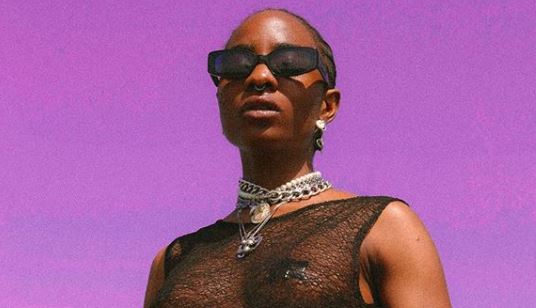
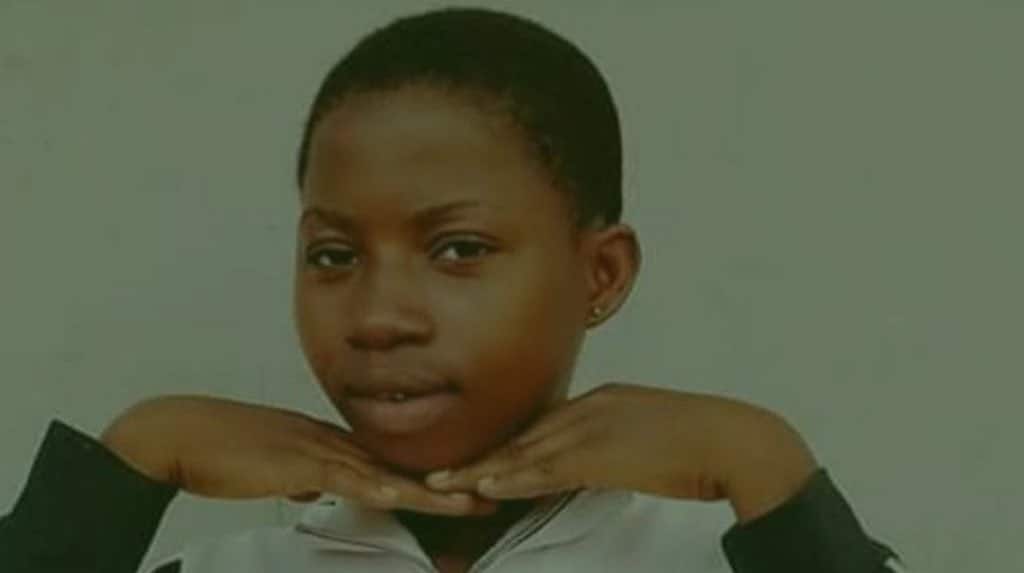
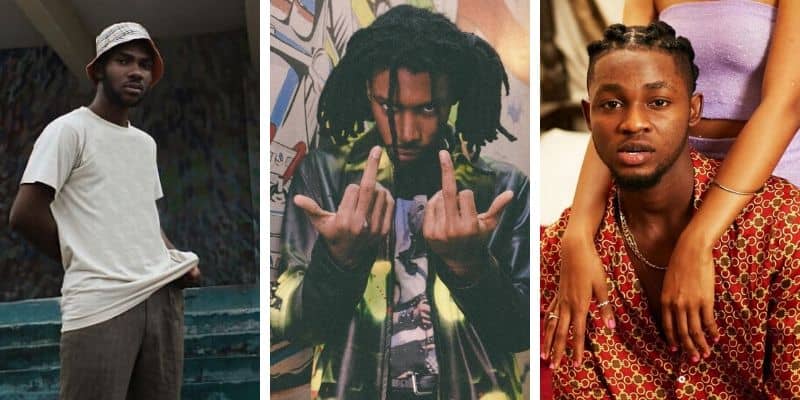
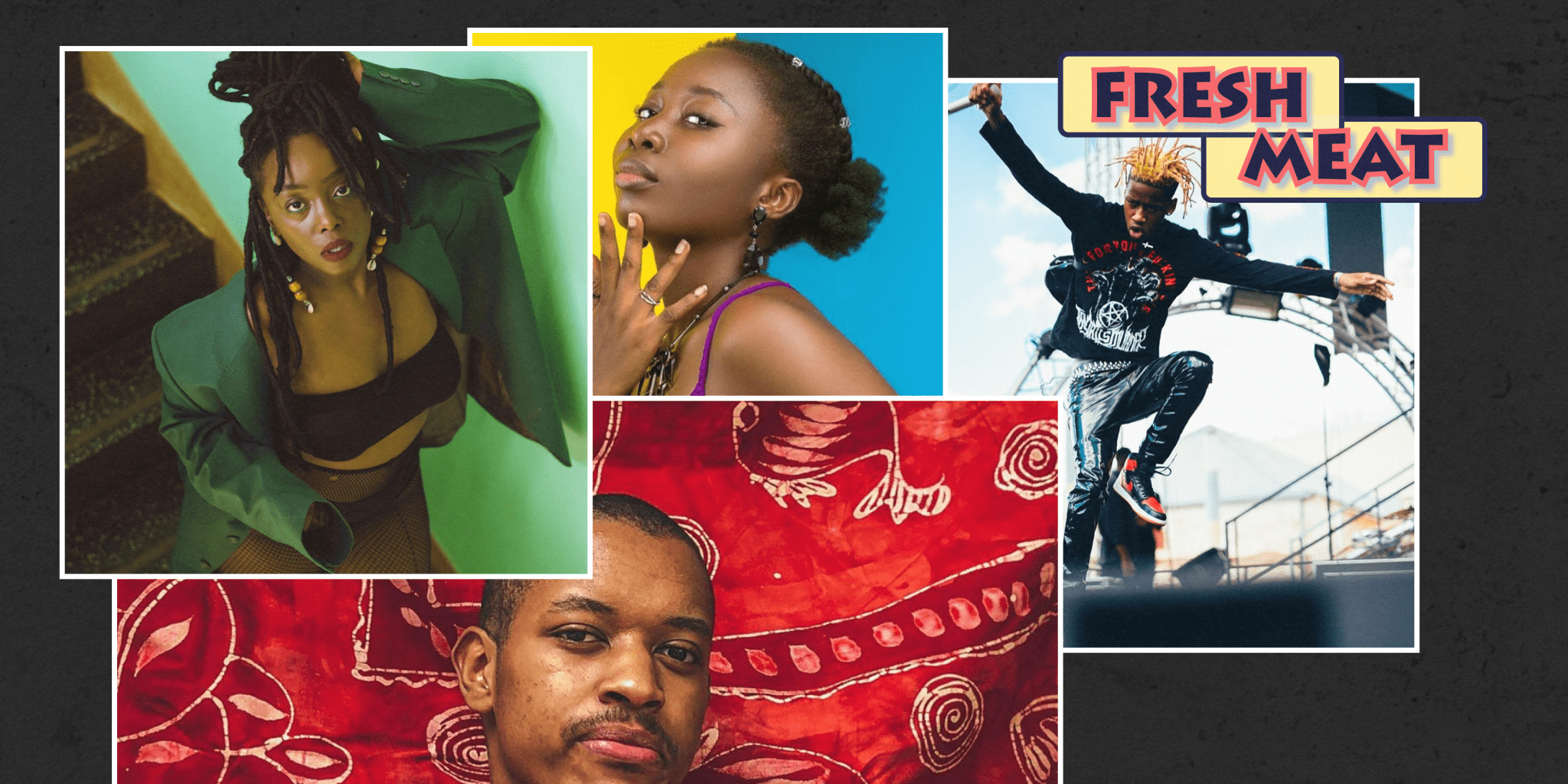
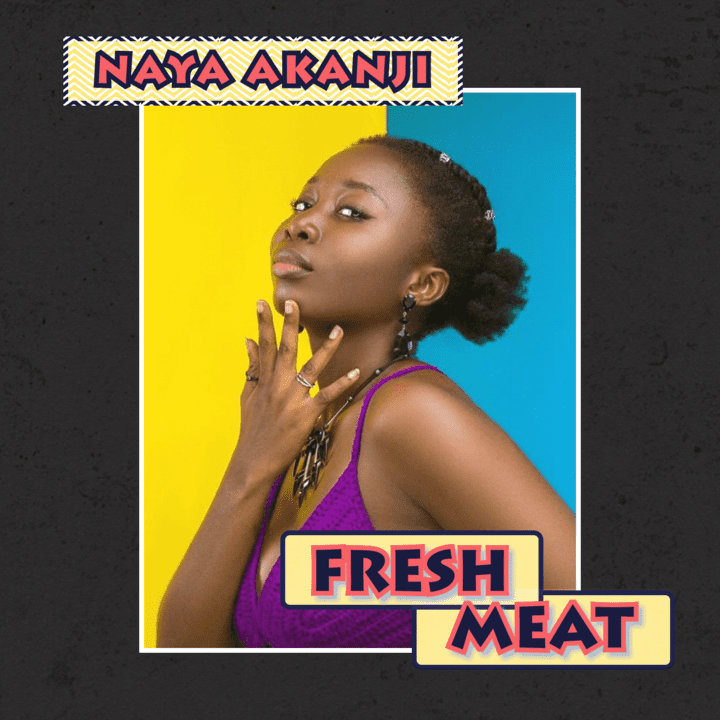
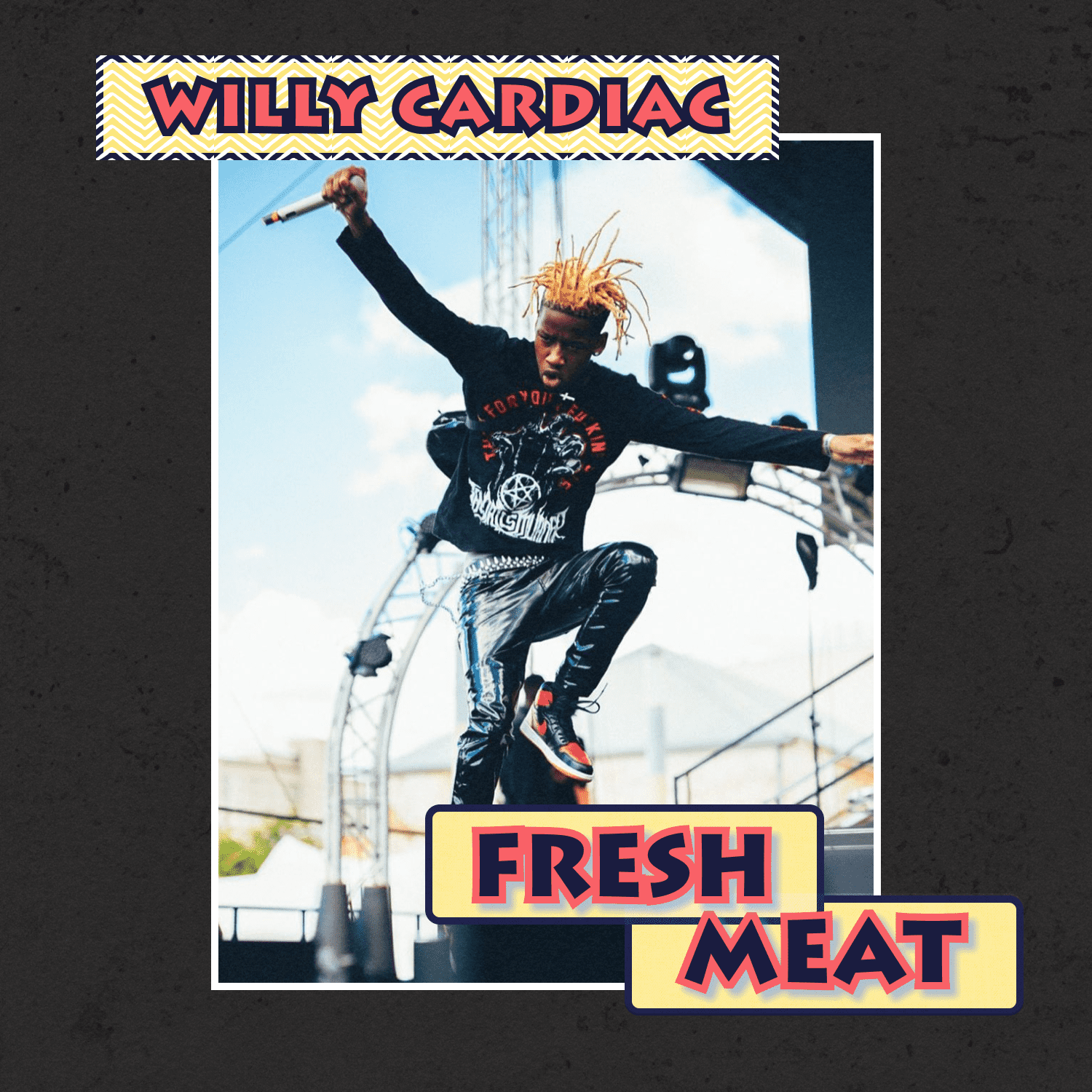
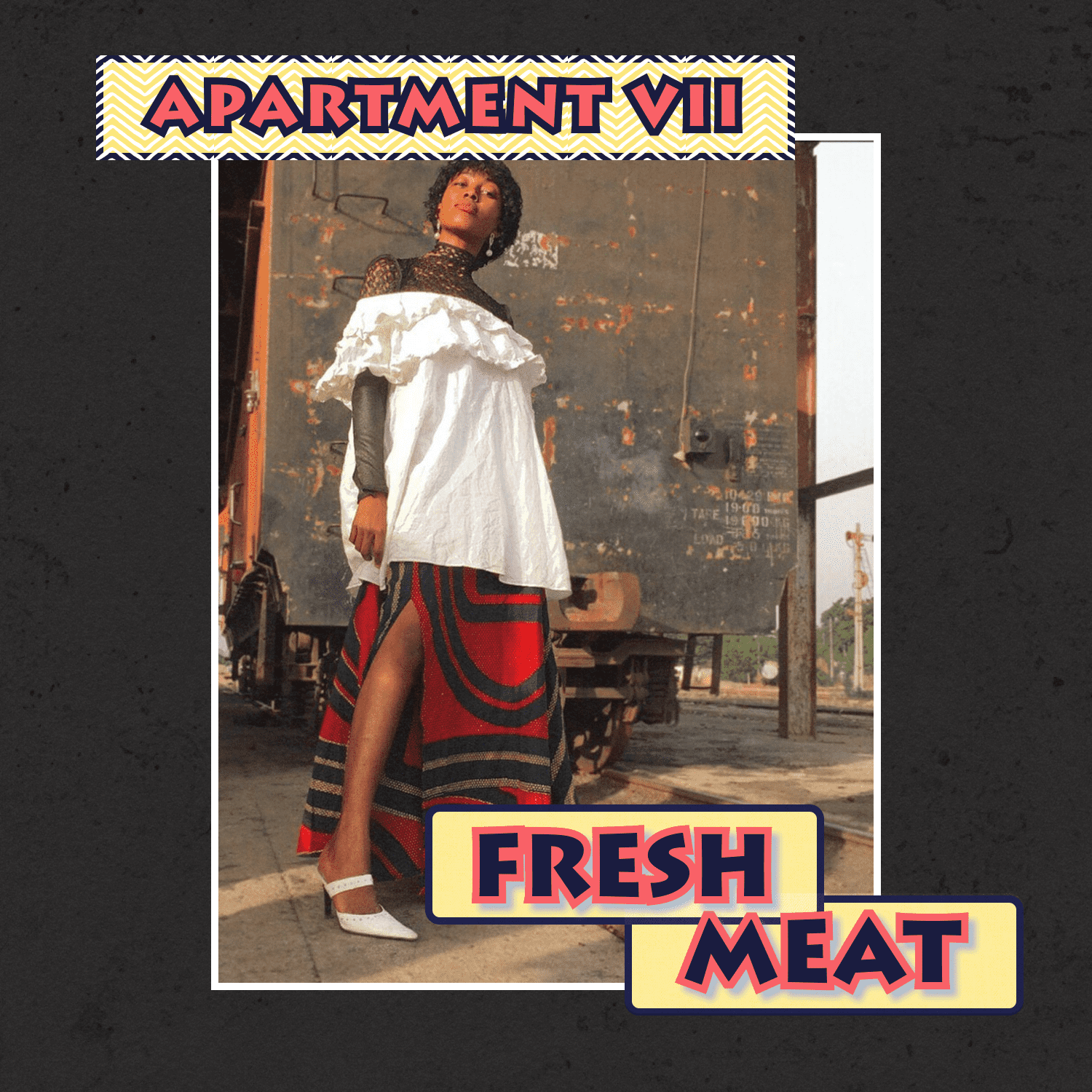
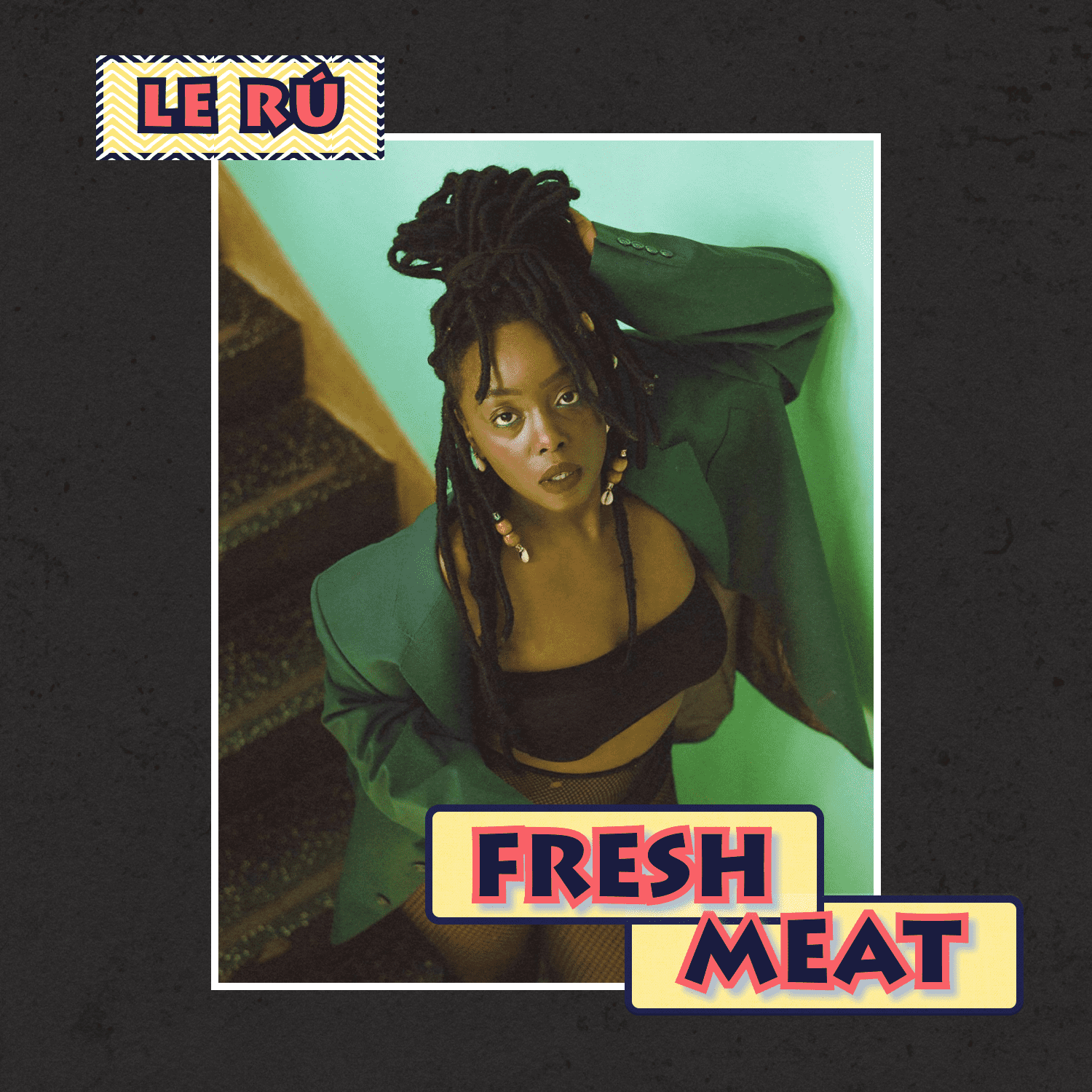
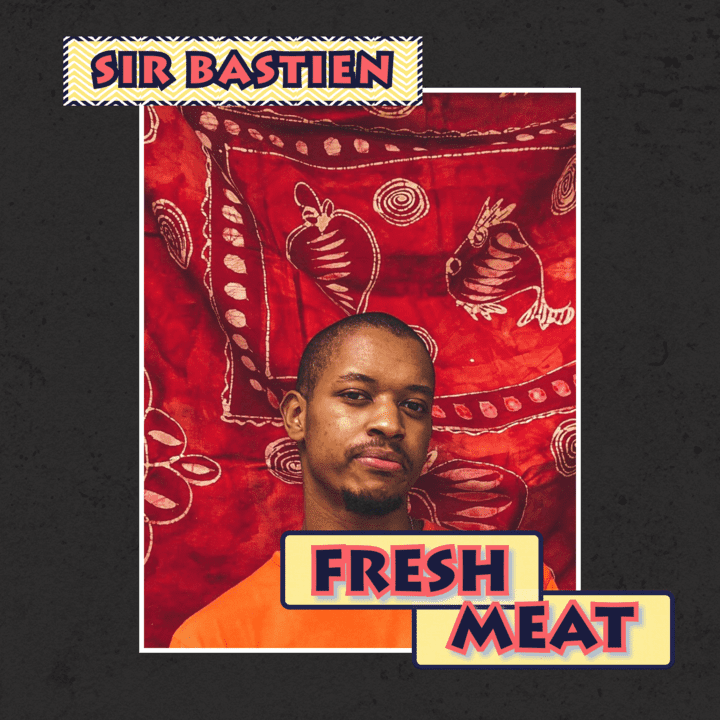
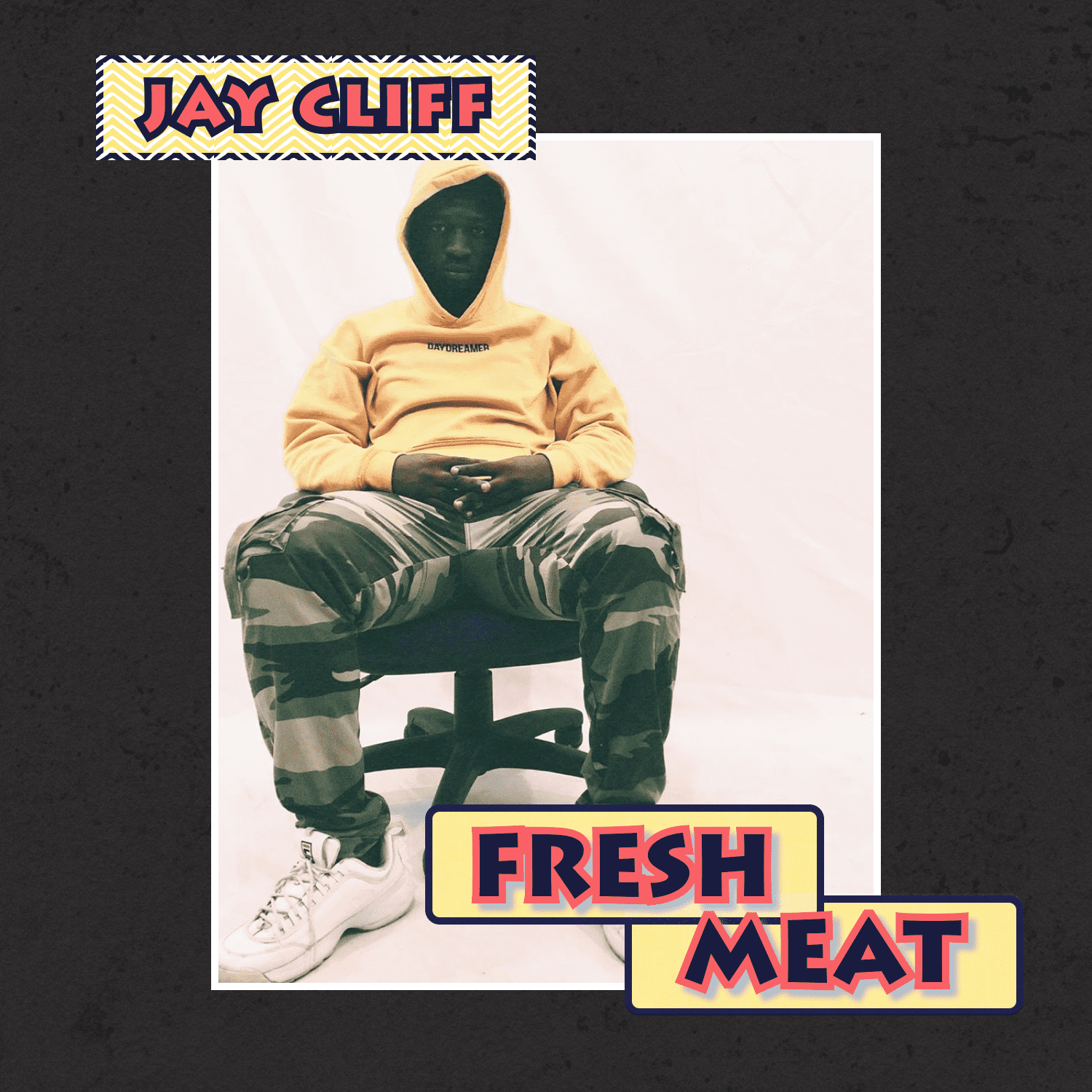
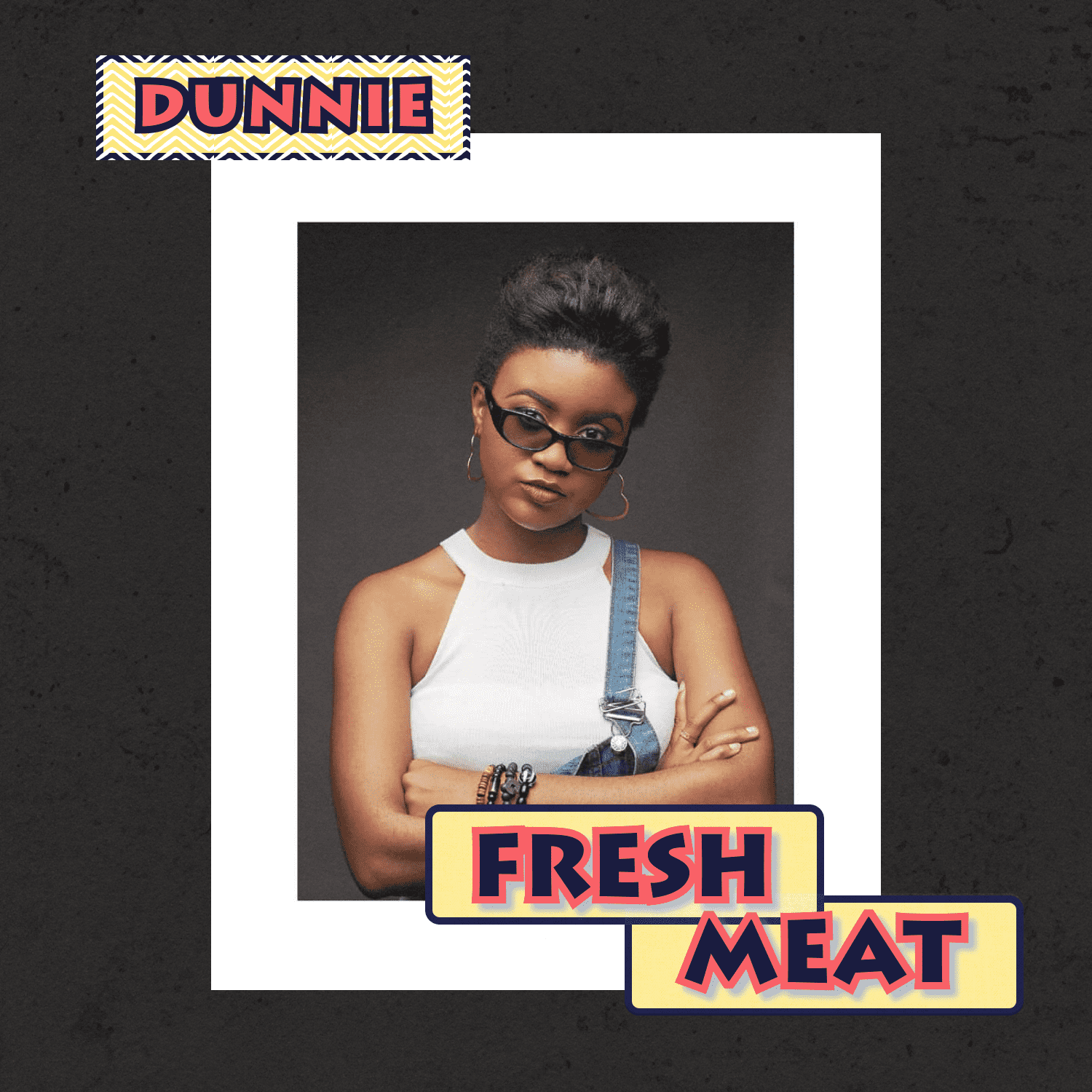
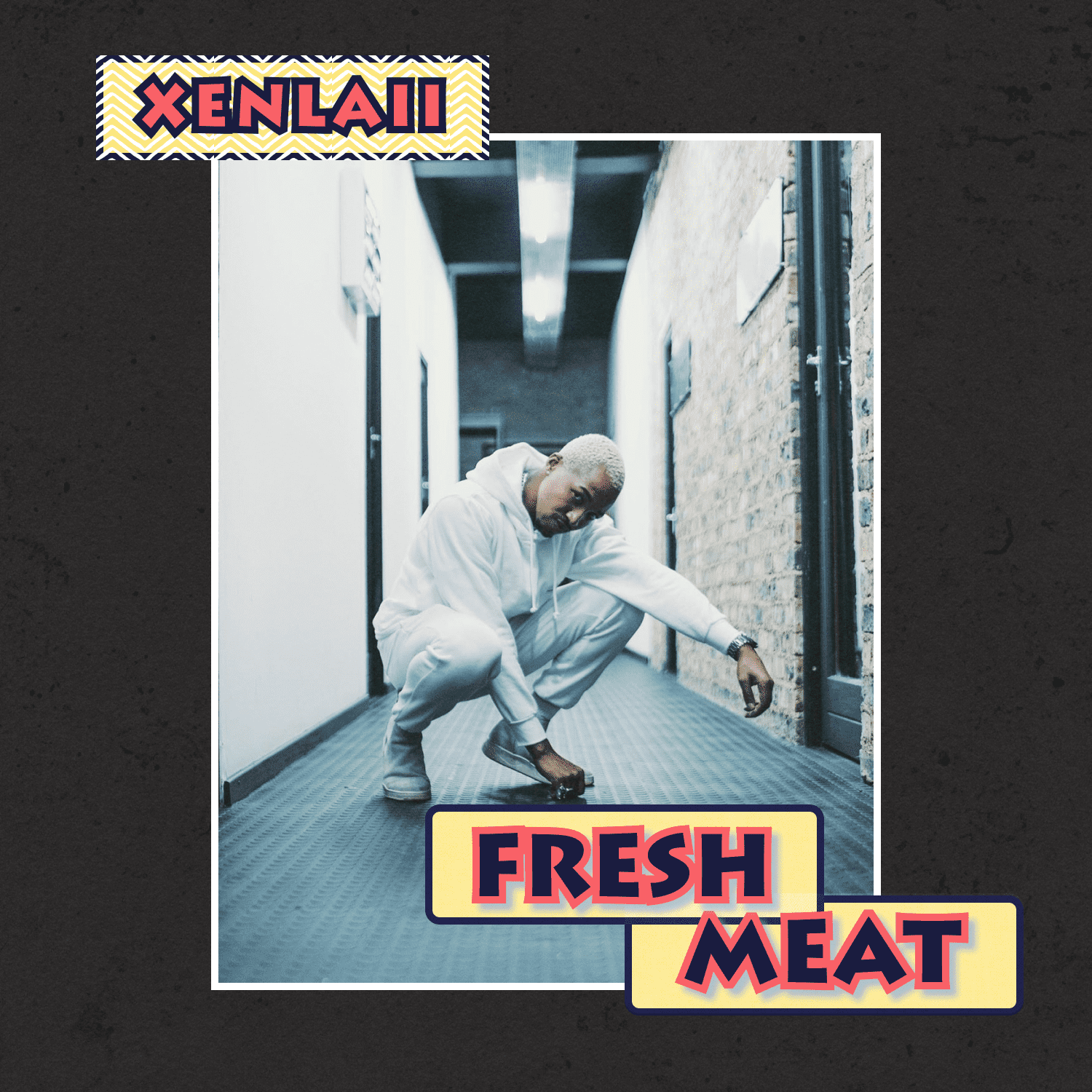
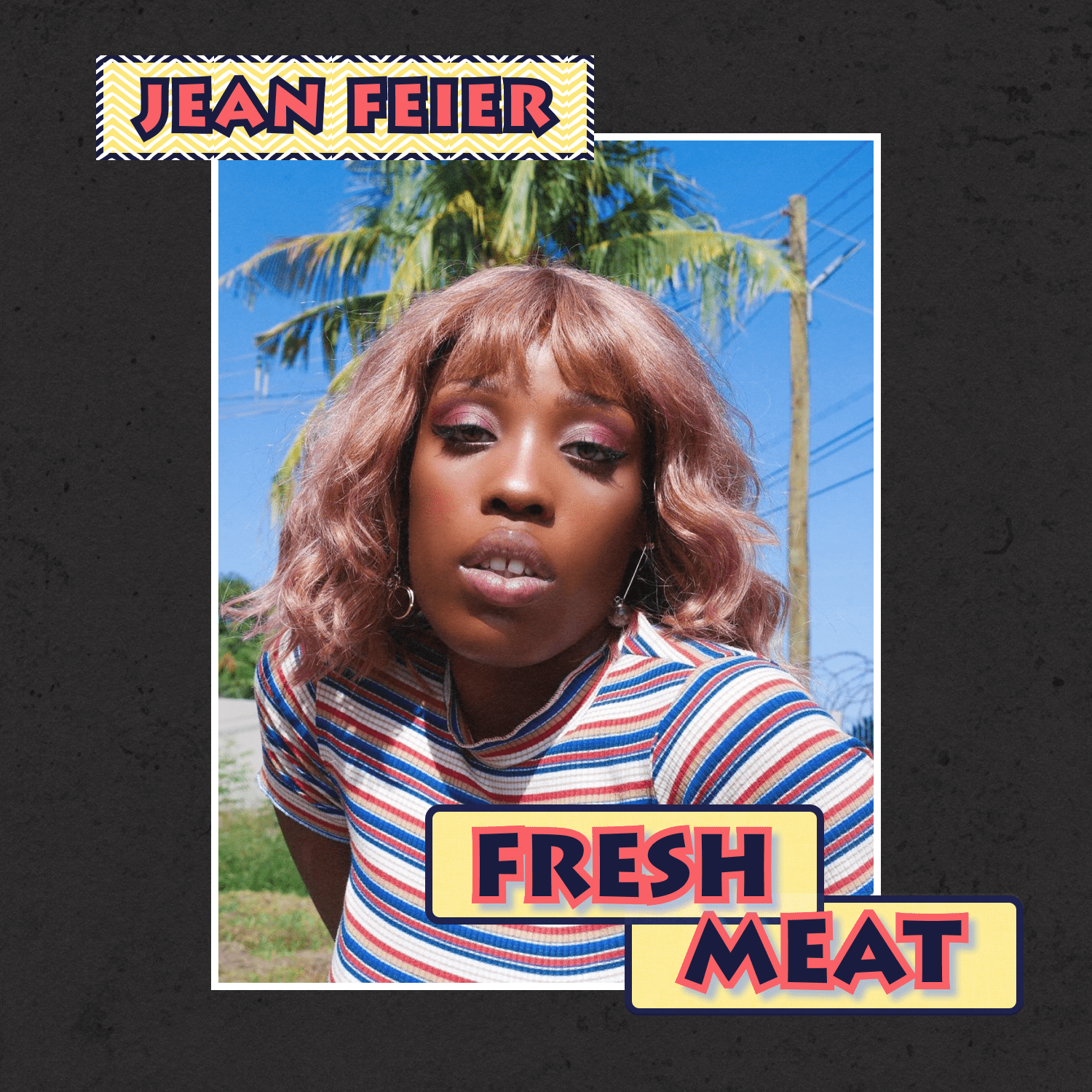
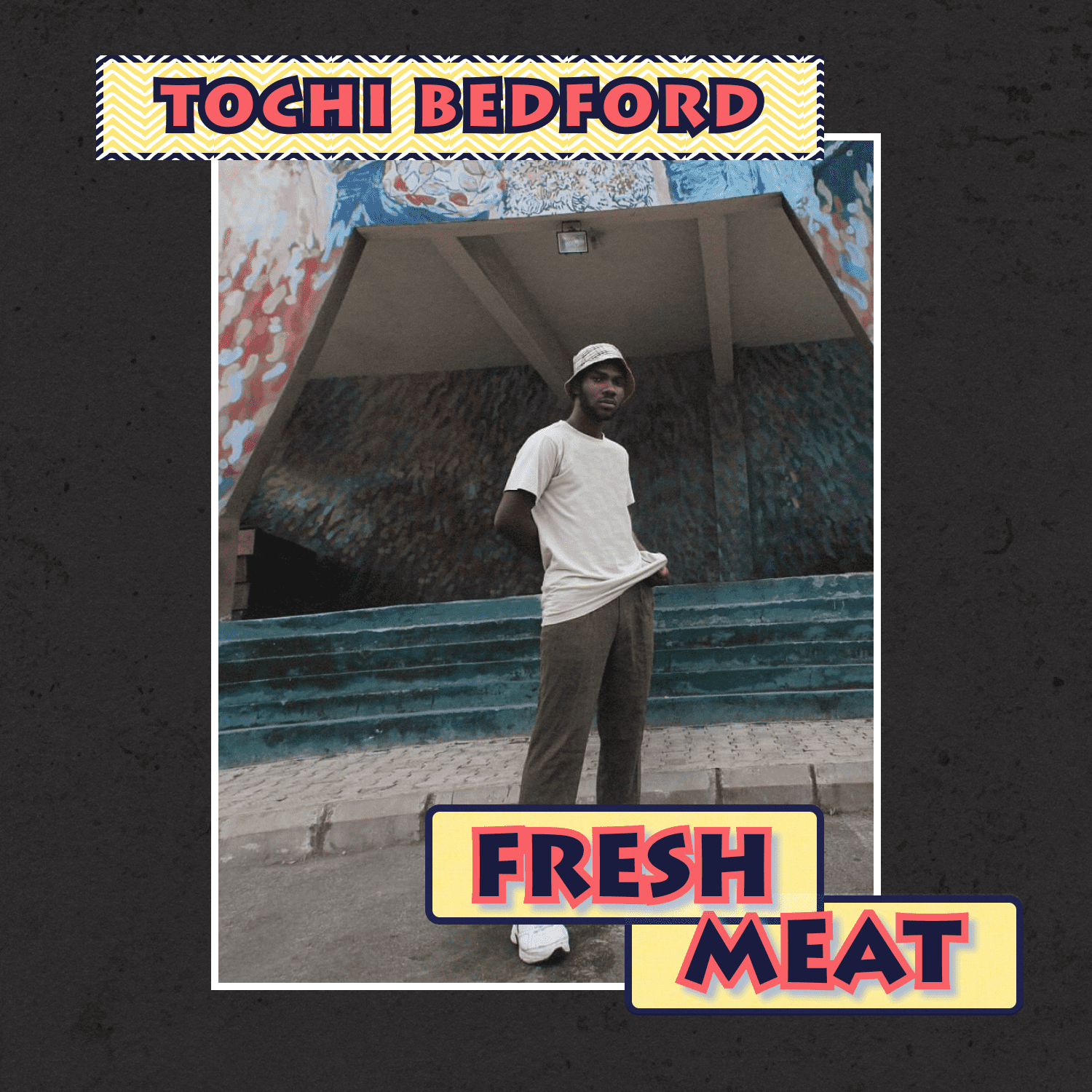

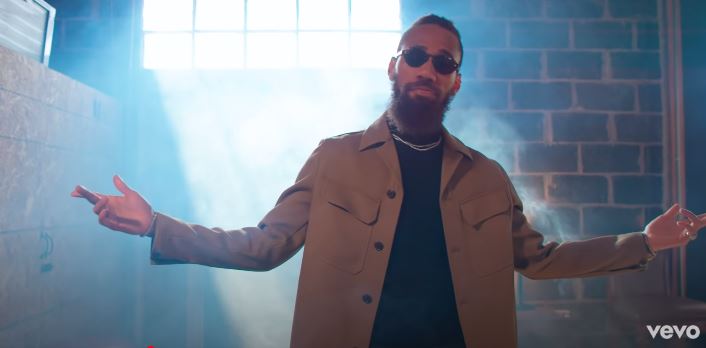

 (Credits: Netflix)