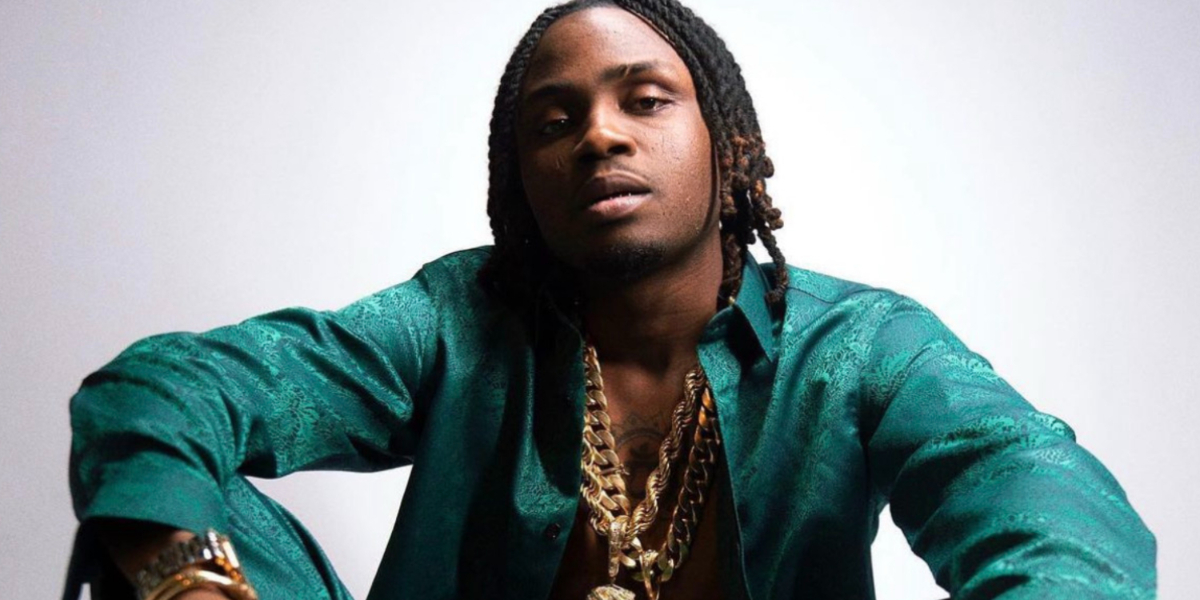
A 1-Listen Review Of Ajebo Hustlers’ New EP ‘Bad Boy Etiquette 101’

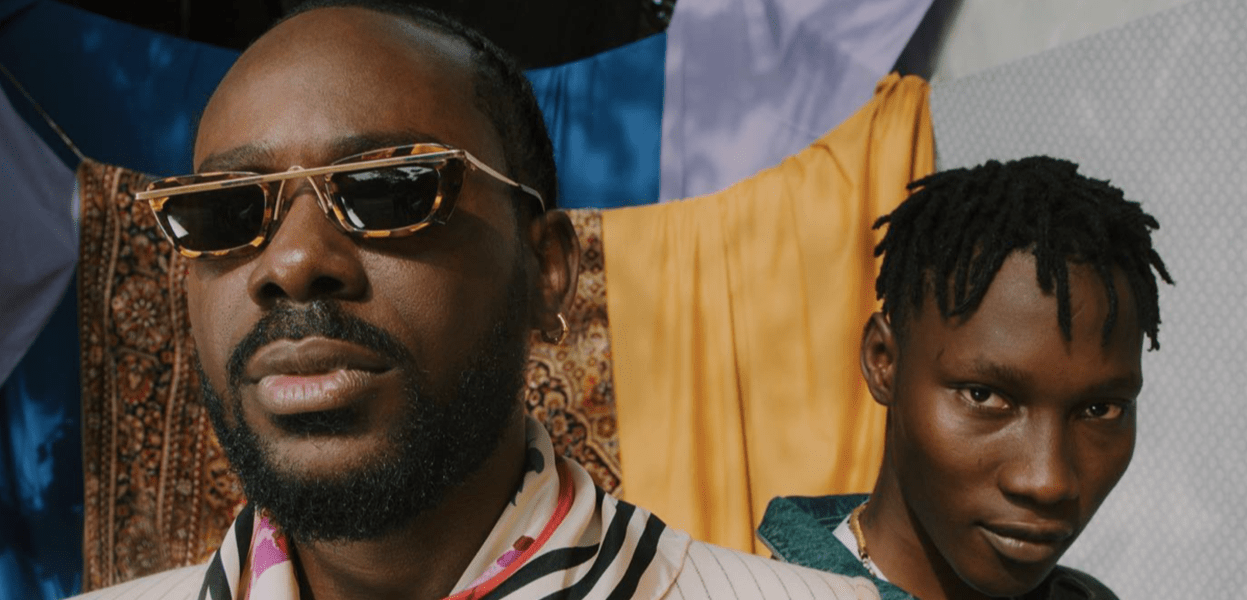
Ajebo Hustlers are one of Nigeria’s most impressive music duos. Consisting of rapper Knowledge and singer Piego, the group’s style is a refreshing blend of catchy Afro-pop melodies and observations about everyday living, both spiced with slang from their home city of Port Harcourt. “Barawo,” their 2020 single that was one of the tracks that underlined the youth-led #EndSARS protests in Nigeria, gave Ajebo Hustlers their first taste of mainstream success, while also securing them a guest verse from Davido on the remix of “Barawo.”

Ajebo Hustlers enjoyed further success with the Omah Lay-assisted “Pronto,” establishing their range to address both pressing societal/political concerns and the matter of intense lovemaking. They solidified their place with the 2021 debut album ‘Kpos Lifestyle, Vol. 1,’ which contained more of their arresting thoughts and tunes. Since then, Ajebo Hustlers haven’t slowed down; from “Loyalty” to “Caress” to the Fave-featuring “In Love,” they have serenaded fans with amazing music.

At the moment, Ajebo Hustlers’ new EP ‘Bad Boy Etiquette 101’ is out. Heralded with the Mayorkun-assisted “No Love (18 Plus),” I’d hope it reaches the high standards of ‘Kpos Lifestyle, Vol. 1.’ Now, it’s time to give it a listen.


View this post on Instagram


A post shared by AJEBO HUSTLERS (@ajebo_hustlers)

“DREAMS”

From this first sonic effect I hear, I can tell this one has a sombre tone to it. I’m right. Piego is setting the stage as he sings about his aspirations and his passion to achieve his goals. “You see dis music I dey sing/It is my only calling.” I felt that. Knowledge comes in next with the rap lines. “I wan cash out sotey na me go tap out/Drunk in success until I pass out.” Me too, Knowledge, me too. For a Niphkeys production (whose works with Zinoleesky are usually up-tempo songs), this is a chill song. But with a strong message.

 “IN LOVE” FT. FAVE

One of Ajebo Hustlers’ previously released singles. The lyrics “E be you/I thought I was shy but/Since I fell in love/I dey talk die now” from Fave are very relatable; I understand that feeling of love for a person the loosening tongue.  As usual, Ajebo Hustlers do a good job on a track that still holds its charm seven months after its initial release.

 “KISSES”

I like the guitar strings playing; they have a nice feeling to them. Piego begins to sing about not being able to remain himself after an argument or fight with a loved one. “I don’t wanna love no more/I don’t want your kisses on my lips/ I don’t wanna love no more/ I don’t want my hands up on your hips,” he sings on the chorus. This seems to be a song about not wanting to love but it feels to me like it is a temporary desire. Knowledge’s verse basically swings to the side of not wanting to be with a disloyal partner. Okay, Piego’s verse post-chorus confirms that this is a song about the pain caused by a lover and avoiding love to escape the pain. A superb and relatable song.

 “NO LOVE (18 PLUS)” FT. Mayorkun 

Amapiano rhythms! “You know it’s a cold world/And no one gets no love,” Ajebo Hustlers sing. Piego sings about a woman who has journeyed the wrong path and has endured life’s harshness. This song definitely has sexual undertones but the way Piego sings his verse evokes sadness. You just feel that the woman Piego is singing about has held on to her negative beliefs due to familial/societal dysfunctions. Mayorkun’s verse is basically playboy stuff. Knowledge follows the same path as Mayorkun. Clemzy’s lively beat is a good cover for the strong emotions in Piego’s singing.

“NO PEACE (VIOLENCE)”

The sound of a car engine revving. The beat sounds like a cross between Amapiano and Gqom. “I’m incapable of love/I’ve been burnt so many times so it’s hard for me to give trust,” Piego sings. Okay, I think I’m getting the general message of this project: fuck love and focus on the money. Can you blame Ajebo Hustlers, though? It is what it is. Okay, Piego’s chorus has turned this song in a different direction. This is a sex song.

 “LOYALTY”

This is still one of my favourite Ajebo Hustlers songs. Amazing production. Amazing lyricism. What’s there to hate? In line with the thematic thread of the project, Ajebo Hustlers position themselves as afraid of vulnerability but songs like “In Love” and “Loyalty” prove that they are big fans of love. They, like Piego sings, just want a partner who “just wants my loyalty.”

“BURN MY CABLE”

These opening strings are giving Highlife vibes. Wow, that beat drop came in unexpectedly. This is an interesting mix of Highlife and Trap and Drill, I think. Piego, though. “See my barney dey cock block me” is hilarious. Knowledge’s verse proves that their lovers are right; they want to be irresponsible guys but the women are saying no. But really, music producer Orlandoh is the star of this track. He gave Ajebo Hustlers a new direction and they delivered!

FINAL THOUGHTS

This project has much strength. Like with ‘Kpos Lifestyle, Vol. 1,’ Ajebo Hustlers keeping the tracklist lean works for them; it means we are sure it’s their best efforts on display. That is not different here. The seven tracks on ‘Bad Boy Etiquette 101’ is a continuation of Ajebo Hustlers’ refined style of balancing the serious stuff with the ones that inspire fun.

‘Bad Boy Etiquette 101’ shuffles from ambition to longing to romance to sexual daring. Like ‘Kpos Lifestyle, Vol. 1,’ it is a blueprint of their ideals and beliefs; they show parts of themselves: the things they love, want, dislike or are scared of. While I don’t feel it will cause a massive shift in their career, it is enough as a delicious meal for fans to munch and brood upon.

Stream ‘Bad Boy Etiquette 101’ below.

Featured image credits/

Songs Of The Day: New Music From Burna Boy, Pappy Kojo, Smada & More

2022 is winding down and it’s been an eventful year for Afropop. There’s been a torrent of great new music, spawning a massive stack of inventive smash-hit songs. From Highlife-infused Ghanaian pop, to the unrelenting force that is Nigerian street-pop to South Africa’s indomitable Dance scene, to tantalising Drill explorations in East and Central Africa, and much, much more, we’re living through abundant and musically expansive times.

Every week, many songs from African artists make their way to digital streaming platforms, and wading through them can be intense. That’s where The NATIVE’s Songs of the Day column comes in to help. We go through as many new releases as possible, spotlighting them here, two to three times every week. Today, enjoy new music from Smada, Erigga, Kelechief, Ejoya and more. Lock in!

BURNA BOY – “THE BLACK RIVER (WHISKEY DOCUMENTARY)”

On his Love Damini project, the Afrofusion superstar Burna Boy included “Whiskey”, a riveting record about the dangers of environmental pollution in his native Port Harcourt. Poignant as it was revealing, the song was indicative of Burna Boy’s long-shared desire to blend sociopolitical messages into unmissable bops. Now released, an accompanying documentary of 16minutes delves into this phenomena, speaking with health professionals as well as everyday residents of PH City who’ve been exposed to this carbon pollution. It’s full of stark imagery which complements the song’s enduring message, again etching Burna into the larger narrative of his people.

SMADA – “YE ANTHEM (MELLOW & SLEAZY and DJ YK MULE REMIX)”

Exactly a week ago, multifaceted Nigerian creative Smada released his debut record “Ye Anthem” under the newly-founded NATIVE Records. With sharp electronic influences, the record was an eccentric appraisal of a lady’s captivating ways, the artist utilising fun-streaked lyricism to espouse on that familiar feeling. On this remix with the acclaimed producer duo Mellow & Sleazy and electro pop savant DJ YK Mule, the fun is established in more sprawling ways, the synths swapped for crowded Amapiano-dented drums. Smada’s delivery is as affectionate as ever, flowing over the beat remarkably and effectively.


VECTOR FT. LADIPOE – “CLOWNS”

Concerning the recent discussions of rap quality in the country, it’s quite fitting Vector and LADIPOE are releasing the visuals to this joint now. “Clowns” is a cheeky rebuttal to seekers of beef, both rappers employing relatable puns to demonstrate their mastery. The visuals capture the minimalist energy of the record, a black-and-white montage expressing pure rap chemistry.

KELECHIEF FT. AMARAAE – “FINE WINE”

Known for going viral with technical, relatable raps on social media, Kelechief is primed to release a new album. To accelerate the journey, the US-bred Nigerian rapper has shared a new single with the scintillating Amaarae. “Fine Wine” is a sensual record which compares the goodness of a lover to the intoxicating highs of wine. Kelechief’s warm vocalisations meet the breezy allure of Amaarae impeccably, resulting in an enchanting ode to love.

ZAGA – “OHEMA”

A mellow base sets the direction for “Ohema”, the new single from South African-based Nigerian singer Zaga. It is produced by Young C Beats, warm percussions portending the perfect soundscape for Zaga’s affectionate singing to emerge. Much like the Ghanaian term it is named after, there’s a brooding sense of tenderness permeating the three minutes of this record. “Ohema, girl make you calm down,” he sings in the chorus, “when the money, we go run town”.

PAPPY KOJO FT. LARRUSO – “FRASS”

Ghanaian rapper Pappy Kojo knows his way around a slow paced beat and “Frass” sees him staking out in that direction again. His laidback approach brings an intimate house energy to the record, with the feature of Larusso introducing a spritzy Dancehall edge in its latter parts. Ultimately it’s a groovy bop, a result of two talented artists making way for their distinct skills to shine.

KOLD AF – “WASTED”

For a while now, the gospel of Kold AF has been circulating my timeline, an apparent release in the works. Today, the musician makes her entry into the space of Nigerian music. With her project ‘Kold SZN’ she introduces her skillset in very exciting ways. Svelte vocals and aware songwriting finds the crucial balance of capable production, qualities which are instantly bare on “Wasted”. Lush percussions and brooding elements contribute to the song’s tension, while Kold AF sings about being caught in the excesses of debauchery. So confident is she, that in its latter parts the beat switches and she maintains her impressive tempo, seamlessly going from confessional R&B diva to sensually exciting Ragga purveyor.

ERIGGA – “THE GOAT”

In September, veteran rapper Erigga released his third album ‘The Lost Boy’. It was a project which solidified the rapper’s tendency to line heartfelt stories alongside brazen takes on social issues. He’s now shared a deluxe of the well-received project, including four new records to extend the LP’s ethos. Though the songs were largely enjoyable, “The GOAT” is a stirring standout: humour-laced bars provides the rapper ample space to proclaim his legacy while taking clean shots at detractors, pulling in stories from his life to supply narrative sheen.

WILLIAM LAST KRM – “PEKA PEKA”

Carried on the heels of a TikTok challenge, “Peka Peka” is carving its place in the world. With eccentric percussions taken from the soundscapes of Amapiano and Gqom, the record captures an hypnotising party groove. The Botswana music star curates an expansive-sounding record wrapped with urgent movements, and going into a weekend, there’s no doubt many will be jamming to its jumpy rhythms, for a long time most likely.

BOY M.A – “WTD (WHAT TO DO)”

Port Harcourt-bred musician Boy M.A wields the stylistic quirks familiar among acts from the region. His latest single “WTD” bares these qualities, his excitable vocals floating over bubbly production. A lady’s affectation inspires his teary delivery, pleading and promising the world for her acceptance. The language is surely catchy, but M.A’s utilisation of background lulls infuses a layered edge to the record.

EJOYA FT. THE KAZEZ, OLADAPO & GODOMAR – “AJOKE”

After months of teasing the 2022 version of their yearly compilation albums, Ejoya has finally released it. Perhaps the most anticipated project among connoisseurs of new school Afropop, the project more than delivers on its promise. It boasts a stellar line-up of established and rising artists, their strengths meeting over eclectic, assured production. A stirring highlight of the project is “Ajoke,” a warm, sensitive record lined with pleasant vocals which flow into the ears with the creaminess of milk. The titular lady is presented in variant ways by the artists, but their songwriting is delicate and thoughtful all the same, with references to artists like Sarkodie and Asake etching a pop culture lean to the record. Cue in the polished, string-suffused production and you have sonic gold, a fine demonstration of the mastery Ejoya achieves throughout the album.

Listen to Teezee and Cruel Santino’s infectious new track, “Manhattan”

The first quarter of the year saw the release of two new projects – both a combination of different sounds and genres – from two of the prominent faces in the alternative music scene in the country. ‘Arrested By Love,’ Teezee’s first release in almost a decade reintroduced us to the artist as he explored his newly found soundscape, with the assistance of some close friends and collaborators such as Davido, Lancey Foux, Backroad Gee and more.

Just weeks after, Cruel Santino released his sophomore album, ‘Subaru Boys: FINAL HEAVEN,’ a project filled with glittery productions and eccentric vocal range that showcased the artist’s versatility. Other than these, the two have been fairly quiet through the year with the exception of L0la-assisted “Omoge Wa Jo,” a remake of Sauce Kid’s hit single which was powered by Spotify.


View this post on Instagram


A post shared by @teezee

Closing out the year, the pair join forces on a new track, “Manhattan,” under Nigeria and UK-based record label, NATIVE Records. Produced by GMK, the new track serves as Teezee’s first release since ‘Arrested By Love,’ earlier this year. The buttery smooth record, which was first teased on TikTok a few months back opens up with Cruel Santino who immediately draws listeners in with his infectious vocals and eccentric ad-libs, layered over the track’s groovy beat.

In the pair’s usual fashion of love-themed lyrics, Teezee and Santi direct their attention to their love interest, serenading her with sweet-sounding low cadence vocals on the track’s mid-tempo instrumentals. “I will do anything for your love, girl I want to see” Santi croons in the intro, expressing his desire fly across the world to be share the same space. Shortly after, Teezee’s rhythmic flow takes over the track as his sonorous vocals further explaining that distance is no issues. The duo go back and forth for the rest of the track, showcasing sonic dexterity as they detail their dedication to their muse.

With “Manhattan,” Teeezee and Cruel Santino share an enjoyable and fun release right before the detty December period, while also presenting a snapshot of their trademark soundscapes and their penchant for genre-mashing which they still approach with equal parts curiosity and confidence. Add this to your playlist this weekend.


Featured Image Credits/Teezee

Hot Takes: KU LO SA Remix, SpotifyKe Brunch , Love Island Returns & More

The year is finally coming to a close and there is no better way to kick off Detty December than to recap the events in pop culture before everything goes gung-ho. As the month is filled with festivities, the celebration is in the air. The month has already started with Morocco breaking the glass ceiling for African football at the World Cup 2022. Morocco being the first Arab country to reach the quarter-finals is a big deal, but I secretly hope for France to win once again.

This week I will be dishing out my Hot Takes on the Spotify KE wrapped event and the massive backlash on influencer culture, because I refuse to believe they ignored inviting artists and chose to handpick influencers. There’s also Love Island South Africa’s comeback which, after last year’s mess, I hope we are going to see a better representation and reflection of a country that is majority black people.

WHAT I AM LISTENING TO

One thing with Kenyan artists is, they are going to release a truckload of music towards the end of the year. 2022 is no different. I guess it’s the partying mood that characterises December. Kenya’s rap trinity Wakadinali recently released the third installation of their ‘Ndani Ya Cockpit’ series. Living up to their name as Kenya’s greatest rap group the project has me in a chokehold. ‘Ndani Ya Cockpit 3: All Grown Up’  is a testament to their effect in Kenya’s Hip Hop industry for more than a decade. Once considered the stars of underground hip-hop, the album features frequent collaborators: Wangechi, HR The Messenger, and long-time producer Ares66.

My favourite part about the project, apart from their unique Hip Hop sound and approach to Drill with songs such as “Balalu,” is how they provide a platform for upcoming underground stars while still working with rap veterans. Unfortunately, some rap fans were disappointed with the third installation of the tape as compared to the previous releases. While some debate on the context of their songs, I highly insist the group can’t sound the same as they did five years ago. They literally have nothing to prove anymore, they are the cardinals of Hip Hop and that’s on period.

WHAT I AM WATCHING

As usual, I am dabbling between a million K-Dramas, animations, animes, and YouTube shows. What’s currently been grabbing my grabbing my attention is Netflix’s adult animation ‘Inside Job.’ If you love animations, then this should be on your watchlist. Circling around the life of socially awkward Reagan working at Cognito.Inc who also happens to be a genius, the show brings to life controversial conspiracy theories that are often debated in real life. The gist of the show has to be her dysfunctional workmates who are either doing drugs, getting in trouble, or placing a bet on Reagan’s love life. As much as it’s animated, you still get grounded in reality. Apart from that, I am rewatching the British version of ‘Skins’ and ‘Shameless’

SPOTIFY KENYA RECEIVES BACKLASH FOR SPOTIFY KE WRAPPED INVITEES

While Kenya’s music industry has been struggling for popularity within the region, Spotify’s entrance into East Africa’s ecosystem might have improved consumption of local content but it doesn’t change the fact Kenyan artists still struggle for recognition. Over the weekend, the streaming platform held the #SpotifyWrappedKe brunch that was meant to celebrate the artists’ work over the year looking back at what songs, artists, albums, and playlists people listened to throughout the year. Sauti Sol, Wakadinali and Buruklyn Boyz boasted accumulating the most streams in 2022. The event was well attended with the theme being dress as your favourite artists. While the brunch was adorned with appearances from A-List artists, it didn’t take time to notice that more influencers rather than artists were in attendance.

The brunch was filled with pomp and artistic aesthetic, it was soon revealed that artists and fans weren’t pleased with the guest list, sparking a debate on Twitter. While most questioned the necessity of inviting influencers, artists echoed the constant ignorance from the platforms in terms of streaming revenue and support as compared to platforms such as Mdundo and Boomplay. It got to the point where fans demanded a boycott of using Spotify. Firstly, needless to say, Spotify Kenya has offered continuous support in the country as compared to other streaming platforms. Compared to previous years there was a 184 percent year-on-year increase in consumption of local music from 2022, an encouraging figure that shows that Kenyans do stream local music. Apart from that Spotify launched various programs such as RADAR and Equal which have seen Kenyan artists: Buruklyn Boyz, Nikita Kering’ and Ssaru grace the coveted covers.

I think what Kenyans should mostly concentrate on is the long-term effect the streaming platform is willing to offer and the continuous support it has offered in pushing Kenyan artists internationally. It is tiring to engage in conversations without prior knowledge of what goes on in the industry and highlight minute problems without offering any solutions. Inviting influencers to the brunch was an incredible marketing move expanding the platform to the creators and their fans and building an ecosystem between artists, creators, and listeners. In any case, let’s be honest, most people hear some songs from the influencers’ TikTok, Reels, and vlogs.

LOVE ISLAND RETURNS

It might seem that Love Island 2022 just ended but Season 9 is weeks away with the premier date being set for 16th January. The announcement which was made on Twitter sparked excitement with its fans eagerly awaiting for the contestants rebeal. Hosted by celebrated entertainment journalist Maya Jama, who is replacing long-time host Laura Whitmore, the series will take place in South Africa and we are ready for new bombshells. The raunchy singletons will be headed to a brand-new villa in heart of the Franschhoek wine valley. This is the second winter series after Paige Turley and Finley Tap won. This year fans will have a double cup enjoyment as there will be two seasons of the show.

While the show is a fan favourite, it received major backlash back in 2021 after failing to represent the diversity of South Africa by selecting too few black contestants. The opening line-up featured just one Black female contestant and only two other Black men. In a country that is 80 percent black, the cast was a disappointment. The winter series has not aired for three years so we definitely expect more improvement in terms of race romance, bromances, and everything.

In this day and age skin colour has become a bigger pandemic than it was before with beauty standards being judged not only online but also in our day-to-day activities. As the show is highly acclaimed, we only hope the directors realise that it is a mirror of the society we live in and the prejudice black people undergo in the entertainment sector and other fields. While the issue might look minute, it is a very big problem especially since South Africa has a tragic history of racism and xenophobia.

NOT CAMILLA CABELLO ON “KU LO SA” remix…HERE WE GO AGAIN

(Written by Nwanneamaka Igwe)

In recent years, the proliferation of Nigerian pop—or Afrobeats, for international purposes—has been unimaginable. With every release, its key players are incessantly redefining the status quo and peeling off all labels as a significant number of tracks garner attention and generate a followership beyond home base. In the usual American fashion of tapping into what’s hot, a slew of big names in the music industry, now more than ever, are seen featuring on the biggest songs emanating from these parts.

From the African perspective, these collaborations push their songs to an audience they may not have imagined reaching. This should enable them to gather even higher streaming numbers and from the business perspective, there is no harm in the move. While a part of me understands that, we have to at least draw the line somewhere. Off the top of my head, the most significant collaboration was from Justin Bieber on the Tems-assisted “Essence” off Wizkid’s ‘Made In Lagos.’ I, like a number of people, was not a fan of that feature. The original song was perfect as is but the feature undeniably drew more attention to the original, so I guess that could slide.

That single decision from Wizkid widened the floodgates we cannot seem to close. Before anyone realised what was going on, Ed Sheeran was on the remix of Fireboy DML’s “Peru.” Like the aforementioned case, the original -going off the numbers I’m seeing on my Spotify’s stats- still did better than the remix. However, we also got Selena Gomez on Rema’s “Calm Down” and Ed Sheeran once again on “For My Hand” off Burna Boy’s ‘Love, Damini’—which is not a remix, but still.

While I’m not a fan of the current pandemic of international features on Afropop hits and I personally do not engage with these songs, I guess I can let it slide? What I cannot stand is a feature from a musician who’s openly shared racist expressions on “KU LO SA,” undeniably the song of the summer 2022 in these parts. Scrolling through my timeline this morning and seeing that video, I had hoped I was dreaming. Unfortunately, that is not the case. Aside from the fact that these sonic pairings are unimpressive, a racist like Camilla Cabello on “KU LO SA” remix—slated for release this Friday—is jarring to say the least. Coming from the currently dissolved pop group, Fifth Harmony, her former bandmate, Normani, shared from personal experience that Camilla was a racist after some racist slurs and derogatory memes resurfaced.

Added to this, Camilla is not necessarily topping any charts in recent times so why would Oxlade tap her, of all people, for this remix remains a mystery. If the intention was to enable the track crossover to Camilla’s audience, I question the decision because I strongly believe you are who you listen to. Goes without saying that her audience should not be the target. The conversation is exhausting because it’s like we’re just letting ANYONE into our home and it’s not a pleasant sight/sound.

Featured Image Credits/The NATIVE


ICYMI: ASAKE’S TIME

The Rap Report: 4 Takeaways From Nigeria’s Hip-Hop/Rap Scene

A lot has been said about Hip-Hop/Rap in Nigeria this decade. Whether it’s the wholesale adaptation of Western Hip-Hop sensibilities which have been played back through a Nigerian filter or the rise of indigenous rappers who are maligned by their peers for not matching up to pure rap, the embers of polarising discussion are always being stoked by Hip-Hop/Rap fans and industry players alike.

While these first attempts at Hip-Hop in Nigeria included parodying as a feature and ultimately served as the foundation for Nigerian pop, Nigerian rap has become decidedly more refined since the new generation of rappers like Naira Marley, Rema, Maison2500, PsychoYP, Blaqbonez and others emerged with their impressive and distinct narratives.

This year alone, the scene has been buzzing with conversation and diss tracks as the coveted spot for ‘Best Rapper’ is debated once again. There’s nothing necessarily new about these conversations, Rap fans tend to periodically get into argument with other fans about the state of the industry and the key players making great strides in the industry. However, these conversations have developed very little beyond sensationalism.

Recently, Afropop singer Wizkid sent the timeline into a state of panic when a recent interview with 10 Magazine began making rounds on social media. When asked about the comparison between Afropop and other genres; the Grammy award-winning star shares: “I don’t listen to rap – that shit is boring to me,” he continues. “It’s dead now, it’s tired. These guys do the same shit, rap on the same beats, same flows,” he says, before pressing me to mention someone in rap that’s exciting me currently, to which I draw a blank when put on the spot.”

While it’s clear that Wizkid is not referring to Nigerian Rap music, and is instead speaking about how Afropop has taken a big chunk of real estate from Hip-Hop/Rap in the UK and USA, because of the dynamism of the genre. This statement has gone on to spur a number of offshoot conversations from Nigerian rappers who were disappointed at the veteran for putting down the genre and its frontrunners, despite their best efforts to garner the attention of mainstream audiences.

No one wins when the family feuds and this current iteration of the Nigerian Rap conversation is particularly enlightening because it shines a light on the alienation of a large selection of amazing and alternative Rap acts who have been flagbearers for the movement in their own right. From indigenous rappers such as Olamide, Phyno, and more, who have been able to adeptly blend Hip-Hop/Rap with distinct Afropop elements to genre-mashing leaders of the new school such as Rema, Cruel Santino, Prettyboy D-O, Psycho YP, Zilla Oaks and more, who are a revolving door of genres and sounds, all unified by their artistic fortitude. It’s a pivotal moment for the Nigerian Rap community and the road to the ubiquity of the genre still looms without much forward motion.

To that end, the NATIVE team have come together to share our biggest takeaways from the ongoing conversation, including our thoughts for the future of the genre and its community of fans and listeners. From the need for an innate culture around the music to the apparent pressure of going mainstream, here are our takeaways below. We’re keen to know your thought as well–tweet at us.

Culture and Impact: Can the rap community please stand up?

What does it mean to create a culture around Hip-Hop/Rap music? For anyone who knows their salt, the annals of Hip-Hop/Rap music began from the deepest part of New York City, USA in the early 1970’s where block parties reigned supreme. DJs began isolating the percussion breaks of funk, soul, and disco songs and extending them. Before long, it became common for the MCs (or rappers, as they soon became known) to talk and rhyme over and in sync with the music.

Then by the ’80s and ’90s, the world saw the rise of the East Coast/West Coast hip hop beef, with Biggie and Tupac Shakur representing their respective coasts and cultures. A lot of these rappers were coming up because of their aim to soundtrack the violence that shaped the lifestyle and environment these rappers grew up in. Alongside the music, the culture was also growing through fashion, music videos, sponsorships and product placements. By the 2000’s, it was certified: Hip-Hop/Rap was all the rave and Black rappers were at the forefront of this movement.

In much the same way as Hip-Hop/Rap developed and grew out of New York, and soon became one of the most ubiquitous genres of music in America, so also can we learn lessons from Hip-Hop/Rap’s rise in an African context. For instance, when tracing back to the roots of Hip-Hop/Rap in Nigeria, we can see that back then, many rappers were adopting the sounds and lyrics of ‘90s America without considering how they would fare within a Nigerian context. The effect of this is been felt far and wide in our country today. Many rappers have been unable to connect to their audiences because there is little community and togetherness around the genre. Back in the days, it was common to see stars such as Ruggedman and Da Grin and more, command the attention of young audiences due to their penchant for bearing the flags of the places and people that raised them. In today’s context, there’s very little being done to create and sustain a community or culture of Rap lovers. While we’ve seen the rise of indigenous rappers such as Olamide, Reminisce, Phyno and more, who have ostensibly worn their locales with pride, this has not always been the case for their predecessors.

Other than the famous Hennessy cyphers and rap battles, little has been done to foster a connection between artists and listeners. Recently, there have been steps taken by rappers such as M.I and A-Q who recently created ‘The Hip-Hop Event,’ a community of Rap fans committed to gathering to further the genre or Abuja-based rappers such as Psycho YP and Zilla Oaks, who continue to work with a new generation of fans through their Apex Village imprint. In other to keep the flag flying, it’s pertinent that Nigerian rappers spend less time cooking up tasteless beefs, and more time focusing and honing their reach through the power of community and culture.

Wonu Osikoya

We Need To Pay More Attention To Indigenous Rappers

The story of Nigerian rap isn’t complete without the contributions of indigenous rappers to the genre’s growth and development. Whereas the media and listeners have been accustomed to parse Hip-Hop through the prism of English-speaking rappers, there’s been more wholesome development from the purveyors of the street life, who present Nigeria as it is and not as an extension of America’s rap expression. From Nigga Raw down to I.D Cabasa, El Dee, Dagrin and Olamide, these rappers soak an incredible amount of everyday life into their stories while retaining textures from broader indigenous genres such as Highlife and Fuji. Asides making the music more relatable, this works as a form of cultural documentation, placing Rap music side by side with pop music which knows better than isolating the inherent richness in these cultures. 

It’s thereby detrimental when indigenous rappers are left out of such conversations. Recent times have seen the likes of Zlatan, Naira Marley, Zoro and Magnito among others, create some of the most interesting rap music we’ve heard. Even the phenomenon that is Asake owes a lot to this movement, as you’ll frequently hear him unfurling lyrics with the verbal dexterity of a rap artist. It brings to mind Chimamanda’s storied warning about the dangers of a single story, and if posterity serves right, the ongoing conversation will suffer from a similar dearth of nuance. 

Emmanuel Esomnofu

Relatability Of The Music

A significant element that adds to the value of music, beyond its composition, is the level of relatability of the music. More often than not, this manifests in form the sounds used to piece together the tracks instrumental but most especially the language and lyrics used to communicate messages. Like any art form, but most especially music being the most widely consumable medium, the art is more likely to leave a lasting impression if it draws from a common reality or speaks of a message the listeners can understand and Rap is no exception. By extension, it enables listeners to see themselves in the artists, making support, promotion and collaboration, among artists alike, much more seamless.

It’s easy to see why tracks such as Burna Boy’s “Last Last” can travel as widely as it did. In addition to the stellar composition of chords on the tuneful track, is how common the message of heartbreak is to a world-wide audience. Not to mention that the track was majorly sung in Pidgin. In the context of Hip-Hop/Rap, relatability is an underrated skill which isn’t factored into the music we’re getting. For instance, one of the most commercial Rap tracks “Joor Oh,” which features Jah Bless, Ice Prince, Reminisce, Durella, ElDee and is produced by Sarz takes listeners through a battle rap event, where each rapper spits bars that instantly have the crowd going wild. From Ice Prince sprinkling his bars with references to bus conductors, the bleaching cream epidemic and Yahoo boys, the music is instantly relatable to anyone from Nigeria, who can visualise the experiences being talked about.

For many Hip-Hop artists in Nigeria, however, audiences struggle to understand the meaning behind their messages. It sometimes seems like the focus is on putting out a couple of catchy one-liners, sacrificing lyrical depth and a core message for cheap rhymes. Their verses also lack a clear  storyline, leaving their lyrical dexterity -which is not always present- to bear the weight of the track’s enjoyment. Coupled with disconnected storytelling, a large number of Nigerian rappers major in English rap and prioritise a level of foreign sophistication a majority of Nigerian listeners are detached from. 

Without a connection, it is impossible for Nigerian rap to go mainstream let alone cross over locally yet alone, to a global audience. In order to garner a wider audience and ensure long-lasting influence, a balance of good lyricism, relatable storytelling and clever delivery must be in place. 

Nwanneamaka Igwe

Pressure Of Rap Becoming Mainstream

In an industry that is ruthlessly dedicated in discovering the hot new thing, it’s easy for things to come in and out of fashion. Rappers are often viewed as the urban voice of the youth, not only in Nigeria but around the world. From telling stories of the oppressed in the society, Rap has evolved from being braggadocious talk to its own unique art form that is punctured with real stories of hustling and suffering. 

In 2018, Hip-Hop/Rap was heralded as the biggest genre by publications such as Business Insider, Complex, Okay Player and more, surpassing genres such as Rock and Pop which once commanded the lion share of audience attention. In the 2017 report by Nielsen, it was stated that the growth in popularity of the Hip-Hop/R&B genre was “powered by a 72% increase in on-demand audio streaming” in the genre.

Within a Nigerian context, ascertaining the growth of Hip-Hop/Rap proves even more difficult given that we don’t have a verifiable chart system. On that note, TurnTable Chart has emerged to redress these issues by presenting a cumulative breakdown of music consumption in Nigeria. Over the past two years since its birth, TurnTable Chart has published the TurnTable Top 100 and other charts including Top Albums, that aggregates the most popular songs and releases in the country across freemium streaming, radio airplay, and TV airplay.

Purveying the charts, it’s easy to see that the lion share of music consumption in Nigeria revolves around mainstream Nigerian pop music, with other genres taking residency in the lower degrees of the chart. Currently, there is little representation of Rap music on the charts, safe for recent releases such as Black Sherif’s “Soja” at No. 67 and Odumodublvck’s “Picanto” at No. 87, which have bent Hip-Hop, Pop and more into their orbit.

For me, I think the constant pressure of Nigerian Rap to become mainstream takes away the authenticity of the culture. If you rap beyond the ineptitude topics of sex, money and fame, you garner very little attention without a well-established cult following. There are a number of Nigerian artists making Rap music today that is unheard of in any other part of the world, yet they receive very little support because listeners are waiting on big-feature co-signs before exploring newer acts. This is working to our detriment because we’re not allowing the genre to take its own shape and form its own trajectory but are focused on melding it into Western mainstream ideals. There’s little value in doing this, as Rap is a fairly young genre in Nigeria, and deserves the space to grow and develop its own culture and style. I’m a firm believer that Rap should be allowed to take its own course instead of comparing its success with other genres and trying to garner massive attention from the fans while conveying relevance. 

Tela Wangeci

Featured image credits/NATIVE


ICYMI: Here’s a list of winners from the South African Hip-Hop Awards

Kamaru Usman’s ‘Face Off Fight Night’ Returns This December

The African Knockout (AKO), producers of the African Knockout (AKO) TV show currently showing on Netflix, are back with the third edition of their mixed martial arts event series Face Off Fight Night. This year, the event will feature 22 fighters from 6 African countries.

AKO promotion, owned by Nigerian-born American UFC legend and world champion Kamaru “The Nigerian Nightmare” Usman, aims at promoting the sport of MMA into one of the major sports in Africa by providing a platform for young talents on the global stage and giving MMA fans a new and unique experience of watching professional MMA fights live.


View this post on Instagram


A post shared by AFRICAN KNOCKOUT (@theakoshow)

In the first edition of Face Off Fight Night, Ndidi Alonu was crowned winner, while Daniel Emeka Eze and Segun Ogunnoiki were first and second runners up respectively. In the second edition, there were two middleweight fights and Daniel Emeka, via unanimous decision won over Cherif Drame while Segun Ogunnoiki won via 2nd Round TKO over Ayivor Mawuko.

For the third season of the Face Off Fight Night series, Nigeria’s Segun “Machine Gun Shegz” Ogunnoiki, owner of the most finishes in AKO history, will make his main event debut when he faces a Beninese veteran Cherif Drame, who is currently on a winning streak. This season’s event also brings an interesting addition with the first-ever women’s MMA fights in Nigeria. Pamilerin Akintayo will slug it out with Juliet Chukwu, while Jane Osigwe will seek to make history when she takes on her energetic opponent Kengni Reine Kevine from Cameroon.

In another fight, knockout artist Daniel Emeka Eze (“The Big Shark Emeka”) gets a chance for redemption when he takes on Face Off Fight Night season 1 winner Ndidi Alonu; also, the currently undefeated Melvin “Nicotine” Ugochukwu will take on AKO debutant Johnson Dennis, and Emmanuel Benard Eweh puts his undefeated record on the line when he welcomes his DR Congo opponent, Josias Musasa.


View this post on Instagram


A post shared by AFRICAN KNOCKOUT (@theakoshow)

The Face Off Fight Night season 3 will be broadcast on SuperSport 2 on GOtv and SuperSport Variety 4 on DStv. It will also stream live for the international audience on the “The AKO Show” YouTube channel.

Date: Thursday, December 29, 2022 (Red Carpet at 6 PM)

Venue: Landmark Event Centre, Plot 2 & 3, Water Corporation Dr, Victoria Island, Lagos Nigeria.

Tickets are available here.

Featured image credits/NATIVE


ICYMI: The Best Album Covers of 2022, Ranked

Here’s A List of The Winners From The 2022 South African Hip-Hop Awards

Last month, nominations for this year’s edition of the South African Hip Hop Awards—one of the most prestigious genre awards in the continent—were unveiled. Whereas previous years have tilted on the side of great shocks and tactful omissions, 2022’s nominations list was largely devoid of such choices. For his contributions in societal change, the revered rapper Khuli Chana was to be the recipient of the Ubuntu Activism award. 

The biggest news was by far the historic domination of Blxckie in the nominations list, receiving a total of thirteen entries, including the MVP award and multiple spots in the Song of the Year category. Veterans such as K.O, Cassper Nyovest, Big Zulu and AKA were also in the running, portending a cross-generational line-up which highlights the several facets of South African Hip Hop. Acclaimed upstarts like Tyson Sybatelli, NATIVE Fresh Meat alum Money Badoo, and Thato Saul were also considered, while brands and international supporters were also included as well, setting up the December 6th event for musical greatness.

Well, all has been decided and the winners announced in a glamorous awards event which was held yesterday at the Gold Reef City Casino. In its eleventh edition, the presence of A-list artists was expected and that happened. Taking home some of the biggest awards was K.O, who bagged Best Song of the Year, Best Video of the Year and Best Collab of the Year, though there was no shortage of other deserving winners in other categories. Here’s a full list of the winners.

BEST DIGITAL SALES

Blxckie (Winner)

SONG OF THE YEAR

Blxckie ft A-Reece – “Sneaky”

Blxckie ft Madumane & Chang Cello – “Kwenzekile”

DJ Sliqe ft. Emtee, 25K and Flow Jones Jr – “Sta soft”

K.O ft. Young Stunna & Blxckie – “Sete” (Winner)

Loki Ft Blxckie – “Shoda Ngami”

Majorsteez ft Cassper Nyovest – “Asbonge”

Mashbeatz ft Thato Saul & Maglera Doe Boy – “Never ride”

Venom x Shishiliza ft. Yumbs, Raspy, Blxckie, Riky Rick, Tshego – “Sondela”

Yanga Chief ft. Blxckie, 25K – “Ntoni na”

Roiii – “Lavida Loca”

ALBUM OF THE YEAR

Lucasraps – ‘031 To the World 2.0’

Maglera Doe Boy – ‘Diaspora’

Thato Saul – ‘Life is Gangsta’ (Winner)

Tyson Sybaleti – ‘Home’

Zoocci Coke dope – ‘Anxiety +’

PRODUCER OF THE YEAR

Lunatik Beatz (Winner)

BEST VIDEO

ARMSDEAL – For Priddy Ugly’s “30 Minutes To Soweto”

SHALA THE UNICORN – For Nadia Nakai’s “Kreatures”

TED MAGERMAN – For K.O, Blxckie & Young Stunna’s “Sete” (Winner)

TREVOR GOLDIN – For Phantom Steeze’s “Zonke (Remix)”

ARMSDEAL – For Priddy Ugly’s “Por Favor”

MIXTAPE OF THE YEAR

A-Reece – ‘The Burning Tree’

A-Reece, Jay Jody & Blue Tape – ‘Heaven Can Wait – The Narrow Door Vol.1’

Priddy Ugly – ‘Mud’

Skhandaworld – ‘Welcome to the Planet’ (Winner)

Touchline – ‘S.O.O.N 2 (A Better Year)’

BEST MALE

Lucasraps

Thato Saul

Tyson Sybateli

Maglera Doe Boy (Winner)

Zoocci Coke Dope

BEST FEMALE

Trusted SLK

Gigi Lamayne (Winner)

Money Badoo

Indigo Stella

XXC Legacy

DJ OF THE YEAR

Dj Switch

Dj Zan D

DJ PH (Winner)

Dj Venom

Ms Cosmo

BEST COLLABO

Blxckie ft Madumane & Chang Cello – Kwenzekile”

K.O ft.Young Stunna & Blxckie – “Sete” (Winner)

Majorsteez ft Cassper Nyovest – “Asbonge”

MashBeatz ft. Thato Saul & Maglera Doe Boy – “Never Ride”

Venom & Shishiliza ft. Yumbs, Raspy, Blxckie, Riky Rick, Tshego – “Sondela”

LYRICIST OF THE YEAR

Zulu Mecca

Priddy Ugly (Winner)

A-Reece

Tyson Sybateli

PDotO

MVP/HUSTLER OF THE YEAR

AKA

K.O

Big Zulu

Cassper Nyovest

Blxckie (Winner)

BEST LOCAL BRAND

SkhandaWorld

Root Of Fame

Butanwear

Cotton Fest (Winner)

Swank

BEST INTERNATIONAL BRAND

Power Play

Sportscene

Puma

Russian Bear Vodka

Converse (Winner)

BEST REMIX

DJ PH ft. Makwa, Blaklez, Reason, Zakwe, Loki., Trevor, Blxckie, Cassper Nyovest, Roii, Lady Du, Saso, Stino Le Thwenny, Touchline, Kid X & 2lee Stark – “Serious (Remix)”

Loki ft. Blxckie & Sir Trill – “Shoda Ngami (Remix)”

Major Steeze Ft. Emtee, Moozlie, TOSS, Seekay, Roiii & Horid the Messiah – “Asbonge (Remix)”

MashBeatz ft. Sjava, 25k, Lucas Raps, Wordz, Thato Saul, Maglera Doe Boy, Saudi, Buzzi Lee, Roiii, YoungstaCPT & Anzo – “Never Ride (Remix)” (Winner)

Phantom Steeze Ft Sjava, AKA, Nadia Nakai, Robot Boii, Buzzi Lee & Mustbedubz – “Zonke (Remix)”

HONORARY AWARD PRESENTED BY HENNESSY

Wandile Nzimande & SecHaba Mogale (Winner)

BEST RADIO SHOW

Ligwalagwala – The Hip Hop Parliament

You FM – Hip Hop With Towdeemac

Ukhozi fm – Namba Namba 2.0 – (Winner)

Good Hope Fm – the Ready D Show

Thobela – Hip Hop Ka Moshate

Tru FM – The Urban Exchange

Motsweding – FM Rap Saga

Gagazi fm – Hip Hop Music Sessions

Yfm – Three Way

Inanda FM – The Hood Up

UBUNTU ACTIVISM AWARD

Khuli Chana (Winner)

BEST INTERNATIONAL ACT

Sarkodie – (Ghana)

Central Cee (UK)

Joey Badass – (USA)

Kendrick Lamar (USA) (Winner)

DAX – (Canada)

Ruff Kid (Zambia)


ICYMI: THE BEST ALBUM COVERS OF 2022, RANKED

Songs Of The Day: New Music From mau from nowhere, M.anifest, Smada & More

2022 is winding down and it’s been an eventful year for Afropop. There’s been a torrent of great new music, spawning a massive stack of inventive smash-hit songs. From Highlife-infused Ghanaian pop, to the unrelenting force that is Nigerian street-pop to South Africa’s indomitable Dance scene, to tantalising Drill explorations in East and Central Africa, and much, much more, we’re living through abundant and musically expansive times.

Every week, many songs from African artists make their way to digital streaming platforms, and wading through them can be intense. That’s where The NATIVE’s Songs of the Day column comes in to help. We go through as many new releases as possible, spotlighting them here, two to three times every week. Today, enjoy new music from Mau From Nowhere, M.anifest, Skales, Msaki x Tubatsi, Wakadinali, and more. Lock in!

MAU FROM NOWHERE – “GHOST”

uNder alum, mau from nowhere has shared a new single titled, “Ghost“. The pensive number echoes the tribulations of life especially after experiencing a debilitating breakup. The heavy drums and honest lyrics paint a picture that visualises Mau’s experiences as he becomes a ghost of his former self. He tells poignant and intimate stories about feeling hollow and empty around loved ones.

M.ANIFEST – “TOO BAD” FT. M.I ABAGA

A year after his critically acclaimed ‘Madina To The Universe’ album, award-winning Ghanaian rapper, M.ANIFEST unveiled its innovative follow-up ‘Madina to the Universe: The E.P.ilogue.’ On the stand-out single, “Too Bad,” he brings his captivating lyricism and rich global sounds to the forefront once again. On the record, both rappers wax lyrical about coming a long way and being guided on their journey before trading verses about their longevity in Africa’s rap game and how they have a lot more to give.

HOMERUN HITZ – “PEACE OF MIND” FT. STAINLESS AND NAIDA

Love is a beautiful concept. Whether it’s love gained at first sight or blossomed gradually from platonic to intimacy. In his latest offering, Homerun Hitz offers an Afrofusion tune titled “Peace Of Mind,” where he sings about the beauty of love. Over glittering keys, he sings to his muse after falling in love with her at a glance. Featuring Stainless and Naida, the romantic number packs a rapid fire verse and melodramatic chorus.

ST.SEII – “LA SAINT”

It has been less than three years since St. Seii began making music but he’s already making moves that will certainly etch his name in the heart of Afropop listeners. With each release, he peels back layers of professionalism and true craftsmanship that makes him stand out from his peers. After releasing his sophomore EP ‘BITTERSWEET,‘ he’s returned with two-pack single ‘La Saint,’ a heartfelt dedication to the women around him. On the mellow yet percussive number, “Woodtalk” he puts his affection for women on full display as he talks freely about how they make him feel.

SMADA – “YE ANTHEM (DJ YK MULE REMIX)

Smada is no stranger to stoking the ember of online conversation. Following the release of his highly anticipated new single, “YE ANTHEM” featuring Toyé and King Perryy, the NATIVE Records artist has now shared the official dance remix for the new track. Featuring DJ YK Mule, the popular street-hop DJ, Smada breathes new life to record by switching up its tempo and delivering an enjoyable and danceable record. With a dance-infused instrumental, Smada once again proves his penchant for staying on pulse with the times.

KINOTI – “S.O.K.O” FT. MODEST CHABARI

Over the weekend, rising Kenyan artist Kinoti released his sophomore EP titiled ‘Green Room.’  The stand-out single “S.O.K.O”  finds Kinoti and Modest Chabari singing over plucked guitar strings, as they praise their muse by serenading them with sweet words and worshipping their existence. “S.O.K.O” translates to market which is Kenyan slang for being single.

MSAKI X TUBATSI – “SUBALEKA”

On their new single, “Subaleka,” Tubatsi Mpho Moloi and Msaki issue an invitation to the listener and lover to journey to another place – where hearts, experiences, and sounds meet, shift and evolve. Experimental, playful, and complex, “Subaleka” introduces a merging of voices and instruments, in sparse, yet lush atmospherics.

The new track arrives alongside a video shot by up & coming South African director, Sanaa, who spends his free time in between commercial projects creating short films shot in Johannesburg’s Townships on his iPhone. Speaking about the “Subaleka” video, Sanaa – whose clips capture the quotidian of the present-day South African experience with candor and warmth – shares; “I tried to show an honest description of South Africa through a chant that adopts the spirit of closure. This film has recurring themes of love, passion, freedom, and travel.”

Featured image credits/NATIVE

NATIVE Exclusive: PsychoYP Continues His March Towards Rap Dominance With ‘YPSZN3’

PsychoYP is one of Nigeria’s finest rappers. At age of 18, the Abuja-bred act started his career with 2016’s EP ‘Lost In The Sauce,’  showcasing a polished skill set of over Trap-flavoured beats that earned him a cult following. With 2018’s ‘YPSZN,’ the rapper, born Nicholas Ihua-Maduenyi, proved he was no fluke; he followed up that project with its sequel ‘YPSZN2,’ inviting heavy-hitters such as LADIPOE, Blaqbonez, BOJ and earning a nomination in the Best Rap Album category at the 2020 Headies. Last month, PsychoYP released ‘YPSZN3,’ which saw him dig deeper into his style, embellishing the tracks with musing about everyday life situations, whether concerning love or the Nigerian condition.

“To be honest, I just enjoy being in the studio,” PsychoYP explains to the NATIVE about his consistency with putting out projects and maintaining sonic quality. “From that first project [‘Lost In The Sauce’] till now, I learnt to engineer my stuff myself. I don’t even need nobody else in the studio.”

‘YPSZN3’ finds PsychoYP returning to work with music producers from ‘YPSZN’ and ‘YPSZN2’—Jaylon and Johnson IP—as well newcomers to the series: Jiggy YB, Likkle Dotz OTB, Malik Bawa, Princeton, Ramoni, R-Jay, Sphero Beatz, Tatchy, THK and Thrill Max. It features guest appearances from KiiWii, Swift, Odumodublvck, Alpha P, Azanti, Jeriq, Ycee, Zlatan and Barry Jhay, among others.

“There are some songs from 2019 [and] there are songs from 2020,” PsychoYP says about the process of recording the project. “But yeah, it’s just a compilation of some of my best work. So when I’m ready for [the] album, you will know I sat down somewhere to do this album. But these are like mixtapes, just crazy stuff that I do because I do record a lot.”

Throughout ‘YPSZN3,’ PsychoYP hops from Trap, Grime, Drill, Afropop to R&B, laying the songs with lyrical dexterity, infectious multi-layered flow and creative sensibilities. On the James Brown sampling “Drop That Shit,” he, KiiWii and Swift drop braggadocios lines; on “Bando Diaries,” he acquires an excellent verse from Odumodublvck; he pushes past his comfort zone on the Amapiano-influenced “Stronger” with Zlatan; on “My Country People, Haffa?” he, Jeriq and Reeplay tackle the Nigerian situation on “Commitment Issues,” he addresses his aversion to romance. PsychoYP’s favourite songs of the project include “Silent Mode,” “Relax,” “Put in Stone,” “Dangerous World” and “Scandalous.”

On his choice of features, PsychoYP states that it is all a matter of what the track demands. “I feel like sometimes when I record a song, I just finish it myself but sometimes I actually leave space just because I feel [the song] needs somebody,” he says. “I’d listen to the track a couple [of] times and know who exactly it needs. [And] most of these people are my people. I don’t really go far in thinking about who I need on a record. I just give it to one of my guys who I know can kill it. That’s how it works. Swift from Section Boyz on ‘Drop That Shit,’ I think he followed me back on one random day and he fucked with ‘Bando Diaries.’ And I was like, “Bro, let’s do some shit.” And I sent him two songs. He picked one and he sent back the verse immediately. It was crazy.

“And Jeriq. Me and Jeriq had ‘My Country People, Howfa?’ [It] was actually meant for me and Jeriq’s project but I just had to take it and put it on this [‘YPSZN3’] to tease niggas a bit for that project. And Barry Jhay as well. Barry Jhay just hit me up one random day on Instagram. I was like, “Bro, we have to work, man” but he’s not trying to work on any Nigerian stuff or any…he doesn’t want to speak Yoruba. I sent him the [track] and he was like, he fucks with it. He sent back his verse immediately.”


View this post on Instagram


A post shared by BIG YP⚡️ (@psychoyp)

‘YPSZN3’ was recorded across Lagos, Abuja, London, Birmingham and Manchester. In some cases, PsychoYP and the producers never met in the studio to record the project; instead, they shared beats online and turned them into hit songs from different locations. “Most of my producers like Malik Bawa, Johnson IP [and] Jaylon, all them guys. I started with them,” PsychoYP says. “These are people that they weren’t producing like this before. They were making good music and I could hear that so I took all these niggas and put them in a group chat and just told them to start working with themselves. And all of them just levelled up, bro.

“So these are still the same people I work with. The only new people I started working with on this project are Sphero Beatz and R-Jay. These are people in England but they fuck with my sound so much they send like 200 beats, bro. R-Jay sends like packs of beats every month.”

In August, PsychoYP was billed as a performing artist on Rema’s North American tour for ‘Rave & Roses,’ traversing from Houston, Dallas, Atlanta, Boston, Philadelphia, Silver Spring to New York. PsychoYP described those moments as “lit” and “crazy,” as he was happy to be in a country where his craft was valued and recognised as an art form. “Big shout out to Rema,” he adds.

PsychoYP belongs to Apex Village, the Abuja-based hip-hop collective and label that he heads. In 2019, he and his close-knit circle of friends and collaborators—Zilla Oaks, Ayüü, Kuddi is Dead, Marv OTM and Pablo Herbs—released their first project ‘Welcome to the Ville,’  which served as the group’s official introduction. “Apex Village is a collective of some of the most talented people I know. They’ve all made a lot of things so easy for me and I can only do the same for them,” PsychoYP told OkayAfrica. “It’s one thing to just be in a group of talented people and it’s another thing to be in a group of talented people where everyone can feed off everyone’s energy and give it back 100% in everything we do. I know there’s a lot of people who’d love to be in a setting like this.”

In 2020, Apex Village signed Nigerian singer Azanti; that year, Azanti and PsychoYP put out ‘YP & Azanti, Vol. 1,’ adding to the numerous collaborative projects under PsychoYP’s belt. “Firstly, it’s me giving someone the platform I know that they deserve,” PsychoYP says of his knack for collaboration. “And then if I fuck with someone that much to make that many songs with the person to the point that we have a project, that means that project might probably just drop. I just fuck with the fact that me and someone can churn out music quickly because I make music quickly.”

In recent years, conversations have risen about the state of Hip-Hop music in Nigeria, compared to the buoyance of the dominating Afrobeats genre. In Abuja, Nigeria’s capital city, a certain group of artists, to which PsychoYP belongs, have been responsible for injecting freshness into the country’s Rap scene with their brand of Drill music. PsychoYP is sure of his place in the conversations, saying that he believes Rap music can reclaim its glory days of nationwide appeal.

“That’s why I’m working this hard,” he says. “Wherever I take it [Hip Hop] to, that’s what is going to be. It’s not like some selfish P but I’m carrying niggas and putting niggas on and doing what niggas are supposed to be doing but they are not doing.” He adds that “it [Hip Hop] won’t be bigger than Afrobeats but it will be up there.”

PsychoYP has quietened talks that ‘YPSZN3’ is the final instalment of the series. “There’s still going to be ‘YPSZN4.’ But you’re going to get an album before ‘YPSZN4,’” he says. The series, which holds a special place in PsychoYP’s heart, is definitive of his journey as an artist. “It’s like my diary where you make so much music and, you know, you gotta just put out some shit and it’s not some random shit. And you are really rapping on some real shit,” he says. “And this is how I believe artists keep their own diaries. There are songs I wish were on the project but it’s a diary, you just have to know how you are compiling it and how you are putting it out and how you want people to receive it.”

While the countdown to his album begins, PsychoYP outlines some of his plans for the future. “[There are] a couple of videos from the project [‘YPSZN3’],” he says, “I have another artist I’m bringing out. [I’m also] doing a lot of business shit. I’m on my Jay-Z shit.”

Stream ‘YPSZN3’ below.

Featured image credits/NATIVE

Turntable Top 100: Odumodublvck Debuts On The Top 100 With “PICANTO”

For a third week, Young Jonn’s “Xtra Cool” retains the No.1 spot with over 2.82 million streams across platforms, 51.8 million in radio reach and 15.6 million in TV reach. It is followed by EMPIRE and  Kizz Daniel’s “Cough(ODO)” which dips to No.2 on the charts sfter four non-consecutive weeks at No.1. It becomes the first song to top both streaming and radio charts in a week without being No. 1 on the all-genre multi-metric aggregate chart.

Following the release of the highly anticipated sophomore compilation project ‘Chapter X’ by music industry powerhouse, Mavin Records to mark its 10-year anniversary in the game, the album’s promotional single “Won Da Mo,” climbs to the third spot on the charts this week.

Elsewhere on the top 5, Tiwa Savage and Asake’s “Loaded” slips to the No.4 spot while Ruger’s “Asiwaju” attains a new high at No.5, and is predicted to rise within the next week. It is followed by Ayra Starr’s “Rush” at No.6 and Asake’s “Joha” which falls to the seventh position this week.

Rounding out this week’s chart is BNXN who scores a new position on the top 10 spot. Still reeling from the release of his EP ‘Bad Since ’97’ with standout tracks like Wizkid-assisted “Many Ways” and a slew of successful shows, BNXN’s new single “Traboski” debuts at No.8 this week. The song tallied 1.90 million streams (No. 8 on streaming) and 22.6 million in radio reach (No. 20 on radio). It also serves as BNXN’s eighth top ten entry in Nigeria and first solo top ten since “Outside”

Next up is Wizkid and Ayra Starr’s “2 Sugar,” off ‘More Love, Less Ego’ which slips to No.9 this week and Bella Shmurda and Omah Lay’s “Philo” which slides up two positions from No.12 to No.10 this week.  Just shy of the Top 10, Zlatan and Young Jonn’s “Astalavista” debuts this week at No.15 while Oxlade and Mayorkun’s “Bad Boy” launches at No.25. Elsewhere on the charts, OdumoduBlvck’s “Picanto” makes it debut on the chart at No.97 becoming the first song from NATIVE Records to feature on the TurnTable Top 100.

Read a full breakdown of the charts here.

Featured Image Credits/BNXN

The Best Album Covers Of 2022, Ranked

From a listener’s standpoint, there are two sides to the music streaming era coin: on-demand access and oversaturation. To access a wide range of music with a few taps at a device is an undeniable wonder, but this unbridled ease of access and the vastness of choices at our fingertips can get overwhelming, especially when you consider how much new music comes at us thick and fast. In this post-digital wonderland where every piece of music seeks attention, the value of cover arts and images as introductory first impressions is as invaluable as it’s ever been.

No matter how highly anticipated a body of work is, a project’s cover has the power to dampen expectations or further hype. For more obscure releases, a great cover can be the difference between a listener giving the music a chance or entirely skipping it. More than attracting pieces, great cover arts simultaneously preempt the sonic adventure in the music and serve as companion pieces that heighten the experience of listening to the music. In our inaugural list of the Best Cover Arts in music from the past year, The NATIVE’s editorial team combed through projects from across the African music landscape, considering aesthetic quality and value to the music.

Including a euphoric desert blues album, a raucous eco-punk affair, a spiritual jazz odyssey and more, here are the ten best project covers of 2022.

10. Asake – ‘Mr Money With the Vibe’

Sometimes, all you need is just the perfect reference image. After months establishing himself as the newest Afropop superstar on the block, on the back of a glorious EP packed with smash hits and a few blistering guest appearances, Asake’s first album needed to be an all-time debut project. Before its release, the set-up was perfect: A cover image that aptly imitated the eternal mugshot of Colombian drug lord, Pablo Escobar. The singer’s rap sheet is different, anointing himself the most sought after man in Nigerian pop for hijacking the charts. It was a statement that ‘Mr Money With the Vibe’ would consolidate on that feat, and it did, helped along by a cover that became iconic the moment it was unveiled.

Dennis Ade Peter

9. NATIVE Sound System – ‘NATIVEWORLD’

For its debut compilation album, ‘NATIVEWORLD’, NATIVE Sound System enlisted South African artist Sinalo Ngcaba to represent the sonic textures referenced from Nigeria’s weather seasons. With the background information of the seasons and colourful songs from the album cut from the cloth of Afropop, Sinalo reflected the rich sounds using oil pastels and Procreate. Her choice of bright colours stem from her aim to create an image that, like the project, was an instant mood pick up. She shared that the bright colours “evoke such emotion and usually, the brighter the colour, the brighter the mood you get from it.” With its door bearing title, Sinalo’s cover is a warm invitation to NATIVE Sound System’s expansive, tasteful selection and marriage of some of the best sounds emanating from these parts.

Nwanneamaka Igwe

8. Sampa the Great – ‘As Above, So Below’

When looking at album covers or art pieces in general, my eyes are immediately attracted to proper composition, otherworldly lighting and smooth textures. I don’t think any Album cover from this year better embodied the captivating nature of these features as Sampa The Great’s ‘As Above, So Below’. From the earth-tone grading and Sampa’s Lotus Position to the Ethereal atmosphere and the CGI-like composure, the entire cover is the perfect accompanying piece to the music, a self-reconnecting journey that, according to Pitchfork’s Stephen Kearse, “folds together zamrock, polyrhythmic percussion, and choral harmonies.” It’s clear that a lot of thought was put into creating this cover and that same attention to detail is littered all over the album.

Israel Ajayi

7. Moonchild Sanelly – ‘Phases’

Midway through the year, South African dance-fusion singer and rapper Moonchild Sanelly shared her splendid sophomore album, ‘Phases’. On her best project yet, Sanelly is vulnerable and ultra-confident, vivacious and reflective, asserting her person across multiple scenarios in certain terms and continuing to show herself as an irreverent advocate for African women to be who and what they want to be. All of that is represented on its cover, an assembly of four different versions of Sanelly. With each version donning different hairstyles and adorned with varying outfits, the four looks range from goth to exotic dancer, representing the album’s musical range, Sanelly’s own limitlessness as a creative person, and some of the people her music always speaks to and advocates for.

Wonu Osikoya

6. Teezee – ‘Arrested by Love’

For his first solo project in nearly a decade, ‘Arrested by Love’, Nigerian rap-fusion artist Teezee exudes uncontrollable joy, evidently borne from an assurance in himself as a pioneer, community leader, talented creative and, perhaps most importantly, father. For a project partly inspired by early to mid-2000s Nollywood classics, the cover is fitting for a Nollywood plot from that period—a transformation from devil to saint. Each version of Teezee on the cover is striking in character makeup, a wonderful feat of execution, with the middle portrait of the artist carrying his son adding affection bonus points. Add in the near-bizarro typography of its title and the cover for ‘Arrested by Love’ is a cinematic precursor to the album’s vaunted show of confidence.

Dennis Ade Peter

5. Lady Aicha & Pisko Crane’s Original Fulu Miziki of Kinshasa – ‘N’Djila Wa Mudjimu’

A strange being menacingly reaching its duplicated arms out takes up the cover of ‘N’Djila Wa Mudujimu’. It’s an unsettling image evoking an afro-futuristic Creature From the Black Lagoon. The darkness that swallows it up from the sides also serves this an eye-catchingly unnerving cover. Led by original founder Pisko Crane, and lead singer Lady Aicha, this iteration of the Congolese band Fulu Miziki, whose moniker roughly translates to “music from the garbage” because they repurpose trash to ‘make their instruments, put together a set of futuristic grooves on N’Djila Wa Mudujimu’, taking the folksy and Congolese pop sounds they grew up on and mutating them into giddy electro-punk bangers.

Underlined by its sci-fi tone, nodding at something set in the distant future or even otherworldly, the image on the cover excellently captures the band’s preference for using things from the past to make forward-facing art. With a gorgeously textured costume made out of repurposed material, the cover represents the slightly off beat tone of the album.

Moore Wright

4. Etran de L’Air – ‘Agadez’

While matching the festive, colourful palette of the album it visualises, there’s also a dedication to realism that makes the cover for Etran de L’Air’s ‘Agadez’ stand out. Occupying a vast breadth of the landscape is the desert sand, which speaks to the acclaimed position of this band in the Saharan rock tradition. Honing their skills by playing at weddings and other events in Agadez, the album pays electric homage to the influence of the small, historical town located in Niger Republic.

There’s a packed atmosphere reflected by the Dewey Saunders cover which centralises three Etran de L’Air members. On view is the dome of a 14th century mosque, rows of animated fabrics and eco life, a motorcycle which embodies the album’s transient quality. Even the colourful kaftans worn by the members foreshadow the tactful breeziness of the songs. Considering their tough early days which sparked creative improvisation, there are few covers out this year which captures the musicians’ trajectory with such coolness, intensity and deliberation. 

Emmanuel Esomnofu

3. Maison2500 – ‘Maseverse!’

Maison2500 opened the year with the January release of ‘BUFFCORE,’ an 11-track mixtape to prepare listeners for their anticipated sophomore album, ‘Maseverse!’, which eventually arrived in July. A sprawling 22-track project, ‘Maseverse!’ is as indulgent as Maison2500 has ever been, amping up the menacing and trippy appeal of their unique blend of psychedelic trap soundscapes and serrated delivery cadence. On its eye-holding cover, Maison is somewhere between floating and falling within a picturesque scenery, where there’s lush greenery, bright colours and otherworldly creatures. Just like the music, it’s confounding in the way it lures you in and throws you around for a spin.

Wonu Osikoya

2. Nduduzo Makhatini – ‘In the Spirit of Ntu’

The first release on the Africa imprint of the iconic Jazz label, Blue Note, had to be incredibly special—and it is. Nduduzo Makhatini’s ‘In the Spirit of Ntu’ is a titanic feat of spiritual jazz, an exploration of Ubuntu as the connecting life force between everything with an animate essence. It’s a complex concept that Makhatini and his band of young South African jazz luminaries dig into and present with considered grace and immersive intensity, an excellence that shows in the image of the sculpture that graces its cover. Exuding rustic wisdom, the face on ‘In the Spirit of Ntu’ is magnetic, a stimulating work of art that looks like it’s handing down answers and codes without uttering a single word.

Dennis Ade Peter

1. Cruel Santino – ‘Subaru Boys: FINAL HEAVEN’

A pristine combination of Cruel Santino’s passion for gaming and anime, the cover for ‘Subaru Boys: FINAL HEAVEN,’ illustrated by Upson Martin, is a perfect representation of creative sensibilities that can easily be tied to Santi’s constant auteur-level artistry. The album itself is a blend of dreamy vocal and music melodies, livewire guest raps, propulsive and occasionally off-kilter beats, with near-clear lyrics—by Santi standards—about rebounding from heartbreak and conquering demons. To the latter thematic point, the mission Santi sets out on with ‘Subaru Boys’ is sublimely reflected in its striking, visually stirring and absorbing cover art.

“The best way to explain this thing is something like, you know how, when you’re going to war, you have your squad with you and everyone is ride or die, you guys kill for each other, and you all love each other to death,” Upson shared with The NATIVE earlier this year. Packed with characters all exhibiting their own poses, it’s a nod to the communal energy that fuels the album. In a design style reminiscent of the popular anime video game, ‘Final Fantasy’, the cover for ‘Subaru Boys’ reiterates Cruel Santino’s commitment to full-length expression, strengthened by his commitment to opening up his seemingly inscrutable music universe with phenomenally executed visual art.

Nwanneamaka Igwe


Written by Emmanuel Esomnofu, Nwanneamaka Igwe, Wonu Osikoya, Israel Ajayi, Moore Wright, Uzoma Ihejirika & Dennis Ade Peter.


NCVRD: HOW UPSON MARTIN CREATED CRUEL SANTINO’S SUBARU WORLD

Odumodublvck’s new video for “Picanto” is a showcase of his artistic candour

Odumodublvck knows the power of transforming opportunity into record-breaking hits. Since his debut on the Rap scene in 2017, the rapper has consistently churned out hard-hitting tracks at breakneck pace, showcasing a work-rate that would go on to define his sharp ascent to be one of the most exciting artists to come out of Abuja in a decade.

This hard work and determination landed him the attention of Nigeria and UK-based NATIVE Records, the first-ever African record label to enter an exclusive joint venture deal with Def Jam Recordings. Following this landmark announcement, the heavily-sought after artist released “Picanto,” which taps into his unique Okporoko Rhythms: a form of Hip-Hop that takes influences from Grime, Fela Kuti’s Afrobeat, and Progressive R&B.

“Picanto” is an emotive debut single on the label, featuring Nigerian Street-Rap legend pioneer Zlatan & Ecko Miles. The brooding track details the real-life struggles of a modern day young Nigerian hustler and debuted at #97 on the TurnTable Top 100. Now, to further expand the world around the new single, Odumodublvck has shared the Moe Musa-directed video for “Picanto.”

Arriving yesterday, the lush video feature clips of the rapper commanding the streets with ease in one shot, and in the next, walking into a car dealership with a wad full of cash alongside Zlatan and Ecko Miles. As he chants “they know I came in a picanto/hundred men dey my dormot,” viewers can see the rapper visualise his experiences against the backdrop of the bustling Nigerian streets.

With his sights now set on global domination, the new video for “Picanto” reveals Odumodublvck’s love for his community and his determination to carry his close-knit group of friends along with him to superstardom. Odumodublvck continues to showcase his artistic candour with vivid strokes of colour, as he details intimate moments of his life through the lens of introspection.

Featured image credits/Odumodublvck

Best New Music: Crayon, Johnny Drille & Magixx Showcase Luminous Range on “Losing You”

Chapter X’ is everything a pop dynasty needs: its title is a fitting allusion to Mavin Records’ ten years in existence, it has great contributions from the entire team, and most crucially it seemed to open up new possibilities for the label in terms of how its sonic philosophy was established. Just like Motown and Bad Boy Records had done during distinct eras in the American pop scene, the hypnotic, percussion-based direction of Don Jazzy and his team demonstrated a continued zeal to remain at the zenith of conversations regarding Nigerian pop. 

While the album had obvious records with hit potential such as “Amina” and “Won Le Le”, it is track seven which holds up a tender light to the blazing efforts of the crew. Emo-related themes have made a brazen entry into the centre of pop music, and among the reasons for that brand of existentialism, the failings of a romantic affair ranks high. “Losing You” affords the otherwise hyperrealist pomp to settle, and gives the trio of Johnny Drille, Crayon and Magixx ample space to conjure a lovelorn record while showcasing the merits of their vocal ability. 


View this post on Instagram


A post shared by John Ighodaro (@johnnydrille)

In the record’s opening moments, there’s a bare feeling permeating through the Andre Vibez production. Shiny keys and a faint touch of percussion work to create the soundscape, a novel touch in a project full of more-realised sonic choices. It’s however the perfect terrain for the artists’ sensitivity to emerge, and here it’s Johnny Drille who kicks things off. Known for his exuberance and piety in matters of love, he unfurls affectionate lyrics about feeling hard done by a woman he’s in love with. He’s obviously in character, but the emotion doesn’t relay distance as much as it does loneliness, evoking the image of someone sitting by the window and gazing downwards, melancholy being the dominant atmosphere. 

Johnny’s increasingly aware grasp of linguistic nuances are also present, as he starts off his verse with “You see the numbers don’t lie, I’ve dedicated my time” and as he moves further into the dark sea of unrequited love, laments in the most heartbreaking way, “I fit to mental wallahi, abi to love sef na crime?/ Shey until I fall down and die, you’re my moonlight in the night”. The sentimental poetry is retained in the hook as the singer bemoans the lack of affectation he’s been getting recently from his lover, the line which carries the most tension being, “But you don’t look at me, the way you used to baby.” 


View this post on Instagram


A post shared by John Ighodaro (@johnnydrille)

It’s usually said that the eyes don’t lie. That simplicity perhaps doesn’t adequately describe the shifting nuances with lovers, but it’s the gift of music to render an enduring touch to any subject, if done right. On his part, Crayon’s sunny disposition works to lighten the melancholy of Johnny’s verse, as he tries to paint naysayers as enemies who’d do anything to end their relationship. “Me I no go let dem o,” he sings twice for emphasis, and afterwards, asking, “Wetin be the problem, me I go work am o”. When the chorus comes in, there’s a newer intensity which lights up its seams, achieved through the multiplicity of vocals. 

Magixx makes the song come fully alive while striking out the final note, a skill that’s made possible by the remarkable depth in his vocals. A mix between Johnny Drille’s cool husk and Crayon’s warm lulls, Magixx is instantly present. The odd metaphor familiar amongst the more inventive Afropop writers is present here (“My girl, my eye don clean like promo”), the humour-laced admission which usually follows up (“I been dey doubt you before like a promo”) and some lines afterwards, takes a deep breather as he admits of not being able to explain his feelings, a vulnerable position which highlights the charm of this record. 

In all, the chemistry here is distinct and audibly increases the listening quality. Cut from the familiar terrain of R&B, “Losing You” manages its Nigerian context without losing sight of broader influences. Hearing it play outside a street in Manchester wouldn’t sound of place, just as much as listening to it from a radio on a quiet Lagos evening wouldn’t. Possessing beauty and design in equal measure, it’s a standout of ‘Chapter X’ and a thrilling showcase of the range Mavins currently boasts. A super squad in many ways than one. 

This Town In Liberia Is Sparking A Tourism Renaissance Through Its Surfing Community

Dounard Bondo is a writer based in Liberia. His writing usually covers politics, policies, human rights and entertainment in Africa. Dounard has bylines in BBC, Euronews, Quartz, and others. He also writes short stories.


It’s 5pm on a cool Saturday evening in Robertsport, Liberia, a serene coastal town in the country known for its pristine beaches and crashing waves. Cyrus, 15, a young local surfer in the area has been swimming in the water since without taking any breaks. “I love surfing because it’s sweet,” he shares with the NATIVE when he finally emerges. “I like being in the water and on the waves, it can make me feel good. I just learnt how to surf last year, but I will become the best surfer.”

Known for its good waves, sandy white beaches, serene landscape and wonderful people, Robertsport has become a home for Cyrus and many other local surfers in the area, who have settled in search of new means. Robertsport, which is a three hours’ drive from Monrovia, Liberia’s capital city, has blossomed into the prime surfing destination in the country that attracts both local and international tourists.

While Robertsport now boasts of trained and skilled surfers, its history with the water sport dates back to the early 2000’s when expatriates visiting the country introduced the sport, after the end of the country’s 12-year civil war. Since then, interest for the aquatic sport has grown exponentially and has seen the emergence of more surfers who dominate the sport locally. According to those in Robertsport, the number of confirmed surfers has grown from 60 surfers in 2013 to over 200 surfers in 2022.

A new surfing ecosystem.

Surfing and surf tourism has seen the birth of a budding business ecosystem. Originally, Robertsport paled in comparison to bigger cities such as Monrovia when it came to tourism and tourist investment in the early 2000’s. However, the times began changing when a new community of surfers found their home along the beach front. Now the coastal town is racking in travellers from around the world largely due to the growth of surfing in the area.

For Momo Kiazolu, an employee of Nana’s Lodge, a popular beachfront guesthouse in Robertsport, surfing is the key factor in bringing customers to their business. “Surfing has great impact on Nana’s lodge. Our customers are usually surfers and tourists who come to Nana’s lodge because of the surfing. Even if they just come to watch on the beach and not spend the night, they still patronise us by buying from the bar,” he shares with the NATIVE.

As a result of this, local business makers in Robertsport are witnessing an uptick in their business sales. This is reiterated by Ma Martha, a local trader whose fresh catch routinely attracts customers from far and wide. “Plenty people come to watch the children surfing in the water. When they are leaving, they buy goods from us because it is cheaper here than in Monrovia. The surfing helps us get more customers,” she says.

A community-centred programme.

What was once a local attraction has now evolved into a community-shared effort. Leading the charge are local surf organisations such as the Robertsport Surf Club, which is witnessing significant impact in the Robertsport community by promoting education and skills development among surfers.

Through the Robertsport Surf Club, a community has been formed which deeply cares for the safety and maintenance of the local beaches, as surfers are known to organise cleaning outreaches and programmes that preserve the community. Additionally, the surf club organises surfing competitions with cash prizes and eye-catching offers, as well as provides scholarships for five young surfers at the primary school level of education.

In addition, Robertsport Surf Club is also concerned with the mental wellbeing of its players. The surf club runs “surf therapy program” that brings together young surfers in a safe space, teaching them values of love, community and leadership through activities which include surfing and meditation. Speaking on the surf therapy program, Prince Kanneh who is himself a senior surfer and tutor says “I like the program because we teach the kids to do away with pride or causing troubles, so they learn from us. Apart from the kids, the program has also helped me to be a better person because I have to live what I am teaching them.”

Ma Martha, who provides food to guests in the market and whose son is also a surfer agrees with this statement. She shares “My child is a surfer, by the time he comes back from school, he will eat, do his assignment and go straight to the beach. He would not come back till 6 in the evening. And by that time, he is too tired to get into any problem or to be on the streets causing trouble.”

Now, Robertsport Surf Club is expanding its reach by providing shelter for local surfers. In collaboration with Universal Outreach Foundation (UOF) – a humanitarian organisation that works with the surfers, the club has built a surf house, located right by the fisherman’s break on the beach, and now has plans to expand their programmes.

These local strides are not going unnoticed by the Liberian government. Recently, surfing has also brought the attention of the government who plan to invest as a way to boost tourism in the country. In July this year, the government announced plans to implement part of its Tourism Development Project in Robertsport. When implemented, the project seeks to develop tourist reception facilities at the Robertsport beach-front and develop a tourism marketing strategy, focusing on Robertsport as a surf tourism destination.

Current challenges.

Despite its present impact on the town, surfing in Robertsport is not without its challenges. While it’s no secret that there are no certainties in surfing, a sport dependent on the whims of the ocean, there is also a dearth of funding for local surfers and organisations, For self-employed workers like Prince Kanneh who tutors young surfers, the challenges are endless. “It’s not easy to be surfer, it takes your time and energy. And there is no pay, even though most of us we are self-employed”, he shares with the NATIVE. “You go to surf sometimes and there is no food and water, but we keep going because we love the sport. I am a fisherman, when there is no wave, I go in my canoe to fish. But one day, I would make it and money would come.” he adds.

Access to surfing gear is also a mounting challenge. Local surfers in the area detail challenges with their access to good and reliable surf boards, as surfers largely depend on donations to get boards. Liberia’s low average disposable income also means that people simply aren’t spending their extra money on surfing gear as 2021 world bank data states that Liberia’s Gross national income per capita stands at 620 USD.

According to Kent Bubbs, the director of Universal Outreach Foundation (UOF), the durability of these surf boards means they have to be replaced frequently. He shares “We partnered with an organisation called Provide The Slide. While they have been amazing with providing surf boards, like all things, surfboards can break, so boards have remained a challenge.”

To address this, the Robertsport surf club is rolling out programmes which will help create income for surfers. Currently, the surf club has built a restaurant which will employ local surfers in the area and those from low-income backgrounds. The club also plans to roll out tourism packages which will involve all-inclusive deals on camping, surf lessons and board repair. Even these ongoing efforts are not enough, the surf club has also bought a canoe which can be leased for fishing or for tourists who want to go sightseeing.

However, Bubbs states that some of the challenges would be overcome by more government action. “Surf tourism is not as supported by the government. The country still doesn’t have visa on arrival. These are challenges on the tourism level. Visa on arrival is probably the biggest challenge because it is difficult to get here.”

Despite these obstacles, for many surfers like Cyrus, surfing has also become an avenue to chase their dreams beyond the shores of Robertsport. “I am focusing on winning the upcoming competition so I can get the money. I also want them to recognise me as a top surfer. After that, I want to be president or a senator when I get big. I will make it, and I will come back and help all the surfers and all the people in Robertsport,” he says.

For now, though, life in Robertsport centres on this beautiful game which has brought a new lease of life to the coastal town.

You can donate to the Robertsport Surf Club here.

Featured image credits/

Songs Of The Day: New Music From AV, Kah-Lo, Pheelz & More

2022 is winding down and it’s been an eventful year for Afropop. There’s been a torrent of great new music, spawning a massive stack of inventive smash-hit songs. From Highlife-infused Ghanaian pop, to the unrelenting force that is Nigerian street-pop to South Africa’s indomitable Dance scene, to tantalising Drill explorations in East and Central Africa, and much, much more, we’re living through abundant and musically expansive times.

Every week, many songs from African artists make their way to digital streaming platforms, and wading through them can be intense. That’s where The NATIVE’s Songs of the Day column comes in to help. We go through as many new releases as possible, spotlighting them here, two to three times every week. Today, enjoy new music from AV, Kah-Lo, Pheelz, Savage and more. Lock in!

AV – “Thug Love”

After blazing the scene with his hit single, “Big Thug Boys” last year, Afropop singer AV returns with his debut EP ‘Thug Love.’ The EP consists of romantic tracks and features Victony and KTIZO. On the standout record “Thug Love,” AV professes his love to his muse and shares his plans for her over the mid-paced Kulboy production. He opens the record chanting the lyrics “Baby girl 24/7 I’m booked but I make time for you/My girl, you’re very special,” he confesses to his muse. 

Kah-Lo – “It Girl” ft. Karma Fields & Associanu

On “It Girl,” Nigerian-born American-based singer and songwriter is at her most braggadocious. Over the futuristic production, she hypes herself up and talks about what makes her special. While she teams up with Karma Fields and Assoccianu, she doesn’t hesitate from taking the lead. Opening the track, she chants “Let me tell you a story about a girl, she walked around like she ran the world/She walked around like she knew everything, and wouldn’t back down till you kissed her ring.” 

Pheelz – “Ballin”

Following a phenomenal year which saw the release of standout tracks such as Davido-assisted “Electricity” and “Finesse” with BNXN fka Buju, Pheelz returns with new single, “Ballin.” On the mid-tempo self-produced track, the singer speaks about his recent achievements, attaining greater heights and enjoying life to the fullest. A catchy tune in time for the detty December period.

Savage – “Your Waist” ft. PsychoYP & King Perryy

Savage, PsychoYP and King Perryy make a stellar one-time boy band on new single, “Your Waist.” The new track finds all three artists speaking to their respective love interests and highlighting their importance and great physique. Over the melodious production of the track, King Perryy sings “And the way you move your waist, dey make me craze/Sisi see your waist o,” speaking to the attractiveness of his muse.

MayorKun – “Oshey Boys”

Mayorkun is known for his party-starting bops and the record “Oshey Boys” continues in this line of releases. Produced by Magicsticks, the new track finds the artist speaking about unapologetically staying true to himself and not paying attention to naysayers. Over an Amapiano-infused production, he sings standout lyrics such as “oh my god, I am impressed, you’re heaven sent/do better, correct yourself/before you collect.” 

Titose – “Cracks Of You”

Dealing with the loss of a long-term partner is brutal for anyone going through heartbreak. On her latest single, “Cracks of You,” uNder alum, Titose conjures the image of heartbreak adeptly through powerful lyrics such as “I’m trying to get to the deepest thinking/How I can get to the cracks of you/Hoping you love me too,” expressing the hold her love interest has over her.

Zoro – “Naira To Pounds” ft. Falz 

There have been a lot of conversations about the state of Rap music in Nigeria this year. On their latest record “Naira to Pounds,” Nigerian rappers Zoro and Falz trade bars about getting their shit popping and earning copious amounts of money. “Call aboki, change naira to pounds,” they chant over the song’s infectious hook, laying claim to their wealthy status and flexing their ability to deal in foreign currency.

Reekado Banks – “Holla Me”

Only a few weeks ago, singer and songwriter Reekado Banks arrived with the new dance-ready bop titled “Holla Me.” Over the weekend, to further amplify the track, the singer returned with a new Dammy Twitch-directed video. The lush visuals perfectly encapsulate the themes of the record including making money and spending on his love interest.

Featured Image Credits/NATIVE

What’s Going On: Burkina Faso suspends France Radio, Kaduna-Abuja rail resumes operations & More

“What’s Going On” Tallies Notable News Headlines From Across The Continent — The Good, The Bad, And The Horrible — As A Way Of Ensuring That We All Become A More Sagacious African Generation. With This Column, We’re Hoping To Disseminate The Latest Happenings In Our Socio-Political Climate From Across The Continent, Whilst Starting A Conversation About What’s Important For Us To All Discuss. From Political Affairs To Socio-Economic Issues, ‘What’s Going On’ Will Discuss Just That.


BURKINA FASO MILITARY GOVERNMENT SUSPENDS BROADCAST OF FRANCE RADIO RFI

Burkina Faso’s military government has suspended the broadcast of France’s Radio France Internationale (RFI). The outlet, widely listened to in many West African countries, is accused of false reports and giving a voice to armed groups. At the beginning of the week, the Al-Qaeda-affiliated Support Group for Islam and Muslims (GSIM) threatened in a video to attack villages defended by the pro-government VDP militia in Burkina Faso. The VDP are civilian volunteers given two weeks’ military training to work alongside the army carrying out surveillance. In a statement released by the government spokesman Jean Emmanuel Ouedraogo, Radio France International (RFI) had contributed to a desperate maneuver of terrorist groups to dissuade thousands of Burkinabe citizens mobilized for the defense of the country.

In addition, the government criticized the station for saying Burkina Faso’s President Captain Ibrahim Traore, had said there was an attempted coup against him. RFI’s management, in a statement late Saturday, said it “deeply deplores this decision and protests against the totally unfounded accusations calling into question the professionalism of its stations”. Adding that the suspension was not legal as it was made without prior notice or implementation of procedures from Burkina Faso’s communications regulator. This is the second West African country after Mali to take the French broadcaster of the airwaves this year.

FLOODS IN SOUTH AFRICA KILL AT LEAST 14 PEOPLE

14 people were killed and three people are missing after a flash flood swept away church congregants. The churchgoers were conducting a baptism ceremony on Saturday when they were swept away by the strongly flowing Jukskei River. The Johannesburg Emergency Services believes that about 33 people were at the river when the incident occurred. Fifteen of them are believed to have been swept away due to heavy currents experienced during a storm.

Robert Mulaudzi, spokesman for the City of Johannesburg Emergency Management Services stated officials warned residents about the dangers of conducting the rituals along the river. “We have been receiving a lot of rain on the city of Johannesburg in the last three months, and most of the river streams are now full,” Mulaudzi said during a news briefing. The search for the missing bodies is still ongoing with help from the fire department, government and emergency services.

NIGERIAN TRAIN SERVICE REOPENS AFTER MARCH ATTACK

Two months after Nigerian authorities announced the potential return of services on the Abuja-Kaduna railway line, movement has returned to the route. The services were suspended after an armed gang attacked a moving passenger train with 360 passengers on 28th March. They blew up the rail track killing at least eight passengers and abducting more than 60 people. The railway line which is a vital link between Abuja and Kaduna is set to open on Monday. Transportation Minister Mu’azu Sambo said that adequate security had been put in place to ensure the safety of passengers.

The Nigeria Railway Corporation is introducing new security measures, including surveillance devices to monitor the tracks and the trains.  Passengers will also have to provide their national identification numbers. It also says the purchase of tickets by proxy is only limited to minors and a specified number of adult passengers. Last week the transport minister Muazu Sambo carried out a test run from Kaduna. The train resumes with only two services. The announcement by the Managing Director of the NRC, Mr. Fidet Okhiria, said the first train departed Rigasa train station in Kaduna State to Abuja by 8:00 in the morning while from Abuja, the first train departed Idu train station to Kaduna State by 9:45 in the morning.

KENYA’S OPPOSITION PARTY PLANS MASS DEMONSTRATION

On Sunday, Azimio La Umoja leader Raila Odinga said they will hold countrywide rallies to seek opinions from the public on the petition to remove four commissioners from the Independent Electoral and Boundaries Commission (IEBC). He said December 7 will mark the start of a series of consultations on the state of the nation. The opposition leader has been at stale ends with the country’s president Mr. William Ruto since he outdid him in the general elections carried out in August. Speaking in Kisumu, the ODM leader said the rallies will begin in major cities and spread out to other towns. Mr. Odinga repeated his calls for rallies to resist the capture and emasculation of key institutions, accusing President William Ruto’s government of mutilating the Constitution. T

The rallies are also intended to show support for four top officials of IEBC who are facing removal through a tribunal formed by the President. Since then, two out of the four commissioners have resigned. Leaders who attended the Tuesday Azimio Parliamentary Group meeting stated that the call for mass action was proving divisive as it does not capture the aspirations of the people to join them on the streets. Raila, on Sunday, promised that during the rallies, he will make a revelation on what transpired during the election. However, the Head of State said his administration will not block the Azimio leader from going to the streets, so long as the demonstrations do not degenerate into the destruction of property. He gave instructions to Interior CS Kithure Kindiki to provide security during the demonstrations.


ICYMI: THE QATAR 2022 WORLD CUP IS RIDDLED WITH CONTROVERSY

New Music Friday: New Project Recommendations From Kwesta & Kabza De Small, Yemi Alade & More

2022 has been a year full of eccentric releases from star-studded and underground artists. While it has been a rollercoaster, artists have worked overtime to ensure splendid music is continuously rolled out to their fanbase continuing the thrilling narrative of Afro-Pop to the world. Whether it’s the raging Amapiano synths or the sultry R&B numbers there are times an album is so perfect, so great from start to finish that simply listening to the few tracks that made the radio is a complete disservice. There are albums where every song could be a single. While our Songs of the Day column highlights some of the hottest new releases through the week, New Music Friday gives you the perfect album recommendations to get you through. Whether you pledge your allegiance to Spotify or Apple Music, here are the albums you have to listen to this weekend.

Yemi Alade – ‘African Baddie’

Mama Africa, Yemi Alade has been on a streak of single releases. Last month, she released “Baddie” as the promotional record for her next album. Arriving today is her most recent body of work, ‘African Baddie’. The album features artists such as Phyno, Zlatan, Spice, Lemar and more and sees the artist focusing on matters that include leveling up, being a newer and more refined version of herself. The project cuts across many different genres including afropop, reggae, dancehall and amapiano. In usual Yemi Alade style, she plays with many different sounds and sonics and ties it all together with stellar production. 

M.anifest – ‘Madina to the Universe: The E.P.ilogue’

In late 2021, revered Ghanaian MC M.anifest flossed his lyrical mastery over a selection of polished beats. ‘Madina To The Universe’ bore the indication of a musician engaging fresh sounds and finding new ways to sketch their trajectory. More than a year later he’s now following up with an epilogue, not surprising given the authorial verve his catalogue embodies. The mood is similarly thoughtful and boisterous, checking off incredible subject material while moving a narrative with its production. M.anifest is joined by four guests on six songs, one of those being Nigerian rap savant M.I Abaga.

‘EMPIRE Presents: Where We Come From, Vol. 1’

In 2020, American distribution company and record label EMPIRE made clear their intentions in staking a place in Africa’s music market when they signed with various acts on the continent and engineering the release and distribution of Fireboy DML’s “Peru” remixes with Ed Sheeran, 21 Savage and Blxst, KiDi’s “Touch It” remix with Tyga, Olamide’s ‘Carpe Diem’, Wande Coal’s ‘Realms’ and Kizz Daniel’s ‘King of Love’. In February, EMPIRE opened its Africa division in Lagos, with its operations including music markets in Nigeria, Ghana, South Africa and Ivory Coast.

In March, EMPIRE gathered its African signees at a writing camp in San Fransico and the result of that expedition is the 15-track compilation project ‘Where We Come From, Vol. 01.’ Preceded by Kizz Daniel’s “Cough (Odo)” and Wande Coal’s “Umbrella,” the project features other acts like Olamide, Asake, Tiwa Savage, BNXN, Bad Boy Timz, Black Sherif, Fireboy DML and Yaw Tog, among others. It is a showcase of the label’s growing impact on sub-Saharan markets and the musical qualities in their arsenal.

Kwesta & Kabza De Small – ‘Speak N Vrostaan’

Kwesta’s reverence for Kwaito is well-documented. From “Ngud’’” to “Spirit”, a lot of his biggest and best songs carry clear influences from the most important genre in urban South African music. Kwaito itself remains an eternal source of inspiration, most notably as an integral part of the most popular SA Dance subgenre at the moment, Amapiano. With all this context, it makes sense that Kwesta has teamed up with ‘Piano superproducer Kabza De Small for a new joint project, ‘Speak N Vrostaan’. Tagged as a Kwaito project on Apple Music, the album balances Kwaito sonic with Amapiano infusions and rap’s vocal cadences, with Kwesta’s deadpan drawl anchoring its themes, alongside features from Sizwe Alakine, Toss, Young Stunna, DJ Tira and more.

Breeder LW – ‘Vibes & Ting’

Breeder LW has been operating as one of the most dynamic rap artists in Kenya for the last few years. A young OG, he’s earned a reputation for being a potent mic scorcher and a hit-making artist. Today sees the release of his third studio album, ‘Vibes & Ting’, his first project release since the well-received ‘Bazenga Mentality’ consolidated his star power. Unlike the semi-sprawl of his last album, ‘Vibes & Ting’ is far more succinct and features much fewer guests, with eight songs clocking in at less than the half hour mark, and just two appearances from Maandy and Masauti.


UNDER SPOTLIGHT: 808VIC IS CREATING EMOTIVE BEDROOM POP BALLADS

Our First Impressions of Mavin Records’ ‘Chapter X’

Ten years ago, after the massive success of their co-owned record label Mo’ Hits Records, Don Jazzy and D’banj parted ways and the former announced a shiny new outfit Mavin Records. The announcement was solidified with ‘Solar Plexus,’ a compilation album that featured in-house acts such as Tiwa Savage, Wande Coal, Dr SID and D’Prince. As the label grew, it opened its doors to more names—DJ Big N, Korede Bello, Di’Ja, Reekado Banks, DNA Twins, Johnny Drille, LADIPOE and Iyanya—while upholding its tradition of delightful songs that have coloured both Nigeria and Africa’s music landscape.

As Afrobeats bulldozes its way to global reckoning, Mavin Records have ensured that they are visible in the race, with their music academy churning out present and future superstars in Rema, Crayon, Ayra Starr, Magixx, Boy Spyce and Bayanni.  They have also gone a step further to expand their roster of music producers and songwriters, ensuring that creatives in pivotal areas of the music industry hone their artistry.

In commemoration of a decade’s worth of dedication and achievements, Mavin Records have put together its sophomore project ‘Chapter X.’ The lead singles “Overloading (OVERDOSE)” and “Won Da Mo” portends a communal connection to the album, following in the tradition of 2014’s “Adaobi” and “DOROBUCCI,” 2015’s “JantaManta” and 2019’s “All Is In Order.”

In our usual manner, the NATIVE editorial team drops their initial thoughts on ‘Chapter X,’ from the best song to the standout verse to the standout production.

BEST SONG

Uzoma: There are a lot of good songs on this project but “Alle,” “Amina” and “Losing You” stand out for me. Those will be my choices for various reasons: I love Rema’s chorus on “Alle,” love Andre Vibez’s production on “Amina” and the emotional honesty of Johnny Drille, Magixx and Crayon on “Losing You.”

Tami: On first listen, my best song is currently “Amina,” its a really fun and enjoyable listen. The romantic track opens up with dusty Amapiano-inspired log drums and features some of my best talent from the Mavin powerhouse: Rema and Ayra Starr  You can almost hear the excitement in the air as all the artists trade verses about their love interest. While Rema is the obvious standout, Ayra also makes this record an enjoyable listen with lyrics such as “Big vibes, big cheques and I kon knickers/I wear my Jimmy Choo, drink booze with my goons and sip on liquor.”

STANDOUT VERSE

Emmanuel: A good collaborative project usually has many stellar verses and ‘Chapter X’ is no different. The Mavin line-up plays over bright pop beats for most parts, and the approaches were distinct even when the voices were somewhat too similar. Rema, Ladipoe and Boy Spyce are excited on almost every verse they got on, but it’s Don Jazzy’s vulnerable sprawl on “Ogini Na Fio” which takes the crown for me. That voice carries two-decades worth of history, yet passionate and distinct as ever, a stamp of modern Nigerian music. Fitting also, that the record had the Igbo-inflected qualities of the OG Mavin crew. 

Dennis: It’s not a verse, but the way Don Jazzy harmonises with Crayon on “Won Le Le” is my favourite contribution on this tape. As far as verses go, Ladipoe’s opening verse on the same song is absolutely outstanding. It is a prime showcase of how well he works quips and plays around schemes to create memorable lifelines. There are a lot of wonderful boastful verses in his catalogue, but the technical intricacy and gentle poise in this one are something to behold. Also, honourable mention to Boy Spyce’s verse on “Overloading”, because the emotional beauty of the verse just hit me while listening to the song within the context of this album.

STANDOUT PRODUCTION

Uzoma: Andre Vibez’s works on “Won Da Mo” and “Amina” are the most interesting. “Won Da Mo” isn’t my favourite song because I felt a lot was happening but on a production level, it is hard to deny Vibez’s astute fusion of sounds, from Rock to Amapiano. For “Amina,” immediately the track begins and the rolling drums come in, you just want to dance.

Daniel: Andre Vibez was in his bag on this project. “Won Da Mo” and “Amina” are standout productions for me. On ‘Won Da Mo,’  it’s a combination of rock guitars and rhythmic percussions that get you moving before any vocals come in, perfection. On ‘Amina’ Andre shows versatility leaning into simple Amapiano chords and percussion. 

Wonu: The standout production on this project for me would have to be Andre Vibez on “Amina.” The production on this particular record is everything. The kicks and the snares on the record come together so melodiously and every contributor on the record brought their best foot forward, carrying the record as it should be carried.

BIGGEST POTENTIAL HIT

Uzoma: I believe that would be “Amina.” Coupled with Andre Vibez’s solid production, Rema is in familiar territory, utilizing his smooth flows and sweet-nothings lyrics to full effect. Ayra Starr, Bayanni and Crayon also bring their A-game, while spicing things up for an irresistible jam.

Dennis: I’m not so great at predicting hit songs when there are so many choices to pick from, but I’ll go for “Won Le Le” because it’s the one that stood out to me the most. It just slaps, and I think millions of people will agree if it gets the single treatment.

Emmanuel: In the ideal world, “Won Le Le” is the obvious hit song. There’s an instantly sunny vibe you get from the song – it sounds like something you’ve heard somewhere, but the polished verses on showcase would probably best those you’re thinking about. Right from the opening Ladipoe verse to the middle section which is packed with energetic, affirmative verses, a classic chorus seals the deal. Then you have the ever-affecting Jazzy vocals stuffing its triumphant direction, and everything works. Everything works. 

OVERALL FIRST IMPRESSION

Emmanuel: I was very impressed with the ‘Chapter X’ project. For a pop dynasty that’s operated for the better part of two decades, it’s a virtuosic skill how every era has its distinct qualities. The music here is very high-tempo, perhaps more than Mavins have ever explored in the past. But the artists, plucked from vintage trees of contemporary music hubs, are accomplished in their direction and eager to make way for each other. An excellent replay value is the result of that chemistry, each record brimming with camaraderie. It’s clearly one of the better compilation projects released in recent years – sung and structured with real intent, there’s no limit to what this class of Mavins can achieve.

Wonu: 10 years of Mavins? Wow. It seems like just yesterday when the Mavins started and they’ve already done 10 years in the game, consistent 10 years. ‘Chapter X’ has solidified the empire Mavin Records is building. The project showcases all the artists’ strengths individually. While the project is concise and runs across 10 tracks, every part of the project from production to songwriting is well put together.  With every new compilation project, the Mavins never fail to bring their best foot forward. I’ve been able to listen to this album twice and over the weekend I’ll give it another listen, but for now, the album is extremely outstandouting.

Stream ‘Chapter X’ below.

Songs Of The Day: New Music From Smada, Nasty C, Flavour & More

2022 is winding down and it’s been an eventful year for Afropop. There’s been a torrent of great new music, spawning a massive stack of inventive smash-hit songs. From Highlife-infused Ghanaian pop, to the unrelenting force that is Nigerian street-pop to South Africa’s indomitable Dance scene, to tantalising Drill explorations in East and Central Africa, and much, much more, we’re living through abundant and musically expansive times.

Every week, many songs from African artists make their way to digital streaming platforms, and wading through them can be intense. That’s where The NATIVE’s Songs of the Day column comes in to help. We go through as many new releases as possible, spotlighting them here, two to three times every week. Today, enjoy new music from Flavour, DJ Tunez, Zoro, Tim Lyre and more. Lock in!

SMADA FT. KING PERRYY & TOYE – “YE ANTHEM”

Some days ago, Lagos-based artist Smada was announced as the second artist to sign under the NATIVE Records roster. He’d done so on the back of a social media campaign that was fun as it was revelatory, sketching the versatile act as an intentional creative. He releases his debut record with the Def Jam Recordings partners, and he’s done so in fine style. Bursting with colourful synth loops and pensive chord progressions, “Ye Anthem” tells the story of a young man trying to please their love interest. Affectionate, urgent lyrics prove to be Smada’s forte here, and his guests are similarly affecting. The Prince Akpa visuals poignantly captures its effervescent vibe, featuring Smada in a party setting and more intimate scenes, getting acquainted with beautiful models.

NASTY C – “NO BIG DEAL”

Over the years Nasty C has cut a reputation for being a rapper unafraid to bare his demons in full view of the public. When he’s not crafting boisterous rap bangers he’s usually charting a poet’s course, evoking stories from personal life with a fine grasp of language. “No Big Deal” is perhaps the most blunt of his introspective records yet; there’s no no glossy metaphor or hidden agenda as he coasts over a soulful beat with tribal drums, speaking to his relationships with the rappers Sarkodie and A-Reece. Knowing the weight of such conversations, Nasty’s gaze is frank and almost sleepy-eyed, giving the impression he’s ready to make peace before he even raps the words.

FLAVOUR – “GAME CHANGER (DIKE)”

Onwa December is here and Flavour is again soundtracking this colourful period across Nigerian societies. Known for his bold, triumphant, culture-soaked takes on the genre of Igbo Highlife, the continental renown of Flavour cuts across generations and changes in style. “Game Changer” bares the musician’s signature flourishes, featuring vivid Ogene drums and the authoritative vocals of Flavour. Backed by a medley of background vocals, the song oozes pure strength and domination, two qualities a lot of people would want to possess as we run the last lap of 2022.

DJ TUNEZ & AMEXIN – “LAMBO”

A glossy finish instantly stands out on the production of “Lambo”. It’s that groovy-yet-glossy feel which pulls you in, the intricate designs of its percussion. Even before Amexin begins to sing there’s that immersive quality and it’s a cheat code to have a musician as talented as the youngster spaz over such accomplished beatmaking. Possessing vibrant, lithe vocals which sounds like a cross between Rema and Wande Coal, Amexin executes in good stride, while Tunez stays in the background to keep everything moving.

ST. SEII – “WOODTALK”

St. Seii has continued to cut a unique path for himself in the music scene. Asides the breezy quality of his music, part of his acclaim comes from his youthful swag and how he’s able to blend that into his sonic efforts. Earlier today he debut the 2-pack ‘La Saint’, and a standout is this Ragga-inflected opener which swirls with sensual intent. Reminiscent of the Caribbean classics, Seii curated a fun record with great potential.

JULS & VHOOR – “TABOM RIDDIM”

“Tabom Riddim” is a lush collaboration between two master producers. Juls is no doubt more familiar to African audiences, but VHOOR holds his own distinction in the folk sounds of his native Brazil. The connecting facet is the Latin qualities of Juls’ palmwine tapestry, and this joint sees them exploring that path further. Backended with a wealth of percussions, there’s an essential slice through its heart, creating leanness which works to amplify the surrounding elements. From horns to Spanish guitars and birdsong, the atmosphere created is relaxed and pensive in the same breath, an accumulation of tonal extremes only savants can achieve.

TENA TEMPO & TIM LYRE – “ON MY WAY”

Frequent collaborators Tena Tempo and Tim Lyre have created a number of distinctive records together, and “On My Way” belongs to the top-class of those. An electrifying beat sets the psychedelic direction of the musicians, speeding up with the intensity of a car driving. Then you remember after all the love interest’s on their way, a familiar feeling of intense longing the duo translate well. From Tena’s affectionate singing to the breezy rap verses of Lyre’s, the chemistry on wax is undeniable.

ZORO & FALZ – “NAIRA TO POUNDS”

Since the seminal ‘2Kings’ from Phyno and Olamide, we haven’t had many pop-facing rappers join forces on a project. Weeks ago Zoro and Falz ignited that distinct fire in rap lovers, teasing a forthcoming release. Shared today, “Naira To Pounds” is the first single off that effort and it’s quite an impressive one. Going back and forth over a Drill-inflected beat, the rappers showcase their distinct strengths and seamless chemistry. They employ different perspectives to offer implicit commentary on trending sociopolitical issues while painting a gripping image of their celebrity lifestyles.

SUPERCOOLCATS, ICE PRINCE, SKAA – “CARTEL”

It’s been a minute since we got new Ice Prince music and how fitting he’s doing it with family. Primarily released as an effort of the Supercoolcats collective, “Cartel” takes the impressionist pop-rap direction the iconic rapper has mastered. He preaches the strength of communion with references to his life and career, but it’s the lesser-known Skaa who leaves a stronger impression here. His winding verse pulls all the stops, from its technical strength to his deep bag of imagery. Ice Princes comes on after to polish the record with a useful bit of name-calling, coating the song with riveting superstar quality.

NCVRD: How Kemka Ajoku, Ariane Kayla & Afnan Yassin Created Blaqbonez’s ‘Young Preacher’

In October, Blaqbonez’s highly anticipated sophomore album ‘Young Preacher’ arrived off the back of the impressive lead single “Back in Uni” and its music video that shook the internet. The album cover featured a calm-faced Blaqbonez flanked by two women, their body language eliciting subservience to the aura of the Nigerian artist. The team members behind the album cover—Kemka Ajoku (photographer), Ariane Kayla (creative director) and Afnan Yassin (stylist)—had four days to put the shoot together in London before Blaqbonez’s trip back to Lagos. They describe the whole process as intense yet rewarding.

“My favourite thing about him [Blaqbonez] is he is so open-minded. But like, I mean this in the most extreme way,” Ariane Kayla remembers. “He gave us a space to create. And for me, that was the best thing like he just let you do whatever you wanted. And he trusted the vision to the tee. He didn’t question anything we were trying to do. We could have been like, ‘Could you jump off this cliff?’ And he’d be like, ‘Sure,’ and he wouldn’t say why. He was just down with whatever. That was my favourite part.”

Kemka Ajoku is a fashion, portraiture and fine art photographer. Born and raised in London to Nigerian parents, Ajoku’s journey with photography began as a child when he got a camera, “a really cheap one” for Christmas. He took pictures of his family members during special occasions, capturing the moments they shared. In secondary school, he had an iPod Touch, which he used to take pictures of his friends and his surroundings: the way a tree looks, the way the road is quite busy, etc. At parties, he would introduce himself and people would recognize him with his works on Instagram. “Back then it was only black and white pictures I would post, I know why but I just found that quite interesting,” Ajoku recalls.

A behind-the-scenes photo of the shoot. Image Credit: Instagram/@bruta1ism

In 2015, Ajoku moved to Nigeria for his undergraduate degree. “I was sceptical about it at first but later decided it’d be a new challenge to take on, with most Nigerians travelling abroad for higher education, and not the other way around,” he told i-D. He spent five years studying mechanical engineering at Covenant University. Two years into his studies, he became friends with a friend of his roommate who he showed his collections of photos. The friend liked Ajoku’s photos and encouraged him to pursue photography professionally. From then, Ajoku would spend his days downloading tutorial videos about photography on YouTube and watching them when he retired back to his hostel room at the end of the day. “And then [in] 2018 I was like, you know what my solution is no more trees, no more nature pictures. I’m gonna actually start learning to shoot with people and understand how to work with people,” Ajoku says.

Ajoku’s disposition while studying mechanical engineering at the university was feelings of boredom and being stuck in limbo. Since he had stumbled on his love for photography as a child, he hadn’t considered it a career path then; he had some interest in engineering and believed it a good entry point with the hope that he might find something he loved about it. He soon discovered that he didn’t find joy in the course, like most of his classmates. “I just knew that, ‘Omo, I’m in trouble because I’m not enjoying this. I don’t think I can do this for the rest of my life,’” he says. “Like between then and the end of second year, I was very much in limbo. Like I just disconnected from the degree. I didn’t really have any hobbies apart from playing football and stuff, so I was just very much bored and lost in that space.”

Most of Ajoku’s works—like My Brother’s Keeper, Finding Common Ground and We’re All Workers—document Black lives in Nigeria and the UK, interrogating family, community and the hustle to eke out a living. For Ajoku, being a Nigerian that was born and raised in London and returned to Nigeria for his university degree has enabled him to tap from the influences around him and given him a deeper understanding of his person. He says he will continue to highlight Black people how he wants them to be seen—in a positive light.

Like Ajoku, longtime friends Ariane Kayla and Afnan Yassin (also known as Pima) live in London. They both fell in love with their respective passions—creative directing and fashion styling—out of sheer coincidence While out with friends, Yassin, originally from Somalia, would choose everyone’s clothing styles and Kayla, who is currently a law student, would oversee everything. “I’m not really someone who’s into brands, I just really love clothes,” Yassin says. “[During the pandemic], I was just missing having places to go and wear outfits. So I actually just started making collages on Instagram. And people were messaging me asking if I was a stylist and I’d be like, ‘No, sorry.’ And they’d be like, ‘That’s like a crime, these outfits have to be like realized.’” Those comments encouraged Yassin to apply for art school, rather than law school, which she had intended to attend.

A behind-the-scenes photo of the shoot. Image Credit: Instagram/@bruta1ism

“Creative directing is one of the things that I always knew how to do, but I didn’t know what I was doing. It wasn’t until I had a conversation with Pima this year and she really made me understand what it was and what it entailed that I realised it is actually what I’ve been doing all along,” Kayla says. “Because I’ve always been the person to connect people with people and then come up with concepts for things. But I didn’t actually know that that’s what I was doing. I just thought, ‘Well, you’re creative,’ but I didn’t know where I fit in. And so discovering that was a huge blessing.”

When the opportunity to put together a photo shoot for the album cover for Blaqbonez’s ‘Young Preacher’ came along, and Blaqbonez stated he wanted a clean cover with not too many edits, Kemka Ajoku was the name that popped up in Kayla’s mind. For the entirety of the photo shoot, Ajoku, Kayla and Yassin hadn’t listened to the album. The trio had a shared idea of how they wanted to approach the album cover, though: a way that didn’t lean into blasphemy or that would cause a backlash. Ajoku, who shot the cover for LADIPOE’S EP ‘Providence’ last year, sought inspiration from the Speaker’s Corner, a long-held practice in the UK where a man would stand on an elevated platform in a park and address a crowd on topics ranging from politics to the economy.

A behind-the-scenes photo of the shoot. Image Credit: Instagram/@bruta1ism

“The idea originally was to have Blaqbonez stand on some sort of platform where he’s talking to people who are at his Speaker’s Corner to give [the project] the idea of the young preacher,” Ajoku says. “Once we had that idea, we fed around it. So we were now like, ‘Okay, we have two models. We can use them as his congregation, but how do we play around that where Blaqbonez is an artist whose works talk about women and love and sex? How can we do it so that he’s still shown as a young preacher, but not in [a] way that is disrespectful to the idea of preachers?’

“So what we tried to do was have him [in] an educational role, teaching people around him. He has a book in his hand, which is supposed to be some sort of guide or way of him preaching to the two girls—Are they his girlfriends? Are they his congregation? Are they his followers? Who are they? So it’s a bit of an eeriness about that. And once we had a location in mind, I wanted it to be indoors simply because I didn’t want to work with the unpredictability of UK weather and at the same time [I wanted it] to feel intimate [and] cosy. So, anybody who’s listening to his music and looking at the cover, I want them to have that feeling.”

For wardrobe choice, Yassin settled for cream and “innocent” colours. She styled him with a bishop’s shirt, plain trousers and accessories from Vivienne Westwood, an English designer whose works collect inspiration from Christianity. “‘Young Preacher’ felt like he was still learning, still youthful,” says Yassin of her choices. “Like he still had a lot of demons to fight before he [reaches] his full potential.” Kayla adds that Yassin’s styling for the project was brilliant.

“Once the images were worked on, I had a meeting with him and his team. They gave me feedback; they liked [them but] wanted a few tweaks with colour grade and everything,” says Ajoku. “And then when that was done, I didn’t hear from them for a couple of weeks. And I remember Kayla and I were stressing because we didn’t hear anything from them, so we didn’t know whether they scrapped the idea or whether they decided to do something else in Lagos. At the same time, this was when his ‘Back in Uni’ video dropped and he was busy pushing that. Then I remember one Saturday morning, he just drops the album cover on his Instagram.”

A behind-the-scenes photo of the shoot. Image Credit: Instagram/@bruta1ism

Kayla admits she was nervous before Blaqbonez revealed the album cover. “I didn’t think people were gonna like it, and when it did come out and I saw how it was so well received, I think I even burst into tears,” she says. “Everything felt so worth it in the end. I think I even sent her [Yassin] a message immediately. I was like, ‘Thank you for everything.’ All of that felt really, really good and it made me very optimistic for the future.”

For Ajoku, Kayla and Yassin, the future looks promising. Kayla, a huge music lover, sees herself staying on the music side of creative directing: producing shows, working with artists on photo shoots and helping their rollout, etc. Yassin, who has worked on two music videos for Nigerian act Cruel Santino, hopes to work on editorial shoots with “all types of artists including music artists.” Both state that they would also want to continue working with each other.

“I really want to tap into the fashion space a lot more. I feel like fashion photography is a completely different skill,” Ajoku says. “[It’s] a different sub-genre to photography that you have to learn. You also have to respect the rules of photography in that space because a lot of the work is very commercially driven, so it’s finding ways to sell the clothes while also staying true to your artistic practice. So one thing I’m looking at doing more is working with a lot of clothing lines and fashion brands both here [the UK] and in Nigeria to kind of tap into that space a bit more.

“I’ll look into [working] with a lot more Nigerian musicians and British musicians that I feel like I understand and gravitate to their sound and their story as an artist, working a lot more in editorial spaces with magazines and just kind of finding a sweet spot between both Nigeria and the UK and finding a way that I can balance the two so that I’m working in both spaces quite comfortably.”

Stream ‘Young Preacher’ below.

Featured image credits/

uNder Spotlight: 808vic is Creating Emotive Bedroom Pop Ballads

Since marking his debut in 2019 with two EPs ‘Floppy Files’ and ‘Wav’s for the Summer,’  the Nigeria-born, London-based bedroom pop artist 808vic has remained consistent with his output while letting go of the lo-fi nature of those projects for the polished sheen of 2021’s ‘lived to love’ and 2022’s ‘Vic’s Odyssey.’ Yet, the connecting thread at the heart of each of his projects is the emotional core 808vic injects: snapshots about love, romance, loss and growth.

In October’s edition of the uNder column, 808vic earned a spot on the list among other rising musical talents. He revealed that music “helped bring me out of tough times, provide clarity and inspire me.” Since then he has released his second music video for “luvsik!” off ‘Vic’s Odyssey.’ In the video, he and his lover and collaborator Ria of Mars reprised their real-life romantic chemistry for the bubbly tune. “Ria is a powerhouse,” he tells the NATIVE.

We caught up with 808vic for a deep dive into his life pre-London, his musical journey and his plans for the future.


View this post on Instagram


A post shared by 808vic (@vicisinsoup)

NATIVE: What was life like in Nigeria for you before you moved to London?

I grew up in Ketu, Lagos. It was a regular life [with the] hustle and bustle of Lagos, in how you see waking up early at like 5:30 [in the morning] to go to school because of traffic, just the regular stuff. I spent a year in CKC [Christ the King College] in Abuja when I first started secondary school. I didn’t like it; I was getting too sick and losing weight. I was in boarding school as well. When my mom came over for one of the visiting days, she was like, “Nah. Find another school.” So I went back to Lagos.

NATIVE: Was there an initial difficulty with adjusting to London when you moved there permanently?

808vic: No, no, not really. It was different for sure. Because, again, you’re kind of immersing yourself in a new culture, a new way of doing things, a new way of life. There is constant electricity [unlike] the normal things that you plan for in Naij, where you kind of anticipate the worst before doing anything. There was a change in that way. At the same time, it’s a different culture, like it’s more of a melting pot of different ethnicities and races, whereas, in Nigeria, most people are black. It was different but it wasn’t hard to adapt to; I think a lot of the media we consume [in Nigeria] is very westernised.

NATIVE: So it was easier to adjust, right?

808vic: Yeah. I mean, I was watching Zack and Cody [from The Suite Life of Zack & Cody] when I was small. You catch on to all these cues and stuff. And then it’s just about getting used to them.

NATIVE: I know you started music officially in London. Were you ever aware of your passion for it while in Nigeria or was it when you got to London that you realised you wanted to make music?

808vic: I’d already been doing it [music before London]. I was in the choir in Naij and my uncle played the keyboard. So I already learned how to play the keyboard a little but in terms of actually pursuing music as a thing that I would want to do. Yeah, that didn’t really click until I came over here [London]. I always thought about it as something I did rather than something I would like to fully invest myself into at some point. But I think as I started doing more things and seeing how there was an actual potential pathway, it just clicked.

NATIVE: What was it about making beats that appealed to you?

808vic: To be honest, I think I didn’t trust my voice and my songwriting and my ability to deliver anyways. I used to sing when I was younger, I was in choir right but then at some point, I think I lost some of my ability to sing or rap or just perform generally so I just kind of entered this shell of just producing. And to be honest, I like producing so it wasn’t as if I was consciously feeling like I was hiding. But I reflect and think about it, it was probably that but then I love constructing music. At some point when I was in SS3, I was the only person doing music in my school, like for my year so it was only me that wrote music for my WAEC. I love the theory behind music, so that was always there, but I think that I avoided putting my voice on things for so long because I didn’t really fully trust that I could do it.

NATIVE: Who were your musical inspirations?

808vic: I think because I started as a producer, I have inspiration in that sense and also in terms of writing music. I remember when I first started producing, I was listening to a lot of LeMav, a lot of WIZE it was very kind of electronic. When I first heard his [LeMav] SoundCloud, I was like “Whoa.” I literally went through his whole SoundCloud discography. There are a lot of people in a production sense, as well as Phoelix, if you know him, I think he’s from Chicago, Monte Booker as well. And then in terms of writing, I really enjoy listening to Noname, Smino, Saba, Joji and Anderson .Paak.

NATIVE: Run me through how you went about recording your earliest projects ‘Floppy Files’ and ‘Wav’s for the Summer.’

808vic: It was fun. ‘Floppy Files’ especially because that was the first time I fully decided to put out my own original music and where I would be on vocals, I’d be mixing, I’d be working on everything. That project is really special to me. So I think I started thinking about making some type of project that would just be centred [on] me and my family, [and] people that I had access to really make music with. It was a really fun time, from buying my first mic and sound card to figuring out the whole process, because I started making some of the beats on my own in London. And then when I went back to Naij for the summer, I tried to get my siblings—Burgundy and Joshua—in the room, [and] record what I could record. Some things I didn’t record, I had to figure out how to send it over email and all of that. But it was fun writing that project. But I think after I dropped ‘Floppy Files’ and it was what it was, I learned so much in creating ‘Wav’s for the Summer’ because they both dropped in the same year. But I felt like I grew a lot between the two. Sometimes when I listen back to it, and I’m like, “Oh, this dropped literally six months before,” it’s hard to visualise. But it was very fun working through the whole process because I produced all of them myself. I mixed them myself even though some of the mixes, [I look] back and I’m like, “Hmm. The choices.” But it was very fun to work on those projects, honestly.

NATIVE: Your older brother Burgundy was ever-present on those projects. What was it like gaining his co-sign at that point?

808vic: It was incredible. A lot of the early music I listened to was shaped by him, like a looking-up-to-your-older-brother type [of] thing. My introduction to the Alté scene was through him; I came back to Naij in [the] summer [of] ‘16 and the guy was putting me on to Mafeni and Lady Donli and to Odunsi and all these guys that I had never heard of. I couldn’t even conceptualise the music that they were making and he was putting me on to all of these. And in terms of the ability to write music, the guy is one of my favourite people, he’s one of the best people around, to be honest. So when I first started producing, he was like, “Oh, make a beat”; I knew then I wasn’t that good, but just the fact that he was willing to even jump on it. And then after that when I was trying to do my own music, he was willing to lend his own art and his own writing and advice. It was incredible. He’s shaped a lot of how I think about music and on top of that, he is very good at music himself. So yeah, it’s very good to have support like that around you.

NATIVE: Does he still do music?

808vic: Yeah, he does. He’s working on a project. I keep telling him to put stuff out. It’s the plight of an artist – you always second-guess yourself. I want to force him to drop something because he has so much cooking. I’ve listened to so much unreleased [music] and I’m like, “All of this stuff. If you put it out, it slaps.” So hopefully soon he will have something coming out that can show everybody what he’s about because he’s very superb, honestly. All the songs that he is on, on my projects, they end up becoming his songs.

NATIVE: Apart from collaborations with your brothers, you have also worked with other acts, sometimes even acts based in Nigeria. How do you decide who you want to feature on your projects or whose projects you’d like to feature on?

808vic: Honestly, if I like somebody’s music, I will try my best to be involved in it. I’ve managed to work with a lot—not a lot, to be honest, I realise now that I’ve worked with a small circle—but the people I’ve worked with, I really have faith in their music and I genuinely enjoy their music as a listener. So it makes reaching out to them a lot easier or if they reach out to me it makes it easy to be like, “Oh, yeah, for sure. I’m going to hop on that.” I’m grateful for that. So with [Cozy] Kiyo and Ictooicy, and Aussie Maze as well, all those guys I genuinely listen to their music outside of the songs we have been on together. So it makes things easy.

NATIVE: From your ‘lived to love’ EP, there’s a noticeable difference in your music. It has become more expansive and polished. What did this change come about?

808vic: When I made ‘Wav’s for the Summer,’ I was still figuring a lot of stuff out. Like in terms of techniques of how I dealt with music, like how I wrote and all of that. But in ‘lived to love,’ I think I grew more; there was a big gap between it and ‘Floppy Files’ and ‘Wav’s for the Summer.’ I think in that time I grew a lot as a person. I listen to a lot more music. So I expanded myself as an individual. I think that contributed to how I constructed that project. And the themes I explored and the ways I explored those teams. Yeah, I think that’s what it was, honestly, I think it was just giving myself time to actually grow as an individual and experience things. That’s really what contributed to that.

NATIVE: Talk to me about the song “21” on ‘lived to love.’ Were there any burdens that track took off your shoulders after recording it?

808vic: For sure. I think, low-key, it’s kind of a sleeper. I wanted to just talk on that project because 2020 was a very real year. I think the world as a whole reached a threshold [and] things broke. We had the BLM Movement go worldwide [and] EndSars happened in October. There were a lot of structures that had been upheld for a long time that I think a lot of people in the global consciousness started being aware of. So I wanted to speak to that growth I felt. And I also met the person that is the love of my life.

There were a lot of moments that I grew from in 2020 and I wanted to unwrap them and present them in a song format. It was a real year. When I finished recording and mixing it, I felt accomplished with myself because the way it sounded and everything I said in there was exactly how I wanted to say it. I think it’s a sleeper; it’s a very good song. I don’t listen to [it] that much, but when I do, I feel good.

NATIVE: Is there any difference between how you create music now and how you created music in the past?

808vic: You know, when you’re figuring stuff out, you tend to sometimes waste time just trying to do the simplest things and that can take away from how much you end up doing. But now I think I have more clarity. When I opened up FL Studio, I feel like I know where I’m going. Obviously, there are still [those] times when I need to open up a piano and jam stuff together and see what happens. But I think in terms of decision-making, I’m a lot clearer and my writing has gotten a lot more clearer as well. I think it’s just a thing of experience. When you produce your own music, it’s a thing about putting in hours. I don’t think there’s any talent to do with it. It’s just about knowing your workspace and enhancing that to work for how you want to create. I think now I’ve gotten that down, so it makes things a lot easier.

NATIVE: Your partner Ria of Mars is a big part of your current process as an artist, helping with the music videos and general creative direction. Can you speak about her influence?

808vic: Ria is a powerhouse. If you go to my Instagram and try and trace back how I used to release music, it was very much like, “Oh, I have a song.” Gbam! “That’s the song. Take. Do what you want to do.” That was literally the release process and I’m done for the year. I’ll see you when I see you. Since meeting Ria, the decisions we’ve made together, mostly from Ria, have enhanced how my music lives. The mediums I can actually send across a message from have evolved; it wasn’t just me posting a cover that I made on Snapchat that I sourced from something. But Ria is so creative, hearing something and deciding, “Okay, this is a route that we can go with this song, what do you think?” And then we have a talk about it, narrow it down, cut down ideas, bring up some more [ideas] and it’s just a better process.

And I think a lot of times people have connected with the music solely because they’ve seen something that they like before even hearing [the song]. So it’s enhanced the whole way I released music; I feel like, through working with Ria, there’s an expectation when I want to release new music. There’s an expectation that there’s something visually striking that will come alongside it.

NATIVE: You have shared music videos for your songs. What was it like being on set?

808vic: It’s fun. Obviously, when we’re doing those music videos, I’m not as involved because I’m not creating the set, I’m not directing [and] I’m not doing anything. I literally just show up. If I have to learn a dance, I learn a dance. If I have to make a turn on cue [and] all those things, sure, I do that. It’s a little laidback for me so I just enjoy it. During the first music video that we did for “lived to love,” I remember day one was frightening because when I send my unreleased stuff to people [and] hear that somebody else was in the room when that person was listening to it, my brain starts going crazy.

So being in a room where, on a normal, these people will never have heard this song but now everybody has to hear the song and everybody’s hearing the song, it was frightening. You have to get free of your inhibitions to really let the vision of the director shine because then it’s not really about your art anymore, even though your art is playing a part. It’s about letting this director or directors do their own thing and giving up a bit of your control. You have to trust a lot more and honestly by day two, I was more comfortable. So I literally just had to fight those feelings for day one and by day two, you understand that everybody that is here is equally as talented and understands their craft. Whether they’re using a hammer and nail to do a set or they’re setting the focus on the camera or the ones hitting playback on music. Everybody’s working together to create this art piece and it’s really amazing to see everybody just do their thing.

NATIVE: Your earliest works were copyrighted to you (Victory Obot); now, your works are under “we are in soup.” Is that a label?

808vic: That’s a good catch. It’s nothing at the moment. I just didn’t want it to keep being my government name. I’m still independent. I might end up making something with that, maybe a label or collective, who knows.

NATIVE: such an interesting choice, though. Why did you choose that?

808vic: So basically, all of my accounts [on social media] were “VictoryObot1.” And Ria was not having it. Ria mentioned many times [that] it didn’t really do anything. So I stayed up late trying to figure out what the new name would be across my socials and I ran through a lot of different options and tried to come up with something cool. And then I just landed on Victory is in Soup because, as a Nigerian, you understand the sentiments, but if you don’t understand what that means, I guess it’s just a random thing. It makes sense, now that we have created this fake show called The Soup. It’s just very quirky.

NATIVE: You released the two-song pack ‘Vic’s Odyssey’ in September. Is there an album in the works?

808vic: Yeah, I’m working on an album. I have no I don’t have any ETA (Estimated Time of Arrival) on it because I want to really to—you know how you noticed that jump from ‘Floppy Files’ to ‘Wav’s for the Summer’ to ‘lived to love’?; you could see the progression—I want to have that progression be evident again because I believe that if I release this next project and that’s the last thing I ever release, I want to be comfortable with that. Do you know what I mean? The thing I’m working on is very conceptual. When you try to do stuff that is conceptual, if you don’t do it right, it just falls on its face. I want to just make sure I’m doing everything correctly and that it hopefully connects with people.

NATIVE: So how far are you into the album?

808vic: Still writing and recording. I have pieces but it’s nowhere near it needs to be. I can’t even give you a percentage on it but when it comes out, I’ll be proud of that.

NATIVE: Any plans of signing to a label or are you remaining an indie artist for now?

808vic: For now, yeah. This indie life can be difficult. Basically, anything I make in music goes straight back into music because that’s just how it has to be. And I’m also still working at a full-time job, so it is difficult. You reach some recent days and you’re just like, “Bruh. Omo, won’t it be easier to just sell out?” and at least I’ll get some other problems but at least I’ll be free of the current ones. But yeah, I think I’m still comfortable for now. The things I’ve managed to do to this point have almost given me a reason to be comfortable in it because when I was starting, it was Chance the Rapper and Saba that were giving me the validation to be like, “Okay you can avoid the vultures and try and just do it yourself.” It is possible; you have the internet now, [and] you can release music. Somebody can wake up today and just decide to release a song on streaming platforms and they’ll be able to do it. Obviously, things might change;  these days I’m being a bit less idealistic in how I thought about these things. Now I think I’m more understanding that it’s situations. You just have to make sure that it’s a good deal and that you are not screwing yourself over.

NATIVE: When you make music, what impact do you hope it leaves on the listeners?

808vic: I don’t know. I want people to just connect with it, honestly, in whatever way they need because I’ve listened to music where the same song one day feels vastly different from how I received it another day, even though it’s the same words and the same beat, but sometimes you are just in a different frame of mind so you receive it differently and it’s still as impactful.

I just want people to really connect with [my music] and [my music] help them out when they need it. I have gotten some messages especially on “lived to love” because that’s my biggest song so far and people tell me that the song acts as a therapy for them. That kind of thing is incredible to me because that’s what music and art can be for people. I want my music to be able to help people cope because the world is chaotic.