Hot Takes: Ayra Claps Back, #BalenciagaGate, Qatar World Cup & More

We’re only a day away from the last month of the year–and boy, has this year flown by. December, the hottest month on the calendar is here once again and we’re already excited for the milieu of events on the roster. Not only is it a time for friends and family across the world to reconnect, but it’s also a time to rest and reset from the past year.

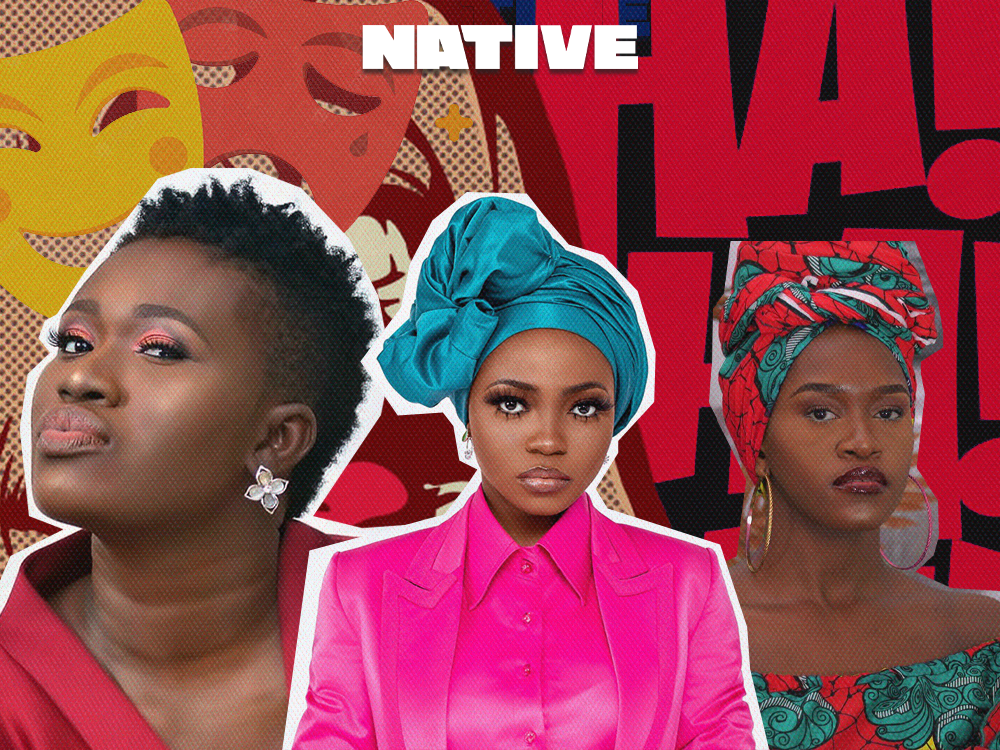
While we await more concert and event dates, the wheels of pop culture are ever-turning and we’re excited to dig into this week’s topics. In a special edition this week, our resident NATIVE hot girls, Nwanneamaka and Wonu join forces to voice their opinions on some of the most relevant topics in pop culture today.

On the deck for discussion today is Balenciaga, back again for the their distasteful ad campaigns. It is still hard to believe that in recent times popular fashion brands like Balenciaga are as tone deaf and insensitive as they are. Then, we dive deep into people policing women’s bodies in 2022. Quite frankly, we are over it. Get us out of here!

WHAT I’M LISTENING TO

I’m currently listening to one of my favourite R&B artists right now, Aleksa Safiya. I had the opportunity to go back into the archives and listen to some of her projects and right now, I’m stuck on her previously released EP titled ‘Miss Me When I’m Gone.’ It’s her most vulnerable project to date as she focuses on matters such as self-awareness, growth, love, heartbreak and evolving as an artist. Records such as “Insecure,” “Sticky Situation” and “Different” describe the singer’s current state of mind. Other than this, I’m listening to ‘Billion Dollar Baby’ by Seyi Vibez. The street pop artist released his debut album only a few weeks ago and in a short period of time, records like “Chance” and “Bullion Van” have simply become fan favourites.

Wonu

WHAT I’M WATCHING

Last time I was on the hot seat, I mentioned that I would get into season two of HBO’s ‘The White Lotus’ after its incredible debut season. I have and unsurprisingly it doesn’t disappoint. They’re back with an even more obscure score and a very interesting plot structure that’s not necessarily edge-of-your-seat but incredibly engaging. Seeing as I’m always watching multiple things at once, I had to lock in to ‘Blood and Water’ on Netflix. Only one episode in and not much has changed, Puleng is back with all her drama and Wade is just as annoying as ever. However, I would say the show has shifted from the high school/teen drama to full blown crime and investigation series but I’m here for it. I’ve also seen significant conversation around ‘Wednesday’ starring Jenna Ortega. That has been added to my watch list.

Nwanneamaka

AYRA STARR WILL SEE YOU NOW

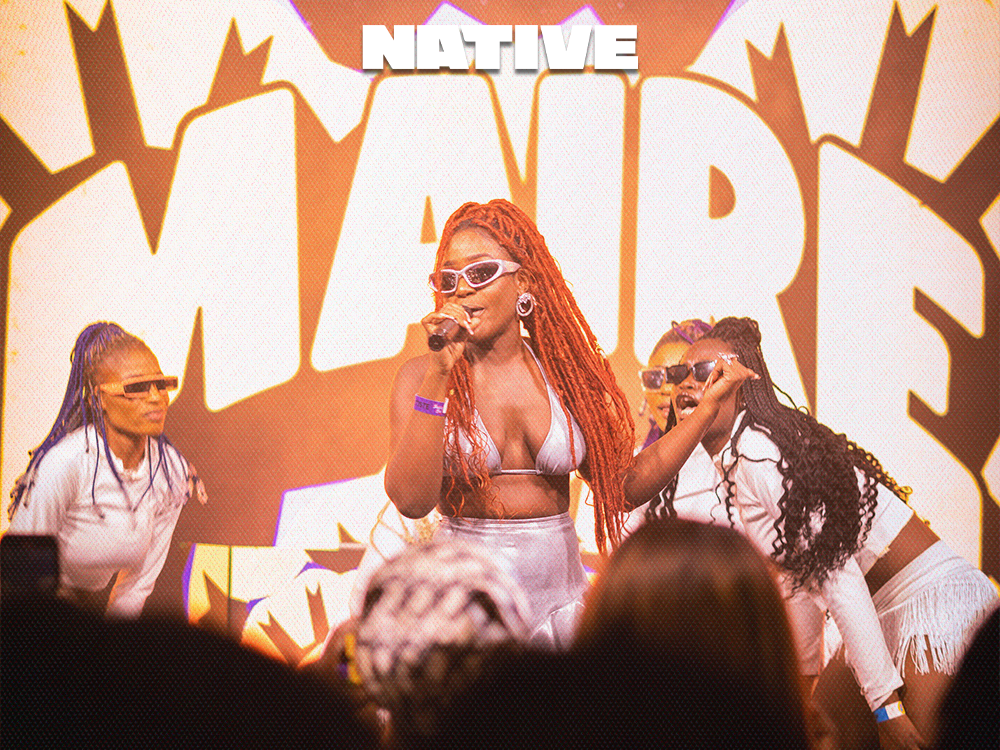
Last Week, Meta brought together the worlds of music, fashion, comedy and art for an immersive experience dubbed as Flex Naija, a mixed reality showcase which pulled together vibrant works from NFT artists and collectors. The night was well attended by Lagos’ most audacious influencers and entrepreneurs and also featured star-studded appearances from Teni the Entertainer, Cruel Santino and Ayra Starr.

While their performances ranked as one of the highlights of the night, it was soon revealed that fans were unhappy with Ayra Starr’s sartorial choice at the event… like anyone asked. Many took to social media to express their displeasure at her outfit choice, going as far as to berate the artist for setting a bad example for a younger listeners. Firstly, no woman should have to explain her wardrobe in 2022, especially a young woman who is rapidly ascending the ranks in the Afropop scene, and continues to spin auditory gold.

In our patriachial society, women can never win the blame game. Whether we’re viewed as sinners or saints, we’re given limited spaces to occupy and are forced to dim down sides of ourselves in order to remain easily digestible for the general public. Women in entertainment are given even smaller spaces to occupy, and we’ve seen this happen time and time again. If it’s not Tiwa Savage getting the long end of the stick for her own body, it’s Teni the Entertainer facing ridicule for her recent weight loss–and quite frankly, we’re over the policing.

What I think should be debunked is the idea that these women weaponise sex or their sex appeal to sell their music. One would think in 2022, we had outgrown these backwards practices and thought processes. It is incredibly exhausting engaging in these fruitless conversations and I particularly love Ayra’s response to the conversation. Ayra came unto the scene already telling us exactly who she is–’19 & Dangerous,’ and now, she’s only going to grow more into herself and I, for one, am here for it.

Nwanneamaka 

#BALENCIAGAGATE 

As early as 2014, Balenciaga has rolled out with one distasteful campaign or the other. After multiple apologies over the years, it seems that the luxury brand is still yet to learn its lesson. Over the past week, Balenciaga has emerged in the headlines once again for their blatant predatory behaviour and child abuse content on their platform. In their recently holiday campaign, which has now been pulled from the internet, Balenciaga features two little girls holding stuffed animals and donned in BDSM wear.

The campaign also featured engaged props unfit for children including alcoholic glass wear. As if this isn’t horrid enough, in one of the campaign images, the brand also included a very poorly hidden document which later revealed to be an excerpt from the US Supreme Court opinion in United States v. Williams which upheld part of a federal law in child pornography. The grotesque document explained that while child pornography is illegal, the production and distribution of sexually graphic images of children is allowed so long as it is not obscene. This is literally insane.

As expected, the brand tendered an insincere apology claiming that matters relating to the production and exchange of child pornography are taken seriously in their internal structure. Balenciaga also promised to take legal action against the parties involved in the set creation and those also involved in the dissemination of allegedly unapproved items for their Spring 23 campaign photoshoot. I’m not buying this apology one bit because this is not just a gross oversight, but plain wrong. For a brand as established as Balenciaga, it would be naive of anyone to believe that the campaign didn’t go through several levels of scrutiny and editing before it was finally released to the public. Negligence or ignorance in a matter as sensitive as this simply does not suffice as a tangible excuse. While several consumers of the brand have taken to social media to express their disgust and discard their purchased items from the brand, the individual creatives behind these campaigns need to be brought to justice.

Nwanneamaka 

Chimamanda doubles down on transphobia

For many young African women like myself, Nigerian author Chimamanda Ngozi Adichie was an exemplerary figure to look up to in our patriarchal society. While growing up, we wondered and amused at her impressive writing which she used to craft worlds with strong Black African female leads that many of us were unused to at the time. With some of her widely read books like ‘Purple Hibiscus’, ‘Americanah’ and ‘Half Of A Yellow Sun’, Chimamanda can be described as a voice or idol to young African women. 

However, as we’ve grown up and formed our own ideologies and beliefs, it seems that our hero has now morphed into a villian with little awareness of the harm she perpetuates in her position. Over the past few years, Chimamanda has come under fire for the transphobic statements made in a 2016 interview with British Channel 4 TV on feminism and gender. When asked if she believed transwomen to be women, CNA had responded in the negative, sharing that transwomen were transwomen. While we’ve previously spoken about our displeasure at CNA’s statements on hot takes before–please stop asking TERFs about trans rights–it seems that CNA is once again under fire for statements made regarding the trans community.

In a recent article in the Guardian, CNA has once again doubled down on her transphobia with alarming statements that are truly disappointing for someone who once inspired many young women. While the article is centred on CNA’s hard-hitting Reith Lecture and features an excerpt from her speech, it also unpacks a rather alarming interview between CNA and writer, Zoe Williams where CNA boldly proclaims “I believe literature is in peril.” Of course, any mention of free speech would solicit questions about CNA’s previous transphobic statements and Williams does not shy away from prodding CNA about this during their time together.

CNA speaks on how her opinions on gender and rights pertaining to trans women have over the years been tagged transphobic even when she believes she’s not. She cites an example with “So somebody who looks like my brother – he says, ‘I’m a woman’, and walks into the women’s bathroom, and a woman goes, ‘You’re not supposed to be here’, and she’s transphobic?” I hate to break it to you, but yes. CNA goes on to state, “Now this whole trans thing, I did not know I was walking into anything. I thought I had said something self-evident. So I think I just experienced a sadness. I felt, ‘I’m on your side. We’re a tribe. Why am I a controversial figure?’”

It’s alarming that CNA can’t see the irony in her own line of questioning. You’re the controversial figure because you have assumed the role of an oppressor and denied the lived experience of a woman because her reality is different from yours. It’s not only upsetting to see your heroes in real-time become the villian, but it’s also ignorant and extremely harmful for someone in CNA’s position of authority to deny the experiences of a marginalised group of women. At this point, I’m literally begging everyone–writers, publicists, managers, publications, please stop asking TERFs to defend the rights of the very people they seek to erase. 

LGBTQ+ Protester With Rainbow Flag Disrupts Match In Qatar

On Monday during the Portugal vs Uruguay match, a man disrupted the match, entering the pitch with a rainbow flag in a show of support for the LGBTQ+ community during the World Cup in the controversial host nation, Qatar. Disruptions by unknown individuals are a common occurrence during football games. However, this particular incident was rather sensitive due to the controversy surrounding Qatar, the Islamic, conservative host of this year’s World Cup tournament.

Since the World Cup kicked off, the Middle-Eastern country has been at the forefront of controversy. Alcoholic drinks were banned at the stadiums on the eve of the tournament as well as the OneLove armbands which the captains of several nations were planning to wear as a way to show support for the LGBTQ+ community. However, Qatar has stressed that guests attending the World Cup should respect the host country’s traditions. Although it is great and inspiring to see someone make such a bold and courageous move, I believe that it is important to respect the host country’s traditions and beliefs. The safety of queer fans and players is beyond important and as a people, we ourselves should not take these things for granted. 

Featured Image Credits/The NATIVE


Words by Wonu Osikoya and Nwanneamaka Igwe. 


ICYMI: UNDER: BEST NEW ARTISTS (NOVEMBER,2022)

Essentials: Ukweli & Xenia Manasseh Explore Minimalist Grooves On New EP, ‘Maybe’

When Xenia Manasseh began making waves in Kenyan music circles three years ago, her voice was rightly recognised as important. ‘Falling’ demonstrated her ability to conjure emotive tales with stunning relatability, but it also carried the worldviews of the then-23 year old. Situated primarily among those views is the ethos of collaboration, which has continued to influence the artist’s trajectory in beautiful and unpredictable ways. 

On her latest project ‘Maybe’ she works with the DJ and Producer Ukweli, who makes up one-fifth of the revolutionary East African collective EA Wave. They’re both familiar with each other’s craft, having worked intermittently since the neo-soul minimalism of “My Pride” debuted some two years ago. Ukweli’s screeching vocal samples, relaxed drums and ethereal keys had set the tone for Xenia, whose vulnerable lyricism was clearly conveyed by her emotive range. On ‘Maybe,’ those sonic experiments are traded for more assured choices. Quite poignantly, Ukweli retains the brooding elements while Xenia croons from her R&B perspective, colouring the records with the unmissable trajectory of romantic turmoil. 


View this post on Instagram


A post shared by Xenia [Zee-ni-a] (@xeniamanasseh)

“Etoile” introduces the feathery touch that runs through the EP’s five songs, bare except for Xenia’s glittering vocals and the intermittent knock of reverberating drums. Splashes of exciting horn playing sets up an interlude-esque space between the first and second verses, while the song’s backend is stuffed with lush vocalising. The titular “Maybe” plunges the listener deeper into the world carefully curated by Ukweli and Xenia, their chemistry never failing to shimmer with understated brilliance. “Never thought love would find me,” sings Xenia in the song’s most admitting lyric, and later on painting the image of being a distant lover even though she’d rather be by his side. 

It is such instances of pristine songwriting which supplies the global superstars on Xenia’s songwriting CV: Burna Boy (for vocal contribution on “Time Flies”), Tay Iwar and American musician Teyana Taylor, among others. A student of Music Business and Management, she’s an all-round entertainer. In Xenia’s young days, she picked up instruments like the piano, drums, guitar and bass, an understanding of sound which audibly influences her beat selection. 

“Lost” is a stellar showcase of these intricacies, starting out with soulful synths before morphing into a slightly minimalist Trap-tinged record. Following the direction of her co-creator, Xenia elevates the pace of her flow, at times sleekly coming across with a rapper’s cadence and other times, relaying an effervescent Ragga-inspired flow that’s faintly reminiscent of Tems’ early music. 

While staying in the background, Ukweli’s contribution to the tape is characteristically masterful. Rather than unfurling a packed bag of tricks, he strips his synths and keys so Ms. Manasseh’s voice can emerge more purposefully. No other song on the EP demonstrates this better than “Circadian Riddim,” the emotive closer which draws from Xenia’s favoured genre of neo-soul. Bouncing with a cool gravitas, the drums possess a dusty boom bap texture while there are intricate designs within their spaces—as you’d expect, Xenia thrives on the set soundscape, taking her voice into exciting tones while maintaining narrative clarity. 

‘Maybe’ is a record that highlights the project’s sharp, succinct quality and, ending with a lush performance of Ukweli’s trumpet playing, a sense of the epic lingers long after the last note is played. 

NATIVE Exclusive: The Many Faces & Voices of Dwin, The Stoic

Edwin Madu loved the sharp quality of fiction in his early years. He had grown up reading a wide range of books that could have been available to any middle class kid in Nigeria. Starting to construct narratives of his own, that interest only expanded as he wrote his first song in 2007. “The song was very corny and it was written by a twelve year old, so I mean, that’s to be expected,” he said when The NATIVE caught up with him some weeks ago. 

Though he began as a youngster with little to no leanings on technique, his skills improved with time. To capture the approaching shape of his work, Edwin sought a fitting sobriquet just before the release of his first record: inspiration came from a song by British folk rock band Mumford and Sons’, a line on “Reminder” which goes, “So I watch the world tear us apart, a stoic mind and a bleeding heart…”  Taking off the first letter of his name, he became Dwin, The Stoic, foreshadowing the epic scales his music would evoke in stripped sonics and honest, heartbreaking lyricism. 


View this post on Instagram


A post shared by Dwin, The Stoic (@dwinthestoic)

Making an instant impact, ‘Heavy Heart’ was the artist’s first album. It was released in 2018 but Dwin had created its second single “Stay With Me” about two years prior. 3rty, a musician and close friend of Dwin, helped him secure a recording session Both artists had created “The Lonely” while in university, and 3rty continued to support his reclusive friend with studio resources or technical assistance whenever the need arose. 

The truth is, Dwin wasn’t quite sure of his music back then. He had a thousand other things going for him. “I was writing short stories, I was getting published and that was my life,” he says. “I was creating content, documentaries, all that stuff. The end of 2016 was when I now—NYSC was done, and the parents were like ‘Hey, you probably need to get a job’. And so I did, I got an office job, working as a tech consultant and this job takes me—I travel a bit. So there’s Ghana, Guinea, but a lot of the writing for ‘Heavy Heart’ happened in Ghana, during one of these work trips”. 

Listening to ‘Heavy Heart’ feels like a memory, a peek into the experiences of one who knows the pointed edge of life’s dagger. Dwin’s subject matter ranged from existential queries (“Are You The One?”) to unpacking weighty romantic issues (“Happy Song” “Take Flight”), and his writing, clear as a prism glass and sharp as splintered bottles, did great justice to their sensitivity. “End Of An Era” is an ode to his departed sister while some others took account of old loves. Most of the other songs were fictional. He attributes their intimate sense of realism to his background as a creative writer – a quite obvious influence. “I have seen the worst of life, I have walked so many miles,” he writes in the hook of a personal favourite “The Lonely”, and then brings down the realisation that’s led to the earlier couplet: “Even when you hold my hand, I still feel left alone”

Possessed with husky vocals that plays near the extremes of tonal range, Dwin, The Stoic is first and foremost a fine singer. His influences include Jim Reeves (“the way he sings and how emotive he was”), The Beatles (“just because they were fucking great and my father played them a lot”), and Paul Simon & Garfunkel and Louis Armstrong (“words were important to them”)—all maestros of the ballad form. Being a DJ, his father’s collection also included the guitar-soaked records of Highlife veterans Oriental Brothers and Oliver De Coque. 

This amorphous background influences Dwin’s experimental foray in recent times. “I have a salsa song I’m working on and a lot of that [comes from listening to Spanish-speaking] acts like Natalie Lafourcade,” he tells me. “I’ve looked at music and just kind of seen it as a beautiful thing that can be attempted in very many ways and even now the conversation of genre for me, it’s gotten very hard. Cos the EP is not out yet but when people say shit like ‘genre bending’, this is one of them”. 

Last month at the Lagos-held ArtX festival, Dwin faced the difficult situation of revealing his genre of music to a prospective new listener. “What do I say to you?” he muses now, pondering the wealth of fusion in his work. “Pop? Alternative? Nothing seems to be all-encompassing enough”. 

With only two singles released in 2021, Dwin had a more productive output this year, his records produced by Rhaffy who’s come to be a frequent collaborator. The 3-pack project ‘Gkw/Winning Bread’ was released in June while “Rise” came out last month. Along with the recently-released “Without Your Love” they all demonstrate Dwin’s continued mastery of intense ballads, but with his forthcoming projects—first a collaborative EP with Rhaffy titled ‘Love Lane’, then his sophomore album—he’s evolving towards sonic unpredictability. “The song ‘Allez’ is a song where we use a primarily Indian drum pattern, but a lot of the chorus is written in French,” he says. “There’s also an amapiano song on this same EP called ‘Don’t Wait Up’”. 

The more we talk, the more obvious is Dwin’s sense of renewed purpose in music. He hasn’t always given his time to this love, with other interests—media and tech primarily—moving higher on the interests list. Being an independent musician requires an hands-on approach to one’s finances and Dwin has been anything if not active. His many talents take him across several communities in the Lagos and African art scene, and I wanted to know how. Where did he learn to apply his writing skills to the demands of communication across corporate media? 

“I’d say I was quite lucky with that,” he tells me. “If I had left university in 2015 and just not gotten some of the opportunities I did, or certain things didn’t happen afterwards, I wouldn’t know that the world of creating was where you could make money. It was a world I always admired but never quite looked into as a place to exist and make money. What set off a chain of events was Chimamanda’s workshop in 2015. I had wanted to apply and it was on the last day of submission I actually remembered it. I had been working on a short story and I took the first 800 words—cos that’s what they asked for—and just pasted it”. 

This was in the middle of his final year and Edwin had forgotten his submission for the prestigious Purple Hibiscus creative workshop. On the announcement day after much anxious waiting he got mail past midnight saying he had got in, one among the twenty writers from hundreds around the continent. Being part of that multi-storytelling community for the next ten days broadened Dwin’s gaze. “With that came exposure to the literary community,” he says, partaking at the Ake Festival soon after and working at the African Artists Foundation (AAF). “My entry into the arts was something easily that could not have happened. After graduating with a Computer Science degree, I could have just gone to get a job in tech or something like that but that made it so I was like, ‘okay, tech would have to wait for a bit’. This is exciting”. 

Morphing from the tender intensity of ‘Heavy Heart,’ the many voices of Dwin have found purpose in the world’s vast nature. He’s also a member of The Ignis Brothers, alongside vocalist Ruth Zakari and multi-instrumentalist Lamide Aranmolate. In 2020, the indie-folk band released their debut album, The Cost of Our Lives,’ which furthered the existentialist leanings of Dwin’s own work, although this time with the varied sensibilities of his bandmates. 

Writing songs for other artists has also featured in Dwin’s industry exploits—earlier in conversation, he told me his debut album was supposed to be a songwriter’s CV, only it became that and more. He’s earned the praise of stellar writers like Simi and co-wrote a standout record from Adekunle Gold’s ‘Afro Pop Vol. 1’ (“Exclusive”). 

“It’s been interesting,” he says when I ask about his journey as a songwriter in the Afropop scene. “I want to do more of that; this is now my avenue to just put it out there. I really want to write for artists or at least, just give some of these songs I have. I think they’re great songs and if you give it to a talented artist, they’re going to be beautiful. Working with Adekunle was great; we worked on a couple other songs that hopefully would come out at some point. The way the industry works, who knows? I’d also written for Jessica Bongos, written for an artist called Emilomo, which was a Christian song funny enough, but that’s another conversation for another day. I’ve written for Ibejii as well, a lot of his earlier projects, so I would say I want to do more of these collaborations”. 

There is a lot happening for Dwin and moving his music to the center stage rewards an important motivation for him. “I want to enter a new space,” he affirms. “I think I bring something very new to the Nigerian soundscape but I also know I’ve always just played sort of in the fringes, and not so much in the pop scene. And I think that I make sounds that would work for the general populace; I don’t think a song like “Streets” is not—[the song] does very well on radio, from here to Ghana, with my streams and the data I have, cities like Amsterdam. I know the sound—whether there’s ballads or the faster stuff—will work. Now I’m taking more important business decisions to make sure all that is achieved”. 

Songs Of The Day: New Music From Tomi Agape, EMPIRE, Maleek Berry & More

2022 is winding down and it’s been an eventful year for Afropop. There’s been a torrent of great new music, spawning a massive stack of inventive smash-hit songs. From Highlife-infused Ghanaian pop, to the unrelenting force that is Nigerian street-pop to South Africa’s indomitable Dance scene, to tantalising Drill explorations in East and Central Africa, and much, much more, we’re living through abundant and musically expansive times.

Every week, many songs from African artists make their way to digital streaming platforms, and wading through them can be intense. That’s where The NATIVE’s Songs of the Day column comes in to help. We go through as many new releases as possible, spotlighting them here, two to three times every week. Today, enjoy new music from Tomi Agape, Pheelz, Maleek Berry and more. Lock In! 

EMPIRE, FIREBOY DML & NAVY KENZO – “HOLD ON”

Following the announcement of their debut compilation album, ‘Where We Come From, Vol.1,’ EMPIRE has topped several charts with the release of “Cough(Odo)” with Kizz Daniel and Tiwa Savage and Asake’s “Loaded.” Featuring some of the best Afropop acts including Wande Coal, Bad Boy Timz, Olamide and more, the 15-track compilation album offers a fresh contribution to the sounds from these parts. A standout from the recently released project is “Hold On” which taps into Fireboy DML who recently celebrated 3 years since his iconic debut ‘Laughter, Tears and Goosebumps’ and Navy Kenzo. Fireboy’s captivating vocals which instantly introduce the tracks thumping beat are quickly followed by Navy’s infectious flow. Fireboy’s dulcet vocals steal the tuneful hook as he sings, “So long, baby girl its been so lonely/Hold on, baby girl you’ve got a hold on me.”

TOMI AGAPE – “DEEP END”

Aside some features alongside “In the Night” PsychoYP-aided “Maria” in 2021, Tomi Agape has had quite a quiet couple of months since her 2020 EP, ‘Never Gunna Be the Same’ which featured standouts like “London” and “Better.” Now, the London-based singer returns with the N2theA-produced “Deep End,” which is a melodious rendition over a mid-tempo base infused beat. Her vulnerable songwriting shines through on this colourful production with light saxophone chords. She doesn’t shy away from expressing her raw emotions as she croons on the hook, “This is us, this is all of me/loving you, loving me.”

BLAQ JERZEE & DIAMOND PLATNUMZ – “SUPERWOMAN”

Barely two weeks ago, Blaq Jerzee came out with his first solo track of the year “Chele,” to join his 2022 releases “Bags” and “Dangerous” assisted by Phyno and Jazzer’s Karis respectively. For his most recent release, the Nigerian producer taps into Tanzanian musician and undeniably one of Africa’s biggest artist, Diamond Platnumz for his new single “Superwoman.” The track’s high-tempo groovy beat showcases the pair’s catchy lyricism as they express their longing for their love interest despite understanding that she’s trouble.

PHEELZ & FRENCH MONTANA – “FINESSE”

Cementing himself as one of the most exciting acts to cross over into a global audience with the astronomical success of BNXN-assisted “Finesse,” Nigerian producer, singer and songwriter, Pheelz, offers a new mix to the smash hit now featuring French Montana. This follows after Davido-assisted “Electricity” which also garnered significant attention from global audiences. For its remix, Pheelz retains the tracks indelible production but this time introduced by French Montana’s instantly recognisable flow–a testament to the artist’s versatility.

SMALL DOCTOR & BELLA SHMURDA – “SHAKA”

Still riding the waves of standout single “Philo” off his recently released album ‘Hypertension,’ Bella Shmurda joins Small Doctor for his third track this year. Adding to the slew of street pop anthems emanating from these parts, “Shaka” is another catchy number capturing the zeal and relentless drive easily reconcilable with the streets and its artists. The track opens up saying “If I no make am wo kingba/ If I no do wetin no pay me oh.” The pair, over a catchy mid-tempo beat sprinkled with Amapiano influences, the pair fluently go back and forth in Yoruba and English as they chant on the hook “Plenty dollars shaka (Shakabula Shaka)/Plenty plenty pounds shaka (Shakabula Shaka).”

MALEEK BERRY – “OLE GAN”

Maleek Berry made a comeback on the scene this month with his solo performance on “My Way” off his forthcoming project. Not long after, he reaffirmed himself with his diverting performance on Eugy’s “Medicine” which also enlisted Mavins signee, LADIPOE, leaving us itching for the long awaited comeback. Drawing us further into the world of his album, Maleek has now released new single “Ole Gan,” an instantly catchy number with the distinct log drums of the Amapiano sounds rocking our airwaves at the moment. On this track, he expresses his longing as he expresses his willingness to go the extra mile for his love interest.

SKALES – “KONIBAJE”

Following the death of his beloved mother, Afropop singer Skales is immortalising her memory through his latest release. Titled “Konibaje,” which is Yoruba for “It won’t be bad,” Skales delivers a hopeful and resilient track about keeping the memory of our loved ones alive. Produced by longtime collaborator Jay Pizzle (Kizz Daniel, Patoranking, Olamide), Konibaje’ is an infectious dance floor filler laced with thumping drums and catchy synth arrangements, as we have come to expect from Skales.

JOYA MOOI – “TEARS”

Off her forthcoming debut album, ‘What’s Around The Corner,’ Joya is back with her raw lyricisms and signature heavenly vocals on “Tears.” The soulful R&B track which blends loose-limbed Jazz sensibilities and Hip-Hop, showcases Joya’s luscious vocals on the reflective number that discusses accepting life with all the negatives. Produced by Sim Fane and SIROJ, she sings about embracing ones journey with all the failures, dramatic fullstops and resets. “Tears” offers a refreshing sound of modern R&B with sharp lyricisms urging listeners to reflect.

ESPACIO DIOS & MAGLERA DOE BOY – “PELO”

Espacio enlists ‘Diaspora’ rapper, Maglera Doe Boy on his first single of the year since his triple release – “Deliverance,” “The Knowing” and “Thlali”– in the later parts of last year. “Pelo” features the South African musician expressing his hopes for love on this mid-tempo track, stating plainly to his love interest that he is vulnerable and ready to love. Maglera Doe Boy’s sweet-sounding vocals compliment the tracks dazzling production drawing influences from Setswana and SeSotho.

T6LU – “BIG BAD BLU”

Making her 2021 debut into the scene with a feature on DEELA’s “FIT,” Tblu’s memorable lyrics and rhythmic flow over the striking bass-infused beat left listeners wanting more. She also featured on Brazy’s “ARI” – also assisted by DEELA- and the trio, joined by L0la collaborated on “Fuk on Me.” For her debut solo single, “Big Bad Blu,” T6lu -pronounced T blue- is back with her low cadence vocals on the bass-heavy produced. A eulogy in its own right, T6lu praises herself as she croons on the “Big bad blu, who?, who the fuck is T6lu?/ You bitches wish you knew, can’t hang with my crew.” 

Featured Image Credits/The NATIVE


Nwanneamaka couples her creative interests with her individuality, using words as a vessel for her expression. 


ICYMI: ASAKE’S TIME

NATIVE RESET ISSUE: Asake, Undisputed

Each year, Nigerian pop welcomes several ascendant stars into the mainstream. In the early days of 2022, Asake burst unto the scene with the Olamide-assisted “Omo Ope,” a delightfully hedonistic slapper that quickly set the course for his marquee year. Since that release, Asake has continued to notch musical successes as he rapidly ascends through the ranks and harnesses his powers fully.

For the first of our NATIVE RESEST ISSUE covers, we spoke to Asake, the man of the moment about his life before he became the King of Sounds and Blues. Here, the YBNL and EMPIRE star talks candidly about his days stomping around Obafemi Awolowo University in Ile-Ife where he first realised his musical ambitions to his relationship with label boss and mentor, Olamide and his infectious sound which has taken the world by storm off the back of his commanding and charismatic presence.

With weighty strides that have changed the course of Afropop music as we know it today, Asake is the undisputed champion of 2022. “I won’t lie, it’s been stressful, but it’s what I’ve been praying for. I no sabi give up,” he reveals, as he talks about his how his ascension to household name feels long overdue.

Full Credits

Word by Dennis Ade-Peter

Editor-In-Chief: Seni Saraki

Head of Content Strategy: Damilola Animashaun

Managing Editor: Tami Makinde

Deputy Print Editor: Adewojumi Aderemi

Photography & Creative Direction: Manny Jefferson

Art Direction & Production Design: Desola Falomo

Styling: Momo Hassan-Odukale

Make-Up: Onome Ezekiel

Production: Jimi Adesanya & Leke Alabi-Isama for JM Films

Motion Director: Director K

Videography: Omowunmi Ogundipe, Muhhammad Atta-Ahmed, Henry Young, Idris Shokanbi, Tunde Anjorin

Lighting: Stanley Ibegbu

Sound: Sunday Adesugba

Production Assistants: Yusuf Adedoyin, Benjamin Edem

Read Asake’s Time here.

Featured image credits/MannyJefferson

EXCLUSIVE: Lagos-based artist Smada signs to NATIVE Records

Rising Lagos-based artist Smada, sent the entire Internet into a frenzy when posters and merch with the words “Where is Smada?” began popping up around the city this past month. While some fans surmised this was a PR tactic, created to roll out new music, the online campaign got people talking about the artist who has spent the past two years, building a solid fan base of Gen Z listeners. Ever in tune with social media and his fan base, the viral campaign certainly served to further his ability to command conversations and remain an ubiquitous new name on the scene.

Following the announcement of their exclusive worldwide joint venture partnership with Def Jam Recordings, the first-ever by Def Jam with an African company, Nigerian and UK-based NATIVE Records have today unveiled their second signing–Smada, the heavily sought after viral star from Lagos, Nigeria.

It’s nearly impossible to have avoided Smada over the last 12 months – the rising star’s face practically unavoidable on social media, especially on TikTok, where his videos have amassed close to 2 million likes, with many soundtracked by snippets of his unreleased songs. This rapid rise, propped up by an organic community of followers turned fans, has seen Smada emerge as one of the most exciting voices out of the country’s burgeoning music scene. His debut EP, ‘Super Smada’ rocketed to #1 on iTunes, while his single “Family” peaked in the Top 100 songs on Apple Music – all while he was still a student at the University of Lagos.

Smada has spent the past few months fine-tuning his delivery and working on new material, the first of which is the much-anticipated single “Ye Anthem”, which Smada has been teasing on his TikTok for the last few months. The snippet alone has already been used over 200 times on the platform, and amassed hundreds of thousands of views.

With a firm grasp on trends and Internet parlance, Smada continues to ascend the ranks and present a refreshingly unfiltered evolution in Afropop. Now, with a record deal inked with one of the most exciting labels out of Africa, NATIVE Records, Smada has his sights set on what’s really important: the music.

Speaking about the new deal, he shares:

“Signing to NATIVE Records and working with my team is a new journey for me. NATIVE is family so I feel very much at home. A lot of things have changed, but nothing really changed. I can’t wait to see what we come up with and what we achieve. Big up to everyone, this is about to be crazy.”

Co-president of NATIVE Records, Teezee also shares:

“We’re super excited to sign Super Smada to the NATIVE Records team. He’s a very versatile, Gen Z Afrofusion artist and he has the potential to become one of the leaders of the next generation of artists and leaders coming out of the country. Super Smada let’s go.”

Featured image credits/

TurnTable Top 100: Mavin’s “Won Da Mo” climbs into the top five

In the decade-plus since its formation, Mavin Records has evolved from a crew of stars led by a Svengali, into arguably the most well-oiled machine and label operations company in this part of the world. In celebration of its tenth anniversary, Mavin is gearing up for the release of its second compilation project, ‘Chapter X’, and the album’s recent lead single “Won Da Mo” is growing into a bonafide hit. On this week’s edition of the TurnTable Top 100 chart, it climbs to a new No. 4 peak – three spots up from last week – with 2.04 million streams and 48.9 million in radio reach.

With ‘Chapter X’ due for release later this week, “Won Da Mo” is loading up to contend for the top spot, but it will face stiff competition from the current No. 1 song on the chart, “Cough (Odo)” by Kizz Daniel and EMPIRE. Also dropping this week is ‘EMPIRE Presents: Where We Come From, Vol. 01’, the first compilation project by the distribution and label services company featuring many of its affiliated African artists. After being shut out for the last two weeks by Young Jonn’s “Xtra Cool”, Kizz Daniel’s latest smash hit returns to the No. 1 spot, making him the artist with the most cumulative weeks at No. 1 (19 weeks), a streak that could be extended by the imminent drop of the EMPIRE compilation.

“Xtra Cool” drops to No. 2, continuing its remarkable top ten run on the TurnTable Top 100, and it’s closely followed by Tiwa Savage and Asake’s lavish, irreverent banger, “Loaded”, which holds at No. 3 for another week. Ayra Starr rounds out this week’s top five with “Rush”, dropping one place from its previous position. Both Asake and Ayra make one more appearance on this week’s top ten, with the former’s “Joha” holding at No. 6 for another week, and Wizkid’s “2 Sugar” with the latter slips three spots from its previous peak to No. 8 this week.

An alleged shot at Mavin and following a reignition of his tiff with BNXN, which led to a conversation about streaming farms in Nigerian music, Ruger’s “Asiwaju” moves up 63 spots to a new No. 7 peak position on this week’s TurnTable Top 100. With the controversy and debate raging on, Ruger’s new single will very likely be in contention for higher spots in the top ten in subsequent weeks. Rounding out this week’s top ten, Johnny Drille’s “How Are You (My Friend)” makes a return to the chart’s top fifth at No. 9 this week, and it’s followed by Pheelz and Davido’s “Electricity”, which moves twelve spots up from last week.

You can go through all the songs on this week’s TurnTable Top 100 here.


EXPLAINED: NIGERIAN MUSIC HAS A STREAMING FARM PROBLEM

Songs Of The Day: New Music From Busiswa, Reekado Banks, J.Derobie & More

2022 is winding down, and it’s been an eventful year for Afropop. There’s been a torrent of great new music, spawning a massive stack of inventive smash-hit songs. From Highlife-infused Ghanaian pop, to the unrelenting force that is Nigerian street-pop to South Africa’s indomitable Dance scene, to tantalising Drill explorations in East and Central Africa, and much, much more, we’re living through abundant and musically expansive times.

Every week, many songs from African artists make their way to digital streaming platforms, and wading through them can be intense. That’s where The NATIVE’s Songs of the Day column comes in to help. We go through as many new releases as possible, spotlighting them here, two to three times every week. Today, enjoy new music from Reekado Banks, SOLIS, Karun, Laime and more. Lock In! 

Busiswa – “Asambe” ft. DJ Khao and Kaybee

Following her singing and songwriting appearance on two tracks off the ‘Black Panther: Wakanda Forever – Music From And Inspired By,’ South African singer Busiswa returns wuth a new groovy single titled “Asambe” which features DJ Khao and Kaybee. Produced by DJ Khao, the new number provides a delectable blend of Amapiano, infused with Gqom, and House which provides the perfect backdrop for Busiswa to fire off empowering and affirming lyrics such as “I’m a badie, I’m a queen, I’m fucken star, if you won’t believe me you won’t go far these days.”

Reekado Banks – “Holla Me”

Following the success of his 2021 hit single “Ozumba Mbadiwe,” singer and songwriter Reekado Banks makes his return with his first official release of the year titled “Holla Me.” The Horlargold production finds the artist hyping himself up while he speaks to his muse. Over the Amapiano-infused production, he chants “Oh baby, hop in the car Shey na wire abi make I do transfer?/Mm, omo, kos’ewu rara, owo nbe ninu shaka, billi’-billi* dollars,” with his melodic vocals. 

SOLIS – “Abeg” ft. Karun, Amindi

It’s SOLIS season once again and we’re excited for the new era. Arriving last week, SOLIS has now shared the remix to “Abeg,” one of the standout cuts off her recent EP, ‘Stairway to Heaven.’ The new remix reunites SOLIS with American singer, Amindi while bringing on the lush sounds of Kenyan singer, Karun into the mix. The sultry and solemn number sees a wholesome combination of vocals from all collaborators on the record. The production ties it all together and gives the record a clean and ethereal finish.

Mohbad – “Tiff”

Since his exit from Marlian Music, we’ve all been wanting to know Mohbad’s next move. Well, the wait is over. Mohbad has now shared new single, “Tiff” which serves as his first release as an independent artist. The record which was first teased on social media, now makes for an even more enjoyable listen as it finds the artist speaking about his struggles these past few years. Over catchy production from Larry Lanes, Mohbad paints a picture of his experiences while showcasing how he can rise up as a better version of himself. 

Ladè – “Lova” ft Crayon 

Following the success of her standout single, “Adulthood Anthem,” Afropop singer Lade has now shared her sophomore EP ‘Merchant Of Melodies.’ The body of work sees the artist showcasing melodies across a brisk 5-track run. On the Crayon-assisted standout record “LOVA,” both artists sing to their respective muses and express their most honest feelings to their love interests. 

Laime – “Ordinary Love”

After taking a brief hiatus from releasing music, Laime is here with his most recent party starting banger titled “Ordinary Love.” The amapiano-infused romantic number sees the artist making advances towards his love interest. Over the Dami Ore-production, Laime sings “Ordinary love, you know I’m different.” 

MTG 9Boy – “Choke”

After taking a 2-year hiatus from releasing any musical material, Nigerian-born, American based artist is here with the new mid tempo number titled “Choke.” The record sees him at his most braggadocious as he hypes himself up and spits bars about getting his shit popping. He chants the lyrics “I’m steady dripping in my steezy clothes/You see my steeze e dey choke,” which serve to boost his own self-confidence.

Barry Jhay – “Destiny”

Singer and songwriter Barry Jhay is back with another street pop record titled “Destiny.” The record sees the artist showing appreciation to his maker for how far he has come and where he sees himself in the near future. Over the production, he chants “I know where I’m coming from, I know where I’m going to/So why should I be lacking? That one no dey my dictionary.” 

Ronehi – “Blessing” ft. Tim Lyre 

Ronehi and Tim Lyre are a musical pairing made in heaven. After teaming up countless times for records such as the MOJO-assisted “General” and “Organic” with Tena Tempo, the pair reunite on new single “Blessing.” The mid tempo record sees the both artists counting their blessings and showing gratitude to their maker for how far they have come in their lives.

J.Derobie – “Adwoa” ft. Joeboy

J.Derobie is making sweet-sounding Hiplife music that soundtracks his romantic life. On new single “Adwoa,” the Ghanaian singer teams up with fellow emPawa artist, Joeboy for a romantic new track that praises and adulates their love interest. With lyrics such as “Adwoa, you dey maya dey go/everytime you hold me, do it like that,” J.Derobie sets his romantic intentions while bringing his new project ‘Grains From Love and Reality’ one song closer.

Sauti Sol – “Lil Mama”

Sauti Sol are making some of the most exciting music out of East Africa. For their new single, “Lil Mama,” the group address their runaway love interest who keeps them in the dark about her real romantic intentions. “How long should I wait for your love, Lil Mama,” they chant over the song’s hook, imploring their love interest to take a chance on their romance.

Tyla – “To Last Remix” ft. DJ Maphorisa, Young Stunna

Earlier this month, South African singer Tyla shared her new Kooldrink-produced single titled “To Last,” an honest and romantic track that showcased her mellifluous vocals. For the song’s official remix, Tyla delivers an Amapiano-inflected update by featuring talented collaborators, DJ Maphorisa and Young Stunna who make the song more memorable with their ethereal touch.

Featured Image Credits/NATIVE

Best New Music: Somadina and L0la deliver the psychedelic-inspired anthem, “WDYWFM”

2018 was a pivotal moment in Nigerian music history. At the time, Afropop was on the precipice of further global breakthrough, as acts such as Wizkid, Burna Boy and more, had elevated beyond household status and began ushering in a new generation of hitmakers–all united by the embrace of freedom and interdisciplinarity as a de facto way of working.

That same year, Somadina made her debut with anti-love anthem titled “IHY,” which placed her on the map and in conversations. The single sat in good company alongside genre-defying releases and projects such as Cruel Santino’s “Rapid Fire” and Odunsi (The Engine)’s ‘rare.’, garnering Somadina the attention she needed to propel her artistry. Unsurprisingly, the young artist continued to showcase her dazzling skills on features such as Amaarae-assisted “FLAVA”, off Lady Donli’s debut album ‘Enjoy Your Life,’ making her one undoubtedly worth the watch.


View this post on Instagram


A post shared by SOMADINA (@somadina)

Since then, Somadina continues to fashion herself into her own type of star, letting us deeper into her world that promises more and more with each new release. Her tracks are like little easter eggs of personality, each waiting to reveal new layers to her mind and her sonic world. This is most adeptly shown on the SGaWD single, “Pop Shit” and “SuperSoma” where both artists trade bars with brazen optimism about getting their shit popping and enjoying this time in their lives.

This year, Somadina’s already working hard to show she deserves to be constantly on your rotation. In the past few months, she’s released “Rolling Loud,” a glitzy single about staying true to one’s self, performed alongside CKay at his ‘Sad Romance’ tour in London and shared a 6-track remix EP for “Rolling Loud,” which pulls from the expertise of producers across Africa and her diaspora. Now, Super Soma is bringing listeners further into her sonic world with the release of her debut EP, ‘Heart Of The Heavenly Undeniable(HOTHU).’

Before the project’s release, Somadina shared the promotional single “Y I Want U,” an enthralling track with a rich sonic palette that set the tone for the EP’s release. Officially arriving last week, the new project ‘Heart of the Heavily Undeniable,’ is a collection of reflective experiences for young Black women with soulful sounds and psychedelic-inspired melodies, a clear expression of Somadina’s Rock and R&B influences.

Across 11 new tracks, Somadina sets out to capture the rush of conflicting human emotions while keeping her touch light and ethereal which contrasts with the project’s freewheeling writing style and trippy production. While she’s shares her scattered thoughts and positive affirmations across the entire project, it’s the L0la-assisted “WDYWFM” that arises as a clear standout worth adding to your playlists.

The title is cut from an initialism which stands for “what do you want from me,” and finds Somadina and her L0la at their most experimental as she unites alt-pop with lush R&B and urgent emo sensibilities. Raw and vulnerable songwriting has come to be expected from Somadina, and “WDYWFM” does not disappoint in this regard. Reminiscent of her earlier singles such as 2019’s “Lay Low,” “WDYWFM” finds Somadina covering the misfortunes that come with love, loss and growing up.

Opening up with a smattering of hi-hats, strings and clashing keys, Somadina comes in with melancholic, pained vocals that address a past love interest who has reached the thin end of her rope. The dimmed yet audible sirens n the background are accompanied by Somadina’s sweet-sounding vocals as she affirms on the track’s intro, “Written in the stars, yeah I got nothing to prove.” 

The GMK and Payton-produced number continues a frenzy of whistles and is later punctured with shrill screams which further drive Somadina’s message of frustration and pent-up emotion. As the track builds, Somadina continues to seek release by indulging in psychedelics as she sings “numbing up my body until I’m ready to move,” expressing her desire to shield herself from the pain. L0la comes in with a soulful rendition about finding the freedom in letting harmful people and habits fade away, while showcasing silky, timeless vocals: “Won’t you love me deep?”.

As the song’s arrangement urgently gathers more layers of glittering keys and strings, Somadina and L0la realise that isolation may hold the key to the very connection that they both seek. While the Internet has made it such that communication can take place at the speed of light, it’s can also be very isolating making people feel just as alone and unseen as this; if so, Somadina is here to remind listeners that it does get better if you look within yourself.

With “WDYWFM,” Somadina once again proves that she’s capable of weaving stories into genre-defying soundscapes to deliver poignant music that feels instantly relatable and necessary for young Black African women. ‘Heart Of The Heavenly Undeniable,’ is her most daring release to date and with the project, Somadina proves that embodying authenticity will always pay off in the long run. We’re enthusiastically watching this space for more from Somadina.

Featured Image Credits/Somadina

For The Girls: Introducing Beauty Beat, The UK’s First-Ever Beauty Festival For Women Of Colour

When it comes to beauty options for women of colour, the available selection has always been wafer thin. However, in recent years, disruptor brands such as Rihanna’s Fenty Beauty and Olamide Olowe’s Topicals have risen through the ranks, and created an inclusive range of products for women of all skin types.

Despite the significant progress made in these areas, Black female consumers still experience a significant level of exclusion from the beauty and skin health products. In a 2022 analysis by The Black Pound Report, the multi-ethnic consumers spend roughly £230 million every month on health and beauty products but 4 out of 10 of these consumers struggle to find cosmetics and skincare suited for them shades.


View this post on Instagram


A post shared by The Beauty Beat (@thebeautybeatevent)

Noticing a gap in the market for women of colour, Donna Dia, a luxury event specialist with over 20 years of experience in curating meaningful cultural moments, created Beauty Beat–the first-ever beauty featival for and by women of colour. Inspired to bring her wealth of knowledge to the beauty world, Dia created The Beauty Beat after realising that, despite working in the events industry for years, she had never attended a beauty event that spoke to her as a Black woman that felt prestigious, showcased the brands she spent her money on, or included Women of Colour speakers that she follows. She shares with the NATIVE:

“What I found was when I was going to events that were targeted to women that look like me, they were never in Central London. I noticed that at these events, there were not many or any prestige brands and the execution was not at the same level as the ones I was used to producing. It seemed to me that there was a very large disconnect.”

Described as a “love letter to women,” Beauty Beat is a two-day event taking place in central London over the 3rd and 4th December. With brands such as NARS, Mac Cosmetics, Laura Mercier and more slated to have a presence at the beauty festival, attendees can also indulge in all things make-up, skincare and haircare while enjoying four panel talks by some of the biggest and talented names in the industry—from Patricia Bright to Candice Brathwaite.

Through Beauty Beat, Dia hopes to enable female customers to feel celebrated in their own right, while also triggering a positive uptick in investments for Black-owned beauty brands, particularly with regards product functionality, quality and advertising which would enable women of colour more pleasurable shopping experiences. “I hope that it normalises prestige, luxurious and lush beauty events for women of colour and black beauty. I also hope it helps the industry to further regard us as serious spenders in the space and to really recognise how powerful black women are as a consumer demographic,” Dia shares.

Ahead of the event this weekend in central London, the NATIVE caught up with Donna Dia to talk about the beauty industry, its dearth of positive representation and her grand plans for the Beauty Beat.


View this post on Instagram


A post shared by The Beauty Beat (@thebeautybeatevent)

Our conversation which follows below has been lightly edited for clarity.

NATIVE: Can you provide some context of your experience in beauty and events so far. How long have you been in both industries?

DONNA: I’ve actually been in events itself longer than I’ve been in beauty. I’ve been in event production for just over 20 years and that has mainly been in the creative space. Fashion events, beauty events and the likes. I’d say I produced a mix of events but I worked on my first beauty event about 10 years ago.

What inspired you to launch The Beauty Beat?

I suppose it comes down to having been in events for so long and producing really large scale events for brands such as Estee Lauder, Chanel, London Fashion Week and loads others. I noticed that the type of brands and events I became used to producing were very different to the types of events that I was attending as a Black woman. Personally, there just seemed to be a disconnect maybe because as an event producer you look out for different things.

What I found was when I was going to events that were targeted to women that look like me, they were never in Central London. I noticed that at these events, there were not many or any prestige brands and the execution was not at the same level, as the ones I was used to producing. It seemed to me that there was a very large disconnect. That’s where The Beauty Beat came from. I just thought, this doesn’t make sense because in the UK, women of colour spend billions on cosmetics every year, yet there is still no beauty event for us.

What do you hope The Beauty Beat achieves within the bigger picture?

I hope for two things. I hope that it normalises prestige, luxurious and lush beauty events for women of colour and black beauty. I also hope it helps the industry to further regard us as serious spenders in the space and to really recognise how powerful black women are as a consumer demographic. They need to understand how much money we spend and how dominant we are in beauty spend then provide adequate representation for us according to that might of spend.

What would you say influenced you choice of brands for The Beauty Beat?

The first brands I approached were the brands that I use. The brands that are in my makeup bag and my makeup cabinet. It just made sense to choose them. NARS is a brand that I use, my girlfriends use it as well. You’re always seeing a NARS foundation or a NARS product when you’re with your girls. I thought it would be best to approach them. Same with BareMinerals. All of the brands I went to first were the ones that I was most personally familiar with.

What would you say guests can expect or anticipate from The Beauty Beat?

I really just want them to have a great time. I want the attendees, especially the black women and other women of colour, in-person or online, to feel really celebrated and see themselves represented in a beauty event that is in Central London that is luxurious and feels premium. Also for them to feel like they’re the focus. They can go shopping and get some really great discounts. Also to hear from the incredible panel of speakers that we’ve been fortunate enough to secure. Just to have a great weekend and enjoy all of those different elements.

Is this an event that’s going to be recurrent? Perhaps yearly or bi-annually?

Ultimately, I’d like it to be a bi-annual experience and beyond that there are women of colour and black women outside of London so that’s another mission. For now, let’s just get the first one wrapped up.

Get your tickets here.

Featured Image Credits/The NATIVE

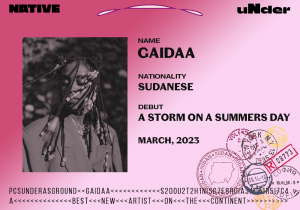
uNder: Best New Artists (November, 2022)

With only a month left to the end of the year, it’s a good time as any to reflect on the music year in review so far. Back in March, we reaffirmed our commitment to discovering fresh new talent bubbling up on the African continent and her diaspora, and eight months later, it’s safe to say that this end-of-month ritual has morphed into an ongoing discussion that is one of the driving forces of our newsroom.

With new artists popping up on our radar everyday, we’re determined in our resolve to ensure good music doesn’t get slept on. Now, more than ever, cutting through the noise requires more than a handful of social media followers and streams, it’s about finding artists that are offering a collage of styles and experimentation that could be messy on paper but is threaded together by their impressive candour. This month, we’ve found these sonic purveyors in Nigeria’s Africaine who left behind her life as a makeup artist to pursue music, to Uganda’s Mauimøon who is crafting some of the most experimental tunes on the continent, and to South Africa’s Soa Mattrix who is retooling Amapiano in his own unique way. As our final edition for the year, there’s something in this list for everyone but don’t take our word for it—read on and listen to our playlist below.


Africaine

Recommended if you like Ayra Starr, Ria Boss.

Nigeria’s Africaine is a fairly new voice on the scene but she’s already got some pretty big shoes to fill. Her Twitter bio boldly proclaims “The Next Queen of Afro-pop,” speaking volumes to the transition she wishes to garner, both sonically and personally. With only four official releases to her name, Africaine is building her career, brick-by-brick but her vision is already crystal clear.

Like many new artists stepping into the limelight, it’s hard to talk about the story of her rise without the COVID-19 pandemic. In 2020, Africaine ​​was a makeup artist working freelance gigs and patiently waiting for the world to reopen. During May of that year, she released her debut single “Bloodclaat,” an honest introduction to an artist whose magnetic voice pulls you in and doesn’t let go. With a sweet-sounding voice that fastens to the beat like a rubber band, she gets honest about her background while speaking frankly to the competition: “seen a lot of things, had grow up since I was 17/best believe my eyes wide open, I could never sleep.” She followed this up with a string of singles including “Jaiye,” “One Chance,” the recently released “How Far,” and guest features on two singles from Nigerian singer, Niinety9. There’s a bleeding sincerity in each release in Africaine’s small but mighty discography, as she draws from experiences around her and isn’t looking to sugarcoat her truth.

Her bleeding sincerity in her lyrics dates back to her early roots in the church. Africaine shares with the NATIVE, “I’ve been singing before I could talk. I’ve always dreamed of doing music professionally. But growing up in my church choir really shaped my understanding of music like never before.” With this strong foundation and an even greater passion for delivering her best with each output, Africaine is delivering a collection of reflective experiences for young African women with soulful sounds, that showcase her gospel and R&B influences. What’s next for her? The release of her debut EP. As Africaine tells us, “Expect to feel. I want to make music that makes people feel something something. Life is so fast and hectic that sometimes we forget to pause and feel.”

Soa Mattrix

Recommended if you like DBN Gogo, Young Stunna.

There is plenty of music that exists to act as a distraction—an escape from your day-to-day reality or a soundtrack to moments of pleasure, pain, or boredom. And then there’s music that make you feel intensely while painting a picture that visualises the experiences of those living a certain reality. Amapiano, the global sound of the South African hood is one of such genres, growing from the underground to a mainstream disruptor due to its propulsive rhythm and delectable log drums.

From the creative hotbed of Soweto comes the fast-rising Amapiano DJ and Producer, Soa Mattrix who is tapping into his own unique take on the music coming out of South Africa. His first release dates back to August 2020 with the release of the catchy single “My Dali,” a 7-minute cut of oozing production and sparse lyrics. His next few tracks including “uThando” featuring Shaun 101, “Buyisa” with Soulful G and Sir Trill, ”Isphithiphithi” with Bassie and Young Stunna are all cut from the same cloth as that first track. With urgent and powerful delivery, Soa Mattrix invites listeners into his own world, where he provides ample space for them to showcase their abilities.

In 2021, Soa Mattrix released his debut EP ‘Sounds of Africa,’ which called on long-time collaborators such as Sir Trill and Shaun 101, and revelead new rhythmic directions with every new listen. Nine months later, Soa Mattrix hit back once again with another EP titled ‘Tintswalo,’ this time teaming up with veteran producer and DJ Maphorisa for an 18-track selection of groovy synths and production. That project contains some of his most streamed tracks to date including “Idlozi Lami” featuring Phila Dlozi, Boohle & Kabza De Small and “Umama Akekho.” This year, Soa Mattrix has not slowed down on his output. Earlier this year, the DJ and producer released a new EP titled ‘Finest’ with Emotionz DJ, which is filled with trippy beats and otherworldly instrumentation. The diversity and versatility of his forward-thinking production complements the eccentric deliveries of his collaborators. Each new track offers something different for listeners and we recommend plugging into his ‘Sounds of Africa’ album as a starting point to his stacked discography.

Kxffy

Recommended if you like Juice WurlD, T3agray

With the current rise in experimental and alternative pop music, mainstream conventions of the genre are becoming increasingly obscured. Kenyan experimental artist Kxffy is no stranger to pushing the boundaries of his artistry, as he bends Hip-Hop and Pop smoothly into his orbit. Debuting on the scene in 2020 with the “Pick A Feeling,” a buoyant record coloured with a Juice WurlD-inspired aesthetics as he explores the depths of human emotions and feelings.

While he’s been crafting a respectable inventory of accolades under his belt with releases such as “I Know Places,” “Party With Me,” and “Emotions,” his 2022 debut project Tears & Purple Emotions,’ gives a full 360-view of a talented artist who is crafting futuristic pop, R&B and more, in his own unique image. On the project, Kxffy takes on the role of the keen auteur and producer, inviting a cohort of Kenyan talent into his world including uNder alum Njeri, capespring, Muthoka, Trevor Koin and more. On the album, Kxffy provides ample space for each artist to showcase their rapid-fire talent while covering a wealth of topics such as love, heartbreak, anxiety and acceptance. Kxffy and his guests deliver a darker truth hiding in plain sight: existence is pain, and with this understanding, Kxffy crafts his vision and operates in his sonic world, laser-focused on uncovering his true self.

Mauimøon

Recommended if you like AYLØ, Hermez.

Permeating through the fog, Ugandan singer and songwriter Mauimøon is one of the most magnetic voices to emerge from the continent in the past few years. With a discography spanning several moods, Mauimøon contours his voice around lovelorn pleas and affecting lyrics as he transports listeners to dreamy, hazy summer days.

Before he was the self-assured Mauimøon, the singer always had a deep love for music. “My family tell me ever since I was young, it was clear I wanted to do music. I’ve always loved singing and was in the school choir when I was younger. My parents surrounded me with great music. Those moments shaped the choices I make when creating a song,” he tells the NATIVE. Since then, he has steadily been building a name for himself over the past few years, starting with his debut EP ‘Pleasure,’ released in 2021. Although it is all to easy for some to peg Mauimøon as an underground or alternative artist, he’s not afraid to state his global ambitions.

In 2022, Mauimøon is clearly elevating. Already, he’s performed and written alongside Nigerian-American R&B/Soul singer, Hermez who recently shared his sophomore album, ‘Oasis.’ Two of his most recent tracks this year, “Leaving Summer” and “Sweeta,” have both amassed over 150K streams on Spotify, and counting. After years spent flexing his muscles as a smooth operator, Mauimøon is now shifting his focus towards creating an impactful legacy with his music. When asked what leaving a legacy means to him, Mauimøon candidly shares, “To me having a legacy is creating unforgettable moments, memories and feelings in other peoples lives and at different times of their lives. It also means to me helping my community and changing the lives of others who have not been as privileged as myself.”

ShineTTW

Recommended if you like Omah Lay, Bella Shmurda.

Typically, we wait until an artist has at least a few songs released before we include them in our list of Best New Artists. Many of the artists we include on uNder are the kind of sure-fire talents that build awareness with a string of singles and EP’s, steadily garnering an audience over years of releases and meaningful moments. However, Nigerian-born singer ShineTTW belongs to that rare class of artist that is too talented to pass up—no matter how early on.

Unlike the other artists in this month’s list, Shine TTW made his debut on the Afropop scene earlier this year. Back in August, the singer released his debut single, “No Religion” to instant acclaim with over 175K views on Youtube. The earworm track pieces together the singer’s background by pulling from his mismash of experiences as a young man living in Lagos, Nigeria. He likens Lagos to a godless city, where he hustles for his daily upkeep and battles tempestuous contemporaries who stand in his way: “I’m in the land of no religion/I hope my sins are all forgiven.”

His sure-fire confidence in his talent dates back to his fond memories of music with his father. He shares with the NATIVE, “Some of my first musical memories were me dancing to songs my father played on his sound system. I interpreted music by dancing before singing. In primary school, I was known for dancing. After primary school, I was known as the entertainment guy in all the schools I attended. Singing came shortly after as I found ways to be more creative in music. I liked the sound of my voice and the melodies I came up with so I continued. I started singing professionally in 2018.” With stylistic forefathers such as Bob Marley, Lucky Dube, and 50Cent, ShineTTW is blazing his own unique trail in the game by creating music with vivid strokes of colour, which detail intimate moments of his life. When asked where he sees himself in the next 5 years? He responds: “I want to be on top of the world in the next 5 years. I see myself selling millions of records and headlining arenas and stadiums. Also, I want to influence the youth positively and do a lot of philanthropic work as well.”

Featured image credits/


Words and Interview by Tami Makinde.


ICYMI: Nigerian Music Has A Streaming Farm Problem

EXPLAINED: Nigerian Music Has A Streaming Farm Problem

In recent years Afropop has been on the rise. Its standard for music-making and live performances has bolstered, while the fans—who make sure the music pops—have taken a more active position in their criticism and commentary, creating globally-recognised fan bases and spurring conversation on social media. Some days ago, BNXN (fka Buju) and Ruger continued to clash their swords in honour of a supposed battle of artistic superiority. 

Anyone who has closely followed online discussions this year knows the nature of the beef between both artists. Initially stoked several months ago, it has become a periodic activity to engage whimsically, sparking heated, comic-relief-esque conversation from listeners on both sides of the artist divide. Well, to be honest, there’s no doubt the Nigerian audience can appreciate how diverse the artists are: while Ruger imbibes the Dancehall ethos which has earned him credible reception, BNXN is closer to the R&B tradition, weaning saccharine ballads with sufficient doses of realism and romantic trajectory. 

The previous tiff however spawned the more enduring conversation of streaming farms, a phenomenon that’s been in the music business for as long as streaming has been the primary method of distributing music. While Afropop has been on the rise, that acclaim is mostly earned as a result of the musicians’ acceptability outside the shores of the continent. Understanding the business side has progressed slowly but gradually, as background industry players usually prefer to work in relative anonymity. This means the knowledge behind the talent hasn’t been acknowledged as much, but the generated interest on streaming farms no doubt repurposes that light in a deserved direction that gradually espouses the workings of the game. 

Basically, a streaming farm is a complex technology system which uses bots to jack up the streams of a particular record. Connected to a central operating system, several devices—be it phones, laptops or tablets—are able to play a song on repeat for a particular period of time, resulting in the eventual popularity of that record. At least, on that given streaming platform. 

In the Nigerian context, there’s surely a number of nuances to unpack before going forward, especially considering the relative newness of its modern music industry. Whereas older markets such as the United Kingdom and USA have evolved standardised charting for decades, Nigeria’s first indigenious charting system TurnTable was founded only in 2020, while other systematic procedures are still being galvanised into existence. This newness reveals itself in the acceptability of new music technology. Streaming, while being explored in the earlier mentioned markets as early as the mid 2000s, only began to penetrate the dominant consciousness of Nigerians about some five years ago. 

Before then the distribution model was largely physical. Blocks of pressed CDs either found their way to Alaba International Market or were sold independently by the musicians. However, by choosing the former an established structure of middlemen and distributors made the process of getting one’s music to maximum ears seamless, while the creators of said music usually got an advance payment. This was the system which propelled both Nigerian music and Nollywood to national acclaim, although in time pirated CDs also began to infiltrate the market. Attempts were made to clamp down content pirates, but how could that be successfully achieved when, in most cases, these pirated products were very accessible and affordable to most consumers? 

The popularisation of internet-enabled cell phones changed the game as we knew it. Musicians were growing into their stardom and some of them saw the potential for deliberate piracy, so to say. Leaking their records to online music sites, they were able to generate clout by foregoing the monetary benefits of legitimate purchases. In return their street credibility bolstered, they commanded good money for events, and most crucially their music was heard. This exchange system offers insight into the logic behind streaming farms: to get something that is supposedly beneficial, something else has to give. In this case, the hard-fought tactics of organic promotion. 

The existence of streaming farms in the US has been suspected for a long time now. In the critically acclaimed documentary ‘Music Industry Exposed – Fake Streams’ the late great actor Michael K. Williams went from Baltimore to New York, speaking to people who had first-hand experience with manipulating music streams. 

As he went deeper, more avenues of manipulation were discovered. Seemingly the world is almost run entirely by bots which have filtrated several industries—from fashion to sports and content creation, there’s no limit to its adaptability. His primary interviewee was Chad Focus, the infamous rapper who used streaming farms to make himself super rich while teaching it to others around his neighbourhood. In the final scene where he appears, he’s about to go to court for his fraudulent activities (he would later be charged to 30 months in prison) when he reveals his motivation was always to broaden the perspective of black people in regards to tech. 

What’s the motivation for Nigerian artists manipulating streams? There’s the prospect of increasing streaming royalties, but that doesn’t account for its evolution. “They have been in existence since when being on the charts has become very important to a Nigerian artist,” says Olayinka Ezekiel, a digital distributor expert based in Lagos. “Before now, we knew radio was the king, but when the streaming era came and when the major artists were being signed by major labels—when I say major labels, I mean the Warner’s, Universal’s, Sony Music—that’s when streaming farming has been in existence in Nigeria”. 

His analysis of radio hegemony is accurate, considering how important the medium was in regards to music promotion. Even then, the high number of artists seeking potential coverage led to the ‘payola’ system where paying radio station employees through the backdoor got one’s music in rotation. The lucrative prospects of the global music industry regardless of moral implications enables these ideals, which is why the idea of streaming farms isn’t totally far-fetched. 

“They have helped well-known artists to get top of streaming charts and also helped labels earn more money from royalties,” explains Ezekiel. “A number of artists have used streaming farms to get deals; not just from record labels but from brands. The increase in streaming farms have also positively and negatively affected the music industry. Basically, unknown artists find it difficult to build their numbers. You see that there are artists that have done all the marketing and promotion that they know they can do, to get numbers and to reach an audience, but they find that they’re not reaching these audiences. A-list artists are getting these numbers, topping charts, breaking charts, and they’re wondering, ‘Am I not doing enough? What is it that I am not doing well?’ So this has helped only a section of the music industry in the country.” 

Some independent artists have however found ways of properly utilising streaming farms, a friend of mine who also works in distribution says. “To get placement on digital streaming platforms you need some sort of pedigree,” he affirms. “You can’t just be an independent artist and come into the game and say, ‘I need placement’ without signing a record deal or something. It’s kind of difficult. So streaming farm is a marketing tool that grows your listenership; it will give you the particular attention that DSPs need from you. It’s going to give you that pedigree for your song to get on playlists, to get proper placement. You’re also bound to have genuine listeners—so that’s one kind of advantage. The second reason is easy: people get paid. There are a lot of institutions and talents that make up the music industry—ranging from producers, labels and the rest. Streaming farms is one of them. We’ve been viewing the music industry through the artist perspective for long, whereas there are lots of institutions behind those artists. So the second advantage is economical, simple: people get paid, which is very important. In any aspect of life, people must get paid”.  

On the flip side, DSP’s are getting smarter and adopting new technologies to track unusual activity on internet servers. “Engaging in any way with artificial streams can result in the withholding of manipulated streams from streaming numbers,” said the Spotify Global Head of Commercial Partnerships Jen Masset, in an episode of Your Morning Coffee podcast. “We can withhold royalties and, where necessary, we can remove the tracks from our service. So it ultimately hurts an artist’s long-term process”. 

Ultimately, the listening patterns of a country like Nigeria isn’t adequately captured on streaming charts. They’re collated individually, meaning a song that’s really big on Apple Music might not be the same for Spotify users. One also considers the relatively high number of economically-challenged Nigerians who find it hard to pay monthly subscriptions for DSPs, rather preferring to illegally download music onto their phones once and for all times. TurnTable is the only charting system that effectively collates data from the mediums of radio, TV and streaming, but not many artists have embraced its ingenious efforts. No week passes without an artist publicly laying claim to the “No. 1 song in the country” or scheming to achieve that, even though a screenshot of the Apple Music Top 100 is often all they have to go by. 

“They want the bragging rights,” says Ezekiel, in response to the question of why big artists use streaming farms. “They want to be able to control deals, they want to be able to control figures. The music industry now is a game of numbers. An independent artist will find it difficult to control numbers or even attract brands if they don’t have these bragging rights, inclusive of social media numbers as well. We’re also aware of the purchase of social media followership – that’s another industry on its own”. 

Perception is key, some players in the music business will tell you, and for good reason. There are greater prospects in the slow burning journey however. Building from scratch, marketing your releases with creative strategies, and curating special moments for one’s listeners and being a part of their lives forever—no amount of numbers could replace the sweet essence of that journey. We have seen artists announce concerts and on the event day, there’s very little turn-up as opposed to the high number of streams they might have gotten from the same state or neighbourhood. 

The alte community deserves praise for mastering this tactic. As a cultural philosophy rooted in rebellion, its narrative verve and sonic ingenuity have enabled its artists to reel in followership from all over the world. On first glance their numbers on YouTube and streaming platforms might be relatively low, compared to the millions quickly accrued by mainstream Afropop stars in a matter of hours. One however just needs to visit a concert to gauge how strongly their fans turn up, supporting not just the music but everything else that concerns the artist, from merchandise sales to cross-industry collaborations. You might not come across a fan of Cruel Santino or Amaarae everyday but when you do, they are very likely to be big fans, and could tell you with gleeful eyes when they first fell in love with the music of that particular artist. 

In the end, it’s all a game of interests. As artists tend to deliver differently on records, so also are their motivations variant. Regardless of one’s approach to music-making, the business of entertainment is no walk in the park. As such, not everyone has to employ streaming farms, and there’s no shortage of gradual, better-rewarding methods of garnering a strong fan base. Gaining insight on such methods by reading books, watching shows on YouTube or listening to podcasts offers a lot of leverage, while working with honest advisors could never go wrong. Perception might be key, but firstly one has to locate the door. 

Featured image credits/NATIVE
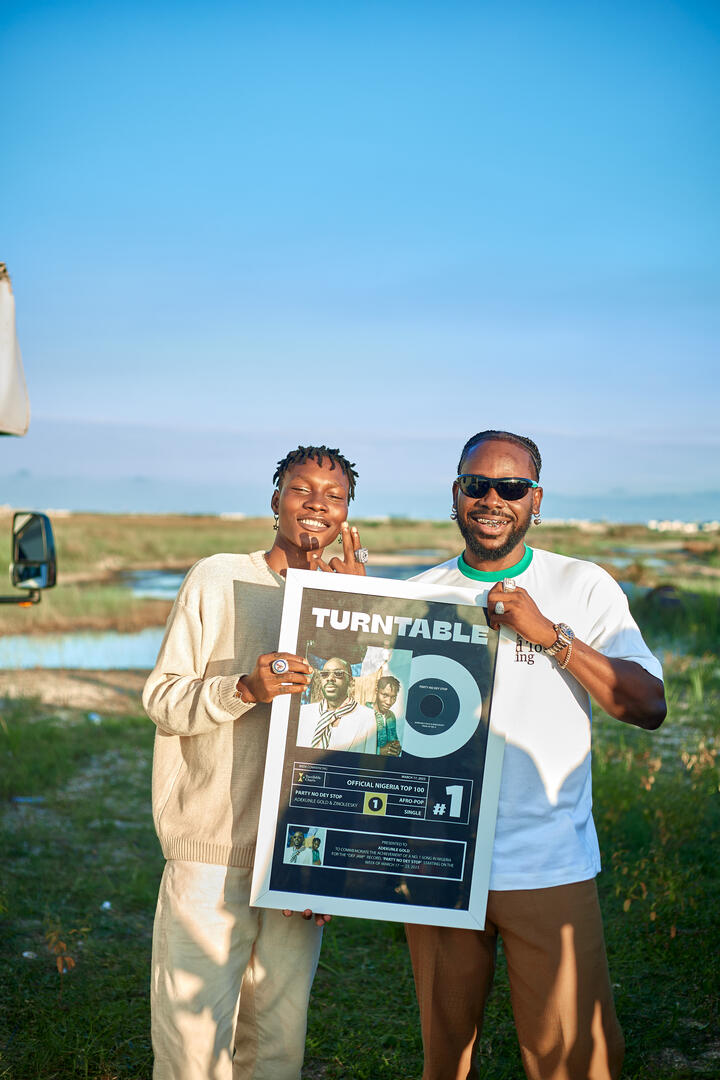

ICYMI: Our Reactions To The Nominations For The 65th Grammy Awards

Songs Of The Day: New Music From Oxlade, BNXN, Goodgirl LA & More

2022 is winding down, and it’s been an eventful year for Afropop. There’s been a torrent of great new music, spawning a massive stack of inventive smash-hit songs. From Highlife-infused Ghanaian pop, to the unrelenting force that is Nigerian street-pop to South Africa’s indomitable Dance scene, to tantalising Drill explorations in East and Central Africa, and much, much more, we’re living through abundant and musically expansive times.

Every week, many songs from African artists make their way to digital streaming platforms, and wading through them can be intense. That’s where The NATIVE’s Songs of the Day column comes in to help. We go through as many new releases as possible, spotlighting them here, two to three times every week. Today, enjoy new music from Ejoya, Victony, Sauti Sol, J. Derobie and more. Lock In! 

OXLADE FT. MAYORKUN – “BAD BOY”

2022 has been very good to Oxlade, and no one knows this more than the honey-toned youngster. Yet coasting on the global successes of “KU LO SA,” the artist has followed up with a more than fitting jam. “Bad Boy” takes the positively affirmative direction many musicians have taken throughout the year, upholding the philosophy of self-love as truth. Over heavy logs of Amapiano drums from the in-form Magicsticks, the sweet falsetto of Oxlade admirably unites with the deft wordplay of Mayorkun, creating a jam whose only flaw is that it ends.

BNXN – “TRABOSKI”

While he’s often caught in the excesses of digital indulgence, the artist formerly known as Buju does know how to create a good record. He’s been in sharp form throughout the year, releasing the ‘Bad Since 97’ project some months ago which has contributed in keeping his name in popular conversations. The penultimate month of the year however sees many artists drop the weight for groove, crafting party starters that will carry their lore into the festive month of December. “Traboski” is such a record, filled with colourful drums and loops, with the instantly catchy vocals of Buju doing great justice to its subject of being high.

EJOYA, OLADAPO, NOAH AIRE FT. LADIPOE – “E NO FIT BE ME”

Independent music company Ejoya has been doing great things over the years. Musicians like BNXN (fka Buju) and YKB have passed through their ranks, exciting on yearly compilation albums which usually reveals the establishment’s intricate plans. With their 2022 set expected to release an album soon, this triumphant single goes ahead to clear the path. “E No Fit Be Me” is a complete record, right from Aire’s vibrant production to Oladapo’s passionate singing, while the crisp flows of Ladipoe polishes the inspirational tone. Cue in the violins and crowd vocals and Ejoya has a solid contender for late-year hit songs.

MOHBAD – “WEEKEND”

After exiting Marlian Records in the aftermath of alleged physical abuse by his ex-label boss Naira Marley, Mohbad has set off the path of an independent artist. The music still has its groovy, assured feel though, and his latest release “Weekend” is a fine reminder of his prowess. Bouncing with the faaji-esque percussions whose progressions he’s mastered, the artist soundtracks the eternal promise of weekends with vivacious swag. Niphkeys on the production is a cheat code per usual, offering a colourful even if overplayed effort from Mohbad.

SKALES – “KONIBAJE”

Skales has had it hard in recent times. A number of familial issues have affected output from the Afropop mainstay but like everyone knows, he’s never far away from a hit song. “Konibaje” thus sounds like a return to form, revealing Skales in his writing bag. Unfurling sleek rhymes in his signature cadence, he interpretes the thumping drums very energetically.

DJ MADENGO & TERRI – “IKEBE”

With roots from South Sudan, Australia-based producer DJ Madengo embodies a thrilling versatility in his work. At his events he plays just about any sound from Africa, connecting them with his first-hand experience of Western genres. “Ikebe” however brings Madengo home, as he finds the perfect sparring partner in Nigerian artist Terri. Over sunny Amapiano-flecked production the musician delivers cheeky lyrics laced in innuendos and local speak, while elements like crowd vocals colour the delivery with more brazen intent.

GOODGIRL LA – “IDT”

Possessing one of the most striking voices in the industry, fans of Goodgirl LA have often bemoaned her sparse periods of sharing music. She does make it worthwhile whenever she has new stuff however, and “IDT” continues in that reign of good form. As opposed to her more boisterous cuts, LA cuts a reflective figure here, perusing the dangers of times forthcoming and praying for divine assistance. The lessons of her journey also comes into perspective, especially on the revealing lyric, “I no dey move without my conscience”.

AV FT. VICTONY & KTIZO – “BOOZE & BUMBUM”

It seems Victony can’t get over his obsession with a part of the feminine physiology. “Booze & Bumbum” is actually AV’s song, but who’s a better feature than the “Soweto” musician? Over pristine percussions which are slightly evoking of palmwine music, the talented musicians put their best foot into the milky space of Ktizo’s production. Complete with an instantly catchy hook and references to pop culture figures like Chimamanda Adichie and Aliko Dangote, it’s a stunning record which catches the listener off guard with its simplicity.

SAUTI SOL – “LIL MAMA”

When the legendary Kenyan boy band Sauti Sol shared a picture of themselves in futuristic, power rangers-esque suits, many listeners expected an evolution in their music. In recent times, the four musicians have explored solo paths, with this record being their first this year. “Lil Mama” cues in the sci-fi direction their rebranding suggested, but that’s more audible in the production, the sudden sharpness of its progressions. Their vocals remain as folk-indebted as richly layered as ever, resulting in an exhilarating record which shines with all the great qualities of the band.

CRAYON FT. FOCALISTIC, COSTA TITCH & CAMIDOH – “IJO LABA LABA (REMIX)”

“Ijo Laba Laba” has been one of the shining lights in Crayon’s career. Its successes seems to have galvanised the youngster into a cherry disposition (especially online), and that’s the vibe one gets from its remix. Calling up a trio of similarly talented artists, the remix is a strong showcase of Crayon’s curatorial skills. Camidoh’s verse is an obvious standout, but the background vocalisations of Focalistic is as important, just as Costa Titch’s closing verse beautifully executed its role. Not every hit song needs a remix, but this one is just perfect.

ICEBEATCHILLZ – SUPERWOMAN

Love remains one of the most enduring themes in music, and it’s one IceBeatChillz taps for his new record “Superwoman”. Filled with sensual lyrics coated in blue-eyed romance, the Amapiano-laced production provides great energy for the artist to float over. The record also adequately sets the musician up for his forthcoming project, ‘Love Is King’.

NAIRA MARLEY FT. BACKROAD GEE – “VAWULENCE”

The music of Naira Marley has long acted as a melting pot of genres, and his latest record is no different. Fusing the bold drums of Amapiano with recognisable elements from his Rexxie-created signature sound, the eccentric CEO of Marlian Records dubs his latest sound Gangpiano. “Vawulence” furthers that assertion with its gritty depiction of street life which makes the fun-streaked vocals of Naira Marley even more fearful. Backroad Gee’s scattershot technique enriches the listening experience, while the Arthur Keasy production poignantly carries the expansive material being related on wax.

AJEBO HUSTLERS FT. MAYORKUN – “NO LOVE (18 PLUS)”

Primed to release their ‘Bad Boy Etiquette 101’ EP soon, the duo of Ajebo Hustlers have released a new song. Relating anecdotes spiced with their colourful language, the activities of a sexually active woman attract the focus of their authorial instincts. Piego’s hook is as evocative as ever, while Mayorkun makes the perfect host with his witty delivery. On the other end, Knowledge sharply cuts an image-driven verse, with the Amapiano groove bringing all these strands of accomplished artistry to form a certified banger.


ZLATAN FT. YOUNG JONN – “ASTALAVISTA”

Few musicians have their pulse on popular culture as strongly as Zlatan and Young Jonn. While the former uses hysterical images to paint a fitting resume of his rap skills, the latter is the quintessential soulful singer, adapting contemporary references and romantic details. “Astalavista” is a product of all these qualities, carried on the energetic House-indebted production of Yung Willis. It’s a very groovy record, one that’s sure to get the body moving as we enter another weekend.

UGOCCIE FT. KING PERRYY – “WHENEVER”

For those who’ve been watching, Ugoccie has been doing great things to push her music. Crafting ingenious promotional tactics, she’s been able to get the cosign of Don Jazzy and other respected industry players, building anticipation towards the release of her debut project. That body of work is finally here, titled ‘A Piece of Me’ and constructs intimate portraits of the budding Anambra-born musician. “Whenever” is a stirring standout, featuring the enigmatic King Perryy who joins Ugoccie to create a resounding account of affirmation.

JOHN ALONE – “INDIRA”

Nigerian-born South London-based artist John Alone creates songs with emotional weight. Possessed of a distinct voice which seamlessly translates the ideas of his forward-thinking songwriting, he’s widely admired in the London R&B scene. “Indira” is a song about saving oneself because everybody else is drowning, but the self-produced track doesn’t declare nihilism so blatantly. Rather the artist creates intimate portraits from several angles, lining the seams with an electronic edge which renders it a sense of the epic. The record also features on his forthcoming album, ‘no one is coming to save you’.

T3AGRAY – “ALONE AGAIN”

Fresh Meat alum T3agray has made a name for himself in the bedroom pop scene, although he switches in between genres with the ease of a virtuoso. On his latest record he flaunts that versatility, going between the extremes of rock music to present the haggard state of his mind. His distorted vocals paint a familiar picture of desolation, even though the drums around him build with intensity as the beat progresses. By the end he has you where he wants you: confessional but slightly triumphant, looking around in awe of the beautiful mess you’ve made of yourself.

Brazy – “Attends”

Brazy is a relatively new name on the scene but already, she’s causing quite the stir. After a year spent earning her university degree and featuring on Cruel Santino’s ‘Subaru Boys: FINAL HEAVEN,’ the London-based rapper has released the highly anticipated single, “Attends” which she teased on TikTok a few months back. The catchy new single finds Brazy rapping a string of feel-good flexes as she states exactly how she’d like to be treated: “cheat on me and I’ll cheat on you/two in a room and I choose you,” she boldly proclaims.

What’s Going On: Nigeria Unveils New Naira Notes, Power Shortage In Kenya & More

“What’s Going On” Tallies Notable News Headlines From Across The Continent — The Good, The Bad, And The Horrible — As A Way Of Ensuring That We All Become A More Sagacious African Generation. With This Column, We’re Hoping To Disseminate The Latest Happenings In Our Socio-Political Climate From Across The Continent, Whilst Starting A Conversation About What’s Important For Us To All Discuss. From Political Affairs To Socio-Economic Issues, ‘What’s Going On’ Will Discuss Just That.


 Nigeria Unveils New Naira Notes, Effective From January, 2023

Earlier in the week, the President of the Federal Republic of Nigeria unveiled the new currency notes for the Naira. The newly designed Naira notes is a move that is said to help curb inflation and money laundering. Launched on Wednesday, the new denominations of 200 ($0.46), 500 ($1.15) and 1,000 Naira ($2.30) are the first time Nigeria’s currency has been redesigned in 19 years. However, analysts say the new notes would yield little or no results in managing inflation or in the fight against corruption in the absence of institutional reforms.

Last month, it was announced that the deadline for old notes to either be used or deposited at banks is slated for Janauary 31, 2023. With inflation at a 17-year high of 21.09% that is driven by soaring food prices, the President shared that the new notes will help bring the hoarded currencies back into the banking system and as well as help the central bank regain control of the money being used in the country.

During the unveiling, the governor of the Central Bank of Nigeria Godwin Emefiele also shared that more than 80 percent of the 3.2 trillion zNaira ($7.2bn) in circulation in Nigeria are outside the vaults of commercial banks and in private hands. The new paper notes designed in Nigeria and featuring enhanced security are set to help the central bank to design and implement better monetary policy objectives.

Ebola Cases In Uganda Reduces Drastically

In the last two weeks, Uganda has recorded a drop in the number of new Ebola cases. The development is a major sign the East African country is having a measure of success in efforts to combat its latest outbreak of the deadly hemorrhagic fever disease more than two months after it was declared. Health Minister Jane Ruth Aceng said on the local NTV news service late on Wednesday that the country is experiencing a downward trend in the number of cases now being recorded. W

The World Health Organisation (WHO), as well as aid groups, are also relentlessly providing Uganda with assistance and materials to cope with another outbreak. According to the Ugandan Health Ministry, the country has so far recorded 141 cases and 55 deaths. The virus circulating in Uganda is the Sudan strain of Ebola, for which there is no proven vaccine, unlike the more common Zaire strain, which spread during recent outbreaks in Democratic Republic of the Congo.

Kenya Faces Loss After Electrical Shortage

This past week, Kenyans have experienced a blackout in most parts of the country after interruptions at the Kenya Power & Lightning Company (K.P.L.C). This comes barely three weeks after a similar blackout making business owners face losses. In a statement released by K.P.L.C on Thursday, the company experienced a system disturbance and refused to give more details The outages have been consistent since January causing a pain to business owners such as hospitals and manufacturers to experience losses by switching to generators despite the high fuel prices.

Kenya Power has been facing various challenges such as ageing electricity cables that are prone to break down causing shortages. The outage came hours after Treasury Cabinet Secretary Njuguna Ndung’u  triggered the company’s board to table before the annual general meeting (AGM) an ordinary resolution for the removal of Ms Yeda. The Kenya Electrical Trades & Allied Workers Union (KETAWU) has constantly demanded the removal of Ms Yeda from the board arguing that she has been behind the company’s shortage of critical materials such as poles, meters and transformers through delayed approval of the company’s procurement plan.The workers union stated her as an enumbrance to transformation of the transformation and stability of the company.

Ghana And Zimbabwe Hit Record Tax Increase

The finance ministers of Ghana and Zimbabwe have been delivering their annual budgets amid the cost-of-living crisis that has hit the whole world. Now, they have both announced an increase in Value Added Tax (VAT), which you pay when you buy goods. In Ghana, Finance Minister Ken Ofori Atta – who is under pressure to resign because of the deepening economic crisis – pushed it up from 12.5% to 15%. But in some good news for Ghanaians, the finance minister cut the tax on all electronic transactions from 1.5% to 1%, barely a year after its introduction. In Zimbabwe, the tax on foreign currency transactions has been halved to 2% while a banking tax for the purchase of wheat has been dropped to keep bread prices low.

Featured Image Credits/

The Qatar 2022 World Cup is riddled with controversy

Football is a global sport, and no other event represents that as best as the FIFA Men’s World Cup. Held every four years, the competition features the teams of 32 countries from across every continent, with billions of people watching matches in real time and generally following the outcome and advancement of the games. This year’s edition of the World Cup is being held in Qatar and it marks the first time that the event is being hosted in Arab territory, but what should be a landmark achievement has been wrapped in controversy since the host nation was announced over a decade ago.

In 2010, the World Cup was hosted for the first time ever in Africa, with South Africa serving as the host nation. In a vividly festive edition of the tournament, South Africa lived up to its billing as the rainbow nation, putting on a hosting showcase of pomp and vuvuzelas. Perhaps the only controversy attached to the games were the official balls—the Jabulani—which were mainly subject to criticism for their flight pattern. Besides that, that World Cup has been generally reviewed positively for bringing a distinctly African flavour to the global game.

Perhaps in the afterglow of the World Cup being held in previously uncharted territory, Football’s global governing body FIFA elected to award the hosting rights for the 2022 edition to Qatar. At the time of its announcement in early December 2010, the news was received a big shock. After its massive hosting success in 1994, and with a bid many considered to be the strongest, the U.S. was expected by many to be elected as host in a bidding pool that also included Japan, Australia and Korea.

Almost immediately, Qatar’s win to host the World Cup was met with a litany of criticisms, with the easiest critique being the country’s lack of a strong cultural connection to Football—Qatar is just playing in its first world cup and has never been a emergent or dominant force in Asian confederation footballing competitions. There were concerns about the country’s readiness to host a world cup, with its torrid weather conditions and a serious dearth of world class stadiums, even though the local organising committee and the Qatari government pledged to build an ample amount of stadiums fitting for the World Cup.

Away from just the pitch, there were issues with alleged discrimination against women and gender-based violence, as well as state-backed homophobia. That’s not even mentioning the complaints of an allegedly racist society. So, how would a country with human rights issues play host to players and fans from many countries of different races and sexual orientations? For those on the other side of the critics, there are cynics who deem these issues as first world concerns that seem extricable from the round leather game, which should be the main focus.

If you’ve been following the development of Qatar’s preparation to host this year’s world cup, it’s extremely easy to not only understand but also agree with the criticisms that were initially levelled against the country’s bid to host the world. One of the allegations that quickly surfaced after the 2010 announcement was that of corruption, that the Qatari bidding committee had done more than lobby, and flat out offered bribes to voting members of FIFA’s executive council, which is responsible for electing World Cup hosts. If you watch the recent Netflix documentary series, ‘FIFA Uncovered’, those allegations don’t just hold water, they seem very true.

Over the last decade, FIFA has been dealing with increased scrutiny into the dealings of the body, with allegations of corruption hovering around for decades. Part of ‘FIFA Uncovered’ includes substantial attention to the racketeering, wired fraud and money laundering charges brought against top level FIFA officials by the U.S. government, after extensive investigation by the FBI. The documentary highlights trails and collects anecdotes as evidence of deep rooted corruption in FIFA, which seemingly played a huge role in Qatar winning the hosting rights of the world cup.

In one of the anecdotes, former Qatari bidding committee member and FIFA whistleblower Phaedra Almajid recounts being in a meeting that involved paying off $1.5 million bribes to the three African members of the FIFA executive committee. The doc also draws alleged connections from multi-billion dollar deals between a few countries and Qatar as bribes for World Cup hosting votes, including a fighter jets deal with France that includes auspicious appearances from French football Legend and former UEFA president Michel Platini. Even as recently as a few days to Last Sunday’s opening match against Ecuador, there were allegations that Qatari officials had bribed their opponents to lose, a claim you’d probably take with a few pinches of salt if you saw the Netflix docuseries.

In that opening match, Ecuador won by two unanswered goals, handing Qatar a loss in their first ever world cup game and making them the first host in World Cup history to lose their opening match. During that match, Ecuadorian fans were heard chanting “we want beer,” in response to the Qatari government outrightly banning the sale of alcoholic beverages in and around stadiums during the world cup, an announcement that was made two days before the start of the world cup. Previously, it was expected that there would be alcohol zones in all the stadiums, but the host nation folded and fell back to its deeply conservative, Islam-based ideals despite playing host to a secular competition.

“Well, this is awkward…”, a since-deleted tweet from the Budweiser Twitter account read when the no alcohol news was announced. It’s reported that Budweiser had paid $75 million to be the official beer of the world cup and to serve as the sponsor of the ‘Man of the Match’ award given out every match. With this strict alcohol policy – alcohol will only be sold in one location in Doha, Qatar and only corporate spectators who’ve paid about $19,000 for seats will be able to access alcohol in the stadiums—it shows the lack of malleability and tolerance that should be expected of countries hosting a global sports event.

Apart from the fact that beer and other alcoholic beverages are a big part of camaraderie in football, it highlights the seeming organisational power imbalance between Qatar and FIFA that, even though the latter received sponsorship money from a beer brand, the host is barely willing to compromise. It’s a cliche saying that the World Cup is meant to be a unifying event in an increasingly divisive world, but there’s really nothing unifying about a host country lording their ideals over travelling participants due to religious beliefs that many of these visitors don’t hold sacred.

It’s important to note that the religious beliefs of a community deserve to be respected, but in situations like these, it’s also important to create a conducive atmosphere for those that aren’t beholden to those inherent values. Boundaries should be set, like the expectations of alcohol zones in this case, which would foster a sense of accommodation to everyone, but that doesn’t seem like a priority to Qatar. I don’t think anyone would’ve said they didn’t see all of this coming, with the corruption allegations, the claims that migrant workers who helped build the stadiums worked under subpar condition and led to thousands of them dying, and even the schedule was changed from its usual summertime run over the course of a month-plus to a winter run in the span of just under a month, affecting footballers who already have a gruelling in-season schedule with their football clubs.

In all of this, the main accomplice is FIFA, as it continues to cater to these intolerant ideals and defend the decision of this World Cup’s host country. Current FIFA president Gianni Infantino has not only consistently reiterated his support for Qatar since being elected in 2018, he’s demanded that all criticisms be addressed towards him because this is a FIFA competition, even defending the strict alcohol rules.

The most controversial issue at this world cup so far is Qatar’s homophobic, anti-LGBTQ+ stance. It’s been a point of criticism since the country was elected host in 2010, but many hoped that the Islamic nation would be tolerant, at least, of queer people by 2022. Well, that hasn’t happened. Queer people in Qatar are not only marginalised, they are actively hunted and persecuted, with the backing of this state-sanctioned queerphobia being based on religious ideals. With far more liberal countries participating in the world cup, this discrimination has been amplified, especially since the world cup—and football in general—has often taken a unifying stance against any form of persecution, even if its picture-esque activism.

Vehemently rebuking the World Cup it’s hosting as a platform for outward LGBTQ+ support, Qatar has clamped down on any symbols that opposes its stance, and it’s doing so with the help of FIFA. Before the world cup kicked off, several countries were ready to pay sanction fees that came with their captains wearing armbands with rainbow-imprinted designs, which have the inscription “One Love” written on them. At global level footballing competitions, captains are only allowed to wear armbands with specific messages selected by FIFA, and a deviation attracts a sanction. At this world cup, though, countries won’t only be sanctioned for wearing armbands supporting the queer community, the captains would also be issued yellow cards at the start of the game, putting the ability of these players to play the entire 90 minutes of the match in grave danger.

The threat of the yellow card sanctions ultimately made these countries cool off on their planned decision, and even with FIFA allowing the armband with the “No Discrimination” tag to be worn throughout the competition as a compromise, it feels like a missed moment. It’s proved even more divisive because there’s a sect of football fans who aren’t supportive of mixing football with sociopolitical messaging and issues, with many of them being tacit and active supporters of Qatar’s queerphobic stance.

Over the last few days, I’ve seen tweets stating that the western countries participating in this World Cup, as well as critics in general, are trying to force their ideals down the throats of a sovereign nation. An operative word in all of this “culture”, with many claiming that Qatar’s stance is an act of cultural protection. Before I term it nonsensical, it bears noting that homophobia and queerphobia are human rights issues that supersede “culture”. Perhaps it would be much easier to grasp the bias behind this defence if queer people are nonexistent in Qatar, but they do exist and they’re being persecuted for who they are and who they love.

It’s beyond sad that, in 2022, queerphobia is still a thing. You could say it’s a reflection of respective societies and their “values”, but the fact that a global event is being held in a country that alienates a significant population of the world is downright abhorrent. Again, it’s a reflection of the entire mess that is this world cup, an abhorrent culmination of “values” that’s being propped up by one of the most unholy alliances in football history.


NIGERIA’S PARTICIPATION IN THE OLYMPICS WAS A SOBERING REMINDER OF ITS NEGLIGENT SPORTS ADMINISTRATION

A 1-Listen Review of Somadina’s Debut EP, ‘Heart Of The Heavenly Undeniable’

Somadina has always been a special artist. Before the Nigerian-born Netherlands-bred musician was ten, she’d already composed songs, inspired by her experience with playing classical music. Her childhood and teenage years were spent in several countries of the world, imbibing a global mindset in the youngster who had gotten hip to R&B through the parental influence of her father. 

During the nascent stages of Alte influence across parts of West Africa, Somadina emerged with the perfect blend of eclectic musicianship, sociopolitical awareness, and the idea of what she wanted her aesthetic to look like—that is, influenced by Old Nollywood fashion and punk flagrance. Those sprawling representations are polished by the music’s enthralling, energetic quality, which has grown even more pointedly away from the dreamy-eyed songwriting Somadina was known for in her early career


View this post on Instagram


A post shared by SOMADINA (@somadina)

Having built her fanbase, collaborated with influential figures in the alternative scene (Odunsi, Lady Donli, Ogranya, etc.), and stoked the flames for a project which depicts her artistic growth, Somadina has now released her debut EP ‘Heart Of The Heavenly Undeniable (HOTHU)’. Across eleven tracks the project features Odunsi, The Cavemen, Zamir, Chi Virgo and LOla, all of which are familiar names that (expectedly) would enrich the sonic tapestry. 

In Usual 1-Listen Review Fashion, All Reactions Are In Real-Time While The Music Plays. No Pauses, Rewinds, Fast-Forwards, Or Skip.

“TIME 2 TIME”

Synth pads starting out this one, the slow rubble of country-like drums underneath. Somadina’s singing now—there’s a really epic sheen to her vocals, as though positioned in an elevated space. The drums are completely present now; bold drums which carry her strong voice with swinging intent. It’s a very atmospheric opener, with little to no responsibility placed on the writing, rather it’s the glorious mash of cinematic synths and reggaeton-inspired drum playing that lulls you in. Given the sonic choice, there’s every chance that ‘HOTHU’ will play out through the synergy of its sound rather than its thematic spectrum. But that’s all speculation—let’s get into track two. 

“Y I WANT U”

The pace has decidedly increased with this one. Early into her verse, Somadina references “the psychedelic feeling” and it’s audible so far: these records are cut from the glossy feel of rock-inspired sonics, not quite unlike what Santi curated on ‘Subaru Boys’. Somadina’s take however cues in more soulful and R&B influences, resulting in sections like these where she sounds really intimate, lulling her desires into being. What’s THIS electric rap cadence? She is constructing images with these songs—I see the vision. Like, imagine a dancefloor swirling with strobe lights and black bodies, hair swinging and sweat dripping—imagine the music that’s most likely to be played in such a setting, and you get “Y I Want U”. It’s two for two so far; a really strong start to the album. 

“EVERYBODY BLEEDS”

Rock-inspired guitars to start out this one. Actually more soft punk than rock, a sound listeners of twentyone pilots would relate to. If you peep it, there’s also a reggae-esque bounce to these progressions. Okay, Somadina’s singing now—it’s more audible than she’s let on so far. The ache of heartbreak is the subject matter here. The lyrics are very cutting, poetic, and raw. “Speeding off a speakerphone” is a very unique metaphor, and she’s building off its brilliance in this hook and chorus. “Tell me I’m okay now,” she yells with painful intensity. I’m in my feelings over here, man. WHAT A RECORD. Even with the obvious angst she still maintains the triumph of self-confidence (“I won’t second guess my pride”). Me too, Somadina, me too. 

“IMAGINE GIVING A FVCK (FT. CHI VIRGO)” 

Self-confidence from the previous track becomes full-out rebuttal here. The mood is really explosive, quite in-sync with the refusal that lies at its heart. Reinvigorating her rapping, the song’s intensity is balanced with lyrical clarity in these middle parts. It’s funny, I get the sense she’s spitting affirmative lines but I might need a revisit to really grasp their weight. Background yells and raspy, energetic singing sets this one apart; a beat switch here—more guitars, more yelling of the “I don’t really give a fuck” refrain. The track’s over—it’s a short song after all, but how thickly its layers run. 

“WDYWFM (FT. LOLA)”

Ladies and gentlemen, it’s an honour to announce I decoded the abbreviated title (what do you want from me?) before this song went underway. Three added points on my Gen-Z membership card LOL. The sound of a car crash had started off this one, and the song continues in that mood of abandonment. Really loud guitars and drums here—it’s a pleasant surprise to hear Somadina going all out rock on this project. The confidence is palpable. This song reminds me of Shamir, a psychedelia-influenced artist whose “Diet” is one of my favourite records ever. A brooding closer to the record, the guitars are swept away, the dreamy twinkle of piano chords enter, Somadina’s vocals serenade. It’s a rather fine depiction of mood extremes. 

“I SAW AN ANGEL ON THE ROOF & WEPT” 

As you can probably tell, I’ve really enjoyed the titles on this project. Their hipster, poetic attitude is mirrored in the music, and that has been a thrill so far. When I saw the tracklist for this album, I was most piqued by this one. The narrative harmony is only bettered by its shock value, which comes as a result of the location of the roof and the outcome of weeping. Why tears? Sombre piano notes to begin the record reveals an emotion of longing. “Red tide, burning in your eyes/ He got new curls, falling out da skies,” is such a descriptive couplet, but the record doesn’t continue with such language. Rather, a melange of ahs and tell me says runs the time out. Would have loved to hear Somadina keep up the angel metaphor throughout though; would have made a more complete record. 

“CRZY GIRL”

From the first beat drop, there’s something in here that leans towards more conventional pop music. Like it could be a Beyonce record in an alternative universe. I really like this refrain of “so crazy, so crazy”, but the drums sound a little tired. In any ways, I’ve heard better variations of this record on the album; not really crazy about this one. I appreciate the mood though—it’s self-affirmative, the kind that could soundtrack a social media trend if Somadina is into those things.

“DREAMS”

A song titled “Dreams” has a good chance of being great. Since the beginning of time, haven’t we tried to understand its mystery and endlessness? The tempo here is unique; arranged in a less obvious way, the drum patterns create a relaxed atmosphere which is charged by the synths underneath. Somadina’s voice works as an instrument here, cutting in-between the sharp metres of sound to create a surrealist image in the listener’s mind. I will surely be revisiting this one. What’s that closing voice over about lyrics coming from heaven? It’s quite the plot twist.

“DIRTY LINE (FT. ZAMIR)” 

Vocoder-inflected refrains of “Dance” makes the intent of this record known early into its runtime. The mood is more electronic than rock, bursting with a myriad of synths which succeed in stuffing the record. Perhaps in the appropriate setting I might appreciate this one better, but right now, it’s not quite hitting. A regrettable skip, cos I really had high expectations for this collaboration. 

“SMALL PARADISE (FT. THE CAVEMEN)” 

Considering the path Somadino has so far charted on this project, it’s exciting to hear how this would pan out. An evocative guitar twang, tension building through the repeated notes and the Igbo-inflected vocals of Benjamin (one half of The Cavemen) being utilised as a sort of instrument, almost as though sampled. The chords are yet being repeated, setting the anticipation for a beat drop very high. Delicate, dreamy, dance-worthy, the absence of sung vocals have so far been felt minimally. It’s an unconventional choice but it’s working. Everything drops: the last half-minute of “Small Paradise” is backended by lush, languid guitar-playing and Benjamin’s signature adlibs. On first listen, it’s not what I expected but I’ll surely be revisiting. 

“CITRUS TEARS”

We’ve come to the end of the album. Chill guitars form the soundscape of this one, and Somadina’s gently singing. Her tone and lyrics sound as though she’s come from a really far journey, and now has the chance of letting all the weight fall. She’s addressing an ex-lover or detractor; her lyrics open themselves to interpretation, but you can tell she’s feeling it deeply. That intimate perspective enlivens the writing, with lines like “lost in the streets, but I won’t be defeated” underscoring her resolve to forge on. Very affirmative, and she’s bringing out her soul more tenderly than she’s done all album long. The past few records have slowed down, now that I think of it. “Imma be the bullet shooting you down” is such a poignant image, and while I’ll surely revisit this record to understand her perspective better, that line more than sums the overall mood of the record. A voice-over from someone who loves her music closes out the album, a fine touch to its epistolary gaze. 

FINAL THOUGHTS 

Many adjectives spring to mind after hearing ‘Heart Of The Heavenly Undeniable’ but the most consistent is “assured.” Somadina’s debut is audibly influenced by the sprawling inconsistencies that make up life, and it’s testament to her artistry how she captures the angst so well. Lined with an assortment of colourful, grungy guitars, she comes full circle from the artistic evolution she embarked on after releasing the more grief-centred ‘Five Stages’, which was later deleted from streaming platforms because the artist didn’t think it properly represented her then-changing sound and ethos. 

Somadina now fancies the visceral interpretation of similar moments, purposefully translating pain into bold records which allows one the space to shout. As a Nigerian woman, it’s common for respectability politics to be constantly required, to be quiet and humble in order to gain the world’s approval. Somadina doesn’t care for such trivialities—she rather delves into the edgy depths of her mind to create an album that’s at once unique and relatable. It’s so finely wrought that even when beauty eventually surfaces, there’s no fantastical depiction of its nature—it’s rightly recognised as something that’s always been there, seeking the right grasp to force it into reality. 

Stream ‘HOTHU’ below.

Featured image credits/ChukwukaNwobi

Songs Of The Day: New Music From Odumodublvck, Alpha P, Somadina & More

2022 is winding down, and it’s been an eventful year for Afropop. There’s been a torrent of great new music, spawning a massive stack of inventive smash-hit songs. From Highlife-infused Ghanaian pop, to the unrelenting force that is Nigerian street-pop to South Africa’s indomitable Dance scene, to tantalising Drill explorations in East and Central Africa, and much, much more, we’re living through abundant and musically expansive times.

Every week, many songs from African artists make their way to digital streaming platforms, and wading through them can be intense. That’s where The NATIVE’s Songs of the Day column comes in to help. We go through as many new releases as possible, spotlighting them here, two to three times every week. Today, enjoy new music from Odumodublvck, Ruger and more. Lock In! 

ODUMODUBLVCK – “PICANTO”

Fresh off the announcement of a joint venture deal with Def Jam Recordings, NATIVE Records has signed Abuja-based rapper, OdumoduBlvck, the heavily sought after artist who has spent the last 18 months drumming up a buzz that has seen him anointed as one of the most seminal voices out of the nation’s capital in more than a decade. Arriving yesterday, “Picanto”, an emotive debut single on the label, featuring Nigerian Street-Rap legend pioneer Zlatan & Ecko Miles, respectively. The brooding, haunting single details the real-life struggles of a modern day young Nigerian hustler. The trio offer a cross between Drill and Hip-hop as their verses effortlessness flow into one another, delivering some catchy bars and memorable one-liners.

ALPHA P – “VERONICA”

Following his stellar performance on DJ Tunez’ “Majo” assisted by Wizkid, and Tay Iwar, Alpha P leads us into the festive season with his new single “Veronica.” On the BlaiseBeatz-produced track, he enlists the help of Afropop singer, AV to deliver a romantic-tinged track couched in vibrant drum patterns and anthemic horns. The new track is set to feature on Alpha P’s new project, which is due for release next year.

KILLERTUNES & SUTÉ IWAR – “ALL MY DAYS”

Following the release of singles “WYD” and “OH NO,” superstar producer Killertunes lends his performance and producer prowess on his third single for the year, “All My Days.” On this slow-tempo number, he enlists Suté Iwar lush vocals over some  piano keys as the pair sing praises to their love interest saying, “In all my days o, I never see this type of waist o.” Assisting their mellifluous vocals is a stunning saxophone solo, midway through the track.

YCEE – “AZUL ’22” ft COSTA TITCH, PHANTOM STEEZE, MA GANG OFFICIAL

For his first single this year, YCEE taps into South African production heavyweights Sibusiso Johannes Mnyakeni, Sebuti Alec Mohalanyane and Thando Tshabalala on the catchy Amapiano number, “Azul ’22”. Inspired the popular phrase in Nigerian clubbing culture , “who order Azul?”, YCEE croons over a high-tempo beat “2022, who order Azul?/ Is it you or you or you?”

THANDO SKWATSHA – “THANDOLWAMI”

Emerging South African singer-songwriter taps into the homegrown sounds to deliver a beautiful R&B debut album, ‘iimimi nentsuku’ written in his traditional languages isiXhosa and isiZulu. The 12- track project showcases Thando’s passionate lyricism with a blend of house, Afropop and electronic music sensibilities. On one of the introductory tracks on the project, “thandolwami”, Thando reflects on a past relationship in form a glorious ballad.

T’NEEYA – “MONSTA ALTA”

Earlier this year, German-Cameroonian singer hooked audiences with her distinct vocals on “Coming”, reaffirming her place amongst the R&B/Soul talents coming out of Africa. For her latest release, T’Neeya has shared an enthralling 2-track project ‘Monsta Alta’, T’neeya’s fierce and feminine alter ago comes out as she unapologetically expresses her standards and expectations from anyone coming into her life. On the titular track “Monsta Alta,” T’neeya blends Afropop and 90’s R&B influences to produce a commingling of sounds that is equal parts soul and funk, as she performers her verses in English, Pidgin and French.

MOH GREEN – “JO” ft. 1DA BANTON & FRENCH MONTANA

French-Algerian DJ and producer, Moh Green enlists 1Da Banton for his compelling new single “JO”, the lead promotional single for his upcoming EP, ‘Just Now’. More popular for his infectious singles “Ca Ta Va Bien” and “Omri – Remix”, “JO” is Moh Green’s second release for the year, following “Comme Ça” which featured Thomas Mendjy and Elams. “JO” which translates to dance in Yoruba is a groovy number featuring lush drums and intoxicating flute arrangements sure to get any listener on their feet. With performances from Nigerian and Morrocan artists, 1Da Banton and French Montana, “JO” offers a diverse fusion of cultures on an afro-influenced dance track.

Featured Image Credits/The NATIVE

NATIVE Premiere: Soundz Wants To Have Your “Attention”

In 2020, two years after his debut, Nigerian singer and songwriter Soundz rose from relative obscurity to instant ubiquity with a string of sweet-sounding releases which peeled back layers to his artistry. Since then, he has teamed up with the likes of YKB, Teni, D-Tac and more to create magical records such as “Morenike,” off the Ejoya Class of ‘21 album.


View this post on Instagram


A post shared by Fiidigyaldem💎 (@iam_soundz)

Earlier this year, he released his debut solo EP ‘In The Rough,’ which garnered the attention of more listeners across the country, and showcased his charismatic presence. The 6-tracker featured records such as “Pressure” and “Attention,” which have been confident, boastful and fit to spark up any party. Since its release, the latter went viral on TikTok, racking up over 20 million views, 400,000 unique videos on TikTok and 400,000 Shazam searches.

“Attention” is a catchy track by every metric. The uptempo romantic record sees the artist speaking directly to his muse, letting her know the lengths which he’s willing to go for her. He opens the record chanting “Shopping ati baby girl lifestyle, Fendi go tire you baby/You know say me go love you tire,” over the euphonious production of the track. Arriving today, to further amplify the track, the singer has arrived with refreshing new video for the record. Directed by Pink, a fast-rising female video director, the video which was shot in the heart of Lagos, Nigeria, sees the singer and his muse in a colourful and vibrant spot as he performs the record and assures her of his love for her.

Short but indeed sweet, Soundz’ newest record is a promising offering for the Afropop newcomer, who is doing his bit to ensure the long-lasting future of the sound. Ahead of the video’s official release, we spoke with Soundz about the success of the viral hit, the inspiration behind the record as well as the video and more.

His answers, which follow below, have been lightly edited for clarity.

NATIVE: What was the inspiration behind this record?

Soundz: I wanted to sing about how far I go could go to get the attention of someone I fancy and I believe I told a story to resonates with many listeners across the world.

What were you trying to portray with the video?

I was telling a story of a guy trying to prove himself worthy of his lady’s attention regardless of how heated things get.

Were you able to bring this to life? 

Yes, I was. With the help of the video director, Pink, I believe we created magic together and everyone else who worked on this video brought their A-game and everything worked out perfectly.

What were some of your major highlights while shooting the music video?

The set and casts help bring the story to life and then there was the fight scene, it was all a new and fun and different experience for me and I’m sure those memories will remain with me forever

What do you want listeners and viewers to take away from this track alongside the video?

Basically the message I was trying to pass is to go after whoever or whatever it is that you love regardless of the obstacles or challenges

Get an exclusive first look at the video for “Attention” here.

Featured Image Credits/Courtesy of the artist

TurnTable Top 100: Wizkid And Ayra Starr Debut At No.5 With “2 Sugar”

After years of racking production credits on standout street anthems like Naira Marley’s “Mafo” and Olamide’s “Bobo”, Young Jonn’s moment in front of the mic pays off as he spends another week at No.1 with “Xtra Cool”. The lead single off the artists extended play, ‘Love Is Not Enough, Vol.2’, tallied 4.15 million streams and 62.7 million in radio reach. Similar to last week, “Cough (Odo)” by Kizz Daniel and EMPIRE remains on No.2 after spending three consecutive weeks on No.1. After debuting just days after the release, Asake and Tiwa Savage’s highly anticipated track, “Loaded” stays at No.3.

Ayra Starr’s “Rush,” former 3 time No.1 spot holder spends its 5th week on the chart, occupying No.4 this week. Debuting on the No.5 spot is the Ayra Starr-assisted “2 Sugar”, a standout out track off Wizkid’s 5th Studio album, ‘More Love, Less Ego’. This makes it Ayra Starr’s sixth entry into the charts and Wizkid’s tenth milestone entry. Ayra Starr extends her record for most top ten entries into the Turntable top 100 with seven entries by a female artist. Asake’s “Joha” slips from the 6th to 5th position after peaking a No.2. Mavins Records’ “Won Da Mo” with its all star cast occupies the No.7, skipping ahead 47 spaces from last week. The track alongside “Overdose” serve as promotional singles off the record label’s upcoming album, slated for release 2nd December.

Second promotional single, “Money & Love” off Wizkid’s ‘More Love, Less Ego’ holds the No.8 spot. Seyi Vibez’s “Chance (Na Ham)” off his recently released album ‘Billion Dollar Baby’ leaps into the Top 10 occupying the No.9 spot. This will be Seyi Vibez’s second entry off the album, following “Billion Dollar” which debuted and peaked at No.10 earlier in the year. Finally at No.10 is Bella Shmurda and Omah Lay’s “Philo” falling from its previously held No.6 spot.

Review all the tracks on this weeks Turntable Top 100 here.

Featured image credits/Wizkid

Songs Of The Day: New Music From Tim Lyre, Wande Coal, Minz & More

2022 is winding down, and it’s been an eventful year for Afropop. There’s been a torrent of great new music, spawning a massive stack of inventive smash-hit songs. From Highlife-infused Ghanaian pop, to the unrelenting force that is Nigerian street-pop to South Africa’s indomitable Dance scene, to tantalising Drill explorations in East and Central Africa, and much, much more, we’re living through abundant and musically expansive times.

Every week, many songs from African artists make their way to digital streaming platforms, and wading through them can be intense. That’s where The NATIVE’s Songs of the Day column comes in to help. We go through as many new releases as possible, spotlighting them here, two to three times every week. Today, enjoy new music from Tim Lyre, Wande Coal, Minz and more. Dig in!

Tim Lyre – “Confess”

Tim Lyre is making honest and timeless music. For his first official release since his album, ‘Worry <‘ Tim Lyre has arrived with the new R&B number titled “Confess.” The Mytee Menko-produced number blends laid back R&B elements with light elements of afropop. Over the smooth sounding production of the track, Tim Lyre sings “So many things that I want to confess/I just need a way to get it off my chest,” letting listeners know his simplest form of expression is through music. 

Minz – “Wo Wo”

Minz is known for his stellar melodies and his distinct vocal performance and he displays the same effort on the new mid paced record, “Wo Wo.”  Co-produced by Jeune Lio and Mike Bgrz, the artist opens the record chanting the lyrics “Too many things I dey think wo wo/but I no dey talk anything wo wo,” while he glides over the euphonious production of the track.

DJ Tunez – “Flex” ft. Wande Coal”

On the record “Flex” produced by Magicsticks, veteran singer and songwriter Wande Coal is at his most relaxed and laid back. He sings in his Yoruba dialect about showing off his achievements, attaining all he has been able to gain and now, living his best life. 

Pandamonae – “Ta Le Leyi”

Following the release of his debut EP ‘Dawn & Dusk,” newcomer Pandamonae is here with the new romantic pop number, “Ta Le Leyi.” The dance-ready number finds the artist singing standout lyrics such as “You’re my blessing and I swear this love e no go ever crash/You know we’re destined to be and you know you shine like a star” to his muse.

Kayode – “Superstar”

On the record “Superstar,” singer and songwriter Kayode is seen at his most braggadocious as he sings about his achievements so far. On the chorus of the Godomar-production, he sings “Trying so hard I be superstar, the niggas that be hating they be high man.” 

Shatta Wale – “H.G.P”

Ghanaian veteran singer and rapper Shatta Wale has arrived with the new dancehall bop “H.G.P (Hustle Go Pay.)” On the record, he reminisces about his journey so far and emphasises heavily on focusing on what works for you as well as the power of consistency. 

Novemba – “Vibe (On My Mind)”

For his most recent offering, singer Novemba is here with his debut EP ‘Escapade.’ The 6-tracker features production credit from Latif, Beats by Mayor, Retro5 and more. On the standout record “Vibe,” he sings romantic lyrics to his muse as he explains how she makes him feel. 

Featured Image Credits/NATIVE

Best New Music: Master KG & Joeboy Make A Glorious Pair On New Single, “Laleyi”

Every last quarter of the year is always an interesting time for Afropop. Having met the needs of their international fanbase, selling out tours and performing at festivals almost all year round, the final three months lead unmistakably geared towards home. The music then channels the boisterous spirit of the forthcoming period of festivity, pulling all the most conventional stops to ensure a bonafide hit song is created. 

Master KG is familiar with flowing alongside such ebbs of creativity. Around this time four years ago, the Zanda Zakuza-assisted Skeleton Move began catching on among listeners from other African countries. Though its message of homecoming appealed to a pan-African sensibility, the music was similarly brilliant, bursting with the electro House influences the 26-year-old producer has embodied throughout his career. In 2020, Jerusalema achieved stellar heights of ubiquity and earned Master KG a remix with Burna Boy, thereby oiling the wheels of prospective collaborations with Nigerian musicians. 


View this post on Instagram


A post shared by WanitwaMos (@masterkgsa)

On “Laleyi,” the hit-making prowess of Joeboy is called upon to construct the latest lore of KG’s. Quite early into the song, the listener gets a sense of the sonic direction as distinct Amapiano drums create a heaving, yet exhilarating mood. Matched with spacey keys and snares which builds an additional layer beneath the more recognisable percussions, there’s a stuffing of the production which somehow doesn’t obscure the sunny potential of Joeboy’s vocals. 

Coming from the success of “Contour,” it’s been a redemptive year for the musician who was often levelled with the accusation he’s gone off the radar amongst the scene-shifting works of his peers. And yet for those who understand the uniqueness of Joeboy’s takes on Afropop, there was seldom a time when the musician was that far from a hit record. He’s provided the perfect soundscape by his eminent South African collaborator, and the freedom he was granted with songwriting audibly influences the record’s fun-seeking direction. 

Right from his breakout single “Baby,” the music of Joeboy has long probed the relationship between romance and community, often trying to tease a deeper connection with a love interest. Even with more festive flourishes lining its seams, “Laleyi” maintains this sensitive edge, although with a sharper twist of moving along with their sensual desires. “I want to do what you want tonight,” he sings in the opening lyric, and then following up with, “You want me as bad as I want you, don’t lie,” effectively cashing in on the bad boy image young Afropop artists are increasingly being known to project. 

The record continues to build on that intensity, and just before the chorus Joeboy reiterates his need for a good vibe. It’s a quintessential Afropop subject matter, but there’s such mastery from both Master KG and Joeboy that one easily forgets they’ve heard many records cut from a similar ilk. In terms of sonic choices, the pairing of melancholic keys and Amapiano drums, and then the crowd vocals which lines the record’s latter parts, bears on an influence that has been rife in Nigerian Pop throughout 2022. Its falsetto-delivered post-chorus of “I no fit to wait o, Baby don’t be late o” has shades of prime Wande Coal, establishing an exhilarating sense of breeziness which further polishes the record’s brilliance. 

With December only some days away, it’s surely fitting to get a certified banger from two ingenious musicians from sub Saharan Africa’s most successful music industries. Combining their distinct strengths on its promotional run would no doubt prove an interesting endeavour, but there should be no shortage of popular love given the quality on display.