From timeline conversations to new music Fridays, it seems like everything we consume is characterised by high volume and fast pace, and it can become overwhelming at times. As much as one can try to keep up with new releases from rising stars or stay in tune with the latest incoming hits, or discover sounds from countries all around the continent it’s often difficult to cut through the noise to find the songs that speak directly to us. This is where The NATIVE comes in.
In harmony with the tastes of our community, our ‘Songs of the Day’ compiles the recent releases we know our audience both needs and wants to hear. We are keeping you updated on our Fresh Meat alumni, raging over effortless collaborations and diversifying your palette with our genre inclusive picks. This weekend’s round-up includes a potential summer hit from Darkoo, a collaborative song by South African House veteran Oskido and Nigerian singer Niiniola, an ode to money by Starboy singer Terri, a self-assuring song from Preye, and more.
Darkoo – “She Like” (feat. Blanco)
In the time since making her first major splash with “Gangsta”, Darkoo’s subsequent output has earmarked her as a consistent, capable hit-maker, while purposefully expanding the scope of her artistic abilities. Darkoo’s new drop, “She Like”, is a giddy song with high potentials to soundtrack the summer of reopened public spaces. Joined by Blanco, the pair are boastful of their chances with women, owing to their affluence and fame accrued from being rap stars. “We got the hundreds and the figures, no tax/bad b, I hit it to the max”, she raps at the top of her verse, before slipping into her infectious, gruffy voice over the lustrous keys and groovy drums. “She Like” is the second single from Darkoo’s debut EP, ‘2 in 1’, out mid-July.
Oskido – “Banky Banky” (feat. Niniola)
In his illustrious career, spanning 26 years, Oskido has been a fixture in South Africa’s constantly evolving Dance/Electronic music space. A big part of his continued relevance lies in his willingness to grow with the times while keeping in touch with the older sounds he helped pioneer as a DJ, vocalist, songwriter and OAP. On “Banky Banky”, one of the three tracks on his new EP ‘Back to the Future’, he leans into the Amapiano wave that’s the current toast of SA, and he sources guest vocals from Nigerian singer and self-proclaimed queen of Afro-House, Niniola. On the track, Niniola sings with self-convinced prowess and Oskido joins in with a few chanted raps of his own, adding a wizened edge to the lush, mid-tempo pace of the instrumentation.
Sizz the Truth – “For the Bandz”
Early last year, Ghanaian rapper Sizz the Truth dropped his sophomore EP, ‘GreySkies Are Smokescreens’, a 5-song set with loose storytelling and personal resolutions. Well over a year later, he’s still pushing traffic to the EP, especially with the release of the new music video for standout track, “For the Bandz”. Backed by twinkling piano riffs and cavernous 808 bass, Sizz admires a lady who handles her business and can go to whatever lengths she deems necessary. The video splits focus between depicting the song’s theme through cinematic shots, and the visceral effect of its high octane beat as Sizz performs his set with high energy.
Terri – “Money” (feat. Bella Shmurda & Mohbad)
In celebration of his birthday, Starboy Records singer Terri dropped “Money”, a proclamation of constant desire to fill his pocket and live his best life. “More money, more money/anything wey better pass more money na more money”, he sings over Tuzi’s delightful guitars and live drums. He’s joined by Bella Shmurda and Mohbad, both singers following his lead by detailing their materialistic and hedonistic intents when money isn’t a worry.
Preyé – “Peace of Mind”
Around this time last year, majority of the world was knee-deep into lockdown measures in order to combat the first wave of the coronavirus pandemic. Written in the throes of lockdown, Preyé’s “Peace of Mind” is reminiscent of the fight to stay sane in a time of “overwhelming sad news, limited movement and barely being around loved ones.” At that it’s more emblematic of the positive mind-set that that helped the singer get through that period. “I must to find me/I must to love me/I must to see me, with all of my heart/I must to be me”, she sings on the balmy chorus over light piano chords and jazzy drums, interjecting each line with “someway, somehow”. In its accompanying video, Preyé sings and prances with a bubbly fervour, projecting an unassailable optimism that makes her lived-in lyricism even more riveting.
Skales & Davido – “This Your Body”
When we last spoke to Skales, the singer made his newfound appreciation for life explicit. A year later, he’s seems to still be counting his blessings and making new songs destined for dancefloor audiences. “This Your Body” is his latest release, an Amapiano-infused song with assistance from apex pop-star Davido. From its title, the song is predictably centred on both singers being enamoured by the physique of their love interest, as they sing of the raunchy intentions and the lengths they would go to in order to woo these women. Nothing about this song is remotely novel, but it reinforces the flair for dance music Skales and Davido have become popular for, to varying degrees of success.
Azekel – “DUPĖ”
There’s a quiet but deeply electrifying feeling when you meet someone and the level/dimension of attraction is mutual. In that moment, you might find yourself thanking the Higher Power you believe in. That’s the basis of Azekel’s “DUPĖ”, a song where the ecstasy of reciprocal attraction inspires appreciation for the divine. “How did you read my mind/can tell that you’re in tune”, he sings over the soulful folk instrumentation. Although he goes on to butcher the enunciation of the sole Yoruba line—“Mo fe dupe baba” (I want to thank you, Father”)—his expression is clear and relatable.
One of the first major events in the American music industry to take place during the full swing of the COVID-19 global pandemic, last year’s BET Awards were a groundbreaking display of what award shows, public performances and mass gathering would look like in a pandemic. Held virtually last year, in respect of the lockdown, this year BET will return to a live award show in Los Angeles on June 27 8pm ET, airing live on the BET channel as well.
With just one month until the show, yesterday, BET revealed the nominees for this year’s awards, including a total of seven nominations for last year’s ‘Best Female Hip-Hop’ winner, Megan Thee Stallion and other notable nods for Dababy, Chloe x Halle and Pop Smoke. The BET Awards are a celebration of Black artistry in America, but they are also commemorative Black musicians worldwide, who are nominated within the ‘Best International Act’ category and the ‘Best New International Act’ viewers’ choice category.
Representing Africa in the Best International Act category are two of Nigeria’s biggest Pop acts, Burna Boy and Wizkid, and Diamond Platnumz from Tanzania. In this category, our African stars go up against Aya Nakamura, a Mali born French-based artiste; Headie One and Young T & Bugsey from the UK; Brazil’s Emicida; and French rapper Youssoupha, born to a Congolese father and Senegalese mother. In the viewers’ choice category for the Best New International Act, Tems and Elaine stand a chance of bringing it home for Africa, going head to head with Brazil’s coveted MC Dricka, British Pop sensation, Bree Runway, joined by Arlo Parks, half-Nigerian but also representing the UK, as well as French singers Ronisia and Bramsito. Judging by social media reception on the BET International Instagram page, African artists are the buzz in each of these categories, which is especially important in the Best New International Act category as that is viewers choice. Our confidence for a continental win across the International categories is definitely not misplaced, but if you’re in doubt, below is a breakdown of each artists’ campaign to prove just how sure we are of this bet.
Tems
Few newcomers have had as exciting and prolific a year as Tems had. Since featuring on the cover of NATIVE‘s Issue 004, Tems has led Apple Music campaigns and concluded partnerships with YouTube Music, she has made history whilst topping local charts, locally and internationally, with singles of her own and featured credits, namely on the ‘Made in Lagos‘ standout track, “Essence”. Releasing ‘For Broken Ears‘, her debut project last September, Tems’ unprecedented red streak ascent since “Try Me” went supersonic, and she now ranks comfortably amongst the cross-over African stars who have been inching for an international break long before Tems even released her debut single, “Mr Rebel” just three years ago. With the second most votes from the public so far, Tems is a clear favourite to win the Best New International Act Viewers’ Choice Award.
Elaine
Debuting officially in 2019, Elaine has been accomplishing groundbreaking feats right from the start. Dropping ‘Elements‘ in September that year, leading with singles, “Slip Away” and “I Just Wanna Know” Elaine became the first independent solo female artist to reach number one on Apple Music and iTunes album charts in South Africa, and went on to become the first South African artist named under Spotify’s Radar program for emerging artists. Spotlighted in our Fresh Meat column last June, following Elements was a significantly successful year for Elaine; she was nominated for ‘R&B/Soul Album of the Year’ at the South African Music Awards, bagged a Colombia Records deal and continued to clear her path as a trap-soul, alternative R&B singer with numerous charting singles. With this BET nomination, 2021 looks to have even more Ws lined up for Elaine, let’s hope and vote a win in this category is amongst these.
Other nominees for the Best New International Act
Where the Best International Act category is packed with male talent from across the world, the Best New International Act nominees reflect the changing landscape for women in music. Empowering initiatives for women – the likes of Femme Africa, which has recently joined the Spotify Equal Board – are truly making a difference in creating a more egalitarian industry, executives are being called out for the misogynistic biases towards marketing and promoting male artists, and audiences are increasingly conscious of their own complicity in making success that much harder for female artists. This has led to more women being recognised and commended deservedly, evident in this year’s Best New International Act category.
Alongside Tems and Elaine is Bree Runway, a British rapper hailing from Hackney, London who has become something of a pop culture icon this past year, with her nostalgic, dramatic visuals that accompany her assorted musical style. Also from the UK is half-Nigerian indie musician, Arlo Parks, who earned three nominations at this year’s Brit Awards, for British Album of the Year, British Female Artist and lastly Breakthrough Artist, which she won. Leading so far is Brazil’s MC Dricka whose music is an provocative fusion of Latin notes, Dance production and hype sung rap that has earned her wide attention across the region. The final two nominees for the BET 2021 Best New International Act, Viewers’ Choice Award are Bramsito, the only male in the category, and Ronisia, both from France. Whilst Ronisia is still in her earlier stages, Bramsito has a sizeable discography behind him, complete with a platinum certification that proves he is a top contender locally.
Out with arguably the most favoured album of last year, Wizkid is a very likely winner for this year’s Best International Act award, not only given the quality of the project, but his ubiquitous global presence over the past year. Beginning the ‘Made In Lagos‘ campaign with the H.E.R.-assisted R&B cut, “Smile”, Wizkid kept music lovers in a tight grip through the second half of the year, relentlessly teasing his album to no avail. Finally dropping ‘Made In Lagos‘ to heal his country in the wake of EndSARS protests he had lent his voice to, Wizkid’s post-album campaign has been a multimedia experience, with a YouTube live concert, a special edition NATIVE issue, Puma collections and more. In today’s abundant world, good music isn’t the only mark of a strong artist, but one of Africa’s leading stars, Wizkid has it all in his pocket, a W for him would be no surprises.
Burna Boy
Winning BET’s last two ‘Best International Act’ awards, this year could mark Burna Boy’s third consecutive win in this category, adding another notch in his belt after winning the Grammy’s album equivalent category, ‘Best Global Music Album’ back in March. Equally as magnetic a global presence as Wizkid – multiple editorial spreads, including a recent GQ cover, a BoohooMan collaboration, and multiple placements on mainstream globals album such as Justin Beiber’s ‘Justice‘ and the Coming 2 America compilation album – in terms of global acclaim, Burna Boy and Wizkid are toe-to-toe, so close in the race one can hardly compare. When it comes to their key albums for this year however, where Wizkid’s might have had a more lasting impact with audiences in these parts, given that Hip-Hop is a defining genre in contemporary music for Black people in America and the BET, endorsements, features and executive production from some of Hip-Hop’s most influential hitmakers on ‘TAT‘ lends partiality to Burna Boy’s chances.
Diamond Platnumz
There is no question about it, Nigerian music is disproportionately represented in the global perception of music coming out of the content, and our artists are awarded more visibility for this. Though the world might not be as tuned in to African music outside of Nigeria, South Africa and Ghana, that is no indictment on the music coming our of other nodes, and Diamond Platnumz’s unstoppable commercial success is clear proof of that. With no album behind his campaign this time, Diamond Platnumz has released a deluge of singles in the part year, ranging from Latin inspired Pop songs such as, “Haunisumbui” to a Hip-Hop infused “Quarantine” anthem that speaks to our obsession with learning dances during lockdown. Earning three spots on Africa’s most viewed songs on YouTube in 2020, with “Jeje” (1), “Waah” featuring Kofi Olomide (3) and “Gere” (7), Diamond Platnumz, has so far been tearing up East Africa with vivacious, entirely COVID-unfriendly live performances, that are a key component of this artist’s merit.
Other nominees for the Best International Act
Releasing her second self-titled project last November, Aya Nakamura, is the only woman nominated in the category, joined by rapper Youssoupha, who stand a chance of taking the award back to France. Close by in the UK is Headie One, who enjoyed a noteworthy year – wining a MOBO award and earning a Brit nomination – and British-Nigerian-Jamaican duo, Young T & Bugsey, also nominated at the Brits, who emerged with their debut album last year. Brazilian rapper, Emicida is the sole South American artist nominated, boasting an equally prolific year, including a GQ Brasil spread and a Netflix Brasil partnership.
In both these international categories, the competition is stiff, but as always our musical acts stand as favourites to bring the awards home. In the Best New International Act category, you have the power to make that happen by voting for Elaine or Tems, which is as easy as liking their pictures on the BET International IG page: here for Elaine and here for Tems. Simulcast via BET Africa on June 28 at 2am CAT you can also win a chance to attend the live show in person by registering on BET’s 2021 Awards website here. In the mean time, view the full list of nominees for the 2021 BET Awards here.
Staying True To Our Mission Reshape The Face Of African Popular Culture, The NATIVE Team Curates A Monthly List To Spotlight The Best And Most Exciting New Artists On The Continent. Some Of These Artists Have Dropped Songs To Some Regional Acclaim, While Others Are Brand New On The Block, Working Towards Their First Big Break. Tune In To What’s Next. Click Here For April’s Fresh Meat.
Around the middle of every month, the NATIVE newsroom begins to deliberate on the emerging artists we’d like to feature on the month-end column, Fresh Meat. Entering its fifteenth installment, Fresh Meat has always provided an avenue for the team to engage with the diverse and vibrant range of nascent musical talents popping up across the continent. As much as this is a well-deserved pat on the back for our dedication to seeking out and spotlighting the budding stars of tomorrow, today, it’s also a testament to the real-time evolution of music being made in African.
The truth is, African music has always been multi-faceted, multi-dimensional and multi-layered. In an increasingly globalised world, with major roles played by the internet and social media, that heterogeneity is positively emboldened. It’s a shame that we’re still trying to escape Afrobeats as an umbrella descriptor, but the progressive nature of the music being made by young Africans is a continued indication of a near-future where labels are secondary to the quality of the music. That’s what Fresh Meat stands for: A celebration of a generation of artists who are taking advantage of possibilities and influences, both immediate and far out, to emphasize a much more liberal narrative for music made by Africans.
The artists featured in this month’s edition of Fresh Meat are tied together by a keenness for emotional authenticity. Whether it’s the catchy refrains that colours Tha Boy Myles’ affectionate infatuation, or it’s the deeply personal expressions in lordkez’s scented music, or Phaemous’ solipsism-tinged brand of R&B/Neo-Pop, the featured artists below create music that you can enjoy and also live with.
Liya
Joining Davido’s infamous 30 billion gang last October, Liya was crowned the First Lady of DMW (literally the first woman to be signed to the eponymous label) mere days after she met with the label head, owing to her “amazing” output, he says. The three official singles available on Liya’s streaming profiles corroborate Davido’s assertions and offer an audible explanation of why he had to pick her up on the spot.
Professionally making music for four years, Liya’s first official single, the slow and melancholic “Trust Issues”, came in June 2020, which was then followed up by the Electronic/Dance-inspired, “Be My Vibe” mere weeks before being signed. Now, Liya has officially been crowned the reigning queen of DMW with “Melo”, with an opulent video that depicts her in regal attire, being accosted by paparazzi, something that will be a fast-approaching reality now that she’s an official member of the 30BG. Liya’s most Afropop leaning record, “Melo”, is a Yoruba number that flaunts her vocal range, particularly on the pre-chorus where she delivers an arresting harmony over the bright Zaki Magic beat. Describing her sound as “pure Afro”, Liya’s musical range is already palpable in her sparse discovery, as is her dedication to inserting her roots into every sound she creates.
Injecting Afropop language into her ballad-style singing on “Trust Issues” (“as e dey boogie down low, wetin you wan’ really know?”), soulfully singing “You dey try to jonze me but I no be mumu” on “Be My Vibe”, Liya’s music has its own distinct identity, not unlike the iconic singers who have influenced her. Asa, Nina Simone, Fela Kuti and Angelique Kidjo – whom she samples “Melo” – are the figures that the 22-year-old has looked up to since she was a child longing to emulate their legacies; so far, she is on course to knock down some of the achievements of these legendary names. Hitting one million views on YouTube in her DMW debut, “Melo”, Liya is prepping for global acclaim, as Davido promised her. Especially if she retains her diversity and authenticity, there’s no reason she shouldn’t get there.
Moonga K.
Officially debuting in 2017 with a soulful, alternative EP, ‘Free’, Moonga K. has spent a considerable amount of time in the game, enough time to even need a year-plus hiatus following his alt-pop debut album ‘Wild Solace’. Where ‘Free’ was more tranquil, with only the fourth track, “Nocturnal Phospenes” standing out as a Pop number, and the bonus track “She” offering a more inspiring performance, Moonga K.’s penchant for experimentation was displayed in full on the feature-length project, ‘Wild Solace’, which boasts an exemplary opener, “Walking Emojis”, an alt-rock jazz-infused number, over which his soulful vocals deliberately fall off the beat. Closing the February 2018 project with “The Art of Ageing”, Moonga K. spent the next two years on his growth, releasing a manifesto to maturity last year May, ‘an ode to growth pt. 1’.
Born in Zambia, raised in Botswana, now based in Johannesburg, South Africa, and growing up in close proximity to American soundscapes – thanks to rapid internet connectivity and sadly imperialist persistence – Moonga K.’s music has always incorporated an eclectic melange of production styles, genres, eras and national tastes. But on ‘an ode to growth pt. 1’ Moonga K. seems to land on a soundscape that suits him best, an alternative R&B flavour that emphasises the appeal of his soulful vocals, which make for a more consistent and coherent offering than his past works.
As well as exploring a variety of music styles, Moonga K. also broaches all of life’s key talking points – from addiction in love to feelings of isolation and mental distress – through poetic storytelling that makes clear his inspiration from alternative music icon, Frank Ocean. Boasting of the privilege of the internet that has granted him access to listeners far and wide, Moonga K. is in a new moment, capitalising off the success of his past album with more frequent releases of mystic music videos and evocative ballads. He might have been in the game for a while, but this season is Moonga’s K.’s; we’ll be watching eagerly as he steps into all that he deserves.
lordkez
Genre-mashing—and other similarly inclined descriptions—is a consistent term used to signify the colourful range of music being made by younger artists across the continent. lordkez fits into that billing, but what makes the South African singer’s music truly remarkable, is in how singular she makes it all sound. The threads in her sonic tapestry include R&B, Neo-Soul, Jazzy Hip-Hop, Lo-Fi beat music, Trap, atmospheric Electronic music, poetry, and any other thing that catches her fancy.
“I would say ‘Fusion Music’,” she told Equateof her style of music. “I create as I grow and as I feel…those things are byproducts of my insatiable desire to express myself as a musician.” In service of her main priority, lordkez’s music reflects her coming-of-age story with an intensely personal and artsy edge. In 2019, the 21-year old artist debuted with ‘Revenge Season’, a broody EP where she reconciles her past experiences with who she’s becoming. “…the theme is so bloody and dark, because it represents me “killing off” a part of me that I felt was holding back my light,” she told Coeval last year. In a linear thematic progression, her follow-up EP, last September’s ‘Charcotta’, is very much the work of an artist who’s accepted herself and is curating her own peaceful ideals.
Where her debut leaned into moody, contemporary R&B and quiet storm-inspired stylings, ‘Charcotta’ effectively expanded lordkez’s musical purview. Neo-Soul played a more integral role, there are jazzy flourishes, as well as features from AYLØ, J. Tek, Blind MIC, and South African rap veteran Priddy Ugly. Her latest release is ‘JUICEBOX’, a brief 4-song pack with a far more upbeat tone than her previous work. The new project takes musical cues from Hyperpop and Bubblegum Trap, as lordkez playful asserts her individuality amidst themes of romance and infatuation.
Across her short but remarkable discography, lordkez’s personal and artistic evolution is vivid. “I’m a person that wants to heal, grow and inspire people to do the same”, she told Equate. lordkez’s commitment to constantly sharing bits herself through her music—and extended to her phenomenalmusicvideos—will undoubtedly endear her to more listeners as her music keeps getting discovered.
Ssaru
Kenyan Rap and Gengetone, the musical blend of Dancehall, Reggaeton and Rap that’s been all the rave in Kenya for the past two years and counting, are decidedly male-dominated scenes. However, this backdrop doesn’t stop teenage rapper, Sylvia Saru who has cut through and continues to thrive. Ssaru—her performance moniker—began to captivate her first set of listeners through viral freestyles that displayed her ability to weave through varying musical styles with nimble rap flows, and her brand of unflinching, sexually provocative and bravado-laced lyricism.
In November 2019, she scored her breakout moment with the release of “Nyama”, a lively freestyle over a jittery trap beat, which was accompanied by an aptly rough, DIY music video. With more eyes on her, Ssaru quickly went about manifesting her potentials, going on a prolific spree of singlereleases, freestyle drops, and featureappearances throughout 2020. In a year defined by a pandemic and seemingly best suited to artists with tireless work ethics, Ssaru flooded the market, showcasing the multiplicity to her artistry in the process. In early year single, “Dose”, she raps with a fiery verve that personifies her resolve to make music that’s authentic to her. Later in the year, she collaborated with Mejja Okonkwo on the hit song “Leo”, an uber-raunchy Gengetone cut clearly aimed at dancefloor rotation.
Recently triggering a new phase in her career, Ssaru’s commitment to taking fuller creative control of her music is the main motive. She started the year with “Zitoke”, a London-produced bop indicating growth in her songwriting chops, and she recently followed with “Dea Moda”, a blistering freestyle of cocksure bars over a groovy Afropop beat. “Although majority see me as a Gengetone artist, I can basically describe myself as a versatile artist,” she told The Standard last year. While she spent the majority of last year proving her versatility, hopping between rap and dance releases, Ssaru’s latest drops indicate an artist getting comfortable with the idea of blending her interests into a colourful, distinct swirl. Having showed the capacity to be a rapper’s rapper, the people’s rap artist, and everything in between, Ssaru has much, much more to offer as she keeps growing.
Acebergtm
At all times, Acebergtm is straddling the divide between rapping and singing and on the slightest prod can segue from an R&B-leaning single into a bar-fest. The singer, born Ikechukwu Okoronkwo, has often attributed the duality of his approach to growing up in a music-loving family that saw him exposed to a variety of music styles with Haitan-American musicians, Wyclef Jean, making a particular impression on the youngster. Over the last two years, Acebergtm has grown from being an underground mainstay to being on the cusp of a mainstream breakthrough via a number of great-sounding loosies and strategic positioning.
His experiment with expressing himself creatively started with poetry before he graduated to writing his own music at the age of 15, using songwriting to distract him from the vices in his area and craft his own sound and voice. In those early years, he was still highly influenced by the emotional openness of Drake’s earliest work and that theme influenced his earliest track, “Letter to God”. A stint in university did not diminish his love for music, only serving to strengthen his passion for music. His official debut, “Heart Breaker”, released in July 2020, saw the rising singer muse a relationship he cherishes, switching effortlessly between singing about his need for his love interest and dropping bars that detailed his commitment to her despite the evolving landscape of his life. On the song, Acebergtm is operating in a unique position in the Afropop space: taking the reins for emotive crooning, whilst also handling responsibility for the vivid rapping that offered narrative to his hooks.
The rough edges of his artistry are smoothed over on his eclectic six-track debut project, ‘Far From Home’, where the singer meshes hip-hop, soul, and Afropop into a hypnotic fusion that neither sacrifices lyrical excellence or melodic potency; in fact, both variables are in constant harmony across the 19-minute run of ‘Far From Home’. Across the project, he carefully dissects coming of age, attraction, and the thrills of hedonism over vibrant techno-influenced beats and Amapiano/Afropop fusion instrumentals, showing the diversity that comes with exposure to a variety of music styles. Project opener, “Rockstar”, is Acebergtm at his most unbothered and unfiltered, showing unrestrained energy that elevates this love song to party fare as its percussive and fluttery elements encourage his pop leanings. On “Danca”, Kel P weaves a thrumming Amapiano-influenced beat, merging it with gorgeous horns that compliment the confessional feel of the single. In the second half of the project, Acebergtm slips into hip-hop territory with an ease that seems in-bred: on “What I Like” and “Loyal”, he raps over the sort of production that wouldn’t have been out of place in the early 2000s hip-hop time capsule, tempering his lines with melodic interludes that display what a well-rounded musician the Lagos-based artist is.
Sayfar
The last few months have shown that no matter how widely proliferated it gets, there’s a riveting freshness to Amapiano helmed by those closest to the culture. Case in point, the remix to Falz’s “Squander”, which features Kamo Mphela, Mpura, Niniola, and additional production by South African producer Sayfar. Reimagining Willis’ original beat, Sayfar’s work on “Squander (Remix)” is more compelling; he retains the groove of the OG version for the most part, but his additional piano chords have a glittery feel to them and the log drums knock much harder.
Soweto-bred Sayfar did not start out making Amapiano, but he’s becoming an emergent force in the Dance subgenre that’s constantly evolving. In 2017, he combined with frequent collaborator Aubs for ‘This is War’, a booming EP indebted to Tribal House and Afro-House. In the years after, his output slowed down, seemingly working on his craft during this period of hibernation. Last December, Sayfar returned with his solo headlining debut, the Ida-assisted “Kuze Kuse”, an invigorating take on Amapiano that leaned into the subgenre’s tribal knock.
Last month, he completed his re-emergence with the release of his debut EP, ‘Rhandzu’. A stellar 5-song project with vocal features on each track, the EP finds Sayfar deftly emboldening the relationship between Amapiano and Deep House. He combines thumping low-ends with cinematic keys and sweeping strings, curating a set that’s simultaneously loud and lush. Throughout the set, he forms a palpable symbiosis with his vocal colleagues, retooling his instrumental sets to fit their distinct powers. Similar to his scene-stealing assist on “Squander”, it highlights his value as an elevating collaborator, a trait that will make him even more noticeable as he name continues to spread within and outside SA.
Tha Boy Myles
If there’s one lyric that defines Tha Boy Myles, it would come from his chorus on the irresistible fan-favourite, “Bop Love”, off his debut project, ‘Mylstone’. “Girl I’m not a criminal but I’m smooth,” Tha Boy croons, referencing his attractive smooth vocals through an equally smooth play of words on “Smooth Criminal”, by Michael Jackson, the smoothest of all. Melodically, lyrically, and vocally, Tha Boy Myles is smooth, and it is this quality that is most attractive about his first project.
Debuting with “Boma”, back in March, Tha Boy Myles came out with a lead single that drew industry attention, with its catchy details and stunning production, courtesy of Qasebeatz. Heavily Afrobeat-inspired instrumentation – with it’s fast-tempo percussion and chorus-chanted adlibs – is boldly complemented by an electronic dance break on the hook of “Boma”, indicating a budding genre dexterity in Myles. Considering his tracks his infinity stones – as if the ‘Mylestone’ pun wasn’t enough – each record on this project brings its own unique contribution to the love song soundscape, without ever losing the coherence of the tape. “It’s all about love” with Tha Boy Myles. From professing his infatuation on “Bop Love” to begging for a girl not to leave him as he leaves us with the album closer, “Stay”, Myles is at full capacity when he is singing affections. This is a pocket that has already earned him commercial success, with “Shima” becoming a staple on the radio.
Though he might not have the zeal for sociopolitical topics as the Kutis, or acclaim to sing gratefully and gracefully of his many achievements as Wizkid does, what Myles does share with these artists who inspire his sound, is a passion for live instrumental performances. With less than three months in the public eye, Myles has already released a “Boma” live rehearsal clip and a live performance video of “Shima”. When things are back open, he’s an artist you’ll definitely want to catch.
Phaemous
Over the last five years, a creative network of sorts has emerged out of Abuja. Led by iconoclasts like Lady Donli, Psycho YP, and the Iwar brothers, the city has carved a reputation as a haven for indie and exploratory sounds as well as a thriving metropolis for innovative photographers like the tragically passed Tony Zitta and the internationally recognised producer, Ransom Beatz. R&B singer Phaemous, is also a presence on the scene, operating with varying degrees of regularity since at least 2018 when his smoothly-layered “Devil In California”-interpolating single, “Devil On My Shoulder”, made a big splash and established him as one to look out for within the Abuja musical ecosystem. Marinated in personal drama and angst, Phaemous’ brand of R&B is inspired by the oft-tenebrous brand of the genre popularized by global icons like The Weeknd and Bryson Tiller.
Despite taking inspiration from these artists, Phaemous still remains fiercely identifiable as a Nigerian, singing in a distinctive Nigerian cadence and spicing up his music with identifiable lingo. In 2019, he joined with Blaqbonez and Psycho YP for “Cruise Control”. a mid-tempo love anthem that paired Blaq’s syrupy drawl with YP’s infectious sing-rapping. Phaemous’ music ascends a notch when collaborating with fellow Abuja-based creatives as “Ex-Cuses”, a collaboration with Drayko, and “Elu” featuring UCee proved, with the latter seeing the singer move ever closer to the sort of salacious lyricism that populates Nigerian pop.
On his recent debut tape, ‘PHÆWAY Vol. 1’, the singer melds the R&B/soul influence of his earlier work with the neo-pop elements he has acquired over years of experimentation to create a balanced body of work that marks a creative breakthrough for him. At ease tenderly trilling over simple piano chords that ascend with his notes as he is making pop hooks, Phaemous made a project that bore the stamp of the two years it took to craft. “I explored my Gemini ego with a touch of Greek mythology, which symbolises the spiritual connection I have with my music,” he said about the project in an interview with Music In Africa. On “Running (Intro)”, the singer is at his most reflective, repurposing a story about seeking love to fit in with his broader feeling of wanderlust. On “Violet”, another addition to the canon of collaboration between Phaemous and Drayko, the duo lay their lovelorn feelings over a dim trappy beat. Working with smartly engineered minimalist beats that accentuate his vocals, Phaemous proves on ‘PHÆWAY Vol. 1’ that narrative can thrive even within the dance-ready music leanings of the Nigerian market.
Wojumi is a bad bitch & she’s going to brag about it. Tweet her your latest cultural exploits @dewoju
@walenchi Is A Lagos-Based Writer Interested In The Intersection Of Popular Culture, Music, And Youth Lifestyle.
On May 16, the inaugural edition of the Basketball Africa League (BAL) commenced at the Kigali Arena in Rwanda. The BAL, organised via joint partnership between the International Basketball Federation (FIBA) and the National Basketball Association (NBA), is a professional league featuring twelve club teams from across Africa. This debut edition was initially slated to commence in early 2020 and take place across seven countries, but due to the restrictive effect of the coronavirus pandemic, it was indefinitely pushed back and is currently being held at a single site in order to provide the best opportunity for a safe and successful competition.
Teams for this year’s BAL are a mixture of national champions from six countries (Angola, Egypt, Morocco, Nigeria, Senegal and Tunisia), and clubs that won spots during qualifying tournaments held by FIBA in late 2019. Each of the twelve teams are allowed a roster of up to 13 players (12 active and 1 inactive), at least nine of whom are citizens in their respective team’s home country and up to four of whom are from other countries, with no more than two players per team from outside of Africa.
These stipulations are meant to encourage the use of home-grown and home-based talents, even though clubs are allowed to import a limited amount of players from anywhere in the world. The BAL 2021 cumulative roster includes 9 players who’ve played in the NBA G-League, 20 former Basketball without Borders Africa campers, and 21 players with U.S. NCAA Division 1 experience. American rap superstar J. Cole made his highly publicised professional basketball debut for Rwanda’s Patriots Basketball Club on the opening, as one of the club’s non-African signees alongside Brandon Costner.
In an interview with ESPN Africa, AS Sale guard Terrell Stoglin—who became the first player to score 40 points in a BAL game—deemed J. Cole’s presence at BAL as disrespectful to other players who have worked hard for a chance at (re)starting their professional careers. Haydee Ndayishimiye, Patriots’ chief operations officer, is adamant that Cole, who has scored 5 points across 3 games so far, is on the team for purely basketball reasons.
On Sunday, May 23, the group phase of the league ended. The teams were initially split into three groups of four clubs, with each playing those in their groups for a spot in the playoffs phase of the league. Comprising the best eight performing teams of the group phase, the quarter-finals of the playoffs are set to begin on Wednesday, May 26. Teams who exited the league after the group phase include GS Petroliers (Algeria), Gendarmerie Nationale Basketball Club (Madagscar), Rivers Hoopers (Nigeria), and AS Police (Mali).
Here’s the quarter-final schedule for BAL 2020:
Forces Armees et Basketball (Cameroon) vs Zamalek (Egypt) – Wednesday, 3:30pm GMT
A.S. Sale (Morocco) vs Atletico Petroleos de Luanda (Angola) – Wednesday, 7pm GMT
A.S. Douanes (Senegal) vs Us Monastir (Tunisia) – Thursday, 3:30PM GMT
Ferroviario de Maputo (Mozambique) vs Patriots B.B.C (Rwanda) – Thursday, 7pm GMT
Winners of the single eliminations games on the same day advance to the semi-finals, which will be played on Saturday, May 29, at 12pm GMT and 3:30pm. Third place and finals game will take place on Sunday, May 30, at 10:30am GMT and 2pm GMT, respectively. As with the group phase, all games will be streamed live on the official BAL websites, and viewers across the world will also be able to watch on 19 broadcast partners.
It’s shaping up for the next 10 years in Nigerian music to be some of its most exciting and disruptive. While the ushering-in of stars like Wizkid, Davido, and Burna Boy at the turn of the previous decade led to the pronounced fusion of disparate sonic fragments that formed the DNA of popular Nigerian music, the mid to late 2010s saw the rise of the avant-garde alté community that presided over the expansion of sounds coming out of Nigeria, via repurposed ‘80s disco beats and gossamer retro-pop samples that didn’t sound like anything in rotation at that time.
In a manner of speaking, the creative influence of auteurs like Odunsi (The Engine), Cruel Santino, and super-collective, DRB Lasgidi, is lighting the path for the thematic expansionism of Nigerian music as the triggers for art come from places across the world. The essence of this ideal is present in the work of Leehis Jr., a former rapper turned indie hypnotist who is making music that is non-identical to anything that is perceptible within Nigerian music at present.
Presently, Nigeria’s community of indie musicians have mostly stayed committed to the visceral thrill of creating music that strips itself of the conformity of popular music and couches itself in specific experiences. On “pressure”, Leehis’ first single of 2021, he positions himself in that lineage of artistry, pondering life and its ethos over a grungy rock instrumental without being blustery.
Soaking up the DIY and indie spirit while he was a student in America, Leehis has found a way to merge hip-hop and R&B cadences with his brand of lo-fi instrumentation. For much of 2020’s Shoegaze and Fiji, Vol . 1, a joint tape with Aussie Maze, Leehis adopted a loose, warped flow that relied on his voice for anchoring but on “pressure”, the punk rock instrumental sets the scene, allowing Leehis Jr. work around its margin in sync with his collaborators, xInsomniac and Wicked Asteroids. Their voices move in harmony and their concern is in tune with the bleak currency of the larger zeitgeist.
“Tell me, what you even fighting for/ what you even living for?” Leehis casually asks in the opening stretch of “pressure”. In the current climate of mental health awareness and advocacy, not many singers can manage to pull off singing that sort of line without coming across as sneering or dismissive; in Leehis’ hands, they’re a tool to probe the pressure industrial complex that draws arbitrary goals up for young adults across the world – and unfortunately, sometimes, consume them.
Art, ultimately, is a reflection of society, and at no other point in human history has mental health and awareness been a key part of the zeitgeist like it is now—ensuring it is reflected in the music that soundtracks our lives. From Cruel Santino’s “Raining Outside” to Olamide’s “Triumphant”, where he chronicled the death of his parents as he stood on the precipice of superstardom, music can serve as a tool to memorialize our struggles. Leehis understands this and unflinchingly allows us access to his feelings via vivid lyrics like: “So much pressure on my head/ Hanging on right by a thread.”
The drowned out effect on his vocals take the song up a notch but the best parts arrive when Leehis gets self-introspective, investigating his feelings towards the world and innermost anxieties about what direction he is headed. As he confides his fears in us and raises a mirror to himself, the perceptive – and lonely and jaded – can see a bit of themselves even through the frenzied, tumultuous outlay of the rock influences here. At its core, is a cathartic ode to the world-weary and forlorn and a manifestation of Leehis’ vision that manages to match rock’s looping drum kicks with the sort of beguiling writing that makes a case for the strength of Nigeria’s alternative community and the inventive manners they’re expressing themselves in.
Listen to “pressure” here.
@walenchi Is A Lagos-Based Writer Interested In The Intersection Of Popular Culture, Music, And Youth Lifestyle.
Deeming Burna Boy’s “Kilometre” to be a smash hit isn’t a farfetched description. The Afro-fusion superstar’s latest single has just logged its third straight week at the top of the TurnTable Top 50 chart, a signifier of its continued success across multiple indicative platforms. In contrast to its first week at pole position where it simultaneously topped TurnTable’s streaming, TV and radio charts, “Kilometre” keeps its No. 1 streak going without topping any of those component charts this week.
The biggest debut for this week belongs to Olamide, whose latest single “Rock” starts off at No. 2, equalling his highest position on the chart—the Omah Lay-assisted “Infinity” spent nine non-consecutive weeks in the same spot. The rapper is set to drop ‘UY Scuti’ in a few weeks, his third project release in just over a year, and the enthusiastic first week reception for “Rock” foreshadows the potential success of the full-length drop.
Following closely is Ladipoe’s “Feeling”, which takes three steps forward from its instant top ten debut last week. The Mavin rap artist is on track to continue his run of ubiquitous hits, and the new No. 3 peak (without an official music video yet) is a sign that his latest single has the legs to carry through the reopening months of summer. Holding in the same position for the fourth straight week, Cheque and Fireboy DML’s “History” retains its peak No. 4 spot, while topping this week’s TV Top songs charts. Continuing his inspiring run, Blaqbonez rounds out this week’s top five with “Bling”, slipping two spots down from its previous position last week.
Wizkid and Tems’ “Essence” continues to remain a perennial feature in the top ten, entering this week’s edition of the charts at No. 6. Dangbana Republik & Bella Shmurda’s “World” climbs three spots to No. 7, following the release of its alternate cut. Adekunle Gold’s “It is What it is” stays at No. 8 for the second consecutive week, while Gyakie and Omah Lay’s former No. 1 single, “Forever (Remix)”, comes in at the ninth spot. Rounding out this week’s top ten is Chike and Simi’s “Running (To You)”, an undeniable fan favourite that has been in and around the top ten since its release about two months ago.
.@burnaboy’s “Kilometre” holds at #1 for a third week on the TurnTable Top 50— making it the #1 song in 🇳🇬
“Kilometre” tallied 47.7 million in radio reach (down 7.4%), 9.61 million in TV reach (down 7.6%) & 705,000 equi streams (down 25%)
From timeline conversations to new music Fridays, it seems like everything we consume is characterised by high volume and fast pace, and it can become overwhelming at times. As much as one can try to keep up with new releases from rising stars or stay in tune with the latest incoming hits, or discover sounds from countries all around the continent it’s often difficult to cut through the noise to find the songs that speak directly to us. This is where The NATIVE comes in.
In harmony with the tastes of our community, our ‘Songs of the Day’ compiles the recent releases we know our audience both needs and wants to hear. We are keeping you updated on our Fresh Meat alumni, raging over effortless collaborations and diversifying your palette with our genre inclusive picks. To that effect, we brought you new drops from Olamide, Elaine, Yemi Alade, Kida Kudz and more earlier in the week, and today heat from móst, DarkoVibes and Runtown, The Compozers and Mr Eazi, Davolee, Zu. and many more will guide you through the busy terrain that is new music Friday.
The Compozers – “Problem” ft. Mr Eazi
Touring together in past years, when that was even possible, The Compozers and Mr Eazi have delivered some striking performances together, so, as the black British instrumentalist group look to bolser their discography, it was only a matter of time until they tapped the mogul for a vocal delivery.
“Problem” is a the lively, percussion-led beat, over which Mr Eazi explains that a girl’s body is a problem that only he can solve. Though he knows this and is confident of it, his muse might need a little more convincing, as is depicted in the Rex-directed music video starring The Compozers who enact the chase Mr Eazi narrates through his verses. On the track too, The Compozers are the stars of the show. Mr Eazi’s verses are short and lyrically simple, leaving the emphasis on the detailed percussive elements and arresting horns, which enjoy particular attention at the chorus’ instrumental break.
At the end of the video, the girl who rejects each of them through the course of the three-minutes comes running back once she sees them perform. Though an unrealistic trope, The Compozers want us to know: once you’ve seen what they can do, you’re going to be begging for more.
móst – “On Repeat”
In January this year, US-based Nigerian rapper móst released his sophomore EP ‘Mixed Emotions‘, subsequently featuring in our Fresh Meat column the month after. In advance of the project móst released two promotional singles, “Can’t Stop” and “On Repeat”, the latter of which has now been fitted with a music video.
“On Repeat” is a narrative record upon which móst describes himself and his life through a series of brags and quips. The music video reflects the simplicity of the song, and effectively portrays the simplicity of the man. Both intimate and intimidating, to go with the dark minor keys of the beat, directed by Reginald Isume the video for “On Repeat” is all about móst and his family – “you can’t mess with [his] Gs.“
Davolee – “Love”
Opening with no preamble whatsoever, for his first offering of the year, Davolee addresses the jungle that is the Nigerian music industry, telling us how he chooses to manoeuvres the difficulties that arise in his professional dealings. Davolee chooses “Love”.
Produced by Crespin Beatz, “Love” is a down to Earth bop, on which Davolee remains grounded, facing his own hustle but still ensuring he reciprocates all the love shown to him. “Omo if you show me say you sweet, I go show you bubble gum,” he sings of his positive energy on the song’s catchy hook. Davolee can’t forget where he is coming from, and knowing the struggle he has overcome, he doesn’t wish to pay it forward by acting brand new. “Even if na emoji,” Davolee is committed to showing people love and spreading positive vibes. In clouded days such as these, this is the song and approach we all need as we interact with each other.
Moonga K. – “up all night” ft. Mikhaela Faye
There’s something about the mid-twenties that seems to attract mistakes. Probably because we are still finding our footing as responsible adults in the unpredictable world whilst still learning who we are, the 20-somethings are full of disappointing turns, in work, with friends, and of course, in love.
Based in Johannesburg, alternative Soul and R&B singer, Moonga K., aged 24, enlists Cape Town native, similarly in her twenties, Mikhaela Faye for a melancholy track upon which the pair long to right their wrongs in failed relationship. “Here we are despite all the heartache/ here we are despite all the pain,” Moonga K. sings on the song’s introduction, speaking to their resilience as individuals and hoping this can translate into their relationship.
On her second verse, Mikhaela Faye is also reluctant to give up on the relationship. Though she can see the red flags of her partner’s violent streaks, her ultimate wish is to save them. Longing for a pure love to be returned to them, Moonga and Mikhaela deliver a wistful duet in aid of the song’s climax, an electric guitar solo that reflects the desperation of the singers for a love they can treasure.
Leehis Jr. – “pressure.” ft. xinsomniac & Wicked Asteroids
One of the benefits of our increased connectedness and to creators is the easy access we have to musicians outside of the mainstream, who are creating their own unique sounds, diversifying the industry, at least to those paying attention. Guitarist and producer, Leeis Jr. is doing just that, carving out a space for himself and his own brand of Indie Rock within the Nigerian music scene.
Leehis’ latest effort is “pressure.” A dark Rock production, highlighted by its gritty vocal engineering, “pressure.” sees its vocal performer battling with feelings of hopelessness and worthlessness; immediately as his verse opens he laments, “Tell me/What are you even fighting for/What you even living for.” As xinsomniac continues, he reveals depressive thoughts, addressing how these feelings creep inside our heads and drain the colour from our lives. “Oh hear it comes again,” he sings in a melody that follows the cadence of the lead guitar, bringing the record to a climax at the exact point that his lows reach rock bottom.
Gabzy – “Pull Up”
A mellow mid-tempo song of affection, genre defying singer, Gabzy throws his hat into the ring for who can produce the best Nigerian song titled “Pull Up”. Meaning wise, leaning more into Burna Boy’s ‘African Giant‘ single than Prettyboy D-O’s Cruel Santino-featured number, Gabzy’s “Pull Up” is a love letter to an “independent” woman, with whom he is infatuated.
Ready to give his all to her, Gabzy isn’t looking for just a fling for the night, but offers his potential paramour company and good vibes, if she agrees to pull up. By the song’s second verse however, over a seductive Lekaa beat Gabzy is already imagining the carnal relations he hopes they’ll engage in when she does pull up.
Runtown & DarkoVibes – “Understanding Love (Extended)”
A few weeks ago, Runtown shared the album ‘Sound God Fest Reloaded’ with listeners, on it featuring Ghanaian collaborator, DarkoVibes on a total of four tracks. Singing about wanting the love they receive to be understanding, the project’s sixth track, “Understanding Love” has now been re-shared with extended verses and and added production, that play up the reggae intentions of the original track.
On “Understanding Love (Extended)” the song opens with the same hook as before, only more bright sounding, given the chirpy disco-like keys and added instrumentation that follows it. The “Extended” aspect of the record comes in the song’s first verse – which offers more details about the fracturing relationship – and at the track’s outro, which features a guitar solo and a voice-over where their wishes to be understood in love become are made explicit.
Zu. – “Super Women” ft. Stakev
Releasing three EP installations in 2019 alone, taking a break during the unprecedented year that was 2020, South African singer, Zu. is back with another project, ‘Ndim Netshomi Zam‘, but this time she’s doing things a little differently. Stepping into the popular electronic sound that has currently captivating the continent, it is the combination of Zu.’s soulful vocals and her feminist lyricism that make “Super Women” one of the standout tracks on the EP.
Like all House opens, “Super Women” starts off with a long electronic intro, before classical keys creep in at the 50-second mark, introducing the songs’s main backing instrumentals and building up the introduction until Zu’s vocal entry. “What a wonderful time to be women / What a magical time to be mothers / See we fake it till we make it” Zu. sings, challenging society misogynistic practises that marginalise women, subjugating us through violent means. We’ve said it before, women are all women have, Zu. knows it too, and she wonders, “Can you deal with that?” Though her tone is soft, Zu. still manages to move listeners with her quality vocals and powerful lyrics, especially as she harmonises over the electronic production at the production.
Angelique Kidjo – “Africa, One of a Kind” ft. Mr Eazi & Salif Keita
As the song’s title would suggest, “Africa, One of a Kind” is high-spirited songs that promotes pan-African pride, unifying the expansive continent under one Africa. The uptempo record opens chants of “Africa” led by Mali singer-songwriter Salif Keita, before the spritely percussion enters alongside Angelique Kidjo bellowing “my Africa!“
What follows is something of a love letter to Africa, where Mr Eazi, over the song’s jubilant chorus, professes how special the continent is, celebrating her unique contours. Over her verse, Angelique Kidjo is similarly as effusive about her continent, and the people that inhabit it, with the two later singing together with the same African unity they hope to inspire with the song. A somewhat cheesy number, “Africa, One of a Kind” is fittingly accompanied by a colourful music video, directed by Drahmas Omö.Fresh, which picture African cities and our various cultures.
Blxckie is the hottest young rapper on the continent right now. A prolific run of singles, short EP packs and freestyles during the early quarantine months of 2020 culminated into the viral success of the Lucasraps-assisted “Big Time Sh’lappa”. Officially released in November, the single drove the South African rapper’s notoriety and hype through the roof, a potential he’s been justifying through a handful of subsequent, well-received singles and a dominant run of features that includes the phenomenal hook on Dr Peppa’s smash hit, “Mntase”.
To keep the hype mill running, Blxckie has dropped his debut full-length project, ‘B4NOW’. The project was announced earlier this month, along with the pre-release single “David”, a declarative song where he raps of his commitment to level all obstacles similar to the biblical story of a young David defeating the giant Goliath with small-sized rocks. The announcement also came with a trailer aggregating old footage of the NATIVE Fresh Meat Alum rapping, and soundbites from popular figures speaking excitedly about him. Blxckie is widely regarded as the most exciting new entrant into the South African rap landscape for a minute, and his new project is a marquee, potential superstar-sealing release.
‘B4NOW’ comprises twelve tracks, including the previously released singles, “Uppity”, “Big Time Sh’lappa”, “Stripes” featuring Flvme, and the Nasty C-assisted “Ye X4”. According to the liner notes on Apple Music, the album was largely created during lockdown, while Blxckie was unable to travel back home to Durban. “I’m also telling people a story about how things happened—me being in Durban for a while, and then coming to Jozi to work out a plan to do everything. It’s basically an introduction.”
Last year, A-Q claimed he might be done releasing albums. It was a difficult proposition to believe, not just because rappers in general barely ever retire from putting together bodies of work, but also for the fact that A-Q always seems have something to say on wax. A heady lyricist with an opinionated streak, it was always a matter of when—and never if—the rap veteran would make his full-length return.
With very little build-up A-Q has just released his new album, ‘GOLDEN’. Earlier this week, he announced the impending arrival of a body of work, giving away the date and keeping all other details under wraps. This sort of furtive, laidback approach to dropping music is the latest indication that A-Q is secure in his status as a cult hero in Nigerian rap music, a position he’s fully embraced with recent releases and achievements.
Having the most powerful voice in Hip-Hop right now means I always have to live up to it. This project is dear to me, and I hope it travels far and is deeply felt by everyone who listens to it. Ladies and Gents, I present to you, "GOLDEN" Stream/Buy here: https://t.co/4rR4VQzSB0pic.twitter.com/fQtL75lDZl
In 2020, he put out two excellent projects, ‘God’s Engineering’ and ‘The Live Report’ with M.I Abaga; the former won Best Rap Album at the last edition of the Headies. With its unfussy rollout, and as the follow-up to an impressive run from the previous year, the stakes for ‘Golden’ isn’t exactly well-defined. What is sure is, A-Q has a few things to say and it’s time to listen.
In usual 1-listen review fashion, all reactions are in real time while the music plays. No pauses, rewinds, fast-forwards or skips.
“Abraham’s Blessings (feat. BabyBoyParis)”
Seven tracks on a solo Q project, he seems to be getting more succinct as he ages. This piano chords are heavenly, but there’s something about BabyBoyParis in autotune that was initially jarring. This is aspirational, his singing has that familiarity of many male Nigerian pop singers. A-Q sounds so assured without being aggressive, this is growth. He’s found solace in the spiritual teachings of Christianity, and I love how casually he brags about being an executive. Shout-out to Blaqbonez’s success, Q bet on him big. The beginning of this second verse is a bit more vulnerable, but he’s back to being invincible. “Best rap album, I did it without a single” is a hard flex. Great intro.
“Shoot the Messenger”
I can tell this is a BeatsbyJayy beat from just the piano sample flip. I don’t know how I feel about these drums, yet. This is about last October’s protests against police brutality, but it doesn’t feel urgent enough for my liking. Too many namedrops if you ask me, but shout-outs to Oxlade and Mr. Macaroni. “As far as feminism goes, our government should learn from feminist co.” I can bet that line would turn controversial even though it’s not. This is a chronological recall of events but it’s just not hitting. Ehh, I don’t like that ending sequence of rapping from a fatal victim’s perspective. Not a song I’ll come back to, but it’s forever R.I.P to those the general killed at the Lekki tollgate on October 20, 2020.
“Breathe” (feat. Chike)
Chike on an A-Q, never would’ve seen it coming, but he did feature Ric Hassani on ‘Blessed Forever’ so there’s some precedence. I like his helium-tinged vocals, the giddy drum bounce sounds more appropriate here. Some very honest introspection going on, he’s come so far from the loud-mouthed underground rapper even though he can still project a brash persona every now and then. People who understand how deeply rotten Nigeria is and still choose to have kids here are superheroes. A-Q has a disdain for stupidity and faking flexing on the gram, that much is clear from this second verse. Chike doesn’t do too much on this song but he elevates it, will revisit this one.
“HeLa”
This album is running just shy of Usain Bolt at full speed. Jayy on soul sample flips is a cheat code, A-Q is walking across these phenomenal drums with purpose. He always raps with a point to drive in. “Conversations with death, I tell him before you take me better pay my respect.” There’s nothing this man doesn’t want to conquer, even death itself. That George Floyd reference made me uncomfortable. Nice interlude, keeps things moving.
“System Failure”
A soundbite I don’t recognise, I affiliate this with M.I. A choir is being sampled here, sounds like a redux version of what Kanye would’ve done in his ‘808 & Heartbreak’ days. No crooning here, though, A-Q is a walking definition of rap cadences and nearly no melodies. Q can actually be very preachy, he has a clear chagrin for world problems that can easily be solved. Okay! This drum bounce switch is IT. This second verse is like Q read a bunch of globalist and socialist manifestos and he’s committing it to wax. Honestly, I’m not even mad at it because I agree with some of it. “The concept of money is flawed” is a line every crypto investor will raise hands to, LOL. I like this, Q’s socially observant songs can veer into conspiracies but there’s little of that here.
“Hardwired”
Sossick produced this, it’s the one I’ve been itching to hear the most. I don’t like this flow over this immaculate sample, the drum actually balances things out. Heh, I don’t like that Jhene Aiko-referencing line, but I get it within the context of the song’s theme. “Y’all sound like broken records but records are meant to be broken” is the sort of half-convoluted, half-poignant lyricism I love from A-Q. That Feminist coven line was unnecessary, I thought we moved past all this. “Y’all saying you want the smoke, but you came with nicotine patches”. That’s a solid bar. I kinda like this, mellow soul-sampling hip-hop with some formidable rapping. Will revisit.
“Read the Room”
Final song. That’s Michelle Obama’s husband’s voice, he has a distinct tone. The piano chords on this tape have been a joy to behold. First time I’m hearing grease-fish hi-hats on this project, and the bass has some sauce to it. Does Q ever really take advice from anybody? Maybe. It’s not that he comes across as unreasonable, he’s just seems arrogant enough to stick by his guns. He’s come this far by being largely self-sufficient so I get it. Yeah, this is personal and I like it. The urgency in this double-time flow is riveting. “When social media comes for you, you won’t survive it/they will lash at you” is a line that stuck out to me some seconds ago. I really like this. Social critiquing that is thoughtful and personally linked, good writing and storytelling. Great way to close.
Final Thoughts
Throughout his career, A-Q has always been the sort of rap artist who takes every opportunity to assert himself and rebel against systems he deems as unfavourable. ‘GOLDEN’ is the latest addition to his unyielding catalogue, packed with self-serving proclamations and steadfast indictments of society. It’s the work of a man whose main concerns have shifted considerably; he’s no longer entirely focused on proving his worth to an establishment that presses against lyricists, he’s more interested in enforcing his worldview in the face of social and political systems he sees as defective.
Here, he references marquee protests from the last year and diagnoses the gross imbalance capitalism engenders. He also raps of his technical superiority and details the increased personal security Christian spirituality has helped him with. ‘GOLDEN’ is an of-the-moment project, curated by a weary and observant mind who’s taken stock of the happenings since his last put out music. At times, it gets preachy but it’s never unbearable because the purpose of these songs are always clear.
With all the positives going for it, ‘GOLDEN’ doesn’t mark any artistic or thematic leaps for A-Q. The beats, mainly supplied by close collaborator BeatsByJayy, lean into his recently emboldened preference for soul samples, and the rapping remains sturdy, wordy, declarative and sometimes provocative. Lasting just shy of the twenty-minute mark, ‘GOLDEN’ is the equivalent of a status update; it’s not an entirely riveting statement, but it’s serviceable enough to make for a complete thought.
Though SOLIS is a well-established musical act within the underground alternative music scene in Nigeria, her official solo releases have been rather sparse since she made her debut on Odunsi (The Engine)’s momentous, ‘rare.‘ First gaining popularity through her YouTube covers and “type beat” freestyles, SOLIS is more comfortable with informal releases and the unstructured, DIY production process behind this method of distribution; her debut body of work, titled ‘Ruled by Venus, Unfortunately‘, a perfect example of how SOLIS’ unfiltered, unadulterated vocalism and lyricism fits so seamlessly within this Bedroom Pop canon.
Since those six tracks in August, SOLIS has continued to enchant listeners strictly via Instagram, guarding her new music closely, whilst still feeding her fans’ appetite for her magnetic voice. But, with the advent of “Body Signal”, which premieres on NATIVE here and now, SOLIS is ready to once more step onto the dance floor with another mouthwatering record.
Produced by Suté Iwar “Body Signal” sounds like an early summer night, every bit as dreamy and wistful as SOLIS’ vocal and lyrics, which gracefully glide across the upper register, setting the scene for her evening affair. With a skilful soprano delivery, SOLIS invokes the power of the moon and its tides to help her win over a potential lover for the night (she explicitly states she doesn’t want him for life).
Promising a love as sweet and tender as her voice, the triumphant melody of the song’s chorus suggests the success of SOLIS’ “Body Signal”, subtle, elemental moves that are painted through the mid-tempo waves of this transient pop song. SOLIS’ first wide spread release since December 2019, “Body Signal” at once coddles listeners in the familiarity of the singer’s tone, but also reveals evolved skills in lyrical depth and her varied vocal styles across the song’s three minutes. Premiering with The NATIVE, SOLIS shares the feelings which she wishes to evoke with the record,”of letting go and freeing one’s mind,” she says, before further explaining: “Oftentimes, we get so caught in our heads about what we look like, whether we’re standing out, if we’re doing too much or too little, and so on, and these thoughts distort the purity of our energy. On this record, I wanted myself and my listeners to simply sit back and let our energy, our signals, flow through naturally. Whoever catches it was meant to catch it.”
How would you describe your journey through time since ‘Ruled by Venus, Unfortunately’?
I think I’m a lot more in tune with the bigger aspects of the industry now. Before, I was all about my writing and the intimacy of my music, which is still very sacred and dear to me, but I’ve also had to sit up and ask myself important questions. [Music] is what I want to do for the rest of my life, so I have to learn the business.
Where was the last place you fell in love?
This question is so funny and fitting because I fall in love every 3 working days. But honestly, the last place I fell in love was on the dance floor, about a week ago. And on that day I fell in love with myself, deeply. I was out at this lounge with my friends, under a few influences, and it had been the first night in over a month I had been out and I had missed it so much – more than anything, I missed dancing! I danced for hours and hours non-stop that night. My partners changed, the music changed, conversations came and left like fleeting moments of a dream, but the dancing never stopped. That night the company was great – I did meet someone I think could be special – but above all else I fell in love with my energy, my aura, my ability to leave everything on the floor. I am the main character in this story.
If you could command one element, which would it be?
Being an air sign, I’d probably say air haha. I think I could make myself fly with that, right? That would be really cool. I could also really mess with people’s heads which is always a good time. Also thinking about it, Aang [The Avatar State] was the main character so it only makes sense I’m him in this scenario, right?
What was your last dream?
Last night I had a dream that XXXTentacion was staying over at my house, which was an Air BnB and then we fell in love and I would sneak him up into my room at night. This was very weird because I have not thought about him a day in my life.
Where is your favourite place to record?
I will record in any space that has good energy, to be honest. I don’t have much of a preference, but I do love recording myself in my room, it gives me a lot of control and I could re-record the same line 100 times until I think it is perfect, haha.
Who have you been listening to since you released ‘RBV,U‘?
This is super tough, I listen to at least 5 new artists a week but I guess the ones I have rinsed the most are Sade, Dua Lipa, Miley Cyrus, Mereba, Willow Smith/The Anxiety, Bon Iver, Hope Tala, Arlo Parks and generally a lot of 80’s funk music.
Who have you been working with?
I’ve been working with a lot of the boys from FOREVATIRED and that has been the most natural and fun process for me because they get me and the type of music I want to make. They are also super experimental and down to try anything which is super important for me creatively. I’ve also worked with producers/artists like LMBSKN, DAP the Contract, Suté Iwar and a few others, all of which have been a joy. I’m just really enjoying creating music right now.
What does the rest of the year have in store for SOLIS and her fans?
I am super happy to say my debut [album] will finally be coming out this year. We might get another single, but more than anything, I am beyond elated that the project will be coming out because it is a story that I think needs to be told, and that I think will heal many of the ears that it reaches. We might get some beautiful visuals from it too.
Love or lust?
I would say love, because love is the answer to everything. But lust is fun, and I’m a fun girl too.
Listen to “Body Signal” via your service of choice here.
WurlD has been on his ‘AFROSOUL‘ journey for a whole year now. Coming out with the original 7-track project on May 15 last year, the unique fusion project was given the deluxe treatment in November with two new songs entering the top end of the tape, “BOSSY” and “CHOP ‘N’ PRAY”. The former track, featuring Kida Kudz and a voice over intro and outro from Cuppy, at the time of release, earned our pick as ‘Best New Music’ for its favourable redefining of the term “bossy” which is often used with insulting, misogynistic intentions. As WurlD refits the standout track with an Amaarae and Erica Banks remix, “Bossy Part II” retains all its original appeal. In fact, it exceeds it.
Going straight into WurlD’s verse at the song’s opening, though the original began with Cuppy demanding her lover’s presence, “Bossy Part II” remix starts off on similar notes to its ‘AFROSOUL (Deluxe)‘ edition. Again, WurlD is complementary of his muse and her financial buoyancy, appreciating his luck being the one she chooses when she wants that “yum yum yum,” considering her abundance of suitors. After the song’s first chorus, like the original, Kida Kudz’s signature accent swoops onto the song, before Erica Banks steals the verse from beneath his feet with just the kind of bossy grace WurlD has spent the song’s introduction describing.
Delivering a characteristically bold verse, Texan born Erica Banks, sets the bar high ahead of the Amaarae verse that acts as the main draw to the remix, as is always the case when her name appears in the credits. Manifesting the jet-setting of our dreams, which seem unattainable thanks to the ‘Rona (it has nothing to do with our pockets), Amaarae delivers fun, flirty bars that live up to our expectations, as usual.
Originally led by WurlD, both Amaarae’s and Erica Banks’ verses make for appealing additions to the record, especially as all their deliveries differ, giving the groovy beat a variety of flavours and WurlD’s characters a variety of faces. Where Erica Banks plays the “Bossy” muse WurlD speaks of, trading lines over the song’s second chorus, Amaarae joins WurlD in singing to the song’s subject, harmonising with WurlD as they both repeat, “she bossy!“
Our Latest Column, “What’s Going On”, Will Tally Notable News Headlines From Across The Continent — The Good, The Bad, And The Horrible — As A Way Of Ensuring That We All Become A More Sagacious African Generation. With This Column, We’re Hoping To Disseminate The Latest Happenings In Our Socio-Political Climate All Over The Continent, Whilst Starting A Conversation About What’s Important For Us To All Discuss. From Political Affairs To Socio-Economic Issues, ‘What’s Going On’, Will Discuss Just That.
Every so often, we have to remind other parts of the world that Africa is not a country. This is not entirely due to the fact that a significant portion of people in those parts are unenlightened, as continent-wide similarities when it comes to social, political, and economic issues leave us wondering whether Africa is a country too. For one, Africa is teeming with corrupt and inept leaders—many of them dictators—who have failed to invest in meaningful infrastructure, all while derailing and rejecting systemic change through violent means if necessary. In addition to this, they are fully aided by deeply patriarchal, religion deferring, and ultra-conservative social constructs, that ensure that these harmful systems are in place.
At the same time cross the continent, the current generation of African youth are pushing against these systemic boundaries, in order to continue the arduous work of rewriting the narrative. Even with all of the endeavours, talent and records being witnessed from music to tech, the limitations put in place by the continent’s political landscape still looms large. Every week, disparaging headlines from around Africa make their way to the news, reminding us of the bumps affecting these perceived stripes, and the roadblocks which delay our growth towards more wholesome and enabling societies for all Africans. Below are few news bits of what’s been going in on in the past few days.
African Union supports unconstitutional power grab in Chad
A month ago, Chad’s long serving President Idriss Deby was pronounced dead. At the time of his passing, Deby had been president for three decades and was getting set for his sixth consecutive 5-year term in office. Within hours of his death, a transitional military council led by the former president’s son, General Mahmat Idriss Deby, took over executive duties of the country. The move is unconstitutional, seeing as Chad’s constitution stipulates that the Parliament speaker should take charge of presidential duties in the demise of a sitting president.
The transitional military council has capitalised on former President Deby’s autocratic ruling style, even though disguised as democracy, installing itself into power and allotting eighteen months as the period of its duties before elections can be held. Chadians haven’t hidden their chagrin at the military’s power grab, turning out in protests across the country’s capital, N’Djamena, earlier this month. In true African fashion, the military banned protests and brave citizens who took to the streets anyways were met with brutal, state-sanctioned show of force by the police, including the use of tear gas to break up gatherings.
Instead of reprimanding the military council for taking power unconstitutionally and violating the rights of protesters, the African Union has chosen to lend its support to Mahmat Deby-led council. A fact-finding mission sent to Chad had set out six options for the AU to recommend to Chad, including urging the military to share power with a civilian president, however, the union has chosen to “support the transition process in N’Djamena”. Usually, the events of the past months should’ve elicited reproach and even led to possible sanctions, but considering that the AU has long been committed to protecting, and turning their faces away from, the interests of dictator-styled government, the union’s stance on Chad is anything but shocking.
Kidnapping is an epidemic in Nigeria
In a statement delivered via a twitter thread earlier this month, President Muhammadu Buhari made an “appeal” for the release of the students of Greenfield University, Kaduna, who’d been abducted. Over a week prior, the bodies of two of the kidnapped students were found, bringing the total number of deceased abductees found to five. Speaking on Channels Television on Sunday evening, Ahmad Gumi, controversial Islamic cleric and apparent negotiator to the bandit gangs perpetrating the abductions, claimed that the Greenfield students have yet to be released because the set of bandits involved in this abduction seem to have ties with terrorist group boko haram.
Since late last year, the abduction of students from various levels of educational institutions has become a frequent occurrence in the northern part of Nigeria. Usually, the bandits request a ridiculous sum of money from the government, after which the abducted are released once those demands are met. However, Gumi’s claim that the bandits involved in kidnapping the Greenfield students are linked with Boko Haram complicates things even further. Over the years since establishing itself as a radical, insurgent force, boko haram has terrorised northern Nigeria, infamously abducting 276 students from the Government Girls Secondary School in Chibok, Borno state back in 2014. That incident is symbolic of the ways boko haram has run amok in the region, and there are contentions that such incidents continued to happen afterwards but were seriously underreported.
It’s arguable that boko haram paved the way for bandit groups to target schools and kidnap students, with about half a dozen instances making it to mainstream media over the last few months. These incidents have caused uproar from the Nigerian citizenry, who also aren’t convinced by the government’s response, especially with how they’ve consistently failed to stem boko haram. So far the government has seemed to accede to bandits’ demands on a few occasions, emboldening the kidnap of students since the rewards seem to be quite high. President Buhari’s “appeal” is extremely weak in a time where definite measures need to be taken to stamp this practice of banditry out.
There’s also fears that the latest bout of cases of abductions are being underreported, especially since it’s mostly affecting one region of the country. For those living in the southern part, these cases are only acknowledged when reports filter through. Also, there’s a rise in insecurity everywhere in Nigeria, which is making it increasingly difficult to only focus on the north. At that, it is important to note that the rampant nature of kidnapping is a humanitarian crisis that demands our full attention and outrage. Kidnapping is a nationwide epidemic that keeps growing every day, and a constant clamour for the government, and even external forces, to better secure (Northern) Nigeria is currently the best way to avert this crisis.
Tigray is still being persecuted
The ongoing war—genocide seems more fitting—in Tigray, Ethiopia is violent representation of the popular saying, when two elephants fight it’s the grass that suffers. What initially started as a political standoff between the Tigray’s People Liberation Front (TPLF), the political party representing the Tigray region, and the Ethiopian government has deteriorated into a targeted humanitarian crisis aimed at regular Tigrayans. With armed assistance from neighbouring Eritrean troops and local, informal forces with tribal motivation, the situation has caused forced displacement of people from their homes, torture for young men, and gross sexual abuse on women of varying ages.
“The situation in Tigray, Ethiopia, is, if I use one word, horrific. Very horrific,” World Health Organization director-general Tedros Adhanom Ghebreyesus said in a news conference on Monday. “Many people have started dying actually because of hunger, and severe and acute malnutrition is becoming rampant.” Ghebreyesus went on to add that rape is rampant, and there’s barriers to getting humanitarian aid into Tigray, claiming that the Ethiopian government is using all avenues as weapons of war with little regards to how it affects the most vulnerable in the region.
At the moment, there’s no proof of Eritrean troops vacating the region, even though their presence and aid in the atrocities has been widely condemned by the global community. Also, in Prime Minister Abiy Ahmed’s bid to fully centralise power, the Ethiopian government is still pushing for national elections while violence continues within its border. It’s another reminder that lives are being lost and people are being cruelly persecuted for political and ethnic reasons, which, sadly, is commonplace in Africa’s political landscape.
Congo declares end to latest Ebola outbreak, amidst allegations of sexual assault by aid workers
Since it was first identified in 1976, the Ebola viral disease has had twelve different outbreaks in the Democratic Republic of Congo, making the African country the worst hit by the disease. In February, the latest outbreak was first detected in the eastern province of North Kivu, where the previous epidemic lasted for 22 months, only ended last June and claimed over 2,000 lives. By contrast, the just ended outbreak claimed six lives, and was largely eradicated due to vaccination drives by local health workers.
“Huge credit must be given to the local health workers and the national authorities for their prompt response, tenacity, experience and hard work that brought this outbreak under control”, WHO Regional Director for Africa Dr. Matshidiso Moeti said in a statement. She went on to admonish for continued vigilance against future outbreaks, and a use of the growing expertise in emergency medical response to address other health threats facing the country, including the Covid-19 pandemic.
The latest #Ebola outbreak in #DRC🇨🇩 has been declared over after just 3 months. Twelve cases, six deaths & six recoveries were recorded in four health zones in North Kivu during this outbreak.@WHO congratulates DRC’s swift response to this outbreak!
The celebrations, though, have now been interjected by new reports of sexual abuse being perpetrated by male aid workers. Nearly two dozen women have come forward alleging unwanted sexual advances and rape by male aid workers, who offered jobs in exchange for sex. According to reports, several women became pregnant after these heinous sexual encounters, with one woman confirmed dead following a botched abortion in an attempt to conceal the pregnancy from her husband and children. In the 14 claims, three of the seven organisations the men claimed to represent are United Nation agencies, and most of the aid workers are Congolese.
Dennis is a staff writer at the NATIVE. Send me pertinent headlines @dennisadepeter
Much as we’d like music drops to slow down and give us a chance to catch up with the unique tunes that are sprouting from across the world, the reality of the music business in the post-2010 era is very much different. With amazing songs dropping at an unrelenting pace, it is not always easy to cut through the noise and sheer volume of it all to find the music that will accompany our melancholy, inspire our next creative breakthrough, tether us our loved ones more securely, or take us to a place of unencumbered elation.
In line with our goal of curating content for our community, our “Songs of the Day” column curates some of the most essential recent releases for your reading and listening pleasure. After a short break effected by the Eid public holidays, we’re back to put you on some of the best releases around. Today’s curation includes new drops from Olamide, Elaine, Yemi Alade, Kida Kudz and more. Dig in, enjoy and you’re welcome.
Olamide – “Rock”
Over a decade into his legendary career, Olamide is still as prolific as ever. Just over six months after his acclaimed last album, ‘Carpe Diem’, the rapper is getting set to drop a new full-length, ‘UY Scuti’, named after the largest star in the universe. Ahead of its mid-June release, he’s shared its lead single “Rock”, a romantic cut where he bares his affections to a love interest. Singing over groovy but relatively mellow production, Olamide lets his tender side shine, reminiscent of classic love songs in his catalogue like “Melo Melo”. The accompanying video hones in on the dance-ready elements of the song, focusing on a dancer pulling off energetic moves before going on to join Olamide at the end of the video as the love interest being sung about.
Blxckie & Nasty C – “Ye X4”
South African rap superstar-in-waiting Blxckie is gearing up to release his debut full-length, ‘B4NOW’, this Friday. Ahead of the project, he’s shared a few singles, and he recently added the highly anticipated Nasty C-assisted “Ye X4” to the line of pre-release drops. Named after Blxckie’s signature adlib, the two rappers combine for an ultra-boastful banger, lauding their varying levels of prominence in SA’s rap scene and sending out cutthroat bars to unbelievers. Over spacey piano synths and a thunderous bass pattern, Blxckie raves about his rising worth and Nasty C growls of his unimpeachable star power.
Elaine – “Right Now”
On the back of her lauded debut project, ‘Elements’, and its blockbuster single, “You’re the One”, Elaine emerged as the latest bright beacon in South Africa’s current, creatively thriving R&B space. In the eighteen months since, the singer has been quiet on new music front, but she’s clearly readying her next project. On her new single, “Right Now”, Elaine is at her most assertive yet, waving off an unfaithful partner and choosing to end things permanently rather than entertain any emotionally manipulative moves to patch the relationship up. In the accompanying video for “Right Now”, Elaine is seen living her best life alongside her girlfriends, capturing the self-sustaining energy of resonant lyric lines like, “I’m in my bag right now/I can’t afford to lose right now”.
Femi One – “Adonai” (feat. Bern Mziki)
For an artist who’s scored multiple big singles and has been a staple of Kenyan rap for a minute, Femi One’s debut album can be described as overdue. She’s gearing up to release her first LP, ‘Greatness’, and while there’s no definite release date set just yet, she’s already dropped its lead single. “Adonai”, with its obvious religious reference, is a celebratory song where Femi One attributes her life and fortunes to the guidance of the Higher Power she defers to. While she exclusively raps in Kiswahili, and the hook is sung by Bern Mziki, her spiritually reverent motives are palpable in the performance.
Kwesi Arthur – “Winning” (feat. Vic Mensa)
Vic Mensa’s visits to Ghana and South Africa spawned several collaborations with artists in both countries, the strongest of them is arguably his feature on Ghanaian rapper Kwesi Arthur’s “Winning”, a brash drill thumper where both rappers state their commitment to constant success. Kwesi Arthur leads the way with a repetitive hook and an exuberant verse touting the achievement of himself and those around him. Vic Mensa follows with a fiery rap verse, bragging about being financially secure and disrespectfully dismissing those who don’t mix with his driven lifestyle. The accompanying video captures the song’s frenzied energy, showing both rappers spitting their verses in dimly lit settings.
Sho Madjozi – “Jamani”
Following the release of the music video for “Shahumba”, South African singer/rapper Sho Madjozi has shared the video for “Jamani” as the latest promotional drop for late last year’s ‘What A Life’. On a project that leaned into Jaar Electronic and Gqom, “Jamani” was something of an outlier, being the only Amapiano song but it’s grown into a fan favourite. The video, shot in Kenya, highlights the song’s suitability for dancefloor purposes, showing Sho Madjozi and backing dancers as they pull off vibrant dance moves at a buzzing hangout spot at night.
Yemi Alade – “Dancina”
In support of her fifth studio album, ‘Empress’, Yemi Alade has been dropping music video for select songs off the project. The latest is a set of visuals for “Dancina”, an up-tempo song where the singer performs snappy catchphrases over an Afro-House beat and generally encourages listeners to dance and live in the moment. “Dancina” continues Yemi Alade’s known preference for packing her visuals with energetic, choreographed dance moves and colourful outfits, as she and her cast of backup dancers capture the song’s light-hearted verve.
Kida Kudz – “Ball Till We Fall” (feat. Bella Shmurda)
On paper, Kida Kudz and Bella Shmurda seem like a great match; on wax, they actually are. “Ball Till We Fall”, the new collaborative single from the pair coins in on the visible similarities in their delivery styles, which blend Fuji-inspired melodies, rap cadences, street-smart lyricism and catchy songwriting to varying levels. On the song, they flaunt their affluence and street cred, linking it to the most obvious Afropop cliché: their desirability amongst women. “I got something wey go make your head burst/dem other guys can’t do it like us”, Kida sings on his verse, setting the tone for Bella Shmurda to sing about groupies wanting to fly out with no visa.
Suté Iwar & Tay Iwar – “Swayy”
Last September, Abuja-based polymath Suté Iwar released ‘Colors’, an impressive EP delving into the intricacies of romantic situations. Later this month, he’ll be following up with the release of a new album, ‘199X’, and he’s already building anticipation with lead singles. “Swayy”, the third single over the past three weeks, features brother and fellow polymath Tay Iwar. On the groovy self-produced song, Suté only shows up for a handful of lines, ceding the floor Tay’s ever immaculate vocals as he ruminates on self-worth and betting on himself instead of adhering to the lies “they” told him. “If I told you all the lies they told me, would you think I’m moving in the right direction?” Tay questions, ultimately relishing the scenic path he’s travelled over the course of his career.
When pictures of Headie One visiting Ghana surfaced on the timeline a few weeks ago, it was expected that the rapper had not only linked with local Drill artists—specifically those in Kumasi—but had also collaborated with them on wax. Facilitated and headlined by Ghanaian producer Smallgod, we can now hear the result of that meeting on “Sinner”, a gritty new number that finds the North London mcee join ranks with O’Kenneth and Kwaku DMC, both prominent names in Kumasi Drill, as well as fellow British Driller LP2Loose.
These four heavyweights come together for a cross-continental slapper that brings a healthy balance of potent technical proficiency with an aura of levity. Without feeling forced, “Sinner” finds the four rappers spinning quips about their rockstar lifestyle, revelling in various types of pleasures—materialistic, hedonistic, fatalistic. “Oh Lord I’m a sinner/I’m stuck in my ways, I’m a driller”, O’Kenneth chants on the instant repeat-worthy hook, his confession coming across as gleeful instead of remorseful. His colleagues follow suit, all sounding thrilled to list out the vices they indulge in without seeking any absolution.
In his stunning verse, Kwaku DMC admits to kneeling and praying to the Lord for being a savage and sinner, but his unrepentance is glaring in lines where he claims to link with “5 bad bitches”, and rhymes Breaking Bad with “breaking law”. Much like his other excellent features, Kwaku conveys supreme confidence in his verse, rapping with slack-jawed rhythmicity that falls right into the pocket of the fast-ticking beat. On this song, he and O’Kenneth’s contributions are symbolic of Kumasi Drill’s continued evolution with respect to the forebears that inspired the scene.
An obvious touchstone for the Drill music coming out of Kumasi is African-American culture. Widely referred to as Kumerica—an amalgamation of Kumasi and America—the scene is packed with rappers who consistently reference the Bloods street gang sect, namedrop popular American streetwear brands, and even wear their American Drill influences on their sleeves. At the same time, there’s a musical connective tissue between the increasingly distinct style of Drill being made in Kumasi and UK Drill music.
In his tragically short but hugely impact career, Pop Smoke (R.I.P) became a global source of inspiration for budding Drill artists, Kumerica rappers included. While he indented his songs with the recognisable and unflappable Brooklyn swagger, pioneering Brooklyn Drill in the process, Pop Smoke famously worked with UK Drill producers, whose fusion of oddball samples and foundation-shaking bass provided both sublime melody and grimy knock. Within this sonic framework, Drill songs could be brash, menacing, groovy, catchy, and everything in between. Kumasi Drill has adapted this musical ethos and continues to refine it to resonate even more with locals, without losing its global appeal.
“Sinner” is a blistering example of that slightly twisted bridge between UK Drill and Kumasi drill. Smallgod’s beat is uncluttered but also booming, comprising an immaculate piano sample riff, greasy hi-hats, reverb echoes and stomping bass. There’s enough negative space to accentuate the hassle-free flows of the Ghanaian contingent, and it has enough momentum to rival the faster-paced delivery of the UK rappers. Rapping with his trademark deadpan fervour, Headie’s verse leans heavily into his star power, referencing Louis Vuitton duffle bags filled with cash, hitters for hire, a Ghanaian girl on his speed dial named Akos, and “street niggas turnt entrepreneurs”.
LP2Loose closes out proceedings with a high octane verse visualising the ways he can (and will) violently see to his opps. He’s also reverential of Kumerica, underlining the obvious sense of kinship that fuels this song, even though there’s a clear contrast in style. “Sinner” is a blistering example of the possibilities for collaborations between Ghanaian drillers and UK drillers, and perhaps could be a blueprint because there will undoubtedly be more collabs between players from both scenes.
Ladipoe’s revival is here. The rapper/songwriter’s latest single, “Feeling” is a growing fan favourite and Ladipoe just might be in the running for song of the summer for the second year in a row. About a week after achieving the feat, “Feeling” is still at the top of Apple Music’s Top 100: Nigeria, but if you consider that metric insular, the song’s No. 6 launch position on TurnTable’s Top 50 chart is nothing to scoff at. Without an official music video, “Feeling” makes its top ten entry on the back of 770,000 streams across freemium streaming platforms and 35.01 million radio impressions.
For the second week running, Burna Boy’s “Kilometre” sits at the summit of the Top 50. The Grammy Award winner’s latest single has been garnering worldwide attention since its late April release, and its current chart-topping position proves that the song is receiving just as much love amongst listeners in Nigeria. This week, streaming numbers for “Kilometre” significantly reduced, however, it increased both Radio Airplay impressions and TV reach to remain No. 1 on the Top 50.
Wizkid and Tems’ “Essence” is at No. 2 this week, moving up one spot from its previous position. Blaqbonez’s “Bling” follows closely, ascending to a new peak of No. 3 as a result of increases in streaming activity, radio reach and TV reach. Cheque and Fireboy DML’s “History” spends a third straight week at No. 4, while Gyakie and Omah Lay’s “Forever (Remix)” rounds out this week’s top five, falling three spots from its previous No. 2 position. Jae5’s “Dimension”, featuring Rema and Skepta, continues to be a mainstay in the top ten, entering this week at No. 7 after falling two spots from its former peak position.
Adekunle Gold’s “It Is What It is”, the lead single from his upcoming album, enters the top ten at No. 8, rising three places from its No. 11 debut position last week. Rounding out the top ten for this week is Peruzzi and Davido’s “Somebody Baby”(No. 9), and Dangbana Republik & Bella Shmurda’s “Rush” (No. 10), which moves four spots up from last week.
.@burnaboy’s “Kilometre” spends a second week atop the TurnTable Top 50— making it the #1 song in 🇳🇬 this week
It tallied 51.5 million in radio reach (up 16%), 10.4 million in TV reach (up 62%) and 943,000 equivalent streams (down 45%)
When Ozedikus talks about how the earliest years of his life were split between worrying about making it to school in his little village in Edo and contributing his quota on his maternal grandparents’ farm, he does it with a casual acceptance that his calm speaking voice only amplifies. To the producer, that routine was one of those things. In fact, when he speaks about all of his growing up years, the move from Edo to Lagos to live with his military father, moving into the barracks, and moving out of the barracks, he recounts it surgically, giving the details in calm, measured bits without over-romanticising or glossing over details. “That’s just how life was,” he remembers, his voice carrying evenly over the distance bridged by our Zoom call.
All these experiences have directly – and indirectly – carried Ozedikus, born Igbinoba Osaze, into the path of music. Sometime after moving outside Ojo Barracks, his dad urged him to get piano lessons and it began his fascination with music, starting with playful competitions among his contemporaries in the area before music – playing instruments for churches – morphed into a source of livelihood as he transitioned to teenagehood. Searching for a medium to further express himself delivered Ozedikus to a DIY studio in the Ojo area called Much More Studio, where met a young Crayon and Soft; united by a voracious appetite for music, Ozedikus and Crayon formed a musical alliance that was going to change their life and take them to the center of Nigerian pop.
Almost halfway into our conversation, there is barely a pause or stop to reflect on Ozedikus’ end when I ask him what he considers the biggest song he has made is. “Dumebi”, the soft-spoken producer offers earnestly. It is not a stretch of imagination to say that even within afropop’s galaxy of jet-heeled breakouts, shooting stars, and viral moments, “Dumebi”signalled a subtle change in the make-up of the genre. While the song in itself is primarily a cathartic expression of Rema’s angst and lust, its scattered drum patterns and flitting melodies boil down to Ozedikus’ inspired production and it’s almost comical when you know that beat was rejected by its primary recipient.
Setbacks and rejections nonetheless, Ozedikus’ stock is on the rise and he is seeking newer ways to express himself musically, while insulating himself from the cut-throat nature of the music business. Last year, he scored another hit with Rema courtesy of the singer’s coming-of-age anthem, “Woman”. Through it all, Ozedikus still just wants to make the music that makes you feel something.
NATIVE: Tell me about your upbringing and what that was like?
Ozedikus: I grew up in Edo state. I was living with my grandparents from my mum’s side. My mum was a teacher in Benin and I’d just stay with her parents while she was working. I stayed there till I was about seven and that’s when I came to Lagos to be with my father. While I was in the village, I used to go to school part-time and work on the farm part time. I attended primary one-three in the village and when I came to Lagos I had to go back to nursery two because the standard of education in Lagos was quite different from how it was in the village.
Where did you move to in Lagos?
When I came to Lagos, my dad was still in the military so we lived in Ojo Barracks. After a few years, we moved to Okokomaiko. We lived there for a while before we moved to our permanent house around Iyana-Ira.
You talked about your dad being in the military, did that have any impact on your upbringing?
I think the biggest one was that for the earliest stages of my life, I wasn’t living with my dad. I was about nine years old before I started staying with him constantly. Also, living with him in the barracks had an impact on me because living there is a totally different way of life. A lot of people who lived there eventually don’t turn out right because of certain things and there’s also the stereotypes. Also, there are specific ways my dad being in the military has affected me that I can’t necessarily explain, but I know it had an impact on me.
How did you get into music?
I wasn’t musically-inclined till around JSS2. The church my parents attended had a branch that was right in my compound and they needed someone to play the keyboard and my dad suggested I learned how to play. They made an arrangement for someone to teach me how to play and after learning for a month, my teacher had to leave because he was a touring artist. He didn’t come back for a while and I just started linking up with friends in the area because a lot of people in the area were interested in music at that time, it was a trendy thing to do. It became a little competition to see who the best keyboardist, guitarist, and drummer was.
How did it evolve from you playing at churches to you becoming a professional musician?
Initially I was just playing in churches for the thrill of it but over time I found out that churches were willing to pay for me to play, so I was playing for different churches and getting paid. That was the first way that I was earning from music. Over time, when I went to school – an affiliation program at Federal University of Technology, Minna, that I did in Lagos – I saw that more churches were willing to pay me. I also became known as one of the top keyboardists in my area. Some of my friends in the area who were producers usually took me to the studio to play the keyboard for them during sessions and that’s how I found out about production.
Do you remember the time frame when that transition happened?
I think the first time I stepped into a studio was around 2014. That was the first time I saw how it all worked and played the keyboard for my friends in the studio. It took me an extra two years before I developed an interest in making beats because around that time to even get into production you need to have a laptop and some kit, and it was not easily accessible for me at that time. It was when I had access to a laptop two years later that I started learning production.
I read that you used to make graphic designs, how did you get into that?
It was way back before I started producing because I had a laptop and I was trying to do different things with my laptop. Usually, I’d go to my friend’s studio and when they were done working, I’d tell the artist that if they needed artwork for their music, I could do it. That’s how I started getting closer to the studio and it just spurred my interest in production.
What did your early beats sound like?
It was mostly gospel music because that’s where I was coming from. Gospel music and hip-hop were the biggest influences for me. A lot of people used to say my production sounded like church music and I think it’s just what happens when people transition from making music in the church to secular music. Over time, I just evolved and it helped that before I fully got into production my major inspiration was Masterkraft. Back then, he was a pianist for Tim Godfrey, and we used to score them to play at our own events. When I saw him transition to production, I knew it was something I could also try out. I observed him and started tweaking my sound to make it sound less churchy.
What musicians were you working with as you made that journey into production?
Most of them were just my friends in the area, but I remember working with Crayon and Soft because we all started in the same studio (Much More Studio) at Ojo Barracks.
You’ve worked with Crayon that long?
Yes, when I was living at Ojo Barracks I didn’t have a studio to work at. I was working in the church mostly and some guys would just walk past and they used to enjoy what I made. A friend found out and said he’d take me to a proper studio to make music. He took me to Much More Studio and I met a lot of people there including Crayon. I was still learning and they taught me how to arrange recordings. Soft used to live around that area and he came around occasionally. I met Crayon while he was recording a song there and we just started working together. The first song we made was taken to radio stations and it was rejected because the quality wasn’t nice. He came back and told us to make a proper song which we did, and that’s just how our relationship started.
What was the earliest song that gave you mainstream buzz?
It was through Crayon. His song was the first one I produced that got played on radio, it was a song called “Stay Loyal”. He took the song to City FM and they tweeted it and tagged us. That’s how it all started. We did two other songs that got plays and that’s when I started getting calls from other people.
How did you get to meet Don Jazzy?
Around the time I was working with Crayon, I left the area and moved to Ojodu Berger in 2016. I was an in-house producer for a label and Crayon used to come around to work with me. We did a song then and it started to pop. A friend of Crayon played the song at the Mavin office and BabyFresh heard it. He called Crayon and asked him to come over with me. They asked us to play songs we’d worked on and we played them a number of songs. It was the day we also met Don Jazzy and we just had a conversation and left. From then, we started working on songs and sending them to them. All this happened from 2017 to 2018.
Was that also the same timeline when you started working with Rema?
I met Rema in 2018 when I was visiting Crayon on the island. Crayon was already living with the Mavin guys because he was under development and I was still on the mainland. I hadn’t seen him for a few months and I was on the Island for something and just decided to go see Cray. That was the day I met Rema and after a while I started living with them. We just vibed and started working since then.
Rema once said that “Dumebi” was rejected by another artist, what do you remember about making it?
An artist reached out to me and asked me to make a beat around an idea. I went to a friend’s place and worked overnight and one of the beats I made was the one for “Dumebi”. But apparently the beat wasn’t what the artist was looking for because it was sounding R&B-ish. I sent the beat to another artist and he said he liked it but when I got to the Mavin studio that evening, I told Rema what happened and he told me to send the beat to him. Rema liked it, but since someone already liked it, he said if the person used it, we’d remake the beat. When they wanted to put out the song, I hit up the artist to know if he used the beat, but I didn’t get any response and that’s just what happened.
How would you describe your style as a producer now?
First off, a lot has changed. It has also come down to access to certain types of equipment and tools that a street producer might not have access to. Working with Mavin and BabyFresh, I’ve also gotten experienced; same thing with Altims. They are super-talented and are always willing to share ideas with me. My style now is just trying to make great music. When I got to Mavin I remember how I was sounding; listening to Altims and BabyFresh just made me better. I’ve also grown musically and in how I feel music.
Moving to the business side of things, there’s a reputation for Nigerian musicians for to not respect the producer’s input, how do you handle that?
I’ve been lucky to have met the right people at the right time because before I started working with Mavin, I didn’t know much about the business side of music, it was just making beats and getting paid for me. The first songs I did with them, I saw the release format and every detail being taken care of. I asked questions and it was explained to me and that’s why I’m always grateful to them because a lot of people I had worked with in the past knew I didn’t have this knowledge and took advantage of that. If Mavin also wanted to take advantage of me, I’d still be in the dark, but they didn’t and I know what’s right now.
What are you working on at the moment?
Currently, I’m compiling my project. I plan to drop a single first and see how it goes. It’s already in the works but it could be this year or anytime in the future, depending on how the plans work.
@walenchi Is A Lagos-Based Writer Interested In The Intersection Of Popular Culture, Music, And Youth Lifestyle.
Last week, Blaqbonez released his sophomore studio album ‘Sex > Love’, a charming collection of anti-love anthems that revealed the rapper’s growing penmanship and his knack for instantly catchy melodies. The project runs the span of different moods with the rapper at one moment delivering slinky, mid-tempo Afropop and at another, resorting to a blown-out Trap beat, both aptly providing the perfect backdrop for his vivacious rap flow, and restless melodies.
Although it’s only his second LP, serving as the official follow up to the M.I-executive produced debut ‘Bad Boy Blaq’ in 2018, it’s arguably his tenth official project throughout his entire career having already released a number of mixtapes and EPs including 2017’s ‘Last Time Under’ and 2019’s ‘Mr. Boombastic’. Each project marked an era in Blaqbonez’s professional life and fine-tuned him into the well-oiled machine he is today. That is why his near residence atop the Apple Music charts in Nigeria this weekend and his debut in the top 10 on the TurnTable Top 50 charts are welcome and expected. This is an artist who has been patiently putting in the consistency and hard work which seems to finally be paying off.
For a rapper that’s still relatively young in the game, Blaqbonez’s work rate so far is incredibly phenomenal and nothing short of awe-inspiring considering the singles-driven market that dominates the Nigerian music industry. To have amassed over eight projects throughout the span of his career is a testament to his restless and hard-working spirit which always has him consistently self-promoting his rapping abilities.
The magnitude of his current win is felt because we’ve all had front-row seats to the journey behind his gradual progression. During a career-defining run in 2017, Blaqbonez released his seventh mixtape ‘Last Time Under’, a pivotal creative turning point where he first showed the workings of an artist on the cusp of explosion into stardom. He didn’t hack the winning formula immediately, in fact, it took time for his blend of bar-heavy Rap music and his penchant for spacey Trap production to win over the hearts and minds of audiences at the time.
Even still, Blaqbonez did not give up. The next time he was creating a project, he once again made a play for expanding his sonic range, this time catching the attention of M.I and Chocolate City, the label under which he is currently signed and operates. Blaqbonez’s star power has only continued to shine brighter as he’s advanced in the industry providing a working benchmark for what other artists can aspire to if they put in the right amounts of consistency and hard work.
Speaking to Apple Music in a recent interview, the rapper shared that “An important thing for me is giving you something different with everybody of work,” and it’s this effort to level up with each body of work that has fashioned Blaqbonez into the creative powerhouse he is today. Whether listeners are coming in touch with Mr. Boombastic or Emeka the Stallion, they can be guaranteed that the rapper will consistently be aiming to top his last effort.
WE FUCKING DID IT!! NUMBER 1 SONG IN THE COUNTRY!!!
Although everyone has their own journey that determines the course that their life would take, it’s hard to imagine anyone better suited for this moment than Blaqbonez. Social media is constantly awash with screenshots, pictures and videos of the rapper aggressively self-promoting himself and his music. It’s impossible to not want to see the rapper win because his wins are almost ours given that we’ve been subjected to months and years of his rigorous self-promotion social media savvy techniques.
With an infectious larger-than-life personality and his overwhelming sense of confidence in himself, Blaqbonez has successfully relied on his charm to get him ahead. When Burna Boy’s “Kilometre” knocked out his Amaarae and Buju-assisted single “Bling” from securing the Number 1 spot over the weekend, the rapper had taken to social media to plead with Outsiders to stream his music and boost it to the coveted top position. He worked hard to convince everyone that he’s every bit as good as he thinks he is, and now the music is finally catching up to his self-proclaimed title as the ‘Best Rapper in Africa’.
Blaqbonez’s current win is even more monumental when you take into account the fact that he’s winning alongside a fellow rapper and MAVIN signee, Ladipoe who also topped the Apple Music charts this weekend with his new single titled “Feeling” featuring Buju. To understand the importance of a moment like this is to fully appreciate the long-winded battle that rappers in Nigeria have had to face to earn their stripes in the music industry. There was once a time that rappers were premiere acts for record labels in Nigeria–during the dominance of Strom Records in the noughties which saw the rise of artists such as Naeto C, Sasha P, and more. In the years since then, it hasn’t been an easy feat assessing the commercial viability of rap music but we’re now coming into times where the new vanguard of Afropop hitmakers are consistently working to show the world that African music can be multifaceted and diverse covering a range of genres.
This weekend, while we celebrated career-defining milestones from artist management powerhouses, Mavin and DMW which just celebrated 10 years of Davido marking a decade since he released his smash hit “Back When”, it’s interesting to see how much perceptions of a superstar has changed and developed through the years. With their joint win, this week, both Blaqbonez and Ladipoe, who are known to embody authenticity in their creative output, now represent a welcome change in the way that the Nigerian music industry currently operates. Hip-Hop may slowly be regaining its stripes, and now the numbers are there to back it up. All in all, on ‘Sex > Love’, Blaqbonez delivers his most self-assured offering to date and one that listeners will surely want to blast on repeat in the weeks and months to come.
As we all know, conversations surrounding mental health are far from an accurate representation of what actually is. Given society’s codes and cultural beleifs, there is heavy stigma against people who are living with mental disabilities, especially when it comes to the point of needing and seeking help. According to the World Health Organisation, one in four people is dealing with a different mental health issue, however, access to the right psychological and medical care is not easily obtainable for these people.
In a country with an estimated population of over 200 million people, these figures are steep when you also take into consideration the dearth of medical facilities focusing on the mental health and psychological needs of patients. According to reports, there are only eight federal neuropsychiatric hospitals in the country which are severely underfunded, understaffed, and inadequately managed to treat the country’s neurodivergent citizens.
Most people with mental illness continue to function in their daily lives, which is why people may think it is the former.
Learn more below 👇🏽 pic.twitter.com/v3Z2eTGZeV
— Nigeria Health Watch (@nighealthwatch) May 8, 2021
This is dangerous for those who live with this reality, as untreated illnesses are more likely than not to worsen and aggravate over time, leaving many people vulnerable to the harsh realities of navigating a neurotypical world whilst neurodivergent. For many young people, it can take years before they receive any substantial mental health diagnosis, which could either be due to their own fear of what’s going on with them, or a fear to share e their struggles with a world that constantly chooses to misunderstand them.
That’s why this Mental Health Awareness Week, we are fostering and encouraging the difficult conversations about our struggles with mental health to make it easier for ourselves and those closest to us to heal holistically. One member of our community admits that she was ashamed of her mental illness for so long because it made her feel weak especially in comparison with her mother who society had labelled strong. However, she kept spiraling and working through countless depressive episodes before plucking up the courage to seek out help from those closest to her. Like many of her peers, she had used unhealthy avoidance tactics to temporarily solve the problem, which didn’t gain desired effect. So rather than speculate and guess, we decided to hear directly from the people within our community, and they’ve kindy shared what it’s really like to be living with a mental illness in a country like Nigeria.
With the new Lagos state tele-therapy services called ‘The Lagos Helpline’ being rolled out in the past week, we decided to speak to 5 young Nigerians about their experiences living with mental health disabilities in Lagos.
I have been diagnosed with a generalised anxiety disorder for about 10 years now. In 2011 when I was 17, I had my first depressive episode, and I’ve been on this journey since then. My symptoms have existed for long before I was diagnosed, pretty much for as long as I’ve known myself, but I didn’t have the correct language to express how I felt. It took me a while to open up fully about what was going on with me, because it took me a while to accept it myself. I’m only starting to see the beauty in the way my mind works and seeing that rather than something that holds me back, it gives me a unique perspective. I haven’t always welcomed that unique perspective, and society, in general, doesn’t welcome anything that’s divergent from the norm, so I lived in a constant battle for a few years.
D, 26, F.
I was formally diagnosed with anxiety and depression disorder in November 2018, but I had symptoms up to two years before then. I was ashamed for so long because I felt weak for having this illness. I grew up seeing my mom navigate life as a single parent in a country as difficult as Nigeria so I always felt that if she could be so strong, then I had no excuse coming out to say I was struggling. A really bad episode in between 2017 and 2018 forced me to seek professional help. I dissociated myself from everyone I knew and attempted suicide twice and the fact I had reached that point scared me so much.
I still feel ashamed and scared to tell my family that I go to therapy and am on antidepressants, my default attitude when having an episode is to disconnect from them but it’s definitely improving everyday. I also think the Lagos Helpline is a good first step but how many people really have access to this information? I also do not trust anything the Nigerian government is involved in, what are the terms with regards to confidentiality and are there strict enforceable penalties laid out for breaking it? The fact that mental health is being acknowledged as an illness requiring a tele-mental health service is actually a really positive development, I’d like to see how it is being handled over a period of time.
V, 27, F.
I haven’t been formally diagnosed with any mental disabilities, but I have suspected for a long time that I am neurodivergent. When I moved away from home for the first time, I soon realised that I struggled with my identity and I had to confront my suicidal ideations for the very first time. I soon realised I needed to get better but right now, my family is unable to afford treatment. Because of this, my relationship with my parents is very strained. We don’t get on very well because they choose to misunderstand me and have said in the past that my perceived mental health struggles were an attention-seeking tactic. However, I’ve almost taken my life before so I know this is very serious. I’m happy to have friends who have been diagnosed before as they help me navigate life without a certified diagnosis.
I think the Lagos Helpline will be a fantastic opportunity but I also worry about the ways in which things could go horribly wrong. It’s similar to the helpline for COVID-19 last year. How many people reasonably were able to access the care that they needed in time? It’s scary to think that these initiatives are just for eye service when so many people in Nigeria are struggling. I definitely commend the effort but I won’t be using the service until I see some stellar reviews.”
E, 24, M.
I’ve been diagnosed with depression, anxiety and borderline personality disorder for a year now. Last year, I tried to take my own life for the very first time and it alarmed my parents so much that they sent me to a rehabilitation facility. It’s been bad in my head for a while now but it got to a point that I could no longer hide it from my parents or my friends. I’m kinda happy that I know what’s wrong with me now because, for several years, I was using sex, alcohol and drugs to numb the pain.
With regards to the Lagos Helpline, I’m glad that the government is taking a step in the right direction to offer its citizens some form of help. However, I think there’s a lot more they can be doing. Ever so often, I see people clearly showing symptoms of a mental illness on the streets of Lagos and they are labelled mad and crazy by everyone. They are also mistreated and endlessly arrested or detained for displaying these symptoms in public. I wish more care were extended to those people.
A, 26, M.
I’ve been diagnosed with borderline personality disorder & recurring depressive disorder for two years. I was first diagnosed with depression at 17, then it was mild depression, but I recently had (or am having ? Lol) a severe depressive episode & it’s during this period that I was given the recurring depressive disorder diagnosis. I’m definitely not a great example of how to do life as a neurodivergent, but I guess that I’m doing it at all is a step in the right direction.
I’m lucky, blessed and privileged to have a great support system and access to medical healthcare and significantly more comfortable life than most Nigerians, so those aspects of being in Nigeria, I am really lucky I can avoid. But the constant insecurity and financial dire straits are big stress factors for me. The ignorant people and judgemental attitudes also annoy me a lot, makes me down and fuels hopelessness. I guess I’m lucky people notice and lucky I haven’t gone to the point of no return before they do. I do talk about my mental health though. It’s part of my life, I don’t care if it makes anyone uncomfortable. I’m really used to making people uncomfortable, it’s a thing that people with BPD often do, so the taboo doesn’t bother me. I just don’t like asking for help.”
On Thursday May 13, Odunsi’s path-altering EP, ‘EVERYTHING YOUR HEARD IS TRUE‘ and it’s standout record, “body count” turned one. To commemorate the day, the song and EP’s breakout star released her first official single, a soft-toned, loud-mouthed anthem for the bad bitches she’s been telling her aunties about the past year.
The star in question is DETO BLACK, and her new, debut single is “Tesla”. As the sirens blare through the speakers, DBlack is pictured strutting towards her vanity plated Tesla, customised with gemstone rims and a bedazzled steering wheel to match her dancing front teeth which part seductively biting her intimidating chrome nails. It’s no wonder “bitches so obsessed with [her]” as she professes on the opening bar of the track; Deto Black is a moment, and this is her moment.
Back on an Odunsi (The Engine) production, “Tesla” is predictably self-affirmative, as is Deto’s brand of… well everything. As her shadowed face she flirts with the hand-held camera in the intimately shot music video, I am reminded of the opening scene in Beyoncé’s “Ring The Alarm” – not least because of the sirens that consistently sound through the two-minute record. But where Bey passionately sings in pursuit of her man, and defense of her relationship, DETO BLACK calmly dismisses her ex with a quick one-liner before she gets down to business.
It’s a shot she’s taken before, on her verse on the leaked “FRANCHISE” refix. After playing on her likeness to Nicki Minaj – “I’m a motherfucking monster” – DETO BLACK’s opening bar on the track’s final verse follows, “broke up wit my ex then I turned into a rockstar,” celebrating the freedom she’s found since she left that lame niggga from her past life (so she spits on “Tesla”). From her very debut on “body count” to her TTG (Trained To Go) CRACK freestyle, “Pop Sh*t”, Deto Black has consistently empowered herself in relationships, whether she’s taking charge in sex, prioritising her pleasure (both carnally and in terms of her welfare), or simply blocking men who can’t get with it. In the wider Nigerian society, she’d be considered something of a radical for her sex-positive female-centric lyrics; but as she told Vogue last year, DETO BLACK is simply “doing the Lord’s work” for young, African women who have a myriad of oppressive conducts to manoeuvre, including patriarchal standards projecting themselves into heterosexual relationships.
Her lyrics aren’t her only offensive tool in her rage against the system. Prior to the advent of her instantaneously prolific music career, DETO BLACK already established herself as a creative and thoughtful image-maker. And in her imagery, she similarly defies social standards with her iconoclastic fashion, captured quintessentially in the lurid video for Thursday’s “Tesla”. Speaking with Paper Magazine, Deto shares that her direction for this “powerful and sexy” music video was centred around her “idea of what it means to be a Black African woman and a rock star; the perfect blend of divine feminine and masculine energy.” In a conversation with BRICKS Deto further stated of the record, “it’s a very sexy song where I try to make the girls feel like their sexuality and sensuality are superpowers.”
Not only does DETO BLACK embody sexual freedom in her bars and across her visual media, sensuality is a sermon Black preaches to other women, channelling sextivists that came before, from the anti-heroes of ’00s Nollywood to sexually liberated rap icons, including Kelis whom she references in the music video for “Tesla” and previously borrowed hairstyles from with her green/blonde two-tone dye job. All over her Instagram Deto’s media tells of her angst from society’s patriarchal binary gaze, an archive of her ascent to icon status.
“One time, a young Nigerian girl told me my music made her feel proud to be Black and that she was capable of doing anything. That made everything feel worth it,” DETO BLACK shared with CRACK in the premiere for “Pop Sh*t”, emblematic of her influence within her Nigerian community and indicative of the long term impact her career is set to have on the industry.
Somewhere in my drafts is a piece detailing how “body count” changed everything. On fan favourite, Amaarae and DETO BLACK shun misogynistic expectations from society, and, along with Gigi Atlantis, encourage women to do the same, through the medium of sex. “body count” doesn’t feel like women being given a space, it’s women owning the space, commanding the space and inspiring us all to take up space; in the year since, we have seen a certain rise in a number of women from Black’s cohort doing just that.
Now, rising rappers within the non-conforming Lagos creative scene – names such as T6lu, L0la, Brazy, ytboutthataction, SGaWD, DEELA, Ictooicy – command the attention they deserve, in their multiplicity, not simply as tokens; and Amaarae and Deto Black’s verses of the year on “body count” marked a critical point in the community’s immersion in rising female rap. Increased visibility of women in rap is not unique to the alternative Nigerian music scene. In the dominating American music industry, more and more women are enjoying commercial success in rap and the progressive politics, that demands greater and fairer opportunities for women responsible for diversifying hip-hop, are the backbone of the counter-grain, revolutionising alté community. These are the ideals Deto Black embodies, and the politics that attract not only a youthful, empowered audience, but also industry heavyweights who have their own various experiences of the perils of capitalistic conformity.
Appearing alongside Skepta on “FRANCHISE” and in his recent SkAir 5, though their growing up experiences and the way oppression manifests in their lives might differ, as a black man raised in the UK and an African woman, both Deto and Skepta’s lyrics and message are lined with an understanding that the world placed them at a disadvantage for sole gain of the white man. That will not stop them from getting it though.
In spite of the pandemic, DETO BLACK has been working continentally, from Lagos, to London to LA, even linking up with Young Thug in Atlanta. It is in link-ups and co-signs such as these, including most recently a nod from Theophilus London, that DETO BLACK has kept fans on the edge of their seats for her music.
Her’s has been an interesting, noteworthy breakout year. “I’m a busy bitch, you a basic bitch,” Deto brags (not without slamming a couple counterfeit competitors, of course) about her fruitful year since her first ever appearance on what I wouldn’t hesitate to name the song of the year. In the Nigerian music industry, where quantity is key, and new artists emerge from the woodwork monthly, frequent releases are advised. Teni, for example, after the epic couple of years she had, between 2018 and 2019, lost her steam once the pandemic hit, stalling her debut album. On the other hand, thanks to backing from the Mavin industrial machine, Rema rose to instant stardom with his debut EP and has maintained his spot at the top with consistent charting singles and a strong media presence. DETO BLACK certainly has the latter, and has kept listeners gagging for the former – no album out.
It’s cosmic timing that DETO BLACK’s debut single coincides with the re-release of Nicki Minaj’s breakout mixtape, ‘Beam Me Up Scotty‘. This past year has be DBlack’s ’09. Deliberately lo-fi, DETO BLACK’s studio shoot for her “Pop Sh*t” Freestyle is her very own tribute to “Itty Bitty Piggy”, a preemptive diss to whoever dares to come on smoke; where Nicki rounded off in 2009 with “I win, you lose,” Deto picks but up, 11 years later, on “Pop Sh*t” saying, “I don’t start no fights but I can finish ’em.” Again, delivering the most memorable verse of the track alongside an all male cast, including the Grime veteran Skepta, “FRANCHISE” is an effort not far off Nicki’s spot on Young Money’s “Roger That”, full of cheeky brags and hard-hitting, memorable bars.
When asked about her plans for early 2021 back in October last year, DETO BLACK answered, “I have no idea and it’s so exciting.” A slight disappointment for fans who were expecting new music, the time has finally come, Deto’s ‘Pink Friday‘ moment is here. Though the content will certainly differ – it’s not ‘Pink Friday‘ – the impact of this imminent EP is poised to be just as defining, for both Deto Black and likely the heavily contested arena of rap in Nigeria – whether you like it or not.
As with everything the self-professed creative polymath does, it’s hard to know what exactly to expect. One thing we can be sure of, “that freaky shit!“
From being forced inside indefinitely as the Coronavirus pandemic ravaged the earth, to witnessing our people all over the world victimised by the very officers sworn to protect our lives, this past year has been laced with tragedy, characterised by trauma which has had an adverse effect on everyone’s mental health. So, this year’s The NATIVE marked Mental Health Awareness week with a plethora of resources to help our community understand and properly care for their mental wellbeing.
As part of our Mental Health Awareness Week, NATIVE partnered with Eudaimonia Wellness for ‘The NATIVE Wellness Hub’ on Friday, a retreat that allowed a few members of our community to take a break as the week rounded up. The day was filled with restful and mindful activities that centred our guests, as well as thoughtful conversations that enabled us to share our own perspectives and digest the wisdom of others. Overall, throughout the day, we learned the best ways to look after our mental health and the wellbeing of those around us.
Kicking off with a Pilates class led by The Store House, Friday’s retreat included a conversational painting sitting, courtesy of The Art Room, where our guests flaunted their artistic skills through meaningful paintings that affirmed and manifested positivity through the use of colour. The following session was led by our Managing Editor, Damilola Animashaun, who shared her experiences with music journaling. Listening to songs such as “Born Tired” by Jhene Aiko and Tems’ “Free Mind” the music journaling session encouraged our community to find new meaning in songs, and to use the words and melodies of others’ healing to engender our own. With tears, laughter and engaged conversation, this activity was a moving end to a peaceful day.
Brought to you by Eudaimonia and The NATIVE, this weekend’s Wellness Hub was an opportunity for our guests, currently going through stressful times, to push pause, reset and re-centre, in order to ensure that our days ahead stay brighter than the dark times we have overcome.
Last month, Kayode Kasum’s 2020 film ‘This Lady Called Life’ saw its digital release on Netflix Naija, eliciting positive reviews from the new set of viewers acquainted with the film. Viewers commented on the ways in which the director had dealt with parental abuse, anxiety, insecurities and more, all through the lenses of a single working mother trying to make it in life for her young son–who we later learn is actually begotten from sexual abuse.
Navigating life as a single mum fuels the actions and motivations of the lead character, Aiye (played by Bisola Aiyeola), however, the film’s main plot follows the budding love story between her and Obinna (played by Efe Iwara). It tracks how the pair handle the challenges coming their way while working through Aiye’s years of trauma, and ending in true Nollywood fashion with a wedding. While Nollywood is never lacking in its arsenal of love stories, the sub-plot that unpacks verbal and emotional abuse is worth giving this film a watch, as it tracks how these triggers can manifest in our adulthood.
Our relationship with our parents and our primary family unit frames is our earliest source of socialisation during our formative years. It has a bearing on how we relate with the world, how we relate with other people, and most importantly, how we relate and view ourselves. In‘This Lady Called Life’, we see that Aiye’s upbringing with a verbally abusive mother has scarred her and left her feeling unsure of herself and her abilities.
Aiye is a gifted cook. She knows beyond the rudimentary education of working as a professional cook but she’s been down on her luck struggling to make ends meet in a city like Lagos. But Aiye is buried in self-doubt about her capabilities. We see her constantly mulling over the actions she wants to take, but can’t. We hear the words she chooses not to say out loud to others around her. We see her dreams and her fears and the face she puts up to the people around her.
She even has nightmares of flopping on stage during her chef presentation while her entire family is in the audience. When Aiye takes centre stage to deliver her presentation, she chokes. She’s somehow gone mute and no matter how audible she tries to be, the angry crowd jeers and sneers at her, including her mum who’s front row to her worst nightmare armed with insults, make her feel worse. Because she has internalised years of criticism and berating from her mother, she’s constantly afraid of making any big steps in her life.
When Obinna signs her up for an audition for ‘Amateur Chef’, she almost self-sabotages her chances by reliving her nightmare in reality. During her audition, she stumps again just like her nightmares. She also has a lot of inner conversations where she doubts that she can be successful or make it in life. However, it’s constantly overthinking that almost ruins her chances to succeed.
In Michelle Obama’s Netflix documentary, ‘Becoming’, she points out that she was seen and heard while growing up, therefore when she went out into the real world and found that wasn’t the case for Black women, she struggled to understand why. For women like Aiye, she grew up being told she was a mistake and she was a failure at everything because she had a child out of wedlock. These words constantly ring in Aiye’s head when she grows up, negatively impacting the voice in her head so that she’s constantly putting herself down and feeling insecure about her abilities.
While Kayode Kasum examines the source of the scar, he does not go any further than this. We learn that her mum is traumatised coming from a family which never showed her love and validation because of the mistakes she made as a young woman. In her efforts to punish herself because of years of being told she was worthless, she distances herself from her children while they are growing up and becomes overbearingly abusive to them to steer them off the same path once followed. Her plan backfires because the more she lashes out at them with her words, the more they internalise and believe that they are not worth anything and neither Aiye nor her sister ever feels like she can confide in her mother when Aiye is raped and impregnated.
Watching moments where Aiye’s mother (played by Tina Mba) lashing out insults in her native tongue, Yoruba is particularly hard to get through for any African child. For most of us, growing up was a series of verbal and physical punishments from parents, family members and even teachers. We see the effects in our society today where children have negatively reinforced all their lives and are unable to form a strong sense of identity as adults and an inability to question unfair treatment.
Aiye is able to confront her mum and stand up to her when it affects her son. When her mother physically assaults her son, Aiye lets out pent-up years of the anger of enduring the shame her mother felt towards her. It is a cathartic experience for her where she yells, “Your shame is your shame”, reclaiming years of her self-confidence lost to shrinking herself. However, this release is one-sided as Aiye’s mother only regrets her actions because her daughter reveals she was raped. She further apologises when she narrowly escapes death and realises the value of her daughter, Aiye’s life.
In parent-children relationships, it doesn’t have to get to the point of such a revelation for an adult to realise that they shape a child’s world view and frame how they would also relate with their own offspring. It’s a vicious chain that’s been known to cause depression, anxiety, anger, hostility and dissociative disorders in people. ‘This Lady Called Life’ is a recommended watch, especially as its Mental Health Awareness Month. At the NATIVE we encourage our community to seek out unhealthy patterns and foster healthier and safer communication skills with everyone around us.
To help you on your search, we’ve put below are a few websites to get you started on your journey of healing. Although they are not specifically tailored to the Nigerian experience, these websites have proven helpful to us, and we hope they will be to you also.

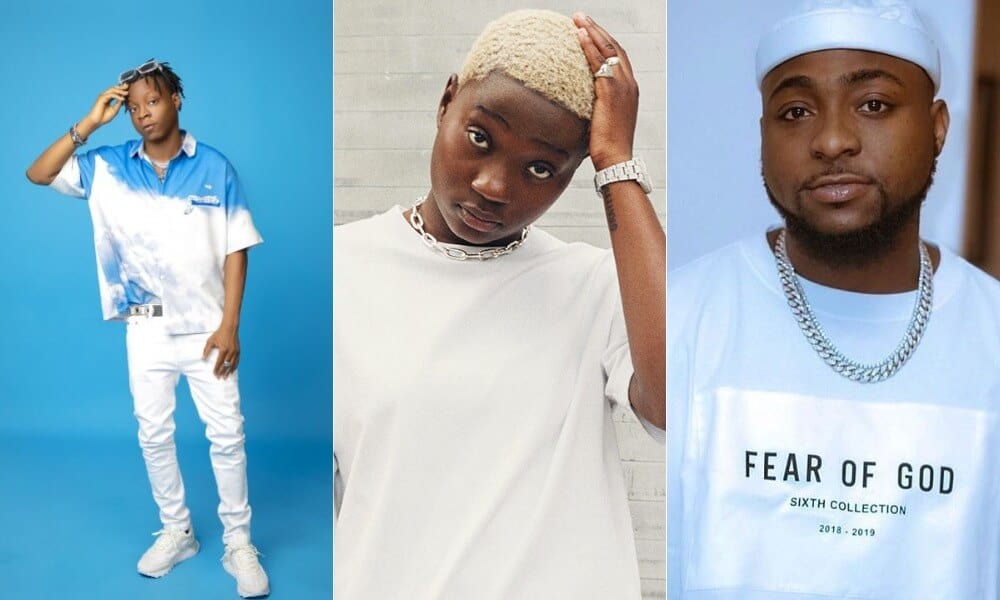
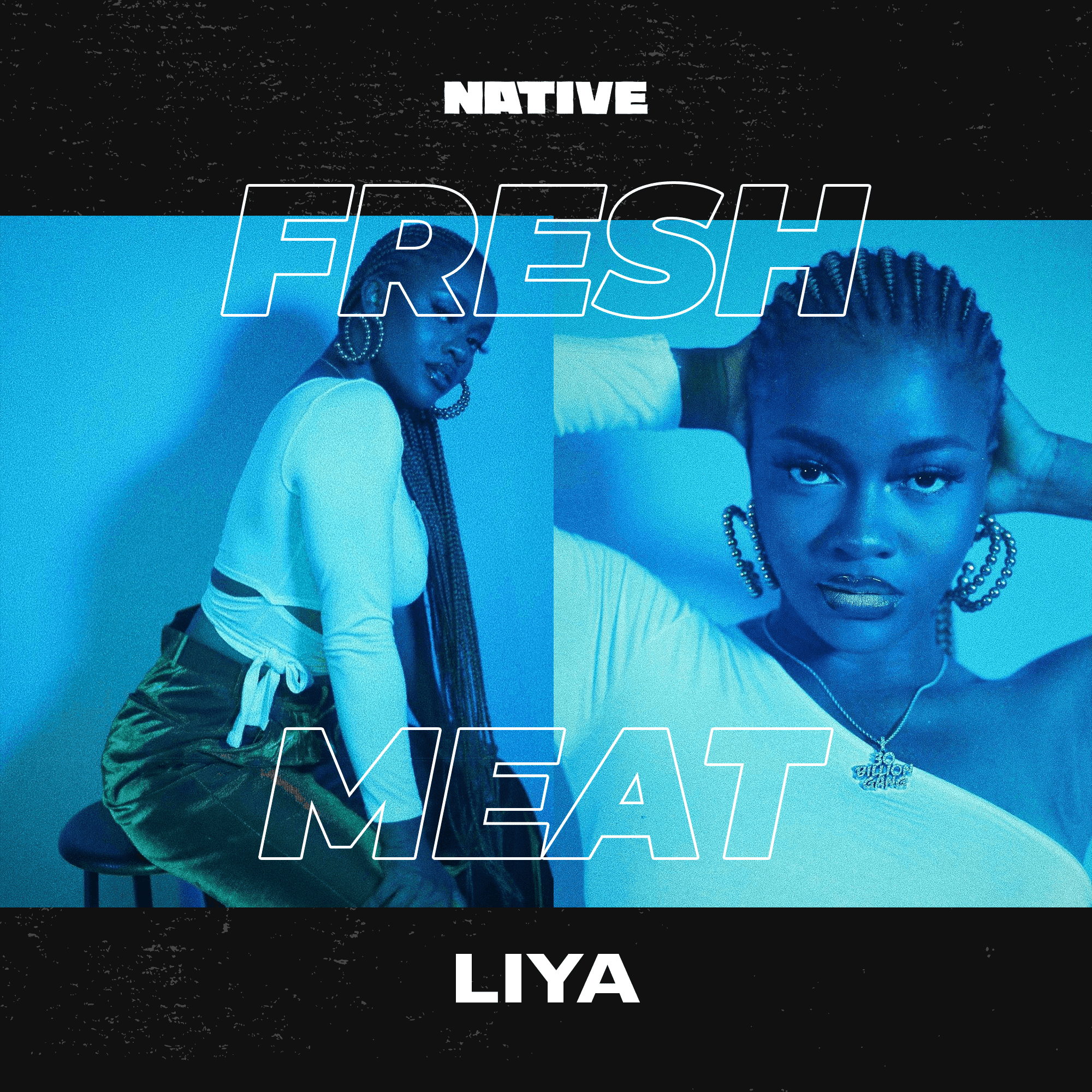
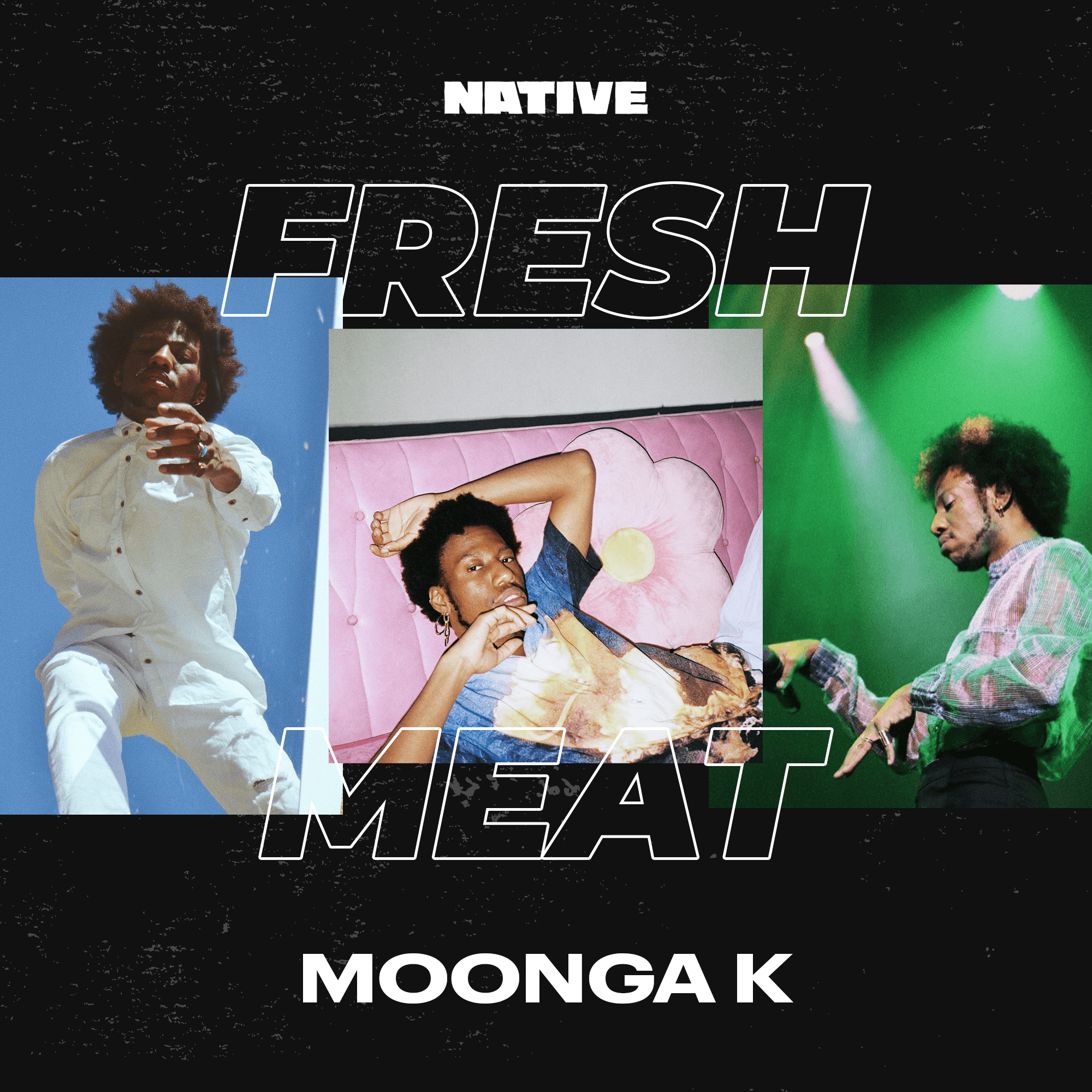
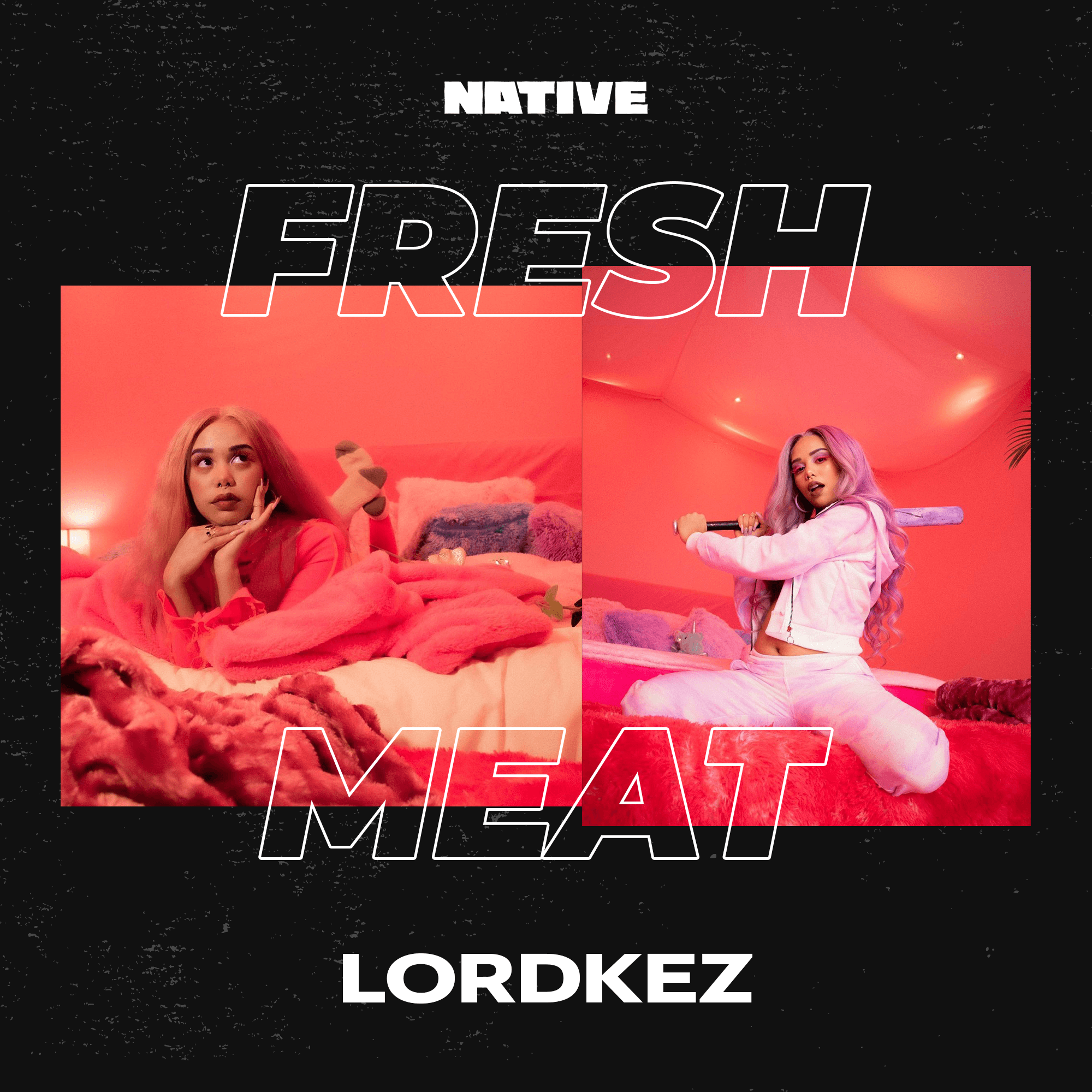
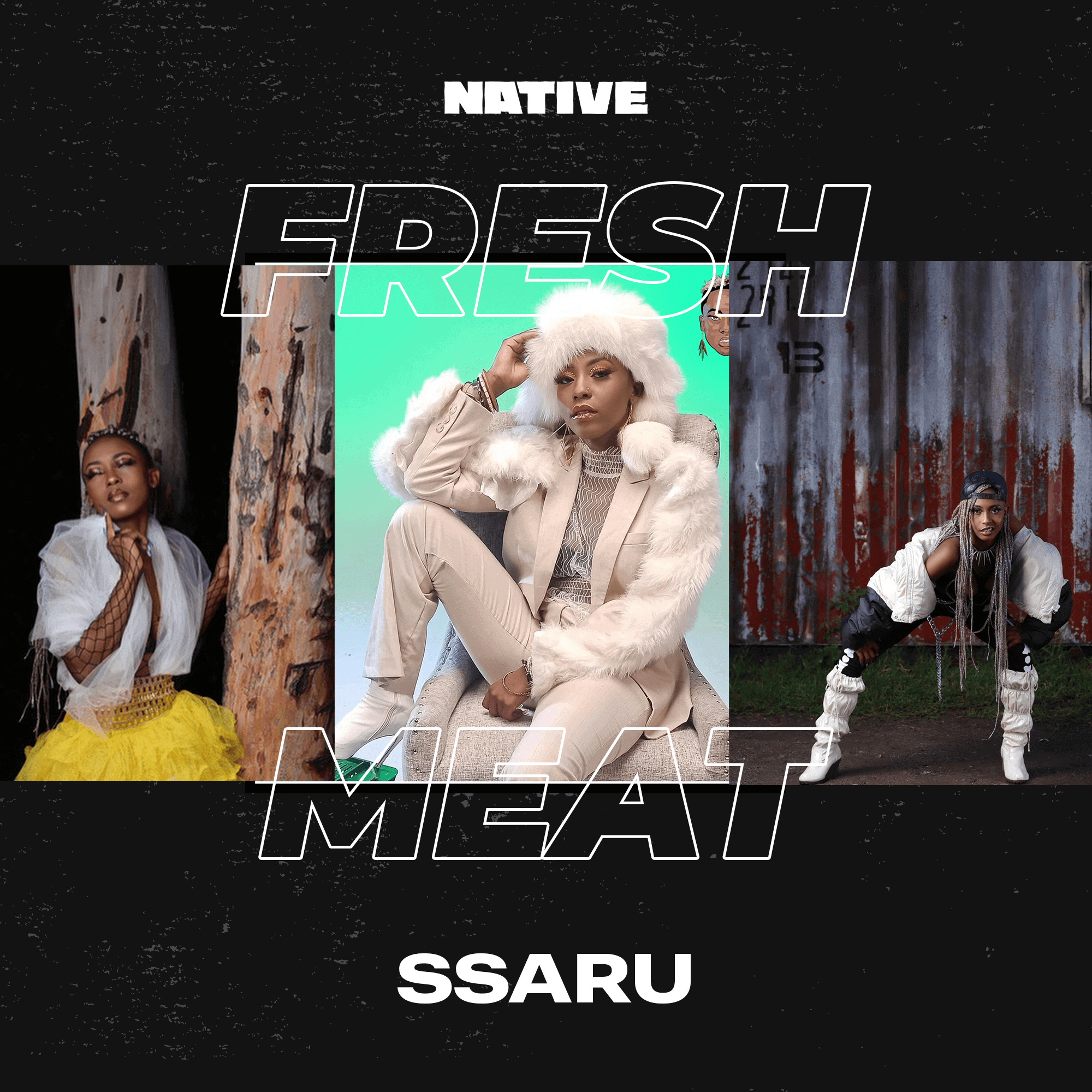
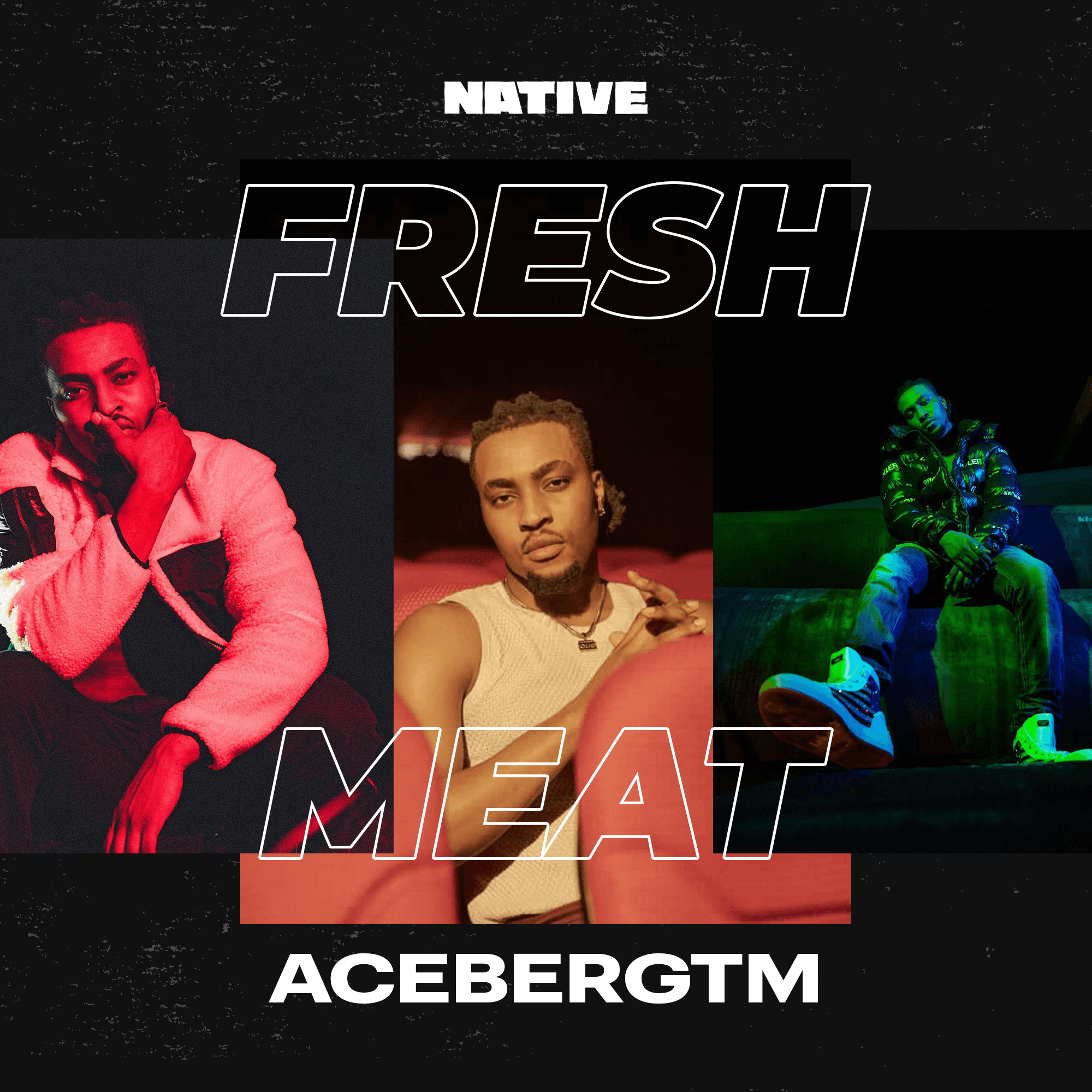
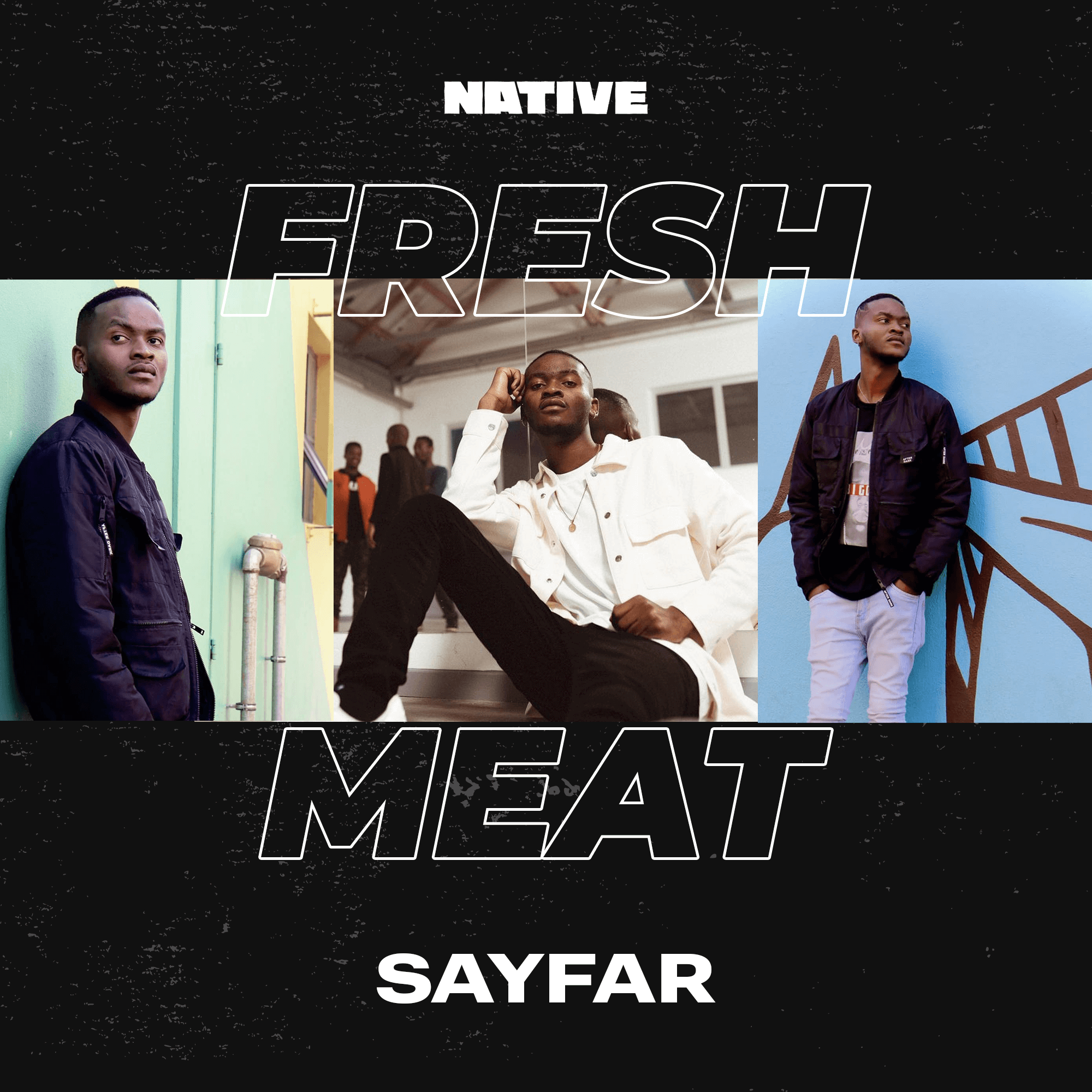
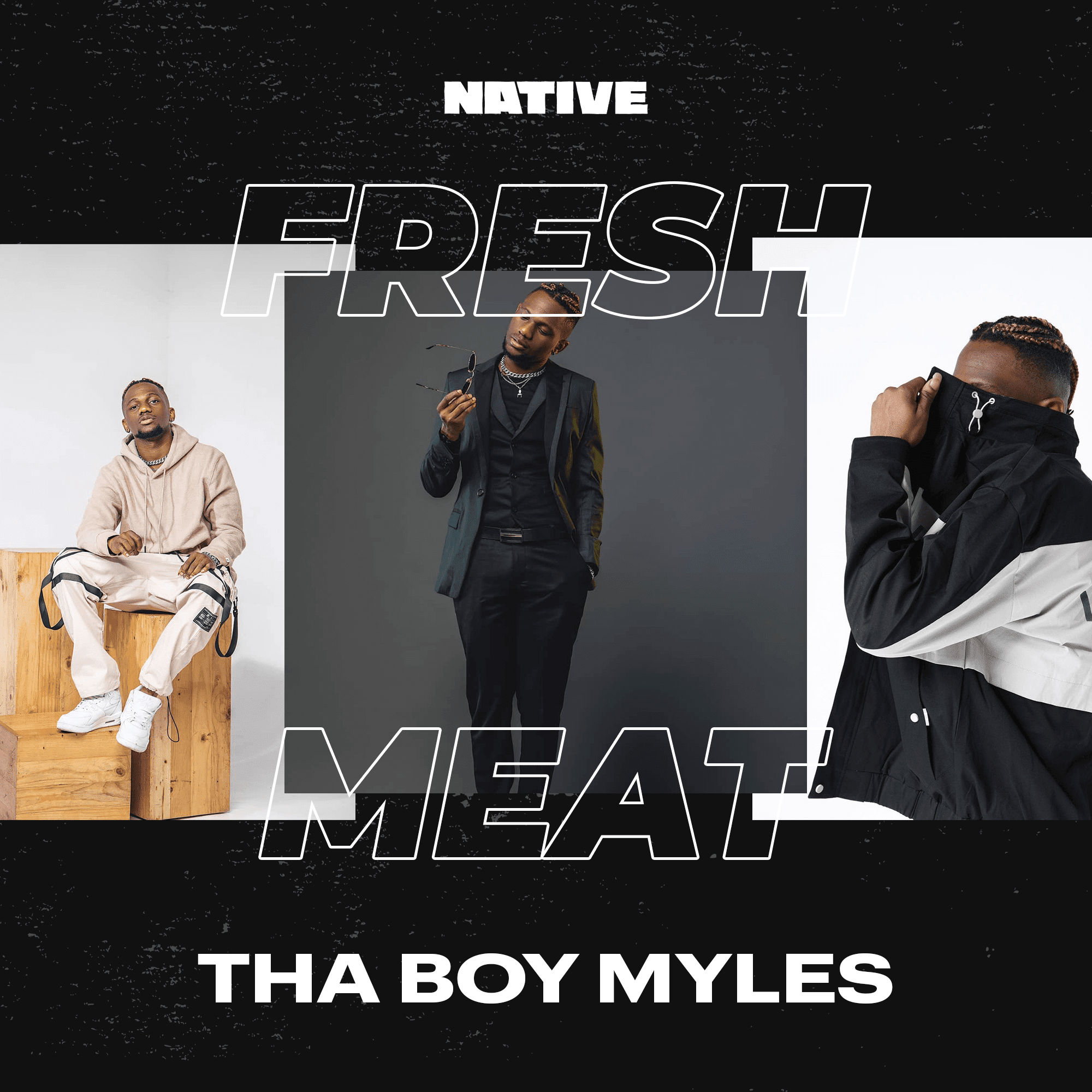
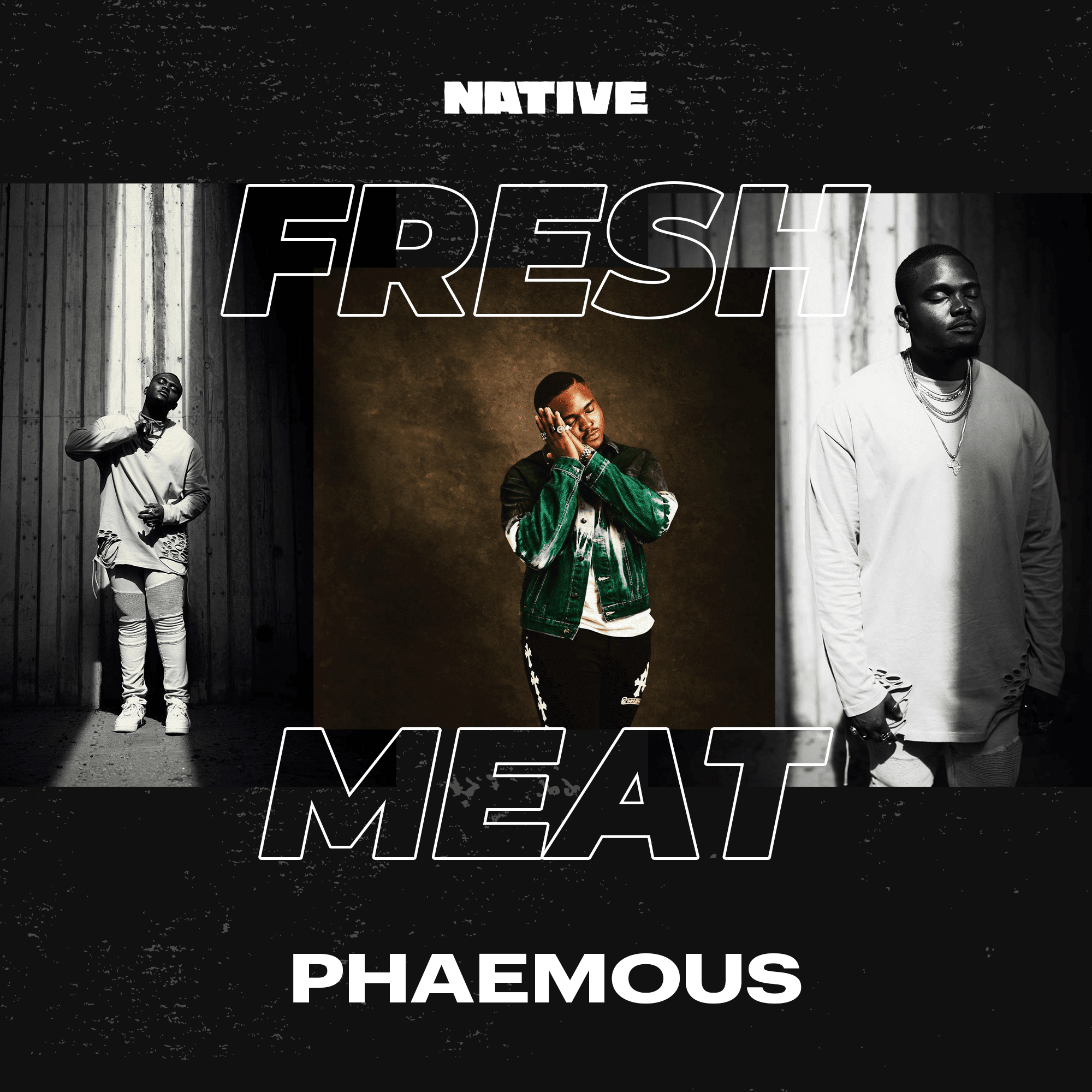
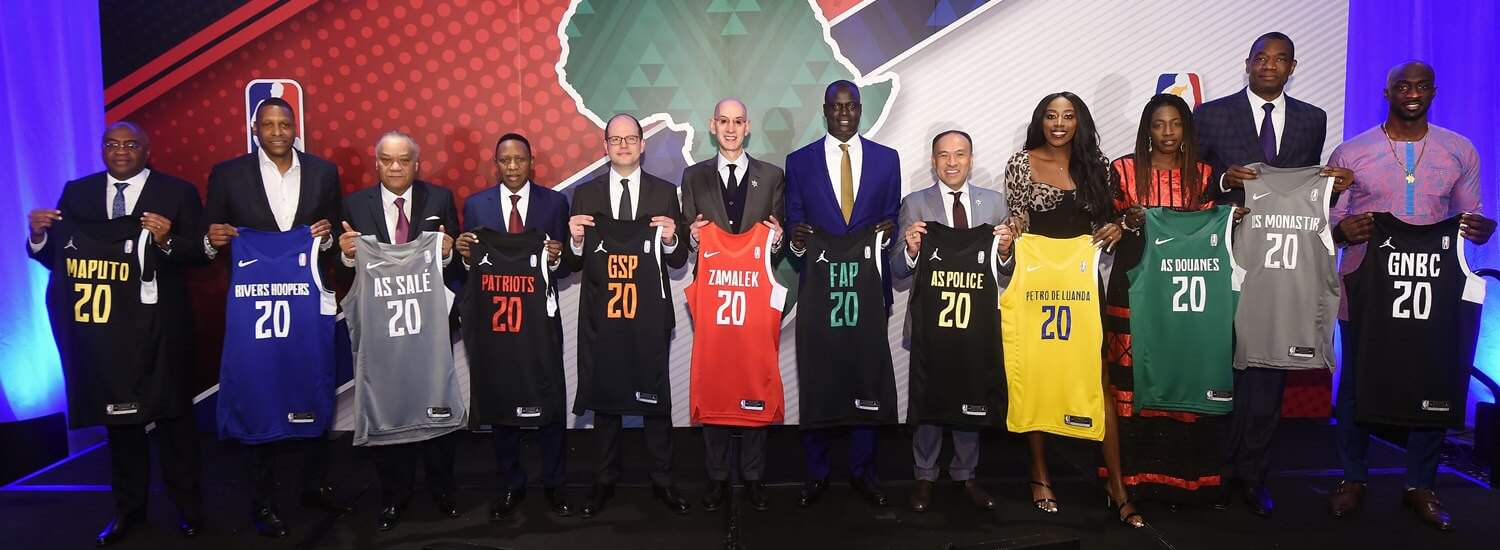
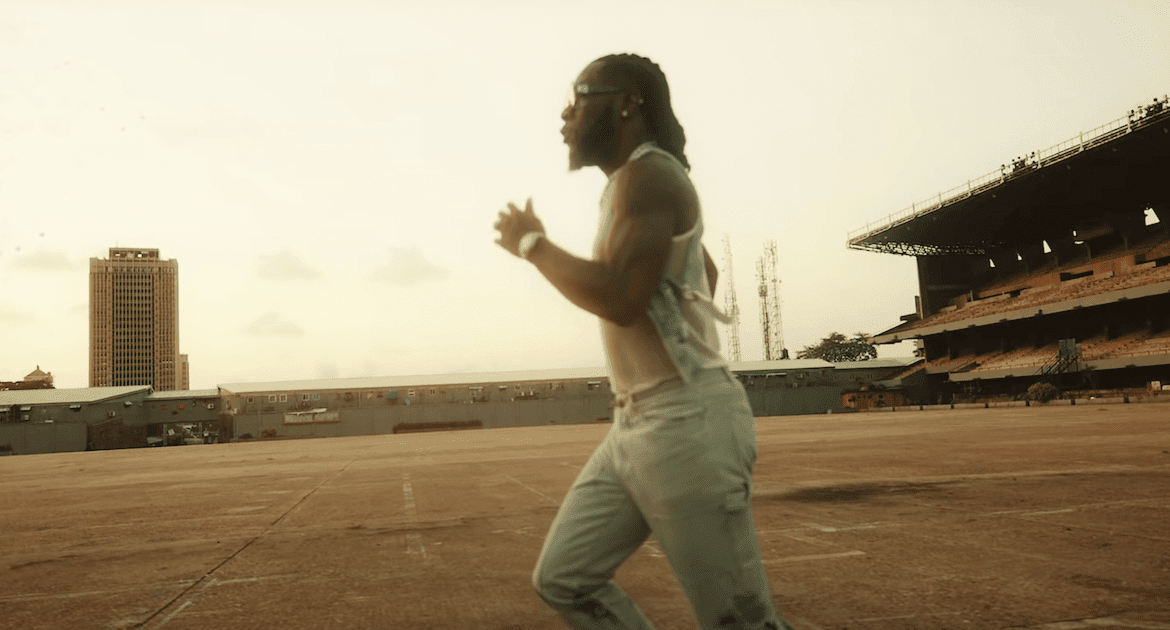
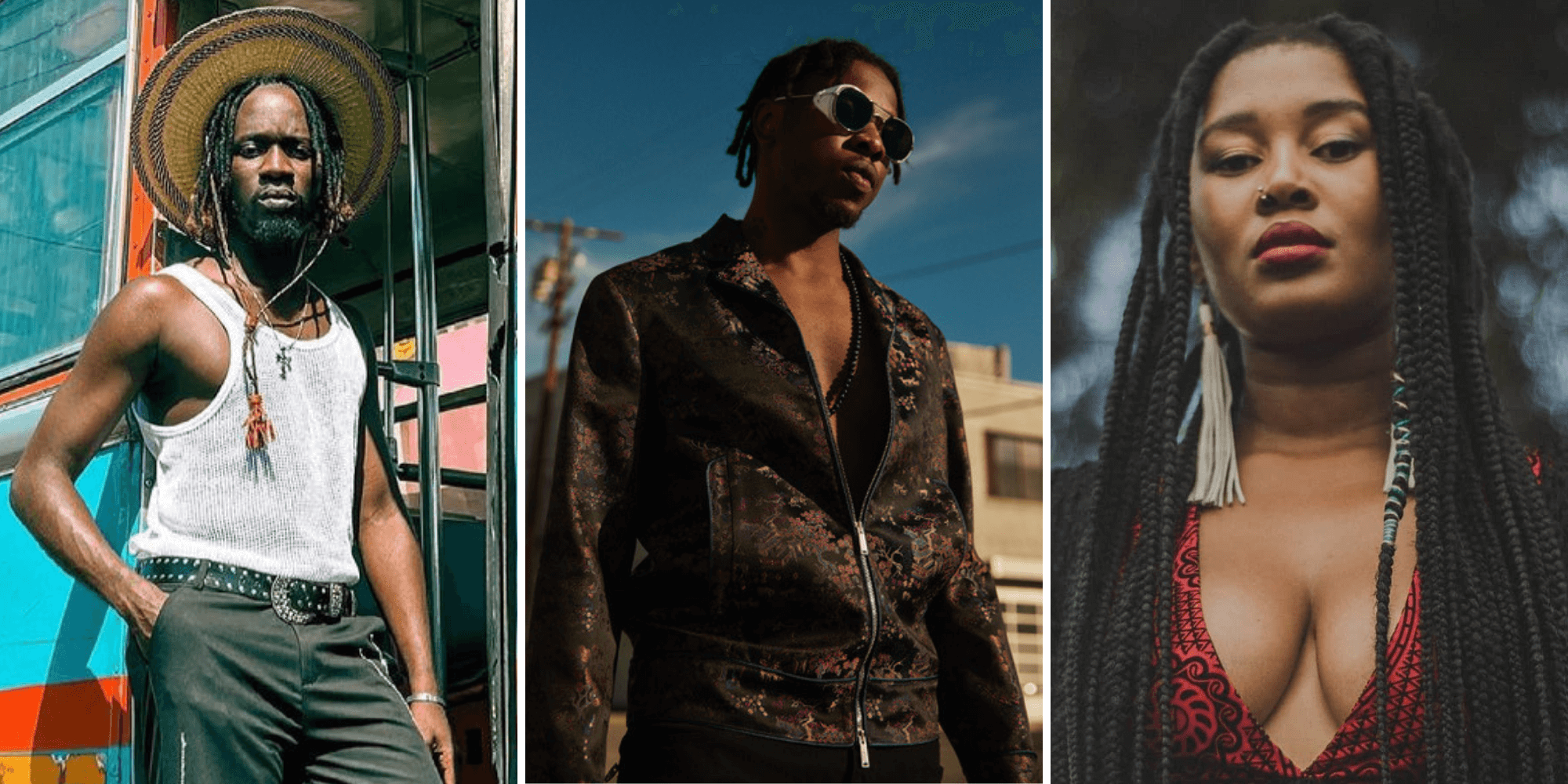
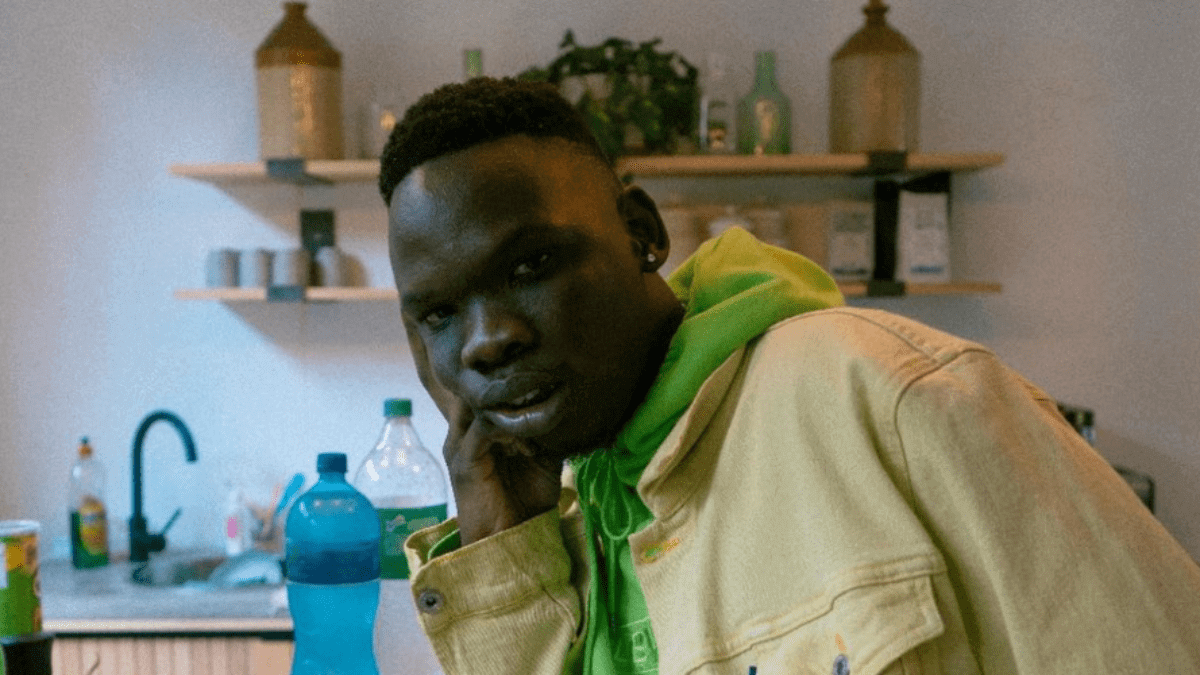

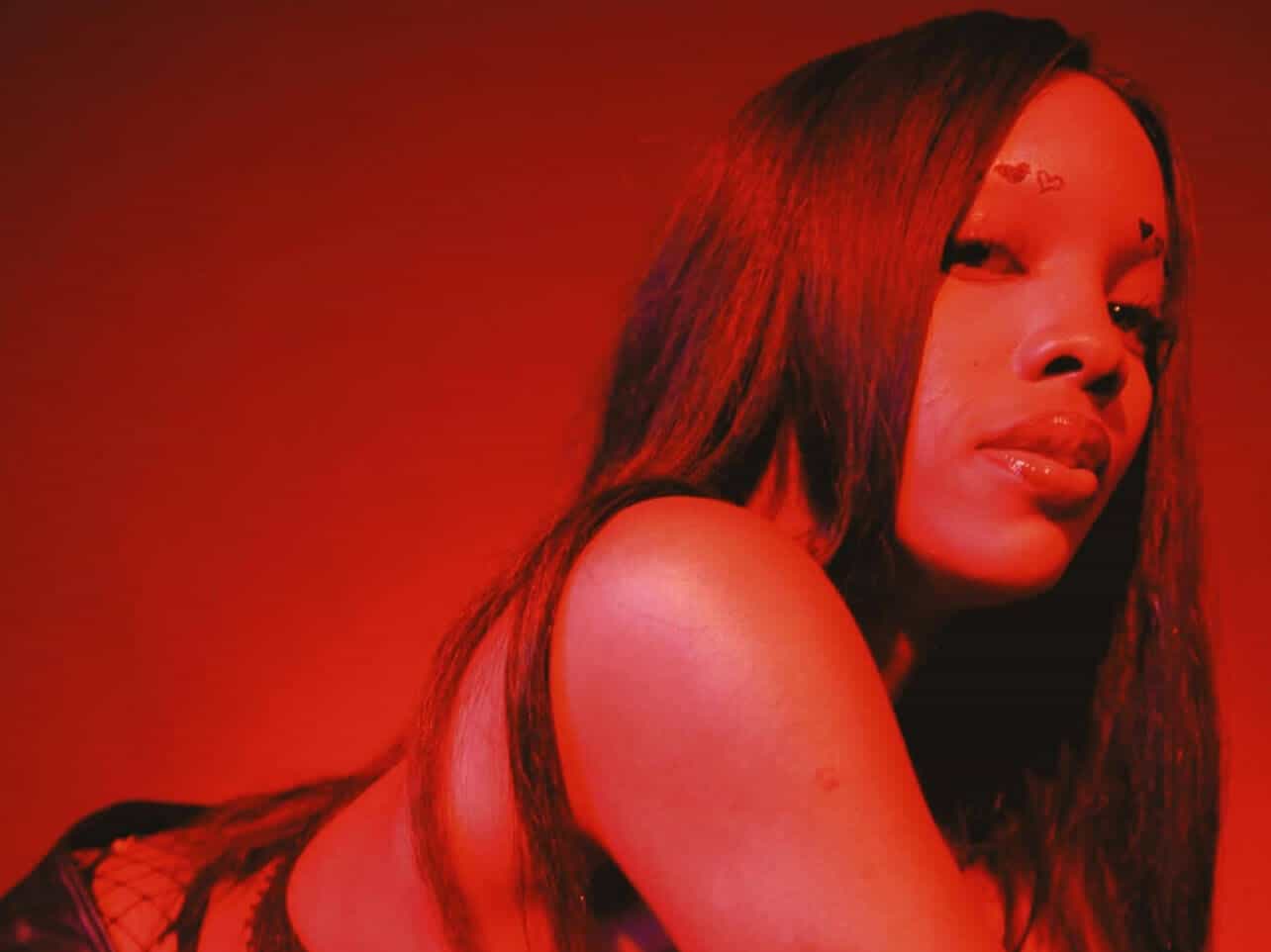
 Where is your favourite place to record?