Hot Takes: Spotify, Ghana’s LGBTQIA+ community and the future of Afropop

Another day, another dollar. The week might have just started, but I’m already feeling pretty spent. Not only has Zoom fatigue and spiralling to keep up with adulting in a panasonic got me down this week, but we’re edging closer and closer to our one-year anniversary in quarantine and the thought of that really spooks me. But with officially one week to March, this means we’re also a few weeks closer to my favourite time of the year–Aries season.

For me, all things align when my season is in town (or I would just like to believe so) and so, I’m holding onto that wishful thinking in hopes that I’ll subconsciously start believing that things will get better soon. This all sounds mad bleak. so I’ll stop the rant now. In other news, my co-worker Dennis called me cool in last week’s Hot Takes column so maybe things aren’t all that bad. We started this column a few months ago to give you (more ourselves tbh) a much-needed break from the constant consumption of horrible news every day, and it’s been such a journey discovering all the latest tidbits in popular culture to get our minds off our dystopian reality. Today, I’m taking the reigns to school you guys on all things Gen-Z, the Headies, Bobby Shmurda’s release, and helping members of the Ghanaian LGBTQI+ community in these trying times.

What I’m listening to: Kaash Paige ‘Teenage Fever’

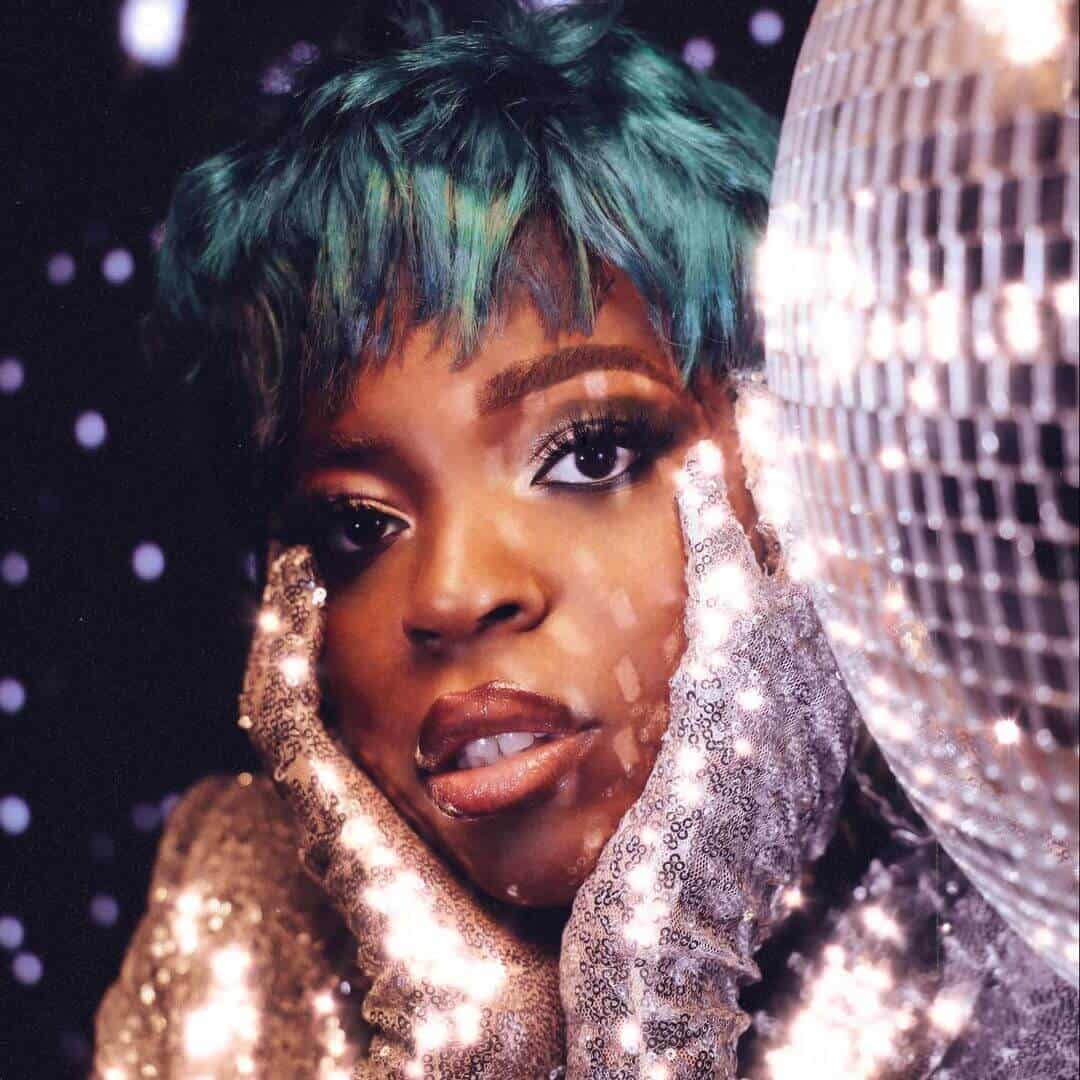
One of my greatest discoveries of 2020 was Dallas singer, Kaash Paige who released her debut full-length LP ‘Teenage Fever’ last September. Before this, I had heard her airy melodies on Don Toliver’s “Euphoria” featuring Travis Scott earlier in the year, just as the world descended into months of a socially distanced lockdown and we were all consuming more music than we normally would. Her voice was refreshing, one of the best I’d heard in a minute, and I was infinitely curious about the 19-year old singer off that one track. Her debut album ‘Teenage Fever’ converted me to full Kaash Paige stan as her 13-track album encapsulated everything the modern lo-fi r&b  has to offer at this moment. Although she chronicles her experiences as an upcoming artist on the verge of her teenage years, some feelings and experiences are universal and able to resonate with anyone. Being a music writer, I find it hard to consume a lot of music outside what I have to analyse and write about (desperately trying to break this curse, send me playlists) but ‘Teenage Fever’ had me coming back for replays. Also with a stage name that has the acronym “Kill All Arrogance, Stop Hatred,” what’s there not to love about this prodigy.

What I’m watching on Netflix: Behind Her Eyes

When I’m not watching episodes of Modern Family or The Office (US, duh!) or rewatching my favourite teen films like Mean Girls and Wild Child, I am always looking for what’s hot on Netflix at the moment. Over the weekend, I saw people talking about the ending of a new series called ‘Behind Her Eyes’, and being a lover of a good psychological thriller, I decided to give this a watch. The ending definitely was a shocker and it gave me very Jordan Peele ‘Us’ vibes in the very last 2o minutes of the show so you absolutely must watch it if it’s your speed. Complete with night terrors, astral projection, and a cheating spouse, this wasn’t a bad mindless binge if you can get through the 6 hour-long episodes.

What’s hot on TikTok: BGC Drama Effect

Over Christmas last year, when I was down with the ‘rona, I found myself finding comfort and solace in TikTok videos. They became a way for me to escape my reality and really find something to laugh about again while I was cut off from hanging with my family in our communal living spaces. Since then, I’ve become a regular TikTok user, consistently checking what’s on my timeline every day and even making a few videos myself. This week, my TikTok feed seems to be filled with people using this dramatic BGC sound effect that’s typically used in reality TV and movies when the plot thickens and a revelation is made. All week, TikTok users have utlised this effect to air out greviences in the most hilarious way. From asking why sis shaved her coochie if all she wanted was closure to asking that deadbeat nigga why he hasn’t hit if the girl he’s talking about lets everyone hit, you will for sure be triggered by one of them. If you’re looking for a way to spend a few hours laughing, this is the perfect trend for you, cause every single video has been a hit.

@orodiiolmao sorry I look rough I just woke up #fyp #viral #xyzbca♬ BGC Drama Effect – whozmanzzz

@3.pointsLike bro im just chillin♬ BGC Drama Effect – whozmanzzz

Spotify is finally coming to Nigeria and Ghana

Finally, Spotify has announced that they will be expanding into 80 new markets over the next few months, including key territories across Africa such as Côte d’Ivoire, Ghana, Nigeria, Tanzania and Zimbabwe. The vast expansion coming soon means that Spotify will be active in more than 173 markets. This move is one that many Nigerians have been anticipating for a while and will increase the number of streaming services that are already available in these countries including Apple Music and Tidal. In addition, this could also be This could also mean a lot for podcasters, as it means that the platform could increase opportunities and visibility for many podcasters, and reach a wider audience. With both free and subscription-based services coming with the app, it would be interesting to see how Spotify is able to manouvre the African market. Those who use the platform swear that it’s superior to all others, and we’d love to see how accurate this comparison is. A widely acknowledged constraint to the adoption of streaming is the relatively high price of data in both Nigeria, Ghana and I suspect many other African nations so it will be interesting to see how Spotify entering the African streaming market would rally up users who are already using services like Audiomack where they can stream for free.

Gen Z vs Millenials

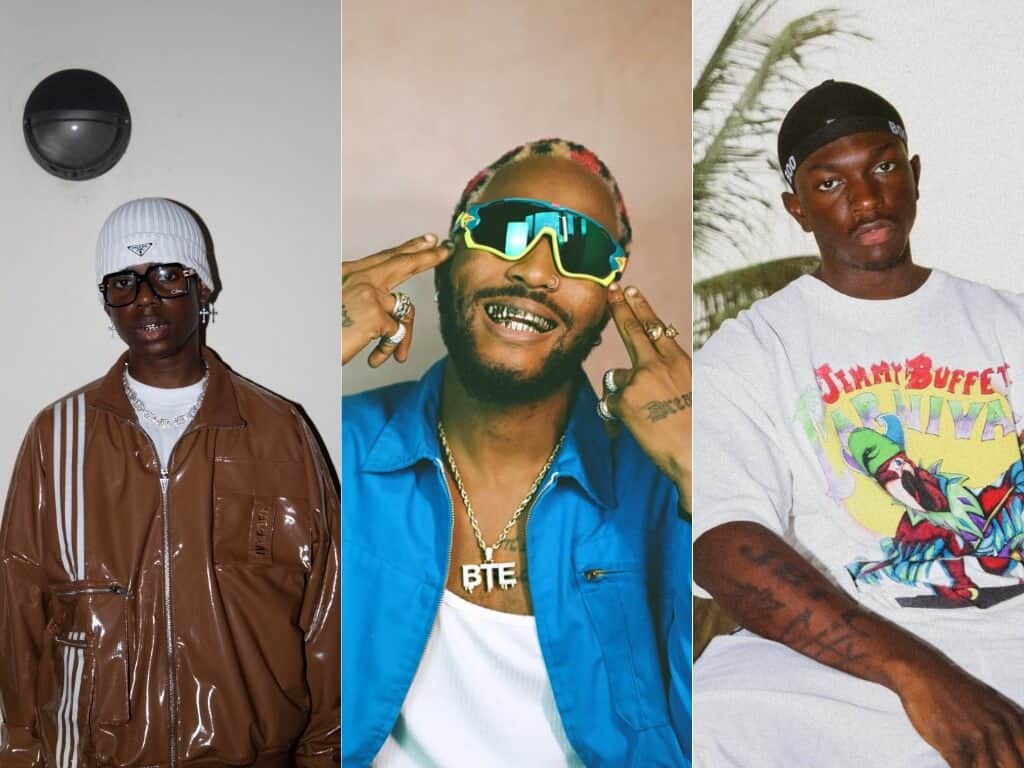
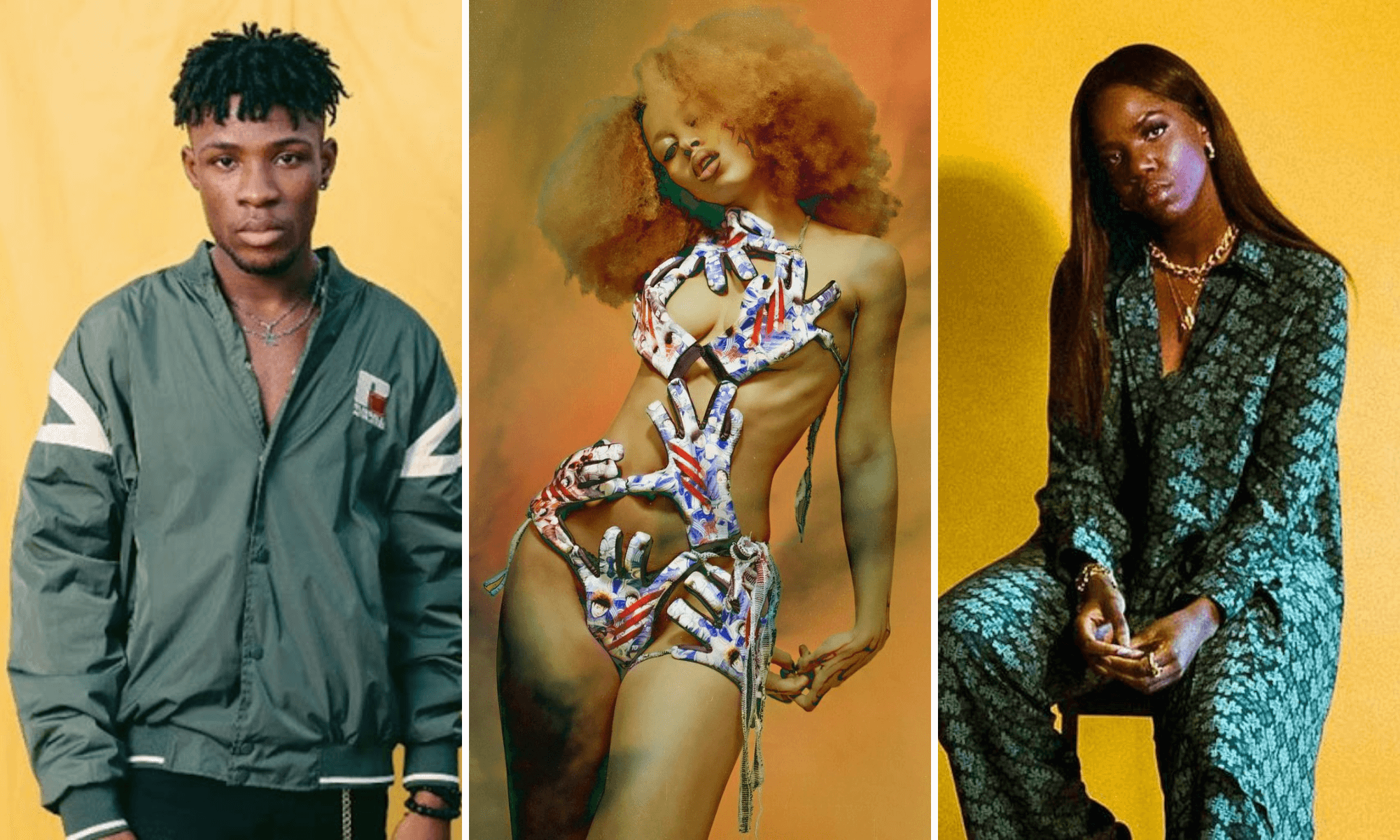
Last week, Gen Zers and Millenials declared war on the timeline following the release of a Zikoko article that revealed what Gen Zers hate about the millennials around them. Many of the comments focused on how the sibling generations were so different, with the younger of the two disliking how similar their older siblings were to their boomer parents, and how restricted and stuck in their ways many of them could be. The enemy lines were drawn and this resulted in a full-blown Twitter war that lasted hours with each side making fun of the other for their general traits. It’s safe to say that Gen Z won the war by a landslide, and they keep taking losses even nearly a week after. If you’ve ever been around a 30+ millennial, you’ll know that they love to ask you whether you know what song was popping in 1999 even though you were probably a toddler, and for years they have fancied themselves superior because of it. Now, the tables have turned, and we’re all adults, but the millennials can’t seem to identify the new vanguard of Afropop hitmakers in pictures. Safe to say that many failed woefully and couldn’t tell who was who if they walked past them on the street, even though they probably jam to their songs on the radio and in the club (well, when outside was open).  It’s hilarious how an artist could be heard everywhere from the streets to the club and still could remain unknown or unrecognisable to a whole group of people in society, and in Nigeria, that seems to be a common trend. Nontheless, it’s all a bit of banter and we’re here for all the funny tweets. Play nice kids, the real enemy are these damn boomers.

Hushpuppi in the mud…AGAIN

Last year, in June, popular Instagram influencer Ramon Abbas aka Hushpuppi was arrested by the Dubai police. A court document claims he and co-conspirators “[targeted] victims around the world in schemes designed to steal hundreds of millions of dollars.” Hushpuppi who had become known for his extravagant and opulent lifestyle on Instagram claimed that he made his money through real estate, and was then charged with conspiring to launder that money. Investigators seized nearly $41 million, 13 luxury cars worth $6.8 million, and phone and computer evidence, Dubai Police said in a statement. They uncovered email addresses of nearly 2 million possible victims with their lives destroyed through phones, computers and hard drives.

Since then, not much had been heard of Hushpuppi’s case until now and it seems that he’s still deep in the mud–despite Bobrisky’s pleas that he makes it home soon. Further news of Hushpuppi’s case now shows that he is in more trouble than initially suspected. According to a thread on Twitter, the scammer was allegedly working with North Korean hackers to help them scam a number of US citizens of billions of dollars. But his plan was foiled when a flewed out date with Blac Chyna raised suspicions. Now, I don’t know what in the badly written Nollywood script is going on, but we can’t say for certain whether any of these claims are even true. What I do know however is that we (not me sha) made an influencer out of a man who spent his life stealing from hardworking people. There’s nothing funny or inspirational about that and he deserves to pay for his crimes. Karma is a bitch and Hushpuppi’s is definitely draped in Gucci.

Bobby Free!

Bobby Shmurda is finally free people and the summer can begin again. Bobby was made eligible for conditional release, meaning he will serve the remainder of his sentence under community supervision until the maximum expiration date of Feb. 23, 2026. Although the conditions of his release don’t seem to be that great, the news of his release has already been widely celebrated in hopes that the rapper would get back in the booth and take over again. Quavo told Billboard that he will be there to pick up the Brooklyn rapper in style. “I’m going to get my guy,” the Migos frontman says. “I’m personally gonna go pick up Bobby Shmurda. I’m bout to go get him. I’m gonna let him show you how I’m gonna pick him up, yessir,” he had shared. Fans were very excited about this because prior to his arrest, Shmurda and Migos were working on a joint mixtape titled Shmigo Gang. Quavo then teased another collaboration in the stash at the end of 2019 and now we can only imagine what the trio will get up to with Shmurda now that he’s finally free.

Defunding the Headies and the future of Afropop

It’s been over 15 years of production from the annual Headies awards and its 14th installation came and went without any lasting impact beyond the milieu of new artists it welcomed into its winner’s hall of fame including Omah Lay, The Cavemen, Fireboy DML, Bad Boy Timz and more. We know that everything is made extremely difficult in Nigeria, but there’s no way to sugarcoat it – for a show that has been around for so long, the Hip Tv award is terribly produced, disorganised, and unrepresentative of the breadth of the Nigerian music industry. This year, with loads of people stuck indoors due to COVID-19 rules and guidelines, many more people tuned in online for the award show, but didn’t quite get the experience they expected. The problems were many–the video quality was incredibly poor, the lighting was atrocious, hosts were on stage without masks, award winners walked back to their seats and didn’t exit orderly through the backstage, and the category award winners were all over the place. The most obvious peeve I had while watching the show was the lack of understanding of the different genres and the unrepresentative categories that the Headies still relies on.

Fireboy DML won awards for Best R&B and Best Pop Album for his debut ‘Laughter, Tears and Goosebumps’ and his sophomore project ‘APOLLO’ respectively. While we’re incredibly happy to see the singer earn his stripes, neither of these albums belonged in either of those categories and therein lies the problem. If we’re not even defining and understanding in certain terms what a genre means, then how can we ensure that all the albums or songs nominated within that category are representative of the entire landscape of that genre within Nigeria? Take, for instance, the Alternative category, artists such as DRB, The Cavemen, and more were nominated within this field and in previous years, many such as Odunsi the Engine, Lady Donli, Tay Iwar and more have also received nominations. But not everyone that is considered ‘alternative’ is making alternative music–sometimes they make r&b or rap or pop.

Award categories must show and recognise they are keeping abreast with moving popular culture. Considering that we’re in an era of music where full-lengths constantly defy easy categorisation, grouping albums by genres is quite the task, however, we need award shows that are properly representative of everything music has to offer, if not, then I struggle to find why we should even be paying attention to award shows bent on keeping some away from receiving accolades. It was still heartwarming to see young artist supporting each other and showing up for themselves particularly the Next Rated nominees. The future of afropop is definitely in safe hands, all that’s missing is an award show that does justice to their collective contibutions.

Ghana’s LGBTQIA+ community

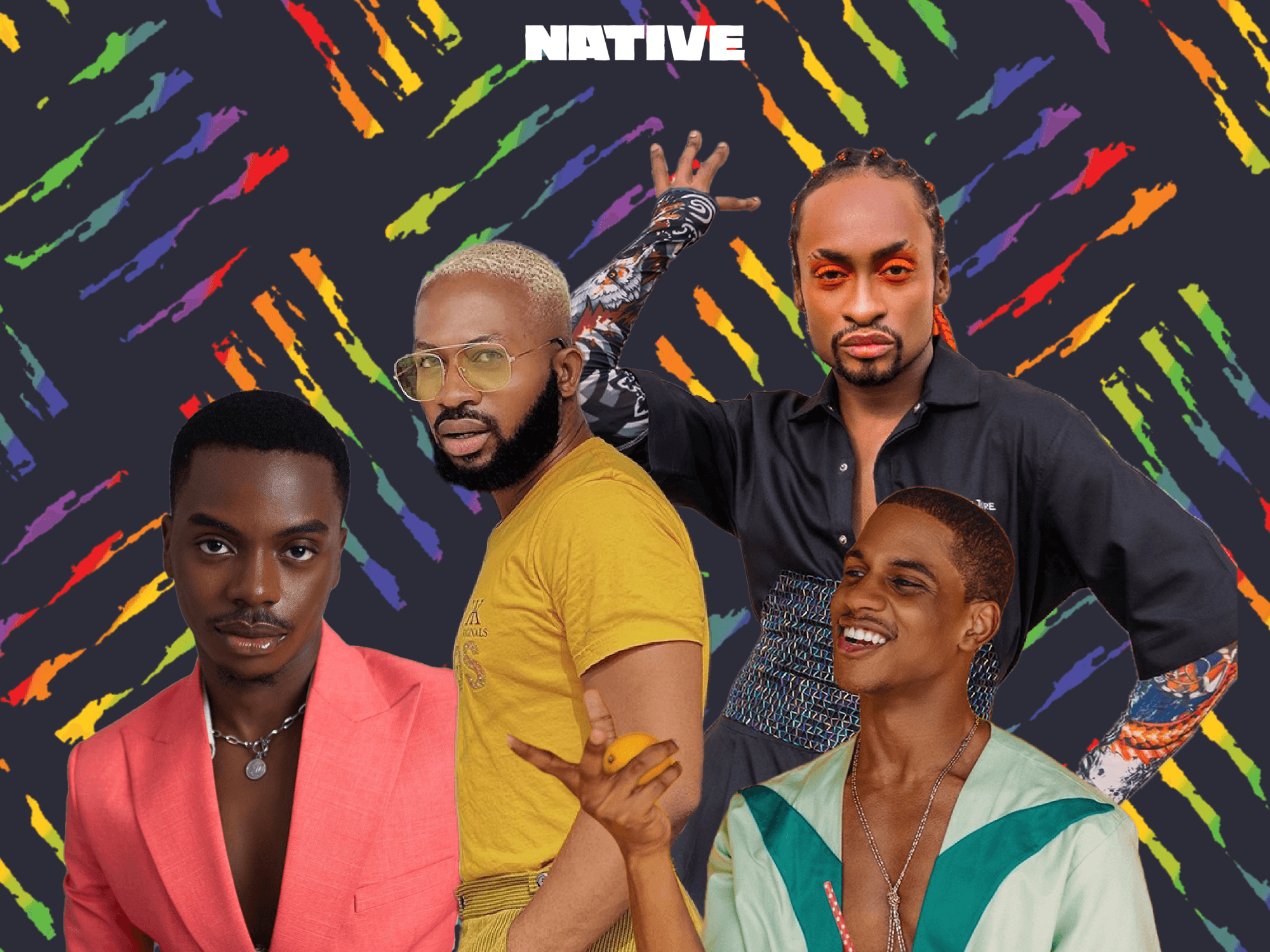
All across Africa and her nations, marginalised groups are crying out for help against governments and people bent on harmfully erasing and prosecuting them. The Ghanaian LGBTQIA+ community is particularly looking for support and help at this moment. A few weeks ago, LGBT+ Rights Ghana opened its doors to the queer community within the country with a new community center that would serve as a safe space for many looking for shelter and community.

Rather than see this as a moment of celebration for the queer community who are still under attack from homophobic legislation, many of Ghana’s Catholic bishops and government officials have fired intense vitriol and hate towards LGBTQ+ advocacy. Phrases such as ‘it’s against our culture’, ‘it’s a sin’ and other harmful and degrading rhetoric have been shared on the news and on social media, in efforts to sentisise the wider public to feel empowered to carry out hate crimes on queer-looking or androgynous individuals.

These tactics are nothing new. For many years now, African nations have constantly churned out the same harmful rhetoric and language when it comes to engaging with the marginalised queer communities who endlessly facing prosecution for daring to live their lives and love who they love. The more that religious leaders and well-known government officials continue to chastise and debate the validity and existence of members of our community, the more other citizens feel empowered to hurt, attack, and harass individuals different from the norm. This comes just a few weeks after Angola decriminalised homosexuality in the country. The new penal code, which was passed in parliament back in 2019, does away with the contentious “vices against nature” provision which targeted queer Angolans and hindered their access to healthcare, education and obtaining employment. The new law also states that individuals found discriminating against another on the basis of sexual orientation will face imprisonment of up to two years.

This move by the Angolan government sparked hope for members of the LGBTQIA+ communities in other countries where it is still criminalised by legislation. That is why what is currently taking place in Ghana and being fuelled by local media is so painful to bear. At the moment, there are so many queer people hurting and hiding from being ousted during this time and it’s even more painful knowing that we have a long way to go before our existence is not hot button stories to debate and invalidate. Shutting down the LGBT+ centre in Ghana sends a clear message about the importance of certain lives over others in the Ghanaian community and we must all play a part in making sure we support our Ghanaian counterparts who deserve to be seen and heard. People continue to claim Africa is not ready for homosexuality but what gives any government the right to deny members of their society the right to live freely as themselves. To find out how to help, read more below and donate to LGBT Rights Ghana.

Featured image credits/NATIVE


ICYMI: Here’s all the hot takes you may have missed last week

The best and worst looks from the 14th Headies Awards

On Sunday night, the 14th Headies Award Show saw the likes of Bella Shmurda, Fireboy DML, Bad Boy Timz, The Cavemen, Ladipoe and more earn their stripes for their contributions to the Nigerian music scene. The award show has long been known to be the ultimate accolade for a Nigerian artist, however, due to their wavering consistency despite being around for over a decade the prestige of a Headie might no longer be what it once was. While there were many noteworthy moments such as Fireboy sweeping up four awards including Album of the Year and The Cavemen’s first award, what seemed to have gained the attention of those watching all over the country, was the fashion choices.

The red carpet is often a point of discussion at award shows, and The Headies was no different. The choices donned at award shows are usually either a hit or miss out, and in Nigeria, when you factor that there’s a global pandemic that demands that we remain socially distanced, a 12-pm curfew, and wear face masks to curtail the spread of a deadly virus, there’s a lot to turn over and discuss.

Although fashion is primarily subjective, and what may be best dressed to one person may be the worst dressed to another and vice versa, what’s good is typically always good, and what’s bad is bad. Following our observations throughout the Sunday night show, and given that there was little else to discuss about the award show itself, we’ve ranked a few of our best and worst fashion moments from the 14th annual Headies Awards.

Best Fashion Moments

4. Alex Unusual

I don’t even think this lady has much to do with the music industry, but there’s no denying that she looks kinda cute in this outfit. Although the pants could’ve been a few inches shorter, she still pulled off this three-piece co-ord stylishly. Made by Sevon Dejana, the burgundy velvet number shows off the brand’s penchant for flair, and it’s definitely put them on our radar for whenever outside opens properly.

3. Kimoprah

Remember when Mercy Johnson said ‘forget about your shiny suit’? Well, Kimoprah’s isn’t one we will be forgetting any time soon. I’m a sucker for a good tailored two-piece and this gorgeous set from sustainable ready-to-wear womenswear brand, Hertunba was all hits no misses. This earthy brown tone seems to be the colour of the season, and the trousers pair perfectly well with the blue jacket, it seems a bit like the fit was inspired by the beach and she looked good.


View this post on Instagram


A post shared by Kim Opara (@kimoprah)

2. Erica

If you’re going to do the princess look, you have to do it right and Erica definitely did it right with her gorgeous dress by Mide. With mixed fabric, what made the dress stand out to me was the intricate hand beaded detail in the mid-riff, adorned with traditional cowrie shells. If you ask me, this is how you take tradition forward.


View this post on Instagram


A post shared by Erica Ngozi Nlewedim (@ericanlewedim)

1. Wizkid

Can there be a rundown of the best fashion moments with our Starboy coming up in conversation? Absolutely not. Wizkid has always been a fashion icon, and the best thing about his fits lately is that it shows how laidback and relaxed our Starboy currently is. Dripped in a slouchy white two-piece, and a mask to match, this ensemble made him look extra cool and in a default state of unflappable chill. He looked effortlessly cool, and that’s why Wizkid is our fashion hit of the entire event.


View this post on Instagram


A post shared by wizkidayo (@wizkidayo_stories)

Worst Fashion moments

4. Falz

Falz may have won the award for Best Hip-Hop/Rap song but this outfit was far from hip in my eyes. It’s really difficult to pull off a white suit if you’re not P-Diddy, and when you then add in gold detailing on the shoulder pads, I just –. I think Falz could have looked alright and regular without that detail, but it just really reminded me of WWE heavyweight belts and that’s a big no from me.


View this post on Instagram


A post shared by Falz TheBahdGuy (@falzthebahdguy)

3. Nancy Isime and Bovi

The hosts of the 14th Headies award show gave little to desire when it came to their sartorial choices, and their stylists should be written up for what they did. I know it’s harmattan but surely, it’s still too hot for Nancy’s winter jacket? On top of that, the bright yellow… na. Although, it’s important to note that Bovi made a statement when he wore a piece that featured the bloody Nigerian flag from the October 20 #EndSARS horrors so that was a redeeming factor.


View this post on Instagram


A post shared by BellaNaija (@bellanaijaonline)

2. Iyabo Ojo

My unpopular opinion is that the lady who won the award for best dressed was actually one of the worst dressed people at the event. But like I said earlier, one person’s fashion hit might be a miss for someone else and this certainly belonged in the latter for me. I’m not a fan of all the bedazzlement on her dress and I didn’t really get the whole sleeves extending into gloves thing, it doesn’t seem practical. What happens when she needs to spend a penny? Lovely hair and makeup though.

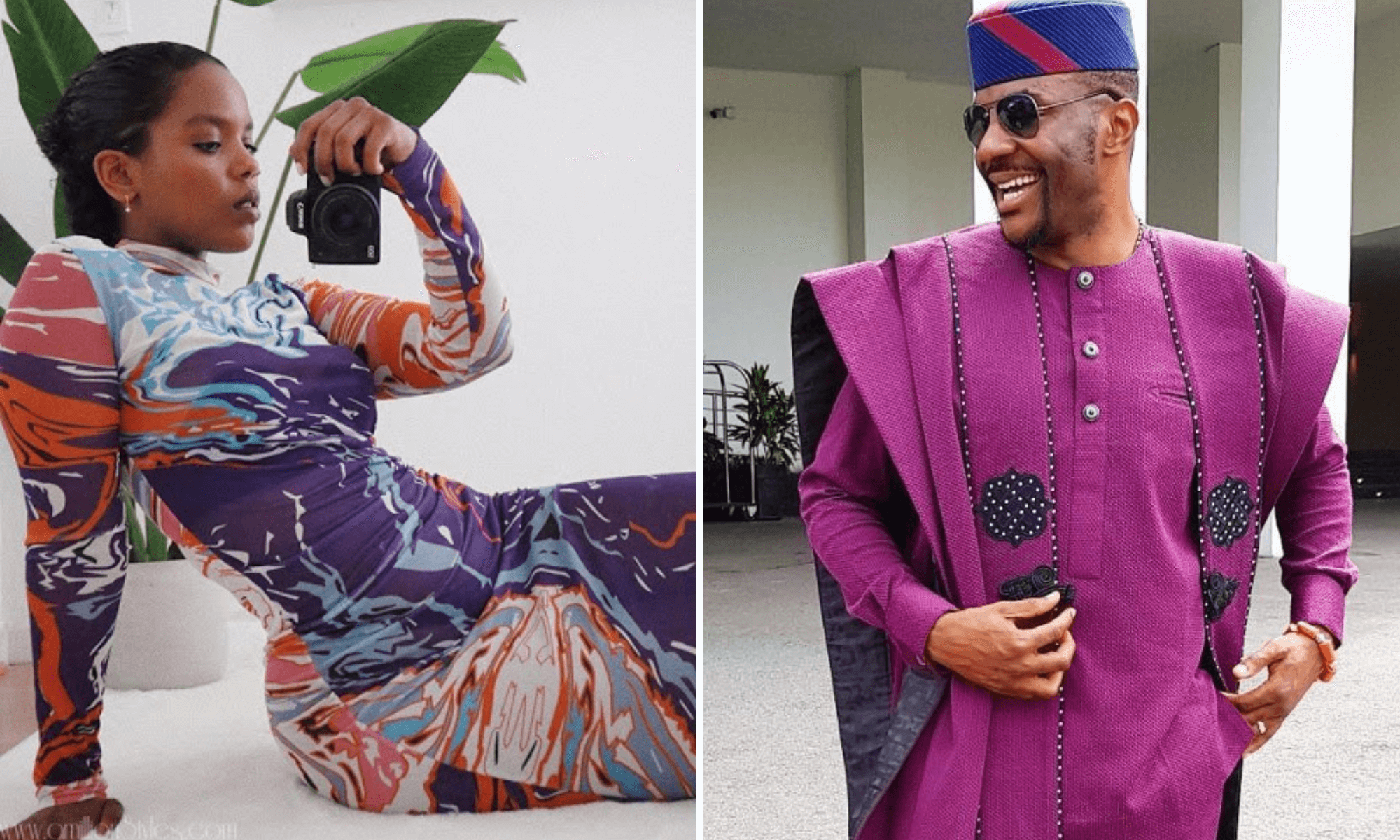
1. Desmond Elliot

Get a load of this guy. I get that we should respect tradition and all, but this is not an owambe and he just looks out of place. It would have been a bit better if he wasn’t wearing a full on agbada, maybe just a regular blue traditional fit might have toned the look down a bit and made it more bearable. One good thing is that there are already loads of funny memes and jokes about this fit on social media and I’ve been hollering all afternoon.

Featured image credits/NATIVE


ICYMI: Style Connoseuir Chisom Njoku partners with Porsche for art film

Best New Music: Focalistic and Davido are deep in their bag on “Ke Star Remix”

Over the past few years, a distinct rhythmic genre from South Africa has risen to indisputable fame, traversing borders from its originating country and rubbing with other sounds within Africa taking on new life in the communities it has now settled in. Amapiano, as it is now popularly known has become South Africa’s youngest and fastest-growing electronic music movement, which has grown from the underground to a global phenomenon.

While the genre enjoys a new moment in the spotlight, we’ve seen more and more African artists – particularly Nigerian artists – hop on its wave, adopting this sound into their Afropop-tinged production and displaying the creativeness of Amapiano. While this certainly boosts the genre’s growth and appeal, we’ve already seen how detrimental claiming ownership of the genre can be to the communities and places it first originated. Because of this, cross-cultural collaborations between Afropop’s finest and South African artists tapping into the genre are always welcome, much in the way our inclusion of “Sponono” on the best collaborations of the past year proved without a doubt.


View this post on Instagram


A post shared by Davido (@davido)

Focalistic was one of the first rappers to co-opt and properly commit to the growing sound, channelling the liveliness of his gruff voice over the genre’s rhythmic production. Following on from his latest album ‘Sghubu Ses Excellent’ which dropped in December last year, the rapper has now tapped into the pop sounds of Afropop heavyweight Davido for the remix to his 2020 single, “Ke Star”. Enlisting Davido was certainly a smart move, for a song that’s already stolen the hearts and ears of Amapiano lovers across the continent, particularly as the Afropop juggernaut tapped into the trending sound on his third studio LP ‘A Better Time’ . The South African rapper admitted after the song’s release that he had been a fan of Davido from day one, and a worthy feature from the Afropop star was now a lifetime dream diligently fulfilled.

Virgo Deep’s breezy instrumental arrangement sets immaculate ambiance for Focalistic and Davido to float effortlessly on the beat, supporting each other through their verses. Davido opens the track with his catchy adlibs and one-liners before bursting into his memorable verse: “It goes down when my G’s connect, no disconnect/I dey catch cruise, forget/If you talk you collect” he sings, arming listeners with enough quotables that can easily be committed to memory and chant.

Focalistic joins Davido after his powerful opener, delivering all the rhythms and enviable flow that we heard in the song’s original version. Singing entirely in Sepitori, the rapper memorably sings “Tikitiki yo yo yo” several times on the song’s lively production – the catchy quotable that first thrust the original version into viral prominence. He doesn’t compromise on his knack for delivering hits and creating, saying Ase Trap Tse Ke Pina Tsa Ko Kasi” which is roughly translated as “It’s not trap, it’s a song from the hood”.

Currently, the song is already making headway around the continent, shooting to the #1 spot on Afrobeats charts in Nigeria, Tanzania, and South Africa, alongside remarkably making an entrance on the UK iTunes top songs charts. It’s safe to say that the song is already a brilliant success so early on from its release, and with Focalistic already teasing the song’s video in the coming days, we can’t wait to see how it continues to break records and foster collaboration between the Amapiano disruptors and artists from around the African continent.

Stream “Ke Star Remix” below.


ICYMI: A 1-Listen Review of Mr Eazi’s EP ‘Something Else’

TurnTable Top 50: Teni makes history as the first female artist debut atop the chart

For eleven straight weeks, Omah Lay’s “Godly” made history as the longest charting No. 1 single on the TurnTable Top 50. Putting that run to an end, Teni’s new, Davido-assisted single, “For You”, debuts on this week’s edition of the charts. The new No. 1 also sets a historic milestone, as it’s the first time a song by a female artist debuts and sits at the highest position on the Top 50. “For You” is the second single off Teni’s long-awaited debut album, ‘Wondaland’, and this achievement emboldens the singer’s reputation for playing the mainstream game by her own rules.

Two weeks ago, Ayra Starr initially set the mark for the highest charting song by a female artist in the Top ten, with breakout song “Away” moving to No. 5, a week after debuting five spots below. Having dropped four places in the previous week, the Mavin wunderkind’s hit song has reached a new peak, rising to No. 4 in this week’s edition of the chart. The song’s leap was powered by an increase in radio airplay and TV airplay impressions, both metrics from more traditional sources that indicate the teenage singer’s growing ubiquity.

TurnTable Top 5 (February 22)

The majority of the top ten remains largely unchanged, with “Godly” only tumbling down one spot to No. 2, as well as DJ Kaywise and Phyno’s “Highway”, which comes in at No. 3 after four consecutive weeks at the second spot. Naira Marley’s “Koleyewon” (No. 5) continues its remarkable run in the top ten, as does Bella Shmurda’s “Cash App”, which drops one spot to No. 6. Wizkid and Burna Boy’s “Ginger”, which set the ball rolling at the top of the charts, holds steady at No. 7, while Davido and Mayorkun’s “The Best” falls six places to No. 9, and “Rush” by Dangbana Republik and Bella Shmurda slips from No. 8 to No. 10.

With their increasingly popular, Omah Lay-assisted jam, “Pronto”, Ajebo Hustlers make their top ten debut, coming in at No. 8. The duo broke out with the ultra-catchy and biting piece of social commentary, “Barawo”, and their latest drop gives stronger indication of their potential for stardom. Outside the top ten, Chike’s “Running (To You)”, featuring Simi, debuts at No. 18, while Joeboy’s “Focus” makes a one spot jump into No. 12. One of the bigger jumps of the week is from Ghanaian singer Gyakie; the Fresh Meat alum’s single, “Forever”, is the first song by a non-Nigerian to reach the top twenty of the Top 50, having climbed from No. 46 to No. 20 on the back of increased streams and radio airplay impressions during the period surrounding Valentine’s Day.

You can see the full rundown of the TurnTable Top 50 here.


Dennis is a staff writer at the NATIVE. Let me know your favourite the Cavemen songs @dennisadepeter


NATIVE EXCLUSIVE: MADE KUTI IS MOVING AFROBEAT FORWARD

Watch Nissi’s spirited video for new single “Move x2”

Spaceship Record signee, Nissi Ogulu has just shared a new single and video for “Move x2”, the follow up to last year’s debut album ‘Ignite’ and her 3-D animated movieThe Satchel’ which is now streaming on Youtube. The best kind of music is the kind you can feel and in these parts, the ones that can move listeners to dance. As such, the aptly-titled new single is perfectly indicative of the singer’s continuous penchant to imbue Yoruba heritage into her music.

Produced by Kizz Ernie, “Move x2” is a catchy upbeat single that finds the London-based singer encouraging her fans to look past the hard times and find reasons to keep moving and rejoicing. “Kasala everywhere, I no fit to comprehend/Why must all the good things come to an end/Kilode Kilode” she sings against groovy production, coming to the realisation that problem no dey finish. Regardless, we must always find the happiness within–which for her, she finds through dance.

The accompanying video brings the song’s empowering message to life. Directed by the Alien and shot in Lagos, we see beautiful scenes of Nissi and a host of female dancers living it up at every given chance. The video is drenched in cultural references to Nissi’s heritage from the traditional sculptures that grace each scene to the beautiful adornments she and the dancers wear. At the end of the video, the mood has lifted, everyone in her world is dancing and the energy is enough to rub off on anyone. “Move x2” is certainly a number that acts as an affirmation for how we fully and confidently show up in the world and Nissi wants all her fans to know this and move with this certainty. When the going gets tough, the tough kick off their shoes and hit the dancefloor.

Listen to “Move x2” below.

Featured image credits/Youtube


ICYMI: Focalistic and Davido are deep in their bag on “Ke Star Remix”

A 1-Listen Review of Mr Eazi’s EP ‘Something Else’

Mr Eazi occupys a unique space in the African music industry. For the past few years, the singer-songwriter has been busy building the foundations of his music empire – EmPAWA Africa – an incubator music programme which has now morphed into a full fledged label and distribution service firm, with an aim to pave the way for other artists whilst highlighting the many possibilities that await African talent in the global market. This was enough indication that he had created something special, and it became even more evident when the careers of Joeboy, J.Derobie, WhoIsAkinn and more took off in the past year.

But while the afropop juggernaut has been busy investing in African music creatives, he hasn’t lost sight of his solo music career which has been spurring to greater heights as he continues to create what he calls “Banku music” — a twist on Afrobeats with greater influences from Ghana. Last year saw the release of successful collaborations with Major Lazer and Nicki Minaj with single “Oh My Gawd”, J Balvin’s “Lento”, which won a Latin Grammy, and “Nobody”, his link-up with DJ Neptune and #emPawa100 alum Joeboy, which was the No. 1 single of the year in Nigeria, generating over 100 million streams worldwide.

His legion of fans and followers alike have been following his every move until this moment. This year, the emPAWA boss has already released “The Don”, the boastful opening track to his latest musical offering, the 5-tracker titled ‘Something Else’. The EP is said to find Mr Eazi returning to the smoothed-out fusion of afrobeats and highlife he first developed on massive hits like “Skin Tight” and “Leg Over”. And the singer has already described the songs on the project as an intermission, or “calm before the storm,” ahead of the imminent release of his third studio LP ‘Life is Eazi, Vol.3’

In Usual 1-Listen Review Fashion, All Reactions Are In Real-Time While The Music Plays. No Pauses, Rewinds, Fast-Forwards Or Skips.


View this post on Instagram


A post shared by Don Eazi (@mreazi)

The Don

“The Don” was the first promotional single from ‘Something Else’ released about two weeks before the project’s arrival. The title is perfectly indicative of what’s inside–over two minutes of straight boasting and flexing as Mr Eazi welcomes listeners into his ever-expanding world. He’s made a huge splash in the music industry these past few years and he’s even bagged a Grammy before the African Giant (albeit a Latin one) but I’m not even mad at it because Mr Eazi deserves to raise his shoulders. When he sings “Man are the don and I paid my price/I’m living like I’m in paradise”, I can almost imagine him strutting into the studio with palpable confidence the day this was recorded.

Love For You

I can already tell this isn’t going to be a favourite of mine just in the song’s first few moments. Mr Eazi sings “I got love for you/and I no go fuck up” in the song’s intro, and I am already resisting the urge for a massive eye-roll but this could honestly just be my own deeply-seeded trust issues. The production is simple, shakers are nice and soft, and it’s sweet-sounding enough to play by so quickly that I almost had to do a double-take when the next song came on. It sounds like this could be the next wedding song populating millennial weddings.

Cherry featuring Xenia Manasseh

I’d been waiting to get to this song because I was excited to see Kenya’s Xenia Manasseh was featured on the number. I’d dived into her music last year during International Women’s Month and hadn’t heard any new material until now. Praise Be. I’m already loving this from the songs opening moments, the beat is so catchy and fun. Not Mr Eazi segueing to singing in Igbo, this is actually really good. Wait did he just say “Cause na you wey give me efo, spiritual efo”, no but I’ve actually died because it sounds like the kind of corny pick-up line he would say (sorry Temi). Xenia’s verse is so fun and it really elevates this song. Everyone absolutely did what they had to do, including Blaq Jerzee. I will definitely be adding this to my library.

Saudi Arabia

This is also a really fun number already. It seems that Mr Eazi and Blaq Jerzee are the duo we didn’t know we needed till now. I’m not complaining because I’m doing a little dance and enjoying this a bit too much. Like I wouldn’t mind hearing this and the previous song at the function tonight, this is it. The only thing I’d say is that Mr Eazi has the corniest lines, OMG! But what more can we expect from these almost 30-plus millennials. However, this is one of the songs on the album which definitely needs a video and I’m hoping for one.

E Be Mad

I really like the strings that open this song. Very light and soothing. Okay, the beat’s dropped now. Why does this sort of remind me of dem “Skin Tight” and “Leg Over” Mr Eazi all over again? Here he goes with the corny rhymes again LOL, he’s a menace at this point, please. But these drum patterns and percussive instruments? This sounds like a bit of home. It reminds me of all these outdoor parties back in the village, everyone outside and soaking up the excitement in the air. I wish the EP was a bit longer because this just doesn’t seem like the song to end on, although its a really strong number.

Final Thoughts

For those who have paid close attention to Mr Eazi during his prolific career-run thus far, this EP represents a homecoming of sorts, a return to the familiar Banku-inspired music that has laced his earlier hits and a new evolution in his career–this is an artist who is relaxed in his kingdom. He sounds the most at ease that I’ve ever heard him, packing into the project’s 13 minutes run time something for every listener to have a selection of differing favourites.

This is an assertion of his growth so far, but not indicative of where the emPawa boss could take his artistry next. Speaking about the EP, Mr Eazi shared, “I spent the entire year working on building emPawa Africa and morphing into ‘Don Eazi’, the mogul. I almost had no time to record. This project was inspired by Kel P and Killertunes, who kept coming to meet me in Accra until I finally recorded ‘The Don”. That opened the door for me getting back in the studio.” That new-found ease is what translates on this album as we get to see the workings of an artist wearing a multitude of hats–as a tastemaker for a new generation of artists and an artist ripe for evolution.

Stream ‘Something Else’ below.

Featured image credits/MrEazi


Doing what I can to make sure the culture isn’t slept on @tamimak_


ICYMI: VanJess’ sophomore EP ‘Homegrown’ is R&B perfection

The significance of Def Jam Africa’s “Coming 2 America” soundtrack

Music and film are an inextricably linked pair. While it makes sense that various forms of art are always in conversation with each other, the relationship between these two specific forms is quite symbiotic. It’s almost unthinkable to imagine a film where there’s no music setting the tone or heightening the essence of its scenes, whether it’s in the form of wordless scores or songs or a combination of both. Likewise, a majority of the biggest songs are treated to visual components, many of which can be regarded as mini-films depending on their level of execution.

For film, more specifically, its bond with music has always been showcased by accompanying soundtracks, which have taken on different variations since its inception. It is widely believed that Songs from Walt Disney’s Snow White & the Seven Dwarfs’ was the first film soundtrack to be commercially released, following the initial release of the 1935 animated classic, ‘Snow White & the Seven Dwarfs’. While that pioneering compilation comprised songs, sound effects and character voices from the film, the overwhelming bulk of soundtracks now stick to songs only. Even with these standards, soundtrack projects have expanded beyond the scope of only the music played in the film.

Prior to the massive slump in CD sales circa the turn of the millennium, soundtracks were a gold rush for record labels and film studios, meaning that there was the financial incentive to put together these projects, which in turn gave us great soundtrack projects like Prince’s Purple Rain’, Curtis Mayfield’s Superfly’, Whitney Houston’s ‘Bodyguard’, and the ensemble cast of ‘Love Jones’. With revenues dwindling from the rise in digital bootlegging, the emphasis on soundtracks reduced greatly. With streaming now bringing in revenue, soundtracks are on the rise, and audiences seem to be paying even more attention.

For instance, the upcoming ‘Coming 2 America’ is set to be accompanied by two soundtrack projects; one is its eponymous “original motion picture soundtrack”, and the other is ‘Rhythms of Zamunda’, a compilation tape subtitled as “music inspired by” the film. Going off their subtitles, the eponymous project is set to comprise songs featured in the film, including the fairly recent single, “I’m A King”, performed by Houston rappers Megan Thee Stallion and Bobby Sessions. On its part, ‘Rhythms of Zamunda’ is a curated playlist tape that takes liberties from the film’s plot, tying together a loose collection of songs that feels fitting within the broader intent of ‘Coming 2 America’.

‘Rhythms of Zamunda’ was curated by Sipho Dlamini, the CEO of Universal Music South Africa and Sub-Saharan Africa, after he caught wind of the film’s release plan in 2019. Being a huge fan of the 1988 original—“It’s one of my favourite comedies of all time”, he recently told Variety—Dlamini decided to put together a companion project to the official soundtrack, with the aim of showcasing the wide range of sounds in Africa. The idea seems fitting, if slightly shoehorned, since the film’s premise heavily relies on the fictional kingdom of Zamunda, which is located in Africa. “We wanted to bring our knowledge of the music from the continent that is coming up and affecting the youth globally—it’s not just Afrobeat,” Dlamini explained of the project, which will be released through Def Jam Africa and its parent label, Def Jam Recordings.

In addition to its announcement, the tracklist for ‘Rhythms of Zamunda’ has been made public, and it does quite the job of living to Dlamini’s pan-African aim. Comprising sixteen tracks, most of it already released, the project features over two dozen contributing artists and it traverses a wide range of sonic styles, including Afropop, R&B, Rap, Amapiano and Soukous. Nasty C’s Ari Lennox-assisted “Black & White” was recently shared as its lead single, setting the tone for a project that features Tekno’s “Skeletun”, Tiwa Savage’s “Dangerous Love (DJ Ganyani Amapiano Remix)”, Toofan and Fally Ipupa’s “Ye Mama”, De Mthuda and Njelic’s “Shesha”, and more.

With a substantial amount of its contributing artists being Universal signees from across the continent, this compilation project has an undeniable financial motivation to it. At the same time, though, it’s the latest significant move in sustaining the global momentum of, and increasing the attention on, music being made by Africans, especially in the barely cracked U.S. market. Due to the cultural significance of its predecessor, ‘Coming 2 America’ has generated a lot of hype since its announcement last year, especially amongst Black people—African-Americans, Africans in the diaspora, and those on the continent. While the coming film has quite a number of points to address in its portrayal of Africa and Africans, its cross-Atlantic setting makes it the latest film endeavour attempting to further conversations between the continent and Black people in America and the world at large.

It’s now trite to say African music is on the rise, however, it is important to note that any avenue to further the global agenda should be looked into, which is where the potential significance of ‘Rhythms of Zamunda’ lies. From 2Face Idibia’s “African Queen”, which appeared in the 2006 film, “Phat Girlz”, to Saida Karoli’s “Maria Salome”, which impacted Hollywood via its appearance on the soundtrack of Tyler Perry’s “Pepples” (2001), film soundtracks have served as avenues to amplify Afropop classics on a few occasions. It would be quite the achievement if several songs off ‘Rhythms of Zamunda’ could follow in those footsteps.

While it might be novel in the sense that it strictly features songs headlined by African artists, ‘Rhythms of Zamunda’ does not exist in a wholly unoccupied vacuum, especially as regards to Africa-related films. In the summer of 2019, Beyoncé released ‘The Lion King: The Gift’, a compilation project billed as a soundtrack of music inspired by the photorealistic remake of the classic animation film, “The Lion King”, supposedly set in East Africa. On her curation, Beyoncé collaborated with a slew of A-list African artists, as well as a handful of American artists. The compilation featured Afropop-inspired and indented songs, as well as short skits of soundbites from the film, and it served as the basis for her visually stunning musical film, “Black is King”.

Within that same context lies Kendrick Lamar’s curated soundtrack for Marvel’s superhero film, ‘Black Panther’, which comprised songs that featured in the film, as well as music inspired by the film. Both the ‘Black Panther’ soundtrack and ‘The Gift’ faced criticisms upon release, the former for leaning too little into the myriad of sounds from Africa and the latter for focusing only on popular artists from the Western part of the continent. With a wide-ranging soundscape and its diverse cast, ‘Rhythms of Zamunda’ won’t be facing these particular reception issues, which is a major plus considering the increased attention being paid to soundtrack projects these days.


Last week, the timeline was momentarily owned by JAY-Z, following the release of “What It Feels Like”, a track off the “inspired by” soundtrack for the newly released film, “Judas & the Black Messiah”. Jay’s riveting cadence and lyrical prowess on his slightly, thematically discordant verse brought in a slew of comments, which ultimately trickled into conversations on the entire soundtrack itself. There’s the obvious fact that every JAY-Z verse these days is like an event on music Twitter, but it’s doesn’t diminish the upward trend of soundtracks receiving more attention, from the aforementioned curations by Beyoncé and Kendrick Lamar to, for example, the star-studded soundtrack for “Queen & Slim”.

‘Rhythms of Zamunda’ currently sits at the nexus points of multiple contexts, paving the way for positive possibilities. Even locally, there might be something of a renaissance brewing with regards to soundtracks, considering Larry Gaaga’s “Living in Bondage”, which accompanied the 2019 blockbuster Nollywood film of the same title, and Basketmouth’s ‘Yabasi, curated for the TV series, “Papa Benji”. With the chance to make an international impact, and the potential to serve as a catalyst on the continent, ‘Rhythms of Zamunda’ might very well be of great significance to African music—and even film as well.


Dennis is a staff writer at the NATIVE. Let me know your favourite the Cavemen songs @dennisadepeter


AV CLUB: HOW ‘COMING 2 AMERICA’ CAN PORTRAY A MUCH BETTER VIEW OF AFRICA

Songs of the day: New music from Sinach, Ruger, capespring, Davido and more

Last year, The NATIVE created our ‘Songs of the Day’ column as an avenue to curate some of the best and biggest songs from around the continent. In the time since its creation, the column has served as a means to discover music from niche, rising acts, while also spotlighting releases from the biggest artists on the continent. As artists continue to share their music with us, this year, it’s only right that we return to pointing you towards as much great music as we can.

Though the pandemic has denied us live shows, where the magical bond between artists and fans unfolds in real-time, artists have remained committed to sharing music with fans, so we continue to honour their art and create space and visibility for them. We started this week’s selection by bringing you the new release from SGaWD who shared her debut video, “Feel Right”, as well as other new releases from Emo Grae, Mo’believe, Sean Tizzle, Ocho Foreign, Waje and more. Today, we’re catching you up on all the latest releases from around the continent that can serve up inspiration and comfort while we continue chasing the bag for the rest of this week. Gospel singer, Sinach has shared a new single and music video for her ever-expanding audience and we also have new releases from Niniola, Lil5ive, capespring, a much-anticipated remix featuring Davido, Ruger’s official debut and many others for you to enjoy. You’re welcome.

Carla Prata – “Certified Freak”

Colors Studio has continued to spotlight some of the underrated talents around the globe and African artists aren’t left out. Last weekend, we were introduced to the charming sound of Angolan singer, Carla Prata as she stepped into the famous studio and dropped her new single, “Certified Freak”, an empowering romantic anthem that soundtracked fans’ Valentine’s Day.

With her sexually provocative lyrics, “Baby put that pussy on my mouth yeah yeah/ I’m obsessed with how your booty bounce, yeah yeah”, “Certified Freak” is an ode to female empowerment and sensuality. It is carried by production that combines R&B harmonies with trap drums as Carla shows off her R&B vocal timbre with a laidback confidence that’s reminiscent of Syd of the Californian band, The Internet. This new song marks a turning point in her young career as she abandons the afrobeats and baile funk inspirations that permeated her latest EP, ‘Roots’, and it has also helped her grow more international attention.

Focalistic ft. Davido – “Ke Star” (Remix)

Teased a few days ago, this Davido and Focalistic collaboration is one listeners have been hotly anticipating this month. Last May’s hit song, “Ke Star” was a continental sensation across Africa, garnering platinum success by the time its music video arrived in September. Unsurprisingly, “Ke Star” had a fan in Davido,  and with his keen collaborative spirit, the Nigerian artist has now jumped on the track, and apparently has even more gems with Focalistic. Ever adaptable, Davido’s Pop skills are on full display over the familiar Virgo Deep production, as he blends perfectly with the duo’s already established works.

Ruger – “Ruger”

Debuting on the Jonzing World single, “One Shirt” Ruger came into the limelight alongside a legend and one of the most prolific Nigerian artists of recent years. Beside D’Prince and Rema, Ruger held his own, and on his debut single he is thriving off the confidence that that performance left him with. Opening his self-titled debut single with the lyrics, “Man I spit fire to the mic from day one,“Ruger” is an introduction to the rising rapper, from his pink hair and eye patch gimmick, to his flawless offbeat flow. Born ready, the debut single comes already fitted with a music video, directed by uaxstudio, which depicts him lighting up the show, which he promises to continue to do as his career takes off.

Ninola – “Promise”

As the pandemic continues to force us to spend more time indoors, productivity appears to be at an all-time high as music fans have been getting more music from their favourite artists. Niniola closed her account for 2020 by sharing her debut album,  ‘Colours and Sounds’ and barely two months into this year, she is already gearing to release a new project. The Queen Of Afro-House as she’s fondly referred to by fans announced on her social media that she’ll be dropping an R&B EP, ‘Promise’ before the end of this month. And while we wait for the tape’s release, she has whet our appetite by sharing the lead single and title track, “Promise”.

Just as promised, “Promise” is an R&B song as it features some of the most enthralling singing we’ve gotten from Niniola in recent times. She climbs up and down several vocal scales melodically over the laidback R&B instrumentals produced by Dj Rombee while she expresses the pain from getting her hearts broken by a lover; However, she channels the pain into a moving breakup anthem that can serve as a catharsis for listeners who have dealt with similar disappointments.

Sinach – “Greatest Lord”

Though Sinach doesn’t make contemporary music, her music video for her 2016 gospel hit record, “Way Maker” is one of the most-streamed Nigerian videos on YouTube. She has just released a new single and music video, “Greatest Lord” as she continues to prove that gospel music is an intricate part of popular culture as the worship song already garnered over a hundred thousand views on the streaming platform since it was released last weekend.

Like all the best worship songs, “Greatest Lord” is built around swirling piano harmonies that give the song an enchanting aura while Sinach sings praises to her maker; “Your power has no limits/ Your name oh Jesus, the strongest”.  The song’s accompanying video is directed Ose Iria and it captures Sinach singing in a well-lit studio, accompanied by her backing choir and instrumentalists. Some visually appealing landscapes are also featured in the video and it helps convey the song’s message about God’s awesome power. “Greatest Lord” is the title track off her soon to be released album, ‘Greatest Lord’ and the song and video are sure to heighten anticipation for the project.

capespring –  “puppy” Feat. Jomande

capespring captured our hearts and attention with his debut project, ‘Duality’, released last year when he had just turned 16. His songs narrating personal stories of romance and his knack for switching between singing and rapping drew comparison to artists like Frank Ocean and the tape earned him a spot on our monthly column, Fresh Meat, where we highlight artists from around the continent who are on the rise. capespring has announced that he’ll be sharing his debut album in March, ‘diodrama’ and he already set the ball rolling with his debut single for 2021, “indigo” and his newly released single, “puppy”.

Lo-fi harmonies have become capespring’s signature sound and he delivers another charming performance here, singing and rapping about his feelings for his muse over the lightweight instrumentals; “I’ve been watching you from across the room/Girl what won’t I do to get up close to you?”. “puppy”  tells a story of young love and we can’t wait to hear what else the Kenyan singer has in store for us with his coming debut album.

Johnny Drille – “Bad Dancer”

Johnny Drille is an expert at the love song, and his latest offering is further proof of his dominance in the song-type. Typically melodic, “Bad Dancer” plays like a romantic drama, Drille’s his profound profession of love. Singing that despite his bad dancing, he wishes to embark on a midnight dance with his lover, holding her and serenading her lustfully, Johnne Drille tells his muse he wishes to “whisper into your ear that you’re beautiful and heavenly.

Deep in love,” the encompassing emotion has made Johnny Drille a better man, grateful that he has found his perfect match who fulfils all his prayers and more. In true romantic drama style, Johnny Drille’s profession of love comes with a plea to his lover to actually accept the love, which he delivers on the song’s vibrant bridge. This bridge builds up to the climax of the song, where an electric guitar solo plays beneath the chorus, and reaches its end as “Bad Dancer” closes with mystic chimes that portend a happy ending.

Plvyboi Pluto – “Superman”

Whenever a new sound begins to pop on global music charts, Africa artists are never too far behind on the wave. Playboy Carti’s baby voice and his ad-lib focused flow have become the new rave since he shared his new album, ‘Whole Lotta Red’ last Christmas and with its success as his first number one album, it’s no surprise that we’re starting to hear more Nigerians tapping into his sauce. Plvyboi Pluto used to be an Afropop singer by the moniker Afrowonder till he shared his latest single, “Superman” where he adopts a trap flow and a baby voice that sounds inspired by Carti or UnoTheActivisit. Singing “Pop the molly, pop the zinzu/ Cause tonight there’s no controlling you”, “Superman” also incorporates the pill-popping excesses of the American hip-hop sound while referencing the colloquial Nigerian slang, ‘Zinzu’ to give the song a much needed Nigerian flair.

Awori x Twani- “Hold Me” 

Ugandan singer and rapper, Awori has joined forces with French beatmaker, Twani to release a new album, ‘Ranavalona’, expected to be released later this year. Paired together by their label, Galant Records, the artist and producer teamed up to make an album in honour of the last queen of Madagascar, Ranavalona III and the newly-released lead single, “Hold Me”, hints at the empowering music they have in store as Awori raps then sings over the catchy hip-hop as she expresses her vulnerable emotions while talking us through her troubled thoughts; “Sometimes it just feels like I can’t relate/ I just want you to hold me”.

With her voice switching to match the emotions in her lyrics, “Hold Me” aims to reassure people craving love and those who are afraid to be vulnerable that they aren’t alone in their struggles. The upbeat instrumentals can certainly rejuvenate listeners and encourage us to be merry.

Lil5ive – “Happy”

Rising singer, Lil5ive has today released a six-track EP, ‘Dreams & Imaginations’ – a stand out of which is the rousing single, “Happy”. One of the more upbeat numbers from the project, with a very empowering subject matter, “Happy” first speaks to finding one’s voice amongst a crowd of your peers, feeling at the same time unheard and anxious of being heard. Ultimately, though trials do not overcome Lil5ive, as he tells us that he is not one to be fucked with, and that no matter how hard life gets, he is resolved to remain happy.

With happy horns following the song’s chorus, it is clear that Lil5ive is resilient enough to smile through the pain that Nigerian leaders have exerted on its people, as he sings on the song’s second, much shorter, verse. In these more dreary days, “Happy” reminds us of the value of keeping in good spirits, if you can.

[mc4wp_form id=”26074″]


You are meeting Debola at a strange time in his life. He wandered into a dream and lost his way back. Tweet at him @debola_abimbolu


ICYMI: Catch up on all the latest releases from earlier in the week

Warner Chappell enters publishing deal with LVRN, home to the Monster Boys

Yesterday, it was announced that Warner Chappell Music has entered into a publishing venture with Atlanta-based record label, Love Renaissance (LVRN). Spearheaded by LVRN co-founders Tunde Balogun and Justice Baiden, the new partnership is said to include new signings with rising Atlanta star BRS Kash, as well as the Monster Boys which includes Nigeria’s Cruel Santino (fka Santi), GMK and Genio Bambino.

Speaking about the new partnership, Genio of the Monster Boys shared,

“It’s a really big deal for the Monster Boys and we are all really excited about it. We are now going to be getting better opportunities to song write and produce for other bigger artists and projects. Also, this will help plug our music across movies, television shows and more so we can get royalties from them.”

LVRN, Co-founder and President, Tunde Balogun, and Co-founder and Head of A&R, Justice Baiden, also said: “Our main focus since the label’s founding has been the development of artists. We are now committing the same focus and approach with publishing to develop the best songwriters, producers, and artists. It’s pivotal to continue building with a talented team around you, which is what we found with Warner, and why this partnership is so important to actualize the next step which includes the ability for the label’s publishing arm to administer writers they publish on their own and to fully partner with WCM.

We can’t wait to see how the deal between LVRN and Warner Chappell will help and develop the artistry of the Lagos-based trio. Congratulations!

You can read more about the deal here.

Featured image credits/Nativeland


Doing what I can to make sure the culture isn’t slept on @tamimak_


ICYMI: Warner Music Group signs licensing deal with Audiomack

Netflix announces new animated musical based on Lupita Nyong’o’s book ‘Sulwe’

Netflix announced today that they will be turning Sulwe, the New York Times bestselling children’s book by Lupita Nyong’o, into an animated musical. Nyong’o’s book was released back in 2019 and told the heartwarming story about a young girl who is learning to love her dark skin. One night, she is visited by a shooting star sent by the Night and embarks on a magical journey where she learns the eye-opening story of the sisters Night and Day. The book was praised as a true coming-of-age movie that explores colourism, self-love, and self-esteem.

With recent efforts such as Beyoncé’s visual album ‘Black is King’, the Wizkid-assisted song “Brown Skin Girl” and Netflix documentaries such as Beverly Naya-directed ‘Skin’, it is increasingly clear that young Black women have set out to visualise their experiences in a world that constantly pits them down. Black is beautiful and it is deeply encouraging that young Black girls are growing up in a world where they can see themselves and their experiences represented in mainstream media.

Speaking about the upcoming Netflix animation, Nyong’o shares that:

“The story of Sulwe is one that is very close to my heart,” Nyong’o, who was raised in Kenya, said in a statement today. “Growing up, I was uncomfortable in my dark skin. I rarely saw anyone who looked like me in the aspirational pages of books and magazines, or even on TV. It was a long journey for me to arrive at self-love. Sulwe is a mirror for dark-skinned children to see themselves, a window for those who may not be familiar with colorism, to have understanding and empathy, and an invitation for all who feel different and unseen to recognize their innate beauty and value. I am thrilled that the book is being adapted into an animated musical that we hope inspires children all around the world to celebrate their uniqueness.”

You can learn more about ‘Sulwe’ below.

Featured image credits/Deadline


ICYMI: Nigerian animation is winning this year

Meet Jola Adeboye, the director behind SGaWD’s debut video “Feel Right”

In 2021, a new wave of up-and-coming female directors and filmmakers are pushing through the fold and becoming bright spots on the bleak canvas that is the androcentric industry in which they operate. Nowadays, courtesy of a milieu of big-ticket female directors such as Mo Abudu, Genevieve Nnaji, Funke Akindele-Bello, and more who are breaking glass ceilings and dominating conversations in this field, a class of young female directors challenging orthodoxy are emerging in the country including names such as Uyiade Ikpe-Etim, Danielle Mbonu and more.

Cue in Jola Adeboye, the 22-year-old director who has keenly been documenting the best of Lagos’ creative class in their natural day-to-day stints, particularly nightlife. Although the budding director has mostly kept her portfolio on her Instagram, sharing bits and snippets of grainy footage of Lagos’ best creatives and artists with her growing followers, her recent music video for Fresh Meat alum, SGaWD‘s debut music video “Feel Right” shows us a different side to her art.


View this post on Instagram


A post shared by KKJ (@killa.ki22y)

Speaking about the recently released video, Jola Adeboye shares that the team had been working on the release since June last year. “At the time, I got the call from SGaWD, I didn’t think it was going to be a huge project but it ended up spiraling into something more. I am really proud of the end result and I am really excited this is my debut”. The creation process was pretty much seamless as Jola and SGaWD had both employed a number of female cast and co-workers including stylist A’alia Boyo, creative director Mojoyin Durotoye and cinematographer, Stephanie Amata who then brought their collective visions to life.

SGaWD herself says about the cast and crew:

“It was very important for me to make my debut as an artist, practicing what I preach and believe in. I will always go up for women doing the job when they are available, not only because they are capable, but also because of the gender disparities in the entertainment and filmmaking industry.”

The entire concept of the video was focused on black love ‘90s black love and love that we witnessed on old Nollywood films,” says Jola divulging a list of influences that included films such as ‘Poetic Justice’, ‘If Beale Street Could Talk’, and the legendary meme king Paw Paw rapping a love song on an old Nigerian film titled ‘Mr Ibu’. Love and gratitude drive the video’s central storyline as Jola and her dynamic team bring the song’s romantic message to life using sounds and sights to embody love. One of the standouts was the video’s zoomed-in shots on SGaWD and her muse’s acts of physical intimacy. The 4-min video is bookended with several of these shots keying in on the lover’s most intimate moments.

Jola notes that this technique was employed purposely, saying “Personally one of my love languages is physical touch. I love being expressive with touch and it’s one of the things that tells me a couple loves each other so we brought this alive in the video”. In today’s world where we’ve had to remain distance-width apart from our loved ones due to the effects of a global pandemic, viewing physical touch this intimate and finely-done on-screen paints a picture that visualises experiences we may all be missing. Few people have emerged from the seismic effects of the ongoing pandemic unscathed but Jola shows that these moments can never be forgotten when capturing human experiences.

Currently, the video has already amassed over 1.3K views on Youtube currently and is on the right track to reaching greater heights within the week. All the little achievements so far are ones that Jola does not take for granted so early on in her career but it’s her inspiringly firm sense of identity that informs the direction of her next passion projects. Already in the works is her upcoming solo film project titled Ìfémidé, and if this current visual offering is anything to go by, we can expect meticulously thought out, well-researched, and thought-provoking comments from one of Lagos’ brightest young minds.

Watch her debut with the video for SGaWD here.

Featured image credits/courtesy of Monjola Adeboye


Doing what I can to make sure the culture isn’t slept on @tamimak_


ICYMI: Made Kuti is moving Afrobeat forward

Hot Takes: Lori Harvey’s Valentine, Be Like Ngozi Challenge, Mowalola’s ubiquitous trucker hats & more

Since the creation of this column, I’ve sort of made it a duty to avoid Hot Takes duty during our daily newsroom conversations. On one hand, I enjoy reading my colleagues’ opinions on whatever’s prominent on the timeline. On the other hand, I’m in that phase where I deem nearly everything about pop culture to be inanely funny, so I rarely have any meaningful takes, not to even talk of hot takes. Well, on Tuesday, I was finally pressed into doing this part of the job I’ve been avoiding mainly because, Tami and Ebube (the latter might send me a query).

Now that I’ve established that I was essentially bullied into doing my job, it’s only right I quickly explain my current issue with pop culture. At the end of the previous year, the NATIVE took a break, giving me the leeway to gaze at current happenings through my rear-view mirror. With no news to report and no pressing need to write stories, I was often late to whatever was trending, which meant that I witnessed conversations when the dust had settled to an extent. Believe me, when you’re on this end, you see how repetitive the cycle is, regardless of the topic and as humorous as it always, it can push you into cynicism.

Over the last decade, social media has become the cornerstone for our increasingly globalised world. At the same time, it’s emboldened just how polarised we can all be, since the vast majority of us are online to cater to our biases rather than meaningfully engage. With every topic, there’s always a for and against, which only serves to ignore nuances and often flattens everything into two-dimensional arguments. But, hey, this is the way pop culture works now, and even though I’ve hacked the pattern, there’s no other option than to participate somehow. Now that I’ve sucked some of the fun out of our best column, here’s my attempt at giving out opinions on current happenings. (I take my job seriously, guys.)

What I’m listening to – Young Nudy’s ‘Anyways’

Over the last few weeks, I’ve showed my real age a little with all of the Kuti talk. Don’t get me wrong, I love Afrobeat and the Kuti dynasty, I enjoy the fact that I know a bunch of historical facts on the genre and its prime purveyors that the average person doesn’t know, and I think Made Kuti will be really high in AOTY conversations at the end of 2021. But, I’m also a young person who listens to young people music. My Tidal account is mostly reserved for outré, sample-based rap music and the best Trap/Drill music I can find.

During the weekend, I revisited Lil Uzi Vert’s epic opus ‘Eternal Atake’, as well as Playboi Carti’s ‘Whole Lotta Red’ (for probably the 50th time). By Sunday afternoon, I found myself listening to a bunch of Young Nudy and I’ve gone on to listen to his solo debut LP, ‘Anyways’, every day since. When the album dropped nearly a year ago, I gave it the obligatory rap fan listen, and while it didn’t instantly strike me the way ‘Sli’merre’ did, I remember meaning to revisit it in full but I couldn’t because they were like fifty albums to go through every week in 2020. One of the reasons I’m stuck on ‘Anyways’ is that, I believe the rap community and I did a massive disservice to this album by not including it in year-end conversations.

‘Anyways’ is the quintessential Trap album, one built around the familiar tenets of thumping low ends, loud boasts and street tales, but it’s brimming with so much persona that it’s impossible to consider it rote. Going solo on seventeen tracks, Nudy’s ear for shimmering, slightly bent-out Trap beats matches the villainy he goofily exudes in his music. Similar to cousin 21 Savage, Nudy raps with a deadpan cadence, but what sets him apart is that he seems to rap every word with a wry smile on his face. There’s nothing funny about the line, “I’mma make sure I kill all them niggas before I leave this bitch”, but he makes it sound like he’s having way too much fun plotting his way to a potential sea of dead bodies.

What I’m watching – “Snowpiercer” & “Superstore”

Since Sunday, Netflix has been trying to bully me into watching its latest acquired Nigerian feature film, “Namaste Wahala”. I’m here to say that it won’t work, despite the notifications and email, even though I didn’t pre-add it to my list. If you’re looking for takes on that film, you’ll have to wait on AV Club (which I won’t be doing by God’s grace) or just read Woju’s thoughts on the trailer. Anyways, my screen time over the last week has been split between “Snowpiercer” and “Superstore”, two very different but both pretty decent TV shows.

Because I like copying cool people, I added “Snowpiercer” to my list a few weeks back after Tami wrote about it on Hot Takes. With episodes that run north of the hour-mark, the show has yet to test my patience or my amateur film critic mind. The story is just above serviceable, so much so that the character arcs can even be intriguing, plus the cinematography is quite remarkable. If you have a long stretch of free time, perhaps during a weekend, I’d recommend seeing “Snowpiercer”, it works best a binge-able. Side note: these weekly drops for the second season are not it.

I got into “Superstore” because I’d seen the boss, Damilola, tweet about the show’s character similarities with “The Office”, a show I vehemently believe to be one of the best comedy TV shows of this century. Halfway through the fourth (and last available on Netflix) season, and I definitely see some of the parallels, but what has really struck me is that all the main characters eventually developed into self-obsessed douchebags, which somehow feels fitting for a loosely knit group of individuals that tend to call itself a “family”. It’s not the funniest thing you’ll watch, but there are a handful of good laughs that make “Superstore” worthwhile.

Valentine’s has gone, where are your stocks?

I hate Clubhouse. On Friday, a friend decided that the best use of the aux, in traffic, would be to subject everyone in the car to a conversation about Valentine’s Day and its symbolic importance to know if your partner truly values you. I’d heard something to the effect that guys have to pull out all the stops for a woman they’re in love with, which I sort of agree with, but I laughed really hard because the last time I did that, it was essentially a waste of time. Anyway, I wasn’t on the timeline on Sunday, so I didn’t catch any of the headlines…until our badass Features Editor, Woju, sent me Lori Harvey’s IG stories as an idea for this column.

Guys, this is what pulling out all the stops looks like. Michael B. Jordan—who I’ll forever associate with being a snitch on “The Wire”—cleared out an aquarium for his significant other, treating her to a private, 5-star meal and beautifying her house with bouquets of flowers. The big-ass cherry on top came when Lori revealed that Michael had bought her stocks in Hermes, the premium, longstanding fashion brand. Obviously, certain sects of the Internet have been pressed, including Future Hive, which is expected, considering Future’s last album, the excellent ‘High Off Life’, is believed to have been inspired by his relationship with Lori circa late 2019 to around mid-2020.

Over the last few years, Lori Harvey has increased in popularity with each high profile relationship she’s been in, meaning that she attracts ballers only (male celebrities are groupies to popular baddies). For this reason, I’ve decided to search out “Lori’s Prayers” and vehemently recite it every day, because I’d also like to get some valuable stocks, or possibly cryptocurrency (even though it’s banned in Nigeria), for being the partner of a rich person. I know societal standards would probably make this wish difficult, but guys deserve really nice, opulent gifts, too. If you fit this description, I’m just a DM away plis.

Meanwhile, all this Lori Harvey and Michael B. Jordan talk is making me wonder what my favourite celebrity couple, Tiffany Haddish and Common, are up to. If I ever write this column again, I’ll be sure come with updates.

https://twitter.com/lilbajanting/status/1361407083967635458?s=09

Everyone wants to be like Ngozi

Here’s a fun-fact about me: I’m a big fan of women shoving their beauty in my face. Since the beginning of the year, the ever-generous Internet has blessed us with several challenges with women exhibiting their physical splendour. I quite liked the Bussit challenge, but I just couldn’t get into the silhouette challenge because I’ve heard Paul Anka’s “Put Your Head on my Shoulder” in one too many mobster films. However, I’m the biggest fan of the #BeLikeNgoziChallenge which has taken over Twitter NG in the last day because, and I can’t even stress this enough, women are beautiful!

On Monday, the World Trade Organisation finally confirmed Ngozi Okonjo-Iweala as its new Director-General. The appointment would’ve happened sooner if America’s 45th president, Captain Orange, and his administration weren’t being dickheads. Set to officially start work at the WTO, this new position is the latest jewel in Ngozi Okonjo-Iweala’s trademark head wrap, setting history as the first woman and African to head the multinational body. In addition, she’s also inspired a challenge amongst many women who see her serially competent and record-smashing résumé as an inspiration.

With Africa’s ultra-conservative stance as society thawing at a slow rate, women are breaking glass ceilings that should have never existed in the first place, and Ngozi Okonjo-Iweala is blazing a path for more to follow in the future. Her Ankara-centred fashion style has been receiving due homage since the WTO announcement, with women posting selfies of their best imitation, both regalia and pose, on social media. The challenge is simply heart-warming, and it will no doubt induce a smile while you scroll through the hashtag and stare at pictures of radiant, beautiful women.

Beefs in South African music > beefs in Nigerian music

Nigerians are a very self-involved bunch. If you ask many around these parts, the different combo of tension between the apparent big three of Wizkid, Davido and Burna Boy over the last decade is the most interesting beef on the continent. Well, if you’ve been paying attention to beefs in other Afropop hotspots across Africa, then you might feel like that assumption is false. Last December, the tiff between Davido and Burna reached a new level after things allegedly escalated into a physical brawl at a club in Ghana. However, it’s not as gangster as Shatta Wale pulling up to the stage with a gun at the 2019 Ghanaian music awards, after Stonebwoy picked up the award for Dancehall artist of the year.

Down South, beefs have been baked into the very fabric of the music industry. Last week, Prince Kaybee guested on Podcast and Chill (I haven’t cancelled MacG just yet because he’s taken accountability for his bullshit), and he spent over half the interview duration discussing the beefs he’s been a part of, from Black Coffee to DJ Maphorisa to Busiswa and more. What really stuck out to me is, these beefs were triggered by relatively trivial matters. As outspoken as Kaybee has shown himself to be on social media, he came across as a thoughtful guy willing to reconcile these scores, but the more he spoke, the more I felt like none of these beefs would be fully settled—which is a shame because a collaboration with either Black Coffee or Phori or both would be gargantuan.

The Mowalola Trucker Hat

(written by Tami)

Back in the old days, cult fashion items fell somewhere a pair of between Baby Phat jeans, Ed Hardy snapbacks, or the latest G-shock wristwatch. Notably, all these brands were all international, a feat that was not surprising considering how much Black American culture, particularly Hip-hop/R&B popular culture of the noughties influenced an emerging class of millennial and Gen Z Africans. Growing up, anything that was African was looked down upon, rendered inferior, and labelled ‘razz’, whilst well-known international brands were favoured for the clout attached to them. Hey, we’ve all been through that process of dimming our own light and it won’t be hard to find young people who faced similar struggles with their identity due to the overwhelming influence from foreign aesthetics.

However, it’s safe to say that we’re coming into times where more and more young Africans are embracing their culture and with it, the homegrown entertainment, fashion, and music, and more from these parts. The greatest example of that is the burgeoning Afropop scene which is experiencing an explosive moment, quite unlike it’s ever seen before. But while music continues to cross borders, African fashion is also making headways amongst a new generation of Africans. Nowadays you’ll see your favourite celebrity sporting Kenneth Ize in a cryptic Instagram picture and your favourite artists wearing the latest Mowalola custom fit in a branded campaign. There’s a milieu of exciting talent bubbling in the continent and not just Black designer fashion but also an emerging class of streetwear brands as well.


View this post on Instagram


A post shared by DriP Gawd (@mowalola)

And it’s not just sartorial choices now catching on, even accessories are enjoying a moment. These items have the power to catapult a coveted brand into the spotlight at lightning speed, in no small part thanks to the magic of Instagram which sees new releases proliferate on feeds the very day they drop. Mowalola seems to have hacked the power of creating cult fashion accessories, influencing a generation of Africans in the same way that a bag drop from Telfar has the ability to break the internet. The NATIVE 004 cover star’s growing cult-like following study and take note of every drop the Nigerian designer makes with laser-eye precision; a new bag is sold out in seconds, but the Mowalola Puff Puff Trucker is by far the most revered accessory from the designer. The self-proclaimed DriP Gawd captured the hearts (and wallets) of her cult-following with this trucker hat release which features a cotton twill snapback with the signature, orb-like M logo influenced by the former Sony Walkman logo. It’s pure taste genius and simple enough to elevate any look within seconds. It’s particularly found a home within a community of young Africans looking to express themselves; creatively and otherwise through the use of fashion. These young people are challenging an outdated fashion system and items like the Mowalola Puff Puff Trucker serve to unite a community bent on diverging from the norm.

Nowadays you’d be hard-pressed not to find stylists such as Ashley Okoli or rapper Deto Black – best friend to the designer herself – sporting the trucker in all their latest glam pics. Even other coveted Mowalola items are getting all the rave reviews, from the custom The Simple Life tote to the vibrant Bundle bags and even the recently teased Mowalola thongs and jelly rings. Long-time followers of her brand now know to expect something outrageously unique from the designer and have boosted her to this level of household popularity because of this. As demand for more Mowalola cult items reaches fever pitch, owning one has now become as famed as the proverbial Dinner with Jay-Z. All in all, it’s a new kind of pride to see an African designer turn heads in this kind of way–albeit one that examines fashion through the lenses of liberated women, of queerness, and of non-orthodoxy.


View this post on Instagram


A post shared by DriP Gawd (@mowalola)

Finally…GOOD NEWS!

(Written by Tami)

Although her debut album was titled ‘Good News’, the Houston rapper’s project was not wholly embraced by the entire world of Hip-Hop–particularly her day one fans who were disappointed to hear that the rapper had not reprised her loved pimp alter-ego, the legendary Tina Snow. I, myself, was disappointed in the project as a collective body of work, especially as it was being marketed as thee Stallion’s debut album. As a project, it felt lacklustre and hurriedly put together, arriving merely a week after it was officially announced–although some others might think differently. But despite this setback, Megan’s dominance as one of the top mcees of this generation cannot be understated, no matter how much the opps say otherwise. Your favourite rapper also had to go through several phases and shed their skin to become a more well-rounded artist in full control of their creative output. And that’s why I fully welcome the different stages that Megan is currently going through, with hopes that she continues to find what works for her.

Yesterday, to mark the Aquarian rapper’s 26th birthday, the lovable Houston Hottie released a new freestyle titled “Southside Forever” that found her laying rest to anyone still doubting her at this stage in her career. The three-minute burner built on a track from LilJuMadeDaBeat and Juicy J opens with Meg posting a warning to anyone out there who still thinks they want to take they have what it takes to go bar for bar with her. “Shit can’t get started without me/Like I ain’t take over a season, the summer is Megan’s/B*tches ain’t eating”, she raps self-assuredly on the freestyle, eyes narrowed in slits and tongue pursued to continuously rollout clap backs, the rapper looks at home as she dishes out bars over the uptempo beat. The track arrives just a day after Meg changed all of her social media handles back to her alter ego Tina Snow, who we last saw on her 2018 EP of the same name. Whatever she’s teasing, we know it’s going to be good and we’re waiting with bated breath to see the return of Tina Snow. In the meantime, stream the 2018 EP for good luck, and let’s manifest new music from the ruthless character real soon.

Featured image credits/NATIVE


Dennis is a staff writer at the NATIVE. Let me know your favourite the Cavemen songs @dennisadepeter


ICYMI: MEET THE GHANAIAN-AMERICAN SURGEON WHO DEFEATED GORILLA GLUE

Amaarae and Moliy party with the bad bitches in the video for “SAD GIRLZ LUV MONEY”

Amaarae is the girl you want to hit the hottest party with. Since releasing her debut album ‘The Angel You Don’t Know’ last year, the Ghanaian singer, rapper and producer has catapulted to a new level of visibility. On the 14-track offering, she seeks to reinvent her familiar bedroom pop sound, taking on a range of broader genres from Hip-hop to Afropop, R&B, Garage, Punk-rock, and more.

She continues to expand the world around her debut album, first releasing the Gianluigi Carella animated video for “LEAVE ME ALONE” earlier last year and then the riveting visuals for “FANCY”. This was followed by the Kojey Radical and Cruel Santino-inspired music video for “JUMPING SHIP” and then her vibrant performance on A COLOURS SHOW that has since amassed over a million views since its release last year.


View this post on Instagram


A post shared by at0mic angel (@amaarae)

Now she’s serving up a brand new video for “SAD GIRLZ LUV MONEY (SGLM)”, a standout from her debut album which features fellow Ghanaian singer Moliy. Amaarae had been teasing the visuals for the single for quite some time, first announcing the open call back in January for fan cams and accompanying instructions on how to send in videos from her day one fans and followers. Those of us privy to her finsta (private Instagram) have been more clued in than the rest, as the singer countlessly shared videos, pictures, and teasers of the upcoming release.

The singer shared the new video earlier this evening with a premiere on Crack Magazine. The song’s carefree and euphoric theme is brought to life in the new Yinka Soda-directed visual, which features Amaarae and Moliy in a colourful pink world full of all the baddest girls and their stacks of money. With flashing snapshots of Amaarae, Moliy, and their girls flexing cute sartorial choices, wads of cash, and fast cars, the girls are truly living out their raps.  The fan cameos and closing credits draw inspiration from the flip-phone era of the early noughties, as Amaarae continues to build and strengthen her visual aesthetic in line with her music. When we last spoke to the singer, she excitedly shared that ‘TAYDK’ was “non-stop affirmations and incantations 4 bad bitches”, and the visuals for “SGLM” certainly does live up to those expectations.

We can’t wait to see how she continues to expand ‘TAYDK’s’ visual world this year.

Watch the video for “SAD GIRLZ LUV MONEY” here.

Featured image credits/Amaarae


ICYMI: CKay turns up the romance on “Jeje Dey Whine”

Best New Music: CKay turns up the romance on “Jeje de Whine”

Regardless of the lockdown and all the heart-breaking social issues we’ve been dealing with over the past few months, romance still remains a prominent theme in Nigerian music. Yesterday, we celebrated the first Valentine’s holiday since the pandemic hit Nigeria in March 2020, and CKay’s 7-track EP, ‘Boyfriend’, which he described as “a literal piece of my heart” is very fitting to the time. Inspired by a romantic situationship during the thick of lockdown, the tape expresses the physical longing that accompanies emotional intimacy, as exemplified by standout track, “Jeje de Whine”, on which the singer sets a vivid, ultra-sensual mood.

Even though CKay gained mainstream attention from one of his more boastful singles, “Container”, he’s shown a more consistent commitment to making sweet and romantic music for dancefloors these days. ‘Boyfriend’ capitalises on that preference, his artistic growth since his semi-eponymous debut EP is clear, as he looks to lean even harder into this lover-boy persona on the way to wider ubiquity. Released under his fairly recent recording deal with Warner Music South Africa, the project finds him adopting the titular personality, essentially a more liberated and steamier version of his prior persona on ‘Ckay the First’, which spawned the huge hit, “Love Nwantiti”.

Understanding that many of us need the extra motivation to migrate from our beds to the dancefloor, the self-produced “Jeje de Whine” is set to the mid-tempo groove of a sensual Spanish guitar riff. All quiet humming and misty, it’s a sensual self-produced number that inspires racy thoughts while retaining afropop’s dance-driven quality. “Folake don’t leave me/ I need a little more of your love”, Ckay murmurs to open the song, sounding both confident and deadpan over the ambient Afropop instrumentals. Where other Afropop songs might explode, this one contracts to a state of icy minimalism. The song’s laidback progression allows CKay to adopt a scatting melody: “Kerewa kpati kpati kpa”, which is reminiscent of Zule Zoo’s sexually charged classic, “Kerewa”. 

“Jeje de Whine” speaks to romance’s commercial viability in afropop, with its feature as one of the most-streamed tracks from EP, which debuted at the top of the Apple Music albums charts in Nigeria shortly after release. The song itself, currently at No. 32 on Apple Music’s songs charts in Nigeria, seems primed to ascend considering that it has all the makings of a track that can catch fire across the continent and become a legit African smash. CKay certainly thinks so and he has pre-emptively gone ahead to change his social media name to Africa’s Boyfriend.

Stream CKay’s “Jeje de Whine” below.

Featured Image Credits: Instagram/ckay_yo
[mc4wp_form id=”26074″]


You are meeting Debola at a strange time in his life. He wandered into a dream and lost his way back. Tweet at him @debola_abimbolu


BEST NEW MUSIC: REGGIE’S “GENG GENG” IS ANOTHER BANGER STRAIGHT OUTTA KUMERICA

Watch Dice Ailes in video for his latest hit, “Money Dance”

Throughout this year in lockdown, artists have found a way to hack the perfect sound that easily lends itself to social media challenges that have slowly brought songs to even wider prominence. A Dice Ailes’ latest single, “Money Dance” has been one of such songs, with the catchy Afropop record racking up quite the impression on TikTok so far.


View this post on Instagram


A post shared by Waterman (@dice_ailes)

The song finds Dice Ailes twirling around hedonistic reflections on his success as he channels a rap-like swagger that allows his deadpan, detached melodies to sound cool as he mocks his opposition; “You Can Never Do The Money Dance. For the newly released accompanying video, we see as all his flexes come together.

Directed by Ibidunmi Oladayo and Eniola Yussuff, the video is set at a movie theatre where Dice shows the audience how to do the money dance as he sends wads of dollars flying around. He’s also featured in the film showing on the big screen, where we see him riding in different flashy cars, and leaving behind a trail of dollars as he speeds off.

The accompanying video visualises the song’s appeal, giving it new life from the viral success it has seen with the dance. While the dance remains the song’s focal point, the video does more to show off Dice’s flashy lifestyle, and maintain that he’s a cut above.

You can watch the video below.

Featured Image Credits: YouTube/Dice Ailes
[mc4wp_form id=”26074″]


You are meeting Debola at a strange time in his life. He wandered into a dream and lost his way back. Tweet at him @debola_abimbolu


ICYMI: Dice wants you to join the money dance challenge

NATIVE Exclusive: Made Kuti is moving Afrobeat forward

To say Made Kuti felt a strong pull towards music would probably be a bit of an understatement. In his younger years, he would wake up on a Friday morning to prepare for school, and find his father, Femi Kuti, on stage at the New Afrika Shrine, late from the previous night’s show. He would still be performing with a vibrancy that suggested he could keep going for another six hours. Naturally, as a wide-eyed kid still observing and absorbing the things around him, Made’s fascination was piqued.

“There was this track my father used to play titled ‘Inside Religion’,” Made tells me of one of his earliest memories. “As a child, I was used to commercial music, and this track didn’t follow the conventional structure. It had this ending,” he says as he begins to mimic music fading out. “And it would pick up again, and as a child, I was always wondering why the song wasn’t ending. I know it might seem tiny, but it touched me so much that music could just play with your emotions and expectations, and affect your experience.” By watching live performances of Femi Kuti and his band, Positive Force, Made’s unique mode of encountering and being in conversation with music began, and the rest as they say, is history.

In his early teenage years, Made firmly decided that being a musician would be his life’s work, after constantly witnessing the frenzied effect his father had on the crowd at the Shrine, night after night when playing “Shotan”, especially the part of the song where he would yell “se wéré”, which translates into “go crazy”. It’s quite clear that Made’s primary source of inspiration is his father —during our conversation, he refers to him as his hero— but another obvious point, is that he’s from a lineage of revered musicians and social activists.


View this post on Instagram


A post shared by Omorinmade Anikulapo-Kuti (@madekuti)

Made’s great-great-grandfather, Josiah Ransome-Kuti, was a clergyman and music composer, and he became the first Nigerian to release an album, recording a collection of Yoruba hymns back in the early 1900s. His great-grandfather, Israel Ransome-Kuti, was also a clergyman and the first president of the Nigeria Union of Teachers, in addition to being a musician. His great-grandmother, Funmilayo Ransome-Kuti, was a suffragist and is highly regarded as one of the greatest women’s rights activists in the history of Nigeria. His grandfather, Fela Anikulapo-Kuti, is undeniably the most famous in the Kuti lineage, a complex figure who created the influential Afrobeat genre and stood defiantly against corrupt, ruthless military regimes.

It’s a long line of history Made is evidently grateful for, but not too focused on to become jaded by it. Over the course of our chat on a Zoom call one Saturday afternoon, Made, who comes across as a deeply thoughtful person with a preference for sharing his insights, brings up his revered grandfather a sparse amount of times. It’s his father that serves as his main reference point. “I know Fela’s catalogue, but I know my dad’s even more,” he tells me. While he was in awe of his father’s musicianship as a child, it’s their deep father-son connection that informed his early formative days as a musician.

Similar to Femi Kuti, Made picked up the alto sax as his first major instrument, receiving beginner’s lessons and encouraging nudges from his father when he started writing his own first compositions, a far cry from the relationship between Fela and Femi—the former famously refused to teach his son how to play music. Under the tutelage of a great saxophonist, and already touring with Positive Force in his early teens, Made was on quite the enviable course, but it was his wide-eyed curiosity that broadened the possibilities of his artistry in his mind’s eye.

NATIVE: What drove you to pick up other musical instruments after you’d started with the sax?

Made: Everything just came from watching something else every night. Somewhere along the line, not too long after I picked up the sax, I watched somebody play the piano and I thought, ‘ah I like this and I want to play it’. Then the same thing happened with the bass guitar, I was in A-levels then and I just started learning the bass by myself. I thought the drums were mad, there was so much coordination and I wanted to figure it out.


View this post on Instagram


A post shared by Omorinmade Anikulapo-Kuti (@madekuti)

Last October, Made shared his debut single, “Free Your Mind”, an official presentation of his credentials as a musician with a socially aware inclination. “Free your mind, free your mind/and set your soul free”, Made repeatedly chants on the song, offering a philosophical admonition over a musical composition that pulls Afrobeat into an experimental, vibrato bent. The single instantly teased the quirky possibilities Made could infuse into a genre as distinct and storied as Afrobeat, underlined by the fact that he played every instrument (15 of them!) on the song.

In the years since picking up the sax as his main instrument, Made has evolved into a budding musical savant, with the ability to play multiple instruments and write his own compositions. In addition to applying himself to several instruments from a fairly young age, he went on to study piano and classical composition at Trinity College of Music, London, the same institution Fela learnt at in the early ’60s.

NATIVE: How did your dad react when you told him you wanted to go off to Trinity College of Music?

Made: Trinity was actually my dad’s idea. I had told him I wanted to study music, and he suggested that I study at the same place Fela did.

NATIVE: Was the piano your first choice instrument when you got in?

When I left, I initially wanted to do classical piano but I wasn’t that great as a classical pianist, to be honest, it was until I started working a lot extra. The three years before I went to Trinity, I did A-Levels, I did one year at a music technology course, and I was also practicing the piano a lot. Because I wasn’t that versatile and I didn’t know all the eras of techniques, I decided that it would be more fulfilling to be able to write my own music and, more importantly, be able to apply my music in Afrobeat and to do something that was relative to what I was passionate about. So, when I got to Trinity, I told them that I wanted to do Afrobeat in a contemporary classical setting. The head of composition was a fan of Fela, and that’s how it all worked out.

On February 5th, Made released his debut album, ‘For(e)ward’, the second side of the compilation project, Legacy +’, released in tandem with his father’s eleventh LP, ‘Stop the Hate’. Where his father’s opening side trades in familiar tenets—fiery and plain socio-political commentary, brassy horn themes, and propulsive rhythms—Made’s half thrives on a knack for unpredictability, relying on eclectic musicianship and an experimental verve to keep listeners constantly intrigued for its 40-minute duration. In the same manner as his debut single, Made played every single musical note on his debut album, making for a body of work that leans into his pure intuition as a musician. “When people enter my sound universe, I want them to know that it’s so personal, everything they’re hearing is me,” Made tells me of the decision to record the album solo.

With its double-meaning title, ‘For(e)ward’ indicates Made’s official entrance as a solo, headline artist and, perhaps more importantly, points at the direction in which he looks to drive Afrobeat. As a full-length introduction, the LP is superb; within the context of Afrobeat’s history, it is uniquely stunning. In its eight comprising songs, Made blows up the varying components that make-up the sonic framework, piecing them back together in ways that are riveting. With this investigative approach, whether it’s amplifying the folksy side of the genre on “Hymn” or passing the rhythmic components through a psychedelic filter on “Higher You’ll Find”, the result is an album that stands as a singular entry within the pantheon of Afrobeat.

“These particular songs, every single one of them was an experiment, musically and logically,” Made tells me of the process for ‘For(e)ward’. Although he started writing for the album around 2018, the album was primarily recorded in Paris, France in December 2019. One of the reasons why it’s important to note the timing of recording is “Your Enemy”, the second single and track off the album, which addresses police brutality from a bird’s eye view. On the song, Made looks beyond casual abuse of power the Nigerian police metes out to civilians on a daily basis, pointing at the dysfunctional government system in place that continues to exacerbate the problem.

Released over a month after the End SARS protests, “Your Enemy” digs into a familiar societal ill with renewed weariness and a fresh level of insight. Considering that it was recorded over ten months before the protests, the song speaks to the fact that none of Nigeria’s social problems are new. On ‘For(e)ward’, Made does the important job of reflecting how far back Nigeria has been bedevilled by the same issues, gesturing towards the immediate Afrobeat lineage he hails from.

On “Different Streets”, where he decries the deep economic class divide corruption has fostered, Made references Fela’s slow-boiling classic, “Confusion Break Bones (C.B.B)”, while shrugging off the idea that his grandfather was a prophet since he only sang of the ills of his time, which we’re unfortunately still dealing with today. The frenzied third track, “Blood”, features outtakes from two impassioned speeches by his father, one at a concert in Paris and the other from a protest in Lagos, a few years back.

NATIVE: How did you come up with “Blood”, and how did your dad fit in there?

Made: I wanted to sing about something that related the euphoria of independence to the current Nigerian experience. The lore is that when we were about to gain independence in 1960, we were all happy, but how did we get here now? Are we not equal to countries with better economies? So the line, “eye for an eye”, is mainly questioning if things have to turn violent for change to happen. Does there have to be another civil rights movement?

So what struck me is, my dad went to Paris for a gig and he told the audience, “I know you are happy I’m in Paris, but respect what I’m doing in Paris.” There’s a video of the speech on YouTube, and he’s talking to the crowd of corrupt politicians sending their children to better-developed countries while looting their home country, and he’s not hiding while talking or doing it for an interview. He’s on stage in Paris, speaking to Frenchmen. I wanted to use that recording as related to what the problem is: bad Leadership. Also, there was this protest in Ojota and my dad went on stage, but they didn’t tell him it was an APC protest. So he goes on there and he sings “Wey Our Money”, and he sings, “if you see Tinubu o, wey our money”, then they took the mic from him. Unfortunately, I didn’t get that part but the speech was so important I had to put it in there.

As agitated as Made gets on ‘For(e)ward’, the album largely revolves around the idea that instant and lasting change starts from our individual minds. “There has to be something in us that wants to do good, in the same way, that there’s something in us that tempts us to do bad,” Made tells me while breaking down the message on “Higher You’ll Find”. “It’s that balance of understanding, because in very crucial times, we have to make the higher choice for us to create a saner society, away from all this nonsense in Lagos and Nigeria.” On the surface, it’s a rather placid proposition but, on an album brimming with thought-provoking missives, Made’s solution feels like a potent life hack listeners can apply in their daily lives.

Even with the famed family lineage, Made is not oblivious of the task he faces to get Nigerians invested in his music. “The market at home is always slower to adjust to political music than commercial music,” he tells me shortly after we discuss its positive critical reception from international publications. However, he’s betting on his artistic integrity, hoping that every pair of Nigerian ear that listens to ‘For(e)ward’ will be dazzled by the musical output, and greatly impacted the commentary he’s left on there. Although he’s still standing on the shoulders of his predecessors, prominence-wise, Made’s instantly great debut positions him as an emerging, conscious voice primed to grow louder in the near future.

[Featured Image shot by Mobola Odukoya]


Dennis is a staff writer at the NATIVE. Let me know your favourite the Cavemen songs @dennisadepeter


NATIVE EXCLUSIVE: THE CAVEMEN ARE STARTING A RENAISSANCE IN PAN-AFRICAN MUSIC

NATIVE Exclusive: Dice Ailes’ time is now

Dice Ailes recently shared that his moniker is a reflection of his multifaceted nature, and when I heard his thought process, I clocked that his song titles are not a whim, and he’s been chasing increasingly affluent highs with his song titles as well. He broke out with “Miracle” in 2016, he delivered memorable titles like “Otedola” in 2017 and “Mr Biggs” in 2018.  His latest single is called “Money Dance” and it finds him twirling around hedonistic reflections on his success over the laidback Afropop instrumentals production. Channeling a rapper-like swagger that allows his deadpan, detached melodies to sound cool while he mocks his opposition. The chorus, “You can never do the money dance,” is literally a dare.


View this post on Instagram


A post shared by Waterman (@dice_ailes)


Chalk it up to hip-hop’s evolution from fringe subculture to become a dominant force in today’s pop culture, but the boastful attitude that animates the bulk of Dice Ailes’ music has proven effective yet again. His charisma and the song’s taunting narrative translated into a confidence-inspiring anthem for fans and it caught on quickly online as a trendy, mood-setting aesthetic for social media stories. Soon enough, a #MoneyDanceChallenge was initiated and Dice joined the league of African artists whose songs have found success through their dance challenge.

When the official video for “Money Dance” was released last month, the song was already a viral success. The directors, Ibidunmi Oladayo and Eniola Yussuff presented Dice Ailes in a set where he premiers a movie starring himself and he showed up in different leisure-class clothes, riding in different flashy cars and sending wads of dollars flying around. As if his previous hit, “Otedola”, didn’t make it clear that he isn’t afraid to flaunt his wealth and success in everyone’s face, “Money Dance” ramps up the intensity level as he continues climbing to prominence. One could easily assume his ascension is being fueled by a grudge he kept against people who counted him out at the start of his career.

For those who subscribe to that narrative, Dice Ailes’ origin story begins after he was denied the award for Next Rated at the Headies in 2016. He has grown from there to win several other awards and score chart-topping hit songs like “Otedola” which made fans out of international tastemakers like The Weeknd, Naomi Campbell, Tinie Tempah, Not3s, Dave, Skepta and more. This year, he penned a new publishing deal with Sony Music Entertainment West Africa under his own company, TMM (The Money Mob). He also joined acts like DJ Khaled, J Hus and Young T & Bugsey under Black Butter Records’ management. His pop-star appeal keeps growing from national to global such that his recent music video for “Money Dance” offered Spanish subtitles for non-English-speaking audiences.

“The partnership with Sony music is definitely an amazing position to be in because our visions align.” Dice Ailes tells me over a Zoom call from his current resident in Canada. “In 2020 we got talking about working together on my 2021 project which is my debut album and also lots of things that I still have in store with my new company, TMM. Sony came on board for unleashing the plans that we had and Black Butter Records came on board as well”. The pandemic disrupted Dice Ailes’ plans to share his debut album with fans last year, however, the latest developments in his life make it seem like perfect timing as the new partnerships hold potential for a more compelling debut album.

NATIVE spoke with Dice Ailes ahead of the promised album, and we talked about the new partnerships, the coming debut album and making the best music he has ever made during the pandemic. See the full interview below.

This interview has been edited for the purpose of clarity and context.

NATIVE: Can you describe how it felt when you finally broke out into the mainstream and got the headies nomination for rookie of the year?

Dice Ailes: “That was a rewarding moment. I just moved back to Nigeria and I was looking for my first breakout single. I put out “Miracle” that same year and just a couple of months down the line, I got nominated as rookie of the year and that meant a lot to me and my fans. Following that, we also got nominated for the Next Rated and so many other awards came.”

NATIVE: Even though you didn’t win the award, you went on to drop “Otedola”, a monumental hit song the following year. What was that run of success like?

Dice Ailes: For me, it was all we had set out to do. That was my plan. I was just making music to the best of my knowledge and just having fun and everything was just falling into place. The vision was to come out here and really make an impact and that was happening right in front of my eyes.”

NATIVE: You recently got signed to Sony Music West Africa, how much of a change does that make to you as an already certified pop star? 

Dice Ailes: The partnership with Sony music is definitely an amazing position to be in because our visions align. In 2020 we got talking about working together on my 2021 project which is my debut album and also lots of things that I still have in store with my new company, TMM. Sony came on board for unleashing the plans that we had and also black Boarder came on board as well so that’s an amazing thing that’s happening with the Dice Ailes team.

NATIVE: Was “Money Dance” written with the intention to inspire a dance challenge or was it the fans who took it that way?

Dice Ailes: It was actually very organic. I just made the song. It just turned out that there was a dance attached to it along the line and people wanted to engage with it. It was really exciting to watch.

NATIVE: How your creative process and your daily routines been affected by the pandemic?

Dice Ailes: It has given me an opportunity to take the time to really focus and learn more about myself as I learn about life. I learned to create more quality music. You know at the time the pandemic started, everything became quiet. Everybody was locked indoors and that gave me a chance to be by myself, creating music very freely and without any distractions or influences. And I found that I was making the best music ever during the pandemic. I was also able to plan a lot for the new year, 2021. Put the project together more creatively and I didn’t have a lot going on like travelling so I was able to focus on work without distractions.

NATIVE: What are the things you miss the most about the pre-COVID times?

Dice Ailes: I miss touring. I miss travelling to different cities and connecting with different fans from around the world.

NATIVE: What are the things that kept you optimistic and motivated during these uncertain times?

Dice Ailes: I never got overwhelmed. I felt like some forces had just stopped the world so I could do my thing and as soon as I was ready, the force rolled back to normal. So I wasn’t really affected by it.

NATIVE: Do you feel pressured to meet the high expectations for your debut album after fans have waited so long for it?

Dice Ailes: The high expectations have been on me since my first big single. For me, this comes very naturally. I go in the studio and I put what I feel, what I see,  and what I hear on the beat. I don’t feel like I’m pressured for the project. I just feel very natural about it. I’ve been ready to drop this.

NATIVE: What are some of the thing we can we expect?

Dice Ailes: We’re working with a lot of renowned artists and the lineup is exciting. I can’t wait to drop them. Dice is about dynamism so you can look out for my versatility cause I’ll be touching different genres on the album. I like to experiment so we used a lot of different sounds. Also expect quality music cause that’s where everything starts with my music. I spend a lot of time creating this.

NATIVE: Your song, “No One” contributed to the activism during the EndSARS protests. Why is it important for you to speak on these issues even though you’re a pop star?

Dice Ailes: The EndSARS issue is something I feel very passionate about. One of the biggest things that plague us as a people in Nigeria is oppression and it has plagued us for so many years. The young people in Nigeria just go through so much every year and just watching them start that movement was enough. I’ve never experienced SARS but I’ve seen people go through it and I just felt the best way to contribute was by lending my voice. I remember that at the time I released the song, (“No One”) a lot of my friends in Canada and America got to know about the EndSARS movement through the song.

I just hope that a change comes. It’s been so long and Nigerians have done so much for the country. You know, through the music sector, the movie industry and even in sports. We represent the country everywhere we go and put the county on the map. We are still fighting for even the basic things we deserve like electricity and water. And like as bad as that is, we are also dealing with trying to just survive and live. We’re dying at the hands of people who should be protecting us. So if I feel passionate about a topic, I’ll definitely talk about it.

Featured Image Credits: Instagram/dice_ailes
[mc4wp_form id=”26074″]


You are meeting Debola at a strange time in his life. He wandered into a dream and lost his way back. Tweet at him @debola_abimbolu


ICYMI: Revisit our conversation with Dice Ailes from last year where we discussed how he started his music career by moving to Nigeria in 2013

Ngozi Okonjo-Iweala makes history as the first African to lead the WTO

Ngozi Okonjo-Iweala has been appointed the new chief of the World Trade Organization (WTO), becoming the first woman to ever lead the Switzerland-based institution and the first African to take on the role. This is a monumental appointment in the organisation’s history and one which is well-deserved, knowing the tenacity and competence of Okonjo-Iweala over the years.

It’s safe to say that she is a dynamic force. Looking back at her decades-long career and achievements, you will see that she’s been earmarked for this very moment. After earning an Economics degree from Harvard University in 1976, she then went on to gain a Ph.D. from MIT, before becoming Nigeria’s first female Minister Of Finance, twice. Following this, she also became the country’s first Minister Of Foreign Affairs in 2006 before her appointment as President of the World Bank, a position she served diligently for 25 years. Her appointment comes a month after the US Presidential elections which saw President Biden sworn in, with her term beginning 1st of March 2021.

Back in November, then US President Donald Trump had ordered his trade envoy to block Okonjo-Iweala’s appointment as DG of the WTO. This was despite her winning support from more than 70% of the WTO members, excluding the United States. This move is said to reportedly be caused by the US government’s distrust for the international body, labelling them as slow-moving bureaucratic, and ill-equipped to handle the problems posed by China’s state-dominated economy. But earlier this month, the Biden administration reversed Trump’s opposition and expressed “strong support’’ for Okonjo-Iweala and said she “brings a wealth of knowledge in economics and international diplomacy”.

And nowhere is that more apparent than in her decades-long run. Throughout her career, Okonjo-Iweala has certainly earned her stripes being named one of the “eight female anti-corruption fighters who inspire” in 2019 by Transparency International, and 2020’s Forbes African Person of the Year. She also serves on Twitter’s board of directors, as chair of the GAVI vaccine alliance, as well as a special envoy for the World Health Organisation’s COVID-19 fight.

First on her agenda is said to be to quickly address the economic and health consequences of the COVID-19 pandemic and to “implement the policy responses we need to get the global economy going again.” Okonjo-Iweala has also said that she will strengthen trade ties as the WTO is an important facilitator, “There’s much mistrust within the WTO: it’s not just between the U.S. and China. It’s between the U.S. and Europe; it’s between Europe and China; it’s between developing and developed countries,” she said. “Bridging the gap among all these groups, I think, is something that I can really bring.”

Okonjo-Iweala joins the likes of Kristalina Georgieva, the Managing Director of the International Monetary Fund and former World Bank leader and the current US Secretary of the Treasury Janet Yallen as women ruling the global economy. Though representation in this area is still low, Okonjo-Iweala’s new role as DG of the WTO is one that she is certainly capable of doing, wasting no time following her announcement to state, “But now the real work begins. Ready to tackle the challenges of WTO. Forget Business as usual!”. She’s prepared to hit the ground running, as she has been doing for several years, this is exactly what her extensive resume has prepared her to do.

Learn more about Ngozi Okonjo-Iweala’s policies for international trade here.


ICYMI: Eloho Omame and Odun Eweniyi launch FirstCheck Africa

Turntable Top 50: The usual suspects top the charts this week

Going back all the way to 2019 his street smash, “Popo”, it was clear Zinoleesky was on his way to superstardom. Last year’s “Mapariwo” was the much-needed confirmation, and his current smash hit, “Kilofeshe”, is only fulfilling his reputation. On this week’s edition of the Turntable Top 50 chart, the Amapiano-fuelled single has jumped four spots from its previous position to No. 6, a new peak for the song and the increasingly ubiquitous artist.

Last week, Mavin’s latest budding superstar, Ayra Starr, made history as the highest-charting female artist yet on the Turntable Top 50 charts. Her breakout single, “Away”, off her instantly impressive eponymous debut EP, climbed to the No. 5, having initially debuted five spots below in the previous week. This week makes it the third week in a row Ayra’s hit song has stayed in the top ten of the charts, and even though it slides down to No. 9, her achievement remains remarkable.

The top three remains unchanged for the second week in a row, with Omah Lay’s “Godly” leading the pack for a record-extending eleventh consecutive week. The singer/producer’s latest smash continues to keep DJ Kaywise and Phyno’s Amapiano-indebted hit, “Highway”, at No. 2, while Davido and Mayorkun’s phenomenal collaboration, “The Best”, rounds out the summit. The upper echelon of the Top 50 remains largely unchanged, with Dangbana Republik and Bella Shmurda’s “Rush” and Davido’s “Jowo” breaking into the top ten, the former leaping from 13 to 8 on the back of an increase in Radio airplay impressions, and the latter moving from 11 to 10.

Bella Shmurda also has another entry; “Cashapp”, his (unnecessarily) controversial collaboration with Zlatan and Lincon moves down a spot to No. 5, making it the eighth consecutive week the song has spent in the top ten. Wizkid and Burna Boy’s “Ginger” drops from No. 6 to No. 7, while Naira Marley’s “Koleyewon” ascends three spots back to its peak No. 4 position. Just outside the top ten is Joeboy’s “Focus” at No. 13, which becomes his highest-charting single from his debut LP, ‘Somewhere between Beauty & Madness’. There are two other tracks from the album in the Top 50, “Lonely” at No. 27 and “Celebration” at No. 38. Fresh Meat alum Gyakie also debuts on the all-genre Top 50 with “Forever” for the first time this week at No. 46.

You can take a look at the full Top 50 chart for this week here.

[Featured Image Credits: Instagram/Omah Lay/Zinoleesky/Ayra Starr]


Dennis is a staff writer at the NATIVE. Let me know your favourite the Cavemen songs @dennisadepeter


NATIVE EXCLUSIVE: THE CAVEMEN ARE STARTING A RENAISSANCE IN PAN-AFRICAN MUSIC

Songs Of The Day: New music from SGaWD, Emo Grae & Mo’Believe

Last year, The NATIVE created our ‘Songs of the Day’ column as an avenue to curate some of the best and biggest songs from around the continent. In the time since its creation, the column has served as a means to discover music from niche, rising acts, while also spotlighting releases from the biggest artists on the continent. As artists continue to share their music with us, this year, it’s only right that we return to pointing you towards as much great music as we can.

Though the pandemic has denied us live shows, where the magical bond between artists and fans unfolds in real-time, artists have remained committed to sharing music with fans, so we continue to honour their art and create space and visibility for them. For previous our weekend selection, we brought new music from Teni the Entertainer and Davido, Prettyboy D-O, CKay who just released his EP ‘Boyfriend’, Headie one and Burna Boy, Princess Mami, Psycho YP, and more. To begin the week, we’re bringing you new tunes from SGaWD who just released her debut music video “Feel Right”, Emo Grae, Mo’believe, Sean Tizzle, Ocho Foreign, Waje and more.

SGaWD – “Feel Right”

For her debut music video since stepping on the scene, Fresh Meat alum, SGaWD turned her focus to nostalgic moments from her childhood to accompany the vulnerable lyrics on last year’s “Feel Right” featuring DOZ and Mafeni. Having grown up in the beach town of Ibeno in Akwa Ibom, the recently released video for “Feel Right” sees the rapper and singer returning to familiar settings by the beach as SGaWD attempts to capture the intimacy and memories that punctuated her earlier years. Opening your heart to someone new can feel incredibly daunting, however, the Jola Adeboye-directed visuals make viewers feel at ease, perfectly capturing the innocence and intimacy of the moment by taking us through SGaWD’s personal background and inspirations. For any romance sceptics, this one is for you as it’ll turn you into a believer–love is beautiful.

Emo Grae – “Mine”

In the new year, all eyes are on Marlian Music, the label imprint of Naira Marley which has secured the likes of Zinoleesky, Moh Bad, Emo Grae, Lyta, Tori Keeche, and more. For the follow-up to the previously released Zinoleesky-assisted single “How Come”, Marlian Music singer Emo Grae is back with his first official release for the year titled “Mine”. On the new single, Emo Grae delivers a romantic number which expresses undying affection for a love interest with lyrics such as “Season after season, still dey fall for you”. The track delivers a no-holds-barred confessional that will surely resonate with the lovers amongst us.

Vector – “Early Momo” featuring GoodGirlLA

Vector recently released his first official single of the year titled “Early Momo” featuring GoodGirlLA, a mid-tempo track that finds both artists delivering a heartfelt rendition to their love interests. Vector switches effortlessly between singing and rapping, singing “early momo, take it in bed/show me some love, don’t you fake it instead” on the song’s infectious hook. On “Early Momo”, the rapper shows how enamoured he is by his love interest, expressing how he’s smitten with her at all times of the day, particularly in the morning where they share intimate passionate moments in bed.

Blaqbonez – “BBC (Remix)” featuring Tiwa Savage

Blaqbonez clearly no longer needs us to stream “Haba”, as 100 Crowns’ rapper, has now served up the remix for his buzzing record, “BBC” from last year. The remix features a verse from Africa’s favourite bad girl, Tiwa Savage this time around and the pair make the song a more enjoyable listening experience. Produced by Spax, the “BBC Remix” sees both artists declaring their raunchy sexual desires, holding nothing back when expressing their most intimate affections. The “BBC” remix is said to feature on Blaqbonez’s forthcoming debut album titled “Sex Over Love.”

REESPECT – “Happy Song” featuring Mo’Believe

The mood of the world over the past few months has been incredibly heavy, and as such, music that speaks to the core of our being is especially welcome. For his latest single, REESPECT has linked up with Mo’Believe for an upbeat single aptly titled “Happy Song”, a song that would instantly lift your mood on first listen. “This is a happy song/forget all your sorrows and worries and dance along” he sings on the song’s infectious hook, attempting to soothe listeners who may be going through a tough time. REESPECT and Mo’Believe are here to turn that frown upside down.

Sean Tizzle – “For Me” featuring Wyclef Jean

Sean Tizzle is back with a new EP titled ‘Where You Been’, a 5-track offering that explores romance and attraction for a love interest. The Wyclef Jean-assisted “For Me” is one of the project’s highlights, as both artists deliver an open-wound confessional to the women in their lives. Singing “Shebi you say you go there for me/so why you turn around act like you don’t know me” Sean Tizzle tries to address the romantic situation with his partner, admitting his renewed commitment to their relationship. On the song’s second verse, he’s joined by Wyclef, who adds his patois-inflected verse that makes the song more memorable.

Ayüü -n “4AMIN” featuring SOLIS

Last year, Abuja-based artist Ayüü kept fans saturated with new material all-year long releasing a joint EP titled ‘Fuzion: Ready When Ü Are’ with collaborator Marzi and a string of singles including “Covid Riddim” and André Wolff and Psycho YP-assisted “Swollen”. For his first musical offering of the year, the talented singer teams up with bedroom pop princess SOLIS for a romantic number tracing the rise of a budding relationship titled “4AMIN”. Over the mid-tempo beat, he sings “May we talk for a min/Maybe you should let me fall for a minute girl” pleading with his crush to give their love a chance. With most of our lives still socially distanced, Ayüü and SOLIS come together for a sweet-sounding bop that will surely encourage listeners to reach out to the ones they love.

Ocho Foreign & Waje – “Chinese”

Romantic songs are integral to Afropop’s fabric and Ocho Foreign and Waje know this all too well. For their first official collaboration titled “Chinese”, both singers deliver a soft, stripped-back number that explores their romantic affections. Singing “I’ve been waiting for someone like you/there’s no need for me to lie to you” OchoForeign wastes no time in declaring his love for his muse, assuring her that he’s committed to their budding relationship. He’s joined by Waje who’s honey-toned voice makes the number a confessional ballad that pulls together piano, strings, drums, and the two artists’ impressive vocal talents.

Featured image credits/Instagram


ICYMI: Here’s all the new music you may have missed last week

What we know so far about the #OccupyLekkiTollgate protests

Last week, the LCC was granted the ruling to re open the Lekki Toll Gate by the Justice Okuwobi-led Lagos state judicial panel. The panel delivered the ruling after a 5-4 vote in favour of the petition, with Ebun-Olu Adegboruwa (SAN), Patience Udoh, Rinuola Oduola, and Temitope Majekodunmi being the four to vote against the petition. Many young Nigerians were displeased with this decision, given that the toll gate was the scene of the fatal shootings of many Nigerians by Nigerian soldiers back in October. The toll gate has been closed since the night of the shooting, sullied with memories of fallen hopes for a better Nigeria.

Over the years since the toll gate was built, Ozumba Mbadiwe became a known traffic hotspot, with the toll causing a bottleneck that sometimes took hours to get through, whilst also costing citizens over 200 Naira for each trip. In the past few months since the toll was shut, the traffic has not been an issue and cars move to and fro with ease that barely existed before. Given these two prominent reasons, concerned Nigerians have vehemently opposed the reopening of the toll gate on social media with the hashtag #OccupyLekkiTollgate quickly gaining popularity on the timeline. There were conversations and plans being set in motion for a protest on Saturday, February 13, to which the Nigerian Police Force responded with even more unlawful arrests and intimidation.

Ahead of the plans to #OccupyLekkiTollgate, the Federal Government of Nigeria issued a warning to protesters asking them to abandon the planned demonstrations. Doubling down, armed officials were deployed yesterday to different parts of Lagos including the Lekki toll, the Chevron toll, and the Lekki-Ikoyi link bridge in full riot gear.

Numerous eye-witness reports and visual evidence have been uploaded on social media showing the Nigerian Police Force stationed at the toll gate. While the Lagos State Commissioner Of Police claimed the officers at Lekki Toll Gate “ are there to keep peace and orderliness in that environment”, it appears they are not. The police officers at the toll gate were seen earlier today chanting, “No retreat, No surrender!” in anticipation of protesters, and upon their arrival immediately acted with force and intimidation. So far, The Nigerian Police appear to have arrested over 20 people, and took them away in vehicles branded LCC enforcement. Along those arrested is comedian and activist, Debo Adebayo who we know as Mr Macaronii. According to FK Abudu, the protestors who were arrested have been granted bail and are being charged with breaking COVID-19 safety protocols, and breaking an order not to protest.


This is a familiar tactic, as back in October in the height of the #EndSARS protests, several young people who were exercising their right to peacefully protest were met with brutish force and harassment from the Nigerian Police, in response to protests against police brutality.

The rapid response from the Nigerian armed forces to #OccupyLekkiTollgate is surprising, especially given that throughout the week, there have been several reports of insecurity in different parts of Nigeria – from a tribal war brewing in Oyo State to gang-related fights for supremacy in Obalende, Lagos. Following these reports, no security forces were deployed to quell the insecurity in these areas, however, there was a heavy presence of the Nigerian Police at a peaceful protest. It is clear that the security of Nigerian citizens is not a priority, and the fight for our rights must continue.

Featured image credits/CnnAfrica