In a year where we’ve had to fight for basic human rights while being quarantined away from friends and family, music has emerged as an important distraction from the things that trouble us. With music of African origin rising to global consciousness, it’s important to continue to document the songs that highlight the talent, tenacity, and diversity of artists within our industry. We’ve scouted through the continent and come up with our picks of all the best songs released today.
After sharing new release from Willywine and Dice Ailes, Ghanaian rapper, Rvdical The Kid, Idris Lawal, Ibeji and more for our mid-week selection, we are starting off the weekend with great new songs from DJ Tunez, Spax and Wizkid, Mayorkun and Davido, Fiokee, Simi and Oxlade, MOJO, Cheque and more. Enjoy.
DJ Tunez x Spax x Wizkid – “Gbese 2.0”
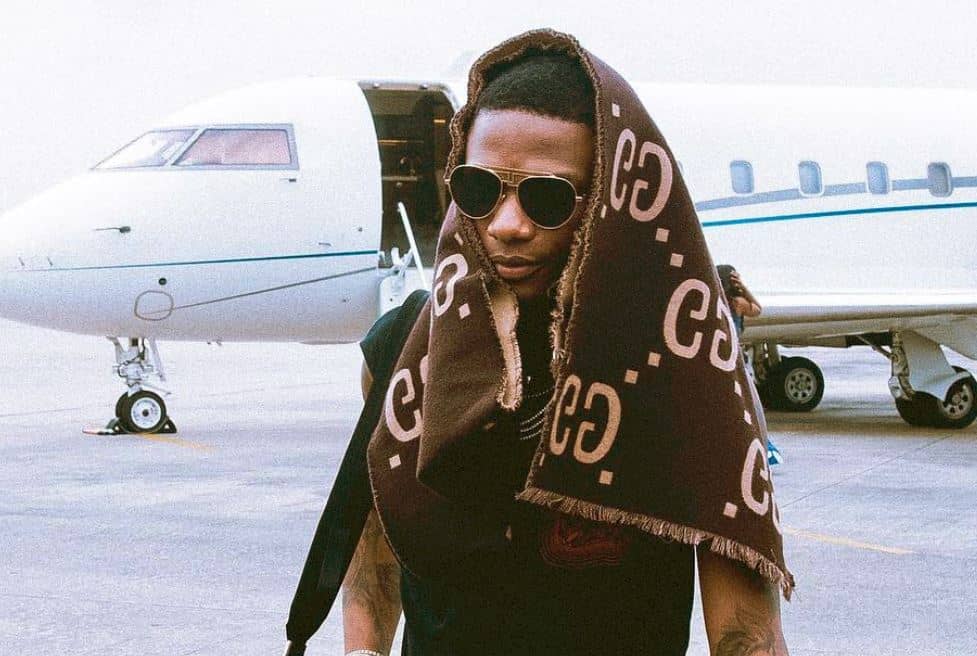
Fans have remained sceptical about the release of Wizkid’s album, ‘Made in Lagos’ even though the Starboy has provided July 16 as the release date. After teasing fans about its release on numerous occasions, it’s understandable that some have pointed out that the specific year wasn’t stated and they’ll believe him when they actually have the album.
The Starboy team have responded with a new single, “Gbese 2.0”, a lightweight and ambient Afropop number which highlights the minimalist allure of Wizkid and Spax’s combination. The song’s real beauty is its ability to sound stripped back despite how well he stacks his vocals on top of each other. Whether this will usher the promised ‘Made in Lagos’ tape or just serve as a placeholder till a new date is given, we’ll soon know for sure.
Mayorkun x Davido – “Betty Butter”
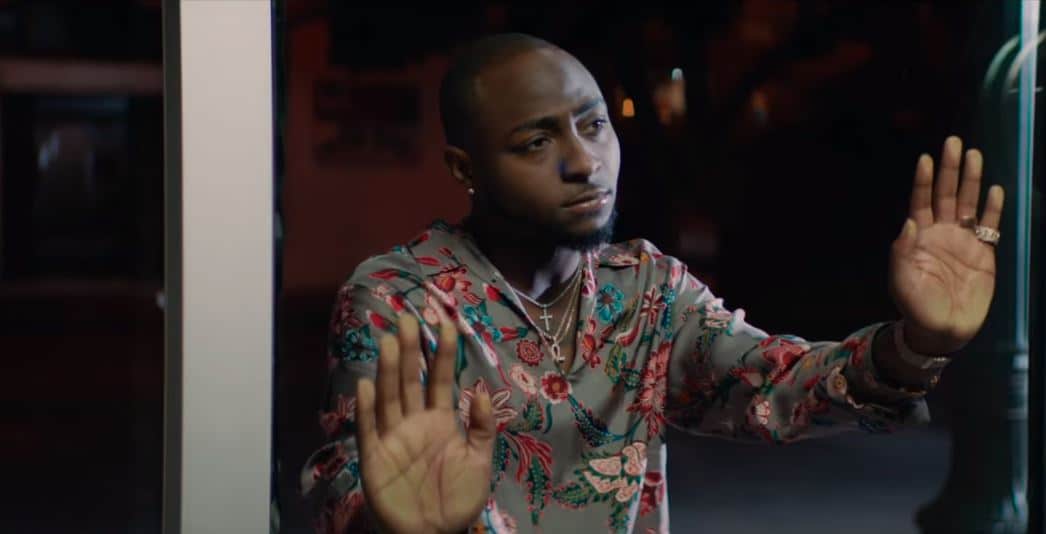
We often fantasise about living the celebrity life of global superstars like Davido and Mayorkun, and between the flashy fleet of luxury cars and shiny jewellery, it’s hard to imagine they’d have any problem with the ladies. However, Mayorkun and Davido’s “Betty Butter” tries to convince us that even celebrities don’t always get what they want, and just like the rest of us, they sometimes struggle to with the rejection.
Singing “Which one be say you no wan kan give me your heart?” the song addresses their muses while they take turns performing verses, hoping to change their minds with grand declarations worthy of their acclaim; “E go shock you like taser/ when you go see the aza oh/ when e enter”. The Clarence Peters’s directed video shows Mayorkun doing his best to convince his lover, before we see him catching up with Davido and the rest of the DMW family to lament his loss.
Fiokee x Simi x Oxlade – “Koni Koni”
Quarantine is testing couples, new and old, and it’s safe to say some people might be single by the time we’re able to go outside freely again. But in the meantime, Fiokee has linked up with Simi and Oxlade to provide his signature highlife groove for the artists to basking in their disagreement with their love interests, “Koni Koni”.
Both Simi and Oxlade are tired of their respective relationships, as they perform melodic sets expressing their frustration over the dance-driven beat. While Simi pleads to be left alone, “Make you leave me go”, Oxlade takes a more drastic means with a verse which sounds a bit like a letter left for his lover to find on the counter after he’s already walked out of her life.
MOJO – “Chiwawa”
MOJO is one of the few Nigerian rappers who is able to match his boastful hip-hop lyrics with dance-driven flows. His latest single, “Chiwawa” demonstrates this unique ability as he brings a galala-esque flow to the ever-evolving rap genre. Though the mid-tempo beat Ronehi produced is mostly responsible for the sound’s direction, MOJO matches the beat and delivers a mesmerising performance with lyrics that depict his lifestyle as a lovable ganja user; “Too many women/ Won fe tele mi and live lavida with us/ Ganja burning in my pictures”.
Cheque – “Zoom”
Cheque’s 2018 debut, “Brand New” gave a middle finger to the limitations placed on what is accepted as popular Nigerian music with the purely r&b sound following in the line of other new age Afropop stars such as Nonso Amadi, Tay Iwar and Odunsi. Though he has since signed a recording contract with Phyno’s label, Penthauze, under which he released his more commercial single, “Satisfied”, Cheque’s cadence and melodies still retained his R&B influences.
He’s now just released his debut EP, ‘Razor’ and the opening single, “Zoom” continues his trend of expanding the barriers of Afropop. His confident lyrics, melodies and airy instrumentals produced by Andyr and Datboigetro draw you in as he narrates his triumphant musical journey; “When they try to hold me I go zoom zoom zoom/ don’t like your vibe then I go zoom zoom zoom”. The cohesive direction of his project makes him of the refreshing new acts on the scene today.
Koker – “Bad”
Since “Do Something” brought Koker into the limelight in 2016, the Chocolate City star has had no qualms stepping back in the shadows and returning whenever he feels like it. Last year, he linked up with Falz for a romantic bop, “Daddy” and he’s returning this year with a solo effort titled “Bad”. Produced by Swapps, the Caribbean-dancehall-influenced beat for “Bad”, sets a groovy backdrop for Koker to express his frustration with the attitude he’s getting from his muse. His lyrics “Your body badder than bad/ Make a man harder than hard/ Je ka lo le mi I wan know your dad”, describe his complicated relationship with her attractive features. The endearing use of ‘bad’ comes across as dysfunctional and if you picked up on that, it’s probably cause you’re guilty of it too.
[mc4wp_form id=”26074″]
You are meeting Debola at a strange time in his life. He wandered into a dream and lost his way back. Tweet at him@debola_abimbolu
We’re coming up to five months since COVID-19 pulled a Beyoncé and demanded the “world stop”, and it seems most of us are now getting used to spending our days within the same four walls – although around the world, lockdowns are being relaxed, which has quite literally been received as a breath of fresh air.
On the flip side, however, every night is still a night in, and for the club-crawlers and party-starters amongst us, this adjustment has only become worse and worse with time. For those who make a living out of nights out, however, this time has been not just mentally trying but also financially destabilising, which is why we must go even harder in our support for DJs, club owners, promoters, security guards, bartenders and all the other personnel who have made our nights out immemorable.
Black-owned radio station, No Signal has rightfully enjoyed a plethora of support during this period, thanks to their inescapable sound clashes dubbed NS10vs10. But beside their 9pm Twitter takeovers, No Signal Radio is brimming with talented DJs keeping our airwaves stocked with our favourite tunes – old or new– and forecasted hits. One of our very own, DJ Femo has now joined their ranks.
Debuting her fortnightly show, Welcome to Chaos yesterday, DJ Femo brings to No Signal her usual ear for Nigerian-helmed jams mixing them in with our favourite hip-hop throwbacks and a sprinkle of contemporary everything. Labelled the “baddest bitch on the wheels” by none other than Cruel Santino, Welcome to Chaos, flaunts DJ Femo’s notoriously flawless transitions, so creative that they’ll leave any listener’s mind blown.
Speaking with the NATIVE, DJ Femo explains why this show is coming at an important time for her, saying:
“It’s been a deeply reflective time, with all that’s going on, [we’re] unearthing a lot of collective as well as personal trauma. I’ve been able to step into my power and I feel that’s reflected in the new show as I explore a range of sounds that are more personal to me. This new slot on No Signal has given me a bit more freedom in that I’m able to do something different.”
And on what to expect from Welcome to Chaos, she says:
“It’s almost like a peek into my world. I’m selecting a diverse range of music reflecting my taste and sharing my personal experiences and musings through sound. As always, I’m representing Lagos youth culture but doing so also through UK music, Hip-Hop, Electronic music and more. The goal here is to share incredible music and have fun while doing it.”
DJ Femo is live on No Signal Radio every other Thursday from 5pm-7pm. The show, Welcome to Chaos next airs on July 16, but you can have a listen to yesterday’s episode via her SoundCloud below:
After establishing her lyrical dominance in the music scene last year with her hook-filled breakout “Gangsta”, the Nigeria-born, South London-raised rapper Darkoo continues to show she’s on her way to stardom and not just in it for the meantime. The 18-year old MC has already aligned herself for a catastrophic takeover this year, following her signing to Virgin EMI and her previous release “Juicy (Brown Skin like Eva)” which landed her a Best New Music spot within a week of its release.
For her latest, Darkoo presents another silky smooth romantic afropop-inspired number, “Kryptonite (Tough Times Never Last)” and it’s clear to see that she has another hit on her hands. While showing off her lyrical chops which are getting better with each release, she glides effortlessly on the laid-back saxophone melody, primed for DJ sets and playlists.
‘Take your time for me baby go low/baby give me love make me go insane’ she sings on the instantly memorable hook, couching her lustful feelings behind the catchy mid-tempo beat. In her usual fashion, she fuses afropop and rap, celebrating her success so far, and in the same breath tries to score the hottest girl at the party.
The Kaylum Dennis-directed video follows Darkoo as she clocks off after a workday at the garage, before heading to the party function to pop some bottles and kick back with her friends. She has also redefined her usual look, refusing to be boxed in, which is something she does frequently: she appears high glam in one scene, and in the next, she’s kicking with the mandem and sending threats to the opps.
Watch the video for “Kryptonite (Tough Times Never Last)” below.
Featured image credits/ElliotHensford
Tami is somewhere dissociating. Tweet your fave female artistes at her @tamimak_
Sometimes you don’t want to be the bigger person. Sometimes, it feels great to know that someone else is miserable at the thought of you winning. LA-based Nigerian artist and producer, JELEEL! gets that. After encapsulating his rise to fame on his last project, ‘Angel From Heaven’, his new EP, ‘Generation Z’ aims at his sceptics and the racist American institutions.
With all the seriousness going on in the world right now, JELEEL! invites us to take a few minutes to let the haters know their place. The project is coming in the middle of a global effort to end systemic racism, and the combative energy of his unorthodox brand of hip-hop reiterates the general sense that it’s time for something new. Expert productions from Connie, Zaro Vega, Ricky Remedy and Aryay, Asoteric and Jonas Jeberg creates the frantic soundscape, which draws influence from hip-hop, dance-pop and reggae-dancehall influences. However, JELEEL!’s auto-tuned rockstar voice and hip-hop fueled lyrics bring a unique sound to each track.
Keeping up with the riots and protests to fight racism, ‘Generation Z’ is the type of tape you play at full volume to allow the shattering bass and JELEEL!’s commanding presence get you into a war-ready temper. Saying “In the fight, imma ride with a sinner/ one more time for the times they killed us”, on “Sinner”, it’s the most fist-raising and anthemic cut from the EP as he features his Nigerian brother in arms, Prettyboy D-O, who delivers the rage he’s famous for. ‘Generation Z’ is filled with frenetic moments of hardcore and punk flourishes and even the romantic cuts like “Hot Shot” are performed with a towering and gobsmackingly powerful enthusiasm, asking “how does it feel being with a hotshot?”
At 24, JELEEL! is a Gen Z who cares about the world and his EP confirms that today’s protest movement is youth-led. He spoke with NATIVE about some of his inspirations and ambitions for the project.
“This project represents the future. It’s an awakening for what’s going on in the world. And I truly believe I am the future of music for this generation.
It’s a revolutionary movement to break out of the old systems and start new ones. It’s representing none conformity. I want it to inspire people and I want it to be true for everyone that’s listening. I care about this world and I feel like this generation will change it for the good.”
You can stream ‘Generation Z’ below.
Featured Image Credits: Instagram/jeleeeel
[mc4wp_form id=”26074″]
You are meeting Debola at a strange time in his life. He wandered into a dream and lost his way back. Tweet at him@debola_abimbolu
Sometimes you don’t want to be the bigger person. Sometimes, it feels great to know that someone else is miserable at the thought of you winning. LA-based Nigerian artist and producer, JELEEL! gets that. After encapsulating his rise to fame on his last project, ‘Angel From Heaven’, his new EP, ‘Generation Z’ aims at his sceptics and the racist American institutions.
With all the seriousness going on in the world right now, JELEEL! invites us to take a few minutes to let the haters know their place. The project is coming in the middle of a global effort to end systemic racism, and the combative energy of his unorthodox brand of hip-hop reiterates the general sense that it’s time for something new. Expert productions from Connie, Zaro Vega, Ricky Remedy and Aryay, Asoteric and Jonas Jeberg creates the frantic soundscape, which draws influence from hip-hop, dance-pop and reggae-dancehall influences. However, JELEEL!’s auto-tuned rockstar voice and hip-hop fueled lyrics bring a unique sound to each track.
Keeping up with the riots and protests to fight racism, ‘Generation Z’ is the type of tape you play at full volume to allow the shattering bass and JELEEL!’s commanding presence get you into a war-ready temper. Saying “In the fight, imma ride with a sinner/ one more time for the times they killed us”, on “Sinner”, it’s the most fist-raising and anthemic cut from the EP as he features his Nigerian brother in arms, Prettyboy D-O, who delivers the rage he’s famous for. ‘Generation Z’ is filled with frenetic moments of hardcore and punk flourishes and even the romantic cuts like “Hot Shot” are performed with a towering and gobsmackingly powerful enthusiasm, asking “how does it feel being with a hotshot?”
At 24, JELEEL! is a Gen Z who cares about the world and his EP confirms that today’s protest movement is youth-led. He spoke with NATIVE about some of his inspirations and ambitions for the project.
“This project represents the future. It’s an awakening for what’s going on in the world. And I truly believe I am the future of music for this generation.
It’s a revolutionary movement to break out of the old systems and start new ones. It’s representing none conformity. I want it to inspire people and I want it to be true for everyone that’s listening. I care about this world and I feel like this generation will change it for the good.”
You can stream ‘Generation Z’ below.
Featured Image Credits: Instagram/jeleeeel
[mc4wp_form id=”26074″]
You are meeting Debola at a strange time in his life. He wandered into a dream and lost his way back. Tweet at him@debola_abimbolu
Rema is back with another banger. He hasn’t stopped making hits since his debut single, “Ironman” introduced us to the endlessly listenable melodies of the youngest Mavin talent. After adding to his hip-hop catalogue with “Alien”, last week, his latest outing, “Woman” is a charming dance-pop song that showcases his rich vocal range and undeniable charisma.
The clearly Amapiano-inspired instrumental produced by Ozedikus and Altims sets a joyous backdrop for Rema’s keen ear for a blissful hook and a memorable chorus. This also shows off his incredible range and ability as in the past three weeks, we’ve seen him move from afropop to trap, and now he’s leaned into a different sound. Against this catchy beat, he performs his most resonant and strongest lyrics yet; “I too like woman/ Me I no dey gboran/ Wole ka lo/ Get in my room make you la tan”. Rap-singing in a mix of pidgin, Yoruba and a healthy dose of his now-signature gibberish, Rema gets into a cathartic confessional where he makes a case for polygamy.
“Woman” comes on the back of Rema’s social-media arranged date with a fan, and rather than keeping up the relationship facade, the song emphasises his playboy instincts saying, “I’m in love with plenty women/ I no mind marry all of them”. Rema’s boldfaced confession comes across as a sweet gesture, but please try it at your own risk.
Stream Rema’s “Woman” below.
Featured Image Credits: Instagram/heisrema
[mc4wp_form id=”26074″]
You are meeting Debola at a strange time in his life. He wandered into a dream and lost his way back. Tweet at him@debola_abimbolu
The year is 2008 and Obama is on the brink of becoming America’s first black president. The super eagles have emerged silver medalists at the Beijing Olympics, Yar’Adua is a year into his tenure as president, we are very optimistic about the year 2020 and with just over a 100 million users, Facebook is the most exciting thing on the internet. Into this tranquil reality, Kelly Handsome’s breakout song, “Maga Don Pay” arrives to the delight of pre-pubescent music lovers and scammers alike.
We were all sold on the lavish lifestyle the song celebrates. In fact, one of my most endearing memories of that year is a classmate getting the whole class in trouble after yelling “Maga don pay” in the middle of a Computer lesson and everyone chorused “shout hallelujah!”, in solidarity and in tribute of our new favourite artist.
Lots of people use music to escape their reality, so it’s no surprise that the quick-money narrative of “Maga Don Pay” and the lavish visual imagery of the music video translated to a message of hope for Nigeria’s impoverished communities. The contextual undertone of the scam-encouraging lyrics may be negative, yet we couldn’t help but envision ourselves having so much money that the problem was how to spend it whenever we listened to the song. It provided a temporary escape for listeners but unfortunately also encouraged the celebration of criminals who are defrauding people to make a quick buck.
It’s upon this foundation, that we have come to celebrate internet-fraudsters like Hushpuppi who flaunt their wealth on Instagram with everything we hear rappers bragging about, from diamond-plated rollies to Rolls Royce Wraiths. Operating under the guise of being a successful businessman, we all thought it and whispered, but no one could actually confirm that he got his wealth through illegal means until recently. Last week, a viral video confirmed that he was arrested by Dubai authorities who paraded him with a viral video showing the extent of his crimes and wealth; he and his gang were responsible for scamming nearly 2 million victims of over $400 million.
Where in the streets, we hear about young boys being indoctrinated to gangs to become drug mules and runners, in these parts, it’s to commit fraud and ‘sase’. Nigeria‘s already unpleasant reputation as a society where fraudsters strive has managed to get just got even worse somehow. Efforts like London-based group, JJC and the 419 Squad’s attempt to re-purpose the term “419” into something positive hasn’t really had any effect on the narrative. Back in 2017, Falz also tried to raise awareness about the negative impact of these songs celebrating the yahoo–yahoo fraud lifestyle, yet songs like “Able God” where Chinko Ekun, Lil Kesh & Zlatan beg for no more insufficient funds, or Naira Marley’s “Japa” have kept the culture thriving.
Though “Maga Don Pay” came a year after OluMaintain already set the pace of glamorising internet fraud money on “Yahooze”, Kelly Handsome’s boldface embrace of the template was what established the enduring quality of the trope. He wasn’t phased by the backlash OluMaintain faced for “Yahooze” and while the former Maintain band member refused to admit his own fraud-celebrating intentions, Kelly Handsome doubled-down on it with lyrics thanking God for the success of his fraud operation, featuring white women (regular victims of fraud in real life) in the video and naming his label Creamynal Records (suggesting that he’s laundering fraud money through the music).
Kelly Handsome eventually went on to deny that there was any criminal intent behind this song, saying “It was the celebration of the favour of God on man”. He even went as far as recording a gospel version titled “Jesus Don Win” which is not to be confused with “Maga No Need Pay”, a gospel song by Bank W, Bez, Cobhams, M.I, Omawumi, Rooftop MCs and Wordsmith. That’s just how big the song was when it was released in 2008.
Songs promoting cybercrime have a way of dominating popular zeitgeist in Nigeria and some even say that the reason for this is because internet fraudsters launder their money by funding artists’ careers. The arrest of Nigeria’s biggest cybercrime celebrity, Hushpuppi has highlighted the fundamental flaw in glamorising the criminal lifestyle; he sets a bad example for impressionable youths who he may be enticed by the flashy cars and jewellery but wouldn’t want to be in locked up and facing jail time like he is now.
Stream “Maga Don Pay” below.
[mc4wp_form id=”26074″]
You are meeting Debola at a strange time in his life. He wandered into a dream and lost his way back. Tweet at him@debola_abimbolu
Rema is a musical enigma. His releases are almost unpredictable as the Mavin star seamlessly segues from drum-heavy afropop numbers to emo trap freestyles and then back again to afropop melodies in seconds.
Gone are the days of constricting personas and sounds to adhere to the narrow views of what could make afropop a marketable genre and Rema’s success is testament to that. His versatility is one of his most defining qualities, and one of the many reasons why we love the TRYBE star so much.
It’s clearly Rema’s world and we’re just living in it as he’s constantly churning out ‘[another] banger(s)’. Fresh off the buzz of his last release “Ginger Me”, the twenty-year-old artist has just released a new single titled “Alien”. For those that are familiar, we’ve been expecting “Alien” for some months now, following the Benin City’s rapper’s call for graphic artists to submit their entries to feature as the song’s cover work and it’s finally here. Just in time for us to rage.
The emo-trap record was produced by Level, and is an instantly memorable one as it begins by sampling Jay Z’s 1996 classic, “Dead Presidents” accompanied by the sound of a can opening, similar to Lil Wayne’s signature lighter flick at the beginning of the song. The song’s futuristic production matches the force of Rema’s self-assured delivery as he glides smoothly on the synth-led arrangement.
On the pre-chorus, he sings ‘I don’t think they even understand me/I’m an alien’, to end a verse where he says he says he’s got money coming from everywhere. More than just an upbeat song for the ragers, Rema is confronting his heavily criticised entry into the afropop or trap scene. He feels like an alien because his trap sound is a different side of him, that many listeners in his home country do not wholly embrace because of the oversaturation of the afropop genre. This does not deter Rema as he sends a message to the naysayers that he’s still doing well without their endorsement.
Singing ‘Mama ask me why I do what I like/They don’t understand’, it is clear that Rema is struggling to reconcile these two very different parts of him. Rather than let it get to him, he doesn’t stay where you’ve left him. In fact, he welcomes his alien status because it is who he has always been all along. Just as the song is about to fade out, the track evolves into a siren cry, with his hazy voice signalling his train of thought as he utilises that repeated cry with phrases such as “Don’t leave me” and “I’m an alien…”.
Much like some of Atlanta’s greats like Young Thug, famously known for his inaudible adlibs and shrieks, Rema sends the message that he is capable of conveying feeling without explicitly vocalizing fully-formed ideas. Rema has never been one to play by the rules, and the glaring sonic differences between “Ginger Me” and “Alien” makes this clearer than ever.
Stream ‘Alien’ below.
Featured image credits/Instagram
Tami is living in a black mirror episode and can’t seem to wake up. Tweet your fave female artistes at her @tamimak_
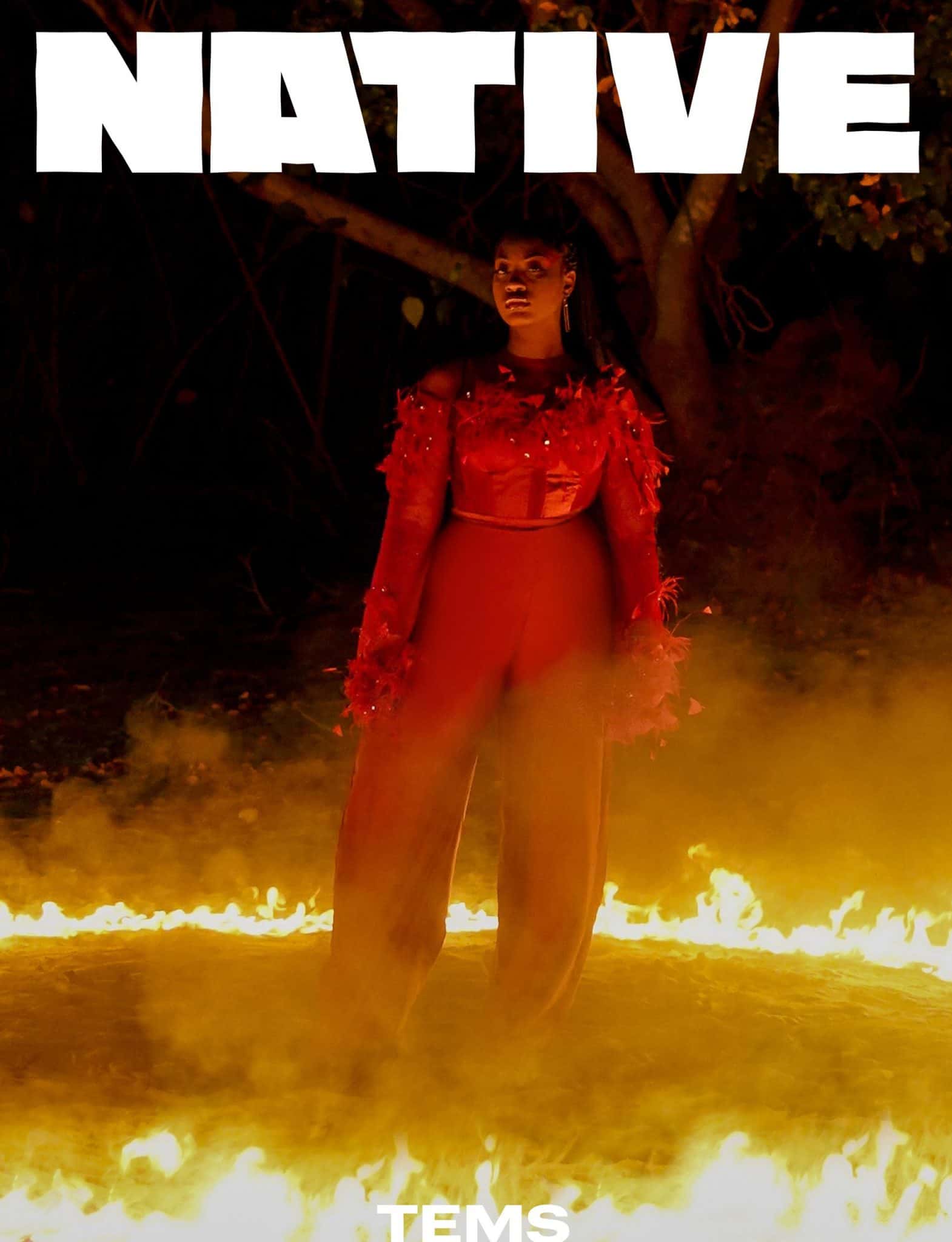
At the start of 2018, a message from her daily devotional drove Tems to quit her day job as a digital marketer to pursue a career in music full-time. Two years later, Tems has unlocked society’s cage and set herself on fire to light the way for a new vanguard – she’s ready to ascend to her destined position as the leader of the rebel gang.
For our third issue 004 cover, we spoke to Tems about her life before she became the leader of her Rebel Gang – the name given to her loyal fanbase. Like most Nigerian women, she was forced at a young age to hammer down any part of herself that didn’t fit the status quo, lock it in a cage deep within, and leave it there until she forgets who she really is.
Today, she’s crafting her own flame, and she’s been fanning and nurturing it since the playground at The Rock Montessori where she never felt welcome, all the way to the music room in Dowen College where she learnt to express her emotions through song and accept herself for who she is. She hasn’t always been ready, and to form her flame, she had to get to know herself.
Late last night, Wizkid announced that the long-awaited Made In Lagos is ready and to be released this month on July 16. Describing the imminent release as the “best [he’s] ever made” via his Instagram story, Wizkid went on to gush about how amazing he feels to be so close to dropping something so good, going on to give thanks to all his collaborators for helping him bring this number together.
With thanks going to P2J, Ella Mai, H.E.R, Juls, Tems, Burna Boy, Tay Iwar and Projexx (whose joint credit suggests they’re both featured on the same track), Skepta, Terri, Blaqjerzee, London (who he collaborated with on StarBoy’s 2019 EP Soundman EP), Sarz, Kel P, Mut4y, and Sunday Are, Tunji and Jada Pollock on the management end, it seems there is no doubt that Wizkid has got a full-length project to die for, but the news isn’t being received with unequivocal excitement as you would expect from this hotly anticipated project.
The thing is, we’ve heard it all before, and multiple times too. It’s hard to trace just how far back Wizkid has been teasing the all-important album, but as early as February 2018 Wizkid has had fans anticipating #MadeInLagos. And since then, we’ve had a slew false starts, including a similar roll of IG stories thanking (retained) collaborators such as Damian Marley, Burna Boy and Sarz.
Back in 2018, we were told to Made In Lagos on October 1 in a series of now-deleted tweets, but instead were gifted the double release, “Fever” and “Master Groove”. A few month later, March 20 2019, Wizkid hosted an Instagram live session, teasing records from the album and revealing collaborations with Teni, Shaydee, Chinko Ekun and more, a strategic move that got fans hoping for a swift arrival of the much-anticipated album. Though five months can’t really be characterised as swift in this fast-paced digital music industry, in August 2019 fans and industry insiders alike were in no doubt that the moment was finally upon us, as Wizkid teamed up with Cîroc for his album activation party at Moist Beach Club (evidence of which is nowhere to be found), also gifting top media personalities a customised Made In Lagos Cîroc tall.
Rumoured to have skipped the party altogether, it is no surprise that Friday 23rd of August came and went without even a peep from the elusive superstar. Following that false start came the release of “Joro” and “Ghetto Love” and subsequently Wizkid’s debut project under his StarBoy imprint (another project which we’d been waiting a while for), Soundman Vol.1.
Given how many times we’ve been promised Made In Lagos and how many times fans have been let down, when news of the album being “finally done” came in February this year, fans were already questioning the authenticity of such claims, even though they came from Wizkid himself. Reactions were much the same yesterday evening following Wiz’s latest announcement of Made In Lagos‘ ‘imminent’ arrival. Even with a release date just two weeks away to cling on to, fans really aren’t convinced of anything. I mean, we’re hoping to be proven wrong but with a track record like this one, it’s understandable why the people have got trust issues.
From proverbial teachings of patience to understandable claims of 419, here are some of the reactions fans are having to today’s iteration of ‘Made In Lagos Dropping Soon‘
Not you guys getting gassed about Wiz announcing the album, like this ain’t the 419th time. Me rn pic.twitter.com/QQEArtaSJT
Late last night, Wizkid announced that the long-awaited Made In Lagos is ready and to be released this month on July 16. Describing the imminent release as the “best [he’s] ever made” via his Instagram story, Wizkid went on to gush about how amazing he feels to be so close to dropping something so good, going on to give thanks to all his collaborators for helping him bring this number together.
With thanks going to P2J, Ella Mai, H.E.R, Juls, Tems, Burna Boy, Tay Iwar and Projexx (whose joint credit suggests they’re both featured on the same track), Skepta, Terri, Blaqjerzee, London (who he collaborated with on StarBoy’s 2019 EP Soundman EP), Sarz, Kel P, Mut4y, and Sunday Are, Tunji and Jada Pollock on the management end, it seems there is no doubt that Wizkid has got a full-length project to die for, but the news isn’t being received with unequivocal excitement as you would expect from this hotly anticipated project.
The thing is, we’ve heard it all before, and multiple times too. It’s hard to trace just how far back Wizkid has been teasing the all-important album, but as early as February 2018 Wizkid has had fans anticipating #MadeInLagos. And since then, we’ve had a slew false starts, including a similar roll of IG stories thanking (retained) collaborators such as Damian Marley, Burna Boy and Sarz.
Back in 2018, we were told to Made In Lagos on October 1 in a series of now-deleted tweets, but instead were gifted the double release, “Fever” and “Master Groove”. A few month later, March 20 2019, Wizkid hosted an Instagram live session, teasing records from the album and revealing collaborations with Teni, Shaydee, Chinko Ekun and more, a strategic move that got fans hoping for a swift arrival of the much-anticipated album. Though five months can’t really be characterised as swift in this fast-paced digital music industry, in August 2019 fans and industry insiders alike were in no doubt that the moment was finally upon us, as Wizkid teamed up with Cîroc for his album activation party at Moist Beach Club (evidence of which is nowhere to be found), also gifting top media personalities a customised Made In Lagos Cîroc tall.
Rumoured to have skipped the party altogether, it is no surprise that Friday 23rd of August came and went without even a peep from the elusive superstar. Following that false start came the release of “Joro” and “Ghetto Love” and subsequently Wizkid’s debut project under his StarBoy imprint (another project which we’d been waiting a while for), Soundman Vol.1.
Given how many times we’ve been promised Made In Lagos and how many times fans have been let down, when news of the album being “finally done” came in February this year, fans were already questioning the authenticity of such claims, even though they came from Wizkid himself. Reactions were much the same yesterday evening following Wiz’s latest announcement of Made In Lagos‘ ‘imminent’ arrival. Even with a release date just two weeks away to cling on to, fans really aren’t convinced of anything. I mean, we’re hoping to be proven wrong but with a track record like this one, it’s understandable why the people have got trust issues.
From proverbial teachings of patience to understandable claims of 419, here are some of the reactions fans are having to today’s iteration of ‘Made In Lagos Dropping Soon‘
Not you guys getting gassed about Wiz announcing the album, like this ain’t the 419th time. Me rn pic.twitter.com/QQEArtaSJT
In a year where we’ve had to fight for basic human rights while being quarantined away from friends and family, music has emerged as an important distraction from the things that trouble us. With music of African origin rising to global consciousness, it’s important to continue to document the songs that highlight the talent, tenacity, and diversity of artists within our industry. We’ve scouted through the continent and come up with our picks of all the best songs released today.
We started the week with recommendations from Ade Lasodé, Moelogo, Buju, ArnieeF, Lē and more. This mid-week curation offers all the best new releases from Burna Boy’s new video for “Wonderful”, Willywine and Dice Ailes, Ghanaian rapper, Rvdical The Kid, Idris Lawal, Ibeji and more. Enjoy.
Burna Boy – “Wonderful”
The music video for Burna Boy’s latest single, “Wonderful” is here and it celebrates the tribal African culture. Coming off the high of his back to back BET awards for Best International Act, the ‘African Giant’ debuted the single as the first release from his coming project, ‘Twice as Tall’. “Wonderful” continues right where Burna Boy left off on ‘African Giant’ as he resumes his proud championing of his African culture. Director K set the music video for “Wonderful” in a jungle where Burna Boy is accompanied by spear-wielding dancers dressed in tribal costumes and wearing face paints. The opening scene shows Burna Boy looking at a reflection of himself as a Gorilla in a stream. before he’s captured by the tribal dancers. The video, however, closes with Burna Boy as the champion of the tribal community and we are inclined to wonder if the video alludes to the fanfare he got after ‘African Giant’ earned Grammy nods last year.
Rvdical the Kid – “Skimp on the Shrimp” Feat. Yonkwi
Ghanaian producer, Rvdical the Kid has enlisted the services of Øbed, as co-producer and Yonkwi as the lead artist for his new single, “Skimp on the Shrimp”. The resulting collaboration is an effortlessly cool and tender song that’s also all about unrequited love. Yonkwi got raw and vulnerable as he addressed his muse, singing and rapping over the catchy trap beat which elevates the song from good to great when the beat drops. With clever one-liners like, “you know I’m nostalgic with my heart babe/ Want that throwback”, it’s sure to be an ear-worm over the next few weeks.
Idris Lawal – “Hey Colonizer”
Idris Lawal just released his EP, ‘Young, Black & Blue’ and he packed it full of songs that fight the power, comfort the afflicted and offer a relatable narrative for Africans in the diaspora. Sonically, the album listens like a progression from Fela’s Afrobeat sound. as he sings and raps over Jazz fuelled beats, composed with assistance from saxophonist, Jelani Watson. On the standout track, “Hey Colonizer”, his songwriting skills are highlighted, as he’s able to celebrate his African tradition, juxtaposing the joys of dance with the realities of the everyday post-colonial battle ; “I do my shoki/ palongo/ shakitibobo/ I do my Zanku/ skelewu/ shakushaku/ I do azonto/ do my dance till I tire”.
MillyWine – “Run Up” feat. Dice Ailes
Dice Ailes knows all about big introductions, and he provides the assist here for debut artist MillyWine, on new track “Run Up”. Signed to legendary producer Leriq’s record label, MillyWine counts Angelique Kidjo and Travis Scott as major influences. Over the catchy Randay-produced beat with a mix of atmospheric synths and percussion harmonies, the Lagos-hailing artist sings “I gotta spend money on my toes/ Got a lot but I still want more”. Milly Wine embodies the recklessness of youth while his pitched vocals add a nice touch to his joyous resolution to do whatever he wants. Dice Ailes delivers a melodic rap verse for his set which references his hit song, “Otedola” to make for a vivid, unrestrained and endearing listen.
Lolade – “Dive” feat. Fuga the Pirate
When we look back at 2020, we’ll remember how music sustained us through the pandemic and offered comfort and distraction from the chaotic news updates. Lolade recognises this and made sure her latest single, “Dive” provided the soothing harmonies and sentiments to ease whatever pressures listeners might be dealing with. “Solace is that place that you can be/ Run away from places that they hurt you”, she sings over the sober R&B beat, complemented perfectly by a succinct rap offering from Fuga The Pirate.
Ibeji – “Boda Suraju”
Ibeji’s new album, ‘ìlù ìlú’ bears all the hallmarks of classic Yoruba folk music. The use of Yoruba lyrics, traditional drum riffs and rattling samples give Ibeji’s music a rustic grooviness that feels like it slipped through the cracks of time, as he performs songs entrenched in old sounds. “Boda Suraju”, one of the highlights of ‘ìlù ìlú’ brings back a forgotten folklore narrative with lyrics that pass a message of hope by telling the story of a poor man who worked hard to overcome poverty and become a wealthy person. Using a combination of Yoruba proverbs and some contemporary English slangs, Ibeji revives folk Yoruba music and delivers it with a modern attitude without sacrificing the authentic feel.
[mc4wp_form id=”26074″]
You are meeting Debola at a strange time in his life. He wandered into a dream and lost his way back. Tweet at him@debola_abimbolu
Staying true to our mission reshape the face of African popular culture, The NATIVE team curates a monthly list to spotlight the best and most exciting new artists on the continent. Some of these artists have dropped songs to some regional acclaim, while others are brand new on the block, working towards their first big break. Tune in to what’s next. Click here for April’s Fresh Meat.
Given the current climate of the world, it feels like there’s a seismic shift on the way. Throughout the months since we have been in lockdown, the world seems to have become smaller and the barriers we once had have been broken down. While the world seems to be in turmoil, A-list acts to new talent are providing a little relief and escape for listeners with honest depictions of how they’re also feeling in their music.
The content and quality of music has never been more important, and artists are getting creative with what they have to say, seemingly being inspired by the same events in the world we’re all experiencing and trying to work through. For this month’s installation of Fresh Meat, we’ve selected an interesting group of young artists who’s music definitely serves as an escape from the craziness outside.
From 16-year-old capespring still finding his feet to Elaine who has recently caught the attention of Apple music, here are our picks for the month. Thank you so much to every artist putting out good music right now. We need it
Dua Saleh
Dua Saleh is a Sudanese-American artist based in Minneapolis. Their latest project ‘Rosetta’ is a punk charged EP, paying homage to Sister Rosetta Tharpe, who is credited as the inventor of the rock n roll having inspired successors such as Little Richard and Chuck Berry. The project’s opener, “cat scratch” is a confident tale of rising through travails, where Saleh introduces personal pain as they strut through the inferno “rockin them stilettos, blazing through the ghettos”.
“Umbrellar” is an ethereal, solo rock and roll jam, which is as rebellious in tone as it is immersive. Being a nomad, transitions come like second nature to Saleh, as they flip from distorted yells, to calm, legible flows. The boisterous “Smut” features calculated and deliberate drums, synths and chords, whose intermittent use, apply a dynamic stage for Saleh’s eclectic personality and charismatic raps, in the way a series of attire changes adds personality to a tv character.
Dua Saleh details acts of lust in a commanding cocky tone despite being brought to size by their partner, climaxing in a series of pitch shifts that swing them from angel to demon amidst chorused howls, as the rest of the instrumentation is pulled back. Distorted vocals compete with a choir on the outro, adding further imagery to the torn polarity of Saleh’s musical personality, part inner conflict, part inner clarity.
“Windhymn” sounds like a nightmare in a Disney fairytale, as Dua howls gently to sinister piano-chords, swelling with epic drums. Dua Saleh gives into their demonic alter-ego Lucifer Labelle completely on, “hellbound”, embracing debauchery in the face of hypocritical institutions that aim to limit their freedom (Saleh is an openly Queer Muslim). Exposing the irony of judgement as being evidence of obsession, and a deep fear of the darkness that lies within all people, in reality, it all ends one day.
Dua Saleh presents a multi-talented and compelling personality on ‘Rosetta’, conveying deep emotions through sounds and specific lyrics. The production is focused and complimentary throughout the project, for a completely solo project. Fleeing war and being a member of the queer community, Dua Saleh understands judgement and horrors first hand, which fuels a lot of their creativity and activism, hoping like most of us “I want a world where people don’t have to think about the sociopolitical implications of their existence.”
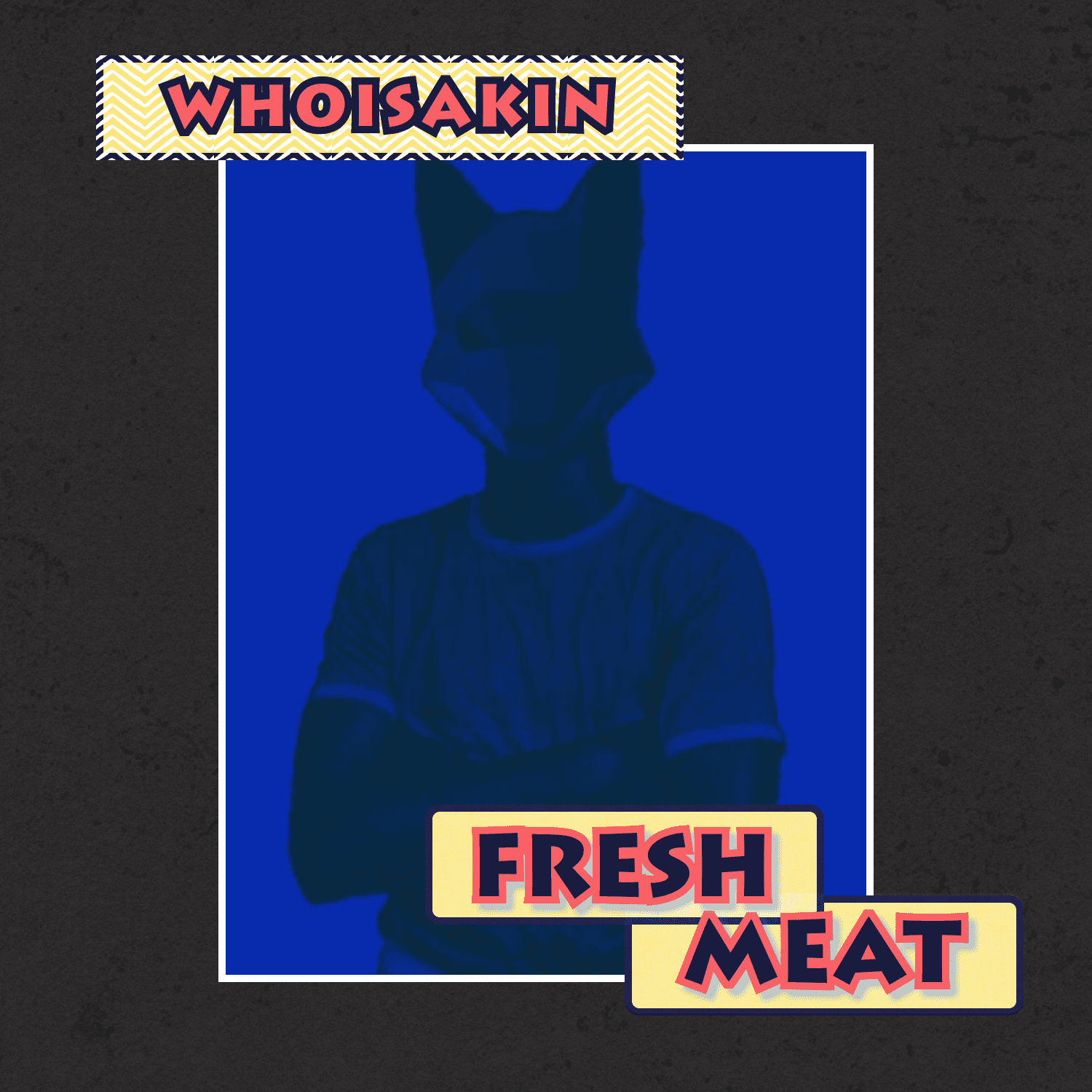
WhoisAkin
You know you’re doing something right when your debut project has caught the attention of an artist like Mr. Eazi, and WhoisAkin is definitely doing many things right. For starters, his music is incredibly upbeat and joyous but still manages to get you in your feelings. With deeply imaginative songwriting, he weaves convincing romantic stories with poignant metaphors which still make you want to turn up at the same time.
The Lagos-based artist grew up around great music from his childhood and was always in a musical environment whether it was church or his living room, however, he never thought to make music himself. This was until 2016 when he was inspired by his now mentor, Mr Eazi, because ‘he brought something particular to the game’.
Having been in the game for about two years, the 22-year-old is already gaining considerable fanfare, and that’s thanks to his amazing support system. His debut project ‘Full Moon Weekends’ is an ambitious 5-track collection where he gives afropop a magical touch with groovy production and his syrupy vocals.
‘I’ve always been nocturnal and I wanted to make a tape that depicts my love for the moon. The project is like taking long late-night drives with no real destination and I guess a lot of people in their 20’s can probably relate to what I’m saying’.
The opening track “Magic” is a good introduction to WhoisAkin’s vocal range. With an assist from our Fresh Meat alum, Olayinka Ehi, the brassy anthemic number is instantly memorable on the project. He seamlessly integrates his Yoruba heritage into his music, where he amorously serenades a lover on the bouncy drum-led number “Energy”, while on “Space”, he pleads to be left alone over a catchy and danceable beat. Elsewhere on “2:25”, his voice is rich and velvety as he narrates a steamy bedroom experience. WhoisAkin is definitely on the cusp of an explosion, get familiar with his confessional r&b sounds now.
Goldkeyz
With four impressive projects and a handful of singles in his growing catalogue, it is obvious that Goldkeyz is as prolific as they come. Beyond the consistency of his output, it’s his dedication to being a consummate producer that truly sets him apart: “I favour multi-song releases because, as a listener that’s how I best consume music”, he explains via text. “Besides that, what I discovered is that it gives the music more meaning as I’m more intentional with [making sure] my projects give a better cohesive experience.”
Driven by a need to put together top-to-bottom listens, Goldkeyz’s projects are an exhibition of his ability as a producer with eclectic influences and a stellar curator. Finding a nexus point between afropop, folk, r&b, neo soul and more, the experimental blend and ethereal vibe of Goldkeyz’s production is always tailor-made for his array of talented collaborators. Each song displays an understanding of his duties as a producer and also emphasising the distinct quirks of his own sound.
Earlier this month, Goldkeyz released ‘The Getaway’, a 5-song EP (including two instrumental reprises) which he considers his best work yet—and it’s difficult to disagree with him. Straddling the line between colourfully catchy and gently immersive, the short project consists of gorgeously layered beats that leave ample room for guest vocalists to be emotive and playful, a flexibility he prides himself on.
For him, the goal is to find a middle ground where he’s expressive with his production and collaborators can also feel comfortable expressing themselves over his beats. While he’s interested in working with popular artists like Davido, Wande Coal, Falana and Adekunle Gold, he’s perfectly fine with working with the talented artists he’s previously worked with, since it offers him the chance to continually evolve his craft and music. It’s the same nobility that fuels his music, and it’s the reason we should be paying more attention to Goldkeyz.
Elaine
Shortly after the release of her debut project, ‘Elements’ last September, 21-year-old Elaine Mukheli was selected amongst others for Apple Music’s monthly Best New Artist spotlight and since then, we haven’t been able to get enough of the singer/songwriter’s blend of r&b and trap melodies. This is why back in March, she was one of the first female artists that we spotlighted on our ‘For the Girls’ column to commemorate Women’s History Month .
Good music sometimes feels like a soundtrack to your own personal soap opera; because when done right, it’s relatable, incredibly produced, and emotionally layered. Her songwriting on ‘Elements’ is littered with familiar scenes that seem positively cinematic, so it helps that yourself as these characters watching a relationship fall apart over 7 emotional tracks.
The young star once explained that she settled on r&b as a means of therapy, because it helped her open up about her feelings, truly engage with them, and confront them. From the drum patterns on the mid-tempo number “You’re the One” and “Risky” to her willingness to perform diverse vocal deliveries on “Say You”,‘Elements’ is a transcendent coming-of-age tale built around neo-soul and cosmic tunes. Whether it’s texting an ex she shouldn’t be or promising a lover she’ll change though she won’t, Elaine explores the mechanics of relationships, how and why they work or don’t.
We’ve all been Elaine at some point in our lives or perhaps you’re still threading familiar lines now; it’s refreshingly relatable and there’s something in it for everyone.
capespring
capespring is a Kenyan artist with a voice that urges listeners to lean into their feelings. Though he’s only 16, he’s able to channel his life experiences into his lo-fi rap and R&B music inspired by artists like Frank Ocean and Stromae. He just put out his debut tape, ‘Duality’ which details the minutiae of post-high school life; weird friendship dynamics, complicated romantic feelings and finding self-confidence.
The production on the tape nods to the alt-pop and trip-hop sound of Frank Ocean with laidback drums, dank atmosphere, mid-song beat switching and a vague moodiness that convey the underlying feeling of anger and dissatisfaction. Much like Future or Roddy Ricch, he is also able to alternate his voice from the husky rap performance on the opening song, “Gang” to the lullaby-plaintive voice that offered vulnerable lyrics on standout track, “Weight” and closing song, “Testament” feat Jomande.
By combining the cockiness of rap with the heartfelt confessions of r&b, his songwriting expresses the struggles that mark the teenage years; “I don’t really care if you do not think I’m significant”. He remains in a nihilistic state through all 5 tracks, too paranoid, upset or depressed to look too the dance floor. Though “Weight” has an uptempo groove provided by the disco-inspired beats, his lyrics mourn the loss of a relationship and also gives us some hint to what motivates him, “I just want to buy my mom a house, I just really want to make it out”.
Though capespring’s subject matter is too focused on himself to offer much in the way of social commentary, he tries to make up for it through the “Money (Interlude)” skit which, featured a recording of someone explaining how we’re all motivated by money rather than passion. The tape retains the redemptive quality of being a debut EP, which is meant primarily to introduce him as a Nairobi–based artist that makes music inspired by Frank Ocean.
Oscarr – “L.G(Life Good)”
Oscarr’s debut tape, ‘Elephant in the Room’ presented him as the newest Afropop talent to keep an eye on. The 4-track project laid out his mission statement to provide words of wisdom for Nigerians who are going through the same struggle as him. Though it’s the same mantra that guides rappers like M.I, LadiPoe and a host of others, Oscarr stands out for his rhythmic delivery and playful punchlines.
The opening song and centrepiece of the project, “L.G (Life Good)” reflects his search for optimism while the world continues to grow dim in light of recent global events. Though he’s still a new voice in the scene, Oscarr isn’t afraid to tell it as he sees it, even if he makes enemies in the process, as he narrates the all too familiar story of artists being cheated by industry execs on “Fake Industry” featuring Adé Losade. While lyrics like “I’m fine if I never top the charts” seem counterproductive, he quickly flips his menace at the industry into a warm embrace of fans by following it up with “As long as I’m staying in your hearts”.
Oscarr’s bleak sense of humour and knack for telling striking stories about his life is on full display on his debut EP, ‘Elephant in the Room’. And with his conventional rap flow and traditional hip-hop beat selections, he feels like a rare discovery in a time when all the new rappers prefer trap beats and mumble rap flows.
Hotyce
K2O foremost MC, Hotyce follows his ambitious debut with a well-thought-out, yet unrestrained EP. Over the past 3 years, Hotyce has steadily built his pedigree as an emerging rapper, and is music requires anyone listening to think deeper than the surface of what they’re presented with. This is what makes the EP stand out.
On “No Enemies”, a mellow, reflective and empowering record, Hotyce makes no excuses for his situation, choosing action over despair and encouraging listeners by singing: “if you can walk, you can run, stop crawling”. He dispels naysayers as he settles into his role as a domineering rapper, with determined raps open to a myriad of interpretation. Frescool compliments the tropical production with a liberal chorus, expressing the desire to live. Whilst living it up, he is still grounded enough to celebrate the small wins, and diligent enough to learn lessons that will aid his progress.
Hotyce’s attention shifts from haters to the institution on “Stop & Search”, as he and the boys outline a cautious plan to avoid getting caught with ‘substance’ by police officers. Despite the satirical and fun nature of the record, it is a subtle commentary on the paranoia that comes with being a ‘badman’ in our conservative society, which should resonate.
On “At Ease” Hotyce is joined by artistic champion Sugarabana for a charged sexual bop. The EP closes with the brag-filled “Hunt” as Hotyce is comfortable being left on his own, sustained by his grind and desire for greatness, which shouldn’t be too far off reach following the quality and confident delivery of the music.
Semi Tee
Last year, Amapiano effectively made its move from underground channels to undeniable mainstream dominance, an ascent that was made possible by the sheer amount of hit songs that ruled South African airwaves. A beneficiary of this ascent is Producer/DJ Semi Tee, who scored his breakout with “Labantwana Ama Uber”, an infinitely catchy romp with vocal assists from frequent collaborators Miano and Kammu Dee.
Part of the success of “Ama Uber” was the heightened conversation surrounding its content, with some interpreting the song as a promotion of decadence and drug abuse, a tired and puritanical criticism that has been levelled at the electronic subgenre that’s primarily geared towards dancefloor audiences. Regardless, Semi Tee has continued to establish himself as fast-rising star within the burgeoning Amapiano movement, and his newly released, excellent debut album, ‘I’M ONLY TWEENTYONE’, is full glare into his undeniable abilities.
While it’s still very beholden to the sonic tenets of Amapiano—deep house, jazzy pianos, kwaito-influenced basslines—‘I’M ONLY TWEENTYONE’ is a stunning display of Semi’s fondness for creating tunnelling grooves and his flair for colouring within them. The beats on the album are bubbly, they throb with the force and pace of an adrenaline junkie’s heartbeat, and the assortment of piano riffs and strings adds a neon glow that lights up the hour-long, leisurely and dance-inducing listen. He’s also joined by a long list of guest vocalists, who bring a wide spectrum of vocal accompaniments that range from soulful to guttural, but it’s always clear that Semi is the backbone and beating heart of the entire operation. It’s a showcase of star power from a young artist primed for bigger and better showcases in the years to come.
Featured image credits/NATIVE
Words by: Dennis Ade-Peter, Tami Makinde, Djaji Prime & Debola Abimbolu
The past month has been rife with recurring accounts of sexual assault and gender-based violence all over the country. Women all over the globe have come out to name and shame their abusers, and social media has been busy dismantling the societal attitudes that enable this behaviour.
It seems as though Naira Marley with his latest single, “As E Dey Go” has lent his contribution to the cause, by taking a clear stance against sexual assault, and presents himself as the hero who will make these wrongs right.
The video for “As E Dey Go” is set in a run-down and abandoned building, which is typically known as a getaway for wrongdoings in our society, our own version of a trap house. Naira Marley’s notoriety allows him the room to fit into this scene, and has spent most of his career passing social commentary on the oppression young Nigerians face. This could be lost upon listeners, as it takes a critical listening ear to get past the bouncy zanku-ready beats, primes for the dancefloor. For “As E Dey Go”, his new single produced by regular collaborator, Rexxie, he maintains this form while delivering a message of social advocacy.
Rexxie continues to find innovative ways to make ‘Zanku’ beats as he blends melancholic flute harmonies with the dance-driven street-hop sound. Thanks to that sombre layer of instrumentals, we hear a more intense Naira Marley than we’ve got before. Right from the opening lyrics, “Sey eti je eba yo ni(Have you overeaten?)/ E se ni le gbe body?(why won’t you move?)” he speaks authoritatively as he orders listeners to get on their feet just before he delivers threatening lyrics at an unnamed person.
With this Director K video, Naira Marley is essentially saying abusers are not welcome amongst Marlians, and he gives very graphic and bloody depictions of the terrors waiting for those found guilty by the Marlian court.
Naira Marley channels the edgy delivery of gangster rap to make a conscious rap song that’s appealing to fans of street-hop. “As E Dey Go” is an urgent call to end the societal attitudes towards assault and rape culture, and even though the song and video retain Naira Marley’s gang-life -glamourising tales, he uses the imageries of gang violence to drive home the point of how serious the issue is. In addition to the threatening lyrics, the video shows him as an anti-hero who chased down someone who is caught in the act of assault and then beating him up for good measure before going on to burn down buildings to send a message to anyone else who will try it.
Naira Marley’s brings a street-hop swagger to protest music and the result is a new rallying cry for a generation. With lyrics that show no mercy to the opposition and a video that ties the blatant show of power with a timely and progressive message, “As E Dey Go” reveals why Naira Marley is regarded as one of the top acts in Nigeria; a cultural phenomenon who although he’s often laughable, refuses to be complacent about society. It might be coming at a when the protesting voices have started to grow quiet, but Naira Marley’s inherent gravity as the president of the Marlian fandom is up to the task of reigniting passionate protests against rape and other violent crimes against women.
“People say ‘Marry Juana’ blew me.” Naira begins through a disarming chuckle, that would become a signature tell before one of his many record-straightening statements throughout our day together. “People say ‘Issa Goal’ blew me. People say EFCC blew me. But it was still me. The whole time, it was me. I didn’t stop, I kept going. If I stopped after ‘Issa Goal’ I wouldn’t be here right now. If I stop now, I will probably be irrelevant in a few years. I can’t stop.”
In 2018, Naira Marley embarked on a chaotic two-year run which included; court cases, police raids, a stint in prison, scene-stopping visuals, and sold-out shows – all punctuated by a string of inescapable and undeniable hit records. By the end of it, he became arguably the biggest, and definitely the most divisive star the country had seen in years.
This is the Inside Life, told during the peak of Nigeria’s most misunderstood superstar. Read more here
In a year where we’ve had to fight for basic human rights while being quarantined away from friends and family, music has emerged as an important distraction from the things that trouble us. With music of African origin rising to global consciousness, it’s important to continue to document the songs that highlight the talent, tenacity, and diversity of artists within our industry. We’ve scouted through the continent and come up with our picks of all the best songs released today.
Our weekend recommendations included Burna Boy, Rema, Kabza De Small’s all-star collaboration with Wizkid, Burna Boy, and Cassper Nyovest, new singles from South African artists Moonchild Sanelly, as well as releases from Naira Marley, Tsuni and much more. To start off the new week, we’re bringing you the best sounds from Praiz, Ade Lasodé, Moelogo, Buju, ArnieeF, Lē and more. Enjoy.
Adé Lasodé – Fire Burn
We’ve all probably felt the sting from loving someone who didn’t feel the same way towards us, and Ade Lasode captures this feeling in her memorable song, “Fire Burn”. Over ambient synths, and noteworthy futuristic production, Adé questions a past lover about the unreciprocated feelings in their relationship. ‘How can you say you love me?/I gave you my heart mixed together with all I’ve been through’ she sings, and with each word she builds up to the cathartic release. Though heartbroken, she leaves stronger than she started. She is the fire, and the world they both shared in has now gone up in flames.
Praiz – “To the Moon” featuring Kingxn
Praiz never drops the ball when it comes to raw, romantic singles and his latest release, “To the Moon” joins the line of his great confessional cuts. Over a drum-led and pop-tinged production, Praiz gives us a taste of his forthcoming 6-track project which is scheduled for release later this week. He joins forces with rapper, Kingxn, and both artists liken the love they share with their romantic interests to an elated feeling of reaching the moon. ‘You know my longing for you never fades/to the moon with me’ he sings, leaving the captivating centerpiece of his lovey-dovey lyrics on the amazing vocal delivery he brings to the song.
Moelogo – “Ugly Parts of Love”
Moelogo has just released his fourth EP titled ‘ME’, a 5-track offering where he offers a perfect blend of afropop melodies with soothing r&b cadences. Moelogo, himself, describes the project as housing ‘feel good music – the kind you listen to while in any mood and it leaves you feeling better’. This is something we definitely felt when listening to the mid-tempo piano ballad “Ugly Part of Love” which instantly stood out with its eye-catching title and groovy melodies.
‘I don’t love you no more/I cheated on me with you’ he sings, with a resigned tone as he delivers an anti-love anthem capturing the moments when love fades and you’re still holding out in a broken relationship. For anyone who’s had similar experiences, this is a deeply relatable number.
A. I – “Roses” featuring Buju
Rapper, A.I may still be coming up, but he definitely knows the workings of a memorable love song. For his latest release, he taps into Buju’s melodies for new single “Roses”, where they show off their great synergy celebrate romantic feelings for their love interests. The dancefloor-ready beat and catchy melodies certainly make for a pleasant listen, as Buju sings ‘wake up and smell the roses/the way I feel for you be like say I be novice’, to convince his love interest to take his love and affection seriously.
arnieeF – “Paper Chaser”
After a hiatus over the latter half of 2019, Lagos-based rapper, Arniee F is ready to throw his hat back in the ring with double pack release “Run It Up/Paper Chaser”. On both songs, Arniee F spits bars about getting paid what he is worth and his determination to succeed, as his primary focus is on chasing opportunities and wealth. On “Paper Chaser”, he raps ‘The game is too impatient, the weather’s steady changing/I got girls on my line…tryna stack this paper’ over bouncy synths, as he confronts the many distractions that come his way as a rapper.
Lē – “Self Esteem”
After residing on Soundcloud for the last three years, 21-year-old Nigerian singer/songwriter LĒ has re-released their debut EP, ‘Inner Child’s View’ on all streaming platforms. Recorded over 2015 to 2017, the 8-track project soundtracks the artist’s deep reflection as they use music as a tool for healing.
On “Self Esteem”, Lē sings about battling their personal battles with self-esteem issues and image as a both a queer Nigerian artist, and a survivor of abuse. Over airy synths and soothing percussions, they sing ‘what’s the problem/how did I get here’ as they try to make sense of the muddled and confusing feelings in their mind. The number is deeply reflective as they channel their truth and trauma into music that hopefully can connect with listeners who have been through similar experiences.
Featured image credits/Instagram
Tami is living in a black mirror episode and can’t seem to wake up. Tweet your fave female artistes at her @tamimak_
Though we don’t necessarily deal with racial prejudice here in Africa, skin tones have remained a source of division amongst many Africans. Popular actor, Beverly Naya explored the issue of colorism—perceptions based on skin tone—within the Nigerian society for her documentary, “Skin”. The documentary which was initially released in 2019 has just premiered on Netflix and has since triggered online debates highlighting different sides of the discussion about colourism and it’s effects on society.
Produced with the aim of inspiring self-acceptance and self-love, the documentary features different people of different skin complexions and shades, speaking about their experiences, living in their skin. Men, women, children, beauty entrepreneurs and traders are all featured to give a wholesome commentary on the issue of colourism and how it sets beauty standards that make some people decide to bleach their skin. The documentary format for “Skin” allowed for genuine and vulnerable expressions and with notable features like Bob Risky, it makes an empowering pro-choice statement while highlighting the issues of insecurities rooted in skin tone.
You can now watch Beverly Naya’s documentary, “Skin” on Netflix.
Featured Image Credits: YouTube/thebeverlynaya
[mc4wp_form id=”26074″]
You are meeting Debola at a strange time in his life. He wandered into a dream and lost his way back. Tweet at him@debola_abimbolu
“For most of my life, I would always hear straight sexual experiences in different shades. It’s literally everywhere.
So when people are like there needs to be more straight representation in the series, I’m like have you not seen enough?”.
Days become weeks and weeks become months, but somehow, we’re still not quite sure when things will get back to normal, or if they ever will. Saturdays during lockdown have become pretty mundane; for one thing, we’re no longer waking up with splitting headaches from too much tequila at the club the night before – if that’s your thing. On the other hand, it’s beginning to feel less like a day to look forward to, as there’s no structure to the muddled days that make up lockdown.
One thing we’ve come to look forward to every Saturday at 12 o’clock, is Zikoko’s weekly Sex Life column helmed by Daniel Orubo. The stories are raw and honest and incredibly inclusive, covering a range of sexualities and relationships that represent that diverse melting pot of people in Lagos.
Unfortunately in Nigeria, sexual relationships are at the forefront of music, film, and advertisement, however, talking openly about sex is seen as a taboo. This is where Daniel found his niche, mostly with the purpose to sensitise the wider audience to
Sex education is lacking in most Nigerian homes and school curriculum, as it’s widely viewed as a sin unless one is married. Given this, it’s important for us as a society to at least have open and honest conversations, which dismantle set norms and don’t involve gaslighting, slut-shaming, and straight-up erasure.
This is what makes the work Daniel is doing for Zikoko so important, and it’s crazy to think we would have almost missed out on this, if he had stuck to his initial decision to pursue solely music writing.
Like any writer joining a new publication, Daniel was asked to find his writing niché; which would consist of the topic(s) he is most passionate about. Coming from a different publication where he mostly covered music, he naturally wanted to continue on that course, however, after a conversation with his manager, they decided it was important to talk about sex since no one else was.
“I think when people saw it, they were like it ‘oh this is an interesting take, not a cliched R-rated story on how I lost my virginity’, it’s actual stories of people who have been through experiences like you and I, and stories we haven’t heard before.”
The first edition quickly set the precedent for what was to come on the weekly series, and it was through this that Daniel began to see the effects of openly speaking about sex.
‘Immediately it came out, I think the response was very positive and most of the people were responding asking if it was going to be inclusive. At that point, I had already done my story for my first story where I interviewed a bisexual person. I couldn’t imagine a world where I would not even represent queer people and just talk to straight people
As a bisexual man navigating life in his social bubble in Lagos, Daniel is dedicated to championing queer stories. Representation is of utmost importance to him and has always been, since he was a child. Growing up, he never saw people like him, and so decided to become a filmmaker to change that.
Not only has he been able to convert the hearts of some Nigerians (‘my friends tell me even the most homophobic people they know are reading Sex Life for the human value’), he’s also been able to continuously question his own beliefs and learn from the lived experiences of people so different from him.
“It’s made me open to learning more about other people’s experiences. I just realised that I only knew things at the surface; like I knew people were asexual but did I really know what it meant to be one or a transgender person transitioning. Minus listening to their stories, I still go and research and learn for myself. It takes your head out of your own ass.”
The subject of today’s #SexLife is a 22-year-old trans woman who only began transitioning 5 months ago.
She talks about how hormone therapy has affected her sex life and why she needed to join OnlyFans. https://t.co/Fs0e5F7ZDj
For Pride month, Daniel has focused exclusively on the sex lives of the LGBTQI+ community in Nigeria. Although he’s faced minor backlash from readers who thought he was pushing the gay agenda (to which he fully is), Daniel is forging ahead and connecting with queer people around the city who deserve for their stories to be told. ‘[So] when people are like there needs to be more straight representation, I’m like have you not seen enough. What else do you want to know? That’s kind of why I made it inclusive because we don’t see a lot of experiences of queer people in Nigeria and I know that queer people in Nigeria, their lives are interesting and there is also something about building empathy’.
He’s not planning on stopping anytime soon, in fact, he’s more resilient than ever in fighting for the right to be seen and accepted for his community. The column is introducing him to people he never would have thought of, he’s learning more and he’s telling our stories–Nigerian stories. The ones you won’t hear but that exist and that are valid, regardless of whether you want to read them or not.
As we round up our video interview, Daniel lets me know that he’s constantly meeting new people who challenge the way he sees the world, ‘My best sex life story came out over the weekend. I spoke a trans woman who is transitioning in Lagos on her own because doctors won’t attend to her‘ he tells me excitedly, but emphatically. ‘It’s just like all the layers to that story with someone fighting to just be who they are meant to be. This is hard but she’s like I am going to do this because this is me. And that’s just really inspiring to me’.
Daniel just wants everyone to realise their power, and find their community who will wholly accept them without hesitation. He tells me:
“When people say, oh I accept you and it’s like I don’t really give a fuck. You don’t have the power to validate my existence to fuck off. It’s about me being comfortable with my own experience and me being comfortable with my own existence. Fuck external opinion. It’s me and it’s my life. Just owning my space and being proud of who I am”.
A year after the release of her executive produced ‘Lion King: The Gift’ album, which featured a number of Africa’s best musical acts, Beyoncé has just announced that she will be releasing a visual album titled ‘Black is King’ based on music from last year’s album.
‘Black Is King’ is written, directed and executive produced by Beyoncé herself, and will premiere globally on Disney Plus on July 31, 2020. The visual album, announced on Saturday and filmed over the course of a year, is said to reimagine lessons of ‘The Lion King’ for an audience of “young kings and queens in search of their own crowns,” according to a news release by Disney Plus.
The visual album will also pay tribute to the voyages of Black families throughout time, says Variety, as it tells the story of a young king’s “transcendent journey through betrayal, love and self-identity.” His ancestors help guide him toward his destiny, and with his father’s teachings and guidance from his childhood love, he earns the virtues needed to reclaim his home and throne.
‘Black is King’ will also include appearances from some of the featured artists on ‘The Lion King: The Gift’ and other special guests, producers said. From what we have gathered, Beyoncé definitely has her eyes and ears on the budding creative scene in Africa, as a number of our creative faves have been involved in the making of this visual project. The Nigerian chapter includes directors like Meji Alabi, Dafe Oboro, and Ibra Ake with stylist Daniel Obasi on board, and art by anti.design.
Every Saturday, The NATIVE Will Put Out A List Detailing The Best And Most Enjoyable Songs Released During The Week. With The Scope Widening And Music Dropping At An Immeasurable Pace, It’s Easy To Miss Out On A Lot Of New Drops, So We’ve Decided To Help Out, By Collating A List Of The Best Hip-Hop, Pop, R&B Song From All Over The Continent. Our Main Goal With This List Is To Make Finding Great Music Of The Moment Easier For You.
Semi Tee – “Lockdown” (feat. Xman)
In an increasingly saturated Amapiano space, Semi Tee is establishing himself as one of the best within the subgenre’s ranks. Following a string of popular singles, including the smash breakout “Labantwana Ama Uber”, the South African producer/DJ dropped his debut album, ‘I’M ONLY TWEENTYONE’, last week, providing an impressive look into his chops as a beat-maker and project curator. In its hour-long, Semi’s debut has its fair share of proper bangers, including the final track, “Lockdown”, which also stands out as the timeliest of the bunch.
While Amapiano’s rise to dominance has been powered by its suitability for dancefloors, “Lockdown” is an example of the subgenre’s adaptability to the current times where large gatherings are discouraged. With Semi’s droning strings, heaving piano riff and the floating synth pad bounce, the song is very much dance-oriented, but the accompanying message is to sweat it out in the safety of our homes. “Wash your hands, stay safe”, featured artist Xman bellows, straddling the line between plaintive warning and playful command. Amapiano has received criticism for being overly carnal in the past, but with a banger like “Lockdown”, no one can say Semi Tee and his colleagues are insensitive.
Kasien – “All I See”
Kasien is gearing up to the release of his debut project, ‘I Found Paradise In Hell’ and has just given us a taste of what’s to come with the lead single, “All I See”. As suggested in the project’s title, the rapper has clearly made it out of a tough situation by making his way through it, and “All I See” gives clear indication of the direction it’s headed in.
Rapping in his most confident cadence against a thumping, bass-heavy drill beat, Kasien touches on protecting his mental space, overcoming his hard times, chasing the bag and more in one fell swoop. “Bad vibes I ain’t tryna hear that, if it ain’t black I ain’t tryna wear that”, he raps, maintaining the entire song’s A B B A rhyme scheme to ride the wave of the thumping beat. Kasien’s self-assuredness makes reference to the current times, which is bringing symptoms of the world’s ill to the forefront, and will only amount in forward motion. This again reflects upon the title of his upcoming EP, which from the sounds of “All I Need”, is indicative of Kasien’s journey through the mud.
Rema – “Alien”
With “Alien” Rema shows exactly what he’s capable of, which is… a lot. In just over a year since his debut on the scene, he has become an omnipresent, omni-talented entertainer.
Coming off of the dance-driven banger he dropped earlier this month, “Ginger Me”, “Alien” shows off Rema’s range, where he delivers a captivating melodic rap performance over the synth-led Level-produced beat Level which samples Jay Z’s “Dead Presidents II”. While the beat and his gunshot adlibs are a dead give away that he’s influenced by America’s hip-hop scene, the sentiment behind his lyrics cover themes all teenagers around the world can relate to; drugs, love, and feeling misunderstood.
As a true child of the internet, Rema has been able to hop between cultures and draw them together. From the videos of him performing the song during his All-Star Weekend set to the convenient reference of the trendy #Don’tLeaveMe challenge, “Alien” is primed to capture any audience from around the world. It’s effortlessly cool and relatable, which means it ticks all the right boxes of what makes a good pop song become a summer anthem. It’s also slightly raw too, as he expertly details the heady lows inside the highs of being rich and famous; “Hating ass niggas looking at me/ I don’t even think they understand me/ I’m an alien”.
Nasty C – “Steve Harvey”
Nasty C is a top tier rapper—that’s it, that’s the tweet. This week, he made history as the first African rapper to drop a mixtape hosted by an American DJ, and he did it in impressive fashion. If there were any high stakes attached to ‘ZULU’, you’d barely know it from the way Nasty C confidently runs through the 11-track set. A strong highlight of this is “Steve Harvey”, where his trademark bravado shines over a beat which sounds a lot like Future’s “Fuck up Some Commas”.
“Autograph a bitch so much I walk ‘round with a sharpie”, he quips at the beginning of the song, leading the way for a flurry of quotables that peaks with the instantly catchy chorus: “The cash, I must stash (moustache), Steve Harvey”. ‘Zulu’ is mostly meant to drum up hype for Nasty C’s major label debut, ‘Zulu Man with Some Power’, but it contains its moments of loose brilliance, and a song like “Steve Harvey” could very well go on to become a huge fan favourite, much like the song it’s clearly inspired by. “I feel like Pluto”, he proclaims on the opening adlib. Regardless, if “Steve Harvey” is any indication, it looks like we’ll be in for a hell of a ride when the proper album drops.
Tomilola – “Let Go” featuring The Cavemen
For her debut single of the year, afrofusion singer/songwriter Tomilola (formerly known as Atawewe) taps into the groovy sounds of the Cavemen for a confessional, open wound number on which she airs out a number of frustrations in her life.
Over prominent afropop drums, Tomilola fuses silky r&b melodies with soul elements, as she gives an honest look into the life of a young artist and the fears that keep her up at night. Her soulful voice questions why we try to “Carry Things Too Heavy For (Us)”, a question I’m sure we have all asked ourselves at some point. She encourages listeners to live their lives freely and let go of things they’re struggling with “Cause No One Knows Tomorrow” and we have to make the most of the present.
The encouraging number was inspired by her decision to move back home and pursue music full time, a move which pressured her to try to make things all fall in line at the same time. In a time where we are surrounded by so much uncertainty, it is always encouraging plugging into the sounds of artists who just simply get it and express what we’re all collectively feeling.
Prettyboy D-O – “Wetin You Smoke” featuring Olamide
Prettyboy D-O has been teasing his latest project ‘Wildfire’ since the beginning of the year, and we’re beyond thrilled that the wait is finally over. The rapper/singer’s brand of ‘organised’ anarchy and rebellion has endeared him to an army of stans that continue to grow each passing day. ‘Wildfire’ shows Prettyboy D-O’s continued resistance against the haters, naysayers, the government, and pretty much anyone who dares stand in the way of what is his.
On standout track ”Wetin You Smoke”, Prettyboy D-O teams up with Olamide for a catchy and upbeat banger that celebrates the many joys of smoking weed. Over pounding afropop drums, and a frenzy of percussions, D-O and Olamide sing about the many joys of smoking weed. Their incredible synergy is felt as they effortlessly bounce between English and Yoruba on the track. ‘No bring yawa come my door, I get problems on my head/ chop and smoke my ganja, it helps reduce the stress’ D-O sings on the hook, reinforcing the overarching hedonistic message. He just wants to smoke and enjoy life without the stress, who wouldn’t?
Speaking to the NATIVE, Prettyboy D-O shared ‘You know how in the book of Revelations, a wildfire just comes and cleanses the earth and the new world is born? This wildfire project is cleansing the streets for ‘Pretty World’.
‘Wildfire’ is definitely Prettyboy D-O’s cleansing, and we can’t wait to see what comes next on the debut album.
Burna Boy – “Wonderful”
Being a Burna Boy fan is a bit like being on a rollercoaster- though he’s constantly getting bad press for his ‘gangster’ antics, he keeps fans entertained with a generous supply of quality music releases. Last year, he followed up 2018’s critically acclaimed album, ‘Outside’ with ‘African Giant’ which went on to earn a Grammy nomination. But despite last year’s incredible run which includes features on Dave’s monster hit, “Location”, Beyoncé’s ‘The Lion King – The Gift’ and Stormzy’s number one single, “Own It”, Burna Boy has shown no signs of stopping or resting on his laurels. He announced his upcoming album, ‘Twice As Tall’ with a new single titled “Wonderful”.
“Wonderful” has a groovy reggaeton baseline that Telz produced to cajole listeners to dance and it inspires a rhythmic set from Burna who never misses an opportunity to brag about his earworm melodies; “You no go believe wetin wan happen/ No disturbance when the gbedu catch you/ As the gbedu don start (won jo)”. He fluidly switches from English to pidgin to Yoruba lyrics and reminds listeners of his Afropop dominance as he alludes his music’s compelling quality to magic; “Nkan be like jazz”.
With crossover success after crossover success, it’s hard to argue with the African Giant. Though his world tour was affected by the pandemic, he hasn’t allowed that to stop him from creating more songs. In fact, “Wonderful” shows he’s still in a celebratory mood and we look forward to what’s to come from the ‘Twice As Tall’ album expected to come out later this year.
In a year where we’ve had to fight for basic human rights while being quarantined away from friends and family, music has emerged as an important distraction from the things that trouble us. With music of African origin rising to global consciousness, it’s important to continue to document the songs that highlight the talent, tenacity and diversity of artists within our industry. We’ve scouted through the continent and come up with our picks of all the best songs released today.
In addition to new drops from Burna Boy and Rema, our weekend recommendations include Kabza De Small’s all-star collaboration with Wizkid, Burna Boy and Cassper Nyovest, new singles from South African artists Moonchild Sanelly, as well as releases from Naira Marley, Tsuni and much more. Enjoy.
Kabza De Small x Wizkid x Burna Boy x Cassper Nyovest x Madumane – “Sponono”
Kabza De Small has used his last few releases in spelling out his status as South African house music royalty, and he continues to do so with the self-reverential title of his latest album, ‘I Am the King of Amapiano: Sweet & Dust’. The sprawling, 3-hour long double album reinforces the validity of his greatness, recruiting a long list of guests to grace his ever pulsating stream of sunny beats.
On one of the many standouts, “Sponono”, Kabza pulls in vocal assists from Wizkid, Burna Boy, Cassper Nyovest and Madumane. With ‘I Am the King’ largely created during the ongoing pandemic, all contributors most likely recorded in different places, but there’s a sense of chemistry between them that’s largely fostered by Kabza’s arrangement: Wizkid setting the tone with his ambient bridge, Burna’s memorable hook, Cassper leaning into his developing melodic side and Madumane chipping in with a stellar verse. The main highlight of the song, though, is Kabza’s tropical beat, which is driven by a groovy, wide bassline, radiant keys and colourful glockenspiel riffs.
Moonchild Sanelly – “Bashiri”
At the centre of Moonchild Sanelly’s persona is her self-assured, rebellious image and an outspoken attitude in the face of conservative norms in African society. On her new single, “Bashiri”, the South African singer takes a potent swipe at predatory religious leaders who exploit their congregation for financial gains. While performs her set in isiXhosa, disdain is palpable in the mocking tone of her yodelled melodies, and the song’s sheer catchiness is heightened by Amorao’s stomping Gqom-infused beat.
Naira Marley – “As E Dey Go”
A few weeks back, Naira Marley was in the news headlining a concert that disregarded social distancing directives during this ongoing pandemic. Currently playing a huge role in the evolution of Stan culture, the rapper has proven that his gaffes will be forgiven and largely forgotten with each new banger, and his new single, “As E Dey Go” might very well be the new smash that absolves him, yet again.
Rexxie laces “As E Dey Go” with a wickedly groovy beat primed to get people on their feet and dancing, and in his usual form, Naira Marley delivers a boastful and enjoyable set, packing his lyrics with memorable one-liners that will no doubt resonate amongst his core, street audience. “As E Dey Go” would have benefitted from clubs being open, but for now, it is a good entry for individual dance parties and it also shows that Naira Marley’s hit-making powers are still intact.
Chinko Ekun x Zlatan – “Doings”
The last time Chinko Ekun and Zlatan linked up, they shifted pop culture in a major way with their smash hit, “Able God”, a song that was instrumental in further popularising the Zanku dance craze. That song also catalysed the ascent of both rappers into mainstream popularity, and nearly two years later, the pair have linked up for “Doings”, a new single that celebrates their lavish lifestyle in a way that blurs reality with outlandish fiction. Backed by Mansa Jabulani’s thumping, groovy production, both rappers deliver vivid imagery of sexual and financial conquests, with Chinko bragging about renting out a Lamborghini for Uber services, while Zlatan reiterates his stance on “Yeye Boyfriends”.
Tsuni – “Anymore”
Tsuni established her credentials as a rising star with her debut EP, ‘Flexxx’, a project that flaunted her burgeoning skills as a versatile singer. She’s now followed up with a new single, “Anymore”, where she displays growth in her songcraft and asserts her determination to keep growing until she reaches the heights she’s set for herself. “I just keep on pushing, I don’t know what the limit is/till my name on every lip, till my song on all they lips”, she quips in a rap-adjacent flow, commanding her way over Beezy X’s bouncy afro-Caribbean beat.
Prince Kaybee x Sir Trill – “Hosh”
Since effectively breaking in 2016 out with the Lady Zamar-assisted “Charlotte”, Prince Kaybee has established himself as one of the top house musicians on the continent with multiple hits and two stellar albums under his belt. On his newly released, third single of the year, “Hosh”, Prince Kaybee continues to show why he’s one of the more exciting DJ/Producers around, teaming up with South African singer Sir Trill for an instantly catchy banger. Over Kaybee’s bright piano melodies and fast-paced percussion, Sir Trill leverages his charismatic melodies and the hypnotic charm of his voice into a delightful performance that’s fitting for a potential smash hit.
J.Derobie – “My People”
Following the breakout success of his emPawa100 entry, “Poverty”, J.Derobie became the latest addition to Ghana’s rich lineage of afro-dancehal artists, and the singer is looking to further prove himself with the impending release of his debut EP, ‘Nungua Diaries’. While we await the arrival of the 6-track next Friday, J.Derobie has shared the lead single, “My People”, an emphatic track where he positions himself as a hometown hero and identifies with people from his hood. “Midland city wey me from/North Yendi wey me born”, he sings with pride over the mid-tempo afro-Caribbean beat.
Praiz x Kingxn – “To the Moon”
Just over six months after dropping his sophomore album, ‘King’, Nigerian singer Praiz is preparing to drop ‘To the Moon’, a new EP scheduled to drop next Friday. In anticipation, Praiz has shared the title track as the second single off the 6-song project, and it features a debut appearance for rapper, Kingxn. Getting in his experimental bag, “To the Moon” finds Praiz declaring his undying affection for his love interest over a ‘80s-inspired synth-pop instrumental. “I go be your shining armour, I care for you”, Praiz passionately sings, while Kingxn adds an affectionate and assertive rap verse in the middle of the song.
Boybreed x Minz – “Julie”
From their collaboration on the sibling duo’s debut EP, ‘Made in the Tropics’, to “Confetti” off E Kelly’s ‘No Secrets’, Boybreed and Minz have clearly developed a strong chemistry on wax, and they continue to flaunt it on their latest joint single, “Julie”. Over TUC’s colourful, afro-dancehall beat, the trio deliver a lovelorn set seeking reciprocal affection from their love interests, matching their relatable lyrics with melodies that convey pining emotions.
[mc4wp_form id=”26074″]
Dennis is not an interesting person. Tweet Your Favourite Playboi Carti Songs at him @dennisadepeter