Songs of the day: New music releases from Wande Coal, TÖME, Runtown, Trill Tega and more

With most of the world self-isolating to flatten the COVID-19 curve, music is one of the things that has kept our spirits up and sustain our sense of community. Artists from all around the world have continued to put out new music from quarantine and their relatable subject matters help us relive past experiences, dream of a better future, or just enjoy the present moment. Because we know the volume can be overwhelming sometimes, we’re saving you the stress of scouting by sharing our selection of latest releases that reflect the liberal and diverse state of African music today.

We started the week with new music from Dj Spinall and Dice Ailes, Dj Wayne and Oxlade, as well as songs from Jesse Jagz, Ice Prince, Praiz, Tim Lyre, Chimzy, Psycho YP and Jean Frier. For our midweek compilation, Wande Coal blessed us with a new video for previously released sleeper hit, “Again”, while we also feature our favourite cut from Canada-based Nigerian singer, Tome’s new project. Trill Tega, Ade Lasode, Yhemhi, Bizzonthetrack, Olamide David and Dwayne $tunna also have new music out for you to enjoy. 

Wande Coal – “Again”

Wande Coal doesn’t miss. Over a decade long span in the game, 2 albums and a string of hit singles, the Black Diamond has built a solid catalogue which cements his place as a top tier artist we can always count on for jams. His latest offering, “Again” has now been given a video to match the romantic tale he narrates. Directed by Adasa Cookey, the video shows Wande Coal singing his hearty lyrics to his muse, “I can’t wait to make your face just smile”  and reassuring her that “nobody be like Wande”. It’s clearly a song for the grown and sexy and the video makes sure to get that message across.

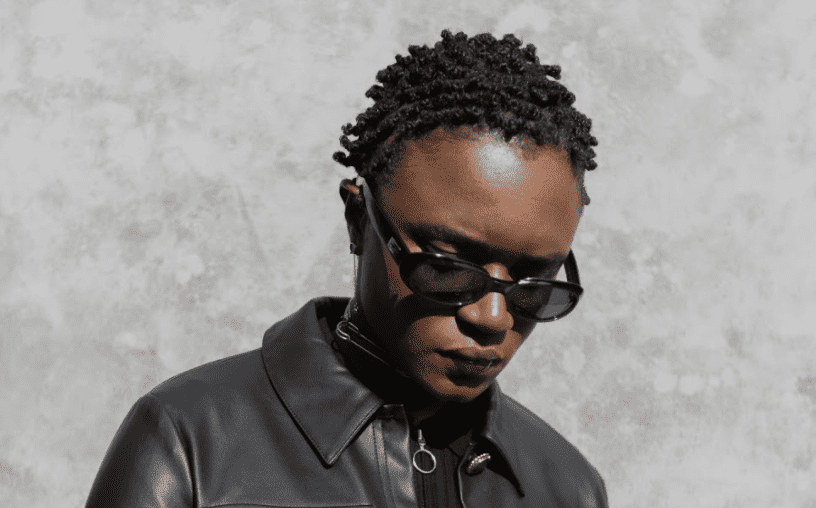
TÖME – “Concentrate” feat. Runtown

Last week, Töme released a new 10-track album, BT4W, and one of the songs which stuck , was the Runtown-assisted “Concentrate”, where the pair demonstrate the lustful intentions of dance floor romance. “Me no want no boring guy/ So check out my waistline and take time,” she sings over the catchy mix of Afropop drums riffs, percussion and synths. Runtown’s contribution serves as the song’s chorus as he performs a few lines of patios to add a Reggae edge to “Concentrate”. Although the pandemic has disrupted her chance to show off the allure of her sound in the club, “Concentrate” encourages listeners to turn their rooms into dance floors until we can get outside again. 

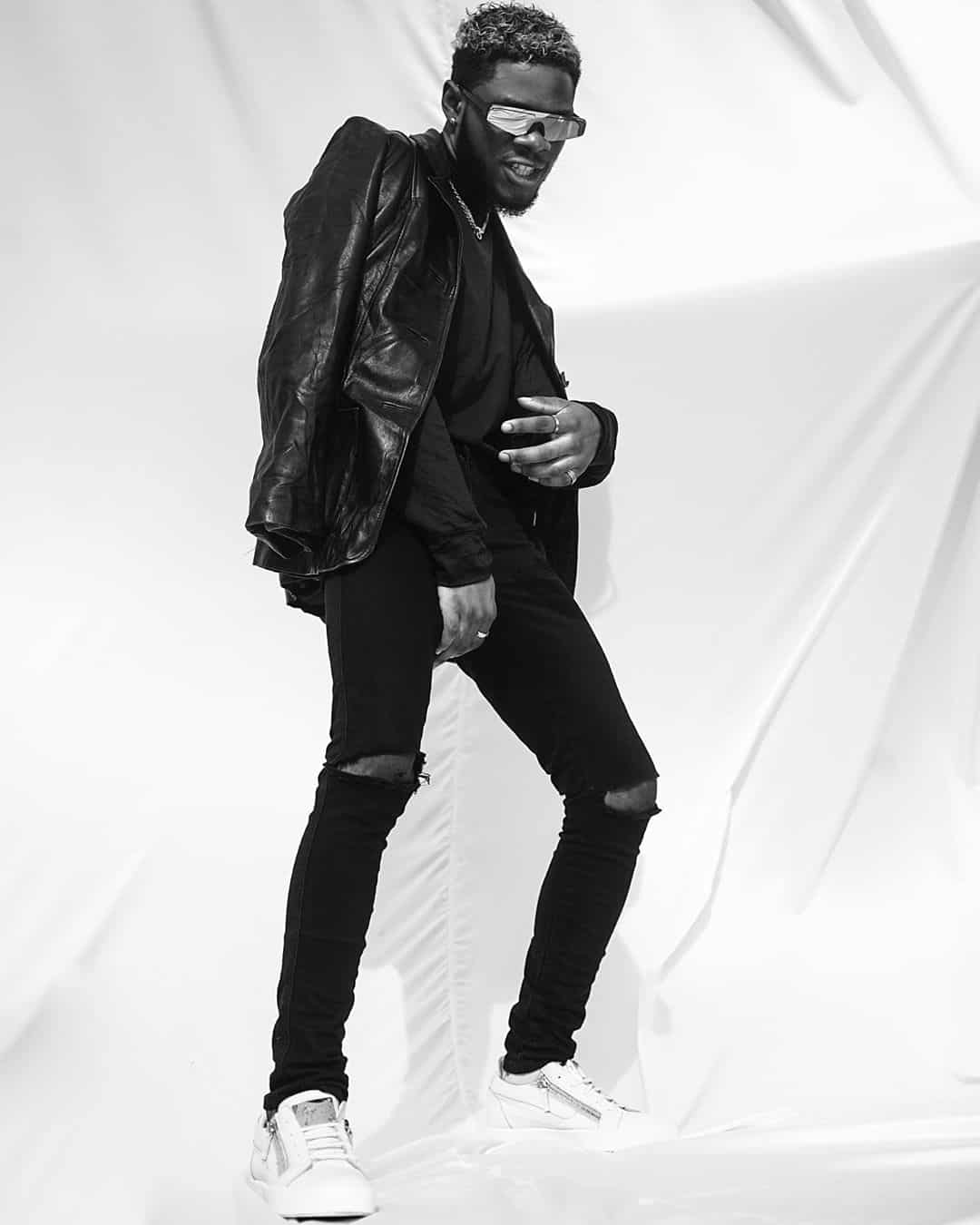
Trill Tega – “My Side”

Trill Tega has recently reignited our passion for the art of gangster rap on his latest single, “My Side”. The mix of vibrating synth lines and catchy flute samples make for a leisurely listen while Trill Tega layers in confident bars that make him come across like a nigga you don’t want to cross; “Now imma give you a piece of my mind/ Now imma give you a reason to hide”. Listening to “My Side” inspires you to unleash your inner cockiness, whilst also building anticipation for what else Trill Tega has in store for us on his upcoming tape. 

Ade Lasode – “These Niggaz”

Ade Lasode’s latest single, “These Niggaz” is a shift from her usual soulful singing, and she shows off some of her hip hop influences. She channels rap’s cockiness to deliver self-assured bars with the aim of mocking men who want to play her for a fool. Her confidence is boosted even further by the mid-tempo beat produced by Yinka Bernie, which serves as the background as she narrates her experience with a fuck-boy.

Despite her melodic rap flow, her lyrics, “I brought this nigga to my house/ bad nigga, you were sipping on my couch”, comes across as threatening while the laid back instrumentals take on an air of mischief. “These Niggaz” is the perfect song to give you all the confidence you need on your way to give your cheating ex-boyfriend a piece of your mind.

Yhemhi – “I’m Sorry” feat. Bizzonthetrack, Olamide David, El-Nino

We often hear artists replicating their experiences in relationships in their romantic songs, but Yhemhi’s new single, “I’m Sorry” subverts that trope, where he explains why he’s too focused on his music career to find time for a romantic relationship. Over the atmospheric afropop instrumental produced by El-Nino with a piercing guitar riff, Yhemhi apologises for his lack of commitment to his love interest and uses his drive to turn his music passion into a money-making career as his excuse. Singing “I’m sorry, I can be toxic/ I know you like me/ but I like my music”, he’s quite convincing and admits to his own faults while the featured artists, Bizzonthetrack and Olamide David echo his tunnel vision focus in their accompanying verses.  

Dwayne$tunna – “Dash”

To those who don’t appreciate it for what it is, hip-hop can be seen as a disruptive genre. But in the right hands, that boisterous energy can be charming, and Dwayne $tunna’s new single, “Dash” is a good example of that. He turns his fun and juvenile charisma into a social magnet, while spinning playful lines about drugs, getting money and partying. Rapping “I be so damn fly/ Make a bitch ask why” over the trap beat, it’s style over substance approach for Dwayne, which is sure to leave an instant mark on listeners.

[mc4wp_form id=”26074″]


You are meeting Debola at a strange time in his life. He wandered into a dream and lost his way back. Tweet at him @debola_abimbolu


ICYMI: Catch up on all the new music released earlier this week

Universal Music launches Def Jam Africa

With recent events like Apple Music’s intensified curatorial efforts and Billboard’s recent cover story—which features three of the continent’s biggest stars—as further proof, it’s quite clear that music coming out of Africa is only getting bigger and better by the day. Due to this, it’s unsurprising that global labels and corporations are increasingly investing in the continent’s music space.

As part of an incursion which has seen them open an Africa-based annex and signed a global recording deal with Tiwa Savage, Universal Music Group has just launched Def Jam Africa, a new label, which will follow the blueprint of the prestigious Def Jam recordings. Def Jam Africa will be dedicated to representing the best of hip-hop, Afrobeats and trap talent on the continent, and they’ve already kicked things off with a flagship roster.

Def Jam Africa now boasts of nine artists on their roster: Nasty C, Cassper Nyovest, Larry Gaaga, Boity, Nadia Nakai, Tellaman, Tshego, Ricky Tyler and Vector. The label is currently based in Johannesburg, South Africa and Lagos, Nigeria, but it will be looking to discover, sign and service artists from across Africa. As part of Universal Music’s operation in Sub-Saharan African, Def Jam Africa will be overseen by Sipho Dlamini, the managing director of Universal Music Africa.

Looking to get straight to business, Def Jam Africa is currently prepping new releases for its novel roster, most notably ‘Zulu Man with Some Power’, Nasty C’s third studio album, which will be released this summer in partnership with Def Jam Recordings in the U.S.

In a statement, the interim CEO of Def Jam Recordings, Jeff Harleston said,

“Def Jam is a globaly recognized brand, synonymous with excellence in hip-hop, and we enthusiastically welcome the launch of Def Jam Africa an opportunity for audiences worldwide to discover the incredibly talented artists emerging from across the continent.”

Def Jam Africa is the latest global expansion move for Universal music and Def Jam Recordings, following the launch of Def Jam South East Asia in September 2019.

[mc4wp_form id=”26074″]


Dennis is not an interesting person. Tweet Your Favourite Playboi Carti Songs at him @dennisadepeter

ICYMI: 3 WAYS CHOCOLATE CITY’ WILL LEVEL-UP WITH NEW WARNER MUSIC GROUP DEAL

Songs of the Day: New music from Dj Spinall, Dice Ailes, Jesse Jagz, Wayne, Oxlade and more

With most of the world self-isolating to flatten the COVID-19 curve, music is one of the things that has kept our spirits up and sustain our sense of community. Artists from all around the world have continued to put out new music from quarantine and their relatable subject matters help us relive past experiences, dream of a better future, or just enjoy the present moment. Because we know the volume can be overwhelming sometimes, we’re saving you the stress of scouting by sharing our selection of latest releases that reflect the liberal and diverse state of African music today.

Last Friday, we got new songs from Sauti Sol, Rema, Dremo and Davido, Dunnie, YMK, ABDUL, L.A.X, Simi, and Tiwa Savage, Yung L and Wizkid, Stormzy, Burna Boy, and Sho Madjozi, BergdorfBadman and Straffitti. To start off the week, we have new sounds from Dj Spinall who’s just dropped a new single with Dice Ailes, Dj Wayne has also released his debut single “Vacancy” which features Oxlade. There’s also new music from rapper Jesse Jagz, Ice Prince, Praiz, Tim Lyre, Chimzy, Psycho YP, Jean Frier, and more to keep you busy this long weekend. You’re welcome, dig in.

Dj Spinall – “Pressure” featuring Dice Ailes

Dj Spinall has just released his first single of the year, “Pressure” an uptempo groovy bop featuring Dice Ailes. Over the pounding afropop drums and vivid percussion patterns, Dice Ailes sings about the weight of the pressure he feels from all areas of his celebrity life. ‘This kind pressure man dey face, scatter my eyes/it’s very mighty o, e do me strong thing’ he sings over the infectious hook, musing over the struggles it takes to find your feet in this world. Although we never find out if the pressure is alleviated, the groovy upbeat number is sure to catch on quickly and get you on your feet.

 Jesse Jagz – “B”

Jesse Jagz is back and he’s already giving us a new project, titled ‘Garba’ due to be released on the 29th. After a long hiatus, he’s back to rapping and talking his shit in his music, and is showing this off with his new single “B”, where he muses about lost love and past times. ‘I’m back at it now my approach is pragmatic/ain’t nothing last forever, all plastic and leather’ he raps self-confidently, coming at all his past lovers for walking out when they had a good thing. We’re glad to have Jargo back.

Praiz – “Like It” featuring Ice Prince

Praiz is back with his first single of the year, the romantic and sensual bop “Like It” which features Ice Prince. Over the mellow guitar-led self-produced beat, he sings about the desire he feels for a love interest and is unafraid to let her know what he wants to do with her. Ice Prince joins him on the second verse, rapping: ‘I’m addicted to your anatomy/the reason I studied monogamy’ offering more praises for his love interest, as both men drive home their explicit sexual desires.

Wayne – “Vacancy” featuring Oxlade

While Wayne is more popularly known for his work as a DJ, to start off the year he’s released his debut single “Vacancy” featuring Oxlade. Over the mellow drum-led beat produced by Adey, Oxlade sings about the longing he feels for a love interest. ‘Make you no go follow another man who no dey for you/Girl please let me know if you dey for me’ he sings over the hook, making sure to tie up all loose ends with his love interest. Oxlade maintains his usual lover boy form, wishing to commit exclusively to her and doesn’t want anyone else in the picture.

Tim Lyre – “Shank” featuring PrettyBoy D-O and AYLØ

Lagos-based artist, Tim Lyre is back with a 3-pack EP titled ‘Senpai’ on which he shows off more of his stellar songwriting chops and ability to glide seamlessly on the beat. He gets help from close friends and collaborations, MOJO, AYLØ, PrettyBoy D-O and producer, DaRe for the new project and each artist delivers in their own way.

On standout track “Shank”, we see all three artists trade bars about getting their shit popping. ‘Now they know that I’m a beast in the streets and I’ve got to eat/I’ve been planting seeds, growing trees’ raps Tim Lyre on the song’s first verse, showing off his stellar penmanship and having fun over the mellow eerie beat. He’s also joined by AYLØ’s rapid-fire hook and D-O’s braggadocious and cut-throat raps allowing each artist enough time to hone in their sound and increase their individual reach.

Chimzy – “Ijoya” featuring Psycho YP

US-based afropop artist, Chimzy is back with a new singled titled “Ijoya” featuring Apex Village’s formidable rapper, Psycho YP. The song is an ode to Weird MC’s hit single “Ijoya” which was a mainstay at class parties back in the days. The two artists bring their own unique spin to the song, with Chimzy trying to gain the attention of a love interest. ‘I was drowning, a nigga couldn’t breathe/but I told myself forget about power, focus on wealth’ raps Psycho YP on the song’s second verse, as he gives us a glimpse into his grind-focused lifestyle where he’s no longer paying attention to the naysayers, but on making shit happen with the team.

 Jean Feier – “Notorious”

Ghana-based artist, Jean Feier is back with a new single “Notorious”, a swift follow up to her last release “Here with Me”. The bedroom pop singer is back with another romantic lo-fi production, on which she sings directly to a lover who she’s waiting patiently to return to her. ‘Look at what I made with the pain/But when it comes to you I’m a fool’ she sings, letting her lover know she’s going to ride or die for them and will always be there despite their complicated past.

Featured image credits/Instagram 


Tami is living in a black mirror episode and can’t seem to wake up. Tweet your fave female artistes at her @tamimak_


ICYMI: Here’s all the new music you may have missed last week

We spoke to a few women about claiming their sexual autonomy through sex work

You know it’s a thing thing when Beyoncé refers to Only Fans in a song with Megan Thee Stallion, and that’s not to say that the ladies on Only Fans weren’t holding it down long before Queen B’s nod. Launched back in 2016, OnlyFans is the latest social network which allows creators to monetise their content through a monthly subscription. For as long as we’ve all existed, sex work has been relegated to the hot spots, however, in a world of digital convergence and sex-positivity, this platform and others like it are bringing it into the mainstream and we all for it.

Since the global crisis hit, according to Vice, the platform has reported more than a 75% increase in new sign-ups in April and has gained around 150,000 new users every 24 hours. This may be due to most likely, a combination of staying-home boredom and the eye-catching quality of a lax avenue to create income while businesses around the world suffer heavy losses from social distancing requirements.

There’s an immense power in the recent wave of celebrating the female body in all its glory, and it’s time to shake off the stigma that these women (and a few men) get for controlling their own narrative. To get a better idea of this, we spoke to a few women who have been active in the digital sphere of sex work about how they got started, why they do what they do and what it does for them.


View this post on Instagram


A post shared by @exotic.cancer on

It’s a common misconception that sex work is only one thing, however, it’s extremely multi-faceted with many varying mediums of how one can go about their business. From being physically present to virtually, such as with Only Fans or even just a raunchy Twitter account dedicated to selling nudes, there’s not only one way of entering this market.

Keen to get a real understanding of how African girls are tapping into the phenomenon, I spoke to Pinky, Alice and Maria*, three women at different stages of their careers.

For women like Pinky living in Ghana, her journey as a sex worker began like most: from selling private pictures to eager buyers on a private Snapchat account, and when demand increased, she quickly changed with the times and moved to Twitter, and now she’s found a permanent home on Only Fans, where she’s able to release as much or as little as she pleases. For now, she’s growing her following and establishing client relationships, because the market being too saturated means having to cater to a loyal following.

“I have always felt like I have been participating in some kind of non-consensual sex work with men I have met, dudes have always tried to give me value back for time spent on them. Especially the men from Ghana” Pinky explains to me. While popular culture would have us believe that sex is only acceptable in the context of monogamous relationships, Pinky wants to drop that, and also let other women know that it’s okay to drop these messages that have been hammered in our heads forever.


View this post on Instagram


A post shared by @exotic.cancer on

Pinky tells me:

“As a bisexual woman and a non-believer in monogamy, it was not hard for me to separate sex from something that we’ve been taught only exists in the context of a relationship. Why does the money I am bringing in have to justify what I am doing as a source of work?

You’re basically projecting. Sex is this huge thing everyone knows about and talks about, but it’s made dirty when women want to make buck off it. It makes me feel really good about myself so I don’t plan to stop anytime soon, no matter who judges me”.

For others like Ms. Alice, she’s still testing the waters having kicked things off a few months ago, and isn’t planning to start an Only Fans anytime soon. She sort of stumbled into monetising her sexuality, and only started taking it seriously when a male friend requested some nude photos for a fee. She then realised the untapped market right before her and has since made it a little side gig. ‘I don’t think I’ll ever actually start an Only Fans. For me, I’m not really where I’d like to be in terms of body confidence so not yet’ she says to me with a laugh. ‘Maybe I’ll start an Only Fans when I have my dream body, and I wear a mask then I’ll reconsider. For now, I’m okay doing this on the low’.

Every day, these women conceptualise their own shoots, produce them, maintain sustainable relationships with clients whilst trying to stay in tune with current adult content trends. They are basically one-women production and marketing companies, run out of their homes. A lot of people discredit the amount of work that goes into creating and maintaining a career in this field and tend to think it’s easy money but it requires very calculated and deliberate business savvy.

“People think sex work is something you do when you run out of options. That you must have failed at everything else and run out of options that’s the only reason you’d be naked on the internet. It’s really disgusting because this is my career and it should be just as respected. It’s my body.” – Pinky

From my conversation with each of these women, it came across that they wanted everyone to know that they are not creating content for the whole world, but mainly for themselves and for paid subscribers who respect their craft. Another noteworthy example is Maria from Nigeria who got into sex work through her fascination with BDSM and exploring kinks. She draws parallels between the work she is involved in and customer service, highlighting the transferable skills one can acquire from working consistently in her field.

‘It was very flexible and it was something I enjoyed doing, so I figured I might as well make money from it. You have to have a skill most definitely, you have to be able to talk to people and adjust to their needs. It’s not something you can do for easy money, and nowadays the market is oversaturated with influencers who are looking to make a quick buck off it when it’s really a whole craft that has to be perfected’.

Beyond people questioning the legitimacy of their work, these women also have to deal with horrible people online who wish harm upon them and make them fearful for their lives. For Maria, she does a lot of in-person meet-ups as a dom, and has faced scary instances where she fears for her life. ‘A lot of the time you meet entitled men who come to you, and pretend to be submissive. They have some thrill out of humiliating a dominant woman and create an unsafe environment. I have been places where I am actually scared for myself when I have to meet up with clients’ she admits explaining how unsafe the territory can be.

For Pinky, her biggest fear when moving her business to Twitter meant she was susceptible to family and past friends finding her online since she sometimes gets requests to show her face in videos. A big part of being a sex worker is establishing boundaries with your clients, particularly for Pinky as she’s had friends in the past deceptively guise as clients seeking to out her when she reveals her face.


View this post on Instagram


A post shared by @exotic.cancer on

Here in Nigeria, a collective progressive attitude towards sex workers is still a myth, given how deeply conservative and ‘moral’ our society is. Unfortunately, this still means conversations surrounding sex work and female autonomy are usually lacking in any real depth. African women are taught purity culture and expected to conform at all times, which leaves women either never exploring or feeling guilty/met with disdain if they dare to.

Sex Sells, and it’s a bit odd that men are often allowed to benefit from women’s sexuality – e.g a pimp isn’t usually met with as much degradation as his sex worker often is. In Nigeria, the word ‘ashewo’ (which means prostitute) is used as an insult to every woman in the way ‘hoe’ or ‘slut’ is, once we do anything they don’t like. Sex workers from these parts are always met with judgment and disdainful comments from people who’s sole aim is to shame them for their line of work.

These women are braving the harsh environments they live in to do work they love, and their defiance from the set norms are a bold statement for women like them. We’re always discussing why we should end the attacks against women in the workplace, without really including sex work in that conversation. Well, it’s demon time, and these women are not hiding in plain sight anymore.

While countless industries have been ravaged by Covid-19, Only Fans and its many variations are only going to start taking more shape in Africa.

*Fake names have been used to protect the identities of those we spoke to.

Featured image credits/Instagram:exotic.cancer


Tami is living in a black mirror episode and can’t seem to wake up. Tweet your fave female artistes at her @tamimak_


ICYMI: The importance of a song like “Body Count” for African women

Best New Music: Omah Lay’s “Damn” is a declaration of assuredness

Omah Lay first caught the attention of the whole nation with his Valentine’s Day tune, “You”, which is still making the rounds today. Last Friday, he released his debut project, ‘Get Layd’ which houses 5 tracks to properly introduce us to the singer’s vibe. While from looking at the numbers of plays across various digital streaming platforms, his pre-released single, “Bad Influence” seems to be the favourite, the standout for us has to be the project’s opener, “Damn”.

The two songs released in the run-up to ‘Get Layd’ managed to show off two sides to Omah Lay; the smitten lover boy on “You”, and the bad boy on “Bad Influence”. On “Damn”, to set the tone for the rest of the project, he combines both and presents us with a self-aware loverboy whose girl loves him regardless of his flaws.

Produced by Bizzouch, the mid-tempo beat led by piano keys and heavy bass sets the perfect bedding for Omah’s melodic vocals to take the stage. His rhyme pattern gives the song some character, where he ends every other sentence saying words in the same tone, riding the wave of each beat drop perfectly. On the pre-chorus, he sings “Cause you be my nigga, you be my goon/you be my water, you be my gold/you be my river, you be my road”, to end a verse where he says he’s ready to settle down with the girl who he’s sure of her affection.

In his usual fashion, he fuses r&b and afropop perfectly, with reflective verses which culminate into a catchy and chantable chorus; “she loves me when I’m lost, even when I no need love. She loves me like damn”. Throughout the song, he declares, “I know myself”, with a conviction which reveals that he’s aware of the faults he sings about but doesn’t let them get in the way – especially not his love life.

While he’s yearning for love on “You”, and coming to terms with his flaws on “Bad Influence”, he’s self-assured on “Damn”, and not even parents’ disapproval or fear of God doesn’t get in the way of that. He tells us “I dey smoke cigar, I dey blow skunk/I know I get boys, we dey do runs” before he declares that he “dey fear God”.  It’s common knowledge that coming to terms with who you are at the core creates a calm stillness even in the face of adversity, and Omah Lay shows that he’s aware of this on “Damn”. For an artist in such early stages in his career, it’s important for him to maintain this self-assuredness, in order to get far ahead in the harsh inhospitable conditions of the Nigerian music industry as we know it.

Cloaked in afropop’s catchiness and quotable lyrics,  “Damn” is one of those songs that could boost your confidence if you need it to. In the same breath, without needing the heaviness watered down, we imagine that if we could go outside  it would also pop off in the clubs. The ability to get listeners in their feelings whilst wanting to turn up seems to be an important marker of today’s music, and Omah Lay gets it right.

Listen to “Damn” here:

Featured Image Credits: Instagram/Omah Lay 

[mc4wp_form id=”26074″]


ICYMI: GEMS: A list of the best songs released last week

GEMS: A list of the best songs released this week

Every Saturday, The NATIVE Will Put Out A List Detailing The Best And Most Enjoyable Songs Released During The Week. With The Scope Widening And Music Dropping At An Immeasurable Pace, It’s Easy To Miss Out On A Lot Of New Drops, So We’ve Decided To Help Out, By Collating A List Of The Best Hip-Hop, Pop, R&B Song From All Over The Continent. Our Main Goal With This List Is To Make Finding Great Music Of The Moment Easier For You

Tems – “These Days”

Tems is undeniably one of the most exciting artists at the moment, and every song she releases sounds like an angel is speaking directly to you. This year alone, she’s managed to keep the attention on her solely with guest features, from  Odunsi The Engine’s reflective “Decided” to stirring up the perfect vibes on DRB’s “Trouble” and teaming up with Khalid & Davido for the “Know Your Worth” remix. 

This week, she graced us with her first song of the year and 4th-ever single, “These Days” where she looks inwards for a deeply reflective number. Over the mellow drum-led beat produced by RVdical The Kid, she sings ‘and these days are made from the pain/these nights are not full of stars’ musing on what seems like a past lover who revealed their darker side to her. Tems has a way of expressing what we’re all thinking, and this song is particularly needed during these unprecedented times. This new song gives us a moment to reflect on the grief of losing our normalcy and the guilt that follows when we think of those experiencing ‘real’ grief from losing loved ones around the world.

Kaychuba – “Ogbanje”

Vulnerability is not a calling card in Afropop, especially for male artists, and even when they do employ it in their music, it rarely ever gets really deep. Although he has only two singles to his name, Kaychuba might just be the honest, sad-boy hero we didn’t know we wanted. On his debut single, “Selfish”, the singer brings all the feels in a way that almost makes you ignore how self-obsessed he’s being, and for his latest, “Ogbanje”, he pulls off the same trick with a bit nuance to his storytelling abilities.

Taking stock of a relationship that ended bitterly, Kaychuba recounts all the ways he was used, misused and tricked by his ex. “Apart from 2014 wey you tell me say you go love me die/how many times I don call your phone wey you no reply me?”, he sings, pulling out receipts to show he was putting in the effort.

Usually, there are two sides to how a break-up went down, but the detail Kaychuba uses to support his narrative, coupled with the way his emotive voice gently bounces off Timijay’s R&B guitar riff and afro-folk percussion, it’s difficult to contest his side of the story. In fact, he might get you to join in wallowing, because one way or the other, we’ve all been where “Ogbanje” is.


Rema – “Fame”

Since he broke out last year, Rema has successfully highlighted the range of Nigerian music in more ways than one. First, his debut EP, ‘Rema’ introduced him as an afropop singer before his emo trap follow-up tape, ‘Rema Freestyle’ eventually showed off his hip-hop influences. Secondly, his ability to embody both indigenous and foreign sounds has seen him become the poster child for new generation African artists. His latest release, “Fame” sees him looking back at how much has changed for him, and narrating his experience since becoming a pop star.

Over the Woodpecker-produced emo trap background instrumentals, Rema gets vulnerable and admits his struggle to handle dating as a celebrity. To be fair, relationships tend to get complicated even without the weight of being famous, but the lyrics, “Since I got this fame, it’s been so hard to love again” are frighteningly revealing. His ability to subvert hip-hop’s braggadocious trope for a melancholic anthem is impressive and we expect that fans will be raging to this one as soon as the lockdown is lifted and we’re allowed to go out again. 

Shalom Dubas – “Ride with Me”

Maryland-based rapper/singer Shalom Dubas has just released her third EP ‘Mint, Green’, a 6-track project covers a range of themes from love to perseverance as she delivers her most well-rounded offering yet.

The EP’s undeniable standout and lead single, “Ride with Me”,  aged beautifully in light of all the other songs, where she a smooth love song which sees her showing off both her rapping and singing skills. Over an array of acoustic strings and vivid percussive patterns, she raps about her object of affection, saying they inspire her to show a level of affection she’s not used to. ‘I’m flame and I’m trying to ignite you/might write you a whole book of haikus’ she raps, before delving into mellow harmonies that sweet and shimmer on the song’s hook. 

Zilla Oaks x Prettyboy D-O x MOJO x Marv OTM – “No Conversate”

Conversate isn’t a real word, but in the context Zilla Oaks, Prettyboy D-O, MOJO and Marv OTM use it on “No Conversate”, the motive is crystal clear. Rappers asking to be left out of whatever doesn’t add to their pockets is a norm in rap music, however, Zilla and his colleagues reinforce that mind-set with undeniable moxie. Over a Tochi Bedford beat which sounds like the sonic equivalent of a wide grin through gold grills, each rapper takes turns pointing to the bag as their major focus.

D-O opens “No Conversate” with the declarative hook and a typically commanding opening verse, where apostrophes—not commas—are what separates the figures in his account balance. Marv and Zilla follow suit in quick succession, expressing disdain for long talks when it’s not about the “kpa”, and bragging about how much money they have.

While all preceding rappers turn in impressive performances, it’s MOJO who arguably steals the show with his irreverent energy and raps filled with an avalanche of quotables. “Na only money language I understand, mi o tie gbo Yoruba mo (I don’t even understand Yoruba anymore)”, he raps to open his verse, referencing a former Nigerian president and demanding for contracts instead of congrats further down the line.

Omah Lay – “Damn” 

Omah Lay‘s debut single, “You” was an instant hit and set the pace for listeners to anticipate his promised EP, ‘Get Layd’. The initial release date was set for April, however, after listening to the 3 new tracks, fans will agree that it was worth the wait. 

While love songs are far from being a novelty in afropop today, Omah Lay brings a refreshing honesty to the romantic theme. The aptly titled first song on the EP, “Damn” is a welcome jolt, where he uses the cuss word to describe the magnitude of love. Singing “She loves me like damn/ Like damn damn damn” over the delicately caressed keys, breezy synths and saxophone harmonies, Omah Lay’s impossibly nimble flow and catchy lyrics cement him as an Afropop star that shouldn’t be ignored.

For the final verse, he describes his lifestyle as an outlaw, “I’m a bad boy/ I no get work/ I dey smoke cigar, and I dey smoke skunk”. Given the sweet nature of his pre-released songs, one wouldn’t naturally associate the lover boy to these things he sings, however, it fits into the song’s narrative as a modern-day interpretation of Romeo & Juliet. “I know father don talk, make she just drop/ but she love me die, she no dey hear word”, he sings to prove his trust in the bond he shares with his partner. While there’s always the risk of losing relatability when you switch up your character in music, however, Omah Lay’s mischievous personality on “Damn” pays off to make a damn good song.

WurlD – National Anthem (Growing Wings)

Last week, WurlD released his third project in the past year, and upon first listen it was difficult to choose a favourite, so we made the entire project our pick for Best New Music. Now after a week, we’ve landed on the Shizzi-produced “National Anthem” as the standout cut, an energetic song which serves as a great introduction to the project. Listening to the project in sequence will make you go from inadvertently bopping your head to thinking about the state of your life in one fell swoop, and songs like the opener, “NATIONAL ANTHEM (GROWING WINGS)” gets you to do both.

Where ‘Arise O Compatriots, Nigeria’s call, obey’ can urge one to fit into status quo, WurlD singing ‘Dem Go Try, But They Can’t Divide Us/Dem Throw Stones, But It Never Go Touch Us’ against a bass-heavy beat with pulsating drums seems more fitting to a generation of young Nigerians who have clocked the puzzle and refuse to be trapped by their environment.

Featured Image Credits: Instagram/WurlD

[mc4wp_form id=”26074″]


ICYMI: BEST NEW MUSIC SPECIAL: WurlD makes a mark with his latest EP, AFROSOUL

Rap Song of the Week: It’s Davolee & Jaido P versus everybody on “G.O”

For a lot of 2019, there were so many rap beefs, that it was hard to keep track if you weren’t truly invested in the involved artists – especially if like me (a music journalist) you had to be in the know. Partly because of the confusing back story, the exchange between Davolee and Dremo wasn’t very publicised, however, it brought in its fair share of interesting jabs and ferocious cuts. With all due respect to Dremo, it was clear after a few rounds that Davolee brought a gun to a fistfight, and ended the exchange fairly quickly.

Although his biggest song till date places emphasis on his storytelling abilities, and he’s showcased versatility on a few occasions, Davolee’s raw ability as a combative lyricist is undeniable. He’s a rapper who believes he can go bar-for-bar with anyone and win, and it’s the attitude that powers his latest single, “G.O”. Tagging with frequent collaborator, Jaido P, the pair run wild together, listing their street cred, shadowboxing naysayers and beckoning potential competitors to fuck around and get smacked.

View this post on Instagram

Who is your own #G_O ??? 😂😂😂

A post shared by SHOPLA (@jaido_p) on

In terms of attitude, Davolee and Jaido P operate on the same wavelength, so much so that “G.O” is a bit like watching the Hardy Brothers gang up on one-half of a hapless opposing tag team. On this track, it’s them versus everybody, and crushing windpipes until their adversaries tap out is the only option. While the Yoruba delivery makes their menacing delivery hit harder, the controlling cadence and commanding flow both rappers wield over Masterkraft’s haunting piano strings and ground-shaking bass is enough proof that “G.O” is a deeply satisfying rap song.

While rap music has rightfully expanded its emotional range over the past two decades, it’s still an art form that allows its purveyors to turn raw aggression into visceral thumpers. “G.O” is proof that, with a beat that’s hard as nails, a burning desire to jump your rivals at every chance, and a chant-ready hook that will stay in your head for a minute, rap music can be primal and sublime in equal measure.

Watch the video for “G.O” here.

Featured Image Credits: YouTube/Davolee

[mc4wp_form id=”26074″]


Dennis is not an interesting person. Tweet Your Favourite Playboi Carti Songs at him @dennisadepeter

ICYMI: ODUNSI (THE ENGINE) & MAISON2500 MAKE A “WICKED, SEXY!” PAIR

NATIVE EXCLUSIVE: WURLD IS HERE TO INSPIRE

I. Coming to Nigeria

In the heat of his epic IG Live beat battle with fellow ace producer Shizzi, Sarz elected “Trobul”, his first collaboration with WurlD as the reply to Davido’s “Blow My Mind”—complete with a Chris Brown feature and a previously unheard Meek Mill verse. Alluding to WurlD’s evident songwriting involvement on “Blow My Mind”, it was a perfectly cheeky insert to a night filled with Sarz’s now trademarked cheekiness.

What was even more memorable, was watching that moment escalate into a battle of which producer was the better WurlD collaborator, so much so that Shizzi played the smooth and gently swinging “Wishes & Butterflies” when the energy in the virtual room became palpably high octane.

With a joint catalogue overflowing with classic songs featuring Drake, Beyonce, Wizkid, Davido, and much more, the WurlD-centric back-and-forth set between two of the continent’s most accomplished producers is all you need to know about the singer’s growing phenomenon in the past year. At the beginning of 2019, WurlD wasn’t totally unknown – he already had widely known singles in “Trobul” and the Shizzi-produced “Show You Off”. By the end of the year, he had released two excellent projects, won an award at the Headies, co-written one of the biggest songs of the year, and capped off his fairy-tale run with headlining concerts in Abuja and Lagos.

“I knew people followed what I do, but I think Hard Rock Café was a blessing for me because it assured me that I was on the right path,” WurlD explains with a deeply appreciative tone in his voice when I asked about the significance of his Lagos show. “It showed me that I had a strong fan base in this region.” To put his sentiments into perspective, WurlD had only moved back to Nigeria on a semi-permanent basis in 2017, and upon this move had to relearn and adjust to the norms here in order to integrate into the music space.

The catalyst behind that pivotal move was “Show You Off”, a brassy, anthemic and instantly memorable song, which basks in the warm and intoxicating feel of the honeymoon phase. Interestingly, that was WurlD’s very first foray into Afropop’s sonic terrain. Prior to that, WurlD, then based in Atlanta, was honing his chops as a singer-songwriter and lending his services to a stylistically diverse set of artists including Mario, B.O.B and Trinidad James. By virtue of his extensive and successful (in Eastern Europe) work with Polish DJ/producer Gromee, WurlD’s solo music was mostly steeped in the bombast of Electronic music, before “Show You Off” effectively widened his horizons and realigned his purpose.

“I didn’t see it coming,” WurlD says of his breakout single’s success, and to be fair, no one saw the song coming. Following its 2016 release, a period when music discovery via SoundCloud was very much the in-thing, “Show You Off” built steady and organic online momentum, which eventually translated into genuine buzz for the singer by the summer of the next year. “That was a huge song, I didn’t have to promote it too much. It did well across the world, but Nigeria took that song and made it theirs—that’s the reason I’m back home.”

II. Flood the Streets

Usually, when a previously unknown artist cuts through the noise and scores their first big single, the next course of action is to follow-up with subsequent material in relatively quick succession. In his case, WurlD decided to take his time, and for good reason. “In coming back home, I had to relearn the culture, figure out what makes people tick, so I can communicate properly,” WurlD says of the 2-year space between his breakout and his debut EP.

“I didn’t want to be successful in America without Africa – or at least Nigeria – behind me. If I’m doing something and I hope to get Nigerians invested in me, there’s going to be a gap if I don’t know how to communicate and that would affect my career negatively.”

Since he released ‘Love is Contagious’, the WurlD train has been in hyper-drive, with each release adding a new layer to the singer’s artistic mosaic. As far as proper introductions go, ‘LIC’ is as formidable as they come. The 9-song project is an impressive portrait of WurlD as a dexterous singer with wide sonic ambitions, weaving between the Fuji-inspired rhythm of “Contagious”, groovy folk on my personal favourite, “Drown”, and the sensual alt-r&b feel of “Candy”.

In November, WurlD returned with ‘I Love Girls with Trobul’, this time around in collaboration with one of the most prolific producers in afropop, Sarz. In a brilliant 180 from his preceding project, ‘ILGWT’ is a concept project, which leans into the pulsating atmosphere of afro-house. Adding a layer of romantic complexity to his writing, and with Sarz’s exquisitely layered production bringing a darkened edge to his usual charm, the EP is truly ‘collaborative’ in every sense of the word.

The secret to that, was WurlD’s relative obliviousness to Sarz’s catalogue. “I didn’t know Sarz’s discography when I met him,” WurlD admits, given that he was more in tune with what was popular over in the States, and had only really heard  “Come Closer”. Just as I was processing that admission, it dawned on me that a clean slate was needed for both artists to neutrally identify with each other’s abilities and foster the synergy on ‘ILGWT’.

“One of the tracks Sarz played for me when we met was the one for “Trobul”, I recorded the song the next day. We had a conversation after that, I felt like I’d met someone I could do a project with in Nigeria, I think he felt the same way and we didn’t overthink it. We created most of those songs in 2017. It wasn’t until later on that I knew what Sarz really represents.”

Barely six months later, we’ve been given a new WurlD project. Last Friday, the blue-haired singer dropped ‘AFROSOUL’, a 7-track project that continues to unravel the ambitious and singular nature of his skillset. Collaborating with a wide range of producers that includes, Kel P, Del B and Spax, WurlD makes his omnivorous palette even more evident, as he dabbles into reggae (“Ghost Town”), afro-EDM (“Love Nobody”), and a fusion of Makossa and Afrobeat scores the upbeat opener, “National Anthem (Growing Wings)”.

With far-flung musical choices, WurlD centres ‘AFROSOUL’ by giving us a better look into the ideals of Sadiq Onifade. While the EP has its fair share of expected, veritable lover-boy cuts, we also get songs about resilience, celebration and remaining true to self rather than end up as fame-seeking zombie. “This is my Africanism at its core, that’s what ‘AFROSOUL’ is.  I didn’t hold back on my African side this time,” WurlD explains, pointing out the distinct energy of the EP.

I wanted to use this project to put a glow on my fans, cause I see and appreciate all they do. That’s why I wanted it to be free, so they can feel the same freedom I feel when I create music. This is me appreciating my fans, basically, and also setting up the album.

In tandem with his previous releases, these three projects give us a 3-dimensional image of WurlD as a singer, songwriter, collaborator and a self-aware human beings with experiences and lessons to share. Together, they’re also presented as a statement of consistency from an artist who’s intentional about the music he puts out. “The rate of these projects is me flooding the market and at the same time being mindful of quality,” WurlD tells me. “I didn’t want to just come out with anything, my goal was to consistently put out quality music and hope that people receive it well.”

III. Inspired to Inspire

In a way, WurlD’s ongoing run reminds me of Mr Eazi’s saturation campaign in 2016, when the Banku singer was literally everywhere from sporadic singles to a constant stream of guest features. The marked difference for WurlD, though, is that his strategy is a bit more meticulous and project-based, but the goal is the same: ubiquity. This approach puts WurlD in a peculiar and inter-sectional position amongst the new generation of Afropop superstars, since he’s as prolific as a mainstream act like Rema, but he also embodies the independent narrative of colleagues like Santi and Lady Donli.

The next stopping point on the WurlD train is a debut album, and he’s already stoking hype for it. Just yesterday, the singer tweeted the picture of a song in progress, simply tagged “WurlD x Asa 1”. Being a perennially reclusive artist, guest appearances from Asa are a bit like sighting a unicorn, and it only goes to highlight the infinite possibilities for WurlD’s next big drop. The singer isn’t sure when that will be, but gauging from the amount of times he mentions growing his catalogue to rival the greatest artists, I suspect we won’t have to wait more than a year.

For WurlD, the ultimate goal behind his drive for consistency in quality and quantity is that it coalesces into a career that’s inspirational for fans, colleagues and coming generations. “I looked up to some of greatest artists of all time, from Michael Jackson to Whitney Houston to Mariah Carey to Kanye to Prince,” WurlD says when we start talking long term targets.

I looked up to these artists growing up and I can’t really see myself as anything other than an artist who will inspire others, that what I aim to do. At the level at which I’m doing music, I’ve been inspired and if I’m not inspiring people, I feel like there’s something wrong there.

Much like friend and colleague Ladipoe, WurlD’s plan is to push African artistry, specifically in a way that prioritises freedom of creativity and expression. This includes making the music that feels right to him at every point, and publicly working as a hired songwriter in a terrain that isn’t too kind to that profession. While he’s collaborated and is open to collaborating with partners and major labels, WurlD prides himself on being independent, noting that he won’t ever sign any deal that threatens to infringe on his creative autonomy.

From Prince changing his name to the love symbol as a form of contractual protest, Kanye rapping through shattered jaws when no one wanted to give him a chance, to Mariah Carey pushing the diva mould to pioneer the oddball pop/hip-hop pairing, one thing WurlD’s artistic inspirations have in common with all the aforementioned is a self-conviction that drove them to leave indelible marks on music history. As an artist with a working ground game at home and a boatload of self-confidence, the singer’s dream of becoming a symbol of artistic freedom is well within his reach. With an increasing army of loyal supporters, a constant drive to create the best music possible and the whole world to gain—tell me what could go wrong.

Stream ‘AFROSOUL’ here.

[mc4wp_form id=”26074″]


Dennis is not an interesting person. Tweet Your Favourite Playboi Carti Songs at him @dennisadepeter

NATIVE EXCLUSIVE: LINDSEY ABUDEI TALKS PERSONAL PROCESS AND THE VALUE OF ART

Songs of the Day: new music from Wizkid, Burna Boy x Sho Madjozi, Rema, Sauti Sol and more

With most of the world self-isolating to flatten the covid-19 curve, music is one of the things that has served to keep up our spirits and sustain our sense of community. Artists from all around the world have continued to put out new music from quarantine and their relatable subject matters help us relive past experiences, dream of a better future, or just enjoy the present moment. Because we know the volume can be overwhelming sometimes, we’re saving you the stress of scouting by sharing our selection of latest releases that reflect the liberal and diverse state of African music today.

Earlier in the week, we got new songs from Tems, Medikal, Big Zulu, and other artists from around the continent. Today, we’re bringing you a new selection of music from Sauti Sol, Rema, Dremo and Davido, Dunnie, YMK, ABDUL, L.A.X, Simi, and Tiwa Savage, Yung L and Wizkid, Stormzy, Burna Boy, and Sho Madjozi, BergdorfBadman and Straffitti.

COLORSXStudios x Rema – “Fame”

Rema made his Colors Studio debut 5 months ago to perform “Bad Commando”, which went on to become the title track for his latest tape. The Colors Studio have now put out a second Rema performance, this time for an unreleased song titled, “Fame”.  Just as the title suggests, “Fame” narrates Rema’s experience since he broke out into the limelight in 2019. “Since I got this fame, it’s been so hard to love again” he sings over the guitar-led instrumentals produced by Woodpecker. The song highlights one of the many allures of the Mavin star boy, as he drops his afropop melodies to embrace a more hip-hop sound.

Sauti Sol – “Insecure”

Sauti Sol have given us the latest offering off their upcoming project, “Insecure”. The Kenyan group has mastered the art of combining their voices to make charming songs with positive messages to encourage listeners. For their new release, a lightweight mix of layered strings, drum riffs, percussion provide the background to their lyrics about finding your inner confidence.

The accompanying video shows them performing at a record store while we also follow a dance performance by a woman whose insecurities physically manifests as a demon who haunts her while they dance to the beat. Their album, ‘Midnight Train’ is expected to be released on the 5th of June, but in the meantime, we can enjoy the pre-released singles like “Brighter Days”, “Insecure” and “Suzana”.

Dremo -“Mabel” featuring Davido

‘Codename Vol. 2’ was released to cheers from Dremo fans as well as rap fans across the continent. The DMW rapper adds more fuel to the fanfare with the newly released video for one of the standout tracks, “Mabel” featuring Davido. Taking turns to express their romantic feelings for their lovers over the Milakeyzz-produced beat, the song already captured the pleasant feeling of being in love. Director Q translates that feeling on to our screens as he directs the video showing Dremo and Davido on romantic duty while performing their hearty lyrics to their muse.

Stormzy – “Own It (Remix)” featuring Burna Boy and Sho Madjzoi

It didn’t take long for “Own It” to trickle down to clubs DJ sets and playlists after it was released last year. Apart from showing off Stormzy’s more vulnerable side, when he took a break from heavy lyrics about the state of affairs in England, the song highlighted the UK rapper’s global pop star ambition through Burna Boy and Ed Sheeran’s feature. “Own It” now has a new remix featuring South African rapper, Sho Madjozi, and broadens the romantic perspective of the song with her rap verse infusing her indigenous dialect and ecstatic persona.

ABDUL – “Be Happy”

It can be a challenge to find reasons to be happy when you’re confined to one place and can’t see your friends for weeks and months. However, one half of the BlackTribe duo who’s set to make a comeback as a solo act, ABDUL just released a new single, “Be Happy” to encourage listeners to take it easy. The song promises that “Tomorrow go dey okay”, as his lyrics emphasise the common sentiment that worrying about the bad things isn’t a productive use of time. With his cheerful use of pidgin English and the catchy Afropop beat produced by Dapiano, “Be Happy” plays out like a happy pill designed to put a smile on listeners’ faces.

Yimika Owoaje – “Bubblegum”

Yimika is a versatile and savvy creative just like his idol, Donald Glover. He’s known on social media for producing comedy skits but he has also been developing his career as a rapper with songs he promotes on SoundCloud. His latest offering, “Bubble Gum” sees him channel his sense of humour as he raps over a lo-fi beat produced by SiirBastien. His mood switches between confident and anxious, as he converses with his old self and ponders on whether to remain true to himself or pursue fame. “Bubble Gum” is YMK’s 2nd single for the year and we look forward to more.

Dunnie – “Overdose”

Dunnie isn’t the first songwriter to compare the emotion of falling in love with the effect of doing drugs. However, she does it so well on her latest single, “Overdose” that the song itself becomes addictive with each listen. The self-produced song is set to a mix of upbeat Afropop harmonies that guide Dunnie‘s description of a love so perfect, she jokingly questions how good it is; “The way that you give me love. Na wa”.

The backbone of the song is the groovy beat, punctuated with all sorts of fun auxiliary sounds; chimes, clanking percussions and echoing synths. However what the song really benefits from is Dunnie’s voice, which alternates between English and Pidgin English, milking the latter to give the song its rustic feel like something recorded in a remote village.

L.A.X – “Gobe (Remix)” featuring Tiwa Savage and Simi

L.A.X dropped his first single of the year, “Gobe” earlier on in the year and partnered with 2Baba to confess his unfaithfulness in his relationship. Now, he’s looking to take the narrative further, by enlisting Tiwa Savage and Simi for the song’s remix, and Both singers’ channel the angst from their past relationships with their lyrics mocking their exes for cheating on them. Tiwa’s biting lyrics, “Because of Agege Rihanna/You decide to scatter everything wey we gather”, serving as the song’s standout.

Yung L – “Eve Bounce” featuring Wizkid

“Eve Bounce” was one of the highlights of Yung L’s tape, ‘Juice and Zion’, with the wistful synths evoking Eve’s “Let Me Blow Your Mind”. For the remix, he’s enlisted Wizkid, who delivers a similarly lustful set on his verse for the song’s remix as he sings “let the music go all night/ We go do am in the morning/ I go give you when you want it”.  It’s too bad we don’t get to experience the full effects of this banger at the club, but if you’re in quarantine with a lover, this is the song to play.

BergdorfBadman – “4L” feat. Straffitti, Jaiye

Trap music is gearing to break out of the underground music scene in Nigeria and the ThirstyWorldWide collective have built a reputation and catalogue which positions them as one of the people pushing the synth-heavy hip-hop sound forward. One of the members, BergdorfBadman just put out his debut tape, ‘084Darko’ and it’s no surprise he’s singing a cocky empowering anthem on one of the standout tracks, “4L”, produced by GCL3F.

“4L” features Jaiye and the collective’s star boy, Straffitti. The presence of the crew’s de facto leader makes the BergdorfBadman‘s griff voice even more charismatic as they all talk their shit as wealthy and tough rappers with potential mob ties.

Featured image credits/instagram 


ICYMI: Here’s all the new music you may have missed from earlier in the week

Mr Eazi debuts first single off upcoming emPawa project, “I No Go Give Up On You”

Mr Eazi has been hard at work spreading the Afropop gospel to the entire world, and to show that there are really eyes looking in, his efforts were recently rewarded with Billboard cover alongside Tiwa Savage & Davido. Now, to give the world another taste of what they’re looking at, he’s just teased his first collaboration album with emPawa, with a new single, “I No Go Give Up On You”

“I No Go Give Up On You” combines Mr Eazi and contributors’ (Ajibade, Mikel and Isaiah) charm with a wistful guitar-led beat produced by Blaq Jerzee. The catchy drum riff clearly designed for the dancefloor, sets the scene for the song’s dance club-inspired lyrics. “Them no dey propose for club/ but your body put me on the spot”, Mr Eazi sings in the chorus while the rest of the song knits together the anxieties and excitement of falling in love. The verses describe the emotions the subject of their affection evokes from them, as they rely on the song’s sweet lyrics to convince their love interests of their affection.

While the lyrics get the job done, the accompanying visualiser reflects the sentiment behind the title, “I No Go Give Up On You” as we watch Mr Eazi’s numerous attempts to convince a woman of his love. We see Mr Eazi fight a man twice his size, show up with flowers unannounced and doing many other things in order to gain his lover’s affection. The song’s hook ends with “I no go give up on you”, and the accompanying video shows that sometimes, all you need is a little persistence.

Watch the video for Mr Eazi and emPawa Africa’s “I No Go Give Up On You” below.

featured image credits: Instagram/mreazi
[mc4wp_form id=”26074″]


You are meeting Debola at a strange time in his life. He wandered into a dream and lost his way back. Tweet at him @debola_abimbolu


ICYMI: Find out all the 30 artists that joined the emPawa program

Watch Davido and the DMW crew in the video for “Intro”

Before the end of 2019, DMW boss, Davido released his long-awaited sophomore album ‘A Good Time’, his most expressive body of work till date. Since then, he’s been releasing videos for songs off the project from the Summer Walker-assisted “D&G” to the project’s undeniable standout, “Sweet in the Middle” featuring Zlatan, WurlD and Naira Marley.


View this post on Instagram


A post shared by Davido Adeleke (@davidoofficial) on

The latest song he’s now made a single is the project’s “Intro”, which sees Davido offering emotive reflections of his journey so far. The new video is a family affair, with varying clips of the whole DMW clan, as well as shots of Davido’s family showering him with prayers for protection against naysayers inserted into the mix.

Since the ‘rona became a global pandemic, there has been a shutdown of large events and festivals that could be harmful for attendees, and most artists all over the world are suffering drawbacks from this. Just before the pandemic, Davido had to cancel the rest of the North American leg of his tour and in the video directed by Brendo Kareem and his creative director, Tycoon, we get to see collated clips of the cities and shows Davido and the gang were able to get to before the pandemic.

Watch the video for “Intro” below.

Featured image credits/Youtube


Tami is living in a black mirror episode and can’t seem to wake up. Tweet your fave female artistes at her @tamimak_


ICYMI: Oxlade and Davido join Skip Marley and H.E.R for P2J-produced “Slow Down”

Omah Lay releases debut project, ‘Get Layd’

We’re not halfway through the year, but we can convincingly tell you that Omah Lay is one of the breakout stars of 2020. The singer’s Valentine’s Day single, “You”, quickly made its way up streaming charts and has been in radio rotation ever since. If not for Ms ‘Rona, “You” was shaping up to become the inescapable bop you’ll hear everywhere, from the mall to the clubs. Regardless, the buzz has directed attention to previous singles, “Bad Influence” and “Do Not Disturb”, and also set the stage for his newly released debut EP, ‘Get Layd’.

Since he announced earlier this year, ‘Get Layd’ has been highly anticipated, especially as a formal introduction to one of the hottest new artists. While the EP houses only 5-tracks, including 2 previously released tracks, “You” and “Bad Influence”, it expands on the singer’s flair for romantic expressions, instantly catchy melodies and groovy mid-tempo beats that will get you moving. In addition to solely handling vocal duties throughout the EP, Omah also produced two of the five tracks, while calling in assists from Bizzouch, El Jack and Andre Vibes for the remaining tracks.

Listen to ‘Get Layd’ here.

Featured Image Credits: YouTube/OmahLayVEVO

[mc4wp_form id=”26074″]


Dennis is not an interesting person. Tweet Your Favourite Playboi Carti Songs at him @dennisadepeter


ICYMI: CHECK OUT OUR BEST NEW ARTISTS FOR THE MONTH OF MARCH

Oxlade & Davido join Skip Marley & H.E.R for P2J-produced ‘Slow Down’ Remix

Only a few days ago, news broke that Skip Marley and H.E.R made history, garnering over 44 million global streams on “Slow Down”, which became the quickest-streaming song in Marley Family history. Last month, they enlisted P2J for a remix to the original song, now, to capitalise on their recent win,  have enlisted Davido and Oxlade for a bouncy new remix.

While this remix maintains the same cadence as the original P2J-produced remix, they’ve spiced it up even more with two additional verses from Davido and Oxlade to make the song even more appealing to a Nigerian audience, whilst also presenting our style on a global stage.

For this remix, Davido kicks things off with a bouncy and energetic verse, where he addresses a lover asking for her affection and not to mess about with his heart. He’s then joined by Skip and H.E.R with the same melodic verse we’ve heard on both previous versions of the song before Oxlade closes out the song in his usual dreamy and otherworldly fashion. Maintaining his usual loverboy personality, He sings “Girl I’m in love with you, do anything you want as long as you slow down”.

All year, we’ve had different songs which indicate how much of a global village the world has become today, and each time is just as exciting as the last. Davido has racked up a list of collaborations with many global artists from Chris Brown to Summer Walker, however, this is particularly exciting for an artist like Oxlade, who is currently enjoying his breakout season following his debut album, and has been exposed to a realm larger than his immediate vicinity. That’s definitely something dreams are made of.

Listen to “Slow Down” here:

Featured image credits/Instagram/Oxlade/Davido


Tami is living in a black mirror episode and can’t seem to wake up. Tweet your fave female artistes at her @tamimak_


ICYMI: Listen to Tems’ first single of 2020, “These Days”

Meet the visual artists connecting Nigerian album arts of the past & the present

Albums are never just about the music. To fully experience an album is to realise that there are other components which can either improve upon or hinder quality, none more so than its visual components. A lot of the time, before an album makes its way to our ears, it makes an impression on our eyes through its cover art. Even though we’re in an era where physical copies of albums have increasingly become a novelty, there’s a reason artists often unveil cover arts as part of their rollouts: branding.

When an album is visually branded in such a way that makes the right impression, it can excite the listeners and vice versa. For example, there was a huge sigh of relief and positive expectation after Davido finally shared the colourful and joyous album art for his sophomore LP, ‘A Good Time’—the pre-order link initially came with a somewhat macabre cover. However, attaching a fitting cover art to an album is not an ideal limited to recent times.

Even though technological advancements have grossly expanded the possibilities for cover arts, they’ve played such integral role that some of the greatest albums of all time have covers which are indelible in music and pop culture history. The cover art of Michael Jackson’s ‘Thriller’ is an apex image of the disco era, zebra crossings haven’t remained the same since the Beatles paraded themselves in front of one on ‘Abbey Road’, and back home, Fela’s prolific run in the ‘70s was marked by iconic covers mostly illustrated by the great Lemi Ghariokwu.

As a way of pronouncing its importance as fixture and ever-evolving phenomenon, Nigerian visual artists Dunsin Bankole and McQueen Pius are currently running a series dedicated to album covers, tagged ‘Back to the Future, Vol. 1’.  With three instalments already released via social media, the idea behind the series is to mix and match the cover art of an older album with that of a modern one. Rather than juxtaposing, they’re using this as an avenue to connect the past and the present in a way that feels conversational and pays homage to the rich history of Nigerian music.

So far, they’ve put out artwork that combines Wizkid and King Sunny Ade, Davido and Commander Ebenezer Obey, Show Dem Camp and M.I Abaga. “What we usually do is dig for the older album cover and look for the new one, then we look for the striking elements in each one and start working up ways to combine them”, Dunsin tells me of the pair’s creative process. In addition to fusing album art, they also merge titles and curate a playlist of songs from the respective albums, as a way of paying homage to the artists featured.

With its wholesome packaging, ‘Back to the Future, Vol. 1’ is the work of two music fanatics who happen to be developing visual artists—that much was clear from Dunsin’s vigorous candour throughout our conversation. For the Akure-based duo—operating together as the Blueprint—the series is simultaneously an avenue to showcase their knack for telling compelling stories, and their belief in visual art components as a tool to heighten the experience of listening to songs and entire albums.

Our conversation with Dunsin Bankole has been lightly edited for clarity.

Dunsin Bankole (left) & McQueen Pius (right). Pictures provided by Dunsin.

NATIVE: How did you guys meet and decide to start working together?

Dunsin: We met at Obafemi Awolowo University, Ile-Ife. Funny enough, he was the pastor of this fellowship I used to attend then. I was in part one and he was in part three. He always used to come to my hostel where we used to do these family meetings, every Sunday, and we don’t talk about anything gospel, we just chill and discuss whatever. One day we talked about music and albums, and M.I’s ‘Talk About It’ came up in the mix, I thought, ‘this is a cool guy’. After that, we bonded, became friends and eventually started working together three years ago.

How did you get into graphic design?

For me, I’ve always liked design since I was young. Back then I used to gather the packs of cereal like Nasco cornflakes and Cabin biscuit, I was obsessed with them and how they looked. But I grew up with my mum and she was a pharmacist, so I wanted to be a doctor ‘cos I thought that’d be cool. I wrote my JAMB exams but I couldn’t get into medicine ‘cos I wasn’t smart enough apparently, so I had to choose another course so I decided to pick microbiology. Two years in, I realised microbiology wasn’t it for me, so I started to figure out things I was passionate about. I tried modelling, tried to rap, tried to be a DJ, but I eventually fell into design, and people seemed to love my designs and I stuck with it.

What’s the inspiration behind “Back to the Future, Vol. 1”?

The thing is, we listen to music a lot. We’re passionate about rap music and African music. What we do with the Blueprint is that we design for businesses, but on the side, we also make art and create art direction for artists we like. We’ve been listening to older Nigerian classics recently, then I saw the artwork to King Sunny Ade’s [1982 major label debut album] ‘Afro Juju’ and I couldn’t believe that calibre of cover art was made in the ‘80s. It became an argument ‘cos my friend thought it was probably re-designed, so we did a bit of research and found out it was original, designed by an American artist even. That’s how we became obsessed with cover arts from the past, ‘cause even though a lot of them aren’t great, some are actually really nice.

We then came up with the idea that since people tend to compare modern artists to older ones, let’s just re-imagine that dynamic by combining covers of old classics and newer ones, and also create playlists such that people can actually play these songs and become acquainted with the older music and not just the names. So far, we’ve been able to curate three and we’re looking at putting out ten, ‘cos we want to make sure we’re making the right picks and combinations.


How do you go about picking which artists to mix and match?

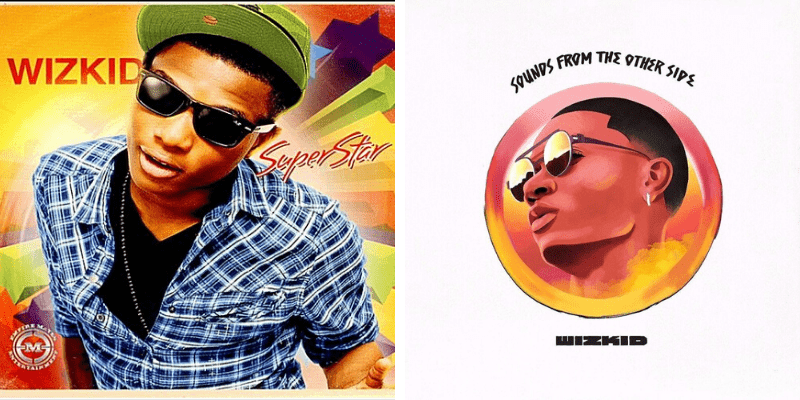
That’s basically the hard part. What we usually do is dig for the older album cover and look for the new one, then we look for the striking elements in each one and start working up ways to combine them. Like the first one we did that merged King Sunny Ade and Wizkid, the striking element on KSA’s album was that brush stroke and for Wizkid it was his image with those glasses and the stars. So we took the background from KSA’s, pulled in the Wizkid image while also replicating the effect that was on KSA. For due homage to both artists, we used KSA on the glasses instead of ‘Superstar’. Also, we combine album names, so this one is titled ‘Superstar Juju Music’.

Of the three that you have now, which of them came together the fastest?

That would be ‘Talk About These Buhari Times’, the one we combined M.I’s ‘Talk About It’ and Show Dem Camp’s ‘Clone Wars IV, These Buhari Times’. We are huge rap fans, and that one just made sense. SDC’s album art had this plastered effect, so we just took that striking element, put it on the door in M.I’s cover and zoomed it out in a way that pays homage to both albums. We feel like they are two modern Nigerian rap classics.

You guys took a break, so when do you plan on continuing, and which do you consider the most ambitious amongst the ones you have ready?

We’re continuing this weekend, we took a pause ‘cause we’ve been a bit swamped with projects. Number four is two albums by female artists. Of the ones we have, the most ambitious one would be Burna Boy and Fela. That’s kinda obvious but we’re going to put that out towards the end of the series. Thing is Fela’s album arts are iconic, and Burna Boy’s recent album arts have been crazy too, so yeah that’s all I’ll say for now.

Beyond combining elements, how does this series play into your personal styles as graphic designers?

The way we make our own, the focus is to tell a unique story that connects with people, from logos to every other thing we do. With this series, we feel like we’re telling a story of Nigerian album arts through time, and at the end of the series, we plan on writing an article on the evolution of album arts from the ‘80s. For us, this is another avenue of showing that we can tell compelling stories. If you go through the series and the playlists, the stories would actually become clearer to you—that’s what we’re trying to achieve.

Interesting angle on the evolution of album arts. How would you describe their significance, especially in the streaming era where physical copies aren’t a primary way of getting to the music?

I’d say extremely important, even now more than ever, because it’s an avenue for added interaction with the music. Like the vinyl era, you had to pull them out of big cases, so you always had to interact with the cover every time you want to play the music. I think when it got to the CD era, the importance reduced ‘cause people would usually just stack CDs and play them whenever they want. With the advent of streaming, there’s been like an upturn – every time you play the music on Apple Music, Spotify or wherever you actually see the album art. In this case, the relationship between a listener and an album or a song kinda increases because it’s a visual component you can’t escape. It’s why there are album arts with colour schemes that are tweaked to fit the mood of the music.

There’s this new thing on Spotify where you can animate album arts, like the art for Burna Boy’s ‘African Giant’ does that when you go into full-screen mode. WurlD’s new project, ‘AFRO SOUL’ also does that as well. It goes to show that there’s a lot of potential for integrating album covers to fit the mood of the music. Imagine an experimental album where each song has a different colour scheme with the same album art, so when you’re playing an album, it’s another layer of artistic experience. That’s only possible in the streaming era. I feel like we’re just realising all this potential, and our generation is going to be a part of curating all of this so that listeners can experience music on a higher level.

Is that a part of your future plans?

Yeah. We’re looking to create visual art for artists, ‘cos we like music, a lot. We love when artists also tell their stories through visual art, and we feel like not many artists are doing it in this part of the world, but there’s an ongoing change to an extent. Artists are paying better attention to branding their albums, and we want to be a part of that shift in the culture. So the future goal is to create visual arts through photography and designs for young artists who want to tell their stories, and also create amazing experiences for listeners to enjoy.

[mc4wp_form id=”26074″]


Dennis is not an interesting person. Tweet Your Favourite Playboi Carti Songs at him @dennisadepeter

ICYMI: In conversation with Anedu Edozien, the visual artist behind DRB’s album cover

How music can help increase your self-confidence

There are several immeasurable benefits of music consumption. Not only does it have the ability to give us hope, healing and make us feel safe enough to release negative feelings, it also gets us turnt or happy with each harmony that swells and shimmers within us. There is definitely an inexplicable connection between music and our moods, and there’s just something about an artist baring out their deepest thoughts that just seem to strike a chord with anyone who’s listening closely.

In 2017, Complex posted a study that discovered the connection between music and the healing of neurological illnesses through the wonders of hip-hop/rap. Music has long been understood to be a cure for both the artist and the listener, so much so that it’s taken on life as a form of therapy. I can confidently say that found a lot of my self-confidence through music, and if you’re anything like me, you’ve always depended on music to take you out of your low moments. I had a small stint with songwriting and rap once upon a time, and now that that dream is over, I have always found cathartis through either writing or through consuming music.

Anyone who has been through uni will understand how difficult the last stretch is, and I spent mine soaking up some much needed Megan Thee Stallion. Her 2018 project ‘Tina Snow’ is a window-quaking affair, filled with off-the-cuff raps and punchy one-liners that have flooded Instagram captions worldwide and started many a TikTok challenge. Megan’s music benefits from her confident delivery, which weaponises misogyny through the execution of profane boasts, which challenge the status quo. Listening to the project will make you go from inadvertently twerking to sticking up your imaginary thigh-high boots to kick anyone who’s trying you to the curb.

There’s something incredibly endearing about hearing Megan belt out the words ‘I’m holding my pussy like a weapon/Cocky as fuck, Bitch you know I’m conceited’ that puts a spring in your step, makes you feel like you want to be like her, say whatever you want to say to anyone and flout the rules. Her recently released project ‘Suga’ is filled with quips that make you want to adopt the self-confidence she exudes. This is evident from songs like “Ain’t Equal” which say: “I’m dedicated, this my passion in me, can’t nobody take it” and “Bitch, I been popping, doing numbers, been lit” to her declaration of being multifaceted on the TikTok sensation, “Savage” where she says she’s “classy, bougie, ratchet. Sassy, moody, nasty”.

On the polar opposite of Megan’s in-your-face bad bitch persona on ‘Tina Snow’ or ‘Suga’, is an artist like Jhene Aiko whose soft music is always emotionally layered. She’s not rapping about changing a new nigga every week, but she’s evoking the same confidence in her music that adds a little shine to your day and gears you up for what life throws at you. Her latest album, ‘Chilombo’ incorporated crystal alchemy sound bowls, which produce an extended vibrational hum with the hopes of unblocking different chakras in addition to the lyrics which will do so when you actually reflect upon them.

On “Speak” she sings about finding herself and her confidence again after leaving a toxic relationship. ‘Speak from my heart, baby Speak from my soul, suga/ Act like you know who you are, speak be free’ she chants, with each lyric empowering women to drop all their worries about what others might think, and start living each day for themselves. Elsewhere on songs like “Born Tired”, she validates your innermost feelings, which self-criticism won’t let you access on your own, with encouraging lyrics like “look at how far you have come, look at all that you have going, look at who have become, baby you gotta keep going”. Last month, we spoke about the importance of women speaking their truth in their music, so that we can reduce the chances of being ignored and have our voices heard when we are mistreated by society.

When you listen to an artist like PrettyBoy D-O you get the same feeling, a strong burst of adrenaline coursing through you and filling you with so much confidence and assertion. The best music is the kind you can feel, and this is what D-O’s infectious energy on his songs benefit from, the ability to make anyone feel what he’s saying. Whether it’s cancelling out the bad vibes on the Sugabana-assisted “Terminate” or making sure the naysayers get an earful on “Dey Go Hear Weh”, D-O’s music connects with listeners and calls them to action.


View this post on Instagram


A post shared by Prettyboy D-O 🌍 (@prettyboydo) on

When Psycho YP dropped ‘YPSZN2’, two songs that stuck with me the most were “OPPS” and “City of Kings”. These braggadocious and profane boasts can gas you up and fill you with all the confidence you need in the face of . It reminded me a lot of Rick Ross’ music, which if you’re familiar with, you’ll know has made him respected as a boss or a don. He revels in the security and relief of being extremely wealthy, exuding so much self-confidence with lyrics such as “I’ll go to the grave before I be a bitch nigga” in his husky voice, which almost commands you to follow suit. In that same breath, listening to artists such Jay Z or Meek Mill – who rap about overcoming their low self-esteem with intricate details about their past experiences juxtaposed by all the riches they have now – will make you want to level up like them as well.

Similarly, if you listen to Beyoncé’s “Feeling Myself” or “Flawless”, you feel strong and free of any self-doubt you were feeling before you pressed play. The message of female autonomy and inherent authority without the pressure or even consideration of appealing to the male gaze is powerful. You feel like you are on top of the world, and that’s mainly because Queen B said so and how can she be wrong about that? This is why Beyoncé rapping is so revered because the few times we see her in this form, she evokes so much confidence and conviction that you believe everything she’s rapping about even if just for a moment.

The amount of confidence an artist evokes lies mainly in how they present themselves and what their personal brands are associated with. Beyoncé is known for being THAT b*tch, Megan is so sure of herself that you wonder why you don’t feel the same way about your own self, D-O’s carefree nature is kind of a magnet for other people like him who are now known to do things like rocking up to concerts armed with cutlasses and machete’s (please don’t try this at home, it’s just bants). These artists have personalities or brands they have built their entire career on, and this feeds into the music they make and subsequently the feelings they invoke in listeners.

As we all navigate through unprecedented times, music has been a form of escape for many of us. Now, that life as we know it has changed so much and what we know has pretty much been drawn to a halt, listening to music has become a means to feel better about myself and the reality of the world. There’s so much uncertainty to drown out, and I’m listening to these songs more closely, taking in the subtle message that everything’s going to be okay ‘even in my years to come I’m still gon’ be here’ like Destiny’s Child would say.

Featured image credits/NATIVE


Tami is living in a black mirror episode and can’t seem to wake up. Tweet your fave female artistes at her @tamimak_


ICYMI: Music is the cure for the cabin fever we’re all feeling

How music can help increase your self-confidence

There are several immeasurable benefits of music consumption. Not only does it have the ability to give us hope, healing and make us feel safe enough to release negative feelings, it also gets us turnt or happy with each harmony that swells and shimmers within us. There is definitely an inexplicable connection between music and our moods, and there’s just something about an artist baring out their deepest thoughts that just seem to strike a chord with anyone who’s listening closely.

In 2017, Complex posted a study that discovered the connection between music and the healing of neurological illnesses through the wonders of hip-hop/rap. Music has long been understood to be a cure for both the artist and the listener, so much so that it’s taken on life as a form of therapy. I can confidently say that found a lot of my self-confidence through music, and if you’re anything like me, you’ve always depended on music to take you out of your low moments. I had a small stint with songwriting and rap once upon a time, and now that that dream is over, I have always found cathartis through either writing or through consuming music.

Anyone who has been through uni will understand how difficult the last stretch is, and I spent mine soaking up some much needed Megan Thee Stallion. Her 2018 project ‘Tina Snow’ is a window-quaking affair, filled with off-the-cuff raps and punchy one-liners that have flooded Instagram captions worldwide and started many a TikTok challenge. Megan’s music benefits from her confident delivery, which weaponises misogyny through the execution of profane boasts, which challenge the status quo. Listening to the project will make you go from inadvertently twerking to sticking up your imaginary thigh-high boots to kick anyone who’s trying you to the curb.

There’s something incredibly endearing about hearing Megan belt out the words ‘I’m holding my pussy like a weapon/Cocky as fuck, Bitch you know I’m conceited’ that puts a spring in your step, makes you feel like you want to be like her, say whatever you want to say to anyone and flout the rules. Her recently released project ‘Suga’ is filled with quips that make you want to adopt the self-confidence she exudes. This is evident from songs like “Ain’t Equal” which say: “I’m dedicated, this my passion in me, can’t nobody take it” and “Bitch, I been popping, doing numbers, been lit” to her declaration of being multifaceted on the TikTok sensation, “Savage” where she says she’s “classy, bougie, ratchet. Sassy, moody, nasty”.

On the polar opposite of Megan’s in-your-face bad bitch persona on ‘Tina Snow’ or ‘Suga’, is an artist like Jhene Aiko whose soft music is always emotionally layered. She’s not rapping about changing a new nigga every week, but she’s evoking the same confidence in her music that adds a little shine to your day and gears you up for what life throws at you. Her latest album, ‘Chilombo’ incorporated crystal alchemy sound bowls, which produce an extended vibrational hum with the hopes of unblocking different chakras in addition to the lyrics which will do so when you actually reflect upon them.

On “Speak” she sings about finding herself and her confidence again after leaving a toxic relationship. ‘Speak from my heart, baby Speak from my soul, suga/ Act like you know who you are, speak be free’ she chants, with each lyric empowering women to drop all their worries about what others might think, and start living each day for themselves. Elsewhere on songs like “Born Tired”, she validates your innermost feelings, which self-criticism won’t let you access on your own, with encouraging lyrics like “look at how far you have come, look at all that you have going, look at who have become, baby you gotta keep going”. Last month, we spoke about the importance of women speaking their truth in their music, so that we can reduce the chances of being ignored and have our voices heard when we are mistreated by society.

When you listen to an artist like PrettyBoy D-O you get the same feeling, a strong burst of adrenaline coursing through you and filling you with so much confidence and assertion. The best music is the kind you can feel, and this is what D-O’s infectious energy on his songs benefit from, the ability to make anyone feel what he’s saying. Whether it’s cancelling out the bad vibes on the Sugabana-assisted “Terminate” or making sure the naysayers get an earful on “Dey Go Hear Weh”, D-O’s music connects with listeners and calls them to action.


View this post on Instagram


A post shared by Prettyboy D-O 🌍 (@prettyboydo) on

When Psycho YP dropped ‘YPSZN2’, two songs that stuck with me the most were “OPPS” and “City of Kings”. These braggadocious and profane boasts can gas you up and fill you with all the confidence you need in the face of . It reminded me a lot of Rick Ross’ music, which if you’re familiar with, you’ll know has made him respected as a boss or a don. He revels in the security and relief of being extremely wealthy, exuding so much self-confidence with lyrics such as “I’ll go to the grave before I be a bitch nigga” in his husky voice, which almost commands you to follow suit. In that same breath, listening to artists such Jay Z or Meek Mill who rap about overcoming their low self-esteem with intricate details about their past experiences, juxtaposed by all the riches they have now will make you want to level up like them as well.

Similarly, if you listen to Beyoncé’s “Feeling Myself” or “Flawless”, you feel strong and free of any self-doubt you were feeling before you pressed play. The message of female autonomy and inherent authority without the pressure or even consideration of appealing to the male gaze is powerful. You feel like you are on top of the world, and that’s mainly because Queen B said so and how can she be wrong about that? This is why Beyoncé rapping is so revered because the few times we see her in this form, she evokes so much confidence and conviction that you believe everything she’s rapping about even if just for a moment.

The amount of confidence an artist evokes lies mainly in how they present themselves and what their personal brands are associated with. Beyoncé is known for being THAT b*tch, Megan is so sure of herself that you wonder why you don’t feel the same way about your own self, D-O’s carefree nature is kind of a magnet for other people like him who are now known to do things like rocking up to concerts armed with cutlasses and machete’s (please don’t try this at home, it’s just bants). These artists have personalities or brands they have built their entire career on, and this feeds into the music they make and subsequently the feelings they invoke in listeners.

As we all navigate through unprecedented times, music has been a form of escape for many of us. Now, that life as we know it has changed so much and what we know has pretty much been drawn to a halt, listening to music has become a means to feel better about myself and the reality of the world. There’s so much uncertainty to drown out, and I’m listening to these songs more closely, taking in the subtle message that everything’s going to be okay ‘even in my years to come I’m still gon’ be here’ like Destiny’s Child would say.

Featured image credits/NATIVE


Tami is living in a black mirror episode and can’t seem to wake up. Tweet your fave female artistes at her @tamimak_


ICYMI: Music is the cure for the cabin fever we’re all feeling

NATIVE Exclusive: It’s Adey’s time in the limelight

If you want to talk about how the newer generation of Afropop hitmakers have made a shift in the culture, you should probably have an in-depth conversation with Adey. The producer/songwriter’s streaming statistics reflect that most of his listeners are from Norway, Germany and Australia, and whether or not you believe it’s enough metric to judge the whole industry, there’s no denying the allure of “Juice”, the song that stamped Ycee’s place in mainstream music. 

Adey speaks about the music industry with confidence that can only come from experience. After having worked in the industry for over a decade, his catalogue boasts of hits between solo efforts like “Cigarette” and collaborations like “Wavy Level” and “Juice” featuring Olamide and Ycee respectively. We spoke about his latest piece of work, ‘Akiba’ and more generally, his music career and how Nigeria’s alternative music scene (which he proudly proclaims started in his bedroom) evolved to become the cultural phenomena it is today. 

Adey’s upcoming tape was announced with a snippet, which highlights the atmospheric ambience of his r&b fueled Afropop instrumentals. The anime-style cover art made by Yung Coconut Pie depicts a sword-wielding ‘Samurai’ Adey, which also amplifies his openness to explore other cultures outside Nigeria. “I love cartoons. I watch anime and I read the comics as well.” His appreciation for the Japanese storytelling medium reflects some of the exposure he enjoyed from his child hood, when his parents made sure he travelled to other parts of the world during his holidays. 

“I think all that kinda subconsciously plays into my music. My music is played in random places all over the world and I guess they kinda see something in my music that they like. I don’t quite know what it is, but I just believe it’s all the experience and exposure I gained growing up that’s being translated to music.”

Still, his Nigerian roots are very important to him. You can hear him infuse his African heritage through the melodies and the tin pan drums he produces on songs like “Juice”. Even though he studied Music Technology for A-Levels in England and got fair introduction to the game through that, he admits that he only really started getting the hang of production after spending time at Del B’s studio in Lagos. When Del B would take a break and leave the studio, Adey would mess around on his laptop with the aim to learn something new.

“What that experience really taught me was how to actually actualise what is in your head versus what is coming into your ears, and yeah, I’m quite good at that now.”

The fusion of sounds that make up Adey’s music is very distinct from Del B’s Afropop production, however. Adey blends influences from his childhood, “that whole Kenny G, Jagged Edge and Brande era” and combines it with Afropop beats to create a swelling ambience that makes the vocals on the song more riveting. “I’ve never really been good at making commercial music. I just took what I knew and added it to stuff; Very simple drums and stuff that I could make and program to achieve a new African sound.”

Songs by Phil Collins and Kenny G served as his inspiration while he was creating ‘Akiba’, an project which is expected to position him as a producer/artist who can ride the Afropop wave into the future. With WANI being the only featured artist on the tape, Adey handles most of the vocals, even though he hasn’t always been so confident about his voice. “It is a weird one because I started off as an artist, a rubbish artist. I only learnt production because I couldn’t afford to pay Del B for beats,” he says. He has since grown more confident in his singing ability, as he developed his production process to include writing songs to assist the artists he’s producing for. “You know the reason people pay me so much money is because most times, like 99% of the time, I can capture the aura for that artist.” He wouldn’t mention names, but he assured me that a lot of known songs have his demo versions out there.  

“What I am really good at is basically writing hooks. I love writing hooks. If you notice, most of my songs especially “Cigarette” is just one long hook and I think it’s repeated twice. The verse on that song is like three lines long and that’s how I like to structure my songs.

I believe that at any point in time, songs should evoke maximum emotion. If you are going for depressed, your song has to be evoking that depressing feeling from beginning to end.”

Before he established himself as a double threat in the industry, Adey got his first feel of the music business when he sold his first beat for N5,000. The beat was for LOS family and they recorded the song in his bedroom with a stolen mic. At the time(roughly 10 years ago), he had just recently dropped out of school and didn’t have much support to pursue his music career.  Those days are well behind him now, and today, what counts as a challenge, is getting people who come to him to replicate an old hit song.  

“Most times it’s a success but I don’t feel any pressure to top “Juice”. To be honest, that song has done more than what I personally expected. It wasn’t even my favourite song on that tape. I don’t know how to describe it, it’s very weird. Everybody wants a hit but no one really knows what a hit song sounds like. You can be in the studio with a bunch of guys and they are like this is a hit, this is a hit and you drop the song and it is like hmmn.”

View this post on Instagram

Adey x Femi Kuti, done

A post shared by Adey (@itsadey) on

Even though he’s racked up quite an impressive resume so far, which has seen him work with artists such as Femi Kuti, Tiwa Savage, YCee, Dremo, Davido, Falz, Mr Eazi, Tems and many more, what he finds fulfilling is seeing all his brothers win. Having come such a long way in the last 10 years with a bunch of other artists such as GMK, Genio, Santi and many others, his favourite moments of all of this, is watching them make music people want to hear and pay for, given where they started off from.

“In 2009 we were all just a bunch of lost ass dudes trying to figure out this music shit, you know. Seeing every single one of those people doing well right now is where my main fulfilment comes from.

You don’t know how proud it makes me seeing Santi and Genio working with so many different people, GMK having a song with Damian Marley on his beat. It’s mind-blowing because all of us used to sit in my room and order pizza or KFC or chicken republic and we’d sit down and play video games, trying to make music.

It’s amazing to see things come full circle, where everyone is at this point where they have the ability to make this extremely complex music that people want to hear and purchase. I still learn from these guys every day, the same way they learn from me so that’s where that fulfilment comes from.”

We’re still getting to the point in the entire music industry where producers are just getting their flowers, but the lack of recognition doesn’t bother him. “The important thing is that we all maintain good relationships with each other”, he explained. His most cherished feedback came from his dad telling him how proud he was to hear his song with Tiwa Savage, “Bere Mole” playing on the radio. Adey knows this is what he’s supposed to be doing and that’s enough for him.

‘Akiba’ will be his first body of work when it drops on the 23rd of May, but he tells me it’s actually his 7th EP, and he’s been keeping all this music in the store for when the time is right. Though it’s clear that Adey has led an interesting life, he confessed that he doesn’t feel like he has really started living, because he always held himself back for fear of what others will think of him. Now that he’s over that fear, he’s prepared to let the world hear how he has consistently pushed himself to explore the limits of his creativity. ‘Akiba’ has been a long time coming and it will make the mark it needs to.

Featured Image Credits: Instagram/itsadey
[mc4wp_form id=”26074″]


You are meeting Debola at a strange time in his life. He wandered into a dream and lost his way back. Tweet at him @debola_abimbolu


ICYMI: Listen to “Red” by Adey while we wait for Akiba’s release

Examining the history and value of African hair

Black people are some of the strongest in the world. We are so strong, that we’ve become accustomed to hatred and profiling, adapted to this reality and continued to thrive in the midst of oppression. I always wanted to grow my hair out in secondary school, and this desire was fueled mainly by the need to stand out because everybody having the same buzz-cut just wasn’t fly.

To our adult guardians, however, grown out ‘bushy’ hair made us look irresponsible, and school policy in Nigeria enforces harsh punishment on male students with outgrown hair. In my secondary school, public humiliation was the punishment of choice and teachers would gleefully use scissors to ‘decorate’ (read destroy) full hair on male students. With unsightly cross designs, we never gave this demoralizing act much thought, but we all felt this treatment was completely unjust. The reasoning behind this was aimed at making students appear ‘presentable’, and I always wondered why the hair on our heads was deemed so unattractive, and more importantly, why is there so much focus on a natural part of our bodies?

The need to look clean and presentable is a paramount concern for most people, evidenced by the multi-billion dollar cosmetics industry worldwide. The black hair industry is valued conservatively at around $2.5 billion, with black entrepreneurs only accounting for 3% of total ownership of products marketed to us.

Growing your natural hair as an African person always attracts so much attention, both at home and in foreign lands, and certain styles are seen as serving a deeply rebellious or creative purpose. Whilst one optimistic side would like to believe that this is a testament to the gracious beauty of our lush hair, it is in reality, more closely related to ingrained self-sabotage, and propaganda remnants of slavery and colonialism.

Prior to colonialism and western oppression, Afros and different African hairstyles were used to distinguish and identify people on the basis of their tribe, occupation and societal status. Beyond being a natural aspect of African beauty, African hair and its unique texture sets us apart as a race, and its delicate nature requires deliberate and specific attention. European explorers and their governments in a bid to assert racial domination went as far as fabricating scientific data to prove that the African man was a lesser human, all in a means to justify the ‘civilization’ of Africans.

Using humiliation and psychological warfare, the Europeans facilitated propaganda to ensure that Africans hated every aspect of themselves, issuing draconian policies in Africa, with the help of local leaders, and severing the proud ties transatlantic slaves had to their motherland. Slaves were not allowed any personal belongings(or even clean water), including their instruments of hair maintenance, resorting to using grease to lubricate their hair, and using metal ornaments used to groom sheep to comb their hair.

Over half a century since the independence of most African nations, and close to a full century since the abolishment of slavery, the psychological remnants of subjugation and self-hate are still present in African communities. Natural hair is still not embraced, and a lot of people still maintain conservative opinions about traditionally hairstyles African styles, despite the resurgence of natural Afro-hair philosophy.

You might be tempted to see these perceptions as exaggerations, that can’t really cause much harm, but you would be wrong.  As hair forms an intrinsic part of identity, it’s appearance to some, can lead to harmful perceptions, particularly towards women of colour in professional environments, who go through so much to just be treated like everyone else. Our perceptive nature observes these subtle cues in society, and eventually normalise harmful definitions of our standing in the world.

A 2017 study titled The “Good Hair” Study examined the explicit and implicit attitudes towards the hair of women of African descent in the US, and found that not only was the Afro hairstyle viewed as being less attractive on average, it was also seen as being less professional when compared with long, straight hair. Most black women favoured straight or long curls against braids and afro hairstyles.

Within the survey, the question is posed about ‘Hair anxiety’, also revealed that women of colour also face more anxiety about the appearance of their hair. It is even more difficult to analyse the perceptions of African male hairstyles in society and professional settings as most black men favour shorter haircuts.

Perhaps this has always been the case through history, but there is evidence to support the prized nature of male hair in African society. An interesting piece of anecdotal information is that most black men with longer hair – often locs or braids – are assumed to be athletes or creatives, perhaps because these fields have less rigid dress codes. A male friend of mine who had locs recently cut his hair, and when I asked, he simply remarked ‘you can’t get into corporate doors’. We both work in Lagos.

The discrimination against hair in the west is often seen as being racial, but the negative notions of what natural hair entails back home are still just as firmly entrenched, and rarely examined. In South Africa in 2016, female students of a Pretoria High school protested against proposed school policy that targeted African hair, requesting students with Afros to straighten their hair. This policy exists as a standard principle of most government schools in Nigeria.

This is particularly concerning, as an important aspect of education is guiding students to be comfortable with themselves and appreciate their natural qualities. As we continue to dismantle the aspects standardised racism in our societies, it’s important for us to protect our future generations from the dangerous notion that their hair is not good enough, and hopefully equip them with the history to confidently appreciate every part of their natural beauty.

Perhaps this might inspire more research and development of more African-owned hair care products. Cosmetics is not vanity, it’s the first and most obvious manifestation of personal identity. I hope that more of my male and female peers are inspired to embrace their natural beauty, in their natural hair. You cannot teach a person right or wrong, but you can teach a person how to treat you, and responsibility must come from home first. Until we as Africans and members of the diaspora celebrate, learn and teach the history of our hair, we cannot expect the rest of the world to lead that crusade for us. All people are born free, free to live and maintain their hair in whatever means they deem fit.

Featured Image Credits: Web/ Perception Inst.
[mc4wp_form id=”26074″]


Djaji is a creative Vagabond, send him your takes on music and African culture @djajiprime


ICYMI: Making Great Rap Music & Chasing Money Are Not Mutually Exclusive

Songs of the Day: New music from Medikal, Tems, Ayo Jay, Vector, Big Zulu & more

If there’s one thing to be grateful about in these bleak times, it’s that artists are consistently putting out music that simultaneously soothes us and whisks us away into the promise of a better tomorrow. Even though we’re working remotely, our editorial team at the NATIVE listens to tons of new music, so we figured it’s only right to share the best music we come across, with our selections serving as a representation of the liberal, diverse state of African music today.

At the beginning of the week, we brought you new songs from Don Jazzy and Teni, Fokn Bois, Töme and King Promise, Jean Feier and more. For your listening pleasure today, we’re recommending Tem’s emotionally captivating new single, Vector and Masterkraft’s club-ready banger, Medikal’s foray into drill music, and more.

Thank you to all the artists making and putting out music right now, it’s doing more than you know.

Tems – “These Days”

With three official singles and a slew of killer guest appearances, it’s apparent that Tems is one of the marquee artists of our generation, and her latest effort, “These Days”, is only a reinforcement of that. Lamenting about the breakdown of a relationship and recollecting the initial red flags, “These Days” encapsulates the period we’re currently experiencing, where distance induces reflection and exacerbates flaws we thought we could overlook. In trademark fashion, Tems puts in an emotionally captivating performance, singing her plaintive and powerful set over Rvdical’s earthy neo-soul production.

Ayo Jay – “Peace of Mind”

Since dropping his 2018 EP, ‘Lazy Genius’, Ayo Jay has been mostly quiet. The singer has now made a return with “Peace of Mind”, a romantic cut where he seeks resolution following an argument with a partner. Backed by dreamy guitar riffs and mid-tempo percussion, Ayo portrays the tension between both parties, albeit with a clear bias towards himself, claiming that all he really wants is peace of mind. With his gently flowing melodies, though, it’s hard not to believe him.

Vector x Masterkraft x DJ Neptune – “Eyan Colgate”

This Friday, Vector and Masterkraft will release their joint EP, ‘Crossroads’. Earlier this month, they shared the socially inclined lead single, “If We Must”, however, they head straight to the club with the second pre-release single, “Eyan Colgate”. Assisted by DJ Neptune whose contribution is limited to ad-libs, the pair come together for a groovy banger, with Masterkraft singing the playful chorus and laying down the hypnotic house-inspired beat, while Vector loads his verses with self-aware quips and party-ready raps.

Medikal – “Nonsense”

From recent efforts by Cassper Nyovest and Espiquet, it’s evident that drill is slowly by surely working its way into prominence in African rap music. Ghanaian rapper Medikal is the latest to tap into the subgenre’s menacing attitude, with his latest single, “Nonsense”. Over a haunting and explosive beat, Medikal flaunts his affluence and wags his fingers at those living a lifestyle of fake wealth. “Just because I follow you back on IG don’t make you my bro”, Medikal sneers on the second verse.

Big Zulu x Kwesta x YoungstaCPT x MushioliQ x Zakwe – “Ama Million (Remix)”

Off his 2019 album, ‘Ungqongqoshe Wongqongqoshe’, South African rapper, Big Zulu scored a hit song with the Caspper Nyovest-assisted “Ama Million”. For his first drop of this year, Big Zulu has remixed the single, this time around featuring stellar appearances from fellow S.A rappers Kwesta, YoungstaCPT and Zakwe. MushioliQ makes a return on this remix, singing his infectious hook, while the rappers trade assertive raps on their skill and affluence over a thumping trap beat.

[mc4wp_form id=”26074″]


Dennis is not an interesting person. Tweet Your Favourite Playboi Carti Songs at him @dennisadepeter

ICYMI: LISTEN TO NEW MUSIC FROM DON JAZZY, TENI, FOKN BOIS, TÖME & MORE

Alton Mason’s short, ‘Rise in the Light’ shows the importance of reconnecting with your roots

Last week, Alton Mason released his debut short film ‘Rise in Light’ in collaboration with producer, Amarachi Nwosu of Melanin Unscripted and Soof Light. The short film has already garnered incredible fanfare from viewers and raised an impressive amount for charity, whilst also fostering a community of artists and influencers such as Temi Otedola, Ladipoe, WurlD, Joan Smalls, Iddris Sandu and more for a social impact campaign.

‘Rise in Light’ tells the story of Mason’s reality with fear, perseverance, and finding one’s home. Shot here in Lagos, the film is an incredible moment for the model who fell in love with the country and its people while on a trip there last December. The proceeds from the video are currently going towards COVID-19 relief in Nigeria, particularly for residents of the Makoko area. Over the weekend, the project successfully funded and exceeded their goal, raising over $11,000 for children and families in Nigeria affected by the COVID-19 pandemic, in partnership with the non-profit organisation Khan Foundation.

View this post on Instagram

Rise in light is more than a campaign, it’s a movement. Through @riseinlight we brought together a group of game changers and powerful voices around the world. We set out on a mission to give a voice to vulnerable communities in Nigeria and express the importance of investing in the youth and their future, especially during these uncertain times. While we reached our goal earlier than expected, we have a long term mission to nurture and spread important conversations on what the world needs and how we rise to the power within us to create change in our global community. Rise with us. Whether this means supporting our funding mission with @khanfoundationNG (which we will leave open for the next week), or being a vessel in your own community. The light is within you. We can all rise to the occasion. Thank you @altonmason, @amaraworldwide & @sooflight for pushing this ethos! Together we Rise❤️ #RiseinLight

A post shared by Melanin Unscripted (@melaninunscripted) on

Speaking to Dazed, Mason explains:

“During this global crisis, many of us are losing loved ones, businesses, faith, and hope. We are all being affected by the seen and unseen, and it’s so easy to succumb to the darkness that we are at war with.”

In the film, Mason (styled by Ugo Mozie) sports local brands such as Orange Culture while he walks through the streets of Lagos and immerses himself in the city’s shorelines. The entire film focuses on the city, its people and the incredibly talented works of their hands. It’s actually very impressive that the creative industry has become what it is today, mainly due to the fact that a bunch of young people came together and decided to take up their own space unapologetically.

This is what has left the room for those who aren’t quite so familiar with the reality here to come home and find their rhythm like Alton seems to have in this short film. The cultural exchange between creatives at home and in the diaspora is allowing the immense growth we’re seeing, and the short film places emphasis on the importance of connecting to your roots in order to pass on the joy rather than the trauma of our history to the next generation.

Beyond what meets the eye and coming back home because it’s the cool to at the moment, it’s important for people to take more positive like Alton Mason has, in building value for the creative market here, whilst also giving back to the community. We need to invest in our future and help the economy in African countries by never shying away from reconnecting with our home. In Alton’s words: ‘”Rise in Light’ is a movement created by the youth to inspire and ignite the future leaders of our world. It’s a call for change, evidence of freedom and the expression of love and joy.”

Featured image credits/AmaraWorldwide


Tami is living in a black mirror episode and can’t seem to wake up. Tweet your fave female artistes at her @tamimak_


ICYMI: Apple Music are betting on Africa, and that may be the key to victory

AV Club: “Kalushi” uses the anti-apartheid struggle as a backdrop to portray stolen youth

[“Kalushi” was initially released in 2017, and is now streaming on Netflix.]

When it comes to the struggle for civil rights, history is often bifurcated to tell the stories of the more iconic figures, pushing the lesser prominent names to the margins—even those who paid the ultimate price in the fight. For South Africa’s anti-apartheid movement, names that emerge to the forefront are bonafide heroes, such as; Nelson Mandela, Winnie Mandela, Moses Mabhida, Oliver Tambo and a few others whose contributions are widely acknowledged and eulogies.

One side effect of this overt focus on iconic figures is the largely undocumented stories of the foot soldiers with less fame, yet made just as significant sacrifices. Kalushi’, the beautifully shot 2016 film by South African filmmaker, Mandla Dube, documents the story of Solomon Mahlangu, a freedom fighter who was wrongfully executed at the age of twenty-two, despite having witnesses to counter his the judgement. According to Dube, the film and other extensive endeavours in Mahlangu’s memory were aimed at bringing better awareness to the lives of the many unsung heroes of the anti-apartheid struggle, and “Kalushi” does that on a remarkable level.

All too often, it has become the norm for us to consider periods of strife in history as the big picture, when in fact, they’re mostly the backdrop to the everyday struggle of the people who lived through these conditions. While ‘Kalushi’ is set during the apartheid era, it’s more a coming of age story than it is a film about the fight for freedom. At its core, ‘Kalushi’ is a portrayal of Mahlangu and his group of friends, who have been stripped of the innocence and wide-eyed optimism of youth, by virtue of living while black in a society which doesn’t recognise their agency to freedom.

The trigger for ‘Kalushi’ is the Soweto protest of June 16, 1976. Prior to those protests, Mahlangu was mostly apolitical, however, after he heard about the government-sanctioned violence from his girlfriend, Brenda (played by Pearl Thusi), and also endured his own share of police brutality back home on the same day, Mahlangu decided to become a freedom fighter. While the ensuing events following this decision are treated in broad strokes, the film’s most profound moments are the more intimate ones which bring the stresses and strains on Mahlangu’s relationship with friends and family into focus.

By using Mahlangu as the focal point of contact, and centring the film around the lives of those actually going through this turmoil, Dube appropriately uses narrative to his advantage. In the last few years, we’ve had films like ‘Green Book’ and ‘Best of Enemies’, both of which manage to play into and exhort the white messiah role in a racially segregated period. ‘Kalushi’ expertly side-steps that ideal, even though there are white people who testify in favour of Mahlangu. Instead of handing over both power and perspective due to that act of kindness, Dube gives the oppressors and sympathisers power, whilst ensuring his protagonist holds the perspective to control the story.

From the jail visit of Brenda and Mahlangu’s older brother Lucas (played by Funami Shilubana) to his separation from a young boy in a refugee camp, Dube uses this perspective so well that it offsets the film’s bumpy pacing and his directorial faults—the entire Umkhonto we Sizwe sequence is a little too stock. Where ‘Kalushi’’s script struggles, the actors also struggle, and vice versa. For example, Thabo Rametsi (as Solomon Mahlangu) and Pearl Thusi (who spends half her screen time as a schoolgirl—yikes) have little to no romantic chemistry, however, when they have pulled from the emotional spectrum of living through apartheid, they do a great job.

In his seminal essay on American cinema in the ‘50s and ‘60s, ‘The Devil Finds Work’, James Baldwin opined that many films with racism as its backdrop sought for an optimistic resolution, mainly as a way for white people to assure themselves that black people have forgiven the sins of the past, and everyone can get along just fine. When all its gears click, the depiction of the injustice done to Solomon Mahlangu in ‘Kalushi’ is explicitly riveting, whilst the implied theme concerns the way we treat history as it becomes further and further from the rearview mirror.

As a firm reminder of a difficult past, Kalushi’ offers no such brightness beyond Mahlangu’s famous quote: “My blood will nourish the tree that will bear the fruits of freedom.” It’s a proclamation that’s still oddly fitting for a country which is still being plagued by gross financial inequality, an aftereffect of the same system that engendered Solomon Mahlangu’s wrongful execution. If that’s a bit too heavy-handed for you, well, that’s the point.

Featured Image Credits: Web

[mc4wp_form id=”26074″]


Dennis is not an interesting person. Tweet Your Favourite Playboi Carti Songs at him @dennisadepeter


ICYMI: AV CLUB: QUEEN SONO IS A LAUDABLE FIRST ATTEMPT AT BRINGING THE WORLD TO AFRICA