5 Standout Songs From Idahams’ New Album, ‘Truth, Love & Confessions’

Afropop famously cuts across generations of sound. It is a throbbing presence, one that’s interpreted very distinctly depending on the origins of the artist who explores its terrain. In the sprawling field of Nigerian Pop, the southern hub of Port Harcourt has stood out gloriously for its amorphous-yet-recognisable rhythm. Bold percussions and inventive storytelling have been the trademark of musicians like Duncan Mighty, Burna Boy and Ajebo Hustlers, and another noteworthy musician who has created from that tradition is Idahams.


View this post on Instagram


A post shared by Idahams (@officialidahams)

The musician and producer operates under Grafton Records, an iconic record label that has cushioned his foray into the world of pop. Verve and skill has been the standing ethos of Idahams, yet climbing his way onto national ubiquity with projects to show. From 2019’s ‘Amayanabo’ to ‘Man on Fire’ the following year, he’s showed a progressive tendency to sharpen the edges of his 2010s Nigerian Pop-indebted sound, a stylistic design audible in the work of revered hitmakers like Tekno and Kizz Daniel. With sparse political undertones, the music of Idahams is heavy on the reactionary potential of music, an urgent need to move some part of the body.

On his newly-released debut album, ‘Truth, Love & Confessions’, he introduces a personal and sensitive edge into that direction. In thirteen songs the musician dips into a familiar well of sounds, from the lush cadences of R&B to the nightlife-inspired zest of Afropop. Contributing to the collection’s brilliance are these five records, these glittering highlights which evoke the project’s essence.

“GRATITUDE”

As more artists begin to lean into album releases, the opening record has assumed a deserved importance. In recent years we’ve seen listeners pay special attention to a project’s first track, hoping to get an overview of its sound and subject matter in some well-presented way. On “Gratitude”, Idahams ticks all the boxes; a sparse soundscape is lined with church-like strings as he unfurls the stories of his life. He goes from vulnerable to affirming in equal measure, oscillating between time frames to render an epic feel to the record. A cross between Rema’s “Divine” and Burna Boy’s “Glory”, the choir contribution only heightens the feel, while Idahams sidesteps the temptations of cliche lyricism by being incredibly affecting. An album opener for the books.

“BAD GIRL” FT. AJEBO HUSTLERS

The Port Harcourt scene is very heavy on collaboration and this is the necessary PH linkup. For years, Ajebo Hustlers have cemented their names among the most exciting acts in the scene and part reason is because of the duo’s distinct strengths and how they take that into their features. On “Bad Girl,” they’re in familiar territory as they sing about activities of a sensual nature while maintaining technical strength. Piego’s hook is a project highlight, and Knowledge’s verse is brief and powerful, while Idahams plays the graceful host. He’s still present on the record though, providing the post-chorus in moments of high tension. The production is as well stirring, well conditioned with sizzling bass and sombre notes that infuses an extra, soft layer to the record’s brilliance.

“LOVINA (REMIX)” FT. ZACH ZOYA 

At the centre of Idahams’ explorations on ‘TLC’ is love. He’s often rueful of past experiences and welcoming of new ones, giving them the bubbly tone that usually accompanies such feelings. A standout of this category is the Zach Zoya-featuring remix of “Lovina,” a warm record that’s colourfully inflected with Idahams’ vocals. From a purely vocal standpoint, it’s one of the album’s highlights and the verse from Canadian rapper Zach also works, bouncing off the production’s groovy electricity with great emotion. And the finishing touches of Fiokee’s guitar is such a genius choice. Excellent record here. 

“RAPID LOVE”

The penultimate record of ‘TLC’ is a string-based account of a love affair. “This your beauty bad, e make a man tuale,” Idahams sings on the opening lines of his verse, giving an indication of where the record leads. His lamba is in stellar form, calling up local variations of Pidgin English and metaphors to praise his lover. Of the songs on the album, this is the most lean in production, and his breezy vocals rise to the occasion. It’s also a song that shows Idahams ability to be humorous in his approach, while retaining the focus on the theme. When the sun goes down wherever you are, listen to this record somewhere chill, and you’ll be immediately aware of its beauty. 

“WHERE I’M FROM”

It’s perhaps impossible for societal topics to not make their way unto an Afropop album. Whether in the overt style of a Burna or the metaphorical placings of Omah Lay, it’s a tradition well established in the genre’s touchstones. On the closing record of ‘TLC,’ the nuances of South-lying tensions are rendered soulfully by Idahams. “I lost some friends in this struggle, if no be music I for follow,” he sings in the record’s most stark lyrics. Opting for a punchy direction as opposed to melancholy, he leaves the listener with mixed emotions but, surely, an interest in the happenings of the country’s South. He’s most reminiscent of Erigga in such a record, collapsing the result of decades of generational trauma and government interaction into metres of sound, and here Idahams further entrenches his message in Afropop lore by interpolating classic records cut from the same ilk. 


ICYMI: 5 STANDOUT SONGS FROM ERIGGA’S ‘THE LOST BOY’

NATIVE Exclusive: How Yemi Alade, Bonang Matheba And More Are Joining The Fight Against Malaria In Africa

According to the World Health Organization, in 2020, nearly half of the world’s population was at risk of malaria. Current figures state that over 241 million cases were reported with 31.9% of malaria-related deaths coming from Nigeria. As such, Malaria No More, a UK-based non-governmental organisation with a focus on Africa dedicated to curbing the spread of malaria and providing information and resources on its treatment and cure, continued its campaign from last year to further this mission.

The campaign, Zero Malaria Starts With Me–Draw The Line Against Malaria pulls together influential figures and cultural tastemakers across sub-Saharan Africa, in a bid to encourage different citizens of these countries to bite back against the pandemic that kills hundreds of thousands in Africa. Currently in its second installment, this year, the “Draw The Line Against Malaria” campaign seeks to deepen its impact in African communities. 

This year, the campaign is accompanied by the Meji Alabi-directed short film to rally in the fight against malaria. Featuring Zero Malaria ambassadors British footballer and coach, David Beckham; FC Barcelona striker, Pierre Emerick Aubameyang; Kenyan Olympic Gold-medalist, Eliud Kipchoge; Nigerian Afropop artiste and Grammy winner, Yemi Alade; South African Television presenter, Bonang Matheba; and Olympic champion, Faith Kipyegon, the film delivers a personal message to world leaders to accelerate their efforts and mitigate the risk of malaria by 90% by 2030.

This year’s efforts will turn up the pressure on world leaders to commit over $18 billion (USD) to the next phase of the campaign which recently took place at the Kigali Summit and the Global Fund in New York. To this end, we caught up with Yemi Alade, Bonang Matheba, and Laolu Sebanjo to learn more about Malaria No More’s mission in Sub-Saharan Africa and their roles as custodians of the fight against the terminal disease.

Their words which follow below have been lightly edited for clarity.

NATIVE: What does it mean to you to be a Zero malaria ambassador?

YEMI ALADE: It’s a personal choice for many reasons. First off, malaria has been a disease that has plagued Africa for a long time. As a Nigerian, Malaria is a common disease that has been made normal yet it is deadly. It’s all about creating change with the time and resources we have. For me, it is more of a personal decision rather than jumping on the bandwagon. 

BONANG: I have so many answers to this question but really, it means having quite a huge responsibility. Through my work, both with Zero Malaria,Global Citizen, and the United Nations, I’ve discovered the different factors that impact the young African child. This is an organisation that is very close to home and it is something that I know people have dealt with. I think it’s a wonderful position to be in, to lend your voice to such an amazing campaign and to be able to communicate such important messages to people; messages that can save their lives, and that could impact the way they live. I think it’s a wonderful role, a wonderful responsibility and it’s something that I don’t take for granted at all.

LAOLU: To be very plain about it, many people in the West are unfamiliar with malaria. Especially in the US where I work and live. Being a Zero Malaria ambassador gives me a chance to change that, to change people’s perceptions of it. Because growing up in Nigeria, malaria wasn’t uncommon, you know? For me, I had malaria multiple times and I understand the impact that it has on a generation of people; on the lifestyle, on education, on output in terms of productivity. I’ve seen that first hand; I’ve had malaria and like, had to stop going to school to get better. People out here, do not understand the gravity of what that tbh t i’m. Being here and being Nigerian, it allows me the opportunity to be able to express myself in a very different viewpoint [because] the fight against malaria is personal for me.

NATIVE: How did you get to connect with the vision of the project? What was the starting point for the collaboration? 

LAOLU: The folks at the Malaria No More project, they came to my studio in Manhattan and we had the first meeting—this was 2019 or so—and they said, ‘this is what we’re doing and we’d love you to be part of it . Immediately I heard malaria, I was like, yes, this is something I’d love to be part of —. using my visual language, as an artist, to be able to do something to expose ailments that have plagued us in West Africa for so long. It’s like a marriage of what I do as a visual artist and my human rights background, ‘cos I’m also a lawyer as well. To be able to fight for something that I truly believe in. That’s the initial contact point; they reached out to me and I said yes. 

BONANG: I don’t take for granted my appeal and my reach, not only on social media, but also at home. I have a very huge fanbase and I think what I wanted to bring was an insight to people at home about malaria, and how it can impact them when they go do something simple like going on a hike or going for a safari. I wanted to educate my fans, I wanted to introduce them to a message I thought was very very important but I think joining the team, I just wanted to bring another voice to add to the other incredible voices. I think the more people there are, the better it is.


View this post on Instagram


A post shared by Malaria No More UK (@malarianomoreuk)

NATIVE: You were involved in the first Draw the Line Against Malaria campaign — which aims to mobilise young people in Africa and globally to unite efforts to eliminate malaria in this generation; what are some of your highlights of last year’s campaign?

YEMI: Despite the fact we were getting off the lockdown and covid, the people at the zero Malaria found an interesting way to pull the youth towards the campaign. 74% of Africans aged under 35 are youth. This makes them powerful change agents. They rallied the youth to step up against malaria. We all know every 60 seconds a child is dying because of malaria. The campaign came up with the language “MUNDO”. It is made up of lines and patterns. The youths would have to go to zeromalaria.org and add their stroke, a personal line of MUNDO. Most time in politics and things that change the world, you find people gathering around and making empty promises. It’s as if the people in power who need to hear the feedback of the citizens never get the message. Last year, youth were represented with the strokes they put on MUNDO at the Malaria summit. It made them feel included and effective, It found a way to involve Africans all over the world regardless of your location.

NATIVE: One of the campaign’s objectives is to provide a public mandate, reward, and inspire cover leaders across Africa and the rest of the world to commit to malaria. How would you say you are championing this vision?

YEMI: I am a musician. Even though the purpose of my music is to make people happy and distract them from their worries, I would say being part of such movements help the world become a better place. There is normally a huge meeting after every 3 years aimed toward global funding by business leaders and countries willing to pledge their finances towards the eradication of Malaria, AIDS, and Tuberculosis. In 2019 there was a record-breaking 14 billion contribution. With  the meeting that is about to take place in 2022, we hope we can keep these funds coming through.

LAOLU: It’s an ongoing process, and I’m really proud of the work that we’ve been able to achieve in this field but it’s also important that this particular thing serves as a bridge for those who come after. We have to keep championing these causes so that people in the diaspora, world leaders can also see why we’re doing this and why they should be part of it. In our lifetime, the goal is to make sure that Malaria is a thing of the past. And that’s what I’m doing with my art, that is what I am doing with the “MUNDO.”


View this post on Instagram


A post shared by Malaria No More UK (@malarianomoreuk)

NATIVE: The Zero Malaria Campaign aims to get more young people involved in public health issues. How do you think this can be achieved and what role(s) can they play?

YEMI: The youth are the driving force of any economy. The good part about the “draw the line” campaign  is that the core focus is the youth. We live in a world that is fuelled by social media — platforms/ a world dominated by the youths. The youth can lend their voice to the campaign. The youth can take up the role to ensure mosquito nets are distributed, encourage environmental cleanliness, and sensitise our women and kids about Malaria. 

BONANG: The younger generation is very receptive and alert to health messages since the COVID-19 pandemic. I think that right now, it’s very important to be part of things like this where people are alert and they want to empower themselves with as much knowledge as possible, whether it’s on monkeypox, or malaria or COVID-19. I think the youths are ready to champion these projects and protect themselves and know as much as possible. I think the youths are like these big social justice movement champions. They’re behind some of these movements that are absolutely changing the world, so I think that if I can get behind something like Zero Malaria, a disease that impacts so many young people, particularly young women here in South Africa and the African continent, I can influence them too. I want to be able to help young people on things that could impact them and how to prepare and prevent themselves from things like that.

LAOLU: I think it starts by giving young people autonomy over their health. They should be in charge. You know, the new generation of change makers have all the information that they need that those who have come before them do not have. Look at what we can do with our phones now, what we can do with technology, what we can do with AR, VR, to educate one another. We have all these tools, immersive realities, to depict the world that we live in. So giving us the baton, letting us take charge, we can do this job, ‘cos we understand the generation we live in. 

NATIVE: In Nigeria, Malaria is perhaps the one of the most common illnesses that we know. Do you think that contributes to a narrative problem; that perhaps people trivially take the consequences and believe they face no long term harm? 

LAOLU: You don’t blame people; it’s almost like a defeatist mentality which is why we’re pushing the information about malaria heavily. People die of malaria. The havoc that Malaria causes on our economy is much more than you can even imagine. The number of people who dropout of school due to Malaria is crazy. Malaria causes stunted growth in an infant—they are not using their full capacities because of Malaria. These are issues, right, because it’s not physical you’re not seeing it immediately you think ‘oh, it’s not a problem, I’m just going to get better; I’m going to use medication at home.’ No, it’s not that. It’s a lot more than that. We all need to see the havoc Malaria causes. 

Featured Image Credits/NATIVE


Written by Wonu Osikoya, Emmanuel Esomnofu and Tela Wangeci

Burna Boy, Naira Marley & The Case For National Identity

In today’s multicultural society, identity can be a complicated one. For many young Africans, there can be a disparity between where one was raised and regards as their home country, and where once was born, leading to many awkward conversations tracing our lineage or backgrounds. It’s not hard to see why this happens as the world is becoming increasingly more connected with social media acting as a sort of 24/7 global news network.This is the plight of many first-generation Africans who have grown up as citizens of the world, at the intersection of different cultures, people and languages. This may lead to an individual adjusting their behaviour and living two opposing and conflicting lives in order to be accepted and respected in those communities simultaneously.

For artists especially, identity is complex. Many artists have been writing love letters to the cities that raised and made them from time immemorial. Throughout history, we’ve seen MC’s such as Andre 3000 and Big Boi of Outkast share colourful puns about Atlanta, Drake spit rhymes about familiar streets in Toronto and even Afropop stars such as Wizkid and Olamide championing the voice of the streets where they were raised. A famous line from one of Wizkid’s trademark songs goes, “Ni Ojuelegba, they know my story,” a lyric that is interpreted as Wizkid giving the proverbial shoutout to the ‘hoods which raised him. However, as these global stars have now grown beyond their locales, their worldview and soundscape have inevitably expanded, rubbing shoulders with other cultures as they’ve made their way to the upper echelons of the global music scene.

The ability to adapt is integral to the brand of any great superstar and our Afropop frontrunners are able to mould themselves to fit any space they take up. As the impact of Nigerian music continues to grow beyond our shores, gaining reverence and legitimacy on a global scale, many stars are turning the globe into their full-time base of operations. Those sudden shifts in perspective can be difficult to express musically, but many artists are able to move with the aura of mythologised outsiders reflecting the idealised form of the world as a global village. When they sing about the pursuit of happiness from their digs in Surulere or Okokomaiko, they are no longer just singing for the inhabitants of those areas, but for an entire world watching and drawing parallels with their own personal life.

A great example is the Grammy-award winning artist Burna Boy, whose background has recently been a source of contention on social media timelines. In a now viral video from the Port Harcourt-born singer’s Chicken Shop date episode with host Amelia Dimoldenberg, Burna Boy can be heard speaking with a deep Cockney twang when he’s asked to speak in a “British accent” during a series of questions. His host is visibly impressed, cheering the singer on for nailing the accent spot-on. Early reactions to the tweet found users claiming the African Giant grew up in Brixton, a detail that has coloured his career for the past few years despite its fallacy.

Yet, many opponents in the diaspora debated the singer’s background back-and-forth with fans back home on the continent, reinforcing that the singer spent his formative years in London. They’re not entirely wrong—Burna Boy clearly places a significant importance on his time in London, even its brevity. It’s what emboldens the star to make claims like he’s from Brixton, as Burna Boy clearly views his time in the city as an important part of who he is, and his growth to becoming the bonafide superstar he is now. It’s an interesting conundrum, people can spend a few years of their lives in a new place and that experience can go on to impact or colour the way in which they view the world, how they react to things and what type of values they uphold. It’s not unfounded then that British Nigerians feel a sense of closeness to Burna Boy. During the London leg of his African Giant tour at SSE Arena, Wembley, the singer shared, in a moment of rare proximity, to the 10,000 capacity crowd who gathered to watch him perform: “If there is anything like a second home, it would have to be London.”

The musician’s connection to London can be traced back over a decade ago when the artist was only making a name for himself. As the story goes, after finishing school and college in Nigeria in 2008, Burna Boy moved to London for his university education. Here, it is said that he discovered Amy Winehouse and attended his first-ever reggae event, falling in love with the genre and the cadence of the artists he came across. Although his stint in London was brief, with the star making his return to Lagos in the early 2010s, the influences of that time stomping around Brixton and Romford, settled into his sound and affected his reception and public persona.

If you dig back far enough in his archives, early songs such as “Don’t Cross That Line” from his debut mixtape, ‘Burn Notice’, released in 2011, saw Burna draw on Bashment instrumentals with a distinct London drawl now baked into his inflection. Those of us geographically, and often linguistically, separated from our Nigerian or African roots, were able to use Burna Boy’s music to reconnect with our Nigerian heritage, and feel a sense of closeness. In doing so, Burna Boy’s music joined the long line of songs that draw inspiration from the bonds and communal ties that have long existed between Africa and the black diaspora in Britain. “I do not identify with any tribe,” he once told the New York Times. “I do not identify with any country. I do not identify with anything, really. I identify with the world in the universe — I believe I am a citizen of the world, and I have a responsibility to the world.”

Burna Boy’s transatlantic solidarity is in large part to his ascent in the Nigerian music scene. Unlike his peers who were instantly ushered into veteran-levels from the onset of their career, off the back of their stellar debut albums, Burna Boy’s rise to the upper echelons of Afropop has been a gruelling one. While his needle-moving debut album ‘L.I.F.E (Leaving An Impact For Eternity)’ was received with great acclaim, it didn’t quite have the smooth landing that his Afropop counterparts, Wizkid and Davido did, which meant that he spent years operating under the status of an underdog, looking to make a name for himself. That’s not all; alongside a reputation as a bit of a rebellious character and a voracious appetite for stepping on the toes of law enforcement and industry gatekeepers, Burna Boy was written off as an enfant terrible of sorts.

In his NATIVE 001 cover story, Burna Boy shared “E li to mo na,” a Yoruba saying which is roughly translated as “one who knows his own road.” At the time, these proclamations seemed grand coming from the artist who had spent the last few years attracting a deluge of bad press but they soon proved to ring true. For anyone who was paying close attention back then, Burna Boy was singing about his Nigerian identity with a sense of pride and celebration. ‘L.I.F.E’ is peppered with reflections of his life as a young boy from Port Harcourt while making grand assertions about where the rising star was able to go sonically and lyrically. Shouting out his hometown and Lagos, one of the cities which also raised him, was a strategic songwriting decision that set the scene of the place that shaped Damini Ogulu ever since he started singing. So where then did Burna Boy’s link with the UK emanate?

Many argue that Burna Boy’s second act came with his 2018 album ‘Outside’, which came with audible influence from the UK. On his searing third studio album, Burna Boy concocted a body of work that intimately laid bare his global ambitions, as he jam-packed features from JHus and Lily Allen, alongside its refined and contemporary sound which reveals something new each time it’s revisited. During an interview with Interview Magazine, Burna Boy described ‘Outside’ as “The first actual one”, referring to the project as his first truly curated album. Though Burna only means this in the context of his newfound mission to make an album capable of garnering him global appeal, it speaks volumes of the man, his craft and of the actualisation of Afropop.

It is clear that Burna Boy had become a student of the world—a title he still wears to this day, as his recent hit single “Last Last” dominates charts from the UK to Australia. The singer is, in real-time, consuming his influences and spitting them out in all directions. It is also pertinent to note that just two years before the release of ‘Outside’, Burna Boy made his famed return to stages across London, his first time since a five-year absence from the country. While this time away from the UK is marred with many rumours and incendiary tabloid headlines, Burna Boy has never directly spoken about his time away from the country—until now.

Last week, in a series of now-deleted tweets, the ‘Love, Damini’ singer shared that Nigerians back home did not know the real him. “If you knew just half the shit I used to do for money, risking my freedom daily, you would be way happier for me,” he shared to his 7.5 million followers on Twitter. “I came into the music industry straight from Chelmsford HMP,” the tweets had continued. While it is not exactly known what spurred these set of tweets, some threads on social media show this could have been fuelled by Stans of other Afropop artists on Twitter, Burna Boy is boldly assuaging any doubts we may have. He may be Nigerian by birth, but his ambition and his music has taken him farther than the coastal city of Port Harcourt.

Thus, it is on par that British-Africans would boldly claim the African Giant as they do. While Burna Boy may harbour some resentment towards the Nigerian music scene that failed to fully recognise and revere his star-power for years, till it became insurmountable to ignore, it is amiss for the star to wholly separate himself from the place and people who raised him. Over the years, as Afropop has come to dominate global conversations, Burna Boy has co-opted African aesthetics to push his music from this side to the world watching. On stages across the world, from his ‘African Giant’ world tour to his Coachella set, Burna Boy has audaciously wielded memorabilia referencing Nigeria and his African-ness. While he’s quick to state the impact London and the UK had on his globe-throttling career, there’s no denying that Nigeria and, by extension, Port Harcourt carries a special place in his heart.


View this post on Instagram


A post shared by Instablog9ja (@instablog9ja)

On that same ‘Outside’ album, while he set his sights on crossing over to other markets, he also offered an auto-biographical number titled “PH City Vibrations,” an ode to his hometown, Port Harcourt, in Nigeria’s River States, replete with references to roasted plantains and fish and the Yakubu Gowon Stadium. Burna Boy is a man surveying his hometown, while turning inward and assuring himself of his power, and outward, reminding the world of its failures in the southeastern state. Despite his homegrown pride, Burna Boy still feels a deep connection to the UK.

This goes to show the lengths that the UK has played in championing artists from Africa to the world. In Ayo Shonaiya’s Afrobeats: The Backstory Documentary on Netflix, we see first-hand the impact that the Afrobeats or hall party scene in the UK had on furthering the genre beyond our shores. In a 2018 interview, Burna Boy himself shared “I wanted it to appeal to a much wider audience. That was my focus on this one: to gain a wider audience without losing myself in the process.”

His relationship with the UK is similar to Davido’s link to the U.S. While we’re aware of Davido’s deep Nigerian roots, which he never fails to put on display on his social media and in his songs, there’s no denying that the Afropop singer has a deep love for Atlanta, which he sees as his home away from home. As many are aware, the Nigerian-by-way-of-Atlanta artist spent some time during his formative years, travelling between Atlanta and Lagos, before finally capturing the attention of more American listeners in early 2019, when his single “Fall” climbed its way up to No. 22 on Billboard’s R&B/Hip-Hop Airplay chart. In an interview with NY Times, he once shared, “I wouldn’t say my time in the States affects my African music. But my style, the way I dress, my attitude, my charisma, the way I run my label — I think I get a lot of that from studying the American system and people like 50 Cent.”

This is also similar to Ghanaian singer and rapper, Amaarae’s connection with the U.S., where she was born and raised for a few years. In her music, particularly on her dazzling debut album ‘The Angel You Don’t Know,’ she endlessly showcases in her music and on her social media timelines. Although the singer never fails to reference her Ghanaian roots, she also makes omnivorous music that seems like it could be plucked straight from Western genres such as mall rock, Southern Rap and more. It’s endlessly fascinating how one’s time in a different place can have seismic and lasting effects on the way they relate with the world. While it seems that Africa is now setting the global tempo for pop music, some of our biggest stars are at the intersection of various cultures, and imbuing it with their own distinct backgrounds.

On the polar opposite of this end, there is UK-born, Lagos-based Nigerian artist Naira Marley who first experienced his big break in London before moving back to Lagos around 2019. The Lagos via Peckham artist started off his career by fusing his strong Nigerian accent with gleaming dancehall rhythms and palpable sonic influence from the UK. Released in 2014, “Marry Juana” boosted Naira Marley’s career to great heights and instantly became a street classic. Naira Marley himself speaks of this period with much pride: “No one was doing this before I started. There was no Kojo Funds, no J Hus, no Mostack. I kinda set the afro-whatever. Now everyone’s on it and it sounds proper.”

Soon after, Afro-Bashment grew into a sub-genre that would go on to dominate dance-floors all over the UK for years to come. Marley, Sneakbo and many of his peers were at the forefront of this emerging sound, at a time where, many young Africans in the UK were struggling with their identities and the true meaning of home. Marley’s music offered new avenues for dual-nationality kids to be themselves. Even with the acclaim of spearheading a new sound and a new movement, Naira was restless away from home, which lead him to drastically revamp his sonic approach yet again.

This time, his sights were set on Nigeria. Following the successful release of “Issa Goal” with Lil Kesh and Olamide, Naira Marley began soundtracking the pain and plight of the streets which served as his stomping ground earlier in his life. When asked what he believes propelled his music to greater heights, Naira famously replied: “I was already killing it in England before then, ‘Issa Goal’ just dropped at the right time,” he says, unwilling to let a single song define his ascent to the throne. “People say ‘Issa Goal’ blew me. People say ‘Marry Juana’ blew me. People say EFCC blew me. But it was me the entire time. I didn’t stop, I kept going. If I stopped after ‘Issa Goal’, I wouldn’t be here talking to you now.” Now, he’s a bonafide street-pop artist bringing more artists like him into his fold, including Zinoleesky, Mohbad, Lyta and more.

Although a tenuous link continues to exist where identity is involved, this is not to say that we are losing touch with our identity in any way. As Africans, we’ve always been in this position where we have consumed and grown up on entertainment and pop culture from the West as well as many other countries around the world. For many of us, our formative years were literally melting pots for all these different cultures and backgrounds that we were internalising and imbuing with the Nigerian spirit. This goes to show that no matter where we are in the world, and how many cultures we rub shoulders with, it is difficult to forgo of our roots.

Back in 2021, a week to the release of his last EP ‘Everything You Heard Is True,’ Odunsi The Engine shared with the NATIVE in a tell-all interview that “I just feel like there is more and more of a universal language, and I feel like Nigerian kids are going to speak it best. We work very well with pain, and a lot of pessimism mixed with optimism and i think this is what makes us interesting, we see the best and worst in everything. We hope for the best even though we know things are really bad. An awareness that is poisonous but will definitely bring out some of the best work ever.”

[Featured image credits/NATIVE]


ICYMI: OBI ASIKA & THE CURRENCY OF AFROBEATS CULTURE

Where Were You: BNXN Shuts Down London With ‘Bad Since ’97’ Release Party

BNXN is securing his place in the Afropop canon. This year alone, the Nigerian singer has garnered worthy accolades from his coveted Next Rated win at the 15th Headies awards to featuring some of the biggest names in Afropop including Wizkid, Wande Coal, Zinoleesky and more. Less than a month ago, he returned with his well received sophomore EP, ‘Bad Since ’97’ which has earmarked him as a considerable talent and furthered his global ambitions.

Now, BNXN wants his loyal fans to experience the music with him. After gracing stages in New York and Atlanta, BNXN brought his ‘Bad Since ‘97’ listening sessions to London this weekend. Held in an intimate location in Waterloo, London, the night featured a track-by-track rendition of his recently released sophomore EP which featured Afropop heavyweights such as Wizkid, Wande Coal and Olamide.


View this post on Instagram


A post shared by The NATIVE (@thenativemag)

Given my anticipation to watch BNXN perform, I arrived early at the event’s venue in Aures London to witness the recently crowned Next Rated artist take the London stage by storm. As we waited to be ushered into the dimly-lit venue, fans were greeted by colourful and vibrant murals of several local artists. BNXN’s show was hard to miss as guests were welcomed by an abstract portrait of the man, while the booming sound of Afropop blasted through the venues speakers. Inside the venue space, vendors lined up across the hall while displaying racks of BNXN merchandise including T-shirts, album covers and posters. Projected on the walls and corners were vibrant animations and video clips of BNXN in his natural element, singing and enjoying himself, reassuring guests that we’re about to step into a world of BNXN’s own making.

While we waited for the main event to begin, guests entertained themselves with drinks while soundbites from BNXN’s discography echoed across the room. From crowd favourites like “L’enu Remix” featuring Burna Boy to the chart-topping “Spiritual” with Zlatan, and even to award-winning numbers like Ladipoe’s “Feeling” and Pheelz’s “Finesse,” BNXN’s palpable energy was felt all around me. This only served as a further reminder of BNXN’s consistency, masterful pen game and all-round ability to make feel-good music.

Hyped and prepared, the crowd welcomed BNXN on stage to one of his many hit features, Timaya’s “Cold Outside,” after which he dove right into the analysis of his ‘Bad Since ’97’ EP. BNXN got candid about the inspiration behind each track, how the project came together and what listeners can take away from the new release. He emphasised that his mission was for audiences to recognise his improved writing skills, especially in comparison to his 2021 EP, ‘Sorry I’m Late.’

For BNXN, ‘Bad Since ‘97’ was his chance to redress whatever impressions and convictions listeners had regarding his sound, as well as explore his range. During the show, BNXN holds nothing back as he invites us closer into his sonic world. He begins with the project’s first track “Bad Since ‘97,” a song about confidence, and recognising ones trajectory in life. In a rare moment of proximity, BNXN explained that during his childhood, he was mostly compliant with authorities around him, which in its own way restricted him from doing what he truly wanted to. He shares: “Bad Since ‘97” is his way of coming into his own in a reaffirming way.

BNXN also recognised the importance of featuring three of Nigeria and Africa’s biggest artists Wizkid, Wande Coal and Olamide on his second project. For the project’s third track “Many Ways” which features Wizkid, BNXN expressed his need to give people a track with a sensual feel. “I woke up in the middle of the night at a time when everybody should be asleep,” he started. “That was the only thing on my mind, making a song that was for the night time.”

He credited the track’s producer, Juls, who against BNXN’s wishes at the time, persistently checked and made sure he recorded his vocals. “When he sees a vision, he wants to make sure it’s actualised,” BNXN said. To BNXN, “Modupe” is also another special track on the project. Here, credits Olamide and is full of appreciation for the YBNL boss who added his special touch to the number.  BNXN shared that Olamide initially declined featuring on “Modupe” as he felt rusting jumping on slow records. “I brought back the old Baddo,” he shares.


View this post on Instagram


A post shared by BNXN FKA BUJU (@toyourears)

As the show is about to wrap up, BNXN announced his headline show in London which is slated for November 26, 2022 at Indigo O2 Arena. While he was encouraged to tease the night’s guest appearances, BNXN refused to ruin his surprises too soon and promised that it would a shut down like his Lagos shows. The excitement from the crowd grew as the show drew to a close, with many fans buzzing about BNXN’s return to London. With his return to London and his homecoming show slated for the end of the year, BNXN shows once again proves why he’s one of the most compelling Afropop artists of the now.

Featured image credits/NATIVE


ICYMI: NATIVE Records launches joint venture partnership with Def Jam

Stan, A Fan-Led Platform Presents StanCon Pre-Conference Event In New York

STAN, a community-driven platform which connects fans to audiences and vice versa, is set to host the first ever STAN pre-conference in New York on September 22nd, 2022. Founded with a mission to provide a multi-faceted platform where music, technology and community intersect, STAN is committed to providing a space that celebrates the role of audience engagement in the creative economy.

STAN offers a lifetime passport that tracks active and passive fandom activities for consumers, in exchange for exclusive, authentic and accessible experiences, while it offers a comprehensive platform for artists that generates actionable audience insights allowing them to provide specific tailored fan experiences through audience segmentation. 

The StanCon Pre-Conference is scheduled to hold this week Thursday 22 September in New York and will feature the finest voices in media, industry professionals, tech enthusiasts and, of course, fans. Alongside these key stakeholders, our special guest King Promise will share his fandom experiences and dazzle with a signature lively performance and an intimate after party experience.

The Pre-Conference joins a number of events that Stan will be lining up till the end of the year. Following the Pre-Conference is New York, Stan will also host a main Conference in New York and London next month.

More details to follow shortly.

Featured Image Credits/NATIVE


ICYMI: NATIVE Records Launches Joint Venture Deal With Def Jam

NATIVE Records Launches Joint Venture Partnership With Def Jam Records

These are very exciting times. In a groundbreaking deal, NATIVE Records has entered an exclusive partnership with Def Jam Recordings. This was announced today by Tunji Balogun, the Chairman & CEO of Def Jam Recordings, and Seni ‘Chubbz’ Saraki and Teni ‘Teezee’ Zaccheaus, the co-founders of NATIVE Networks and co-presidents of NATIVE Records.

Under the joint venture deal, NATIVE Record, which operates out of Lagos, Nigeria, and the UK, will sign and develop talent. Saraki, Zaccheaus and the COO of NATIVE Networks Sholz Fagbemi – in collaboration with Balogun, who has had groundbreaking success with artists like WizKid and Tems – will use their proven A&R-sensibilities and extensive expertise and contacts in the creative community to sign and develop talent across the African musical diaspora.

NATIVE Records is the music division of NATIVE Networks (the parent company of this very magazine), a Black-owned and operated, multi-platform, multi-disciplinary media and content company dedicated to the discovery and development of young African artists and youth culture. Founded in 2016 by Seni Saraki, Teni Zaccheaus, Shola Fagbemi, Ademide Edgal and Suleiman Shittu, the NATIVE has consistently broken boundaries and influenced the popularising of new sounds, with special attention to the burgeoning Afropop movement.

In a statement, Balogun described the alliance as “authentic and natural”. He said: “As we build a culture here at Def Jam that connects the best in global black music diaspora – from hip-hop to R&B and Reggae, Afrobeats and more – clearly some of the best, most vital, interesting and cutting-edge new artists and sounds in music today are coming out of the continent. Seni, Teni and the Native crew have their fingers on the pulse of what’s truly happening in the scene, as an engine for discovery, and as a hub for creators and artists. I’ve been a fan of their platform, and have been connected to the guys for some time [and] I believe we’re going to discover and develop some amazing talent together.”


View this post on Instagram


A post shared by The NATIVE (@thenativemag)

With this new joint venture deal, the NATIVE has once again proven to be on the pulse of pop culture coming out of Africa. Following its debut album ‘NATIVEWORLD’ from DJ collective and A&R supergroup, NATIVE Sound System (NSS) back in August, this first-of-its-kind venture is an extension of an already oiled structure. Speaking about the new partnership, Seni ‘Chubbz’ Saraki and Teni ‘Teezee’ Zaccheaus shared:

“We are honoured to be invited into his new home, and to be the first joint venture partnership with an African company in Def Jam’s legendary history. We truly believe that for music, the continent is the most exciting place in the world right now.

We want NATIVE Records to be about artistic freedom. [As] a company, we’ve always been passionate about discovering and working with artists that don’t quite colour within the lines, and helping them to express themselves and build community. Africa is not a monophonic continent, and we believe this partnership will prove just that.”

Featured image credits/NATIVE

Best New Music Special: Ayra Starr confirms herself as a generational star with “Rush”

The ebbs and flows of Black art as an expression of our collective identity has moved from facets of activism and media censorship under tyrannical regimes to artistic freedom boosted by the synergy of the Black diaspora via virtual communities. For some of the most prominent African creators—think: Wizkid, Burna Boy, Lupita Nyong’o, Chimamanda Adichie—the wins have been apparent in unmatched superstardom. Now, we are witnessing real-life Africa-inspired narratives in films such as the recently released The Woman King, in music genres like Amapiano ascending globally, and in neo-Fuji music progenitors like Asake debuting at #66 on the Billboard 200, a milestone that may never have happened for an artist of that cadre a few years ago. 

For women in African music, though, attaining success in a male-dominated business has proved challenging. The repeated efforts by Tiwa Savage, Yemi Alade, Angelique Kidjo, Fatoumata Diawara and others—who are only now enjoying a semblance of a level playing field as global stars, after years of being formidable acts on the African continent—speak volumes. Thankfully, as is human nature, evolution is also a constant for the culture. This encapsulates the symbolism and rise of mid-twenties global superstar Pop girls like Tems and Aya Nakamura. Their growing influence on pop culture is changing what it means to be a Black African woman in music. Global recognition aside, these women are now paving the way for an even younger generation of women like South Africa’s Tyla and Mavin’s Pop princess Ayra Starr to get early shots at a lasting legacy.

The smooth Dancehall-led melody on Ayra’s new single, “Rush”, is only one special aspect of the catchy new track. It’s also a palette cleanser from all the chant-led 2022 chart toppers that have dominated the airwaves lately (“Last Last”, “Finesse” and recently released “Bad To Me” etc.). On the new track, Ayra Starr refuses to back down, delivering some of her most self-confident lyrics to date, even as the naïveté that life as a rising star is all strawberries and rose fields starts to peel away. It’s a notable departure from the R&B-inspired bubblegum Pop songs that introduced her to the world barely two years ago.

Fans who have been ardent since her debut album ‘19 & Dangerous’ may say they saw this coming since “Bloody Samaritan” took over TikTok soundbites, but the defining quality of “Rush” is an angsty devil-may-care attitude. If “Bloody Samaritan” was a self-affirming statement that Ayra Starr was meant to be here, “Rush” is her tectonic offering, which finds her gunning for an equivalent of Tems’ “Try Me” moment, a triumphant song with definitive proclamations of a generational greatness that feels inevitable with each new song.

“Rush” strips away the performative respectability politics expected of music industry newcomers. She’s a “sabi girl” of few words who is becoming aware of her role in the making of contemporary Pop music history. It’s not clear who she addresses as she sings “I no dey form say I too righteous, no come dey form say you too like us,” but the message is loud and clear: Ayra is not here to suck up to anybody’s overblown ego. Despite Ayra’s assertiveness on “Rush”, the second verse hints at her self-awareness of her journey to attaining her top form. This may explain why the promotions leading up to the new single cheekily attempted to put forward the cryptic phrase “E Dey Rush”, with a much-needed big sister backing from Tems.

Conceptually, “E Dey Rush” is a formula we have seen before through Nigerian music history from Fela’s “Everybody say yeah-yeah” to Davido and 30BG’s “E Choke”. However, this was majorly orchestrated by male artists in the upper echelons of Nigerian Pop who got to the top of their game before trying to immortalise their personalities in everyday lingo.

Time will tell how “Rush” ages in Ayra’s discography, but an easy parallel to compare would be that Rihanna released Good Girl Gone Bad’ at 19. Her audacious follow-up, Rated R’ came two years later at 21, and nothing has been the same for the musician turned billionaire fashion mogul ever since. It’s not so much the potential for “E Dey Rush” to become a hashtag and trendy social-media quip associated with the singer’s brand for a long time, but that, at 20 years old and confidently harmonising choral hymns at the tail-loop of “Rush”, Ayra Starr is already making record time towards etching her name on the path led by her forerunners.

Listen to “Rush” here


Toye used to haunt the hallways of The NATIVE’s Lagos office with hard facts on the intersection of innovation, black arts and global pop-culture. These days, he runs ARTISH, a cool human-resource start-up for the creator economy. Tweet at him @toyesokunbi.


ICYMI: READ ‘PROJECT RUNAWAY’ WITH AYRA STARR & LOJAY

TurnTable Top 100: Asake claims eight spots on the top ten chart this week

This week, Asake is the first artist to land eight entries on the top ten in a week on any of the aggregate charts in the country. Following the release of his debut album, ‘Mr Money With The Vibes,’ eight of his songs occupy this week’s top ten chart, surpassing the previously held streak of Davido who landed seven records on the top ten back in 2020 when he released his third album, ‘A Better Time.’

Leading the pack is Asake’s previously released single “Terminator” which returns to No.1 on the TurnTable Top 100 with 6.17 million streams, 8 million in radio impressions and 13.6 million in TV impressions. It is followed by “Organise” at No.2 with 5.75 million streams and 23.7 million in radio reach.

At No.3 is Fireboy DML’s “Bandana” which also features label mate, Asake. The song tallied 3.87 million streams, 64.6 million in radio impressions and 12.1 million in TV reach. “Bandana” also logs an eight week atop the radio chart in Nigeria. Taking a slight departure from Asake’s dominance on the top 5 is Pheelz and Davido’s “Electricity” at No.4. Back to round off the top 5 is Asake’s “Peace Be Unto You (PBUY)” with 4 million streams and 13.3 million in radio reach.

Asake claims the next consecutive three spots with “Dull”, “Joha,” and “Nzaza” occupying the 6th, 7th and 8th spots on the chart this week. At No.9 is Burna Boy’s “For My Hand” with Ed Sheeran and Asake’s “Dupe” at No.10 with 3.12 million streams and 1.09 million in radio reach.

Outside the Top Ten, Wizkid’s “Bad To Me” debuts at No.11 with 2.52 million streams( No.11 on streaming) and 14.4 million in radio reach (No.33 on radio), Ruger’s “Girlfriend” drops from No.5 to No.12 with Burna Boy’s “Common Person” following closely at at No.13. Elsewhere on the charts, Oxlade’s “Ku Lo Sa(A COLORS SHOW)” slides from No.10 to No.15 while Crayon’s “Ijo (Laba Laba)” slips from No. 9 to No.19 this week.

Read a full breakdown of the chart here.

Featured image credits/

What’s Going On: Senegal appoints new prime minister, Ghana declares end of Marburg virus outbreak

“What’s Going On” Tallies Notable News Headlines From Across The Continent — The Good, The Bad, And The Horrible — As A Way Of Ensuring That We All Become A More Sagacious African Generation. With This Column, We’re Hoping To Disseminate The Latest Happenings In Our Socio-Political Climate From Across The Continent, Whilst Starting A Conversation About What’s Important For Us To All Discuss. From Political Affairs To Socio-Economic Issues, ‘What’s Going On’ Will Discuss Just That.


Ghana declares end of Marburg virus outbreak

The Ghana Health Service (GHS) has officially declared Ghana free from the Marburg virus disease outbreak that was confirmed in July. According to the World Health Organization (WHO), Marburg virus disease, which belongs in the same family as the virus that causes Ebola virus disease, is a highly virulent disease that causes haemorrhagic fever, with a fatality ratio of up to 88%. This was the first time the disease was detected in Ghana.

GHS’s director general Dr Patrick Kuma-Aboagye made the declaration on behalf of the Minister of Health in a statement, saying that “appropriate outbreak response to Marburg disease has been implemented during the 42 days following the last negative PCR result for the sole surviving patient with a recommendation by WHO. Ghana has therefore successfully interrupted the first Marburg virus disease outbreak and hereby declare that the outbreak is over,” he added.

The outbreak was declared on 7 July 2022 after laboratory confirmation of the virus that affected the Ashanti, Savannah and Western regions. The statement revealed that a total of 198 contacts were identified, monitored and completed their recommended initial 21-day observation period which was then extended for another 21 days out of an abundance of caution by the Ghanaian health authorities. In total, there were three confirmed cases, with two deaths recorded.

Senegal’s president appoint new prime minister

Senegal’s president Macky Sall named Amadou Ba as the new prime minister on Saturday, a position he abolished in 2019 and reinstated last year. The appointment comes after July’s tense legislative elections and five days after the return of parliament in the country.

The 61-year-old Amadou Ba served as minister of finance and economy under Sall between 2013 and 2019 before becoming foreign minister in 2019 until 2020. “The major priorities that the president has outlined include improving household purchasing power, taming inflation, security, housing, vocational training, employment and entrepreneurship,” Ba said on national television after a meeting with Sall on Saturday. Later on Sunday, Sall appointed a new government that included 38 ministers. Ministers from the previous government—defence, interior, foreign affairs and finance—remained unchanged.

Sall, 60, was elected into power in 2012, ruling for seven years. In 2019, he was re-elected for another five years. Sall’s reign has been plagued with concerns over wanting to break the two-term limit and run again in 2024. Last year, protests began in Senegal after Ousmane Sonko, Sall’s main opponent who came third in the 2019 presidential election, was arrested on rape charges, which he denied. Many observers saw Sonko’s arrest as a ploy by Sall to sideline a potential competitor.

Special adviser to Congolese resigns amid bribery scandal

Vidiye Tshimanga, a special adviser to Congolese President Felix Tshisekedi, resigned on Friday after footage showed him promising to facilitate a mining investment in exchange for a “percentage.”

According to AFP, the Organised Crime and Corruption Reporting Project (OCCRP) and Swiss newspaper Le Temps published an investigation on Thursday, which implicated Tshimanga. The investigation showed Tshimanga promising two unidentified people, who claimed to represent a Hong Kong-based conglomerate interested in minerals, to protect their investment in the DRC. “If we do business together, I will take my percentage of the investment,” Tshimanga said in the footage. He also underlined his connection with Tshisekedi saying that he had financed the president’s campaign. “If I ask him something, he gives,” Tshimanga said.

French footballer Paul Pogba’s brother is detained over alleged extortion plot

Mathias Pogba, 32, has been detained and placed under formal investigation over an alleged plot to extort money from his brother, French international Paul Pogba. He admitted his involvement in a video that appeared online last month promising “revelations” about his 29-year-old brother.

Four other suspects, aged 27 to 36 years, who are relatives of the Pogba brothers, have been placed under formal investigation for charges involving extortion with a weapon, kidnapping in an organised gang and criminal conspiracy. “We are going to challenge this decision,” Mathias’ lawyer Yassine Bouzrou told French broadcaster BFMTV. “Justice notes that the most serious offence charged (kidnapping) does not concern my client, and unfortunately, we have a decision that goes against a case.” He added that Mathias is “an individual who has never been talked about, who has a clean criminal record, who is not a thug, who is presumed innocent.”

On 16 July, Paul Pogba filed a complaint with Turin prosecutors claiming he was the target of a 13 million euros (£11.29m) blackmail plot. He told the investigators that he had been trapped by childhood friends and two hooded men holding assault rifles. The group blamed him for not having helped them financially.

Tunisia hikes prices in bid to cut subsidies

Over the weekend, government authorities in Tunisia shared that it was raising the price of cooking gas cylinders by 14% and fuel by 3% as part of a plan to reduce energy subsidies, a policy change which is said to be wanted by the country’s international lenders.

The Energy Ministry said the cooking gas price will increase to 8.800 dinars from 7.750 dinars, in the first raise in 12 years while the gasoline price will be raised on Tuesday to 2.400 dinars per litre from 2.330 dinars, a 3% increase. The rise in fuel prices is the fourth this year in the country which already suffers from an ongoing financial crisis. The North African country is struggling to revive its economy, which is challenged by the impact of the COVID-19 pandemic and the Ukraine war. The inflation steadily increased and edged to 8.6% in August, compared to 8.2% in July.

Featured image credits/


ICYMI: The importance of critical reporting to Nigeria’s burgeoning tech ecosystem

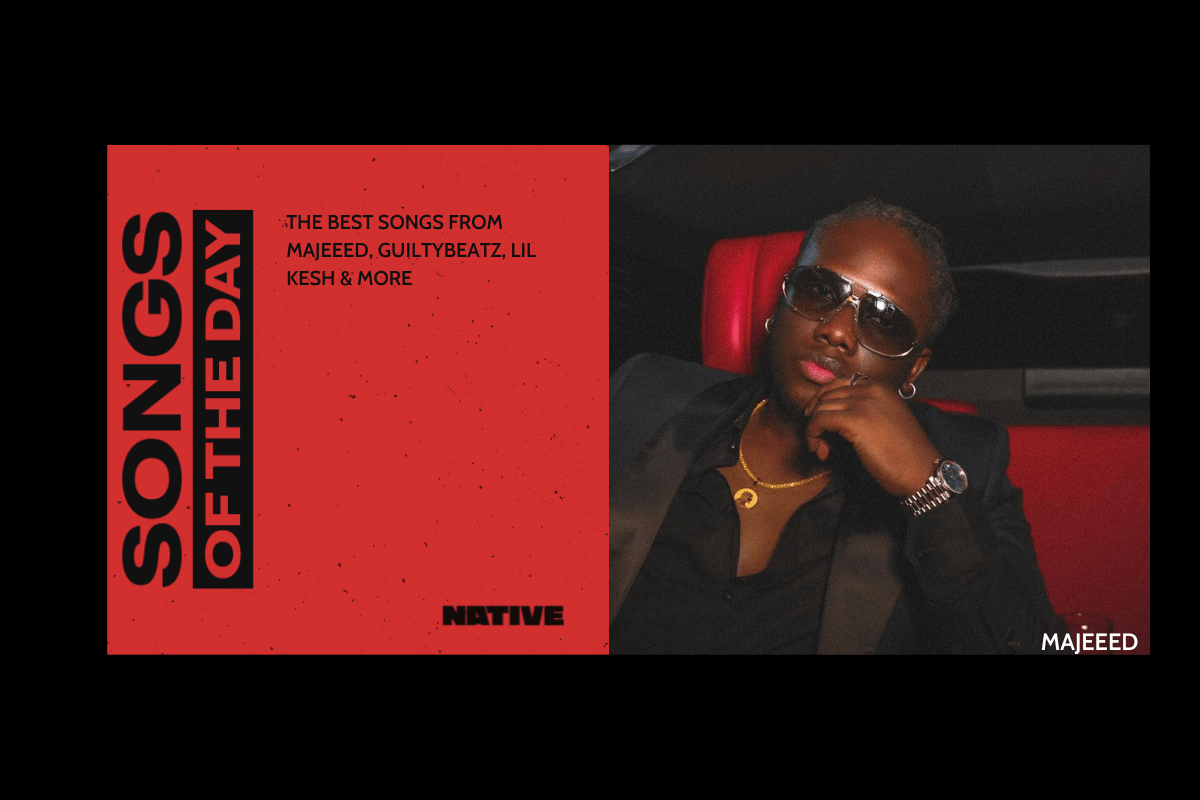
Songs Of The Day: New Music From April Maey, TÖME, Yemi Alade & More

We’re more than halfway through 2022, and it’s been an eventful year for Afropop. There’s been a torrent of great new music, spawning a massive stack of inventive smash hit songs. From Highlife-infused Ghanaian pop, to the unrelenting force that is Nigerian street-pop, to South Africa’s indomitable Dance scene, to tantalising Drill explorations in East and Central Africa, and much, much more, we’re living through abundant and musically expansive times.

Every week, many songs from African artists make their way to digital streaming platforms, and wading through them can be intense. That’s where The NATIVE’s Songs of the Day column comes in to help. We go through as many new releases as possible, spotlighting them here, two to three times every week. This Friday, enjoy new music from April Maey, Bad Boy Timz, TÖME and more. Dig in!

April Maey – “Far Away” 

Following the release of her 2021 standout hit “Sweatshirt,” singer and songwriter April Maey has now arrived with new single “Far Away.” Produced by Grammy-award winning producer Chopstixx, the record is a mid tempo which sees the artist singing romantic lyrics to her muse. Over the infectious hok, she chants “from far away, I can see the pain in your eyes/I’m on my way to you if you say you love me tonight,” matching the melodious production of the track. 

TÖME- “Real Love”

On “Real Love,” Nigerian-born, Canada-based singer, songwriter and performer TÖME sings about focusing on the positive aspects of life, as well as the importance of finding real love. On the track, she sings “They put me in a box for a long long time I was looking for my way up/If ever you dey on top, remember days when they used to count you out,” addressing a lover who =’s got her ready to commit.

Bad Boy Timz – “Big Money” 

Bad Boy Timz is back with another boisterous record titled “Big Money,” set to take over the clubs soon. On the Oluwadurotimi-produced number, he sings about his love for being successful and the hard work he puts into making his money with memorable lyrics such as “Mo fe lowo bi Pablo Escobar, mo  fe lowo ju Dangote lo/ I wanna get money big money.” 

Di’Ja – “Yoruba Demon”

Since her debut album ‘Aphrodija’ in 2017, it has been singles and features from pop queen, Di’Ja. Now, to kick off her musical year, Di’Ja makes a welcome return with new mid tempo tune Yoruba Demon.” Playing on a relatable slang, the singer addresses deceptive lovers and crooked men who she refers to as Yoruba Demons.

Verchi – “Mix Up Liquor” ft Majeeed 

For the track “Mix Up Liquor,” singer Verchi teams up with uNder alum Majeeed. On the catchy new track, they both sing about enjoying life, partying and having fun. Over the euphonious production of the record, they offer lyrics such as “party don start you know, shayo don dey the body/your makeup so bad you look nice, whine am well for me.”

Wale Turner – “Au Revoir”

Wale Turner has shared a new single titled “Ay Revoir.” The new up-tempo number which is produced by Runtinz sees the artist saying goodbye to the things that don’t matter to him anymore, detailing how he’s leaving behind the bad energy, poverty, fake friends and more.  

Yemi Alade – “Bubble It” ft. Spice 

For the new upbeat record “Bubble It,” Nigerian singer and songwriter Yemi Alade teams up with Jamaican singer, rapper and songwriter Spice for an unmissable number. The afro-dancehall number finds both women having fun and delivering their verses as they emphasise the fact that there are many queens in the game, and enough seats on the table for all of us to eat. A very inspiring message.

CDQ – “Doings”

On the Amapiano-infused record produced by Masterkraft, CDQ delivers a romantic number which he sings to his love interest, reminding her about the lengths he is willing to go for their love. On the record, he chants memorable romantic lyrics such as “baby jen gbe e debe, I’ve got plenty/Omo if you see doings, you go fear fear.”

Wendy Shay – “Warning”

Wendy Shay gets personal on the record “Warning” as she delivers a slow paced record which sees her speaking her mind to a love interest who hurt her. On the record she sings “better watch what you say cause Wendy no dey play/I be queen already, I no dey fight nobody,” sending clear threats that she’s not one to be messed with.

Featured Image Credits/NATIVE

Review: Asake’s ‘Mr Money With The Vibe’

I just blow, but omo I know my set,” Asake sings on “Peace Be Unto You (PBUY)”, the Magicsticks-produced promotional single which dotted social media timelines a few weeks before the release of his debut album. It is a statement that is devoid of an ego trip and leans on the artist’s tenacity and perseverance since his debut on the scene. Two years before this release, Asake’s name was already being mentioned in Nigerian music conversations, following the respectable success of several single releases, starting with the mildly viral “Lady” and popular street-pop hit, “Mr Money”.

The latter song, an Amapiano-tinged banger, gave him a taste of success at the height of the coronavirus pandemic. The single took over the streets of Lagos and introduced Asake as a worthy talent, garnering the attention of listeners and industry heavyweights alike, before eventually leading the rising star to feature Afropop superstars such as Zlatan and Peruzzi for the song’s remix. Although “Mr Money” didn’t fly higher than Asake might have expected, it ushered in the belief to keep pushing, to keep his eyes set on bigger successes. For an ascendant star whose journey dates back to Obafemi Awolowo University (OAU), Asake’s music spins with a star quality polished by dreams and lived experiences. 

It’s clear that those formative years between the release of “Mr Money” and his scene-stealing single “Omo Ope” with YBNL head honcho Olamide, had him aching to display sonic tricks, both old and new. When Asake dropped his debut EP ‘Ololade Asake’ earlier in the year, no one foreshadowed the tsunami of hit records and culture-shifting dynamism he was bringing into the Nigerian music scene. The four-song project introduced Asake’s intriguing mix of Yoruba Gospel, Fuji influences and a sound template of folk-indented Nigerian pop and Amapiano primarily honed by Nigerian music producer Magicsticks.

The project was also backed by YBNL, whose CEO Olamide bestowed his seal of approval on Asake, on “Trabaye”, when he said, “It’s time for you to go show the world what you’re really all about/Go get them dawg, YBNL got you for life, my brother.” Olamide’s blessings, which have worked wonders for other YBNL-affiliated acts like Fireboy DML, Adekunle Gold and Lil Kesh, have followed Asake as he’s blazed through the Nigerian pop landscape with insanely popular songs like “Sungba” and its Burna Boy-assisted remix, Spinall’s “PALAZZO”, “Peace Be Unto You (PBUY)” and “Terminator”.

Every year, Nigerian pop welcomes several ascendants to the mainstream and among those ushered into the fold, there are several who go on to spin a special breakout year that quickly sets them apart from their peers. We’ve witnessed this with 2Face Idibia in ‘04, Asa back in ‘07, Wizkid in 2010 and 2011 and Mr Eazi in 2016. Already, Asake’s current run has been likened to this talented crop of artists as he’s emerged as an artist operating with veteran tendencies and radio-ready gems.

Having an already special breakout year, on the back of an EP and a slew of hit songs that have owned the upper echelon of the TurnTable Charts, it would’ve still been remarkable if Asake decided to ride the year out and deliver one or two more surefire hits, but as that lyric from “PBUY” at the top of this review hints, there’s no time to waste on the singer’s timeline. With an overwhelming sense of self-belief, the singer recently released his  debut album ‘Mr. Money With The Vibe’, a summation of the hot streak he’s been on throughout the year. The aptly titled project lends its cultural cache from Asake’s growing discography. For those who’ve been following his career keenly, he borrows its title from “Mr Money” and “Sungba”, with its catchy  refrain of “Mr Money with the vibe right now,” as well as his moniker, Ololade, which means a person of wealth has arrived.

While ‘Ololade Asake’ bore only the YBNL badge, ‘Mr. Money With The Vibe’ is a child of both the label and its international partner EMPIRE. The deal, it seems, is an acknowledgement of the higher stakes at play in Asake’s career. He is no longer an artist newly escaped from the underground hustle, but a star in need of further burnishing to illuminate his glow. On “Dull”, the opening track of ‘Mr. Money With The Vibe’, Asake promises himself, his fans and everyone involved in his career not to relax his efforts. “I swear I no go dull/Aje, I no go dull/I swear I no go dull/Wetin mama go chop?” he sings. The short track functions as a prayer; Asake, whose stage name is his mother’s real name and is steeped in oriki (Yoruba praise poetry), reveres the spiritual, paying obeisance to the forces that serve as a guiding light on his path in life.

Already keeping his promise not to “dull,” the track list for ‘Mr Money’ is tightly helmed. The singles move from pre-released tonesetters to integral album pacing highlights, leaving no space for fillers. Final pre-album drop “Terminator,” lead single “Peace Be Unto You (PBUY)” and the March-released “Sungba (Remix)” with Burna Boy are part of the life wire of ‘Mr. Money With The Vibe.’ They keep the album going, reminding listeners of the lushness of Asake’s mixture of influences from both traditional sources in Nigerian music and modish dance music forms from South African music. Asake and Magicsticks do not remove from the laid down instrumentation of those three songs; instead, they borrow from and update those sounds as they please, experimenting while meeting success at every turn. 

There is a Fela-esque feel on “Organise”. Asake utilises the call-and-response as he states his refusal to be held down by the rules of life, and in some way, the rules of music. He exudes infectious confidence captured with a street-smart lyricism that runs in tandem with the bass, trumpets and choral backup. “Gbagbe oshi (Ey, ey)/Awa nikan ni kososhi (Ey, ey)/I no go let anyone control me/Anything wеy I wan do, I go do,” he sings. His energy should never be tamed but let loose to be free and limitless.

Asake turns inspirational on the House music-influenced “Dupe”, giving off Gospel vibes. “What is difficult for you is also difficult for somebody/No dey use emotion better face your grind and make money,” he sings. Magicsticks supplies bright saxophone notes that accompany the drums and the result is an upbeat track that will fit in dance sessions at churches. That theme seeps into the slower-paced “Nzaza” as Asake recounts surmounting challenges while keeping his focus fixed on his dreams. “Only strong fit to fit survive/See am for my dream as I wear my crown/Get down on my knees and I pray to Jah ah,” he sings. The theme recalls his effort on label mate Fireboy DML’s “Bandana,” where he sings, “Dem never see me coming (Jo jo jo jo jo)/Oh coming (L’Eko)/Mo gbe wan ni ‘is coming’ (E yeah, e yeah yeah o)/Naija boy wey dey go foreign (Dey go foreign),” admitting that prayers and hard work have been his motto. 

All through ‘Mr. Money With The Vibe,’ the songs blend seamlessly into one another. After the end of one song, the next track doesn’t waste any time in picking up the pace. It all seems like a feel-good party of prayers and good music. It is also a credit to Asake and Magicstick’s time-tested connection; they understand each other’s musical sensibilities, staying in a familiar lane while still not afraid to explore uncharted territories. Theirs is a connection not unusual in the Nigerian music scene, with Cobhams-Asa, ID Cabasa-9ice, Wande Coal-Don Jazzy, Burna Boy-Leriq and Falz-Sess heralding the times.

With “Muse” Asake uncovers his lover boy tendencies as he entertains a love interest. It is one of the slow-paced songs on ‘Mr. Money With The Vibe’ used to give listeners a breather while also informing them of Asake’s versatility. “Ototo” follows in that trend; Asake employs a patois delivery in the first verse before returning to his recognisable combination of Yoruba and Pidgin English. He also pulls out his Hip-Hop card on “Reasons”, which features American rapper Russ. The track has aspirational leanings as Asake and Russ encourage listeners to believe in themselves and not give up when disappointments come. Russ, in particular, gives a good account of himself, dealing with a narrative that is picturesque in its telling.

In interviews, Asake has spoken about being an introvert when he is indoors and only showing high-octane energy when he is on stage. In his music videos helmed by Nigerian video director TG Omori, starting with “Sungba,” Asake’s charisma is palpable. His slender figure fills the screen with an unflinching liveliness. With his coloured dreads, grills and edgy fashion sense, he and Omori have created a persona that is at once different and familiar. That strong energy lives on tracks across the album; one of them is “Joha,” a heady mix of Fuji, Afrobeats and Amapiano, where Asake expresses his desire to enjoy the good things of life and ignore the stress. On the dance-ready “Sunmomi,” his vibe is irresistible as the violin chords underpin the Amapiano goodness flowing in the beat. 

Like every genre of music imported into Nigeria, conversations have started around the fate of Amapiano in the hands of Nigerian artists. South Africa has been gracious to open the genre up to other countries, with Nigeria being one of its top enthusiasts. Month after month, Nigerian artists, Asake being one of them, have utilised Amapiano to score hit records. What makes Asake’s use of Amapiano, and South African music in general, refreshing on ‘Mr. Money With The Vibe’ is that he and Magicsticks marry the genre with core Nigerian influences; they take the genre and flip its modifications, adding new changes to give it new life. 

When the story of Asake’s ‘Mr. Money With The Vibe’ is told in the coming years, the album will stand as a placeholder for the artist’s further evolutions. It will be tagged as a soundtrack for an era when a newcomer seized an opportunity and never let go. Asake has admitted in interviews that there are more tricks under his sleeve; ‘Mr. Money With The Vibe’ bears witness to the beginnings of a growing star who, blending his musical and cultural influences, has opened up a way for him and his music to soar and soar. 


ICYMI: HOW “YAN YAN” FRAMES ASAKE’S GROWTH WITHIN THE PAST YEAR

NATIVE Exclusive: How Domi Shanja & ‘LWKY’ are giving a platform to Kenyan creatives

The day before our Zoom call, Domi Shanja sends me a brief message to confirm whether the interview is still happening. His hunger, passion, discipline, and dedication are felt through the two-sentence text. You would expect since we are in the same country it would be easy to schedule a face-to-face meeting but between him balancing an office job and his creative endeavours, getting free time is quite the task.

An increasingly integral part of the Kenyan music industry, Domi Shanja is something of a masked superhero—like the Spiderman character, if you will. Apart from the fact that no one knows the face behind the mask, there’s the evident genius-level intellect and super intuition to seek out greatness before the rest of the country becomes hip. While Spiderman is a fictional superhero, Dominic is a real-life superhero helping to expand the purview and perception of the Kenyan music industry.


View this post on Instagram


A post shared by LWKY (@lwky20)

Domi Shanja is a Kenyan creative who owns the infamous LWKY channel, and found his love for Kenyan music as a child in the early aughts. A huge fan of Kleptomaniax, Jua Cali, and other revered urban music acts of the time, Domi has always felt the need to have the full range of Kenyan music represented on a consistently widened basis, an agenda that hasn’t always registered on a mainstream level, but has now made his personal mission. The slow adaptation of East Africa to platforms such as YouTube did not favour his mission, as he often felt only mainstream artists such as Khaligraph Jones and Octopizzo were often given the media spotlight.

Immediately we jump on the Zoom interview he tells me of a live recording session they are having on the 4th of September breaking down the nitty-gritty details. His tone and excitement make it easy to decipher that LWKY comes first. You would think having a social media presence is important to him but he shrugs it off stating that the only social media presence needed is LWKY’s growth and coverage. Domi has always been keen to start something that would provide a platform for artists specifically upcoming artists since no one ever pays attention to them. That is how he birthed the idea of creating a YouTube channel for Kenyan artists to perform their songs. All he needed was a camera, a Bluetooth speaker, and the artists. 

Since 2019, he has been slowly building a catalogue for underground Kenyan artists regardless of their sound. To him, any sound can be regarded as a Kenyan sound and there is no limitation to what or who needs to be put out. Domi Shanja has become one of the most trusted tastemakers in music for many reasons but one stands out: his keen eye for what is going on in the entertainment industry. His artistic vision and creative realm have catapulted stars such as Groovy Jo, Jodye Faneto , Swahili Papi, and much more into the public eye. Giving underground stars a chance to shine has seen LWKY create multiple outlets for discovery, from performance sets to to the LWKY live DJ sessions.

In the conversation that follows below, Domi Shanja explains his motivations for LWKY and how it plans to continue supporting Kenya’s growing creative scene.

NATIVE: When did you first get interested in Kenyan music and entertainment?

Domi Shanja: It’s been so long that I don’t think I can draw out a specific timeline or year but it must have been when Kenyan music was big in the country. When the Chaguo La Teeniez award show was something to get excited about and E-Sir, Jua Kali, etc were a big deal in the country. When songs like “Ninanoki” were coming out, I was in pre-school and I remember jamming to that.

How did this interest then lead you to start your own original Youtube channel?

I saw there was no space. There was no avenue to discover new music. The Western side has SoundCloud, we had nothing like that so it was impossible to find new Kenyan artists and even African artists in general. People in the diaspora never knew who is on the come up because the mainstream media only broadcasted the breakout artists. Most artists don’t have platforms to showcase their talent. There has always been a lot of gatekeeping in the mainstream media, and funding is always an issue. LWKY can be used as the stepping stone for the artists to show the public what they can do. At LWKY, we don’t charge artists for anything.

What were those early days were like for you and your business partner? Was it easy starting off your channel? How did you get the equipment and resources you needed for production?

It was pretty easy to acquire equipment because I met my production manager through my partner since he used to shoot cover videos for her. I also contacted my friend from high school who was pursuing music to help me out with the basics. The only challenge was pitching ideas to businesses so I could get a recording space. Luckily I got help from Supersonic Studios and I shot the first four episodes which were dubbed “A LWKY special”. Once people saw the vision, I got sponsorship from various spaces.

What does LWKY stand for?

It’s really not that deep. I removed some letters from LOWKEY and ended up with LWKY to symbolise Lowkey or underground artists. LWKY is the place to go when discovering new artists. It’s not for everyone, though. Not everyone appreciates art in its raw form. You actually need to be lowkey be on LWKY.

Who were your inspirations to start?

Coke Studio actually inspired me to start the page. They are extremely phenomenal. Lyrical Lemonade by Cole Bennett is also huge to us and I can’t stop emphasizing it. He’s built an empire. Elsa Majimbo is also an inspiration since she showed us the power of digital marketing.


LKWY started off during the pandemic in 2020. What were some of the things you were dealing with at the time that led you to create this platform?

It actually started before the pandemic when I worked with a digital marketing company. I had created such a concept but it eventually collapsed since I left the organization and the show wasn’t run properly. In 2019 I was pitching to partners but I started shooting right before the world was locked down. By the time Covid hit we had already shot our pilot episode.

What are the difficulties you’ve faced since starting off LWKY?

Building up a team. Initially, we started as two people but we are currently a team of six. Financial capital has also increased because we need to also invest in marketing and production. We are lucky that we have had people supporting the channel financially and believing in the vision.

How would describe what LWKY stands for in the Kenyan music space?

It gives people an avenue to be co-signed. Once we co-sign a creative, the larger society pays attention to you because we are verified tastemakers. We are trying to make the space more inclusive, we don’t want to stay supporting only music artists. We need to expand our brand to influencers, designers, DJs, and other parts of the creative industry, so we work together as a whole and from there we can spread the gospel to a wider audience.

You not only provide a space for people to learn more about Kenyan artists but also provide a platform for them to showcase their music in a different light. Why is it important for you to play this dual role?

One of the things creatives face in Kenya is no one is ready to sponsor the business side. I feel, as much as we offer platforms to these artists, we also represent them on the corporate side. Previously, there were players that ensure the ecosystem survived but at the moment it’s every man for himself. What LWKY does is introduce the artists to brands. We handle all the logistics because most artists do not understand the business side of music. The fact artists trust us brings a synergy since we are also creatives of our own accord.

What’s next for LKWY?

We want to venture into live concerts. We have already started live Dj sessions with a small crowd which has been successful so far. We also want to support artists by holding listening parties to show their various bodies of work. We want to expand our services beyond Kenya. We want to tap into Uganda, Tanzania, South Africa, Nigeria, and so on. We want to nurture creatives so they can treat the entertainment sector as a business and not a part-time hobby. We are opening more spaces for creatives. LWKY is no longer going to be just for music, it’s going to be a creative hub. It will be a go-to shop for all your needs.


ICYMI: EAST AFRICA WILL NO LONGER BE IGNORED IN WIDER AFROPOP CONVERSATIONS

AV Club: Exploring the increasingly colourful brilliance of Nigerian Animation

Imagination matters. It does so even more for TV, a format that has stayed with us for long and continues to attract the creativity of visually-influenced persons. Recent times have spawned the streaming era, resulting in a capitalist smash-and-grab for the most unique and intriguing stories all over the world. In Nigeria, it’s taken a while but the whirlwind of a global fanbase is here, and along with it the entry of streaming platforms looking to tap the best of creative talent the industry has to offer. 

Even as these developments abound, the world of animation operates in a much-broader sense. Over the past half-decade, it has consistently worked its way into the nucleus of pop culture, and is now primed to reap the dividends. Perhaps the biggest indication of that was Netflix’s acquisition of the first Nigerian animation feature in 2021. The announcement of ‘Lady Buckit & The Motley Mopsters’ was attended with a flurry of reactions, and upon release it was met with mixed reactions, but there were stellar positives to take from it: primarily among those is the accurately vivid portrayal of Oloibiri, the oil-rich town in Bayelsa State where the story is set. The colours of local Nigerian lingua also offered rich presence to the characters, a stellar representation voiced by Nollywood veterans such as Patrick Doyle and Bimbo Akintola.

However brilliant the production was, getting funding was paramount to that. In a feature on Quartz Africa, the animation’s producer Blessing Amidu revealed how she’d spent almost $40,000 developing the idea with a Nollywood filmmaker. At that, she saw that the quality was nowhere near what she had in mind, and decided to set up a production team headed by Chris Ihediro, the veteran filmmaker who has served as producer, writer and director for several popular Nigerian TV series like MTV’s Shuga and Fuji House of Commotion. After the final work was done, it was reported that the budget had cost a little under half a billion naira, which tells us one thing: creating animation movies is no lesser indulgence. 

The potentials for animation are so vast, and its impact on our formative years so profound, that its recent blossoming comes as no surprise. By the mid 2000s, TVs were very much a commonality in Nigerian homes. Nollywood films—mostly village epics and love sagas—served the majority of the viewing audience, but for younger millennials and people who identify as Gen-Z today, cartoons and animations were the stuff. Cartoons like ‘Tom & Jerry’ and ‘Pinky & The Brain’ were widely watched, but as we grew older the whimsical jokes and larger-than-life personas didn’t do justice to our imaginations. 

The American cartoon ‘Ben 10’ (which is actually animated) was perhaps the most immersive of its kind for a swathe of Nigerian kids. Its protagonist and Uncle Ben shared a male-centric relationship that is a favoured set-up among filmmakers, while the villains were usually visceral, brought to life by great powers of evil which must be defeated. Ben 10 was the subject of mild protest from Nigerian mothers who opposed its picture and themes, their resolve hinged on the ‘revelation’ of a woman who had apparently visited hell and learnt that such TV shows were designations leading kids to violence and questionable activity. 

For us, the viewers, there was no such scepticism. The show packaged an American swagger and quest for adventure, resulting in a character whose views, even when ‘bad’, weren’t quite consequential. It was all an act. Admittedly a number of boys made wristwatches with paper, inking their special powers on its screen. Perhaps a few more wrote the name ‘Ben 10’ on the back of their shirts, but it was fun. Thinking of it now, the more entertainment takes on the responsibility of passing a message, the more pallid it could become. 

Around the same time ‘Ben 10’ was defining the tastes of Nigerian animation lovers, the Japanese-styled ‘Avatar: The Last Airbender’ was pushing the frontiers of our imagination. The series is an unarguable classic, a necessary masterclass in characterisation and worldbuilding. I recently saw the series again and its embodiment of lore and philosophy was even better understood, which is indicative of the writing’s richness. Along with the ubiquitous ‘Supa Strikas’ comic books and cartoon series, these are the bedrock of popular animation in Nigeria, the creations which helped in making serious art understood to its granular detail. 

Nigeria shares a robust relationship with global pop culture. It’s a facet that goes into the engrossing qualities of the art being created here, and animations are an extension of that relationship. After the ‘Ben 10’ and ‘Avatar’ craze of the 2000s, ‘Supa Strikas’ was greatly acclaimed later that decade. Following the “greatest team in the world,” the characters were African but as the series progressed, the story was taken into global hotspots of the footballing world. 

It is these qualities our animation writers pull from. Japanese Anime shows like ‘Naruto’ and its spin-off ‘Boruto’, ‘Attack On Titans’, and ‘One Piece’ are favoured by young adults, spurring a huge community in Nigeria. The Comic Con has been hosted annually since 2012, while a pitching competition was organised in 2017 by the Annecy Festival in partnership with African Animation Network. Obviously there’s a global connection, but that’s only in terms of technique and socialisation. In regards to storylines, we’ve been doing our thing for a while now. 

A number of animated comedies were popping up in the early 2010s, sharing their videos on popular blogs and social media. The skit titled ‘Aboki’ was very popular among the bunch, elevating its creator and main voice Emeka Erem among the inventive comedians of the day. He’d later start the House of Ajebo, a one-stop for rib-cracking skits of the ilk. As you perhaps know, YouTube is the primary host platform of the comics, and continues to be so elsewhere. In the past, getting due dividends was hard because of the Nigeria’s internet problems. But right now, even the most accomplished filmmakers share their animated movies on the platform, a potent test-tube for what really works and deserves to be pushed in more traditional ways. 

Last year, The NATIVE reported on the great year Nigerian animation was having. Among the notable creations highlighted was Obi Arisukwu’s ‘OBI’ whose development by HBO Max was just announced, ‘The Satchel’ by multidisciplinary creative Nissi Ogulu, and a ten-book deal between Dark Horse and Roy Okupe’s YouNeek Studios, which is one of the bright lights of Nigerian animation

Founded by revered filmmaker Niyi Akinmolayan in 2008, the Anthill Studios is another remarkable team bringing the vision of Nigerian animation to life. They were responsible for promoting Okupe’s seminal ‘Malika’ and recently premiered ‘League of Orishas’. From watching the first episode, the A-level productional quality is quite obvious. Like the many movies discussed in this piece, it is a stirring depiction of traditional Nigerian mythology and folklore, bringing the likes of Sango, Amadioha and Ogun to the screen. Behind these names and the several others in their thousands, is a rich history of our social reality over the centuries. 

It is quite telling how the awareness around our own stories has been heightened. As the old cedes the way for the new, so do the superstitions and condemnation of our gods as irrational and powerless beings. Asides animation, a number of creatives, from the visual artist Anthony Azekwoh to writer Lesley Nneka Arimah have used speculative elements greatly in their work. The speculation genre as a part of Literature has strong alliances with the common person, and has been used to evoke and criticise unfair governments and capitalist-driven phenomena like crime and pollution. Nigeria surely has a bevy of those to highlight, and what better medium than animation? 

2022 didn’t get off to the flying start of its predecessor but things have been shaping up. With the entry of Showmax and Amazon Prime into the Nigerian market, there’s now solid competition for Netflix and more importantly, the potential for more varied productions to be commissioned. Just some days ago, Disney shared a first-look of the much-touted ‘Iwaju’, a Lagos-based sci-fi series which had been announced in 2020. Some commenters criticised the telling of a Nigerian story when Disney isn’t available in Nigeria; others had technical interests: would the accents actually be Nigerian, and not full of foreign-dented speech? 

In the year’s last quarter, there is surely a lot to be hopeful about. If anything, Nigerian filmmakers are diversifying their approach to cinema and with these global names knocking, what’s left is retaining the essence. Our storytelling is quite revered around the world, and with the necessary collaboration, it shouldn’t be long before a series like ‘Avatar’ is created by a Nigerian. What is obvious right now, though, is that Nigerian animation is on the rise. 


AV CLUB: ‘BLOOD SISTERS’ & THE VALUE OF CRITICISM IN NOLLYWOOD

Songs of the Day: New Music From Lojay, Yemi Alade, Musa Keys x Victony & More

We’re more than halfway through 2022, and it’s been an eventful year for Afropop. There’s been a torrent of great new music, spawning a massive stack of inventive smash hit songs. From Highlife-infused Ghanaian pop, to the unrelenting force that is Nigerian street-pop, to South Africa’s indomitable Dance scene, to tantalising Drill explorations in East and Central Africa, and much, much more, we’re living through abundant and musically expansive times.

Every week, many songs from African artists make their way to digital streaming platforms, and wading through them can be intense. That’s where The NATIVE’s Songs of the Day column comes in to help. We go through as many new releases as possible, spotlighting them here, two to three times every week. This Friday, enjoy new music from Victony, Layzee Ella, Idahams, Bad Boy Timz and more. Dig in!

LOJAY – “LEADER!”

Since shifting the Afropop soundscape with his irresistible melodies and songwriting on his Sarz-assisted debut EP ‘LV N ATTN,’ Lojay is finally back. Teased some days back on social media, his new offering “Leader!” is every bit as assertive as its title suggests. The artist is in undeniable form, running fine vocal riffs while bouncing lyrics of a sensual nature with a Dancehall-esque verve. P.Priime’s production sets the stage, glittering with intention and groove. This has every chance to become a late-year hit, and what a comeback for the creator of last year’s most penetrating hit song.

LAYZEE ELLA – “HYPNOTIZE”

Benin-born artist and uNder alum Layzee Ella has continued to work her way to prominence, one song at a time. Well, her latest output is a collection of the seven songs which make up the EP, ‘Feel Everything’. On project standout “Hypnotize,” she sings about the whirlwind feeling that comes with loving another person. Her vocals are luscious and bright, flowing over the soft production with a breezy Island-tinged cadence.

IDAHAMS FT. AJEBO HUSTLERS – “BAD GIRL”

After premiering his new album ‘Truth, Love & Confessions (TLC)’ earlier today, Idahams has quickly followed up with visuals for what is presumably the lead record. “Bad Girl” calls up the hit-making abilities of fellow Port-Harcourt brethren Ajebo Hustlers, and alongside Idahams they’ve made a scintillating record. Replete with sensual-charged innuendos, every part of the record works brilliantly to leave a sizzling feel on the listener. Don’t sleep on this one, it’s an absolute banger.

BAD BOY TIMZ – “BIG MONEY”

Gearing for the release of a tape later this year, Bad Boy Timz has released new music. “Big Money” is driven by the high-energy sound he’s embodied since “MJ” shot him into the limelight. Here he’s recognising of his motivations, rendering them with an optimist edge which is revealed in the cheeky nature of his lyrics and the accompanying video, which happens almost entirely in a room where dollars are being converted.

DARKOVIBES – “HAPPY DAY”

Warm percussions and resonant guitar notes are the dominant technical details on “Happy Day,” the impressive new single from Darkovibes. The Ghanaian musician has marked himself out with his distinct vocals and delivery style, and on here those qualities are bare. A love interest is centered in the narrative, and with the possibility of what lies ahead, no doubt it’s an happy day for Darko. The record blooms with that promise, colourfully brought alive by P. Priime’s signature visceral production.

YEMI ALADE – “BUBBLE IT” FT. SPICE

Not many Afropop musicians of this era has collaborated as widely as Yemi Alade. She’s been as far as East and North Africa, and for her latest musical excursion she visits Jamaica, where she collaborates with the Dancehall legend Spice. Subverting the pomp of regular songs cut from the genre, here the production is somewhat muted, allowing the musicians space to infuse their distinct styles on the verses.

MUSA KEYS, LOUI & VICTONY – “SELEMA (REMIX)”

Amapiano continues to be a widely-adapted touchstone for many African musicians, but there should be no doubt about its origin, which is South Africa. On “Selema,” SA’s Musa Keys joins forces with Nigeria’s Victony and Loui for this sizzling bop. The remix of “Selema” is lined with the sweet vocals of the musicians, affirming a lady’s beauty in loving and often cheeky ways. At over five minutes, nothing about the record seems forced and, while there’s surely a number of contenders, there’s a good chance at this becoming a late-year hit. Everything is present.

KARUN & JOJO SK – “CLOUT CHASER”

A dreamy feel swirls around the keys in this record. The drums are lively and the guitars even colourful, but the story at its center is unarguably influenced by not-so-great memories. Karun’s lilting voice takes the verses and chorus with a sort of brooding playfulness, directing them to detractors who might have smeared her reputation in the past. “Clout Chaser” is definitely laid-back in its own way, and could offer a novel listening experience going into a weekend that’s most likely to be fast.

FEMI – “STUNNA”

New York-based Nigerian artist Femi has shared his debut EP, ‘Stunna’. A standout off the record is the eponymous song, a Trap-lined number depicting the musician in a hipster light. His vocals are perhaps autotune-laced, but the delivery skirts around with so much freedom and understanding, dropping caption-ready lyrics at unexpected moments. With a riveting visual full of colour and activity, this is surely an impressive entry into the world of professional music for Femi.

Listen to Ayüü’s new sophomore album, ‘Toxic Sweet’

During the SoundCloud heydays, Ayüü debuted with his well-received EP, H. E. R. (His Emotions Recorded)’, a soulful introduction to the R&B-influenced base of his artistry. Continuing the streak, he joined forces with neo-soul singer AYLØ for ØÜ’, before retooling for a nostalgia-fuelled pop project with Mango Juice & Bad Decisions’ in the summer of 2018. At the end of the following year, he shared his official debut album, ‘AYÜÜNIVERSE’, a colourful fusion project that drew from 2000s Nigerian pop, dancehall, R&B, rap, and more.


View this post on Instagram


A post shared by Ayüü (@ayuu_safi)

Over his artistic career, Ayüü has continuously evolved and redefined his image in the industry, showcasing a brighter version of himself with each new project. Today, he’s dropped his sophomore album, ‘Toxic Sweet’, a project whose title offers a window to the romantically complex themes the singer ruminates on. The album was teased with the release of “Guns&Roses”, a song that saw him question the sincerity of love interest—“Roses are black but your heart is darker”. He followed with the flamboyant visuals to “Makarena”, further setting the mood for the tape by telling the story of a happy love that is filled with imperfections, as he sings of his toxic desires for his mistress.

‘Toxic Sweet’ consists nine songs, with assists from GJtheCaesar, Dopeman Twizzy and Andrę Wolff. Tapping DOZ, Le Mav, KC, and Don Ozi for behind the boards duties, the album contains brisk and lively instrumental arrangement, providing a groovy backdrop for Ayüü’s baritone to slide and shine. From top to bottom, listeners get to experience Ayüü going through the motions of love gone sour, with the singer tackling toxicity in romance and its effect on a person’s mental health, giving credence to the idea that not everything that glitters now shines forever.

Listen to ‘Toxic Sweet’ here.


ICYMI: MELVITTO FEATURES GABZY, WANI AND MORE IN NEW EP, ‘OVRDOSE.’

Ayra Starr Shares New Single “Rush,” Off Her Forthcoming Deluxe Edition For ’19 & Dangerous’

Ayra is a firm voice of the new generation. Since she made her debut into the music industry in early 2021, Ayra Starr has been consistent and relentless with showcasing her rapid-fire skills as she’s doubled down on releasing timeless music, without slowing down her pace. In 2021, she released her debut self-titled EP which included her hit single “Away” as well as her stunning debut album, ‘19 & Dangerous.’ 

The fast-rising act has quickly become a force of her own as she possesses a special combination of talent and self-confidence that melds into power. She displays this power on records such as “Bloody Samaritan,” the CKay-assisted “Beggie Beggie” and “Fashion Killer,” all of which arrived on her debut album. Over the past few months, she’s continued to further her global ambitions by making a handful of guest appearances, including “Jane” with Skip Marley.

Now, Ayra is ready to begin her musical year. Arriving today is the Andre Vibez-produced record “Rush,” her first promotional single off the forthcoming deluxe version of her debut album, ‘19 & Dangerous.’ Over the sleek and distinct production of the record, Ayra with her powerful vocals sings “I no get time for the hate and the bad energy, got my mind on my money/steady green like broccoli,” letting listeners in on where she’s currently at in her career and her current focus in life. She infuses different languages into the record including English, Yoruba and vernacular and creates a fine balance between all, making a great listening experience for all listeners. 

Ayra Starr speaks for Gen Z’s as she encapsulates their stories, their tribulations, and translates these into stories which listeners can relate to. “Rush” is no different from the singer’s usual style. While there’s no set date for the release of the deluxe edition of ’19 & Dangerous,’ it’s clear that we’re entering peak Ayra season as the rising star is showing no signs of stopping anytime soon.

Listen to “Rush” here

Featured Image Credits/Scrdofme

Asake, DJ Maphorisa & Nigeria’s quest to adopt Amapiano

The first time I listened to “Dupe”, the fifth song on Nigerian singer Asake’s new album ‘Mr Money with the Vibe’, it sounded instantly familiar. In a group chat, a close friend and music industry guy Honour Aghedo described the song as “Fuji X Cele X Piano.” He was almost spot on: Asake’s delivery has owed, and will always owe, a lot to Fuji music influences, and if you’re remotely familiar with the praise and worship mode of the Celestial Church of Christ, the horns and stacked vocal chants of “Shout Halle!” will hit different.

The one thing Honour got wrong in his breakdown of the songs elements was the Amapiano part. Immediately after I read that text, it clicked in my head that the combination of the drumbeat pattern and lush keys for “Dupe” is cut from Dream House, a dance music subgenre currently spearheaded by South African producer Sun-El Musician, alongside affiliate collaborators like Claudio and Kenza. Beyond tracing its sonic origin, another song began to hum in my head: “We Were Here” by South African singer and Sun-El affiliate, Simmy.

Now, I’m not going to imply plagiarism because there’s a tiny bit of variation, but it’s impossible to ignore the percussive similarities between “Dupe” and the Sun-El-produced “We Were Here”. Full disclosure, I’d listened to ‘Mr Money with the Vibe’ two weeks before its official drop, giving it two full spins via a PR link before deciding to save further listens for release night. That feeling of familiarity crept up on me a few times during those initial listens, but only became clearer on further listen after the album’s release.

Since ‘Mr Money with the Vibe’ came out a week ago, Asake’s reverence has taken another leap forward. Already, you could define the singer’s year as an epic breakout run that’s not only impacted Nigerian pop, but also deeply influenced it. The addition of an album that many would describe as truly special has undeniably knighted Asake as a generational talent in the making. There are many reasons to praise ‘Mr Money with the Vibe’, a project packed with songs that boast infinite replay value, in large part due to Asake’s powers as a resonant lyricist and a songwriter with a gift for choruses that take up real estate space in your head the moment you hear them.

There’s also the sole producer factor: Magicsticks, the man behind all 12 songs on the album. Nigerian music has seen a couple of awe-inspiring artist-producer pairings on a single LP, from Shina Peters and Laolu Akins on the Afro-Juju classic ‘Ace’, to 9ice and ID Cabasa on street-pop classic ‘Gongo Aso’, to Dagrin and Sossick on the street rap classic ‘C.E.O’, and more. (Full disclosure: 9ice and Dagrin had one guest producer each on their album, but the point still stands.) The chemistry and splendid execution on ‘Mr Money with the Vibe’ puts Asake and Magicsticks in that same category.

Listening to Magicsticks’ work on Asake’s debut LP reminds me of the work of highly revered neo-impressionist painter, Ken Hong Leung—it’s colourful, richly layered, sometimes purposefully cluttered and always instantly captivating. The sonic canvas for this album is littered with groovy choices, none more prominent than the log drum and percussive ticks of Amapiano, so I get why the default thing to do is attribute every SA dance-influenced track to the producer’s affinity for ‘Piano tricks. Six of the twelve songs are ‘Piano-indented, and if you count “Dupe”, that’s seven tracks indebted to the influence of South African Dance Music.

Magicsticks isn’t the first producer to mine the influences of dance music from South Africa and successfully translate it into a Nigerian context. In fact, he’s definitely amongst the upper echelon of soundmen in this current Omopiano/Fujipiano/Naijapiano (or whatever you want to call it) wave, but being able to locate specific stylistic precedents on more than a few of his helmed songs, strips his craft of some of its mystery.

As soon as the “Dupe” situation clicked on release night, I realised how indebted ‘Mr Money’ penultimate song, “Sunmomi”, is to Vigro Deep’s “Slender”, and I couldn’t stop hearing direct influences of Mellow & Sleazy’s “Bopha” and Felo Le Tee and Myztro’s “66” on phenomenal lead single, “Peace Be Unto You (PBUY)”. It was heartening, though, to hear Asake reference 9umba, Mdoovar and Toss’ star-studded smash hit, “uMlando”, on album highlight “Joha”.

The day after ‘Mr Money with the Vibe’ was released, South African DJ and artist DBN Gogo expressed worries about the trajectory of Amapiano via a written post on her IG stories, evidently inspired by listening to Asake’s album. “We in big trouble if we don’t start moving collectively and forcing our way into the right doors,” DBN Gogo wrote, who feared that Amapiano is “gonna be taken right from us.” She even goes on to admit the excellence of Asake’s debut, but also implies the narrative reengineering that could take place by a great project from a Nigerian pop act featuring recreated inventions of an inherently South African sound.

Bandile Mbere, one half of superstar twin Amapiano DJ/producer duo Major League DJz, reposted DGN Gogo’s post to his Instagram as a way of agreeing with her sentiment, while also crowning Asake the biggest Amapiano act right now. With his album, Asake furthered the conversations about the adoption and appropriation of Amapiano across African pop, and it’s turned out some interesting takes so far.

On the Monday-premiered episode of Podcast and Chill, media personality MacG, alongside co-host Sol Phenduka and in-studio colleagues, discussed the co-opting of ‘Piano, especially with regards to its Nigerian iterations. “I don’t mind if we call it Amapiano even if it’s not from SA, if they respected the craft and the artistry of ‘Piano,” Sol says. “But they don’t, it’s watered down,”MacG quickly retorts. “We need to gate-keep Amapiano as much as we can now, so that it grows as a South African brand,” a colleague behind the camera offers.

While Sol doesn’t agree to the gatekeeping idea, citing the recent smash success of South African rapper K.O’s Afrobeats song, “SETE”, there’s a consensus agreement on authenticity and respect for what the sound is. In this situation, gatekeeping can’t work, while authenticity and respect are complex ideals. Amapiano emerged from South Africa’s township, incubated for about half a decade before its mainstream acceptance in 2019. What’s even more impressive is how the subgenre, an intoxicating and hyperlocal blend of Kwaito, Deep House and Jazz, has continued to sonically evolve and mutate into smaller dimensions. With its ongoing history and deep cultural significance to South Africans, it’s understandable that gatekeeping is an option, and those even in support of continued adoption would like respect and authenticity to be undebatable ideals.

Recently, respected South African producer, DJ and record label executive DJ Maphorisa gave props to Asake for “Sungba”, the smash hit off the singer’s semi-eponymous debut EP from February, which received a Burna Boy-assisted remix. “Shout-out to the Nigerians who doing ‘Piano, we fuck with you niggas,” Phori said during an IG Live, a bold endorsement from one the subgenre’s key play. At that, it’s a bit ironic, considering MacG and his colleagues went on to discuss widely held sentiment that Phori is a gatekeeper within the South African Amapiano scene, in that same episode—which elicited sarcasm-tinged rebuttals from the producer/DJ on Twitter.

Yesterday, Maphorisa was again at the centre of Ampaiano appropriation talks, but this time, he was facing the ire of a Nigerian pop superstar and his stans. Seeking to set the record straight, Phori quote replied a tweet stating that “Davido brought Amapiano from South Africa two years ago and made it a successful genre in Africa”, noting Kabza De Small’s “Sponono” from the summer of 2020, which featured Wizkid, Burna Boy, and himself—as his rap alter ego Madumane. It was supposed to be an innocuous reply, but it seemed to backfire right before our eyes.

If you’re familiar with Wizkid FC and 30BG, the stan bases of Wizkid and Davido, the intent of the original tweet is clear as day. You see, Wizkid just returned with his first single in nearly two years, “Bad to Me”, and its musical dalliance with Amapiano is a big part of its appeal. Since this was Wiz’s first time dabbling into the sub-genre on a solo basis, the tweet was meant as a detraction to the singer by an ardent Stan of a rival superstar, who even expressly adds that Wizkid is benefitting from a trend Davido helped jumpstart.

Two hours after Maphorisa sent out his tweet, Davido hopped on Phori’s tweet to accuse the producer of “never” liking him, indirectly validating the sentiments of his Stan. Immediately, a large side of Nigerian Twitter went into a frenzy, with takes on which Nigerian artist jumped on ‘Piano first or made it popular in Nigeria and West Africa. To be candid and definitely dismissive, the entire topic and its motives are downright asinine. To demonstrate, during the heat of the inane conversation, Nigerian singer May D restated a claim he made three months ago, that he was the first Nigerian artist to tap into Amapiano, clearly referring to “Get Down”, his Oskido-assisted HOUSE song from years ago.

In the last two-plus years, a lot has been said about the influence of Amapiano on Nigerian pop, how the widespread adoption of another South African Dance music sub-genre is a repetition of recent history, and Nigerian music’s penchant to cannibalise influence or, even worse, rewrite the narrative. I even wrote an essay detailing why Nigeria shouldn’t be aiming to own Amapiano. A lot of that essay revolved around consistently giving credit to its originators and finding wholesome ways to adopt, but this conversation on who popularised ‘Piano is a damning plot twist I didn’t see coming.

One of the pillars of urban Nigerian music is co-opting sounds from near and far, and turning them into distinct iterations that the local audience can enjoy and identify with. A downside of this that rears its head too often is, it turns into appropriation and stealing. It’s already happened with highlife-indented pop, which has roots in Ghana and is the basis of the “Afrobeats” sound, making this current conversation a potential catalyst for Nigerian pop’s cannibalisation of Amapiano.

This time, though, instead of claiming wholesale ownership of the sound, it is uncannily readjusting the narrative framework through which Amapiano should be viewed. It’s no longer about who originated the sound and continues to push it forward musically, it’s about who’s at its commercial forefront. Afropop revolves around Nigeria, so we know how that will go.

I have a theory: Nigerians have fully accepted “Afrobeats” as the descriptive tag for the music that comes out of the country, a catch-all term that ignores all nuances and sacrifices cultural integrity for commercial prominence, which means many of listeners and even artists can’t fathom fully respecting Amapiano as a cultural lodestar and not a sound to just rip, take advantage of, or score points of off. How else do you explain Afropiano? What, even, is Afropiano?

Perhaps an investigation into what Nigerian artist helped start the Amapiano craze—whether it was Mayorkun’s “Of Lagos” or Niniola’s “Addicted” or Rema’s “Woman”. Maybe it would be an avenue to figure out which Amapiano-fuelled Nigerian songs have been the most impactful—whether it’s Rexxie’s “KPK”, Goya Menor’s “Ameno” or Davido’s “Champion Sound”. But even dignifying those ideas would be neatly laying out the Nigerian pop’s standing as something of a culture vulture, a bully hell-bent on imposing its will just because it can.

Those accusations won’t go away until Nigerian artists and music listeners start treating its musical and cultural imports with respect. As this whole Amapiano thing goes to show, that may not be happening anytime soon.


Editors note: The original version of this article included the word colonise which has now been changed to adopted


READ OUR DIGITAL COVER, SOUNDS FROM THIS SIDE: AMAPIANO

NATIVE Premiere: SOLIS is solemn and reflective on “In Memory Of Us”

Since SOLIS made her debut in 2019 with her alluring single “Angel,” the Lagos-based singer has continuously proven she’s a once-in-a-generation type of star. Ever since then, the Nigerian indie-soul artist has consistently met the demand for music that is refreshing and new in today’s saturated climate.


View this post on Instagram


A post shared by sol🦋 (@solis4evr)

Last year, SOLIS made a solid comeback with the release of her long-awaited EP ‘Stairway To Heaven,’ a 7-track which permanently stamped her colossal presence in. This year, SOLIS has done everything but slowed down her pace. On the recently released Native Sound System debut LP ‘NATIVEWORLD’, she made a guest appearance on “Good Good”. In her usual style, she airs her romantic feelings as she paints a vivid image with her silky voice while expressing the adoration of love. SOLIS continues to tell stories of the heart and the divine as vulnerability becomes her strong suit.

Now, the singer has arrived with her most recent offering for her loyal fans titled “In Memory Of Us.” The new record narrates the story of two lovers whose fates are intertwined despite being bad for each other. She taps into multiple emotions on the record, in usual SOLIS style and glides fearlessly across the smooth yet groovy production of the track.

As the record opens up melodiously, SOLIS chants the lyrics “You never liked your picture taken, you were always escaping.” The backup vocals lay a concrete foundation for the entire record, making it very easy to consume. Ahead of the release of the record, SOLIS shared with the NATIVE:

“It’s okay to be vulnerable and that we all possess that courage—to face the difficult parts, the hurt. It’s okay to still be healing. It’s okay to not want to confront certain feelings on some days. It’s okay to be honest with yourself, you deserve that, at least. And it’s okay to still feel good about the good parts of a relationship turned sour. Don’t run, like I did.”

Listen to “In Memory Of Us” here


Featured Image Credits/Courtesy of the artist

A 1-Listen Review Of Odunsi The Engine’s New EP ‘Denim’

In 2018, Odunsi (The Engine) released his genre–defying debut album ‘rare’ and everything changed. The near perfect curation of the album solidified the singer’s standing in the Nigerian music scene but most importantly, in the alternative music space. Since then, the alternative scene has witnessed a remarkable growth of artists within that space as well as the introduction of many new artists that are consistently stretching the boundaries of what music from Africa should sound like.

Two years later, when the world had retreated indoors due to the COVID-19 pandemic and many were in search of solace, more people began to find hope in music. Odunsi offered a form of hope to listeners as he shared the body of work ‘Everything You Heard Is True.’ The 7-tracker featured many standouts including records such as “Nu Finesse,” “Wicked, Sexy!,” and “Body Count” which featured Ghana’s Amaarae, Deto Black and Gigi Atlantis.

Odunsi’s dedication to widening the soundscape of alternative music cannot be overstated. On ‘Everything You Heard Is True,’ he continues to distill his eclectic influences into something he can call his own. Since then, he’s only doubled down on showcasing his fine ear for music including his otherworldly productions and his rapid-fire lyricism as seen on the records “Fuji5000,” “Half A Tab” and “Movie Shit” in 2021.

After taking a 2-year hiatus from releasing any projects, Odunsi is now here with his most recent body of work Arriving today is the new EP ‘Denim.’ ‘Denim’ makes an appearance with 4-tracks, and features only one guest, 2AAB, a relatively newcomer into the altè music scene.

In usual 1-listen review fashion, all reactions are in real time while the music plays. No pauses, rewinds, fast-forwards or skips.

“N2P”

Being the opener of the EP, with this record you already sort of have an idea of where Odunsi’s head is at musically. The record opens with heavy kicks on the production. I will like to believe this is the most braggadocious Odunsi I’ve ever encountered. He opens the record chanting “Nothing to prove, I have nothing to prove/Yeah, I got nothing to prove, these niggas got nothing on me,” affirming listeners of his place and why he’s here in the first place. I surely do like this Odunsi, this record feels new, refreshing and still maintains that Odunsi touch on the production.

“DRAMA”

Ok, I’m not sure what’s going on but I like it. This track is only 23 seconds long so I don’t know what to expect. It’s starting now. Oh, so this is an interlude and Odunsi is not necessarily saying any words. It’s simply a fine display of his production skills with a  build up of violin strings that still sounds so heavenly. I’m just here wondering if this was played with live violins or this was made with a software? Anyways I see why it’s called “Drama.”

“DRAMA QUEEN” 

Damn, what in the world was that transition into this record? Wow. That’s one of the best transitions I’ve heard this year. Ok, I see what he did there. This is supposed to be a build up from the “Drama” interlude, I like that. On the production of the record, you can still hear the violin pattern from the previous record being played as there’s a fine balance between all the instruments, from the drums to the keys. I’m for sure feeling this. The euphonious track sees Odunsi explore a handful of themes leading to drama, from a problematic muse to his lavish lifestyle and the dreadful experience of being in the limelight. The upbeat tempo of the song juxtapositions the fast life of being a celebrity.

“WTF! (Euphoria)” 

This sounds like Odunsi’s production for sure, and I’ll be shocked if it isn’t. The production of the record plays a large role on this as Odunsi chants “what the fuck” for a large portion of the song. He speaks to his opps and reminds them about how far he has come. 2AAB comes in with an energetic performance as well, leaving no room for a dull moment. The production of the record gives it a euphoric feel and I’m guessing that’s why the record is called “Euphoria.”

Final Thoughts

7 minutes is way too short. This project could have had two or three more songs, at the very least. I honestly wouldn’t be mad if he gave it another five! ‘Denim’ is Odunsi The Engine operating how he knows best: at his most candid and experimental. On his new EP, Odunsi once again steps out of his comfort zone (if he has any) and reveals new and exciting layers to his artistry and production quality.

For me, ‘Denim’ is producer Odunsi The Engine at his finest moment. He’s rhythmically daring, willing to take risks and ambitious to experiment with a spate of various soundscapes. In addition to his sleek flows and punchy lyrics, Odunsi keeps the EP scintillating with his eclectic production, leaving no room for boredom. Odunsi sings with incredible confidence, and his lines have a repetitive pattern which will surely stick with listeners on first listen. There’s no wasted energy or moment on this body of work as fans witness the full the Engine effect. From listening to this body of work, I feel a bit more connected to Odunsi The Engine in his new era, as it’s clear that he’s more certain about his place in the Afropop canon. Now, we wait with bated breath for his album, ‘Laser Youth Forever.’

Listen to ‘Denim’ here

Songs Of The Day: New Music From Wizkid, Sampa The Great, Maandy & More

We’re more than halfway through 2022, and it’s been an eventful year for Afropop. There’s been a torrent of great new music, spawning a massive stack of inventive smash hit songs. From Highlife-infused Ghanaian pop, to the unrelenting force that is Nigerian street-pop, to South Africa’s indomitable Dance scene, to tantalising Drill explorations in East and Central Africa, and much, much more, we’re living through abundant and musically expansive times.

Every week, many songs from African artists make their way to digital streaming platforms, and wading through them can be intense. That’s where The NATIVE’s Songs of the Day column comes in to help. We go through as many new releases as possible, spotlighting them here, two to three times every week. This Wednesday, enjoy new music from Wizkid, Odunsi, Cedo and more. Dig In!

WIZKID – “BAD TO ME”

Big Wiz has had a huge impact on the Afropop culture and his legendary touch on singles has seen him elevate to coveted charts such as the Billboard charts. Announcing the pre-save of his latest single on 9th September on Instagram, Wizkid has released his awaited new single “Bad To Me”. An ode to raunchy leisure, he leaves a suave impression on P2J and Sammy Soso’s catchy and mellow Amapiano-inflected groove.

ODUNSI – “N2P”

After months of teasing coming music via social media posts, Odunsi (The Engine) has just released a new EP ‘Denim’, which sees Odunsi continue down the contemporary trap leanings of his last project. This time, there’s more psychedelia, more gauzy effects, more reverb, and half the run-time. On the standout and intro track, “N2P”, Odunsi claims a lane of his own, again making it clear his craft is solely his as he takes jabs at the haters and the naysayers who often have a little too much to say about his craft. 

MUTORIAH – “LONELY”

Mutoriah has a special hand in making music and his catalogue continuously flourishes with each new single. The Jazz-infused “Lonely” is a deeply melancholic song, as he uses emotive storytelling to sing about the difficulties between two lovers filled with insecurities. 

FSB – “AMAZING” FT DEDEJAE

FSB is a tough talker and an in-the-clouds dreamer, an eccentric who deploys mystery to his advantage.  On “Amazing”, he encompasses the help of fell artist Dedejae, they form a perfect duo to the hypnotic anime soundtracks with a pop flourish, as their lyrics explore a euphoric experience.

LEX DIBA – “ALRIGHT” 

A 90s HipHop beat polished with colourful piano melodies and soft, angelic vocals form the backdrop for “Alright”. Giving his fans the final single leading up to his 2nd studio album, Lex Diba gives a comforting reminder to everyone trying to come up from the trenches as he starts with, “my first rap stage, got booed off.” The song is the perfect prompt to put you off your midweek wallowing.

MAANDY – “MMHH MMHH”

Kenyan songstress Maandy never fails to stir your inner wild child with her eccentric lyrics and her attention to detail in her writing. Her latest offering “Mmhh Mmhh” opens with a pensive bass drum and her tagline “kabaya” which translates to the baddest. Produced by Ricobeatz, she reminds all young ladies having numerous casual partners in the dating scene doesn’t make you ratchet, rather it reassures your power and position as a woman. Singing “Sir Jah aliniumba ndio niwatese,” translating to God created me to tempt you, she embodies the bad bitch persona we all want to worship.

SV – ‘I’m Not A Rapper’

Slick rapper SV served his fans with a 2 pack dubbed ‘I’m Not A Rapper’. Containing two songs, the Lagos-born, London-raised rapper’s baritone voice gives off a boisterous ring on “What’s the Point?” as he raps, “Certified by the streets don’t give a fuck about awards.” On “TDTGAF”, an acronym for “Too Drunk To Give A Fuck”, the production takes an upbeat tempo with a recurring percussive drop. As the title suggests, SV restates his position in the music industry and as an artist.

NU FVNK – “WAKE UP”

This year, producer and rapper Nu Fvnk has been blessing his listeners with a consistent rollout of singles. Even with his prolific run, he takes time to ensure his songs are worthwhile, wholesome, and soothing to the ear. There is a familiar feeling when listening to “Wake Up”, as his vocals seamlessly blend into the jazz-infused synths, with the effect of his interstellar production taking precedence over writing.

WSTRN – “HONEST”  FT NVIIRI THE STORYTELLER 

Over the years, WSTRN has shown nothing but growth both collectively and individually while expanding their sound. Their touch with their African roots has often seen them connect with African artists and “Honest”, off their new project ‘WSTRN Season 3’, stands as the latest testimony. The mellow production sees the incorporation of Sol Generation star, Nviiri The Storyteller. Together they passionately sing about the need for trust in a relationship over a droning guitar riff.

SAMPA THE GREAT – “LET ME BE GREAT” FT ANGELIQUE KIDJO

Over the weekend Sampa The Great released her sophomore album ‘As Above, So Below’ which was a joyous celebration of her return to Zambia and the continuation process of making peace with herself. Closer and standout track “Let Me Be Great” sees Angelique Kidjo join forces with Sampa, as the Beninese icon lends her timeless and harmonious vocals to the chorus, while Sampa declares her greatness on personal terms.

UMOJA SOUNDS – “UTUKUTU” FT. FREDRICK MULA

Umoja sounds work effortlessly to create community-centred music, through collaborating with a wide range of artists. Their latest offering, “Utukutu”, is a street banger calling out everyone who pretends to be tough. The Bongo and Tanzania energy effortlessly flow through the song creating a catchy refrain, “wacha utukutu”, which means stop being cheeky. The detailed video brings the storyline to life as it shows Fredrick Mulla escaping two policemen, transitioning into an underground party as the police try to catch him. 


BEST NEW MUSIC: R2BEES & GYAKIE ARE DELIGHTFULLY MELODIOUS ON “NEED YOUR LOVE”

BET Hip-Hop Awards 2022: Burna Boy, Tems & More Bag Nominations

Last year, the BET Hip-Hop Awards became one of the first major events in the American music industry to take place during the full swing of the COVID-19 global pandemic. The last iteration was a groundbreaking display of what award shows, public performances and mass gathering would look like in a pandemic and this year, the award show is back in full swing.

Announced yesterday, the nominations for the 2022 BET Hip Hop Awards have been released. This year, among the nominees for the highly anticipated show are African artists including Tems and Burna Boy from Nigeria, Black Sherif from Ghana, South Africa’s Blxckie and Zimbabwean Nadia Nakai.

Held annually, the BET Hip Hop Awards celebrate Hip-Hop artists, producers and video directors around the world with previous winners going to some of the best and brightest stars in the game including Jay-Z, Drake, Kendrick Lamar, Kanye West and Cardi B. This year, the 17th installment will be hosted by American rapper Fat Joe, which holds at Cobb Energy Performing Arts Centre in Atlanta, US on October 4. Representing Africa this year is a fine selection of artists and our confidence for a continental win across the main and international categories is definitely not misplaced, but if you’re in doubt, below is a breakdown of each artists’ campaign to prove just how sure we are of this bet.

Tems

Last year, Tems emerged as one of the crowned jewels of Afropop with her steady string of accolades and collaborations. This year, she’s only doubled down on solidifying herself as a considerable talent. By venture of her collaboration with Drake on Future’s “WAIT FOR U,” Tems scores three nominations outside the usual International categories, this time bagging nominations for Best Hip Hop Video, Best Collaboration and Song of the Year.

Black Sherif

Few newcomers have enjoyed the success that Black Sherif has today. Released in May last year, it’s been but seven months since his awe-inspiring single, “First Sermon” had the country shaking. Followed by a “Second Sermon” in July, which hit almost 8 million views on YouTube alone, Sherif’s back to back successes have proven indubitably that this isn’t just another viral moment. Three months ago, he then hit back with the viral “Kwaku The Traveller,” which has bolstered his career beyond the shores of Ghana. With this BET nomination, 2021 looks to have even more W’s lined up for Black Sherif, let’s hope and vote a win in this category is amongst these.

Burna Boy

The most surprising nomination for the African cohort is Burna Boy, who is considered in the Video Director of the Year category for his hit song “Last Last.” First released in May before its placement on ‘Love, Damini,’ Burna Boy’s sixth studio album, “Last Last” stormed its way into the playlists and hearts of music lovers around the world. Inspired by his breakup with British rapper Stefflon Don, the song introduced audiences to the honesty and vulnerability that Burna Boy shared glimpses of in ‘Love, Damini.’

With production assistance from Chopstix, Off & Out, MdS and Ruuben, Burna Boy samples American singer Toni Braxton’s 2000 single “He Wasn’t Man Enough,” infusing the track with his pain and observations about life. For the official video, which is his debut as a director, Burna Boy chooses to trust himself and, as he includes at the start of the video, “my house, my cars, my friends, my igbo, my shayo, and most importantly for you, my fans.”

The video conveys the message of seeking healing in camaraderie. In the opening scene, Burna Boy’s friends gather around him singing, “E don cast, last last, na everybody go chop breakfast.” Throughout the video, Burna Boy spills his feelings, holding his igbo and shayo, while surrounded by his friends. It is a simple video without many special effects but it is an efficient one. It does its job, which is to remind viewers that their pain isn’t only theirs to carry. The video captures that need for community.

Being nominated for the BET Hip Hop Awards in his first effort as a video director is a big win for Burna Boy. Although he isn’t the first Nigerian artist to direct a music video for their song, earning a place on the nomination list alongside Cole Bennett, Director X and Kendrick Lamar is a thumbs up to Burna Boy’s visual artistry. A great song deserves a great music video and Burna Boy delivered both.

Featured image credits/IsraelAjayi