Tidal is now available for use in Nigeria

Compared to most of the world, Nigeria is still some steps behind in the adoption of streaming as the primary means of streaming consumption, however, there’s a strong potential for upward growth. According to PwC South Africa, music streaming in Nigeria is expected to grow to 1.8billion gigabytes and about $18million in revenue by 2023, compared to 107million gigabytes and $3.3million in revenue. This sort of prediction, coupled with the sheer popularity of Nigerian music/artists within the frame of African music, is enough incentive for more streaming platforms to offer its services (and even set up shop) in the country.

Tidal seems to be catching on and has now become the latest streaming platform to offer the full range of its services in Nigeria. The audio-visual streaming platform, which was launched in 2014 by Norwegian public company, Aspiro and is now co-owned by JAY-Z, offers a wide range of content services including high-fidelity audio streaming, high-definition music videos, podcasts, exclusive live performance content and special features on music.

Being a subscription-based platform, Tidal only currently offers paid options, although it has an initial 30-day free trial period until monthly payments start getting deducted. The service offers premium and HiFi tiers, with the main distinction being that the latter offers CD-quality audio in its purest form, giving listeners the option to listen to music the way artists intended for their content to be heard. In Nigeria, the premium tier goes for $2.33 (currently #902.88) per month, while the family plan which accommodates up to 5 people goes for $4 (#1,550) per month. The HiFi tier goes for $4.67 (#1,809.62) per month, while the family plan goes for $7 (#2,712.50).

With a subscription to Tidal, users get access to a catalogue of over 60million songs, curated music and video playlists, semi-exclusive podcasts/shows like Rap Radar, Drink Champs and Car Test with Elliott Wilson, movies/documentaries, live performances and movies. Nigeria is the third African country with access to Tidal’s services, following the platform’s launch in South Africa and Uganda back in 2018. Tidal is now available on Google and Apple stores for android and iOS respectively.

Featured Image Credits: Web

[mc4wp_form id=”26074″]


Dennis is not an interesting person. Tweet Your Favourite Playboi Carti Songs at him @dennisadepeter


ICYMI: THE POTENTIAL SIGNIFICANCE OF AUDIOMACK’S PRESENCE IN NIGERIA

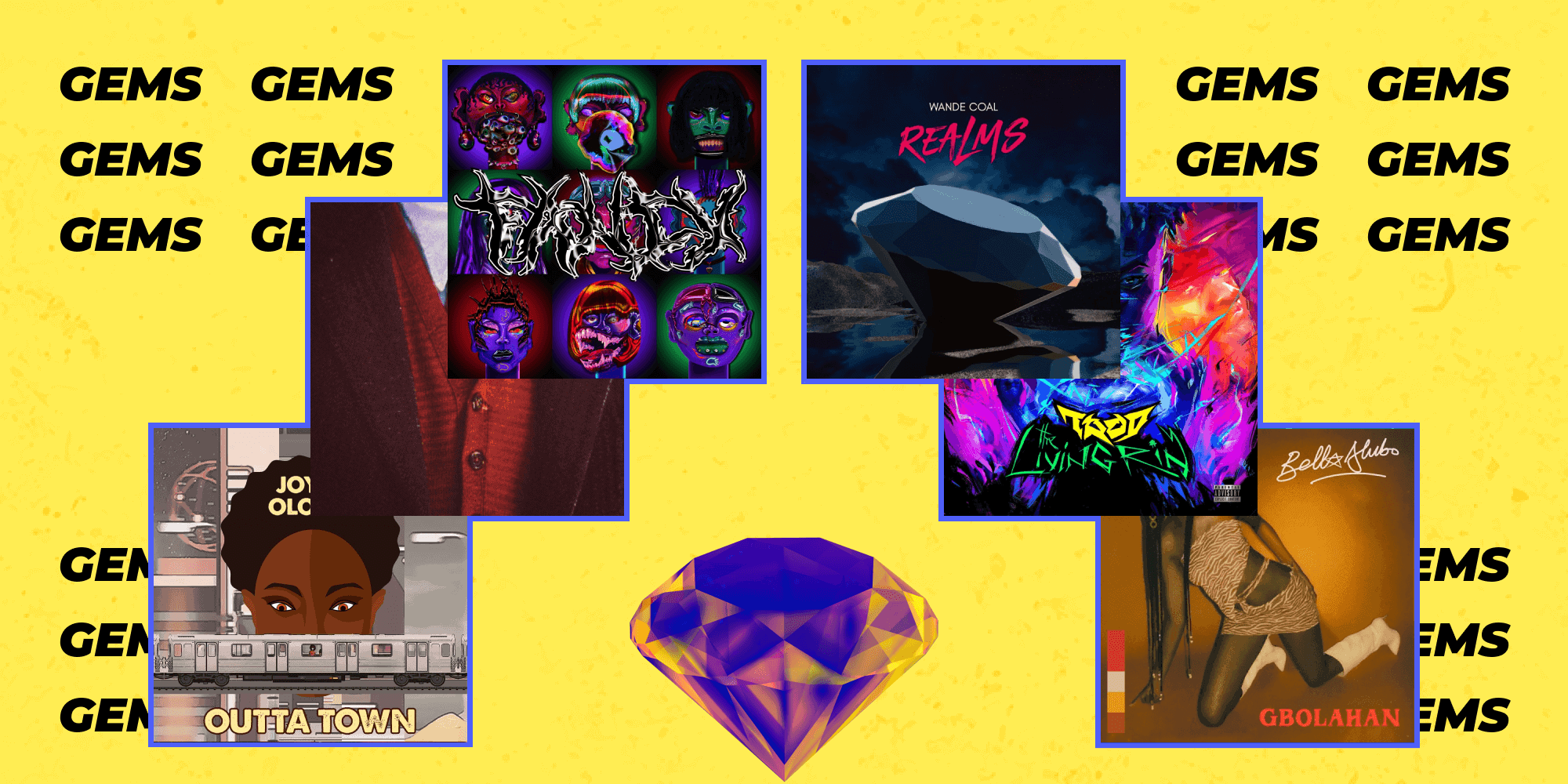
GEMS: A list of the best songs released this week

Every Saturday, The NATIVE Will Put Out A List Detailing The Best And Most Enjoyable Songs Released During The Week. With The Scope Widening And Music Dropping At An Immeasurable Pace, It’s Easy To Miss Out On A Lot Of New Drops, So We’ve Decided To Help Out, By Collating A List Of The Best Hip-Hop, Pop, R&B Song From All Over The Continent. Our Main Goal With This List Is To Make Finding Great Music Of The Moment Easier For You.


234jaydaa – “23”

234jaydaa steps into new waters with her latest winsome single. A testimonial to her Lagos home and the city’s notoriously happening population, “23” features 234jaydaa’s familiarly soft sirenic voice over an unfamiliar (for the singer) percussive pattern, on an otherwise symphonic DJ Lolu beat. While the first stanza pays attention to the tropical climate of her home town, through its second stanza, “23” embodies the creativity and unrelenting pursuit of the Lagos people jaydaa herself lauds on verse, as she briefly forays into rapping with the bars: “I say rise and shine/they say rise and grind/for no man waits time/the brilliance of the lime”.

Since she is a poet before anything else, jaydaa’s lyrics are, as usual, just as mesmeric as her standout vocals, particularly towards the record’s end, where her siren wails accompany the second chorus and trail into her harmonising on the bridge: “the sun has set and with it the colours fade/slaves to the moon, I bask in your silver shade”. In a league of her own, 234jaydaa is further exploring the island upon which she mines her talent on this new single, and it’s a hit! Luring us further into 234jaydaa fandom, the delectable “23” leaves us bewitched on the self-proclaimed siren’s enchanted shores, pining for more.

SGaWD – “Feel Right” (feat. Mafeni & DOZ)

How do you know when you’re in love?” Rapper/singer SGaWD asked her growing fan base that question ahead of the release of her first official single of the year “Feel Right” featuring rapper, Mafeni. The massive response from her fans resulted in the culmination of a home-made video of listeners from all around the world describing the universal feeling of love and affection. SGaWD may be fairly new in the game, but she already knows all the right ingredients to establish herself as an artist with a loyal following in the game.

Hanging up the sharp, clear raps we heard in“Whorephobia”, SGaWD adopts a more mellow, soulful tone on “Feel Right”, where she examines the vulnerability it takes to commit fully in romantic relationships. Over DOZ’s jazzy production, she sings, “I’ve been wronged before never took a minute to assess it but I know how I feel”, musing over a past relationship where she had to confront a partner with unrequited feelings. She’s joined by Mafeni on the second verse who raps, Hardly let people, I’m usually kicking them out”, admitting the walls he’s had to put up to guard himself from the game called love. Like Drake once accurately summed up, We live in a generation of, not being in love, and not being together”— it’s a sentiment that is perfectly captured by SGaWD and Mafeni on “Feel Right”.

Sampa The Great – “Time’s Up” (feat. Krown)

After a relatively quiet start to the year, Zambian-born, Melbourne-based MC Sampa the Great is back with a new video for her single “Time’s Up”, which first featured on her 2019 album ‘The Return’. “Time’s Up” is a song which finds new relevance amidst the ongoing chaos, as it sees the talented rapper chucking up a bold middle finger to the music industry about its racist ways, that seek to exploit and capitalise on Black artists and their art.

In today’s climate where there’s been a global soul-searching to tackle the racial inequalities that still haunt every sector of our society, Sampa The Great’s message is particularly important in reminding us that – although the uprisings may have calmed down – the battle is far from over. The video which was directed by Sanjay De Silva draws inspiration from the experimental hip-hop music videos of the ’90s with its use of wide-angle lens production. It stays true to the anti-establishment theme of the song (“I seen the industry kill the dream of a dreamer”) as the video closes with the solidarity of black creatives in the industry, reminding us that in order to break these cycles we must create our own damn table.

Kida Kudz – “Buga” Feat. Falz, Joey B

On his path to becoming a key figure in the UK rap community, Kida Kudz made sure to infuse his African traditions with his rap music influences, inventing a sound he terms Afroswank, and helping to further establish Afropop as a veritable and popular sound in the UK. He released his debut project, ‘Nasty’, earlier this year, where he showcased the range of his unorthodox approach to making music. Continuing in that line, he’s linked up with Nigerian rapper Falz and Ghana’s Joey B for his new, Fuji-inspired single, “Buga”.

With the help of expert production from Bad the Sound Boy, “Buga” keeps up Kida Kudz’s knack for singing over dance floor serving grooves. The bouncy rhythm of Afropop drum riffs, percussion and synth samples set up Kida Kudz’s melodic vocals, while his lyrics can focus on stunting on his enemies; “Who dem be? I got enemies but mama don pray”. Falz takes a cue from the Kida Kudz’s self-assured lyrics to deliver a stern but humoured second verse, before Joey B closes the song with a more romance-fueled verse. The result is a confidence-inspiring masterpiece, which highlights the different themes that define dance floors in Africa – romance, cocksure brags and humour. With the infectious melodies, instrumentals and the braggadocios lyrics, “Buga” is a warm and rousing song that’s equal parts bad boys and feel good.

Adé Lasodé – “Scars”

Adé Lasodé has put out more music since the pandemic started than she has since her 2018 debut, “Crave”. She’s always had a DIY approach to recording music, but self-isolating has clearly put her in a more productive place, seeing as she just released her fourth single of the year, “Scars”, a gracefully emotive song about the pain she’s experienced in love.

The self-produced “Scars” opens with brooding guitar harmonies, which form the instrumental scaffold for the melancholic set where she describes her struggle with love; “My mind craved love but my heart felt rust”. “The song was inspired by the guitar chords”, Ade tells us of the song via text. “After that, the words just followed. It was important for me to make this song because of the repressed emotions that seemed to surface, that I needed to express and let go of.” The video for “Scars” adds to the already compelling song, as we see moving portraits of her desire and determination to come out from under those depressing feelings.

Jarreau Vandal x Tay Iwar – “Single Complexities”

One of Tay Iwar’s many superpowers is his ability to detail just how messy and difficult it can be to navigate modern relationships. On his cult classic debut LP, ‘Gemini’, the singer examined the often impermanent nature of romantic bonds, with respect to the indelible memories and the long lasting effects those encounters leave behind on our personal perspective of intimacy in general. On “Single Complexities”, Tay’s feature on the new album from Soulection producer/singer Jarreau Vandal, Tay continues to operate within the same territory, albeit with some looseness to the narrative he portrays.

While emotive singing and an ability to hone in on the most essential parts of his stories gives Tay’s songs their riveting edge, there’s always the dour representation of love as an elusive concept. For “Single Complexities”, Tay comes across as a deeply wounded lover, but he indulges in the madness rather than opting to reach for a logical conclusion. “Play with my sanity, can’t cut you off like vasectomy/the universe must be testing me, is it love is it chemistry/either way I need your energy”, he sings with a mix of giddiness and mournfulness, resigning himself to the complexities of being in love with a potentially wrong person, instead of simply walking away.

Practically speaking, it might not be the best decision to stay, but Tay mirrors the real life unpredictability of romantic emotions and leaves enough room for redemption. Driven by Jarreau’s delightful, funk-lite production, “Single Complexities” not only delivers a compelling narrative that will have you ruminating, it’s also a catchy and well-crafted song that will have your shoulders rolling.

Pop Boys & Hvrry x Psycho YP – “Done Did It”

With his never ending stream of guest appearances, Pyscho YP’s prolific streak serves as a vessel for asserting and constantly fine-tuning his versatility. On “Done Did It”, which was released earlier this week and still isn’t even his latest feature, he teams up with producers Pop Boys and Hvrry to rap over one of the more unorthodox beats he’s ever graced, finding a unique pocket and sounding damn near impeccable all through.

Over a frenzied mash of Spanish guitars, horn riffs, ticking hi-hats and occasional bass drops, YP runs through a stream of consciousness that touches on multiple things: his willingness to max out his credit card for a love interest, thanking God for life and how easy it would be to steal your girl — you know, typical YP things. Throughout the 2-minute run of “Done Did It”, YP puts in a commanding shift, still sounding as playful as ever.

Forevatired – “WEST”

“If she kills me with her thighs, tell the jury I don’t mind”, Golddrummachine sings in a high-pitched falsetto at the beginning of “WEST”, the intro track to the excellent new Forevatired project, ‘Those Kids Next Door’. On a project packed to the ears with phenomenal highlights, Golddrummachine sets the tone with those striking lyrics, singing of his raunchy desires in a way that conveys admiration and outright devotion.

Those yearnings are scored by a shiny, synth pop-infused beat, heightening the explicit and profound nature of Golddrum’s sentiments. Mid-way through, “WEST” transforms into an ambient coda where he requests reciprocity, chanting, “Can I be your lover, girl? Undercover lover, girl”. The kicker comes in the end when he’s rejected: “She said you ain’t got no game, such a damn shame”. For a song that serves as a reminder that we all need to jazz it up, “WEST” is utterly beautiful in its sheer execution and how it cherishes infatuation despite the eventual outcome.

[mc4wp_form id=”26074″]


IMPORTANT READ: WE NEED TO TALK ABOUT AFROBEATS

How the case of D’banj’s assault accusation was concluded

Trigger Warning: This Article Contains Disturbing Details Of Sexual Assault And Rape.

The month of June was an incredibly harrowing one, as news of sexual and gender based crimes against women populated the Nigerian media. The cases of Uwavera Omozuwa, Barakat Bello, Jennifer, Ada and Elizabeth Ochanya Ogbanje ignited a broader conversation on the proliferation of rape in society. As we were petitioning for justice for Uwa, Bakarat, Jennifer, Ada, Elizabeth and all the innocent women and young girls who are abused, and in some cases killed, Nigerian women became empowered to seek justice for themselves also, sharing stories of their own experiences with sexual assault. A brave Seyitan Babatayo was amongst these women, accusing popular musician D’Banj, in now deleted tweets, of rape, and demanding he issue a public apology to her for his crimes.

On June 16, following her accusations of D’Banj via Twitter, it was reported that Seyitan Babatayo had been apprehended by the police and was being held in custody on charges of defamation. Following public outrage from Nigerians, with the help of  the Stand End To Rape (STER) initiative, Seyitan Babatayo was released the following day, as confirmed by STER’s founder Ayodeji Osowobi. On the same July 17, the Inspector General of Lagos’ Police Force, Mohammed Adamu ordered a probe into the allegations made against D’Banj, however no news has come of that since.

In the month past, Seyitan has herself taken legal action against D’Banj, with the continuing support of STER, legal representation from Mrs. Akeredolu (SAN), and the help of Social Intervention Advocacy Foundation Founder, Mr Segun Awosanya, who mediated between the victim and the accused.

Today, in statements released to Twitter, both Seyitan Babatayo and the Stand To End Rape initiative have confirmed the conclusion of Seyitan’s  case against D’Banj, in what STER report to be “a private non-monetary agreement”. Find both statements below.

Read STER’s full statement:

Seyitan’s statement follows STERs, and seeks to thank the NGO for their support whilst also clarifying the series of events involving a Mr Segun Awosanya. Read here:

Adire: Keeper of Yoruba Culture

Written by Adeiyewunmi Osinubi

Ade Osinubi is a Nigerian/American medical student who complements her degree with a budding career in photography, videography and adire textile artistry. Educating others about the Yoruba art form – which she posits is at risk of extinction – Osinubi shares the story of how she became an adire artist in the US, initially for a school project, but now as a craft she will hold on to for life. 


When my mother first handed me adire fabric to wear to yet another Nigerian event, I looked at the indigo and white hues with minor disgust. As a first generation American whose parents immigrated from Nigeria in the ’90s, I had barely become comfortable with sporting colourful ankara wax fabrics in public. This new and uncharted fabric had a tie-dye adjacent look – an aesthetic I left behind in Kindergarten. Little did I know that nearly two decades later, I would develop such an appreciation for this peculiar and perplexing fabric.

Ade Osinubi, Self Portraits

Adire translates to “tie and dyed” in my parent’s native tongue of Yoruba. It is fabric designed with resist-dye patterns and primarily indigo dye, though green, brown, and red stains are also used to create varied hues. While adire is mainly used for clothing purposes, it’s not just fabric or a fashion statement – it’s an art form. Within its intricate designs, adire carries the richness of the Yoruba culture.

It’s a story that dates back to the late 20th century, emerging from Abeokuta, a city which inhabits the southwestern region of Nigeria. Through the course of history, Yoruba women artisans have used various methods to achieve the varied designs. To perform the adire Oniko technique, artisans tie the leaves of the native African palm tree, raffia palm around corn kernels and pebbles to create tiny circles on the textiles. Adire Alabere is achieved by intricately stitching raffia to make patterns in the fabric. Once dyed, the stitches are removed, leaving a unique design. For Adire Eleko, artists paint symbols and designs with a paste made out of cassava flour onto the fabric to resist the dye.

As well as being an art form, adire is a storyteller. Like the patchwork quilts of the Underground Railroad, the imagery on adire textiles unearth stories of life and endurance, narrated by the women left out of our history books. As a photographer, videographer, and mixed media artist myself, it is only natural that I would be so drawn to adire – for we both share the same passion for storytelling.

Ade Osinubi, Self Portraits

Like many sacred and cultural art forms, adire is nearing extinction. With Yorubas moving abroad and adire becoming less and less popular to wear, the lineage of those who possess textile making skills shortens. During my senior year of undergrad, I embarked on a project entitled “Adire: Keeper of Yoruba Culture” where I learned how to design the textiles myself. With the help of Youtube, Blick, and a very supportive art professor, I successfully completed three adire textiles. My pieces utilised the Alabere and Eleko techniques – with a few modifications: Raffia palm was replaced with convenience store needle and thread and traditional cassava paste was swapped with liquefied wax. With the wax, for my own expedition into adire storytelling, I painted designs reflecting Nigerian and Black American symbols of quotidian life and resistance. Using needle and thread, I sewed shapes and bound pieces of fabric to create designs.

On the third floor of a concrete art building in Providence, Rhode Island, I was able to bring to life an art form that originated over 5,000 miles away. My finished products did not exactly mirror what the skilled artisans of Abeokuta fashion – the edges of the textiles were not as uniform as they could have been, the indigo dye did not take in some places of the fabric – but perfection, at such an early stage, was never my ambition. The textiles, for me, represent an ongoing process of merging my Nigerian and American identities – imperfect, sometimes messy, but wholly me.

Adire: Keeper of Yoruba Culture Exhibit, David Winton-Bell Gallery

To accompany my textiles, I also presented a short documentary film of my process in order educate my viewers on the art form of Adire. Watch below:

All Image Credits/Adeiyewunmi Osinubi


ICYMI: A COCKTAIL OF VIOLENCE: SOUTHERN KADUNA IS MORE THAN A HASHTAG

We spoke to a few people about finding their faith during a pandemic

It’s been four months into the coronavirus-induced lockdowns and the world has become a completely different place to what we knew it to be at the beginning of the year. The ‘Rona – and literally everything else that has transpired since she came around, has come with some heightened feelings – and everybody is living in fear and anxiety about this new normal we all have to navigate. The symptoms of society’s ills have been brought to the forefront, and we’re now in a phase where we’re demanding a cure, which some have turned to their faith for.

As someone who is not deeply religious, the last couple of months have been particularly difficult to navigate, especially considering the cocktail of negative emotions that have come with the times. Living with religious Nigerian parents also doesn’t help with the anxiety towards the uncertainty, and if yours are anything like mine, you’re getting constant reminders that there are evil forces at work who are responsible for the calamitous year we’re having.

While religion is still an uncertain ground for me, I have found myself praying more and trying to find a stronger spiritual connection, rather than through religious bodies and institutions which don’t always align with one’s true values as a person. This decision to reconnect with my spirituality and the universe, I’ve found, is not uncommon in a number of my peers who in these times are clinging to something to find some grounding and to feel safe in uncertain times.

The last time we spoke to members of our community about their faith, we learnt that many people were coming to terms with the fact that they had lost the faith in religion they were raised on, coming from religious family backgrounds. As a generation, we’re not as rooted in the rigid religious structures older generations were raised on, and as such, have become more flexible with our choices and more open-minded to the way we practice religion.

This time around, given that things have become even bleaker over the past few months, we decided to touch base again with members of our community, to discuss their how their stance on religion had developed over time as many claim that the pandemic period has helped rebuild their relationship with God and the universe.

From finding God through music to finding an online meditation community, here are some of the ways some members of our community are finding and restoring their faith during these strange and unprecedented times:

My relationship with religion and God has always been present deep down, but I wasn’t very proactive about it. Sometimes I’d be in deep connection with God, other times I felt like I was just marking off an item on my to-do list.

The pandemic has been very overwhelming for me. It eventually caused me to disconnect from a lot of things, particularly Instagram. Re-finding myself and cancelling the “noise” around me has helped me refocus. The lack of noise also helps me have a stronger relationship with God and religion. I am able to have more reflection time with God.

S, Female.

My parents are like big on religion. My mother is a pastor and my dad is a Deacon. So you can see the kind of stress I am under! I grew up thinking God was unfair because I struggled to reconcile my sexuality with my religion and the Bible. I knew I wasn’t an atheist, but then Christianity wasn’t it for me. During the pandemic, my mental health grew worse so I would pray I’d start my prayers with “in Jesus name”, but then I’d go with “as the Universe pleases” in the middle.

Now, the guilt around my sexuality is basically gone and I’ve grown with my spirituality. I call myself a witch, and honestly, it’s been a good experience. My religion is – do what’s best, what’s good, and what makes you feel good. Love is the single most powerful thing out there, and that’s what I believe in 100%.

I.E, Female.

I didn’t grow up religious and my relationship with God has been shaky. It was  in secondary school I probably started to acknowledge God’s existence – I only prayed when I needed help with exams, hoping for some miracle. Years later, I tried to reconnect, to grab onto those peaceful moments but I could never get it back.

My reconnection with God actually started before the pandemic officially started because I’ve been in isolation since December. I had an eye infection. I couldn’t see well, my eyes were sensitive to light, so like I was practically indoors throughout the month. I reconnected at this point and rather than expect an immediate response from the big guy, I took it one day at a time and that’s how it’s been ever since.

A, Male.

I feel like God speaks to me through the music I listen to, and it feels like God is instructing me with a guideline for my life. When I listen to some songs, it puts things happening in my real life into perspective, and also gives me more comfort than normal when I’m feeling low. 

I’ve always thought that I had to communicate with God through prayer or some religious ritual, but hearing God in Future lyrics just made me curious to seek a deeper relationship because it seemed like He was seeking me out. This faith and trust has become stronger during this awful year, and I don’t think it’s a coincidence. As weird as it seems, I feel like it was supposed to happen this way.

F, Female.

I had always believed in God and gone to church, but it’s like I would be so passionate about things of God for a week and then I’ll get busy and totally forget. I decided to make a change in April when I suffered from depression, and I’ve never looked back since. I feel like because of lockdown, it made me realise that everything here on earth is temporary and I decided it was time for me to stop being lukewarm and actually take it seriously. I hopped on zoom calls and it really helped ’cause a lot of things I wasn’t sure about I got answers. I also started studying the bible more – devotionals and all. It’s been an amazing experience and I definitely will keep this going even after the pandemic.

C, Female.

My spirituality really deepened during this pandemic because I began to do that manifesting thing you always see on Twitter and I’m here to say it works. I had a jaded past with organised religion and completely went off it, to the annoyance of my mum but with manifestation, it’s basically prayer but without the gods and contradictory Bible verses. It’s really just actualising what is already yours as a child of God.

D, Male.

I had a very strange kind of mixed up religious upbringing. My parents are Muslims and they’re serious about it and I went to a Christian high school like proper Christian high school and just the mix of going to school and coming home to different things just made me very apathetic towards religion. I didn’t want to be affiliated with any particular religion. I recently realised that my conscious avoidance of religion turned to a subconscious avoidance of spirituality. This came in the lockdown and I had to remind myself as well that spirituality is not synonymous to religion.

O, Female.

My mum is a Muslim and my dad was a Christian so I used to jokingly identify as a Chrismus cause I hadn’t decided. So I would go to church on Sundays with my dad and I would fast during Ramadan and occasionally go to the mosque also with my mum. I’d pray whenever I needed something and that was about it. During this lockdown, I felt a pull to get closer to God and I spoke to my friend about it and she told me it’s probably God trying to pull me close. So I started a bible study with some of my other friends who kind of felt the same way. I can feel my relationship with God growing and I can feel Him guiding me towards my purpose just showing me things and I love it

A.O, Female.

If I’m to rate my relationship with God over 10, I’ll give it an 8 because to the best of my knowledge, I’ve maintained a good relationship and I’ve been in constant communication with him. I didn’t always have an unwavering relationship/ faith in God and sometimes, fear, worry and doubt used to be the biggest negative emotions I struggled with but during this pandemic, I got a better insight on some of the scriptures. I realized that there was literally nothing one could do at the time other than just depend on God to take control. I also understood that the pandemic happening wasn’t new and didn’t mean the end of the world which also meant that it was gonna pass, so that basically grew my faith in the word of God.

E, Female.

I’m not sure if this counts as spiritual or religious but this pandemic, I have really gotten into horoscopes. That is basically my new religion now because the similarities and comparisons with each sign are so true. Now I check my horoscope updates every morning, but that doesn’t mean it guides my whole life, it’s just fun to read a general overview of who you are and what makes you (and a billion other people) unique.

A, Male. 

Featured image credits/ChuchuOjekwe


Tami is uninterested in what you have to say. Don’t tweet at her @tamimak_


ICYMI: The art of using music as a form of prayer

Songs of the Day: New Music from DJ Spinall x Kranium, Kida Kudz, Sun-El Musician & more

The past few months have been difficult to go through. An ongoing pandemic has forced us to significantly curtail movements and social interactions, at the same time fighting injustices on multiple fronts. Luckily, the one palliative we can rely on is the continued and diverse stream of music that has continued to grace ears all over the continent. In a bid to brighten your mood with the finest African tunes, we’ve looked around to bring you four of the best records at the moment – songs you absolutely need to hear.

Our midweek selection featured new releases from Ade Lasode, Sarkodie and E-40, Shun Breezy and the African anthem of solidarity against Covid-19 by 2Baba, Amanda Black, Yemi Alade, Teni, Ahmed Soultan and more. To start off your weekend, today’s curation includes DJ Spinall’s, Kranium-assisted single, Kida Kudz’s collaboration with Falz and Joey B, Psycho YP’s riveting new freestyle and much more. Enjoy.

DJ Spinall x Kranium – “Everytime”

With four well-received studio albums under his belt, DJ Spinall has proven himself as a facilitator of great collaborative songs. While those songs involved linking producers and artists, Spinall has taken things up a notch by self-producing his recent releases, including the previously released, Omah Lay-assisted “Tonight”. He continues this streak with his new single, “Everytime”, a sultry bop with vocal assistance from Dancehall superstar Kranium. Continuing the lineage of Afropop and Caribbean pop mergers, the pair showcase great synergy on the song, with DJ Spinall cobbling a vibrant, mid-tempo afro-Caribbean groove together, while Kranium puts in a delightful performance that is coloured by his trademark style of sophisticated raunchiness.

Tolani – “Badman”

Tolani’s first single of the year, “Badman”, isn’t an anti-love anthem, but it will have you re-considering the point of getting into romantic entanglements because we are often drawn to people who aren’t the best for us. Over iilerixo’s bouncy production, Tolani examines her choices in partners, coming across as someone who, the streets would say, has refused to jazz up. “When he looks like trouble, that’s when I’m catching a buzz”, she sings on the second verse, voicing regret but also admitting the thrill of falling for a badman.

Sun-El Musician x Simmy x Khuzani – “Emoyeni”

With his frequent stream of new music releases, Sun-El Musician is clearly gearing up to release the follow-up to his 2018 debut album, ‘Africa to the World’. Following the late-May release of the Msaki-assisted “Ubomi Abumanga”, the South African producer/DJ has now dropped his third single of the year, “Emoyeni”, with vocal assists from Maskandi singer Khuzani and frequent collaborator Simmy. Leaning into his preference for soulful textures, Sun-El puts together an ambient combination of wafting keys, rippling piano synth riffs and gently rolling percussion, underpinning his guests’ zen-inducing vocals.

https://www.youtube.com/watch?v=Ay-zYKkV4JE

Focalistic x Emtee – “Klippa”

Over the past year, Focalistic has established himself as one of the more chameleonic rap artists in South African music, with his ability to hop on a variety of beats, from Amapiano to Trap to Afropop. In last three months, he’s dropped his debut project, ‘Quarantined Tarantino’, put out a 3-single pack, ‘Blecke’, and he has stellar multiple features on projects by Semi Tee and Kabza De Small. Continuing his prolific streak, he’s teamed up with SA rap veteran Emtee on “Klippa”, a boastful track where they trade brags over a stomping trap beat. Taking the first verse and hook duties, Focalistic raps about his come-up journey so far and his readiness to continue levelling up, while Emtee chips in a standard verse championing his hustler’s mind set.

Kida Kudz x Falz x Joey B – “Buga”

So much has been happening in the world that it feels like Kida Kudz’s debut mixtape, ‘Nasty’, has been out longer than its February release. True to his nature, though, Kida Kudz has remained prolific, releasing songs and hopping on features that serve as a solid reminder that he’s one of the more inventive artists fusing rap and afropop. On his new single, “Buga”, he links up with Nigerian rapper Falz and Ghanaian rapper Joey B for a self-assured, feel-good jam. Delivering the repetitive hook and the first verse, Kida sets the tone with his confident and playful delivery, Falz takes over on the second verse where he’s dismissive of those he considers opps, while Joey B closes out with pseudo-romantic lyrics on the third verse.

Psycho YP – “Rap Riddim (Freestyle)”

The common theme tying together his overflowing catalogue of projects and features is that, Psycho YP can pretty much rap over whatever and sound great at it. On his new loosie single, “Rap Riddim”, YP dips his toe into drill waters and he sounds as comfortable as ever. In less than 90 seconds, he wreaks havoc over Johnson IP and Cruise beats’ ominous production, rolling out a flurry of confident raps with a casual ferocity that’s immediately riveting.

Sigag Lauren x Lex Ash – “We’ll Dance Again”

If you didn’t know, Nigeria has a burgeoning EDM culture that’s worth paying attention. One of the names on the forefront of the movement is Sigag Lauren, the rising producer/DJ who’s just put out his first ever music video for his latest single, “We’ll Dance Again”. Featuring vocal assist from Lex Ash, “We’ll Dance Again” is a beaming shot of optimism in these dour times, made evident through Sigag’s production that moves between wistful and boisterous, as well as Lex’s plaintive lyrics and radiant singing.

[mc4wp_form id=”26074″]


Dennis is not an interesting person. Tweet Your Favourite Playboi Carti Songs at him @dennisadepeter


ICYMI: LISTEN TO NEW MUSIC FROM ADÉ LASODÉ, 2 BABA, SARKODIE & MORE

NATIVE Premiere: Watch Maya Amolo embrace nature in the video for “Lush Green”

New York-based Kenyan artist, Maya Amolo may have been known to friends as the pregame girl before the release of her debut project ‘Leave Me at the Pregame’ but now, she has made a compelling case for being three steps ahead in the game, as she reflexively soundtracks your journey to healing in just 7 songs.

Maya has now followed up on the release of her debut project with a vibrant music video for “Lush Green“, one of the standout tracks off the new project and also a personal favourite of Maya’s. “Lush Green” is a deeply honest number where she delves into her deepest, darkest fears as she sings ‘the thought of failing scares me’. On the track, confronting negative emotions about her past, she still offers some resolve, urging listeners to push ahead and chase their dreams because she believes in their collective power.

In the vibrant video directed by Mumbi Muturi, Maya is seen soaking up the beauty of her natural surroundings with fervour. The video opens up with her submerged in a bathtub of water, possibly representing the tumultuous thoughts she’s singing about. Thrust into Maya’s green world, we see that things start picking up when she’s surrounded by the shade of the trees and the warmth of close friends, visualising how Maya felt when she moved over to New York for her studies in the dead of the winter.

Speaking to the NATIVE about the new video, Maya shares that:

“For me, this visual is the perfect representation of what makes me feel most cared for and comfortable, and what I was writing about when I was homesick in New York in the winter: The comfort of a green garden and support from people at home”

Watch the video for “Lush Green” exclusively below.

Featured image credits/MayaAmolo


Tami is uninterested in what you have to say. Don’t tweet at her @tamimak_


ICYMI: Amaarae invites us on a trippy ride in the animated video for “Leave Me Alone”

Songs of the day: New music from Adé Lasodé, 2 Baba, Sarkodie, and more.

The past few months have been difficult to go through. An ongoing pandemic has forced us to significantly curtail movements and social interactions, at the same time fighting injustices on multiple fronts. Luckily, the one palliative we can rely on is the continued and diverse stream of music that has continued to grace ears all over the continent. In a bid to brighten your mood with the finest African tunes, we’ve looked around to bring you four of the best records at the moment – songs you absolutely need to hear.

We started the week by bringing you an enjoyable selection from Ycee, The Cavemen, Missaei, Psycho YP, Jay10Szn, Mike World, and more. Now our midweek selection features new releases from Adé Lasodé, Sarkodie and E-40, Shun Breezy and the African anthem of solidarity against Covid-19 by 2Baba, Amanda Black, Yemi Alade, Teni, Ahmed Soultan and more. Enjoy.

Adé Lasodé – “Scars”

Adé Lasodé has sprinkled a few releases across streaming services since she debuted in 2018. But this year, she has kept a steady string of releases including music videos, suggesting that being isolated in quarantine has had a positive effect on her musical output, in terms of quantity and of course quality. Her new single, “Scars” is her 5th single this year and it details her painful experience with love. “My mind craved love but my heart felt dust” she sings over the immersive guitar-led instrumentals she produced. While her voice has always been an impressive feature on her songs, here it takes an evocative texture that makes the song melancholic and the perfect theme music to soundtrack painful breakups. The music video for “Scars” captures her sitting by herself in her room as she expresses her tortured feelings from what looks to be a depressive state.

Sarkodie – “CEO Flow” feat E-40

Sarkodie is one of the most prolific hip-hop acts in Africa and he has several local and international awards to prove it. His latest single, “CEO Flow” finds him reminiscing on his rise to acclaim and the challenges he has faced on this career path; “Decade in the game/ I made a lot of cash/ But I need more cause you know we blowing money fast”. Complementing Sarkodie’s signature blend of English and Twi lyrics, is the west coast rap flow brought into the mix by featured artist, E-40 who is also a legend in the rap game, hailing from America. The accompanying video directed by Visionary Pictures shows Sarkodie in his element as we watch him pulling up at a studio to rap in the booth while cuts of clips from his stage performances are also wielded at intervals, reminding us of what we’re missing out on in our present state of self isolation.

2Baba, Amanda Black, Yemi Alade, Teni, Ahmed Soultan and more – “Stand Together”

The need for humankind to stick together has been more pronounced in 2020, with the world battling against a common enemy, COVID-19. The pandemic has taken lives, cost people their jobs and forced the world into a lockdown, stuck at home and away from daily routines, friends and family. As we mentioned earlier, music has been one of the only silver linings of these uncertain times as we’ve been able to count on songs to either speak on the important issues or provide escape from them. “Stand Together” is a solidarity anthem against COVID-19 and it was released in partnership with the Nelson Mandela Foundation and MTV Base who brought some of the biggest music stars in Africa together to show the unity in our society. 2Baba who is no stranger to creating music with positive political statements takes the first verse before he’s followed by Ahmed Soultan(Morocco), Ben Pol (Tanzania), Teni (Nigeria), Yemi Alade (Nigeria), Stanley Enow (Cameroon), Gigi La Mayne (South Africa), Prodigio (Angola) and finally, Betty G (Ethiopia). The music video for the track depicts the artists performing their vocals from the comfort of their homes – deliberately encouraging us to stay at home in order to prevent the spread of the disease – as they take turns delivering inspiring lyrics in English and their indigenous languages over the beat produced by Cobhams Asuquo.

Shun Breezy – “Ojo Aja”

Shun B’s latest single, “Oju Aja” is a romantic song addressed at his love interest. Contrasting Shun B’s sensual and lightweight vocals is a beat, produced by Bigmousebeat, primed to get people dancing.”Oju Aja” narrates a tale of ambition as Breezy expresses the desires that drive his hustler mindset; “Chop life is a most/ let me put your yansh in a Porsche”. The song also alludes to Shun B’s newfound confidence in his career as it’s his first release since he got signed to new label management, Sony Music West Africa saying “To the world/ From a small room now to the world”. This particular nod adds an inspiring theme to the otherwise entirely romantic direction of the song.

[mc4wp_form id=”26074″]


You are meeting Debola at a strange time in his life. He wandered into a dream and lost his way back. Tweet at him @debola_abimbolu


SONGS OF THE DAY: NEW MUSIC FROM PSYCHO YP, THE CAVEMEN, MISSAEI, SGAWD AND MORE

We need to talk about afrobeats

Popular music from Africa is omnivorous by nature, drawing influences from pop, rap, r&b and regional styles like Azonto, highlife, GQOM etc. This absorbing template has been alive since the ’70s – and likely before – when Fela invented his Afrobeat sound by blending highlife and Jazz compositions for his politically charged songs. The same format was employed by artists such as D’Banj and 2Face, whose exposure to hip-hop and r&b led to an infusion of those sounds within their distinctly Nigerian sonic predilections.

As the consumption of music became increasingly globalised and diaspora communities were able to more readily access music that would connect them back home, these champions of pop music from West Africa became increasingly more invested in UK communities, as their music became the coveted soundtrack to diaspora communities looking to celebrate their roots. This was the birth of “Afrobeats”, a term coined by London DJ, Abrantee who noticed the demand for Nigerian and Ghanaian songs in the UK, taking inspiration for the genre name from Fela’s Afrobeat style, with which the world was already familiar.

“I thought; you know what, let’s put it all back together as one thing again and call it Afrobeats as an umbrella term”, he explained in a Guardian interview from 2012. Though Abrantee went on to admit that Africa is too big for him to keep up with all the sounds and that the tag was specifically for the West African sound of Ghana and Nigeria, regardless of what the music actually sounded like, Afrobeats became the catch-all tag for African music in the UK.

This malpractice still exists today. In his recent feature in Wonderland magazine, Ladipoe was initially described as an “Afrobeats rapper”, an erroneous label which has already been corrected to state simply he is Nigerian. Still, the hyperlink attached to the rapper’s nationality takes us to a page about Afrobeats, Wonderland’s pick of the “10 most addictive routines to learn during this lockdown”, thereby re-iterating their initial statement that suggested African artists make Afrobeats.

The ubiquity of the genre tag doesn’t end when it comes to describing music from the continent, and even UK artists of African descent are prey to this false classification of their music being Afrobeats too. For some UK artists, one could agree that it’s a fair definition, however, for most, Afrobeats is simply an influence. As the sound continued to dominate club raves in the UK, Afrobeats stopped being exclusive to African indigenous, and UK rappers such as J Hus soon started to explore Afrobeats melodies in their music. Though J Hus made no secret of taking inspiration from Burna Boy’s Afro-fusion style, the UK scene at large still insists on Afrobeats being the legitimate title for the genre of music he creates, fostering a sense of discord in what was an already contested genre.

Engulfing J Hus and Ladipoe into the genre of Afrobeats doesn’t look much different from insisting that Lil Nas X makes rap music. “Old Town Road” is a country record and J Hus’ “Must Be”, which sits at the top of the Official UK Afrobeats Chart, is similarly not an Afrobeats song.

Like the ‘Urban’ category that Tyler, The Creator chastised as he held up his Grammy, Afrobeats has morphed into a synonym for ‘African’, a dangerous definition that conflates diverse sounds around the continent with her diaspora communities. As J Hus, Rema, Burna Boy and Afro B rub shoulders on the UK Afrobeats chart – a compilation of the top 20 Afrobeats songs of the past 12 months, based on data from stream services in the UK – the question ‘what is Afrobeats?’ never seemed more pertinent. If we are looking to create a structured system to assess the growth and success of the genre, we must first take steps to properly consolidate what the genre actually is. As evidenced by the backlash from fans in Nigeria and music critics dotted around the world who couldn’t help but notice that the African artists on the list were at the bottom, there is a grave risk with creating a chart for a genre that is yet to be refined. The chart isn’t the tool by which we consolidate the already contentious genre of Afrobeats; before we look to rank Afrobeats, we actually need to talk about Afrobeats.

Following that, we need to talk about the genre-boxing that necessitates the existence of such a chart in the first place. UK Drill hasn’t had a chart yet; the decades-old genre, Grime has never been dedicated to its own ranked list. There was Channel U and now other TV and radio stations dedicated to playing these genres, as there are with Afrobeats. With these platforms alone, the music thrives, the people still know what’s hot and artists still know who they’ve got to conquer to reach the top of the Drill or the Grime or Afrobeats totem pole (even though they always strive for more). Artists’ ambitions aren’t boxed in by genres and this is reflected in the music they make. Since globalisation has exposed musicians from all over the world to a broader range of sounds, which encourages them to widen their scope of music-making, it’s time we do away with the archaic constriction of genres, rather than double down on a widely criticised term, which has no universal acceptance.

Challenging J Hus’ label as an Afrobeats artist, Jae 5, who agrees with DJ Semtex that “J Hus isn’t an Afrobeats artist”, describes how his frequent collaborator defies the borders of any one genre saying, “he is [sic] not a Hip-Hop artist, Grime artist, R&B etc. Two genres he’s most influenced by are hip hop and afro beats. He is either both or neither.” Jae 5 himself is a genre-bender. Inspired exclusively by Juls’ beat on “Skin Tight”, Jae 5 reveals that he considers his “Did You See” beat as “100%” Aforbeats, whilst “Friendly” is “more techy”.

If Jae 5 himself can’t attach an exclusive label to “Friendly”, how do we hope to rank songs that we had no hand in creating? Some listeners find it ridiculous that “Did You See” would be termed Afrobeats, and though Jae 5 himself insists that the beat is, what elements of a track go towards defining the genre and in which proportion? Who gets to decide which song belongs to the Afrobeats genre enough to earn a spot on the chart? Do the producers and artists have to submit a genre? Do the algorithms sort through the raw audio models (one of Spotify’s Discover Weekly algorithms) to determine what sounds like what enough to be considered Afrobeats? If that’s the case, which song is the benchmark?

This Official UK Afrobeats Chart clearly aims to be a joyful celebration of African culture, and with dark clouds of uncertainty and heated debate shrouding it, beyond reiterating to listeners which of these songs from Africa or of African descent are popping, Tobi Oke, Writer/Editor at Apple Music, believes the chart is likely not to make any sort of remarkable dent in the industry:

“I think it’ll help with categorising the music for record labels, radio and A&R processes, but away from that, it won’t have much of an impact on the scene or music in my opinion.”

He goes on to say, however that

“There are several genre charts released each week without much knowledge or fanfare and many of them have artists on them not precisely within those boundaries so shouldn’t be stressed over too much. If everyone remains aware and respectful of where the influence is held and actually originates then it shouldn’t affect anything. If it’s used a cue to claim the king of afrobeats – or anything like that – then we’ll certainly have issues.”

Over in Nigeria however, one of the country’s from which the Afrobeats sound originated, it does seem to matter that UK artists who are making divergent music simply inspired by our sounds are leading the charts, with our West African pop stars like Burna Boy, Davido, Wizkid, Mr Eazi, Rema, Naira Marley and Tekno trailing behind. This conversation resembles the debate surrounding Lil Nas X’s “Old Town Road” being denied its rightful place on the country charts, or Ari Lennox’s and fans querying why Lizzo’s seemingly pop album, Cuz I Love You took home the Album/Mixtape of the Year at the 2019 Soul Train Awards. These repetitive objections poke infinite holes in the complicated practice of genre-boxing, making it crystal clear that our present way of doing things is outdated for the world we live in now. Unfortunately, these issues of who does and doesn’t belong will persist if we keep boxing in artists and their music through awards and charts.

It’s time to let go – of genres, of charts and awards maybe, but first, of “Afrobeats”.

Featured image credits/Official 


Words by: Debola Abimbolu & Adewojumi Aderemi

ICYMI: Is it mesmerising? Is it triggering? Is it cake?

Reminisce shares details for upcoming EP, ‘Vibes & Insha Allah’

Since releasing his last studio album, ‘El-Hadj’, Reminisce has been so ostentatiously busy that you’d almost forget it’s been four years since that LP. The rapper has scored huge hits like “Ponmile” and “Diet”, and he impressively starred in Kemi Adetiba’s award-winning blockbuster, King of Boys, pushing himself into a new relevance and reverence in Nigerian pop culture.

Over the past few months, though, he’s been back to dropping new music, including instant cult classic, “OGB4IG”, the Naira Marley and Olamide-assisted “Instagram” and “Prosperity” with Falz. Ramping things up a bit, Reminisce is gearing up to release ‘Vibes & Insha Allah’, a new project he announced earlier this month. In addition to the previously revealed July 29th release date (next Wednesday), he’s now shared full details for the EP.

‘Vibes & Insha Allah’ is set to contain six new tracks, or as he describes it, “Lamba Tutu Mefa” (six cold vibes). The project will feature appearances from Fireboy DML and Tiwa Savage, with production handled by Sarz, TMXO, Krizbeatz, Looneytunes and Aivert. ‘Vibes & Insha Allah’ will serve as Reminsce’s very first EP, and it will be his fifth project overall.

Check out the details below and pre-add the EP here.

Featured Image Credits: Instagram/iamreminisce

[mc4wp_form id=”26074″]


Dennis is not an interesting person. Tweet Your Favourite Playboi Carti Songs at him @dennisadepeter


THE SHUFFLE: REVISITING REMINISCE’S SARZ-PRODUCED BANGER, “KAKO BI CHICKEN”

The potential significance of Audiomack’s presence in Nigeria

Last week, Audiomack officially expanded operations in Africa, with the opening of its office in Lagos, Nigeria’s commercial hub and entertainment capital. The audio streaming platform, which is available in all 54 African countries, has seen increased popularity in Nigeria and has now become one of the foremost mediums for music listening in the country over the last few years. The physical arrival of Audiomack is a positive step, both for a platform looking to strengthen its popularity, and a Nigerian music space that’s still developing.

Since it was founded over eight years ago, accessibility has been Audiomack’s main focus, on both the creative and listener fronts, and that’s a significant reason it’s become more and more dominant amongst Nigerian, even more generally African, listeners. It is widely known that music streaming currently has a low level of adoption in the wider Nigerian populace – subscription and data costs create a fiscal barrier to access – but it’s a trend that’s growing upwards with each day and is only primed to keep going in that direction for the foreseeable future.

In a post-digital world where nearly everything is on-demand, streaming is now the primary means of music consumption, eclipsing physical forms of distribution and outpacing digital sales by several miles. Around the beginning of this millennium, music piracy gained ground amongst an increasingly internet-savvy generation, causing a decline in CD sales and playing an uncanny role in the rise and eventual dominance of music streaming. The same pattern applies to Nigeria, however, we are yet to reach the point where streaming is fully embraced.

Back in the late ‘90s to much of the ‘00s and early ‘10s, the primary mode of music distribution was through the Alaba model, an informal system where dealers paid artists a negotiated price for the rights to mass-produce their singles or albums, in order to market and sell to listeners. This system boomed in an era where CD players and Walkmans were a fixture, but as the internet and mobile phones began to emerge as an integral part of youth culture, listeners turned to blogs that offered free music downloads. With a Google search and several clicks, people could access songs and keep them in their phones at no cost.

Although streaming offers the same allure, the monthly subscription charge affixed to several of the platforms available in Nigeria isn’t appealing to a populace that is finding it difficult to pay for music due to force of habit, especially in a country with a relatively high cost of internet data, where most don’t have disposable income. In line with their goal to provide access to absolutely everyone, Audiomack operates a free, ad-supported tier that allows listeners access to an extensive catalogue of songs that spans genres like hip-hop, afropop, latin pop, reggae and more. This tier also allows for in-app downloads, enabling offline listening when users put off or don’t have internet data.

Audiomack also offers a premium, zero-ads tier which costs N535 ($1.38), but the platform’s popularity has so far been powered by it’s no-cost access, accommodating users who do not have a bank account and/or a debit card to pay the premium charge. By opening its office in Lagos, Audiomack is officially recognising its popularity in these parts, while also investing in the possibility for upward growth in users and premium subscribers.

Audiomack’s physical presence in Lagos could also help in optimising its services. With a dedicated team based here, this boots-on-the-ground approach is now in a better place to observe listener habits and deal with any artist complaints, in order to make real-time tweaks that improve the user’s overall experience. As clear as it is that streaming is here for the long haul, constantly giving users the best experience possible is the only way to guarantee a steady influx of new users, and user retention as well. With more international music platforms looking to expand into Nigeria, and Africa at large, Audiomack’s presence gives it the edge of familiarising itself with the local people and curating accordingly.

In addition, Audiomack’s presence will help in further spotlighting the best talent the region has to offer. Last year, Audiomack launched the Rising Star initiative aimed at discovering and promoting up-and-coming talent across Africa, giving seven of those artists performing spots at last December’s Afrochella festival held in Ghana. With closer ears to the ground, the platform can intensify their efforts in this regard and find more tangible ways to introduce artists to more people, especially during this ongoing pandemic where live performances are limited to virtual spaces.

Audiomack will also look to play an increased part in African music’s global invasion, an agenda the platform seems to identify with. On a larger scale, Audiomack has hosted Davido and Mr Eazi on their Fine Tuned series, which features piano-only renditions of previously released songs, while Burna Boy made a stunning appearance on Trap Symphony, a series which features popular songs performed to the backing of an orchestra. Having set up in Lagos, appearances like these are sure to become regular occurrences in the near future.

Earlier this year, we mentioned that Audiomack is setting itself up for a stronger focus on properly expanding into Africa. Nearly six months later, the platform announced a statement move that puts it in a prime position to fan the flames of our global ambitions, while also strengthening the ground for Nigerian and African artists by encouraging local, legal access to music.

[mc4wp_form id=”26074″]


Dennis is not an interesting person. Tweet Your Favourite Playboi Carti Songs at him @dennisadepeter


ICYMI: APPLE MUSIC ARE BETTING FIRST ON AFRICA, AND THAT MAY BE THE KEY TO VICTORY

Amaarae invites us on a trippy ride in the animated video for “Leave Me Alone”

Amaarae is gearing up for the release of her forthcoming project, Angel You Don’t Know. Kicking off the sonic element of her rollout just two weeks ago with the lead single, “LEAVE ME ALONE”, Amaarae is giving us not one moment to breathe, as she’s already followed up the track with a bewitchingly vibrant new music video, created by Gianluigi Carella.

Reflective of the self-isolating message Amaarae promotes on the laid-back bop, an animated Amaarae finds herself holed up in a miserable-looking apartment in an equally as miserable-looking town, clicking fanatically through her populated inbox, looking peeved at her other flooded up lines.

On the record, Amaarae wishes for freedom from people, from life and from all the expectations the two have of her. The Pussycat Dolls once wisely told us, “be careful what you wish for cos you just might get it”, and this cautionary chorus is visualised in Amaarae’s video for “LEAVE ME ALONE”, where she is granted an escape from reality, but this alternative universe does not grant her the peace she imagined.

Thanks to a psychedelic lollipop, Amaarae’s character is transported into a candied metropolis where she becomes a weakened radioactive alien gladiator who is later imbued with strength by a radioactive sword and then later still gifted a unicorn to help her on her explorations through “her worst nightmare”, the real Amaarae tells The NATIVE.

“Welcome to Lilith – An enchanting city that rears it’s prickly horns once the clock strikes twelve and the angels who sang sweet songs at dawn are now on demon time.”

Thrust into this irreversible and uncontrollable bad trip as punishment for so ardently wishing to be left alone, Amaarae’s only solace is in the fact that we get to take this trip along with her. She can’t leave, and she knows just the right tricks to use to ensure that we won’t want to either.

Lilith is a universe designed specially for us. “Since we couldn’t go outside to shoot the ‘LEAVE ME ALONE’ video, we wanted to create a whole new universe where anything could exist, and the possibilities of life were infinite,” the artist shares with The NATIVE. But as much as it’s a magical realm of endless possibilities, Lilith is also a stern reminder of the monstrous uncertainty that lies beyond the escape we’ve all longed for throughout the lockdown phases of the global pandemic.

Juxtaposing the familiar setting of a homely living room with the unsettling reality of a hyperactive alternate universe, director Gianluigi Carella explains the meticulous process behind this attentive video that uses “chromatic assonances, bold sound design and an overall nice variety in the environments” which “keep this sense of [a] smooth but sharp, always evolving scenery.”

The most challenging aspect of making “LEAVE ME ALONE”‘s short film, was having to create a world within a world, through the LSD lollipop portal.

“[T]he “lollipop monster” was re-designed so many times. It needed to feel scary and abrupt but also seamless at the same time. The goal was to feel like we were going “down the rabbit hole”… that’s why we made “the rabbit” eat “Alice”. Our hero stays still while the entire surroundings fall apart like blown away by the wind. And we see all of it, our eyes stay wide open the entire time.”

The visuals to “LEAVE ME ALONE” challenge us to think about what we really mean by the phrase, if we really crave the solitude Amaarae pines after over the hotly-reviewed record. The world in which Amaarae’s Alice character is plunged into upon her request is a wonderland, no doubt, “but is this really a whole new world or is she just going through the motions of her dark psyche? That’s up to you, the viewer to decide.”


Wojumi is a bad bitch & she’s going to brag about it. Tweet her your latest cultural exploits @dewoju


BEST NEW MUSIC: FOREVATIRED & SOLIS TEAM UP ON NOSTALGIC SINGLE, “FILM TRICK”

For the Girls: Maya Amolo wants you to feel safe with her debut project ‘Leave Me at the Pregame’

‘I kind of became known as the pregame girl’ Maya Amolo tells me over a Zoom call on Thursday afternoon. The 21-year-old artist who is currently studying in the States excitedly recounting the story of how her project ‘Leave Me At the Pregame’ came to be.

Born and raised in Nairobi, Kenya, Maya was in a ‘social’ bubble of her own design for most of her life and became used to the nightlife that Nairobi had to offer. When she moved to New York for college, however, she was not prepared for the difference in partying experiences between the two cities. After arriving back in Kenya from a deadly New York winter, Maya realised that ‘the only part of the night out I enjoyed was the pregame. That’s because you can control it, and it’s kind of organised. It’s like a safe space but when you leave the bubble, it gets popped and all becomes confusing’ she admits.

Being a young adult in a big city like New York for the first time can be quite scary for anyone, however, it can be particularly daunting for a young woman who constantly has to watch her back, two times over. This fear is what birthed the concept of her album, and she said: ‘That’s what these songs represent. They are a safe space for me as they took me through difficult phases of my life’. Much like r&b’s leading ladies before her, such as Jhene Aiko and Summer Walker, Maya Amolo’s project offers deep introspection and healing for listeners who welcome it, as couched underneath ambient synths and pounding percussions is the story of a young woman’s path to growth and declaring her independence.

“All the songs on the project helped me get through a difficult time at some point. So, processing bad habits with “Puddles” or a really bad relationship on “I Know” and actual growth with “Growth” and winter away from home on “Crashing”. Even “Jokes” was like a petty anthem to show how much better I am doing than who I was with back then. Well not better but I’m a different person.”


View this post on Instagram


A post shared by Maya Amolo (@papayamayaaaa) on

‘Leave Me At the Pregame’ is her debut project, and it could not have come at a better time as within the first week of its release, the 7-track piece had already shot up to the #1 spot on Kenya’s Apple Music r&b charts, marking a career-defining moment for the young artist.

Seeing as the New York-based artist is still on the come up, she has the room to find herself and her sound in the music industry, as she hasn’t released enough music to be boxed into one sound. Recognising that she isn’t defined by one sound, she tells me: ‘I’d describe myself as an r&b artist but more of alternative-r&b’. Growing up on a musical diet of Brandy, Erykah Badu, Prince, Eric Wainaina and more, Maya was never afraid to try her hand at a wide range of sounds, and sure enough, a quick scroll through her Soundcloud page will reveal many hidden gems that give a nod to hip-hop, pop, and lo-fi ‘sad girl tunes’ as she aptly describes.

Some of the best pieces of art come from the most difficult periods of an artist’s life and Maya knows this all too well. With her debut project, Maya was certain of the sonic direction to take, as r&b helped her to express her emotions clearly. On the opener, “Puddles”, she draws listeners in with gentle pianos and soul-piercing lyrics as she pours her heart out about a failed relationship. ‘Fuck a fairytale/you and I ain’t enough’ she sings, mulling over lost love and showing her mastery of masking blunt kiss-offs with honeyed tones. Even in her moments of vulnerability and anger, her voice is soothing and effortless.

Vulnerability can be daunting for anyone, but Maya does not hold back from digging into the frustrating parts of her life, in search of some much-needed catharsis. On pre-released single “I Know”, hearts and the men who break them become the topic of conversation, as Maya delves into her lingering frustrations from an ex-lover who is ‘really tripping’ and will never ‘come close to [replacing] her’. She takes this metamorphic period of her life, and shapes it into music that many people will be able to relate to.


View this post on Instagram


A post shared by Maya Amolo (@papayamayaaaa) on

Elsewhere, on “Crashing” she delivers a confessional, open-wound r&b number over gentle strings aimed at soundtracking listeners into cosmic healing. ‘Tell me what you feel/keep taking breaths and tell me what you see’ she sings, almost as if she’s addressing her listeners and creating something that sonically feels like a conversation with a close friend. On “Lush Green”, she delves into feelings of incompetence as she sings ‘the thought of failing scares me’, a sentiment which could be instantly relatable, as we’re often pressured to have it all figured out at such young ages.

Moving into the project’s closing track, “Jokes“, we get to see a different side of Maya Amolo. The tempo switches up, allowing Maya to really talk her shit over a bass-heavy beat. ‘I don’t care about you at least I am trying so hard not to/ I’d rather drown than have you as a life-saver’ she sings, delivering the project’s most heartfelt song in an impassioned tone, which shows off her incredible vocal range.

‘Leave Me At the Pregame’ may be a brief introduction to the talented singer, but it is definitely a very sound project, and going from the quality and depth of her lyrics in tandem with her vocal dexterity, it looks like she’s in it for the long game. Maya Amolo’s music is here for you while you access, confront, and move on from your pain, something we are all too familiar with, in these desolate times.

Stream ‘Leave Me at the Pregame’ below.

Featured image credits/Instagram: papayamayaaaa


Tami is somewhere dissociating. Tweet her your favourite meme @tamimak_


ICYMI: Dunnie’s EP ‘Four’ is a testament of her artistic growth

Kai Collective’s Gaia dress has become the item of summer 2020

Unless you’ve been actively staying off social media, there’s no way you would have missed Kai Collective’s super coveted Gaia dress. There hasn’t been this much buzz for a dress on the Internet since the black and blue/white and gold dress debacle (it was black and gold), and it’s certainly much easier for everyone to be on the same side about Gaia.

Almost overnight, Fisayo Longe’s 4-year old label, Kai Collective saw a meteoric rise during the coronavirus-induced lockdown, thanks to this April drop, and after being made in 3 different versions: the mini and the top, Gaia has made its way through the regular girl’s wishlist to the cover of ELLE’s September issue.


View this post on Instagram


A post shared by KAI (@kaicollective) on

With Gaia, Fisayo has definitely found her pièce de résistance. Made with a mesh fabric by another Nigerian, female-owned brand, Grapes Pattern, the Gaia dress immediately commands your attention. In its simplest form, it’s a colourful swirl of textures and patterns that is uniquely crafted for each wearer, as no two Gaia dresses look the same, and this was done in a bid to reduce waste of fabric and resources during the production process. It’s not only sustainable, but it is also the ultimate power move, with its ability to transform the wearer into that bitch by simply just exisiting.

Beyond the dress itself, the power rests in the community of women who have chosen to uplift a black-owned fashion brand and appreciate thoughtful and ethical business models. Fisayo herself recognises this and has promptly started a two Instagram hashtags #GaiaAtHome and #GirlsInGaia which were set up not only to encourage her growing community to take pictures in their colourful Gaia numbers, but also to raise money towards the sex and gender-based violence back home for her in Nigeria.

Her brand of inclusivity and community definitely seems to be paying off as the Gaia is now being worn by everyone from your favourite influencers such as Temi Otedola and Ebonee Davis to Youtubers like Jackie Aina, Patricia Bright, and The Oddity as well as many more beautiful women across the world.

The way the Gaia dress went on to become one of the most sought-out fashion items from the quarantine, is proof of the undeniable power of black people and most importantly black women, themselves. Only six months into the year, we’ve already gone through unprecedented seismic changes across a range of industries – and the fashion industry has not been exempt. After many years of erasing black designers and professionals in the fashion scene, we’re coming into times where the social reckoning is being televised and the people who have been marginalised and getting their due. During the quarantine, we’ve seen this from black female designers such as Mowalola and Hanifa, who have both shattered boundaries and achieved amazing feats.

Given that Kai Collective is big on its community and fostering the spirit of sisterhood, the brand has uniquely positioned itself in a safe space that ensures it continues to grab and pull our attention by utilising social media and establishing a loyal cult following– that apparently even Beyoncé herself may be a part of. Fisayo is no stranger to the power of social media and engaging with one’s audience as she herself started off as a fashion and travel blogger. This inadvertently allowed her to carve out her own niche on the internet and find her community which has stayed loyal to her as she entered the fashion world as a designer.

With more than 40% of black businesses reporting that the coronavirus has marginally affected their sales and business affairs, there’s no better time to continue giving our coins to black-owned, high-quality and sustainable brands, rather than consuming fast fashion. Black-owned brands such as Kai Collective have proven worthy of coins, and as a bonus, we get to see another black woman winning.

Here are some of our favourite Gaia looks.


View this post on Instagram


A post shared by KAI (@kaicollective) on


View this post on Instagram


A post shared by PatriciaBright (@thepatriciabright) on


View this post on Instagram


A post shared by KAI (@kaicollective) on


View this post on Instagram


A post shared by Temiloluwa Otedola (@temiotedola) on


View this post on Instagram


A post shared by KAI (@kaicollective) on


View this post on Instagram


A post shared by KAI (@kaicollective) on


View this post on Instagram


A post shared by KAI (@kaicollective) on


View this post on Instagram


A post shared by Fisayo Longe (@fisayolonge) on

Featured image credits/Instagram: fisayolonge


Tami is uninterested in what you have to say. Don’t tweet at her @tamimak_


ICYMI: Kenneth Ize to partner with Karl Lagerfeld for a 2021 collection

Songs of the Day: New music from Psycho YP, The Cavemen, Missaei, SGaWD and more

The past few months have been difficult to go through. An ongoing pandemic has forced us to significantly curtail movements and social interactions, and at the same time, we’re fighting injustices on multiple fronts. Luckily, the one palliative we can rely on is the continued and diverse stream of music that has continued to grace ears from all over the continent. In a bid to highlight the best songs, we’ve looked around to bring you the songs you absolutely need to hear.

Our weekend selections included pre-album singles from Adekunle Gold, Cuppy and Niniola, new singles Jidenna, AKA, and more. To start the week, we’re bringing you an enjoyable selection from Ycee, The Cavemen, Missaei, Psycho YP, Jay10Szn, Mike World, and more. Enjoy.

The Cavemen – “Anita”

The Cavemen season is in full effect. While we wait for the release of their debut project ‘ROOTS’, we have two singles from the group this year, the latest of which is “Anita”, a highlife-inspired soothing and sumptuous romantic cut.

‘Pay me my salary/I want to marry’ they sing in-sync over the chorus, as an array of jaunty guitars, rattles, drums, and horns set the angelic soundscape allowing the Cavemen to lay down their established ministry; delivering the best love songs from these parts through the charged spirit of the highlife genre.

Missaei – “Killa”

For her second single of the year “Killa”, LA-based singer/songwriter Missaei leans further into romantic tropes atop melodies that swell and shimmer with each word she sings. Over her self-produced single, she sings ‘Why you gon’ fight when you killa/Looking so right on sight yea ya killa’ questioning a love interest about their intentions. Missaei always made the kind of music that might support you in dancing through your issues, as she sensually sings about an attractive lover who may be bad for her, but makes her feel right.

PopBoys x Hvrry – “Done Did It” featuring Psycho YP

If there’s one thing we’ve noticed about Psycho YP, it’s his tenacious work ethic. Just this year alone, he’s racked up pretty impressive features with everyone from Sypho the Gift, Alpha Ojini, Malik Bawa, and many more. For his latest, he’s teamed up with producer, Hvrry on new single “Done Did It” from the musical collective, PopBoys.

Psycho YP exchanges bars about getting his shit popping and having a hold on your girl, which he does with ease. ‘Everyday I thank God I’m alive/But to the niggas that be living a lie/You ain’t really got shit in the safe’ he raps in melancholic vocals over a frenzy of strings, echoing synths and drums.

SGaWD – “Feel Right” featuring Mafeni & DOZ

After talking her shit on the anthemic number, “Whorephobia”, singer/rapper SGaWD is back with a new single “Feel Right” featuring Mafeni and produced by DOZ. For “Feel Right”, she drops the slick-tongued kiss-offs for a more soothing and melodious vocals where she shows off more of her romantic side.

Over the infectious beat, she sings  ‘I just want to love you every day, every night/ I just want to show you that I’m down’, expressing that although she’s been wronged in the past, she’s ready to commit to a new partner. She’s joined on the second verse by Mafeni who raps ‘hardly let people in/I ghost on folks unprovoked/of course I do not commit’ as he accepts his past shortcomings in relationships that held him back from finding the one. This is a really good one to help you unwind this new week.

Mike World – “What You Want”

For his first single of the year, newcomer, Mike World is airing out his romantic frustrations on “What You Want”. We’ve all had romantic entanglements with love interests who give us mixed signals, and Mike World is no stranger to such relationships as they are the primary focus of his latest single. ‘You need to tell me what you want/You’re gonna miss me when I’m gone’ he sings, over a catchy drum-led beat as he pleads with a love interest to make up her mind about their connection before it’s too late.

Jay10 – “WATCH the THRONE” featuring Marv OTM

For his fourth single of the year, Ibadan-raised rapper Jay10 delivers a 3-pack single titled ‘Deleted Memories’ with the undeniable standout being “WATCH the THRONE” featuring producer, Marv OTM. Over … beat, he raps about being the underdog and his mission to get to the top at all costs.

In a year of seismic change where we have seen so many systems and structures fail, we’re all hoping that the underdogs, who are gatekept from attaining their full potential, break the chains and form their own table. ‘Bottom of the league, I’m tryna make it to the top/I’m coming for the throne can they save me a spot’ Jay10 clapbacks, as he untilises vocals that fall somewhere between rapping and singing while stating his intention to come for the throne that is rightfully his.

Featured image credits/Instagram


Tami is uninterested in what you have to say. Don’t tweet at her @tamimak_


ICYMI: Here’s all the new music you may have missed last Friday

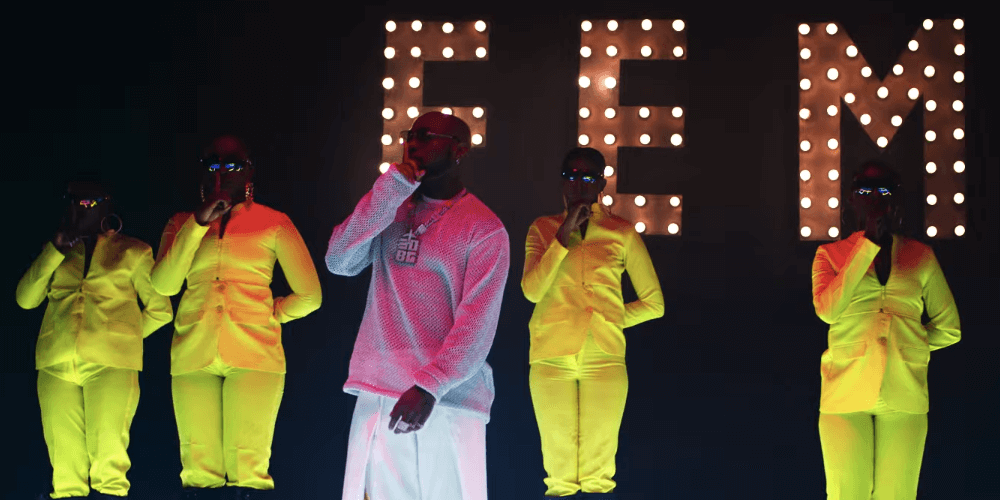
How ANTI, Twitch & The Alternate Sound put Davido’s Jimmy Fallon Performance together

After the world put a halt to almost every bit of entertainment we were used to consuming, from prestigious award shows, to witty talk shows, the global entertainment industry had to mould itself around a new normal, frantically scrambling for innovative ways to comply with the social distancing directive. Live performances are a huge part of music entertainment, and this is a sect of the industry that has been suffering since the emergence of the novel coronavirus, however from BET’s 2020 awards we are seeing the merits of virtual live performances and a new way in which audiences can enjoy live sets, even if it is from our homes.

For his performance on Jimmy Fallon’s The Tonight Show, Davido proved to us that the same captivating performances we witnessed at the big-dollar-budget BET Awards can be found here at home. Davido has never shied away from going the extra mile at his shows, and he’s done the same with this remote instalment, with the help of esteemed set designers ANTI, DMW in-house videographer Dammy Twitch, and the reputable Alternate Sound band who transformed the familiar studio instrumentals “D&G” and  “Fall” into arresting live arrangements.

Showcasing the brilliance of a Nigerian opus, assisted by long-time affiliate Asa Asika, Davido put on a full production for his debut performance on an American TV, portrayed through two eye-catching sets: the first, Davido’s yellow living room embellished with sunflowers which pans left to a neon-lit jungle for the band.

Speaking with the NATIVE on how these two worlds came into being, set designers ANTI explain:

“We wanted to create two completely different and conflicting worlds within the same physical space. One is cozy and one is wild… He wanted the yellow set and we thought that the green one would go well with it. Really love how Dammy [Twitch] shot the transition sliding from one to the other.”

Dammy Twitch is a long-time collaborator and of Davido’s. Describing Davido as his brother, the pair have worked together on several music videos, including “Bum Bum” with Zlatan and the DMW record, “On God”. Yet despite their long history, Twitch was still convinced this job was too good to be true: “When I was first asked to shoot Jimmy Fallon, I thought they were joking to be honest”

The Alternate Sound – the gifted live band who add their own accents to the familiar records – had a similarly ecstatic response to the news that they would be starring alongside the afropop crossover star on American TV. With one of their 2020 objectives to be “big on international platforms”, assisting Davido with “D&G” and “Fall” was a literal dream come true for the band. Thanks to their efforts and the other incredible artists responsible for putting this segment together, achieving their goal turned into a memorable production which has now attracted much acclaim.

“[The] reception keeps getting better day after day” proclaims Twitch, mentioning that more people now have their eye on him and his work, thanks to his delivery on The Tonight Show. With friends and not-quite friends singing their praises on social media and calling to congratulate them, The Alternate Sound and ANTI have also enjoyed more popularity, owing to their own contributions to the COVID-compliant live set.

“It has been amazing and it is really exciting to see that people really love, support and appreciate what we do and also appreciate the music we play and how we do it, it is really a blessing and we thank God for that.”

Davido is at a point in his career where everybody he works with is instantly elevated. Whilst we at home were all familiar with Dammy Twitch, The Alternate Sound and  ANTI-design, the heroes who put together this magnetic performance video, Davido and of course American TV presenter Jimmy Fallon, both have a huge following across the world, meaning that the recognition these acts have garnered from their latest piece of work reeled in from even further depths than they’re used to.

Having all worked with Davido on previous occasions, this time feels a little more significant, for Twitch at least, not only because of The Tonight Show‘s sizeable platform but also when appreciating the current sociopolitical climate. Twitch explains: “It feels different cause it’s a very good look internationally and the fact that I’m black and doing the thing. It’s a great feeling.”

This collaboration – although the pressure of performing a flawless live set, or the seven-hour task of building up the two stages, or the stress of getting the perfect shots live, persisted – was an overall pleasurable experience, as it always is working with Davido and the team.

“It has always been a wonderful experience working with Davido and that is because he is a really hardworking artist and he pays attention to every detail. He is very disciplined when it comes to work and he doesn’t take his job for granted.”

Remote performances are the ‘new normal’ and so far we have seen Rema, Doja Cat, The Jonas Brother along with The Roots take their own stages on late night shows such as Jimmy Kimmel Live, James Corden’s The Late Late Show and of course The Tonight Show too. Davido’s performance, like the Black Eyed Peas’ (watch here), stands out from these because of the meticulous effort put into crafting an audio-visual experience for viewers. We’re looking forward to seeing more of these dynamic productions in the months to come, especially as we’re stuck at home and can’t enjoy the real deal.

Featured Image/The Tonight Show/Youtube


Wojumi is a bad bitch & she’s going to brag about it. Tweet her your latest cultural exploits @dewoju


WATCH REMA PERFORM “IRON MAN” ON JIMMY KIMMEL LIVE!

Beyoncé’s ‘Black is King’ will now be available to screen in Africa

Beyoncé’s upcoming documentary, ‘Black is King”, based on music from her executive produced ‘Lion King: The Gift’ album, is almost here.

The visual album which will premiere globally on July 31st on Disney Plus was revealed last month and is said to reimagine lessons of ‘The Lion King’ for an audience of “young kings and queens in search of their own crowns”.

After the internet was collectively up in arms regarding the documentary premiering exclusively on Disney Plus , which is not available in Africa, ‘Black is King’ will now be available to screen across some African countries including South Africa, Nigeria, Ghana, Namibia, Cameroon, Burundi, Senegal, Togo, Congo, Zimbabwe, Malawi, Cape Verde and many more. Dstv’s M-Net has announced plans for the screening on August 1st at 20:00 hours on M-Net Channel 101.

Alongside this good news, an official trailer for ‘Black is King’ has also been unveiled and it features cameos from your favorite celebrities from Kelly Rowland, Lupita Nyong’o, to Naomi Campbell, and even Yemi Alade. Despite this star-studded revelation, the plot of the storyline can finally be deduced as the trailer follows a young boy’s journey to finding himself and his roots, while encountering a set of difficult choices that have the power to redesign his fate. ‘

Black Is King’ will also offer videos for singles off the project such as “My Power”, “Mood 4 Eva” and “Brown Skin Girl”.

Watch the trailer for ‘Black is King’ below.

Featured image credits/DisneyPlus


Tami is uninterested in what you have to say. Don’t tweet at her @tamimak_


ICYMI: Beyoncé announces new visual album ‘Black is King’ based on music from ‘Lion King: The Gift’ album

Beyoncé’s ‘Black is King’ will now be available to screen in Africa

Beyoncé’s new visual album titled ‘Black is King”, based on music from her executive produced ‘Lion King: The Gift’ album, is almost here.

The visual album which will premiere globally on July 31st on Disney Plus was revealed last month and is said to reimagine lessons of ‘The Lion King’ for an audience of “young kings and queens in search of their own crowns,” according to a news release.

After the internet was collectively up in arms regarding the exclusive Disney Plus premiere, ‘Black is King’ will now be available to screen across some African countries including South Africa, Nigeria, Ghana, Namibia, Cameroon, Burundi, Senegal, Togo, Congo, Zimbabwe, Malawi, Cape Verde and many more. Dstv’s M-Net has announced plans for the screening on August 1st at 20:00 hours on M-Net Channel 101.

Alongside this good news, an official trailer for ‘Black is King’ has also been unveiled and it features cameos from your favorite celebrities from Kelly Rowland, Lupita Nyong’o, to Naomi Campbell, and even Yemi Alade. Despite this star-studded revelation, the plot of the storyline can finally be deduced as the trailer follows a young boy’s journey to finding himself and his roots, while encountering a set of difficult choices that have the power to redesign his fate. ‘

Black Is King’ will also offer videos for singles off the project such as “My Power”, “Mood 4 Eva” and “Brown Skin Girl”.

Watch the trailer for ‘Black is King’ below.

Featured image credits/DisneyPlus


Tami is uninterested in what you have to say. Don’t tweet at her @tamimak_


ICYMI: Beyoncé announces new visual album ‘Black is King’ based on music from ‘Lion King: The Gift’ album

Davido, Psycho YP, Sarz & WurlD pick nominations for the South African music awards 2020

Since debuting in 1995, the South African Music awards (SAMAs) have made it a duty to spotlight the best and biggest of South Africa’s diverse music scene. In January, the award body set the ball rolling for this year’s edition, announcing that Music Video Of The Year would now be a fan voted category, like Record Of The Year, as well as the creation of the Best Produced Music Video category, bringing the total number of categories to 34.

The 26th edition of the SAMAs was initially scheduled to take place on June 2nd, at the Sun City Arena, however, with the ongoing pandemic derailing original plans, it is now slated to hold virtually, from August 3rd to 7th. This year’s festivities will be broadcast over five nights, with the first four episodes slated to last for 30 minutes and the finale will be on for 45 minutes. The episodes will comprise winner announcements and live performances from nominees, and they will be aired on Multichoice’s Mzansi Magic, as well as a livestream on the My Muze app.

After detailing the logistics, the award body rolled out the full list of nominees over the past week, initially starting off with those in the fan-voted categories, Record of the Year and Music Video of the year, then following up with the remaining categories. Scorpion King duo, DJ Maphosrisa and Kabza De Small, lead the entire pack with ten nominations, including three nods for collaboration of the year, two for Best Kwaito album and one for Best Produced album. Their third album, ‘The Return of the Scorpion Kings’, is also up for Best Engineered album, however, that nomination goes to Mas Musiq, the engineer behind the album.

Following closely is superstar producer, Prince Kaybee, who has nine nominations overall, including two nods each in the fan-voted categories. In addition to Best collaboration for the Msaki-assisted smash hit, “Fetch Your Life”, Kaybee’s third studio album, ‘Re Mmino’ scored him nods for Album of the year, Male artist of the year and Best Dance album.

Samthing Soweto rounds out the top three highest nominees with eight nominations, picking up nods for Album of the year and Best Afro-Pop album, following the critical acclaim and commercial success of his album, ‘Isiphithiphithi’. Other notable artists with multiple nominations include Ami Faku (Newcomer of the Year, Best Afro-Pop), Lady Zamar (Best Dance album, Female artist of the year), K.O (Best Hip-Hop album, collaboration of the year), Spha Mdlalose (Best Jazz album) and Bongo Riot Di Dancehall Wakanda (Album of the year, Best Reggae album).

Zooming out a bit, the Rest of Africa category is dedicated to non-South African artists, and this year’s nominees is dominated by Nigerian artists. In addition to Mozambique’s Isabel Novella and Sha Sha, the Zimbabwean singer who won Best New international act at the recent BET awards, the other nominees are Davido, rap ascendant Psycho YP, and the formidable pair of Sarz and WurlD. The diversity of these nominees is further indication of an increasingly omnivorous Nigerian music scene, where different sonic styles are making in-roads across the continent, regardless of their popularity at home.

Check out an abridged list of the SAMA26 nominations below. (You can find the full list here.)

Rest of Africa Award

Davido – ‘A Good Time’ (Nigeria)

Sha Sha – ‘Blossom’ (Zimbabwe)

Sarz & WurlD – ‘I Love Girls with Trobul’ (Nigeria)

Isabel Novella – ‘Metamorfose’ (Mozambique)

PsychoYP – ‘YPSZN2’ (Nigeria)

Album of the Year

Samthing Soweto – ‘Isiphithiphithi’

Prince Kaybee – ‘Re Mmino’

We Will Worship – ‘Seasons, Volume II’

Bongo Riot Di Dancehall Wakanda – ‘True Stories’

Sibusiso Mash Mashiloane – ‘Amanzi Nemifula: Umkhuleko’

Best Collaboration

Samthing Soweto (feat. Sha Sha, DJ Maphorisa & Kabza De Small) – “Akulaleki”

Prince Kaybee (feat. Msaki) – “Fetch Your Life”

MFR Souls (feat. DJ Maphorisa, Sha Sha & Kabza De Small) – “Love You Tonight”

K.O (feat. Nandi Madida) – “Say U Will”

Sha Sha (feat. DJ Maphorisa & Kabza De Small) – “Tender Love”

Newcomer of the Year

Ami Faku – ‘Imali’

Sbu Noah – ‘A David Kind of Psalm (Live)’

Spha Mdlalose – ‘Indlel’eyekhaya’

Ndabo Zulu & Umgidi Ensemble – ‘Queen Nandi: The African Symphony’

Viwe Mkizwana – ‘Tributes’

Male Artist of the Year

Benjamin Dube – ‘Glory in His Presence’

Samthing Soweto – ‘Isiphithiphithi’

Prince Kaybee – ‘Re Mmino’

Sibusiso Mash Mashiloane – ‘Amanzi Nemifula: Umkhuleko’

Bongo Riot Di Dancehall Wakanda – ‘True Stories’

Female Artist of the Year

Lady Zamar – ‘Monarch’

Ami Faku – ‘Imali’

Riana Nel – ‘Sterker’

Manu Grace – ‘June’

Spha Mdlalose – ‘Indlel’eyekhaya’

Best Afro Pop Album

Ami Faku – ‘Imali’

Bongo Maffin – ‘From Bongo With Love’

Samthing Soweto – ‘Isiphithiphithi’

Mthunzi – ‘Selimathunzi’

Blaq Diamond – ‘Umuthi’

Best R&B/Soul Album

Elaine – ‘Elements’

Tellaman – ‘God Decides’

Lungisa Xhamela – ‘My Heart to Your Soul’

Tshego – ‘Pink Panther’

Yanga Sobetwa – ‘Promised Land’

Best Kwaito Album

DJ Maphorisa and Kabza De Small – ‘Scorpion Kings’

DJ Maphorisa & Kabza De Small – ‘The Return of the Scorpion Kings’

Vigro Deep – ‘Baby Boy III’

DJ Tira – ‘Ikhenani’

MFR Souls – ‘The Beginning’

Best Hip Hop Album

YoungstaCPT – ‘3T’

Yanga Chief – ‘Becoming a Pop Star’

DJ Sliqe – ‘Injayam Vol.2’

K.O – ‘PTYunLTD’

Big Zulu – ‘Ungqongqoshe Wongqongqoshe’

Best Produced Album

‘Swansong’ (by Matthew Fink)

‘Scorpion Kings’ (by MFR Souls DJ Maphorisa, Kabza De Small & Vigro Deep)

‘Re Mmino’ (by Prince Kaybee)

‘Isiphithiphithi’ (by DJ Maphorisa, Kabza De Small, MFR Souls, Howard, Mas Musiq & Samthing Soweto)

‘In a Different Light’ (by Wouter Kellerman)

Best Engineered Album

‘I Write What I Dream’ (by Robin Walsh)

‘Isiphithiphithi’ (by Samthing Soweto, Pete Maher and Mas Musiq)

‘Promised Land’ (by Kurt Michael)

‘The Return of the Scorpion Kings’ (by Mas Musiq)

‘Into Dust/Waltz for Jozi’ (by Peter Auret)

Best Dance Album

Lady Zamar – ‘Monarch’

Prince Kaybee – ‘Re Mmino’

Oskido – ‘Akhiwe’

Malumz on Decks – ‘Find Your Way’

DJ Mshega – ‘Vibez’

[mc4wp_form id=”26074″]


Dennis is not an interesting person. Tweet Your Favourite Playboi Carti Songs at him @dennisadepeter


KABZA DE SMALL’S ‘I AM THE KING OF AMAPIANO: SWEET & DUST’ IS A CREATIVE LANDMARK FOR AMAPIANO

Best New Music: FOREVATIRED & Solis team up on nostalgic single, “Film Trick”

The Abuja-based music collective FOREVATIRED are redefining what it means to be a band in Nigeria today. Formed back in 2017 by Faith (Kyyd), the 11-piece act consists of rappers, vocalists, producers, and a number of other visual creators, who are uniquely primed to command our attention, owing to their wide array of sonic influences and also just by the group’s sheer ambiguity.

With no faces to the many names, the inclusive-spirit channeled in their songs and online suggests that perhaps anyone could be a member of this cool new collective – I might be or you just might be – as the buzz around their ambiguity represents our closest thing to a collaborative indie family like Odd Future.

Their debut mixtape ‘THOSE KIDS NEXT DOOR’ arrived seven months after their debut and it’s pristinely packed with versatile and atmospheric soundscapes which soundtrack the realisations that they have come to individually and collectively as a group during the coronavirus-induced lockdowns.


View this post on Instagram


A post shared by @forevatired on

Although ‘THOSE KIDS NEXT DOOR’ makes a defining moment for the group with repeat-worthy songs loaded with relatable lyrics over dreamy futuristic production, it’s the synth-heavy second track, “FILM TRICK” that stands as the project’s most intriguing.

Produced by Faith, the mid-tempo beat led by echoing synths and distorted lasers and keys lays the perfect setting for a nostalgia-induced romantic number influenced by the group’s Nollywood phase during the current lockdowns.

Helmed at both ends by a running clip of Sam Loco’s cringey, yet, humourous advances at a young woman, FOREVATIRED rapper, Pharoah along with Etienne and SOLIS capture a snapshot of the millennial dating scene by playing on our collective recollection of noughties Nollywood films with its grainy production and insane film tricks.

‘She move like film trick, I’m glued to your move like pritt stick’ sings Etienne, who opens the song describing the ethereal quality of a love interest that has them so intrigued and fixated like an adhesive. The chorus ends: ‘They don’t make no more like you’, suggesting that the song is a reflection on a failed romantic relationship. Each artist brings noteworthy addition to the mix, with relatable lyrics that anyone who’s thought ‘right person, wrong time’ can instantly attach meaning to.

As the ambient synths rock and swell with distorted frenzy, possibly to represent the rockiness of the relationship, SOLIS sings ‘I move like film trick/dodging these bullets like matrix’ offering what can be interpreted as the lover’s response to why the relationship is no more. SOLIS (read, your lover) can’t be tied down and protects herself such that, at the first sign of a red flag, she disappears just like the humorous special effects we grew up watching.

They’re both joined by Pharoah who also airs his romantic frustrations, ‘Told you it was love, I’m not capable of that/you were born to fly and I’m a fucking zombie’ he raps, with a conviction which reveals that he’s aware of the faults he raps about, however, he doesn’t let them get in the way. He admits that he’s got ‘a couple tricks’ of his own to protect him in this game called love.

With “FILM TRICK”, FOREVATIRED reminds us that not everyone you love ends up being in your life forever, and just like bad movie special effects, the love you share with someone else can disappear in a split second for a myriad of reasons. Stay strong and keep your chin up, it can get savage out there.

Stream ‘THOSE KIDS NEXT DOOR’ below.

Featured image credits/Instagram


Tami is uninterested in what you have to say. Don’t tweet at her @tamimak_


ICYMI: Here’s all the new music you may have missed last Friday

A Cocktail of Violence: Southern Kaduna is More Than a Hashtag

On June 3rd 2020 in the Kajuru Local Government Area of Kaduna State, residents were attacked by herdsmen at around 5AM. Simon*, a lifelong Kaduna resident and social media activist, reported that the attack claimed nine lives, including women and children, with a mass burial arranged for them. According to him also, these were not the only attacks. In May, Punch newspaper reported on the abductions of fifteen people, one of whom was murdered. Over the past few years, there have been many more media reports on violent clashes across certain hotspots in Kaduna State.  Too many lives have been claimed from Chikun to Jema’a, Kafanchan, and Kachia. Simon says, “it is hard not to believe that this is a targeted ethnic cleansing. To put it simply, there is a genocide happening in Southern Kaduna.” A member of the state house of assembly, also co-signs this belief.

For a few weeks in May and June 2020, social media amplified these killings. Consuming in its intensity, the hashtag #SouthernKadunaMassacre evoked fiery emotions from people across Nigeria. Some of the tweets shared photos of mangled dead bodies, others cried out for justice with “stop the killings, stop the evil…our crime is survival, we just want to live”. Many asked “why is our government silent?” To the digital mass, Kaduna State was an intolerable hotbed fuelled by state-sanctioned extermination of Christians by Muslims.

A top official from one of Kaduna state’s largest local government areas describes it this way. “If all you knew about the southern Kaduna clashes were from social media, you would be left with the unwavering belief that there was an active ongoing state-sanctioned  ethnic genocide against the Adara people of Kajuru and the natives of Southern Kaduna as a whole, which is part of a wider Islamisation strategy by the government in power.”

The United States Travel Advisory ranks Nigeria as a Level 3, which translates to a “reconsider travel” warning. For Kaduna state and a few other states, the explicit advice is a “do not travel” due to kidnapping.  It is critical to examine how Kaduna State, one of the most developed parts of Northern Nigeria, the state with the sixth highest internally generated revenue in Q1 of 2020, currently in the thick of a rapid urbanisation project and lauded for some of the most effective governance practices in the country continues to be defined by a culture of insecurity and a taste for needless violence. The iterations have been many, but the state is inexorably linked with communal violence and deaths.

In the case of the current spate of southern Kaduna killings, the precursor began in October 2018, when Agom Adara, the paramount ruler of the Adara speaking people of Kajuru Southern Kaduna was kidnapped and murdered by suspected Fulani kidnappers. According to this online petition, the late chief had died because he protested the abolition of the Adara chiefdom, the second largest in the state which was integrated into the new Kachia Chiefdom and Kajuru Emirate. Meanwhile, the northern Zazzau Emirate, one described as encompassing almost half of Kaduna was left untouched with similar emirates left intact or with minor changes. His death escalated, the beliefs in and beyond Kajuru that he was killed due to the communal crises. The allegations led to reprisal attacks which became the foundation for subsequent reprisal attacks that led all the way the most recent deaths.

The history story of clashes goes far back. For forty years, Kaduna state has been a host to ethnic and religious violence claiming thousands of lives. In 1980, the site was Kasuwan Magani in 1980. In 1987, riots erupted at the College of Education Kafanchan in 1987. In 1992, it was the Zangon Kataf crisis. A particularly bloody Sharia crisis in 2000/2001, then the Miss World riots of 2002. The post-election violence in 2011 all the way to the Adara/Fulani crisis starting in 2016 to date.

Things were not always like this. Tony*, another lifelong Kaduna resident, says that “before 1992, people lived anywhere, safely and happily. But there was an incident, probably a perceived slur from one side to the other. There began a lot of killing, and many families had to move to another part of town where they felt safer, and thus the dividing lines began to appear.”

The state has taken some steps to manage the insecurities. On the grassroots level, it restructured its ties to traditional leadership, renaming areas to reflect geographic domains instead of tribes in order to downplay the indigene-settler identities, and play up citizenship over ethnicity. In 2019, the Office of Riot Damages, Rehabilitation and Resettlement was opened, operating directly under the office of the governor. In 2017, the Kaduna State Peace Commission was established. Its mandate sums to adopting proactive measures to develop and implement strategies to promote peace and harmony, prevent conflict, and mediate disputes at communal and inter-group levels across the state. Across all 23 local government areas, peace committees have been established.

However, state interventions can only go so far in theory. The practice comes with many challenges. Tunde* a member of the State Peace Commission articulated some of the issues prevalent in the state’s strategies. According to him, the fundamental limitation lies in the structural set up. As it stands, most of the structures developed to respond to insecurity are not based on the needs and realities in the affected communities. An absence of political will over many administrations prior has also led to the many attempts for justice by the affected communities go unmet. “The reprisal attacks between the farmer herder communities for instance is often downplayed and to date no person has yet been persecuted for these crimes.” Says Simon. Finally, despite the state’s best efforts, there is often no acknowledgement of harm by the perpetrators of the violence, which has fostered a culture of mutual mistrust.

In addition, violence from other states present new avenues for insecurity. In the past few years, banditry has rapidly escalated in the North-West, some of which has spilled into Kaduna state. According to a staff member at the state ministry for internal security and home affairs “the result is a violent cycle where one attack happens, one side believes it is the other, and lashes out in retribution and continues to go back and forth.” Today, the format primarily takes on the form of the farmer-herdsmen conflict, following the cycle of attacks and reprisal attacks that continue to claim lives ranging from thirty three to fifty one. Every time, the innocent residents of Kaduna pay the price.

The story of Southern Kaduna is more than a hashtag. It is one that centres many stakeholders, victims and perpetrators, placing a state at the centre of a cocktail of social media outrage, ethnic and religious violence, semi-permanent insecurity and the questions of governance. Credit should be given to the initiatives already on ground, but it is important to remember the value in transparency. It is crucial for the state to own is successes as well as its failures. From a point, it is easy to see why the internet cries out for justice. There is a sense of helplessness, when years of mediation and security interventions have not fully curbed the deaths and insecurity. Yet, as citizens, it is also on us to be more discerning with our responses in an age where social media is often weaponised to stir needless righteous anger. In a few days, the cycle of outrage will shift to another target, but the people on ground are real and our perception can many unintended consequences for those having to manage the crisis with more than tweets. To quote top a government aide, “outrage will have you reading from chapter three instead of chapter one.” We must be careful not to normalise this.

How you can help victims of the violence in Kaduna: Donate to Resilient Aid Initiative, an organisation that specialises in assisting internally displaced Nigerians.

*The names of those interviewed have been changed for their protection. 

Featured image credits/Instagram


ICYMI: We spoke to some members of the creative community in Kaduna about the ongoing conflict