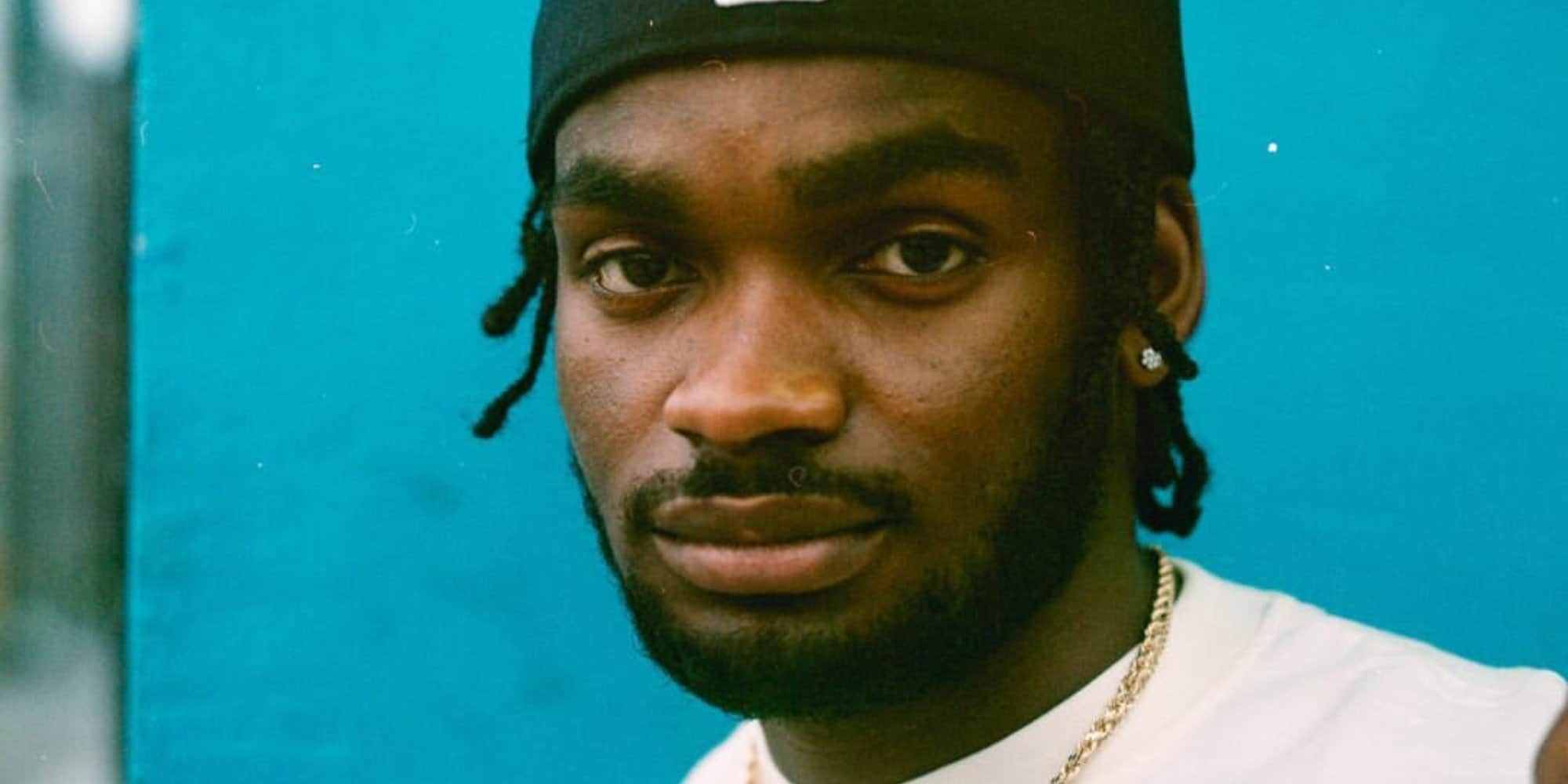
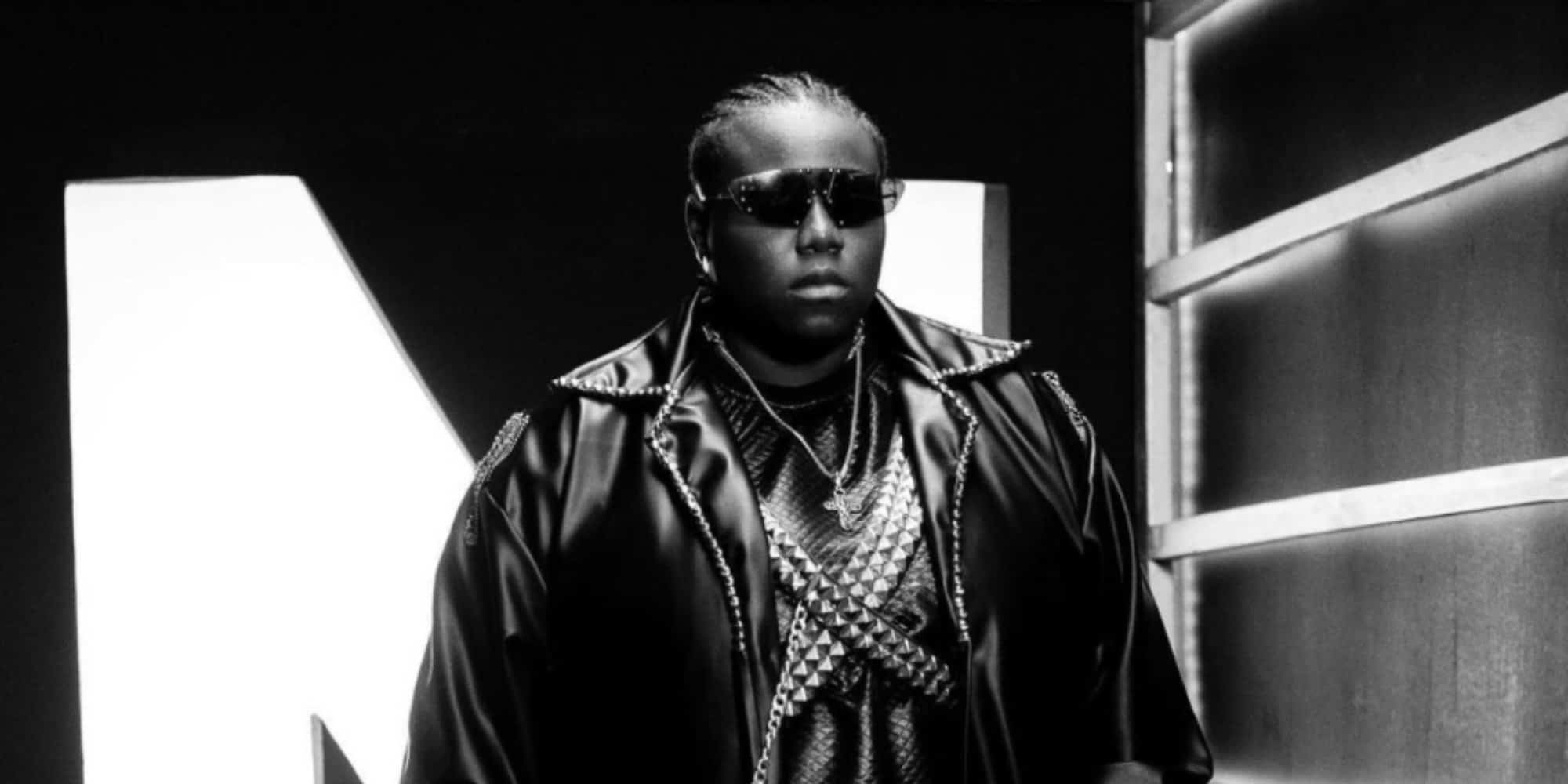
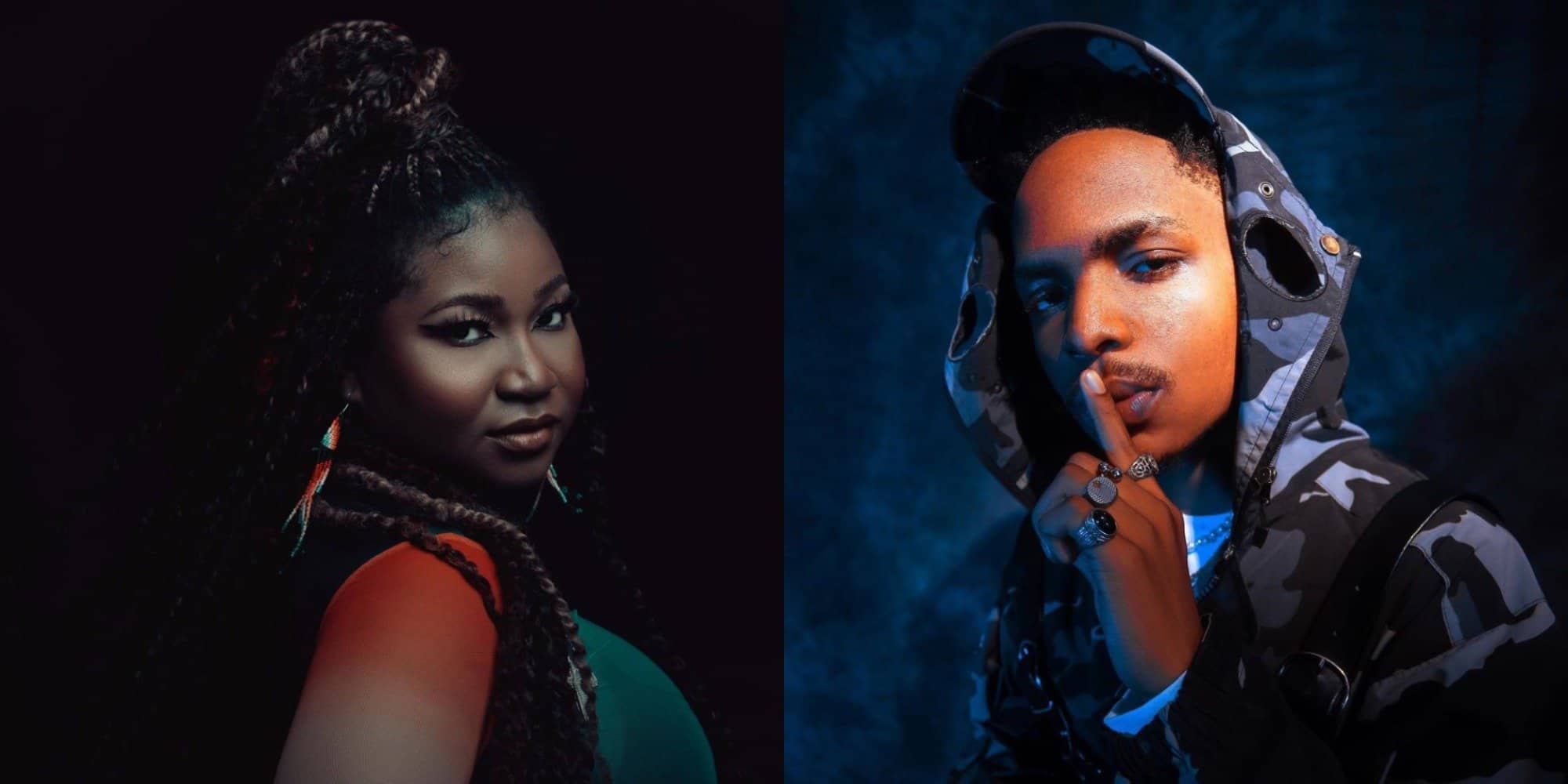
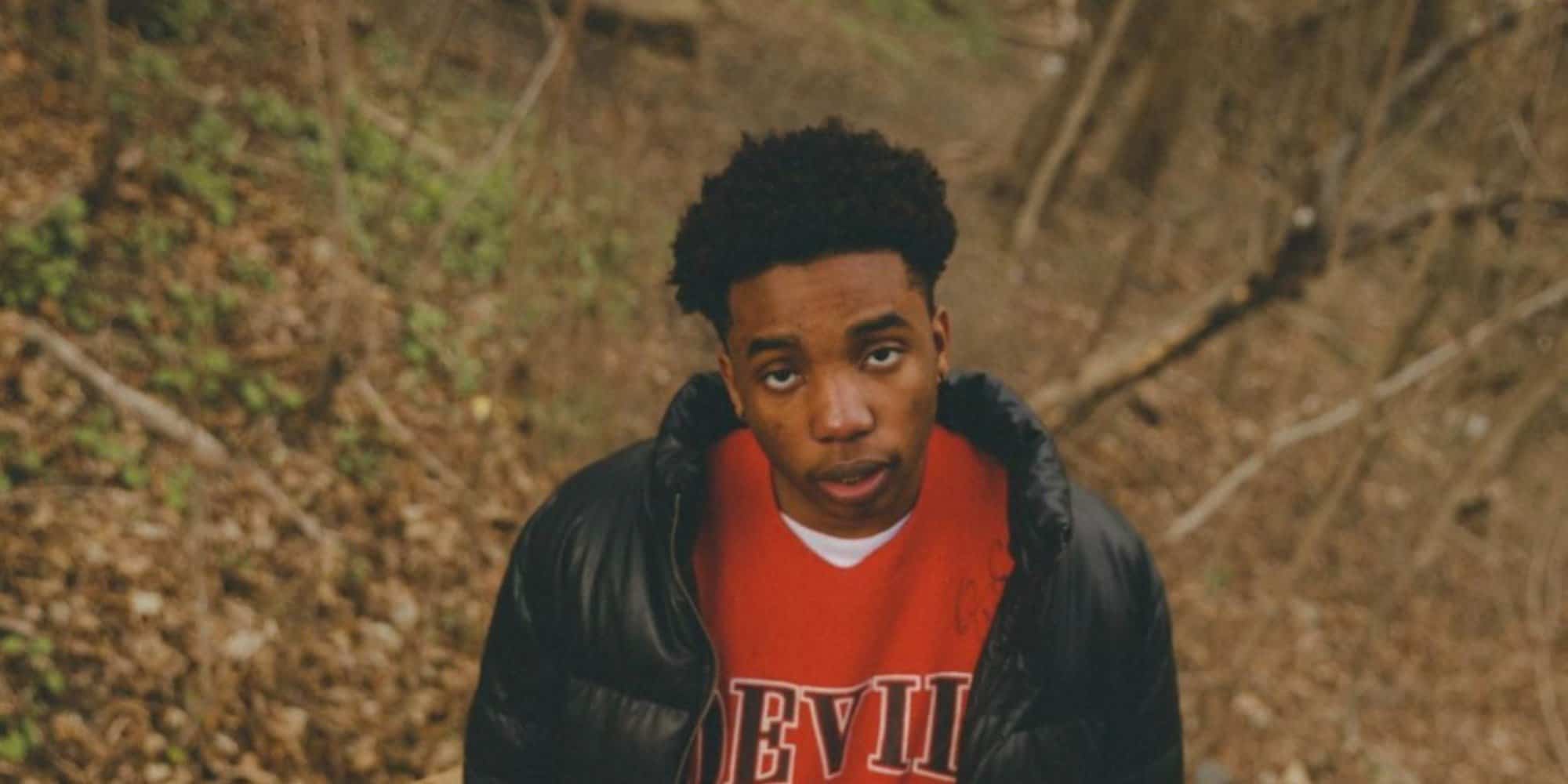
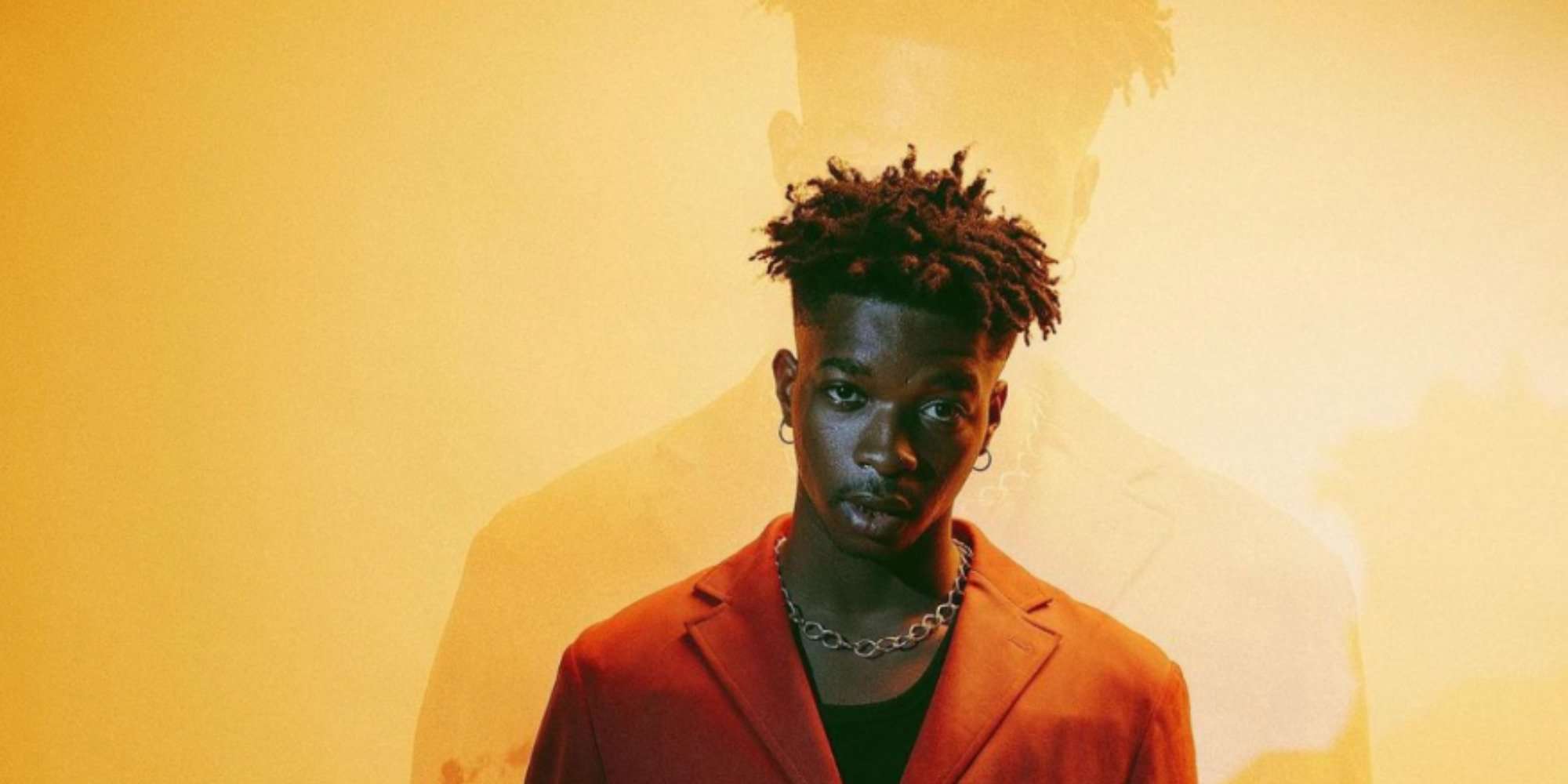
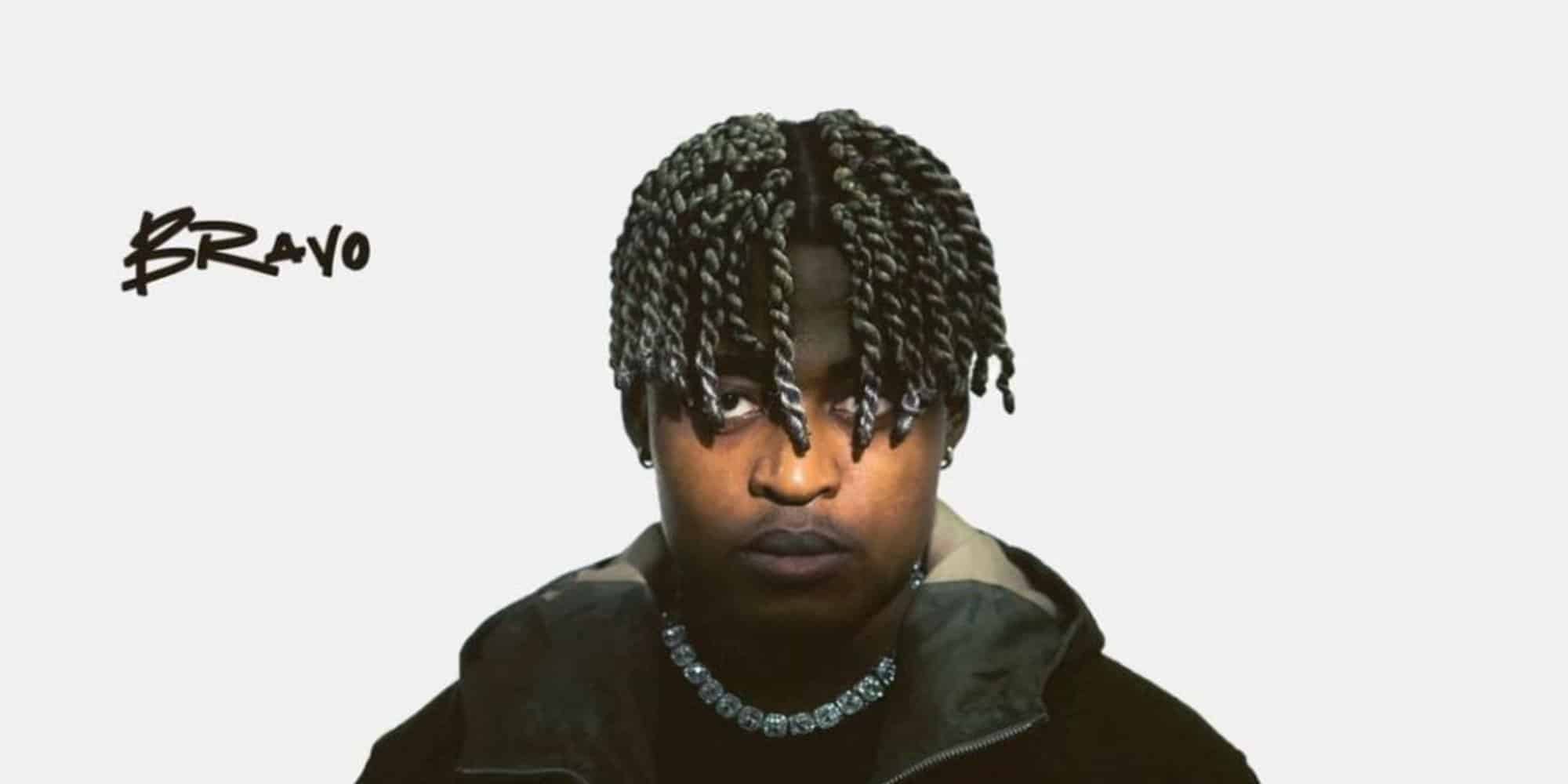
Warming us up for the release of his debut EP ‘True Self’ in 2018, Chimzaram Omeni-Nzewuihe, more popularly known as Chimzy released a slew of tracks that would serve as the introduction to his star potential. From love tracks “Too Bad”, “Addicted” and “Impress You” to “Wavy” and “Bad Guy”, the singer consistently showed his musical capabilities, causing a stir in America’s nascent Afropop where he was based.
Fast forward to 2021 and Chimzy has a couple of stellar projects under his belt and he’s more than proved that he’s worth the salt. With a discography including his sophomore effort ‘Chimzy Vol.1’, and a couple of stellar singles including Tobby Drillz-assisted “Shekpe”, and “Ijoya” with PsychoYP, a nostalgic remake to Weird MC’s “Ijoya”, the singer has leaped from the belly of the underground and earned himself a loyal following.
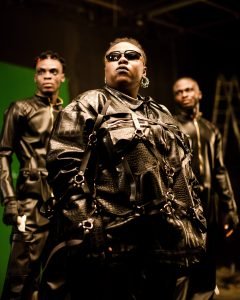
As he continues to make his way to the top, the singer now shares his third EP ‘Insomnia’, marking this new leaf in his career with help from new friends positioned to break him further into the Afropop landscape back at home including Teni and Minz. The steady piano riff at the beginning of the EP intro “Normally” is the perfect introduction to the project and presumably what Chimzy has to offer in this new self-assured phase of his career.
Accompanied with this smooth introduction are Chimzy’s vocals as he talks about his dedication to his craft as he croons “Yeah we doing this for life/I can’t do nothing but be grateful” as well as his successes thus far. The beat, heavy on the drums, compliments the artist’s sonorous vocals as he quips later on the chorus “Normally, normally, me I go dey give them constantly/ Me I go give them all my all, make nobody come dey suffer me.” The track is a true testament to the artist’s growth and his commitment to the modification of his craft to suit his current self and its accompanying tastes. While “Normally” serves as a reminder of the artist’s progress, it also builds anticipation for what’s to come as the EP advances and Chimzy’s career takes new heights.
On the following track, “Bati Bati” produced by Paul Jabani Lassa draws us further into the project with a more rhythmic beat similarly heavy on the drums like the intro. Undeniably a strong heart-thumping beat, his vocals still take center stage on the track and he melodiously sings of his intentions and experiences with his love interest. It is almost reminiscent of his older love tracks like “Impress You” but there is a clear development in his sound which is much more confident. He expresses his interest in simply enjoying life as well as the company of his love interest on the song’s pulsating hook “So fine girl I’m feeling you/last night girl so real with ya”. Assisted by a subtle trumpet riff are his infectious vocals as he sings “I dey do like bati bati ba ba, Aunty roll that thing back/When you do it like that, it’s so magical”.
100,000 streams in the first week! Grateful isn’t the word. Bigger things coming!! Thanks to everyone listening ❤️🔥 pic.twitter.com/qkTCg0iL5v
Considering Teni was on this track, it is no surprise that the two Afropop artists created magic. Coupled with that their stellar complimentary vocals grace the infectious amapiano beat. The EP’s mood has transitioned from slow-tempo tracks and the mood has picked with a more upbeat sound on “LEVEL”, fit for Teni’s energetic vocals. As Chimzy flows on the beat, Teni delivers sultry vocals in the background preparing us for her solo entry into the track. She steadily rides the wave of the beat as she sings “This thing you dey do go cause yawa/This thing you dey do go cause gobe”. The beat momentarily tunes down and picks up again, allowing for a hypnotic exit from this number as we enter “RUDE BOY” taking us to the slow-tempo pace of the first two tracks on the project. However, Minz’ vocals contrast Chimzy’s deep-pitched one, aiding in providing a different sound than what we heard earlier.
“ALL MY LOVE” has Chimzy telling his intentions to his love interest as his vocals range from high to low in the track’s intro and first verse. The drums assist Chimzy as he sings “I just wanna give you all my love/I just want to give you what you want”. Of all the productions on the project, “ALL MY LOVE” has the most distinct sound with a uniquely engaging beat that was further elevated by Chimzy’s sound. “I’m doing things that i never imagined doing before/I’m living life like a movie, spectacular it’s a galore” served as the opening line in the outro, “BETTER DAYS” as he recognizes that his life thus far has surpassed his expectations. He harmonises on the chorus as he cheers and toasts to even better days. By the end of ‘INSOMNIA’, it is evident that expert finesse went into the creation of the project and Chimzy has marked his new arrival.
Stream ‘Insomnia’ below.
Featured Image credits/AccelerateTV
Nwanneamaka couples her creative interests with her individuality and uses writing as a vessel for her expression.
Since the release of her debut project ’93MChild’, Ghanaian-German singer/songwriter Jean Feier has consistently met the demand for music that is refreshing and new in today’s saturated climate. The Fresh Meat alum is a genre-bending artist capable of soundtracking one’s intimate desires and their journey to freedom.
Speaking about her expansive catalogue of music, Jean Feier once shared with the NATIVE that she wants listeners to go to therapy with her when they hear her voice. Providing aural healing for an entire generation is not an easy feat but Feier has remained consistent through it all, earning her a growing presence online and a nod from the Ghana Music Awards for Best Alternative Song.
This year, Feier hasn’t slowed down as she’s now unveiled a new single for her loyal fans titled “When I Need You”. Over a mellow beat produced by fellow Ghanaian producer, Kwelit, the singer delivers her warm silky vocals and some of the most relatable songwriting in her recent work. She declares her utmost dedication to her love interest, laying bare how they make her feel while promising to stay by their side.
Instead, vulnerability becomes her strong suit as she shares with her listeners that letting someone in is often very scary however, she reassures them that it’s okay to take the next step when they are truly convinced of their love. She sings “I don’t want no one else, better off by myself/You’re the one on my mind,” addressing a love interest who she can’t simply do without. A true lover at heart, she speaks the truth about her reality on top of harmonies and melodies that sound like a niche R&B cut worthy of listening to.
Ahead of the release of Jean’s “When I Need You”, for our exclusive premiere of the single, The NATIVE caught up with Jean regarding her influences, the creative process behind the song and more.
Her answers which follow below have been lightly edited for clarity.
NATIVE:Hi Jean, you have roots in both Germany and Ghana and we hear you speaking German on “When I Need You”. How much of an impact would you say your roots have on the music you produce?
JEAN: Everything I am is everything that makes me me and therefore my art. More than anything else though I am my mother’s child and she is a half Ashanti & Ga superhero. She feels like the ultimate elder to me. I’m proud to belong with her. Growing up felt like adventure time. I loved having multiple sets. By the time I moved to Ghana for 3 years with 11, I already had a community from coming every big holiday.
My favorite birthday party happened in Dansoman and my oldest friend and I sang in the church choir in Ghananian church in Germany. These are both very important things that happened that shaped my gift. I booked my first professional recording session in London while I was living there. That city made me in ways I still can’t explain. If I had to pick a home, it would be hard. I’m inspired and in awe of black women because no matter where and no matter how they still shine. That’s inspiring too. Being in multiple worlds is a trip for stability but the perks are not too shabby.
NATIVE: Listening to “When I Need You”, felt like an affectionate, intimate declaration of love. What inspired you to be so open to vulnerability on the track?
JEAN: I stopped writing in my diary and started writing music at 9, it’s always intimate with me. Hopefully, my writing will always be so honest. Being like this in real life too is exhausting though. I dislike having to hide my heart and pretend. It’s not that I could not play chess, I’m just not interested, you know? I want peace and love, that’s that.
NATIVE: The song’s producer Kwelit shared that he had just listened to ‘Blonde’ by Frank Ocean and wanted to create a beat Frank Ocean could record on. Can you draw any similarities between your sound and Frank’s?
JEAN: Frank Ocean is a Legend. His sonic journey is important to me. As one of the few artists I actually listen to, I’m sure his impact can be felt and will continue to exist for a long time. Personally, I think Frank Ocean is an Alte artist so it makes sense to think of him and me in the same universe, but I think I’m definitely on my own vibes.
NATIVE:Who would you say informs or inspires the music you make?
JEAN: I’m a young black girl raised between borders with wanderlust and a large appetite for love and life. I document my state of being as a form of self-expression but when it connects with the right person it feels like finding your soulmate. The high I feel when I randomly get messages from SLMTS that just found me makes my life sweeter and more inspiring though.
NATIVE:Can we expect any visuals for the track soon?
JEAN: You will hear me before you see but you will see me nonetheless. I want to connect sonically above all in a visual world. I’m a little obsessed with that. I always felt like I needed to be complete to really put myself out there. Properly know who I am. Being very particular with what I want makes creating something as immortal as visuals, tricky. I’m always curating a list of amazing directors I would love to work with in the future however so creating will be an honor and an absolute delight. I’m looking forward to it.
Music discovery is a phenomenon as old as the commercialisation of music itself. In 2021, a period where music crossed physical boundaries and traversed continents with relative ease, finding new music and new artists is a hugely prominent part of pop culture. Take CKay’s “Love Nwantiti (Ah Ah)” for example, a song that was released in the summer of 2019 to moderate continental fanfare and has just debuted in the U.S Billboard Hot 100, making it the second Afropop song to debut on that chart in the last few months. Without the amplification provided by the short video sharing platform, TikTok, Ckay’s feat likely wouldn’t have happened.
Afropop is global, an incursion being led by stars of varying tiers and generations. To fully appreciate the presence of African music, though, is to look inward and be awed by the unending torrent of artists, many of them yet to be heard by a wide audience. In this terrain, music discovery is a delightful undertaking and, since the channels are increasingly democratised, it’s even more integral to ensure that nascent artists grow while holding on to their initial creative inclinations and convictions.
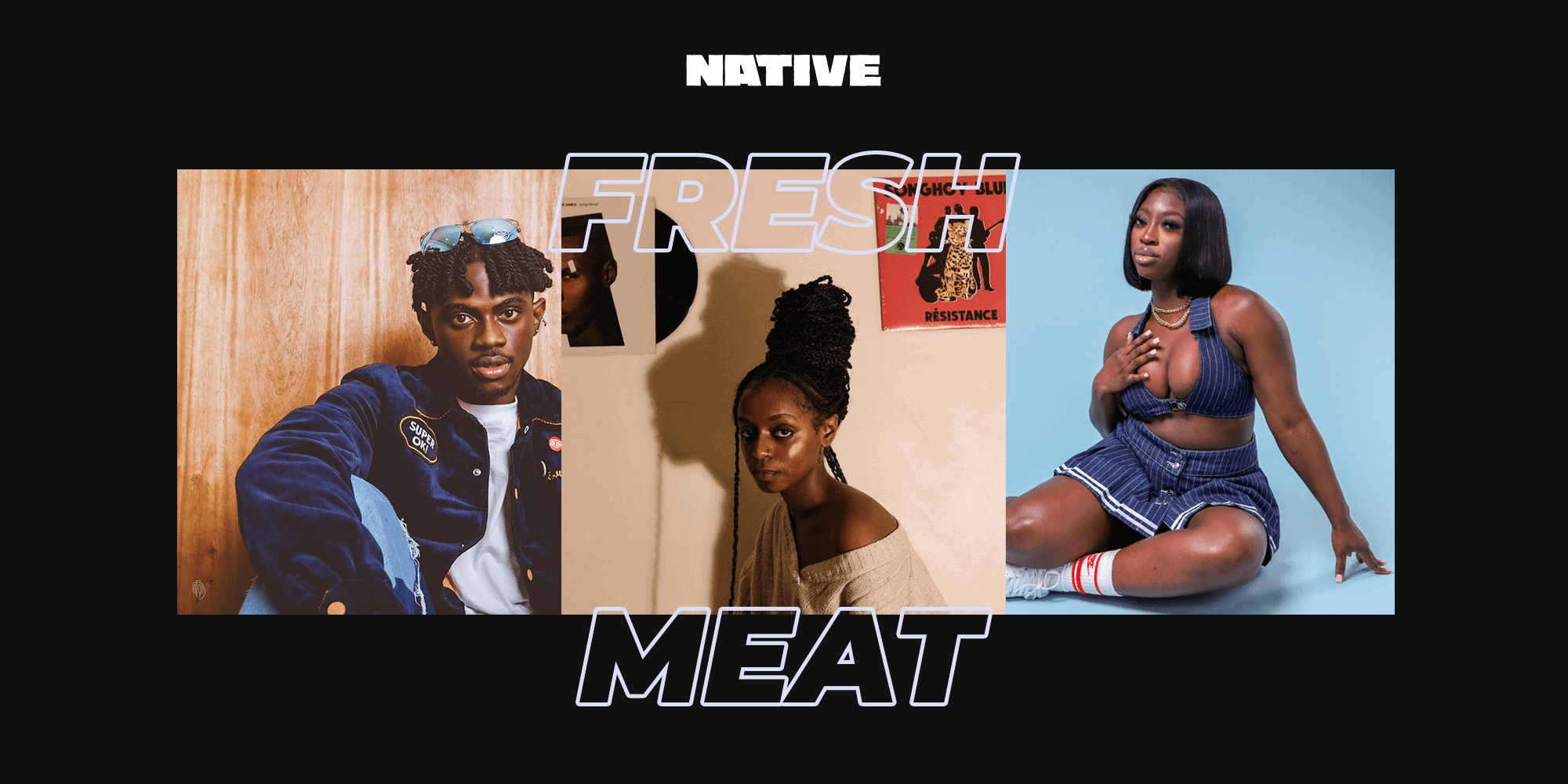
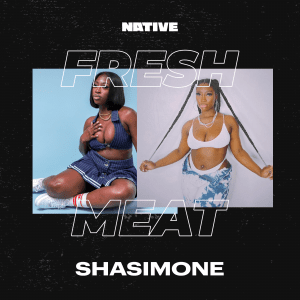
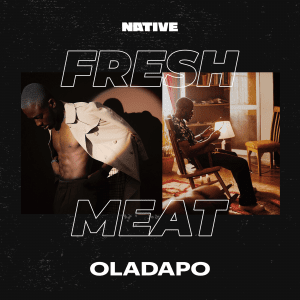
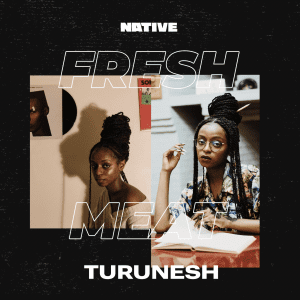
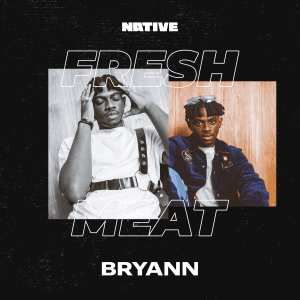
Across eighteen installments, The NATIVE’s “Fresh Meat” column has situated itself as a trusted channel for discovery, a place to exhort artists we believe are nearing mainstream breakouts, as well as those playing the long game with unique styles of music. This month’s edition is no different including Nigerian pop singer Oladapo, British-Ghanaian rap upstart Shasimone, Tanzanian Future Soul auteur Turunesh, and more. As always, we believe all eight featured artists deserve your attention.
Shasimone
Since her feature on Dave’s recently released sophomore album ‘We’re All Alone In This Together’, British-Ghanaian singer has continued to stoke new levels of excitement for her burgeoning music career. Her hard-hitting verse on the standout track titled “Both Sides Of A Smile”, lays bare the rapper’s natural lyrical abilities and her ease in delivery. With an unmistakable voice and a poignant message, Shasimone takes center stage on this stellar production as she draws listeners deeper into the track about various romantic shortcomings. Her bars were marked with evocative details with lyrics such as “Got my own car, own money and my own body/If I show body, this for me, this ain’t for nobody”, which immediately prompted many rap fans to question exactly who she was. If there’s anyone still unclear on the facts, the truth is Shasimone is here to stay and her appearance at Wireless Festival this year was confirmation enough.
A deep delve into her discography shows that Shasimone was only making music a year before she found herself swept up in the current moment that she now enjoys. A year ago, she had only a few singles to her name including her debut single “Belly” which was released last September. On this high-tempo track, she similarly exhibits her unique prowess as she spits rapid-fire lines about relationships, her career and everything that she worries about in between. Shasimone was not the only artist that got the courage to step out from the background and actively take their music career seriously in 2020 when the COVID-19 pandemic was at its peak. In fact, she joins a long line of talented artists who got hip to the game and met the demand for something new and current.
Earlier in 2021 just before the memorable Dave feature, Shasimone had released two singles titled “No Chaser” and “Supersize”, two buoyant tracks that display the rapper’s voracious appetite for braggadocious bars. While these songs were already satisfying grassroot audiences that she had connected with both in the UK and Ghana where she frequently visits. In this hyperspeed viral climate, garnering organic attention in this way is not an easy feat but the rapper certainly managed to do the unimaginable. By the time Shasimone stepped to the mic again, with the release of her latest single “Back To Sender”, she already had a legion of loyal fans singing her praises and they’re not without cause. Her latest offering feels like a step up for the burgeoning star. Here, she revisits her Ghanian roots for the track, travelling back to the place that raised her and embedding herself in the local community. The single, an Afropop-tinged affair finds the singer waxing poetic about the haters and opps. In the song’s 3 minute run time, she’s able to pack an onslaught of wordplay, calling out the fake bravado of masculinity and dispelling the naysayers. The artist’s skills are undeniable and it’s no surprise that she’s already inching closer to her defining moment.
Already, she’s accumulated close to 5k monthly listeners on Spotify, all awaiting the release of new material from the newcomer with the world at her feet.
Oladapo
Oladapo’s music is a practice in intimacy. The words are heartfelt, the soundscape is stripped to the most elemental it can be, inviting listeners into his world where alchemical fusions of Afropop, R&B, and Alt-pop collide with a dreaming fluidity. Born Tonade Oladapo Adetunji, Oladapo has often been identified as a prodigy, receiving acclaim for his thematic songwriting and discernible vision from song to song. 2019’s “Gbe Bodi,” a slick, urgent song about attraction and affection is the first place where the singer served notice of his zestful sound, interspersing his delivery with shades of the prosaic delivery of his personal icon, Lagbaja.
Oladapo’s musical journey began with a series of freestyles regularly uploaded on Instagram and, in 2019, he made it to the shortlist for the inaugural class of Mr Eazi’s music incubator program, emPawa Africa. But the singer’s most resonant moments have manifested with him in his own unique space, fine-tuning his heartfelt lyrics into digestible sonic bits that can capture the specifics of attraction as well as the depths of its allure. 2020’s “Proud,” a two-song pack caught the singer in the thick of evolution as his partnership with P.Priime blossomed.
His new release, ‘BLIND’, a five-track extended play delivers on the promise of his earlier releases, while updating its themes of companionship with an urgent drive that can be heard on “Alone” where the singer promises to spend his money on a love interest. The rest of BLIND expands on that merger of artistic elegance and a burning emergency from the singer. “Fine” leans into the sonic palette of neo-R&B, opening with a scintillating mesh of twinkling piano keys and steady percussions that leads to some of the most confessional singing on the project while project closer, “Isakaba,” takes influences from Amapiano to create an engaging blend of the genre with his signature ambient take on Afropop. Overall, the singer is on track to deliver on the potential he promised all that while ago on “Gbe Bodi.”
Turunesh
Tanzanian singer/songwriter, Turunesh has the voice of an angel. She instantly captured our attention with the release of her recently released EP ‘Satin Cassette’but the singer has since been making head waves in her community for a few years. Now regarded as one of the pioneers of the East African Alternative, R&B and Soul scene, the singer would never have imagined this current moment she now enjoys. At the age of 16, she released her first song on Soundcloud entitled “Feel”, a romantic cut that showcased her powerful vocals and enviable wordplay. “Tell me your love for me without that ache in your chest” she sings, displaying a level of maturity in her lyrics that was far above her years. At a young age, it’s impossible for her to have this much knowledge on the intricacies and complications of romantic love but the young star spun gold with this number, earmarking herself as one to watch at the time.
Turunesh fell deeper in love with making music while growing up as she’d always be in a mini-concert in every ride in her dad’s car while listening to songs of all sorts; Ali Fakra Toure, Salif Keita, Erykah Badu, Remy Ongala, James Brown, and so many legends. One could say she fell in love with music because her dad loved music. What inspires her to make music are the powers at play when she performs live. She is not alone when she is on stage. She believes that it is her duty to write, to sing, to share, and to heal. As an African, she understands that there is no such thing as spirituality without music and the significant role musicians play in our society as historians, storytellers, and bearers of divine truths. As she is among those chosen, so she must rise to the occasion.
‘Coastal Cider’ is a stunning body of work that set a precedent for excellence as that paved the way for both tastemakers to embark on ‘Satin Cassette’. Her recently released project, ‘Satin Cassette’, arrived on her 24th birthday which was the official commencement date of her label Neshå Empire Inc. Turunesh was forced to start her own company because she wanted ownership over her creative and business output. As a young African woman, she wasn’t satisfied with the deals she was being offered and felt misunderstood by the labels she let into her musical world. Taking the initiative to fill a gap in the Tanzanian market for women like her, Turunesh took on this dream project and saw it to successful completion this year. Ever the cheerleader and mouthpiece for Black women who look, sound and act like her, the singer is now ready to take her place among the class of this generations’ brightest and most enterprising young stars.
Bryann
A constant mill of activity that is as diverse in content as it is constantly hybridizing, no tool has quite revolutionsed the tenets of modern engagements and living like the Internet. For music professionals and musicians, the congregation of people on social media has provided an opportunity to expand their marketing tactics to reach new audiences. The explosion in popularity of social media networks in the late 2000s formalized that connectivity, helping musicians reach their audiences directly, instead of going through mouthpieces. In some instances, many have pivoted to social media as an alternative that is by and large outside the purview of godfathers.
In 2020, no platform played a role in entrenching new sounds within Nigeria’s music industry as TikTok did. A mix of cheesy short videos and well-curated memes, the social media platform has continued to elevate Nigerian music into 2021. While most of the Nigerian songs that caught flame on the platform in 2020 were songs by visible artists, in 2021, songs like Bryann’s “Longe” have enjoyed the spotlight. The single, released in February, became a viral sound on TikTok in April and pushed the focus on the Festac-based singer’s music.
Despite the success that “Longe” has recently gotten, it was initially conceptualised in 2019 during a studio session with Spax. It came two years after the singer had decided to get serious with music after always being in the spotlight for his songwriting as a student. His first traceable single is the minimalist “Funk You Up,” an apt introduction to Bryann’s nimble flow designed to linger over ebbing instrumentals. On the song, he delicately staggers his verse, suggestively drawing out the intended meanings behind his lines. Post-”Longe,” Bryann has released one more song, September’s “Andale,” a balmy pop offering that shows more of the melodic singing and precise songwriting that made him a viral phenom.
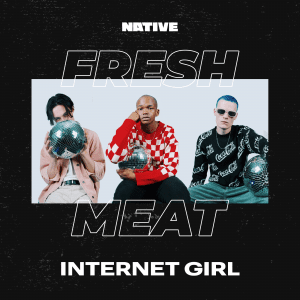
Internet Girl
If you’re not hip to the new South African indie band Internet girl then now’s your chance to get on the current wave. The band, consisting of three members named Nsika Bungane, Matty ‘Neese’ Burgess and James ‘Griggs’ Smith have quickly become names to watch out for in the genre-defying African soundscapes and have already garnered more than 100 000 listeners a month. Each member plays a deep and important role in the overall running of the group, fashioning it into the well-oiled machine it has now become today.
Although now a trio, the group initially consisted of only Ntsika and Neese who have known each other since they were in grade school when they began making music together from a young age. They initially produced Trap and Hip-Hop music as they tried to emulate the likes of XXtentacion, Lil Peep and more but soon found their beat as they created more music together. As time went on, the pair decided it was best to try something fresh and new, this is how they began delivering genre-mashing, alternative numbers that have earned them new levels of fame. In 2019, the band of two officially became three as they recognised a gap to fill in their group. After putting out a search for a lead guitarist, they soon found the third member of their group in Griggs, a Hip-Hip/Hop producer that fit the group’s penchant for something new and refined.
Internet Girl, as it is known now, was officially birthed in 2020, a month before the COVID-19 pandemic swept through the world and changed life as we know it. To debut the trio’s new status as a group, they released their debut single “Follow Me Around”. Last year alone, they were able to garner over 2 million streams on Spotify alone and have been featured on several playlists which as new artists does help a lot when trying to grow your fan base. Their hit song “Next Summer” caught the attention of a lot of important industry players including the record label R&R/Warner Records that signed them. If you’re looking for a place to begin getting into the group’s eclectic sounds, it’s best, to begin with, ‘The Word I Love’, their 2021 debut EP released earlier this year. Packing an onslaught of clever wordplay and melding a range of genres including EDM, Indie Rock and Punk, it’s clear that the trio are here to carve out their own space in the new vanguard.
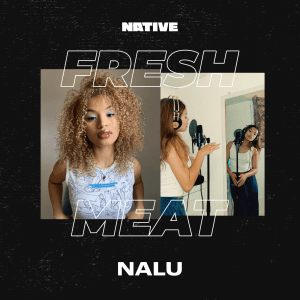
nalu
In 2021, it’s easy to believe that South Africa’s biggest musical export is the sweet-sounding genre of Amapiano. The emerging sound from local townships has in recent years taken over the African soundscapes, rubbing shoulders with other genres and creating something beautiful, eclectic and distinctly African. However, it would be amiss to leave out R&B as one of the country’s musical strong suits given the talented spate of stars emerging from the country’s busiest cities from Johannesburg to Pretoria. From stars such as Shekhinah to Elaine, it’s clear that the country is a rich musical landscape replete with sweet-sounding voices ready to soundtrack out anything between our club nights and our romantic inclinations.
Born and raised in Cape Town to a musical family, nalu started off her music career in the church where her father was a choir conductor. She instantly fell in love with music and equally garnered attention for her melodious voice which commanded attention. This voice has only grown sharper and clearer as she’s grown older and gotten wise to the game, earning her new levels of recognition. Her first official single dates back to April 2018 and it’s littered with efficient needle drops of her potential. On the sleepy hit titled “Bedtime Confessions” featuring South African rapper, the sweet-voiced singer pairs wistful, familiar production with alluring vocals as she addresses a love interest. “Ain’t nothing matters if we got love/When we merge together, we go beyond,” she sings over the ace R&B showcase, delving into matters of the heart that can’t be concealed. A few months from this release, nalu hit back with a new single titled “Kitty”, an atmospheric number that found her interpolating 50 Cent’s “21 Questions”. As she teaches a lover how to show her affection, she sings “Girl would you love me if I was down and out/Everything is easy, feeling breezy shiver in your knees,” representing the ebbs and flows of modern millennial relationships. nalu’s music runs the span of several moods, at one point delivering romantic cuts destined to be on playlists everywhere and another minute sending kiss-offs to a lover who’s double-crossed her. Her music cuts across themes such as love, self-growth, friendship, womanhood, spirituality and becoming, in a nuanced and relatable way.
In 2019, nalu released her debut album ‘Tacenda’, an 11-track project which found the artist delivering poignant intimate stories about different phases of her life. Here, she also features frequent collaborator and Fresh Meat alum, Hanna as well as artist, A Past Lover, going the mile of the other songs entirely on her own. Speaking about her music, the singer shares on that “At the heart of it all, my music tells stories. From my own experiences to experiences as an observer, I tell stories so that I can engage with people authentically.” This inspiringly firm sense of self has only earned her a growing presence online as she now penned collaborations and deals with brands such as Red Bull studios, Coca-Cola, and Nivea International. However, if you’re looking for the right place to get into the 22-year-old’s catalogue, you might want to check out her most recent releases including “Lockdown Blues,” an earworm track released last year in the middle of the COVID-19 lockdowns in South Africa. It’s exactly the type of sweet-sounding, relaxed music that nalu’s discography consists of and sounds something sonically that feels like a conversation with your homegirls. It’s always endearing to see female artists who speak to the hearts and minds of their core audience and nalu is that girl.
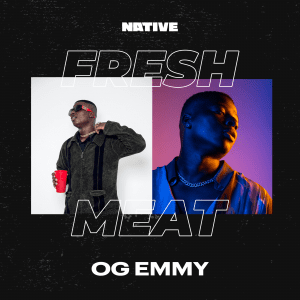
OG Emmy
When OG Emmy was 14 years old, he released his debut single, “KitKat”, an exuberant sensual cut that showcased his stellar songwriting abilities and impeccable cadence. For many young kids growing up in these parts, a career in music at such an early age is highly improbable but OG Emmy isn’t your run-of-the-mill artist. He’s an artist looking to spin his rookie status into veteran gold. However, it would take a few more years of perfecting or working on his craft before he was ready to share his talent with the world.
Before the Ghanaian-Nigerian artist had released his debut EP this year, the singer had barely released any official solo musical offerings. So it may come as a surprise that he features on this list but for anyone with their ears to the ground, there’s an unmistakable quality to the budding star. Sitting firmly at the intersection of Afropop and R&B, the Ghanian-Nigerians debut EP ‘Sipping Remy’ exerts the feeling of youthful exuberance as the singer courses through 5 tracks laced with tales of romance, debauchery and becoming. At only 21 years old the Afropop newcomer delivers a project filled with infectious tracks masterfully produced by some of the scene’s most exciting producers including Grammy-award winner TXMO, MikeMillzOnEm and StevJazz.
On the 5-track tape, no track disappoints and that is perhaps OG Emmy’s most redeeming quality as he inches towards his goal. Over the beautifully produced tape, the singer soundtracks our most sensual and intimate desires as he delivers radio-ready jams with clear-cut delivery despite the project’s inebriated theme. He segues from singing about avoiding all forms of drama and negative vibes on tracks such as “Trouble” to directly addressing a muse on “Sipping Remy” and letting his desires explicitly known on “Trouble.” It’s still very much early days for the Ghanaian-Nigerian artist, it’s clear that he has an understated star power that deserves to be heard.
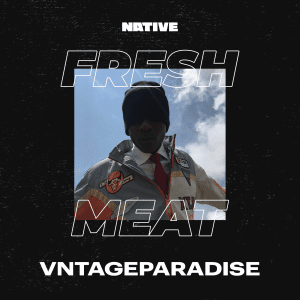
VNTAGEPARADISE
These days, there’s being cryptic on social media and then there are artists such as VNTAGEPARADISE. One quick glance at his Instagram would reveal that the singer’s go-to accessory is his trusty black beanie which features in almost every image, concealing his eyes from view and defining his digital identity as the masked singer. Despite the tendency to be typecast this sort of behaviour as strange or outcast, we are currently in times where the musical landscape is more diverse and welcoming than ever before given that bedroom pop’s frontrunners continue to make music on their own terms. VNTAGEPARADISE exists on this playing field, armed with an eclectic mix of references and inspirations and an unquestionable voice that grabs you and doesn’t let you go.
The singer makes music that could easily be the soundtrack to your night out or your playlist for your night in. There’s no in-between as listeners are either promised trunk-rattling beats interspersed with his melancholic delivery or mellow, fierce reflections of his tumultuous life. The 18-year-old singer began making music as a hobby back in 2017 when he would write, record and release his own freestyles, but it wasn’t long before he fell in love with the craft and began fine-tuning his skills and biding his time to take his music more seriously. That moment later came in the self-distanced lockdowns of 2020 when VNTAGEPARADISE released his first song in July. Titled “If Beverly Could Fly,” the debut single melded a range of genres including rock, rap and pop to create a euphoric commingling of sounds with a DIY feel. The single caught on with a group of loyal fans whose love convinced the singer to re-record the song and release it officially a month later. At this point, the only thing left to do was to continue sharing his gifts with the world and that’s what he continued to do this year.
A year later, he released his sophomore single “Shooter,” a bouncy but melancholic cut that showcased more of his musical abilities and his enviable flow. Reminiscent of something right out of a movie soundtrack, the song finds the artist trying to stablilise his wildly self-destructive emotions, a showcase for the scope of his ability. The palpable influence of his inspirations such as Odunsi The Engine, Greentea Peng & more are found in his music underscoring each lyric he enunciates and each detail he chooses to divulge. Currently, VNTAGEPARADISE does not have much music out but he’s already generating quite the buzz in the underground community. With only four songs to his name currently, now’s a good time more than ever to tap into these genre-defying sounds. The vibe is hypnotic but not heavily commercial and that’s his defining quality.
Featured image credits/NATIVE
Written by Ada Nwakor, Dennis Ade-Peter, Nwanneamaka Igwe, Wale Oloworekende and Wonu Osikoya
Summer is officially over and we are back to our normal busy lives of work, school, NYSC, and more, it’s easy to feel as though life is just passing you by. However, as the days become months, we’re coursing nearer and nearer towards the peak social event time of the yearly calendar: Detty December.
As such, the atmosphere is far from boring given that so many events are popping up all over the world. COVID-19 has still not taken a back seat but in the face of this, after being locked down for most of the past year, many are returning to live shows and in-person events all across the world. This means that the wheels of pop culture have been kept spinning in this time, keeping us entertained and satisfied.
Over the past couple of months, the cultural moments that have collectively got us through the tough times have only become wackier and more bizarre with each passing day. For this week’s Hot Takes, I’ll be taking the reins to work you through some of the most important cultural conversations happening at the moment. I’ll be dishing all my hottest takes on the BBNaija Season 6 finale, AFRIMA 2021 Nominations, the South African designers selected to join the Net-a-Porter vanguard program and the Netflix Korean show squid game and its links to capitalism in Nigeria.
Music on replay
As always, there’s so much music in circulation right now. However, I always stick by my fave playlists which I always have on replay. However, last week, I was fortunate enough to listen to the amazing debut album from our neighbourhood alien. Last week, the genre-bending singer released ‘P.S Thank You For Waiting’ after her well-deserved hiatus from the music scene. Wavy is one of those artists that move to the beats of her own drum when it comes to her artistry and sound. You can’t put her in one certain box because she does what she feels sounds good to her and her fans. My favourite tracks are “Harmonies”, “Stella Riddim” and “Letter to Oxygen”. You should definitely listen to it and put it on your playlist.
What I’m bingeing atm
I’m currently watching the new Netflix original series ‘Smart Money Woman’. The tv series is a homage to a 2016 novel by Arese Ugwu. What sets this show apart from a lot of other series is that it not only entertains and showcases real-life situations, it also educates you on the realities when it comes to handling and spending money. We all strive to make it but don’t know how to maintain and double it. It is a star-studded series with a few of our favourite actors and actresses like Osas Oghadaro, Timini Egbuson, Toni Tones and so many more. Definitely want to add to your Netflix list.
Current fashion trends
As NATIVE’s first-ever in-house Creative Assistant, it’s my job to stay on pulse with the latest fashion trends around Africa and the world at large. This summer, so many trends are making their way into the mainstream and many others are going out of style. For me, this season is all about accesories. No, I am not just talking about VVS, pearls and other expensive gems but rather the low-cost vintage silver or gold pieces that you can find in thrift stores and small online retailers.
From gold chunky hoops and studs to silver chains with all kinds of charms and designs on rings of different sizes and styles, the creativity is endless. The way the current trend goes, many people stack as many pieces as they can on their necks or fingers to give a certain alternative modern avant-garde look to any style. The more the better and more different but cohesive in a sense they look the better. People don’t only thrift clothes but jewelry has been one of those finds that is what having any closet. I have a few online stores you could check out if you wanna join the trend but I’d say the best are the ones you find in person.
Now let’s get into these hot takes.
Squid Game and Capitalism
Written by Moore Wright
‘Squid Game’ is a South Korean television show that premiered on Netflix in September. In the 8-episode series, hundreds of people deep in financial debt are approached by a mysterious company promising a cash prize if they compete in a series of games. They are taken to a secret location where they realise that the childish-seeming games from their childhood actually have deadly twists attached to them.
The show has similarities to the premise of the 1969 film ‘They Shoot Horses Don’t They’ with both pieces of media addressing the desperation that capitalism can lead people to, as well as the greed and callousness it can bring out from those with more resources. According to Netflix’s CEO, it may become the streaming service’s “biggest show ever”.The themes on class and poverty addressed are ones that are relatable to those across the globe, but particularly to Nigerians.
In episode 2, the contestants realise the truth about the game and beg to be let out. Unlike in most other “deadly competition” media, the game masters actually allow them to vote and leave if the majority wishes to do so. The game masters, democratic as they may be, are truly sinister as they watch as the less privileged kill and cheat themselves to win the prize money. It exposes the underbelly of our society today where money and our output at work are valued more than human life itself. However, after they see a large amount of prize money, almost half of the contestants choose to stay despite the possibility of dying an untimely death.
They gave them a choice. But how can it feel like a proper choice when both fates are equally as awful as the other. These debtors either return back to a life of misery where they owe large sums of money and risk potential jail time or stay in the experiment and compete to the end in the likelihood that they win the money and clear their names. Sound familiar? Well, that’s because it replicates almost every African society today where the lives of the poor are not valued or recognised. Unfortunately, a lot of Nigerians may be tempted to enter such a game rather than die of poverty on the outside. And the Nigerian police are even more likely to not notice if hundreds of lower-income people went missing at once.
Tellingly, as of episode 3, the only characters being investigated are a formerly rich man who angered other rich people and a police officer’s brother. A character mentions that the real torture is on the outside world where people are wicked and inconsiderate. The show effectively discusses why so many could be pushed so far past the point of desperation that such a game seems like their only hope. It is always refreshing seeing a non-western show, especially one not in English, receive international acclaim.
South African designers join the 2021 Net-a-Porter Vanguard Program
Two South African designers Lukhanyo Mdingi, the recent LVMH prize winner and Sindiso Khumalo are among the 6 designers chosen to be part of this year’s Net-a-Porter’s Vanguard program. The selection criteria was determined by each designer’s contribution to the sustainability process and the designer’s couture-like sensibilities with each sketch and idea.
The mentorship program aims to nurture up and coming brands who have great potential by providing them with mentors and other supportive resources as the designer’s work alongside these creative minds to expand their global presence and become a powerhouse in the fashion industry and in turn find their collections in the retailers stock on the Net-a-porter website.
Since the 2018 launch of the program, there have been an array of successful alumni including Christopher John Rogers and especially the Netflix ‘Next in Fashion’ winner Minju Kim. “Our goal is to ensure that the next generation of creative talent is given early support to enable their success before they embark on their professional journey, We see this as especially important given the challenges the pandemic has brought to the creative industry and, most notably, at a grass-roots level.,” says The Chief Buying and Merchandising officer in Net-a-Porter.
Big Brother Naija is drawing to a close yet again. The 6th Shine Ya Eye season is a week away from announcing its winner and things are getting hotter than ever. While this season failed to land as other seasons, the housemates have still kept us entertained for the past two months getting up to no good in Big Brother’s house. From wild cards to housemates disappearing during the night and now to the shocking revelation that there will be 6 finalists, it’s safe to say that this season has done what needed to be done.
With only a few days left to crown this season’s winner, many are already calling the shots on their predictions for the win. From Whitemoney to Angel, there’s no dearth of theories on who will snag the title and the hefty cash prize. While in previous seasons, these predictions could be ensured based on the fact that stan bases were stacking up their vote counts in Whatsapp group chats and voting centres, this year the stakes are even higher given that only Show Max and Abeg app users are able to cast their authentic votes.
So it came as a great surprise that those very authentic votes were disregarded during the last eviction show this past Sunday. On Sunday during the Live Eviction show, 5 housemates were told to leave the Big Brother house but only 3 were evicted from the show leaving Pere and Angel in the white room to fight for the last spot by completing a task. This act came with a lot of scrutiny from the fans due to the huge margin in the votes between both housemates. Pere had 25.31% of votes while Angel had 14.63% of votes, which didn’t seem fair to viewers of the show. On Monday, Big Brother then goes ahead to announce that both Pere and Angel will reenter the house as finalists of the show making it 6 housemates all together. There have been speculations that this decision was based on the internet uproar by fans of the show regarding the odd twist in the game but you never really know as this could have always been the plan from the beginning.
Although there is still some form of unrest towards the organisers for their inconsistency and slight unfairness shown towards Pere. I personally don’t understand why Angel was asked to be back to the house neither do I fully understand the whole reasoning behind the twist. I believe that as it’s the last week to the finale, the organisers feared the likelihood of boredom surrounding the show as there are only a handful of housemates left, so they used angel and the twist as a contingency plan to bring more entertainment to the show. Aside from all these opinions and speculations, I believe Biggie made the right decision to bring both housemates back to the show as it was the best way to dig themselves out of the hole they put themselves in already.
The All African Music Award (AFRIMA) 2021 show is set to begin very soon. From the 19th to the 21st of November, the music award show will be returning to Lagos for another edition packed with lots of entertainment. The African Union Commission and the International Committee of AFRIMA released the nominations list on Wednesday, September 23rd and the public nomination commenced Monday the 27th of September. The list was decided from 8,880 songs and 400 artists in the 30 continents and 10 regional categories submitted for adjudication. The award show will honour the finest music artist, producers, directors, influences, and more in the African music and entertainment industry. Blaq Diamond, the south African duo leads the pack with 8 nominations for the song “SummerYoMuthi”, we also have another south African artist Focalistic with 7 nominations and then the Nigerian hitmaker Wizkid with 6 nominations for the worldwide hit song “Essence” featuring Tems in categories such as ‘Artiste of the year in Africa’ ‘Best Male Artist in Western Africa’ and more. The Nigerian trailblazers Omah Lay and Davido also have 4 nominations. Other artists including Tems, Lojay, Davido, Tiwa Savage, KiDi, Nelson Freitas, Burna Boy and Stonebwoy, Niniola, Gyakie, Josey, and more have also been nominated. Good luck to all nominees.
News worth mentioning comes from the judicial world of Kenya where a judge, Teresa Matheka has just ruled that a housewife is a recognised profession in the country. Presiding over a matrimonial property dispute proceeding where the wife requested that the property of the family be shared equally between her and her ex-husband, she noted that it was unfair to belittle the acts of a housewife as intangible to the financial fruitfulness of the home. Matheka’s judgement reads: “It is easy for the spouse working away from home and sending money to lay claim to the whole property purchased and developed with that money by the spouse staying at home and taking care of the children and the family. That spouse will be heard to say that the other one was not employed so they contributed nothing. Raising children is a full-time job that families pay a person to do. Cooking and cleaning as well. Hence, for a woman in employment who has to balance childbearing and rearing this contribution must be considered.”
I think this judgement is a huge win for African women considering the fact that there still remains a huge power balance between men and women in Africa. And I’m talking about the poor women who are forced to bear the brunt of our patriarchal society and are dealt the worst hand society has to offer. As a former law student, I remember reading case law upon case law about the brutal legal proceedings that women dealt with at the hands of their husbands. Their only crime: their financial dependence on their husband (who btw made her quit her job). It’s not uncommon for courts to recognise the contributions to the home and family as having a vested interest in property disputes and the allocation of assets.
In this particular case, the judge then ruled that the couple sell the property and divide the fund equally or one spouse buys out the other. While it may cause raised eyebrows and attract inflammatory comments, this judicial precedent could help many women in Africa’s poorest cities who are in physical and financial incapacity. A win for housewives everywhere.
Kenyan High Court declares being a housewife a full-time payable job.
Over the last six years, the Nigerian art fair, ART X Lagos, has established a reputation as one of the most important stops in the art world, serving as a premier destination for displaying some of the most innovative contemporary art and music coming out of the African continent as well as important works from the global diaspora.
Last year, due to the restrictions imposed by COVID-19, the fair pivoted online, eschewing its in-person showcase by inviting its audience to interact virtually and partake in a series of events that also paid homage to the #EndSARS protests. With the world opening back in phases, the fair has announced that it will be returning to its in-person format this year, holding a series of events from 4 to 7 November this year at The Federal Palace in Victoria Island, Lagos.
This year’s exhibition will welcome works from 30 galleries showing over 110 artists from 25 countries in Africa and the diaspora. Following the in-person exhibition, this year’s edition will continue online at artxlagos.com until the 21st of November, making it accessible to galleries and collectors who cannot join in person due to the disruptions caused by the pandemic. 2021’s curatorial theme “the restful ones are not yet born” presents an opportunity to challenge projected images and clichés about the continent with reinvented modalities of our own presence in the world.
Speaking about the motivation for bringing back the fair’s in-person format, Tokini Peterside, the founder and CEO of ART X Collective, which organises the fair, said: “It has never been more important to celebrate creativity, excellence and resilience from across Africa and its diaspora. We are proud to return for our sixth consecutive year, despite ongoing global challenges, to provide a platform for people all over the world to come together – both in person and online – to experience some of the brightest creative talents that exists globally, and to contemplate Africa’s place in the world, drawing from archives of the past, present and future.”
Earlier this week, Chiagozie Obi, a Lagos-based emerged as victorious in the Access Bank ART X Prizie, starting off the sizzling calendar of events set to take place this year. In addition to presenting work by Africa’s leading galleries and artists, ART X Lagos’ 2021 curated program will include ART X Talks, a lively and robust series of conversations exploring themes pertinent to the state and evolution of contemporary art in Africa, curated by Aude Mgba; ART X Live!, a platform for expression and experimentation by Africa’s dynamic young creators that fuses music and visual art, curated by Lanre Masha and Faridah Folawiyo; and special projects which will include an exploration of NFT art on the continent, curated by Papa Omotayo and AWCA.
Before Teni released her debut album ‘WONDALAND,’her songs were already satisfying legions of audiences across the continent. From debut single “Fargin” to her breakout “Askamaya” and later singles such as “Jo,” the Afropop singer has consistently shown her determination and drive to stand out from the crowd. No stranger to positioning herself to be adjacent to the hottest sounds, the singer released her debut to incredible fanfare.
‘WONDALAND’ was replete with imagery and allegory alluding to the singer’s love for amusement parks and enjoyment. The immersive world she created with the album has only earned her a growing presence online. Now, the singer is expanding the world around her debut a step further with the release of the futuristic new video for standout single, “Moslado.”
The Alien-directed video finds the singer performing her verse in true ’90s VHS video style as it zooms in and out of her frame. “Abeggi make I no dey vex o/and if I talk, omo na threat o/and I no go show no mercy o”, she sings over the Ozedikus-produced beat as she up talks herself and drowns out the naysayers. As the song builds and her lyrics become more braggadocious, Teni can be seen donning different looks and hairstyles, all determined to show off her groovy style and her inspiringly firm sense of self.
Ahead of the official release of Teni’s “Moslado” video, for our exclusive premiere of the single, The NATIVE chopped it up with the artist and her team talking about the inspiration behind the video and its impeccable sartorial choices.
Their answers which follow below have been lightly edited for clarity.
NATIVE: Hi, Teni, what would you say inspired your debut album ‘Wondaland’?
TENI: ‘Wondaland’ was inspired by my love for amusement parks and the emotional rollercoaster you experience. To me, Wondaland is a complete body of work that best introduces Teni the Entertainer and who I am to different people and also to me. To some, I am Oba Orin, the girl that can sing her heart out while to others and myself, I am Makanaki, the no-nonsense, brave, personality which I think I derived from my late father, not forgetting the One take God side of me which is very spontaneous.
NATIVE: Moslado” is a song off your album. Why did you decide to broaden the reach of this song and shoot a music video for it?
TENI: As I mentioned earlier, the album represents every part of me and Moslado is a song that depicts Makanaki. I don’t think a lot of people have seen so much of that side of me hence why I felt this song needed a crazy creative visual.
NATIVE: What were some of the highlights when working with Ozedikus on “Moslado”?
TENI: I remember Ozedikus was about to leave the studio when he mistakenly played the beat and I was like Nwanne, play it again, and the rest is history. I really loved making this record because it is basically me hyping myself up and sometimes you just need to whine yourself. That’s self-love.
NATIVE: What was the inspiration behind the video’s concept?
TENI: When we were vibing in the studio, I was just having this feeling like it will be sweet to listen to this song when I’m driving on the freeway in Vegas in a sports car on the way to the club. So I spoke to my team about it and they developed this amazing idea about paying homage to one of my favourite music eras, the early 2000s, and icons, Missy Elliot and Busta Rhymes.
MR.ROLLOUT (Creative Director): To be very honest, initially we were confused on what to do and then I stumbled on one of Missy’s videos and the idea spiraled from there. As a big fan of Hype Williams, I then took inspiration from his videos for Missy, Busta Rhymes and some other artists and in case you didn’t know, Teni’s brand has been likened by some to Missy’s from inception due to their ground-breaking abilities to shift from the norm.
ELLAXSTYLING: When Ore called me and explained the idea of paying homage to a great artist like Missy Elliot through this video, I was so excited because it meant I could experiment and express myself creatively without imitating her. When he said it was 9 looks and 6 hairstyles and a 1-day shoot, I was shocked but I welcomed the challenge and I’m glad it turned out well.
THE ALIEN (Director): So glad to be the one to re-introduce to everyone the Makanaki side of Teni, We channeled a lot of Missy Elliot – Busta Rhymes energy for this one while taking Teni through different worlds and Teni killed it! Easily one of our most ambitious projects of 2021. We put a lot of work into this one including Teni and I’m glad everyone gets to finally see what we’ve been cooking lol.
KOLAWOLE (Manager): We wanted to take the visual experience of the album as a whole to a new level and the Moslado video says it all.
Get a first look at the video for “Moslado” below.
As the year winds down, the sheer number of music we’re receiving is growing at an exponential rate. With live shows back in full swing and Afropop hits such as Wizkid’s “Essence” and CKay’s “Love Nwantiti” climbing the charts both home and abroad, there has never been a more exciting time than the present for the burgeoning sonic landscape. As such, it’s hard to sift through the chaff and find get to all the good music that hears us at pour base emotions.
That’s where our Songs of the Day column comes in. We’re doing the work to stay on pulse with all the music coming out from across the continent and beyond, bringing you exciting songs of tomorrow: today. Last week, we brought you new music from Joeboy, Darkoo, The Cavemen, Buju, Davido, Darkovibes and more. Today, we have songs from all over Africa; South Africa, Ghana, Nigeria and more featuring Kojey Radical, Cina Soul, DJ Maphorisa and more
Dua Saleh – “fitt” ft. Amaarae
After falling in love with them in the recently concluded Season 3 of Netflix’s ‘Sex Education’, Fresh Meat alum, Dua Saleh is back with a new single titled “fitt”, the first promotional single from their forthcoming project. Listeners will be pleasantly surprised to find the non-binary artist singing in pidgin, as they address a muse with who they wish to become more intimate. They are joined by Amaarae on the song’s second verse who in usual fashion delivers an unmissable set replete with colourful synths and mind-altering vocals. It’s Dua’s most energetic number yet and a welcome one as the artist steps into this new phase of their career.
Ycee – “Aunty Lovina” ft. Patoranking
For his 5th single this year, Ycee teams up with fellow Nigerian singer and rapper Patoranking on a brand new single showcasing the artist’s ability to deliver witty, memorable punchlines over a rhythmic Amapiano beat. The track which serves as a follow-up to an earlier released single, “Nu Riddim” features the duo delivering a combination of short punchy raps in the chorus and longer lines on their individual verses.
Kojey Radical – “War Outside” ft. Lex Amor
Ghanaian-British artist, Kojey Radical is as prolific as they come. After releasing a string of entertaining singles this year including “Royalty” featuring Shaé Universe, the singer and rapper is back with a new number featuring Lex Amor. On his most recent single “War Outside”, Kojey’s melodious vocals carry listeners from start to finish as he sings: “There’s a war going on outside/Nobody see it but me”. As the song builds up, Kojey swaps his sweet-sounding vocals for a gritty rap verse that’s sure to hit the mark with today’s multi-genre music fans.
Dj Neptune & Patoranking – “Gaza”
Dj Neptune has spent the majority of the past few years lending a hand to the burgeoning Afropop landscape. On his new single “Gaza” with Patoranking, the pair are at their most relaxed, delivering a tuneful number primed for radio. Over a groovy beat produced by Yung Willis, Patoranking, in usual fashion delivers an effortless verse singing over the hook, “Follow me to gaza x 4/Follow me to gaza x 4.” The single is said to be a track off DJ Neptune’s highly anticipated project titled ‘Greatness 2.0’ promised to be filled with African stars.
Kabza De Small, Dj Maphorisa – “Abalele” ft. Ami Faku
There’s a lot to be said about the origins of Amapiano. Yanos–as its collaborators are known have gone to great lengths to ensure that credit is made were due to its original founders on the continent. For their latest single, producer and DJ pair, Kabza De Small and Dj Maphorisa link up with Ami Faku for the melodious “Abalele”. On this track produced by Kabelo Motha and Themba Sekowe, the three shuffle back and forth in the six-minute track as they deliver memorable melodies on the mid-tempo track while effortlessly matching the upbeat rhythm of the Amapiano number. There’s nothing they can’t spin to gold.
Cina Soul – “Falling”
Since the release of her promotional single “Feelings” featuring Ghanaian singer, Kidi, singer and songwriter, Cina Soul has continued to stoke anticipation for her new EP titled ‘For Times We Lost’. On “Falling”, Cina Soul unapologetically expresses the extent of her love for her muse on the short EP intro. “I think I’m falling, falling for you, all over again/Sweetie I’m falling, falling for you, all over again,” she sings over the hook, directly addressing her lover. The vibe is undeniably hypnotic as we get lost in her voice.
Jon Bellion – “I FEEL IT” ft. Burna Boy
After a hiatus from releasing any original music, American singer-songwriter Jon Bellion is back with a new single, and this time around, he’s joining forces with African Giant, Burna Boy for “I FEEL IT”. We’re introduced to Jon’s harmonious vocals layered over an acoustic beat right from the beginning of the number as he sets the scene for what’s to come. In usual Bellion fashion, his resounding vocals fill every inch of the beat reminding us of his soul-stirring voice. Burna Boy joins him on the second verse singing “I feel the change in your energy/I see you got a lot of feelings that you never telling me,” as he addresses a love interest over the electro-tinged production.
D Smoke & Fireboy DML – “Sleepwalking”
American rapper/songwriter Daniel Harris popularly known as D Smoke taps into the sounds of Fireboy DML for his 16-track album ‘War & Wonders’. The rapper shared a short video via YouTube when he visited Lagos earlier in the year in an attempt to connect with Fireboy DML with whom he created a hit single “Champion”. The duo are back now with a new track titled “Sleepwalking” delivering his astounding vocals over a slow rhythmic beat accompanied with D Smoke’s groovy bars and Fireboy’s compelling ad-libs.
Emo Grae – “Suddenly”
Marlian music signee, Emo Grae has just released a new single titled “Suddenly”, a follow-up from his earlier released singles this year including “Gone” and “Mine.” On “Suddenly“, the singer continues in his penchant for romantic tunes as he directly addresses a lover and explains his rapt affection for her. “I don’t know if it’s weed or the alcohol/ one thing that I know for sure, I want you for me,” he sings melodiously, carrying listeners up to his speed on his latest romance.
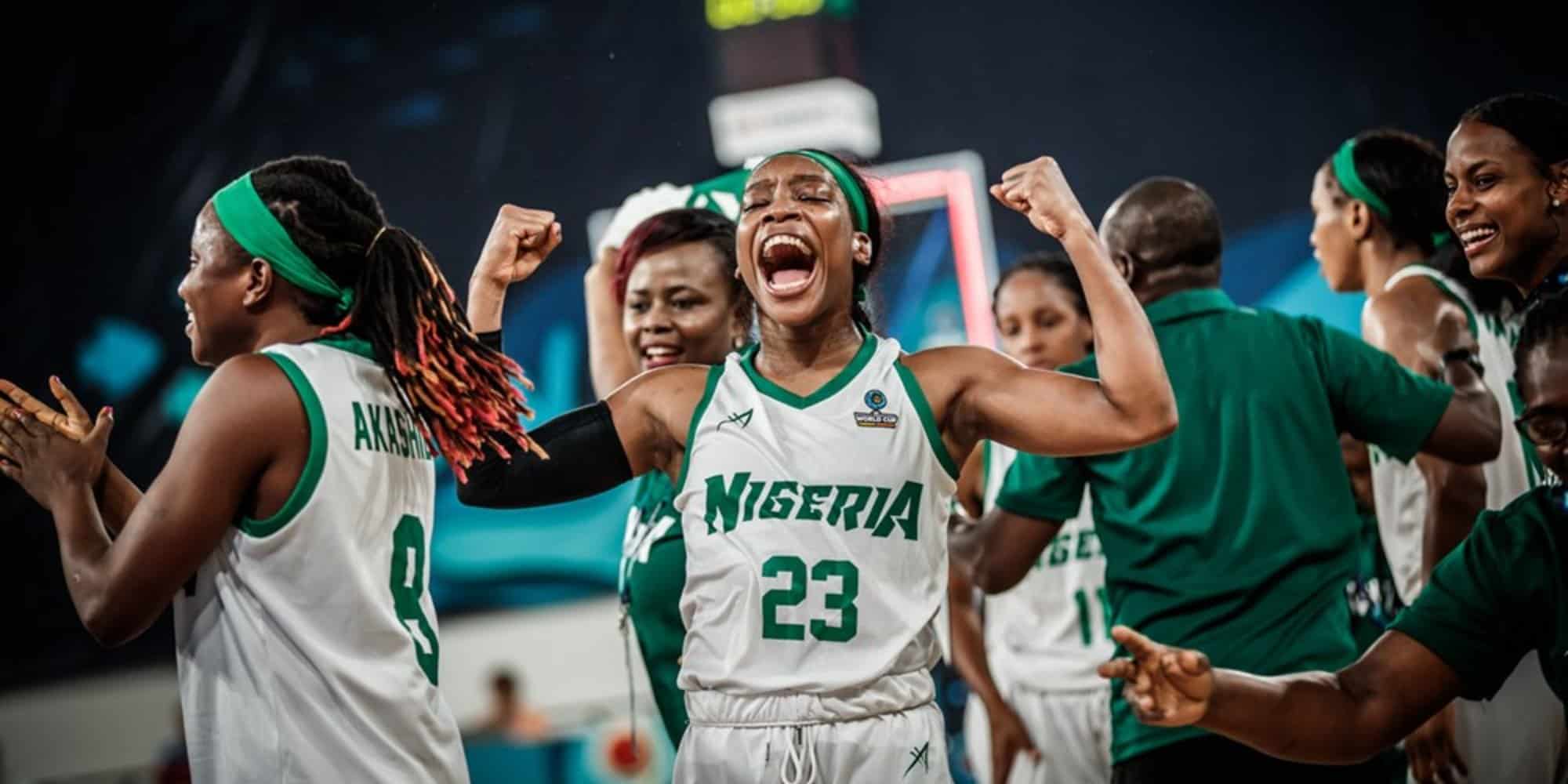
The Nigerian National Women’s basketball team, D’Tigress have come out on top once again. After a stellar performance at the 2020 Olympic Games and defeating Cote D’ Ivoire and Senegal in the quarter-finals and semifinals of the AfroBasket games respectively, D’Tigress played against Mali on Sunday in Yaounde Cameroon, in a finals match that ended 59-70, winning the team their third consecutive title.
After dominating the first quarter, winning 22 – 11 the team fell down a couple of points in the second quarter as the Malian team won 13 – 9. D’Tigress picked up momentum once again in the third quarter with a landslide win of 28 – 14, giving them an edge over the Malian team after they won the final quarter 21 – 11. Despite Mali dominating D’Tigress with the two-point shots, making 49% of the basket, and Nigeria 39%, the Nigerian team was more successful with the three-point shots, making the basket 41% and Mali 9%.
With 15 points, 3 rebounds, 3 blocks, 1 assist, and 2 steals, Victoria Macaulay emerged as the top performer for the Nigerian team and with the performances of her team members, they have qualified for the 2022 FIBA Women’s Basketball World Cup being held in Australia. While basking in the joy of three consecutive wins, they are also the second team to achieve this after Senegal did so in the ’70s.
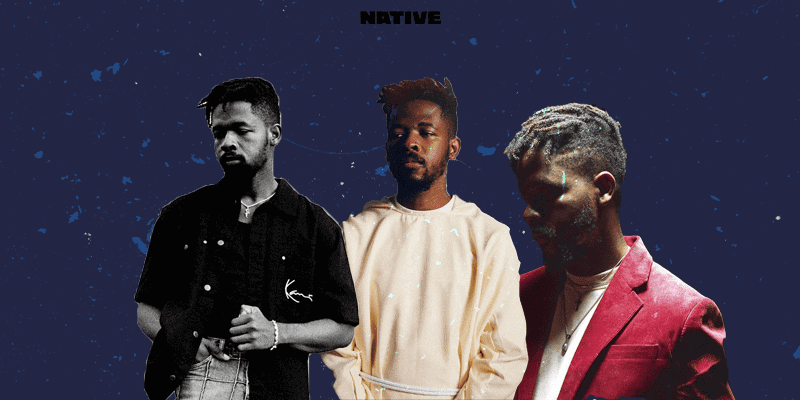
In the dying seconds of “SISTER,” the penultimate song off Johnny Drille’s recently released debut album, ‘Before We Fall Asleep’, Lagos-based on-air personality Douglas Jekan makes a sappy appearance, sharing glowing remarks for the singer and producer’s growth. Popularly known for championing artists and music on the alternative side of the Nigerian music spectrum, Jekan’s appraisal carries the sort of industry-related heft that might inspire a smidge of cynicism, but it’s ultimately fitting when weighed alongside the project itself.
To a significant extent, ‘Before We Fall Asleep’ emphasises the subtle but profound ways Johnny Drille has grown. And, why not? Eight years ago, he appeared across regional continental screens as a contestant in the sixth edition of Project Fame West Africa, with a honeyed voice and an easygoing charm. Although his exit came around the season’s midway point, the singer began to garner attention for being a former contestant on a renowned talent show.
Generally, it can be very arduous for former talent show stars to translate the refined potential and fanfare they accrued from the show into a financially viable and creatively fulfilling music career. To be show-specific, the stats paint an even grimmer picture: After nine seasons, you can count the number of former Project Fame West Africa acts to impact Nigerian music on one hand: Iyanya, Chidinma, Niniola, Johnny Drille, and Chike. Only the former two won their respective seasons and, including Niniola, they had to adjust to their musical directions beyond the SING-first instincts ex-contestants earned on the show.
This extremely low turnover ratio was partly an effect of the times, a period in Nigerian music where the internet had yet to properly start playing a role in democratising the pop landscape and diversifying music tastes. With everything (perceived as) alternative to whatever was mainstream being received through an exotic lens, most talent show stars struggled to find a footing. In his circumstances, having left the show well before the final weeks, Johnny Drille faced an uphill climb towards meaningful stardom, and he didn’t exactly make it easier on himself. Where artists of his mould found ways to zig towards groovier musical styles for better chances at commercial success, Johnny zagged, leaning towards a folksy sound that set him on the outlier path.
In the immediate aftermath of his talent show experience, he spent evident time working on his craft, sporadically releasing covers of popular songs and experimenting with a variety of genres before choosing a sound heavily influenced by American Folk band, Mumford & Sons. “Wait For Me,” his official sophomore single released in 2015, brightened the gentlemanly and romantic charm he flashed when he graced Project Fame stages on those weekends. The self-produced song is a merger of twee instrumentation and sentimental vows, Johnny singing with an innocent verve over chugging guitar strums, arabesque strings, and an entirely grand atmosphere. “Wait For Me” effectively set the buzz going for Johnny Drille’s career and, alongside debut song “Love Don’t Lie,” it set the precedent for his identity as a folk artist.
Having caught Don Jazzy’s eye back in 2015 with a cover of Di’Ja’s smash hit, “Aww,” Johnny Drille signed with Mavin Records in early 2017, joining a powerhouse label notorious for honing and pushing out popstars. At first glance, the singer didn’t fit the typical billing for a Mavin act, and it was expected by many that his sound might be hugely refurbished to achieve the sort of commercial impact expected by artists on the label. Each subsequent release proved those predictions wrong, however, starting with a cinematic music video for “Wait For Me,” a visual storyline whose arch was extended with the similarly-toned single, “Romeo & Juliet.”
Announced alongside twin pop duo DNA Twins and Ladipoe, the first rap artist to be signed by the enigmatic Svengali, Johnny Drille’s entrance into Mavin Records is a marker of the label’s transitional period. With a reputation for solely incubating pop superstars, Don Jazzy’s acquisition of artists who had already defined their creative identities was an indicator of a willingness to diversify his approach to mentoring, allowing artists to work within the sonic setting they preferred. In the four-and-a-half years he’s been at Mavin, there’s been no signs Johnny Drille has been pressured to adjust his sound.
The signs of a Johnny Drille song are tellingly consistent, especially in the way it can be described: ornate singing, clean production with live instrumentation, and blue-eyed lyricism that romanticises every emotion. In profiles and amongst listeners, there’s always an emphasis on his music being different from mainstream Afropop, a compliment aimed at the perception of his music being high IQ stuff—one that could also be a little underhanded.
Different doesn’t always mean exciting, and very few people would consider Johnny’s music as exciting. He often makes songs heavy on geniality, a capsule for fairy-tale romance and Utopian ideals, leaving little room for complex, lived-in expressions. None of this insinuates that the songs he made in the years before his album were hollow: The Simi-assisted “Halleluya” is a gleaming ode to people who still use the word “courting,” and there’s his warm epic to fathers on “Papa.” However, Before We Fall Asleep fills the critical spaces of his past music.
One of the great triumphs of BWFA is that it significantly adjusts the signs of a Johnny Drille song. The singing is still ornate for the most part, the production is still replete with live instruments, but the writing is far more curious, as is its soundscape. The album doesn’t entirely blow up the tenets of Johnny’s artistry as much as it reupholsters them, a retuning that presents surprises and little thrills which culminate into a whelming portrait and statement of growth.
Like the bulk of his prior catalogue, the singer’s debut LP is substantially skewed towards romantic concerns, but there’s a slight but weighty adjustment in the way he sings about love. Born and raised by two parents he saw dot on each other all his life, Johnny’s upbringing clearly affects his views on finding and being in love—he’s declared that he wants what his parents have. As noble as this outlook is, times have changed and romance has become a lot more fragmented than they were three decades ago. Usually, Johnny’s love songs seem like they’re suspended in a realm untouched by the modern realities of dating, but he punctures that bubble on BWFA to compelling effect.
“Loving is harder than they show you/you’ll never know until you’ve been bruised and burned,” he confesses on lead single, “loving is harder.” It’s a cutting lyric, fitting for a song where the picture he paints is that of a relationship with emotional difficulties. Singing over acoustic guitar strums, aqueous piano chords, gently thudding drums and shrieking horns, Johnny varies his vocal performance to encapsulate the weight of thematic concern, moving from a snappy flow to a falsetto and hoarse melodic runs on the chorus. While he’s skirted around R&B inflections in previous songs, “loving is harder” is Johnny’s first R&B song, and its captivating nature is emblematic of his willingness on BWFA to open his songs up to reality and give into the performance required of these songs.
Largely self-produced, the album rides on a push-and-pull between Johnny’s instincts and a willingness to experiment well enough to shake things up. “At some point last year I started to experiment a lot. I love folk music, that’s the background for me, but I started to dabble more into Afrobeats, which is a big sound in Africa right now,” he recently told MusicRadar. “And it helped open my eyes to what the possibilities were and what I could do with music. I didn’t think I was this versatile to be honest, until I started to use different kinds of sounds.”
This explanation is evident in the range of musical stylings he works with on BWFA. “ludo” is the closest Johnny Drille has ever been to the centre of mainstream Nigerian pop music, a catchy cut that teeters on the edge of anti-love. The Don Jazzy-assisted standout, “Ova,” filters pop-rock through an Afropop sieve, complete with a reference to last year’s ill-fated, social media-led symposium of “sting men.” Nigeria’s premier boy band Styl Plus joins in on “Odo,” a song clearly inspired by the same turn-of-the-millennium, guitar-led pop that his guests translated in Nigerian settings at their very best.
All three songs dig into varying facets of love—being played, desperate heave to save a relationship from hitting the rocks, and an affirmation of devotion—but what they all have in common is an approach that comes across as lived-in, a clear acknowledgement of the twists and pitfalls romantic vulnerability comes with. BWFA was followed shortly by a short film, “LIZA,” which dramatizes a traditionally frowned upon love affair. Featuring a revelatory performance by Onyinye Odokoro in the titular role, as well as cameos of Don Jazzy and Johnny Drille performing the album’s penultimate cut, “SISTER,” the film ends with a shocking twist that the singer’s former starry-eyed tendencies probably wouldn’t have allowed.
Even when he’s settles into his trademark sonic tricks, this outlook still stays: On the acoustic ballad, “BEFORE I LET GO,” Johnny paints the desolate picture of partners who are now “two songs on different keys.” When the utterly gorgeous “SWEET AS A MOTHER’S LOVE,” produced by British multi-genre artist Fink, eases in on the album’s backend, Johnny’s ecstatic representation of thriving in healthy relationship feels earned and is refreshing to hear.
BWFA doesn’t change Johnny Drille’s persona as a romantic at heart, but it highlights how far from quixotic he’s gotten. In the trailer for the album, he shares that he’s gone through his fair share of personal trials and they’ve clearly informed the music. He’s not quick to share the shades of those struggles, but he comes across as someone who’s endured, and is still enduring, the bumps and bruises of love and life. This doesn’t make him an avatar for people to project their feelings, as much as it makes him far more relatable than solely being a preacher of love.
The two-song run of “LIES (To Whom it May Concern)” and “lost in the rhythm” epitomises just that. On the former, inspired by last year’s protests against police brutality, he rails against a system that continues to press against the hopes and dreams of its youth. The latter paints an affecting picture of a young man who continues to brave unfair odds, in the face of a dysfunctional society. These are emotions many young Nigerians, who form the core of Johnny’s supporters, are experiencing, and while no one expects the singer to be a socially conscientious voice, his tilt towards realism brings him closer to listeners.
It’s why comments like Jekan’s are apt and have trailed BWFA so far. Even though it took him six years after his debut single and four-plus years after being signed to a label, the album is worthy of its time in incubation. When he vows to “never sell my soul” on the closing track, both as a rebuke to toxic romance and the notion of tainting his musical purpose, it’s declaration rooted in moving forward while finding ways to retain the essence of what has always made John Ighodaro, Johnny Drille.
If constant content – songs, videos, merch, and curated visual accompaniments – is the language of the 21st-century music industry, Willie XO does not care to be fluent in those theatrics. The London-born, Nigerian-raised singer is more invested in delivering music that works at the highest standard as he operates as a sentry for afropop music in the UK. Born to a family of immigrants in London, XO (real name Jocey Joseph Ekwuazi) returned to Nigeria as a child, getting steeped in the intricacies of his Igbo ancestry and the wider formalities of being Nigerian before returning to London around his 15th birthday.
The experience of growing up in Nigeria had a definitive impact on Willie who remembers it with nostalgia-driven fondness. “I wouldn’t be the person I am today without going to Nigeria,” he says. Inspired to get into music by his familial connections and the 60s/70s Nigerian highlife music regularly spun by his father, XO’s sonic palette was further broadened by an appreciation for hip-hop as he grew older. From 2011 to 2017, he performed at a series of shindigs while he worked on his music and stayed hopeful for a break that never seemed like coming. Frustrated by a lack of progress, the singer turned to professional fighting and almost kicked off a professional career in the cages before he signed his first music contract.
“Kraze,” his debut single was produced by Krizbeatz and marked his first steps within the Afropop orbit, but it’s the sound that has always come naturally to Willie XO after years of experimenting with rap music. “That’s who I am,” he says. “Afropop is where I’m most comfortable.” Songs like “Comfort You” and “Early In the Morning” have seen the singer link up Popcaan and Ashanti over the years as his profile has gotten bigger. Last month, a deal with Atlantic Records was inked, clearly hinting at a new phase in the singer’s career. He has followed up that announcement with the release of “Good Times,” his first single in 2020 featuring fellow British act, Dappy.
Our conversation with Willie XO has been lightly edited and it follows below.
NATIVE: Where were you born?
Willie: I was born in London and I went back to Nigeria when I was a little bit older.
NATIVE: What was the experience of coming back to Nigeria like?
Willie: I came back when I was four years old. My parents wanted me to come back to school in Nigeria and learn the culture as well as speak the language. At the time, it was hard for me but I’m glad for the experience because I picked up so many things that have helped me. It was 100% a great decision because I got an appreciation of my culture. Sometimes we can get lost here and having that experience helps a lot. Also, being able to speak Igbo is really great too.
NATIVE: When did you go back to London and what was it like having to re-adjust to living there?
Willie: I went back just before I turned 15 and it was like starting my life all over again but it wasn’t as hard as going to Nigeria.
NATIVE: How did you get into music?
Willie: Two of my uncles from my mum’s side used to be into showbiz. One was a drummer and the other was a singer. They just influenced me. My dad too used to play music around the house and, as a boy growing up, I always wanted to get into music.
NATIVE: What music did you grow up liking?
Willie: It was mostly what my dad was playing: Osadebe, Oliver De Coque, and the Oriental Brothers. As I grew up, I started listening to American music, a lot of rap. At the time, I wanted to be a rapper.
NATIVE: Was there a scene that helped you nurture your music interests?
Willie: I’d say this happened in London. In Nigeria, it used to be me just aspiring to be a musician. But in London, I discovered myself as Willie XO. My brother’s friend used to come around and used to talk about going to the studio near my house. One time I went with him and it was the first time I recorded. Once I heard my voice, I liked it. People used to say I had a deep voice but you don’t really know what you sound like till you hear it and I liked it. From there, I joined a group. There were two girls singing and I was the rapper. I’d rap and they’d do the hook. One time they told me to try singing the hook and I tried it out. So, I went from rapping to singing. Before transitioning, I used to go to Camden to perform and do little shows and get paid. It wasn’t a lot but I wasn’t really thinking about the money and that’s how I wanted to sing.
NATIVE: How did you transition to making music professionally?
Willie: The guy that put the group I used to be in together used to organize gigs for me and I’d get paid but the music industry was hard and after a while we went our separate ways. Since then, I’ve been trying to make my way in the industry.
NATIVE: What was the first song you put out?
Willie: My first single was “Kraze.” It was released in 2017.
NATIVE: What was the process to being signed as an artist?
Willie: At one point, nothing was happening with music, it was really hard. I started going to the gym and started training. I remember that every time I went to the gym, one guy would come up to me and tell me I looked like John Jones. One time I googled him and discovered that he was a UFC fighter. So, I started watching him and liking the sport. From there, I started doing cage-fighting. I wasn’t really thinking about music anymore, it was mostly on the side. I was thinking of going into the fighting game so I’d become a UFC fighter and once people know me, I could introduce my music.
I saw myself coming into the cage singing and dancing but my parents didn’t like it. They didn’t support it and they were telling my brothers to get me to stop. One time my brother told me he had a business partner who liked my music and would like to see me. I remember that the meeting was on a Sunday because I usually played football on Sunday. After the football game, I went to the meeting but I didn’t really take it seriously but my brother called me to remind me about the meeting and I went. After the meeting, the rest is history, to be honest. From the meeting, I was in L.A. shooting the video for “Kraze.” Actually, after the meeting, I came back to Nigeria to work with Krizbeatz and we worked on “Kraze” and a couple of songs. After that, we shot the video.
NATIVE: Just like that, your trajectory changed?
Willie: Just like that! When we landed in L.A., I saw all the camera and crew waiting for me and I was like this is “it.”
NATIVE: Why did you choose to work with Krizbeatz?
Willie: It was one of my cousins in Nigeria that put me on to him. He knew Krizbeatz so he put us in touch.
NATIVE: Was working with Krizbeatz what put you in the Afropop orbit?
Willie: I’d say so. Before then, I wasn’t making music that was Afrobeats or Afropop. I was just trying to be a rapper. I have loved the sound since the Mo’Hits era even if I wasn’t doing it but my coming to Krizbeatz was me trying to understand how the music works. Before you had to come to Nigeria to do Afrobeats but now you can do it from here and that’s just a blessing. Me going back to work with Krizbeatz was just to get a proper understanding of the sound.
NATIVE: What was that learning process like for you?
Willie: It was a good vibe, just even being in Nigeria too. It was a great experience because working with Krizbeatz was incredible.
NATIVE: That means you have had to put your UFC ambition on the side…
Willie: Yes! I was supposed to have my first fight a week after I got signed in fact. My parents were so happy and my mum said I didn’t have to fight anymore. I had to stop. I still train though.
NATIVE: Your catalogue is very curated, why do you take that approach to music drops?
Willie: People used to say that I need to drop music all the time to be relevant but I don’t believe that. My dad always says that if you have to do something, do it properly. I know that looking at all the songs I’ve dropped, all my videos are lit and the songs are great. Also, as an artist, you should always work on your music and try to give the best that you can. I have taken time to grow as an artist and my new single sounds a bit different from anything I’ve ever done because I’ve been working a lot.
NATIVE: Last year you did a song with Zlatan, it didn’t sound like your typical sound, how did it come about?
Willie: That’s the process of growing. If you listen to the song closely, it sounds more like a Zlatan type of song but it was done by me to get out of my comfort zone. When we recorded the song, we were thinking of Zlatan or Slimcase and we ended up having two versions. We spoke to both artists and they did their things on the song.
NATIVE: You have a new song with Dappy, “Good Times,” that’s also a comeback single. What is the message behind this single? Willie: It’s basically saying this is a different stage of my career. Like I was saying, I’ve been busy. I’ve been working, and when people hear it, they’ll get it. Working with Dappy was like working with a UK artist so it’s only fair to expect great things from our collaboration.
NATIVE: Speaking of working, are you thinking of a project or anything weightier than a single?
Willie: I’m working on my EP, but before that, I plan to drop a couple of singles. We plan to make it a global thing with American, African, and UK features.
Masego loves Afropop. In the last few years, the singer, producer and multi-instrumentalist has engaged with the current landscape of urban Africa in several capacities, an extension of his rose-tinted love for Africa—South Africa, to be more specific. He’s performed in the rainbow nation a few times; he told GQ that Johannesburg is his favourite city in the world and his stage name is an improvised Tswana translation of the nickname he earned in church.
For the most part, though, his direct engagements with Afropop have mainly leaned into the current Nigerian pop musical climate. The year after his warmly received debut LP, ‘Lady Lady’, he shared a pack that included remixes of three songs off the album, with revamped production from Nigerian experimental beatsmiths TMXO, DOZ and Higo. Not too long after, he tapped Cruel Santino for a remix of fan favourite “Queen Tings,” with additional production from Higo and Le Mav. While he’s taken his time, the expansion to filter his music through the South African-led side of Afropop was always inevitable, and it’s manifested in the form of the Amapiano remix of last year’s hit song, “Mystery Lady.”
Released as part of the late 2020 EP, ‘Studying Abroad’, “Mystery Lady” stood out for its stunning, if unprecedented, pairing with Houston-bred singer/rapper Don Toliver. The Amapiano remix was created in collaboration with Kabza De Small and DJ Maphorisa, the ubiquitous producer/DJ duo who work together under the Scorpion Kings pseudonym, and have remained integral to the House subgenre’s unyielding rise. Where the OG version combined elements of R&B, psychedelic Funk and Hip-Hop for a part-giddy, part-buttery jam, the new remix pulls the song towards a different sonic direction, one that’s lush, spacey and a different flavour of groovy.
Operating on the sweeter side of the Amapiano spectrum, the Scorpion Kings’ production is carried along by the sort of bulbous percussion groove that’s a trademark of the genre and has undergirded a lot of their biggest and best work. As delightful as the rhythmic knock is, what makes the song entrancing is its melodic components: airy piano chords, improvised jazzy keys, swimmy pads, and a few other details that pop in and out to enrich the listening experience. In this atmosphere, Masego’s voice is slightly more woozy, giving a cooler shade to his anxiousness about meeting a lady whose silhouette he can make out but can’t quite fully visualize. On his part, Don Toliver’s warbling feels even more haunted, almost like his memory is playing tricks on him.
A little more than just reimagining, “Mystery Lady (Scorpion Kings Remix)” carries a deeper consequence for the headlining trio. Masego has described his sound as Trap House Jazz, an invariable and consistently exciting merger of those three distinct sounds. Amapiano itself is honed by influences from Deep House and Jazz, both of which turn out to be this song’s defining elements. Considering his reverence for South African culture, it’s something of a full-circle moment for Masego, and he clearly relishes it, brandishing his saxophone for a riff improvisation that dovetails with the beat.
It’s trite to say Amapiano is on an upward global incline, but in that hype, it’s always urgent to reiterate the continued role of its originators, popularisers, and the creators in closest proximity to what the sound really, truly means. For the initiated, Kabza De Small and DJ Maphorisa remixing a hugely popular song are on par with their standing as two of the foremost creatives in Amapiano, a genre where unlikelyremixes are quite the norm. For the uninitiated, Masego giving “Mystery Lady” the Scorpion Kings treatment is a gesture for those looking to respectfully and wholesomely co-opt South Africa’s increasingly global sound.
Listen to “Mystery Lady (Scorpion Kings Remix)” here.
This week, after a phenomenal rise on the TurnTable charts since its release, Ayra Starr’s “Bloody Samaritan” rises to No.1 and becomes the first song solo entry by a female artist to reach the summit of the chart. The single from the Mavin act tallied 55.5 million in radio reach (up 15.2%), 9.14 million in TV reach (up 24.3%) and 1.91 million equivalent streams (up 1.1%). It also occupies No. 1 on the radio in Nigeria, No. 2 on streaming and No. 5 on TV.
While Ayra Starr’s “Bloody Samaritan” also lands a spot on the biggest debut weeks by a song in chart history, it’s closely followed in the chart by former chart-topper, “Lie” by Kizz Daniel which moves down a place to No.2. It tallied 48 million in radio reach (down 1.6%), 1.94 million equivalent streams (down 16.4%) and 12.5 million in TV reach (up 41.6%). It’s closely followed by Fireboy DML’s “Peru”which remains in the No.3 spot this week.
Omah Lay’s “Understand” is still in the top 5 despite being released in July. This week it slides down to No. 4 on the charts after topping the charts for three weeks. It’s followed by Adekunle Gold’s “High” featuring Davido which rounds up the top 5 this week. Tiwa Savage’s “Somebody’s Son” with Brandy rises to a new peak of No. 6 on the Top 50; it posted 51.4 million in radio reach (up 16%) and 368,000 equivalent streams (up 3.6%).
Burna Boy’s “Question” with Don Jazzy slips to No. 7 after peaking at No. 4 on the chart. Lojay & Sarz’s “Monalisa” moves to a new high of No. 8 after tallying 34.1 million in radio reach (up 3%), 492,000 equivalent streams (up 19.4%) and debuts with 7.7 million in TV reach. Rounding out this week’s top ten of the Top 50; Adekunle Gold’s “Sinner” with Lucky Daye falls 7-9 while Mohbad’s “Feel Good” at No. 10 returns into the top ten. “Feel Good” has peaked at No. 7 so far on the chart.
Hennessy Artistry Cypher is back for another year running with a diverse spate of talented rappers including Psycho YP, Laud Reyes, Legendary Styles, Alpha Ojini and more. There’s no denying that, over the past few years, the focus of African music has shifted and focused solely on its more commercial sister, Afropop, leaving other genres such as Hip-Hop/Rap in the shadows. However, we’re coming into times where Hip-Hop/Rap is getting its long due flowers as a new generation of Rap stars take over the sound emerging on the continent from Durban to Lagos.
Over the years, brands such as Hennessy have only established themselves further as one of the leading names in Hip-Hop/Rap with the ability to constantly spotlight some of the hottest talents in these parts including artists such as M.I, Vader, Jesse Jagz, Falz, SDC and many more. This year’s lineup is even fiercer, combining new names in music such as Legendary Styles and Laud Reyes with more established names such as M.I and Vector.
The premiere episode of the 2021 cyphers kicked off last week with Psycho YP, Legendary Styles, Barry Lane and Alpha Ojini to an incredible reception. This week, the second set of artists kick off the next leg of the cyphers featuring freestyles from Laud Reyes, Matosan, Preacher Kingz, and Escore Gatti.
LAUD REYES
Since her debut in 2017, Bayelsa-born rapper, singer and songwriter Zoey, famously known as Laud Reyes, has proven to constantly push the boundaries of her craft, delivering hot bars every time she steps to the mic. Like other female Nigerian artists, her career started off in the church where she began at a very young age, participating in musical and drama activities. However, her career only started taking shape while she was in university and began recording her own original music.
The notable projects from her short discography include her famous single, “Fake” and her 6-track EP produced by Adobi Eddieroll, titled ‘Applaud The Queen’, released in the same year. Other tracks she’s released in more recent times include “Jamba Juice” and “Legendary” which were released last year as well as “Bad Love Lies” with Denle and “No Stress” featuring Nigerian Hip-Hop artist, PapiGunzo. Besides winning the Hennessy Vs Class Championship of 2019, Laud Reyes’ works is evidence of her recognisable talent which gives meaning to her self proclaimed title of “New Generation Queen of Rap”. For this year’s Hennessy Artistry Cyphers, she stands out as one of the few women on the list, hungry for more after winning in 2019.
Beginning from the young age of 14, Matosan has always explored his creative side allowing him to explore his talent and passion for not only making music but painting as well. He explains that his two crafts often intersect as painting has taught him patience, a virtue essential to his music-making process. The rapper also shared that he appreciates both crafts because they connect to various people by creating pictures in one’s mind, a primary reason for his love for both.
No stranger to the Hennessy Cypher class, the rapper-songwriter-painter drew our attention with his unbeatable flow with his freestyle which stole the show amongst other talented peers including Abdulkhalid, Escore Gatti, Erenna Blaq, Spydermanne and Psypro. Down to the final performance, Matosan battled it out in an intense episode with Escore Gatti where the two rapped and performed an acapella but Matosan stole the show and emerged the winner for the Hennessy VS Class Season VII, 2020. Matosan promises to bring back his intoxicating energy in this year’s Hennessy Artistry Cypher.
With his musical influences including Kendrick Lamar, Ladipoe, Drake and JCole to name a few, Preacher Kingz who also refers to himself as Beginning of the Future is an artist who doubles down as both a rapper and a singer. Since grabbing our attention by landing as the first runner up of the 2019 Hennessy VS Class, he has produced a steady stream of content on social media from his covers of Olamide’s “Rock” to his freestyles with artists such as Slimcase and performances of his track “Wahala” featuring Dr Barz. In 2019, the talented artist released his debut EP, ‘Vasilas’ which combines Hip-hip and afro-fusion, alongside notable releases such as his 2020 single “Wobble Up”, and his EP released earlier this year titled ‘Peer Pressure’. With an enviable work rate, we’re excited to see what Preacher Kingz brings for his cypher.
Offiong Asuquo popularly known as Escore Gatti had his first run at the Hennessy Artistry Vs Class audition in 2018 and again in 2020 where he peaked in the competition as the first runner up. Undefeated and determined, Delta state’s artist is back for another fight this year at the 2021 Hennessy Artistry Cypher. Drawing inspiration from Lil Wayne, Phyno Olamide and fellow contestants M.I and Vector, Escore started making music at a young age and he has on a couple of songs including “Sacrifice” with Arosino, “OGB4IG” “Miss That” with Cobany and a most recently, a remix to his song “Whoopty”. Also in the works is the artist’s debut project which will be released soon with at least five new tracks.
A year ago, with an unmistakable voice and support from one of Abuja’s most formidable rappers, R&B/Afropop singer Azanti burst onto the scene. The 17-year-old kid with a dream signed with the Abuja collective, Apex Village earning him a loyal following straight off the bat. However, the singer has sustained this momentum all on his own by lending his sweet-sounding voice to his collaborative EP with Psycho YP titled ‘YP & Azanti, Vol. 1’.
That undeniable skill has now earned him new levels of recognition within a short time. So far, with a collaborative EP and a handful of features under his belt, he is inching towards making a name for himself in the Afropop scene. From songwriting credits on Mr Eazi’s EP ‘Something Else’, to backup vocals on Joeboy’s standout single “Police”, Azanti has managed to utilise his artistry to the fullest in such a short period of time.
Now on his debut self-titled solo EP ‘AZANTI’, the singer is ready to make his most defining statement yet. The 8-track tape paints a picture that visaualises the singer’s experiences as a Gen Z Nigerian trying to make sense of the world today. The project is replete with romantic love tunes that find the singer expressing his most intimate desires. While Azanti remains loyal to his working formula, delivering Afropop-tinged R&B numbers, he also delves into other soundscapes, borrowing inspiration from Trapsoul and arriving at a cocktail of different sounds for the listener’s pleasure.
Opening number “Dive” is a slow-tempo record that finds the singer expressing his interest and commitment to a muse. Helmed by stellar production from Malik Bawa, a member of the producer collective 44DB, Azanti expresses deep feelings of guilt and regret but ultimately nostalgia. “I don’t wanna flex no more/I just need you here tonight,” he sings painstakingly over the song’s second verse, setting the scene for his enviable pen game. “Latan”, the following number is a more uptempo song and here, Azanti describes his affection for his muse in more detail. Hammering deeply on his harmonies over the Jaylon and HVRRY-beat, the singer quips “Omo you fine pass Agbani, sweet like cherry baby come close make we gum body o,” expressing deep interest for his muse and reminding her of her beauty.
Each love song is more potent than the next building towards a narrative where he exists to serenade his muses. The next track, “Underwater” finds the singer flexing his lyrical chops as he serenades a lover who’s found another partner. Over the Illythegreat-produced beat, he sings “you’ve been out here wasting time with someone else when I can make your body rotate,” going to lengths to explain the benefits of rocking with him rather than another. Riffing in Yoruba and pidgin over twinkling production, Azanti deftly shows his ability to satisfy a legion of new and familiar audiences.
Across each track, Azanti’s soul-stirring vocals take on a life of their own, conveying weighty messages with minimal effort. While Azanti never strays too far from tried and tested methods, he’s able to keep the project succinct and refreshing with each replay. It’s not so much that he’s saying anything profound but rather that he’s leaped from the belly of the underground with an unmistakable voice and a penchant for soundtracking our relationships. On the Malik Bawa-produced single “Kimberly”, he sings “Oh Kimberly so in need and desperate for Louis V, Givenchy and she ain’t gonna get it herself ” expressing the materialistic nature of many relationships. The final track “Necessary”, is an Amapiano-inspired number that perfectly encapsulates the singer’s grasp of the current musical landscape. Produced by BigFish, the closing number provides a different beat from what we’re used to, showing the singer’s grasp of a range of genres.
As a relatively newcomer on the scene, Azanti doesn’t have much music out but his debut solo EP ‘Azanti’ is a clear indicator of an artist with a singular style and an unquestionable voice that commands listeners’ attention. ‘Azanti’ is a firm solo effort from someone who has a lot more to say.
Mavin have a knack for unveiling new talents with just as much flair and excitement as a long-anticipated album from our favourite artist. After the sensation that was Rema, Mavin Records have successfully continued their strategy of introductory EPs, bringing Crayon into the fray with ‘Cray Cray’ and Ayra Starr this year with her self-titled. The latest name in the register is Magixx a 23-year-old Pop star vying for national acclaim.
Making his way onto the main stage with a five-track solo course, Magixx has been flexing these vocal cords from his church halls, as early as the age of ten years old. His official debut single, “Mirror” arrived in 2018, and since, Magixx has appeared on a series of skippable collaborations. This debut EP is certainly Magixx’s biggest look so far, and with the heightened visibility his Mavin ink has gotten him, Magixx has hit his mark.
‘Magixx’ is a bright Afropop project, with a melange of moods and matters that displays the artists’ versatility right off the bat. As lyrically smooth on a love song as he is inspirational, encouraging listeners to “Motivate Yourself”, over the EPs fourteen minutes, Magixx delivers a string of potential hits that have already conquered the airwaves.
Released last Friday, ‘Magixx’ took the industry by surprise, and the NATIVE team too. An unexpected drop, that exceeded expectations, here are our First Impressions of Mavin Records’ latest debutant.
Biggest hit potential
Wonu: The biggest potential hit for me would be “Gratitude” and I say this track because it does sound like a hit. These days you can’t really tell what a hit song is going to be but from what I can hear, this seems to be an actual hit song. Close second to this will be “Love Don’t Cost A Dime”. The song sounds very marketable so it might really just be that hit song.
Shina: Magixx has a very familiar voice so it’ll be easy to market anything from this EP. My first pick for a big hit would be the second track, “Like A Movie” with very catchy bridges and hooks, It has the potential to be a big song. I see people making tiktoks to this. Also, another worthy mention is the first track on the EP, “Love Don’t Cost A Dime”.
Best verse
Nwanneamaka: I enjoyed listening to the project but lyrics-wise, no verses stood out to me. However, on the EP’s intro “Love Don’t Cost A Dime”, the first verse immediately grabbed my attention with notable lyrics like “girl she give me butterflies in my belly.”
Ada: One of my favorite tracks on the album is “Love Don’t Cost A Dime” and in the chorus, there is a line where he says “She no want the gucci bag or the fendi, girl gimme butterflies in my belly,” that is such a catch verse in the song that the more you listen to it you start singing along.
Biggest skip
Ada: I’d have to say “Motivate Myself” not because it sounds bad but because it has such a somber and slow rhythm to it that you tend to zone out from the music and the majority of the lyrics are repeated so much. Although the song does send a good message which i think i everyone should hear
Wale:“Love Don’t Cost A Dime”; I would typically rinse songs like these because it’s just soft and tender and led by a simple instrumental but I don’t vibe to it right now. The cadences he uses don’t appeal to me yet but I see what the attempt was about, it’s just not my thing right now.
Overall first impressions
Nwanneamaka: I didn’t have any expectations going into listening to the project but considering he is a Mavins signee, I had a good feeling about it. I enjoyed listening to the project as a whole, it was an interesting combination of softer tracks like “Love Don’t Cost A Dime” and more upbeat numbers like “Pati”. The artist made good first impressions and I’d definitely give the project another listen.
Wonu: Well for me, it was a really good project. Listening to this, I didn’t know what exactly I wanted to hear but I knew I wanted to hear something different. It didn’t really meet my expectations but It was a very interesting way to activate another Mavin although we’ve seen this pattern a couple of times. I’m excited to see where he goes from here because he’s a very talented vocalist.
Future projections for the new signee
Wale: Man, I think he’ll be really big. “Motivate Yourself” sounds really great and it’s hard to come out that advanced sonically, shouts to the Mavin Academy for all they do. Magixx has a grasp of almost everything a modern pop star needs. Voice, style, and just sheer star power. I would really love to see him make more songs like “Like A Movie.” It seems like there’s depth to him too, so it should be nice watching his growth and everything he goes on to do.
Woju: I thoroughly enjoyed this listen and I wait with bated breath for Magixx’s releases in the future. In the 5 short songs, Magixx has proven his range in terms of lyrical content — where he uses a range of similes and covers a variety of topics — as well as tempo and mood. As does every Mavin artist, Magixx has come out with a self-titled debut EP, and it yields great promise for the Pop singer’s future.
Over the last two weeks, very few things have hogged pop culture conversations on Twitter timelines like Sex Education. After a brief COVID-19 enforced break, the much-loved show returned for its third season and managed to add new layers to our collective relationships with the show’s wacky characters. For many African viewers, one of the most intriguing characters has been Eric Effiong, the gay high-schooler played by Scottish-Rwandan actor, Ncuti Gatwa who brings a familiar slice of home to the superbly written show. One of the season’s most interesting scenes presents itself in the 5th episode when Eric is getting ready for his trip to Nigeria, with Skale’s 2014 hit, “Shake Body” as the soundtrack.
Since he stepped onto the screen as Otis Milburn’s best friend, Eric has been on a journey that has drawn many in and made one of Sex Education’s most beloved characters. In season three, as part of a subplot, Eric heads to Nigeria with his sisters and mother for a family member’s wedding, and we are confronted with Nigeria’s homophobic legacy and the institutionalised silencing of queer lives. As Eric’s plot takes Lagos on, the episode pays homage to Lagos’ cultural creative scene, using some of the most iconic songs from the country to enliven its storytelling process. From the iconic “Sweet Mother” we heard playing in the background at the wedding to the underground party soundtracked by Odunsi’s “Star Signs”, here’s a list of all the Nigerian songs referenced in Sex Education’s third season. Dig in.
Fela Kuti and His Koola Lobitos “Oyejo”
Much of the life and exploits of afrobeat pioneer, Fela Kuti, blurs the lines between fantasy and reality but the years after immediately returning from studying music at the Trinity College of Music in London was spent carnivorously practising fusions of highlife, jazz, and soul with his band, Koola Lobitos. Before heading to the United States in 1969 where his conscious awakening is credited to have taken place, the music made by Fela and Koola Lobitos was a light and often humorous look at the dynamics of post-colonial life. “Oyejo” was made in those exploratory days and is a story of a love interest who has rejected Fela’s romantic persuasions. Originally presumed to be lost to time, the song was re-released as part of the Highlife-Jazz and Afro-Soul series in 2008, giving a view of Fela Kuti’s wicked humor just as the building block of afrobeat’s formation was being laid.
Davido “Fall”
Very few songs are as important to the unrelenting forward march of afropop as Davido’s “Fall” is. Released during a period of his life that came to be known as Back to Basics, the pop star re-focused his attention and energy on the African audience after hitting a snag with his commercially-panned ‘Son Of Mercy’ E.P. By the time “Fall” dropped in 2017, Davido was already on a high, following the release of the equally successful “If.” Produced by Kiddominant, “Fall” ensured that Davido was going to close the year out as the most dominant music force in the country. In the years since its release, “Fall” has also caught fire in western markets, becoming gold in the United States and Canada.
Skales – “Shake Body”
When Skales released “Shake Body” in 2014, he was a down-on-his-luck singer who had been dropped by Empire Mates Entertainment despite being an original member of the label’s iconic EME Boyz line-up. Primarily a rapper in the early years, by 2014, Skales’ music had considerably evolved to include other sonic elements. “Shake Body,” a quintessential afropop anthem, proved that he could compete at the highest levels of Nigerian pop and also gave the Kaduna-born musician’s career a new lease of life that he parlayed into albums like ‘Man Of The Year’ and ‘The Never Say Never Guy’.
Odunsi the Engine – “star signs.”
Much has been written about the alté community and how they fundamentally altered the DNA of modern Nigerian pop but, back in 2018, they were a niche community of artists experimenting with ’80s disco and glittering alt-pop. On ‘rare.’, his debut album, auteur, Odunsi (The Engine), crystallised the DIY aesthetic of the community, merging the early experimental sound of the scene with elements of bouncy Afropop. Featuring Runtown on “star signs,” the pair make a dedication to women invested in astronomy and debauchery for what is now heralded as a classic alté tune.
Tiwa Savage – “Attention”
After a near-decade at the very top of Afropop, Tiwa Savage took a plunge into international waters with a global deal sealed with Universal Music in 2019. Her first album under the deal was 2020’s ‘Celia’, a cohesive body of work that explored the multiple sides of an African woman. Among a number of standouts, “Attention,” produced by Blaq Jerzee stands out for its teasing lyrics and fanciful theme. Ms. Savage sings of branching outside a relationship if her partner doesn’t give her quality attention. It’s the sort of dynamic song that made Celia such an entertaining listen and it ironically matches the context of Eric cheating on Adam in Lagos of all places.
Wizkid – “Joro”
Back in the pre-Made In Lagos times when fans hung on every Wizkid release as a possible lodestar of a bigger project, “Joro” was an instant fan favourite. Put out in 2019, “Joro” raced to the top of many Afropop charts in Nigeria and landed on many year-end lists. It also portended the stripped-down vocal style of ‘Made In Lagos’, infusing elements of Fela’s afrobeat but rejigging it with a subtle bounce that makes it a favourite for dance clubs. Predictably, it is the song playing in the club when Eric visits Lagos’ underground queer scene and shares a kiss with Oba.
Prince Nico Mbarga – “Sweet Mother”
There are few songs as instantly identifiable as Prince Nico Mbarga’s“Sweet Mother,” a timeless single that is among the most iconic song of all time from Nigeria. Less is known about the song’s creator, Prince Nico Mbarga, in contemporary times but the highlife musician was born to a Nigerian mother and Cameroonian father in Abakaliki in 1950. His spry voice and signature acoustic guitar made him a fixture on the highlife circuit and his iconic song, “Sweet Mother,” was recorded with his band, Rocafil Jazz and has become a notable soundtrack in Nigeria for anything that celebrates maternal figures. The single is regarded as one of the best-selling times in African history with a reported 13 million copies sold. Culturally, it is a staple in Nigerian households and has endured across generations.
As the year winds down, the sheer number of music we’re receiving is growing at an exponential rate. With live shows back in full swing and Afropop hits such as Wizkid’s “Essence” and CKay’s “Love Nwantiti” climbing the charts both home and abroad, there has never been a more exciting time than the present for the burgeoning sonic landscape. As such, it’s hard to sift through the chaff and find get to all the good music that hears us at pour base emotions.
That’s where our Songs of the Day column comes in. We’re doing the work to stay on pulse with all the music coming out from across the continent and beyond, bringing you exciting songs of tomorrow: today. Earlier in the week, we brought you new songs from Wavy The Creator, Buju, Pa Salieu, Davido, Backroad Gee, Olamide, and more. Today we’re bringing you a collection of new songs from Joeboy, Darkoo, The Cavemen, Buju, Davido, Darkovibes and more. Enjoy!
Joeboy – ”Alcohol”
Following the success of his debut album ‘Somewhere Between Beauty & Magic’released earlier this year, Joeboy continues to show star power. After a short break from releasing any solo material, he is back with his first post-album release, “Alcohol”. Over the Tempoe-beat, Joeboy talks about living a stressless life and elevating and growing daily. Rather, he prefers to spend his time enjoying life and sipping on liquid luck to forget his worries. “That’s why I sip my alcohol, I don’t wanna reason bad things no more, I don’t wanna go back to where I was before” he quips on the chorus of the track, imploring listeners to enjoy life as well.
Darkoo – “Bad From Early” ft. Buju & TSB
Following the release of her debut EP ‘2 in 1’, Darkoo is back with her usual uptempo and groovy tracks. This time, she has collaborated with Buju to deliver the hit track “Bad From Early”. Over the groovy number, Darkoo talks about her being her authentic self and how she’s been bad from time. The track also finds both artists bringing their A-game as they both deliver a stellar performance. Accompanied by the Andy Madjitey-directed video, Darkoo is seen sporting a new vibe and sound. It captures both artists at different locations having a great time while vibing, matching the exact vibe of the song seamlessly.
The Cavemen – “Udo”
Our favourite Igbo duo came into the limelight after the release of their highlife album ‘Roots’, a fusion of their unique sounds, traditional percussions that earned them a Headies Award this year. Nearly three months ago, the duo released a mid-tempo with intoxicating instrumentals in a single titled “Selense”. Now, the pair have returned with another single titled “Udo”, a slow-tempo track that translates to English as ‘peace’. The pair seamlessly segue from one to the other, harmonising over the drum-laden beat, assisted by the tuneful sound of the sékéré.
Tyla – “Overdue” ft DJ Lag & Kooldrink
South African Netflix Original series ‘Blood & Water’ is back for its second season. Tyla’s “Overdue”, debuts on the official soundtrack of the drama series. On the Amapiano record, Tyla delivers a stellar performance over the DJ Lag produced beat drawing listeners further into her youthful world. While the main focus isn’t on the lyrical content, Tyla is still able to show off her sweet-sounding voice. The song serves as her second official release following last year’s “Getting Late” featuring Kooldrink.
Darkovibes – “Je M’apelle” ft Davido
Ghanaian singer and songwriter Darkovibes is here with the new release titled “Je M’appelle”, an uptempo feel-good track that features Nigerian singer, Davido. Over the Killbeatz-produced track, both artists directly address their love interests and serenade them. The accompanying music video which was shot in Ghana finds both artists delivering their verses while donning traditional kente cloth. This is the link-up we didn’t know we needed.
Savage – “Rosemary” ft Victony
For his second release of the year, singer-songwriter Savage teams up with Victony to deliver love tunes. On the track, Victony takes the stage first as he delivers the first verse and chorus of the mid-tempo love tune; “Baby you go finish me, baby i go finish you too/baby you dey click my button, whenever you talk to my something” Victony quips on the hook. Savage comes in shortly after and makes the listening experience more enjoyable as they display great synergy among themselves.
Yinka Bernie – “Jaded”
After a hiatus from releasing any new music, Yinka Bernie is here with a new single “Jaded”. The two-minute track finds the artist delivering his romantic intentions over mid-tempo production of the beat. On the track, he sings to his muse about needing her, filling up the emptiness and wanting her. “I’m faded, your love keeps me jaded, I need you my darling to fill up the void” he quips on the chorus of the track, convincing her of her importance to him.
Tolani – “Fire On The Mountain”
For her 2021 debut single, Tolani is back with an anti-love song. On the Big Fish-produced track “Fire On The Mountain”, she directly addresses an unfaithful partner. Not new to delving into matters of the heart in her music, Tolani explores the flip side of love when things go wrong. She queries her muse Bolaji’s infidelity and spares no words as she questions his actions over a catchy slow tempo rhythm.
Falz – “Body Language” ft. Ajebo Hustlers
Falz has been on a phenomenal singles run. Over the past couple of months, he has released the Kamo Mphela and Sayfar-remix to his single “Squander” as well as the 2Baba-assisted “Rise Up”, “Mercy” and “My Touch.” Now, the rapper has just released an infectious new number “Body Language” featuring Ajebo Hustlers. The song finds all three artists declaring their sensual intentions under the twinkling of the dim club lights. “I’m not a holy man, no I’m a hooligan/She loves me she dey feel my package,” they quip over the hook inviting listeners to dance along to the song’s catchy mid-tempo beat.
Chimzy – “Level” ft. Teni
US-based Abuja-born artist Chimzy is an Afropop artist with a voice of gold. Since releasing his debut EP ‘True Self’ back in 2018, he’s been tirelessly working on his craft and improving upon his skills. Now, the singer has released his most well-rounded body of work to date, a 6-track collection of his rhythmically daring abilities. Standout track “Level” featuring Teni is a groovy Amapiano-inspired number that finds both artists up talking themselves in a world full of fake friends. “Awon temi, dem no dey my level/Dem no dey my circle,” he sings over the song’s chorus reminding everyone of his stance on the issue. Teni expertly delivers a sonically uplifting verse adding to the excitement of the song.
Hbee – “Only One” ft. Ice Prince
Afropop is at its core a love language used to express deep emotions to one’s lover. That’s why many artists always sonically uplift their partners through the genre. Nigerian artist Hbee has just linked up with Ice Prince for a new romantic single titled “Only One.” Here, both artists confess their love for their partners and going beyond to show their commitment to them. “If I dey lie, make water carry me and go/Girl I know you the only one for me,” he sings on the first verse before Ice Prince joins him by rapping about his love on the second verse.
Prettyboy D-O is admittedly one of the most intriguing characters in the Nigerian Hip-hop scene. His brand of braggadocious and bruising raps has garnered him a loyal following all around the world. After announcing the forthcoming release of his sophomore album ‘Love Is War’, the rapper has spent most of the year giving listeners a glimpse of his world with the release of “Police N Teef” and “Living In Bondage.”
Now, D-O is back and better than ever in a new track titled “Falling.” The IAMDBB-assisted single serves as his third promotional release for his forthcoming album. The pair unite on this earworm track delivering a combination of smooth lyricism and unfiltered confidence. The record is swathed in groovy melodies that invite you to dance along and burst your favourite whines.
Their skilled penmanship also shines through this menacing production as D-O goes from his rapid-fire raps “She say you know i got a man but he aint real enough/That was the last thing she said before she take it off” to more melodious harmonies as he sings “Me no want trouble/but me need love o”. Judging by the music we’re already getting from the rapper, it’s clear that his forthcoming album will be a genre-defying affair defined by a newfound self-assurance.
Around this time one year ago, YKB, still going by the swishy stage name YusufKanbai, dropped his two-song pack titled ‘Hear Me Out’. Boasting soluble production from the innovative duo of Higo and Godomarr, the tape, peppered with Caribbean, Indian, and Afropop influences was crafted to capitalise on the organic success the singer had achieved over the last three years–including a spot on Mr. Eazi’s emPawa 2020 class–while setting him up for future success. YusufKanbai was asking to be heard as he got better and proof of his evolving artistic capabilities could be heard in his sweltering delivery cadence.
Earlier this year, he announced a rebrand: sharing that he would no longer be going by YusufKanbai; instead, he would now be known under the moniker, YKB. That announcement was soon followed by “Oshofree,” the S3namii-featuring freestyle that soundtracked a denunciation against requests for free work that many creatives can relate to. More success was on the way with “Dey Your Dey,” his Zlatan-featuring single where both artists merged their distinctive strengths–YKB’s melodious, word-bending delivery and Zlatan’s high-octane ad-libs and vociferous verses–for a strong rap-sung collaboration. By the third quarter of the year, Olamide was singing the praises of YKB, citing “Alabama,” another freestyle that had elevated the standing of the singer.
Taking stock of his upward trajectory, the words–“I’ve been sleeping for a while now”–slurred at the beginning of “Wake Up,” the opening song of his latest tape, ‘Before I Blow’, is both an acceptance of where he was in life when he recorded that song and recognition in some ways that many people are still sleeping on his talent. From advising himself to wake up, the singer turns the focus to his listeners, urging them to wake up with a rich flurry halfway into the project opener. Thematically, ‘Before I Blow’ is defined by its sheer force of will to establish YKB as a singer to look out for, but throughout its 18-minute length, it also holds a vibrant picture of the singer’s humanity, bringing listeners into the scope of life from his point-of-view. On “Wake Up,” YKB finely threads the margins of being a blues performer as he stretches out his words to pack them with intent.
In many ways, the project gets more engaging when it crosses its halfway mark, segueing into songs that pointedly reflect YKB’s vibrant sonics. “Okukupay” sees him flaunt his vocal dexterity with certainty for a hypnotic opener. Atop a dense concoction of drum and blithe piano keys, he sings about taking the day off to engage in fun activities with his pals rather than be stressed. When the song unfurls into its jocular verses, he affirms his choices, “I gat no time for no stress/ Government sef no dea send person,” he points out.
For all the quest to blow up, there are lessons to be taken along the way. “Practice Patience” is that lesson in character development as he urges patience while flipping the song into bacchanal fare with his intuitive use of interludes to stitch disparate parts of the songs together to weave a cohesive musical experience; it’s a cogent reminder of how in-tune he is with the party-starting tonalities of de rigueur of Afropop even as he puts his own unique spin on them. Off all the songs on Before I Blow, “Bolatito” is the singer at his most engaging, teasing his love interest with a tongue-twisting turn of praises while rooting his appreciation of her in playful singing.
By the time the confessional reflections of “VN 2 Demola” show up, there’s a definitive feel that the singer has expanded on the messages of ‘Hear Me Out’ while becoming a more flexible singer. He mostly moves between polished R&B and sugary Afropop on ‘Before I Blow’, serving notice of his hitmaking credential with a helpful dose of self-awareness, all the while offering knowing one-liners like “My name’s gonna open doors” as he so eloquently does on “One Day.” By the end of ‘Before I Blow’, it feels like it’s only a matter of time before YKB might be singing these songs to teeming audiences of his.
Two years ago, Santi, as he was known then, released his long-anticipated debut album, a project that unwittingly solidified the shift in Nigerian Pop’s previously homogenous soundscape. Off the back of ‘Mandy & The Jungle’, as the acclaimed album was called, Santi inked a deal with Atlanta-based record label, LVRN, dropping into the States for a mini US tour, appearing on multiple festival lineups.
Cruel Santino’s performances alongside the likes of Tyler, The Creator and Doja Cat, culminated in his first ever headline show, a savage rage that took place in London’s gentrifying creative Borough of Islington. Coming back to Lagos to give his day ones a taste of what the world had already witnessed, following the December madness and a bit of January debauchery, Cruel Santino went ghost. He would return four months later, in April 2020, with a promise of an album – ‘St. Helena’ it was to be called if the rumours and the ‘S.H’ initials in his bio at the time were to be believed.
Turns out, the rumours were untrue, though probably not unfounded. Announced during the lockdown, the album campaign spearheaded by“End of the Wicked” seems like a lifetime ago. To expect Santi – or anyone, for that matter – to hold to their pre-COVID plans would be to deny the notorious polymath his adaptive capabilities. In many ways the world has changed, and – even if just by the album’s visual direction and name – it is clear that Santi, now Cruel Santino, has done a great deal of changing too.
Sometime during 2020, Cruel Santino became a Subaru Boy. To some, Subaru is a car manufacturer in Japan, to others, it’s a hair-dye brand. To all those hip, Subaru is Cruel Santino’s latest dalliance with existential architecture through audio-visual expression. After affairs with Suzie and Mandy, individual women with their own enchanting and eccentric personalities, ‘Subaru Boys‘ is a project that puts Santi’s tight network of creative comrades at its front and centre.
“I’m going to make this album a fucking world. I’m going to make this Subaru world a universe that when you hear it, when you enter it, you know you’re in Subaru,” Cruel Santino explains in the game sequence trailer for the forthcoming album. Teasing the new songs that will populate the album, as well as sharing what we can only assume are BTS clips from music videos to come, Cruel Santino introduces new animated characters and also brings back the gem that was the Late Night with Daisy Ola show, starring Cruel’s multiple erratic personalities.
Something of a creative genius in these parts, Cruel Santino knows how to entertain a crowd, in concert, online and through his music, of course. Judging by the epicness with which the ‘Subaru Boys’ rollout has begun, this ‘Final Heaven’ (and I sincerely hope there is nothing too final about it) is set to be another round of Cruel fun, that captures ears, minds and hearts of listeners worldwide. “By the time we’re done with this everyone is gonna wanna be a Subaru Boy or a Subaru Girl.” I know that’s right! Where do we sign up?
There are few artists who are as enigmatic as Cheque in the current Afropop landscape. A true mcee with a virtuosic command of cadence and sounds, the Ondo-born artist is capable of constructing alternate worlds with his dreamy emo-leaning flow that has endeared him to his loyal fans. In his previous iteration as Kyle B, the musician was prone to endlessly brooding about his own feelings, but since signing to Phyno’s label imprint, Penthauze Music, Cheque’s music has grown leaps and bounds allowing him to merge his self-aware streak with commercial ambitions.
Last year’s ‘Razor’, led by breakout single “Zoom,” was a watershed moment for Cheque. Fully introducing his trap-meets-Afropop sound to a wider audience, the EP established him as a rising musician to take note of. In the months since then, the singer has continued to build on his ascent, collaborating with a spate of talented artists including Olamide and Fireboy DML. These pop-tinged collaborations have only served to edge Cheque closer to his defining moment, pacing out the arrival of his debut album.
Today, that album, simply titled ‘Bravo’, arrives, and it promises to be another exciting chapter in the unfolding story of Cheque.
In Usual 1-Listen Review Fashion, All Reactions Are Written In Real-Time While The Music Plays. No Pauses, Rewinds, Fast-Forwards Or Skip.
“Rockstar”
Of course, we start with the confessional details. I don’t mind it because there’s a sincerity to Superboy Cheque’s voice that makes his lyrics compelling. I love how much his voice can convey specific feelings like betrayal and hurt. It’s only hinted at ever so slightly here, but I love it so much. There’s not so much that can be done to make this better. Solid opener.
“Dangerous”
What is it with Ayra Starr and “Dangerous” titles? The drums that started this made me think it was going to be a hyper-pop song but it’s now relaxed into a mid-tempo jam. It feels a little bit flaccid on the first listen, to be honest, the singers are saying all the right things but it’s just not hitting right now. There’s a really inventive stretch from Ayra though, it’s crazy how she has seemingly come out fully formed in such a short time. The chorus by Cheque is also serviceable; probably need to hear this one on a club run. Will revist.
“Call Me Baby”
Those piano riffs. Yes. I, too, would like to call someone baby. This is one of the pre-released songs but it flows remarkably well from the preceding single “Dangerous.” It would seem that Cheque has perfectly mastered trap music. I like how his cadence shifts so well over the lilting piano keys. He’s such a dynamic artist. I will definitely be revisiting.
“No One Else”
I can’t get over Trap Cheque. He sounds soo clean on this record. We also got some BeatsByJayy here so that’s some Hip-Hop for us. He’s singing about no one fucking with his energy and I believe him when he says he’ll cut people off if they do. Jackboy is so good too, shoutout the Empire connect. Always good to see well-executed Black diaspora link-ups.
“LOML” ft. Olamide
Olamide has always shown Cheque love so I was anticipating their eventual link up however, this just doesn’t work for me. For all his improvements, Cheque seems to perform at his weakest when he steps into Afrobeats, it’s just not as instinctive for him. But Olamide comes correct with that verse, I miss the days when an Olamide verse was capable of monopolising headlines. Solid work by Zaki Amujei, the percussive base is simple but effective. Will revisit when drunk.
“Blind”
Yeisshhhh. I love this one. So far, BeatsByJayy has decided to do a madness. Just skeletal percussion so it feels like Cheque is talking on the bones of the song but it adds to the thrill. What a song, this is definitely his pocket because he’s segueing effectively from singing to rapping without inhibition.
“Body”
Another Afropop number. It’s serviceable but Cheque lacks the conviction to make it a truly great song in my opinion. I’m enjoying how he’s stretching out his voice here though and the verse about Sasha is classic Afropop fare. The vibe is mid-tempo here but it’s not as sharp as “Odun” from last year so it’s a slight bummer but we move. Don’t think I’ll be revisiting this.
“History”
Pop smash. Streaming monster. Classic collaboration. What more can I say about this song? Both singers were clearly in their element when they made this and they just compliment each other so well. Cheque does most of the heavy lifting and that leaves Fireboy DML to just float in and out as he wishes. The bit at the end where Fireboy DML does an Afrobeats improviso and Cheque responds with a Hip-Hop one is genuinely beautiful. Great song when released and an even better one within the context of this album.
“Sweet Love”
This is that post-genre song attempt. This one is stripped of all musical tells and is just something to mouth along to regardless of where in the world you are from. I honestly don’t know what to feel about this one because it left me feeling jaded but it is objectively not a bad song. I’ll have to revisit at another time.
“Change”
We are falling into that solipsistic space again. It’s just the right amount, though. Cheque is saying he won’t change for anyone and who can fault him, he’s on top of the world right now. Good for him. Production quality up till now has been insanely good and “Change” continues that. Perhaps his delivery could have been a bit more urgent but I will have to revisit this.
“Anybody”
To be honest, the story of this album has been BeatsByJayy returning at the exact time this project needs a shot in the arm. Love the reset here and a confident Cheque is a delight to hear. He’s swimming delightfully over this sea of twinkling keys. I will play this when anybody is moving mad around me. Don’t try me because Cheque said so and it’s definitely death to the foes. Metaphorically, of course.
“Pray”
A tender moment in the end. This is so nice. Again, Cheque’s voice transmits emotions poignantly. The song starts to feel a bit overstretched but it’s nice to explore this side of his artistry. I’d have loved it if the verses were weightier though, still a solid 7/10 ballad-type song.
“Free”
Album closer. Okay, this feels significant. Once you hear that percussion slide across his vocals in the opening 30 seconds you know he has a few things to get off his chest. It feels like a defensive way to end an album, I’d like to hear the story behind this song. It’s definitely not the best Cheque track I’ve heard but the message resonates with me and when he attempts that falsetto at the end, I’m thrilled.
Final Thoughts
The contradictions that make up Cheque are very evident on his debut album but the resolutions are not as deftly handled in the project’s run time. While there are enough reasons to hit pause, particularly the jarring aural change of moving from rap songs to Afropop numbers, what can’t be disputed is that Cheque is a wavy musician who is in tune with the evolution of global Pop and Trap.
While ‘Razor’ leaned heavily into his trap-Afrobeats hybrid, ‘Bravo’ is a more expansive showing, allowing him to try out different styles while putting his distinctive identity on wax. It often pays up in a deft pocket where he is totally owning the narrative of the sound with his nimble flow. Off all of Superboy’s guests, Jackboy is perhaps the only guest that’s truly conversing with him on a vibration that he is preternaturally attuned to, and most of the enjoyable songs on the project are crafted by BeatsByJayy who continues to be a leviathan in Nigerian hip-hop.
It’s difficult to predict where Cheque goes from here, but his debut album ‘Bravo’ is certainly a decent attempt at resolving the tensions of holding so much talent within himself. The world’s changing and our tastes continue to acclimatise to the times, it may very well be that we continue to receive genre-mashing projects in this way in the years to come. In either case, Cheque certainly makes a case for staying outside the confines of hard-set boundaries and genres.