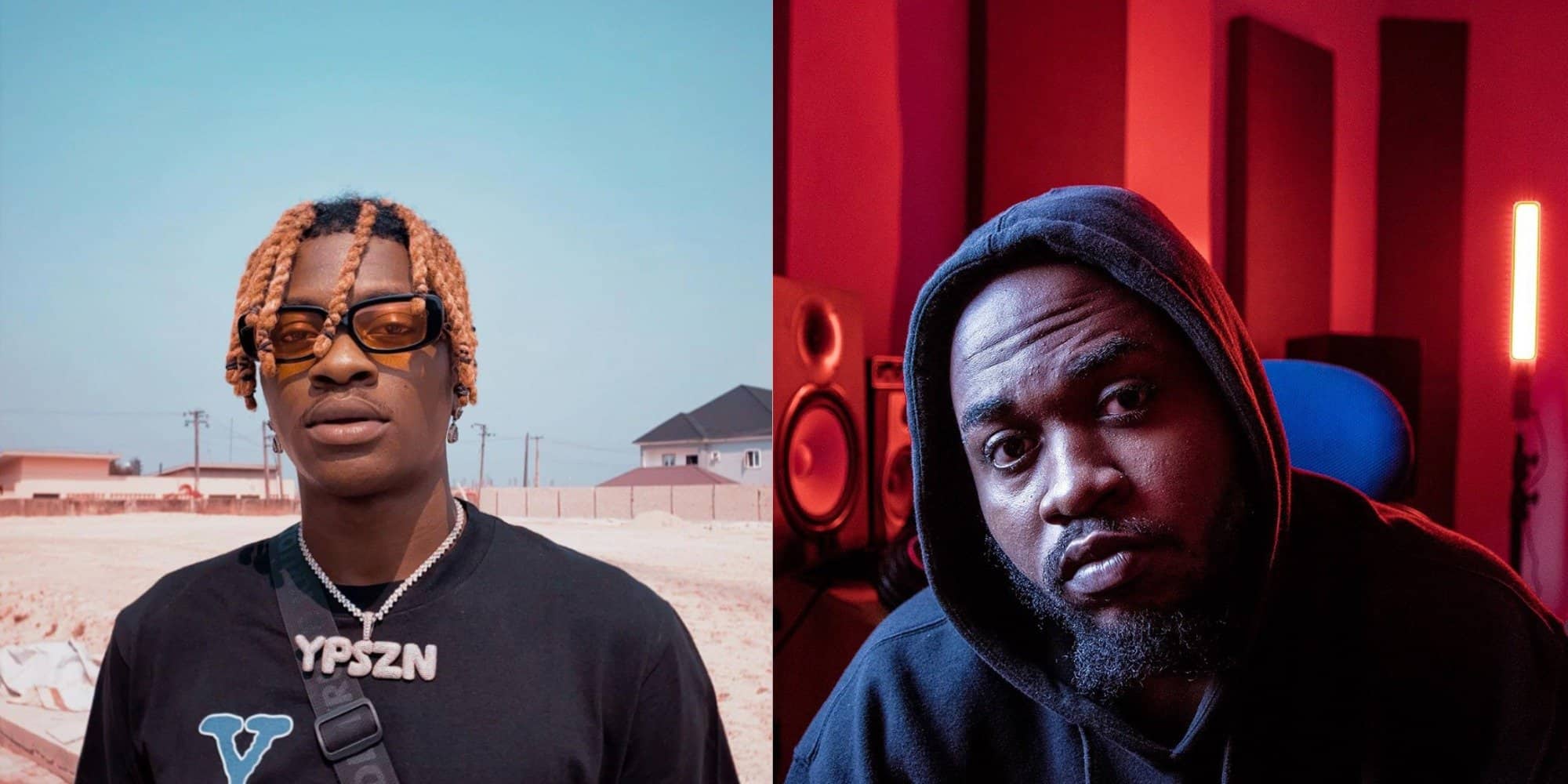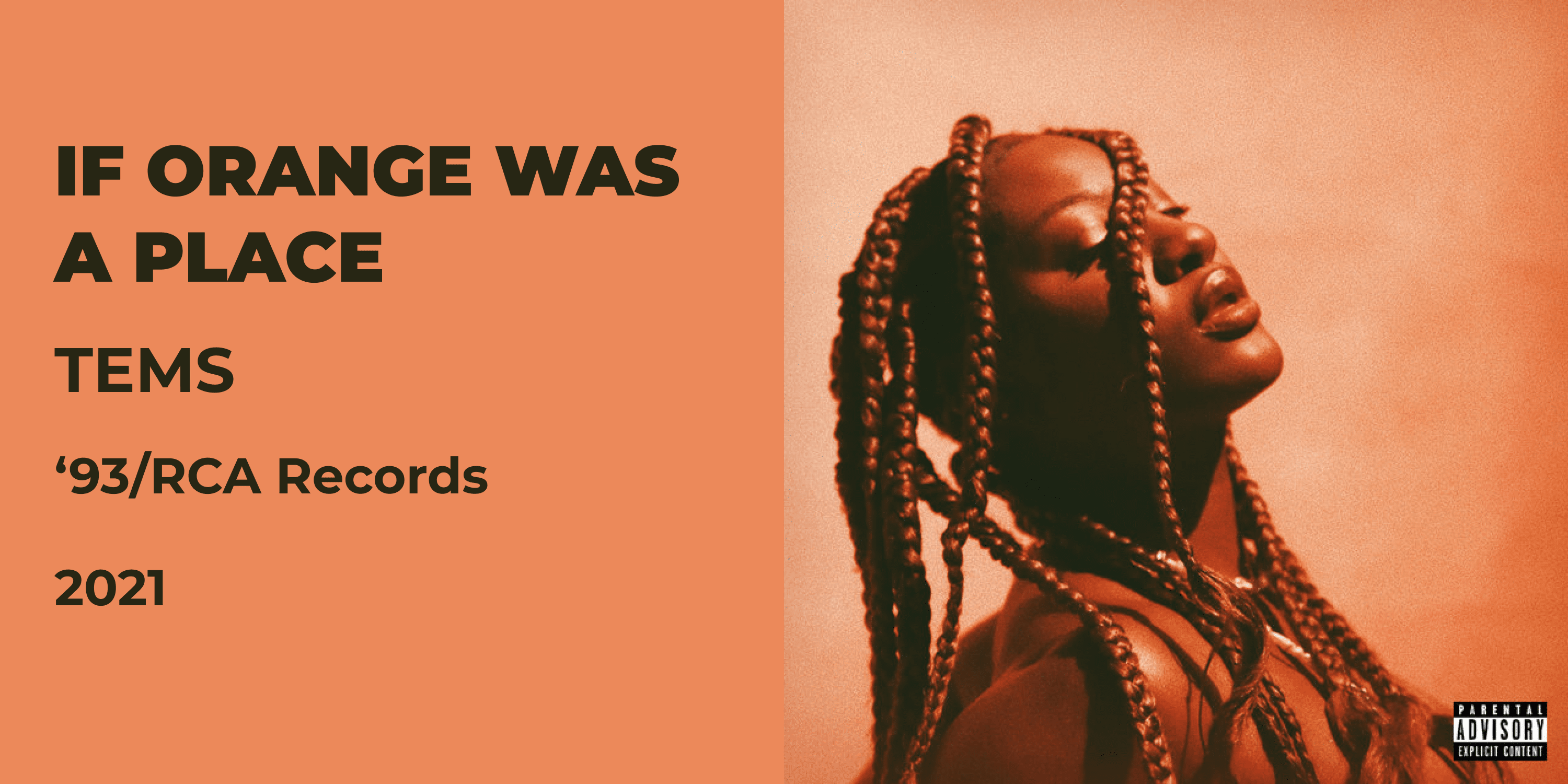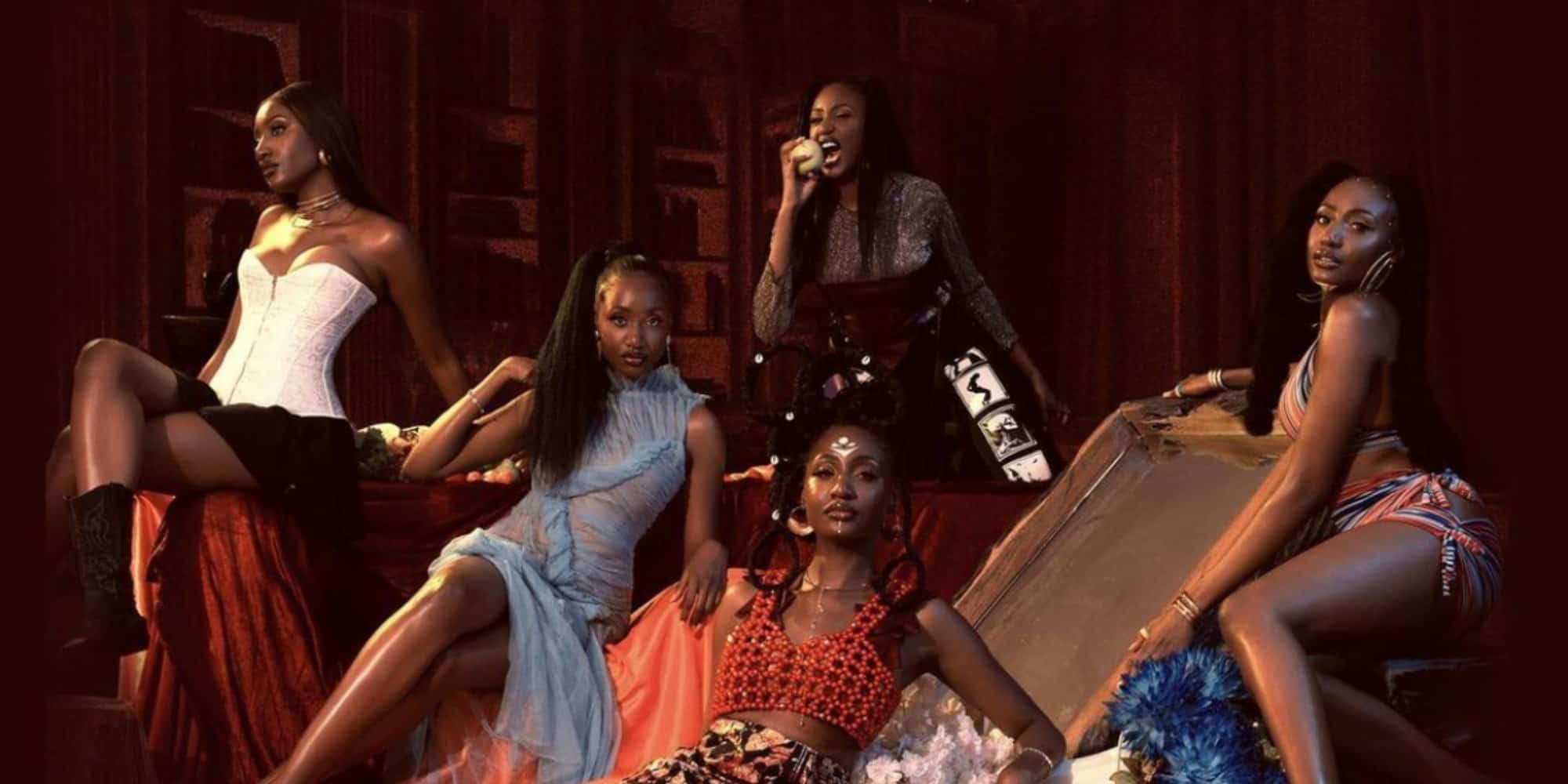
Back in March, following the release of JAE5’s “Dimension”, Skepta hinted at retirement. In a series of cryptic posts on his Instastories, the grime lord hinted at being “out” after a series of drops lined up for the year. Taking to the same medium earlier this month, he refuted claims that he was planning to stop making music, insisting that he was music personified. It’s hard to discount his claim: in addition to his work with JAE5 and Rema on “Dimension,” Skepta worked on the Fast and Furious 9 soundtrack, collaborating with late New York drill rapper Pop Smoke and A$AP Rocky on a track titled “Lane Switcha.”
His refutation of retirement has also flowed into an announcement of new music, with a synchronized social media post earlier this week signalling a new body of work to be titled All In. Skepta’s first solo project since 2019’s Ignorance Is Bliss, the five-tracker has already caused some excitement on Twitter due to the presence of Alté pioneer, Teezee, on a track alongside rap-punk star, Kid Cudi, as well as a song with Colombian Reggaeton megastar, J Balvin. There are production credits for long-time collaborator, Ragz Originale, and JAE5, with many eager to see what direction Skepta heads towards on one of his shorter projects. For what it’s worth, it is a needed update from one of the most intriguing music figures of the last decade, especially one who has played such a crucial role in closing the chasm between the British music scene and Nigeria’s eruptive cultural landscape.
In the usual 1-listen review fashion, all reactions are in real-time while the music plays. No pauses, rewinds, fast-forwards or skips.
“Bellator”
There’s no time for sentiments on this opener, Skepta is going straight into it and I think these are thoughts he’s wanted to get off for a while that has had to wait. I like how the bass is not overpowering his voice, just gliding with it and anchoring his message even if his verse starts out a bit slow. Most rappers usually start these sorts of projects with introspective tracks, but Skepta isn’t necessarily approaching this one like he ever went away. The fade-out effect at the end is also classy, adds something extra to a song about being loyal to your people and living your best life. Great opener.
“Peace of Mind” (feat. Teezee and Kid Cudi)
The one everyone wants to hear. I can’t recognize that sample at the beginning but I love that it switches up for Kid Cudi to come through with that punk energy. It all feels so raw and everyone is trying to get grandiose lines off. I feel like there’s just a sense of organized chaos at the heart of this song, everyone is here for a good time and a line like “I’m not politically correct” just sums it how non-conforming this song is. Skepta’s referenced Sex Education, so he’s up-to-date with pop culture and the bit about Zinedine Zidane is quite cheeky too, would have loved some more spurts of melody but alas I don’t get to make such decisions; asides from that, a delightfully rowdy track
“Nirvana” (feat. J Balvin)
Hearing “JAE5” heave at the beginning almost feels like a promise. This is the one: melodic, tempered rapping from Skepta. That’s what operating in nexus with someone like J Balvin just does. The guitar chords that undergird the track are so subtle but defining, they add a special flavour to the song, shouts to JAE5. Balvin’s voice is so pentatonic and even though I don’t understand Spanish, I just know he’s gone and got into a perfect zone that works for him, his cadence is at a perfect level to enliven the song, too. I’m adding this to my car ride playlist.
“Lit Like This”
In a project of brags, this one stands out but it also feels odd as an attempt to engineer a party anthem. I like the chants but it just isn’t getting that response from me. But I’ll definitely try this one again tomorrow with some alcohol inside me to see how I respond.
“Eyes On Me”
Let’s go. There’s ice in Skepta’s vein on this one when he rapped that “we aren’t trying to take any L” line. The energy from the “Showtime Riddim” sample is genuinely brilliant because the way this beat is attacked demands that constant cheering sound and I like the reference to his guys pulling up like it’s Merky Fest. And he’s an African Giant too, so I don’t think anyone wants that smoke. It’s genuinely an uplifting one. I like this, I recommend this, I am replaying this after I write my final thoughts on the project.
Final thoughts
It’s hard to imagine that Skepta has anything major to prove musically, after more than 15 years spent at the forefront of Grime and black British music and culture, he’s purely in this for the sport of laying his thoughts on exciting instrumentals like he largely manages to do here successfully. And that lack of worries unburdens the rapper to make a project that leans into themes of opulence and celebration, after the shadowy experimentalism of last year’s Insomnia with Chip and Young Adz. At five songs, All In is Skepta’s most concise body of work and a much-needed statement as his creative output extends beyond music.
Favouring an eclectic mix of soul and dancehall samples across the different tracks on All In, Skepta floats across a number of music styles while accompanied by guests who fit within the narrative of just trying to make the most exciting music they can at this exact moment: think Kid Cudi and Teezee colliding chaotically on “Peace of Mind” and Skepta’s melodic verse flowing into J Balvin’s pristine delivery on “Nirvana.”
A lyric-to-lyric study of All In will reveal little about the intimate details of Skepta’s life but listened to purely as an effort in technicality and presence management, it retains the gritty magnetism that makes Skepta a compelling figure.
At the 2019 BET Hip-Hop awards, Sarkodie picked up the inaugural award for Best International Flow. He also participated in the accompanying cyphers, unleashing a blistering, technical dazzling verse. To anyone who’s hip to the Ghanaian rapper, these events were par for the course: The award was less of a validation and more of an acknowledgement of his undeniable skill-set, and his cypher verse wasn’t a showcase as much as it was just another day setting fire to the mic and incinerating another instrumental.
At the beginning of last decade, Sarkodie fully emerged as one of the leading figures of Rap music in Africa, a pedestal he’s occupied and doesn’t look to vacate anytime soon. After months of waiting, he’s finally shared his new album No Pressure, a Teflon statement from the veteran who’s relishing having Ghanaian—and indeed, African—Hip-Hop in a chokehold. The new LP, his sixth official, is out at a time when Drill music is leading the charge amongst the younger generation of Ghanaian rap artists, a trend he acknowledged with the line-up of last December’s Rapperholic concert. At that, he’s secure enough in his accomplishments and position as the torchbearer—“10 years, every time e be me/everyone else is just tagging along,” he proclaims on intro track “Rollies & Cigars.”
Operating in rarefied territory, No Pressure casts Sarkodie in his already iconic light without any hints that he’s coasting, continuing his streak as a fierce lyrical Phenom and one of the greatest rap hit-makers around. No Pressure was preceded by a handful of singles hinting at Sarkodie’s self-assured candour on the album, including the groovy, unapologetic “No Fugazy,” and the brash, Vic Mensa-assisted “Vibration.” As he’s always done, the 15-song set is graced by a star-studded cast of guest features from both within and outside Ghana, with contributions Kwesi Arthur, Wale, Oxlade, Giggs, Cassper Nyovest and more.
Now, more than ever since March 2020 when our entire world was turned upside down, things are starting to feel ‘normal’ again. All around the world, people are reconnecting with shared experiences that were out of reach in the past year and once again, we’re able to experience music outside, whether it’s at live shows or festivals, or on the dancefloor at parties. Amidst this readjustment, music on the continent has found it’s way beyond the shores and across the world, bringing all of this goodwill back home to the roots, where the music was made and inspired by.
At the NATIVE, we remain committed to our mission to stay on pulse with new talent across the continent and the diaspora. Whether it’s breaking in new acts such as Omah Lay and Gyakie, two Fresh Meat alum who have cruised to undeniable victory in the past year, or discovering the hard-hitting bars of lesser-known female emcees around the continent, we constantly source for the best talent the continent has to offer. In today’s world where everything requires instant attention, reaction and satisfaction, it’s easy for us as consumers to get lost in the fray, and miss out on some things that we would ordinarily like, and that’s what Fresh Meat represents: taster course for the diverse skill harnessed by Africans from Pretoria, South Africa to Toronto, Canada.
On our 17th instalment of Fresh Meat, the entire team has had their ears to ground, listening out for music from all corners of the continent. Given the sheer amount of material there is out there, it’s always the best part of our editorial month when we gather to find Fresh Meat. Arguments and agendas across the team make selection of our top artists even more difficult, however, you can rest assured that with this list, we have representedf the multifaceted and multilayered soundscape over on this side. Featuring a talented spate of rising stars from South Africa’s Bonj to Nigeria’s Mizzle, here are 8 artists you should be paying attention to right now.
kZm
Normally, we wait until an artist has more than a handful of singles in their discography before we induce them into the Fresh Meat hall of fame. But when we caught a whiff of Toronto-based rapper kZm, we knew the potential was clear and it was worth putting him on your radar. While pursuing a Business and Communication degree in Toronto, the 20-year old newcomer has also been generating buzz in his own corner of the Internet.
kZm began making music when he was 7 years old. He was a musical child right from early and so, his Nigerian parents would encourage and endorse his musical skills by paying for piano classes for him and his brother. By the time, kZm got to high school, he was already spitting harder than many of his mates, filling up the time before classes with freestyle battles and hard-hitting rhymes in the playground. “I found it easy to put words together and guys would hype me up,” he tells the NATIVE. “The desire to make music just grew over time and then when I moved to Toronto, I knew it was time.” Born Ayomide Kazeem, the Nigerian-born rapper began taking his music career seriously when he saw the reaction to his one-off freestyle. While he’s certainly serious about his music career these days, kZm is also deeply inspired by the hard work and foundation laid down by his African parents. “My dad has gone through a lot to get me to where I am so I honour him by taking up our last name,” kZm tells the NATIVE about his abbreviated moniker. Wearing his family name as a badge of honour, kZm forged an identity rooted in his Nigerian heritage and one which set him in place to build a legacy on his own terms.
A year ago, kZm barely had one single to his name across streaming platforms. In November, he released his first offering, a catchy freestyle titled “Realize”. It was a succinct but potent introduction to his rapid-fire rapping skills, but the accompanying Youtube visualiser garnered a mere 196 views at the time of its release. Views are currency in today’s and low counts could be discouraging to any newcomer but kZm only used it as ammunition to come back ten times harder. His latest freestyle “Balance” which was released two months ago is already reaping the fruits of all that diligent hard work. Since its release, the rapper has now garnered over 12K views on Youtube and a recorded 34K streams on Spotify. Clearly, he’s hit the sweet spot and listeners around the country and the diaspora are catching to his skills. On “Balance”, he talks about his larger-than-life dreams as a boy from Nigeria: “God and endurance you know that I come from a sunken place/Boy I got to do shit by myself cause I wanna run up the bills” he sings-raps. While he’s clearly offsetting deep emotions about his time on the come up, kZm is also lacing potent stories about his love for women and the finer things in life. It’s clear that he’s got a whole lot to say but he’s not going about it in the same way as many of his peers.
kZm would describe his music as Hip-Hop/Rap with a dash of Trap sensibilities but ultimately, he’s not looking to be boxed into any stringent categories. He’s dedicated himself to making music work out for him on his own terms and that’s why he’s hopeful for the future. “I still think that my sound could become something different. That’s why I don’t want to say I make only a certain type of music,” he tells the NATIVE. “I love singing and I love rapping as well so I am trying as much as possible to be versatile. I don’t want to be stuck into one particular style.” These days, the borders and boundaries of traditional genres are being pulled and stretched apart by the new vanguard of Afropop hitmakers from around the globe, and in this new cultural zeitgeist, kZm’s music fits like a missing puzzle piece. With the summer almost over, kZm has his mindset on his biggest mission yet: the release of his debut EP. Till then, he’s out in the 6 making timeless music and recording out-of-this-world music videos. Watch this space.
Mizzle
Record producer, singer, and songwriter, Mizzle has proven versatility and range since he started his musical journey. With an undeniably unique sound, he continues to make leaps in the industry with artistry that continues to speak for him. Born and raised in Lagos Nigeria, Mizzle gained traction earlier this year when he was discovered for his entertaining TikTok videos. On this direct-to-consumer platform, the singer would imitate artists on beats that he would produce himself, the whole country would fall about laughing at his near-accurate depictions of Afropop stars. The uniqueness of these videos successfully gave him an edge over other artists in today’s oversaturated market. Artists worth their salt these days always have a unique quality that distinguishes them from the talented crop of artists in existence today and it’s clear that Mizzle is forging his own way through harnessing his range of skills from producing to singing, directing and more.
The record producer and artist began making music over 7 years ago, but he didn’t quite get his big break until he met Sarz in 2018. He worked as Sarz’s direct assistant for a while and learnt a lot of the ropes of the music industry. In 2017, he put out his debut body of work ‘Creed’, a 6-track EP that has the artist speaking on love, affection, and romance. After this, he continued to release a steady trickle of releases including “Signs”, “Connected” and “Hands For You”. This year, he’s expanded the world around his artistry with the release of his self-produced debut album ‘In The Dark’. The 7-track release finds the singer once again ruminating on matters of love, sex, affection, intimacy and more. The enjoyable 20-minute listen has guest verses from some of Afro-pop’s biggest names; Wande Coal, Oxlade, Niniola and Sarz, and more. For his debut project, this is light years ahead of any of his peers but it’s clear that Mizzle has worked hard to get to this moment in his career. One where he’s rubbing shoulders with big-ticket names while still showing us what makes Mizzle a name to remember.
There are many standouts on the project including the Oxlade-assisted“Smile For You” which was the lead single off the tape. Here, both artists declare their love for the women in their lives they are unable to leave alone. Over the groovy piano-led beat, Oxlade sings “I go dey smile for you/Whenever you need me, I’ll be there for you” over the song’s hook, as he convinces his lover of his affections. This theme carries through on other tracks including the project’s opener “Mizzle Love” where the artist and producer remind the ladies about the love they’re missing out from him. “This my love is magical/This my love is spiritual” he sings passionately on the warm acoustic track. Mizzle certainly has all the right ingredients to make the ladies swoon with pleasure. The Wande Coal-assisted track“Angelica”, has both artists serenading a beautiful woman as they mix vocals so melodiously and complement each other so perfectly with chemistry so divine. With a voice of gold combined with such melodious production and a 10/10 pen game, Mizzle is undoubtedly one to keep an eye out for. If you’re looking for a new musical experience, look no further.
Nikita Kering’
Nikita Kering’ is a star. Usually, that’s not a definitive qualification we ascribe to artists featured on Fresh Meat, but in the Kenyan singer’s case, it’s signed, sealed and delivered. At the 2019 All Africa Music Awards, Nikita performed “Tragedy,” her entry on the emPawa100 initiative meant to spotlight fast-rising artists. Her performance was rapturously received and, on the same night, she went on to win awards for Revelation of the African continent and best female artist East Africa..
If you search Nikita Kering on YouTube and scroll for a while, you’ll come across a video by a local news channel spotlighting a then 9-year old Nikita. In the video, she shows off her prodigious voice, and during the interview, she makes a statement that was quite self-assured and prescient: “Nothing will stop me from doing music.” Having already discovered her talent for singing about six years prior, and with a certainty about her future, she spent the next couple of years honing her skill-set, debuting professionally at 16-years old. “Happy with You,” her debut single is a blue-eyed ballad describing the feeling of being loved right, the sort of universal theme a young artist would use as a vehicle to make their mark on new listeners.
As established by her debut single, Nikita’s music mainly deals with romance, but it’s not only the rosy parts as evidenced by “Tragedy.” She’s stated that her music is mostly inspired by those around her and their experiences with romantic situations, and it’s to her credit that she embodies these emotions well enough for many people to resonate with her music. Released earlier this year, “Ex” is a stern statement at a love interest still teetering on the edge of certainty, a demand for reciprocity with one party’s cards on the table. It’s her biggest song yet, with the accompanying video being her first to cross over a million YouTube views.
In a minor but important snag, though, “Ex” seemingly borrows liberally from a song of the same title by American R&B singer Kiana Lede. Obviously, no piece of music is entirely original, but it’s symbolic of how closely the Kenyan singer veers closely to her seeming influences. On A Side of Me, her recent debut EP and a compilation of her singles over the last year, you can feel the spirit of singers like Adele, Emeli Sande and H.E.R on different songs. Nonetheless, the EP is impressive for its emotive writing as well as the sheer brilliance and affecting power in her voice. Nikita has admitted that she’s still finding herself as an artist, and her development will only make her an even more enthralling artist, which is exciting because she’s already an ascendant superstar.
Azawi
Earlier this year, Azawi dropped a prophetic piece titled “My Year”. A spritely Afropop jam, the Ugandan singer claims this year as her own, telling her listeners that they got this year on lock too. Releasing her breakout track and official debut single, “Quinamino” just one year prior, in January last year, Azawi’s inauguration as a recording artist is a story of fate. Writing “Quinamino” in just 40 minutes, Azawi intended to sell what then became the lead single to her debut EP to a Ugandan record label, Swangz Avenue. Once the execs heard her perform it, however, they didn’t want the song. They wanted her.
When you listen to her feel-good debut EP, ‘Lo-Fit‘, the decision to sign the well-versed Ugandan songwriter and turn her into the country’s newest sensation is an obvious one. Writing songs as a hobby before realising she could make money from it, Azawi’s voice is compelling, powerful where it needs to be on up-tempo Dance hooks, such as the “Lo-Fit” hook, and soft over love-tinged verses, for example on “Repeat It”. Having written for artists including Eddie Kenzo, Nina Rose, and Vinka, Azawi first started, Azawi’s lyricism is an obvious pull in her music. It’s quite the surprise that before Swangz Avenue, she hadn’t considered a career as a recording artist. A member of a band, which she still carries along with her in music videos and on songs, Azawi spent her university years moonlighting as a waitress too, working hard in all fields, which has given her an invaluable ethic that undoubtedly elevates her craft. Since her 2020 debut, Azawi has already pushed out four music videos, dished out live performances, earned award nominations, offered up her vocals for guest appearances and her style choices for fashion brand influencing.
Describing herself as a fusion artist who refuses to be boxed or labelled in any aspect of her life, Azawi is crossing borders with her accessible, yet locally-ingrained Afropop sound. Ensuring that her prophesy comes to pass, Azawi is making this year her year.
M’ax
Where most kids she grew up aspiring to traditional careers like medicine or law or engineering, M’ax was pretty sure she “wanted to be Hannah Montana” from a very young age. From working at radio to vlogging over the last few years, she took a few steps towards her ultimate aim of being an entertainer, letting the public in on her singing talent only sparingly until the last year-plus. She’d been singing for as long as she can remember and you’d find a handful of song covers if you scroll long enough into her YouTube page, but it took a personally devastating event to fully nudge her down her current artistic path.
“After my first major heartbreak where I thought I was gonna die, that’s kinda when I really got into making music and taking it seriously,” she tells The NATIVE via voice note, with a slightly animated emphasis on “die.” As tragic as they are, there’s a playful but profound quip that heartbreaks can be character-building episodes when properly channeled. It’s a silver lining belief that has produced a lot of great music and catalysed the careers of several artists, a foundation on which M’ax has seemingly laid the early blocks of her musical career.
Shortly after her manifesto-like debut single, “For You,” the South African singer dropped her first project, Based on a True Story, a succinct and immersive representation of the events of that major heartbreak. Relying heavily on emotive expression, she traces the romantic situation from its honeymoon beginnings to its doleful end, curating a linear sequence of events without underplaying the emotional complexities. Where upbeat soul-sampling intro “More Than a Crush” embodies the period of wobbly knees and vulnerable bliss, the project goes on to denote how things got progressively miserable, like on the acoustic “I’m Sorry” where M’ax apologises, negotiates and aims to pacify, and the wonderful penultimate track, “Small Talk,” is a requiem for when intimacy finally devolves into unfamiliarity. Her breathy voice trembles and wobbles ever so slightly, giving the project—and her music, generally—its gently off-kilter, lived-in appeal.
“When I make music, I’m not trying to make a song, I’m trying to make an emotion,” she says in the endearing mini-doc released shortly before the project. It’s a guiding principle she confirmed in one of her voice notes, prioritising personal honesty as the essence of her music. The statement also works in tandem for her musical choices, presenting her expressions with the apt sonic accompaniment. Where her debut project leaned into varying shades of contemporary R&B and bedroom Pop, M’ax took on groovier sounds on her follow-up EP, November’s Sizzle, including Deep House, mid-tempo Afropop and Amapiano. It’s fitting for a conceptual project that charts a night filled with lust and frivolous fun, even though there’s emotional turmoil bubbling underneath.
Earlier this month, a year after her debut project, M’ax returned with “Changing,” a single pack of a song containing the OG R&B version, a gorgeous acoustic rendition, and an Electronic remix. Framed romantically, it’s a graceful kiss-off to the past and an embrace of what the future has to offer. The song falls within the broader theme of her catalogue: love can be exhilarating and it can also be deflating, but our personal emotions are always valid as we grow forward. It’s a deeply resonant central theme, one that will leave a stronger impression as M’ax keeps bettering her craft and her listener base increases.
Msimisi
Msimisi is a South African singer and songwriter born and raised in the kingdom of Eswatini but his love for music has afforded him the freedom to broaden his sonic horizons. After one listen of his growing discography, the first thing you’ll notice is his deep raspy voice, which he sings with fantastic pitch control. While he began his foray into music almost a decade ago, he’s actually been interested in music since he was a young boy and singing in his church’s choir. Artists such as Cassper Nyovest, Black Coffee, 6lack, Khalid, and more inspire the music with her, and in addition, people like Chimamanda Ngozi, Kevin Hart, and Gordon Ramsay also inspire him with the way they changed the world with a revolutionised art or skill.
Msimisi began making music in 2011 when he had the opportunity to work with artists such as Soul Candi and Dj Qness on a song titled “Everything”. The catchy number went on to garner success from around his home country as it got major rotations and plays on the radio and tv stations at the time of its release. He then went on a hiatus from music for a couple of years to focus on his education and successfully obtained a degree in Industrial Engineering. A few years later, Msimisi made his return to music and since then, the sky has been the limit. He’s since gone on to produce alongside several well-known South African rappers such as Nasty C and Tellaman as well as working on a project called “Lift as you rise” with Redbull SA. His biggest hit to date is “Zumbu”featuring Sands, an earworm track that finds the rapper treading outside his comfort zone and exploring an unfamiliar sound accentuated with a rich array of melodies. This year, Msimisi has been busy expanding the world around his music. Earlier, he released his EP titled ‘Obsessions’, a 7-track R&B offering that touched on topics such as love and longing. The Hanna-assisted “Get Right”was one of the project’s highlights showing off the singer’s sweet-sounding voice and his matured pen game.
When asked what message his music conveys, he doesn’t hesitate to take a concrete standpoint as to how down-to-earth he is with his sound. “I push to convey authenticity and vulnerability through my music, as there are so many fakes out there. Honesty is key when telling my story. As the world evolves, so does my sound and music”. Tap on now before it’s too late.
Moyoswrld
For some, the lockdowns of the past year were a blessing in disguise. While it was a tough time for many of us, it also seemed to have produced some of the finest musical talents from all over the continent and the world at large. At the start of 2020, Nigerian-born US-based multi-genre artist, Moyoswrld barely had a single to her name, but before the year ran out, she’d gone on to release over three singles. She first debuted on the scene with a studio freestyle title “BOOM”, a bouncy track that gained traction on both TikTok and Instagram at the time of its release. The song ended up garnering over 300,000 streams across all platforms, a move that definitely showed her penchant for commanding attention with ease. As a Gen Z artist operating in today’s industry, Moyoswurld has stayed ahead by sticking to her own distinct style of music which allows her to fire off lines that fit perfectly within the experiences of young African Gen Z’s today.
While she allows herself a lot of creative licenses to spit off these rapid-fire verses, she never strays too far from the places and experiences that define the young adult life that many of us are now making sense of. The 21-year old rapper and singer has an unquestionable voice that draws listeners in with each world she enunciates. Drawing from elements of different genres such as Alternative, Hip-Hop, R&B, Afrobeat, and more to create a style that is entirely idiosyncratic, Moyoswurld’s music constantly meets the demand for something new, fresh and with the times. Her second official single “It’s Alright” is a more mid-tempo offering where Moyoswurld momentarily drops the melodic rap to show off her impressive singing skills. Over the breezy guitar and delectable drums, she sings ‘I’m not trying to settle down/You’re not trying to hear me out/Why you tryna stress me out?’ speaking directly to a muse who she’s currently having communication issues with. The message on “It’s Alright” is fairly still the same as her first single, but this time around, Moyoswrld melds her voice, adapting to a lighter flow that would help her convey the song’s weighty message. It’s always endearing when an artist–particularly a newcomer–is able to straddle different genres and soundscapes with ease. Despite her ability to wear many faces, Moyoswrld makes music that is beautiful and emotionally layered.
Since then, the singer and rapper has continued to show her enviable flow in a string of subsequent releases including “Kit Kat” which was officially released in October last year. Here, she returns back to the off-the-cuff rapping skills that first endeared her to listeners. “She got two twins, so I told her make it clap/Tryna get a piece of that kitty kitty kat” she quips over the song’s bouncy production as she lays down her sensual desires for a muse. With each new release, it’s like Moyoswurld reinvents herself, morphing with whichever beat she has in front of her and making melodies that are front and centre on everything she does. Her inspiringly firm sense of self ensures that she’s inserting more of that Moyoswurld charm into each of her releases so that listeners are receiving something otherworldly each time she steps to the mic. Earlier in the month, the Alternative hip-hop artist released her single, “Supersonic”, a fast-tempo tune on which the artist hypes herself up without holding back. Alongside her music, she’s also founded a collective called the Butterfly Brigade, a group of African Creatives as well as a fashion brand aiming to bridge the gap between music, fashion and progressiveness. With all these, Moyoswrld continues to prove why she deserves your time (and your ears).
Bonj
At present, South Africa is home to one of the most globally resonant music genres, Amapiano, however, regardless of Amapiano’s vaunt to popularity, a number of other genres still continue to produce artists of the highest standards in the country. Rising singer, Bonj, is among a crop of musicians making alt-pop music that is a melding of all the popular sounds brewing in South Africa without bowing to strict genre constrictors. Whether softly floating over tempered house instrumentals or helming anthemic offerings, there is an unshakeable feeling of grooviness that underpins all that the Soweto-born singer does musically.
Her first steps as a musician were taken when she moved to Cape Town to study jazz at the University of Cape Town where she was the lead singer of a band called TheCITY. After moving back to Johannesburg in 2017, she began a solo career, releasing “Til The Tide” in 2018 to critical acclaim. The intervening years have been spent soaking up life experiences and perfecting her craft while working on her debut solo material resulting in her in ‘A Journal’, the seven-track extended play that she describes as “an audio diary of experiences I had, people I’d met, things I’d done, places I’d been to.”
The music lives up to its thematic premise, 2t56with snapshots of stories from her years leading up to the project but beckons for a better world. On the project opener, “Ain’t It True”, Bonj chooses to believe in the best of humanity, sing-asking: “what will it take for you to realise that we’re all the same?” Her agile voice carries the intent of her message powerfully on the DJ Zinhle-featuring “Against The Grain” where she sings about being a companion for her loved ones even through the toughest time, buoyed by a funky four-on-the-floor pattern, the opening stretch of “Against The Grain” heaves into a sunlit declaration of her affection. Near the end of A Journal, Bonj slips into the sort of brooding, experimental pop music that has risen in popularity over the last five years and she maintains the balance with assiduous songwriting on tracks like “Hangover” and “Shivers,” proving that she is attuned to diverse vibrations of music.
Featured image credits/NATIVE
Written by Ada Nwakor, Adewojumi Aderemi, Dennis Ade-Peter, Tami Makinde, Wale Oloworekende and Wonu Osikoya
More than most people, the team at The NATIVE knows that the sheer scope of music available to us at this exact moment in human history is mind-numbing but our goal is still the same as always: we don’t want exciting music to be slept on. That’s where our Songs of the Day column comes in. We try to keep our fingers on the pulse of music from across the continent and beyond, bringing you exciting songs from talented musicians who are continuously trying to bounds of artistry with their music.
Last Friday, we had Fireboy DML’s first solo single post-Apollo, as well as a heartwarming collaboration between British-Nigerian Dave and Afropop icon Wizkid. Today’s editions has exciting music from Port Harcourt-bred singer and producer, 1da Banton, Ajebo Hustlers, and some genre-meshing sweetness from British producer and singer, Ragz Originale. Tap in.
Ragz Originale ft. Knucks and Lady Donli – “No Doubt”
North London-born singer and producer, Ragz Originale, has played a key role in the renaissance of grime music over the last half-decade, producing three songs on Skepta’s critically-acclaimed 2016 album, ‘Konnichiwa’. But on his solo material, the singer has explored a more melodic side to his music, diverging from the grit of grime with mellow singing based on solipsistic reflection as explored on 2018’s Nature. His latest song, “No Doubt,” is a sensual burner expressing his desire to be with a love interest, featuring rapper, Knuck and Nigerian singer, Lady Donli, who delightfully sings the line, “he’s never been with a Naija girl.”
1da Banton – “Original Vibe Machine”
For the last 18 months, the sweet melodies of Port Harcourt have established a presence in the high courts of Nigerian pop. Very few embody the city’s ethos like 1da Banton does. The singer-producer helped craft Ajebo Hustlers’ breakout single “Barawo,” and on his debut album, ‘Original Vibe Machine’, he comes into his own as an artist, flowing nimbly on songs like “Sekkle Down” and “No Wahala.” Collaborations like “No Sleeping” with Zlatan show 1da’s ability to lean into the world of the others without losing the core of his artistry.
Vector, Khaligraph Jones, Dip Doundou Guiss and Ashs The Best – “Crown Of Clay Remix”
Back in March, Nigerian rap icons, M.I. Abaga and Vector squashed their long-standing beef with the Pheelz-featuring “Crown of Clay”. Four months later, the song is receiving a cross-continental remix featuring Kenyan rapper, Khaligraph Jones as well as francophone artists Dip Doundou Guiss and Ashs The Best. The song’s guests definitely bring a fierce urgency to the remix, referencing black greatness and Zamunda while matching Vector’s verse about Nigeria’s servicemen.
Ajebo Hustlers – “Bus Stop”
Ajebo Hustlers spent much of last year being cast as conscientious voices thanks to the potent messaging of “Barawo” that touched on the dangers of jungle justice and the wider decay in society.
The duo’s debut album, ‘Kpos Lifestyle Vol. 1’, aims to offer a more panoramic view of them. Here, we see the duo in a new light as they show their proficiency in serenading love interests and soundtracking social justice movements. Album opener, “Bus Stop,” sees some of that mellow singing as Piego and Knowledge take turns declaring that they are ready to commit to long-term relationships while spicing things up with sprinklings of their Port Harcourt cadence.
Ogranya & WondaMagik – “Carribeana”
Ogranya’s incredibly prolific streak continues with the release of “Carribeana” featuring his creative partner, WondaMagik. The mid-tempo jam is an ode to never being forgotten as the singers try to ensure they are long ingrained in the mind of their lovers. The first song off Wonda’s forthcoming project ‘Chronicles of Magik II’, “Carribeana” tunnels into feelings of attachment that both singers explore delicately over minimalist production.
Powpeezy – “Lagos Party”
While drill hasn’t necessarily been fully established in Nigeria, the seeds for its emergence are being laid by a determined crop of artists who, in homage to the origins of the Chicago-pioneered sub-genre, are directly layering their life experiences over the ominous beats. Powpeezy has been steady with drill-influenced drops since the last quarter of 2020 and the video for his latest single, “Lagos Party,” documents the raucous energy of a night out on the city as he tries to get lit while referencing pop culture mainstays like demon time and shutdowns without going offbeat.
We may be in the thick of the summertime on paper but in reality, it doesn’t exactly feel like summer in Lagos. For one, vaccine passports may be in full swing but the threat of the Delta variant and its ensuing lockdowns and restrictions are looming in the air. For another, it’s raining season here in Lagos and the weather is less than satisfactory at the moment. This is not the hot girl summer that we were promised. Although there aren’t any major concerts or shows right now due to the pandemic, the clubs and lounges here are still going crazy as always but I mean, it’s Lagos anyway so nothing new there.
It’s NYSC camp season again and I’m not feeling very enthusiastic about it. I just graduated a year ago and so, it’s time for me to also obey the clarion call and serve my country or whatever. I can’t help but feel nervous as the day draws closer because I’ve heard horror stories about NYSC camps in this country and I refuse to have a similar experience. From waking up at 4:30 am to early morning marching and showering in public spaces, it’s giving me high school PTSD all over again and I’m definitely not looking forward to any of that.
For this week’s Hot Takes, I’ll be taking the reins to work you through some of the most important cultural conversations happening at the moment. With the summer days rolling in and reality shows popping up at the second, you know I had to weigh in on the latest season of Big Brother Season 6. I also dish about the latest from Netflix who have just launched a new games network on their platform, the potential case between Kai Collective vs Fendi, the Olympics 2020, and much more. Enjoy.
What I’m currently listening to:
If you thought Afropop couldn’t grow any further, then this year, you’re in for a surprise. Music on the continent is growing at an exponential rate with new releases popping up every minute. One of the best parts of the year has been watching Sarz work with and partner with Afropop artists still making a name for themselves. He did it with Lojay a few months ago and now, he’s hit back with ‘Sweetness’, a 4-tracker that ruminates on love, life, sex, and more in collaboration with British-Nigerian singer, Obongjayar.
As the title suggests, the tape is literally savoury and saccharine in every sense of the word. The 14-minute listen is honestly the easiest thing to consume and enjoy and it’ll have you running it back in loops all day. I’m definitely also hooked on Jaylon and Azanti’s new single “Firedncr” (Help I’m currently listening to it lol). Apex Village’s latest member, Azanti made his way into the music scene just last year and already, I’m his biggest fan and I’m rooting for him to win. The kid has so much potential, he may be quite young but he’s already acting as a pop rookie with veteran tendencies. I’m a lover of good harmonies and romance (haha) so this is definitely for me. It’s a very smooth listen and it’s catchy as hell with replay value. Of course, Jaylon went crazy on the production as well, as the reverb on this beat just does what needs to be done. Together, the union of Jaylon’s melodious production and Azanti’s harmonies sounds like a welcome friend. Tap in below.
What I’m currently watching:
Well, I’m not really a cinephile so I’m not watching anything right now. However, I just finished watching this South African Netlix series called ‘Jiva’, all thanks to Tami. She recommended this a while back and I took time to watch it over the weekend and I must say, it wasn’t bad at all. It’s a street dance series about a South African girl who has a passion for dance and making it big in her country. However, she has to put her career on the side to cater to her family when her mother becomes indisposed. She finally decided to face her fears and choose herself which was basically her chasing her dreams and choosing dance, neglecting family objections. South Africans seem to be doing the thing with their movies right now and I’m loving it. I’m definitely going to be on SA Netflix more because I seem to enjoy their series a lot.
Big Brother Naija Is Back
It’s that time of the year again. Following the conclusion of the BBNaija Lockdown season reunion a few weeks ago, the arena is open once again and the new contestants for BBNaija Season 6 have been introduced to us, the ever-nosy viewers. This season, there are 22 housemates in the house with 11 men and 11 women out to win the cash prize and the famed title of the BBNaija winner. While last season definitely garnered incredible fanfare due to its boisterous housemates and all the drama, this year’s season comes with a new twist: wildcards.
At the Sunday opening ceremony, Ebuka, the show’s longtime host announced that this ‘Shine Ya Eye’ season would feature two wildcards amongst the housemates. The housemates were asked to get better acquainted with one another and figure out the wildcards amongst them. If they were able to, the wildcards would be dropped immediately from the show. However, if they were unsuccessful, then the wildcards would be free to remain in the show and compete for the cash prize. This has definitely been a welcome twist and it’s put a spin on the BBNaija franchise which has successfully run for the past five seasons.
This year’s season is also sponsored by ABEG – a peer-to-peer platform that enables users to request money from another Abeg user on their contact list. It is marketed as a brand for millennials which bypasses the stress and hefty fees of local bank transfers. The app which launched back in 2019 is actually a product of leading FinTech company, PiggyVest and associate sponsor Patricia – Crypto made easy. According to sources (don’t ask, I won’t tell), it costs roughly about $2 million to be a headline sponsor for a show like BBNaija which sums up to about 1billion Naira. That’s a bit insane if you ask me seeing as the selection is always tight for this spot due to the vast number of players competing and bidding for the headline title. Alongside Abeg, there’s also a number of new and returning sponsors this year including Pepsi, Guinness, Boomplay, Dano, Close Up, Airtel, Innoson Motors, Darling, and more.
The season has been off to a good start and it’s been quite entertaining to witness it all unfold these past few days. As always, there are so many different characters and personalities in the house and I’m excited to see how this season pans out. However, if you want to know where I stand, I’m rooting for a female winner this season #TeamAngel.
Kai Collective Vs Fendi
The fashion industry seems to be stuck in a creative rut. Yet again, Fisayo Longe’s famous Gaia print has been replicated by a brand, however, this time around the culprit is the international fashion house, Fendi. Following the previous cease and desist order issued by Fisayo Longe to fast fashion behemoth, Boohoo, it seems that brands are still replicating the Gaia print which is protected by copyright law in the UK and the US.
In a tweet shared by CEO and Founder Kai Collective, Fisayo Longe’s page, the fashion designer and influencer shed more light on the gross replication of the Gaia print. Placing images of the orange Gaia print and an orange print featured on Fendi’s Resort 2022 Collection side-by-side on her timeline, she was able to stoke the embers of conversation in her favour. The similarities between the two prints were clear as day for all to see.
While the Italian fashion house are yet to comment on this error, Fisayo has already made it known that she will be seeking legal action and redress if the prints were to be sold in the UK and US, the two places where the Gaia print is currently registered under exclusive trademark laws. It is yet to be seen what would come of this case, however, we’re not a fan of bullies here at the NATIVE and to witness a huge international brand piggyback off the hard work of a Black-owned Nigerian brand is truly sinister.
This will neither be the first nor the last time that fashion will borrow inspiration from other lesser-known brands but when this inspiration treads lines closer to flat-out copying and forging, then there is a huge problem that needs to be addressed immediately. Kai collective has risen to become a fashion powerhouse in their own right and they deserve to have something that is distinctively theirs and attracting returning customers. Already, she’s made the most out of a shit situation and gone ahead to officially release the orange print Gaia in one-of-a-kind robe sets and more. Go show some love and get yourself a pair here.
Kai Collective Orange Gaia (June 2020) and Fendi Resort 2022 (July 2021). Black women continue to be the blueprint. I see you, Kim Jones. You might not want to release these items in the UK and US because the print is protected and you will be receiving a cease & desist for sure. pic.twitter.com/KJFA4ACs0q
Netflix Is Introducing Video Games on The Platform
Netflix, one of the streaming behemoths of this decade is planning its expansion beyond film and entertainment. Announced recently, it seems that the media giant will be delving into the world of video games and virtual reality. The streaming giant recently hired Mark Verdu, a former Electronic Arts Inc. and Facebook Inc. executive to lead it into this new frontier. The new virtual reality platform follows the company’s recent efforts to provide choose your own adventure style interactive films such as 2018’s ‘Bandersnatch’.
The games will appear alongside current fare as a new programming genre, similar to what Netflix did with documentaries or stand-up specials. According to official reports, the games will be primarily accessible and played on mobile devices, though they may eventually migrate to TVs as well. This move is also inspired by the company’s significant dip in subscribers over the past year. A report in CNBC also states that subscribers in the U.S. and Canada declined by 400,000 in the second quarter, a sign the business may be reaching a near-term saturation point.
Speaking about the move, Netflix’s chief operating officer shared: “We think the time is right to learn more about how our members value games,” the company said in its quarterly earnings release — but also says it expects to be in gaming for the long haul. “This is a core part of our subscription offering.”
Over the weekend, the Tokyo Olympics opening ceremony took place. In its usual fashion, it was broadcast on television stations around the world including the NBC broadcast. While conversations leading up to the Olympics have definitely been rife, this year’s opening ceremony drew 16.7 million viewers the smallest US television audience for the event in 33 years, according to preliminary data.
According to reports, the Tokyo opener’s TV audience declined by 37% from 2016, when 26.5 million people watched the Rio de Janeiro Games opener, and 59% from 2012, when 40.7 million people watched the London ceremony. It was the lowest audience for the opening ceremony since the 1988 Seoul Games, which attracted 22.7 million TV viewers. According to the president of the LHB Sports, Media, and Entertainment, “The TV ratings are down more than anticipated,” said Lee Berke. Between the lack of a live audience, the move to streaming and the ongoing dropouts of key competitors due to COVID, all of it seems to have a negative impact.”
I’m not too shocked at the low numbers this year. I, myself, didn’t tune into the broadcast over the weekend and only glanced at the games in passing since it began. It just doesn’t feel the same anymore. There was a time when we were younger that these games would have elicited so much joy in us as we watched world-class athletes take centre stage and win games for their respective countries.
However, that excitement is clipped this year by the fact that international sports games continue to uphold archaic rules and punish Black women much harshly than others. This year alone, we’ve seen the constant piling on women such as Naomi Osaka, Serena Williams, Simon Biles, Sha’carri Richardson and more, who have been treated unfairly by sports governing bodies and had their mental and physical wellbeing disregarded. I can’t help but shake these feelings and I’m sure it’s affected my willingness to watch the games. I don’t know if I’ll be tuning in later but for now, it’s F word the Olympics.
I don’t cook, I don’t clean and I also don’t want this ring
By Adewojumi Aderemi
Years ago, Nigeria’s hardly beloved President Buhari came out with a horrifyingly inappropriate statement “my wife belongs to my kitchen, my living room and the other room.” Not even giving Mrs Aisha Buhari ownership or even shared ownership of these domestic spaces, Buhari – for once – reflected popular Nigerian sentiments that a woman’s purpose is to tend to and care for men, and their offspring. Around the same time as the President’s incendiary comments, Beyonce was beckoning right-minded women into “Formation”. After seeing this hilarious video of Beyonce explaining why she doesn’t cook, this is where you’ll find me.
Starting on Twitter and ending up on Instagram, as always, a throwback video of Beyonce describing her kitchen traumas sparked conversation over the web about women’s domesticity. “Every time I try to cook it’s disastrous,” Beyonce says after describing how the ice from her frozen chips mixing with oil caused the pan to pop; “I thought I was gon’ burn the house down.” With enough money to not have to cook to survive, Beyonce is living the life I can only imagine. Eating out, hiring a chef, having a laundry person and a cleaner, these are the luxuries I aspire to, but in these parts, I’m made to feel like feeding and cleaning the family are my duties and my responsibilities… as a future wife. I reject it in Jesus’ name.
It has been said often that Western ideals are corrupting our youth, with many citing secular music as a particularly poor influence. But have the elderly considered that traditional values are imprisoning capitalistic tools? And songs that praise our wet ass pussies, unifying anthems of liberation and empowerment, and not chants of to cult-initiation or defilement?
On the wholly controversial “WAP” Cardi B espoused the iconic bars, “I don’t cook, I don’t clean, but let me tell you how I got this ring.” Summarising my proudly lazy personality in two sentences, Cardi B’s rejection of traditional gender roles is every bit of me. I don’t have much ass to shake but my hands do flail about in the air in solidarity… until she gets to the bit about her ring.
Over the weekend, I had the pleasure of attending my dear aunty’s book launch (buy here). In one of his introductions, the master of ceremony confidently announced to the congregation that a woman is not complete without a husband. Much to the offense of all the single ladies, this dogma is heavily purported throughout Nigeria – and even still globally – resulting in miserable pairings and unjust compromises for women. From ‘Lemonade’ to Toke Makinwa’s ‘On Becoming’, whilst many women, and men, in society are accepting the fact that women are so much more than homemakers, there is still a general consensus that we should have a home, with a man. The expectations of domesticity might be waining, but heterosexual marriage is still being presented as the pinnacle of female existence. I’m sorry (not sorry) but having ‘l-o-v-e-d’ two men, coming out barely breathing, marriage is decidedly not on my agenda.
So, tell those 30+ aunties I’m a bad bitch – sorry Cardi, Bey. I’ll cook for myself only (cos I love food and I gotta eat), I won’t lift a finger with the cleaning and if I only ever fall in love with myself, it’ll be the happily-est ever after, ever.
Kida Kudz’s trajectory is as peculiar as it is inspiring. Over a decade ago, he captured the eyes, hearts and imagination of many young Nigerians with his impressionable approach to rapping and his eccentric fashion sense. Those attributes earned him his win at the second edition of the Peak Talent Show, but the ensuing fanfare took a while to gestate into his currently enjoyed high-flying music career. After a few minor hits in the immediate years, he relocated to the UK where he found himself as an artist and later came into his own in the second half of the decade.
These days, Kida operates on a peculiar lane of the Afropop bridge that spans from Lagos to London. His gruffy, distinct voice and knack for memorable flows have earned him a dedicated set of listeners who recognise the uniqueness of his sound, which he famously dubbed Afro-Swank. Based in the UK, with frequent visits to Nigeria, Kida has managed to establish his presence in his home country and in the diaspora, connecting across seas with his catchy fusion of Afro-Fusion and Rap music.
Early last year, Kida released his debut full project, ‘Nasty’, where he presented his distinctive sonic alchemy across 10-tracks, including the instantly memorable “1AM.” In the following, pandemic-riddled months, he remained prolific as ever with multiple single drops and several guest appearances. He closed out the year with the 3-track tape, ‘Jiggy Pack Vol. 1’, with promises of a new full-length sometime this year.
After months of build-ups and single releases, Kida’s ‘Top Memba’ graced the public this past Friday. With a panel that consists of most of the guys on the NATIVE‘s editorial team, below are our first impressions of Kida’s new tape.
Best Song
Rahman: It has to be “Animalistic” for me. On this track, Kida tells us how he should not be looked down upon and how he is going to take what is his whether it is handed to him or not. He also gives off this contagious dose of confidence that we hear in his lyrics.
Wale: I’d go with “Cherry Mango.” I like that Kida is unhurried here, and that languid pace just works for me. There’s also a nice texture to his voice while his verse just flows naturally over the mid-tempo instrumental. The instances when Made’s saxophone grace the track are also gorgeous. So many times, when Afrobeat artists are called on for afro-fusionist songs, it’s usually hyper-pop, so this was a nice one.
Dennis: For me, it’s a tight call between “Cherry Mango” and “Never Saw Us.” The former intrigued me immediately when I saw the tracklist, mainly because Kida and Made Kuti isn’t a combo I ever thought would happen. The chemistry isn’t through the roof but, between Kida’s version of romantic cooing and Made’s warm saxophone, it’s cordial enough to make “Cherry Mango” a standout. I like “Never Saw Us” because it’s a little more profound than we’re used to getting from Kida, he’s aware of his surroundings with relation to being a father and a young black man. It’s not the deepest, most introspective song you’ll hear, but it’s quite affecting—a description I never thought I’d use for Kida’s music.
Best Guest Feature
Shina: Love almost all the features on the album, even the one I didn’t understand a word of because it was sung in Spanish. But the one that really stands out for me is Tanika’s feature. On “Nobody” she’s soothing, adding the necessary backups when needed. Her and Kida have great chemistry on this one and it’s the same to say with the feature on Kida’s previous album, Nasty. It wouldn’t hurt to listen to a joint project from the two.
Dennis: I have a very strong Made Kuti bias, so I’m very tempted to name him here. The way his sax sails around on “Cherry Mango” is simply captivating. At the same time, though, I think Tanika significantly elevates “Nobody.” They collaborated on Nasty, so it’s safe to say Kida really loves working with the singer and it’s understandable considering their complementary energy on both songs. Apart from a quick bridge towards the end of the song, Tamika mainly functions as a vocal foil to match Kida’s melody on the hook. She doesn’t command too much airspace, but she simply makes everything better with each slinky purr.
Best Lyrics
Wale: There was a line from “Animalistic” where Kida says, “shey you know Jesus Christ was a black man?” It doesn’t make sense in the wider context of the verse but it just struck me as quixotic because it appeals to my desire for the radical deconstruction of religion. At the same time, it is also banal because the colour of the salvation figure doesn’t matter to most [African] people – I think – they just want something to follow. So even if Jesus was black, it just is a song flex at the end of the day. Probably need to rant about this in my journal.
Shina: My favourite song on this album is the pre-released single, “Animalistic” and I have a lot of favourite lines from this song, but I’ll say “Jumbo when I blow my medicine” is my favourite just to answer the question asked. As funny and pretentious as this might sound, this line interprets to me as ‘go heavy on self-care.’
Rahman: There is a part on the song “Never saw us” where he says, “chasing that bag till I pull my hamstring”. I feel like that’s a top 10 line easily. I mean he has to chase the bag till he physically can not. So no matter what the situation may be, keep chasing the bag.
Overall first impression
Dennis: Kida Kudz has struck me as the quintessential streaming era artist in the last few years, with a prolific style better suited to sporadic single drops. ‘Top Memba’doesn’t change that impression, it’s a collection of good bops and not necessarily a project with high stakes. There are really not that many stylistic tweaks: The songwriting values exuberant hooks, and the beat selection is still very rooted in Afropop and Afro-Swing dalliances. It does have some good replay value, I breezed through on back-to-back listens without feeling fatigued, that’s a big positive in my books. ‘Top Memba’ is Kida’s way of reminding us of how well he’s settled into his own Rap corner within the larger context of Afrobeats.
Wale: I need to sit with it more. I can’t lie. Aside from a couple of songs here and there, I’m not fully convinced. But I do see what he was going for. I don’t want to say the mid-tempo template but it is what it is. From my first like 5 plays of the album, I’ll say 5.5; will definitely go higher with more plays.
The vast majority of Afropop’s intentions hinges on evoking a feel-good atmosphere. While the sounds that make up the urban landscape across the continent are wildly diverse, there’s an emphasis, especially on the mainstream level, for artists to imbue their music with a fun-filled energy. Perhaps no other stakeholder understands this ethosnbetter than the DJs who serve as curators, conduits and everything in between, linking the music with audiences often on a visceral level.
Cameroon-born, Abidjan-based DJ Jeune Lio is extremely conversant with the relationship that binds groovy African music and its immediate consumers. He emerged as one of the driving forces behind the La Sunday parties in Ivory Coast’s capital city, which grew its attendance from a few dozens to 10,000 people in less than a year, culminating into a colossal festival with two stages and a roster of DJs from around the continent and beyond. While the coronavirus pandemic temporarily shuttered La Sunday, it’s afforded Jeune Lio the creative time to expand his output in a way that emboldens his ambitions.
Around this time Last year, he collaborated with serial Cameroonian hit-maker Magasco for his debut single, “My Love,” a delightful ode to being love-struck. He’d follow-up with a few more singles over the course of 2020, each ticking the rhythmic and melodic boxes associated with modish, mid-tempo Afropop. Those singles brought his budding A&R skills to bear, especially on the standout “SGFA (Sexy Girl from Abidjan)” which combined Oxlade’s helium falsetto, Didi B’s sturdy raps, and Chrystel’s otherworldly croon. Building on the gains from these single drops, Jeune Lio’s recent debut project, ‘A Night in Cocody’, is an impressively curated set that hinges on familiar thematic concepts for the DJ.
Evident in its title, ‘A night inCocody’ moves through the nocturnal adventure of partying, with an emotional undercurrent that gives it substance and warmth. The setting is important to fully grasp Jeune Lio’s motive and appreciate the music: Cocody is an upscale part of Abidjan, home to the sort of affluence fitting for a memorable nightlife experience. The palpable events that make up the 8-song set are universal, but there’s an extra compelling edge due to its positional specificity. The project moves through physical attraction, lustful tensions from grazing body parts, and the possibility of romantic entanglements, basically what you’d associate with hitting the streets at night.
Unlike M.I Abaga’s ‘Rendezvous’, a similar-minded concept project, there are no set characters, just scenarios where listeners can see themselves and interpretation is loose. That all of it takes place during a night in Cocody is the only thing Jeune Lio, with the help of his collaborators, is rigid about. The project’s beginning half is its most consistent, tonally, with the first three songs—all mid-tempo bops—produced by Port Harcourt-based polymath Veen, and setting up the part of the narrative for the rest of the project.
Opener “Test Me,” with its soft bounce and sax drizzles, pairs Chrystel and Ghanaian singer Yung D3mz to personify the entry points of a conversation where both parties tease each other out. Following the Lekr-assisted, blue-eyed title track, “Midnight Crush” signifies—to use a cultural colloquial—the “boo’d up” point, where Magasco’s tenor gently collides with Soukeïna’s siren harmonies. As pivotal as it is within the project’s narrative, it’s also consequential for historic reasons: Soukeïna is the daughter of Ivorian Reggae great Alpha Blondy, whose 1980s hit “Cocody” is arguably the most popular immortalisation of Abidjan’s urban area. Considering the sequential curation of ‘A Night in Cocody’, this detail doesn’t seem coincidental on Jeune Lio’s path, a minor but significant marker of his curatorial abilities.
The middle to latter parts of the project are far more visceral, with sonic choices solely made for losing yourself to dance. “The Call,” featuring the lively chants of protégé Diane Dddd, is bathed in the green-yellow-red sheen of Caribbean Pop, while lead single “Encore (zo)” is an up-tempo banger that somehow marries Soukous with the recognisable bounce of Nigerian street Pop. This section of the project mirrors that point during the night where flirting evolves into fun, with a sly nod to the complexities and differences in relational situations when two people have decidedly cut a corner on the dancefloor.
“We only got one night, we got to do this right,” Chrystel sings in the hook of her solo appearance on “Trust,” but she also proclaims a willingness to ride for this person towards the song’s end. The seeming incongruity is a reminder that Eros situations on a night out can be ephemeral or long-term, depending on the two people involved. It’s also a reminder that dancefloors aren’t restricted to deepening the infatuation between people who were strangers a few hours before. On cue, ‘A Night in Cocody’ closes out on a wistful tone with the Amapiano-influenced “Forever,” featuring Cameroonian singer Stanley Enow evoking early morning bliss with a partner.
Looking through his cast of collaborators that cuts across Ivory Coast, Cameroon, Ghana, and Nigeria, there’s a tangible conceit that Jeune Lio fancies himself as a burgeoning pan-African connector, especially between the Anglophone and Francophone countries in the West and Central region of the continent. It’s a position that definitely needs some filling, considering the controversial discussion on the dominance of Nigerian music in Cameroon and the current, relatively sparse collaborations between these countries, in comparison to the frequent link-ups between Nigeria and Ghana, and the South.
By now, it goes without saying that Jeune Lio positions himself as an ambassador for Abidjan, flaunting it as a potential hotspot for Afropop activities on a continental scale. “Lagos for me is the number one place for African music,”he told Pan-African Music earlier this year. “But Abidjan is going to catch up because there is a new rap-ivoire scene that is on the rise, and the music scene is becoming more professional.” It’s a noble mission, and A Night in Cocody is excellent proof that Jeune Lio is committed to playing his part.
Styl-Plus’ album ‘Expressions’ is one of the most popular Nigerian albums of the 2000s. Growing up in love with the noughties boy band, journalist ‘TofeAyeni narrates how the group stood out by telling detailed stories in all their songs, an art that seems to not be as important in modern music.
The Beginning
If you had the pleasure of growing up in Nigeria in the early 2000s, Styl-Plus, namely their debut album ‘Expressions’, was likely one of your most-played albums. Before Apple Music and Spotify – when we used to play CDs, the radio, or cassettes if you’re that retro – the songs from this album helped a lot of us through long trips to school in traffic, only to end up singing the catchy lyrics with your classmates upon arrival.
Styl-Plus were the group who made people of all tribes belt out Yoruba words through tracks like “Imagine That”; Styl-Plus convinced you that it might actually be interesting to get spellbound by food from a local restaurant; Styl-Plus made everyone from the ages of four to forty simultaneously desire and fear the concept of love. Nigeria’s premier R&B boy band at the time, Styl-Plus has a special place in all our hearts.
Styl-Plus were not the only Pop stars at the time, but they were arguably the only R&B group to maintain the level of popularity they did consistently, commanding a nationwide audience through their compelling, unmatched and unmistakable storytelling. The group, originally called STYL, began in 1997 with founding members Shifi Emoefe, Tunde Akinsanmi, Yemi Akinwonmi and Lanre Faneyi – STYL being the first letters of their names. Sadly, as is described in their song “Four Years”, Lanre passed away in 1998, following which Zeal joined the group, making them Styl-Plus. In 2002, Yemi left, and the quartet became the sensational trio of Shifi, Tunde and Zeal.
The group, which began as a purely gospel quartet, moved into the love ballads and Pop music we know them for today in 2001, and it was at this point that they gained nationwide recognition. In Styl-Plus’ era of secular music, each song they delivered were tales of passion, of hurt, of love, of life in general, all the while ensuring they gave us beats catchy enough to allow us to dance to their songs at parties. Interestingly, and perhaps due to their gospel background, the group managed to keep their music ‘family friendly’, concentrating on love rather than sex, with theatrical, melodramatic lyrics very far from the more melancholy tone we (or I) tend to relate to today.
Although I am unashamedly biased, it is safe to say that no other Nigerian artiste or group has managed to consistently show their songwriting prowess like Styl-Plus. We all know good songwriters still exist, but the popular ones, say Teni, have a mix of songs that tell a clear story (“Case”), and those with not as strong storylines. On “Obe” (ft. Boj), for example, there is no real tale – no beginning, middle or end to tell us of how the artist arrived at the subject she is singing about.
This is not to bash the song, or Teni, or other artists who don’t feel that storytelling must be at the core of every song. There is no rulebook that says singers must be authors with a melody, and we all know that on this side of the world the beat is usually the most important part (see: “KPK”, with its three lyrics being the song of last Christmas). But when it comes to the album ‘Expressions’, storytelling is at its finest. There is not one song on it that does not present a compelling narrative.
The Middle
From crooning about the girl who is Tunde’s world in “Always on my mind”, to the girls that broke their heart on “Imagine That”, to the bukka owner who stole their destinies on “Iya Basira”, on each ‘Expressions’ record, listeners are introduced to a topic, explained the situation, and everything is concluded with a nice bow tie. In particular, three songs remain especially memorable and narratively skilful. Three of the most popular, indelible songs from the album, these are “Olufunmi”, “Imagine That” and my personal favourite, “Iya Basira”.
Olufunmi
Let’s start with “Olufunmi”, a song that has hardly decreased in popularity since its 2003 release. Over the melancholic keys, the crooners sing to a girl named Olufunmi, with whom each one is 100% besotted. Despite all the promises, and Tunde building his world around her, Olufunmi wants to leave. Begging her, in Yoruba, to not leave them, the catchy chorus lives in the minds of all Nigerians, whether one grew up here or not. Re-listening to the lyrics today, I am (not) ashamed to say that… tears in my eyes? I am also begging Olufunmi to stay, because clearly, neither Tunde, Shifi, nor Zeal could possibly survive without her. Sliding in a Rap cut after the second chorus, “Olufunmi ” lends to the fact that Styl-Plus also provided some of our first experiences of popular-rap verses in Nigeria.
Imagine That
Imagine That: A classic, indisputably. What did Styl-Plus not do on this song? As they start by telling everybody to “move your body now, forget about a blue day; everybody move your body now, tomorrow is a good day,” when listening to the lyrics you are somewhat taken aback by a chorus that focuses on heartbreak. Then, it makes sense. The group have endured so much in love – but instead of wallowing, they dance; tomorrow is a good day. If that’s not the Nigerian way of dealing with just about every issue, I don’t know what is.
In the Yoruba chorus, in which each line is topped up with the words “imagine that,” we hear about how each lady left, even after all they have done for them. Suggesting that their lives would be over if their respective muses did follow through with leaving them, a pattern begins to form. The conclusion? Styl-Plus needs to stick to women that like them.
My favourite part of the song is the Yoruba verse at the end, where Zeal sings so beautifully about a woman treating him like trash. It’s poetic but like… only in Yoruba. This song will make you dance, works great with karaoke, and with the detailed English verses explaining what different girls have done, a handle on Yoruba is really not required. “Imagine That” is perfect in every way.
Iya Basira
My personal favourite. Honestly this was probably the first (non-nursery rhyme) song I knew word for word, and I’ve never forgotten a single lyric. Through their detailed sung descriptions you can literally see the events of the song unfold. Iya Basira is more than a story; it’s like a movie, or, at the very least, a skit. There are different characters: the main character who falls for the jazz in Iya Basira’s food; the person that tells him that his “long-throat” is too much; the policeman that he recruits to go with him to the Oshodi Bukka, and Iya Basira herself. The song gives all we didn’t know we needed and more.
Although they admit they “never see this juju tele tele” and literally warn us against it, I can’t be the only one that, to this day, has a craving for this food that prevents Styl Plus from eating their mother or girlfriend’s food.
The dialogue in Iya Basira is where the song gets its belly-aching humour. The most comical part of the skit comes from the officer going to the bukka, asking Iya Basira what she is giving people to eat that is causing this wahala. Of course, when he proceeds “to chop small – fufu N90 plus that soup wey dey draw,” upon tasting, he asks for more, and then dismisses the case – Iya Basira’s food is just that good. Though the main character is calling us, the people, to save him from this mystic bukka, it is clearly a lost cause, because even the law enforcer is unable to resist. Sprinkling dexterous vocals over the song’s conclusion, “Iya Basira” is comedy, but with a whole world of talent, don’t forget that.
The End
Back in the day, storytelling was an imperative component of good music. When you think about the greats from the different decades – from Fela, to Lagbaja, to (dare I say) Styl-Plus – their songs told a story. They had to. Whether it was a political story with Fela, or love stories with Lagbaja and Styl-Plus, the artists gave us a tale to follow, because that was what listeners were looking for, what we expected and what got us hooked.
Nowadays, the storytelling aspect of Nigerian music is not as important. Narrative lyrics have lost their crucialness. This could be attributed to a heavier focus on beats and producers, and also because it is more important to have music one can dance to rather than learning lyrics to sing. But regardless of these compound causes, these days we see many modern artists who don’t tell stories through their music. This is not to say that they don’t say anything at all. Davido has a fair share of love songs, but his tales don’t have a beginning, middle and end like those of Styl-Plus. Burna Boy often sings political tunes, but he also has a firm foot in lighter, free-spirited pools of music.
If an album that tells stories in quite the same way as ‘Expressions’ does exist, we don’t know it. Sure, Nigerian music has improved in many ways since the early 2000s, but times and tastes have changed, and the artists seem to be able to feel this. Or perhaps the artists changed first, and we began to accept this new style of music. It’s hard to tell but either way the fact remains, no one compares to Styl-Plus – not when it comes to the art of storytelling.
Featured Image Credits: The NATIVE
‘Tofe Ayeni, political journalist, feminist. And I listen to a lot of music.
Last Friday, British-Nigerian rapper Dave released his sophomore album ‘We’re All Alone In This Together’, the follow-up to his Mercury Award-winning debut album, ‘Psychodrama’. Once again, the Streatham rapper waxed poetic about the trials of fame and success, while offering deft social observations about the Windrush scandal, the victims of Grenfell, and war crimes in the Middle East.
The centrepiece of the album lay in the cross-continental features which tied together different parts of Dave’s backgrounds — from his doorsteps on Streatham to the rowdy streets of Lagos and beyond. Wizkid, Boj, James Blake, and Stormzy were some of the big-ticket names that caught fans’ attention. However, one uncredited collaborator has been generating quite the buzz since the album’s release: Shasimone.
‘We’re All Alone In This Together’ cradles many sweet spots. Adopting a multi-genre approach, Dave takes listeners through different soundscapes, at some moments offering up Afrobeats and R&B and another moment, delving within the confines of Drill and Electronica. The album encompasses many different voices, representative of its name, togetherness in solitude.
On “Both Sides Of A Smile”, one of the standouts on Dave’s album, the rapper gives way for two distinctively antithetical artists to take centre stage and allow listeners to ponder their own romantic shortcomings. As James Blake’s melodious voice introduces listeners to the world within, Dave begins to spit his thoughts on love and romantic unions. “Love’s a film and I’m just flicking through the parts I’m in,” a line that will certainly resonate with anyone who’s loved and lost.
As the song builds, a new voice comes into focus. Cue in Shasimone, the British-Ghanaian newcomer slowly making a name for herself. With lyrics like “Ask me if I’m taken, I say taken for granted/Cause I’ll be damned if I give a fuckin loser my best years,” the East London emcee stirred up quite the conversation as fans began clamouring for more material from her.
According to her Spotify page, she’s currently got 5K monthly listeners which will continue to rise as more listeners discover her short but sweet discography. The rapper’s first release dates back to September 2020 where she made her official debut with “Belly”. Although the singer currently has only four releases on her streaming platforms, she’s consistently shown her fierce lyrical chops each time she’s stepped up to the mic.
On “Back To Sender”, her most recent release, the rapper returned back to her Ghanaian roots, spitting her hard-hitting bars over an Afropop-tinged production. Here, she talks at length about the opps and not letting bad energy into her tightly knit circle. In the song’s 3 minute run time, she’s able to pack an onslaught of wordplay as she calls out the fake bravado of masculinity. Armed with kiss-offs and spilled tea from past lovers, Shasimone shows that she’s got a magnetic energy to her words and delivery. It’s this energy she brings to “Both Sides Of A Smile”, a potent introduction for those who are unfamiliar with her past work.
It’s always inspiring when we see Black women unabashedly show off their enviable skills, especially on a song with men who are far more established in their careers. Still, Shasimone was more than able to hold her own ground, winning over hearts and ears with her rapid-fire verses that draw us into her youthful world. From one self-determined showcase to another, it’s clear that Shasimone is one to keep tabs on. She’s a woman of action talking her shit on her tracks, and we need more of this.
Summer is here, and Ladipoe’s “Feeling” is still the number one song on the TurnTable Top 50. It replaces Omah Lay’s “Understand” and becomes the first song to reach the summit on three different occasions.
“Feeling” first reached No. 1 on the chart dated June 7, 2021, and spent two consecutive weeks at No. 1 before dropping to No. 2. It then returned to top the chart again almost one month after on the chart dated July 5, 202, pending another two consecutive weeks before dropping to number two last week.
After an impressive debut week, Omah Lay’s “Understand” drops to No. 2. The Tempoe-produced song drew 49.8 million in radio reach (up 6.2%) and 1.72 million equivalent streams (down 43.4%). “Rock” the lead single of Olamide’s UY Scuti album, remains at number three after topping the chart for three weeks while Ruger’s “Bounce” returns to its number four peak on the TurnTable Top 50.
Rema’s “Soundgasm” slides one position from number four to five after peaking at number three on the chart while newcomer AV’s “Big Thug Boys” drops one rung to number six after peaking at number five last week. Elsewhere, MohBad makes a return to the TurnTable Top 10 with “Feel Good” bowing at number seven after drawing 2.08 million equivalent streams and 4.9 million in radio reach. It is Mohbad’s second top ten on the chart after the No.3-peaking “KPK (Ko Por Ke).”
Rounding out this week’s top ten of the Top 50: Patoranking’s “Celebrate Me” maintains its number eight peak position while Adekunle Gold’s “Sinner” featuring Lucky Daye falls from number seven to nine. Wizkid’s Tems-featuring summer scorcher, “Essence,” holds at number 10.
In 1976, the great Afro-Soul singer, Orlando Julius recorded his four-track extended play that invited listeners into the fad of the decade. Singing, “Come on let’s do the new dance,” Orlando Julius introduced his album with the title track, “Disco Hi-Life” encouraging audiences to join him in marrying sounds from his Nigerian home and the influential West. Recorded between the iconic Ginger Baker Studio in Lagos and West Virginia’s The American Star Studio, Orlando Julius’ instructions way back then are still being heeded now. Julius said “let’s do the disco hi-life,” and Sarz and Obongjayar, 40 years on, listened.
During the 1970s and ’80s, Disco and its more jazz-inclined sibling, Funk were globally consumed and produced. As Pop icon Michael Jackson was making his most memorable disco tunes, Nigerian legends such as Tony Allen, Eno Louis, Odion Iruoje, and including Orlando Julius, were putting a local inflection on this global sound. As the years went on and Funk and Disco retreated into the archives in the US, to be replaced by the historic rise of Hip-Hop and Rap, West African genres also went through a similar phase. Afro-Disco or Afro-Funk became the tastes of the elderly generation, played in nostalgia for the good old days – which, in these parts, were actually better than now.
Nowadays, artists who continue to make Funk music exist outside the mainstream; and, unlike Fela’s Afrobeat, or the High-Life sound that united West Africa back then, Disco and Funk are not popular choices for mainstream artists to experiment upon. In 2018, when Odunsi (The Engine) reintroduced Afro-Funk to the Nigerian mainstream, with his game-changing debut album, ‘rare.’, even as an alternative artist this feat was considered so counter-grain that many challenged its merit and doubted the potential of its success.
Naysayers be damned, three years later, leading Nigerian producer, Sarz has now joined forces with experimental British-Nigerian artist, Obongjayar for an evolution of the Afro-Funk campaign, that audiences are clearly hoping will catch on, judging by the instant commercial buzz and sonic highs of their joint EP ‘Sweetness‘.
Short and definitely saccharine, ‘Sweetness‘ is four unexpected tracks that prove the unequivocal production prowess and versatility of Sarz as a global tastemaker. An underground British-Nigerian artist, Obongjayar is best known for his poetic, raspy delivery on overdramatic beats. On his album released last year, Obongjayar flexed his Afrobeat interests alongside spiritual gospel on a record like “God’s Own Children”, clearly showing that travelling to the past to source inspiration for his present music tastes is a common practice of his. Still, as the Funk guitar ushers in the main rhythm of the title and opening track, ‘Sweetness‘ all our expectations of both acts are subverted in the most mesmerising way possible.
As the keyboards on “Sweetness” amplify the Disco tenets of the song, Obongjayar opts for a falsetto delivery, a difference from the booming vocals he typically adopts. Looking for a girl’s attention, Obongjayar weaves in characteristic Disco language, pleading with her not to reject him with the lyrics, “don’t turn your lights out.” After announcing his imminent arrival at her place, the chorus is followed by an instrumental break, a key component of Disco music. In true Sarz fashion, the end of the song also features a lyric-less few seconds, accentuated by a bass solo, that reminds us of the empirical role Sarz plays on this EP.
Each record on the project has its own identity. Where “Sweetness” is fruity and fun, “Nobody” is more contemporary in its sound. “If You Say” is a dance-floor classic, whilst “Gone Girl” is a darker tune with the most melancholy plot-line. On the brooding second track, Obongjayar sings of growing apart from his lover, noticing a change in her attitude that he can’t explain. Obongjayar cleverly references Fela’s immortal title track, “Zombie” to describe his lover’s aloofness, while Sarz works his magic with the beat, incorporating echoes to illustrate the emptiness growing around Obongjayar.
On “Gone Girl”, like in “Sweetness”, Obongjayar’s Nigerian intonations come out stronger on the song’s second verse. Heavily reminiscent of The Weeknd’s ‘Starboy‘ – right from the gritty opening of the title track to the album’s closer “I Feel It Coming” – it is Obongjayar’s unique vocals that truly set this song apart. With “If You Say”, however, the album harkens back to the previously mentioned, Odunsi’s ‘rare.’ With similarities to “dancefloor” in particular, on “If You Say”, what captivates listeners is Obongjayar’s syncopated rhythm. On this song begging for honest communication and follow-through on commitments, throughout ‘Sweetness‘, Obongjayar displays an enviable vulnerability, for those of us who have been jaded in love.
After just ten delightful minutes, we reach the project’s final track, “Nobody”. In 1976, Orlando Julius recorded his own four-track extended play of Afro-Disco songs; this lasted over half an hour. In 2021, ‘Sweetness’ is representative of current interests, coming in at less than 15 minutes. The final track, its most familiar, most mainstream, most contemporary opens with Obongjayar telling his muse, “can’t nobody do what you did.” Just as he mentioned how irresistible she was on “Sweetness”, Obongjayar’s words to his lover somehow mirror achievements of the duo on this EP.
Of course, contemporary Funk/Disco has been done before, but on projects like ‘Starboy‘, ‘Future Nostalgia‘, or ‘rare.‘ or singles such as Doja Cat’s “Say So”, the ’70s are a mere reference. On ‘Sweetness’, however, the Disco-decade is reincarnated in full. Can anybody do what they did? We hope some at least try.
After much anticipation, the sequel to Kemi Adetiba’s award-winning film ‘King of Boys’ is coming to Netflix. The release which has been status imminent for quite some time is finally being shared on the streaming behemoth next month. However, this time with a welcome twist.
Announced officially today, ‘King of Boys’ is now being marketed as a 7-part Netflix Original series. The new 7-part drama series will be the first of its kind to grace the streaming platform since its entry into African markets two years ago.
According to Netflix’s official press release, ‘King Of Boys: The Return of The King’ will see Sola Sobowale and Toni Tones return as Eniola Salami and picks up with Eniola’s triumphant return after a five-year exile. However, this time around, her shocking, unannounced return rattles the cages of her enemies – both old and new. And once-trusted allies desert her at her most vulnerable moment – all while she faces an even greater battle within herself for the redemption of her tortured soul.
New additions to the cast include First Lady Jumoke Randle (Nse Ikpe Etim) , Reverend Ifeanyi (RMD) ( Reverend Ifeanyi) , (Dapo Banjo( Efa Iwara), Adetola Fashina (Deyemi Okanlawon, Odudubariba (Charly Boy ) and Governor Tunde Randle (Lord Frank). The 7-part series is slated for an August 27 release date, although it is not yet known whether all the seven episodes will be released at once or over a course of time.
Speaking about the new series, Kemi Adetiba shares:
“When I decided to tell the King of Boys story, I never imagined it would take on a life of its own in the way it has. It’s been such an exciting ride from its introduction in 2018 to the Nigerian audience, and their reception was so incredible that the fans have been clamoring for more.
I’m so honored that today, I get to share the world of Eniola Salami and King of Boys 2: The Return of the King to a global audience, but this time with the massive backing of Netflix. Continuing the King of Boys journey with Netflix is a big deal for me, especially as this time, it will be served to the world as a limited 7-part series.”
We’re halfway through the summer and the amount of music we consume continues to grow exponentially by the second. With amazing songs dropping at an unrelenting pace, it’s not always easy to cut through the noise and the sheer volume of it all to find the music that will accompany our melancholy, inspire our next creative breakthrough, allow us our loved ones more securely, or take us to a place of unencumbered elation.
That’s where our ‘Songs of the Day’ column comes in. We try to keep our fingers on the pulse of music from across the continent and beyond, bringing you exciting songs from talented musicians who are continuously trying to bounds of artistry with their music. Earlier this week, we brought you new releases from ENNY who just released her debut EP ‘Under Twenty Five’, Buju, Tomi Thomas, Hermez, April Maey, Fresh Meat alums Benzo and Skolleywood & more. This weekend, there’s tons of new music to get through from Dave, Fireboy DML, Juls, DND Section, Azanti, Jaylon, Cheque, Kida Kudz, Ajebutter, Oxlade, Ictooicy, adé and more. Enjoy.
Fireboy DML – “Peru”
Following the success of his sophomore album ‘Apollo’ released last year, Fireboy continues to show his undoubted star power. After a brief hiatus from releasing any new solo material, the singer is back for his first release of the year following his appearance on Cheque’s single “History” earlier this year.
On “Peru”, the new Shizzi-produced romantic, the singer is at his most relaxed, reassuring a lover of his dedication to them. With lyrics such as “Omoge no be so, girl you wan capture soul/I’m loo- even Peru don dey tire” on the romantic number, it’s clear that Fireboy DML has spent the past year sharpening his writing skills. With an enviable flow and clever wordplay, Fireboy DML reaffirms his place in the new vanguard of Afropop hitmakers.
Dave – “System” ft. Wizkid
Dave’s highly anticipated sophomore album ‘We’re All Alone In This Together’ is finally here. On the newly released project, the British-Nigerian emcee is turning up the dial on his Nigerian roots by featuring both Wizkid and BOJ on two separate tracks.
The Wizkid-assisted “System” is a groovy summer number that will certainly soundtrack parties from the ends to Agege. “Whine baby show me that you whine am well, I never knew about you so well/My enemies only pray for war so I give them/Henny for system, one more and she giving me,” quips Wizkid over the song’s memorable hook with sounds that transport listeners from the nightclub to an intimate romantic setting and back.
Juls – “WICKED” ft. Sam Wise, Kadiata & Knucks
British-Ghanaian artist, producer and DJ Juls is preparing for the release of his debut album which is slated for release later this year. Ahead of this, he’s been giving listeners a taste of what to come with the Tay Iwar-assisted “Chance” and now second promotional single “WICKED” featuring Sam Wise, Kadiata, and Knucks.
On the new release, the artist teams up with some of the finest British talents from the UK to helm a song that will certainly soundtrack nighttime activities. The accompanying Ray Fiasco-directed video finds all artists delivering their verses as blazing neon lights ooze in the background taking them from the streets of London to intimate house parties and dancefloors.
Yung Bleu ft. Davido – “Unforgiving”
One of the best parts about music in this decade is the multitude of cross-border collaborations that we’re receiving on a near-daily basis. After spending some time in Lagos earlier this year, Yung Bleu linked up and made magic with some of the cities finest musicians.
On his newly released album ‘Moon Boy’, Davido makes a legendary appearance on “Unforgiving”, a midtempo romantic number. Singing “Back then I thought I found love, but now you’re someone I used to know/Now you’re asking for one more chance but yawa don gas,” Davido delivers a memorable verse that allows him to flex his singing chops in a new light.
dndSECTION – “Red Eyes” ft. Maradonna
For his first release of the year, dndSection is here with “Red Eyes”. With a Maradona-verse assist, both artists deliver a stellar performance against the backdrop of a groovy GMK production. The track has the artists at their most boastful as they speak on stacking bands, their exotic lifestyle, and putting the opps in check. “My dawg gon pull up if you test my, rolling with the worst guys/All my niggas outside, shoot a nigga ten times/Throw hundreds in the roof in a club no dead vibe” DND raps on the hook. The accompanying video is also equally captivating with a glimpse of dollar bills, exotic cars, and Maradona in a party scene.
KIDA KUDZ – PROBLEM
There’s no denying that British-Nigerian rapper Kida Kudz is the jiggiest rapper alive. To capitalise on this moment, the rapper has just released his sophomore album, aptly titled ‘TOP MEMBA’ to signify his jiggy status. The 10-track album features a spate of talented collaborators from Bella Shmurda, Made Kuti, Tanika and more.
On standout number “Problem”, Kida Kudz is at his most boastful, flexing the newfound success and wealth he now enjoys in this phase of his career. “More money zee problem, Fine girls me I love them/Everything I’ve done, I don surrender and it’s me and you forever” he sings-raps on the hook before rounding the song up with Osita Iheme‘s famous ‘Bigi Bigi’ soundbite. This is certainly one problem we’d also like to have in this life of sin.
CHEQUE – “Call Me Baby”
Following his earlier release, the Fireboy-assisted “History”, singer Cheque is back with his second official single for the year. On Call Me Baby”, the singer delivers a love tune over a distinct bouncy trap beat. Over the heavy kicks on the Andyr and Lay Z-produced track, Cheque sings “Can I call you baby, I’m in the mood come on my cruise/Let me call you baby, I call the shots you call the shots now you a boss, you’re the one” on the hook, assuring his muse of his affection for her.
Ajebutter, Oxlade – “Unconditionally”
The year is 2021 and Ajebutter is gearing up for the release of a new album. Ahead of this, he’s been sharing a number of singles including “King of Parole” and now the Oxlade-assisted “Unconditionally”. Singing “I wanna love you unconditionally but I gotta take it slow and take it gradually” sings Oxlade over the song’s catchy hook as he directly addresses a lover and reassures her of his affection. Ajebutter sings-raps on the song’s verses, also full of admirable words and reassurance for his muse. It’s a loved-up summer. Get to know.
DAGIZAH – PRESIDENTIAL
Dagizah releases his debut EP ‘Zero Your Mind’, a 6-track project which has the artist talking about his hustle stories and how he connects his struggles to the music. The track “Presidential”, has the artist hyping himself up and basically saying he’s in charge over the trap beat as well as infusing Yoruba lyrics on the track; “No case, me i be the coolest and i get craze, No face twinkle monster that is 2face/Steady grinding no laziness, Don’t you listen don’t believe in them”.
Jaylon – “Firedncr.” Ft. Azanti
Record producer and audio engineer Jaylon is back with another hit tune titled “Firedncr”. This time, he collaborates with Apex Village’s newest signee Azanti who glides smoothly over the futuristic production on the HVRRY-assisted produced track. The romantic track has Azanti serenading his muse with lyrics such as “And if na woman go kill a man, na you be one wey go kill a man/I go die for you, Chale i go die for you”. If you’re looking to serenade your lover this weekend, this is the track for you.
Ictooicy & adé – “Luv+War”
Ictooicy is gearing up for the release of a new project. Ahead of this, she’s just released a new single titled “Luv+War” featuring close collaborator, adé. The Winzycool-produced track finds both artists reflecting on two contrasting responses to a lover who gaslights them instead of engaging in healthy conversations.
“You don’t wanna talk to me/I’m a lover not a fighter/You steady always blaming me/Take me for granted when you know I can’t stand it” quips Icy over the song’s catchy hook, addressing a love interest directly and making them see all the ways they’re hurting her. If you’ve ever championed love over dramatic fights in your relationships, this is definitely the perfect song to add to your playlist this weekend.
It’s that time of the year again. Lagos fashion week is back this October. The most anticipated event in the social calendar is about to open its doors once again to stylish people in one of the world’s fashion capitals. Slated to run from the 27th to the 30th of October, this year’s event promises to be bigger, better, and more daring than previous editions.
Over the past decade, Lagos has marked itself out as one of the most stylish cities to watch in the world. During this time, key players have emerged from Kenneth Ize who has recently emerged with Italian fashion house, Karl Lagerfeld to the Adebayo Oke-Lawal who has now launched a mentorship programme for Africa’s emerging fashion entrepreneurs.
During this time, Heineken Lagos Fashion Week has remained one of the leading fashion events on the continent which have embraced and celebrated African heritage on its runways. For 10 years, Lagos fashion week has broadened its horizon and used its large audience and platform to elevate the African style to the world and this year is no different. The platform has evolved to more than just focusing on design but co-creation and collaborations with internationally recognised brands all over the fashion world.
This year, LFW will be focusing on the future of fashion for the next decade and will be looking to adopt a functional fashion system that delivers environmental, societal, and economic solutions that’s beneficial for all. Currently, there are no further details about the upcoming hot-button social event but you can stay tuned in with updates on the official Instagram page.
Over the past four years, Dave has become an incomparable force amongst UK rappers. Growing into mainstream prominence in 2017 following an OVO Sound Radio appearance and a collaboration with renowned hitmaker J Hus on “Samantha”, the rapper is known for his deep societal commentary shared through powerful poetry. His debut album, ‘Pyschodrama‘ is a decorated piece winning Brit, Mercury and AIM prizes, as well as earning platinum certification. Off the back of this success, Dave’s sophomore album has been hotly anticipated, within the industry and amongst fans.
Finally arriving today, ‘We’re All Alone In This Together‘ looks to be living up to the hype. Equal parts profound, equal parts party-pumping, with different moods and sounds co-mingling across the album, Dave’s sophomore is just the thought-provoking, attention-grabbing hour you’d expect from the mid-20s rapper.
Heavy on the lyrics, ‘We’re All Alone In This Together‘ is stacked with lengthy numbers that divulge the hardships, Dave, his family, and his community have had to endure, given their socioeconomic background. Like “Lesley” on ‘Pyschodrama‘, this album’s preeminent piece is “Heart Attack”, which includes a heartfelt teary note from Dave’s mother at the end. The opening audio on this penultimate track also features news clips detailing the uptick of knife crime in London, ahead of Dave spitting about the cycle of suffering that pushes inner-city residents into crime.
Besides, “Heart Attack”, the rest of the project is rife with sound-bites that reiterate the weightiness of the song’s subjects and also convokes a plethora of featured artists. Featuring Boj, who dishes out some sing-along Yoruba bars, right after the Wizkid-assisted “System”, on ‘We’re All Alone In This Together‘ Dave comes together with exciting acts from a wide variety of musical nodes and tastes.
From Snoh Allegra to James Blake and Stormzy on the promotional single, “Clash”, Dave’s collaborators take us through the album’s twists and turns as expertly and meticulously as the artist himself. “Both Sides of A Smile” and “In The Fire” in particular are collaborative masterpieces. The former track taps into Dave’s storytelling prowess, whilst on the second track ShaSimone leverages Dave’s ability to bewitch audiences over stripped and simple beats, espousing lyrics in a dynamic, captivating way.
A record that has emerged controversial on the timeline is “Twenty ToOne”. With its sing-song hook, the accurately titled number is cleverly timed for audiences who listened to the album at its midnight drop. As grating as the nursery rhyme chorus might seem at first, it is incredibly catchy, and as you subconsciously begin to sing along, you have no choice but to appreciate the melody’s merit.
At the peak of last year’s momentous #EndSARS protests, organisers in Rivers State began distributing fliers online about a protest scheduled to take place at Pleasure Park in the state’s capital city. However, just before the slated date, the state governor, Nyesom Wike, called off any public demonstrations in the state, but the Internet disagreed–and so did the city’s young people. In audio and video clips shared on Twitter, citizens of the state affirmed their decision to meet up at Pleasure Park in defiance of the governor’s orders.
While united under a common goal to root out a rogue police unit, one song rang out more than any other: Ajebo Hustlers’ “Barawo.”
In a year that tested the limits of civil and personal ties, “Barawo” was the rare pop song that encapsulated the people’s discontent thematically and sonically. Spun from a real-life story of jungle justice witnessed in their home state – the gruesome lynching of the Aluu 4 in 2012 – Piego and Knowledge birthed a song that united their city and the country at large.
When things became unbearable, the song’s defining chant “this country na wa” united hearts and minds in those singular moments, insulating them from the pain felt in real-time. That song and the momentum around it have anchored the Port Harcourt duo to greater heights. This culminated in the February release of the Omah Lay-featuring “Pronto,” a smooth summer track that has taken over the radio and the clubs.
Piego and Knowledge have spent the best part of the last decade working up to this moment. After linking up as fresh-faced young men back in 2011, they have navigated the treacherous, sometimes lonely, road to music relevance in Nigeria and they have done so together. Now, the duo wish to pay homage to the fans who have been riding with them all this while. The arena to do so is ‘Kpos Lifestyle, Vol. 1’, their debut album that collapses their youthful impulses into blunt reflections on the state of life in Nigeria and the joy of relishing in the present moment.
Here, the pair offer a window into what each song on ‘Kpos Lifestyle, Vol. 1’ is about.
Piego: This song is essentially a love story. We just wanted to expand on the idea of a guy meeting the girl of his dreams, someone he’s ready to settle down with, and going all out for her. So, it’s that idea of going, “I don reach my bus stop.” That’s basically the idea for this one.
“Yafun Yafun”
Piego:“Yafun Yafun” talks about a promiscuous woman who’s supposedly in a relationship and her partner is tired of that but still wants to get married to her because he still likes her. So, he’s going to resort to magun. Magun is a ritual rite in Yoruba culture to catch promiscuous people. We were just playing around with that scenario in the studio and decided to make it into a song.
“Solace”
Knowledge: This one was produced by Fresh and it’s also about a relationship. It’s about a lady in a toxic relationship: her boyfriend keeps yelling at her and getting her worked up. But, fortunately, she finds comfort and solace in my hands.
“Symbiosis”
Knowledge: Another love song. We wanted to present love as a two-way thing because it often feels like we are in a generation where relationships are one-sided with males providing and giving. We thought we could give a fresh perspective to it and just let people know that it doesn’t always have to be that way. When we finished the song, we sent it to Nissi – she was in London at the time – because we wanted a female artist on it for balance and she was the one we had in mind for the song. She worked on it for a couple of days and it was just perfect.
“Pronto”
Piego: This one was produced by Semzi and we had Omah Lay on. It’s just a feel-good song because we wanted to show a different side to ourselves. We talked about being on time, being available when people we love need us. People loved it and that just justified our decision to go with it.
“Sophisticated Iyawo”
Piego: As much as relationships can be tough, it’s also important to compliment your partners and we wanted to do that with this song. Orlando Magic produced this one and it’s just about appreciating the woman you are in a relationship with and highlighting all the great stuff about her as much as you can.
“Oh My Home”
Knowledge: We made this song about Nigeria because as citizens of the country we expect the country to get better. We want certain things to be put in place because since I was a kid we’ve been talking about having a better Nigeria and it’s not worked out. At the same time, this is the only home for us and we decided to pass a message about what we want and that’s how “Oh My Home” came about. We want to stop having to pray for basic things like light, water, and those kinds of things.
“Zamo”
Knowledge: We had a whirlwind year in 2020 and this was a song to show gratitude to God and just extend gratitude for everything being in sync. It was a simple vibe and we just thought it had to make the album.
“Barawo”
Piego: The song that literally changed it all. It was produced by 1da Banton. It’s a song about our day-to-day life in Nigeria, you know. It’s about jungle justice, societal ills, and bad governance too. I think it’s our most expressive song because we just straight up said how we felt about certain issues as citizens of the country. Everyone is just tired of things. It was also important to shed light on the ills of jungle justice and tell people to speak up if they found themselves in a situation like that. No one should have to have their lives taken like that because there are other ways to handle issues like that without killing people arbitrarily.
“Kpos”
Piego: This song is very personal to us because it’s for our oldest fans, they’ve been with us through thick and thin. It’s also interesting because new lovers of Ajebo Hustlers can connect. It’s basically an anthem to just celebrate that connection with our fans and thank them for their support. It’s also a really chill song that you can put on on the weekend when you’re settling in with a drink or something.
Many times, collaborative projects are borne out of clamour from fans who believe two artists have the capacity to share airspace and merge across a cohesive body of work. Some other times, they are borne from intrigue between both artists, a sense of kinship largely untouched by the external pressure of expectations, and forged through the speculative and creative process of making music. In the last few years, Sarz has gone the latter route, putting out collaborative projects with artists he finds intriguing rather than the usual suspects he’s worked with over his sprawling music production career.
Less than two months since his last, the Nigerian producer has returned with ‘Sweetness’, a new joint project with Nigerian-born, London-based singer/producer Obongjayar. Born and raised in Calabar, Steven Umoh migrated to London at 17, and he’s spent the majority of the years since transforming his musical identity from U.S. rap aficionado to avant-garde Soul singer. Across his wondrous discography, Obongjayar’s music is rooted in a profound awareness of himself and the world around him. Combined with a sonic palette that liberally pulls from Electro-Soul, Jazz, and Afrobeat, his gravelly voice is constantly arresting.
The arrival of ‘Sweetness’ comes with new possibilities, a chance for both artists to push each other in new directions. Let’s get into the music.
In the usual 1-listen review fashion, all reactions are in real-time while the music plays. No pauses, rewinds, fast-forwards or skips.
“Sweetness”
Wistful opening, very gentle build-up but it’s bursting with life. Obongjayar’s singing is as tender as the moment you lean in for your first kiss with your crush. This Disco-influenced bounce is bulbous enough to fit into a house party playlist, but it’s very sensual at its core—basically, it’s for two lovers on the dancefloor. Acknowledging you’re not the only one in an interest’s life is a hallmark of romance in the 2020s, everything’s gotten complicated and we wouldn’t have it any other way. Sarz knows how to work his synths which is a trite thing to say because he wouldn’t be so revered if he didn’t. I really like this opener, sounds like a keeper.
“Gone Girl”
Electronic sounds, glittering keys, and a delectable Afropop knock. Obongjayar’s singing has far less heft than I associate him with and it fits perfectly, he sounds aptly wounded by this woman who jilted him. I wish these lyrics had stronger evocative details, I can see the scene and I can feel the emotion but he’s usually better at showing rather than telling. The melody is fire, though, and that’s probably the most important component to match Sarz’s neon-coloured beat. Sarz went to the ‘80s and it’s unlike anything in Pop music, which is remarkable considering how much that era has been mined in recent times. This chorus is deceptively anthemic. Another strong one.
“If You Say”
The build-ups on these songs will have you itching to hear what’s about to happen next. These drum patterns, next to these keys, are simply wonderful. You can tell where the inspiration is from but they have a novel feel to them. “Don’t tell me the things I want to hear/it’s the things that you do when I’m not there” is an interesting way to frame romantic reciprocity. The heaves in Obongjayar’s voice is a trademark from the ‘80s, I can hear “Smooth Criminal” and a bunch of other classic Disco melodies somewhere in there. Disco and current Afropop don’t have the deepest relationship. Off the top of my head, I can only think of Odunsi’s rare. and Kidi’s “Next Time I See You,” so all of this is very refreshing.
“Nobody”
Last song on the project and I’m a bit mad that this is ending in a few minutes. This has that club-ready bounce, my upper body is threatening to jump out of my waist. I think that image should show how terrible of a dancer I am, but more importantly how bewitchingly groovy this is. Obongjayar sounds preppy, something like a typical Afropop singer but with his own gravelly twist. Ooooh! This breakdown! I can see people in swanky nightclubs doing gentrified versions of the Focus dance to this. Sarz is a genius, fam. I’ve never really associated “fun” with Obongjayar’s music, this EP is making me rethink all that.
Final Thoughts
On paper, Sarz and Obongjayar operate on two different musical planes, but that’s the thrill of these types of collaborative projects where distinct styles collide with purpose and yield great dividends for both artists and listeners. At only four songs, ‘Sweetness’ makes a definitive statement in its brief and compact run-time. Sarz and Obongjayar have turned out an EP with experimentation at its heart, with both artists finding common ground by venturing into exciting territory.
With ‘80s Disco and Electropop as the main musical references, ‘Sweetness’ uses these distinct sounds as the framework for its innovative verve. This retro-futuristic music that’s firmly rooted in the present; buzzing synths, glittery keys, and thudding drum patterns merging with expressions of modern-day romance. The rub-off effect is evident: Sarz is arguably in the most cerebral element of his career, while Obongjayar delivers some of the catchiest melodies he’s ever sung. To an extent, both artists adjust to each other’s sensibilities, but they do so in a way that pushes them forward and leads to individual gains.
Sweetness is a short project—perhaps too short—and the payoff will be in its replay value. Daringly crafted and airtight in its execution, it’s the sort of EP that will compel you to hit the repeat all button.
In May 2018, Wani introduced the world to his sound with his nearly perfect debut EP ‘Lagos City Vice’. Since the success of this debut EP in 2018, Wani has released only a handful of singles and sparse features, to remind us that he’s still got it and he’s not going anywhere. Now, he’s officially bringing us into the world of the Platoon-powered ‘Lagos City Vice II’, and he’s kicked off with the first single, ‘Times Two’.
The Higo-produced track with a Buju-assist, sees both artists serenading their love interests, as they make romantic confessions to their respective muses. On the track, Buju takes stage first as he delivers the chorus of the mid-tempo love tune; “You know I got zero women in my life/gum body times one or times two/Girl you know i’m crushing on you” Buju quips on the hook. Wani comes in shortly after and spins the track in a completely different direction taking charge of his come back. Both artists display great synergy, and complement the beat nicely.
Ahead of the song’s release, we caught up briefly with the singer about what to expect from ‘LCV II’ and his partnership with Platoon for the EP’s release. Read here:
NATIVE: It’s been a while since LCV dropped. How do you feel about it looking back?
WANI: I’m excited. It’s been such a long time since I dropped my first tape and I feel like I’ve gone through so much growth and it’s just like a growth in subject matter. Lagos City Vice I was me coming back to Lagos, and now this project is me in Lagos. All in all, I’m excited and I know my fans have been waiting for a while and with the mind space I’m in right now, I’m ready to put it out. As far as the sequel, I feel like I owe it to the people who have just been following from the beginning because I said it and I feel like I owe it to myself to just deliver.
NATIVE: How did this track come about and the collaboration with Buju?
WANI: Buju and I record a lot of music together and this particular track was actually recorded on Christmas day – a day when everyone’s meant to be with their families. Buju, Higo and I were just chilling in the studio and I was telling him about how I had no female interest in my life at the time, and I was focusing on my brand and just getting work done. This was in no way supposed to turn into a musical piece but you know how Buju is; he’s like a wizard in the studio and out of nowhere, he burst out the hook and we went back and forth for a bit and here we are?
NATIVE: So What’s the subject matter of “Times Two”?
WANI: Buju’s definitely talking about what’s on his mind; women, time, money. I’m doing the same thing from my perspective and we just put it on a party beat so people can vibe to it, but this is definitely not one of the records on the project that you need to think way too deep about.
NATIVE: What can we then expect from the rest of the EP?
There ARE only two party records on this tape, and I put those on because I didn’t want to deviate completely from where we were last time. I know it’s been years and a lot has changed but there’s records on there that cuts really deep from the subject matter stone point. I go into different things discussing Family, Anxiety, Fear of success, Fear of failure, how i feel about leveling up and a lot more.
If you grew up with any sort of tangentiality to lack at the turn of the 2000s like me, I can only imagine that your knowledge of pop culture is sketchy, to say the least. When I say sketchy, what I really mean is that there were gaping holes that left you unable to relate to many of the shows that your classmates talked about with gushing excitement during the short breaks between classes. With excessive power cuts, no access to cable TV, and the Internet still a long way off from penetrating Nigeria, it could often feel like you existed on a different plane to your peers.
But that is not to say that there were not pop culture moments that bonded us as Nigerians navigating the world. There are several Nollywood veterans that filled up the long hours before Saturday home tutoring and kept us awake long into school nights. Nkem Owoh was one of such veterans.
The man was a bridge that made things less awkward; with his mischievous glint and hypnotic comedic refrains that transfixed his audiences. The Enugu-born actor seemingly only had joy to give on-screen, often in the company of the late great Sam Loco Efe.
By saying Nkem Owoh was the bridge, I do not claim to have watched all his movies over his decades-long career, just that we intently tried our best at mimicking him because, at his peak, he was a mesmerising force to behold on screen. The film that many immediately recall from the copper-skinned actor is the redoubtable ‘Osuofia In London’, the slapstick Kingsley Ogoro-directed comedy flick released in 2003 to critical acclaim. In the years since then, Owoh has moved on to more serious roles, winning an African Movie Academy Award in the leading actor category for his performance in 2008’s ‘Stronger Than Pain’.
Curiously, however, what remains ingrained in the psyche of the nation is that landmark role as a deer hunter in ‘Osuofia In London’ that has defined Owoh’s career. So much so, that many half-expected him to provide some comic relief in any role he took on, however high the emotional stakes. Part of this pining may be traced to the nostalgia for what the film – and the times it existed in – represented, and with limited avenues to watch the movie legally, it has mostly lived on in short clips shared on social media platforms and YouTube. So, when streaming giant, Netflix, announced in June that they would be bringing the movie on their platform, many were excited to re-discover the movie and all it represented.
Whatever might be said about Nigerians, no one can accuse us of not knowing how to have a good laugh and ‘Osuofia In London’ undoubtedly delivers on that, presenting a humorous picture of a clueless hunter who more often than not fails to succeed at his endeavours. However, he keeps at it, interjecting his tales of woes with banter aimed at his wife and daughters in the film set in a village in Eastern Nigeria. Besides worrying about providing for his family and taking care of his children’s school fees, Osuofia’s worries were also out-facing with one scene near the beginning of the movie revealing that he owed over 4,000 Naira – quite sizable in 2003 – in community dues. Osuofia chases the men sent to retrieve the money out of his compound with a Dane gun, a limp move that seems bizarrely out of character, but is quixotically amusing.
Osuofia’s luck changes when a messenger from Lagos arrives to inform him that his brother, Donatus, who had been in London for over a decade had passed away and he needed to go to Europe to claim an inheritance. In a remarkable case of foresight, the messenger had already organised a functional passport for Osuofia despite having never met him or known what he looked like. It’s one of the moments in the film where plot choices don’t follow any specific direction, seeming like it’s being made up as we go along.
If comedy is the immediate intention of ‘Osuofia In London’, its largely unheralded achievement is how much it transforms into an examination of how people handle change. After initial skepticism at the prospect of an inheritance left by Donatus in London, Osuofia’s mood immediately lifts when he’s convinced the wealth does in fact exist. He also goes to great lengths to warn the teacher not to disclose any of the details to anyone else. In London, he’s confronted by a modern society underpinned by irreverence and at odds with his conception of morality of patented living. Osuofia’s patriarchal and rural instincts are challenged – almost insulted, going on his reaction – by London kids who chain-smoke and dress in a peculiar fashion. The unchecked modus of hunting that Osuofia is used to is also significantly alien to the London society, leading to his arrest when he tries to hunt pigeons at Trafalgar Square.
As Osuofia meanders through London, a sinister plot to defraud him of his inheritance is thickening and his brother’s fiance, Samantha, played by Mara Derwent is in on it alongside the Nigerian-British lawyer, Ben Okafor. Unintentionally, the film lifts a lid on the self-repulsion that many immigrants felt at their Nigerian heritage in that time capsule through Okafor’s anxieties at being perceived as less British because of his subtle Nigerian accent. It is often said that art mirrors reality, and while ‘Osuofia In London’ is still a highly fantasised take on the village-to-city troupe, it still reflects the dynamics of racial relations fairly accurately: Osuofia slightly blames racial intolerance for his arrest at Trafalgar Square and when Okafor is arrested in the follow-up to the movie, he infers that the police are unnecessarily harsh to him because of his origin.
If anyone has complaints about the excessive comedic theatrics that litter many Nigerian blockbuster productions from the last decade, they can point to this film as a sort of historical precedent for that type of grandstanding. The scenes of Osuofia rejecting a water closet system and taking off with a loaf of bread without paying, seem like a page out of the over flogged Broda Shaggi as a gatemen playbook. By fate or chance, Osuofia refuses to sign a document giving away his wealth, instead of hoping for physical cash – it is unclear how he hopes to get the money back to Africa – but when Samantha prevails on him, he relents and gives in to her charms; soon after, the union between Samantha and Ben falls apart, forcing her to flee with Osuofia to Nigeria where she hopes to pry cash away from him.
‘Osuofia In London 2’, the less-heralded part of the iconic film, opens with its titular character overjoyed at the prospect of taking a white wife back to his village. That joy soon turns to strife as his wife and teenage daughters plot to send Samantha out of their home. On the other hand, the white woman is also plotting to spirit away Osuofia’s money – a move he counteracts by keeping his chequebook on him at all times. Overall, the plot holes grow larger in this follow-up and it degrades on a bigger scale when Samantha concocts a plan to poison Osuofia only for her plan to be foiled by his daughter who is conveniently placed to catch her in the act. The sense of jeopardy that enlivened the first part of the film is visibly absent by now, instead what is left is a film desperately trying to resolve its mess without removing its humorous elements. At this stage, not many of the actors are equipped to accurately represent the gravity of the situation, especially not Nkem Owoh, who had spent the better part of the film bordering on parody. In the end: Osuofia doesn’t die and, upon a heartfelt confession by Samantha, he returns the £500,000 she lent Donatus to start up his business.
Some say that imitation is the ultimate compliment, and by that measure, ‘Osuofia In London’ was a peerless piece of cinema when it dropped, setting a new standard for filmmaking in Nigeria as proved by spinoffs like John Okafor’s ‘Mr. Ibu In London’ and many more similarly-themed titles. Watching with today’s eyes, it is difficult to avoid rolling your eyes at the casual hints of patriarchal tendencies, even if Owoh’s character never seemed like the type to act out some of his proclamations. Similarly, there are technical aspects of the film we have outgrown, but overall it is an instructive look at a movie in the foundational stage of the behemoth that Nollywood has become, especially one that shaped the comedy circus that the modern Nigerian cinema-going experience was caught in for many years.
We’re at the middle belt of summer where things are moving at an exponentially faster rate. The hot summer days are rolling in, or cold days, if you’re on this side of the world, and festivals are kicking off around the globe. Nearly everyone seems to be reconnecting with music and communities that we missed out on in the past year.
Music is also nearing an apex of sorts. Songs that soundtrack drunken summer nights aren’t made in a vacuum. In fact, they’re typically minted months in advance, slowly building their way into our hearts and ears, just as many of the songs on the current summer charts signify. What makes a song worthy of the title ‘Song of the Summer’? Well, that’s where we come in. Partnering with the TurnTable charts for this summer, we’re sourcing out the songs that are topping the airwaves and streaming platforms from now till the end of August.
This week, the usual suspects lead the charge with Ladipoe, Buju, Master KG, Wizkid, Tems, Burna Boy and more topping the charts across Nigeria and Africa.
Songs of the Summer Nigeria Chart
The summer of Poe and Buju
Ladipoe and Buju are leading an unparalleled run. This week, their single “Feeling” remains at No.1 on the Songs of the Summer Nigeria chart for the second week in a row. This week, they racked up over 1,929,198 total streams across DSPs and 47,364,109 total radio impressions. Buju also lands another Top 10 entry with his single “Outside” which jumped two spots from last week’s charts with total streams of 847,870. It’s clear that Ladipoe and Buju are dominating the summer on their own terms.
Who is AV?
That is the question certainly on everyone’s lips as the singer’s hit single “Big Thug Boys” makes its way to the top of the charts this week. Moving up 3 spots from its position last week, the Nigerian singer born Adindu Victor rises to No.12 this week on the charts. According to his profile, the singer began making music 3 years ago, and recorded his first demo track last year titled “Temperature”. Since then, the Benin-native has been bidding his time, waiting for his moment. It appears that the breakout moment is now as he consistently works his way up the charts.
Rema’s debut is almost here
With his debut album ‘Rave and Roses’ almost upon us, it’s clear that Rema’s moment is now. Although he’s enjoyed global acclaim since his breakout on the music scene with his self-titled debut EP, it’s clear that anticipation for his debut album is even rifer. His single “Soundgasm” has been a mainstay in the Songs of the Summer Nigeria chart since its inception four weeks ago, and this week, it holds its No.3 spot in the country with 37,235,590 airplay impressions and 342,035 total streams.
African Songs of the Summer Chart
Master KG remains on top
Since the inception of the Africans Songs of the Summer chart, Master KG has shown that his music remains evergreen through the seasons. For the past four weeks, he’s remained in the No.1 and No.2 spots respectively for “Jerusalema” and “Shine Your Light” featuring David Guetta and Akon. This week, he continues to hold the forth in these positions proving that Amapiano truly is one of this year’s most defining sounds.
Tems, the IT girl
The name on everyone’s lips this summer is our very own Afropop IT girl, Tems. This week, she continues to feature on the African Songs of the Summer chart for “Essence”, her collaboration with Wizkid which has catapulted her into superstardom. Alongside this, listeners also want to hear Tems alone and in her element. Her single “Damages” is also making heatwaves on the charts this week at No. 24.
Burna Boy is a fan favourite
With a Grammy title currently attached to his name, it’s clear that Burna Boy brags different. This week, the African Giant seems to be the reigning MVP as he’s got over 4 entries on the chart this week. Holding the 4th position with “Kilometre”, the 6th position with “On The Low“, the 7th position with his appearance on Wizkid’s “Ginger” and the 8th position for his 2019 single “Ye”, it is clear that Burna is in high demand this summer.
Global Nigerian Songs of the Summer
Olamide’s golden touch
Since the release of his ninth studio album ‘UY Scuti’, Olamide’s songs have maintained residency in the weekly charts. This week, he’s a mainstay across the board as the singer and rapper records 3 songs in the Global Nigerian Songs of the Summer chart. It’s also worth noting that two of those three songs featured on his previous album ‘Carpe Diem’ which was released last year. His latest standout single “Rock” also maintains its appearance in the charts moving from No.20 last week to No.24 this time around.
Omah Lay’s unrivaled position
Omah Lay is the moment. Over the past year, the singer has attained new heights with each new release he shares with his growing fans and listeners. This week, the singer has 3 entries on the charts with Olamide’s “Infinity” at No.9, his single “Godly” at No.11, and “Forever (Remix)” with Ghanaian singer, Gyakie at No.16.
A Good Time is still making waves
Despite being released over two years ago, Davido’s ‘A Good Time’ is still making waves across the country and beyond. This week, one of the singer’s highest-charting singles “Fall” debuts on the charts at No.21. This move shows that listeners are still enjoying the music of that period in Davido’s career despite the fact that he’s since released its follow-up ‘A Better Time’.
Considering his utter dominance of the TurnTable Top 50 since its launch, it was only a matter of when Omah Lay would return to the pinnacle of the chart. The Port Harcourt-raised singer’s latest single, “Understand,” debuts at No. 1 on this week’s edition of the TurnTable Top 50, recording 46.9 million in radio airplay impressions and 3.04 million equivalent streams.
This chart points makes “Understand” the most popular song ever in a week. Combining with Tempoe, the producer behind “Godly”—which spent eleven weeks at No. 1—the lilting heartbreak song leans into Omah Lay’s knack for creating music with a lived-in essence.
After topping the charts for four non-consecutive weeks, Ladipoe and Buju’s “Feeling” is at No. 2, and it remains the most popular song on the radio for the eighth week. Olamide’s “Rock” and Rema’s “Soundgasm” are at Nos. 3 and 4, respectively, slipping one position from their previous positions. Rounding out this week’s top 5 is “Big Thug Boys” by nascent singer AV, which gained its initial round of attention on Tiktok. Globally, creative short-form video platforms have become important in the determination of hit songs, a trend that’s primed to properly catch up in Nigeria. “Big Thug Boys” made its top ten debut last week, and its chart points have improved since then, scoring 23% and 16% increases in radio reach and equivalent streams, respectively.
Descending two spots from its peak position, Ruger’s smash hit “Bounce” continues its top ten run at No. 6 this week. Adekunle Gold’s “Sinner,” featuring American R&B singer Lucky Daye, debuts at No. 7, matching the position of his highest-charting song yet. Patoranking’s “Celebrate Me” moves three places to No. 8 for this week, while Joeboy’s “Show Me” descends two places to No. 7. Continuing its astounding run in the top ten, Wizkid and Tems’ “Essence” is at No. 10, making it the first song to spend 30 weeks in the top fifth of the charts.
You can check out the full breakdown of this week’s edition of the TurnTable Top 50 here.