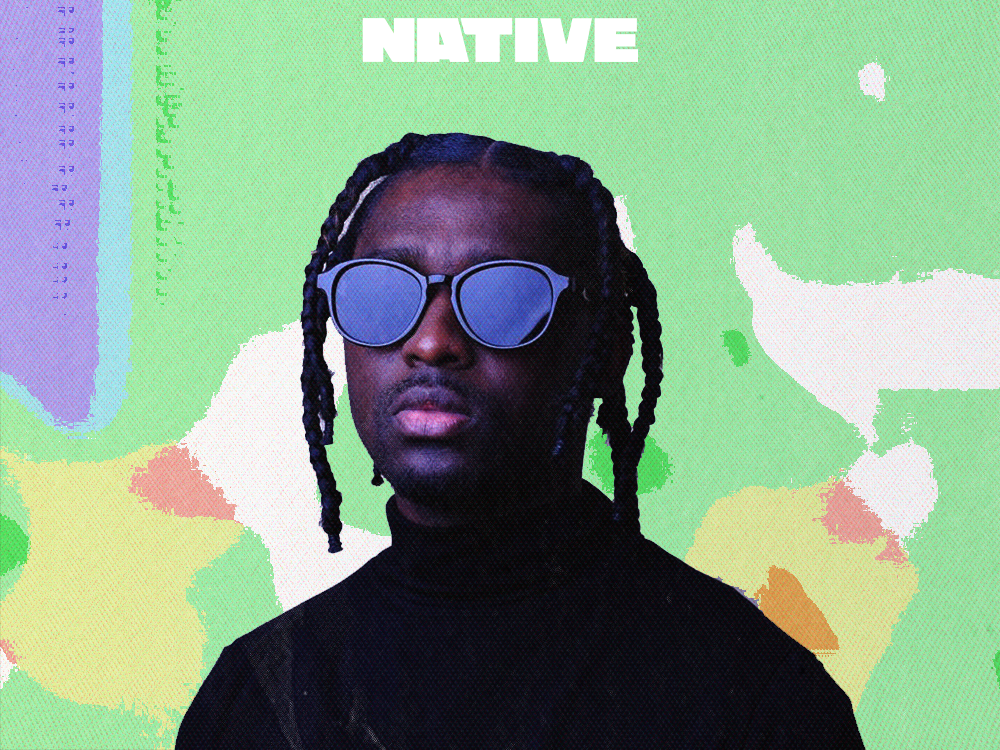
NATIVE Exclusive: DJ 4Rain is Embracing His African Roots

On the day of DJ 4Rain’s conversation with the NATIVE, he had just returned from Egypt. His trip to the North African country was both personal and professional: since his early career, the French-born producer and DJ has been very pragmatic in seeking out inspiration. He has resided in a number of cities—London, Paris, Montreal, Toronto, Miami—and that vast cultural palette informs his eclectic musical style.

4Rain’s most recent undertaking is however his most important yet as he’s made trips into Africa in recent years, performing events and collaborating with musicians and fellow producers. Forthcoming on the 24th of February, is his live mix which was shot in the historic town of Cidade Velha, a United Nations Heritage centre. “We planned it about a year ago,” says 4Rain, whose parents were born on the island of Cape Verde, where the town is located. “I haven’t been in my country for fourteen years, and we planned to make it there, and we wanted to make something really special. It was like, ‘what can we do in our home country that can have an impact on the world?’ We chose Cidade Velha because it’s one of the biggest stories of the country.” 


View this post on Instagram


A post shared by 4Rain (@dj4rain)

In collaboration with his team, 4Rain did more research and the magnificent natural scenery only added to his zeal to have a DJ set there. Cidade Velha, considered the oldest settlement in Cape Verde, was discovered in the 15th century by Portuguese traders. Over the centuries its importance bolstered as a route for intercontinental trade while Portuguese colonial efforts in other parts of Africa was largely established from this stronghold. With dealings in slaves, the town became a multicultural hub, although by the nineteenth century that enterprise fortunately withered. Most of the breathtaking structures—a royal castle, a 15th century church, the town square—however remain in place, making Cidade Velha officially one of the Seven Wonders of Portuguese  Origin in the World and UNESCO World Heritage Site. 

4Rain’s forthcoming DJ mix as part of the celebrations for Black History Month is therefore quite the curation. Such meticulous planning to showcase what might be the most underexposed of the world’s wonders is an invaluable lesson in paying artistic homage. “The live is a mix of a lot of African music and also some music from Cape Verde—it’s like a mix of all my favourite artists. I tried to share the best music with emotional [resonance]; so there’s a lot of rhythm, there’s a lot of emotions”. Being a musician and particularly being Black, the significance of Black History Month isn’t lost on 4Rain, and he’s “very proud” to share in its celebration this year. “We have the opportunity that people will listen more to what we have to say in this period,” he affirms. 

A global name, DJ 4Rain has been rocking with the creme de la creme of the music industry for a while now. He started out early in the bubbling French scene, by his late teens already gathering a credible fanbase with his spirited takes on electronic music. He would become acclaimed in the producer-DJ lane, making incursions into the Canadian and US scene where he’d lived in the city of Miami. JLV, who managed his early career, introduced him to the camp of Meek Mill and 4Rain worked on the ‘Dreams Worth More Than Money’ album. Around this time in 2015, 4Rain released his debut single “Call Me”, a commercial success which reached the peak of no. 2 on the Shazam French charts. 

Right from the start, 4Rain has always had the sort of close mentorship and protection which grounds him in positive ideals. His elder brother frequently travelled and joining him expanded his perspective on life. He also tells me that he began producing by watching a friend create music steeped in Cape Verdean and Portuguese music traditions, funana and kuduro respectively. “That’s the way I started,” he said, “And one day I said, ‘let me try something’.” Although he stopped, two or three years later he began DJing. Production would come again way later, some eight years ago. This time 4Rain had more than just the fundamentals going for him; attuned closely to his individual journey, his production often traversed geographical sounds, representing the high levels of consciousness and lifestyle to be found in different places.  

“Whatever” coaxes a memorable performance from Sasha Ogletree, her vocals serenading with shiny lightness. As with most EDM songs, the feeling of exhilaration arrives mostly from the beat but 4Rain’s perfect soundscape gives just as much importance to the featured act. “I Don’t Belong” employs similar use of the soaring vocals, pairing existential concerns with the sharp edges of the electro-based production. 4Rain flavours “You And I” with the zesty turns of Techno, released sometime last year. Navigating the nuances of the close-lying genres, there’s no surprise that varied demographics and acclaimed festivals around the world have welcomed 4Rain into their midst.

More recently, he’s been exploring African sounds. Even though DJ 4Rain wasn’t born in Cape Verde, he never felt alienated from its musical culture. His father played a bit of the guitar and would regularly listen to Cape Verdean music, most popularly Cesaria Evora who was nicknamed ‘The Barefoot Diva’. It was later in his life that EDM savants like Paul van Dyk, David Guetta and Tiesto replaced the affinity for Hip-Hop, another genre of Black origin that has been widely influential across the world, much like House and the ever-ascending Amapiano has done in recent years. 

“For the past five years I’ve tried to connect more with my country, with my community” he says, “I want to know how my life would be different if I grew up in Africa, because in Africa how people act together is different from how Africans in France or in Europe are together. In Europe, there are white people, there are Black people, and we’re treated differently from how it would be if I grew up in Africa. That’s why I’m trying to connect as much as I can with my country, and that’s what we tried to achieve with the Cidade Velha mix.”


View this post on Instagram


A post shared by 4Rain (@dj4rain)

Like most DJs, 4Rain travels for the sound. With any country he enters, he embraces the ebbs of society and applies them to his music. A scroll through his Instagram page gives insight into what he’s been doing; early on, a viewer would behold the magnificence of Egypt’s world-famous pyramids and the ancient peculiarities of its landscape. He also played in Morocco not long ago, soundtracking a great night for the residents of Marrakech. 

“The first time I was in Africa I didn’t know how it’s gonna be,” he says, “because I used to play a lot in Europe where they consumed House music. I was really surprised that it was like—it was amazing, in Africa I feel like the people feel you more than other parts of the world. It’s like they’re living more for it, you know? It’s so unique, I mean, it’s unique everywhere in the world but in Africa I felt like it was something different. I really felt a big love.” 

That’s definitely saying something for someone who’s played at prestigious events and venues such as the Miami Spring Break Pool Party; the Netherlands-based FunX; Movie Club in Alicante, Spain, and at the High Club in Nice, France. Not just bringing the performing aspect to Africa, 4Rain has also proven eager to touch base with the continent’s sonics. In recent songs, listeners have uncovered an evolving love for Afro House. “Where’s Love” shimmers with the mysterious overtones of the genre, pairing bouncy drums with psychedelia-based electro-pop. With vocal samples creeping from underneath, a vivid nature comes alive throughout the song’s three-minute runtime. 

Collaboration wise, 4Rain has been bringing African artists into his sonic journey. Last year’s “Disturb Phone” featured Nigeria’s acclaimed Queen of Afro House Niniola and R&B-indebted South African singer KLY, a pairing which situated both artists in familiar soundscape while staking out new territory. “Out of Time” is perhaps his most successful incursion into the genre yet, a dazzling showcase which combined the beat making prowess of Botswana’s producer duo Team Distant with the luscious voices of Lioness Ratang, also from Botswana, and South Africa’s Priscilla K. Thematically, the song continues 4Rain’s sojourn into naturalist ideals, a need to diminish life’s fleeting trait by soaking in every moment. 

4Rain is also a dedicated ambassador for the environment, reflecting its beauty through his brand while speaking up on the dangers of modernisation’s creeping hands. Shot in the South of France, the visualisation for “Whatever” is ethereal in its depiction of nature, from the spotted horses to the mountains and skies, the caves. “I love nature, I love animals,” he says, “It’s so peaceful. I’m living a really fast life so for me it’s the only way to really disconnect. I don’t know, maybe I’m born with it, but I always felt we need to protect natural life. It’s a big message that we need to share too”. 

Growing up in the French city of Cannes, 4Rain loved to play football. This accelerated his networking within his immediate community and beyond, and considering the social aspect of music creation, it’s fair to say he got off to a solid start. DJ 4Rain is however concerned with handling the story of his life, and because that traces back to Africa and Cape Verde particularly, he’s been leaning more into this direction. He repeatedly mentions a Cape Verdean artist he’s working with, John Freedom, and hopes to collaborate more widely across the African music space. His dream collaborators? Black Coffee, Burna Boy, and DJ Maphorisa, who he’s “talking a lot with”. 

In the mean time, DJ 4Rain continues to explore the boundaries of sound and the geography behind them. His team are working to make sure he performs in more African countries and “Out of Time” has a “big” remix package to be expected in the coming months. His calendar for a world tour starting in April promises to be magnanimous, much like everything DJ 4Rain has done from the start of his career till this point. “So stay tuned, I’ll probably come to your country too,” he shares before we wrap up.

Featured image credits/
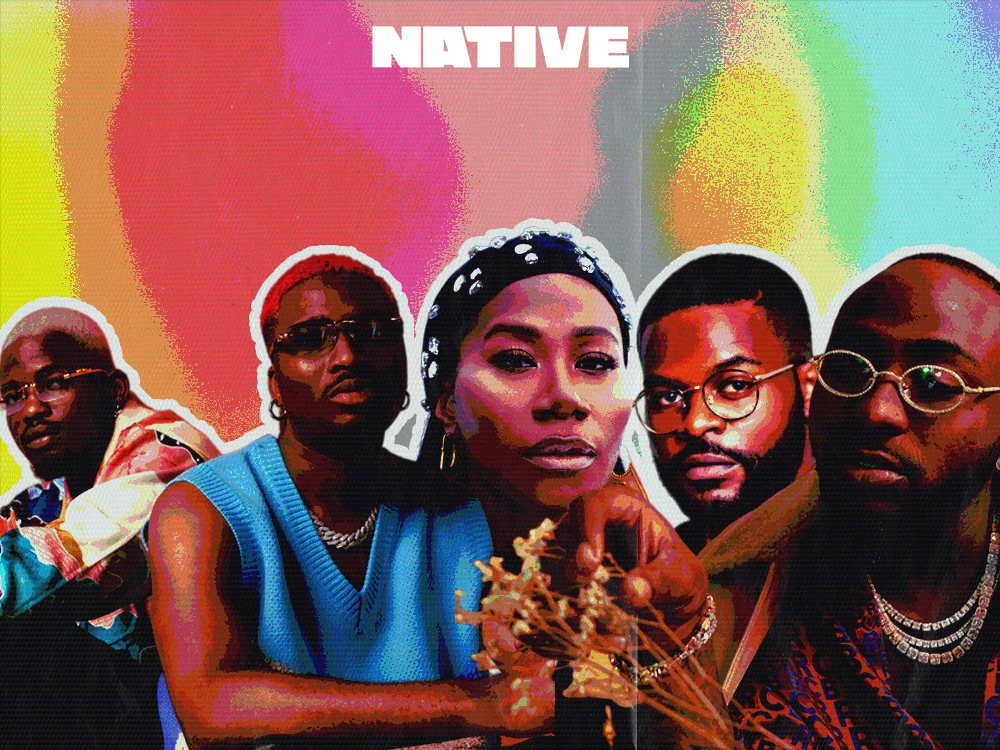
The layers of Nigeria’s relationship with music and politics

Nigeria’s 2023 presidential election draws nearer. All the candidates involved—from the major contenders Bola Ahmed Tinubu of All Progressives Congress (APC), Peter Obi of Labour Party (LP) and Atiku Abubakar of the Peoples Democratic Party (PDP) to the little-known challengers such as Mazi Okwudili Nwa-Anyajike of National Rescue Mission (NRM)—have gathered their supporters and aired out electoral promises.

The election, which is scheduled to hold on February 25, holds much significance, especially for young Nigerians, who are still reeling from the unfortunate series of events in October 2020, the backwardness exemplified by the current government when it banned Twitter in the country for seven months among other unreasonable socio-economic policies. For most Nigerians, next week’s election is a fresh opportunity to elect a leader who they believe will overturn the country’s most pivotal cost of living crisis.

During #EndSARS in October 2020 when young Nigerians flooded the streets to call out a now-disbanded notorious police unit, music was one of the weapons they utilised alongside their voices and placards. Songs such as Davido’s “FEM,” Ajebo Hustlers’ “Barawo,” Stereoman’s “E Dey Pain Me” and African China’s “Mr President” soundtracked many protest grounds, fuelling protestors’ desire to demand better governance from their leaders. Certain Nigerian artists also lent their support on wax as they documented the protests with songs—Burna Boy with “20.10.2020,” Chike with “20.10.20 (Wahala Dey),” Orezi with “We Don Tire,” Efe Oraka with “Live rounds in the dark,” and Dwin The Stoic with “This Fight,” among others.

“The very nature of politics is, like music, rooted in conflict and harmony. The heart of music is the interplay of the physical and the mental, as the compromise between them forms a cohesive whole,” wrote Rex Thomson, a writer at Live For Music. Elsewhere in the piece, he posited that “from protest songs to voter campaigns, campaign rallies to musical endorsements and musicians campaigning, there’s been no shortage of love between music and politics.” That reality is not foreign to Nigeria, with the union between music and politics going as far back as the 1970’s.

The love between music and politics is layered and multidimensional. This is because many artists, before their music, are first of all citizens who have experienced the consequences of the inept decisions of their political leaders. In many cases, these decisions do not have the best interests of the regular person at heart. In Africa and around the world, where there has been a spate of bad governance and corruption, music has proved to be an effective platform to speak up against these poor policies, and soundtrack the plight of the people rarely offered a platform to speak about their pains and frustrations. 

Rap music is a good example of protest music and nowhere has it been wielded more strongly than in America. The country is full of history – from its connections with slavery to its civil war to the Great Depression to racism and the civil rights movement. Formed in the 1970s, the genre also known as hip-hop music has been a dependable source of voicing the anger, frustration and indignation of the African American community towards the government. Through the 80s and 90s, hip-hop groups such as Jungle Brothers, De La Soul, A Tribe Called Quest, Black Star, Arrested Development, The Roots and Dead Prez addressed the issues of racism and violence affecting the black communities. In 1988, the American group N.W.A aimed a bombshell at the authorities with Fuk Da Police,” which called out police harassment. “Fuck the police comin’ straight from the underground/A young nigga got it bad ‘cause I’m brown/And not the other colour, so police think/They have the authority to kill a minority,” Ice Cube raps. From 2Pac’s “Changes” to Ice Cube’s “I Wanna Kill Sam” to OutKast’s B.O.B. (Bombs Over Baghdad)” to Eminem’s “White America” to Kendrick Lamar’s “Alright,” American rap artists have ensured that their thoughts and those of other Americans stay in plain view.

The late Nigerian music legend Fela Kuti is one of the major names that come up when music and politics are mentioned in Nigeria. A believer in Pan-Africanism, Fela used Afrobeat to tackle the issues prevalent in his times—from bad leadership to corruption and nepotism. His music was a tool that won him both admirers and enemies but he is a formidable example of how music and politics complement each other. Years later, Fela’s musical style has influenced many contemporary Nigerian artists, even birthing the offshoot Afrobeats, which is stamping its authority in the global space.

In an interview with SPIN, Fela acknowledged his position in Nigeria’s music scene, saying, “No one in Nigeria likes to play political music now, because the political situation is very bad. Africa is not like Europe in any way at all. If I can go to jail for 18 months, think how long an ordinary musician would go. But people want to hear political music. There are a few boys trying to, but it is not an easy thing to do political music. If you do, they clamp you down. At one time I was to play Zaire, but I wasn’t allowed into the country at all.” 

The political climate in Nigeria in the 70s and 80s was a heated stage, fuelled in no small part by the Biafran War of 1967-70 and the economic downturn courtesy of the boom of oil production and the relegation of cocoa, peanuts and palm products as Nigeria’s major foreign-exchange earners. The dissatisfaction in the country swelled and—galvanised by a host of coups—birthed issues such as poverty, corruption, unemployment and crime, which the county still grapples with. “My people sef dey fear too much/We fear for the thing we no see/We fear for the air around us/We fear to fight for freedom/We fear to fight for liberty/We fear to fight for justice/We fear to fight for happiness,” Fela Kuti sings on “Sorrow Tears & Blood.” With songs like “Sorrow Tears & Blood,” “Zombie,”Shuffering and Shmiling” and Coffin For Head of State,” Fela Kuti documented personal and collective angst about Nigerian society.  

In the 80s, Reggae was a mainstay on the Nigerian airwaves. The Nigerian version of the genre carried the soul of its Jamaican forebears and its artists infused their music with the pain and ache they felt about the Nigerian situation. “They say I’m talking politics but I’m singing reality/For the suffering of the masses, so my brothers I’m feeling so right/Situation getting worse only the poor feel the pain/The fury falls on them, don’t close your eyes to reality,” Victor Essiet of The Mandators sings on “Rat Race” from their 1988 album of the same title. Other songs such as Ras Kimono’s “Under Pressure (Part 2)” and “Gimme Likkle Sugar” spoke about the daily struggles of Nigerians and the injustices caused by bad leadership. 

Outside of reggae, Nigerian Funk musician William Onyeabor, in “Politicians,” a track off his 1982 album ‘Hypertension,’ pleaded with political leaders, party leaders and supporters to refrain from playing dirty and consider the future of the country in their decisions. “We make mistakes during the oil boom/Not knowing that was our doom/Some people now have everything/While many many have nothing/Let’s save Nigeria/So Nigeria won’t fall,” Sunny Okosun sings on “Which Way Nigeria?” from his 1984 album of the same name.

As the issues bedevilling Nigerian society worsened, the musicians of the late 90s and early 2000s continued to report their thoughts about the county’s political climate. “Nigeria jaga jaga/Everything scatter scatter/Poor man dey suffer suffer,” Eedris Abdulkareem sings in his scathing 2004 song “Jaga Jaga.” The track took a direct swipe at the county’s politicians who didn’t care that bad decisions had worsened the living conditions of the masses. The song was so potent that it caught the attention of Olusegun Obasanjo, Nigeria’s president at the time, who didn’t take kindly to the song’s message. From the early 2000s to the late ‘00s, songs like 2Shotz’s 9ice-featuring “Make Them Talk,” African China’s “Mr President,” Aṣa’s “Fire on the Mountain,” 2Baba’s “4 Instance,” Sound Sultan’s 2Baba and W4-assisted “Bushment (Ole),” Oritse Femi’s “Flog Politicians (Koboko)” and Falz’s “Talk” and “This Is Nigeria” represent past and present issues preventing the country from being a habitable place for every Nigerian.

The music and politics affair is not all strife and protest. Some artists choose to offer hope to the masses. Veno Marioghae’s “Nigeria Go Survive,” Onyeka Onwenu’s “One Love” and Sound Sultan’s “Motherland” remind citizens of the great potential of the country to give them the good things of life. For other artists, they use their music to tighten their bond with political figures. In his track “Abacha Chibayi Democracy,” Highlife legend Oliver De Coque lauded the late Nigerian Head of State Sani Abacha and his First Lady Maryam Sani-Abacha for initiatives such as the Family Support Programme. The six-minute song was replete with praise after praise, even terming Maryam as “Mama Africa.” Fellow Highlife titan Chief Stephen Osita Osadebe also chipped in the names of political figures in his songs. 

Throughout the years, the synergy between music and politics has become even more blurred. It’s not odd to see a Nigerian politician offer Nigerian artists spots on their campaign rallies or teams. The job of the artists, it seems, is to create catchy tunes about actual (or proposed) good works of the politicians, while the politicians ride that wave to the polls. In 2015, Nigerian music acts M.I Abaga, Ice Prince, Yemi Alade, Olamide, Flavour, Banky W and Dammy Krane got together to create “Gbagbe,” a campaign tune that praised the potential of Akinwunmi Ambode to serve as governor of Lagos State prior to him beginning his four-year tenure.

That same year, on the track “Lagos Boys” off his album ‘Eyan Mayweather,’ Olamide paid his respect to the streets of Lagos while saluting some important figures in the southwestern Nigerian state. “Jo oh, I juba for my governor, Governor Ambode,” he sang. The following year, he went full-on Ambode hype on “I Love Lagos,” with the Unlimited L.A-directed music video extolling the achievements of the governor. Olamide isn’t the only Nigerian artist to use his music and support a politician. On “Great Politician” and “Shine Ur Eyes,” Nigerian artists Oritse Femi and Eedris Abdulkareem lent support for the re-election of Goodluck Ebele Jonathan as president during the 2015 presidential election.

Away from the shores of Nigeria, American music mogul Jay-Z was an integral part of Barack Obama’s 2008 presidential campaign as both shared their admiration—rooted in music and policy changes—for each other. Obama shared that he and Jay-Z have “a little bond,” with the rapper and his wife Beyoncé joining the list of celebrities who organised fundraisers for the former president. In the same vein, Kanye West was a vocal supporter of Donald Trump’s 2016 presidential aspirations and ignored the criticisms and ire of fellow music stars and the Black American community. It is a reminder that the political choices of artists, no matter how personal those choices are, can go a long way in swaying—favourably or unfavourably—the public’s perception of a public servant.

It is a similar situation in Nigeria, as regards the forthcoming presidential election. Artists have not been shy about throwing their weight behind their preferred candidate—sometimes with less-than-appreciated results. Earlier in the year, the Nigerian singer, Brymo, who has allegations of sexual assault, came under fire for his tweet which painted the Igbo community as a lesser entity in Nigerian society. Brymo was criticised for covert tribalistic sentiments and a petition was created calling for his disqualification from the 8th All Africa Music Awards (AFRIMA). Some days ago, Afrobeat act Seun Kuti ruffled feathers when he termed Labour Party candidate Peter Obi as an opportunist who wasn’t the right person to lead the country. Among the crowd angry at Kuti’s thoughts was Peter Okoye, one-half of the Nigerian music duo P-Square. Okoye, a staunch supporter of another candidate took shots at Kuti resulting in warring sides trading abuse on social media. Regardless of how misguided the exchanges were, it showed the grip that the country’s political climate has on its stars; for both, the election determines their futures and those of the ordinary Nigerian tired of bad governance.

In recent years, Nigerian music has entered global spaces, with stars earning high-profile international collaborations and notching up Grammy plaques and Oscar nominations. Still, Nigerian artists have not stopped calling out the government for poor policies. Hip-hop duo Show Dem Camp are one example of such an artist. While they create easygoing, fun-fuelled tunes with their ‘Palm Wine Music’ series, they utilise the ‘Clone Wars’ series as a tool to tackle Nigeria’s political and societal issues. “See something just happen right now/Omo Sars laid a nigga out flat, oh boy/Their turn up is seeing people run down/It’s messed up but I don’t see no one react, oh boy,” Ghost, one-half of Show Dem Camp, raps on the Ozone-assisted Epigenetics” off ‘Clone Wars Vol. IV: These Buhari Times.’ Over a hard-hitting beat, the song, along with the rest of the project, establishes a connection between the unsteady political and economic climate of the country while delving into the mental and psychological state of mind of its citizens. The project addresses the traumas—financial, social and personal—that imprison Nigerians and force most of them to seek greener pastures in foreign lands.

Another music duo balancing party vibes and political commentary is Ajebo Hustlers, whose 2020 single “Barawo,” tackles the horrors of mob justice, brought them into the limelight. “The masses dey para cos raba no dey,” Knowledge, one-half of the duo, raps. The poignant line is even more crucial in this current time of naira scarcity and the riots that broke out as a result of Nigerians’ frustration with the situation. It is telling that the sad reality of a song released in 2020 still rings true in 2023; it is also indicative of the poor choices of the government throughout the years. Ajebo Hustlers and a slew of other artists—Burna Boy (“Monsters You Made”), Yemi Alade (“CIA (Criminal In Agbada)”), OdumoduBlvck (“Fake Politicians”), Prettyboy D-O (“Chop Elbow”)—represent the ever-standing relationship between those in the corridors of power and those who wield power with a microphone; as long as the Nigerian society remains an entity governed by laws and policies, there will always be a response, whether positive or not, about those laws and policies.

Most recently, Nigerian artist Falz released “O Wa” featuring Tekno, which serves as his first single of the year. It follows the thread of political commentary that started with earlier releases such as “This Nigeria” and the 2019 album ‘Moral Instruction.’ In the Nigerian context, owa—a Yoruba word—is spoken by passengers in public transport when they are about to alight at their destination. Falz and Tekno are advocating that citizens should not be afraid to step away from and cast out any government that doesn’t respect their rights to better and inclusive policies. “Why you no give me change (Change) I para/I curse the driver, I tell conductor say “waka”/Stop the motor I need to come down, I tire,” Falz sings. With the presidential election a day away, “O Wa” possesses a timely message as it urges citizens to use their votes at the polls to create the kind of Nigeria that they want to live in.

Across social media, Nigerian party supporters have taken the responsibility canvass for their preferred candidates ahead of the 2023 presidential election. As the date for the election draws near, more fusion between music and politics is expected, whether in preparation for the election or as a means to celebrate victory.

Featured image credits/NATIVE


ICYMI: The importance of biometric voters accreditation as Nigerians go to the polls

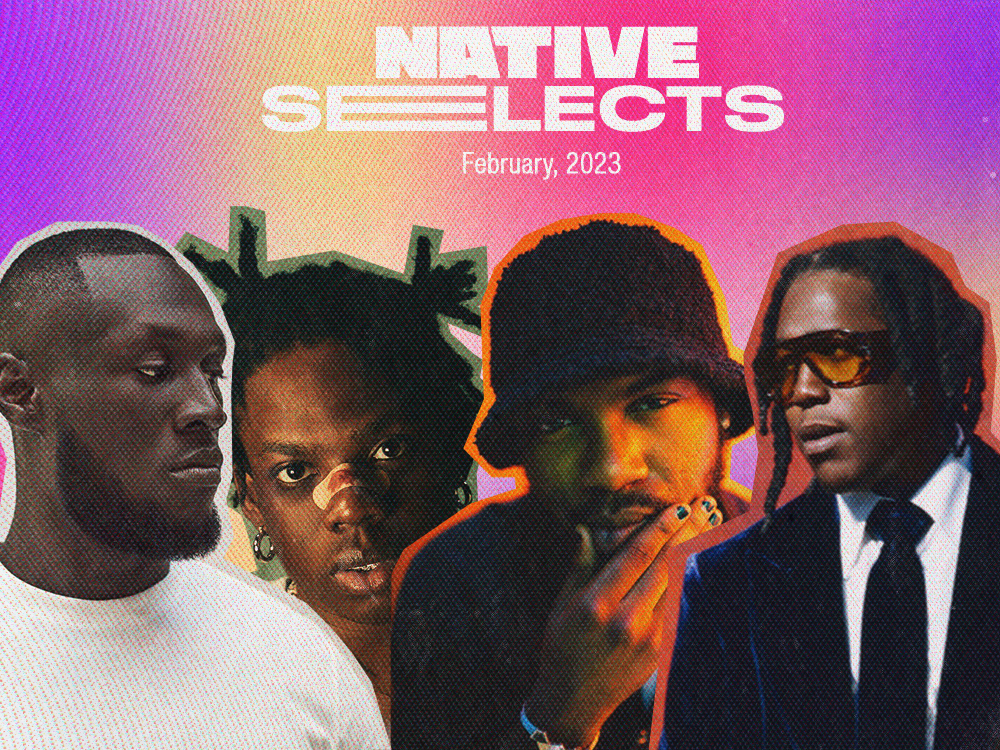
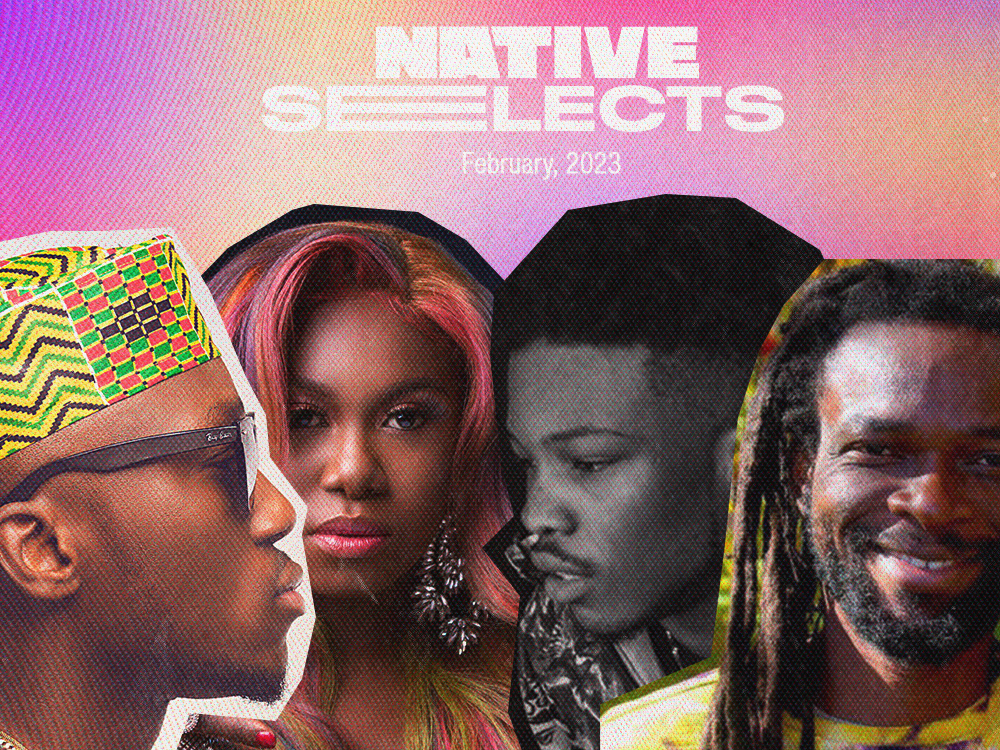
NATIVE Selects: A List of Best Songs This Week

It’s that time again. Every day, new music shows up, sweeping fans and music lovers off their feet while artists gauge reactions to know the effect of their creativity. At the NATIVE, we are committed to keeping our ears on the pulse of the music scene and bringing the best sounds to your doorstep.

Earlier this week, we highlighted exciting new releases from the likes of Patoranking, Niniola and Beautiful Nubia. To close out the week, we’ve selected from a broader range of genres and countries, indeed covering the vast soundscape of Afropop through the newest and fresh iterations of its diverse musical traditions. Lock in!

FALZ FT. TEKNO – “OWA”

Nigerian artist Falz’s first single of the year “O Wa,” which features Tekno, follows the thread of political commentary that started with “This Nigeria” and the 2019 album ‘Moral Instruction.’ In the Nigerian context, owa—a Yoruba word—is spoken by passengers in public transport when they are about to alight at their destination. Falz and Tekno are advocating that citizens should not be afraid to step away from and cast out any government that doesn’t respect their rights to better and inclusive policies. “Why you no give me change (Change) I para/I curse the driver, I tell conductor say “waka”/Stop the motor I need to come down, I tire,” Falz sings. With the presidential election a day away, “O Wa” possesses a timely message as it urges citizens to use their votes at the polls to create the kind of Nigeria that they want to live in.

Uzoma

TAY IWAR – “HEALING”

Tay Iwar is one of Afropop’s most soulful musicians. Long accustomed to stripping the excesses of his heart, he’s created records with raw vulnerability. “Healing”, like the title suggests, is a purging of one’s soul after the encounter of a toxic relationship. Waxing poetic and warm over the serenading breaks of the production, it’s a performance which advances the sensitive direction of Iwar who, in recent times has been lending his gifts to his contemporaries such as Wizkid and Omah Lay, through songwriting or features. Another year looms ahead, and it’ll be interesting to observe Tay’s journey over the course of it. 

Emmanuel

MPHO.WAV – “INYANISO” FT. BUKEKA 

A formidable South African producer, Mpho.Wav casts layered spells with his takes on electronic music. “Inyaniso” is no different—built from the mystical pairing of sped-up drums and ominous chords, Bukeka makes the record come alive in the most interesting ways. Her vocal contribution is stellar, but so are the accompanying turns of the production, all together instantly capable of coaxing delicate dance moves from a listener. 

STORMZY – “HIDE & SEEK” [REMA VERSION]

A few months ago, Stormzy arrived with a new studio LP titled ‘This Is What I Mean.’  The body of work featured the standout record “Hide & Seek” which caught the attention of listeners as soon as it was released. Arriving today is the Rema remix of the record. In typical Rema style, he adds in heavy melodies to the track and breathes a new life into it, ushering in pop elements into the song while letting his love interest in on his intentions for her.

Wonu


DON TOLIVER – “SLOW MOTION” FT. WIZKID 

The last time we got this effortless pair on a track was on the Juls-produced number, “Special” off Wizkid’s highly anticipated studio album, ‘More Love Less Ego.’ Closing out the chart-topping project, the pair go back and forth explaining why their love interest stands out from the crowd. For their new track, Wizkid extends the favour as he lends his vocals on “Slow Motion” from Don Toliver’s recently released album, ‘Love SIck.’ Sitting amongst features from Brent Faiyaz and Glorilla, “Slow Motion” offers a standout cut for a number of reasons. The track leads in with an instantly captivating and heavy bass accompanied by Don’s melodious vocals. Swooping in mid-way, Wizkid offers a unique rendition as he delivers his brief sensual verse in Pidgin. 

Nwanneamaka 

SUTE IWAR & TIM LYRE – “SPACE COWBOY”

Musicians who blur the lines between rapping and singing are a rare find in Afropop. Sute Iwar and Tim Lyre are two such musicians, so it’s only fitting they’d collaborate over the years, often to stellar effect. “Space Cowboy” sounds as atmospheric as you’d expect, with soft drums polished by piano notes warm as baby coos. Their deliveries are distinct but aligned, with urgent flows on the verses paired with the gliding ease of the hook. With subtle takes on sociopolitical reality, it’s a record that flexes its genius with relative simplicity, a quality that makes their forthcoming album ‘ULTRALIGHT’ such an enticing prospect. 

Emmanuel

MAJEED & TIWA SAVAGE – “GBESE”

Closing out the year on a high note with stellar releases like DJ Maphorisa and Major League DJz-assisted “Koo Koo Fun” as well as “Loading” featuring Asake, Tiwa Savage joins Majeed on the Maskerkraft-produced “Gbese.” Fusing Afropop and Amapiano, the mid-tempo track leads in with a captivating blend of log drums and flutes as the pair’s vocals glide effortlessly back and forth, delivering a noteworthy rendition. 

Nwanneamaka 


GROUND UP CHALE – “ON THE ROAD (FAR GONE)”

Over the years Ground Up Chale has established itself as a most trusted incubator for Ghana’s best budding talents. Associated with names such as Kwesi Arthur and Kofi Mole, the duo of Kimati and Albabwoy are staking a claim to a piece of GH’s musical cake. ”On The Road”, a fitting demonstration of their distinct skills, follows the familiar but still relevant aspirational path. Over bubbly production, the qualities of their charge towards mainstream relevance is discussed, with confidence and fine doses of introspection, endowing the song with thematic balance. 

Emmanuel

FANCY FINGERS – “ONE IN A MILLION” FT. KARUN

It is undeniable that Fany Finger’s voice is ubiquitous. With a strong vocal range and knowledge of instruments his songs are filled with experimental tunes as he croons over stellar productions. In his latest offering Karun joins Fancy Fingers for the serenading ballad “One In A Million.” Karun’s soft but powerful vocals and Fancy Finger make a perfect intersection, working to create a warm record which does justice to both their distinct abilities.

Tela

T’NEEYA – “PRETTY MIND”

German-Cameroonian singer and songwriter T’neeya’s displays an effortlessly special performance on the record “Pretty Mind.” Over the mid tempo production of the record, she’s as honest as she can be as she confesses her love for him and how she makes him feel. On the record, she quips the standout lyrics “Truth is I really like the vibe that we’ve been getting on/when it’s getting so cold, I can keep you warm,” opening up her mind to her love interest.

Wonu

DJ SEMTEX – “FLOOR SHAKE” FT. BACKROAD GEE & KWESI ARTHUR

DJ Semtex’s latest single “Floor Shake” operates on high energy. The legendary English radio veteran, producer and author delivers a Drill-inspired banger featuring British–Congolese rapper BackRoad Gee and Ghana’s Kwesi Arthur. Over mean-faced chords and hypnotic synths, Kwesi Arthur drops an infectious hook and BackRoad Gee goes at the beat with an energetic flow. “Last autumn whilst touring with Lil Tecca, and doing shows with Joey Badass and Black Sherif, I played this instrumental each night, and it went off every time,” DJ Semtex says. Listening to “Floor Shake,” it is understandable why this song will be a fan favourite.

Uzoma

SERGE IBAKA, ARIEL SHENEY & DAPHNE – “TATA NZAMBE”

NBA player Serge Ibaka also holds his own as a musician. Having started exploring the nuances of East African sonics in 2021, the citizen of the Republic of Congo has vaunted himself deeper into musical experimentation. “Tata Nzambe” progresses with the colourful overtones of Rumba, but with a percussive base that shares more alignment with contemporary Pop than many Francophone records. The other artists introduce a vocal range that works to enliven the atmosphere, ultimately creating a song charged with the characters of a personal ode and a more immersive call to communal living. 

Emmanuel

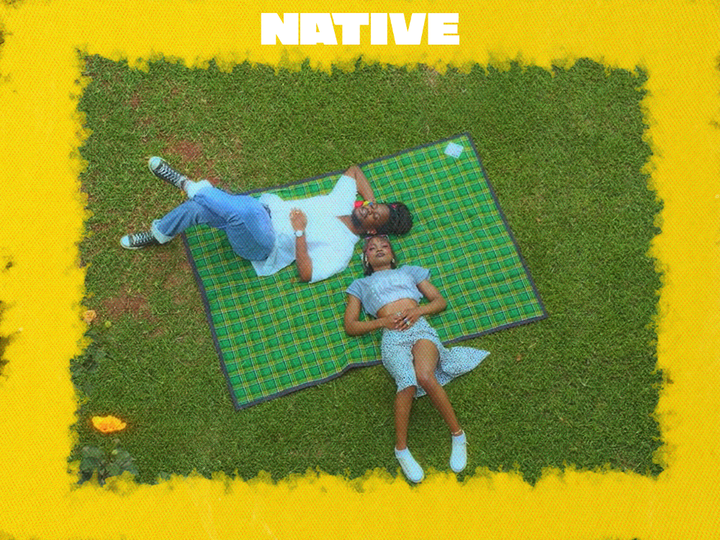
MAU FROM NOWHERE – “I LIKE”

The build up to Mau From Nowhere’s album is definitely worth the hype. His capability to jump out of a simple nostalgic tune into a serenading tune reflects the width of his artistry. In his latest release “I Like,” Mau moves from his minimalistic box and jumps into an experimental upbeat. Using happiness as his subject matter the new song is a flip from Mau’s sad and dejected personality. As he sings to his muse of their young love, the purity of his adoration similar to the first days of love gleams through out the song. The single is accompanied by the Tyse Visuals directed video that are dreamy with a lot of color similar to the excitement love brings you in its early days. 

Tela

NATIVE Premiere: mau from nowhere’s “I LIKE” is a warm display of romantic affection

mau from nowhere is always on a road to self-discovery. With a catalogue of hits under his belt, the 2022 uNder alum is opening up his book with memorable and relatable releases. The last quarter of 2022 saw Mau spring up with new creativity featuring in collaborations with Ugandan artist Mauimoon and Maya Amolo. With the new year in sight, the Kenyan singer is ready to establish a well-rounded identity in his music. 

Gearing up for the new year mau from nowhere took to Instagram to announce a surprise project that was exclusive to SoundCloud. Dubbed ‘MIM. VOL4’ project is curated with five songs each one minute long. Whether touching on identity crisis and self-sabotage in “Here In Time,” on “Who I Thought U Were,” or exploring his sonic template with “Hey There” covering Plain White T’s “Hey There Delilah” , mau from nowhere has cemented his position in Kenya’s alternative canon.

With this in mind, mau from nowhere is today sharing the official video for his recent single “I LIKE,” a clear sign that the road to his new project is drawing nearer and nearer. Drawing inspiration from the initial stages of love, mau switches his signature minimalistic productions to uptempo distinct mellow piano riffs which provide the perfect backdrop for his romantic intentions.

Singing “I like taking my time, I like taking things slow//I like holding your hand,” he addresses a love interest who he enjoys spending time with, a sign of his commitment to her. Accompanied by equally exciting visuals helmed by Tyse Visual, “I LIKE” is a sweet-sounding barrage of wordplay and flirtations with a sobering, almost-too personal vulnerability. The video is visual feast which exemplifies mau’s adoration towards his muse with rich colour and ambient scenes.

Speaking about the new single, mau shares “I Like is a song about the early stages of falling in love. Those early stages in which butterflies are swarming and excitement is kicking fear’s ass. I really loved making this song because it was simple, and while usually I’m over analysing a lot of what I’m feeling and what’s around me when I write lyrics, this time everything came out in a light and easy way.”

Ahead of the official release of the Tyse Visual-directed video “I LIKE,” the NATIVE spoke with mau from nowhere about the new release, his experiences with love and his plans for the rest of the year.


View this post on Instagram


A post shared by mau from nowhere (@maufromnowhere)

His answers, which follow below, have been lightly edited for clarity.

NATIVE: Hi mau from nowhere, what was the inspiration behind your new single, “I Like”?

mau from nowhere: The song was inspired by the early stages of falling for someone. At that time I was quite jaded about myself in relation to love and I thought it would take a while to find myself catching feelings for someone, so when it happened again it felt like quite a lot. 

The new track talks about the early stages of love and relationships. What are some of the signs you show when you’re in love?

mau: Lowkey I’ll start writing songs. It’s weird because I don’t necessarily have writer’s block beforehand but when words start falling out of me it’s a sign and a lot of those words are either triggered by being around them or conversations with them. As far as it relates to the person I’m feeling things for I think I just start getting a lot more comfortable, so I start overthinking less and can be my full self

What were the major challenges when creating this video?

mau: Honestly, the main challenge I felt was from a performance perspective. It was the first time I was performing with a happy song as well as working with an actress or love interest character. It’s a bit easier for me to tap into gloomy and introspective instead of being a sweet-boy on camera, so I think the first few scenes were a bit odd for me because I was worried about it coming across as forced or disingenuous. It really helped that my friends were there throughout and so it felt really natural. 

In the video, contrasting Hues are heavily featured to attract the viewer’s attention. Was this done on purpose and if so, why?

mau: I think vibrancy was a huge part of the visual direction of the video. When I approached Tyse about the video I stressed how much I wanted it to emulate that rose tinted view we have when we find ourselves falling for someone. People often talk about how love can make “colours brighter” and “food taste better” so I wanted to play on that idea and have the video feel like a stylised romance film. Tyse really took lead with this with colouring the video too as he brought out a really stunning vintage pastel look in all the shots that made that dreamlike feeling a lot more tangible. 

You are preparing to release an album, what themes will you be exploring with the new drop?

mau: I think just being honest with your feelings where they are at the moment. The whole album centres on vulnerability and the necessity for openness to grow and trust the process, be it life or artistry. This song was made in the throws of that crazy delusional space of early romance and I think it was important for me to fully embrace that space even though it’s never clear things are going to work out. The feeling of wanting to hold someone’s hand and explore life with them regardless of the outcome is a beautiful thing and I wanted that joy and excitement to be captured in its entirety. I think the album is about feeling things to the fullest in a lot of ways, the good and the bad. 

Watch the premiere of “I LIKE” below.

Featured image credits/NATIVE/Courtesy of the artist


ICYMI: Rema relishes in his superpowers on new two-pack single, “Holiday/Reason You”

Elections 2023: The importance of biometric voter accreditation as Nigerians go to the polls

To say Nigeria’s voting system is evolving would be simultaneously generous and fitting. On the one hand, registering to become an eligible voter still comes with stress-inducing, bureaucratic hurdles which are heavily documented across social media. The rigours of getting a Permanent Voter’s Card (PVC) pales in comparison to the seamless nature of being a voter in better developed countries with unified database systems. On another, President Muhammadu Buhari signed a new Electoral Act into law in 2022, which addressed several voting system issues in Nigeria, aimed at improving the chances for free, fair and transparent elections.

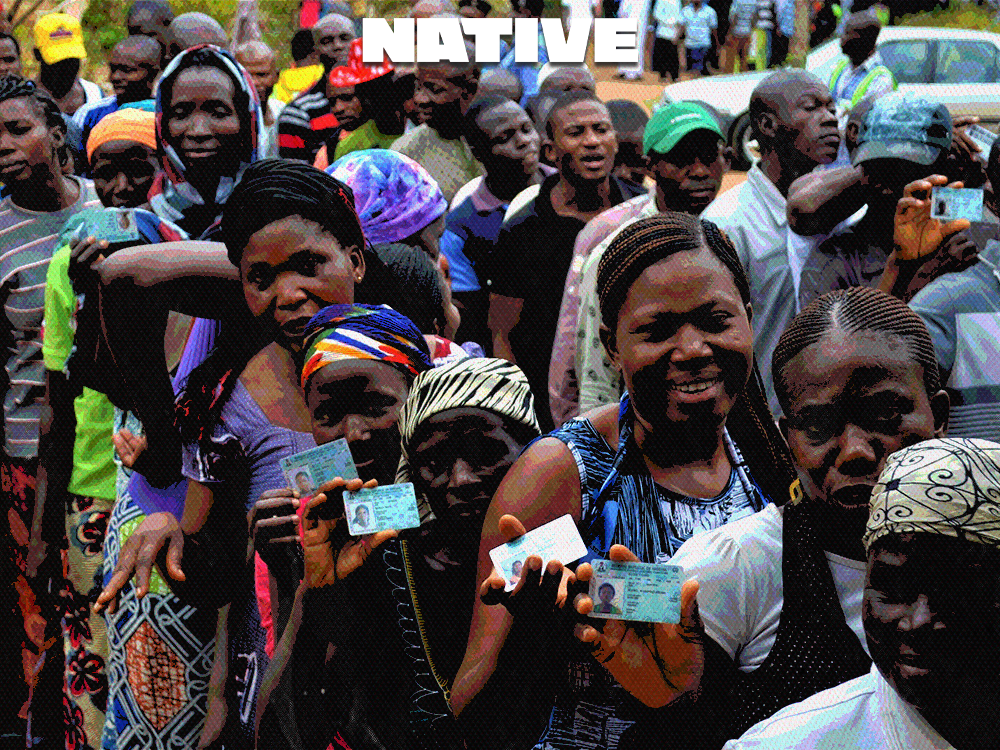
As part of the new Electoral Act, voter accreditation was introduced to counter the issue of overvoting. Prior to this, overvoting was viewed from the perspective of the number of registered voters at a polling unit. Voter turnout has always been an issue in Nigerian elections, with the Independent National Electoral Commission (INEC) reporting that only about 35% of registered voters actually voted across the last two election cycles. Because of this paltry turnout, it has been alleged that party delegates collude with INEC officials in polling units with few voters to stuff ballot boxes, as long as the fabricated votes do not exceed the number of registered voters.

Now, with the introduction of the Bimodal Voter Accreditation System (BVAS), this form of election rigging now has its counter. With BVAS, registered voters will first be accredited using fingerprints and/or facial features before they’re allowed to vote. Once a registered voter is accredited, it’s digitally reflected on INEC’s central database, making it easy for the electoral body to track the number of actual votes in a polling unit. If the number of votes from a unit is more than the number of accredited voters, overvoting occurs and the result is cancelled.

Currently, overvoting is the primary reason for the Osun State Electoral Tribunal’s ruling that nullifies the win of Senator Ademola Adeleke at the late 2022 gubernatorial polls in the southwestern state. Announced in late January, the ruling states that overvoting occurred in 744 polling units out of the over 3,000 polling units in the state. With the results from those units struck out, opponent and then-incumbent governor Gboyega Oyetola was declared the winner. While the tribunal has ruled that INEC revoke the Certificate of Return issued to governor Adeleke, the case is under appeal at the Supreme Court.

While BVAS is being credited with playing a role in the tribunal’s ruling, it is brow-raising that a seemingly automated feature provided by the new Electoral Act didn’t help with instant transparency. If true, it calls the potency of BVAS into question. Even with its faults and flaws, BVAS is an upgrade from the smart card system that routinely malfunctioned and aided collusion between rigging party delegates and INEC.

As concerned citizens, it is important to play our parts on election day to ensure that the accreditation system put in place can foster free and fair elections. That means knowing your polling unit and getting accredited before voting. Every voter is issued a polling unit based on registration process or transfer, meaning that voters can’t vote at just any polling station they can find.

If you’re not sure of your polling unit, you can do so with your VIN on INEC’s voter verification portal or by texting the 9-digit code at the left hand corner of your PVC to 8014. Knowing your assigned polling unit and getting accredited before you vote validates your vote.

For most Nigerians, especially the youth, these elections are monumental. After the 8-year tenure of President Buhari, which has been riddled with economy-harming policies, gross insecurity and general disregard for the Nigerian populace, electing the candidate(s) we believe is best to reset Nigeria and set it in the right direction is beyond imperative. If you have your voter’s card, Saturday, February 25 is one of the dates to go to your polling unit, get accredited and vote. If you’re willing to go the extra mile, report any non-accredited persons voting to appropriate authorities. Our vote is our power.


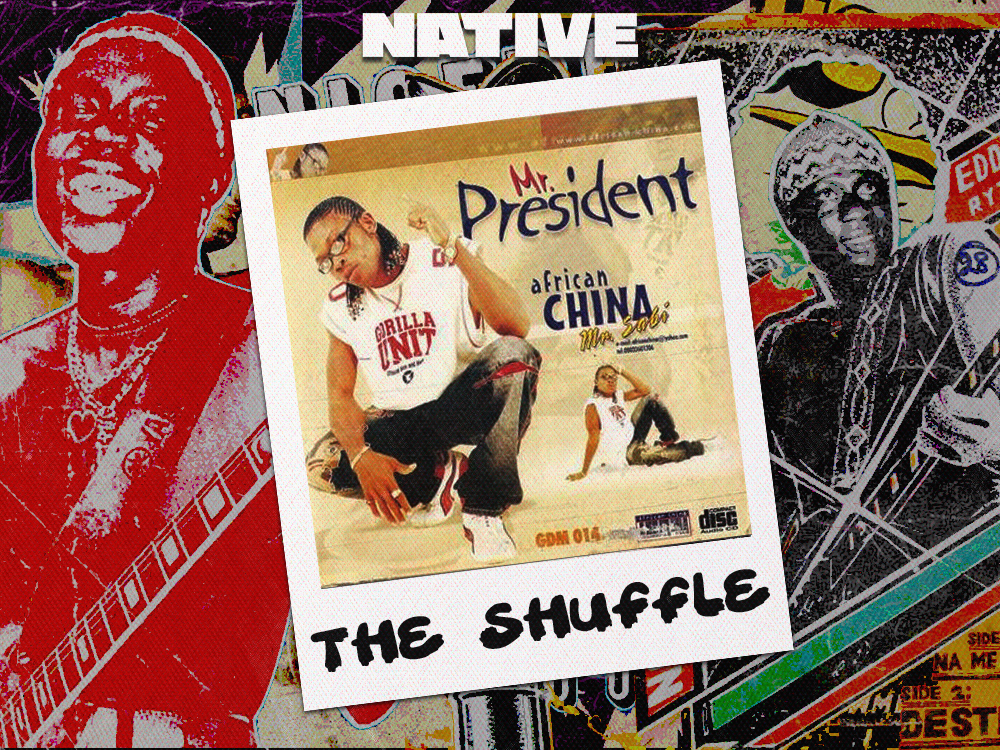
NIGERIA’S POLITICAL FUTURE AS EXEMPLIFIED BY AFRICAN CHINA’S “MR PRESIDENT”

Essentials: Ice Prince Celebrates His Wins & Struggles on New EP ‘To Be Continued’

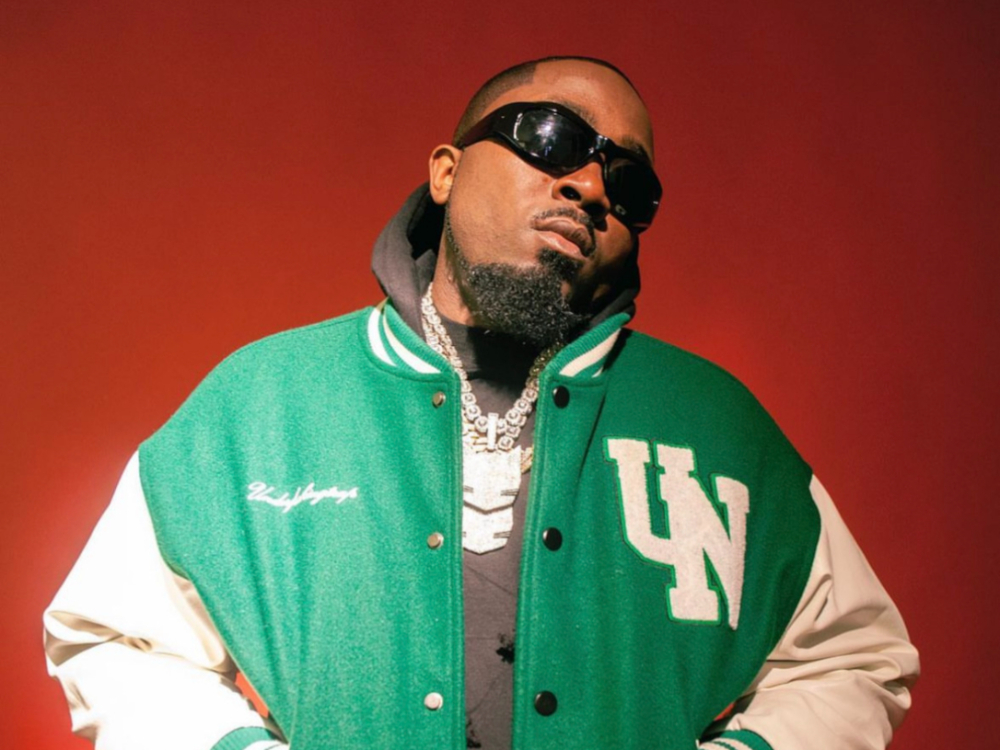
At the height of their reign, Chocolate City-affiliated supergroup Choc Boyz—M.I. Abaga, Jesse Jagz and Ice Prince—were one of Nigeria’s beloved Hip-Hop trios. They were the face of the then Audu Maikori-owned music label and, with memorable songs and solid projects, imprinted their influence into the fabric of Nigeria’s popular culture. While M.I. Abaga was rightfully the most decorated (critically and commercially) of the trio, Ice Prince ensured his quality was unquestionable: “Oleku,” his 2010 Brymo-assisted song, was the starting point of his journey into stardom. The song, sweetened by Ice Prince’s clever lines lived on the lips of every Nigerian music lover and became one of Nigeria’s most-remixed hits of all time. Ice Prince’s 2011 debut album ‘Everybody Loves Ice Prince’ completed his winning run, cementing his place as one of the country’s certified hitmakers. 

When he left Chocolate City in 2015 (where he dropped two more projects after ‘Everybody Loves Ice Prince’: 2013’s ‘Fire of Zamani’ and 2015’s ‘Trash Can’), Ice Prince set up his label Super Cool Cats, under which he continued dropping more music and gathering a loyal following, with tunes such as the Phyno and Falz-featuring “Feel Good,” the Oxlade-featuring “KOLO” and the CKay-assisted “Shakara.” On his latest project ‘To Be Continued,’ which is tagged as an instalment in the rapper’s ‘Trash Can’ series, Ice Prince and his small cast of producers—Runcheck, Blaisebeats, SB and Chopstix—confirm that he has more musical goodies in his bag. 

Mehn I’ve been down/I’ve been heartbroken/Look into my eyes/You see the scar shows,” Ice Prince raps on “Bless,” setting the stage for an introspective peek into the challenges of his past. He reveals how his professional work collides with his personal and romantic lives when he raps, “Airport and hotel’s the routine/But when there’s no booking/I get mood swing/I’m on the phone arguing with my lady/She don’t understand/Why the boy’s gone crazy/I wish I could explain/But the words all fail me.” Throughout the song, Ice Prince is at home on Runcheck’s guitar-led mid-tempo production and he finds consolation in his soliloquy with the lyrics, “Everything happens for a reason/Bless.”

Blaisebeatz offers another mid-tempo production on “Disco,” choosing to employ generous use of the saxophone. Buoyed by a melodious hook from Nigerian indie singer Mstruff, Ice Prince opens up about the finer things of life as well as his struggle with an ex-lover who wants his attention. “Took a sip and I forgot and that’s how you got me so bad/I can’t trust you for shit/But still I keep coming back to drop you a kiss/I fall into your pit and it’s deeper than the abyss,” he raps. He further pulls down the emotional walls on “Get At You” as he longs for the presence of a lover who no longer resides in his life. “Girl you came into my life/When I need you the most/But then you left me when I needed you the most/I’m all alone and am talking to a Ghost/Seems like you right there and I can feel you close,” he raps as the underlying coos and ad-libs glide over SB’s pristine production. 

“Aboki,” was one of the best-performing songs off Ice Prince’s ‘Fire of Zamani.’ Produced by Chopstix, it was a fun, boastful tune about Ice Prince’s star status; on that same project, Chopstix produced “More,” where a contrite Ice Prince pleaded for affection from a lover. Since then, Ice Prince and Chopstix’s relationship has continued to blossom. They reignite their connection on ‘To Be Continued’ with “All Day,” an Amapiano-influenced tune as Ice Prince enters celebration mode. While he calls out his naysayers, Ice Prince also sends sexually-charged shots at his beau, promising bouts of intense lovemaking. 

In September 2022, Ice Prince was in the news after he was remanded in prison for allegedly assaulting a policeman. He faced a three-count charge consisting of assault, obstructing a policeman from carrying out his statutory duties and abduction. The following month, Nigerian media personality Rico Swavey died in a car accident. Ice Prince references those situations on “Holding On” by shouting out Rico Swavey and rapping, “I woke up to a quick fix/Court dates/Baby girl I can’t miss this/The magistrate is deep with linguistics/If she judge you, you must be in deep shit.” He looks back at his early days in Jos and the challenges he surmounted on his path to music glory. “Holding On” is standard boom-bap rap – a fertile ground for Ice Prince to investigate his feelings. 

“Whiskey,” the Sunny Neji-assisted tune off ‘Fire of Zamani,’ was one of the instances Ice Prince showed that he wasn’t only good with the rhyme schemes but could also be trusted to handle song hooks. Another example is his masterful performance on Major Lazer and DJ Maphorisa’s “Particula.” He repeats that skill on “Jah Bless Me,” an all-thanks-to-God song. Jah bless me/Even when I’m drifting away his love and light/Jah bless me/And I no go lie, I dey fall, I dey fuck up, I dey dull/But Jah bless me,” he sings. He extends appreciation to the Almighty for not withholding blessings from him despite his imperfections, while SB provides a smooth-flowing soundscape. 

‘To Be Continued’ is a snapshot of Ice Prince’s state of mind: guilt and regrets here and there but full of celebration and satisfaction. Most importantly, the project furthers Ice Prince’s musical explorations and exemplifies that he still operates at a high-skill level. His decision to embrace his vulnerabilities also makes the project relatable, showing a side of him not open to the public and a reminder that everybody’s cool kid has his troubles but he is bettering himself as a person, one event at a time.

Stream ‘To Be Continued’ below.

Featured image credits/Instagram


ICYMI: Lindsey Abudei is expanding her horizons

Best New Music: Rema relishes in his superpowers on new two-pack single, “Holiday/Reason You”

In 2019, Rema arrived on the block, hot on his heels and ready to prove his star power. Launched into the music scene off the back of two of the country’s most illustrious record labels Jonzing World and Mavin Records, the singer and rapper was bolstered to new levels of recognition within days of releasing his debut self-titled EP, which housed multiple seminal hits. Since then, he’s more than proved his salt, earning a spot in wider Afropop conversations and transforming into an industry tsunami to be reckoned with, with every drop including his latest two-pack release “Holiday/Reason You.”


View this post on Instagram


A post shared by REMA (@heisrema)

Fresh off the boat, Rema was offering something fresh, something different. Not one to constrict his persona and his musical capabilities, Rema has played within different pockets, stretching the parameters of his sonic abilities, flirting with new motifs and genres and inducting new slang into our pop culture canon. Just last year, he released his stunning debut album ‘Rave & Roses’ which is full of veritable hits from AJ Tracey-assisted “FYN,” the affecting opener “Divine,” the self-reflective “Are You There,” and euphoric pop cuts such as “Jo.” On his debut effort ‘Rave & Roses,’ Rema continues to salute the salacious nature of Afropop, but his vocal deliveries are far-ranging, existing on the seams of diasporic affiliations and dreamy inventiveness.

Now, the singer is racking up musical successes including his Selena Gomez-assisted “Calm Down,” the Billboard US Afrobeats Songs chart for 19 straight weeks, reaching a current high of No. 46 on the Hot 100 and, most impressively, reaching No. 1 on the Global Excl.-US chart and performing at the NBA All Stars Half-Time Show alongside Grammy-award winning artists, Tems and Burna Boy–a historic feat for Afropop. He’s a long way from the wunderkind from Benin with the world at his feet, as we predicted–instead, Rema is now operating as a seemingly fully formed version of his predecessors.

A few days before he billed to perform at Salt Lake City in Utah, Rema opened up his book for the year with the two-pack release of new singles “Holiday/Reason You.” The double-sided release marked his first release since his debut album last year and continues his thematic inspection into himself, his life and his feelings. Opening up with “Holiday,” a spiritual dance track helmed by Blaisebeatz, the mastermind behind hits such as Kizz Daniel’s “Buga (Lo Lo Lo).” Across the smattering clash of shakers and percussion, Rema sings about his come-up in the industry, striking a delicate balance between boastful of his abilities and a humble self-awareness of God’s hand upon his life.

From his debut on the scene, Rema has proclaimed himself as the anointed one, divinely blessed with the gifts to usher in a new vanguard for Afropop. It’s a difficult responsibility–to be tasked with the future of furthering a genre but it’s a cross that Rema has carried without sustaining any scratches alongside his peers. “Because I wan feed my family, na make me thief my own guy laptop,” he sings painting a picture that visualises the actions he’s taken to ensure his dreams become a reality. With a firm command of the beat that feels as though he’s switching lanes effortlessly, he continues, “Straight out of Benin, 2019, they think say the gbedu go finish, My music is travelling, from India to Asia to Berlin,” each line vibrating with defiance to the systems that once held him down but have now opened up to him.

Rema is triumphant, strutting with palpable confidence over the beat accompanied by a Director K-directed video that features cameos from his inner circle: from Ayra Starr to London to Psycho YP and more. While in celebratory mood, Rema doesn’t forget to pray for continued protection and sustenance for himself and his family while showing the beauty in capturing his whole rounded experience as a young pop star. As he sings about the wealth and success he now enjoys, he still seems like that young kid from Benin, now stepping into himself as the man–becoming a poster-child for never folding on your dreams.

Rather than squeeze his artistry into forms that have already been defined, Rema has been consistent with keeping each new release fresh and unpredictable. His second offering “Reason You,” takes a slight shift in gears, retaining elements of the latter’s bounce while swapping the shakers for smooth-sounding strings. Adding to his formidable catalogue of romantic hits including “Dumebi,” “Time N Affection,” “Ginger Me,” and “Oroma Baby,” the second track is a heart-warming rendition to a love interest, a fitting release for the post-Valentine’s blues.

Over gentle keys and the harmonious backdrop of a choir, he bares out the extent of his longing as he sings “I don turn laughing stock to my friends, say superstar boy like me for one girl I just dey fool myself.” As a young star, rumours about his dating life have always circulated social media but Rema has kept this all at bay by showing his appreciation and love for women, and his intentions to make the most of his young years. “Reason You” continues this fresh-faced charm as Rema flirts with the idea of commitment, while hiding his real cards to survive on the streets.


View this post on Instagram


A post shared by REMA (@heisrema)

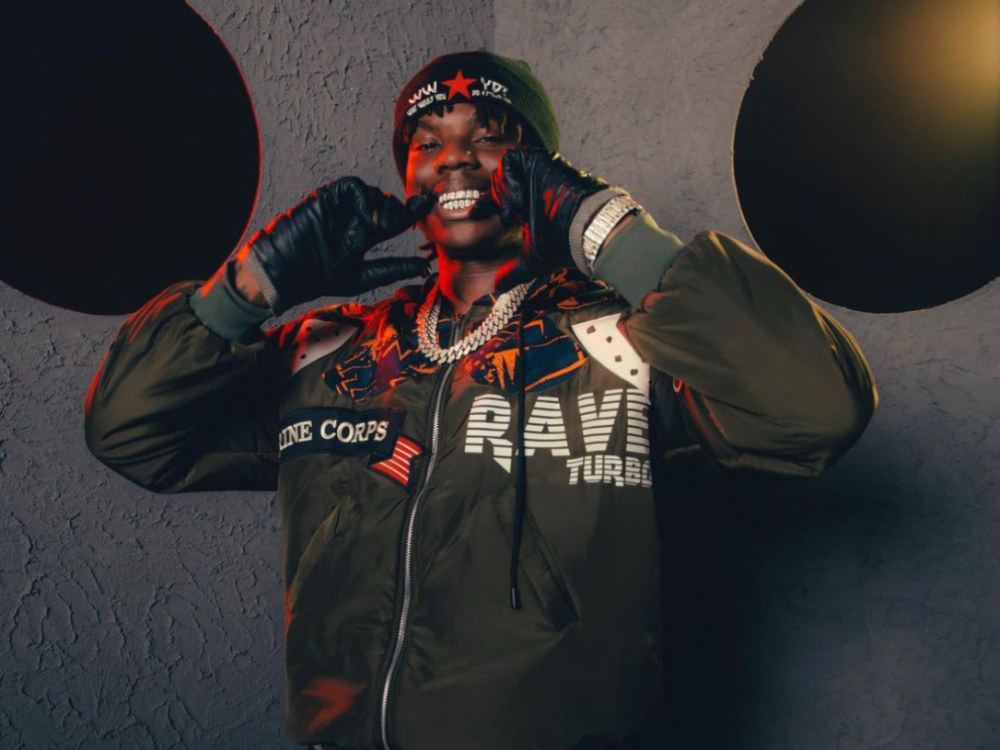
With his ski-mask and high octane energy, Rema continues to blaze a new trail in the game as he wields a plethora of genres and sounds into his orbit with skilled precision. “Holiday/Reason You,” are fine additions to his ever-growing catalogue, building on his genre-mashing abilities which first catapulted him into wider Afropop conversations. As Rema himself says in his NATIVE 005 cover story: “There’s pressure for every person who vows to take the game to the next level, I won’t deny feeling pressure once in a while…but I don’t let it bother my peace for too long.”

NATIVE Selects: A List of Best Songs This Week

It’s that time again. Every day, new music shows up, sweeping fans and music lovers off their feet while artists gauge reactions to know the effect of their creativity. At the NATIVE, we are committed to keeping our ears on the pulse of the music scene and bringing the best sounds to your doorstep.

To close out your week, we brought you a double release from Rema and a slew of singles from BNXN featuring Kizz Daniel and Seyi Vibez, Enny and more. Today, we have songs that move from Afropop to Amapiano to R&B; these artists—from Nigeria, South Africa, Kenya, and more—showcase their unending talent and passion for creativity. Lock in!

DJ SPINALL- “JUST TO BE” ft. JESS OF VANJESS 

Leading up to the release of his sixth studio album, superstar DJ Spinall piqued our appetite with hit singles such as Asake-assisted “Palazzo” and “Bunda,” featuring Olamide and Afropop newcomer, Kemuel. ‘Top Boy’ brags of musical range and expertise as showcased by some of the biggest names in Afropop today- Niniola, Amaarae and more- sitting alongside international hitmakers like 6LACK and Summer Walker. However, a standout cut from the project is the smooth-sounding “Just to Be,” with Jess of VanJess. Immediately led in with soothing saxophone chords and hypnotic drum patterns, Jess offers up her mellifluous vocals as she harmonises the lengths she would go to be in the presence of her love interest. 

Nwanneamaka

SUPERJAZZCLUB – “WICKED”

Ghanaian music group, SuperJazzClub have been orchestrating some of the most eclectic productions to come out of West Africa. On their latest single “Wicked,” the group weaves tales about their come-up and the industry through futuristic production. With no holds barred, they sing “Fuck the opps, make dem sing this song” over an infectious hook with a propulsive bounce that finds the trio admonishing the naysayers who have looked down on their abilities.

PATORANKING – “ABOBI” 

No stranger to political and societal conscious songs, Nigerian artist Patoranking’s latest release “ABOBI” is an Afrobeat-style record from his forthcoming album. In the song, the name Abobi is a pseudonym for the ordinary Nigerian citizen living under dire conditions, caused by political and societal ineptitudes. The song calls attention to police brutality, inter-neighbourhood wars and tribal and religious conflicts.

Uzoma

CASTRO – “EASIER”

The mellow saxophone opening up to “Easier” creates a vivid image of the complexities of love, creating the perfect backdrop for Castro. Crooning over the stealth production creating an undeniable groove to the song, he reminisces over the comfort alcohol brings when declaring your emotions or dealing with trivial issues. The compulsive snares reflect the sorrows and intensity of relationships. 

Tela

THA BEATSMITH- “YEMOJA”  

Known for frequently collaborating with Ogranya, the producer known as Tha Beatsmith is an accomplished purveyor of sound. He proves this on the just released ‘Ywme’ which means ‘Youth Was My Excuse,’ a nine-track project that takes on identity and the young individual. Varying perspectives enliven the direction, and on “Yemoja” he arrives a fitting closer. Bright percussions meet the floating tenderness of piano keys, giving the record a House vibe, amplifying the mystic suggestion of its title. In the end it’s a pleasurable song, exuding good vibes as the vocals build around the beat. 

Emmanuel

FRESCOOL – “MAGICAL (MORIMIWU)”

uNder alum, singer and songwriter Frescool is back with another rhythmic number titled “Magical.” The mid tempo record sees the artist switching between his Yoruba dialect and English as he professes his deepest feelings for his love interest. Over the melodious Alhaji Tunga-production, he chants on the chorus “O n mori miwu o, omo yen mori mi wu o” which translates to “this girl is making my head swell.” 

Wonu

NINIOLA – “MEMORIES” 

A valentine’s special, Niniola taps into her vulnerable side for the Niphkeys-produced slow tempo number. On “Memories,” her first single for the year, Niniola’s soulful vocals shine through the ethereal strings as she glides between Yoruba and English to deliver a heartfelt rendition of heartbreak. Different from her usually upbeat Afro-house numbers, “Memories” serves as an official introduction to her new album slated for release next month. 

Nwanneamaka

DJ WICKED & POSI – “APART” 

Posi’s honeyed vocals have an appealing allure that draw you in when listening to her. Her vast vocal range has seen her music get increasingly hypnotic with each release. Proving her artistic genius, she teams up with DJ WICKED releasing her debut album ‘Trouble Of The Heart.’ Posi’s graceful vocals earnestly soar over the gentle violin strings and soft keys on standout number, “Apart,” immediately drawing you into a world of unrequited love. “Don’t know if we will be together even if I say we will,” she chimes flirting with the thought of commitment.

Tela

BEAUTIFUL NUBIA – “A LE TENTE” 

Beautiful Nubia embodies the pure quality of roots music. For over two decades the folk musician has released albums of refreshing wisdom, pairing his signature storytelling with live grooves. ‘Olumuyiwa’ was created to honour the memory of his mother and the majestic scope of “A Le Tente” sets the ball early on. It’s a riveting account of the duo’s relationship, sung in the warmth you’d expect from such a virtuosic performer. A sweet ease into the album, the record never fails to leave an impression even after repeated listens. 

Emmanuel

JANELLE MONÁE – “FLOAT” FT. SEUN KUTI & EGYPT 80 

American singer and rapper Janelle Monáe taps Afrobeat act Seun Kuti and his Egypt 80 band for “Float,” the lead single off her forthcoming fifth studio album. “Float” is a shimmering Jazz/Pop-influenced song, which draws inspiration from a host of influences including Muhammed Ali, Mary Poppins and Aladdin. It is anthemic music that shows Janelle Monáe’s growth and self-confidence as she levitates over her doubts and fears.

Uzoma

Featured Image Credits/The NATIVE

TurnTable Top 100: Ayra Starr’s “Sability” Debuts at No. 1 This Week

Ayra Starr debuts at No. 1 on the TurnTable Top 100 this week, making this her fourth No. 1 entry, alongside earlier hits such as “Bloody Samaritan,” “Rush” and “Won Da Mo.”  This week, “Sability” drew 3.42 million on-demand streams becoming No. 1 on streaming in Nigeria and 38.3 million in radio reach during the tracking week. Ayra Starr remains the only female artist with multiple No. 1 songs on the TurnTable Top 100.

Omah Lay’s “soso” holds its position at its No. 2 peak for another week, while Asake’s 2-week No. 1 “Yoga” falls two spots down to No. 3. This week, Ruger drops to No. 4 spot after topping the charts for seven consecutive weeks. “Asiwaju” also tops the radio chart for a ninth week which makes it only one week behind the all-time record set by Fireboy DML’s “Peru.” Rounding up the top 5 this week is Kizz Daniel’s “RTID” at No. 5. 

Boy Spyce’s “Folake” falls to No. 6 from its No. 5 peak while Khaid’s “Jolie” reaches a new peak of No. 7. Rexxie’s “Abracadabra” with Naira Marley & Skiibii falls from 7 to 8. Rounding out this week’s top ten; Spyro’s “Who Is Your Guy?” falls from No. 6 to No. 9 while Zinoleesky’s “Personal” moves from No. 8 to No. 10. Outside this week’s top ten; Young Jonn’s “Currency” with Olamide reaches a new peak of No. 11, Lojay’s “MOTO” moves from No. 58 to No. 34,  BNXN’s “Gwagwalada” with Kizz Daniel & Seyi Vibez debuts at No. 45 off two days of tracking and Wizard Chan’s “Earth Song” debuts at No. 72.

See the full list here.

Featured Image Credits/Instagram

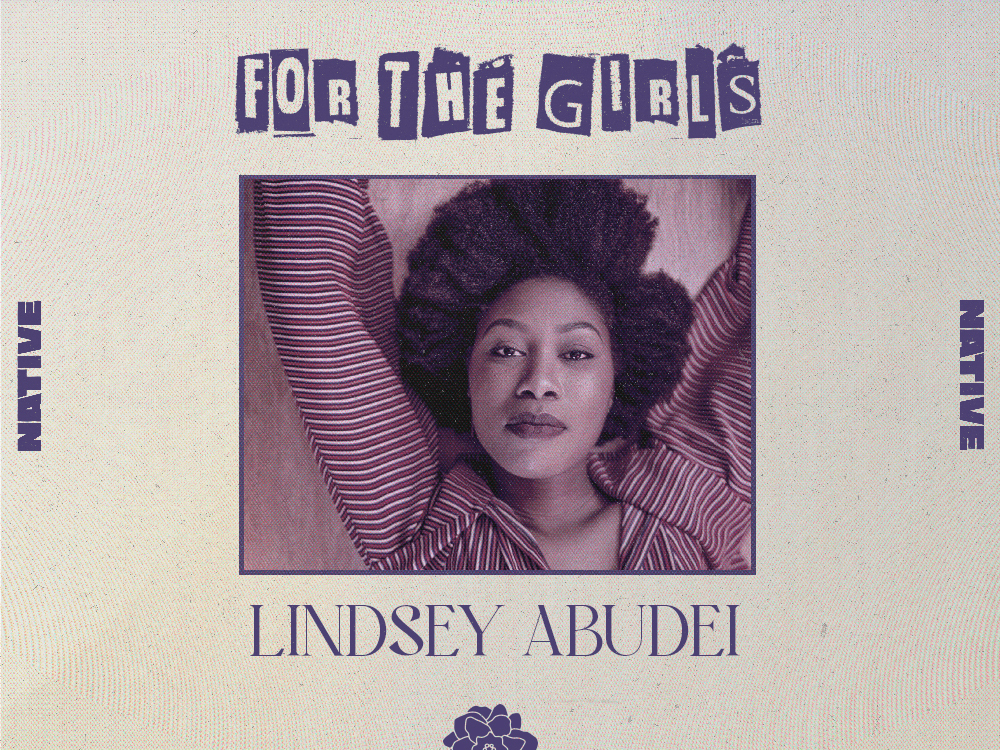
For The Girls: Lindsey Abudei is Expanding Her Horizons

Alternative music, on most days, is a contested sphere of the music industry. No one seems to agree the exact merits of its alternate status, while its commingling with distinct and recognisable genres builds a strong case for more specificity. In Nigeria however, the colourful influence of its popular music makes the outliers stand even more visibly. Creating from spaces of considerable sanctity, the likes of Asa, Bez Idakula and Blackmagic have thrown their boundless imagination behind their visions for soul-driven music, establishing their names in the canon of alternative music. In 2016, the unassuming vocals of Lindsey Abudei placed her in this elite class, as she serenaded the heart’s longing on her excellent debut album, ‘…and the Bass is Queen’

Critics and everyday listeners seemed to agree: the latter class had the album’s humane quality to grasp, as Lindsey unfurled relatable experiences with its innate complexity while possessing her voice as an instrument, soft and surprising, a delicate push against the warm roots of the bass guitar. Described as “immersing and without fault,” the album’s critical value would also be deemed “of international standard” while Oris Aigbokhaevbolo, writing in Music in Africa, had high praise for Lindsey. “Unlike her contemporaries,” he wrote, “Ms Abudei puts production and songwriting on equal footing. She enunciates clearly; she sings wonderfully; and the beat throughout the album is stellar but never intrusive”. 


View this post on Instagram


A post shared by Lindsey Abudei. (@misslind_sea)

When The NATIVE spoke to Lindsey Abudei about a week ago, she was a little sick. So powerfully realised in songs, her speaking tone now seemed to calm into the pace of a flowing stream. So were her stories—of which she had many of—released into the world with breathless ease, so that during a half-hour of conversation nothing stood between her world and I. Her sophomore album ‘Kaleidoscope’—whose literal meaning upholds multiplicity—had just been released some days before. “In this project we played with elements of different genres,” she confirms, “there are elements of classical music, elements of orchestra, elements of rock in there, there’s a folk element there; just different genres. And I also realised that before now I had been putting myself in a label. Cos it’s so easy to say oh, you’re a neo-soul singer but the truth is I am not. I am a singer-songwriter”. 

Lindsey returns to her other projects for context, making the point that her sound travels too much to be restricted. Specific records are mentioned for their associative genres and on a sonic level ‘Kaleidoscope’ makes the statement that she’s not a neo-soul singer. An experiment that tests the boundaries of a “regular” song, Abudei drew inspiration from K-Pop artists’ masterful braiding of genres within the space of a single record. She does not rush her recordings; Lindsey returns to skeletal forms as readily as she celebrates the executed song, editing until the desired sound is arrived. That thoughtfulness went into the structuring of ‘Kaleidoscope’, which had intermissions after every song. 

“Initially, we thought the project was going to be a four track or a five track EP,” she explains, “but I also wanted to play with transitions and I had these ideas, I had some of these songs I’d written that I wanted to be in the project. I was also trying to avoid having one song—let’s say ‘Thunder in My Arms’ for example, and then transitioning into ‘Gather Me to Your Place’ in one song, because I wanted those intermissions to be held properly, so I separated them instead, so that they would not be missed, and they could be seen as their own stand-alones, even though they’re intermissions of the songs following them. It’s like a coin that has two sides”. 

Clearly there’s a deep interest for the arts which Lindsey Abudei reveals in her creative process. This intimacy informs her choice of producers and how she works: on ‘…and the Bass is Queen,’ all except one song was produced by Atta Otigba, making the songs flow effortlessly over its fifty minutes runtime. On ‘Kaleidoscope,’ it is Bigfoot who enlivens her vocals with flawless composition, matching her pen’s vivacity with his epic vision. “I haven’t worked with any person that I don’t have chemistry with,” Lindsey tells the NATIVE. “If we don’t have chemistry, we can’t make music well. And when you’re exchanging ideas, it’s important that you’re with somebody who understands where you’re coming from. When I work with producers, it’s important that I lay down the idea of what the project is, and then when it’s certain that we get where we are and where we’re going, then we start bouncing ideas and see whether it matches what we intended in the first place.”

Lindsey Abudei can break down walls. She first held that immense power as a child growing up in Jos, listening to great music from her parent’s engrossing collection. European artists from countries like the Netherlands, Britain and New Zealand were listened to alongside American classics which included Stevie Wonder and Roberta Flack. Lindsey also hopped on the nineties Hip-Hop train. 

Even with this awesome musical background, a professional career in music wasn’t feasible until her late teens. “If you had asked me,” she says, “I would have probably laughed at you cos I didn’t see this coming”. Following her expansive taste, she however continued to collect deep cuts of albums, shaping something alternative from what the radio usually played. She had record store owners as acquaintances and would make demands for seemingly obscure records. Lindsey’s voice emerged more distinctly from her second year as a law undergraduate at the University of Jos. 

Lindsey broke into the esteemed community of local musicians which included M.I Abaga and his brother Jesse Jagz, Ruby Gyang and Ice Prince. A guy called Bolade Bisi, “who’s pretty central to all our careers,” had a studio in the neighbourhood and would travel for years, leaving it in the control of the Abaga brothers. They all had Jam Sessions at this place, and soon after Lindsey joined Loopy Records—this was some years before Lagos and Chocolate City came calling for the rappers. On “Jehovah” and “Dis Jagged Life,” she lent her dulcet vocals to records from the brothers, although as she progressed into her own career she had to establish her own qualities beyond the collective’s resume. 

In Abuja where she lived briefly, Lindsey was part of a Jazz quartet and also played the grand piano alongside Sammy Gyang. These closely knit circles helped inform the intimacy of ‘…and the Bass is Queen’, which was the body of work that announced Lindsey Abudei as an accomplished musician. She wanted to “honour” the bass, which is perhaps the most underappreciated of instruments, but she also desired a stronger showing of her craft. “When I started recording [the album], I wanted to do something that was slightly different from ‘Brown’,” she says, “because ‘Brown’ was I needed to do something of my own. ‘…and the Bass is Queen’ now became the project where I learned control. Learning when to let my vocals come in, to let it breathe, and to let other instruments breathe. Not always singing in every space that is there, and realising that the voice is also an instrument, it doesn’t have to be chaotic”. 

Lindsey Abudei has been living, which is something she eagerly reminds me of when I query her about the six years between her debut album and ‘Kaleidoscope’. “I’m a human being; people forget,” she says. “People always forget that artists are human beings and life has its own way of doing things. And sometimes, you’re not in a space to make anything, and sometimes if you make something, you’re not in the space to continue. I feel like that whole conversation of artists trying to beat time—at the end it burns you out, if you’re not very careful. We’ve seen it happen in front of us”. 

She’s been working in less traditional spaces in music for the past four years, Lindsey however affirms. “But I’m thankful now we’re here; there’s a project”, she says with understandable triumph. ‘Kaleidoscope’ arrives with all this feeling and contemplation, bridging Lindsey’s poetically sparse direction with cinematic flourishes. “We’ll see,” she responds to the question of what she’s got coming after this; videos, a show, something entirely different? “I don’t want to throw everything away; it’s one step at a time. We’re hoping to have a live session towards the end of the month, so fingers crossed.”

Listen to ‘Kaleidoscope’ here.


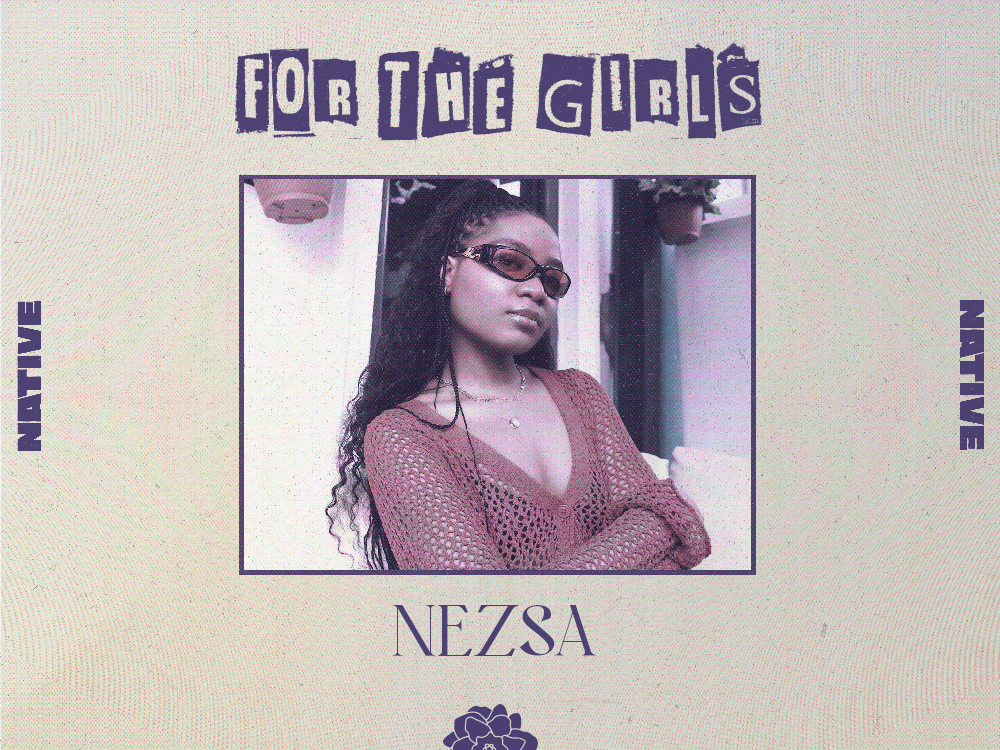
FOR THE GIRLS: OUT OF THE FOG, NEZSA EMERGES BETTER AND ASSURED

What’s Going On: Elections in Nigeria, African Union Reaffirm Suspension & More

“What’s Going On” Tallies Notable News Headlines From Across The Continent — The Good, The Bad, And The Horrible — As A Way Of Ensuring That We All Become A More Sagacious African Generation. With This Column, We’re Hoping To Disseminate The Latest Happenings In Our Socio-Political Climate From Across The Continent, Whilst Starting A Conversation About What’s Important For Us To All Discuss. From Political Affairs To Socio-Economic Issues, ‘What’s Going On’ Will Discuss Just That.


ELECTORAL CAMPAIGNS HIT UP ONE WEEK BEFORE THE VOTE

With the 2023 Nigerian presidential election scheduled for Saturday, February 25, the candidates in the race gearing up for a major push to convince voters. Last year, the Independent National Electoral Commission (INEC) announced that more than 90 million people registered to vote for their preferred candidate to take over from President Muhammadu Buhari.

The ruling party All Progressives Congress (APC)’s candidate Bola Tinubu went through the streets of Maiduguri in northeast Borno state on Saturday promising a government of accountability. Tibubu, a political veteran and former governor of Lagos State, is expected to stage a final rally in his hometown on Tuesday.

Opposition candidate Atiku Abubakar of the Peoples Democratic Party (PDP) also met supporters at the Mahmud Ribadu Square in the city of Yola, Adamawa State, where he promised to restore peace and security to the country. Supporters of Peter Obi of the Labour Party (LP) took to the streets in the capital Abuja, marching in colourful attires, chanting and blowing vuvuzela horns.

In the midst of all this, violent protests have broken out in major cities as angry and frustrated bank customers attacked and vandalised banks and blocked roads. This is a result of the shortage of physical cash following the Central Bank of Nigeria’s decision to swap old bills for new, re-designed ones. In a national broadcast on Thursday, Buhari described the naira policy as a “positive departure from the past” and said it represented a “bold legacy step” towards free and fair elections by helping to curb vote buying.

AFRICAN UNION INSISTS ON SUSPENSION OF BURKINA FASO, MALI, GUINEA AND SUDAN

The African Union insisted on Sunday that Burkina Faso, Mali, Guinea and Sudan will remain suspended from the pan-African organization following the two-day summit in Ethiopia.

Leaders of the 55-nation bloc met in the Ethiopian capital Addis Ababa to discuss the challenges facing the continent, including coups, conflict and climate change. Mali, Guinea and Sudan were suspended in 2021, and Burkina Faso was suspended a year later. The suspended countries have been ruled by military leaders following coups.

“The assembly reaffirmed zero tolerance against unconstitutional change (of government),” said Bankole Adeoye, its Commissioner for Political Affairs, Peace and Security. “The Commission is ready to support these member states to return to constitutional order, the idea is that democracy must take root and must be promoted and protected. It is necessary to re-emphasise that the AU remains intolerant to any undemocratic means to political power.”

At the summit, the African Union’s chairperson and Comoros president Azali Assoumani also revealed that the union had agreed to accelerate the implementation of the African Continental Free Trade Agreement (AfCFTA), which is billed as the biggest in the world in terms of population, gathering 54 out of 55 countries on a continent with 1.4 billion people. “I shall leave no stone unturned to ensure that this becomes a reality,” Assoumani said.

TUNISIAN COAST GUARD INTERCEPTS OVER 400 MIGRANTS

The Tunisian coast guard announced on Sunday that it had intercepted in a single night 423 migrants trying to reach Europe by the sea in 16 separate operations off the country’s coast.

“During the night between February 18 and 19, coast guard units in the center, north and south managed to thwart 16 attempted crossings and rescue 423 people,” the guard said in a statement. It added that the migrants include 71 Tunisians and 352 nationals of sub-Saharan African countries. 

Some portions of the Tunisian coastline are less than 150 km (9o miles) from the Italian island of Lampedusa. Lampedusa is a much-favoured departure point for Tunisian and other African migrants seeking entry into Europe. At the moment, Tunisia faces an economic crisis, which has forced both young people and whole families to seek greener pastures outside the country.

According to Italian authorities, more than 32,000 illegal migrants including 18,000 Tunisians reached Italy from Tunisia last year and earlier in the year, Italy and Tunisia vowed to fight illegal immigration. The Tunisian coast guard reported on Friday that the spike in crossing attempts was due to “improving weather conditions.”

CHRISTIAN ATSU’S BODY ARRIVES IN ACCRA

The remains of former Ghana international footballer Christian Atsu who died in an earthquake in Turkey were on Sunday received by the family, government officials, and the Ghana Football Association. At a solemn ceremony at the Kotoka International Airport, the remains were accompanied by his family and Ghana’s ambassador to Turkey, Francisca Ashitey-Odunton onboard a Turkish airlines flight.

Atsu, 31, was caught up in a 7.8-magnitude quake that rocked Turkey and Syria on February 6, killing more than 44,000 people in both countries. Initially, the former Chelsea and Newcastle United player was believed to have been rescued a day after the quake, but those reports turned out to be false and his body was found on Saturday.

After news of Atsu’s death broke, tributes poured in from around the world. “We will not forget you, Atsu,” the player’s club Hatayspor tweeted. “Peace be upon you, beautiful person. There are no words to describe our sadness. Rest in peace.” Atsu scored the last of his 33 career goals in Turkey’s Super Lig on February 5, hours before the quake struck. 

“The Vice President of the Republic, His Excellency Mahamudu Bawumia who led the Government delegation expressed his condolences to the bereaved family and praised the late footballer for his good deeds and the joy he brought to many people around the globe,” the Ministry of Foreign Affairs and Regional Integration revealed. “Nene Kofi Twasam III, Head of the Twasam family of Ada, on behalf of the family of our late compatriot, expressed appreciation to the Government of Ghana and all individuals who have stood by them during the demise of their beloved son.”

Featured image credits/

TurnTable Charts Has Launched A New Certification System, TCSN

Since its launch in 2020, TurnTable Charts (TTC) has furthered its mission to provide a standardised chart system that combines streaming, TV, and airplay data to provide a true representation of the burgeoning musical landscape and its key players. With the introduction of its weekly, monthly and yearly aggregate charts, for singles and albums, it has continued to accurately document the chart system in Nigeria.

Announced over the weekend, TTC has now launched a new certification system under its newly minted arm, TCSN. The certification system is based on on-demand streaming and digital downloads. For on-demand streaming, paid streams weigh higher than ad-supported streams. The program is designed to celebrate long standing artistic achievement within the local marketplace.

The awards include silver, gold and platinum plaques which are earned by artistes who have crossed different milestones and met certain standards. In the case of singles, the certification is based on audio streaming and digital downloads. 1 unit is equal to 150 streams. This means that to earn a silver plaque, the creator must have sold 25,000 units, 50,000 to earn gold units and to earn a platinum certification, the artist must have sold 100,000 units. 

When it comes to albums, the process is slightly different. At the moment, the certification for the album is based on audio streaming and digital downloads. A title is classified as an ‘album’ if it has more than three singles and/or surpasses a 15-minute runtime. In this case, 1 unit is equivalent to 1500 streams. This means that to earn silver plaque, the creator must have sold 12,500 units, 25,000 units to earn gold and to earn a platinum certification, the artist must have sold 50,000 units. The official application process for the certification has now launched today. 

Over the years since its launch, TTC have been committed to becoming entrenched into the Nigerian music community and to serve as the foundation for which more rigid and comprehensive systems will be built. TCSN will gradually become a part of an industry-wide association and will continue to collect and celebrate artistic achievement all over the country.


ICYMI: TURNTABLE TOP 100: ASAKE DEBUTS AT NO.1 WITH NEW SINGLE, “YOGA”

The Shuffle: Nigeria’s Political Future As Exemplified by African China’s “Mr President”

African China couldn’t have chosen a better stage name. In his prime period of the early 2000s, flamboyance was the ethos for sobriquets. You had Marvellous Benjy and Professor Linkin, Daddy Showkey and Danfo Drivers, Baba Fryo and Mountain Black. Revolving the Street Hop circles of the Lagos mainland, these names established the daring quality of Nigerian Pop’s quintessential outsiders. With direct impact on their neighbourhoods and beyond, the soundscape of the era had this distinctive class working in its favour. African China at some point was arguably the most penetrative of this group, uniting several demographics through his urgent and melodious deliveries, and harping on subjects that were considered too commonplace to be translated into art.

In 2006, Nigeria was still relatively new to democracy. Although the supposedly messianic system came seven years earlier through President Olusegun Obasanjo, life in the country still possessed the gruesome edge of military times. Civil rights were impounded by armed bodies with government badges, and between themselves, communities often clashed in conflict. This was the backdrop ‘Mr President’ was created from, and when a people aren’t convinced by similar promises of orchestrating credible governance, the messenger becomes as important as the message. African China had a name marked with the objectivity of an outsider; I remember that before seeing his videos, the younger members of my generation thought he was actually Asian.

“Crisis” was Nigeria’s introduction to this messenger. A record as brutal as it was humane in its perspective, China gave a detailed account of the ravaging violence happening in several parts of the country. Starting with the revelatory turn of phrase “your worst enemy oh, go be your best friend,” he paints the desperation of a people in crisis; he seems to say no one has the privilege of choosing their association when survival is the immediate concern. 

Among other events, he mentions the phenomena of the cannibal Clifford Orji, the aftermath of the presidential election in 1993 which was annulled by the military government of General Ibrahim Babangida—an experience my mother remembers vividly, scampering to safety with my elder twin sisters who were born three months earlier in March—and namechecks the areas of Ajegunle and Mile 12, where bloody clashes between ethno-traditional groups were frequent from 1999 into the early 2000s. Drawing from these events which shaped collective memory, the musician’s career was burnished with the purposefulness of a Harlem street preacher. More importantly, his lyrics weren’t the sole currency the record banked on; the music channelled the angst of his material, stamping its searing progressions into the mud of reality for all times. 

That song came two years before “Mr President,” a record that would assume the elevated role of African China’s signature song. It was also a commercial success, with the tendency to be played at a street party as easily as it would on a radio station or on television. While “Crisis” had focused on the plight of everyday citizens, “Mr President” was aimed at the high levels of national governance. If Nigerians were too weary for critical theories, African China broke the demands of a civil society into timeless music. His method was effective: rather than describe the opulence of perfection, he narrates everything it isn’t. “Food e no dey, brother eh water no dey,” he sings wearily in the unforgettable opener, before calling upon the wisdom of the aphorism, “Everyday for thief, one day for owner eh”.

Further describing the parallels between the various extremes of social life, he goes on to plead, “Make una lead us well, no let this nation to fall inside well”. The emotion is heightened by the chorus of female voices which sings the refrain which calls on the President, governors, police officers and other public workers to execute their jobs responsibly. With raw feeling in his voice, African China situates himself right in the thick of events. He was by then a national star, and the visuals weren’t as incendiary as “Crisis” but the pairing of street reality with scenes from his more relaxed background was nonetheless affecting. In the song’s latter parts, he peels further into the wound that is Nigerian democracy, commenting on the friendship and corruption which decides leaders while “People wey vote them in still dey live in pain”.

Imagery in music can be a powerful tool, but only in the hands of people who have experienced the visceral nature of the described event. Throughout his career, African China was a masterful purveyor of this technique. Even a late-career standout like the Faze-assisted “If You Love Somebody” had this quality, and it speaks to China’s ingenuity as a writer that the weight of his subjects didn’t hamper the songs’ replay value. In “Mr President” there’s a line about collecting several permits and yet task forces would arrive to burn a trader’s shop. A consequence of a country very low on accountability, it’s a nod towards the opinion that regular citizens are as oppressive as political leaders. 

This week, Nigerians would take to the voting booth to elect a new President, along with other important roles in government. Young Nigerians are leading the charge, but it’s an activity that calls on the conscience as much as physical and intellectual vigour. The past eight years have been nothing if not painful and life-threatening; it is so hauntingly omniscient that a record like “Mr President” could have been released today and would still make a great deal of sense. You’d see similar opinions on the YouTube pages of Victor Essiet and the Mandators’ “Rat Race” and Eedris Abdulkareem’s “Jaga Jaga”, both songs released respectively in the eighties and early 2000s—providing insight into the stagnant status of the Nigerian state. 

Everything, of course, cannot change with one election. Saviours are a complex phenomenon in state politics (some of the most brutal dictators were once freedom fighters) but there’s no basis for claiming ignorance in the aftermath of Nigeria’s choice in the coming week. A dearth of historical information might have been responsible for the previous choice, but we’re expectedly wiser now. If the articles and books prove too heavy for consumption, six minutes of African China’s “Mr President” is the concise material one might need to make a decision that influences, not just the President’s time in office, but indeed the entire trajectory of Nigeria.


ICYMI: NIGERIA IS GOING THROUGH ITS LONGEST PETROL SCARCITY CRISIS


FOR US BY US: WHY THE FORTHCOMING ELECTIONS MATTER TO YOUNG NIGERIANS


EXPLAINED: NIGERIA IS EXPERIENCING A NAIRA SCARCITY

Mowalola Brings Fashion’s Dystopian Future to London Fashion Week

British-Nigerian designer Mowalola Ogunlesi is hot off the heels of her Fall AW’23 Collection reveal at London Fashion Week. Titled Darkweb AW23, Mowalola’s latest collection is created to encapsulate her idea of fashion’s dystopian future presenting a collection of bootleg sartorial creations that pay tribute to the Big Apple.

Pulling inspiration from her idea of the apocalyptic universe, Mowalola blurs the lines between imitation and appropriation of IP, while merging NY-style sportswear with futuristic elements that were punctuated by the designer’s own signature, sexy leather look and donned by stars such as Rico Nasty and BK the Rula. The collection wields the classic logos of the New York Yankees, Musuem of Modern Art (MoMA), McDonalds and the National Basketball Association, with the words ‘Sue Me’ boldly printed across look 17, and stylising MoMa as MoWa in another instance.

It’s a daring take on fashion in our current age, one perched between humour, shock, engagement and rebellion. Ogunlesi explains that the collection represents the power of capitalism in modern society as well as the ever-increasing hold big corporations have over our lives. “It’s about the collapse of society. What I envision people wearing at the end time…low-key we’re literally in the last fight between life and tech,” she shares in a recent interview with Vogue.


View this post on Instagram


A post shared by Mowalola (@mowalola)

While the legality of these intentional “knock-offs” can de debated, a larger conversation is currently bubbling around the lines between borrowing for inspiration and wholesale co-opting and appropriation of Black African American culture. Despite how often the topic is discussed online, no one actually likes to talk about cultural appropriation, let alone be accused of it.

The advent of social media and globalisation has meant that the world is now a more connected place than it once was. You don’t have to come from a particular country to know what is going on within it or the cultural trends that they adhere to, because it’s simply available to peruse at the click of a button. Mowalola herself has spoken at length about her childhood and her exposure to Western pop culture. In her NATIVE 004 cover story with Odunsi The Engine, she shared: “Also being exposed to MTV in the early 2000s and just seeing how real [it was]. Seeing a different kind of Black person on my screen than what I was used to seeing also just made me feel like I could dream bigger than anything…or [be] opposed to what I was being taught in school. I guess to me, like MTV and that stuff did more for me than like going to school and learning about everything else.”

Not one to shy away from controversy, Mowalola confronts this head-on in her latest collection, daring to poke at what’s acceptable and what’s not, a common aspect of her brand. As a disruptor brand always keen to investigate and observe the hypocrisy of the gatekeepers and the industry at large, Mowalola’s AW23 debut at New York Fashion Week was as bold as it was refreshing.

Other highlights of the show included Slawn’s walk on the runway with his son, bold splashes of hooded capes and denim-inspired balaclavas, cow prints, pants-down jeans and skirts. In all, Mowalola’s ‘Darkweb AW23’ provided a new perspective on her older works, juxtaposed alongside the long-standing conversations of our current realities as ruled by modern technology and gargantuan corporations.


View this post on Instagram


A post shared by Mowalola (@mowalola)

Featured Image Credits/Instagram


ICYMI: STREETWEAR IS ON THE RISE IN AFRICA BUT INDUSTRY-WIDE SUPPPORT IS SLOW TO HAPPEN

NATIVE Selects: A List Of Best Songs This Week

It’s that time again. Every day, new music shows up, sweeping fans and music lovers off their feet while artists gauge reactions to know the effect of their creativity. At the NATIVE, we are committed to keeping our ears on the pulse of the music scene and bringing the best sounds to your doorstep.

On Tuesday, we highlighted songs from Rexxie, Naira Marley & Skibii, Khaligraph Jones and more. Today, we have songs that move from Afropop to Amapiano to R&B; these artists—from Nigeria, South Africa, Kenya, and more—showcase their unending talent and passion for creativity. Dig in!

REMA – HOLIDAY”

Rema’s diverse and creative musical palette has seen him rise to the pinnacle of Afropop. There is an allure to his songs that getter even better with each release. Releasing his first release after his smash hit album ‘Rave & Roses, Rema comes with a double release Holiday” and “Reason You.” Of the pair, Holiday” gets the video treatment and it centres Rema’s star power by recounting his rise to undeniable greatness. Produced by Blaise beat, the single is an up-tempo Amapiano-infused jam, a glossy runaway for Rema wax lyrical and exuberant about determination and success.

BIEN X AYRA STARR – “MY BABY”

Bien has a knack for penning lover numbers, apart from painting an image of love into our minds he vividly croons over enchanting productions that reflect adoration. Assuring pure and blissful life Bien lyrics offer much more than empty promises. On his latest single he is joined by Ayra Starr reassuring themselves of their lovers’ quality: “..you got the keys to my heart..”

BNXN FT KIZZ DANIEL & SEYI VIBEZ – “GWAGWALADA”

What do you get when three giants of Nigerian pop collaborate? A smash hit, no less. In recent years we’ve heard fewer of such star collabs and on “Gwagwalada,” BNXN makes it worth the time. Carried on the bubbly overtones of an amapiano-tinged production, the musicians fuse their distinct styles to tell a story hinged on the Abuja city it is named after. “I no fit force am if I e fit pass my power” is such a revealing lyric, and quite telling of the musicians’ chosen themes of aspiration and personal strength over the years. I’m expecting this to smash through dancefloors and similar spaces, definitely.

ENNY – “NO MORE NAIJA MEN”

Love, gender roles, and toxicity are at the heart of our daily conversations and British-Nigerian singer ENNY puts them down in her latest single “No More Naija Men.” The smooth and eccentric soundscape provides a perfect backdrop for Enny’s reflection on relationships. While addressing both Nigerian men and men in general Enny writes Did you find out he had fathered a child in the duration of your relationship and have three other girls “coming to you as woman“? Was that man a Nigerian man? Well you could be owed a substantial amount in compensation and healing.”

IDAHAMS – “WETIN NO GOOD”

Following the success of his critically acclaimed debut album ‘Truth, Love & Confessions’ which was released in September Idahams makes his comeback with brand new single  “Wetin No Good.” The infectious pop offering fuses afrobeats and amapiano together to glorious effects. Backed sonically by magical drum patterns and a thumping bassline, the single sees Idahams in peerless form, as he brings his captivating vocal delivery, lush melodic arrangements, and excellent griotic songwriting about love, sex, and relationships to the fore.

WAKADINALI FT. MC GIJ, RIDIQ & SKILLO – “RONG REGGAE”

Wakadinali has surpassed Hip Hop genius with each release they get more versatile with their releases. With the group being at the forefront of Ke local music and Munga Domani releasing an Amapiano tape, it’s clear they are a force to be reckoned with.  Featuring MC Gij,RiDiQ, and Skillo, ”Rong Reggae” keeps the gangsta rap core of their artistry while opening them up to clear reggae influences. While reaffirming their position in rap with their pristine cadence the snare offers a nostalgic trip to the Old Skool Rap

DEMI GRACE – “STAY”

British-Nigerian artist Demi Grace has taken a page straight from her diary and has brought her words to life in her new R&B single Stay.” The video opens with Demi’s love interest slipping out of bed early in the morning, leaving Demi contemplating the night before and all of the emotions that are coming up for her as a result. “Stay” takes us back to Demi’s hotel room, the morning after the events that took place in her “Clingy” video.

LLYOISO – “RUN”

Former South African Idol winner Llyoiso is a distinct artist with a catalogue of pop ballads under his belt. “Run” arrives at the heel of the fan-favourite single, Let Me Love You Now, as he anticipates releasing his body of work this year. Opening with charged emotions and powerful vocals, the song finds Llyoiso searching for freedom as he sings “...I just wanna run into the sun//I am gonna fly I am gonna reach up the sky..” His voice shines as he tugs your heartstrings. 

DBOI – “BEZOS”

Relying on the expertise of the legendary afrobeat producer KDDO, Dboi takes listeners on a sonically pleasing journey confessing his love for a romantic interest while relaying his message of chasing “Bezos,” which could be understood as the pursuit of money. The single is Dboi’s debut release of the year and it is set to be followed up by numerous projects this year. 

New Music Friday: New Projects From DJ Spinall, Ice Prince, Tayc & More

It’s Friday and the weekend beckons. What better time to unwind with the latest music projects from the African continent? More than ever, artists are utilising their creativity for the satisfaction of music fans around the world. These projects serve the purpose of preserving a moment (or moments) and distilling them into sonic pleasures.

On this week’s New Music Friday, there’s new music from Nigeria, Afropop’s capital, inward-looking but global-attuned sound from Morocco and delicious Rap-influenced concoctions from Kenya and South Africa.

DJ Spinall – ‘Top Boy’ 

For his 6th studio project, DJ Spinall brings forward the 15-tracker titled ‘Top Boy.’ The album cuts across many different sonics and sounds as Spinall taps artists such as Summer Walker, Niniola, Minz, Azanti, Kemuel, Olamide, Adekunle Gold and many others. The body of work also sees production credits from himself and other record producers such as Ozedikus, Kemuel, Magicsticks, TSB,  TMXO and more. It also features the standout records “Cloud 9” and “Pallazzo.” 

Ice Prince – ‘To Be Continued’ 

Veteran rapper Ice Prince is back and better with his new project ‘To Be Continued.’  After taking a brief hiatus from releasing any projects, Ice Prince is here with his brand new 6-track EP. On the project he speaks on leveling up, being a  better version of himself as well as self appreciation. On the solo body of work, he remains at his most confident as he spits melodic rap bars over the beats of each record, remaining in sync with every producer on the project. It’s safe to say that Ice Prince has not lost his touch since his last body of work ‘C.O.L.D’ in 2018. 

Zubi  – ‘Dear Z’ 

Singer and songwriter Zubi has arrived with a new 8-track EP titled ‘Dear Z.’ The body of work serves as a letter from himself to himself, reminding himself of his strengths, his accomplishments and how far he has come. It features the pre-existing tracks “Brother” and “Designer,” and also sees guest appearances from performing artists such as Anime Naami and Ashref. 

Reece Madlisa – ‘Kwaito Nama Medi’

In addition to being a prolific hit-maker, Reece Madlisa is something of an influencer. In 2020, alongside frequent collaborator Zuma, the South African artist became a mainstream star with the release of ‘Ama Roto’, the EP which housed the uber-popular hit, “Jazzidisciples (Zlele).” Clearly influenced by Kwaito vocalists like Kabelo and Spikiri, Rece employs a blaring rap-chant style and he’s a forebear to the many Amapiano vocalists using the same approach. ‘Kwaito Nama Medi’ is his first project as a solo artist, and the follow up to 2021’s ‘Ama Roto, Vol. 1 (Kwaito Edition)’. On its five tracks, he’s joined by Nobantu Vilakazi, uNder alum Khanyisa, producer/DJ LuuDadeejay, and more collaborators.

Tayc – ‘Room 96’

French-Cameroonian singer Tayc is arguably the most popular R&B-influenced artist in urban French music and the Francophone Africa region. He calls his style of music Afrolov and, across five full-length projects, many hit songs and dozens of collaborations, the sensual, romance-based approach to his music remains definitive. ‘Room 96’ is his sixth project, and it was released a day before Valentine’s, a clear marketing show of intention. Opting to go without any guests, the 9-song run is a succinct suite of 90s R&B-suffused songs, including the pre-released single from earlier this year, “Carry Me” and its acoustic version as a bonus addition.

Kelly Khumalo – ‘From A God to A King’

Resilience is a common theme in Kelly Khumalo’s music. Last year, allegations that she was involved in the 2014 murder of her partner, the beloved goalkeeper and South African men’s football national team captain, Senzo Meyiwa, gained renewed attention with the release of the Netflix documentary series, ‘Senzo: Murder of a Soccer Star’. While she doesn’t reference the allegations directly on her tenth album, ‘From A God to A King’, her resilience in the face of adversity is the defining element of the Valentine’s Day release. Joined by Sbu Soule, Mbuso Khoza and Mthunzi, with production work overseen by Mondli Ngcobo, Khumalo glides between South African Pop, Afrosoul and Gospel, as she celebrates divine protection and explores the intricacy of love romantic—and self-love.

Featured Image Credits/NATIVE

Protests continue in Nigeria over the ongoing naira scarcity

For the past few weeks, Nigeria has been grappling with the changes brought on by the introduction of new Naira notes into her economy. This has been increasingly difficult for the country’s citizens who already have a distrust of the banking system and have in some cases, opted to store their money in cash. In response to the new changes, many gruntled Nigerians have visited the banking halls across the country, demanding their way in to banks barely distributing the new legal tender. Videos have circulated online of this anger which is reverberating through different states in the country. Now after 3 weeks of outrageous 10% charges at Point of Sale (POS) machines, capped withdrawal amounts and exasperating queues at the ATM, Nigerians are once again fighting for their survival.

Alongside the unavailability of cash, Nigeria is also experiencing an extended period of fuel scarcity and with rumours of spiked prices at certain fuel stations, there is little resolve anywhere. The fuel scarcity which has been persistent for over four months, coupled with the ongoing cash scarcity leaves Nigerians more vulnerable than ever, as various means of livelihood are placed on hold and living standards worsened, despite the presidential election only 8 days away.

In response to the ongoing crisis, protests broke out in Ibadan, Oyo State a few weeks ago. Angry demonstrators took to the streets across the city and expressed their dissatisfaction with the closed banks and dearth of cash by destroying ATM’s and torching tyres on public roads. Amidst the chaos, President Buhari in a nationwide address on Thursday, stated that only the old N200 notes would be used as legal tender for the next 60 days – April 10, 2023.

While news of the protests began fizzling out during the week, this morning, the demonstrations have resumed in Ibadan, and have now spread to different states across the country. Now spreading to Lagos, Benin, Ogun and surrounding states, news of smaller pockets of protests have broken out on social media with worrying clips of the ensuing chaos and rubble. Across Mile 12, Ketu, Ojota and more, residents and motorists on commute hurriedly redirected their destinations as aggrieved Nigerians set fire across several parts of town including Iyana-Ipaja market.

In addition, protesters in Ikorodu have torn down some campaign posters while others block the roads, hindering citizens from movement around the affected areas. On Lagos-Ibadan expressway, protesters blocked the highway, burning tires and threatening violence. The unrest also continues to spread to other environs across Lagos including Surulere, Agege, Iyana-Iba and other parts of the state, as well as Rivers, Port Harcourt. Elsewhere in the South West, over in Sango area of Ogun state, market women begin an “anti-Buhari” protest as they continue facing the same issues.

This is a developing story and will be updated regularly.


ICYMI: EXPLAINED: NIGERIA IS EXPERIENCING NAIRA SCARCITY

Track-by-Track: Mauimøon Breaks Down His Sophmore EP ‘From Uganda With Love’

2022 uNder alum Mauimøon is gearing up for a big year. First introducing listeners to his colourful world as a producer under the moniker La Soulchyld, his craft music has since evolved and morphed into a riveting career that has seen him gain fans internationally. In 2019, he released “Too Real,” a fast-paced track foreshadowing his upcoming greatness, which showcased an artist on the cusp of breakthrough with grand ambitions and even smoother flows. His stellar penmanship and fusionist sound soon started gaining traction with the release of his debut EP ‘Pleasure,’ the best introduction to his catalogue for the uninitiated listener.


View this post on Instagram


A post shared by MAUIMØON. (@soundsbymaui)

Mauimøon’s presence over a silky R&B sound fusing pop, dancehall, and delectable Afropop has ensured that each release is met with enthusiasm from his loyal fans and close-knit listeners. Last year, he performed and wrote on “Part2 (Dinner in Maui)” alongside Fresh Meat alum Hermez, off the Nigerian-American R&B singer’s sophomore album, ‘Oasis’. Alongside this, two of his most recent tracks this year, “Leaving Summer” and “Sweeta,” have both amassed over 150K streams on Spotify alone, setting the scene nicely for his 2023 run.

With this in mind, Mauimøon has unveiled his sophomore EP ‘From Uganda With Love,’ a succicnt collection of love songs and survival tales about his place of birth. Now, after time spent refining his craft and a renewed spirit for gracefully inspecting his emotions, the new project finds the singer contouring his voice around lovelorn pleas while drawing on relatable experiences for young people.

The self-produced project invites only one guest into its simple world–Kenyan singer Mau From Nowhere who delivers a sharp verse that comes with a twist that doesn’t necessarily tell the tale of a happy ending in love. With a vision to capture the beauty of Ugandan skies, the EP cover art is created to depict the innocence of love and the rush of intimacy. “I just wanted to have a theme that would work. The sunset matched my first song of the tape. I wanted to have something that gave a beautiful look and sound before you listen to the project,” he tells the NATIVE.


View this post on Instagram


A post shared by MAUIMØON. (@soundsbymaui)

Inspired by his love for R&B, Timberland, and Pharell, Mauimøon continues to display his mastery as he croons over songs reminiscent of Craig Davis. His harmoniaation technique is especially noteworthy, pulling the listener in and hitting them where they can feel it. Whether it is reminding girls of their effortless beauty in the lead single “SupaHawt” or experimenting with his voice and production skills in “Felony,” Mauimøon takes you on a short trip over well-sequenced sensual soundscape accompanied by a voice guaranteed to get you in your feelings.

Ahead of the release of his new EP, ‘From Uganda With Love,’ the NATIVE sat down with the rising Ugandan star to walk through each track on the project.

His words which follow below have been lightly edited for clarity.

“SAYING MY NAME”

I self produced this track. As soon as I started with the harp I wanted to have a Timbland – Pharell type of bounce but with African elements to it and it was creating the fusion of old-school melodies. Underneath an afro-inspired percussion and drums to create something different for me so when anyone clicks it, they hear it’s something different from ‘Pleasure.’I think it’s important to be open about your emotions because a lot of times we can say things and keep them to ourselves. I stay relevant by ensuring I do not overthink anything and as soon as I start working on something I write down my thoughts and that shows the song came to be.  and it really influences how we perceive various things. Being honest with yourself makes you understand yourself.    Before starting this track I already had a rough idea of the chorus. I wanted to create a unique fusion of old-school R&B underneath afro-inspired percussion.  Following the theme of love I felt the harp-like instrument was the perfect choice to start off the project and lean into the theme of love.

CHERRY SWEET”

I used my own ad-libs here because of the beat. It was bouncy and playful and I thought it was important for me to try and experiment with how to enhance the feelings and sounds ensuring it continues the vibe and doesn’t sound plain. I really enjoyed it because I got out of the rhythm of always trying to sound on beat. Continuing with the theme I wanted to create a bouncy love song that felt catchy and unique when it came to an arrangement. The production was done by Ransom Beatz and as soon as I heard it felt like the perfect beat for this project.

“SUPAHAWT”

This was my lead single since I enjoyed the process of how I created it. I often let the beat play and mumble words to find a melody that is catchy. I had mumbled different melodies and one specific one was standing out. I felt this is the perfect track to not only write to but to also have fun with. The production was done by Brizy beats and the goal was to create a song for the ladies to enjoy and appreciate themselves. A short and sweet single that could catch the ear of any listener.  It’s important to create niche songs for my female fanbase considering all the love I have gotten from my female fans. With songs like “Sweet Love,” my fans send me messages telling me how the song uplifts them. I felt it was important having this track because it’s more direct.

“WHAT YOU WANT”

I chose Mau as the only collaborator because when I made the song he was the first name that came to mind. Working with him on “Sweeta” was amazing and I saw how his cadence is pristine. The original goal was to have the whole project by myself but as soon as I heard this track, I couldn’t leave him out. Every time I get something from Mau he goes above expectations. The melody is purposefully different. It was one of the last tracks I worked on and I wanted to create something different that would still make sense in the sequencing. I like to push myself in not getting comfortable. Because of the genre Alte, I love how broad the definition I, so it gave me more confidence to try something new and still keep it similar to the songs. When producing I like producing with slices, I started off with the drums, mumbling a few lyrics, and coming up with certain structures. I sound more like a dancehall artist in this song and I felt it was necessary because it’s always interesting for different songs because I use various vocal performances. I wanted to challenge myself by creating an unorthodox afro-fusion-inspired song that would feel different yet familiar to what my audience is used to.

“REALLY NEED”

Really Need” is a ballad-like tune under an Afrobeats production produced by Brizy beats. For this track, I refrained from using the common verse-chorus arrangement and opted for a dynamic structure that would take the listener on a journey. I felt it would be an interesting chance for me to shift from the basic structure and also test my own ability to see how I can dance with different structure and still keep it dynamic and authentic. Most of the time when I mumble an idea, I go through various stages but for this track, I mumbled all at once and it was a one-take situation. I fixed my vocal performance to make this align well. It’s actually one of my favourite songs on the project. When creating this song I felt I really wanted to make this emotional, deep, and for all the red-wine drinkers to enjoy. I wanted to tap into what someone who really needs something would want to listen to.

“CAN’T BELIEVE”

Can’t Believe” was produced by SOULCHYLD and Tyler Turner. This was another song I had a melody for after listening to the sample provided by Tyler Turner. The melody had been stuck in my head for some time and felt it was the perfect chorus to have. I also wanted to experiment with the syncopation of the adlibs to showcase the R&B influence that has been a big part of my childhood. It all fell into place just how I want to. I keep my fanbase growing in Uganda by keeping authentic to my sound just as I did in this song, I don’t pay attention to what’s popular in Uganda rather I pay attention to what my listeners and I can relate to.

“FELONY”

Once again I was testing my vocal performance and ability when it comes to different genres. I have always focused on alte so I decided to lean into the vocal performance of what’s trending. I was really excited after writing everything and it’s unique because in this track I am trying to give a different ideology and performance. It was the second last song to put together because I already knew it felt like a good structure with how the tape was arranged. The first six songs are all about love but I flip the tale with “Felony. It is another dynamic track that was inspired by a similar arrangement as “Really need.” In this song I experimented with a different vocal performance than the previous songs in the project, borrowing from afrobeats sounds that are currently trending.

Listen to ‘From Uganda With Love’ here.

Featured image credits/NATIVE


ICYMI: Out of the fog, Nezsa emerges better and assured

Everything we know so far about emPawa Africa’s ongoing copyright issues with Bad Bunny & Rimas Music

On February 6, 2023, Nigerian singer and emPawa Africa founder Mr Eazi took to his Twitter and LinkedIn accounts to call out Puerto Rican artist Bad Bunny and his label Rimas Music (Rimas Entertainment), citing copyright infringement on the Puerto Rican artist’s song, “Enséñame a Bailar.” This was hours after Bad Bunny became the first all-Spanish opening act at the 65th GRAMMY Awards and his blockbuster 2022 album ‘Un Verano Sin Ti’ won the Grammy for Best Música Urbana Album. According to Mr Eazi, in his call-out earlier in the month, both parties had been trying to resolve this issue amicably since May 2022 with their legal teams, however, Eazi stated that “the intent of Rimas Music is clearly to blatantly appropriate young African creators’ work for their gain without attribution.”

As can be heard on “Enséñame a Bailar,” Bad Bunny takes sonic cues and heavily interpolates melodies from “Empty My Pocket,” the song performed by Nigerian singer Joeboy, produced by Nigerian producer Dëra and distributed by Lakizo Entertainment. (Interestingly, “Empty My Pocket” has been taken off streaming platforms for copyright issues while Bad Bunny’s song remains intact. You can listen to it via YouTube search.) In addition to utilising Dëra’s composition throughout, “Enséñame a Bailar” also samples Joeboy’s vocals in its coda. Yet when Bad Bunny shared his album ‘Un Verano Sin Ti’ in May 2022, no credit was given to Joeboy and Dëra, and no clearance was sought from emPawa Africa, which is both Joeboy’s record label and publisher.

According to an official statement from emPawa Africa, emPawa Publishing and Kobalt placed the publishing on “Enséñame a Bailar” in dispute, which means that all payouts on publishing revenue from the track will be halted until the dispute is resolved. Furthermore, emPawa Africa ordered a takedown of the record from digital service providers as soon as possible. Rimas Music refuted emPawa Africa’s claims in a statement, writing that it “acted properly and followed standard industry protocols.” Rimas says it purchased the master track from Lakizo Entertainment, who is listed as the track’s creator and owner in numerous public sources. It also stated that, regarding the song’s composition, emPawa has also failed to forward documents to prove that they are authorised to act on the writers’ behalf.

“This is categorically untrue,” emPawa Africa shared in their latest statement. “emPawa Africa is deeply concerned by Rimas’ deflection from its failure to secure any publishing clearance from, and provide any songwriter credit to, the actual creators of “Empty My Pocket,” Joeboy and producer Dëra, whose respective vocals and composition are clearly heard on the song.” emPawa Africa also denied Rimas Music’s assertions that Lakizo Entertainment is the sole creator and owner of “Empty My Pocket,” as Lakizo Entertainment only served as a licensed distributor. “In assuming this role, Adesina Lekan (dba Lakizo Entertainment) negotiated the rights to a partial share in the writing and production credit, as well as a partial share in the master. In actuality, Lakizo Entertainment’s only creative contribution to the 2021 master recording of “Empty My Pocket” was adding its “It’s Lakizo, baby” tag at 0:07,” the statement read.

The statement goes further to say that “no one should confuse Rimas’ alleged payment to Lakizo Entertainment for the master with a publishing clearance. Nor should they confuse emPawa Africa’s request for composer credit, publishing and royalties for Joeboy and Dëra with a request for the sort of upfront payment Rimas Music states that it made to Lakizo Entertainment. emPawa Africa has made it clear that it has never asked for any cash compensation, only respect for Joeboy and Dëra’s intellectual property.”


View this post on Instagram


A post shared by JOEBOY (@joeboyofficial)

The business of sampling.

Whether we’re fans of sampling or not, the simple fact remains that it has existed in the music industry for time immemorial. Contrary to what many music listeners think, musical creativity doesn’t emanate from thin air. In fact, the hallmark of some of the most creative artists is the ability to let their influences feed their imaginations and repurpose this for newer audiences. As a way of explicitly paying homage to influences, sampling in music is a legitimate form of creativity and involves taking from the past—whether immediate or further back—and flipping the elements so that they fit into a modern context.

Today, the internet seems to have collapsed our linear time clock, making the music of decades ago as easily accessible as the music of today. However, the process is not that straightforward. Music is intellectual property which accrues rights and certain entitlements for its owner. As such, if you’re including a sample of an older song in your track, you need authorisation from the respective parties to release that song. Dammy Sanya, a Nigerian music and entertainment lawyer who is conversant on the law in this area, shares that “If no agreement was reached between the two parties, the next step would be to request for takedown by DSPs.”

For example, in 2009, Cameroonian singer Manu Dibango filed a lawsuit against Rihanna and Micheal Jackson, claiming that both artists sampled his 1972 song “Soul Makossa,” without seeking the appropriate permission. According to reports, Michael Jackson had already admitted to sampling the track, choosing to settle with Dibango out of court, however, when Rihanna went on to sample Jackson’s “Got To Be The Start of Something,” she had failed to obtain permission from the song’s initial creator. While Dibango was not necessarily wrong, the court case failed because the singer already successfully applied for a writer’s credit on Rihanna’s hit in 2008, with the presiding court deciding this ruled him out of any further claims on the track.

However, when looking at the peculiarities of this current case, no accurate credits or publishing was carried out by the Rimas Music team nor their client. “Unfortunately this is part of a broader pattern we see in how the wider music industry approaches the IP [intellectual property] of African artists,” said Mr Eazi. “Afrobeats has become a global phenomenon, and everybody wants to sample a piece of it. Unfortunately, Afrobeats artists, their producers and labels often have to pursue legal means to secure publishing and royalties after songs they originally created are co-opted without credit by other artists.”

There’s no denying that there is a large gap in legal education between the general public and industry insiders and professionals. Dammy Sanya admits that the law around intellectual property and copyright is largely unknown by many Nigerians–and deliberately so. A lack of knowledge of one’s rights results in a lack of legal remedies to pursue and eventually, the disenfranchisement of the individual. “If I have a right and I’m not aware of the right, it means I cannot exercise the right or stop someone from exercising the right,” he shares with the NATIVE, stressing the importance of getting the right teams as an artist on the scene.

He continues, “When someone bigger than you infringes on your rights, there’s a fear and you feel like there’s nothing you can do. Part of this is because of lack of knowledge of the legal system, but another part of it is the culture that we imbibe whereby people rip people off and don’t give them their rights. Because you are afraid of being blacklisted or being labelled the black sheep, most producers or artists accept the theft and accept the fact they are getting publicity from it.”

In most cases, the resulting publicity from the bigger artist is never worth giving up one’s rights. While the laws in other jurisdictions are more advanced than the industry here, there is value in protecting one’s right to intellectual property. According to Sanya, despite the gripes and general distrust of litigation and the legal system, the results could be seismic for future aggrieved parties. “If there is a judgement that goes in your favour, it may not benefit you but may benefit others. Now, there is judicial precedent and others can easily seek litigation for similar cases,” he explains.

As Afropop continues to grow and welcome new digital tenants each day, sampling is only going to become a more legitimate means of creativity and the law needs to develop to protect our interests. However, currently, the law is playing catch-up with the realities of the industry. According to Sanya, The Nigerian Copyright Act 2004 is the main legal remedy for persons who have had their copyright infringed. However, across the years, there have been calls for legislators to amend the Act and reflect the modern times we live in, which is yet to occur.

Recently, in their statement, emPawa Africa also shared that the proof that emPawa Publishing represents Joeboy, as well as Dëra, is demonstrated in the same public sources (i.e. any performing rights database) through which Rimas determined Lakizo Entertainment’s claim to master ownership. “The inference by Rimas Music that emPawa Africa should provide Rimas with the entirety of its contracts with Joeboy or Dëra is absurd and inconsistent with standard industry practice,” the statement reads.

“If Rimas was truly unaware of this relationship, it would not have contacted Kobalt, the administrator for emPawa Publishing, seeking to obtain publishing clearance after the song’s release,” the statement further reveals. “Instead of acknowledging our subsequent proposal, it opted recently to register its preferred publishing split without clearance or approval from emPawa.”

At the moment, Mr Eazi and the emPawa Africa Team hope that they reach a cordial resolution of the matter with Rimas Music.

This is a developing story and will be updated with developing information. The NATIVE has reached out to Joeboy for a comment which was denied by the artist.

Featured image credits/NATIVE


Written by Wonu Osikoya and Uzoma Ihejirika.


ICYMI: AKA was an African rap great but his legacy will always be grossly tainted

For The Girls: Out of the Fog, Nezsa Emerges Better and Assured

In her journey to become the best version of herself, Nigerian singer Nezsa has had to embark on her biggest challenge yet: herself. In the months after she self-released her 2020 debut EP ‘Bitter-Sweet,’ she hit a creative block – a result of personal ups and downs, which were exacerbated by the world-conquering coronavirus pandemic. It wasn’t until last year that circumstances shifted in her favour. Her manager had been in conversation (for a different artist) with emPawa Africa, the Mr Eazi-owned music company. Although that deal didn’t materialise, Nezsa’s manager kept in touch with the emPawa Africa team; later, he sent them Nezsa’s music, which they liked and indicated an interest in working with her.

Nezsa didn’t need much convincing to consider emPawa Africa’s proposal. “I just thought ‘Oh, I already feel hopeless with this music thing and I almost gave up, maybe this is a sign for me to get back into things and see what can come out of it,” she tells the NATIVE. The singer convinced herself to go for the distribution deal opportunity and take a chance on herself: “I said [to myself], ‘Oh, if I’m under emPawa, I’m kind of obligated to keep making music,’ [and] this deal would help me keep me on my toes and be like, ‘Oh, this is not a joke. You have to take it seriously.’”

Nezsa and emPawa Africa began their journey with the single “Break,” which features the inner workings of a dysfunctional relationship full of broken promises. At 17, Nezsa—real name Vanessa Adaeze Enoka—moved to Canada from Nigeria, where she was born and was part of her church choir. As a young child familiarising herself with her love for music, she grew up listening to the music her brothers fancied: Yanni, Sade Adu, Aṣa, Adele, Coldplay, Rihanna, Beyoncé, Lana Del Rey, Davido, Wizkid and Wande Coal.

It was whilst studying in Canada that Nezsa surrendered to the idea of becoming a recording artist. “I got into university and I made a couple [of] friends,” she says, “and there was a day they were recording in their room, and I just came in and they were like ‘Oh, do you wanna try something?’ And I just sang something and from there, that just turned into a single that they decided to release and that was what got me thinking about starting my own music career.” 

Nezsa held on to her dream and, in what she describes as “a spur of the moment type of thing,” she decided to record an EP. “At that period—that was right before the pandemic hit—I was recording a lot of songs and just enjoying the creative process,” she says. “Around that time, that was the first time I got all my music equipment that I used to record in my room. So I was just really excited to record a lot of songs. That was how I compiled an EP and decided to release it at that time.”

The six-track EP, titled ‘Bitter-Sweet,’ was the breeding ground for Nezsa’s brand of sultry alternative R&B and emotive songwriting. The songs travel different terrains of love and relationships; on “Safe,” she is weary of a lover who chooses to hold their cards to their chest; she is completely enveloped in love on “Subway,”; on “Dangerous,” she realises the unhealthy dynamic at work in her relationship; and on “Peace of Mind,” she wants nothing but to prioritise her sanity and wellbeing. 

Since the release of ‘Bitter-Sweet’ and the deal with emPawa Africa, Nezsa’s confidence in personality and sound has soared. “It was around that period that you saw the rise of more female artists like Tems [and] Amaarae,” she says. “So that period was definitely motivating and eye-opening for me. One thing that happened after releasing ‘Bitter-Sweet’ was [people saying], ‘Oh, have you ever thought about trying Afrobeats? Have you thought of this, have you thought of that?’ A lot of unnecessary opinions from people. But I already knew the direction I wanted to take my sound, and just seeing the women I mentioned being able to do their thing and being able to achieve what they’re achieving right now was inspiring for me.”

While R&B and Soul sit at the core of her music, Nezsa hasn’t shied away from incorporating different sounds. ‘Bittter-Sweet’ was more of a strictly R&B sound. Back then when I was recording, I was trying to stick to one particular sound I knew I could hop on,” she says. “But I think after that project, I expanded my sound selection choices and started adding [Afrobeats-inspired drums] into my already alternative style. I would say that’s one difference that separates ‘Bitter-Sweet’ from the new songs I am making.”

In 2022, her Gbeduboss-produced single “Trouble” caught the attention of music lovers and won her new fans as well as spots on Spotify (Fresh Finds, R&B Rising) and Apple Music (Breaking R&B, New In R&B). In the music video for “Trouble,” which was Nezsa’s first music video, she is out for revenge against a lover who has crushed her emotions with his ill-doings. Nezsa tells the NATIVE that although the filming exposed how stressful shooting a music video is, she enjoyed the process. Last year, she was also an opening act for the North American leg of Adekunle Gold’s “Catch Me If You Can” tour, which happened in Toronto, Canada. “It was probably the best performance I’ve had because the energy from the crowd [and the reception] was amazing,” she says.

At the moment, Nezsa and her team are gearing up for the release of her new project, which she reveals has “been bouncing from album to EP to album to EP” but would most certainly be an EP. “Most of the songs recorded [were] kind of an accidental collaboration with [Gbeduboss], [a] Nigerian producer I got introduced to,” she says. “I think my manager accidentally sent a beat pack to me, which was supposed to go to an Afrobeats artist. But when I listened to it, I was like, ‘Oh, this is interesting.’ And I recorded. That was how I recorded ‘Trouble’ and some other songs that haven’t yet been released. 

“That [opportunity] also reignited my passion for music again because one thing that was happening before the emPawa thing was I was stuck in a rot where I wasn’t getting inspired by the beats and the music I was hearing. But I think that reignited that spark and got me motivated. So I wrote a couple of songs, like about five or six songs at that time. But now, it’s a lot more than that. So that’s why I’m trying to decide which ones to go for at the moment.”

Judging by her latest single “Should Have Cared,” which was produced by Denzl and borrows from Reggae, Nezsa’s upcoming project promises to be worth the wait. The song is a tasteful compilation of lush melodies and Nezsa’s fascinating vocals, and her solid storytelling about the regrets and hurts that linger after a failed relationship. For the project, Nezsa has worked with a talented crew of producers: Denzl, Gbeduboss, Malik Bawa, and Lexjnr, among others. Outside of the project, she has worked with Type A and E Kelly.

Nezsa learnt that she creates music best when in isolation. “In terms of the creative process, I feel more free and able to tell the story the way I would want to tell it,” she says to the NATIVE. Now, the singer is challenging herself to invite more people into her sonic world which she believes is a necessary ingridient for growth as an artist. Nezsa doesn’t have a title yet for her upcoming EP but she has one for her debut album, which she hopes to be ready by next year: ‘To All the Heartbreakers.’ She got the idea for the title after a friend of hers had spoken those words while in a conversation with her.

For Nezsa, there lies a connection between the subject matter her music touches—love, heartbreak, betrayal and self-reliance—and her observations of the lives around her. She might not be expressive in her day-to-day living but the words in her head always find their way into her music and spark her creativity. “But I’m going to [explore] other topics that will definitely be coming out in some other songs,” she says.

In a similar thread to the names whose music Nezsa grew up listening to, the list of artists she hopes to work with is cross-continental and extensive. They include Nonso Amadi, Bloody Civilian, Aylø, Burna Boy, Q, Rihanna and Frank Ocean, among others. With her upcoming EP scheduled for release either in the second or third quarter of the year, Nezsa is poised to stamp her name in the growing collection of African music artists pushing their sound to a global audience.

“I look at it [her upcoming EP] as kind of building my résumé,” she says. “I would say ‘Bitter-Sweet’ placed me where I am currently. So I’m hoping that this next project will take me to the next level that I need to get to.”

Featured image credits/
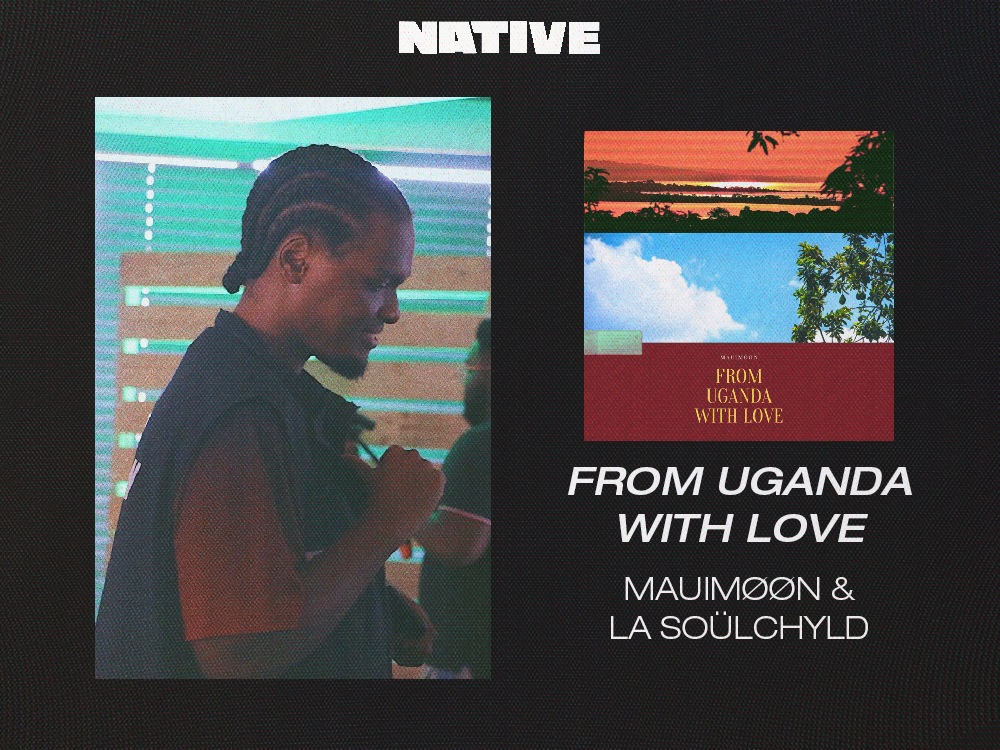
AKA was an African rap great but his legacy will always be grossly tainted

In our latest op-ed, Dennis Ade Peter breaks down the conflicting feelings surrounding the death of South African rapper AKA who recently passed away. While AKA is revered and respected for his magnanimous contributions to the industry, his passing is shaded by serious allegations of sexual abuse. Trigger warning.


On Friday, February 10th, news of the passing of South African rap artist and entertainment entrepreneur, Kiernan Forbes (AKA) broke across multiple news outlets and on social media. According to reports, AKA and close friend Tebello “Tibz” Motsoane were shot dead on Florida road, one of Durban’s entertainment hubs, on their way out of a restaurant. A disturbing CCTV video footage showing this has since leaked online.

Immediately AKA’s passing made it to social media, the disbelief was evident. Amidst the shock, tributes started rolling in, mostly centred on reverence for his artistry and cultural impact—and rightly so. AKA is undeniably one of the most successful rap artists of his generation, a superstar that enjoyed parochial domination for much of his career and reached continental ubiquity through headline hit songs and collaborative efforts with artists from across Africa.

In West Africa, AKA gained popularity with bonafide hit songs that enjoyed heavy airplay and more than a handful of guest appearances on songs with Nigerian and Ghanaian artists. Even with a mere surface level of rap music from South Africa in the 2010s, it’s impossible not to know AKA. I don’t think my knowledge of AKA and his music was surface level. Before the Burna Boy-assisted “All Eyes on Me” brought him closer to Nigerians as the mid-2010s rolled along, AKA was easily one of my favourite rappers from the rainbow nation, and I was keen on most of the work he shared during his lifetime.

My first encounter with AKA was borne out of curiosity. In 2012, M.I Abaga released the second instalment in his ‘Illegal Music’ mixtape series and, in addition to being a bar-fest that excited a rap-giddy teenager, it was packed with guests that showed out. One of them was the late South African rap icon HHP on “Superhuman,” whose introspective verse remains as bracing as ever. By this time, my knowledge of South African rap music was sparse at best, mostly limited to the CD of Skwatta Kamp’s ‘Mkhukhu Funkshen’ I stumbled upon in an older cousin’s room. That HHP verse nudged me on one random afternoon: I opened the browser on my Nokia 5250 and googled South African rappers.

I can’t remember what song by which artist I downloaded first, but I can recall downloading the two AKA songs I found on a blog where I regularly downloaded music then. (Illegal? Yes. But it was the blog era, keep the judgements.) “Victory Lap” and “Bang” were the two songs, and even though I could count the number of South African rap artists I was familiar with on one hand, I quickly convinced myself that AKA was the best South African rap artist in existence. Both songs are braggadocios, with the rapper embodying impeccable cool and contagious confidence over chunky, bass-heavy beats.

“Victory Lap” especially did it for me: I thought the way he rapped “Michael Jackson couldn’t be as dangerous, shit happens/Armed with the paint brush, hope you get the picture” was one of the smoothest things I’d ever heard from an African rap artist. It wasn’t until the following year—in 2013—that I would listen to ‘Altar Ego’, the debut album that housed the song. I had cajoled my parents into buying me a Samsung phone that had space for a memory card, and that meant I went crazy with downloading songs and entire projects. I downloaded each song on ‘Altar Ego’ from whatever blog had them and I listened intently, repeatedly; by the time AKA gained popularity with my friends via “All Eyes on Me,” I gladly called them latecomers.

Between 2014 and 2020, AKA released four projects and I listened to each of them intently. Even though I can’t say I was fond of each new project, my admiration for AKA as a rap artist remained. As I got into other rap stars such as Kwesta and Stogie T and Nasty C and K.O and FLVME and many, many more South African rappers, I wasn’t exactly describing AKA as the best South African rap artist in existence, but his brilliance was never lost on me.

One of my favourite times as an AKA supporter came in 2015 when he sent out warning shots to several rivals and infamously capped long-time arch-rival, Cassper Nyovest, with the classic diss track, “Composure.” Amongst the Nigerian hip-hop heads niche corner in Twitter that year, everyone had to pick a side in a beef that was an entire region away. I almost sat on the fence because I loved Cassper’s smash hit, “Doc Shebeleza,” but I went with the guy that served as a major entry point into SA rap and I felt vindicated by my choice when the general consensus emerged. AKA delivered a Takeover-style hit, there was no Ether-level response.

In hindsight, the execution and acceptance of “Composure” wasn’t happening in a vacuum. AKA was a rapper at the peak of his powers. The year before, he had dropped ‘Levels’, the sophomore album that quickly eclipsed the critical and commercial bar set by his classic debut LP. In 2017, he teamed up with Anatii for ‘Be Careful What You Wish For’, arguably the high watermark for his powers as a lyricist. By 2018, when he dropped the autotune-filled ‘Touch My Blood’, there were some mutters about his stylistic choices but it remains a statement piece from an artist unwilling to play within set boundaries.

Musically, AKA had an affinity for maximalist choices, and it was always fitting for an artist who was comfortable being larger than life. The man-made  rap star music with the curatorial ear of a pop savant, and the beats always had to thump and glisten to aggrandise every rap or sung line about his greatness, the focus of the bulk of his work. Along with exploring romantic connections from his own POV—sometimes to unnecessarily petty lengths—there wasn’t that much thematic variety in AKA’s work, but he found ways to be intriguing through project-defining wrinkles in sound.

‘Levels’ was a blaring electro-rap affair from a rap superstar assuming the mantle of authority, ‘Be Careful What You Wish For’ honed in on groovy Trap, ‘Touch My Blood’ pulled in a variety of ‘80s sounds like Boogie and South African Pop, while the late 2020 EP ‘Bhovamania’ is suffused with varying styles of SA dance music. For me, the latter mostly fell flat. It was the first time AKA sounded predictable and barely kept me intrigued; “Casino” with Sho Madjozi and FLVME and “Finessin’” were the only songs that I liked.

At the 10th edition of the South African Hip Hop Awards held in December 2021, AKA was one of the sixteen nominees in the Artist of the Decade category. While his résumé made him a shoo-in for that category, I was deeply uncomfortable with the possibility of the rapper picking up such a grand honour. By that time, AKA had fallen way out of favour with me and it wasn’t just because I didn’t like his 2020 release.

– TRIGGER WARNING –

On April 11, 2021, AKA’s then fiancée Anele “Nelli” Tembe passed away under controversial circumstances. According to reports, Nelli died of an apparent suicide, jumping from the tenth floor of the Cape Town hotel where she and the rapper had lodged while on vacation. About a month after, a clip of AKA breaking down a door to get to Nelli in their Johannesburg home went viral. At the time, there were allegations of emotional abuse and physical assault playing an integral role in the saddening passing Nelli, and AKA was being alleged as the villain.

The clip was chilling. Since I watched the video, seeing AKA looking rabid with bloodshot eyes and in attack mode against the women he was planning to spend the rest of his life with, I wasn’t able to just view the man as a rapper I really enjoyed their bars. It’s probably why I was conflicted by the news of his passing last Friday and the overwhelming show of love that I found on my timeline. Now, I’m not saying I was gleeful about AKA’s death, neither am I remotely thrilled by its violent nature, but the abuse allegations and the evidence supporting it made me disinterested in tweeting anything reverential to his legacy as a rap artist.

At the time, within a week of the clip nodding to his allegedly abusive behaviour towards Nelli, AKA granted an interview with Thembekile Mrototo in a bid to set the record straight and possibly exonerate himself from any wrongdoing. For me, none of those aims were achieved from watching that interview. If anything, details like his convenient absence when Nelli hurled herself to the ground, going to his friend in the next room instead being by her side right away, clearly using her mental issues as an out, and just the generally toxic energy exuded during the hour-plus interview sealed my personal cancellation of AKA.

Aa a journalist and writer, I’m an advocate for cancel culture in music. Maybe not a staunch one in the absolute sense, but I firmly believe in artists being shut out for doing some terrible shit. In cancelling an artist, though, I understanding the innate complexity that’s tied to debates about separating artists from their art, and just even many African societies’ willingness to gloss over the gross failings of artists—mostly male ones. I believe artists are intrinsically tied to their work because, as with any form of art, there’s a piece of the creator’s soul in every line rapped and every note sung. Basically, if you’ve done some terrible stuff that cannot and should not be justified, the music can and should be kept at bay.

“We live in a very forgiving country,” South African media personality MacG said on his podcast back in 2021 when the viral clip made its way to the internet, using the remark as the basis for his argument that AKA could come clean if he had played any part in Nelli’s death and wouldn’t be cancelled. It’s an indictment on the values of a society that will let such a heinous act slide, and it’s even more worrying considering the crisis of gender-based violence in South Africa.

Till his passing, AKA never owned any responsibility for Nelli’s passing, stating his innocence and eventually moving on. For me, that clip is the first thing my mind associates with AKA and I immediately committed to never playing his music again after I saw the video. The internet is naturally unforgiving but when it comes to our real-time society, we can never agree on who should be cancelled. For me, I believe most of cancel culture is a personal thing, and in AKA’s situation, it was a personal decision that I’ve since held on to despite the rap artist trying to make amends before his life was cut short unexpectedly—I’m not a fan of redemption tours.

Last year, AKA teamed up with Nasty C for “Lemons (Lemonade)” and it was certified gold by the Recording Industry of South Africa (RiSA) within a month of its release. “WE BACK IN BUSINESS BABYYY!!!!!!” he tweeted at the time. Like MacG had stated, all had been forgiven and AKA was back to his rap superstar ways. I’ll admit that I did click on the YouTube link earlier this year after being badgered by the algorithm for months, and it took less than a minute for me to be overwhelmed with guilt for listening to the music of an alleged abuser.

That’s where I am right now: I’m not happy that AKA has passed away but I will be overwhelmed by guilt if I join in the ongoing hagiography that’s been happening in the last couple of days. Even with the impending, posthumous arrival of ‘Mass Country’, the album he’d been teasing for months, I don’t know that I will be listening intently. I get it, he was undeniably a great rap artist with even more to offer, one that set his own trends and consistently moved with a remarkable sense of self-conviction. At the same time, there’s no erasing the horrible allegations he gladly evaded accountability for. I get it, it’s not dignified to speak ill of the dead. At the same time, I firmly believe that death shouldn’t erase a person’s sins and instantly cast them as saints.

It’s fine if you choose to believe AKA wasn’t an abuser while he was alive. In addition to that clip, there’s also a pattern of morally questionable decisions, such as cheating on his pregnant girlfriend, allegedly cheating with the partner of a collaborator and friend, and allegedly intimidating another woman he had affairs with. While we mourn his passing, these are serious allegations and events that many people should not be wilfully ignorant of, or chose to forgive and forget. For me, I don’t know that I will ever forget the toxic side of AKA, it’s too visceral for me to ignore. Normally that would make him an artist who was a deeply flawed person, but that’s a kind description. Kiernan Forbes was a great rap artist but his legacy will remain grossly tainted by his alleged toxicity.


ICYMI: ON THE SHAPE SHIFTING IMAGES OF THE ALLEGED ABUSERS IN AFRICAN ENTERTAINMENT