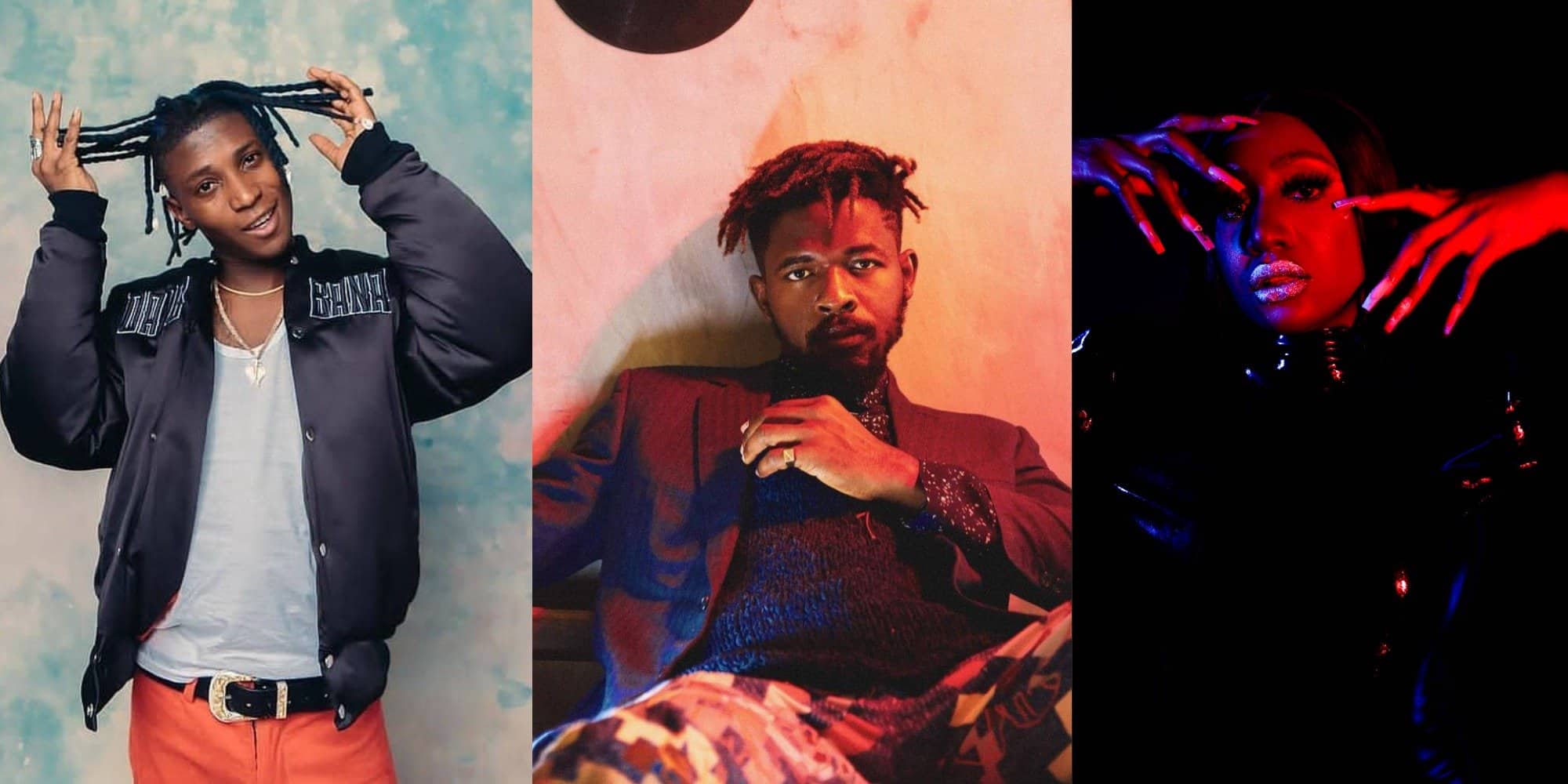
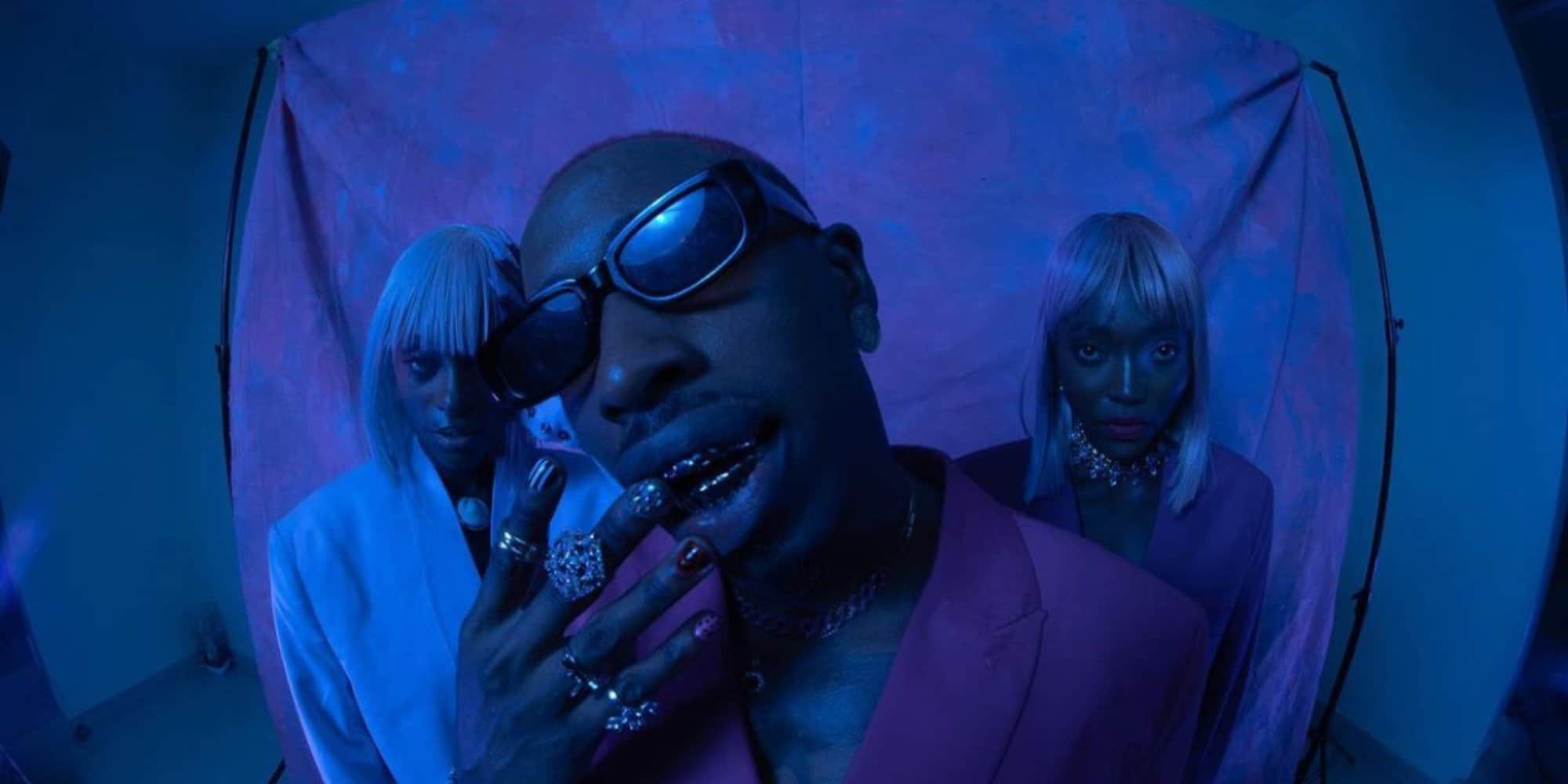
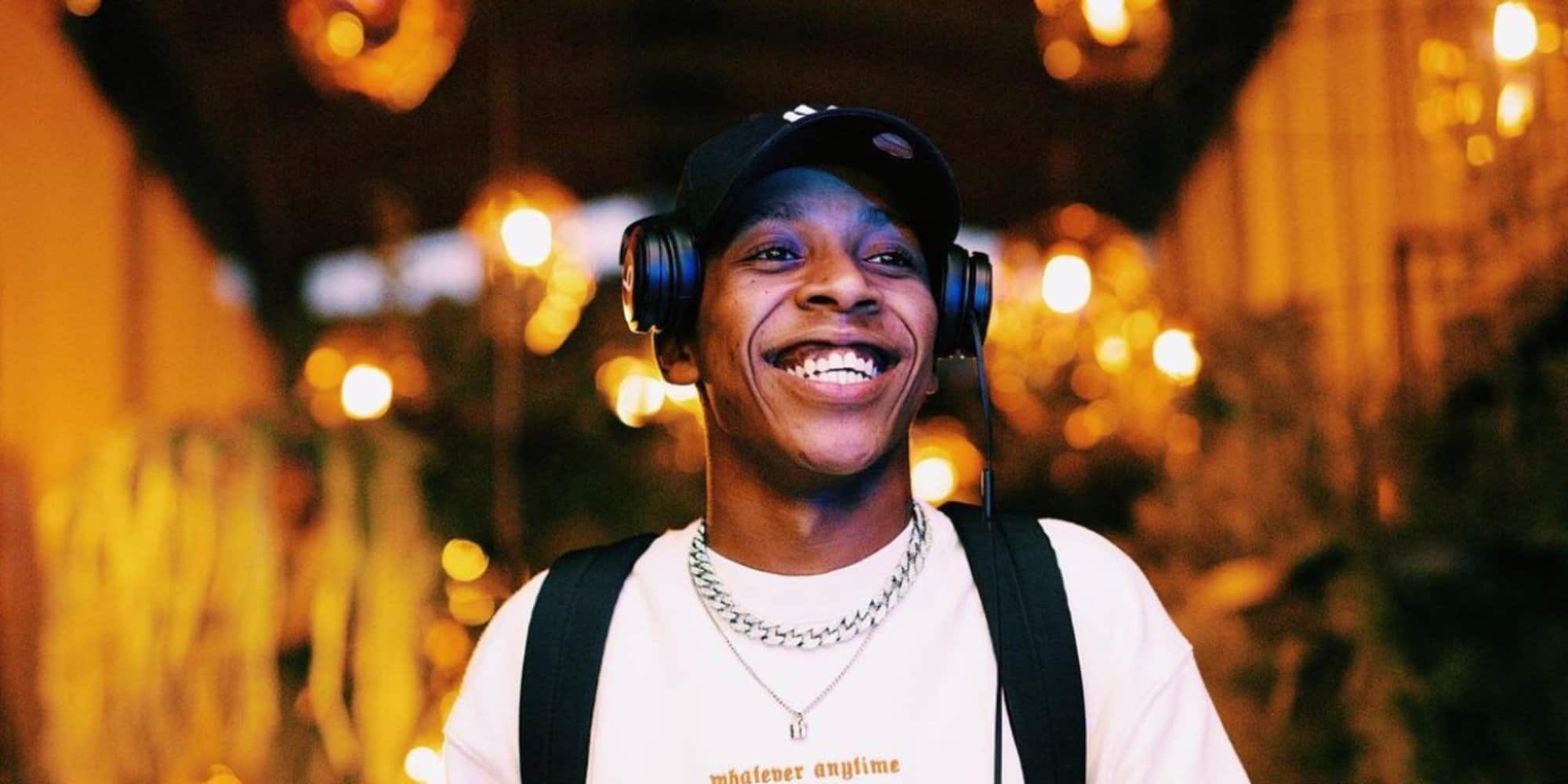
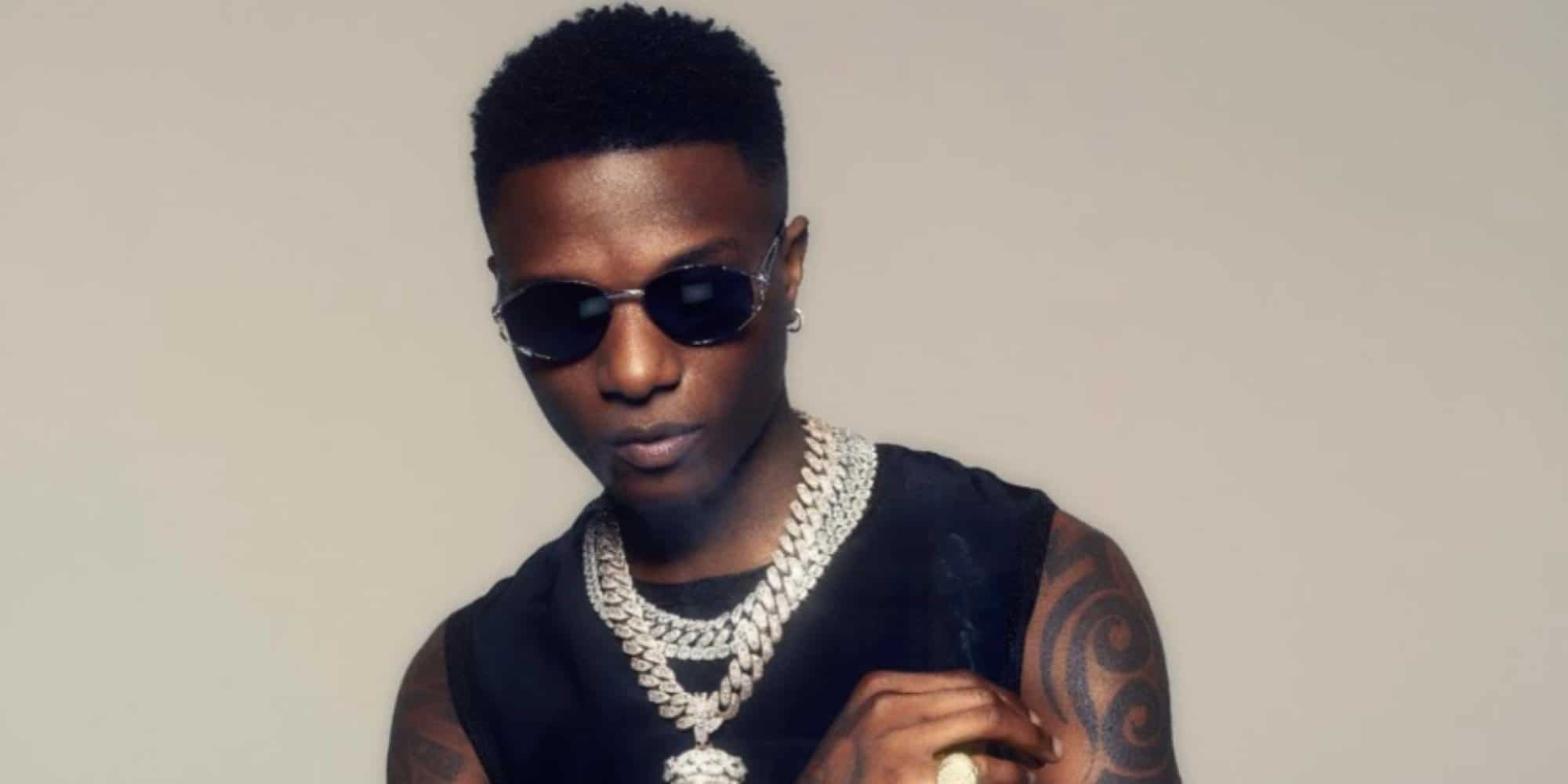
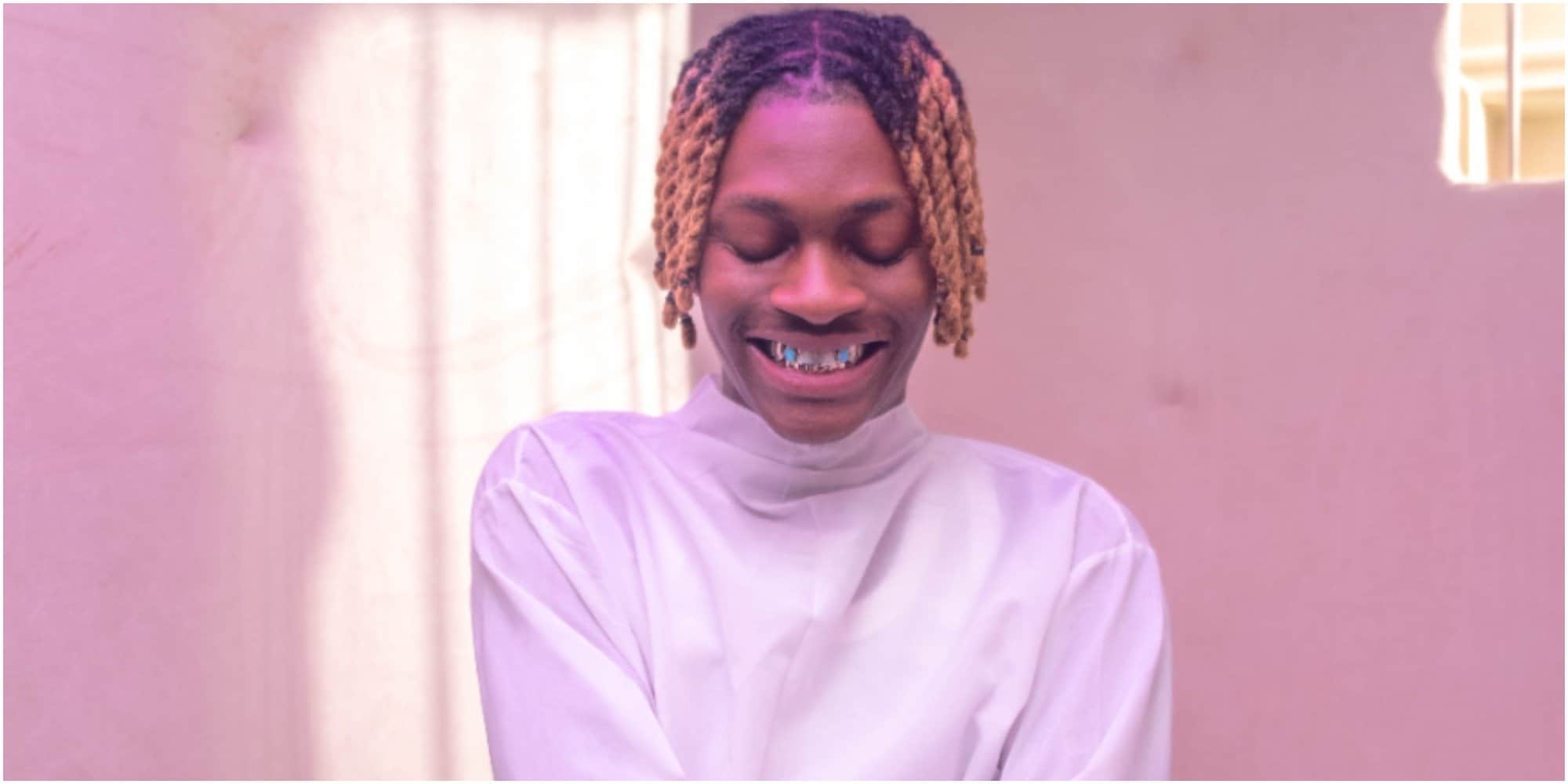
Over the past decade, the soundscapes from Africa have continued to enjoy increasing momentum. Africa to the world has become a popular rallying cry by the continent’s best talents whose works have been amplified on the global stage in almost every mother tongue imaginable.
Right on our very doorsteps, we continue to witness the birth, adoption and evolution of the continent’s hottest emerging sounds. From Johannesburg in the South to West Africa’s most exciting cities of Kumasi and Agege, here are the sounds permeating global tastes.
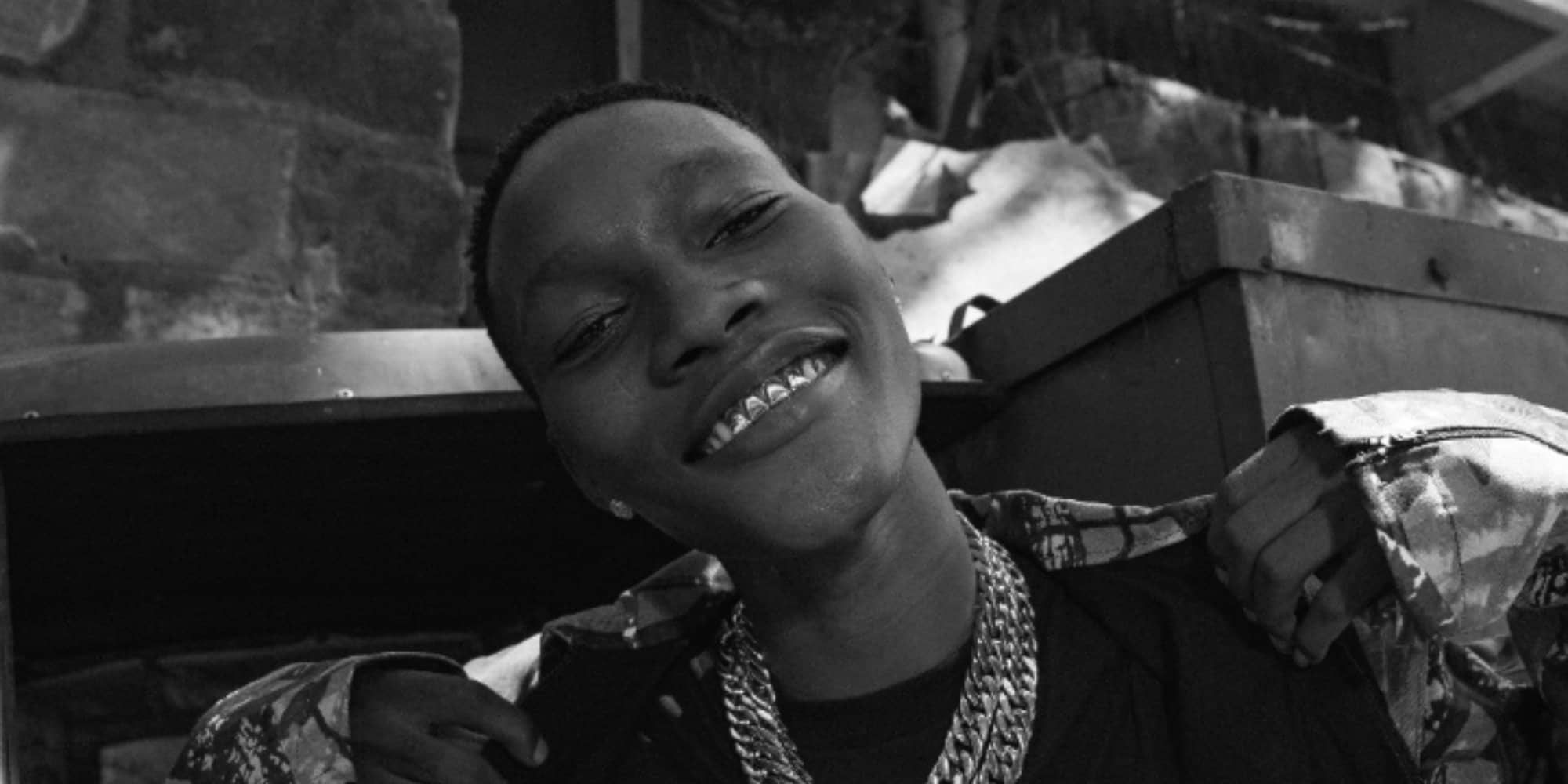
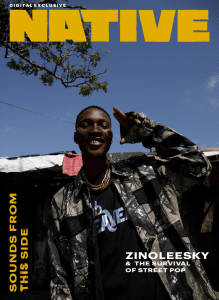
Fulfilling our mission of championing the sounds of tomorrow: today, the NATIVE’s August Digital cover story surveys the burgeoning sound on the streets tracing from its rise from Lagos city’s grittiest neighborhoods from Agege to Okokomaiko to Akoka.
For Afropop to survive, the streets had to take over. Thanks to the new generation front runners yet another reiteration of the genre, Bella Shmurda, Zinoleesky and the architect of the sound, Rexxie, Street Pop not only remains relevant, the sound, once undermined, is now dominant.
Full Credits:
Editor-In-Chief: Seni Saraki
Managing Editor: Tami Makinde
Writers: Dennis Ade-Peter and Wale Oloworekende
Creative Assistant: Ada Nwakor
Editorial Assistant: Wonu Osikoya
Editorial Interns: Mooreoluwa Wright, Judith Icha, Nwanneamaka Igwe and Bolakale Ogboye
Photography: Demola Mako and Ifebusola Oluwafunmilayo
Cover design: Adeshina Ladipo and AbdulRahman Dawodu
Collage design: Chukwuka Nwobi
Lighting: Victor Gideon
Production Manager: Adedamola Adetunji
Set Assistant: Nwanneamaka Igwe and Judith Icha
Styling: Demola Mako
Designers: WafflesNCream, Poserboy, Rë Lagos, David Blackmoore, and Gëto World
BTS Video: Dante Karibi-Whyte and Ayo Odunsi
Location: Fluid Locations
Explore the world map and read the full interview here.
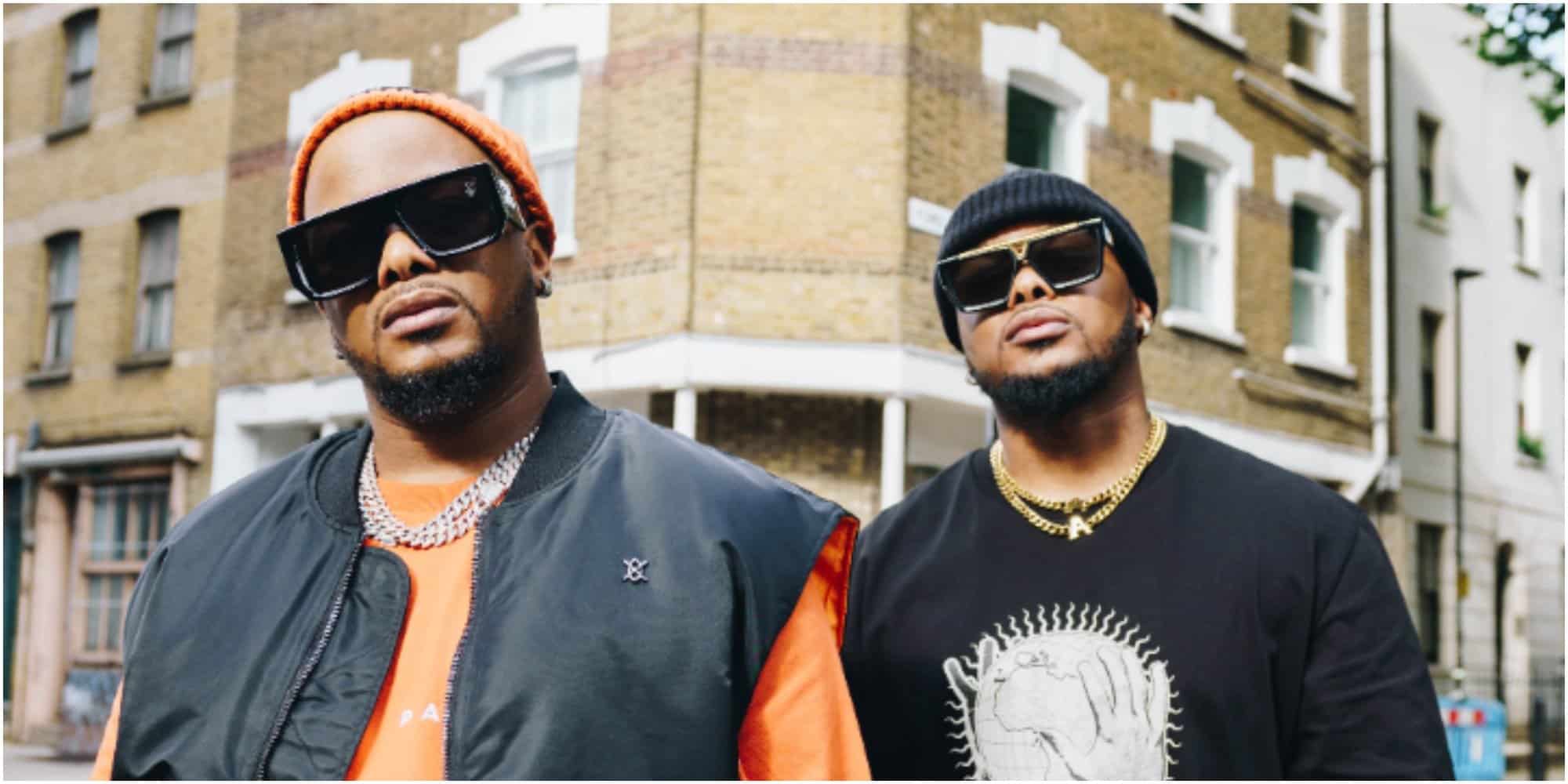
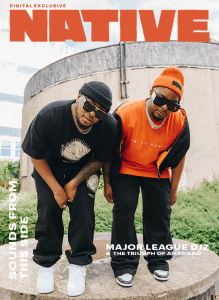
Over the past couple of years, a new sound has emerged from South Africa’s busiest townships. The genre-mashing sound which borrows from other homegrown sounds has evolved from the depths of the underground to become a mainstream disruptor in today’s global world.
Initially surfacing back in 2012, the genre was a commingling of different sounds, borrowing heavy influences from deep house, jazz and lounge music and characterised by charming synths, airy pads and wide percussive basslines. Despite rising from the townships, Amapiano continues to influence global tastes thanks to the likes of the genre’s frontrunners including Kazba de Small & DJ Maphorisa, De Mthuda, MFR Souls, Vigro Deep and more.
Fulfilling our mission of championing the sounds of tomorrow: today, the NATIVE’s August Digital cover story surveys the heavy and substantial sound of Amapiano, its growth over the years and the adoption of the sound all over the world. South Africa’s Amapiano has fiercely snagged the title of Africa’s most influential sound and the growth of the sound continues to remain relevant all over the continent.
Over the past decade, the soundscapes from Africa have continued to enjoy increasing momentum. Africa to the world has become a popular rallying cry by the continent’s best talents whose works have been amplified on the global stage in almost every mother tongue imaginable.
Right on our very doorsteps, we continue to witness the birth, adoption and evolution of the continent’s hottest emerging sounds which continue to penetrate our global tastes in a post-digital world. From Johannesburg in the South to West Africa’s most exciting cities of Kumasi and Agege.
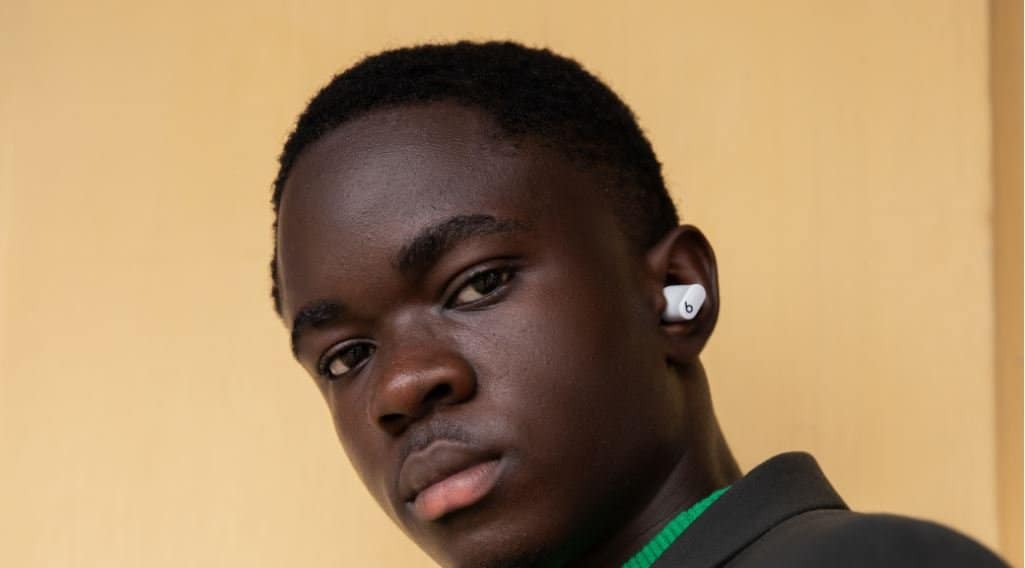
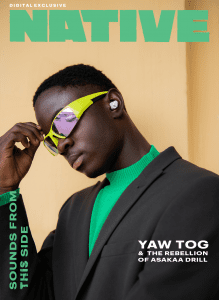
Fulfilling our mission of championing the sounds of tomorrow: today, the NATIVE’s August Digital cover story outlines the rise and rise of Drill music being made in Ghana, specifically out of Kumasi. Across the continent, more and more ambitious young rappers have been adopting the sonic ticks of the Rap subgenre, none more visible than the formidable sect from the capital city of the Ashanti region. Spearheaded by teen breakout star Yaw Tog and the expansive Life Living crew, Kumasi Drill has captured the hearts of its immediate listeners while traveling beyond local borders. The present is bright, but the future is much, much brighter for Kumasi Drill. Here’s the story of one of the most thrilling sounds in Urban African music.
Ever so often, a new sound springs out from the global south with an unassailable trajectory, lasering itself unto the attention of the wider world with an intense velocity. For the last 18 months, the world’s attention has been squarely focused on Amapiano, the South African-born lush melding of wavy basslines, airy synths, and lush pianos that has broken out of Johannesburg townships to become the defining sound of the post-COVID world.
As the influence of sound has spread across the world, hubs have been formed in other countries to produce local interpretations of the sound. In Nigeria, that has led to recent hits such as Zinoleesky’s “Kilofeshe” and Rexxie’s “KPK.” The inverse of these attempts is gleanable in cross-continental efforts like “Ke Star (Remix)” where Focalistic and Davido deliver a balmy collaboration rooted in Amapiano but enlivened by Davido’s taunting ad-libs and verse.
On the recently released “Ewele,” rising Nigerian singer, Dunnie, joins Focalistic and super-producer, Gemini Major, for another Amapiano-inspired number that bridges the sonic divide between Nigeria and South Africa. While the Davido-featuring “Ke Star (Remix)” was crafted to get bodies moving from Jozi to Lagos during the song’s succint runtime, “Ewele” is a subtler affair, opening up with more reflective lyrics before taking off as it approaches its mid-point.
While producers like Vigro Deep, Maphorisa, and Kabza Da Small have led the way in Amapiano’s global vaunt this year, Gemini Major, a stellar producer signed to Cassper Nyovest’s Family Tree Records, has had a more insular eight months so far, with “Ewele” marking his first official release of the year. It is a song worth waiting for as Dunnie monopolises the opening moment of the track, wrapping her voice dexterously around the minimalist instrumentals as she switches cadences in quick succession. “This year na para I dey, I no dey take chance,” she pointedly warns at one point, giving an update on her energy as we approach the last four months of the year.
Taking off from where Dunnie stops, Focalistic appears on the song’s second verse. Here, he toes the introspective, yet optimistic, route in his sprightly sung-rap voice, reflecting on the loss and devastation of 2020 with a passing glance while looking forward to what the future might offer. Although the singer admits that he’s unsure about people’s intentions towards him, he resolves to regard 2021 as the year that established him as one of Africa’s most popular musicians. Together with Gemini Major and Dunnie, Focalistic elevates an otherwise mundane number into an addictive earworm track that is both about reflection as it is about cutting loose when the pressure gets too much.
At the end of it, the lessons from “Ewele” are gleanable from the song’s pithy chorus ably delivered by Dunnie: 2020 was a lot, pour some liquor in a cup, we’ve all been dealing with a lot, and, by all we hold sacred, we need to live life a little in spite of all that would rather we didn’t.
This week, Mavins new starlet, Ayra Starr surges to a top 10 spot. In this week’s Turntable charts, “Bloody Samaritan”, the badass anthem has moved up from its No.12 peak to No.8 this week. Although this is the artist’s second Top 10 entry on the charts, it is the first entry from her debut album ‘19 and Dangerous’ which was released less than a month ago. She becomes the first female artist to record more than one entry as a lead artist in the Top 10.
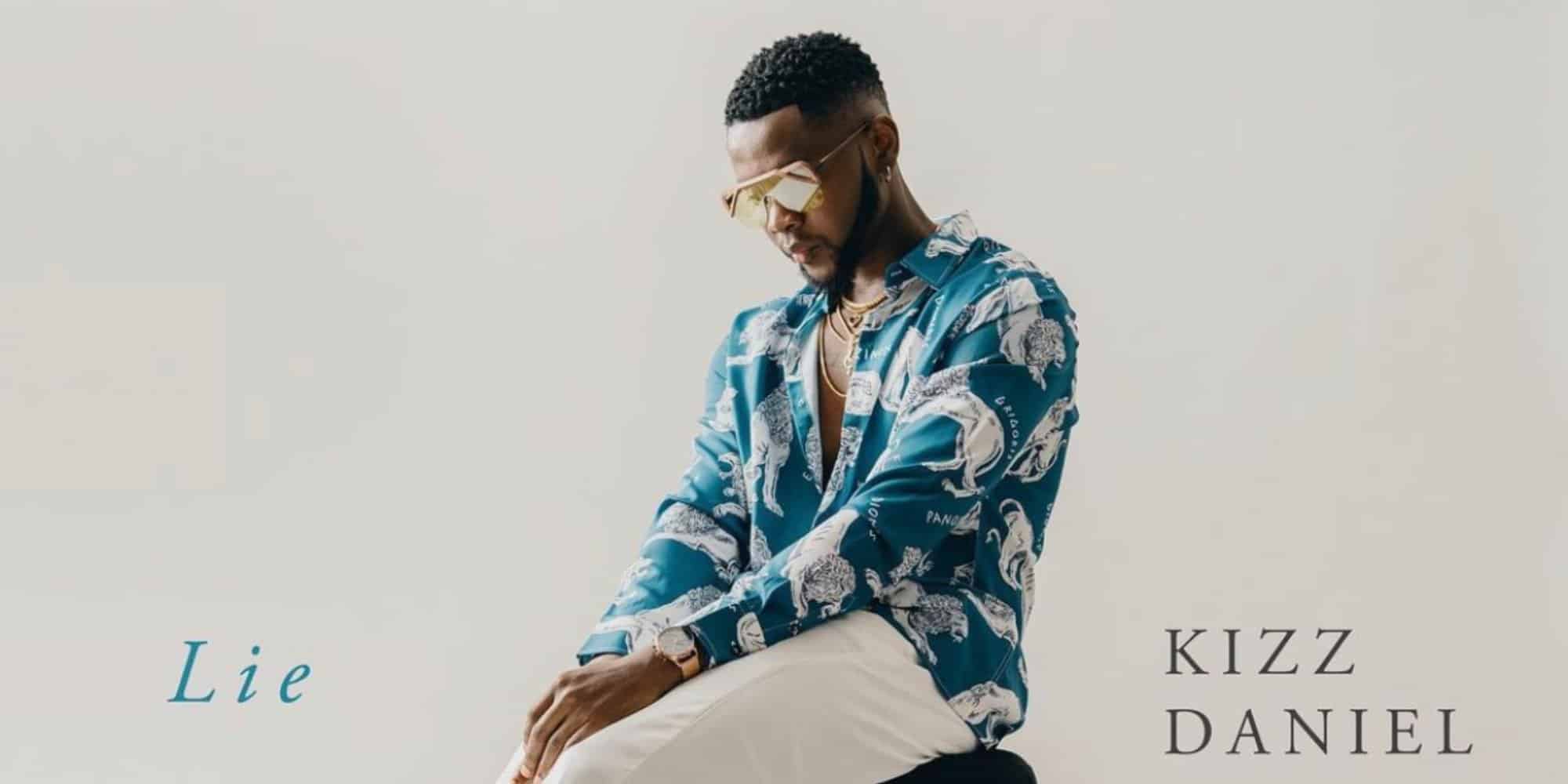
Still maintaining the No.1 spot this week, “Lie” by Kizz Daniel spends its third consecutive week atop the charts. The hit track continues to gather steam across radio and streaming platforms recording the fifth-highest week in the history of TurnTable Top 50. Omah Lay’s “Understand” comes in at No. 2 after it topped the charts for three non-consecutive weeks prior. Rounding off the top 3 is Adekunle Gold’s “Sinner” which moves from its No.4 spot last week.
It’s closely followed by Fireboy DML’s “Peru” which continues to ascend in the charts. This week, the track snags the 4th position and is followed by Wizkid’s “Essence” which has now spent 36 weeks on the charts. AV’s “Big Thug Boys” falls back to the 6th position while Ladipoe and Buji’s “Feeling” retreats to the 7th position after topping the charts for five non-consecutive weeks. Rounding up the top 10 is Buju’s “Outside” which recently skyrocketed from its 17th position last week to No.9and Ruger’s “Bounce” which slips down from No.7 to No. 10 this week.
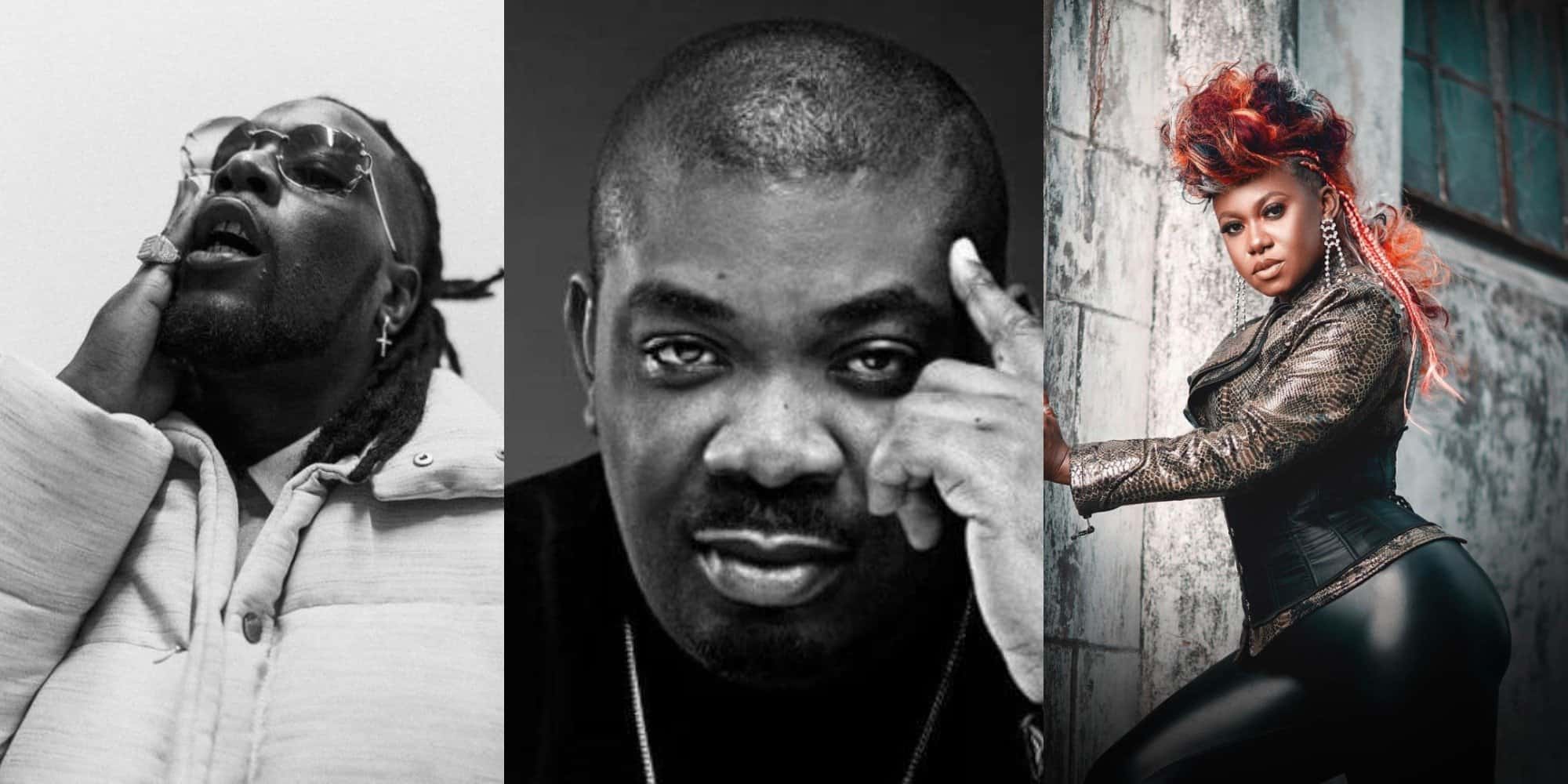
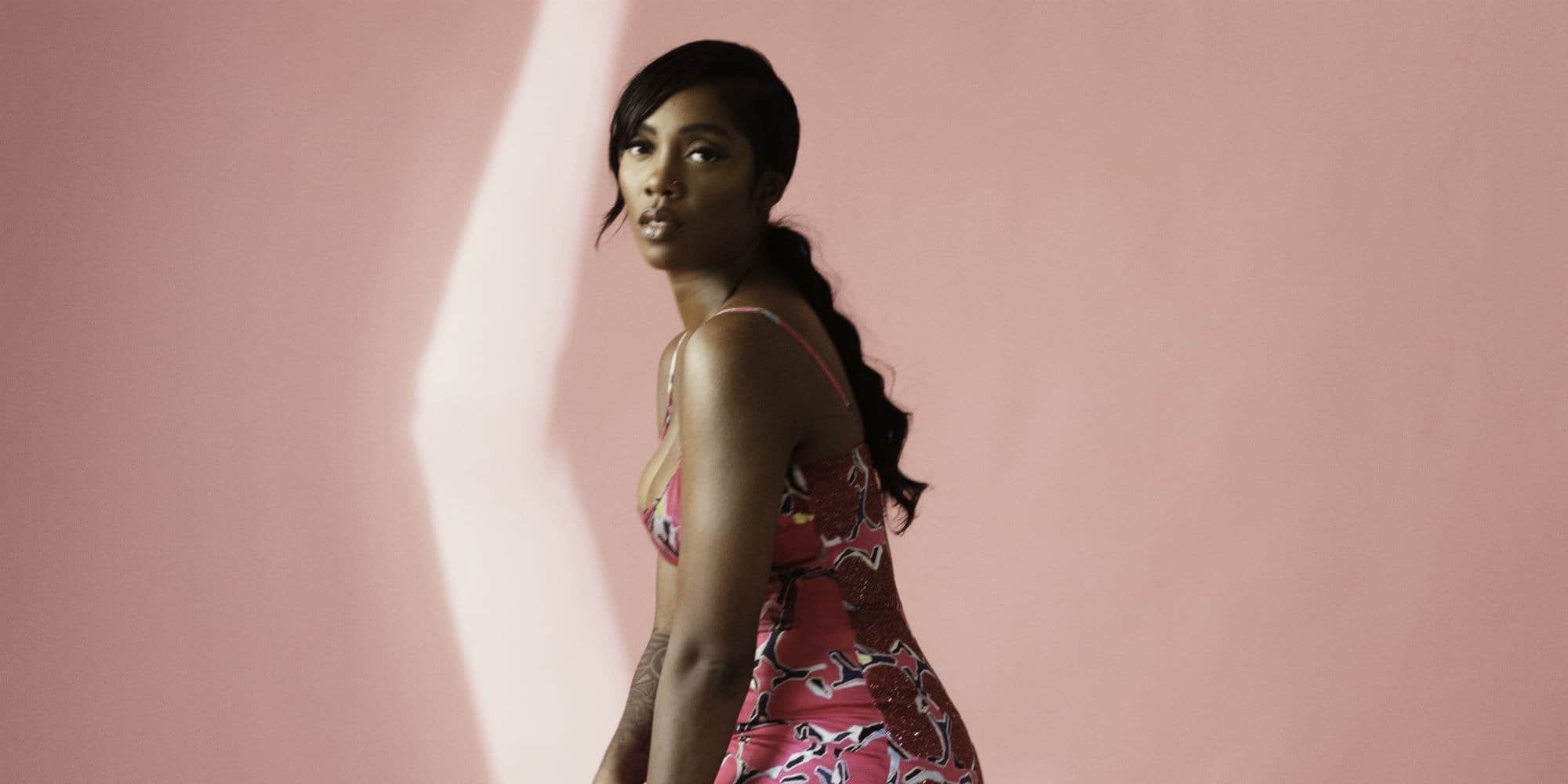
Outside the top 50, Tiwa Savage’s “Somebody’s Son” off her new EP ‘Water and Garri’ debuts at No. 13 with 38 million in radio reach and 357,000 equivalent streams while Burna Boy’s “Question” with Don Jazzy debuts at No. 16 off three days of tracking with 940,000 equivalent streams, 8.05 million in radio reach and 3.86 million in TV reach.
More than most people, the team at The NATIVE knows that the sheer scope of music available to us at this exact moment in human history is mind-numbing but our goal is still the same as always: we don’t want exciting music to be slept on. That’s where our Songs of the Day column comes in. We try to keep our fingers on the pulse of music from across the continent and beyond, bringing you exciting songs from talented musicians who are continuously trying to bounds of artistry with their music.
Song of the day is perfect for everyone who is a pioneer in developing their sound and taste. A tweak here and there in your library is always needed and encouraged. While expanding your music horizons, be that friend that puts others, so they can possess the soundtrack to your mind whilst elevating theirs. Last week, we had songs from Don Jazzy, Burna Boy, Zamir, Niniola, and Show Dem Camp. Today’s column brings you a variety of sounds from Wizkid, Buju, Johnny Drille, Bella Shmurda and more. Enjoy.
Johnny Drille – “Loving Is Harder”
For his first official release of the year, Johnny Drille is back with “Loving Is Harder”. The single is reportedly the first track off his forthcoming album titled ‘Before We Fall Asleep’ and is slated for release on September 3rd. The slow-tempo number finds the singer barring his heart to a lover over the clear and unique production of Wilson Mizuk. Singing “oh my god, this my baby make me go manya/oh my lord, oh my baby set me on fire,” he harmoniously expresses his deep affections towards his love interest in usual Johnny Drill fashion.
Bella Shmurda – “So Cold” ft. Popcaan
Following the success of his sophomore EP ‘High Tension 2.0’, Bella Shmurda collaborates with Jamaican singer and songwriter Popcaan to deliver the subtle mid-tempo track titled “So Cold”. Here, the artist talks about his career and personal progress so far, detailing his life as an artist and the struggle as a young Nigerian over a head-bopping beat. He sings “It’s not easy for me to be me, so many criticism man still dey gbes/Government funny and the people corny, anywhere belle face na him people face”, over a soft but distinct percussive-led beat.
Bella Alubo & Blaqbonez – “Offend Me”
Bella continues her streak of releases with another track, after a plethora of 2021 releases including “Want It”, “Don’t You Go”, her EP ‘Chrystical’ and her Psycho P assisted track “Gba Gbe” amongst others. The alternative R&B/Hiphop artist is back with her stunning vocals in “Offend Me” assisted by Nigerian rapper, Blaqbonez. She opens up the track with sultry melodious adlibs, progressing, later on, to query her love interest for not meeting her needs “Baby why you offend me, you ain’t buying me Fendi/You ain’t buying me teddy, you ain’t buying me Fenty.”
Jinmi Abduls – “Bena”
Jinmi Abduls is here with a new 3-track EP ‘Little Lagos’, his first official release of the year. On this track “Bena”, the artist delivers a stellar performance over the mid-tempo yet tuneful production. This track has the artist making love confessions to his muse as well as describing his love for her in all ways he can; “In the moment I see you girl ori mi wu/so lets fly away so far away, Bena” he sings amorously over the song’s hook.
Ayanfe – “Migrate” ft. Davido
For his first release of the year, Afropop artist Ayanfe is here with a new love tune. On the Davido-assisted track, the artist serenades his muse with his charming lyrics as he sings over the melodious production of the track. On the track’s chorus performed by Davido, he sings “I fit to migrate for your love/ Jagun jagun turn thief for your love/baby I go be dundi for your love” expressing his deepest interest in his muse. Through the track, Davido’s presence is undeniably present with his unique adlibs scattered around the number.
Wstrn – “Be My Guest” ft. Fireboy DML
Cross-continental releases seem to be increasing by the second. This time around, Wstrn and Fireboy DML link up for a new catchy single titled “Be My Guest”. On the Prgrshn-produced track, the artists sing to their respective muses about their affections with lyrics such as “Be my guest, try give me more life/You sure you wanna take this ride”. As usual, the trio brought fun and excitement to the track as they uniquely delivered their verses over a sunny beat.
Maryyx2 – JUMP!! (Remix)
After years of invaluable contribution to the burgeoning alternative scene in Nigeria, producer and videographer, Chukwuka Nwobi is diverting his creative talent into music. Over the weekend, he unveiled the world surrounding his debut single titled “Jump” featuring bad bitches and hi-hat heavy beats. Under the stage name Maryyx2, he releases an ebullient two-pack single featuring the song’s original version and its remix. With a delightful playground of speaker-rattling instrumentation and cheeky bars, the bouncy new track is so infectiously saccharine that it’s already become a standout track for IG’s best baddies.
YKB – “Practice Patience”
After his notable track “Dey Your Dey” featuring award-winning Nigerian singer, Zlatan, YKB has proven to be a force to be reckoned with in the industry, delivering tracks we can all groove to. He is out again with another track that introduces the artist as a talented musician with lyrics “Everybody know, they all know YKB go massacre your show”. He delivers his lines in a mix of Yoruba and English passing a message of endurance as he repetitively choruses “practice, practice, practice patience”. The song almost seems like a message not just for listeners, but for the young artist, as we witness his come up in the industry.
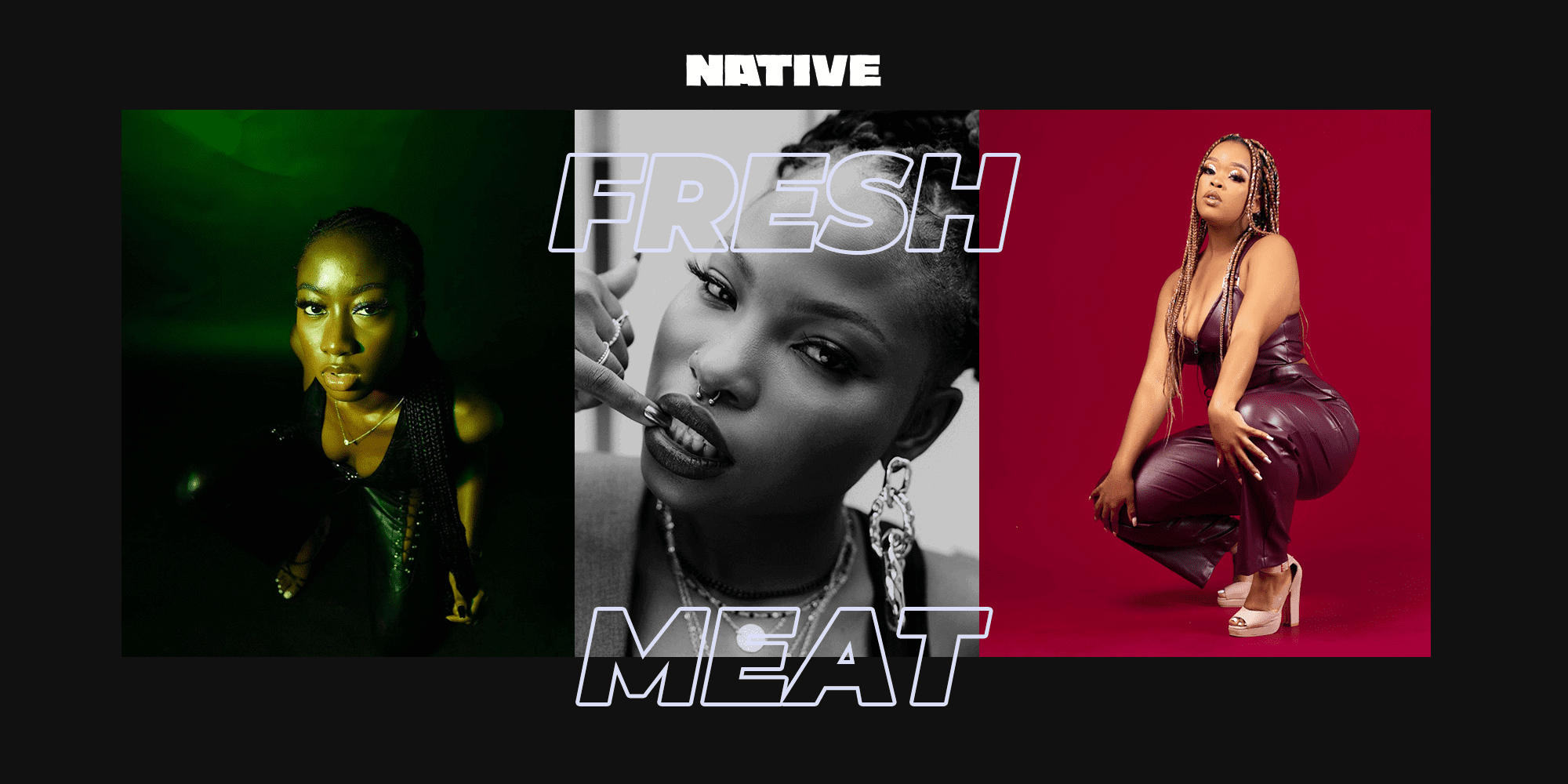
Following the widespread dissemination of the COVID vaccine, exacerbated by our restless desire for freedom, this summer has indulged us in a return to a few of our favourite things. Going on holidays, hitting the club, raging at concerts is no longer a taboo, it’s a luxury that most of us can now enjoy again – albeit at a much higher cost than before. Regardless, this summer has been a refreshing taste of the new world, characterised by a dichotomy of the familiar and radical. The music that has emerged, particularly over its ending months, has been a favourable and accurate reflection of this summer’s wholesome tone.
In the mainstream, experimental sounds and traditional grooves have been delivered through an array of musical vessels. We’ve had debut albums, conscious albums, deluxe albums, record-breaking singles, crossover singles, not to mention joint projects and double releases. Our faves – from Dave to Drame, Wizkid to Ayra Starr – have given us an abundance of good music to soundtrack our summers outside. And underground too, emerging artists have provided us with a heavy dose of nourishing music to discover and devour. Prepping for takeoff throughout their nascent careers, the stamps our August Fresh Meat cohort are earning now have been years in the making; but, in our eyes, as the year winds down, these artists can only expect a higher course.
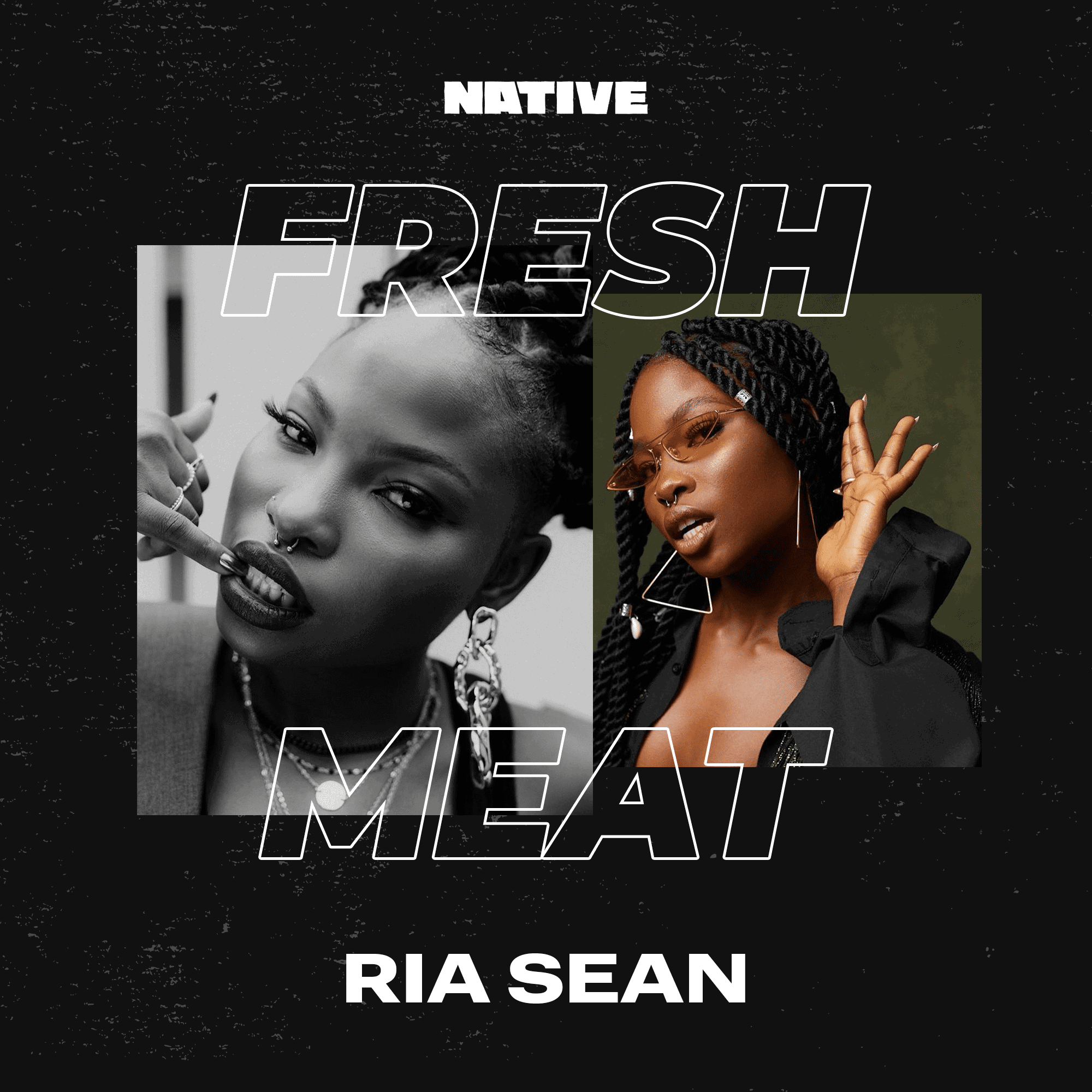
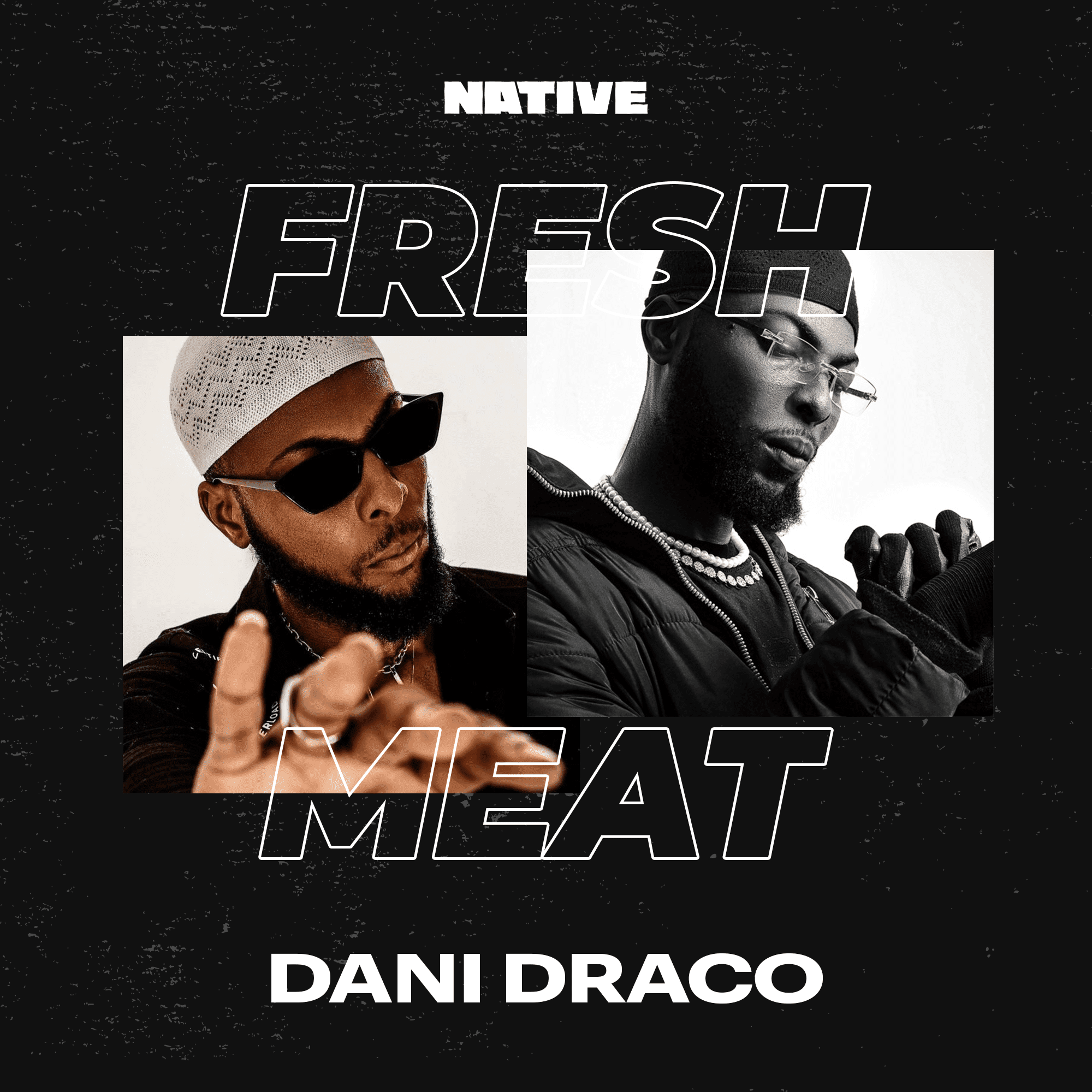
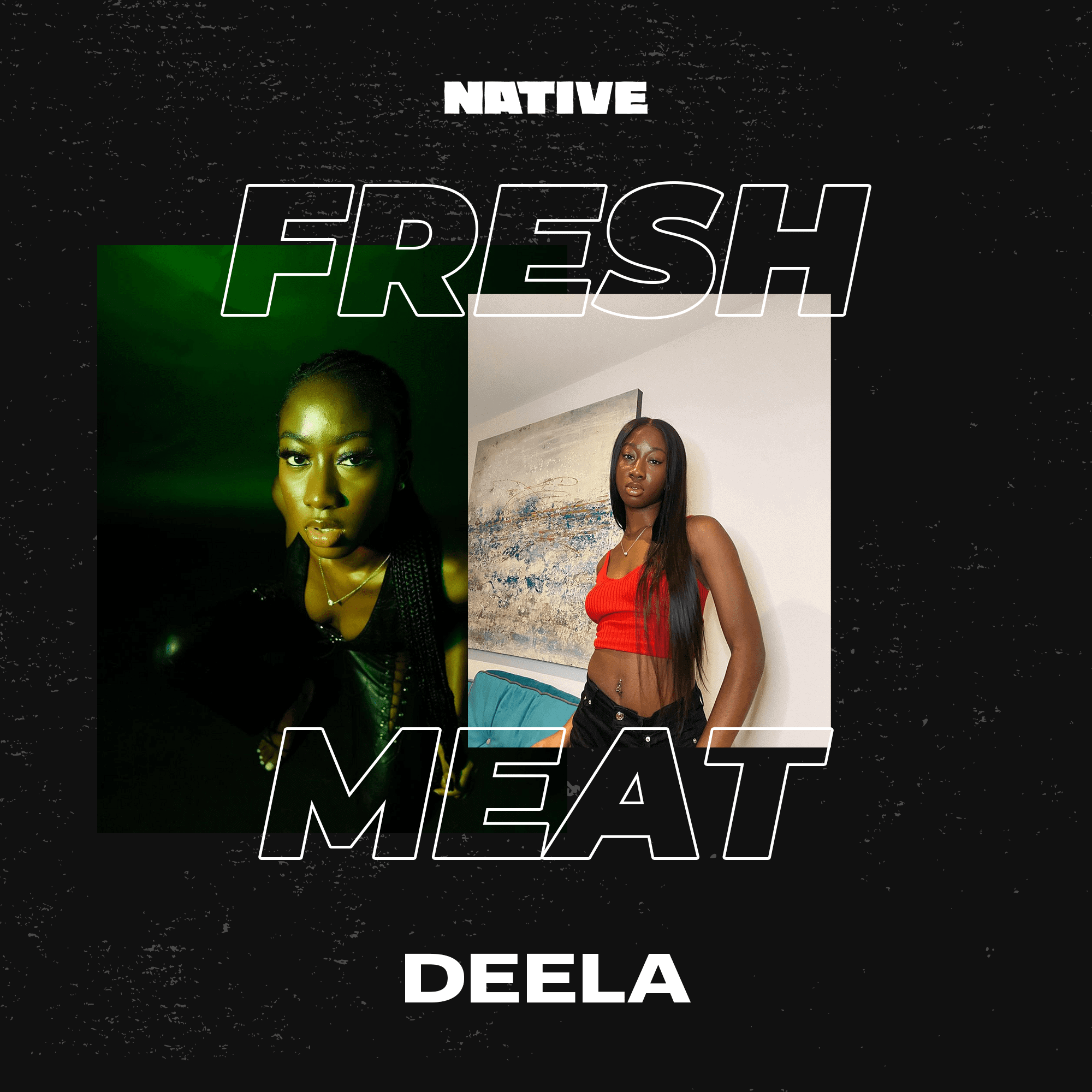
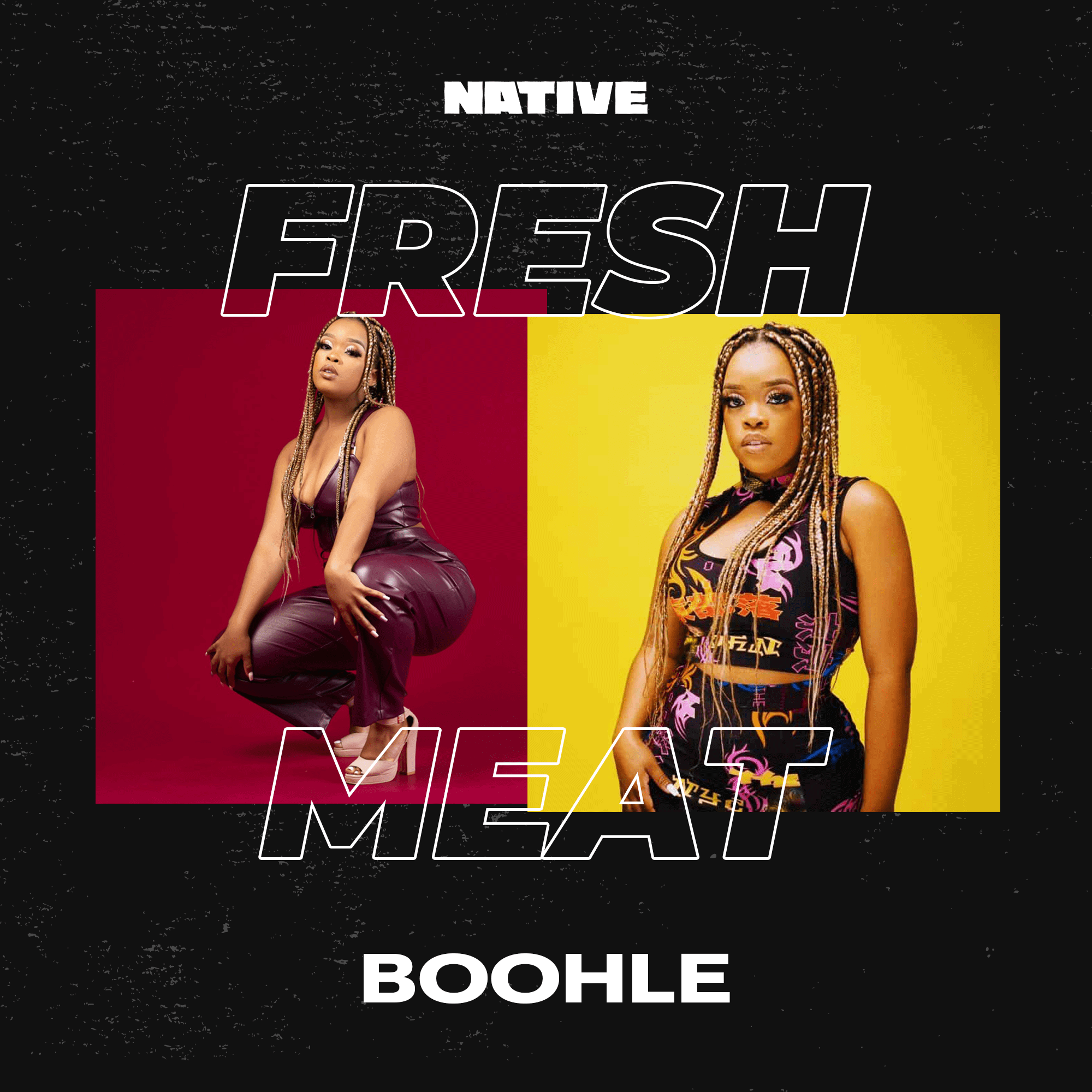
Dani Draco, an engineer turned lead artist is prepping Ghana for his mainstream ascent with his recently released debut EP, Higher Life. Whilst in Nigeria, Deela’s debut ‘Done Deel’ adds to the canon of the fondly nicknamed Rap Girlies, giving the movement an even greater footing within the alternative music scene. As Amapiano’s front runners continue to penetrate global sound, Boohle is already ushering the next generation of the genre’s hitmakers, solidifying her position with an EP titled ‘Sfikile’, released just a couple of weeks ago. Joined by Nobuhle, AV, Candy Bleakz, BadTheSoundBoy and Ria Sean, as the year runs out, these Fresh Meat are artists you’re going to want to look out for!
AV
It’s no surprise that TikTok has become one of the world’s most engaging marketing platforms since it peaked during the lockdowns in 2020. The socially distanced periods created ample room for digital content creators all over the world to curate expressive and engaging content with their craft which has invariably spun a new class of comedy stars from Elsa Majimbo to Khaby Lame. While TikTok has been a beehive for new content creators, the social networking app has also spun new music stars when songs have gone viral on the platform. Over time, recording artists have used this platform as a marketing tool to garner support from their audience and important industry players alike, fashioning a new way to source out the hottest names in music at the moment.
In these parts, the rise of apps such as TikTok and Thriller has been slow and steady in the rise of emerging new acts. Earlier this year, Styles’ “Loose Guard (I See I Saw)” blew up on the platform, not only introducing listeners to drill’s first foray into Eastern Nigerian but also the sprawling reach that TikTok could possess over the music and entertainment industry. Since then, TikTok’s popularity has only grown in reach, assisting other newcomer artists to boost their platforms. The latest act to enjoy this feat is Nigerian singer AV who’s single “Big Thug Boys,” has enjoyed a newfound virality since its release this year. Born Adindu Victor, the singer, songwriter and performer garnered his rise to fame when his single “Big Thug Boys” took over the African charts including the official TurnTable Top 50 Charts. It peaked on TikTok just three weeks after its official release and has only risen in the charts since then leading everyone to question “Who exactly is AV?”.
AV’s career began long before his TikTok fame. The singer was actually born into a musical family as his father was a guitarist. This only served to bolster AV’s musical abilities and nurture his love for music at a very tender age. In 2018, he moved to Lagos and officially began his music career while in the budding creative scene. However, it wasn’t an easy feat as he struggled to make a name for himself and garner loyal fans. Two years later, in April 2020, he released his debut single “Temperature”, a mid-tempo Afrobeat track that finds the artist talking audaciously about the trials we face as Nigerians seeking to make ends meet in a corrupt system. He followed this up with his sophomore single, “My Song” in December 2020, and shortly after, he released a freestyle that only continued to stoke the flames of his star power. “All these songs led up to the success of his hit single “Big Thug Boys”. The idea was to find the best ways to spread the song and TikTok was definitely an option. I knew it was a good song but I didn’t think it would blow up this much or go this far,” he shares with the NATIVE. His sound is a mix of trippy Afrobeat, Hip-hop, and a dash of trap, a new sound for the world to accept and for the new generation to relate to on an infinite scale. The standout artist AV is one to definitely look out for as he seems to have a very promising future.
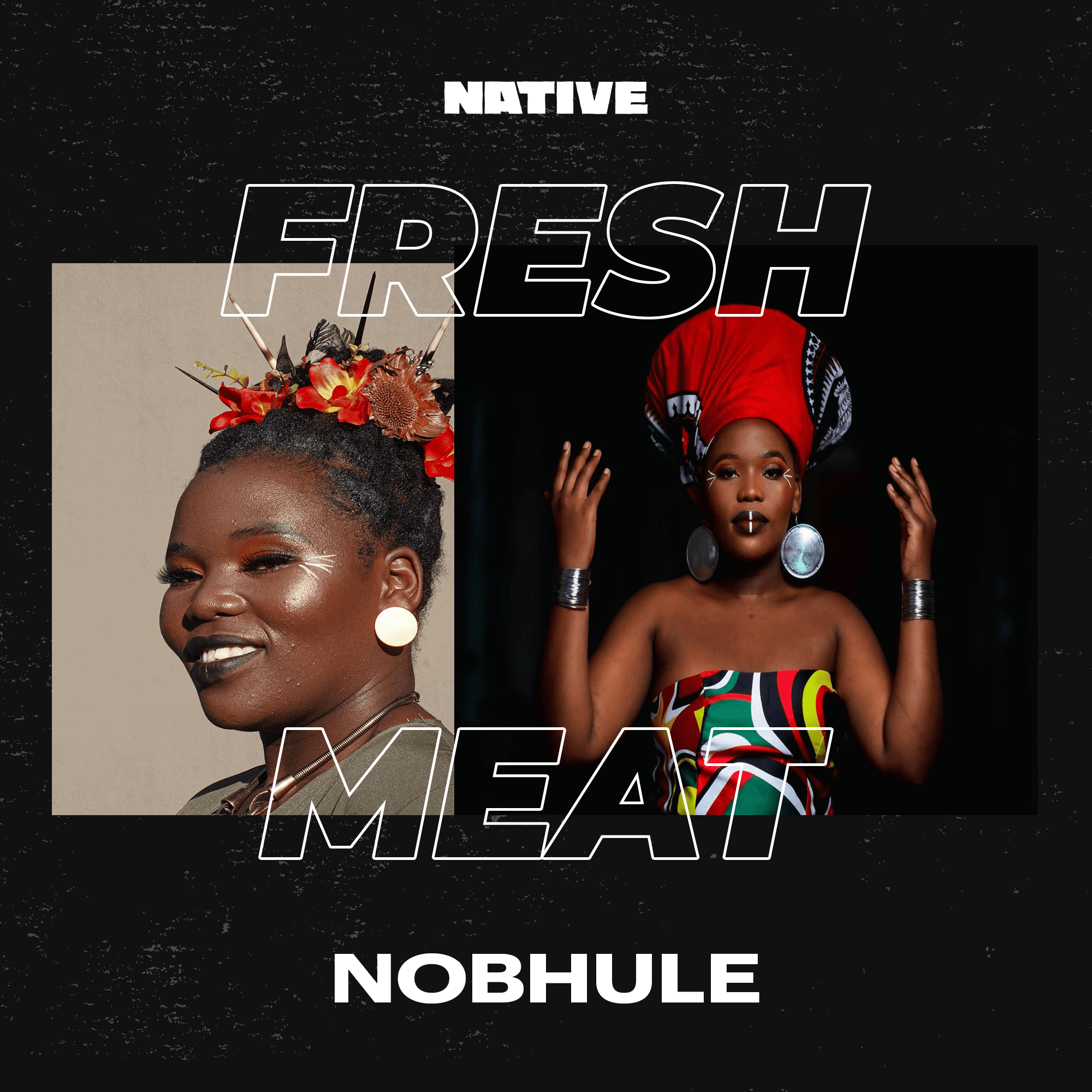
Nobhule
South African singer-songwriter Nobuhle owns a voice that will stop you in your tracks. This sort of description is often reserved for belters that can bring the house down, but while her voice may hint at a similar capacity, Nobuhle’s superpower is in her ability to radiate warmth. Placed in the middle of the first part of Sun-El Musician’s double-sided sophomore album, ‘To the World & Beyond’, her performance on the standout track “Never Never” was nothing short of phenomenal. Slithering over Sun-El’s rolling percussion and dreamy keys, the South African star sings with a zen-inducing breeziness that will capture even those who don’t understand her isiZulu lyrics.
Prior to this stunning feature, Nobuhle’s catalogue only consisted of her official debut single, “Always With Me,” alongside a feature on Black Motion’s “Hosanna.” Her stint with Sun El Musician, however, is not uncommon. The producer/DJ is known for being a catalysing factor in the careers of several proteges and collaborators, including Simmy, Mthunzi, Fresh Meat alum Azana, and more. Nobuhle is his latest co-sign, and for good reason, she fits into the mold of soulful singers he has a knack for working with. Boasting a working relationship with one of the most singular producers in SA’s dynamic House scene, along with access to other El World affiliates, Nobuhle is in a premium position to maximise her potentials – and she’s well on her way. In March, she released “Phezulu,” genuinely one of the most gorgeous songs to come out of the continent this year. Produced by Kenza, one-half of El World-affiliated production duo Claudio X Kenza, Nobuhle’s voice evokes a sense of bliss that feels paranormal. With a scenic video that doubles its awe-inspiring effect, “Phezulu” epitomises the singer’s ability to meld catchiness and soulfulness into an affecting whole, regardless of listeners’ ability to understand the content in her lyricism. Where her debut single, “Always With Me,” laid out a significant portion of its lifelong romance sentiments in English, Nobuhle’s recent singles have leaned far more into her native tongue, indicating her dedication to expressing herself as authentically as possible. Besides, great music crosses lingual barriers.
On September 24, she’ll be releasing her debut album, ‘Imvula’, a 15-track project set to include “Phezulu” and other recent singles, including “Kuvaliwe” with Yallunder, the Black Motion-assisted “Eloyi,” and “Sawubona” with Sun-El. All three tracks bristle with soul, indicating a fluid mix of House and Afro-Soul. Considering the successes of her immediate colleagues – Simmy and Azana – there’s enough precedent to suggest Nobuhle is a surefire bet to consolidate on her status as a breakout star.
Ria Sean
Born Gloria Asene Enebi but popularly known as Ria Sean, Aristokrat’s latest signee is a force to be reckoned with in the landscape of emerging female pop stars. The Nigerian singer-songwriter has been on her music quest since she was a young teen, however, it was dancing that provided the singer with her first footing in music. Back then, while she enjoyed creating dance steps to her favourite songs, she quickly discovered her passion for music during her time in her church choir. A 16-year-old Ria would go on to write her own original lyrics and make covers to already released numbers, endearing her to a growing audience who tuned in to her every move.
In 2017, Ria released her first EP, an 8-track set that featured songs like “Selfish” and “Spring”, two delectable numbers that showcased her stellar penmanship and her sweet-sounding voice. It was at this point that she began to gain traction and earn herself a following on social media. A few years later, Ria’s star power was eventually recognised. Earlier this year, all the years of Ria’s dedication and hard work paid off when she became one of the first artists to be signed in the recently formed partnership between Aristokrat Records and Universal Music Group, along with her label mate, Jujuboy Star. Shortly after this announcement, Ria Sean struck back with the release of her first project under the new record label deal.
Her latest effort ‘Fluid’ is promised to be a versatile blend of stories, sounds and vibes, which is exactly what Ria delivers over the project’s 6 tracks. Speaking about the EP, Ria Sean explains “I want people to listen to this EP and understand that it’s okay to be multiple versions of yourself because that’s what makes us all special. Having different sides to you isn’t weird, it’s sexy, it’s bold and it’s beautiful. With the different sounds we’ve put together on this EP, I want you to hear my fluidity”. In this light, ‘Fluid’ delivers good on her promise, showcasing the newcomer in different stylistic lights as she melds and crafts genres to her doing. On the promotional single “Money Bag”, Ria is at her most playful, demanding her share of the national cake by audaciously demanding her dues from naysayers and critics alike. It’s closely followed by the romantic single “Satisfy My Soul”, which finds the singer baring her heart out to a love interest, pleading for their love and affection which satisfies more than just her heart but even her soul. “Pin Me Down” shifts the focus on her creative output yet again, this time finding the singer at her most sensual, as she addresses a muse on how she would like her desires met. By the project’s final track, “Stamina,” Ria has shape-shifted yet again, turning her focus to her innermost thoughts. Here, she delivers a clever double entendre where she is able to discuss the stamina needed to stay ahead in the rigorous game of the music industry and that required to keep going for rounds and rounds during sex. It’s clear that Ria Sean isn’t mincing her words for anyone, she’s here to show that women like herself can be as diverse and multifaceted as they wish to be without the constraints placed on them by society, family, work, etc. ‘Fluid’ is an aptly-titled project from an artist who is just leaving behind the nascent stages of her career and stepping into her star-defining moment. We can’t wait to see where Ria continues to take her artistry.
Dani Draco
Without any hints of hyperbole, Dani Draco is a musical polymath. The Ghanaian artist’s range of abilities encompasses production, engineering, songwriting, and singing. Learning the behind-the-board tricks, Dani initially focused his earlier creative energy on producing and engineering, setting a formidable foundation for his increasingly promising career as an all-around Afropop act. After a few years working in proximity of the spotlight, ghostwriting songs for other artists, and performing backup vocal duties, he took a definitive step with the 2019 release of his official debut single, “Trouble.”
A sultry bop that melded an R&B tenor with an Afro-Caribbean sheen, “Trouble” introduced Dani to a widened audience as an artist with a unique take on a recognisable genre-mashing sound. It’d take nearly a year for him to follow up with “Ready,” a Moor Sound-assisted cut where he touted his self-assured mentality over ticking hi-hats and head nod-inducing bass. The resurfacing showed a new dimension to his skill set, and he continued to explore it on “Paradise,” the euphoric collaboration with fellow Ghanaian artist $pacely. To close out 2020, he shared “Sad Boy Flow,” where he showed a previously locked vulnerable side to him, without dulling his established suave persona.
Dani Draco is not exactly prolific, but the thrill of his spread-out releases is in how it unveils layers to his artistry and person. Already an enjoyable artist to listen to, with an ear for captivating melodies and hands primed for crafting slinky, feel-good beats, this pattern of self-improvement on every new drop indicates Dani is comfortable with consistently working his way into becoming the best version of his artistic self. Recently, he shared his debut EP, ‘Higher Life’, a short but effective statement released in collaboration with the classic Highlife record label, Essiebons. On the entirely self-produced four songs – “Trouble” included – Dani strings together Caribbean Pop, neo-Highlife, and R&B into a breezy whole, a fulfilling piecemeal that hints at an even more productive future.
DEELA
DEELA’s journey to a rap newcomer began back in 6th form when she would write raps in between classes and breaks. Armed with a youthful outlook on life and an unfiltered sense of confidence, the budding rapper has continued to carve a space for herself in the current zeitgeist of powerful female emcees unabashedly putting themselves on and inverting the male gaze to their benefit.
Making her arrival on the scene last year during the socially distanced lockdowns with her debut self-titled EP, DEELA has continuously championed an empowering message that can never be misconstrued, all thanks to her snappy raps and her rapid-fire quips. In the earlier stages of her career, the London-based rapper drew a majority of her inspiration from Nigerian artists like MI, Naeto C and international pop stars such as Rihanna, Beyoncé and more, which she watched on MTV while growing up. Her list of inspirations has only grown as she’s ascended in the music industry and rubbed shoulders with her former icons, culminating in her first-ever live performance last month with Homecoming and Manchester International Festival.
For her latest mixtape, ‘DONE DEEL’, DEELA can be seen minimally featuring artists in an attempt to let her voice and message shine through individually. “I thought this is my first proper tape so I wanted my sound to speak for itself before I started to feature people. ‘DONE DEEL’ features 11 tracks that showcase the artist’s clever wordplay and her ability to draw listeners in with her razor-sharp lyrics, leaving them feeling as confident as ever. Track after track DEELA expresses her love/hate relationship with men making sure to let us all know she’s done with all the bs. Not just from men, but also from anyone that tries to take her for granted. As we see on “FIT”, assisted by T6lu, DEELA is self-assured as she asserts herself in memorable lyrics “I’m no regular bitch/so I know these bitched mad” and “He hooked on that DEELA potion/guiding him like a devotion”. She delivers similarly exceptional performance on “GET A GRIP” where she sings with her sultry vocals over a booming trap drum as she explicitly states her physical needs. Her moment comes full circle when she discovers that “CHAINS” was produced by WizzerOnDaBeat who also made Flo Milli’s top hit “Pussycat Doll”, one of the inspirations behind the creation of ‘DONE DEEL’. As the artist continues to grow, we can expect music videos and more features with her fellow Nigerian female rappers.
Boohle
As Amapiano continues to excite audiences the world over, the sound – and tangentiality to it – continues to mint new, must-listen-to voices by the day. Rising singer, Boohle is one of these urgent voices. Close to the midpoint of this year, South African hip-hop giant, Cassper Nyovest, shared “Siyathandana,” a sweltering summer jam that quickly became one of the most popular songs in the rainbow nation. The core of “Siyathandana” is built around the enchanting vocals of Boohle who recorded the song during a visit to Nyovest’s mansion, but it would be remiss to view the success of “Siyathandana” as the only feather in Boohle’s cap, the singer has been building up to this moment for a while.
Born to strict Christian parents in the township of Vosloorus in Gauteng, Boohle formed a group with her siblings growing up before her airy vocals and melodic coos meant that she was conscripted into a number of choir groups. But her route into professional music-making started to be paved in 2017 when one of the founders of the influential music group, Tshwane Gospel Choir, drafted her into the group, helping to direct her voice and put her through the process of melody formation. A little while after, Boohle began experimenting with House, Afropop, and Kwaito instrumentals in a bid to expand her capabilities. The complexities and splendour of such a wide musical note intersected on her debut album, ‘Izibongo’, where she sang about her life, the growing up process, and dealing with the shifts in her life across the project’s runtime with “Wangkolota” serving as a particular highlight.
Snuck into the middle of Izibongo and her latest four-track extended play Sfikile is Umbuso Wabam’nyama, a collaborative project with Josiah De Disciple that included the hit tracks “Mama” and “Buyisa.” The music on Wabam’nyama is ephemeral and sees Boohle’s long-winded singing finding balance in Josiah’s sturdy delivery. ‘Sfikile’, released two months shy of Wabam’nyama is Boohle’s most outward-facing project, seeing her show her chops over dance-ready production that has depth to it. From project opener, Amawaza, featuring Busta 929 and Mpura, her featherlight voice straddles the beats akin to her delivery on “Siyathandana,” showing a fresh bow to her strings. Love, heartbreak, and romantic redemption power ‘Sfikile’ and nowhere is this more on display than on single “Pillow Talk” where Boohle floats in and out of the margins of a shimmering Amapiano instrumental to express desire without overstressing the melodic essence of the track. Across four tracks, the singer shows that she is ready to take the next step to pop superstardom.
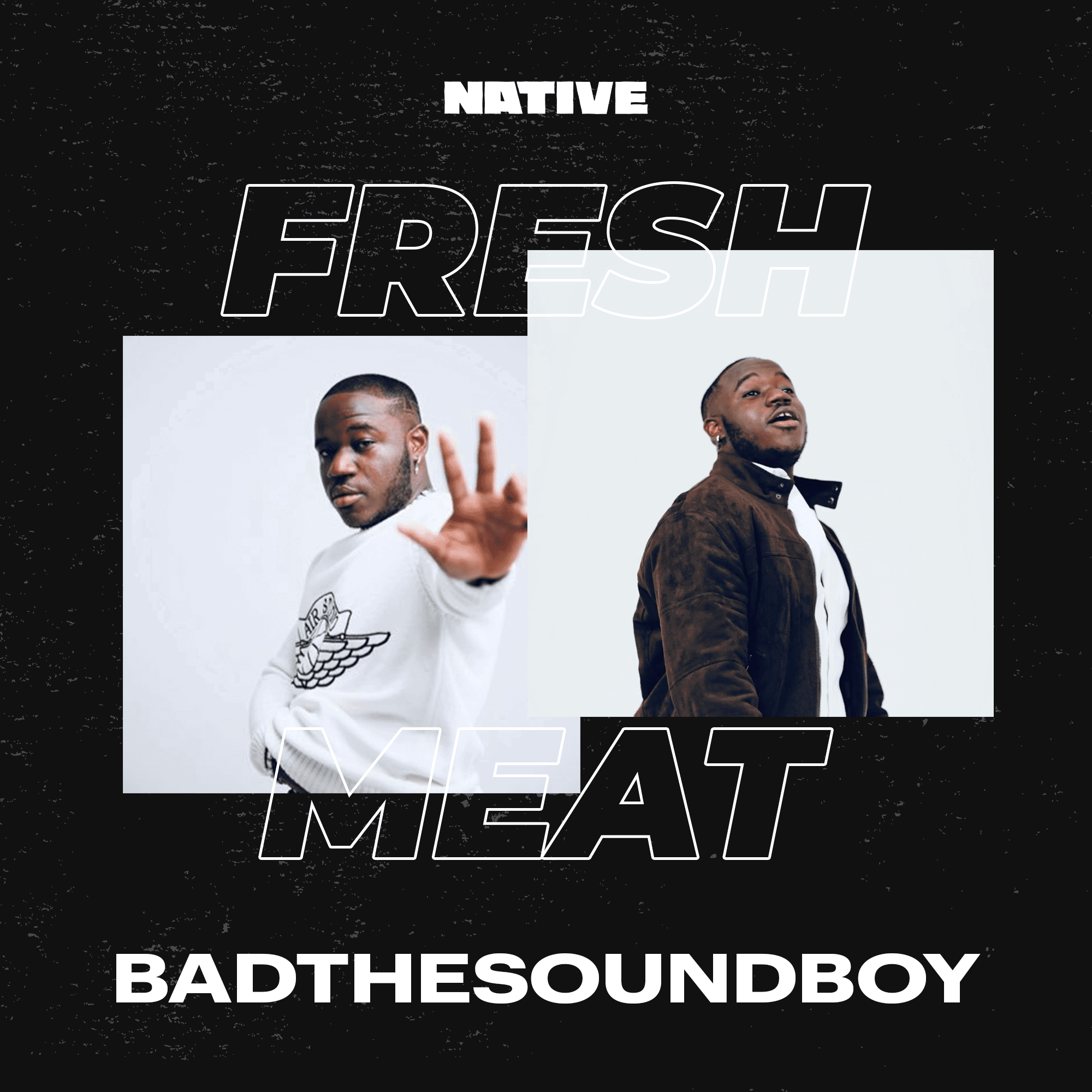
Badthesoundboy
The trope of segueing from record producer to fully formed artist is one that isn’t uncommon in the music industry. Throughout history, producers have continuously stepped out from behind the boards and taken on more active roles in their music career by making their debuts as solo artists capable of holding their own and keeping the fans interested. From DJ Khaled to Pierre Bourne, producers continue to provide a malleable framework that continues to be emulated around the globe, fashioning new ways for listeners to enjoy music and connect with their favourite artists. In these parts, Nigerian newcomer and producer, BadTheSoundBoy is the latest beatsmith to step out from behind the board and step into his burgeoning career as one of Afropop’s most romantic crooners.
Born Ifiok Nkewerem Albert, the rising star captures and tells his life story through poignant and relatable tales that speak to the core of his being. His love for music peaked when he started listening to artists such as Wande Coal, Fela Kuti and 9ice during his formative years, empowering him to get behind the mic and pen his own heart-rendering lyrics. Juggling a university degree and a music career is never an easy task so BadtheSoundBoy would spend most of his years in uni getting hip to the game and learning how to orchestrate his own stellar productions. By the time he decided to delve deeper into the world of creativity and discover more about his artistry, the singer realised his innate capabilities and played to his strengths. Over the past few years, since his graduation from university, the Lagos-born star has delivered eclectic productions for the likes of fellow African artists including Kida Kudz, Skillz 8Figure, Fasina and more.
BadtheSoundboy may not have much music out at the moment, but the songs he has released over the past year are a ferocious and clear indicator of an artist who has a whole lot to say. Earlier in the year, he released his debut solo EP titled ‘Bad For You.’ The succinct 6-tracker finds the singer speaking on topics such as love, affection, intimacy, family and much more. Self-producing all the numbers by himself, the talented beatsmith also introduces listeners to what he’s capable of as a solo artist. The EP is heavily infused with highlife melodies allowing the singer to merge both sides of his artistry seamlessly, and provide ample space for him to take full control of his sound and deliver consumable Afropop tunes. On standout track “Joy”, he’s at his most vulnerable, imploring listeners to find joy even in the midst of trials. The artist himself reveals how he’s lost his father, how his mother struggles to make ends meet for him and his siblings, and how he’s constantly grinding to make a name for himself. Despite all these tear-inducing experiences, Bad is armed to the teeth with affirmations for himself and for listeners, reminding them that even the worst of us can find reasons to be joyful. This endearing message carries on to other tracks on the EP including “O Dun” where the singer shows off his more romantic side, addressing a lover directly about his undying affections for her. With a deft conceptual eye and a knack for melodies, Bad provides an unmissable case for his growing artistry, emulating the confidence of one who has shucked the trappings of one life to begin another.
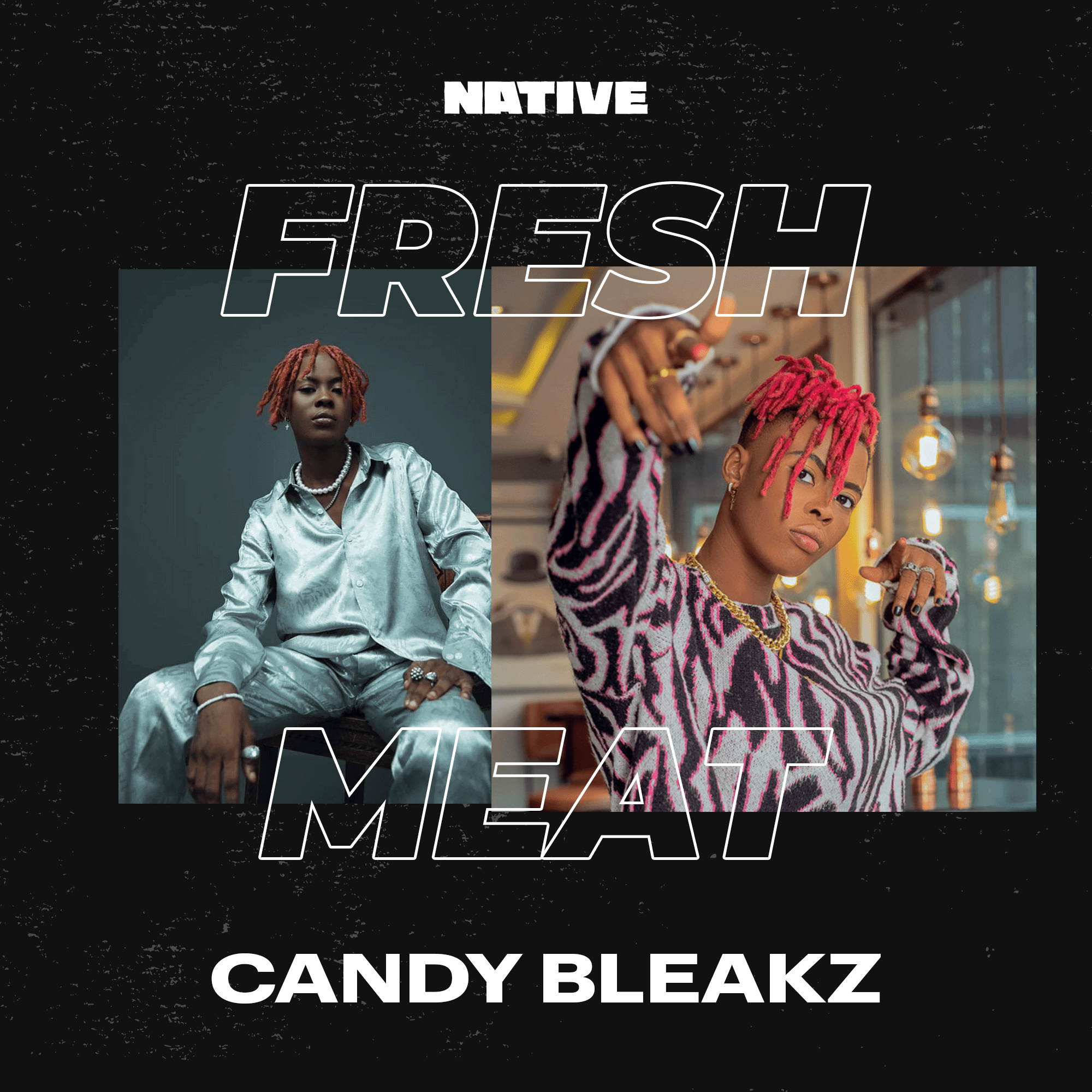
Candy Bleakz
Drawing inspiration from the fuji music played by her stepfather, Candy started making music as early as 2013 when she was in Olabisi Onobanjo University, but it wasn’t until 2015 that the artist decided to take music seriously and go into it professionally. However, the street pop artist had her career skyrocket to new heights when she uploaded a viral freestyle to Instagram in 2018. Naira Marley, popular for several chart-topping street pop hits such as “Mafo”, “Japa” and “Coming”, recognized Candy’s unique abilities and sent her message after watching one of her freestyle videos. They set a date to record and that conveniently happened to be the day Zlatan was in the studio. Their collaboration gave birth to “Owo Osu” in 2019. As the artist’s works and talent evidently speak for itself, Candy snagged a feature with Teni The Entertainer earlier this year when friends of Candy’s at Dr. Dolor Entertainment told her that Teni couldn’t stop gushing about her. After multiple studio sessions, the pair created a street pop hit, “Baba Nla.”
The artist’s dedication to her craft exceeds beyond her lyrics but also to the persona she has created to match the message she communicates. She shares that she is very unlike the persona she has crafted for herself “In my music, I try to form a bad girl. I’m not really a bad girl. In my music videos specifically, I try to get a gangsta look to match my vibe. I still think I’m a gangsta though haha.” She recognizes her growth over the years attributing her progress to her mature understanding of lyricism and sounds sharing “When I hear a beat I know what I want to do. I’m more straightforward and I always try to make sure all my music has the specific information I’m trying to pass.”
For her upcoming EP, Candy promises versatility, delivering heartbreak anthems and party jams. She also recognizes that her brand has great potential and this EP is an attempt to show people that Bleakz is more than what they’ve seen thus far. “I think this EP is about me telling people that they need to pay more attention to me. They need to see more.”
Featured image credits/NATIVE
Written by Ada Nwakor, Adewojumi Aderemi, Dennis Ade-Peter, Nwanneamaka Igwe, Wonu Osikoya, and Wale Oloworekende Tami Makinde
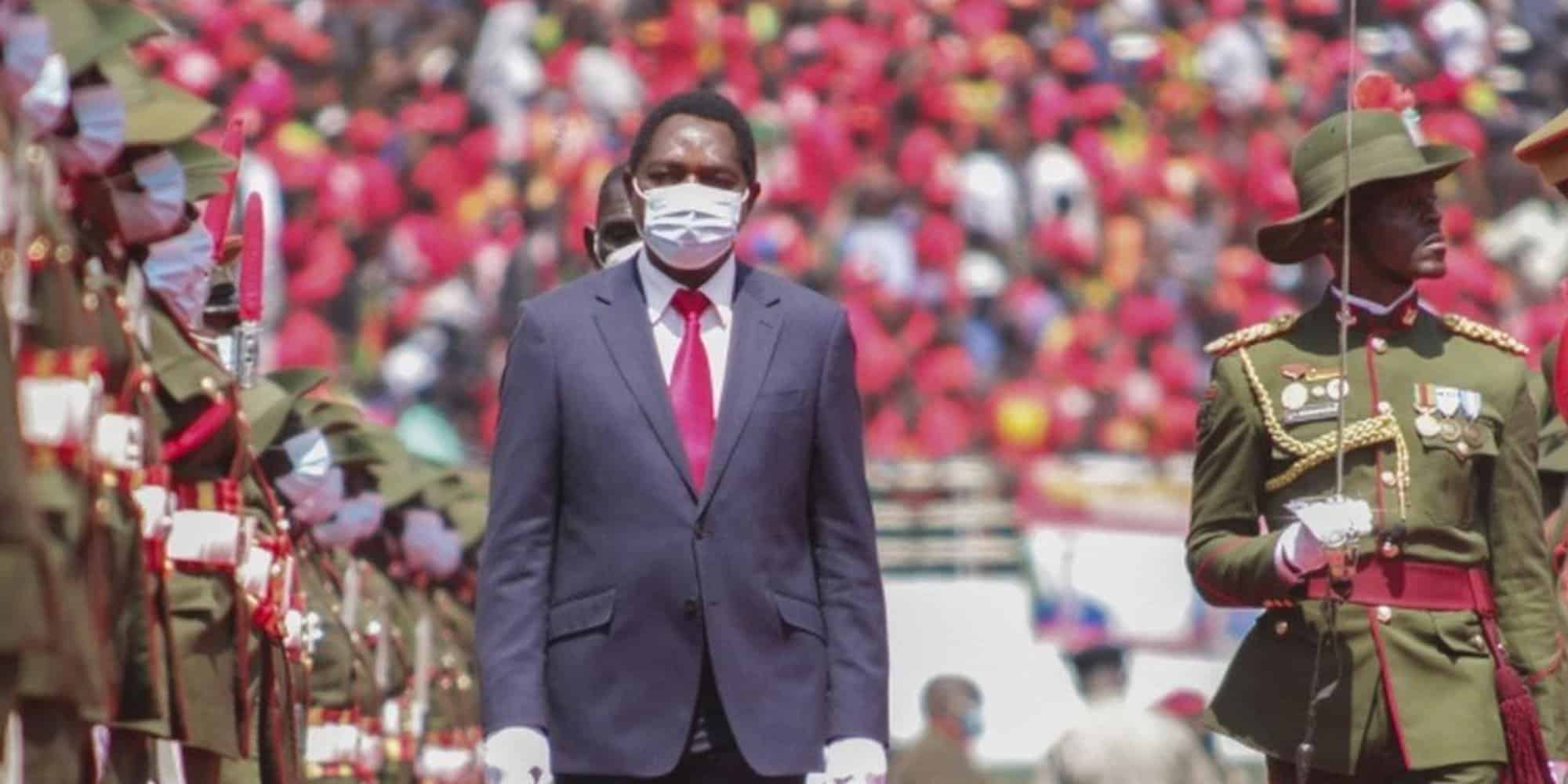
Amidst an eroding economy and high levels of poverty, earlier last month, the people of Zambia realised the strength in their numbers and the need to constitutionally replace its immediate past president, Edgar Lungu. On Aug 12, 2021, the voting populace officially elected opposition candidate Hakainde Hichilema into the country’s highest office to great acclaim. Inaugurated barely two weeks from the elections, Hichilema’s win represents a renewed sense of hope following tangible dissatisfaction with the ousted administration.
Former President Edgar Lungu entered the presidency through a 2015 bye-election, following the passing of former president Michael Sata. A year later, he won the re-election for a five-year term, running under the banner of his predecessor’s political party, the Patriotic Front (PF). During his over six-and-a-half-year tenure, Lungu’s many social, political and economic policies and measures, outlined while running for office, were arguably never fulfilled. In face of these failed promises, his term was also plagued with unprecedented levels of corruptionand money laundering.
The mission of the PF manifesto reads: “To run a democratic government with opportunities to make every Zambian count, especially the youth, women and persons with disabilities.” It’s a noble approach to the country’s democratic system, but the deleterious implementation could debatably be the reason why the people of Zambia lost faith and lost trust in the then ruling President, leading to the collective decision to vote for change.
Looking back on the years under the rule of former President Edgar Lungu, and exacerbated by the adverse effects of the Covid-19 pandemic, the Zambian economy fell into a deep recession, one which allowed international donors and investors to lose a significant amount of confidence in the copper-producing country. In 2021, the country became the first African nation to default on international loans during the pandemic, increasing the international debt by an egregious amount. Even before the pandemic, macroeconomic challenges were already being felt across the country, with key indicators including high inflation in the market, widening fiscal deficits mostly linked to funding ambitious infrastructure programs, failure to keep government expenditure within manageable limits, and unsustainable debt levels.
This meant that for many years of his tenure over half the population of the country were living below the poverty line while the wealth gap disproportionately widened. It is worth mentioning that the PF’s manifesto also includes, “close monitoring of debt sustainability benchmarks in order to zero default on external debt, as well as, the establishment of a sinking fund to cover external debt maturities.” Neither of these promises were fulfilled to the electorate which voted Lungu in. With a significant decrease in the job opportunities in the market, Edgar Lungu gradually lost the support of a large majority of the registered voters in this years’ election – the youth.
Today, Zambia’s youth population comprises more than 54% of the total voter turnout, and they proved the strength in their numbers after a year of seismic political and social change worldwide. Many of these youth remained highly disgruntled and jobless under Lungu’s regime, especially as economic conditions worsened rapidly. In his inaugural speech, incumbent President Hichilema promised to focus on the underserved and overlooked youth population, stating: “We will aggressively promote the creation of jobs and opportunities that will create wealth, especially for our youth, women and indeed all the citizens.” While it will take time to see some changes, many young Zambians were hopeful for the change in transparency and governance.
A queue of voters on election day (Image provided by Benazir Mirza)
Last month, over 2.8 million people of Zambia found their voices despite widely reported discrepancies at various polling stations around the country. Despite a clear effort to manipulate the final results, polling stations dotted around the country were still overflowing with eager voters, ready to change the face of democracy and choosing to put their trust in a new president, but it was not without resistance from the incumbent. This would make the third time that power has shifted peacefully from a ruling party to the opposition since the southern African country’s independence from Britain in 1964.
However, Lungu’s administration put up a final act of detriment to the free and fair elections by orchestrating an interference with mobile network services. The Internet was shut down across the nation, blocking smartphone users from accessing social media platforms. Poor network signal for calls made it difficult to stay connected to loved ones during one of the most memorable election periods in the nation. If any citizen had a doubt in their mind whilst standing in a line for more than 3 hours about who to mark X for, this act would be the biggest factor in decision making, with many aligned in their thinking to vote out the gross misconduct of power.
As the country waited for 72 hours to witness the history of democracy taking place, the cities around the country were shadowed with anxiety and nerves of the people. At 2:30 am on the morning of the 16th August 2021, jubilation hit the streets of Zambia after news broke that Hichilema had won by a landslide of over a million votes. Flocks of people gathered in streets and homes, congregating outside the then president-elect’s household in the capital city, Lusaka – chanting, singing, cheering and dancing. Banners and posters of the incumbent party were ripped down immediately, campaign shacks were dismantled and in some cases painted from green to red, a conspicuous signal of the entrance of Hakainde Hichilema administration under the banner of the United Party for National Development (UPND).
Celebrations after the announcement of results (Image provided by Benazir Mirza)
One of Hichilema’s campaign strategies was social media. The incumbent President was followed religiously across social media platforms, joining the masses to call for systemic change and captivating the young audiences with the hopeful tagline, #Ballywillfixit–a slang for father. Contesting for the sixth time, Hichilema’s latest run for Presidency was riddled with hurdles put in place by Lungu’s administration, including multiple arrests (he was charged with treason in 2017), multiple alleged assassination attempts, restrictions to conduct campaigns under the guise of coronavirus pandemic restrictions, and much more. In remaining resilient and staying the course, he won the people of Zambia over, resisting the suppressive tactics against dissent that had become a fixture in the previous government.
With his credentials and extensive business background, President Hichilema’s leadership is expected to be pivotal in leading to an upturn in Zambia’s currently dire economic fortunes. So far, his election and entry into office has already yielded positive indicators, with local markets surging, the Kwacha gaining significantly against the dollar, and investors betting in favour of the country’s economic growth. The optimism is also being driven by Hichilema’s commitment to cut the unsustainable chunk of Zambia’s $12 billion external debt, and promises of a zero-tolerance policy on corruption through fiscal discipline. Proper and consistent implementation will drastically bring down inflation rates and stabilise exchange rates, creating an enabling environment for Zambians to thrive.
President Hichilema has also pledged to enable media freedom, fair and equal job opportunities, and foster natural accelerated development through the mobilisation and sustainable use of both natural resources as well as human resources. This resolve also extends to better involve youth and women in its reforms, and by all means, try to minimise any social and economic disparities.
It seems that there is finally hope for Zambia after years under oppressive regimes. Closing out his inauguration speech last Tuesday, the new president made a grand declaration of intent to his subjects stating that he simply pledges: “a better Zambia for all.” Simple as his words may have been, to many young Zambians, including this writer, it’s an acknowledgement of the faith and trust he’s now been entrusted with; and the dawning of a new chapter for the Southern African country. The people of Zambia wanted change and now, with Hichilema, there is hope that this process can begin.
Benazir Mirza is a Zambian-based writer with a passion for putting words down on paper.
For months now, Zamir has teased the release of his latest EP, ‘FLOWERBOI4000’, a welcome return after a four-year gap since his last effort. All year long, he’s been releasing multiple hit tracks leading up to this defining moment from gritty dndSection-assisted “A.Iverson” to the melancholic confessional on “LUV HRTS” featuring Odunsi (The Engine).
He’s clearly spent the years since his 2017 debut album ‘XXIII’ sharpening and refining his skills, all the while remaining consistently relevant in the alternative music scene delivering memorable raps on multiple singles and features with other talented musicians in the alternative African music space including Amaarae, BOJ and more.
‘FLOWERBOI4000’ represents a perfect nexus in the rapper’s expanding soundscape as he showcases his genre-defying abilities, ambitious rap ideas and impeccable sound execution. With his pre-releases and the visuals he accompanies with them, Zamir has kept us all on our toes as we anticipate this project. Interestingly, the project features two prominent faces in the female Nigerian rap industry, hinting at how in tune with the times the young rapper is. Upon my first listen, ‘FLOWERBOI4000’ is a sharp reminder of the rhythmically daring rapper’s abilities pushing the boundaries further and delivering his own interpretation of modern Rap music.
In usual 1-Listen fashion, here are my first thoughts on ‘FLOWERBOI4000’. No pauses, rewinds, fast forwards or skips.
“A.Iverson” featuring DndSection
Listening to this song for the first time on loudspeakers certainly contributed to the love I have for it now. Zamir is assisted on this number by dndSection as the pair deliver these hard-hitting raps about getting their shit popping like 11-time NBA all-star, A.Iverson. Their sounds complement each other seamlessly as they smoothly glaze over this captivating beat. I couldn’t have imagined a better track for the intro to a Zamir tape. This has definitely set the mood and got me excited for what’s coming next. I anticipate this being a fan favourite.
“Amnesia”
Like “A.Iversion” and “LUV HRTS”, this track was also a promotional song for the project. The alternative track didn’t really hit when I first listened but now within the context of the EP, it’s certainly grown on me. I appreciate the contrast in sound between this and the first track and the lyrics are growing on me. A standout lyric for me is “Baby I need you, wanna spend all night with you/Baby I won’t forget you” as Zamir quips about his lasting effect on his love interest, promising to never forget her despite suffering moments of amnesia.
“Fly” featuring Mannywellz
This is one of my favourite tracks on the project. I’m not too familiar with Mannywellz’s sound so I’m excited to hear what that’s like and I hope he doesn’t disappoint. Oh wow! He and Zamir are gliding over this beat so seamlessly, this is exactly what the doctor ordered for this late August weekend. Zamir has really improved upon his skills and I’m pleasantly surprised at the pace of the entire project so far.
“Nowhere” ft. Seki Supervillian and Maison2500
This is one of those tracks that if you don’t listen to it on the loudest volume in your room, you’ll probably miss out on how good it is. This is toxic love at its finest. “You ain’t going nowhere/know you coming right back” is an instantly memorable hook for me. It underscores many modern-day relationships so I’m not surprised that it makes a feature in Zamir’s genre-defying world. Zamir and Seki Supervillian already deliver crisp verses but Maison2500’s verse has to be my favourite bit on the number. In their typical fashion, Maison2500 brought a blunt and edgy youthfulness to the track, standing out on this stellar number from their peers.
“LUV HRTS” featuring Odunsi (The Engine)
This number was the first track pre-released from this project and I thought it was the perfect teaser for what was to come. I instantly fell in love with the track’s memorable hook “she wanna love hard/she wanna love heart”, which has been stuck in a loop on my mind. I’m always down to listen to a heartbreak anthem and that’s exactly what Zamir and Odunsi (The Engine) deliver on this catchy track in their own futuristic way. It’s on my heartbreak playlist as we speak so you know it’s a good one. Run this back a hundred times.
“STAN” featuring DetoBlack
So far, I’m really enjoying this project. I can’t say I’ve previously listened to Zamir music as much but this has definitely converted me into a fan as I’m already adding all my faves to my playlists. Following the release of her debut EP ‘Yung Everything’, I’m definitely excited to hear more Deto Black who’s been one of the brightest specks in female rap in the past year. I like the speedy delivery of Zamir’s raps, this is so intoxicating. I’m bopping my head to the beat at this point and I’m not afraid to say that Zamir makes music for bad bitches. Safe to say Deto Black also understood the assignment. As usual, her lyrics are catchy and key into the vibe of the song.
“RI”
I love the instrumentals of this track as it fits the vibe of the entire EP but I could also do without it. It was interesting to see that RI was a reference to Rihanna though. I mean who more than Rihanna could have her own spot on a project after years of taking a break from any solo music releases. I don’t have much to say as the track was over before I knew it but it was an interesting listen. I’d have to spin it again to really get into it.
“Pretend” featuring Tay Iwar
This might be my favourite intro, scratch that, my favourite song on this EP. This is what they calling making music. Tay Iwar already drew me in with the vocals even before the beat dropped. This man is literally the secret ingredient towards making any track a confirmed hit (shoutout Wizkid). These lyrics are doing it for me: “Ok let’s pretend, this party never gonna end/ it’s ok don’t pretend, maybe we should just stay friends.”The vocals and lyrics mesh perfectly with the beat of the song and contribute to the mood and delivery of their collective messages. I’d say though, I wish Tay Iwar had another verse but at the same time, the length of the song is good as is. I love this song a lot and would definitely have it on replay this weekend.
“Bad Af” featuring SGaWD
SGaWD is bad and about it. Since last year, the emerging rapper has been silently working her way into our musical consciousness with a stream of releases and guest verses that have showcased her growing skill and stellar penmanship. For me, everything changed with “POPSHIT.” I’ve quickly become a fan of SGaWD and after listening to this melodious intro, I’m anticipating her verse and hearing how well she would pair with Zamir on the track. As expected, she didn’t disappoint. I’m speechless and is that Spanish? Nah she is impressive and this is exactly how it’s done. I’m glad Zamir has carved out space for female voices on this tape. This is important.
“Ordre Du Jour”
The last track on the EP and I’m not mad about it. It initially came out last year during the pandemic with a dynamic French verse that proved the rapper’s rapid-fire abilities. The dramatic violin riff and the buzzing piano strings on this track set the tone for the project’s outro and I’m pleasantly surprised when the beat drops because I was not expecting that. The rapper seamlessly goes back and forth between French and English and after a quick google search the title which translates to “Order of the Day” is reiterated in the lyrics “rolling with the same guys since like five/never told no lies”.
Final Thoughts
Zamir’s presence on a track is something like a force of nature. He’s rhythmically daring, willing to take risks and ambitious to experiment with a spate of various soundscapes that set him far outside his comfort zone. It’s been four years since we last heard the rapper on a solo musical effort but ‘FLOWERBOI4000’ reiterates his promising skills as he embodies a new template of authenticity that sets him apart from his peers in the industry.
With help from a talented crop of artists and producers from Higo to Deto Black, Tay Iwar and more, Zamir delivers a gleefully hedonistic set of songs that pack an onslaught of wordplay. His laser-precision flow gives him ample space to fire off hard-hitting bars while giving his collaborators the ability to shine in their moment. Here, harmonies swell and shimmer for listeners delight. This is the effect of all the hard work put in behind the scenes to create a fully-formed planet of his own making where unfiltered confidence oozes with each lyric. Zamir has definitely learnt a lot over the past few years and now, he’s ready to share that self-determined showcase with the world.
Stream ‘FLOWERBOI4000’ below.
Featured image credits/TSE
Nwanneamaka couples her creative interests with her individuality and uses writing as a vessel for her expression.
If you ask South African singer Vigro Deep about his place in emerging sounds from Africa, he’d simply say that his output shouldn’t strictly be described as Amapiano. Quickly establishing himself as one of the more inventive and experimental producers amongst the vanguard of South Africa’s increasingly celebrated House sub-genre, his reluctance is understandable. With an ear for memorable melodic riffs and a propensity to bang on percussion synths with a cavernous ferocity, the majority of Vigro’s instrumentation is a leviathan iteration on multiple influences.
“I’ll say it’s more like electro-house,” Vigro offers as a more apt description, but there’s a palpable hesitance in his voice that suggests Amapiano will do just fine. First starting out his musical dreams as a rapper, he pivoted into the Yanos after coming in contact with it through friends, eventually finding his first dose of sonic inspirations through his father, Victor Ngcomgwama, co-founder of the producer collective, The Godfathers of Deep House. “My dad was doing this nostalgia deep house—I think that’s what they call it,” Vigro recounts of introductory phase into House music production. “There were producers of that genre, which is a sound where it has automation of electro sounds, so I decided to make songs that sounded like those and try to make it unique.”
Through constant practice, imitating the sounds he was deeply fascinated by, and consistent tweaking, he landed on his signature sound. Testing out his early music through DJ friends who infused his songs into their club sets, the enthusiastic reactions they generated gave Vigro the confidence to start sharing his own projects. The instant success of his debut mixtape, ‘Baby Boy’, effectively put a hold on the then 17-year old’s schooling, and he followed with the acclaimed sequel shortly after, which housed seminal hits like “Untold Stories” and “Ghost Producer.”
Approaching his 20th birthday in a few weeks, Vigro Deep is one of Amapiano’s premier producers, boasting an inimitable sound, a repertoire of great projects—including last year’s debut album, Rise of a Baby Boy, and the fourth installment in the ‘Baby Boy’ series released in May. He’s responsible for helming several huge hits, including Focalistic’s career-defining “Ke Star,” which received the pan-African treatment with the stellar addition of Nigerian superstar Davido.
While still obsessed with making the best music he can, Vigro has his sights on playing an integral role in Amapiano’s global incursion. “You know, I’m making music for the world,” he tells me over the phone, a statement of intent he’s already executing one international gig at a time. When we speak, he’s in Dublin, having played a few shows in the Irish capital, and this weekend he’s set to play a set at this year’s Yam Carnival in London. He says of this moment:
“I just want to show people what I do and help them have a good time,” he says. “I want to bring something different to their ears because that’s what I’m about.”
Our conversation with Vigro Deep has been lightly edited and it follows below.
NATIVE: How did you get into Amapiano and music, in general?
Vigro Deep: I was interested in doing music for a while, I even started as a rapper. Then I just found some friends who were into this genre of Amapiano. My dad was already doing deep house, so I think I got the talent from him and I just went with it. When I first started, I was more into the deep house side, just channeling what I was used to then I started growing into Amapiano because it’s a nice sound for the streets. Then, by the time I was making Amapiano, people were saying my sound wasn’t really Amapiano, and I agree. I don’t call my sound Amapiano, but I understand why it would be described like that because it has some of the elements.
What would you describe it as then?
I’ll say it’s more like electro-house music. You know, I’m making music for the world, not just for Africa, not just for South Africa. I’m making music out of the box, that’s why I’m very creative when I make my music. I make motion tracks where there’s a whole lot of things in there.
Yeah. Among your colleagues, your sound is very distinct. How did you come up with it?
My dad was doing this nostalgia deep house—I think that’s what they call it—and there were producers of that genre, which is a sound where it has automation of electro sounds, so I decided to make songs that sounded like those and try to make it unique. You know, whenever I was doing that, I was trying to copy what I heard but it wasn’t possible to do that because what I was doing was the total opposite of what I thought I was doing. So, I just developed from them, experimenting till I found a sound.
Did you feel confident about your sound when you started releasing music?
Well, I’m the type of person that listens to my songs a lot, because I’m all about checking my sound and checking if my things are correct. Releasing that first project was that thing of like, I didn’t want people to hear my music and not receive it well, so I just gave my friends some songs, he was a popular DJ and people kept asking of me whenever he’d play those songs. That’s how I started and the reactions made me think, “Okay, I am going somewhere with this sound.”
Who were the people that reached out to you that made you feel like you were on the right path?
Just from where I’m from, meeting [DJ] Bucks and Scorpion Kings—Kabza De Small and DJ Maphorisa—they’re the ones that showed me how this game works. From then, I was just excited to see more and more people listen to my music and bigger DJs were playing my songs.
How did all of that increasing attention affect the way you made your music?
When I’m doing music, it’s to express myself not to follow whatever’s happening, that’s why it shocked me that people were receiving it very well. These are two different things, mine is different from what others are doing, so when I produce I do whatever comes to me and feels right for my creativity.
A lot of your early tracks and huge hits were mainly instrumentals, but over your last two projects, you’ve infused more featured vocals. What’s the reason behind that decision?
To be honest, it was when I met Bucks and Scorpion Kings. They are the ones who made me realise that for your song to consistently get a lot of popularity, you need to add vocals so that a track can last long. Instrumentals are good but they can be forgotten faster, but you can easily revisit if a song has vocals. I figured that I’m jumping into a higher level of what I’m doing, so let get more vocals even if my instrumentals will always be really good.
So far, you have five projects in 3/4 years. Would you say you’re prolific?
I’m a big producer but I take time to release. If you look at other people’s projects, you’ll see that I’m the slowest when it comes to releasing because I don’t want to be all over everyone’s faces. Yeah, I do produce a lot, I’ll probably do an album in like two weeks or a month, but it’s just that thing of taking my time. Right now, it’s only three of my projects that are out digitally, that’s Baby Boy III, Rise of a Baby Boy, and Baby Boy 4. The earlier ones were up for free downloads, just stuff to spread my name around.
You dropped your debut album last year, what’s the difference between the album and the other mixtapes/EPs?
Rise of a Baby Boy was an album I did during the first lockdowns of 2020, so I was basically trying to catch a different mood of what I do. You know, when you’re always out and stuff like that, we play bangers to cheer up the crowd, but I wanted to be more soulful with the album, to grab people’s attention with sing-along tracks and not only just for groove. Whereas the other projects are for the streets, you know there will be bangers on there and stuff like that. They are two different groups of songs, there’s one you do for the people staying at home and some you do for people who want to go and groove.
That’s the good thing about Amapiano, it has range and every producer finds a way to interpret the elements their own way.
Yeah, it’s a genre on its own and it has a lot of things it can adapt at the same time. If you check it, you can put Amapiano on Afropop, you can mix it with hip-hop, you can combine it with Kwaito—Amapiano can just jam it all.
How did you and Focalistic collaborate for “Ke Star” and were you surprised by the reception?
Being around DJ Bucks is a blessing, we were never expecting it to be a really huge song when we were doing it. Bucks is the one who conceptualised “Ke Star.” Focalistic had started to catch the wave and Bucks gave him the lead of, like, how to do my songs. Focalistic didn’t know how to work with my sound when we first started working together, so it’s that thing of Bucks being the connector and tell him stuff like, “No, bro. If you want to jump on this guy’s beat, you have to sing like this.” That’s how Focalistic caught the wave and “Ke Star” was born.
There were rumours you weren’t fully with the remix—which has done really well, so far.
Yeah, I was not happy with it because of how he [Focalistic] did his thing. You know, it’s that thing of he never told me stuff about doing the remix, he just told me when we were at a show in Kenya that he was shooting the video for “Ke Star (Remix)” very soon. I was asking him when did he do the song, and he just told me he’d already done it and he’ll share it with him. I just expected him to tell me before then, and the other thing, he initially removed my name from the remix—I had to fight for the feature.
But were you, at least, happy that it came out well and they didn’t mess up your beat?
Yeah, I’m grateful for that. I would’ve been happier with the collaboration if they gave me more heads-up, like, “Bro, we doing this with Davido,” and it would have been cool.
Generally speaking, though, how do you feel about Amapiano becoming a bigger deal outside SA?
It’s actually a good thing, especially for the upcoming ones. Back then, Amapiano was only about producers being there and playing their music. I already knew it was going to be bigger, just playing around Africa and being in the UK for the first time, it showed me where Amapiano was really going, you know.
You’re back in the UK now, and you’re performing at this year’s Yam festival. How much are you looking forward to that?
I mean, I just want to show people what I do and help them have a good time. I want to bring something different to their ears, because that’s what I’m about. I want to make music for the world, I want to bring my studio here and showing people what I can do.
Just talking about taking your sound to the world, what’s on your collaborative wishlist?
The biggest goal is to put Travis Scott on ‘piano track. That would be crazy!
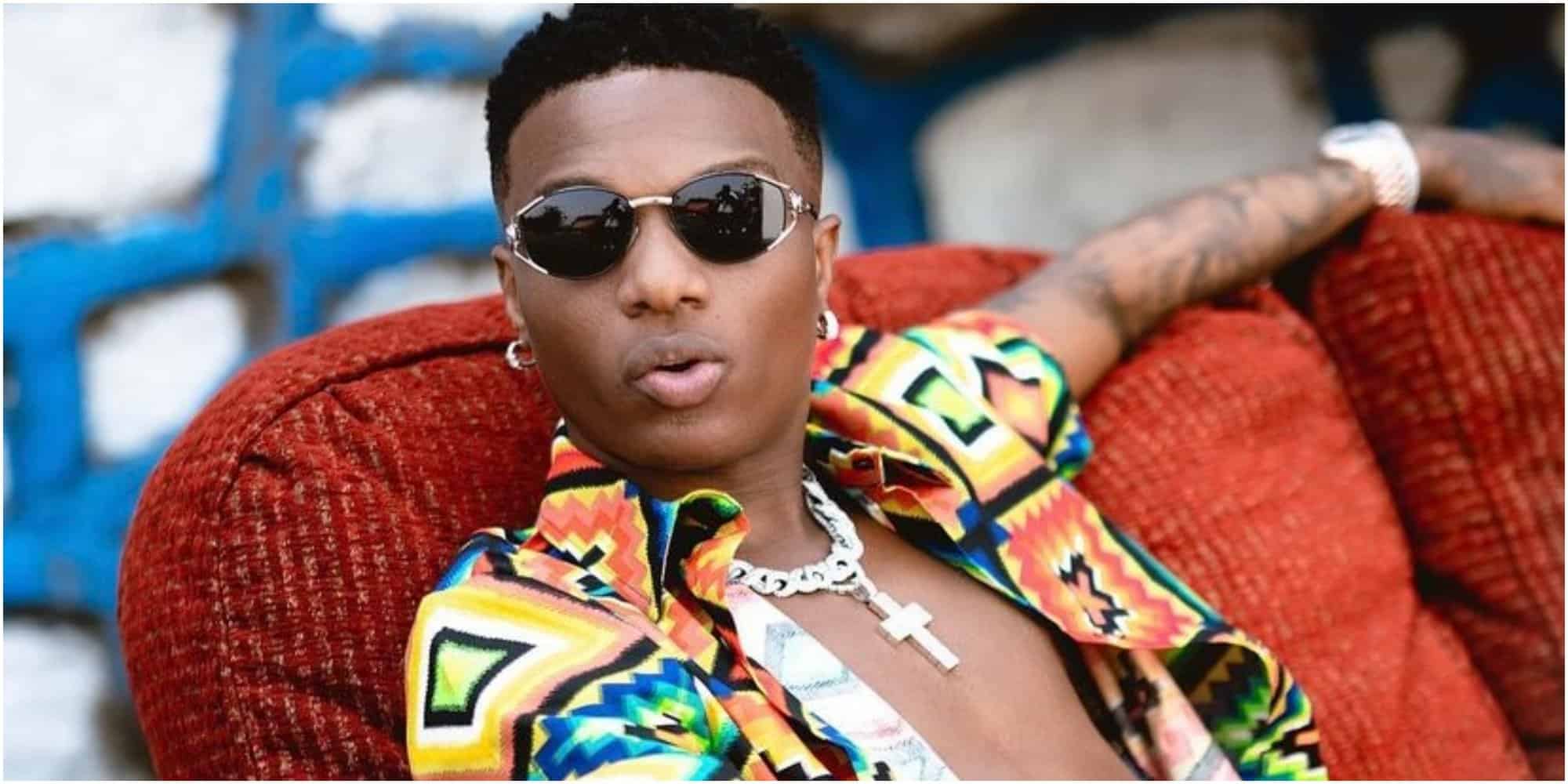
Wizkid’s ‘Made in Lagos’ came to us at the tail-end of one of the most difficult years in living memory. Released 10 days after the military opened fire on protesters at the Lekki Toll Plaza, the album was a much-needed salve for the specific moment it arrived in, helping some get through the wave of confusion and emotional uncertainties of those chaotic days. As if the stakes of its arrival weren’t heightened enough, ‘Made in Lagos’ was Wizkid’s first full-length effort in four years, following the experimental, if highly underrated, ‘Sounds From The Other Side’.
Upon release, ‘Made in Lagos’ received praise for its subtle rewiring of the sonic texture of the patented Afrobeats sound and Wizkid’s visionary execution. Needless to say, ‘Made in Lagos’ has gone to become a success and is already being tipped to become a modern classic that will serve as a touchstone of the culture in the years to come. More importantly, the success of Made in Lagos has spun another tun for Wizkid in the American music industrial complex with the Tems-featuring “Essence” cracking the Billboard Hot 100 charts, marking Wizkid’s first appearance on the charts as a solo artist.
Two weeks ago, Wizkid shared a Justin Bieber-featuring remix of “Essence” and announced that a deluxe version of Made in Lagos was forthcoming. Today that deluxe version has arrived, with the 14 original songs from Made in Lagos joined by four new songs including the Justin Bieber remix of “Essence” that is currently at number 16 on the Billboard Hot 100 charts. The first thing we notice on the deluxe is that the cover art has been updated with a more visible picture of Wizkid’s face, even if his hand is still in a clasped position.
The new additions are similarly in tune with the mid-tempo vibe of the original version: “Anoti,” produced by rising producer, P.Priime, is a sensual-themed number that is undergirded by alluring guitar riffs while Wizkid’s vocals swim along as he continues to express a desire to explore all available options to him on a steamy night out; unfortunately, Bella Shmurda could not take a more prominent place on “Anoti,” but his distinctive vocals undergird the song. Singer, Buju, joins Wizkid on “Mood,” translating a moody overcast into a thesis on the satisfaction that one can derive from spending significant time with a lover. Buju’s dulcet vocals flow into Wizkid’s lucid verse on relaxation and taking care of a lover, it’s a formula that is now the de facto of Nigerian pop.
“Steady” is a sticky R&B song that tunnels into Wizkid’s desire for something more permanent. The pop icon is at his most unhurried while a revamped loop of Tay Iwar’s voice produces counterbalance to his calm reflection on his woman over a simple percussive instrumental adorned with fleeting horn interludes. The remix of “Essence” with Justin Bieber closes out this deluxe version of Made in Lagos showing Wizkid’s integrated vision for the Afrobeats sound.
2021 has undoubtedly been a good year for rappers all over Africa. From Blxckie’s ‘B4NOW’to Blaqbonez’s‘Sex Over Love’, rappers have consistently made defining statements that have showcased their undeniable star power. Psycho YP is certainly not left out of this conversation as his newly released EP, ‘Euphoria’ sets out to make a mark in the Nigerian Trap and Rap scene.
The 9-track EP which he released a day ago, is a compilation of cross-continental records within the soundscape of Afro-infused Trap music which the Abuja-based rapper helped pioneer since his early work. With help from some of Africa’s most promising rappers including Alpha P, J Molley, PatricKxxLee, and TrillTega, ‘Euphoria’ is an otherwordly exploration from one of Nigeria’s most promising rap voices.
In typical Psycho YP fashion, the lead single “Euphoria” comes accompanied today with a new video release that broadens the world around the newly released project. The Ceeander Ent-directed cut seamlessly matches the song’s spellbinding lyricism and hard-hitting bars.
In the video, we see a jaded YP delivering his verse while experiencing an out-of-body experience as he lays on a large size bed. From the trippy effects and his unusual ability to fly a few feet off the bed, it’s clear that Psycho YP is feeling himself in the most ecstatic way as he sings over the futuristic production of the track. The video captures the artist in complete awe of his environment, expressing the trippy feeling which happened to be stimulated by several psychedelics.
Get an exclusive first look of “Euphoria” exclusively on the NATIVE.
With August almost out the way and the summer days rolling on, we’re counting down to a very special announcement here at the NATIVE, and things have been busier than usual. Our NATIVE Sound Production Camp just kicked off in London this week and we’re so excited to see our in house team and friends cooking up some heat for something special coming very soon.
Even in the middle of a global pandemic, the wheels of pop culture never stop spinning, and over the past couple of months, the cultural moments that have collectively got us through the tough times have only become wackier and more bizarre with each passing day. Some things fade away quickly while others linger for weeks or months, taking space on our social media timelines and populating every conversation with friends, with the ability to change the shape of mainstream popular culture.
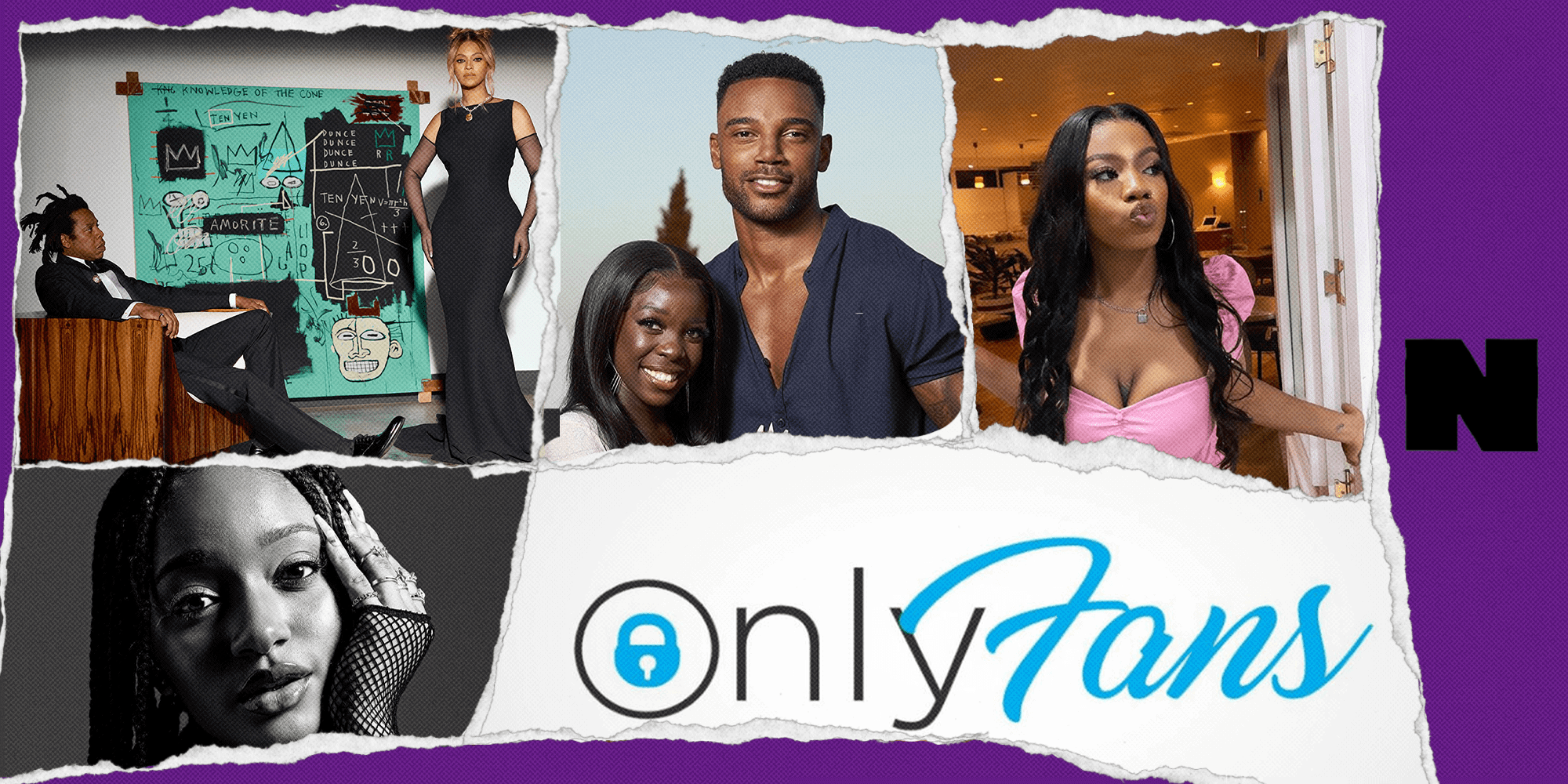
From DaBaby exposing Hip-Hop/Rap’s blatant homophobia to Saweetie and Quavo’s epic breakup and now reunion, there’s never a shortage of pop culture moments that deserve our hot and sometimes unpopular takes. This week, I take the lead on Hot Takes after weeks of going dark to bring you my picks for the week including blood diamonds, the anticlimatic Love Island finale, Only Fans losing the plot, and more.
What I’m currently listening to
I’m not particularly listening to anything of note currently because I’m always super jaded when I return from a long hard day of creating the content you need. However, recently, I have found myself giving Ayra Starr’s debut album ’19 & Dangerous’ and Liya’s debut EP ‘Alari’ a couple of spins. They’re both really fun albums by two rising talents in Afropop’s new vanguard who have an inspiringly firm sense of identity and a powerful voice. The other day Dennis said in our newsroom that female Pop is probably at the highest peak its been in a while again and now, I kind of get it. Women have been holding it down in Pop for a long time but there’s no denying that they’re often pitted against one another or maligned by their fans looking to crown only one woman at the top. Now Tems, Ayra Starr, Liya, Fave, Tsuni, Somadina, and more are redefining Afropop on their own terms.
What I’m currently watching
I haven’t really been tuned into much this week except catching up on Gossip Girl episodes. However, earlier this week, Ryan Murphy’s Hulu series ‘American Horror Story’ celebrated its 10th year anniversary so I’ve spent most of the week watching episodes when I can in between breaks and before bedtime. I’m not sure if this exactly counts as horror maybe soft-horror but I do love watching films and series in this genre. It’s amazing to see how far the AHS franchise has come. Tweet me your favourite season?
A Black couple might have made it to the Love Island finale for the first time ever, but they certainly didn’t take home the £50k and win the game thanks to the UK’s ingrained racism. Despite being one of the most unproblematic and the most compatible couples in the villa, Kaz and Tyler were passed up for the win to Mille and Liam and Toby and Chloe but the shocking twist came when even Faye and Teddy scored higher votes than the pair. Even though we all watched a woman verbally abuse and harass her partner, and hit the record for the highest number of Ofcom complaints, we still devastatingly watched a good couple get last place votes because of the colour of their skin.
Kaz was often branded as aggressive on social media, despite being one of the more collected and articulate contestants. As with previous Black contestants, she wasn’t given the same access to public forgiveness as their white counterparts and was simply written off and faced harsher criticisms than her castmates who were dished nothing more than a slap on the wrist. Well, it seems that Black Twitter is definitely not letting up this time around. Although the season promised to be the most diverse season yet, it failed miserably at delivering such and missed an opportunity as a show with a huge platform to create a worthy standard that could be emulated by other reality dating shows of today. Disappointing and can’t say I’ll be tuned in to the next season. #JusticeForKazandTy though!
After Toby & Chloe came 2nd and Kaz & Tyler came 4th, I believe this is a well deserved consequence for the producers. The lengths they’ll go to for ratings & it’s actually sick. Well deserved, drag them! 👏🏾👏🏾👏🏾👏🏾 #LoveIslandpic.twitter.com/0zkO7sFCoo
Is this your Queen?! Earlier this week, Beyoncé received some pushback after donning a rare diamond from South Africa in a Tiffany & Co. campaign. In the past, the diamond has been worn by Audrey Hepburn and Lady Gaga and is worth an astonishing $30 million (about £22.9 million) making Beyoncé the first Black woman to wear the diamond which was originally extracted from the Kimberly Mine in South Africa in 1877.
But having any sort of firsts for Black people in 2021 is not the celebratory moment most people are making it out to be. More than this, a Black woman wearing a diamond obtained by colonial powers through illegal means is certainly not the news that many of us want to hear this week. But really my take on all this is what do we really expect from a couple that has previously sang “At the Saxon Madiba suite like Mandela/Bumpin’ Fela on the Puma jet, like we from Lagos/Mansa Musa reincarnated, we on our levels,” on ‘Black is King’, an album executively produced by Beyoncé and in collaboration with Disney.
I haven’t really been tuned into Big Brother Naija this year but I’ve been able to catch glimpses of everything going on in the house from my Twitter timeline. Notably, we’re all discussing how much Big Brother is too much Big Brother when the memories of Erica, Laycon, and more from the lockdown edition last year are still permanently etched in our memories. The gist this season seems to be that there’s a dearth of content brought about by the fact that the housemates this year just aren’t fun or engaging enough. A contributing factor to this current plight seems to be the vast age differences between many of the contestants with some on the lower-20s spectrum and others on the early to mid-30 spectrum.
These age differences already seem to be playing out in the house. It seems that the older men or women are unwelcoming to this season’s Gen Z queen, Angel who’s been endlessly slut-shamed and berated since she joined the season over a month ago. By viewers and her fellow housemates alike, Angel has faced opposition for the way she chooses to dress, the things she says, and the men she’s associated with. With the way she seems to be constantly piled on (yes I saw the Sammie episodes), it’s hard to forget that she’s a 21-year old woman trying to navigate her way through a reality television show in one of the most conservative nations on earth. The more I see Angel slut-shamed and put down by other older contestants, the angrier I am and the more I just want these aunties to know that she’s a bad bitch and we all support her all the way! #TeamEmoSlutz
Earlier last week, it was announced that Only Fans, the subscriber-based video and audio platform would be banning explicit and pornographic NSFW content on its website starting in October. The company’s valuation went up to more than $1 billion dollars in the past year, following the effects of the socially distanced lockdowns which had more people indoors and glued to their phone screens. A large majority of this valuation was due to the milieu of adult content that lives on the platform which has attracted many subscribers and consumers from around the world.
So, it seemed abrupt that Only Fans would suddenly be pushing out the very industry it should have been keeping close to its chest. OnlyFans founder and CEO Tim Stokely put the blame for the porn ban on international banks in an interview with the Financial Times, saying that banks including JP Morgan Chase, Bank of New York Mellon and the U.K.’s Metro Bank had cut off OnlyFans’ ability to pay creators. While the ban has now been reversed, with Only Fans reneging on the suspension later this week, sex workers and adult content providers cannot trust that ban like this will not happen arbitrarily again. I, personally don’t trust anyone willing to chuck out sex workers on a whim after gaining popularity as a result of this industry.
This week, after months of tuning unto our television screens to watch the sizzling romance between hot singles, the seventh season of the Love Island UK franchise came to an end. Contestants, Millie and Liam may have had all the attention on them as this season’s official winners, however, it’s clear that everyone’s also raving about runner-up Kaz Kamwi and her man, Tyler who have become one of the season’s favourites.
The finale is memorable for a number of reasons. Firstly, an all-Black couple had made it to the season finale, a novel occurrence in the show’s 6-year history. Kaz’s appearance all through to the finale also stoked the embers of another popular conversation on the reality dating show as many debated and discussed her hair which was mostly worn in a wig or a bonnet for the entire season.
Over the past few iterations of the show, Black women have come and gone without much care and protection provided for their natural hair or their silky human hair bundles. Instead, Black women’s hair has oftentimes become the butt of many jokes as viewers have consistently teased their leave outs, the wig choices or their lack of proper maintenance. Well, this year, that seems to have changed as the Love Island producers contracted the show’s first-ever Black hairstylist: FreeBornNoble wigs.
@LoveIsland hired a black owned business @freebornnoblew to be a part of the team providing hair extensions and wigs on love Island season 7 !!! I can only thank God for this amazing opportunity. Roll on 9PM 🎉 one of @kazkamwi units she will be rocking in the villa. pic.twitter.com/Vjk14pVYAf
FreeNobleBorn Hair and Wigs is an Irish hairstyling company based in Dublin which specialises in the highest grade of virgin human hair extensions, lace systems, hand and machine-made wigs. According to the company’s slogan ‘Creates with Desire’, each unit is slayed to perfection for the individual wearer with an aim to create hair that is both healthy and fabulous. The Irish company has gained a reputation for selling and using responsibly sourced virgin hair.
Though this will be the company’s first time sourcing hair for an entire season, it won’t be the first time that Camillat Mashaun, the 27-year-old Black founder of FreeBornNoble will work with Love Island. According to the brand’s Twitter account, they came to the rescue of fellow Irish Love Islander, Yewande Biala during the show’s season five.
Apart from selling the best quality of products, FreeNobleBorn also ensures that they are fully involved with the distribution of the hair all the way from the production process to the retail level to its final consumer. FreeBornNoble does not only make or produce the wigs but also sells products that assist in hair maintenance and educating the clients on the best ways to ensure the wigs last longer and remain in the best condition. They make available affordable hair products to push the initiative of getting the best out of your hair. The Black-owned hair company occasionally holds seminars and masterclasses to teach people how to get more acquainted with their wigs by learning how to colour, style, make and adjust their wigs. It seems that the producers are finally paying attention to their Black audience and contestants for a change.
In ITV’s efforts to become more diverse, they have contracted a Black hair vendor capable of ensuring that its Black islanders are also taken care of and complemented as much as their white counterparts. With all these put in place, ITV still has a long way to go but it hasn’t always been the case. Contracting FreeBornNoble for the entire season was definitely a step in the right direction, however, the show still has a long way to go to create an environment in its challenges that isn’t unwelcoming to Black hair.
PsychoYP’s strength as a Trap and Rap artist is near faultless. In the conversation surrounding the state of Trap in Nigeria, YP’s consistency in the art poses a possible solution to the question of the genre’s mainstream viability. From the UK to the Capital City of Abuja, the 22-year old rapper continues to tie different cultures together through his artistry. He never fails to brag about how he has managed and continues to, make a name for his city in this oversaturated music industry – “And I put my city on the map, and I got them on my back.” Psycho YP’s evolution as an artist is not just remarkable, it is truly distinct.
With an ever-growing audience, the young rapper with every project manages to refine his craft and sound. In 2016, he set his career in motion with his first tape ‘Lost In The Sauce’, an album that captures the artist spitting bars over heavy clear and distinct Trap beats. His debut mixtape ‘YPSZN‘ came in June 2018 and a year after, he followed up with his sophomore mixtape ‘YPSZN2′ – The body of work that gained him his rise to fame as the rapper shows off his abilities track after track. The ongoing effect of the mixtape seems to be evident as the mixtape ‘YPSZN2‘ earned him a nomination spot at the Headies Awards 2020 for ‘Best Rap Album’, alongside AQ, Illbliss and more.
As fans, we were expectant of a ‘YPSZN3‘, but Psycho took us by surprise last month, announcing the release of his new EP ‘Euphoria’. This tape, which he describes as personal to him, is a balance between sonics and themes; “This project is going to do a lot for the trap scene in Nigeria“ he says over a zoom call.
In an exclusive track-by-track breakdown, PsychoYP offers a window into what each song on ‘Euphoria’ is about.
This song basically is the intro. It’s a song I recorded off a BTG and Malik Bawa beat and when I finished recording the track, I knew it was definitely an intro track. It was either going to be for this project or another project. I eventually sent the song to [another producer I work with,] Ileri, because I felt like the beat was missing something, and he finished it up and that just had to be a track one.
+234 (Daily Paper)
+234 is actually one of my favourite tracks off the project. Recording the track was crazy, I was with Jaylon in Birmingham in this crazy apartment and from where we were, we could see more than half of Birmingham. It was a mad view and this was like 7am. But yeah, this track is a track for every Nigerian to be proud of based on the +234. I don’t really pick anything Nigerian on that track but, I mean, be proud still.
Industry N****s
The song is for “Industry Niggas” – I mean the second verse of this track is for industry niggas. The first verse is just for verse sake, but you see the second verse is where I really got into the beef with industry niggas.
Guapane$E
This one is also one of my favourites as well but it’s kind of old. I recorded this in Manchester when I was still in my last year of uni or during my masters, one of them. But yeah, it was before COVID and it’s one of the oldest tracks on the tape. I recorded this and sent it to RassTokyo, he recorded a verse, sent it back, [and] then I sent it to TrillTega. [TrillTega] recorded a verse as well and sent it back and yeah, the track was done. I don’t even have a verse on that.
Target
Target was just one of those songs that, from the beat, I just knew I had to do something crazy on this and I don’t usually write so I just started recording. At that time, I was talking to J Molley so I just sent him the song and a couple others, and he sent me back the verses and I just picked the best one to drop at the time.
Smoke 4 Free
This was also produced by one of the producers on track 1, Big Moves. The track was recorded in Abuja at like 3/4am. BTG sent this beat to this group chat and said nobody wanted to hop on the beat and I knew this was something I’d have done easy. And, well, I did. It’s also one of my favourite tracks, I literally performed it like 2 weeks after recording it sometime in Abuja.
In Peace
“In Peace” is another crazy track produced by Jaylon, recorded in Abuja as well. I love the song so much, I literally shot a video for it not too long after I recorded the song. You just need to listen to the song to really understand it. It’s basically kind of like an interlude type of thing and has skits on it as well.
6 Feet Deep
Alpha P and PatrickxxLee went crazy on this track actually. Big shoutout to those guys. Alpha P always comes through for me and PatrickxxLee and I have a couple of songs together. We had been working on a lot of stuff together and luckily enough, I get to put out one of the first songs we’ve worked on together so yeah, that’s another very interesting song.
Euphoria
“Euphoria” of course, Ramoni produced that special song, backup vocals by Azanti and yeah, a video ready. I was still in Birmingham, same apartment, same view and Ramoni sent a couple of beats. He sent this beat he made in 2018 or so and it was this Euphoria beat. I asked if he still had the file and yeah he did and I just knew I was going to do something crazy on the beat. [For] most of the time, I just let the beat let me know what to do. It’s not really what I’m thinking about or what I’m going through at the moment, It’s really just what the beat is telling me to do, and yeah, the song came out.
Over the past few years, Nollywood media houses have continued to acquire the rights to classic films from our collective past. So far, we’ve seen titles such as ‘Living In Bondage’, ‘Glamour Girls’, ‘Aki and PawPaw’ and more get befitting remakes or sequels with a modern twist. Many of these titles have met the much-needed demand for nostalgic content, particularly last year, during the socially distanced lockdowns.
As the industry continues to develop and rub shoulders with other local industries such as Bollywood and Hollywood, we’re seeing a continued shift in the quality of films that we’re receiving these days. Gone are the days where Nollywood films were bogged down by bad graphics, poor sound quality and shoddy special effects, now, many of our favourite classics from way back then are getting befitting remakes that develop the stories and characters beyond what they were in the ’90s.
The latest film to receive a remake will be the 1998 classic thriller, ‘Diamond Ring’ which was originally released in two parts back then. The original film which starred our Nollywood favourites including Teju Babyface, Sola Sobowale, Richard Mofe Damijo, Bimbo Akintola and more, follows the story of Chidi, a university freshman who steals a valuable diamond ring from the corpse of a dead woman in an attempt to impress his peers in his cult. ‘Diamond Ring’ which was initially written, directed and produced by Tade Ogidan then takes viewers through the thrilling tale of Mrs. Glady’s spirit which begins to torment and terrorise the cult members.
Play Network Studios, the production company responsible for the remakes of the sequel to ‘Living In Bondage’ as well as the remakes of Amaka Igwe’s ‘Rattlesnake’ and Zeb Ejiro’s ‘Nneka the Pretty Serpent’ have recently announced that they have acquired the intellectual property rights for the film’s remake. Charles Okpaleke, the network CEO shared the announcement via his Instagram stating that “This might probably be the last movie under the ‘Play Network Nostalgic Collection.” There is no official release date yet.
More than most people, the team at The NATIVE knows that the sheer scope of music available to us at this exact moment in human history is mind-numbing but our goal is still the same as always: we don’t want exciting music to be slept on. That’s where our Songs of the Day column comes in. We try to keep our fingers on the pulse of music from across the continent and beyond, bringing you exciting songs from talented musicians who are continuously trying to bounds of artistry with their music.
Song of the day is perfect for everyone who is a pioneer in developing their sound and taste. A tweak here and there in your library is always needed and encouraged. Be that friend that puts others on to your ears so they can possess the soundtrack to your mind and at the same time elevate theirs. On Friday, we had a soothing collaboration between Tiwa savage, Tay Iwar, Mayorkun and many more. Today’s column brings you the sounds from Zamir, Niniola, Eugy, Show Dem Camp & more. Enjoy.
Burna Boy – “Question” ft. Don Jazzy
For his second official single of the year, Grammy-award-winning artist Burna Boy is nostalgically taking it back to older and simpler times. Following the release of “Kilometre”, the Port Harcourt-raised singer has struck back with the release of the Don Jazzy-produced number titled “Questions.”
The befitting new collaboration finds both artists delivering relatable lyrics about life in these parts over a catchy and memorable beat. “Question but dem no get answer/Anything wey you wish, that be your portion/Na by the grace of God and Insha Allah we dey move am,” he quips confidently over the song, speaking directly to the naysayers and reminding them of the grace of God on his life. The accompanying TG Omori-directed video features nostalgic clips from hair salons and barbershops that will surely resonate with anyone who grew up in these parts.
Zamir – “Amnesia”
Zamir has been gearing up for the release of a new project titled ‘FLOWERBOI4000’ which is slated for release later this year. All year long, he’s been expanding the world around the upcoming project with new releases including the Odunsi The Engine-featuring “LUV HRTS” and the dndSection-assisted “A.Iverson.” His latest release ahead of the project drop is the catchy new number titled “Amnesia.”
On this high tempo alternative track, he sings “Baby I need you, wanna spend all night with you/ Baby I won’t forget you” as he addresses a love interest directly and promises to never forget her despite suffering from moments of amnesia. Her effect on him is so lasting and strong that he never wants to forget her and he goes ahead to praise her “told her baby you a G.O.A.T” showing just how highly he regards his lover.
Oladapo – “Alone”
Oladapo Tunji popularly known as Oladapo is an Afrofusion Nigerian artist stretching the boundaries of the Afropop genre with neighboring sounds. Recently, he debuted his first single of the year titled “Alone” which is set to feature on his project titled ‘Blind’ which is set for release next month. The catchy Ppriime-produced number finds the singer speaking on the inevitable attraction he has nurtured for a romantic interest. Although the song title would suggest a sombre mode, the song is uncharacteristically upbeat as the singer addresses his lover and pleads with her not to depart from his presence.
Juls & Niniola – “Love Me”
British-Ghanaian producer, Juls is gearing up for the release of a new project. Earlier this year, he released the Tay Iwar-assisted “Chance” and the Knucks, Sam Wise & kadiata-featuring “Wicked” to whet fans appetites for what was to come on the project. To double down on this, he’s now just released a new single titled “Love Me”, this time featuring the Queen of Afro-House herself, Niniola.
The song is an Afro-fusion affair replete with smooth percussion, groovy tempos and traditional Afropop drums that harken back to the funk and jazz-influenced sound of Afrobeat pioneers such as Fela Kuti. The infectious rhythm provides the perfect backdrop for Niniola to spit out her romantic lyrics as she implores with a muse to take a chance on their shared love. The accompanying Ray Fiasco-directed video doubles as a short film that follows a vibrant and colourful story of a beautiful woman with a dark secret.
May D – “Dodo”
For the past few months, May D has been making his return to the music scene with a string of new releases. His first official single of the year “Dodo” is his latest offering for his loyal fans that have stayed with him through the years. On the Dante-produced single, he quips “Orobo toh bad, in the right place/I really don’t mind, all I need is you,” addressing a love interest and showing off his affection for her. Over an Amapiano-influenced beat, he delivers a romantic track sure enough to swoon his lover while having her grooving and dancing to the beat. This is definitely one to add to your playlist this week.
Laime – “Money medicine”
Nigerian rapper Laime is gearing up for the release of his debut project ‘If Summer Happened’ early next month. Ahead of this, he’s shared new singles including the Psycho YP-assisted “Purple Rain” and “Money Medicine” which were released a few weeks ago. While he continues to unveil the world around the project to listeners, he’s just released the video for the promotional single “Money Medicine” to whet fans appetites for what’s to come. The noir-inspired visualiser finds the rapper delivering his hard-hitting verses while cruising through Lagos streets with stacks of cash to match his baller lifestyle and uber-cool lyrics.
Ogranya & Show Dem Camp – “Gbese”
For his latest musical effort, Nigerian singer Ogranya has just teamed up with rap duo Show Dem Camp for a new mid-tempo number titled “Gbese.” The smooth-sounding number finds the singer delivering a sombre and memorable hook as he attempts to convince his muse of his affection for her. He’s joined by SDC on the song’s verses as they deliver catchy rhymes about the woman in their lives. “Baby you’re far away but I need you next to me/Gbese re oh,” quips Ogranya on the song’s hook, turning his romantic intentions into the stuff of singsong choruses with ease.
Timaya ft Phyno – “Eff All Day”
Timaya and Phyno have just come together for a new catchy single titled “Eff All day”, the pair’s first collection since they initially worked together on 2017’s “Telli person.” The new single finds both men speaking their unfiltered minds as they chastise naysayers, ignore the bad vibes, live their best lives and focus on the spate of beautiful women that they consistently come across.
Eugy Official ft Falz, Medikal, Kwesi Arthur, D-black – “My Touch Remix”
Earlier this summer, a British-Ghanaian singer, songwriter and producer released the infectious number titled “My Touch” which has become an instant fan favourite. To double down on this, he’s just hit back with the song’s official remix which features a host of African talent including Falz, Medikal, Kwesi Arthur and D-Black. The new release features a rapid-fire hook accompanied with a catchy hook that will surely soundtrack all your dancefloor activities as the summer days roll on.
Comedy has always been a currency to wrangle Internet fame. Over the years, the face of comedy has consistently shifted, moving from live in-person comedy experiences to staying connected through social channels from Vine to Thriller to TikTok and more. In the past few months especially, the need for laughter and moments of joy has mattered more than ever before. The lockdown period during the peak of the pandemic has heightened the need to connect to others through the sharing of laughter.
Through these difficult times, internet comedy soared, bringing joy and light to many people around the world and providing them healing in a time where we were disconnected from loved ones. It is in no way news that TikTok became one of the most engaging platforms this year with the power to connect people around the world through the shared language of laughter.
Names such as Elsa Majimbo, James Brown, and more have populated timelines as their distinct brand of comedy met the demand for much-needed entertainment. Their ability to connect to people and make them feel seen while maintaining their unfiltered sense of confidence has made them popular fixtures on the Internet. Among this new generation of comedians is 21-year-old Senegalese TikToker, Khaby Lame who recently made comedy history as one of the most followed Africans on TikTok with over 100 million followers.
Born Khabane Lame but better known as Khaby, the young African TikToker based in Italy made viral fame last year during the lockdowns last year. He is known for his short comedy skits where he sarcastically points out people who make simple tasks seem difficult. The 21-year old comedy star first gained traction for his videos in 2020 after losing his job as a CNC machine operator in 2020 and taking to online comedy to pass away time.
From factory work to fame, Khaby’s job loss gained him enough free time to build on his comedy skills and create his own brand of humour–making people feel silly. Whether by divine faith or not, the young star has been able to break the mold and stand out at a time where many were looking for a distraction from the traumatic events of the past year.
Now Lame’s star is shining brighter than ever. Over the past few months, he’s built a network of loyal followers moving from 40 million to 65 million TikTok followers between April and June this year. Over the past few weeks, these numbers have only continued to increase as he hit the 100 million follower mark on the video-sharing app. The ‘Gen Z Mr Bean’ as he’s called, is only rivalled on TikTok by Charli D’Amelio, an American teenager whose dances have attracted him over 122 million followers on the platform.
With a growing network of followers and fans, the TikTok megastar is only expected to soar higher in the coming months and his current win could hint at TikTok’s eventual foray into African-focused content. Recently, in July, the Chinese-based app announced a cash grant for 20 South African creators for a sum of 860,000 rands (approx. $57,000) in addition to mentorship on content creation and curation. It’s already begun scouting local influencers on the platform in preparation for a full African roll-out. While it’s yet to be seen how this will take off in the coming months, it’s a step in the right direction for young comedic talent on the African continent.
It’s 3 days to‘Made in Lagos: The Deluxe.’ After months of continued success and replays, Wizkid’s magnum opus is getting an extension, and being rereleased as a deluxe album. The 14-track LP came to us at one of the most difficult times, as it brought smiles to us following the harrowing month of EndSARS protests and the tragedy of the Lekki-Tollgate massacre.
Since then, ‘Made In Lagos’ has truly proven to be the gift that won’t stop giving, and the album continues to increase in quality day after day. The success of the album is undeniable, and the reception all over the world is only further proof of this. Earlier this year, the Tems- assisted track “Essence”, debuted on the US Billboard Top 100 charts and continues to clinch further to the top 50 each passing day. Wizkid followed this up with a remix that featured Justin Bieber and alongside the release of the track, came the release date for the ‘Made In Lagos – Deluxe’, which is set to drop Friday, August 27th.
The deluxe version will host 18 tracks including all 14 tracks from the original album and 3 new tracks “Steady”, “Anoti”, “Mood” and “Essence Remix” featuring Justin Bieber. The album will feature returning producers P2J and Legendary Beatz, and will also feature Ppriime. “Mood” is rumoured to be produced by Jae5. Wizkid has also added another date 29th November, to the O2 Arena show due to popular demand as the first show sold out in 12 minutes and added new dates to the North America tour. He also might be announcing a Lagos show soon.
There’s a running joke that humans are the only beings on earth who have to work to live on the planet. It doesn’t take too long to realise that living to work is an inescapable part of the human experience. And in a world that has capitalism increasingly baked into its core and crevices, it’s not just about finding a means to sustain, to many, it’s working hard and smart enough to live a life of largesse. Within the framework of life’s ephemerality, this practice can be confounding – intimidating even – but it is aptly couched under the twin terms of purpose and fulfillment.
“Work Fada,” the intro track to the newly released first part of Tiwa Savage’s two-sided EP Water & Garri, is a balmy acknowledgment of life’s work-based cycle, and a bracing call to action for those who haven’t fully gotten with the program just yet. Reflecting Africa’s economic terrain, where millions of its young population are actively dealing with unfavourable factors in order to earn an honest living and live their best lives, Afropop has no shortage of songs aimed at inspiring its listeners to brave the odds. More than just being an addition to this fodder, “Work Fada” cuts through with its superb execution, a near-wholesome nudge that is as critical as it is warm.
In the song’s opening moments, Tiwa Savage sets the scene with the imagery of someone who’s glued to his video games, will rather sit back and much on some chips – preferably Lays – and down one more bottle of Dos Equis beer, than be “productive.” In isolation, this habit isn’t ideal but it also can’t be categorised as deleterious to the person, that is until the stakes are revealed. “So you wan run run run run run the show,” she harmonises alongside Rich King on the bridge, an indictment on the sort of people whose work ethic and intellect don’t match their immediate wants and long-term ambitions. Expressing disappointment at this incongruity, Tiwa Savage’s voice embodies a motherly chagrin – or easy-going reproach of a cool aunt – the sort of genuine disapproval that stings even though the cadence isn’t harsh.
Complementing this perspective, Rich King comes across as the sagely friend who’s always been driven and acts slightly older than his actual years, while American rap icon Nas is the stately uncle with a chastising streak. Having already set up its character, “Work Fada” is something along the lines of an intervention with a broad interpretation. The lessons are abundant: envy doesn’t do much for your own goals (“heard you say they were pretenders”), time is a limited commodity, “go read some scripture, lazy boy,” tenacity is key (“it might take you years/to figure out the bolts and things”), and laziness is a sickness.
Produced by Rich King, the music on “Work Fada” bubbles constantly, an entrancing gumbo of Neo-Soul, Reggae and Yoruba Folk. It’s the perfect accompaniment to Tiwa’s soul-reaching coos, Rich King’s earthy intonations, and Nas’ conversational – if heavy-handed – counsel. When the tracklist for Water & Garri hit the internet, there was some trepidation on this particular song, considering Nas’ last collaboration with an Afropop artist wasn’t particularly well-received. The evident brilliance is further validation of Tiwa Savage’s ability to cajole fitting performances from her cross-Atlantic collaborators – in addition to this, Omarion and Sam Smith in the last few years, the EP houses another strong combo with R&B icon Brandy.
From a primary standpoint, “Work Fada” is a capitalist’s fever dream, an admonition to rise and grind relentlessly. What makes it truly affecting on a broad level, however, is the wiggle room it leaves in the understanding that people want different things for themselves. It’s not entirely explicit, but the message that an individual’s action has to match their personal intentions makes it quite apparent. Living to work can be daunting and exhausting, but Tiwa Savage, Rich King and Nas suggest that effort will always be meaningful, and they sound mighty convincing.
In a show of his staying power, “Lie,” the comeback single by Kizz Daniel, has maintained the number one position on the Turntable Charts Top 50 songs, becoming only the third song after Teni’s “FOR YOU” and Burna Boy’s “Kilometre” to spend their first two weeks atop the chart.
“Lie” tallied 51.8 million in radio reach and 2.5 million equivalent streams. Impressively, “Lie’s” second week on the chart still ranks as one of the biggest yet for any song, even surpassing the total chart points recorded by the song in its first week.
Omah Lay’s “Understand” remains at number two after three non-consecutive weeks in the spot, getting 1.71 million equivalent streams, 52.4 million in radio reach, and 12.2 million in TV reach while topping both the radio and TV charts this week. In the process “Understand” becomes only the fifth song ever to reach No. 1 on all four major charts published by TurnTable ChartsTop 50.
Wizkid’s Tems-featuring summer hit, “Essence,” moves from number 15 to 3 after its remix with Justin Bieber. “Essence (Remix)” tallied 1.70 million equivalent streams, 50 million in radio reach, and 4.1 million in TV reach, recording its biggest week on the TurnTable Top 50 Chart. For this week’s chart, the chart points for both the remix and original version of the song count towards a single chart entry (the remix), giving Justin Bieber his third top ten entry and highest-charting entry yet in Nigeria.
Adekunle Gold’s “Sinner” holds at number four after peaking at number three while YBNL signee, Fireboy’ DML’s, “Peru” continues to ascend on the chart, moving from number six to five. Ladipoe and Buju’s “Feeling” slides from number three to six and is followed at number seven by Ruger’s “Bounce.”
Rounding out this week’s top ten of the Top 50: Olamide’s “Rock” drops one position from number seven to eight and Patoranking’s “Celebrate Me” is steady at number nine while AV’s “Big Thugs Boys” falls five places from number five to ten.
Just outside this week’s top ten, Ayra Starr’s “Bloody Samaritan,” off her debut album ‘19 & Dangerous’ soars from number 28 to a new peak of number 12 while Oxlade’s “Ojuju” debuts at number 13 in its first full week of tracking.