NCVRD: Lanre Williams On The Making of Rema’s ‘Rave & Roses’

“NCVRD” – read as uNcovered – is an interview series that takes a closer look at the cover art of our favourite albums or projects. We aim to uncover daring and bold visual artists across the continent while illuminating the creativity behind a project’s visual world.


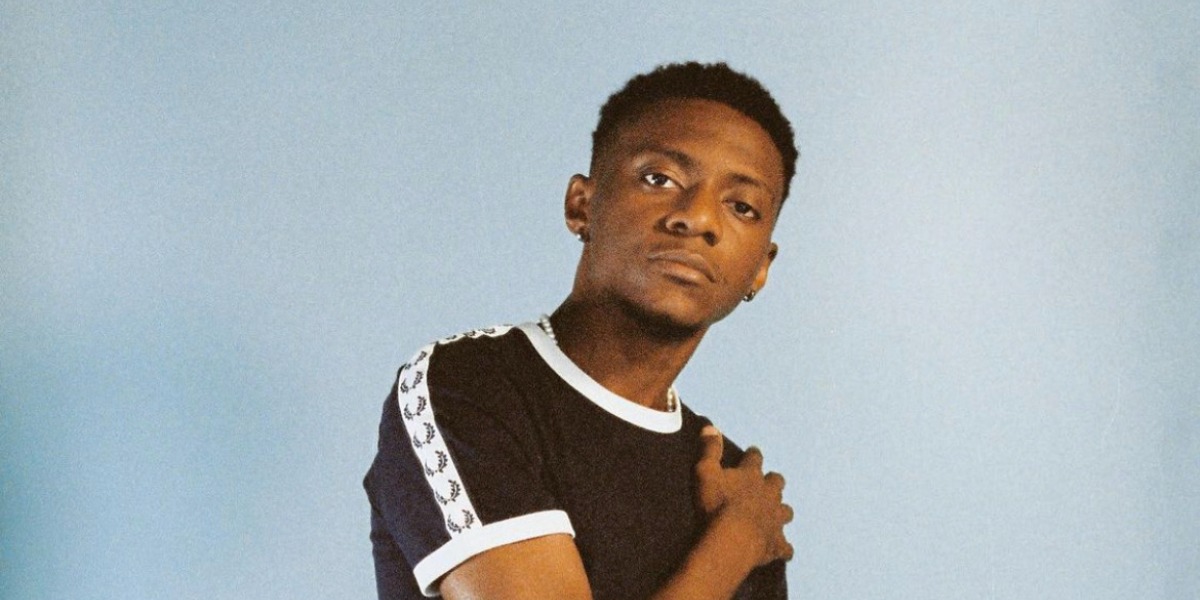
Since he was a child, Lanre Williams, professionally known as Willy’s Art, knew he was born to paint or illustrate or sketch. “I actually knew I was good,” the 24-year-old artist says half-laughing when we have a chat one Monday afternoon in March. Driven by a propulsive sense of urgency, Willy has become one of Nigeria’s most in-demand illustrators and cover art creators over the last three year, with his work even attracting the attention of American artists, Lil Nas X, and wizened rapper, Snoop Dogg.


View this post on Instagram


A post shared by W Y L Lz (@iamwillysart)

According to Willy, comic remains one of the biggest sources of his inspiration. “When you look at my drawings, there’s seriousness there, but I’m trying to make it look as childish as possible so it can be attractive,” he says. So it makes sense that for his debut album, self-confessed comic aficionado, Rema, would turn to Willy to create a visual representation of his music.

From the start of his career, Rema has never shied away from using other creative mediums to pass his message with his cover arts doubling as time stamps of his current fascinations whether they be baby-faced teddy bears, spaceships, or love. As it stands, ‘Rave and Roses,’ is set to be a codification of Rema’s universal interpretation of his pop music inspired by distinctly Nigerian experiences and, in typical Rema fashion, the cover art offers a portal into Rema’s mind. “That cover speaks a lot about Rema, it has Rema’s story in it,” Willy explains. “As simple as it is, it’s talking about Rema, what he has been through. Everything is on that cover. I feel like, for his first album, it’s a killer piece.”

Going further, Willy explains: “The skeleton on the cover is Rema. The house burning is the house where Rema wrote those songs. The songs are so hard that they can make a house explode. Rema is running out of the house but the fire from the house is so intense that it catches up with him.”

Our conversation which follows below has been lightly edited for clarity.

NATIVE: Let’s just start with the much simpler questions about yourself, where you grew up, why you got into art and the things you do?

LANRE: My name is Williams Lanre. I’m from Lagos State. I grew up around Surulere, but there were a few movements. We moved to Ibadan, we moved back to Lagos, but I’m currently back in Lagos. I’ve actually been drawing for a while. I started in primary school. I just had teachers telling me that I was good and I should tell my mom that I should take my drawing more seriously. I actually knew I was good, and I started very early.

NATIVE: How early did you start?

LANRE: I’ve been drawing since I was 6 or 7, but when I started trying to put my work out there; running comics, comics on paper, trying to go into competitions like PEFTI, just making submissions to different places like Mr. Biggs, ‘SupaStrikas’, that was around 11 or 12. When I was 13 or 14, I was already doing things on my own, trying to create my personal comics, because I’m actually a comic artist. I just kind of switched in the past couple of years. I think I officially switched in 2019. It just happened all of a sudden, because I think I was feeling bringing people’s ideas to life. That’s actually what comics are about; bringing ideas to life. So, I did that with my brother for a while. We still do it, though. We still have comics we’ll publish in the future, but for now, we are doing what we are seeing.

NATIVE: Speaking about comics, what comic books did you get into as a child? What comics do you look at now as a grown artist? What are your thoughts on comics, generally?

LANRE: I think everybody would say ‘SupaStrikas.’ From drawing every page on SupaStrikas to just trying to create your own. Then, the thing is I watch a lot of cartoons. I’m a cartoon guy. Not 3D, 2D. I watch a lot of them, and I watch manga cartoons. That’s actually what influenced my style. When you look at my drawings, there’s seriousness there, but I’m trying to make it look as childish as possible so it can be attractive. I don’t want something so serious. I just make it tell a story, everything I’m doing must tell a story. Even with that sense of me telling a story, I try to play around with it using simple expressions.

NATIVE: You don’t make it overcomplicated.

LANRE: Yeah, I don’t want to bring that realistic feel because it’s kind of boring to me. I just like cartoons. If you look at the covers that I have done, you’d see that everything from the gestures of their hands to the colour palettes I use, I make everything colourful. Sometimes, I make it look like it’s a kid that made it.

NATIVE: So, that’s your signature style?

LANRE: Yeah, that’s it. Make it as childish as possible. Even though it’s childish, I want to make sure people that are grown can actually relate to it. They can say, “Oh, this thing is cool.” I just give that feel. I actually paint realistic styles too, but I just stopped. I deleted them from my page. It’s not my style anymore. This is what I’m going with currently.


View this post on Instagram


A post shared by W Y L Lz (@iamwillysart)

NATIVE: You mentioned doing a bunch of covers in the past. I’m curious about life as a comic artist operating in Nigeria. Where’s sustainability in that? How do you ensure that you are not just doing it as a passion project? Sustainability is important as a creative, what is the pathway to sustainability for you? How has that journey been?

LANRE: I wouldn’t say that I’ve been into the comics deeply. For companies, I’ve created three comic books. Yedi Naija, their magazine and everything, and some other books. As an artist that’s starting in Nigeria, I don’t know. I think I didn’t really know my worth then. When you’ve worked in Nigeria and you look back at some jobs you’ve done, you’d just feel like, “I gave them this quality at that price.” The thing is it kind of helps out with experience, that’s what I’d say. It only helped me out with my experience.

I didn’t look at the money too much, I just wanted to get my work out there during that period. Like my first comic book, I just wanted to get my work out there. From the second to the third to the fourth, it just paid off. The first comic I made was a proposal. That proposal made them see and understand that they could actually work with me for their brand. That’s how I started working with them. I started working with their branch in South Africa. That was how everything started. I didn’t push it much further because it takes a lot of time.

NATIVE: What else have you designed within the Nigerian music industry?

LANRE: I’ve worked for Dr. Dolor, Rema, Alpha P, and DJ Spinall. I’ve worked for L.A.X and Wizkid, but the work is not out there right now. I’ve worked for a lot of them, and some Nigerian commissions. Some of my clients are also outside the country. I’ve worked for Snoop Dogg. I’ve worked for Lil Nas X, multiple times. He’s one of the people that motivated me because he actually got to me when I was at 2k followers. I was trying to put my work out there. He reached out and didn’t care if I was a big artist or something, he kept me on a huge project. He gave me a lot of boost because I hadn’t started working with Nigerian artists then. I barely even worked with a lot of people that time, so he was kind of the first person. Him, then Rema.

NATIVE: My next question is about you working with Rema. How did that come about? Did you reach out? Was there an introduction? How did that happen?

LANRE: The funny thing about Rema is, like I’d say, this cover art, my first post on Instagram, I didn’t come through anybody. I just came online and made my first post. No connections, I didn’t know anybody, no celebrities, no influencers, nobody. It was just my art. The thing is there is a drawing on my page that I made. I drew three Rema’s; Rema EP, Dumebi Rema, and I think Rema won an award during that period, so I drew that Rema. I drew three of them together. I was even feeling like, “I shouldn’t post this stuff,” but I got ginger from my friends: “Post it up, this shit is dope.”

As I posted it, that post blew up. Everybody was reposting. I had made a few posts before then, though. It wasn’t like it was my first post. If you check my page, you’ll see that. So, the post went viral and all. I think Don Jazzy commented. A lot of people engaged in the post. I just felt like it went viral, so I didn’t even keep it in mind, but some months after, Rema texted me on IG and told me he liked my work and would like to put me on a project with Samzy. There was a song that time. It was a featured project. So, that was the first work he hit me up for. That was how it started. From there, I did “Ginger Me”, I did highlight drawings on his stories, “Bounce”, “Soundgasm”, and some of his pictures. But that was how it started.

NATIVE: So, how has the experience been working with Rema on these kinds of projects? Is he involved in the process? Does he want certain details to come to life? What is that process like?

LANRE: Rema is a funny guy. Sometimes, I feel like it’s actually Rema drawing. Everything he wants, he has it in his mind. Even if I send him a sketch, even if I trigger the idea by sending him pictures, it just sparks something in his mind. Then, we just start and we keep going on and on till we get the job done. At first, I wasn’t able to actually adapt to it because the workload was looking much, but I kind of made a way to work with him with ease. It’s really good because Rema is a really creative person. He’s like the most creative person I’ve met, and I always tell him, “Just turn artist too nau,” because he really has the insight. Like, “Bounce.” “Bounce” was a crazy idea he just created. Most things come from him and some of them come directly from me. If Rema tells me that, “Yo, I don’t have an idea for this, come up with something,” then the lion in me comes out. “Soundgasm” was something I played around with. We did something crazy there.

NATIVE: When did you start making the concept for the album? Was there a conversation like, “Now, we are making something for the album,” or was it just a spur-of-the-moment thing?

LANRE: That was last year. I think we started making the album last year. It was June or August. The thing is, Rema called me for a meeting and said we needed to speak. When we had the meeting for the album cover, immediately after, Rema announced that the name of the album was ‘Rave & Roses.’ I didn’t know. It was during the meeting he told me that it was ‘Rave & Roses.’ During the meeting, he explained what we were going to do. And the funny thing is, it was an entire idea. What is on the album cover right now isn’t what we did throughout last year.

All we did last year was create a cover but we were going back and forth, but a piece in the cover art last year made it into the current album cover, and that is the grave. The grave where the sword is. We finished the first album cover around October. Then, Rema went on tour and when he came back, he said we needed to change the album cover because it didn’t flow with the way he arranged the songs, the mood of the songs. He had made adjustments to the body of work. I was like, “Okay. Let me come over and we’ll talk about it.” Then, I went over and Rema just made a very simple sketch. The sketch is on my page, it’s a rough drawing. Rema made a drawing of a house burning and a skeleton coming through the house. He just gave me the pen to bring out the idea, then I worked on it there. That same day, we created the album cover.

NATIVE: That same day?

LANRE: Yeah. We created the whole idea. After four to five days, we were done.

NATIVE: So, it was really fast and it was settled on?

LANRE: Yes, it was really fast. The first one we did took a lot of months, this one just got done very fast. It was so crazy. Everybody flowed and we just did it. I’m really happy about this cover.

NATIVE: That’s what I was going to ask. What are your feelings about the cover? Do you feel like it actually represents the soundscape of the album?

LANRE: Yeah. The thing is this cover represents everything as Rema’s first album. Everybody was thinking we were going to draw spaceships and the world coming to an end or something. There were a lot of expectations. But we listened to ourselves and thought about what would actually work. We paid attention to what that album was talking about. The songs there are love songs. We tried to follow the vibe and still produce that banger vibe. That cover speaks a lot about Rema, it has Rema’s story in it. As simple as it is, it’s talking about Rema, what he has been through. Everything is on that cover. I feel like, for his first album, it’s a killer piece for it, so I’m actually glad we made that change.

NATIVE: Personally for you, as a creative in your own right, how does it feel to be involved in the debut project of a major pop star like Rema?

LANRE: I’m not going to lie, it feels good. I had plans in 2019. I just sat down and prayed. I wasn’t really professional then, I wasn’t as good as this, but I said, “I know one day, I’ll do Rema’s cover, and some other big artists,” but Rema was the first person I mentioned because he understands what art means. He flows with it. So, Rema was the first name I called, then some other big artists too. I didn’t know this would happen, trust me. It wasn’t my plan. It was just something I said and it manifested. I didn’t picture it happening. I just thought I’d do a cover for Rema and that’d be it.

NATIVE: Can you run me through what the cover means from your own perspective?

LANRE: The skeleton on the cover is Rema. The house burning is the house where Rema wrote those songs. The songs are so hard that they can make a house explode. Rema is running out of the house but the fire from the house is so intense that it catches up with him. He’s running with a rose, towards the sun. The sun is the light. The grave below is what Rema has passed through. If you know Rema’s past, he has lost a couple of people; his dad and his brother. That’s what the grave means. Then, the swing is showing where Rema came from, his first EP. That journey. It’s just a crazy idea. So, the back cover will be coming soon, so you guys will understand what we are trying to say. Everything is detailed on the back cover.

Featured image credits/NATIVE


ICYMI: How Upson Martin created Cruel Santino’s ‘Subaru World’

Justice for Chinelo: Woman killed during the Abuja-Kaduna terrorist attack

Two nights ago, terrorists attacked a Kaduna-bound train, leaving people dead and many kidnapped. According to reports the train had left Abuja around 6pm, making its way through Katari and Rijana communities when an Improvised Explosive Device (IED) detonated along the railway, halting the train. Passengers who tried to escape through doors were shot at, leading to deaths, some instantly and others, over an extended period of time.

At 9.43pm, a Twitter user (@nelo_x) tweeted: “I’m in the train. I have been shot. Please pray for me.” Several vile comments were made on that post by government apologists, who discarded her update on the assumption she was chasing clout. Even as more information was revealed over time, with a number of other Twitter users saying they knew Chinelo, those comments still stunned with their cruel disregard for human life, all of them exposing the horrifying fact that Nigeria is deeply torn along moral, ethnic and political divisions, which will surely escalate in the months leading up to the general elections next year.

Chinelo’s death was confirmed by gruesome pictures of her on Twitter. She was one of us who, like Bamise, Pelumi, Jimoh, Oke and several other young Nigerians, have been avoidably killed by the insecurity allowed by the present administration. Rather than remember her at that moment, photos of her in her medical attire were widely circulated. Many who knew her confirmed she graduated sometime around 2015 from the University of Port Harcourt, an outstanding student of Medicine. She’d become a specialist in dental surgery, working at St Gerald’s hospital in Kaduna until her death. Chinelo once received an award for her “beauty and brains”, and according to a Steph was about to leave Nigeria. She wrote:

“Dr Chinelo was making an honest living, she was working at St Gerald’s hospital in Kaduna, she wanted more for herself and processed her papers to leave this hell-hole. She resigned last month to leave the country this Friday then this happened. Nigeria why???”

A close friend of Chinelo from their time as undergraduates gave a comment to the NATIVE. She had her secondary education in Queens College, Lagos and while at UNIPORT stayed resident at Pritaso Block B. “That’s where I got to know her,” he said, adding that “she was very serious with her academics [and] would read all night. She didn’t have time to play around. But she was a nice person.”

Further information revealed that Chinelo was from Onitsha, Anambra state. The Megafus are also popular in the community, where this news was received with great shock. In a statement signed by the National Publicity Secretary of the Nigerian Medical Association Dr Aniekeme Uwah JP, the Association bemoaned the “worsening insecurity in the country which has made all of us and Nigerians as a whole vulnerable to violent attacks by hoodlums, bandits, kidnappers and terrorists who are currently having a field day causing us deep sorrows and severe pains. [The Association also recommended] that the Federal Government gives a strong consideration to the establishment of state police to further complement the efforts of the Nigerian Police Force.”

There have also been repeated calls for blood donations at the 44 Nigerian Army Reference Hospital, which has been positively responded to so far. At the NATIVE, we say a word of prayer for victims and their families, for hope and strength to live through these times.


View this post on Instagram


A post shared by The NATIVE (@thenativemag)

Featured image credits/Chinelo

What’s Going On Special: A series of fatal attacks rock Kaduna

In the last few years, the insecurity that has plagued northern Nigeria has been exacerbated. In Kaduna, specifically, the turmoil has reportedly been ongoing for decades, in varying forms of conflict, from ethnoreligious killings to terrorist attacks.

2020 brought better awareness to the crisis in southern Kaduna, letting previously oblivious Nigerians in on the myriad of factors responsible for the rampant death toll, displacement and constant fear that’s become a part of daily life in one of the most populous states in Nigeria.

In the last few days, Kaduna has been in the news for fatal reasons, with attacks perpetrated by armed terrorists—recognised by the Nigerian government as bandits, and also colloquially referred to as unknown gunmen—rocking the state.

There’s been attack on several communities, on the state’s international airport, and the rail line between Kaduna and Abuja was viciously set upon by armed men. For this week’s edition of What’s Going On, we’re focusing on the recent happenings in Kaduna, while sending our prayers to survivors, family of victims, and everyone living under the dark cloud of imminent danger in Kaduna.

50 killed in bandits attack in Giwa local government area

Barely a week after 37 people were killed in Kaura local government area of southern Kaduna, armed terrorists killed at least 50 people in an attack on nine communities in Giwa local government. Confirmed by Mohammed Jalige, state police public relations officer, the incident took place between last Thursday night and early hours of the following Friday morning.

Speaking to Daily Trust, Mansur Ibrahim, a member of the vigilante group in one of the affected communities, reported that the terrorists burnt down houses, vehicles, motorcycles, while eloping with over 100 cows. “The villages affected were Dillalai, Zango Tama, Kaya, Barebari, Anguwam Bakko, Gidan Alhajin Kida, Kadayan and Durumi, among others,” Ibrahim stated. He also said that some of the victims who sustained gunshot wounds were receiving treatment at Ahmadu Bello University teaching hospital, Shika-Zaria.

Still reeling from that incident, there’s been no respite against attacks in Giwa local government. About 48-hours later, terrorists again invaded Hayin Kawa village, killing 15 people on Sunday Night. A local who spoke to Vanguard stated that the deceased victims were buried early Monday morning, while lamenting the frequency of these armed attacks. “Killings and Kidnappings in Giwa are getting out of hand, as people are being killed and kidnapped daily.”

Gunmen attack Kaduna airport

On Saturday, some unidentified gunmen forced their way into the compound of the Kaduna airport, killing an official of the Nigerian Airspace Management Agency (NAMA). Mr. Shehu Na’Allah was patrolling the runway when the bandits invaded the airport through the perimeter fence from a nearby forest at about 1pm. Confirming the incident, airport manager Amina Salami stated that the armed terrorists shot Mr. Na’Allah, however, the sound of the shots fired alerted military personnel who were able to quell the situation.

“The sound of gunshots attracted the attention of armed security operatives who arrived at the scene, and were able to repel the bandits from gaining access into the main airport complex,” Salami said. While the incident delayed a flight that was bound for Lagos, the military authority has since stated that the attack happened six kilometres from the terminal, and they were able to kill 12 (of the reported 200) assailants through an air strike.

At the moment, local airlines are considering suspending flight operations to and from the Kaduna International Airport. According to The Guardian NG, Azman air, which had its flight delayed due to the situation, has suspended operations, pending the complete ease of the troubled zone. The Federal Airports Authority of Nigeria (FAAN) has since reassured airline operators and passengers that “normalcy has since been restored,” stating that a heavy reinforcement team from the Nigerian Defence Academy will be helping to ensure the safety and security of airport workers and passengers.

Terrorist bomb and attack train carrying passengers on the Abuja-Kaduna rail track.

On Monday evening, a passenger train conveying over 970 passengers was attacked by armed terrorists. The terrorists blew up the rail tracks, forcing the Kaduna-bound, 1,000-capacity train to derail between Rijana and Katari, along the rail corridor in Kaduna. With the train engines damaged, the armed terrorists tried gaining access into the train, indiscriminately shooting at passengers, most of whom lay across the floor to avoid the gunfire.

News of the incident made it to social media in real time, with several survivors and victims sharing their experiences. According to Vanguard, Anas Iro Dan sent out a post to his Facebook page, giving a picture of what the passengers were going through. “Please, this is an emergency. We are inside the train at the moment. Kidnappers planted explosives on the train tracks and the train engines have been ruined, we are helpless.”

On Twitter, dental surgeon Chinelo Nwando Megafu sent out a distress tweet: “I’m in the train. I have been shot please pray for me.” Hours later, it was confirmed that she had passed, with a picture of her deceased body floating around Twitter. Chinelo’s last tweet elicited sympathetic responses from many, but it also drew tone-deaf responses from wicked sceptics who deemed her tweet as fake news. The Nigerian government has yet to address this tragic attack, and even though it has been confirmed by the Nigerian Railway Corporation and Kaduna state government, the slow response is symbolic of the slow and inept reaction to the fatal insecurity being endured by the people of Kaduna and northern Nigeria.


A COCKTAIL OF VIOLENCE: SOUTHERN KADUNA IS MORE THAN A HASHTAG

TurnTable Top 50: Pheelz & BNXN remain at the top with “Finesse” for a third straight week

For the third consecutive week, Pheelz and BNXN continue their impressive run on the TurnTable Top 50, with “Finesse” snagging a third consecutive week at No.1. The continent-spanning anthem caught the attention of the public when sensational singer BNXN dropped a snippet of the number, which spread like wildfire. Upon its release, it shattered glass ceilings and became an instant nationwide favourite, earning artiste-producer Pheelz his first number one. It is the third longest No. 1 song of 2022 on the TurnTable Top 50—behind “Baddest Boy (Remix)” with 5 weeks and “Peru” with 4 weeks.  

Skiibii’s “Baddest Boy (Remix)” with Davido holds steady at No. 2 for another week. Interestingly, it has occupied only the top two positions on the chart since its debut. Sensation of the year Asake isn’t losing any steam as the Olamide-assisted “Omo Ope” holds steady at No. 3, after peaking atop the chart for a week. Rema’s “Calm Down” moves up a notch to No. 4 on the TurnTable Top 50 after peaking at No. 3 on the chart. It continues to lead the radio chart for the fifth straight week. Following last Friday’s release of his debut album, Rave And Roses, “Calm Down” and a handful other songs off the 16-song set are poised to populate the top part of the chart on next week’s TurnTable Top 50.

Asake’s “Sungba” makes its long due entry into the top ten, leaping a staggering ten spots to a new No. 5 peak. Interestingly, the artist has just rallied Grammy-winning superstar Burna Boy for a remix to the already huge song, putting it in position to rocket up the chart in coming weeks. Also, this makes Asake the first artist to record multiple top ten entries on the TurnTable Top 50 with a debut project (EP or LP). 

Outside the top five, Omah Lay and Justin Bieber’s “Attention” tumbles down two spots to No. 6. Lil Kesh’s “Don’t Call Me” with Zinoleesky slides from No. 6 to No. 7 after peaking at No. 3. Magixx and Ayra Starr’s “Love Don’t A Cost A Dime (Re-Up)” soars  to a new peak of No. 8, earning Magixx his first top ten entry, and Ayra Starr her third. With this, Ayra Starr sets a new milestone, becoming the first female artiste to earn three top 10 entries on the TurnTable Top 50 chart; joining “Bloody Samaritan” which peaked at No. 1 and “Away” which peaked at No. 4.

1da Banton’s “No Wahala (Remix)” with Kizz Daniel and Tiwa Savage jumps seven places up to No. 9; it becomes the lead artiste’s first top ten entry, Kizz Daniel reaches the region for the fourth time while Tiwa Savage records her second top 10 entry. Zinoleesky’s “Rocking” ascends one spot to No. 10, returning to the top ten after a two-week respite. Just outside the top ten, Ajebo Hustlers’ “Loyalty” moves to a new peak of No. 18, Blaqbonez’s ”Commander” debuts at No. 19 while Victony’s “Apollo” moves to a new high of No. 20.

You can read a full breakdown of this week’s TurnTable Top 50 here.


ESSENTIALS: ASAKE COMES INTO HIS OWN WITH EPONYMOUS DEBUT EP

Songs Of The Day: Nasty C, Skillz 8Figure, T3agray & More

2022 is no longer a new year, and Afropop knows that very well. As much as the previous year was packed with scene-defining achievements, especially within the context of global growth, the only way to keep the momentum from falling off is for artists to keep reaching into their bag for great music that holds the ears and captures the hearts of millions of listeners across the continent and well beyond. That’s exactly what’s been happening, so much so that there’s hundreds of new singles, at-least one new must-hear album and a new smash hit every week.

Amidst this torrent of new music, The NATIVE is committed to highlighting the best releases you need to hear, and possibly add to your playlists. That’s the essence of our ‘Songs of the Day’ column. Last week we brought you songs by Tekno, Bad Boy Timz, Lady Du and more. For today, here are songs from Nasty C, T3agray, Nviiri The Storyteller, Skillz 8Figure and more.

Nasty C – “Can’t Imagine”

Few MCs are able to consistently talk their shit without sounding redundant. Not Nasty C, whose lyrics are usually spiced with anecdotes from his life, often setting up the grandiose with relatable bars about his come-up. On “Can’t Imagine”, the Durban native again trods the path, ripping up an electric production that sounds fitted for his larger-than-life persona. “I can’t imagine my kingly self trying to mingle with y’all/ Or talking down on those above me just to fish for applause,” he raps on the first bars, underscoring the game that’s got Nasty the respect of his rap elders and peers.

Skillz 8Figure – “Section” ft. Kaley Bag

The Ghana-based Sierra Leonan artist displayed his musical qualities on last year’s ‘After Dark’, experimenting with sounds from trap to afro pop. “Section” has him delivering in zesty fashion over Jassy Jossie’s synth-heavy production, singing of the pleasures in his life. Kaley is as well animated, complementing the lucid gravitas of Skillz’s hook with a more enunciated verse, bringing heat to the cool.

T3agray – “Be My Friend”

The US-based artist made his name with emo-suffused songs, weaning his heart’s stories for experiences that are no doubt universal. The Fresh Meat alumni has kept also kept a prolific streak, putting out two projects since 2020. “Be My Friend” possesses the brooding feels of his other music but on closer attention, it’s actually a love record disguised in melancholic melodies. “Hey, do you wanna be my friend? I promise not to let you down/ I promise we’d drive out to town, with the windows down,” sings T3agray on the record’s bridge, expressing its warm sense of movement.

Nviiri the Storyteller – “Jealousy” ft.  Darassa

This new record from the Kenyan musician pairs rolling drums with Latin-style keys, energetic in the typical laidback style of Nviiri The Storyteller. With his svelte vocals telling the tale of a jealous lover, Nviiri plays around with his delivery, adopting a cadence that swings like a belly dance. On the song’s second verse, Darassa is equally affecting, dropping a verse that brief yet potent, further hitting home the song’s message.

Twitch4Eva – “Moko”

Budding Ghanaian artist Twitch 4Eva has won the hearts of many with his emotive music, sliced into fascinating pockets of local sounds and experiences. Last year he released two songs, a remix of “CHASKELE” with Nigeria’s Oxlade and the other being “Give Up”. Both showcased the undeniable talent of Twitch; with 2022 here, he’s made his official bow with “Moko”. He flows over a rap-inflected beat, blending easy lines about living his life in Pidgin English and Twi. “I dey look for money, make nobody come worry me,” he sings.

ChuxChu – “Weakness”

Having collaborated with a number of afro pop stars from Ayo Jay to BNXN and Wani, ChuXchu has established his talent. On new song “Weakness,” he charts the helpless feeling of being in love, his sweet vocals capturing all the wistfulness of the theme. “Needless to say I’m speechless, nothing to fill my weakness”, he sings on the song’s intro, riding the string-based melancholy of its production.

Majeeed – “No Room For Love”

Nigerian artist Majeeed released his ‘Bitter Sweet’ EP over the weekend, a succinct listen of six songs influenced by the bubbly landscape of contemporary afro pop. A standout on the record is “No Room For Love,” which rings with the delicate angst captured in the title. Majeeed sings of a toxic relationship, straddling the zones of affection and hatred for the ways he’s being treated. It’s as affecting as such themes can be, and Majeeed’s vocals are accomplished atop the production which ripples with warm percussions and horns.

Featured image credits/NATIVE


ICYMI: 11 Projects You May Have Missed This Year

NATIVE Exclusive: Detailmadeit Is More Than Just Your Average Rapper

The Abuja music scene has produced some of the most unique superstars in Afropop today. Among many, Tay Iwar, Psycho YP, Zilla Oaks and more stand out, making mainstream incursions with folk-tinged soul and vivacious raps, quite different but sharing the same individualistic drive that forms the core of their communities. The 26-year-old artist and producer Detailmadeit emerges from this tradition.

Born in Lagos, a young Detailmadeit moved around the country a lot because of his father’s police job. Yet, wherever he found himself, music was a constant part of his life. He played in brigades and in the choir, amassing knowledge which informs his versatility today. After high school in Nigeria, he moved to the US for further studies. His music found its footing during that period. “The music person is me,” he told The NATIVE earlier this month.


View this post on Instagram


A post shared by DETAILMADEIT (@detailmadeit)

Between his father’s profession and his mother being a professor in political science, Detail turned to his elder brother who shared a similar interest in music, and “showed [him] it was possible.” His early loves included famed icons Michael Jackson and Fela Kuti, while his gruff-inflected melodies were influenced by the incandescent music of rappers such as 2Pac, The Notorious B.I.G, Ja-Rule and 50Cent.

Detail although makes it clear he listens to pretty much everything else. “When people ask me what genre of music I make,” he says, “I find it quite difficult to answer, because I make what I feel.” We linger a bit on this when he mentions Kanye West as a major influence, choosing ‘My Beautiful Dark Twisted Fantasy’ as his favourite in West’s catalogue. The Jeen-yuhs Netflix documentary being a natural side-topic, Detail imagines looking back on his career from a similar level of acclaim. “For me, regardless of how much work I’ve put in so far, it still very much feels like the beginning,” he says.

“When people ask me what genre of music I make [because] I find it quite difficult to answer, because I make what I feel.”


View this post on Instagram


A post shared by DETAILMADEIT (@detailmadeit)

As a young Nigerian in the diaspora, Detailmadeit leaned into the communal aspect of music-making. “I used to record songs in my room and release on SoundCloud and people on my campus would listen to them and they’d big me up,” he recounts. “If they had little shows here and there, I’d perform. I was also deejaying a lot and I got paid for it. That’s how I mainly keyed into entertainment there and I know all the rappers on campus, all the singers, they’re all trying to come to my dorm room to record, to see what we can put together.”

In 2017, Detailmadeit released his debut project, ‘Summer in the Capital’, collaborating across the Abuja scene with explosive beats inspired by Hip-Hop and Caribbean styles, reveling in the independence of being his own producer. 2018’s Scorpio Season’ was even better, with fuller 808s and vivid detail on introspective highlights such as “Life” and “Phases”, the emotive opener where he raps about life outside Nigeria. “Nothing was the same/ At sixteen, I had to leave my parents; I had to grow up and be my own man/ That’s how my life changed.”

When Detail returned in the summer of 2014, Davido’s “All Of You” was hot, its unforgettable beat produced by Gospelonthebeatz. 17-year-old Detail reached out to the producer through a contact number available on his bio. Gospel’s manager answered, and Detail somehow convinced him to invite him to the studio where he spoke to Gospel for the first time. He would be granted access to Gospel’s studio, met Speroach and a whole lot of music professionals during that time. “For them to have invited me in, it really did a lot for me, and now I can say so far as the industry goes in Abuja, I’m definitely recognised now. Now I’m aiming for Lagos, aiming for Nigeria, aiming for Africa, and then the world.”

Last year, Detailmadeit released “WAR READY”, “STEPPINGS” and “Talk & Do”, working to consistently put himself out there. Recently, he shared “Issa Vibe”, a bubbly collaboration with DJ Neptune and Baby Fresh, who uncharacteristically sang the record’s hook. “Not too many people know that because we wrote the song together so when we switched, you wouldn’t realise, unless you know my voice and you’re really paying attention to the song,” Detail explains. “It was a pretty good experience working with the two of them and it’s still ongoing, you know it’s a kind of ‘for life’ thing cos we’ve done something this great. Definitely many more things are still coming.”

If Detailmadeit projects confidence in his moves, it’s because he’s a practical individual and every bit a businessman as he is creative. Hours before we spoke, he was in a meeting that required his presence as the founder and CEO of Galaxy Records Limited, which he describes as “a one-stop audio-visual and branding solutions company”. The Abuja-based company opened in 2020, ideated as part of his Masters project studying audio production at the University of Westminster. “I’ve always liked music and I’ve always liked entertainment,” he explains, “and my passion for those two things really pushed me towards opening up a business like this.”

Last year, Detail also registered the clothing brand ‘Lifestyle’ as a business company. “I actually take pride in my dressing,” he says. “I like clothes a lot. And I was thinking ‘what could I really do that would be outside of music, but still be in entertainment. I said ‘okay, let me go into clothes’. My brother owns a factory in Lagos making clothes and I’m like ‘cool bro, let’s collaborate on this.’ Cos also, a very key part of entertainment and music is merchandising, so ‘Lifestyle’ is pretty much my merchandising aspect of my music. Cos las las, it’s my lifestyle. Everyone has their lifestyle.”

There’s a number of forthcoming stuff from Detail. Exciting videos have already been shot for “Issa Vibe”, directed by Lucas Reed while he’s looking to get more strategic partners to support the music. He’s sure, as he said during our interview, “[that] Detailmadeit doesn’t disappoint. Wherever you put him, he can play. He can do something and you’ll be wowed.”

Featured image credits/Instagram: Detailmadeit

Review: Wurld’s ‘My World with U’

In 2016, when WurlD released “Show You Off,” Nigerian pop music was on the precipice of profound variations to its sonic makeup and scope. That was the year of Mr. Eazi’s game-changing entrance, Tekno’s “Pana” and Runtown’s “Mad Over You,” tell-all confirmations that there was a shift towards new tempos and sounds. It was also the year of Cruel Santino’s ‘Suzie’s Funeral’, Lady Donli’s ‘Wildflower’ and, generally, the proper take-off period for a new generation of nonconforming artists on the alternative side. Not too long after, street-pop rampaged in with its own latest renaissance, expanding from a perceived fad into an inventive arm of Afropop.

It was in the middle of all this the artist born Sadiq Onifade was figuring out the kinks to Nigerian pop. Prior to the organic breakout of “Show You Off,” a brassy ditty that grew legs from SoundCloud to Twitter timelines to consistent radio spins, WurlD was a singer-songwriter operating in the disparate worlds of Atlanta Hip-Hop/R&B and Eastern European Electronic music. He was writing songs for Timbaland, Akon, B.O.B and several other American artists, while working with Polish producer and DJ Gromee on pulsating tunes that became bonafide hits in his collaborator’s country and geographical region.

When I spoke to WurlD in 2020, he admitted that the reception of the Shizzi-produced “Show You Off” reeled him back to Nigeria, after spending his formative years as a teen and budding artist on the other side of the world. Instead of rushing head first into his transition, WurlD took his time on the backend, figuring out the best ways to apply and fine-tune his ingrained Western pop sensibilities with the myriad of possibilities in Afropop.

Then there was a bust of abundance: ‘Love is Contagious’ is his debut EP with far-flung music choices, ranging from Fuji-indented bops, to baroque folk-pop and silky R&B. ‘I LOVE GIRLS WITH TROBUL’ paired the singer’s storytelling chops with utterly stunning Afro-house and electro-pop beats from veteran innovator and hit-maker, Sarz while 2020’s ‘AFROSOUL’ is a heaving attempt at Makossa, Reggae-fuelled introspection, the clanging polyrhythms of Kel P.

In a period where aversion to the borders of genres is prominent, WurlD showed his workings a fusionist. Those three projects, released within fourteen months, established a boundless approach to music selection, while distinguishing him as a new age soul singer. WurlD continues to combine these traits on his fairly new debut album, ‘My WorlD With U’, but the stakes are notably much more different than solidifying his chops as an artist. This project scans as the singer’s most personal work yet, an album that traces individual growth through the framework of romantic situations.

One allegation that will never be levelled against WurlD is emotionless lyricism. Right from the days of nascent recognition, his reputation was that of an affecting writer, centring the overwhelming bulk of his music on describing and springing tales on the contours of intimate relations. As resonant as these songs are, there’s a slight but noticeable distance between the singer and the experiences he sang of. Where Love is Contagious’ is irrepressibly blue-eyed, ILGWT’ is tethered to complicatedness of two people liking each other, and even as WurlD’s powers as a consummate musician lends these dexterous showcases a lived-in edge, these are concept projects partly plucked from imagination, as well as conversations with friends.

On My WorlD With U’, everything is seemingly set to reflect the singer’s own dalliances with heart-related matters, and the lessons he’s gleaned from them. For consideration, “NOBODY WINS INTERLUDE” from ILGWT’ is a conversation between two girlfriends about a guy one of them might be interested in, while “BLUE (Interlude)” on this album is a voice note from a woman declaring suitability with WurlD based on the matching colour of his hair and that of her dress. Both skits are pivotal parts of the narrative arch of their respective projects, but where one is performance-based, the other sounds very much like it was plucked directly out of the singer’s life. The surrounding songs act as lived-in evidence.

‘WorlD’ follows its creator’s evolution from romantic antagonist to potential wholesome lover. It’s a three-act run that starts at the toxicity and wilful gaslighting of being an errant, unrepentant partner, then goes on to portray the uncertainties and complexities of going through entanglements while being single, before concluding with the lust-driven devotion that accompanies being deeply enamoured. At each point of the 17-track set, WurlD ensures his song-craft is appropriate for his vivid depictions, pulling off an impressive shift in portraiture.

On early highlight, “LET YOU DOWN,” WurlD matches the rumbling thump of P.Priime’s Afro-house scape, rambling of his frustration at consistently disappointing his partner. “You know I never meant to let you down,” he ardently sings, but there’s no attempt to reckon with his missteps. Over the next few songs, he tries hard to justify his romantic inefficiencies as a partner, guilt-tripping, projecting faults and flat-out playing the blame game. When he sings, “Gave you enough of my love/what you want from me?” on “TOXIC,” it embodies the typical characteristic of guilty parties failing to go into detail, in order to preserve some sort of dignity.

As the album trudges on, one thing that’s constant is the pointed and straightforward writing. A lot of these songs are conversations from a first person perspective, prioritising WurlD’s feelings at every time, but not entirely beholden to just his version of the truth. This mode of operation is not alien for WurlD, but where his previous songs leaned into descriptive embellishments, he’s a lot more matter-of-fact here. Even a song with a premise as elaborate as “SAME AS YOU” is delivered very directly, making a conversation with the other man in a triangle sound quite mundane. It’s sung in ‘been there, done that’ tone and, alongside the complicated stakes-setting of “SOMETHING TO LOSE,” it opens up the euphoric stretch that closes the album’s narrative run.

The same way direct, lived-in writing upgrades WurlD’s gift for portraying complicated situations on the first two parts, the third part of the WorlD’ is buoyed by terse declarations of commitment and scene-setting that matches. “When you need me, I’ll be there for you,” he coos over the reverberating bass guitar riff, gently subdued percussion and soft horns of the Spax-produced “MAKE IT SNOW,” a stunning vision of Fuji-indented pop melting into a light Salsa swing. That song exemplifies the musical heterogeneity of this album, where unexpected combos tickle the ear. On the pre-released “SPUNK,” sirens and shekere brush to form a luscious deep house cut, while “THE WAY YOU LOVE YOU” puts a tribal house spin on R&B.

Tapping heavyweight sound-men like Sarz, P.Priime, Major League DJz, Leriq, Telz and more, WurlD purposefully expands his network of collaborators, but as his co-production credit on every song indicates, the album wholly caters to his ticks, whims and visions. ‘My WorlD With You’ is a set that includes palpable ‘90s R&B-influenced cuts, electronic ballads, and standard mid-tempo Nigerian pop fares, while rarely being dizzying. The obvious tying factor, in addition to his writing, is his voice, a deceptively agile vessel that can be impassioned, hazy, viscous, light and rubbery. That range is on display, constantly and aptly shifting tones on an album with songs that have proper bridges in additions to full verses and hooks.

At an hour long, though, it could’ve used some light editing, like cutting out the kitschy, EDM-influenced “SHINE,” which includes a serviceable feature from the usually, more boisterous and indelible Sho Madjozi. Also, the first two songs are preludes that aren’t quite essential: “THESE DAYS LOVE DON’T CHANGE” is wistful but ultimately long-winded, and “GUCCI” is quite inert—both songs dull the opening momentum. (On one of my plays for this review, I started with the third track “LET YOU DOWN” and it was a much better experience.)

The album does close in similar fashion, with two songs that serve as an epilogue. “OVERTHINKING” is the long overdue reckoning, with contemplative lyrics sung into a slab of buzzing synths, “NO EASY LOVE” admits to the work it takes in building a lasting, wholesome relationship. They don’t offer an ideal resolution, but these bookends find WurlD as a more perceptive person, gracefully accepting his flaws while charting a path forward for himself.


IDENTIFY: WURLD KEEPS GETTING BETTER AND BETTER

Best New Music: Burna Boy Breathes New Life Into Asake’s Hit Single, “Sungba”

Barely two months into his activation as YBNL’s latest hitmaker, Asake has won over our hearts and ears. For someone who started off with a series of freestyles, song covers and more, he’s currently operating in a lane that many new artists would long for, as he garners the attention of music industry heavyweights on his rise. In the near two-years since his 2020 breakout single, “Mr Money,” the singer’s star power has only intensified, deliberately crafting every part of his artistry into an unmistakable identity, capable of holding his own in the game.

2020 might have brought Asake close to his defining moment but 2022 is the year that he knocked it out the park. Beginning the new year with news of his signing to YBNL, the label imprint founded and run by veteran rapper, Olamide, Asake burst onto the scene, ready and willing to have a good time–and showcase his irresistible charm while at it. The first sign of his new level came with the release of the Olamide-assisted “Omo Ope,” an euphoric jam that combines the breezy and visceral knock of contemporary street-pop with choral flourishes.

“Omo Ope” was solely focused on the enjoyment that’s happening in the moment–taking stock of everything the singer was feeling and experiencing as his new affiliations gained him new levels of recognition. The “Mr Money” crooner followed this up with the release of his debut project ‘Ololade Asake.’  The tape hosts 4-tracks offer an introduction to an artist with a clear sense of musical direction, a logical evolution from previous singles where melodies took a backseat to catchy lyrical phrases.

Off the back of his eponymous EP, Asake has held down the country with tracks such as “Omo Ope” and “Sungba”, celebratory upbeat records that have gained him debuts on the TurnTable Top 50 charts and earned him top spots as contender for breakout artist of the year. As he continues to ascend the ranks in the music industry, Asake continues to peel back new layers to his artistry, letting viewers in on his infectious personality through his EP’s visual world.

The EP’s standout track “Sungba” is an upbeat number that draws influences from South Africa’s House music and subtly pairs this with the melodic kicks from infectious Afrobeat drums. Over the past few weeks, the track has become a sleeper hit, taking over clubs, the charts and the streets, furthering street pop’s rising mark on the culture today. 

To further capitalise on the song’s viral moment, Asake has tapped Burna Boy for a befitting remix for the track. If there’s any surefire stimulus for rising artists, it’s a shiny feature from one of Afropop’s big three and Burna Boy’s presence on the song is magnanimous. After teasing the track for the past week, the remix arrives today, making good on all its promises to further extend the shelf life of “Sungba.” 

In typical Burna Boy fashion, he doesn’t hold back on the song, bursting with life and energy from its opening moments. As the track progresses, Burna chants self assured lyrics, such as “my problem is I too sabi” an instant quotable that’s been regurgitated across many timelines today. Burna continues to take full ownership of his verse on the track as he sings more lyrics such as “You give me sugar cause you got that Ikebe super/oya ti won bota bi ti konga”, which translates to “haters may fall into a deep well”,  utilising his 16-bar verse to the fullest with no second wasted. 

“Sungba Remix” is an enjoyable listening experience with Burna Boy’s verse serving as a welcoming cherry on top an already solid record. To accompany this energetic remix, the record arrived with the TG Omori-directed video, a brightly-coloured and eye-catching visual affair, that sees the artist’s flaunting bundles of dollar bills, beautiful women and having a good time while spreading the gospel of enjoyment. If there’s one thing that’s certain, it’s that Asake came into the scene cocksure and this level of self-assuredness is synchronous to the success he’s now enjoying.

Stream “Sungba Remix” here

Featured image credits/Asake


AsakeICYMI: 11 Projects You May Have Missed This Year

Streaming is making legal access to music easier, but at what cost?

The other day, my CD copy of Gino’s Pain Plus Work’ broke. Released in 2006, the album is revered by those in the know as one of the best Nigerian rap albums ever, a stunning collection of vignettes depicting the gritty mundanities of being a hustler on the concrete jungle of Lagos’ inner parts. At the time, I was deeply enamoured by its lead single, the ever-affecting “No Be God,” that I would cease flipping between terrestrial TV stations every time I found the song’s video.

As a kid inching towards my teenage years, living in the far-out parts of Lagos mainland, I understood the reality and divinely-tilted optimism of “No Be God,” but Pain Plus Work’ only fully entered my life about seven years later, when I was in university, going through the motions of getting a degree and beginning to figure out that adulthood was really the trenches. I saw the CD laying on the desk of the shop attendant where I regularly bought CDs in Ilorin, and I agreed to part with 400 naira—just over double the going price for CDs at the time—because he was reluctant to sell. The logic was that I’d bought four other albums so it would all round up to a thousand naira.

Considering the countless amount of times I lost myself in the bravado and occasional introspection of Pain Plus Work’, I should probably have been charged a little more. I spent many evenings visualising the boastful raps and reality-soaked quips across the twenty tracks, and more than a few early mornings were dedicated to admiring Gino’s jaunty yet suave flow over his brother and producer/rapper Sossick’s cinematic beats.

First, the Pain Plus Work’ CD lived in the third slot of the CD player in my uni hostel, then, factoring in the obvious limitation of that listening medium, even though I used it every chance I got, I ripped it with the laptop I was using at the time. I carefully labelled each track and transferred them to the 64 GB memory card I used with three successive phones. By the time that card got permanently damaged, I had stopped using a laptop with a CD drive compartment, so had everyone in my family and all of the friends around, and I’d left uni, so I can’t even recall what happened to that CD player. Also, at this time, I was already dedicated to streaming music, and had even moved Pain Plus Work’ and a couple of select album CDs into the car, I tend to use the aux cord a lot more.

It’s a travesty that Gino’s excellent and only studio album isn’t on the major streaming platforms. A few years back, I was talking to a rap artist about seminal albums in modern Nigerian and I vividly recall he’d used the term “erasure” when we briefly fanned out on, and discussed the digital absence of, Pain Plus Work’. The latter is not a unique fate, many important albums in the canon of Nigerian music aren’t present on Apple Music, Spotify, Tidal and the likes. The biggest sell of music streaming is the instant, on-demand access to millions of songs and thousands of albums. There are a few caveats, though, and one of them is that access is function of availability.

I get blue each time I remember my ‘Pain Plus Work’ CD has cracked in two unequal halves, not because I can’t listen to the album—I found a purchase link for a digital copy after a few minutes of searching—but for what it symbolically means. Call it needless sentimentality or whatever, but I’ve always deemed music as invaluable, especially the ones that mean a lot to us. Of course, in a capitalist world, everything has a price and music is not immune to that. As the ways we listen to music have evolved to fit into the post-digital age, the value of music has trended downward and, in my sentimental opinion, so has the experience itself.

There’s a pretty sizeable difference between tapping your screen and slotting a CD into an appropriate player. One feels quotidian, the other has an intentionality to it. I’m not in any way against the digital normal, but it doesn’t always carry the preciousness that I (and I’d like to assume many others) attach to music. I re-bought Pain Plus Work’ for over triple the price ($2.40 ~ 1,400 naira) and even in my gratitude, my heart involuntarily sank a bit when I didn’t catch the CD skip on the posse cut, “Lagos,” I’d become used to in the years of sporadically revisiting the album in the car CD player.

Music is a living, breathing organism. It’s art, and art is not inanimate. In the past, things like CD skips, tape winding, bleached album packs and jackets, were signifiers of our relationship to music. I remember buying the CD copy of Wizkid’s debut album, ‘Superstar’, four different times, because the girl I liked at the time, permanently borrowed the first one I bought. I forgot the second CD at a friend’s house, and my mum mistakenly trashed the third from her old car. I still had the pack for the second by the time I bought the fourth, and I simply moved that new CD into the old jacket, mainly because I wanted to remedy the silliness of going back home with a pack that didn’t have a CD.

That sort of relationship with an album extends beyond public approval, making personal meaning the main context through which we experience music. (Then, I could care less if everyone else thought Superstar’ was an instant classic—all that mattered is that it was to me.) With the increasing ubiquity of the internet and the constant evolution of smartphone technology, physical modes of music recordings were destined to be phased out significantly. It’s far from egregious, because CDs phased out tapes, and tapes did same to vinyl; the triggers were technological advancements and the sell was better access to music for more listeners.

A classic character from a hugely popular comedy-drama TV show once remarked, “New is always better.” The context was to justify a serial Lothario lifestyle, but I think it applies to the way we take to new mediums of music listening. Vinyl players are too bulky to move around, tapes and CDs have durability concerns, iPods seem unnecessary when your phone, with the help of an internet connection, can get you to almost any song you want to hear almost immediately with a couple of clicks. New seems much, much better. At the same time, though, and beyond my kind of purist sentimentality, music streaming doesn’t seem entirely Utopian from a functionality standpoint.

Some weeks back, Spotify wasn’t working a couple of hours. I found out after that downtime, because my streaming platform of choice isn’t Spotify, but it immediately struck me as a mildly apocalyptic event because I wondered what it would be like if I was one the millions of people that primarily listened to music through that medium. Every once in a while, I joke about the possibility of streaming platforms disappearing temporarily or permanently, and what that would do to us as music listeners. Spotify brought my paranoia to reality, and from what I gathered on my Twitter timeline, it wasn’t a remotely pleasant experience for listeners that went through it.

To be smug, music disappearing was not a concern in the era of predominantly physical music forms. You might misplace your CD, you might break it, someone you like might permanently borrow it, all sorts might happen, but you can buy it right back. If it can happen temporarily to Spotify, the most popular music streaming platform, then it can happen to their competitors, and it can even happen permanently. Panic and paranoia aside, what the Spotify moment reinforced is that we don’t really own our music anymore.

Music streaming emerged as a veritable means of sating a generation that didn’t see the need to pay for music anymore. Online piracy became rampant at the turn of the millennium, sending global music revenues into a downward spiral. These days, online piracy is becoming less pronounced with streaming as the modish reality of music listening. It’s a solution that makes a lot of sense, but it’s a bit jarring to me that we can’t lay ownership claims to the music we listen to through this easily accessible medium.

Obviously, artists (and/or their labels) own the music, but in this context, ownership has to do with what belongs to you—i.e. the purchase—and, to an extent, tangibility. Essentially, in lay terms, music streaming is digital renting because the music doesn’t belong the listener even though they’re in control of what they play and how they curate their libraries. It’s evident in the many complaints of lost personal playlists and libraries you come across on social media. Even artists (and/or their labels) flex their ownership, sometimes taking songs and albums off select platforms or away from streaming entirely. Everyone but the listener can lay claim to ownership of the music in the era of unguarded access. Isn’t that…something?

There’s also the matter of money; Streaming doesn’t pay a lot. While listeners can access millions of songs for a relatively small amount, artists have to earn far less than the reach of their music might suggest. Last November, indie musician Thijs Nijenhuis broke down his payouts from music streaming platforms, and the numbers were, quite frankly, appalling. (Not to throw anyone’s favourite platforms under the bus, but getting $2.99 for 1,000 streams is ridiculous to me.) A lot of it comes back to listeners and the value we attach to music. For example, I’ve seen tweets stating that Apple music should be free if you use an iPhone, which is just ludicrous.

As it stands, we’re getting what we bargain for, the monthly subscription fee continues to buy us access to music, but with it comes the risk of impermanence and it also results in putting far less money in many of our favourite artists’ pocket. The thing is, though, it’s impossible to overstate access as a perk of music streaming. Every artist wants to maximum visibility, especially in a globalised world driven by social media interaction, and streaming helps with that. As an advocate for the value of music and the tangibility of purchasing music, the downsides consistently make me wince.

My version of Utopia involves a hybrid of streaming and purchases. I stream music, a lot, and, not to be holier than thou, I also buy music. In addition to the easy access, streaming serves as a filter for me, cycling through music and finding the songs and albums I like enough to commit to buying. A few days back, I bought the Namibian producer DJ Dreas’ early 2022 album, DAYSBEFOREULTRA’, a luminous and lush electronic record. Without streaming, I might never have discovered DJ Dreas and his album, and in the days before music was digitally revolutionised, I probably would never have been able to find a physical copy to purchase in Nigeria. It’s an album I’ve been incessantly playing on my streaming platform but, in addition to signifying my reverence and relationship with the music, buying also means I’m not subject to the impermanence of streaming.

Like all the albums I’ve purchased digitally, DAYSBEFOREULTRA’ is not just locally lodged in my laptop to be played on iTunes, it’s also carefully filed on my phone and a hard drive. I’d rather not be subject to an unforeseen downtime from my streaming platform of choice, or the whims of shitty internet from Nigerian service providers when I’m trying to conjure immaculate vibes during a rainfall. Every so often, I even keep considering finding a way to burn all the albums I’ve bought unto empty CDs. Maybe it’s overkill.

Personally, I’d still take buying the physical copy of an album over its digital, partly for aesthetic purposes. Nothing beats holding an album pack, admiring the cover up close and reading through the credits. I remember Tami—The NATIVE’s Managing Editor—bringing her limited edition vinyl copy of Odunsi (the Engine)’s 2018 debut album, rare.’, to the office and trying my hardest to suppress my jealousy. I don’t even have a vinyl player—yet—but I can imagine hours getting lost in gazes at the album art.

Part of this preference for physical is also historic. If rare.’ exited streaming and digital purchase platforms for some reason, I don’t think Tami and a few other thousand listeners are going to fret, and that means a lot, not just to them but to the history of Nigerian music, that one of the most important albums in recent years doesn’t disappear into the ether. It’s not that physical copies of music can’t fade away, it’s that they are in the listener’s control. Maybe that’s why, between the aesthetic and the transience of digitally accessing music, vinyl has been on a resurgence in recent years. Even CDs seem to be on the rebound.

To reiterate, this story is not a tirade against music streaming. While I’m still saddened about the loss of my Pain Plus Work’ CD and this was partly inspired by that, this piece is emboldening the fact that there’s an ongoing trade-off in our relationship with listening to music, and everyone needs to be more conscious about it.

[Featured Image: Web/Berklee]


ICYMI: THE SIGNIFICANCE OF DWINDLING LEAKS AND PIRACY IN NIGERIAN MUSIC

Our First Impressions of Rema’s Debut Album ‘Rave & Roses’

Rema’s debut album has been an enigma for the longest time. Despite being officially announced by Mavin Records a little over three years ago, conversations about the Benin-born superstar usually transcend the contemporary. He’s been acclaimed as a generational talent as eagerly as his melody-based songs are sometimes slandered, contested on the altar of public opinion. Leading to this present moment, the billion naira question has been: what would his debut album sound like?

Earlier today, ‘Rave & Roses’ was released, the culmination of an audio-visual rollout experience that, from the listening party to the album’s trailer, mirrored the slick intensity in Rema’s own music. The singles “Soundgasm”, “Calm Down”, and “FYN” were distinct yet cohesive, evading the grasp of those who’d attempt to define Rema’s sonic experiments. Expectations were nevertheless at an all time high, this album being the most anticipated in recent afro pop history. With sixteen songs, the universe of Rema is unraveled like never before, for anyone to step inside and feel their way around.

Here at the NATIVE, we’ve followed Rema from the beginning, when the world’s love was still a dream conceived. When that dream became amorphous bangers steeped in intricate craftsmanship and youthful enthusiasm, we followed. Now, the album promised is here. No gimmicks. So, what are the album standouts? Who has the best verse? Biggest skips? Our editorial team have answered those questions, as we give our first impressions of Rema’s ‘Rave & Roses’.


View this post on Instagram


A post shared by REMA (@heisrema)

Best song?

Wonu: For me, this has to be “Are You There?”. I specifically enjoyed this song based on all Rema really says, you can tell he’s trying to pass a message aside from the vibe the song gives off and the production on the track is something else. The reggae vibe the track is giving off is everything. This is certainly a strong contender for best song and close second to this is “Soundgasm”. To me, “Soundgasm” can pass for a perfect song.

Shina: This is a tight call between “Hold Me” and “Addicted”. “Addicted” is that song that’s infused with prime 80’s crack, not like I know what that feels like but you get what I mean. And “Hold Me” sounds like the perfect song on this album, with the smooth segue from the intro track and one of Rema’s best deliveries on the album. 6lack also delivers a fitting verse on track.

Best verse?

Maria: There’s something about 6lack’s music and he put it in “Hold Me”, that’s why I think it’s the best verse and song in the album. You think the song is already as sensual as it gets with Rema setting the tone early on in the track and then towards the end, the tempo slows down and opens up to 6lack’s breezy vocals smoothly delivering spicy lyrics like; “I just want to lick you up and down”/“You know that I only want a taste” and everywhere just gets incredibly hot. His cadence is rich as always and the melodies surrounding it are sweet. That verse is pure ear candy.

Chibuzo: I don’t think there should be any debate about this to be honest. Rema’s first verse on the electric “Are You There?” is incontrovertibly the best verse on this project. In the verse, Rema is intentional but also as raw as it gets. Armed with his usual breezy confidence, he touches on a selection of weighty topics— the political zeitgeist in the country, personal reflection, burning sexual desire, amongst others. All the while weaving in cleverly fashioned quips and punchlines, delivered in the native Nigerian pidgin.

Tami: I think the album is full of great quotes across a number of songs, particularly with braggadociuos quips littered around the project on “FYN” and “Are You There?” However, I think the verses that made me chuckle and do a quick take back came on “Love” where Rema is expressing his desire to his muse. As he serenades her, he throws in relatable but humorous lines such as “high me pass Benson cigar,” and “Give me account number, make I come balance,” lines that would resonate immediately with his Nigerian audience who use this lingo in their day to day. Another memorable quote comes on “Are You There?” where Rema quips “Buhari chop, how many he cut for me/make dem play Dorime dorime for the club for the club for me,” a humurous but politically charged lyric that highlights the problems plaguing young people in his motherland. Rema is genius.

Standout production?

Shina: There are a lot of stellar productions on this project. I wouldn’t go with one but i’ll say “Addicted”, “Are You There?” and “FYN” are at the top of the list. Higo who also produced “Carry” is an honourable mention.

Emmanuel: See, one thing Rema will always have is banging production. I’ve said so before and I’ll repeat this: one of the ways Mavin Records have consistently excelled at this pop thing is by having the sickest producers in their corner. You just get the vibe they invest in their producers as much as they invest in the artists, which is only right. ‘Rave & Roses’ has very immersive production, buttery and warm for most parts. A number of songs make good claim for the spot, but right now I’m leaning towards “Are You There?” 1Mind’s production is really vivid, bouncing with a distinctly Caribbean groove. It’s also reminiscent of early 2000s Sean Paul, but Rema is in profound conversation with the violent history of dancehall when he subverts this bright production to deliver a record poignantly aware of the complexities that comes with being Nigerian.

Dennis: I’ll go for the 3-song run of “Addicted,” “Are You There?” and “FYN.” From a composition standpoint, those are three of the most unique songs on Rave and Roses, each showcasing versatility and executed with supreme confidence. The first is synthwave, with Rema skating across sparkling synths; the second is purposefully agitated, a personal statement of joy and defiance that references the Konto music period of Nigerian street-pop in the early 2000s; the final song is baroque funk, filled with rubbery basslines, rumbling bass guitar riffs, and impervious boasts. Production is not just the instrumental arrangements, it’s how the artist works in tandem with whatever soundscape they choose, and these three songs are perfectly cut diamonds, if you ask me.

Biggest skip?

Wonu: Biggest skip for me is “Calm Down”. The track is not bad but it’s extremely long and it can get very tiring easily. “Calm Down” is one of those tracks that I never really listen to till the end. Again, it’s not close to a bad song, it’s just extremely long.

Maria: My biggest skip would be “Carry”. Maybe if I didn’t read his breakdown of the track where he likened it to “Lady”, I might think differently, but I did and the song is not giving me anything close to what “Lady” did. It’s not a horrible song, it’s just not something I’ll listen to when I feel sexy as the lyrics depict.

Chibuzo: My biggest skip is “Mara”. It’s not by any means a bad song, I think the issue is that it is placed just below the electric “Jo”, juxtaposing it with such a powerful song makes it feel a little drab in comparison.

Best Guest verse?

Wonu: The synergy between Chris Brown and Rema on “Time N Affection” is everything for me. Chris Brown certainly did what he was supposed to do on this track and delivered a stellar verse. The texture of his vocals is everything, he certainly ate the track up. I’m going to be spinning this one for quite a while.

Chibuzo: For me the best verse is 6lack’s on “Hold Me”. First off, if there’s any such thing as a perfect song, “Hold Me” will fit perfectly in that pocket. From the segue between “Divine” and the song to Rema’s verse to the production to the spectacular jaw-dropping outro— everything screams perfection, and 6lack doesn’t deliver anything less. He was the perfect feature for the record, he understood the assignment and dropped a 10-over-10.

Overall first impression

Dennis: Apart from label mate Ayra Starr, I don’t think I’ve heard a debut album with as much edge as ‘Rave and Roses’ in the last five years, at least. A lot of debut album from ascendant pop superstars tend to be needlessly genial, perhaps as a way to be seen as wholesome by older listeners. Rema made an album that’s fitting for a 21-year old with a boulder-sized chip on his shoulder, and the world at his feet. It’s ebullient, it’s sex-crazed, it’s irrationally confident, it’s sometimes tender and vulnerable, and it’s wholly excellent in its execution.

Emmanuel: It’s a solid album. Really love the production and the several ways Rema’s able to describe sex. The sensual bangers aside, “Divine” and “Are You There?” are high moments on the album which demonstrates Rema’s unique ability to evoke thoughtfulness while pulling your legs to dance. Ultimately the plains of a sixteen-track album is vast and sometimes the excitement wanes, which I thought was due to monotony. The album’s vision demanded more features, a couple of women perhaps. Still, pretty solid and enjoyable. Well worth the wait in my opinion.

Stream ‘Rave & Roses’ below.

Featured image credits/LanreWilliams

Francis Kéré makes history as the first African to win the Pritzker Architecture Prize

Last week, the 56-year-old Francis Kéré was announced as the winner of the Pritzker prize, the biggest honour in architecture. He’s also the first African and the first black person to win the prize. Eighteen years ago, his Gando project won him the Aga Khan Award for Architecture, marking him as a generational talent who’d go on to achieve great feats. 

Kéré’s work celebrates the community, creating expressive spaces for simple existence to shine through. Centring community in more ways than one, the Gando project was executed with locals, who shared their input and helped source materials. Everyone did what they could: children gathered stones for the foundations, women brought water for brick-making, men volunteered their labor.

“Francis Kéré’s entire body of work,” the Pritzker jury said, “shows us the power of materiality rooted in place. His buildings, for and with communities, are directly of those communities – in their making, their materials, their programs and their unique characters. They are tied to the ground on which they sit and to the people who sit within them. They have presence without pretense and an impact shaped by grace.”

After arriving in Berlin on a vocational carpentry scholarship, Kéré learnt to make roofs and furniture, and took further classes at night to improve his technique. Today his elegant touch is sought all over the world, as he continues to work “at the intersection of utopia and pragmatism [by creating] contemporary architecture that feeds the imagination with an afro-futurist vision.”

Some of his most acclaimed work resides within Africa, primarily in Burkina Faso, where he was commissioned to design the Ouagadougou-based parliament building after it was burned during the country’s 2014 uprisings. It’s not yet completed, due to further escalations of violence earlier this year. He also designed Mozambique’s Benga Riverside School and its residential community and in Mali, the National Park of Mali and Centre for Earth. Another National Assembly project is currently under construction in Benin Republic, a project that “takes inspiration from the palaver tree, the age-old West African tradition of meeting under a tree to make consensual decisions in the interest of a community.”

After he was awarded the Pritzker, Kéré reflected on the sustainable model of his work. “Sometimes the Western world–and how it communicates–makes things in the West [appear to] be the best, without taking into account that local materials can be the solution to the climate crisis and can be our best alternative in terms of socio-economic development…the more local materials you use, the better you can promote the local economy and (build) local knowledge, which also makes people proud.”

A ceremony in London later this year will see Francis Kéré officially named as Pritzker laureate. He will also receive a special bronze medal and a grant of $100,000.


ICYMI: HOW THE LATEST PRESIDENTIAL ELECTIONS PROJECT A BETTER FUTURE FOR ZAMBIA

Songs Of The Day: New Music From M.I Abaga, Moonchild Sanelly, Diamond Platnumz & More

2022 is no longer a new year, and Afropop knows that very well. As much as the previous year was packed with scene-defining achievements, especially within the context of global growth, the only way to keep the momentum from falling off is for artists to keep reaching into their bag for great music that holds the ears and captures the hearts of millions of listeners across the continent and well beyond. That’s exactly what’s been happening, so much so that there’s hundreds of new singles, at-least one new must-hear album and a new smash hit every week.

Amidst this torrent of new music, The NATIVE is committed to highlighting the best releases you need to hear, and possibly add to your playlists. That’s the essence of our ‘Songs of the Day’ column. Earlier in the week, we brought you highlight selections from Skiibii, DEELA, Smallgod, Tekno, Badboy Timz and more. For today, here are some songs from MI, PrincessMami, SGaWD, Diamond Platnumz,

M.I ABAGA — “DADDY” FEAT CHILLZ

Following a long-drawn absence from the music  scene, veteran rapper M.I ABAGA makes a comeback with his sizzling new single “Daddy”. Over the light production by Chillz, the song is populated and coloured by theatrical keys, a minimalist drum pattern and graciously breezy vocals. Chillz also delivers his verse and the hook with effortless charisma, engaging his muse in a playful salacious conversation, with lyrics like “hope you’re getting your money? Do it for daddy”. M.I holds up his end with the magnanimous presence of a veteran, delivering laidback raps with breezy confidence. 

OBONGJAYAR — “TINKO TINKO”

Following on from the Sarz-assisted ‘Sweetness’ last year, Obonjayar, a genre-melding and culture-blending maverick arrives with yet another sonically rich number. “Tinko Tinko” is another single off his forthcoming tape ‘Some Nights I Dream Of Doors’, following the release of tracks like “Try” and “Message In The Hammer” (which are also billed to feature on the tape). Far from the pummelling and jaggedness on the two preceding tracks, “Tinko Tinko” is a gentle breezy ballad. On the track, Obongjayar flirts with the familiar themes of love and insecurity, as he sings to his muse, asking her not to take him for a fool. 

MOONCHILD SANELLY — “STRIP CLUB” FEAT GHETTS

Off her soon-to-be-released tape Moonchild Sanelly releases yet another single “Strip club”. For this number, she taps British MC Ghetts. “Strip Club” is an upbeat number seasoned with pulsating rhythms and hyper-pop influences. Over the billowing production, Moonchild delivers swanky raps in her usual delectably high-pitched tone. Ghetts is as composed and sedated as ever on this one, rapping with a cool tone, perfectly counterbalancing Moonchild’s bubbly energy. On the record they explore sensual themes with lyrics like “Come to the strip club, come watch the girls dance, come give the girls cash…”

LADY DONLI – “THUNDERSTORM IN SURULERE”

After officially opening her book for this year with her debut A COLOURS SHOW performance of her latest single, “Thunderstorm In Surulere,” Lady Donli followed this up with song’s official release on streaming platforms. Produced by UK-based artist and EYL collaborator, BenjiFlow, “Thunderstorm in Surulere” is a tantalising, romantic jam. To expand the world around the song, she’s just released the noir-inspired video to the new lead single off her forthcoming LP to incredible fanfare. The Ayo Lawson and Demola Mako-directed video shows Lady Donli and her Lagos Panic crew performing their verses against grainy noughties film effects.

LARRYLANES —  “JONZING” FEAT BELLA SHMURDA

Following his release earlier this year “Go Low”, which saw him tap Afro-soul singer Seyi Vibez, Larry Lanez isn’t losing any steam as he doubles down with the Bella Shmurda assisted “Jonzing”. On the song, the two rising stars weave in and out of playful themes, just having fun crooning over the sunny percussion upholstered pop production.

DIAMOND PLATNUMZ — “FINE”

Off the East African giant’s just released 10-track-EP ‘First Of All’, “Fine” is one of the standouts. On the record, he folds in an eclectic slew of sonic elements into a suave whole—punchy drums, soulful piano melodies, poignant crooning. On the gospel sounding number punctuated by anthemic chants, Diamond Platnumz showers adulation to his muse with his spectacular crooning. 

KOFFEE — “SHINE”

Off her innovatively spectacular new album ‘Gifted’, “Shine” is one of the gleaming standout tracks. Contrasting the affably sunny aura of the rest of the project, “Shine” ironically maintains a selectively gloomy feel. Over the pensive, guitar-inflected production, the Jamaican singer sounds heavy from the weight of the complex topics she explores. She explores themes ranging from gun violence to systemic discrimination to the powerful message of hope. Even though she draws inspiration from the complex society of her native Jamaica, her message is as relevant across the world as it is to her people. 

JAY BAHD — “DEMOCRACY”

Jay Bahd, a Ghanaian rapper and an elite member of the spate of talented voices taking the Asaaka movement to the world, has just released a fresh new single titled “Democracy”. The song sees the rapper layer crisp fire-cracking raps over a menacing bouncy drill beat. He touches on the pertinent topic of the oppression of youths across the continent as he scoots between rapping, belting out shrill cries and delivering elaborate poetic speeches, calling for the freedom of African youths. 

PRINCESS MAMI— “MORNING” FEAT SGAWD & MOYOSWRLD

“MORNING” is a suave blend of punchy pop melodies and bolshy Hip-Hop beats. On the record, Princess Mami taps “Pop Shit” crooner SGawd and Moyoswrld. Over the bubbly production, the trio belt out glistening lyrics, playfully rapping about affluence in the usual braggadocio native to rappers. With lyrics like “Catch me in a whip, catch me in a foreign, these bitches stay mad, yeah that shit so boring”, they leave the pulsating record without a boring moment. 

Featured Image Credits/NATIVE

A 1-listen Review of Koffee’s Debut Album ‘Gifted’

It’s not everyday that we see a 19-year-old Black women break glass ceilings in any industry–yet Jamaica’s Koffee has hit all rings and more since her debut on the scene. In 2020, this culminated in a history-making moment when the reggae singer was awarded a Grammy for the Best Reggae Album, becoming the youngest and only woman to hold such title. Today, Koffee continues to use her once-in-a-generation voice to transform herself from a blank canvas to an industry-wide tsunami. 


View this post on Instagram


A post shared by Original Koffee (@originalkoffee)

Back in 2019, the “Toast” singer released her debut EP, ‘Rapture,’ a succinct body of work which gave us a taster course to what she has to offer. The EP propelled Koffee to greater heights, off the back of standout tracks such as the “Rapture” and “Throne”, which confirmed her rapid-fire abilities. Since then, she’s only maintained momentum by teaming up with some of the most intriguing names globally, from Gunna to JHus, and is currently one of the leading voices of a new vanguard of global hitmakers.

In the past few years, Koffee has achieved quite a lot, from topping the global charts to breaking records, previously withheld from women. It’s clear that what we are seeing today is a physical manifestation of many years of hardwork and dedicairon in the making. Recently, Koffeee herself shared in an interview that she took an interest in reggae music, since was a young girl, and is now one of its frontrunners, championing the sound to the world. Now, the 22-year old wunderkind is ready to step into her most defining moment yet, with the release of her debut album ‘Gifted’, a 10-tracker that finds the artist connecting her mind and spirit with the power of music. 

In usual 1-listen review fashion, all reactions are in real time while the music plays. No pauses, rewinds, fast-forwards or skips.

x10

Ok, for an album opener, I think this is fire. It’s not too loud. It’s not too much. The instrumentals are very subtle and allows you to hear exactly what she’s driving at. There’s this subtle bass kick somewhere on the production, that not only calms you as you’re listening, but prepares you for a journey. I think what’s interesting about this track is the lyrical content where she’s literally praying but the beat will make you think otherwise. “I’m glad I woke up today” is currently stuck in my head. I’ll definitely be running this track up to start my days now. 

Defend

Koffee made a one minute song? Wow. One thing I’ve noticed with Koffee’s music is that she’ll tell her story and sing it in a way that she wants listener’s to understand. On this track, she’s probably doing like 16 bars, that alone makes you want to know what she’s talking about. It’s also impressive that her themes are universal as she covers issues with the government, humanity, police violence and more, and speaking for the youth with lyrics such as “Koffee defend the case, our tears won’t go to waste”. 

Shine 

I’m surprised Koffee released this track as a single actually because it certainly sounds a lot better in an album setting. The production on this track is everything. From the delectable chords to THAT bass! She’s really taking it back to her Jamaican roots and I’m all for that. Now, I think I can enjoy this track more now that there’s more context to it. 

Gifted 

This particular track makes me gag from its sheer brilliance. Who produced this? Please give the producer his/her accolades. This track is spiritual and for so many reasons. You can just feel Koffee singing from her heart; “Don’t fight it fire, Ignite it/I’m guided and gifted,” she chimes, her words ringing through like a mother’s prayer. This track is certainly my favourite on the album, this is extremely special and I personally don’t believe anyone has the range to deliver this how Koffee did, what a gem of a song. 

Lonely

First off all, wicked transitioning! I like how she gave the production a bit of shine before getting into the lyrics, a track such as this needs you to feel the beat. I like how she’s sliding on this and the backup vocals? SOLID. The production on this song is the song’s strongest asset. The way the producer tied all the elements together is actually so incredible. I just checked the credits and interestingly, Koffee herself produced this track. I had no idea she produced so I’m honestly just gagged. This is only the beginning and Koffeee has already set the pace. 

Runaway

Ok, this is the first track that I’m not really feeling on the album. It’s definitely going to do it for some listeners but it sounds like an obvious album filler. The production is really captivating though, but it kind of sounds repetitive to me and I’m not sure how I feel about that.  She’s speaking to a love interest with lyrics such as “Come runaway, You’ve got something to say so what’s in the way?.” However, the production kind of distracts you from the lyrics. I don’t think the track balances out properly, in my opinion. 

Where I’m From

I was not expecting this track to sound like this. Koffee snapped, WOW. And can we speak on her breath control on this track? I like how melodious and mid-tempo the production of this is, while she deals with delivering an outstanding performance. Also, the bass on the production ties all the elements on the beat together, very interesting. I’m feeling this. 

West Indies 

I’m not sure about the track placement of this particular record. I genuinely feel like this should probably be at track 3 or track 4. Nonetheless, this record doesn’t suffer from too much delay as it is another very special Koffee record. On “West Indies,” it seems that Koffee is operating in a different pocket as she tries to show us a different beat to her tune. I think this shows a lot of promise and growth for the singer and, I like that the track made the album. It really brings in that obvious diversity. I just think it’s a bit too low on the track listing. 

Pull Up 

Any record called “Pull Up” is guaranteed to be straight heat and this song did not disappoint. This is definitely not 2 and I’m not sure if it’s 2. Everything about this record is sick, from the production to the lyrics, to the feeling it invokes in listeners, everything seems put in place for a reason. It’s an easy listen. The trumpets on the track represent the icing on the cake. It’s one of the things that you don’t realise you don’t need, until you hear it. In my opinion, that’s what production is really about, making a great song greater. Shoutout to Jae5. 

Lockdown

I’m very surprised this record made the album just based on how long ago Koffee shared it with us. It’s been out since 2020 but it’s still just as beautiful, as it was when it was released. “Lockdown” is a very strong album outro based on what it really represents, and all the changes that continue to happen in the world since its release. It adds this bright and shiny outro to the album, kind of like a ‘I hope you enjoyed the ride’ track and, if you ask me, I certainly did.


Final Thoughts

As I’ve always said, Koffee is a masterful storyteller and her music makes you feel deeply in your soul and spirit. You can tell with every lyric and every track that she considers the song’s recipients as she creates and crafts her otherwordly sounds. ‘Gifted’ is truly a master class in production and a fine offering from one of reggae’s fiercest lyricists.

For me, one thing I appreciate about the body of work is its overall experience. ‘Gifted’ plays like a world entirely of Koffee’s making, drawing listeners in right from the very first track, up till the closing number. Koffee has certainly mastered the act of acclimatising to the furor of modern times, while keeping her sound intact and defineable. For every project release, Koffee shows how far she’s willing to go, to put together a stellar body of work and, of course, this being her debut album, she didn’t hold back from adding more layers to her artistic mosaic. ‘Gifted’ is an enjoyable listening experience, which finely ties Koffee’s unbridled confidence and sharp lyricism into something for every listener.

Stream ‘Gifted’ below

Featured image credits/

Joe Aribo Takes Over Locker Room’s Playlist Ahead of the Jollof Derby

The history between neighbouring West African countries, Nigeria and Ghana, stretches back for decades, with the sister nations nurturing a bond between them, that lies in the svelte plain between familial love and healthy rivalry. This rivalry peers through almost every facet of the cultural zeitgeist of the region. From the infamous “Jollof wars”, to face-offs in the music scene, and even to the staunch rivalry on the football scene.


View this post on Instagram


A post shared by Spotify Nigeria (@spotifynga)

On the cusp of a World Cup qualifying game between the pair, the aura of this rivalry and shared camaraderie is as palpable as ever. The two African giants are poised to play the first leg of their World Cup Jollof Derby qualifying tie tomorrow, at 8:30PM WAT. The two nations will meet in Kumasi on March 25 to stake their place at the World Cup – a fitting event to mark the 50th instalment of West Africa’s fiercest footballing rivalry.

Ahead of this monumental event, The NATIVE Mag and Spotify have collaborated with Nigerian Football team’s midfielder Joe Aribo to bring you his favourite pregame tracks. With a playlist featuring one of the year’s hottest stars Asake, alongside a number of other high-flying artists such as Lojay, Teezee and more, tap into the tracks that Joe Aribo and the Super Falcons warm up to, just before they hit the pitch.

Listen to Joe Aribo’s LockerRoom playlist takeover below.

Featured image credits/SpotifyxNATIVE

‘Silverton Siege,’ a film about South African freedom fighters is coming to Netflix

As more months go by, and life returns back to normal, following the seismic changes of the COVID-19 pandemic, it has begun even harder to grasp the attention of viewers in an ever saturated industry. With more streaming platforms such as ShowMax and Amazon Studios now in the mix, we now have a large slew of African-focused entertainment at our fingertips.

Next month, following Netflix’s release of the first-ever African reality TV show, ‘Young, Famous & African,’ the streaming giant will now be bringing a political drama titled ‘Silverton Siege,’ which brings to life the events that took place on January 25 in 1980, when a trio of South African freedom fighters took a bank hostage, inspiring a movement that would lead to Nelson Mandela’s release from prison.


View this post on Instagram


A post shared by Netflix South Africa (@netflixsa)

The Mandla Walter Dube-directed film ‘Silverton Siege’ is set to be released on April 27, South Africa’s Freedom Day, a day that commemorates the first post-apartheid election in the country. The trailer which was shared earlier today showcases the star-studded cast including Thabo Rametsi, Noxolo Dlamini, Stefan Erasmus and Arnold Vasloo and is based on a screenplay written by Sabelo Mgidi.

As gleaned from the trailer, the three freedom fighters are escaping the police after a freedom strike gone wrong, so they take refuge in a bank which they eventually keep under hostage. All three freedom fighters know that leaving that bank would result in one of the two things – prison or death, so they plan to negotiate for a life that is worth everything. It is then that they demand for the immediate release of Nelson Mandela. 

Watch the trailer for ‘Silverton Siege’ here. 


Rema is poised to herald a new chapter for Afropop with ‘Rave & Roses’

“…One love, respect. I am the future.” Those were the last words Rema said as he poetically delivered his acceptance speech after clinching the coveted Headies Next Rated award in early 2020. As we watched the young wunderkind on stage, accept the award, he hoisted his trophy in the air, made a toasting motion, and uttered those prescient words in a teetering tone, his voice smothered by the roaring of the cheering crowd. 

At the time, his seemingly self-aggrandising declaration could have been dismissed as him overreaching— he was a 19-year-old newcomer with a handful of pop hits and viral freestyles, declaring himself the future of a burgeoning global movement. Almost three years from this momentous point in his career, at the cusp of releasing his much anticipated debut album, those final words have proven to be prophetic. There is now no doubt that Rema is among the elite spate of younger artists actively shaping and reshaping the abundant present and blinding future of Nigerian pop music.

Rema’s come-up as a musician dates as far back as his nascent teenage years but his major break came in 2018 after his freestyle to industry veteran D’Prince’s “Gucci Gang.” The freestyle gained a modest level of virality and before long came to the attention of D’Prince, who flew Rema from his native Benin City to Lagos – the epicentre of Nigerian pop – signing him to a record deal. Under the auspices of D’Prince’s Jonzing World, in partnership with the Don Jazzy-led Mavin Records, Rema spent almost a year woodshedding and fine tuning his craft before announcing himself to the world with his continent-spanning smash hit “Dumebi,” a sunny Afropop record underpinned by bouncy drums and infectious melodies.-

The song was lush and bursting with freshness but it was still in line with the mainstream Afropop sound of the time. The accompanying, Ademola Falomo-directed video embellished that mix of modish and inventiveness. It effortlessly fused the colourfulness and playful plot of quintessential Nigerian pop videos with the iconoclastic fashion sense and liberal artistic direction championed by the Altè movement, into an awe-inspiring whole. It’s symbolic of his eponymous debut, which not only introduced him to a wider audience but also hinted at his future reputation of being a maverick.

Today, Rema is ubiquitously loved at home, but his proclivity for whipping up future-facing sounds and fresh concepts makes his art the constant topic of polarising discussions. For most, he is a young artist staking out new grounds in the Afropop landscape; for others, his sound comes off as alien and vaguely otherworldly, from what they’re familiar with. Every artist receives contrasting reactions to their art but pioneers tend to experience fiery reactions from the extreme ends of the spectrum. Rema fell into this pocket from the onset of his career.

His debut eponymous EP unfurled layers the singer/rapper’s artistry. Two songs on it were especially piquant, namely “Corny” and “Iron Man.” These songs are delectable blends of archetypal Nigerian pop rhythms and exotic classical North-Indian melodies, peppered with Rema’s soulful but garbled delivery. They were met with mixed reactions on the local scene, owing to their distantly unfamiliar nature, sounding as though beamed in from another universe.

Nigerian pop music has always been a melting pot of sounds, as such, fusing it with other genres was not a new affair. Afropop is notable for its wide range of influences, including Dancehall, House music, Rap, R&B, Reggaeton, Dembow, and more. However, almost no one was experimenting with eastern sounds, hence the initial mixed reception. The EP went on to enjoy worldwide success, with “Iron Man” even earning a celebrated spot on Barack Obama’s summer playlist that year.

Despite his ridiculous successes that year, it seemed that Rema was constantly at the receiving end of jibes and quips from online trolls for sounding “Indian”. To the layman listener, Rema might just have come off as yet another young pop star passing through the usual ephemeral and impactful stages of growth for any artist. But a deeper listen elucidates that he was taking his time, to cultivate his style which involves constantly tugging at the fringes of Afropop, redefining and forcing us to evaluate what Nigerian pop music is and could be.

As established on that EP, and emphasised in subsequent releases, Rema’s dynamism and cutting-edge inventiveness exceeds the confines of his music. His artistic brilliance bleeds across a far-reaching gamut and he combines eclectic elements in a way that is uniquely Rema, creating a wholesome experience with each offering. A conspicuous testament to this is his romance with his mascot, the teddy bear.

Since announcing himself to the world with his debut single, he’s featured teddy bears in more than a handful of his music videos (starting with “Dumebi”), severally employed teddy bears in his art as allegories alluding to far-reaching concepts and people. He also recently employed this motif at the listening party for his forthcoming debut album, which was held earlier this month in Lagos. 

In a very conservative Nigeria, he was initially met with staunch criticism but that never deterred Rema. He only doubled down on expanding his sonic world and abilities. In the midst of the billowing criticism, he’s never engaged in a malevolent tirade against his slew of detractors. Currently, most of the ‘eccentricities’ for which he was initially berated for, have become the industry standard. In his three years on the scene, he has completely subverted the blueprint of becoming a leading light in Nigerian pop. “My sound y’all called Indian, everybody doing it now,” he tweeted in 2021, a self-reverent quip on his path to cementing himself as a genre-blending and culture-melding pioneer.


View this post on Instagram


A post shared by REMA (@heisrema)

On his soon-to-be released debut album, Rave And Roses’, he’s still toeing this arc. The three singles he’s released off the album have each followed unique paths, both sonically and thematically. “Soundgasm” is a stripped-down, unique Afro-Caribbean blend that inspires a gust of freshness with its mix of impassioned croons, whisper raps, and sexually-charged lyrics; “Calm Down” is a bouncy Afropop ballad, on which he surreptitiously weaves in and out of speech and hum, painting a romantic montage; on the AJ Tracey-assisted “FYN,” he sings his own praises, over a punchy beat coloured with exotic synths.

“I’ve taught you guys for 3 years with my releases not to have expectations when it comes to me,” Rema wrote in a tweet sent out earlier this week. “As you listen to the Album embrace the light, trust me I will not take my time in the studio to convince anyone. I’ve confidently distinguished myself as a creator. #RaveAndRoses🌹”. The build up to the release of Rave And Roses’ has been drawn out, but it hasn’t dampened its status as arguably the most anticipated debut album in over a decade.

With the stakes attached to it and Rema’s knack for one-upping himself, the project is poised to make a seismic dent and set a new precedent in the Afropop scene. As to what to expect, expect the unexpected as Rema delivers the future.

Pre-add Rave And Roses’ here.


ICYMI: MEET REMA, THE KID FROM BENIN WITH THE WORLD AT HIS FEET

Listen To Fireboy DML’s New Single “Playboy”

Since the release of his breakout single, “Jealous” in 2019, Fireboy DML’s growth has been nothing short of an astronomical success. He came into the game, ready and certain to showcase his skills while having a good time, as he did on his omnivorous debut album ‘Laughter, Tears & Goosebumps,’ and its 2020 follow-up ‘APOLLO’.

Back then, Fireboy DML shared in a NATIVE Exclusive interview that the output fans could see was hard work and dedication, 12 years in the making. Today, his dedication has not skipped a beat, as his work continues to flow with a strong belief in himself and his abilities, even earning him the title of Billboard’s R&B/Hip-Hop Rookie recently.


View this post on Instagram


A post shared by Fireboy DML (@fireboydml)

With just three months into the year, Fireboy DML is already teasing the release of his third studio album. Already, he’s given us a peak into this world with the release of the Ed Sheeran-assisted “Peru Remix” and its 21 Savage and BLXST-follow up. Hot off the back of his appearance on Madonna’s “Frozen” and his American tour, Fireboy DML shares new single “Playboy.” 

The Bizzouch-produced track is an uptempo record which sees the artist in a more relaxed light. He unfolds the playful and flirty side as he sings over the mellifluous production of the track, with lyrics such as, “girl, don’t flex with the boy, your body is a mad ting, she wanna roll with the mandem/when i drop, yunno it’s an anthem.” In the same breath, he subtly appreciates the physique of his muse while making braggadocious claims about his current standing in the game, how far he has come and how he should be respected. 

Just as we predicted back in 2020, Fireboy DML is ready for his next level. The artist himself echoed this in a tweet, sharing moments before the song’s release that he was at the beginning of a new era. Given his recent success, including “Peru” becoming certified gold in the UK, it’s clear that Fireboy DML has hacked the winning formula and is forging ahead in this new era with unshakeable confidence.

Listen to “Playboy” here.

Featured Image Credits/tomm_34

NATIVE Exclusive: Martins Imhangbe Talks New Season of Bridgerton, Boxing & More

British-Nigerian actor Martins Imhangbe, who plays Bill Mondrich in the 2021 Netflix period drama ‘Bridgerton’, has always had a passion for acting, right from an early age. Despite being Nigerian-born, where creative careers are typically shunned, he was fortunate enough to have parents who nurtured and supported his creative talent. Imhangbe would eventually find his feet, after attending Lewisham College and securing a diploma in Performing Arts.

At the time, he auditioned for drama school but failed to gain admission. Without losing any steam, he auditioned once again, and was finally accepted into the Royal Central School of Speech and Drama. After graduating in 2013, he officially kicked off his acting career by entering into theatre. Although ‘Bridgerton’ marks an impressive TV debut for the theater actor, he’s also landed roles in productions such as ‘Death of a Salesman’ and ‘The Tragedy of King Richard the Second’ in London.

In 2020, while the world picked up the pieces from the seismic effects of the COVID-19 pandemic, Imhangbe found himself in his biggest role yet: as Bill Mondrich, best friend to the Duke on Netflix’s hit TV series, ‘Bridgerton.’ Mondrich, unknown to many, is based on a real boxer called Bill Richmond, who became the first black boxing entrepreneur in the 19th century.

“First of all, when I got the audition, I didn’t know that character actually existed. I didn’t know that Bill Richmond was such a pioneer.”


View this post on Instagram


A post shared by Bridgerton (@bridgertonnetflix)

For most actors, training to play a boxer is tough, as they have to undergo rigorous training that they might not otherwise be used to, but training to play a boxer in the late 18th and early 19th century has a whole new set of challenges. However, Imhangbe was almost primed for a moment and a character such as this. Speaking to the NATIVE a few weeks before the new season’s release, he shares: “I love boxing a lot, the discipline, I love the endurance and honestly, there’s nothing like it,” revealing that he had earlier played a role that involved boxing.

It’s clear that Imhangbe is immensely dedicated to his craft and assumes the life of whichever role or character he is emulating. It’s this strong conviction in himself and his abilities that endeared him to Shonda Rhimes and the series casting agents. Imhangbe, himself also echoes this by sharing that there’s a lot of heart poured into the new season. “In one sentence, I would describe the new season as heartful,” he says over the phone.

With the new season only hours away, and anticipation already rife for the return of the ‘Ton and their mischievous and nosy, Lady Bridgerton, we caught up with Martins Imhangbe to talk his journey to ‘Bridgerton,’ his relationship with his work and find out some exclusives.

Our conversation, which follows below, has been lightly edited for clarity.

NATIVE: How was working on the new season for Bridgerton? 

Martins: Well, it was nice. It was really interesting coming back to a show that everyone was proud of, and coming back to film a new season. All of that was quite interesting. There was a new energy but at the same time, there were COVID-19 restrictions and, so navigating that was a bit of a hassle but we’ve done it, so yeah, it was good.

NATIVE: So let’s talk about the new season. Your character plays Will in the series, and you’re really close to the Duke. How was bringing that character to life?

Martins: It was amazing because I was learning so much at the time. First of all, when I got the audition, I didn’t know that character actually existed. I didn’t know that Bill Richmond was such a pioneer and such a black pioneer, so it was nice to be able to be a part of telling that story and be a part of that history. To really get into character, I just read books going into the history, and learned a lot about the time. That kind of informed all my choices going into the role.

NATIVE: How was working on this new season of Bridgerton? Coming back to work and creating with everyone for a second time. 

Martins: It was really good, because I mean now, the show is now established and successful. So, it felt like everyone was sort of proud of the show and knew their characters a bit better now that we had done the first season. So, the relationships in this season were a lot clearer and fully formed.

NATIVE: In terms of relationships, do you think viewers are going to relate more to the characters in this season? 

Martins: Oh yes, I definitely think so because you’ve had a whole season to really get acquainted with these lot. Now, you’re going into another season so you’ve had time to get to know these characters and what makes them tick. For this reason, people are definitely going to feel more connected to these characters and love them even more.  

NATIVE: Period dramas like “Bridgerton” are important for many reasons. As a Black character in a predominantly Eurocentric period drama, what was it like navigating the role you were embodying?

Martins: This was a real life character so yeah, that was amazing. Black people were doing a lot in those old times and doing extremely great things. Bill Richmond was one of the first black boxing entrepreneurs and he was very successful, so I felt very proud actually, just being able to be a part of that narrative. I think often times we’ve seen black people in those times being victims of oppression so it’s nice to see someone who is actually successful and thriving in their own field. 

NATIVE: Did you have to learn boxing for that role or that’s something you do normally?

Martins: I don’t usually box but I had to reconnect with boxing. I did a play, a while ago, which required me to start training as a boxer. After that, I did boxing for about three years, then I got this role which really helped me reconnect with it. I love boxing a lot, the discipline, I love the endurance and honestly, there’s nothing like it. 

NATIVE: Will we be seeing more of you in the new season?

Martins: Well, you’ll be seeing more of me in a new light that’s all I can say. I’m really excited about seeing what everyone will make of it and it’ll be nice to see how the audience takes the change.  

NATIVE: How would you describe the new season in one sentence? 

Martins: In one sentence, I would describe the new season as heartful. There’s a lot of heart poured into it and it’s going to be quite moving. 

NATIVE: What will you want viewers to take away from the new season?

Martins: I would like viewers to just enjoy the characters and just enjoy the journey of each character because I feel like there’s so much put into it. For those paying attention, there’s a lot to take from it, in terms of the journey and the characters so I would really love for viewers to enjoy the ride.

NATIVE: What personal projects are you working on? 

Martins: Well right now, I’m just gearing up for the release of season 2, that’s pretty much it. There are quite a number of things but I can’t really talk about those right now so we’re really just focusing on the release which is out in a few weeks. 


View this post on Instagram


A post shared by Martins Imhangbe (@martins_imhangbe_)

Featured image credits/

Songs Of The Day: New Music From DEELA, Tekno, Bad Boy Timz & More

2022 is no longer a new year, and Afropop knows that very well. As much as the previous year was packed with scene-defining achievements, especially within the context of global growth, the only way to keep the momentum from falling off is for artists to keep reaching into their bag for great music that holds the ears and captures the hearts of millions of listeners across the continent and well beyond. That’s exactly what’s been happening, so much so that there’s hundreds of new singles, at-least one new must-hear album and a new smash hit every week.

Amidst this torrent of new music, The NATIVE is committed to highlighting the best releases you need to hear, and possibly add to your playlists. That’s the essence of our ‘Songs of the Day’ column. On Monday we brought you highlight selections from Young Jonn, Elaine, Dremo, Shane Eagle and more. For today here are songs from Skiibii, DEELA, Smallgod, Tekno, Badboy Timz and more.

DEELA – “GET A GRIP”

Nigerian-born UK-based rapper DEELA released her latest mixtape, ‘DONE DEEL’ to incredible fanfare last year. The tape which featured fan favourites such as FIT and “GET A GRIP”, a track which sees the artist spitting fiery bars over a bouncy and catchy beat. Now, she’s expanding the visual world around the project with the release of her debut music video for “GET A GRIP,” its lead single. Arriving today, the video of the track sees the artist partying with a group of friends, getting drunk and having a great time, while she sings her lyrics in a colourful party scene. 

Tekno – “Jinja”

Arriving today is Tekno’s latest single “Jinja”, a mid-tempo track which sees the artist singing romantic lyrics to his love interest. Tekno delivers smoothering lyrics such as “I go treat you right baby, swear I go make you shine baby/I go make your life better”, as he promises to make his muse happy. Accompanying the track is a colourful video, which sees Tekno in different settings as he performs his verse. He goes from taking his muse shopping and gifting her clothes, shoes and more to performing with his dancers where he showcases his dance moves and free spirit.

Bad Boy Timz – “One In Town”

Bad Boy Timz is on a roll. From “Move” to “Skelele”, the number of hit singles coming from the singer’s camp is undeniable. To continue this streak, he has shared new single, “One In Town“. Over the melodious production of the track, the singer hypes up his muse, reminding her that she’s the only one he sees and the only one in town. He sings lyrics such as “Baby na one in town, her body na coke bottle”, describing his love interest’s beautiful physique.

Smallgod – “Falling” ft Darkoo & KiDi 

Ghanaian singer and producer Smallgod is here with new single titled “Falling”. This time, he has teamed up with British-Nigerian rapper Darkoo and Ghanaian singer KiDi for an irresistible number. The track is a mid tempo number which sees Smallgod delivering his romantic affections to his love interest with lyrics such as “I want to know where you come from, You’re like a fantasy/baby girl you got a mandem tight, I’m falling”. 

Lady Du – “Mandule” ft. Djy Ma’Ten, Mellow & Sleazy 

South African singer Lady Du has teamed up with Djy Ma’Ten, Mellow & Sleazy for new single “Mandule”. The Amapiano track is an irresistible number with an even more catchy production. Featuring glitchy kicks and airy snyths, the song’s productions provides the perfect backdrop for Lady Du to fire off her bars. While she speaks in her mother tongue, there’s no missing her universal message of finding enjoyment and having a great time. 

Timaya – “Charger”

Following the release of the music video for “No Pressure,” Afropop superstar has now shared his latest single, this time titled “Charger.” The uptempo dance tune finds the singer operating in familiar territory, as he delivers a radio-ready jam. On the chorus of the track he sings, “anything when I put my hands must go well o/anywhere when I dey, I swear must dey well o”, making subtle prayers and hoping for the best of life. 

Lovn – “Abena”

Newcomer and fast rising act Lovn is here with his first single of the year titled, “Abena”. On this mid-tempo number, the singer  delivers a romantic number to his muse as he tries to win her over with sweet words. With lyrics such as “Oh baby, Casanova, no baby/Abena give me your love, Abena give me your love”, he is unafraid to state his desire and please with his love interest for her time and affection.

Featured Image Credits/NATIVE

Royalties, Publishing & The Realities of the Music Business

Few songs in 2021 matched the global reach of Amaarae’s “Sad Gurlz Luv Money.” In a year full of breakthrough moments, the Ghanaian artist’s spritzy collaboration with Moliy enjoyed a great run, especially after its remix with US-Colombian star Kali Uchis. It debuted at #80 on the Billboard Hot 100 Chart and went to #1 at the Spotify Viral chart, also charting on US TikTok and on the UK Singles chart.

However, it has been revealed however that the record’s main creators aren’t exactly on the best terms. Earlier this month, Moliy took to Twitter to make strong ownership claims against her collaborator, Amaarae. She revealed that she wrote eighty percent of the original song, and claimed she wasn’t properly credited on the remix and has had “limited visibility” on the two videos that’s been released. She also faulted Amaarae for allegedly lip-syncing her lyrics without her approval and ultimately said she hadn’t received “any proceeds from the record and have no idea what’s been accumulated so far.”

Sharing the thread on the Ghanaian Independence Day, the matter was eagerly discussed on social media as diverse opinions stood out. Some were quick to call out Amaarae, obviously on the grounds that it’s a universally relatable feeling, to perform so diligently and not be fairly rewarded. It was, however, resolved that no fair assessment can be made if the other party didn’t explain their side of the story.

Hours later, Amaarae responded with a thread of her own. Charting the start of their working relationship, the Ghanaian-American singer revealed how Moliy reached out to her for a prospective collaboration and she gave Moliy two minutes on her acclaimed debut album ‘The Angel You Don’t Know.’ Amaarae shared this was “because I believed in your talent and wanted to give a fellow Ghanaian up-and-coming woman an opportunity. I had the confidence to take a backseat and let you shine.”

Amaarae went on to dispute Moliy’s claims of sidelining her, saying she has always expressed her love for Moliy and that, at her first live festival performance in America, she shouted out “this special artist” who created the song with her and asked the crowd to do so as well. “Meanwhile your team was busy fighting my team in the background and sabotaging our efforts to promote the record,” she wrote, breaking down the financial and social investments that have been responsible for the song’s success. Amaarae also shared that Moliy’s demand for her share of revenue was unusual because the costs for promotion had not been recouped.

According to Amaarae, a number of confrontations suggested that Moliy’s team almost sabotaged the promotion of the record and that the artist herself did not promote the record until it began blowing up on TikTok. Near the end of her thread, Amaarae confirmed that Moliy “has a larger publishing split on the original than I do and an equal publishing split on the remix…she is credited as a featured artist on both songs meaning she can earn her mechanical royalties.”

There’s been a lot of takes on social media, some finding Amaarae’s riposte satisfactory and others, quite not. There’s no doubt that both parties will now be looking to solve their differences behind the scenes. Still, there’s a larger conversation that’s now been opened, one that takes the legal framework of collaboration into a larger context, especially now that afropop is moving into the world and, more than ever, artists are joining forces to conquer new ground.

To this end, we spoke to Tokunbo Komolafe, a music and entertainment lawyer in Lagos, Nigeria and Frank Nwafor, a music publisher and co-founder of Jam Distro to find out more about royalties, publishing and protecting oneself in the music business.

Our conversation which follows below has been lightly edited for clarity.

NATIVE: To start off, what’s one thing every party should have in mind when creating a song?

FRANK: As a main artist without features, it’s essential to send out split sheets. There are two split sheets which are necessary and a main artist should have their publishing split sheets and the mechanical royalty split sheets. A producer is not entitled to mechanical split sheets but is entitled to publishing split sheets. When a featured artist is involved, the publishing split sheets is necessary for everybody involved, which includes the producer, main artist and the featured artist. No matter how little a person participates in a song, the person is entitled to something from the publishing of the song. If an artist is featured on a song, and is paid in cash upfront, then the artist isn’t going to get any percentage from the song later on. That’s why a split sheet is necessary to avoid any future drama.

If you’re an artist looking to get another artist on a feature, I would advise to throw in an obligation one pager. This obligation one pager involves how an artist posts, supports etc. Another important thing is the clearance process because it is only when your split sheet is signed that a track can be cleared. Anybody can come and throw a percentage at you that doesn’t align with what you want, so you can negotiate for a higher price. When looking at the percentage, it’s necessary to keep in the back of your mind that investors can come into place. It’s always advisable not to over split cause when investors are involved, they always prefer percentage to any other option.

TOKUNBO: With what I’ve seen, I think they’re very interested in their rights, royalties and money too. Although, I would say it varies cause it depends on the literacy and exposure of the artist. I’ve worked with clients that, prior to the time the song is even released, they ask for their money upfront while a few would request for their money after their song has blown up. Also, compared to the time I started working in the music space, which is about 6/7 years ago, artists needed to be convinced that split sheets was important. But now, most of them or about a half of them demand for split sheets and producer agreement. I think it’s a giant leap in the right direction and it can only get better if there’s more education and more avenues to learn.

“We’ve passed the days where when an artist makes music and the only way to make money from the music is performance fee or appearance fee.”

NATIVE: Why is it important to protect and look out for your rights and obligations?

TOKUNBO: This is because at the end of the day, it’s their creative product. Artists have put in effort to create something unique, tangible, something to stand the test of time and, it’s only right that they earn something from it. Now the actual product is the music, the music has its own specific copyright, IP right and is a creation on its own. We’re in the era where people sell their own catalogue like John legend selling his IP rights to different entities and then making millions of dollars from it. Even in contracts, when doing contracts and you’re listing the revenue channels of the song, the primary revenue channel is the music, so your streaming revenue, publishing revenue, even your endorsement deals are called ancillary channels.

The main thing really should be the product. However, the reverse was the case in the past, when we didn’t have streaming platform and there was rampant piracy which made it difficult for artists to make money. But now with technology, DSP, and actual distribution companies doing their work, things are getting better. Even investment companies are seeing value in IP and are willing to put money behind to purchase it. My advice is for everyone to hold on to their catalogue, even if it’s 5percent or 10 percent of the piece in the pie because it’s not even just for now. It’s just like pension that you can earn from in the future because if the music is good, we would keep listening to your music and you will keep making money from it.

NATIVE: In Africa, where the music industry is still finding its structural footing, how easy is it to protect your rights as an artist, songwriter or producer?

FRANK: It’s easier now than before because now you can communicate with DSPs if you have a copyright infringement release and they can take it down. Gone are the days where one has to go through a long process or find the person that released it and you can also report blogs that release your songs without your approval. Although, I think the Alaba market thing is still an issue because you can’t go to every shop and scatter there to check which store has your music. However, compared to 5 or 6 years ago , it’s better now and as time goes on, people will become more aware of their rights which would, in turn, give room for improvements.

NATIVE: Are there still structural challenges as regards the Nigerian constitution, or just like attitudes on intellectual property in the entertainment industry?

TOKUNBO: From the legal perspective, there’s an entire process to follow. Here, you can take the parties to court. They can be sued at either the Federal or High courts which have the jurisdiction for copyright or intellectual property matters. At the end of the day, the whole point of justice is to be quick but in Nigeria, there are many issues with the court system. For instance, it can take awhile to get a fixed court date when there are other channels for alleviating these issues. A quick alternative is that you can always communicate with the DSPs, that you have a copyright infringement issue with necessary proof. This usually takes about 24 hours before the song is pulled down from streaming platforms.

In my experience, with my clients, we communicate with the DSP and also take them to court. This way, it’s a bit more forceful because just taking down the song won’t redress the pain caused to the other party. However, when you sue them, then you can sue for damages or they settle out of court. The only problem is the legal landscape in Nigeria. They are very slow. It’s almost not even beneficial to go to court, but we still do it to show seriousness or to force the other party to settle.


View this post on Instagram


A post shared by Moliy $ (@moliymusic)

NATIVE: In your experience, when do things usually go sour and how can that be fixed?

FRANK: Things can go sour anytime. In most cases, things go sour when the artist starts to blow up. For example, in the case of Moliy and Amaarae, according to what I saw, I don’t think it should have gone that far. You can still go for your rights as an artist without burning that bridge. In the music industry, for every song that you distribute, the person investing in that record has to be recouped before any discussion on royalties. The discussion on splits can be had but damage in relationships begins when people start thinking about how much they can actually gain rather than focusing on how big the record can actually be.

TOKUNBO: I did come across that case and what stuck out to me is the importance of having your contracts sorted out prior to the release of a song. For instance, during negotiations and preparing the contract, there will be conversations about the commercial aspects of the record, so like the percentage to be split with the featured artist, the publishing share, and if there’s a remix to the song in the future, who owns that and how would that be split. This will also include discussions on social media posts, promotions, their appearances in video shoots and, also negotiations on recouping. For instance, if the featured artist was asking for 25% of the mastered earnings, the negotiation can be 25% but 25% of the net profit. Net profit means whatever we make from the record, after the expenses have been deducted.

This particular case just highlights the necessity for doing your contract properly. Moliy also made a complaint about Amaarae singing her portion of the song but sometimes in contracts, this can be addressed. There can be an agreement stating that both parties have rights to perform depending on how it is worded. If the entire copywriting in the master, belongs to the primary owner of the song, they can perform the record, if they want to it doesn’t really matter who it belongs to. If they own the rights, they can perform it, and the other person also has rights to perform because they also own it. In this Moliy and Amaarae case, I would say it’s really just a thing of communication and clear contract terms. It’s a good thing that it came out because it does highlight to other artists who’ll be featured on other songs to do the right thing prior to release.

NATIVE: So far, we’ve spoken about artists with good teams and capital. How about independent artists who cannot afford a lawyer or a manager?

TOKUNBO: There are different ways to negotiate these things. There are entertainment lawyers who are flexible, there are entertainment lawyers who won’t charge as much, depending on how you negotiate. Now for managers, they usually earn a percentage off the artist’s earnings, so I don’t think there should be an excuse about not being able to afford a manager. However, in the event that a record was released without any professional on the team, then the song blows up and you want to then clear it, there are companies that actually do these things for a living, clearing songs after the fact. In these instances, you just have to set up meeting with the other artist’s teams and if they are unable to clear, you clear what you can until there’s an issue. I would add that the right thing to do is reach out to the team of the person and come to an agreement of some sort because at the end of the day, earning 10% is better than not earning anything at all, if that isn’t sorted.

NATIVE: Looking at it from the outside, it seems like protecting your interest takes away from the fun of collaboration. Have you come across clients who just won’t do that?

TOKUNBO: Yes, there are clients who won’t bother simply because they won’t want to deal with the back and forth. Some clients are just like whatever they want, give them or let’s just release the song. As lawyers, this is certainly not advisable to any client,  but at the end of the day, it’s a business and not a sprint. It’s a long race and relationships are so crucial in the Nigerian entertainment industry. You have to think about where you are as an artist, and put things into consideration when demanding and negotiating royalties and publishing. Most of the time, in the Nigerian entertainment space, it depends on your level as an artist. There are some artists who focus more on the music and leave their producers and lawyers to do whatever they can to get their money so that it doesn’t affect their creativity or relationships but it’s the managers behind the scenes that are fighting.

NATIVE: What do you think about artists’ education with regards to rights, what to do, what not to do? How do you think we can bridge the education gap on this issue for African creatives?

TOKUNBO: Education is really important. The more educated the ecosystem we have, the better for us. When people in the ecosystem understand the business, it makes my job as a lawyer easier. I don’t have to explain to you this is what royalties are or this is what publishing rights are. So yes, education is paramount and it’s our responsibility to educate people, but also people who are more experienced and learned should take up the responsibility to pass the information across. For me, I speak to a lot of students about the kind of knowledge they need to have as an entertainment lawyer and share resources they can use, podcasts, youtube videos, articles they can read. Also, in my team, we try to give our clients a little level of education on the different rights in music.

FRANK: Artists can also help themselves by taking online courses, online courses will definitely help you. With artists signed to my distribution company, I take my time to actually learn on their behalf, I learn and summarise to them. Yes, their job is to create, but at the same time they have to be very knowledgeable about the music business. You have to have a good team that actually believe in you and even with that, you can’t depend on anyone. So, it’s best you have the knowledge and know these things. An hour a day should not be too much for an artist in terms of studying and understanding the business.

Featured image credits/NATIVE


Words by Emmanuel Esomnofu and Q&A by Wonu Osikoya and Wale Oloworekende.


ICYMI: BNXN, CRUEL SANTINO & THE IMPORTANCE OF ARTIST NAME TRADEMARKS

4 Takeaways From The 2022 AMVCA Nominations

Last week, nominees for the 2022 Africa Magic Viewers Choice Awards (AMVCA) were announced to incredible fanfare. The livestream event was hosted by Adesua Etomi-Wellington and Daniel Etim Effiong, and was eagerly followed after being missed out on last year, the pandemic being the familiar reason yet again.


View this post on Instagram


A post shared by Africa Magic (@africamagic)

As expected of such a prominent award show, there was a buzz of reactions across social media that evening. Film professionals celebrated their nominations in real time, turning up the excitement for May when the award is scheduled to hold. The AMVCA is no small feat, and pretty much everyone knows it.

Upping the ante for this year’s show, award organisers Multichoice had made announcements of their own. The award gala will be held on May 14, but the entire week before then will be attended by a host of events which celebrate non-acting professionals. Voting is now open for the nominated categories and will close on the 29th of April.

Certainly with the burgeoning interest in modern Nigerian filmmaking, the 2022 AMVCA Awards would be an important week for the entire entertainment ecosystem. These nominations have really got us piqued, and here are four talking points from the whole affair.

Most nominated films

As with any nomination list there’s bound to be focus on the most nominated directors and films. Through these choices the preferences of the award organisers are assessed and their motivations sometimes argued. Given the influence of the AMVCAs, its nominations list inherently shapes the direction of the film industry, a signifier of the films that could be produced in the near future.

The historical drama ‘Amina’, co-written by Okechukwu Ogunjiofor and Izu Ojukwu, had the most nominations: thirteen, including major categories such as Best Overall Movie and Best Director. The film, a portrait of the famed warrior queen Amina of Zazzau received mixed reviews, some faulting its usage of English language in telling such a peculiarly Hausa narrative. Others lauded its cinematography and fashion, still it was largely considered inferior to Ojukwu’s other historical film, ‘76’, which was a stirring depiction of military life and its relative terrors.

Making up the most nominated films were Ramsey Nouah’s ‘Rattlesnake: The Ahanna Story’ which got eleven nominations, making it two for two in Nouah’s vision of remaking classics from Nollywood’s spiritual-inspired era of the nineties and early 2000s. Nominated also was Larry Gaaga, whose soundtrack successfully replicated the colourful Highlife-pop scoring that made ‘Living In Bondage’ such a delight. Highest-grossing Nollywood film ever, Funke Akindele-Bello’s ‘Omo Ghetto (The Saga)’ earned nine nominations, including Best Overall Movie, Best Picture Editor, Best Actor in Comedy and Best Makeup, making her the most decorated actor in AMCVA history with fourteen nominations and five wins.

A new category is introduced

Of the many categories announced, there was one which notably struck out: Best Online Content Creator. This new category had seven nominees, all of them famous to viewers of the myriad skits found across social media. In recent years these skitmakers have grown their cultural currency, massively contributing to the cache of trend worthy phrases and moments.

Among the catchphrases we identify with right now are ‘something hooge’ and ‘freaky freaky’, which can be traced to Oga Sabinus and Mr Macaroni respectively, both early favourites for the award in May. The nominations list is however filled with uniquely talented creators such as Tee Kuro, Bukunmi Adeaga-Ilori, Jacqueline Suowari, Eden Victor and Elozonam.

The larger conversation here concerns the prospects of social media video making in film awards. Content creation is gradually being accepted as a part of the entertainment ecosystem and requires a significant level of talent and dedication to pull off properly. The Oscars have been slowly incorporating TikTok into their awards, announcing last year’s nominees live on the platform. Another similar collaboration was the Cannes Film Festival partnership with TikTok to create the #TikTokShortFilm global competition, where in-app videos between thirty seconds and three minutes will be judged in the categories of Grand Prix, Best Script and Best Editing.


View this post on Instagram


A post shared by Africa Magic (@africamagic)

Surprise stories

Nigerians love a good story and the nominations had a number of those. One that certainly struck out was that of Abiola Popola, the makeup artist who was cast as a sex worker in ‘La Femme Anjola’ after the original actress didn’t show up.

“She saved us,” wrote director Mildred Okwo in a tweet that went out just after the film was nominated in the Best Makeup category, a while after Okwo’s film which also starred Rita Dominic in the main role had been nominated for Best Overall Movie.

Another high point was Bisola Aiyeola’s nomination in three different acting roles. The former BBNaija housemate has proven to be a versatile creative, relentlessly carving a space for herself and showing she’s actually a good actress. Viewers of her nominated films ‘This Lady Called Life’ (best actress in a drama), ‘Dwindle’ (best actress in a comedy) and ‘Sugar Rush’ (best supporting actress) would surely fancy her to snag at least one of them.

Notable omissions

There were a number of high profile movies that were missing from the nominees list. Not only were these movies made by some of the biggest directors in Nollywood, they had progressed societal discussion about sensitive topics such as sex work and politics, inspiring reactions to both its message and artistic heft long after they were released.

Till today, some still ask: is the second instalment of ‘King of Boys’ a good movie? Obviously the first had established Kemi Adetiba as a fine practitioner of the intricately outlandish, sketching diverse stories through characters like Eniola Salami, Makanaki and Odogwu Malay who brought their act to life on screen. Many loved it, and though most people thought the part 2 only faltered minimally, it ordinarily would have been on the nominee list.

The films ‘Oloture’ and ‘Citation’ were also missing from the list, even after being some of the most discussed films of last year. Also pushing its mode of storytelling, both movies featured a documentary-style narrative and a non-actor lead respectively. Daniel Ademinokan’s ‘Gone’, a story of a returnee immigrant touches on the warm messages of familial strength and got a shout among viewers who thought it’d be nominated.

On my part, I thought Tunde Kelani’s characteristically brilliant ‘Ayinla’, a biopic of the Apala star Ayinla Omowura who was stabbed to death by his manager in 1980, would have gotten some nominations. All these films were however nominated last year at the Africa Movie Academy Award (AMAA), leading speculations as to why the AMVCA didn’t feature them in any categories. They might not have been submitted by the directors, which would be due to a number of underlying factors not privy to the public. There’s still so much to anticipate in May though, and we’ll be keeping our eyes for eventual winners.