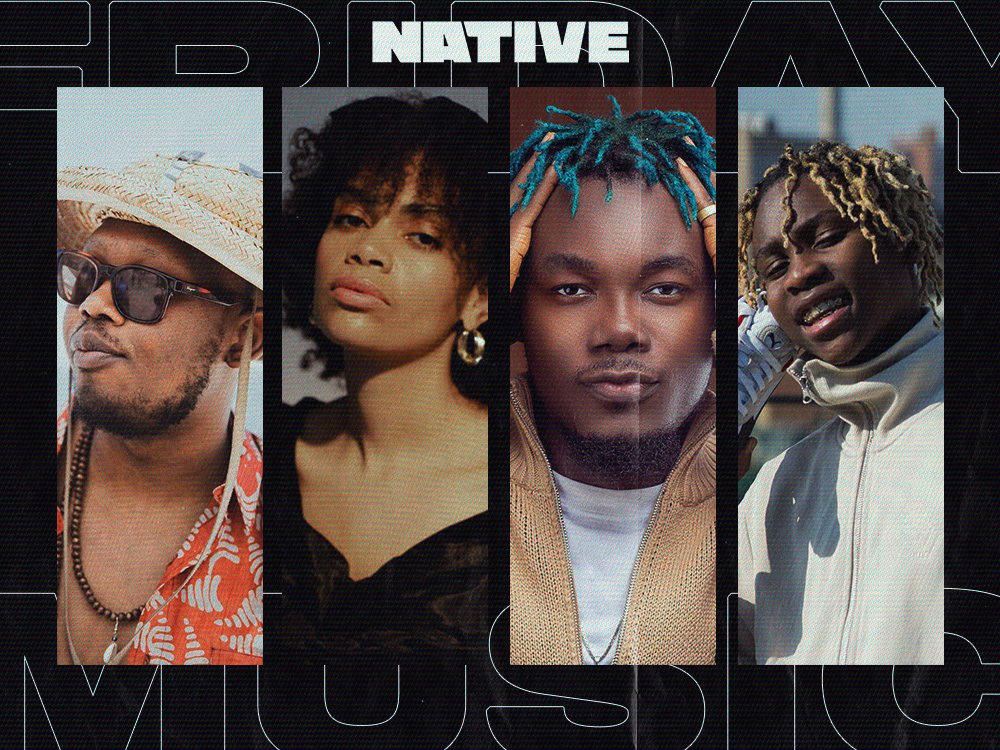
Essentials: Gambian Trio, Nobles Debut Album ‘Joy’ Is Full Of Positivity & Zest for Life

In 2013, T-Berry (Alieu Colley), Aya (Salieu Mballow) and Pablo (Abdallah Badjan) struck a friendship and decided to become a music group. Before then, they had been chasing careers as solo artists. Starting with the stage name Streethustlers, they made covers of the songs of the Senegalese-Gambian group Kerr Gi Family and Nigerian artists P-Square and Wizkid. As their recognition grew in their home country of Gambia, they felt a need to rebrand and chose the name Nobles.  Last year, they released the EP ‘Bukanom (For the Culture),’ which was meant to promote the diverse ethnic groups and cultures in the Gambia.

On their debut album ‘JOY,’ the Money Empire-signed trio collates musical influences from their home country as well as influences from Sub-Saharan Africa. They began recording the album in 2018, moving between Nigeria, Senegal and Gambia, enlisting assistance from Nigerian music producers Phantom, STG and Teekay Witty, and other African music producers UcheMadeIt, JLive Music and Shyboy. The project features guest appearances from Gambian artistes ST da Gambian Dream and Miss Jobizz, Senegalese artists Wally Seck and Rich Waneh, and Nigerian artist Zlatan.

Over the entire project, the producers serve Nobles a collection of beats that push out the best performances from the group. It is a credit to Nobles’ versatility that they slot themselves into the different soundscapes while adding their flavours. Throughout ‘JOY,’ Aya is charged with delivering syrupy hooks and choruses. On the opening track “My Love for Money,” Aya’s vocals are irresistible as he and his co-members declare their affection for riches. “Never switch on nobody/No, no way/I want the money and the power/In the right way,” Aya sings.

Nobles reaffirm their love for money on the upbeat “Dontoroo” featuring Miss Jobizz; they and Miss Jobizz advise their debtors to pay them what they are owed and not try their patience. “Pay me my money/And stop acting so funny,” Miss Jobizz sings. On “Cherry,” Nobles and Wally B. Seck air their feelings for their romantic feelings as they ask, “Would you be my wife/And let me love you?” JLive Music’s production on “Jomuja” leaps with an urgency that Nobles mirrors as they use their verses to convince their lovers to commit to them.

On “Commando,” Zlatan brings the Naija spice with his trademark ad-libs. He and Nobles tell their love interests that they will “Fight for your love like Commando.” In his verse, while acknowledging the song’s theme of romance, Zlatan shares in Nobles’ love for money when he inquires, “Promoter, you must pay me my dough/Where’s my dough?” JLive Music’s horn-driven production on “Kiki” a standout hit song. Nobles and ST Da Gambian Dream regale the eponymous Kiki with admiration.

In an interview with Nobles, My Gambia reveals that T. Berry is “the money man of the team…responsible for the accounting and the money aspect,” Aya “brings in the melody to the music and gets people on their feet to dance to their music,” and Pablo is “the calm guy in the team.” On the Teekay Witty-produced “Yetereh Allah,” Nobles acknowledge the Almighty for the success in their careers. STG’s robust Amapiano-laced drums direct Nobles and Rich Waneh to the dancefloor on the aptly titled “Party.”

“Afro Mami” praises the beauty of the African woman and Jlive Music makes his variation of the Mbalax genre, providing a heady mix of Drill-like synths, horns and drums. The pace is slower on “Ko Mbudi” as Aya sings, “Me wan know I dey for your mind, baby.”  The romantic sentiments remain on “My Way” but the tempo is heightened. On the song, Nobles call on their lovers to trust their devotion and follow their lead.

“We want to share our life experiences, but we also want to convey a message of unity within Gambian music through this album, and we want this album to put our music and culture on the map,” the group reveals. With their album that exhibits cross-cultural influences, Nobles are positioning themselves and their country, whose population stands at fewer than three million, as one of the places to watch out for in the growth of African music.

“We believe this record can add to the elevation of African music, which is currently evolving worldwide, and we want Gambians to be known more for our sacred culture, lovely traditions and immense capacities as this album showcases, instead of notorious governmental issues, and we hope our album ‘JOY’ can begin to change the narrative for the better.”

Featured image credits/

Hot Takes: Mr Money In America, National Honours Award & the Dark Side of TikTok

It’s finally October, and Black History Month is here once again. For many Africans in the diaspora and some of us back home, Black History Month is a pivotal time in Black culture where we honour the triumphs and struggles of Black people everywhere. Celebrating and amplifying Black identities will always be an integral part of the NATIVE‘s mission, so Happy Black History month to all who celebrate.

We’re slowly coming to the end of a busy year, and this only means the detty December period is rolling in any time soon. This year, I’m looking forward to attending as many shows, and of course, crossing over to Ghana for the fun there as well. For us at the NATIVE, December also means end of year lists and ranking some of our favourite artists and projects this year. Revisit past editions here. For today, however, I’ll be focusing on Asake’s US tour which had a bumpy start in Baltimore, to TikTok’s ever totalitarian ways of making money.

What I’m Listening To 

With the year end rolling in, there’s an insane amount of music in circulation right now. Just a few weeks back, CKay released his debut album ‘Sad Romance,’ and I’ve been hooked on it ever since. My personal favourites include “By Now” and “Lose You” which features Ronisia. Other than those two powerful singles, the album itself is an honest portrayal of a toxic love story which is interspersed by alluring sounds and otherworldly production. 

Outside of the album, I’m fawning over a couple of other standout releases including “Xtra Cool” by Young Jonn which is at the top of the Apple Music Charts in Nigeria at the moment, and “Likkle Riddim” by Joeboy which already has the makings of a hit single.

Asake & Nigerian Show Culture 

A few months ago, 2022 breakout star Asake announced his debut USA tour, and a UK tour for the following month. News of the tour was received with rave reviews, as fans clamoured to purchase tickets for the concert and took to social media to share hilarious memes about memorising the singer’s Yoruba-inflected lyrics. It would not be the first time that Asake would enjoy similar levels of viral success, as the YBNL singer has been building key cultural moments with his music, which has led to many drawing comparisons to some of his stylistic forefathers in Afropop including 9ice, Olamide and more.

Officially kicking off on the 22nd of September, Asake’s ‘Mr Money With The Vibe,’ tour has been well underway for less than a month and already, fans are complaining of logistical issues, shoddy security personnel and alarming ticket resellers. Recently, at the Baltimore leg of his US tour, held at the Patapsco Arena, fans and concert-goers complained about the lack of organisation at the event and Asake’s brief stint on stage. Upon further investigation, it was alleged that one of the security personnels present at the concert had their gun stolen from them, leading to the immediate exit of the singer from the arena. In a now viral video, Asake can be seen departing the venue with speed as he is accompanied by a spate of security guards.

It’s not all been bad. Through its near month-long run, Asake’s tour has witnessed some very remarkable moments, which has endlessly been captured by fans and supporters of the artist on social media. From bringing a baby goat on stage to raunchily grinding on female attendees, there has not been a dearth of entertaining moments from the singer’s first-ever tour. However, given it’s his first, there are bound to be some mistakes.

Fans from all across the diaspora have expressed their displeasure at the show’s logistical plans, including the outrageous prices of the tickets, the small and clandestine venue locations and the lack of correct and proper planning. A good example of this would be the announcement and rollout for the singer’s UK arm of the ‘Mr Money With The Vibe’ tour. Since the first London date was announced, fans have come out in throes to express their displeasure at the ticket release rollout, from its pre-release fiasco to its outrageous resellers.

In my opinion, although Asake continues to rise to the upper echelons of Afropop, it’s clear that he still needs space to grow: he’s literally learning how to be a popstar from scratch, no matter how prepared for this moment he may have seemed. It’s also worth noting that many Afropop stars started performing on their home turf before taking their tours internationally but Asake flipped the script and took his tour abroad first. He’s clearly still perfecting his winning formula, and I’m sure the Nigeria tour will be the best one we’ve seen so far.

Buhari has been a bad boy…again?

Earlier this week, the President of Nigeria, President Muhammudu Buhari conferred national honours awards on a talented spate of deserving Nigerians from dominating and leading conversations, both locally and globally, from a range of fields and industries. Among the recipients were author, Chimamanda Ngozi Adichie, singer Teni the Entertainer, Ezra Olubi, the chief technology. officer and co-founder of Paystack.

While many of the videos to arise from the award ceremony centred around Buhari’s mortifying look at Ezra Olubi as he shook his hand and accepted the award, others have also shared scattered thoughts and feelings about young people accepting such level of awards from the very government who failed to protect us barely two years ago. For many Nigerian youth, October is a month of mourning as we remember the devastating occurrences of the EndSARS protests and October, 20 2022.

Two years later, many of us still carry a lot of trauma and anger from the violence inflicted on young people merely for protesting for a better Nigeria, which is could be why people are apprehensive of awards such as this one. While there’s no right or wrong answer to this, we can’t erase the fact that people felt real pain from being let down by the Nigeria government and the armed forces, and in a month of remembrance such as this, many could have seized this moment to pass across a message.

Due to its ever-evolving variety of social, political and economic issues, Nigeria has a constant fixation with messiahs, ideal figures that represent the sort of leadership required to turn around the country’s fortunes. However, it would be unfair to ask anyone to single themselves out as a messiah particularly when many of us witnessed first-hand how women of Feminist Coalition and those who were active during the protests were punished in the weeks and months following its end.

The dark underbelly of TikTok

Since its entry into mainstream popular culture as a mainstay, illegal and unfair business practices have plagued the video streaming app, TikTok. The most recent being the investigation launched by the BBC Eye into TikTok’s dark underbelly of profiting off homeless families and children in Syria. According to the research found, the company has middlemen who work with agencies in China and the Middle East who grant indiscriminate access to families and children from lower-income backgrounds.

These agencies are part of TikTok’s global strategy to recruit live streamers and encourage users to spend more time on the app. As a result, children and young people use the app for several hours as they solicit for gifts and money but in return, they are only given 15% of this earnings. Reports further state that TikTok acquires 70% of these earnings while the middlemen take 35%, leaving the families and children with next to nothing. 

This is so heinous it is unbelievable to begin unpacking this one. This is clearly a case of corporate greed and irresponsibility and it should not be overlooked. Many of these families will only partake in this because there are hard on money and need to take care of themselves and their children. As a company, if you want to render help to the helpless, you should do so from an altruistic point of view and without expecting any returns. To target a country such as Syria were many are war-torn and displaced is the height of callousness and TikTok should pay heavily for this.

It hurts even more knowing that TikTok has now become a viable way for artists and creative entrepreneurs to earn an income online and place themselves in the eyes of their desired audience, but there’s no sweeping something as dark and twisted as this under the carpet. More people should call out TikTok and boycott the app if they refuse to fix up.

Featured image credits/NATIVE

NATIVE Exclusive: Muyiwà Akhigbe Is Powering Nigeria’s Imaginative Realism Scene

When he was 17 years old, Muyiwà Akhigbe discovered he had creativity coursing through his veins. He had just returned home for the holidays from Covenant University, where he studied Computer Engineering. One morning, after sweeping the fallen, brown leaves around his compound into a heap, he was about to discard the debris when he noticed that the heap resembled the shape of a heart.

“I was like, ‘Let me use this broom [that I was sweeping with] and sharpen it well. I made it and I thought, ‘Okay. Alright. There’s something here. I feel like there has just been something in me that loves to create.”

As a multidisciplinary creative, Muyiwà has fingers in many pies: he is a visual artist, singer and art director. In 2020, he founded the advertising agency Gliitzscape with his friend and music manager Adeola Adepoju. Over six years, Muyiwà has worked with brands like Sterling Bank, UBA, Access Bank, House of Chi, Cîroc, Johnnie Walker, Baileys, Glo, British American Tobacco and REDTV, among others.

For Muyiwà, his childhood days were full of love. The oldest child in a family of four, he grew up as an introvert and had few friends – some at school and others in the church. In school, Muyiwà wasn’t a fast learner. With the benefit of hindsight and some research, he reveals that he suffers from attention-deficit hyperactivity disorder (ADHD). 

Muyiwà’s visual art lives on imaginative realism, an art form with its history attached to the Renaissance era, it is a blend of the known and unknown. According to IX Arts, an arts organisation dedicated to promoting popular and critical appreciation of contemporary imaginative realism, it “combines classical painting techniques with postmodern narrative subjects, focusing on the unreal, the unseen, and the impossible, offering visions of humanity’s mythic past, its unexplored future, and, in some cases, the terrifying present.”

Muyiwà’s first artwork of imaginative realism. Image Credits: Muyiwà Akhigbe

Muyiwà’s first encounter with the art form was at an advertising agency where he worked. “[One time] this guy is trying to fuse a flamingo with a giraffe. I was like ‘Okay. I see what he is doing. It’s nice and all that.’ I never had [an] interest [in] it. Until the day I was so bored, and I decided to look for elements. He soon realised that he had created something that was beautiful to behold.  “I feel like once I discover something that excites me, I [develop] tunnel vision [toward] it, I just put my head in it. Every day I started creating something. That was how imaginative realism started [for me],” he shares with the NATIVE.

Most of Muyiwà’s works—like ‘Sea Melon,’ ‘Star Scraper,’ ‘Little drops they say…’ and ‘Dive Down Town’—reimagine real-life scenarios and upend reality as we know it. For him, the art form serves as both an escape from the distress of his world and an outlet to push out the thoughts and fantasies that live in his head. Utilising tools such as Photoshop, Akhigbe exerts control over the canvas and constructs the realities he wants or imagines can exist. “We are in a world where everything is capped,” he says. “The best things go on your mind; the best things are your imagination. Won’t it be marvellous to bring some of those things to life? That’s what still driving me till now.”

Muyiwà’s inspiration comes from observing the world around him; he pries open the emotions, moods and situations of the people he encounters in his day-to-day living. Everything he sees on social media and TV and every place he goes to in his travels has the potential to spur his creativity. He is also a diligent follower of various image-sharing platforms—Pinterest, Behance, Ads of the World, Pexels, Unsplash and Shutterstock, to name a few. His foray into visual art began out of necessity: one time, a friend at Covenant University who usually designed the cover arts for his songs was not available; so he reached out to a course mate who had Photoshop in his computer system to put him through the software. The course mate did and with time, Muyiwà perfected the use of the software, setting him on the path of graphic design.

Gbemi de be. Image Credits: Instagram/muyiverse

He also owes the birth of Gliitzscape, his advertising agency to another friend Adeola Adepoju. For the longest time, Muyiwà toyed with the idea of setting up an advertising agency but he lacked the courage. It was Adeola who encouraged him to give up his fears and pursue his dreams. Adeola handles the business part of Gliitzscape, which includes an online art gallery they use to curate some of the art the company does. Last year, Muyiwà was invited to EXPO Lagos to showcase some of his artworks and it was an occurrence he considers a big win for him and Adeola’s nascent company. But the biggest challenge, he reveals, is that Gliitzscape operates in a niche sector and that imaginative realism is yet to gain wider acceptance in Nigeria.

“We can say [art] is thriving [in Nigeria] but it can be more if the perception of more Nigerians can change toward art,” he says. “If there are more people to appreciate [art], then that will be a good thing.”

Muyiwà terms his music as an Afro-futurist sound. “[It] is a blend of Western Futuristic sound and also Afrocentric sound,” he tells The PGM Club. “When I mean Western, we are taking elements from EDM, House, and a little bit of their contemporary Pop and fusing it with the Afrocentric theme music that we have.” Under OLMA Records, his independent outfit, he has released four projects—2016’s ‘Dear Music,’ 2018’s collaborative rap mixtape with Nigerian lyricist Rhye Ali ‘Conversations,’ 2019’s ‘My Journey Begins’ and 2020’s collaborative project with Nigerian music producer BankyOnDBeatz ‘Hard Guy.’  

“My reason for exploring Afro-futurist music, of which I am still yet to explore it to the fullest, is definitely different from that of the visual art,” he says concerning the connection between his music and imaginative realism works. “I have just reached the point in my life where I don’t want to do anything because it’s a norm. I want to do anything and everything because it is self-edifying. Just like they say, every artist has his or her personality in the art that they create.” Akhigne’s uniqueness lies in his ability to marry all his creative talents: “It’s a very beautiful coincidence – they actually connect. There was a song I did, ‘Out of My System.’ That was like the first song I wanted to use to chart that Afro-futurist scene and the art that I made for it [connect]. All my expressions come from an aligned point of view.”

Interestingly, Muyiwa does not have a favourite visual artist whose style has moulded him. “This might sound funny [but] I follow the art and not the artist,” he says. “And it’s so funny because when it comes to music, I follow the artists [before] I follow the music. Usually, the art draws me in so much and because I am new in this space, I am not very big on art talks and art debates. But in terms of what I have been exposed to, every print ad that I have seen that required imaginative realism, has drawn me in.”

He mentions queer, non-binary, Arab-American artist Ramzy Masri as someone whose works he admires. “He does these things with colours; he is just amazing with colours.” He also mentions a few Nigerian artists who practise imaginative realism—Hannah Durojaiye, Eyitayo Adekoya and Kemi Solaja. “[Imaginative realism] is something that’s already being practised in Europe but it hasn’t yet caught on in Nigeria,” Muyiwà says.

Rush Hour. Image Credits: Instagram/muyiverse

At the moment, Muyiwà is fascinated by AI art. Set on artificial intelligence, which is a field of computer science based on machines that mimic human patterns, AI art is an emerging art form. Muyiwà believes that digital art signals the future of art in the world and that it isn’t a lesser art compared to traditional art. “Art is one. It is many things connected and with the different times and different eras, we’ve seen art transcend,” he says.

“For example, at some point in time horses were the [predominant] mode of transportation. I feel it is the same with art. I don’t think there would be any point in time when a new form [will] replace the other. The most valuable art pieces that we have today are still the ones by the Leonardo da Vinci’s. Art is now very decentralised but still, I don’t think one form of art will take away the glory of another art. All [art forms] are supposed to exist.

For entertainment and relaxation, Muyiwa loves wildlife documentaries, crime documentaries, hanging out with friends and playing games. He acknowledges that the imaginative realism scene in Nigeria is still niche and there is a need for collaboration – a quality that he carries abundantly in his music and hopes to reenact with his visual art.

“Right now, I want to meet other creators and rub minds,” he says. “I can’t do it alone and if I want to get better at what I do, I need to meet with other people who are like-minded. And when the community grows, we can become formidable. While I will always be creating, what I want to do intentionally is meet more artists, especially the ones in this space and see how we can build, because, in the end, life is about community.”

Featured image credits/NATIVE


ICYMI: 11 Projects You May Have Missed This Year

Blaqbonez Is A Skilled Auteur In New Video For “Back In Uni”

Blaqbonez is no stranger to breaking the Internet. Ever since the promotional run for his latest single “Back In Uni” started, the Chocolate City act has embarked on a typical run of whimsical brilliance, and the lingo of shattering the digital space of social media was only expected. It is especially so, considering the immersive way Blaqbonez has brought his fans into this record, eliminating the conventional process of a roll-out. Being one of the people has been a driving force in Blaqbonez’s branding, and the much-heralded visuals for “Back In Uni” is causing quite the stir online as the musician predicted. 


View this post on Instagram


A post shared by Emeka The Stallion 🐎 (@blaqbonez)

Before one considers the video’s cinematic qualities, it’s worth recognising how Blaqbonez subtly channelled the greats by associating with them all through the song’s creation process. For its afro-swing edge, he’d set off a stream of communication with Jae5, the British-Ghanaian producer whose work with J Hus stands as a legendary touchstone of Black British music. Even without hearing the record, that foreshadowed the sonic direction and even then, Blaqbonez embedded more narrative detail. Visits to his alma mater were captured in spare, telling pictures, spurring conversation among his fan base. In the comments sections, he replied to questions about his time at the Obafemi Awolowo University, stoking fire which caught on beautifully after the record’s release.

The NATIVE selected “Back In Uni” as this week’s Best New Music, establishing Blaqbonez among the growing number of Afropop acts framing their youthful exuberances within the fold of relationships. And now, barely twenty-four hours later, the man has again reached an important artistic achievement. Right now, the words “BB Omori” and “Blaqbonez” are buzzing online, due to the rapper co-directing the visuals of his latest record. After the humorous, revealing exchange with the mercurial T.G Omori, a section of Blaqbonez fans knew he was going to pull this off. He had to. 

A lot of rappers are funny, but most of them never bluff. Beneath the ice cold bars there’s a recognition they can execute if push comes to shove, and Blaqbonez emerges from that tradition. Perhaps few will remember, but he was a battle rapper after all, taking punch after punch from more established MCs in the Nairaland platform, but getting up each time and with more resolve. That tenacity is every bit on display here. 

Alongside Perliks Pictures, the rapper executes a video which is part parody, part ambitious. The success of its parody actually speaks to the ambition but there’s a separate conversation to be had of the cinematography. In a time when online skit makers are challenged to be more deliberate in their production, Blaqbonez knows to tap from existing material. Being a musician grants him shock value, and sampling from other music videos isn’t something many would have imagined. Especially when you consider he was cruising a whip in its trailer video, which is a direction that would ordinarily have worked.

Blaqbonez is no ordinary creator. Pretty much everyone has lauded his inventive schemes, embodying several roles to bring his vision to light. Most might think it a commercial shtick, but there’s artistic potential in there too. Art benefits a lot from inclusion, and from time artists have tapped into multiplicity. Imagine M.I on Safe,” interpolating several hit songs of the day and making a spin on them; many years later, he’s having iconic artists doing voice overs on The Guy,” a layering which had many piqued for his album of the same title. Olamide changing clothes in Eni Duro also had that quality. 

In this generation of Afropop, more artists are diversifying their brand. Producers are pivoting into music careers, songwriters are making their voices heard, and way more deliberation is given to overall aesthetic as opposed to creating the music as a stand-alone product. Not long ago, Burna Boy debuted as a director with the freewheeling visuals of “Last Last“. An artist like Blaqbonez carries the DIY tendencies of Gen-Zers, positioning himself as a creator as opposed to just being a musician. Evolve or die has been a sounding alarm for artists, but for Blaqbonez it’s an ethos he lives by. That much was obvious when he spoke with Korty, another creator who fits in that mould having dabbled in music business and modelling in the past. 

Content rules and Blaqbonez knows this. With incorporations of visual snapshots from Wizkid’s “Bad To Me,” Oxlade’s “Ku Lo Sa” Ruger’s “Girlfriend,” Ayra Starr’s “Rush,” Fireboy DML’s “Bandana” and many more, he sees the potentials for conversation and carves a straight line there. Obviously with its high potential, so are the chances for underwhelming execution. As you’ve probably watched, he very much succeeds. A resonant humour is found in every scene, the familiar reimagined with unbelievable dedication. 

Earlier this year at his anti-love concert which was packaged as a crusade event, Blaqbonez’s peculiar showmanship was colourfully present. For such genius, there’s really no template which is why Blaqbonez will continue to be a hot topic in popular culture. Everything he does is informed by very particular experiences, the humour of one who’s had to claw his way to the top when others had it easier. It’s clear that his forthcoming ‘Young Preacher’ album will lean towards dramatic qualities which should make for interesting conversions such as we’ve seen this afternoon. If anyone can do that, it’s definitely Blaqbonez. 

Songs Of The Day: New Music From Dami Oniru, Tekno, Elaine & More

We’re more than halfway through 2022, and it’s been an eventful year for Afropop. There’s been a torrent of great new music, spawning a massive stack of inventive smash hit songs. From Highlife-infused Ghanaian pop, to the unrelenting force that is Nigerian street-pop, to South Africa’s indomitable Dance scene, to tantalising Drill explorations in East and Central Africa, and much, much more, we’re living through abundant and musically expansive times.

Every week, many songs from African artists make their way to digital streaming platforms, and wading through them can be intense. That’s where The NATIVE’s Songs of the Day column comes in to help. We go through as many new releases as possible, spotlighting them here, two to three times every week. This Friday, enjoy new music from Tekno, Elaine, Toby Shang and more. Dig In!

Dami Oniru – “Soft Life”

After taking a brief hiatus from releasing music, Dami Oniru is back and better. Arriving today is the singer’s first solo release of the year, “Soft Life.” The Remy Baggings-produced number lays her smooth vocals on a euphonious beat and allows Dami’s hop between soft percussive elements and synth-led samples. Over the sultry beat, she opens the record chanting the lyrics such as “Money on my mind, money on my mind,” letting listeners in on her current state of mind.

Blaqbonez – “Back In Uni”

Blaqbonez makes his directorial debut with the brand new video for his most recent offering, “Back In Uni.” The colourful and vibrant video for the record captures Blaqbonez playing different characters of his peers including Oxlade, Ayra Starr, Burna Boy, Wizkid and more. The video keeps viewers engaged as it encapsulates a lot of what is going on in popular culture.

Tekno – “Pay”

Afropop hitmaker Tekno is back with another catchy bop. The Kulture-produced number is an uptempo track which is a feel-good track which has a groovy addition to the production, making listeners move to the melodies of the track. On the chorus of the record he chants “If anybody hold me money, e go pay/you know I hold two baby and I like to celebrate,” speaking on having his racks up as well as enjoying life. 

Elaine – “Fading Away”

Soft touches of alluring melodies are everywhere on the new record “Fading Away” by South African singer, Elaine. The R&B number finds her speaking to a lover who has done her wrong multiple times, letting him know she has no more chances left to offer. Over the melancholic production, she sings on the hook “All the times you did me wrong, I still stuck around/all the things I did for you oh baby, why did you let me down?” 

Toby Shang – “Update” ft Naira Marley 

Hypeman and MC Toby Shang has shared with listeners his debut EP ‘The Best.’ The 6-tracker features Naira Marley, Poco Lee and Rexxie, and cuts across different topics and experiences, from tracks where he hypes himself up to more empowering anthems where he reminds listeners that he’s the best. On the standout single, “Update” he taps Marlian Music honcho, Naira Marley for a boastful number that finds them both speaking on making money and stacking their paper. 

Jamopyper – “Balance”

Street-pop singer and Zanku records signee Jamopyper has arrived with the new amapiano-infused party bop “Balance.” Produced by Niphkeys, the record sees the artist singing in his dialect, speaking on making more money this year as well as showing gratitude to his maker who keeps the money rolling in. 

Shaykeh – “No Matter”

Newcomer Shaykey shares new Highlife-infused rhythmic record “No Matter.” The record finds the artist gliding smoothly over easy-sounding production as she sings about seeing positivity in life. On the chorus she quips “No matter, no matter the circumstances/e no matter the kinda bukata they want use fi try this/cos God don design this.”


Beat$byLadi – “Time Flie$” ft Damy, Muyiwa Frank

Canada-based record producer and mix engineer Beat$byLadi teams up with newcomers Damy and Muyiwa Frank for the soulful number “Time Flie$.” The new track sees the singers speaking on making the most of their time, focusing on their grind and chasing their respective bags. 

Dotman – “Sweet Melody”

As the name implies, veteran singer and songwriter Dotman has a sultry and melodic new single “Sweet Melody.” The mid tempo track finds the artist expressing his gratitude for the gift of music. Over the catchy production, he sings “ah ah sweet melody make dem girls go crazy, eledumare don bless me na why dem dey jealous me.”

Featured Image Credits/The NATIVE

uNder Spotlight: Majesty Lyn Is Breaking Through

In 2018, Majesty Lyn scored her first big break in the music industry which crowned all her earlier efforts to make a name for herself. Fairly unknown at the time, she released a number of music covers to popular songs to a small and intimate audience on her growing social media pages, one of which was a refix of Peruzzi & 2 Baba’s 2018 hit record “Amaka.”

Like a number of incredible new artists breaking through the fray, Majesty Lyn found fame by posting these covers and gained the attention of the many new listeners through her smooth and elegant voice. Since then, Lyn has kept the fire burning with earworm releases such as 2020’s “Find Your Way” and the Waye-assisted “Perfect For You” only a year later. She’s kept her music releases precious and powerful, with the most recent offering, her third project ‘Things On Things,’ providing a fuller view of the artist and the person.


View this post on Instagram


A post shared by YOYO (@majesty_lyn)

It’s interesting to note that before the virality, Lyn was finding her footing in the game as a rapper. She tells the NATIVE that she was more interested in dishing out hard-hitting bars, threading together unique punchlines and rapping circles around her contemporaries than she was about singing. To Lyn, she wanted to make uplifting music rather than give into her pain, and rap music provided that outlet to show up as her most confident self.

“While I was growing up and working on my rap, I had a lot of anger and it was my way of expressing myself and getting through things then I realised it was just a lot for me and it put me in a dark place,” she shared with the NATIVE, speaking candidly about switching her off-the-cuff raps for smoother, mid-tempo melodies. Growth is clearly a guiding force in Majesty Lyn’s career and it’s clear that improving her skills is a sort of pride for the budding star.

Following the release of her sophomore EP ‘Things On Things,’ which she describes as a body of work in which she used to channel all her emotions, she sits with the NATIVE to discuss her journey so far, her process of making music, her plans for now as well as the coming years. 

Her words which follow below have been lightly edited for clarity.

NATIVE: Could you briefly tell me about your upbringing and hometown and how they influenced your entry into music?

Majesty Lyn: First of all, I’m from Port Harcourt city in Rivers State, and I just happened to grow up in a home where I was told that I could do anything. My parents gave us this confidence that no matter what it is, no matter how big the dream is out there, if you put your mind to it then you can achieve it. I grew up in a home full of fighters, so I was raised to be a fighter. I was raised to chase and not give up, and this influenced my music and just generally the confidence that comes with my music.

Is there a specific moment that made you aware you were going to be a musician?

I grew up in a home where they didn’t really let us listen to commercial songs. We were not completely religious home, but for my dad it was more about morals. Most of the songs were talking about real life stuff and they were mainly for adults. We listened to more cultural songs than the secular ones. Every Saturday morning, my family and I listened to the music of a cultural group called the Royal Boys of Rumuodomaya. I believe that I may have been influenced by that, but it was when I competed in a rap battle in University that I knew I wanted to pursue music. I had been writing raps and poems but I didn’t think I was going to take it seriously enough to make it a career. Then, one day when I was in my third year, I randomly walked into a rap battle where I was put on the spot and I just found myself rapping. From that moment on, I knew that I had to chase music.

So what then made you put down the bars for singing?

As much as I love Hip-Hop, I realised that it wasn’t exactly native to Nigerians, it’s foreign to us and a lot more technical. Asides that, rap is a movement, you’re supposed to express yourself completely. The kind of things we talk about and do during the rap battles are just a lot to grapple. While I was growing up and working on my rap, I had a lot of anger and it was my way of expressing myself and getting through things. Then I realised it was just a lot for me and it put me in a dark place, so I decided to try something different. I’m happy I did. 

Who were some of your musical influences growing up?

While I didn’t listen to rap songs or other genres except gospel and cultural songs, I could still hear secular songs from Wizkid and the likes. For instance, on my way to school I would hear it on the radio or in group discussions with my friends at secondary school. So, I started getting inspired musically when walking the streets home from school, and even birthday parties. I loved people like Wizkid, Nicki Minaj, Lil Wayne, and I also enjoyed a lot of P-square but Wizkid was the person that caught my attention the most. In recent times, I’d say that Rema and Burnaboy inspire me with their Afro-fusion influence. 

How would you describe your songwriting and creation process?

Well, usually I start with a beat I have already and do a freestyle, while the beat is being played in the background. Most times, I mumble the freestyle and then I write over the melodies after. Or I can be doing something random and write down a verse that pops into my head. Regardless, I start by creating melodies over the lyrics, or I create the melodies first and then I write after. 

Now let’s talk about the new project ‘Things on things,’ what does it mean for you now that the EP is out in the world?

For me, it’s a lot of relief because the last one year was very exhausting. I don’t think I’ve ever worked on any project for a whole year, so now that the project is finally out I’m very relieved. 

What inspired this EP titled?

The title of the EP was inspired by two things. The first thing was the randomness of all the experiences and emotions I had while I was working on the project. The second thing is the EP’s titular track, “Things On Things.” It was a song I made that was supposed to be on the project but ended up not making it. However, this name was so fitting to everything that I had gone through in the past year, and the theme for the project so we just had to stick with the name.

The EP focuses on daily issues we experience as women, from loving someone to being in toxic love situations and finally finding the strength to leave. How were you able to channel all these raw emotions into ‘Things on Things.’ 

I can’t take full credit for being expressive completely on the project. As much as I did sing most of the songs on the project, some were written by me and other writers as well. It wasn’t just me channeling all those emotions, it was a collaborative effort. The songs that I created myself for example, the last track “Tenderly,” I was going through a toxic relationship, so I knew what it felt like to be in one. It was just easy for me to put it out there and talk about the things I was going through at the moment. 

With this body of work, what sonics and themes did you draw from?

Initially, the theme of this project was meant to be ‘If Summer Walker had a baby with Ckay,’ what would the track sound like? CKay is Afropop with more emo, sad and romantic songs, and for Summer Walker, when it comes to her lyrics and expressing herself, she’s very real and doesn’t hold back. She’s into Trap-soul which is a side of me I wanted to explore, so initially we were going for that. I also drew inspiration from everywhere else. That’s why songs like “Notice” and “On You” show the full range of my versatility.

‘Things on Things’ is much different from your last project. What would you say you represent right now with this project?

I am a lot more expressive, so right now, I view myself from a point of view where I’m not being held back by anything. You can’t put me in a box, and say this is what I can’t do, or this is what I can do. That’s the kind of message I’m trying to pass out there. Regardless of what you’re going through, it may not necessarily be rosy all the time but you’re going to get through it. I had to make the songs as relatable as possible for everyone that listens, so they know that regardless of what they’re dealing with, they’re not dealing with it alone. 

What’s the most important thing about the music you create? How do you want your listeners to react to the music you create? 

I’m hoping that when people listen to my songs they can relate to the sound, not just the melodies but also the lyrics. I would like to be seen as someone that understands what my listeners are going through. I would like for people to listen to my music and not feel alone. 

So what’s next for you from here?

My contract is ending in a few days, so right now the management team and I are pitching and trying to get a good deal. We are looking for a label or an investor that can just get my career to the next level. I’m ready for my next level.


View this post on Instagram


A post shared by YOYO (@majesty_lyn)

Featured Image Credits/NATIVE


ICYMI: Blaqbonez “Back In Uni” Is An Anthem For The Unbelievers

What’s Going On: Nigeria’s Severe Floods, Burkina Faso-Russia Connection, ASUU Strike & More

“What’s Going On” Tallies Notable News Headlines From Across The Continent — The Good, The Bad, And The Horrible — As A Way Of Ensuring That We All Become A More Sagacious African Generation. With This Column, We’re Hoping To Disseminate The Latest Happenings In Our Socio-Political Climate From Across The Continent, Whilst Starting A Conversation About What’s Important For Us To All Discuss. From Political Affairs To Socio-Economic Issues, ‘What’s Going On’ Will Discuss Just That.


SEVERAL NIGERIAN COMMUNITIES EXPERIENCE SEVERE FLOODING

Since last month Nigerian states have endured severe flooding. About 27 states across the country were reported to have been affected, with casualties running in the hundreds. Over half a million people have been displaced and even more losing valuable property, stoking great conversation in recent times. With images online revealing just angles of the disaster, a number of people clamoured for more awareness about the destruction by water going on in Africa’s most populated country. 

For years now the message of adjusting to climate change has fallen on the government’s deaf ears, with Nigeria essentially failing to plan for rainy seasons and their typical turbulence. Poor environmental practices and unplanned infrastructure are some root causes, while Nigerian officials say this year’s flooding was caused by overflowing rivers, rainfalls that have long stretched beyond the usual season, and more historically, the release of excess water from Cameroon’s Lagdo dam. 

So far, many states from Kogi to Benue, Taraba, Jigawa and Anambra have been heavily affected by these floods. Residents have fled their homes, and farms destroyed, which economic forecasters predict will have an adverse effect on the availability of food going into the festive period. “In terms of the supply of agricultural production,” said Mai Farid, who heads the African department at the International Monetary Fund, “it is going to drop which will put even further pressure on prices. And in addition, the floods have affected some of the transportation networks which makes it even harder for food to transfer into the country or even out in any essence storage”. 

THE BURKINA FASO COUP & ITS RUSSIAN CONNECTION

Recently, we reported that Burkina Faso had gone through its second military coup in nine months. This one was spearheaded by 34-year-old Capt. Ibrahim Traore who overthrew the former President Lt-Col Paul-Henri Damiba who, subsequently, fled to the neighbouring Togo from where he sent well wishes to the current administration. 

Many were left to consider the frequency of military coups across West Africa in the event’s aftermath, especially with Guinea and Mali having had successful coups since last year. Political observers have made connections between Burkina’s coup and Russia; in the capital of Ouagadougou, young people were seen waving the Russian flag. Quite telling was the congratulation passed to Capt. Traore by Yevgeny Prigozhin, an oligarch close to Russian President Vladimir Putin and the founder of the Wagner Group—which the BBC describes as “a shadowy mercenary organisation active in several African countries”. 

Describing the captain as “a truly worthy and courageous son of his motherland,” he said: “The people of Burkina Faso were under the yoke of the colonialists, who robbed the people as well as played their vile games, trained, supported gangs of bandits and caused much grief to the local population”. As widely reported, Yevgeny was playing to the dissatisfaction of many former French colonies towards the establishment of France. On his part, Captain Traore called for support from any world powers “willing to help” the country in its security fight against insurgents and militants. 

GHANA’S ECONOMIC CRISIS LOOMS

Way back in July, it was reported that Ghana was suffering its highest inflation fall-out in two decades. Traders and other business people bemoaned the high cost of importation and as well the ludicrous cost of clearing them from the ports. A then-recent hike in fuel prices also had an adverse effect on the West African country, an offshoot influence of the cedi’s depreciating value. 

Three months later, the complaints are still plenty. Ghanaians have taken to social media to bemoan the persistently rising cost of living, as the dollar continues to rise against the local currency. In an address to the UN General Assembly in late September, the Ghanaian President Nana Addo Dankwa Akufo-Addo related the problem to a global economic crisis and rallied the need for African economies to react progressively. He also drew connections with the World Bank’s observation that these were unprecedented times since the seventies, which was a direct consequence of the pandemic which brought “our world [to] a thundering halt, as we cowered from a health pandemic from an unknown, malicious virus, coupled with a devastating global economic pandemic. High budget deficits were no longer a concern of only developing nations”. 

Still, Ghanaians have had credible reasons for voicing out their complaints, considering how President Akufo-Addo’s administration has positioned the country as a cultural utopia for internationals looking to experience the African vibe—which is bolstered by the burgeoning status of Afropop—up close. It would therefore be in the interest of all to place local issues at the forefront of the government’s concerns even as other affairs continue to be run with the pragmatic assurance that Ghana has shown. 

A SOLUTION TO NIGERIA’S ASUU STRIKE 

Yesterday there were widespread reports that Nigeria’s Academic Staff Union of Universities (ASUU) had reached an agreement with the country’s Federal Government. Since February 14th, millions of university undergraduates across the country have stayed at home due to the strike declared that day by ASUU. 

In a series of back and forths, both parties—with the intermediary of the Education and Labour Ministers—had failed to reach a compromise. President Muhammadu Buhari began to personally involve himself in negotiations some two months ago, but even after an unconfirmed report that he’d given two weeks for the settlement of the strike, nothing actually resulted from the emergency meeting. In recent weeks, he’s positioned the Speaker of the House of Representatives Femi Gbajabiamila as an intervening party in the negotiations, and that’s brought the desired results.

A clip which circulated yesterday saw the ASUU President Emmanuel Osodeke laud Gbajabiamila for the way he’s handled the talks which had been holding since last week. This was coming after the court fracas between the Government and ASUU which resulted in the Court of Appeal ordering an immediate resumption from the union. “Please, let all of us work to put a beautiful end to this thing we have started,” said Osodeke during the meeting, “so that every Nigerian will be proud that we have universities we can be proud of…So, once again, thank you very much and we hope that working together, in the next few days, we can put an end to this particular imbroglio in the Nigerian educational system”. 
TurnTable Top 100: Ayra Starr’s “Rush” Spends A Second Week At No. 1

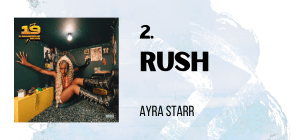
It looks like Ayra Starr may have another hit on her hands as her solo single “Rush” spends another week at the top of the charts. The record “Rush” remains at No. 1 for another consecutive week in a row. “Rush” tallied 5.31 million streams and 47.2 million in radio reach. It also tallied 7.76 million in TV reach, which is good enough for No. 12 on the TV chart this week. Last week, Ayra Starr became the first female artiste to record multiple No. 1 entries in Nigeria and only the second artist to have multiple No. 1 songs off a debut album.

Asake’s  “Joha” hits a new peak at No. 2, moving up four spots from last week’s previously held position at No. 6. The record tallied 3.54 million streams and 39.1 million in radio reach. As a result, Asake has become the first artist to have multiple entries reach the top 2 in Nigeria. Asake’s “Terminator” holds at No. 3 spot for another week and at No. 4 remains Pheelz and Davido’s “Electricity.”

Rounding up the top 5 this week is “Organise” by Asake at No. 5. The record slips down three spots from last week. It also spent a week at No. 1. Fireboy DML & Asake’s “Bandana” moves down from No.5 to No. 6, after spending seven non-consecutive weeks at No. 1 becoming the joint-longest No. 1 of 2022. Bella Shmurda & Omah Lay’s “Philo” holds at its No. 7 peak for another week while Asake’s “Dull” rebounds 10-8. Rounding out this week’s top ten; Wizkid’s “Bad To Me” drops from No. 8 to 9 while Oxlade’s “Ku Lo Sa – A COLORS SHOW” falls from  9-10.

Just outside the top ten; Victony & Tempoe’s “Soweto” rises to a new peak of No. 11, while Young Jonn’s “Xtra Cool” jumps from No. 25 to No. 13 on this week’s Top 100; however, it is the first song to occupy No. 1 on the radio chart and fall outside the top ten of the corresponding aggregate chart for that week.

Featured Image Credits/

Best New Music: Blaqbonez’s New Single “Back in Uni” Is an Anthem for the Unbelievers

In the promo video for 2018’s L.A.M.B August Hip-Hop projects, while M.I Abaga, Loose Kaynon and A-Q delivered pointed answers to the questions about the Rap culture in Nigeria, Blaqbonez went off target, repeating the words, “I’m just a humble guy.” At that time, everyone wondered what kind of stunt Blaqbonez was pulling. When his project ‘Bad Boy Blaq’ eventually came out, one thing was clear: Blaqbonez is a terrific artist. ‘Bad Boy Blaq’ featured Oxlade, Loose Kanyon, A-Q and Terry Apala; the track “Mamiwota” showcased Blaqbonez’s ear for melodies and also served as a breakthrough for singer Oxlade. Those moments exemplified the duality of Blaqbonez: astute vocal delivery in the studio and eccentric humour outside of it.


View this post on Instagram


A post shared by Emeka The Stallion 🐎 (@blaqbonez)

Last year, Blaqbonez doubled down on his playful side to promote his debut album ‘Sex Over Love.’ He went out into the streets with a megaphone, calling on people to listen to his project. Across social media platforms and interviews, he pushed his gospel of sexual encounters devoid of romantic attachments. The music on ‘Sex Over Love’ matched the energy Blaqbonez exhibited off wax; it was a collection of Hip-Hop and Afro-pop songs, on which the Nigerian artist effortlessly blended his rapping and singing skills. On “Back in Uni,” the lead single off his sophomore album ‘Young Preacher,’ Blaqbonez’s strengths are on display again.

In the months leading to the release of “Back in Uni,” British-Ghanaian record producer JAE5 revealed that he charged £25,000 for a beat. His tweets got people talking, with Blaqbonez pleading with his fans to stream his song when it comes out. He also engaged in a mild trolling of Asake to vacate the No. 1 spot on the music chart. At the moment, “Back in Uni” sits at number eleven on Apple Music’s Top 100 songs in Nigeria.

On “Back in Uni,” Blaqbonez, who is an alumnus of Obafemi Awolowo University (OAU), excavates his past romantic dealings during his time in the tertiary institution. “My girlfriend way back in Uni/Some things she’ll never know/Oh lord I did her dirty/Some things she’ll never know,” he sings in the chorus. For Blaqbonez, there is no sincerity in romantic relationships; everyone is cheating on their partners with others.  He accepts his culpability when he sings, “To all the keles wey I don ghost/Didn’t mean to play with your heart/But that’s just how the game goes.”

JAE5’s production is minimalist with an Afropop-influenced Hip-Hop rhythm. Blaqbonez expertly flows on the track, changing his cadences as he finds pockets of melody. Theme-wise, “Back in Uni” taps into the debauchery that began from ‘Sex Over Love’ and runs into CKay’s ‘Sad Romance’ and Fireboy DML’s “Ashawo.” In a largely conservative society like Nigeria, there is a lot of hush-hush on matters of sex and having multiple sexual partners. Artists like Blaqbonez are bold enough to stand their ground and stick to their reality, even if it goes against the views of the majority.

Across social media platforms, there are always conversations about the dishonesty prevalent in many relationships. Those conversations have birthed the term “breakfast,” which in Nigerian speak stands for heartbreak. “This street no send your mental health/Shey you no dey see am for internet?” Blaqbonez sings on “Back in Uni.” For him, one of the efficient ways to avoid heartbreak is to break hearts instead. Although that doesn’t make for a healthy view of relationships, it is hard to fault Blaqbonez’s logic.

After sharing a hilarious exchange with Nigerian video director TG Omori, Blaqbonez revealed that he would be directing the music video for “Back in Uni.” According to him, the video drops tomorrow, and in his usual fashion, he is breaking the internet. ‘Young Preacher’ also drops in about two weeks. Judging by “Back in Uni,” the album will continue his gospel of ditching the love tropes and sticking to his ideology of closing one’s heart to love while opening up to sexual pleasures.

Listen to “Back in Uni” below.

Featured image credits/Blaqbonez

Songs Of The Day: New Music From Joeboy, Moliy, Blaqbonez & More

We’re more than halfway through 2022, and it’s been an eventful year for Afropop. There’s been a torrent of great new music, spawning a massive stack of inventive smash hit songs. From Highlife-infused Ghanaian pop, to the unrelenting force that is Nigerian street-pop, to South Africa’s indomitable Dance scene, to tantalising Drill explorations in East and Central Africa, and much, much more, we’re living through abundant and musically expansive times.

Every week, many songs from African artists make their way to digital streaming platforms, and wading through them can be intense. That’s where The NATIVE’s Songs of the Day column comes in to help. We go through as many new releases as possible, spotlighting them here, two to three times every week. This Friday, enjoy new music from Yimeeka, Seyi Vibez, Mannywellz and more. Dig In!

JOEBOY – “LIKKLE RIDDIM”

He might yet be embroiled in a legal tiff, but Joeboy is keeping the sound alive. After the slowburn genius of “Contour,” the talented musician taps the groovy texture of Caribbean sonics for his new record. P. Priime provides the colourful production, mashing mellow drums to fit a bashment mood. “Likkle Riddim” emerges then as a delectable soundtrack to one’s happier moments and offers another fitting run-up to the impending release of Joeboy’s sophomore album.

BLAQBONEZ – “BACK IN UNI”

Since teasing this record some weeks back, fans of BlaqBonez have been on the lookout. Already there’s a rare Jae5 production setting the perfect soundscape, and the rapper flexes the growth of his singing even more colourfully. The record’s subject matter continues from the hedonist trappings of ‘Sex Over Love,’ with Blaqbonez bemoaning his past ways. “Big bank take little bank, it’s the law of the jungle,” he raps authoritatively, sketching the figure of his celebrity even more poignantly. As far as singles go, this is surely a great run-up to the rapper’s forthcoming ‘Young Preacher’ album.

MOLIY FT. MOONCHILD SANELLY – “HARD”

What do you get when two women heavyweights of African music collaborate? You get a HARD record. Here, Moliy brings her luscious vocals into a stripped, colourful soundscape which allows her unfurl romantic stories. An ad-libbed chorus entrances the listener, and around the verses Moliy moves with electric sensitivity. Moonchild is quirky as ever, rapping a spellbinding verse in her usual innuendo-laced style. In all, it’s a record that really works and it’s easy to see why.

REXXIE, NAIRA MARLEY & SKIIBII – “ABRACADABRA”

Marley has been in the news for all the wrong reasons but the man does know how to carry a vibe. On this Amapiano-tinged number, he joins frequent collaborator Rexxie and Skiibii to craft an hypnotising number. Their distinct strengths, from Rexxie’s visceral production to Skiibii’s sugary writing and Marley’s eccentric tales all colour this record with a dark, enchanting vibe, much like the magical word it takes for its title.

YIMEEKA FT. PHEELZ – “SMOOTH CRIMINAL”

Soft lines of serenade are everywhere on “Smooth Criminal,” the affecting new record from Yimeeka. Over stripped production, she combines for a duet with the superstar Pheelz. It’s the “Finesse” musician who kicks things off, tapping into his emotions like seldom heard before. Yimeeka’s vocals are lithe and purposeful, ceding the centerstage for Pheelz who gives back with grace.

ENNY – “CHAMPAGNE PROBLEMS”

Over the past two years Enny has rose to become one of the most exciting voices in English Rap. If that seems like high praise, do well to check her discography. And with “Champagne Problems,” the rapper of Nigerian descent is giving her fans even more bragging rights. The new record is a stirring evocation of a young person facing the familiar problem of wanting societal change even while navigating personal desires. Over a soft drill beat, she laces intricate rhymes about identity and her artistry, proving her MC skills while maintaining tonal measure. At some point, she raps the revealing lines, “There’s a war going on in my mental; emotions gentle spiritual healing/ Would be smart to invest in time away, but this Prada bags so appealing”.

SEYI VIBEZ – “BULLION VAN”

Street Hop savant Seyi Vibez has amassed a credible fanbase off the strength of his spiritually aware songs. Depending on who you ask, he’s one of the most promising artists in the continent and mainstream acclaim remains the next step on his consistent ascension. With an album reportedly coming soon, Seyi has released a new song to oil the way. “Bullion Van” takes a little from current trends by adapting Amapiano drums and crowd vocals but the direction remains distinctly aspirational, making this a record to savour going into the weekend.

DANDIZZY – “BAD BOY SZN”

He’s usually known for his street freestyles but Port Harcourt native Dandizzy is a brilliant musician as well. His new record highlights that, a soft-toned record suffused with ominous keys and calm drums. He unfurls signature Pidgin-laced bars which revolve around the conversation of relationships that has dominated Nigerian Pop in recent times. Being a skilled rapper, Dandizzy brings even more specificity into his song, keeping us excited about what he has forthcoming.

Featured image credits/

Mannywellz Shares New Single “Skedaddle,” Off His Forthcoming EP

Fresh off an impressive showing on Show Dem Camp’s “Freaky,” off their ‘Palmwine Music 3’ project, American-based, Nigerian Afro-fusion artist Mannywellz releases his latest single “Skedaddle.” The track is the lead single off his forthcoming EP titled ‘Unwanted.’ “Skedaddle” is also a follow-up to last month’s singles “Di Do” and “No Closure.”


View this post on Instagram


A post shared by Mannywellz (@mannywellz)

Mannywellz, who moved to the US with his family in 2003, has found a way to merge his American influences and the influences of his home country Nigeria. The son of a lead singer for The Choir of Cherubim and Seraphim Movement Church, Surulere District, he blends R&B, Soul and Trap Soul with indigenous sounds inspired by King Sunny Ade and Fela. His 2020 EP ‘Mirage’ featured VanJess, Wale and Tems, putting him on the radar of music listeners as a notable talent. Recently, he was awarded BET and Nissan’s Next-up AfroBeats winner.

On “Skedaddle,” Mannywellz addresses a love interest’s hesitancy, singing, “Easy baby pick ya move/You know all the things I do/Ginger me or skedaddle.” Mannywellz’s love interest only seems interested in the sexual pleasures he offers and not in making any emotional commitment. He wants her but he is also not interested in forcing her into making any commitment, singing that he “don’t like catching feelings/So it’s alright.”

Mannywellz began his career as a music producer and he hasn’t stopped even after becoming an artist. He gives “Skedaddle” a mid-tempo, bouncy rhythm; underneath the drums is the steady plucking of guitar chords. At intervals, he switches his tone, settling for a Fuji-inflected delivery style.

Throughout his career, Mannywellz has been open about the fact that he can’t leave the US, due to not having his papers. He has been a recipient of the Deferred Action for Childhood Arrivals (DACA) program since he was a child, which gives him the benefits of working and paying taxes as well as protection from deportation. He has used the internet to his advantage, bringing his music to Nigeria and courting the attention of audiences on the African continent. With “Skedaddle,” Mannywellz shows that ‘Unwanted’ promises to bring more good music.

Listen to “Skedaddle” below.

Featured image credits/Instagram

Essentials: Supa Gaeta Serves A Fitting Prelude On The ‘Road To DND’

Artists who produce are known for their firm grasp on sound. Due to their involvement in the rudimentary aspects of music creation, their vocal character tends to be significantly animated, colouring records with brazen intention. Known among a section of Ghanaian music lovers, Supa Gaeta began music before the turn of last decade and worked relentlessly to carve a sound before the middle of the 2010s, which was when he officially released his early music. 

During that period, Gaeta’s Hip-Hop qualities were in full glare, blending maximalist beats with authoritative raps drenched in Ghanaian swag. “Monster” remains a credible touchstone for his lyrical ingenuity, stacked with shooting synths which have continued to be a feature of his productions. Over the years Supa Gaeta has made incursions into the world of pop, with colourful Hiplife-influenced beats inspiring humour-laced performances as you’ll hear on “Yesu” or, more recently, on “Gimme Dat,” a collaboration with Twitch 4EVA which bops with the sensual energy of a party starter. 

More recently, the rapper has been teasing an immersive project. ‘Road To DND’ is titled The Prelude but there’s no sense of dross slowing its progression. Embodying the collaborative ethos Gaeta has embraced throughout his career, it’s a fun-streaked affair for most of the time, with its varied features colouring the records with the urgency of a mixtape. From the opener “Amazing/My Lane”, the Trap direction is gleaned. Glittering keys and ominous patterns unfurl as the rapper raps about detractors in the first record, and when the beat switches, he flips the energy, rapping, “I feel my demons chasing me” when he ponders the breakneck pace of his journey. 

Other records reveal the ease with which Gaeta handles topical issues. After crafting a boisterous ode to money on “Conversations,” he adapts a conscious gaze on “FED UP,” calling up the trio of BRYAN THE MENSAH, Marince Omario and Moor Sound to add spritzy verses to the street-affirming record. Every one comes correct, and Gaeta on the hook establishes the record’s emotional core. Bryan features again on “SHUT UP,” which acts as a sort of antithesis for the previous record. The verses here are however more potent, with tongue-twisting verse matched with syllables-stacked lyricism, and a Twi-laced hook pronouncing the message of youthful dare. 

“Working” extends the project’s bouncy feel, skittering drum patterns lined with a Drill-esque bass. The energy jumps out at the listener, quite the head-bopper. AratheJay proves the perfect feature, taking the record in stride as he recognises the bliss of hustle. Name-dropping Constantine in his hook, he cuts the figure of one whose sights are fixed on the greats. It’s surely credible ambition, and it’s one perfectly mirrored through the project’s runtime.

On “Crazy Trade Interlude” Gaeta goes the road alone, delivering quotable lyrics assuredly over a screech. With bars like “just because you hungry, don’t mean imma offer you my plate,” he’s very reminiscent of introspective Drake, coating hard-earned wisdom with unassuming simplicity. As the record progresses he goes deeper into his bag of tricks, dusting off wordplay in lieu of a confrontational attitude, which counts among the pristine elements of Hip-Hop. 

The trio of Tradey, Kwame Yesu and Kirani Ayat join forces with Gaeta on project closer “Terminator 2”. It’s a victorious-sounding reinforcement of the project’s ethos. “My flow be the truth huhn,” the host rapper says in his opening verse, a short but poignant set-up to the rest of the record. Everyone else wraps their voices on the joint, while Gaeta, amidst the synths and reverberations of background vocals, delivers the last verse on the project. “24/7 you know we dey scheme, it’s sad that you really competing for streams/ The album is coming and you go believe, just wait till I drop DND,” he raps with great confidence, retaining the energy until the song’s closing parts where he gives a spoken word about the forthcoming album.

As far as preludes go, ‘Road To DND’ is solid work. Supa Gaeta’s confidence matches brilliantly with his choice of features. While the energy is unapologetically Hip-Hop, there are several moments of tenderness, offering a peek into the mind of its creator and just how much the state of his residential Ghana influences that. For his burgeoning fan base, there’s no doubt they’ve been adequately briefed on the workings of this particular artist. Now he can focus on the album. 

Featured image credits/IsraelAjayi

Hot Takes: How ‘Anikulapo’ & ‘The Woman King’ Revise History & The Issues in Marlian Music

It is officially campaign season in Nigeria and candidates are preparing their manifestoes and shuffling around to make electoral promises and statements. On social media, opposing party supporters are trolling one another, most recently after one candidate shared evidence of his supposedly clean bill of health. This is just the beginning, as more drama will unfold before the presidential elections next year.

Outside the continent, Asake’s impressive run continues, after the love from his UK fans forced him to consider announcing a new venue and dates for his tour. Another Nigerian artist who is having a great time outside the shores of Nigeria is Tems. She won the BMI Impact Award for her “ground-breaking artistry, creative vision and impact on the future of music,” exemplifying that her meteoric rise is not ending anytime soon. In America, Kanye West has received backlash after calling the Black Lives Matter movement a fraud. This week, I write about the films Aníkúlápó and The Woman King and the changes their directors make to the period pieces, as well as tension in the Marlian Music camp.

WHAT I’M LISTENING TO

The new Show Dem Camp tape ‘Palmwine Music 3’ is out and I’m still reeling from the track “WYW” featuring Bellah. It is a realistic portrayal of the modern dating scene and the emotion-fueled complications that often follow a breakup.

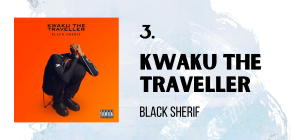
Ghanaian artist Black Sherif’s debut album is out also. I’m yet to listen to it but I foresee a great listening, considering how much I love the pre-album single “Soja.” There is so much honesty and vulnerability in Black Sherif’s music feels so genuine. From “Second Sermon” to “Kweku the Traveller,” his music just draws me in.

REWRITING HISTORY: ANÍKÚLÁPÓ & THE WOMAN KING

Over the years, filmmakers have taken creative liberties with their productions, even when telling real-life stories. Whether it’s a tweak in historical fact or a change of name, filmmakers make these alterations depending on the kind of story they want to tell or whose point of view they choose to tell those stories.

Kunle Afolayan’s Aníkúlápó and Gina Prince-Bythewood’s The Woman King are two newly released films making the rounds in Nollywood and Hollywood respectively, two of the largest film industries in the world. Aníkúlápó and The Woman King are both epics set in the 18th century, in a period where the trans-Atlantic slave trade reigned.

The former focuses on the rise and fall of a traditional textile weaver who, by chance, gains the power to raise the dead. The latter is an account of the Agojie, an army of female soldiers who protect the West African kingdom of Dahomey in the present-day Benin Republic. In both films, the Yoruba-speaking Oyo Empire is an important feature: Aníkúlápó is set in Oyo, while in The Woman King it is the Dahomey kingdom’s archrival.

Between the 18th century and 19th century, the Oyo Empire was a pivotal tribe in the trans-Atlantic slave trade, with the empire contributing to the large numbers of Africans taken away from the continent as slaves. They achieved this by also pulling assistance from the kingdom of Dahomey, an area they controlled. While Aníkúlápó and The Woman King have fantastic entertainment value, coupled with the former’s tidy storytelling and the latter’s action choreography, they toy with the strands of history.

In an early scene in Aníkúlápó, the council of elders in the Oyo Empire engages in a discussion about whether or not to let the European traders who have arrived on the continent into their land. Finally, they choose not to open their doors, fearing that they would be invaded and taken into slavery. That scene, along with other scenes that mention the slave trade, paints the Oyo Empire as victims rather than perpetrators, as people who, just like other tribes, lived in fear of the European slave traders.

In The Woman King, the Oyo Empire is portrayed in a true light. They collaborate with Portuguese slave traders, kidnapping victims and setting up auctions. On the other hand, the Dahomey Kingdom is depicted as a strong opposition force to the slave trade. In one scene, after the kingdom’s ruler King Ghezo had agreed to select a few of his soldiers to be sold, the obeisance turns out to be a ruse as the soldiers attack the soldiers of the Oyo Empire and the European slave traders.

When the history of that period is considered, it stirs wonder as to why Afolayan and Prince-Bythewood chose the routes they took. In the case of Aníkúlápó, would depicting the Oyo Empire as an important branch of the slave trade in Africa have changed the audience’s reaction to the story? How much change would that have meant to Shola Dada’s script? On the other hand, were the tweaks in The Woman King strictly to enhance entertainment value? Did the film crew worry that giving a factual story of the Dahomey Kingdom’s involvement in the slave trade would steer the action flick in the direction of pure drama?

Afolayan and Prince-Bythewood hold all the answers but it is important to note how much information about a period that filmmakers choose to withhold, alter or offer, especially in these times when, for many people, pop culture is often the primary source of information. Afolayan and Prince-Bythewood are not the first filmmakers to alter history and will not be the last. This is simply a call to audiences to probe into the past and dig out reality, and not only rely on the realities shown on the big screen.

THE MOHBAD-NAIRA MARLEY FIASCO

Earlier this week, Nigerian artist Mohbad opened up in a series of tweets that his life is at risk, and that he had been beaten up by a team of goons, who allegedly acted on the orders of his label boss Naira Marley. According to the Marlian Music singer, he claimed that his offence was requesting a change of manager. Mohbad also shared videos of the injuries he sustained and shared a photo wherein he said he had been admitted to a hospital “as an emergency hypertensive patient.”

This will be the second time that Mohbad calls out label boss, Naira Marley for trying to physically harm him. The first accusation happened in February after Mohbad went live on Instagram, claiming that “If I die, na Marlian Music…Naira Marley kill me.” In now-deleted tweets, Naira Marley called Mohbad’s accusation false and claimed that the latter was intoxicated with drugs. He reiterated that sentiment on an Instagram live video, saying that it was just an in-house affair.

It is a shame what is going on between Naira Marley and his artist. As the CEO of a record label, controversy like this, especially one where violence and physical assault is involved, should never come up when a label’s name is mentioned. It behoves on Naira Marley to sort the mess. There are rumours that Mohbad might want out of the label. If so, he and Naira Marley should take the matter to court, if it involves that, and let the law take its course.

This is a developing story. Please check back for updates.

Featured image credits/Israel

Review: Ckay’s ‘Sad Romance’

Around this time half-a-decade ago, CKay was dealing with the fallout of a controversy that had little to do with him in the first place. Then signed to Chocolate City, the artist’s career was inadvertently ridiculed by a critic of his then label boss, the Nigerian rap great M.I Abaga, who was under fire for underperforming in his role as the head of a major Nigerian music label. With the supportive winds of social media behind him, CKay quickly retorted with his debut EP, ‘WTFiCKay’, an adequate but clearly rushed showcase of his abilities as singer and producer. Many Nigerian music listeners tuned in, but very few people felt there was anything too special in there.

Even when the moderately successful “Container” landed the following year, it barely elevated him beyond the guy who got accidentally picked on. It wasn’t until ‘CKay The First’, his 2019 EP, that the singer began manifesting the peculiar ticks of his powers. The songs on the project ranged delightfully lewd to religiously reverent, tied together by CKay’s improved presence as a songwriter and on-wax performer, as well as a colourful sound palette that matched his exuberance. Off the EP, “Love Nwantiti” found its way into rotation across local radio stations for a while and the Barry Jhay-assisted “Beeni” occasionally slipped out of speakers in hoods around Lagos where spiritual street-pop is the main soundtrack.

In early 2021, now signed with Warner Music Africa, CKay returned with ‘Boyfriend’, a romance-themed project exploring infatuation and yearning over a varying assortment of guitars, as well as percussive bases that ranged from Salsa-influenced rhythms to Afro-Cuban grooves. With the overly positive reception to the EP and its lead single, “Felony”, growing into a bonafide hit song, it seemed like the singer and producer was finally inhabiting the stardom that had been eluding him.

Then, everything went from, say, 40 to 1000 within a few short weeks. Shortly after ‘Boyfriend’, the now two-year old “Love Nwantiti” began blowing up on TikTok via an unofficial remix and. Soon, with a mix of organic spread and strategic movement, the song became one of the biggest songs in the world. Very quickly, this set CKay up as a globally recognised star, complete with Late Night show appearances, packed arenas screaming his lyrics back at him and certification plaques still rolling in. This sort of success always impacts artistry—think Burna Boy making ‘African Giant’ after his global breakout, or Tems experimenting with ‘If Orange Was A Place’ at the zenith of “Essence”’s popularity—and it’s evident in the advent of CKay’s newly released album, ‘Sad Romance’.

Around the time of his last EP, CKay was championing his style of music as emo-Afrobeats, a self-descriptive tag that fit the writing ethos of a large chunk of his catalogue, and embraced his more recent sonic inclinations. Growing up in Kaduna with a church choirmaster for a dad, CKay took to the piano at a young age, sparking his interest in other instruments and music in general. That foundation is integral to his ability as a double threat singer and producer combo, and it was evident in the broad taste he flaunted in previous years, ranging across the Gqom-influenced palette of “Container”, M.I’s Trap-indented “Your Father” and the groovy pop of ‘CKay The First’. With the worldwide recognition of “Love Nwantiti” and follow-up single “Emiliana”, he’s now fully leaned into a particular musical mould, one that’s recognisable but isn’t too limiting.

On ‘Sad Romance’, CKay relies on ambience even as he ventures across a wide variety of music choices. Opening song and stellar pre-album single “you” leans into the log drum-infused R&B sound that’s been gaining momentum in South Africa. Another previously released single and mid-album highlight, “WATAWI”, wholesomely taps into Amapiano by tapping the distinct hands of Abidoza for his phenomenal powers at crafting incredibly lush and soulful ‘Piano gems. Standout song “you cheated, i cheated too” is basically a ballad, prominently featuring gleaming keys and fingersnaps.

Significantly self-helmed, with assists from P2J, Sarz, Christer and a couple more producers, the soundscape for ‘Sad Romance’ is distinct, with porcelain keys, lots of guitars and buoyant percussion. Without any wild swings or sonic risks, it’s all excellently executed—eclectic but somewhat calculated. It works well, a cumulatively immersive palette that’s fitting for the overarching concept driving the album’s writing. Across the 12-tracks of the project, CKay goes through the motions of how a past toxic relationship can affect future approach to romance.


View this post on Instagram


A post shared by 𝙗𝙛 💋 (@ckay_yo)

In chronological order, ‘Sad Romance’ can be interpreted in two ways: as a moving portrait of a young man going from the glow of being in love and the dramatic misery that comes with being wronged, to the toxic habits that follow and the eventual, redemptive bliss of finding new love to wholly give in to; or as a story of two lovers reconciling after a toxic stint breaks the Utopia of an initial honeymoon phase. Whatever narrative you think it is depends on personal perception, but broadly speaking, singers using fissures and unions in romance as a framework for an entire project isn’t novel. It stretches all the way back to ‘70s Soul and R&B albums like Marvin Gaye’s ‘Here, My Dear’, and there’s even been a few of those in Afropop this year, including Nigerian singer WurlD’s ‘My WorlD With U’ and South African singer Manana’s ‘But could the moments in between’.

For CKay, though, it’s a well-worn mode of operation. After all, he’s knighted himself Africa’s Boyfriend and with this album, he’s looking to claim his place as the ultimate auteur of emotionally charged Nigerian pop. He does that by coining in on a familiar narrative that allows him to be instantly relatable to the millions of people who’ve lived the same reality—or at least witnessed it first-hand.

Even in its slight unifying ambiguity, it’s all very straightforward. “If you don’t understand let me break it down for you/baby I’m in love with you, baby I’m in love with you/I loved you from the first day I saw you,” he sings with that trademark nasal croon on “you”, setting the tone with unreserved devotion to the love interest that joins him at the centre of the whirlwind romance. Because he constantly writes in first person, CKay makes himself equal parts narrator and protagonist, conveying happenings from a perspective that gives him high ground, even when he’s complicit in unsavoury moments.

“I thought you were on my team/but you show me your true colours/and I no like wetin I see,” he jabs at his partner on “you cheated, i cheated too”, justifying his own fuck-boy behaviour. For what it’s worth, this an eye for an eye practice seems warranted since he acted in retaliation, and his unwillingness to forgive indiscretions has already been laid bare on preceding track “leave me alone”. Unlike WurlD, who briefly stews in the mess of his own narrative, CKay doesn’t seem to fancy introspection, and that’s where the ‘Sad Romance’ doesn’t define whether its protagonist has moved on to a new situation or has found the grace to fix things with the muse who dealt him an emotional fade.

Over twinkling keys, gentle pitter-patter percussion and sultry horn lines, the Ayra Starr-assisted “come closer” is either a song about two people rededicating themselves to each other, or a devotional exchange between two newly-minted romantic partners. Regardless of how you think it plays out within the context of the album, “come closer” is a stunning highlight, the dulcet tone of the production perfectly shading the CKay’s tempered tone and Ayra’s typically assertive verve. The song is an inversion of the former “please, pick me” collaboration, “Beggie Beggie”; this time, the energy is “don’t you dare pick anyone else.”

Across ‘Sad Romance’, CKay is well beyond formidable when on his own. He’s even utterly tantalising on more than a few occasions, like how he effortlessly glides over the gorgeous strings of the lustful confessional, “by now”, and the sheer beauty of the lovestruck smash, “Emiliana”. With features on this album, though, there’s no song that doesn’t warrant being described as blistering. When he briefly plays around with being noncommittal even though there’s a situation going on, he brings in Davido and Focalistic for “WATAWI”, two artists with an innate superstar candour that enables them play the Lothario part to great effect.

On the Kizomba-tinged “Samson & Delilah”, he’s joined by Cape Verdean singer Mayra Andrade, the delightful ring of the singer’s soprano effortlessly conveying the type of siren energy that would have lovers and admirers awestruck. At the backend of the album, CKay taps French superstar Ronisia for the heartfelt “Lose You”, whose part-smokey, part-sonorous vocals carries the sort of passion that communicates reciprocated enthusiasm.

In the era of EP’s and preceding mixtapes, debut albums come with a pressure to consolidate on potential or further greatness. Following a year with previously unfathomable personal highs, that happened to be culturally momentous as well, ‘Sad Romance’ has been saddled with the expectations of improving his global ubiquity. If there’s any jitters as to the weight of that task, CKay doesn’t show it. If anything, he sounds like he’s found his groove and he’s relishing it. Beneath the emotions they’re meant to convey, the melodies have an ease to them, a generally consistent hum that lends the album its cohesive identity.

While there will always be a question of whether CKay played it a little too safe on his debut LP, the ultimate context of the album is in its contribution to any mythos the singer and producer might hope to have, beyond the ubiquity of a few singles. ‘Sad Romance’ doesn’t deliver the sort of romance-themed tragedy you might want to glean from the title, just a few tragic moments and more blue-eyed ones that help bolster CKay as one of the best troubadours working in Nigerian pop today.


ICYMI: READ OUR FIRST IMPRESSIONS OF CKAY’S ‘SAD ROMANCE’

NATIVE Exclusive: Pheelz Is Always Getting Better

“Life has been a movie since I stopped directing and became the actor,” wrote Nigerian record producer and artist Pheelz on Twitter. When asked what that statement meant, he reveals to NATIVE, “Right now, I’m more in control of my life and how I move and the kind of art that I put out. So that’s what I meant by life has been a movie since I stopped directing and became the actor because now I’m both the director and the actor of this whole story.”

With over a decade of experience in the Nigerian music industry, Pheelz, real name Phillip Kayode Moses, has made a smooth transition from producing for heavyweights like Olamide and Tiwa Savage to being a full-blown artist with the world-conquering hit track “Finesse” under his belt.

Just as 2022 began, Pheelz shared “Finesse” on Instagram and TikTok. The track, produced by his protégée Miichkel, went viral. On Instagram, Nigerian artist BNXN hit Pheelz’s DM to enquire about the track. “He was like ‘Yo, what the fuck is this? Is this just a TikTok sound or an actual record?’” Pheelz says. “And I replied, ‘It’s an actual record. Do you want a verse?’ And he was like ‘Bro, hell yeah.’” The next day, BNXN and Pheelz linked up in the studio to complete the track. “Finesse” took on a life of its own, travelling across music charts around the world, featuring on Barack Obama’s summer playlist and the FIFA 23 Soundtrack, and earning Pheelz a deal with Warner Music and a 2022 BET nomination for Best New International Act.

Pheelz’s latest single “Electricity” featuring Nigerian superstar Davido is equally intriguing, displaying his hit-making abilities in front of the microphone and behind the boards. As Pheelz continues plans for a forthcoming EP, he sits with NATIVE to talk about his long-running career and his journey toward global domination.

His words which follow below have been lightly edited for clarity.

NATIVE: You started as a young chap playing instruments in church before interning under the guidance of ID Cabasa. Is there anything you miss about the Pheelz of that time?

PHEELZ: The one thing I miss about that time was the simplicity of life. This adulting thing is long. Another thing that I miss was how simple the industry was then because I’d like to think that I belong to two generations of creatives and two different generations of this industry. I really miss how simple the industry was then. It wasn’t all about who was first or who was second, it was mainly just about the music. Those are the two things that I miss. But I wouldn’t change any of my story for anything. The stories and everything that I have gone through have made me who I am today.  

NATIVE: You got your first hit at 16 on Olamide’s “First of All.” How did you feel about that achievement at that time?

PHEELZ: To be honest, I didn’t really know how to feel because it was very new to me and I was very young. People saw it as a big deal but I just saw it as a track that was really dope. Not until a few weeks after that I understood how big the track really was and I started thinking that this is something I’m going for the rest of my life like if my music is this accepted, then let’s see how far we can push this. And then the bangers just kept coming in from “First of All” to “Fucking with the Devil” to “Durosoke” to “Turn Up” to “Melo Melo.” They just kept flowing back to back.

NATIVE: Did you feel any pressure as your popularity grew then?

PHEELZ: I feel like I learnt to deal with pressure very early on in life. Remember I am 16 at this time and I’m jumping into the deepest end and being one of the top producers of my time at a very young age. It was pressure initially but I learnt to deal with my mind and understand that it’s all self-inflicted and if I can just not focus on the pressure and just focus on making the music that I want to make; that was the mentality I had and that’s the mentality I still have. There’s no pressure; I’m just making art and making music. People will say what they want to say. If they fuck with it, fine. If they don’t, that’s okay. I’m just making my art and telling my story one sound at a time.

NATIVE: Since “First of All,” you and Olamide have enjoyed a fruitful connection, producing hits after hits for over a decade. How have you two continued to strengthen that bond as your careers reach new heights?

PHEELZ: If there is one thing you’d know about energy, it’s that it changes form from time to time and you have to allow it to change. And another thing is accepting each other for what you are. Olamide has been a really good friend and we have made a lot of bangers together. For a very chunky period of my life, he has been my muse and I have communicated my sound through him and I wouldn’t change that for anything. Over the years, the energy and relationship have morphed into different stages and we have allowed it to morph, and we are just cool, living life and making sounds. He’s doing amazingly well and I am doing amazingly well and we are just proud of each other.

NATIVE: Your production discography boasts of superstars such as Olamide, Tiwa Savage, M.I Abaga, Runtown, Mr Eazi, Fireboy DML and Teni, among others. What has kept you pushing on over the years?

PHEELZ: I think one of the major things that have kept me going is learning and always morphing. I believe in change and I believe in changing with the times and just advancing and just increasing yourself. I believe no man is an island and I also believe no man knows everything. There’s always something to learn; there’s always an extra level to get to and I’m always hungry for that next level, that next sound, that next knowledge. I think that’s one of the things that have kept me going because I have always been learning. Even till today, I still learn. I call myself a graduate of the University of YouTube because I just keep learning and keep researching and just growing. I think that’s one of the reasons why I’m still here today.

NATIVE: When you look at your career as a producer so far, what has been your proudest moment?

PHEELZ: That’s a tough question because I have had a couple of proud moments. One of my proudest moments would be the ‘LTG’ album for Fireboy DML. Another proud moment was getting Adekunle Gold signed to YBNL. Over my life, there’ve been a couple of proud moments but that’s just two out of them.

NATIVE: How did you get Adekunle Gold signed to YBNL?

PHEELZ: I had to convince Olamide to sign Adekunle Gold. I’m like, “Bro, sign this dude.  If this dude doesn’t blow, put the blame on me. But sign him first.” I was so invested in Adekunle Gold when I heard that “Sade” song he did on the One Direction instrumental. And the funniest thing was that he had been sending me BBM messages but I just never saw them. But then I heard “Sade” and I convinced Olamide to sign Adekunle Gold. We reproduced “Sade” and that was it. It’s crazy.

NATIVE: You have mentioned in interviews that ID Cabasa, Don Jazzy, Timberland, Kanye West and Pharrell are some of your inspirations as a producer. Who are the newer, up-and-coming producers whose works speak to you?

PHEELZ: I like P.Priime’s production. He co-produced “Electricity” as well. There’s a new kid called Oma that’s really dope. I like Semzi’s production as well. I like Kel-P’s production. I like Sarz’s production. I like TMXO’s production. There’s a kid called Smiley, I like his production. Who else do I really fuck with? It’s a lot but those are the ones I can say off the top of my head right now.

NATIVE: While you worked behind the scenes on the music of others, you nursed your dream of being a singer. When did you discover your talent for singing?

PHEELZ: The dream actually started as me being a singer because my first placement was in Coded Tunez on Olamide’s first album. It’s the first track, it’s called “I’m Going In” featuring Pheelz. The initial dream was to be a singer but the production kind of picked up quicker and based on the grind, I had to just focus more on that and keep nursing my singing dreams and waiting for the opportunity and the right time.

NATIVE: What was that process of working behind the scenes and improving your skills as a singer?

PHEELZ: It was a lot of work because [on] most of the songs I have produced over the years, I have co-written, and added my vocals [and] my harmonies. My vocals are on like ninety per cent of my production if you listen closely. I have been rehearsing and learning and just writing and getting ready because I believe everything happens in its own time. I’m not always in a hurry to do what I’m meant to do, and I don’t look at another person’s speed, you get me? So I was just chilling, learning, growing, and waiting for “Finesse,” I guess.

NATIVE: You put out your debut EP ‘Hear Me Out’ last year. It featured great songs that highlighted your skills as a producer, singer and songwriter. What impact did the process of writing and recording that project leave on you as an artist?

PHEELZ: That EP deleted my fear because another thing that I have been battling over the years was the fear of breaking boundaries and going outside my box. People kept saying, “Yo, you are in a really safe box. You are one of the best producers of our time. Why do you want to sing? Why not just remain a producer? This is already working amazingly well for you.” Over the years, I have had friends and people around me instil that fear in me.

But one of the things that happened that made me go full 180 was Covid because in my mind I’m just like “Bro, you can die any time and you’d just die with all these gifts.” The words just came into my mind and I just said, “Yo, you have to die empty. You have to give everything out,” and I was just like “Okay, I’m doing this,” and I just started recording the EP. At that point, I didn’t care about [the] result; I just cared about doing it, I didn’t care about who was going to hear it or how many millions of streams I was going to get, I just wanted to do it. I just wanted to leave it on the earth and die empty. That was the goal for the EP and that’s still the goal.

NATIVE: You mentioned in an interview that you made the animation videos for the songs on the EP and spoke about how you used to research art and fashion in cyber cafes after you left secondary school. What is it about visual art that thrills you?

PHEELZ: I feel like my original passion is making something out of nothing. I love blank canvasses and that’s one thing with music for me because it starts from a blank canvas and you just hear all these sounds or put all these pieces together. And that’s also one thing about visual art that attracted me – that blank canvas and having to be able to put in things and just create. That, to me, is like God power, you get me? My visual art is a story that will tell itself. As I said, I don’t rush things, everything will happen in due time. But my visual art story is going to be mind-blowing, I can promise the world that. And I have a fashion story as well that’s coming. All these stories are going to be told.

What other creative talents are you currently exploring or wish you could explore?

For now, it is just music, visual art, [and] writing—there’s a book that I’m writing that will not be out until I’m 55 or 60.

Why is that?

Because I’m not ready for that conversation now. But it’s a lot of conversation. So I write a lot from time to time; I think that skill actually seeps through in my lyrics, when you hear my songs, because I don’t think I write like every other artist. I think I have a special way of writing my lyrics.

I [also] plan on making a short film very soon. I want to go into directing, fashion and tech. I just want to create. I hate boxes; I never want to put myself in a box and say, “Oh, he’s just this and that’s the only thing he does,” no, man. I’m a Jack of all trades, I’m a master of all, man. I’m a genius and it’s not ego, it’s fact.

Tell me how much “Finesse” has transformed your journey as an artist.

“Finesse” has changed my life. It’s a movie now. This is the life I’ve always been waiting for. This is the story I have always wanted to start. Now that I have the ears of the world, we are going to have some fun because the music that’s coming is mind-blowing. But yeah, “Finesse” has changed my life; I have met a lot of people, met a lot of fans, and performed on so many stages. I’m just excited and feel really blessed and really grateful for this part of my life.

You returned with “Electricity” featuring Davido. How did that collaboration come about?

The funny thing is that I actually had “Electricity” before “Finesse.” I have had “Electricity” since last year. It was supposed to be the first single of this year then “Finesse” happened. So I had to put “Electricity” on pause and focus on “Finesse” for a bit. David and I have always had a connection because even back in 2017, I produced his 30BG concert at Eko Hotel, did all the sound, the graphics, the lights, and did like a whole production thing for him and since then we have kept in touch. I guess 2021/2022 was just the time to get into the studio and make music.

When we later linked up, I had told him about my EP. He heard the EP and was like “Bro, you are actually a really dope artist, I actually believe in you and believe in your dreams.” And he was like “Link up, let’s do a feature, let’s record something.” So I had “Electricity” and we linked up and I played “Electricity” for him and he dropped his verse. We have some other songs that are bangers as well.

TG Omori is having an impressive run at the moment. What made you decide on him to direct the music video for “Electricity”?

TG is just one of those out-of-the-box thinkers that I appreciate. When you have a conversation with TG, you will just be like “How does your brain work?” He thinks outside of the box and I am also an out-of-the-box thinker so I just wanted to see what we could create and how we could interpret the song. We sat down, had a couple of meetings, threw a couple of ideas around and just came up with something solid for the video. 

Is there an EP or album in the works?

The EP is done already. Hopefully, it drops before the end of the year, all things being equal. But there’s a new single called “Balling” and I’m saying it here for the first time. The next single is called “Balling” and it’s a monster.

Will it feature anyone?

Nah, it’s all me. Produced by Pheelz, written by Pheelz and sung by Pheelz.

Will there be any feature on the EP?

I will leave that under wrap until it is time to announce. Yeah, there will be a few features on the EP.

Which artist or producer have you been praying for collaboration with?

I want to work with Rihanna, Kanye West and Drake. I wanted to work with Dr. Dre but that already happened. [I also want to work with] Beyonce and Cardi B. I have one beat that has Cardi written all over it, I’m just waiting. I just want to go around the world, make music, meet people and just create art. That’s all I want to do with my life—just go around the world performing, making music and creating art.

You have had an incredible career so far. What are the ideals that you have held close to your heart throughout your career in the music industry?

One of them will be [to] detach yourself from expectations. Especially when I make music. I try as much as possible not to expect anything from it because I believe expectation is the greatest route to depression and unhappiness. So I just create and let it go. The passion for creating is enough for me to be happy and just the fact that I can do it and I can do it that good is enough joy for me; whatever comes out of the track is a surprise because I wasn’t expecting it. That’s how I live. That’s one of my mantras. As a human, you can dream dreams. Dreaming dreams and having expectations are different things. Just detach from expectations. It’s hard but if you can do it, it’s one of the most beautiful things.

Featured image credits/

Black Sherif Shares Anticipated Debut Album, ‘The Villain I Never Was’

Since last year, the name of Black Sherif has been everywhere in African music conversations. The rapper hailing from Konongo, Ghana had burst out the country’s rap scene with First Sermon,” an anthemic rap song which embedded rustic Highlife influences in its direction. While the record made him a cult hero among his peers and listeners of urban Ghanaian music, Blacko became a much bigger star when he continued the series with Second Sermon,” entering into wider streams of consciousness when Burna Boy delivered a stellar verse for its remix.


View this post on Instagram


A post shared by BLACKO (@blacksherif_)

Blacko’s profile has gotten much larger a year after, carried on the weight of his prodigious talent. The 20-year-old has collaborated across continental borders, snagged a 2022 BET Award nomination for Best International Flow, and has steady fed his ever-growing cache of fans with his vulnerable style of conscious rap. Earlier this year, Black Sherif released Kwaku The Traveller,” a record which underlined his zeal to ride all the way for his desired career. It attained an unprecedented level of early success, especially on social media where many soundtracked their melodramatic tendencies with the record’s haunting lyrics. On the TurnTable chart, it went No. 1 for several weeks, making it the longest-running number one record by a non-Nigerian.

Given the epic scope of Blacko’s songs, it was only a matter of time before he announced an album. That highly anticipated update came with the release of Soja some weeks back. Titled ‘The Villain I Never Was’, the debut album by Black Sherif is finally here. With fourteen songs, Black Sherif goes the solo route on all but the previously released song with Burna Boy. He’s however employed the talents of varied producers from Ghana, Nigeria and outside the continent. From frequent collaborator Joker Nharnah to Jae5 and LONDON, the production is masterfully handled to carry the weighty subjects Black Sherif is known for. By all definitions, we have received a major project of 2022.

Listen to ‘The Villain I Never Was’ here.


HOW BLACK SHERIF CHANNELS VULNERABILITY IN HIS MUSIC

What’s Going On: Coup In Burkina Faso, Uganda Confirms Another Ebola Death & More

“What’s Going On” Tallies Notable News Headlines From Across The Continent — The Good, The Bad, And The Horrible — As A Way Of Ensuring That We All Become A More Sagacious African Generation. With This Column, We’re Hoping To Disseminate The Latest Happenings In Our Socio-Political Climate From Across The Continent, Whilst Starting A Conversation About What’s Important For Us To All Discuss. From Political Affairs To Socio-Economic Issues, ‘What’s Going On’ Will Discuss Just That.


EBOLA: UGANDA CONFIRM DEATH OF MEDICAL WORKER

The Ugandan health ministry has confirmed Nabisubi Margaret, an anaesthetic officer, as the fourth medical worker to die of Ebola. The country’s health minister Jane Ruth Aceng revealed that the 58-year-old woman passed on in the early hours of Tuesday at Fort Portal Hospital after battling the disease for 17 days.

Two weeks ago, Uganda declared an Ebola outbreak when a 24-year-old man died from the virus in Mubende district in central Uganda. There have been 43 confirmed cases since the outbreak and 10 of these have died. While treating the first confirmed case, a medical team voiced their concerns about not having enough personal protective gear. Since then, three deaths among medics have been confirmed: a Tanzanian medical student (who was part of the team), a health assistant and a midwife.

On Tuesday, the European Union (EU) mobilised 200,000 euros to help the Ugandan Red Cross tackle the outbreak. Neighbouring countries such as Kenya, Tanzania, Rwanda and Somalia are on the alert to prevent the possible spread of the virus.

BURKINA FASO COUP: IBRAHIM TRAORÉ BECOME NEW HEAD OF STATE

Last Friday, Burkina Faso’s Capt Ibrahim Traoré became the latest military officer in the country after overthrowing former president Lt-Col Paul-Henri Damiba. This is the second coup in Burkina Faso under nine months after Damiba led a coup against Roch Marc Christian Kaboré and seized power in January. The 34-year-old Traoré is the youngest head of state in Africa, joining Guinea’s Col Mamady Doumbouya ( born in 1980) and Mali’s Col Assimi Goïta (born in 1983).

In a recording, Lt-Col Damiba wished Capt Ibrahim Traoré success in his tenure. He has gone to neighbouring Togo after Capt Traoré agreed to meet his conditions. On his part, Capt Traoré has urged cabinet ministers to tackle urgent problems. He has also pledged to improve security in a nation living in fear of militants.

Capt Traoré is said to have been a shy but intelligent boy in school. He joined the army in 2009 and received artillery training in Morocco. He served in a UN force in the northern Timbuktu region of Mali, where he fought against jihadists. He also participated in a military operation codenamed Otapuanu in Burkina Faso for seven months. He also served in a detachment of Markoye in the northern Sahel region and took part in several operations.

SOUTH AFRICA CONDEMNS MURDER OF GERMAN TOURIST

The South African police, on Monday, confirmed the murder of a German tourist by gunmen near the Kruger National Park. The victim and three other German tourists were driving to the Mdluli Safari lodge when their car was intercepted. According to the police’s investigations, the gunmen demanded that the driver open the doors but instead he locked them and was shot. He died on the spot. The gunmen then fled the scene in their car.

Christopher Schmidt, the representative of the German embassy in South Africa, said that the embassy is in touch with local authorities and the German tourists affected in the attack. South Africa’s minister of tourism Lindiwe Sisulu offered her condolences to the families and friends of the tourist killed in the incident while also condemning the assailants and calling for their arrest and prosecution.

The Kruger National Park is one of the largest game reserves in Africa and covers an area of 20,000 square kilometres that stretches into neighbouring countries Zimbabwe and Mozambique.

L’BOULEVARD: POLICE ARREST 20 SUSPECTS AFTER UNREST AT CONCERT

The Moroccan police have arrested 20 people after violence broke out at L’Boulevard, a major urban music festival in Casablanca, Morocco on Friday. According to multiple accounts by festivalgoers, the event, which was held in a stadium, descended into mayhem when a section of the audience began acts of violence and vandalism, resulting in sexual assaults and the rape of a minor.

In a statement released on Monday, Morocco’s national police department (DGSN) denied the allegations of sexual assault committed during the event. They said the 20 people arrested committed acts ranging from theft to assault and battery to “drunkenness on the public road.”

In an Instagram post, the organisers of the festival said that “the association of Art and Culture EAC-L’Boulevard is taking seriously the online posts alleging that rape crimes took place during the festival on Friday, September 30,” and that for “the time being, the association is taking the necessary legal steps and following the due process for such cases to launch an official investigation.”

L’Boulevard, founded in 1999, is a free annual music festival intended to celebrate Moroccan artists in the rap, metal and fusion scenes.

INDONESIA HOLDS MASS PRAYER FOR STADIUM STAMPEDE VICTIMS

Fans of Indonesian football club Arema FC and local communities held a mass prayer outside Kanjuruhan stadium, in Malang, East Java, where at least 125 people were killed in one of the deadliest disasters in football history.

A stampede occurred at the stadium over the weekend when agitated Arema FC supporters invaded the pitch after the final whistle after losing 3 – 2 to visiting side Persebaya Surabaya. Police officers fired tear gas in an attempt to disperse agitated supporters but the scuffle continued, resulting in the officers being attacked and their cars vandalised. The stampede worsened when fans tried to rush out through the exit gate, with many people being trampled upon, losing consciousness or sustaining injuries.

On Tuesday, Indonesia’s football association banned two officials from Arema FC for life over the disaster and fined the club 250 million rupiah ($16,000).

Featured image credits/

uNder Spotlight: Ginius keeps growing forward

uNder is our monthly column committed to spotlighting the Best New Artists from around our musically diverse continent. Each month, we’ll be taking a step further to highlight the artists featured on uNder by offering in-depth interviews and exclusives about their music, their journey’s and their plans for taking their sound from this side to the world watching.


For most of her life, Georgina Baker saw the alchemy of instrumental arrangement and the behind-the-boards control of music production as the exciting part of the music-making process. “When I started this music journey, I didn’t want to sing,” the British-Ghanaian artist, who makes music with the moniker Ginius, tells me over a video call. “I just wanted to produce, so that’s why I learnt how to play the piano and the drums. I never started out music like I’m going to be the next Beyoncé or the next Tiwa Savage, I was thinking more like, ‘I’m going to be in a room with Sarz.’”

That admission, described with a zest that makes me think she still believes in music producer supremacy, colours the refreshing perspective that guides Ginius’ artistry. Tellingly, that bias is because she started out as a producer, but the origin story stretches further back to her early adolescent years in Ghana, when she was “the weird girl playing congas in church.” Drawn to music from a very young age, Ginius took a keen interest in rhythm, learning how to play local percussions from a musically-inclined uncle. Those formative years planted the seeds of making music, but it wasn’t until her early teens that she started watering those seeds.

“When I moved over to the UK in 2010, that’s when I started learning about DAWs. Everything I know is self-taught,” Ginius explains. While figuring out the technological tools required to make music, the then-budding producer also had to learn the rudiments of melody, and that required learning how to play the piano. “The first song I actually learned to play on the piano was “Price Tag” by Jessie J,” she fondly recalls. From replaying the bright chords of a hugely popular hit, Ginius began remaking beats. All the way down her YouTube page, there’s a remake of J. Cole’s “She Knows” from mid-2013, a reference point for the number of years she’s been honing her craft.

In Afrobeats—the catch-all term for pop music pioneered between Ghana and Nigeria—everyone knows that the swing of the drums and the patter of the percussion are a definitive part of a song. As much as the rhythm brings the groove, the colour of a song is almost always dependent on its melody. In the years of learning to play to the piano and remaking beats, Ginius was training her ear for melody and, even though that meant some level of deference to British pop, American rap and whatever else caught her fancy, it was a necessary period in helping her properly appreciate the multi-element nature of music and understand her own possibilities as an artist.

“I’ve been in this music thing from time, but it’s when I understood the music theory and merged it with all the drumming, that’s when I decided to start making music that’s true to me,” she tells me. The way Ginius explains it, there’s never been a time, since moving to the UK, that she’s not been plugged into the pop music trends from back home. During the Azonto heydays and the early superstar days of Wizkid, she wore love for pop music from Ghana and Nigeria like a gold badge, even though that meant being teased by those around her. “I remember when I moved here, I was called the African girl because I couldn’t let my Africanness go, and that was before they were all out here singing “Essence”,” she says with a big laugh.

For Ginius, becoming an Afro-fusion artist was really the only option. She was already making her own beats as the last decade wore on, and would pull influence from any and every contemporary style of African music that caught her hear, from mid-tempo highlife-influenced pop to Gqom. Mostly creating in private and with few collaborators, her goal was to work her way into conversations of producers helping to move African and Black UK music forward. “For a while, I thought I was weird because they weren’t any female producers I knew of,” she tells me. “Then I heard of someone like Wondagurl and I just figured I’d keep going.”

Somewhere along the line, though, singing became a prominent thing. The nudge came from a producer friend who would always ask Ginius to help with vocal reference for singers he was working with. “You know you have to sing, right?” she recalls his words. After repeated reminders of the same sentiment, she finally decided to record. Using one of those headphones with an attached mic, Ginius made a song and immediately uploaded it to SoundCloud. Seeing the positive comments trailing it, she decided to record more songs while setting up her home studio one piece of equipment at a time.

In 2019, she officially debuted with “30 Seconds”, an easy and brawny Afro-swing cut featuring rapper Zee. On the song, the raw potential of Ginius’ honeyed voice is evident, and she continued to refine with subsequent releases, like the early 2020 single “No Sponsor”, another Afro-swing track but with a lusher feel and a more assured performance from the green singer. In the months that followed, Ginius skewed more experimental, asserting herself as a producer even as she was gaining more ears with her voice. There was “Che Che”, a mostly instrumental Gqom track, which was followed by ‘Happy to Be Outside’, a 3-song pack leaning into Amapiano just as the South African dance sub-genre was beginning to gain wider notoriety.

That mini-project, released in the pandemic-wracked summer of 2020, set the initial bar for Ginius as an increasingly competent singer and a producer willing to be influenced by whatever sound catches her fancy. In the following year, she raised that bar with ‘How It Feels’, a romance-themed EP with a much more diverse palette than its predecessor. On its six songs, she sang of the giddy highs that accompanies being deeply enamoured by a person, the EP forming a soundtrack to that sometimes nebulous middle between a talking stage and a honeymoon phase.

Growth is the guiding force of Ginius’ career as an artist. Having spent years learning to produce, and still in the process of fully wielding her voice, the singer and producer is focused on incremental development with each new song or project she puts out. It’s why her most recent project, ‘Her Notions Since ‘97’, is easily her best and most rounded effort yet. From the breezy oeuvre of “Feels like Magic” to the intoxicating lilt of “Secret”, Ginius finds an impressive balance between strengthening her abilities as a captivating singer and relatable writer, curating a colourful sound palette to augment her voice—with external production work on half of the eight songs—and making a case for herself as a star.

“The growth from my last tape to this tape is very intentional,” she tells me. “As much as music is something I feel the rhythm is a part of me, I’m also being like, ‘I need to up my game here’, because I’ve got eyes on me.” For ‘Her Notions Since ‘97’, Ginius matches the technical refinements with a wider thematic interest, in a bid to “make something that helps all of us feel good.” On the Joker-produced “Melody”, she crafts a buoyant ode to chasing success and generally expels bad vibes, infusing her lyrics with lines sung in Twi—which she explains came from reminiscing on Jama raves back in Ghana.

“As much as I’m influenced by the UK sound, Afro-swing and all that, I’m still very, very, very in touch with the music from back home,” Ginius says just after we switch to Google Meet—our time limit on Zoom had been exhausted. “I genuinely pull influence from Africa, and I lived in Ghana all those years, so the culture is still a part of me. If you deep my tape, I work with a lot more people back home than here, because the authenticity is back home.”

During the course of our conversation, authenticity is a word that comes up multiple times. Beyond her reverence for the home-grown sources of Afropop, Ginius proclaims her admiration for artists who’ve been able to reach their own version of success without bending to fit whatever fits the mainstream mould. She references the scenic route Burna Boy took to reach global superstardom, the niche Show Dem Camp have created in the last half decade, and Tems’ recent explosion into global fame while still controlling her sound as a producer. Ginius sees the authenticity that’s the denominator amongst these acts as a trait worth emulating, deeming this period in her career as the time to pay her dues as she works towards her big break.

“For someone who’s just finding her way in the game, I’m happy with what I’ve achieved so far,” Ginius says wistfully. Currently juggling a 9-5 with her “expensive” music career, the singer and producer is working her way through the rigours of turning her passion into notable successes, and she’s confident that she doesn’t need any gimmicks to improve her chances of impact—after all, more ears tune in to her with each new release. “I get that it’s a business, but music is something within you that should not be played with, and I feel like it’s going to come out right if you’re true to yourself.”


UNDER SPOTLIGHT: LIRASE IS ONLY CONCERNED WITH BEING HONEST IN THE MUSIC

NATIVE Exclusive: Nakhane & Moonchild Sanelly Want To Talk About Sexual Politics

Women have always talked about sex amongst themselves. In art, that’s no different, and it’s a conversation that’s getting louder in Africa’s notoriously conservative society, from authors honouring the sex lives of African women to female music artists holding a mirror to the more cruel experiences on the spectrum. However, society still responds with outrage whenever women openly talk about their sexual relations with recent examples such as Cardi B and Megan Thee Stallion’s “WAP” birthing a movement and becoming a talking point on social media timelines. In this same vein, in Africa, women are leading a similar revolution around their sexual politics.
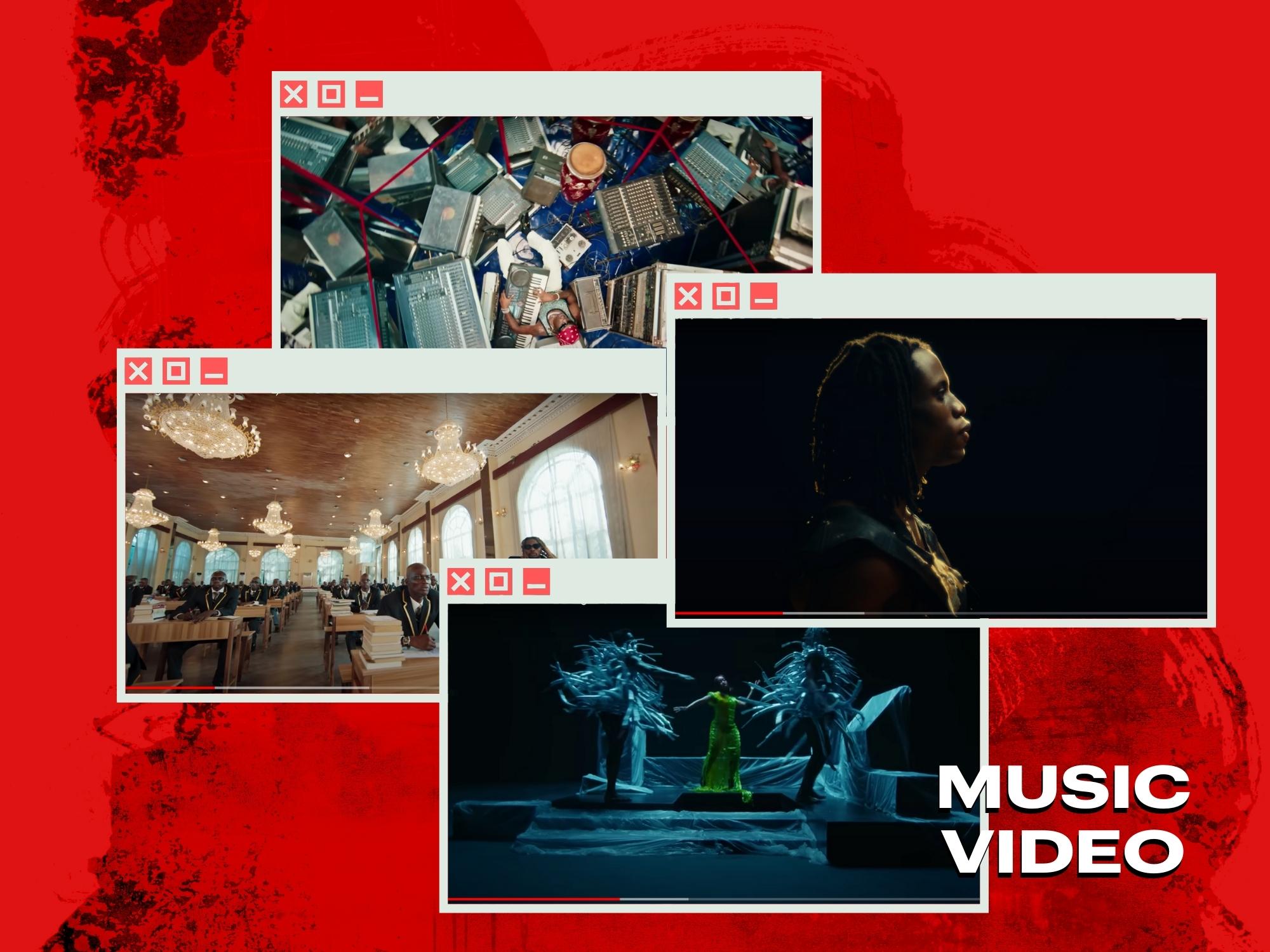
Several women frontrunners in Afropop, from Nigeria’s Tiwa Savage to Ghana’s Amaarae, are stepping on the necks of misogyny and societal chagrin through the execution of empowering and affirming lyrics. In a world that vilifies, silences, and marginalises women who engage in owning their own sexual agency, we need more women with huge platforms that are tell the daily, mundane, and majestic sexual stories of African women. 

It is this double standard that South African artists, Nakhane and Moonchild Sanelly set out to discuss on their latest collaboration, “Tell Me Your Politik.” The single, with Nakhane as headliner and featuring guest contributions from Moonchild Sanelly and Nile Rodgers, is a mutually charged political and sexual number that prospective lovers be ideologically aligned before partaking in sexual trysts. Fierce, urgent and defiantly lacking subtlety, Nakhane and their collaborators are resolute in the idea that sex is a political act.

Moonchild Sanelly is a powerhouse of female sexuality, independence, and dominance, and as such, collaborating with her was an obvious choice for the empowering number. “I wanted to create something that would keep me interested. I wanted to make something that was not only looking at sound, but also as a non-binary person to see and play with muscle because the last album everything was really soft, flowing and feminine and I loved that but with anything that I do, I do it and I’m done,” Nakhane shares with the NATIVE, a few weeks after the song’s release.

The accompanying video also sees Nakhane in their directorial debut. Taking inspiration from the 1999 French army film ‘Beau Travail’, the world formed and exhibited in the video is aggressive and brutalist and appropriately reflective of the track’s political themes. Together, Moonchild Sanelly and Nakhane offer a deeper emotional palette into a topic that is typically criticised for its reinforced misogyny against women and non-binary people. The song couldn’t be more timely.

Ahead of their forthcoming project, we caught up with Nakhane and Moonchild Sanelly about the collaboration, the idea behind the record as well as forthcoming projects they both have.

Our conversation which follows below has been lightly edited for clarity.

NATIVE: Hey Moonchild and Nakhane, how are you both doing?

Moonchild: I’m awesome, thank you. It’s been going good. Just got back from tour and I’ve just been working on singles for December and South African summer and yeah I’m good really.

Nakhane: I’m good, I’ve been sleeping really well. I’m just excited that I’m doing this now. Yeah, it has been four years since my last project.

So how would you both describe the music you make?

Nakhane: I think about this question a lot because I’ve been in this industry for so long and I should have a quick answer for it. I think it’s because we live in a time where genres have really become quite difficult to define. I’ve always said that I make pop music and I mean it in the sense that, pop music is centred on making music for the popular world, for the public, so what that means to you differs from person to person. I’ve always wanted to make it on my own terms which is what I’ve done with the project I’ve been working on.

Moonchild: Music is like an art piece, like what does it say to you? How does it speak to you? I just play a lot, think it and write as I go. I know what my theme is but I don’t know what genre it’s gonna come through.

Nakhane: I don’t know if many musicians actually think that way. Some things are not easily described, music or any kind of art. I think the more you describe it, the thinner it becomes. You take something away from it by describing it and killing it away, instead of enjoying it for what it is.


View this post on Instagram


A post shared by NAKHANE. (@nakhaneofficial)

Let’s talk about the new single “Tell Me Your Politik.” The entire track is a call to action demanding that prospective lovers be ideologically aligned before partaking in sexual trysts. What inspired you both to talk about the orgasm gap that women and men face? What inspired that conversation?

Nakhane: Real life experiences inspired that conversation. Truly, I kept on thinking about experiences that I’d had with people I was sleeping with that I thought, “God if I had known this is who you are, before I had slept with you, I would never even have started talking to you.” I think that as much as sex is fun, it’s still an exchange of energies. I’ve spent too much of my time in this world hating myself, so why don’t I do this thing that I really enjoy with people that don’t make the world feel like shit.
In Africa, we are taught to shy away from sex, especially as women. What inspired you both to speak audaciously about women and our bodies?

Moonchild: After I lost my virginity, I wrote about sex like crazy. It’s not something I thought about like that, it was really just what I felt and it was sex. I guess now it’s just my experience, growing and knowing people so I don’t think I decided like that.

Nakhane: Exactly, what you said, “I don’t think I decided.” I think it’s one of those things where your subject matter chooses you, it’s your obsession, it’s the things that you’re thinking about in your waking and dreaming life and they’re going to come whether you know it or not. Sometimes you write something and it’s only years later you go “Oh! So this is what this meant.” I know it’s crazy when you literally listen to your song and something is happening that you wrote a long time ago, it was like a prophecy.


View this post on Instagram


A post shared by NAKHANE. (@nakhaneofficial)

Nakhane, this song is also a departure from your earlier singles in terms of the sound direction. You’re typically more pop-leaning but this fuses a lot of South African Gqom and Kwaito, was this deliberate in any way? Will we see you experimenting more with these sounds?
Nakhane: I wanted to make something louder, harder and more intense, something I could perform. It’s just also a promise I made to myself when I was in my twenties, that I’ll always write a piece of work that feels up tempo and related to dance music because dance music is such a pivotal part of our culture. I wanted to create something that would keep me interested. I wanted to make something that was not only looking at sound, but also represented me as a non-binary person, to see and play with different sides of me. On the last album, everything was really soft, flowing and feminine and I loved that but with anything that I do, I do it and I’m done because I don’t ever want to do it again. So, I wanted to go to the other side and see what this is like, to play with it and use masculinity because honestly the connotations are masculine.

What more do you both think can be done to level the playing field for women and men in sex and relationships?

Moonchild: I mean for people that are older, it’s just about empowering them actually but for kids, there’s a lot of work to be done in changing how they think and see themselves, starting with confidence and body positivity which is a very big thing in my music. I know I usually sneak in some silvers in but I didn’t this time. So, it’s like you’re writing for your future-self thinking you’re writing for your young self. Literally, because that’s all I listen to, I only listen to myself when I go through stuff and it’s only my friends that made me realise, when you go through something you listen to a song you’ve already spoken about, so it’s like you’re writing for what you needed when you were younger, and at the same time writing for your future self.

Nakhane: I guess it’s a reminder because we have everything we need , except to remind ourselves that we have everything we need but the world is set up to make us think that we need things from outside that we need this product or this person or whatever but it’s all there you know, we just need to remind ourselves. And I think we’re lucky as artists if we’re aware that we have the capacity to write those truths for ourselves. I’ve always said that being an artist is like being a priest, I take it very seriously.


View this post on Instagram


A post shared by Moonchild Sanelly (@moonchildsanelly)

What advice do you wish you knew as a young girl growing up?

Moonchild: I grew up with a very vocal mother, I was allowed to share my feelings and because I was touring outside already from primary school I was exposed to my country more than my friends, adults or people around me, so I was already allowed to dream big. I would want every young girl growing up to be as vocal and confident as possible. 

Will there be more collaborations to look out for? Maybe a joint EP or project?

Nakhane: Well I don’t know what I’m allowed to talk about but a project is on the way. It’s very good, I’m really proud of it. It’s been late for a long long time. It’s everything that I  want it to be and I worked with some incredible artists like Moonchild. I feel really blessed that the world is finally going here while I’ve been cooking up and I’m making a short film!

And what’s next for you both individually?

Nakhane: Well I’m making a film and I’ve got a project coming up. I’ll be on tour next year. I’ll be performing at the YQ Gallery as well. I’m just living my life and making good things. 

Moonchild: Well my album just dropped June, July this year. And I’ll be recording the rest of my project next year in February and touring I guess as well.

Watch the video for “Tell Me Your Politik” here.

Featured Image Credits/Israel Ajayi

How Black Sherif channels vulnerability in his music

Deep in the audio-visual ocean that is YouTube, there’s an old clip of Black Sherif. He is performing the track “Cry For Me,” as his lithe frame moves purposefully beside a building backdropped by greens and flowers. That video, now at least three years old, is recognisably different from the clearer-toned superstar of today. However, the scope and energy of his lyricism was as laser-sharp and poignant as it is today, and going into his debut album tomorrow, the artist’s vision of vulnerability forms the core reason why he has become as acclaimed as he currently is. 

Black Sherif might now walk the same levels as a global popstar, but in his music he embraces its less glitzy ideals. He belongs in the tradition of griots—storytellers who conjure the history places, charged by a story that transcends generations and language. When Second Sermon began blowing up across Sub-Saharan Africa, he was viewed as a rapper. The record’s anthemic direction was further bolstered by a Burna Boy-assisted remix, which eventually set the whole world unto Blacko. For those who sought his true spirit, they needed to return to his earlier releases including First Sermon and before that, “Money”

An audible urgency permeates both records because he was still living the life he described on wax. Neighbourhoods across Accra knew the name, but that didn’t necessarily translate to a better life. Watching the videos, he’s obviously resident in the mixed zone—all the qualities of a superstar, but temporarily in the streets rather than studios. A Hiplife flavour also streaked the beats, but Blacko’s delivery relayed his intended mood even more poignantly. 

Black Sherif has often alluded to himself as an Highlife musician, a genre whose inflections tend to be very melodious and authoritative. Ghana being its birthplace, the traditions must have soundtracked Blacko’s early years in the 2000’s. Even when he raps, he’s able to switch into Highlife mode almost instantly, coating his records with a unique stamp which is then immortalised through Sherif’s words. He carries the streets with him, not in the bravado of tough personas but with a poet’s sensitivity, perusing its negatives with as much heart as its lessons. Listening to Black Sherif, you’re instantly aware of a generational tale, one of dare but also loss and longing, all the sad boy themes we’re adapting into recent Afropop music. 

Being a rapper, he transcends the gimmicky portrayal of suffering by being autobiographical. Black Sherif lets you know this isn’t a bedtime story from far away; it’s his real life, and he’s quick to names names and places, pulling the surrounding details into his canvas. Quite importantly, he’s respectful of the nuances by giving just enough of the detail that’s needed. The name of Zongo—the trenches part of Konongo where he grew up—isn’t far from his lips during interviews, but it’s the characters that have enchanted listeners even more. Many have sought the real-life figures of Sister Mariam and Aunty Merrie; while Blacko’s mum is the latter, well-off in her Greek residence, Sherif revealed to GHOne TV that Mariame died tragically while observing her Muslim dawn prayers.

On the other side of Blacko’s familial and neighbourhood affiliations, he’s also as passionate a chronicler of his own motivations. The markings of his journey he places under refreshing perspective, recognising not just the places and the people but the role they contribute to his mental health. Seeing as no one lives out their years in isolation, it’s expected that one’s external environment would significantly colour their worldview. Black Sherif has seen the hard life and having come through the other side, he craves comfort. But even this comfort doesn’t come easy, he has to pursue it and fold it into a shape that fits his person. 

In the run-up to his debut ‘The Villain I Never Was,’ the duo of his promotional releases Kwaku The Traveller and “Soja” have been varied but similarly important extensions of Sherif’s vulnerable lyricism. Released between six months of each other, they are portraits from the eternal photoshoot of his newfound celebrity. He’s the typical hustler on the No.1 record, staking his place in the world and as a result recedes farther from the warmth of familiarity. There’s a tinge of romantic love in the way he frames his absence (“I know you miss me, I know”) but on closer listening, he’s inking a love letter to his city and the people who shaped him. Grit represents an alluring overtone of street life, and even when he’s being soft there’s an unshakable presence in Blacko’s lyrics. It’s almost as if he’s mapped out the journey in his head and only needs to get the rest of his body there. 

On the other hand “Soja” offers an update on the journey, this time broadening his focus to include the negativity of detractors. Black Sherif understands how much he means, not just for Ghanaian music but for the global music scene, and it’s a weight that can worry even the most detached creatives. Even then he connects all that to his own anxiety and inferiority, and in the chorus, takes a sweep at both the personal and the communal, rousing the world as much as he does himself, urging, “Don’t let them catch you off guard, don’t let them touch your skin o.” 

Black Sherif ticks many boxes. For the raving youth, he’s mastered the art of anthemic hooks and choruses, leaning into the Kumerica drill tradition on such moments. For the technical listener, he wields a pen as evocative as any’s, switching between languages with a cosmopolitan ease. For partakers of an earlier tradition, he’s an old soul blessed with the Gold Coast’s spirit. For all of us though, Black Sherif is a brilliant writer of ambition, a quality that is collectively present amongst the new African youth. As tomorrow arrives with his debut album, you’ll want to remember the words he shared in a message accompanying the trailer, “It took me everything to give life to this body,” he wrote. This body, this Black Sherif—it’s been a remarkable thing to witness.


NATIVE EXCLUSIVE: THE SECOND COMING OF KIRANI AYAT

Best New Music: Show Dem Camp’s “WYW” Is A Detailed Evocation of Modern Relationships

Revered is a word often used to describe Show Dem Camp, and the reason isn’t so far-fetched. Since 2010, the Rap duo have worked to deliver some of the most cutting-edge rap music to emerge from the continent. While their lyricist credentials are sufficiently displayed on their ‘Clone Wars’ series, they’ve utilised their Palmwine Music tapes to reflect an easier perspective on issues, tapping from the centuries-old coastal tradition of palmwine music, a pristine flavour which constructs part of the fusion that is Highlife. 

Across two previous tapes of the ‘PWM’ series, the rap duo soundtracked the breezy motions of a cosmopolitan lifestyle, calling on varied collaborators for colourful hooks which stood beautifully alongside their verses. When ‘Palmwine Music 3’ was released last weekend, listeners got to experience an edgier side of Show Dem Camp, particularly in regards to the topic of relationships. The veterans dived into its toxic form on almost all the songs off the project, stitching a fictional radio station together with a signature stacked list of collaborators. A glittering standout is “WYW” featuring Bellah, a London-based Nigerian artist


View this post on Instagram


A post shared by Show Dem Camp (@showdemcamp)

The record is a powerfully true affair, first striking out as a seamless link-up due to everyone’s ease. Tec and Ghost barely have a slightly bad verse on their catalogue so it’s their collaborator, Bellah who most surprises here, marking ferocious territory with her airy vocals. Tec’s verse sets the scene rolling, playing out his typical understanding perspective by admitting his own faults and pointing out hers. “I know you say you love me, but I can’t lie/ These the kinds of feelings that you can’t buy,” he raps, setting up Bellah’s anger-fuelled riposte, the undeniable highlight of the record.

With a cool tone which perfectly carries her incendiary pose, Bellah sings, I hope she cheats on you, I hope she makes a fool of you/ I hope she carries belle for your friend, oh baby,” before delving into more horrendous wishes for an ex-beau. It’s an honest response and would surely be relatable to anyone who’s nursed similar relationships in the past. Need another “I’m over your antics” anthem? “WYW” puts on full display the romantic inefficiencies of dating in this generation, where there’s no denying that inside the rooms are more toxic than light, and in situations where there’s been a sudden breakup, the propensity for ugly language becomes higher.

True to his haughty persona, Ghost weaves layered bars about her own damning excesses: everything from astrology to IG streams and older niggers getting close is applied in his shot back, but Ghost’s humour is evident quite early on. “Caught defenceless so who’s the villain? Just hold your L, I know it’s tough like the bluest denim”. OG Show Dem Camp fans know how the rappers bounce off each other in verses, and “WYW” delivers exactly how they’ve always done: by embracing their distinct personalities and embedding that onto the song’s unique purpose. 

There are many other stellar hooks on ‘PMW 3,’ but Bellah captures the energy of the central conflict so well. Whether through emo influences or the cherry claims of hypnosis found in mainstream Afropop, love has always been a topical concern of musicians. Show Dem Camp have rather engaged the theme on a deeper level than most have, introducing their signature wit and candour to what is the finale of a classic series. In the future when the album gets a spin, “WYW” would be one to evoke a moment in time. 


ICYMI: READ OUR FIRST IMPRESSIONS OF SHOW DEM CAMP’S ‘PALMWINE MUSIC 3’