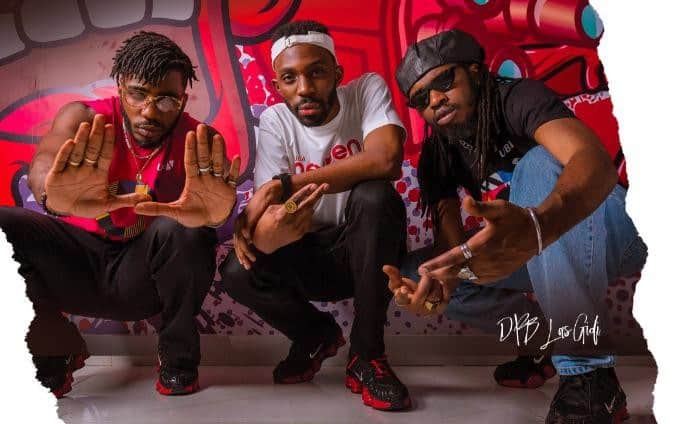
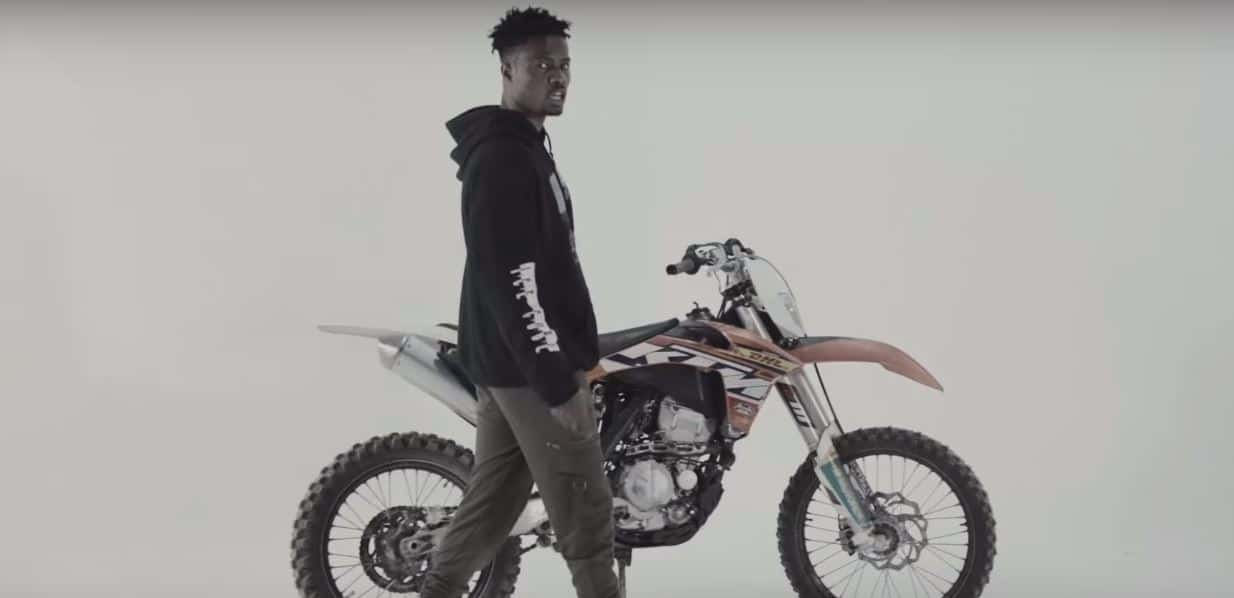
The Shuffle: That time Terry Tha Rapman gave us the exemplary pop-rap jam, “Na Beans”

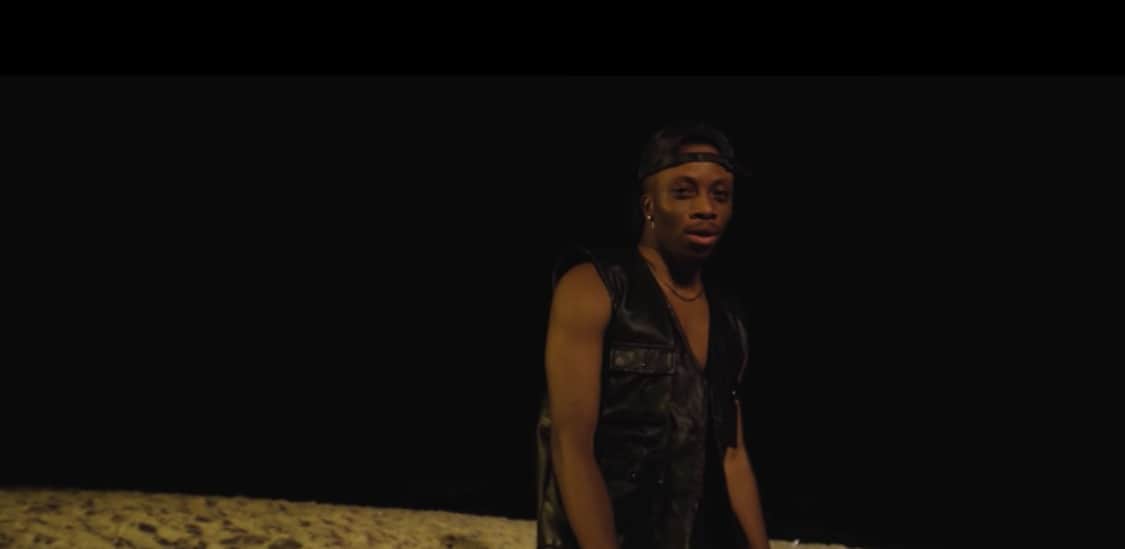
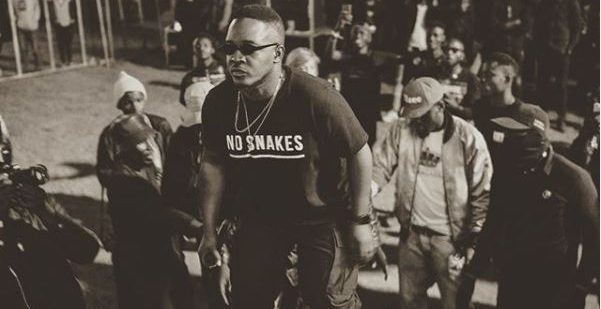
With a career spanning over two decades, Terry Tha Rapman is currently in his legacy act phase. Back in 2001, the veteran rapper, who celebrates his 44th birthday today, dropped his full-length debut, ‘Tha Rapmanifestation’, a project that mainly relied on his ability as a dead-eyed lyricist, sometimes to the overall detriment of the music. By his 2007 sophomore LP, ‘Tha Rapman Beginz’, he’d grown into a better song-maker, retooling his raps into memorable quips and selecting beats that slapped.

“Na Beans”, an early single off ‘Tha Rapman Beginz’, is a stunning call-back to that period in Terry’s career, where he was operating at full strength as an artist and his mainstream appeal was on a rapid rise. On the classic cut, Terry touts his lyrical ability and shadowboxes his competitors, two themes that are commonplace in hip-hop. However, three things elevate “Na Beans” beyond being a cliché brag track: a stomping beat that will compel your shoulders to shimmy till this day, the colourful references and pointed wordplay woven into Terry’s impressionable (and sometimes corny) raps, and an immortal hook—“you think say na beans to bust 16?/oya bust 16!”—that crystallises the song’s mix of conceited and catchy.

In the context of Nigerian rap music, “Na Beans” is an exemplary pop-rap song and a showcase of how lyric-driven rappers can adapt their abilities into becoming market-ready artists. In the context of Terry’s longstanding career, “Na Beans” kick-started a dominant commercial run that lasted into the early 2010s, a period during which he cemented himself as one of the greatest Nigerian rappers to hold a mic. Happy birthday, Terry Tha Rapman!

Stream “Na Beans” here.

Featured Image Credits: YouTube/Terry Tha Rapman

[mc4wp_form id=”26074″]


Dennis is not an interesting person. Tweet Your Favourite Playboi Carti Songs at him @dennisadepeter

ICYMI: MARTYN’S “CAN’T GET NO SLEEP” IS THE SOUND OF AN ARTIST ON A MISSION

Watch Justin UG in the trailer for action comedy, “Requital”

The growth of social media has birthed a new DIY generation of entertainers, who from the comfort can reach millions of viewrs on the internet. But as technology continues to develop and become more accessible, it was only a matter of time before the really innovative social media users took on bigger roles in entertainment, as we have seen previously with Big Brother housemates and other reality television stars.

Justin UG built his career as a comedian on social media, and he’s now pivoting to cinema with “Requital”, an action-comedy directed by Director Dutch. Apart from starring as a lead role, he also co-produced the film with Victor Giwa. The trailer for “Requital” shows Justin pushing the acting skills he regularly displays in his viral clips to extreme levels, showing him as Richard, a casanova who gets himself in sticky situations due to his love for women.

“Requital” will feature newcomers like Hadassah Zubairu, Nidiya Justine, Leo Obienyi, Martin Izehi, Uchendu Steven and others expected to make their movie debuts when the film is released. Producer, Victor Giwa told NATIVE “It’s essential for Nollywood to create space for young creatives with new age humour and relatable plots that can capture the interest of audiences of all ages”.

“Requital” will go on a university tour in Nigeria before it drops on the movie’s website and on amazon. While we wait for the tour dates and official release date, you can watch the trailer below.

Featured Image Credits: YouTube/JustiiinUg
[mc4wp_form id=”26074″]


You are meeting Debola at a strange time in his life. He wandered into a dream and lost his way back. Tweet at him @debola_abimbolu


ICYMI: “Crazy, Lovely Cool” portrays the Nigerian university experience

AV Club: “Crazy, Lovely, Cool” is a mixed portrayal of the Nigerian university experience

Nothing really prepares you for life as a student in a Nigerian university. Anecdotes might give you a general idea of what it’s like, but it’s a period that is best gauged by personal experiences. Things like the inadequate infrastructure, dealing with lecturers who double as bullies, and the difficult adjustment phase (especially if you have to travel away from home) are through lines almost every (ex-)undergraduate can relate with, however, uni stories differ from person to person.

The one absolute positive, though, is that everyone finds a tribe of friends to go through the ups and downs of uni with. Reflecting the importance of camaraderie, Netflix show, Crazy, Lovely, Cool” shows the life of a group of undergraduate friends, using them as the point of contact to represent the topsy-turvy nature of the Nigerian university experience.

Brought together by the eponymous blog/website, CLC (acronym for the show title), the nine friends at the show’s nucleus—Izu, Funmi, Nana, Luciano, Ubong, Amara, Wisdom, Boma and Nkem—spend the major portion of “CLC” dealing with challenges that are brought about or exacerbated by external sources.

One issue that quickly becomes a definitive part of the show, comes at the end of the first episode, when Effy—Boma’s younger brother—dies during a cult initiation and his body is found beside the basketball court on campus. Grief stricken, Boma takes it upon herself to get to the bottom of what happened to her newly matriculated sibling, after she comes across comments on the CLC blog from students who suspect her brother was into cult activities.

Beyond being related to one of the show’s central characters, Effy’s death serves as a compelling touchstone for “CLC”, due to his endearing introduction as a starry-eyed kid who wanted to gain popularity on campus through his artistic endeavours. Solving his sudden demise gives “CLC” a sense of purpose for its first five to episodes. It’s during this period that we see potent depictions of the insecurities students face due to cult activities on campus, as well as the grossly ineffective policing in Nigeria, especially on the investigative side. Also, this plotline largely moves with intent, as the friends galvanise in their fact-finding mission. For example, their strategy of getting a medical student to do an autopsy on Effy’s body isn’t foolproof, but their desperation and the humour of the events in the autopsy scene makes it one of the more memorable moments of the show.

As the second half of “CLC” unfolds, though, the search for answers begins to bug its enjoyability. Although part of this downward spiral is assisted by the stiff acting of Chinonye Chidolue, the actress that plays Boma, the major culprit is the trajectory chosen by the award-winning backroom duo of Kemi Adesoye (“The Figurine” “Fifty”) and Obi Emelonye (“Last Flight to Abuja” “Onye Ozi”), series writer and director respectively.

For the most part, their story and character development is remarkable, but the introduction of Hassan, a wealthy love interest mid-series, as the hero figure undermines the initial build-up, in favour of closing the story arch neatly. Also, the revelation that Effy being gay was the reason he was killed sheds a light on the cruelty gay people face in Nigeria’s conservative society, but in the context of the show, it comes across as a shoehorned detail that fits a narrative.

The struggle to find a strong closing arch also spills into the other relatively minor storylines. A particularly vexing story arch is that of Dr Douglas, a poised and intelligent lecturer who eventually loses her career by getting into a needless sexual relationship with slacking student/upcoming artist, Luciano. Also, the tame affair, on-screen, is a prime instance of how unstimulating “CLC” is when it comes to building romantic tension between two potential partners. This part is down to the lack of chemistry between actors immediately the script goes beyond filial, which is a shame because dating is a big part of the university experience.

All of these missteps are balanced out by the show’s charming portrayal of friendship. While they show up for each other in varying combinations and capacities, the in-fighting and personal quarrels adds a personable layer to their relationship. This imperfect framing allows the mix of recognisable and new faces to get along on screen without the need for a strong bond, even though the more experienced actors—Adesua Etomi (Funmi), Enyinna Nwigwe (Izu) and Uru Eke (Dr Douglas)—clearly outpace their relatively new colleagues at nearly every turn.

Although “Crazy, Lovely, Cool” was shot in 2017, its status as the first Nigerian TV series to be acquired by Netflix should have set it up for an anticipated second season. But with a Kamikaze-style ending—another result of the latter preoccupation with fitting in an ending—it likely won’t be back, and it’s probably best that way. Being a near even balance of highs and lows, “CLC” does a solid job of never falling flat, which is all it really needed to do across its ten 50-minute episodes to keep things interesting. It can be confounding on multiple occasions, but it is also frequently entertaining and relatable.

Featured Image Credits: YouTube/Obi Emelonye TV

[mc4wp_form id=”26074″]


Dennis is not an interesting person. Tweet Your Favourite Playboi Carti Songs at him @dennisadepeter
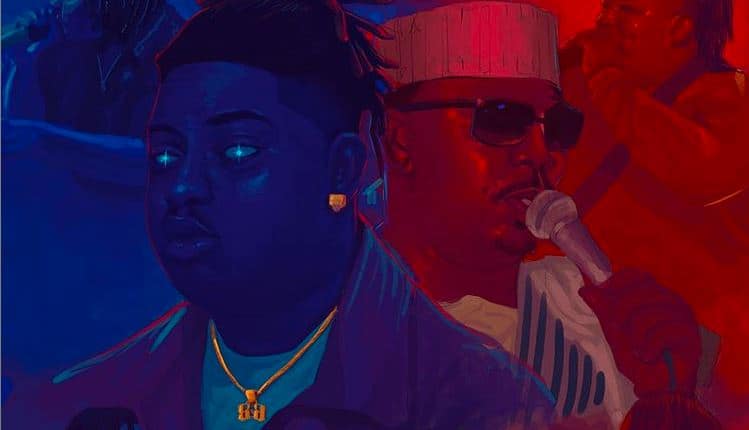

ICYMI: THE MANY STARS IN “CHIEF DADDY” DON’T BRING AS MUCH SHINE

Nigeria’s Civil War: Teaching The Lesson, To Unite A Nation

All wars are awful, but civil wars are regarded as the worst kind, as they turn brothers into enemies and force civilians to choose sides. January the 15th marked not only the anniversary of the first military coup in Nigeria’s history but also the beginning of her bloody civil war a year later. Though these two chapters have had a tremendous impact on the course of Nigeria’s history, they are shrouded in the most secrecy and conspiracy.

One startling aspect of Nigeria’s civil war, is the glaring difference in the accounts among the different people from the various regions of Nigeria, which is further exacerbated by the fact that there is no official account of the events of the war.

On the morning of January 15th 1966, a coup led by Major Chukwuma Kaduna Nzeogwu and Emmanuel Ifeajuna would eliminate several senior officials of the then parliamentary government, despite maintaining that the coup was for the good of all Nigerians. The loss of major political figures particularly from the north cultivated a perception that the coup was orchestrated to only serve the interest of the Igbos.

Nigeria was witnessing its first power struggle as an independent nation. Months of civic unrest lead to worsening economic situations, following the controversial 1965 parliamentary elections, which birthed the geo-tribal fault lines between the 4 regions of the country and their corresponding ‘dominant tribes’. This is a trait that has continued to characterise politicking in Nigeria, even today. Numerical discrepancies between the voter numbers and census returns, resulted in a boycott of the election by the UPGA party in the eastern region. The resulting election was marred with reports of ballot stuffing and irregularities.

Following Nzeogwu’s coup, Nigeria’s acting president Nwafor Orizu (Nnamdi Azikiwe was not in Nigeria at the time) announced a voluntary decision by the cabinet to transfer power to Nigeria’s armed forces. As a result, Major General Aguiyi Ironsi was installed as head of state, setting the precedence of military takeovers that would mark most of the political development of Nigeria, till the very end of the 20th century.

As interim commander-in-chief, Ironsi sought to return calm to the country, but failed to punish the coup plotters. Following a counter coup in July, Yakubu Gowon would assume power, and from June to October of 1966, riots in the northern region of Nigeria would leave thousands of Igbos dead, and forcing up to a million to return to the eastern region of the country. The federal government’s response to the crisis was slow and failed to quell the loss of life. On May 30th 1967, Odumegwu Ojukwu  would declare the eastern region a sovereign republic named ‘Biafra’. War would break shortly after in July following failed peace talks in Aburi Ghana. An estimated 2 million civilians, mostly of Igbo origin were lost as a result of the conflict, with many more displaced.

Following the war, Yakubu Gowon decreed ‘No victor, No vanquished’, a mindset aimed at quickly moving past the harrowing memories of the war, and reintegrating Igbos and the eastern part of Nigeria. Despite this mantra, the reality of returning back to Nigeria was far from resuming the norm, as most Igbos lost possession of their property in other parts of Nigeria (receiving only a 20 pound compensation), and continued to face stigma as a result of their ethnic identity.

The war, and the divisions it caused in its wake are not simply repairable by ignoring the past. Secrecy only serves as a breeding ground of festered wounds, and when proper context is not provided for such heavy and important national events, the emotion and resentment can be manipulated by vested interests, spawning more problems and serving to deepen already strained ties amongst the ethnicities in Nigeria.

Embracing the past is a concrete step towards achieving closure and ensuring that the same mistakes are not repeated. A country like Rwanda has since its own brutal civil war acknowledged and integrated the memory of the war into its national consciousness, ensuring that all her citizens understand the price of war, and know exactly what lead to the sad turn of events. It would be very hard for an individual to manipulate the sentiment around the war for personal gain, as the clarity of history would be too glaring to overlook.

Despite the devastating effects of the war on both sides, with atrocities committed towards ethnic Igbos since the war continue to form the backbone of the economic and socio-political development in Nigeria, owing to their dexterity and resilience. It is my hope that we reach a point in Nigeria where we can openly discuss the ills in our society, with a mindset of finding sustainable solutions, and further entrenching our nation’s unity.

Nigeria’s Civil war is instructional material for future generations, and its inclusion as a compulsory part of the national curriculum will help future generations appreciate the sacrifices and diversity that has brought this country so far. It is of no use protecting the memories of our fallen heroes if we do not tell their stories, honestly and completely, and make sure that the unity fought for is further entrenched by carrying every section of the country along.

It is unfortunate that the killings could not have been prevented, and the paranoia around power and control prevented us from setting aside our differences to sight a unified vision, however it would be a disservice to the memories of those affected by the war, dead and many still alive, to not acknowledge and learn about our trials as a nation, in order to build a safer and more united society for future generations to develop in.

[mc4wp_form id=”26074″]


Djaji is a creative Vagabond, send me your takes on music and African culture @djajiprime

Watch ‘No Victors’, A docu-series about the effects of the civil war

Rap Song of the Week: Martyn’s “Can’t Get No Sleep” is the sound of an artist on a mission

In order to effectively communicate their ambition on wax, nascent rappers need to balance skill and clarity. One is important to showcasing ability and potential, while the other helps in creating a bond with the listener. On “Can’t Get No Sleep”, Martyn performs a stunning balancing act between the two tenets of an ambition-based rap song, and in the process, he comes off as a rapper that is both supremely talented and easy to root for.

Earlier this week, Martyn released ‘Paper Planes’, an EP of songs taken from a forthcoming trilogy project. At the centre of those songs is the need to prove that he’s on the right path, not just to the listener but to himself as well. As the closer of the 6-track project, “Can’t Get No Sleep” is a summation of the multiple moments of brilliance into a career-defining statement cut. Right from the moment he arrives, there’s vigour and poise in his voice as his vivid and clever raps land in a controlled flurry.

“I gotta prove that choosing music was a sound decision”, Martyn quips over the radiant beat that immediately recalls Kanye West during his chipmunk soul era. By the time he exits with the final line, “bend the knee or you gon catch something, cos y’all don’t strike me as fire, you don’t match for me”, it’s a declaration that he’s on a mission to start achieving his rap dreams, sooner rather than later.

Stream “Can’t Get No Sleep” here.

Featured Image Credits: Instagram/i_stan_martyn

[mc4wp_form id=”26074″]


Dennis is not an interesting person. Tweet Your Favourite Playboi Carti Songs at him @dennisadepeter

ICYMI: LADIPOE ROUNDS OFF REVIVAL SUNDAYS WITH “TAILOR MADE”

Buju & Ejoya team up for catchy new song, “Mind Games”

Relationship experts always emphasise the need for partners to communicate their intentions clearly. What they might fail to mention however is that without finesse, this could make relationships seem transactional and ruin the romantic mood. But on “Mind Games”, the latest single from Ejoya, featured artist, Buju, transforms the awkward conversation about what he wants from his lover and what he’s willing to give her in return into an ecstatic, self-assured pop song meant to celebrate the women that are his type.

“As long as sey you go dey for me/ I make sure I give you my money” Buju sings, riding the smooth, lightweight beat IBK produced for the Ejoya single. Buju has continued to grow more acclaim since breaking out with “Spiritual” last year. His very visible fanbase show their support with daily requests for the release of the Burna Boy feature Buju hinted on social media. But while we wait on that, Buju keeps us entertained with his feature on “Mind Games”.

Listen to “Mind Games” by Buju and Ejoya below.

Featured Image Credits: Instagram/bujutoyourears

[mc4wp_form id=”26074″]


You are meeting Debola at a strange time in his life. He wandered into a dream and lost his way back. Tweet at him @debola_abimbolu


ICYMI: Buju’s “L’enu” made our Best New Music

Burna Boy and J Hus link up for third collaboration, “Play Play”

Grammy nominee, Burna Boy and J Hus have two things in common—they are both well known for making bangers, and also speaking their minds without a filter, holding up a big F U to anyone who gets in their way. The pair first linked up in 2017 on each other’s albums released that year, solidifying their knack for making bangers not only alone, but with each other.

J Hus has now released his third studio album ‘Big Conspiracy’, and news of Burna Boy’s involvement on the album was far from a secret as the UK rapper had been actively teasing the new release, all week. The third single from the pair, “Play Play” is a mid-tempo bass-drop anthem on which Burna Boy shows off his vocal range and enviable flow on the track’s hook as he leans into familiar dancehall tropes. ‘Anytime she go down, she won’t hold out/she let it all out’ he sings, laying down the song’s suggestive theme, and setting the perfect backdrop for Hus’ deadpan delivery.

Listen to “Play Play” below.

Featured image credits/


Tami is a lover of astrology, music and women. Tweet your fave female artistes at her @tamimak_


ICYMI: Burna Boy & Ty Dolla $ign join Kranium for new song, “Hotel”

Premiere: DRB and Olamide show us how Lagos parties in their video for “Shomo”

Nigerian music has shapeshifted over the last decade with traditional genre lines breaking into smaller factions that are weirder and more experimental. BOJ, Teezee and Fresh L were among the first hint at how the 2010s would unfold as their music seemed influenced in equal measure by artists like Jay Z and Tony Tetuila. While the mainstream dismissed it as a weird phase to be quickly forgotten, they remained consistent and championed this wave of the ‘alte’ movement, which is the current rave in mainstream Pan-African communities.

It’s now impractical to ignore DRB’s mainstream acclaim and they assert their popular recognition by enlisting YBNL heavyweight, Olamide, and his trusted producer, Pheelz, for “Shomo”, a lightweight bop to soundtrack the festive nightlife with the gang. While Fresh L and Teezee deliver the rap verses, BOJ and Olamide combined to perform the catchy hook over the mix of synths and traditional drum riffs Pheelz produced.

“Shomo” was released last December, in time for the festive season and today, we’re exclusively premiering the music video shot in Lagos by TSE. Everyone has to come harder with their flexes in 2020, because few can hope to top BOJ, Teezee, Fresh L and Olamide shutting down Lagos in the nearly-3-minute long video.

The video keeps up the boastful energy of the song as it shows the DRB crew and Olamide, living the glamorous nightlife filled with beautiful women, liquor, flashy cars, flashy jewellery and scenic views. The video is sure to build fans’ anticipation for the promised DRB project, expected to drop in the coming weeks.

Watch the music video for DRB and Olamide’s “Shomo” below:

Featured Image Credits: TSE
[mc4wp_form id=”26074″]


You are meeting Debola at a strange time in his life. He wandered into a dream and lost his way back. Tweet at him @debola_abimbolu


ICYMI: Listen to DRB’s patrotic single, “Based On”

Ladipoe rounds off Revival Sundays with “Tailor Made”

Ladipoe has been releasing music every week since December, the weekly series which he coins ‘Revival Sundays’ started off with “Providence”, a single-versed song that continued to show off the rapper’s cool and confident flow on his raps. This week, Ladipoe rounds off his weekly music series with new single “Tailor Made” as he continues to show his enviable flow. ‘I put my heart in all my verse/every bar with purpose/I’m tailor made I got the stitching right’ he confidently raps, showing off his clever word play by comparing his rap skills to the perfect tailored fit.

In the 2 min clip released alongside the new single, Ladipoe matches his self-assured, boastful raps with a calm and confident delivery to match. The video fades out with the words ‘coming soon’ hinting at a further video treatment, and whetting our appetite for what’s to come.

Listen to “Tailor Made” below.

Featured image credits/iamjinius_


Tami is a lover of astrology, music and women. Tweet your fave female artistes at her @tamimak_


ICYMI: Ladipoe kicks off ‘Revival Sundays’ with new single “Providence”

Burna Boy shares the colourful video for “Secret” featuring Jeremih and Serani

Grammy-nominated artist, Burna Boy is showing he has no intentions of slowing down any time soon. In the run up to the Grammy’s 2020, where the singer has a chance of winning the World Music category, he has featured on J Hus’ new album, delivering a mid-tempo anthem that is sure to catch on. With barely hours in between, the ‘African Giant’ is back with a new video for his single “Secret” the 8th track off his recently released album.

In the distorted but colourful video directed by David Carmena, Burna Boy is joined by Jamaican artist, Serani and Jeremih who both feature on the song, as he delivers his verse. The almost clandestine-like room adds to the covert theme of the song, as Burna Boy keeps the focus mostly on the enthralling dancers.

Featured image credits/youtube


Tami is a lover of astrology, music and women. Tweet your fave female artistes at her @tamimak_


ICYMI: Burna Boy and J Hus link up for their third collaboration, “Play Play”

Yemi Alade is not afraid to get sexy in the new video for “Remind You”

Yemi Alade’s third studio album ‘Woman of Steel’ dropped last September and she’s made sure to get the attention growing for the project by releasing a slew of accompanying music videos. “Remind You” is the 4th single from her album we’ve got a video for, and following the sensual theme of the Duncan Almighty-assisted single “Shake”, Yemi Alade is not afraid to get sexy.

The Ovie Etseyatse directed video follows Yemi Alade as she gets dressed in sensual clothes for her partner (played by Djimon Honsou), all the while singing of why they are in love in the first place. But the video ends with a shocking twist, as we find out it was just a fantasy and she is actually a domestic staff and her partner is her boss.

Watch the music video for “Remind You” below.

Featured image credits/youtube


Tami is a lover of astrology, music and women. Tweet your fave female artistes at her @tamimak_


ICYMI: Listen to the Latin-pop remix of Runtown’s “Emotion” featuring Sak Noel

Mo’believe introduces his alter-egos in his video for “ENERGY 2020”

Mo’believe’s inclusion on last year’s Gidi Fest lineup summed up the impressive run he had in 2019. The folk Afropop singer has kicked off 2020 on a high as he shared the music video for new single, “ENERGY 2020”, the first single from his coming ‘Big Daddy Mo’ EP.

“ENERGY 2020” has the distinctly Yoruba folk melody Mo’believe has championed since he debuted his ‘Ariwo Eko’ EP in 2018. Audiomonkey produced the beat for the song that finds Mo’believe promising a great year for himself and fans. The music video was shot by Izick and it shows Mo’believe wearing some of the cliche Yoruba-man looks from the enthusiastic busboy, the suit-wearing businessman and the white traditional garment with matching red hat.

Watch the music video for “ENERGY 2020” by Mo’believe below.

Featured Image Credits: YouTube/Mo’believe
[mc4wp_form id=”26074″]


You are meeting Debola at a strange time in his life. He wandered into a dream and lost his way back. Tweet at him @debola_abimbolu


ICYMI: Watch the music video for “Poverty” by Mo’believe

Nigerian director, Chinonye Chukwu will direct the first two episodes of HBO Max’s “Americanah” series

Last Septemeber, we reported that Chimamanda Ngozi Adichie’s best-selling novel “Americanah”,whose rights were bought by Lupita Nyong’o in 2014, had been selected for a straight-to-series order by HBO Max. The show which will be written by ‘Black Panther’s Danai Gurira, will also feature stars like Lupita who will play Ifemelu, Uzo Aduba as Aunty Uju and Zackary Momoh as Obinze.

Now further news of the upcoming 10-episode limited series has been released as the show’s first two episodes will be directed by none other than Nigerian-American writer and director of critically-acclaimed drama ‘Clemency’. According to the Deadline, Chukwu was a perfect fit for the upcoming series due to her Nigerian background:

“When she spoke so passionately about what it meant to her as a Nigerian filmmaker to tell this story, we knew we had the perfect partner to work alongside Danai, Lupita and Plan B.”

Featured image credits/CiscoRodriguez


Tami is a lover of astrology, music and women. Tweet your fave female artistes at her @tamimak_


ICYMI: Mixed reactions trail casting for “Americanah” mini-series

Listen to Davido’s first single of the year, “2020 Letter To You”

Although Davido is still currently promoting his long-awaited sophomore album, ‘A Good Time’, the singer is already back in the studio recording new music. A few days ago, he shared a video of a just concluded studio session as a way of teasing new music. His newly released single, “2020 Letter To You”, is the result of that candid moment, and he uses the song to urge listeners and himself to treat people with love and respect this new year. The Vtek-produced song falls in line with Davido’s popular rhetoric that “we rise by lifting others”.

Listen to “2020 Letter To You” here.

Featured Image Credits: YouTube/Davido

[mc4wp_form id=”26074″]


Dennis is not an interesting person. Tweet Your Favourite Playboi Carti Songs at him @dennisadepeter

ICYMI: WATCH DAVIDO PERFORM “INTRO” & “GREEN LIGHT RIDDIM” FOR VEVO CTRL LIVE SESSIONS

Best New Music: Tide’s “On God” is an ambitious hustler anthem

Sometimes you need songs that indulge your bleak and melancholic side, and Tide proved himself an expert at it on “On God”, the 3rd track from his debut EP, ‘BABYLØN’. His youthful vulnerability, writing lyrics informed by personal experience, make the 6-track tape seem like an invitation to read the singer’s diary as an artist still struggling to get recognised for his talent.

Instead of moping in the sadness of his reality, he turned those dark feelings into something beautiful with “On God”, where he detailed his ambitious intentions. The sparse mix produced by Damie creates a haunting soundscape over which Tide weaves poetry that drifts between unsettling and comforting; “I done seen a lot/ I’ve been through a lot/ On God/ On God”.

The airy production, trippy sound effects and Tide’s ethereal vocals give “On God” an otherworldly feel. However, it’s a direct contrast to his lyrics, which remain effortlessly human as they allude to the struggles the average person on the street deals with to survive. Though most of his lyrics are in English, he infuses popular Nigerian streets slang like “Ma lo fo” and elevates the song to a sonically appealing hustler anthem for everyone on the street.

Stream Tide’s “On God” below.

Featured Image Credits: Instagram/olatidewright
[mc4wp_form id=”26074″]


You are meeting Debola at a strange time in his life. He wandered into a dream and lost his way back. Tweet at him @debola_abimbolu


ICYMI: Watch Tide’s music video for “No Lie”

Residents of Tarkwa Bay have been rendered homeless after a Navy eviction

It’s common knowledge that basic human rights are abused in Nigeria on a daily basis and Lagos in all its megacity glory is no exception. Regardless, we couldn’t help our shock when news broke yesterday that Tarkwa Bay dwellers were being forcefully evicted from their homes by armed Navy officials.

The Navy invaded the semi-rural area on Lagos Island on Tuesday, the 21st of January, shooting into the air and demanding the immediate evacuation of over 10,000 residents. Without prior warning, the men, women, children and businesses had little time to prepare and were rendered homeless. The mass evacuation is reportedly the result of the military’s operation to stop lootings in nearby oil pipelines, but without any statement on the matter from the president or any of his aides, it’s tough to know for sure why the forced evacuation happened.

Other rural communities in Lagos have experienced similarly forced evacuations in the past to make space for luxury housing which is unaffordable for the majority of locals. The drive to urbanise Lagos into a metropolis seems to have caught up to Tarkwa Bay, as it remained one of the areas left largely underdeveloped while still serving as a tourist attraction. We have no doubt that the shops and houses that were bulldozed and torn down yesterday will be replaced with fancier constructions in the coming months.

Featured Image Credits: Twitter/as_elijah

[mc4wp_form id=”26074″]


You are meeting Debola at a strange time in his life. He wandered into a dream and lost his way back. Tweet at him @debola_abimbolu


ICYMI: Tekno calls out the government’s shortcomings on “Better”

How underground Audiomack is setting itself up to expand into the African market

After 8 years, Audiomack has grown into youth-driven music streaming and audio distribution platform which aims to connect upcoming and underground artists to their fan bases, with a specific focus on hip-hop and select genres. Founded in 2012, it was created as a free streaming and uploading service platform for artists; one of its founders David Ponte told Billboard last year that:

“We didn’t feel like it was a good model to charge artists to upload music or to get stats. We felt like that model was shortsighted. We wanted to build a platform where any artist could come in, upload to the site without limits and then we’d make money off the audience via advertising or subscription.”

And that’s what sets Audiomack apart from other existing streaming platforms. Audiomack’s accessibility is key to the brand’s DNA, and has been making head-waves in the United States due to its ability to keep the funds low for everyone involved. In the same breath, artists are also able to access their streaming data and use this data to see where they have listeners, or where they can book tours.

Audiomack’s other power is its playlists; their most popular one, Now Trending, and their regularly updated afrobeats playlists, which expand the site’s focus beyond hip-hop to other genres across the different countries that it currently functions within. This helps to get emerging artists from lesser known areas on the map regardless of their location. It also helps the more known artists like Reekado Banks and Ladipoe, who releases his Revival Sunday series exclusively on the service, to reach a much wider audience.

Over the festive period which saw many Africans in the diaspora return to their hometowns—Lagos and Accra alike, Audiomack partnered with the founders of the Afrochella festival to promote African music through the “Rising Star” initiative that was to “uncover and promote up-and-coming talent across Africa. The initiative also helped choose 7 of the most streamed artists on the “Rising Stars” playlist who would perform at the festival.

Audiomack is already catching on in Nigeria, it has become popular amongst many local folk as the artist drive model offers free streaming and downloading of songs and podcasts. In a country like Nigeria where piracy and illegal downloading of songs and films is ripe, a streaming platform like Audiomack which gives users the access to offline downloads of songs is bound to quickly catch on with local audiences. One could say if Audiomack makes further moves in Africa they would be helping reduce the number of illegal downloads by posing an alternative to the notjustOKs and naijaloaded.com

The new decade brings with it a new wave for afropop and other genres from Africa, with the spotlight on the continent, more focus on initiatives like “Rising Star” could give rise to a viable source through which the most talented crop are allowed to shine through and amass fans from all over the world.

Featured image credits/instagram


Tami is a lover of astrology, music and women. Tweet your fave female artistes at her @tamimak_


ICYMI: Danny Wonders “This is Ghana” documentary encourages other Africans in the diaspora to return home

My body, my rules: what’s all the fuss with androgynous dressing?

  People will stare. Make it worth their while

                          – Harry Winston

Glaring eccentricity has always been met with some caution, and a spec of ‘the devil’s work’ in these parts. Given the societal structure, many people believe that those who dare to be different to what’s set to be the norm, should be picked apart and cast out in society. In a world where toxic masculinity reigns supreme, effeminate men who were not afraid to playfully embrace gender fluid clothing and expression have a hard time just being who they want to be.

We’ve always had a number of popular public figures unapologetically doing want they want and going against set norms which limit them in our society. We don’t have to look further than names within our community like Charly Boy, Denrele, Bobrisky, and Obesere; all of who have public personas built around their sometimes flamboyant and unconventional styles.  Nigerian society will tell you that it’s a ‘new’ and modern thing thanks to technology and access to the ways of the ‘western world’, but the common factor is the need to be yourself, and it’s a bit crazy that they’re just not allowed.

Take someone like Odunsi The Engine for example, he has come under heat a number of times for his unique style, which is nothing you’d expect the typical Nigerian man to wear. He wears what he wants, and often becomes a subject of ridicule as a result. Just take your mind a few weeks back to his recent unconventional hairstyle, where he had his hair in 2 puffs like Baby Spice did or Bubbles from The Powerpuff Girls.

https://www.instagram.com/p/B6_DVrKhkJq/?utm_source=ig_embed

Many of the public figures mentioned above included artists who were heavily censored by society like Fuji legend, Obesere whose display of scantily clad woman only offended society because it was coupled with him wearing effeminate clothing such as sequinned blouses and fishnet shirts in his music videos, and led to being banned.

While older generations were forced to conform because they didn’t know better and there were only a handful who actually did that they want, we exist in a time where what’s fashionable is to be unapologetically yourself. It’s hardly a shiny new thing at this point, and given that we’ve always had people like this in society, and they come out as they are  ever so often, it begs the question: What is all the fuss with how other people choose to dress?

Your style and dress sense speaks for you before you get the chance to say anything about yourself. Dressing up has always been an important avenue for people express to themselves and channel their creativity. Body autonomy is non-negotiable and should be considered fundamental for every human; as people like Obesere, Charly Boy and Denrele are only embracing their authentic selves and displaying it in this largely clandestine society. They have inadvertently become the champions of personal authenticity and paved the way for younger artists to accept who they are, and not have to market themselves as conventionally acceptable to be recognised in their fields.

Clearly, our society hasn’t caught up and we’re still very busy policing people’s choices when there are more important things like climate change and the fact that the residents of Tarkwa Bay are being evacuated. We need more artists and creatives willing to challenge the norm, and become unashamed and unapologetic symbols for making bold statements and living how they want.

We clearly need to push society in the direction which tries to label people people ‘different’ or ‘indie’ or ‘alté’ or ‘weird’ for going against norms. When all those tags and pre-conceived profiles are stripped back, we’re all really just trying to be ourselves.

Featured image credits


Tami is a lover of astrology, music and women. Tweet your fave female artistes at her @tamimak_


ICYMI: Just in case you forgot, Obesere did it first. He did all of it first.

Blackmagic shares new album, ‘Blackmagic 3.0 (Starving Artist)’, ahead of schedule

Here’s a pleasant surprise to properly kick off the year: The third piece to Blackmagic’s self-titled album campaign. With very little warning, the singer/rapper dropped ‘Blackmagic 3.0 (Starving Artist)’, his third studio album and first full-length since his well-received sophomore LP, ‘Blackmagic 2.0’, from 2013. The new album comprises thirteen tracks, and it includes previously released singles, “No Need”“Bad Intentions” and “Anything 4 Love”, while there are vocal contributions from singer, Tems and rapper, Big Bad.

According to notes on streaming platforms, ‘Blackmagic 3.0’ was scheduled to drop on January 31, but its release falls in line with the surprise drops of Blackmagic’s two EPs from last year, ‘Wizard’s Spell’ and ‘BM’, both quality projects that point toward to a strong showing on the new album.

(Update: ‘Blackmagic 3.0’ has been taken down from streaming platforms until further notice. However, it should be back up on its scheduled release date, January 31.)

Pre-add ‘Blackmagic 3.0 (Starving Artist)’ here.

Featured Image Credits: YouTube/BlackMagic

[mc4wp_form id=”26074″]


Dennis is not an interesting person. Tweet Your Favourite Playboi Carti Songs at him @dennisadepeter


ICYMI: LISTEN TO FETTY WAP’S VERSE ON BLACKMAGIC’S RE-ISSUED “WONDER” SINGLE

The Oxford English Dictionary adds a number of new words from Nigerian English

My English-speaking is rooted in a Nigerian experience and not in a British or American or Australian one. I have taken ownership of English.

This is how award-winning author and activist, Chimamanda Ngozi Adichie describes her relationship with the English language. The renowned author and the Oxford English Dictionary (OED) have teamed up to create a list of terms used in colloquial Nigerian speech that have made a ‘unique and distinctive contribution to English as a global language’.

A total of 28 new words have been added to the English lexicon from the vast Nigerian English, drawing from a wide range of unique coinages like ‘buka’ and ‘mama put’ to the shortening of English words like ‘guba’ (gubernatorial) to borrowing from native languages such as Yoruba word ‘tokunbo’ (second hand) and to words crossing over from pidgin English such as ‘sef’.

The words included in this month’s update of the OED reflect the contributions Nigeria has made as a country in the global economy, and it is a step in the right to cement Nigeria’s standing as an international hub in West Africa.

Check out the new words here:

Featured image credits


Tami is a lover of astrology, music and women. Tweet your fave female artistes at her @tamimak_


ICYMI: Nnedi Okorafor’s novella ‘Binti’ is being adapted into a Hulu Tv series

The Shuffle: Remembering Hugh Masekela’s Billboard charting hit, “Grazing in the Grass”

The world lost a music icon when South African jazz legend, Hugh Masekela, passed away on the 23rd of January, 2018. His knack for infusing his music with political commentary made for timeless and compelling songs fans are sure to revisit as we approach the 2nd anniversary of his passing.

Hugh Masekela began playing the horn at 14 and became an integral part of the 1950’s jazz scene in Johannesburg before moving to the UK and America to study trumpet. He started recording music in 1962 but wouldn’t join the Uni label that pushed him to stardom till 1967, when he started performing orchestras in America. While abroad, he remained dedicated to raising awareness on the oppressive apartheid rule in South Africa and was rewarded with international acclaim when he scored a number one hit, “Grazing in the Grass”, on the Billboard charts in 1968.

Though he often describes the song as a throwaway, recorded to complete the album, the international exposure from the song made him into a legend mentioned in the same breath as Bob Dylan, Jimi Hendrix and Otis Redding. Easy-listening jazz instrumental songs were still considered a commercial force in the 60s, but he could never repeat his Billboard success despite the popular opinion that the sprightly and energetic horn riff on “Grazing in the Grass” is far from his most impressive work.

Hugh Masekela has remained popular in the international jazz community and in Africa thanks to his anti-apartheid anthems, “Soweto Blues” and “Bring Him Back Home”, written for Mandela. He had an accomplished career and when he lost his life to cancer at 78, he was remembered for a whole lot more than just scoring a number one hit song on the Billboards.

Stream “Grazing in the Grass” below.

Featured Image Credits: YouTube/Marc Leroy
[mc4wp_form id=”26074″]


You are meeting Debola at a strange time in his life. He wandered into a dream and lost his way back. Tweet at him @debola_abimbolu


ICYMI: Wizkid’s “Don’t Dull” set the pace for his impressive career