Watch Burna Boy claim his throne in the video for “Odogwu”

Last year, we predicted that Burna Boy was setting himself to be one of afropop’s fiercest contenders and if his recent Grammy nod is anything to go by, the African Giant definitely succeeded. Last month, he released his first single of the year, “Odogwu”, an assertive cut which found him emphasising his status as a pioneer and one of Africa’s biggest musical exports all while playing over the laidback and colourful Igbo folk groove produced by Kel P.

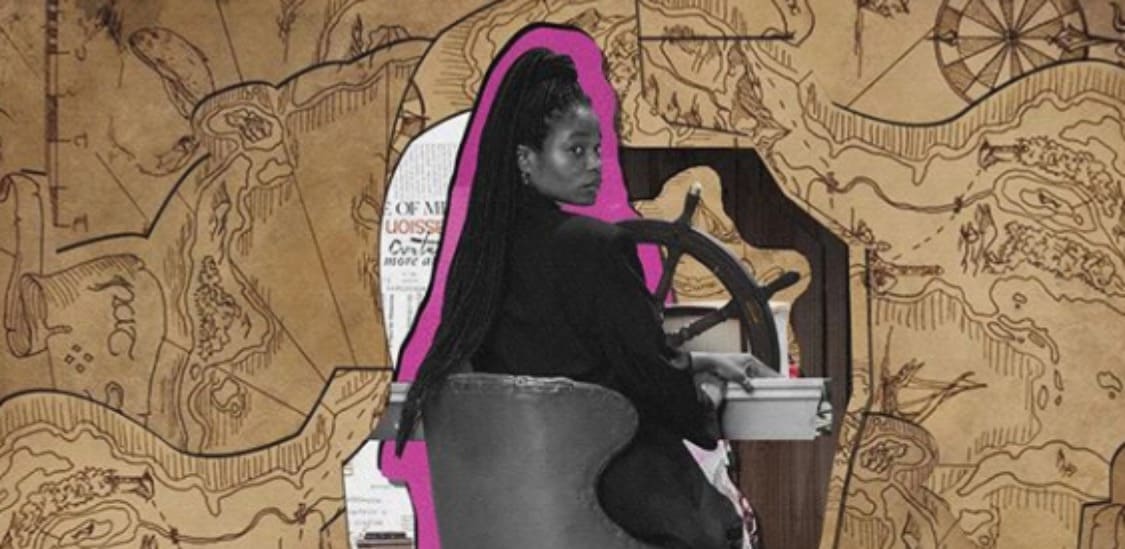
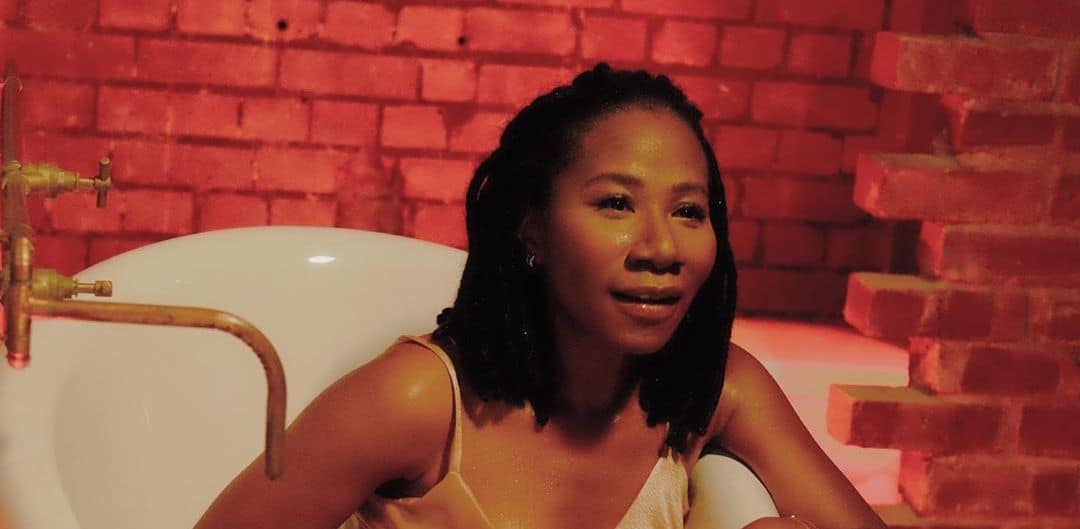
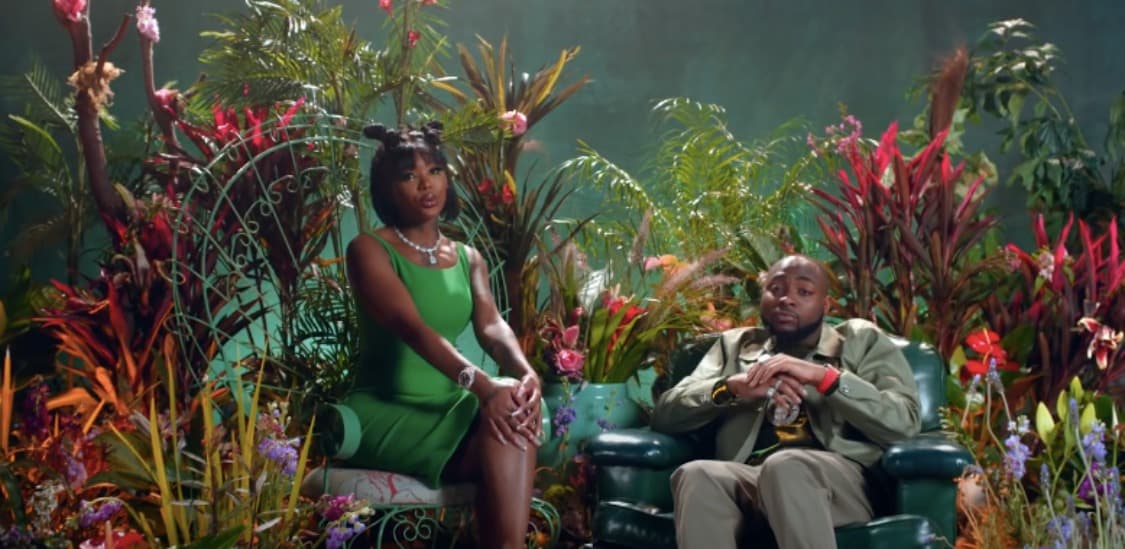
To start off the new week, Burna Boy has come to save the people, amidst all the ‘rona palaver, with a new video for “Odogwu”. The exciting new video, directed by T.G Omori,  sees the self-proclaimed ‘Odogwu’ (champion) leaning further into the song’s Igbo folk groove as he surrounds himself with a large crop of Igbo men who cheerily chant his title as he dances for them. Burna Boy also plays on familiar tropes of traditional rituals, commonly seen in Nollywood movies, as he is ceremoniously knighted in a bathtub surrounded by fire.

Watch the video for “Odogwu” below.

Featured image credits/buchwiththelenses


Tami is a lover of astrology, music and women. Tweet your fave female artistes at her @tamimak_


ICYMI: Odunsi The Engine leaks “Staying Low (Quarantine) on Friday Cruise

For the Girls: Shaybo is the self-proclaimed ‘Queen of the South’ with hard hitting bars

To commemorate Women’s History Month this year, we will be spotlighting a new female artist every day of the month. Some of these women you may know, others you may have heard of and some will be entirely new discoveries. The aim is to spotlight the remarkable young women from around Africa, who are finding their feet through music and giving women a voice of their own. 


South-London based MC, Shaybo has been rapping on and off for about 10 years. Since the Nigerian-born rapper was just 13, she knew she always wanted to become a star and make music, however being born into a Nigerian family meant she had to get her education sorted out first, before she was allowed to pursue her dreams.

A quick look at her Apple Music page will reveal that the talented rapper has only four official releases, however this does not detract from us seeing clearly that Shaybo’s ultimate strength lies in her crop of hard-hitting freestyles. Her first official release was actually a freestyle. “Shaybo HB Freestyle”, which packs an onslaught of word play is a product of Hardest Bars, an online community known to put on some of the hardest rappers from around the country.

Shaybo is hardly new to cursing, or to pointing out the double standards that women must face. “Ya Dun Know” is arguably her breakout track, and she delivers more of the hard-hitting bars we have come to expect of her. She raps about being in the game since the existence of Limewire, and does not shy away from dotting her braggadocious raps with Yoruba slangs and insults–which is sure to resonate with listeners from her birth country.

Shaybo is set to release her debut EP, ‘Queen of the South’ later this year, a term she is known to commonly shout out in her other singles and freestyles. The term serves as a double entendre–a nod to her status as one of the hardest female rappers in the game from South-East London and popular Netflix series, Queen of the South.

Shaybo’s most recent offering is “Anger”, a hard-hitting drill anthem on which she gives her unapologetic nature a free rein as she expresses her anger and frustration particularly with the music industry. In an interview with Apple Music, Shaybo reveals that she wanted to give women a song they could relate to as there are not enough women in the game showing other women that it’s okay to express themselves–even ugly emotions like anger.

Yesterday, Shaybo served up yet another freestyle on BBC 1 Extra with Tiffany Calver, and showed just about everyone that she’s really about that, as her bossy confident lyrics were put on display again. She also keeps true to her native roots by easily slipping in and out of Yoruba and pidgin English.

Featured image credits/complex


Tami is a lover of astrology, music and women. Tweet your fave female artistes at her @tamimak_


For the Girls: Jazzz Atta is the r&b singer captivating audiences with her voice

Shane Eagle & Nasty C team up for “Paris” and 6 other videos you need to watch this week

This week’s curation of the best videos across popular culture covers all the videos shaping the music scene around the world. We start from Zlatan’s attempt to reestablish his reputation for making bangers through the dance-inclined video for “Unripe Pawpaw”. Shane Eagle and Nasty C give their latest collaboration, “Paris” a befitting video, Octavian and Skepta turn up the heat for their sensual collaboration, “Papi Chulo” while Lil Yachty shows off his acting range with the comical video for “Oprah’s Bank Account”. Tobi Lou and Amaarae also have new music with videos, but as usual, we wrap things up with something didactic, with Kiki Mordi’s video, “What Happened To Tarkwa Bay” documentary.

Octavian & Skepta – “Papi Chulo”

After the success of “Bet”, Octavian & Skepta have linked up for another hard-hitting single titled “Papi Chulo”. On this track, they chronicle their escapades with women over the lush production from Grizzly, Young Kid, and BricksDaMane who set a laidback mood through the relaxing percussion, flute samples, guitar samples and 808 drums. Lyle Lindgren directed the house party themed video, featuring cameos from A$AP Ferg, A$AP Nast, Michael Phantom, a couple of beautiful women and some bottles of Havana Club liquor.

Zlatan – “Unripe Pawpaw” Feat. Oberz, Papisnoop and Jamo Pyper

Like most good rappers, Zlatan has found the sweet spot of how to mix being introspective with commercially viable sounds fans can just dance to. On his debut album, ‘Zanku’ , he managed to articulately narrate his life story and struggles, however, his latest release, “Unripe Pawpaw”, finds him returning to the dance-inclined music that broke him into the mainstream. Featuring other less popular artists, Oberz, Papisnoop and Jamo Pyper, he’s putting the streets on, while adding more colour to the catchy and energetic produced by P Prime. Directed by Visionary Pictures, the music video for “Unripe Pawpaw” and he sticks to the song’s narrative with dancers performing different dance routines on the streets of Lagos.

Shane Eagle – “Paris” Feat. Nasty C

Shane Eagle released ‘Dark Moon Flower’, his third studio album in 3 years last year. One of the album’s standouts, “Paris” featured fellow South African rapper,  Nasty C, which has now been updated with an energetic video to go with the boastful bars from both rappers. Imraan Christian directed a series of shots which capture the assertive performance from Shane Eagle and Nasty C. While we see both rappers performing their lyrics in a dark room, we also watch as a young boy discovers his supernatural abilities and has to battle another kid on the street with similar powers.

Omah Lay – “You”

Afropop’s primary aim to serve dancefloors makes lightweight themes of romance a staple in the genre. Omah Lay embodies the core values of Afropop on his latest release, “You”, where he dives headfirst into his intimate feelings for a love interest to make for an emotionally charged bop, which you still want to turn up to. Singing “I Love You” repeatedly over the catchy self-produced beat, his lyrics attempt to convince his lover about his heartfelt feelings and the accompanying video shows them together as they fight and makeup thanks to Omah Lay’s compelling vocals.

Lil Yachty – “Oprah’s Bank Account” Feat. Drake, DaBaby

Lil Yachty dropped the lead single from his upcoming album, ‘Lil Boat 3’ “Oprah’s Bank Account” , featuring guest verses from Drake and DaBaby. The surprise release came with a 9-minute long Director X video, where we see Yachty transforms Yachty into his Oprah-inspired character, Boprah. The video is centred around Boprah’s talk show, where he sits with special guests, Drake and DaBaby for a heart-to-heart interview.

Drake talks about reaching his full LSC (light-skinned capability) while DaBaby talks about making every song like an ongoing song. We’re in an internet era where nothing is off-limits for trolling and the video does a great job of trolling everything about the times.

Korede Bello – “Sun Momi”

Korede Bello continues to show off his mastery of the heartthrob act with his new “Sun Momi” single. He debuted the love song (whose title means “Come Closer” in English) in time for the Valentines Day last month,  and has now made an attempt to extend the shelf-life with a Moe Musa directed music video. The video sets him and his muse in a neon-lit studio space and though they’re both fully clothed through the 2-minute duration of the video, they exchange seductive looks that can make viewers blush.

Kiki Mordi – Trailer for “What Happened to Takwa Bay” Documentary

Award-winning journalist, Kiki Mordi is gearing up to release a new documentary with her platform, Documenting Women. She premiered the trailer for “What Happened to Takwa Bay” on her Instagram and confirmed that it’s the sequel to her 2019 “Life At The Bay” documentary which covered the harsh economic reality for women living on the popular island in Lagos. Life at the Bay has certainly changed since the forced eviction of the residents by the Navy in January. Reports confirmed that thousands were rendered homeless after the raid but no one could provide adequate information on why the evacuation occurred and what happened to the residents after. The documentary is expected to provide more information and context to the raid and how the people whose daily lives were affected have survived since.

Featured Image Credits: Instagram/octavianessie
[mc4wp_form id=”26074″]


You are meeting Debola at a strange time in his life. He wandered into a dream and lost his way back. Tweet at him @debola_abimbolu


ICYMI: Catch up on all the videos you missed from last week

Odunsi The Engine leaks “Stayin’ Low (Quarantine)” on Friday Cruise

It’s been exactly six months since we last heard from Odunsi The Engine. Back in the throes of summer, before the ‘rona, he dropped off the bouncy two-pack, “Wetin Dey/Better Days.” Despite not releasing any music since August last year, he’s been the topic of conversation seemingly every month. Whether it’s rumours about potential love interests, leaked snippets (will we ever get the full “Wicked, Sexy?”), or more recently, commentary around his style choices: Odunsi The Engine is on the agenda.

The topic this week? Odunsi posted a picture on his Instagram page from London, showing off his newly bleached hair, and rocking a Vivendii Sound t-shirt.

https://www.instagram.com/p/B9mv8E1BJCn/

Cue the outrage.

https://twitter.com/baba_random/status/1238070482672459777?s=21

Artists have historically used their hair to make statements about where they are at in their careers, and their lives as a whole. In the early noughties, Jay-Z was known to grow out his hair when he was recording a new album, and then shave it all off, to mark when it was done.

13 years ago, in one of the biggest moments in 21st century pop culture, Britney Spears infamously shaved her hair off. Whilst many saw it as just another episode in the media circus that surrounded the pop star at the time, she has long since maintained it was an act she did to show everyone she was in control. She was tired of being told what was expected of her at every turn. She was tired of making music for other people, rather than herself. Later that year, she released Blackout, her fifth studio album, and one which is widely regarded as her most progressive and consistent body of work. On the first day of release alone, she sold 147,000 copies, and it went on to go platinum.

This isn’t the first time Odunsi The Engine has unexpectedly switched up his look. Following the release and commercial success of his slow-tempo R&B single, “Desire”, he decided to completely bleach his hair. Similar to Britney, he felt he was being pushed in a direction that wasn’t his choice. Both critics and listeners were ready to box him in, the way they have unknowingly done to so many artists before him. Feeling the pressure, this also led to the birth of the infamous friday cruise account. In our cover story last year, Odunsi explained how friday cruise – his unlisted Soundcloud account filled with unreleased gems – was his way of testing the waters, but importantly, a platform for him and his friends to freely create, without the stress of planning releases and roll-outs.  As his avid fans managed to catch on, this account would see the early demos of tracks that would end up on rare., as well as songs we haven’t heard since.

Late on Friday night, Odunsi returned to the cruise, and dropped off “Stayin’ Low (Quarantine)”, a timely song for the current times. But more than that, it may be an indication of where he’s heading musically. If the switch up from “Desire” to rare. is anything to go by, we should start prepping for a new Engine.

“heard they miss the old me, but they don’t wanna love, they just want to own me 

oh me oh my niggas tryna clone me, I’ve been riding solo, long time never lonely, yeah you know it’s all me” 

Songs of the Day: New Music from Paul Play, Runtown, Tomi Agape & more

The fast and furious pace of new music releases makes it hard to keep track of all different new sounds coming out of Africa as the music scene grows more and more expansive. We’ve decided to help out by sorting through all the new songs from across all the platforms and subgenres around the continent to curate a column with all the best  “Songs of the Day”, to highlight all the new releases you absolutely NEED to hear.

Our previous instalment of the column brought you new music from Niniola, Femi Kuti, Nxwrth, London Afrobeat band Kokoroko and more. For the latest additions to our playlist, we bring you music from Nigerian music legend Paul Play, Ghanaian artist Supa Guaeta, Kenyan singers Nviiri the Storyteller and Maya Amolo, and Nigerian singers Remy Baggins and Tomi Agape.

Paul Play x Runtown – “Angel of My Life (Remake)”

Not too many songs are on the same pedestal as Paul Play Dairo’s evergreen hit songs, “Angel of My Life”. Since its release in 2006, the song has become a mainstay in romantic events, and is generally accorded a different level of reverence. Capitalising on its cultural capital, Paul Play has linked up with Runtown for a new version of the song. “Angel of My Life (Remake)” comes with a new, EDM-infused beat that echoes the production on the original, while Runtown adds a new verse that reflects his international badaman killer persona. Although “Angel of My Life (Remake)” doesn’t have the same fresh magic as the original, it serviceably reacquaints us with Paul Play as one of the golden voices of contemporary Afropop.

Nviiri The Storyteller – “Kesi Baadae”

With the ability he’s shown over four solo singles and a few features, Nviiri the Storyteller is an artist worth keeping eyes and ears on. The Kenyan singer-songwriter is currently signed to Sauti Soul’s record label, Sol generation, and upon pressing play on his newest single, “Kesi Baadae”, it’s immediately apparent why he caught the Afropop quartet’s ears. In his music, Nviiri tells easily digestible stories, detailing both the situation and emotion through his writing and ear-catching melodies. The sway-inducing “Kesi Baadae” continues to hone in on that flair, as he sings about a situation with a love interest whose father doesn’t approve of their relationship.

Tomi Agape – “This Way”

UK-based Nigerian singer, Tomi Agape has a thing for keeping quiet on new music for long periods of time. That might just be changing. The singer’s latest single, “This Way”, arrives less than five months after her last drop, “Full Moon”, which is pretty rapid in Tomi’s case. The good thing is, she always delivers, and “This Way” is no exception. Tomi thrives in the pocket where vulnerability and confidence mix, and her new single uses that trait to full effect. Over humming piano chords and bouncy mid-tempo drums, she wags her finger at a trifling ex, recalling his past misdeeds and flaunting her agency to move on after a difficult heartbreak. “Love has changed me today, take time with emotion, pour brown let me zone”, she sings in a dancehall-inflected tone on the beautifully sung hook.

Supa Gaeta – “Never Again”

Sometimes, getting heartbroken results in spitefulness towards someone you used to hold a flame toward. Ghanaian singer Supa Gaeta captures this feeling on his new single, “Never Again”, where his mix of disappointment and anger is palpable and relatable. Supa sings about getting jilted by someone who’s still texting her ex, promising to never open his heart if she comes back around. In letting out his emotions, the good thing about “Never Again” is that he never crosses into the type of distasteful name-calling that many male singers are prone to while singing about their women exes.

Maya Amolo – “I Know”

Maya Amolo possesses a captivating, conversational voice that makes it easy to get engrossed in her music. Over the last three years, the Kenyan singer has littered her SoundCloud page with loose singles and covers that impressively showcases her immersive brand of lo-fi neo-soul. “I Know” is her new single and it’s the first release ahead of her yet-to-be announced debut project. The single continues her knack for confessional writing, as she laments the imminent end of a relationship. Although “I Know” sounds a bit more polished than Maya’s previous work, it still contains the raw and unfiltered feeling that’s become associated with her.

Remy Baggins – “As Friends Tho”

With his 2019 EP, ‘Hentai’, Remy Baggins anointed himself as a connoisseur of singing about the intricacies of casual sex. While that EP portrayed Remy as as the one in control of those situationships, his new single, “As Friends Tho”, flips the script. Over a colourful, self-produced beat, Remy plays out a scenario where he gets stuck into the friendzone, even though he and his interest continue to have physical relations in the past. Between the overconfident bridge packed with sexual innuendos and the declarative hook personifying his partner, “As Friends Tho” leaves an open-ended storyline, since it isn’t clear whether Remy is fine with the arrangement or not.

Featured Image Credits: Instagram

[mc4wp_form id=”26074″]


Dennis is not an interesting person. Tweet Your Favourite Playboi Carti Songs at him @dennisadepeter
ICYMI: CHECK OUT NEW MUSIC FROM NXWRTH, OXLADE, LSMK AND MORE

For the Girls: JaZzz Atta is the r&b singer captivating audiences with her voice

To commemorate Women’s History Month this year, we will be spotlighting a new female artist every day of this month. Some of these women you may know, others you may have heard of and some will be entirely new discoveries. The aim is to spotlight the remarkable young women from around Africa, who are finding their feet through music and giving women a voice of their own. 


Jazz Atta is a Lagos-based, r&b/soul singer, whose heartfelt voice has earned her constant admiration and praise as one of the most spiritually-charged young performers of our generation earning her a performance slot at the fourth showcase of Femme Africa held last weekend.

The Kogi-born artist has been releasing music since 2017, when she released her debut project ‘Practice’ a 7-track project which she shared through her Soundcloud, which was very popular at the time for indie artists looking to put their music out there in Nigeria.

‘Practice’ gave the world a taste of Jazz Atta’s eclectic sounds, from the self-realising opener “Pill” which featured the rapper Boogey, to embracing her fears on “Free Failing” and even the super sweet “Sugar” on which she portrays love as a fantasy while showing off her love for jazz-inflected tunes. Jazz’s instagram page is also home to a number of freestyles and covers, including “You”, one of her most viewed covers to date which at the time of release instantly caught our attention and landed Jazz her NATIVE debut.

In the past, the talented artist has been vocal about facing rejection from peers and other artists in the music industry because her sound wasn’t considered commercial enough. Rather than deter her, this actually strengthened her resolve and made her committed to perfecting her sound and working harder. The result definitely came through on her next two projects No Left Overs’ &‘Yummy Vibes’ – where she explored themes like mental health on tracks like “Ridiculous” featuring Djaji Prime and mused on sexual liberation and expression on “Wild Thing”.

Her latest offering ‘Yummy Vibes’ is 7-track project on which she draws on inspiration from her ‘everlasting muse’ the Yoruba goddess, Yemoja. As she weaves through the pain of relationships on “Gbim Gbim” and deals with acceptance on “My Body”, Jazzz takes listeners on a afro-futuristic cosmic musical journey.

Listen to ‘Yummy Vibes’ below.

Featured image credits/instagram: obi_d 

Rap Song of the Week: ByLwansta’s “How ‘Bout Now?” is a personal conflict creatives know all too well

A lot of ByLwansta’s music sounds like an exercise on convincing himself that he’s doing okay. The South African rapper often uses his raps to annotate his reality, letting his listeners in on the good, the bad and ugly situations in his life. ‘SPIJØNGET (Chapter 2)’, his newly released 4-track EP and the second instalment of the 3-part ‘SPIJØNGET’ series, continues to tap into ByLwansta’s flair for soul-baring rap music, with intro track “HOW ‘BOUT NOW?” serving as the most resonant song of the affecting bunch.

On “HOW ‘BOUT NOW?”, ByLwansta taps into a personal conflict many creatives face: the fight for fulfilment against the need for stability. Usually, the ideal thing is to get a job after finishing a degree and ‘start a life’, but for those who kick against the 9-5 lifestyle and would prefer to work in unorthodox spaces, stability is not guaranteed. Simultaneously playing the advocate and the devil, ByLawansta bares out this dilemma over gently thumping, Jazz-inflected production.

Between Lungelo Manzi’s soulful hook, and his verses where he berates himself and props himself up in equal measure, the rapper doesn’t dwell on what ifs or what the future holds, only assuring himself that he’s doing what’s best for him at the moment, even if it might be the long and difficult road less travelled.

Listen to “HOW ‘BOUT NOW?” here.

Featured Image Credits: Instagram/pleasesaythe_by

[mc4wp_form id=”26074″]


Dennis is not an interesting person. Tweet Your Favourite Playboi Carti Songs at him @dennisadepeter


ICYMI: SIZZ THE TRUTH’S “BE YOURSELF” IS AN ODE TO TRUSTING THE PROCESS

AV Club: Queen Sono is a laudable first attempt at bringing the world to Africa

Sampa the Great’s upbeat hip-hop tune “Final Form” cues in as Queen Sono, played by Quantinco star Pearl Thusi, escapes over the idyllic Zanzibar shoreline with her co-worker, Fred. She’s just thrown the bad guys off her scent, ‘I might final form in my melanin/black power’ comes Sampa’s voice, setting the tone for the completely badass escape scene, reminiscent of many spy thrillers before it–from James Bond to Jason Bourne.

‘Queen Sono’ is actually Netflix’s first script-to-screen commission from Africa, spearheaded by South African director and comedian Kagiso Lediga. It’s one of the more recent efforts by the streaming giant to infiltrate the otherwise reliant on cable TV continent, and provide increased visibility for African stories told by Africans themselves. ‘Queen Sono’ is also a laudable first attempt at bringing stories and experiences rooted in African culture directly to the world, without wholly compromising on rooting its story close to home.

It’s commonplace to say that not all heroes wear capes, and Lediga certainly keeps to this, by often blurring the lines between who is a hero and a villain in the series. Queen is a skilled operative working for an intelligence unit called the Special Operations Group (SOP) whose leaders are somewhat questionable for their involvement with South Africa’s corrupt president.

Queen’s story is laden by the past. Her mother, who was activist Safiya Sono, got killed mysteriously when Queen was a child, by a corrupt and power-hungry government on the cusp of regaining power from the white colonialists during the apartheid regime. For other characters like William, the lines are even more blurred, as he was once a spy for the SOP, but is now the leader of the Watu Wema, an insurgent group that is backed by a Russian family, the Gromova’s who ruthlessly supply arms for terrorist groups.

We can’t talk about ‘Queen Sono’ without commending the incredible production and overall display of the many beautiful places in Africa, from the Zanzibar shoreline in the opening episode to the busy streets of Lagos. ‘Queen Sono’ was shot by an all African team in over 37 different locations within the vast continent, with dots of struggles pertinent to African cities dotted round the 6-episode show. English is also interwoven with local languages from across the country like isiZulu, Tsonga, and Swahili, which are at times not subtitled allowing key aspects of the plot to be missed out.

Another noteworthy feat in ‘Queen Sono’ is its badass female characters–from Thusi herself to Abigail Kubeka who plays her grandmother to even the series main villain, Ekaterina played by Kate Liquorish. Women are leading on all fronts, and are among some of the strongest characters on ‘Queen Sono’ with some of the most complex plots. Queen is messy yet vulnerable and relatable, her grandmother is wise and represents hope, and even the late Safiya Sono is a beacon for change and fighting for the less privileged. Make no mistake, each woman in ‘Queen Sono’ is key to the series plot.

Conversely, ‘Queen Sono’ does lack in certain areas. The 6-part action and crime series is often times complex, with a plot that is not easily digestible and takes a few episodes to get into, owing to the multiple storylines. It begins at the present with a kickass spy Queen, then catapults us right into the past with flashbacks and personal memories. Queen occasionally sees bubbles, a trigger formed from the assassination of her mother right in her presence.

The ending of ‘Queen Sono’ all but screams there’s a second season, given the cliffhanger. In usual Netflix fashion, it could take up to a year before we get to see Queen and her world again. While we wait, Netflix has more African originals lined up for this year with the teen mystery series ‘Blood & Water’ coming out later this spring and the yet-to-be named Akin Omotosho show following shortly after.

Watch ‘Queen Sono’ on Netflix here.

Featured image credits/instagram: queensononetflix


Tami is a lover of astrology, music and women. Tweet your fave female artistes at her @tamimak_


ICYMI: Hakkunde is a timely and sometimes engaging look at being an unemployed Nigerian youth

Essentials: Barry Jhay’s ‘Barry Back’ is a true representation of his coming of age story

Barry Jhay’s backstory as the son of late Fuji music veteran, Ayinde Barrister, can fool some to think he earned his street cred through inheritance. However, it was his reflective and emotive candour that made his breakout single, “Aiye”,  a mantra on the streets of Lagos. Fans have since anticipated his debut project and showed up in mass for the listening party organised ahead of the release of ‘Barry Back’ last week.

The same Yoruba-fueled performance that resonates somewhere between solemn introspection and motivational-speak continues to inform most of the 9 new tracks on ‘Barry Back’. The album builds out to show how his growth as an artist has allowed him to explore a wider range of sounds and themes. From the intro track, “Barry Back”, he uses his come-up story in the music industry to give pro-life tips to listeners; “Emi ma jaiye t’emi on a low(I’ll live my life on a low)/Ototo la wa aye(We came here individually)/ Ile aye lati pade ara wa(We just met here)”. On the next track, “Ashe She”, he continues to encourage listeners, asking them to remain prayerful as his auto-tuned vocals add an angelic sheen to the energetic beat produced by Tee-Y. On every album, you typically find the one song dedicated to God, and on the 7th track, “Ma So Pe”, he sings praises to his creator.

The narrative changes shape from the 3rd track, “Daddy”, a romantic song which proves to us that he’s just as capable of making club bangers, as he is at making thought-provoking songs. For the wedding-dacne destined “Only You”, he cleverly enlisted afropop’s current loverboy, Davido, whose reputation makes the affectionate lyrics convincing.

The EDM-inspired Ice Beat-produced instrumentals for “Pa Mi” pushes the boundaries of Barry Jhay’s sonic experimentation, as he blends his Yoruba melodies with a familiar sample from The Harlem World & Ma$e “I Really Like It” to fit into the pockets of the EDM beat. Barry Jhay continues to show off his nimbleness with the return to introspection on how he came to be living his dreams on “Money” and “Superstar”.

Barry Jhay’s debut album reflects the current mainstream appeal seen with younger artists such as Fireboy DML, Oxlade, Roddy Rich, Lil Baby, Meghan Thee Stallion and others, who manage to find the sweet spot between solemn introspection and turn-up music. You definitely don’t want to sleep on him.

Listen to ‘Barry Back’ below.

Featured Image Credits: Instagram/therealbarryjhay
[mc4wp_form id=”26074″]


You are meeting Debola at a strange time in his life. He wandered into a dream and lost his way back. Tweet at him @debola_abimbolu


ICYMI: Watch the video for Barry Jhay’s breakout single, “Aiye”

For the Girls: We can’t get enough of the soothing sounds of East African jazz artist, SomiMusic

To commemorate Women’s History Month this year, we will be spotlighting a new female artist every day of this month. Some of these women you may know, others you may have heard of and some will be entirely new discoveries. The aim is to spotlight the remarkable young women from around Africa, who are finding their feet through music and giving women a voice of their own. 


Born in Illinois, SomiMusic is the American singer, songwriter and actor of Rwandan and Ugandan descent. Actively releasing music since 2007, Somi’s music boasts of vibrant, eclectic sounds formed around “New African Jazz” a termed coined by the artist herself describing her own unique hybrid jazz sound.

An ardent student of the game, Somi has been personally mentored by legendary trumpet player, Hugh Maskela who went on to feature on her label debut album ‘If the Rains Come First’ back in 2009. Despite having a string of earlier releases, some of Somi’s best work comes in 2014 after the vocalist and songwriter decided to make the move from New York City to Lagos, Nigeria in search of new inspiration.

‘Lagos Music Salon’ became Somi’s debut album under major label, Sony Music/Okeh and landed the star the #1 spot on the US jazz charts. Her music is honest, comprising of a collection of self-penned personal stories highlighting her excursion to West Africa. On “Lady Revisited”, she’s joined by four time Grammy-winner Angelique Kidjo, and sings of the power of the African woman while sampling Fela Kuti’s classic track “Lady”. Elsewhere on “Ginger Me Slowly” she switches for a more mellow tempo, singing directly to a love interest as she lists off the things that can win her over in romantic relationships.

Somi’s power lies in her voice, the window-quaking rich vocals that draw you in with each note. Her fifth studio album ‘Petit Afrique’ came in 2017, and comprised of 14 tracks that saw her celebrating the immigrant experience of Africans living in New York City. On “Alien” she sings of being an African in New York, a ‘legal alien’ who is searching for a sense of self and belonging in a big city that seems to swallow all who enter. This theme runs through the whole album on other singles such as “Go Back To Your Country (Interlude)” and “Black Enough.

SomiMusic has a new album coming out this summer, ahead of this, you get into her music by listening to her latest album ‘Petit Afrique’ below.

Featured image credits/OkayAfrica 


Tami is a lover of astrology, music and women. Tweet your fave female artistes at her @tamimak_


For the Girls: Get to know the Ghanaian neo-soul goddess, Ria Boss

Best New Music: Darkoo’s “Juicy” makes lust sound profound and playful

Darkoo exudes a fun and distinct self-assuredness that makes it hard not to root for her. Last year, the British-Nigerian singer broke out with the One Acen-assisted smash hit, “Gangsta”, a warm and infinitely catchy ditty that capitalises on those instantly appealing traits. But her widespread success wasn’t overnight; the 18-year old artist has been putting out music since 2017, clearly improving on her sound with each subsequent release.

With her stunning new single, “Juicy (Brown Skin like Eva)”, Darkoo fully sheds her image as an upcoming artist, and comfortably steps into her new role as a budding superstar. Over a colourful and slinky mid-tempo beat, Darkoo makes the act of lust sound profound, playful and incredibly fun. “You’re so juicy, take a picture like movie”, she intones on the instantly memorable hook, paying homage to the beautiful Black women all over the world. What makes “Juicy” standout from the typical, lust-driven Afropop cuts is the palpable reverence in Darkoo’s set—some of her lyrics might be cliché but she sounds pleasantly amazed by the women she’s admiring.

While the admiration continues into the accompanying, eye-catching video, there’s a magnetic quality about Darkoo’s presence in front of the camera. She radiates confidence with her cheery candour, almost as if she’s daring you not to shimmy your shoulder or wiggle your waist while the song plays. In the coming months, there will be a bunch of songs looking to become the summer anthem, but with “Juicy”, Darkoo has given herself a clear head-start.

Watch the stunning music video for “Juicy (Brown Skin like Eva)” here.

Featured Image Credits: YouTube/Darkoo

[mc4wp_form id=”26074″]


Dennis is not an interesting person. Tweet Your Favourite Playboi Carti Songs at him @dennisadepeter

BEST NEW MUSIC: GMK REUNITES PRETTYBOY D-O AND SUGABANA FOR NEW HIT “STRONG AND SOLID”

You can now access YouTube Music & YouTube Premium in Nigeria

Due to its on-demand nature and instant accessibility, streaming has become the primary means of content consumption. The advantage of this, is that anyone from almost anywhere in the world has access a wide catalogue at their fingertips and for their listening pleasure. In Nigeria, however, adoption of the streaming culture is still relatively low, mainly due to high cost of data and the dearth of disposable income by the average Nigerian. But that hasn’t stopped streaming platforms from setting up in the country, as they look to become first choice in a society that is increasingly becoming familiar on internet-based technologies.

YouTube is the newest streaming platform to offer the full range of its service to Nigerians. YouTube Music, the audio streaming service by Google-owned platform, has now began operations in Nigeria, offering people living in the country a listen to music from all over the world. The service offers a range of subscription options, including a free, ad-supported tier and premium tier membership for #900 (and #1,400 for family plan) monthly, which offers a background listening and in-app downloads.

With YouTube Music, subscribers get user-recommended playlists as well as thousands of curated genre, mood or activity based playlists. The app also comes with a smart search feature, where users can search for a song with whatever they can recall, be it a catchphrase from the song or a popular trait. Premium tier users can also enable automatic downloads, for their offline listening pleasure. YouTube Music premium is available for free for the first month, after which charges begin to apply.

In addition, YouTube Premium is now available in Nigeria. With YouTube Premium, members are automatically subscribed to the premium tier of YouTube, and they also have the privilege of in-app download across all of YouTube. YouTube Premium users also have access to YouTube Original shows and movies, like “Cobra Kai”, “The Age of A.I” and much more. YouTube Premium is available for a one month free trial, after which members pay #1,100 per month, and #1,700 per month for family plan.

This YouTube Music launch comes in just a few weeks after Netflix announced the beginning of its operation in Nigeria. Also, Nigeria is only the second African country—after South Africa—to gain access to YouTube Music and YouTube Premium. The YouTube Music application now is available to Nigerians on android and IOS stores.

Featured Image Credits: Web

[mc4wp_form id=”26074″]


Dennis is not an interesting person. Tweet Your Favourite Playboi Carti Songs at him @dennisadepeter

ICYMI: WHY YOU SHOULD WATCH THE PILOT EPISODE OF “MALIKA: WARRIOR QUEEN” ON YOUTUBE

Watch Oxlade and Melvitto in the video for their latest single, “Wait For You”

Last year, Oxlade and Melvitto released the super catchy romantic bop “Wait For You”, a standout collaboration from Melvitto’s most recent EP ‘thenightisyoung’. Now, the pair have joined forces to update the passionate track with a new video directed by MegaBoi.

In the video, Oxlade ditches the girl he came with for another girl whose presence he can’t seem to shake off. He gives her his number in expectation of her call, and is pleased to find she does call call him–except it’s really a ploy by the girl he originally ditched.

Watch the video for “Wait For You” below.


Tami is a lover of astrology, music and women. Tweet your fave female artistes at her @tamimak_


ICYMI: Kwesi Arthur is politically charged on new single “Revolution Sound”

Why we should look at sampling as a legitimate means of creativity in afropop

Over the next week in a three-part series, The NATIVE will be breaking down the different unseen facets that go into making a song: songwriting, song sampling and sound engineering, in  a bid to pronounce their place and importance in creating a functioning ecosystem in the music industry.


Contrary to what many people might think, musical creativity doesn’t emanate from thin air. In fact, the hallmark of the some of the most creative artists, is the ability to let their influences feed their imaginations. Take Fela Anikulapo-Kuti, the composer/singer/vocalist who could only pioneer Afrobeat due to a myriad of sonic muses, which ranged from Jazz and Funk to Highlife and Yoruba Folk music. In a way, musical creativity is a nod to the idea that nothing is new under the sun, and innovation simply evolves from music that already exists.

As a way of explicitly paying homage to influences, sampling in music is a legitimate form of creativity. It involves taking from the past—whether immediate or further back—and flipping the elements so that they fit into a modern context. It’s not so much tracing over something which already exists, as much as it is re-imagining and remodelling a blueprint, or a portion of it. Sampling gives artists and music producers the leeway to artfully wear their inspiration on their sleeves.

By virtue of being a wide-ranging genre with various styles of music, contemporary Afropop songs typically incorporate elements from older forms of African music. Recent sonic shifts in the mainstream—like the tempo-reducing, highlife-inspired Banku sound, and the South African variant, GQOM, which is a Techno-infused descendant of Kwaito music—are impressive examples of the integral role the past plays in present-day African music. Beyond taking stylistic cues from the past, though, sampling is far more specific in practice.

Where a popularised sound with roots from the past is subject to proliferation, what’s intriguing about interpolating words and melodies from pre-existing music, is that it can’t be duplicated verbatim, since the source material can be manipulated to fit into the artist’s sensibilities. On “Manya”, his smash hit with Mut4y, Wizkid co-opts melodic elements from V.I.P’s classic Hiplife banger, “Ahomka Womu”, adding a playful edge with his buttery vocals. For “1AM”, the lead single off his recently released EP ‘Nasty’, Kida Kudz also samples “Ahomka Womu”, using the recognisable guitar melody as the musical foundation for his flashy raps.

Considering the backlog of great African music that exists, and the wealth of options in which they can be interpolated, sampling ought to be more of a mainstay in afropop than it is. At that, artists and producers creatively mining older artists and older songs is subject to public reception, which isn’t always welcoming. There’s a perception that afropop artists who sample regularly lack originality, but since we’ve established that sampling is legitimate way of being creative, that is clearly far from the truth. What makes this flawed position even more frustrating is that the reception can be quite selective, and it’s often based on the sampling artists’ persona and not necessarily the quality of the music being put out.

In early 2019, Nigerian rapper Falz released his fourth studio album, ‘Moral Instruction’, a socio-politically inclined project that tries to invoke the spirit of Fela Kuti in as many ways as possible. For its cover art, Falz employed the services of Lemi Gharioukwu, the illustrator behind the covers of over a dozen Fela albums, and the music is packed with a host of Fela samples. Despite the mixed reactions to the award-winning rap album, the general consensus is that Falz did a fine job in sampling Fela for a socially charged body of work.

Unlike the near-unanimous acclaim Falz has received, Burna Boy’s affinity for sampling Fela has been met with mixed reactions, even spurring unnecessary and reductive comparisons. Recently, the afro-fusion singer has been stationed between the crosshairs of ignorant and malicious listeners who regard his paying homage to African music legends like Fela and Angelique Kidjo as stealing. Burna’s well-intentioned and well-executed sampling, is usually put in a negative light due to his perceived arrogance, a trait that doesn’t go down well with Africa’s conservative society, who places a premium on humility.

There’s also the argument that Burna’s interpolations aren’t always potent, since he adjusts borrowed lyrics and melodies to fit his own agenda. For “YE”, arguably his biggest hit song yet, Burna interpolates a vocal melody section from “Sorrow, Tears & Blood”, a slow-boiling track Fela composed after the historical, bloody army raid at his residence in 1977. In the specific section Burna samples, he declares his desire to live an unbothered and enjoyment-filled life, pulling a 180 on Fela’s lament on the fear of Nigerians in starting a political revolution. While samples can serve as thematic cues, “YE” shows they don’t need to be straightforward, and artists reserve the creative right to reinterpret them in a way that fits their narrative and persona.

Recently, the legitimacy of Burna Boy’s chances at winning Best World Music album at the Grammys was questioned by some, after losing to Angelique Kidjo’s ‘Celia’. The basis for their argument was that Burna had sampled Ms. Kidjo on more than one occasion. Some of the takes even bothered on the idea that Burna had stolen the idea for his smash hit, “Anybody”, so it made sense that he lost to Ms. Kidjo. Apart from the innate silliness of this perspective, it is worth noting—again—that sampling does not invalidate the creative work of an artist. With the nous required to flip past musical or lyrical samples into something new, distinct and compelling—as Burna has done time and again—sampling is everything but stealing.

As an eternal form of art, music is meant to inspire subsequent generations, and it us up to artists and fans to pay homage to the musical heritage they inherited. Sampling provides an avenue for interaction between the past and the present, where older music gains a refreshed level of reverence and newer music pushes the bounds of creativity forward by looking back.

In addition, sampling also helps with musical and, sometimes, personal identity. On “I THINK”, a standout cut off his 2019 album, ‘IGOR’, American rapper Tyler the Creator sampled “Special Lady” by Nigerian disco singer, Bibi Mascel. While the production and lyrical sampling plays into the song’s romantic theme, it’s a reminder of Nigerian music’s precious past, as well as silent nod to Tyler’s Nigerian origins. With just over twenty years of existence, contemporary Afropop is still in its development stages, and it is continuously shedding its hip-hop parody look for a more rounded and fitting identity as a genre with distinctly African music influences. An increase in sampling will only strengthen this identity, ensuring that the music is always rooted to its origins.

Featured Image Credits: YouTube/Breakfast Club

[mc4wp_form id=”26074″]


Dennis is not an interesting person. Tweet Your Favourite Playboi Carti Songs at him @dennisadepeter

ICYMI: WATCH BURNA BOY PERFORM “ANYBODY” AT BRITS 2020

Songs of the day: New music from Niniola, Femi Kuti, Nxwrth, Oxlade, LSMK and more

The fast and furious pace of new music releases makes it hard to keep track of all different new sounds coming out of Africa as the music scene grows more and more expansive. We’ve decided to help out by sorting through all the new songs from across all the platforms and subgenres around the continent to curate a column with all the best  “Songs of the Day”, to highlight all the new releases you absolutely NEED to hear.

We started the week with new music from AYLØ, MOJO, Rema, Falz, Ms Banks, Darkovibes, King Promise, French Montana and Davido. Ninola, Femi Kuti, 808vic, Oxlade, Nxwrth, London Afrobeat band, Kokoroko and LSMK have given us the latest additions to our playlists with new songs celebrating the diverse sound of African originated music.

Niniola – “Fantasy” Feat. Femi Kuti

Niniola’s music always stands out because of her knack for channelling her raunchy lyrics through her indigenous African influences. Her latest release, “Fantasy”, explores the Afrobeat sound of Femi Kuti as she performs a sultry set over the mix of Afro-house instrumentals Jazz arrangements from the Femi. The resulting mix of EDM elements and horn riffs provides a groovy backdrop designed to serve dancefloors while she brags about the seductive allure of women’s body; “Oh Gina/ You’re my fantasy”

Nxwrth – “Ascend” Feat. Tsoobi

The space travel theme for Nxwrth’s coming ‘NASA (Thanks For Flying)’ album is apparent from the title. The album won’t be out till the 3rd of April but we got a taste of what’s to come with the atmospheric beats heard on his newly released “Ascend”, featuring Tsoobi. The Ghanaian singer’s autotuned vocals add to the otherwordly ambience of the Nxwrth produced beat as she performs a confident set in the patios dialect.

Oxlade – “Breathe”

One of the many benefits of the social media era is how much access we have to all our favourite musicians, and we can typically tell when they’re gearing up to a new release. Oxlade has been building anticipation for his debut tape with the features, pictures, covers and comments he shares on social media. Though there’s still no official release date for the project, he just released a new song, “Breath”, on Audiomack and IGTV. The song sounds like an interlude that could potentially feature on the EP as Oxlade harmonizes for most of the 1-minute duration of the song. His impressive vocal range is on full display here with Yung Ace’s minimalist production, laying a backdrop of atmospheric backing vocals for Oxlade’s impassioned performance in appreciation of a love interest. Oxlade hasn’t announced an official name for his EP yet, but his social media name, OXYGENE is a strong contender for the title.

Kokoroko – “Carry Me Home”

London based Afrobeat band, Kokoroko are proof of Fela’s sustained relevance in contemporary pop culture. The 8-musician band broke out with their Afrobeat sound on “Abusey junction”, and for their latest single, “Carry Me Home”, they sort inspiration from Dele Sosimi, a renowned member of Fela’s Egypt 80 band. The keyboard player inspired the groovy mix of psychedelic funk and Afrobeat while their lyrics invite listeners to the motherland; “Carry Me Home”.

LSMK – “Bad”

LSMK’s first release of 2020, “Bad”, is a warm and endearingly single about staying positive and self-confident through difficult times. With its melancholic piano bassline, frantic drum riffs and LSMK’s self-assured rap bars, “Bad” captures the feeling of being inspired to take on any challenge. Rapping “I’m so impatient with time/ Like if I had money, man shit will just move fast”, LSMK spoke about relatable challenges to make his personalized lyrics inclusive and motivational for everyone.

808Vic – “Video Games”

808vic is one of the artists expanding Nigeria’s indie music scene with the niche lo-fi sound of his rap songs. His cool voice has an immediate gravitational pull, and his latest single, “Video Games” makes one wonder where he’ll take it next as he raps a romantic set over the guitar-led lo-fi beat. He raps with nonchalant ease as though to match the laidback sound of the beat. And while his lyrics are convincing—“I’ve never been so free/ I swear you’re paradise”—it’s the way he leans forward into the production that makes “Video Games” infectious and worth playing over and over.

[mc4wp_form id=”26074″]


You are meeting Debola at a strange time in his life. He wandered into a dream and lost his way back. Tweet at him @debola_abimbolu


ICYMI: Stream “Omo Rapala” by Niniola and Sarz

For the Girls: Get to know Ghanaian neo-soul goddess, Ria Boss

To commemorate Women’s History Month this year, we will be spotlighting a new female artist every day of this month. Some of these women you may know, others you may have heard of and some will be entirely new discoveries. The aim is to spotlight the remarkable young women from around Africa, who are finding their feet through music and giving women a voice of their own. 


Ghanaian r&b/soul artist, Ria Boss made her NATIVE debut back in 2017 when she made an appearance on the TRYBE section of our very first print issue. Her eclectic sounds urge you to find emotional honesty in yourself, and her music catalogue spans different genres from rap under the alias Hajia Kitty to r&b/soul.

Ria Boss found her foot in music, after taking on piano lessons in her childhood, but her career didn’t  take off for a few years, owing to her shyness, until the singer/songwriter and producer started living in New York. Actively releasing music since 2017, Ria Boss probably has one of the most impressive music catalogues I have come across. Back in 2018, the soulful artist embarked on a grand endeavour to release an EP every week for several months for a project she coined #THANKGODFORRIA.

The result is 11 EPs released in 11 weeks, a feat she openly celebrates in her Instagram bio. Her debut EP, Find Your Free is an open love letter to African women to embrace themselves and their individualities as she expands on that message of finding happiness by finding yourself. In an interview with gal-dem, Ria admits that “[she] was tired of pretending. Tired of acting like things didn’t hurt, that I wasn’t fragile” and this raw emotion is what we see on “Love Yourself” one of the standout tracks on the EP, where she urges us to know our worth so that we can look beyond social media to find happiness.

Ria Boss’ superpower is her voice, a strong smoky deeply confessional tone which is no surprise when you get to know her idols: from Nina Simone to Erykah Badu. The subject matter of her second weekly EP release ‘WILDWOMAN’ is spirituality and divine feminity just like her neo-soul idols, on “Who Gon’ Do It?” Ria firmly asks ‘Baby, who gon’ do it better than you?’ encouraging women to wake up and realise their power.

Her latest project and the last EP from #THANKGODFORRIA is ‘BORNDAY’ a mini 4-track project packed with the same honesty we have now come to expect from the neo-soul goddess. On the EP’s last track “Time”, Ria Boss speaks directly to women, rallying them up to do ‘these niggas’ the same dirty way they have done us while elsewhere on “Eden” she sings of herself and other women as the ultimate life source referring to them as ‘nectar’ that bees need for sustenance.

We are definitely loving Ria Boss’ sound and her love and support for women. Check out her Soundcloud here.

Featured image credits: instagram/iamelikem


Tami is a lover of astrology, music and women. Tweet your fave female artistes at her @tamimak_


For the Girls: Get familiar with the R&B/Trap leanings of South African artist, Elaine

Where Were You: Kalakuta Queens are the unsung heroes of Afrobeat

The Kutis know better than anyone that the nightlife can be a vehicle for social change. Fela’s legacy is sustained by the religious hero-worship of his rebellious attitude, and the activism he embodied in his music. His advocacy for maintaining African traditions, anti-corruption is still upheld today at the New Afrikan Shrine built in Ikeja in his honour. 22 years after his death, and tourists from all over the world still come here to experience the music concert that celebrates the Afrobeat music he pioneered and the culture and ideals he promoted through it.

You have to endure a security search at the gate before you’re permitted into the shrine. The site is mapped out like a theme park with different totem merchandise sold at every corner. Guests aren’t allowed to bring any food into the grounds so the stores and bars at the sides are filled out with people who are happy to just sit and patronize the merchants and watch the football match showing on the different TVs sets while the stage is being set up.

When Femi Kuti and his band, Positive Force aren’t touring the world, they spend their Sundays entertaining the mix of intellectuals, foreigners, downtown hipsters and uptown tastemakers who show up as guests to enjoy the show. Before Femi comes on stage, a different singer takes the stage and performs along with the Afrobeat instrumentalists and backup singers who embody the spirit of the Kalakuta Queens. The dancers are the main attraction of the show which also happened to be International Women’s Day.

The three women are dressed in seductive traditional clothes charged with the difficult task of staying grounded in the present while simultaneously preserving the past. They show remarkable strength and endurance, singing and dancing to entertain guests for the entire duration of the show. But with their ever smiling faces, they radiate a pleasant glow that portrays them as a liberated group of women who are doing what they enjoy. They represent women as powerful, beautiful and confident as they add to the spiritual ambience of the shrine with their captivating voice and alluring performance.

Fela’s legacy might loom over contemporary Nigerian pop culture, but the unsung heroes of the legacy he left behind are the Kalakuta Queens. They instilled a sense of pride to a generation of women who have been historically eschewed by society and helped convince everyone that Fela’s Shrine was indeed a space where marginalised people could feel safe and express themselves freely.

You can watch the video of the musical dedicated to honouring the Kalakuta Queens below.

Featured Image Credits: Web/nollywoodalive
[mc4wp_form id=”26074″]


You are meeting Debola at a strange time in his life. He wandered into a dream and lost his way back. Tweet at him @debola_abimbolu


ICYMI: “Party in Art” shows the depth of the Lagos art scene

The Shuffle: The importance of Ego Iheanacho Ogbara on Lagbaja’s “Never Far Away”

Before it became a worldwide phenomenon in the music industry to make twerk-ready music, Lagbaja had that game on lock in the 00’s with “Konko Below”. While all the different parts of the song came together nicely – from Lagbaja’s instructive lyrics to the immensely catchy beat – Ego Iheanacho Ogbara’s impressive bridge definitely stole the show and that was what led everyone to pay such close attention when they dropped “Never Far Away” five years later.

Ego Iheanacho Ogbara has been very quiet on the scene since she split from Lagbaja’s band, and we haven’t heard much from her other than music she created with the enigmatic musician, and a few other songs that never quite took off. Regardless, she made an impossible-to-erase mark on the music scene thanks to her stunning contribution to Lagbaja’s discography.

Where she only had a bridge on “Konko Below”, she carries the whole of “Never Far Away” with sparse vocal contributions from Lagbaja and the rest of the band. At the time this song was released (and even now) it was a rarity to hear Nigerian women baring their souls in song, and listening to the song as a young girl, “Never Far Away” evoked the same emotion Jojo’s “Get Out” or High School Musical’s “Gotta Go My Own Way” did.

As the world has evolved away from set norms, we have become more aware of the importance of women’s place in society, and looking back, I’m glad there were women like Ego holding it down against the odds. Given her clear talent, it’s a bit odd (not really, because, patriarchy) that she doesn’t have the reverence and recognition she ought to.

In 2013, she teamed up with Cobhams Asuquo for an emotive and politically charged song, “I Believe” which aimed to encourage younger generations in the face of society’s issues. In a time when older artists such as Obesere are seeing a renaissance of sorts through social media, it would be great for us to hear more from Ego.

Featured Image Credits: YouTube/Davido

[mc4wp_form id=”26074″]


ICYMI: Asa’s “Fire on the Mountian” reflects the world we live in today

Essentials: M.I Abaga redresses his self-assured persona on ‘Judah (EP)’

For the first time in his longstanding career as the Shogun of rap music in Nigeria, M.I Abaga wasn’t aiming to look invincible. After years of speculation and on-and-off subliminal shots, the Jos-born rapper finally squared up with self-appointed arch-nemesis, Vector, resulting in one of the most monumental beefs in Nigerian hip-hop. For fans who avidly followed the squabble, the decision of who won was eventually based on who they were supporting, since both sides of the aisles can lay claim to winning jabs and blows. Given his spotless records—Kelly Handsome and Iceberg Slim—, the ambiguity of his latest beef is merely a perceived smear on his career.

‘Judah’, M.I’s newly released EP, was meant for release during the heat of beef. If it had dropped in its initially announced timing, the reception of the project would have been heavily tainted by the ongoing controversy. While there’s still some residual energy from the beef, the EP transcends that situation for a motif built around the end of an era. On the day of release, it was also announced that M.I would be departing Chocolate City—the place he’s called home since his break out—for his own self-floated record label, adding an extra layer of meaning to the EP.

https://www.instagram.com/p/B9YbbHupxzh/

On the equally thoughtful, brash and celebratory tape, M.I broaches what it means to find the inner strength to keep going and the importance of choosing the right, loyal people to surround you. He traces through past experiences and relationships, redressing his self-assured persona and using the lessons he’s picked up along the way as the foundation for the range of emotion he displays on the EP. Within the 8-track projected, M.I comes across as merciful (“The Parable”), conceited (“The Lion), villainous (“The Trinity”), hurt (“The Blood”), wizened (“The Commandment”) and grateful (“The Tribe”), all of which is rooted in his status as a triumphant pioneer with even more fruitful years ahead of him.

Similar to his previous album, ‘Yxng Dxnzl’‘Judah’ finds a balance between portraiture and working an overarching concept. A side-by-side look at the album art covers of both projects suggests that they are two sides to a coin, or at  least there’s a direct link between them. Where ‘Yxng Dxnzl’ found M.I poking at the roots of his flaws, in order to figure out the meaning of self-worth, ‘Judah’ shows the rapper taking delight in who he is at the moment, an indication of a man who now knows his worth.

Also falling line with its predecessor, ‘Judah’ emphasises M.I’s renewed focus on playing to his technical abilities as a lyricist. No longer making music with the aim to garner mainstream hits, the production on ‘Judah’ is nimble, featuring evocative samples, moody piano chords and strings, as well as varying drum and percussion patterns that fit his vocal and thematic cadence. Rap wise, M.I barely slacks, turning in some truly MVP-worthy performances, like on “The Trinity”, where trades vicious bars with A-Q, dropping two of the best verses of his career in the process. In pushing his pen and overall craft, twelve long years after his break out, M.I shows his commitment to cementing himself as not just one of the greats, but one of the best rappers to come from this side of the Atlantic.

Stream ‘Judah’ here.

Featured Image Credits: Instagram/MI_Abaga

[mc4wp_form id=”26074″]


Dennis is not an interesting person. Tweet Your Favourite Playboi Carti Songs at him @dennisadepeter

ICYMI: REVISIT M.I AND WIZKID’S EVERGREEN CLASSIC, “FAST MONEY FAST CARS”

John Boyega’s production company set to partner with Netflix for upcoming film

Last month, online streaming service Netflix announced its launch in Nigeria following their actions to expand into the African continent since acquiring Genevieve Nnaji’s debut film, Lionheart. Since then, a slew of Nollywood movies, both from home and abroad, have been included in their film catalogue as well as plans for the release of the first Nigerian original series.

Netflix has now gone on to pen a new deal with with John Boyega’s production company, UpperRoom Productions with a specific focus on non-English language films from East and West Africa. According to the Hollywood Reporter, the multi-year deal with Netflix comes with three feature films: two from Nigeria, and one from Egypt.

According to Netflix the partnership “will develop film projects based on stories, cast, characters, crew, literary properties, mythology, screenplays and/or other elements in or around African countries.” Two other African originals, the South African teen drama “Blood & Water” and the animated series “Mama K’s Team 4” will premiere on the streaming service later this year.

Although there are no details on the upcoming productions from Boyega, we can’t wait to see what he will do.

Featured image credits/StewartCook


Tami is a lover of astrology, music and women. Tweet your fave female artistes at her @tamimak_


ICYMI: Nollywood and Bollywood are coming toegther for new film, ‘Namaste Wahala’

For the Girls: Get familiar with the r&b/trap leanings of South African artist, Elaine

To commemorate Women’s History Month this year, we will be spotlighting a new female artist every day of this month. Some of these women you may know, others you may have heard of and some will be entirely new discoveries. The aim is to spotlight the remarkable young women from around Africa, who are finding their feet through music and giving women a voice of their own. 


R&B is often marketed as an alternative genre in Africa, and is unable to permeate the mainstream because of its lack of sustainability in the thriving nightlife or concert scenes in these parts. However, there is a new generation of emerging African artists challenging the status quo, and forging their own independent music careers with little or no help from the powers that be, being driven by nothing else other than their passion for music.

One of such artists is Elaine Mukheli, Pretoria-based singer/songwriter who last year released her debut EP, Elements a 7-track blend of r&b melodies with trap-soul aesthetics similar to those of Jhene Aiko and Summer Walker, which propelled her music career and landed her number 1 on Apple Music’s Album charts in South Africa.

Before gaining recognition for her debut project, twenty-year old Elaine had actually been singing since she was a young girl, making the decision to start making music after having her first solo at a school concert when she was six years old. Since then, the South African artist has been experimenting with different sounds and genres from reggae to jazz, before finding solace in her current genre, r&b.

In an interview with Hype Magazine, the young star explains that she settled on the genre because it helped her open up about her feelings, truly engage with them and confront them. This type of raw expression can be seen in “Slipping Away”, her recorded first single on Apple Music, where she pleads with a love interest not to leave her despite her own shortcomings in romantic relationships.

On her most recent release, Elements, Elaine offers an insightful look into adolescent relationships. The project, which was released with no label support or backing, was a mutual effort of a close knit of skilled friends from university and is a perfect place to get into Elaine’s buttery smooth vocals. Her songwriting abilities shine the most on standout track “I/You” where she deals with the loss of a relationship, while on “Risky”, her subject matter switches to self-reflection, as she sings about a love interest who was set out to break her from the beginning. In contrast, on “Changes”, Elaine admits to her own faults as well, she’s been the toxic one at some point to someone and she is not afraid to open herself up.

Listen to ‘Elements’ below.

Featured image credits/Instagram: elaineofficial


Tami is the Community Editor.


For the girls: LunaLovesYou is making the dream-pop melodies you want to hear