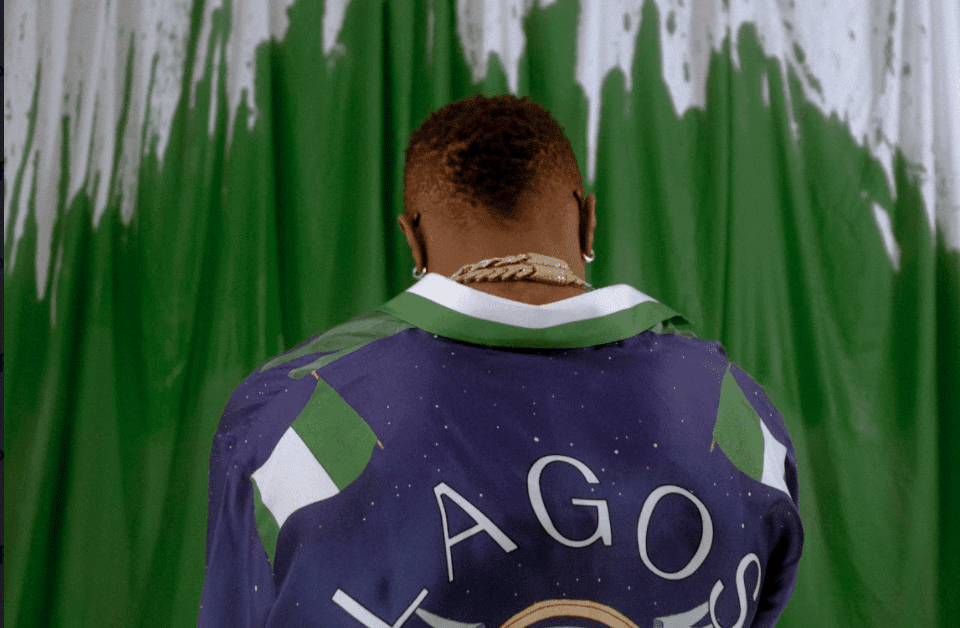
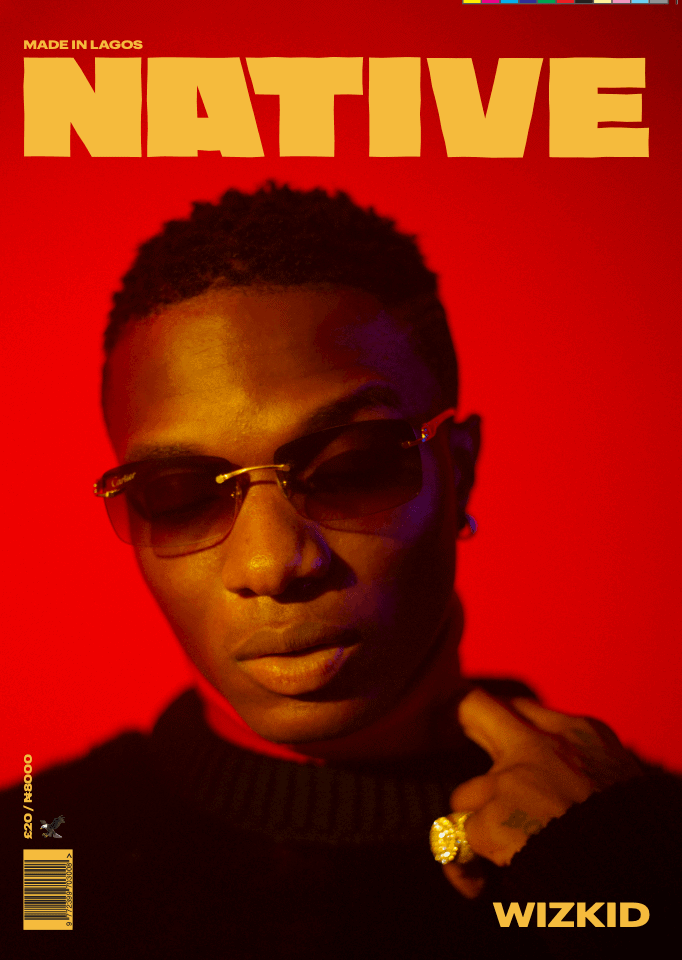
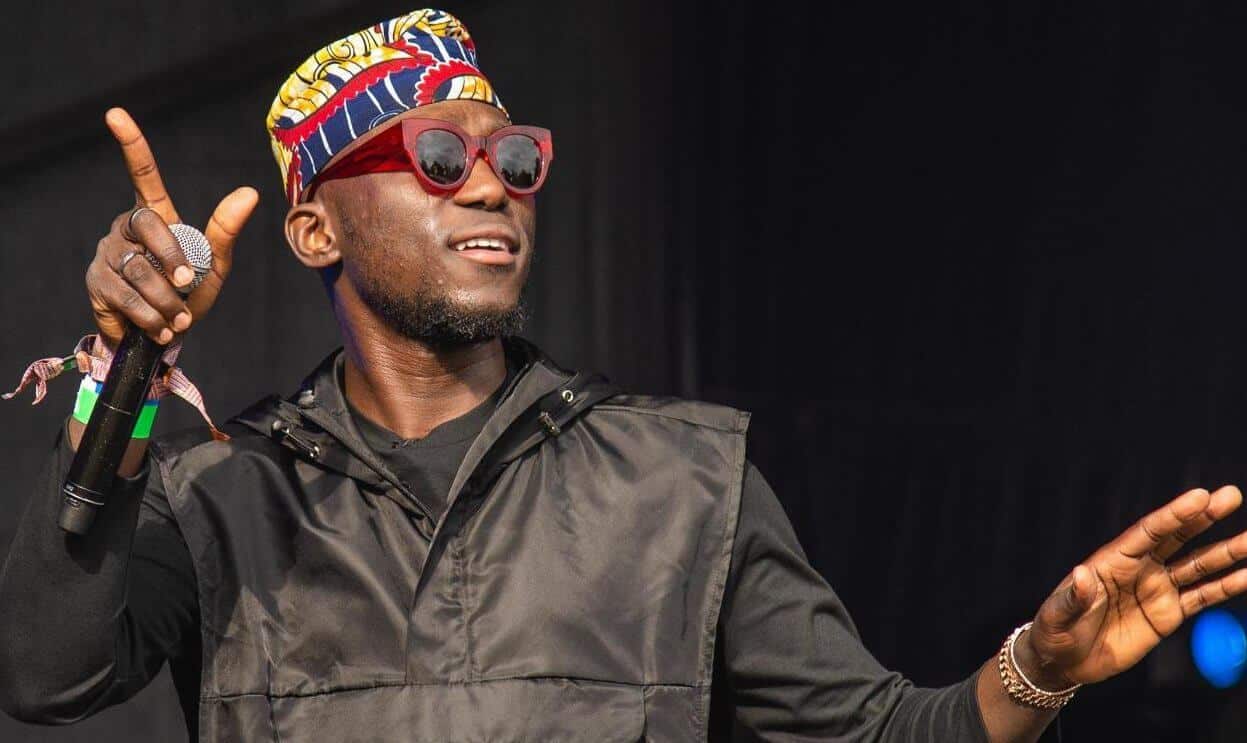
Wizkid’s impact spans over a decade. Fans, colleagues, and friends around the world are bursting to testify of the Starboy effect and how it has affected them in their lives; for WizMag, members of our community do just that. Just as a city like New York boasts of greats such as Jay Z, Notorious B.I.G, Pop Smoke and more, so also it follows that without Lagos, there would be no Wizkid Ayodeji Ibrahim Balogun.
Lagos, the city that raised, molded, and made the boy from Ojuelegba the man we know today, is a unique cultural melting pot at the heart of arts and cultural exchange in Nigeria. Wizkid began laying down the foundations for what would become an award-winning global career at the forefront of the burgeoning afropop scene straight out of Ojuelegba
But there’s something to be said about Lagos–a city with more than enough pace and noise to facilitate people departing from traditional careers, toying with new ideas, and forming new subcultures. Laying beneath the layers of the deeply entrenched hustle spirit that the city has fashioned are those who make it out, those who create a new life for themselves and soar beyond expectation. Wizkid is one of those fortunate to have crossed the ether.
For Wizmag, different members of our community embark on a journey to capture what the city means to them, being born and raised in the same vivacious metropolis that birthed our global superstar, Wizkid. Tayo Idowu captures what Wizkid means to the city and how the singer has become the city’s cultural custodian in his decade-long run. Dennis Ade-Peter looks to the singer’s loyal fanbase, Wizkid FC, both at home and the diaspora and Toye Sokunbi helms the epic story of the Starboy from Surulere’s path to global glory.
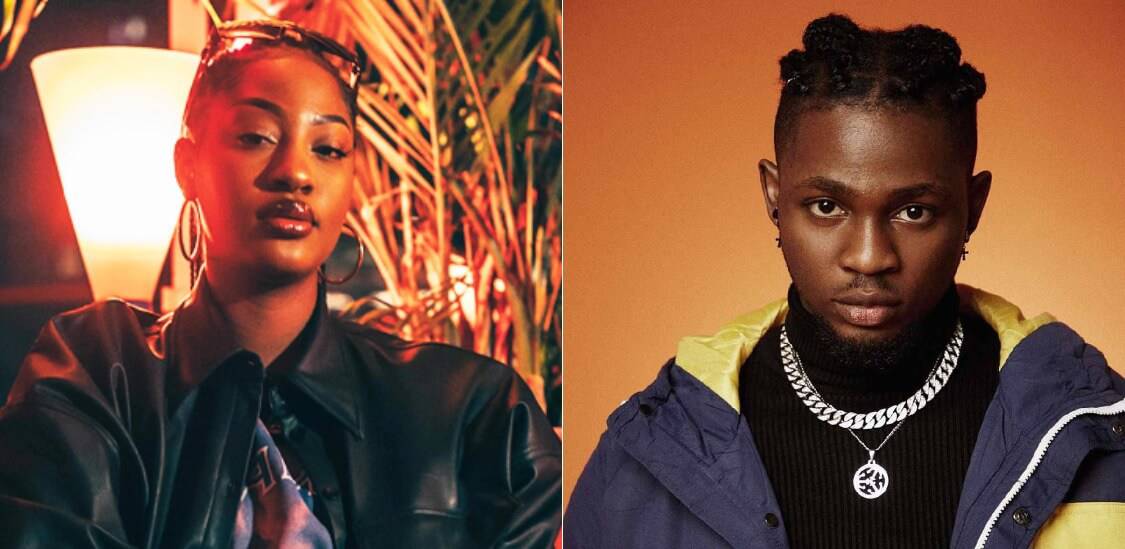
In the past two months, citizens of both Nigeria and Uganda have challenged their governments to end unnecessary and cruel police brutality rife in both countries. Over the weekend, reports reached social media that Tems and Omah Lay were being held in custody along with Tems’ manager, Mayowa Awoniyi in relation to a concert hosted in the country by Kasana Events. The event titled The Big Brunch: Afrobeats Edition was advertised to feature both Tems and Omah Lay as the headliners of the musical night.
Ahead of the show, local artists including singer Bebe Cool had complained about the concert, citing that Ugandan artists had faced serious blows to their performance income when COVID-19 hit the country back in March. However, the concert was held on Saturday as scheduled, and shortly after, both artists were taken into police custody. The news of the arrest was shared by Kampala Metropolitan deputy spokesperson, Luk Owoyesigyire, who shared details of the artists’ arrest alongside the manager of the venue, Dungu Ivan and the events manager, Prim Kasana.
The earlier plans of releasing them on police bond, were suspended after their casefile was sanctioned by the Office of the DPP.
They were jointly charged with four other Ugandans. All remanded till Wednesday 16.12.2020.
The trio were initially set for release earlier today on police bond, however, according to the official Twitter account of the Ugandan police, their case file was sanctioned by the Office of the Director of Public Prosecutions. They were jointly charged along with four other Ugandans, all remanded until Wednesday, December 16. They are now facing charges of negligently engaging in acts likely to spread infectious diseases contrary to C/S 171 of the country’s Penal Code Act.
According to Omah Lay’s Twitter account, the trio have been denied access to a fair trial and are being remanded for organising a show they were merely invited to perform. The singer also shares that the Ugandan authorities have refused the counsel of Nigeria’s Ministry of Foreign Affairs who have been working to secure bail to no avail for the three Nigerians involved. Many Nigerian artists including Burna Boy, Olamide, Rema, Fireboy DML and more, have now shared the hashtags #FreeOmahLay #FreeTems on social media to garner enough online attention to demand better treatment of Nigerian citizens by the Ugandan authorities.
Moe Odele, an attorney heavily involved in procuring the release of #EndSARS protesters back in October, has now shared that she is reaching out to a pool of lawyers in the country to find out what can be done to help both Omah and Tems and her manager, Muyiwa.
Finally @temsbaby & @Omah_Lay are take to Kitalya prison and Tems is taken to Kigo prison, Omah Lay is taken to kitalya prison until 16 Dec2020 and the event orginisers /Promoters and they will have to appear to High Court on Wednesday pic.twitter.com/0gxe650IW1
Update: According to a Ugandan artist, Bebe Cool, Tems and Omah Lay have now been released. The singer posted a release order from the Chief Magistrate Court of Makindye, following the withdrawal of their case from court. We are glad they have been freed and are wishing them all the best.
Somewhere in the early seasons of this never-ending corona-restricted period, No Signal Radio became a mouth and earpiece for the black British community, thanks to their NS10vs10 shows which brought the much-missed party feeling to our living rooms, and drew us together as a community. This year, in addition to the pandemic, the world has been fighting another great enemy, systematic oppression of black bodies worldwide. As a result, alongside the protests against police brutality, in the West during the summer and all across Africa throughout the fall into winter, Black people at home and in the diaspora are now increasingly more mindful of where they are putting their resources, as we begin to understand just how complicit in the world’s transnational behemoths are in perpetuating the subjugation of black people all over the world.
With the Grammys releasing yet another year of questionable nominations, pigeon-holing talented African musicians who have been at the top of their game and the charts this year, the need for us to take our own narratives into our own hands, reporting and documenting and analysing our own stories, became even clearer. For so long, we have looked for approval or inclusion in spaces where we are not respected let alone represented, however, this year has taught us the importance of us doing the work, for us, by us. Proudly black-owned brands, companies, publications, radio stations, such as The NATIVE and No Signal are necessary for our culture, so that our rich history may be accurately documented and our future generations will never be denied the place they deserve.
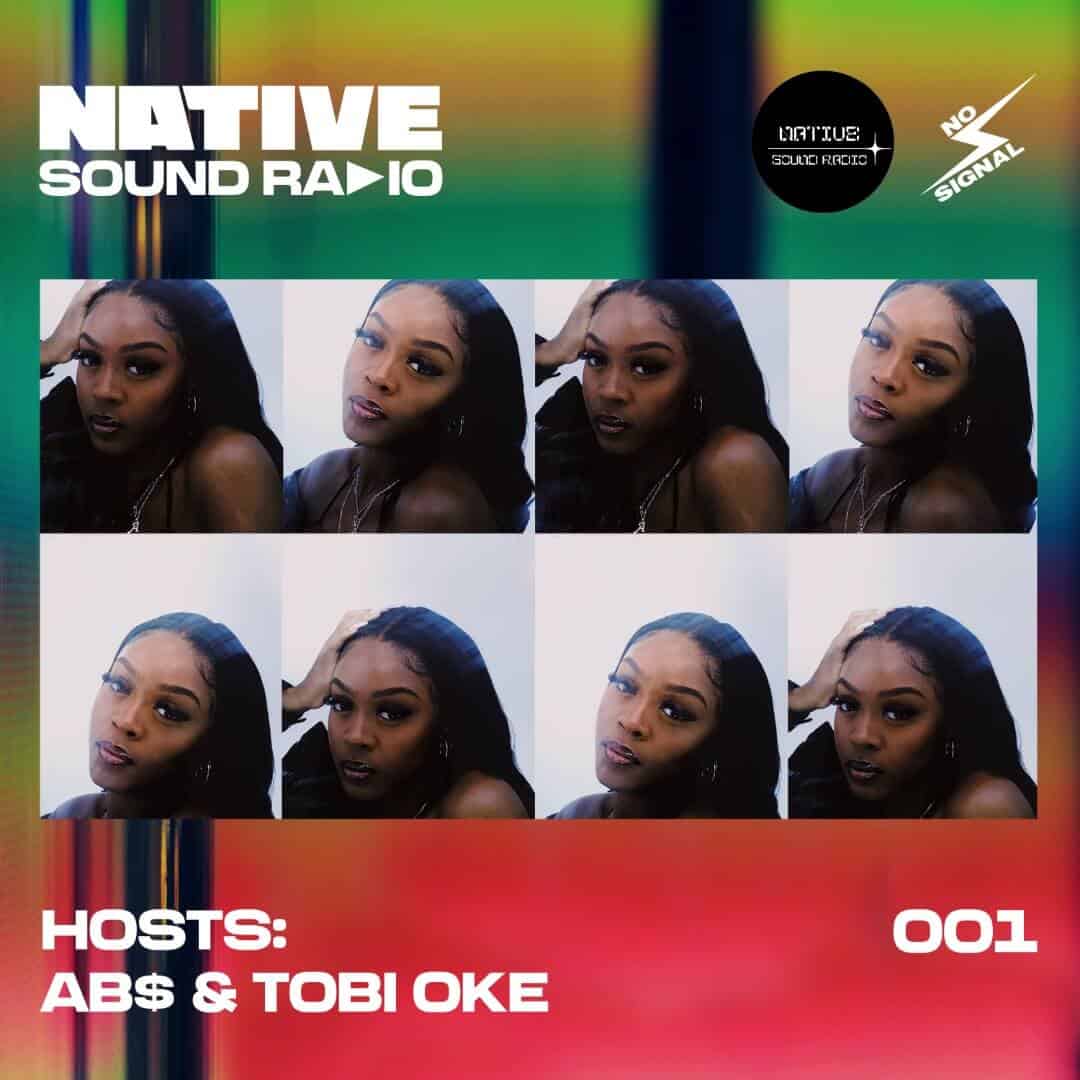
Always doing our part to empower black people all across the world, The NATIVE and No Signal have joined forces to deliver NATIVE Sound Radio, hosted on No Signal’s radio station.
Bringing you the sounds of tomorrow: today, our inaugural show will be hosted by Abigail Adeoti, aka AB DOLLAR$, and premieres today at 8pm. In our first episode, AB$ is joined by Tobi Oke, as the two chop it up about all things music. With a guest mix from NATIVE Sound System’s Addy Edgal, who brings us tunes from Omah Lay, Fireboy, Amaarae and more, music from the show will be anchored by a historic NSR Countdown, powered by Turntable Chart. Also premiering an exclusive interview from two global stars, this first episode of NATIVE Sound Radio’s The NATIVE Pulse is one you definitely do not want to miss.
In addition to being one of the most popular disc jockeys out of Africa, DJ Spinall’s consistency has made him one of the more lauded album curators around. In October 2015, he released his debut album, ‘My Story: The Album’, he followed with an annual album drop until 2018. After taking a break last year, he’s back with his long-teased, fifth studio album, ‘Grace’. He announced the album last month, promising that it’d be a star-studded affair.
True to his promise, and as he’s known to do, ‘Grace’ pulls in a consortium of stars from across Nigeria, Ghana and the UK. Fireboy DML, Crayon, Oxlade, King Promise, Reminisce, Minz, Bella Shmurda, WurlD, Niniola, BOJ, Shaybo, BenjiFlow are amongst the vocal artists included on this project. The album features several pre-released singles, including “Dis Love” featuring Wizkid and Tiwa Savage, the Omah Lay-assisted “Tonight”, and “Everytime” with Jamaican dancehall superstar Kranium.
While previous releases saw Spinall facilitating and curating matchups between artists and music producers, this time around he’s more involved behind the boards, producing a bulk of this album. With the exhibition of this relatively new skill-set, ‘Grace’ ups the ante for a DJ Spinall album, showcasing him a creative constantly looking to evolve and elevate his musical craft.
Listen to ‘Grace’ here.
Dennis is a staff writer at the NATIVE. Let me know your favourite the Cavemen songs @dennisadepeter
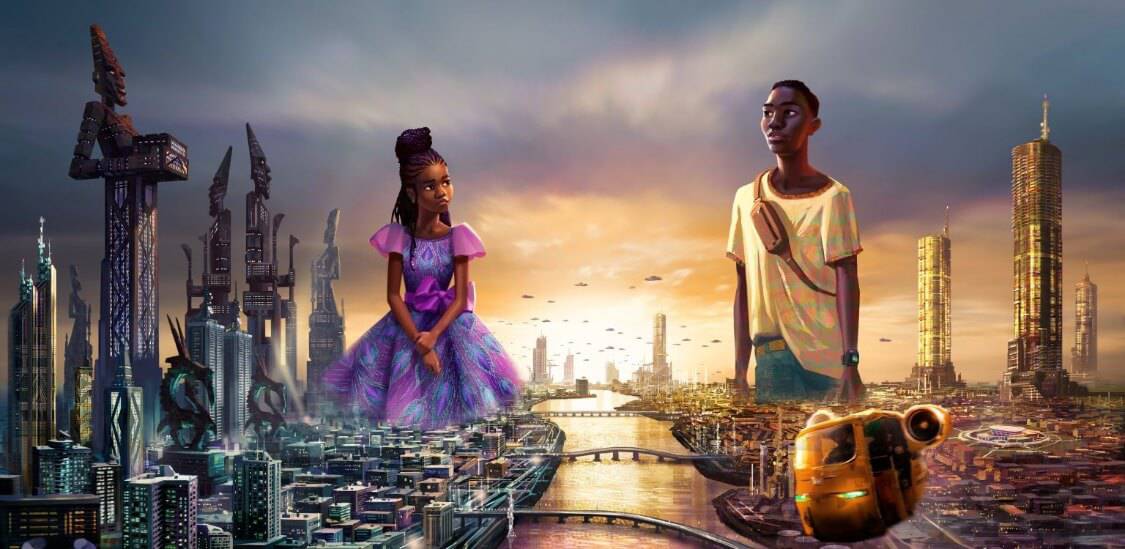
Following 2019’s successful animation remake ‘The Lion King’, Disney Plus is making plans to invest in more authentic African storytelling. The media giant has just announced its plans to launch an animated all-new African original series coming to the streaming platform in 2022. The series is a first-of-its-kind collaboration between Walt Disney Animation Studios and a Pan-African comic book entertainment company named Kugali which is run by Nigerian founders Tolu Olowofoyeku, Ziki Nelson, and Hamid Ibrahim.
The series titled ‘Iwájú’, which roughly translates as “The Future” in Yoruba, is a sci-fi story to be set in Lagos, Nigeria. One of the first of its kind, the series will highlight poignant West African stories told through animation and comic-book format, and will partner with an African start-up to bring the story to life. ‘Iwájú’ is set to explore deep themes of class, innocence, and challenging the status quo, which is very important at a time of reckoning where continued police brutality and corruption of the government birthed a movement that forced most young Nigerians to find their voice.
It’s been a struggle keeping this a secret but now that they’ve announced it, una no go hear word. My startup @Kugalimedia is making an animated series with Walt Disney Animation Studios! https://t.co/vS7IRwIBHu
Although the series is set for release in 2022, Disney’s successful past forays into African storytelling including award-winning film ‘Black Panther’, Beyoncé’s ‘Black is King’ suggest that ‘Iwájú’ promises to be unmissable moment. In addition to more representation, the series will also further cement the talent of African creatives on a global scale. With the series set to delve into such rich themes and it’s setting in Lagos, a city renowned for the fervour and hard work of its people, we can’t wait to see what a reimagined animated future without class divide could look like through African lenses.
Speaking about the forthcoming series, one of the-founders of Kigali, Ziki Nelson shared that
“This show will combine Disney’s magic and animation expertise with Kugali’s fire and storytelling authenticity. Iwájú represents a personal childhood dream of mine to tell my story and that of my people.”
Featured image credits/DisneyPlus
.@tamimak_ is just trying to make it to the end of the year
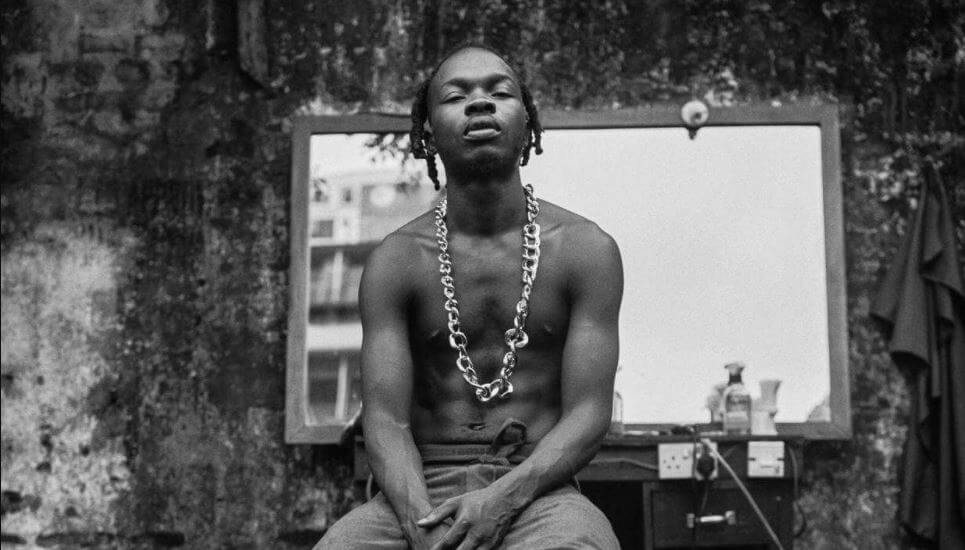
Naira Marley’s ascent to stardom has been one of the best-told stories to come out in the last two years. The game changed when he embarked on a stellar two-year run that saw the rise of hit singles such as “Japa”, “Am I A Yahoo Boy”, “Soapy” and more, leading to a string of sold-out shows both home and in the UK. He quickly established himself on the streets and online, anchored by the love of his Marlian fanbase who are now revolutionising stan culture in the country.
This year, the rapper has not weaned in delivering hit singles like the Rexxie-produced “Aye” and “As E Dey Go”, two of his earlier offerings that brought out a different, calmer side to the rapper, from his dominance of delivering club bangers and street-hop singles the previous year. To close out 2020, Naira Marley has now released two new singles to usher in the season, which more than prove that he can still be versatile and deliver the bops regardless of the subject matter.
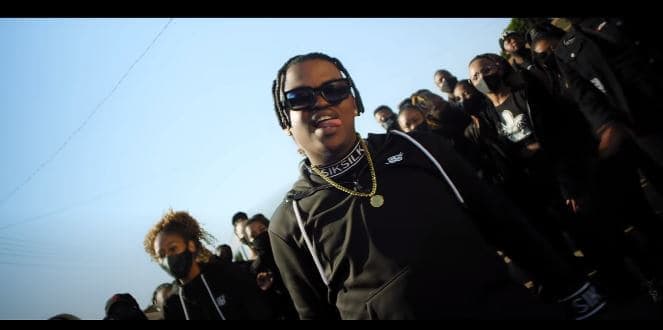
On “Koleyewon” (roughly translated as they can’t understand), the rapper makes his boldest proclamation of his commitment to the streets who raised him and made him who he is. The upbeat single produced by Niphekys track lightly highlights the current state of Nigeria and the challenges the country has faced this year; most especially the #ENDSars movement. With an emotive video, he pays homage to the fallen victims from the peaceful protests, whilst at the same time presenting an ode to the streets we’re sure to hear in clubs.
Singing “How many boys don die for the streets/How many boys don blow from the streets”, the rapper highlights how important every life is, particularly those on the streets who have managed to survive the country despite the hardships they face. With lyrics that show no mercy to those who count out the underdog, Naira Marley promises that those who remain ignorant will eventually understand:(“Streets o ma fuck ye up”).
Naira Marley’s second offering is a more romantic cut which finds the rapper linking up with close collaborator Rexxie for the upbeat number titled “Chi Chi”. Over the medley of afropop drums and vibrant percussion, Naira Marley admits that “Marlians have feelings too” as he professes his love for a muse who he believes is hotter than pepper soup.
The rapper also seems to believe he’s quite the catch too, telling his love interest that “if you marry a boy like me you go enjoy yourself/if you curse my father it’s bye bye” he sings bringing his demands of the relationship to the table. Speaking about the single, Naira Marley shared that:
“My fans are waiting for me to drop a December jam, so I’m giving them two jams. They want to hear from their president. These songs are how I’m feeling now and I want to share it with my Marlians, lets get lit”.
Featured image credits/MannyJefferson
.@tamimak_ is just trying to make it to the end of the year
In the summer of 2019, Kabza De Small and DJ Maphorisa delivered their first joint project, ‘Scorpion Kings’, a widely acclaimed body of work which helped further the amapiano agenda into the mainstream. Subsequently, Kabza and Maphorisa have adopted the title of that first project as the moniker for their producer duo, going on to release four more projects, with the latest being April’s ‘Once Upon A Time in Lockdown’.
Taking a short break from their prolific run, partly due to the release of Kabza’s phenomenal debut album, ‘I Am the King of Amapiano: Sweet & Dust’, the Scorpion Kings are gearing up to release ‘Rumble in the Jungle’, a joint project with South African singer Tresor. Since his 2015 debut album, ‘VII’, Tresor has grown into one of the most acclaimed voices from the southern parts of Africa, winning several awards, including album of the year at the South African Music Awards for his 2017 album, ‘Beautiful Madness’.
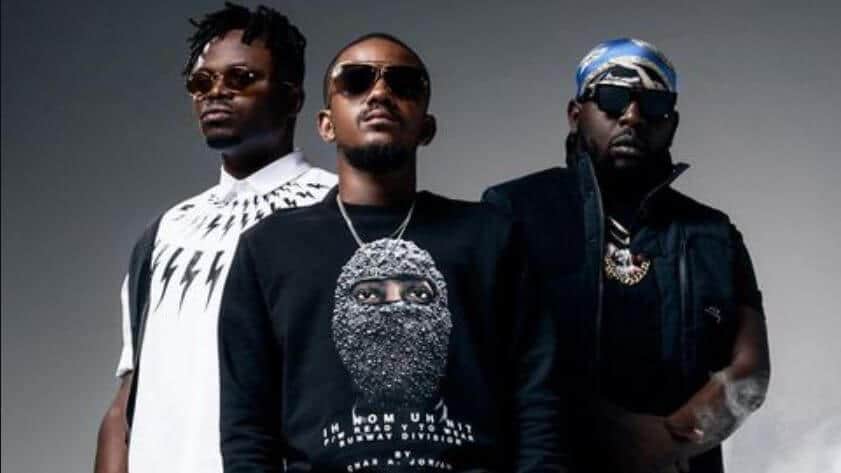
In anticipation of ‘Rumble in the Jungle’, which will drop in February 2021 via Platoon, the trio have shared the lead single, “Funu”, to give listeners a taste of what to expect. Intersecting between lush and booming, Kabza and Maphorisa lay down a chugging groove driven by a buoyant percussion pattern, and shimmering piano keys to give “Funu” a disco sheen. Having already repurposed disco-funk on his last, retro-inspired album, ‘Nostalgia’, Tresor traces the contours of the entrancing soundscape with his viscous falsetto, singing with a palpable sincerity as he seeks reconciliation from a wronged partner.
As the first peek into ‘RITJ’, “Funu” hints at a combination that aggregates the heartfelt writing and soulful vocal stylings of Tresor’s sensibilities with the dance leaning of amapiano. From “Nana Thula” to “eMcibini” and several collaborations with Sha Sha, the Scorpion Kings have proven adept at meshing finely with soul-leaning singers, an ability they will no doubt lean into for the upcoming joint project.
Listen to “Funu” and pre-add ‘Rumble in the Jungle’ below.
Dennis is a staff writer at the NATIVE. Let me know your favourite Vigro Deep songs @dennisadepeter
For the better part of the last decade, Tekno has simultaneously defied and played into the conventions of the Nigerian music ecosystem. After gaining nationwide attention in early 2013 with the Davido-assisted hit single, “Holiday”, the singer continued to operate a singles-based run, leveraging on the norm of dishing out hit songs to stay relevant as one of the bigger artists and social truth-tellers of the times.
During this period, fans clamoured for a debut project from the singer, and now it’s finally time. Announced about a week ago, Tekno has finally released his long-awaited debut album, ‘Old Romance’. In a press statement accompanying the release, the album is described as an ode to traditional, simple love, a strong forté for Tekno as proven with megahits such as “Duro” and “Pana”. The album is pegged to tell the classic tale boy meets girl, tracking the early moments when their paths cross, the inevitable challenges, and the happily ever after.
With this context, it seems as though the singer intends for his debut LP to be concept-driven, as opposed to solely being a grab-bag of hit songs, as projected by many. The recently released, celebratory single, “Enjoy”, is included on the album, alongside 13 new tracks with no guest features.
Listen to ‘Old Romance’ here.
Featured Image Credits: Instagram/teknoofficial
Dennis is a staff writer at the NATIVE. Let me know your favourite the Cavemen songs @dennisadepeter
The last few months have been difficult. But with three weeks left until the end of the year, we’re trying to find more ways to be thankful and present in the current moment. While we’re still dedicated to amplifying and reporting the issues that have plagued us this year, we’ve now resumed our column, Songs of the Day as a nod to the artists putting out great music that serve as a momentary escape from all the grimness of the current news cycle.
This week, our Songs of the day curation started with new releases from Stonebwoy and Davido, Falz and Niniola, Tomi Agape, Amaarae and BOJ, Waje and Cracker Mallo, Lo Village, and many more. For the mid-week curation, we have compiled the latest releases from Tekno, Reminisce and Adekunle Gold, DMW’s latest signing, Liya, Port Harcourt rapper, Kblacktheblack, more. These are the songs we believe can help you get through the rest of the week. Dig in and enjoy.
Tekno – “Designer”
Tekno’s upcoming album, ‘Old Romance’ remains one of the most anticipated albums from any African artist this year. Since he broke into the mainstream with “Pana” in 2016, fans have waited on his first full-length project, and it’s finally set to drop tomorrow, on the 10th of December. While we wait for the 14-track tape, Tekno has followed up the lead single, “Enjoy” with a new single, “Designer” which further amplifies the romantic and dancehall direction hinted in the album’s title.
Backed by the waist whine-ready production “Designer” finds Tekno expressing how much he loves his muse; “This kind woman sent from heaven”. He’s able to fuse different influences as he sings in English and patois while laying Afropop melodies over the Caribbean dancehall beat. Though we’re still raising our eyebrows about some of the lyrics, (“No matter the money, my baby no fit give her pussy to nobody”), “Designer” tells the story of a man in a committed relationship with the woman of his dreams.
Joeboy – “Celebration”
Since he broke out in 2019 with his debut single under Mr Eazi’s emPawa platform, “Baby”, Joeboy has remained one of the most promising music talents in Nigeria. This year, he continued his run by delivering impressive guest features like Major Lazer’s “Sun Comes Up” and DJ Neptune’s “Nobody”. He’s now rounding up the year with a festive new single, “Celebration”, produced by Type A.
“Celebration” has a groovy Afropop baseline that guides Joeboy’s melodic performance as he encourages listeners to have a good time and anticipate their blessings. Singing “No worry my brother/ you know money go dey”, “Celebration” is primed to set the festive mood for the coming holiday season. Joeboy explained to us at NATIVE that he was inspired to record the feel-good song while at a recording camp in Ghana. He shares:
“In a year that has been more torrid than fulfilling for many of us, we still need to give thanks and appreciate the littlest of things and that’s what ‘Celebration’ is about. “Celebration” is a song of happiness, recorded at my recording camp in Ghana. It’s not a love song but a feel-good song that signifies that we shall be alright regardless of the challenges.”
Liya – “Melo”
Liya was unveiled as the first female DMW signing earlier this year, and now she has shared her first official single under DMW management, “Melo”. The romantic single was produced by Zaki Magic who lays a catchy highlife-influenced beat for her to show off her vocal range. She delivered a high pitched performance as he sang about her music’s dance floor appeal in a mix of English and Yoruba lyric; “I got the vibe, I’d make you losing your mind/ dancing make your body come alive/ ta lenu bi rodo”.
Davido also made a cameo in the accompanying video for Liya’s “Melo” as Dammy Twitch directed the ballroom set where we see Liya performing the song in different gorgeous and culturally recognizable costumes. Several dancers and models are also seen in the ballroom set as they dance along to the catchy music and confirm her bold claim as the latest vibe machine in the country.
Reminisce and Adekunle Gold – “Toxic”
Men are commonly seen as the most toxic gender even though the abusive traits that make one toxic aren’t specific to any gender. One of the major reasons for this is cause men rarely admit their vulnerable feelings when they get hurt. Reminisce and Adekunle Gold have teamed up for a new single, “Toxic” where they show us that it’s possible to celebrate rapper-like hedonism while acknowledging your weakness.
Over the hip-hop-leaning beat produced by Sess, Reminisce addresses a love interest who’s only using him; “You choking me to death, can’t you see ni? Fulfilled your every wish, afi bi genie”. Adekunle Gold delivered the song’s catchy hook where he describes his muse’s love as poison. Both artists are aware of their love interest’s toxic traits and channel the pain they’ve endured to create an empowering song that’s instantly relatable. “Toxic” is Reminisce’s first single since he put out his EP, ‘Vibes & Insha Allah’ in July.
Kblacktheblack x Dokashot – “Winner” Feat. Eké Miller, Veen
Jos was once the undoubted home of Hip-hop in Nigeria, back when M.I was at his peak in the early 2010s. These days, Port Harcourt rappers have taken the spotlight as the rap scene in the city continues to flourish with new rappers emerging from there with different vibrant and unique styles. Kblacktheblack joins the ranks of PsychoYP, Erriga, Kiienka, Veen and other Port Harcourt breed rap talents as he delivered as impressive 7-track EP, ‘Soul Ecstasy’, where he flexes his rap prowess and afflictions with guest verses from Eké Miller and Veen on the opening track, “Winner”.
Doka Shot produced most of the tracks on ‘Soul Ecstasy’ and for “Winner” he teamed up with Kresh Maejor for an Afro-inspired trap beat which sets the backdrop for Kblacktheblack, Eké Miller and Veen to brag about being winners.
dndSection – “It’s Been a While”
Fans have been anticipating Atlanta-based Nigerian rapper, dndSection’s project since he first hinted at it in August with the lead single, “Zaza” featuring SMV. We can finally hear the whole project as he has now shared the 5-track EP, ‘Patience is Best’. where he shows off his vibrant hip-hop flows and explores themes like romance, drugs, wealth, and gang rivalry over different riveting trap beats.
On the second track, “It’s Been A While”, he performs a tribute to a friend who has passed on, saying “I miss my dawg but I know he in heaven/ But I still feel his presence”. The trap beat Rai produced for the song has an ethereal ambiance that highlights the emotive context for dndsection’s lyrics as he channels the loss to deliver confident bars about his focus on acquiring wealth and surviving in the streets.
PsychoYP – “Attention” Feat Oxlade, Merry-Lynn
PsychoYP has just shared a 2-track package, ‘National Anthem’ which boasts of features from Lyta, Azanti, Oxlade, and Merry-Lynn. Both tracks, “Flex and Ball” and “Attention” offer further proof of the Port Harcourt-bred artist’s range as he continues to adapt his hip-hop flow to suit the commercial sound of Afropop.
On the Oxlade and Merry-Lynn-assisted track, “Attention”, he performs a melodic rap set over the AfroHouse instrumentals produced by Lames. His lyrics, “I feel like I’m way too drunk to be holding a convo” doubles down on the house party mood the beat already hints as he goes on to describe his relationship with his attention-seek muse. Oxlade and Merry-Lynn contribute a verse each, offering their own take on how they deal with their obsessive lovers. Though there’s no interplay between the artists as they barely stick around to harmonize, the common denominator is their ability to find their comfortable pocket on the instrumentals for their unique vocals.
[mc4wp_form id=”26074″]
You are meeting Debola at a strange time in his life. He wandered into a dream and lost his way back. Tweet at him@debola_abimbolu
It’s December, the final month of what has been one of the most chaotic years in the past decade and I couldn’t be happier. 2020 has been a rollercoaster and we’re all edging towards that point where the ride’s doing a bit too much with the twists and turns and we just want to get off. But even though it’s starting to feel like the worst may have passed and we’re almost in the clear, it seems as though everyone is stumbling through a tough week to get by. With a looming sense of general exhaustion, it wouldn’t shock me to hear that we’re all just burnt out from the happenings of this crazy year and the effects are beginning to manifest.
This column was initially created to offer a bit of catharsis from the tumultuous new cycle and the happenings of this year but when the protests hit states around the country back in October, we took a much-needed pause to focus on championing and highlighting the plight of young Nigerians during the End SARS protests. There hasn’t been much to offer our hot takes about in the past few weeks seeing as we’re all trying to make it to the end of the year unscathed and in one piece. Come the existence of the COVID-19 vaccine or not, life is still happening all around us and even more so now that the popular ‘Detty December’ season is upon us. But this December seems to leave little to be desired unlike the others, and now, it just might be one of the cleanest we’ve had in a while. Around this time, we’re usually gearing up for festivities, but with limited IRL communication and large crowds still a hotbed for the virus to spread, we’ve got more time to kill on our hands. That’s why this week, we’re back to bringing you our hottest takes of the week.
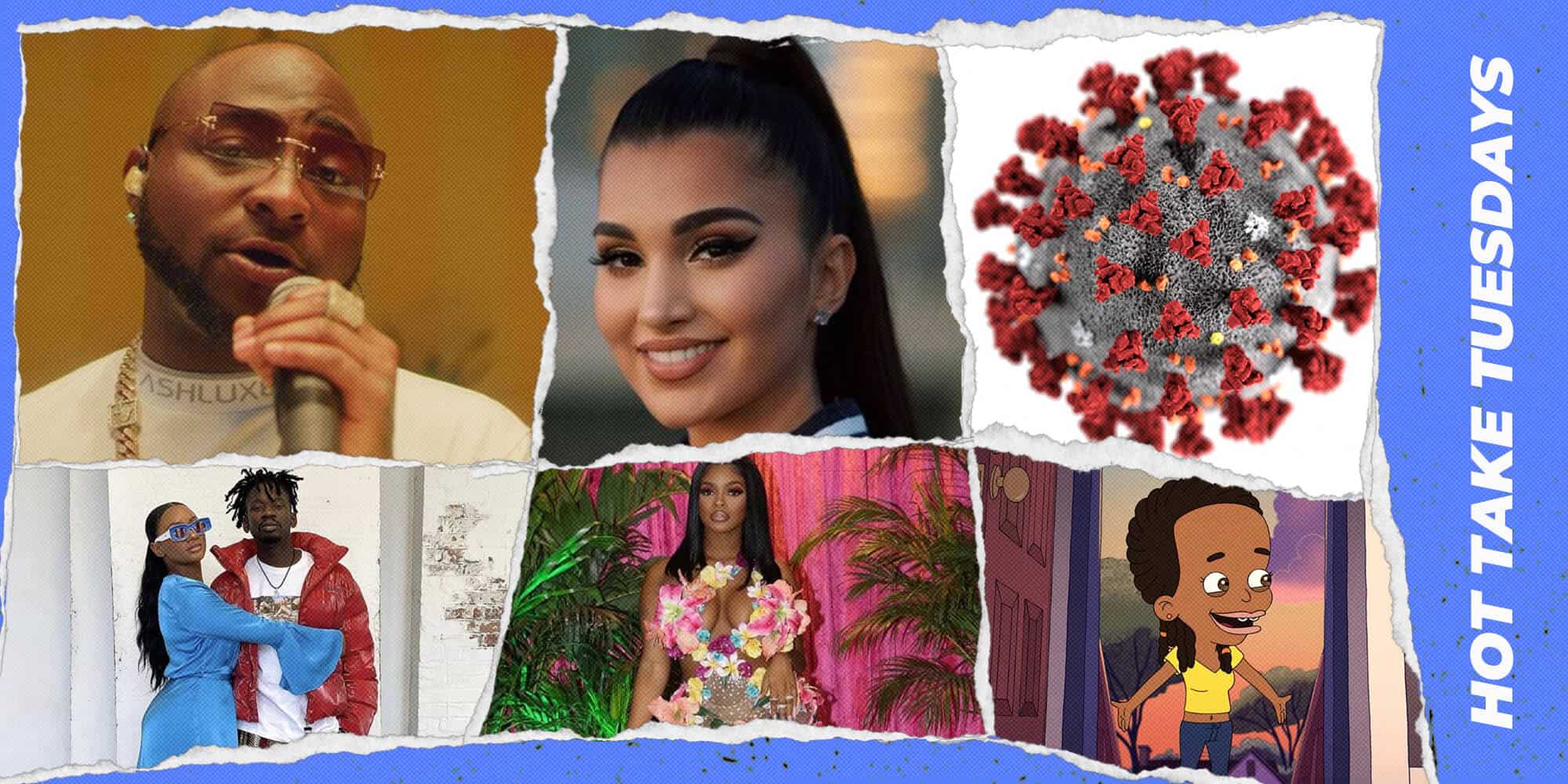
This week, I’ve hit pause on many things but I still found time to binge-watch Netflix’s Big Mouth, listen to some Lo Village on repeat and tune into some trending topics on Twitter such as the imminent collaboration from Enisa and Davido which sparked off a conversation about tap dancing for the white man, YBNL Princess’ rant online and JT’s old tweets. Here are my hot takes for the week along with a bit of Mean Girls humour for you.
What I’m watching on Youtube: How Far? with Mr Eazi and Temi Otedola
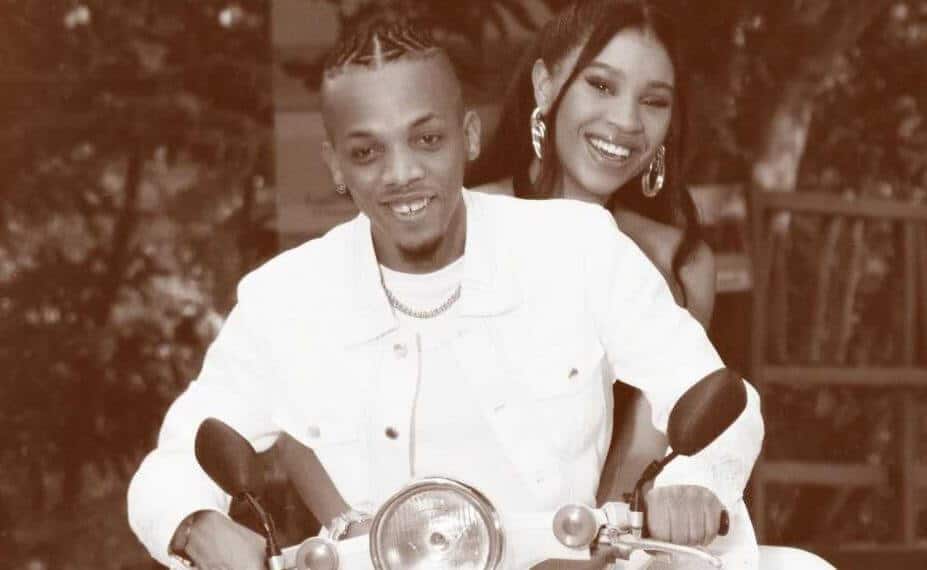
I haven’t been going down YouTube rabbit holes like I used to, and that’s not because there isn’t an overflow of content but that my attention span is way too thin at the moment to handle any more information. However, over the weekend, I decided to have a look at Mr Eazi and Temi Otedola’s latest podcast called ‘How Far? with Mr Eazi and Temi Otedola’ where they talk about everything and anything pertaining to life, their careers and relationships. I really enjoyed the couple’s debut episode where they both spoke about paying for dates, flying people out and who gets to pay for what. It was cute seeing how close they were in their relationship and the comfort levels in their friendship. I love Love.
What I’m watching on Netflix: Big Mouth
Big Mouth season 4 is out! And I spent my entire weekend binge-watching the entire season because I have no self-control (just kidding) but it did make for a very convincing reason as to why I had to stay in bed all Saturday. Now, I know Big Mouth is a weird-ass show but I like mindless tv that doesn’t make me think too much and I can just watch it to forget what’s happening IRL. This season, the kids of Big Mouth are still going through changes and learning what it is to be hitting puberty, it’s cute seeing things we went through back then but from a more exaggerated and comical angle.
This season, however, I was most grateful for Missy’s character, the only black girl in the lead roles on Netflix’s Big Mouth who in recent seasons had no plot that extended beyond the men in her life. This time around, we get to learn more about Missy and how she interacts with her blackness for the first time. This also comes at a time where behind-the-scenes, the actor Jenny Slate who formerly voiced Missy’s character stepped down from the role so that a Black actor could provide the voice of a young woman finally owning her Blackness. In the penultimate episode, the comedian, writer, and actress Ayo Edebiri takes over, coinciding with a time of real awareness and growth in Missy’s character arc. It was done so well and was probably my best bit of the show. Also, this season also health with topics of anxiety and depression, and as someone that also struggles with similar experiences, I felt seen (to an extent).
What I’m listening to: “Out the Window” – Lo Village
Earlier this year, I came across a cool DMV-based band called Lo Village on a Spotify playlist. Their cool raps punctuated by the r&b vocals of the lead vocalist Ama drew me to dig deeper into their music and I learnt two of the band members were actually Ghanaian. Safe to say since then, I’ve been keeping up to date with the group’s releases and was pleased to find that they have their third studio album on the way later this month.
Last week, they released the project’s second promotional single, an upbeat socio-political number called “Out the Window” where they explore Blackness in America from their personal lenses. They address the racial uprisings that took over this summer, following the brutal death of George Floyd, Breonna Taylor, and many other Black people at the hands of the police. Here, both personal and political converge as they sing “I’m a soldier, I remain ten toes” reminding listeners everywhere that the battle isn’t over until we get justice. If you’re a fan of deeply introspective rap and killer hooks, then I’d definitely recommend this one. Can’t wait to see how their album comes along.
She doesn’t even go here
Over the weekend, I noticed that the name Enisa was trending and upon further investigation, I found that this was because the Albanian-American singer had sent out a call on social media for the remix of her latest single “LoveCycle”. Although many of her fans threw different responses her way, the response that generated the most buzz actually came from American rapper ABoogiewitDaHoodie who suggested that Davido appear on the remix. Trust Nigerians to flood her comments and stir up quite the buzz on social media, causing Davido to agree to this remix because the singer had used her platform to promote the End SARS protests that swept through the country back in October.
Not long after this, Nigerians continued to engage the singer by photoshopping her face until the bodies of women clad in vibrant coloured native attire and run up her streaming numbers that it her single entered the Top 100 on Apple Music. And it seems like since then, new achievements have been flying in for the singer who has now gained a ton of new social media followers as she thanked Nigerians on Twitter for all their love and support. Though it was alright at first, I did think she was overdoing it a bit with the tweets about Nigeria (I’ve just gone on there today and there’s a tweet from 7 hours ago about Nigerian jollof). And it’s not only her that’s done the most in this case, as Nigerians seem to have fully embraced her and invited her to the cookout when they’ve known her all of two seconds. I might just be hating, but think about it LOL.
Leave women alone
We all know that being a woman in Nigeria is hard but everyday I’m reminded further why this place is set up against us from the jump. In the past week, I have seen women insulted and debased online simply for living their lives and going through human experiences just as we are. Two days ago, the artist Temmie Ovwasa also known as YBNL Princess went on social media to talk about her ex-label YBNL and the label boss, Olamide, who she claimed allegedly stifled her chances of growth as an artist by withholding all the music and content she created for nearly five years.
Nigerians were not forthcoming with her sharing her experience and came after the artist for trying to drag Olamide, one of the most influential players in the Nigerian music scene today. It also didn’t strengthen her case that other new signees to the label such as Fireboy DML who’s music has endlessly come up in conversations surrounding afropop’s new vanguard. The comparison wasn’t fire judging that we don’t know the contracts between these artists and the label or what happened beyond the experiences that were shared by Temmi Ovwusa herself. It was made worse when I noticed Nigerians insulting Temmie as the cause of her failures pointing to her mental health struggles, her tattoos and coloured hair as the reason for her shortcomings. Profiling of this kind is exactly what we have been speaking so fiercely against this year, particularly during the End SARS movement. We’re no different from the older generation if we continually fail to approach situations and people with nuance and empathy.
Besides this, just today a viral video of three women dancing and smoking to Rexxie and MohBad’s latest single “KPK” was circulating on social media. These women, clearly close girlfriends were in their room, in lingerie dancing and smoking to the hit song but Nigerians online didn’t seem to agree with their actions. They were slutshammed and insulted, called all kinds of names because they were donned in tattoos and coloured hair and they dared to be women dancing and enjoying each other’s company, and worse of all, dressed the way they did without maintaining ‘decency’. I think its high time that we allowed women to make choices about their bodies without scrutinising them endlessly all in the name of decency. Men are never held to these higher standards of decency and they are never at the receiving end of being stripped by soldiers on the road, as has become increasingly popular these days. If this offends you then you need to stay out of women’s business. Period.
The City Girls have always been the mean girls of rap and I don’t think people realised the gravity of such a title until recently when JT came under heat for her problematic old tweets from past years. At this point, it’s customary for celebrities to get their old problematic tweets plastered on the timeline as a means to reconcile whether the artist has done any growing or if they still hold the same harmful views. Public apologies have become increasingly popular and the notes app has been put to work this year but nothing prepared us for JT’s old tweets which saw the rapper coming for every and anybody on the planet if she didn’t like your face.
After being trolled online for her old tweets, the rapper eventually deleted her verified account and made a new account where she’s been freely tweeting up quite the storm. JT is the definition of the Unfriendly Black Hottie and her new account bio is all the proof you need, it reads ‘if you here to hate, leave now dirty bitch!’ It seems that the rapper is not apologetic about her past and she’s ready for all the smoke from trolls, critics, and fans online.
The other half of the fierce Miami crew, Yung Miami made sure that JT was not the only City Girl catching the heat and posted a disturbing tweet about pregnancy and motherhood that many fans online did not think was funny or factual, and actually irresponsible for an artist with such a big platform. Neither of the City Girls seemed to care as they went on to promote their new song and capitalise on the viral moment. That’s true friendship to me and I love it when women don’t take shit from anyone, this may not be the perfect example of this by a long shot but I, for one, will still be listening to “City on Lock” and shouting all the quotables from the meanest rap girls in the game.
[wysija_form id=”1″]
.@tamimak_ is just trying to make it to the end of the year
Formerly known as the Hip-Hop World Awards, the Headies has become the premier award event in Nigerian music, with its longevity preserving its prestige despite public reservations with its awarding system, and the production quality of the event. Since debuting in 2006, the award event had been constant in its annual outing, until its last two instalment, which both had to condense over a-year-and-a-half into its period in review, due to wavering consistency.
Last Friday, nominations for the 14th edition of the Headies were announced, and it takes into account a 15-month period—July 2019 to September 2020. Fireboy DML leads the pack of nominees with seven nominations, picking up nods for Best Recording (“Dreamer”), Best R&B Album (‘Laughter, Tears & Goosebumps’), while his sophomore album ‘Apollo’ is nominated for Best Pop Album and Album of the Year. WurlD follows closely with six nods, including Best Recording (“Ghost Town”), Best R&B Single (“Mad”), Best R&B album (‘I Love Girls With Trobul’) and Songwriter of the Year.
Burna Boy—who, similar to Fireboy, also released two albums in the period in review—and Wizkid both follow with five nominations each, both picking up nods for Artist of the Year and Headies viewer’s choice, while Burna’s ‘African Giant’ is nominated for Album of the Year and Wiz’s “Joro” is up for Song of the Year. For the much coveted Next Rated award, nominees are Tems, Omah Lay, Bella Shmurda and Oxlade, a competitive, fan-voted category comprising the shining breakout stars of the year. Nominees for the Headies Revelation category are Rema, Fireboy DML, Teni, Victor AD, Joeboy and Chike.
Last year saw the most inclusive and diverse Headies nominee list up to that point, and looking to further that agenda, the award body has broken up the Best Pop/r&b category into two new categories, while two new ones have been added: Best Alternative Album and Songwriter of the Year. It’s an admirable step to ensure every facet of Nigerian pop music is properly represented. After taking a look at the full list of nominees, below are our takeaways, including the good, the not-so-good and the befuddling snubs.
Consistency
Music has been really helpful while dealing with the traumas this year brought, and it’s only right that artists get recognised for their work. One major takeaway from the 2020 Headies list of nominees is the award show’s consistency since they started in 2006. Besides the adjourned 2017 edition, Hip-Hop World Magazine have honoured artists who deliver outstanding performances at the Headies Awards show which celebrates the different talents within the Nigerian music scene. The consistency has allowed them to develop a reputation as one of Africa’s most high-profile and anticipated award shows, especially with the Next Rated category that highlights the breakout artists who are likely to stand the test of time. The pandemic put a big dent in artists’ plans for 2020, but we’re pleased to see the Headies Award Show will still hold and honour artists who deserve their trophies.
Best Vocal Performance (Male and Female)
Though it seems the rest of the world is developing past the need for gender-specific award categories, it makes sense that we have a male and female category for Best Vocal Performance at the Headies. We can see from the male-dominated non-gender-specific categories that the music industry is partial to men over women as only Tems, Tiwa Savage and Simi got nominated in the major Categories; Tems for Next Rated, Tiwa Savage for Artist of the Year and Simi’s “Duduke” for Song of the Year.
Men are still dominant over women, in nomination for gender-neutral awards, and contrary to what is said, it’s not because men produced more work or even better work. With the Best Vocal Performance (Female) category, it shows some effort from the Headies to be more inclusive of women in the Nigerian music industry.
The Next Rated
The viability of award shows as a true marker of the culture has been called into question many times in the past few years. Award events like the Grammys, the Oscars, and more have failed to accurately represent the diverse sonic and cultural landscape that the world now operates within and although there have been steps to ensure that award shows become more diverse in their nominations, none of the steps have yielded any practical results. Very recently, artists like The Weekend and Rina Sawayama were snubbed for Grammy nominations and the lacklustre breadth of nominations on the refurbished Best Global Music category. It’s impossible for these awards to accurately represent the culture when those spearheading them are too out of touch to the communities that make up our diverse society.
The Headies isn’t that much different in that regard. The Next Rated award has always been one of the most contentious of all the awards at the Headies being the most coveted achievements of the year and a marker of how influential an artist has been in the music scene in these parts. Past winners of this award have been Asa, Wande Coal, Wizkid, Davido, Burna Boy, Mayorkun, Rema, and more – all artists who have gone on to exceed the need for such title. Through the years, the award has tried to be fairly representative of which artists are controlling the streets and keeping the clubs on lock, but they have also bestowed awards on artists much later than they deserved to be recognised for their achievements such as Wizkid’s boycotting of the show back in 2016.
This year, the Next Rated award boasts of nominated artists such as Tems, Oxlade, Omah Lay and Bella Shmurda, all of whom have made stellar contributions to the music scene this year. But although all these artists have more than held their own this year with hit singles and projects that have sustained the attention around them well into the end of the year, it is worth noting that Tems is the only woman who has been nominated this year, joining the likes of Asa, Yemi Alade, Tiwa Savage, Seyi Shay, Cynthia Morgan and more, who have received nominations in the past. Out of these women, Asa has been the only one who has actually won the award, and that’s not to say the other women lost out solely because of their gender alone, but it does go to show how performative award shows can be. In a bid to seem in tune with the culture, nominations are given solely to make a category appear representative, when in actual fact, the winner will typically end up being the male choice.
Seeing an alternative artist like Tems beat the odds and gain a nomination is a testament to the Headies being more willing to include a broader selection of artists from the country’s diverse sonic environment. But it’s less exciting once you realise that she’s set up against winning solely by the fact that she’s the only artist in the list yet to have mainstream domination. Tems’ track record is one to be marvelled by, having rounded up a successful 2019 performing at Wizkid’s Starboy Fest in Lagos. Her 2019 single “Try Me” was also #1 on Apple Music charts following its release last year, with the singer making chart history again this year after the release of her standout single “Damages” off her debut EP, ‘For Broken Ears’. It’s clear that the singer is carving out her own lane despite all the odds in the music industry but even at this, it will take a long time before an award show like the Headies pays attention to anything other than the mainstream.
Rema Snubbed?
Rema is among the few artists who had a good run this year, and it seems like a bit of an oversight one of the most refreshing afropop acts of the year only received one nomination. His 2019 bop, “Lady” got a Headies nod for Best Pop Single, a category that’s determined by votes. Having won last year’s Next Rated Award, Rema is now being nominated for Headies Revelation along with new acts, Teni, Chike, Fireboy DML, Joeboy and Victor AD. According to the Turntable charts, Rema’s “Woman” has spent 14 weeks in the top 10 Radio Airplay Chart, which makes it tie with Patoranking’s “Abule” for the song that has spent the longest period on the charts. But besides the song’s popularity with music lovers, even the video deserves some recognition with UAXStudio’s impressive depiction of Rema’s world where he “too like woman”.
After introducing a unique sound with his own spin on it to the scene last year, Rema spent this year doubling down with trap single, “Alien” and afropop bangers that were accepted by mainstream audiences, “Lady”, “Woman”, “Ginger Me” and “Beamer”. Rema’s unique versatility has defined a new generation of talent in music and artistry and he deserves to be recognised for it.
Expansion of categories
Like most award bodies stuck in its ways, the Headies haven’t always been the ideal gauge for the diversity in Nigerian music, mainly due to a focus on what’s “mainstream”. In recent times, however, the award body is clearly looking to balance what’s popular with the more experimental and idiosyncratic sounds that are increasingly eminent within the broad scope of locally made music.
At the last edition, there were nominations for Odunsi (the Engine), Lady Donli, Tay Iwar and Tems, indicating that the Headies were finally acknowledging the “alté” scene and its importance to the omnivorous nature of the new vanguard in Nigerian music. This year’s nominees list continues to front the award body’s seeming dedication to better reflect the diversity in Nigerian, specifically through the expansion of categories. Very notably, the slightly claustrophobic Best Pop/R&B album category has been opened up to draw a finer line between pop, r&b and alternative albums, a welcome innovative move.
With each category containing five nominees each, this expansion allows recognition for more excellent projects, rather than clumping the most popular five into one category. Considering that we’re in an era of music where full-lengths constantly defy easy categorisation, grouping albums by genres is quite the head-scratcher, but the Headies have done a pretty alright job. For example, The Cavemen’s retro-futuristic highlife debut LP, ‘ROOTS’, is up against DRB’s ‘Pioneers’ – a cocktail album that blends afro-fusion, rap & r&b – in the Best Alternative Album category. Stylistically, these are widely disparate projects, but they do fit into that category.
Hopefully, there are wins for these “sub-mainstream” artists, unlike last year where these sort of nominations lead to zero wins. If the same thing happens this year, it will only bolster the idea that the Headies is only interested in paying lip service instead of truly recognising the diversity of Nigerian music.
Hip-hop in Nigeria is not homogeneous
One of the more pleasant surprises of this year’s Headies nominees list was seeing Psycho YP’s ‘YPSZN 2’ picking up a nomination for Best Rap Album. Being one of the younger rappers injecting a more flamboyant and melodic flair into the canon of rap music in Nigeria, YP has encountered his fair share of resistance for his non-conforming approach, but he’s remained defiant and has amassed a loyal following, so his nomination is a reflection of the fact that rap music in Nigeria is not homogeneous.
In fact, the diversity of nominees in the rap album category – which includes Paybac’s poetic portraiture, ‘CULT!’ and Erigga’s pidgin odyssey, ‘The Erigma II‘ – seems quite fitting for the period in review (except, very notably, the snubbing of Odunsi ‘EYHI’). At that, it feels very odd that indigenous styles of rap music isn’t represented in the other rap categories. Granted, it hasn’t been a very eventful period for indigenous rap projects, but some of the biggest and very best rap songs have been delivered by indigenous rap artists, and it’s downright ridiculous that this isn’t represented in the Best Rap Single and Lyricist on the Roll categories.
There’s a rhetoric about the ailing state of rap music Nigeria, an untrue inference that’s ironically reinforced by taking one look at those categories. Almost exclusively dominated by rappers who perform in English, those nominations do very little to showcase the heterogeneity of rap music, and of greater consequence, its sizable impact on Nigerian music. Not say the nominees were undeserving, but there’s no reason why Zlatan’s playful philosophical musings on “Quilox” or Naira Marley’s catchy bars on “Mafo” aren’t contending for Best Rap Single, or Davolee and Jaido P’s ferocious and technically impenetrable Yoruba raps on “G.O” aren’t deserving of Lyricist on the Roll nods.
Rap music in Nigeria comprises multiple dimensions, and it’s undeniable that the street-bred, indigenous aspect is its most impactful. The failure to represent this buys into the “differences” of English rap and indigenous, an agenda that obviously needs to be eradicated very soon. Maybe the Headies will get the memo next time.
“Ase Trap Tse Ke Pina Tsa Ko Kasi”. For the uninitiated, this is Focalistic’s trademark tagline; a quip that’s becoming quite iconic (Cassper Nyovest once famously borrowed it) and is symbolic of the central conceit driving the South African rapper’s music. Translating to “it’s not trap, it’s songs from the hood”, the tagline lays down a guiding context for how listeners should engage with Focalistic’s music, a proclamation of who, what and where he represents.
While he’s been around for well over half-a-decade, 2020 has clearly been a banner year for Focalisitic, a run catalysed by his willingness to make music inspired by, and for, the hood. As Amapiano grew into the global sound of South African townships and the toast of the continental mainstream, Focalistic became one of the first rappers to co-opt and properly commit to the sound, channelling the liveliness of his gruff voice over the booming beats of the House subgenre. Last year, he teamed up with production duo Major League DJz for a joint EP titled after his tagline, a thumping collection of club-ready songs that’s symbolic of his collaborative spirit with ‘piano producers.
This year, he’s featured on notable projects by Kabza De Small, Semi Tee and Vigro Deep, while also working with the latter for his biggest song yet, “Ke Star”, which appeared on the 3-song pack, ‘Blecke’. Very recently, Spotify named Focalistic as the fifth most streamed South African hip-hop artist on the platform, an achievement in a year where a global pandemic threatened to derail the upward momentum of Amapiano. Putting an exclamation mark on the year he’s had, the rapper dropped his second full project of the year, ‘Sghubu Ses Excellent’, comprising eleven new songs and all three songs from ‘Blecke’.
Following up his April drop, ‘Quarantined Tarantino’, which significantly dabbled in the sonic stylings of contemporary hip-hop, ‘Sghubu Ses Excellent’ is firmly planted in amapiano territory, and it displays how skilled Focalistic has become at adjusting rap cadences to fit perfectly over several variations of the intoxicating blend of Kwaito, Jazz, deep house and diBacardi. Where his preceding projects revelled in riotous exuberance, this new project is the sound of an artist settling into the plushness of superstardom. Standout song, “Onoroko”, distils these musical and thematic aspects into a rolling banger.
Produced by frequent collaborator Semi Tee, “Onoroko” is cut from the diBacardi-dominant corner of amapiano, where innovative use of percussion drives the composition forward and the other parts, in this case a psychedelic piano riff and sci-fi synth effects, create a constantly turning groove. This beat selection is in line with Focalistic’s affinity for production that’s slightly chunky and in perpetual motion, but rather than fight for space, he tends to inhabit them with a playfully magnetic cadence. On “Onoroko”, he’s even more lax, rapping with a carefree conviction that’s instantly infectious and so technically apt it sounds like his casually bending the beat to his will.
“Onoroko” refers to women’s undergarments, and on the song, Focalistic uses lust as the framing device for his rockstar lifestyle. Wooing a potential one night stand partner, he gets self-referential, using his fame and street credibility as his calling card—at one point, he claims that people in his hood call him Mandela, which doesn’t seem far-fetched since he’s already known as the hood Maradona. He’s joined by Ricky Rick and Reece Madlisa, the former being one of the few older hip-hop artists adapting rap to amapiano, while the latter has become a revelation with the headlining smash song, “Zlele”, and a standout guest feature alongside Ricky on Busta 929 & Mr Jazzi Q’s “VSOP”.
Together, the trio (and Semi Tee) build a palpable chemistry on “Onoroko”, playing off each other’s energies, from Reece’s animated yelps to Ricky Rick’s unflappable cool, and Focalistic splitting the difference. This is the second collaboration between Focalistic and Ricky Rick, following Ricky’s “UNGAZINCISHI”, the Tyler ICU-produced cut which converted amapiano elements into a swag rap stunner. Now two for two, their sterling collaboration re-emphasises the efficacy and wide range of possibilities for the convergence of rap and amapiano when done right.
Being the major ambassador of this delightfully oddball union, Focalistic is pushing the boundaries of both these genres, and as “Onoroko” proves, he’s having a lot of fun while doing it.
Listen to “Onoroko” here.
Featured Image Credits: YouTube/Focalistic
Dennis is a staff writer at the NATIVE. Let me know your favourite the Cavemen songs @dennisadepeter
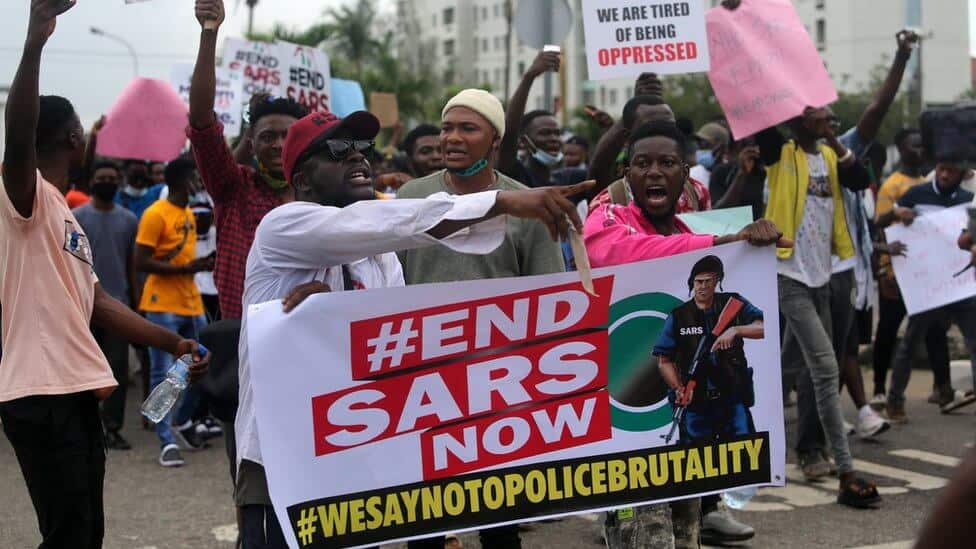
End SARS protests have resumed across major Nigerian cities including Lagos, Ibadan, and Abuja today. Since the first wave of the protests dispersed about 6 weeks ago, there have been threats from the powers that be, emphasising that a second wave of peaceful demonstrations will not be allowed. More than just thinly veiled threats of dispersing any further iterations of the protests, they have also been sure to send a message across with their responses from detaining protesters and confiscating passports to shutting down FemCo’s website and more.
But growing agitation from young Nigerians continues to rise, as none of the original 5For5 demands have been met by the Nigerian government. In the past few weeks, there has been continued resistance from the government and armed forces towards gaining justice for End SARS victims and their families. In judicial panels across the country, summoned defaulting officers do not show up to the panels, the government is still waging war on social media, no one has taken responsibility for the massacres that took place on October 20th despite the detailed CNN investigative report that revealed the Lagos State government’s invitation of the Nigerian Army to the Lekki toll gate.
While upcoming protests are gaining steam, there are already attempts made to quell the protests have already begun. Earlier today, news of the protests in Lagos was met with swift action from the Nigerian armed policemen and soldiers who were said to have been deployed to the Lekki toll plaza, Lagos, according to Punch NG, while other armed forces have also been sighted at other areas in Lagos state including Opebi, Alausa, and Ikeja.
In a statement on Sunday, the Police Public Relations Officer, SP Olumuyiwa Adejobi, had said the command would not allow any demonstration under, since Lagos residents were still nursing the injuries of the violence that trailed the #ENDSARS protest.
With the news of the End SARS protests reemerging in cities across Nigeria having reached social media over the weekend, the online protests have also kicked off with the #EndSARS hashtag now trending in Nigeria, UK and the US for a second time this month. It seems like we may very well be on the verge of another nationwide protest as young Nigerians are showing up in and organising new demonstrations in many states around the country.
Update – 08/12/2020
It has been brought to our attention that there are fake videos circulating on verified news sites about protesters at the Lekki toll gate. There were no protesters stationed at the toll gate yesterday but there has been armed forces presence at the toll gate reported both yesterday and today, a report on Arise TV reads. In a statement yesterday, the Lagos Police Command said, contrary to viral videos on social media, no #EndSARS protest was staged at the Lekki toll plaza on Monday.
“The video was one of the viral videos released during the recent violent #EndSARS protest before the Lekki Tollgate plaza was set ablaze by the violent protesters on October 21, 2020. The command, therefore, urges the general public to regard the video as baseless and mischievous.
The Command also wishes to appeal to the general public to remain calm and go about their lawful businesses as the police are prepared to deal decisively, within the ambit of the law, with any act of lawlessness that could lead to the breakdown of law and order in the state.”
According to the Guardian, news of the imminent resurgence of the End SARS protests led President Muhammadu Buhari to warn young Nigerians, yesterday, that while citizens were at liberty to freely express themselves in a democracy, such latitude did not include acts of hooliganism. He stated that anyone that would hide behind lawful and peaceful protests to commit a crime would be dealt with decisively to ensure peace and stability in the country.
However, despite the warnings, protesters hit the streets of Osogbo, the Osun State capital, to demand the release of all detained protesters and the unfreezing of their accounts by the Central Bank of Nigeria (CBN).
This is a developing story.
.@tamimak_ is just trying to make it to the end of the year
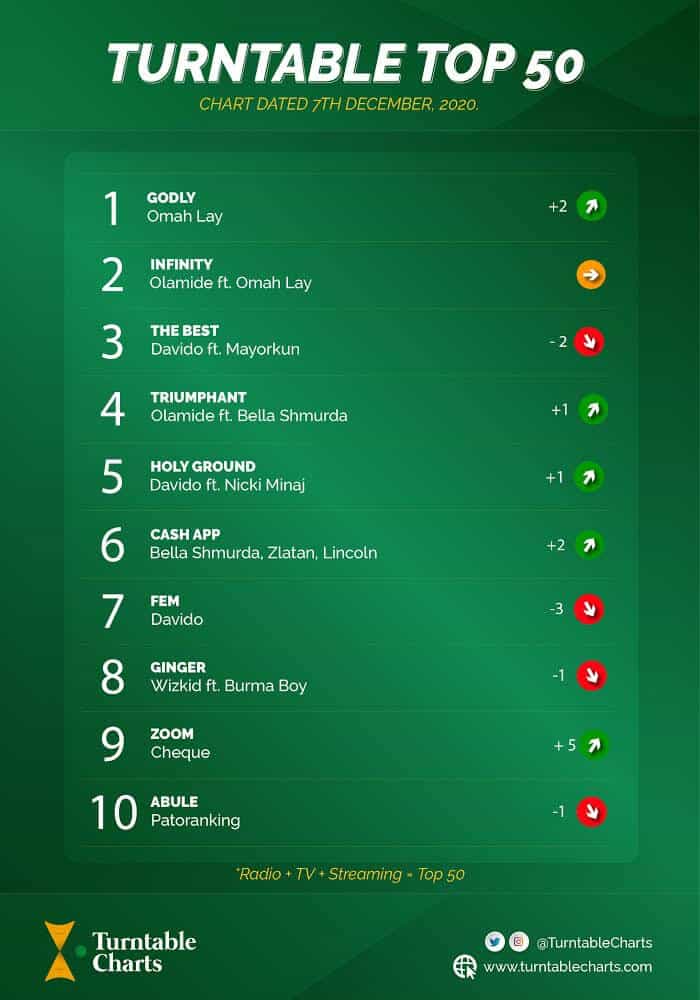
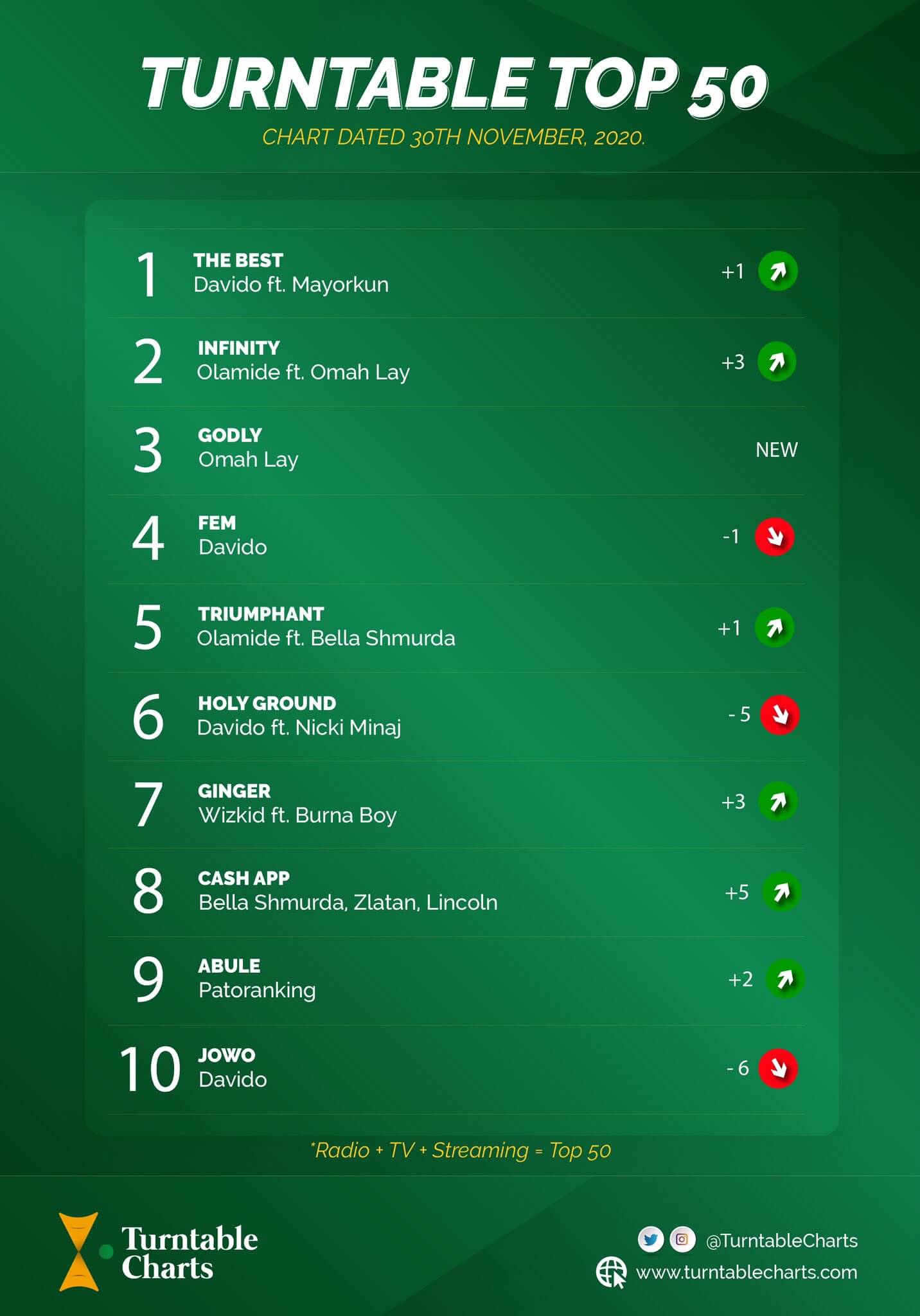
Omah Lay has climbed to the top of the Turntable charts with “Godly”, one of the standout tracks from his newly released EP, ‘What Have We Done’. Though it debuted last week at #3 behind Davido’s “The Best” and Olamide’s “Infinity”, he has now peaked at the top of the Turntable charts which incorporates data from radio airplay, streaming, and TV airplay in Nigeria. Even though “Godly” doesn’t is not an official single, clearly it’s a favourite, as it has reached the top without television backing, a feat that only Wizkid and Burna Boy’s “Ginger”, Davido and Nicki Minaj’s “Holy Ground” and Davido and Mayorkun’s “The Best” have accomplished in the 5-week history of the chart.
In the past week, “Godly” racked up 2.03 million streams and 42.14 million radio airplay audience impressions to put the Port Harcourt native on top of the Airplay Chart and Top Streaming Chart. He had previously featured on the Top Streaming Chart with his guest feature on DJ Tunez’s “PAMI” and Olamide’s “Infinity”, and now with “Godly” serving as his 4th #1 feature on the TTC, he joins Davido as the artists with the most #1s in the chart’s history.
Omah Lay also matches Davido’s record for featuring on the top 2 spots of the TTC as Olamide’s “Infinity” featuring Omah Lay retains its #2 position from last week. “Infinity” off Olamide’s ‘Carpe Diem’ has now spent 3 weeks in the runner-up position after it debuted at #2 on the chart released on the 16th of November. However, it moved down 3 spots when Davido debuted ‘A Better Time’ and dominated the top 4 positions on the chart. “Infinity” drew 1.19 million streams and tallied 32.15 million radio airplay audience impressions, leaving Davido’s “The Best”, featuring Mayorkun backtracking to #3 after topping last week’s chart. “The Best” only garnered 1.59 million streams though it tallied 44.82 million radio airplay audience impressions to lead the Radio Chart for a second week.
Olamide’s Bella Shmurda-assisted track, “Triumphant” and Davido’s “Holy Ground”, featuring Nicki Minaj both climbed one spot each from their positions on last week’s chart to occupy the 4th and 5th spot respectively this week. Bella Shmurda, Zlatan and Lincoln’s “Cash App” also climbed up to reach a new peak at #6 as it continues to climb following Bella Smurda’s recent string of small shows in Dubai and some places in Africa.
Davido’s former chart-topping single, “Fem”, however for the first time since it debuted has been out of the top 5. The song spent a record 9 consecutive weeks atop the Top Airplay Charts and has now slipped from last week’s #4 position to occupy the #7 position on this week’s chart. Wizkid’s former #1, “Ginger”, featuring Burna Boy also dropped one position from #7 to #8 while Cheque returns to the Top 10 with “Zoom”, climbing from #14 to #9 as Patoranking’s “Abule” goes down from the 9# position it held last week to its current place at #10.
Outside the top 10, Naira Marley’s prodigy, Zinoleesky made his debut on the TTC charts with his new single, “Kilofeshe” debuting at #22 while Timaya’s “Gra Gra” debuted at #35. Zinoleesky just put out the official video for “Kilofeshe” so we expect that it will continue to climb and perhaps even reach the top 10 next week.
Featured Image Credits: YouTube/Omah Lay
[mc4wp_form id=”26074″]
You are meeting Debola at a strange time in his life. He wandered into a dream and lost his way back. Tweet at him@debola_abimbolu
The last few months have been difficult. But with three weeks left until the end of the year, we’re trying to find more ways to be thankful and present in the current moment. While we’re still dedicated to amplifying and reporting the issues that have plagued us this year, we’ve now resumed our column, Songs of the Day as a nod to the artists putting out great music that serve as a momentary escape from all the grimness of the current news cycle.
We ended last week’s Songs of the day curation with new releases from Davido, Odunsi, Tekno, Flavour, Mr Eazi, Buju, Ghanaian Stars, Femi Kuti, LadiPoe, and more. Today, as news of reemerging End SARS protests in Nigerian cities reaches social media, many young Nigerians may be feeling just as stuck as they were back in October. So, to help dissipate the worrying thoughts, we’re bringing you new music to get you through the day including new releases from Stonebwoy and Davido, Falz and Niniola, Tomi Agape, Amaarae and BOJ, Waje and Cracker Mallo, Lo Village, and many more. Dig in and enjoy.
Stonebwoy – “Activate” featuring Davido
When Ghana and Nigeria collaborate, it’s always to stellar results, and Stonebwoy’s latest single “Activate” is further proof of this. Produced by Mix Master Garzy, the new single sees both artists singing about the effect that their muses have on them and declaring their intentions to deepen their physical connection.
In the accompanying video for the new single, both artists can be seen having a good time by the poolside with beautiful women. Singing “Baby you activate me o/you dey captivate me” over the song’s hook, Stonebwoy states just how consuming the love connection he feels is. And with both artists exchanging and donning the other’s national football jersey, it’s clear that this is a formidable pairing.
Falz – “Squander” featuring Niniola
Just in time for the end of the year, Falz is back with new single, “Squander”, featuring the Queen of Afrohouse, Niniola. The up-tempo number produced by Young Willis, sees both artists aiming to get you and moving and swinging to the spritely beat. Niniola seems as confident and comfortable as ever, finding herself in familiar territory and floating seamlessly over the propulsive rhythm.
DJ Spinall – “Sere” featuring Fireboy DML
Dj Spinall is days away from the release of his new album titled ‘Grace’ and already he’s served up singles like the Dice Ailes-assisted “Pressure” and “Everytime” featuring Kranium to whet our appetites. Ahead of the forthcoming project, he’s just released a new single titled “Sere” which features YBNL’s Fireboy DML. Over the uptempo beat produced by Kel P and DJ Spinall, Fireboy DML delivers a catchy danceable verse that invites listeners to groove and sway with its infectious rhythm as he invites a love interest to let loose and dance with him.
Tomi Agape – “Lovers Rock” featuring Amaarae and BOJ
Tomi Agape is back and we’re also getting an incoming project titled ‘Never Gunna Be The Same’on the horizon. Ahead of the project’s release on December 11, Tomi Agape is letting us into her world with the release of the new romantic single “Lovers Rock” which features Amaarae and BOJ. The groovy mid-tempo number sees all three artists audaciously asking their love interest to accept their advances and not hold anything back. “You’ve been on my mind, especially at nighttime” sings Tomi Agape, declaring her love before being joined by BOJ on the ook as he sings “I just want to show you off baby, I just want to give you love baby” showing that modern-day romance is far from dead.
Waje – “Best Thing”
Waje is back with a new single just in time for the end of the year. The new single titled “Best Thing” is a romantic number produced by Cracker Mallo, which sees the singer addressing a love interest who she regards as the best thing in her life. “Shey you be my best thing/need no second-guessing/oh abeg make I hold you” she sings amorously on the song’s hook, professing all her romantic feelings with the conviction that her love interest also holds her this highly in their heart.
Lo Village – “Out The Window”
Maryland musical r&b and rap trio, Lo Village has been generating some buzz in their hometown for quite a while and with the release of their forthcoming EP ‘Lost in America’, it’s clear that the group are poising for a more global-facing domination. Their latest single “Out the Window” is a more politically charged number which sees them exploring the black American experiences in America. Singing over the chorus, Ghanaian-American vocalists Kane and Ama sing, “I’m a solider, I remain ten toes” as they speak to the power of black people who continue to stand up against racially charged injustices in America.
As the world sees a momentous shift regarding racial injustice and inequality, the group knew it was time to convey their truth through new music. Speaking about the new release, they shared “As the world sees a momentous shift regarding racial injustice and inequality, the group knew it was time to convey their truth through new music.”
DEELA – “ROLLING STONES” featuring KA$H
Since finding the confidence to release her raps this year, newcomer, DEELA has been setting off quite the storm with her string of bold, bossy raps. For her latest offering, the 18-year-old mcee taps into the sounds of Atlanta-based rapper KA$H for a confident, self-assured number titled “ROLLING STONES“. The trap-charged cut sees both artists effortlessly running through their achievements, particularly DEELA who is quick to address the pressures of being an upcoming rapper in the game.
“Rubbing any beat cause I can/For the niggas in the back who ain’t fucking with me, you niggas stay dumb” she raps on the first verse, making a very convincing case for why you should stop what you’re doing and become a DEELA fan today. Whether you like it or not, she’s coming and she’s disrespectful AF
Lucid Lemons x Dara Blaxx – “Can’t Get Enough”
The team over at Lucid Lemons is expanding and adding to their musical repertoire. They’ve recently released their first official single titled “Can’t Get Enough” which features UK-based Nigerian singer/songwriter Dara Blaxx. The romantic cut sees the singer confront feelings of love, infatuation and affection and speaks to the power in believing in one’s sauce despite the fervour of your love for someone else. Going forward, the Lucid Lemons team has promised more of these musical collaborations with various artists in their community. We can’t wait to see what they come up with.
KARE – “Freaky”
Nigerian singer/songwriter Kare is preparing for the release of his debut EP set to be released next summer. Ahead of the forthcoming release, the singer is whetting our appetites with new afropop single titled “Freaky”. The upbeat new single finds Kare addressing a female muse to get down with him in the naughtiest way possible. From the song’s suggestive title, it’s clear that this new single is dedicated to the thrill of dimly lit nightclubs and parties.
Featured Image Credits/Instagram
.@tamimak_ is just trying to make it to the end of the year
The last few months have been difficult. But with four weeks left until the end of the year, we’re trying to find more ways to be thankful and present in the current moment. While we’re still dedicated to amplifying and reporting the issues that have plagued us this year, we’ve now resumed our column, Songs of the Day as a nod to the artists putting out great music that serve as a momentary escape from all the grimness of the current news cycle.
We started this week’s Songs of the day curation with new releases from Olamide, Bad Boy Timz, Zinoleesky, Ojah B x Oxlade, Di’ja, Reekado Banks, Dremo x Mayorkun, Oma Mahmud, Teffy, and more. Now as we start the first weekend in December, we’re bringing you new music from Davido, Odunsi, Tekno, Flavour, Mr Eazi, Buju, Ghanaian Stars, Femi Kuti, LadiPoe, and More. Dig in and enjoy.
Davido – “Jowo”
Davido has continued his knack for offering cinematic visuals for his music as he just shared a star-studded music video for “Jowo”, one of the standout tracks from his recently released album, ‘A Better Time’. The video features RMD and former Big Brother housemate, Nengi who are cast as gang rivals in a video that adds more drama to the romantic narration from the song.
Directed by Dammy Twitch, the video for “Jowo” shows Davido and Nengi as gang leaders who were ordered to assassinate each other but eventually fall in love with each other. Though the script is cliche script, the acting and cinematography are impressive as we see the characters playing their roles convincingly while the laidback song plays in the background.
Odunsi – “Fuji 5000”
Odunsi’s growth from indie acclaim to becoming one of the cultural tastemakers of the Nigerian music scene allows him the freedom to experiment with different niche sounds. For his latest single, “Fuji 5000”, he attempts to bridge the indigenous Fuji sound with trap eccentricity, as he blends Yoruba and English lyrics while singing and rapping over the self-produced beat that infuses futuristic synth sounds and gunshot samples.
In a statement released with the song, Odunsi explained that the song is “a tribute to traditional Nigerian sound & traditional Fuji sound and just (him) putting (his) own twist to it. It’s basically a narration of where [his] mind has been since last year, up until now and an introduction to (his) new experimental sound and style of delivery”. We can’t wait to hear what he does next.
Flavour – “Looking Nyash”
Flavour is back with his new album, ‘Flavour of Africa’, his 7th studio album. Though he seemed like he was heading towards a religious stint following his public association with the religious prophet, Odemeje AKA Indaboski, the new 16-track offering shows there are many sides to Flavour. He collaborates with people from different cultures all over the world including Fally Ipupa, Beenie Man, Tekno, Phyno, Prophet Odumeje, Waga G and more. “Looking Nyash” is set to the rustic rhythm of highlife as Spax produced a lightweight guitar-led beat that lulls listeners to nod their heads and move their hips, much like we can see in the video.
Mayorkun – “Your Body”
Mayorkun has dished out a new record for the dancefloor, “Your Body”. Produced by DMW’s favourite beatmaker, Fresh VDM, “Your Body” has a groovy beat which primes the song for dancefloors. Mayorkun’s lyrics and catchy melodies once more provide us with witty one-liners that have made him one of Nigerians more entertaining musicians.
We might not get to enjoy this song at a big music concert this year, but we can’t imagine anything keeping us from keeping this in regular rotation through the rest of the festive month of December.
Mr Eazi x J Balvin – “Lento”
Latin pop and afropop have enjoyed an impressive run of success in the global music scene lately and among the artists responsible for that are Mr Eazi and J Balvin from Nigeria and Colombia respectively. The two have teamed up for a new single, “Lento” where they combine the dancehall allure of afropop and reggaeton. The song is Mr Eazi’s follow-up to “Oh My Gawd”, which also featured international collaborators, Nicki Minaj, Major Lazer, and Nigerian singer, K4mo.
Produced by Killertunez, the mid-tempo beat for “Lento”, sets the groovy rhythm for him and Mr Eazi to go back and forth, performing vocals in their indigenous languages about partying. As the world grows more accessible for international collaborations such as this, genre lines will continue to be blurred for better or for worse.
Niyola – “Olúmorántí”
Niyola just surprised fans with a new single, “Olúmorántí”, where she reflects on the loss she experiences when her father passed away. Though the new single is her first music release in 3 years, you wouldn’t notice from her captivating voice which is still as enchanting as it was when she first broke out as an EME artist. Over the melancholic piano harmonies, she sings “I can’t stop thinking of you” as she goes on to express feelings of hurt, pain and frustration. She eventually turns to her spiritual faith and finds resolve through a worship performance dedicated to God. Though the song is named after her father, she expresses sentiments that are universal for anyone who has experienced the loss of their parent.
The accompanying video for Niyola’s “Olúmorántí” directed by Unlimited LA and it stays true to the ambient mood of the song as we see Niyola performing the song in different scenes where she’s all alone. The only time she’s seen with other people is when we see three women dressed in white stretching their hands out to catch her while she ascends up into the sky.
Tekno – “Enjoy”
Before this horrible year, one of the things that helped us get through the year was the anticipation of December festivities. Now that we’re in a pandemic-induced lockdown, and can’t go out to parties or concerts, the next best alternative is to live vicariously through festive music. Tekno recognises our need for merrymaking, and his latest single, “Enjoy” serves us the upbeat and jovial music we require after surviving to the last month of a year filled with overwhelming negativity.
“Enjoy” was released last month as one of the lead singles from Tekno’s anticipated debut album, and the singer has now updated the song with a fun music video to match. Directed by TG Omori, the video shows Tekno in different settings, where he dances to the groove of the beat produced by Blaise Beatz. We see Tekno moonwalking on a dining table, dancing inside a public toilet, chilling in a mobile swimming pool and dancing at a grocery store after locking out the security. These goofy acts are perfect for a song that serves as the soundtrack for bouncing through life like it’s a daisy field as Tekno sings “Allow me to enjoy myself”. It’s a refreshing contrast to reality to see him so optimistic, even as the song encourages listeners to enjoy life and avoid negative and problematic friends.
Earlier in the year, Tekno’s dropped “Sudden”, a more sombre song that reflected on the current political climate as he sang about the corrupt leadership plaguing the country. However, his mood shifted towards more lightweight themes when he dropped “PuTTin”, a dance-driven single in October. The newly released video for “Enjoy” builds anticipation for Tekno’s debut album, but while we wait, you can enjoy the video for “Enjoy” below.
Buju – “So Lovely”
Though it’s relatively easy to determine what sound dominated the mainstream in Nigeria when looking back at past decades, it’s a little more tricky to come up with a generally agreed sound for the mainstream within the moment. However, if there’s one sound that has a strong case for being inescapable in 2020, it’s the South African house music subgenre, Amapiano. Buju recently put out his latest single, “So Lovely”, embracing the lightweight groove of the ambient Amapiano harmonies produced by regular collaborator, Timi Jay. Buju’s soft vocals narrating his complicated relationship status with his muse rides the catchy beat as he delivers enchanting melodies that confirm his versatility.
Femi Kuti – “Pà Pá Pà”
Fela’s legacy continues to live through the many tributes from music lovers around the world as well as through Afrobeat music releases from members of the Kuti family. Femi Kuti’s son, Made is also towing in-line with the Afrobeat family tradition as he’s set to release a joint project with his father, ‘Legacy +’, which is scheduled to drop in February 2021. Leading up to the release of the father-son collaboration, the pair have each shared one single from the two-sided tape, “Your Enemy” and “Pà Pá Pà” which reveal that they’re continuing in the politically charged tone that was set by Fela.
Femi Kuti’s “Pà Pá Pà” comes along with an accompanying video directed by Adasa Cookey and it shows Femi Kuti performing the upbeat song that encourages listeners to speak up against dishonest and incompetent government; “we must face the government/ government must not waste our time”. The video shows him performing at the New Afrikan Shrine with cheering fans and we also see different shots of Lagos and her citizens.
LadiPoe – “Jaiye Remix” feat. Aluna, Sigag Lauren
LadiPoe started last year with a banger, “Jaiye(Time of Our Lives)”, a triumphant single that laid the runway for the impressive run he’s enjoyed so far in 2020. After delivering smash hits like Simi-assisted “Know You”, and “Yoruba Samurai”, the Mavin singer has reinvented “Jaiye” into an EDM song. He teams up with UK singer, Aluna who adds her airy vocals to the euphoric EDM beat produced by Nigerian EDM producer, Sigag Lauren.
Johnny Drille’s vocals from his contribution as the producer for the original single can still be heard on the remix while Sigag Lauren infuses the lush, jungle driving sound of Afro-house. The song’s message to pursue happiness is timely as we get into the last month of the year. However, aware of the tragic impact of the Coronavirus on those who have lost lives and means of livelihood to the pandemic, he announced that the proceeds from the song will go to a charity that raises money to benefit the fight against the virus in Africa.
https://www.youtube.com/watch?v=EtVQhf_pKJs
One People – “One Nation” Feat. Stonebwoy, Efya, King Promise, Fancy Gadam, Darkovibes, Maccasio, Famaye, Teephlow, and Bethel Revival Choir
With the pandemic and widespread protests that have happened around the world, 2020 is easily the most politically inclined year for most of us young people in the world. As a result, we’ve learned to pay attention to leadership and demand more accountability from them. Ghanaians will have the opportunity to elect their next president at their general elections scheduled to happen next Monday, the 7th of December. In the build-up to the elections, some of Ghana’s music stars, Stonebwoy, Efya, King Promise, Fancy Gadam, Darkovibes, Maccasio, Famaye, Teephlow, and Bethel Revival Choir have teamed up to encourage Ghanaian’s to come out to vote.
Over the groovy mid-tempo beat, each of the artists takes turns to encourage listeners to be united and conduct themselves peacefully during the elections. The elections pit the former president, John Mahama, and incumbent president, Nana Akufo Addo. A victory from John Mahama will mark a historic moment as his running mate, Jane Naana Opoku-Agyeman will become the first female Vice President in Ghanaian history. We hope the more competent candidate is elected on Monday as this song from the Ghanaian stars reminds us of the great talent who will benefit from a peaceful and successful election in Ghana.
[mc4wp_form id=”26074″]
You are meeting Debola at a strange time in his life. He wandered into a dream and lost his way back. Tweet at him@debola_abimbolu
As part of the demands to signify that the Nigerian government is indeed committed to the eradication of police brutality, the Nigerian youth populace demanded the inauguration of judicial panels across the country’s 36 states, to collect testimonies from victims of police brutality, provide (financial) restitution, and forward recommendations to the government. In acceptance of this demand, the National Economic Council (NEC), led by Vice President Yemi Osibanjo, directed all state governments to set up panels, ostensibly meaning that these panels were indeed backed by the federal government.
However, it appears that the police is now contesting the validity of these panels of enquiries, claiming that their proceedings should be deemed inconsequential, since the force is a federal institution and isn’t subject to state authorities. Yesterday, reports broke that the Nigerian police filed a suit at a federal high court in Abuja, seeking an order to stop all public hearings and proceedings of the #EndSARS judicial panels across all 36 states. In its petition, the police is claiming that the panels set up by State Governors is “unconstitutional, illegal, null and void and of no effect whatsoever.”
This development is the latest disappointing tactic being employed by a government institution, since concerned Nigerians came out in demonstrations against police brutality, especially by the “disbanded” Special anti-robbery squad. Even with the announcement of the disbandment of SARS, Nigerians have been vocal about the police’s dedication to ending the omnipresent abuse of power amongst its ranks, citing distrust in any word of mouth and it’s easy to see why. During the weeks-long protests, police responded with brutality all over the country, peacefully received “pro-SARS” groups who openly threatened peaceful protesters, stood idly while protesters were attacked by sponsored thugs, and has continued to arrests popular faces from the protests.
In an interview with local TV station AIT, Rivers state governor, Nyesom Wike, stated that he was unsure if he had the power to constitute a panel without adequate Federal backing, however, with the directive coming from the NEC and President Buhari’s public backing of the Lagos judicial panel, there appears no reason these panels can’t legally operate for these panels to operate.
Update – 16:00, December 4
The Nigerian Police Force has recently called for the immediate “discontinuation and withdrawal of the suit challenging the legality of the States’ Judicial Panel of Inquiry.” As far as we know, a hearing for the case is scheduled to begin on December 18th, and among the defendants are the Attorney General of the Federation, Abubakar Malami, Executive Secretary of the National Human Rights Commission, Anthony O. Ojukwu, and more.
The Inspector General of Police, IGP M.A Adamu, NPM, mni has ordered for the immediate discontinuation and withdrawal of the suit challenging the legality of the States’ Judicial Panel of Inquiry into alleged brutality by the defunct Special Anti-Robbery Squad (SARS).
Hundreds of young people flooded the streets of Nigeria to protest against the SARS unit of the Nigerian police and police brutality. In the heat of the protests, Rema cut off all his hair, at the same time videos of members of security forces forcibly doing the same thing to civilians. After a tumultuous October, it felt like November was a time to recoop, and gain some much needed calm after the wild storm. As the end of the year sparks hopefulness amongst us, the Mavin star has now released a new single, “Peace of Mind”, to calm the current climate’s intensity.
“Peace of Mind” has a soothing highlife baseline produced by Kel P and the tranquil harmonies of the guitar riffs serve as the backdrop for Rema’s narration of his stressful reality as a Nigerian; “Gunshot no let me meditate/ Hypertension full the place/ People dey die/ Police sef dey go deny the case”. Though his introspective songwriting allows him to express his deeply personal discontent with the uncertainty of the moment, he also has the presence of mind to acknowledge that the dissatisfaction with the current state of things is a sentiment shared by most young Nigerians.
All year, we have spoken about the special role music plays in
Stream Rema’s “Peace of Mind” below.
Featured Image Credits: Instagram/heisrema
[mc4wp_form id=”26074″]
You are meeting Debola at a strange time in his life. He wandered into a dream and lost his way back. Tweet at him@debola_abimbolu
The last few months have been difficult. But with four weeks left until the end of the year, we’re trying to find more ways to be thankful and present in the current moment. While we’re still dedicated to amplifying and reporting the issues that have plagued us this year, we’ve now resumed our column, Songs of the Day as a nod to the artists putting out great music that serve as a momentary escape from all the grimness of the current news cycle.
We started this week’s Songs of the day curation with new releases from Tim Lyre, Lil Kesh, Lyta, Loti, Remi Nubi, and more. Now as we get ready to kick off the new month, we’re bringing you new music from Olamide, Bad Boy Timz, Zinoleesky, Ojah B x Oxlade, Di’ja, Reekado Banks, Dremo x Mayorkun, Oma Mahmud, Teffy and more. Dig in and enjoy.
Olamide – “Loading” featuring Bad Boy Timz
December is officially here and although we’re looking forward to the festivities, we can’t gloss over the impact COVID-19 will have on the music industry this year. Concerts and festivals have been cancelled and replaced with socially distanced live shows and everyone from Wizkid to Burna Boy has lined up something interactive but safe for their fans. So it’s fitting that when Olamide chose to release the latest video for his standout single “Loading” featuring Bad Boy Timz, off his recently released album ‘Carpe Diem’, he tapped into some very quirky features to bring the song’s exhilarating message to life.
The Clarence Peters-directed video is an immersive VR experience that takes viewers on an inebriated journey into a world entirely of Olamide’s making. Here, viewers are in full control of their viewing experience, with the ability to immerse themselves deeper into this colourful and vibrant world with just the click of a cursor button. In this reality, everything is vibrant or nostalgic, it’s the perfect video for these times.
Ojahbee x Oxlade – “Dutty Love”
The music industry got a lot of representation from Oxlade and his manager, Ojahbee during the EndSARS protests. They showed great courage in the frontline of the fight against police brutality and Ojahbee is most likely to still carrying scars from when he was illegally detained and harassed by the police. However, the duo shows us that they’re lovers not fighters on their new collaboration, “Dutty Love”, where Oxlade sings over the catchy r&b infused-afropop instrumental produced by Ojahbee. The song is a mixed bag of playful innuendos for a late-night rendezvous as we hear Oxlade sing romantic lyrics to convince his muse he’d do anything to prove his love.
Reekado Banks – “Mama”
Reekado Banks has blessed fans with a new 7-track EP, Off the Record which boasts of impressive features from Tiwa Savage, Mr Eazi, Attifaya, EO, Kida Kudz, and Tanzanian’s top pop star, Harmonize. The Kida Kudz and EO track, “Need More” announced the tape’s aim to highlight Reekado Banks’ diverse sonic pallet as well as his global range of influence as he sang over a grime beat. However, after hearing the rest of the EP, it’s clear that he can deliver a far more convincing performance when tributing his home country.
“Mama” is the tape’s last track and it’s dedicated to celebrating the local sound of the continent. Tee Y Mix produced the groovy instrumentals, inspired by the Soukous sound of Congo while Reekado Banks and Harmonize take turns convincing their muse and listeners of the beauty of the continent.
Di’ja – “Inyamuri”
Di’ja has continued to serve us with tunes that are inspired by her northern Nigerian heritage. Her latest single, “Inyamuri” is a love song which she sings in her heavily Hausa-accented voice. Di’ja has always had a great voice and watching her wield it as a traditionally-inclined artist has been surprisingly refreshing.
On “Inyamuri” her lyrics, “I’m in love with Inyamuri” are desperately romantic as she celebrates her love, singing “Spoil me with money/ he buy me designer”. “Inyamuri” is expected to feature on the Mavin singer’s upcoming EP, ‘Aphropop, Vol. 1’ as she continues to build anticipation for the tape.
Zinoleesky – “Kilofeshe”
The Nigerian music scene is filled with great talents who are appreciated all over the world for our local sound. However, we’ve seen time and time again that our artists aren’t shy to acknowledge great music from other parts of the continent when they hear it. The South African Amapiano sound is hot at the moment and Zinoleesky is the latest artist to tap the sound as he sings over the afro-house rhythm for his new single, “Kilofeshe”.
Saying “ordinary things no fit move me again/ seun ti o fe she”, Zinoleesky continues in line with the cocky celebrity attitude we heard from his last single, “Ma Pariwo”. But it doesn’t get in the way of the catchy Amapiano beat produced by Niphkeys. It’s impossible to resist the beat’s invitation to dance.
https://www.youtube.com/watch?v=hZGbkhHILyk
Dremo x Mayorkun – “E Be Tins”
One thing you can always count on the DMW boys to deliver, is good humour. On Dremo’s new single, “E Be Tins” he references the funny Ghanaian slang while bragging about the irresistible charm of their good looks. The song also features label mate, Mayorkun who handles the chorus and kills it in usual fashion. Fresh VDM produced the beat for “E Be Tins”, with dominant synths swirling around mesmerizingly to make the song catchy while Dremo and Mayorkun deliver expressive wordplay.
Pheelz – “One Life”
Pheelz has followed up his debut single, “Gobe”, featuring Olamide and Naira Marley with a new single titled “One Life”. The song introduces the renowned producer as a singer and songwriter as we hear him laying down melodic vocals over the self-produced beat. He already showcased his skill at making dancefloor bangers with his catchy production on his debut single, “One Life” as well as his production contribution to the catalogue of hitmakers like Tiwa Savage, Olamide, Fireboy DML and others. For “One Life”, he continues to impress, this time embracing the ambient sound of the South African house genre while infusing horn samples to make it more distinct. The tranquil ambiance of the beat fits with the carefree message of his lyrics, saying “I go live life like I don’t care”. We made it to another weekend and deserve songs like this to remind us to rest and relax.
Oma Mahmud – “NOW!!!”
Oma Mahmud is back with a new release ahead of the year-end. For his latest, the singer releases a new and energetic heavy rock-influenced single titled “NOW!!!” which is rife with urgency and anger against the oppression that many of us have faced through this year. He sings “I want to fight my oppressors but I don’t know how/I need my justice, I need it right now” he chants loudly on the song’s hook, trying to mull over his personal feelings about the actions that have plagued this year including the End SARS protests that shook the nation over a month ago. Though he’s not able to offer solutions to the many problems that Nigerians face in their country, “NOW!!!” is an honest and heavy look into the mind of a young Nigerian who is looking to music as a form of cathartic release.
Aina More – “Destiny”
British-Nigerian rapper and producer, Aina More closes out 2020 with a fiery new track titled “Destiny”. Co-produced by Aina More herself and producer Musiek Mambu, the track begins with an attention-grabbing sample of the Seun Kuti afrobeat classic “Bad Man Lighter” setting the tone for what’s set to be two-minutes of unfiltered, bruising raps. “Black women are the prototype/Too busy working on my EP and too introverted for a chat” she raps cockily over a heavy afro-drill beat, speaking about her come up in the industry while giving listeners a peek into what she’s been up to this year. It’s clear that she’s rouding off with a bang.
$odaman – “On The Way”
Atlanta-based rapper $odaman is back with a new single titled “On the Way”, a boisterous new single which sountracks the rapper’s comfortable life as it details everything that he has experienced from the money to the girls and anything else that comes from the astronomical rise to the top. “Had to get up and go get it, ain’t no other way” he raps on the song, showing that the life he boasts of has not come easy but through constant determination and hard work to stunt on his haters. In the Kharkee-directed visuals, we see the rapper enjoying the spoils of his labour, and we’d certainly hate to be his opps right now.
In the inaugural edition of the weekly Top 50 Turntable charts, we saw Wizkid’s “Ginger” featuring Burna Boy shoot up to the #1 spot in the country after the release of ‘Made in Lagos’. The following week, Davido’s “FEM” stole the show, re-entering the Top 50 charts the week leading up to the singer’s release of his third studio album ‘A Better Time’, which arrivedearlier this month. Since then, Davido has maintained his stranglehold of the charts, bagging subsequent #1 songs for three consecutive weeks, with songs off the newly-released project. After “FEM” came a “Holy Ground” featuring Nicki Minaj number one, and this week the spot belongs to the Mayorkun-assisted “The Best”.
The song tallied 35.77 million radio airplay audience impressions this week, rising from its debut position at #5 to become the top charting song on Turntable’s Radio Airplay Chart. “The Best” also drew in 2.06 million equivalent streams to top the Streaming Chart as well this week. This is an impressive run for Davido who just last week entered international charts including the official Afrobeats UK chart and the Billboard Top 200 Albums. However, this week, the charts aren’t entirely dominated by songs off Davido’s ‘A Better Time’ – as they were last week – but sees artists like Omah Lay and Olamide amongst the Top 10 pack.
Olamide’s single “Infinity” featuring Omah Lay rises to the #2 spot jumping up three spaces from last week. Following the release of his sophomore EP ‘What Have We Done’, Omah Lay’s standout track “Godly” enters the charts at #3. The track also debuts at No. 3 on Turntable’s Top Streaming Chart, after drawing 1.91 million equivalent streams, and starts at No. 5 on the Top Airplay Chart after tallying 29.74 million radio airplay audience impressions. Omah Lay now joins veterens Davido, Wizkid, and Olamide with multiple entries in the top 3 in a week.
Omah Lay’s latest charting success comes after the young star recorded his biggest opening week yet on Youtube Nigeria, earning 493,000 views within the week of its release. Outside the top ten, Omah Lay debuts on the chart with three other tracks off ‘What Have We Done’. “My Bebe” debuts at No. 13, “Can’t Relate” debuts at No. 22 and “Confessions” at No. 23., while his “Damn (Remix)” featuring 6lack returns to its peak of No. 11.
Other songs in the top 10 include Davido’s “FEM” which moves down to #4 and Olamide’s “Triumphant” featuring Bella Schmurda which is #5 this week. Davido’s “Holy Ground” featuring Nicki Minaj drops to No. 6 after debuting top of the chart last week, while another former No. 1 song Wizkid’s “Ginger” featuring Burna Boy drops to #7 this week. Bella Shmurda’s “Cash App” with Zlatan & Lincoln jumps from 13 to 8 after peaking at No. 7 two weeks ago, and Patoranking’s “Abule” rises 2 positions to #9 while Davido’s “Jowo” backtracks to No. 10 from its No. 4 peak.
Staying true to our mission reshape the face of African popular culture, The NATIVE team curates a monthly list to spotlight the best and most exciting new artists on the continent. Some of these artists have dropped songs to some regional acclaim, while others are brand new on the block, working towards their first big break. Tune in to what’s next. Click here for September’s Fresh Meat.
Last month, due to the civil unrest throughout Nigeria, we were unable to present our picks of the best new artist of October. After a full month filled with sober reflection of the injustices we face as African citizens. Whilst in Nigeria we were calling out for the end of police brutality, the women of Namibia were standing up against gender-based violence, our brothers and sisters in The Congo were fighting against the poor government and exploitation of young citizens.
This month, however, even though nothing has changed, we’re getting back into the groove of things and music is starting to sound better again. Of course, new artists from all over the globe have been holding it down as usual, and the artists all over Africa haven’t disappointed.
This month, before the nightmare of 2020 comes to an end, we’ve scoured all corners of the Internet for all the music we may have missed throughout the year. With a mix of artists who have been in the game for a few years, to people who have made their debut only a few weeks ago, here’s our pick of the best new artists this month.
Marcus Harvey
In late October 2019, South African singer Marcus Harvey made his official debut with “Mosadi”, a booming, electro-r&b song where his raw voice was the main draw, amidst the delightfully icy layers of sound crafted by KaeB. Having cut his teeth with open mic showcases, Marcus’ impressive debut outing indicated an artist already several steps deep into the developmental stage of his craft. The same conviction in his nascent abilities carries into his sophomore collaboration with KaeB, “Sweet Seduction”, singing in a spectral, sensuous vocal tone over a jazzy hip-hop instrumental.
Capitalising on the growing interest generated by these confident showings, Marcus released his debut album, ‘I Am Marcus Harvey: You Don’t Know Me Yet’, in April, led off by the lilting lead single, “Find Your Love”. Marcus’ debut LP is a function of an omnivorous sonic palette and his unflinching dedication to expressing himself openly, unifying into a resounding statement from an artist still finding himself, much in the same the album subtitle motions towards the audience. The opener, “Areyeng” leans into languid tribal folk, as he sings of the zeal required to press on, while paying homage to the women who raised him. On the closer, “Let It Burn”, Marcus rolls his anxieties into hydroponic buds and puffs them out over a sparse reggae groove.
The major portion of the 11-track album is defined by romantic concerns, with Marcus mostly singing enthusiastically about the highs of mutual parties falling into one another. “I believe that what we have is so special/girl, you so precious/what’s your desires?” he sings atop the slightly off-kilter hip-hop drums of “Walk N Talk”, symbolic of the plaintive writing embedded in the project. Sometimes, it can veer towards cheesy, but Marcus’ voice—which can trail into a slinky falsetto and swing into bouncy, rap-adjacent cadence—helps to bolster his developing lyricism. Although unified by a recognisable ambience, ‘I Am Marcus Harvey’ pulls in a variety of influences from neo-soul, outré folk, electro-soul and the ‘90s flavour of r&b pioneered by Timbaland, culminating in a bricolage of sounds that adds colour, several textures, and teases out the expanse of Marcus’ voice.
Since the release of his debut and the support it has accumulated from an increasing pack of supporters, Marcus has scored several major co-signs, appearing as Apple Music’s spotlight rising artist in June, and he was part of a recent Adidas campaign. Fat Joe, The Game and Monte Booker are amongst high profile names the singer’s music has captivated; collaborations with these artists even seems very likely. It’s difficult to term Marcus’ breakout as meteoric, especially considering that we’re in a time when the Internet makes superstars within moments, however, the strides he’s achieved in just over a year since his debut are impressive. The best part is, he’s figuring it out right in front of a growing audience, a sign that he’s interested in strapping for the long ride.
Moliy
Two weeks ago, Amaarae released her much-anticipated but album, The Angel You Don’t Know. The takeaways from the album were innumerable, but arguably the most invaluable finding was our discovering of the rising Ghanaian singer, Moliy, who seamlessly assisted Amaarae and starred on standout tracks, “FEEL A WAY” and “SAD GIRLZ LUV MONEY” respectively.
This alliance was almost indistinguishable; Moliy expertly moulded herself into a twin flame for Amaarae’s uniquely enticing vocal technique, but that did not, by any means mean Moliy’s own sonic identity was lost. Matching Amaarae’s high pitched vocals, Moliy’s performances on TAYDK complement her host’s American accents with Ghanaian intonations that invite the local soundscape onto the celestial tracks with more attentive singing practices. Envious singing abilities and an afro-pop tongue are what you’ll find on Moliy’s debut EP, Wondergirl. You’ll also find all the songs she’s ever put out on that project, ironically (though not unprecedentedly) ending with her first discoverable single, “Jonny”.
A typical laid-back, slow-paced afropop number, “Jonny” was a strong start from the 22-year old Molly Ama Montgomery, who made the debut last December. A reasonable introduction to Moliy, in this respect, “Jonny” doesn’t quite compare to its preceding track, “Ghana Bop”, which sees Moliy singing and rapping over a dynamic beat, whilst putting her home on the map. Repping Ghana worldwide which is one of Moliy’s professional goals, the second is to empower and support women working within the male-dominated music industry, as she knows all too well of its androcentric difficulties. After a bar of Latin-inspired strings, “Ghana Bop” begins with Moliy proclaiming, “everything I do, I’m killing it,” in a spoken rap cadence that she later swaps out for more melodic bars, expected considering her singing talents. Full of pop music quips such as, “now you mad over me Runtown, I dey do bad girl Rih man down”, Moliy’s lyricism, her dexterity and her vocal skills are all on show on this laid-back yet dance-inducing number.
As a true Gen-Zer, Moliy is not confined by four walls belonging to one style or genre. Though she does have a pop-leaning forte, as “Ghana Bop” and her featured appearances (on TAYDK and “Medellin” by Fresh Meat alum, Hermez) reveal, Moliy will eat up anything that is put in front of her. Her versatility is palpable not only in her small but mighty discography so far, but also in her lyricism and subject matter. A keen fan of romance novels and poetry – which has helped refine her writing skills – of course, Moliy knows how to deliver a love-inclined tune; but she also has much more to offer her ever-growing number of listeners. On Wondergirl alone, Moliy is longing for love, stirring up the party and fondly recalling her high. Aptly titled “Loud”, this fitting intro informs listeners of the state of mind they should be in to enjoy Moliy music. Whether it’s the blunt, “four, five shots in a row,” or another substance of your choice, Moliy promises to take you even higher.
Deshinor
Deshinor is not your typical Fresh Meat, given that he’s been in the music scene for quite some time, marking over five impressive years in the game so far. His career has been more of a slow burner with a handful of loose singles under his belt landing the artist the 2017 Nigerian Entertainment award for Most Promising Act to Watch. But Deshinor’s career began to truly blossom when he went through some personal growth, and came into a more well-rounded view of his sound. It’s his debut project ‘Desh the EP’, released earlier this month that cements the Nigerian-born artist as a formidable vocalist and songwriter.
On the 7-track project, Deshinor paints the picture of a colourful, infectious, and musically varied body of work that showcases his stellar penmanship and his mastery at sounding off honeyed-toned words of affection for the object of his desire. The album opener “Adura” is a soft-sounding ballad that incorporates acoustic strings and vivid percussive patterns creating a rich, soulful atmosphere. Deshinor sings praises to God and his woman, thanking both of them for standing by his side through all the tribulations for all these years. After graciously welcoming us into his world, things begin to pick up steam on the Runtinz-produced single “Pemi” where Deshinor dips into his romantic bag. Listening to the record, you can tell this is where Deshinor feels his most confident, chanting off romantic lyrics with the intention to score the attention of the woman of his dreams. And there are fewer lines as romantic as a love interest serenading their lover with lines such as “if you need somebody to fight for you, I go slap soldier” and Deshinor clearly knows that.
“Gawu”, on the other hand,is afropop at its core, infectiously catchy and likely to have you busting your best zanku on the dancefloor. Couched between percussion and deletable drum patterns, Deshinor turns his affection back to what’s familiar–women. He’s is clearly unafraid of letting his desires and affections known, and he uses many of the songs on this project to show off this romantic side of him. “Fade” is perhaps the album’s centrepiece, where we see the artist singing over pop-tinged production about a love interest. Deshinor is on his best form, digging into the frustrating romantic moments of his life to produce a number that is equal parts pensive and sanguine. The song’s production provides the backdrop for his message: he promises to give all of himself towards this love and only asks that the feelings be reciprocated from Fade.
On the album’s final track “Ire”, Deshinor rounds things off with a final glance at the past life he is leaving behind, as he steps into a new phase of his life. He sings “make my sounds dey blow/make the money pile high high” succinctly surmising his intentions for wanting to make it big in the music industry. It’s clear that the artist is not merely wishful thinking but making a concerted effort to do the work and actualise his visions. His contribution to Laycon’s latest single, “Hip Hop”, has been felt in waves, given that the song consistently maintains a spot in the Top 50 songs on the official Turntable charts, placing the singer in the limelight. We will no doubt get more jams to enjoy from Deshinor. Watch this space.
Sipho the Gift
Sipho the Gift has been dreaming of his life as a rapper since he was seven years old. A diligent student of the works of Dr. Dre, Eminem, and 50 Cent, and South African legends like Skwatta Kamp, Khuli Chana, and more, Sipho the Gift constantly fine-tuned his craft until he was ready to invite listeners into his world. But now his world has grown into a carefully mapped out sonic universe where he audaciously explores his feelings, thoughts, and fears without any drawback.
Now well-armed with three EP’s and two full-length albums, it’s clear that Sipho the Great is as hardworking and conscientious as they come. The rapper/producer has been operating within the South African music scene since 2015 when he released his debut self-produced mixtape ‘Coming of Age’ at the age of twenty-one, the decisive genesis for his brand of introspective rap infused with alternative and melodic elements. Two years later, he followed this up with the 6-track sophomore EP ‘Kintsgui’, an introspective project which put his darker thoughts on full display and unearthed his penchant for vivid storytelling. Each new body of work is akin to discovering a newer, well-refined side of the artist who clearly has command and understanding of his psyche and translates this graciously in song.
Regardless of the beat, Sipho the Gift effortlessly glides across it, taking no prisoners as he decimates his contemporaries and shows off his lyrical chops. His sophomore album, 2019’s ‘iNDiGO’ is home to some of his most introspective work to date. He has conversations with himself on the beat, switching from existential questions on “YOuNG AND LAZY” featuring Lucille Slade to comparing himself to late political figure “MANSA MUSA”, contemplating father-son relationships on “A FATHERS LOVE” and skittishly glides over a drill beat on “BOY” as he hurls out relentless raw raps. Throughout the project, he never fails to remind listeners of his roots, the album is bookended with snippets of his native tongue and pidgin at other moments, grounding the work in his South African heritage.
This year, Sipho the Gift continues to expand his arsenal releasing a string of singles and contributing guest features to artists of his ilk. It’s no surprise that this year, the rapper/producer linked up with our Issue 004 Trybe album, Psycho YP for a bouncy new single titled “ON MY JOB” which sees both artists feeding into each other’s flashy, trash-talking bars. Their synergy is impeccable, as they list off profane boasts with ease over a frenzy of bass and hi-hats. “They fucking with me like it’s Diddy in his prime” Sipho boasts, his bars audibly cocky, though with his impeccable pen, it’s hard to imagine him not getting brash. Earlier this year, Sipho the Gift also released his third EP ‘Bloom’ earlier in the summer, as a way of soundtracking his growth so far. In a recent interview, the artist shared “I’m at a stage where I can masterfully dictate my sound and express my thoughts and I love it. It’s a celebration of my growth artistically, gratitude for everything that’s brought me here, and a statement of my future intentions: keep growing and refining.” From the masterful grasp of his cadence and structure on the project to the rapid-fire verses, it’s clear that Sipho the Gift is here for a long time. Give him his flowers now.
Yellw
In the 90s, heartfelt confessional songs were the hallmark of r&b music. These days, that vulnerability seems to have been replaced by disrespectful and flashy lyrics in our current hip-hop and dancehall dominated music space. However, artists like Tems and Odunsi who are radically rewriting the sound of Nigerian mainstream music with their charting r&b songs confirming that expressing sensitive emotions isn’t completely out of fashion.
Though Victor Dagogo (AKA Yellw) is from Nigeria, a country that seems like it raises its GDP via dancefloor-filling music, he doesn’t shy from making hyper-emotional songs about his yearning for love. In 2018, he shared some snippets of himself singing on his Instagram, yet, kept his face hidden because he wasn’t quite comfortable with showcasing his singing face yet. The snippets which are still accessible via his Instagram account, indicate that like the serene yellow sunflowers that inspired his stage name, Yellw’s voice evokes passionate sentiments from listeners with meaningful and distinct lyrics as he sings over acoustic instrumentals that let his voice take centre stage. The post was met with positive feedback about his meticulous attention to acoustic sounds and his lush voice that transformed heartbreak into wistful bliss as while narrating his relatable tale of romance.
Yellw eventually released “Tell Me”, his official debut single the following year, 2019 and proved that the heartfelt sentiments of the 90s era of r&b still remains today as he turned the lens on himself and excoriate the deepest recess of his mind, offering listeners catharsis in the process. Singing “You gotta tell me/ is this real or fantasy”, the song questioned why anyone would love him knowing how unattractive he can be and it established him as a bonafide voice for this generation, tortured by our search for something real in the superficiality that characterises our lives.
He has now shared his debut tape, ‘Wishful Thinking’, offering four wholesome R&B tracks that narrate his relationship woes. The opening track, “Hello” is an instant classic of telecommunications-themed romance, and in the vein of every love song previously featuring a telephone, the chilling dial-tone of his lover’s answering machine provides context for the melancholic mood he sustains through most of the tape. On the next track, “Stay”, we hear him pleading with his lover to stay with him forever before he then goes the risqué route on the 3rd track, “Can We ?”, where he channels his romantic passion to perform a lustful tribute to his muse.
Yellw’s newly released EP introduces him as a singer returning to the dark halls of r&b and finding himself in the process. With each track, he delivers hushed bedroom confessions that take each component of r&b to its most-felt heights— he explored the genre’s sly seduction on “Can We ?”, was unapologetic blunt on “Stay” and grieved for lost love on “Want This”. He told us at NATIVE that for him, recording these songs was a way for him to escape from his struggle with his identity, relationships and toxic traits, hence the title, Wishful Thinking. And with his earnestly expressive songwriting, acoustic production and dreamy vocals, it’s a conversation shifting tape that earmarks the singer as one to watch.
Vader
Although Vader dropped his debut project, ‘King of the Night’ on SoundCloud in 2017 (a generation ago in internet time), he still remains on the cusp of breaking out to the mainstream. This hasn’t kept him from releasing new music for fans who have continued to show cult-like support for Vader’s music.
Vader mostly performs as a rapper, but he has shown that he’s also an accomplished singer who can hold a note on tracks like “Missing You”. He recently shared a new EP, ‘Stars Die, Knights Don’t’, extending his volatile instincts through the angsty 7-track tape that blurs the lines between trap and afropop to create a cohesive sound that genuinely radical, but also polarising. Though the beats were inevitably influenced by hip-hop, the songs weren’t bound to it. On the afropop-influenced track, “Farawe” for instance, he laced the celebratory vibe of the dancehall melodies with trap productions that will turn any spot into a party.
“This for the pretty young thang that’s trying to figure out what to do”, he sang on the tape’s standout track, “Bye Nebula”, before advising listeners not to give up on their dreams. In a statement shared along with the tape’s announcement, Vader explained that the project was inspired after the events of this year made him realise he was naive for wishing he was a star. He now believes that surviving alone isn’t enough as we must fight to keep our dreams alive. This combative attitude gives the tape a brooding ambience that’s heard from the opening track, “If I Die” and still retained on the boastful tracks, “Vices” and “The Man”, where he delivers a Travis Scott-esque melodic rap performance.
The tape marks him as the latest in a linage of artists like Kida Kudz and Prettyboy DO who’ve been moving in this direction lately as they nudge the sound of afropop and hip-hop towards a middle ground. It feels natural that after a fleet of talented artists spent the 2010s reviving indigenous melodies by fusing in elements from r&b and EDM, another wave of acts would come along to transmute that decade’s aesthetic into the hip-hop sound dominating radio all over the world. His latest EP shines with immersive production that earns the tape critical acclaim. For the first time since he debuted in 2017, he seems to be reaching more people than ever before during his stint in the game.
[mc4wp_form id=”26074″]
Featured image credits/NATIVE
Words by: Adewojumi Aderemi, Dennis Ade-Peter, Debola Abimbolu & Tami Makinde