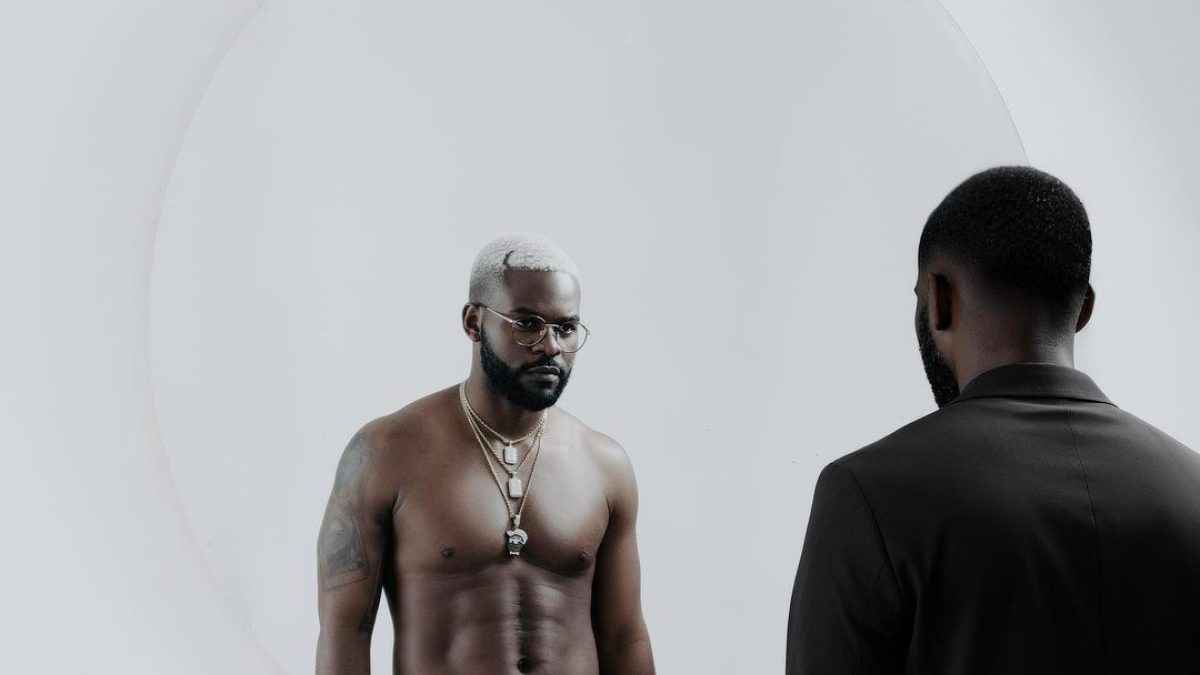
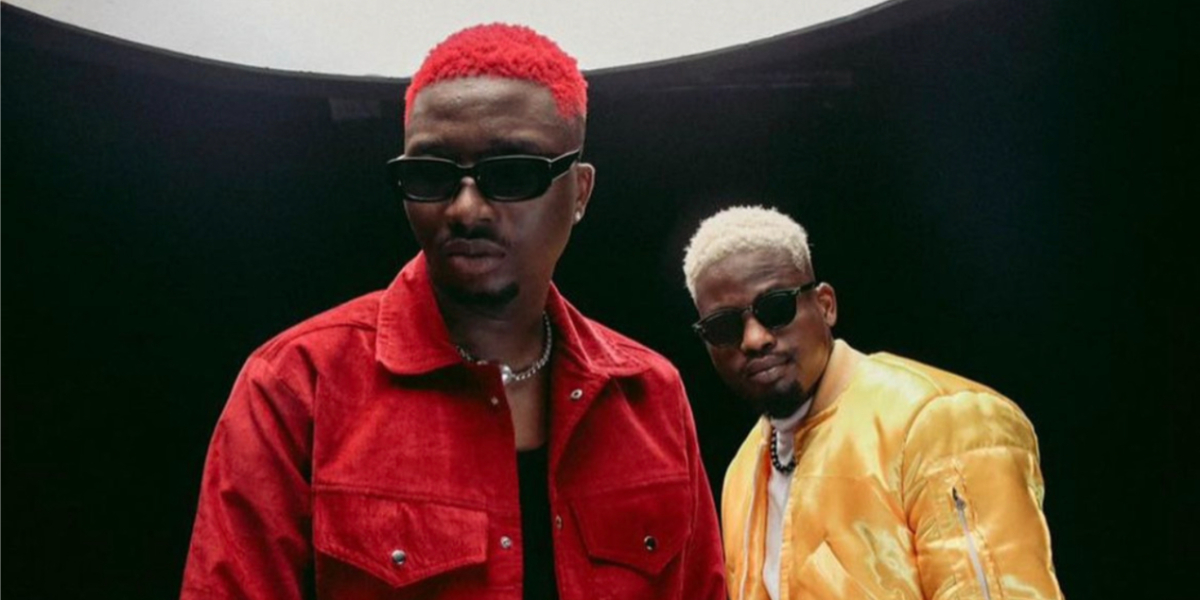
Essentials: Boy Spyce renders emotive tales on debut eponymous EP

These days, it’s become tradition for Mavin Records to unveil a new artist early into the year. A year ago, it was Ayra Starr, and before her, Rema, who were both launched into fantastic careers off the back of their debut EP’s. Last week, Boy Spyce, Mavins latest act, played to a similar tune by releasing a self-titled EP and following the path of the label’s previous signees. In usual fashion, the EP generated its fair share of buzz, but Boy Spyce was even more celebrated for reasons that may not be apparently obvious.


View this post on Instagram


A post shared by BOY SPYCE 🐰🤍 (@boyspyce)

While Boy Spyce may be new to some, the young artist has actually been inching towards this moment. Last year, the youngster’s cover of “Essence” was a regular fixture across social media, which earned the newcomer the attention of industry heavyweights along the line. In a little over a minute, the cover displayed the groove of his delivery, a soft voice that almost sounds too good to be true. Expressing the flair for storytelling, he described himself as “one broke boy from Isolo” before mapping the relatable story of being in love with someone who is beyond your social bracket.

So it came as no surprise when Mavin Records announced the artist’s onboarding. Boy Spyce re-entered the popular consciousness, but this time under markedly different terms. Now, he has a project helmed by some of the best professionals in the continent, and the ears of an ever-ready Afropop audience. As on previous freestyles and early records, Boy Spyce’s voice is stunningly vulnerable, conveying his well-crafted lyrics with necessary flushes of drama.

“Dreams” is a perfect opener, on which the artist flexes his songwriting skills by charting the trajectories of two characters, depicting the often striking ways people can grow apart. “Feel so incomplete, as you dey park your bag to leave/ And I dey look you through my window; boy you have to chase your dreams, you have a plane to catch by six,” he sings over the pensive, minimal production, subtle violin effects in the background. Some records were obviously crafted for the excitement of dancefloors. “Bad Things” follows the archetypical direction of sensual records, replete with coded talk and bad boy vibes. “Off your heels and your grey gown” is as descriptive as they come, and Spyce keeps his vocals on that pulse throughout the song, later singing “girl I’ll do some things to you/ many, many, many bad things.” Highlife-esque strings roll into bright drums on “Wayo”, with the artist hyping up a love interest in brazy fashion. Romantic affiliations are again centred in “Nobody”, and here his tender demeanour reaches perfect form when he sings on the hook, “Cos love no go work if your heart no dey beat/ The ship no go sail if your feelings dey sink.”

The EP closes out with “Destiny”, which is right now my favourite song off the tape. It’s not as though Boy Spyce’s lyrical abilities aren’t flagrantly captured across the other songs. What happens on the EP closer is the natural result of a man’s heart singing its truest melodies, finding lessons through his journey.

The lingo of Spyce’s Isolo area and his native Benin are combined to sweet effect as he sings of hard work and perseverance being necessary motors for success. “Person work hard you dey call am grace/ When you dey sleep, e dey work for rain”, he sings on the most quotable lyrics, with Andre Vibez’s mellow production setting a comfortable vibe which strengthens the song’s message.

With the track record to show, Mavin Records have seemingly mastered how to break artists into the market. Still, it is testament to their ingenuity that these eponymous debuts don’t sound overtly intentional. On his debut, Boy Spyce does well enough, breaking out on his own and showcasing his skillset. However, it fell short at some points, with beats that were too similar and repetitive. Nonetheless, his vocals and impeccable songwriting save the day as Boy Spyce is never shy to pluck the unlikely metaphor. With the clarity and wisdom in these songs, it shows that the best is yet to come and he’s surely one to watch out for.

Stream ‘Boy Spyce’ below.

Featured image credits/BoySpyce

What’s Going On: Death toll rises in SA, Egyptian court cracks down on female influencers & more

“What’s Going On” Tallies Notable News Headlines From Across The Continent — The Good, The Bad, And The Horrible — As A Way Of Ensuring That We All Become A More Sagacious African Generation. With This Column, We’re Hoping To Disseminate The Latest Happenings In Our Socio-Political Climate From Across The Continent, Whilst Starting A Conversation About What’s Important For Us To All Discuss. From Political Affairs To Socio-Economic Issues, ‘What’s Going On’ Will Discuss Just That.


Egyptian court cracks down on female social media influencers

Earlier this week, an Egyptian TikTok star named Haneen Hossam was sentenced to three years in prison after charges were brought against her for exploiting young girls on video sharing platforms. She was initially sentenced to ten years, but this verdict was later cut short with an additional fine of 200,000 Egyptian pounds ($10,740) being levied against her by the Cairo Criminal Court.

This is not the first time that Haneen Hossam will be arraigned in relation to exploitation and trafficking. Hossam was first arrested in 2020 and, along with another influencer named Mawada al-Adham, was sentenced to two years for “attacking society’s values” in online videos. She was detained after posting a video on Instagram explaining how women could earn up to $3,000 by broadcasting videos using the video creation platform Likee, which authorities interpreted as promoting women selling sex online.

Authorities have been cracking down on female social media infleuncers for some time now, with Hossam being the latest in the line of viral stars to face jail time. In recent times, several belly dancers and pop singers have been targeted over online content deemed too racy or suggestive. Egypt has over the past few years enforced strict internet controls through laws allowing authorities to block websites seen as a threat to national security and to monitor personal social media accounts with more than 5,000 followers. Last year, Amnesty International shared, “Women TikTok influencers are being punished for the way they dress, act, influence on social media, and earn money online,” said Amnesty International researcher Hussein Baoumi. “This is part of the authorities’ attempts to control cyberspace by policing women’s bodies and conduct.”

Death toll rises from SA floods

KwaZulu-Nataal is healing from one of the worst floods South Africa has faced. A state of disasteer has been declared as the government has deployed over 10,000 troops to assist the victims. The KwaZulu-Natal provincial government estimates that billions of rand worth of damage has been caused to properties and infrastructure, describing the heavy rains as unleashing untold havoc. Some communities have been completely cut off as major the roads to the port of Durban, one of the busiest in Africa, are impassable after the swollen river washed mud and debris onto the roads.

At the beginning of the year, the area was hit by two tropical storms and three cyclones in six weeks resulting to gigantic damage with 230 reported deaths. Currently the rainfall has eased up but the amount of rain which fell was equal to about 75% of South Africa’s average annual precipitation.Weather experts have said that climate change may be contributing to changing patterns and making such extreme events more frequent. The government is urging citizens to move to higher grounds and avoid building homes close to water bodies.

Nigerian authorities warn over viral schoolgirl video

This weekend, disturbing reports surfaced on the Internet after management authorities in Chrisland School VGC reneged on their duty of care to protect students during a school trip in Dubai. According to reports, in March, 76 students between the ages of 10-15 were selected to represent their school in the World School Games. During their trip, two underage students, both male and female (11 and 10 respectively) were performing sexual activities on each other, which was then recorded and circulated around the school.

At some point, school authorities caught wind of the video and allegedly subjected the young female student to three pregnancy tests without consulting her parents. According to the mother’s report, her underage daughter was also verbally abused and bullied with death threats if he told her parents what had transpired during the school trip. Shortly after news reached the media, Lagos State authorities swiftly moved to close down all branches of the Chrisland School franchise within the country. Following the closure, Chrisland authorities released a statement sharing that the case was being investigated by the relevant Ministries, Departments and Agencies, including the Ministry of Education, Office of Education Quality Assurance, Ministry of Youth and Social Development, Ministry of Justice and the Lagos State Domestic & Sexual Violence Agency, whilst the criminal allegations have been escalated to the Commissioner of Police.

Since news broke out, many have irresponsibly and illegally shared the clip containing child pornography online. While the case was shared on social media, the sensitivity of the matter at hand means that the identity of the victim must be protected. The Lagos State authorities have now warned against sharing or receiving child pornography as it carries a 14 year jail term. The Lagos State government have ordered for the immediate close of Chrisland school pending further investigation. Meanwhile the school is denying of any wrong doing stating they have suspended the male student involved.


View this post on Instagram


A post shared by Olorisupergal (@olorisupergal)

UN warns about drought in East Africa

The World Food Program has issued a drought warning in East Africa. Ethiopia, Somalia and Kenya are the driest they have been for 40 years and the rains have failed to materialise almost a month into the current rainy season. They are experiencing the driest conditions and hottest temperatures since satellite record-keeping began.

As a result, as many as 13 million people are currently experiencing acute food and water shortages and a projected 25 million will face a similar fate by mid-2022.Despite several warnings of the disastrous drought, funding has not been made available as the war in Ukraine has resulted to rise of shipping costs and fuel prices thus affecting wheat supply.

In November 2021, scientists at the Famine Early Warning System Network sent out a warning that an unprecedented drought in the Horn of Africa was impending if poor seasonal rainfall continued into 2022. Tragically, their prediction is turning out to be prescient.

Featured image credits/The Guardian

‘Blood Sisters’, The First Nigerian Original Series Is Coming To Netflix This May

Last year, EbonyLife Studios and Netflix began stoking anticipation for the first-ever Netflix Naija original series, titled ‘Blood Sisters,’ by sharing the star-studded cast list which included Nancy Isime, Ini Dima-Okojie and more. The crime-thriller which is directed by ​​Biyi Bandele and Kenneth Gyang is now coming to life, with a release date slated for May 5, exclusively on Netflix.


View this post on Instagram


A post shared by EbonyLife Studios (@ebonylifestudios)

According to its synopsis, the 4-part series tells the story of two best friends, Sarah and Kemi. Sarah is engaged to her dream man, Kola, however, their seemingly idyllic union has a dark side – Kola is a physically abusive and controlling fiancé. Despite Kemi’s vocal misgivings, Sarah is determined to press on with the wedding. On the day of the traditional engagement ceremony, tragedy strikes, unintentionally setting off a catastrophic series of events, finding both women on the run.

‘Blood Sisters’ is the first Nigerian original series on Netflix, following the multi-title deal between the streaming giant and Mo Abudu through her media house and production company, EbonyLife Media. The series also features some Nollywood veterans including Ramsey Nouah, Kate Henshaw, Uche Jombo, Segun Arinze and Joke Silva as well as well as Nancy Isime, Ini Dima-Okojie and Deyemi Okanlawon, and many others.

In an official press release statement, CEO of EbonyLife studios, Mo Abudu shared: 

 “Blood Sisters is a crime thriller, which is a new genre for us, so the prospect was challenging but very exciting! It was also a particularly unique and intense experience as we shot during the pandemic, but we remained committed to the vision we share with Netflix – to tell authentic and exciting African stories with superb production values.”

Watch the trailer for ‘Blood Sisters’ here

Featured image credits/

Songs Of The Day: New Music From Reminisce, Liya, Adekunle Gold & More

2022 is no longer a new year, and Afropop knows that very well. As much as the previous year was packed with scene-defining achievements, especially within the context of global growth, the only way to keep the momentum from falling off is for artists to keep reaching into their bag for great music that holds the ears and captures the hearts of millions of listeners across the continent and well beyond. That’s exactly what’s been happening, so much so that there’s hundreds of new singles, at-least one new must-hear album and a new smash hit every week.

Amidst this torrent of new music, the NATIVE is committed to highlighting the best releases you need to hear, and possibly add to your playlists. That’s the essence of our ‘Songs of the Day’ column. Earlier this week, we brought you songs by Phyno, Bella Shmurda, Olu Bliss and more. Today’s selection includes songs from Reminisce, Liya, Adekunle Gold, Simi, AV and more

Reminisce – “Overdose” ft Simi 

For his third official release of the year, veteran rapper Reminisce has tapped Simi for new single “Overdose.” The romantic number sees the singer pleading to his muse to remain with him while he figures out how to reinvent himself. On the Quebeat-produced record, he sings “oh baby tell me what you want, girl I want to know abi you no want to do again/The thing be say I love you die I hope you know, mo gbe e sori bi gele oreke lewa” on the pre-hook of the track. Simi steps in shortly and delivers a stellar verse, singing equally romantic lyrics to her muse. 

Liya – “Adua (Remix)” ft Simi 

Last summer, Liya presented to listeners her debut EP ‘Alari’, a 6-tracker which featured standout records such as “Melo” and “Adua”. Today, Liya is here with the remix for “Adua” as she features Afropop singer Simi to bolster the song to newer heights. Simi opens the record with her verse, interspersing her thin and beautiful vocals across the track as they both express their deepest desires. Over the song’s infectious production, both singers blend their undulating vocals seamlessly across the track. 

Tayc – “D O D O” (Adekunle Gold Version)

Singer, songwriter Adekunle Gold has arrived with a refix for French singer Tayc’s original record titled “D O D O”. On the record, Adekunle Gold switches the tempo of the track, making it more slowly paced number as he delivers a beautiful verse that rivals its original version.

AV – “Big Thug Boys Remix” ft. Jireel 

Following the release of his breakout record “Big Thug Boys”, Newcomer and Fresh meat Alum, AV has further amplified the record with a remix. The record features a guest verse from Swedish-Angolan rapper Jireel. The rapper adds a befitting verse to an already enjoyable track, as he sings lyrics such as “I can make you sing them high notes, I’m a lover girl no playboy/anything you want Imma give to you”, specifying his intentions towards his muse. 

J.Derobie – “Ato Me So” 

Ghanaian singer, songwriter and performer J.Derobie has arrived with his first official single of the year “Ato Me So”. The singer arrives with an uptempo Afrobeats track infused with elements of R&B on the production, as he quips his meaningful lyrics in his mother tongue.

Sefa – “Soft Life” 

Ghanaian singer and Black Avenue Muzik signee, Sefa delivers a new record titled “Soft Life.” The song sees the artist speaking on the good things of life that she deserves, from designers to money and wealth, over the memorable production of the record. She sings lyrics such as “so so enjoyment, put am for my waist/make i dey, make i count money” to paint a clear picture of her affluent and unperturbed lifestyle.

Lex Ash – “Sweet Me”

Singer, photographer and visual artist Lex Ash kicks off his musical year with new record “Sweet Me”, a slow tempo romantic number which sees the artist singing to his muse with sensual and melodious vocals. He sings lyrics such as “Cause every time  you call my phone I can’t help myself to pick the phone just to say hello/e just dey sweet me to hear your voice”, speaking on how she makes him feel. 

Buchi Davids – “Come Around”

Newcomer Buchi Davids kicks off his musical career with his first record “Come Around”, a mid tempo Afrofusion record which sees the artist singing to his love interest, and delivering a sensual message. On the track, he chants lyrics such as “tell me what you want baby talk talk talk, anything you need baby I’ll be right there”, over the melodious production of the Blaise Beatz-produced beat.

Featured Image Credits/NATIVE

The Shuffle: Revisiting P-Sqaure’s “Beautiful Onyinye Remix” With Rick Ross

The P-Square era is undoubtedly one of the most dominant in Afropop history. At the time, their unprecedented understanding of R&B filtered into dance-ready bops, earning them countless hits throughout the 2000s and the nascent years of the following decade. By the release of their fourth album (2009’s ‘Danger’), the Okoye twins had entered an echelon of superstardom unoccupied by anyone else in Africa. After peering into sold-out stadiums and seeing no new hill to conquer, they then set their sights on the international market.

To achieve this, the twin duo required new partners. And fittingly, Akon at the time was exploring the African music scene, especially Nigeria’s which had been shaping up to be the continental hotspot. P-Square signed partnership deals with the Senegalese superstar’s Konvict Musik and Universal Music Group, so naturally their network expanded. When African listeners heard Rick Ross’s gruffy vocals on the chords of “Beautiful Onyinye”, a new dimension seemed to have unlocked.

Coming halfway into 2012, the potency of the collaboration lay in its international vision. Having released their debut album in 2003, the twins were playing on steep turf as they entered their second decade. Their ability to continue excelling at the game needed a big showcase, and they didn’t come bigger than the rapper born William Leonard Roberts Jr. In an interview with Ok! Nigeria TV, Peter said they were chilling somewhere in Atlanta with Akon, when Rick Ross came in and he loved the vibe; apparently the original “Beautiful Onyinye” was Akon’s favourite song on ‘Invasion’.

Directed by their brother Jude “Engees” Okoye, the visuals of the remix were pretty unforgettable. It was shot in Miami and South Africa, embossing the calming blue of the sea in the mind. The song revelled in innocence, praising a love that has survived time and contributed to the lives of the characters involved. As always the twins evoked deep emotions with their storytelling, most likely influenced by their exposure to Igbo oratory. Adlibs and sentimental croonings also came into the mix, resulting in a record that glistened with hit potential, even among the other bangers all over that album.

On his verse, Rick Ross did well by keeping it simple. Carrying the language of hyper-capitalist brags into an Afropop love song didn’t have many precedents then. Which was part of the reason why the remix seemed so strange at first, but when one listened again, the idea stuck. Ross starts his verse with the affirmation “We fell in love on the first day” which, if you remember, used to be screamed like a prayer. Other lines followed with relative ease, exuding the charisma that made Ross so revered among African audiences. “We talking money here, you talking nonsense” was particularly popular, sketching the nonchalant exuberance many of us imagined to be the texture of celebrity existence.

If the remix of “Beautiful Onyinye” was a novelty at the time, there’s no doubt how commonplace such collaborations are now. Afropop has scaled gigantic heights to reach an undeniable level of acclaim internationally. Anyways, Rick Ross is a name which should come up more in discussions about international stars who were early admirers of Afropop. Though he didn’t trod the genre as frequently as some others, it speaks more to his respect for its true practitioners. His offerings have been sparse, but indisputably beneficial on artistic and commercial levels.

He delivered another lush verse on Yemi Alade’s “Oh My Gosh”, complementing her boisterous energy with lyrics that would sway any woman who’s already in love with you. Another thread of the rapper’s relationship with Nigeria rolls into “Hold Me Back”, a poignant visual shot during his visit to Nigeria in 2012. Its montage of documentary clips, live shooting in black and white soundtracked by the synth-heavy bass of 2010s American Hip-Hop provided an immersive experience at best, and a controversial one if considered sceptically: why does he choose to floss over pictures of slums?

Hip-Hop shares a strong relationship with Afropop, and the “Beautiful Onyinye” remix remains among its finest transcontinental showcases. Its impact was immediate and transcendental, a capsule into a period that’s remembered with cherry nostalgia. Just proving really, that music is the most effective calendar of our collective existence as Black people.

Featured image credits/NATIVE


ICYMI: How King Richard Loosely Portrays The Complexities of Black Fatherhood

Hot Takes: Real Housewives of Lagos, Flutterwave allegations & more

In the blink of an eye, the first quarter has burned through without respite and we’re now firmly planted, knee-deep, in April. The past few months have played host to some of the most absurd and head-spinning happenings we’ve witnessed in recent times. From Will Smith scuttling from his seat to the stage of this year’s Oscars ceremony to wallop Chris Rock with a slap, to the anthology of Oxlade’s sex tapes that circulated the Internet, spawning the most hilarious memes and reactions (#Spiderman).

The past few months have redefined the fringes of pandemic and lowered the bar for normalcy. As days become months, it has become clearer that this is reality and not a bizarre dream. The Academic Staff Union of Universities has been on strike for a little under three months, while episodes of nationwide power blackouts and fuel scarcities have become the new normal. Around the country, ritual killings, kidnappings and banditry are all on the rise. Recently, a train on course to the nation’s capital was attacked by terrorists, leaving many dead, some injured and others kidnapped without recourse or any glint of hope.

Even on a lighter note, the not-so-Super-Eagles crashed out of the AFCON tournament prematurely and fell at the hand of the Black Stars of Ghana in the World Cup qualifying tie. I saw a meme to this effect, a picture of a debilitated fallen eagle was paired with a caption that went along the lines, “What the Eagle gets when it thinks it can fly higher than a star.” This string of malaise even laid hold on our very own starboy who lost out on his two Grammy nominations to the shock and dismay of many.

Away from the news of doom and gloom, and in the spirit of “we move!” and “cruise no dey ever finish,” we bring to you another instalment of Hot Takes, the informally toned and incisive column where we dig into the most controversial and mind-boggling happenings in the pop culture scene. In this week’s offering, we explore topics such as — domestic violence in Nigeria, the corporate culture in Nigeria’s tech ecosystem, amongst others. Strap in and as I take you on an enthralling ride. 

What I’m listening to

At the moment, I’ve been listening to a lot of Hip-Hop projects, new and old ones alike. I’ve also been scouring the internet — like a drug addict in need of his fix —for exciting music — new, old, Rock, Classical… anything potent enough to stimulate me. Nigerian pop has been an arid desolate expanse for a minute though there are occasional sparks of excitement every now and then. However, these sparks are too sparsely distributed to trigger a fully blazing fire. I’m a huge Afrobeats nerd, so it sucks to have to turn elsewhere for succour, but it is what it is.

Over the past few days, I’ve found myself binging on Baby Keem’s The Melodic Blue’, bits and pieces of Kanye’s Donda’, Jaden’s ‘CTV3′ and Fivio Foreign’s B.I.B.L.E.’ Special mentions to ‘Made In Lagos’, ‘Rave And Roses’, “Lemonade” by Vince Staples  and this new Bia and J Cole collab dubbed “London”. Of all these music listed out, CTV3′ and B.I.B.L.E’ are the staples in my music pantry. 

Lagos can be incredibly fast-paced and crazy, and having music that primes you to cope with this can be a life saver. That’s where Fivio Foreign’s B.I.B.L.E’ comes in for me. Nigeria is also an incredibly difficult place to live in, and like most Nigerians, I often find myself scurrying around for an escape. Those who can afford it jet out every now and then for a breath of fresh air, a moment of respite. Others like me escape through music, and that’s where CTV3′ has come in handy of late. The tape puts me in a trippy, psychedelic-esque mood. When I’m fully immersed in the record, I feel like I’m slowly exalting, aloft in a breezy delicate mass of marshmallows. Except in reality, I’m either tucked in bed, squirming around under the covers or in an Uber headed to some location in the ever-bustling Lagos Metropolis. 

What I’m watching

Over the past few weeks, I’ve been incredibly busy, and as such I’ve been unable to commit to watching a series. Occasionally, I take out sometime to watch a movie. If I’m to be candid, what actually goes down is that I spend the first hour carefully doing reconnaissance and researching the movie to watch, before settling down to watch the movie. 

Last weekend I watched ‘CODA,’ ‘The Bubble’ and ‘Dune’. Interestingly, ‘CODA’ and ‘Dune’ were spotlighted heavily at this year’s Academy Awards, with ‘Dune’ picking up 6 awards. All three movies are incredibly enthralling. ‘The Bubble’ is a rib-cracking story set in 2020, about a movie-shoot during the pandemic that went horribly wrong. ‘CODA’ is the story of a girl from a deaf family of four, who’s passionate about singing. In the movie she struggles to balance pursuing her career as singer and helping out her family, all the while navigating love, platonic friendships and the intricately delicate web of social relationships that teenagers are often caught in.

‘Dune,’ however, was the highlight of my weekend. There was a lot of outrage and riveting discussions when the said movie made a clean sweep at the Oscars , raking in 6 awards, but after seeing it, I understand the hype and I think it deserves every award or acclaim it got at the show. From the costuming to the storyline, down to the cinematography and sound, everything was expertly executed. It’s one of those movies that slowly reels you into their cinematic universe, carries you along and forces you to think. 

Ketanji Brown Jackson becomes the first Black woman in the U.S. Supreme Court

Ketanji Brown Jackson recently made history by becoming the first Black woman to be admitted into the U.S supreme court of justice. For the longest time, the U.S supreme court mirrored the power dynamics of American society. For years, it consisted of only White upper-class males, over time the court has become slightly more diverse but it remains largely dominated by White men. For context, excluding the newly installed Ketanji Brown, only two other black people in all of America’s history have graced the Supreme Court. 

Currently, of the 12 actively serving members of the court, there are only four women (who are all white) and just one Black man. Given this backstory, it’s easy to see why Ketanji’s appointment to the court has raised so much dust and is already a huge historical moment. Given America’s reputation as a paragon of democracy and liberal values, this is a step in the right direction. Another interesting point to note is that the Senate voted 53-47 to confirm her appointment. This shows how divided the house was about setting this momentous precedent. A few years ago, talk of a Black female Supreme Court appointment would have sounded like a pipe dream, but even in this day that this has become a lustrous reality, opposition to this is still strong. This shows that there is still a mountain of work to be done.

Hopefully, in the coming years, greater strides will be made in a bid to achieve an equal society.

The Real Housewives are about to bring all the drama

written by Wonu Osikoya

The highly-anticipated ‘Real Housewives of Lagos’ is now airing on Showmax and it truly is full of drama as promised. Only one episode in and you can already feel the heat. The show follows the lives of five successful women Laura Ikeji, Carolyn Hutchings, Chioma Ikokwu, Toyin Lawani-Adebayo, Iyabo Ojo & Mariam Timmer, who are living intriguing lives and want more people to have a look into their lives. The show also flaunts money, riches and wealth in the faces of viewers. Marking the 16th version of the ‘Real Housewives’ franchise and the third in Africa, the Lagos franchise seems to be the most talked about so far as only an episode has steered so many conversations on social media.

I predict this season is certainly going to be as chaotic as you can imagine and also extremely interesting. So far, the season sees Laura Ikeji and Carolyn Hutchings as the most controversial and this is based on conversations and the discussions that have arisen from the pilot episode. Something I noticed while watching was Toyin Lawani’s attitude, you can tell she’s not ready to fake anything and she’s always ready to say things as they should be said, I’m predicting she’s going to be a character this season for sure.

It’s still quite early to discuss the many characters in the season but mid season, I should have hotter takes on this topic. In terms of production, I think the production team did quite well for the first episode and going forward, I hope to see more screen time on Laura, Iyabo Ojo and Chioma. The final character Mariam Timmer has not been introduced but hopefully by the next episode we should get into her character.

The continued terror of domestic violence in Nigeria

Last week Gospel singer Osinachi Nwachukwu’s life came to a painful end. The celebrated singer was most popular for her song “Ekwueme” which is a staple in Nigerian homes and churches and has garnered over 71 million views on YouTube. Initially, her death was attributed to cancer, but as the days turned, more details unraveled. Her death is now attributed to domestic abuse meted out on her by her sinister abusive husband. Based on multiple reports from friends, family (including her children), church members and neighbours, her husband was perennially abusive towards her — both physically and verbally — during the time they spent together. 

Following her death, social media has been beset by a wave of domestic abuse videos, bringing to cognition a looming dark reality of Nigerian society. Abuse is ubiquitous in Nigeria. A conspicuous ghost. When high profile cases, like this one pop up, the reactions are of utter bewilderment and shock, but abuse in this part of the world is so glaring and furnished that reactions of bewilderment border on cynicism. The shocking aspect of this case is the sheer number of people privy to the abuse that the late singer was perennially subjected to, and no substantive effort was made to rescue her from the snares of her abuser.

Nigerian society is communal and the notion of personal boundaries is a woozy one — people unobtrusively comment on everything and actively wade into other people’s business, but when it comes to issues of domestic violence everyone looks the other way. Elderly ones will offer lengthy sermons if you do as little as dye or cut your hair in an eccentric way, but insipidly splurt “It’s their personal business” when they come across issues of domestic violence. Ironic. 

People experiencing domestic violence are physically and mentally debilitated and they need the strength of a community to lift them from the ravine they’re stuck in. Thankfully, her husband has been arrested and the police are investigating the case. 

On the corporate culture at Flutterwave 

Over the past few weeks a slew of high-profile Nigerian tech startups —including Bento Africa and Kuda —have come under fire for their chaotic corporate culture. Flutterwave, Africa’s gleaming tech unicorn is the latest tech startup to join the fold. In a sensational article decorated with lustrous CIA-esque receipts and documents, popular investigative journalist David Hundeyin alleges that the CEO of Flutterwave — Olugbenga Agboola who goes by the alias GB — is guilty of financial crimes including insider trading, fraud, sexual impropriety, amongst other things. 

The article has been a hot point of discussion and more details of the case are unraveling in real time. While David has been issuing retorts to those looking to poke holes or demand better ethics in his reportage, Flutterwave has been playing the silence game, refusing to publicly engage even though some have called for them to sue on grounds of defamation. Whether David’s story is a sensational ball of fluff or it has real substance to it, it’s the latest instance that sends a message to horrible bosses across the country — there are repercussions for the horrible practices that go on within workplaces. 

Tory lanez continues to harass Megan

In 2020, Tory Lanez shocked the whole world when news made out that he allegedly shot at Megan Thee Stallion. Two years later, he continues to leave us stunned. Lanez was taken into custody early this month after a judge ruled that he violated protective orders in his first assault case where he was charged for allegedly shooting  Megan. Back in February, Lanez wrote in a now-deleted tweet,  “Good d— had me f—ing 2 best friends, and I got caught, that’s what I apologised for … it’s sick how u spun it tho.”

According to the judge, the tweet was a violation of the protective order restraining him from contacting or publicly mentioning his ex. He was ordered to pay a fine of $350,000, and his trial is poised to be held in September. This case spotlights how persistent, subtle and insidious abusers typically are. Even after shaking them off, they constantly manipulate their way back to dole out the same damage they did before. This has been the trend in a couple of high profile celebrity cases of late. If rich and powerful survivors of abuse find it difficult to wrangle free from the clutches of their abusers, how much more the average person being abused. Survivors need as much help and support as they can get. 


ICYMI: HOMECOMING RETURNS TO LAGOS THIS EASTER FOR ITS FOURTH EDITION

AV Club: How King Richard Loosely Portrays The Complexities of Black Fatherhood

The 2021 biopic film ‘King Richard’ follows the story of tennis coach and father of two Black athletes, Richard (played by Will Smith), as he raises Venus and Serena Williams to stardom. The father of perhaps the most famous tennis players in the world, his story is a particularly unique one. Over the years, through the ever-present media, Richard was known for his strict methods and attention-grabbing personality, famously interrupting an interview to tell off a reporter that was questioning Venus’s confidence in her own ability. All of this made him a controversial figure and a complex character to bring to the big screen.

The film starts off with Richard Williams living in Compton with his wife Oracene and their children, including Oracene’s daughter from her earlier marriage alongside Venus and Serena. Richard is shown to be intensely focused on his children’s success, coaching his daughters, and encouraging them to practice in unfavourable conditions, even in the rain. He’s committed to their professional and personal growth, as he continually attests that he had mapped out their lives, before they were even born. Throughout the film, Richard’s fervour as a father is portrayed through Smith’s impeccable acting as he showcases even Richard’s most questionable decisions, such as pulling Venus out of tennis matches without first informing her.

Smith’s strong suit is in his ability to loosely encapsulate the complexity of the man. Whether that’s through his interaction with other characters, including those with his wife Oracene, played by Aunjanue Ellis, captured in their heated arguments about his self-centredness and his children from his first marriage, or through his daughter, Sabina who has since gone into more detail about his apparent abandonment of her, her siblings and her cancer afflicted mother. She has expressed disappointment in the lack of mention of her existence at all.

All through the film, the idea that Richard Williams is not the perfect father figure is casually reinforced, no matter how involved he seems to be in the lives of Venus and Serena. We’re reminded that Black fatherhood is complex and there is never any one-fix guide to parenting. However, while these ideas are loosely touched on through depicting William’s flaws, ‘King Richard’ misses an opportunity to explore how being a dedicated father to some of your children does not make up for pain caused in the past. It could have even been discussed whether or not his possible failures may impact how much he wants to get it right with Venus and Serena.

The film seemed unwilling to make him anything other than a good but slightly misguided man, doing a great disservice to telling the whole story, in all its complexity. It is understandable that the creators were unwilling to portray him as a stereotypical Black ‘deadbeat’ father. But glossing over the more unsavoury aspects of his life feels disrespectful to the real people hurt by him.


View this post on Instagram


A post shared by Will Smith (@willsmith)

The lack of focus on these less glamorous parts of his life brings up the age-old issue with biographical films. As we’ve seen previously from biopics such as ‘Finding Fela,’ these films often have a tendency to visibly inch away from fully exploring the complexities that made up the man. ‘King Richard’ seems to fall to the same fate, either choosing to rush or skip over parts of William’s journey that would have been instrumental to peeling back his more complex layers. 

Aside from Richard’s family drama from his previous marriage, it would have been interesting to see how the Williams family adjusted to their move to from Compton to a more affluent neighbourhood in Florida. In its place, what audiences are left to see is glimpses of this change and how it affects Richard and his children, through their interactions with families at the very white, upper class tennis clubs. Instead of confronting these changes, ‘King Richard’ time jumps from the family’s arrival in Florida to scenes of them settled into their new life, done possibly to steer the story towards the final climatic tennis match. 

Despite its shortcomings, ‘King Richard’ stands out in other areas. Director, Reinaldo Marcus Green showed his dedication to making this a feel-good film by making many stylistic choices that felt positively cinematic. Most of the scenes in ‘King Richard’ were shot by cinematographer, Robert Elswit who set out to portray the warmth of a comforting 90’s movie, which is fitting for a film set in that decade. Golden sunlight constantly shines over the Williams family as they go through high points and low points. The film’s lighting as well as the sound design makes it an immersive viewing experience, allowing the audience to be transported to a warm California day with the family.  It is very unusual to get something so warm, feel good and inspirational about a Black family but ‘King Richard,’ goes the mile with the Williams.

The performances were a standout on this film. Will Smith played the titular role with an expert portrayal of the real Richard William’s mannerisms and speech, which can be seen through past interviews of the tennis coach and father. Smith’s level of dedication to portraying the character could also explain why it was easy to root for Richard even at his low points. However, his familiar Will Smith-isms also caused a problems as it was sometimes difficult to simply see Richard Williams and not Will Smith playing Richard Williams. Nonetheless, Smith still gives an enjoyable performance, culminating in his win at the Oscar’s for Best Actor in a leading role last month. 


View this post on Instagram


A post shared by King Richard Film (@kingrichardfilm)

Another defining quality in ‘King Richard’ is the film’s impeccable dialogue between the characters, which felt naturalistic. In the film, many characters stammered and spoke over each other, in ways that made it feel like you were listening in on real conversations. Despite its non-linear nature, the dialogue, as well as the plot overall, still felt very focused as it honed in on a Black family in America taking us from William’s ill conceived plans for his daughters to the arduous process of fashioning them into superstars. Zach Baylin, the film’s script writer echoes this about the plot and dialogue, saying in a recent interview with The Wrap, that “I had to let the audience know about the inception of the plan and how insane and improbable it was, but also to make it feel urgent, which was tricky.” 

Overall, ‘King Richard’ is a film that feels familiar in a lot of ways, and that is not necessarily a bad thing. Despite not doing a huge amount to stand out from the stereotypical sports biopic, the film excels in its loose portrayal of the complexities of Black parenting. Its familiarity is comforting, in a way that many viewers would desire from a film such as this. The performances, writing and creative direction make it extremely competent in portraying the lives of the Williams, one of Black America’s premiere family units. In all, it gives Black audiences an aspirational film, that’s been reserved for white audiences over years. For that alone, ‘King Richard’ is definitely something to be appreciated.

You can watch ‘King Richard’ here.

Featured image credits/Deadline

Cruel Santino Shares Video For Gus Dapperton-Assisted “Beautiful Nothing”

Last month, after a three wait since his debut, creative polymath released his sophomore album, ‘Subaru Boys: FINAL HEAVEN,’ a collection of new but familiar sounds that found the rapper finding fresh musical language to tell us about the tensions of his life.

Since its release, we’ve been eagerly waiting for him to share more details about the intergalactic world he created, as he has continuously whet appetites by teasing new films and skits from Subaru World. A month later, that dream is now a reality as Cruel Santino officially begins revealing more layers to his artistic mosaic. 

Arriving today, Cruel Santino has now shared the video for the Gus Dapperton-assisted single, “BEAUTIFUL NOTHING,” one of the early standouts off his sophomore album. The vibrant new video, which was directed by Santi himself, is a visual feast that finds him performing his verse alongside a colourful all-female band (possibly called the Subaru Girls).

As Cruel Santino performs his verse, we see varying kaleidoscopic scenes of the singer, accompanied by his band, in an introspective state as they ponder on lost love. With melancholic lyrics such as “Now I’m freezing in the cold and I’m looking at nothing/You said that you were mine and I’m looking at nothing,” Cruel Santino delivers a video that mirrors the coldness he feels from a lover, as he flirts with icy winter motifs. In the video, Gus Dapperton is also seen in a chilly setting, delivering his verse with his muse by his side, as clips of Santi flash in and out of focus, putting on display a taster course of the cinematic genius Cruel Santino has to offer.


View this post on Instagram


A post shared by santi (@cruelsantino)

Featured Image Credits/instagram

Songs Of The Day: New Music From Bella Shmurda, Hermez, Darkoo & More

2022 is no longer a new year, and Afropop knows that very well. As much as the previous year was packed with scene-defining achievements, especially within the context of global growth, the only way to keep the momentum from falling off is for artists to keep reaching into their bag for great music that holds the ears and captures the hearts of millions of listeners across the continent and well beyond. That’s exactly what’s been happening, so much so that there’s hundreds of new singles, at-least one new must-hear album and a new smash hit every week.

Amidst this torrent of new music, the NATIVE is committed to highlighting the best releases you need to hear, and possibly add to your playlists. That’s the essence of our ‘Songs of the Day’ column. Earlier this week we brought you songs by Focalistic, King Perryy, Yemi Alade, DJ Neptube and more. Today’s selection includes songs from Phyno, Bella Shmurda, Olu Bliss and more.

BELLA SHMURDA – “MANY THINGS”

Bella Shmurda is the voice of the streets. Horns have prominently featured in Afropop releases of late and on Bella’s new affair, it’s paired with uptempo percussions. The result is a party-lined bounce, with Shmurda’s signature vocals spazzing above to tell his success story. “Enemies dey vex say the boy dun blow,” he sings gingerly, following the aspirational direction of his most popular songs.

Olu Bliss – “My Jam”

Nigerian-born Olu Bliss creates cathartic records, steeped in pristine sounds influenced by R&B and Soul. He recently released ‘Sun Sonata’, a colourful EP drenched in positivity and self-love. With a range that echoes Silk Sonic’s recent experiments, “My Jam” is a rather measured dive into a slow groove, with relaxed drums inspiring Olu to sing masterfully about the music he loves.

HERMEZ FT. MAUIMOON & SUTE IWAR – “SUGABLU”

The music of Hermez plays within the eclectic, mid tempo rhythm familiar among alternative acts. His new release features the prolific Sute Iwar and Mauimoon, combining their vocal abilities for a chill vibe. “Can’t let you go, gat’s to show you/ Think you should know, I adore you,” goes the chorus, moving with a sort of seductive tease you’d enjoy when listening alongside someone you’d risk it all for.

Phyno – “Ikepentecost” ft. Flavour

‘Something To Live For’ was one of the standout rap releases of last year, again underlining Phyno’s willingness to play the long game with his career. That album featured “Ikepentecost”, collaborating with longtime associate Flavour over sizzling production inspired by the Ogene sound. On the just-released visual, TG Omori casts both artists in scenes of splendour, featuring a couple of notable cameos as well.

Camidoh – “Sugarcane (Remix)” ft. Darkoo, King Promise & Mayorkun

Ghanaian act Camidoh unites an all-star feature cast on the remix of “Sugarcane”. The song’s mellow production takes partly from Highlife-style percussions and guitar licks, beautifully carried by the musicians’ obvious chemistry. Each brings their distinct flavour, uniting to sing of a love interest who’s not returning the affection. Camidoh’s chorus is especially poignant when he sings “Man dem suffer to find your love, Girl you never know you’re kongo aso”.

Vudumane – “Walai”

Ghanaian act Vudumane explores the layered fields of Amapiano on his latest record. “Walai” embraces all the elements that has made the genre one of the most recognisable in the world today, while Vudu’s singing toes its own path, strong and easily flowing into the hypnotic log drums you’d hear on this.

Featured image credits/

Essentials: Detailmadeit realigns with his vision on ‘O.T The Mixtape, Vol. 1’

Detailmadeit belongs to a community of Abuja-based rappers, but he’s also a businessman. Never forget that. When we last spoke with him, a single with Baby Fresh and DJ Neptune was newly released, a colourful exploration of Afropop melodies. He also made clear his goals for art, which doesn’t revolve solely around the craft, but angles for broader reach across cultural platforms. 

That spirit has followed his vivacious raps atop thumping basslines, elevating Detail’s name among his home audience. Still, with sights on the world, the 26-year-old who fronts Galaxy Records has to make moves. On his just-released ‘O. T The Mixtape, Vol. 1, you get the sense of a man creating his path in the world, expressing himself through an art-form that shaped his core values. 

Understanding the saturated state of today’s charts, every song courts brevity in a way that makes the lyrics more urgent. His beats hammer into the brain, with sonic elements that range from vocoders to whistles, often carried by a menacing bass. “CHECKMATE” opens the mixtape, a blend of dark and groove which finds Detailmadeit cutting into the flaws of his opponents with the skill of a professional chess player. His values are reiterated as he addresses the Abuja rap scene, doubters of his pen game, and other relative subjects. “Been putting in work since 2010,” he raps, later on acclaiming he’s been “throwing these jabs like Tyson”.

He’s similarly focused on the other songs, sketching the trajectory of his journey at every turn. Of course, considering ‘OT’ is a slang which hints at being streetwise, Detailmadeit packs ounces of game into his bars, making their otherwise simple framing to become more poignant and relatable. “ROAD TO RICHES” takes what sounds like the twang of a Mexican guitar, adding bouncy drums and a wailing effect to its beat. “It’s a real shame if you not on my side,” raps Detail with Migos-esque bounce, his confidence hot and flaming. Tinged with a confrontational hue, he comes off as someone sure of his success and could do with less groupies. The depth of the percussion is thinned on “BEAST MODE”, allowing Detail to cover more details with his lyricism. “All of my niggas they bullies/pull up on you and get busy”, he raps with the menacing tone you’d expect from such a bar.

The last pair of songs on the tape are “GLIDE” and “STEPPINGS”, both distinct takes on the established template of Detail’s drums here. Last year the latter was released as a single, a song inspired by the popular urban phrase ‘Oluwa, protect my steppings’. I like “GLIDE” better, which is perhaps the highlight of the mixtape. Matching the record’s title, Detailmadeit reaches pure form with his flow, touching unexpected pockets with effortless mastery. After flexing his way through the song, his verse ends with, “never seen a ABJ rapper this real, military with the drills”, on the other side a robot-voiced film sequence rolling.

With the NATIVE recently publishing an in-depth feature on the Abuja Drill scene, ‘OT The Mixtape, Vol. 1’ further showcases the breakthrough qualities of its larger communities: heavy focus on craft and a work rate everyone could emulate. At this point, it’s just a matter of time before more stars from that universe emerge to illuminate the mainstream soundscape with their blistering light.

Listen to ‘OT The Mixtape, Vol. 1’ here.


ICYMI: WHOISAKIN RETURNS WITH NEW TWO-SONG PACK, ‘AFTER THE FULL MOON, BEFORE THE BLUES’

Odunsi The Engine, Yves Tumor & more slated for Mowalola-curated STUDIO X

Lagos in December is (in)famous for its flurry of events. From music festivals to social gatherings, the final month of every calendar, over the last half-decade, is a raucous affair. As thrilling as it can be, the concentration of these events within a 2 to 3-week span has led to a dearth of mid to large scale concerts and other music-centric events.

April, specifically the Easter weekend, might be providing a viable counterpoint, especially with the prominence of festivals like Homecoming and Gidifest, as well as increasing number of live shows.


View this post on Instagram


A post shared by DriP Gawd (@mowalola)

At the top of this year’s Easter weekend, accomplished designer, nascent experimental rap artist and Issue 004 cover star Mowalola is curating a live show experience, tagged STUDIO X. Featuring an impressive cast of genre-averse and genre-mashing artists, STUDIO X is being described as an experiential and immersive avenue “where artists and audiences can engage in unique ways.” The bill of performers include American experimental music savant Yves Tumor, musically boundless all-round polymath Odunsi the Engine, Mowalola herself, vibrant rap artists Maison2500 and SGawD, and more.

With a line-up that involves artists who prioritise unbridled expression over conventional musical styles and practices, along with Mowalola’s established nous for curating memorable events, STUDIO X has the right recipes to leave a mark on concertgoers looking to rage and rave. STUDIO X will unfold at Ultima Studios, Lekki, on Thursday evening, April 14, from 6pm. You can get your ticket(s) here.


View this post on Instagram


A post shared by STUDIO X – 14/04/22 (@soul.tv.life)


ICYMI: READ OUR MOWALOLA ISSUE 004 COVER STORY

For the Girls: How women’s place in Kenyan music continues to evolve

To many, the Kenyan music scene is an enigma. Over the years, emerging sounds from the East African country have occasionally caused international conversations with the raging rise of Shrap and an inventive take on Drill, adding to its vast palette. While music from Kenya has sometimes been left out of the picture, the scene is undeniably sprouting, but at its own pace.

For years, Kenyan music has been heralded by a long line of male artists. Reggae artist, Hardstone is considered the godfather of Kenya’s contemporary urban music released, with the seminal impact of his Hip-Hop-fusion album, ‘Nuting but de Stone’. Teaming up with prolific producer Tedd Josiah, he ruled the Kenyan airwaves with the timeless hit, “Uhiki,” with its remix even receiving international recognition via its placement on the 2003 ‘African Groove’ compilation released by New Orleans-based record label, Putumayo World Music.

Concurrently, producer Clemmo and rappers Jua Cali and Nonini were crafting Genge, an alchemisation of Rap and Dancehall with a distinctly Kenyan verve. To a large extent, the evolution of Kenyan music has been defined by its Hip-Hop influences, with Khaligraph Jones reigning as the perennial king of Rap, alongside male rappers Octopizzo and King Kaka. However, the terrain has diversified greatly, widening to accommodate a panoply of sounds and a multiplicity of artistic inclinations. 

In recent years, there has been the outburst of Alt Nai, a predecessor of Nu Nairobi, which has grown through urban artists whose music cannot be put into a specific category. They focus on the importance of the city’s own impressive set of sounds, championed by rising acts such as Karun and EA Wave. This liberal approach is helping the democratisation of the playing field, ensuring that it is not totally dominated and defined by the men. Finally, the long-awaited renaissance of women involvement in Kenyan music is becoming more pronounced than it has ever been. 

Around the turn of the millennium, Kenyan music was dominated by Ogopa Records and Calif Records, two power players who provided the necessary foundation. At this time, the mainstream was filled with back-to-back hits from the controversial Genge to fan favourite R&B, and it was in these conditions that the greatest women to pioneer Kenyan music were born. 

In the early 2000’s, all Kenyan channels broadcasted Niangalie,” the debut single from the Kenyan singer and songwriter, Wahu which gained regional recognition from all over Africa. At this time, female artists were a fairly new to the industry, and the then-20-year old Wahu was among the first female artists in contemporary Kenyan music. Her enticing vocals and larger than life stage presence brought the spice Kenyan entertainment was missing: women.

Ogopa Records was also flourishing with their next big hit, Amani. Known for her sultry singles and catchy hooks, singer Amani released instant hits that catapulted her to mainstream success, receiving public nods and even collaborations from household names, like the Nyashinski-assisted Bad Boy in 2005. Wahu and Amani became jewels adored by Kenyans as they brought home not only recognition but also regional awards, each winning Best Female at the MTV Music Awards in 2008 and 2009, respectively. These were important precedents and breakthroughs that signalled that female artists could showcase their craft and reach wider audiences.

While R&B and Genge were the main Kenyan music export, a reggae and rap group dubbed Necessary Noize was in the making. Consisting of Wyre and the gritty Nazizi, the dynamic duo vibe they had was what the industry needed. Sprouting with Hip-Hop and Reggae tracks, it was impossible to ignore Nazizi. Whether it was her punchy cadence as she flowed over the 808’s, or her androgynous image complemented with shoulder height dreadlocks, she expressed a level of autonomy that may not have been typically associated with women in Kenyan music.

This was made clear in the defining Kenyan Boy, Kenyan Girl,” where she made it okay for women to make the first advance in romantic situations. Dubbed by the Kenyan streets as the “First Lady” of Kenyan Hip-Hop for her crisp and incisive flow, Nazizi challenged the African social construct and the role of women in society. Eventually, Necessary Noize disbanded and Nazizi continued as a solo artist with several Ragga songs, while refusing to put the mic down, as she still works as a radio presenter. 

Since Nairobi is the capital city of Kenya, it is unconsciously seen as the hot bed of music, but in Mombasa, a storied genre known as Taarab, which was pioneered in the 1920s and consists of Swahili and coastal soundbeds, was being updated by a younger generation of artists and was making waves in the 2000’s. At this time, Kenya’s Nyota Ndogo was a lyrical Taarab genius in the making. Inspired by a popular local rap group K-South, she took the entire East African airwaves by storm with popular Swahili tracks that engaged social topics, like one of her signature hit tracks, “Watu na Viatu” which touched on corruption, injustice and hate among peers. Still an active artist, Nyota Ndogo represents Kenya in various festivals in East Africa including Sauti za Busara and Ziff in Zanzibar. 

Around this time, circa 2005, Califf Records was still enjoying its dominance in the music scene, a period when mainstream airplay was tilted greatly towards local Genge tracks. Playing their hand, Lady S, Chokuu and Ratatat were the perfect female trio behind the Calif Angels. They inevitably set the tone for other female emcees coming in behind them. Calif Angels created the way for females to be menacing, gritty and appreciative of their sexuality.

Among their many achievements, Lady S is also credited for bringing a new flow to Kenya’s widely popular sound, Gengetone, which many wrongly attribute to male icons such as Nonini and Jua Kali. Historical inaccuracies such as this tend to happen often, due to Kenya’s lack of tangible music archives. As time went on, many of these female pioneers either put down the mic, passed away unexpectedly or faded to the background, with no way to find them. In turn, this brought a vast gap that would take years to fill as the record labels also faced uncertain futures. 

A shift occurred in 2011, with the advent of the digital age, and the growth and easy accessibility of the Internet. Women began unlearning the language of patriarchy. They learnt they could speak out against inequality and call out men for their indecent behaviour. It was during this period that artists such as Avril and Marya teamed up for the anthemic number, “Chokoza.” Seen as the new generation of female leaders in music, they set out to revert the norm that male dominance had asserted itself in the industry and instead, proved it to be toxic with songs armed with egalitarian principles.

From unsavoury sexualisation to inequality, this new generation of female artists faced a hard time breaking through to the public. At the same time, the media constantly pit women against each other, creating the misconception women can’t support each other. Even as recently as 2017, women in the Kenyan industry ensued in various diss raps against each other, further muddying the conversation on the role of women in Kenyan music. 

As much as the industry seems ungiving, artists such as Muthoni The Drummer Queen cropped up, calling out social injustice and giving space for a new wave of Alternative musicians. She organised an event dubbed ‘Blankets and Wine’ that looked to support the alt side of music, which was catering to broader public tastes that were looking beyond the orthodox Hip-Hop and Genge genres. 

At the same time, the cutthroat male-dominated industry provided a few allies such as King Kaka, who gave women a platform on a cypher dubbed “Ligi Soo,” and signed female rapper Femi One to his Kaka Empire music label. It was a notable development at a time when Hip-Hop was deemed to be a man’s game, which is ironic, as we had Nazizi once ruling the airwaves in the early noughties. 

At the moment, the scene is experiencing a medley of new female artists. Karun, who is seen as the forerunner of this new generation, is effortlessly breaking barriers as she was recruited in the inaugural class of the EmPawa 100 initiative, alongside fellow Kenyan R&B/Pop riser’s Xenia Manasseh and Maya Amolo. The women are currently asserting their position in the Kenyan scene through strategic collaborations. In 2020, Xenia Manasseh was a contributor to Teyana Taylor’s project, The Album’, while both artists made searing appearances on “Say You Love Me” off British-Ghanaian producer Juls’ 2021 album, Sounds of My World.

More young female artists are cropping up bringing new ideas, sounds and artistic approaches. Nikita Kering recently won the Best Artiste R&B/Soul Award and Best Female Artiste East Africa Award at the AFRIMA 2021 awards, on the back of her chamber-filling voice, R&B-inflected tracks, and pop balladry. There’s fierce and dynamic rap artists like Groovy Jo, Ssaru and Silverstone Bars injecting a fresh edge to the Kenyan hip-hop scene, while producer-DJs like Coco Em and [MONRHEA] are increasingly integral to the inventive verve of East Africa’s Electronic music scene.

Veterans in the industry also have a huge role to play as they support upcoming women in the industry, and they’re playing the part. Last June, Fena Gitu rallied the gutsy Valerie Muthoni and uniquely talented Maandy for an empowering track titled “P*ssy Power,” while Sanaipei Tande lent her vocals to Nadia Mukami’s electric single, “Si Wangu” in late 2020. 

Today, the presence of women in Kenyan music continues to rapidly develop. As more female voices come up, and more veterans offer guidance and continuity, there is increased hope. We’re now firmly coming into times where there is more recognition of women from the listening public, helping to break biases and fully ushering in a new norm.


FOR THE GIRLS: NANA DARKOA SEKYIAMAH WANTS TO HAVE FRANK CONVERSATIONS ABOUT SEX

Best New Music: Tshego unites Nasty C & Nadia Nakai for the anthemic “Money Machines”

Tshego established himself among South African audiences as a producer and rapper in the mid 2010’s, appearing on songs alongside the nation’s most heralded stars such as the late Riky Rick, King Monada and Cassper Nyovest, whose ‘Family Tree’ imprint was home to Tshego.


View this post on Instagram


A post shared by T⚡️H E G O (@tshego_worldwide)

At the time, Trap was making a rise among young audiences, and many musicians tapped from its source, pairing boisterous 808’s with emotive brags which were burnished with introspective storytelling. Tshego’s music played at this intersection, his ‘Pink Panther’ debut, was one of the remarkable releases of 2019. Across its fifteen songs, he united distinct features from Tellaman to Focalistic, playing the curator with his obvious hang on production. Also clear from his growing catalogue was his passionate perspective, often resulting in raps that weren’t the most technical but nevertheless held supple amounts of heart and humour.

In-between then and last year, Tshego has been busy. In July, he released a three-song package aptly titled ‘3 Piece’, featuring Shekhinah on the soulful “MY FAVOURITE SONG” while Blxckie and Flvme form groovy alliances on “NEW”. Down to “ONLY IF YOU LIKE THAT”, Tshego’s sunny take on Trap creates music that is imbibed with all the glitz of upscale SA cities while possessing strong emotional pull.

Last weekend, the latest project from Tshego saw its release. Right from its cartoon artwork, ‘El Pantera (The Return Of The Catalog)’ evokes the feel of a mixtape. It’s typical of rappers to play down anticipation by following the loose inspirations of their heart, and that’s what Tshego does across seven songs. Mirroring the sunny quality of its artwork, the tape’s soundscape is vivid and colourful, summarily flexing the celebrity lifestyle of Tshego and friends.

It’s indeed an intimate affair, the trio of Cassper Nyovest, Nasty C and Gemini Major appearing on multiple songs. There are a number of standouts, but none captures the ground-raising energy of the EP like “Money Machines”. Featuring the duo of Nasty C and Nadia Nakai, Tshego’s uptempo production sets the template for their unique vocal contributions.

Having delivered a stellar verse earlier on “Tell Em Say”, Nasty C settles for hook duties here, while Nadia Nakai’s autotuned voice conducts the finesse in lyrics such as “Stacking bricks, take care of my mansion/ I ain’t listening if we ain’t talking Rands son”. Tshego is even more confrontational, reminiscing about the days he “used to get fed, now I feed em”, then at the other end of his verse rapping with what I imagine would be a smirk, “Dropped a nigga clean like we mopped it.”

There’s no doubt that it’ll be a busy year for South African rap, with heavyweights such as Blxckie and Shane Eagle already dropping projects a quarter in. With Tshego making his three-year return to the form, he’s again elevated himself to the highest tier of rap discussions, in and around South Africa.

Stream “Money Machines” below.

Featured image credits/AfroNaija


ICYMI: Black Sherif debuts at No.1 with “Kwaku The Traveller”

TurnTable Top 50: Black Sherif Debuts At No. 1 With “Kwaku The Traveller”

Following the release of the Burna Boy-assisted hit single “Second Sermon Remix” which piqued the attention of listeners across the continent, Ghanaian drill rapper Black Sherif has made another sizable dent with his latest single, “Kwaku The Traveller”.

This week, “Kwaku The Traveller” debuted at No. 1 on the Turntable Top 50 chart, as Black Sherif becomes the first non-Nigerian artist to reach No. 1 with a solo entry and the second Ghanaian artist to reach No. 1. The song tallied 5.18 million equivalent streams on streaming and 10.2 million in radio reach. “Kwaku The Traveller” is only the second Hip-Hop/Rap song to reach no.1 on the chart, joining 5-week No. 1 “Feeling” by Ladipoe and BNXN fka Buju.


At no. 2 on this week’s TurnTable Top 50 is Rema’s “Calm Down,” leading the radio chart for the seventh consecutive week with 47.8 million in radio reach. Asake’s “Sungba (Remix)” with Burna Boy drops down two spots to No. 3 after topping last week’s chart. Asake’s two No. 1 entries have both spent only one week each at No. 1 so far. Pheelz and BNXN fka Buju’s “Finesse” holds at No. 4 for another week—after topping the chart for 3 weeks, while Skiibii’s “Baddest Boy (Remix)” with Davido falls from 3 to 5, remaining the longest No. 1 single of 2022 having spent five weeks atop the chart.

At No. 6 this week is Asake’s Olamide-assisted “Omo Ope,” while Fireboy DML’s “Playboy” slips to No. 7 after it debuted at No. 5 last week. Following increased activity on his growing catalogue and the ripple effect of his new No. 1, Black Sherif makes another top ten entry on this week’s TurnTable Top 50; his collaborative single with Dakoo, “Always,” jumps from No. 23 to No. 8 following increased activity of the Ghanaian’s discography in Nigeria during the tracking week. “Always” becomes the first collaborative effort by multiple non-Nigerians to reach the top 10 in chart history.

Rounding out the top ten on this week’s TurnTable Top 50, Omah Lay and  Justin Bieber’s “Attention” descends descends two positions to No. 9 after peaking at No. 4, while Joeboy’s “Cubana” debuts at No. 10 after tallying 1.65 million equivalent streams and 23.3 million in radio reach.

You can go through the full rundown of this week’s TurnTable Top 50 here.

Featured Image Credits/NATIVE


ICYMI: AT THIS POINT, AFROPOP SHOULD BE LOOKING BEYOND THE GRAMMYS

Songs Of The Day: New Music From Focalistic, King Perryy, Merry-Lynn & More

2022 is no longer a new year, and Afropop knows that very well. As much as the previous year was packed with scene-defining achievements, especially within the context of global growth, the only way to keep the momentum from falling off is for artists to keep reaching into their bag for great music that holds the ears and captures the hearts of millions of listeners across the continent and well beyond. That’s exactly what’s been happening, so much so that there’s hundreds of new singles, at-least one new must-hear album and a new smash hit every week.

Amidst this torrent of new music, the NATIVE is committed to highlighting the best releases you need to hear, and possibly add to your playlists. That’s the essence of our ‘Songs of the Day’ column. In the middle of last week, we highlighted new releases from Zlatan, Icytooicy, Maya Amolo and more. Taking account new drops from the weekend, today’s selection includes releases from Focalistic, King Perryy, Merry-Lynn, Yemi Alade and more.

FOCALISTIC — “Sjepa” (feat. MJ, Mellow & Sleazy)

South African Amapiano rap champion teams up with frequent collaborators and star producer duo, Mellow & Sleazy, for his latest single, “Sjepa.” This star-studded offering sees the artistes fuse quintessential South African House Music and 80s-esque disco sonics. On the song, they take turns scooting the thumping infectious beat. While they all hold up their ends with electric verses, the pulsating production is the song’s centrepiece. Thumping, flickering and billowing, the bounce of the song is incredibly stirring and makes you want to hop on the groove and let loose. 

KING PERRYY — “Go German” (feat. Bella Shmurda & Backroad Gee)

Over the past few years, drill has evolved from being a backyard sonic sandbox of the UK rap scene into a sprawling global movement, and this shimmering offering is another testament to its burgeoning presence in Nigeria. On the song, the blistering triumvirate — Afropop stars King Perry and Bella Shmurda, and UK rapper Backroad Gee — combine over a boisterous drill beat. Over the poignant beat they sing and rap about youthful ebullience with lyrics like “Say we could drink get drunk it’s lit as f*ck. Go German”, inspiring the vim that comes with living a life without inhibitions. 

MERRY-LYNN — “London Bridge”

“London Bridge” is a stirring RnB ballad upholstered by the signature percussion of 808s Hip-Hop. In the track, Merry-Lynn caresses the salacious production with her graciously sultry vocals. Joining the long list of artistes who have tapped the London Bridge as an anchor point for their art, she sings “London Bridge is falling down…, come out here and take my hand, so we can go down”. Using brilliant literary devices to fuel her narrative, she explores the age-old theme of feeling forlorn in a relationship and wanting more. 

KIIENKA — “Men Ah Scum”

On his latest release, Kiienka continues traversing his quintessential arc, suavely layering his breezy amorphous vocals over a chill bouncy instrumental. In this song, he panders to probably one of the most riveting and engaging topics that has dominated social media over the past couple of years — the subject of men being “scum”. Over the hook, he weaves in and out of meaningful singing and playful vocalization, cleverly juxtaposing the prevailing societal notion that “men are scum” with the reality of how blissful his relationship with his muse is.

DJ NEPTUNE “WALANGOLO” (feat. Mr Eazi & Konshens)

Following the release of his celebrated sophomore album ‘Greatness 2.0’ last year, DJ Neptune isn’t losing any steam as he taps Afropop star MR Eazi and Konshens for a glistening new single. The production draws from a mix of Dancehall and Afropop influences and is elaborately furnished with boisterous drums and punchy keys. Mr Eazi and Konshens gracefully surf the sunny bounce of the production, spurting playful lyrics and overall, creating a breezy summer anthem. 

YEMI ALADE — “My Man” (feat. Kranium)

“My Man” is a classic Afropop romantic ballad. It exudes the quintessential sunny feel of East African Pop paired with the distinct percussive rhythm of West African Pop. For just under four minutes, Nigerian Afropop powerhouse Yemi Alade and Jamaica’s Kranium thrill with a deeply engaging duet. The song is concertedly light and the duo breezily skate over the production, singing about a yearning for love and romance.

SIRBASTIEN — “Angel Eyes”

In recent times, very rarely does a song’s title capture and portend the essence of a song with a holistic flourish, SirBastien’s “Angel Eyes” however, is an outlier to this tradition. True to its name, the song evokes poignant psychedelic and ethereal emotions. Rallying an extensive gamut of sonic elements — indie guitar melodies, shimmering keys, groovy percussion — he transposes the thrill of hearing a truly genre-cutting outre offering. Melding the entrancing psychedelic melodies of Indie with the sunny bounce of Afropop, he creates something truly unique. As he pierces the enrapturing production with his sultry vocals , he proves to be  a nightingale. With nimble gracefulness, he sings, offering lustrous adulation to his muse with the dexterity of a seasoned bard. He uses lyrics like “Angel eyes, wonderful disguise. I just might sit down and rewrite…”, to inspire the thrill of hearing a concerted piece of poetry.

Featured Image Credits/NATIVE

Our first impressions of the new NATIVE Sound System single, “Runaway” with Lojay & Ayra Starr

At the beginning of every calendar year, ardent music listeners and many publications try to predict the artists that will take a leap from being fairly known to breakout popularity. When Lojay was ripping through beats at the NATIVE Sound System London camp in 2020, not too many people would’ve predicted the singer’s vault to stardom the next year, mostly because his moniker had barely made a dent on Afropop’s mainstream consciousness. Same with Ayra Starr, the fiercely self-assured singer Mavin introduced to us in early 2021.

Entering this year, Lojay and Ayra Starr have secured their spots as leading lights in the current vanguard of Afropop, with mammoth smash singles—“Monalisa” and “Bloody Samaritan”—and critically acclaimed projects. With their accomplishments, and the blinding projections for their future, it’s more than fitting that their first collaborative effort sets the tone for the long-teased NATIVE Sound System album.

As an integral part of the consistent, rapid evolution of Afropop, NATIVE has placed a premium on championing those expanding the possibilities of urban African music. Lojay and Ayra are perfect encapsulations of that mission. To kick things off ahead of its album’s rumoured May release date, NATIVE Sound System have paired these magnetic singers for lead single, “Runaway.” As one prong in the NATIVE’s trident fork—alongside NSS and NATIVELAND—The NATIVE editorial team shares its thoughts on the new song, as well as what we expect as the full-length compilation draws close.

Best Verse

Dennis: I have a rule of thumb: Everything Ayra Starr does is perfect. I’m supposed to be a music critic, but I’m keeping this bias for now. I’ll admit, from a writing standpoint, this is a Lojay showcase, and it makes sense because he sets the song up really well. At that, there’s the oomph Ayra possess that I just fuck with, and it’s here on this song. Like I said earlier, it’s perfect – to me.

Emmanuel: It’s always a treat when two artists who place a premium on their lyrics collaborate. I think we’ve always known how precise Ayra can be when she’s in her zone, and that energy is surely replicated here. It’s hard to say who has the best verse because both sides of the narrative are equally important in why “Runaway” works as a duet. I enjoyed Lojay’s verse a little bit more though: his first line was wonderful from a technical point–how he places ‘Alabama’ in there, then honing in on the details of the relationship. “I’ve been sending kisses to my FaceTime, cos I’m a little lonely” is as well a brilliant line, and early on sets the marker of the song’s theme: longing.

Chibuzo: This was a really tough pick for me to make but I’m throwing my entire weight behind my homeboy Lojay. I think Ayra’s verse was fire, though. As a guy, I understand every lyric Lojay sang on a profound level. Like how he sings, “Oh anxiety is coursing through your veins, Tell me if you’re looking for some closure, girl I’ll understand you.” As a guy who’s been in this emotional situation, those words resonate with me on a deep level. Technically speaking, I think Lojay’s verse shines because of the rawness it exudes. Obviously, a lot of work was put into crafting the verse but when I listen to it, it doesn’t sound contrived, it hits raw, like an impassioned tirade from an emotional lover, and this is precisely why it’s so amazing.

Best Lyric

Wonu: Not sure I can single out a line i’ll say is my best lyric but listening to the song, what stood out to me was Arya’s entrance, “I don’t know the other way you want me to go/If I decide to go another way, would you still want to follow” I believe that was a solid way to step into the track and this isn’t even just based on my Ayra bias. I think they both delivered solid verses and as a duo, they did incredibly well but in terms of best lyric, I think Ayra’s intro is the closest thing to a best lyric for me. 

Chibuzo: I think the best line in the song is Arya’s opener: “I don’t know, don’t know the way you want me to go.” A smattering of seemingly banal words that hit so hard when combined. Listening to her belt those words in a vivacious tone forces you to pause for a second to digest the enormity of what had just been said. The raw confusion and hurt encapsulated in those two lines is both profound and deeply relatable to anyone who’s been in a sinking relationship.

Moore: The line that stood out to me in this song is Ayra’s first line. “I don’t know, don’t know the way you want me to go.” After hearing the opening perspective of a lonely person wanting to rekindle a former relationship, we suddenly get a feeling of what this must be like for the subject of the yearning. The confusion from mixed messages, the pain of being reminded of what was once lovely. It signifies a type of hurt and frustration that is all too familiar to many.

Thoughts on Production 

Chibuzo: Personally I have a bias for songs mildly tinged with pensive melodies, so I’m going to be overwhelmingly positive with my review. The production is stellar, not just because of how amazing it sounds but also because of how it’s synced in lockstep with the lyrics of the song. The amber-hued, cloistered atmosphere of the production beautifully functions to fully immerse the listener in the song. Another interesting part of the production is the billowing reverb that bookends the track. At the start of the song, it stokes suspense and softly reels the listener in, at the end it forms a harmonic exclamation point so grand and brilliant that it could fit within an orchestral opus. It’s these little details sprinkled generously across the track that make the production mercurial.

Tela: The track is a great triumph and introduction to the coming NATIVE Sound System album. The production is a reflection of the relationship between the producers and artists as it intertwines love, warmth and romance. It’s impossible to untangle those affecting vocals, by Lojay and Ayra Starr, from the wall of sound around the song. Backed with soaring harmonies and reverb-laden drums helmed by Sholz, Adey and New World Ray, this track truly shines.

Projections for the album

Dennis: I have written about my expectations for the NATIVE Sound System album here, and they haven’t changed a bit. I only want to hear classic stuff; Lojay and Ayra Starr did good here, so the bar is still high for me.

Emmanuel: There’s no doubt the NATIVE networks have been at the forefront of African youth culture over the past half decade, amassing the experience and network needed to contribute to both the present and future. The premise behind the NSS album is brilliant, considering how weather plays an often understated role in how we listen to music. “Runaway” is definitely a brilliant choice for lead single, sweetly capturing the feels of the current rainy season here in Nigeria. With all the phenomenal creatives on board, I have no doubt the NATIVE Sound System will redefine what a community project sounds like. As we say in Naija Pidgin parlance, e sure for dem.

Tela: For over 3 years, the NATIVE has been a powerhouse supporting a medley of African artists. The premier of “Runaway” gives its fans a chance to see the magazine from a different perspective in supporting African talent. “Runaway” is an exuberant number that sets a high bar that should enable NATIVE Sound System to soar. 

Listen to “Runaway” here.


ICYMI: INSIDE THE EVOLUTION OF THE DRILL MUSIC SCENE IN NIGERIA’S CAPITAL CITY

BOJ enlists Moliy & Mellissa for “In A Loop”, the new single ahead of ‘Gbagada Express’ LP

Possessing one of the most recognisable voices in Nigerian pop, BOJ has always been something of a hometown icon. Since his manifesto track “BOTM” he has continued to blur the boundaries between alternative music and the mainstream, collaborating with artists as varied as Joey B, Teni and Dave. One-third of alté pioneers DRB Lasgidi, BOJ has mastered the act of strengthening his legacy while charting a path for the future.

In terms of new releases, he’s been typically forthcoming with music. Last month he released the laid back “Culture”, crooning over a Juls trademark production alongside British-Nigerian rapper Enny, who delivered a sleek verse. Over the last few days, BOJ again entered headline conversations after information on his forthcoming album, ‘Gbagada Express’, was announced, a number of big features stoking excitement for the expected April 22 release date.

To accelerate the journey to BOJ season, a new song has been released. “In A Loop” features the talented Ghanaian-American sister duo of Moliy and Mellissa, both having imprinted their style on a number of collaborations within the alté scene. Here they form sensual reverberations around the interstellar swing of the beat, singing of a relationship and how it’s supposed to go. Mellissa’s luminous vocals are especially affecting, taking the hook in typical energy. “Nobody gonna win this game,” she sings, underscoring the romantic tension which vivifies the record. 

Like the perfect host, BOJ lingers in the background, layering his husky voice in important spaces. His opening verse is bright, coasting on the beat with the assurance he projects in its lyrics. “Every story’s got two sides,” he eventually concedes somewhere deep in the mix, as the percussion and shimmering keys build around his vocals. 

“In A Loop” is another strong indicator of the musical direction for Gbagada Express’, where BOJ commingles his distinct voice with an array of guest voices, elevating his collaborators while remaining the centre of gravity. Alongside previous drops like the Mr Eazi and Davido-assisted “Abracadabra” and “Money & Laughter” with Zamir and Amaarae, this new single sets an expectant tone for BOJ’s first solo project in nearly five years.

Listen to “In A Loop” here.


ICYMI: TOBI LOU IS GROWING INTO THE ARTIST HE WANTS TO BE

Whoisakin Returns With New Two-song Pack, ‘After The Full Moon, Before The Blues’

When the world was at a halt at the peak of the Coronavirus pandemic, WhoisAkin held listeners down with the release of his debut EP, ‘Full Moon Weekends’, a 6-tracker cycling through the complex ups and downs of love and romantic infatuation. The tape garnered the attention of many, including industry heavyweights such as Mr Eazi, landing him a recording deal with one of the most prestigious record labels in Africa, emPawa Music. 


View this post on Instagram


A post shared by Wolf, Biker (@whoisakin)

Following the same route as some artists who brand themselves with masks, artists such as Lagbaja, MidasTheJagaban and more, Whoisakin appeared to listeners in a completely distinct manner, he appeared in an animated hybrid of a wolf and a man as a representation of himself. After taking a 2-year hiatus from releasing any projects, Whoisakin has arrived with his new 2-single pack, ‘After The Full Moon, Before The Blues’, as he switches up his appearance some more as he appears to listeners in a biker’s helmet. In a recent tweet he shared a day ago, he stated: 

Been 2 years since my last project! & this is where I’m at rn. 

-A transition project between my last “FMW” & my next body of work.

– from the “WOLF” to the “BIKER”

‘After The Full Moon, Before The Blues’ is a thematic representation of where the artist is at in his career right now, a midpoint between where he left off and what’s next for him. The single features the records, “Superman” and “Do,” both of which sees the artist combining elements of R&B with Nigerian pop as he sings satisfying lyrics to his love interest. On “Superman,” he chants lyrics such as “Girl we can work it out, do it to me, make me believe that you want it as much as I do/Girl I swear anytime you need my love, I’ll be your superman, I’ll be your saviour your superman”,  convincing his muse that they’re deserving of each other. On the second track “Do”, the artist delivers a heartbreak tune, over the euphonious production of the BMH-produced track. On the pre-hook of the track, he quips “What have you done to me, why you wanna leave when you promised eternity?/The kind of pain you give me, me I never see”, giving listeners a feel of what his next project is going to sound like.

Listen to ‘After The Full Moon, Before The Blues’ here.


UNDER: BEST NEW ARTISTS (MARCH 2022)

Watch Lojay & Ayra Starr in the video for “Runaway”, the lead single off the coming NATIVE Sound System album

The Native Sound System (NSS) began three years ago among a collective of DJs who wanted to introduce the sprawling sounds of Lagos to the world. As they played around the city, communities were united through a shared love of art. A group under the NATIVE Networks, they’ve played iconic sets at our parties and have been involved in events that transverse fashion, international radio and many intersecting pockets of African youth culture worldwide.

In early 2020, NSS organised recording camps in Lagos and London, inviting established and rising artists to put their unique spin on production inspired by alternative music. The sessions from those camps form the backbone for a NATIVE Sound System album that’s been speculation for the better part of the last year. As confirmed earlier this week, the rumours are true, and the trudge towards that album is now more tangible than ever. Today sees the release of “Runaway,” the lead single which features 2021 breakout stars, Lojay and Ayra Starr.

These days, Lojay’s “Monalisa” and his work across the Sarz-produced LV N ATTN have impressed his brilliance on Afropop audiences worldwide, but months earlier he was hungry for sounds, shredding beats in that NSS London camp. “I was going to the different rooms to hear what they were cooking and every room I enter I am hearing Lojay and I am like “who is this Lojay guy?”, recounts Seni Saraki, A&R and Executive Producer of the album. 

On his part, Lojay remembers hearing the beat and being so moved by it that he laid his verse down in about fifteen minutes. “Immediately I heard the melody, I just started recording because it felt right” he says. “I usually do not write on paper. I hear a beat and when it hits, I express myself. If I feel like I am having to put in effort I take a pause and come back to it. They sent me a new version months later and told me Ayra Starr had jumped on it.

Ayra Starr was in Lagos when the foundation of “Runaway” was sent to her. While it wasn’t initially clear where the song was going, she introduced her typical brilliance, exciting with her vocals and direction. Together they become a convincing but conflicted pair of lovers, impressing their power vocals on the distinct, shimmering production.

On the song, Ayra Starr plays the distant one, the subject of her collaborator’s persistent croonings. “I’m sending kisses through my FaceTime, cos I’m a little lonely,” Lojay sings early in the song, probing further into the mass of their conflict: “I can’t say if you’re happy, or anxiety is coursing through your veins/ tell me if you looking for some closure.”

In her scintillating verse, Ayra is defiant, singing, “I don’t know what you want from me/ I’ll run away, no stopping, you can’t tell me nothing ’bout the deeper calling.”

“I think Lojay has this great Nigerian hustle spirit in him and Ayra is kind of the opposite,” says DJ Sholz, the song’s co-producer and one of the album’s executive producers. “She is like this pop princess, so it is this marriage between this up-and-coming hustler, and this anointed princess. Like beauty and the beast. The turning point was getting Ayra on the record; it felt like they were singing to each other. We knew then it had to be a ballad.” 

“Runaway” effectively sets up the self-titled debut album from the NATIVE Sound System, a concept affair that sonically mirrors the emotions associated with the several seasons in Nigeria—this particular single was created with the current rainy season in mind. Expected to be released sometime this year, the album aligns mainstream and alternative music in ways that haven’t been explored previously, uniting the most promising creatives for that purpose. With Monster Boyz as its executive producers, there will surely be no shortage of community-defining, fire work.

The stirring visual of “Runaway” was directed by Dafe Oburo, who wanted to explore “the fear of self and how we often run away from our true identity.” Shot in multiple locations around Lagos, it channels the poignant moods of the song, its characters expressing loneliness in scenes that possess the intensity of a feature film.

“I want NATIVE Sound System to always be a safe creative space where artists can come and try new things and take the risks to express themselves,” says Seni, “and that doesn’t mean being experimental just for the sake of it. We want to tour the album and connect with people everywhere and on a wider level we want to bring in all our products and services together.”

Listen to “Runaway” here.


ICYMI: AMAARAE, QUACKTAILS & MORE UNFORGETTABLE MOMENTS FROM NATIV5

Inside the evolution of drill music in Nigeria’s capital city

In a corner of Sheraton Hotels Abuja, the typically quiet Club Indigo bubbles. Inside, a young crowd feverously sings along as artist after artist comes on stage. Drill, the style of music inspiring this rapturous reaction, is different, heavy and loud, several sonic steps removed from the Afropop sound that rules the Nigerian airwaves. 

It is an interesting crowd: Faces hidden behind balaclavas, baggy jeans with chains hanging from them, silk scarves covering neatly shaved heads, and metal jewellery glistening in the barely lit club. As the tempo picks up, shaking the room to its core, the crowd goes wild, lunging forward from the corners of the barely lit club as Agbalagba, the unofficial drill anthem, comes on. It is clear that this sound has found another home and is here to stay. 

An offshoot of trap music and originally from the South Side of Chicago, drill has continued to gain popularity as one of the most prominent forms of rap music. Dating back to 2010, drill was popularised by key players such as Chief Keef and Lil Durk, who used the rap form to speak their truths with a stark honesty. In no time, drill music rose to prominence in Chicago, becoming the voice of the streets and making its way to the UK in mid-2012. It was here, in the slums of Brixton, that drill music was honed by rap groups like 67 (pronounced six, seven), 150 (now known as GBG) and 86, picking up a faster tempo, receiving a fundamental musical reupholstering, and ditching auto-tune to embrace a more loquacious style and rapid-fire yet malleable delivery, giving it the identity we are familiar with today. Rooted in the struggle-filled streets of inner city London, drill rap appeals to a demographic raised in deprived, crime-riddled areas. Its purpose? A form of expression for downtrodden neighbourhoods.

In 2017, when comedian-turned-rapper Michael Dapaah released his catchy, global hit single “Mans Not Hot,” under the alter ego Big Shaq, the internet caught on pretty quickly. Big Shaq had sampled a beat made by UK drill producers GottiOnEm and Mazza, which was first used by the drill group 86 on “Lurk,” and later by 67 on the track “Let’s Lurk.” With the official music video viewed over 400 million times on YouTube, Big Shaq’s record played a fundamental role in announcing the subgenre to the rest of the world, spreading this updated form of drill music beyond the UK, and catalysing its inventive adoption across the world, from the U.S.—via Brooklynto Africa

In Ghana currently, rappers from Kumasi are putting their own spin on drill music, in a collective locally known as Asaaka boys. The underlying theme of their movement is survival and the want for a better life, which they continuously rap about in a mixture of Twi, Akan, deeply parochial slang and sprinkles of English. Ghana’s Asaaka boys connect with their audience by telling stories that are authentic and paint vivid pictures of their pain and struggles. Over in East Africa, Kenya’s drill scene is leading the pack, with groups like Buruklyn Boyz holding the streets of Nairobi hostage with their chilly and infectious interpretation of the sound. Their breakout song, “Nairobi,” managed to garner over a million views, with little to no promotion, a mere nine months after its release.


Currently the centre of the pop-oriented side of African music, Nigeria is home to a variety of fusion sounds and drill is finding its flavour amidst the potpourri. In the capital city of Abuja, drill rap is quickly becoming a soundtrack for the streets, with artistes personifying the sound and painting a vivid picture of their community via their lyrics. The primary appeal of this somewhat new sound is the relatable storytelling modified to suit a Nigerian audience while maintaining the original soul and feel of drill music. In addition to being an ideal medium for unbridled personal expression, drillers in the capital city rap about socio-economic issues like police brutality and corruption.

“My music is inspired by everyday life,” says rapper and NATIVE Fresh Meat alum Tomi Obanure, who describes his style as honest, brutal, gritty, witty and wicked. “I rap about the struggles I face where I come from. I talk about my wins as well as my losses. My music is like a diary for me; I rap about the things I’m influenced by, the things I want to achieve—I speak things into existence with my music.”

Nigerian music has always been versatile, but the impact of social media and streaming, as well as the profound effect of the alternative renaissance towards the end of the 2010s, has heightened that level of adaptability, allowing artists to create fusions of various genres. This feature enables drill rappers in Abuja to own the sound, despite its distinct sequence and imported origins, making it as Nigerian as possible without losing its essence. “As Burna Boy said, there is a kick and a base. This base—my base, is who I am. I am Nigerian so whatever influence I have from the outside culture is what I put on this base to create a kick,” says Eeskay.

In 2020, Eeskay released his signature hit song, “Agbalagba,” featuring fellow Abuja-based rap stalwart Odumodu Blvck. Today, the track still holds Abuja audiences spellbound, with fans singing along word for word at every live show. “Most times, people do not know what they like until you give it to them, so you have to make sure that when you deliver, you do it with your chest,” declares Odumodu who, interestingly, dreams of becoming a football coach. Like many other rappers, he considers drill a reflective tool, touching on real life experiences across the board. “We are on the streets, in the trenches, so it’s what we see that we say. I’m inspired by everyday life, so I rap about my reality. I just got out of jail, I spent the whole of last week in jail, and now I’m out. Obviously, I’m going to rap about it,” Odumodu explains.


View this post on Instagram


A post shared by EESKAY DEM (@disrespectthe_gram)

As with every nascent and burgeoning genre, there is an apparent intersection between drill music, fashion and the lifestyle which comes together to define the music scene. Rapper KVV explains that drill demands authenticity. “What we have going is beyond just the music, it extends into a culture that is carefully characterised by certain features such as the lingo and the fashion,” he says. Truly, for a subgenre such as drill to secure increased visibility in the Nigerian music terrain, an accompanying culture is required.

“Today, I’m wearing blue,” Odumodu Blvck tells me as he begins to make a point. The dynamic rap artist, who goes by the alias “Big Gun” and dabbles in grime, drill, and Afropop-inflected rap, is dressed in a white singlet, black jacket and blue tracksuit trousers. “Typically, I’d wear black, maybe wear a hoodie inside my jacket. If you see me on the streets, you see the way I move, you go sef go tench, say who be this guy?” It exemplifies the sense of identity that’s needed for a scene to become undeniably impactful, especially in a country where rap is consistently pressed to the margins.

From Legendary Styles’ “Looseguard (I See, I Saw)” to King Perryy and Psycho YP’s “YKTFV,” drill music has had spare moments of nationwide popularity. Beyond the virality of these songs, there needs to be sustainability and a ground game that keeps drill from being just a fad, and that’s the refreshing nature of the capital city’s drill unit. “My brothers drilling in Abuja and I are the blueprint for drill music in Nigeria,” Esskay boldly declares. It is clear that the music they make comes from a place of passion and a desire to tell their stories exactly the way it is, without mincing words. “My music is organic. I’ve never been forced or felt pressure to make music before. I just go ahead and do it. Most days, I’m sitting in my room for hours just making music,” KVV says.

Moving in a loose but tight-knit manner, there’s a strong sense of brotherhood among the drill rappers in Abuja, especially as drill music is still largely uncharted territory in Nigeria and as such, the growth is collective. Many songs are recorded from makeshift studios in their houses, but this does not affect the quality of music they put out in any way. Perhaps, this DIY trait is part of what’s attracting more listeners. Even with the growing fanbase, drill music still has some ways to go in captivating more Nigerian ears, with the expected pushback from ears attuned to and favouring local pop music formats, but that’s not detering Abuja drillers.

KVV believes that drill music has the range to beat the initial resistance and go on to become mainstream. “I feel like our collective cuts across a very big demographic,” he explains. “We have the ability to reach out to a large spectrum of people because drill music has different representatives. There’s drillers rapping about things Nigerians in the diaspora can relate to, there’s drillers making music for people who have lived in Nigeria all their lives,” KVV says. Clearly, drill rappers in the capital city believe strongly in the gospel of their music and are convinced that the future of drill heavily depends on how far the artists in the scene are prepared to go. “I see how drill can become a mainstay in Nigeria depending on the quality of the art we put out—the visuals, production—I think it can go as far as we want to take it,” says Tomi. 

If you are new to the Abuja drill scene, here are five tracks from the capital city to bring you up to speed:

“Agbalagba” – Eeskay (feat. Odumodu Blvck)


“Midnight” – Tomi Obanure


“Ten Toes” – Anti World Gangsters (feat. Reeplay, Odumodu Blvck, Tomi & Femo)


“60 Seconds” – Eeskay


“Unruly” – AfroSelecta-BBK (feat. Odumodu Blvck, LAXY bbk, Eeskay)


ICYMI: READ OUR ‘SOUNDS FROM THIS SIDE’ DIGITAL COVER ON ASAKAA DRILL