What’s Going On: Trafficking In Tanzania, Crude Oil Spillage In Niger Delta & More

“What’s Going On” Tallies Notable News Headlines From Across The Continent — The Good, The Bad, And The Horrible — As A Way Of Ensuring That We All Become A More Sagacious African Generation. With This Column, We’re Hoping To Disseminate The Latest Happenings In Our Socio-Political Climate From Across The Continent, Whilst Starting A Conversation About What’s Important For Us To All Discuss. From Political Affairs To Socio-Economic Issues, ‘What’s Going On’ Will Discuss Just That.


Trafficking of People With Albinism In Tanzania

Tanzania has the highest rate of people with Albinism all over the world. Albinism affects nearly one in 15,000 people in Africa with further estimates showing that it affects one of 1,400 Tanzanians annually. Yet, those who are born with the skin condition often battle stigmatisation and are referred to as ‘ghosts’ or ‘white goats’ as well as other derogatory names.

While they face discrimination from their fellow Africans, it seems that the trafficking of albino body parts has been on the rise in recent years with an underground network specialising in the resale of parts such as bones, skins and internal organs which are used for amulets believed to bring good fortune and powers.

In Tanzania, a set of organs is worth nearly $75,000 by the traffickers serving wealthy clients. Although crimes against people with albinism are underreported, the high values attached to the illicit trade make this form of human trafficking one of the most lucrative and harmful. According to reports, victims are abducted, trafficked from one country, town or village to another, killed and have their organs taken out. Currently, there are three active trafficking routes in East and Southern Africa, says Ntetema, an investigative journalist in Tanzania: “Tanzania-Malawi-Burundi-Kenya; Tanzania-Mozambique-South Africa; and Tanzania-Swaziland-South Africa.” In March, the country launched a National Anti-Trafficking in Persons Plan of Action which will surely bring some improvements and justice to the region.

Kenyans Call For Investigation Into The Murder Of A Non-Binary Lesbian

According to LGBTQ groups in Kenya, 25-year-old Sheila Lumumba’s body was found several days ago after they were brutally raped and killed in their own home. According to reports, a group of men broke into their house in Karatina town, sexually violated them and ultimately killed them. 

Now, members of Kenya’s LGBTQ community and allies have taken to social media to raise alarm about the discrimination and stigmatisation the group faces daily, as well as call on the Kenyan authorities to look into the murder of Sheila Lumumba, a member of the queer Kenyan community. Although the police are yet to determine the motivation behind Sheila’s killing, Kenya’s National Gay and Lesbian Human Rights Commission (NGLHRC) have shared that what happened to them is not a one-off occurence as there is a repeated history of sexual and physical violence being meted out against queer Kenyans.

Just last year, hashtags such as #JusticeForErica were trending following the murder of another member of the LGBTQ by, a trans-woman activist. Queer Kenyans have slowly become a target in the past few years and nobody is being held accountable for these tragic deaths.

Crude Oil Spills From A Pipeline In Nigeria & Kills Over 100 

Oil pipeline vandalism has been one of the major factors contributing significantly to environmental degradation in the Niger Delta region, which accounts for about 70 to 80% of the oil and gas sector that drives the Nigerian economy. Over the weekend in Rivers State, over a 100 lives were lost due to an explosion at an illegal oil refining depot. The blast at a site in the Abaezi forest during the night of April 22-23 killed at least 110 people, said Ifeanyi Nnaji, head of operations for the Nigerian government’s National Emergency Management Agency in Imo state, where the accident happened.

Unemployment, lack of jobs and poverty have made refining of illegal crude oil a lucrative yet extremely harmful business in Niger Delta, Nigeria. Over time, the refining of illegal crude oil has caused many accidents and has caused oil spillages causing polluted farmlands, lagoons and more. Passer-bys shared that many cars were waiting patiently to purchase illegal fuel when the explosion occurred which caused a number of people to be burnt in the fire. President Muhammadu Buhari declared the event a “catastrophe” and instructed security agencies “to intensify the clampdown on illegal refineries,” according to a statement by his spokesman. The financial backers of the site “must all be caught and made to face justice,” it read.

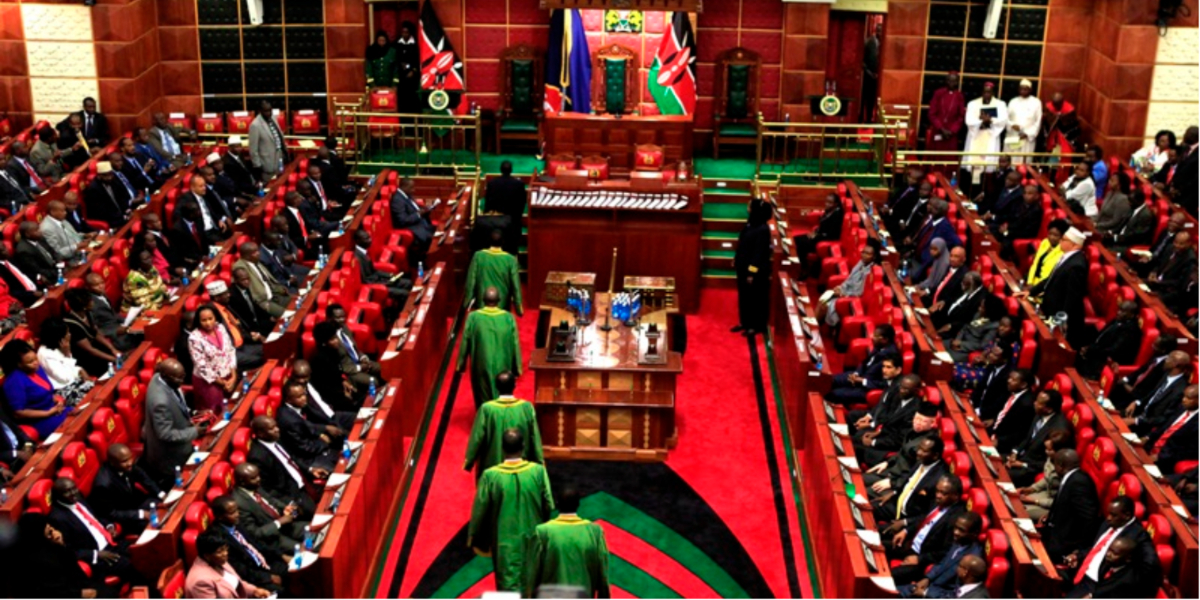
Kenya’s Ex-President Mwai Kibaki Dies At 90 

Kenya’s third president, Mwai Kibaki has died at age 90. Kibaki served as the elected leader of Kenya for over a decade, from 2003 to 2013, before leaving public office. Kibaki, whose death was announced by the current president of Kenya, President Uhuru Kenyatta, is credited with reviving Kenya’s then ailing economy.

However, his tenure was marred by deadly violence that killed more than 1,200 Kenyans following his disputed re-election in December 2007. While announcing Kibaki’s death, Kenyatta also recalled his long public service, as well as being a member of parliament for five decades. Domestic media reported that Kibaki (90) has been ailing for some time. Kenyan politicians took a break from campaigning for the general election scheduled for August 9th to mourn the ex president. 

New Case Of Ebola Found In Congo 

Four months after the end of DR Congo’s last outbreak, a new case of Ebola hemorrhagic fever has been confirmed in the Northwestern part of the country. The Ebola outbreak in 2018 which lasted for over two years, killed about 2,300 people, approximately. This was recorded as the second highest death toll in Congo.

The National Institute of Biomedical Research said on Saturday that a 31-year-old male was detected with the Ebola virus in Mbandaka city, Congo’s Equateur province. The patient who had experienced a few symptoms a week prior had failed to seek any medical attention. He was later admitted to an Ebola treatment centre but passed on that same day. Congo has seen 13 previous outbreaks of Ebola, and Mbandaka has contended with two – in 2018 and 2020.  The last outbreak, which also spread in the Eastern region of the country, infected 11 people between October and December, while killing six people. 


ICYMI: ‘The Man of God’ is about a pastor-turned-crook but the bigger story remains unsolved

Turntable Top 50: Black Sherif Is No. 1 For Third Consecutive Week

Last week, we reported Black Sherif’s dominance on the Turntable Top 50. This week, the 20-year-old Ghanaian artist has extended that lead, going three weeks straight at number one. “Kwaku The Traveller” got 4.41million streams, remaining No. 1 in streaming but going down 27.7% from last week’s numbers. With 42.6million in radio reach, it went No. 2 on the charts, seeing an increase of 24.2%. Right now, only Gyakie and Omah Lay’s remix of Forever has spent a longer time at the summit of the Turntable charts, with four weeks.

On No. 2 is Rema’sCalm Down, tallying 45.5million in radio reach. Nine weeks at the top, it is now the longest No. 1 on the radio chart in 2022. And just a week behind the all-time record held by Fireboy DML and Ed Sheeran’s “Peru”. Swapping last week spots, Asake’s Sungba (Remix) drops to No. 3. Playboy by Fireboy DML reaches a new high of No. 4, getting 40.8million in radio reach (No. 3 on radio, up 17%) and 2.2 million equivalent streams (No. 4 on streaming, up
13%). Former No. 1, Pheelz and BNXN’s Finesse, occupies fifth place in this week’s charts.

Skiibii and Davido’s Baddest Boy (Remix) drops one spot below, to No. 6. Asake and Olamide’sOmo Ope is in seventh place. Darkoo and Black Sherif’s Always” remains at No. 8 for the third consecutive week.

Rounding out this week’s top ten is a couple of re-entries. Omah Lay and Justin Bieber’sAttention moves three places from No. 12 to No. 9. TI Blaze’s Sometimes with Olamide elevates from No. 11 to No. 10. Just outside the top ten, British rapper ArrDee’s Come & Go hits a new peak of No. 12, which is not at all surprising following his recent appearance at the Homecoming festival.

Featured image credits/

Songs Of The Day: New Music From Sirbastien, Kwesi Arthur, Bobby Blane & More

2022 is no longer a new year, and Afropop knows that very well. As much as the previous year was packed with scene-defining achievements, especially within the context of global growth, the only way to keep the momentum from falling off is for artists to keep reaching into their bag for great music that holds the ears and captures the hearts of millions of listeners across the continent and well beyond. That’s exactly what’s been happening, so much so that there’s hundreds of new singles, at-least one new must-hear album and a new smash hit every week.

Amidst this torrent of new music, the NATIVE is committed to highlighting the best releases you need to hear, and possibly add to your playlists. That’s the essence of our ‘Songs of the Day’ column. On Friday, we highlighted new drops from BNXN, Zinoleesky, Deela, Jaylon, Chrystel, Ria Boss and more. Today’s curations includes releases from BOJ, Kwesi Arthur, Bobby Blane and more.Tap in

BOJ — “OWO NI KOKO” FEAT FIREBOY

“Owo Ni Koko” is one of the gleaming standouts off BOJ’s latest full-length projectGbagada Express.’ Over the sunny Afropop production helmed by Fireboy’s sultry vocals, the duo trade bars singing on the pertinence of money. Fireboy is particularly reflective and sings on his journey to success and how far he’s come. “I Dey hustle nonstop, whether na street or na house, I don’t care anywhere na my workshop, I must put my mama in a droptop”, while BOJ intersperses the bouncy record with his defining breezy vocals, dishing out light playful lyrics in classic Afropop fashion. The levity BOJ brings to the track offers reprieve from Fireboy’s solemn crooning and functions to establish dazzlingly delectable sonic contrast.


KWESI ARTHUR — “TOXIC” FEAT ADEKUNLE GOLD

“Toxic” is a dazzlingly brilliant soulful Afropop ballad furnished with melodic guitar riffs, ethereal violin melodies, bass grooves and bouncy percussion. The record finds the duo trading bars aimed at their muse, singing about not being able to meet her emotional needs, urging her to move on and berating themselves as toxic. “Me I know I’m toxic, poison, you don’t need my loving” they sing over the hook. “Toxic” is one of the standouts from Kwesi Arthur’s just released album Son Of Jacob’.

SIRBASTIEN — “CHANGES” FEAT SGAWD

On this glistening record, SirBastien taps rapper SGaWD for an ethereal dreamy Afropop ballad. Over the silky production, SirBastien charges his muse to show more defiance in the pursuit of their love and sings on the cyclical nature of love. SGaWD follows with an explosive braggadocious verse that’s the unequivocal highlight of the song. 

ORITSE FEMI — “ORO AJE” FEAT PORTABLE 

“Oro Aje” is a hypnotic inspirational Afropop record that sees Oritse Femi and Portable unite. This song represents Oritse Femi’s first foray into the music scene after a brief hiatus. He delivers a poignant verse about life, hustling and status, before Portable follows with his characteristic brassy vocals, also singing along the same themes. 

TERRI — “FOR HERE”

“For Here”is a breezy Afropop record upholstered by theatrical keys that sees Terri surf the beat with playful lyrics about his enchantment with his muse. On the track, Terri hardly stays on theme, he scoots between random themes that many times border on being nonsensical, but the song’s allure is not its lyrical shrewdness but its sunny production and Terri’s sleek flows. 

BOBBY BLANE — “LOONEY”

“Looney” is a groovy salacious Afropop record tinged with North-Indian melodies, that sees Bobby Blane ride the undulating wave of poignant melodies, singing about his raging desire for his muse. Roping soft hums, impassioned adlibs and concerted lyrics, he renders an exquisite salacious ballad. 

Featured Image Credits/NATIVE


ICYMI: With ‘Son of Jacob,’ Kwesi Arthur is aiming for the next level

Identify: With ‘Son Of Jacob’, Kwesi Arthur Is Aiming For The Next Level

Ghana’s music industry is experiencing its golden age. In recent years, the West African country has become a stronghold of the continent’s buzzing music scene, spurring a talented spate of artists including Gyakie, Stonebwoy, Shatta Wale and more. Ghana’s new-gen artists have also fiercely carved a lane for themselves in the over-saturated Afropop scene, giving us a diverse palette of sounds, from swoon-worthy feeling of Highlife to the gritty sound of Drill.

Enter, Kwesi Arthur, one of Ghana’s most vital stars and one of very few artists able to take on this monumental task. Since 2017—when his debut single “Grind Day” marked him as a star—Arthur has been musically fine-tuning a unique blend of Afrobeats, Hip-Hop, and R&B. In his hands, anything—a mumble, a hum, spoken-word—becomes the perfect avenue for his particular brand of genre-lessness. A song like his Afropop hit “Celebrate” is upbeat and carefree; on “Don’t Keep Me Waiting,” his vocals carry the highlife ballad; then with “Winning” he turns into a merciless drill rapper. And his music is as multi-territorial as it is multi-dimensional. In 2018, just a year after dropping his first single, his regional fame quickly turned into international recognition when he was nominated for the Viewer’s Choice Best International Act at the BET Awards.

But what makes him especially formidable is that his musical ascent is nothing short of what he calls “miraculous.” Taking his dream from the harbour town of Tema, where he was born and raised, to audiences thousands of miles away was never in the cards for him. His candid lyrics offer a poignant and dynamic exploration of his journey and what it means to be young and defiant of your circumstances. It’s spiritual music, he says, and something he dubs “ghetto gospel.”

Now, five years into the game, he’s got something to prove and his long-awaited debut album, Son of Jacob’, is his testimony of the journey so far. We all know Ghanaian music is due for its crowning moment, Kwesi Arthur believes he’s the chosen one.

Our conversation, which follows below, has been lightly condensed and edited for clarity.

NATIVE: What was it like growing up in Tema?

KWESI: Growing up in Tema was really fun even when we didn’t have much. The sense of community always feels like family. You have different people from everywhere coming together. In Ghana tribes and ethnic groups matter so much, but in Tema there weren’t those boundaries.

How did you know that music was the path for you?

KWESI: Writing poetry was always something I enjoyed. Then Thank Me Later by Drake, came out and that kind of changed my life. Because listening to that, how Drake spoke from his perspective, how he put his words together, it made me think, “Maybe I can do this too and tell my story.” From there, I decided to write a verse, when I went to school, I rapped it for my classmates. They were like, “Yo, where did you steal these bars from?” That was my light bulb moment. I thought, if they believe I stole this verse, there must be something there.

Ghana’s music scene is having an incredible moment right now and it’s bringing a lot of different sounds and stars to the world on a level that we haven’t seen before. What do you think is Kwesi Arthur’s role in this movement?

KWESI: I feel like the internet opened the gate for us. Right now, there’s nothing like gatekeepers anymore. Now we all finally have the chance to just make good music and keep it going. When I was growing up, I looked around and I felt like there was this gap where nobody really talked for the youth in Ghana. It was usually about love or parties, but never about us. I think I represent the culture as we know it, from our perspective. That’s the role I want my voice to play.

As you said, the internet plays a big role in this movement African music is finally having. Is the idea of trendiness and virality something you consider when you’re making music?

KWESI: In terms of the creative process, we do what we do because it feels good. I’m not even on the internet like that, but I keep it in the back of my mind because that boosts the audience and that means my message reaches more people. We take all that into consideration, not when we’re making the music, but afterwards in the rollout, promotion and everything. And chale, we’re from Tema, so we got the hustling spirit in us.


View this post on Instagram


A post shared by SonOfJacob (@kwesiarthur_)

Let’s talk about Son of Jacob’. Fans have been waiting on this album for a couple of years now. Why the delay? And what made you realise that the album was complete at last?

KWESI: So, Covid happened and we couldn’t do a lot of things. Another thing that came into play was losing my grandma. I feel like all those things shaped what the album is. If I didn’t lose her, I wouldn’t have a song like “Silver Spoon” on there. So I feel like the delay too helped with making it what it was meant to be. We ended up taking some of the songs off and adding new ones because we had the time to edit. I feel like it’s all God’s engineering. There’s nothing like perfect timing, but everything will fall in place at the right time. And that’s how everything played out with the album.

What have you learned about yourself while making this album?

KWESI: Through the process [of making the album], I understood the fact that I’m only human. I’m a complex being, it will take a while to understand myself, and I need to give myself the chance to venture out, make mistakes and grow, and not let people’s perceptions of me hold me back. I also learned that I can have fun with my music. Like on the song Animal,” I was really playing around when I wrote it. For a while, I wasn’t really doing that, being playful on a song. This album should have been out 2020, then 2021. Because it took so long I got to have fun with it.

Could you explain the title of your project and what it means to you?

KWESI: The name came to me on my first EP, where the first bar I opened with [on “Ade Akye”] was, “Son of Jacob/Thank God/Wake up.” In my culture a lot of the practices are connected to the ancient Israelites in the Bible [of whom Jacob is the patriarch]. So the title is spiritual for me. Son of Jacob is deeper than just me, it’s about all of us belonging to something. If you listen, you will understand.

Sonically you’re very versatile, is this album going to sound like the Kwesi Arthur we know or are you giving us something new?

KWESI: I don’t like being boxed in. I’m an artist and at first, I wasn’t allowing myself to be that because I was stuck on, “Oh, but I’m a rapper.” But bro, I was in the choir in school and I was singing in my uncle’s church! That side of me was always there but I wasn’t really paying attention to it. So, I’m comfortable not boxing myself in a category. However I feel like expressing something, that’s the way I will express it. When people listen to the album, my convictions, challenges, insecurities, imperfections, everything is on there. They’ll understand that this is the ghetto gospel.

What’s your favourite part of the album?

KWESI: My grandma’s skit. That was one of the last things we did before she passed away. She was the head of the family, she changed everything for us. It felt important to honour her, my matriarch.


View this post on Instagram


A post shared by SonOfJacob (@kwesiarthur_)

How do you hope people receive your debut album?

KWESI: I hope it connects with people and they take away something special from the music. I want the melodies, the words, just everything to resonate with people listening. Some of the songs on there are therapeutic for me and maybe they can be for someone else too. If everyone gets their own personal experience from it, then it’s done what it was supposed to do.

After an album like this, that’s been so anticipated, how do you approach making the next project?

KWESI: I’ve already started making the next project. This is the thing with me: it never stops.

From growing up in Tema to finally presenting your debut album, your circumstances have changed so much in the past years. Have you also changed as a person in response to that?

KWESI: I’m growing. I’m learning more about myself. Yeah, I fuck up. I try to do good things, but I fuck up also. Chale, I’m not perfect but I strive to be better every day.

What does success look like? What is the bigger picture that you’re aiming for?

KWESI: The bigger picture is taking my culture to the top. Making it go places it’s never been. As Africans, we got a story to tell. The world hasn’t heard us like that, but now they’re tuning in. There are so many sides of the story that still need to be heard, our perspective is needed. I’m also trying to build an empire, I want my people to be good. So the people after us have something they can depend on, something that can last for generations. Way after we’re gone, it will be there.

Listen to ‘Son Of Jacob’ here.

Featured image credits/NATIVE


IDENTIFY: WURLD KEEPS GETTING BETTER AND BETTER

AV Club: ‘The Man of God’ Is About A Pastor-Turned-Crook But The Bigger Story Remains Unsolved

This month, Bolanle Austen-Peters’ ‘The Man of God’ was released on Netflix Naija. Its debut on the streaming platform was primed for notable viewership, bolstered also by Austen-Peter’s important role among the foremost cultural curators in African theatre. For years, her Terra Kulture outfit have produced stage plays which largely pay homage to great personalities and traditions. Partly influenced by the Yoruba travelling theatre culture, her plays are scarcely reproduced on digital platforms, making ‘The Man of God’ one of the early mainstream showcases of a BAP Production

Although the film mainly revolves around religion, its earliest appeal was the juxtaposition with music. ‘The Man of God’ opens in present time with the protagonist Samuel (played by Akah Nnani) performing Fela-esque music in a place that could easily be the New Afrikan Shrine. As a start, this choice was quite explosive but Samuel didn’t seem in-sync with the music being performed, which was far more energetic than he could afford. Immediately, this pokes holes in the narrative, failing to possess the grainy quality of real sound, or hold candle to the character of Samuel, in a way that moves the narrative. He also can’t seem to stop smoking on a blunt, on-stage and off, but we don’t see him indulge in this act throughout the other scenes in the film. 

Some might consider this a harsh critique of what obviously is a background to the main action, but it’s a quintessential example of the film’s persistent disregard for detail. Later, we see Samuel being a university undergraduate and still performing at shows around the state, but there’s not enough to ground the viewer in either of his worlds. Few scenes dedicate themselves to capturing the university’s peculiarities, discarding classic locations (lecture halls or a night party) that would have strengthened the narrative. Beyond that, the affairs of an infamous music industry is rarely broached. He makes mention of playing some gigs but those scenes are treated as inconsequential, a breezy prelude to the main course of action. 

The shining light in those early parts of the film is Samuel’s best friend Rekya (Dorcas Shola-Fapson) who also doubles as his lover and band member. Her acting captures the dilemma of modern relationships, torn between one’s desires and what’s good for both lovers. The film is coloured by her flirtatious character, easing the heavy sense of melancholy that follows Samuel. And yet, although her character was necessary, the trajectory wasn’t respected in the overall plotline. When she excitedly tells Samuel of a business that’s been raking in mad revenue, there’s a nagging possibility that one of her trysts could have been followed. A character from there could have resurfaced later to strengthen the narrative quality yet little is done to advance this.

Instead, the story evolves with the introduction of Teju (Osas Ighodaro) and Joy (Atlanta Bridget Johnson), completing a love triangle around Samuel. Its strengths come into view then, recording the nuances of conversation as Samuel’s infatuation with Joy clashes with Teju’s affections for him. In one humorous scene, after Teju tries for the umpeenth time to get him to attend Bible Study, Rekya tells Samuel it’s obvious she wants to have sex with him. “Just give am strong thing, sharp sharp…she go free you,” she says in a smooth manner which underscores the braziness of her character. 

The theme of abuse was visited early in ‘The Man of God’, but there wasn’t a clear direction for its execution. Samuel is immersed in the activities of a musician, but his past creeps up: the film had opened with flashback scenes where his father, a popular pastor, used to beat him mercilessly, quoting Proverbs 14:12 to justify his rather severe disciplinary methods: “There is a way that seems right to a man, but the end thereof is destruction”. That statement is finely worked into Samuel’s central dilemma of finding himself, haunting him when he makes any choices.

When Samuel becomes a pastor, the narrative comes full circle. But, just as in earlier parts of the film, some crucial aspects are left underdeveloped or completely glossed over. Samuel’s marriage to Teju is skimmed over, which makes it difficult to feel its conflicts later on. When his best friend Rekya resurfaces, involved in even murkier deals, there’s no mention of its details or how Samuel develops into them. The church sermons and politics vividly evokes the pomp of what happens in real life, and Eucharia Anunobi brilliantly executes her brief role as an uncouth reverend. For a while, this change of setting offers a feel-good, modernist portrayal of contemporary Christianity in Nigeria but then you remember why Samuel’s here after all–to find his true self, be it musician or preacher or doting family man.

That internal conflict is never resolved with sufficient depth. It’s even more striking that about a week before this film’s release, a gospel musician met her untimely death at the hands of an abusive husband. That ugly event opened a conversation into how society turns a blind eye to anything which remotely concerns religion. The film’s also coming at a time when more than ever people are questioning the moral pedigree of their religious leaders.

African societies are intrinsically bound by religion. While centuries have passed since our initial encounters with missionaries, it still remains deeply entrenched in many countries including Nigeria where religion and state typically intertwine. ‘Man of God’ is obviously a timely film and that is why its accumulative misjudgements weigh so heavy in the end. Nigerians today are demanding justice from a lot of things, and our stories should reflect that. Where’s the justice in Samuel being traumatised and still shamed for being unable to love his abusers? Where’s the justice in Rekya being discarded like just any other character? In movies like these conservative moral lessons should take the back seat in favour of narrative balance.

Overall, ‘The Man of God’ shines with really good production—great costuming, a brilliant cast and well-done scenery—but the storyline doesn’t advance the many important conversations that has left many young Nigerians with great need for therapy. That glory never came and perhaps indeed, that is the lesson to be learnt in film and in life. Nobody is coming to save you or quicken your road to self-discovery–life is instead, a balancing act between pursuit and fear.

Watch ‘The Man of God’ on Netflix Naija here.

Featured image credits/ 


ICYMI: How ‘King Richard’ Loosely Portrays The Complexities of Black Fatherhood

Essentials: DND Section Comes Full Circle On New EP ‘Bad Things Will Not Happen Again’

In the summer of 2019, Atlanta-based rapper DNDSection released his debut EP titled ‘Love Lies Bleeding’— an eclectic 8-track set that marked the start of his budding career. Now, after a three-year stint, he returns with ‘Bad Things Will Not Happen Again’, and with it, a more refined sound and resonant stories about his background.


View this post on Instagram


A post shared by dnd 🇳🇬 (@dndsection)

‘Bad Things Will Not Happen Again,’ the title of the 6-track EP loosely translates to “Ozoemena” in Igbo which is a popular unifying maxim used to express solidarity with the fallen victims of the Nigeria-Biafra civil war. While the project is nothing about the war, the weighty title is an apt harbinger of the staid and cloistered environment of the project. ‘Bad Things Will Not Happen Again’ mirrors the growth that DND has experienced over the past few years.

Compared to 2019’s sunnily jovial Love Lies Bleeding,’ his latest release is more sonically cohesive, rich with piquant stories and raw shrewdness. ‘Bad Things Will Not Happen Again’ can feel serrated from the stings of the impassioned message that traverses the project. However, the moody amber-hued ambience that colours this project also functions to amplify the poignant effect of his message. DND Section turns inwards and tunnels through dark alleys, heavy under the weight of his own personal reflection, exploring his humble background and the staid reality of his current state in life.

In classic Hip-Hop fashion, DND opens the project with a corpulent pensive record about his humble background. On “Villian,” he is as ravenous as a lion, ardent and deft as he sets the tone for the entire project. Brimming with unbridled vim and poignant words, he lances the gospel-esque Drill beat, rapping about the crushing reality of his life — his childhood, his relationships, his future and racism. Bookending the track is a resonant phrase “Made out plastic out here”.

On “Twist & Tease,” he maintains the pensive ambience that colours the project but contrasts this with salacious lyrics — teaming up with SMV and A.been to deliver a sexually charged ballad. The bouncy percussion and melodic guitar riffs on “Runaway” sound like an apt soundtrack for a fantastical vacation on a lush remote island encircled by the turquoise waters of the ocean. It’s a proper Afropop record but without the archetypal jovial salacious lyrics. Instead, he renders a foggy silhouette about spirits, fire, the devil, fake love and haters. It almost feels like the lyrics of “Twist & Tease” and “Runaway” were accidentally swapped.

“Flyest In The Room” sounds like a swanky walk up Mount Olympus. Over the shimmering production, he sings and raps about opulence and ebullience with lyrics like “We got bad bitches and rich niggas too, we got Casamigos and some 1942, she says she like my accent and my dialect smooth, I’m the highest and the flyest in the room.” Just when the energy of the project starts to trail off, he dials it up a notch with the bouncy percussion of “Larry Bird.”

Over the trap production, his message is simple and conspicuous, a fine point that has carried him throughout his career. He traps with affable vim about feeling blessed and grateful. Like sharing the Grace in a church, this penultimate track subtly functions to indicate the project drawing to a close. The last track “Stomach Hurtin” forms a harmonic exclamation point so grand, that it seems to yell “The End!”. On it, DND has come full circle. He is as pensive and introspective as he was at the start of the project, a fitting end to a project that peeled back more layers to his artistry.

The pensive tone of the EP may feel extremely heavy at certain points, but the jovial ambience of songs like “Twist & Tease” and “Flyest In The Room” offer reprieve from the project’s weight, infusing levity into an otherwise difficult melancholic stretch. While ‘Bad Things Will Not Happen Again’ is not quite an experimental oeuvre, on it, DND is not sticking to the formula. He picks his battles and tells his story with an undiluted purity and it pays off heavily.

Stream ‘Bad Things Will Not Happen Again’ below.

Featured image credits/

Songs Of The Day: New Music From BNXN, Deela, Jaylon & More

2022 is no longer a new year, and Afropop knows that very well. As much as the previous year was packed with scene-defining achievements, especially within the context of global growth, the only way to keep the momentum from falling off is for artists to keep reaching into their bag for great music that holds the ears and captures the hearts of millions of listeners across the continent and well beyond. That’s exactly what’s been happening, so much so that there’s hundreds of new singles, at-least one new must-hear album and a new smash hit every week.

Amidst this torrent of new music, the NATIVE is committed to highlighting the best releases you need to hear, and possibly add to your playlists. That’s the essence of our ‘Songs of the Day’ column. Earlier in the week, we highlighted new drops from Masterkraft and Chike, Ceeza Milli, Portable, Nia Ramzy and more. Today’s curations includes releases from BNXN, Zinoleesky, Deela, Jaylon, Chrystel, Ria Boss and more. Tap in.

BNXN – “Kilometer” ft. Zinoleesky

BNXN taps street pop artist and former NATIVE cover star Zinoleesky for the remix of hit record “Kilometer”, off his debut EP ‘Sorry I’m Late’. The remix makes the song a more enjoyable listening experience, as Zino captures audiences attention with quotable lyrics such as, “When I dey on speed mo ja kilometer/Kilo Kilo, what’s my name Zino Zino Zino, Zino and Buju Benson, give me life Buju Benson.”

DEELA – “Trapstar”

This accelerated number suits its title, DEELA is a Lagos born rapper who is unapologetic about her demeanour. In “Trapstar” she tears bar for bar, fusing Trap and Drill with braggadocious lyrics about sex and dominance. She raps, “My belly full still got some room for these lame bitches who testing me, but can’t pass a test at school,” audaciously speaking her mind without filter. The lyrically talented DEELA also dubs “Trapstar” as an entrance into her Trap twenties.

Ria Boss – “Somali Rose”

After a two-year sabbatical break, the neo-soul goddess Ria Boss returns with a new single titled, “Somali Rose.” The new single opens this soulful track with a double entendre, singing “I smell the oil on your skin” to explain the calming effect of Somali Rose oil after which the song is named after. The song is a love letter celebrating romance in its pure form as Ria’s honeycomb lyrics evoke an emotive response. The acoustic-like live set of the guitars, drums and bass brings a strong deeply confessional tone. “Somali Rose” is the lead single from her upcoming debut album ‘Remember’ set to drop on April 29th.

Jaylon – “Get Down” ft. Azanti & Chrystel

The Nigerian singer, songwriter and producer Jaylon comes through with a hypnotic number titled “Get Down”. Over the track’s earworm production, he employs Azanti and Chrystel who bring their strong technical writing ability to the number. Chrystel smoothly delivers her verse with a sweet-sounding voice as her vocals linger in the background amplifying the R&B track.

Khaid – “Ski”

The first few seconds into uNder alum Khaid’s new single, “Ski” will have you running it back to catch out the intricacies. The gloomy piano keys serve as an introduction to the 17-year-old Afro-Trap singer as he grooves over the synthesised Trap beats. His gritty enunciation is distinct as he looks back at his past struggles and bleakly prophesies his future.

With an aim of normalising Trap music in Nigeria, Khaid gives an exemplary performance boasting his knack for writing with wordplay “I put my mask on like I am batman, I be shooting like Mad Max, all I can see is bad man” while showcasing his admiration for Grammy award-winning producer Rexxie. 

The Kazez – “Church Mind”

The raw, aesthetic talent of The Kazez is their stronghold and “Church Mind” is a testimony to this. Produced by Semiz, “Church Mind” thematically talks about The Kazez’s interest towards their muse who already has a lover. With lyrics such as “you ain’t have to go back when you are sober here is my shoulder you can put the blame on me,” the upbeat, fun, and energetic track pairs complex rhythms, heavy percussion, and Pidgin English for an enjoyable listening experience.

Jess ETA – “Paralyzed” ft. Psycho YP

After a thunderous 2021 which culminated in him winning the Audiomack rising star challenge, Jess ETA is back with a thunderous new number. The first single off his sophomore project titled, ‘Playing With Fire’ is the incendiary “Paralyzed”, featuring prolific rapper PsychoYP and produced by GT Beats. Jess ETA sets out to blow up his sonic template resulting in a zonked-out slapper with heavy vocal pitch modulations. The Afropop single is a compelling track where both artists trade bars about the uncertainties in their relationship which leave them paralysed due to the lack of security. 

Featured Image Credits/The NATIVE


ICYMI: 11 Projects You May Have Missed This Year


Our first impressions of BOJ’s new album, ‘Gbagada Express’

In the last decade, Bolaji Odojukan has been at the forefront of the Alté movement, an influential bohemian offshoot of Nigerian pop. Over the years he’s morphed into a larger-than-life personality, a pioneer who has secured his status by spawning incredible music and being an ever-present pillar of the culture. Today BOJ stands tall as one of the most engaging musical acts in Nigerian music.

Since his debut to the music scene, he’s dropped several projects, spawned countless jovial pop records coloured by his defining breezy voice, permeated nooks and crannies with electric guest verses, both at home and in the diaspora—just last year, he blessed British-Nigerian rapper Dave with the scintillating hook on “Lazarus.” Now, five years after his debut solo album, BOJ returns with ‘Gbagada Express’, his third project overall.

Titled after the home area in Lagos, the project is as thronged as the title indicates. Playing host to a staggering roster of twenty guest artists, including superstars like Tiwa Savage, Wizkid, Davido, Fireboy, Buju and Amaarae, ‘Gbagada Express’ is a triumphant celebration of the man BOJ has come to be: A man of the people. Riding on the cresting wave of sunny grooves and warm melodies, BOJ and friends deliver a rich playlist replete with party anthems and chill, feel-good music. Here, The NATIVE editorial team weighs in on our impressions of the newly released album.

Best Song?

Emmanuel: Right now, I’m strongly leaning towards “Action Boyz.” They’re a number of distinct sounds all over the album but this collaboration is so natural and skillful. First of all, the brooding production is deliberately understated, allowing the voices to shine through. BOJ’s first verse is a showcase of his smooth delivery, singing “I’m a top striker, it’s a hat trick” and again updating his cache of football references. Obongjayar is just sensational, bringing his pristine vocals into a verse that adapts the flow of rap. “I was on my ten toes you was sleeping,” he sings with charming exuberance. In an album full of upbeat bops, this record might not get its due immediately but it’s a slapper. It’s the kind of song that could inspire its own movement. 

Dennis: I think “Culture” is one of the very best songs in BOJ’s catalogue as a headliner. There’s a few songs you could label like that—“Confam” and “In A Loop” are strong contenders—but there’s a conviction on this ENNY-assisted slapper that’s just enveloping. From a lyrical standpoint, it’s a masterclass that has some of the best lines that have tumbled out of BOJ’s mouth, and ENNY just absolutely and casually rips her verse. I think this is the first time BOJ is on a Juls beat since “Feel Alright,” and the growth is breathtaking.

Maria: Right after the first few seconds of it starting, “Confam” became my favourite. It sounds like something straight from the early 2000s when Nigerian Pop was heavily set in the streets. ‘Gbagada Express’ is the perfect cocktail of a lot of features from different genres, but this one is the most on   brand. D-O came in true fashion with Igbo-inflected lingo in his verse, and BOJ smoothly delivered serenading lyrics in Yoruba with his unmistakable husky vocals. It’s another beautiful display of the two languages’ seamless union in songs just like in Phyno and Olamide’s “Ghost Mode”. The call and response on the chorus, “Girl your body–Confam! Your waist– Confam!” sounded like something from Danfo Drivers’ archives and is definitely going to be a crowd-pleaser when it’s being performed. This song is just what I had envisaged a BOJ and D-O song would sound like. *Chef’s kiss.*

Thoughts on the amount of features?

Tami: I’ve had BOJ’ album since last year so I had seen the track list before it came out earlier this month. Of course, I was a bit apprehensive at first, mainly because it’s BOJ’s first album in five years and while there’s no doubt about his star power, it would have been amazing to hear how he could perform on his own without any supporting acts. Despite this observation, I think the album’s strong suits are the features and all the people he brings into his world. ‘Gbagada Express’ is a testament of everything BOJ stands for: a man for and of the people. In order to do this, I think BOJ had to let people into his world to really encapsulate the relationships he’s made along his journey and his position as one of the best hook killers we’ve seen in a minute. He’s made really compelling feature choices from Fireboy DML to Shaybo to Wizkid, Zamir, Prettyboy D-O and many more.

Wonu: At first when I saw the track list, I was a bit concerned by the number of features because all I could think about was this is ACTUALLY a lot, but after listening to each song, I understand why he did that. The features are amazing, every featured artist brought something new and refreshing to each record, from Victony to Wizkid, to Amaarae. Yeah, this was definitely a solid one. 

Moore: There definitely are a notable amount of features. At first glance I was worried about a lack of cohesion between the songs due to the variety. But after listening to the album, it’s clear that each artist was carefully chosen. Each artist brings something unique and integral to the vibe of each song, while BOJ still makes each song his own.

Best guest appearance(s)?

Tela: All the features were euphonious over this  album but Moliy, Melllissa and Teezee stood out for  me. Moliy and Mellissa shred their vocal chords and have a blast as they exude impulsive chemistry in this yearnful number that dwells in a romantic sphere. With both having a catalog in alté, Moliy’s silky whisphers and Mellissa’s luminous vocals bring a commendable performance. Teezee graces “Yarning Many” with a rock solid flow nostalgically remembering pioneering alté. His guest verse is rightfully cocky with a confident flow and neck cutting lines recognizing their position in the scene .

Chibuzo: The guest list for this project looks like the line-up of an Afronation festival, which is really incredible and naturally lends itself to stellar dynamism—at no point does the energy on the project trail off. Every single guest understood the assignment and did an incredible job at holding up their ends. The best guest appearance in my opinion however, is ENNY. “Culture” is nowhere near being an archetypal commercial track, and as such it may not get the hype that its pop counterparts will receive but what ENNY did on that track is absolutely mental. Subtle but genius. From the self-assuredness in her voice to the way her cadence walks in lockstep with the undulating beat, she effortlessly exudes pristine deftness. Her pen-game is world class, she tells a concerted and lucid story, weaving in savvy punchlines and cheeky phrases as she does this, the effect is a dazzling work of genius. 

Dennis: ENNY, obviously. Refer to my thoughts on the best song. Honourable mention to Teezee, that skit is a defining part of this album.

Any skip(s)?

Maria: Honestly, I don’t have any. It’s a stellar body of work. Each song is almost as powerful as the next and the features, song placements and production marry well. It’s very clear why BOJ took six years to put this out, he was gunning for perfection and in my opinion, he nailed it.

Dennis: It’s not that I don’t like “Lekki Love” as a song, I just have a (stupid?) rule about side-stepping songs with Lekki in the title. Also, I don’t really believe people are finding love in Lekki; it’s openly known that the Lagos dating scene is garbage and, as far as I know, Lekki is emblematic of all the unnecessary games. Sorry to Buju’s lilting melodies, Fresh L’s slick raps and BOJ’s devotional lines, but I’m not the target audience for this one. Again, sorry. 

What’s the potential smash hit here?

Emmanuel: One thing you’d surely get from a BOJ album is memorable hooks, and there’s a number of songs with hit potential here. “Owo Ni Koko” is stirred by sensuous keys possessed with a Middle Eastern feel, and Fireboy DML takes the chorus in good stride. Paired with BOJ’s seductive croonings, you get a record that would likely play out of filled rooms across the Island. It’s a little behind the pace to be a party ripper, but then again there are many moods to a party. “Confam” and “Get Out The Way” have great prospects too, the former being a sizzling interpretation of Ajegunle’s Galala style, inspiring a sleek verse from Prettyboy D-O; “GOTW” meanwhile, is one of the most electric rap songs you’ll hear this year. BOJ is in familiar territory as the song’s conductor, the bouncy verses from Joey B and Kofi Jamar building around his vocals with fiery precision. 

Moore: “In A Loop” is a personal favourite of mine, so I can imagine it being loved by others. It was released ahead of the album so has had a head start, with an already large amount of streams on Spotify showing this. As summer inches closer I can imagine this playful song becoming familiar in clubs. 

Tela: I am torn between two songs “Confam” featuring Prettyboy D-O and “Awolowo” with Wizkid and DarkoVibes. The two songs have a sense of familiarity with deep percussive backdrops and seductive appeal.

Overall impression from first (few) listen(s)?

Tami: Overall, I think ‘Gbagada Express’ is a fine body of work which will surely age with grace. On the first few listens, I can already tell a number of standouts will arise from this album. I’m not one to call early favourites but I’m certain this will do the necessary rounds. Big ups BOJ for securing another classic so far in his career. It’s really warming to see artists that we grew up with, now earning their stripes and setting their sights on much bigger ambitions. BOJ is certainly an artist that is able to play to different bags, morphing from your friendly alté guy one minute, to a deep and compelling storyteller in the next. As such, he’s able to pull a mixed bag of listeners, including everyone from your mum, to that 30-plus on the TL and even to us, Gen Zers (yes, I am Gen Z). I’ll continue spinning a few of the tracks this weekend–and you should too.

Emmanuel: It’s a really good album. There are a number of songs I’ll be returning to; also the features were quite essential, stretching the project’s texture in a way that mildly resembles that of a playlist. In that sense it’s likely you won’t listen to ‘Gbagada Express’ in one straight order, rather you’ll be returning to different songs for their distinct moods. Colour me overly sensitive but I was kind of hoping to hear personal stories in some parts of this album. The title piqued my interest through that sense of getting to know BOJ better. That doesn’t happen but you get to meet his friends…and you know what Nigerians say about “show me your friend.”

Wonu: You know what? This album is a solid 9/10 for me and I say this without second thought. The project is a stellar body of work. Track arrangement is a 10, production is also a 10 from me, even the writing as well. BOJ put together a solid, solid, solid body of work and I’m certainly impressed with the outcome. Taking a break from releasing solo projects then returning with this? Yes, I have to give it to him, he did good. This is definitely one for the books and I surely will be nominating this in our end of year lists for ‘Album Of The Year.’

Listen to ‘Gbagada Express’ here.


DEEP CUTS: REVISITING BOJ’S “BOTM” PLACES HIS TRAJECTORY INTO PERSPECTIVE

A 1-listen review of Terri’s new EP, ‘In Transit’

What’s the weight of a co-sign from an Afropop superstar? If you ask Terri, he’d probably tell you it weighs more than a tonne. Within weeks of his debut on the scene, the Nigerian singer born Akewe Terry went from semi-viral freestyle covers to a standout guest spot on a collaborative smash hit with Wizkid. In his official foray into Nigerian mainstream pop, Terri crossed an item off his bucket list, working with one of his foremost idols, the type of introduction that creates instant hype.

The flip side of that hype, though, is that it came with remarkably high expectations. Since its creation circa 2014, many artists had been affiliated with Wizkid’s Starboy imprint, but Terri was the very first to be fully tagged a signee, placing him under heightened scrutiny. Although he delivered a handful of singles and features in the next few years, Terri was almost tagged a bust, since he’d yet to indelibly sear his name into Nigerian pop music conversations. By ‘Afro Series’, his debut tape released during the first peak of the pandemic, it was clear he was only taking the scenic route to stamping his credentials as a distinct artist beyond overstated comparisons to his mentor.

The EP spawned his biggest solo song yet, “Ojoro,” and with the subsequent release of stunning slaps like the Bella Shmurda and MohBad-assisted “Money,” Terri has been living up to his potential. Now independent and in full control of his destiny, the singer is looking to level up, which is where his new EP, In Transit’, comes into play. How much has Terri grown in the last two years? Where is he looking to go next? The answers are in these six songs, so let’s listen to them.

In Usual 1-Listen Review Fashion, All Reactions Are In Real-Time While The Music Plays. No Pauses, Rewinds, Fast-Forwards, Or Skip.

“Danger”

Lead singles as opening tracks, what a concept. Shout-out to early 2000s R&B. This song is an R&B engine under the hood of a Nigerian pop body. I really like the way Terri’s voice luxuriates on this beat, it sounds like the music was specifically arranged for. Only one of his contemporaries that would sound as good here might be BNXN. That small bit of call-and-response on the second verse is a cheat move. There it is on the hook again. I played this a few times, between release and the video drop, but I like it a lot more as an opener. Great intro.

“Holy Water”

This build-up has me a bit anxious. Another “Afropiano” song, LOL. This is more deep house mixed with Nigerian pop verve, I wish more people get it, instead of lazily just saying it’s Amapiano-inspired. Meanwhile, Terri sounds confident, like someone walking into an event with a black card. The lyrics are little lacklustre, wish they had a bit more edge. I like his cadence, but when your lyrics are not jumping out of the page, you might have to try a little harder, which means that confidence will lose some of its lustre. I can see this doing commercially well, but it doesn’t match the same all-round brilliance of its preceding song.

“Wanna Know”

P.Priime tag, I’m up! This is a slightly different bounce than what he’s been giving pop singers recently, which is another mark of his versatility. This beat is clearly in Terri’s wheelhouse, and he sounds very in control of his surroundings. I think he sounds a little more effortless than his debut EP. I noticed that on “Money” as well. Terri makes music for Yourba guys that wake up and text five different women like they are the priority of their romantic existence. There’s a woodwind instrument that keeps catching my ear. This entire beat is packed with a bunch of things, but it doesn’t sound busy. This is a good song.

“For Here”

This is going to be up-tempo. BOOOOOOO! I expected a better bounce. This is the first time Terri is getting into his preppy bag, which makes sense because he has to try on this beat. I don’t know, man. This sounds quite stock. Even the log drum use is not giving any flavours, which is weird. I don’t know why my brain just went there, but this sounds like a poor person’s version of “Sungba.” I want justify this take as something not overwhelmingly negative, because I can see its appeal in a club setting. I just don’t see myself reach to click play on this ever again.

“Chargie” (w/Mugeez)

2000’s R&B-inspired guitars lodged inside Nigerian pop bounce is officially a staple. Terri is singing, singing. Not in terms of hitting notes, more in the way he’s serenading his love interest. Yeah, this is that jam. See what I was saying with that Yoruba boy thing, because who says stuff like, “You’re my chargie, you give me reasons to love.” I know some people started an Afrobeats Hall of Fame thing, so let me just put it out here that Mugeez should be inducted in that thing—that’s if they’re looking beyond Nigeria sha. Quick verse but it’s a nice touch. Terri is quite versatile if you go through his catalogue, but this mid-tempo, R&B-influenced bag is undeniable. Absolutely zero misses.

“No Lie”

Last song, let’s end on a good note. Songs like this make me thank God Runtown made “Mad Over You.” “Na your type I dey pray for morning devotion” proves my Terri theory, man. He’s even adding a dose of religion in there. Fellow city boys, Terri is giving guys captions and texts for those early morning things. The rhymes on this hook are competent, but they add up to a wonderful whole. I like how Terri’s voice is casually animated, but cool enough to not make it sound like he’s trying too hard. This is a solid closer.

Final Thoughts

On first listen to In Transit’, I count one skip, one maybe and four good songs—maybe two great ones even. That’s a beyond respectable shooting percentage from Terri, who continues to establish himself as one of Nigerian pop’s rising savant. The EP is a breezy run of songs with quip-laden writing, consistently assured vocal performances, along with apt beat selection to match.

The growth from his last project is quite evident, with Terri oozing an effortlessness that wasn’t part of the package on Afro Series’. Of course, that tape had experimentation and wide-eyed approach as its gambits, but this time around, he’s in a confident groove on the best songs here. The adventures with upbeat, House-inflected styles don’t work too well, but it would’ve been nice to hear Terri swing for a few more sonic surprises. For what it’s worth, the peaks far outweigh the valleys, which says a lot about where the singer is at the moment.

There’s still some things that need figuring out in Terri’s artistry, which is a positive sign because he’s taking his development in stride, earning his stripes and taking visible strides with each release. In Transit’ means he’s not hit a final destination just yet, and this is a solid representation of where he is on the journey to complete actualisation.

Listen to In Transit’ here.


ESSENTIALS: BOY SPYCE RENDERS EMOTIVE TALES ON DEBUT EPONYMOUS EP

Kwesi Arthur’s anticipated debut album ‘Son of Jacob’ is finally out

Kwesi Arthur ’s debut album has been anticipated for a while now. Throughout the 2010’s the Ghanaian artist imprinted his amorphous, soulful songs in the mind of audiences home and abroad, releasing the acclaimed Nkrumah tapes which showcased his flair for rapping and singing. Now, with years working on the grand display of his artistry, Kwesi Arthur’s ‘Son of Jacob’ has finally been released. 


View this post on Instagram


A post shared by SonOfJacob (@kwesiarthur_)

‘Son of Jacob’ is a fifteen track album which recognises Kwesi’s unique position in the scene as he brings a diverse cast of supporting acts into his world. Among features on the album include the Brooklyn-based Ghanaian creative and musician Big Hommie Flee, Nigerian artists Adekunle Gold, Joeboy and Teni (the latter two appearing on pre-album singles), while diasporic affiliations are strengthened with the inclusion of NSG and VIC MENSA, the American rapper of Ghanaian heritage.

On the stirring album artwork, a painted Kwesi Arthur sits among a number of people. Aged differently, they wear unique expressions (mostly of sadness) while Kwesi sits in the centre as though he’s the custodian of their stories. The decrepit kiosk which looms behind them could be interpreted in several ways, but Kwesi has sort of mapped this journey in the past. If you’re familiar with Kwesi’s music, you’d know he’s the sort of artist that always wants to pass across poignant messages that are peculiar to the Ghanaian and the Black person in general. 

From his back catalogue, most recently his feature on Yaw Tog’s crossover hit Sore andSee No Evil, off the second project in his Nkrumah series, Kwesi Arthur has shown his tendency to lean simultaneously on the personal and the communal, telling stories that situate him in the struggle of something larger. There’ll be forthcoming pieces forthcoming from us, but for now you’ll do well to listen to ‘Son of Jacob’

Khaid’s New Single “Ski” Paints An Honest Picture Of His Life Before Fame

Since the release of his debut single, “WITH YOU” back in January, Khaid has been the name on everyone’s lips. Signing to new record label, Neville Records which is owned by internet sensation and comedian, Sydney Talker, the 17-year-old artist was introduced with a voice of gold and an even sharper pen, as he weaved poignant romantic tales.

So far, Khaid continues to dominate popular conversations with his debut single currently amassing over 15 million streams across all platforms, a welcome feat for any newcomer looking to make a name for themselves. Now, with the attention he’s garnered, Khaid is ready to unveil more layers to his artistry as he gears up for the release of his debut project.


View this post on Instagram


A post shared by Kay kay🕷 (@khaidxr)

Ahead of this, the singer and rapper has just shared a new record titled, “Ski” a boisterous track which finds him melding R&B sensibilities with gritty Afro-Trap for an enjoyable listen. The record is an honest exploration of where the artist is coming from and what it’s like come from nothing and carve a lane for oneself. Rather than succumb to the hardship of his past life, Khaid sings about resilience, determination, and trusting one’s gut to lead you to success. 

Over the trap beat produced by Mage, he sings “came out of the pocket now we trapping so fresh, I’m just 17 but I got voices like Adele/Yeah, I know I’m wrong but I’m trying to make amends”, sharing with listeners a bit of his backstory while making it clear that he has a bright future ahead of him. 

The record “Ski” arrives today with a Sydney Talker-directed video, which sees the artist and his friends in fast cars, drifting and racing while he performs the record in a colourful and vibrant outdoor space. With “Ski,” Khaid continues to put on display what he has to offer while setting his sights on his global ambitions. We’re looking forward to seeing what the uNder alum does next.

Watch the video for “Ski” here

Featured Image Credits/Instagram


ICYMI: 11 Projects You May Have Missed This Year

Where Were You: NATIVE x Kenneth Ize Paris Fashion Week AW/22

Marked by major milestones such as becoming a finalist for the 2019 LVMH Prize and a capsule collection with legendary fashion house, Karl Lagerfeld, Kenneth Ize is certainly one of Africa’s most important fashion exports. Given the stamp of approval by the likes of fashion powerhouses from Anna Wintour to Naomi Campbell, the 9-year old brand has seen a steady, yet, momentous incline since its inception in 2013. 

(Lojay & Ayra Starr in Kenneth Ize for NATIVE Sound System)

Last week, The NATIVE partnered with Chivas Regal and Kenneth Ize during Paris Fashion Week for the eponymous brand’s FW22 release. The fashion show brought together many Nigerian creatives to 3537, Paris and displayed an expression of who Kenneth Ize is in this moment. With this collection, Ize took inspiration from his Nigerian roots, with his signature use of traditional aso-oke to construct pieces with modern styles and silhouettes.

Inspired by the items from his mother’s wardrobe when he was growing up, Ize looked to his childhood when he would pass the days playing dress-up in her clothes. Kenneth tells us that with this collection, he made space to embrace his space for his femme for the world to see, much like he had always done in the confines of his mother’s wardrobe as a child.

In piecing this collection together, Kenneth created looks that he himself would wear, unencumbered by the constructs of gendered clothing. Inspired by his own past, the collection featured upcycled material of discarded clothes that may otherwise have gone to landfills or waste. The use of these materials give the clothes an authentically vintage feel, which compliment the timeless looks Kenneth constructed.

Following the show, attendees headed to a NATIVE-hosted party at the stylish bistro; Silencio des Prés. The crowd we gathered to celebrate Kenneth Ize included several models, influencers and artists from Temi Otedola to Roddy Ricch. The energy was free and pulsing with excitement and positivity as we all partied into the night. Going in felt like stepping into a speakeasy during the prohibition – a hidden place where people would gather to let loose away from the watchful eye of the government. A blast from the past within the modern world, it was very fitting for a party for a designer who blends the old with the new.

Watch our exclusive interview with Kenneth Ize here:


View this post on Instagram


A post shared by The NATIVE (@thenativemag)


5 Takeaways From NATIVE Sound Radio’s Special “Runaway” Episode

It’s official, NATIVE Sound Radio live is back and better than ever. Last year, the NATIVE launched a new vertical, NATIVE Sound Radio Live, a radio show exclusively on No Signal, a black radio station which  kicked off amid the difficulties of COVID-19 lockdown and has grown into a success story. The radio show which was hosted by Managing Editor, Tami Makinde hosted a number of guests in the previous season and cut across talking points such as music, style, fashion, societal issues, popular culture and more. 

Now, NATIVE Sound Radio Live is back for its second season. The pilot episode of the season was a special “Runaway” episode which featured a new host, Wonu Osikoya, Managing Editor of the editorial arm, Tami Makinde and the Project Manager of NATIVE Sound System, Kulupsy.

The “Runaway” episode was inspired by the release of NATIVE Sound System’s debut single “Runaway” featuring Ayra Starr & Lojay, two of the most promising voices of the new generation. Through the episode, Kulupsy took us through the process of creating the record, how the features came about and a lot more.

Here are 5 major takeaways from the first episode of the new season.

Creating The Record “Runaway”

“Runaway” was initially worked on at a recording camp in London two years ago by New World Ray and DJ Sholz. However, last year, Lojay recorded on the beat New World Ray had started creating, spurning something very special. Yet, it wasn’t until Ayra’s part was added to the song and its production fine tuned over a number of sessions, that the “Runaway” we know today came about. 

Some Collaborators On The Album

The NATIVE Sound System album is 90% ready, as we’re told by Kuluspy. Already, the album is shaping up to be one of the finer collaborations from this side of the world with features and production credits from a diverse range of artists and producers, including Chubbz, Teezee, Sholz, as well as the Genio and GMK of the Monster Boys, who were also executive producers on the project. The album also features producers such as Trill Xoe, New World Ray, Adey and more.


View this post on Instagram


A post shared by The NATIVE (@thenativemag)

Dafe Oboro Made A Magical Video

The video for “Runaway” is an undeniable visual feast and we can all agree that Dafe Oboro, its director created something very special. The video told an amazing story about two children who grew up, then grew apart but after a long while found themselves again and continued their love story. Everything about the video was exceptional from the storytelling to the costuming by MOMO Lagos. 

The Album Is Almost Here

If you’re familiar with The NATIVE, then this shouldn’t take you by surprise as the NATIVE has teased a forthcoming album for a while and now, project manager Kulupsy has confirmed that the album is coming sooner than we expect. She also shared the album will feature Afro highlife duo, The Cavemen as well as the two artists on the lead single off the project, Ayra Starr and Lojay. 

The Album Ties Around 4 Seasons

The NATIVE album ties around 4 seasons, the Rainy season, Harmattan, Christmas and summer, and the record “Runaway” falls under the rainy season on the project. The album is also centred around familiar voices and new sounds as Kulupsy, the album’s project manager reinforces throughout our conversation.

Run back the pilot episode of NATIVE Sound Radio below.

Featured Image Credits/

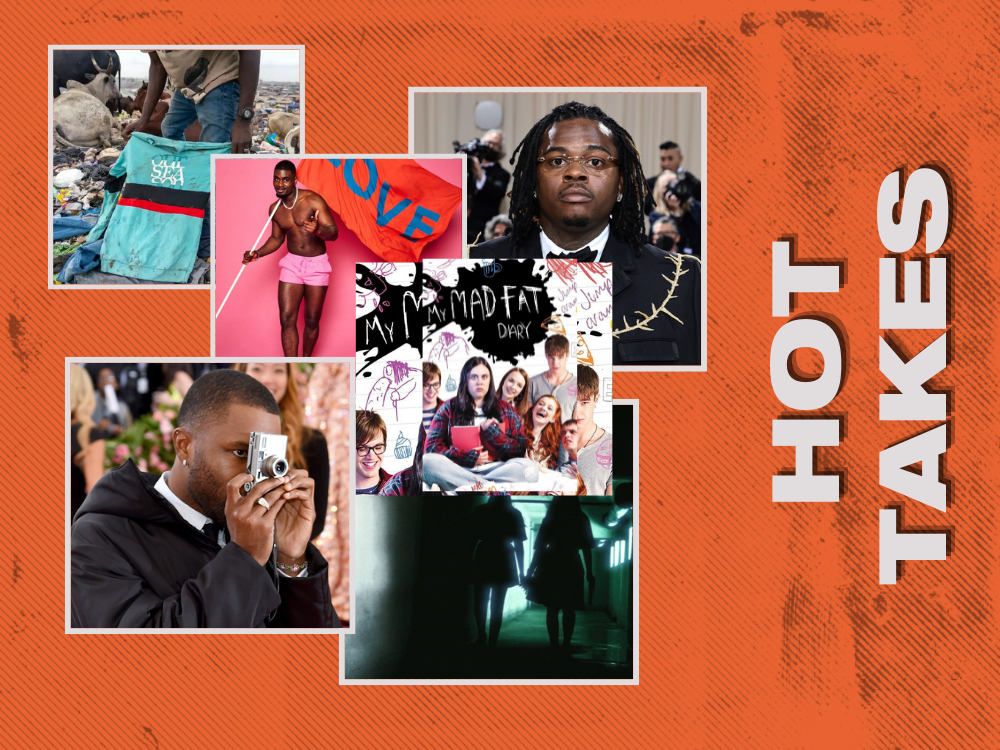
Hot Takes: ‘The Kardashians’, Coachella Fashion, Sungba’s Hype & More

This past weekend, Easter came and went in a breeze. For the past few years, the long Easter weekend has become one of the most eventful times of the year with the highly attended Homecoming festival, taking the bulk of our attention. This weekend, I was fortunate enough to attend the music and fashion festival for the first time in its four-year run and it was all very exciting. There’s always the usual family drama that comes with any holiday, that brings gossip that lasts until the next family gathering and in the world of pop culture, nothing stops spinning (not even for the coming of Jesus).

In this week’s Hot Takes, I’m sharing my opinion on a couple of things that have happened in the past week, that including my takes on the new Kardashians show, my opinions on a show about yet another young white scammer, Asake’s hit record “Sungba” and Elon Musk’s Twitter Drama. Enjoy!

What I’m watching

The latest addition to the scammer show catalogue is Hulu’s mini series ‘The Dropout.’ The show follows the story of Elizabeth Holmes, the infamous Theranos CEO who manufactured faulty blood testing machines, resulting in several misdiagnosis. The show documents her journey from an awkward but determined teenager, to a corrupt, fraudulent executive. 

After watching the attempted girl bossification of Anna Delvey in ‘Inventing Anna,’ I was a little skeptical when starting ‘The Dropout.’ The show impressed me by offering a nuanced view on Elizabeth without ever justifying or minimising her actions. The early episodes do humanise her through her backstory. It shows how her fathers job loss may have put pressure on her to succeed and how a reported sexual assault caused her to drop out of college and throw herself into her new company without a backup plan. However, it never shows Elizabeth as a victim however, but rather as someone who is willing to use her status as a conventionally attractive white woman to get money, status and now sympathy.

What I’m listening to

Recently I’ve been listening to ‘Paradigmes,’ the album by the French rock band La Femme. Many of the songs have been featured in everything from the 2022 thriller ‘Fresh’ to ‘Emily In Paris’, and the housing album itself features a diverse group of songs that are all equally as cool and atmospheric.

The tracks “Cool Colorado” and “Les Jardins” were particular standouts for me. This is based off the easy and cool vibe that the records exhibit. Although the tracks are in Spanish and I don’t understand up to 20% of what is being said, the calm I feel towards the song makes it easier to get lost in it. 

As a Kpop fan, I’m used to listening to music in foreign languages, and my year 11 French has enabled me to actually sing along to about 20% of the lyrics from this album. My teachers would  certainly be proud of me right now

Coachella Fashion Is Changing

Homecoming was not the only festival that took place last weekend. Coachella, one of the world’s highly attended music festivals returned this Easter weekend after a 2-year hiatus. Its return was even more welcome due to the talented spate of featured artists on the roster such as Harry Styles, Billie Eilish, and Swedish House Mafia (with the Weeknd). However, this weekend, despite its return, conversations seemed to revolve around the outfits and styling.

For a very long time, Coachella was considered one of the major fashion events of the year.  Many influencers and concert-goers used it as an opportunity to showcase their hot button fashion items and along the years, it became a safe ground for many to cosplay being a 70’s flower child. It was the perfect source of inspiration for people with a boho chic aesthetic.

The two year break has shown quite vividly how much has changed however. The pictures from the event showed several influencers and celebrities departing from the norm and wearing outfits that could have been worn at any outdoor event. There have been murmurs of dissatisfaction online from people who usually look forward to this event. This has been attributed in part to the rise of influencers attending the event and dominating the content that comes out of it.

The Kardashian Returns To Our Screens

‘Keeping Up with the Kardashians’ ended its 14 year run on E! In 2021. The show came to a dramatic end with the famous family debating the pros and cons of ending the show during its last few episodes.  All this feels a little anticlimactic with the premiere of their new Hulu show ‘The Kardashians.’

At first glance, there seem to be some differences between the two shows. There seems to be an attempt at being more politically conscious and transparent. The Kardashian-Jenner clan turn and talk directly to the camera in the middle of conversations and talk extensively about the fact that they are being filmed. There is also a notable lack of background music in many scenes however, despite the attempts at a more natural feel, the show is inevitably still a reality series.

Their images still feel as curated as ever, with Kim pushing a persona of a relatable boss lady who’s just trying to juggle motherhood and her career. A notable clip that’s been making the rounds on social media for being staged is one I’m less sure of though. In it, Saint, Kim Kardashian’s son, shows her a game, where someone claims to have new footage from her old sex tape. Her slow reaction in covering the screen and confusion over how Roblox works makes this feel almost awkward enough to be real.

It is convenient that something that major kicks off the storyline for their new series. Perhaps they’ve just gotten better at staging scenes or the awkwardness was an unintentional result of bad acting. The entire episode did feel off kilter as they attempted to combine a documentary style with the staging of a usual reality tv show. I hope the show can find its footing with a balance between the two styles, or else commit to more familiar reality tv conventions. The preview for the rest of the season did seem good, so I’m a little excited against my better judgement.

Is “Sungba” Befitting Of Its Hype?

Earlier in the year, uNder alum, Asake released his debut 4-track EP, ‘Ololade Asake’, right after signing with Nigerian record label YBNL. There’s no denying that the EP delivered hit records but the song “Sungba” was an early standout, eventually earning the singer a remix with Burna Boy. Many people are already calling it the song of the year.

Considering that we are only four months into the year, statements like this seem a little premature. On listening to the song, and hearing it performed live, the song’s production and lyrical content makes me understand where people are coming from. It’s a song that always seems to elicit strong reactions from people, with the crowd’s reaction to Asake’s performance at Homecoming reinforcement enough that Asake has hacked the winning formula. The question now is simply if it will have staying power. Will people still feel the same way eight months from now? If the outpouring of love for the song is anything to go by, it’s likely to be in people’s ten by the end of the year, at least.

Elon Musk vs Twitter   

It was recently revealed that Elon Musk had become Twitter’s biggest shareholder, and since then the public back and forth between Musk and the social media company has been a sight to behold. Musk has begun making polls asking Twitter users about their satisfaction with various features of the site. At first, Musk was announced as a board member, but then he turned down the position. He later announced his offer to completely buy the platform for $43 billion, an offer that Twitter’s board of directors is currently trying to block.

Considering how hostile the relationship between Musk and Twitter’s board of directors is, I wouldn’t want to see the shitshow that would occur if he did buy the platform, or maybe it could be entertaining to watch drama between people with too much money and time on their hands.  Musk has previously expressed his dissatisfaction with the social networking site and its apparent limited free speech. Considering Twitter’s tendency to already let too much go unchecked on their website, making it a haven for trolls and Neo nazis, Musks enthusiasm about free speech on the platform makes the idea of him owning the platform less fun. 

Sterling Bank Ad and censorship

Over the Easter weekend, Sterling Bank released a controversial advert. It likened the resurrection of Jesus Christ with the rising of Agege bread. On it a tagline reads “Like Agege Bread, He Rose!”. There has been uproar from many calling it distasteful, offensive and blasphemous. The Advertising Practitioners Council of Nigeria (APCON) has criticised the advert, stating that Sterling Bank would be punished. I can’t say that I’m surprised by people’s reactions. It definitely seems like a huge misstep to send out an ad like this in a country where religion is of utmost importance.

It’s not surprising that Sterling Bank has since deleted the ad. However, people should certainly be allowed to react to materials that they see as offensive. Where I do have worries, however, is with the intense response from APCON. The government body recently released a statement saying that Sterling Bank would be sanctioned according to the law and shared that, “No religious belief or faith is [to be]ridiculed or any blasphemous advertisement exposed in any guise.”

This response from a government body feels unsettling, considering that the advert did not contain anything particularly obscene. Nigeria is a country where people already don’t feel empowered to criticise any aspect of religion due to unfounded dogmatism. Having a company punished over something so harmless further creates an environment where people cannot make statements or share their opinions over fears that they will be sanctioned or worse yet, punished. 

Stop the press PLEASE!

Year after year, as Nigeria and the rest of Africa have become cultural hotspots worth visiting during the Detty December period or the Homecoming Easter weekends, I’ve begun to pick up on a strange phenomenon that occurs. If you’re paying attention, you’d have picked up on it too. And that is British tourists coming to Nigeria and posing with armed security officials, who to other Nigerians, are a symbol of oppression and fear.

Pictures of them posing with Nigerian police officers circulate online, and sometimes with confusing reactions. I can’t pinpoint exactly why this happens but it’s a near yearly tradition that just has to stop at some point. Do they just think their outfits look cool? Or perhaps the tendency to carry obscenely large guns is a novelty to British citizens, whose police are rarely armed. Regardless of the reason, it always makes me a bit uncomfortable to see these pictures knowing that our own are dying by these very weapons. It feels like something to be used as proof that they’ve been to a third world country once they return home.  Hopefully we can get to the bottom of why this occurs, or otherwise stop the trend of using African citizens as props for tourists either ways, I’m fine.

Featured Image Credits/NATIVE

Deep Cuts: Revisiting BOJ’s “BOTM” places his trajectory into perspective

BOJ was always destined to be great. In 2013, he lined classic records such as Show Dem Camp’s “Feel Alright” and Ajebutter22’s “Omo Pastor” with his unmistakable vocals in the form of a smooth husk which could soundtrack the quintessential Lagos movie. Paired with the rap efforts of his collaborators, both songs became early manifestations of a new alternative movement, and BOJ became a vehicle for its journey into the future.

The years after then have unravelled favourably for Bolaji Ojudokan. He has released music at his own pace, yet manages to stoke sufficient hype around projects. A debut album with longtime cohorts DRB Lasgidi underscored the collective’s still-groovy synergy and influence on alternative culture. Acclaimed collaborative projects with Ajebutter 22 spawned cult classics like “Yawa” and “Too Many Women”. It’s been a brilliant run-up to his forthcoming sophomore ‘Gbagada Express’, particularly because of its stacked feature list which again highlights BOJ’s artistic tendencies as a collaborator. It’s clear that he’s not so much concerned with being the lone star as much as curating a wholesome sonic experience. 

However, BOJ has also been known to take the microphone by himself, especially during the early years of his solo career. While he’d broken out through lacing rap songs with instantly memorable bridges and hooks, the singer had a mixtape out, ‘#BOTM’, at the time as well. It would take a while for listeners to warm up to his distinct style, but when they did, it paid off. His entry into the mainstream came accompanied with a win at the Headies award for Best Alternative Song in 2014. This was emblematic of BOJ’s unique appeal.  

“BOTM” translated to ‘Bolaji on the microphone’, a syrupy and sunny record about pursuing one’s dreams. Usually musicians are verbose when dealing with such infinite material, staking their entire philosophies as bet for their incredible odds. BOJ is rather cool. His delivery is the equivalent to an image of the class genius playing around minutes before the exam. In the opening lines, he’s assured as he sings Time is coming, I know that it is nearer/ The future is bright o, I know cos it is clearer” and later on making humble brags such as “got my dark shades on/ so I don’t see no later” and “moving forward, so I guess I’ll see ya later”. There aren’t many lines on the record, helping give an elusive sheen to its luscious keys.

The project had other great records like the Lola Rae-assisted “Ginger”, a cinematic offering full of the groovy synths that chracterised Nigerian Pop in the 2010s. “Blow” was a posse cut featuring Poe, Tec and Teezee. The verses are laced with the seamless bragaddocio you’d expect from such a line-up, all of them centering BOJ’s desire to blow. In 2017 BOJ’s debut album ‘Magic’ was released, helmed by a long list of collaborators who’ve either been present since the journey’s start or got on along the way. 

This Friday, the much anticipated sophomore ‘Gbagada Express’ will be released, and it’s telling how closely BOJ has been flying towards home. From the obvious nod in its title to the pan-African leanings of his chosen collaborators, the artist is again presenting himself as one of ours, just as he did all those years ago when he first grabbed the microphone.

(Re-)watch the video for “BOTM” here.


PREGAME: BOJ TAKES US BEHIND-THE-SCENES AT JAMESON CONNECTS

Elsa Majimbo’s Debut Film Is Set To Premiere At This Year’s Tribeca Film Festival

Comedy and humour aren’t Elsa Majimbo’s only strong suit. The 20-year old internet sensation and former NATIVE cover star is a hyphenate that dabbles in many diverse industries including fashion, and more recently tech.

Earlier this year, Elsa released her debut NFT collection on Crypto.com, following the release of her exclusive Maison Valentino x The Alphabet For Kids & Adults book last year. The exclusive collection brings to life the foundational building blocks of our stories: letters. 


View this post on Instagram


A post shared by Elsa Majimbo (@majimb.o)

Now, following her recent deal with Logitech, Elsa Majimbo has announced her debut self-titled film ‘ELSA.’ The short documentary film which is set for its world premiere at the Tribeca Film Festival, this year, is a story about her life and the realities of being unashamedly herself, in a world that was not built for Black African women such as her.

‘ELSA’ is produced and directed by Julie Jansch and Mohamed Kheir and written by Elsa herself. The screening for ‘ELSA’ has been slated for June 9th and June 16th. A few hours ago, Majimbo took to her instagram to announce to her 2.5M followers that her debut film would be arriving very soon. She shared: “My first ever film! This icon is getting her premier at @tribeca film festival 2022! I love the title, “ELSA”, stunning!”

Find out more about her film here.

Featured image credits/


ICYMI: 11 Projects You May Have Missed This Year

Life In Ink: Psycho YP is always adding to his collection

Last year Psycho YP was the crowned prince of our yearly (and highly disputed) Best Rappers list, a fitting way to round up a prolific year replete with singles, EP’s, and stellar features. While he’s been working at this break neck pace for the better half of the past few years, this year the Abuja-based rapper is showing no signs of slowing down.

Off the back of a blistering EP titled ‘Euphoria’ last year — an eclectic 9-track oeuvre — he opened the year with a glistening collaborative two-pack single with his protege Azanti, as well as a handful of singles. Away from the music scene he’s also been making moves in his personal life. Just last month, he bagged his second degree from The University Of Manchester.


View this post on Instagram


A post shared by BIG YP⚡️ (@psychoyp)

Born and raised in the bustling metropolis of Abuja. Psycho YP has metamorphosed from being a scrawny kid gravid with hopes and dreams, into one of the leading voices of the new wave of Hip-Hop in Nigeria. Six years ago, aged 18, he put out his debut project, an EP dubbed ‘Lost In the Sauce’, solidly planting himself in the industry.

Speaking about the start of his romance with music, he says, “I think it was like secondary school or so, I was just into American music, I just found a studio one time. It wasn’t like a normal studio, the owner was my age so that just made it easy for me to start the shit yunno. There was always people rapping around me for some reason. So my uncles used to rap, my brother used to rap. So I was just always people rapping, for some weird reason.”

There’s no denying that YP is one of the most gifted rappers from this part of the word. He’s popular for an extensive gamut of reasons, including his rapid-fire lyricism and his amorphous versatility. One subtle component however, that brazenly marks his art, is his too-cool-to-stress type of delivery — a patience and breeziness that’s associated with unbridled self-assuredness. Encircling every word he spurts is this clipped breezy aura — He doesn’t try to be cool, he just is. Like everyone else, YP had his heroes as a child. Lil Wayne was one of them, outside looking to him as a source of musical inspiration, he also admired his tattoos. Speaking on this, he says, “I used to fuck with Young Money a lot, and Lil Wayne’s always had tattoos. He’s one of my top sources of inspiration.”

Much like his role model, Lil Wayne, YP’s body is colourfully adorned with tattoos in varying sizes and degrees, which tell a story about the man he is today. His first tattoo was of his beloved mother’s name, which he got several years ago in Manchester through a stick and poke needle. Now, with over 20 tattoos already, Psycho YP is always adding to his collection.

Here’s a breakdown of Psycho YP’s tattoos.

NATIVE: So, how many tattoos do you have?

PSYCHO YP: I have like, I mean, if you count them. I don’t have big pieces like that, I only have two big pieces but then, they’re all like small pieces. If you count them individually though, they’re like 20 or so. The first is a logo of the ‘YP Season 1’ cover art on my right wrist, the other is an image of an Egyptian queen, Nefertiti, whose facial features have been swapped for his mother’s. I was looking for some crazy shit to do at the time, and I stumbled across a picture online, and I was like…I don’t know, something inside me just said ‘I have to go get that shit.

NATIVE: What was the first tattoo you got?

PSYCHO YP: My first tattoo is my mum’s name on my left wrist, like, very tiny. It wasn’t (done with) the tattoo machine thing, it was like a needle, she had to literally go over the tattoo like three times, it was my most painful tatt.

NATIVE: What inspired your first ink?

PSYCHO YP: I don’t know, I just wanted to get a tattoo. That was when I just moved to Manchester per se, I just felt like — damn! With all this freedom, I can actually get my tattoo. I didn’t want to get anything big, I just wanted to test my parents to see how they’d react to it. So I just got a small one first, but I always knew I’d get a bigger one

NATIVE: Which of your tattoo would you say is your most memorable?

PSYCHO YP: I’m not even sure. I think right now, it’s gonna be the one on my left arm, the butterfly because people keep seeing the butterfly on my left arm and keep asking me why I would get a butterfly on my arm. But I’m like, yeah, I like butterflies but it wasn’t even meant to be just one, but I was in a studio session when they were doing the tattoo, so I just told the guy to stop after the first one.

NATIVE: What ink do you plan on getting next?

PSYCHO YP: I don’t really plan like that, I just go with the flow

NATIVE: Which tattoo do you hate the most?

PSYCHO YP: Ehhh, I don’t even know. I think the tattoo I hate the most is the one on my right arm. I don’t hate it because of anything deep. I just hate it because the tattoo guys didn’t really come out the way I wanted it to be. It doesn’t even show properly. So that’s why I don’t like it, but I like it in general. It’s on my right wrist, a sunflower.

NATIVE: Which of your tattoos is your favourite?

PSYCHO YP: My favourite one has to be the queen (Nefertiti) on my right leg. It’s also biggest one.

Featured image credits/

NATIVE Premiere: Midas The Jagaban & Liya celebrate “420” in style

Midas the Jagaban has been ruling the airwaves since 2020 with her anonymous persona and harmonious vocals. Repping South London’s Lambeth district, she made her debut in the summer of 2020, releasing the infectious anthem, “Come We Bill Ehh,” which instantly endeared her to fans. Since then, she’s only continued to double down on efforts to showcase her rapid-fire skills.

Now, Midas the Jagaban has released her first single of the year, sharing the new track and video on the celebrated 420, a special day for cannabis lovers. To Midas The Jagaban, the 420 experience needed to be felt and celebrated in a meaningful way. Hence the release of the Liya-assisted new number titled “420,” which finds both artists paying homage to marijuana and having a good time, as they chant lyrics such as “whatever I do, I do it better when I smoke my marijuana.”

The song’s visual storytelling is characterised by blunts, lighters and a lot of hotboxing as it emphasises the song’s infectious lyrics about getting high and letting go of one’s worries. The trippy visuals take viewers to a futuristic carefree environment where they are safe to let go of their inhibitions.

While both artists appear to just be having a good time, “420,” breaks the norm that cannabis is only used by men, boldly opposing the pure and naive image that’s often forced on African women by society’s conservative ideals. Midas the Jagaban seals her status not only as a prolific artist but, one also capable of shape-shifting and melding different genres and sounds to her will.

So roll one up, relax and and get a first look at “420,” exclusively on the NATIVE.

Songs of the Day: New Music from Chike, Ceeza Milli, Portable & more

2022 is no longer a new year, and Afropop knows that very well. As much as the previous year was packed with scene-defining achievements, especially within the context of global growth, the only way to keep the momentum from falling off is for artists to keep reaching into their bag for great music that holds the ears and captures the hearts of millions of listeners across the continent and well beyond. That’s exactly what’s been happening, so much so that there’s hundreds of new singles, at-least one new must-hear album and a new smash hit every week.

Amidst this torrent of new music, the NATIVE is committed to highlighting the best releases you need to hear, and possibly add to your playlists. That’s the essence of our ‘Songs of the Day’ column. Last Friday, we highlighted new drops from Reminisce, Liya, Adekunle Gold, AV and more. Today’s curations includes releases from Masterkraft and Chike, Ceeza Milli, Portable, Nia Ramzy and more.

MASTERKRAFT — “HOSANNA” (Feat. CHIKE)

At the inaugural edition of The Voice Nigeria, sensational vocalist Chike left the entire nation taken aback by his mercurial vocal prowess and his electrifying stage performances. Week after week, he thrilled, leaving his name on the lips of an entire nation—and eventually finished as the second runner up. Following a smattering of singles and a stellar debut album, Chike is back with another glistening offering. 

On this record, he’s tapped by ace producer Masterkraft for a Gospel-inflected Amapiano number. Chike’s effusive voice holds its own against the rich melodic Amapiano grooves and thumping percussion of the Masterkraft produced beat. Over the anthemic Gospel-patterned song, Chike is effusively grateful and reflective as he sings about the curdling joy lodged inside him and offers poignant praises to God. 

B-RED — “CALL ME”

Following a brief hiatus, veteran Nigerian pop singer B-Red swaggers back onto the scene with a lush new offering. On “Call Me”, he cleverly melds R&B melodies with the quintessential bouncy percussion of Afrobeats into a refreshing whole. His sultry voice contrasts the tranquil production, upholstered by clipped guitar riffs and zingy bounce, creating a delectably riveting effect. He sings about his undying love for his muse, elaborately describes the lengths he’d go to win her love, and tells her to call him with the poetic deftness of a veteran bard. “Call me anytime you need me, I’d be running back to your arms/For you I’ll run a thousand miles, you’re the perfect picture, the star,” he sings. 

NIA RAMZY — “BABY”

On “Baby”, newcomer Nia Ramzy layers interesting lyrics on a lush R&B-tinged Afropop record, crafting a brilliantly refreshing record by effect. On the production, H-Born rallies an extensive assortment of sonic elements—clipped percussion, poignant keys, groovy bass riffs, lancing synths—and strings them end-on-end to create a placid ethereal sound. The singer holds up her end, offering soulful crooning, as she expresses her deep longing and affection for her muse. 

CEEZA MILLI — “CHOP LIFE”

On his new single, “CHOP LIFE”, Ceeza Milli is sombre and introspective, which is especially astonishing considering the title of the track. While he does sing about exuberance and luxury, the themes of the song lean full-tilt towards the topics of negativity doled on to him by his detractors, his prowess as an artiste and the uncertainty of life, which are all harbingers to his central message of living life to the fullest. The amber-hued environment provided by the pensive production, walks in lockstep with his singing, and functions to transpose the message of the song into an even more lofty echelon. 

RIC HASSANI — “LIKE A QUEEN RMX” (Feat. SAID PALACIOUS)

For his latest offering—a re-up of a standout track from his 2021 album The Prince I Became’—Ric Hassani taps burgeoning Guatemalan singer Said Palacious. On the reggae-tinged Afropop record, laced with groovy guitar riffs, Ric offers adulation to his muse with his glib sonorous vocals. Said Palacious sultry vocals holds its own against the stripped-down groovy production, as he offers poignant crooning in his native Guatemalan. 

PORTABLE — “CLEAR”

Following his 2021 smash hit “ZaZoo Zehh”, Portable isn’t losing any steam as he follows through with yet another single. On “Clear”, an uptempo ballad upholstered by a poignant melody, he weaves in and out of meaningful singing and playful babbling. Scooting between Nigerian Pidgin and Yoruba, he sings about how crucial money is in today’s society and fills in the rest of the song with playful histrionics. 

IHCEGO — “YOU”

“You” is a clever fusion of R&B and Afropop that inspires the thrill of hearing a lush work-in-progress. Over the sombre, guitar-upholstered production, Ihcego expresses the full gamut of emotions of a person stricken with love. Using poetic lyrics, she paints an elaborate tableau of the breadth of her love for her muse. 

CEEZA MILLI & MUGEEZ — “YOU”

On this record, sister nations—Ghana and Nigeria—fuse into a sturdy whole. The song sees ace Ghanaian singer and 1/2 of R2bess, Mugeez join forces with Nigerian singer Ceeza Milli. Upholstered by a groovy guitar riff and sparse percussion, the tranquil production of the song inspires a flurry of serene emotions. On the romantic ballad, the duo take turns offering adulation to their muse with cheeky lyrics and soulful crooning, the result is an electrifying performance.


ESSENTIALS: BOY SPYCE RENDERS EMOTIVE TALES ON DEBUT EPONYMOUS EP

Best New Music: YoungstaCPT immortalises his memory of Riky Rick on “Dear Rikhado, Love Riyadh”

Riky Rick was several things to many people. To those of us that interfaced with him through the lens of celebrity, he was a supremely talented rap artist, a successful entrepreneur, and a staunch advocate for the youth. For those who paid a little more attention to his interviews and the conversations he shared in public, his unabashed honesty about our fleeting existence as humans was as bracing as it was jarring, referencing struggles with his mental health and counterbalancing the grimness with a sense of purpose—a belief that it’s not all meaningless.

On his deeply moving tribute to Riky Rick, “Dear Rikhado, Love Riyadh,” Cape Town rapper YoungstaCPT includes a portion of the conversation between the pair, during which Riky Rick pondered human ephemerality and legacy. Used in the song’s opening moments, that except was culled from the tenth episode of “Lab Live,” the interview series where Riky Rick roamed around, and dug into, a variety of topics with his rap colleagues. In the episode with YoungstaCPT, they discussed everything from Prophets of Da City pioneering rap music in South Africa to the complex colonial history of the rainbow nation.

Towards the reluctant end of the 98-minute chat, Riky Rick gushed about this being emblematic of their sporadic phone call conversations. Whether you knew of their relationship or not, the mutual respect and reverence YoungstaCPT shared with the recently deceased Riky Rick is deeply woven into “Dear Rikhado.” As its title indicates, YoungstaCPT’s tone is conversational, an open letter to an unexpectedly departed friend. Having taken some time to consider his feelings and the circumstances of Rick’s passing, he’s considerate in his writing, offering the type of immediate clarity that comes in the aftermath of the first wave of tears and broodiness.

“You seemed larger than life but still as real as one of us,” YoungstaCPT recalls over a soulful, bare bones beat, establishing himself as a narrator without any conceit beyond memorialising. There’s the acknowledgement that Riky Rick had closer friends, there’s appreciation of his legacy, and there’s regrets about their relationship not deepening even further than the occasional meetings in Jo’burg and those phone calls on nights when Rick’s spirits were low. What truly distinguishes “Dear Rikhado” as a tribute piece, though, is the amount of grace YoungstaCPT extends, to Rick’s family, to himself and, most importantly, his deceased friends.

When he does bring up the alleged suicidal ending, he simply quips, “It is what it is,” with no sermonising and no overt need to understand, tacitly recognising the complexity of that decision, especially from a man who was explicit about his will to live. The consistent thoughtfulness YoungstaCPT has exhibited across his catalogue, especially on his cult classic album ‘3T’, is again apparent on “Dear Rikhado,” accepting the finality of death and eulogising the eternal mark Riky Rick left in his short time on earth.

Listen to “Dear Rikhado, Love Riyadh” here.


DEEP CUTS: RIKY RICK WAS UPFRONT ABOUT HIS WILLINGNESS TO LIVE ON “HOME”

TurnTable Top 50: Black Sherif’s “Kwaku the Traveller” stays at No. 1 for second straight week

Black Sherif is everywhere right now and the mercurial Ghanaian doesn’t seem to be stopping anytime soon. His smash jam “Kwaku The Traveler” has retained the Turntables Charts top spot for the second week running. 

During that time it got up to 6.10 million equivalent streams (18% higher than last week) and with 34.3 million in radio reach, it was propelled from No. 43 to fourth place on the radio charts, a staggering 230% increase recorded. This means that every song that has debuted at No. 1 at TTC has enjoyed successive weeks at the top, with the exception of Davido and Nicki Minaj’s “Holy Ground”.

Asake’s “Sungba (Remix)” with Burna Boy goes one place higher, from No. 3 to No. 2. Going in opposite movements, Rema’s “Calm Down” occupies third spot. The record also leads the radio charts for the consecutive eight week, matching the year’s record run of Fireboy DML’s “Peru”. There are no changes from last week’s No. 4 to No. 8—in that order is Pheelz and BNXN’S “Finesse”, Skibii and Davido’s “Baddest Boy (Remix)”, Asake and Olamide’s “Omo Ope”, Fireboy DML’s “Playboy” and Darkoo with Black Sherif’s “Always”.

Completing the top ten is Black Sherif and Burna Boy’s “Second Sermon (Remix)”, peaking at No. 9 and Seyi Vibez’s “Billion Dollar” debuting at No. 10. Sherif’s song had 2.42 million in equivalent streams (No. 6 on streaming, up 60%), 4.06 million in radio reach (No. 109 on radio, down 34%) and 6.85 million in TV reach (No. 11 on TV, down 0.5%). As a result, Black Sherif joins Davido, Wizkid and Olamide as the only artists who have recorded at least 3 top ten entries in a week. In addition, Black Sherif is now the non-Nigerian artiste with the most top ten entries, surpassing Justin Bieber.

Seyi’s “Billion Dollar” is currently only available through streaming, and it tallied 2.56 million equivalent streams (No. 4 on streaming chart) to become the artist’s first top ten entry on the Top 50.

You can go through the full rundown of this week’s TurnTable Top 50 here.


REVIEW: REMA’S ‘RAVE & ROSES’