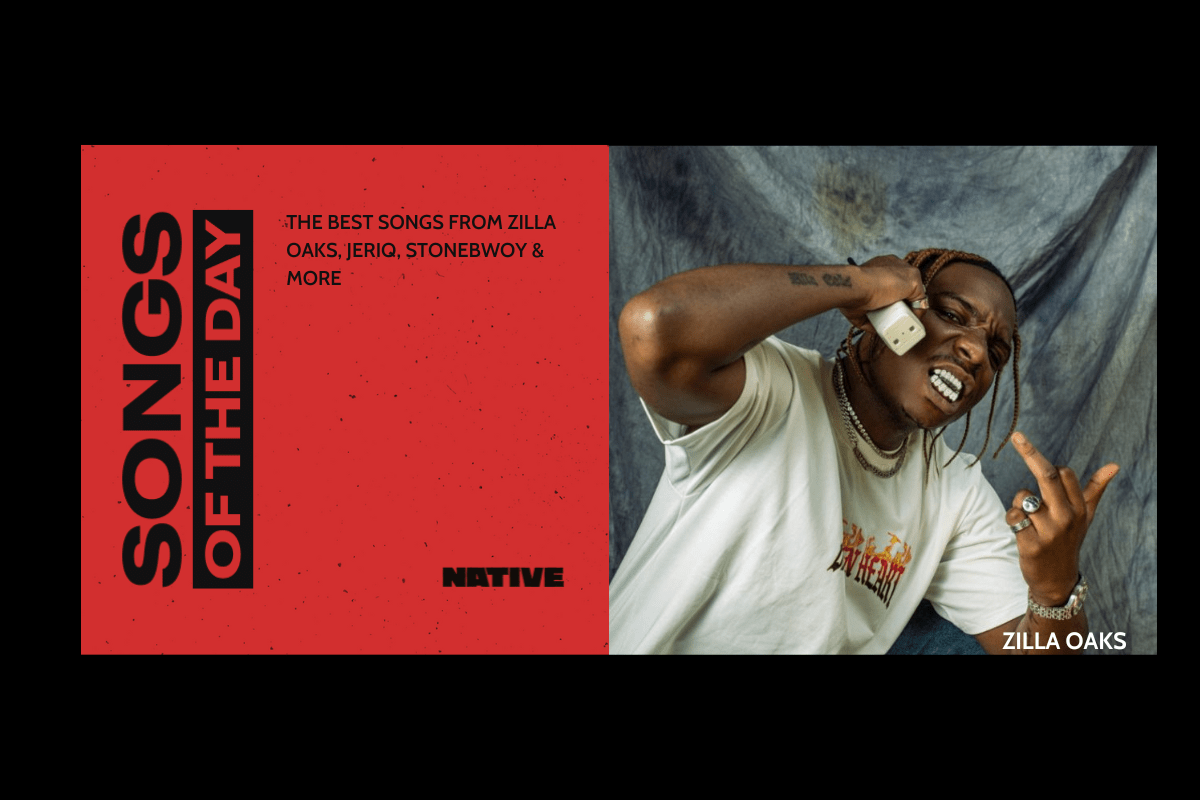
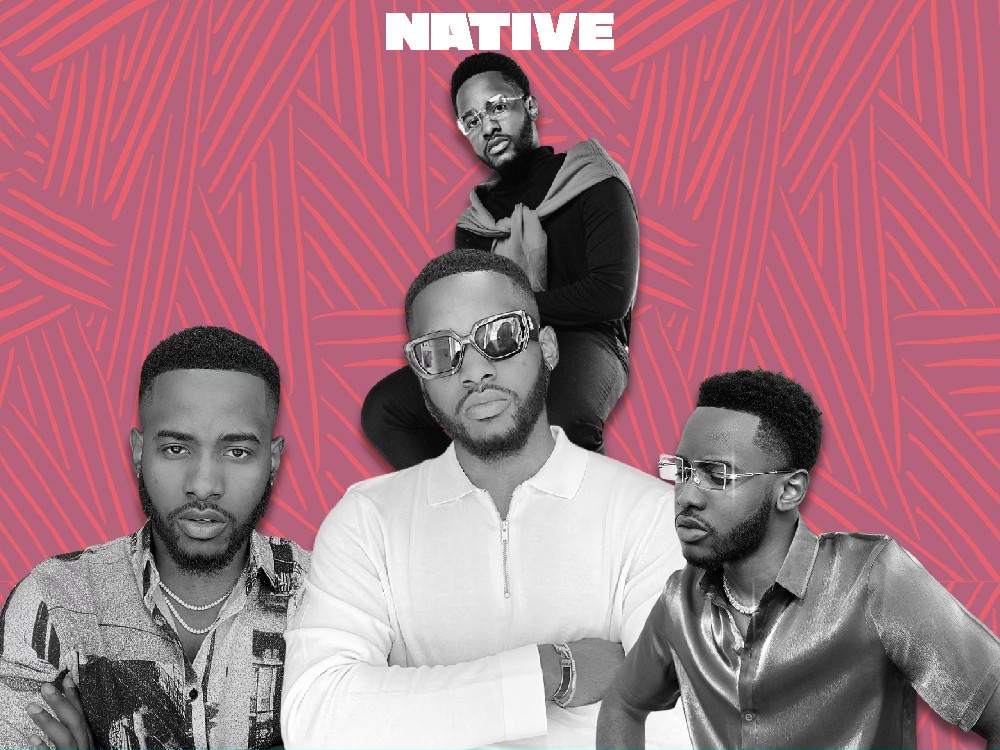
Songs Of The Day: New Music From Reekado Banks, Busiswa, Kah-Lo & More

2022 is no longer a new year, and Afropop knows that very well. As much as the previous year was packed with scene-defining achievements, especially within the context of global growth, the only way to keep the momentum from falling off is for artists to keep reaching into their bag for great music that holds the ears and captures the hearts of millions of listeners across the continent and well beyond. That’s exactly what’s been happening, so much so that there’s hundreds of new singles, at-least one new must-hear album and a new smash hit every week.

Amidst this torrent of new music, The NATIVE is committed to highlighting the best releases you need to hear, and possibly add to your playlists. That’s the essence of our ‘Songs of the Day’ column. For our weekend instalment, we spotlighted new releases from Victony, BOJ and ENNY, Diamond Platinumz, Jaido P and more. Today, we bring to you music from Reekado Banks, Niphkeys, Naira Marley, KiDi, Diamond Platnumz and more. Tap in.

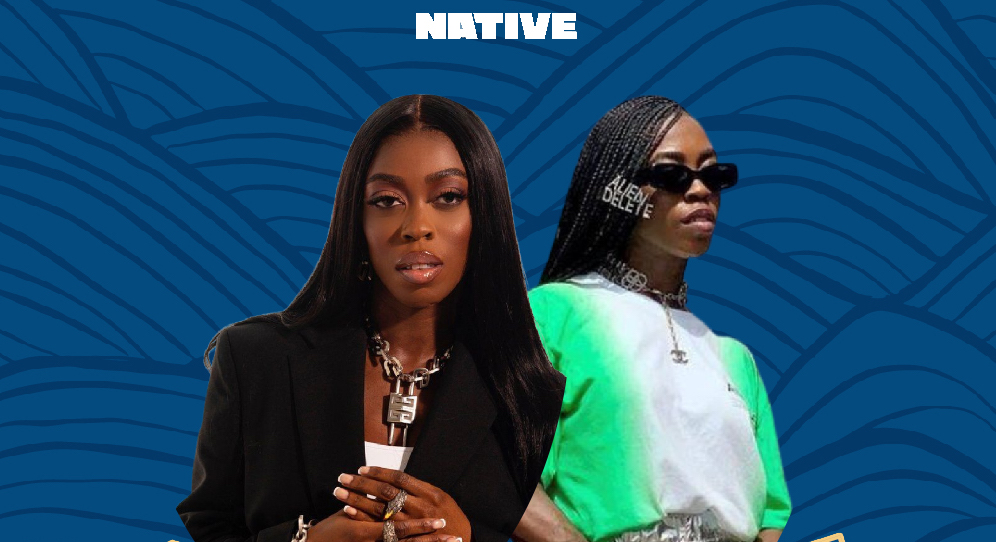
Niphkeys & Reekado Banks – “Man Of The Year”

Following the success of the hit record “Blessings” with Marlian record signee Zinoleesky, Niphkeys is here with the new track, “Man Of The Year”. Assisted by Reekado Banks, “Man of the Year” is an uptempo Amapiano infused bop, which sees the artist hyping himself up, singing braggadocious lyrics such as “Won so fun won pe, I get all the money in the bank/Put them on the run, I’m the man of the year.” 

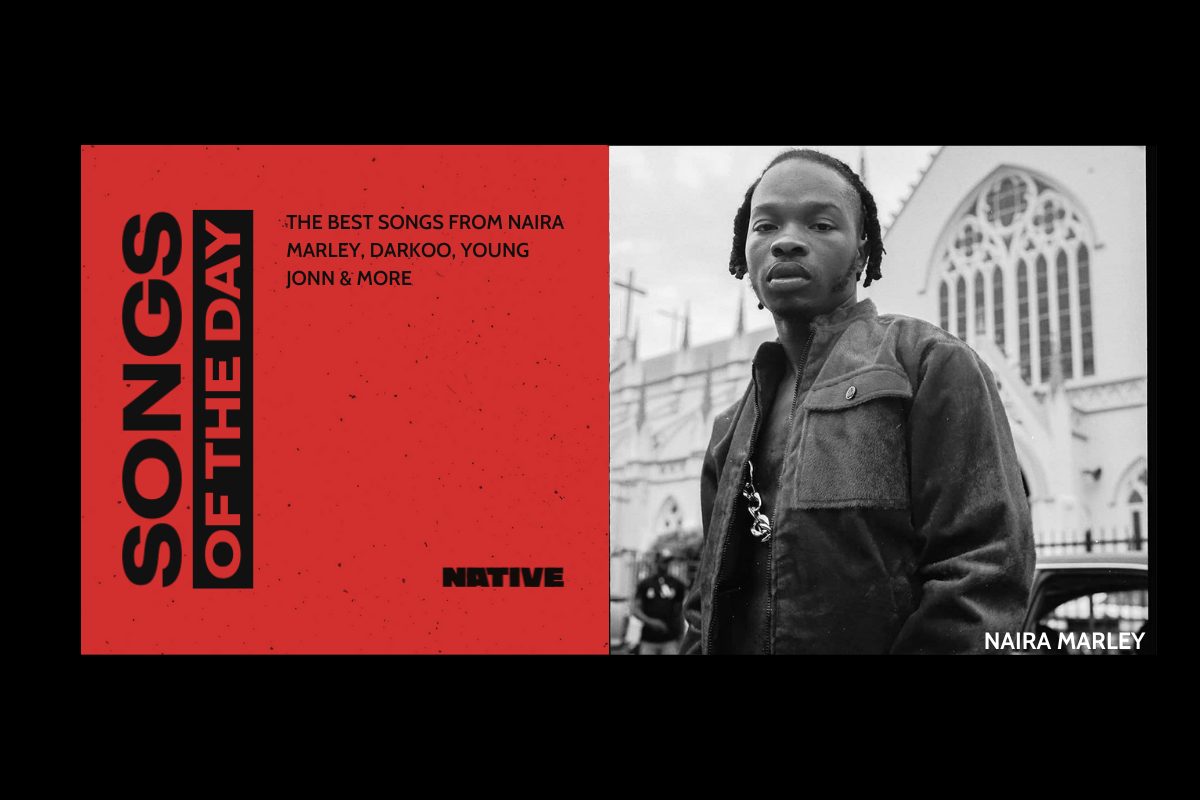
Busiswa – “Where You Dey Go” ft Naira Marley 

Following the success of their 2021 hit single “Coming”, the duo have teamed up with record producer Rexxie for another hit “Where You Dey Go”. The standout production of the track features heavy kicks and bass drums on the beat, giving the track the amapiano feel to it. 

Kah-Lo – “Drag Me Out”

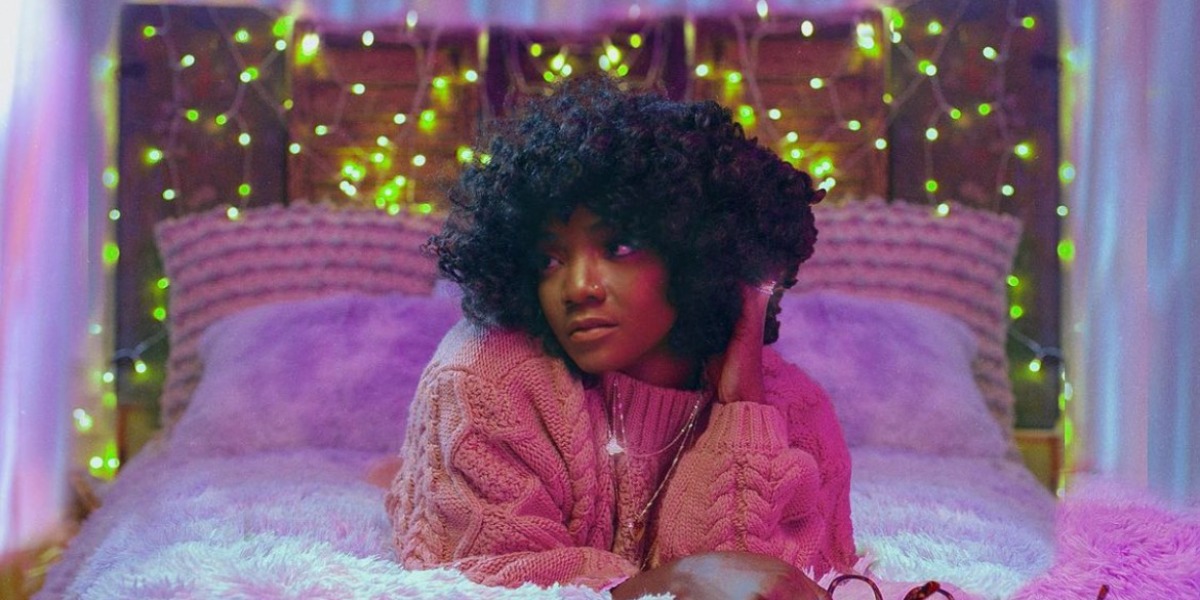
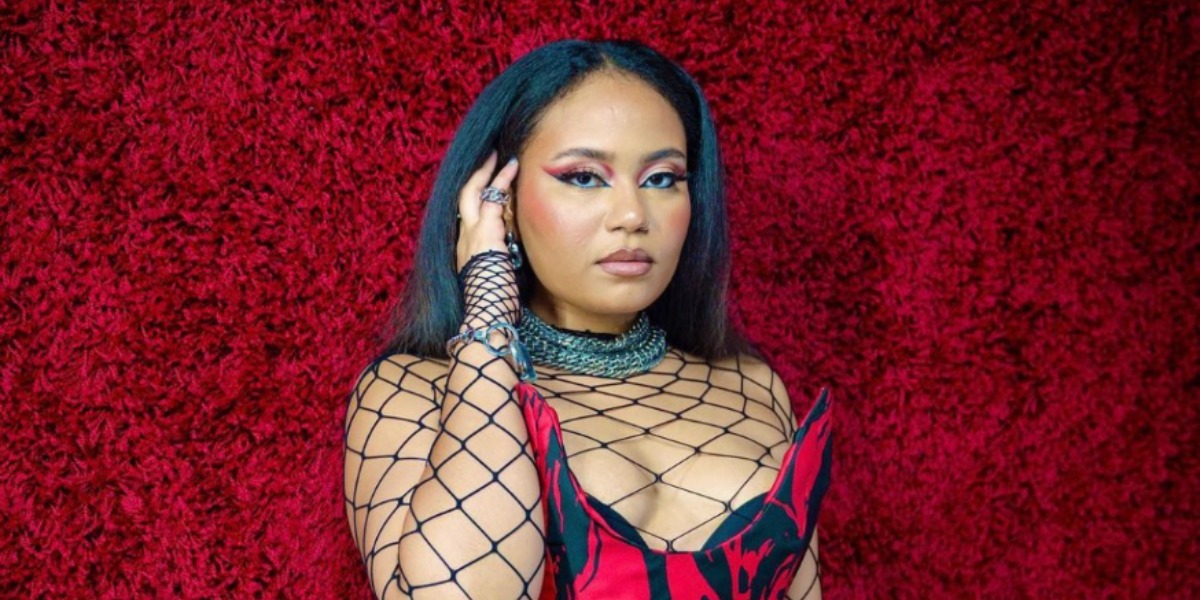
For her first official release of the year, Nigerian born US-based singer Kah-Lo is here with party tune “Drag Me Out”, a track that sees the artist expressing her playful and energetic side over a catchy and irresistible beat. In usual Kah-Lo fashion, the production provides the perfect background for her to fire her lyrics such as “I like to party, I like to get ecstatic/I’m spending all my money, I’m not leaving tomorrow.”

Bisa Kdei – “Love You” ft KiDi 

Ghanaian singers Bisa Kdei & KiDi have teamed up for a new record titled “Love You”. The romantic number sees both artists expressing their deepest feelings to their love interests in their respective dialects, while delivering a heart filled record that soothes the soul.

Diamond Platnumz – “Sona” ft Adekunle Gold 

Tanzanian singer Diamond Platnumz has arrived with a new track “Sona”, and has collaborated with Nigerian Afropop singer Adekunle Gold. The mid-tempo track is a romantic record, which sees the artists speaking on how their muses make them feel. On the chorus of the track Platnumz sings “My baby sona, now I’m a believer/Your love is all me  I want for life”. 

Rexx Life Raj – “Beauty In The Madness” ft. Fireboy DML & Wale

For this track, R&B singer and songwriter Rexx Life Raj has teamed up with Fireboy DML and Wale for a sensual R&B record titled “Beauty In The Madness”. The mid-tempo track finds the artists singing romantic lyrics to their respective muses. On the hook of the record, Raj sings “All that I imagine is you help me find a way to see the beauty in the madness,” expressing just how she makes him feel loved and seen.

Featured image credits/NATIVE

ICYMI: 11 Projects You May Have Missed This Year

What’s Going On: Chad peace talks, Google celebrates cultural heritage in Mali & more

“What’s Going On” Tallies Notable News Headlines From Across The Continent — The Good, The Bad, And The Horrible — As A Way Of Ensuring That We All Become A More Sagacious African Generation. With This Column, We’re Hoping To Disseminate The Latest Happenings In Our Socio-Political Climate From Across The Continent, Whilst Starting A Conversation About What’s Important For Us To All Discuss. From Political Affairs To Socio-Economic Issues, ‘What’s Going On’ Will Discuss Just That.


Zimbabwe Police block opposition party rally ahead of upcoming by-elections

In 2020, the Zimbabwe Electoral Commission (ZEC) suspended the previously scheduled by-elections to fill seats in the country’s national assembly and local authority positions. The suspensions were effected by the government’s Covid-19 regulatory ban on public gatherings, in order to control the spread of the virus amidst the global pandemic. Two years later, president Emmerson Mnangagwa has approved March 26 as the date for the long-awaited by-elections, however, him and his ruling party Zanu PF have been consistently accused of stifling opposition parties ahead of the coming polls.

On Saturday, police in Zimbabwe prevented opposition party leader Nelson Chamisa from holding a scheduled rally in Marondera, a city located 70 kilometres away from capital city Harare. Despite a government-sanctioned ban on protests and large political gatherings, thousands of Zimbabweans supporting the Chamisa-led Citizens Coalition for Change (CCC) took the streets, in defiance of an order that exemplifies the current administration’s attitude towards civil dissent. Thankfully, no violent acts took place, with Chamisa dismissing his supporters in order to avoid any fatal happenings.

The rally also signalled the deep dissatisfaction of the Zimbabwean populace with the Mnangagwa-led government, which they hoped would bring about a positive turn in economic and political fortunes following the ousting of former strongman president Robert Mugabe. In nearly four years, Mnangagwa’s leadership tenure has deepened the country’s economic woes, with inflation continuing to rise as well as the continuation of rampant corruption, while democratic ideals are being flouted in much the same way Mugabe did. It has worsened citizen’s distrust for government, and while thousands are impassioned against the current administration, political apathy is now rife amongst a significant portion of Zimbabweans who are solely focused on survival and don’t believe elections will solve the country’s myriad of systemic problems.

Ancient Timbuktu manuscripts digitised for public viewing

Last week, Google Arts and Culture launched a virtual gallery to showcase over 40,000 digitised pages of the Timbuktu manuscripts. These iconic manuscripts, some dating back to the 11th century, contain knowledge ranging from maths and geography to astrology and astronomy to music and biology. In 2012, Islamist militant groups took hold of the Northern Mali city, going after important artefacts like these manuscripts, which were, thankfully, smuggled to Bamako by several families who understood their cultural value.

For centuries, Timbuktu was a hub of knowledge, playing an integral role in the spread of Islam across the African continent and also furthering intellectual discuss on a range of subjects. The manuscripts are written on a range of materials, from Italian paper to goat, sheep and even fish skins. This process of digitising the manuscripts took about seven years, following an initial conversation between librarian (and manuscript smuggler) Dr. Abdel Kader Haidara and Google in 2014. The virtual gallery is part of a new Google Arts and Culture project titled Mali Magic, which also celebrates the West African country’s music, modern art and monuments.

The monuments section contains over 50 exhibits, including the first online, interactive tours of some of Mali’s most significant historic sites. The collection also contains videos and images dedicated to the country’s contemporary art scene, as well as profiles of some of the artists. For the music section, Grammy-nominated singer-songwriter Fatoumata Diawara wrote and recorded Maliba, a 7-track album dedicated to Mali’s cultural heritage and spirit. With its multi-pronged approach, Mali Magic captures and helps preserve the legacy of a country with a significant and rich culture, despite currently being riddled with insurgency and political uncertainty.

Chad military government starts peace talks with opposition groups

Last April, former long-term Chad president Idriss Deby Itno died after sustaining injuries while leading army troops against the Libya-based opposition rebel group, Front for Change and Concord in Chad (FACT). Immediately after, Deby’s four-star general son, Mahamat Idriss Deby immediately took over power in an unconstitutional manner, consolidating his father’s autocratic style of rule even though Deby consistently paraded himself as a democratic candidate at every election.

Instead of condemning the power grab, the African Union supported Mahamat Idriss Deby’s military government, seemingly satisfied by claims that it was transitional administration for towards eventual elections and a democratic administration. All of this political turmoil is happening during a fight against armed insurgent groups within the landlocked West African country. Ahead of a proposed national dialogue for a new constitution, scheduled for May, the military government has started peace talks with these rebel groups, as a first steps towards ending rebellion and holding peaceful elections.

Taking place in Doha, Qatar, the talks involves 44 armed rebel and opposition groups, with mediation between both parties by African Union Commission head Moussa Faki Mahamat and Qatar’s Minister of State for Foreign Affairs, Sultan bin Saad Al-Muraikhi. As a condition, the rebels asked for general amnesty and release of prisoners, which the military government has granted to hundreds but so far excluded FACT. Currently, the talks are expected to last several days, especially as participants representing FACT walked out of Sunday morning’s meeting.

Gunmen massacre over 80 people in Nigeria’s Kebbi State

Due to the Nigerian government’s inability to decisively end fatal insecurity in the northwest region, primarily perpetrated by armed groups, many communities have had to form vigilante groups in a bid to defend their lives. In the Zuru Emirate of Kebbi State, the vigilante group is known as ‘Ya San Kai’ and, last week Sunday (March 7), it partnered with the military on a joint operation to repel armed bandits roaming the border between Kebbi and Niger states.

According to Daily Trust, the military realised that the bandits had the numerical, positional and arms advantage, and decided to opt for a tactical withdrawal. However, the Yan Sa Kai men refused, leading to the death of over at least 63 volunteer vigilantes. Speaking to Reuters, Usman Sani, head of Yan Sa Kai and a retired soldier, said that the group’s plan to attack the bandits in the Sakaba area of Kebbi state must have been leaked to the bandits. “They lay in ambush, hid their motorcycles in the shrubs, circled us and opened fire in different directions,” Sani said.

About 48-hours later, the entourage of the Kebbi state deputy governor, Sama’ila Yombe, was ambushed by bandits while visiting Kanya community of Danko Wasagu local government area. According to Dabai, who said he escaped narrowly, the gunmen had mixed in with members of the community and were equipped with “much heavier calibre weapons than AK-47. The ambush led to the death of at least 18 soldiers from the 223 battalion stationed in Zuru. Wives of the deceased soldiers have since protested the deaths of their husbands, with a viral video from the protests showing their heartbreak and bitterness.

Important Reads:

The new Cold War spells trouble for Africa

Hope fades for voters in Zimbabwe

Women in Cameroon are activists and fighters but both sides in conflict are ignoring them

‘Infants here don’t know how to eat’: millions facing famine in Madagascar


ICYMI: THE NATIVE X ALÀRA PRESENTS: UNRULY

WurlD’s Latest Album, ‘My WorlD With You’ Is Here 

Over the last three years, soul singer WurlD, has emerged as one of the most innovative musicians operating in Nigeria. Across three critically-accalimed extended plays, the singer has established himself as a force to reckon with for his silky melodies and airtight lyricism. 


View this post on Instagram


A post shared by WurlD (@thisiswurld)

Love Is Contagious,’ ‘I Luv Girls With Trobul,’ and ‘Afro-Soul’ have provided gems like “Show You Off,” “PRISONA,” and “TROBUL” which have introduced the world to his electro-soul fusion sounds. All of that was paced to pave the way to the singer’s debut album, ‘My W0rlD With You,’ an intimate world where the singer wants to explore the depth of his feeling for a love interest. 

On the cover of the 19-track album, WurlD is deep in thought, considering his choices, and that image captures the mood of the project that turns out to be pensive and introspective. WurlD is joined by Dami Oniru on the opener, “THESE DAYS LOVE DON’T CHANGE,” as well as super-producer, Sarz, on “SWEET N FINE.”

With 19 songs to get through and WurlD guaranteed to pull all the stops to ensure that his debut album is an experience to savor, we are indeed in for a treat. 

Stream ‘My WorlD With Youhere.

Featured image credits/Platoon

Songs of the Day: New Music from Victony, BOJ, Diamond Platinumz & more

2022 is no longer a new year, and Afropop knows that very well. As much as the previous year was packed with scene-defining achievements, especially within the context of global growth, the only way to keep the momentum from falling off is for artists to keep reaching into their bag for great music that holds the ears and captures the hearts of millions of listeners across the continent and well beyond. That’s exactly what’s been happening, so much so that there’s hundreds of new singles, at-least one new must-hear album and a new smash hit every week.

Amidst this torrent of new music, The NATIVE is committed to highlighting the best releases you need to hear, and possibly add to your playlists. That’s the essence of our ‘Songs of the Day’ column. During the mid-week, we spotlighted new releases from Lady Donli, Blxckie, Barry Jhay and more. For our weekend instalment, we have new drops from Victony, BOJ and ENNY, Diamond Platinumz, Jaido P and more. Tap in.

Victony – “Apollo”

In an interview with content creator and popular Nigerian YouTuber Korty EO, 2021 breakout star Victony revealed that he’s an ass guy. It’s important information, especially within the context of his new single, “Apollo,” an unabashed ode to his favourite feature on the women he often finds himself attracted to. While his performances have scraped different types of highs, from catharsis to sensual expression, this new single reaches for euphoria, with the unique tone of his voice taking on a robust shape over P.Priime’s phenomenal house-pop production, which combines percussive elements from Amapiano and Fuji with lustrous synths. “Abeg slow down/know na bulldozer for your back,” Victony sings, in full surrender to his carnal obsession.

Diamond Platinumz – “Fresh” (feat. Focalistic, Pabi Cooper & Costa Titch)”

In the last decade-plus, Tanzanian pop artist and entertainment magnate Diamond Platnumz has emerged and maintained his status as one of the biggest artists out of East Africa. Today, he’s just released his first project in four years, a 10-track set titled ‘First of All’. In his usual fashion, the singer adopts a broad canvas that pulls in a diverse range of sounds within the sphere of African music, and its final track, “Fresh,” leans into the sonic rave of the moment, Amapiano. Over a dusty ‘piano beat, he’s joined by South African artists Focalistic, Pabi Cooper and Costa, as they all boast of their fly appearances, stuffed closets and deep pockets.

Coco Em – “Land (Black) First” [feat. Sisian & Kasiva]

In recent years, Kenyan DJ/producer has emerged as one of the most pronounced players in East Africa’s burgeoning dance music scene. While she’s made her name off playing enveloping mixes, she’s been teasing her full-fledged debut as a producer for a minute, and it’s happening with the April-release of her debut project, Kilumi. Ahead of the full tape, she’s shared the lead single, “Land (Black) First,” a song that pairs ominous and experimental production with socially conscious lyricism. “Who needs a hand, when the hand that feeds you bleeds you dry?” Sisian wonders out loud, with her confrontational cadence leaning close to spoken word poetry, and Kasiva’s mournful chants punctuating the song’s anti-colonial message.

BOJ & ENNY – “Culture”

In his episode of NATIVE’s ‘PreGame’ series, Nigerian singer BOJ revealed that his next album would be titled Gbagada Express’. Now scheduled for an April release, the project will include previously released singles, “Abracadabra” and “Money & Laughter.” Adding to the pre-release pile to stoke hype, BOJ has now shared a new single, “Culture,” which features British-Nigerian rapper ENNY. Helmed by Juls, the new single is built on the ace British-Ghanaian producer’s inimitable ability at laying down sumptuous neo-highlife grooves for his collaborators to luxuriate in, which is exactly what BOJ and ENNY do. BOJ opens the song with a self-reverent verse, setting the tone for ENNY’s proud quips on her first generation immigrant heritage.

Jaido P – “Queen and More”

Between his breakout single, the Olamide-assisted “Tesina Pot” and last year’s hit song “Cram,” Jaido P is proving to be adept at crafting bangers at will. The Fresh Meat alum’s new single, “Queen and More” is the latest entry into the line of street and club-ready slappers for the dynamic rap artist. Driven by a beat that pairs the droning synths of house music and the guttural bounce of current street-pop, the song is an impressive showcase of Jaido P’s ear for beats and his ability to pick an intriguing pocket to slot his sturdy yet groovy rap flow into. Similar to his breakout song, “Queen and More” is decidedly raunchy, but this time, it’s his storytelling chops and consistently improved powers as a songwriter that gets underlined, proof that the artist keeps refining his skills even though he’s found a sweet spot.

Yaw Tog & Bad Boy Timz – “Azul”

From “Ameno Amapiano” to Adekunle Gold & Davido’s “High,” slangs that have worked their way into pop culture fixtures have proven to be solid foundations for the emergence of smash hit songs. It seems like that’s what Ghanaian rapper Yaw Tog and Nigerian singer Bad Boy Timz are going for with their new collaborative single, “Azul.” The term “who order Azul?” has been fixed into Nigerian common speak for a while now, via its nightlife scene, and it forms the basis for both artists to combine for a song primed for dancefloors and clubs. Over 1da Banton’s fast-paced beat, Timz and Tog deliver lyrics that speak to their hustle and quest to live life to the fullest, with Tog adapting a heavily melodic flow that expands the perception of his drill and trap skill-set.

Ish Kevin – “My Year (2022)”

Last year, Rwandan rap superstar Ish Kevin vaulted into higher levels of popularity with a handful of singles that optimised his inventive and infectious take on drill music. Keeping the momentum going, he’s opened his account for this year with “My Year (2022),” a new single that sees the rapper veering into a new lane of experimentation. Displaying his wide musical interest and the malleability of his gruff voice, Ish Kevin tinkers with dancehall on “My Year,” making declarative remarks on the type of year he plans on having. As the lead single from Ish Kevin’s upcoming EP, Trappish II’, set for release later this month, it expands the possibilities for the project beyond his drill and trap allegiances. The accompanying music video is a staged rave in Jamaica Town, Kigali, making this musical foray feel even more authentic.

Oumou Sangaré – “Wassulu Don”

Iconic Malian singer Oumou Sangaré has consistently found a means to balance heritage with progressive ideals, rooting her music to the folksy sound she picked while growing up and championing women’s liberal rights in a patriarchal society. To celebrate this year’s International Women’s Day, she shared a new single, “Wassulu Don,” and its accompanying visuals, which features women in varying elements all radiating joy. Her spry voice is loaded with poise on the track, which mixes her Malian folk sound with the guitar elements of blues and rock. The new song is the second single from her coming album, Timbuktu, her first project of new material since 2017’s well-received Mogoya and “MOOD 4 EVA,” on Beyoncé’s The Lion King: The Gift, introduced to younger, wider audience.


ICYMI: VICTONY & REXXIE BECOME MUSICAL KIN ON 2-SONG PACK, ‘NATARAJA’

Listen to Babbz’s debut EP ‘Pineapple Juice’

The Nigerian pop scene is regularly updated with new sounds from artists. Buoyed by its global domination and access to world class production, each day (and especially Friday) is attended by new music from some of the most innovative and experimental acts in the game. Earlier today, Babbz was part of the stream of releases, kick-starting his year with his debut EP titled ‘Pineapple Juice’ and his official signing to Dr Sid’s Zero Gravity Records.


View this post on Instagram


A post shared by BabbzTheBaddie💅🏾 (@badboybabbz)

Lined with warm melodies and a consistently groovy bounce, the 5-track project is juicy much like the fruit it’s named after. Babbz’s energetic vocals are suffused in stories of love, lust and its numerous in-betweens, all presented with disarming simplicity.

Opening track “Energy” enthusiastically sets the pace for the rest of the project as Babbz reaches out for love with an optimistic outlook. ‘Anybody wey try to stop my shine, dem go see fire,’ he sings on the impressionable “Fyah,” a song where his vocal strengths come to the fore. Coasting over the chilled production, he’s unrelenting in the way young people can be, the vast breadth of their dreams ahead of them and for the taking.

The project’s focus is in the hedonistic and sensual, the throbbing of bodies and every other song, from Tim Lyre-assisted “Pineapple Juice” to “Falling” and the closer, “Spiritual Loving,” is in someway connected to that idea. You’d likely catch a groove to their inviting percussions, or Babbz’s cajoling singing cadences, which is a teasing ode to the dance floor and all the fun that follows it.

Stream ‘Pineapple Juice’ below.

Featured image credits/DemolaMako

Chocolate City introduces Noon Dave with new single, “Brunch”

For the better part of the past decade, Chocolate City has maintained its position as one of the most dynamic label imprints in the country, churning out a steady spate of talented acts including M.I, Ice Prince, Blaqbonez, CKay and more. With a roster that also includes some of the fiercest rappers and lyricists in the game, the Nigerian-based label is now looking to expand its reach by taking on new and young acts.

Announced earlier today, Chocolate City officially unveils its latest signee, Noon Dave. Born in Benin Republic and with his roots in Ogun State, Noon is a nascent R&B act looking to make his mark on the industry. To introduce him to new ears and listeners, the singer has now released his debut single, “Brunch” which is set to feature on his debut EP ‘Brunch At Noon.’


View this post on Instagram


A post shared by Noon Dave (@noon_dave)

The newly released track, “Brunch” is a slow-burn heavy bass RnB record, furnished by plush keys and coloured by Noon Dave’s sleek poignant vocals. On the record, he displays his brilliance, delivering plush romance-inflected lyrics with swanky the cadence of Afropop.

From the start, the record oozes a fresh aura, reeling the listener in and commanding attention with each romantic croon from Noon. He keeps the pulse going with an ear worm for a hook and cleverly fashioned lyrics, as he makes advances and butters up his muse on the record.

With the release of “Brunch”, the artist introduces listeners to what he’s capable of, offering a snapshot of his powerful delivery, relatable lyrics and overwhelmingly firm sense of confidence. Going by this, Noon is certainly primed to follow in the footsteps of the label’s long roster of successful acts—including M.I Abaga, Ckay, Ice Prince, Brymo and a host of others.

Stream “Brunch” below.

Featured image credits/ChocolateCity

Ahead of his debut album, Rema shares new AJ Tracey-assisted single “FYN”

With every passing day this March, the release of Rema’s debut album draws closer. The Mavin superstar is no newcomer to riding the wave, letting every new song speak for him while he otherwise stays out of the news. Further immersing listeners into the self-described afro rave, Rema has shared a new single ahead of his debut album release later this month.


View this post on Instagram


A post shared by REMA (@heisrema)

The new single, “FYN” features UK rapper AJ Tracy, who officially becomes the first act to feature on Rema’s own song. The Kel P-produced song is short for Fresh Young Nigga and sparkles with laid-back elements, a seductive drum line and eccentric keys lining its seams. Rema’s energy is dialled down a bit from his previous release, here exuding his characteristic charm through unique vocalisations.

While he’s still expressing the glistening allure of his celebrity, Rema will appeal to young audiences in his outsized awareness, his style of always overlooking those “hating on me” because he’s young and doing it. Elsewhere, he talks his shit and brags like only Rema can (“Miami bitch, chilling with the baddest bitch/ F**k her in the West and I fly her to the South Side”), often making his point in hyper-realised sexualisations and laidback enthusiasm.

Tracey makes a good feature, infusing the authoritative energy British rappers are famed for. His verse delights as a lyrical presentation, finely complementing the melodic contributions of his host. “You hearing lies if you ain’t heard I’m the best/ Me and Rema got the remedy to purge your distress,” he raps.

We’ve always known that Rema can beast on any track but this groove is just different. Extending the brilliance of “Calm Down”, it’s two out of two for Rema, a thrilling setup to what is unarguably the most anticipated album of the year.

Stream “FYN” below.

TikTok Launches New Music Streaming and Distribution Platform, SoundOn

The importance of TikTok to the African music space has been immense, connecting sounds to content creators in very ingenious ways. Over the past year, songs like CKay’s “Love Nwantiti,” Goya Menor and Nektunes’s “Ameno Amapiano” and Amaarae’s Kali Uchis-assisted remix of “SAD GIRLZ LUV MONEY” has blown up on the platform, going on to become features on global streaming charts afterwards.


View this post on Instagram


A post shared by TikTok (@tiktok)

To further strengthen its relationship with musical creators, TikTok is launching its own music marketing and distribution platform, SoundOn, which they describe as “an all-in-one platform for music marketing and distribution”. The platform allows artists to directly upload their music to TikTok and Resso, a streaming service owned by parent company ByteDance. They’d also be able to help artists distribute to global streaming platforms including Apple Music, Deezer, Pandora and Spotify.

In a creator-friendly arrangement, the distribution will be provided without charge and there will no transaction fees. SoundOn will pay 100% of royalties to the musician for an unlimited time on platforms owned by ByteDance. Streaming revenue globally will be also be paid 100%, but only in the artist’s first year and drops slightly to 90% afterwards. According to Soundon’s FAQ, artists will retain all rights and royalties—basically they still own their masters.

The SoundOn platform offers more than just distributing music for creators. It also packs an array of assistance tools to enable the artist meet their desired audiences; this can be done through providing numerical insights or getting advice from the SoundOn marketing team. Among other benefits of signing up: TikTok verification, editorial placements on partner sites and promotional support through creator marketing on TikTok.


View this post on Instagram


A post shared by TikTok (@tiktok)

“New artists and musical creators are a vibrant community within TikTok and SoundOn is designed to support them as they take their first steps in their career,” said Ole Obermann, global Head of Music at TikTok, in a statement. “Our SoundOn teams will guide creators on their journey to the big stage and bring the expertise and power of TikTok to life for the artist. We’re incredibly excited about how this will surface and propel new talent and how SoundOn will contribute to an increasingly diverse and growing global music industry.”

Last year it was reported that SoundOn had entered beta testing and is now fully available in the US, UK, Brazil and Indonesia, with artists like Muni Long and Abby Roberts highlighted as successful UK users. Earlier, in 2020 TikTok had made its initial advance into music distribution, announcing a deal with UnitedMasters, the first company of the ilk that was integrated into TikTok. “We’re incredibly excited”, said Obermann, “about how this will surface and propel new talent and how SoundOn will contribute to an increasingly diverse and growing global music industry.”

Interested artists can now register for SoundOn at us.soundon.global or soundon.global.

Oxlade signs recording deal with Columbia Records

Anyone who heard the gliding falsetto on the instantly memorable hook of Blaqbonez’s “Mamiwota” knew the voice behind it was almost guaranteed stardom. Over three years later, Oxlade is manifesting that potential in style. The singer hasn’t coasted on the unique power of his voice as much as he has formed into a potent weapon, capable of wringing out every ounce of emotion in his lyrics and carrying melodies so vibrant they are often unforgettable.

Just before the pandemic consumed our existence, Oxlade released his debut EP, ‘OXYGENE’, a wondrous showcase of his chops as a budding pop music savant. The EP featured his biggest song yet, “Away,” a runaway smash that would have been much, much bigger if not for the strict confining effect of Covid-19’s early days. That hasn’t derailed the singer’s momentum. In the time since, Oxlade has consolidated his status as a star, from follow-up hit song “Ojuju,” to standout guest appearances like the one on Basketmouth’s “Myself,” and even a scandal fitting for a popular figure.

Going forward, that level of prominence is going to receive a massive jolt of investment via a newly announced recording deal with Columbia records. The news was announced in a video montage shared through Oxlade’s social media accounts, as well as that of Columbia records. According to the tag in the announcement posts, Oxlade will receive label attention and support from the France-based arm of Epic Records, a label founded by Columbia, which was in turn founded by Sony Music, one of the big three major labels.


View this post on Instagram


A post shared by σאყ 🐐 (@oxladeofficial)

While the logistics of the deal might seem complex, it looks like a situation primed to amplify Oxlade’s talent to as many parts of the world as possible. Epic Records is best known for furthering the careers of superstars like Future, 21 Savage, DJ Khaled, Camilla Cabello and more, and even though Oxlade will be mostly interfacing with the French side of the label, the affiliation could do wonders for any stateside ambitions. The UK arm of Columbia Records will also service Oxlade’s recording deal, while Sony Music’s global division will provide support across other parts of the world.

Of course, with the excitement and potential magnitude of this deal, all parties are excited to set the ball rolling. The announcement sets the stage for the next Oxlade single, “Want You,” set for release over a week from now. It’s a new chapter for the Lagos-raised artist, as he continues his journey from attention-grabbing feature artist to pop superstardom.


ICYMI: THE SIGNIFICANCE OF DRAKE LISTENING TO OXLADE

Review: Asa’s ‘V’

In this contemporary, post-militarised phase of Nigerian music, there are few artists as addicted to the thrill of immersive world-building as the songbird known as Asa is. A precocious singer who was raised on the lounging Jazz, Soul, and Afrobeat collection of her cinematographer father, Bukola Elemide emerged on the Nigerian music scene in the mid 2000s. She stood out immediately as her sound familiarly retooled the gut-wrenching lyrical signature of musical titans such as Aretha Franklin, Fela Anikulapo-Kuti, Marvin Gaye, and Diana Ross. While the influence of her stylistic forefathers is palpable, she also added the cinematic flair of her father’s work to create a brand of music that was predicated on excellent penmanship and character furtherance. In addition to all of this, Asa’s music presented vivid snapshots of her interpretation of Nigerian culture, fuelled dually by an abiding sense of nostalgia for a home she left behind, given that her she moved to Paris for a number of years.

Much of Aṣa’s earliest and most acclaimed works were lived-in interpretations on the human condition, grief, love, familial love,  and betrayal driven by the singer’s natural inquisitiveness which would go on to birth some of the most foundational records in Nigeria’s Neo-soul canon. Standout songs in her catalogue such as Fire On The Mountain,” Bamidele,” and Bibanke are timeless gems that suggested a singer with clarity of thought. In going down this path, Aṣa became an institution unto herself, regularly heralded as a different kind of artist: one who has maintained her commercial edge without sacrificing her artistic licence.

Despite this view, the truth of the matter is that Asa has always been a shrewd operator, blessed with a prescient sense of the music landscape and steeped in the stylistics of Nigerian pop. Where the aforementioned “Fire On The Mountain” remains a high watermark of artistry off her debut album, “Jailer,” was the commercial heartbeat of her eponymous debut. Similarly, when she released her sophomore album, the leavened tone of ‘Beautiful Imperfection’ was counterbalanced by the jazz-inspired fiesta that was Be My Man while the cherry joyfulness of Eyo gave 2014’s ‘Bed of Stone’ its commercial heft.

All of this came to a head on her last album. After five years without releasing fresh material—the longest spell of her career—Asa’s music lacked the tangible connection to the heart of Nigerian music that all her previous efforts had despite their unique soundscapes. On ‘Lucid,’ largely inspired by Rock and Folk music, the ever-present sense of wonder and charm that made listening to Asa’s recounting of hurt and mild disappointment was swapped out for a hardened edge that engendered the feeling that danger was lurking at every corner. A tour was planned to help promote ‘Lucid,’  but then COVID-19 hit the world. 

Something about the pandemic and its after-shock brought a sense of perspective to many around the world—isolating alone in almost-empty houses can have that effect. And so, the music that has sprung out in a world still making sense of COVID-19 restrictions has sounded like songs of yearning for freedom and letting loose. Not unlike many other people, Asa had surplus time on her hand to look within during the pandemic. Isolating in Lagos, a new album began to take shape in the 39-year-old’s head, and for the first time, she was going to record entirely in Nigeria, inspired by the sun, food, air, and vibe of her home country. True to her words, that album, ‘V,’ takes inspiration from the mood and bounce of Nigerian pop music.  

V’ is Asa at her most light-hearted and unrestrained. There is a palpable sense of chromatic joy, playfulness, exuberance, and freedom to ‘V’ that is hard to find anywhere else in Aṣa’s oeuvre. Where its predecessor, ‘Lucid,’ gave expression to some of Asa’s most nihilistic thoughts and desires across its 14 tracks, ‘V’ possesses the narrative-laden wonder that makes Asa a brilliant listen. Nothing quite captures the scope of the singer’s vision for this project like the opener, “Mayana,” does. Aṣa has sang of love before, skirted around its borders in her songs, playfully requested for its glow but there’s a new depth to how her inquest is structured on “Mayana.” There’s an allusion to an island and living there for as long as possible with a love interest. 

The floating sense of comfort that inspired “Mayana” is also at play on its follow-up, “Ocean,” where Aṣa makes a grand gesture comparing her lover to the boundlessness of the ocean. Gone are the mooning songs about complicated love or technically-structured verses that made her the patron saint of indie-pop acts across Nigeria, instead Asa’s focus is on wrapping love in silky euphemisms and similes. When she intently sings, “Boy you are the ocean,” drawing out the words to imprint the impulse that inspires it, there are no doubts to how she’s feeling.  

In many ways, this is also an album about opening up Asa’s world to new people and influences as well as terrains that she hasn’t ventured into since we met her more than 17 years ago. Rising producer, P.Priime, was tapped to produce 90% of the album, supplying instrumentals largely built smoky soulish samples and minimalist percussions that suit Aṣa’s supple voice to a tee while nudging her to experiment with theme and topics. Blue-haired soul singer, WurlD, continues to be distinctly identifiable, writing with Asa on “Ocean” and contributing backing vocals. 

The biggest collaboration on this project remains IDG,” the Wizkid collaboration where both singers collide eras, sounds, and energies atop Priime’s ice-cool instrumental. Tackling a classic Afrofusion instrumental, Asa remains effortlessly cool, singing lines like, “nothing can break me, nothing can bring me down” with absolute belief in their potency, while Wizkid slides in with a relaxed verse about being able to tell real love apart from the fake version. It’s a collaboration that’s been over a decade in the making but both singers sound like perfect partners as they croon and swoon listeners over a funky track.

Nike is a curious choice to follow up “IDG.” On its distinct chorus, Asa gently recedes to the impulse of ‘Lucid,’ gently singing, in pidgin, “I no fit to love anyone anyone” with all the theatrical flair that she can manage; it’s a little off-message but it’s just a brief detour from the singer who is committed to love on ‘V.’ The next song, Show Me Off,” is a creative scion of “Be My Man,” but the drums, regardless of how fleeting they are, bring Asa’s work into the realm of contemporary Nigerian pop, which is more visible on Morning Man.” 

After all these years of creating music largely on her own, on ‘V,’ Asa has also decided to seek out some of West Africa’s most inventive musicians to test her chemistry with and validate their admiration of her pioneering work. Highlife brother duo The Cavemen set the vibe of Good Times,” singing about the validity of love in the context of friendship. The song’s mid-tempo pace briefly sees Asa make a return to the elegant ballads that she made a signature at the beginning of her career.


View this post on Instagram


A post shared by Asa (@asaofficial)

Elsewhere, she experiments with a flow that blurs the intersection of R&B and Hip-Hop on All I’ve Ever Wanted. It’s one of the most subtly urgent songs on ‘V’, but it’s another example of Asa crossing over into the world of her collaborator who happens to be Ghanaian singer, Amaarae. (Asa has said that she started writing this song with Amaarae in mind.) It’s also the most experimental song here, and it manages to capture Asa’s fluid expressionism across genres.

The finale of ‘V’ is a would-be anthem, Love Me Or Give Me Red Wine,” where Asa fits in lines like, “There’s no one else/You’re all I need” next to unclear lyrics that reflect the wanderlust of her heart. It’s the most forthright Asa, the solemn singer of Iba and Murder In The USA,” has ever been about romance in her career, but maybe she’s just ticking off mental notes on her to-do list.

In the years since Asa first became a national star, her creative work has provided inspiration to countless people as well as nourished a listening base that would do anything to see her approach to arrangement and song-writing established at the heart of Nigerian pop. The emergence of writers like Buju, Fireboy DML, and Omah Lay has provided a synthesis of good lyricism and exciting melodies but none of these writers have a mastery of melancholy like Asa has and neither can they bend the tedious to their will as Ms. Bukola Elemide does. The singing and writing on ‘V’ is a brilliant fusion of Asa’s soul music and the cadence of Nigerian pop. If she already scaled the mountains with her earlier work, this is the summit of one of the most brilliant musical minds of her generation.

Listen to Asa’s ‘V’ below.


ICYMI: ASA RETURNED HOME AND TURNED IN HER BRIGHTEST-SOUNDING ALBUM YET

Deep Cuts: Riky Rick was upfront about his willingness to live on “HOME”

Riky Rick was always upfront about his demons. The iconic South African rap artist, fashion enthusiast and entrepreneur, who passed away three weeks ago, openly talked about his alcohol addiction, depressive bouts, and suicidal ideations, but he never wanted to be defined by these struggles. Instead, Riky Rick dwelled on the importance of living a wholesome life, and the arduous but noble trudge towards reaching a more desirable state of being.

In 2015, his classic and only studio album, ‘Family Values’, vaulted Riky Rick into superstardom. The fusion of Kwaito and rap on hits like “Boss Zonke” and “Amantobazane,” as well as the chest-caving 808 bass and roiling chants of “Sidlukontini,” proved he was more than capable of captivating ears with instantly memorable slappers. At the same time, though, the album’s emotional crux was a quest to be a much better man through sheer will, and by embracing the responsibility that comes with catering to his own family. On “Joy,” the intro to his late 2017 EP, ‘Stay Shining’, he admitted to missteps on his journey, with an acknowledgement that he had to do better for himself as much he was for those closest to him.

Three years later, Riky Rick was still a work in progress even as it seemed like he had a good handle on things. In October 2020, he dropped a 2-song pack that included “UNGAZINCISHI,” featuring Focalistic and produced by Tyler ICU, and the Mas Musiq-helmed “HOME.” At the time of release, the former garnered attention for being a vibrant fusion of swag rap and amapiano. In the wake of Rick’s passing, it’s the latter that’s become hugely significant, largely due to his final tweet, mere hours before the news of his death broke.

“I’ll return a stronger man. This land is still my home.” The two sentences were culled by Riky Rick from “HOME,” indicating the immense personal value he attached to the song during his lifetime. It’s easy to understand the sentiment: “HOME” is the equivalent of peeking at a beating heart through rib cages. In four minutes, Riky Rick gives listeners a striking and encompassing update of his personal welfare, letting us in on a range of emotions, from joy and pain to confidence and anxiety. It’s a song where flecks of bravado mingles with vulnerability to form an unvarnished, affecting whole.

“HOME” opens forebodingly, with the famous Cutty Ranks quote, “Six million ways to die, choose one.” Thankfully, the rest of the song is meditation on living, with Riky Rick working his way through the effects of wealth and fame on his life, while examining his motivations to keep going. “I was rapping for fun but now it’s fruitful/ when fruitful also come with brutal,” he raps, contemplating the distressing side effects of his status—fake friends, naysayers, the pressure to continue delivering A-grade music and creative ideas—and also fiddling with the thoughts of retirement from rap, and maybe even life itself.

Amidst Mas Musiq’s softly twinkling keys, dirge-like synths and plodding bass, as well as cutting, poetic bridges from singer Howard, Riky Rick raps with a nervy zest, fully aware of the stakes behind every line. “I know I’m living on borrowed time/I’m the greatest of all time/But I’m tired and I wanna put the ball down” is a brief moment of resignation, but as the song proceed, his determination, aided by external pressure, keeps him from drifting down. Even the constantly echoing chorus, “This land is still my home,” is a defiant declaration to that effect.

From 2Pac—Riky’s most pronounce musical influence—to Dagrin, there are a handful of examples of rappers pre-empting their own death. With the Howard-sung line, “No grave shall hold my body,” and that last tweet by Riky Rick, it’s tempting to add “HOME” to that pile. To do that, though, would be gravely limiting the song’s honesty. It’s a proclamation of the urge to keep going despite the external and internal battles; a belief that if we want better, we can do better, and best our situations. As seen in his heart-breaking passing, it’s a far more complex process, but at least it’s a principle to start with.

Listen to “HOME” here.


ICYMI: MAJEK FASHEK SPOKE THE LANGUAGE OF OPTIMISM

Essentials: Kojey Radical is contemplative & triumphant on his debut LP, ‘Reason to Smile’

Kojey Radical made himself known within British art circles during the mid 2010s, first as a fashion illustrator and then as a rapper with a prolific streak. His lyrics were politically aware, investigating disparate facets of Black pain and joy, the strength in family and history. These themes would go on to become continuous threads in his music, explored not just lyrically but also sonically as the artist connected diverse eras through his collaborative spirit and an enthusiasm for sound.

Kojey’s last project came almost three years ago, on the silky Cashmere Tears, a tape suffused in warm melodies and poignant tales. On “Sugar” he collaborates with cousin Amaarae, a groovy horn-lined song that sounds like cruising with the homies on Sunday evening. In return, he turned in a scintillating verse on Amaarae’s “JUMPING SHIP,” off her debut album The Angel You Don’t Know. That bolstered his name among African listeners, stoking anticipation for a new Kojey Radical album beyond his immediate sphere of influence in the UK.

For a mainstay such as Kojey there’s certainly an element of surprise to his debut album only being released now. Shorter projects are usually considered the prelude to the main action, often expressed passionately but lacking the poise of an accomplished creator. It’s not the case for Kojey Radical, whose early projects got him a MOBO nomination and the respect of his peers. If anything, the anticipated Reason to Smile shaped up to be a seamless entry into his impressive catalogue, supported by the release of two singles—“Payback” and the Masego-assisted “Silk”—earlier this year. 

The album is a fifteen track journey, partly about the family history of Kojey Radical, who was born Kwadwo Adu Genfi to Ghanaian parents who immigrated to Britain in the late 1950s. Weaving memory into vivid production, Kojey invites his mother to narrate the album. She charts her departure from Ghana and her experience of raising black children in a white world. Her son’s lyricism is similarly introspective, couched in grimy beats that are soulful enough to play inside the church.

Throughout the album Kojey’s gruff vocals can become menacing or contemplative, wholly invested in each song’s narrative. On “Together” he unites P-Funk and R&B-esque keys, adapting a wavy flow amidst luxuriant female voices on the chorus singing, “get your shit together”. 

With features stacked everywhere, Kojey’s arrangement skill shines through the fact there’s no clutter. The likes of Cashh (“Born”), Ego Ella May (“Anywhere”) and Rexx Life Raj (“Solo”) were standout features, extending the tape’s sonic texture into afro-bashment, a ballad-paced duet and Trap-esque cadences. “Sometimes I’m not okay, and that’s okay,” Kojey Radical sings on “Solo”, sketching the album’s message of staying strong even when everything’s falling around you.  

Listen Reason to Smile’ here.


ICYMI: WHY AMAARAE DESERVES TO TOP GLOBAL CHARTS

NCVRD: How Upson Martin created Cruel Santino’s Subaru World

“NCVRD” – read as uNcovered – is an interview series that takes a closer look at the cover art of our favourite albums or projects. We aim to uncover daring and bold visual artists across the continent while illuminating the creativity behind a project’s visual world.


About ten minutes into our conversation over a WhatsApp voice call, Upson Martin pulls up the cover art for Cruel Santino’s newly released sophomore album, ‘Subaru Boys: FINAL HEAVEN’. As the illustrator, he most likely has all the details of the drawing committed to memory, but he needs to take another look because I’ve asked him to describe the relationship between the album’s themes and its art. “I can’t even explain it, ‘cause I feel like you have to experience it yourself,” he explains, before launching into his own interpretation of that connection between music and visual art.

In the years since killing Ozzy B and his rebirth as Santi—now Cruel Santino for nominal copyright reasons—the singer/rapper has left many people stomped on how to spin his music into simple translations. Of course, there’s the hybridised delivery, a melange of dreamy melodies, rap-sung flows and patois-influenced cadence that purposefully obscures his lyrics, so much so that every drop sparks a debate about the accessibility of Santi’s music. At the same time, his albums are universes seemingly pieced together meticulously, goading listeners to consistently dig until it reveals something tangible to them.


View this post on Instagram


A post shared by santi (@cruelsantino)

Like its predecessors, ‘Suzie’s Funeral’ and ‘Mandy & the Jungle’, Santi’s new LP is a conceptual work that will take multiple listens to unravel. A good entry point might be its cover art, which is “definitely all Santi, to be honest,” but as the second closest person to it, Upson can offer authoritative insight into. “The best way to explain this thing is something like, you know how, when you’re going to war, you have your squad with you and everyone is ride or die, you guys kill for each other, and you all love each other to death,” he tells me.

“Everybody in the squad has different personalities, you can see it on their faces: some of them are smiling, some of them are boning, some of them are giving this sinister look, some of them are happy.

They all have this different vibe about them, but they all have the same mission, they all have to reach this destination.”

The cover art for Subaru Boys: FINAL HEAVEN’ is a partial product of Cruel Santino’s obsession with gaming and anime, and Upson’s mutual obsession with the latter. Seeing as he only fully adopted the anime aesthetic fairly recently, in service of this project, his illustrations for Subaru Boys is a pivotal inflection point in his lifelong journey as a visual artists. “I’d say even before primary school, my mum was already teaching me how to draw,” he tells me of his creative beginnings. “So I just fell in love with and from then I was always drawing.” Deeply enamoured by football, drawing took a backseat in high school, but he did learn technical drawing, which helped fanned the flames of that passion.

By uni in Toronto, where he was studying Economics, Upson was working his way into graphic design and digital art. After a couple of art exhibitions, designs for clothing brands like Severe Nature, and posting about one percent of his work on Instagram, he started to turn more heads, and that included artists that wanted him to work on cover arts for their music.

Illustrating the cover art for ‘Subaru World’ is no doubt the biggest music-related work of his career till date, and he also states that it’s one of the most thrilling projects he’s been a part of, because of the scope of Santi’s vision and how much it helped expand his creative horizon.

“How I draw is, I’m learning at the same time. I’m never trying to draw the same thing or have a particular style. I don’t want to conform to anything, I just want to draw something different every day, but I spent all that time and gave that entire [anime aesthetic] to Subaru because it’s an idea I love.”

Our conversation with Upson Martin follows below, and has been lightly edited for clarity.

NATIVE: How did you get your first bits of attention?

Upson: I’d say it was back in Canada. I did a couple of art exhibitions in Canada. I went to college in Toronto, that’s where I actually started learning digital art, because I liked it on my own—I was studying economics in uni—and I knew that’s what I wanted to do. I started learning Photoshop, how to draw on computer because it’s not necessarily the same as drawing on paper, and I was doing a lot of design for clothes at the time. I started working with (fashion brand) Severe Nature, I did the first designs and logos, people started liking those, then messaging me on Instagram for commissions and stuff like that. I think that’s how it all really started, from merch design; it wasn’t really like a cover art thing, I was more about just working on digital art every day. If you see my Instagram page, I don’t even have up to one percent of my work on there, I’ve just archived a lot of things. People just liked the stuff I posted, and I was just working consistently while have some fun with it. Then I did an art exhibition in Toronto in 2015, and that put me on the map a bit.

NATIVE: How did that lead to creating cover arts?

It was a commission based thing. An artist would reach out, let me know that they like my art and they’d like me to do a cover. I can’t even remember the artist I worked with first, but I know how I got in to eventually working with Santi. I was working with Zamir—we went to the same high school, we kept in contact while I was in Canada and we used to just talk about creating stuff together, and he commissioned me for some art on his projects. I think from there, ‘cause he and Santi are quite close, Santi saw my stuff. Also, when I moved back to Nigeria, I linked up with Zamir and Santi, then we chopped it and shared stuff. I don’t really work with a lot of musicians; just Zamir, Santi, Prettyboy D-O, and I just recently linked up with Lady Donli. I’m not really into that music space, ‘cause I’m an artist and I make my own art, I think that’s why these guys work with me.

NATIVE: Since you create your own art, how are you able to adjust into working on another person’s vision, especially with Subaru?

This one, it’s definitely all Santi, to be honest. It’s his idea, it’s his vision, and I’m just literally the person that brings it to life, as far as how he wants it to be. I can draw, I have that anime aesthetic in my arsenal, so we talk about what he wants, I’d sketch, send it back to me, we look at references together, but it’s all Santi as far as ideation. Also, he has a story behind the album and the art, so it’s basically about bringing it to life for me.

NATIVE: How does the theme translate into the art?

I can’t even explain it, ‘cause I feel like you have to experience it yourself. I’ve never worked with an artist where I had to actually experience it myself, as far as the vibe, it’s something I had to listen to the album properly and feel the energy coming from it. It’s tough but it’s most the exciting ride I’ve ever been on to be honest—as far as working with someone else. [Pulls up cover art.]

The best way to explain this thing is something like, you know how, when you’re going to war, you have your squad with you and everyone is ride or die, you guys kill for each other, and you all love each other to death. Everybody in the squad has different personalities, you can see it on their faces: some of them are smiling, some of them are boning, some of them are giving this sinister look, some of them are happy. They all have this different vibe about them, but they all have the same mission, they all have to reach this destination. It’s just like real life, you know. Everyone has a goal, and you have your go-to people, those you trust that can help you through it. I’m just saying all of this from my own perspective.

As far as the poses, it’s like this is Subaru, basically. Just imagine the first time someone invented the fuck you, which is flipping someone off but it’s also like a form of greeting. So the poses are basically like a new wave of salutation, so you can see some guys are saluting, some are bowing and all that. You know how in the military, when the commander is coming through, everybody bows, so it’s something like that. You have your crew but nobody is going to be bowing on some corny shit, you want to be cool about it.

NATIVE: Is it inspired by an actual crew of people?

Yeah, it’s inspired by different people, Santi is in there as well.


View this post on Instagram


A post shared by u.c1_37 (@u.c1_37)

NATIVE: The art has a ‘Final Fantasy’ feel to it.

The thing about it is, we’re actually trying to create an anime. The idea Santi had was to create an anime, then use the music as a platform to set it up.

NATIVE: Have you worked on an anime before?

No, I haven’t. This is my first time! I’ve been learning as we go, but the thing is, I’ve been doing anime drawing from time, so it’s not like it’s new to me.

NATIVE: When did anime become your art style?

Not too long ago, to be honest. I’d say early last year. It has always been what I wanted to do, I’ve just been learning and I finally got how to draw that way last year.

Early stage artwork

NATIVE: Is that how long it took to work on the cover?

Yeah. I’d say it was ready by the beginning of the year but we spent more than a year working on it, ‘cause there was a lot of character design and stuff, so it took a while.

NATIVE: Working with Santi, knowing that there’ll be more attention to your work, did that bring any pressure?

Nah, because it’s what I love to do. Besides, I’m not doing it just by myself, and we’re pretty good at blocking the noise out and just focusing on the main thing, which is reaching the final destination. That’s what Subaru is all about, actually reaching your goals and getting past the forces you have to break through.

NATIVE: What does Subaru mean to you?

For me, it means a lot of things. It’s a new wave of art, it’s just doing whatever it takes to get to your goals in a very swaggy way. There’s a line on the album that goes, “no dey move like you be junkie, Subaru boy, mami demon water no fit touch me.” I think that’s my favourite line on the album. As Nigerians, we always have this mentality that there’s demons pulling you down, and it’s that thing like, “there’s nothing that can stop me. I’m going to swag this shit out. I’m going to do what I love and I’ll get to that final heaven.” That’s what it’s all about, and that’s the wave now, ‘cause we’re not interested in the nonsense people have to say.


Early stage artwork

Featured image credits/NATIVE/UpsonMartin


ICYMI: READ OUR 2019 COVER STORY ‘SANTI’S REBELLION’

Boomplay Partners with MTN To Launch Affordable Subscription Model

Leading African streaming platform, Boomplay, has partnered with the Nigerian arm of telecom giant, MTN, to launch the Boomplay x MTN Data bundle as part of the company’s efforts to make its vast music catalogue easily available to its users. Under the purview of this partnership, MTN subscribers will be offered tailored data plans to stream unlimited music and access premium content on Boomplay at affordable rates.

With over 65 million active monthly users, Boomplay is by far the most widely adopted streaming platform on the continent and its partnership with MTN will deepen its bond with the market. Through this partnership, MTN subscribers will be offered daily, weekly, and monthly subscriptions to gain premium access to Boomplay’s music streaming service on their mobile devices. The available Boomplay music plans alongside their data allowance are the: One day access with data for 250MB at N99, Weekly access with data for 1.2GB at N449 and Monthly access with data for 2.5GB at N999.

MTN users will also be able to purchase any of the bundles by texting the codes; BMSD for daily, BMSW for weekly, and BMSM for the monthly bundle(s) to 8012 via SMS, or purchasing with airtime payment in the Boomplay app. Speaking of the deal, Boomplay Nigeria’s General Manager, Dele Kadiri, said “This partnership is an attestation of our commitment to making music streaming as affordable as possible. High data costs are one of the barriers to the growth of music streaming and we are glad to be partnering with MTN to provide this special data bundle.”

Similarly, A’isha Umar Mumuni, the acting Chief Digital Officer of MTN Nigeria, expressed optimism about the partnership: “Music is an integral part of youth entertainment, and we are glad to partner with Boomplay to bring accessible and affordable music entertainment to Nigerian youth. In our pursuit to deliver superior value to our subscribers, we continue to collaborate with a mix of digital content partners and bundle services with data access, so nothing can come between our customers and the content they love. The platform allows users to create playlists, watch/download music videos, and interact with other music lovers by following their profiles. We hope this brings value to our audiences.”

Featured image credits/BoomplayNG

NATIVE Exclusive: Ayo Animashaun On Why The Industry’s Biggest Night Is Going To America

Last week, the Headies, Nigeria’s premiere awards show, announced that it will be hosting the 15th edition of its show in Atlanta, Georgia at the Cobb Energy Performing Arts Centre. This announcement attracted a mixed bag of reactions from Afropop lovers across the country and her diaspora, who were against the move due to fear that it might alienate many artists on the continent for financial and logistical reasons.


View this post on Instagram


A post shared by The Headies Awards (@the_headies)

These reactions are warranted given that the validity of awards shows has been called into question several times in the recent memory. For many, the sudden change called into question the very foundation and purpose of the Headies Awards. On the one hand, the move seemed to be isolating the artists, fans and listeners who had made Afropop what it is today and, while on the other hand, it seemed like a solid business decision, made after years of redundant logistical and production issues.

To assuage general doubts about the Headies going to America and understand a bit more about the fans collective anger, we organised a Twitter Spaces conversation with our friends over at 49th Street. During this engaging conversation, we were able to hear directly from Ayo Animashaun, the Headies Executive Producer who broke down the Headies recent announcement in great detail.

In Ayo Animashaun’s own words, he spent several years touring the globe and experiencing music award systems in other regions and continents to understand how a similar model could be adopted in Nigeria. From the myriad of production issues faced in Nigeria while running an award show to the greater need for attendance and accessibility to Afropop’s upperclass men, here’s what we learnt from our conversation with Ayo Animashaun.

Our conversation which follows below has been lightly edited for clarity.

NATIVE: Why did you take this decision at this juncture, to take the award out of the country and to America?

AYO: If the move was a business decision, then we would not have made it to the 7th Headies. We have lost more money than we have made at the Headies so we make money and lose it the next day. It’s definitely not a business decision, there are too many other reasons. 

There are a lot of limitations that if we don’t get to talk about, you don’t know. Let me start with production. Before we started the Headies, I went 5 years straight and saw all the music award shows in the world and one of the best was the South African Music Awards (SAMA). I was checking the production quality and wondering how do we get this in Africa? So in 2015, I called my team and said we had to scale it up. We know beyond the glamour and what people like, we can do far better. So, I called my guys and went to the biggest production company in Africa like 7 months before the awards. They asked for a big deal and I told my staff that we should try and turn this around.

So we went to Eko Hotel again and requested for a quote, and it was very expensive. We signed a deal and they gave us a set, production and light quality that we had not seen in this part of the world and definitely not in Nigeria. We requested for a week to block Eko Hotel to pull off this production. However, a few weeks later, they came back and told us that they could not give us a week. So we got 4 days instead which did not work for our production partners. Then, we went to Landmark and we got a week there so we were going to ship 540-foot container and send a 21-man crew down to Lagos. Unfortunately, we couldn’t ship thhe containers as we ran into issues making international payments to them. By the time they had received the money, only 2 containers could be shipped and the cost we didn’t expect, we had to get a cargo plane to ship 340-foot container.

NATIVE: Would you say production is cheaper in America?

AYO: Production is cheaper in America and there is better quality, organisation and better venues. When we stepped out, we wanted the production company that produces the Grammy, the Oscar and the Superbowl so we could take the award to another level and let the world watch and sell our music, our culture, our style and fashion to the world. In the end, let me not get into the production in full but we could not ship a 340-foot container in a cargo plane and when it got to the airport, it was stuck due to custom clearing which was another issue. That level of production is not available here even if we want to do it.


View this post on Instagram


A post shared by The Headies Awards (@the_headies)

NATIVE: What other problems did you face in Nigeria?

AYO: Another problem faced was talent and export, and where we are today in the world and where we want to be. We can’t get everything we want in Nigeria, I mean why are artists doing tours. Yes, we understand the fact it is a local award and a Nigerian award. Take for instance, Eko Hotel can only accommodate 5000 people but whenever the Headies is happening, we get the highest number of engagement, trend internationally in the world. We have come to find, it’s not the number of people in the auditorium but the number of people that can see it and buy it in it.

This show, before we moved it to America, we also tried to get some of the biggest artists that have collaborated with Nigerian artists and perform on the same stage here with them but some won’t even come to Nigeria. We wanted big collaborations to happen in Nigeria and have people like Kevin Hart or Idris Elba presenting awards but they won’t even leave their country. Also, most of our Nigerian artists tour during the summer and are busy doing big shows around the time of the awards. Then, the artists that are here that need exposure, we have lined up press from everywhere to get their music out there. It’s just what we think would be good for the industry and would be bigger.

NATIVE: It doesn’t take away the fans sentiment. I think for a long time here, a lot of award shows here were about fans and the artists whereas abroad, it’s really about the industry. It seems perhaps that’s what this is moving towards.

KB: How do we the fans know that the awards still has the best interest of the music and the culture at heart?

AYO: You know the first set of people that know this? The artists themselves and I’ll tell you why. For example, if you remember the Olamide and Don Jazzy saga, they didn’t vote and I shared the log with him. I see a lot of people say this artist will be nominated and use their mouth to vote for them but are disappointed when these artists don’t win any awards. A lot of people try to lobby in the past to say what can we do to get nominated and people advise them before they get to me against it because what are you going to me. I have never collected anything and I trust people in my team.

Even if you want to do it, the process is impossible. Everybody knows the year in review then we explain the definition of each category. Beyond this, when you vote on our platform, you’re voting on the platform of our audit firm and the result can be verified. In the past, we have had to share results with people that had issues with credibility.


View this post on Instagram


A post shared by The Headies Awards (@the_headies)

NATIVE: What is the submission process for the awards?

AYO: Entry submission process. Once voting opens, a part of the website will show you what you need to submit. In less than a week, calls for entry starts and you will be able to see the process for submission on the website. Once that is done, the ones that are eligible will be nominated in the categories they are eligible for. Sometimes, 9 or 15 or 30 artists are eligible in a particular category. This is then reduced to 6 which makes it tough for the Academy members. The academy members include record label executives, DJs, producers and more. How does this work? So someone like Don Jazzy can’t vote for artists in his label. If I vote for an artist in my label, it will not count.

EMAN OWONIYI: Can you shed more light on the long term plan behind the move to the US? What’s the flexibility around your location as an award show?

AYO: I’ll be 100% honest with you. Yes, we do have plans to have the Headies abroad again. Are we clear how? No. Headies is largely dependent on sponsorship. There’s a reason why the other awards have not been consistent because it has to mean more than business for you to continue. You have to love the industry and you need to be passionate about it to build something that lasts. We are going to America this year to host the Headies and we’re not going to say we’re never going to come back here or it’s always going to be here. We have plans for this but I can’t say this has been planned yet.

EMAN: What fed into the decision to adjust the year in review timeline?

AYO: In Nigeria, one of the biggest problems is consistency. I am the biggest critic of the awards so I understand people’s sentiment. What we tried to do is to make sure we don’t miss any part of the month or year since we started out in 2003. What we tried to do is keep is consistent so in doing that, you’re dragging from one side of the curtain to bring to the middle. Sometimes, we don’t even want to continue the awards because there is no sponsorship. Back then, Hip TV wasn’t a channel on TV back then, before the awards, HIP Tv was on 8 channels but after the awards, that reduced to 3 because we lost a lot of money over the years running an award show. So being there for 14 years is a win enough for us knowing these fundamental problems.

Also, sometimes, we plan to do the awards and they are seized by customs because the award is 21-carat gold plated. These are internal challenges that many people don’t know. We had years when we had to send the awards to artists after because we have to be consistent and make good on our promise. There were also years when we have the award for Best Rated, the sponsor brings the car to the venue but after, they drove the car away yet we bought the car. We have sponsors in Nigeria but when the dream is too big, things don’t pan out.

Revisit our conversation with Ayo Animashaun below.

Featured image credits/Chibuzo

The NATIVE x Alàra Presents: UNRULY

This Women’s History Month, in the spirit of the theme of #BreakTheBias, the NATIVE and Alara Lagos have partnered for a fashion editorial titled ‘U N R U L Y.’ Featuring a talented spate of young, dynamic Nigerian women across a range of fields and industries, this editorial ties together both brand’s collective mission to champion the voices of African women.


unruly

/ʌnˈruːli/

adjective

disorderly, disruptive and not amenable to discipline or control

e.g ‘the feminists of today days are a bunch of unruly women.’

When the order of the world is built in favour of one group of people and to the detriment of another, the best course of action is to disrupt and destroy that order. The rejection of societal norms and policing of our choices is a daily fight for women all over the world, and the ‘unruly’ behaviour of the women who have come before now have ensured that we come this far. To make a better tomorrow, we must continue to be unruly.

Featuring Blessing Ewona, Iretidayo Zacchaeus, Lady Donli and Ashley Okoli, this collaborative editorial aims to express the two things a girl should be in 2022: who and what she wants.


View this post on Instagram


A post shared by The NATIVE (@thenativemag)


View this post on Instagram


A post shared by ALÁRA (@alaralagos)

Featured image credits/WamiAluko

Songs of the Day: New Music from Lady Donli, Blxckie, Barry Jhay & more

2022 is no longer a new year, and Afropop knows that very well. As much as the previous year was packed with scene-defining achievements, especially within the context of global growth, the only way to keep the momentum from falling off is for artists to keep reaching into their bag for great music that holds the ears and captures the hearts of millions of listeners across the continent and well beyond. That’s exactly what’s been happening, so much so that there’s hundreds of new singles, at-least one new must-hear album and a new smash hit every week.

Amidst this torrent of new music, The NATIVE is committed to highlighting the best releases you need to hear, and possibly add to your playlists. That’s the essence of our ‘Songs of the Day’ column. At the top of the week, we spotlighted new releases from Tim Lyre, Lioness, Skillz 8Figure, and more. For our mid-week instalment, we have new drops from Lady Donli, 1da Banton, Blxckie, and more. Tap in.

Lady Donli – “Thunderstorm in Surulere” (ft. The Lagos Panic)

Earlier this year, Nigerian singer Lady Donli debuted her first release of 2021, “Thunderstorm in Surulere,” on the digital live performance platform, A COLORS Show. She’s finally released the studio version of the single, featuring her backing band at live shows, christened The Lagos Panic. The BenjiFlow-produced cut remains fundamentally unchanged, but this version carries the distinct flourishes of a recording, with multi-tracked vocals, the fullness of mixed instrumentals and even DJ scratches.

Blxckie – “Your All”

Circa Valentine’s Day, South African rap artist Blxckie released a new EP, ‘4luv’, an experimental and conceptual project that saw him croon—contemporary R&B-style—through a redemptive love story. In support of the EP, he’s shared the video for “Your All,” a song where the protagonist admits his toxicity towards a faithful partner. Forgoing drama for symbolic showcase, the video sees Blxckie, with a bucket hat covering his face and set against a natural backdrop, singing the lyrics with a sincerity that feels quite palpable.

K.Keed – “Pinnacle”

Fresh Meat alum K.Keed is one of the most exciting rappers working right now. In late February, the South African rapper opened the year with her new EP, Alter-Ego’, a thrilling set of breath-taking lyricism over pounding beats, with notable features from Blxckie and Dee Koala. She’s just dropped a video for the opener, “Pinnacle,” a take-no-prisoners slapper with pointed raps like, “Please don’t provoke me/I’m shiesty, it might get hostile.” In the new music, she looks casually imperial, performing with a self-involved attitude in front of DIY backgrounds.

Barry Jhay – “Level Up”

After a wrongly-targeted police investigation briefly put a wrench in the momentum of his career, Barry Jhay has returned back on track, releasing his new EP, Son of God, last weekend. The project furthers his chops as a Fuji-pop artist with a spiritual, however, it opens with a delightful surprise in the form of the melodic trap cut, “Level Up.” Over moody piano chords and floor-shaking bass, Barry indulges in a sing-rap cadence, imbuing declarative lines like, “I’m never going home, so I’m going hard every day,” with a soulfulness that keeps his experimentation authentic and relatable.

Boyd – “Weird Space”

Ghanaian singer Boyd makes music that speaks the relatable experience of being young with a thirst for life and new experiences. His new single, “Weird Space,” slightly breaks away from the rest of his catalogue, portraying someone who’s disillusioned and numb to all the excitement life keeps throwing at him. While he describes being enamoured a bubbly love interest on the sole verse, the bridge and hook are a stark contrast, stating that he feels “like plastic” and can’t seem to drum up any enthusiasm. The accompanying video juxtaposes colourful settings with a mostly straight-faced Boyd, visualising the song’s relatable theme.


BEST NEW MUSIC SPECIAL: CRUEL SANTINO’S SONIC EVOLUTION ON NEW LP, ‘SUBARU BOYS: FINAL HEAVEN’

Here’s How You Can Ensure #JusticeForBamise

On February 26, a 22-year old woman by the name of Oluwabamise Ayanwole was declared missing, after boarding a BRT bus from Chevron Bus-Stop to Oshodi in Lagos, Nigeria. Unfortunately, Bamise never returned home and was soon pronounced dead on March 6 when her corpse was discovered on Carter Bridge by Ogogoro community in Lagos Island.

According to sources, Bamise had boarded a bus at about 7pm on the night of the event, and immediately felt unsafe when she noticed that the bus had missed its usual stops. She noticed this and informed her friend of the danger she was in, sending voice notes, videos and more to her, and capturing the scarce number of passengers on the bus which included a woman and three men, including the driver. “I hope I’m safe”, she said in a video she shared on her phone where she was seen alive while in the mass transit bus, expressing fears.

Bamise had also mentioned that the driver made advances towards her and shortly after, she went radio silent prompting her family members to raise alarm. A few days after her corpse was discovered, the driver of the BRT bus along with two other passengers present at the scene were arrested and remanded in police custody. As investigations were conducted into the untimely death of Bamise, it was discovered that the bus driver was acting alone and had carried out the inhumane act with the knowledge that the bus had no CCTV footage. 

This disheartening incident has sparked outrage as women are typically harmed and maligned in society without any justice for them. #JusticeForBamishe, began trending as many took to social media to express their grievance at yet another female life taken too soon. Last year, it was Inny Umoren, before that, it was Uwa, Barakat, Farishina and many other women whose stories never see the light of day. Now, we must collectively call for Justice for Bamise and her grieving family.

As we request for justice, a petition has been filed against the Nigerian government to announce and prosecute everyone involved in the murder, no matter how highly placed, install CCTV or dashboard cameras in public means of transportation i.e BRT buses, Lagos Taxis cars, Bolt and Ubers, as a matter of urgency. 

To find out more about the petition, please see here.


Best New Music Special: Cruel Santino documents his sonic evolution on new LP, ‘Subaru Boys: FINAL HEAVEN’

In many ways, the brand of fluid, non-conformist art that the polymath known as Cruel Santino has pushed for the better part of the last decade has been rooted in world building.  On 2019’s ‘Mandy & The Jungle’, the musician’s genre-meshing efforts birthed a 16-song stash populated with songs that sounded like internal monologues and glimpses into his creative mind. There were references to mental battles, and an abiding sense of perpetual wonder about the fucked-upness of the world—all interjected by the occasional moshpit-starting single.

On his latest album, ‘Subaru Boys: FINAL HEAVEN,’ the 29-year-old singer presents familiar concepts in a new fashion, finding fresh musical language to tell us about the tensions of his life, while inserting his mother’s timely advice, as well as offering unique time-stamps of his new jet-setting lifestyle. The days since the release of ‘Subaru Boys: FINAL HEAVEN’ has inspired heated conversations on the internet about an artist’s progression, growth and the overall state of the alté subculture. 

Once birthed in the early 2000s to the mid-2010s, against the backdrop of Nigeria’s conservative society that treated their earliest music, fashion and lifestyle with bemusement that later transformed to disdain, as the work of some of the movement’s leading figures started to cross shores and borders. With experimentation already baked into the DNA of many of its key players, ‘Subaru Boys: FINAL HEAVEN’ is the latest evidence of such innovation.

Inspired by anime, the Japanese animation which has found a community in fringe parts of the globe, Cruel Santino’s album plays like a cohesive movie sequence. Opener “MATILDA” lacks the pure sentimentality of ‘Mandy’s’ “Raining Outside,” swapping the latter’s R&B sentimentality for a catchy bounce that closely mirror’s the song’s vivacious lyrics. Even where Cruel Santino taps into the essence of R&B here, the soundscape is grim but it’s a risk that pays off on songs like “WAR IN THE TRENCHES,” where the singer’s woozy-like cadence and breathless enunciation help translate the depth of his dissatisfaction and will to win. 


View this post on Instagram


A post shared by santi (@cruelsantino)

Most of the album plays out in this way, casually retooling familiar sounds to create new vibrations—and memorialise feelings—within Santino’s world. “THE PEARLS” and “TAPENGA” unfurl with a cinematic flair with the former particularly paying homage to Santino’s reputation as a 360 creative. While MERMAID AQUA,” which bookends the first stretch of the album, is an inspired piece of minimalist production built around a simple drum pattern and scintillating piano keys that shines more light on the radiant constructions of Cruel Santino mind. 

Despite much of Cruel Santino’s work being largely defined by moody eclecticism, some of the biggest moments in his career have been a product of his unique inversion of angst, turning his reflections on anxiety and dread to gems like “Gangsta Fear” and “Rapid Fire.” The songs that make up the centre of ‘Subaru Boys: FINAL HEAVEN’ follow this template: “DEADMAN BONE” with Jamaican star, Koffee, is an earworm track and features a genuinely revealing verse from Santino with great assist from his who spices things up with her spry voice, while “FINAL CHAMPION” is the song that most lends itself to the absurdist tendencies of Nigerian pop, with its distinct refrain of “Weyrey touch me” and its chest-thumping lyrics. 

One of the most enjoyable parts of the album are the collaborators which Cruel Santino brings into his world. Gus Dapperton, who has one song named in his honour, and features on two other tracks delights across the album. He adds richer texture to the lovelorn texture of “BEAUTIFUL NOTHING,” a song about unrequited love that could easily double as a song about missing out on some of life’s best experiences while also accessorising his cadence on “WICKED CITY.

The big question on many minds as they tumble through an hour of Cruel Santino’s music is trying to understand how it all connects. He’s always been keen to emphasise that his projects are conceptual in their scope. In a message on his social media hours before the project dropped, he encouraged listeners to avoid the impulse to skip songs, urging them to take it all in a couple of times before deciding on favourites.

But how does it all end? Do the Subaru boys find relief? Does the weyrey from “FINAL CHAMPION” ever fully materialise? Are we witnessing Cruel Santino find full manifestation in the fiery pop blast that is “SA-KURACHAN?” It’s hard to provide answers to these questions because maybe Santino doesn’t want us to figure it all out, as much as he wants to draw us into his cinematic world. However, what we get in its place are delightful soups of sounds that pull our tastes in fanciful exciting ways.

The album’s production is titanic, helmed by Cruel Santino’s very own Monster Boys and a talented spate of producers. ‘Subaru World: FINAL HEAVEN’ is a precursor to the next phase of what Nigerian music might aspire to, if it’s willing to embrace something new. But behind the impressive sonics, mind-bending vibes, and melodies, there’s a true sense that the artist is on the cusp of further evolution–even at this stage in his career. With Santino, it never quite seems like he’s done evolving, constantly pushing the needle on his creative output, and embracing his art and himself as a blank canvas ready to be transformed. 

Listen to Subaru Boys: FINAL HEAVENhere.


LIFE IN INK: CRUEL SANTINO WALKS US THROUGH HIS LIFE, ONE TATTOO AT A TIME

Nigerian women are protesting against gendered bias in the constitution

For the past week, Nigerian women have been protesting against gendered and discriminatory laws in their country’s 1999 constitution which were rejected on appeal. One of the amendments, if passed, would have granted citizenship to the husbands of Nigerian women who are foreign-born, as the Nigerian constitution already confers automatic citizenship on foreign-born wives of Nigerian men. Another would have given a woman the right to become indigenes of their husband’s state after a marriage of five years.

Yet, when these bills reached Nigeria’s House of Representatives, they were rejected for the fifth time since efforts began to amend the 1999 constitution. While other efforts have fallen to the same fate, this particular round of non-acceptance is markedly different as it underscores a wider problem and illuminates the deeply conservative nature at every level of socialisation in the Nigerian society.

On March 1, a week to this year’s International Women’s Day, the National Assembly (NASS) rejected five bills and amendments of a similar nature, which aimed to alleviate women’s civic and political rights and participation were rejected. Among the earlier mentioned bills, the NASS also rejected a bill creative additional seats for women in the House of Assembly and increase the percentage of appointed positions for women.

It’s not hard to see why such a decision would have been reached when there is a dearth of adequate representation for women in the country’s governance, with 95.9% male legislators. The rejection of the 5 bills spurred demonstrations and protests in major cities in the country last week including Lagos and Abuja with protests also resuming today in 4 states, on International Women’s Day. For many, these are laws that should be enjoyed by citizens of a country regardless of a person’s gender but for Nigerian women, the law rarely offers any sort of justice.


View this post on Instagram


A post shared by #Womanifesto2020 (@womanifestong)

Alongside this, women-led organisations began petitioning the government last week. Womanifesto, a coalition of pro-gender equality organisations sent a petition to both the state and federal governments demanding the “urgent re-convening, reconsideration and immediate passage of the five women/gender-related bills’’, among other requests.

Today, the rescinded upon their initial decision. The House of Representatives announced officially on their Twitter that three of the five bills will be offered for reconsideration during the next voting on proposed amendments to the constitution. This will include the bills relating to  citizenship, indigenship and 35% affirmative action for women. This year’s IWD theme of #BreakingTheBias is particularly pertinent in times like this. Harm against women is baked into almost every fabric of society that even our very laws fail protect us, our interests or our assets.

This year, as we all celebrate and champion dynamic women working in various fields across the world, it’s also important to look inwards and recognise our own gendered bias against women, including transwomen, and recognise how we unfairly and unjustly we discriminate and perpetuate harm against them in every interaction. For change to occur, we need a top to bottom change that addresses the realities that women face.

Featured image credits/CNN


TurnTable Top 50: Asake’s “Omo Ope” Rises To The Top Of The Charts

This week, after making great leaps in the music scene since the release of his debut EP, Asake has risen to the summit of the chart with his Olamide-assisted banger, “Omo Ope.” The song tallied 3.67 million equivalent streams (up 27%, No. 1 on streaming), 30 million in radio reach (up 11.7%, No. 9 on radio) and 6.84 million in TV reach (up 1.3%, No. 12 on TV).

As a result, “Omo Ope” becomes the third song released under YBNL Nation to reach No. 1 on the TurnTable Top 50 – no other record label has more, joining other hits such as “Peru” and “Omo Ope” and “Rock.”

Skiibii’s “Baddest Boy (Remix)” with Davido falls to No. 2, leaving the summit for the first time since its debut. The song spent five consecutive weeks at No. 1. Rema’s “Calm Down” holds at No. 3 on the Top 50; 56.8 million in radio reach (up 19%, No. 1 on radio) and 12.4 million in TV reach (up 20.4%, No. 1 on TV) – it is No. 16 on freemium streaming largely due to the song being unavailable on Boomplay.

It’s followed by Olamide’s “Hate Me” featuring Wande Coal which debuts at No.4 this week – becoming the artiste’s ninth top ten entry on the chart and Wande Coal’s second. Rounding up the top 5 is Fireboy DML’s “Peru” with Ed Sheeran. At No.6 is Lil Kesh’s “Don’t Call Me” featuring Zinoleesky, T.I Blaze’s “Sometimes” at No.7 and Kizz Daniel’s “Pour Me Water” at No.8 on the Turntable chart.

Rounding out this week’s top ten; Zinoleesky’s “Rocking” descends 8-9 while BNXN’s “Italy” with Blaq Diamond enters the top ten for the first time at No. 10.

Read a full breakdown of the chart here.

Featured image credits/