Nigerian-born Northampton rapper, 7th Obi has released his first single since debuting with Warm Rooms EP in 2016. Tapping NUXSENSE producer, Sivv the new single samples Mac DeMarco’s “Chamber Of Reflection” which in turn was heavily influenced by 70’s Japanese musician, Shigeo Sekito “ザ・ワードⅡ / セキトウ・シゲオ”. The resulting “Tropicana” is a more complex jazzy improvisations and shimmering layers of sound that allows 7th Obi attain hipster level nonchalant vengeance music.
Haunting and sombrely mellow synth harmonies gives “Tropicana” a trip-hop sound as 7th Obi raps with a laid-back flow though his lyrics are paradoxically borderline violent. He depicts his struggle to reach his goals and find himself in the Hobbesian universe he creates with words. As his talent gets him the recognition he desires, he admits the influence of his role models with reference to them through a casual shout out to Tyler the Creator’s “Yonkers” and J Cole’s “Freedom Or Jail, The Clips Inserted/ My Life’s Inverted” line from “Let Nas Down”.
His non-nonchalant vocals emphasizes the songs trippy narrative as the raps about “Not Giving A Fuck” and being “So Louse”. But the draw back of crafting a no-context-needed timeless single is that listeners are left waiting for the punchline. Stream 7th Obi’s “Tropicana” below.
Featured Image Credits: Instagram/7thsam
You are meeting Debola at a strange time in his life. He wandered into a dream and lost his way back. Tweet at him@debola_abimbolu
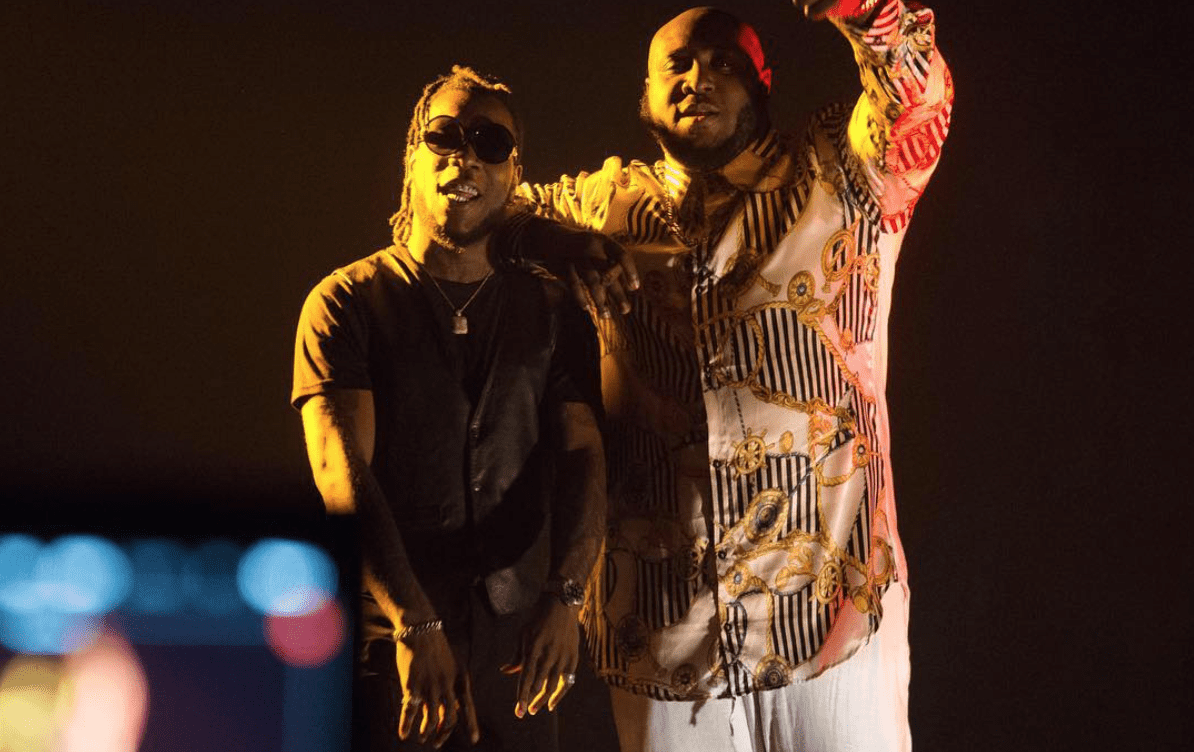
Technically this means they’ll find other ways to steadily navigate their way through the industry, whether it’s by shrugging off part of their reputation behind the Dj-ing booth to become artists or hype-men under their own work or becoming hosts of their own show. DJ Big N’s –Mavins in-house disc jockey– latest, “Anything (For You)” is another archetypal show of this. Albeit, DJ Big N actually began his career as an artist. On “Anything (For You)” he appears twice as a build up to the song and an end to it as well.
In a moment of listening, the production on “Anything (For You)” feels non-existent, Tiwa Savage and Burna Boy’s delivery however, ensures that even when production is not overtly done right, it’s tempting to project some level of ignorance to Baby fresh’s presence (perhaps absence). We are still in the age of Tekno’s neo-highlife wave and it’s hard not imagine why a song like this came to be. At the dusk of what seems to be an over-saturation of Ghanaian hip-life into West African Afropop, producers are striving for ingenuity by leaning away from Afro-Caribbean drums while sustaining the same tempo. Produced by Baby Fresh, “Anything (For You)” is layered with enough electronic sounds to flail the eventual result into the obscure.
Tiwa Savage sings the first verse and chorus, owning it all before passing the baton briefly to Burna Boy.
Listen to DJ Big N’s “Anything (For You)”, below
Featured Image Credit: Instagram/@djbign
Fisayo is a journalist who thinks writing is hard and reading too. But her journey somewhere reveals, words are like pawns on chessboard when writing. She wants to see, create and share with the world, experience & communicate these experiences. Tweet at her @fisvyo
It has been approximately two days since Adomaa delivered her deliciously soothing new single’“Gone” to us and the village of people living between my ears have found the perfect soundtrack to all their feels. With neo-soul and jazz being her forte, Adomma’s birthday gift to us, produced by newcomer Boye and mastered by Nova, is grounded in soulful piano chords with an underlying touch of Afrobeats.
The song starts out with a kick drum solo closely followed by the subtle introduction of piano chords setting the mood for the sultry vocals Adomaa serves. For fear of missing a single beat, I’m suddenly sitting still, holding back the breath I’ve just drawn in because within seconds Adomaa is going to start singing and I don’t want to miss a single key change.
“Gone” recounts the story of a jilted lover, one whose epiphanies reflect a harrowing façade of a relationship grounded in lies. Detailing the progression of what she describes as the best of the worst she’s ever known, Adomaa in her signature falsetto, takes us on a journey of heartbreak and what it takes to come to terms with fuck niggatry.
There’s a certain groove to the entire arrangement that makes it quite befitting for an episode of HBO’s Insecure. Just when you think you can predict the progression of the song, Boye throws you for a loop. The simultaneous introduction of the maracas and the conga halfway through the first verse, subtly transforms the song into a brilliant mix of neo-soul and Afrobeats, with neither overpowering the other, extraordinary if you ask me.
Lyrically, it is reminiscent of ‘Love Galore’, as both songs tell a tale of a lover who puts a woman through the absolute darkest parts of the devil’s fiery butt crack, under the pretense of love. Adomaa’s you know you didn’t love me you should have left me alone bears the same message as SZA’s why you bother me when you know you don’t want me, making me wonder what the men of the world have been up to, nothing shy of being trash I presume.
Sonically, this song gives me hints of Pro J and Robin Thicke’s 2007 hit song, ‘Lost Without You’. With its own blend of the rattle sounds and piano chords falling right in line behind Thicke’s soulful falsetto, these two songs are definitely distant cousins to each other.
While Kidblack delivered a verse befitting of the subject matter, this song, just like DJ Khaled’s ‘Shining’ and Calvin Harris’ ‘Feels’, did not need a rap verse. The song is enough to carry its own weight and my sincere opinion is that it takes away from the complete vibe being delivered unto us.
I am thoroughly pleased by this song because it is a fusion of two interesting sounds and is yet another record pushing the boundaries of Ghanaian music as we know it.
It may be debatable by numbers, but 2017 has been quite the odd year for Nigerian music. Top flight acts like Davido, Wizkid and Yemi Alade amongst others have continued a steady upward climb. Middleweight artists like Tekno, Runtown, Niniola and YCEE amongst others, seem to be strengthening foothold. And the internet is parading a slew of self-publishing millennial up-and comers as the future of Nigerian music.
On the flip side of this is near total radio silence from the streets. Olamide’s disbandment of his original YBNL crew (Lil Kesh, Chinko Ekun, Adekunle Gold, Viktoh) circa their album drops and contract expirations respectively, left a vacuum of an ultimate tag team to drop hits for the streets. Artists like Oritshefemi, CDQ, Reminisce have mostly remained on air with features, videos and concerts. This leaves only a handful like Dotman, Junior Boy and Davolee, with the exception of Small Doctor, who is having quite the exceptional year with smash hit, “Penalty”.
The murmurs have been low-key, but eyes have been on Olamide — the self-titled voice of the streets — to turn things around. Besides promoting his The Glory album with videos, and dropping three singles, “Wavy Level”, “Love No Go Die” and “Summer Body” to mixed reactions, Olamide has mostly remained under radar, charts wise. It may have taken a minute for “Wo” to come, but it’s the last days of summer, we’re reliving the magic of a gritty Olamide, who is sworn to the streets.
“Wo” comes as both a refreshing outtake from the mid-tempo neo-highlife sound Tekno and Davido have popularised, and as a re-invigoration of the same Young John stroke that dominated all of 2015 into last year. Olamide’s assuming brag ‘Won lo n’ miss wa ni ‘gboro’ (I heard they’ve been missing us in the streets), gives all the context you need for why a song like “Wo” is needed.
Like much of Olamide’s biggest club-inspired songs, there’s not a lot of purpose to “Wo”. Olamide’s cheeky titular refrain ‘wo’, sounds like a taunt, as if to mock those who are not quite familiar with life from the hood for all they are missing. The affect however, is in Olamide’s musty and swagger, a calibrated blend of all the authenticity that fame or wealth will never take out of who he is at heart.
Somewhere on the internet as you read this, there’s a headline saying Olamide’s new smash hit is now a public health hazard. There are two truths to this: the first is a criticism by the ministry of health for Olamide’s smoking in the accompanying video for “Wo”, the second truth is a certain fact that once again we have another Olamide song that will be played till ears bleed.
Ladies and gentlemen, welcome to the street takeover 2017 edition.
Stream Olamide’s “Wo” via Apple Music below
Toye is the Team lead at Native Nigeria. Tweet at him@ToyeSokunbi
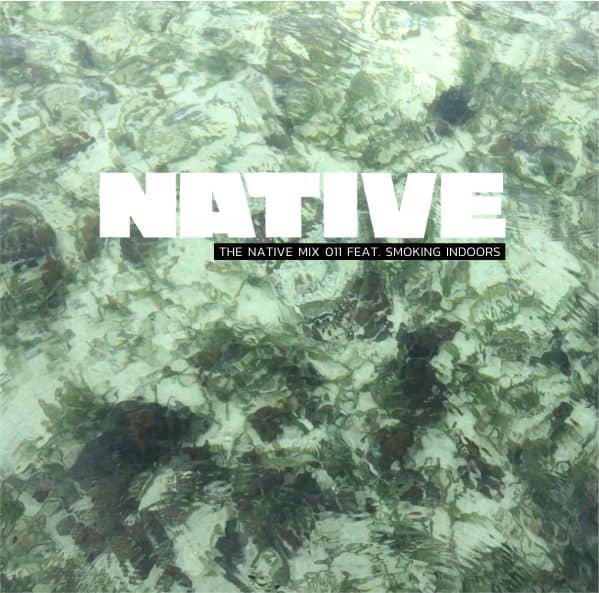
On this mix, Smoking Indoors brings a plush mix of vibe-out tracks undercut from the underground, to meet numbers from the mainstream sharing the same ethos: Chill and rage. From Patrickxxlee’s neo-goth trap, “Broken Boy Break Toys” to Wizkid’s Afro-carribean chill-wave, “Naughty Ride”, the tempos stay leveled. Everything else is sustained on sub-woofer cuts from Ria Boss, Lady Donli and Aaliyah
Have a listen and check out our playlist below.
Spottie – Hypnotic Brass Ensemble
Low Polygon Count – Shamana
You’re so Beautiful – Reddish Blu
You Owe Me (Sango Bootleg) – Nas
Team Talk – Daniel OG Broken Boys Break Toys feat Saint Klaus – PatrickxxLee
Bank Account – 21 Savage
WTRP feat StanleyGTK & Tau Benah (Unreleased) – Imran
Reasons feat Davido & Zinzi (Unreleased)- Tau Benah
I Hate You Bitch – Z-Ro
Momma Loves Me (Urban Noize Remix) – Jay-Z
Cockroach – SMOKING INDOORS
WHOULUV – Ria Boss Kashe Ni – Lady Donli
A Girl Like You- Aaliyah
Sweet Life – Creative Elevation
Fusion – Aylo OTB – GMK
Give Up – DKVPZ
Naughty Ride – Wizkid
Bad Gyal – Lotto Boyz Fall – Davido
Dont W8 4 Nobodi – SMOKING INDOORS
IDK Interlude- DAP The Contract
There are murmurs that African RnB is dead, but at some point last year, someone would have suggested you listen to Ric Hassani, a 28-year-old from Eastern Nigeria whose voice and facial expression carry empathy. “Gentleman”, his most successful single has its thematic linings told on love as Ric compels a lover to leave a man not worthy to be hers. He had continuously teased a minute of the video through a sponsored post on Instagram, with a somber cut of melody and classic-man vintage aesthetic. Before year end, enthusiastic coverage of Ric Hassani included his performance of “Gentleman” at Lagos Fashion Design Week, snowballing into another performance of the song at his Ted Talk this year. His debut album, African Gentleman, folds “Gentleman”, and other pre-released singles like “Only You” and “Marry You” into a world that is engrossed in love and romantic longing.
But there’s more than that: Ric hassani’s debut serves a little more than just three songs. He has released the track list to a standard and deluxe edition along side new single, “Sweet Mother” and the album’s cover art. See below.
His new song “Sweet Mother” is alive with the love from his girl and his mother. “Sweet Mother” hears Ric Hasani deliver eager declarations everyone makes when they’re in love. With phrases like “my sugar pumpkin, you’re so sweet” and “my choice milo, you know you mean the world to me”, Ric chants in an alto voice over drum thrums and a string instrument that’s both Afropop and highlife. The musical arrangements and his shuffling between singing and spoken word towards the end of the song, may just bring nostalgia of Prince Nico Mbarga’s “Sweet Mother”.
Have a listen at “Sweet Mother” featuring Mumba Yachi and pre-order the full album below.
Featured Image Credit: Instagram/@richassani
Fisayo is a journalist who thinks writing is hard and reading too. But her journey somewhere reveals, words are like pawns on chessboard when writing. She wants to see, create and share with the world, experience & communicate these experiences. Tweet at her @fisvyo
Film maker and stylist Daniel Obasi has become one of the biggest dissident voices to emerge in Nigeria’s fashion and alternative art scenes in the last half decade, his work distinguished by its attention to otherness, its exploration of femininity as a way to navigate the world and its heavy leanings on afrofuturism and afro-dystopia. But Obasi didn’t really come into his own until he turned briefly away from the camera and the clothes rack and took on film making. His debut film, the dubiously named ‘Embers of Bloom’ was an unexpected triumph, buoyed by excellent casting (models Daberechi Kalu-Ukoha and Ifeoma Nwobu bring an electric chemistry to the shots that are intimate while remaining innocent), song selection (Mary Akpa’s “Collide” provides excellent mood music) and of course, Obasi’s styling genius. ‘Embers of Bloom’ spoke to an unvarnished otherness that Obasi tries to recapture in “Illegal” his new short film.
With a spoken word piece narrated by Josiah Osagie and original music by Snargzy, Obasi extends a photo editorial commissioned for fashion retail site Oxosi.com into a five minute fashion film edited by Robert Matuluko. The film follows Daberechi Ukoha-Kalu and Tobiloba subomi who are both garbed in Nigerian designers and stuck in some primitive settlement dress as they though they live outside of contemporary times. On the surface the film references all the right things, afrofuturism, androgyny, Nigerian designers like Raya Jewellery, IAMISIGO, Orange Culture, Rayo and Tsemaye Binitie; but that’s all it does, reference these things. “Illegal” never goes beyond referencing, there are so many places the film could have gone with its iconography, so many stories it could have told but the film never gets around to any of it.
Perhaps, if the film had been more stringently edited and the near three minutes of repetitive imagery cut out, the film could have told a much more succinct story. The length of the film, the repetition of scenes at the expense of the clothes kept “illegal” from becoming a promise fulfilled. The fashion film has evolved beyond the generic trope of models lounging and and looking forlornly at the camera, and compared to the rest of Obasi’s oeuvre, “Illegal” simply don’t pass muster.
Make up – Awoyemi kemi
Hair – Happiness Okon
Creative Assistant – Lauretta Orji
Designers –
Orangeculture
Iamisigo
Tsemaye Binite
Raya jewellries
Rayo
Edwin eats his rice and cabbages. Tweet at him@edgothboy
After signing to Lycan Music, and putting out two singles under the imprint that give a definitive afropop twist to classic R&B sounds, Tyson Noir has made strong advances towards establishing himself as an afropop powerhouse. So now he’s taking the next logical step and reinterpreting the songs with video treatments, starting with his most recent release, “Yours”. Tapping Mex to direct, Noir performs the love song in a world of monochrome assisted by a model who also plays the role of dancer as ancient symbols wash over their performance.
Zoro – Landlady
Zoro’s “Landlady” single released back in May has finally gotten a befitting video courtesy of Mex’s film production. Showing a diverse array of skill set, Mex ditches the more minimalist motif used earlier for Noir’s “Your” for a more scripted video. While Zoro’s romance theme is still portrayed in the video, the video also shows that it’s not all rosy being in love as two couples are juxtaposed in the clip—one ends simply with an amateur unlocked phone drama while the other ends in a beautiful wedding.
Snoop Dogg – Neva Left
We’ve seen Snoop dogg in some pretty animated situations ranging from his voice on King of the Hills‘ Alabaster Jones character, Street Dogg on Sanjay and Craig, himself on The Cleveland Show and Lil Dicky’s video for “Professional Rapper” that all prove that while he may be gangster, he’s still a kid at heart. But the contrast in his personality has never been more obvious than his recently released video for “Neva Left”. Using a Boondocks like motif, Snoop Dogg is shown in a Scarface inspired world of drugs and gang banging as he explains how the community he grew in encouraged a life of crime.
Emtee – Corner Store
Corner stores are so convenient that sometimes we fail to appreciate how much better our lives are because of them. South African rapper, Emtee certainly gets that as he delivers a trap equivalent of an ode to the street supermarket on his latest offering, “Corner Store”. Sure he stays true to rap’s introspective narrative bragging about his flows and earnings, but the Ambitiouz visuals emphasizes the importance of corner stores. The video ends with Emtee and his squad turnt up at a house party but not before showing shots of their trip to the store to the drinks that even rap must agree is the true life of the party.
Jay Z – Chester Bennington Performance
Three years after his On The Run world tour, Jay Z is finally back on stage for his 4:44 album. Set at Staffordshire’s Weston Park and backed by a 40-feet-tall metallic Jeff Koons inflatable dog, Jay Z digs deep into his bag of classics and performs oldies like “99 Problems” before getting into his latest releases like “Kill Jay Z” and “OJ Simpson”. But the most memorable event at the show has to be his tribute to late collaborator, Chester Bennington and his performance of fans’ favorite from their Collision Course mash-up “Numb/Encore” as his finale.
Katy Perry – Swish Swish Trailer
It appears the NBA season is no longer the only thing basketball fans have to look forward to with Katy Perry’s trailer for “Swish Swish”. As the title already suggested, the teased trailer is set withing the four corners of a basketball court as Katy Perry and her team, Tigers face mean looking Sheep team of players. The trailer features cameos from Jenna Ushkowitz, Gaten Matarazzo, Christine Sydelko, Bill Walton and Rich Eisen while Nicki Minaj remains MIA despite her feature on the songs vocals. The minute long trailer gives away the goofy motif of the video as cameos are shown in exaggerated facial expressions and mustaches while Katy Perry can’t catch a ball though she’s the captain of the Tiger’s.
You are meeting Debola at a strange time in his life. He wandered into a dream and lost his way back. Tweet at him@debola_abimbolu
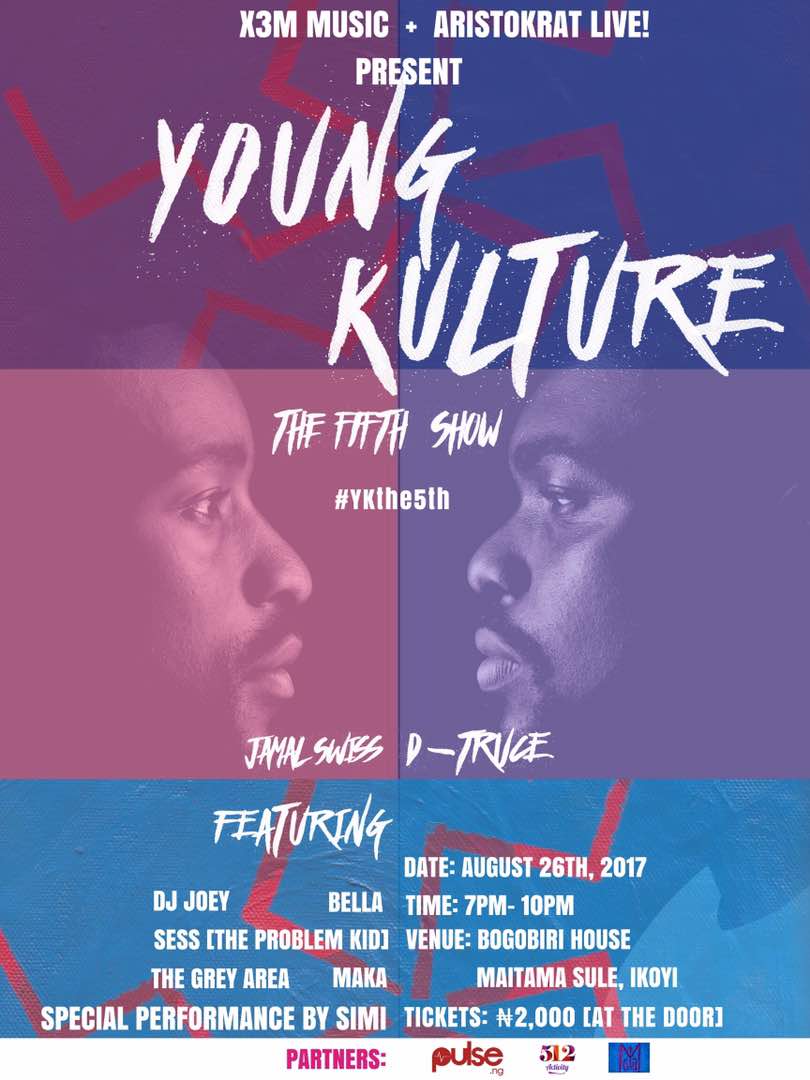
Live show format is such a rare thing in Nigeria. Apart from a handful of very skilled musicians who have grown a much older, more sophisticated fanbase and pioneer like the 9 man Bantu collective who runs the monthly Afropolitan Vibes concert, the average concert goer in Nigeria has at best seen artists lip-sync to a backing track. But live shows are the very soul of concert performance, the opportunity for an artist to morph, transform themselves. Artists like Lady Gaga and Beyonce have used their live performance concerts as an opportunity to re-imagine their music, experimenting with ideas that never made it into the official studio release, reworking their lyrics and instrumentation to pay homage to their forebears and speak on contemporary issues. This in part is why X3M’s Dusten Truce and the Lucid Company’s Jamal Swiss teamed up for their Pop-Up concert series Young Kulture.
The premise behind Young Kulture is pretty straightforward; music from Nigeria’s most interesting young talents, taken from its predominantly electronic origins and given new life via the Young Kulture live band. Make no mistake though, this isn’t just some random concert or festival; it is actually a tour for Truce and Jamal, who are both promoting projects with the tour, EP 23 to Life for Truce, and Based On True Events for Swiss.
There are few things I particularly find interesting about this approach to New Age Music. Young Kulture’s has kept their set lists notoriously sparse for their first four shows as they traversed the mainland and island. They’ve also kept a surprisingly meticulous social media calendar and campaign for the tour, keeping their fans in the loop every step of the way. Sure there were some kinks but what show doesn’t have kinks. After a hiatus, Young Kulture is closing out the summer with a fifth headlining show (though we can’t say for sure if this will be the last one for the tour) and to celebrate they are bringing on a ruthlessly curated list of supporting acts for the #YKThe5th pop up, and a headlining guest appearance from alt-darling Simi.
With Tinny Entertainment’s Bella Alubo, Sess The Prblm Kid, The Grey Area and Maka, if you’ve never been to a Young Kulture concert before, this might be the one to start with.
Tickets are 2,000 and are available at the gate and online here, and free palwine for the people who actually show up on time.
If you like live music and want to see the New Age really progress, this is definitely a good place to talk with your wallet. See you there.
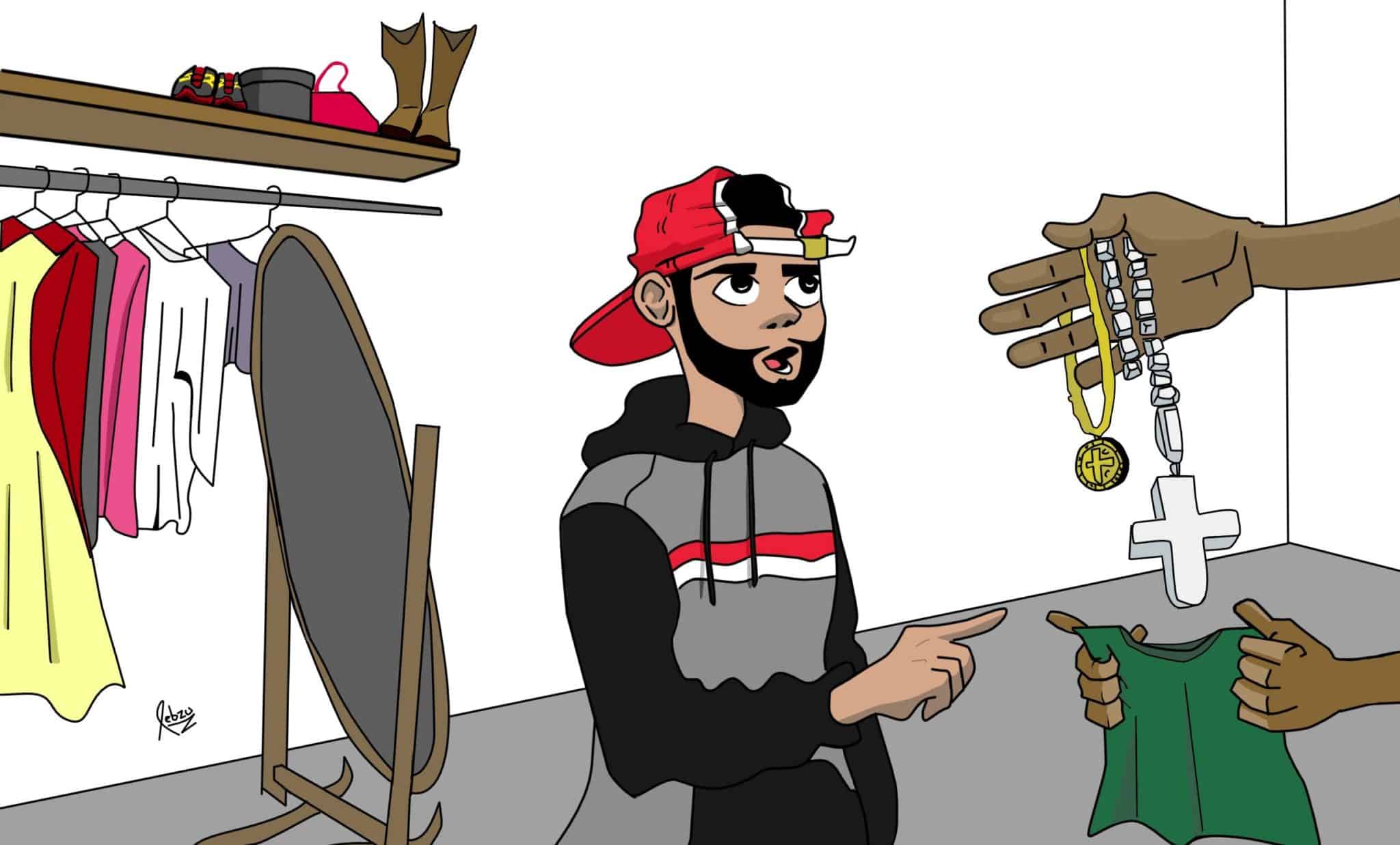
Okay, even I’ll admit, that headline is a bit of a misnomer. Thrifting, or the entire process of buying and wearing second hand clothing isn’t exactly a fringe activity. Except for a very privileged few, most Nigerians wear second hand clothing. Like epileptic power supply and taps that don’t run, Okrika is a inevitable part of Nigerian life.
As a child during the worst of the Abacha regime, I remember going with my elder sisters and my twin brother to Kasuwan Barchi in Kaduna to shop for the cold Harmattan months. As a largely sheltered child who had grown up on a steady diet of western cinema, I hungered to become like the children I watched on the Cadbury’s Breakfast show, always brightly dressed in headbands and cargo shorts, stripped polos and knee length varsity socks. Kaduna with its dusty streets and jellabiya clothed mallams always brought me careening back to earth. There seemed no way I could magically transport myself to a place where I could be assertive and land jokes and have parents who cared in a real way about my opinion so I did the next best thing, I reinvented myself by aping the fashion I saw them wear on TV.
Everything about the Harmattan market fascinated me. Unlike the rainy season market which was filled with ‘practical’ cotton sweat shirts and sensible corduroy shorts (Corduroy was huge in the 90’s), the Harmattan market was outlandish and overdone and unabashed about it. I loved the knitted hats and woollen socks, the downy sweaters and the Shearling lined boots that were stacked lazily on top of each other, the red stained beard of the seller bobbing as my sister rolled her eyes and threatened to leave if he didn’t lower the prices. My sisters fresh into Uni, were struck by the Baby Phat craze that had swept female hip-hop and R&B the year before and had grown incredibly skilled at sorting through the bales of ‘Grade One’ wrinkled clothing, their eyes gleaming with delight when they spotted the signature stylized cat. The occasional Dolce & Gabbana was a steal, Chanel you only got if you’d struck a deal with your ‘dealer’.
But what really made Okrika markets special for me was the options. I’d sort through the piles, choosing as many as I could manage, and together my sisters and I would thin out the herd, culling until we reached a compromise of stylish and practical and most important, within budget. Those clothes are long gone, but they remain immortalized in the photographs my mother insisted we take each year, silent markers of a story more complex than anyone who sees them now can imagine.
‘Okrika’ as it is called by Igbo traders who predominantly own that market in the South, and ‘Gwanjo’ as it is called in the North is a multi-billion naira industry that starts in Goodwill stores, Salvation Army Charities in the United States and Oxfam stores in the United Kingdom and ends up here in our predominant ‘Okrika’ markets like the one at Tejuosho in Lagos. The trip from newly made ASOS blouse to Okrika steal is a long and very interesting one, and also an story for another detailed article. For this one, we’ll stick to the ‘why’s.
Why does it matter that we thrift, if we already do?
Because the current rate at which we consume clothing is unsustainable. Globalization and industrialization has turned fashion from a specialized skill owned by a select few to an industry fed by thousands of machines. As more people invest in innovating the process of creating clothing, they create a system and a fashion cycle that produces clothes that meets no discernible demand. To ensure their investment pays off and their fancy machines do not lie dormant, the people behind your favorite fashion brands have created a fictitious cycle of demand, driven by fashion media, insisting that buying cyclical fashion trends is the best way to become trendy and desirable yourself. Clothes are made in anticipation of this fictitious demand, and the surplus of this fake demand is discarded and becomes ‘second hand’ clothing. This waste plus the stigma around second hand clothing means that the bulk of these discarded clothing end up in landfills where they are of no use to no one. This kind of waste (it runs in the hundreds of millions of dollars every year) is simply unsustainable.
Because there is a very damning human cost that is paid for cheap, fashionable clothing. In 2013, the Rana Plaza in Bangladesh collapsed, injuring 2600 people and killing 1,129 people, many of whom suffocated and starved to death over the course of four days. The vast majority of the people killed and injured in the Rana Plaza collapse were itinerant workers, women and girls who worked in unsanitary sweatshops making copies of high fashion brands for 30 – 50 dollars a month. Many of the women and girls working there were indentured (forced to work there either to pay off debts owed to debtors or the person who trafficked them from their homes). The Plaza they worked out of had none of the required safety measures and was holding far more people than its estimated. Rana Plaza is only one of hundreds these ‘sweatshops’ housng hundreds of modern slaves, their very lives at risk so we can wear a cheap but brand new pair of ‘trendy’ pants.
To bring it home; Because in Nigeria there is a stigma around thrifting, and the communities who thrift and embrace thrifted clothing as an aesthetic are often mocked for it. The Hausa ‘Aboki’ and the Igbo ‘Mgbeke’ have distinct dress aesthetics that have grown out of almost exclusively wearing ill-fitting okrika clothing without the context for why and where these okrika clothes originally made. The cultural intelligence and ingenuity with which the Mgbeke subculture in particular have managed to turn okrika into an art form has attracted photographers like Ruth Ossai and Nadine Ijewere who have both tried to capture the essence of the okrika for Western Fashion brands and failed miserably. The fact that we do not seek to understand and celebrate these people and how they reinterpret their circumstances and culture through clothing is telling in and of itself.
The average Nigerian is dirt poor, living on less than $3 a day. The average flip-flop on ASOS costs about 5 dollars. They simply cannot afford to not wear second hand clothing. For those of us who are privileged enough to choose, it is imperative that we embrace Okrika and celebrate the creativity that comes from taking the old and reinventing it as new. The lives of others and our very planet depends on it.
Clothes are clothes are clothes.
Ultimately you, not labels, not branding, not celebrity, determine what is cool.
Edwin eats his rice and cabbages. Tweet at him@edgothboy
It’s odd how we speak of how Chance The Rapper cracked the free music formular, without mention of Drake’s 2011 ‘Free The Single’ campaign. In between crafting the Take Care album and steadily gaining traction as a performer, Drizzy suddenly decides to release a couple of completed songs off the album, for free. Were his moves to put out music with no pay come from a genuine appreciation for his fans or was it a part of a bigger scheme? His record label was against it, for one, they tried to stop him even. Fast forward 5 years later, Drake is reforming how we view albums. Coasting on the success of the chart topping Views, he brings up a playlist to tide fans over until his next project.
Chance the Rapper’s turn may have come later, but it is not to be disregarded. After releasing his Colouring Book mixtape, the third since his 2012 10-Days debut, Chance followed up the release by heading out on the road to tour the project. What began as an easy-reach tactic to increase fan accessibility to music by up and coming artists has become more or less a business model. While this threatens to usurp the album format, the rise of streaming already hinted at a possibility that digital music distribution would eventually topple traditional album sales. After all we all knew the day would come when artists of a digital era would to have to seek out new means of reaping profits off their art due to multiple means of public access. We just didn’t think it’d be so soon, since the first Mp3 player even came to be.
The Nigerian system of doing music, particularly distribution has always been simple. Everything you do is for free. Every single song put out is not with the intent of making bank but just to get visibility. At the end of the year, when listeners have played the song enough to get it on the radio, the artist might end up as a side performer at Olamide’s OLIC or on one of the many weddings, birthdays and end-of-the-year galas which turn up in December. Little is said about actual numbers in Nigerian music industry but a bulk of the industry’s revenue is generated at this time of the year. In 2016, reports indicated that over $50million was generated in end-of-the-year revenue from music events in Lagos alone. What is marketed in America as a Project-to-Tour system is reflected in a similar but less scaled Single-to-Christmas-Concert format. Only problem is, while this model influences other aspects of an artistry (album crafting, composition, marketing etc.) in American markets, in Nigeria, the reverse is the case.
The emphasis on touring in America goes beyond ticket and merchandise sales, artists also use it as a medium to give fans a live experience of whole projects. This goes a long way to solidify the meaning of an album as well as strengthen post-release relevance on the charts. The contrast is sharp when compared to Nigeria because emphasis is placed on singles, oftentimes dredging into mindless radio pop that can only keep artists on stage for no longer than a 20 or 30 minute set, let alone a tour that would put said artist on the road for many months.
This directly impacts the album culture, making it near impossible to consider touring because artists only have a handful of material to perform anyway. Other failings of a singles based music industry falls along the lines of the lack of dedication to stagecraft because artists have a 30-day period in December to play over a hundred shows (For an A-list act) all over the continent. The short time-frame between locations often leave artists fatigued and jaded and the result is crooked, half-bake outings that never give attending fans the value for their time and money.
The lack of tours shortchange African artists of a healthy ecosystem of corporations, record labels and distribution links willing to bankroll talent with value. Due to the proliferation of piracy and low sales in the local industry, many scholars over the past few years have emphasized sales and re-distribution as the best way for artists to get profits off their music. But as is evident from Chance The Rapper and Drake, that Nigerian musicians offer their music for free is anything but the problem.
Touring needs investors and investors need a product. Mr Eazi who is currently touring his Accra to Lagos mixtapeand Davido who is on a 30 Billion World Tour for a vast catalog of material he has built over the years, are exceptions to their counterparts averseness to touring. But these are two artists who are already inherent in their own becoming as African music establishments, giving artists of their caliber, leverage to pitch to promoters and independent venture capitalists. Due to how a lax album culture impacts touring, singles are aggressively pushed on the radio, encouraging a Payola culture that further robs the industry of some actual brand ingenuity. Hence, it becomes very likely to have a superstar artist with ultra-successful singles who cannot be marketed as a product , because hype sells singles and nothing more.
Perhaps, consideration has to be given for how much Nigerian artists differ from their foreign counterparts. Circumstances on both sides of the Atlantic have shaped how Nigerians have benefited from a formula they perfected. Nonetheless, the conversation about touring must be opened to ensure a system that works for artists and encourages them to take more risk. To understand that well put together performances matter more a set of shows stacked into a two-week period. That African music has inherent problems that prevents album sales from being a profitable business model should in no way remove from the purpose of an album or the qualitative era for the culture it should inspire.
As Mylo, the Port-Harcourt based artist continues to make experimental rap that aims to make a connection with the world, he’s looking inward this time, a change from the braggadocio on “R.I.C.O” released 2 years ago and his freestyle “King Kong” released May this year. Mylo favours confessional lyrics, addressing topics such as romantic longing on his new single “On My Way”, which feels like a minimal therapy session with a trusted companion. You know this even before you become aware he’s been trapped in the friend-zone with his interest for a while and badly wants out.
“On My Way” begins with a synth guitar/synth harp and a steady wooden gong playing in the background as Mylo teeters on the fence between skeletal rapping and intermittent atmospheres for story telling. His shuffle between the two makes “On My Way” engaging though. Sometimes speaking is crucial to letting listeners feel the soul of your voice and Mylo embraces this well. The verses shift from her side of the story “I will love to go on this journey with you, Mylo I hope you understand that” to his own stand point “I aint saying that he bad for you, but I’m saying that I’m good to you and I know that I’m better for you”. It’s lightly intimate and feels like a conversation between he and his best friend, as he directly and obliquely compels her to leave a man not worthy to be hers.
Against this moody but interesting backdrop, producer Wenger does his work to layer his vocals well with the instrumentation sailing just in line with Mylo, by leaving only the synth string instrument when Mylo speaks, and slinking into more varying sounds when Mylo actually sings and raps, making listeners actually soak in the dialogue without noisy interruptions. An additional scaled-down vocals you barely hear in the background struggles to provide harmony as well. Perhaps Mylo’s changing style through the song makes him seem uniquely skilled at navigating continuity but producer Wenger’s presence helps facilitate this continuity. As a song about love, “On My Way” sounds unfeigned and neither is it so deep.
Have a listen to Mylo Hebron’s third single of the year, “On My Way” below.
Featured Image Credit: Instagram/@mylohebron
Fisayo is a journalist who thinks writing is hard and reading too. But her journey somewhere reveals, words are like pawns on chessboard when writing. She wants to see, create and share with the world, experience & communicate these experiences. Tweet at her @fisvyo
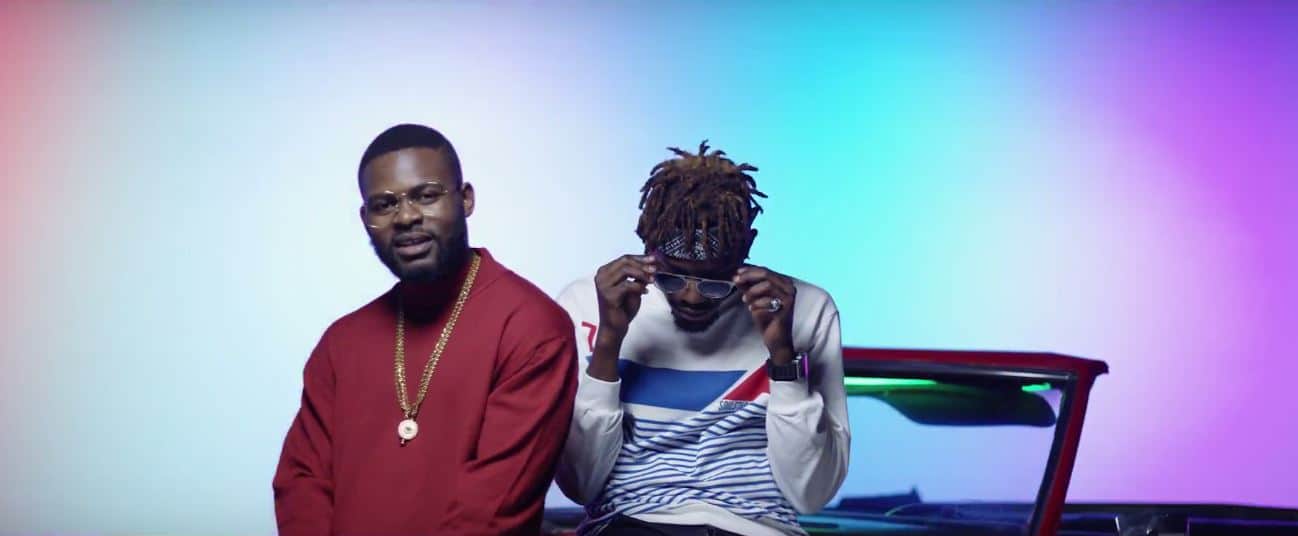
Falz has become almost as recognizable for his distinct character tropes (think the pervy brother Taju) as he has for the superior story telling on his releases. The flexibility these theatric skins give have allowed him the dexterity to address several issues from politics to romance to straight up club-inclined dance numbers. He uses his sense of humor as an anchor for conveying these themes and his latest offering, “Something Light” reiterates why the bahd guy is so good.
He features YCee who has been on a good run since his 2015 debut that resulted in a critically acclaimed debut EP, First Wavereleased a few months ago. Paired together, our expectations are heightened but they don’t disappoint. Sessbeats produces the mid-tempo beat with synth loops sprinkled over the sparse baseline. Falz and YCee rap over the trap beat though it’s not quite a duet, more like two concurrent but unrelated stories. If you squint, you’d be reminded of a similar sounding “Otis” track by Jay Z and Kanye.
But instead of bragging and affirming their place on Hip-hop’s wall of fame, they address a more pressing issue of getting into the pants of “Big Girls/Dangerous Girls”. They exchange hilarious stories of their experience with girls who are “Searching For Maga” and despite leading the men on, only want “Something Light”—a euphemism we assume means not sex.
Clarence shot the video for “Something Light” starring internet sensation, Maraji and comedienne Wofai Fada who play the role of the “Big Girls” in the colorful light-hearted video. Watch the video below.
Featured Image Credits: YouTube/FalzVEVO
You are meeting Debola at a strange time in his life. He wandered into a dream and lost his way back. Tweet at him@debola_abimbolu
There’s more to creating a great music video than finding the perfect location. While a great location almost always guarantees great visuals and a higher propensity for an excellent representation of a song’s ethos, there is also the temptation to use a great location as a crutch, chucking out everything else (plot, great actors, a decent director) and hope that we’ll get distracted enough to not see that the videos leads have zero chemistry. This is what makes the new music video for Eugy’s single “Captain” featuring Siza so underwhelming, nothing is altered from the usual. With nary a thought to make a significant stylistic deviation from the theme of his “Hold Tight”video released in March, Eugy sings with a female hanging about him as he confesses some love for her in a speed boat on a waterside. Except in “Hold tight” it was a car and here, it’s a speed boat. Into this bargain, this time Siza takes the role of the video vixen (ish) instead.
Gabriella Kingsley directs the video for “Captain” and Team Salut is of course on the beat. He’s the one who did the production work on Eugy’s Flavourz debut EP this year. Have a look at the review here, while you peep the video for “Captain” below.
Featured Image Credit: Instagram/eugyoffical
Fisayo is a journalist who thinks writing is hard and reading too. But her journey somewhere reveals, words are like pawns on chessboard when writing. She wants to see, create and share with the world, experience & communicate these experiences. Tweet at her @fisvyo
Lady Donli: the rapper-turned-songstress is trying to put love and light into the world, and she’s doing a great job so far.
What drives you to create music: the process or the final creation in itself?
Well, I love creating. The entire process of making music is therapeutic for me. When I start a song, I might not know how it’s going to end up or if I’m even going to finish it. Making music to me is like eating food: it’s one of those things I can’t live without. [It’s] the main way I express myself. So in essence, neither of these things really drive me to create music, I create music because I need to. There’s an insatiable need in me to constantly create. The final creation is just a bonus, a tiny reward.
You started making music as a rapper before turning to singing. How would you describe the difference between Lady Donli, the rapper and Lady Donli, the singer?
When I used to rap I wasn’t known as “Lady Donli”, I used to go by “Zainab” (my birth name) and by default these two identities are different. As Lady Donli I’ve grown and begun to understand what I want from my artistry. My musical identity has become much clearer. I’ve become a stronger artist in general. These days there’s more direction with the music, so the person who was making music then and the person making music now, are two entirely different people. However, I think my rap background definitely still influences my music.
Will the rapper ever return?
She’s definitely making a comeback on the next project.
You recently performed at the O2 Academy Brixton, opening for Nonso Amadi. How do you see yourself growing as a performing artist?
I think with each performance I become a bit more confident. Every time I perform, I watch videos to see what I can improve on. [It] might be my vocals, [or] the way I interact with the audience, [or] how close I hold the mic to my mouth. I analyse my technique. I also go to a lot of concerts so I can analyse and understand what other artists I love are doing. There’s definitely been growth. I know some people who come out for me every single time I’ve performed and they tell me how much they think I’ve improved, and these are my actual critics so it’s pretty reassuring.
What do you do to get yourself out of the inevitable lows of the creative process?
I LOOK FOR NEW EXPERIENCES. There’s always something to write about, you just need to find it. Sometimes I go travelling, sometimes I go exploring, I go on road trips as well. I actively go searching for new experiences and try to meet as many new people as I can, and I always come back with something new to talk about or write about.
“Ice-Cream” has been your best performing single thus far, and it only dropped a month ago. Do you feel the need to nurture your music once it is released? Or would you rather let it grow on its own?
I love seeing my music grow organically. It’s blissful. However, I think nurturing your music can be pretty important. It helps you reach new demographics you’d ordinarily never have reached from just organic growth. The right type of PR will take your music to the greatest heights. I haven’t quite started on PR yet, but when I do, I hope that it shows and the music continues to spread above and beyond.
You collaborate with various artists from all around Nigeria, from Tomi Thomas to Odunsi The Engine. What do you enjoy about partnering with another creative to bring something to life?
It’s all about the vision. There’s one thing I always say, “don’t feature someone for the sake of a feature”. If I create a song and I think it needs a particular artist to complete it, then I’m going to go out of my way to get them on that song. If that feature comes to life then it’s beautiful. I’m probably the happiest when I get back a feature and it blows my mind. At that moment, I know we’ve created something special and that feeling is irreplaceable, it’s the power of a good collaboration. That’s the best part for me. When we jointly share a vision and it comes to life the way I’ve envisioned.
Do you see the release of music as a cathartic experience or is it just the natural end to a process?
I think it’s more of a cathartic experience. Whenever I finally put out a song, there’s a relief that comes with it that can’t be explained – especially when the reception is good. I think it’s like letting go of a baby and watching it grow haha. It’s an emotional experience. Whenever I release an EP, I spend the next couple of days sleeping because of how overwhelmed I’ve become in the process of creating and releasing it.
Do you ever feel like the process of creating trumps the eventual release of your material?
Creating over releasing any day. Mostly because I can create for fun. I make music as I said to express myself. So I have a lot of unreleased music because on random days I just want to feel and sing, with no thought. Releasing music is stressful, there’s a lot of thought that has to go into it. I don’t need to think too much when I create, it comes naturally.
Finally, what is the meaning of birth to you?
I think it’s a sense of awakening. Fully being able to express and explore your inner being. It’s the beginning of the journey to self discovery.
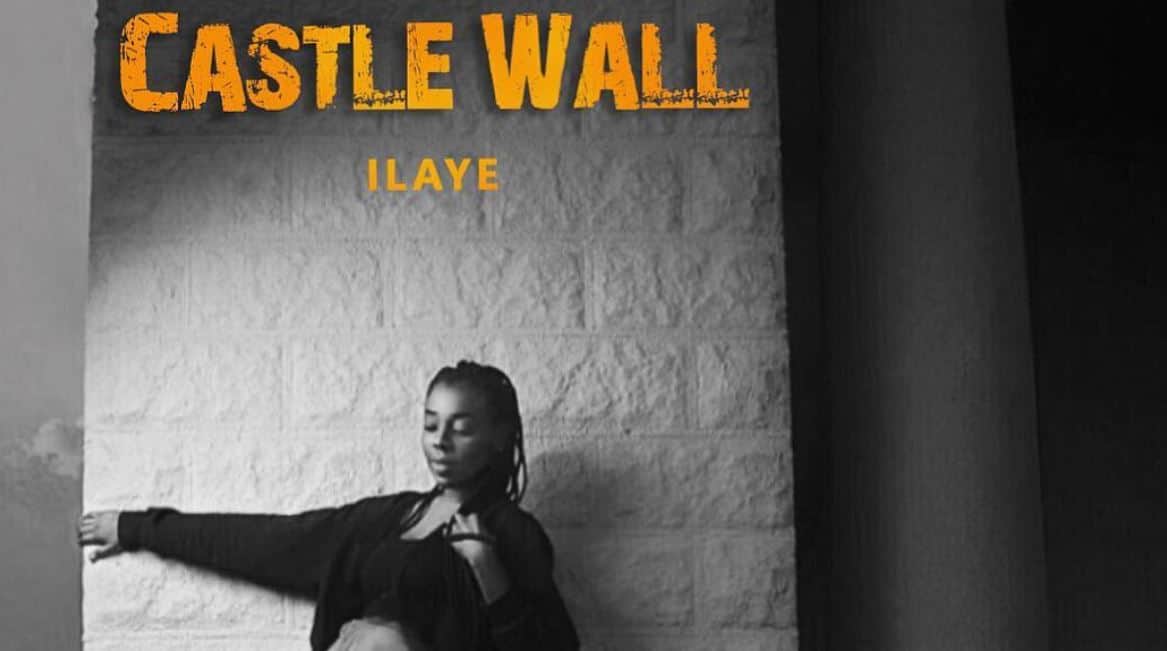
Every now and then the universe gifts us with artist who can depict a real, raw and beautiful emotional journey with moments both of extreme power and unhindered vulnerability in one song. Ilaye’s debut release, “Castle Wall” is a compelling way to mark her name in the Nigerian music industry with a new era of music emerging from the millennials of our time.
“Castle Wall” begins on a decidedly acoustic guitar note with soft echoing synth harmonies in the background as she charms through her vocals and age-defying insightful lyrics that haven’t been heard from a pop artist since Lorde. Ilaye “Shares (Her) Story From This Tall Castle Wall” channeling a soft power, somewhere between Seyi Shay’s “Airbrush” and Asa’s entire discography. The childlike purity in her voice also reflects in her story about a girl who just wants a chance to express her heartfelt emotion through her art. And with honest lines like; “If You Want To Come With Me. I Am Willing To Have You”, not being the most inspiring, it certainly feels real and authentic.
The Atta Lenee Otigba produced haunting violin harmony emphasizes the angst melodrama narrative of “Castle Wall” as Ilaye sings over windswept transitions among its sparse arrangements. But what sets Ilaye apart from the field of dark pop is her soaring melodies and pure vocals with minimal studio tampering; a move that spells promise of a reputation for live performance.
Cassper Nyovest is on the move as he promotes his new album, Thuto. Sitting down with the hosts of The Breakfast Club on Power 105.1, Cassper gave the 411 on his new album, relationship and his connection to the infamous Kanye West.
In the U.S. for a few shows, he made a brief stop to chat on the radio with Dj Envy, Charlemagne The God and Angela Yee. Pulling out his African swagger, he discussed how his girl got to find out about his cheating via the one place nobody would expect- his song. The details on how the bust up went were never completed.
Prodded on the subject of his beef with AKA, he kept his lips sealed as he claimed the position of Mufasa and tried his best to create distance between their positions on the rap scale. In between fielding questions about the album and discussing his #FillUpFNBStadium, he explained the confusion around his floating stage idea stating that he had gotten the idea first and without calling Kanye out, implied that Kanye jacked it the following year causing people to give him the side eye just because it was Yeezy.
Watch Cassper Nyovest’s The Breakfast Club appearance below.
Featured Image Credit: Instagram/@casspernyovest
A journalist by training, Ehimenim is a lover of history, good books and Game of Thrones. For her, the real world is just another Westeros and everyone is a supporting character. Read and repeat is her motto. Give her a wave on Twitter@EAgweh.
Rapper’s need a bit of larger-than-life confidence to pull off hard bars or sell brags about wealth and influence. Semantically this means when you put two MCs in the same room, there is bound to be friction and bruised egos. But while diss tracks have often fueled the biggest conversations in hip-hop, there is an understated appreciation for what happens when rappers decide to do the opposite of beefing: collaborate. The success of Jay Z and Kanye’s Watch The Throne and the clamour for J.Cole and Kendrick Lamar’s proposed collaborative project are prime examples of how fans react to rappers deciding to work together instead of ripping each other apart. South African rappers, AKA and Anatii, have seen both sides, with a beef in the past and the recent release of a collaboration album, Be Careful What You Wish For .
The journey to the Be Careful What You Wish For may have begun back in 2015 when they recorded “The Saga”, a song that established Anatii in South Africa’s hip-hop scene when it peaked at #1 on iTunes. But AKA’s call-out single for rappers from the South “Composure”, came shortly after, debunking beliefs that all was well between both rappers. However, saner minds have prevailed and you wouldn’t guess there was ever any rivalry between them from listening to the 10 track album.
Releasing “10 Fingers” in January and “Don’t Forget To Pray” in May, AKA and Anatii have been working on their album for quite a while but still had to shift back the album’s release date from the 14th of July to the 28th. The move only heightened fans’ expectation for the superstar team up album to almost J Cole-Kendrick album rumors level but they eventually came through confirming the spiritual theme the pre-released singles already hinted.
“Bryanston Drive” is the first track on Be Careful What You Wish For and for those who haven’t heard their previous collaborations, their chemistry might come as a shock given their solo careers. Anatii’s mid-tempo production allows both rappers to shimmer as they narrate their come up from the bottom. This started-from-the-bottom theme resonates through the album like Anatii’s “Mama Used To Tell Me Take Your Feet Off The Couch/Now They Look At Me Like The Man Of The House” line on “How You Like Me Now” and AKA’s “Elevated To My Dollar Suite” on “Holy Mountain”.
The scriptural nature of BCWYWF feels almost unplanned as their lyrics on most of the tracks only scratches the surface of the religious theme. Singing, “Do You Know That God Is One The Way?” on “Don’t Forget To Pray” and using biblical metaphors and imagery on “Angelz”, the religious underlying listens more like a commercial gimmick than any sort of message. “Jesus Plug” highlights their ruse when their showy gags drown out the attempt at giving praise to God.
AKA and Anatii branch out to dancehall on the 5th track, “Camps Bay” where they embrace Afropop in all of its whine-friendly wholeness. Confident in their vocal dexterity and Anatii’s synth based production and its Caribbean harmonies, they perform the love song without any assistance from established Afropop artists. And while they manage to pull it off, one can’t help but imagine if the track would be more memorable with a Wizkid verse or chorus.
Be Careful What You Wish For is a light-hearted and fun album, presumably released on demand by fans who requested both rappers work on a joint project. Though the absence of features might leave a little to be desired from a superstar team-up, there’s plenty to enjoy nonetheless.
Listen to the album below.
Featured Image Credits: Instagram/akaworldwide
You are meeting Debola at a strange time in his life. He wandered into a dream and lost his way back. Tweet at him@debola_abimbolu
Falana: the singer-songwriter winning over new fans, one electrifying performance at a time
What drives you to create music: the process or the final creation in itself?
Definitely the final creation. The idea of arriving at a finished body of work, especially in the creative world, is just so amazing to me. I love sitting back and enjoying something that I have just created. However, I also believe that the process is key because you can only discover and evolve as an artist by going through an artistic process.
You are revered in Nigeria for your gripping live performances. How did your time in Cuba birth the spectacle we see today when you take the stage?
My time in Cuba improved my skills as a musician and exposed me to different kinds of sounds and rhythms that I might have otherwise not been exposed to. I think however that my live performance has more to do with me being myself, and letting myself be free on stage than anything else.
What do you do to get yourself out of the inevitable lows of the creative process?
I’m learning to enjoy the creative process – both the highs and the lows, to the point where I even celebrate the lows. They are equally as important in the creative process. When I have writer’s block for example, I might write something silly, or playful, or I’ll try writing poetry or a story – anything that will get my mind off the specific project I’m working on, and that might help me come at it with a new perspective. When I am stuck on melodies or harmonies etc, I just walk away without judgment, trusting that I am closer to where I want to be. It is still a challenge, but I think the key is to genuinely enjoy what you are doing!
Do you feel the need to nurture your music once it is released? Or would you rather let it grow on its own?
I think the nurturing process actually happens while I am creating music. I am nurturing my music as I go through all the stages of writing it, bringing it to life, letting it breathe, and coming back to finish it. Once music is released, it is free for people to relate to and connect with. It begins its new life as a fully matured creative work.
You haven’t released a body of work since your 2014 EP Things Fall Together. Do you feel the release of music is always necessarily the final step for an artist?
If I am not making music to be shared, then technically I am only an artist to myself. I also believe that artists go through phases, and I think the phase I have been in is one of rediscovery, developing my sound in new and different ways. Performing live is also a huge part of that; many of the songs that will be coming out on my album were first performed live at my concerts. It helps me get a feel of whether the song is fully formed, or if I still need to take it to another level.
For you, is a release a cathartic experience or is it just the natural end to a process?
I think releasing new music can be both or none of those things, depending on the artist. For me, it feels more like the natural end to a process, while songwriting is more a cathartic experience where I get to throw myself, and my emotions, into song lyrics or chord progressions.
Do you ever feel like the process of creating trumps the eventual release of your material?
The two aren’t really comparable in my opinion. Creating music allows me to vent, express all kinds of emotions, learn about myself, improve as a musician, and dig into my creative self in ways that expose my strengths and weaknesses as an artist. This process is extremely necessary, but I do not think it is any more or less important than sharing music with fans and letting it influence people and the world around you in real and positive ways.
Your next release is highly anticipated, if not just for the length of time since your debut. How do you feel about putting this out into the world?
Haha…well, I feel good. I feel like I am blessed because I am doing what I LOVE to do, which is write, share and perform music. So I’m excited and when it’s ready, I hope the world will be too!
Finally, what is the meaning of [creative] birth to you?
The act of bringing life – an artistic light – into the world that will influence, impact and change everything around it.
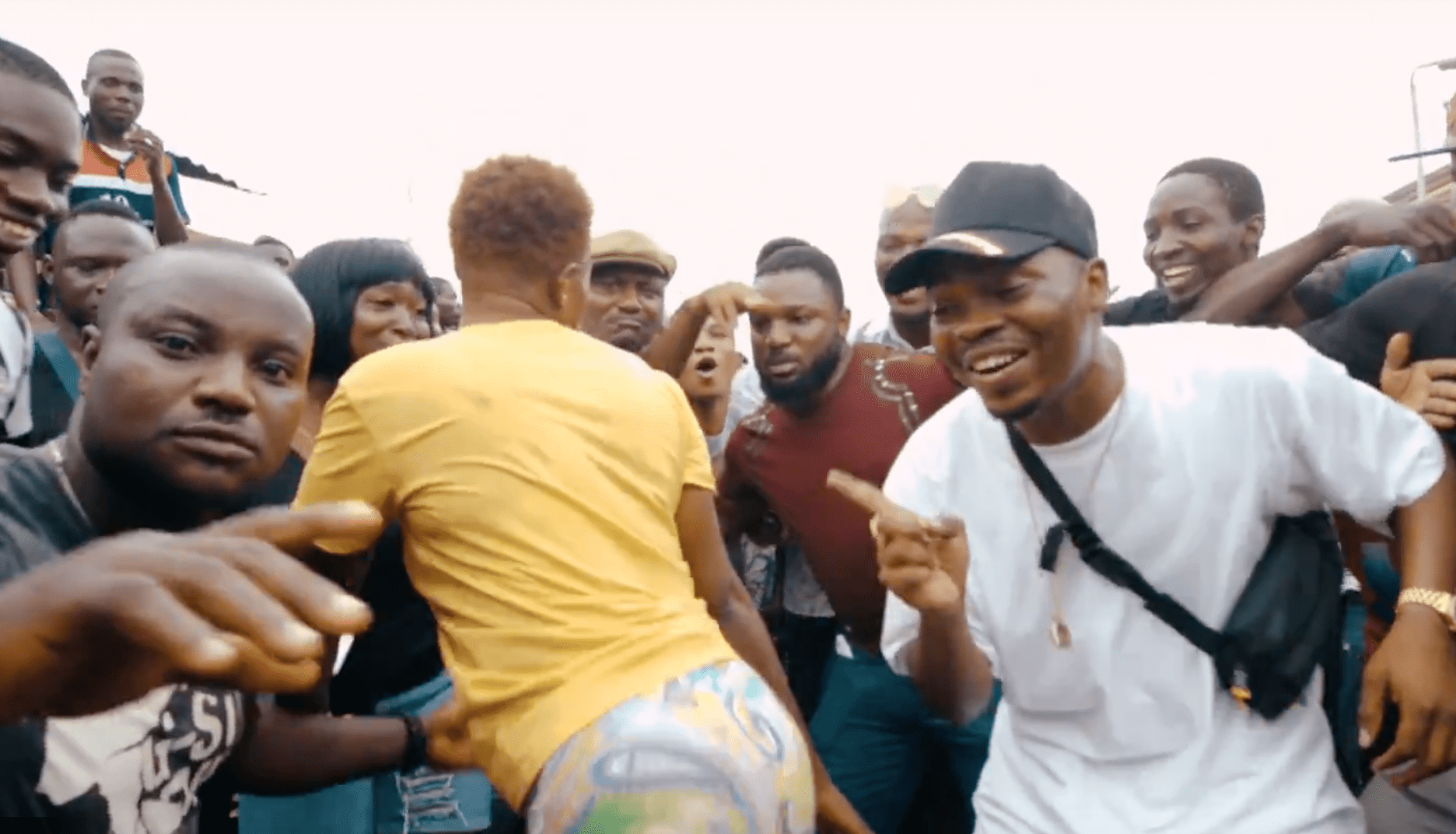
10 days ago, Olamide released “Wo”, a quintessential street song with little or no narrative but with very catchy beats that cuts across street playlists to those of average listeners’. The power of Olamide’s “Wo” is in moving body parts to a sundry of dance moves. Knowing this, Olamide began the #Wochallenge as a build up to the official video, promising to give three remarkable entries in the competition N1 million each. And so did he. Asides giving the winners monetary value for their efforts, the dancers also made the official video, which Olamide has just released.
“Wo” ticks all the boxes for all that it’s intended: it’s the perfect song, shot in the perfect location for the perfect video. Guided by Unlimited L.A, Olamide takes to the streets of Bariga, where he spent a significant part of his life growing up and thinking of the future. Perhaps he saw (or may not have seen) this coming that one day, he’ll release a music video dedicated to the streets that will have people clamouring for him and his sound, transcending lives beyond the streets to the boundless regions of the internet. But here we have it, “Wo” produced by the wicked producer, Young John –he makes a short cameo in the video as well.
Featured Image Credit: Youtube/Olamidevevo “Wo!!”
Fisayo is a journalist who thinks writing is hard and reading too. But her journey somewhere reveals, words are like pawns on chessboard when writing. She wants to see, create and share with the world, experience & communicate these experiences. Tweet at her @fisvyo
Birth is simultaneously the most frightening and the most beautiful phenomenon that occurs on the planet. The journey from conception to inception is rarely without trials and tribulations but perhaps this is what makes it so rewarding. Whether it’s the early morning eureka moment that births the infectious lyric to a track, or the slight brush of paint that brings out the character of a masterpiece: the process is just as essential as the product.
We spoke to creatives from different fields about how they circumvent creatives, how to nurture your work, and what the meaning of birth is to them. Over the next week, we will be sharing our conversations with these multi-disciplinary artists, for an in-depth account of the work it takes to produce art.