Timi Saurse’s debut, “Tangerine” is Strangely familiar

The simpler a pop song, the more approachable and familiar it feels. This has created the trend for exposure seeking artists to create familiar songs knowing listeners are more likely to enjoy it. But while it ensures the song will be a hit on radio and on DJ turntables, the formula has a flaw that leaves listeners comparing new songs to old ones and usually, listeners are too invested in old songs to fully appreciate the new ones—explaining why Runtown’s “For Life” never got past the “Mad Over You” comparisons.

https://www.instagram.com/p/BYK0a5sFAtK/?taken-by=timisaurse

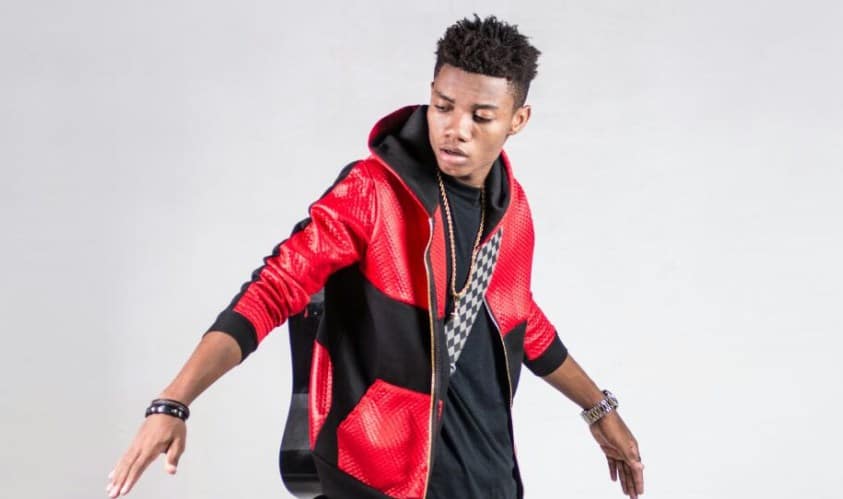
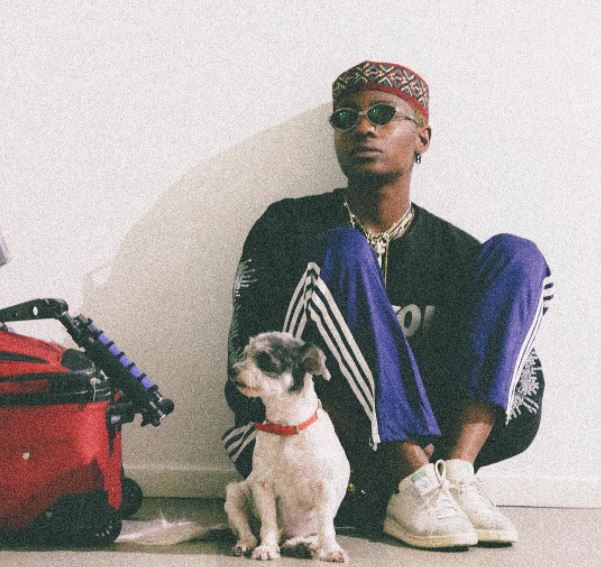
Though Timi Saurse’s debut, “Tangerine” listeners like more than a casual nod to Afropop with mid-tempo tin-pan drum riffs and piano led baselines we’ve heard on every mainstream song since Mr Eazi’s “Skin Tight”, he manages to stir clear of cheap sampling gimmicks. Infusing horns at the bridge, Timi Saurse and Ozedikus’ production deserve credit for the somber gentlemen’s-clubs inclined number with catchy laid-back melodies that only make the song more approachable.

Of course while his reassuring lines; “While I’m Sipping On My Hennessy”  confirms that “Tangerine” is meant for the ill-advised club affections, Timi Saurse’s auto-tuned vocals and soppy sentimental lyrics on “Tangerine” make for an impressive debut and yet another club song using fruits as a metaphor for the sexual human anatomy.

You can stream Timi Saurse’s debut release, “Tangerine” below.

Featured Image Credits: Instagram/timisaurse


You are meeting Debola at a strange time in his life. He wandered into a dream and lost his way back. Tweet at him @debola_abimbolu


Fear and hope hold a radiant gleam on Ilaye’s debut, “Castle Wall”

Gavi’s “Sefunmi” tells of his pop star beginnings and aspirations

“Sefunmi” is the sort of song artists spend some phases of their careers writing: on true friends (real Gees), trust in God for greater good, hustle and quest for money, tapping into life issues that fall under universal themes. The “one day boys must chop, one day food go come” dictum that should be believed melting into “shout out to my niggas, one day o Adura wa a gba” is a stretch of songwriting that many artists have mimicked. It makes sense that Gavi will sing a song of this kind though, since he has been on his own journey of reinvention, finishing school and trying to find his life’s purpose to see where this music thing is really headed. After all, not everyone comes fully formed having all of life’s worries figured out.

The composition and production benchmarks of “Sefunmi” doesn’t come close to capturing depth but it will probably define Gavi for a kick off to a genuine phase of his career. Which is fine because Gavi has been ascending and descending on the path, often changing his name and leaving one SoundCloud account for another. For now he’s a promising rookie worth giving 3 minutes of your time to.

It feels a little like a prayer, take a moment and have a listen to Gavi’s “Sefunmi” produced by K.J. below.

Featured Image Credit: Instagram/@Gaviofficial


Fisayo is a journalist who thinks writing is hard and reading too. But her journey somewhere reveals, words are like pawns on chessboard when writing. She wants to see, create and share with the world, experience & communicate these experiences. Tweet at her @fisvyo

ICYMI: Badsam’s “Alright” Is The Pick-Me-Up Song You Need To Get Through The Day

Developing story: YCee has had it with unfair record deals

YCee is clearly unhappy with the unfair relationship between labels and their artists. Though it’s still unclear what caused this—asides the anti-label campaign artists like Jay Z and Chance The Rapper have been championing for years—the Tinny Entertainment artists has taken to twitter to express his grievance against Freeme Digital and Michael Ugwu who apparently “Run(s) Sony Music Nigeria”.

Michael Ugwu’s Jay Z inspired tweet vexed YCee into a one sided tweet-off that resulted in his 10 tweet thread, speaking against the unjust treatment of artists in the music industry. He compared the situation to slavery just as Prince did before sidestepping record labels and opting for a Tidal deal for his HitNRun album release back in 2015. However, YCee’s displeasure with FreeMe Digital and Michael Ugwu only goes to show that even third party distribution labels can be just as selfish and parasitic towards artists.

YCee’s thread is however just one side to the story. While we wait for reactions from the other parties involved—Micheal Ugwu and FreeMe Digital—the rapper has quickly moved on to more important things which even his fans will agree is making quality music and earning a living off his talent.

https://www.instagram.com/p/BYYrWT9nE7X/

Featured Image Credits: Instagram/iam_ycee


You are meeting Debola at a strange time in his life. He wandered into a dream and lost his way back. Tweet at him @debola_abimbolu


Check out all the essentials from YCee’s debut EP, ‘First Wave’

DJ Consequence and Mayorkun bring “Blow The Whistle”

Music formats may have changed over the years, but the primary duty of DJs to filter through which music is pushed out to the masses remains. New artists and music in their respective genres are given expose by the DJ’s and though the music and artist often end up being more popular, artist give back by lending their vocals on DJ’s released singles. Since his rise into the mainstream after his YCee assisted single, “In A Benz” DJ Consequence had to live up to the expectation of creating dance pop songs. And his latest offering, “Blow The Whistle” features Mayorkun who is quite accustomed to the groove demands of the dance pop.

https://www.instagram.com/p/BYOIY0ujTT0/?hl=en&taken-by=djconsequence

Spellz produces the piano led instrumentals for “Blow The Whistle” and infuses layers of synth harmonies and pacy 808 machine drum riff. The beat leans heavily into afro-house territories with the ever rising piano loops over which Mayorkun sings about a particularly eventful evening that begins at a party and ends with a life lesson.

His lyrics swerve wildly between introspective storytelling—“I Go Party/ For Ikoyi”—to aggressive threats—“I Fit Light(Slap) You Like Cigar”. But the song’s pseudo-religious narrative that only God is righteous enough to judge makes his violent remarks intelligently controlled even when he declares that; “Ole Ma Ni Everybody (We Are All Thieves)”. 

In contrast to the title, “Blow The Whistle” encourages listeners to leave God to judge cheats because as Innocent “Tuface” Idibia puts it; “Nobody Holy Pass”. Watch DJ Consequence and Mayorkun’s “Blow The Whistle” video below.

Featured Image Credits: YouTube/DJ CONSEQUENCE


You are meeting Debola at a strange time in his life. He wandered into a dream and lost his way back. Tweet at him @debola_abimbolu


DJ Consequence resurrects the mannequin challenge for “Banging” video

Telz enlist Thr33 and FreshL on dancehall bop “This and That”

Dancehall has come a long way from its Jamaican origins. It is a living genre, adapting with the migrants who moved from the island country to Europe, Africa and Asia. Dancehall has particularly influenced the youth subcultures of England and Canada, and Afro Caribbean dancehall, interspersed with British grime is what Nigerian producer Telz, replicates in his new single “This and That”. Telz has had a busy year, dropping a handful of singles and leaning on his careers as a producer for other artists. He is still in that frame of mind on “This and That” because he mostly sticks to producing and enlists the help of rappers Thr33 and Fresh L to bring the fire.

Fresh L  of the DRB fame has had a tumultuous few years on the internet, attracting the worst of the trolls on social media platform on twitter, the resulting scandals from his refusal to bow to their trolling threatening to overshadow his music. But L’s talent is undeniable and we are always happy to see him back in the studio doing the thing that got us interested in him in the first place. And he brings his A-game to Telz’s “This and That” his rapid fire delivery peppered with British road man slangs work quite well in the circumstances. Thr33 who is affiliated to Rosewood group acquits himself pretty nicely.

It is a pretty decent dance bop with just enough sampling to give it some depth. You should definitely bop this.


Edwin eats his rice and cabbages. Tweet at him@edgothboy


ICYMI: FreshL And His DRB Squad Are Ready For The Whistle Blowers On “EFCC Nightmares”

Essentials: ‘King Don Come’ is a testament to D’banj’s dynamic and entertaining career

The mid-2000s was an era populated by Afropop artists who were synonymous with how they staged their skill sets, ironically, Dapo ‘D’banj’ Oyebanjo, a self-styled ‘Entertainer’ was the anomaly. He didn’t have the Okoye brothers nimble feet, the vocal dexterity of TuFace, nor did he bear the musty to be a composer and multi-instrumentalist like Lagbaja. Despite a vague all-encompassing title that should glean his creativity across vast board of entertainment inclined crafts, all D’banj came with was a harmonica, a boyish charm and an other-worldly charisma that always seem to be brimming for  a soon-to-come controversy. Yet an Entertainer he proclaimed  himself, and an entertainer he was.

https://www.instagram.com/p/BYLI5dFlNeg/?hl=en&taken-by=iambangalee

Since his No Long Thing debut in 2005, D’banj’s disregard for genres and labels has been obvious right from the “Intro” track where he describes himself simply as “An Artist”—presumably summing up all categories as within his range. This inclusive aesthetic has allowed him take on as many personas as he has hit singles. But while his aliases; Igwe, Koko-master, Importer Exporter Koko Water, Eja nla, African Michael Jackson portray his dynamism as a mere reckless charm and spectacle, his latest project, King Don Come marries his music and versatility in a way that even the best DJs couldn’t have imagined.

Opening with lead single, “It’s Not A Lie” featuring popular highlife artist, Harry Songs and former label mate and long time collaborator, Wande Cole, D’banj takes us through his epic history and why he’s so lovable; “He makes The People To Dance”. The highlife dance number produced by Dr. Amir and Cheeky Chizzy was an instant hit with dancehall affections that Afropop strives on. And though he’s clearly back-packing the nostalgia of his past fame with self samples from “Oliver Twist” on “Ntswempu” and samples of his harmonica on “Egweji” (a sequel to “Igwe”?) featuring Phyno, he deserves credit for not resting on his laurels and using the past to inspire the present.

Even when the present is a dark drug inclined universe, D’banj has no trouble reinventing himself as the legendary Mexican drug lord, Joaquín “El Chapo” Guzma over a Maleek Berry produced trap beat, where he, Wande Cole and Gucci Mane can test the extent of their thug vocabulary. While some may disapprove of the song’s violent narrative and outrageously unlikely brags, stunt of this magnitude aren’t exactly outside D’banj’s emo. But fortunately, he doesn’t continue this trap theme through all 12 tracks on King Don Come. Killertunes and Cheeky Chizzy produce “Turn Down For What (Focus)”, a mid-tempo afrobeat number that emphasises D’banj’s influences from the Fela inspired beats to his interpolation of Kendrick Lamar’s “I Love Myself” chants from “I”.

Still, D’banj remains every bit as entertaining as ever and on “That’s What I Mean” he features his brother Kayswitch who assists him as he embraces his raunchy side—probably also his most confident side. They truly share the same mind here as their vocals and lyrics interact with each other in effortless fluidity. This harmony with his featured artist continues on Bucie and Busiswa’s assisted  “Ntswempu” despite singing in different languages.

Though there are only 12 tracks and at least 3 of them have already been heard before the album dropped, King Don Come is not only satisfying but also convincingly cohesive.

Stream the album below.

Featured Image Credits: Instagram/iambangalee


You are meeting Debola at a strange time in his life. He wandered into a dream and lost his way back. Tweet at him @debola_abimbolu


And here’s probably why he tracklisted “Oliver Twist” on ‘King Don Come’

Teni the entertainer channels the old time kings of the Faaji on “Fargin”

Talent is a precarious thing. For some people, talent is something that is honed over years of grueling self discipline, growing a mustard seed of an idea into a formidable tree pruned with experience. For the rare prodigy, talent is a tidal wave, far more enormous than any one person should have to wield. Teni the Entertainer is one of such rare talents, an old soul with a voice that cuts through the bullshit and coaxes wells of unbridled joy. And what a privilege it is for us, that she is finally putting out her own music.

Teni’s been skirting on the fringes of the music industry, since early 2016, occasionally dropping covers of popular songs and snippets of her own, garnering fans along the way as she experimented with her sound. She’d previously released two singles in 2014 and 2015, long before the ‘New Age’ of musicians began to find mainstream success and draw much needed press. So this new iteration of Teni might as well be considered brand new, and her new single “Fargin” a proclamation of her talent and the leagues in which she is looking to play.

“Fargin” pays direct homage to the greats of Nigerian Faaji music, juju legends like King Sunny Ade,  Ebenezer Obey, her personal style leaning especially towards the incomparable Salawa Abeni and her oeuvre of true-life vignettes. With Mystro producing, Teni tells a story every Nigerian girl is familiar with (and which Falz and Ajebutter touched on in “Regards to your momsie”), the ever present lecherous ‘uncle’ at Nigerian parties and family gathering, publicly hitting on underaged girls. She skillfully references Niniola’s sleeper hit “Maradona” and reminds us just how pervy these incidences are and how we cannot continue to normalize them, all the while ensuring that your hips keep rolling.

It is even more remarkable that “Fargin” started as a freestyle on Instagram and was most likely recorded in a few takes. Colour us impressed.

Listen to “Fargin” here.


Edwin eats his rice and cabbages. Tweet at him@edgothboy


ICYMI: Best New Music: Streettakeover gets off to a late-start with Olamide’s “Wo”

Mr Eazi brings “2 People” to the streets with Small Doctor and Nakamura

While Mr Eazi is still touring the world with his Accra to Lagos Mixtape, he continues to be strategically playing and winning in his game to conquer the world with his Bantu influenced Afro music. He was still at one of the Creamfields 2017, the world leading dance music festival last week to perform alongside grammy nominated Nigerian artist, Kah-lo for her single, “Money” which he and Davido equally feature on. Being the Business man that Mr Eazi is, while steadily gaining international recognition (mostly) in the Uk, he remains strategic, collaborating with Nakamura and Small Doctor to deliver a remix of his song “2 People”. By implication, Mr Eazi leverages on the audience of both artists, especially, Small Doctor’s indigenous fans. Albeit, it’s a win-win situation for all of three of them.

https://twitter.com/mreazi/status/901924592243154950

GuiltyBeatz’ production on “2 People” is retained on this remix that takes us back to the atmosphere of Accra to Lagos transcendental release. The song was first released on his radio show, Detty Radio on BBC 1xtra, yesterday. On “2 People” remix, each of them are in their element. Small Doctor kicks off in his Afropop tinged with Fuji, Nakamura brings his signature yoruba rap flow, the two ride under Mr Eazi’s guidance and connection.

Take a moment to have a listen below.

Featured Image Credit: Instagram/@mreazi


Fisayo is a journalist who thinks writing is hard and reading too. But her journey somewhere reveals, words are like pawns on chessboard when writing. She wants to see, create and share with the world, experience & communicate these experiences. Tweet at her @fisvyo

 ICYMI: Mr Eazi teams up with a childhood friend

Jinmi Abduls’ “Itan” is a polaroid of the story so far

Jinmi has now lived two decades of his life and with the many more years ahead, the storyteller is ready to conquer the world, one foot in front of the other. “Itan”, a bonus track released to celebrate his birthday, is introspective and full of gratitude. ‘Itan’ is a yoruba word which translates to ‘story’ and it’s a testament to Jinmi’s defining and developing career.

Though Jinmi still has unfinished business, he has had substantial success with cultivating a following from a crowd of fellow hard-to-impress millennials. On “Itan” he inverts his own growing acclaim in the natural pressures from his inner court to not only be successful in his career run but also to pay off their support with literal returns. “When you blow please don’t forget me, buy me prada, buy me bentley…to ba ra ile…They say it’s ise awon ni, but I say it’s ise Oluwa” Jinmi says 30 seconds into “Itan”. Perhaps unintentionally, Jinmi’s rejoinder for what seems like growing accounts of owed debts is rebuffed when he attributes all of his success to the work of a supreme being.

On “Itan”, Jinmi is still relishing in his small town origins as an artist whose coming of age has been somewhat semi-automated by fan support. He sticks to his style of telling stories, infusing ideas he recognises with every developing trend, whether it’s personal or general. This way, he strives to stay relevant on our playlists with new releases and videos to accompany the audio tracks from his debut EP, JOLAG. While steadily rowing his boat towards his end goal to bag a grammy, Jinmi is aware that with every goal, the path and consequence is two-way. This, he says at his recent appearance at Magic of Lagos’ The Hub.

By and by, a small town talent becomes a big time superstar, its vulnerable moments like “Itan”, meditations on Jinmi’s life, the journey so far that will become part of the story to be told. It’s happy music that recognises the essence of process, with a tinsy-winsy sadness hinting every phase of life is just a journey to the next one.  The thought is somewhat comforting, but when juxtaposed with the uncertainty of life, you’re left holding on with the spiritual tint of “Itan”. Prayer could be therapeutic after all.

Take a moment and have a listen below.

Featured Image Credit: Soundcloud/Jinmi Abduls


Fisayo is a journalist who thinks writing is hard and reading too. But her journey somewhere reveals, words are like pawns on chessboard when writing. She wants to see, create and share with the world, experience & communicate these experiences. Tweet at her @fisvyo

Jinmi Abduls: a confident competitor who is more than happy to be underestimated

Best New Music: Yela’s “Fickle” is experimental pop at its finest

As Nigerian pop music has gotten more mainstream, it has fallen into a rut of conformity. All the biggest hits of 2016 and 2017 became so because they were generic, following variations of a trusted formula of predictable mid-tempo beats (as championed by Tekno and Mr. Eazi) and safe, trusted lyric compositions that include some kind of unintelligible improvised riff and a ‘party’ narrative. Sure it works, but it has become the uninteresting background to our dance parties rather than the soundtrack to our lives. But every now and then, an artist breaks the mold, drawing obscure references and taking a risk. Singer Yela’s new single “Fickle” is one such experiments, and it pays off big time.

On his new single, Yela departs from his afro-pop origins as comprehensively explored on his debut EP Clarity. He strips down the sound, taking out everything but a distinctive Afrobeats inspired guitar riff. It is on this riff that the entire melody for “Fickle” is built, piece by piece, using a whole retinue of vocal samples and scat singing to create a eerie sonic choir. It is a big gamble to forgo traditional percussion instruments on an ‘afro-pop’ song, but Yela is an accomplished beat boxer and scat singer and his producer MONLEE works literal magic, layering the samples just so, that you are subtly reminded of  pop great Michael Jackson at his most visceral.

Michael Jackson might be the biggest name you’ll think of when you hear “Fickle”, but the vocal work and technique Yela favours on the song is more in tune with the 010’s British revivalist R&B scene and MNEK, its biggest export. The choice of harmonies, the contemporary subject matter (a long used lover finally find a backbone and leaving a toxic relationship) will resonate in London as it will in Lagos. This, more than the song’s stellar production, its cosmopolitan songwriting and composition and its experimental yet vintage sound is what makes “Fickle”, it’s own unique thing.

This is genre defining, and Yela better fucking ride this wave.

Listen to “Fickle” here.


Edwin eats his rice and cabbages. Tweet at him@edgothboy


ICYMI: Best New Music: Streettakeover gets off to a late-start with Olamide’s “Wo”

Wani’s latest single, “Instaman” is pure dancefloor magic

Earlier this year, a random SoundCloud trawl led to the our discovery of Wani’s freestyle re-fix of Drake’s whine-set More Life track, “Blem” . Wani does two things with his rework of “Blem”: first, he embraces all of the Afro-Carribean leanings of the original, then re-purposes lyrical samples from Sisqo and TuFace. Case that combination in melody and a loose sub-romantic self-appraising narrative, and what you have, is a cover you’d wished had been released as an original.

Funnily, despite amassing over thirteen thousand SoundCloud plays for “Blem” since its release, Wani’s music is minimally promoted. With nothing but a handful of covers and two original singles uploaded on his page over the last two years, you instantly get the feel this is a man that could be doing just anything but music. However, to paraphrase an earlier tweet he made to announce the single, there is no point making art, and hiding it away from the world. And thus, is why “Instaman” was brought upon us.

To describe Wani’s “Instaman” as a walk-in-the-park Afropop song—due to its inherently dance-infused central plot—would be to undersell its fusion of neo-R&B with the nostalgia of Afropop from the early mid-2000s. This does not only become the bedrock for distinct melody on “Instaman” , it also plays like an audio paradox when everything melds on Afro-Latin marimba and bass drums. It’s harmony that should not work, but it does.

Whether “Instaman” is relatable as a commentary on volatility of social media affection. Or as a syncopation of the everything the perfect Afropop song should be; smooth, melodious and full of diverse influences. One thing is certain, Wani is taking us all to the dancefloor with this one.

Stream Wani’s “Instaman” via SoundCloud below.

ICYMI: Read our Best New Music feature on Wani’s refix of Drake’s “Blem”

Here’s probably why D’banj tracklisted Oliver Twist on ‘King Don Come’

As the name literally suggests a long becoming, D’Banj has finally dropped King Don Come, his fourth studio album after a series of pushed back release dates. This 12 track album comes four years since D’Kings Men—a compilation album and the product of his stint with Kanye West’s GOOD Music—and nearly eight years since D’banj’s last solo project The Entertainer.

A lot has presumably happened between The Entertainer and now. D’banj spent the first three years of that solo project hiatus with Don Jazzy, until both producer and artist decided to split up permanently in 2012. Though the Kokomaster has remained afloat with a string of mid to moderately successful singles, it came as a surprise when “Oliver Twist”, the last track he worked on alongside Don Jazzy was track-listed on his new album nearly five years after the single dropped.

A probable explanation is presented when D’banj’s business-inclined side is considered.

In the February of 2016, the RIAA (Recording Industry Association of America) began accounting digital streams for album sales. With this revised RIAA model, 1.5 million streams equal 1000 digital album sales. The kick here—as it applies to D’banj’s “Oliver Twist” —is that single streams are also counted towards the total sales for the project. Meaning total album sales numbers for D’banj’s King Don Come will also be inclusive of streams amassed by “Oliver Twist”, a song that charted in different markets all over the world.

Recent album certifications by the RIAA over the past few months (Drake, Kendrick Lamar etc) have reflected this. It is not unlikely that D’banj included “Oliver Twist” in his album track-listing to give King Don Come an initial sales boost, statistically speaking.

Stream D’banj’s King Don Come via Apple Music below


Toye is the Team lead at Native Nigeria. Tweet at him @ToyeSokunbi


Essentials: ‘King Don Come’ is a testament to D’banj’s dynamic and entertaining career

Watch Krizbeatz “Boss Whine” featuring Skales

“Boss Whine” carries in it the same energy that most Nigerian ‘Jollof’ pop songs have, even those within Krizbeatz small music catalog, from those on “Pana” to “Erima”. With his bare signature drums as a base, the song is mostly a chant from what you mostly hear artists sing, girls who make their “temper rise”. They sell trite expressions round the clock, but what makes this track unique is how Krizbeatz builds his drums layering it with the penetrating sound of the flute. The flow of this wind instrument mimics the suppleness inherent in classic Indian songs. Once Skales verses dissipates, the flute is left alone atop a very distant drum.

We are in need of a tantalising escape from the boring everyday routine of songs artists and producers make us listen too; same themes, same setting, same ambience, but Krizbeatz’ and Skales’ collective enthusiasm on the track is enough to save the track on a playlist.

Have a listen to Krizbeatz’ “Boss Whine” below, and just when the flute plays, don’t forget to whine like an Indian would.

Feature Image Credit: Youtube/Krizbeatzvevo “Boss Whine” 


Fisayo is a journalist who thinks writing is hard and reading too. But her journey somewhere reveals, words are like pawns on chessboard when writing. She wants to see, create and share with the world, experience & communicate these experiences. Tweet at her @fisvyo

In Case You Don’t Know: Krizbeatz produced some of Afropop’s hottest

D’banj just dropped the video for “El Chapo” featuring Wande Cole and Gucci Mane but that’s not even the best part

D’banj is no stranger to international features anymore than Afropop is to cross-genre collaborations. It’s not unusual to hear elements of Caribbean and hip-hop sounds in today’s Afropop releases but D’banj has just taken Afropop’s relationship with the global music industry to a new level. While he isn’t the first Nigerian to get an international recording deal, he can beat his chest proudly knowing others like Wizkid, Davido, Tekno and co merely had distribution deals with their labels, while he had a full 360 deal.

https://www.instagram.com/p/BYNcSckFiU4/?hl=en&taken-by=iambangalee

His Cruel Summer days may be behind him but the Ejanla clearly still has some influence in America. His latest album, the 12-track King Don Come has just one international feature but it’s not unlike him to sacrifice quantity for quality. Gucci Mane’s cult like following has gotten even more rabid since his return from jail time earlier last year. Asides his delightfully laid-back style of rap, his triumphant dark past makes him the perfect collaborator. And what better song to feature on than the one titled after legendary Mexican drug lord, Joaquín “El Chapo” Guzman.

The mid-tempo trap beats produced by Maleek Berry is perfect ambience for the glamorous drug-dealer themed video, which Eif Rivera directs. D’banj and Wande Coal deliver verses with Migos inspired melodies and ad-libs that stay true to the trap vibe and lifestyle “El Chapo” promotes —plus gold rings and violent NBA metaphors to match. Gucci Mane does what he does best (brag about his booming rock slinging enterprise) to give D’banj’s lavish and thug narrative more credibility.

Watch D’banj’s video for “El Chapo” featuring Wande Cole and Gucci Mane below.

Featured Image Credits: YouTube/DbanjVEVO


You are meeting Debola at a strange time in his life. He wandered into a dream and lost his way back. Tweet at him @debola_abimbolu


ICYMI: Revisit D’banj’s “Oliver Twist”, a viral campaign that put Afropop on British Soil

Bobrisky is the Nigerian Millennial we deserve

Nigerians have an unhealthy obsession with the West. A persistent carryover from our near century of colonial oppression and the economic and socio-political interference, we have been unable to shake the belief that even the most rudimentary appearance of western influence somehow elevates us from the average Nigerian. We see this everywhere; the graduate who goes for a Master’s degree from a foreign university for that extra advantage over their Nigerian peers, the On Air Personality who adopts a Frankensteinian accent that has no merit save for sounding foreign, or the people who bleach their skin to simulate a proximity to whiteness, or the IJGB (I just got back) who returns to Nigeria and holds on to that title years after their return.

This obsession deepened with the advent of the internet and the indirect access it granted to a generation of Nigerians who were born in our country’s relative poverty. That generation of Millennials needed proximity to Western influence in ways that we could only fathom a decade before. They need this proximity because the internet reconnected them with millions of young Nigerian millennials who had either emigrated to first world countries as children, or were born there. Those Nigerian born westerners were unaccepted by their white peers and sought community by seeking out Nigerians their age who were still in Nigeria. They formed traditions like travelling back to the country for major holidays, created a sort of half-life where they left their lives to live as rich ‘tourists’ for a few weeks in Nigeria. For the Nigerians here, that racial distinction white peers offered was gone.

It wasn’t enough to have an accent and vaguely mention places in Jand to pass as ‘hip’. A quick Google search could out you and destroy valuable social currency. The introduction of social media upped the stakes and turned passing as ‘western influenced’ from a social activity to a full-time, immersive second life. We became the ‘urban poor’, living a life we could not afford to fit in to a fantasy world we’d all built and collectively maintained. Some people have been much better at gaming the system than the rest of us, turning our obsession with public personas and a proximity to western influences and ideals into a lucrative career, marketing our attention to brands and corporations as influencers. And the very top of this tier of ‘influencers’, is the person we least expected; a gender non-conforming, trash talking, self professed misogynist.

For two years now, we’ve danced around the phenomenon that is Idris Olanrewaju (Bobrisky to you lessors). It isn’t hard to see why. Bobrisky represents everything that we public profess to abhor; loud and ghetto, visibly uneducated and culturally illiterate, unashamed of his sexuality and boastful about using sex instead of hardwork as a route to success; the very antithesis of the IJGB archetype that we worship.  So how did Olanrewaju go from relative unknown to internationally known celebrity with a devoted fan base. He did it with a backstory that rivals Kim Kardashian and a little help from Nigeria’s biggest gossip blogger Linda Ikeji.

In 2011, Olanrewaju was relatively unknown in Unilag, but even then he was already angling for fame. There are unsubstantiated rumours about him cross dressing on campus in that time and confirmed hazing from hostel mates. There is especially a news report from that period when Olanrewaju was arrested by law enforcement for trying to solicit a man while in drag. Not long after that incident, Olanrewaju embraced bleaching creams and Facebook and before long, his profile, where he was documenting his transition from darkskinned to light, began to draw attention. At this point, Linda Ikeji had just made her name as a gossip blogger and launched a thousand copycat blogs who scoured Facebook, Instagram and Twitter looking to break news on their platforms. It was one of these blogs, the Stella Dimokorkus Blog that first introduced Olanrewaju to the mainstream media by reproducing his controversial Facebook posts. This went on for a while, until Linda Ikeji finally took interest and put up a post about him on her blog.

In 2015, Linda Ikeji was at what many consider the peak of her career, she was averaging a 300,000 – 500,000 hits a day and had the uncontested ear of the Nigerian Diaspora, who were dying to connect with the ‘motherland’. When Ikeji began to regularly post updates of Olanrewaju, she hoped to leverage the sudden but intensely volatile interest President Goodluck Jonathan passing a bill criminalizing same-sex marriages the year before had brought. She had already tested this theory by posting carefully crafted posts about the private lives of several popular gay American celebrities, and the allure of challenging the righteous indignation of Nigerians towards another Nigerian was too much to resist. Her gamble paid off and her popularity sky rocketed. But incidentally, so did Olanrewaju.

His Facebook profile began to get thousands of hits and comments, mostly negative, so the boutique owner abandoned his Facebook profile and moved to Snapchat, which was just gaining popularity in Nigeria. Snapchat was perfect for Olanrewaju; its 24 hour disappearing stories provided a real-time opportunity for him to chronicle his fabulous life to an adoring audience without having to worry about likes and comments and without having to deal with self censoring. Armed with a fancy smart phone, Linda Ikeji providing endless publicity and the rare opportunity to reinvent himself, Olanrewaju fell headlong into the project of a lifetime; creating the Bobrisky persona.

It took a few months, but Bobrisky eventually went full throttle on this new project. Armed with a mysterious ‘bae’ who allegedly provided him the bulk of his spending budget and a ‘thriving’ side business selling bleaching creams, Bobrisky created a phantasmagoric universe where dark skinned girls were ugly and bleaching one’s skin to gain the attention of men was acceptable. He toed the line regarding gender at first, only wearing some makeup, but as he grew more famous, he began to dress in female assigned clothing and wear heavy makeup, turning his daily routine into a most watched event.

Peppering his snap stories with videos of million naira drops and expensive spa treatments, Bobrisky slowly built up a mythos around his bae, casting him as a very powerful politician with a legitimate heterosexual family, who skulked in dark corners stealing precious moments of happiness with him. Bobrisky staged elaborate fights, offered tearful diary style confessionals while recounting episodes where his ‘bae’ violently punished him for disobedience and disloyalty.  Bobrisky cast his bae as a generous but controlling lover forbidden by society from being his true self, himself as a long suffering kept ‘woman’ pursued by other paramours but ever faithful and their love, a doomed star crossed affair. It is the kind of melodramatic storytelling that New Nollywood only wishes they could conjure. And we lapped up all of it; the drama, the tears, the violence the unabashed ‘sexual perversion’. It was clear Bobrisky had become a phenomenon when Google Nigeria announced he was the most searched person of 2016.

But Bobrisky has not been without controversy. There have been rumours and call outs about him grossly exaggerating his wealth, often with unsubstantiated evidence. Then there are the public feuds, most famously  a running feud with Toyin Lawani of Tiannah Empire, a former close confidant who has also had her life heavily scrutinized for her own transition from dark skinned to light. He has also feuded with other peddlers of lightening creams including Grety who peddles the Grerivian skincare line and Dencia of Whitenicious over accusations that his skin lightening package is substandard. ‘Fans’ routinely steal pictures of him without the Snapchat filters he favours and accuse him of selling his customers a pipe dream. Bobrisky has played up these feuds and scandals, using the media furore created around them to peddle his products and affirm the privilege his skin gives him. He has become the country’s biggest proponent for skin lightening and often likens himself to celebrity author and OAP Toke Makinwa, who has also been accused of lightening her skin to make herself more commercially viable. Bobrisky routinely posts collages of himself before he started lightening his skin and himself now to emphasize just how much he has changed in four short years.

But light skin isn’t the only approximation of femininity that Bobrisky has adopted and monetized. Bobrisky publicly presents with feminine markers, heavy makeup, false nails and lashes, full wigs and hair extensions, feminized clothing. However he continues to aggressively identify as male, even choosing violence to assert his maleness. He has had several run-ins with law enforcement for his often violent and misogynistic reactions to people, especially women filming him in public without his consent. This falls in the same pocket with rants on his Snapchat profile, slut shaming the women he was feuding with, promoting misogynistic ideals of women being subservient to men in exchange for financial perks, promoting colourism as ‘good’ and advocating that dark skinned women be ostracized and denied opportunities because of their skin.

But none of these egregious missteps have really dimmed Bobrisky’s shine. If anything they’ve added to his mystique, especially with the Nigerian community in the diaspora who are more liberal towards Olanrewaju’s brand of celebrity. He spent the last two months touring the United States, getting paid to make appearances at public parties and clubs, a financial model many z-list celebrities in America use to gain extra cash, accompanied the usual rumours that his time abroad was also used as an opportunity to solicit for transactional sex with white patrons fascinated by Bobrisky’s celebrity. He crossed another milestone on his return, he was signed on to become the brand ambassador for Hair Nymph, a Nigerian haircare startup.


‘International Exposure’, a term coined by twitter user @MakiSpoke, has only made Bobrisky more desirable and given him the final push he needed to fully monetize his brand. He recently deleted his formerly free profile and opened a new ‘premium’ account. ‘Premium’ is a fancy term used in the adult escort industry for secret social media accounts where followers buy access to the owner’s private social media updates through a monthly ‘subscription’ or a one-time buy in. As at the time of writing this, Bobrisky already has 300 subscribers to his new ‘premium account’ and the assurance that that number will only grow.

Our millennial inclination to ridicule the outsider, to play the long con by luring the outsider into a false sense of security and biding our time until we get the big payout of a major, public humiliation has helped turn Bobrisky into the mega success he is today. It is a con that we have seen happen many times; with Toke Makinwa when her 11 year relationship turned marriage crashed, with Tonto Dike when her marriage crashed, with Dammy Krane when he was accused of fraud. We love the thrill of the public rise and fall, even more than we love the illusion of western sophistication. We push them to pursue wealth, to embrace narcissism, to extol pettiness. When all three come in a neatly wound package, even better for us. Of course Bobrisky’s humiliation is inevitable, the model he has built his brand on is unsustainable. Eventually someone will croak and the house of cards will come tumbling down. But for now, let us revel in the contradiction we have crafted.

It is our finest work yet.


Edwin eats his rice and cabbages. Tweet at him@edgothboy


Revisit our story on Obesere’s similarly controversial rise to fame

Ruby Gyang is royalty and “Kale Ni” offers you her craft

On Ruby Gyang’s 2016 EP, This is Loveshe explored love and heartbreak through Jazz funk fusion with soul. In the lead up to her Ep this year, Ruby Gyang is expanding her repertoire, going for something even more fun with her music. Now what she intends to do, judging from her new single, “Kale Ni” is filter her usual Soul and R&B through Tribal House and Afropop into a signature Blend.

https://www.instagram.com/p/BYInTcXFq24/?taken-by=rubygyang

“Kale Ni” her return to music after immersing herself in life’s worries and confronting all her fears, adds a traditional flair to her experimental tendencies. She uses conga drums reminiscent of the early 90s: thrumming around her at an upbeat tempo while she takes a more delayed approach when she sings.

Atop that, Ruby’s declarations in Hausa tie into the thematic linings to have fun and dance. This is an all fun Ruby Gyang, even tying her lyricism into her name: A precious stone who praises her self as royalty “Kale ni ruby, Saruniya ruby”, Look at me ruby, she says, she is royalty. The rhythm remains constant, never quite hushing –creating a waltz that never finishes, Ruby dancing in the centre of it.

Shot by U.A Images, the video for “Kale Ni” shows Ruby Gyang dressed monarchically in a social house as she compels her guests to dance and dig it, “Tashi Mu Taka”.

Take a moment to appreciate “Kale Ni”, a promising single in the lead up to an EP this year and finally, a debut album next year.

Featured Image Credit: Youtube/Chocolate City Music/Ruby Gyang/Kale Ni


Fisayo is a journalist who thinks writing is hard and reading too. But her journey somewhere reveals, words are like pawns on chessboard when writing. She wants to see, create and share with the world, experience & communicate these experiences. Tweet at her @fisvyo

 ICYMI, See Ruby Gyang make the grade On The fall and rise (And rise And Fall) of women who choose a career in music

It’s all about the vibe on Yinka Bernie’s new single, “Subconscious Flashes”

For those who have followed Yinka Bernie’s curious incursion into the Nigerian soundscape through singles like “Silhouette” and “Palmwine Chill”, the clamor for his debut project, 19 And Over won’t come as a surprise. Though the tape isn’t quite ready yet, Yinka Bernie has released a new single as a way to thank his fans for their continued patience. And with his distinctive droning sung rap sound  and all the comparisons to BlackMagic, coupled with the latter’s unexplained absence from the music scene and the rumours that he is about make a comeback, “Subconscious Flashes” is Bernie settling once and for all that he is no one’s understudy.

Bernie’s new joint beams through the cluster of contemporary Afropop releases, reminding us why his music matters.The burden of disappointing his fans seem to weigh on his mind while recording over the airy yet somber instrumentals with warm trumpet samples and haunting organs. He opens with a quick word to confirm that he’s indeed working on the tape and why it’s still not ready yet. And though the theme of being weighed down remains audible in his mellow melodies and lyrics, “Praying For The Light/ Cause My Life Kinda Dark/ No Text From The Females/ All My Guys Acting Funny”, he gives a positive hook assisted by noncredit vocals reminding everyone that at end of the day, “It’s All About The Vibe”.

“Subconscious Flashes” is the most personal and introspective we’ve heard Yinka Bernie as he addresses his mother’s expectation, his insecurities and his ambitions. Though we’ve grown to expect biographical narrative verses from the him, he sings a laid-back and vibe-out chorus that nonetheless reminds you that he’s quietly one of the most volatile artists in Nigeria.

Stream “Subconscious Flashes” below.

Featured Image Credits: Instagram/yinkabernie


You are meeting Debola at a strange time in his life. He wandered into a dream and lost his way back. Tweet at him @debola_abimbolu


ICYMI: Yinka Bernie dabbles into chillwave territories on “Palmwine Chills”

Noah Aire’s new single, “1:32 Today” is just one of coolest things you’ll hear today

That willful disregard for convention is among what makes this new generation of Nigerian artists so exciting. Not to say their recklessness is new by any stretch—Fela, D’banj and Terry G were pretty exceptional in their primes but the production on Noah Aire’s new single, “1:32 Today” is just zany and eccentric enough to thrust him into experimental territory. He fuses a Fela inspired chant with South Africa choir scatting melodies for delightful dance number ending with “I Dunno What The Fuck I Should Say”.

While today’s liberal society might find his honesty more odd than his vulgar lyrics, what makes it stick out is the traditional church inclined sounds of gongs and Noah Aire’s first words; “Thank God I See Today”. Aire skillfully skirts the line between the vulgar and the divine. The interweaving of analogue and digital sounds into an organic backing for his seemingly innocuous set of lyrics shows how deft production can make even the most ridiculous lyric book shine.

https://www.instagram.com/p/BYHQ_YXgzyK/?taken-by=noahxos

Though the mixing of vocals and beats aren’t quite there, one can only imagine how big the warmth of retro production with the polish of modern studios and Noah Aire’s icy lashing of contemporary angst could be—particularly if managed properly. It’s not that his voice or range is impressive or that the narrative of “1:32 Today” hasn’t been done, it’s the way he uses the studio to build multiple takes into the song’s structure, playing the samples as background vocals, scattering murmurs and echoes around the main vocal lines.

Listen to Noah Aire’s “1:32 Today” below.

Featured Image Credits: Instagram/noahxos


You are meeting Debola at a strange time in his life. He wandered into a dream and lost his way back. Tweet at him @debola_abimbolu


ICYMI: Abiodun has a sleeper hit on his hand with “Melanin”

Listen to Boogey pay his respect to Chester Bennington on a new “Numb” cover

Chester Bennington was easily one of the most important artists in the last twenty years. His work with the alternative metal band Linkin Park was soundtrack to the adolescence of millions of young millennials disillusioned with the 2000’s and the vast change that the access to the Internet brought. Bennington crystallized the disillusionment, grief, self doubt, numbness and rage that this interconnected generation felt and united them through the channel of music and his death by suicide devastated many of his fans who had looked up to him as an example to beat the system and overcome depression. If you didn’t know before, Bennington and Linkin Park was a gateway band for millions of young Nigerians looking to get into western music, especially rock and metal and it seems rapper Boogey was one of those Nigerians.

In response hundreds of tributes of all kinds have poured in from across the globe, all looking to immortalize Bennington in their own special way. But the channel most musicians have used is covering Linkin Park’s most iconic song, “Numb”. Nigerian rapper Boogey is adding his voice to the litany of eulogies with a rap freestyle on a stripped down piano cover of the iconic melody.

Give it a listen here.


Edwin eats his rice and cabbages. Tweet at him@edgothboy


Boogey taps Tay Iwar for “Liquor Nights”, an ode to alcohol

Watch all the teams that slugged it out at this year’s Hennessy Cypher

Every year the Hennessy Cypher showcases emerging rap and hip-hop artists—allowing them to boast their talents and media reach through their performance. The quality differs from year to year and from group to group and while this year’s cypher had a certain diversity, the skill and entertainment cards appear neglected with the short time given for so many rappers.

This year’s cypher lineup features three crews; The Alumni Frat Boiz crew consisting of Eclipse, Vemor, Blaq Bonez, Holyfield and Mr Markn, the Unstoppable Rebels crew of Yung6ix, Stage1ne, Payper, Wale Turner and Tegagat. Last but not least, Muna, Phlow, AT, Thelma and Waye’s Femme Fatale crew.

Eclipse begins the Cypher introducing the VS alumni class before Lord Vemor gets the rap session started. He switches from rapping to singing over the bouncy beat but his lyrics were pedestal at best. The bars doesn’t get raised any higher by Holyfield but Blaq Bones steps up with his pop culture references that steals the show before Mr Markn and Eclipse even get a chance to perform.

The Femme Fatale crew put on quite the show through their lyrics and—at the risk of coming off as a bit sexiest—their outfits. Phlow goes first and impresses with savage wordplay that shows her off as much as mock her doubters. Wavey’s rough vocals complemented by her emo attire make up for her lackluster verse. And while AT’s flow outshine her lyrics, Thelma’s humorious bars and Muna’s hungry narrative ensure that the Femme Fetale team delivers a worthy performance to rival the other crews.

The Unstoppable Rebels could easily be judged as the best with Wale Turner and Yung6ix’s popularity but their performance leaves a lot to be desired particularly from Yung6ix. Stage1ne goes first apparently choosing to freestyle with his repetitive flows and awful lyrics. He addresses “Old Rappers”(Yung6ix?) but his mellow lyrics are hardly threatening. Wale Turner’s indigenous blend of rap is instantly lovable especially when he references Speed Darlington and the crew members are hyped. Payper’s lines are really good too and deserves better team mates than Tegagat but perhaps the point was to mix things up. Yung6ix’s verse is last and if you were expecting him to “kill the beat” you’ll be disappointed.

Watch the Unstoppable Rebel cypher below.

Featured Image Credits: YouTube/Hennessy


You are meeting Debola at a strange time in his life. He wandered into a dream and lost his way back. Tweet at him @debola_abimbolu


Six Videos You Need In Your Life Right Now

Nasty C delivers a killer live rendition of Runtown’s “Mad Over You” and we’re shook

Runtown’s “Mad Over You” was a hit, defining a new level of fame for the Afropop artist. It was almost difficult to imagine his subsequent releases surpassing the success of “Mad Over You” that many thought his immediate release after it ultimately a second version of the earlier released track. But what is more defining about the track is its instrumentals produced by Del B with the systematic arrangement of percussive sounds particular to Ghanaian highlife music.

Meanwhile, somewhere in South Africa, there is Young talented rapper, the ‘Coolest Kid in Africa’, Nasty C, who probably watched Runtown’s hit become a pan-African phenomenon over the past year. In a Coke Studio session, the two artists are invited to sing over each other’s beats. And for Runtown’s “Mad Over You” Nasty C flows effortlessly, showing his versatility as a rapper, and ultimately delivering killer refix with a rap interlude. It’s a remix you could never have imagined. And we are here for it.

See Nasty C’s rework of Runtown’s “Mad Over You” below

https://youtu.be/eZCMeic2mOo

Featured Image Credit: Instagram/@nasty_csa


Fisayo is a journalist who thinks writing is hard and reading too. But her journey somewhere reveals, words are like pawns on chessboard when writing. She wants to see, create and share with the world, experience & communicate these experiences. Tweet at her @fisvyo

ICYMI: Nasty C leads the 23rd annual South African Music Awards with 6 nominations