How Oxlade’s “Ku Lo Sa” Is Taking Over Our Airwaves

For a few years now, we’ve been witnessing a dominant line in the new vanguard of Afropop superstars. Across the board, the youngest and brightest minds across Afropop continue to garner the attention of audiences, both home and abroad, with their infectious blend of genre-defying music.

Since the early ‘10s window which produced a long-serving, dominant sect of artists such as Wizkid, Davido, Stonebwoy, Tiwa Savage, Burna Boy, Black Coffee and more, impactful new artists have mainly come in trickles, with some trailing off at some point. However, with the amount of success the new generation of stars has already accrued in a short span, and the hunger they continue to show, Nasty C, Tems, Cruel Santino, and their other talented counterparts are in good shape to continue pushing Afropop’s charge for improved and innovative musical excellence, as well as increased global success.


View this post on Instagram


A post shared by ᴏғᴀ (@oxladeofficial)

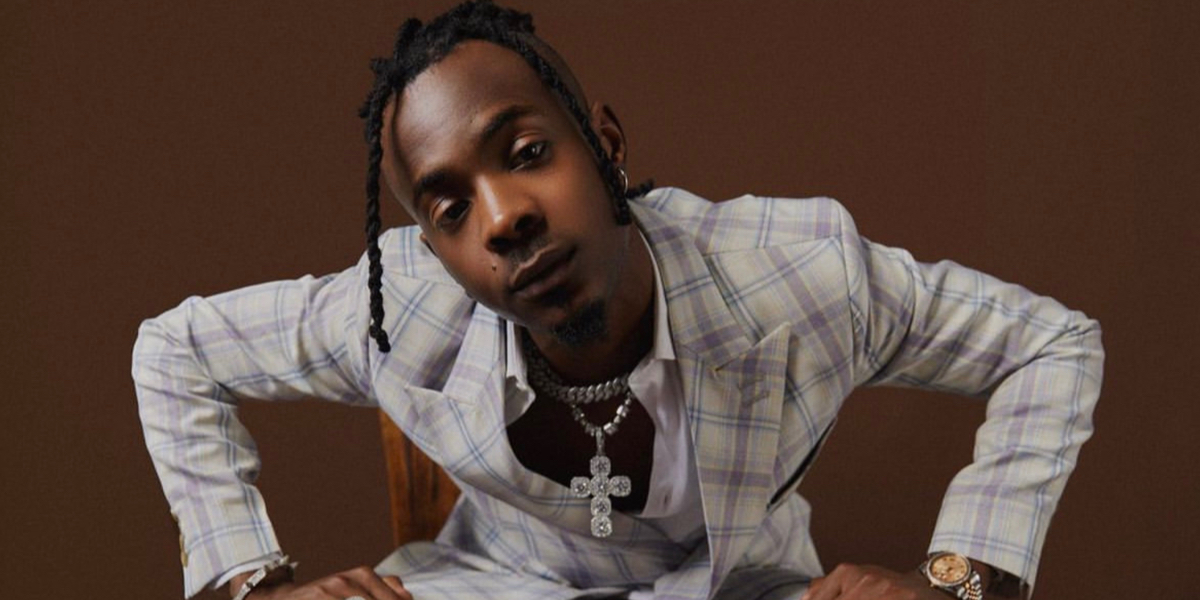
Among these class of artists is NATIVE 004 Trybe star, Oxlade who has been enjoying continued success due to his silk croons and alluring melodies, which he uses as a springboard to unleash his pantheon of loverboy anguish. Back in 2018, when Oxlade first broke out into the scene with the catchy hook of Blaqbonez’s “Mamiwota”, we knew he was on to something but this has only become more apparent as he’s grown and mastered his craft.

In 2020, following the release of his debut EP, Oxlade was on the cusp of further explosion into superstardom. While he’s spent the past few years finding his feet and contributing to other people’s vibes, he then introduced listeners to what he is really about as an artist with his debut project, ‘OXYGENE.’ Since then, improving his skills has been a great source of pride to Oxlade, one that he continues to uphold as he takes on new projects including the release of his sophomore EP, ‘Eclipse’ only a year later.

Now, less than a year later, following his new deal with Columbia Records, Oxlade is once again dominating global Afropop conversations for his distinct, otherworldly melodies. In the same vein as CKay’s 2019 record “Love Nwantiti,” Wizkid & Tems’ “Essence” and Fireboy DML’s “Peru,” Oxlade’s new single “Ku Lo Sa” is receiving regular airplay across the world and angling itself for the much-vaunted “Song of the Summer” crown.

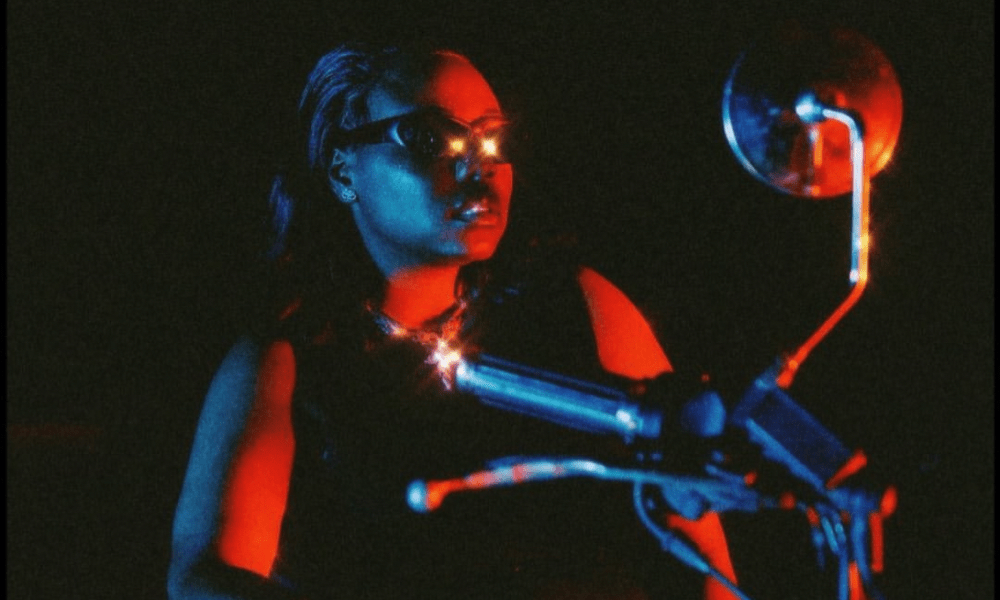
First premiering on A COLORS SHOW back in June, the new single “Ku Lo Sa” began making rounds on social media timelines and TikTok feeds when users began recreating the singer’s infectious performance on the colourful stage. Owing to its blend of soft but commanding melodies, and Oxlade’s self-determined showcase, the unofficial single soon became a fast fan favourite online, thanks to its instant memorability.

It’s also got the numbers to back it up. Alongside garnering over 12 million streams on the A COLORS SHOW Youtube page, “Ku Lo Sa” has also carried Oxlade’s voice across continents with the singer recording gargantuan wins since its June release. Shortly after it premiered, “Ku Lo Sa” shot up to the number one spot on Apple Music in 6 different countries, including Mauritius, Kenya, Portugal and more, as well as garnering over 20 million streams on Spotify alone.

While the song is technically still unreleased, Oxlade followed the COLORS SHOW performance with a lush lyrics video which allowed fans to sing along to his infectious rhymes. The video which has currently amassed 7 million views and counting, continues to show audiences fascination with the song and its propulsive rhythm. The song has now quite literally taken on a life of its own, making its way into our hearts and ears from its near-constant replays across social media and in-person activities.

As the track continues to pick up steam, Oxlade continues to break new ceilings. Recently, “KU LO SA (A COLORS SHOW)” is the greatest gainer on the global Spotify charts in the last week as it climbed up 20 spots to #163 with a gain of 905K streams. Currently, the “Ku Lo Sa” sound has also been viewed over 641.9M times on TikTok, pushing the song and its maker to new audiences and new markets. It also comfortably sits at No.10 on the TurnTable Top 100, ascending from its previously held position at No.21.

Oyinkansola Fawehimi, an entertainment and music lawyer in Lagos shares: “For me, I am quite excited to see how intimate performances and soulful renditions can translate to the emotional attachment that art gives. COLORS is a platform that can collaborate with artists to have them enjoy maximum exposure, and they continue to break new artists with their platform as they invest in making sure the artist shows their best performance over soundtrack,” she says. “The COLORS and Immensum Music partnership worked because they had African artists performing songs that were entirely new. Oxlade gave his entire art into that performance which made it so relatable. As a business executive, this goes to show how platforms like COLORS are providing a springboard for rising artists. We have iterations of COLORS in Nigeria but many of them are still struggling because they are unable to properly distribute or monetise their platform. There is still issues with licensing processes but we have seen young artists have a shot at global recognition with platform collaboration. Oxlade’s team is maximising on this moment greatly.” 

For anyone that’s been paying attention to Oxlade’s career so far, this win doesn’t seem far fetched. Two years ago, he enjoyed a similar success following the release of “Away,” one of the lead singles off his project, ‘OXYGENE.’ At the time of its release, the single garnered over 13 million streams on Spotify alone, and gained the attention of industry heavyweights including Drake.  Oxlade then joined the ranks of other Nigerian talents like Wizkid, Tekno, and Rema who have all gotten Drake’s co-sign and it pointed to greater things ahead for the singer whose fans have capitalised on the attention by reminding everyone to stream “Away.”

While the song is still pending official release, it is important to see how Oxlade is already garnering this much attention off an unofficial song, playing into familiar snippet techniques as his contemporaries such as Asake, Burna Boy and more. With “KU LO SA,” Oxlade has once again proved that he can reliably remain in rotation at functions and parties while offering a rich trove of insight into his inner workings as an artist operating with heightened visibility.

Featured Image Credits/

NATIVE Exclusive: The Making Of TROD

Five years ago, the world was formally introduced to TROD along with his single “Wild Mind,” a straight-from-the-hood joint that saw the artist spitting sporadically in his well-versed flows. While there was a buzz around him – both for being the younger brother of late indigenous-Rap pioneer Da Grin and for his 2020 debut EP ‘The LivinGrin’ – nobody had foretold the disruptive impact the project would have on Da Grin’s fans home and abroad. Living up to the project’s grandiose title established Olaonipekun Olatunbosun’s own psychedelic space within the Nigerian music industry. Currently, he’s reshaping the edges of indigenous rap.


View this post on Instagram


A post shared by TROD (@iam_trod)

Fusing evocative melodies with experimental production, TROD’s sound is fresh, innovative, and immersive, challenging and surpassing the standard of Nigerian Hip-Hop that dominated the early 2010s. Lyrically, he is pushing boundaries with unfiltered introversions that deal honestly with themes ranging from loss to rage. Since the release of ‘The LivinGrin,’ he’s evolved his sound across several records, joining forces with friends and collaborators like Olamide on “Shey You Fit Go,” and Soccisk on “Steady.” Showing no signs of slowing down, TROD is making a solid comeback with his debut studio album ‘GrinFace,’ a body of work that is a testament to the rhyme skill and reverence he’s earned within the Nigerian Hip-Hop community since his emergence.

Across the 15-track masterpiece, he’s rapping, and surprisingly, singing excitedly about love, life on the streets, and childhood aspirations, amongst other things. “For this project, I wanted the songs to be a marching tone that keeps anyone grinding in their daily lives,” the 26-year-old artist tells NATIVE over a zoom call. “This project helped me turn my pain into music. It’s filled with charismatic anthems and I think it’s a work of art.”

In the days leading up to the release of his album, we caught up with the rap prodigy to discuss his brother’s untimely passing, stepping out of his comfort zone, and the making of his new album.


View this post on Instagram


A post shared by TROD (@iam_trod)

NATIVE: How can you sum up the past 12 months leading to this moment?

It has been filled with ups and downs, and stress. My album was ready about seven months ago, so all I have been doing was replacing some songs with other new ones. Generally, it has been a little bit picky for me. I have been recording here and there in order to make the album a great one.

NATIVE: Before we delve into everything about your album, I’m curious to know how this brand and identity called TROD came about.

First of all, my name is Olatubosun Olaonipekun and I grew up here in Nigeria. A lot of people know that I am the younger brother of the late Da Grin who was a pioneer in the music industry, so music has been a part of me since childhood. When I started music in 2016, I dropped a track that was just on a random website, but I was still dropping freestyles back to back at the time on Instagram. I started rapping in Yoruba, but in a new school vibe, just like the same thing Da Grin did in those days. Then I started bearing the name TRODwhich means “The Return Of Da Grin” and a lot of people have asked why I bear that name. Da Grin started music with a feeling that everybody still feels to date. That feeling is called Grin. When he started, he used to call himself Grin Face, which happens to be the title of my album. Then he later changed it to Da Grin, which means that the feeling is still there and nothing has changed. It’s not like I’m bringing back Da Grin or his music, I just believe I can still bring back that feeling. I know that everyone can do music and still have the Grin feeling. This is just a way of keeping the feeling alive.

NATIVE: How did his death affect you?

It’s not easy being in that situation. I can’t put myself in Da Grin’s shoes because I can never fit in. But I’m trying to have my own shoes so that my brother’s shoes and mine would be identical. Da Grin has been wonderful to me and for me to have a brother that I could listen to and learn from is one of the most beautiful things ever. Everything Da Grin has ever brought to me is happiness and love.

NATIVE: How did you cope with a loss so sudden as that?

I was so young when it happened, and so the only thing I knew about death was that of older persons. I had never experienced losing someone young and close to me. I turned 26 some months ago and Da Grin died at the age of 26 too. He didn’t even celebrate his birthday before he died. His death affected me in school and it was crazy. Honestly, I can’t even put it into words because it still breaks my heart. I know that once people listen to the tracks on this album they would have an understanding of how I felt when I started making music. When he died, I cried a lot and I haven’t even gotten over it. But he did a great job for the short time he lived his life. He did something that can never be forgotten and I’m so proud of him no matter what. He was a legend.

NATIVE: But was he the major reason why you ventured into music?

Everyone in my family loved hip-hop. My dad would rent (out) musical instruments and also perform. Basically, I grew up in a musical household. So when Da Grin started music, nobody believed that he could make it. He was someone I watched from grass to grace because when he was doing music he was so crazy about it. I was in boarding school back then and he was my idol. Nobody would believe me if I had told them that he was my brother. We all listened to 50 Cent and 2Pac, and so when Da Grin does his rap in 50 Cent’s way, I would be like, “wow, this is crazy.” And when I was in school, I’d try to rap in Yoruba too. I was just doing what my brother did. People then believed that the music I was doing was cool and that it is something that I can do. So, music has been a part of me.

NATIVE: Being referred to as just Da Grin’s brother now, as opposed to you being an artist of your own, does it feel limiting?

At this point, I don’t blame people for whatever they call me. All I want is for people to listen to my song. No matter what you call me, you are still talking about the Grin, that same feeling I was telling you about. So if you tell me that I’m making music like my brother, at least I know I’m making it like a legend. Some people even call me Grin because when you see me on a normal day, you’d say that I look like Da Grin, and I can’t be mad at you for that. No matter how you talk about Da Grin, you would also talk about me. We are related. We are blood.

NATIVE: On making music officially in 2016, what was the experience like the first time you found yourself in a studio?

I have always found myself in a studio. Like I said earlier, my dad rents (out) musical instruments so it is something I see every day. But officially in 2014, the first studio I went to wasn’t even all that. We were recording with a live performance mic. I don’t know if I should call that a studio, but I actually had an idea of things that happen in the studio. I got used to writing freestyle and so getting to the studio, someone introduced me to a producer. I did a freestyle with a couple of instrumentals and we recorded the song immediately.

NATIVE: Now your debut album is set for release, what does the title mean?

GrinFace is basically the feeling for anyone who listens to my songs, Da Grin’s songs, or any other indigenous rappers. When CDQ came in, he also had this Grin feeling too. I feel Da Grin is the pioneer of indigenous rap in Nigeria, and so if you are an indigenous rapper out there, you’re having a GrinFace because so many people enjoying your music are Da Grin’s fans. Grin Face was also Da Grin’s first stage name. So Grin is like a feeling or even a genre in the music industry. Just like how you associate Afro(beat) music with Fela, when you talk about indigenous music, you talk about Da Grin.

NATIVE: Speaking of genres, do you typically fuses different genres for your output?

I am a rapper and a singer. I can do any kind of genre on any kind of song and still be giving you that grin feeling. I can do Afro, Hip-Hop Rap, and Drill and still be giving that feeling. That is why my album consists of different kinds of genres and vibes. No matter where you are listening to my music around the world, I still want people to know that I am putting my own feelings into the music, and that is why I can work with anybody.

NATIVE: You have always used your music as a form of resistance against the government, but it seems on this album, we’re not getting any of that. Was that intentional?

In Nigeria right now, it’s kind of a big problem when you talk about the government. I have about two or three songs about the government. I have talked about the government in the past, and they still do the same thing we have talked about in the music. I just didn’t put anything relating to politics or government on this album because I want to explain more about my music to people. I want people to know that I’m versatile and I can talk about God, love, money, ladies, and so many things. I just want to direct people to myself.

NATIVE: How did you decide what songs would go on the album?

The first track on the album is “Ise” which means “to work,” and this is because as a man, you have to do something for a living. Every song on the album has its particular theme that it is talking about. I talked about work, street credibility, success, love, and ups and downs. One of my favourite tracks on the album is “Questions” in which I talked about how wonderful God can be. I want people to know that I am not just one. Some of the tracks on the album have been a form of motivation to me and I want to share that motivation with others. The last track is called “Grinface” where I talked about Da Grin. It was actually the most difficult song I have ever written. Since Da Grin died, I have never picked up a pen to write a tribute because I do not know where to start. I have so many words to say that cannot even fit into an album. I just had to be in the mood to write that track and I want people to listen and relate to it.

NATIVE: How do you feel this album would add to your legacy?

This is going to be the most difficult stage, but I believe if you have done it once, you have done it. I also feel this is just the beginning and I hope that God will direct me on the right path. Though it took me a while, I feel that this album is going to change a lot of things on my end and also in some people’s lives. I appreciate everyone that worked with me on this album from Sossick, Psycho YP, T-Classic, Olamide, Idowest to Junior Boy. It’s been awesome and I am certain that people are going to love this album.

Stream ‘GrinFace’ below.

Featured image credits/
Songs of the Day: New Music from Patoranking, Black Coffee, Ona Dema & more

We’re more than halfway through 2022, and it’s been an eventful year for Afropop. There’s been a torrent of great new music, spawning a massive stack of inventive smash hit songs. From Highlife-infused Ghanaian pop, to the unrelenting force that is Nigerian street-pop, to South Africa’s indomitable Dance scene, to tantalising Drill explorations in East and Central Africa, and much, much more, we’re living through abundant and musically expansive times.

Every week, many songs from African artists make their way to digital streaming platforms, and wading through them can be intense. That’s where The NATIVE’s Songs of the Day column comes in to help. We go through as many new releases as possible, spotlighting them here, two to three times every week. This Friday, enjoy new music from Jaido P Lyta, R2Bees, Sigag Lauren and more. Dig In!

BLACK COFFEE & AMI FAKU – “THERE’S MUSIC IN THE AIR”

A jazzy beat polished with interstellar synths form the backdrop of “There’s Music In The Air,” the new record from Black Coffee and Ami Faku. Both names are famous in the South African scene for their sonic ingenuity, and joining forces restates why: Coffee’s signature House rhythm meets the soulful tones of Faku, creating this modern remake of Letta Mbulu’s 1976 classic of the same title.

PATORANKING FT. DIAMOND PLATNUMZ – “KOLO KOLO”

Dancehall savant Patoranking takes his time to put out music, but the effort is often worth the wait. Fresh from winning Recording of the Year with last year’s “Celebrate Me,” the musician has released his first single of the year, also the first from his forthcoming fourth album. “Kolo Kolo” is crafted by the familiar hands of Yung Willis and sees Pato joined by Tanzanian superstar Diamond Platnumz as they sing exhilaratingly about a woman’s love, over bright, vocal-heavy production.

JAIDO P – “DISTURB”

Shopla knows how to make street-inspired bangers. His latest is an hypnotic jam which swells with wise, humor-laced caption-ready lyrics. There’s an edge highly reminiscent of Naira Marley in the lyrical approach but Jaido P has even more awareness in his raps, utilising the song’s backend to etch his life philosophy onto the listener. With the beat bursting with pomp and ominous tones in the background, everything just works to make this a fine weekend starter.

R2BEES FT. GYAKIE – “NEED YOUR LOVE”

Ghanaian music greats R2Bees have carved a space for evocative, melodious love songs. From “Slow Down” to “Kiss Your Hand”, their distinct vocal approach have blended with perfect guests to create perfect odes to a lover’s embrace. Gyakie joins a stellar list then, contributing warm husky vocals to the soulful notes of Mugees and Omar Sterling’s admittedly sterling flow. With the visuals finely capturing its chill metropolitan vibe, everything about this record works.

EMA ONIGAH FT. OZEDIKUS – “PLAYFUL SOMEONE”

An offshoot of technology’s influence on Afropop is how many people can create great records. There’s no limits to creativity, and Ema Onigah is a youngster very deep into his own process. After producing and recording “Playful Someone,” he called up his frequent collaborator, the revered producer Ozedikus who adds finishing touches. With crisp, confidence-laced lyrics Onigah spills out the many thoughts in his mind and, like the title suggests, still maintains a playful approach to his pacing and word choices. A stellar record.

STONEBWOY – “GIDIGBA”

A strong melody flows through “Gidigba,” which is indicative of Stonebwoy’s continued flirtation between the brick-solid rhymes of Dancehall and the sugary nature of Afropop. The message is one of strength, as Stonebwoy charts an inspirational tale for his listeners by taking them through the tough moments of his own life. It’s not a mission new to the artist, but here he’s quite convincing and somewhat spiritual, setting himself in the figure of a strong leader.

KIDI – “CHAMPAGNE”

Primal persussions from Hiplife are everywhere on KiDi’s new record, “Champagne”. Again the Ghanaian superstar highlights his ability to bring the country’s local flavour into his pop excursions, and here he does so beautifully. Echoing the style of label mate Kuami Eugene’s “Take Away”there’s subtle usage of crowd vocals as KiDi charts the famous tale of coping through a heartbreak. Champagne is the choice liquid, bringing the excesses of a peculiar lifestyle into a warm, groovy number.

TOME – “UPTIGHT”

Nigerian French-Canadian singer has created heart-warming records cut from R&B, and for her latest she turns the genre’s romantic tension even higher. “Uptight” is accompanied by dramatic visuals which show Tome and a man who’s supposed to be her former lover fighting over its runtime. The activity is a brilliant accompaniment for the slow-paced record, Tome’s distinct tones hitting just as it should.

DETAILMADEIT – “HOT HOT”

Abuja rapper Detailmadeit has an insane work ethic. Just a week after releasing the palmwine music-suffused “LUV & BUM BUM,” he’s tapped into the sonicscape of Amapiano for his new record. “Hot Hot” takes record of his accomplishments, especially as an independently-backed musician. With zesty lyrics partly delivered in Pidgin English and Igbo, he’s created a bubbly record intended to soundtrack the happier moments of the year.


ONA DEMA – “HEART ON FIRE”

uNder alum Ona Dema possesses the uncanny ability to bring refreshing emotions into her music, and “Heart On Fire” is no different. Bright, bouncy percussions lead the way as Dema’s similarly upbeat vocals sing about a lover. It’s a laidback mood, but there’s enough in the minutes to keep your feet tapping and your head bopping. It’s been a while since we heard from her, but she does make the wait count, as expected.

MASHBEATZ – “NEVER RIDE (REMIX)”

A total of eleven rappers are united in this posse cut remix of MashBeatz’s “Never Ride”. Triumphant, shooting synths and minimal percussion allows the rappers’ the spaces to deliver on their distinct styles, presenting a dizzying array of the range in South African rap. By the end of the song’s six minutes, the feeling is not unlike having got off a rollercoaster, with the bars, like flashing sights, still playing in your head.


ICYMI: CKAY, OMAH LAY & THE RISE OF EMO-INFLUENCED NIGERIAN POP

Revisiting Olamide’s ‘YBNL’, the album turned street-defining movement

The more Nigerian Pop evolves, the more we realise how much is owed to Olamide. In those early years, he wasn’t the accomplished music executive he is today. He wasn’t the darling of the mainstream, neither was he the most gifted rapper you ever heard. He was raised by Bariga, a neighbourhood in Lagos where he didn’t have much by way of formal lessons. All he learnt, all he became—that was shaped by the streets, and no one understood that more than Olamide. 

Imagine the year is 2012, a period when young musicians—for the first time ever—were the strongest forces behind Nigerian Pop’s push onto global domination. Wizkid’s ‘Superstar’ had galvanised a generation of youngsters onto the plane of popular culture, while Davido and Burna Boy were crafting the nascent core of their stellar catalogues. Of them all, none, however, had the visceral pull of Olamide. From the moment “Eni Duro” dropped, that teenager who recorded during late hours in I.D Cabasa’s studio revealed himself as powerfully human. He wasn’t the shiny celebrity with no local ties; he was real, and realness was highly rewarded in those years.


View this post on Instagram


A post shared by Olamidé (@olamide)

In 2011, ‘Rapsodi’ was released under the tutelage of Cabasa. It’s a project that bears all the highlights of what would be known as vintage Olamide: guttural Lil Wayne-esque bars; scratchy beats which borrowed heavily from Fuji and classic Hip Hop; colourful, innuendo-spiced language that was ostensibly from the streets; Olamide’s enduring narrative of wanting to make it out, to positively influence the lives of people whose stories he’s created art from. Obviously it wasn’t a bad album—a well beyond formidable debut project, even—but it barely touched the acclaim of the one which followed it. 

The ‘YBNL’ acronym for “Yahoo Boy No Laptop” was received with fierce alliance or mild apprehension, often depending on which side of the social spectrum one belonged to. In hindsight, we can accurately interpret Olamide’s motivation: working without big budgets and the recognised tools, he was like an internet fraudster who had no laptop. It’s hard to tell which came first—the album or the record label, but it’s obvious they both shared the same affirmative and cheeky philosophy.

In regards to the album, that was frankly the birth of pop star Olamide. He smoothened the sonic imbalances from the first cover and sounded more confident in his lyrical approach. Nobody was rapping like Olamide. I attended a private secondary school somewhere at the outskirts of Ajegunle, where “First Of All” had become a sort of anti-establishment record. Everyone knew every word, mesmerised by the call-and-response of its chorus—that was the template you’d hear in “Wo!!” and “Oil & Gas” in later years. It didn’t help that teachers and administrative staffers liked to say “first of all” whenever they addressed the students. And the students, almost immediately, would scream “Go down low!”, much to the displeasure of the scowling adults. 

That lead single embodied the heat of Olamide’s gospel. Where others were careful of breaking the rules and presented neat images, Baddo courted rebellion. It’s important to note that he wasn’t rebellious just for the mere sake; in fact, my usage of rebel could be further exposed as an exaggeration—Olamide simply was. 

The twenty songs on ‘YBNL’ sounded like music that could have been created from my backyard, or even yours. It was instantly at home, and then moving on to soundtrack Lagos: here, everything was possible and scenes were described just as they happened. Olamide placed himself loosely in the Street Hop tradition of iconic purveyors like Lord of Ajasa and Dagrin, but he also possessed an earned softness. The production carried this personal trait with a fleck of bravado.

If the album is being remembered, songs like “Ilefo Illuminati” and “Stupid Love” would no doubt get much of the accolades, but in fact the mellow songs are as good. “Money” and “Fucking With The Devil” are very subvertive of the images suggested by their titles. They are tinged with airy, chord-lined flourishes which contribute to a certain kind of melancholy. This sadness was sombre because it faced a bleak situation, and getting out as quickly and cleanly as possible was the only solution. 

When he isn’t creating bold party anthems or charting his dreams of financial and status ascension, he is often at the service of community. Already the spaces they entered meant the songs were communal-focused, but on records like “Voice of the Streets” and “Jale” he directly linked himself with a larger group of people. You could argue the latter is more boisterous than hood-affirming, but it’s perhaps the first and finest instance of the ballroom owambe party record many Street Hop artists would attempt to craft in the future. 

He was really rapping in “VOTS”, spazzing over a sample-lined thumper from Tyrone, who also provided similarly hard drums for the iconic “Local Rappers” onslaught. In his first verse, he inserts cheekily, “Mi olohun bi Wizkid, I for dey voice anything,” which is illuminating considering how well Olamide developed with his own singing. But 2012 was a different era: A record like “Street Love” had all the vulnerability expressed in raps, while a song titled “Fuji House” bore more semblances with a David Guetta record. It’s telling how he closes the album with the “Industreet (Cypher)”, a most traditional of rap songs featuring respected peers Reminisce and Base One. 

The production—mostly handled by Pheelz, alongside I.D Cabasa, Samklef, and 2Kriss—offers a potpourri of sounds orbiting the seams of Olamide’s favoured Street-Hop. A collaboration with Tiwa Savage is titled “International Local”, which is perhaps a pointer to larger influences: there’s the brazen touch of Dancehall on “Lights In The Air” and “Remember”; a melancholic soulful vocal sample on “Street Love”; the stirring twang of an Hausa guitar on “Nyarinya” which, judging by his peak standards, isn’t a convincing love song but nevertheless displays Olamide’s ability to relentlessly dig into a storyline for a new perspective. 

The ‘YBNL’ album turned ten this year, but there weren’t a lot of fireworks. Understandably, that is—often moving at a breakneck pace, not many may be able to revisit the past with the recollection and nuance it requires. That may even be harder because YBNL—the label, not the album—is still in our faces and ears, fresh as Asake’s crowd vocals and scene-defining like Fireboy performing main stage at the BET Awards

In the years after releasing the album, Olamide went about assembling a great cast of musicians. He’d later sign the soulful Adekunle Gold, but his earliest soldiers were cut from a similar cloth as him: the streets. Lil Kesh’s unique gravitas made him viewed as a descendant of Olamide, and he’d deliver until he left the label the year after. Viktoh and Chinko Ekun, though not officially signed, were part of the YBNL family at some point and had invigorating moments, especially the latter who’d go on to create “Able God”, the Zlatan Ibile-featuring record which more or less spurred the Zanku era

During this time—2018 or about—Olamide was caught in his ever-turning wheels of reinvention by leaning more into eternally-present softness. Mainstream pop was decidedly slower, but he had the awareness to pop up at crucial moments. On “Issa Goal”, he joins Lil Kesh in welcoming Naira Marley into the Nigerian scene after years of underground UK dominance. Olamide, by then, was entering his third wave—as an OG who did more behind the scenes than he let on—and the intentional unveiling of Fireboy DML on the ‘YBNL Mafia Family’ compilation album was proof of that. 

Like many things Olamide that album wasn’t accompanied by much buzz, but who was that youngster? On “Jealous” and “I’ll Be Fine” he was allowed the entire run-time, flexing both his skills as a pop artist with the occasional alt-pop lean. While the latter was a sombre view of his prospects at making it, the former became Fireboy’s breakout record. In the video, the cool schoolboy dressing of Fireboy made it hard to believe this was an artist signed under Olamide. But that is the nature of leaders: they see before others do, and move decisively behind what they’d rather see in the world. 

In a picture which was taken at the just-concluded 15th Headies, Fireboy DML and Asake stood on both sides of Olamide, who on his social handles captioned it, “Streets shi wa in charge”. In that one moment, the most successful players of an empire stood tall—Fireboy is still enjoying a global listenership after the ‘Playboy’ album followed the success of “Peru”, while Asake has unarguably been the man to beat throughout 2022. 

It’s surely a tempting prospect to view Olamide as a forefather, but then again his impact is very much alive. He’s used his star power to popularise the remixes of T.I Blaze’s “Sometimes” and Portable’s “ZaZoo Zehh” even while courting less flagrance in his own music. It’s also interesting when you remember (or not, in my case) that the Italian sample at the base of Goya Menor’s “Ameno”, which won Best Street Hop single at the Headies, was sampled much earlier by Tyrone for “VOTS”

Looking back now, the ‘YBNL’ album perhaps hasn’t been given its deserved flowers. It’s not on par with the excellent trifecta of ‘Baddest Guy Ever Liveth’, ‘Street OT’ and ‘The Glory’ but then you have to understand Olamide was yet to reach his peak at the time. At that, he boldness of that project was instrumental in empowering his later releases. 

Its greatest legacy remains its possession of the ‘YBNL’ title—this, even more than being a cult classic, is a movement. A movement which began in Bariga and spread all over the world, yet burning in the eyes and mouths of the many Nigerians who call Olamide king. As more international corporations would seek to indulge his genius in the years to come, understanding this album would be key to understanding the mentality he carries into those rooms. It’s a mentality that can’t be defeated, only admired and adapted into the sprawling details of one’s own life. 


ICYMI: READ OUR FIRST IMPRESSIONS OF ASAKE’S DEBUT ALBUM ‘MR MONEY WITH THE VIBE’

Melvitto Features Gabzy, WANI and more in new EP, ‘Ovrdose.’

Nigerian born UK-based Producer and songwriter Melvitto has been a force to be reckoned with in the music industry since the release of his debut EP in 2017 ‘Soon.’ The project featured some Afropop heavyweights such as Wande Coal and Gabzy, and garnered the producer attention from all across the UK and the African continent. In 2019, he shared his sophomore EP ‘TheNightIsYoung’ which pushed the envelope further and showcased his rapid-fire skills, alongside a feature from the Nigerian pop superstar, Oxlade.  


View this post on Instagram


A post shared by mel (@melvitto)

While Melvitto has spent the past few years forming a musical bond with Gabzy, the pair first collaborated together in 2019 on a shimmering body of work titled ‘Summers,’ for his latest project, Melvitto lines up a talented spate of performers including Fresh Meat (now known as uNder) alum, Oladapo to Dayor, WANI and of course, Gabzy.

‘Ovrdose.’ explores many different sounds and affirms extremely solid production. On the EP’s opener “Drifting Thru” featuring Dayor, the artist speaks to his love interest about getting through difficult times with her by his side, over the bouncy piano chords of the record.  

The producer works the piano chords and log drums of Amapiano into the breezy lilt of his accomplished style, creating songs that sound refreshingly new and solidify Melvitto as a considerable talent. With Melvitto, it’s much more than creating bangers, he’s much more meticulous about his craft and gives each new release an element of the unexpected.

Listen to ‘Ovrdose’ here

uNder Spotlight: Lirase is only concerned with being honest in the music

uNder is our monthly column committed to spotlighting the Best New Artists from around our musically diverse continent. Each month, we’ll be taking a step further to highlight the artists featured on uNder by offering in-depth interviews and exclusives about their music, their journey’s and their plans for taking their sound from this side to the world watching.


Personal turmoil is the source of some of the greatest music that’s ever been created. The bridge between what has happened to an artist and representing it on wax is the willingness to share those events and the emotions behind them with the world. By default, artists reflect who they are every time they make music, but it takes a level of intentionality to be vulnerable enough to make and put out vividly honest songs.

Even though he’d been making music for several years, Ghanaian singer, songwriter and producer Lirase only recently began to understand the rigour it takes to let your life experience play an unfiltered role in the process of music creation. The Takorade-born, Accra-raised Lirase got into music through a mix of awe and curiosity, consciously encountering the immersive power of music through a few songs on his sister’s phone, before going on to expand his musical tastes by intently listening to a diverse list of musical acts that included Nelly, Sarkodie, Osibisa, P-Square, M.I Abaga, and more.


View this post on Instagram


A post shared by Lirase (@lirase_tpw)

By his pre-teens, he had started plotting on how to make music, and by the time he was in senior high school, he’d started “releasing music intermittently.” Under a now-defunct moniker, Tonio, he sang and rapped, alternating between both vocal delivery forms because he “didn’t really create that distinction between being a rapper and a singer,” and he enjoyed letting inspiration lead him down the path of melodies or bars at any given time. As TonioBeatz, he produced for friends and he even helmed an electronic beat tape.

Not long after high school, Lirase gained admission to medical school in Cape Coast, and that meant music took the backseat. It also meant acquiring a wealth of experiences from some of the toughest months of his life. “Honestly, that period between 2020 to middle of 2021, I would describe as a very dark time,” he candidly tells me over a video call, his eyes briefly darting to the ceiling as he starts to recount events. During those months, he had to deal with being on the brink of dropping out of school, the collapse of a long-time friendship, and the sour ending of a relationship.

“My life was a mess during that period and it just reflected in everything I was writing,” Lirase admits. Still making music in medical school as an ancillary passion, those events found their way into his artistic endeavours and, even though he didn’t initially like that approach, it’s helped form the crux of who he currently is as an artist. “That whole time just taught me true artistry, because I feel like being an artist is somebody who lives their life and expresses their experiences through their art-form.” As a symbol of that learning curve, he’s now making music under his real name.

‘The Dawn’, Lirase’s recently released debut EP, has a weathered tone and a lived-in quality to it. Pulling from that tumultuous period of his life, the 4-song project is a statement of defiant hope, driven by the singer’s refusal to be defined by his struggles and an unyielding drive to live his life as wholesomely as possible. The events that informed the EP aren’t explicitly stated, but you can hear their emotional toll in Lirase’s full-throated singing and a sense of optimism that doesn’t pretend to have all the answers.

Entirely produced by collaborator-turned-close-friend, John Ekow Barnes, the music ‘The Dawn’ is an experimental fusion of Reggae, Dream pop, Electronic music, Neo-Soul, Rock, and more. With its sonic and thematic make-up, Lirase is well aware that his music has a clear alternative bent within Ghanaian music, but he’s not immediately bothered about widespread acceptance. If anything, he wants to be even more honest as he refines the genre-ranging quality of his sound, and that’s because he’s playing the long game and wants to be respected by listeners for his authenticity.

Our conversation with Lirase has been lightly edited and it follows below.

NATIVE: Were you one of those people that had music playing around them while growing up?

Lirase: Nah, mine is quite an atypical story because my parents were not musical people. My dad directed a choir for a while but it wasn’t anything that he like to talk about, he only mentioned it a few times. During morning devotions and those things, my mum liked singing, so she would make all of us sing. That’s it. I didn’t really have any exposure to professional music, and my parents weren’t the type to play music throughout the house.

It was mostly my elder sister who got a phone at a point and we started playing music in the house, ‘cause I’d just go take a phone and the earpiece. The first time I used the earphones, I remember the songs on the phone were “Dream Big”, “Flying without Wings”, and some other Rihanna song, and I was so immersed in the music. It was so crazy for me, like “is this what music is?” That was when I really got into music and then I joined the school band, I was a drummer for a like a year till I had to leave.

When did you decide to fully get into music?

I decided to do music when I was completing junior high school, around 13-14—I decided I wanted to make a song and release it. I didn’t release my first song till I got to senior high school, then I started releasing music intermittently like that. When I started medical school, I was faced with a tough challenge of what I wanted to do, because it demands a lot from you. I actually took a long break and I just tried to give myself enough time to think through it and see how the medical thing would go, because it was not something I was really passionate about but you know African parents.

Finally, I decided to do it professionally last year. I was about to finish medical school and I didn’t really feel fulfilled by, so I decided to try and pursue this dream of being an artist. I put all the music I’d been doing together to figure out what kind of music I should be doing that would fulfil me, and then I took pieces of lyrics and melodies from stuff that I had done, then I met with the producer and sound engineer [John Ekow Mensah] and we got to work.

How did you and John Ekow Mensah meet?

I met John in my final year of medical school. I had moved out of campus and I had my own setup in my room, so I was making my own stuff and some artists from campus used to come around as well. There was this guy that they used to tell us about that he had a studio and he was a producer as well, but I just didn’t really look into it because I didn’t have that money to pay a producer. When I was leaving Cape Coast, I met with a senior colleague who had released a double single project and she asked me to listen to it. I listened to it and the production was insane, the engineering was top notch and you didn’t really get that producers in Cape Coast, so I took his number and I called him.

I even sent him stuff to work on for him before I met him, and when I did, I saw that he had a full studio setup—he was in a band before he started making music digitally. I was amazed and it just sucked me in, and I just decided, “I’m going to do an EP with you.” We figured out the terms and we started working together. The whole thing that he was in a live band and he was a mature guy in the art, someone that has been doing music for the past ten to fifteen years, that really got me to trust him. We spent some time together sharing some musical ideas, and he got the idea of the type of records I was trying to make.

He kind of mentored me through the recordings when we started working, to the point where I would have to go meet him at Cape Coast to record final takes even though I record stuff myself—because I had finished school was back in Accra by this time.


View this post on Instagram


A post shared by Lirase (@lirase_tpw)

In a good way, there’s so much happening in the music on your EP. What would you define your sound as?

I can’t put into one genre because, as you said, there’s a fusion of a lot of things. Personally, when I’m filling any forms online for uploading my music, I put experimental or fusion. In as much as we categorise music for the DSPs and to put the music in front of the right people, it’s obvious that it doesn’t really fit just one mould. I’ll just say experimental or fusion music. I do appreciate the importance of classification and genres because, eventually, there’ll be some consistency with the work I do, maybe I can be classified to one or two styles of music at that point.

The EP has a very weathered tone to it, like you’re willing yourself to overcome personal issues. What were the events that informed the writing?

Honestly, that period between 2020 to middle of 2021, I would describe as a very dark time in my life. There were a lot of things happening on so many different fronts. When it came to school, I was about to complete but I wasn’t even into the whole school thing since level 400. I even called my dad and told him, “yo, I can’t do this anymore,” because I was failing classes and I was about to repeat a year. I didn’t want to that because living in Cape Coast was a really difficult thing, because I left all my friends and entire life in Accra, I was living in a place where I didn’t know anybody and the people living there are just in a different mental space I didn’t fuck with.

I actually stopped going to class for a week and I was thinking about just coming back to Accra to just figure my life out, because I never really had a vision to do anything serious in the medical field, so I was just weighing the options. Eventually, I spoke to some friends and other family members also called me, and I just decided that I was going to try my best. I had to go get a tutor to pass the re-sits and just restructuring my life, because at that point I was “trapping”, just skipping class and hanging in the studio with a cousin and his boys from campus. I closed down the studio, changed houses and that shift was difficult for me because I was going through withdrawals on so many levels and I had to be diligent with school work.

Also, I had a whole different issue with a friend I shared a business with for about six to seven years. We had to shut the business down because it wasn’t doing well and we were dealing with interpersonal issues as well, so we had to come to a split and that was very difficult. I lost of money and the relationship had changed, and within that same situation we had to deal with debts to a friend that also invested in our business. Emotionally too, I had to go through a break-up. My life was a mess during that period and it just reflected in everything I was writing. Even the beats I was making, I didn’t like them but that whole time just taught me true artistry, because I feel like being an artist is somebody who lives their life and expresses their experiences through their art-form.

Yeah, but that can be really difficult to do.

Yeah, but I had to learn how to do it in a way that I don’t really let it get the better of me, in the sense that I don’t let it deter me. It’s just about pouring it out and trying to move forward. I don’t think I’m expressing enough yet because, I was talking to M3nsa [solo artist and ½ of Fokn Bois] and he kept reiterating that I should try to be honest in my music, just be as natural as possible and stop hiding stuff, then you’ll be making music that’s not true to you. It might work, but is that the kind of music you want to do? Then I reflected on that and I realised that there was this kind of avoidant energy in the music, which led to me putting things in a complex manner rather than telling it as it is. At the end of the day, it wouldn’t make sense to someone who doesn’t know me or isn’t in the same wavelength. I’m still learning how to put things the way they are.

Are you bothered about reception, just from the mainstream standpoint?

I’m concerned but I wouldn’t say bothered. I’m just really starting off and it’s something I want to do for a very long time. You know how life works, I have bills to pay and I have to survive and music is expensive, so I’m concerned. But thing is, it’s only in giving value to people that I’m going to get back the investment in my music, like am I entertaining people? Am I provoking their thoughts? Is the music hitting them? That’s when I know I’m engaging them and they would want to share the music with their friends. At the end, I feel like authentic music is music you can grow with, music that will be timeless, so I would want to hold on to that and make music that feels good to me, sounds good to me, and I know I don’t have a terrible taste in music, so it’s going to feel good and sound good to somebody else.


UNDER SPOTLIGHT: THE SOULFUL MESSAGE OF WENDY KAY

Our First Impressions Of Asake’s Debut Album ‘Mr Money With The Vibe’

This year has been a hell of a thrill for Asake. In January, his Olamide-assisted single “Omo Ope” blew up. The following month, he sealed a deal with Olamide’s YBNL, ultimately stepping away from the shadows of underground notoriety and into the limelight afforded by an established record label. While Asake was no newcomer—considering the success of his 2020 single “Mr Money”— there was no doubt that the move to a label known for producing superstars was an upgrade in his career.

Asake instantly repaid the faith shown in him with a superb debut EP. ‘Ololade Asake’ caught the attention of music lovers, with “Sungba,” spearheading the singer’s ride to the mainstream. The singles that followed—the Burna Boy-featuring “Sungba” remix, “PALAZZO,” “Peace Be Unto You (PBUY),” and most recently “Terminator”—have catapulted Asake into major music conversations. His Afrobeats/Amapiano-influenced music and Fuji-inflected lyrics have won him the admiration and loyalty of fans worldwide.

Initially slated for release last week, Asake’s debut album ‘Mr. Money With The Vibe’ arrives with a weight of expectations. The 12-track project is the culmination of Asake’s incredible run and one of the hopes it bears is to seal the artist’s place in Nigerian music folklore. Will it?

The NATIVE’s editorial staff dives into ‘Mr. Money With The Vibe’ and, as usual, offer our first impressions.

Best Song?

Wonu: I don’t think I can pick a favourite yet but for now, I think I’m hooked on “Organise.” The message on the record is clear and I think Asake did that with most of the songs on this album. I personally think this will be a favourite for a lot of people. Close second will be “Sunmomi,” because Magicsticks is ridiculously talented. I can’t believe how talented he is. All round, the project is amazing but these are some of my favourites.

Emmanuel: No doubt this is a hard selection because ‘Mr Money’ has very good records. There’s something to be said about confidence, and here Asake touches many themes—from street tales to hedonist craze–with his signature energy. My favourite however leans strongly on “Reason.” It’s a song which captures the ethos of Asake while merging beautifully with Russ’ as one of the most interesting independent artists in the world. His lyrics are bouncy and crisp, confirming Asake’s status as a stylist par excellence.

Moore: While most of the tracks on this album are similarly pleasant, the best song on the album has to be “Dupe.” The song opens with an energising beat that’s to be expected from an Asake song, before a mix of instruments and vocalisations are introduced, giving the song an old school spiritual quality. These qualities make the song have an engrossing listening experience.

Best Production?

Dennis: Oh, that’s easy. It’s “Peace Be Unto You (PBUY)”, which remains the perfect song in Asake’s catalogue, even though this album is chock full of great pop songs. For two-thirds of the project, Asake and Magicsticks continue their Amapiano-fuelled excursions, but everything about “PBUY” is extra special, in the sense that it’s the one that makes his Fuji affiliations shine through. Listen to that log base, hear that violin riff when the percussions briefly drop out, deep those whistle sounds, and tell me that you can hear anyone else but Asake on this song. (Side bar: Shout-out to Felo Le Tee and Myztro for “66”, and Mellow and Sleazy for their entire catalogue. If you know, you know.)

Cynthia: I have to admit it’s hard to say which track is the Best Produced single in the album. Although two songs Stand out for me if I have to pick, I’ll say “Organise” and “Joha.” “Organise” carries this sizzling Afrobeats sound with a message that is common and relatable, while “Joha” has this party Banger vibe to it that one can’t resist but nod to, at the very least. The Amapiano beat does not disappoint but makes this track stand out.

Uzoma: I feel it is a tie between “John” and “Sunmomi.” What I love most about the production on “Joha” are the drums. The Amapiano log drums and the bass drums complement themselves so well. Coupled with Asake’s singing, it feels like a bubbly Fuji party. On “Sunmomi,” the violin is put to excellent use; it underscores every bass and synth of the beat. You have no choice but to dance.

Tami: It’s hard to single out a favourite in terms of production quality because Magicsticks over delivered on ‘Mr Money With The Vibe.’  However, if I was to choose a current favourite, it would be “Sunmomi” and “Organise,” two very distinct numbers which are fast proving to be early favourites by listeners. The violins on “Sunmomi” are otherworldly and resplendent, bouncing around the Fuji-inflected production with an irresistible force. Honestly, Magicsticks and Asake are a match made in heaven and I’m impressed to see how they’ve stuck together since his “Mr Money” days. Talk about full circle.

Favourite verse?

Damilola: No song can ever top “Sungba (Remix)” because of how catchy the beat is. But asides the beat, Asake and Burna boy carried the song so well to the point that I can never imagine any other artist jumping on that song and killing it as well as they did. My favourite verse will forever be Asake’s first verse on “Sungba (Remix)” because of how well he was able to complement the beat. Although the lyricism aspect of the verse isn’t so strong, it’s still a very catchy verse and a very good way to start a song. I couldn’t have imagined the song starting any other way.

Daniel: My favourite verse is from the chorus on the intro of the album “Dull.” The intro is a really special song, leaning into his orchestral style chorus and he speaks to the universe to grant him opportunities promising to make the best of them. I found this really interesting as it seems to be the theme to his fast rise in the past year, taking advantage of sharp attention “Omo Ope” gave him and never dropping the ball ever since.

Maria: My favourite verse is the second verse from “Ototo.” The song in its entirety makes me very happy that I understand Yoruba (a little bit at least). On that verse he says, “Olowo laye mo, Mr. General se jeje/ If you no get you go see pepper/Ko Oluwa jo fire soro mi/I go get money e too sure for me,” asking that God blesses his affairs while affirmatively declaring that he’ll be rich. The song is hopeful and encourages everyone to get to the bag, forge ahead on their own path and not compare their successes and the timings of them to anybody else’s. On the track’s run of about three minutes, Asake is deeply grounded in his faith and aspirations for his future and I love that.

Biggest potential hit?

Uzoma: “Joha” wins it for me. It is a fun song that sizzles with boisterous energy. It has the markings of earlier Asake favourites—crowd vocals, infectious beat and Asake’s untainted confidence. Asake does not want any wahala and that sentiment translates into the track. “Joha” will get the crowd at parties and shows hyped up and ecstatic.

Emmanuel: Knowing Asake, every song will probably become a hit. LOL, just kidding. But for real though, while this album has shades of autobiographical detail, every element of its crafting screams banger. Asides the pre-album singles, “Sunmomi” sounds like the most obvious hit, with heavy Amapiano percussions swirling around Asake’s always-refreshing singing. You should however keep your eyes on “Dupe”–that’s a hit song waiting to blow, and I can see it becoming big towards Detty December. Might not come true, but predict things with your chest, kids.

Wonu: Well, the album is a modern day classic and every single song can be a potential hit so I can’t really say but I think “Organise” is easily up there. The production is melodious, the record is also very catchy, this might just be Asake’s next hit but I’m sure the charts will surely tell soon enough.

Tami: Is it to early to call this a classic? I think every track on his debut album has the potential to boost Asake’s high profile career to even greater heights. It’s clear that from his “Mr Money” and “Yan Yan” days, Asake has grown into a true marvel, operating with the pulsing cadence and irresistible charisma as the artists he counted as his compatriots early in his career. For now, I think I’ll go with “Nzaza” as one of the biggest potential bangers, it has all the elements of an Asake classic accompanied with the grass to grace leanings of the streets which raised him, and many others.

Biggest Skips?

Cynthia: Listening to the album for the third time, every track is a vibe that can’t be skipped. Each single has its own unique touch to the album making it a successful album. Oddly no skips for me in the album.

Damilola: For me, there are no skips at all, Asake is phenomenal! It’s amazing to see someone start the year with great songs and still holding up towards the end of the year. He’s such a great musician and knows his sound so well.

Overall first impression

Moore: Every song on ‘Mr. Money With the Vibe’ is as catchy as one would expect from Asake. The project has a spiritual quality that is evident from the opening track and is best utilised in Dupe. The consistency of the tracks however may not always be the best if the listener is looking for some variety, as some songs almost blend into each other. For those looking for a project that feels quintessentially ‘Asake,’ with his distinct sound already well established, this project makes a reliable listening experience.

Daniel: ‘Ololade Mr Money’ is here to stay! ‘Mr Money with the Vibe’ puts a stamp on the undoubtable talent that is Asake. The album gives off the vibe of absolute confidence and belief in his style. I enjoyed every song! Wild!

Emmanuel: What can we say about Asake? The man’s a walking testament of timing. Everything he’s done this year has been leading up to this moment and boy, he didn’t disappoint. Deliberation is a crucial element of popular music but YBNL and Empire seems to have supported Asake’s outlier tendencies—his prolific nature hasn’t dented the prospects of a quality album, and he deserves every flower he’s getting. After a number of listens, I think it’s an understatement to call this a good album—it’s a moment captured in percussion-driven sound. A tightly-curated project that will, in time, define what 2022 sounded like.

Dennis: Short version: Classic, book it. Long version: ‘Mr. Money with the Vibe’ is a no frills masterpiece, a project that’s all purpose and zero fillers. The moments of arrogance are wholesome, the moments of aspiration are affecting, the overall exuberance that powers the album is infectious, and the execution is glorious.

Featured image credits/NATIVE

CKay, Omah Lay & The Rise of Emo-Influenced Nigerian Pop

The relationship between modern Nigerian music and foreign influences is well charted. Since the foundational period of the nineties, the received sounds of the diaspora have been beautifully translated by our musicians. It is rather indisputable that Hip-Hop and R&B partially formed the sonic bedrock of Nigerian pop. As the Afropop genre has mutated and carried our artists voices across continents, propelling urban Nigerian music towards global dominance, the role of musical quality has been unwavering in constructing a cohesive vision.

There hasn’t been any generation more equipped than the present one, rife with technological advancements which enable record-fast sound transmission. The last decade has seen Afropop superstars shift the needle of global pop music as much as their Western counterparts have, even though we’re now more like partners tapping from the same sonic material. Of them all, the most influential has arguably been Hip-Hop, and its once-controversial and now-accepted subgenre of Trap, which had spurned off the wave of emo-rap in the mid 2010s, a sonic touchstone for some of Nigerian pop’s brightest superstars operating today. 


View this post on Instagram


A post shared by 𝙗𝙛 💋 (@ckay_yo)

How did this genre which began in eighties America as a subgenre of rock become something to be adapted into the perspectives of Nigerian musicians? The trend is now overtly in our faces that CKay, one of the biggest artists in the continent, describes his sound as “emo afrobeats.” The Nigerian musician’s journey, over the past few years, has been inspiration to say the least. Even though his earliest work grasped unremarkably at mainstream sounds, his artistic vision began to emerge with his ‘CKay The First’ EP which was heavy on sci-fi symbolism while embracing a moody undertone in the records. For relatability, he grasped tenderly at stories of toxic love and damning exuberance. 

By the time his sophomore project ‘Boyfriend’ was released in 2021, CKay began describing his music as “emo afrobeats,” giving a distinct allusion to the emotional leanings in his music which drew on his loverboy anguish. In a scene where many artists have claimed ownership of their sound and rushed to define it in certain terms, CKay’s preferred title didn’t raise much hairs at the time. However, the more CKay rises to prominence, the more he is been pulled into the necessary discussion of sonic inspiration, investigating where, how and what it comes from. In the run-up to his latest single “you,” the Anambra-born musician laid claim to a sound that he and Dice Ailes created during their time in Chocolate City, proclaiming that in no way ,is he a copycat as detractors have said. 

However, what really is that sound? Is it emo as CKay claims? Looking at the history of the genre, quite possibly, no. CKay is not entirely wrong either, because some of the associative themes of emo music can be gleaned everywhere in contemporary music. More less than the culture, it’s the ripple effects of emo’s influence on the global pop space circa 2017 that has been noteworthy, via Lil Uzi Vert’s classic smash “XO TOUR LIF3” and the ascendance of beloved emo-rap figures like Lil Peep, XXXTENTACION and Trippie Redd. But emo comes with a larger history, a soundtrack of a generation so far away. Music is bound to travel, and the peculiarities of that movement is influencing a generation of Nigerian musicians. Surely, there’s resonance; a reason why this is happening now and why. 

Emo was one of the many genres which was cut off the tapestry of rock, following its own vision. In the mid eighties to the decade’s end, bands like Fugazi, Rites of Spring and Dag Nasty represented the subgenre’s probing of existence by diving deep into chaos. Such revered purveyors were poets of the personal doom, making homes in the very rooms conventionality describes as forbidden. With grungy, rock-heavy guitars and devastated, admitting lyricism their songs characterised the feeling of disassociation increasingly becoming common in America.  

My Chemical Romance’s 2001 debut album ‘The Black Parade’ is acclaimed as one of the genre’s most iconic albums and was directly inspired by the 9/11 tragedy on America’s  Twin Towers. In a piece published on The Ringer during their emo week, it was argued that the band was the last great rock band, also the biggest catalysts of emo’s third wave in the 2000s. As far as history goes, theirs was an influential presence, and soon became a musical sensibility that couldn’t just go away.

And why would it? Melancholy is widely believed to be a great spark for artful inspiration, reason being that some of the most transcendental creators the world has seen share an edge for the dark, a lingering dance with demons and the knowledge and thrills they possess. People are genuinely sad. And with Hip-Hop, perhaps being the most verbally expressive genre, the alliance with emo was very likely to happen. Jay-Z had even made the joint album ‘Collision Course’ with alt-rock band Linkin Park in 2004, the ‘Reasonable Doubt’ rapper being a name usually considered an outlier in such discussions. 

The emo rap era blossomed just after 2015, an experiment by rappers who existed outside the fringes of traditional rap. Though their image and lifestyle was heavily criticised, the sensitivity of emo allowed them to present an artsy image. They could truly be profound too: the lyrics had an unlikely-yet-piercing investigation into one’s pain, heartbreak conjured in as much angst as losing family. This was also the era of Soundcloud, the ground-breaking platform which gave musicians creative power. The platform became a favoured spot for emo-leaning musicians like Lil Peep, Trippie Redd, Juice Wrld and XXXTentacion to build their respective fanbases, and it was not long  after the entire platform became known for such nihilistic, cutting themes. Emerging from that scene and into global dominance, their figures readily available to internet-savvy teenagers and young adults all over the world, Nigeria included. 

When the children of emo emerged into the radiant spotlight, their demons were visible for all to see. At times, the lyrics weren’t just words; they were indeed abusive to the women in their lives and abused drugs and engaged in gang activity. There was pushback, of course. Conservative America heard no qualities in the music, only the romance with death and all things dark. Critics pushed against it, especially those who lumped into the divisive mumble rap conversations; statistics reported a growing number in deaths; its credibility as emo was swatted away, another fly on the juicy skin of musical greatness. Even an ominous headline on Reddit reads, “Your sad Soundcloud rap is not emo.” 

Around that same period, Nigerian artists were using Soundcloud to great effect. They built cult followings and released some of the most creative music Nigerians have ever heard and due to their age and relatable themes, young people were their largest audience demographic. Some of the artists described themselves as Alte, the movement that was fast rising among West African creatives orbiting the worlds of music, fashion, film, visual art and photography. 

In 2016, Cruel Santino who is often viewed as the de-facto leader of the Alte scene created the cult classic ‘Suzie’s Funeral’, a robust, colourful, and almost delirious depiction of his world. Concepts of sojourn and unrequited love were woven into the songs, while the album’s soundscape was often psychedelic. Among Santino’s many sonic touchstones, rock obviously supplies a gritty edge to his sound and aesthetic, though he didn’t directly claim the influence. A number of artists within that fold were curating similar experiences, but it took a while for the radiant children of Nigerian emo to enter the mainstream.

When they did, the sound’s origin was barely recognised. Perhaps we can chalk this to a lack of interest in the intricacies, which was why CKay was sometimes referred to as Alte. Even though he didn’t claim the tag, it was maybe easy to see why that was. For many, being viewed as alte was the African representation of being emo, though its creatives did more than just being sad. Rema and Victony were some of the earliest mainstream-circuiting artists who had traceable influences from emo rap. Rema’s debut eponymous EP had “Why” as a symbolic hit, a Trap-leaning song that was a chilling query into a relationship’s dissolution, with the Benin-born artist yelling as much as he sang, belting the words with youthful, almost child-like refusal.  

That project showcases an essential part of Rema’s artistry, which fortunately seems to be a generational ability. From Benin to Lagos, Awka and Ibadan, young artists are increasingly able to document their pains and recognise it as such, advancing a trope few Nigerian musicians in the past did sparingly. “Peace Of Mind” ranks high among Rema’s catalogue owing to its affecting quality, which provided ample space for the young citizen’s consideration of his country’s ills and how they related to him. 

Victony’s interpretation is visually enriched with representations of colours, crosses and tattoos—entries into dark spaces where one must contend with ambitions and nightmares. ‘The Outlaw King’, his 2017 mixtape, flexed his rapping skills, while he carried into his pop excursions the vulnerable lyricism and vocal dynamism. 2020’s ‘Saturn’ EP swirled with those qualities, the production often moody even when the singing was alert. “More” was a knees-down plea for a lover’s tenderness, and “Pray”, the song he recorded after surviving a car crash, was dark and hopeful. This year’s “Kolomental” was the second single before the release of his ‘Outlaw’ EP, and was released on the one-year anniversary of that incident. Its lyrics are resonating especially the stoic-leaning assurance in its chorus, “I no fit reason am, e go kpai me”. 

In some way, you could argue that the post-2018 generation of Nigerian superstars are the children of emo. In most projects, there are records created solely on the subject of loneliness and feeling misunderstood. Our collective memory is no doubt shaped by the angst of being Nigerian, the continued economic struggle and deprivation of human rights, especially those of young people in metropolitan cities. 

Even within popularly acclaimed albums like Fireboy DML’s ‘Apollo’ and Ayra Starr’s ‘19 & Dangerous’, songs like “Airplane Mode” and “Lonely” are revealing of that sensibility. The former’s introspection is presented as a related epiphany of a famous and young artist, one whose debut album was positively received and earned the tag of a classic. That rising profile usually comes with a lot of wanna-be friends and groupies, and Adedamola wants to sidestep all that attention. “I just wanna be alone, I don’t wanna see no message on my phone,” he sings on the hook, “Nothing dey do me you should know; I just feel like I should do this on my own.” 

Ayra’s record emerges from a more feminine perspective, detailed with pained longing. Her verses are delivered in a spritzy style but the words are themselves cutting, and when the bawling chorus of “I’m lonely, baby boy I am sorry, I be human being o,” comes on, you’re almost inclined to throw your hands in shameless admittance, too. 

Perhaps the biggest indicator of these themes’ relevance is its filtering onto the plane of Street pop, a subgenre that is usually inclined towards the aspiration of financial gains and a better lifestyle. In recent times, its creators seem to have realised that the other side is not always greener. Images of opulence are still conveyed, but often they’re paired with stark reminders of their own vanity. It’s a trait often turned inside out by Zinoleesky, presenting hope within party bops while always watchful of the complexities of coming from his specific background. 

“Sometimes” by T.I Blaze is perhaps the most penetrating street pop record of the past year, its popularity helped along by an Olamide-assisted remix, and everywhere one went you’d hear the instantly memorable poetry of its chorus: “Sometimes food no give man joy, but Canadian loud the feeling is different.” The artist is one the NATIVE columnist Wale Oloworekende believes is one of the most important Street pop artists operating today. The reasons for that are vast, but asides the obvious technical skills his emotive lyricism is very key, how he sings the persistent angst of a generation. That record also highlights the tendency of young people to cope using familiar vices like weed and drugs and alcohol.

‘Boy Alone’, the debut album from Omah Lay has frequently elicited the ‘album of the year’ acclaim, and for good reason. Young people relate with stories like his, everything from the insane sexual experiences to the creeping loneliness, the sudden urge to scream at everything and nothing. On songs like “i’m a mess” and “temptations”, he’s very open about his journey from relative obscurity to fame, and how that still hasn’t brought him the peace he’s craved for much of his adult life.

Vices are strewn here and there, but the lyricism doesn’t glorify the pain as much as it admits it; there’s still some Nigerian reserve. On a podcast interview he told music journalist Joey Akan that “never forget” was an ode to his departed father, while reminiscing on his days working at mining factories in Port Harcourt. When he sings, “everybody will die, die like ants and rot like millipedes,” that sense of annihilation doesn’t sound as fatal as it usually would, because it’s true and has clearly been experienced by the singer. 

Alliance with the zeitgeist is a sure way to be relatable, and emo offers Nigerian artists the template within which they can fit their distinct narratives. As critics rightly argue, it’s not so much a genre as it is a sensibility, and so far only CKay has “owned” the tag. The singer now has the benefit of being global now, but lesser known artists would be more comfortable with the Afrobeats classification. Pulling closer into the movement, channelling its fashion and guitar affiliation, the title of his forthcoming debut album‘Sad Romance’—hints at the overarching theme of the body of work he’s presenting. 

What is obvious is that Nigerian artists will continue to chart the turbulent seas of their emotion, whether it is called emo or some other variation of the term. What cannot be disregarded though, are the absence of mental health and anxiety consultation services across Nigeria. Even when they’re available, these services are often unaffordable and sometimes unprofessional, adapting religion as a standpoint to investigate mental illnesses. After all the records have been created and listened to and discussed, this should be a reminder that we spend our nights with ourselves, and ourselves alone. 


ICYMI: HOW RUGER IS CHAMPIONING THE HYPNOTIC SOUND OF DANCEHALL

Hot Takes Special: The Sheggz & Bella ship needs to sink


View this post on Instagram


A post shared by Kiki (@kikisgists)

A few weeks ago, Big Brother returned to our screens for the Level Up season. As usual, the show has swept the attention of the entire nation, leaving fans glued to their TVs in support of their favourite housemates. Amidst all the twists and turns created by production to ensure the viewers are glued to their screen, the focal relationship of the season appears to be between contestants, Segun Olusemo, popularly known as Sheggz and Bella Okagbue. Right from the beginning, they established a romantic connection which has coloured their experiences in the house, and created many discussions across social media timelines.

Season after season, the love pairings on Big Brother Naija have grown into a focal point of the show. In 2020, one of Big Brother’s most successful ‘ships’, Kiddwaya & Erica gained a lot of attention all over the country, and even though neither of them won, they have both come out to even greater success than the winner of the season did. Their relationship, not without its flaws, was playful, passionate and very enjoyable to watch, which led the pair to garner fans both locally and internationally due to their somewhat wholesome portrayal of love.

Increasingly, getting into a relationship or ‘ship’ as they are called by OG BBN fans, is a sure way for any couple to make their way to the top of the audience’s collective consciousness. Sheggz and Bella know this all too well, and have all but hedged their bets on maintaining a ship that will outlast this current season. But what started out as some juicy gossip on television, has now evolved into a constant sore spot that has grown increasingly uncomfortable to watch. 

Unlike Kidd and Erica, this relationship hasn’t quite provided the same light, reality tv infatuation we have become accustomed to, with seemingly strong signs of behaviour consistent with emotional manipulation, and a strange power imbalance right from its onset. In the above video, we can see Bella bawling her eyes out after an explosive fight between her and Sheggz. Her bellowing cry will sound very familiar to anyone whose been in a similar situation, the one when you’ve simply had enough and need a release. When one gets driven to that point of tears, it’s more cathartic when alone and unencumbered, however, we can see that Bella doesn’t even get that from her new partner. Whilst we can’t see what’s going on underneath the duvet, we can hear the ensuing conversation. While Bella weeps, Sheggz responds saying “Babe, what the hell?”, “See, I can’t do this…this is so fucked”, offering her little to no support, and threatening their relationship while she breaks down.

Before she breaks away from Sheggz, she says “Let me breathe.”

(Source: Twitter)

Many women in today’s world have either witnessed or experienced a form of abuse in their lifetime. In the rare case that they haven’t, they have definitely watched it play out on television somehow, much like we’re currently doing with the sinking ship that is #Shella. According to most romantic storylines women (and men) grew up watching, dangerous men were often presented as a saviour to their prey (Snow White, Beauty & The Beast), or the lord over these women with little consequence for how dangerous they are. Over time as popular culture evolved, these men became the ‘bad boys’ (Edward Cullen, Christian Grey, Damon Salvator), who women (often their prey) are hopelessly attracted to. In addition to being extremely dated and quite frankly boring, these tropes present a disservice to men, women and young viewers everywhere, as they reinforce the harmful notion that what should be perceived as bad and toxic will be worth pursuing in the end. 

From the very beginning, Sheggz and Bella’s connection was clear and they immediately became a note-worthy couple. On the outside, fans were immediately drawn to Sheggz due to his exceptionally good looks and generally engaging demeanour. At the same time, however, BB Naija fans on Twitter unearthed some extremely serious allegations about Sheggz, from an alleged ex partner. Shortly after Sheggz and Bella became an item, their relationship brought a lot of raised eyebrows towards the housemate, as a number of viewers grew increasingly concerned about Bella’s wellbeing and safety. As the show has gone on, their relationship has only confirmed the biases of these people with many red flags that we don’t believe should be ignored.


Red Flag 1 – Sheggz Love Bombing

While in the beginning, their relationship seemed like a fairy tale due to his constant grand expressions of affection for Bella 🚩, the Sheggz and Bella ship has sailed and quite frankly, needs to sink. Love bombing is an attempt to influence a person with grand demonstrations of attention and affection, and one could argue that this is how their relationship started. Sheggz would always be in Bella’s space, constantly affirming her about his intention for their relationship. He would do certain things that made it seem as if nothing else mattered to him apart from her, and very quickly sucked her in with this overt display of affection. In several instances, we have seen him use his affection for her as a reason for some of his unreasonable behaviour, not to mention the fact that when they fight, he’s very quick to shut her down with ‘I love you’ and intense begging for forgiveness.  

Red Flag 2 – Sheggz Using Character Assassination

Now, the love bombing usually only comes when she has a reaction he doesn’t like to something he has said to her. Sheggz often berates Bella, saying that he has an idea of what his ‘girl’ should be like and she doesn’t act accordingly. When he’s not suffocating her with affection, he’s probably insulting her by calling her names, calling her intelligence into question and telling her outrightly that she’s not good enough for him. What this character assassination does is eat away at her confidence, whilst he’s gaining control over it. 


View this post on Instagram


A post shared by Kiki (@kikisgists)


Red Flag 3 – Control & Manipulation

In the video above, we can see Sheggz instructing her to ‘sit’, ‘put the water down’, and she does so on cue, which is disturbing to watch. During this argument, it appears that Bella was trying to open a plate of her own food, but he didn’t want her to, and so became visibly angry with her. Bella explains that she doesn’t like a particular type of suya, and was opening it to check for what she would like to eat, whilst he ranted about how she struggles with instructions. This argument had nothing to do with the food, but more so that she disobeyed him. Considering that they are both adults, it is very strange for him to expect her to follow his instructions. Even more strange, that he’s willing to display this side to himself on national television, showing that he might not identify that it is a problem to begin with. 

I was initially of the opinion that Sheggz came on BBNaija for some sort of image laundering just to discard whatever allegations may have been set against him, but now with the sort of behaviour he’s been displaying on the show, I don’t think I believe that anymore. Sheggz is playing two games side by side in the Big Brother house, the actual game which is the show and his game with Bella. If it was initially hard to believe that Sheggz hadn’t been involved in any case of assault, his manipulative behaviour and actions on the show are truly saying otherwise. Although we as viewers are watching this script play out before our eyes, it only gets worse for the women in such relationships. Coming out of the BBNaija house will only give Sheggz power and fame; the sort of power and fame that would sweep an assault case under the rug.

Songs Of The Day: New Music From Zinoleesky, Joeboy, Pasuma & More

We’re more than halfway through 2022, and it’s been an eventful year for Afropop. There’s been a torrent of great new music, spawning a massive stack of inventive smash hit songs. From Highlife-infused Ghanaian pop, to the unrelenting force that is Nigerian street-pop, to South Africa’s indomitable Dance scene, to tantalising Drill explorations in East and Central Africa, and much, much more, we’re living through abundant and musically expansive times.

Every week, many songs from African artists make their way to digital streaming platforms, and wading through them can be intense. That’s where The NATIVE’s Songs of the Day column comes in to help. We go through as many new releases as possible, spotlighting them here, two to three times every week. This Friday, enjoy new music from Zinoleesky, Lyta, Pasuma and more. Dig in!

Zinoleesky – “Call Of Duty”

Following the release of his new single, “Call of Duty,” Marlian Music signee Zinoleesky has released the track’s accompanying video. Shot in Lagos and directed by Ahmed Mosh, the video mirrors the artist’s relaxed mood as he croons to his lover while also comparing his love for her to the acclaimed video game franchise. “It’s like playing Call of Duty/Loving you be my call of duty,” he sings. Scattered across the video are scenes of Zinoleesky and friends engaged in a game of paintball. Zinoleesky’s labelmates MohBad and EmoGrae, along with their boss Naira Marley, also make cameo appearances.

Joeboy – “Contour”

Nigerian music superstar Joeboy gets dark in the noir music video for his latest single, “Contour.” The video is shot in Ghana by director Awudu “Babs Direction” Musa, and finds the singer in character as a jilted lover driven to desperate measures after discovering his partner’s infidelity.

Pasuma – “Omo Ologo” ft. Q-Dot

On “Omo Ologo,” an up-tempo, predominantly Pop single, Fuji legend Pasuma and Apala acolyte Qdot jeer at their detractors—“Awon olofo/Dem be bad belle people,” Pasuma calls them—who want to dim their shine. This is a song of victory and confidence in oneself to be unaffected by negativity.

Lyta – “Formula Freestyle)” ft. Mohbad

“Formula” is Nigerian artist Lyta’s fourth single of the year since he released his EP ‘Rafat’ in March. The three-minute freestyle is a slow-tempo manifesto of Lyta’s confidence in his artistry; he declares that he is unperturbed by whatever challenges come his way, because “Na baba God dey give me power/Street dey show me love for every corner.” Marlian Music artist Mohbad joins the ride, declaring his self-assuredness.

Novemba – “Ewo”

Bred in the capital city of Rivers State, up-and-coming Nigerian artist Novemba enters the group of Port Harcourt-influenced musicians taking a shot at glory in the music industry. On the love tune “Ewo,” his first single of the year, the singer unveils his soothing vocals and careful ear for melodies. “Be like medicine/Make my body function/Your body dey border me/But I no be custom,” he sings.

Kabex – “God Abeg” ft. QDOT

In his first single of the year, talented Nigerian rapper Kabex invites Nigerian artist Qdot to join him and make supplications to God. Kabex’s flow reverberates with intent and passion as he runs through the issues giving him sleepless nights. Qdot, on the other hand, delivers a sweet hook, his voice strained with pain. “Make sapa no give me attitude,” Qdot sings and it is hard not to say amen to both he and Kabex’s prayers.

Kiddo CSA – “Blessed” ft. Blaqbonez

Off his forthcoming five-track EP ‘So Far, So Great,’ South African artist Kiddo CSA unveils the lead single “Blessed,” which features Nigerian artist Blaqbonez. On the mid-tempo number, both artists, switching between singing and rapping, express gratitude to the Almighty for their wins and the tough times that didn’t overcome them. “I’m too blessed to be stressed (Higher)/All year in my bag (Higher),” Kiddo CSA sings.

5 standout songs from Erigga’s new album, ‘The Lost Boy’

Nigerian rap history is filled with prodigiously talented stars, and many of them are not names that regularly fall into broad conversations about consensus GOATs. Six Foot Plus is a name that fits into that category of prodigious rap talent that’s not quite considered an all-time great. In the early to mid-2000s, the man born Alfred Atungu rolled with Swat Roots, the respected Abuja-based rap crew that also included Modenine and Terry Tha Rapman.

Six Foot Plus’s identity as a rap artist was distinct, a storyteller that elevated everyday Nigerian stories into relatable masterpieces—think Slick Rick but raised in Kaduna and grew into a man in Nsukka. ‘6 O’ Clock’, his only album released in 2004, is an unvarnished hallmark of how to adapt rap music’s devices into expressing the Nigerian experience, spinning cinematic raps in Pidgin English over thumping baselines. Spawning classic hits, “E Don Do Me” and “Anwuli”, Six Foot Plus made himself a uniquely cut figure and opened up a distinct lane—that he only really shared with 2Shotz at the time—in Nigerian rap.

It’s not a glossy legacy but the influence abounds if you look in the right places. Of those spiritual and stylistic heirs, none is more consistent than Erigga, the Warri-raised rapper whose stock is in turning lived experience and acquired knowledge into undiluted reality rap. Often treating his music like screenplays, Erigga uses the traditional verse and hook song structure as the whiteboard to project stories that vary in their intents. Some are humorous, some are affecting, some are vulgar, but they are all told from a seen-it-all standpoint, an authority that benefits from his unyielding preference to rap in Waffi Pidgin.

Last weekend, the veteran rapper shared his fifth studio album, ‘The Lost Boy’. It’s his first full-length since the late 2019 release of ‘The Erigma II’, which served as the sequel to his cult classic debut album. The near 3-year gap between albums has been filled with a solo EP, another joint EP with close collaborator Jay Teazer, and features that indicate his growing mainstream visibility. With ‘The Lost Boy’, Erigga parlays the productivity of the last few years into the most refined project he’s put together till date.

If you think that means he’s switched up the style, you’re dead wrong. Erigga’s formula is tested and true, sprinkling quips gleaned from growing up in Warri into hyper-vivid tales, ostensibly anointing him as Nigerian rap’s ambassador from the south-south. As much as he’s always rapped from a first-person perspective, being the voice of a region comes with the pressure of representing more than yourself. For his new album, though, the rapper doesn’t try to be ambassador; ‘The Lost Boy’ is a reflection of who Erhiga Agarivbie is right now, the thoughts on his mind and the ideals that drive him.

Across the 13 tracks on this album, we hear a man whose ambitions have grown beyond the trappings of just making it out of the hood, a man who values his peace of mind and understands the value of living your life by your own rules. The tales are still there, and so are the quips, but these songs are marked by a healthy level of solipsism. While it continues his knack for rapping over an eclectic blend of modish sounds making the rounds in Nigerian rap, ‘The Lost Boy’ is a compact project, a 41-minute run that keeps off the fat that has weighed down the rapper’s previous albums and helps make it arguably his best rounded effort yet.

Erigga has always been prodigiously talented, but he’s not always been revered as one of the great rap artists of his generation. While his catalogue isn’t quite exemplary, it’s well beyond formidable, both in quality and quantity. ‘The Lost Boy’ is a notable addition to a discography that prioritises a blunt honesty through story-telling. Below is a rundown of five standout songs off Erigga’s latest effort.

“L with V’s (Louis Vuitton)”

Following its boastful opening track, Erigga’s triumphant gait comes with some brashness and a delightful dash of philosophising on its second track, “L with V’s (Louis Vuitton)”. Naming a song after a luxury fashion brand is an obvious tell, but the rapper brings that trademark irreverent verve needed to keep things unexpected. Here, the waffi quips amplify his dismissive energy—“if you like form Tonto, I no be kpogiri/this big man no get time to gbozigi”—over the sparse but ear-filling Trap beat, as he raps about keeping his priorities straight. The hook is also a highlight, including the caption-ready line, “If my friendship dey drag you back, block me with speed.”

“Vawulence”

I’m not the biggest fan of those comrade memes but I understand—and sometimes appreciate—the derisive humour they’re often used for. Erigga taps into that part of pop culture for “Vawulence”, a drill anthem packed with caustic one-liners. Across three pointed verses, Erigga claims that he’ll make his “gun speak in tongues”, briefly adopts a Peckham-inspired cadence, invokes a biblical moment, and generally disavows the notion of peaceful thoughts towards haters. It’s funny and a damn good rap song ready-made for both meme-use and moshing.

“Lit” (feat. PsychoYP)

It’s rare that you hear a PsychoYP collaboration on a rap album and the sound doesn’t lean towards rap or drill. There’s the initial shock value that comes with finding out that Erigga tapped YP for a song marked by Afrobeat influences, but it’s also easy to realise how much of a slap “Lit” is by the second listen. The hook is a simple declaration helped along by its call-and-response addition, and shortly after Erigga masterfully stagger-steps across the beat, YP enters and pulls off a verse replete with the slick talk he’s known for, sounding barely challenged in a novel sonic environment.

“PTSD” (feat. Odomodublvck)

The last three songs of ‘The Lost Boy’ is a suite of vulnerable songs, giving the album an emotional heft to go along with the brimming confidence of its earlier cuts. “PTSD” opens the run on an intense tone: “I know wetin I pass through for streets before I say na music I wan do. Erigga goes on to recall the regularity of gun violence in the area where he was raised, using a detailed scenario of a killing and the shoddy investigation that followed. On the second verse, he recounts learning fucked-up habits from the older guys he looked up to in the hood, and he ends up admitting to being scarred by these experiences and lessons. Odomodublvck’s verse is vapid within the song’s context, but it’s a tiny blot that doesn’t minimise the significance of “PTSD” to this album, Erigga’s catalogue as a whole.

“Ballad of a Lost Boy”

Closing out the album on an introspective note, Erigga decides to go spoken word over a cloudy organ keys. Even with this slight adjustment in form, he manages to be distinctly compelling, lacing his meters with personal details. Where the preceding two songs shed a light on the events that affected him, this outro finds him trudging forward as he looks to build himself up from the shards of environmental and societal dysfunction that once helped send him to prison. “Ballad of a Lost Boy” is a striking portrait of a man claiming his own narrative beyond the factors that plagued him.


ICYMI: FIVE TAKEAWAYS FROM THE 15TH HEADIES AWARDS

What’s Going On: Kenya uphold Ruto’s presidential win, Measles outbreak in Zimbabwe & more

“What’s Going On” Tallies Notable News Headlines From Across The Continent — The Good, The Bad, And The Horrible — As A Way Of Ensuring That We All Become A More Sagacious African Generation. With This Column, We’re Hoping To Disseminate The Latest Happenings In Our Socio-Political Climate From Across The Continent, Whilst Starting A Conversation About What’s Important For Us To All Discuss. From Political Affairs To Socio-Economic Issues, ‘What’s Going On’ Will Discuss Just That.


Kenya’s Supreme Court upholds William Ruto’s presidential win

Following William Ruto’s win at the presidential poll in August, the Supreme Court has on Monday morning unanimously upheld the election’s results. The announcement of the Supreme Court’s decision now paves the way for Ruto to be sworn in as the next president of Kenya, next week Tuesday. Earlier last month, the Independent Electoral and Boundaries Commission (IEBC) chairman Wafula Chebukati, on August 15, 2022, declared William Ruto the winner after garnering 7,176,141 votes, representing 50.49 percent of the total votes cast and he achieved the minimum number of 39 counties at 25%.

His main rival Raila Odinga of the Azimio La Umoja One Kenya coalition party who garnered 6,942,930 votes representing 48 percent of the votes cast. This announcement came amid a divide within the electoral commission over the declared outcome, which showed that the deputy president defeated the longtime opposition leader, Raila Odinga, and narrowly avoided a runoff. More than half of the commissioners disowned the vote, terming the process “opaque”, and Odinga launched a challenge in the court, alleging fraud, voter suppression, and impunity by the commission’s chair, whom he claimed acted unilaterally. Chief Justice Martha Koome also dismissed assertions that the walkout by the four IEBC Commissioners affected the final tallying of the presidential election insisting the quartet never presented any evidence in court to show that the results were compromised.

While delivering the abridged version of the judgment, Chief Justice Martha Koome emphasised the petitioners challenging Ruto’s win failed to prove beyond reasonable doubt that there was electoral malpractice to warrant annulment. 

Building collapses in Lagos, leaving five dead

This week, five people are reportedly dead following the collapse of a three-story building in Lagos. The construction of the building was halted by the Lagos State government a year ago due to construction challenges. According to the office coordinator for the Lagos National Emergency Management Agency(LASEMA)  in Lagos state, Ibrahim Farinloye, it is unclear how many casualties were sustained at the time of the collapse due to the uncertain number of inhabitants in the building. However, he announced that ”the emergency management agency has been able to rescue twenty-three people among them seven children and 16 adults. 

Following the tragic accident, Lagos state Governor Babajide Sanwo-Olu ordered the arrest of the developer of the building, while the Lagos Physical Planning Commissioner, Idris Salako resigned from his post. His departure came after an increase in building collapses during his tenure. Over the past few months, Lagos has experienced five such incidents in 2021 the collapse of a 21-story building in November which killed more than 40 people and in January 2022 where a church collapsed in Asaba killing three people.

South African village wins suit against Shell Oil Corporation

A judicial panel in Johannesburg has ordered a halt to Shell’s plan to explore South Africa’s Eastern cape coastline for oil and gas. In their ruling the residing judges state that the residents were not properly consulted on the project and therefore the development cannot take place as planned. This comes a year after the local residents were alarmed after n Shell announced plans to search for the deposits of oil and gas its geologists suspected lay hidden beneath the Indian Ocean seabed.

The judicial panel concurred, saying the process failed to properly notify the people living along the coast. According to the communities involved, Shell notified them of their plans to search for oil 30 days before the activity was set to begin and while they had put up a notice in the newspaper in English and Afrikaans, Shell failed to translate the notice to isiXhosa which is the main language in the remote villages. According to AJ Plus, Shell planned sonic booms every 10 seconds, threatening marine life like whales, say groups. Local and international activists say oil and gas will not bring jobs, but “destroy our livelihoods.”

Measles Outbreak in Zimbabwe

Zimbabwe has been fighting against a measles outbreak which has claimed more than 698 lives since it began in April.  According to the health ministry, the number of deaths is increasing at an alarming rate as the latest figures are four times higher, despite the presence of a vaccine being distributed. 

Children between six months and 15 years are the most affected especially those from religious organisations which do not believe in vaccination. The president of Medical and Dental Practitioners of Zimbabwe, Dr. Johannes Marisa, advised the government to use coercive measures. In a statement, he emphasised, “due to the resistance, education may not be enough, the government should ensure no one is allowed to refuse vaccination of their children.” 

The religious groups in Zimbabwe are the biggest opposers as they often tell their members to rely on Self-proclaimed prophets for healing. Zimbabwe had mass vaccination against Measles during the Covid 19 period as it was easy to access the citizens. The health ministry states the resumption of social interaction has increased the rate at which Measles is spread as it is now prevalent in previously unaffected areas. 


ICYMI: ARCON’s ban on foreign models offers no redemption for the Nigerian creative community

TurnTable Top 100: Zinoleesky’s “Call Of Duty” Debuts On The Top Ten

This week, Fireboy DML and Asake remain on top of the TurnTable charts. “Bandana” tallied 4.54 million streams (No. 1 on streaming), 65.7 million in radio reach (No. 1 on radio) and 11.5 million in TV reach (No. 5 on TV). It marks a sixth week at No. 1 on the Top 500 which is just behind the 7-week reign of Kizz Daniel’s “Buga” with Tekno as the longest No. 1 songs of 2022.

Asake’s “Terminator” dips to No. 2 in its second week on the chart; interestingly, it is No. 2 on all three components of the Top 100 – streaming, radio and TV (it is even No. 2 on the combined airplay chart behind “Bandana”). Following “Terminator” is Pheelz & Davido’s “Electricity” holds at its No. 3 debut for a second week on the Top 100; it is No. 3 on streaming and No. 3 on airplay.

Rounding up the top 5 is Burna Boy and Ed Sheeran’s “For My Hand,” off his recently released studio album, ‘Love, Damini’ which lands at No.4 this week. According to chart data, Audiomack is the major factor for its boost as it by far the most-streamed song off Love, Damini on the platform. It is followed at No.5 by Crayon’s “Ijo (Laba Laba).” This week, Carterefe and Tiga-Berri’s “Machala” falls to No.6 on the charts, despite news of the single being taken down from streaming platforms last week. TTC posits that the song is expected to fall after being taken off some DSPs such as Apple Music, Spotify, YouTube and Boomplay on the final day of tracking for this week’s chart. The song is still being played on radio and also available on Audiomack.

Rounding out this week’s top ten; Burna Boy’s “It’s Plenty” and “Common Person” at No. 7 and 8 respectively; Ruger’s “Girlfriend” at No.9 while street poetm Zinoleesky’s “Call of Duty” launches at No. 10 this week. The song tallied 2.15 million streams (No. 5 on streaming) and 14.1 million in radio reach (No. 38 on radio). Outside the top 10, Olamide’s “We Outside” debuts at No. 20 this week.

You can read a full breakdown of the chart here.

Featured image credits/
Essentials: Sound Sultan’s posthumous EP ‘Reality CHQ’ is a product of friendship and love

Artists come and inevitably go. Their works, though, if preserved, can last on forever. The latter is the case for Nigerian artist Sound Sultan who passed on last July. The death of Olanrewaju Fasasi, fondly known to friends and fans as Sound Sultan, shifted the air of the Nigerian music industry on the day the news broke last summer. Many Afropop lovers, feeling the stab of pain, stared reality in the face: one of the icons of the country’s music scene was gone, forever.

Sound Sultan was a man whose sojourn in the entertainment scene spanned over two decades, juggling music, acting and comedy. His hit songs and timeless records —“Mathematics,” “Motherland,” the 2Baba and W4-assisted “Ole (Bushmeat),” the M.I Abaga-assisted “2010 Light Up,” the Wizkid-featuring “Kokose” and “Natural Something,”—soundtracked the lives of Nigerians through different eras.


View this post on Instagram


A post shared by Olanrewaju Fasasi (@soundsultan)

Mostly known for using his songs to speak against poverty, corruption and bad governance in Nigeria, Sound Sultan was far from didactic; the hard topics were couched in a softness that made for enjoyable listening. Recently, the estate of the late Nigerian pop’s everyman released his first posthumous release consisting of tracks recorded before the veteran passed away. With the release of new EP ‘Reality Chq,’ his family and friends have undertaken the task to keep his voice still ringing out on airwaves and, most importantly, in the hearts of his fans and music lovers at large.

On ‘Reality Chq,’ those qualities are present. Over five tracks, which were produced by Nigerian music producer ID Cabasa, Sound Sultan offers social commentary and jovial observations. The project is also a bridge that connects the past and the present, with Sound Sultan’s longtime pal 2Baba and new-school acts Bella Shmurda and Zlatan appearing on the record.

The lead single “Friends” sets the tone for the project. Over groovy production, Sound Sultan interrogates the duality sometimes associated with the song’s title. “I wanna let you know it blows my mind/Anytime I look around o/And I see you you you,” he sings, expressing gratitude for the people who surround him. When he sings, “I pray make thunder fire all my enemies yesterday/But today I no fit find my friend/See gobe,” it is easy to imagine the shock on his face at the realisation that not everyone close to him wishes him well. The song encapsulates both his befuddlement and understanding of the mysteries of friendship.

On “Siren,” Sound Sultan and 2Baba decry the political and societal state of the country. Sound Sultan places the blame on the laps of corrupt politicians when he sings, “And as dem don dey do funny politics/Soldier dey die for Sambisa/While dem pikin dey jolly jolly/Dey jaiye jaiye for Ibiza.” He and 2Baba call on the people to embrace their powers as electorates to kick out bad politicians.

“Follow me make I carry you to reality/ Take a break from the Internet and its vanity,” Sound Sultan begins on “Reality Cheque,” which features Bella Shmurda. On the mid-tempo track, he administers doses of reality to the listeners: money doesn’t solve every problem in the world and you should quit yearning for someone else’s fancy reality because you do not know the burdens that they carry. “Face your fears and conquer/Live your life, no competition,” Bella Shmurda adds to the list of dos and don’ts. The backing vocals join in too, ensuring that the message of the track doesn’t escape the listener.

“Levels” strays into Afropop territory but its theme keeps in touch with the message of the project: no matter your station in life, find the positives and lead a happy life. Zlatan is a fine accompaniment on the track as he preaches about the benefits of staying in his lane and seeking progress.


View this post on Instagram


A post shared by Olanrewaju Fasasi (@soundsultan)

On “Naija Na Wa,” Sound Sultan is exasperated about the poverty in Nigeria, which is exacerbated by harmful political and religious practices. “On top money no dey (Na Wa)/They come dey form mugu (Na Wa)/Government dey play you local (Na Wa)/You dey look as your family dey suffer (Na Wa),” he sings. The percussion-heavy track gyrates with an infectious melody that massages the harshness of the issues Sound Sultan addresses. In the end, Sound Sultan cautions listeners that only concrete positive actions can deliver the positive changes they want to experience in the country.

Jointly released by EMPIRE and Naija Ninjas, which Sound Sultan co-owned with his brother Baba Dee, ‘Reality Chq’ is a compact presentation from an artist to his audience. He is not here but his music is here, and the problems he addresses with it are still present and demand upright citizens to solve them. That, in essence, is the reality check.

Listen to ‘Reality Chq’ below.

Featured image credits/Guardian

Best New Music: Dunnie Craves Affection On “More (Ko Ko Ko)”

Last year, Nigerian artist, music producer and music director Dunnie released her EP ‘Amazon.’ The project featured Nigeria’s The Cavemen., Kenya’s H_art the Band and Tanzania’s Darassa. Its lead single “Mosafejo” swayed with an Amapiano-influenced rhythm and a fun-loving vibe that contrasted the romantic tone of 2020’s Oxlade-assisted “Overdose.”  Among other notable releases on her roster, she also featured alongside South African artist Focalistic on Malawian-South African record producer Gemini Major’s “Ewele.” An alumnus of Sarz’s production academy, Dunnie has collaborated with artists across parts of Africa including Wande Coal, Yemi Alade, Niniola, Becca and Busiswa, among others, and continues to showcase her impressive skill and range.


View this post on Instagram


A post shared by Dunnie (@officialdunnie)

In “More (Ko Ko Ko),” her second single of the year, Dunnie continues the theme of love started in her first single of the year “Already Won,” which she co-owns with Nigerian singer Chike. “More (Ko Ko Ko)” also continues music producer DeeYasso’s streak of production for Dunnie after “Already Won.” The Afropop tune possesses an upbeat rhythm with delightful guitar licks permeating its base. It presents a background for Dunnie to reveal her romantic desires for a love interest.  Ko ko ko I am knocking on your door/Baby come give me your lo lo love/I want some more more more,” Dunnie sings on the chorus.

The onomatopoeia “Ko ko ko” represents knocks on the door, which in this case is the heart of Dunnie’s love interest. She desires his affection and seeks his approval and invitation. There is a sweetness in Dunnie’s persuasion and she doesn’t come off as cloying or annoying; on the other hand, she exudes a playful confidence on the track. She sounds sure about what she wants and is confident that her heart’s desire will be granted. DeeYasso, on his part, matches that playful confidence with his production: he unravels an easygoing tempo that is instantly charming and irresistible. 

In today’s world where the internet has created more avenues for people to connect, the dating scene has also felt its impact. It has seen the proliferation of dating apps, which offers people, irrespective of gender identity or sexual orientation, the opportunity to bond with others and bolster their love lives. But it has its drawback: too many people to choose from can sometimes cause people to always be on the lookout for more, even when they have enough. Dunnie confirms her seriousness for her lover when she sings, “This one no be child’s play/I’ve found the one no more Tinder again.”

For her, her willingness to take herself off the dating app is a sign that her lover is enough for her and that she is ready to commit to them. In today’s dating scene, that action is a big, floating green flag. In 2021, Dunnie was featured in Global Citizen’s list of nine kick-ass women to know in the Nigerian music scene. She has collaborated with the NGO Audio Girl Africa to mentor girls and women who want to be producers, sound engineers, and DJs. She was one of the regional judges at the Access The Stars’ Music Competition alongside Seyi Shay, Tee-Y Mix and Kaffy. With her handprints in many sectors of the music industry, Dunnie proves that she is adept at many things. That assuredness also seeps into “More (Ko Ko Ko),” portraying her as a woman who recognises her desires and pursues them without breaking a sweat.

Listen to “More (Ko Ko Ko)” below.

Featured image credits/
The Headies Cannot Live Up To Its American Dream

America. One country, many opinions. When the Headies announced earlier this year that the legacy awards will be held in the US, a number of people had doubts. The move was seen as audacious but quite jarring, given the fact that it would be taking the award show away from music lovers and followers of the Afropop scene—since 2006 when the Ayo Animashaun-led movement started under the alias of the Hip-Hop World Awards. 

For those who’ve been able to tune into the awards show in the past sixteen years, there’s been no shortage of administrative issues plaguing its otherwise credible running. Nominated personalities have only constituted a minor part of discussions surrounding Headies some weeks before it’s held. On the other side, portending a larger, urgent consideration was the quality of production. Would the sound and lighting be world standard? Would the hosts be entertaining and fluid? Would the scripting be properly done, and conversant with the event space and proposed timing? 


View this post on Instagram


A post shared by The Headies Awards (@the_headies)

In regards to the 15th Headies at the Cobb Energy Performing Arts Centre, a lot of these questions plaguing the show still went unanswered. Some hours before the event was to start on Monday night, a number of people shared their displeasure with the small-scale promotion and a dust of uncertainty immediately clouded the event as though its old demons were lurking. 

Mr. Animashaun, in the weeks and months before the event, was very keen to explain the reasons for taking Nigerian music’s biggest night overseas. Most recently, a Billboard feature gave his quoted reason in a descriptive headline that ended with, “We need to take centre stage”. In conversation with The NATIVE months earlier, the cultural entrepreneur cited cost and ease of getting production equipment as the reason behind their US move, saying they would likely hold the event internationally again, even though that wasn’t fully planned out. “Headies is largely dependent on sponsorship,” he said, “There’s a reason why the other awards have not been consistent because it has to mean more than business for you to continue. You have to love the industry and you need to be passionate about it to build something that lasts”. 

Consistency and expansion were surely key goals for Mr. Animashaun, but following its 15th iteration, it seems he’s only managed the former. The Headies was still organised this year, even though the American touch fell flat on its face. Watching the event, there was almost a sacrificial exchange between the colourful Nigerian energy that’s defined its most iconic moments and the neat global image being coveted. Perhaps due to a lack of MCs, the red carpet suffered a slow procession into the main hall as the arriving guests were all interviewed by the same MC Rhelax, who also works in-house at Hip TV for its streets vox pop segment.

Across the board, Nigerianess was sacrificed, and even more brutally, with the choice of Anthony Anderson as co-host alongside Osas Ighodaro. While the Nollywood actor was graceful and resplendent on the night, her male counterpart was out-of-touch. Here, he offers no familiar richness or quality commentary—in one standout moment, he complains about the absence of A-listers at the event. It was his tone, understandably pained but nonchalant and condescending, especially considering how much it must have taken to get him on stage. Referring to Black Sherif as “Kwaku the traveler” and his invocation of “African artists” was perhaps heavy with stereotypical representations. And this comes as no surprise considering the disconnect between Africans and African Americans, often stoking great feuds on social media. 

A Nigerian presenter would have known better. For all the recorded instances of Headies presentations, never has it been this bad. How do you celebrate Afrobeats and give stages to people who don’t know the smallest detail about its artists? Even a legend like Sound Sultan didn’t get a tribute as he should, while Americans grasped the familiar for their own safety. And, somewhere in all of this, that dream of occupying the centre reveals a larger problem. A larger problem of conquering home fronts and aiming for global appeal—but when you don’t utilise your own strengths, it becomes a clear case of lacking originality. The spaces you’re attempting to enter would respect you less, with even lesser goodwill among your home audience who are otherwise your biggest fans. 

There were, at least, riveting performances, from the likes of Pheelz, Fireboy DML, BNXN, and Ruger, who delivered a brief-but-poignant take on some of his biggest songs, including “Bounce” and “Girlfriend”. The blending of live instrumentation into the DJ’s sets was telling of an increasing awareness towards stage performances. Later that morning the artist formerly known as Buju would snag the coveted Next Rated, completing what has been a phenomenal run since exiting Spaceship Records in 2021. With Bad Since 97 released not long ago, he can now be considered two years-deep into his creative rebirth. 

In the hours after the 15th Headies, there has continued to be reactions. Some striking opinions have been from industry players, one of which is Masterkraft. Although the beatsmith has carved a distinct lane for himself through traditional-influenced pop, the famous Sunny Nweke has scarcely received an Headies nomination. “I have been a blessing to this Naija music industry for years and will forever be a legend to anybody who chooses to be excellent, exceptional and special in the music space of this continent,” he shared on his Twitter handle, going on to mention some of the artists he’s worked with: Phyno, Flavour, Wizkid, Davido, Burna Boy and Olamide. 

Another great point was the choice of performers. Individually, the choices were all good artists but collectively that’s not the variety an awards show should be presenting. From Adekunle Gold to Fireboy DML, more than eighty percent of the performers are operating within a similar circuit of the industry, and their songs were already globally recognised and digested for an even longer time by the Nigerian audience. It’s hard to infuse novelty in such situations, but why should it even be so, when Nigeria has so many diverse musicians? 

Psycho YP’s name is frequently mentioned, and even more so now given that the Abuja rapper currently ongoing a statewide tour with Rema. Although he’s previously been nominated, there’s a sense of the awards platform not having welcomed him into their space. Just like they haven’t welcomed many rappers, nor the indie-leaning musicians who are colouring the edges of Afropop. The Cavemen were missing from this year’s nominations, and beyond making a case for their excellent performance skills, the win of “Doings” by Flavour in the ‘alternative’ category places the need for a more robust interpretation of genres, and perhaps even creating new ones. 

All this calls for collaboration. To me, the efforts spent on the American Dream would have easily created an updated experience within Lagos while retaining cultural essence. As much as Afrobeats has become a global phenomena, there’s much potential in solidifying the roots of a home front. If anything, the humorous presence of the Lagos governor Babajide Sanwo-Olu at the event shows that the politicians are aware of the grounds our music is breaking. With proper collaboration with state and private stakeholders and contracting the genius creatives operating out of the country, an excellent Headies event—from production down to the nominations and winners—wouldn’t be a dream anymore. It would be a reachable reality. 


ICYMI: FIVE TAKEAWAYS FROM THE 15TH HEADIES AWARDS

Songs Of The Day: New Music From Frescool, Mohbad, Blxckie & More

We’re more than halfway through 2022, and it’s been an eventful year for Afropop. There’s been a torrent of great new music, spawning a massive stack of inventive smash hit songs. From Highlife-infused Ghanaian pop, to the unrelenting force that is Nigerian street-pop, to South Africa’s indomitable Dance scene, to tantalising Drill explorations in East and Central Africa, and much, much more, we’re living through abundant and musically expansive times.

Every week, many songs from African artists make their way to digital streaming platforms, and wading through them can be intense. That’s where The NATIVE’s Songs of the Day column comes in to help. We go through as many new releases as possible, spotlighting them here, two to three times every week. This Friday, enjoy new music from Frescool, Mohbad, Blxckie and more. Dig in!

DJ ASAP & Frescool – “One Second”

uNder alum Frescool teams up with DJ Asap for the catchy Amapiano infused record titled “One Second.” On the uptempo track, he pleads with his love interest for a moment of her time which he would deeply appreciate. On it, he sings amorous lines such as “I want just one second, iseju kan pere ah iseju kan pere” which translates to “I want just one second of your time, only one second.”

Mayten – “Wait On Me” ft Blxckie

Following the success of his hit single “Karolina,” South African singer Mayten taps Blxckie for the new mid tempo number “Wait On Me.” On the record, he sings lyrics such as “Girl you should have waited on me when I was in my darkest days/Girl you should have waited on me but I don’t need you now,” letting his muse know that he’s moved on from what they used to have.

Mohbad – “Peace”

Marlian record signee Mohbad has arrived with a new upbeat record, “Peace” a catchy number which sees the artist speaking on the necessity of having peace of mind. Produced by talented street-pop beatsmith Rexxie, he opens the record chanting lyrics such as “wetin be this one like this, been through many things/many many gist but I had to find my peace.”

Blaqbelieve – “Melody”

Following the release of his 2021 EP ‘Cupid & Strive,’ newcomer Blaqbelieve is here with his most recent offering “Melody,” and infectious mid tempo record which sees the singer laying down sultry vocals as he quips lyrics such as “I no go ever leave you my dear/make you go denge no fear, your melody is taking me there,” to his love interest.

Ceeza Milli – “God Abeg”

For his most recent offering, Singer, songwriter and producer Ceeza Milli is here with the record “God Abeg.” Produced by Dibs Tunes, the new numbers sees the artist speaking about his accomplishments so far as well as attaining greater heights. He sings “Omo tonight, me I want to jaiye, I’m ready for the night/God abeg, don’t let enemies come take my smile away,” while offering encouragement for his listeners.

Skiibii – “Flex”

Singer and songwriter Skiibii has had a good year so far in terms of hits, from records such as “Baddest Boy Remix” featuring Davido to “Trenches,” the year has been indeed good for the artist. Now, Skiibii is here with his most recent project ‘Life Of A King.’ The 4 track solo project sees Skiibii focusing on how far he has come, his growth so far and his strength as an artist. On the standout “Flex” produced by Niphkeys, he opens the record chanting “problem no fit my body, wahala no fit my body,” making it clear to  listeners that he’s only focused on the positive side to things and the good things of life.

9ice – “Ko Kanye” ft. Tiwa Savage

Veteran singer 9ice makes a comeback with the release of his latest body of work, ‘Tip Of The Iceberg 2.’ The 9-tracker features appearances from artists such as Bella Shmurda, Zlatan, Wyclef Jean and more. The Tiwa Savage-assisted record “Ko Kanye” which is produced by Grammy-award winning producer Rexxie, is a standout as the pair sing about living their respective lives without focusing on negative comments from people around them. 

Featured Image Credits/The NATIVE

Watch NATIVE Sound System’s New Video For “Wedding Ring” With BOJ, WANI, Odeal and Odunsi The Engine

Over the past two weeks, NATIVE Sound System has been enjoying the fruits of its magnificent full-length project NATIVEWORLD’ released in August. The 15-track project pulls together familiar and emerging names from around the Afropop scene, both home and abroad, including Ayra Starr, Azanti, SGaWD, Psycho YP, Fresh L, Deto Black, NSG, and production credits from a murder row of beat smiths such as 44DB, Genio, Le Mav, Monster Boys Music, and more. 

Created to represent Nigeria’s cultural and climatic seasons, the album offers an array of tunes for the merry festive season, to the sunny summers, dusty Harmattan, and wet rainy season. Kicking off its rollout with “Runaway,” it represented the wet climatic season featuring Afropop’s bold leader Ayra Starr and the dexterous Lojay. Produced by NSS’ very own Sholz and additional production from Grammy Award-winning producer Lido, Runaway” narrated a tumultuous love story accompanied with cinematic visuals from the talented Dafe Oboro.

Now, to expand the visual world around her debut album, ‘NATIVEWORLD,’ NATIVE Sound System has shared NSS released its second video to the fan favourite single “Wedding Ring.” Directed by Emmanuelle Loca-Gisquet, the video features clips of the four-time band making promises to their muses before attending a wedding in typical Nigerian fashion but with an alte twist. Merging the visuals with VCR edits, WANI, BOJ and Odeal get playful as they perform their verses against the backdrop of Trill Xöe’s groovy production. 

With star-studded cameos from Afropop royalties: Dele Sosimi, Teezee, and SHŌLZ, the new video for “Wedding Ring” celebrates and champions African culture, while showcasing what NATIVE Sound System does best: pioneering sounds from this side to the world watching.

Watch “Wedding Ring” below.

Featured image credits/Youtube

Five takeaways from the 15th Headies Awards

In the early hours of Monday morning, the Headies made an awaited return for a 15th edition. As the premier awards event in Nigerian music, the announcement of a new instalment of the Headies was greeted by a mix of intrigue and cynicism. Intrigue for what the nominees list would look like and growing cynicism every year at the production quality of the ceremony. This year’s wasn’t any different, especially on the latter front.

A few months ago, when the Headies announced the temporary relocation of its main event to the U.S, concerns immediately started flying around. Why would our music and culture, although now the source of global acclaim, see one of its more grounded events uprooted from its immediate environment? Headies founder and revered Nigerian music and media executive, Ayo Animashaun explained that the move to Atlanta’s Cobb Energy Theatre was mainly for production reasons, to help deliver the finest awards ceremony experience to a Nigerian and African audience disillusioned by the consistently subpar nights we’ve been privy to over the last few years.

On many accounts, many would say that the Headies didn’t deliver a great ceremony. There were barely any positive highlights; a lot of Nigerian music’s biggest stars were visibly absent, and the viewing experience remained aesthetically unappealing. Perhaps, regardless of the presentation, the most immediate part of the whole thing to appraise is the music, which is the focal point of everything after all. In the last few years, the Headies has expanded its purview beyond the trappings of its mainstream-centred view. It’s not enough to save the run of underwhelming ceremonies, but that widened view is the most refreshing part of the awards show these days.


View this post on Instagram


A post shared by The Headies Awards (@the_headies)

Winners have emerged from the diverse nominees list. There were the obvious choices like Wizkid winning Album and Song of the year for ‘Made In Lagos’ and “Essence”, respectively; there were innocuous but slightly head-scratching decisions like Burna Boy winning Best Male Act and Best African Act despite being visibly snubbed across other categories; and there were, as expected, controversial wins like Olamide winning Best Rap Album for the pop-oriented ‘Carpe Diem’ and BNXN (fka Buju) winning the highly coveted Next Rated award.

Over the next few days, opinions about who should and shouldn’t have won what will fly across social media timelines. For us at The NATIVE, here are our notable takeaways from the award wins at the Headies.

The Leader(s) of the New School

The Next Rated category is easily one of the most anticipated highlights at The Headies. Since the category was created in 2006, artists such as Wande Coal, Wizkid, Davido, Mayorkun, Rema and more have won the awards. The award has been dedicated to awarding the most promising fast rising act in the year under review, with a new car added to the winner’s incentive alongside the Headie plaque.

Earlier in the year when The Headies first made its announcement, they announced that the winner of the 2022 Next Rated category will be walking away with a brand new 2022 Bentley. This year’s nominees’ list was arguably the most competitive in the category’s history, as every artist in the category had a very strong year in the year under review. The artists in the category included Ayra Starr, Ruger, BNXN fka Buju, Zinoleesky and Lojay.

After a lot of debate and speculation, BNXN walked away with the award for the Next Rated artist of the year and that was a well-deserved win considering the year in review. This particular category was certainly a very difficult pick and I strongly believe that everyone nominated in this category should have been given a special recognition award. Although there can only be one winner, this goes to show that Nigerian Afropop has improved immensely. For the first time since 2013 when Sean Tizzle, Burna Boy, Dammy Krane, Seyi Shay and Phyno were all in competition against each other for The Next Rated award, this has been the most competitive year so far.

Wonu Osikoya


View this post on Instagram


A post shared by The Headies Awards (@the_headies)

Street-hop is not limited to Nigeria’s South-west

The streets form a crucial piece of Nigerian music. For the most part, they make up popular culture, inventing the slang and lingo behind the most communal songs we’ve ever heard. Yesterday, with the choice of Best Street Hop single going to Goya Menor and Nektunez’s “Ameno”, we saw a welcome change from the overt centralisation of Lagos in times past.

While the south western state and immediate region occupies a monolithic space in Nigerian culture, by no means should that be definitive. In recent years we have seen Southern artists from hubs like Port Harcourt and Benin City break into the mainstream, and bring their own culture with them. “Ameno” is very Benin in identity, codifying a number of local expressions and beautifully using the casket-bearing tone widely popular in nightclubs. A record like that no doubt peels into an entire demography of young people, and is rooted in a moment in time. While Rexxie and Mohbad’s “KPK” is a great shout, there’s a lot more going on for “Ameno”, especially considering its global acclaim (once the most Shazamed song in the world) and how that cemented a viable pathway for Nigerian Street Hop to blend with international conventions.

Emmanuel Esomnofu

What really is Alternative music?

In the past, alternative was a dog whistle for what many Nigerians deem “good” music—you know, the type that doesn’t sound…let me say, typical. Being a highly nebulous category, it’s difficult to explain what makes a song or an album classify as alternative, and if The Cavemen.’s winning last year’s Best alternative Album for the neo-highlife cult classic ‘Roots’ proved confusing, I don’t know how to explain Highlife-pop stalwart Flavour winning Best Alternative Song for his hit single, “Doings”.

Similar to the rest of the world, it’s obvious that the organisers of the Headies are increasingly viewing Nigerian music through the Afrobeats prism, othering almost everything that doesn’t neatly fit within the narrative of an imported nominal description. This year’s alternative song nominee list lumps together an Afrobeat cut, a slow boiling Afro-soul cut, and three highlife-indented songs. As much as proximity to what dominates the mainstream is the criteria here, there’s a clear dissonance, especially when you factor in that these genres are foundational to Nigerian pop.

Of the nominees, Flavour’s “Doings” is the closest thing to pop. In fact, it’s a Nigerian pop song with a distinctly Eastern appeal, and that it doesn’t fit perfectly within the Lagos to London Afrobeats sonic template shouldn’t make it less so. Its win here feels watered down within a prejudicial framework; maybe it could have made a better choice in something like a Best Folk Song category. There’s an increasing difficulty in classifying music, and times like this reiterate the question of what alternative music is?

Dennis Ade Peter


View this post on Instagram


A post shared by The Headies Awards (@the_headies)

Olamide is a Nigerian rap great but ‘Carpe Diem’ isn’t the Best Rap Album

Olamide just snagged his third Best Rap Album win at the Headies, putting him on par with fellow Nigerian rap great M.I Abaga as the rap artist with the most wins in the category. Olamide’s first was at the 2013 Headies for his second studio album ‘YBNL’ and the second was at the 2014 Headies for his third studio album ‘Baddest Guy Ever Liveth.’ While the winning project, ‘Carpe Diem’, is a fantastic album that reinvigorated Olamide’s discography, it is a project that finds the artist, for the most part, plying the pop route.

Olamide’s wins in the previous years were merited, in my opinion. On those albums, he rapped to his heart’s desire, even on playful, party cuts. On ‘Carpe Diem,’ rap isn’t at the centre but stands on the side. Other nominees such as A-Q’s ‘GOLDEN’, LADIPOE’s ‘Providence’ and Show Dem Camp’s ‘Clone Wars Vol. 5 – The Algorhythm’ fit the bill most perfectly; I’m not saying that traditional Rap is the only acceptable Rap style, what I mean instead is that a Rap album category should comprise of albums that feature the genre’s title in copious measure. It’s telling that the younger generation of Nigerian rap is largely ignored in this year’s category, and Idowest is the only other indigenous rap proponent asides Olamide.

In the larger conversation about rap music not progressing in Nigeria, the Headies organisers shoot themselves in the foot as it again reinforces the perception that the artists pushing the genre in the country are rare. Categories for rap music should be left for artists and projects that are, on multiple listens, undoubtedly devotees of the genre.

Uzoma Ihejirika


View this post on Instagram


A post shared by The Headies Awards (@the_headies)

What types of legends are we even uplifting?

This year, the Headies introduced a new sub-category: the Lifetime Achievement Award (Talent), splitting up its former Special Recognition awards into two sub-categories that allows for recognition for both talent and an individual’s outstanding impact on the entertainment industry. In the past, this award has been bestowed on music executives and artists who have made a name for themselves in the Nigerian music industry and made valuable contributions to the sound and scene over a considerable time period.

Previous winners have included Paulo Okoye, longtime music exec and CEO of One Africa Music Fest, Afrobeat Maestro Femi Kuti and Kaffy, revered dancer and former Guiness World record holder. However, this year, the award went to D’banj who snagged the title of Lifetime Achievement Award (Talent) to mixed reviews from Nigerian audiences who were watching the ceremony both locally and internationally. D’banj is obviously talented—there’s no denying this fact, the Nigerian singer has endlessly proved his mettle by solidifying his place in Afropop’s canon through decades of radio-ready hits and party-starting jams. His music is reliably in rotation at functions and has served as the soundtrack for many Africans on the continent.

However, his contributions to Nigerian music has been marred by his recent allegations of sexual assault and coercion. In June 2020, a young woman named Seyitan Babatayo detailed her ordeal at the hands of musician, D’banj in a now-viral thread on social media. In her thread, Seyitan alleged that D’banj had sexually assaulted her after he gained entry into her hotel room through the hotel staff. While the outcome of the case was never publicised, Seyitan did involve the legal expertise of Stand To End Rape (STER), a non-profit organisation dedicated to helping women and children survivors in Nigeria, and sought redress to the harm caused to her. To then bestow an alleged assaulter with an award as prestigious as the Lifetime Achievement Award, is deeply disturbing and does little to assuage viewers doubts about the Headies being out of touch.

In saner climes, news of sexual assault or alleged misconduct would be enough to disqualify an artist or exec from receiving or being nominated for any awards but in Nigeria, bad behaviour is always rewarded. It almost seems like D’banj is being welcomed with open arms in the Nigerian music industry when there are very serious allegations levied against him, reinforcing the notion that abusers are pardoned and reintegrated into society more than the survivors they have left to bear the brunt of their harm. Awarding abusers like D’banj with awards such as the Lifetime Achievement Award sends the wrong message to survivors, viewers and even other abusers, as we see more power being placed in the hands of those who wish to abuse it.

For me, this award should have gone to someone like Sound Sultan, Nigerian music’s everyman who recently passed away and should have been posthumously recognised by his peers and colleagues. Even worse, The Headies didn’t deem it fit to even pay tribute to Sound Sultan, a bonafide Nigerian music legend. There’s always been a fear that Nigerian music going global would help in the rewriting and, possibly, erasure of the history attached to. At a time when the Headies have decided to fully join in the exporting craze, the special acknowledgement of a suspected assaulter and the overlooking of a fallen hero doesn’t inspire much confidence they will do right by Nigerian music if the American affair keeps going on.

Tami Makinde


ICYMI: REVISIT THE PAST WINNERS OF THE HEADIES NEXT RATED AWARD

Tim Lyre shares deluxe edition of well-received debut LP, ‘Worry <'

On his debut album, ‘Worry <’, talented Nigerian singer-songwriter, multi-instrumentalist and producer Tim Lyre showcased his range across a nine-track canvass of love, lust, sadness, joy and observations about life. The project fused influences from R&B, Neo-Soul, Trip hop, Highlife, mid-tempo Nigerian pop, among others, and featured Tena Tenpo, DAP The Contract, Lex Amor, MOJO AF, Prettyboy D-O, Lady Donli, July Drama and Kobla Jnr.


View this post on Instagram


A post shared by Outer South (@fromoutersouth)

On The NATIVE‘s mid-year list highlighting the Best Projects of 2022, so far, ‘Worry <’ snagged a position, indicative of its wondrous quality. Keeping attention on the album, Tim Lyre returns with the deluxe version of ‘Worry <’ six months after its initial release. The update comes with five new records, which include production remixes from British and South African producers and a new version of “Spanish Lime”, featuring Nigerian musician Suté Iwar.

On the DAP The Contract-assisted “Syzygy”, South African music producer Skulla pulls the track in the direction of House music. Aside from the production, the mid-tempo number experiments with the arrangement: It starts with Lyre’s chorus (whereas the previous version started with Lyre’s verse) and DAP The Contract’s verse doesn’t reach its end. South African music producer Oscar Mbo discards the sombre ambience in the original “Real,” and settles for a carnival-like atmosphere. The new sound creates an interesting contrast against Lyre’s reflective lyricism. Midnight Manoeuvres brings a cinematic feel to an instrumental remix “Spanish Lime”, and on vocal remix version, Suté Iwar complements Lyre’s outpourings about relationship woes.

For ‘Worry < (Deluxe)’, Tim Lyre highlights his knack for collaboration. By opening up the project to other producers, he permits them to use their influences and reconstruct the sounds to their taste. The result is a project that is forward-thinking and widens the door for more cross-cultural connections.

Listen to ‘Worry < (Deluxe)’ below.


ICYMI: READ OUR FIRST REACTIONS TO TIM LYRE’S ‘WORRY<‘

Songs Of The Day: New Music From Nonso Amadi, Somadina, Erigga & More

We’re more than halfway through 2022, and it’s been an eventful year for Afropop. There’s been a torrent of great new music, spawning a massive stack of inventive smash hit songs. From Highlife-infused Ghanaian pop, to the unrelenting force that is Nigerian street-pop, to South Africa’s indomitable Dance scene, to tantalising Drill explorations in East and Central Africa, and much, much more, we’re living through abundant and musically expansive times.

Every week, tonnes of songs from African artists make their way to digital streaming platforms, and wading through them can be intense. That’s where The NATIVE’s Songs of the Day column comes in to help. We go through as many new releases as possible, spotlighting them here, two to three times every week. This Friday, enjoy new music from Skiibii, Preye, Dunnie, Ajebo Hustlers, and more. Dig in!

SOMADINA – “ROLLING LOUD”

Every fan of Nigerian music has been eating good this year and there’s no signs of stopping. The sheer variance of sounds and artists are almost viscerally pleasing, as though you could reach out and touch the music. Somadina’s “Rolling Loud” is that kind of song, a colourful, trippy record pulsing with juicy, affirmative vocals. Adapting the bad gyal vibe of Dancehall purveyors, Somadina blends cheeky quotables into body-swinging moments.

PREYE FT. LADIPOE – “LOVE, TODAY”

Soulful describes the music of Preye, the Nigerian vocalist who’s made positive impressions on the audience for a number of years now. Ahead of her project, she’d released the glittering singles “Malibu” and “Crayons,” a stripped ode to her childhood. She’s now put out ‘Don’t Look Down,’ a 7-track project which houses both tracks. “Love, Today” is however the lead single, a powerful record which recognizes the fleeting nature of life and why seizing moments are necessary. “Just wanna be free; keeping it cool/ Turn up the heat, pour out the wine,” she sings on the breezy chorus, joined later by a typically illuminating verse from Ladipoe.

VECTOR FT. WANDE COAL – “MAMA MARADONA”

One thing Vector has mastered over the career is pop-rap experiments. He’s able to switch lanes or cross them so purposefully, most recently to fine effect on the Goodgirl LA-featuring “Early Momo.” He’s joined by another stellar guest in the iconic Wande Coal, both of them swinging over glittering synth-based Trap production. The narrative of a lover’s mother playing an unlikely matchmaker is explored humorously, giving a sunny levity to the musicians’ delivery.

SKIIBII – “FLEX”

The music of Skiibii has been on a consistent rise since last year, spawning hit songs and notable cultural lingo. As you’d expect, that has granted the musician a new lease on life, a more graceful perspective if you will. On his latest EP, ‘Life of A King,’ the record “Flex” is gloriously-toned and well-sung, relaying the musician’s ambition to get the best from life. The Niphkeys production packs his signature flourishes, while Skiibii also utilises a unique variant of the stacked vocals that’s been a fixture all through Afropop’s 2022.

FOLABI NUEL FT. TIMI DAKOLO – “FALLING IN LOVE”

Nuel is better known for gospel songs, but on the just-released ‘Bobibi’ he charts broader seas. Love is the moving nucleus of the five-song EP which features Johnny Drille and Remii. A standout is this vibrant, earthy collaboration with Timi Dakolo. Performing gleefully over party-esque drums, the duo evoke the famous thrill of falling heads over heels in love. It’s also a fitting compass for the project’s overall mood: a fullness of romance courted with relative innocence.

NONSO AMADI – “EYE TO EYE”

For those who know, Nonso Amadi is back. The R&B savant has made good on his promise to release music this year, following up the introductory “Foreigner” with “Different”, a record whose collaboration with Majid Jordan introduced a distinct edge to Amadi’s signature sound. He’s gone three for three with “Eye To Eye,” a soothing record which underplays the romantic tension at its center. He’s admitting of being struck by a certain love interest, working up a catchy chorus to illuminate the practices of their union. “We don’t always see eye to eye,” he sings with raw honesty, “but when we know when it’s the perfect time.”

TROD – “ISE”

Street Hop unarguably influences the center of mainstream pop, and Trod is a strong name in that movement. For starters, he’s the younger brother of the late great Dagrin. But asides that, Trod is an highly competent rapper, a fact that’s bare on his new album, ‘Grinface’. The hallmarks of his style are well represented on “Ise,” an introspective slowburn off the tape. His vocals, inflections and word choice are well calculated to create a balanced record, one with enough soul but enough Hip-Hop to keep your head moving.

LOVN – “CAUTION”

Highlife is an important sonic touchstone for many Afropop acts today, from Omah Lay to Black Sherif. The name Lovn may or may not be familiar to you, but his latest song will have you on notice. Titled “Caution,” the mid-tempo record borrows the electricity of local percussions and Lovn’s singing, very accomplished and deftly lyrical, is the perfect accompaniment. He weaves sexual innuendos into essential life advice, maintaining a cheeky mastery while at it. “Egungun wey enter for church, na im go anointing touch/ Dog wey go loss, no go hear whistle of the hunter,” he sings wisely in the opening lines. A fine run-up to his ‘This is Lovn’ tape expected later this year.

DUNNIE – “MORE (KO KO KO)”

An irresistible candour permeates this record. Dunnie’s renown as a multi-skilled entertainer is well charted, but has her singing been undermined? She’s a very capable singer, and her background in producing endows her with melodies. On the Deeyasso-produced “More (Ko Ko Ko),” her sunny vocals capture the exhilarating mood that comes with finding your better half. The glistening allure in the production is also very alive, bringing the song’s warmth into completion. If you fancy a well-natured love song, surely have this one on repeat.

AVANTE FT. AJEBO HUSTLERS & FRAYZ – “KEEP ON ROCKING”

By all markings a label record, “Keep on Rocking” reworks the Amapiano trend into a breezy affair. The Semzi production sounds made for these cold Lagos evenings, surrounded with the enthusiastic vocals of the featured musicians. Piego’s signature crooning meets Knowledge’s story-spiced bars, but it’s Frayz on the hook who binds the record with sustained zest. If you know anything about Fridays in Nigeria, you’d know this isn’t an advice as much as it’s a precursor to already rolling events.

ERIGGA FT. JERIQ – “PERFECT TIMING”

Revered for his wit as much as his technical abilities, Erigga is a rap savant. For lovers of his music this has been obvious for close to a decade, but the Warri-raised rapper has consistently worked his way into mainstream discussions. Earlier today, he released ‘The Lost Boy’, an album which bares all his strengths as a music-maker. Take for instance, this guitar-licked Drill-leaning record with the exciting Jeriq. Their distinct styles are combined for an aspirational bop, the kind of song you’ll want to hear when something really good happens to you. Solid chune.


ICYMI: LISTEN TO MAGLERA DOE BOY’S DEBUT ALBUM ‘DIASPORA’