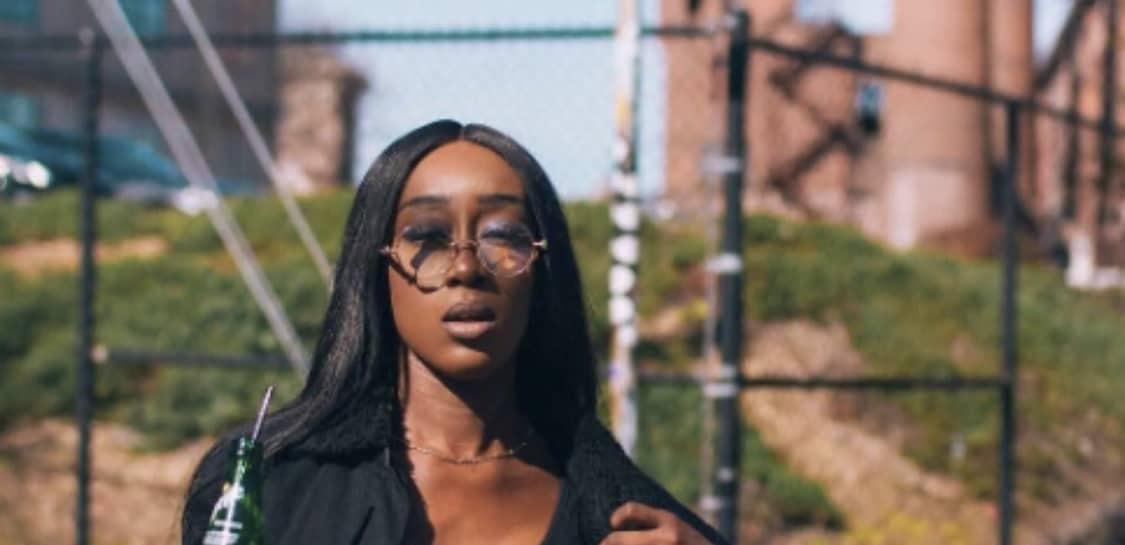
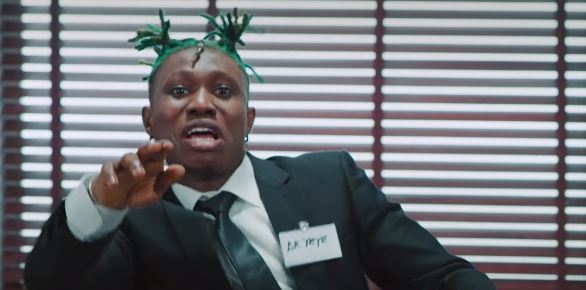
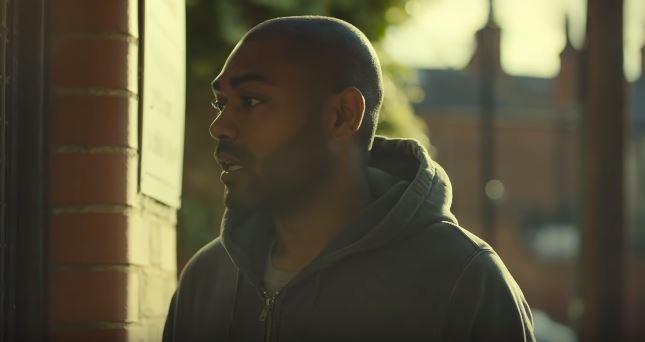
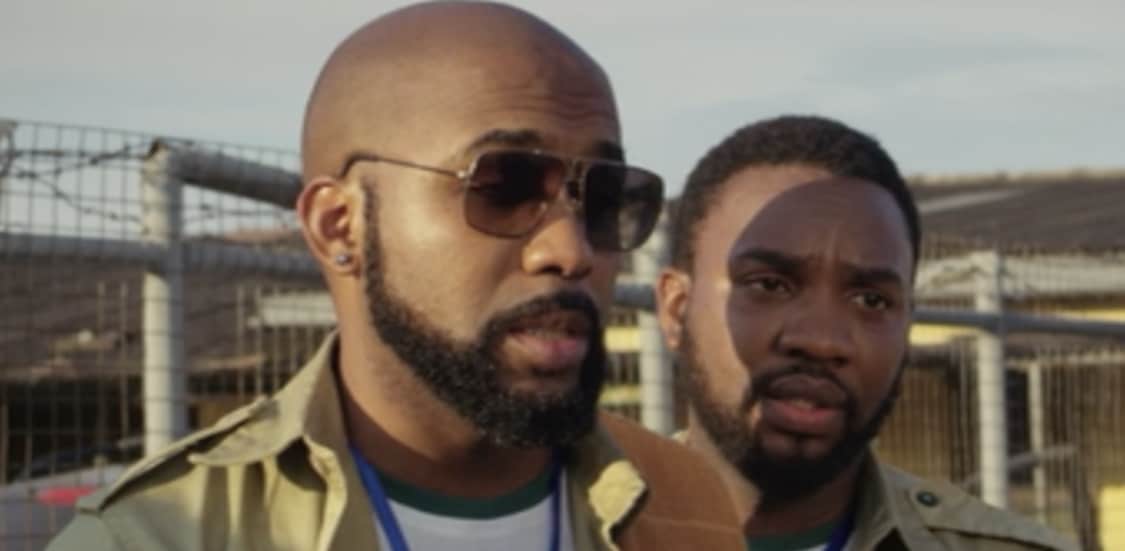
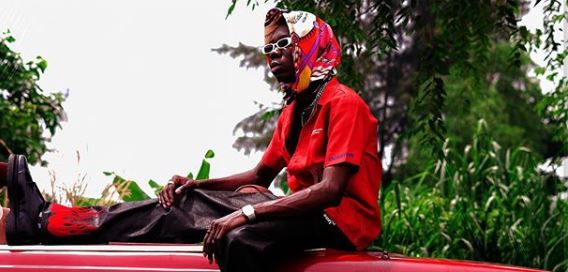
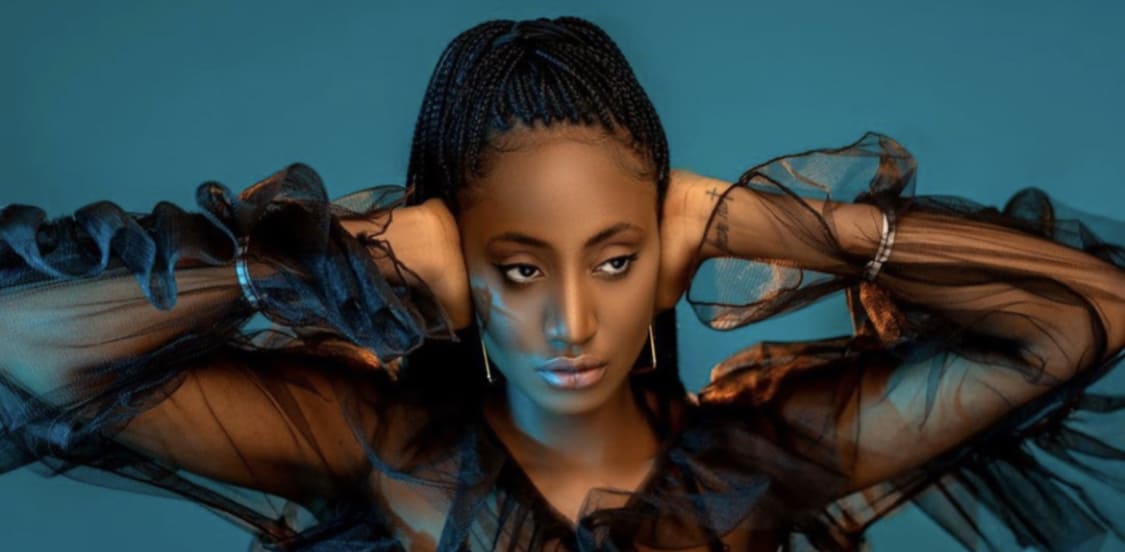
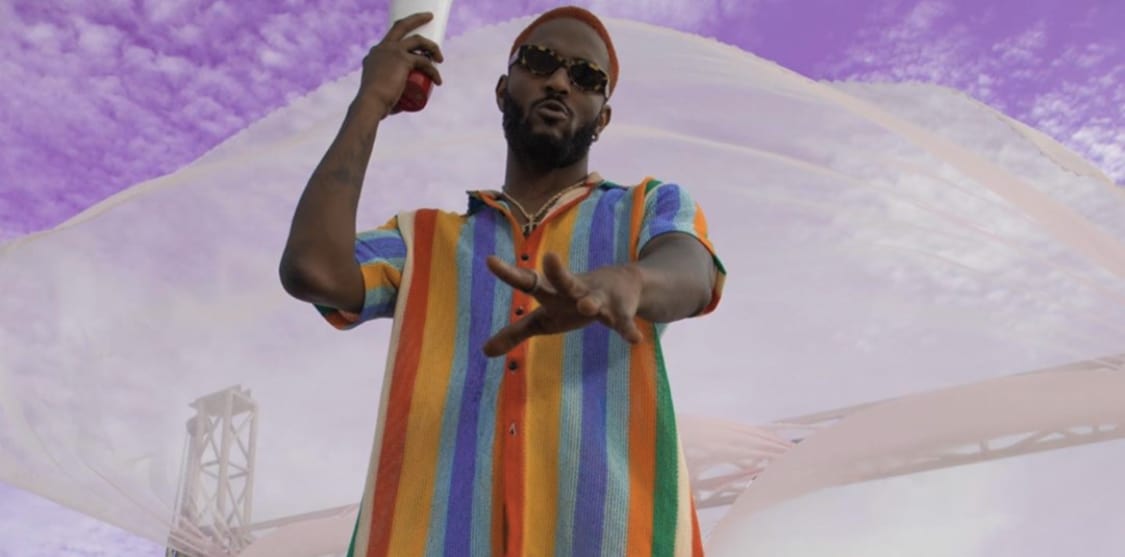
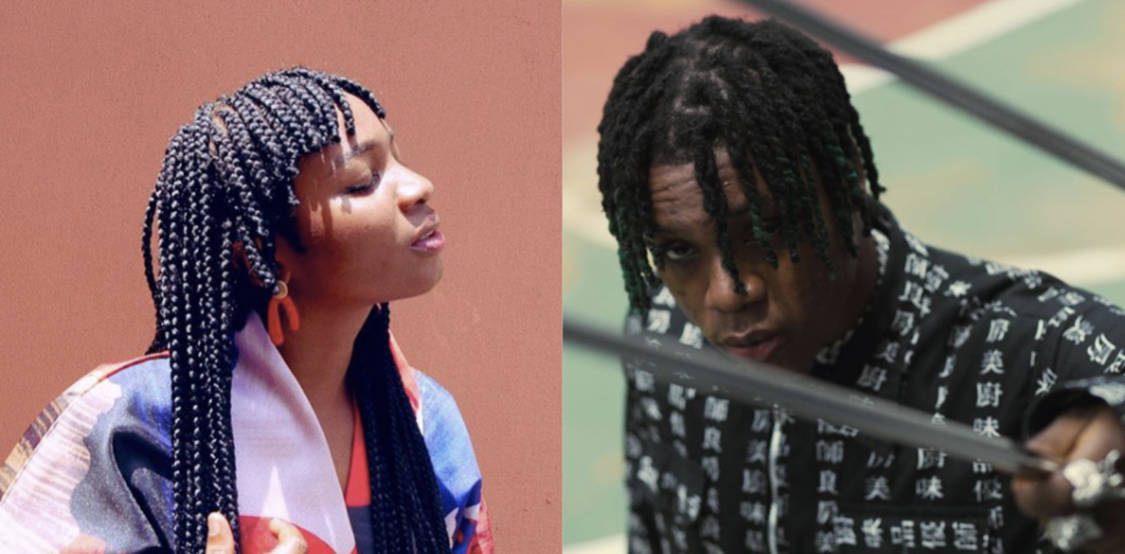
Nollywood is evolving, where shoddy storylines with singular plots are being replaced for conceptual full-length films worthy of acclaim; both locally and internationally. This year alone, a host of home-made films have made it to film festivals around the globe, from Kachi Benson’s “Daughters of Chibok” winning the virtual reality category at the Venice Film Festival and multitalented artist, Santi going from self-directing his music videos to directing Goldlink’s “U Say” with Tyler the Creator and Jay Prince.
It’s been a great year for the Nigerian film industry and we’re truly buzzing for the upcoming movies set to release before the year runs out.
1. Elevator Baby
The Akay Mason-directed film is set for release in cinemas around Nigeria on October 11. It features a star studded cast of Toyin Abraham, Timini Egbuson, Yemi Solade and Brother Shaggi. It follows the story of an impatient businessman Dare, played by Egbuson, who finds himself stuck in an elevator with a semi-literate pregnant woman due for delivery.
2. The Lost Okoroshi
Surreal 16 director and filmmaker Abba T. Makama’s film, “The Lost Okoroshi” made its premiere debut at the Toronto International Film Festival last month before heading to Lights, Camera, Action in Lagos and now onto its London premiere. The film centers on Raymond, played by Seun Ajayi who finds himself transformed into one of the masquerades who regularly visits his dreams. We’ve seen this and can attest there are scenes that will have you laughing out loud. Spoiler alert: IPSHRR
3. The Herbert Macaulay Affair
Imoh Umoren’s biopic film on the late Herbert Macaulay, dubbed the father of Nigerian nationalism, is set for release October 25th. We can’t wait to watch this film, as it aptly relays a monumental part of Nigeria’s history back to Nigerians, who often times were not taught about their history.
4. Oloture
Ebony Life Films, Mo Abudu’s power house which has churned out other top films such as “The Wedding Party” and “Chief Daddy”, is back with yet another release titled “Oloture”. The Kenneth Gyang-directed film follows the story of a young female journalist, played by Sharon Ooja, who goes undercover to expose the world of human trafficking and becomes acquainted with a group of sex workers she lives with.
Featured image credits/Youtube
Tami is a lover of astrology, music and women. Tweet your fave female artistes at her @tamimak_
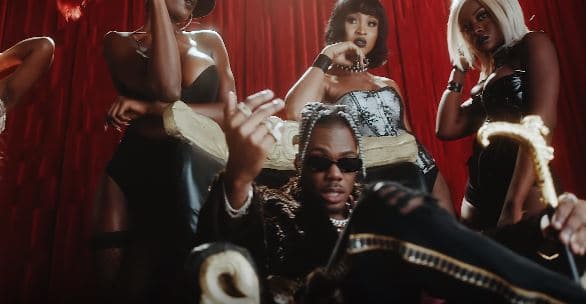
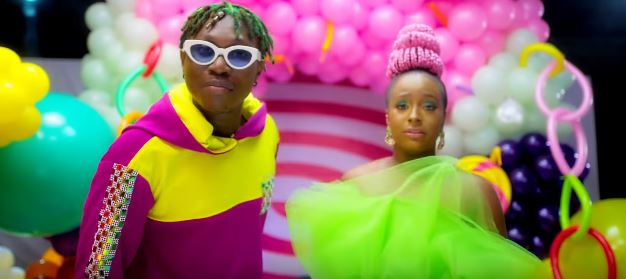
The afropop scene is currently dominated by hip-gyrating dancehall songs, but King Perryy’s discography shows him to be adept at spinning catchy melodies designed for dance-club audiences into relatable stories. He recently celebrated the hustler lifestyle on “Work N Grind” and his latest single, “Jojo” featuring Soft and Terri, channels dancehall’s zest to capture the violent extremes love can inspire.
The accompanying David Anthony-directed video for “Jojo”, shows the artists performing their confident lyrics at different locations in Lagos. While dancers are a pleasant feature on the 2-minute long clip, there are also scenes of riot fires and mobs, adding some chaos to the visual as the artists promise that nothing will come between them and their lovers.
Watch the music video for “Jojo” by King Perryy, Soft and Terri below.
Featured Image Credits: YouTube/ King Perryy
[mc4wp_form id=”26074″]
You are meeting Debola at a strange time in his life. He wandered into a dream and lost his way back. Tweet at him@debola_abimbolu
Lakin Ogunbanwo wields the power of his camera to chart the different cultural markers of ethnic groups in Nigeria. He started his “Are We Good Enough” photo series in 2012 with the aim of expanding the contemporary African visual archive by exploring individuality within Nigeria’s collective hat-wearing culture, but his latest project, “E wá wo mi”, focuses on the Nigerian bride and the culture surrounding marriage ceremonies.
https://www.instagram.com/p/BwJpnIuh2fX/
Though Lakin Ogunbanwo studied Law at Babcock University, Nigeria, and Buckingham University, England, he worked as a fashion photographer. His use of vibrant flat colours and bold compositions in his photographs pay a minimalist homage to the African studio photography popular in the 1960s and ’70s.
He has been recognised by the British Journal of Photography as one of the Top 25 Photographers of 2015 in their annual ‘Ones to Watch’ list. And his works have featured in international publications like Times, New York, ID online, British GQ and Riposte Magazine. His has had exhibitions and showcases at New York, Johannesburg and Lagos, featuring at the Lagos Photo Festival and Art x Lagos in 2016.
Both photo series, “E wá wo mi” and “Are We Good Enough” will be showcased at the Niki Cryan Gallery from the 14th of October to 3rd of November.
Featured Image Credits: Lakin Ogunbanwo
[mc4wp_form id=”26074″]
You are meeting Debola at a strange time in his life. He wandered into a dream and lost his way back. Tweet at him@debola_abimbolu
A few months ago, Coconut was simply the name of a fruit, however, these days, it doubles as a suggestive slang, after sex-related videos of ladies “spelling coconut” became a viral trend on social media. Since then, the word has been widely co-opted for this new purpose.
On his latest single, “CoConut”, Damayo runs with the pop culture jargon, embellishing the sensual connotation for a raunchy bop. Flute riffs, bouncy drums and guitar harmonies form the song’s groovy bed, while Damayo sings a set filled with direct lyrics that lay out his lust-fuelled intentions.
“C-o-c-o-n-u-t, I’m looking for a girl who can spell it”, he sings on the hook. Psycho YP and Iceberg Slim share the second verse with rapped lines, aiming to woo their love interest while also hyping their sexual prowess. It goes without saying, “CoConut” is a shoo-in for your sex playlist.
Stream “CoConut” via Apple Music here.
Featured Image Credits: Instagram/_damayo
[mc4wp_form id=”26074″]
Dennis is not an interesting person. Tweet Your Favourite Playboi Carti Songs at him @dennisadepeter

While fans keep vigil for the release of $pacely’s upcoming 10-track album, ‘Fine$$e or be Fine$$ed’, the La Meme Gang act continues teasing with single releases from the tape. His latest single, “Somimu” featuring Magnom and Cina Soul, is the project’s 5th pre-released single and it highlights the singer’s sultry intentions.
The song is a little soulful and completely romantic, as $pacely, Magnom and Cina Soul stumble gracefully through vocal hook after hook over an array of glistening synth samples. Teaming up to sing sweetly of their affectionate feelings for their love interests, “Sominu” sounds like a trip to a time when R&B songs were innocent, relying purely on earworm silkiness.
Stream $pacely, Magnom and Cina Soul’s “Somimu” below.
Featured Image Credits: Instagram/spacely1z
[mc4wp_form id=”26074″]
You are meeting Debola at a strange time in his life. He wandered into a dream and lost his way back. Tweet at him@debola_abimbolu
Shane Eagle came to the notice of Nigerian music listeners after a standout turn on Santi’s defining single, “Rapid Fire”. The compelling nature of his self-assured and introspective verse is representative of his growing, stellar discography. In 2017, the South African rapper released his debut project, ‘Yellow’, then followed it up with ‘Never Grow Up.”, a 7-song EP released last December.
Last week, Shane shared the details for a new project, titled ‘Dark Moon Flower’, which is set to drop on October 16, the 23-song track list is packed with a diverse array of features. The tape will feature contributions from Nasty C, PatricKxxLee, Resarn, J-Tek, theMIND, Kota The Friend, Caleborate and Dreamville rapper Lute. Completing the line-up, he reprises collaborations with Santi and Dreamville rapper Bas—both artists are on the album’s 15th track, “Nunya”.
Dark Moon Flower – October 16th my debut mixtape Cover and tracklist. my gift to y’all for being patient. art by Nicole Black This project features some of my favorite artists from all around the world. Sleepless nights spent , pre order drop on Friday pic.twitter.com/iuCLGbBoij
To raise expectations, he recently shared the tape’s opening track, “BLACK”, as its lead single. Driven by a rumbling, Lo-Fi Trap beat, the song finds Shane in confident mode, with lyrics referencing his thriving career as an indie artist, and also sneering at his naysayers. “You drop your shit and it’s wack, I drop my shit and it last”, he dismissively raps.
In the accompanying black-and-white video for “BLACK”, Shane is seen performing his lyrics with a carefree attitude, on the streets at night. There’s a cameo from Bas, as well as performance footage from his time on tour with the Dreamville rapper earlier this year.
See Shane Eagle in “Black” here.
Featured Image Credits: YouTube/Shane Eagle
[mc4wp_form id=”26074″]
Dennis is not an interesting person. Tweet Your Favourite Fela Songs at him @dennisadepeter
The animated series “Malika: Warrior Queen” has gained a lot of traction worldwide with the pilot episode earning a spot at 8th Annual Lagos Comic Convention held last month, then later at the 6th Annual MECCAcon in Detroit, Michigan.
Starring Adesua Etomi as Malika, the trailer for the animated series marked the show as one to watch out for, as it followed the story of a female protagonist trying to stop the rebellion by singlehandedly taking on the leader, General Ra. It’s exactly the type of kick ass female lead role we’ve been looking for, and the fact that it’s animated gives good indication of what information children of this generation will be digesting.
After 99 days of full-on drama, Big Brother Nigeria announced housemate Mercy as the winner over the weekend. The Nigerian syndication of the show is a fan favourite which has superseded the popularity of other variations of the Big Brother franchise, mainly by exposing the complex underbelly of the Nigerian psyche.
As first outlined by another publication earlier on in the season, Big Brother Nigeria closely mirrors previous seasons in its choice of character archetypes. Mike and Ike filled its diaspora quotient, with Mike holding double duties as this season’s token married housemate, Mercy and Tacha were this season’s hypersexualised vixens, taking over from Alex and Cee-C from season 3; Seyi, like Miracle, is this season’s humble but privileged elite; Omashola and Frodd were this season’s lovable rogues, roles Tobi and Rico Swavey were cast into last season. Wildcards Frodd, Cindy and Elonozam rounded out the season’s final 10, culled from a chaotic 26 contestants.
Given the tried and tested formula, we expected nothing less than pure entertainment, however, a number of decisions cut all of the show’s thunder. Tacha was controversially disqualified, after scaling through 11 consecutive eviction nominations; Ike, Cindy, Diane and Elozonam were all put up for eviction by the scheming Frodd, after winning a challenge that awarded him the ultimate veto.
Consistent votes are how followers of BBN predict the odds of who will win the season, and for Big Brother Pepper Dem, Mike and Mercy were projected as this year’s final two after both scored the highest votes on weeks they were nominated for eviction. In previous seasons, the show’s twist was usually the unlikeable female housemate (T-Boss and Cee-C in their seasons) ranking higher in final voting than more likeable housemates, but with Tacha disqualified, a truly unexpected twist was harder to pull off.
While Mercy pulled a well-deserved routing of the other housemates, winning the competition with a convincing 41% of an unprecedented 50 million votes in the final week, post-show speculations over the next few weeks will revolve around how the season played out, how uncomfortably familiar the season’s scripting was and if next year’s show will be worth the emotional commitment, not who won this season.
HOW DID WE EVEN GET HERE?
The African franchise of Big Brother debuted in 2001, ran for three seasons. Big Brother South Africa was such a success, that it’s production company, Endemol decided to replicate the idea on a continental scale. They had incentive to make this transition, as Africans in the diaspora were beginning to take an interest in locally produced entertainment (the first season of Big Brother Africa was broadcast in the US, and had one of its contestants swapped to Big Brother UK mid season). An Africa-wide Big Brother franchise widened the net by giving fans from half of Africa’s English-speaking countries, a ‘hero’ to root for.
Big Brother Nigeria, launched in 2006, as an experiment to capitalise on the influence Nigerians had on the Africa-wide franchise. Bayo, the first Nigerian representative of the Big Brother Africa franchise in 2003 reached the final weeks of the show and his journey convinced the organisers to bring the franchise to Nigeria. After a single season rife with disqualification controversy and contested evictions, Endemol put a pause on Big Brother Nigeria. By then, however, Nigerians had gained a hankering for the show and began to skew the competition with their votes to favour contestants from the homeland.
In the seasons that followed, Nigeria’s Kevin Pam rode on the momentum of his in-house relationship to endear himself to fans and win his season, Uti Nwachukwu returned to the 5th All-Star season for a redemption arc after an early eviction during his season and Karen Igho surprised everyone to win a strongly contested 6th season. Despite dwindling popularity, Endemol produced three more seasons of Big Brother Africa.
While it played with the Big Brother franchise, Endemol also continued its experiments with country based franchises. Notably, Big Brother Angola, which failed to match the success of earlier seasons because the show was shot almost entirely in Portuguese, the country’s official language, and two more seasons of Big Brother Mzansi/South Africa, both recording the shortest durations in the continent-wide franchise.
It made sense that Endemol would return to Nigeria, as its other franchises were harming financial bottom lines by not reaching the rest of the continent. With one of the highest GDPs on the continent and the largest population, Nigeria had a ready-made audience waiting to consume a localised version of their beloved TV-franchise.
A HOMECOMING, OF SORTS
Big Brother, as a brand and a game show, relies almost exclusively on a futuristic matrix of cameras and embedded microphones to live up to its mandate of surveying its guests 24-7. In reality, no one can simultaneously consume the lives of 12 or more housemates, so the show is edited in real time by professionals who surveil all housemates and craft a linear storyline that heightens drama.
That kind of operation costs money, and the South Africa based studio which was used to shoot the majority of the franchise is rumoured to cost in excess of a million dollars. Investing that kind of money in Nigeria with issues of insecurity and a declining economy wasn’t a good shout. The first and second seasons of the show were shot in South Africa to defray costs, even though it caused some backlash from watchers and the Nigerian government.
From the moment the first housemates of the reboot made their debuts, the show became an instant sensation. Social media evolved sufficiently since the first iteration of the show, giving Big Brother Nigeria near-boundless virtual mobility. It has also made it easier for lovers of the show to create fandoms, rife with followers and led by influencers and brands with their own agendas. Today, during Big Brother season, it’s near impossible to avoid its aphorisms and its principal actors.
At the end of the reboot season of Big Brother Nigeria, season’s Efe won hearts for perceived humility and vulnerability. Runner ups, Bisola and T-Boss became favourites for multi-potentate talents chosen and refusal to conform to societal expectations, respectively.
The next season crudely mirrored these parallels, Miracle, the season’s winner was chosen for his perceived humility. Cee-C and Tobi, the season’s runner-ups were on two sides of a voting war that was spurred by their tumultuous in-house relationship. The show’s footage was edited to help audiences buy these character storylines and keep them invested in the show’s trajectory, with an end goal of getting them to vote across fandom lines.
WHERE DID THINGS TAKE A TURN?
There are a couple of reasons why Big Brother Nigeria might already be on the track to decline. After two years of unprecedented success from a multi-stream revenue that includes vote cycles, brand partnerships, spiking subscriptions during the big brother months, the organisers finally listened to criticisms of the show.
A big one was hosting the show in South Africa, making it harder to facilitate a number of plans relevant to the show’s success. The expense of flying celebrities from Nigeria to South Africa to visit the show was astronomical, as was getting brands to sponsor show segments and other activities. With an estimated 5.1 billion Naira from votes and partnerships in 2018, Endemol decided it was time to expand, and the Nigerian Big Brother studio was completed early 2019, domiciling the show in West Africa.
Few could have predicted that viewers would eventually regret this move. A Nigeria-based production made it easier to just throw in a celebrity or 10 into the house to kill a few hours instead of engaging the housemates as Endemol powered towards season finale. Convenient tasks and twists based on psychological interventions were meant to compel housemates to shed pre-planned strategies. Even mid-level influencers who would have not been worth the cost of transporting and housing if they had to be flown to South Africa to see the housemates, were trooped into the house to share nuggets of wisdom that did nothing to advance the show or its housemates.
Social media itself is also evolving how the public interacts with the Big Brother Nigeria dramadom. Leaked online videos from the auditions made it easy to speculate who had progressed beyond the preliminary eliminations. Armed with that kind of information, it is rumoured some housemates retained the services of communication firms and PR specialists to help frame the narrative around their time in the house on social media.
Social media grifters also piggybacked off the aggressive marketing around the show to create farmed Instagram and Facebook accounts and convert them to fan pages for the housemates. Influencers like Tiannah Styling and Jaaruma Empire also court their fandoms through vague promises of financial gifts and trolling masked as commentary.
While sex and informal romantic housemate pairings are common in the Big Brother franchise, the Big Brother Nigeria showrunners experimented incorporating relationship subplots into the show in season 3. Force-pairing housemates and tying their progress in the show to the actions of their partners must have sounded brilliant in theory, but was an atrocity in action. The showrunners didn’t bring back the idea this season, but with social media virality as an incentive, the idea that sexual relationships progressed you in the house was cemented.
In reaction, Season 4 house seemed in a frenzy to pair up and begin to perform or simulate romance for their tv audiences. Khafi and Gedoni got weeks of airtime as the whole country speculated on their sex lives, Ike and Mercy simulated cunnilingus in full view of the camera in what was clearly a crude attempt to go viral. Tuoyo’s entire storyline revolved around his career as a moonlighting stripper. Some housemates even crossed the line from persuasion to sexual harassment as the weeks progressed.
IT NO LONGER MATTERS WHO WINS BIG BROTHER NIGERIA
The one defining feature of earlier seasons of Big Brother was the fact that winning the show could genuinely change your life. For housemates like Ofunneka, the entire cast of Big Brother Nigeria season one, Kevin Pam, Uti Nwachukwu and to some extent Karen Igho, participating in Big Brother significantly raised their public profiles. Katung Kwasu, the winner of the first BBN season used his winnings to float a record label, which expanded in 2019 to include a film production studio. While not everyone chooses to use that profile to transition into entertainment, it was such a revolutionary idea at the time that it changed things and opened doors for winning housemates in other spheres of influence.
Social media has skewered the dynamics of reality television. You are just as likely to gain global virality, and sometimes infamy from a three-second gif as you are from sequestering yourself for 3 months for the entertainment of others. The contestants of the 3rd season of Big Brother have already shown this. They were so savvy with leveraging the internet to extend their time in the public eye that they were given an unprecedented month-long reunion show consisting several episodes to hash out the unaddressed inanities from their season and beyond. When housemates can generate this much traffic around themselves without the trappings and rules of the house, the cash prize won from the show becomes less an incentive than it is a secondary compensation for riding it out to the end. A controversial disqualification or speculation of sexual activity can be just as effective in cementing a housemates place in the post-show canon.
The Big Brother Nigeria franchise is clearly in need of a re-evaluation of how it wants to interface with our social media-driven world. If it is to remain relevant, the end goal of a cash prize and ‘continental fame’ has to be more than a side quest in the rush for fame or infamy.
The annual Felabration festival Yeni Kuti started to honour the memory of her late father, Fela Kuti, kicks off next week, 14th of October. The week-long event is returning to Nigeria after holding its first-ever edition in London back in July, and it’s bringing with it a new theme, ‘From Lagos With Love’, inspired by Fela’s “Eko Ile” single but also acknowledging the international relevance of the festival.
Between the 14th and 20th of October, concerts, a symposium, a dance competition, art competitions and debates among selected secondary schools in Lagos will be held in honour of the Afrobeat legend and the ideals he believed in. There will be a ‘Dress Like Fela Day’ on the 19th of October with the winner earning a cash prize.
Chimamanda Ngozi Adichie, Bobi Wine, Professor Akin Oyebode and London based Black African musician, poet and political activist, Akala will speak at a symposium on the opening day, 14th of October, at Neca Hall. But the secondary school debate on ‘Persons above 70 should not be allowed to contest for political position’ will be held this Wednesday, on the 9th of October at Freedom Park.
Femi Kuti, WizKid, Davido, Burna Boy, Simi, Seun Kuti, Mr Eazi and other A-list Nigerian artists have graced the New Africa Shrine stage in the past. This year promises to have these A-lists and their international colleges perform on the Felabration’s stage. The Pan African Orchestra from Ghana have already been confirmed.
Featured Image Credits: Web/www.felabration.net
[mc4wp_form id=”26074″]
You are meeting Debola at a strange time in his life. He wandered into a dream and lost his way back. Tweet at him@debola_abimbolu
BBC Africa Eye is putting a spotlight on sexual harassment taking place in tertiary institutions both in Ghana and Lagos. An hour long documentary which uncovers the dirty politics of university lecturers and the transactional exchange of sexual favours for grades that they perpetuate. Reporter, Kiki Mordi goes undercover to exhume this endemic to the world, and it’s everything we needed it to be.
Thread:
Sex for Grades – university lecturers harassing female students, pressuring them for sex in return for grades or admission – is a scandal that's gone on for decades.
In Nigeria, social media has become the main medium for naming and shaming abusers due to the justice system being unduly unfair to women and children; the system has also gained notoriety for the gross underreporting of sexual related offences.
A key facet to resolving the culture of silence and gross mistreatment of women is restructuring learned and constructed ideals about a woman’s place, and the most effective way we can think of to reach all members of society, is through education. Education aimed at teaching young men and women about consent, body autonomy as well as defensive measures that could be necessary in dangerous situations. Education should also be extended to teachers and faculty members with a strict sexual misconduct code, along with sanctions attached for defaulting on any rules; all this is pertinent to ensuring universities and schools become a safer place for students.
Back in his office, Dr. Boniface told “Kemi” that relations between female students and lecturers might “benefit” the girls… but only if they paid with their bodies.#SexForGradespic.twitter.com/jgBXcARUxb
Although met with resistance from prominent church leaders for introducing LGBT+ ideas to Ghanaian youth, the scheme, seeks to teach sexual and reproductive health with an emphasis on “values such as respect, inclusion, non-discrimination, (and) equality” a representative from the UN Educational, Scientific and Cultural Organisation (UNESCO) made known.
It is no better time than ever for the Nigerian government to work on adapting a similar programme across schools nationwide. Conversations on sexual health, consent and sexual violence are met with hushed whispers within the Nigerian society, and are founded on the half-baked assumption that morality and chastity are to be adhered to while demonising sex.
As young adults, we all know how ineffective this is in our society, and also that women suffer the most effects from a lack of these conversations. Nigeria should be aiming to introduce a comprehensive sex ed curriculum, in order to change the attitudes of young Nigerians towards sex, and empower them with information that will do well for their sexual health if and when they eventually get to it.
Watch the BBC Africa Eye documentary here:
Tami is a lover of astrology, music and women. Tweet your fave female artistes at her @tamimak_
Eedris Abdulkareem embodied all the angst and truth-speak of rap in the early 2000s, making him the face of the genre in Nigeria. His ego-driven shtick painted him as a controversial figure who picked fights with everyone from the former president, Obasanjo to American rapper, 50 Cent. But it was that same confidence that earned him the respect of Nigerians as he addressed edgy themes others might shy away from.
Before highlighting the political issues in Nigeria on his commercially successful sophomore, ‘Jaga Jaga’, he debuted ‘Mr Lecturer’ in 2003, opening conversations on the misfeasance use of power in Nigerian universities. “Mr Lecturer” plays out as a conversation between a student and a lecturer who makes sexual demands from his students before passing them. It’s a scene so quintessentially Nigerian, it borders on parody while delivering the edgy message against sexual harassment. While the playful nature of the song made it catchy and popular on radio, it was hard to miss the severity of the crime with the music video showing the lecturer get arrested.
Unfortunately, sexual harassment remains prevalent in Nigerian schools till date. Just last year, an audio recording of a Professor soliciting sex for grades from an Obafemi Awolowo University student went viral and eventually cost the culprit his job but most cases get swept under the rug for lack of evidence. The time of reckoning, however, seems to be on the horizon with BBC’s “Sex For Grades” documentary exposing some of the sexual predators taking advantage of their students. Eedris has lost the mainstream appeal that made “Mr Lecturer” such a compelling social-political song, but it remains relevant today for spotlighting a problem that still exists as a reality for many Nigerian students.
See the music video for Eedris Abdulkareem’s “Mr Lecturer” below.
Featured Image Credits: Instagram/abdulkareemeedris
[mc4wp_form id=”26074″]
You are meeting Debola at a strange time in his life. He wandered into a dream and lost his way back. Tweet at him@debola_abimbolu
Kizz Daniel is problematic AF and that’s that on that. We last reported on his single “Fuck You”for slut shaming women when he hurled different names at his lover for being promiscuous, as well as the controversial line in “Yeba” which gained a lot of traction online for the problematic line “Uncle stop touching”.
One instance is a mistake but having an ever growing name for problematic lyrics just shows Kizz Daniel’s inability to understand and educate himself on gender politics and sexual relations. His latest release “Pak n Go” continues in the same trend, where women are the object of his songs and he doesn’t shy away from enabling men to drop women who demand for more than they are given, which is often trash.
The direction of his lyrics take on an even more sour tone when he adds, “when will you marry ye, until your bobby touch your bele o wey man no wan collect”, a line that is sure to spark enmity among Nigerian women whose worth is often times placed in their eligibility for marriage by our patriarchal society. On his youtube page, Kizz Daniel describes the song as intended to ’empower(s) under-appreciated lovers’, which proves false because the ripple effect of his lyrics work to put women down rather than empower anyone.
On his latest single, “Young Love”, Adekunle Gold captured the feeling of being in the honeymoon stage of a romantic relationship. While his lyrics touch on dreamy sentiments, the song is grounded by a lived-in reality, with an admittance that it won’t always be rosy. “Although this is young love, don’t ever leave my side”, he gently asks of his love interest, over bouncy pop beat.
Updating the single, he’s just shared the music video, and while it doesn’t necessarily follow the song’s narrative arch, it displays the its feel-good qualities. Split between day and night, the video shows Adekunle Gold singing his lyrics while vibrantly moving across a walkway, before ending at a hangout spot where he is joined by men and women dancers for a set of choreographed and sensual moves.
Watch “Young Love” here.
Featured Image Credits: YouTube/Adekunle Gold
[mc4wp_form id=”26074″]
Dennis is not an interesting person. Tweet Your Favourite Fela Songs at him @dennisadepeter
Davido’s second studio album, ‘A Good Time’ is currently underway, including features from artists like Migos, Gunna and Lil Baby. Ahead of the October 11 release date, Davido has been prolific with his single release with “Blow My Mind” featuring Chris Brown making incredible milestones both home and away. The two then teamed up again for “Lower Body”, a song on the extended version of Chris Brown’s ‘Indigo’ album.
Now the Afropop superstar has linked up with Fabolous and Jeremih for new single “Choosy”, which was released alongside an accompanying music video. The romantic song sees all three artists reassuring their love interests of their desire to not stray from the relationship, with Davido sampling his 2017 hit single.
Not so welcoming, are Fabolous’ lyrics, who sings “Hold up, if you curve me mind yo business Just notice how fine your friend is”, a line most ladies will instantly relate to, as men whose sexual advances are turned down often choose to problematically retaliate. This sentiment comes as no surprise, given that the rapper has already been under heat for domestic abuse incidents.
The bop is definitely a sure runner for playlists and sets during the upcoming ‘cuffing season’.
Chances are you might have heard M.I’s newly released single, “The Viper” over the weekend. The vitriol-laced song became a trending discussion, after the rapper finally replied two diss tracks from rapper Vector Tha Viper, “The Purge” and “Tetracycling”. In addition, M.I also performed at last night’s finale of Big Brother 2019, spotting a shirt with the caption, “no snakes”, and stomping on a CGI serpent—extra barbs directed at Vector.
While the back-and-forth between both rappers has a lot of rap fans excited, M.I is attaching the situation to the roll-out of a new EP, ‘Judah’. Although he hinted at the release of a project a few weeks back, he’s made it concrete with an October 9 release date—this Wednesday.
‘Judah’ will contain five songs, with the inclusion of “The Viper”, and guest features from Alpha Ojini, Nawe, Buckyraw, Kauna and Blaqbonez. The EP is M.I’s first project since last year’s ‘Yxng Dxnzl: A Study on Self Worth’.
After a stint of critical illness, legendary drummer Ginger Baker passed away in the early hours of yesterday morning, at eighty years old.
Described as the hammer of the gods, Ginger Baker earned a reputation as Rock Music’s first superstar drummer, due to his work with influential supergroup, Cream. Co-founded with singer/guitarist Eric Clapton and singer/bassist Jack Bruce, Cream had a wildly successful but brief run, with four studio albums between 1966 and 1969. They sold over 15million records, and their third album, ‘Wheels of Fire’ was the first double album to sell over a million copies.
After Cream disbanded, Ginger Baker spent the 1970s in Lagos, Nigeria. It was during this time that he worked with Fela Kuti, during the early days of his Afrobeat exploration. In 1971, he sat in with Fela and his band, Africa ’70, which resulted in the studio album, ‘Live! (With Ginger Baker)’. The album comprises four foundational Afrobeat songs, including “Black Man’s Cry” and “Egbe Mi O”, as well as an extended drum solo with Africa ’70 drummer, Tony Allen.
In 1972, he released his debut solo album, ‘Ginger Baker at his Best’, and then set up Batakota (ARC) studios in 1973, as a prime recording spot for local and international musicians. Amongst the host of artists Batakota played host to was ex-the Beatles member, Paul McCartney, who recorded the hugely successful ‘Band on the Run’ album in Lagos, with his Rock band Paul McCartney and Wings.
Baker’s influential style of drumming combined jazz and African rhythms, with a drum set that included two bass drums instead of one. He was inducted into the Rock and Roll Hall of Fame in 1993 as a member of Cream, while he entered the Modern Drummer Hall of Fame and Classical Drummer Hall of fame, in 2008 and 2016 respectively.
Since the announcement of his death, tributes have been pouring out from admirers, close friends and high profile collaborators. Jay Bulger, director of the award-winning documentary, “Beware of Mr. Baker”, has also written a memorial piece for revered music publication, Rolling Stone.
Here are some of the tributes:
Sad news hearing that Ginger Baker has died, I remember playing with him very early on in Alexis Korner’s Blues Incorporated. He was a fiery but extremely talented and innovative drummer. pic.twitter.com/tZg3IGwP4Z
Ginger Baker, great drummer, wild and lovely guy. We worked together on the 'Band on the Run' album in his ARC Studio, Lagos, Nigeria. Sad to hear that he died but the memories never will. X Paul pic.twitter.com/Rne4tn6A2i
The Bruce family would like to extend their sincere condolences to Ginger Baker’s family, friends and fans. Surviving a love hate relationship, Ginger was like an older brother to Jack, their chemistry was truly spectacular. RIP Ginger, one of the greatest drummers of all time ❤️ pic.twitter.com/G9Pl4Qecdp
RIP the music giant that was Ginger Baker. The beat behind too many favourite songs from Cream, The Graham Bond Organisation and Alexis Corner's Blues Incorporated. (If you haven't seen the great doc 'Beware Of Mr Baker' do check it out) pic.twitter.com/2ZaJcbcmK2
Lagos-based singer/songwriter SOLIS first caught our attention with her fantastic contribution to “hectic” a standout single off Odunsi’s 2018 album ‘rare’. Her soft spoken vocals lent itself perfectly to the soulful track and marked SOLIS as one to watch out for. The artist then went on to receive our highest seal of approval with her single “watch me” being slated for Best New Music earlier this year.
Her new single “Angel” is her second release this year, where SOLIS continues in her “neighborhood tortured poet” narrative with the dreamy uptempo beat produced by Gosha. She starts off in soft spoken lull that continues for the rest of the song: “break me, mould me to your design” she sings, every part of her willing to love and be loved. She admits to me via text that “Angel” is the conception story from where her last single, “watch me” concludes.
“Angel” is also the first single off her upcoming EP. The artist took to social media, following the song’s release, to announce that ‘The Sunrise Has Begun’. We can’t wait to hear more of her magic.
DJ Tunez proved he’s in tune with the exciting new wave of artists breaking out this year when he featured Oxlade on “Causing Trouble” earlier this year. The pair have updated the song with a music video that aims to highlight the efficiency of the romantic song on dancefloors.
Pokolee, Wavy the Creator and Ceeza Milli are only some of the cameos featured in the 3-minute long clip set at a studio with fancy set designs. While Oxlade performs his romantic set with a muse by his side, the DJ, models, dancers, and camoed artists burst out different dance moves to the lightweight groove of the beat Spax produces.
You can watch the music video for “Causing Trouble” by DJ Tunez and Oxlade below.
Featured Image Credits: YouTube/DJ Tunez
[mc4wp_form id=”26074″]
You are meeting Debola at a strange time in his life. He wandered into a dream and lost his way back. Tweet at him@debola_abimbolu
The third installation of Femme Africa showcase is back this month. The event is set to showcase the remarkable and diverse talent of Nigerian women in music. Created by Ayomide Dokunmu, Femme has become a community for women supporting and uplifting women in the creative industry.
Last year’s event was a huge success with the likes of Dami Oniru, Solis, Goodgirl LA and Tems gracing the stage. This year there is even more reason to attend the event with all the remarkable women slated to perform this year. Among the lineup is the ‘Enjoy Your Life’ President herself, Lady Donli, R&B/Soul artist Ezi Emela, Princess Okoh and even a female dj on decks, DJ Vvada.
The Femme Africa Showcase is happening on Sunday, October 13.
Earlier this year, Davido’s “Fall” became a sleeper hit in the U.S, reaching the thirteenth spot on the Billboard Radio Airplay charts. It was confirmation of the singer’s increasing crossover power, and his recent moves have only served to increase his global appeal.
https://www.instagram.com/p/B1ZgikpBqrG/
A few weeks after releasing his summer anthem, “Blow My Mind” with Chris Brown, the two singers have linked up for the second time. “Lower Body”, the intro track on the newly-released extended version of Chris Brown’s ‘Indigo’ album, finds both singers dedicating their lightweight set to the physical attributes of their muses. While they express their admiration, with lust-filled lyrics, the bouncy, hypnotic feel of Kiddominant’s beat emboldens their intentions to rule DJ sets and club dancefloors.
Davido is currently on tour with Chris Brown, and both singers seem to have struck a solid relationship. It won’t be a surprise if “Lower Your Body” is just one of more collaborative efforts. Right now, though, they’re two-for-two.
Listen to “Lower Your Body” here.
Featured Image Credits: YouTube/Davido Adeleke
[mc4wp_form id=”26074″]
Dennis is not an interesting person. Tweet Your Favourite Playboi Carti Songs at him @dennisadepeter
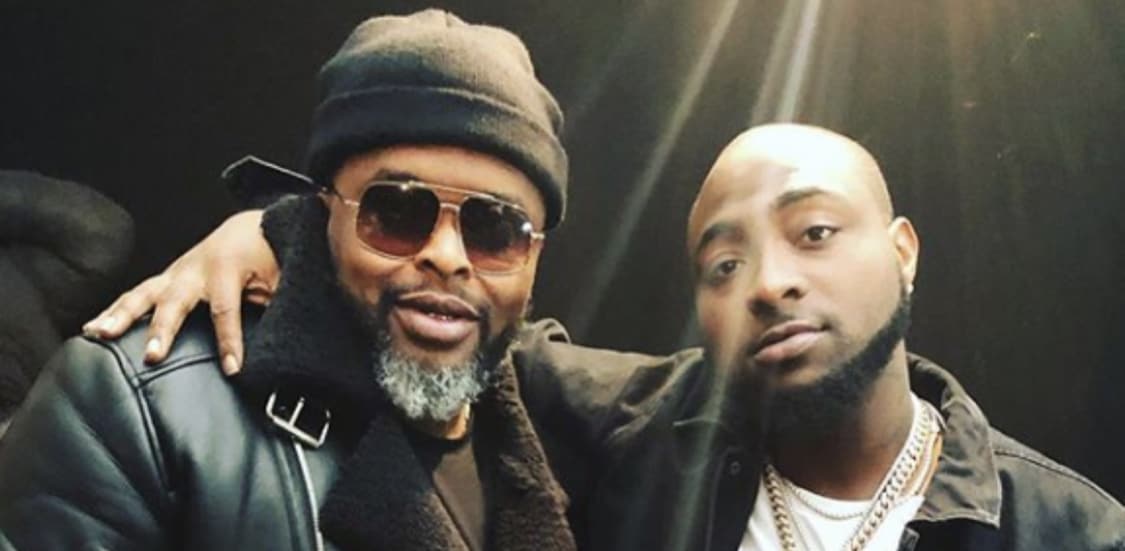
The release date for Wizkid’s long-anticipated project, Made In Lagos, is still uncertain, however, with the guitar-licked “Joro” as his second release in less than a month, a new Starboy era may soon be upon us. In the video shot between Lagos and London, a red glow hypnotises a woman who can’t help moving to the rhythm.
Elsewhere, Wizkid approaches a brightly-lit outpost, re-emerging at the centre of the room, encircled by candles and bathed in a golden-yellow hue. Although the mysterious hypnotic red glow and his red shirt are the only visible links between both visual sequences, the metaphor for the ubiquity of Wizkid: The Church boy from Ojuelegba—is subtle but hard to miss.
https://www.instagram.com/p/B3HLN5YHzDL/
In the last few months, Wizkid has stayed in conversations with these seemingly effortless singles to sometimes mixed reactions. Many fans who have waited in anticipation for a follow-up to Sounds From The Other Side have struggled to embrace Wizkid’s handful of placeholder releases. To add salt to injury, it is also becoming clear fans who will expect him to release another project chock-full of big names and swagger anthems may be disappointed.
Over the past decade, it’s not been uncommon for artists to make huge creative leaps from project-to-project in a manner that aligns their music with the contemporary sound or trending subcultures. In Afropop, no one has consistently made those near-institutional jumps like Wizkid; first with “One Dance” with Drake in 2015, and more recently, “BROWN SKIN GIRL”, his collaboration-duet with Beyoncé.
But for long-time believers, Wizkid is still the man of the moment. “Joro” is a love song, and like “Ghetto Love” before it, the story is told through the eyes of his listeners. Complimenting his usual melodic antics with a smooth audiovisual premise may not the ‘global superstar’ brand more cynical fans want from the continent’s biggest pop star, but when it really comes together, it’s hard to picture anyone but Wizkid who can embody same innate star power or sleek execution. As you’ll see in the video below, even Wiz is no more than an observer who is also immersed in the Starboy experience.
See Wizkid in “Joro” below:
Toye is Editor-at-Large at NATIVE Nigeria. Tweet at him@ToyeSokunbi