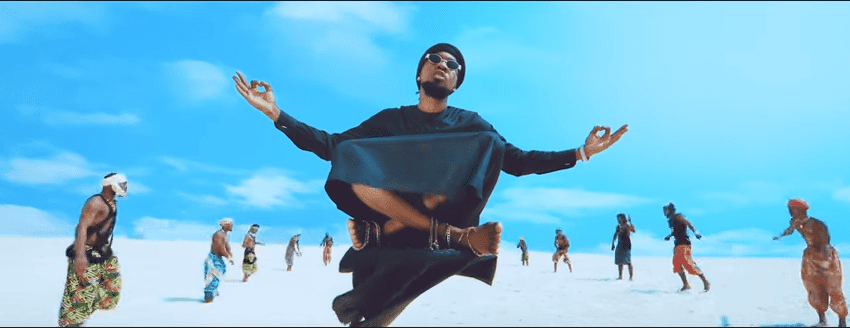
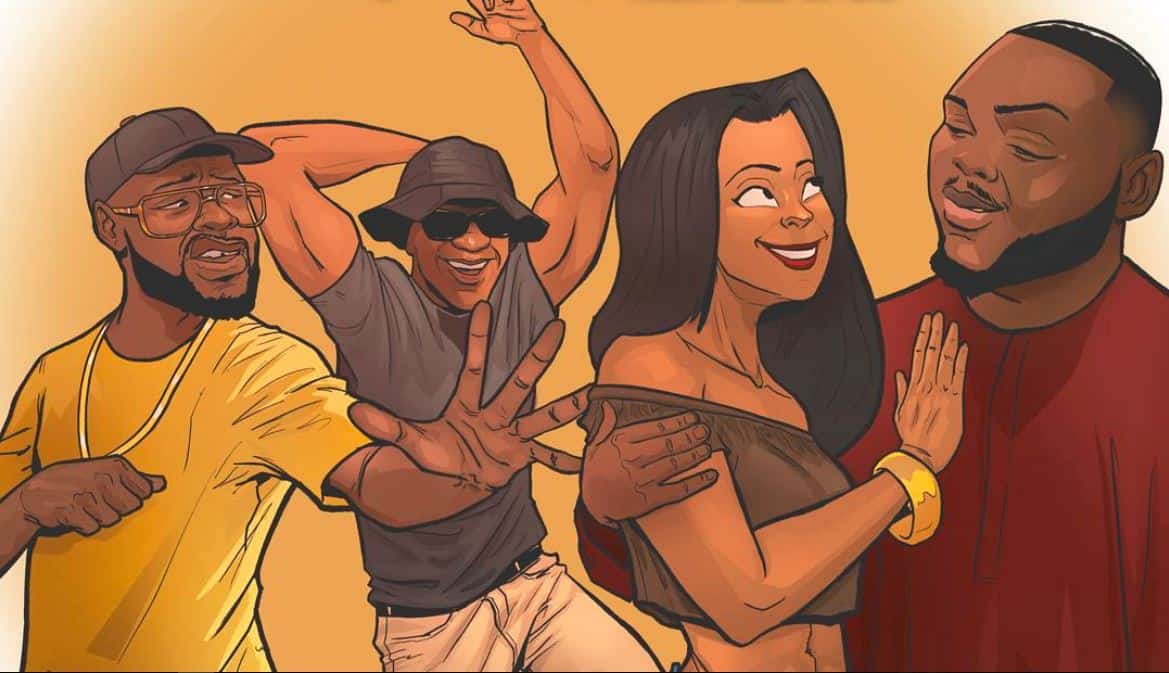
Falz has released the video for “Way”, a Afro-house track off last year’s 27. “Way” features Wande Coal complementing Falz’s comedic schtick with a chorus and a verse as they both analyze the difference between knowledge and intelligence.
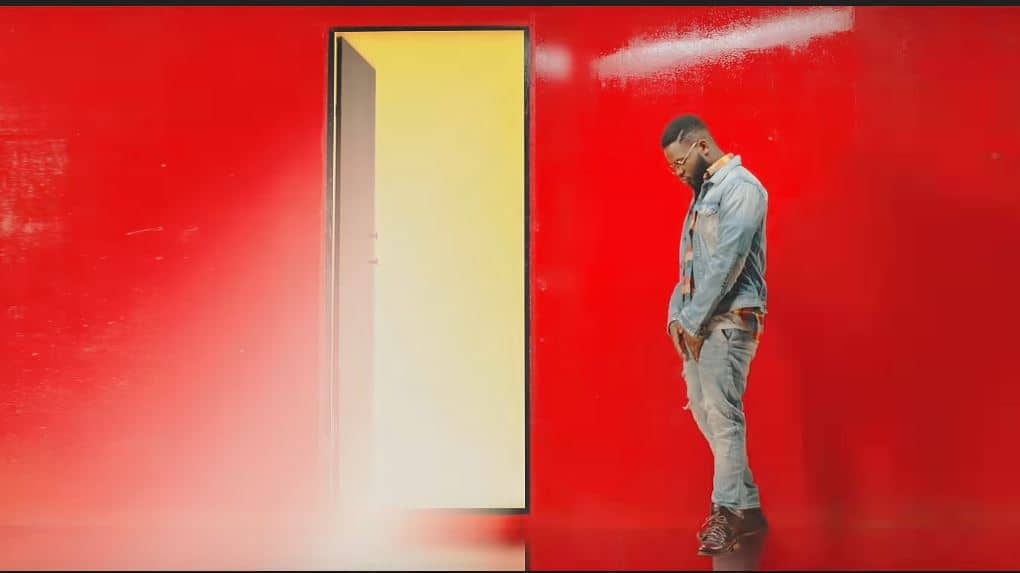
The video starts off as a typical techno-house music video; light beams, flashing lights and silhouettes frames. But as the video proceeds, it takes a trippier turn into the realms of hypnosis. Though the light and photo editing are amateur and distracting, it doesn’t pose as a disaster, thanks to the depiction of possibilities amidst limited options through a hole in the wall. This metaphor for crowd-mentality is almost too literal considering only a few people notice the gaping hole wall and elsewhere in the video, little children are shown, caught up in virtual reality (Yes, he’s talking about social media).
Watch “Way” video here:
“Tomiwa is figuring it out…” Tweet at her @fauxxbella
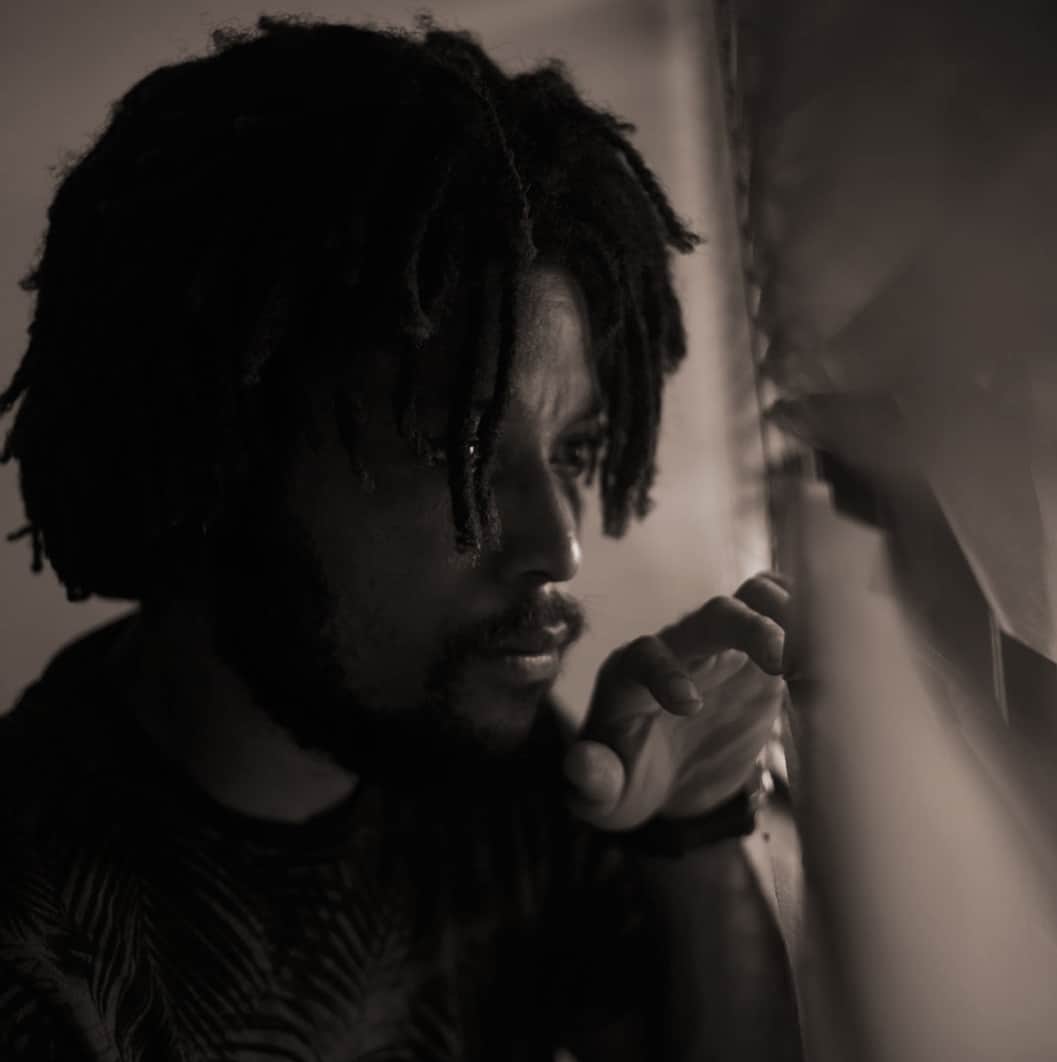
Last year, following their individual projects, AYLØ and Ayüü joined forces to release a joint project, ØÜ, using their individual styles to produce 3 neo-soul tracks. The project is powered by low-tempo production support from JoceWavy, LarryD and 80sounds, and the duo compliment the instrumentals with emotive lyrics exploring love and the opposite of happiness. On “Careless”, the first track on the EP,they ease us into the crux of the EP with lyrical and vocal support from Tay Iwar.
“Careless” listens like an internal examination closer to self-questioning than self-awareness. The vocals are layered softly on piano harmonies throughout the song, presenting somber lyrics that depict Tay and Ayüü’s reactions to heartbreak. They begin collectively hoping they can save their relationship, but are soon filled with regret for sharing their feelings “Should Have Put My Feelings In A Coffin”. Tay and Ayüü’s verses both paint pictures of unrequited feelings and how a person’s perception dictates their reactions. But where Ayüü seems to recognize his own faults saying “Introspection Got Me Hoping You’d Be Okay”, Tay chooses less forgiving lyrics; “Imagine I Met You When I Was Older, Maybe I Would Have The Patience For You. Hope You Find A Way To Your Soul”. But the collaborators agree that they gave too much of themselves and shouldn’t be so careless with their feelings, in future.
Listen to “Careless” here
Featured Image Credit: Instagram/ayuu_safi
“Tomiwa is figuring it out…” Tweet at her @fauxxbella
At Burna Boy’s Outside listening party in the UK, with press and reps from Atlantic Records, conversations flitted around the man of the hour to somewhat imply Burna’s cover feature with NATIVE “made him the star he was meant to be”. The thought was both warm praise for our debut cover story and valid context for Burna’s Outside campaign.
To quote the same profound Burna Reborn, feature “Burna still carries the aura of a mythologised outsider operating in his own world”. He attests to this on “My Life”, the opening track for his debut album, L.I.F.E. “I feel like I’ve been Burna Boy since before I was born” he’d told us last year.
Whatever they said Burna Boy did, he did that shit. That idiot.
“My Life” is a defiant ownership of identity, but Benson Idonije’s vocal interlude at the end of the track is still cringe-worthy on replays today. In the grander Burna story, however, the ironic inclusion of his Grandfather’s literal co-sign on a coming-of-age song, makes sense as a seal of approval. After all, this was before his fall out with his Momager, before he publicly threatened bloggers, and even further before swirling rumours of alleged roadman days made him a low-risk target for Nigeria’s sensationalist media. With the turn of his career ever since, the words of his Grandfather, a revered music critic in his younger days—who also managed Fela—was a preemptive vote of confidence needed to underscore Burna Boy’s occasional flair for breaking rules.
It’s been nearly five years since, but nothing has changed about Burna. You hear this on opening track “More Life”, where he sings You know what it is when you’re with me’;in translation ‘you already know what you signed up for’.
During a recent sit-down with Interview Magazine, Burna Boy described Outside as “The first actual one”, referring to the project as his first truly curated album. Though Burna only means this in the context of his newfound dedication to make an album capable of garnering him a duly deserved wider appeal, it speaks volumes of the man, his craft and of the actualisation of Afropop.
Contextually Afropop has not been considered outside of the vagueness of “World Music” by local and international media, or its stakeholders. The obvious cause is in direct relation to how the continent’s colonial history positions Africa on the receiving end of culture transfer from more developed nations.
Nearly two years ago, the ‘Afrobeat vs Afrobeats’ argument became placard inscription in protests to save international media from overriding Fela’s legacy with the rise of ‘UK Afrobeats’, an upshot of popular African music played in London nightclubs—following D’banj’s instrumental leap into European markets at the turn of the decade.
The release of Wizkid’s Superstar in 2010, spurred a definitive but raucous era for experimental, virtually overproduced popular West African style music. Superstar blends Wizkid’s Ojuelegba flavour and vocal work with hip-hop grit, while the sound itself borders on electronics for the most part. Albeit unintentionally, the project glimpses how far Africa had come at the time musically; from Fuji-inspirations, on “Pakurumo” up till the earliest inspirations for African neo-R&B you hear on “Love My Baby”. This is important because, think about it like this: It’s been Afropop, R&B, Hip-Hop, Soul and Gospel Music amongst other genres to us for a minute, but until recently, music of African origins was veiled by the misguided connotation of being many variations of a generic African sound called ‘Afrobeat’. Even now, many proponents of UK Afrobeats, have clarified in multiple interviews that their sound has no relation to Fela’s Afrobeat. It’s not so much a rejection of the pressure that comes with taking on Fela’s socially-conscious legacy, as it also proves the far-reaching evolution of African music has long superseded narrow generalisations.
Today, Afropop is being historically and culturally solidified by the works of Wizkid, Davido and—despite his choice to be referred to as an Afro-fusionist—Burna Boy. Burna’s Afro-fusionist claim, is understandably a reflection of his honesty, as an artist who can create musical harmony by combining a range of elements without blurring his authenticity. Recently, however, sound fusion has been indemnified in Afropop by influences taken from Jazz, American hip-hop, European electronics, Afro-Latin and Carribean bass amongst other subtleties borrowed from popular music sub-genres.
Though the roll-out for Outside, technically began with “Rock Your Body”, in collaboration with Juls, Burna Boy’s first ergonomic single release from the project is “Streets of Africa”. The abstract themed “Street of Africa” art uses a palette of bright colours, and just enough attention to detail to dot Nigeria’s green white green flag in the title text. It’s the kind of subtle but precise African pride, you wish some of your favourites would show if they didn’t already fail at the bare minimum of mastering their sound.
On “PH City Vibration”, all of Burna Boy’s wanton influences from the city of his heart come together. Steel-pan drums form a Reggaeton-esque bass bridged with Jazz-inspired synths to alternate pace and flow. Burna Boy reimagines Port Harcourt through his eyes, recounting from the day he “was born inna the teaching hospital/ The 2nd of July of 1991”. The full Outside story becomes more vivid from here with Burna including interesting facts and introducing new characters.
“Know say Niger Delta boys no trust no minister/ That’s the reason why dem’a burst the cylinder” ; “Victory Baptist church next to cathedral/ Where Pastor Badu d’a the holy man / Him tell me say I wouldah be the chosen one”
Cuts like these where Burna sings of the not so glamorous details with perception he has resonated with over time, is Outside at its most picturesque. With an international record deal to ship, some artists in Burna’s position may have cut a track as deliberately Nigerian as “PH City Vibration”. Or go the Wizkid route instead; use loose songwriting, and settle for a corny but melodically efficient chorus. Here, Burna’s mettle pays off in the telling of his story as a man who considers himself the centre of the universe as much he considers everything that has made him a part of that universe.
Lily Allen’s presence on “Heaven’s Gate” has garnered the track a lot of attention in these parts. Burna has said in multiple interviews that his relationship with Lily Allen is familial, and truthfully their collaboration does feel organic on wax. Burna does most of the real work though, invoking memories of early hip-hop noughties nostalgia with aggressive patois-laced verses.
Mid-way through Outside is “Ye”, the most progressive song on the project. Burna gives spiritual commentary on the state of affairs, lending inspiration from Fela’s “Sorrow Tears and Blood”, and singing of his own perspective on life, going forward. ‘Ye’, is a generic Nigerian expression that could come from the mouth of a stretching elderly person, or hint at the sight of chaos. While the irony may have been implied, what is discernible about “Ye”, is the amorphous, ethereal quality of this particular sequence.
On “Ye”, Burna is a jaded narrator speaking from within a country where socio-economic conditions are cyclical and everyone is too afraid to do anything about it. Despite the occasional pressures to be a medium for the masses, Burna is not ashamed his choice to stay away from larger-society problems is bolstered by privilege; an impractical solution for people who may not have the luxury of choice between a ‘G.Wagon or the Bentley’. Unironically, Burna justifies the choice to be outside as a direct reflection of the reactions that have followed such endeavours in the past—because stereotypes skewer perspective (‘Dada cover my face, they calling me Lagabja’); or his means was misconstrued without the context for where he’s coming from (‘Plenty, Plenty suffer wey we face, just to make sure money dey’); and ultimately, because he cannot ‘Die for nothing’.
Outside is Burna Boy cascading the mastery of his sound with where he has come from and his own personal search for nirvana. You can hear this resolve loud and clear when he signs off the outro for “Ye”, languidly singing, ‘Oluwa Burna’, followed by more sombre adlibs of ‘Ye Ye Ye’ looping into the fade out.
Stream Outside below.
Featured Image Credits: Instagram/burnaboygram
Toye is the Team lead at Native Nigeria. Tweet at him@ToyeSokunbi
It’s always a little meta to discover a Nigerian artist that rejects the pull of contemporary pop trends. Understandably so, pop music is after all, this giant machine, sucking in impressionable amateurs looking for their big break, gestating them in its great electronic underbelly and churning out perfectly coiffed, autotuned clones, chasing the newest hit beat. To step out of that current is to risk becoming niche and only ever playing in the mid-level leagues. But the trade-off is being able to make music that is more than a catchy hook, to have a sound that pays homage to the musical canon and remains evergreen. Its a choice every artist eventually has to make and it seems Edez has chosen.
The singer’s new single “Omo Oba” sounds like a union between the gravelly ministrations of Bez Idakula and whimsical stylings of Asa’s sophomore album Beautiful Imperfections. There is a clear reference to the doo-wop era of the American 60’s, sparse drums, finger snaps as percussion, scat sung adlibs and a horn section at the ready to add drama to clipping verses. Just when you think there couldn’t be anymore homages to the era, Edez throws in honest to goodness barbershop quartet harmonies. Now all of this would have been overkill on any other song, but Mema who produces “Omo Oba” does a fantastic job of walking everything through the tightrope and successfully crossing over from sample to fully realised song.
Edez manages to bring everything back home with some pretty interesting songwriting that incorporates Yoruba and pidgin. He is an easy story teller and by the end of the song you’ll find yourself snapping your fingers along to the beat. Sure “Omo Oba” is pretty niche, but for once, that isn’t really a bad thing.
Paper Anthems are a huge part of the pop music canon, especially in Nigeria where the need to ‘blow’ seems to supersede all other preoccupations. Our popstars fantasize about it, and almost every popular artist who makes it to the mainstream seems to release an ode of some kind to their struggle and the triumph of finally getting their paper. While it has predominantly been a genre trope that only male artists really get to indulge, the tide might be finally changing. Especially now that alt-soul singer Maka is taking it out for a spin on her new single “I Just Got A Cheque”.
2017 was an important year for Maka, especially for her profile as a performing artist. She stepped out of the booth and onto the stage, sharing the stage with some of the biggest names in the alternative music scene (she was one the headlining acts at Bez’s end of year concert) while asserting herself as more than just a niche artist. She even caught our attention with her Christmas ditty “Before Christmas”, that subverted the tropes of the classic christmas song. Her new single “I Just Got A Cheque” sees Maka truly test the boundaries of her sound, incorporating a more contemporary electronic sound. While the song’s composition plays to Maka’s vocal strengths and her preference for unconventional song structure, the lyrics are more aspirational. She sings about the artist’s struggle and the validation that comes from hard earned success, without any of the aggressive braggacadio that seems to follow the trope.
It also helps that she manages to drag reclusive rapper, Munachi Abii out of her self imposed hiatus to her first feature of 2018. Muna evokes the slacker rap sound of Naija’s mid 2000’s rap scene and that little vocal skit at the end of the song is everything. “I Just Got A Cheque” is guaranteed to get a bump into chillwave playlists everywhere. Don’t sleep on it.
Watch the new video for “I Just Got A Cheque” here.
Because street songs that crossover into the mainstream come out of nowhere, often with no narrative attached, the song may go viral while the artist remains relatively unknown. In the worst scenarios, the artist may return to the shadows following massive success, only to be remembered as a one-hit wonder.
Artists like Olamide have proven there can be exceptions with back to back hits that forced everyone to pay attention till he carved a niche for himself. Mr Real’s “Legbegbe” has captured everyone’s curiosity at the moment, but for the most part, the man behind the music still remains a mystery to many listeners. NATIVE ambushed the singer at a video shoot for “Legbegbe” to talk his beginnings and the grind so far.
Born and raised in Abule Egba, Lagos, Uchenna Okafor (Mr Real) tells us of how he was in a band named a Plantashun Boiz cover band back in secondary school. Though he was quick to name Tuface as one of his earliest musical influence, his viral hit, “Legbegbe” featuring Idowest and Obadice is inspired by South African house music group, Uhuru. Ever since Mafikizolo’s crossover hit, “Khona”, the influence of South African House music in Nigerian street music has been reflected In Nigerian street-hop; from Junior Boy’s “Irapada”, Small Doctor’s “Penalty”, to Olamide’s “Wo”. Mr Real’s “Legbegbe” is only one of the latest adaptation of this culture. “Legbegbe” is premium street-hop held together with fog-like synth percussion and drums looped off a Uhuru sample, streamlined by his street-smart impulses.
The concept seems simple enough, “iPhone 1, Legbegbe/ iPhone 2, Legbegbe/ iPhone 3, Legbegbe/ iPhone 4, Legbegbe/ iPhone 5, Legbegbe/ iPhone 6, Legbgbe, iPhone 7, Legbegbe/ O Man Lo O/ iPhone 8, Legbegbe”. Despite the beat’s South African origins but the lyrics are the most relatable to people who understand Yoruba street lingo. Unsurprisingly, like any viral street hit, borne of mythos, and suggestively vague expressions, we hoped Mr Real would provide further clarity on how he came about the song.
NATIVE: Why Mr Real and how does it connect to your music.
Mr Real: Well, my hair is real, it’s not attachment. My face is real, it’s not artificial. My skin is real, it’s not Bobby Risky (laughs). My music too is real, that’s why everything about me is real. It’s my voice and my story. I’m a street artist, born and brought up in Lagos. I’m an Igbo boy that speaks Yoruba. The music has always been inside me, ‘As they born me like this, na music they born’. ‘Cos, I remember my parents took me to learn some stuff and I couldn’t. I went to school and stuff but all I could do was just music. It has always been part of me so I decided to concentrate on doing music as a profession.
NATIVE: When did you start recording. Where was your first studio session?
Mr Real: My first recording ever was with Terry G, “Kakaraka” in 2006. Akin Alabi shot the video then. The song was released 12 years ago.
NATIVE: 12 years ago? That should have been a great head start.
Mr Real: Ehnn, but the song ‘e no blow na.
NATIVE: Tell us about “Legbegbe”. How did you come up with the song
Mr Real: It’s a funny story. ‘Na where I dey chop Semo and Egusi,’ That’s where I got the inspiration for the song. I was listening to a random song on my phone; I can’t even remember the name. The song just came to me. “Legbegbe” in English means side by side. And the other lines like “iPhone 1” was just cause I wanted Apple endorsement. That’s why I mentioned iPhone.
NATIVE: We heard a different story.
Mr Real: I no know the story wey you hear o. Na them talk that one.
NATIVE: How did you create the sound?
Mr Real: I looped the beat and added some other sounds. It’s from an Uhuru song that I don’t even remember anymore. The beat just came in my head. That’s not even my usual type of sound. I did R&B and reggae before this pop thing came.
NATIVE: Were you already doing shows before “Legbegbe”?
Mr Real: Yes, I was doing free shows before “Legbegbe” dropped when nobody was calling me to pay for shows.
NATIVE: How has managing been with the number of shows you have lined up these days.
Mr Real: I don’t have any major management team yet and lately, I’ve been doing shows back to back
NATIVE: Describe a typically stressful week.
Mr Real: Let me even tell you. Day ‘fore yesterday, I was in Benin. Flight to and fro. Yesterday, I was about to enter my house when Bangalee (D’Banj) called that he’s heading to the airport. I just picked up a few things and joined him on a flight to Kaduna. I just got back and I’m here shooting my video now. And I have another show tomorrow.
NATIVE: What show?
Mr Real: I don’t even know. I have to go and check.
NATIVE: Who’s scheduling everything? Why aren’t you getting management considering how busy it has been.
Mr Real: I have my small team of about 6 people including my PA and my manager. ‘I no want management wey go come dey chop my money.’
NATIVE: Do you know about the active music industry outside of the mainstream. Have you thought about collaborating with these new generations of artists like Odunsi, Nonso Amadi, Lady Donli and others?
Mr Real: I’ve thought about the value of collaborating with artists like that community. They are the ones on the internet, it will help me get more fans too. Do you have their numbers? If you want to link me up, I don’t mind.
NATIVE: What’s your ideal next plan from here with all the attention from the single.
Mr Real: After I release this video, I’m dropping a new single that will take over the streets like “Legbegbe” did.
NATIVE: Give us a quote for all the hustlers out there.
Mr Real: If you’re talented, you’ll be blind to yourself.
Stream “Legbegbe” via YouTube below
https://www.youtube.com/watch?v=l4XGDAmJDy0
Featured Image Credits: Instagram/mr_realgram
[mc4wp_form id=”26074″]
You are meeting Debola at a strange time in his life. He wandered into a dream and lost his way back. Tweet at him@debola_abimbolu
Though shelf life may be an understatement, M.I’s acclaimed discography spanning three albums and his Illegal Music trilogy mixtape series has thrived culturally as blueprint material. Lately, the rapper has been embattled with the crux of a dying legacy, one that inspired his elemental, though misguided “You Rappers Should Fix Up Your Life” campaign. It is worth mentioning some of the reactions that followed the track, as op-eds and diss tracks on wax, called out M.I’s obliviousness of a bolstering underground music scene outside of the mainstream. In a typical, ‘give the people what they want’ move, last night, M debuted ‘Rendezvous: A Playlist By M.I Abaga, chock-full of collaborations with younger generation artists and their fixation with the subtleties.
M.I proved once again that he was ahead of mass media trends, by live streaming the first public listening of the album on YouTube, Periscope and Instagram. The 15-track offering has a whooping guest list of 20 artists from within the African continent, including more than a few artists from the new crop of alternative acts carving out their niche in the industry. Wande Coal, Falz, Terry Apala, Nonso Amadi, Tomi Thomas, Odunsi, Ajebutter22, Santi, Chocolate City’s CKay, JoulesDaKid, Dice Ailes, Moelogo, Ghost, Straffitti, Blaqbonez, Yung L, U.aX and Trigga Madtonic feature on Rendezvous while South African rappers, Cassper Nyovest and AKA feature on one track each from the project. Up and coming wunderkinds, Higo, CKay, GMK, and Odunsi the Engine also share production credits on the project.
To aid the project’s assimilation, the second album art for Rendezvous: A Playlist By M.I Abaga, includes a short mood-set description for every song, as the evening becomes night, and memorable moments stretch time till the break of dawn.
Steam MI’s Rendezvous below.
Featured Image Credits: Instagram/mi_abaga
You are meeting Debola at a strange time in his life. He wandered into a dream and lost his way back. Tweet at him@debola_abimbolu
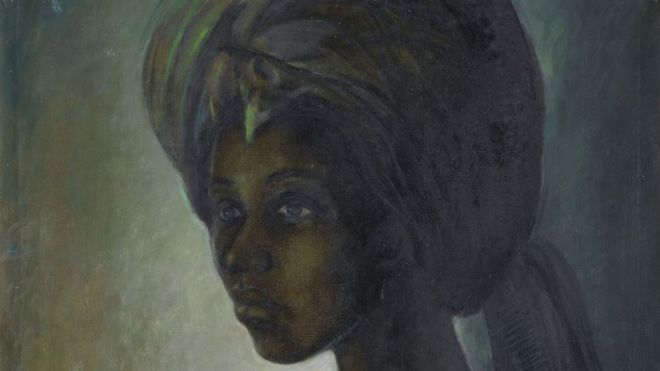
Ben Enwonwu’s iconic painting of princess Adetutu Ademiluyi of Ife, known as “Tutu” has been discovered after being lost for decades. According to a BBC Africa report, the painting was found in a flat in North London on Tuesday.
The painter had met the princess three years after the civil war and asked to paint portraits of her. After creating three versions of the portrait and debuting them at Lagos in 1974, they were regarded as national symbols of reconciliation between the regions. Although Ben Enwonwu is regarded as the father of modern art in Nigeria, the Tutu paintings are recognized as his most acclaimed work. They were last displayed at his burial in 1994 before mysteriously vanishing from public eyes till it was recovered in London.
Though the two other versions are still missing, print versions have been in circulation since the 70s. Giles Peppiatt, the director of modern African art at London auction house, Bonhams estimates that he is invited to value a version every eight weeks, but they have always turned out to be printouts. In an interview with Reuters, he said this discovery is extraordinary because it’s the first authentic version of the painting he has seen, and it’s in high demand. “It was his greatest masterpiece and people have been asking ‘where is Tutu?’” he said. Nigerian novelist, Ben Okri described the rediscovery as the most significant in contemporary African art in over 50 years. Speaking to The Guardian, he declared that he believes this discovery has the potential to transform the modern art world.
This original Tutu will be auctioned on the 28th of this month at Bonhams in London, but will be screened live at Wheatbaker hotel in Ikoyi. Giles estimates the painting will sell for 300,000 GBP.
Featured Image Credits: Web/TheGuardian
“Tomiwa is figuring it out…” Tweet at her @fauxxbella
For Natimi’s new single, “Shadows and Silhouettes” she channels Gina, her sensual alter ego who want to be free to spread her wings, leave an imprint of herself on everyone in her path. By reflecting the struggles of repressed people, she tries to dissociate herself from the part of herself that craves self-expression.
The first lines from Natimi’s “Shadows and Silhouettes”—“I promised Mark I would close the curtains/ I promised I would close any possibility of my crave for attention to be noticed. I promised Mark but Gina refused”—jump at you because the message is easy to relate to. We all have multiple selves, sub-selves, personalities, alter personalities, ego states or identity states. The twist on “Shadows and Silhouettes”, a sombre self-reflective piece delivered over ambient electronic sounds is that by failing to conform to values, Naimi finds exaltation.
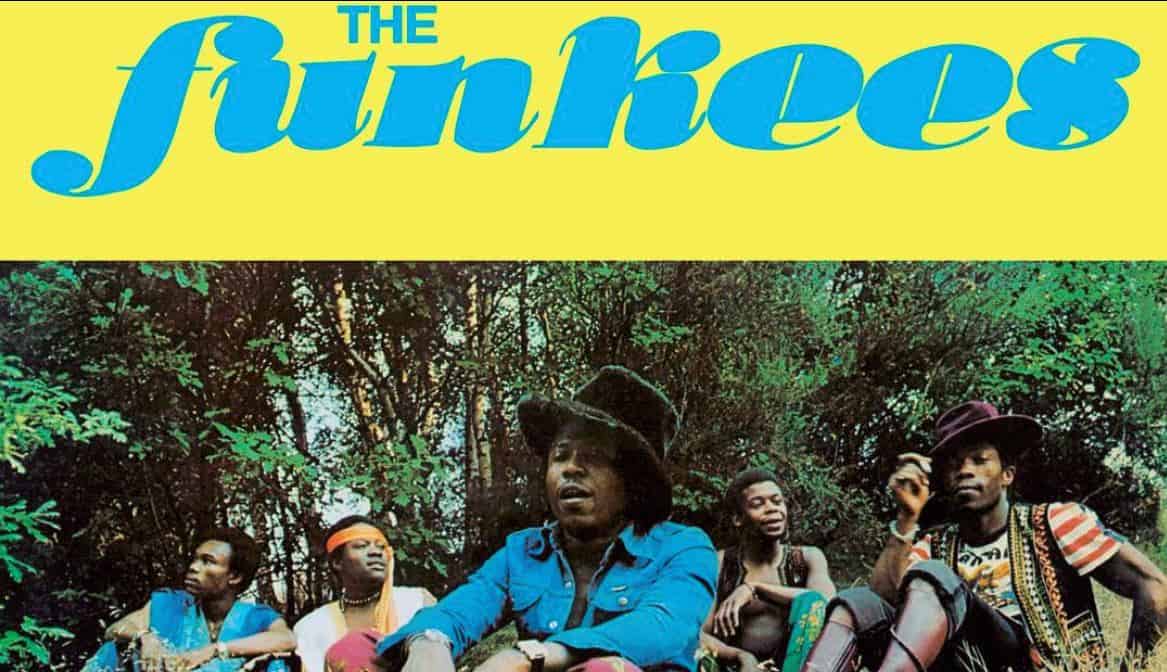
Pop music’s need to be relatable invariably makes it an apt medium for documenting history. By reflecting the realities of the society during the military era, The Funkees’ “Akula Owu Onyeara” has grown to become one of the classics of the 70s. The blend of psychedelic rock performed in Igbo was released just after the civil war.
The Funkees focused on weaving a groove to uplift listeners from the blues and troubles of the post war. Fusing traditional elements and psychedelic funk harmonies made the sound a variant of Rock n Roll, a fad created by local artists awkwardly aping foreign artists and bands like James Brown and The Beatles. On “Akula Owu Onyeara” first released in 1973, their ability to simulate the sense of confusion at the aftermath of the violence of the war despite being centrifugal to track’s muse, paints a vivid imagery of the time.
Taking from rock music’s provocative, intense, and unapologetic story crafting, The Funkees’ “Akula Owu Onyeara” describes the pervasive behaviours of lunatics in their Igbo dialect. Lead singer, Bill Ike calls out violent people for being crazy, “Onye Ara”. He goes on to mock their uncivilized actions (cold baths in cold seasons, refusing clothes and walking around naked), backed by smooth, psychedelic guitar licks, catchy percussion harmonies and relentless drums. Given the socio-political atmosphere of the time, it almost comes off as a guiding advice when he pleads with crazy people not to fight with broken bottles.
It’s nifty and delightful and thanks to excellent vocal work, packs a punch to boot.
Listen to “Akula Owu Onyeara” below.
Featured Image Credits: Instagram/polyester.specter
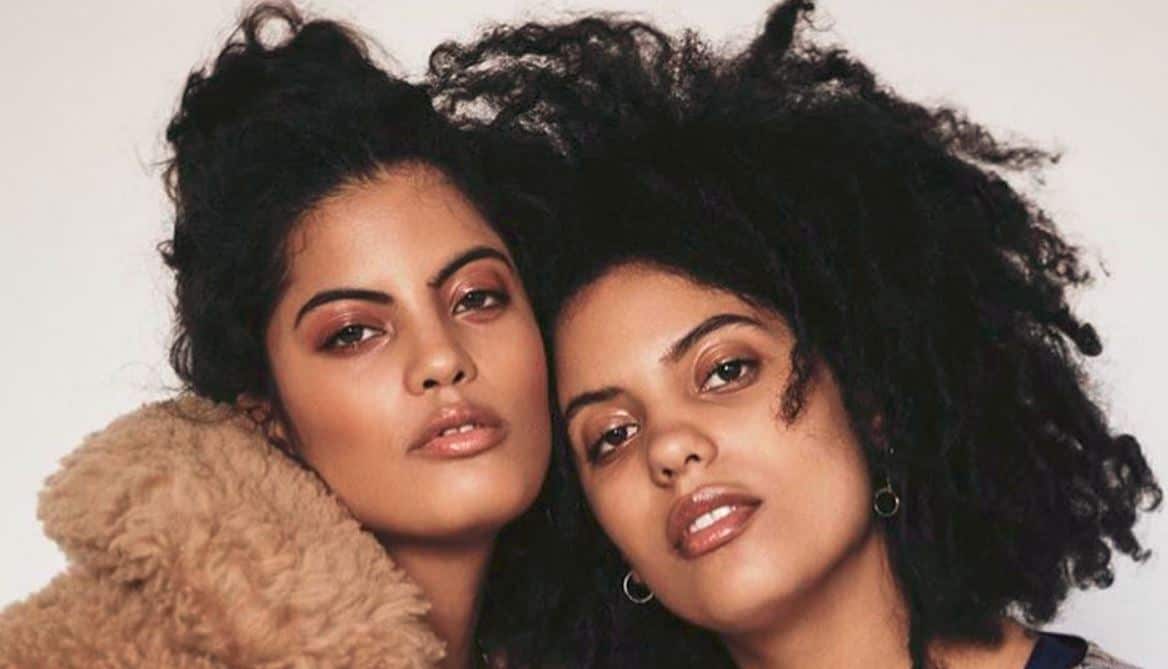
While touring around South America, the that make up Ibeyi, Lisa-Kaindé and Naomi Díaz performed for NPR Music Tiny Desk stage. Though they shyly admit to being “quite nervous” after performing “Oddudua”, they go on to sing three other songs channeling their Yoruba deities.
As is their tradition, Ibeyi celebrate their Yoruba religion through the palpable spirituality by melding harmonies and the use of traditional batá drums heard as they perform four songs, “Oddudua”, “Deathless”, “Valé”, and “Transmission/Michaelion”, giving some context for the songs. Ibeyi’s fusion of tradition, heritage and sanctity is always captivating and their performance at the Tiny Desk stage is no exception.
You can stream the performance below.
Featured Image Credits: Instagram/naomidiazibeyi
You are meeting Debola at a strange time in his life. He wandered into a dream and lost his way back. Tweet at him@debola_abimbolu
After all the back and forth with the media and a presumably deleted project, MI seems set to finally release that album he promised a year ago. He dropped links to his Instagram and YouTube so fans can tune into his exclusive listening party scheduled to start at 7:45.
From what has streamed can see so far, it appears to be a long video showing M.I amidst a much younger crowd while music plays in the background. Maybe I’m just salty I didn’t get invited to what seems to be a fun gathering of young people enjoying free liquor and pizza, but it does seem like M took the ‘party’ in listening party a little too seriously.
Anyway, It’s streaming live right now so if you hurry, you might still catch some of the repeat play action. So far it seems we can expect features from Nonso Amadi, Wande Coal, Moelogo, Terry Apala and Tay Iwar.
Update: The project streaming has concluded and according to M.I, it will drop midnight tonight. The project is expected to be titled, The Rendezvous Playlist
Featured Image Credits: Instagram/mi_abaga
You are meeting Debola at a strange time in his life. He wandered into a dream and lost his way back. Tweet at him@debola_abimbolu
If we’re talking EDM energy and Afropop’s groove, South Africa’s gqom is that sound. Last year, Patoranking tapped into the South African house music to create his latest single, “Available”, spreading his range with the DJ Catzico and Vista produced beat.
Opening with panegyrics to a deity, the accompanying video for the South African inspired song appreciates different elements of South African culture from traditional religion to clothing and face painting. Patoranking himself is however not seen wearing any of these clothes or trying to be part of the ritual. It’s a lesson on appreciation without appropriating.
Watch the video for “Available” here;
Featured Image Credits: YouTube/PatorankingVEVO
Mariam is (insert pretentious stuff about myself here). Share your thoughts with me @MA_Y_M xoxo
Kehinde’s Fuji-influenced grunge-y voice—similar to Kid Cudi—makes his music distinct from some of his more popular post-R&B contemporaries. After exploring personal battles on his previous EP Yung, he grapples with a new realisation of self on “Destiny”.
A lot of musicians often speak of their place with the entitlement that comes with talent and perhaps, special ability. But “Destiny” begins with a synth-piano and percussion, setting atmosphere for Kehinde’s examination of self. He’s not so much singing “Destiny Is Calling Me” with an impatient voice as he is scolding himself for ignoring all the prior signs when he adds “But I didn’t pick up”
Listen to Kehinde’s musical odyssey to reaching for his “Destiny” here:
“Tomiwa is figuring it out…” Tweet at her @fauxxbella
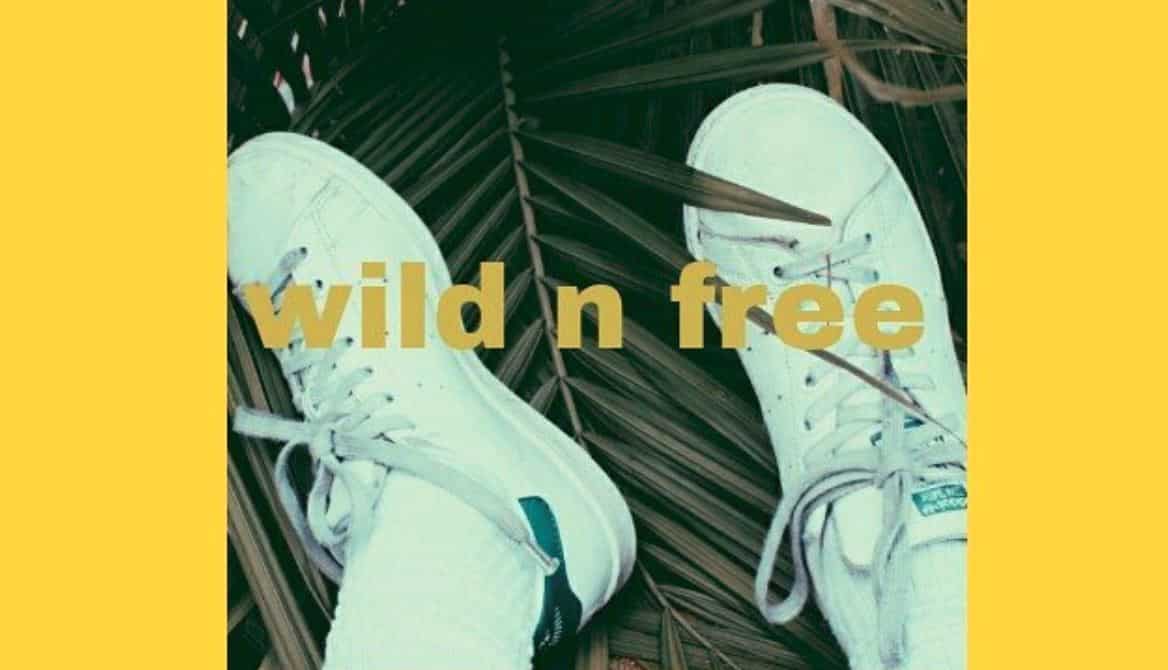
By singing over piano melodies and lo-fi guitar chords, SoulBlacksheep’s gruff voice on “WILD N FREE” echoes that all to familiar feeling of wanting out of a relationship. The impact of sobriety sensed in his pacing validates the song’s earnestness as Soul tells a tale of a manipulative lover he can’t seem to satisfy.
“I’m Wild And Free, I’m Done Waiting For You” he sings, on the chorus, asserting he is over the relationship and ready to move on. On the second verse, the soft piano is overpowered by low-tempo guitar riffs following the same melody. The switch-up is paired with sounds of rain that amplify the song’s emotive theme.
Soul sings of what was between them, perhaps seeking closure as the relationship dies. Suitably, “WILD N FREE” ends with Soul singing, “I’m Wild And Free, I’m Done Waiting For You”, reemphasizing his desire to end the relationship.
Listen to SoulBlackSheep’s “WILD N FREE” Here:
https://soundcloud.com/soulblacksheep/wild-n-free
“Tomiwa is figuring it out…” Tweet at her @fauxxbella
“Tight Jeans” set off on fast-tempo bass guitars, setting the tone for the EDM dance number, before the lyrics begin. Over the beat, Falz performs the song’s chorus and a self-obsessed verse. He raps about being attracted to a woman at a club. To give us some context for why he’s so confident (asides being Falz), he helps us paint the scene describing his outfit saying “Chain On My Neck Looking Like I’m A Jeweler, All White Like Hallelujah”. OZ follows up with an equally self-assured verse, moving the party along.
Listen to DJ Java’s “Tight Jeans” featuring Falz and OZ here:
Featured Image Credits: Instagram/
“Tomiwa is figuring it out…” Tweet at her @Tomiiwaa_i
The grand plan for Boogey’s on-going freestyle series is not absolutely clear given the scale of music industry’s recent expansion, but it’s hard to knock a man who—if anything—has proved his versatility on a range of instrumentals. His latest freestyle is cover of Drake’s “Diplomatic Immunity”, where Boogey spits bars acknowledging his place in the game like Drake did on the original track.
To give some perspective on Boogey’s freestyle rollout, last week he released “Wo+Maradona”, running social commentary on coming up and the celebrity life. The rapper has also released the “Numb Freestyle”, “If Juice and Mask Off Freestyle” and a handful of other tracks where he raps over instrumentals of smash-hit pop songs, released in the past 9 months.
You can listen to Boogey’s “Diplomatic Immunity” below.
As Africa’s most populous nation, nothing brings the people of Nigeria together (within the mainland and around the world), quite like getting behind the Super Eagles.
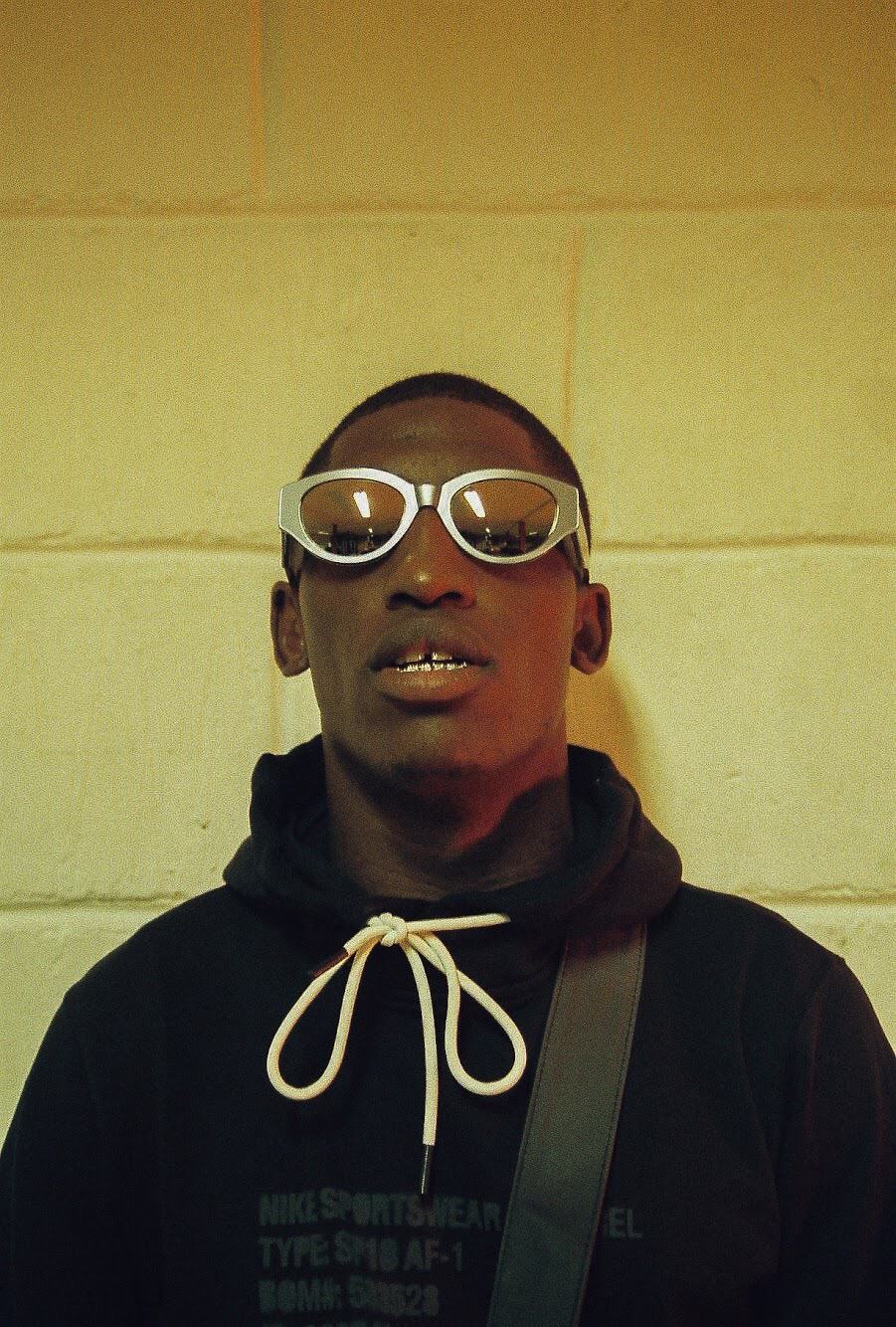
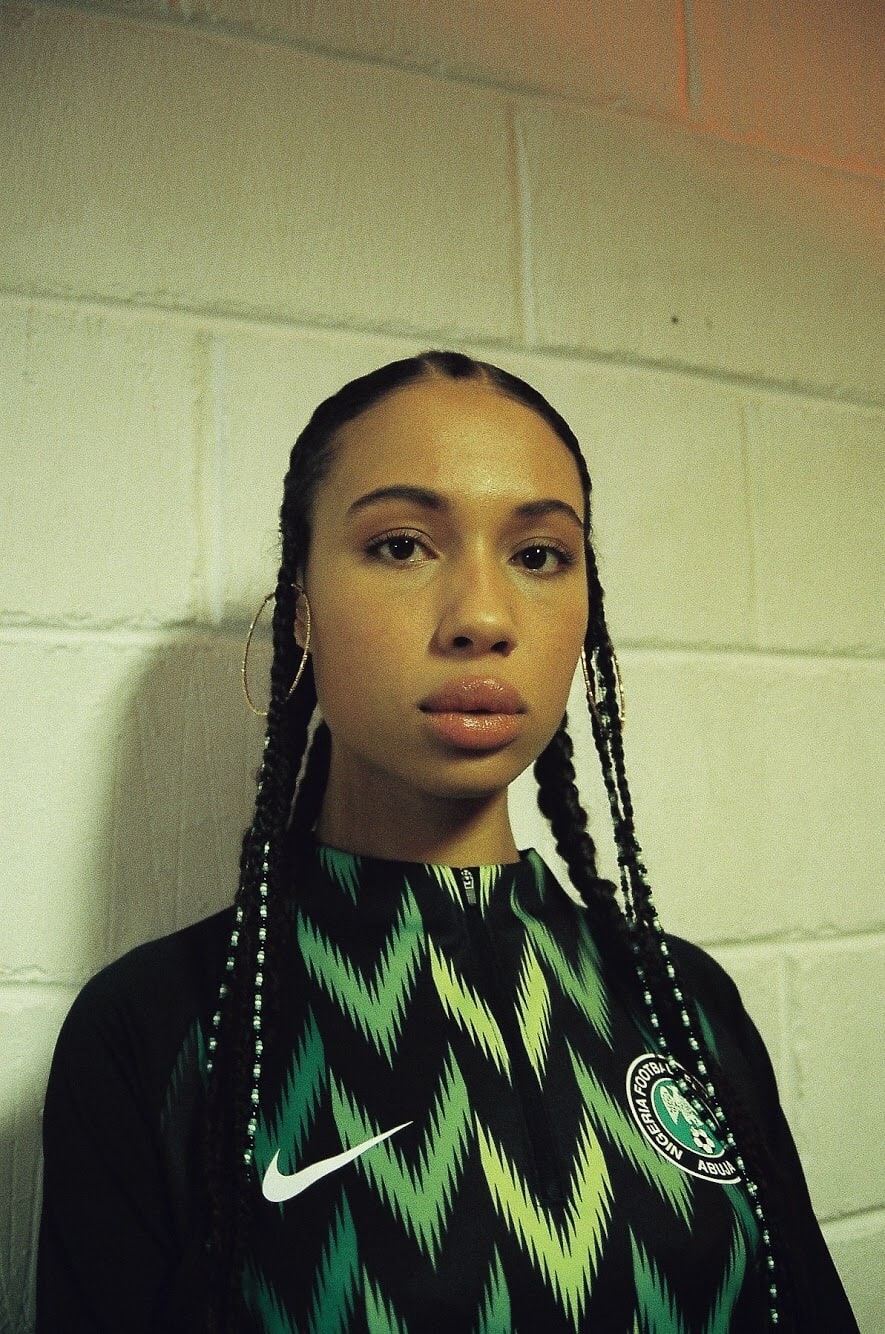
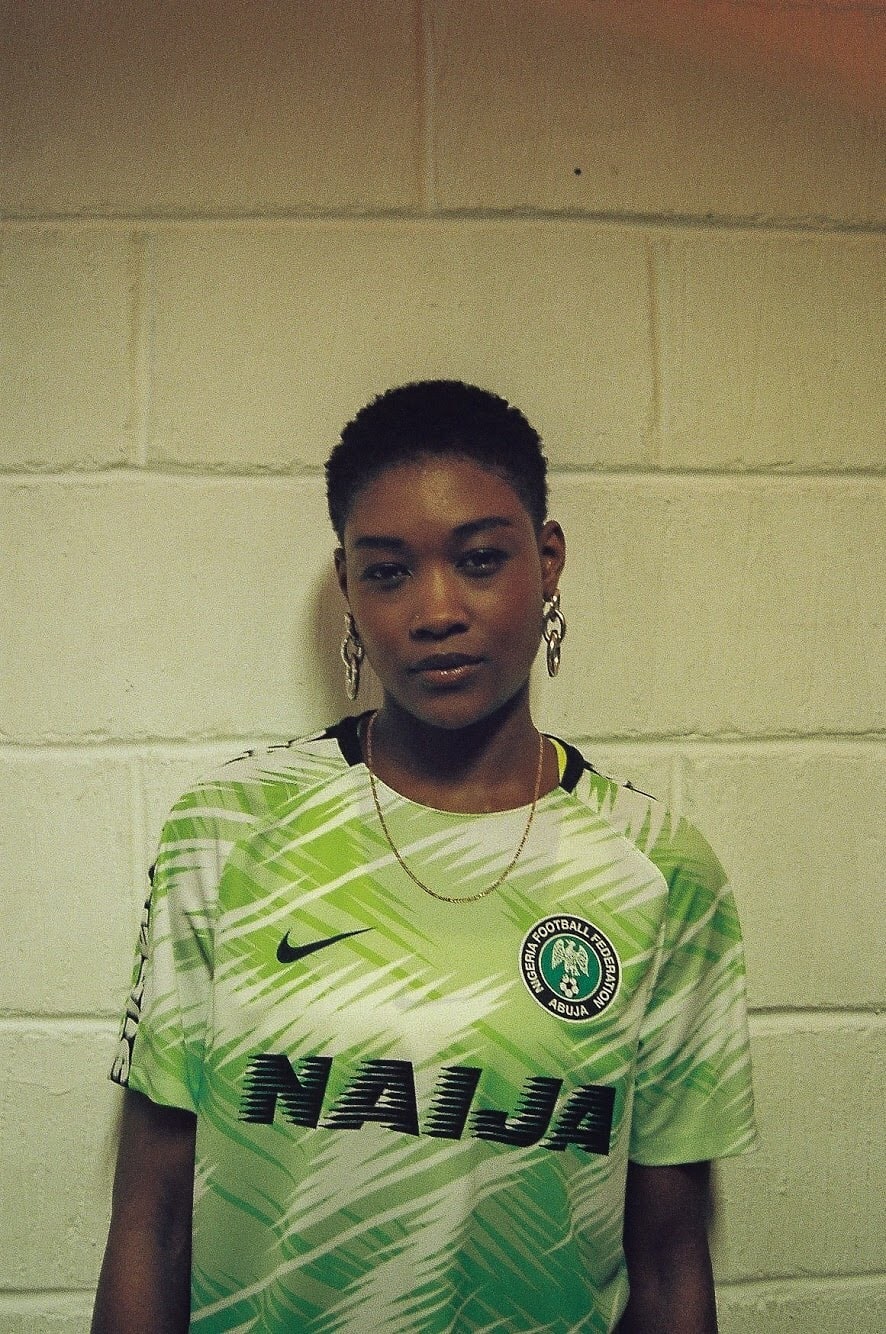
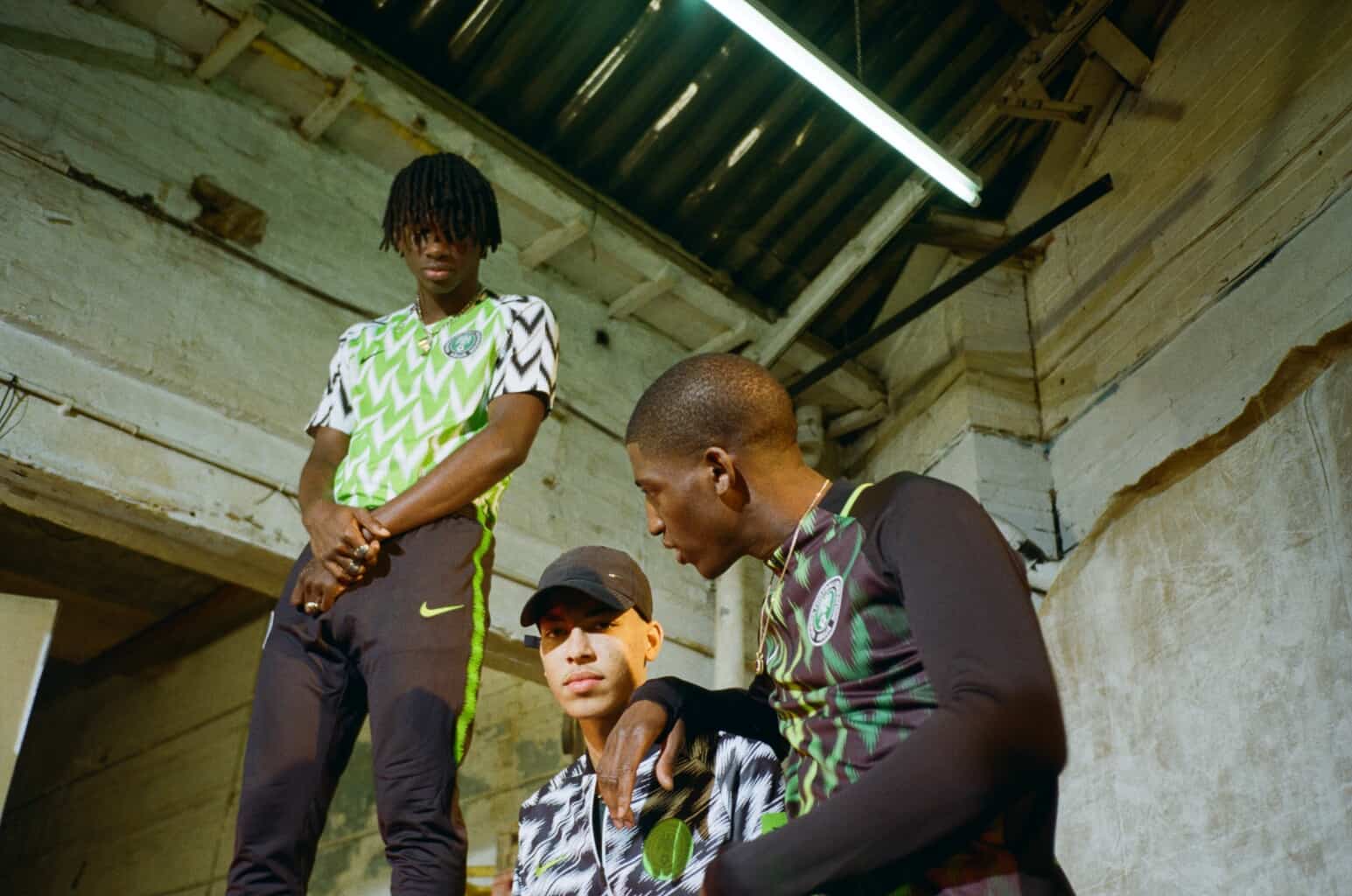
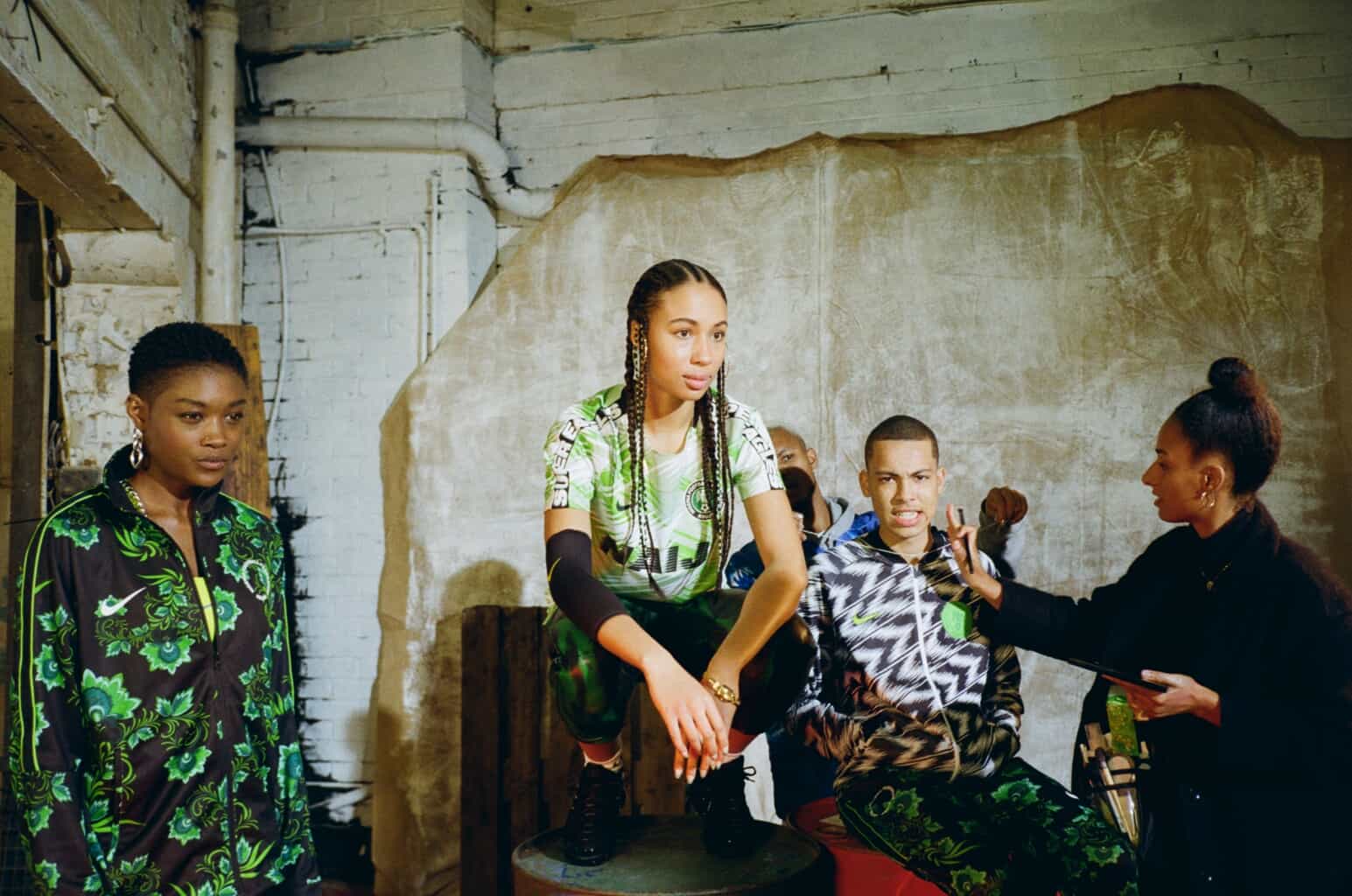
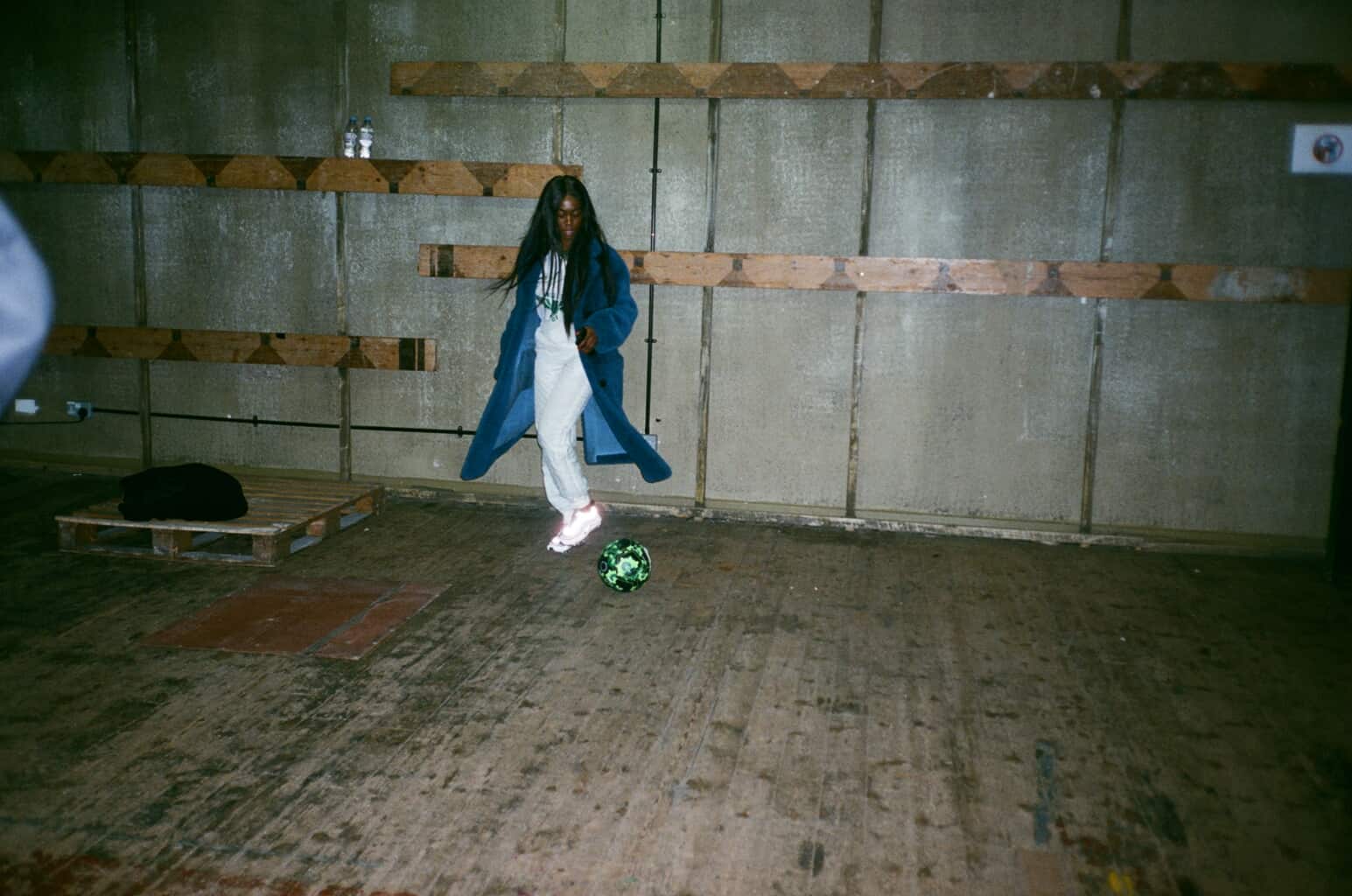
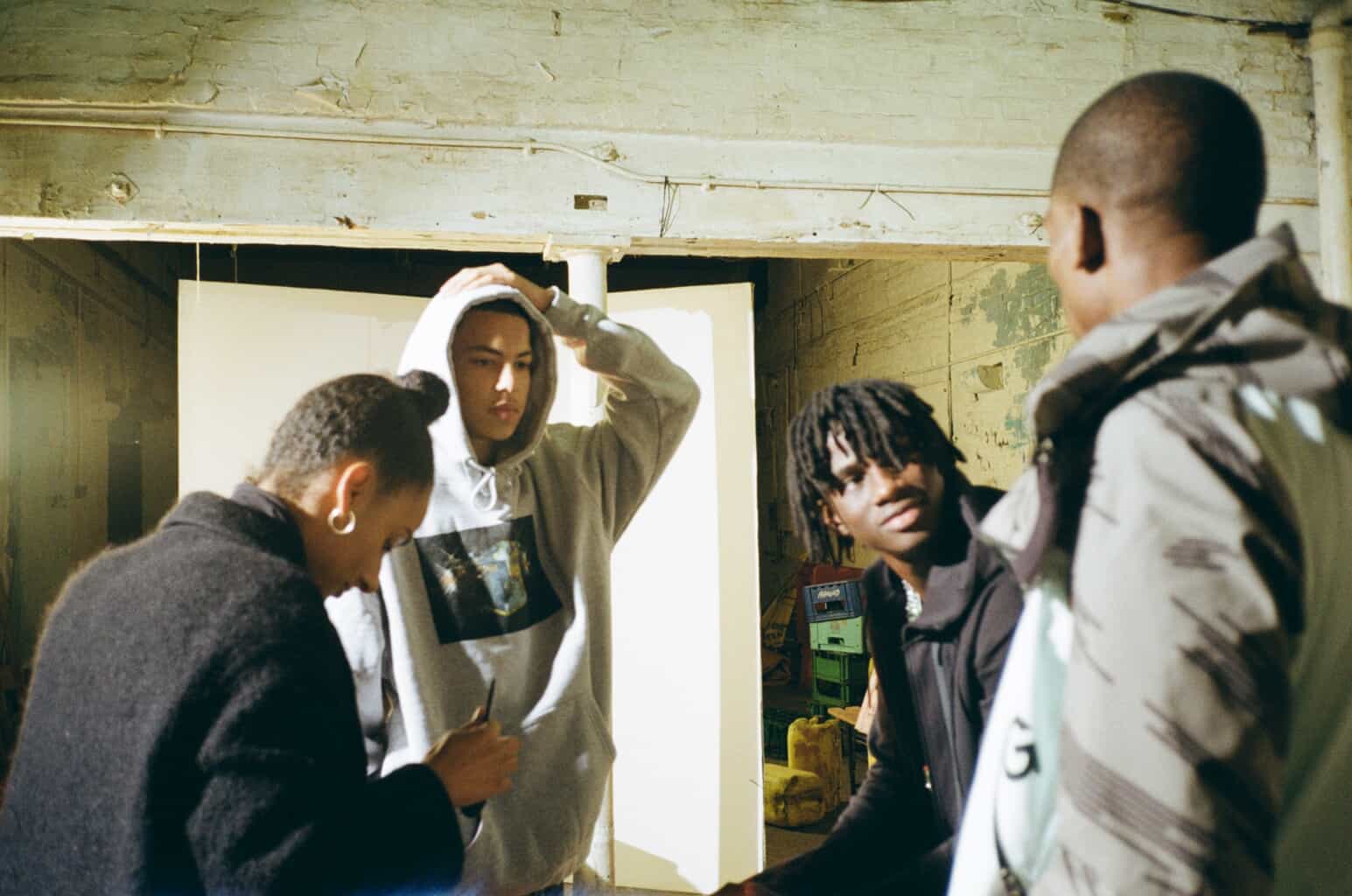
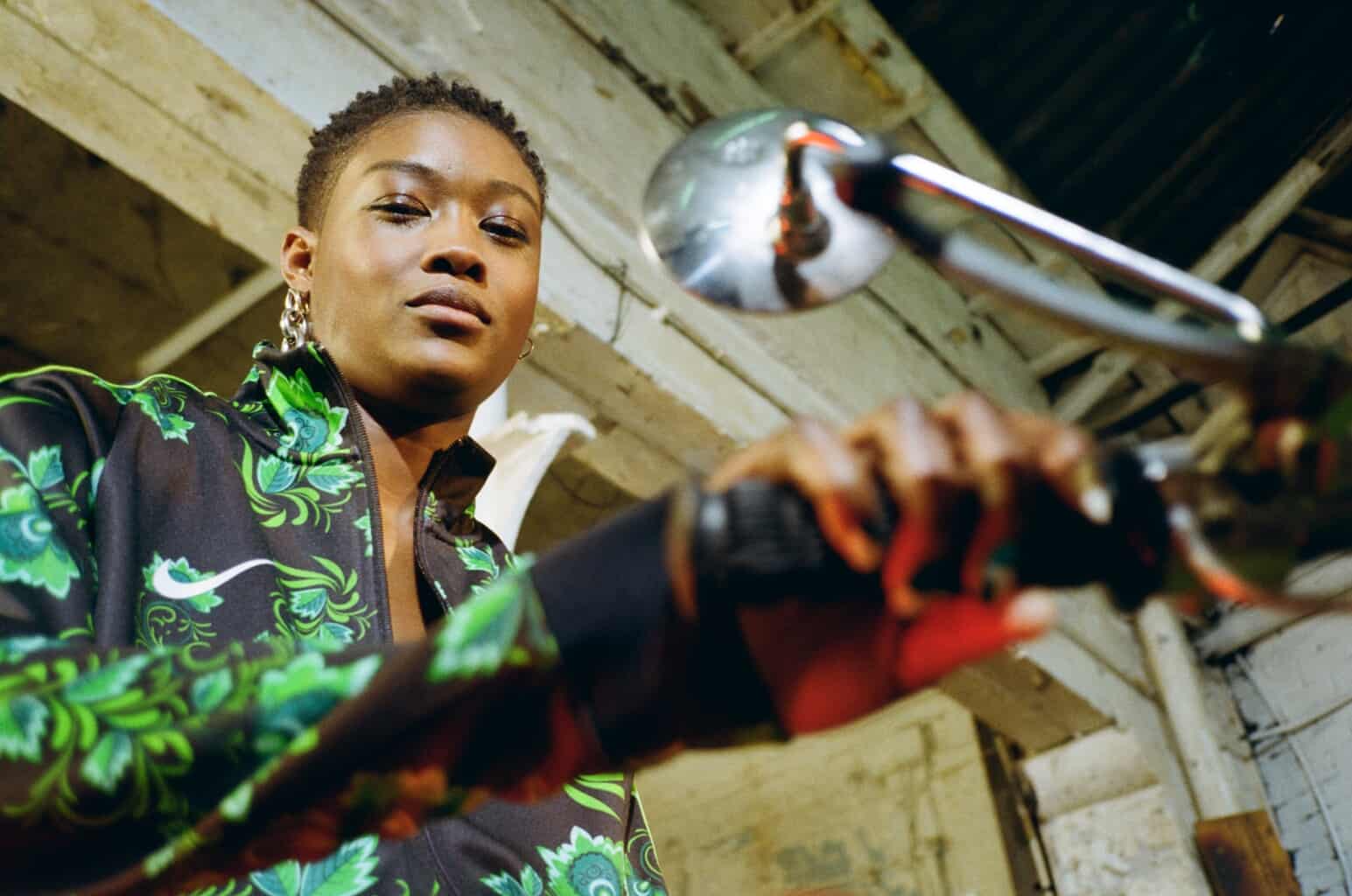
Nike today unveiled Nigeria’s eye-catching line for this year’s World Cup in Russia, and as media partners for Nigeria’s World Cup journey, we claimed inside access on the process of bringing the kit to life.
Inviting on board Grace Ladoja as Creative Director of the campaign, the intent from Nike was to place Nigerian creatives, across the diaspora firmly in control of powering the project. A sentiment echoed to us by Demetria White, Director of Global Communications at Nike. “There’s something about the power of football, combined with your nationality that allows people to celebrate it. As a brand, we’re always looking for different ways and expressions to give that to people” she told us.
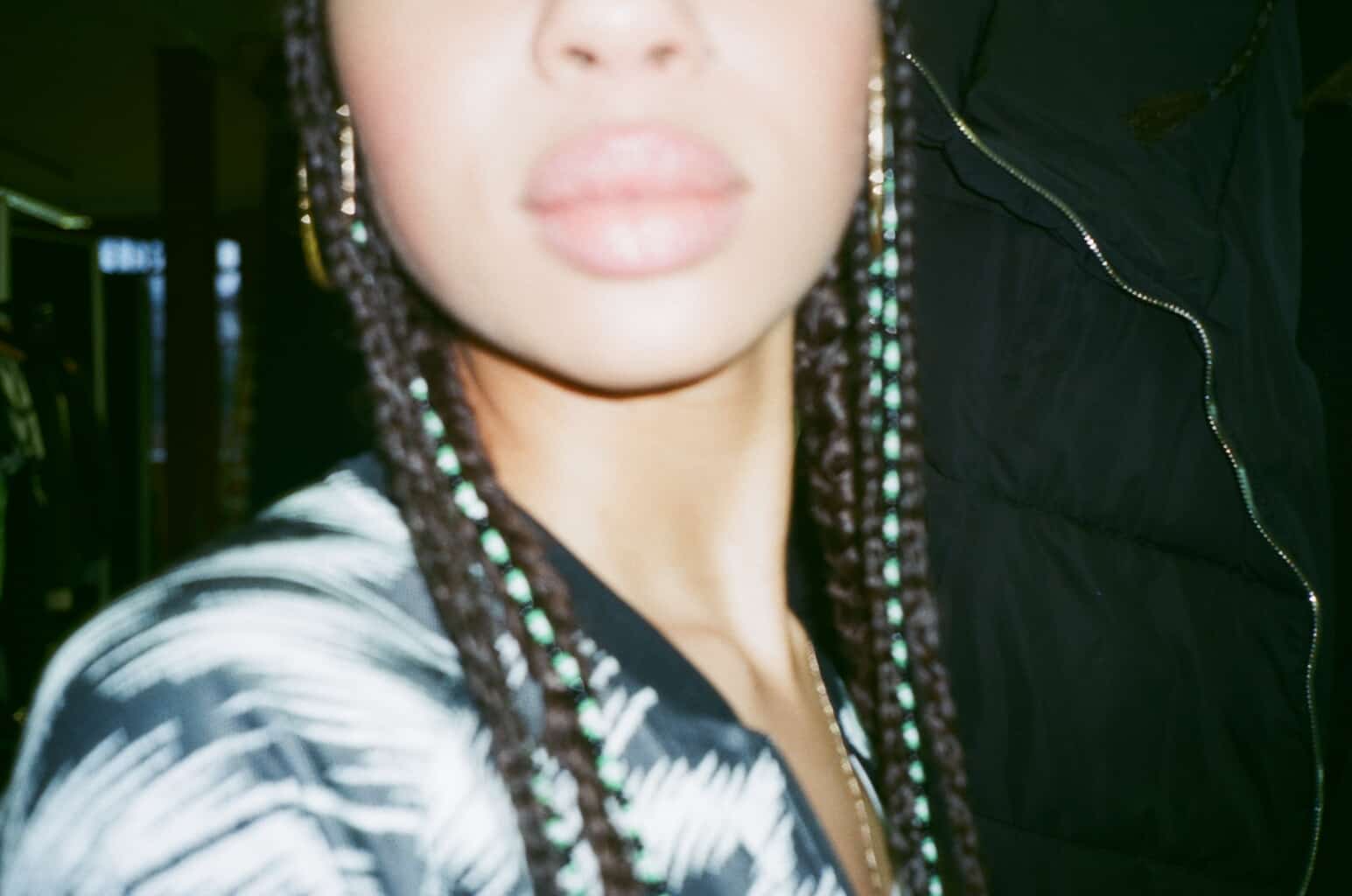
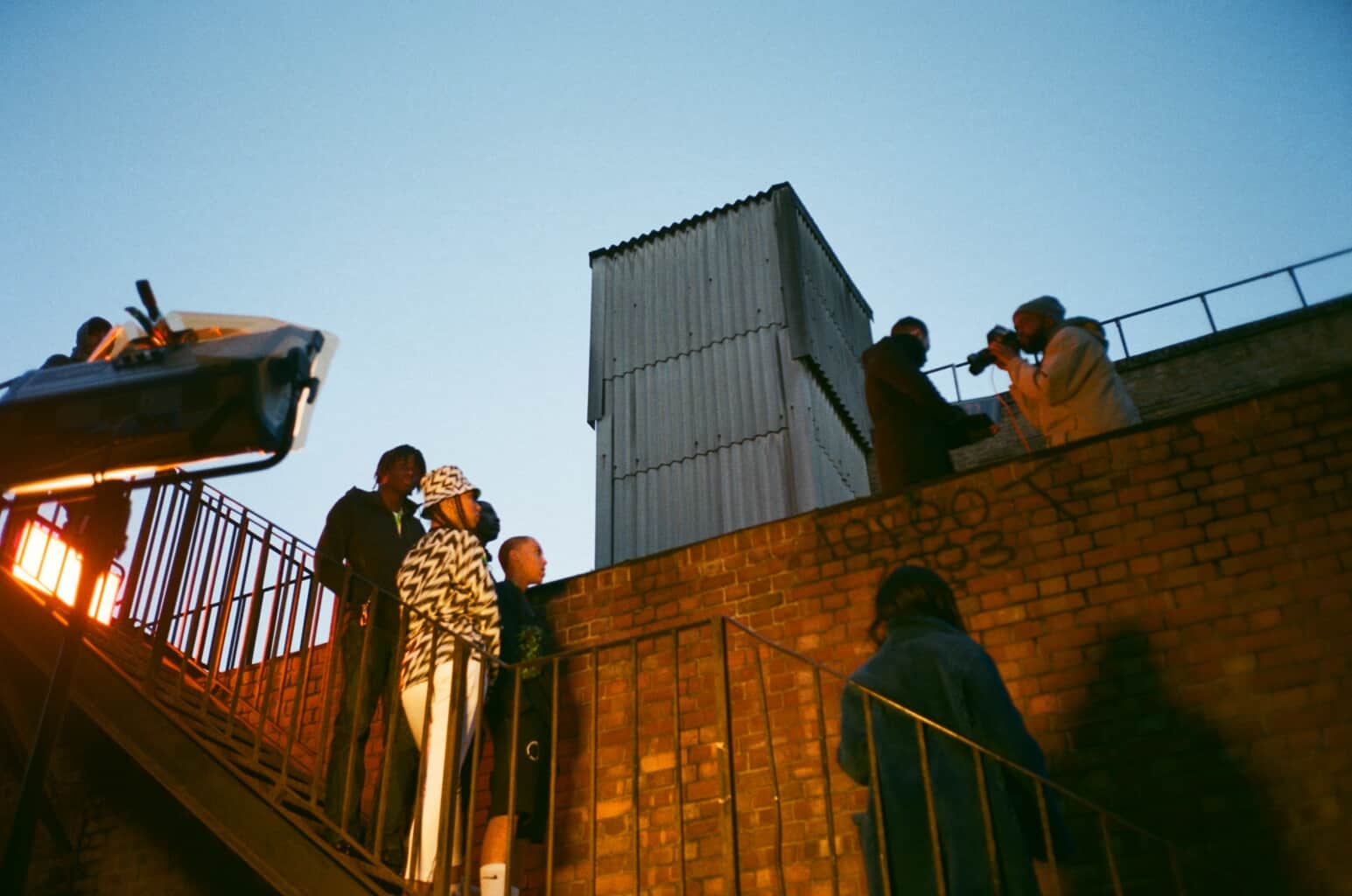
From the models, taking centre stage to the creative staff behind the scenes, we delved closer to present the collective’s “youthful exuberance, pride and fresh perspective on patriotism”.
“We have this thing where we say “the community decides”, and we have to be able to let them do that”, Demetria added. “If we can use our brand platform to showcase Nigeria to the world but also have Nigerians see themselves in it, that is it for us”.
Peep the gallery below for our exclusive BTS shots by Jay Kammy and Tsvetlina Tomova for NATIVE.
“Banana”, B.Botch and DJ Krept’s new single is authentically Ghanaian—it’s basically a refix version of everything un-Ghanaian about the Alkayida sound heard on Runtown’s 2016, “Mad Over You”. Flutes, Kongas, and a unique note that sounds as much like a keyboard as it does a whistle, all contribute to the beautiful form of “Banana”.
The chemistry between Adekunle Gold and Moelogo has been obvious since their first collaboration on Moelogo’s “Rora Se” and Adekunle Gold’s “Only Girl” in return. Coming off the success of those collaborations, Moelogo features Adekunle Gold on his new single “Happy”.
Pheelz produces the song with drums and percussion reminiscent of traditional party songs, setting a tone for Adekunle Gold and Moelogo to switch between Yoruba and English delivery. Both singers narrate instances of disappointment, sadness and quarrels with lovers but the goal isn’t to put the listeners in a bad mood. Rather, it emphasized their resolve to be merry, singing that they “Choose To Be Happy”. Although some of the lyrics are in Yoruba, the feel of the beat and the other lyrics create enough context for the song’s message to be caught by any listener.
Listen to Moelogo’s “Happy” featuring Adekunle Gold here:
Featured Image Credit: Instagram/moelogo
“Tomiwa is figuring it out…” Tweet at her @fauxxbella
Days after the release of “Bless My Way” that featured Mr Eazi, VJ Adams has released a new single, “Leg Work”, this time featuring Niniola. Niniola has dominated the Nigerian Afro-house genre with a series of acclaimed and commercially successful singles and she works her mastery on this new track.
Tiwezi produces this lush, groove-driven song with layered synths and drums, but Niniola’s vocals is what makes “Leg Work” such a good dance song. This is not the most experimental we’ve heard Niniola, as you hear from her album, This Is Me but glimpses how she can explore other genres outside house music.