Listen To ADEOLUWA & CaL On New Single, “S’okan”

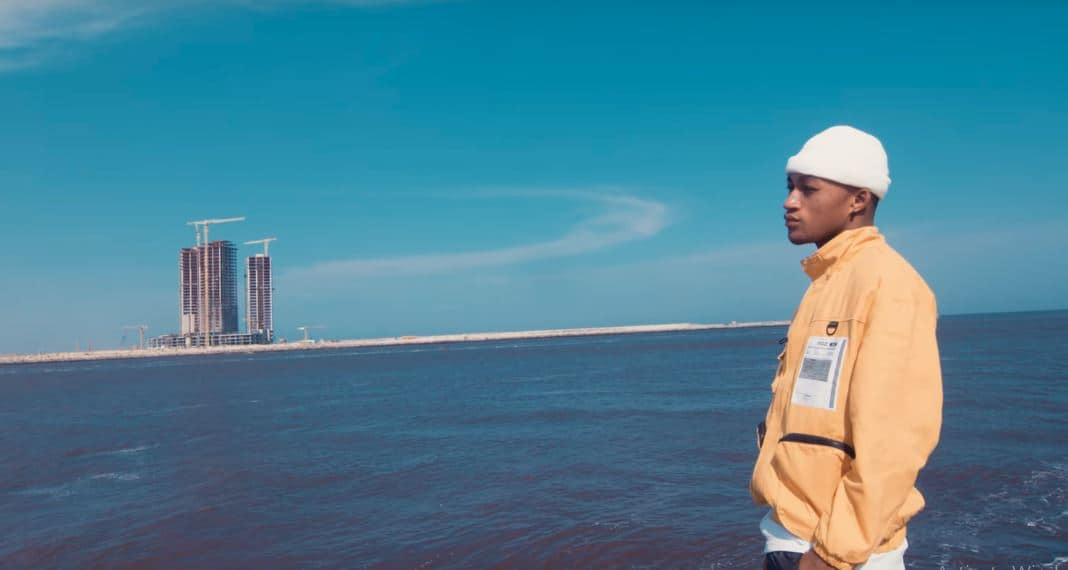
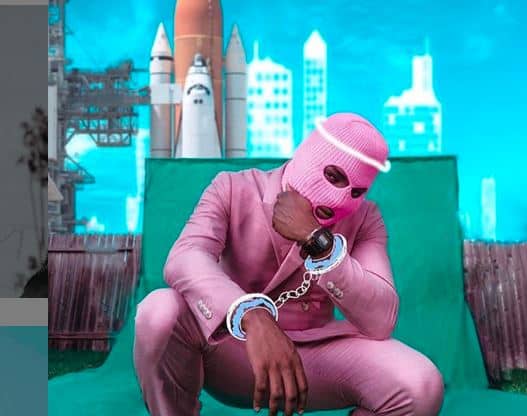
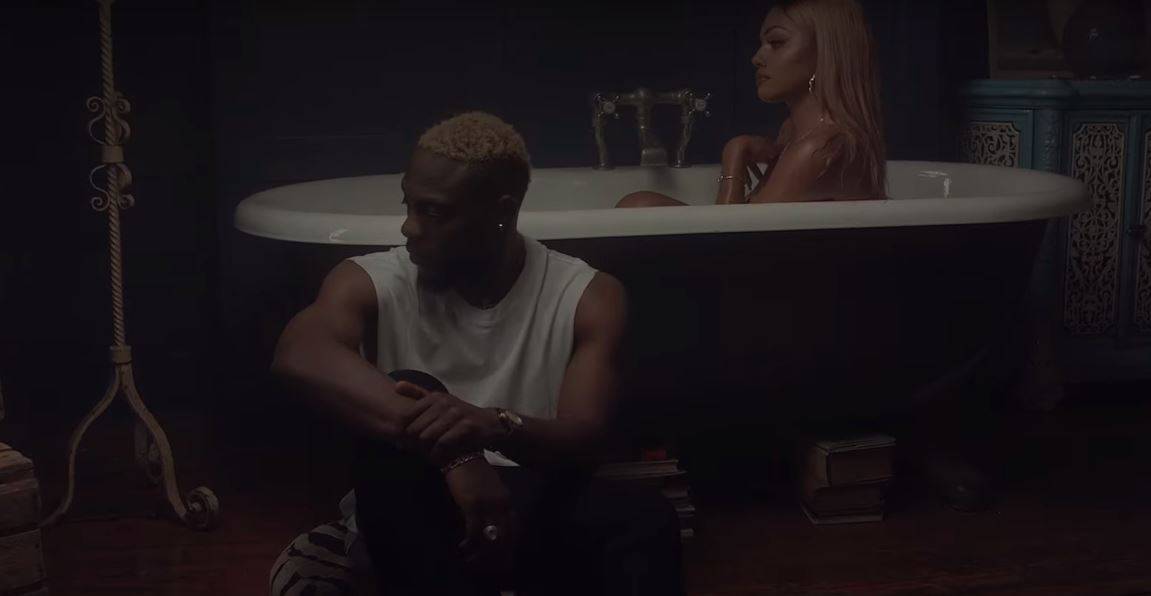
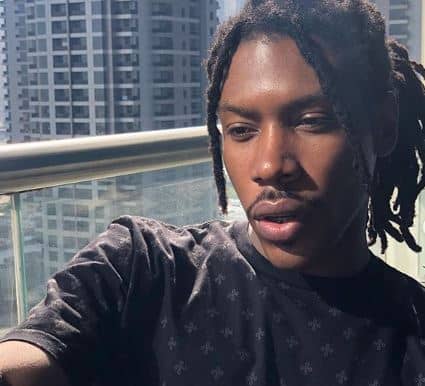
Mutual love can be underrated. It isn’t every time that the person we love, loves us back, and Afropop upstart, ADEOLUWA captures the grinding feeling of being on the giving side of the equation on his new single, “S’okan”. With his vocal inflection listening like the song was recording after heavy sobs, the singer appeals to a love interest who continues to overlook him despite knowing of his feelings since they were in high school, SS2 to be precise.

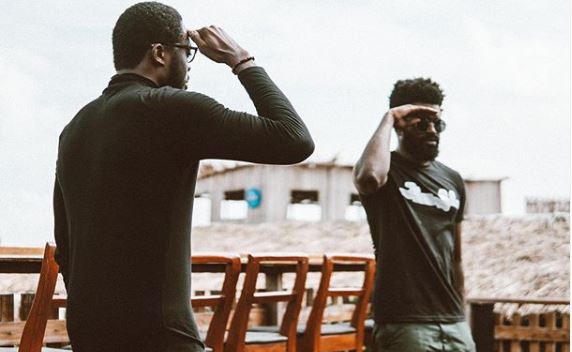
Rounding things out, CaL delivers a superb verse clearly stating out his grievances, rapping poignant lines like “somewhere between hopeful and hesitant is where I reside”. Although “S’okan” is thematically heavy, its folksy EDM beat, comprising rustic guitar, rolling drums and boisterous synths will help its cause to get on radio and DJ sets.

You can listen to “S’okan” below.

Featured Image Credits: Instagram/iambabacrown

Timaya Shares Video For New Single, “2 Stoopid”

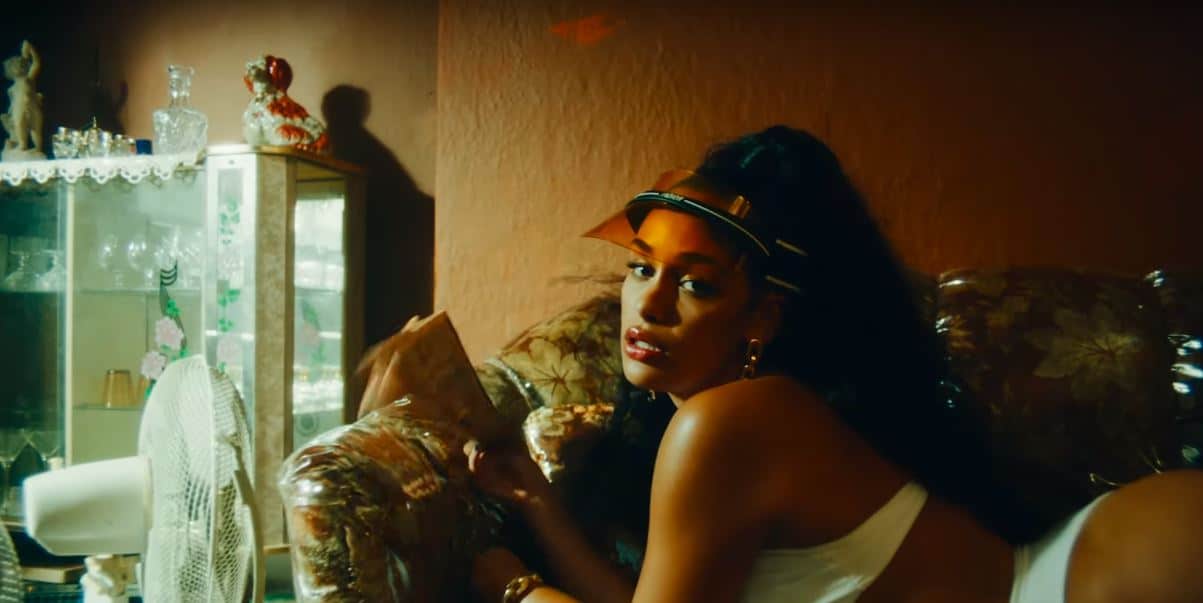
In February of this year, Afropop veteran, Timaya released ‘Chulo Vibes’, a 9-track compilation of Afro-Caribbean dancefloor-ready jams. The singer has just put out “2 Stoopid”, his first single since that project and a sequel to the final track on that tape, “Stoopid”. Over the trademark, energetic Masterkraft produces, Timaya’s freewheeling performance listens like a session of random recording, with the somewhat scattered seemingly a call to dance. TG Omori captures this lively sentiment in the accompanying music video, featuring shots of dancers performing high octane dance moves, and models styled in similar fashion to the highly revered Landlady character from the seminal Chinese movie, “Kung Fu Hustle”.

You can watch the video for “2 Stoopid” below.

Featured Image Credits: Youtube/OfficialTimaya

Veen Is Chasing His “Dream$$”

“I ain’t tryna talk if you ain’t talking ‘bout the bread”, Veen raps on the first verse of his recent single, “Dream$$”, a succinct representation of his mindset, and a large portion of his growing catalogue. It’s an ethos that’s on course with the chosen Trap music stylings that dominates much of his music, signifying the era of rap music he’s mostly indebted to. Also highlighting his polymath abilities, Veen produces a catchy Trap beat for “Dream$$”, mixing a groovy glockenspiel riff and a simple but knocking 808 bass pattern. The most endearing part of the song, though, is the rapper noting the presence of his “brothers” in the cut, moving together on their paper chase.

You can listen to “Dream$$” below.

Featured Image Credits: Twitter/younggodveen

Watch The Colourful Video For CDQ & Zlatan’s “Onye Eze 2.0”

At the beginning of last month, street rap mainstay CDQ put out “Onye Eze”, inspired by the controversial set of events involving popular blogger, Blessing Okoro and an Affluent Igbo businessman simply known as Onye Eze. Per the situation in which Blessing was publicly outed for wrongfully claiming a piece of property belonging to Onye Eze, CDQ used the song to deride people who lead fake lives on social media, and also as a means to affirm his deep pockets.

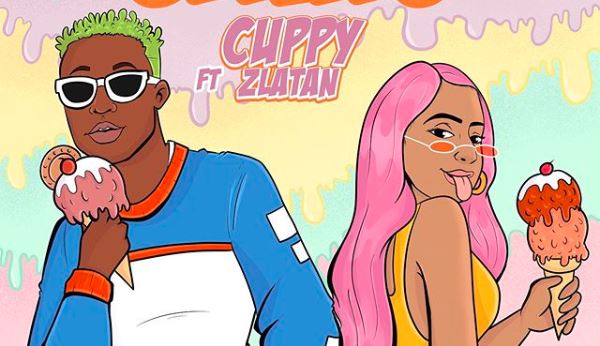
The rapper has just put out a second version of the song, and while the energetic production from Vicebeatmaker remains unchanged, street rap rave of the moment, Zlatan delivers a new verse on the song, characterized by his trademark energy and quotable raps in Yoruba. CDQ has also shared the brightly coloured ADAMSGUD-directed music video for “Onye Eze 2.0”, where both rappers perform their lyrics in the company of beautiful models, while also spraying an ample amount of 100-dollar bills.

You can watch the video for “Onye Eze 2.0” here.

Featured Image Credits: Youtube/OfficialCDQ

Best New Music: Chillz’ “Start Again” is universal truth wrapped in folk-pop

Singer-producer, Chillz, recently debuted ‘Good Vibes, Vol.1’ a 9-track collection of minimally-produced neo-Afropop tracks about gratefulness, dedication in love and living life to the fullest.

Chillz first surfaced last year as one of the indelible guest-appearances on M.I’s playlist-album, Rendezvous . Over haunting-synths subtly-laced with sounds of ocean waves crashing at bay on opening track “Sunset”, Chillz interweaves relationship woes with for his strife for inner peace. It’s a rather unceremonious introduction for a little-known artist, but his intuitive vocal performance hinted there was more to expect from his smooth lo-fi delivery on “Sunset”.

His new project, ‘Good Vibes, Vol.1’ comes into full view on “Start Again” — a pseudo-motivational number about perseverance in tribulation. Excluding the intro track, “Start Again” is the shortest track on project creasing at just 90 seconds.

Afropop is the happiest genre in the world at the moment and Chillz’ new project sits apeak the wave. Gan-gan drums and synths set a gospel-like ambience for Chillz to open with, ‘When life brings you down to your knees, hold on, you go stand again’. “Start Again” melds these afro-folk nuances with a contradictory twist to the motivational-speak of bouncing back after failure.

Chillz awareness of the importance of decompression and ease is the strongest theme on ‘Good Vibes, Vol.1’, but it’s easy to misunderstand it as another summer-filtered Afropop project. Luckily, “Start Again” is monumental because there’s always a tendency for this kind of music to spiral downward from hyper-laidback and positive to predictably corny. Chillz’ world view is surgically realistic. Instead of proffering sheer will and might as the only go-around for difficult times, “Start Again” posits strife as character-building for a greater purpose, not life’s way of beating us down. Now, that’s reassurance mere higher vibrations (whatever that is) will never give you.

Stream “Start Again” via Apple Music below:


Toye is managing-partner at NATIVE Nigeria. Tweet at him @ToyeSokunbi


BEST NEW MUSIC SPECIAL: ‘MANDY & THE JUNGLE’ BY SANTI

This Instagram page allows you relive your childhood nostalgia

We all have our own personal reasons for staying glued to Instagram despite knowing its effect on our self-esteem and data bundles. But we aren’t judging our life choices today. Today we discover the joys of reliving our favourite memories through this Instagram account dedicated to curating and sharing videos from the Nigerian achieve of pop culture videos.

https://www.instagram.com/p/Bx71PHolZYV/

The account is being run by The Nobel Foundation which has boldly declared their aim as “The preservation of the achievements of Nigerians and establishing avenues for recognizing individuals”. But if that little blob on the page’s bio isn’t enough to convince you, some of the videos they have already shared is guaranteed to. The videos of TV commercials, documentaries, football match highlights and more serve as a sort of highlight reel that maps out the several stages of Nigeria’s development and growth.

With clips as serious as videos form political rallies and as lightweight as condom commercials, the page is able to appeal to the audience on a sentimental and emotive level such that it favours a utopian and imagined past that overshadows whatever other reality we may remember in the less than a minute duration of the video. But that’s nostalgia for you, provoking positive emotions of happiness, connection, and optimism. At least now Instagram can actually carry its weight and raise our spirits during this rainy season and the floods, traffic and foul smells that come with it.
[mc4wp_form id=”26074″]


You are meeting Debola at a strange time in his life. He wandered into a dream and lost his way back. Tweet at him @debola_abimbolu


ICYMI: That Time 2Baba gave us this timeless gem, “Only Me”

Essentials: Walshy Fire’s ‘Abeng’

Making borderless music has become an empty buzz word for any and every artist making music they hope will connect with listeners outside their immediate range of audience. However, Walshy Fire’s debut solo project, ‘Abeng’, delivers a no-frills world of dance-club ready tunes that don’t feel aimed to fit trends; it veers from Afropop (Afrobeats) to rap, Reggae, R&B, and EDM. The highlife harmony for pre-released “Show You Off” single was built to accommodate WurlD’s penchant for fusing his indigenous influences with electronic music, but the rest of the 11-track project explores other dancehall sounds through the mix of African and Caribbean guest features, in an attempt to bridge both regions.

Even before being African was cool, Caribbean music has always shown its support for the continent through Reggae songs like Dennis Brown’s “Promised Land”. Despite the language barrier, our similar history and influences have made the intricate sounds from both regions weave in and out of each other, leaving highlife musicians sounding like they’re singing Soca and Calypso, while it’s not uncommon to find African artists singing in patio. On ‘Abeng’, Walshy Fire creates a soundscape where both regions are united under the same sound, singing on the same beats and expressing similar sentiments familiar to anyone that has ever been in love or in the dance club or in both.

The album’s led single, “Call Me”, featuring Mr Eazi and Kranium opens the album with a tropical texture accomplished through the mix of guitar riffs, 808s and synth samples. Both singers channel their romantic sensibilities to make a sultry bop to soundtrack lovers dancing as they sing endearingly, “My woman, my angle, my sweetheart”. Though Kranium’s patio vocals are instantly recognizable the Caribbean influence, the next track, Ice Prince and Demarco assisted “Round of Applause” is more enriched with the Island vibe, mixing clap samples, and synth harmonies for the Reggae fueled number that keeps the project within its romantic theme.

Alkaline and Runtown assisted track, “No Negative Vibes”, however, changes the pace for a summery reggaeton song too invested in having a good time to bother with romance. Over the mix of synthesizer harmonies and percussion that lull then erupts in nervous tremolo, both artists prescribe their remedies for bad vibes; “Light up me splif one time/This Henny got me feeling some type of way/ Feeling like a billion dollar man”. The next track, “Outside” pits Trinidadian ‘Watermelon Gyal’, Nailah Blackman and Adekunle Gold together for a charming duet aimed at saving a troubled relationship while Ice Prince and Masicka infuse some raps on the 5th track, “Xcellent”.

“Amazing”, one of the standout tracks on the tape finds Reggae dancehall singer, Timeka Marshall taking center stage to show off her alluring vocals over the catchy rattling instrumentals. Stonebwoy also delivers a verse, blending his indigenous Ghanaian dialect and some patio as he confesses his romantic feelings for a lover. Jay Newton and Vanessa Mdee join Ice Prince on African beauty worshipping, “African Lady”, while Ketchup returns the focus for ‘Abeng’ to the dancefloor on dancehall track, “No Laziness”.

The project closes with an authentic Caribbean remix of Runtown and Wizkid’s dancehall single, “Bend Down Pause”. The song was big in Nigeria when it was released in 2015 and stands as a testament to the harmonious relationship that has always existed between the Caribbean and Africa as Machel Montano doesn’t have to make any adjustment to his soca sound to fit into the catchy vibe of the beat Del B produces. With the collaborations, ‘Abeng’ certainly accomplishes Walshy Fire’s goal to make the world smaller and the party bigger.

Stream ‘Abeng’ below.

Featured Image Credits: Instagram/walshyfire
[mc4wp_form id=”26074″]


You are meeting Debola at a strange time in his life. He wandered into a dream and lost his way back. Tweet at him @debola_abimbolu


ICYMI: Essentials for WurlD’s ‘Love is Contagious’ EP

See Olamide, Wizkid & ID Cabasa In “Totori” Music Video

Although perennial Afropop A-list acts Olamide and Wizkid have put out subsequent, highly successful collaborative efforts, the involvement of veteran producer ID Cabasa on their latest pairing brings back memories of their novel collaboration, “Omo To Shan”, back when both were fresh faced ascendants at the top of the decade. To a tangible extent, “Totori” and its accompanying video captures the remarkable growth of both artists, with a hint of the qualities that helped both artists break out.

ID Cabasa produces the thumping beat, mixing steel pan dancehall drums, piano strings and humming bass guitar riffs, creating the energetic atmosphere readied for dance-inclined audience, and also injects energy into the laidback demeanour of the lyrics from the vocal artists. Performing the song’s infectious hook, Wizkid’s imbues his lightweight, randy sentiments with preppy melodies, while Olamide’s two verses are cocksure, highlighting his unwavering prominence in a bid to win over his muse.

TG Omori directs the music video for “Totori”, capturing the lively vibe of the song, with shots of all three credited artists performing in varying duet and solo frames, surrounded by models and dancers performing high octane, choreographed moves. To capture the fanfare surrounding Olamide and Wizkid, there are also shots featuring a large crowd, excited at watching the new music video from both artists on a TV.

You can watch the music video for “Totori” below.

Featured Image Credits: Youtube/OlamideVevo

Watch A Bold D’banj In Video For New Single, “Shy”

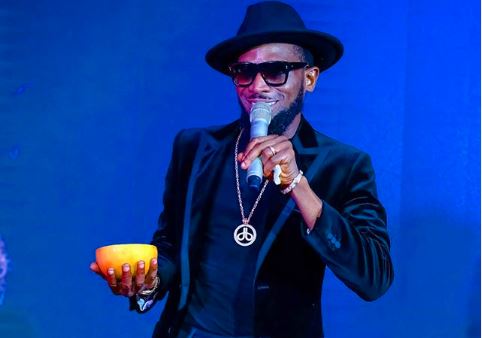
There’s something of a dissonance in D’banj referring to himself as a “shy guy”, and he wields the irony on his new “Shy” single to trolling effect. Popular known as the Kokomaster and personifying Afropop’s apex rockstar image for the most part of his career, D’banj uses his latest release as a worthy reminder of his status as one of the greatest entertainers around. Over Boom Beat’s Igbo Folk-inspired beat, comprising rolling percussions and heavy 808s, D’banj’s lyrics come off as effusive, embellished by his energetic performance.

Showcasing the song’s robust nature, as well as paying homage to its sonic inspirations, TG Omori puts together a set of visuals situating D’banj in the midst of a large ensemble of men acting as vocal backups, and beautiful models, all decked in outfits particular to the Eastern part of Nigerian. Actress and former Big Brother Naija fake housemate, Eriata Ese also features in the music video. “Shy” is the first official single off D’banj’s upcoming album.

You can watch the music video for “Shy” here.

Featured Image Credits: Youtube/D’banj

Mr Eazi Shares Romantic Single, “Supernova”

By all indications, Mr Eazi is having a great 2019. Earlier this month, the singer released “Thank You (Freestyle)”, a loose single reflecting his gratitude for the recent, positive events in his career. His latest single, “Supernova”, is a return to the romance-themed-meets-light-groove territory that is responsible for his status as one of Afropop’s most reliable song-makers around.

With echoes of Mr Eazi’s “Legover” hit single, the mid-tempo beat E-Kelly produces for “Supernova”, mixing lightly bouncy percussions and highlife-adjacent guitar riffs, creates the perfect backdrop for the singer’s sentiments and his languid melodies. “Girl, you no be shitor, you be sauce/all my family must to love you by force”, Mr Eazi sings, highlighting the gravitas of his reassurance to a love interest. In typical fashion, there are materialistic promises in order to add gloss to his affirmations.

You can stream “Supernova” below.

Featured Image Credits: Instagram/MrEazi
[mc4wp_form id=”26074″]


ICYMI: The video for “Poverty Die” confirms Baddo’s visual renaissance is afoot

Leriq Features Teni And Skales On New Single, “No Wahalah”

Through his undeniably seminal work since the top of the decade, Leriq is one of the producers that has directed the mainstream sound of Afropop in recent times. These days, though, the producer seems to be more interested in colouring around the outer edges of the genre. Following the experimental path of his debut ‘Luv.Wav’ debut EP and his collaborative EP with Tomi Thomas, ‘Illusions’, Leriq’s newly released “No Wahalah” single brings two of Afropop’s consistent hitmakers, Skales and Teni, into a psychedelic sonic space that is unusual but far from ill-fitting for both singers.

Combining light piano chords, wind chimes, hip-hop-adjacent drums and a persistent talking drum riff, Leriq’s beat for “No Wahalah” is simultaneously lively and subdued, fitting for the cocky lyrics performed by the guest vocalists. Loaded with vitriolic lines aimed at naysayers, the freewheeling energy and uptempo personalities that have come to typify both Teni and Skales remain apparent, but these characteristics take a sinister turn that sits perfectly atop Leriq’s quirky groove.

You can stream “No Wahalah” below.

Featured Image Credits: Instagram/Leriq

Idahams Shares New Single, “Amayanabo (The King)”

As a follow-up “No One Else (Remix)”, his collaborative cuffing season-aimed single with Teni from February, Idahams’ latest single, “Amayanabo (The King)” places him in the class of fresh faced Afropop acts clearly influenced by Tekno’s lively and carefree M.O. Bouncing over Miccon’s fast paced production, earmarked by Makossa-styled percussions and plinking guitars, Idahams sings, “say na me dey scatter the center/I go give you something to remember” on the first verse, before descending into the song’s pastiche hook, embellished by syncopated melodies. It’s the type of song you’re familiar with, but that doesn’t diminish its replay value. “Amayanabo” is the title track and final pre-release single off Idahams’ debut EP, dropping this Friday, July 5th.

You can stream “Amayanabo (The King)” below.

Featured Image Credits: Instagram/OfficialIdahams

Listen To Small Doctor’s Latest Bop, “Believe”

Although none of his subsequent singles have garnered the fanfare of his ubiquitous hit single, “Penalty”, Small Doctor has remained a fixture of street music with his peerless ability to deliver well-timed hit singles. With his latest release, “Believe”, the singer adds to the mix of songs vying to dominate DJ sets in the months of summer, but it is ultimately a play at the end of year peak concert season, and possibly a catalyst for a sequel to his headlining ‘Omo Better’ concert last December.

With its dancefloor ready, South African House production, and Small Doctors catchy lyrics, “Believe” is the type of bop you’d fully expect to grow into mainstream prominence in the coming months. Vaguely recounting his rise to fame despite unfavourable odds, Small Doctor uses the song as a kiss-off to current haters, infusing the common derisive Yoruba colloquial, “E wo won bo se n wo wa (look at how they are looking at us)”, you’d most likely hear audiences chant as the song grows bigger.

You can listen to “Believe” below.

Featured Image Credits: Instagram/iam_smalldoctor

J Balvin & Bad Bunny Feature Mr Eazi On “COMO UN BEBE”

Last year, Reggaeton superstar, J Balvin and Latin Trap ascendant, Bad Bunny featured on Cardi B’s chart topping behemoth, “I Like It”, effectively increasing their worldwide prominence. Since that collaboration, rumours of a joint album from both Urbano artists had been swirling around, now confirmed by the surprise release of their collaborative project, ‘OASIS’. Packed with dancefloor-ready bangers and potential summer anthems, the eight-track album spans an array of ‘exotic’ pop genres, including Afropop, via the Mr Eazi-assisted final track, “COMO UN BEBE”.

Premier Afropop duo, Legendury Beatz provide the boisterous production for “COMO UN BEBE”, mixing groovy, thumping drums, low growling bass guitars and atmospheric piano keys, over which all three artists perform pining lyrics pleading with an argumentative lover. While very little of the lyrics are sung in English, by way of Mr Eazi’s short verse delivered in pidgin English, a combination of the anthemic melodies and a rambunctious beat, is sticky enough to guarantee that the song will be heavy rotation across the world, in these months of summer.

You can listen to “COMO UN BEBE” below.

Featured Image Credits: Instagram/MrEazi

Court prospects as Fatoyinbo takes Leave

Earlier today, Biodun Fatoyinbo of COZA church announced that he will be taking a leave of absence from the pulpit of the church, citing the uproar of ongoing rape allegations as his reason for temporarily vacating his position. Although stepping down is not the same as answering for the allegations, it is indicative of the possibility for justice to prevail as noise around the situation continues.

As the YNaija interview featuring Busola Dakolo, celebrity photographer and wife of popular singer, Timi Dakolo, began to garner attention last week, the takes on social media were piling up in their variety—the good, the bad and the disgusting. In a staunchly conservative society where religious ideals form the core identity of a large percentage of Nigerians, Busola’s interview was destined to create a loud bang and bring in mixed reactions due to her allegations being levelled at a pastor—a well-known one at that. Where some saw bravery, others saw audacity; where some are approaching with empathy, others are approaching with haughtiness.

From the more sensible, sympathetic takes, to the truly vile comments aimed at shaming and blaming, it all formed an expected but nonetheless disappointing mirror of a shambolic society, in which there’s still no consensus anger at rape and the (alleged) perpetrators in 2019(!), and where victims have little to no agency over their stories and the ensuing trauma.

In the now-viral interview, Busola alleged that she had been raped—twice—as a teenager by Biodun Fatoyinbo, Senior Pastor and founding member of the Commonwealth of Zion Assembly, the church popularly known in Nigeria as COZA. Confessional, jarring, sobering and most of all heart-breaking, Busola meticulously detailed the events of her experiences, clearly reliving the trauma of those events, and also explaining the long-term emotional damages she has suffered ever since.

In one of the defining moments of the situation so far, protests were held right outside the gates of the Lagos and Abuja station churches of COZA, on Sunday, June 30th, in solidarity with Busola Dakolo, Ese Walters—another alleged victim who had levelled accusations against Mr. Fatoyinbo in 2013—and a slew of other unnamed alleged victims, to loudly demand for justice. Mainly convened and galvanized through social media, both venues boasted robust turnouts, in just over 24hours of announcement and with heavy police presence no less, becoming the latest in a line of recent, successful protests aimed at demonizing the toxic culture of (not) addressing sex-related offences.

Fewer things are as aggravating as the obnoxiousness with which rape, harassment and sexual assault is tackled in the Nigerian society. It is a negative phenomenon that has wholesome effects, from legal and constitutional provisions, to bare societal conversations. Perhaps, where it is most impactful is the culture of victim shaming that has become synonymous with these atrocious crimes, making it difficult for victims to search for justice, and in many cases find closure.

“Awareness is the biggest thing. Like a lot of people before today just assumed that it is not a big deal. That nothing will happen as Nigerians being Nigerians”, protester and social activist, Rasheedat Olarinoye told the NATIVE at the Lagos protest, explaining how the protests are a step in the right direction, in order to ensure that grave crimes like rapes will not be swept under the rug going forward. Considering how slowly the wheels of the Nigerian law turn, this protest, in addition to amplifying, serves as a means for concerned persons to carry out their social responsibility in demanding accountability from the alleged perpetrator, and swift justice from the law, with intervention from the state.

It is quite baffling in a country like Nigeria where wrongfully suspected individuals are put through hell, quite literally, and yet, a person accused of rape is afforded the caveat of “innocence until proven guilty”, and even worse, also afforded the luxury of settling out of court, sometimes with help from the family of the victim, citing an avoidance of public shame as the major motive. But what is even more daunting, is the difficulty in navigating the Nigerian justice system, especially when it comes to sex-related cases.

Per the Criminal Code—one of the two principal codes regulating crimes in Nigeria, with prominence in the southern part of the country—rape is an offence that carries life imprisonment as its punitive consequence, while attempted rape and indecent assault carry prescriptions of up to fourteen and two years respectively. As blunt as those punishments are on paper, the problem lies in being able to prove that these crimes actually occurred.

“As regards rape, there has to be proof of penetration”, a Benin-based lawyer explains to the NATIVE, adding that “there must also be corroborative evidence and medical evidence” for a conviction to occur. With these criteria set in stone, victims bear the onus to prove their allegations unequivocally. While there’s a necessity for thoroughness in prescribing justice, the difficulty of satisfying these requirements in a developing, if not retrograde Nigerian system, is grossly counterintuitive. “In Nigeria, rape victims are given the short end of the stick. They are usually treated as though it is their fault, like they consented to it”, Omolola Kayode, Lagos Zonal Director of Anti-rape NGO Black Diamond Support Group, told the NATIVE at the Lagos protest, further stating that “most people are even accused of not coming out immediately the incident occurs”.

https://twitter.com/Nimisire/status/1144888747881902080

With no statute of limitations, rape allegations and charges after long periods are valid, but with no means to “prove” their experiences beyond their story, victims have the smallest chances of justice. A common comment detractors have been using in their argument against Busola’s allegations is that she has just shared her story two decades after the alleged incidents occurred. While this take is obviously inane and spiteful, it is sadly the type of argument that can fly, apparently, in a Nigerian court of law.

Perhaps, a good piece of news is that there are reportedly thirty other alleged victims willing to partake in a civil suit. Also, you’d expect the state to get involved considering that rape is a criminal offence, but nothing has been said by the government so far. You’d expect that over thirty victims coming out will make a difference, but in a Nigerian society that continues to remain deaf to women and atrocities against them, it is still a stretch to expect justice.

From a logical standpoint, no one is hated enough to draw false rape accusations from thirty different individuals. But Biodun Fatoyinbo has been able to garner supporters in a society where “touch not my anointed” is held in the highest of regards. One of the more disorienting highlights of the Lagos protest was seeing young people walk into COZA, heads held up high, for church service. In Abuja, videos of a counter-protest in support of Biodun made the rounds on social media, with protesters apparently promised ten thousand Naira each for their efforts.

https://twitter.com/OlisaOsega/status/1145264192536174593

Credited as one of the protest conveners, actor and now ex-COZA member, Akah Nnani granted an interview to press present at the protest, reiterating his desire that Biodun vacate his position as the senior pastor of COZA and separate himself from the church, until facing the allegations levelled against him in court. While Nnani later posted a memo on his social media pages on Sunday evening, indefinitely excommunicating himself from COZA, his apparent need to separate the church from the senior pastor and founding member in light of the allegations seems a bit distorted. Although, fair to say that Akah Nnani’s attempt to separate Biodun and the office of COZA (senior pastors and board members) from the COZA church itself (which, as a church, is the body of Christ’s people), there’s a tacit dissonance in indicting Biodun without taking into cognizance the role his office played in the alleged acts, as well as the high wall of defence his church has continued to serve as.

“For me, Pastor Biodun is the General overseer of COZA, so this is not just about him, the church is involved, because he abused his office”, Ugochukwu Ikeagu, a member of the Stand to End Rape Initiative (STER), explained at the Lagos protest. “Stepping down does not solve anything, it is probably the first step, but the most important thing is that he faces justice for molesting women and teenagers”, he added, highlighting the importance of the protest as an example that needs to be set for future generations to be better off.

While Ugochukwu’s sentiments concerning future generations reflect a much broader perspective, an immediate one is the fact that more people need to get involved to accelerate the pace of change. A popular strategy a lot of people—men especially—adopt in discussions about rape and other sex-related offences, is to approximate the impact of a crime by mirroring how they would react if a close friend or relative happened to be a victim. Rather insidious and dangerous, this mode of thinking needs to be eliminated, because it shouldn’t take such a complex ideal to have basic levels of empathy, and general disdain towards rape and other heinous crimes against women. Participating in any way possible should be looked on as an essential moral duty, regardless of how distant we may seem from the crime, and how little of an impact it all may seem.

It is not difficult to find Nigerians who are apprehensive of the efficacy of protests to remain passive, but it goes without saying that resignation does not trigger social change. Sitting on the fence in situations concerning a crime as grave as rape is ironic, because there is really no fence. Being silent or advocating for “the truth”, especially in light of strong, if not unimpeachable evidence, is akin to being against the cause to eradicate our society of sex-related crimes. By taking a stand and becoming irreverently loud, we reduce the chances of being ignored, and increase the chances of making our society a safer and saner place for everyone.

Per the organizers, Lagos protests will resume next Sunday at the Commonwealth Of Zion Assembly (COZA) station church, 20, Mobolaji Bank Anthony Way, Ikeja, at 8AM.

Featured Image Credit: Instagram/@BukkyShonibare

[mc4wp_form id=”26074″]


ICYMI: From the protest grounds in London: #AbujaRaidOnWomen, a photo story by Emily Nkanga

Bridging the gap between Afropop and the Caribbean sounds

Even before the arrival of MTV and the internet, music travelled far and wide to be soaked up by different cultures. The hybrid genres that manifested at the chaotic wake of colonial history when cultures collided to find extraordinary expression in music has left behind a winding trail that’ll make the head of even the most rounded music critic spin.

Take the Caribbean sounds for instance, reported to have been born as a result of Africa’s trans-Atlantic slave trade era when the culture found a way to live on through the people despite being in a strange land. By refashioning African spoken word commentary into calypso and fashioning new percussion from makeshift instruments, the people’s resilience and creativity gave us the Soca sound and steel drum sounds that are now popular in music from Nigeria.

The Caribbean sound and Afrobeats (Afropop) have been the subject of many debates because of their similar influences and history but seemingly distinct sound. But perhaps the resolution lies in the recent broadening of both genres to meet across the Atlantic and form a global sound to rival other international genres.

Though the culturally acclaimed annual carnival already helped boost the popularity of Caribbean sounds in the international music scene, Afropop took a little while to catch up. Artists like Juan Luis Guerra have been charting on Billboards since the 90s, plus Kevin Lyttle and Rupee’s “Turn Me On” and “Tempted To Touch” respectively were global hits in the 2000s. Afropop only just began to pick up following Wizkid’s #1 feature on Billboards through his guest verse on Drake’s “One Dance”.

Regardless, there has always been shared mutual respect between the sounds from Africa and the Caribbean with intricate sounds from both genres weave in and out of each other as we’ve seen on Patoranking’s Chart-topping album, ‘God Over Everything’, his more recent ‘Wilmer’, Wizkid’s ‘Sounds From The Other Side’ and every patois-speaking Nigerian act like Burna Boy, Prettyboy D-O and King Perryy who are currently enjoying the perks of Afrobeats’ acclaim in the international music community.

Earlier this month, Burna Boy won the BET awards for ‘Best International Act’, confirming that the Afropop genre still holds steady as a global phenomenon. However, the Caribbean music scene also seems to be enjoying a renaissance in 2019 with Koffee’s debut EP, Rapture, topping the Billboard Reggae charts and spreading to the American audience. What’s most intriguing however is her open-armed embrace of Afropop, interpolating Burna Boy’s “Ye” hit single during her stage shows and performing a cover for the song on her 1Xtra feature in London. She has since declared her admiration for Burna Boy and shown her enthusiasm to collaborate with the singer.

As heartwarming as the collaboration is guaranteed to be, Afrobeats and the Caribbean collaborations aren’t a novelty considering both genres have walked hand in hand for quite some time now. Thanks to the EDM heralded boom of dance music in the global music scene, Dancehall DJs became the new rockstars and Major Lazer’s Jillionaire was able to show the Afrobeats range of his musical influence to his international music audiences. This allowed for a meeting point for his Caribbean sound and Afrobeats to meld and rival other international genres.

Major Lazer made it a point to collaborate with African artists, recording a full-length ‘Afrobeats Mix’ tape with only African features last year. The project’s stand out track, Burna Boy assisted “All My Life” served as the hallmark of their attempt to lend their voice to the expansion of African music without appearing over-glamourised or morosely pretentious. Collaborations like these have helped African artists perform shows and tours around the world, spreading the Afropop gospel to ensure the new generation of African artists can comfortably perform on big stages around the world and be instantly familiar for their sonic influences.

Afropop’s world dominance is staring in the horizon and here is how it all began.

Featured Image Credits: Web
[mc4wp_form id=”26074″]


You are meeting Debola at a strange time in his life. He wandered into a dream and lost his way back. Tweet at him @debola_abimbolu


ICYMI: Major Lazer and Burna Boy bring the vibe of a lifetime on “All My Life”

Premiere: Blaqbonez spars with Oxlade in Omori-directed “Mamiwota” visual

Whilst it may seem Blaqbonez’s ascent to the upper echelons of the Nigerian Hip-Hop mountain has come overnight, this has taken years of late nights and early mornings. From rap battles all over the country, to a string of underground mixtapes, Blaq has quietly been plotting on the throne for nearly a decade.

Subsequently boosted by Chocolate City’s big-budget #LAMBAugust campaign and the anticipation deserving of hip-hop royalty, his Bad Boy Blaq mixtape turned heads in certain hip-hop conversations. Then he released his follow-up Bad Boy Blaq – Re Up EP, asserting him firmly as a leading light in the latest Hip-Hop revolution. Like his label boss’ magnum opus, the EP highlights Blaqbonez’s versatility as a rapper with enough sauce to dabble into Afro-Pop and trap, without compromising his pen game.

Today, we exclusively premiere the music video for “Mamiwota”, the Afro-Pop flavoured track on the album featuring Oxlade, a fellow genre-bender in the new class of artists. TG Omori directs the colourful visual, showing Blaqbonez and Oxlade in their Sunday’s best, serenading their respective love interests. The flick ends with a twist, as Blaq & Oxlade throw hands, before the former takes the latter’s paramour.

Watch the video for the Oxlade assisted “Mamiwota” below.

[mc4wp_form id=”26074″]


You are meeting Debola at a strange time in his life. He wandered into a dream and lost his way back. Tweet at him @debola_abimbolu


ICYMI: Check out Blaqbonez’s NATIVE Exclusive feature

See Ladipoe in video for Crayon-assisted single, “Based On Kpa”

Ladipoe’s pop revolution is afoot. Doubling down on the more melodic stylings of his “Jaiye” single, the rapper’s latest release, “Based On Kpa” is more explicit in its intention to fit into the same playlist as Afropop’s biggest party starters. Altims produces the ambient beat, comprising clanging percussions and a soft piano riff, while Ladipoe waxes poetic concerning his love interest in a melodic cadence, sing-rapping trademark, impressionable lines like “Love at first sight gets old, but you know it’s for life when the attraction grows”. Latest Mavin signee, Crayon joins Ladipoe, delivering the song’s hook detailing his more lusty intentions.

For its accompanying music video, Ademola Falomo directs a set of visuals that captures the song’s mood, with an interesting twist that personifies the phrase: fatal attraction. Detailing a sinister side of the celebrity-fan relationship, Ladipoe is seen building up relations with a female fan via social media, until things go sideways after she drugs him during one of their physical meetups, probably to take advantage of him. By the end of the video, Crayon looks to be her next target.

You can watch the video for “Based On Kpa” below.

Featured Image Credits: YouTube/MavinRecords
[mc4wp_form id=”26074″]


ICYMI: Watch LadiPoe’s music video for “Jaiye”

Afropop On The Rise: The 2019 Report

When 2016’s “One Dance” landed Drake his very first Billboard Hot 100 chart-topper, optimistic Afropop fans hoped a butterfly effect would trigger an improved level of visibility and commercial viability for the genre in the American market. The global outlook was justified, but the aftermath of “One Dance” showed it was always going to take more than one singular event to establish Afropop as a mainstream sound.

Despite the vivid contemporary Afropop influences on “One Dance”, its smash success, similar to the genre’s previous assault into the American space, didn’t occur in an isolated bubble. For a prior year, Tropical House—a gentrified blend of Caribbean pop and EDM—had produced a slew of chart-topping hits like Justin Bieber’s “What Do You Mean” and OMI’s “Cheerleader”, paving the way for the infectious amalgamation of Afropop, Caribbean Pop and EDM that made the success of “One Dance” inevitable.

Wizkid’s RCA-floated ‘Sounds From The Other Side’ came the following year, packed with sauntered melodies and Afro-Caribbean musical aesthetics. But with the average reception for ‘SFTOS’, it was clear that Afropop’s had to shed its novel status for more overt cross-over ambitions. The first half of this year has already given an indication of who the major proponents of the sound are, and which direction they are headed.

The Nigerian music year in 2019 officially kicked off with Coachella festival announcing that Burna Boy and Mr Eazi would perform on this year’s edition, on the main stage. While the news confirmed the growing Afropop acceptance stateside, two big acts billed for the highly coveted stage is noteworthy considering last year’s debacle, which many feared would blacklist the genre in festival circuits.

Although Burna Boy’s demand for recognition by the festival became the subject of many op-eds, it ultimately created an avenue for unabashed marketing and stateside promotion, further boosted with the early-April release of ‘Steel & Copper’, the collaborative tape with Los Angeles-based, Grammy-nominated production duo, DJDS. In support of the tape and his ongoing African Giant tour (which has seen him perform to a sold-out crowd at New York city’s House of Blues), Burna took off on a mini-press tour of the US, stopping by Apple Music’s Beats One for an interview with Ebro Darden, as well as an interesting conversation and freestyle on highly regarded hip-hop radio show, Sway In The Morning. It all culminated in his Coachella performance, where he enthusiastically performed at a relatively early spot, to a crowd of potential Afropop converts over two weekends.

Similarly, Mr Eazi took the Coachella main stage in delivering a golden Afropop moment, making the most of his later-timed evening set. The singer, whose mainstream entrance was influential in sonically reshaping Afropop, has spent his years in the spotlight curating his career as something of a pan-African act. His elaborate performance at Coachella was used as a means to evangelize festivalgoers on contemporary African music. It is noteworthy that this is the first time two contemporary African artists would have dedicated solo spots at Coachella, in addition to the cameo appearance of South African House artist, Moonchild Sanelly on Major Lazer’s set during the first weekend.

The very next weekend, Moonchild Sanelly was in Lagos, performing an eye-catching set at this year’s edition of Gidifest, sharing the stage with top-flight Afropop acts like Teni, Niniola and Patoranking. During the same Easter weekend, the sophomore edition of the ‘Homecoming’ festival took place in Lagos, capped out with its closing concert featuring UK rappers, Skepta and Octavian, as well as Afropop acts like, Simi and Runtown. The most notable highlight of the Homecoming concert was Nigerian music ascendant, Rema performing numbers off his eponymous EP for the very first time to rapturous acceptance. In the final moments of April, Kizz Daniel held his very first headlining show in the UK. Performing to a reported crowd of 2,350 people, the singer became the latest in the list of Afropop acts, including Burna Boy and Wande Coal, who’ve performed the prestigious arena in the last months.

Joining the list of superstars on the global performance/festival circuit, Davido performed at the Summer Jam festival in New York, earlier this month. Prior to that, the Afropop flagbearer had been enjoying some level of success on the Billboard charts. After becoming one of the most Shazamed songs in the US earlier in 2019, the singer’s hit single from 2017, “Fall”, was picked up began to gain more traction on US radio, eventually topping out at the thirteenth spot on the Billboard Radio Airplay charts. “Fall” is a product of Davido’s Back to Basics era, and the track’s run on the airplay charts is a positive indicator for made in Nigeria Afropop.

2019 is also witnessing a new dimension to partnerships between homegrown labels and foreign investment with Warner Music, (one of the big three) taking on Chocolate City Music, in a promising venture that looks prime to boost the cross-Atlantic Afropop push. Also, early last month, Tiwa Savage joined the list of Afropop acts with international deals, inking a recording contract with Universal Music Group that is set to capitalize on her crossover potentials. Back home, Ms Savage’s former home, Mavin Records, received a massive injection of funds from Kupanda Holdings, investors of Uber and Spotify.

The stealthier Alté generation have also reached a new milestones. Earlier in the year, Abuja-based singer, Tay Iwar premiered the video for his “Space” single on prominent streaming service, Tidal, before releasing his debut album, ‘Gemini’, on the Soulection imprint, the Los Angeles, California-based community platform integral to the prominent careers of artists like Goldlink, Masego and Xavier Omar. In Lagos,  multi-disciplinary creative, Santi also finally released his long-awaited debut album, Mandy & The Jungle’, with features from DRAM and Goldlink on “Demon Hearts” and “Maria”. Shortly after the release ‘MATJ’, LVRN co-founder, Tunde Balogun announced Santi as the latest artist to join his Atlanta-based label and artist management outfit.

Even with new assurances for Afropop, continued collaborations with more established US acts remain essential to pushing the genre’s forward-leaning intentions. In the first half of 2019, Davido shared the spotlight with Cassonava’s on “2AM”, and with Russ on  “All I Want”; Maleek Berry delivered the hook on Goldlink’s raucous “Zulu Screams”, both artists later perform the track on The Tonight Show with Jimmy Fallon; and Wizkid appears on “No Lie”, the eleventh track on Goldlink’s new ‘Diaspora’ album.

https://www.instagram.com/p/BzGqv53lKHf/?utm_source=ig_web_copy_link

Afropop is still sustaining momentum. Earlier this week, Burna Boy picked up the award for Best International Act at the BET Awards, continuing Afropop’s winning streak in the category. Few hours later, organizers of the Day N Vegas festival announced their line-up, revealing that Santi would be performing on the festival’s third day. With the culmination of marquee events in the first half of the year, major proponents of the genre like Wizkid, Davido and Tiwa Savage are expected to deliver long-awaited songs and projects as the year-end peak concert season kicks off with Afro Nation music festival set to take place in Portugal at the beginning of August. There all indications Afropop will be more positives to look back on at the end of 2019.

Watch The Video For 2Baba and Waje’s “Frenemies”

The popular saying goes, keep your friends close and your enemies closer. 2Baba and Waje are clearly not subscribing to that philosophy, considering how much their new collaborative effort, “Frenemies”, listens like a prayer session straight out of a particular fire invoking church. Over Richy Beats’ Reggae production, anchored by a spry guitar riff and church organs, both artists eschew fake, backstabbing friends, wishing them away with their vitriolic lyrics.

While the sporadic, lyric-appropriate events and use of Nollywood-esque filters are apt, the complementary music video for “Frenemies” is mostly trained on 2Baba and Waje as they perform their lyrics, as though to highlight the gravity of the song’s intentions.

You can watch the video for “Frenemies” below.


[mc4wp_form id=”26074″]


ICYMI: Watch 2Baba and D’banj’s music video for “Baecation”

South African singer, Lady Zamar, shares her sophomore album, ‘Monarch’

Following the release of her 2017 debut album, ‘King Zamar’, South African singer and songwriter, Lady Zamar returns with the release of her sophomore studio album, ‘Monarch’. Pre-released singles, “This is Love” and “Our Process” already hinted at her upbeat blend of South African house and contemporary pop music but with the 18 new tracks on the 20-track project, she expands the range of her influences by incorporating rap and hip-hop sounds through production from Noble Beats, Easy Freak, DJ Choice, RockSolid, Evida, and a few others.

Thematically, however, ‘Monarch’ finds Lady Zamar exploring heartfelt themes that seem inspired by her personal experiences. She delves into stories of love and desire, assisted by her guest list of features, South African act, Tellaman and American rapper, Rapsody who help shape the project’s compelling take on the complex and multifaceted nature of being a person and a woman. ‘Monarch’ is a truly ambitious project that hopes to highlight Lady Zamar’s growth in life, love and her music.

You can stream Lady Zamar’s ‘Monarch’ below.

Featured Image Credits: Instagram/lady_zamar
[mc4wp_form id=”26074″]


You are meeting Debola at a strange time in his life. He wandered into a dream and lost his way back. Tweet at him @debola_abimbolu


ICYMI: Tillaman’s 20-track sophomore tape, ‘God Decides’ gets Apple Music spotlight