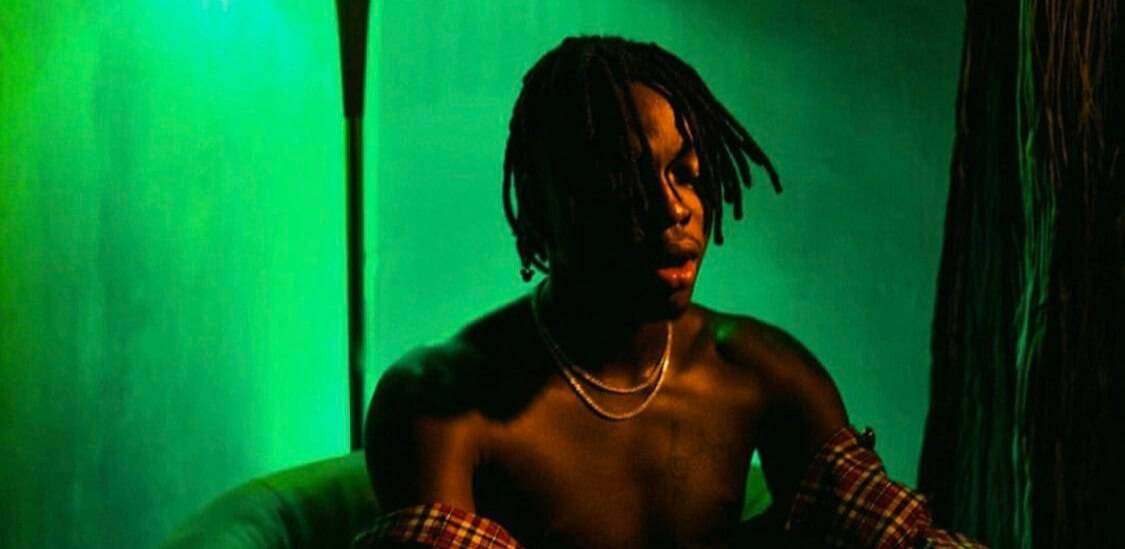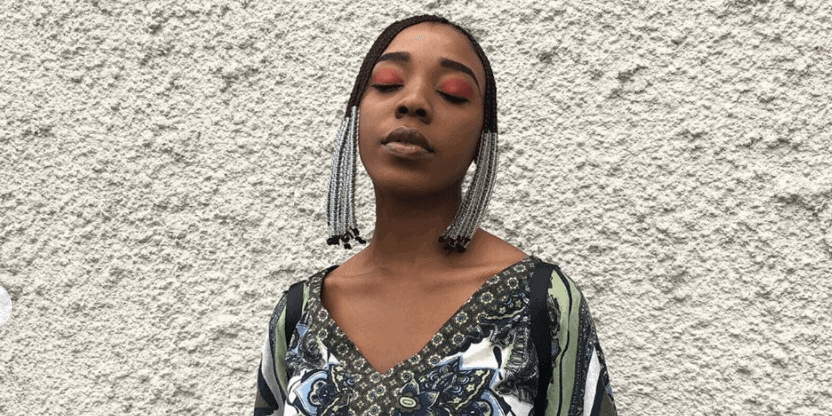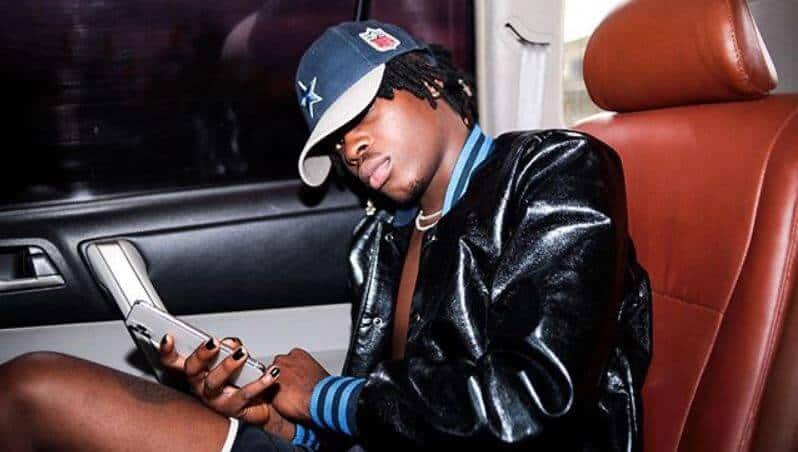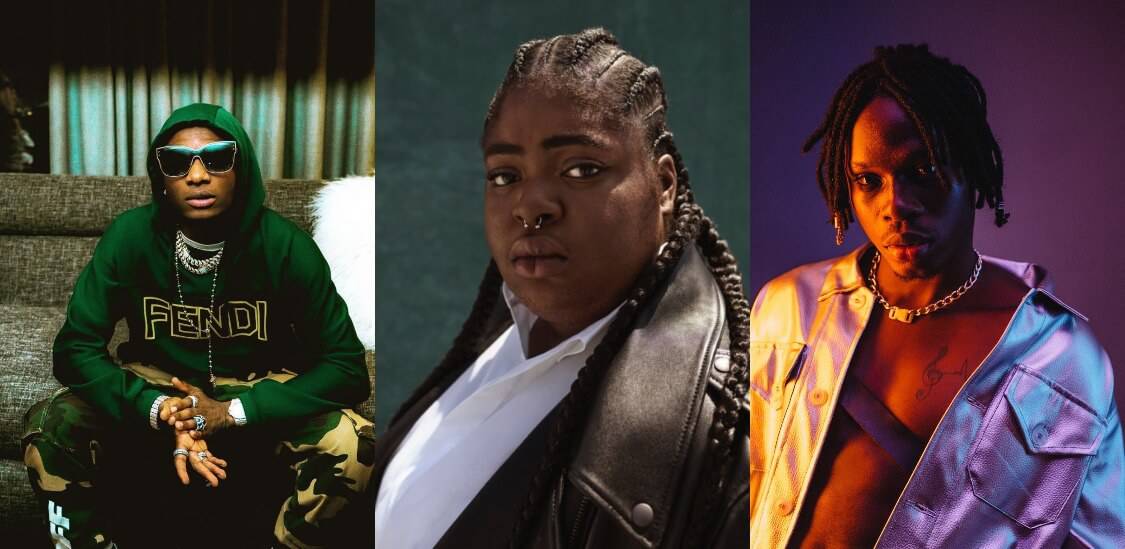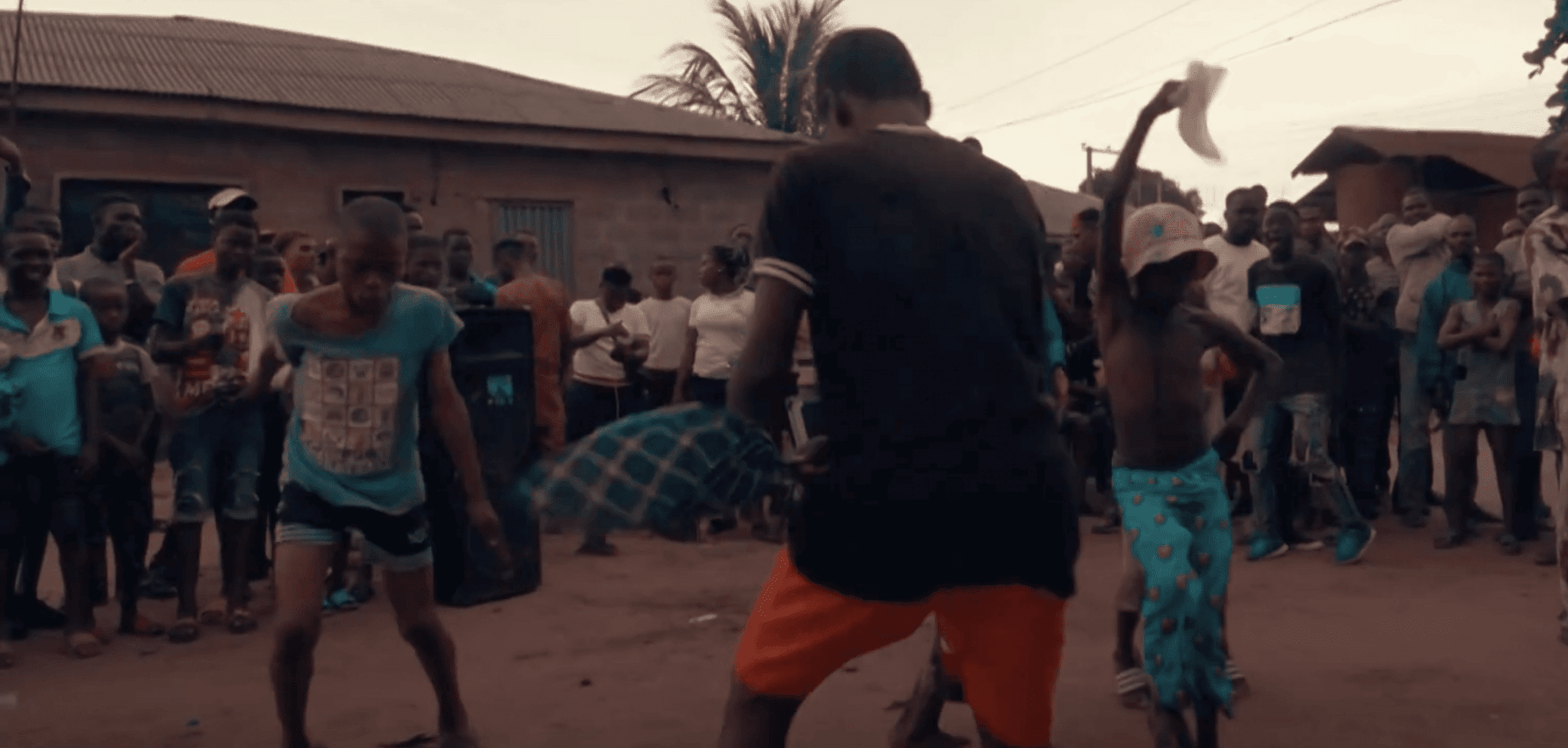
Watch the video for FOREVATIRED’s latest single, “Devil Fruit”

Our favourite Abuja-based music collective, FOREVATIRED have kept us interested since they were formed in 2017, and their music has since been hard to ignore. Back in December, they released their latest album, ‘Before You Kill Us All’ and now seem to be gearing up to their next, ‘Those Kids Next Door’ with their latest single, “Devil Fruit”. 

View this post on Instagram

kids

A post shared by @ forevatired on

Released last week, “Devil Fruit” is in keeping with their usual brand of dreamy, ethereal pop sound. Backed by a ubiquitous beat which demands your attention, the song benefits from the switch up between hard-hitting raps and a melodious flow and a melodious flow. For the accompanying video, we follow members of the group from their living room where they knock back shots and share a jay, to a dreamy landscape where they perform the song with lots of colourful foliage.

“Devil Fruit” is their first offering of their upcoming project, which is set to capture all the things the group have been going through during the pandemic-induced lockdown. We’ve come to expect FOREVATIRED to get us into the depths of our feelings, and we’re ready.

Watch the video for “Devil Fruit” here:

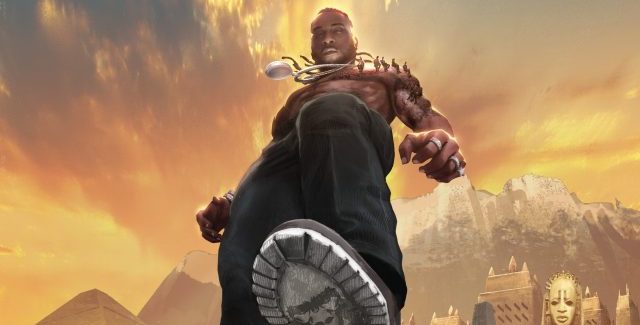
Listen to Amaarae’s bouncy new single, “Leave Me Alone”

The wait is finally over, and Amaarae has released some new music. This year alone, she’s wowed us with her guest features on Oiee’s “Still Dey Inside” alongside Mensah and Odunsi’s “Body Count” alongside Gigi Atlantis & Deto Black. Now, she’s released her first official single of the year, “Leave Me Alone” and she’s sending a message about protecting your peace.

Amaarae is one of the most exciting artists at the moment, who’s distinct style and instantly recognisable voice sets her apart. Her introspective yet lighthearted declarations are a defining factor of her previous songs, “Like It” and “Spend Some Time” and now she’s following suit with the latest release.

On Twitter, she declared that “Leave me Alone” is for the Young OGs to smoke and be happy to, and we couldn’t agree more. The song is about learning how to protect your peace, regardless of what’s going on in the world. In her usual calm tone, she sings: “You’re fucking up my mental space, you’re blowing my high. Too much energy being wasted on business not mine” giving good indication of where her head is at and her disinterest in spending time on things that don’t make her happy.

With the state of the world at the moment, it’s no surprise that Amaarae is feeling like this and spreading the word to the rest of us. Like she said, she’s about to get deep into her bag in the next 6 months and if this is anything to go by, let’s have it.

Listen to “Leave Me Alone” here:

Life in Quarantine: Here’s what ‘Elevator Baby’ director, Akay Mason has on his watch list

We’re spending a lot more time these days streaming some of our favorite television shows and films as the coronavirus-induced stay-at-home order enters its fourth month. Each week, there seems to be several new Nollywood film joining the Netflix Naija catalogue ready for us to watch and then debate later on Twitter.

A few weeks ago, Akay Mason’s latest film ‘Elevator Baby’, made its Netflix debut, and many film lovers finally got to watch Timini Egbuson and Toyin Aimakhua’s world collide on their screens. When I asked Akay Mason about his feelings towards people watching for the first time, he tells me:It’s always amazing when people watch your movies and people love it or hate it. I guess one of the biggest fears when you create content is that no one reacts to it so you don’t want to create content that no one reacts to’.

‘Elevator Baby’ may not have all-round raving reviews, but he’s been more concerned with those who his craft is positively impacting. He tells me the story of a woman who called him crying after a tragic experience with childbirth, and felt really happy to find that the child in ‘Elevator Baby’ survived. To him, This is the reason why you make movies, to touch people and make them find things they relate to in the movie’. 


View this post on Instagram


A post shared by Akhigbe Ilozobhie (@akay_mason) on

As he currently works on his upcoming film ‘DOD’ with co-director Abosi Ogba, we caught up with Akay Mason as he quarantines in Lagos. He’s spending his time indoors wisely and trying to keep his brain engaged by reading as many Hollywood screenplays as he can, and watching some of his favourite movies from Niyi Akimolayan’s The Set Up to Paul Thomas Anderson’s There Will Be Blood.

On how he’s adjusting creatively and personally to the change

It’s pretty much been business as usual for me. My life has mostly been indoors before this, so it’s my normal routine except that I can’t go to the cinema or hang out with friends.

We are currently working on the sound design for my next film ‘DOD’ and it’s been strange to talk to my sound designer over Zoom. The Zoom audio quality doesn’t really give you the actual authentic sound, so it’s hard to judge and give notes. But as human beings, we immediately know how to adapt so I’ve adapted to organising script conferences over Zoom. It’s been challenging because the energy in the writer’s room is where you debate and engage with everyone but over zoom, it can get lost in translation. Someone’s wifi may be messing up but we are making it work.

I also stumbled upon a book called Homo Deus by Yuval Noah Harari. It’s a very interesting book that touches on how we have dealt with past pandemics and what the possible next threat for humanity would be. It brought out some really interesting notes, for someone that wrote a book a few years ago, the book is quite relatable to the current situation of the world. It doesn’t add to my anxieties about the current pandemic because I don’t really suffer from anxiety, but it makes me understand that with everything in human history, things come and things go, so this too shall pass. 

On how the pandemic has affected his film projects

With the coronavirus, it’s impossible to put your movie in the cinema right now because no cinema is open and you don’t really want to release it only on Netflix because you miss the opportunity to test the cinema audience. The best bet for us right now is to hold unto the movie.

Our distributors are working right now with Film One and the cinema houses so that when the cinema opens again, and we gauge the reaction from audiences; whether they resume watching films at the cinema or not, then we will have a proper release date. The cloud of uncertainty that is covering everyone is also covering us as well. That’s one of our fears, are people even going to be able to enjoy the cinema experience post-pandemic. 

There are projects that I should be directing right now but because of the pandemic, we can’t move ahead with that, and that’s understandable because you don’t want to put any of your cast/crew in harm’s way at the moment. You don’t want to contribute to the problem, you want to be part of the solution so I am gladly putting all my directing projects on hold till this blows over. Until we find a way to work around this. 


View this post on Instagram


A post shared by Akhigbe Ilozobhie (@akay_mason) on

On his quarantine watch list

I have been watching a lot of Netflix. The Last Dance, yes I am part of the statistic that has watched it and raved about it online. I have also been watching Paul Thomas Anderson movies, he’s my favourite director after Christopher Nolan. I have been streaming a lot on Netflix and Amazon.

So on my list are; Magnolia and There Will Be Blood by Paul Thomas Anderson. Adu which is on Netflix. The Set Up by Niyi Akinmolayan, Elevator Baby by yours truly and Django Unchained.

One thing he loves, likes and hates

I hate Zoom as I mentioned earlier. 

I like my solitude – I’m an introvert and I don’t like going out that much, but this quarantine has given me more time to myself. It’s been really introspective.

I love my Play Station and Jumia food – I don’t have to deal with rude cashiers anymore, I just call order my phone and pay.

Featured image credits/Guardian


Written by Tami Makinde


ICYMI: Into the mind of surreal 16 filmmaker, Abba Makama

Zarion Uti’s “Money” is a motivational anthem for the times

Everyone everywhere in the world will understand the importance of needing funds, and Zarion Uti upcoming single, “Money” is a testimony to that. A steady output of singles have made our Fresh Meat Alum one of the new generation Afropop who can simultaneously serve lightweight pop lyrics as vividly as a motivational hood anthem.

The hook for “Money” serves as a mantra for starving creative, where he sings “We need the money/ We want to jollie/ So where the money?/ Na the problem and we gaz solve am”. Throughout the song, he adopts an all-to-familiar narrative, where he gives a play-by-play narration of his come-up from the ghetto.

Toronto-based producer, BRYM sets the song to a swaying laidback groove, mixing Afropop drum riffs with percussion and synths. With the beat drop matching Zarion’s tale of triumph, “Money” is an anthemic bop with lyrics primed to be chanted. With an economic recession looming over the world since the pandemic-induced lock-down, we can all agree that the lyrics will resonate.

Speaking to The NATIVE, explaining some of the inspiration behind the song, Zarion said:

“The song means a lot to me because it’s about the struggle. putting your dreams first and striving harder even in the face of adversity. In the times of a global pandemic, money is still highly relevant. It’s the main reason many people are frustrated so it’s basically my way of saying they aren’t alone. We all just trying to achieve our dreams so we can live a better life.”

Stream “Money” by Zarion Uti exclusively below:

Featured image credits/Zarion Uti


ICYMI: Fresh Meat – The Best New Artists This June

Ladipoe updates his latest single “Know You” with a memorable video

Back in April, Ladipoe released the romantic number “Know You” featuring Simi, an honest and open track on which he tells the tale of a coy love story where no one is willing to admit their feelings. The relatability of the track certainly made it a worthy number 1 on the charts for weeks, and now he’s released a video to give us a visual backing of the song’s message.

View this post on Instagram


A post shared by Leader of The Revival (@ladipoe) on

The colourful video opens on a rainy evening in Lagos, with a young woman standing outside without a jacket to shelter her from the cold. Ladipoe notices her shivering while he’s waiting for his ride and as a gentleman offers her his jacket. The pair end up getting on, and a budding romance begins between the two, after he finds her phone number in his jacket pocket.

‘E be like say I no remember say/I Say I no really know u that well’ Simi sings on the hook, as the romance between the two lovebirds starts to deepen. With the photo-shoot-ready sets and stylish outfits provided by Daniel Obasi in the video, the chart-topping track has ahead even better with an accompanying video.

Watch the video for “Know You” below.

Featured image credits/Youtube


Tami is somewhere dissociating. Tweet her your favourite meme @tamimak_


ICYMI: Watch Omah Lay in the video for “Lolo”

The shuffle: Ronnie’s “The Way I Feel Rap” laid the foundation for Nigeria rap

Being a 90s baby in a Nigerian household for me meant King Sunny Ade’s funky tunes playing at ear-piercing volume whenever my dad was in a good mood. It was also Fela blasting out from the sound system of the 504 and Yinka Ayefele providing the soundtrack at big parties. Music from the 70s was sophisticated, loud, at times political and a world way from the explicit MTV curated songs I loved and wanted to listen.

However, as I got older, these Nigerian classic moved from being background noise to form a part of my cultural heritage and a fond memory of my childhood bond with my parents. So you can imagine my shock when I found out that the first hip-hop song in Nigeria was not DJ Jimmy Jatt’s “Stylee”, but rather, a song released as far back as the early 80s’. With hip-hop‘s undeniable dominance today, it would seem that my mom and dad missed the cool train by a few years.

“The Way I Feel Rap” was released in 1981 by Ronnie (Ron Ekundayo), a popular TV presenter, OAP and DJ in Lagos who had caught on to hip-hop’s chart-topping appeal after Sugarhill Gang’s “Rapper’s Delight” first introduced rap to a global audience in 1979. His role as a DJ, OAP and TV presenter allowed him to spot the hip-hop trend DJ Kool Herc had started in the Bronx and so when he decided to add music artist to his resume, he made sure to infuse rap elements to his debut project, ‘The Way I Feel’.

Listening to ‘The Way I Feel’ reveals that Nigerian musicians have always taken foreign music and played it back through a Nigerian filter. The project catered to the funk and disco demands of dance floors in the 70’s, as each track featured electronic synths that captured funk’s devotion to rhythm and dance. It could easily have been buried under the sheer volume of similar sounding project from the time, but Ronnie’s hip-hop experiment on “The Way I Feel Rap” rescued it from obscurity and earned him a place in Nigeria’s music history as the first rap song from Nigeria and possibly Africa.

Where Chris Okotie set a purist standard for disco music with his funky beats and melodies, Ronnie’s selling point was the wild eyed enthusiasm to explore and discover amazing new sounds. Saying “I’m going to do it my way/ I’m going to rap to the beat the way I feel” with hip-hop’s conversational cadence, “The Way I Feel Rap” doesn’t sound like it was recorded by someone who was recreating rap for commercial reasons. In fact, he was trying to encourage more people to catch the vibe, as he spends most of the song defending rap’s appeal to listeners while still narrating his romantic encounter at a club; “It makes you rock/ it makes you want to disco down/ She’s got that thing called sex appeal”.

“The Way I Feel Rap” inspired other early adopters of rap, such as  Mams and Hart who offered pointers at things to come and Oby Onyioha, who highlighted hip-hop’s break dancing and sneaker culture. While these first attempts at hip-hop in Nigeria were awkward and mostly seen as mindless party chants, Nigerian rap has become decidedly more refined since the new generation of rappers like Naira Marley, Rema, Maison2500, PsychoYP, Blaqbonez and others emerged with their impressive and distinct narratives. Ronnie’s song means rappers from Africa have their own homegrown and history to fall back on, and even though disco was also in the offering on “The Way I Feel Rap”, it still stands as the first official declaration of Nigerian rap and the new era in music.

Stream Ronnie’s “The Way I Feel Rap” below.

Featured Image Credits: YouTube/Average Records

[mc4wp_form id=”26074″]


You are meeting Debola at a strange time in his life. He wandered into a dream and lost his way back. Tweet at him @debola_abimbolu


ICYMI: Looking back at DJ Jimmy Jatt’s influence on Nigerian music

The Sexual Harassment Bill has now passed its third reading

The past few months have been difficult for women collectively. The harrowing and continuous news cycle of sexual and gender-based violence, at almost every corner of the country, has left us all severely scarred. Being one of the oldest, and most-widespread crimes in society today, you’d think we would have bulletproof laws to protect survivors yet the topic still remains ridden with controversy as there is little to no protection to cover all areas of this heinous crime.

Back in March, we spoke about everything you need to know about the Sexual Harassment Bill which is currently making its way through Senate, and yesterday, we learnt that this bill has now passed its third reading. This means that the Bill has gone through enough considerable steps, and can no longer be amended. It also means that there are only a few steps left before this Bill becomes a part of our law, and this is definitely a feat to celebrate as young women around the country can soon rely on the provisions and protections of this Bill.

Given that we live in a country where our lawmakers still believe that women should dress ‘appropriately’ to avoid sexual assault because ‘men are not wood’, and others that have evaded responsibility even with concrete video evidence of them being physically violent with a woman, it is clear to see that it’s time for the culture of silence and rape to shift and this Bill is a step in the right direction.

You can read the provisions of the Bill here.

Featured image credits/Quartz


Tami is somewhere dissociating. Tweet her your favourite meme @tamimak_


ICYMI: The need for institutional reform in light of sexual assault laws in Nigeria

NATIVE PREMIERE: WurlD is done playing games in the video for “Wayo (Kpe Le Wu)”

WurlD is one of the most hardworking artists out at the moment, and his ever-growing music catalogue is proof enough of his star power as he’s just released his third project in the span of fourteen months. The 7-track project ‘AFROSOUL’ houses a diverse range of sounds as WurlD delves into themes of self-awareness, romance, heartbreak, survival, and perseverance. He shows no signs of slowing down and has now released the video treatment for one of the singles off the project, “WAYO (Kpe Le Wu).

Directed by Baba Agba and WurlD himself, the video for “WAYO (Kpe Le Wu)” opens up with WurlD performing for his fans in what appears to be an intimate cabaret performance. He performs his set while locking eyes with a female fan in the crowd who is just as smitten with the star as he is with her.

They communicate through explicit non-verbal gestures, as their eyes lock and hold throughout WurlD’s performance. ‘My feelings getting critical/this is more than physical’ WurlD chants during his set, as his romantic lyrics seem to be aimed at this one woman who has caught his attention. Halfway through his performance, the mystery woman becomes so engrossed that she slips into an imaginary world where she gets an intimate and private audience with WurlD.

Speaking about the new video, WurlD tells the NATIVE:

“Wayo is a blend of Afrobeat with soul music. This song shines light on the idea of wanting assurance of commitment from a lover “no do me Wayo” which means “don’t play games with me.

The video focuses more on an imaginary love connection between me and a fan at a show. This describes special and intimate moments with me and fans at my shows, like it’s just us alone at the concert.”

Get a first look at the video for “WAYO (Kpe Le Wu)” here.

Featured image credits/Chuchu Ojekwe and Vizuvlgvds


Tami is somewhere dissociating. Tweet her your favourite meme @tamimak_


ICYMI: Watch Omah Lay in the video for “Lo Lo”

Watch Omah Lay in the video for “Lo Lo”

Omah Lay has kept his foot on the pedal since his debut single, “You” broke him into mainstream acclaim. Less than a year into his career, the singer has already broken several boundaries and gained the attention of the whole world. He shows no signs of slowing down and has now released a new video for “Lo Lo”, one of the tracks for his recently releases EP, ‘Get Layd’. 

Directed by Dammy Twitch, the “Lo Lo” video maintains his usual penchant for bright colours and scenery. The video opens with Omah Lay getting his hair braided at a salon alongside a group of models dressed to the nines. With particularly striking looks in each scene, the picturesque video makes the song more enjoyable, with lyrics like “I look nice but I’m not so good”, which back up what we’re seeing.

With the photo-shoot-ready sets and stylish outfits that make Omah Lay and his entourage look like they stepped out of the cover of a magazine, we can expect to hear “Lo Lo” feature as the soundtrack to vanity posts on Instagram and TikTok in the coming weeks.

See the video for Omah Lay’s “Lo Lo” below.

Featured Image Credits: YouTube/Omah Lay
[mc4wp_form id=”26074″]


You are meeting Debola at a strange time in his life. He wandered into a dream and lost his way back. Tweet at him @debola_abimbolu


ICYMI: Omah Lay’s “Damn” made our Best New Music

Life In Ink: Cruel Santino walks us through his life, one tattoo at a time

Last month, in a late-night cryptic tweet to his 80k following on Twitter, Cruel Santino nee Santi announced his name change. His announcement, typed as though he was addressing old friends in a group chat read, ‘u guys I had to change my name to Cruel Santino’.

He began detailing how competing copyright issues with ‘one man in Spain’ led to the eventual decision to let his former moniker, ‘Santi’ go. In a moment of sudden digital proximity to the singer/rapper, fans immediately began to hunt for the planet’s most hated man–Santi from Spain. Cruel Santino laughs about the reaction from his fans and seems to understand their indignation, but he’s past being upset about the change. In fact, he’s known this day would eventually come: “This all began sometime last year,” he tells me over Facetime. “We tried to buy the copyrights but that fell through”.

Cruel is no stranger to dropping everything and transforming with a new name or personality. It won’t be his first time either, as OG fans will remember the slick-tongued rapper from yesteryear, Ozzy B.

Two months before this announcement, Cruel Santino had released the pilot episode of the ‘Late Night Show with Daisy Ola’, a 4-minute run-through of the different names and personalities that make up the multi-hyphenate creative. In contrast to the usual Nollywood horror-inspired videos we’re used to getting, this Cruel was happy in some places, sinister in others, but outrightly joyous throughout. A change to the brooding personality we’re used to, and most people will probably have never seen Cruel dancing or even talking before.

“I have so my characters to my being and myself, it’s like so many people in one” says Santino Criminal, one of Cruel’s many personalities. We didn’t know it back then, but Cruel was strategically easing fans into the next phase for him–the ascent of Cruel Santino.

Throughout the skit, the question of ‘who hurt Cruel?’ haunts the humourous late-night show, and the entire show becomes a search for Cruel and what inspired the pain that guides his creative decisions. The question also haunts Cruel Santino in real life, as he tells me;

“I feel like this is the most I have grown in my life. One thing that made this whole experience equal parts insane and special was the fact that I felt like this year I experienced pain. I was in a crazy place and I didn’t ever think I was going to come out of it.”


View this post on Instagram


A post shared by santi (@cruelsantino)

“I got two sleeves in two days” Cruel Santino tells me with a laugh. Before I am given any time to process the mental and physical strength it took to get two detailed sleeve tattoos in a matter of two days, he adds ‘I feel like is pain something I didn’t necessarily know I needed, but now that I have come out of it, I have learnt and understood so much’. There’s an ominous tone he employs when speaking about the pain he has endured this year, but this is quickly offset by a humourous story he relays to me about a racist encounter at the Dubai International Airport.

2020 has been a difficult year for all of us, as we’re currently tasked with fighting many social and personal battles simultaneously. For Cruel, he’s spent most of the year indoors and alone, working on his television show and his upcoming album. ‘There was a night where I went through an insane state of mind-fucking psychosis” he admits. The fear of being alone and dealing with his pain alone scared him so much that he had to fight his mind and pull himself out of this dark rut.

“When I fought it, I just went to the mirror and said you can’t keep wallowing in pain for the rest of your life or you are never going to do anything again. I’ve lost track of how much people have put in me – I’m referring to my fans and the people that have genuinely wanted to see me succeed, so I know I can’t let them down. When I fully realised this, I just felt like a different person.”

Enamoured by the love from family, friends, and fans, Cruel Santino decided that night to get a sleeve tattoo and he never looked back. ‘I spent that whole night trying to figure out what my first tattoo would be‘ he explains excitedly. ‘At first, I was going to get the late Britney Murphy’s name on one hand and Santigold’s name on the other’.

He quickly abandoned this idea after a close friend mentioned that permanently printing a real-life person’s name on his arm could be harmful in the long run because we all change and have different sides of ourselves we wish to amplify. He didn’t want to be stuck with someone’s name on his arm in case anything went left in future, and given that many Harry Potter fans are most likely regretting their HP-inspired tatts after J.K Rowling doubled down on her transphobia last month, no surprise there.

Here’s a breakdown of Cruel Santino’s tattoos:

(Right arm)

“The next best option for me was to get my favourite anime characters. I picked them all myself and went to the artist the next day and asked him to merge their faces together.”

Esdeath – Akame Ga Kill

Matsumoto – Bleach

Winry- Full Metal Alchemist

Nezuko – Demon Slayer

Miwako – Paradise Kiss

Okay, so my right arm is for all the women from my favourite anime shows growing up, except for Akame Ga Kill which I just watched a month ago. But I had to include Esdeath because her character was so powerful and I had never felt a character that powerful.

She was the bad guy but I fell in love with her because she was bad but she was in love and that love just spokde to me. I feel like you have to watch it to understand. 

The last girl I got, I’m actually not sure of her name. I needed to include one more character and she had the coolest pink dreads so I was like fuck it, I’ll include her as well.” 

(Left Arm)

Ichigo – Bleach

Guts – Berserk

Killua – Hunter x Hunter

Eric – Full Metal Alchemist

Grimmjow Jaegerjaquez – Bleach

On my left arm, I got all the bad boys. I had to add Grimmjow from Bleach, he was part of the Espada and he was so cool. All of these are shows I had watched when I was growing up, and they really formed a part of who I was.”

Featured image credits/CruelSantino


Tami is somewhere dissociating. Tweet her your favourite meme @tamimak_


ICYMI: Wavy the Creator walks us through her state of mind, one tattoo at a time

How an entire generation of Nigerians grew up disliking their dark skin

Last week, British-Nigerian actress, Beverly Naya released an hour-long documentary titled ‘Skin’, a personal project which is close to her heart. In just over an hour, she compiled the stories of dark-skinned women in Nigeria who have been treated differently because of their skin colour and the country’s sordid relationship with skin bleaching products. Through ‘Skin’, the actress allows us to see ourselves and our experiences on screen, as any woman in Nigeria will immediately recognise familiar sentiments about growing up in their skin.

The women that Naya interviews as she travels through Lagos are raw, open, and deeply expressive about their struggles with acceptance and their decision to use skin bleaching products. Despite this, the Internet was up in arms about some of the less welcoming parts of the documentary, such as the inclusion of Eku Edewor and Phyno – two light-skinned celebrities whose contribution they complained didn’t really add much to the subject matter. Rather than use this as an avenue to talk openly about the privileges light-skinned people in our country face, people felt that their inclusion was offset by their lack of engagement with the subject matter.

Edewor complained about wanting to gain access to roles reserved for dark-skinned females, and how she was constantly told she could make it abroad, but maybe not in Nigeria. She spoke about wanting to leave Lagos, as she brandished her dual passports, but admitted she rethought her move when job offers kept coming in. While it’s her personal experience of the entertainment industry and valid, it’s hard to ignore that she didn’t particularly recognise the privilege she is afforded based on her complexion in a society which favours that over darker-skin.

In the world we live in, which has been the case since the dawn of time, dark skin is heavy to walk around in. Many black women you come across will be able to point out various moments of misogynoir and colourism during their lives. While colourism isn’t quite the same as racism, the two are inherently connected. Back in 2019, the Oscar-winning actor, Lupita Nyong’o told the BBC that colourism “is the daughter of racism” in “a world that rewards lighter skin over darker skin” and that sentiment is not lost on any of us today. While songs like Beyoncé’s “Brown Skin Girl” celebrate and uplift black women and embrace them as they are, this has not always been the attitude towards black women in our society, and dark-skinned black women in particular.

Colourism isn’t something that exists in America alone. In fact, it’s a global crisis, as skin bleaching market is booming in many countries around the world, particularly here in Africa. Growing up in Nigeria, where everyone wears their blackness in different shades and tones, you quickly notice that darker skin is put down and often made to look inferior to lighter skin.

The colour of one’s skin is typically used as an identifier, as we commonly throw around nicknames such as “yellow paw paw” or “blackie” when referring to a person. Whether this was caused by a faint lingering of colonialism, and how the colonisers separated lighter and darker-skinned people or internalised hatred for darker skin from an upliftment of lighter skin, the glaring result is that people saw dark skin as something to hate, dislike and change.

Like many of us who watched ‘Skin’, I left the documentary wanting to know and learn more about how deeply entrenched the effects of colourism are in my generation. Especially considering that just a few weeks ago, it was a topic of conversation on Twitter, as old tweets from black British influencers resurfaced and led to deeper conversations on the lasting repercussions of colourism on dark-skinned women. To this effect, we spoke to a number of dark-skinned women in our community and learnt about their experiences with colourism while growing up in Nigeria.


View this post on Instagram


A post shared by Dcktator (@thedcktator) on

Many dark-skinned black women all over the world have been made to bear the brunt of society’s obsession with a proximity to whiteness, and it’s no different in Nigeria. Right from the moment we are born, the colour of our skin becomes the topic of conversation and something to take pride or shame in, you’ll often hear comments like “she’ll still get dark, look at her ears” or “your baby na blackie”, all reinforcing that skin colour is a metric of perceived social value. Even the formative systems which are meant to protect us, contribute to this harm, and from schools to our homes, we are often reminded that our skin colour is something to be changed.

Take for instance the way Nigerian schools treat lighter-skinned children in their care over the darker-skinned kids. Light-skinned or biracial students were glamorised and given preferential treatment because of their skin colour, and the internalised idea that they were softer and more delicate and thus something worth protecting. I distinctly remember the lighter-skinned girls at my secondary school being exempt from cutting their hair while the rest of us were asked to pay an unwelcome visit to the school barber if our hair so much as grew an inch.

This is similar to the experiences of so many other Nigerian women today. 18-year-old, Victory, recounts how during her school’s annual class photo shoots, “they used “pretty” people and picked all the light-skinned people because they looked “fresher” according to them’. Consistently seeing this dynamic play out in front of you is sure to leave lasting effects about your a perceived inferiority, because majority of our time as adolescents were spent in school rather than at home. School formed our foundational basis for the way we viewed the world, so if the order of the day was an ingrained system of othering for darker-skinned people, you quickly understand why so many people have grown up with the beliefs they have.

Outside of school systems themselves, the way in which we interact with our school peers also has an effect on the way we internalise things, especially when it comes from those closest to us. For many dark-skinned women, their skin colour would become a means to attack them. Tiara, 20, tells me she was taught to love her darker skin at home, but when she got to school, she was constantly ridiculed. Her classmates would rudely compare her to her mum who was lighter than her, causing her to eventually resent herself and her mum. This affected her a great deal, and she tells me: ‘I would often ask myself whether God made me dark to punish me or something, because I took all of her features except her skin so why did everyone refer to me as the ugly version of her?’.

For 23-year-old A*, her dark skin was usually the subject of many heated arguments, ‘the first thing they’ll use as an attack will be to tell me I’m so dark. People will call me names like Blackie and [at a point] I had to adopt the name because if I’m using it then people can’t use it against me’ she tells me. The effects of those hurtful slurs last to this day as she sometimes catches herself wishing she were a little bit lighter.

“I mean even until today I wake up some days and I’m like yes yes yes I’m an actual babe and on some other days I’m just like I hate my skin I wish I was a bit lighter, not too light so it doesn’t seem like I hate the skin I’m in.”

Many darker-skinned women quickly noticed at a young age that they were never made the first choice and there was a different category of what was deemed ‘desirable’ because of society’s fixation with lighter-skinned women. This preference was (and still is) everywhere on our screens and it definitely also plays out in real life. 25-year-old Bahati Imaan Beauvais, tells me that having grown up around many dark-skinned women like her mum was a positive experience. She admired her mum the most, who was constantly praised for her rich dark skin and an awe-stricken Bahati wanted to be just like her. This was until she got into secondary school and suddenly learnt about society’s preference for light-skinned and biracial girls.

“The interaction with boys my age in secondary school tainted that perception. Although I never had the urge to change my skin colour, I remember feeling less than because I wasn’t light-skinned or biracial. The interracial girls were considered ‘elite’ and the lighter you were, the better you were treated.”

Skin colour and desirability have always been intertwined for as long as time itself.  We’re constantly told that partnering with lighter-skinned women is a personal preference, and while we agree it is, we can’t help but wonder whether this preference if examined, is probably rooted in misogynoir and colourism. Society, in general, has taught women that their worth is measured by how desirable they are to men, and it won’t be out of reach to have heard a comment in the past about how your dark skin could make you less attractive to men. For many women, romantic rejections at such a young age can change one’s perception of themselves, and if it’s linked to something which you feel can change (i.e the colour of your skin), it could probably drive you to. And as such, many of the women in ‘Skin’ cited romantic attraction as the basis for bleaching their skin.

For many other Nigerian women, colourism actually began at home. A* also tells me that her family was complicit in her internalising some of the harmful statements about her skin. ‘There’s a not so funny joke that goes on in my house on a daily about how I can get lost in the dark because I’m apparently too black for anyone to find me’ she explains. Even till today, she still gets told to wear makeup by her dad because she looks too dark.

Ade, 19, tells me her style choices have been dictated for as long as she can remember. It started off with being restricted from wearing black clothes and developed into her hair colour choices, as she was repeatedly told any other colourful looks would stand out glaringly on her dark skin.

“I remember when I first started to experiment with my hair colours and how she [mother] and my other family members would say that my hair made it seem like I was trying to draw attention to myself, because of how it looked against my skin.

I’m lucky in the sense that I do what I want regardless but I can’t say I didn’t unknowingly internalise some of their biased. It can be very annoying, but every day is really just a process of learning and unlearning.”

FJ,23, tells me she first became aware of her darker skin on one of her many visits to her grandmother’s home. ‘On one of my visits, she placed her forearm next to mine and highlight the fact she was multiple shades lighter than I was, which at the time was funny to me’. Since then, she became hyper-aware of her skin and this persisted to secondary school where people would often remind her that she is pretty, for a dark skin girl – a comment we’re all familiar with.

It’s alarming to think how many dark-skinned women grew up in homes that marginalised them, in a world that already threatened to erase them. Your home is meant to be a safe space from the harsh realities of the world, and if your skin colour cannot be accepted here, it will come as no surprise that you internalise these beleifs and pass it on to the next generation.

Fortunately, not all dark-skinned women have had to deal with this. In fact, some came from nurturing homes that reminded them they were beautiful just as they were. The flip side of this is a family home which fosters growth and allows darker-skinned children to never feel inferior about who they are or how they look.

21-year old C* tells me they grew up in a home with lighter-skinned siblings but was never made to feel any way about it, especially by their mother. ‘Thankfully my parents, especially my mum, was very sensitive towards the fact that being darker skinned might have made me feel insecure, so they constantly provided me with positive reinforcement regarding my skin tone pretty much as soon as I understood what being dark-skinned meant‘. In a home where it was accepted, C* was able to go out into the world and not internalise the treatment from others due to the colour of their skin.

“Fortunately for me, my parents were never complicit in colourism. It was never a topic that was even discussed, all I knew was my mum was dark and beautiful so dark was beautiful”.

Despite growing up in this nurturing environment, C* isn’t afraid to point out that many people would like to deny the existence of colourism in Nigeria, and have chosen to ignore the lived experiences of dark-skinned black women in the country. ‘They think because Genevieve and Mercy Johnson are in Nollywood movies, then that means that dark-skinned women and femmes don’t get treated differently but it’s really not the case’. To this effect, they are constantly seeking positive representation of dark-skinned women in media and have actually been inspired to become a filmmaker championing women that look just like them.

“So many Nigerians, even the well-educated ones, put lighter skin on a pedestal without even realising it and it’s something children easily absorb early on in life. This will affect you no matter how much “self-love” you have.

So at the end of the day, there still needs to be more substantial work done to resolve it than just telling dark-skinned women to just “ignore the haters and love themselves.”


View this post on Instagram


A post shared by Beverly Naya (@thebeverlynaya) on

Many biases toward dark-skinned people have been engrained from time immemorial, and we fail to consistently check and question them, which inevitably leads to them becoming the norm in society. These biases can be linked all the way back to the former British colonies in Nigeria, where white colonisers treated slaves inhumanely and left social implications that are still evident today. The role white colonial patriarchal systems have played cannot be divorced from the reality we are still facing, but in the work of dismantling these systems, we need to look inwards at our personal accountability.

Skin-tone-based prejudice used to be a subject only discussed in whispers, but slowly, and thankfully, that is changing. The existence of Beverly Naya’s ‘Skin’ documentary on Netflix Naija is a step in the right direction for opening up these conversations to young adults who grew up disliking their skin. Its shortcomings have definitely sparked open dialogue, and even inspired the basis for this piece. I think about the next generation often and while we grew up in a world where dark skin was insulted and degraded every other day, we’re coming into times where women are getting irreverently louder about their self-worth regardless of what society dictates.

Colourism and its harmful effects won’t just wipe away because black is now seen as beautiful, but it begins with being able to talk about it openly. We have a long way to go, and everyone has an individual responsibility to check their biases and make sure the next generation of women never have room to question their worth in this world.

*Some names have been anonymised for the protection of women in our community.

Featured image credits/Bodylore


Tami is somewhere dissociating. Tweet her your favourite meme @tamimak_


ICYMI: 8 young Nigerians reveal how they discovered their queerness

NATIVE Exclusive: Fireboy is ready for the next level of the long game

In an industry where debut albums such as Wande Coal’s Mushin 2 Mo Hits or Wizkid’s Superstar are considered modern classics, it would be disingenuous to leave out albums which came later on in the year such as Odunsi The Engine’s rare. or Fireboy’s Laughter, Tears & Goosebumps which were game-changers in their own unique way. The 24-year-old is amongst a new vanguard of Nigerian hitmakers, who are all reinventing the game and are playing by rules written by them, changing the status quo of what kind of music to expect these days.

One thing we don’t see enough of in the Afropop scene is an artist’s entire debut album resonating with anyone who is listening,  without needing any gimmicks or extra promotional efforts. This is Fireboy’s magic trick, and having seen Afropop experience these shifts and grow from infancy to the global export it is today, Fireboy decided the scene needed his own special edge, which resulted in his debut album.

After dominating the airwaves with “Jealous” for most of 2019, his debut album ‘Laughter Tears and Goosebumps’ came right at the end to seal his position in our hearts (and ears). You might think that it took “Jealous” popping off for him to have his time, but what we’re seeing today has been 12 years in the making. 12 years of him realising testing the waters, deciding what he wants and slowing down to just do what comes naturally – to be himself. According to Fireboy,

Now having given us a solid introduction to what he has to offer, Fireboy is playing the long game and he’s preparing for the next level. Two weeks ago, he released his first single of the year, “New York City Girl”, and is clearing the space for the release of his sophomore album. So while we wait for the project to be ready and perhaps any new teasers, we caught up with the singer about his debut album his creative process, relationship with Olamide and more.

NATIVE: So, obviously there’s a lot going on around the world. From racism to the way women are being treated here in Nigeria. Do you feel the need, as an artist, to say something about everything that’s going on in the world at the moment?

Fireboy: Ahhm to be honest, I think doing is more than saying, but saying is important in the aspect of desensitising people and using your platform to educate people. Because most Nigerians, that’s just the problem [we’re] not well-educated on those kinds of thing. But the most important thing is doing – I don’t like to talk too much, to be honest. And I think, most of my fans have noticed that I don’t really tweet much, I don’t post much, I just like to sit back and just do my thing. But when you are given a platform like this, you have to do something. So, I try my best to just make sure I do something to help, or tweet to sensitise some people and I just leave it there. I don’t say too much, I don’t have [share] too many opinions on things or issues or topics and when I need to act, like maybe make a donation to the cost, things like that, that’s my thing. I feel like doing is very important.

NATIVE: So what have you been up to during lockdown? You must miss performing right now, how does that feel?

Fireboy: Well, most importantly I’ve just been making music and working on myself more – that’s basically what I’ve been doing. It’s crazy man. At first I was actually grateful for the break, ’cause I was reaching the point I was almost breaking down, like ‘oh my God I need some time to rest’. But after like a week or two I started feeling it. I miss the stage I miss the crowd I miss the energy, I actually miss the stress. I can’t even believe I’m saying this, I actually miss the stress of travelling. But it’s all good, things will more or less go back to normal.

NATIVE: Is your live performance something you’ve been deliberately working on? Do you want to make sure your performances are at the right level?

Fireboy: I respect that performance is a thing, being good at it is actually a thing I won’t lie. I feel like for some people, it’s in-born sha, but I feel like mostly it’s something you have to grow into and work hard at as well. I don’t want to be just seen as an artist, I want to be seen as a full complete musician and being a full musician is being able to perform. With every performance, I actually learn. I learn a thing or two  I go on YouTube and actually search my favourite performance and I see like the scenes and stuff so I learn from that, but it’s not easy men.

NATIVE: Your debut project, LGT was a big fan favourite last year. What was your thought process when making the album?

Fireboy: Like I said earlier, I just want to make a difference. Like I knew that I had a lot to prove. I knew that I had to do it differently if I wanted to attain that, y’know that musician status. I didn’t just want to be seen as the random Nigerian artist that just blew up and ‘oh okay… just another guy, another random guy who blew up’. I wanted to be seen in a different light. I just thought ‘ok, how do you do it? Uhh, you’ve been dropping singles, ok fine. You had a breakout single, a follow-up single, and everybody around you is dropping EPs, so like… how do you want to make a difference? How do you want to stand out?’ [I] said, ‘you know what? I feel like I can do it.’ And yes, I did it. I’m glad it paid off.

NATIVE: It definitely stood out with so many diverse sounds across the board. Is that something you set out to do with your producers? Do you work with one producer who knows what to do when it comes to your music, or you have many different people you work with?

Fireboy: Uhh, I’m not really like that. I’m used to recording alone, working alone, but I have a few really talented producers that I work with mainly. Number one is Pheelz, the in-house producer at YBNL– that’s family. Pheelz is a genius. I enjoy working with him, we have chemistry. I also have close friends like Crako Mallo and P Prang. I think it’s just limited to that, just that limited space of producers. Mostly, just work with talented producers, they don’t have to be big or well-known.

And the vibe, the fact that the whole album was considered different genres was just mainly because I knew it was going to be just me – I had no plans of featuring anybody on that album. So I felt, you can’t put out thirteen songs without featuring anybody and bore these people out. You have to give them different vibes y’know. I knew that I was compiling an album and I knew that they all had to be different vibes, like it just made sense. If you’re gonna be entertaining people through thirteen songs you have to give them different vibes. It was just very deliberate- I think that was the only deliberate thing in the whole project: the fact that I knew that they had to be different. That’s the only deliberate act. The rest was just me just making music.

NATIVE: What would you say is like the most authentic Fireboy sound? Like, if an alien dropped into earth today and you had to play them one Fireboy song, what song would you play them?

Fireboy: Ahh, that’s a tough question man! That’s tough, very tough. I think I’d play them “King”,  not because it defines my sound per se, but I feel like it’s one of my favourite songs – it’s like my top 2 out of my favourite songs. Because I wrote that song at the lowest point of my life. It was the song that I wrote, recorded, mixed myself, so I feel like there’s a really huge part of me in that song.

But in terms of my sound, I don’t know my sound, I just- I’m an afrobeats artist, but if you listen closely, you’ll realise I’m not the regular afrobeats. You might not want to really call it afrobeats like that, you might want to say ok, ‘afro RnB… soul’… So, it’s just like, more like a fusion of sounds. So, I don’t know sha. It’s afrobeats, but it’s not the regular afrobeats. So, it’s afrobeats but with more effort on lyricism, more effort on soul, it’s not just about the vibes or the instruments or the beats.

NATIVE: Well in that sense, we’re seeing more and more especially with the new generation of big stars now, who you want to dance but you also want to sit at home and listen to the music, at the end of the day. So out of this new class who are you listening to and championing?

Fireboy: To be honest, I fuck with all of them man. I’m not being diplomatic over here, I’m just being honest. I fuck with every single one of them. This generation is so blessed. Like, everyone is so talented. I love Rema, I love Joeboy, I love Oxlade – Oxlade is a close friend, we’ve been through a lot together so I’m familiar with his sound – um Oxlade, Omah Lay – everyone is doing great. The Alté scene too are doing great: Santi, Odunsi, Lady Donli, everybody. Everybody is doing great, I listen to everybody. When they have stuff out, I listen. The one I like, I like. The one I don’t like ‘okay, it’s all good’.

NATIVE: Fair, one thing about our generation is that there’s more unity across the different scene.

Fireboy: Yeah, yeah. We’ve seen how unity has made Africa achieve a lot, in a global sense, so we’re trying to achieve that – not that we came together consciously, I think it’s like an unconscious thing. An unconscious movement amongst all of us that you know what, ‘don’t let us fuck this up. Let’s just make music, change this generation and finish off what our big mummies and big daddies started’

NATIVE: So obviously a big part of your come up has been working with Olamide and YBNL. Your sound is very different to his and what we associate to the label,  how do you see that? How has he been a mentor for you?

Fireboy: Olamide is not just a rapper, he’s not just an artist, he’s a full musician. Like he understands the art and the business side of it, so that taught me a lot. He’s a full-time businessman when he is in his element, so that’s really helped me. He made it clear to me right from the jump that ‘you know what, I’m not just you CEO, I’m not just like a father figure, I’m not just a big brother, I’m also your business partner’.

He just made me feel so comfortable, he gave me a very beautiful atmosphere, so he’s really helped. Sometimes he just likes to be in the background – I think he knows that sometimes, his presence is just enough. And sometimes, it’s just words of reassurance, maybe when I’m doubting my work – cause I do that a lot, I’m a very big critic of my work – so, when he senses that the doubt is starting to creep in, he just gives me a few words of reassurance. I really ride off his confidence, and that has helped me so many times in the past and is still helping me right now.

NATIVE: On a personal level, how have things been for you? Your life must have changed so quickly since your debut album dropped, how have you handled that success? 

Fireboy: LTG changed my life, man. It was just- before it was just ‘Fireboy, Fireboy, oh bla bla oh now it’s “Jealous” ok ok’, but – changed everything, I’ve always been able to keep my head down, thanks to the mentorship of Olamide, I learned from him and followed his footsteps, even when he thinks I’m not watching. I keep my head down, I can’t like the fame- cos fame is a very fucked up spirit, it really fucks you up if you let it. So, I’ve just been keeping my head down, making more music. I’ve always been an introvert, laid-back, I’m almost a recluse [laughs].

I think I am a recluse, well not really but, you know, so it has really helped. I keep my family close, the few friends I have, keep them close. I don’t really go out much, except I’m going for shows of course. So, I feel like keeping to myself has helped me cause I’ve not been really exposed to too much. I’ve not been exposed to too much negative energy outside. I feel like that’s really helped me keep a low profile.

NATIVE: So I guess now looking forward, how far into your sophomore album are you?

Fireboy: To be honest, I think I’m done. I think it’s ready. It’s just the perfectionist side of me that’s still… y’know. I feel like I’m done… but things could change. I really need… I need this to be… I need this album to seal it. I don’t know if [that] makes sense but I need it to be perfect. Near perfect if I can.

NATIVE: And your latest single, “New York City Girl”, is it going to be on the album or just a loose track?

Fireboy: Yeah, it’s a brand-new song. I owe the fans that much, y’know, new stuff. It’s been six months since the last drop. So, brand new. it’s gonna be on the album. But, now it’s just a single and then we’ll see how it goes from there.

Featured image credits/Niyi Okeowo


ICYMI: NATIVE TIME ISSUE – TEMS, THE GIRL ON FIRE

Watch Zinoleesky in the music video for “MaPariwo”

Last year, Marlian Music’s Zinoleesky emerged as one of the exciting new voices from Nigeria’s street music scene, and his single, “Popo” confidently foreshadowed his imminent rise to mainstream acclaim. He has since gone on to make a name for himself through his impressive performance on the Naira Marley-assisted “Caro”, which gave us a good idea of his playful melodies, charming songwriting and the honeyed vocals that complete the package.

His newly released single, “MaPariwo” shows how he’s adjusting to his post-“Caro” acclaim, as he offers detailed instructions to his lover to keep their relationship lowkey; “Ma Pariwo/ I don’t want your neighbors to know my name.” Produced by Tripsss, the feet-tapping instrumentals for “MaPariwo” set a groovy backdrop for Zinoleesky’s repurposing of Wale Thomson’s classic, “Lalale Friday”.

Zinoleesky’s narration of his sexual affair infuses some English and pidgin English lyrics with the Yoruba lyrics from the original song and it’s as NSFW as you could have predicted. The music video directed by WC Films captures the raunchy imagery of Zinoleesky’s lyrics where we see him being amorous with a dancer in a room.

Watch the video for “MaPariwo” below.


Featured Image Credits: YouTube/Naira Marley  

[mc4wp_form id=”26074″]


You are meeting Debola at a strange time in his life. He wandered into a dream and lost his way back. Tweet at him @debola_abimbolu


ICYMI: NATIVE TIME ISSUE: Inside Life With Naira Marley

Best New Music: Rema solidifies his dominant run with new single “Woman”

We’re firm believers that good things come in threes; there are powerful trios such as The Holy Trinity, Monster Boyz, Destiny’s Child, Plantashun Boiz, The Powerpuff Girls, and most recently, Rema’s trio of hits “Ginger Me”, “Alien” and  “Woman”. Mavin’s golden boy, Rema may not be superstitious but he is definitely aware of and respects the undeniable power of three.

Last year, he released three EP’s within the space of a few months, each neatly packed with enough songs to introduce his genre-mashing qualities and formidable wordplay. Rema’s calculated decision to roll out three projects at regular intervals is just another marker of his pull on the game so early on in his career, as each release capitalised on the already growing hype for the 21-year old artist.


View this post on Instagram


A post shared by REMA (@heisrema) on

In the spirit of consistency, Rema has now served us another three-for-three this year.  Three weeks ago, he released the groovy romantic cut “Ginger Me”, which was quickly followed by the emo-trap number “Alien”. Before we had a moment to take in those two, he hit back again with “Woman”, solidifying his star-quality and landing him a musical hat-trick of some sort.

Rema has got to the point he is now without one definitive sound and this is unusual for an artist of his calibre in these parts. The way he glides so comfortably over Amapiano-inspired beat shows that he’s essentially writing is own rules, and truly redefining what Afropop means by drawing inspiration from the streets of Atlanta all the way to South Africa.

Over the groovy, drum-led beat by Ozedikuz and Altims, Rema sings about his love for all women, regardless of the way they look. He has beautiful women all over the Internet interested in him and admits how he’s enjoying the attention too much to commit to a relationship. While rumours surrounding his dating life are debated every other week on the timeline, Rema is sending a clear message with “Woman” that he’s still young with no plans to be tied down as he’s just having fun.

‘I too like woman/me I no dey gboran’ he sings, throwing in an eclectic mix of pidgin, Yoruba and his now-signature gibberish as he showers women all over the world with his love and admiration. He makes a case for the validity of poly-relationships, a type of romantic love that many in these parts may not be used to because we’ve mostly had the idea of monogamy shoved down our throats for our whole lives.

His lyrics, which he delivers with slick-tongued enthusiasm, are some of his raunchiest yet, and he details his sexual attraction for these women. Interestingly, rather than assume his attraction to them means he’s entitled to a woman’s body or time, he uses the song as an opportunity to remind people about the importance of consent. ‘If they no do, no be by force/plenty wey dey wey go concur’ he sings, offering some light-hearted advice about the importance of respecting a woman’s autonomy, and we really have no choice but to stan a respectful king.

While we’re not able to hit the clubs and dance to this catchy number, “Woman” is still the perfect song to vibe to indoors. Whether you can relate to his message or not, it’s upbeat and catchy, and that’s exactly what we all need right now. The last time we got this many releases from Rema, it resulted in new projects, and we’re now wondering whether he’s priming us for a new project. We’re ready either way.

Stream “Woman” below.

Featured image credits/TSE


Tami is somewhere dissociating. Tweet her your favourite meme @tamimak_


ICYMI: Rema embraces his trap sounds on new single “Alien”

NATIVE Exclusive: Fireboy is ready for the next level of the long game

In an industry where debut albums such as Wande Coal’s Mushin 2 Mo Hits or Wizkid’s Superstar are considered modern classics, it would be disingenuous to leave out albums which came later on in the year such as Odunsi The Engine’s rare. or Fireboy’s Laughter, Tears & Goosebumps which were game-changers in their own unique way. The 24-year-old is amongst a new vanguard of Nigerian hitmakers, who are all reinventing the game and are playing by rules written by them, changing the status quo of what kind of music to expect these days.

One thing we don’t see enough of in the Afropop scene is an artist’s entire debut album resonating with anyone who is listening,  without needing any gimmicks or extra promotional efforts. This is Fireboy’s magic trick, and having seen Afropop experience these shifts and grow from infancy to the global export it is today, Fireboy decided the scene needed his own special edge, which resulted in his debut album. 

After dominating the airwaves with “Jealous” for most of 2019, his debut album ‘Laughter Tears and Goosebumps’ came right at the end to seal his position in our hearts (and ears). You might think that it took “Jealous” popping off for him to have his time, but what we’re seeing today has been 12 years in the making. 12 years of him realising testing the waters, deciding what he wants and slowing down to just do what comes naturally – to be himself. According to Fireboy,

Now having given us a solid introduction to what he has to offer, Fireboy is playing the long game and he’s preparing for the next level. Two weeks ago, he released his first single of the year, “New York City Girl”, and is clearing the space for the release of his sophomore album. So while we wait for the project to be ready and perhaps any new teasers, we caught up with the singer about his debut album his creative process, relationship with Olamide and more.

NATIVE: So, obviously there’s a lot going on around the world. From racism to the way women are being treated here in Nigeria. Do you feel the need, as an artist, to say something about everything that’s going on in the world at the moment?

Fireboy: Ahhm to be honest, I think doing is more than saying, but saying is important in the aspect of desensitising people and using your platform to educate people. Because most Nigerians, that’s just the problem [we’re] not well-educated on those kinds of thing. But the most important thing is doing – I don’t like to talk too much, to be honest. And I think, most of my fans have noticed that I don’t really tweet much, I don’t post much, I just like to sit back and just do my thing. But when you are given a platform like this, you have to do something. So, I try my best to just make sure I do something to help, or tweet to sensitise some people and I just leave it there. I don’t say too much, I don’t have [share] too many opinions on things or issues or topics and when I need to act, like maybe make a donation to the cost, things like that, that’s my thing. I feel like doing is very important.

NATIVE: So what have you been up to during lockdown? You must miss performing right now, how does that feel?

Fireboy: Well, most importantly I’ve just been making music and working on myself more – that’s basically what I’ve been doing. It’s crazy man. At first I was actually grateful for the break, ’cause I was reaching the point I was almost breaking down, like ‘oh my God I need some time to rest’. But after like a week or two I started feeling it. I miss the stage I miss the crowd I miss the energy, I actually miss the stress. I can’t even believe I’m saying this, I actually miss the stress of travelling. But it’s all good, things will more or less go back to normal.

NATIVE: Is your live performance something you’ve been deliberately working on? Do you want to make sure your performances are at the right level?

Fireboy: I respect that performance is a thing, being good at it is actually a thing I won’t lie. I feel like for some people, it’s in-born sha, but I feel like mostly it’s something you have to grow into and work hard at as well. I don’t want to be just seen as an artist, I want to be seen as a full complete musician and being a full musician is being able to perform. With every performance, I actually learn. I learn a thing or two  I go on YouTube and actually search my favourite performance and I see like the scenes and stuff so I learn from that, but it’s not easy men.

NATIVE: Your debut project, LGT was a big fan favourite last year. What was your thought process when making the album?

Fireboy: Like I said earlier, I just want to make a difference. Like I knew that I had a lot to prove. I knew that I had to do it differently if I wanted to attain that, y’know that musician status. I didn’t just want to be seen as the random Nigerian artist that just blew up and ‘oh okay… just another guy, another random guy who blew up’. I wanted to be seen in a different light. I just thought ‘ok, how do you do it? Uhh, you’ve been dropping singles, ok fine. You had a breakout single, a follow-up single, and everybody around you is dropping EPs, so like… how do you want to make a difference? How do you want to stand out?’ [I] said, ‘you know what? I feel like I can do it.’ And yes, I did it. I’m glad it paid off.

NATIVE: It definitely stood out with so many diverse sounds across the board. Is that something you set out to do with your producers? Do you work with one producer who knows what to do when it comes to your music, or you have many different people you work with?

Fireboy: Uhh, I’m not really like that. I’m used to recording alone, working alone, but I have a few really talented producers that I work with mainly. Number one is Pheelz, the in-house producer at YBNL– that’s family. Pheelz is a genius. I enjoy working with him, we have chemistry. I also have close friends like Crako Mallo and P Prang. I think it’s just limited to that, just that limited space of producers. Mostly, just work with talented producers, they don’t have to be big or well-known.

And the vibe, the fact that the whole album was considered different genres was just mainly because I knew it was going to be just me – I had no plans of featuring anybody on that album. So I felt, you can’t put out thirteen songs without featuring anybody and bore these people out. You have to give them different vibes y’know. I knew that I was compiling an album and I knew that they all had to be different vibes, like it just made sense. If you’re gonna be entertaining people through thirteen songs you have to give them different vibes. It was just very deliberate- I think that was the only deliberate thing in the whole project: the fact that I knew that they had to be different. That’s the only deliberate act. The rest was just me just making music.

NATIVE: What would you say is like the most authentic Fireboy sound? Like, if an alien dropped into earth today and you had to play them one Fireboy song, what song would you play them?

Fireboy: Ahh, that’s a tough question man! That’s tough, very tough. I think I’d play them “King”,  not because it defines my sound per se, but I feel like it’s one of my favourite songs – it’s like my top 2 out of my favourite songs. Because I wrote that song at the lowest point of my life. It was the song that I wrote, recorded, mixed myself, so I feel like there’s a really huge part of me in that song.

But in terms of my sound, I don’t know my sound, I just- I’m an afrobeats artist, but if you listen closely, you’ll realise I’m not the regular afrobeats. You might not want to really call it afrobeats like that, you might want to say ok, ‘afro RnB… soul’… So, it’s just like, more like a fusion of sounds. So, I don’t know sha. It’s afrobeats, but it’s not the regular afrobeats. So, it’s afrobeats but with more effort on lyricism, more effort on soul, it’s not just about the vibes or the instruments or the beats.

NATIVE: Well in that sense, we’re seeing more and more especially with the new generation of big stars now, who you want to dance but you also want to sit at home and listen to the music, at the end of the day. So out of this new class who are you listening to and championing?

Fireboy: To be honest, I fuck with all of them man. I’m not being diplomatic over here, I’m just being honest. I fuck with every single one of them. This generation is so blessed. Like, everyone is so talented. I love Rema, I love Joeboy, I love Oxlade – Oxlade is a close friend, we’ve been through a lot together so I’m familiar with his sound – um Oxlade, Omah Lay – everyone is doing great. The Alté scene too are doing great: Santi, Odunsi, Lady Donli, everybody. Everybody is doing great, I listen to everybody. When they have stuff out, I listen. The one I like, I like. The one I don’t like ‘okay, it’s all good’.

NATIVE: Fair, one thing about our generation is that there’s more unity across the different scene.

Fireboy: Yeah, yeah. We’ve seen how unity has made Africa achieve a lot, in a global sense, so we’re trying to achieve that – not that we came together consciously, I think it’s like an unconscious thing. An unconscious movement amongst all of us that you know what, ‘don’t let us fuck this up. Let’s just make music, change this generation and finish off what our big mummies and big daddies started’

https://www.instagram.com/p/B4VSCFKAs4B/

NATIVE: So obviously a big part of your come up has been working with Olamide and YBNL. Your sound is very different to his and what we associate to the label,  how do you see that? How has he been a mentor for you?

Fireboy: Olamide is not just a rapper, he’s not just an artist, he’s a full musician. Like he understands the art and the business side of it, so that taught me a lot. He’s a full-time businessman when he is in his element, so that’s really helped me. He made it clear to me right from the jump that ‘you know what, I’m not just you CEO, I’m not just like a father figure, I’m not just a big brother, I’m also your business partner’.

He just made me feel so comfortable, he gave me a very beautiful atmosphere, so he’s really helped. Sometimes he just likes to be in the background – I think he knows that sometimes, his presence is just enough. And sometimes, it’s just words of reassurance, maybe when I’m doubting my work – cause I do that a lot, I’m a very big critic of my work – so, when he senses that the doubt is starting to creep in, he just gives me a few words of reassurance. I really ride off his confidence, and that has helped me so many times in the past and is still helping me right now.

NATIVE: On a personal level, how have things been for you? Your life must have changed so quickly since your debut album dropped, how have you handled that success? 

Fireboy: LTG changed my life, man. It was just- before it was just ‘Fireboy, Fireboy, oh bla bla oh now it’s “Jealous” ok ok’, but – changed everything, I’ve always been able to keep my head down, thanks to the mentorship of Olamide, I learned from him and followed his footsteps, even when he thinks I’m not watching. I keep my head down, I can’t like the fame- cos fame is a very fucked up spirit, it really fucks you up if you let it. So, I’ve just been keeping my head down, making more music. I’ve always been an introvert, laid-back, I’m almost a recluse [laughs].

I think I am a recluse, well not really but, you know, so it has really helped. I keep my family close, the few friends I have, keep them close. I don’t really go out much, except I’m going for shows of course. So, I feel like keeping to myself has helped me cause I’ve not been really exposed to too much. I’ve not been exposed to too much negative energy outside. I feel like that’s really helped me keep a low profile.

NATIVE: So I guess now looking forward, how far into your sophomore album are you?

Fireboy: To be honest, I think I’m done. I think it’s ready. It’s just the perfectionist side of me that’s still… y’know. I feel like I’m done… but things could change. I really need… I need this to be… I need this album to seal it. I don’t know if [that] makes sense but I need it to be perfect. Near perfect if I can.

NATIVE: And your latest single, “New York City Girl”, is it going to be on the album or just a loose track?

Fireboy: Yeah, it’s a brand-new song. I owe the fans that much, y’know, new stuff. It’s been six months since the last drop. So, brand new. it’s gonna be on the album. But, now it’s just a single and then we’ll see how it goes from there.

Featured image credits/TSE


ICYMI: NATIVE TIME ISSUE – TEMS, THE GIRL ON FIRE

Songs of the Day: new music from Josh2Funny, Hermez, Maya Amolo, Bris and more

It’s been almost six months of self-isolating to flatten the curve of COVID-19, and things haven’t become any easier. The one constant through these bleak times is the vast array of new music we’re getting from all our favourite artists, which definitely help make the world a bit brighter considering everything. In a bid to constantly highlight the best music from this period, we’ve scoured through the continent and selected our top picks of all the best songs released today.

Our weekend selection comprised of great new songs from DJ Tunez, Spax and Wizkid, Mayorkun and Davido, Fiokee, Simi and Oxlade, MOJO, Cheque and more. To start off the new week, we’re bringing you new music from Kenya’s Maya Amolo who just released a new EP ‘Leave Me At the Pregame’ over the weekend. We also have the latest single from Hermez, AYLØ, and Le Mav, new DJ Tunez, Josh2Funny, Bris, and many more. Enjoy.

Josh2Funny – “Don’t Leave Me”

Josh2Funny is the man of the moment. His viral challenge ‘Don’t Leave’ has gone far beyond the shores of Nigeria and is trending worldwide on TikTok and other social media channels. To capitalise further on this moment, the content creator and comedian has released a new humourous single titled “Don’t Leave Me” which features numerous more hilarious puns.

Over catchy afropop drums, he is egged on by a cheering crowd of fans requesting that he doesn’t leave them because of his talented puns that are almost never-ending. ‘I am all over the web, turn into Spider-Man/I bought my home on loan, call it home it home alone’ he sings humorously, showing just how effortless he is at coming up with these jokes.

BrisB – “2 Girls 1 Cup” featuring Fuji

To celebrate his birthday, BrisB has just released an accompanying video for his latest single “2 Girls 1 Cup”. Produced by San and Nelson, we follow Bris through a video game-like sequence where he and his friends, along with the ‘bad tings’ they encounter, star in a psychedelic universe entirely of their own making.

Over a heavily-syncopated beat, Bris raps ‘same niggas with me from time/marry jane on top, think I’m on to something’ in his signature downbeat and slightly grainy tone. The track’s hypnotic pulse soundtracks an intoxicating swirl into oblivion as Bris spits lyrics that depict his inebriated state.

Hermez – “Waves” featuring AYLØ and Le Mav

The Houston-based artist, Hermez has been on our radar since he released his sophomore project ‘Garden Spirits’ last year and we’ve been excitedly waiting for new music from the talented artist. The wait is now over as he’s just released his latest single for the year titled “Waves” and it’s everything we expected from the budding artist.

The chemistry each artist shows on the track is noteworthy, with Le Mav bringing his airy, infectious production to set the background for AYLØ’s relaxed drawl, and Hermez’ melodious voice. ‘Still with the free smoke/still living free though’ sings Hermez on the hook, as he airs a series of romantic frustrations couched by gentle pianos and a smattering of light hi-hats and percussion.

While it could be interpreted that AYLØ’s verse supported the intoxicating vices Hermez sings about (“shit too wavy/fucking on her won’t save me”), AYLØ insists that his message was one of dependencies and expectations in romantic relationships that leads to its eventual end. So whether you agree with his message or not, it’s still a great song to vibe to.

Maya Amolo – “Crashing”

Kenya’s Maya Amolo released her debut project ‘Leave Me at the Pregame’ over the weekend, and it has definitely been on replay ever since. While the New York-based Kenyan singer is still on the come up, her new single shows her immense promise and undeniable talent. On the airy standout, “Crashing”, Maya talks about overwhelming and lingering sad thoughts that have the capacity to leave you in a funk for days, weeks, and even months on end. Over acoustic strings and a catchy drum-led beat, she sings ‘The overwhelming feelings leave you blind, but give it time’ with a resolve not to drown in misery but instead urging listeners to stay afloat from the landslide of emotions coming their way.

Lous and the Yakuza – “Bon Acteur”

Being featured on a music platform like A COLORS SHOW is a memorable feat for any artist today, and we love to see more and more African artists share their music with the world via the platform. Brussels-based, Belgian-Congolese musician, Lous and the Yakuza is the lastest African artists to grace the colourful stage as she performs her new standout single “Bon Acteur”.

Over a bass-filled beat laced with vivid percussion patterns, Lous and the Yakuza raps about unreciprocated romantic relationships and being misunderstood by someone very dear to you. ‘Je pense que j’ai compris ce qui n’allait pas/
Tu voyais en moi tout ce que je n’étais pas’ (I think I understood what was wrong/You saw in me everything that I was not) she raps, detailing a past crush that has now died because it was not nurtured by her partner. Whether you speak French or not, you can’t deny Lous and the Yakuza’s slick-tongued, gruff rapping style that keeps us coming back for more.

Featured image credits/Instagram


Tami is somewhere dissociating. Send her your favourite meme @tamimak_


ICYMI: Here’s all the new releases from Last Friday

D’Banj’s assault allegation: Everything we know so far

Trigger Warning: This article contains disturbing details of sexual assault and rape.

This post is being updated with new information. 

Considering the current climate where injustices are being brought to the forefront of consciousness all over the world, the entertainment industry saw the beginning of its day of reckoning. For the past three weeks, women from all corners of the Internet have combined the power of their voices to name their abusers and state details of the sexual violence they have experienced on different occasions. Amongst the alleged abusers, was the widely celebrated artist D’Banj, who was accused by two different women of molestation and another of rape.

While one of these women remained anonymous, Seyitan shared details of her encounter in a Twitter thread, and shortly after an open letter to the singer demanding a public apology for his alleged actions. Per her Twitter thread, she detailed that two years ago, she met D’Banj at an all-white party at Eko Atlantic with his then manager and a friend. In her account, she was told that D’Banj had taken a liking to her and was offered a large sum of money to sleep with him, to which she blatantly refused. According to her Twitter thread, D’Banj allegedly barged into her room after being given the key by the hotel’s facility, and after this, she recounts disturbing details of the singer forcing himself on her.

The singer had remained quiet about these allegations, and seemed to be carrying on with life as normal, celebrating his 40th birthday with a live-streamed show just last week. This was up until yesterday, when he released a public statement denying these allegations. In addition, there was also a rebuttal with a legal document detailing a defamation suit against Seyitan, which demanded a public apology, N100 million in damages amongst a host of other requests. The letter stated that if these demands were not met within 48 hours, they will be forced to take further legal actions.

June 16 – Following this, journalist and activist Kiki Mordi announced that Seyitan had been arrested and is currently in Police custody for defamation. According to Mordi, the police have not granted Seyitan access to her family or her legal team, and Mordi further states she has reason to believe she is being coerced to recant her accusations. This has not been confirmed by The NATIVE at this time, but a tweet went out this evening from Seyitan’s account stating that she’s “done with the drama”.  It is not immediately clear if she put out this tweet herself, as Mordi, who is in contact with her lawyers, maintains that she is still in the custody of the Police.

June 17 – According to journalist Kiki Mordi, Seyitan was released last night. The founder of Stand To End Rape, Ayodeji Osowobi recently tweeted thanking everyone for their support and confirmed that Seyitan is currently with her. According to Punch, The Inspector-General of Police, Mohammed Adamu has ordered a probe into the allegations made against D’banj by Seyitan.

June 24- Seyitan Babatayo has now shared her official statement online, stating that she is now taking legal action against D’banj and has shared details of her two-day arrest. Seyitan is now being represented by Mrs. Akeredolu (SAN), the former Attorney-General of Ogun State who will be providing legal support of the matter alongside S.T.E.R. Initiative, who is currently providing her with counseling and therapy sessions.

See more details below.

June 29 – The founder of Stand To End Rape, Ayodeji Osowobi has recently announced on her Twitter that D’banj’s ex manager, Franklin Amudo (who is an alibi to Seyitan’s story) has been detained by the Police. Kiki Mordi confirms that she has spoken to him and he’s being held in the FCIID Unit, Ikoyi with no charges.

July 6 – In a recent interview with GoldMyneTV, Franklin Amudo shares his account of Seyitan’s allegations. In this 21-minute video, he recounts the story of how he and Seyitan met in Cotonou and also a detailed account of the day of the alleged assault from his own perspective.

Watch here:

This story is still developing.

The NATIVE has reached out to D’Banj’s team for comment but did not receive a response at the time of publishing. This post will be updated accordingly. 

Featured image credits/Instagram


ICYMI: A few things you could do to help dismantle gender-based violence around you

On Nigeria reopening for economic reasons & flattening the coronavirus curve

A few weekends ago, New Zealand became the first country to return to unrestricted, full capacity crowds at live sporting events, following a consecutive 24-day run where no new cases of the novel coronavirus—Covid-19—was recorded. It was one of the very few positive and heart-warming moments in a period where restrictive measures have been put in place, in order to curb the ongoing pandemic that has caused the deaths of hundreds of thousands of people, globally.

In the same weekend, Nigerian rapper Naira Marley headlined a live show at Jabi Lake Mall in Abuja, and although it was reportedly meant to be a drive-in concert, it devolved into a large gathering that paid little mind to social distancing, a primary recommendation in the fight against the pandemic. After news of the event broke, there was outrage, and rightly so. It was a display of carelessness in a time when we can’t afford to be careless, especially when, unlike New Zealand, we’re aren’t even remotely close to flattening the curve.

The Jabi Mall concert is also symbolic of Nigeria’s shoddy response to the pandemic—a shit show that mirrored the fact that there’s been no major leaps in eradicating the virus’ spread, despite the fairly recent moves to re-open society. After a 6-week period of total restrictions on movement—which was riddled with reports of rule breaks—the Nigerian government relaxed lockdown protocols, allowing intra-state travels and opting for overnight curfews, first from 8pm to 6am and now from 10pm to 4 am.

With the emphasis on people moving from their homes to places of work and business, the reopening is largely centred on the country’s perennially struggling economy, and it’s difficult to entirely fault the government’s decision on that basis. In 2016, Nigeria suffered a recession that was officially adjudged to be its worst since the 1987 recession, and according to experts, the country has yet to fully shake off the effects from that economic downturn. In fact, over the last few months, there’s been reports of another impending recession, which may be even worse than its predecessor.

As a country largely dependent on the sale of crude oil for income to run government expenses, the sharp fall of international oil prices—due to low demand because fewer people are moving around, globally—is the major threatening factor. (Similar to other recessions, this is a familiar ditch that we always fall into.) Although it’s not a safe time to conduct business, reopening society for business is the only adoptable strategy for the economy, in order to lessen the hard fall of this potential decline. It shows that the wheels of capitalism never stop turning, even when people are in identifiable danger.

If all this chatter about the wider economy doesn’t bother you—it should—we can all, at least, identify with the fact that bills need to be paid. With the way Nigeria is set up, a prolonged halt is clearly unsustainable. In a country with alarming poverty stats and where most of the population subsists on periodic income—daily, weekly, monthly—it’s unsurprising that the reopening has been embraced for its necessity, from businesses who are looking to make profits and stay afloat, to employees who have to carry out their obligations without the safety that comes with remote work.

“Every time I get back home, I have to be extremely cautious around my kids because I can’t be too sure of my every step,” a Lagos-based banker who has been going to work every day for the past few weeks tells me via voice note. “I move around in public commercial buses, and even though there’s safety measures like masks and extra space in between passengers, I’m always dealing with the fear that I can contract the virus without knowing.” As a virus that counts on (in)voluntary recklessness to spread, her observation shows that prevention isn’t just about being at alert and careful at all times, it also counts on everyone else around us being at alert and careful at all times.

With these high stakes, it’s clear that people are risking their lives, and possibly those closest to them, every time they go out. On the flip side of the immediacy of working to pay bills, it’s important to note that all of this is happening while we’re still struggling to eradicate, or at least curtail, the spread of the virus. Where other countries—whose economies have also been adversely affected by the pandemic—have matched reopening protocols with a consistent reduction in cases, Nigeria’s situation isn’t quite the same. Till date, hundreds of new COVID-19 cases are being reported on a daily basis, and it’s difficult to tell if we have been through the worst or have even seen it yet.

A big part of this uncertainty is down to the deficiency of tests—there’s been little over a hundred thousand tests in a nation with close 200million people—which is essential in the fight against the virus since a significant portion of carriers are asymptomatic. In thrusting its citizens into this peculiar and ominous set of circumstances, one would expect the government to better invest in improving public health safety, but that hasn’t always been the case.

As the pandemic began to ramp up in the country, the government rightly rolled out emergency funds to the Nigeria Centre for Disease Control, however, just last week, it cut down healthcare funding by over 40% in the revised budget for the remainder of the year. While this revision was brought on to reflect the negative change in expected income, the aggravating part is the unchanged approval of 37bn Naira for renovations to National Assembly buildings. Adding to that, the federal government recently threatened to fire Nigerian doctors who are currently on strike, in protest of unpaid salaries and hazard allowances, as well as inadequate personal protective equipment (PPE).

Consistently and grossly underfunded, these issues with the healthcare sector are far from novel, they’re only being heightened by the fact that we’re in the middle of a pandemic. It is heart-breaking that the most essential set of people in these trying times have to deal with being undervalued. Markets and places of business have been reopened for understandable reasons, but as we’re still expected to live with this coronavirus in the coming months, it’s not the time to undervalue a health sector that’s important to our collective survival until there’s a permanent solution to the pandemic.

Like the rest of the world, we’re waiting for a Covid-19 vaccine, and while there are high hopes for one within a year to eighteen months, it’s better to err on the side of caution. According to health experts, at least 60% of the world population will need to be vaccinated, in order for us to be totally immune, which means over 4billion doses of the eventual vaccine will be needed. For context, no other vaccine has reached the billion necessity threshold. Considering how far off Africa tends to be on the priority list when it comes to outbreaks, we need to guarantee our own safety beyond simply waiting and hoping that a vaccine turns up.

Instead of buying into the illusion that things are getting better because we’ve opened society to an extent, we need to realise that there’s no better time than the present for an improved response that helps in eradicating the pandemic. This means continuing to uphold individual safety measures and, very importantly, clamouring for better government reaction as regards the health sector. In doing this, we give ourselves a chance at a full reopening that goes beyond strictly economic reasons—a social utopia where we hugs can be exchanged, religious people can gather and concerts can be held in stadiums without any ensuing backlash.

[mc4wp_form id=”26074″]


Dennis is not an interesting person. Tweet at him @dennisadepeter


ICYMI: EDUCATION AS THE KEY TO NIGERIA’S TECHNOLOGICAL ADVANCEMENT

NATIVE Exclusive: Abuja-based artist, Cheso is paying respect to tradition

For an all-rounder, Cheso isn’t one of those artists with “rich” musical beginnings. “I’m not one of those people that had music in their family,” he bluntly tells me over the phone. “My dad bought the keyboard when I was around 7 and it was just fascinating to play a few notes that worked together, I think that’s the most in terms of early background.” He went on to learn the rudiments of production and sound engineering from friends much later in life, before heading to the School of Audio Engineering in Los Angeles, where everything coalesced into his expansive arsenal as a singer, producer and audio engineer.

Adding a burning desire to make substance-filled music which will entertain and resonate with listeners to his technical skills, the result is ‘Respect to Tradition’, Cheso’s outstanding debut album and the follow-up to his 2016 EP, ‘The L.Y.L.Y Project’. The 10-track project finds the balance between surveying societal ills and relishing pockets of pure joy, with both sides tied together by Cheso’s immersive folk-heavy production and a rustic vocal approach that conveys gloom and cheerfulness in equally striking measure.

Without any doubt, the four-year gap between Cheso’s two projects has brought in immense growth for the Abuja-based artist, a lot of that owing to his self-professed perfectionism. “I started “Cunie Man” in 2016 and since then, it’s just been doing tracks to match the emotion,” he tells me about why it took so long to make the album.

As a result of its painstaking process, ‘RTT’ finds Cheso tuning his abilities and uniting them into a wholesome artistic identity. “Yellow Sisi”, which he describes as his “club song”, is a show of his ability to craft instantly catchy cuts, the sonically grand “Money” coins in on timely writing, and “Afro Music” is a plain-stated ode to the rhythmic beauty of African music.

Pulling in vivid influences from Malian treasure Salif Keita, Trinidadian calypso legend Mighty Sparrow and one of highlife’s greatest innovators, Rex Jim Lawson, Cheso pays respect to music informed by tradition without sounding like a staunch revivalist. ‘Respect to Tradition’ is a strong offering from the Port Harcourt-raised artist, who now calls Abuja his home, and plans to do great things from there. “Of course, the plan is to spread the music to the world, but I will always represent this place because it was quiet enough for people to actually hear me out.”

Our conversation with Cheso has been lightly edited for clarity.

How come it took so long to drop your sophomore album?

You know our industry has an album versus singles, and it is way more difficult to put out a full length as an independent artist even though we have way more creative freedom. I’m not really a singles guy. There are a lot of things I’d want to say at a particular time and I can’t put it in one song, if not, the song will either be overloaded or it will be too long. At the same, I am a perfectionist of sorts, and this album is one of the projects I started working on even before ‘The LY, LY Project’. I started “Cunie Man” in 2016 and since then, it’s just been doing tracks to match the emotion, because the album is about Nigeria and how the culture has moved. I couldn’t even do exactly what I wanted to do and pass the message in full, so I’ll still be exploring that going forward.

Did your early music background lead to that perfectionist streak?

Kind of. Here’s the thing, I’m not one of those people that had music in their family. I know my dad bought the keyboard when I was around 7 and it was just fascinating to play a few notes that worked together, I think that’s the most in terms of early background. I didn’t listen to a lot of music then and it’s a little of the same now—in fact, I listen to a lot of music through films, ‘cos they try to match emotions with pictures. It was in A-level, when I was living in Port Harcourt, where I met this guy called Bones, and then I was already playing around fruity loops, he’d take a bike to my house and teach me a couple of things. I didn’t have the full version of FL and I couldn’t save any of those things, so I would plot out the notes on a graph book and title it the name of the file, and that was basically the beginning.

When I was in second year of Uni in Ghana, I met this guy—his name is Inem, I don’t know his moniker—and I did a remix of one beat he had and we became fast friends, he’s still my guy till tomorrow. He knew more things about mixing and mastering than I did, and he put me through a couple of things. After that period is when I decided I would get into music after getting my architecture degree, I just didn’t know in what capacity yet. Then I went to School of Audio Engineering in Los Angeles, I now found out what sound really does. I had my music in bits and pieces, but sound engineering just furthered that for me and found out I could do a lot more stuff with production and vocals. It helped me be more meticulous and refined in process, and I think that brought on the perfectionist thing. Since I wrapped up production for this album, though, I’ve been trying to be more spontaneous.

What instruments do you play now?

I play the piano but I’m picking it, I’m currently taking classes because I want to be play like Yanni, even if that’s the last thing I do before I die. That man always has six pianos lined around him, I don’t know how he does it, and he has a proper audience. His shows are always filled, and that’s kind of a milestone for me, I want to get there with the African music I play. I don’t think he’s the kind of artist you will say is popping, but he has a crowd that follows him around and spreads the word, that’s what I want. Like, if I have an annual concert with one thousand ardent fans who I can play my music to and they enjoy it, I’m good.

I’ve never seen you perform live, but I’ve heard stories and seen clips. Is the performance something you give particular thought to when you’re making music?

For me, music-making and performance are two entirely different things, but they’re linked. When I’m performing, the idea is to kinda create something new even if the music has been made, it has to give a feeling and experience that’s different—better—from the recording. The thing is, artists often perform the same song to different crowds and I can’t give the same feeling every time and everywhere I perform. The goal is for people to see me at a show in Lagos or Abuja in November/December, hear that I’m doing a show in Ghana in February, and decide to show up if you’re in Ghana at the time or you have the resources to show up, because you’re sure that you’ll have a different experience.

When I’m with my band and we’re trying to come up with routines, it’s always different. If the ideas are the same, I move musicians around—from keyboard to guitar, drums to percussion—just because they will interpret the music differently. It’s always about being innovative with performances, so that the song sounds fresh every time.

Beyond Yanni, who are your other musical inspirations?

I was watching “Ali”—the 2001 film on Muhammad Ali—and “Tomorrow” by Salif Keita came on, that song encapsulated the moment and I was in awe. I immediately went to research Salif, his lineage, his story as an outcast because he’s a person with albinism, and I went to buy everything in his discography up to that point. At a point in my life, he was the only person I listened to, for up to six months. He has so much influence on me, like “Cunie Man”, if you take any of Salif Keita’s big songs with his old band, you will hear it—it’s just that my voice and singing style is different.

Another person is Mighty Sparrow, he’s from Trinidad and he’s phenomenal storyteller. There’s this song that drew him to me, “Sell the Pussy”, where’s he singing about selling cats but it’s clear that he’s singing about sex work. He made me feel like you could sell two ideas or stories in a song that’s not hip-hop, ‘cause that music is closer to African rhythm. I chose these influences because of this album, other projects will have other influences. For this project, I had these guys in mind because their music isn’t affected by pop music, they had their own distinct element that was rooted. Beyond those two guys, I love how Ladysmith Mambazoo pull harmonies together, there’s Koffi Olomide, there’s Rex Lawson—he influenced “Yellow Sisi”, which is basically my club song.

There’s a fascinating skit on the album on culture and religion, two very touchy subjects in Nigerian society that you also sing about on the album. Why did you pick those two things?

That was my dad on that skit, actually. Culture is the way of life of a people over a period of time, and I feel like a culture of peace is marred by a few things, and the major ones are religion and politics. We are multicultural people with a large population, we’ve sunk into the ‘Giant of Africa’ idea and there’s an illusion that we’re the best. We are in landmass that’s smaller than Texas, we have an economy that is smaller than, say, Arizona, but our mouth is larger than…I don’t even know. That’s the power we have and I’m not even knocking that, because there’s no way to pique interest if your voice is not heard, but what we use our voice for is useless. Religion and politics amplify those things, and we let them divide us even though we have more power together.

With religion—I’ll talk about Christianity specifically, because that’s how I grew up—many clerics are manipulating people into thinking there’s only one acceptable way of life and spirituality, so we have people that are blindsided. A lot of these people encourage giving to the church more than giving to your neighbour who is in need. In addition to politicians who don’t care, all of these things make us sceptical of each other, and even when we come together it’s to compare ourselves with others and not to unite and work for progress. The more time goes, the more difficult it gets to make peaceful solutions together.

Let’s talk about the Abuja music scene. Where do you fit in with the moves to create a self-sustaining ecosystem within the city?

The Abuja movement is at the infancy stage with regards to structure, but I’m particularly pleased that there’s no “commercial” sound here and that gives us room to grown on our terms. There’s a lot of trap music going on with Psycho YP, Zilla Oaks and the other guys (Apex Village), and when you go to the shows you’ll find that artists of other genres are doing fairly well, everybody is making moves. Most of Abuja is independent, many of them by choice, and when you look at the dynamics of the city as a chill place compared to Lagos, artists can think and create without being harassed or distracted. I feel like this place will be a proper stronghold in the next five years.

I’m not originally from here but I’ve been accepted here, and this is now like my base. Of course, the plan is to spread the music to the world, but I will always represent this place because it was quiet enough for people to actually hear me out. For now, the missing link is to find a way to improve the profitability of the niche music, ‘cause I make this folk music. It’s just to keep building and find the right people who can help with marketing this sound, whether it’s to folk fans or people who love other genres but can identify with the music in one way or the other. So, with this album and the plans we have going forward, I believe that it will open doors for more Abuja artists to know that they don’t have to conform.

Featured Image Credits: Instagram/chesoofficial

[mc4wp_form id=”26074″]


Dennis is not an interesting person. Tweet Your Favourite Playboi Carti Songs at him @dennisadepeter
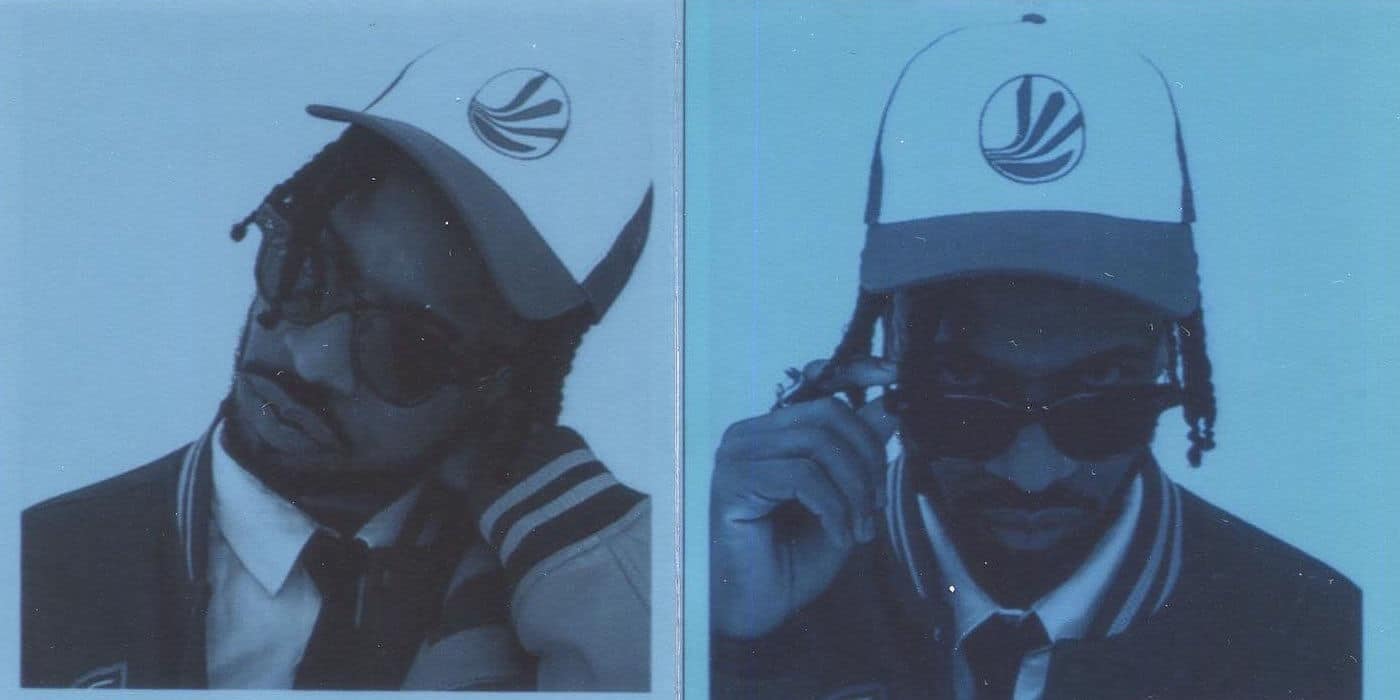
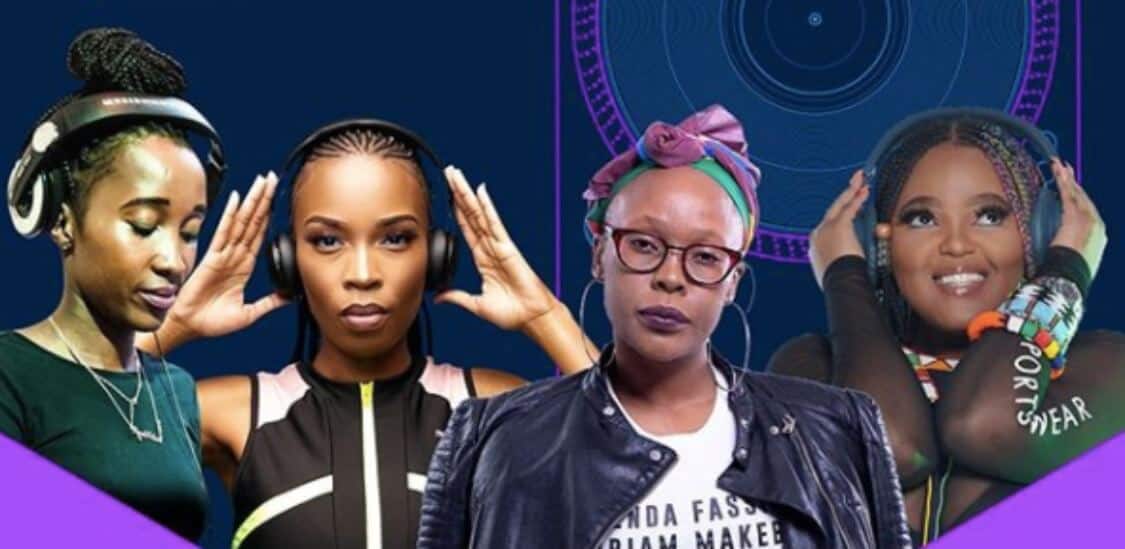
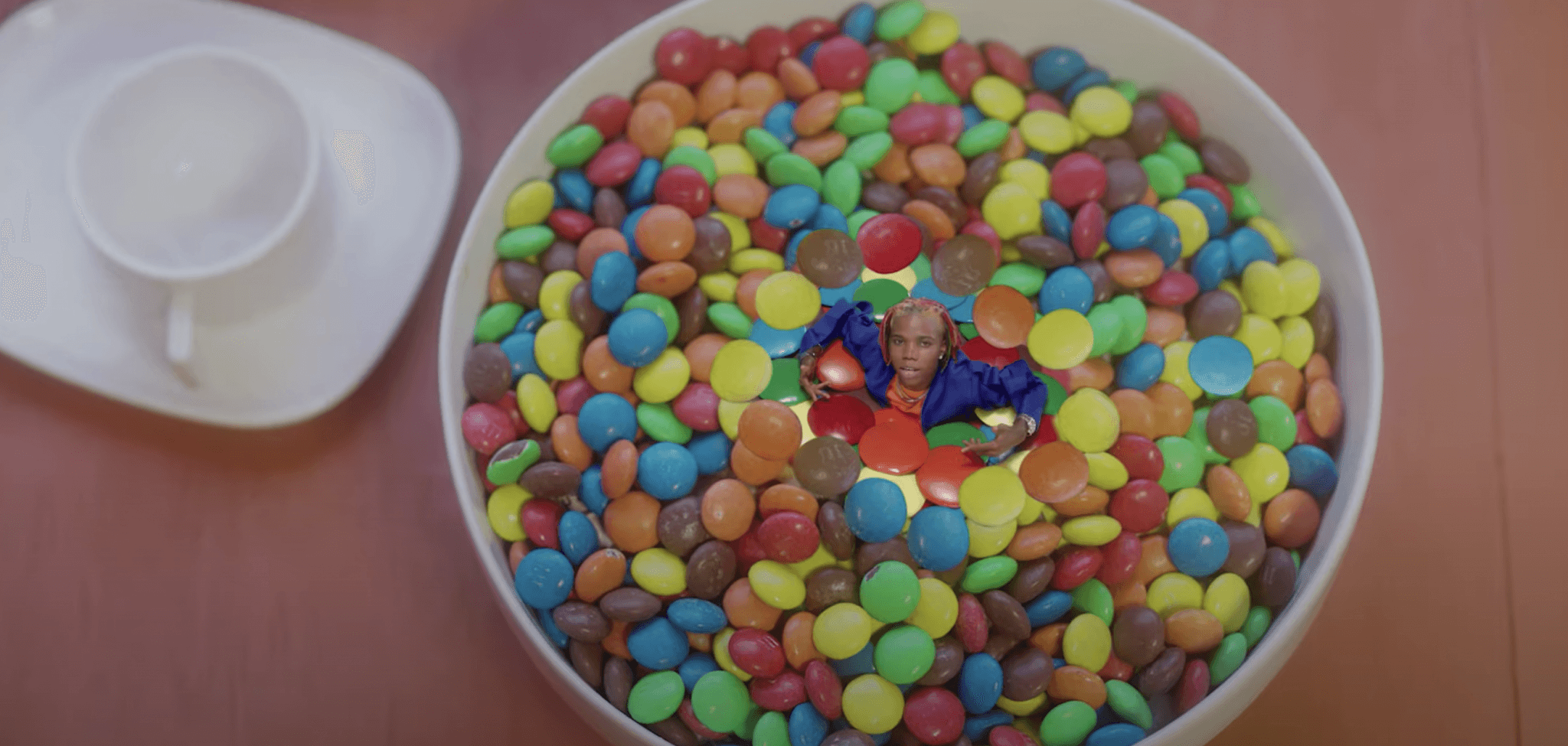
ICYMI: MEET AYOPO ABIRI, THE MAKEUP ARTIST BEHIND THE LOOKS IN YOUR FAVORITE MUSIC VIDEOS

Watch the short film for J.Derobie’s latest single “My People”

Since landing a coveted spot on Mr. Eazi’s music incubator programme, emPawa Africa last year, Ghana’s J.Derobie has carved his rightful spot at the forefront of dancehall and afrobeats coming out of the budding musical city. Today, the rising star has just shared his latest EP ‘Nungua Diaries’, a 6-track ode to the Nungua, Accra community where he grew up and it’s a welcome full-circle moment for the artist who just two years ago, was gunning to make his mark on the industry.

The lead single off the latest EP, “My People” is an afro-dancehall anthem that serves as a tribute to his community and the friends and family members who helped to raise him there as a young man. ‘Me just a wan fi do me breda right/ Inna life we nuh wan falling/We a guh buy buy property yeah’ he sings, playing on this deep-rooted sense of community and brotherhood he grew up with and promising to use his success to uplift his friends and family.

In the accompanying short film, J.Derobie talks about his childhood and modest upbringing as varying clips of the Nungua community and its people are flashed on the screen. We learn more about the Ghanaian artist and the people who contributed to different parts of his journey as he cycles through the sleeper town.

Watch the short film for “My People” below.

Featured image credits/J.Derobie


Tami is somewhere dissociating. Tweet your fave female artistes at her @tamimak_


ICYMI: Rema continues his winning streak with new single “Woman”

Songs of the day: New music from MOJO, Mayorkun and Davido, Fiokee, Simi and Oxlade and more

In a year where we’ve had to fight for basic human rights while being quarantined away from friends and family, music has emerged as an important distraction from the things that trouble us. With music of African origin rising to global consciousness, it’s important to continue to document the songs that highlight the talent, tenacity, and diversity of artists within our industry. We’ve scouted through the continent and come up with our picks of all the best songs released today.

After sharing new release from Willywine and Dice Ailes, Ghanaian rapper, Rvdical The Kid, Idris Lawal, Ibeji and more for our mid-week selection, we are starting off the weekend with great new songs from DJ Tunez, Spax and Wizkid, Mayorkun and Davido, Fiokee, Simi and Oxlade, MOJO, Cheque and more. Enjoy.

DJ Tunez x Spax x Wizkid – “Gbese 2.0”

Fans have remained sceptical about the release of Wizkid’s album,  ‘Made in Lagos’ even though the Starboy has provided July 16 as the release date. After teasing fans about its release on numerous occasions, it’s understandable that some have pointed out that the specific year wasn’t stated and they’ll believe him when they actually have the album.

The Starboy team have responded with a new single, “Gbese 2.0”, a lightweight and ambient Afropop number which highlights the minimalist allure of Wizkid and Spax’s combination. The song’s real beauty is its ability to sound stripped back despite how well he stacks his vocals on top of each other. Whether this will usher the promised ‘Made in Lagos’ tape or just serve as a placeholder till a new date is given, we’ll soon know for sure.

Mayorkun x Davido – “Betty Butter”

We often fantasise about living the celebrity life of global superstars like Davido and Mayorkun, and between the flashy fleet of luxury cars and shiny jewellery, it’s hard to imagine they’d have any problem with the ladies. However, Mayorkun and Davido’s “Betty Butter” tries to convince us that even celebrities don’t always get what they want, and just like the rest of us, they sometimes struggle to with the rejection.

Singing “Which one be say you no wan kan give me your heart?” the song addresses their muses while they take turns performing verses, hoping to change their minds with grand declarations worthy of their acclaim; “E go shock you like taser/ when you go see the aza oh/ when e enter”. The Clarence Peters’s directed video shows Mayorkun doing his best to convince his lover, before we see him catching up with Davido and the rest of the DMW family to lament his loss.


Fiokee x Simi x Oxlade – “Koni Koni”

Quarantine is testing couples, new and old, and it’s safe to say some people might be single by the time we’re able to go outside freely again. But in the meantime, Fiokee has linked up with Simi and Oxlade to provide his signature highlife groove for the artists to basking in their disagreement with their love interests, “Koni Koni”.

Both Simi and Oxlade are tired of their respective relationships, as they perform melodic sets expressing their frustration over the dance-driven beat. While Simi pleads to be left alone, “Make you leave me go”, Oxlade takes a more drastic means with a verse which sounds a bit like a letter left for his lover to find on the counter after he’s already walked out of her life.

MOJO – “Chiwawa”

MOJO is one of the few Nigerian rappers who is able to match his boastful hip-hop lyrics with dance-driven flows. His latest single, “Chiwawa” demonstrates this unique ability as he brings a galala-esque flow to the ever-evolving rap genre. Though the mid-tempo beat Ronehi produced is mostly responsible for the sound’s direction, MOJO matches the beat and delivers a mesmerising performance with lyrics that depict his lifestyle as a lovable ganja user; “Too many women/ Won fe tele mi and live lavida with us/ Ganja burning in my pictures”.

Cheque – “Zoom”

Cheque’s 2018 debut, “Brand New” gave a middle finger to the limitations placed on what is accepted as popular Nigerian music with the purely r&b sound following in the line of other new age Afropop stars such as Nonso Amadi, Tay Iwar and Odunsi. Though he has since signed a recording contract with Phyno’s label, Penthauze, under which he released his more commercial single, “Satisfied”, Cheque’s cadence and melodies still retained his R&B influences.

He’s now just released his debut EP, ‘Razor’ and the opening single, “Zoom” continues his trend of expanding the barriers of Afropop. His confident lyrics, melodies and airy instrumentals produced by Andyr and Datboigetro draw you in as he narrates his triumphant musical journey; “When they try to hold me I go zoom zoom zoom/ don’t like your vibe then I go zoom zoom zoom”. The cohesive direction of his project makes him of the refreshing new acts on the scene today.

Koker – “Bad”

Since “Do Something” brought Koker into the limelight in 2016, the Chocolate City star has had no qualms stepping back in the shadows and returning whenever he feels like it. Last year, he linked up with Falz for a romantic bop, “Daddy” and he’s returning this year with a solo effort titled “Bad”. Produced by Swapps, the Caribbean-dancehall-influenced beat for “Bad”, sets a groovy backdrop for Koker to express his frustration with the attitude he’s getting from his muse. His lyrics “Your body badder than bad/ Make a man harder than hard/ Je ka lo le mi I wan know your dad”, describe his complicated relationship with her attractive features. The endearing use of ‘bad’ comes across as dysfunctional and if you picked up on that, it’s probably cause you’re guilty of it too.

[mc4wp_form id=”26074″]


You are meeting Debola at a strange time in his life. He wandered into a dream and lost his way back. Tweet at him @debola_abimbolu


ICYMI: Rema’s “Alien” is our pick for this week’s Best New Music