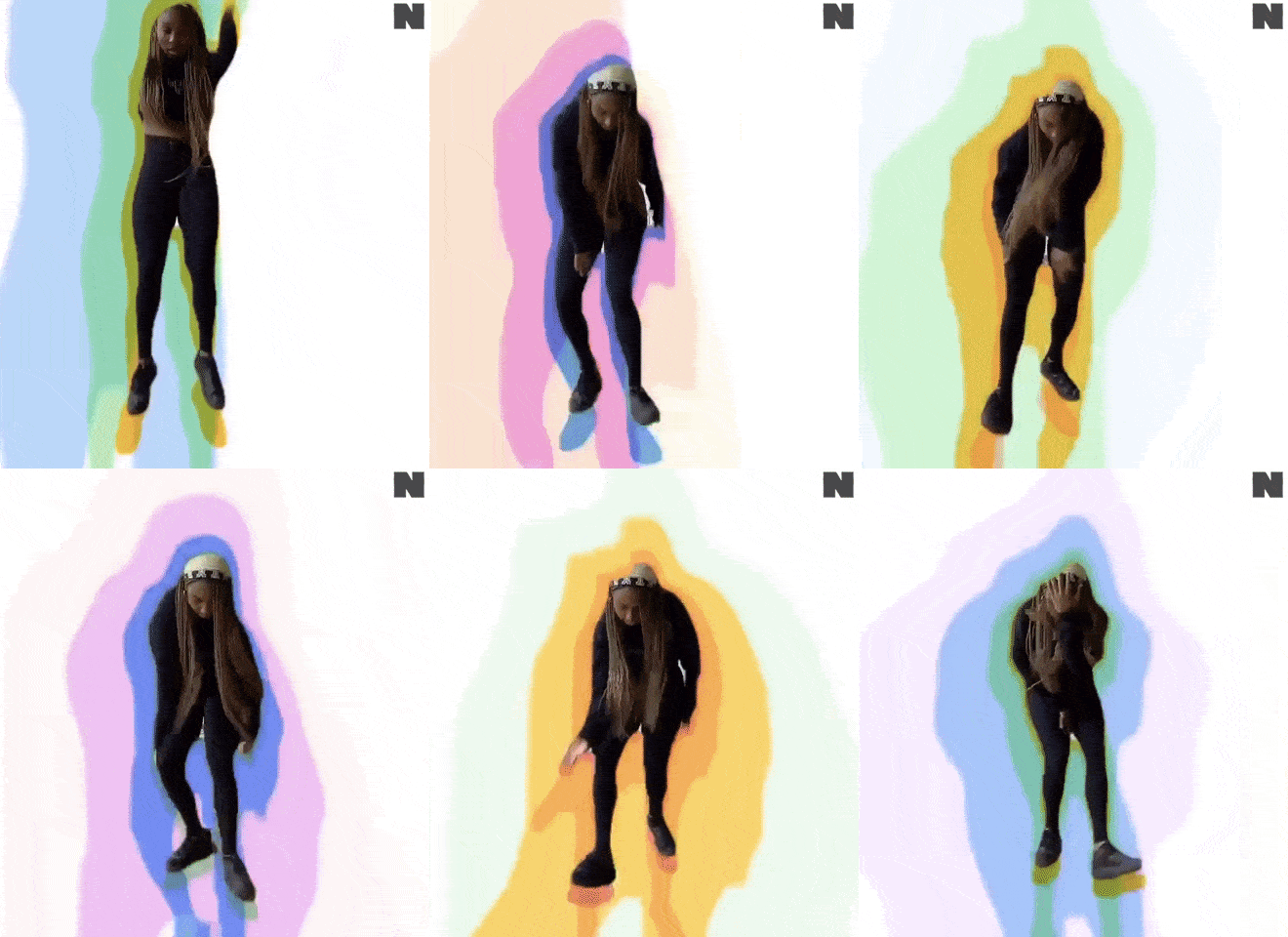
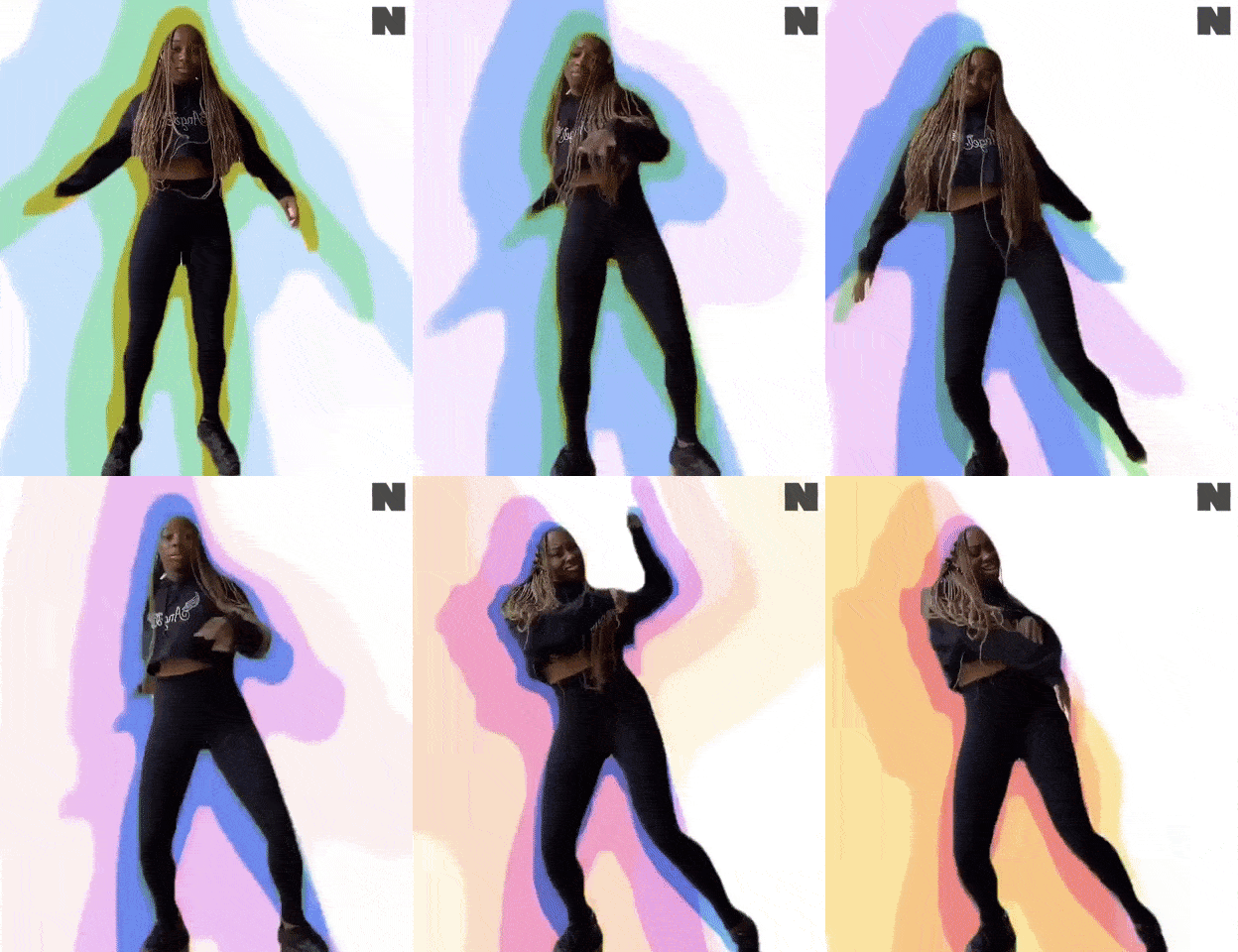
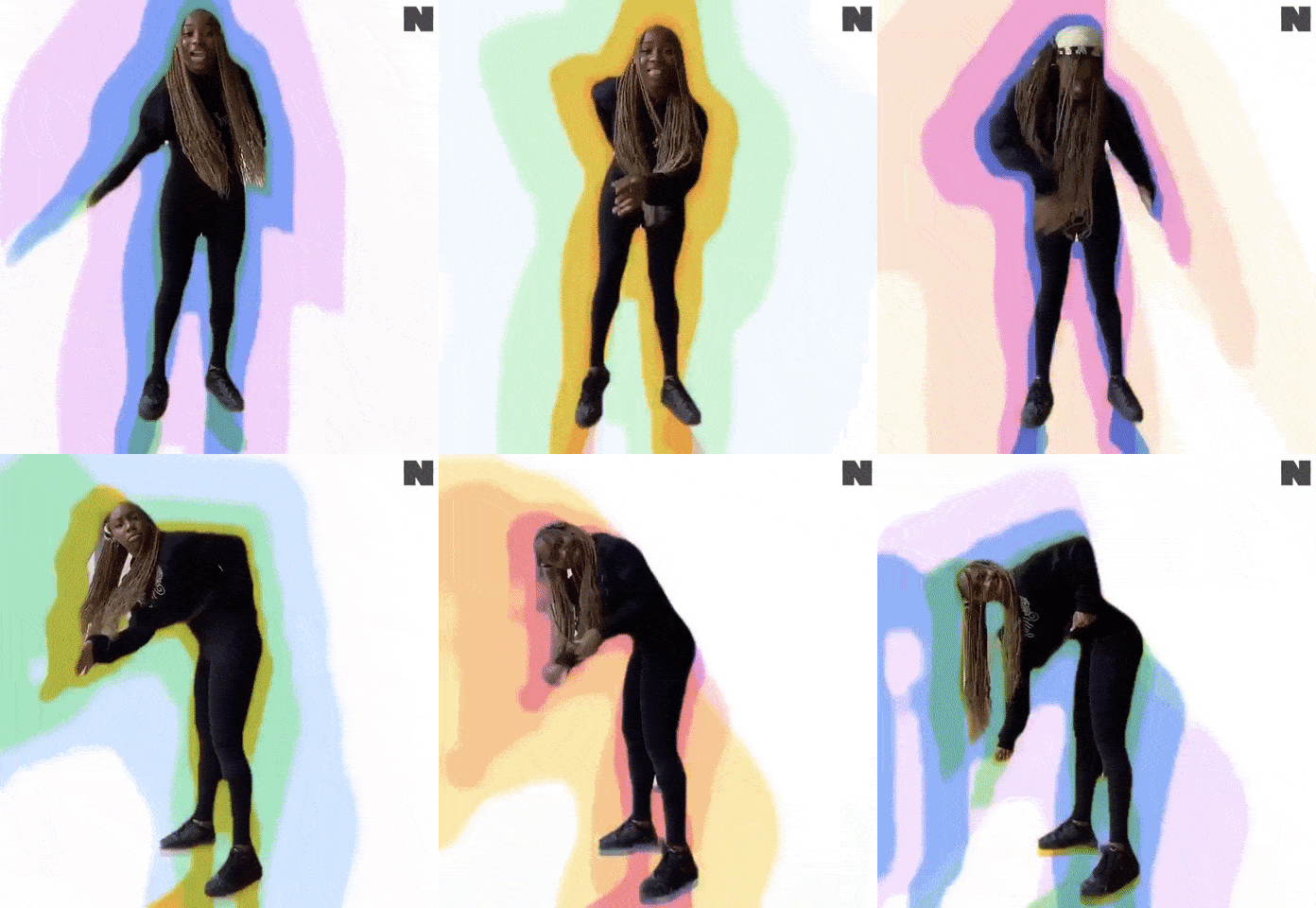
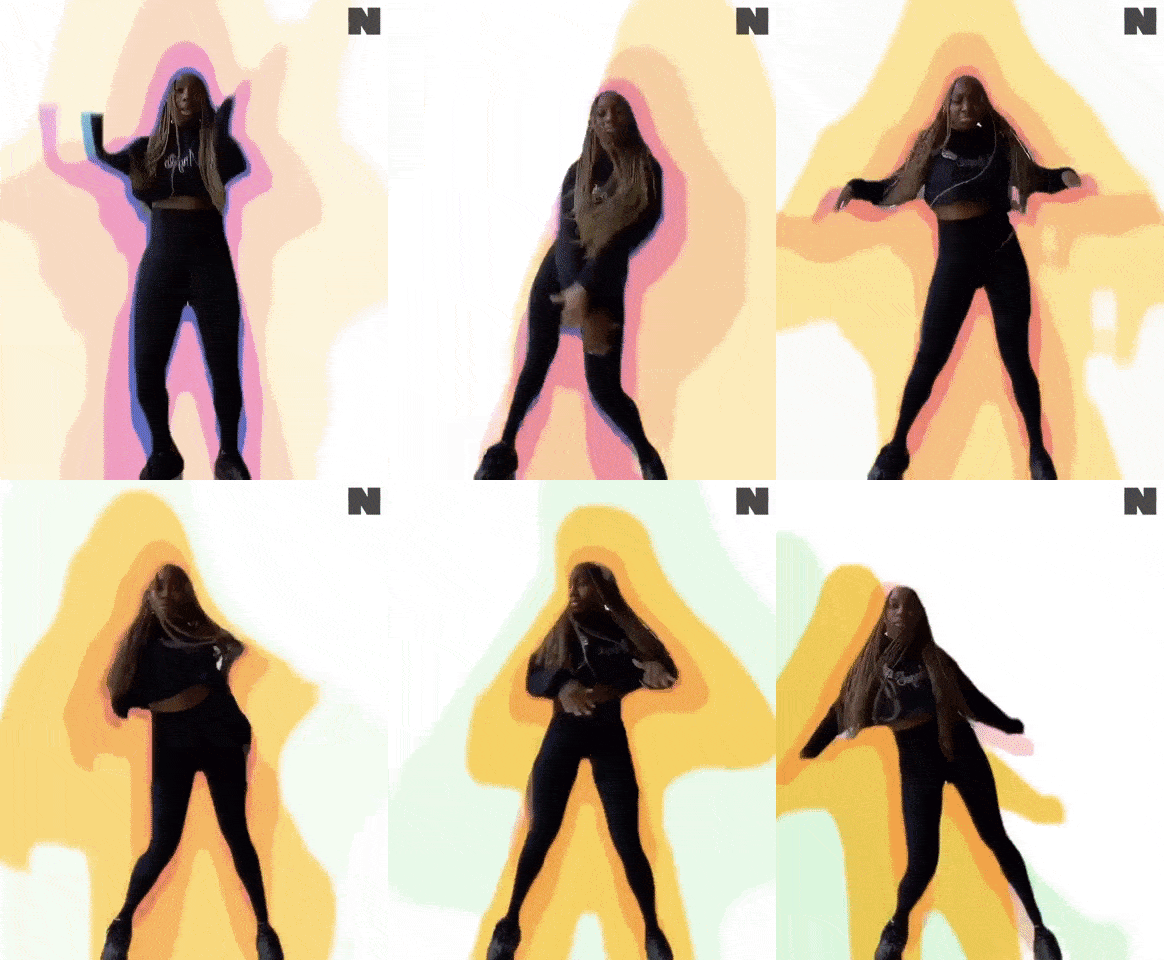
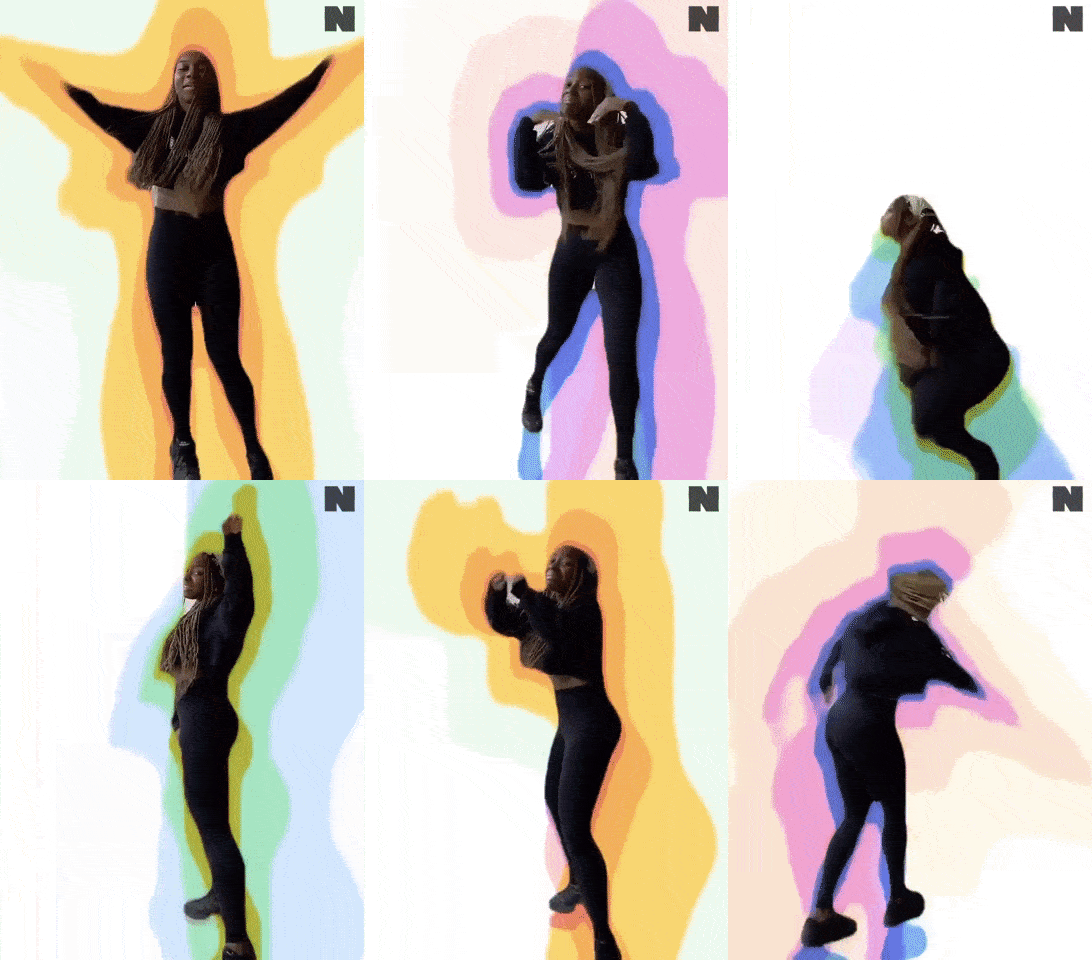
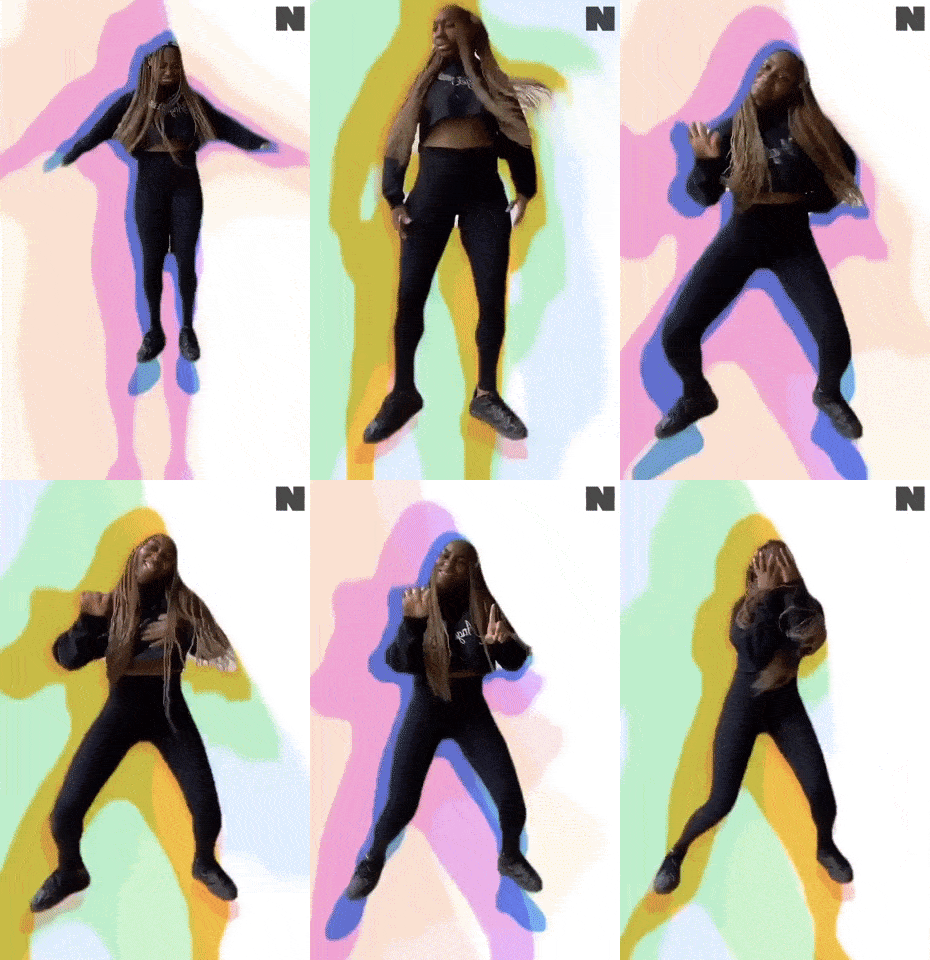
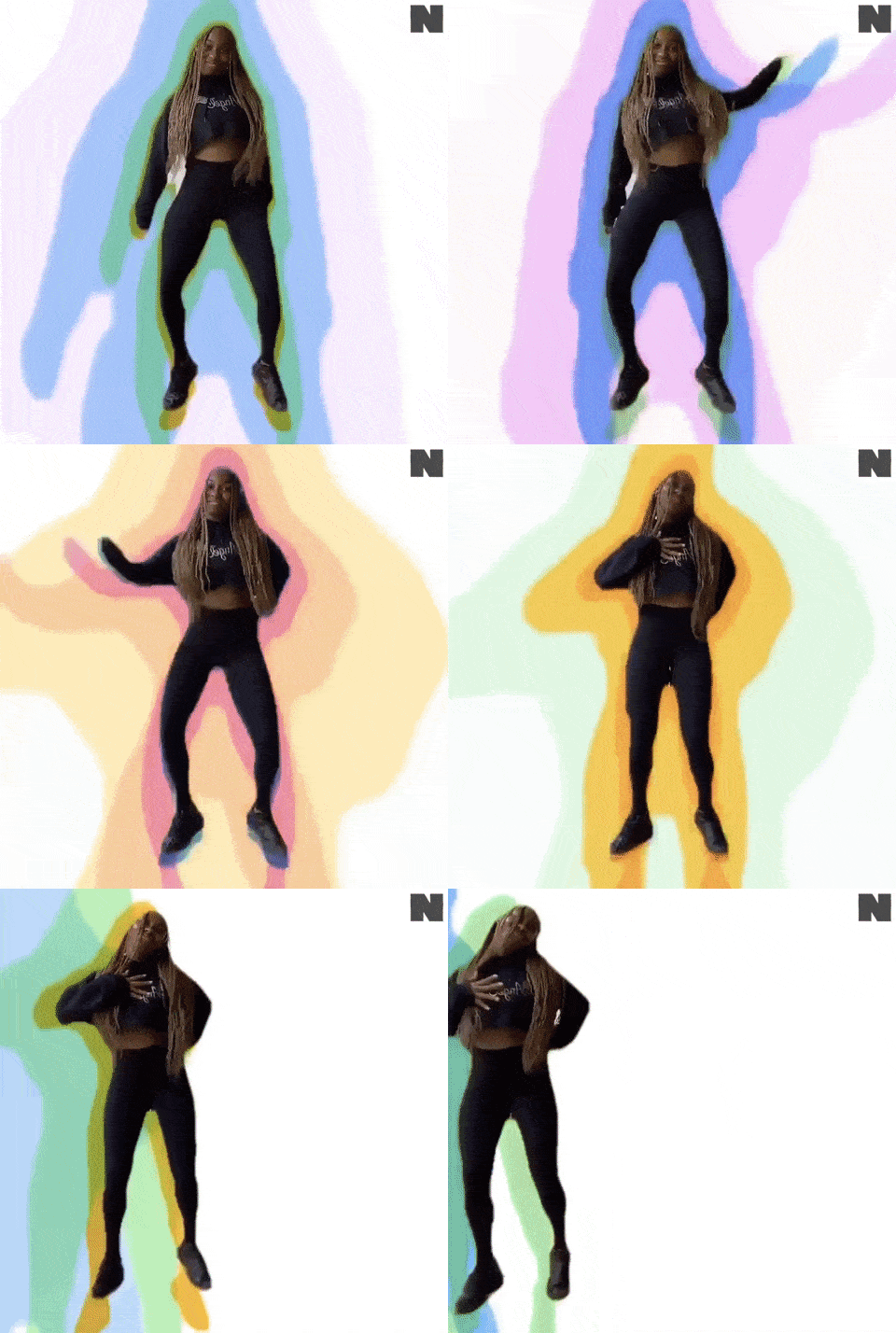
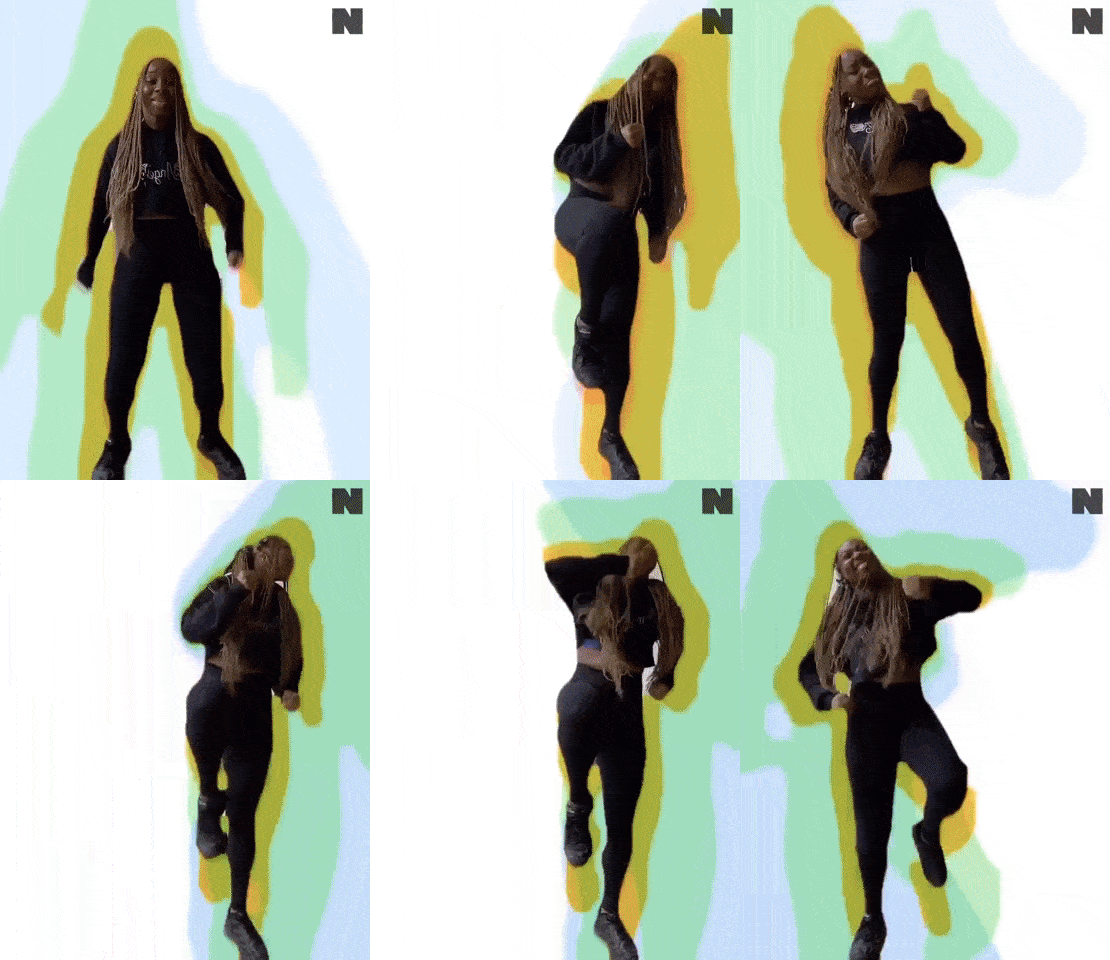
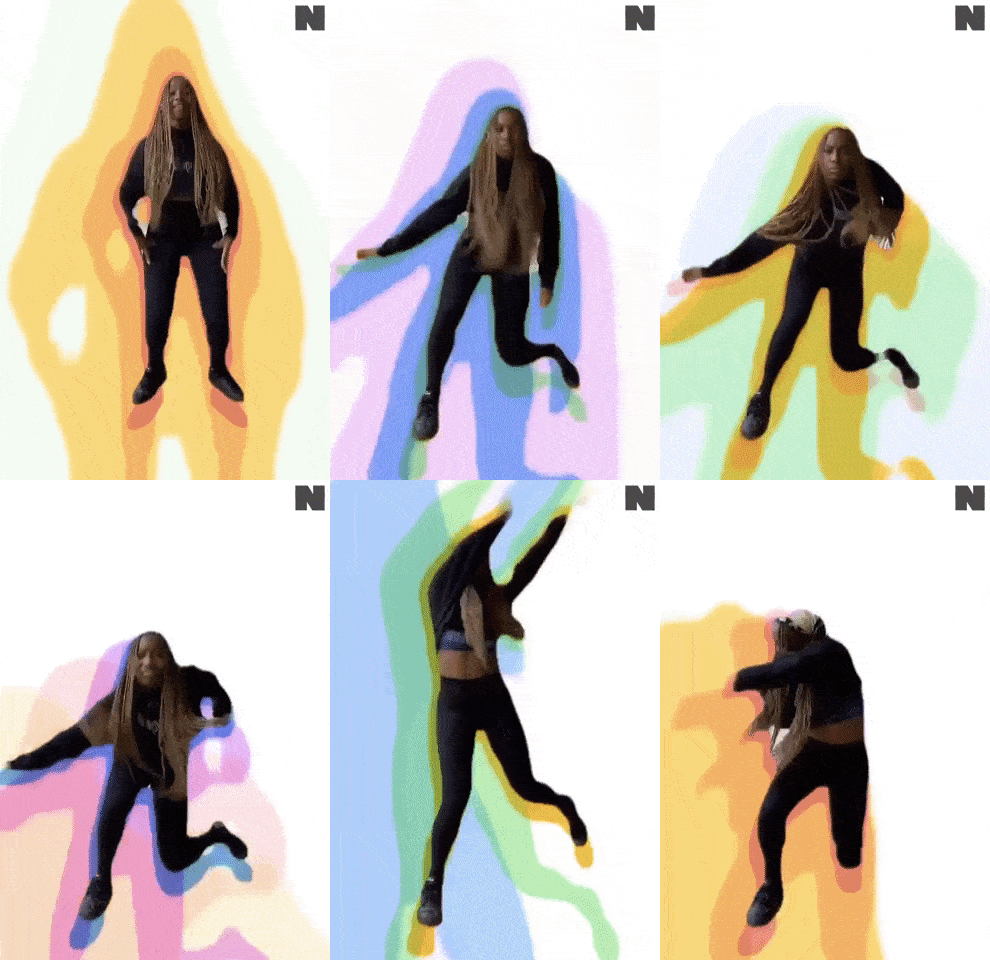
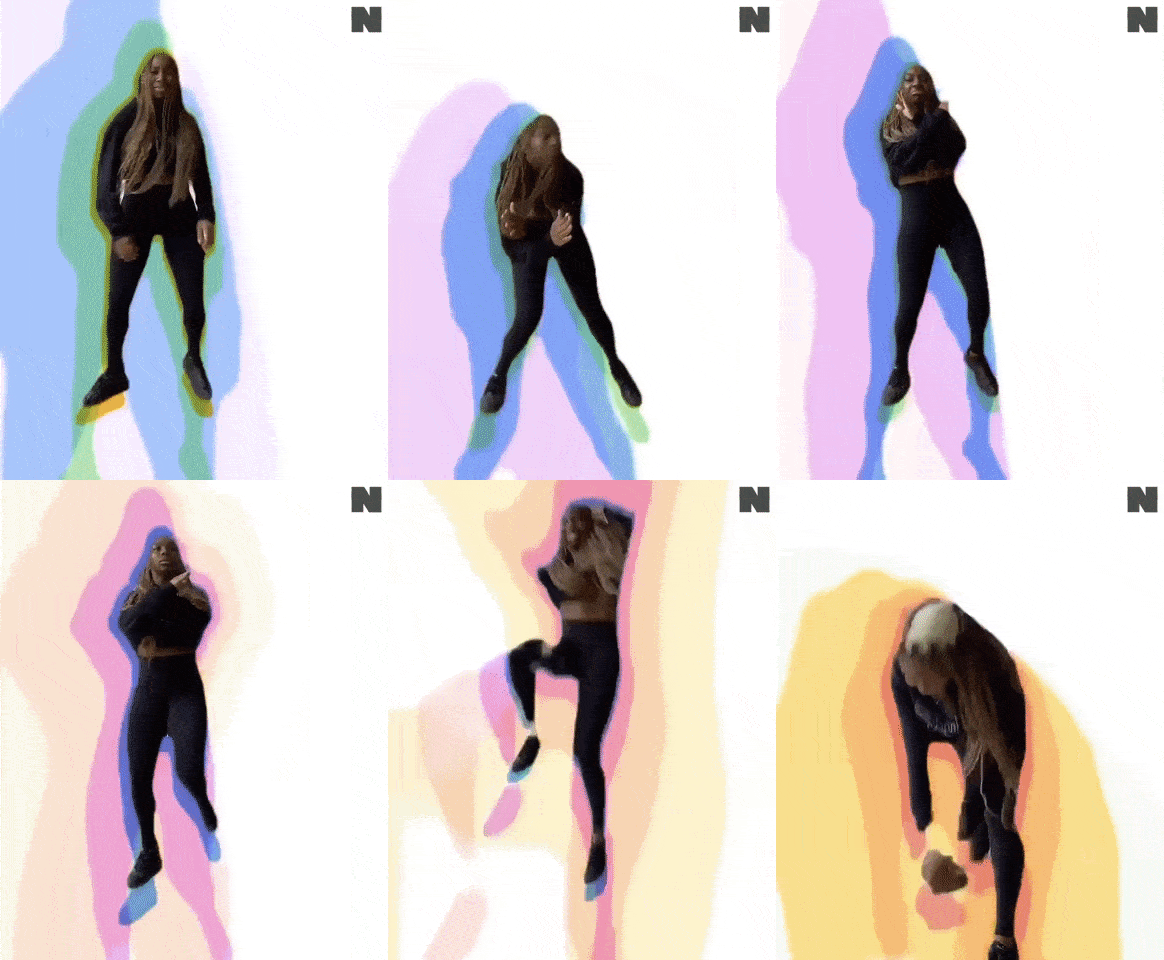
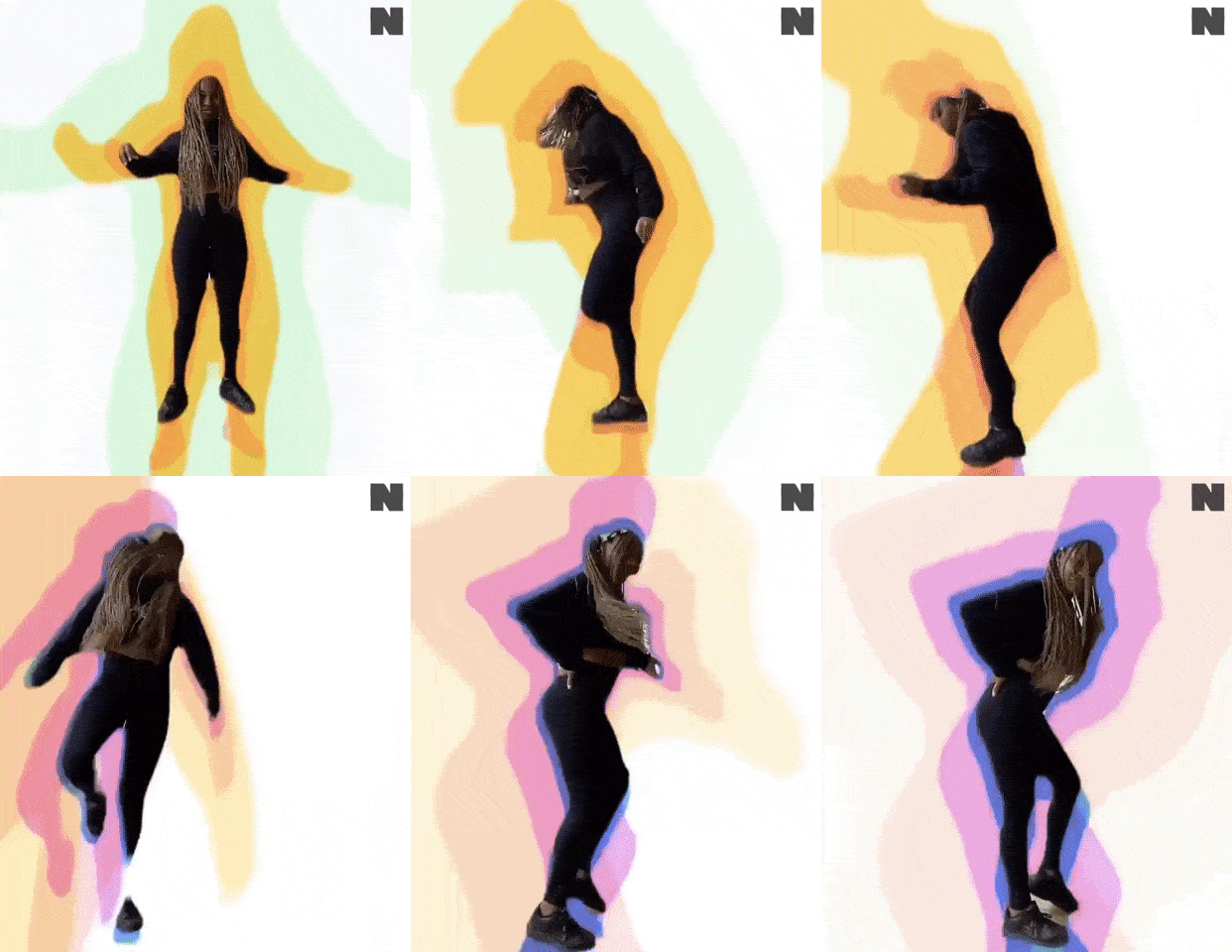
Any Afropop song worth its salt is inherently hinged upon its ability to make you dance, and artists tend to gear the music towards danceable rhythms that will get a party started or rile a crowd of concert-goers up. While we did the Makossa, Swo and Yahooze through our formative years in the noughties, those dance moves didn’t quite hold the kind of reverence the ones we have today do.
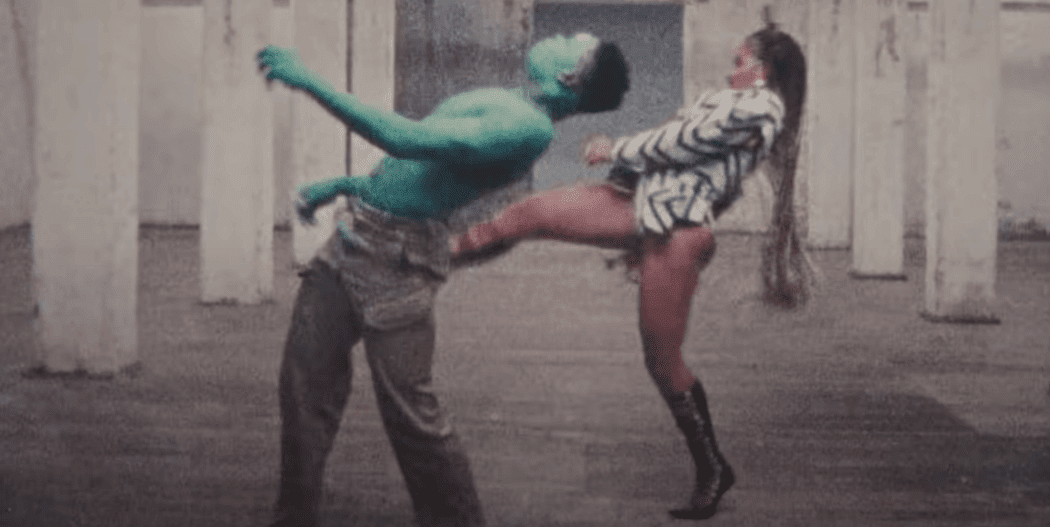
Over the past few years, some artists have seen massive success due to their attachment to a particular dance move, which catapulted their songs to new heights. Take Zlatan for example, who coined the current rave, Zanku (an acronym for the phrase “Zlatan Abeg No Kill Us”), which has birthed its own sound of popular music at the moment. Even though there is a slight obsession at home to declare the end of the Zanku era, it’s wise to truly appreciate something for what it is. Starting as a dance from the streets of Lagos, popularised by Zlatan and Chinko Ekun, Zanku became a global phenomenon, which has most recently been tapped into by Beyoncé in her latest film, ‘Black Is King’. For that alone, the movement will go down in history as one of the most dominating runs in Nigerian culture.
Now that outside is closed, and we don’t even know when it will be safe to hit the clubs again, we’re missing all those sweaty times when the person standing next to you just had to spread themselves to bust a shoki – even when there’s literally no space for all of that. So while we’re reminiscing about those times, we’ve decided to look back at all the popular dances we had in the last decade. From Davido’s Skelewu to the Shaku Shaku which made it over the shores, here are the most popular dance moves we had in the past decade:
Galala (Nigeria, ’90s)
Granted, this dance arrived way before the 2010s, but we just had to give the Galala an honourable mention, seeing as the move still goes off today.
Dancing has remained a reliable bridge between the street (ghetto) and popular Nigerian culture. When Daddy Showkey emerged from the streets of Ajegunle to dominate the mainstream music scene in the ’90s, he brought along the Galala dance step which required dancers to bend their knees and shuffle their feet in one spot. The dance has remained evergreen and saw a sort of resurgence through the late 2010s, with dancers still referencing it occasionally to show their range and performers like Santi breaking out the move to wow their fans. Though Daddy Showkey, Baba Fryo and others from that region were known for popularising the dance and the sound that goes along with it, the credit for its origin goes to the vibrant dance scene in the Ajegunle ghetto.
Azonto (Ghana, 2011)
If we never get to the bottom of the friendly war between Nigeria and Ghana, we’ll pin it on the fact that Wizkid hijacked their dance move and made it his own. Back in 2012, the azonto was all the rave, thanks to Sarkodie and E.L’s late 2011 offering, “U Go Kill Me”. Initially emerging from Accra’s bubbling Jamestown, the moves and sequencing for the azonto dance can be in part credited to the Ghana’s Ga tribe. Making it all the way to Prince William and David Cameron in the UK, for the diaspora communities in particular, the Azonto became a unifying symbol of West African pride, and was arguably the first dance to popularise social media challenges, which have in turn changed the way we appreciate music.
Kukere (Nigeria, 2012)
Afropop singer, Iyanya lucked out in 2012 when he created the viral dance that became known as Kukere following the release of his breakout song of a similar name. The dance is actually a direct adaptation of the traditional Efik dance known as the Etighi dance. Being of Efik origin himself, it comes as no surprise that the artist popularised a dance step which greatly nods to his culture but for a modern audience. The dance went on to become popular in Nigeria and Ghana and even became a mainstay in the United Kingdom, where members of the diaspora still connected to home would adopt the dance and popularise it in dance clubs across the shores.
Alkayida (Ghana, 2013)
Though it didn’t take off quite as far as the azonto dance craze, alkayida was the dance move from Ghana that followed, in a sense evolving out of the azonto cultural reset. Naming his hip-hop hit after the song, “Alkayida (Boys Abr3)” , Ghanaian rapper Guru brought the dance into popularity. Unfortunately, its controversial name meant that the alkayida wasn’t as far reaching as the azonto, but what the dance lost in reach it makes up for in longevity, as this dance move remains on the roster ’till today.
Shoki (Nigeria, 2013)
Shoki had its moment in the mainstream in 2014 as it took over from Davido’s Skelewu dance trend. Emerging from the youth of Agege in 2013 Dre San, Lil Kesh and Orezi released singles titled “Shoki” that year, but it was Lil Kesh’s debut single under YBNL that fully captured the essence of the Shoki rave. While the bend and slowly lift before tossing away dance motion was innocent it itself, the context for Shoki has always been sexual since it was first popularised by Femi Kuti’s ‘Shoki Shoki’ album released in 1998. The sexual undertone of Shoki fit Lil Kesh’s lewd brand of Afropop and he championed the dance through his sexually provocative lyrics and music video which featured Davido also doing the Shoki dance. Everyone was doing the Shoki after that and it certainly helped that it wasn’t a complicated move to learn.
Skelewu (Nigeria, 2013)
The year was 2013 when Davido’s viral dance challenge inadvertently led to the nation catching the Skelewu bug. Hit songs always seem to carry with them innovative dance moves, and Davido definitely piqued our interest when he set off this viral dance, which was further encapsulated by the song’s video. Though short-lived, the song and the dance competition was all anyone could talk about, and thus a new way of partying was born. The song had two videos, one which was an instructional guide on how to do the dance and a second, more theatrical video which imagined a dystopian post-apocalyptic world where the Skelewu fever took off, leaving only those that were able to get down, have fun and hit that Skelewu.
Sekem (Nigeria, 2013)
The video for Iyanya’s “Kukere” not only set the stage for the dance craze of the same name, it was also the catalyst behind Sekem, the viral dance that grew in popularity between late 2013 and mid-2014. The “Kukere” video featured an extensive cameo from MC Galaxy, who provided comic relief with his complicated style of the Kukere dance, and shot to a higher level of fame shortly after. Leveraging on that rise in popularity, MC Galaxy, a comedian by trade at the time, a composite evolution of Kukere and Skelewu. The T-Spize-produced title song came with lyrics instructing listeners on how to perform the dance step—one hand in front and one in back, and gliding to the side by twisting one foot. The dance craze permeated the mainstream through a challenge where prizes were awarded, and the sound MC Galaxy brought along also left its mark, even making imitators out of P-Square, who mimicked the sound on their smash hit, “Shekini”.
Shakiti Bobo (Nigeria, 2015)
Olamide may be the undefeated King of the Streets, but he’s undeniably also built a reputation as being the king of viral dance trends. Back in 2015, he kicked off the viral Shakiti Bobo dance following the release of his hit single “Bobo”, and immediately won the hearts of the nation with the catchy song and even catchier dance step that we’ve seen sported by some of our faves like Missy Elliot. Though tied to the sound of the streets, the dance went on to become one of the unifying dance moves from these parts and you couldn’t hit up an event spot without having to bust into this dance at least once #thatyear.
Shaku Shaku (Nigeria, 2017)
Shaku Shaku was one of the first African dance moves to go viral on the internet. It all started when Olamide initiated a dance challenge to decide which dance crew to feature in the music video for his street smash, “Wo” in 2017. Lagos-based dance crew, Westsyde won the challenge with their feet shuffling and hand bondage dance choreograph which they called Shaku Shaku. While the song went on to dominate the mainstream music scene in Nigeria, the intersection of dance, music, viral video and social media made the Shaku into a movement that all Africans, both at home and in the diaspora, felt proud to be a part of. There was a communal sense of pride associated to dancing Shaku Shaku and after France‘s predominantly black football team won the World Cup in 2018 and did the Shaku Shaku in celebration, it felt like a validating moment for the African music scene.
Gwara Gwara (SA, 2017)
Rihanna’s performance at the 2018 Grammy’s, Childish Gambino’s “This Is America” music video, and the streets of South Africa all have this dance move in common. Created “from scratch” by South Africa’s DJ Bonz who released tutorials of how to do the dance along with his 2017 single “Ofana Nawa” which features Sobz, the Gwara Gwara dance has taken a well documented tour through South African music – such as the infectious dance tune, “Gobisiqolo” by Bhizer and Babes Wodumo’s Mampintsha-assisted “Wololo” – and beyond.
Zanku (Nigeria, 2018)
New dance crazes are frequent occurrences, but the speed with which the Zanku completely phased out Shaku Shaku was quite remarkable. After fully emerging into the mainstream at the top of 2018, it seemed like we would all be pulling imaginary generator ropes till the end of the year, however, the final quarter of the year came with a drastic flip in the switch. Catalysed by the smash success of Chinko Ekun’s “Able God” and sealed by Zlatan’s “Zanku (Leg Work)”, the Zanku dance – with its feet stomps, bent backs, vigorous shoulder rolls and climactic kick (Gbese!) – became a fixture at year end parties and concerts.
With his involvement on the two aforementioned records and his scene stealing feature on the apex Zanku song, Burna Boy’s “Killin’ Dem”, Zlatan can rightly claim to be the prime populariser of the dance, but its exact origins are quite ambiguous. So far, it has been traced back to Agege, one of the numerous, packed places in Lagos where ghetto coincides with suburbia, and the same place where Shaku Shaku came about. These days, the Zanku has elevated from its murky beginnings into an identifiable dance with international adopters, most recently, Beyoncé in the video for the Shatta Wale-assisted “Already”. That the Zanku is still in vogue and continues to evolve in variation nearly two years later speaks to its durability, and when it fades, it will be remembered as one of the greatest and best dance crazes to take over afropop.
Pilolo (Ghana, 2018)
Pilolo which loosely translates to “go search for”, is a traditional Ghanaian game of hide and seek, whereby one person hides an object and the other children involved in the game search for it. But since 2018, the name Pilolo has been given a whole new meaning as Zigi, the Ghanaian singer who is also known for starting the Kupe craze, named his brand new dance after the game. Coming up with the dance move whilst practicing for a video, Zigi explains:
“I rushed to my brother, showed him the steps and he asked me to add more energy to it. I did more research, watched more dance videos, so I wouldn’t come up with an already existing dance, then went ahead to shoot the dance video, ending it with my new step.”
Performed by Janet Jackson in her set of “Made of Now” on Jimmy Fallon’s The Tonight Show, Zigi’s well researched new move is now another global dance sensation stemming from the continent.
Kpakujemu (Nigeria, 2018)
Olamide has popularised many dance moves in his time. From Shakiti Bobo to the Shaku Shaku right down to 2018’s Kpakujemu, Olamide knows just the right moves to hit the scene with, and just the right grooves to get us dancing. Launched by the winners of Olamide’s “Wo” challenge (which brought about the Shaku Shaku), with a collaborative single, featuring Lyta, Terri and Barry Jhay, and Olamide himself, “Kpakujemu” is the Westside Lifestyle dance crew’s debut single and the first formal introduction we got to the move. Earliest sightings of the Kpakujemu, however trace back to one of Olamide’s visit to Cool FM where he shows OAPs Kemi Smallz and Do2dtun how the newest move in town is done to the tune of his fresh single “Motigbana”. Though, surprisingly, the song “Kpakujemu” song didn’t air with a music video, he dance has caught on and is still a fave amongst dancers and music influencers alike.
Dances by Iffy Atuche
Written by Debola Abimbolu, Adewojumi Aderemi, Dennis Ade-Peter and Tami Makinde
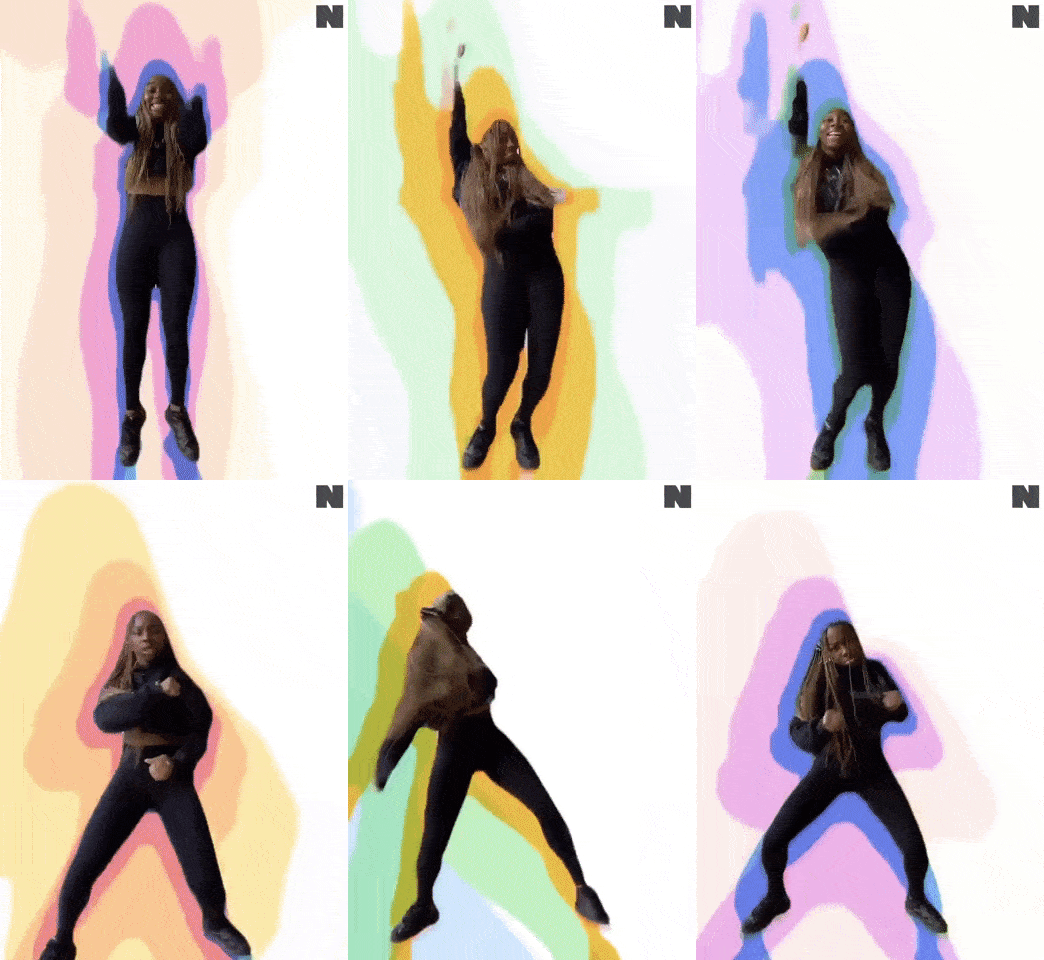
It’s almost too much to process, that in the middle of a global pandemic, people have been passing away from other causes. It’s just one, but a particularly heartbreaking way in which the COVID-19 virus has had knock-on effects in our day-to-day lives. In a period where funerals are prohibited (for most) due to the strict social distancing guidelines, the loved ones of the dearly departed have been unable to properly eulogise those they have lost in the ways we have all become accustomed too. Back in late April, popular Afropop dancer and model Love Divine Ike, more widely known as Picture Kodak, passed away following an electrocution incident. She was recognisable from her appearances in many music videos, a sprawling list including Burna Boy’s “Gbona”, Olamide’s “Oil & Gas” and Blaqbonez’s “Haba”. She was also a founding member of Westsyde Lifestyle, a prominent dance crew dedicated to amplifying street-bred dance culture through conceptual dance videos, stage performances and appearances in music videos.
Shortly after Love Divine’s passing broke to the public, condolences started to pour in online from artists, colleagues and admirers. With her résumé, the reactions were appropriate. Beyond the picture posts and perfunctory “R.I.P” missives, there were tweets expressing deep grief from Chinko Ekun and Dremo, testimonials to her bubbly and good-natured personality from Simi and Blaqbonez, and Zlatan expressed his sadness at her death by delivering a verse over the soulful folk instrumental for Bankulli’s “Gbemiro”.
Just last weekend, it became public knowledge that Kodak featured in the music video for “Keys to the Kingdom”, one of the many visuals that make up Beyoncé’s new Disney-exclusive film, ‘Black is King’. As short snippets from the film and pictures of the ever-energetic Divine on set made its way on to the social media pages of those involved in its creation, they were met with an outpouring of emotion by fans and creatives alike. Without a doubt, Love Divine impacted the Nigerian music space, and going by all the glistening comments, in ways that may never be fully appreciated by those are not industry observers.
It is a bit ironic that for a face many will recognise from their favourite music videos, her contributions were never really explicitly acknowledged until her passing. This is very common for many women who appear in music videos and on stage – they are beamed unto our screens and briefly share the spotlight with the artists, however, they barely bear any other considerations beyond satisfying our gazing eyes in those moments.
If you ask an artist how they’d like to spend a meaty promotional budget, chances are, shooting a music video will be at the top of that list. The reason is simple: the right videos leave an impression on the viewer, increasing the song’s chances for commercial success; and it also builds or consolidates an artist’s brand. More often than not, these visuals will feature dancers/models who are entrusted with improving the impressionistic value of the video.
There’s a wealth of recent examples of the importance of women to impressive music videos. It’s impossible to envision the entrancing video for Burna Boy’s “On the Low” without noting Curtisha Kruytoff’s scene-stealing performance; Georgia Curtis’ hypnotic dance moves in Wizkid’s “Joro” personifies the song’s bewitching groove; DJ Tgarbs’ innate allure is essential to the zany idea behind Ycee’s “Vacancy”; Seyi Shay’s femme fatale persona in the video for Show Dem Camp’s “Do Me Nice” heightens its storytelling devices; and Picture Kodak’s ferocious and sexually charged performance was the central point for Blaqbonez’s “Haba”.
These examples point to the important, yet, often understated role these ladies—widely described as video vixens—play, especially in Afropop’s bigger picture. In the last few years, Nigerian music has been increasing its global attention, and while a significant part of that is down to its groovy and diverse sound, its colourful videos are also vital. If you scroll through the YouTube comments of the music videos from popular Nigerian artists, you’ll find viewers leaving comments to announce their locations, many of them from far-flung countries across the continent and the world. Since they’re quite the staple in these videos, it doesn’t seem far-fetched to define the eye-catching presence and roles of dancers and video vixens as essential.
In an industry teeming with male singers who regularly sing about women as the object of their affection and affluence, video vixens mainly come off as accessories. A big part of that comes from the influence of hip-hop, a genre that has been single-handedly responsible for shaping the perception of video vixens in the last three decades. Blame it on the inherent machismo, and the misogyny resulting from it, rap videos have set the sexist identity these women all supposedly fit, an image that has been taken to heart by audiences who are simply content to follow along.
Many rap fans will be familiar with Karrine Steffans, a former video vixen from who became known for alleged sexual relations with a long list of popular rappers, was infamously nicknamed Superhead and has been referenced in many sexually derogatory punchlines. In 2005, Steffans published ‘Confessions of a Video Vixen’, a memoir in which she highlights the casual degradation and sexual exploitation she faced during her stint as a vixen. The memoir stirred up controversy, with the worst cynics calling Steffans a snitch and deeming her experiences as occupational hazards of the profession.
To many, being a video vixen somehow automatically equates to being a sex worker, and in a conservative Nigerian society, being perceived as a sex worker means that respect is regularly thrown out of the window. Sure, sex sells, and while exuding sexual appeal may be a visible part of the arsenal, that’s not all video vixens represent. Many artists fancy their videos as visual experiences, and by executing their stipulated roles, these women are important to translating the working idea into an enjoyable video. It’s a simple ideal with its own complications.
Women like Picture Kodak were a key part of women using their bodies as an empowering expression of their femininity. While this is definitely a complex debate, what’s of utmost importance is conceding to their autonomy and respecting the integral nature of their work to the colourful visual identity of contemporary Nigerian music.
While they might never be able to get the same kind of spotlight artists do, acknowledgement of their importance in the game goes a long way. In recent times, the Kalakuta Queens have begun to receive their flowers as the unsung heroes of Afrobeat. Known for their energetic and seductive dance routines, what these women represent to Afrobeat’s aesthetic is now being acknowledged, over three decades later, through the critically acclaimed play, ‘Fela & the Kalakuta Queens’.
Even with wildly varying nuances, Nigeria’s current music scene can and should take cues from a reverent act like this, even if it’s on a much smaller scale. Regardless of the fact that they are nameless to many, these dancers are integral to representing the music we all love and support, and they should always be regarded in that light.
We shouldn’t wait until it’s too late to give them their flowers. Rest in peace, Picture Kodak.
[mc4wp_form id=”26074″]
Dennis is not an interesting person. Tweet Your Favourite Playboi Carti Songs at him @dennisadepeter
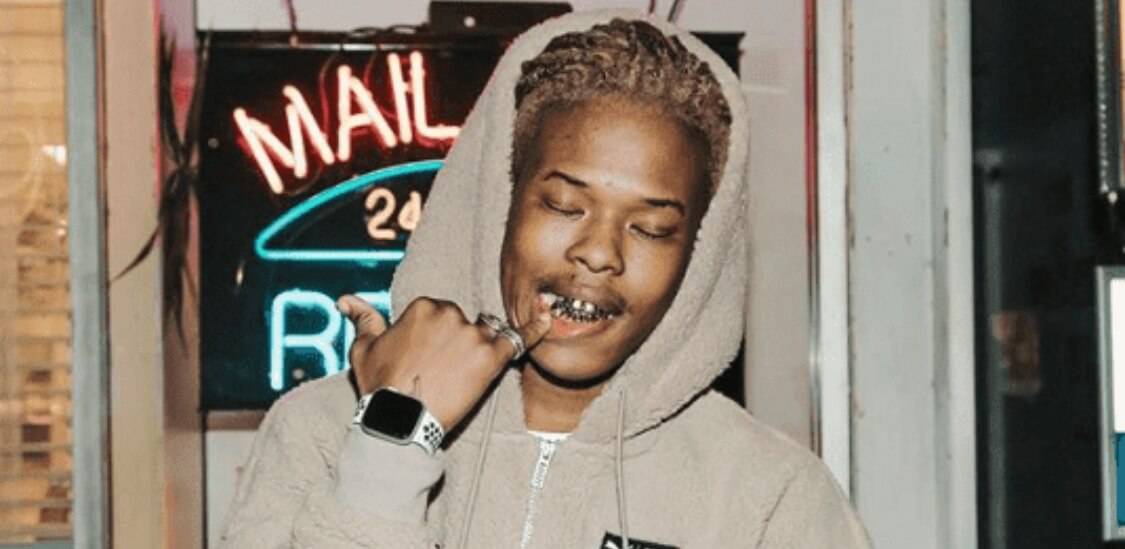
South African rapper, Nasty C is the name on everyone’s lips at the moment. After signing to Def Jam Recordings earlier this year, he’s been proactively releasing new music from the T.I-assisted “They Don’t” to the Dj Whoo Kid-hosted mixtape ‘Zulu’, and now with the forthcoming release of his third studio album ‘Zulu Man with Some Power’ slated for later this month.
Ahead of the project release on August 28, Nasty C has now shared a new single “Palm Trees” along with an accompanying video. On “Palm Trees”, Nasty C references the airy and green landscape of Los Angeles, as he delivers confident, salacious bars about his carnal desires. ‘In the strip club cause I love butts/I flick a bitch bean, I’m the clit guru’ he raps over the bass-heavy production by LA-based trio Bankroll Got It.
In the accompanying video, we see Nasty C deliver his verses while surrounded by the sexy women he raps about with rabid enthusiasm. It’s a stunning watch to keep our interest piqued before the release of his upcoming project, which is said to host guest appearances from Ari Lennox, Lil Keed, and yet another collaboration with T.I.
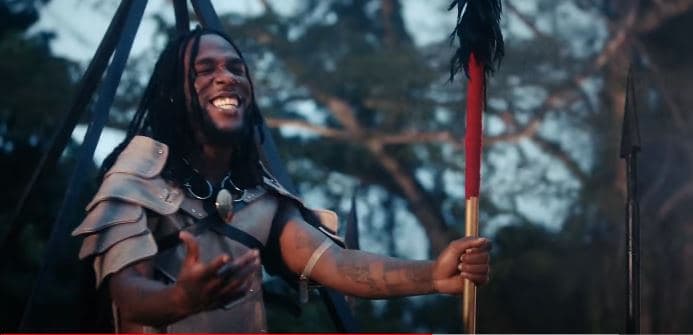
Since its announcement a few months back, the anticipation for Burna Boy’s fifth studio album, ‘Twice As Tall’, has been through the roof. The afro-fusion artist came into the year riding high on back-to-back MVP campaigns in the previous two years, delivering two landmark albums in ‘Outside’ and ‘African Giant’. With these projects, Burna Boy both dominated on the home front, with multiple hit singles, and simultaneously furthered afropop’s global agenda through international features, festival appearances and sold-out shows around the world.
Through post-album loosies, like “Money Play” and “Odogwu”, the Grammy-nominated artist has made it clear that he plans on riding high for as long as possible, and the impending arrival of a third album in three years is testament to his dedication and consistency. Over the last 48 hours Burna Boy has been publicly teasing details for the album and has now announced next Friday, August 14th, as the release date for ‘Twice As Tall’.
Sharing the album tracklist yesterday evening, Burna Boy has revealed that the album will comprise of fourteen new songs and the previously released lead single, “Wonderful”. The feature sheet for ‘Twice As Tall’ boasts collaborations with UK rap superstar, Stormzy; Coldplay’s Chris Martin; Kenyan group, Sauti Sol; Senegalese Mbalax legend, Youssou N’Dour; and legendary hip-hop trio, Naughty By Nature. Headlining this star-studded cast is hip-hop mogul Sean “Diddy” Combs, who serves as executive producer of the album.
In a new Burna Boy profile story by the New York Times, Diddy explained that he was brought in for “fresh ears” when the album was about 80% done, and he was able to add voice-over intros and source for musical contributions from producers and artists like Timbaland and Anderson .Paak. In the same profile, Burna explains that ‘Twice As Tall’ is “continuing the mission I started, which is building a bridge that leads every Black person in the world to come together, and to make you understand that without you having a home base, you can’t be as strong as you are.”
Take a look at the tracklist for ‘Twice As Tall’ here.
In nightclubs and party venues around the world, once crowded dance floors have remained empty and venues have remained shut in light of the ongoing global health crisis. With five months already into the socially-distanced new normal, tensions are building up around the world as we’re all starting to feel the pressures of staying home without any human interaction.
Talking to the homies online is all good, but seeing them in person is even better, and so whether advisable or not, we can’t gloss over the fact that some people are beginning to plan parties and weddings during these unprecedented times. And while such escapism may be a chance to blow off some steam after extended worldwide lockdowns due to the coronavirus pandemic, it also raises safety concerns about how to party while also respecting new social distancing measures.
Partying during the pandemic would have gotten you a raised eyebrows and unfriendly messages a few months ago (Funke Akindele even got hit with a fine for her birthday bash), but now more and more people are hosting pandemic parties and seeing close friends and family if they need to. However, the truth still remains that the consequences of the actions we take are still potentially life-threatening, so more important than ever before. Despite this, it’s hard to convince anyone to keep staying indoors when everyone’s beginning to feel the effects on their mental health. I, for one, have been out for a party during these times and have had my anxiety peak while attending a small get-together at a friend’s house.
From the numerous Sallah parties that were held over last weekend, it’s becoming apparent that, with the lockdowns being relaxed across different countries around the world, many people have begun to ease back into their regular schedules, grabbing meals at restaurants, attending private baby showers, and even in some extreme cases, going to nightclubs. Here’s how members of our community are getting up to no good amidst a pandemic.
A, 28, M.
I was scared and anxious because, at the party, everyone was acting like there was no COVID. Everyone went about their businesses without masks or hand sanitisers. I wore my mask but pulled it off later. I kept sanitising my hands but it felt so weird. And like 2 people offered to shake my hand. It was scary.
On another occasion, I went to see my grandpa and I didn’t even sit because I was scared I might have contracted COVID-19 at the hangout earlier. I just kept a distance in his house. I didn’t want to give him the virus.
M, 23, F.
The first event I went to during the pandemic was in May and it was a friends birthday. It was a bit nerve-racking to be among so many people during such an uncertain period. I took precautions, as did others with me. Strangely, people weren’t practicing social distancing there. We were all so happy to finally reunite after being away for so long! I was a bit shy too and everything sort of felt unreal, at that moment I had to value social interaction a bit more and also valued myself a bit more too.
Life-altering events can really show you how much you miss people or how much you’re good without them. Over time life started to feel normal again from these little hangouts and the thought of catching the virus did cross my mind, I also felt like “what the heck”, we’ve all been in isolation.
D, 22, F.
I’ve hung out with my friend a couple of times. The first was a very small birthday (we were about 7 in total), that made me a little anxious considering the fact that nobody wore a mask. I almost didn’t go but I had my birthday earlier in the year & he traveled for it so I said okay let me just go. The other times we hung out, I wasn’t anxious because I knew we were both taking the virus seriously and taking the necessary precautions to avoid contracting it.
F, 23, F.
I went to an illegal warehouse party. It was relatively normal but there was this element of corona is inside throughout as no one wore masks. If I go out again I’ll be sure to social distance as the anxiety the next day was not worth it.
A, 25, M.
Tbh, I haven’t gone out much. Even pre-corona I was always at home (because of laziness). However, the few times I’ve gone out I’ve still had it at the back of my mind that we’re still in the middle of a pandemic and sometimes that takes out the fun. I don’t really want to be out with friends and still be paranoid. I had a birthday picnic last month and I was so close to cancelling because of all the health procedures involved and social distancing but my friends still insisted – and we had a good time.
I haven’t gone for any house parties …(yet). I missed one last month because I was with my aunt and she’s a high-risk person so I just thought not to put everyone at home at risk. I might try to start going out a little more, and still wear my mask, have my hand sanitisers in my fanny pack and just be careful … because at this point what can we really do.
D, 23, M.
I’ve been to about 20 different motives since the lockdown ease. It sounds really careless but I was never paranoid at any time. But at some of these motives, I’ll see some people stylishly isolating themselves from the rest of the crowd or people avoiding sharing blunts.
Don’t let Lagos people fool you, they’re all partying and without masks and I can’t blame them when the numbers aren’t making sense anymore. 11k discharged patients in one day, it’s now looking like cap.
H, 27, F.
I have gone out to a few things, but even while I’m there, I’m anxious the whole time and it makes me super detached from the people I’m around. After every major hangout though, I self isolate for two weeks or sometimes just a week, to see if I feel any changes to my body. So far nothing so we move.
A, 23, F.
Yeah, there was a period of time I was going to a few birthdays. I felt uneasy that there were so many people, and a little confused cos no one else seemed worried, but that also made me more at ease, because it wasn’t like a bunch of people panicking. Plus, these events were with family, so I wasn’t worried about infecting my mum cos she was also there. Although I went to the beach once and did steam therapy when I got back and drank dogoyaro [Neem] with lemon and ginger for days after.
K, F, 27.
Not really event but been to visit friends/tiny gatherings up to like 12 people. Wasn’t bad, was paranoid, got drunk and started sharing cig so was actually really paranoid for a while – since that one I’ve been to see friends, smaller scale and had people round. I’ll be out sha – restlessness but it try and keep it limited especially if imma be drinking because I clearly can’t be trusted to make corona compliant decisions when waved. Won’t be going to parties or anywhere with too many people sha but just tiny gatherings etc I’m v cool with.
A, 25, M.
I’ve been sick since Sallah. It might be all in my head because I’m generally fine, but I’m not. I’ve been going to see friends but this one was overdoing it; I was convinced into going to two Sallah parties and one turned out to be an actual house party. Not to mention we had a little Aallah party in my house. All these events featured no face masks.
O, 26, M.
I had my birthday a few days ago and invited people over. It was weird and being around people made me really anxious. I feel like I don’t know how to interact with them anymore. but at the same time, it felt really nice. I enjoyed seeing people and feeling their energy around me.
In the crowded and competitive world of rap, dndSection takes advantage of his Nigerian roots, pulling different stylistic threads together in order to stand out. Earlier this year, the Atlanta-based artist released Chrystel-assisted “Darling”, which showed off his musical versatility with the change of pace from rapping to singing. Fans have since continued to anticipate his promised project and we can finally get a taste of what’s coming as he just released the project’s lead single, “Zaza”, a stoner anthem with a romantic twist.
The lightweight beat produced by 88Jay forms an earworm over which dnd can assert his artistic range, singing the melodious hook without diluting the potency of his rap verse. Saying “Your love really gets me right/ This shit intoxicating“, “Zaza” finds dnd comparing the endorphins from being with the woman he loves with the high of smoking marijuana. With lyrics celebrating both love and drugs, “Zaza” is a catchy song that’d resonate with anyone that has ever explored either. We didn’t think these two experiences had too much in common, but after hearing dndSection blur the lines between romance and rolled goods, we’re convinced the two feelings are one and the same.
Stream “Zaza” by dndSection and SMV below.
Featured Image Credits: Instagram/dndsection
[mc4wp_form id=”26074″]
You are meeting Debola at a strange time in his life. He wandered into a dream and lost his way back. Tweet at him@debola_abimbolu
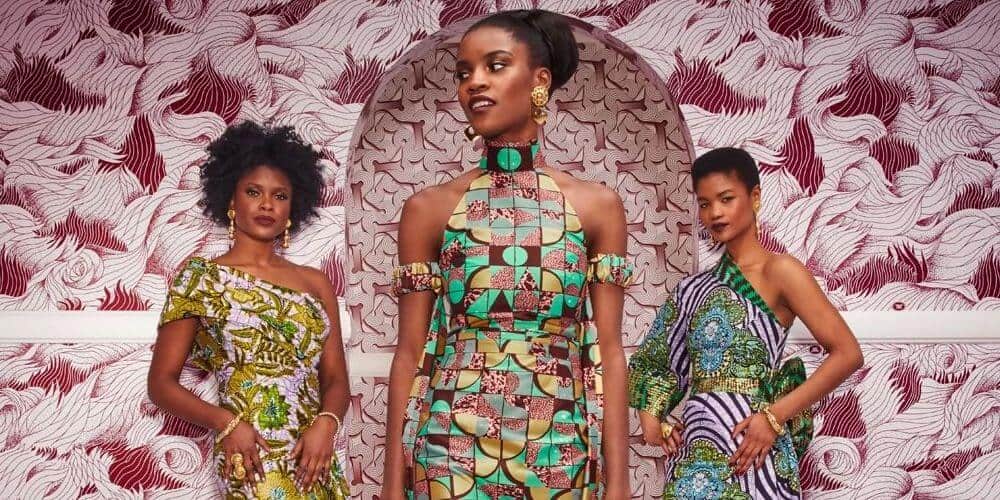
Investigating Dutch wax giant Vlisco’s history of racism, NYC journalist Joe Penney looks into the fashion industry’s tendency of fake solidarity.
2020 has been the year when masks have come off in the fashion universe, revealing the extent of racism and misogyny in one of the world’s most lucrative industries. The French brand Jacquemus, for example, was recently dragged for its nearly all-white team while relying on Black models. Off-White and Louis Vuitton’s Virgil Abloh has become a meme after his $50 donation to a Miami bail fund, and is heavily criticised for photos that showed the whiteness of his creative team, and his retained friendship to alleged serial rapist Ian Connor. Fashion writer Louis Paul Pisano also caused an uproar, when he posted pictures revealing Milan industry elite in blackface and dressed as slaves.
Brands with a strong presence in Africa have for the most part escaped increased scrutiny, but a few dissenting voices have challenged the neo-colonial power dynamics perpetuated by European companies operating within African fashion industries. Bolaji Animashaun was scrolling on Instagram from her home in Lagos, Nigeria, when she came across a post made by Vlisco, a Dutch company that is the most well-known producer of the wax cloth prints extremely popular across Africa. The post, which has since been deleted, said that the company was supporting Black women. Bolaji, a fashion consultant and director of Lagos Fashion Awards, who thought the post was performative, was incensed and began asking questions in the comments.
Vlisco’s boilerplate statements about Black Lives Matter in reaction to those questions prompted her to make her own posts (some now deleted), and in the comments, a number of African industry professionals spoke about their own negative experiences with the company and demanded more information about the company’s racial make-up, wage gaps between its white and African employees, and its commitment to the fashion industry in Africa.
“The biggest thing for me right now is the manipulation of creativity and labor,” Animashaun said. “There’s no [executive level] representation of those who wear the clothes. The clothes are consumed by 95% Africans. Most of the work is taken from us, it’s been inspired by what we do. Are Black people not good enough for you to be an executive, a brand director, or part of the creative team?”
Vlisco’s history, and that of its founders, the van Vlissingen family, is closely associated with Dutch colonialism. “They were trading textiles, and textiles were actual currency in the slave trade,” said Catherine McKinley, historian and author of Indigo: In search of the color that seduced the world. Though the actual van Vlissingen family hasn’t been associated with Vlisco – a contraction of “Vlissingen” and “Company” – since the late 1980s, according to Frans van Rood, former head of design and development at the company, “The van Vlissingen family was based in Amsterdam and consisted of bankers and traders. One branch of this family got into coal trade and developed into a conglomerate”. Today, the van Vlissingens are one of the richest families in the Netherlands, and the most well-known family member, John Fentener van Vlissingen, is worth $2.1 billion.
According to the company website, in 1852 then-owner Pieter Fentener van Vlissingen visited his uncle’s Javanese sugar plantation and came across traditional batik cloth, which he then brought back to the Netherlands to mass-produce cheaply. Although the Netherlands had abolished slavery by that point, it was still legal in Java until 1860, so it’s likely that enslaved people were labouring on the van Vlissingen sugar plantation. Then, “around the turn of the 20th century, Vlisco shifted its attention to Africa,” says Frans van Rood. From there, a market for wax prints developed that is profitable to this day.
Testimonies from current and former employees of Vlisco show a company that is operating under a colonial-era organisation highly resistant to growing global demands that insist on tearing racist structures down.
There are relatively few fashion brands with annual revenue upwards of $100 million that cater primarily to African consumers on the continent, most focus instead on European, American and Asian markets. However, as local fashion industries in Lagos, Accra, Abidjan, Dakar and other West African cities began to boom, the Dutch brand started facing increasing competition alongside demands from consumers for the company to invest in African manufacturing. According to a current employee, who spoke to us under the condition of anonymity, almost all of Vlisco’s creative staff at the Netherlands headquarters are white – only one of the “14 Creative Designers who create the patterns that get printed on fabric” is Black, the employee stated.
The way in which Vlisco has been able to sustain their profit and endure the competitive African market for such a long time, is in part because the company has been able to capitalise on the cheaper cost of production on the African continent and put an African face on their brand through their factories in Ghana and Ivory Coast. On the surface, these factories seem to be a sign that Vlisco is supporting African manufacturing industries, but the reality is exploitative, as Vlisco overshadows African brands with fewer resources, and ultimately, their interest in Africa is not reflected in the overwhelmingly white make-up of their creative and executive staff, largely hidden from view.
Fortifying their influence in Africa in 2017, with the inception of its ready-to-wear label, Vlisco & Co., Vlisco CEO, David Suddens is reportedly the man responsible for steering Vlisco into financial safety after a period of losses stemming mainly from Chinese exporters who provided wax cloths at a lower cost than Vlisco and its subsidiaries Ghana Textiles Printing, Uniwax, and Woodin. Vlisco & Co. – targeting a higher-income consumer both in Africa and the Diaspora – was a part of the Suddens-led turnaround.
Since the launch of Vlisco & Co., there has been a concerted effort to court and collaborate with young African creatives, a strategy which has so far paid off. Although it’s not clear if the division is profitable itself, it has changed the company’s brand image and orientation, lending much-needed credibility to its name and generating interest from internationally-known brands and public figures. In 2019, Vlisco collaborated with Dior on a print collection, while Beyoncé has worn their wax prints on more than one occasion.
But even the launch of a division meant to transform Vlisco’s brand from an out-of-touch white company that takes advantage of its African consumers was marred by that very dynamic. According to a former employee and consultant who asked not to be named for fear of retribution from the company, Vlisco & Co. started from the ideas and research of an African woman who was never properly compensated for her work, and was excluded from the company after its successful launch.
“Vlisco Netherlands was never interested in working with African people,” the ex-employee said. “They had so many opportunities to get it right. If they’re saying they want to work with Africans, they’re lying.”
In addition to their racial subjugation of African people, Vlisco has actively participated in racist celebrations at home in the Netherlands. From an undisclosed date until 2019, the company sponsored the Sinterklaas celebration in Helmond, Netherlands, where their headquarters are.
Sinterklaas celebrations in the Netherlands are notorious for the blackface character Zwarte Piet, or “Black Pete,” a “mischievous helper-slave” to St. Nicholas that is an integral part of the celebrations’ “three-week-long minstrel show,” in the words of Washington Post opinion editor Karen Attiah. Zwarte Piet is widely known as a racist caricature, despite Dutch protests to the contrary.
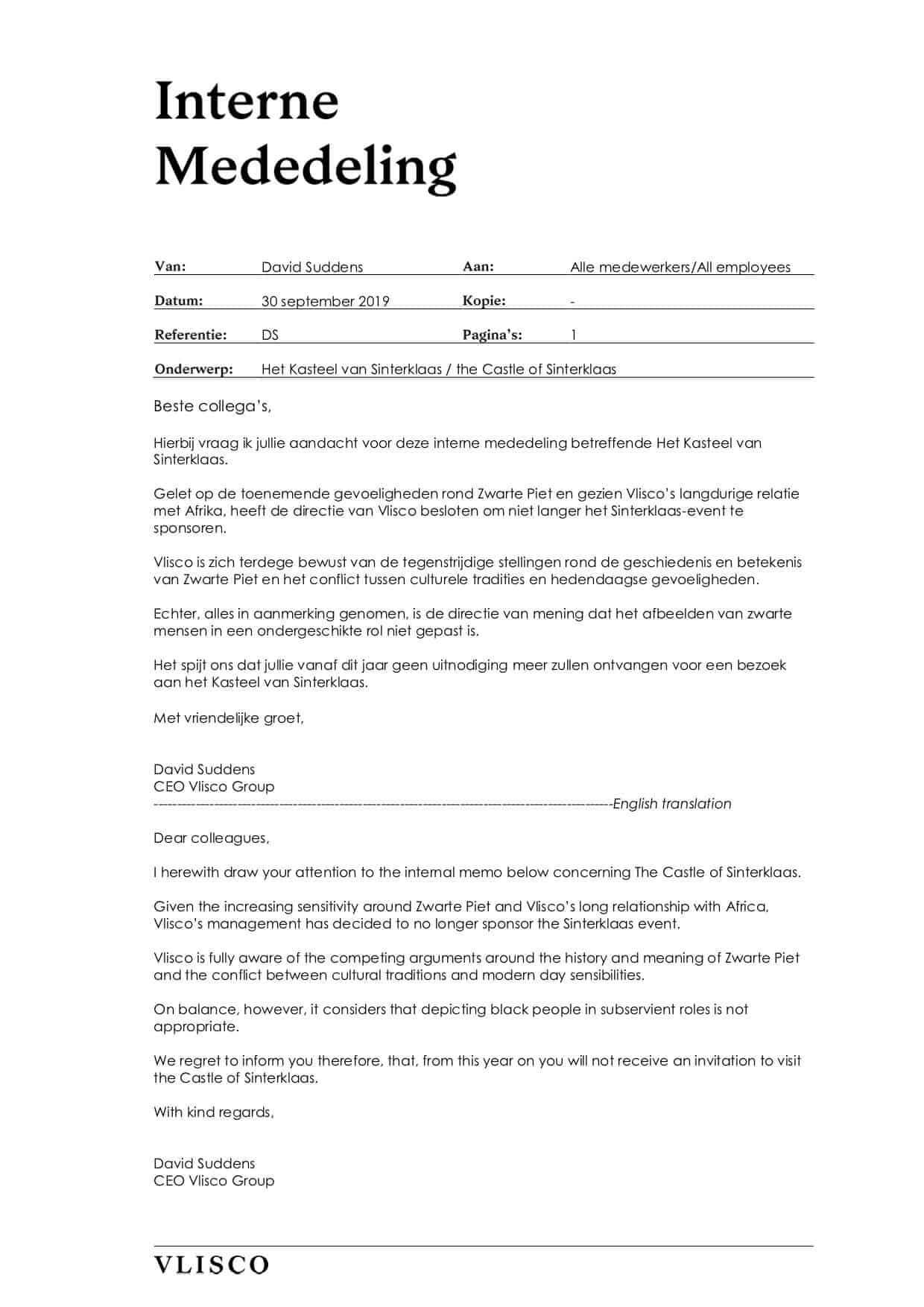
On September 30, 2019, Vlisco’s CEO David Suddens sent an internal memo (which you can find below) to Vlisco staff announcing that “Vlisco is fully aware of the competing arguments around the history and meaning of Zwarte Piet” but “on balance, however, it considers that depicting black people in subservient roles is not appropriate.” Nowhere in the memo does it say the company disapproves of blackface or the racist tradition.
The current employee who spoke to us on condition of anonymity said that when Suddens reluctantly stopped sponsoring the blackface ritual, he decided not to release a public statement because, he apparently said, “We’re going to please three people online and piss off 500 workers in Helmond,” speaking about Vlisco’s HQ workforce. They went on to reveal that most white Dutch employees of Vlisco support the blackface ritual and oppose efforts to make public statements condemning it. “It means that by saying that we condemn Zwarte Piet, that 500 of our white Dutch workers will be pissed at him, that he will look bad for folding under pressure,” the employee said. Suddens “is constantly discrediting the feedback that mainly the Diaspora and Nigeria are giving him. He just thinks it’s ‘woke culture’ and he won’t respond to it,” the employee explained.
When asked about the Sinterklaas sponsorship and accusations of racism against Vlisco, a spokesperson for the company said, “unfortunately our CEO is travelling at this moment in time. He is not available for comment.” Follow-up emails were ignored.
Many brands have condemned racism within the industry after public pressure, only to have their statements’ performativity revealed through other acts of discrimination and whitewashing. The French luxury brand Celine, for example, declared on Instagram that it “stands against all forms of discrimination, oppression and racism,”only to be called out in the comments by stylist Jason Bolden, who wrote that Celine doesn’t dress Black celebrities “unless they have a white stylist.”
As the internet age has given us a broader lens with which to peak in and scrutinise brands for their discriminatory practices, we are seeing an increasing number of virtue signalling actions that, on the surface, present as positive steps forward, but are revealed to be ploys to appease the public, so that these companies can retain their existing framework imbued with racial and gendered injustices. If brands like Celine or Jacquemus or a company like Vlisco want to prove that they deserve a place in the newly emerging, egalitarian and just world, they’re going to have to do more than share tokens of their support. They’re going to have to fight the racial battle right beside the rest of us.
Original memo from the Vlisco CEO informing employees that the company will no longer be sponsoring Sinterklaas:
Joe Penney is an NYC photographer, filmmaker, journalist, and co-founder the Mali-based news website Sahelien.com.
As the novel coronavirus has spread across the world, everyone has been tasked with doing their bit to combat the ravenous disease, whether that be staying at home, working overtime as an essential worker or donating funds and goods to the cause. All over the world, any NGOs, non-profits and philanthropic individuals have lent a hand in combatting COVID-19, as have governments budgets, but here in Africa, it seems that the global pandemic only worsened an already out-of-hand sickness: corruption.
The large sums of money and abundance of goods that have been dedicated to tackling COVID-19 have only made it easier for corrupt officials to siphon off funds into their own pockets, and to distribute goods within their own circles, as opposed to using these provisions to help the people for whom they were intended, who need the support the most.
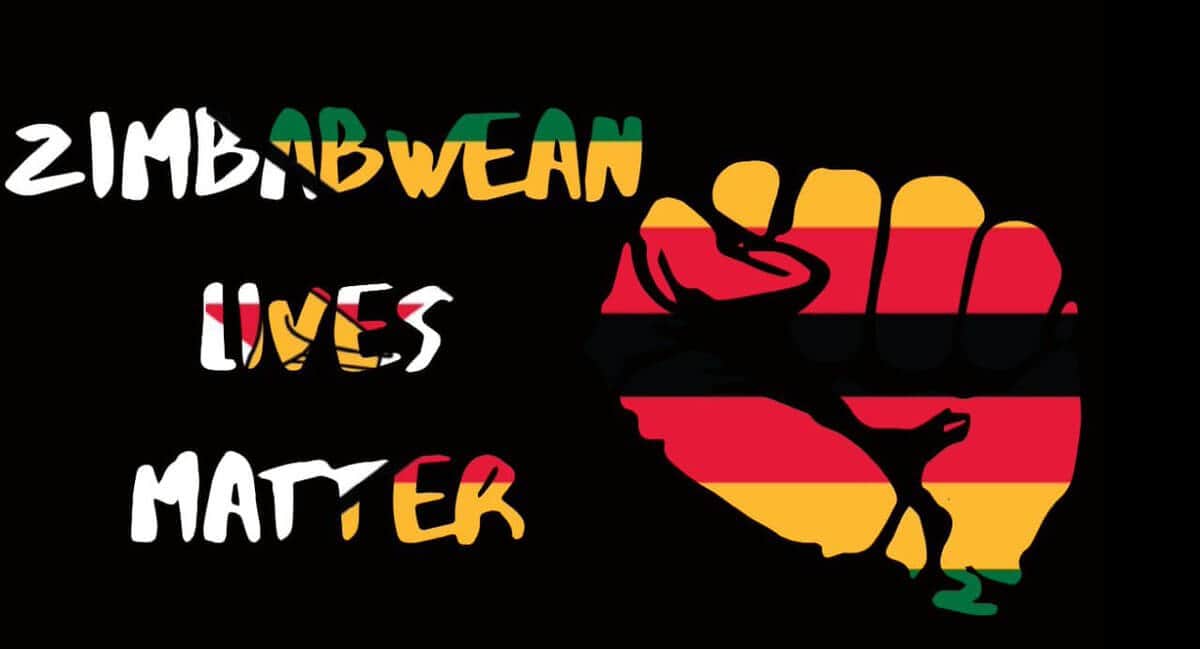
Today marks the 14th day Hopewll Chinono is in prison.He’s a journalist who exposed the looting of Covid-19 funds worth US $60 million.The Minister of Health who orchestrated the looting sits in the comfort of his home with no accountability. #FreeHopewell#ZimbabweanLivesMatterpic.twitter.com/adiALzIqDQ
As early as April, just a month after the WHO declared the outbreak a “global pandemic”, the country was already reporting misappropriation of goods. Local councillors across South Africa – the hardest hit African country, with over half a million reported COVID-19 cases – were accused of denying NGOs the capacity to contribute their aid; stealing the food parcels that were put together to help poor communities, or strictly giving them to the supporters of their own political party; overpricing products that are largely substandard in order to make a profit; and also delivering inadequate services. In The Gambia, similar grafts were initiated, for example the registering of non-existent persons on the list of frontline workers, so that the fraudulent perpetrators may collect the risk allowance allocated to essential employees.
Over in East Africa too, coronavirus related corruption scandals sparked the #MoneyHeist, which trended in Kenya, as it was revealed that a large sum 1.3bn Kenyan Shillings (the equivalent of £9.8m or $12.2m) was spent on tackling the coronavirus. What concerned citizens were details of where the money went; for example the report presented to parliament by Health Secretary Mutahi Kagwe, detailed the spendings which included 2m shillings allocated to mobile airtime, however local telecoms company Safaricom had already offered their services free of charge. Thankfully, today, it was reported that the COVID-19 emergency fund, courtesy of the office of the Director of Public Prosecutions, has been replenished with seized funds, that were retrieved from anti-graft operations.
In neighbouring Uganda too, the High Court ordered the return of $5,000 from each MP involved in the scandal that saw the members of parliament allocate themselves the equivalent sum of $2.6m. The MPs justified these funds, saying they were to be used to raise public awareness about the disease, however district committees exist for this very purpose and, condemning their actions as “morally reprehensible”, the Ugandan President himself did not appreciate that the funds weren’t going to these committees as they should.
However, worst of all is the corruption and tyrannical violence ongoing in Zimbabwe, that has resulted in the trending topic #ZimbabweanLiveMatter. A couple of weeks ago, one of Zimbabwe’s high profile investigative journalists, Hopewell Chin’ono reported via his now suspended Twitter account the alleged act of fraud within Zimbabwe’s Health Ministry, where multimillion dollar deals were made for essential supplies whilst nurses remain on strike due to insufficient pay, lack of PPE and poor working conditions. In response to his exposé, the Zimbabwean government, led by President Emmerson Mnangagwa called for Chin’ono’s arrest for “inciting public violence” – though the police officer leading the investigation, in Chin’ono’s bail hearing admitted that there was nothing in the defendant’s tweets that incited public violence. Jacob Ngarivhume, member of the opposition political party, was arrested on the same day; both were denied bail and await trial in a few days.
The Zimbabwean people have been in uproar regarding this arrest, and following the bail denial last Friday, July 31, an anti-corruption protest was held – but unfortunately, Mnangagwa’s government reacted in much the same way. Coming into power in 2018, President Emmerson Mnangagwa was elected after the overthrowing of widely known dictator, President Robert Mugabe, who refused to relinquish the presidency for almost 40 years. Apparently not that much different from Mugabe, critics of Mnangagwa have accused the sitting president of using totalitarian tactics, being silent on rampant police brutality and exploiting the COVID-19 lockdown to stifle political dissent. This is evidenced in his reaction to the anti-corruption demonstration, where twelve protesters were arrested, including Zimbabwean author Tsitsi Dangarembga and another opposition party member Fadzayi Mahere for flouting anti-coronavirus rules and incitement to commit violence.
Bagaetsho. There are some petitions we can sign to show solidarity with the people of Zimbabwe. I will share them here. Petitions are largely symbolic but they can be an effective starting point of used correctly. #ZimbabweanLivesMatter
It is incredibly disturbing and disheartening that not only are the Zimbabwean government misusing goods, services and capital intended to keep their citizens safe during such a deeply unsetting and unsafe time as this, but they are furthermore persecuting and brutalising their citizens for simply demanding transparency and fairness. Mr Hopewell Chin’ono has been incarcerated before, and if he is convicted this time could face up to ten years, however there was no crime truly committed. The Health Minister Obadiah Moyo was sacked after it was found he awarded a $60m contract to a company that was inflating prices of supplies for the racket’s personal financial gain, yet when a journalist highlights this malpractice he is thrown in jail and silenced? The people are not having it, and rightly so!
Celebrities (including Thandi Newton, Boity Thulo, Burna boy, Buffalo Souljah and Beenie Man) and political figures – such as South African opposition leader, Mmusi Maimane who has called for SA president and chairperson of the African Union, Cyril Ramaphosa and to contact president Mnangagwa “and tell him to respect the rights of the media and opposition” – have joined the movement, lending their voices to the #ZimbabweanLivesMatter. With Amnesty International, the United Nations and the British embassy on ground in Zimbabwe’s capita, Harare both condemning the arrest, the global community has also responded in support of the Zimbabwean people. Hopefully as the threat of sanctions emerge, those unjustly arrested will be released and the Zimbabwean government will be forced to reimagine their regime for one that upholds human rights and protects its citizens, as governments are sworn to do.
Despite how often the topic is discussed online, no one actually likes to talk about cultural appropriation, let alone be accused of it. But chances are we’re all guilty of borrowing from another culture in one way or the other throughout our lifetimes, whether it’s that Pocahontas or Mulan costume you wore when you were five years old or adorning your hands with non-permanent henna or even Fireboy DML’s use of Chinese symbols and dressing in the video for his latest single “Eli”, it’s a lot more common than we would like to think.
If we’ve all probably taken from a different culture to ours during our lifetimes, then how do you easily differentiate between cultural appreciation or exchange and something being appropriated poorly and offensively? It is not black and white. There is no clear, cut answer but considerations like power, respectfulness, collaboration, and credit are all important when weighing whether we’ve strayed from appreciation into the realms of appropriation.
The advent of social media and globalisation has meant that the world is now a more connected place than it once was. You don’t have to come from a particular country to know what is going on within it or the cultural trends that they adhere to, because it’s simply available to peruse at the click of a button. Imitation is said to be the sincerest form of flattery, but when that imitation is steeped in callousness and touted as a means to garner clicks on social media, then therein lies the problem.
Appropriation is defined as taking something from a less-dominant culture in a way its members find undesirable and offensive, or that its heritage is misused by those in a position of privilege. Going by this definition, power dynamics are important when we talk about cultural appropriation. Take, for instance, Fireboy DML’s video for “Eli”, where we see the rising star adorn himself and his female muses in traditional Chinese attire.
Following its release, many viewers praised the artist for the accurate detailing and lushness of the recently released visuals, but I, like a few others, left the viewing with a bitter taste in my mouth. The song, which came out a week before the video, sampled familiar sounds from Han Chinese music and it’s a no-brainer that the Clarence Peters-directed video also gave a nod to the rich and vibrant Chinese culture.
The video starts off with the transcription of YBNL in Mandarin and subsequently, and we begin to see these Chinese symbols everywhere on the colourful set. Fireboy DML is presented as the wanted samurai who mingles with dangerous women, namely Delilah, who we see is adorned in the traditional Chinese female garment, the qipao, and has her face painted white. The video is beautiful and the set design is immaculate, but ultimately, “Eli” fails to go beyond engaging with Chinese culture on the aesthetic level.
I am a firm believer that if you’re going to do something, do it very well, and as an artist primed to be one of the biggest from these parts, the video for “Eli” failed to do justice. In the behind the scene clips, both the set designer and the makeup artist shared that the inspiration from the video was birthed from watching Chinese movies, especially ones starring Bruce Lee. In an attempt to pay tribute to Chinese culture, they have failed at actually getting any knowledge of the culture beyond what Hollywood has told us Chinese culture is to look like. There is a distinct lack of appreciation for the complexity, richness and fullness of Chinese culture, as the creatives involved all clung to popular stereotypes depicted in movies that have long since been criticised for their simplistic depictions of the Chinese culture.
Selecting which cultural elements suit our narrative without engaging with the cultures that gave rise to them not only creates the avenue for misappropriation but it also misses an opportunity for art to imitate real life, particularly by those who live and breathe these cultures. Chinese culture extends far beyond paying lip service to this rich and beautiful culture that has been in existence for millennia.
Given that Nigerians would rue the day anyone uses cultural norms that are exclusive to us in the wrong way, as we already countless times (see: Yvonne Orji), we need to question the way in which we engage with cultures that are different from ours, especially when we are the ones in positions of power selecting these cultural elements to infuse into our art. One of the strongest ways to achieve genuine cultural appreciation is through collaboration and dialogue. In the credits for Fireboy DML’s “Eli”, there was no mention of any Chinese creative being consulted in the making of this video. Basing your creative output simply on movie references is certainly not good enough when you are claiming to pay homage to a particular tradition, lived experiences, first hand narratives and adequate information from the keepers of that culture are imperative.
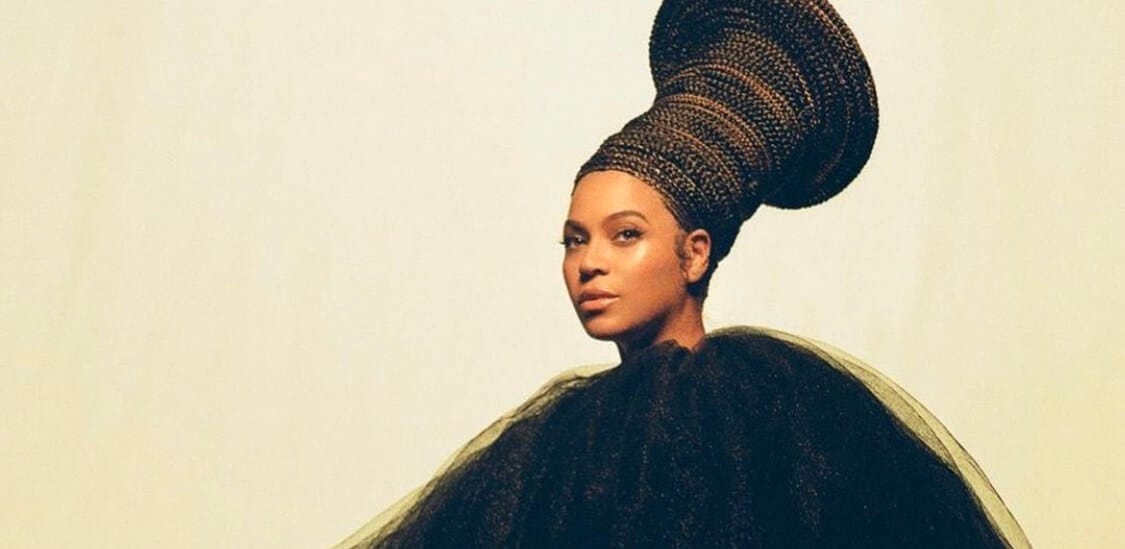
Last week, Beyoncé released the stunning visual masterpiece Black is King, the final accompaniment to a journey that started over a year ago, following the release of her executive-produced love letter to Africa Lion King: The Gift and it’s all anyone can rave about. Prior to its release, many worried that the visual album ‘Black is King’ would fail to connect with viewers, particularly those on the continent, as its depictions of Africa would surely be steeped in Wakandafication.
But in it’s 86 minutes runtime, Black is King does something differently than former depictions of Africa from outside the continent, it is drenched in authenticity and goes beyond clichéd depictions of African countries and their culture by featuring a myriad of African creatives from the continent and in the diaspora. The film was co-directed by Kwasi Fordjour, the Ghanaian creative director of Beyoncé’s Parkwood Entertainment company, alongside other directors such as Emmanuel Adjei, Pierre Debusschere, Ibra Ake (Atlanta), Dikayl Rimmasch, Jenn Nkiru, Dikayl Rimmasch, and Jake Nava. Beyoncé did not stop there, she went further and worked with everyone from stylist, Daniel Obasi to the likes of Meji Alabi, Dafe Oboro, and dancer, Stephen Ojo.
The breadth of African creatives that worked on ‘Black is King’ shows Beyoncé’s willingness to learn and collaborate with those who know the culture firsthand. By engaging in this cultural exchange, Beyoncé succeeds in appreciating African, in particular West African, culture rather than appropriating it. The cultural nods are abundant, but they’re not lip service neither are they just pillaging ‘African’ aesthetics; ‘Black is King’ is well-intentioned, well-researched and commendably executed.
I didn’t watch ‘Black is King’ feeling that cringey second-hand embarrassment you usually get when someone uses cultural elements that are unfamiliar to them; instead, I was more focused on the fact that the work of African artists and creatives shone through, whether they were in the video or working behind the scenes. Discerning where we fall on the scale of appropriation and appreciation is very important because cultural identity is precious and those who feel marginalised may not wish to see their culture, heritage or tradition reduced to offensive stereotypes or used wrongly because globalisation fosters a false sense of entitlement in people.
To answer the initial question posed, all cultural appropriation is bad because we are not the right channels to appreciate other cultures, particularly if we have not consulted any members of that community that live the culture daily. However, well-researched entertainment that takes into account the experiences and nuances of those within the culture is welcome, if done properly.
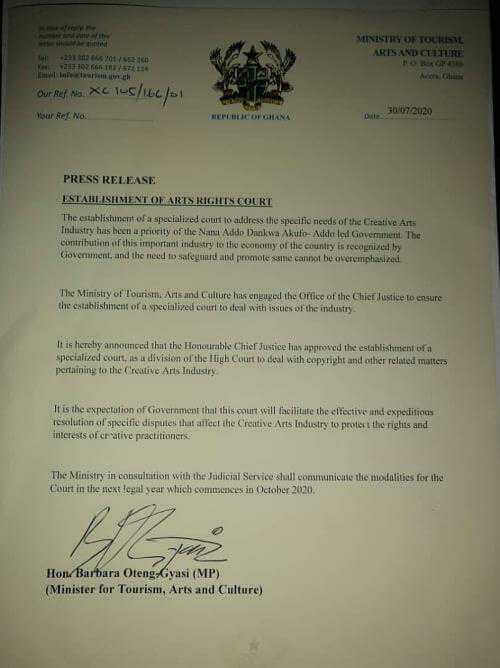
Ghana’s Ministry of Tourism, Arts & Culture has announced final plans to establish a specialised court dedicated to the country’s creative arts sector. According to the press statement announcing the development, the Arts Rights court will function as a division of Ghana’s High Court, and it will deal with copyright and other related matters pertaining to the arts sector.
Copy of the statement announcing the Arts Rights court
Signed by the Minister for Tourism, Creative Arts and Culture, Barbara Oteng-Gyasi herself, the statement explains that the establishment of the specialised court has been a top priority for the Ghanaian government, in recognition of the creative industry’s important contribution to the country’s economy. Ghana’s economic focus on the creative industries, brought to their shores, last year, tourists and cultural influencers alike, when they Ghana hosted the Year of Return. An integral part of the December events were the festivals and concerts – Afrochella, Afro Nation, Detty Rave, etc. – that entertained the influx of tourists from the diaspora looking to reconnect with their African roots and generally have a good time.
With the Arts Rights Court, the Ghanaian government will be looking to improve the conduciveness of the stakeholders within the sprawling Creative community, helping to enforce laws around intellectual property rights, piracy and internal disputes, by taking into account the nuances of the sector. The Ministry, in consultation with the Judicial Service of Ghana, is currently working on the modalities of the Arts Right courts, which will commence in at the beginning of the next legal calendar from October 2020.
[mc4wp_form id=”26074″]
Dennis is not an interesting person. Tweet Your Favourite Playboi Carti Songs at him @dennisadepeter
It can be hard to keep up with the rapid pace of events unfolding during the lockdown. With each passing month, the lack of regular social breaks from the harrowing news cycle has made it overwhelming to continuously consume a landslide of new information. With collective efforts to stay indoors and curtail further spread of the virus still ongoing, we’ve decided to help curate a list of the best new music from all over the continent that is sure to give you the much-needed detox from social media.
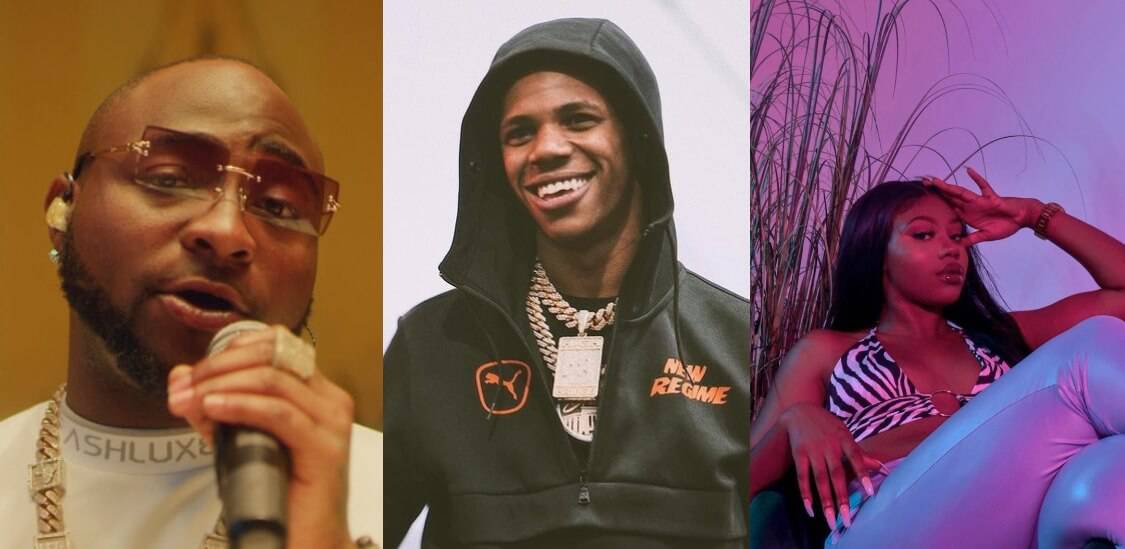
We started the week with new releases like Davido’s new collaborations with Snakehips, Jess Glynne, and A Boogie wit Da Hoodie, as well as, new releases from May D, Sinäi, Ona Dema and Dremo, CDQ, Wande and more. Our mid-week curation features new music from The Kazez, Efya and Tiwa Savage, Governor of African, DJ Neptune and Bella Shmurda, Alpha Ojini and Moelogo, Skales and more. Enjoy
The Kazez – “Jericho”
After getting our hearts broken in relationships we’ve invested our time and feelings in, we eventually learn to be careful with our most vital organ. We can’t go falling in love with every attractive person we meet (or more likely these days, find on the internet), but sometimes we encounter people that make us consider throwing caution to the wind. This is the premise for Lagos-based duo, The Kazez’s latest single, “Jericho”, a dance-driven afropop song addressed to their muse. Singing “I fall like the wall of Jericho/ If you no fit love me let me know” over the EDM influences instrumentals, The Kazez are being as careful with their heart as love can afford. With the attention to crafting infectious melodies and the beat’s satisfying bass-drop, “Jericho” plays out more like a confession of romantic intention than a foreboding warning against love like it feigns to be at the surface.
Efya – “The One” Feat. Tiwa Savage
Back in June, Efya and Tiwa Savage teamed up to restore our faith in reggae music as they refined the sound for a romantic number titled “The One”. After already enjoying massive fanfare from Ghanaian and Nigerian fans, the pair have followed up the single with an accompanying music video directed by Dammy Twitch, where Efya is a circus magician and Tiwa Savage the bombshell star act. Though neither of them perform any actual magic tricks, they shine under the spotlight with their vocal acrobatics as they address their love interests over the groovy instrumentals produced by Black Jerzee.
2Baba – “Opo” Feat. Wizkid
2Baba has released the music video for “Opo”, the Wizkid assisted standout track from his latest project, ‘Warriors’. Both singers have made a career out of performing romantic songs detailing their attraction to African women and their new collaboration continues along the familiar theme. While Black Jerzee’s catchy production made their endearing lyrics more compelling with the groovy harmonies destined for dancefloors, the recently released music video highlights the song’s aim of celebrating the beauty of women. Clarence Peters directed the video with studio sets where both artists perform their vocals while models in different colourful and elaborate clothes, dancing to the rhythm.
Governor of Africa – “Good Life” Feat. DJ Neptune, Bella Shmurda
Bella Shmurda’s debut tape, ‘High Tension’ earmarked him as a brilliant singer bringing the indigenous Yoruba flavour to contemporary Afropop. Several tastemakers within the scene like Runtown and Davido have since taken notice and put him on the guest spots for their songs. His latest feature comes from Governor of Africa’s new single with DJ Neptune, “Good Life”, so it’s no surprise that it’s primed for dance floor audiences. Magicstics produced the catchy beat that sets a bouncy backdrop for Bella Shmurda’s breezy melodies and lyrics about living the good life; “Kill them with the vibe/ stand up and dance/ don’t you do gra gra”. Bella Shmurda’s regimen for living the good life sounds easy enough and if it’s the model that he has followed to make a name for himself in Nigeria’s competitive music scene – it’s worth giving a shot.
Alpha Ojini – “Chorister” Feat. Moelogo
Alpha Ojini has been one of the most consistently impressive rappers in Nigeria and he doesn’t disappoint on his latest single, “Chorister”, featuring Moelogo. After showing off the range of his rap community with “Pop II” featuring several of his peers, Alpha is tuning to mainstream pop songwriting with a romantic number written to convince a love interest of his intimate feelings. While Moelogo’s voice scales up and down infectiously on his verse and the hook, the lightweight production allows Alpha’s malleable vocals to adopt a sing-song melody while he lays down his endearing lyrics. Saying “Make a rapper turn MJ with the melodies/ still ain’t no harmony rich enough”, his self-awareness is convincing and the melodies will certainly put you in the mood to dance.
[mc4wp_form id=”26074″]
You are meeting Debola at a strange time in his life. He wandered into a dream and lost his way back. Tweet at him@debola_abimbolu
The Yoruba people were amongst the first African slaves forcefully taken to the Americas during the period of the transatlantic slave trade. Even though they were stripped from their motherland, the Yorubas carried with them indigenous legends, songs, cultural practices and religious beliefs which survived and evolved over the centuries since – especially in Brazil and Cuba.
The religious survival of the Yoruba tradition in Cuba and Brazil is most incredible and a widely studied phenomenon in the new world. Scholars have stated that no other African ethnic group influenced the preservation of religious practices in the new world as the Yoruba, making them arguably the most influential group amongst all African ethnic groups in the new world.
At the time, in the 15th century, slaves were forced to practice the religion of their masters (which was often Roman Catholicism), the syncretism between the Yoruba Orisa and the Catholic Saints allowed the slaves to practice their own worship in secret. Centuries later, retaining but a few elements of the Roman Catholic belief, traditional Yoruba religion is thriving in the new world today, which is in great contrast to its decline where it originated from in West Africa.
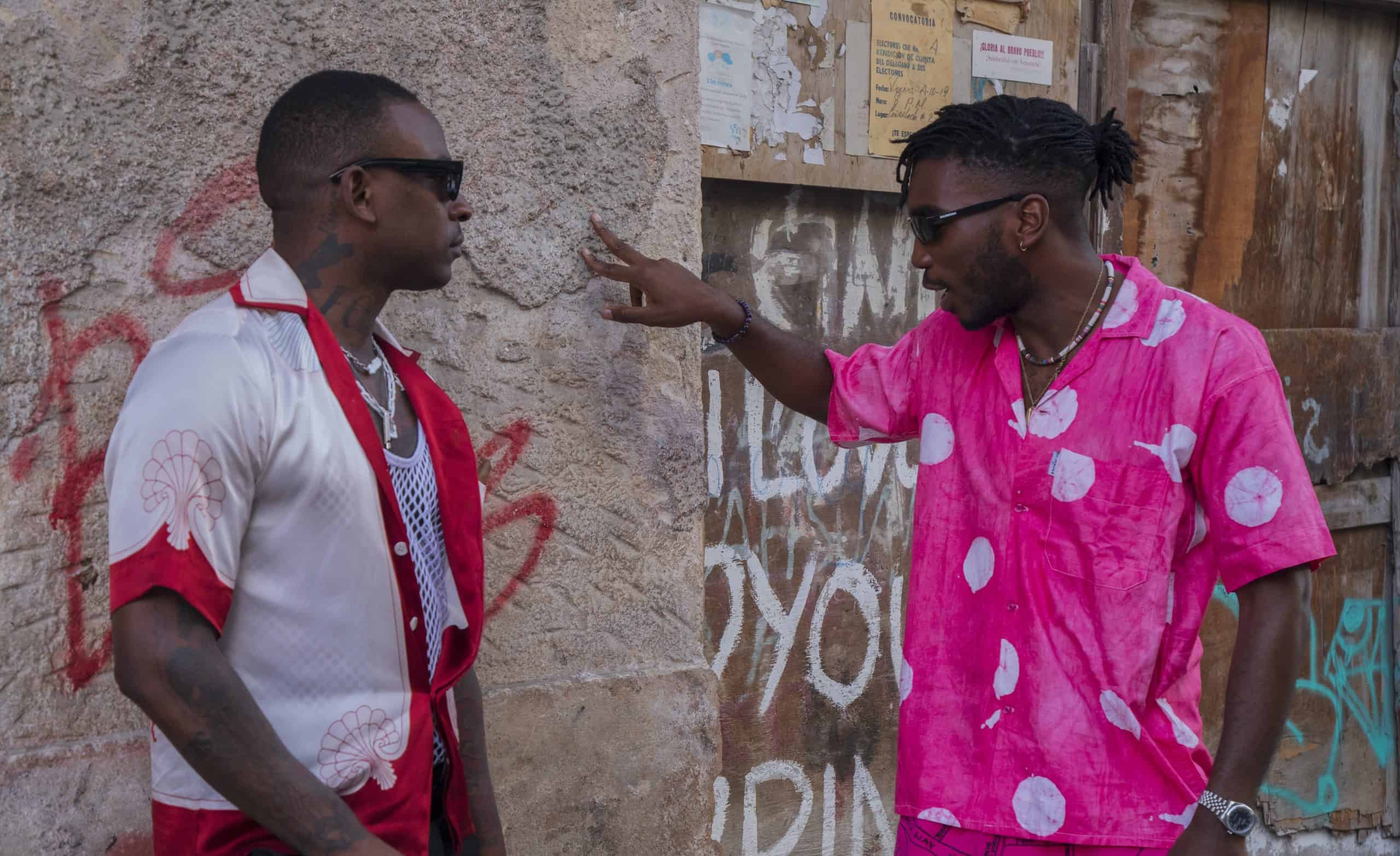
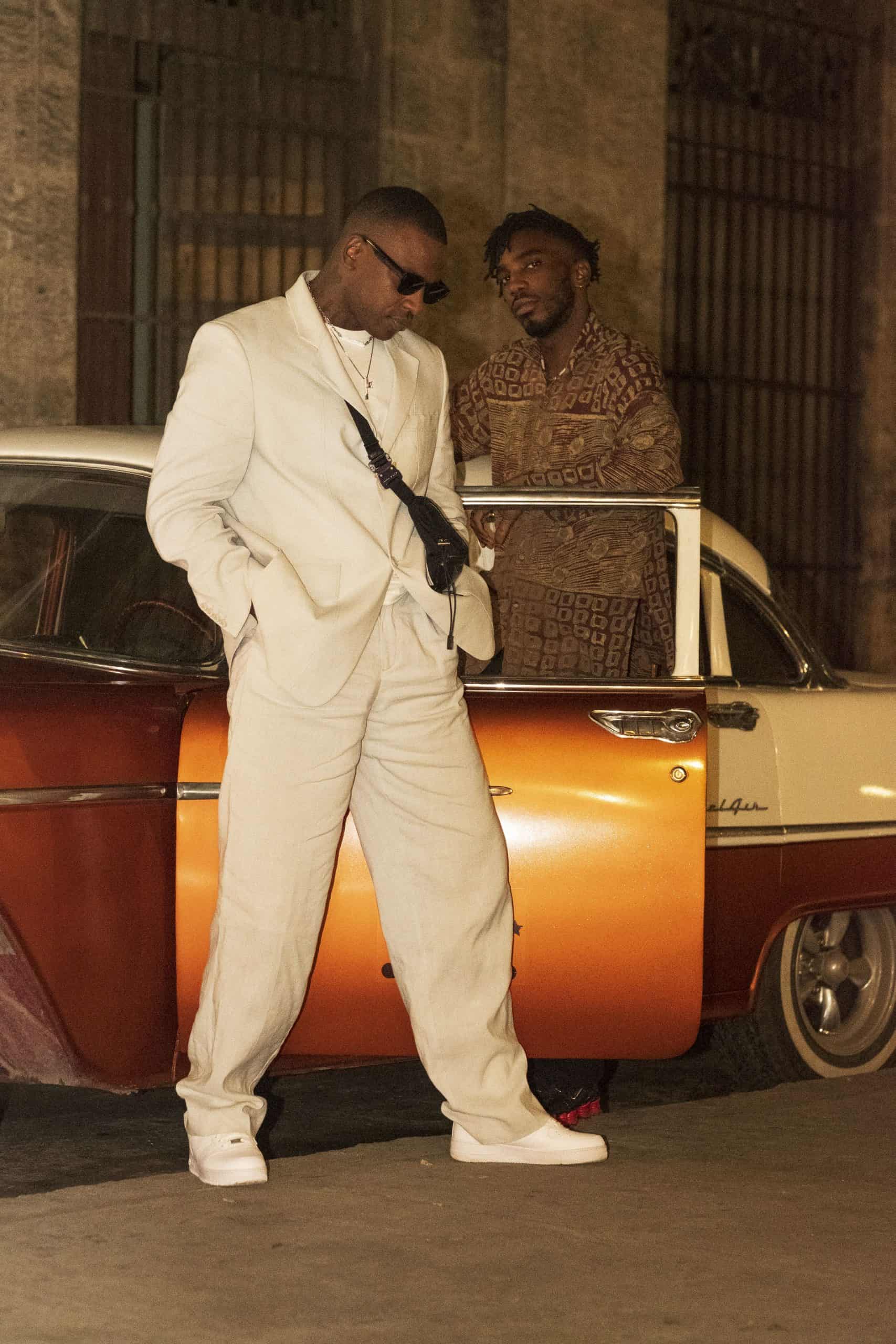
When I arrived in Cuba, I was excited to embark on this cultural exploration with some of my Yoruba brothers: renowned photographer, Stephen Tayo, and award-winning musician, Skepta. Stephen Tayo has always communicated a strong Yoruba narrative through his imagery – most recently his ‘Ibeji’ series, which means “the arrival of two,” commonly translated to ‘twins’, in Yoruba. Skepta too, who invited us on the trip, bears strong ties to the Yoruba tradition himself, being the ordained Chief Entertainer of Odo Aje (Amuludun of Odo Aje)
I had been doing an independent study on Yoruba culture and the connections to the diaspora prior to this visit, and after my trip to Brazil last year, the obvious next destination for me was Cuba. With no idea how that was going to happen, it was all wishful thinking until Skepta and Havana Club made it a reality.
The trip began with us exploring the city and its iconic landmarks. Our main interest laid in gaining more understanding of the connections between our Yoruba culture back home in Nigeria and that in Cuba. Historically, it is said the majority of the Yoruba slaves were taken to Havana, Cuba and Bahia in Brazil. This was the first thing that struck me upon my arrival: the prevalence of black (Afro Cuban) people in Cuba, and how seamlessly we, as black African men, could fit into the community. Secondly was the overwhelming presence of Yoruba religion through out the city. It is believed that at least 70% of the Cuban population practice Yoruba religion, whether it be Santeria and Lucimi which are both syncretic religions of the Yoruba religion mixed with Roman Catholicism.
Another profound visit was our attendance of a traditional ceremony in honour of one of the Orishas they call Eleggua, who are also known as Esu. The most intriguing thing about this ceremony were the songs and the drum patterns being so reminiscent of the sounds of our culture back home in Nigeria – there is even the use of Yoruba words along with Spanish in the songs. This rhythm connected with us in a spiritual way, both myself and Skepta broke out into dance, and even our variations of the Zanku legwork fit in completely with the local dances.
After the ceremony, I raced to the opportunity to have a chat with the Babalawo (chief priest); I needed to understand if the people knew about the connections or the significance to Yorubaland through the religion and practice. To my surprise, most people don’t have a clue where it came from nor understand its connections to West African Yoruba culture. They see it as their own, and considering the way in which it has morphed from its original state 4 centuries ago, into the distinctly Cuban practices we were honoured to experience, it is. The Babalawo himself did, however, understand the relationship and connections as he acknowledged he is from Yoruba descent. He understood enough to sing the songs and translate the prayers, but not to communicate fully in the language.
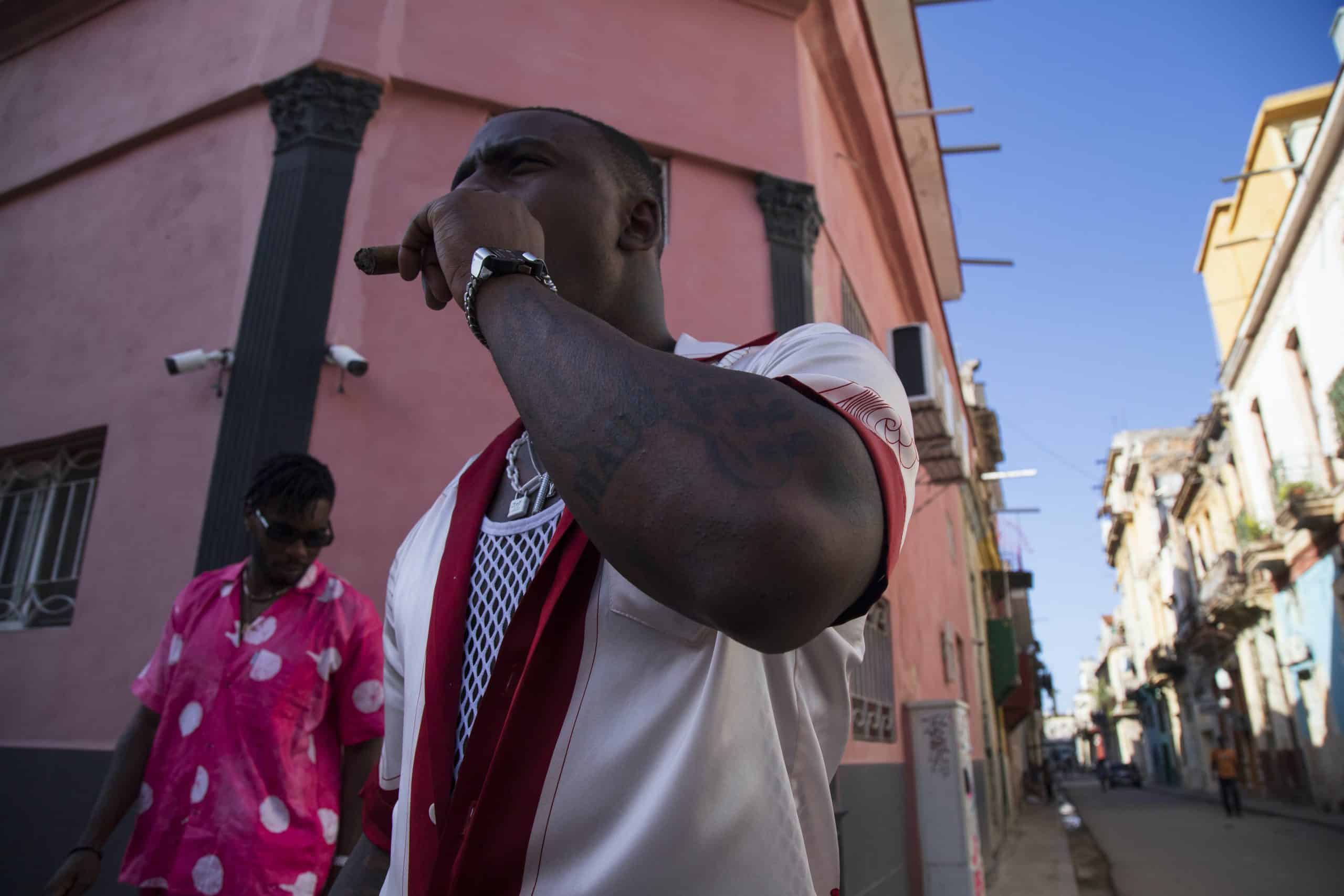
While doing the tourist rounds around the city of Havana – a destination so rich in history that one might feel somewhat trapped in a time warp – the minimal internet access, the multitude of vehicles from the 60s/70s and the minimal impact of capitalism and globalisation on the people everyday life makes it all feel very surreal. However, whilst I do have respect for the country’s rich history, my main purpose was to understand the black/afro Cuban history in relation to Yoruba religion in Cuba. Upon politely informing our tour guides of our agenda, we were finally escorted to the Museum of the Orisas. This, for me, was one of the most exciting parts of the trip.
The museum was nothing short of magical. A statue and a story were attached to every single Orisa, giving me further understanding of the research and readings I had done by myself prior to the trip. For the most part, they shared the same names as the Orisas back home, their stories may have been slightly altered in some cases but with no significant or unrecognisable changes. I left feeling extremely enlightened and ready for our next adventure, however, the preservation of tradition we witnessed at the Museum of the Orisas made me think deeply about the contrast between the Cuban Yoruba religion (which has stood the test of time and managed to survive centuries) and Nigerian Yoruba practices back home, where we haven’t even dedicated a notable museum to something that is inherently ours.
After a few bottles of Havana Club and shoot day finally over, Stephen, Skepta and I linked up with some locals in a barbershop who, off the vibe we were musicians, invite us down to their studio, HM music. I can tell this is going to be a dope experience because, in a country where there is minimal exposure to external media, Skepta could just be a regular guy without the initial pressure of people wanting to take pictures or bothering him – he really enjoyed this aspect of being in Cuba. As soon as we enter the booth, Skep gets down to business producing an infectious afro-pop/reggaeton type beat in less than 10 minutes. The room goes crazy! Mumbling some verse ideas under my breath I enter the booth and drop a freestyle about our trip and experience, the Cubans add some vibes to finish off the track and it’s a smash! In half an hour we had a song that connected with all of us. Sipping on some rum while puffing on cohibas we share moments to last a lifetime, connecting our cultures through a shared heritage and history.
This was a monumental trip for me in my life and the journey in further understanding the impact of cultural identity. I could never have imagined the similarities in some cultures would be so prevalent today thousands of miles across the Atlantic after centuries. Where we are from and what we represent is way more powerful than what meets the eye.
At the beginning of his new EP, ‘Vibes & Insha Allah”, Reminisce’s kids ask him why he has to record and make music. On the surface, it’s a very innocent question from children with fleeting curiosity, but if you fixate a bit longer, it’s a weighty inquisition for an artist who’s achieved so much and can pivot to other endeavours with little to no regrets.
After spending the better part of the last decade as a key figure in reiterating the creative legitimacy of non-English rap music in Nigeria, and helping to solidify street-bred music as an unimpeachable commercial force, the last few years has seen Reminisce diversify his portfolio to include an impressive debut feature on the big screen and hosting the last edition of the Headies. While he’s continued to drop music, some of them going on to become big hit songs, this period coincided with the end of a prolific four albums in five years run. On ‘Vibes & Insha Allah’, his first project in four years, Reminsice shows he still carries a burning flame for making music, curating his version of a “30+ vibes” set list.
Between JAY-Z’s now obsolete claim that “30s is the new 20s” and the hyperbolic banter on social media that pretty much equates 30s with being the new 60s, artists within that age bracket are finding ways to embrace and express what it means to be grown in what is generally deemed to be a space for young people. Although with varying approaches and levels of success, colleagues like Olamide, Show Dem Camp, M.I Abaga and Vector have settled into veteran roles, and Reminisce joins that set in a manner that’s less literal in the topical sense but more evident in its seasoned execution.
‘Vibes & Insha Allah’ is finely-tuned and aggregate a lot of Reminisce’s best strengths as a songwriter and hit-maker, resulting in an EP where he’s more or less in cruise control. Centred on reliability, the short tape largely forgoes inventiveness in favour of recognisable elements like big beats and bold hooks. On the chest-pounding lead single, “Ogaranya”, Reminisce raps over a chunky beat laid down by frequent collaborator Sarz, with his vanity bars sitting perfectly on either side of Fireboy’s snarling hook. Like most of the EP, the song doesn’t set any new precedents for Reminisce, but it’s serviceable enough to highlight the traits that have brought him longevity.
Where he does mix things up is the beat selection for ‘Vibes’, a collection that is steeped in his preference for maximalist, swinging production but with enough variation to keep things interesting. Set to a marching bassline, interlocked guitar rhythms on the Krizbeatz-produced “Gbedu” echoes Afrobeat inspirations, while Reminisce’s dismissal of rap purists on “Jogodo” is given added weight by a serpentine flute riff and rumbling 808 bass. On a rare occasion, he’s overshadowed by TMXO’s booming, dance-inducing beat on “Over 2.5”, a light-hearted but bland song where his bit about sports betting feels a bit too perfunctory. It’s not a wild misstep, but the song falls short of Reminsce’s proven ability to sound commanding, whether he’s being profound or not.
On the other TMXO-produced song, the intro cut “Vibes”, Reminisce puts in a more compelling shift, letting his narrative raps flow in loose, conversational cadence over rippling bass guitar and horn flourishes. In what is undeniably the EP’s most personal and wistful moment, he documents the balancing act of being productive and living in the house with boisterous kids, in isolated conditions no less. Although the song doesn’t dig deep into the opening question from his kids, Reminisce’s appreciative tone indicates he’s in a great place – creating stress-free, enjoyable music – as is the case on ‘Vibes & Insha Allah’ – is a product of that.
Listen here:
[mc4wp_form id=”26074″]
Dennis is not an interesting person. Tweet Your Favourite Playboi Carti Songs at him @dennisadepeter
The Notes app on the iPhone has sure seen a lot; shopping lists, brainstorms for potential songs, premeditated essays to friends during a fallout, and most notoriously the celebrity apology. Sharing a screenshot from her notes yesterday, Simi is the latest Nigerian celebrity to open up that yellow and white in-built feature in response to social media backlash.
Simi’s apology addresses her homophobic remarks made on a now-deleted episode of ‘Stoopid Sessions‘, her sporadic Youtube talk show. Joined by friends in the industry, including producer Sess, the episode saw the panel dig into what dating is like amongst millennials, which quickly turned into their expressing their offensive misconception that homosexuality is a sin. Even sharing laughs over people’s existence, in the distasteful video Simi professed that homosexuality “does not seem natural” to her, and when challenged by Sess, the only reasonable panelist on the episode, she attempted to legitimise her unsolicited take, saying: “It’s not only things that affect us that we’re uncomfortable with.”
Months after the late March incident, Simi is now apologising to the LGBTQ+ community for “carelessly and casually” speaking on a topic that is “a matter of life and death for many” – and therefore not a talk show talking point. Admitting wrongdoing, promising she’s learning (and by inference improving?), and claiming to be humbled by the terrifying news of someone almost being killed for their sexuality, Simi delivered a convincing apology for which she was readily applauded.
However, some people just weren’t convinced. And as events unfold today, it’s becoming clearer and clearer that Simi’s apology, like all public statements from celebrity figures who are all invariably trying to maintain their status as celebrities, should be gazed upon through a critical lens.
Thanks to the character limit on Twitter and users’ preference to read posts rather than captions on Instagram, screenshotted Notes apologies shared through social media have become the prominent way in which celebrities take accountability for their publicly displeasing actions. With the direct access these media afford us, celebrities no longer have to seek out an interview in order to make their apologetic nature known; now our favourite stars are able to bear their hearts on one of the most private iPhone utilities and then share that with the world on their own terms, unadulterated by a certain publication’s agendas or your PR person’s well-trained spin. Notes apologies are intended to be personal, not a contrived public statement, but an actual heartfelt message scribbled down in an apologetic haze, however more and more people are calling bullshit on this practice, cynically viewing it just another publicity stunt to appease the masses.
Coincidence ? How convenient is it that when Simi gave her apology, Adekunle Gold is in a magazine centered around queer creatives ? pic.twitter.com/NgZCOXJSq8
Now, from reading her statement, there is no doubt in my mind that Simi feels apologetic for the things she said, and distressed at the way in which the queer community is treated. Naturally, these are feelings she would want to share with the public, as she does so much of her life, however, multiple other motives for releasing this apology could also exist – not negating her apology but rather giving us a critical understanding of it. The same goes for other celebrity apologies. Of course, remorsefulness is palpable in most apologies, but what also exists is an evident desperation not to be ‘cancelled’, a rushed bid to ensure that the general public stays on side so that brands, collaborators, labels and the money machines don’t pull out their investment in said celebrity (or in Simi’s case, rather unusually, her husband).
Simi’s apology came just a day after her husband, Adekunle Gold was called out for attempting to appear relatable to the queer community – following a feature on queer magazine, QUAZAR just a few hours before Simi’s note – whilst living at home with an openly homophobic person. What was touted as an impressive product of introspective self-critique starts to look a little more strategic when considering the fact that Adekunle Gold is promoting his forthcoming album, ‘Afropop Vol 1.‘, recently releasing its tracklist, and could do with as little flack from the general public as possible, especially from the queer community who are famously influential in the making of stars in the US. This has all been noted with warranted scrutiny from Twitter users, and resulted in QUAZAR Magazine pulling Adekunle Gold’s campaign from their page – which Adekunle Gold stated, in his own public apology (not via the Notes app), was as a result of social media bullying.
Claiming that Simi had no prior knowledge of his QUAZAR interview, and therefore affirming that the timing of her apology was purely coincidental, Adekunle Gold made it known that he does not support hatefulness, he does not “agree with homophobic behaviour in any sense”, and that he is “cool with every human being: “I love all my fans regardless of who they love or what they identify with.“
All but condemning his wife’s actions, Adekunle Gold making a point of denouncing queer discrimination, raises another questionable aspect Simi’s initial apology: that it focussed more on the fact that she shouldn’t have made those remarks than any acknowledgement of her homophobia, indicating, by inference, that she likely still considers the latter to be an ‘opinion’ to which she has a right. Granted, this might not be the case, but an apology that doesn’t make that clear is simply not an apology for being unapologetically homophobic. Whilst I am glad that many have found it in their hearts to forgive her, I can also relate to the many others who found it eye-rolling content and condemned it to the trash where all the other celebrity boohoos reside.
From what I have learned from my minimal years on this planet, apologies do very little for the person to whom you’re apologising, what really matters is that you are remorseful in your approach henceforth. What Simi, Adekunle Gold and other celebrities could do to actually convince us that they’re truly sorry and not scrambling to maintain their status, is step away from the Notes app, leave behind their thirst for public approval and actually work on the criticisms they’ve received, becoming the most authentic version of themselves, fans be damned!
But to paraphrase the great prophet Naira Marley, am just finking, mo kan suggest ni (or however that meme goes).
Wojumi is a bad bitch & she’s going to brag about it. Tweet her your latest cultural exploits @dewoju
Back in February, Netflix announced its official launch in Nigeria, a move that was highly anticipated for many viewers, since the procuring of Genevieve Nnaji’s ‘Lionheart’back in 2018. Since then Netflix Naija, as they’ve dubbed themselves, has been regularly updating their catalogue of Nollywood films and shows, and it’s been interesting seeing new audiences react to films that have come out years ago, in some cases.
It was through this ever-growing bank of Nollywood films on Netflix that I stumbled across the Daniel Oriahi’s 2018 film titled ‘Sylvia’, which has just been added to the streaming behemoth. Despite not being a Netflix Naija original, procuring the film, and a number of other Nollywood films like ‘Sugar Rush’ and ‘Your Excellency’, on license for an online audience to consume shows Netflix’s willingness to help showcase the diverse playing field of filmmakers and directors from these parts to a much wider audience. Unlike other films on Netflix Naija, ‘Sylvia’ was a commendable attempt at a psychological thriller that kept viewers at the edge of their seat, but ultimately it left little to be desired as it peddled familiar tropes that have been explored again and again in Hollywood.
‘Sylvia’ follows the story of Richard, a successful businessman (played by Chris Attoh) who finds himself in a psychiatric home. His well-polished diction and articulate speech quickly distinguish him from the other patients in his ward, and this is how we learn, through flashback, the harrowing tale of how he landed in a psych ward. Richard narrates the story of how he had found a friend in a young girl named Sylvia, a figment of his imagination which he could only visit through his lucid dreams and the aid of a red hibiscus.
As the years grew by, Sylvia and Richard’s love and friendship blossomed, as she was always there for him whether he needed help with school or work and when his mum passed away, Richard had no one to turn to other than Sylvia. After school, Richard moved to the city for a bigger corporate job and there he found Gbemi (played by Ini Dima Okojie) who he fell in love with and later married. Pissing off Sylvia with this intention, his first love vows to prove just how much she loves him by seeking revenge on Richard, and his spouse, for using her love when it was convenient but dumping her for a ‘real’ girl when it was not.
Sounds familiar right? Well, it’s because we’ve seen it before. I’m sure you saw it in Beyoncé’s ‘Obsessed’, and if you missed that then you definitely caught it in Netflix’s ‘Fatal Affair’ released just last month and in a myriad of other Hollywood movies released over the years that explore the murderous stalker ex plot. It seems that the stalker-thriller trope is a very popular genre, even for Nigerian audiences. The plots aren’t that greatly different, save for minor additions, but the main premise consists of a willfully oblivious man, his current lover or wife, his ex-jilted murderous lover, and the fight to win him over, resulting in at least one person dead or greatly injured. It’s a played-out predictable plot with ‘Sylvia’ now joining the ranks of films in this storied genre.
The only catch this time is the attraction for Nigerian audiences – the spirit wife. As a Nigerian, I’m sure we’re all familiar with the premise of spiritual spouses as religious culture in these parts is rife with tales of people finding out they’re entangled with a spouse from the spiritual realm. As spooky as it may be, we grew up learning that those spirits were evil, and if you ever found yourself attached to one then you needed all the deliverance and anointing oil, because it was a hint at larger monitoring forces at work in your life.
With ‘Sylvia’, Oriahi delves into this supernatural phenomenon as he plays out our parents’ worse nightmare on screen. Sylvia is powerful enough to materialise in the physical world, despite being reduced to barely the figment of a man’s imagination. She’s the villain because she tricks Richard to kill those who he loves dearly, but there is a human element to Sylvia. She may be the most powerful evil being in the universe but she feels just like we do, she gets sad, she gets heartbroken and she gets angry when things don’t go her way.
Indeed, the best and most enjoyable part of ‘Sylvia’ is its acting performances, with Zainab Balogun especially (who plays Sylvia) taking full control of the reigns and really excelling in this role as she shows off a level of depth and self-awareness like we’ve seen before from her. She commands each scene she appears in with little effort, and even when she’s missing from the scenes, the sighting of a red hibiscus reminds you that she is always there, like an omniscient character.
Despite these little enjoyable moments in the film, ‘Sylvia’ was full of awkward corners and left very little to be desired in the end. You knew from the onset how it would play out; spoiler alert, he loses his wife and later his best friend because of Sylvia’s bloodthirsty revenge and it’s his determination to escape her that lands him in the psychiatric ward, spending out the remainder of his days to escape facing the jilted lover. The stalker ex is an incredibly played out trope, so why do we keep getting more iterations of the same storyline over and over again?
The truth is that there is something comforting about the familiar. Actress, Nia Long who herself recently starred in one of the many iterations of the stalker-ex thriller, recently shared that the success of the genre was due to the habitual nature of humans. She says: “People know what to expect. I think people love the idea of knowing somebody is crazy, and somebody might die. They’re all for it. You can just sit there and be entertained for 90 minutes and give your mind a break from the very interesting times we’re living in right now.” So, perhaps this move to include ‘Sylvia’ on the Netflix catalogue is helping viewers get a much-needed break from the tumultuous state of the world right now, through their fix of the predictable.
Still, given that filmmaking is a creative medium, it should not be too much to expect that our filmmakers get creative, or, what is more likely the case, are given the full scope to be creative by the studios and execs who make the crucial decisions in the big budget film industries. Of course, the stalker-ex thriller is a tried and tested genre that is sure to leave the audience satisfied (unless, like me, they are thinking critically about the cultural implications of once again feeding into the perfidious stereotype of unhinge female lovers), but it is frankly a cop-out for studios to suggest that certain movies wouldn’t sell when no one has tried to sell them. Given how gratuitous narratives persist in contemporary Nollywood – for example the wedding storyline that suggests marriage is the pinnacle of a woman’s life, or the existence of a patriarch who remains ‘head of the family’ the even after his death – it is about time we began demanding more imaginative, diverse and inclusive movies. This is not simply for entertainment’s sake, but more importantly for the sake of our society, so that we may adequately reflect the multifaceted realities of Nigeria and also encourage the viewing population to imagine a better future for the country.
With that said, ‘Sylvia”s inclusion on Netflix is a noteworthy moment as it inadvertently highlights the range of Nigerian directors and filmmakers now streaming on Netflix and opens up wider conversations on the caliber of films to expect on the growing Nollywood catalogue. There is a case to be made for allowing this growing industry to gauge audience reactions online to a slew of Nollywood movies, and in as much as we want quality movies on Netflix, it won’t be uncommon for the streaming platform to feature both high-end and low-end films in its catalogue.
Surfing through the expansive catalogue may be a long and arduous task when it comes to finding the right film to watch, but perhaps therein lies the beauty of it; not all Hollywood films are spectacular, some are deeply mediocre and we should be okay getting the same on Netflix Naija. It gives us a chance to really question the caliber of entertainment we’re receiving and allows for films like ‘Sylvia‘ to take on new life and find new audiences.
Over the weekend, SOLIS released her debut project, ‘ruled by Venus, unfortunately‘ a cheeky bedroom pop mixtape consisting of six tracks, most of which she’d previously shared informally via her Twitter and Instagram channels. Bringing her monthly freestyles together into an emotive project gave the familiar songs a new lease of life and put them all into perspective. Alone, they all have their individual undertakings, but together, they tell the story of who SOLIS is, and also what her art is.
“This project is an introduction. It’s hello, it’s how are you? It’s ‘I love you’.”
The title of track number six on the mixtape (stylised “iloveyou”), SOLIS’ final sentiments on ‘RBV,U’ hits us with the ultimate message she wishes to share through her music: “but I want my last words to you to be I love you”.
Ruled by Venus – “the planet of love, passion, charm, adoration, beauty, sensuality and pleasure,” SOLIS informs me via email – the amorous act, filled with love herself, is constantly yearning for adoration. Her obstinately romantic fantasies shepherd her through life and all its pertinent decisions, although she’s “using my brain now too though”. As any hopeless romantic will tell you, leading a life purely dictated by love can (read will) end in tears. That’s why SOLIS is ‘Ruled By Venus, Unfortunately’; that’s why she sings fuck boys kiss girls, that’s why demands for you not to call her the morning after, or advises you not to fall in love with her (or any other libra woman for that matter). SOLIS has felt the spectrum of love, the joy, the woe, the gut-wrenching uncertainty in the middle, but most of all its permanence – after all, despite the unfortunate times, SOLIS will always be ruled by Venus.
“I want [everyone listening] to know that love will always exist here, and I hope they feel the joy I felt creating it.”
From the very first track (“fuck boys kiss girls”) SOLIS’ glee whilst recording is palpable. Singing about the romantic inefficiency of dating men over a light-hearted disco-patterned beat, SOLIS’ lyrics feel more like a poetic diary entry sung for the fun of it, than a jaded lover biting back at a fruitless ex. Even on longing records, such as “don’t call me” in all its modern r&b glory, SOLIS – reminding everyone that she’s in control – doesn’t fall victim to the post-carnal attachments we imagine from the song’s sensual opening. Though she is full of love, her diary entries are not romantic tragedies. Succinctly wrapping up the dispiriting events of the first three months of this year that affected her personally and the world as a whole, the bouncy “mercury”, is probably the most glaring record of SOLIS’ unfiltered songwriting style. ‘Ruled By Venus, Unfortunately’’s bedroom pop conscience articulates SOLIS’ safety and comfort within her home studio, as she shares the candid vulnerability only one’s own private quarters can really afford, for the nation to hear.
“I think because, growing up, so much of the world – the things I experienced – they all happened in my mind, in my bedroom. There’s something comfortable and honest about the genre [bedroom pop] that expresses that feeling of comfort. I started writing songs in my bedroom, snuck boys into my bedroom, cried a shit ton in my bedroom. The history present in the room lends itself easy to it (the genre)”
Thanks to the growth in online platforms and technologies which have made producing and recording much more accessible, music-making has enjoyed a growing democratisation, which has given birth to bedroom pop, the archetypal Gen Z genre. Ballooning in popularity amongst younger artists, bedroom pop is not a genre in the sense that it’s a unifying sound, but rather a mode of production. With rife contestation over previously defined genres and a diminishing need for categorisation in our increasingly borderless and fluid world, the emergence of bedroom pop as a ‘genre’ speaks to our shift away from sonic comparisons into groupings along the lines of production methods, recording habits or maybe even distribution capabilities.
With a diligent DIY ideology, which rivals the industrious rural populations depicted in medieval filmography, the Generation Z demographic are channelling their creativity wherever they wish, defying the previously set standard that demands resources whilst celebrating the imperfections that come with producing an entire body of work from the comfort of your bedroom and distributing it through SoundCloud and Audiomack alone. As SOLIS vocalises “ah”s and “oh”s on the opening of “don’t fall in love with a libra woman” the audible breathiness that would have been obliterated in a studio setting drives its listeners into the breezy expanse of her approach to love, where her “feet don’t touch the ground”. The subtle smack of her lips as she repeats her faithful proclamation at the end of the tape, lends authenticity to her claims that she does indeed love us. Her minute-long rambling on the outro of “mercury” takes us into SOLIS’ mind in a way that only solitude could afford, conquering over the voice notes we’ve gotten accustomed to hearing now on studio-produced albums, that can sometimes feel artificial or contrived.
“With this mixtape, I didn’t realise I was creating it until it was done.” SOLIS tells me of how this project’s creation differs from her other formal releases. Whilst the r&b instrumentals backing her “comatose (demo)” (track number 5), match the mood of her charming 2019 single, “Angel”, the freedom of expression through SOLIS’ lyrics and through her delivery is something that is unique to this amalgamation of poetic musical renderings. Borrowing beats from YouTube, the sonic beauty alone isn’t what sets ‘Ruled by Venus, Unfortunately’ apart. How SOLIS effortlessly rides the sound waves, how she relinquishes power to her verbal compositions, how she vocalises her private introspections, how she floats through the track simultaneously commanding and being commanded by the music – that’s how SOLIS captivates her listeners.
“Since starting music, I’ve felt a lot of pressure to know who I am as an artist immediately. I’ve had people telling me what I should be and also felt like I was letting people down. With ‘RBV,U’ it was the first time, in a really long time that I was having fun creating music.
I didn’t overthink myself into a rut. I decided I was going to sing about boys and girls and ruling planets and falling in love. I was going to sing about lying to men. I was going to sing about my depression. I was going to sing about Mercury being in retrograde. I was going to do whatever I wanted.”
Refreshing in its take but also soothing in its sound, the self-defining simplicity of the bedroom pop process, is its most alluring. There are no rules. SOLIS and ICYTOOICY from these parts, Beabadoobee and Clairo from the West, they do whatever they want to do when it comes to music-making and it’s just that easy. ICYTOOICY peaked at the number three spot in Nigeria’s Alternative Album chart on Apple Music, ranking amongst Lewis Capaldi, Khalid and Wizkid in the top 100 Nigerian albums streaming at the time. Similarly, in UK charts Beabadoobee reached the top 5, proving that even the struggle of being independent is a hindrance worth enduring for the freedom to do whatever you want, as SOLIS did with ‘Ruled By Venus, Unfortunately’. SOLIS elaborates, explaining that she is “in no hurry at all to get into any contractual relationships” – she’s got supportive friends and a winning mindset:
“I’m a firm believer of things coming together at the time they’re supposed to. It will all make sense.”
With that said, bedroom pop is still predominantly considered a jumping-off point. Like Billie Eilish, who began in her own bedroom too, SOLIS has plans to move onto a more formal recording process for her forthcoming EP, which will be released to the Apple Musics and Spotifys her fans have been so desperately clamouring for. But make no mistake, ‘RBV,U’ isn’t simply a placeholder.
“’Ruled By Venus, Unfortunately’ has been a love-project that I will always be thankful for creating. My art has always found ways to save me… This mixtape encapsulates moments of unfiltered joy and fun in a time not so great (2020 has been hard to say the least on my mental health); I genuinely love all of the music, and I wanted my supporters to share that with me. The joy.”
All Image Credits/Danielle Mbonu
Wojumi is a bad bitch & she’s going to brag about it. Tweet her your latest cultural exploits @dewoju
It can be hard to keep up with the rapid pace of events unfolding during the lockdown. With each passing month, the lack of regular social breaks from the harrowing news cycle has made it overwhelming to continuously consume a landslide of new information. With collective efforts to stay indoors and curtail further spread of the virus still ongoing, we’ve decided to help curate a list of the best new music from all over the continent that is sure to give you the much-needed detox from social media.
Our weekend selection included new releases from Ghanaian rapper, EL Lomi featuring Falz, DJ Tunez x Wizkid, Bey T, WurlD and Sarz, Sammie Ca$h, and more. To start the new week, we’re bringing you a new Davido collaboration with Snakehips, Jess Glynne, and A Boogie wit Da Hoodie, as well as, new releases from May D, Sinäi, Ona Dema and Dremo, CDQ, Wande and more. Enjoy.
Snakehips & Jess Glynne – “Lie For You” featuring Davido and A Boogie Wit Da Hoodie
One of the most admirable qualities when in love is being able to lay your personal interests aside for the person you love, and come through for them in exceeding ways, whether that involves having to lie for them, or at the very worst, take a bullet for them.
In their latest release “Lie for You”, British electronic music duo, Snakehips teams up with singer, Jess Glynne, rapper, A Boogie wit Da Hoodie and one of our very own, Davido for a mid-tempo romantic number that encapsulates the feeling of selflessly loving someone through it all. Bringing his unique take to the song, Davido opens up by expressing how deeply he feels for his muse. His verse is filled with praises for her, staying true to his brand using Nigerian colloquialisms, ‘Baby I wanna see you bend o/I know you no say you be 10 o’.
May D – “Lowo Lowo Remix” featuring Davido
After the release of the song’s original version last month, DMW singer May D is back with the remix to his single “Lowo Lowo” which features a guest verse from label-mate and founder, Davido. No other Nigerian artist does luxury like Davido (and he’s put his 30BG gang onto the same lifestyle) who is usually dragged on social media for his wealthy family associations. However for “Lowo Lowo Remix”, what he was mocked for becomes the very reason to celebrate and be happy as Davido sings ‘My papa don dey spend money since 1964/ enjoyment is my brother’, over the song’s mid-tempo beat. Love him or hate him, Davido is enjoying with his hard-earned 30 billion, regardless.
Ona Dema – “No Time” featuring Dremo
For her first offering since signing to Sony Music West Africa earlier this year, upcoming singer Ona Dema recruits rapper/singer, Dremo for a mid-tempo number titled “No Time”. Over a frenzy of percussions, afropop drums, and acoustic strings produced by Styno, Ona Dema sings about the effect that her muse has on her.
‘Your body dey make me craze/Your body dey make me wan dey misbehave’ she sings, boldly stating her sexual desires as she exclaims that there is no time to waste not enjoying each other’s physical embrace. Dremo joins her on the second verse, rapping in a mix of English and Yoruba, as he also makes known his carnal desires, stating that there’s no need to be patient as time is money.
Tochee – “Toxic”
We’ve all been in relationships or friendships where we realised a little too late that we were not being loved the way we wanted and no matter how many times we went back, the other party was unwilling to change. For her debut single “Toxic”, British-Nigerian singer Tochee sums up this feeling perfectly as she expresses her distaste for a toxic ex who left her worse off than he met her. ‘I ain’t toxic I’m just trying to make you feel part of my pain/It’s 2020 I ain’t taking your shit’ she sings, sending out honey-toned kiss-offs that show she’s past the bullshit. As she rightly says she’s a bad bitch who’s turned a new leave – you wouldn’t want to be her unlucky ex.
Sinäi – “Run it Out”
Sinäi’s first single of the year “Run it Out” is a fun, playful introduction to a talented singer ready to go the mile in proving she’s worth all the hype. ‘Best make way for the new chick’ she sings, opening the song with a confident, self-assured tone that instantly piques our interest. Over catchy afropop drums, Sinäi sings about her Christian faith which propels her to keep pushing to achieve her dreams and backs it up with impressive lyrics that have you bopping your head. This is definitely an artist that has a lot more to say.
Wande – “Come my Way” featuring Teni and Toyé
Nigerian-American Christian singer, Wande is back with a new single titled “Come My Way” which features Teni and rising artist, Toyé. Over the infectious beat produced by Grammy-Award winning producer Ace Harris, all three artists sing about the immense blessings that seem to come their way after prayer to God. ‘Everyday saying my prayer/every night counting my mulla’ sings Teni stressing the importance of a relationship with God in order to enjoy the bountiful favour in one’s life.
Every Saturday, The NATIVE Will Put Out A List Detailing The Best And Most Enjoyable Songs Released During The Week. With The Scope Widening And Music Dropping At An Immeasurable Pace, It’s Easy To Miss Out On A Lot Of New Drops, So We’ve Decided To Help Out, By Collating A List Of The Best Hip-Hop, Pop, R&B Song From All Over The Continent. Our Main Goal With This List Is To Make Finding Great Music Of The Moment Easier For You.
“Pressure” – Koffee
It’s been four months since the coronavirus-induced lockdowns and we’re a long way from normal; these days if we’re not fighting for the voices and experiences of black women to be heard, we’re contemplating existential doom because we might all potentially be cake under all the exterior. The pressure can get insurmountable and as such, many members of our community have been looking to music and entertainment as a means to ground them in something safe and familiar.
Koffee’s latest single “Pressure” is one of those songs which aims to offer you comfort and support during these difficult times as it’s guaranteed to have you dancing through your current issues. The optimistic reggae number goes: ‘When the pressure erupt, me never give up/Me a send a prayer fi the better living’ she sings enthusiastically over the drum-led beat, reminding listeners that no matter how bad things seem at the moment, faith in God is the key to finding peace amidst the chaos.
The events of 2020 have made this song an even more enjoyable listening experience, as the message is more relevant than ever. Although we may be feeling the pressure from weeks of demanding more for the marginalised in our society, we need renewed strength to continue as the battle is far from over.
“How To Act” – Trill Xoe featuring Psycho YP and Alpha Ojini
After a two year hiatus, Trill Xoe, producer with the 44DB collective, is back with his first official single of the year, a fast-paced confident number, “How to Act”, greatly bolstered by features from rappers, Psycho YP and Alpha Ojini.
Over the catchy mixture of keys, lasers and synths, Psycho YP and Alpha Ojini exchange braggadocios raps about their position as top tier rappers in the game. It’s a known fact that any beat Psycho YP touches, he decimates, and “How to Act” is no exception as he shows off more of his impeccable flow and enviable penmanship. “I stand tall on the money/I told my mama chill I be the boss” he raps, clearly having fun on the beat as he establishes his laser precision and breakneck delivery. YP’s take is complemented by Alpha Ojini on the second verse, who oscillates between rapping about a love interest and focusing on the music and the money.
“Shy” – Una Rams
Approaching someone you’re attracted to is something of a delicate endeavour. You want to come across as confident, but at the same you have to be aware enough to ensure those advances aren’t making the person uncomfortable or, as Una Rams puts it, “Shy”. On “Shy”, the newly released single from the South African singer’s coming EP ‘Crush’, Yna Rams doesn’t dissect the tension of advances as much as he exemplifies how to navigate, culminating in quite the precious song about hitting on a woman.
“How you not famous? ‘Cos your smile is contagious”, he sings at the top of the first verse, an example of the several corny come-ons that ultimately sound charming with the help of memorable melodies that communicate the playful immediacy of his desires. Even though the song progresses towards a positive reception of his advances, “Shy” takes the autonomy of the love interest into account, seeking reciprocity in a way that acknowledges there’s room for rejection. Add C-Tea’s seductive and catchy backdrop, where a horn motif is slathered over a mid-tempo bounce, “Shy” also doubles as a delectable song that will have you reaching for the replay button.
“Desperado” – toni dada x Tomi Obanure
A year after debuting his only 2019 drop, the Zarion Uti-assisted “Candy”, toni dada recently made a return with “Desperado”, the lead single to his newly released, self-titled debut EP. Dedicated to the rockstar life he’s been seemingly living, “Desperado” is a breezy, feel-good song that celebrates the exuberance of sipping champagne and being around many beautiful women who all want a piece of him.
Armed with a groovy afro-Caribbean beat, toni’s nasally vocals and fuji-indebted production brings a carefree allure to the song’s central conceit—“my lifestyle kinda wild”. He’s joined by Tomi Obanure, who delivers a scorching rap verse in the middle of the song, where he renders a gripping account of his sexual exploits and his night time activities painting Nigeria’s capital city red with his squad. Together, the pair depict an alluring and infinitely replayable picture of living fast and in the moment.
“Be Mo” – Tena Tenpo
Flying onto the radar as an affiliate of the dangerous new collective, the Chop Life Crew, Tena Tenpo is a glaring talent, whose latest release proves so indubitably. Compiled into the ‘Pre Szn’ singles package, over the weekend Tena Tempo emerged with three new singles, the first featuring Mojo and Fasina, the second featuring Kayzee, leaving the final track standing out as the solo only number, “Be Mo”.
Atop a lively beat produced by Yazid XO, Tena’s “Be Mo” is a narration of his infatuation with a particular Ambassador of Enjoyment. Playing the role of Tena’s muse, Her Excellency’s language is rose bouquets, summer trips to new locations, and a big budget for her lifestyle – and she’s worth it, because, in Tena’s magnificent words her “pussy like corona everyday new cases”.
Just as Tena Tenpo can’t get enough time in bed with this girl, I cannot get enough of his wordplay. Besides the flagrant yet absurdly brilliant COVID-19 reference, Tena’s lyrical dexterity shines especially on his catchy hook, where he plays on Nigerian names and similar sounding Yoruba words; for example, he wittily toys with his own moniker to assert his star potential: “ni sin bai, (mo ni) Tena lo ni tenure” (“here right now, (I’m telling you) Tena’s got the tenure”).
It’s profound. It’s prophetic. It’s a hit.
Chop Life Crew – “Fakogbe” Feat. Tim Lyre and MOJO
Our first introduction to the Chop Life Crew, “Chop Life Crew” featuring Prettyboy DO, portrayed the collective as a gang of party ravers. MOJO’s boastful rap bars gave the impression of an intimidating set but after getting acquainted with the other members, Tim Lyre, Masun Masiano, L.K, Tena Tenpo and producers Bigbadcubix and Ronehi, we’ve come to understand that the threat is perhaps more in their talent than in violent tendency.
The latest single from the collective, “Fakogbe” highlights their tender intentions as Tim Lyre and MOJO confess their intimate feelings for their love interests and shower them with praises. Over the lightweight Afropop instrumentals produced by Ronehi, Tim Lyre and MOJO deliver a verse each, describing the attractive qualities of their muse before promising all the things they’d do to show their appreciation for their beauty.
With lyrics like “E no go end in tears/ omo this one na happy ending”, MOJO shows off the mushy side we rarely see. Though he has always had an impressive command of English and Yoruba, on “Fakogbe” he and Tim Lyre mostly perform in Yoruba while the English words only filter in occasionally. Not a lot of people represent the culture as convincingly as the Chop Life Crew does.
Crayon – “Sometime”
After getting unveiled as a Mavin artist in 2019, expectations were high for Crayon to deliver quality music worthy of the label’s reputation. He didn’t disappoint with his debut tape, ‘Cray Cray’, which earned him regular spots on playlists and DJ sets at clubs. Though he recently celebrated the project’s milestone of amassing over 10 million streams across all platforms, he has also kept up the standard on subsequent releases and his latest, “Sometime” explores the familiar theme of dance floor romance.
Backed by expert production from London, “Sometime” is primed for the dance club as Spanish guitar riffs are mixed with synth harmonies, horn samples and upbeat drums to create a catchy backdrop for Crayon’s romantic lyrics. Singing “Tonight is your night oh/ E go better if you crash for my place oh”, Crayon’s lyrics set the scene at a night club with an impressive dancer as his muse. The whole song plays out as a ploy to convince her to go home with him. And though we don’t get to hear his muse’s reaction to his advances, the feel-good groove makes it hard to imagine anyone saying no. Regardless, “Sometime” is a bop and we can’t wait till the lockdown is lifted so we can dance to the music in the club and maybe borrow a page from Crayon’s playbook.
Last year July, a distressing video depicting the unwarranted attack of a woman, Ms Osimibibra Warmate, in a store located in Banex Plaza, Abuja circulated the internet. The perpetrator was recently the elected Senator Elisha Abbo, representative of the Adamawa North Senatorial District under the Peoples Democratic Party.
In the video, we saw Senator Abbo unleash onto Ms Warmate, in the presence of two male police officers, because she was defending her friend, Kemi, from the violent customer. Brought there to harass the store owner, the police men, sworn to uphold the law and protect Nigerian citizens, did nothing in the face of this injustice. Thankfully, after the social media outcry – although Ms Warmate had already reported the May 11 incident at the time it happened – Senator Abbo turned himself in, and charges were brought against him on July 8.
Then came today’s update on the case. Last month, on June 28, Senator Abbo’s case concluded. The verdict? None. The case was dismissed.
Black women are so unprotected & we hold so many things in to protect the feelings of others w/o considering our own. It might be funny to y’all on the internet and just another messy topic for you to talk about but this is my real life and I’m real life hurt and traumatized.
If you’ve been paying attention to social media these past few weeks, you’d easily have picked up on something quite disturbing on your timeline. From the casual attitudes towards the physical harm of black women to the targeted harassment and vitriol they are subjected to online, women are constantly being stripped of their humanity as they are afforded a lesser level of care and empathy than their male counterparts.
Last week, we learnt that rapper, Megan Thee Stallion was involved in a shooting where she suffered gunshot wounds to both her feet following an altercation at a party in Los Angeles with rapper, Tory Lanez. While many, including myself and the hotties, were worried about the rapper’s safety, social media was rife with insensitive comments and jokes regarding the shooting, all conspicuously rooted in misogyny and transphobia. Like clockwork, while a black woman was in pain, jokes surfaced online about a lover’s spat between thee Stallion and Tory Lanez, with grown men and women flagrantly justifying the shooting as fair game, because we’ve come to glamourise abuse in romantic relationships thanks to regular consumption of. problematic entertainment like Netflix’s ‘You’ or the eons of misogynistic music.
These casual attitudes towards the harm of women, especially black women, are not new to any of us as we’ve seen countless times society’s track record with handling similar cases. It’s why news of women dying at the hands of their abusive partners are met with no concern because we have justified abuse as being ancillary to romantic love. While the rumours and speculations detract from the actual harm that has been done to this woman, it has exposed the dark truths that women have been saying for years: that society is unable to reconcile the gravity of the violence when it comes to women’s issues and we failed to protect a black woman the moment we trivalised Megan’s case.
Here, in Nigeria, attitudes are pretty much the same. However that is no surprise, given that our society is inherently misogynistic, and our history has always had a way of silencing powerful and dynamic women amongst the fold. Growing up, we learnt with horror how brave women along the years had been silenced, slut-shamed, harmed, or even worse, killed. We’ve all heard the phrases like ‘well-behaved women seldom make history’ and that is particularly the case in the life of late Mrs. Funmilayo Ransom-Kuti who met her fate after she was flung out of a second storey building and later died as a result of complications from her sustained injuries. The reason for this horrendous attack – that resulted in her death – was the sinister desire to silence Mrs Ransom-Kuti, a strong woman determined to speak up against injustices that women faced.
Today, the playing field is no different as women are still being purposely harmed and attacked simply for wanting better for themselves and other women, particularly those who take on these very public roles of advocating for sex and gender-based injustices. There is undoubtedly an epidemic regarding these specific injustices, as official data shows that 1 in 4 Nigerian girls are victims of sexual violence before they turn 18. During this global health crisis alone, we’ve lost the lives of many Nigerian women to rape and many survivors have also used social media as a medium to offload their trauma and demand better for themselves and other women.
What is often the immediate response from many men and women online, is to berate and slut-shame those brave enough to come out with their stories, further telling those yet to speak up that they should remain quiet and keep their pain to themselves if they are not taking it up with the ‘appropriate authorities’.
Adamawa North senator Elisha Abbo cliff slaps and brutalizes a woman on camera.
Nigerians are all painfully aware of the gross failures of their police system and the government, and today’s reporting of the outcome of the case against Senator Abbo is just another reminder that ‘appropriate authorities’ are not effective in their duty to carry out justice. Despite the video evidence brought forward, the apology posed by Senator Abbo (in which he admitted to having acted out against Ms Warmate as an expression of his anger), and the testimony from the victim herself the magistrate presiding over the case still retained:
“The IPO (Investigating Police Officer) did not investigate this case at all or she just charged the defendant to court via the F.I.R (First Information Report) without due care and attention. In fact, she has succeeded in creating a doubt in the mind of this court during cross-examination and the Supreme Court held that where there is a doubt in a criminal trial, such doubt should be resolved in favour of the defendant”
It is worth noting that this investigating police officer of this case was a women, Mary Daniels – it is a woman who stood up for Ms Warmate, and a women who was later told that she did not do her job effectively. If this is the proven outcome of seeking justice against blatant acts of criminality, how then can anyone maintain that ‘reporting through the right channels’ is the only appropriate way to seek justice when it involves women’s issues?
The law rarely offers any sort of justice in Nigeria, and that is why many brave women, seeing a gap that needs to be filled, have opened up sexual assault referral centres or NGOs of their own or have become mediators through which other women can comfortably share their stories with the world. We’ve seen this from women like Uche Umolu who in her teenage years set up an anonymous Tumblr account through which survivors could speak about their trauma without any fear as they are the ones who take the brunt of society’s attack. It is us, who find ourselves navigating a society that does not protect us while having to show up as advocates for other women in moments like these. It’s an incredibly thankless job and many of these women are met with hate and vitriol for choosing to speak up for the marginalised in our society because the truth is only respected when it is interpreted through the archetypal male lens.
Press Statement: In line w/ our key values— integrity & transparency; this is a detailed report of STER & partner NGO’s intervention in the case of Ms Seyitan Babatayo against Mr Oyebanjo (aka D’Banj).
As an NGO, STER remains committed to supporting survivors of SGBV in Nigeria. pic.twitter.com/BaR0cPN9Pu
— S.T.E.R Initiative (@StandtoEndRape) July 24, 2020
Last weekend, we all witnessed in real time how members of the STER community and well-known feminists like Kiki Mordi were constantly attacked for their involvement in the very high-profile case against D’banj and Seyitan Babatayo. In the past months, we’ve watched the case develop online from Seyitan herself taking legal action against D’Banj, with the continuing support of STER and legal representation from Mrs. Akeredolu (SAN) to being closed through what STER report to be “a private non-monetary agreement”. The case then took a horrific after another mediating party, Segalink took to Twitter to release a bunch of incendiary tweets calling out Kiki Mordi and her ‘coven of feminists’ for threatening himself and Seyitan, while in the process igniting an army of misogynistic men on the investigative journalist.
While Segalink claimed he was threatened by Kiki Mordi and that the investigative process was derailed by her and her cohorts, he was unable to back the claims up with any actual facts of this threatening and instead played on the incendiary nature of the case. It’s a known act that D’banj is a big public figure who is widely adored by his stans, who are known for troublesomely viewing their favourite stars though amoral lenses. By claiming feminists who sought justice for Seyitan were lying and manipulating the facts of the case, Segalink knowingly fed fire to the flames on a movement that is already widely criticised by the larger public for simply trying to ensure justice for women in a patriarchal society.
What followed next was horrific as Kiki Mordi and a host of other feminists were attacked and insulted online, escalating to the point where Kiki Mordi was threatened by a man who knew of her house address. For a woman who has only helped alleviate relief efforts for survivors and offered a prod into our tertiary institutions by highlighting the Sex for Grades scandal, this is grossly inappropriate and unfair. It’s no different from what’s happening in America with rapper, Talib Kweli who has been harassing the woman who accused him of sexually assaulting her for over two weeks.
Abusing the right to freedom of speech, social media has undoubtedly made targeted harassment and bullying rife, as it’s opened up a space where violent ideals, like doxxing and misogyny, are the common currency used as ammunition to target and harass women that go against the grain.
What people fall to realise is that social media has real-life consequences and in many parts of the world, there are laws and initiatives in place to combat social media trolls bent on causing and inciting violence. Talib Kweli’s Twitter account was suspended after weeks of harassing a black woman, so was Katie Hopkins’ account, but here in Nigeria, we don’t have these same protections. Now, as a larger percentage of the population becomes digitised, we are beginning to see the harmful effects of not having these online protections. Seeing as leaders like Senator Abbo would rather control what we post online by proposing laws that are by their very nature harmful, the road to proposing publicly beneficial protection laws for those that are targeted snd harassed online looks like a long and arduous one.
Our perception of womanhood is inherently faulty as we are often told that our mothers and their mothers were ‘strong and resilient’, feeding into this perception that women must suffer in silence and take on the violence without complaints. The strong Black woman trope needs to die, and with it the male hubris that fails to leave space for sensitivity to the dilemmas of women. I don’t know what it’s going to take for us to give Nigerian women the respect they deserve, but it has to happen. There is a painfully obvious lack of care when we talk about the violence that is perpetrated against (Black) women and given that social media vitriol is detrimental to our mental health, according to experts, we all have a collective social responsibility to make online spaces safe for everyone – especially women.
Staying true to our mission reshape the face of African popular culture, The NATIVE team curates a monthly list to spotlight the best and most exciting new artists on the continent. Some of these artists have dropped songs to some regional acclaim, while others are brand new on the block, working towards their first big break. Tune in to what’s next. Click here for June’s Fresh Meat.
Amidst the extremely troublesome year 2020 has been for everyone all over the world, the NATIVE team has collectively found solace in searching for fresh talent from all over the continent with this monthly column. We’re pleased to be witnessing a steady incline for some members of our Fresh Meat list, such as Omah Lay who recently got named as the inaugural face of Apple Music’s latest program, Africa Rising or WhoIsAkin, who was also named as Apple Music’s favourite new artist of the month.
In a post-digital world where nearly everything is on-demand, streaming is now the primary means of music consumption, eclipsing physical forms of distribution and outpacing digital sales by several miles. This is what has led to the paradigm shift we’re witnessing today with young artists, who no longer have to worry about creating commercially viable songs for execs’ approval, as their audience will find them as long as the music exists on the world wide web.
For this month’s edition of Fresh Meat, we’re dedicating the list to the girls, following a tough month for black women all over the world. Watching how the world reacts to the pain of black women has been disheartening, however, it’s amazing to see them thriving regardless. The rap girls from every corner of the globe are having their moment, from Megan Thee Stallion getting a number 1 hit to Saweetie and Flo Milli storming the scene and getting their well-deserved flowers.
Back home where the hip-hop scene is still taking shape itself, the young ladies with the bars have the advantage of proving that they’re worth their salt right alongside male counterparts. From the streets of Nairobi where Bey-T continues to flourish to the hilly landscape of Abuja, home to SGaWD, the girls are spitting straight fire, holding it down for women all over the continent.
Here’s a list of the best new artists from July.
Dee Koala
Like a Koala clings onto trees, so Dee Koala is holding onto her dream of building the Cape Town music empire. Co-signed by prominent South African rapper, Riky Rick, who brought her onto the stage at the 2018 Major League Gardens, Dee Koala is a confident, witty and highly skilled rapper hailing from Khayelitsha, Cape Town. And as her debut project will tell you, Dee Koala is doing it ‘4 The Khaltsha’ (Khaltsha is a contraction of Khayelitsha). “I’m just representing Khali” she announces on her “Friday Freestyle”, letting us know from early one that her township is the most important piece of her.
‘4 The Khaltsha’ kicks off with Koala’s career-defining hit, “Whuzet?” (local slang for “what’s up”). As she rages over the gritty beat, Dee Koala’s fast-paced bars and versatile flows shuttle between English and isiXhosa, an authentic style of rapping which sets her apart from all her peers. Starting her career in English in 2016, the 2018 “Whuzet?” was the first time Dee Koala ventured into vernacular rap, and its success proved to her what she’s always known: you don’t get anywhere by being everybody else, just be yourself.
Just two years since “Whuzet?”, with collaborations with vets such as Moonchild Sanelly and an inclusion on an Africa Unite compilation record with Riky Rick and DJ Maphorisa, Dee Koala is one of Cape Town’s most talked about stars. Known for its Jazz and Electronic festivals, Cape Town’s hip-hop scene – which thrives in response to the hardship felt by some of the poorest population in South Africa such as in Gugulethu and Khayelitsha – is held up by the youngsters, with Johannesburg being the go-to destination for artists who want to make it in South Africa. Not Dee Koala though, she’s staying put and carrying her city on her back as she climbs the mountain of success.
Her latest hit single, “Sel’iwash Yodwa” – which also appeared on the 2019 project – is currently doing the numbers and setting the Koala and her Town up for SA domination. Over the moody production, Dee Koala unabashedly discuss her struggles growing up, opening up with the spit-along confession “men I’ve been broke, I was selling dope// men I been broke, but I ain’t do no coke”. Humour, authenticity and an unapologetic mantra are what Dee Koala channels from her inspirations Sho Madjozi, Riky Rick, Kendrick Lamar, Rhapsody but most importantly, herself.
JELEEL!
The capitalised alphabets and exclamation mark in JELEEL!’s name gives you a good sense of his bolshy nature. Watching him rip his shirt over a dozen times on his Instagram feed and doing backflips while raging with fans, the way he’s chosen to stylise his name seems perfectly suited. All it takes is one look at his hulking physique and you’re convinced that though you may have seen energetic performers in the past, you’ve never seen anything like JELEEL!
The American-raised Nigerian artist recently released his new EP, ‘Generation Z’, where he channels his unorthodox brand of hip-hop at racist American institutions and his naysayers. He was already pushing the boundaries of hip-hop with his auto-tuned rockstar voice, but his new EP combines influences from hip-hop, reggae and dancehall. By enlisting Prettyboy DO as the only guest feature on the 6-track EP, he makes the world feel smaller and illustrates how black music is interconnected as they pair up as brothers in arms to battle opposition; “In the fight Imma ride with a sinner/ One more time for the time they killed us”.
Because ‘Generation Z’ was released during the height of the riots and protests against racism and police brutality sparked by the murder of George Floyd in America, JELEEL!’s war-ready temper felt urgent and provided anthemic songs like “Red Light!”. Nonetheless, he also sought escape from the politicking through sex and partying. He showed he can be expansive yet intimate on the Prettyboy DO assisted “Sinner!” and, dutty wine-worthy and slick on “Sex!”.
Bey- T
Kenyan-Eritrean rapper and singer, Bey-T has been putting her country on the map since her involvement in Mr. Eazi’s music programme, emPawa Africa two years ago. The 20-year old artist has been making music for over three years, however, her debut project ‘Concept: Vol. 1’ serves as the most definitive and well-rounded introduction to the world of the talented rapper and singer.
The project’s opener “Intro (Hero)” is a self-assured tale of rising through travails, as Bey-T acknowledges that the long journey it took for her to reach this monumental milestone – her debut album. From the very first moments of the project, we see the workings of an artist determined to prove something through her silky vocals, jazzy production, and lyrical chops.
“Light” is a deeply introspective and pious number, as Bey-T narrates the difficult tales of her childhood (“Bite your tongue too hard and you know to the system you’re a slave”) which have become less of a burden as she’s entered adulthood because she had God on her side (“I called on His might/Got rid of every fright”). It’s clear that Bey-T’s faith is very important to her as spiritual inflections course through the project’s best moments; whether it’s reveling in the peace of mind that comes with being under His care on “Jaded” or addressing those who are sleeping on His truth on “8:59”, her Christian faith is a bedrock on which her artistry draws its inspiration.
Having found her footing in music through her years as a poet, Bey-T’s music is also deeply poetic and detailed. Despite this, she still moments where she’s able to let go and truly have fun and those are the moments she truly shines. One of such songs is the lively “Fly” where she raps: “Shades dripping from the eye, only time I cry/J’s popping bottles man we litty on a Thursday” showing that she can be serious but she’s got a playful side to her. This fun side shows up again when she links up with Namibian rapper, Lioness on “Element” with their strong synergy and star power immediately making the song an instantly memorable one. They trade confident bars about making their haters eat dust as they raise a scathing middle finger to those who don’t recognise their star power.
Bey-T demands that you “pay attention when [she] pulls up” and from what we’ve heard on ‘Concept: Vol.1’, it’s going to be harder to not give this talented rapper her due credit. We’ve been saying for the longest that the women in rap are making a resurgence so it’s time to buckle up and get on board as Bey-T joins the ranks of MCs ready to bring a fun, new take to the genre.
Cheque
After highlighting indigenous hip-hop’s mainstream appeal and establishing himself as a star and an independent label owner, Phyno is finally making way for the new generation of Nigerian pop stars. Cheque got signed to Phyno’s Penthauze in 2019 and with his newly released debut project under the label, ‘Razor’, he shows off the real star quality that seemed to be missing since he came into the scene.
Cheque’s 2015 debut, ‘S.O.O.N’ featured Fireboy (then known only as DML) and Chinko Ekun, but he explained in a recent interview that he didn’t feel confident about his music. That’s a sentiment that’s far removed from his cocksure performance on “Satisfied”, the lead single from his new EP. Hearing him say “They like my vibe but nobody fit do am my way”, as he sang confidently over the trap beat produced by Masterkraft and Certibeats, the single earmarked him as one of the existing new artists closing the gap between rap and R&B and expanding the barriers of Afropop in the process.
Since getting signed to Penthauze, Cheque seems to have overcome his insecurities. He proved his rap abilities with his impressive guest appearance on “Warlords” from Olamide’s album, ‘999’. And with the acclaim that followed his standout performance, it’s hardly a surprise that he chose to narrate his triumphant musical journey on ‘Razor’. Though the songs are written to highlight his newfound celebrity and confidence, he also opens up about some of his past struggles to tell his disarming story of self-discovery; “Nothing is going to hold me back again/I’m from the streets/ Look at this drip”.
While Cheque shines brightest when he’s giving the middle finger to status quo with his r&b and rap explorations, tracks like “Odun” show he’s also accomplished at following the commercially-proven Afropop path with its dance floor romance theme and lightweight melodies. Artists with Cheque’s range and confidence to explore different sounds don’t come around often, and because of that, Penthauze has unearthed a gem in him.
SGaWD
The first thing you’ll notice about Abuja-based singer/rapper Seddy, known to fans as SGaWD, is that she’s extremely eloquent and articulate, and this shines through whether she’s performing or in conversation. She says: “I don’t want to sound cliche and say I’ve been singing all my life but I pretty much have been even though I didn’t take it seriously until I turned 18”. When she speaks, she takes meaningful pauses that have you instantly hooked, before answering in expansive stories that feel very much like talking to any old friend.
SGaWD hasn’t dropped much music, but everything she’s touched so far is straight fire. Fairly new in the game, she’s been making music since 2015 but it took several years of fine-tuning her craft and getting her sound right before she mustered the courage to put her music out there. A quick scroll through her Soundcloud will reveal the optimistic freestyles she threw in the ring to gauge audiences’ reaction to her powerful vocals and sex-positive lyrics.
The 22-year old artist has multiple sides to her and each new release adds a new layer to her artistic mosaic. It was growing up on an eclectic musical diet of artists like Jimmy Hendrix, Lauryn Hill, Nicki Minaj, and even Brandy, which formed the basis of her own love for genre-mashing music. She first established herself as a rapper, weaponising misogyny through the execution of her bars, much like rappers Megan thee Stallion and Flo Milli are doing today. On “Are You Dumb” she demands to be paid what she’s owed as she packs an onslaught of wordplay to decimate the competition. Each punchline is a knockout with her lyrics both a throwback and a fresh take.
Women in rap are far and few between in these parts but it’s her dedication to stand out that propels her artistry: ‘I make feel-good music for women’. SGaWD knows that she may not be as established as other artists in terms of output but she’s never willing to compromise her sound to get a fast hit. She’s always going to take her time to make sure she’s putting out quality music that sees women at their most base emotions.
When she’s not showing off her clapback prowess, she’s singing heartfelt numbers, which are sure to resonate with anyone who’s experienced the jittery unsettling feeling of love. Her latest single “Feel Right” featuring Mafeni and DOZ encapsulates the pure adrenaline of a crush, and about how longing for someone whose heart can’t be trusted leads to all the wrong choices. With the amazing reception from fans so far since the single dropped, it’s clear that SGaWD has all the right elements to become one of the best young acts from these parts. In case you didn’t know, it’s Siren Season and SGaWD is cooking up bars you definitely don’t want to miss out on.
WNDRSZN
With three projects in three years and a prolific string of singles, WNDRSZN’s sprawling catalogue documents his artistic evolution in real-time. The Botswanan rapper/singer made his first ripple with ‘26HVN’, the 2017 debut EP where he revelled in the exuberant high of youthful invincibility and the mild naivety of navigating relationships. While he wasn’t short of confidence on the project (“niggas getting served, I don’t need no tips”, he rapped on the title track), his developing voice reflected his influences very clearly on a handful of occasions: “Right Now” is a Drake mimic, down to the cadence and weary-tinged lyrics, and “No Time” rips a page from Bryson Tiller’s ‘T R A P S O U L’ days.
Between his two subsequent projects, however, WNDRSZN has grown into a more rounded artist. His latest project, ‘GONEWORLD’, showed how he’s been able to mix and distil his influences in a way that plays into his now distinct traits and unique agenda. On the 10-track project, WNDRSZN excavates the depths of infatuation with expressive lyrics and a myriad of rap-sung flows which manage to add an infectious edge. Armed with a great ear for picking beats, the modish fusion of trap and r&b, with tinges of alternative elements no less, serves as the backdrop for his raspy voice, adding an extra layer of glossiness to his melodic raps.
Continuing his prolific run, WNDRSZN has released 7 tracks in the past four months, with each one showcasing even more improvements in his writing and emphasising the dynamic range of his ability. “Safari”, perhaps the best of the bunch, showcases his willingness to keep innovating, as he merges a representation of the Botswanan experience with his new age sensibilities, singing over a combination of folksy guitar riffs and trembling 808 bass. Already proving himself to be adventurous and obsessed with improving, WNDRSZN is contributing his quota to expanding the horizon of music coming out his country, and the world is, and should be, increasingly taking notice.
Ilaye
“If you don’t know what to say, say the truth,” Ilaye explains as the guiding principle behind her brand of honest writing, where complex feelings are untangled and rebuilt into profound expressions. In August 2017, the Nigerian singer debuted with “Castle Wall”, a flamboyant and instantly striking song where she established music as the outlet for her stories and musings about vulnerability. Accompanied by acoustic guitar, gently sweeping strings and an indie-pop drum swing, Atta Otigba’s production elegantly accentuates the sheer radiance of Ilaye’s voice.
Possessing a prodigious ability for singing and preferring sophisticated instrumental choices, the touchstones for Ilaye’s style of music range from Asa to Lianne La Havas, however, she’s set herself on her own singular path with the near specific and lived-in nature of her songwriting. “Most of the stories in my songs are from personal experience or some facet of personal experience,” she tells the NATIVE in a voice note. “It could be something that happened to me or something that I witnessed happen to someone else. The other percentage would be imaginary—so, let’s say 70% experience and 30% imaginary.”
‘Pneuma’, her debut EP from October last year, is a marvel in detailed storytelling and empathetic messaging. On the intro, “Barbecue”, Ilaye wistfully reminisces on the childlike innocence of finding love across the street, opting to stay in the present rather than longing for the past, while “Dearest Friend” is an endearing ode to personal traits society might consider as eccentric or downright flaws. The weight of her topics are wrapped in gently stirring melodies and gorgeous production choices, resulting in 6 songs that are suitable for moments of deep rumination and/or leisure. In summary, Ilaye makes instantly enchanting music—you’re welcome for the (re-)introduction.
Nissi
Yesterday, Nissi released her debut project, ‘Ignite’, which serves as her introduction to the world. Nissi wants her music to leave a mark, and get people to think beyond what’s on the surface. On a brief call with The NATIVE, she declares that she wants her music to make everyone as free as they feel when they’re on holiday, and for her lyrics to empower them to live every day like they would if they had no responsibilities.
Nissi is always pushing herself to be the best version of herself because she believes that to be her capability and you can hear hints of this in her music. The best music is the kind you can feel, and it typically takes a critical listening her to sift through the noise to get the intended message across. Not with Nissi’s music, however, and this is because she’s communicating clearly enough for you to hear and feel what she wants you to. With her first project, she’s ‘peeling back the layers of the onion’, whetting people’s appetites for the rest of what she has in store for us.
‘Ignite’ is a project that speaks redemption and liberation and if you listen closely, you can hear that she’s authentically tackling the realities of life. With Ignite, she is at the beginning stage of her fire spreading and there are no limits in sight for her, she is aiming to present herself as a whole, and really give people a feel of what she’s about on this project. This is buttressed by the fact that there are no features except a cheerful recording of her grandmother on the joyous closing track “Babalawo”.
Ricky Tyler
As the twenty tens came to a roaring end, the music industry found itself in a peculiar debate about R&B. One, who was to be crowned its King, and two, why everybody was in such a rush to claim its death? Like all music genres, R&B has evolved, taken on inflections from the other genres that populate contemporary soundscapes and folding to the whims of the current artist who stand at the forefront of it. But even discounting the newer sounding iterations of R&B, the ‘90s and ‘00s tastes that defined the era still live on in emerging Gen-Z artists from all over the world whose first interaction with music was through discographies of the likes of Brandy, Usher, Alicia Keys etc.
This is South Africa’s Ricky Tyler, the Def Jam Africa singer who’d give any of the aforementioned vets a good run for their money – noughties R&B resonates throughout his Ricky Tyler’s music. A trained musician, Ricky Tyler boasts envious vocals of astounding proportions, which live up to the standard set but the strength of his lyrics – mature (“broke up with my exes, I just need the time to grow” – “Love & HH”), tortured (“save us from our demons” – “Wind & Fire”), poetic (“when she sits down by the river, and leaves her tears in the water” – “High Hopes”) and of course longing for devotion (“promise me I’m the only one” – “Mine & Yours”).
As well as singing formidably, Ricky Tyler also spits bars over his nostalgic beats. On his 2020 album, ‘Small World’, Ricky Tyler acts as both the rapper and the singer of a typical hip-hop and R&B mashup on the rousing “Deja Vu”, juxtaposing his sung zest with a fiery rap verse. This trope crops up again on “Mine & Yours” and the funk-infused standout, “Peachnut”, but with these numbers Ricky Tyler leaves the rapping to M.I. Abaga – who ushers out an absolutely stunning performance for the deserving record – and Alpha P, respectively.
Inspired by Childish Gambino, Ricky Tyler considers himself a triple threat in the entertainment industry, singing, rapping and acting, much like his idol Donald Glover. In fact, Ricky Tyler’s first envoy into the creative industry was as a theatre actor, apparent in his cinematic music videos, like the Rom Com “Thirty K’s” or the solemn drama “Deja Vu”, where he morns a loved one. Determined not to get caught up in the lifestyle, Ricky Tyler is staying grounded with the help of his friends but also his music, always making sure to stay true to himself and never compromise on his artistry. It’s a lesson that will take him far.
Featured image credits/NATIVE
Words by: Seni Saraki, Damilola Animashaun, Adewojumi Aderemi, Dennis Ade-Peter, Tami Makinde & Debola Abimbolu
As Big Brother Nigeria returns to our screens, populating pop culture conversation, freelancer, Wale Oloworekende investigates how this latest iteration of the religiously-viewed reality TV show differs from past seasons.
Earlier in July when Big Brother Naija rolled back into town after its one-year hiatus, powered by a lavish budget and turbocharged by its ever-willing phalanx of viewers and on-the-go commentators, it felt inevitable that the 24-hour reality TV show would slowly but surely alter the nature and scope of leading conversations across social platforms in the coming months. Throwing up a mix of viral memes, funny pictures, media heartthrobs, pantomime villains, and enough contentious moments to last a lifetime per season, the ubiquitous TV show over the years has morphed into the sort of well-oiled pop-culture machine. The show is dually established in online circles and on the wider Nigerian consciousness to much the same extent as any previous television fixtures from the yesteryears.
Big Brother Naija, however, stands apart from those other reality shows because of its roving roster. Apart from the immutable cameras of the widely-watched show that satiates Internet curiosity, one of the most important factors that have helped build traction is the sheer diversity of the contestant pool that makes their way into the house every year. Sans criticism of stereotypical character casting, there have been business owners, fitness enthusiasts, aspiring actors, pilots, musicians, and models who have sought to use the Big Brother platform as a launching pad for their lofty aspirations.
Nollywood has, perhaps, been the biggest beneficiary of those dreams; with the high premium placed on publicly-recognisable faces in Nigeria’s movie industry, ex-BBNaija housemates like Alex, Tobi, and Bisola have navigated the path from reality TV characters to movie stars with relative ease, appearing in a number of high-profile productions since their time in the house. The link with the movie industry has also been engendered by the showrunners on multiple occasions across previous seasons, with a number of Nollywood icons visiting the house to discuss and socialise with housemates. And the benefits for the brand’s visibility have been clear: Nollywood’s leading lights are co-opted into the emotional whirring of the show, and bring their sizeable followings into the mix also, thereby amplifying the drama and intrigue that BBN thrives on.
Curiously, for all its masterful understanding of the buttons that push the cultural plain and the Nigerian psyche, the Big Brother Naija brand has, perhaps unconsciously, relegated music to the backburner of the show. In a country revered for its innovative music community, iconic acts, and devoted fandoms it inspires, music has never been conspicuously written into the multi-layered, plot-shifting grand story of the show; instead, the art form had always been limited to a form of aesthetic and used, at other times, as content filler.
Belatedly, as the early weeks have shown, the music industry is colliding with Big Brother Naija. In the time since the reality show has returned to screens all over the country, and as subtle subplots are being planted, it is not hard to pick up on the fact that some of the biggest conversations to come out of the house have been predicated on music, the characters around it, and their intersection with the wider ecosystem. On opening night, music fans, journalists, and artists were pleasantly surprised to see some representation from their industry as a number of music personalities got introduced to the public as part of the “Lockdown” class.
This is not to suggest that Big Brother Naija has never had a dalliance with music culture in the past, alumni like Efe Ejeba, K.Brule, and Debbie Rise have used visibility from the show to build music careers of some note, the only *key* difference is that the parameters of the relationship between the music industry and reality TV is moving beyond the ideation of a need to deliver unheralded talent from the fringes to the thick of national conversations. Big Brother Naija is freeing itself of the responsibility of spotting the remotest talents and casting a wider net on music industry hotspots like Lagos and Port Harcourt to present stars that more closely fit into the industry’s scale of preference.
A natural consequence of that is the inclusion of Laycon and Tolanibaj as contestants this year. Both participants are fairly known in the Lagos music ecosystem and that drives up conversations around them and, by extension, the show in the city that moonlights as Nigeria’s cultural capital. To be clear, this recognition is the key difference between a Laycon and an Efe Ejeba. Where one came on the show as a gifted but unrefined outsider with dreams of music glory, the other is seasoned in the inner theatrics of the industry and has a slew of partnerships to offer up as proof of artistic legitimacy and cultural currency.
It is that startling understanding of those halfway portents-making culture tick, that allows Big Brother Naija to be the premier brand positioner and ad seller in these parts. In proving of its power, mere hours after being introduced as a housemate, Laycon’s album, ironically (or perhaps strategically) titled Who is Laycon, was on the trending list of all major music stores in Nigeria and has continued to chart. In the weeks after, his profile has been bolstered as has his social media following in ways that no other form of targeted marketing or PR gimmicking could have mustered. Just last night as his “Hiphop” song featuring Deshinor raved through this week’s House party, online viewers were as full of support as the housemates in reaction to hearing one of Laycon’s tracks.
Regardless of whatever he goes on to do, Laycon’s character module is a direct progeny of Efe Ejeba. The ‘original’ BBNaija musician, Efe’s post-house career is proof that, come what may, people will always identify with you even if the music doesn’t connect because the clout already exists. However, unlike Efe, who didn’t have a project before she starred in the house, Laycon’s album was strategically released in advance, ensuring that he comes home to a fan base that wants more of him and enough clout to push further work out to significant public frenzy. For Big Brother Naija, syncing Laycon’s publicly-backed come-up into the narrative of the show ensures that the show is tethered to the music community and the larger machinery that is invested in Laycon’s success.
Similarly, there are benefits to aligning with the brand even for established acts. For the entire course of its seasonal run, there is no stage that will command more attention and potential for virality than Big Brother Naija’s and the reasons are abundant: Millions tune in enviously to the weekly Saturday parties to follow the never-ending carousel of high-octane drama the event provides. Furthermore, as we saw with the rampant excitement around Oxlade’s performance yesterday, any musician who shows up to the Big Brother House is likely to get a significant boost as well as centering in the most heated discourses of that day off that appearance. From last weekend’s eventful party, public reaction to the inability of Omah Lay to perform due to technical hitches dominated the Twitter landscape, as did sarcastic reactions to Sarz’s disc-jockeying which didn’t quite match up to what they were expectating from the premier beat-maker. Watching these creators become a part of intense cross-platform conversations off the back of (non) appearances provides an indication of how Big Brother Naija can affect the ebb and flow of culture in all directions.
Aisosa Okundaye, former head of public relations at Chocolate City, believes that getting a placement on the show is a huge landmark for any artiste. “There is almost a celebratory feel that just says…oh, I’m making the right move,” he says. “The housemates know your songs, the DJs know your songs, you can count that as a success.” Artists are also self-aware enough to recognise the import of the platform. In discussion with one artist, who remains anonymous, days before the inaugural party of the current season, he elucidated his plan to release his sophomore album in the thick of the show in hopes of getting a placement on the show that can be piggybacked off to help the album’s reach.
Of course, this symbiotic relationship does not only provide benefits to the music industry. Music content is central to the logic of sequestering people away for over 90 days. To combat the ennui of being separated from loved ones and sources of enjoyment, avenues like the weekly party, which is heavily dependant on music for entertainment, are central to the show. In turn, the weekly parties continue to provide newsworthy moments that feed into the omnivorous appetite of social media, especially now when the social realities of our time mean that people are forced to seek entertainment online.
As mentioned earlier, Big Brother Naija has found a way to co-opt movie industry practitioners into the doldrums of now-iconic fandoms and stanships in previous years, but the music industry remains an unconquered frontier. Beyond scatterings of support for specific contestants in seasons past, music stars, bar exceptions like Don Jazzy, have not immersed themselves into day-to-day details of what plays out on their TV screens and as such those in their spheres of influence may also be further out of the Big Brother Naija loop. Now though, with musicians showing support for Laycon, and some from the wider industry rooting for Tolanibaj, there is traceable interest from people who might have only been casual observers in the past. Music personalities drive up engagement, their music soundtracks activities in the house – both show and personalities benefit from the arrangement.
Indeed, for much of Big Brother Naija’s run, the approach to music’s potentiality on the shows has often appeared as a mere byproduct of other strategies for engagements. This season is displaying the full power of the reality TV show as an arbiter of sorts and a nexus for conversations around popular music like never before. But what if the alignment of music and reality TV right now is just the tip of the iceberg? What if there’s more to come as the season goes by and more viewers get put on to Laycon? Are we ready for the implication of what it would mean to have a potential music superstar broken in by the pop culture reach of Big Brother Naija?
For Aisosa, something about 2020 means the possibility of a Big Brother Naija music superstar is not to be scoffed at.
“Anything is possible, the end goal is about presenting the (musical) talents of a person and Big Brother Naija is one of those platforms where you get to show yourself and get heard. There’s that opportunity to get seen, so, of course, it is definitely possible to break through and become established based on that hype because talent is talent at the end of the day.”
Already, whisperers suggest that record labels want to make a play for Laycon post-Big Brother Naija, hinting at a future where many more up-and-comers and/or rising stars might see the route as a plausible option for career advancement.
What cannot be in doubt is that we are only beginning to see the full scale of Big Brother Naija’s potential in relation to music. The medium has always been a locus of popular culture’s interjection with human psychology, and now it is maximally showing how both relate to music – established and budding. What plays out on TV screens soon enough seeps into the larger society and Big Brother Naija may just be in the process of changing all our conceptions of music breakthroughs, and what is worth paying attention to.