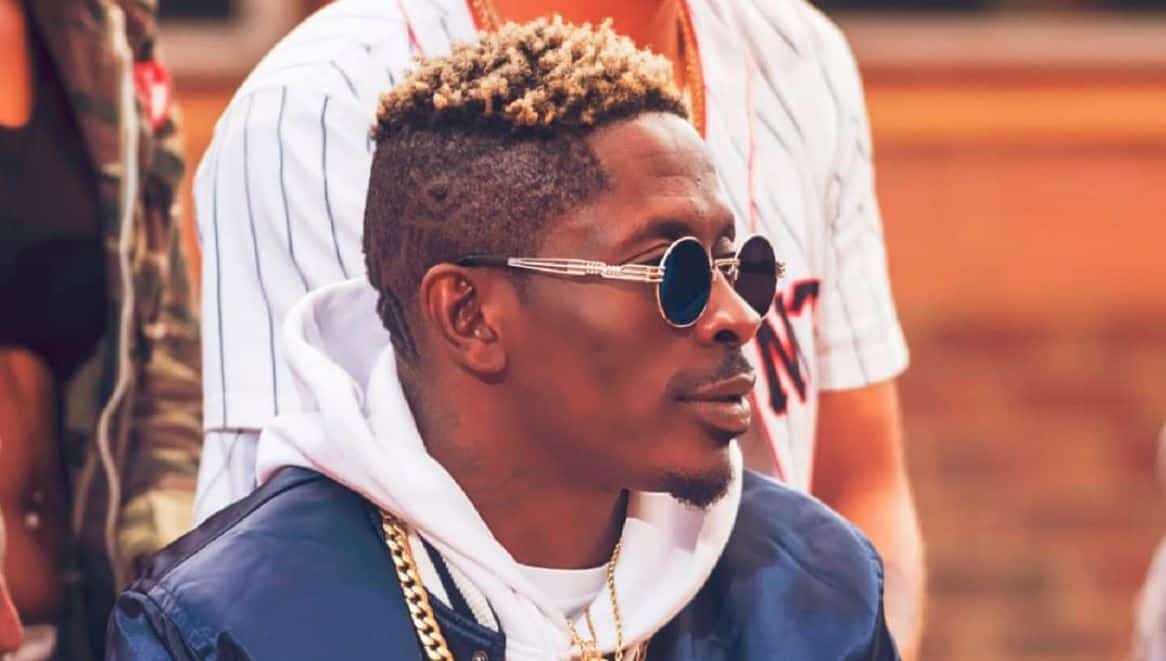
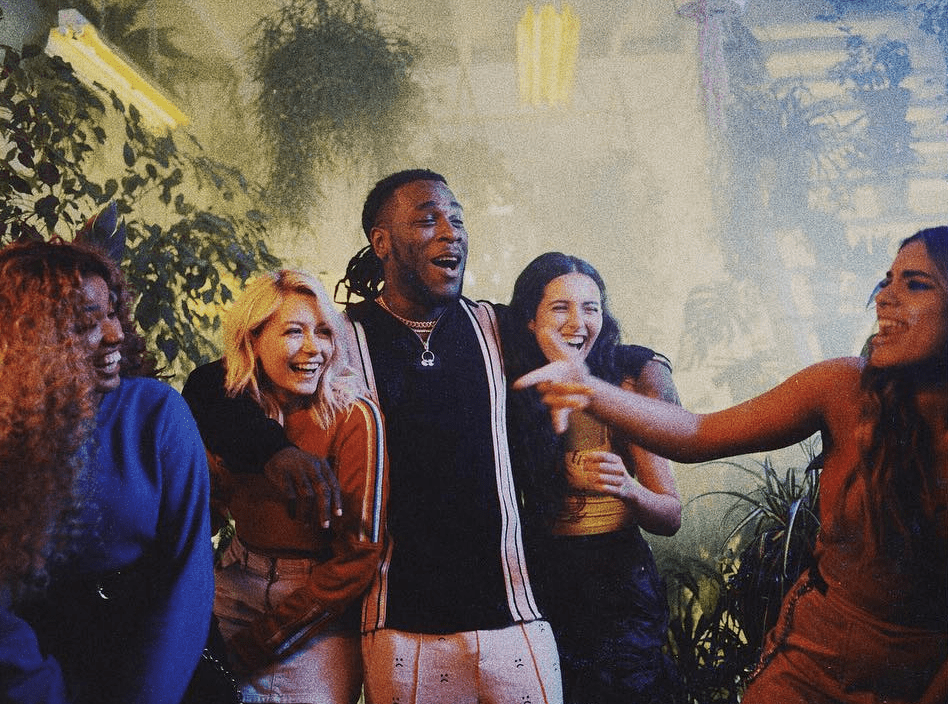
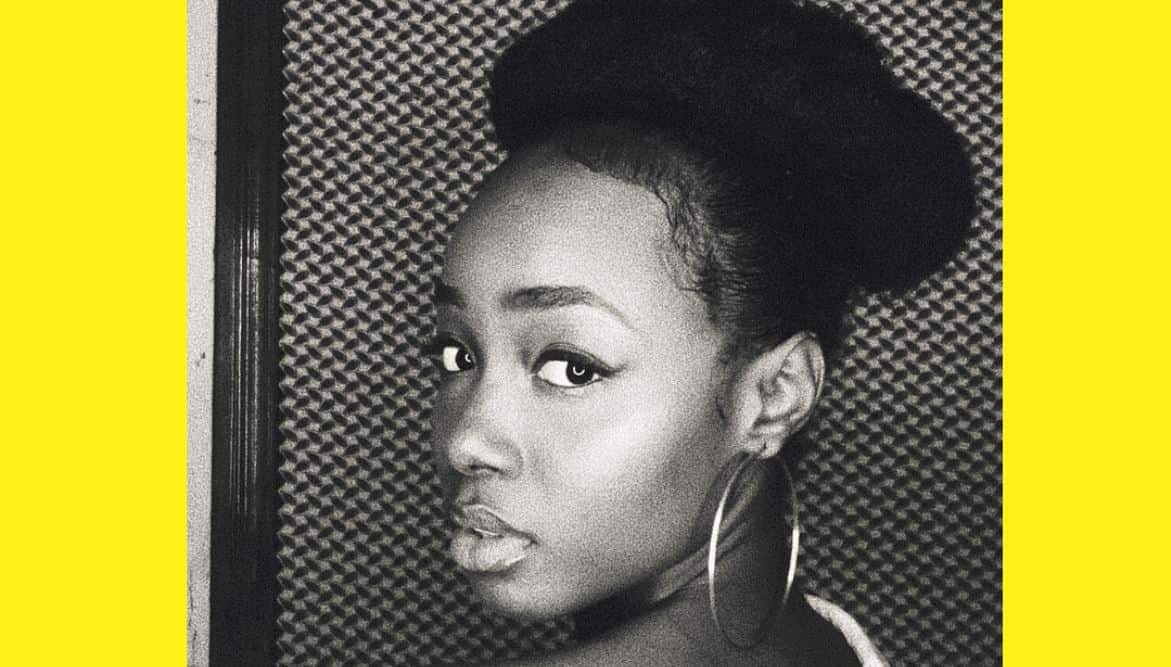
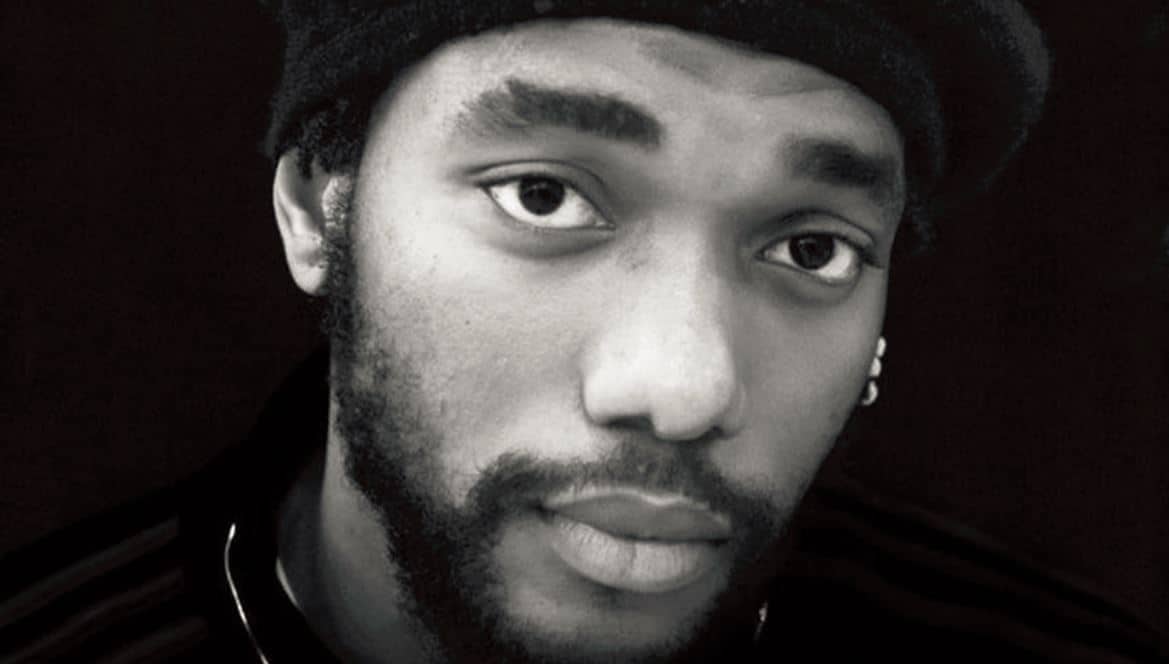
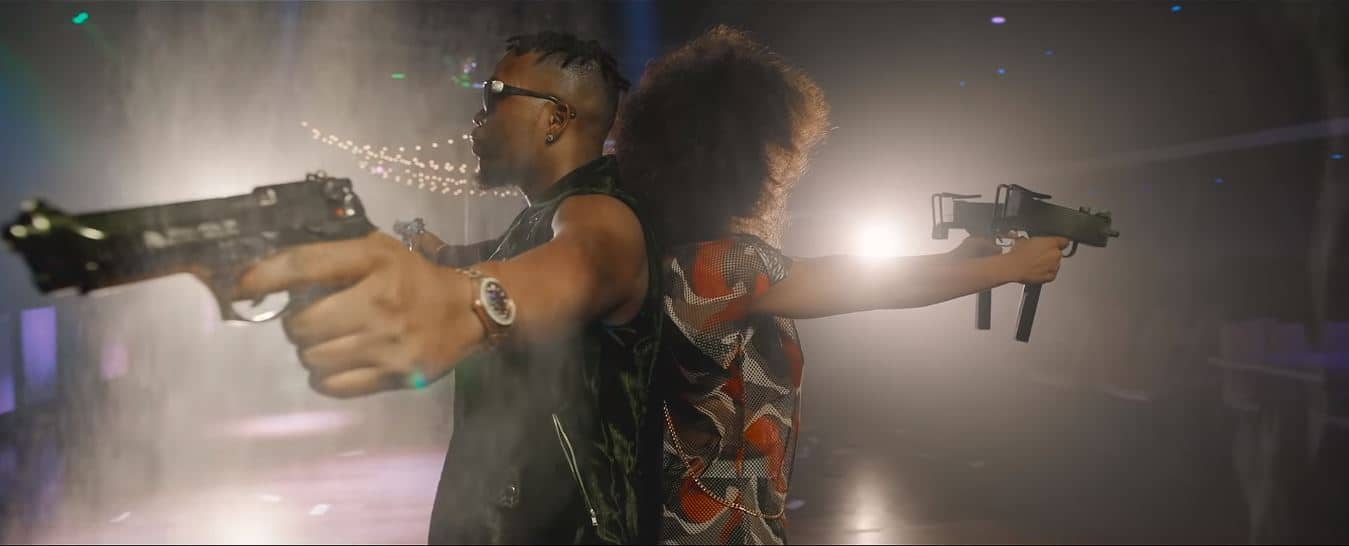
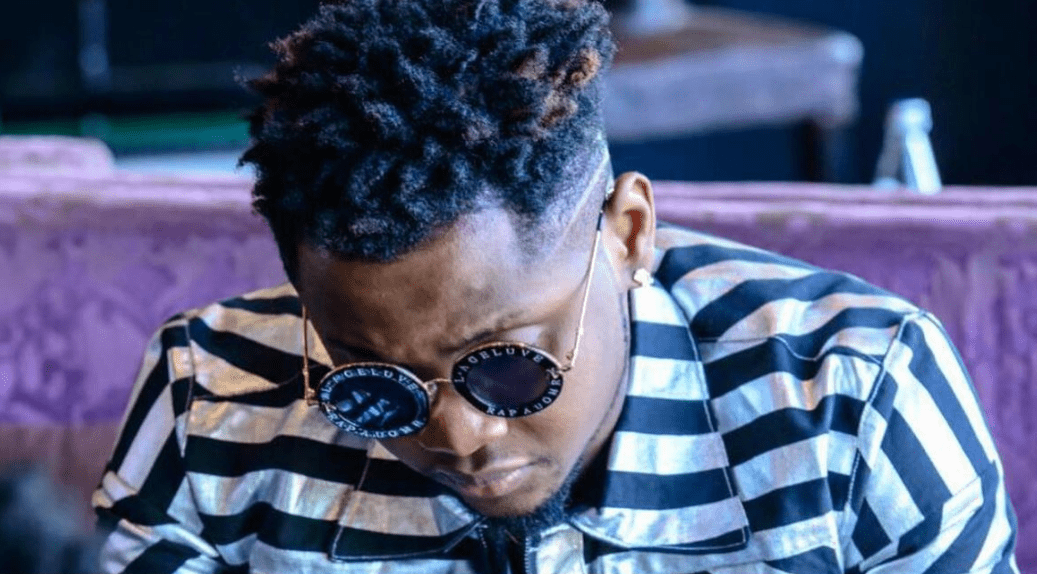
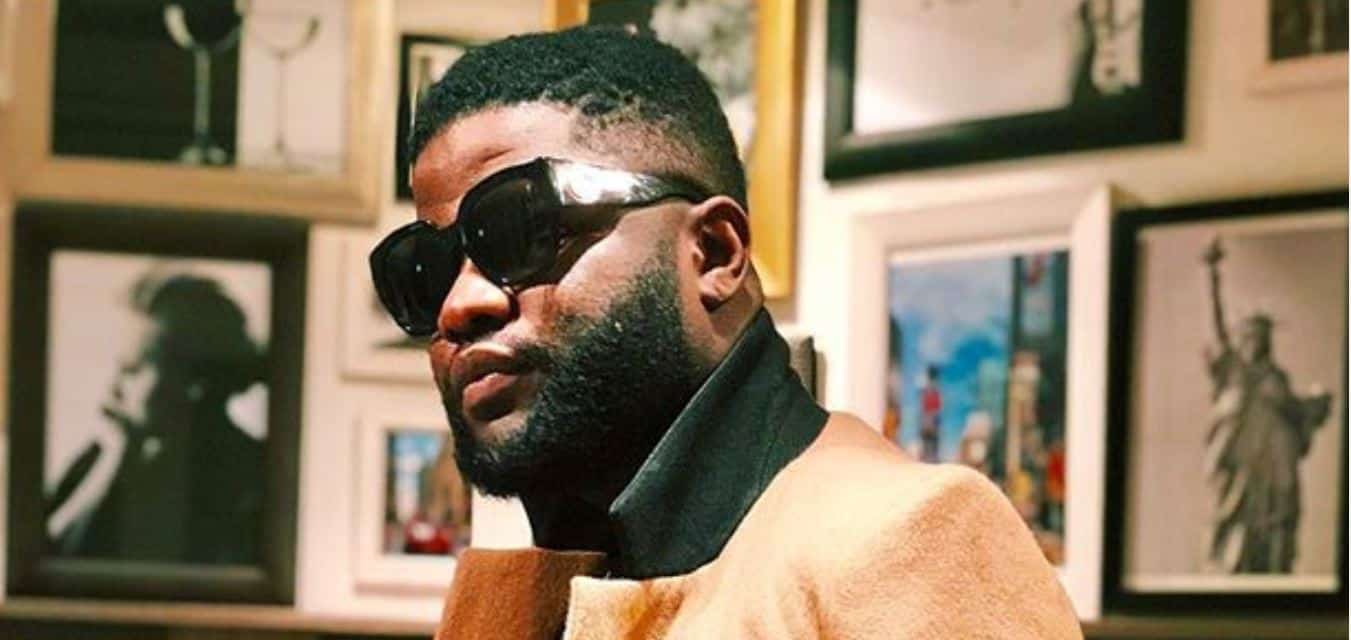
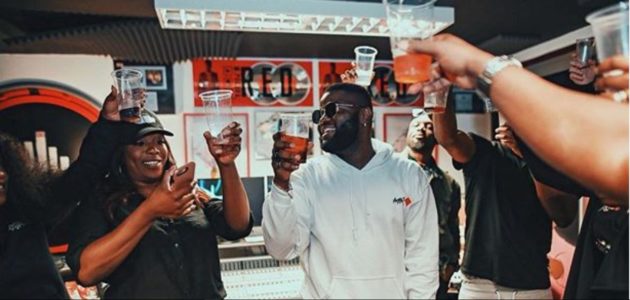
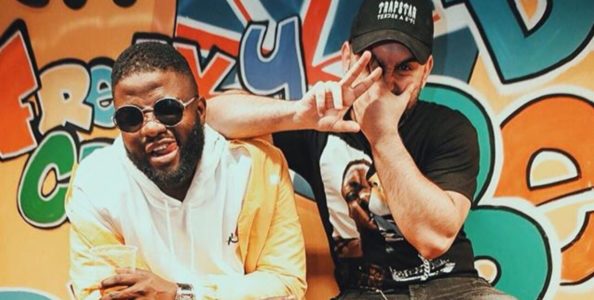
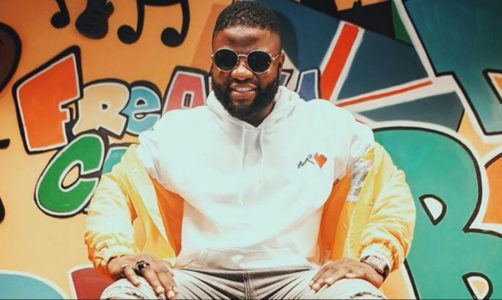
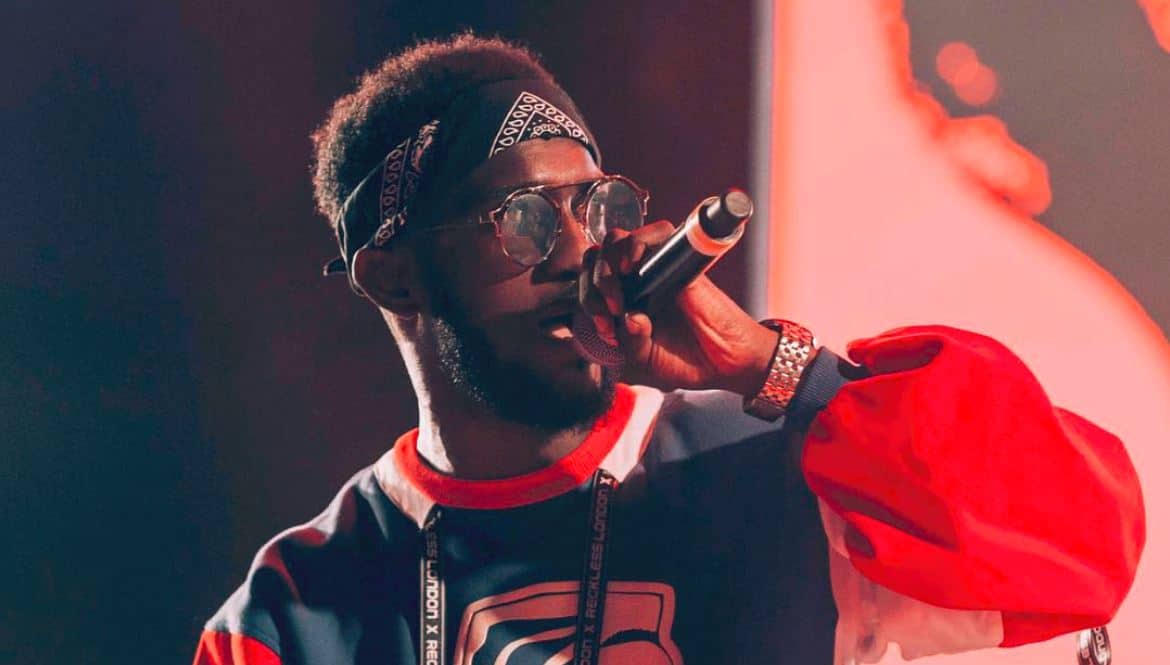
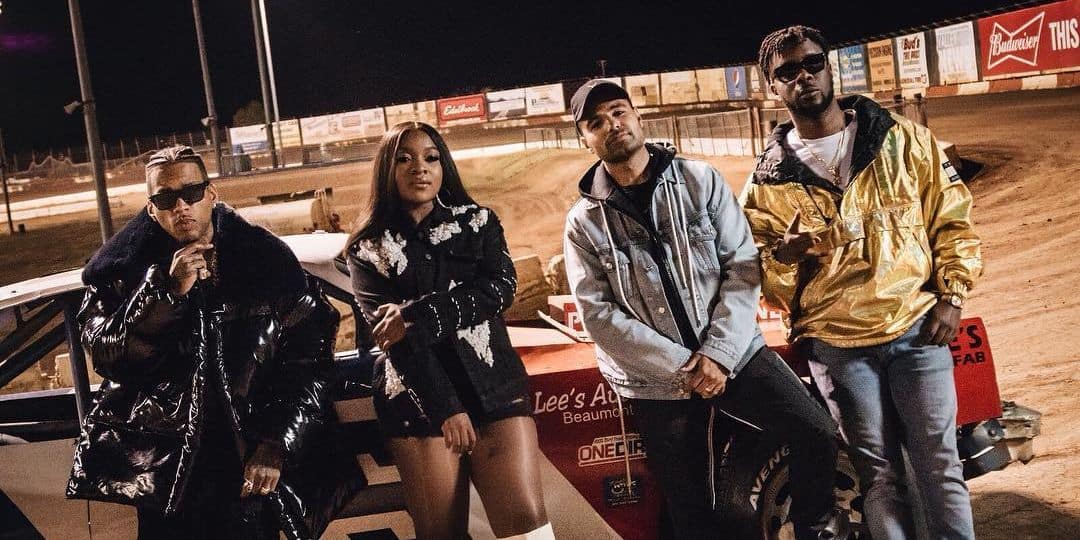
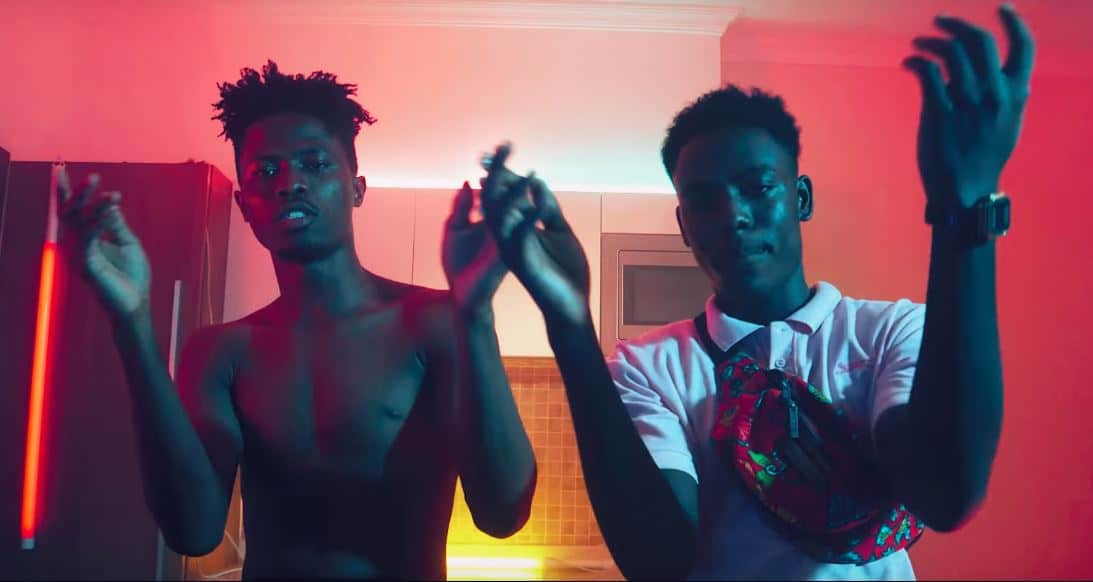
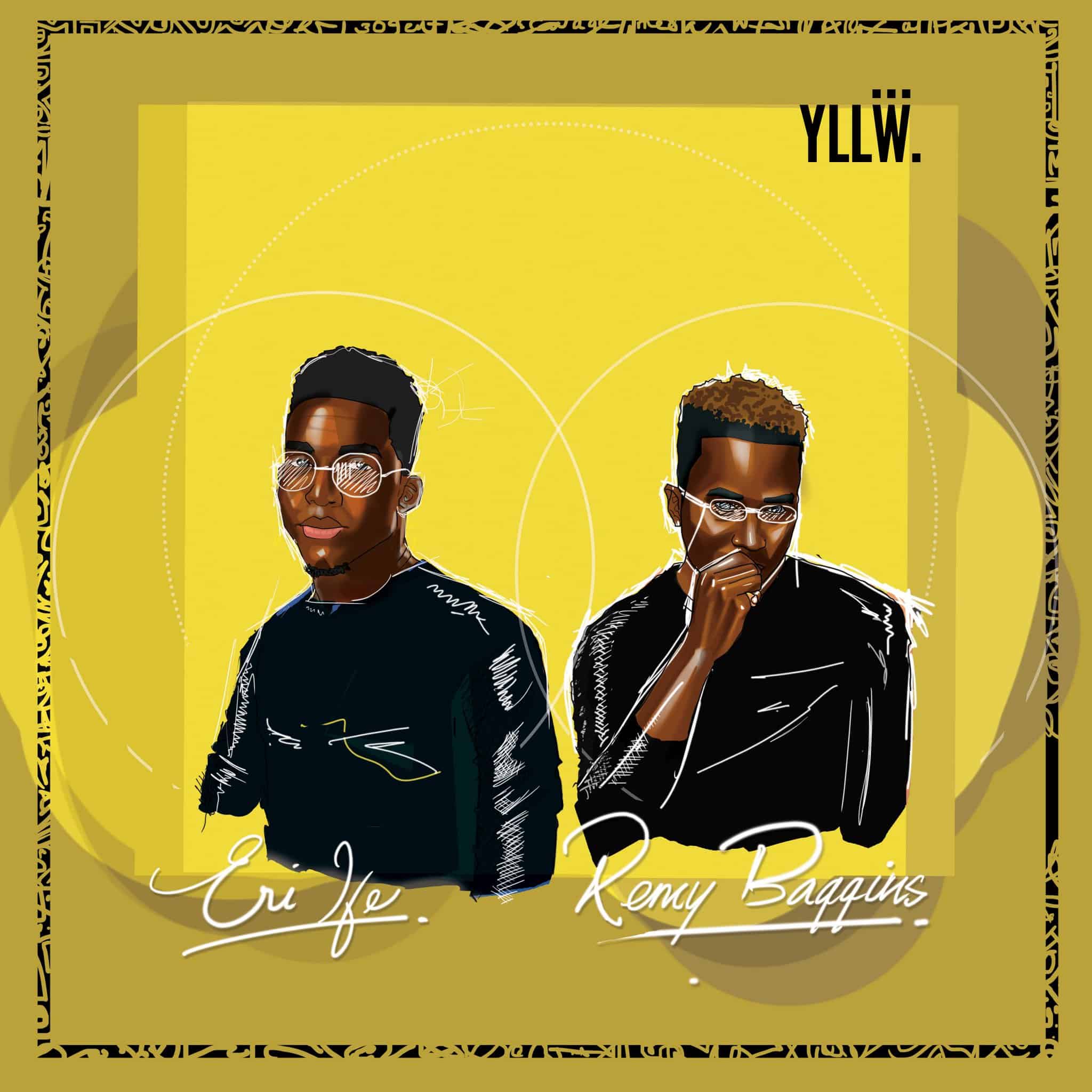
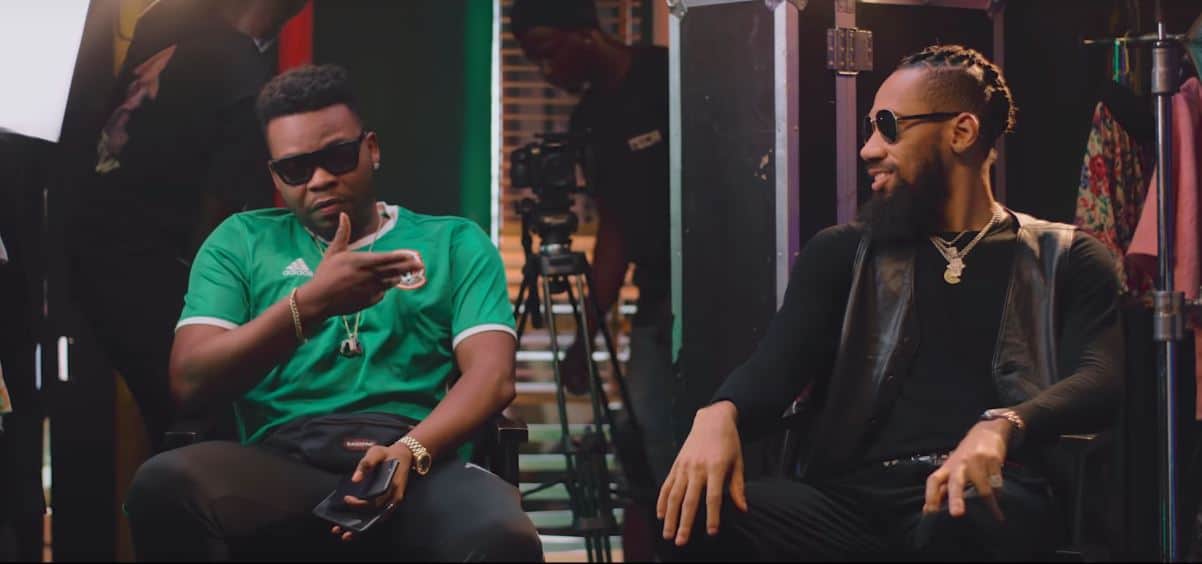
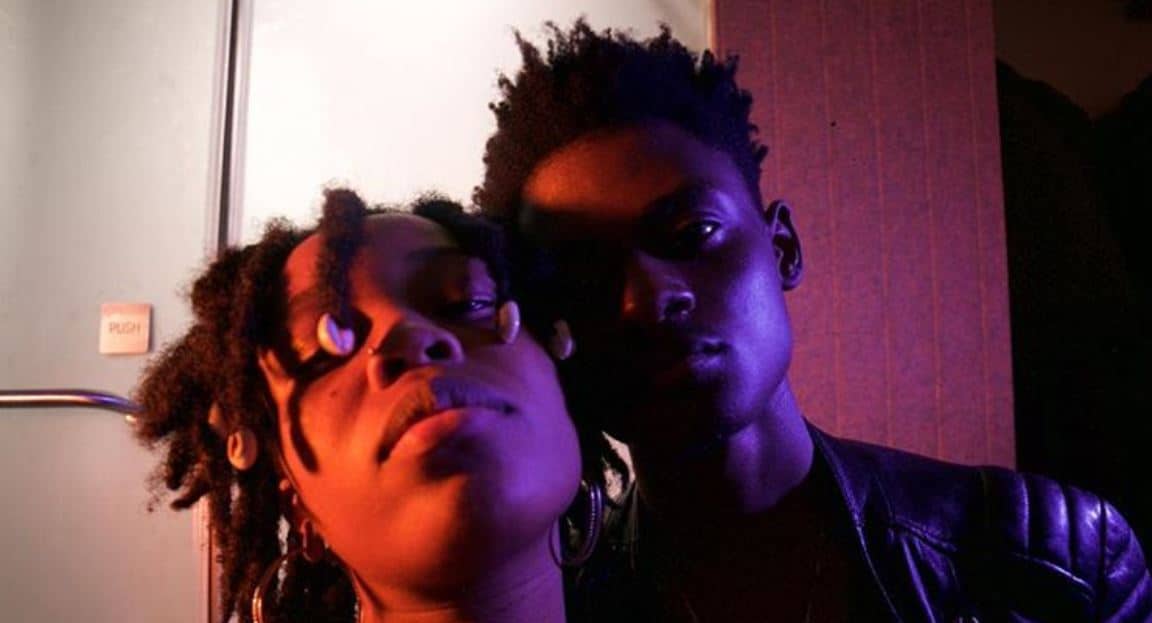
I watch as M.I walks into the room, full of life, handing warm hello(s) to everyone like a regular at the lounge with a casual habit. It’s a Thursday afternoon, a few weeks after the release of his Rendezvous album. After fussing over his internet connection for a bit, he settles into a cheerful calm as we start to talk about the album, where his head was while recording and its impact on pop culture
“I’m super excited,” he says, his voice dipping into the silky but familiar baritone. “In terms of feedback and appreciation for the music, I’m overwhelmed. I knew it was a risk making new sounds because a lot of my fans hadn’t really transitioned into the trap bounce, but the feedback has been great.” While trap music has already seeded into the streets of Lagos through the works of artists like Terry Apala, MI’s concern for Rendezvous, probably spoke more to the pressure to keep up the standard.
Like his adventurous Talk About It debut, Rendezvous, takes M.I back to basics, to do ground-work important for exploring unique sounds that aren’t very mainstream yet. Before that, he made bold statements with “You Rappers Should Fix Up Your Lives”, riding on a trap-inclined sound produced by South African punk-trapper, Patrickxxlee. The track got under many skins, spurring a range of replies and diss tracks, many questioning M.I’s moral ground but none contesting the validity of his logic.
Subtly but certainly, M.I had flagged off another campaign to save Nigerian hip-hop that pays off handsomely to his credit based on his track record, because, who else but M.I ?
Oddly, when I mention the impact of Talk About It, and how you could easily swap tracks between Rendezvous and his decade-old debut, his reaction was self-amusement, like a genius who had finally gotten recognized as such. “I was just in the studio putting in hard work and trying new sounds” He doesn’t exactly blush as he speaks, but admits that the ingenuity of Talk About It was just a product of really hard work.”Wizkid came in and heard the beat that Kraft had sent me and he just laid this amazing chorus on the song and that was it”
But many of his biggest critics accuse him of pandering to popular sounds to stay relevant. When I ask M.I about this, his response is very matter-of-factly. “I can tell you categorically that I’ve never made music I didn’t want to, or compromised what I wanted for market reception”. He maintains that making music for him is only subject to his creative process; it’s a sale of something that has value, reception is just a plus.
It’s the exact answer you’ll expect from an artist who understands the dynamics of being a celebrated star. Regardless of how obvious the gimmick or marketing strategy, the lyrics and emotions pop stars express are expected to be their real lives. It’s hardly a wonder that the image of the artist as a solitary genius—noble, enviable, pleasant object of aspiration and projection—has kept its hold on the collective imagination of fans, the media and other artists. Whether M.I asked for it or not, the acclaim of rappers like him inspires cult-like loyalty from fans who forget that artists are just trying to make a living off what they love, they aren’t responsible for any dreams and visions but their own.
Between pulling up receipts and promising tea if anyone can come out of the shadows to refute his claim, M.I addresses the media’s inclination to run with the sensational headlines in a bid to run up numbers. A slippery slope we’ve seen result in hours of a testosterone pageant with two journalists on Pulse’s “Loose Talk” podcast. “I’m a human being and I was attacked for trying to change an artist’s sound, and I feel like the media let me down the most at that period. They just heard a story and ran with it without any kind of fact checking”.
Though M.I is self-aware enough to ask questions within himself, it’s important we don’t assume his critics are merely just angry their favourite rapper evolved. Rendezvous, allows M.I explore niche sounds of artists like Odunsi and Santi, and the entire country thanks him for giving these “new-ish” kids a spot on a big-budget roll-out. That’s great indeed, except that artists signed to Chocolate City could have gotten that ball rolling years ago.
Allegations that CC influences the creative process of artists under its umbrella for commercial viability has always trailed M.I’s leadership at the label. Milli’s exit from the label in 2016, followed by a 5-Part Facebook post vaguely detailing his time at the label casts an even darker shadow on M.I’s messiah status. What sort of messiah would arm wrestle an upcoming artist for a Wizkid feature, then ask him to re-write a perfect 16 in pidgin, to make it more “streets”. It makes it even harder to argue that the label didn’t technically successfully replicate the Milli formula on a more willing artist, Dice Ailes, who made soulful trap songs till he made a recent Afropop song switch under Chocolate City.
M.I refutes every claim that his label is so inclined to profit, that it would disregard an artist’s viewpoint. “That has never happened, in fact, I don’t think any label that’s serious will try to make an artist into anything they aren’t. I have to think about keeping the lights on, I have a board to report to, where do I find the time to tell every artist what to do and how to do it?” he told me. Though he’s careful not to take cheap shots by naming anyone, he adds that Chocolate City wouldn’t push to be a coalition of pop stars because it wasn’t a producer based label. “Listen, It doesn’t matter what genre of music you make, Chocolate City will sign anyone as long as we believe you’re talented,” M.I says, his tone giving off more passion and urgency than at any other point in our conversation. “But it is your responsibility to put forth your vision”, he adds, absolving himself and the label of any control if an artist ends up putting out work that isn’t truly reflective of their craft.
M.I also thinks it’s unrealistic to put him on such a pedestal so as to assume that he’s expected to always bring the fire and not ride already established waves. “For me to expect that I have to be the face of a new sound, would mean that I have to believe that I am always right and my opinion is always right. I’m looking to be inspired myself. I don’t want anyone thinking if M.I isn’t doing things this way, then it must not be the right way”. And while it does sound like a daunting ideal for anyone to live up to, most of M.I’s career is built on his carefully crafted enigmatic personality, hyped up to deified status.
It’s not just in his lyrics or songs like “You Rappers Should Fix Up Your Lives” either, it’s a personality he embodies through his day to day living. In our conversation, M.I has a modest confidence; everything he says feels like it’s been pondered on many times before our talk. His calculative demeanour has undoubtedly contributed to his success, but the dip in his aura at the mention of the problematic side to Rendezvous was unmistakable. Its ingenious play at rejuvenation is the stuff of legends—incorporating the younger generation—but for all of M.I’s forth-rightness and good intent, the project reeks of casual sexism and is tone deaf to the world within it was released.
From entitlement dressed up as fondness on “Jungle” (“party tonight, girl come through because if you don’t I’m going to hunt you down”) to every other line from “Your Father”, the project doesn’t reflect any of M.I’s media-friendly personae as a feminist. If you’re thinking “That’s Hip-hop”, then you share similar sentiments as M.I as he confidently explains the importance of artists being allowed full autonomy of their ‘creative space’ without necessarily being perceived as a reflection of their ideals and personality. “We have to be careful that in our push for progressiveness, we do not take away people’s artistic freedom.”
As magnanimous as this sounds, Hip-hop is and has always been the by-product of a specific culture; The music, the visual style, the verbal communication, the value system and the art are expressions of this culture. But if we’re deciding to be forward thinkers, we have to be ready to walk the walk of overhauling it through whatever platforms directly affects us. M.I’s unwillingness to do anything to change Hip-hop’s sexist culture shows just how subject even he is to its failings. One wonders if it’s a thing of not wanting to bite the fingers that fed you or just a general lack of concern.
People asking who he?
They call me M.I-er/ Just because I’m getting higher
I’m spitting fire/ This written for ya
There’s no bullshitting, I’m sitting on top, Naija’s rap Messiah
These bars off “Safe” created MI’s mythos before he had the accolades or even substantial music releases to back his claim to hip-hop’s ostentatious throne. His introduction to the rap game presented him as more fantasy than human, ripping through the vale that separated pop music and rap in Nigeria. With no one else worthy to step up, M.I became “The Most Incredible Out of Naija”. He says that in a way that is no less revolutionary than Lil Wayne’s proclamation that he’s the best rapper alive.
And that’s hardly a surprise, given his position on top of Hip-hop’s hierarchy. He is one of the few who can withstand getting picked apart by the very mob that deified him every now and then, without letting the pressure weigh too heavily on him and his mission. With Lady Lambo being the president of Chocolate City, it’s a smooth sail to shore as she ensures that it’s business as usual for M.I while she deals with the nitty-gritty.
A decade and seven albums after (the eighth expected later this month), through the deification and picking apart of the ‘enigma’ for substance, the legend has witnessed the epic highs and lows of being at the top and is finally coming to terms with an important but not-so-larger-than-life place in Nigerian music history.
By any set standard, M.I is outliving the relevance of his many of peers by releasing an album that still very hip and widely accepted and that makes him one of the most successful music careers in the country. I won’t advise holding your breath expecting a Cole to M.I’s Hov anytime soon though but maybe that’s okay. Our stories are not linear, The Chairman has evolved enough to stay relevant through the changing era, against all odds, with Rendezvous, he’s levelled up.
[mc4wp_form id=”26074″]
Mariam is (insert pretentious stuff about myself here). Share your thoughts with me @MA_Y_M
South African artist, Nasty C is on an impressive roll. His most recent win is an African Artist of the year award a few weeks ago, but he’s going guns’ a blazing with the release of his album, one he excitedly intimated fans about via his instagram. If a margin of error of 0.00000001 is nothing to you, the album is ready.
If Nasty C intends to get ‘hella woke’ on this album, we hope it comes correct. Except of course, he can make a trippy, life-in-the-inner city film to rebrand.
Ahhaaah! Maybe THATS what we should do.. give the word bakism a new meaning 🤷🏽♂️ clown it.. give it new energy.. we managed with “nigga” didn’t we?.. that word used to cut deep to some people till they gave it a new life.. u follow now??
In this clime, you have to get it and get it RIGHT. It’s one bad move from being surrounded by a tribe connected by the internet brandishing their cellphone shaped pitchforks, as they chant ‘canceled’ around a fire set on really good memes. That said, we’re rooting for Nasty C, and can’t wait for the release.
Yung L’s preference for melody has always caught the attention of music lovers and earned him features on media platforms even before his Chocolate City record deal. His album debut, ‘Better Late Than Never‘ however came under the label’s imprint and has since seen him grow into the superstar we’ve always known him to be. His latest release, the video for “Anya” off the album, pays tribute to media platforms as if to say thanks for the support.
It’s not exactly in line with the song’s theme, but there’s a convenient connection of singing a love interest’s praise. Clarence Peters directs the video for “Anya”, set in a YouTube inspired universe where we watch Yung L perform the romantic number accompanied by models. Asides his appreciation for the visual content platform, there are also print media tributes like the magazine cover themed photo shoot and page flip transition effects used through most of the video.
The combination of his inspirations, including cuts from Micheal Jackson’s “Black and White” and Kendrick’s “All The Stars” video, makes for a delightful video that’s sure to increase media buzz around Yung L and his often underappreciated music releases.
You can watch the video for “Anya” below.
Featured Image Credits: YouTube/Yung L
You are meeting Debola at a strange time in his life. He wandered into a dream and lost his way back. Tweet at him@debola_abimbolu
Lately, Wizkid’s music videos have been inspiring in its depiction of Nigeria. For his latest Starboy release, “Fake Love” featuring Duncan Mighty and himself, Clarence Peters gives the emotive single a fittingly sensual video set in a nightclub with exotic dancers, stimulating lighting and a stocked bar, shaped like a guitar.
All these elements make the video inviting as we watch the dancers perform their sexy dance routines and giving suggestive stares. But given the strained theme of “Fake Love”, their seduction only emphasizes the singers’ torment as they lament their inability to find love. Though Wizkid manages to move in line with the mid-tempo beat Killertunes produces, Duncan Mighty can’t hide the anguish from his performance, even when he’s lying down on a pile of money.
Watch the video for Wizkid and Duncan Mighty’s “Fake Love” below.
Featured Image Credits: YouTube/Starboy TV
You are meeting Debola at a strange time in his life. He wandered into a dream and lost his way back. Tweet at him@debola_abimbolu
Doling out not one but two new singles after her recent Headies win, Teni’s confidence and talent seems to be growing as her music discography keeps expanding. “Lagos”, one of the singles she released over the week, is an ode to the metropolis; Its sights, culture and energy. The mid-tempo bop is produced by Jaysynths Beats.
“Askamaya”, released on the same date is however more groove with the fuji inspired melody and beat Produced by Spellz. The lines, “Olomoge askamaya, allen avenue ni’le yin wa”, throws you back to Adewale Ayuba’s classic, “Omoge Cinderella” as Teni performs a feel-good song, albeit with a credible improvisation of form, style and content.
Mavin In-house DJ, DJ Big N continues building a collection of music on the other side of the booth with his latest track titled “My Dear”. He has done well in directing collaborations with artists in the past, pairing some of the most celebrated artists within and outside the Mavin family to produce wavy afro-pop love songs. For his latest, “My Dear”, he teams up with Don Jazzy and Kiss Daniel.
Don Jazzy doesn’t just produce the beat for “My Dear”, he also drops a few lines promising his lover enjoyment and offering her his genuine love and affection to go with the material promises. The song’s traditional drum instrumentals, fit for a live wedding band complement Kiss Daniel’s verse. He serenades his lover with lyrics that make promises but don’t come on too strong, riding on the playful tone of the beat.
Listen to “My Dear” here:
https://youtu.be/Uem87xsZVG8
Featured Image Credits: Instagram/djbign
“Tomiwa is figuring it out…” Tweet at her @fauxxbella
As far as media reception goes, Mystro’s first post-album single, “Immediately”, carries embers of his 10-track Sugar project. It’s convenient to chalk up the Complex premier to guest feature, Wizkid’s international media presence, but given that Mystro’s album was chock-full of features from artists like Maleek Berry, Simi, YCee and others, we’re inclined to believe the allure for “Immediately” lies in its sonic attributes.
From the warm keyboard tones, rubbery bass, and a mid-tempo gait that hits somewhere between Wizkid’s “Soco” and music you’ll expect from live bands at weddings, “Immediately” is tailored for murky dancefloors. The lyrics, encouraging listeners to get their grove on heightens the song’s potency on dance floors exponentially as Wizkid and Mystro’s soothing vocals blend together to make “Immediately” a truly communal song for the summer.
It’s great to talk about what makes “Immediately” good, but you know what? It feels even better to just listen to it. You can stream it below.
Rockstar’s action-adventure video game, “GTA” inspires for WavyTheCreator’s latest single of the same name featuring Akuchi. According to the track’s description, the new single is titled “GTA” because Wavy and Akuchi “made this track while (they) played GTA.” . “GTA” embodies the violence, nudity and coarse language of its muse.
An ambient atmosphere and nihilistic beat glean some of this rawness. Even Wavy’s delicate, belied by power and subtly complex vocals is couched in the track, too risqué for innocent ears. Her voice melds atop, around, and inside the beat, sounding increasingly distant behind her. Akuchi’s brash rap verse about his money-driven compulsion however forces it farther into the background, emphasizing Wavy’s unrivaled ability to perform uplifting hooks.
Stream Wavy Thecreator and Akuchi’s “GTA” below.
Featured Image Credits: Instagram/wavythecreator
You are meeting Debola at a strange time in his life. He wandered into a dream and lost his way back. Tweet at him@debola_abimbolu
Boyewa is about as secretive and enigmatic as Daft Punk and as press-averse and slow-working as Frank Ocean. His songs have always been a magnet for words like “seemingly” and “apparently,” and conducive to conspiracy theories about his anonymity because so little is known about him for sure. Take the 6-minute length of his latest release, “Conyarevival.radio1”, for instance (Let’s move past his bizarre title this time). The actual recording only lasts till the 2:14 minute-mark, leaving listeners to wait in silence for the rest of the 4 minutes. Maybe he just likes the way the sound-graph looks on his Soundcloud, or he wants listeners to take the time to reflect on what they just heard, we may never know for sure.
What we know from listening to the warped bass thud, percussion harmonies and slinky, submerged synth lines gorgeously suffocating Boyewa’s own chopped-up croon isn’t much either. Asides how tantalizing his darkly-shaded slice of echo-pop is, his distorted vocals on “Conyarevival.radio1” won’t provide any grand discovery or even words to latch on to. Just good baseline and melody to groove to.
Listen to Boyewa’s “Conyarevival.radio1” below.
Featured Image Credits: Soundcloud/boyewa
You are meeting Debola at a strange time in his life. He wandered into a dream and lost his way back. Tweet at him@debola_abimbolu
Since Niniola displayed her Afro-house versatility on her debut album, ‘This is me’ , the songbird has been thriving as a queen of electronica. Her latest single, is a collaboration with DJ Crowd Kontroller for his new single “Bam Bam”. Though the track isn’t as lyrically diverse as we’re used to from Niniola, the beat produced by Benie Macaulay gives her a chance to have a little fun with it and try some brashness we’re not mad at.
Listen to “Bam Bam” here.
Featured Image Credits: Instagram/officialniniola
“Tomiwa is figuring it out…” Tweet at her @fauxxbella
Between releasing music videos for songs from her debut album This Is Me, Niniola has also found time to join the league of PAN-African artists making an effort to unite the African Music industry. Earlier this year, she joined Kenyan singer Kagwe Mungai on a love song titled “Till The End”. Niniola’s latest is a collaboration with South African producer, Heavy K and South African singer, Ntombi, titled “Let Them Talk”.
For “Let Them Talk”, Heavy K produces a South African house beat that complements Niniola’s usual Afro-house sound. Both Niniola and Ntombi take turns singing in traditional languages, but this does not disrupt the flow of the songs, which reemphasizes the oneness in the African music industry.
Listen To Heavy K’s “Let Them Talk” here:
“Tomiwa is figuring it out…” Tweet at her @fauxxbella
We are in a climate where infinite musical choices are a click away, making artist prone to hawk their product and brand incessantly across media platforms. The fear of overexposure has been replaced by the fear of being forgotten entirely, and artists—alternative or otherwise—have reacted by shoving themselves in the face of their audience to the point of exasperation and passivity.
But Atta Otigba isn’t like most artists, he’s more renowned as a producer and a composer, credited for his works on songs by Ilaye, Bemyoda, Lindsey Abudei, Chocolate City’s Rudy Gyang. Yet, as an artist, his music releases are often underappreciated, with the media reception undermining his competence. For his latest release, “Lose You Again”, the first thing that hits you is his melodic voice over the beautiful sound of the soothing beat as he makes a promise and affirmation to a lover, “I’ll rather not have you than lose you again”.
The slow rolling mix of guitar and piano harmonies he produces will curve any doubts you’ve had about the glory of folk music while his deft songwriting narrates a romantic tale of emotional turmoil with fairytale-esque allegory. What makes “Lose You Again” so captivating however is how it can amplify whichever end of the romantic scale you’re in—enthusiastic or over it. Though his emotional performance is convincingly endearing, you get the feeling he might not actually be interested in any sort of relationship with said lover.
You can stream Atta Otigba’s “Lose You Again” below.
Featured Image Credits: Instagram/atta_lenell_otigba
You are meeting Debola at a strange time in his life. He wandered into a dream and lost his way back. Tweet at him@debola_abimbolu
Tekno’s preference for sampling classic Afropop hits on his music releases is only one of the many reasons he has grown to become one of the most relevant Afropop artists of our generation. Asides the instant familiarity, the media can always promote the song by spinning the refix to encourage comparison and even gaslight the sampled artists to instigate beef. The latter was nearly the case for “Jogodo”, Tekno’s Danfo Driver influenced single, after the duo accused him of stealing their song. Fortunately, they were able to settle the matter amicably.
Tekno just released the video for “Jogodo” directed by Clarence Peters. The video depicts a romantic tale centered around Tekno and a love interest we assume is a ‘mammy water’ because she’s seen emerging from the sea looking fabulous. The video offers a chance to see Tekno’s choreographed dance moves, his Asian inspired wardrobe and his keenness to scout for potential hits. I mean, how else do you explain the kids shown playing music with makeshift instruments in the opening scenes of the video asides the possibility that Tekno is interested in sampling their sound.
Watch the video for Tekno’s “Jogodo” below.
Featured Image Credits: YouTube/TeknoMilesVEVO
You are meeting Debola at a strange time in his life. He wandered into a dream and lost his way back. Tweet at him@debola_abimbolu
I’ve always preferred the future to the past. Well, not always. A few summers ago I finally watched The Sopranos, and Tony Soprano (RIP James Gandolfini) said:
“ ‘Remember When’ is the lowest form of conversation.”
It’s really stuck with me.
In the world of music, especially in the transitory period that currently defines Nigerian music, it would be ill-advised to ignore the mistakes of our predecessors – and that’s everyone, from artists to press. I still can’t help but look ahead. Sometimes when you have the ball, you just have run with it. Yeah sure, watch the tapes the night before, watch what went wrong in the last game, try and remember it. But nothing is quite like being in the position yourself, and just doing.
In the last couple of years, we have been inundated with the phrase “Africa To The World.” What does it mean? Who is the world? Who exactly is Africa? It sounds more like a UNICEF tagline than anything, but I’ve come to appreciate the sentiment behind it. When looking to the future, so many of us can be extremely self-centred – and it’s very normal. You hear people setting themselves goals for the New Year: whether it’s to become healthier, or to cut out certain vices, they all tend to be very individualistic. What we’ve tried to show with our NEXT Issue is how the right kind of team work can push you to heights you never expected. We spent months with Davido, who went “Back to Basics” with the team he came into the game with seven years ago, and had the most dominating year we’ve seen in modern Afrobeats. We met Darkovibes and La Meme Gang, an Odd Future-esq posse loudly taking over the streets and airwaves of Ghana, one banger at a time. We sat with Odunsi The Engine, the lifelong outcast that finally found his tribe, and is now the poster boy for the alternative music revolution in West Africa. The three minds behind Daily Paper formed a legendary partnership to give back to a girl’s school in Accra. Of course sometimes it’s good to be selfish, sometimes it’s good to be competitive, but sometimes, collaboration really is all you need to level up.
It’s crazy to think it’s been just over a year since the launch of The NATIVE. There have been so many highs, and luckily so far, not so many lows. One thing I must admit, as an editor, is that I’ve found myself grappling with the big question of audience. Due to the increasingly popular nature of African music around the world, we have garnered a lot of attention, not just from the homegrown/diaspora, but also general music lovers who may not know much about the place this music actually comes from. To be the first point of contact that someone has with a country, and in many ways, a continent, is a massive responsibility. There are so many amazing things happening in Africa in different sectors: music, art, fashion, sport, film, tech…the list goes on. Sadly, these things are happening in spite of the conditions of the continent, rather than because of it. It would be easy for us to be so optimistic about things, and paint this improving picture to the unknowing outside world. But in reality, there are still so many things wrong. We asked a variety of young people in different spheres the same question: “what are you and your friends worried about this year?”. We got identical answers. Tech geniuses and R&B maestros went through similar things at school – being outcasts based on a system that simply isn’t inclusive enough in 2018. But these dark truths are where we draw the ray of light from: this is why The NATIVE exists, to show that there is a way. To the young boy reading this, who has a million and one ideas, but can’t concentrate in class – Timi Ajiboye and Odunsi The Engine are here to tell you not to beat yourself up about it. Keep trying, but don’t let your ideas go. They’re just as important as your education. In an ideal world they go hand in hand. To the young girl who is confused about who she is and where she fits into the world, Wavy The Creator is here to show you that you don’t need to fit in to stand out. To the graduates who are just trying to find their feet, Mowalola and Daberechi are here to tell you that timing is everything and you can always make it work. To the young person that takes that risk to do what they love in spite of what your parents or friends first said, Davido and I are here to tell you that sometimes you have to trust yourself: people don’t always understand the bigger picture at first.
What does a new year mean to me? Honestly, just another year closer to fulfilling the promise.
If there’s anything to take from Big Shaq’s invite to the royal wedding, it’s that internet trolls are the new celebrity. His goofball grime freestyle went from being a mere internet sensation to a certified hit, confirming music pundits prediction of social media’s impact on charts. El Prince’s new single, “Accolades”, is inspired by this trend but more specifically, by Charles Okocha’s recent “I deserve some accolades” comedy sketch.
El Prince’s “Accolades” attempts to turn the viral meme into music backed by spacious Afropop instrumentals and guest verses from Brizy Emmanuel and Oluwadolarz, two popular comedian on social media. Big Juice directs the video for “Accolades” set in at a party where all three singers perform their comical verses interpolating lines from Charles Okocha’s meme. Though he doesn’t himself appear in the video, his influence is so present, he doesn’t have to. But what really separates this rap parody from so many others is its inclusiveness—they seem to be having fun more than they are making fun. It’s an apt representation of 2018, where imitations of life has become the new reality and parodies can now inspire reality.
Watch the video for E Prince’s “Accolades” featuring Brizy Emmanuel and Oluwadolarz below.
Featured Image Credits: YouTube/El Prince
You are meeting Debola at a strange time in his life. He wandered into a dream and lost his way back. Tweet at him@debola_abimbolu
Davido took on the world in 2017. He won. Now, he’s up against his biggest challenge yet: Himself.
Words: Toye Sokunbi
Photography: Chris Okoigun
Styling: Baingor Joiner c/o Alara
David Adeleke, holding a glass of cognac in one hand and a Montecristo no.5 delicately balanced between the thumb and index finger of the other one, is sharing a toast with his partner Asa Asika at a new lounge in Lekki. As Davido exhales the thick Cuban cigar smoke to the heavens, you would be excused to think we were in the middle of a mob flick – he’s actually been filming a movie in his “free” time recently – but this is just the set of The NATIVE’s Cover Shoot.
Perched on a leather bar stool, Davido takes sips from his drink as he scrolls through Instagram, waiting for direction from Chris Okoigun. He seems relaxed. It’s a stark contrast to his mood just over a year ago.
Harken back to December 2016, and Davido is similarly reclined in an arm-chair, tucked away in a covert corner of The Federal Palace hotel’s bar. But this time, he doesn’t seem so relaxed. As the mayhem from the electrifying Migos concert died down and fans streamed out into the parking lot, David and his entourage had ducked into the hotel to grab a bite. He ordered a club sandwich upon arrival, but he hasn’t touched it. He’s by no means in a mood – he’s still exchanging in conversation with his crew, toying with the idea of attending the after-party. A few fans manage to spot him despite the location of his table, and he dutifully obliges their request for pictures.
But something isn’t quite right.
Earlier in the day, David got a call from The Black Beatles, asking him to be the special guest during their headline set for a local radio station’s Christmas concert. He accompanied them to the show, flanked by mobile police and respective entourages, before being invited onto the stage by the trio from Atlanta to deliver a mini-set. Performing singles from his then recently-released major label debut, Son Of Mercy, David raced through two songs to an already raucous crowd before promptly leaving the stage.
Every Davido performance is met with understandable fanfare – he has been one the most prominent artists on the continent for half a decade. But on that night in Lagos, there was something missing. The telepathic, electric connection Davido usually has with his fans wasn’t what he had grown accustomed to. Whilst they dutifully sang along to “Gbagbe Oshi”, the lead single off the aforementioned EP, there was a palpable feeling of expectation. Whether the ragers were waiting for his classic hits like “Dami Duro”, or for the members of Migos to join him to debut an unreleased banger, the atmosphere never fully reached a crescendo. That was until he closed his set with the 2014 single “Aye”. As the opening notes of the TSpize-produced love song blared out in the hall, the crowd erupted. Suddenly, David was back at the apex, at least for the duration of the song. It was a feeling he had felt before, but perhaps had not felt in too long for his own liking. He wasn’t going to let that happen again.
BACK TO BASICS
It’s late 2017 and we’re in Abuja for a scheduled performance at a big society wedding. I’m chilling with Lati, Davido’s tour manager, and another “protocol” guy called Israel. David – dressed like a pilot – is filming for a movie in the spare hours before the show. Flanked by two male actors and a crew of too many to count, he’s growing impatient as the director scurries around the set preparing for the next take. Lati has just called him over and told him in no uncertain terms that he only has five minutes to “wrap up” – a statement met with confusion but a sullen acceptance. As another minute passes with interns adjusting lights and fiddling with outfits, Davido declares “I have to go do my job too, you know”. It wasn’t really directed at anyone, but everyone reacted to it. After a couple of takes, Lati pulls David out of the shoot and we walk back to his suite to get ready for the performance.
David is in-between outfit changes for the night and for the first time that evening, it’s just us. Before I can even complete my question on the mixed reaction to his dancehall switch-up on Son of Mercy’s lead single, “Gbagbe Oshi”, he interrupts me.
“Nah, the EP was shit”, he says bluntly, before pulling a frighteningly white dress-shirt over his head. “The songs were not picked by me, I wasn’t in the right place.”
Self-critical artists are not that uncommon, but admitting it to other people – let alone a journalist – takes a certain level of internalised brutal honesty, and an elemental analysis of what actually went wrong.
The influx of major labels taking an interest in African artists has been seen as an indicator of the continent’s elevated standing in the Pop music landscape worldwide. And with Nigerian artists dominating the dance-floors and airwaves on the continent for the last decade, many of the country’s top acts have slipped into bed with these legendary record companies. Whilst this sonic Scramble for Africa has been on the cards for a while, there’s a reason it took so long: these companies simply don’t have the lay of the land. Record labels thrive on knowing the target audiences of the stars like the back of their hand – it’s how they stay successful, despite the fluctuating nature of Pop music. But Africa, and Nigeria specifically, is a region they are yet to figure out. Metrics and statistics are scarce, if available at all, and almost all promotion happens at street-level. This leads to situations such as the one Davido and Sony found themselves in: the international record label utilising the same blueprint used for marketing Caribbean artists, by repurposing his sound with an Afro-Caribbean tinge and American mannerisms.
The result was an offering so far from what the people had come to expect from Davido, and one which lacked the usual bravado and raw emotion we initially fell in love with. And he agrees.
“I knew myself. I was like, ‘this is not Davido’. My career has always been on fire at all times, [‘till then] there was never a time that I didn’t have a hit out, and that time I didn’t have a hit. So I called Sony up, and I told them look, you have to let me do what I want to do. That’s what inspired Back to Basics.”
What came next was probably the most dominating run by a Nigerian artist this century. Over the twelve months of 2017, Davido dropped four back-to-back-to-back-to-back hit singles, went on a 43-city world tour, before capping the year with a sold-out show in Lagos.
The phrase “Back to Basics” was the mantra, constantly repeated by Davido and his crew throughout the whole run. As the name signifies, it was the tagline of a return to what he knew, a return to the methods that made him the star Sony wrestled to sign in the first place.
“First, I had to stop making the music that they (SONY) wanted me to make,” he says, turning to me. “So I came back to Nigeria to record a couple of songs. That’s when I recorded ‘IF’ with Tekno”, he adds, dusting imaginary speckles off his perfectly-pressed suit. “It’s funny. Until then, Tekno used to always tell me ‘David I get beat o, I get beat o.’ This life.”
In late 2016, the simultaneous mainstream successes of Mr. Eazi, Runtown and Tekno indicated producers, artists and fans alike were turning to a mid-tempo Ghana-hiplife-inspired sound for contemporary Afro-Pop. The sound was re-packaged as “pon-pon”, earmarking the beginning of the over-saturation and replication of the Afro-Electronic texture across the entire industry – a sound that was only recently overthrown by the Shaku craze.
The stripped back nature of “IF”, void of over-production and the usual complex instrumental layering that had dominated Nigerian pop music for years, was a style previously reserved to the left field, alternative sound of artists such as BOJ and Mr. Eazi. David recorded “IF” with his unique spin on the genre’s nuances and a lyrical sample from Lagbaja “Gra Gra”, off the millenium album, WE. The fusion of nostalgia mixed with Davido’s clarity on Tekno’s sparsely arranged instrumentals tilted him in a new creative and artistic direction, surpassing limitations producers trying to place his gruff voice on mellower melodies have misunderstood as the need for auto-tune in the past.
David’s career has been centred upon teamwork; whether it’s his musical partnerships with producers such as Tekno, Fresh or Shizzi, or his songwriting bonds with Peruzzi and Yonda; David has always valued the importance of bringing the best minds to the table to reach his end goal. This is why when he decided to go “Back to Basics”, there was really only one man he could have called to spearhead the mission: his old friend and manager, Asa Asika.
David and Asa first formed a team back in 2011, after the former had dropped out of university to pursue a full-time career in music. “He had hands in the industry and he was young like me,” Davido recalls from their first run. “So I told him, oya now, come and manage me. He started taking me around with him. I remember one of first places we went was Ice Prince’s house.” He stops for a moment, visibly trying to recollect more memories. “Asa is actually the one that introduced me to Wiz officially back then, like ‘this is my guy’.”
The young duo formed a formidable partnership, jolting an industry in transition following the Mo’Hits era of domination. But even the best of unions can fall apart, and eventually their youth told. Whilst neither David nor Asa divulged the exact details of the split, they both agree that it was almost a necessary occurrence.
“At the beginning of David’s career, we both knew where we wanted to go and what we wanted to do, we just didn’t quite know how to get there.” Asa explained to me via a series of voice-notes. “Shit went down. I was 21 and he was 19. I don’t think there are many people who would have been able to handle the success we had at that age. It was a blessing in disguise that we split for those years – we both needed to grow.”
And grow they did. Asa went on to launch his own management company, with acts ranging from BOJ to DJ Obi coming through the doors. Meanwhile, Davido had matured into one of the biggest stars on the continent. Asa sees similarities between the Davido he parted ways with in 2012 and the one we see now, but stresses how much he has grown and improved in almost every aspect.
“He’s a bigger artist [now], period. He’s a father now, he takes care of more people. Back then we could drop a hit and ride off that for one year, but now he’s too big for that. He’s gone from being just a Nigerian artist to an international superstar. He’s always had a crazy work ethic, but even that has improved. I’ve never seen anything like it. At the end of the day, we just understand each other. We know what works.”
Since he was in his teens, Asa has always had a firm pulse on everything related to music in the country, and this is something that David appreciated from early on. It’s something that a major label can’t really offer you, as much as they try – a local player that knows what it takes to get shit done. David admits Asa was instrumental to the success he has had in the last year, echoing his partner’s words that they were now reunited with a renewed “hunger and drive”.
Watching them interact at The NATIVE Cover shoot is almost surreal. They’re just like friends in their mid 20s: sharing jokes, catching up about whatever happened last night, exchanging funny videos on Instagram. The only difference is that these are two of the most powerful men in the Nigerian entertainment industry, and it doesn’t look like their run is stopping any time soon. Asa mentions how “Back to Basics” was centred upon making “big moves” whilst connecting with “every corner of David’s fanbase”. The 30 Billion Gang World Tour was unprecedented in its range, and it exemplifies just how driven the duo were to take back the throne. Across the 43-stop tour, they would go from stadium shows in Freetown, Sierra Leone and Bamako, Mali, to intimate sets in Helsinki, Oslo and Portland. Unrelenting and tirelessly, they took Davido to the world.
OMO BABA OLOWO
I didn’t see Davido coming.
We’re in Lagos, and I’m meant to be meeting him at fashion show, for the launch of his collaboration with Orange Culture, one of the country’s most exciting labels at the moment.
As always, Lagos traffic got the best of me and I arrived at the venue just as he was leaving, only catching a glimpse of him within a raucous spectacle of hailers and flashing cameras.
The two men in bulletproof vests who were supposed to be clearing the path for him were losing themselves to the chanting crowd. Davido didn’t look very happy in the eye of the storm, but that didn’t stop him from playing the role of OBO; as the exit of his envoy fogged the night air with exhaust fumes, the sky also began to magically rain Naira notes he’d thrown out of his car window. The atmosphere grew frenzied as the crowd shoved, pushed and pulled each other,grabbing as much free money as possible. In a country like Nigeria, where the privileged few are practically preyed upon by opportunists (think the usual suspects: area boys, 419ners, kidnappers, the police – the list goes on), the mere presence of a man whose name literally translates as the heir to a vast fortune should indeed be marked by a show ofsome of this presumed wealth. Or why else would he have the name?
There’s a long-running debate as to whether stars are made or born, Pulitzer Prize-winning journalist, Hanson W. Baldwin shares this belief; that nurture and sheer luck may play a role, but the ‘thing’ that makes one a bonafide superstar is inherent in their being. If that was ever to apply to one person, it would be Davido. But he has never hid who he was, or where he came from – instead, he’s embraced it as part of his character.
Born David Adeleke, Davido is the second son of business tycoon, Mr. Adedeji Adeleke – affectionately known as simply Chairman by the 30 Billion Gang. Even before David became Davido, he lived in a certain level of comfort only imagined by a few in any economy in the world. When I asked him about his public image as “Omo Baba Olowo” later that night, he says bluntly that “It’s made things harder for me!” His unapologetic response was ironic, but I was not surprised, “They always have this feeling that like…[because] your daddy has money…” he trailed off, as if to imply ‘“they” would attribute every ounce of success to that fact, if they could. “In my head, I’m like, I didn’t choose my Dad, I am his son. I came into the world like anyone else.”
But Davido is not anyone else. The influence of Davido’s father on his success as a musician has long been both a public relations crux and an enigmatic characteristic of his unlikely career. Due to the unchecked and ever-widening divide between those living in poverty and the embarrassingly wealthy in Nigeria, humility is considered social currency, while embracing privilege – no matter how justified – is often met with disdain.
Davido’s privilege has been hung over his head since his cataclysmic arrival in the music industry. On his debut single “Back When”, Asa orchestrated a collaboration with Naeto C, who himself is the son of an affluent Nigerian politician. Whilst the song performed phenomenally well commercially and shot Davido to almost instant stardom, it didn’t go down well with the critics. As Davido sings on the hook “Back when I was broke yo…”, certain sections of the press – and the fans – thought it was disingenuous. They believed he was trying to appropriate some sort of “Rags to Riches” storyline, which simply was not who he was. Davido explains his debut quite simply by stating it was a time he was more or less cut off from his father. It’s a well documented story at this point – Davido was sent to school in Atlanta, but dropped out to pursue his music career. Whilst he may not have literally been hand-to-mouth, Davido certainly wasn’t living the life his surname had afforded him at the time.
“Honestly, Fuck all that international shit, I stay true to myself. I can’t sing American music like Chris Brown, Chris Brown no fit come Naija tell me say, he wan kill Nigerian music like me.”
However, by the time Davido moved back to Nigeria to promote “Back When” and subsequently “Dami Duro”, him and his father were on better terms. David and Asa moved around in Lagos like a young Jay-Z and Dame Dash – no expenses were spared to get Davido to the top. They shot the best videos, threw the best parties, they were everywhere. At the time, there were rumours of champagne hampers sent to radio stations upon the release of any new Davido single – a tactic employed by Dame Dash in the early Roc-a-Fella days to get artists over. When I ask David about some of these rumours – ranging from humorous stories of large club bills, to more serious accusations of payola – he states typically bluntly “Music is an investment. Anywhere in the world, if you want to blow you have to spend money.” He pauses, before adding through a light chuckle. “But If you like have one billion dollars, if the music no sweet, e no go work.”
And at that moment, Davido’s music was undisputedly the sweetest. As he went “Back to Basics”, David followed up the success of “IF” with “FALL” and “FIA”, each track rolled out and consumed with more fervour and hype than the last. It’s crazy to think that the release with the least fanfare was the star-studded Cali-tinged collaboration with Rae Sremmurd and Young Thug. Contrary to reports, Davido states all his international collaborations have been organic, but wants to make it very clear that his focus is on making the best Nigerian music possible.
“Honestly, Fuck all that international shit, I stay true to myself. I can’t sing American music like Chris Brown, Chris Brown no fit come Naija tell me say, he wan kill Nigerian music like me.”
It’s a rare, brutally honest outburst from him during our time together but I see where the sentiment is coming from. Whilst he’s not saying he will never collaborate with international artists again – he’s been in the studio with Migos, Young Thug and Tory Lanez, this year alone – he is simply stating where his priorities lie. And that’s firmly at home. Chris Brown’s name could have been swapped out for any American artist, but it feels like that particular comment was a rallying cry to Nigerian musicians to know their value – don’t let anyone make you feel like you have to change to fit in elsewhere. Davido has been there – respective singles with Tinashe, Meek Mill and Rae Sremmurd haven’t performed anywhere near the level he has seen himself reach doubling down on sound, and going Back to Basics.
Three years ago, if someone had said to me that Davido would be the artist making genuinely Nigerian music whilst Wizkid would be making major international plays with crossover singles, I wouldn’t have believed them.
In the time I’ve spent with Davido, his feelings towards Wizkid have ranged from a curious ambivalence, to seemingly full on beef, to “best friends” – as they have both quipped in their recent onstage reunions. As David slips on his shoes for his second look of the day at our cover shoot, I ask him what really ended the cold war between them. In his words:
“It just got to a point where we just thought, this shit is getting old. I mean, it got physical between our camps. We just wanted to make the relationship mutual. He has three kids, I have two kids. I’ve travelled a lot, I have experienced so much more in life, I have two artists that are doing well. Like, this shit is old bro, we’re not getting any younger.”
This was a considerable departure to his thoughts on his contemporary just a month or so earlier, when he simply stated “I don’t care about no comparison.” It’s a testament to both of them that as soon as it got violent, they recognised that it was time to put their differences aside. As the beef thawed, we saw them special guest at each other’s respective headline concerts – it almost felt like Batman and Superman finally coming together. The debates could stop, friendships could resume, the war was over. Davido and Wizkid were calling each other best friends, clubbing together, and all the things you do when you make up with a long lost brother. It’s great that they’ve dialled back the animosity, but from two artists of this calibre, it’s impossible for them not to compete – and that’s really how it all started in the first place.
Back in 2012, David released “All Of You” – Nigerian Pop Music’s version of Kendrick Lamar’s “Control”. “All Of You” immediately gained post-release notoriety because many interpreted it as Davido officially laying claim to the top of Afropop’s pyramid of pop stars and upstarts. Understandably, when buck shots are fired, no one is safe from the ricochet. No one knows for sure how the relationship between Wizkid and Davido began to spiral. In fact, until 2012, both artists cameoed in each other’s videos for “Pakurumo” and “Dami Duro” respectively. But on “All Of You”, Davido dropped the gauntlet, lumping everyone who is not Davido under one umbrella, and stating in no uncertain terms that he was ready to go to war with any worthy challenger
From Biggie and 2Pac, to Cristiano Ronaldo and Lionel Messi, it’s an unwritten universal law that once two people reach the apex of their field, comparisons are foisted on them relentlessly. Whenever Messi does something great, Ronaldo’s name is immediately brought up. There were points last year where Davido would drop a single, and Wizkid’s name would trend on Twitter. This is just an example of how deeply this rivalry was taken by fans, media, and at one point (maybe still), themselves.
Davido and Wizkid’s careers have been intertwined since they picked up microphones — the rivalry was always inevitable, almost necessary. Wizkid was everything Davido was not: an underdog, the local hero who was adored by fans and loved by the press. He was the people’s champion, the streets of Ojuelegba forming the perfect backdrop for his ambitions, the most promising iteration of the Nigerian Dream. Davido on the other hand was vilified for refusing to downplay his father’s wealth or separate himself from the affluent lifestyle of the people he was associated with. He was the boy who was given everything. But, as always with these things, it’s far more nuanced than that – and that’s why this rivalry essentially transcended music. It became a mirror to which Nigeria could take a long hard look at herself.
We are so far gone from the days of “Baddies” and “Goodies”, but for fanbases and even the press sometimes, they struggle to see beyond that. Everyone needs a hero, and a villain. Wizkid was seen as the pre-ordained chosen one – it all seemed so effortless for him, he had this God-given talent, this star quality that you couldn’t quite explain. On the other side, Davido had worked and worked to get to the top, going through various transformations, constantly reinventing himself to stay at the pinnacle of the game. The similarities between the narrative points between Wizkid and Davido are uncannily similar to that of Ronaldo and Messi, and their respective fans feel just as strongly, regardless of the “beef” being settled.
Luckily for the state of the industry and the artists themselves, they were able to quell their disagreements before it got too serious. But one cannot help but wonder the role the media and fans played, especially in gas-lighting the socio-economic disparities between the two artists at the inception of their careers. Davido has always embraced the tag of “OBO” – it is who he is, and he would never change that, understandably. But due to the nature of the country’s economic and political climate, who you are has always been more important than what you do, or have done. Davido would learn this the hard way, in the toughest battle of his young life.
FIA SZN
David Adeleke was on top of the world.
After a string of hit records, viral music videos and a world tour, Davido had the keys to the game. Thinking back to that sobering moment on stage at the Migos show, I’m sure even he couldn’t quite believe the year he was having. Endorsement deals were flooding in, and he was preparing to close out the year with another single and his first headline show in Lagos since his debut album. As all seemed to be going right, tragedy struck in his life.
Within the space of weeks, Davido lost two close friends in very unexpected circumstances. At the height of his grief, and still trying to navigate the last stops of his tour, the Nigerian broadsheets and gossip blogs reared their ugly heads, and thus began the fight of Davido’s life.
Rumours that his late friend Tagbo had died of alcohol poisoning were conflated in the media by unfounded claims that Davido was somehow culpable as they were out together, much earlier on the same day. Jungle Justice is a common occurrence in the markets of Nigeria, but it was remarkable and quite frankly disgusting to see it play out on the steps outside a police station, as an official abandoned all protocol to blast out the address of David’s private residence on live television, despite no crime being charged against him.
“They were trying to put me in jail for ten years. Like it wasn’t a joke” Davido calmly tells me. “At the end of the day, the CP (Commissioner of Police) was doing his job, but I guess there were some things they could’ve handled more professionally. Because of who I was, I felt like they were trying to make a story out of nothing and to be honest, I did nothing.”
Davido is clear in that he’s not blaming the Police for investigating, but rather the media who gave these unfounded claims a platform to live. Great artists are familiar with adversity – it’s almost impossible to get to the top without it. The more pressure you put them under, the bigger and brighter the diamond they produce is. He’s very calm talking about it now, but listening to “FIA”, you can hear the passion in his voice. Of all that is said about Davido – where he is from, how he composes his music, his demeanour and everything in-between – with his back against the wall, on the verge of losing it all and seemingly the world against him, he dug deep and delivered his 2017 magnum opus on “FIA”. Later that year, at NATIVELAND, he took to the stage to perform the hit record. Just before he was about to start singing the legendary second verse, he dropped the microphone and left the stage. For the remainder of the song, the 3,000 strong capacity of Nigerian kids sang the lyrics word-for-word. At that moment, his legacy was cemented. If not forever, for 2017 alone, Davido was The One.
***
David puts down his cigar, and Chris Okoigun flicks through the photographs from the last frame. He’s happy with them, and David is politely asked to do one more outfit change to round off the shoot. As we wait for the stylist to assemble the last look, I ask Davido the most important question
What’s Next?
After the greatest year in his music career, where could he possibly go from here? He’s conquered the continent. He has made significant strides to conquering the world too, whilst still not straying from his musical roots. As I put all of this to him, Davido responds with the same sentiment almost every great artist in this position does: he plans to retire.
“I am 25 now, and I have a five-year plan.” He says with a stern glare in his eyes. “By the time I am 30, I don’t want to be actively doing music anymore”.
This did not surprise me.
To truly understand why David would say this, the year after putting the Nigerian music industry in a chokehold, you need not look any further than other great musicians who have echoed similar sentiments, at the peak of their powers.
Jay Z made The Black Album when he was 33, and this was billed as his last album ever. Lil Wayne declared in 2011 that he would retire just two years later. Drake confidently stated that he plans to retire by 35. The list goes on. These artists are not saying this because they envision that magical age as the time they will no longer be able to make music. They are not saying it because they have a financial figure they need to reach by then, like some sort of retirement plan. Jay-Z, Drake, Lil Wayne and Davido are saying it for one reason only: Legacy.
There is nothing great artists fear more than tarnishing their legacy. Knowing when to walk away is almost just as important as the accomplishments in the career itself. In a rare interview, Drake was surprisingly candid as to what would make him walk away from music: “I want to make as much music as I can until a story from Drake doesn’t impact you as it used to.” In my eyes, this is the nagging thought in Davido’s mind when he says he wants to retire in five years time. Artists like Davido, Drake and Jay-Z don’t want to be Michael Jordan at the Wizards. The thought of being Ronaldinho at AC Milan makes them sick. They would rather leave the game, than go from being a King to a Prince. And you can’t blame them
For now though, David is working on his legacy within music. He wants to keep growing his label, whilst helping them navigate the fundamental issues in the African music market.
“I keep telling Mayor: Collaborate, collaborate, collaborate. Collaborate with artists from other African countries. That’s what worked for me.”
Seeing Davido, this family man, hopelessly in love and the boss of a record label, it’s a stark contrast to the boy who put the entire music industry on notice with “All Of You”. Whilst he may not be in “role model” territory quite yet, he’s certainly on the way there. As I float the idea of future political ambitions after he “retires”, he quickly rebuffs that. “The plan is to keep putting out bangers, more shows. I’m about to tour the world again. I’m playing festivals this year, and my album is dropping. I mean, I sold out London to fucking….five thousand people.”
He’s still as competitive as ever. He’s working with Sony closely this year to keep making the “big moves” Asa spoke about – in the time since I last saw them, David has been announced as an act at Wireless Festival in London and Afropunk Festival in Paris. He’s been trading music with some of the biggest names in UK and the US, and he’s preparing for another headline show in Lagos at the end of the year which Asa says will be run in-house.
Waiting for my uber before leaving David for the very last time, I ask him one more question.
“Do you have a chip on your shoulder?”
He pauses, adjusting his belt as he mentally went through a catalogue of responses before landing on the best one.
“I don’t have any chip on my shoulder o, I always be OBO.” He joked before his tone turned low and serious. “But I am ready for them”.
No one saw Davido coming last year. But this year, don’t say we didn’t warn you.
[mc4wp_form id=”26074″]
Toye is the Team lead at Native Nigeria. Tweet at him@ToyeSokunbi

African International Film Festival (AFRIFF) winner, C. J. Obasi has released a trailer for his adaptation of Nnedi Okorafor’s Afrofuturistic short story, titled “Hello, Moto”. His film is also titled “Hello, Rain”, and it takes us through the life of a woman, as she discovers and explores links between witchcraft and science to create wigs that would give her friends supernatural powers.
C.J Obasi, runs Fiery Film Company, with his wife, the TV and film producer, Oge Obasi. So far he has released two thrillers that gained attention at international movie festivals for “Ojuju”, which won four awards, including the best Nigerian film category at AFRIFF, and “O-Town”, which won the award for best soundtrack at the Africa Movie Academy Awards.
Considering his track record, we’re excited to see what C. J. Obasi does with Nnedi Okorafor’s gripping short story.
Watch the teaser trailer for C. J. Obasi’s “Hello, Rain” here:
Featured Image Credits: YouTube/Fiery Film
“Tomiwa is figuring it out…” Tweet at her @fauxxbella
A few documentaries have been done about the insurgency currently threatening lives in North Eastern Nigeria. In 2015, Vice News released a short documentary focused on the soldiers fighting Boko Haram, and last year, Nigerian media station, ChannelsTV released a longer video, discussing the origins of the terrorist group and giving a broader picture of the trouble in the North.
National and international coverage of the insurgency and the group started in 2014, after 276 School girls were kidnapped from a secondary school in Chibok, a town in Borno state, and forcibly concealed in the Sambasia forest for three years by the Boko Haram. The international uproar started with the #BringBackOurGirls campaign started by Obiageli Ezekwesili, the former Federal Minister of Education of Nigeria. This campaign ultimately lead to the release of 82 of the girls. But very little is known about the lives of these girls after the abduction beyond the news surfaced that the girls were under the custody of the Nigerian Government, receiving medical care and evaluation.
With their new documentary titled “Stolen Daughters: Kidnapped by Boko Haram”, HBO intends to shed more light on the lives of these girls after the abduction. The documentary will show the girl’s rehabilitation at the secret government safe houses in Abuja. It will also explore how the label “The Chibok Girls” was formed and what it represents; children who aren’t allowed to live outside of their protected environment with limited access to the outside world. The documentary does not forget the rest of the Chibok girls who are still missing, their fates are discussed, perhaps reigniting the national and international outrage that fueled the freedom of the girls in custody. They will also explore the conditions of the refugee camps and the fates of the women who have been tucked away in displacement camps since their homes became unsafe.
Though this documentary focuses on the young girls, it will also shed more light on how the government has handled the abduction cases and provide a platform for the people who are most affected by these incidents to speak to us in their own voices. “Stolen Daughters: Kidnapped by Boko Haram” was directed by Gemma Atwal and Karen Edwards, who also produced it.
There’s no official release date yet, but HBO promises “Stolen Daughters: Kidnapped by Boko Haram” will be released later this year.
Featured Image Credit: Web/ibtimes
“Tomiwa is figuring it out…” Tweet at her @fauxxbella
There has been much talk this year following the “BBK Homecoming”, as Skepta continues to emphasise (and build) his bond with Nigeria. Getting ordained with a chieftaincy title, as the “Amuludun of Odo-Aje” in his hometown in Ogun State has been one of this years moments for the culture and his new single, “Pure Water”, establishes he hasn’t lost touch with the pulse of UK grime in his quest for personal recognition around the globe.
“Pure Water”, integrates everyday Nigerian lingo for Skepta’s gritty swag rap. The track is a rare statement that gives as much away about the rapper’s acclaim as it leaves the listeners to imagine exactly what his experience was like in Nigeria. In any other context, the hook, “Pure Water and Lots of Ice/ She Knows That I’ll Be The Boss of Life” would be a paradox, but if you’ve been to Nigeria, you’ll understand how real Skepta’s bars are.
Listen to “Pure Water” below.
Featured Image Credits: Instagram/skeptagram
You are meeting Debola at a strange time in his life. He wandered into a dream and lost his way back. Tweet at him@debola_abimbolu
Labelled a playlist, OVID’s follow up to his ‘Unruly‘ project debut, ‘To The Moon‘, is a buffet of sonic delights if you have a taste for things that are sweet and sharp. Hopscotching across the border between EDM, indie pop, R&B, and dreary-eyed rapping, OVID is an omnivorous producer and artist as he provides a utopian vision of what music can be in 2018, assisted by guest features from Panky3s, Zilla and Sahyel.
‘To The Moon‘ is steeped in oceanic pressures as well as stratospheric swirl, testing the outer limits of synth texture and OVID’s ability to convey his anguished feelings over droning synths. Though his emotions are turned inwards, dealing with heartbreak, the extreme noise eliminates the possibility of socializing while the music is playing, leaving listeners alone with their thoughts; It’s music for dreaming.
The opening track, “PTSD|DND (DND on the Beat)” is punctuated by cuts from voice recordings giving some context for OVID’s harrowed emotions; “The Ones That Cut You Off, The Ones That Didn’t Believe in You”. The song starts with a slow and haunting percussion as he speaks to an ex who he blames for turning him into a strip club going savage. But the beat takes a distorted turn on the second half of the song. Over the layers of stretching and bouncy synths, he turns to his ‘homies’ and questions their loyalty. OVID’s trust issues with friends is a sentiment heard on couple other tracks on the project, like “Real Ones| Hater” featuring Sahyel, “Friends|HODL” and “Change Up”, all set to amplified synths harmonies that OVID produces himself.
On the fifth track, “ILY2”, OVID’s vocals are stretches into abstract bellows and moans, processed into strips and steam. They’re mixed to become modest conduits for the whole, making his emotional lyrics all the more striking. His glittering falsetto gives a vivid depiction of his feelings singing, “Sometimes When I’m Laying on My Own, And I Feel Emotional, I Wanna Get Next To You, And Make Love Under The Covers All Night Until The Daylight Comes”.
Pre-released single “The Feeling”, in an invitation to dance. But he quickly returns to somber reflections on the following tracks. The nihilism on moody track, “Illuminated / Angel Wings on a Trip” takes a subtle bloom on “F.ace E.verything A.nd R.ise” thanks to the confident bars heard through Zilla’s feature. Arguably though, the production has always been the most interesting element of OVID’s projects. And ‘To The Moon’ showcases his still-sharp ear for cool, electronic sound.
You can stream To The Moon by OVID below.
https://soundcloud.com/onuohaxo/sets/to-the-moon
Featured Image Credits: Soundcloud/onuohaxo
You are meeting Debola at a strange time in his life. He wandered into a dream and lost his way back. Tweet at him@debola_abimbolu
Burna Boy rolls through the streets of California in the new video for “Devil in California”, a neo-R&B cut off his latest project, Outside. The Gabe and Chris directed video starts with panned shots of buildings in the city, seen through a retro framed screen with blurry filter and glitch effects.
The video for “Devil in California” follows Burna Boy as he makes his way through Los Angeles. As if to emphasize the ‘chip on my shoulder’ message of the song, several people are seen through the course of the video—including a particularly elusive model—but none is seen long enough to leave an impression beyond their role as cameos in Burna Boy’s cinematic universe. It’s a theme also heard on the confessional love song that also doubles as a chance to show off his vocal range and reckless celebrity lifestyle.
Watch the video for “Devil in California” below.
Featured Image Credits: YouTube/Burna Boy
You are meeting Debola at a strange time in his life. He wandered into a dream and lost his way back. Tweet at him@debola_abimbolu