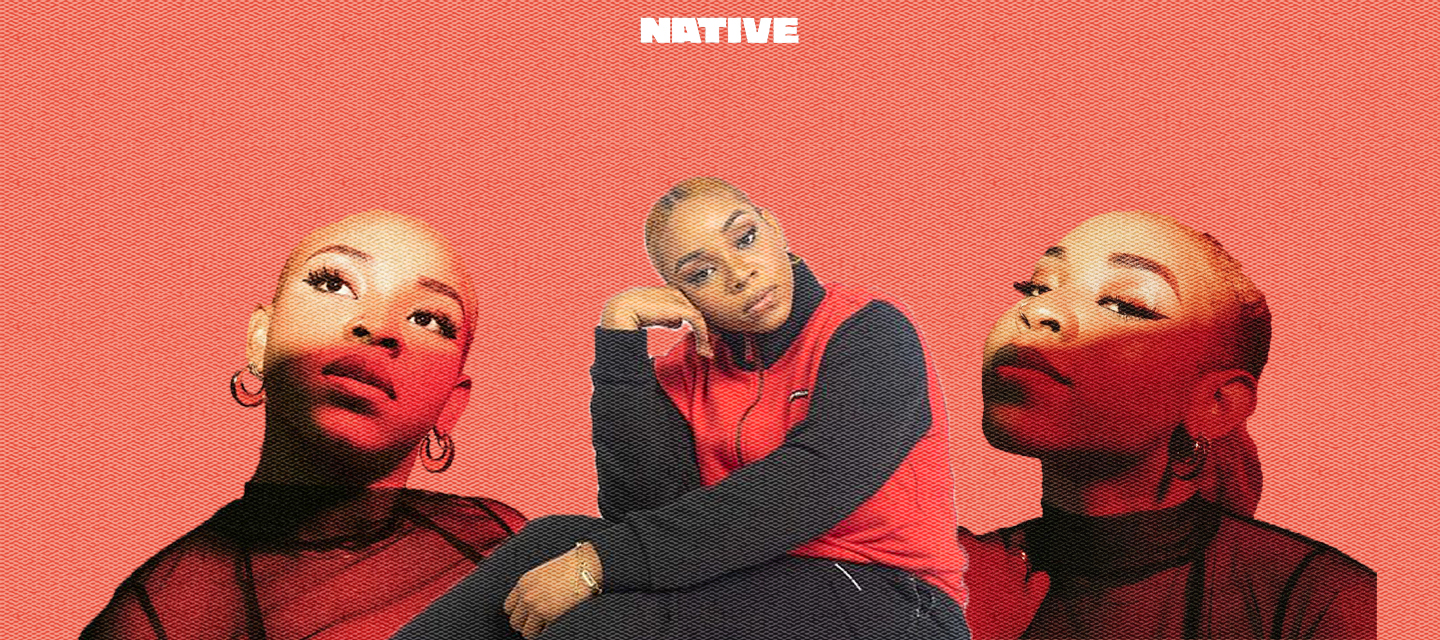
A track-by-track run-through of Hanu Jay’s ‘Wow’ 

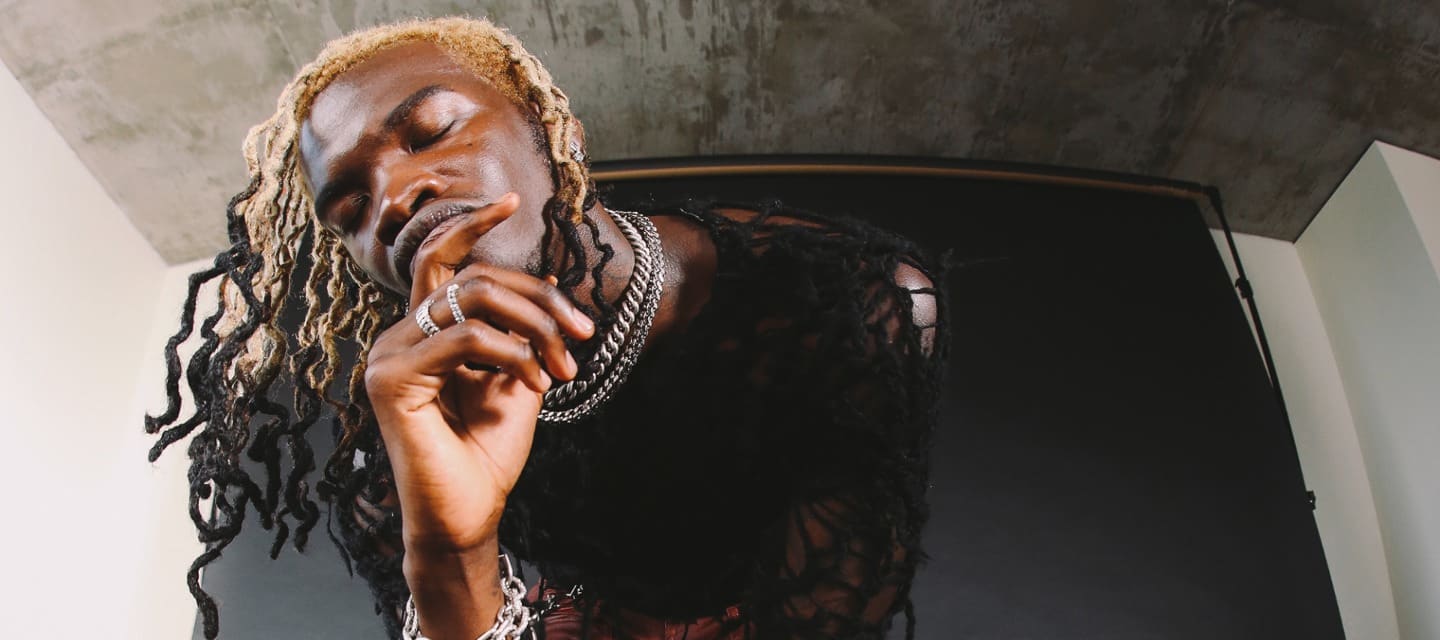
In the years since emerging unto the corridors of the music industry with Vibez, his euphonious collection of eight songs about the finer things of life and living in the moment, Warri-born singer, Han Jay, has kept up with his prolific streak, regularly serving timed update of his state of mind via loosies and well-worked singles that have seen him line up with everybody from Mayorkun to Zlatan over the last two years. But where the starkest evidence of his voracious aptitude for music and knack for curation has presented itself has always been projects where neo-soul sounds are often layered over hypnotic Afropop grooves. 

2019’s Let’s Smoke and Fuck was a racy trip through the mind of a creator indelibly memorialising the thrills of the hedonistic with highlights like the soothing highlife leanings of “L.O.V.E” and the sprightly flamenco thrums of “Vibration.” The nonchalance of Let’s Smoke and Fuck blunts out on its canonical follow-up, the four-track EP, Lagos Taught Me, where the singer ponders graft, loyalty, and self-assuredness over featherlight beats that his voice dances over. The propulsive energy of all this undertaking has led to Wow, his latest project where his quest for happiness collides with some of the best times of his life being captured on wax. It is his most forward-facing project as he moves into a new phase of his career. 

Below, Hanu Jay talks to the NATIVE through the process that inspired the records on Wow track-by-track. 

“Happy”

We made the entire EP in about two months late last year.  I always knew I wanted something with a very great feeling to start to project, something that had a choir too, and “Happy” was that song. There was one day when we weren’t even really recording, I was just chilling with my producer and he started playing some chords on the piano. As he was playing it, the chorus for “Happy” came to my head. I already had the “pursuit of happiness” line in my head because I knew I wanted to use it. My producer kept playing the piano and I was singing the chorus. We did a rough sketch that day but I knew that it would be completed when I was with a choir. I already knew how I wanted everything to be arranged. 

“Alright”

“Alright” was one of the songs we already had from a while back but we didn’t have the right choir vocals on it. When we originally made it, we did it up to sixty percent and tried out the choir thing but we weren’t sure if it was going to be nice; it was just an idea in my head.  Because of the kicks on the song, I wanted it to have a Micheal Jackson type of feeling to it. If you listen to it, the words are not very clear because in my mind, I was singing it like MJ used to sing his songs and put ad-libs at the end of it. I was basically trying to replicate that. At the end of the song, you’ll hear a wrestling sample. I’m a big fan of wrestling and Shawn Micheals’ theme song is one of my best ones so dug out one specific match where he was winning to complete the song. The screams of the audience and his song playing made it important for me. 

“Party on the Moon”

This is one of those songs that came after we felt we were done with the EP in our minds but we knew we could still do a little extra. My producer was about to travel to Abuja and we knew we wouldn’t be able to work for a while. We wanted to take you out of this world, to a place where it would feel like you were having a party on Mars and were chilling with aliens. We were aiming to do something futuristic and that’s how we stumbled on making “Party on the Moon.”

“Rhythm & Soul”

This one almost didn’t make the project. I didn’t really like this one at the time we made it but my brother walked into the studio and went made for the song. The next day, my gym instructor came over and was asking what song this was. So, it ended up getting on the project. It was us trying to rework old-school konto vibes, spice it with some R&B, and just add some ragga elements as well. But at the same time, we didn’t want the beat to be complicated, just bouncy enough to get people moving. 

“Wassup (Champions League)”

This is probably the most personal song for me on the project because it is directly talking about where I grew up in Warri. And it’s not just where I grew up, I mean my actual street, the house, and the places we used to watch football at. The whole vibes around “Wassup” is really personal because I was also talking about some things in my family. How I used to chill outside my grandfather’s house with my guys. There was a carpentry workshop outside my grandfather’s house and we were always there talking about football and all of that. I just talked about all those things because, at one point in our lives, football was the major thing, supporting Arsenal or Manchester United was huge.  It’s a really heavy song. 

“Wavy”

We did “Wavy” way back to. I was chilling with four other people who were my friends and also musicians. We went to Eko Atlantic for a while and just recorded a lot of songs. “Wavy” was just one of those songs, we were just having fun and it came up. 

“Damola’s Interlude”

Damola is my cousin. There was a guy I really liked a lot and he dropped his album. There was a skit on the album and it inspired this one. It’s a little different because he was talking about something else but I just wanted something on my project where someone was talking about creativity and all. I told my cousin to record those things and she did. 

“Wow (Can I Blow Your Mind)”

At that point, you should have been blown away but in case that did not happen and there was like 20% left to go, this song is meant to do the work. It carries the whole sense of the full EP.  It’s the song that represents everything I wanted to do with the project. 

Featured image credits/Courtesy of the artist

Prettyboy D-O’s debut LP, ‘Love is War’, is finally here

Around this time two years ago, Prettyboy D-O had already motioned towards his sophomore album, getting the hype train running less than a year after his well-received debut LP. The album was to be titled Pretty World, and it’s lead single was the unruly and infectious banger, “Dey Go Hear Wehh.” As we all know by now, that album didn’t materialize—at least not in the form we expected. Last year, though, D-O released Wildfire, an impressive EP that consolidated on the rap plus dancehall, and everything in between, genre-mashing antics of his debut album and happened to be one of last year’s best projects.


View this post on Instagram


A post shared by Prettyboy D-O 🌍 (@prettyboydo)

After this long and fulfilling detour, though, Prettyboy D-O’s sophomore full-length has finally arrived, on schedule with recent announcements. Titled Love is War, D-O described the new album as a declaration of peace in a recent interview, and he’s still very much invested in self-portraiture through his music. “I’m just telling the story of a n***a in Nigeria,” he says. Love is War was preceded by live listening/performance sessions in several major cities around the world, an indicator of the fanbase he’s amassed over the years and indicators of his expansive intentions for the album’s acceptance.

It’s also reflected in the tracklist, which features Nigerian pop superstar Davido, UK rap star Pa Salieu, and American experimental singer IAMDDB. D-O is also joined on the album by Nigerian singer Nissi, as well as rapper and close collaborator MOJO. Including pre-released singles, “Police n Teef” and “Falling,” Love is War comprises fourteen tracks and clocks in at a relatively brisk 41-minute runtime.

Listen to the album here.

[Featured Image Credits: Web/Dazed]


@dennisadepeter is a staff writer at the NATIVE.


BEST NEW MUSIC: ZINOLEESKY’S “GONE FAR” IS A WELL-EARNED VICTORY LAP

Hot Takes: Revenge Porn, Adele & Fatphobia, BBLU & More

In a blink of an eye, the final quarter of 2021 is here and we’re worse for wear. It’s October again in the city and while this month is typically viewed as a placeholder for the frivolous Detty December season, this year, it carries more weight and trauma than ever before. A year ago today, young Nigerians took to the streets to protest a rough anti-robbery unit SARS which carried out extra-judicial killings on unarmed citizens.

With one voice and under one accord, we marched in streets and roads across the country, and even in the diaspora, chanting and calling for the end to several injustices that have plagued us as people. As we mourned the labours of our heroes past and looked to the future of a better Nigeria, we were once again reminded that as young people are voices and our votes are not regarded by the very people charged to protect and provide for us.

October is a bittersweet month for several reasons but for this writer specifically, it has come to signify endings and seismic change, unlike that many of us are used to. With that in mind, we will never forget the atrocities that took place on October 20th, 2020 and neither will we let the lives of our fallen peers be in vain. To lighten your load this October, I’ll be taking the reins on our Hot Takes column with my nearest and dearest, Damilola to dish about all the wackiest cultural moments out there. It’s not much but it’s guaranteed to take your mind off the heavy news cycle and provide a bit of balance in your hot October days. So sit back & enjoy!

BBLU: Tems and Amaarae

After the seismic change caused to the music industry last year, we’re coming into times where things are returning to the status quo. All around the world, live musical experiences are making a come back and we’re seeing our favourite artists on stages and festival lineups. One of the better-enjoyed parts of this is watching this new vanguard of Afropop stars, who’ve long been talented enough to perform on the world stage, receive their current career-defining milestones. It’s mostly especially heartwarming to see these young stars support and uplift each other through this moment particularly Tems and Amaarae who’ve both recently been seen at each other’s shows in the US, offering moral support and a bit of liquid luck. My take on this is that there’s never been a more nurturing and supportive moment for women in Afropop than there currently is. From Tiwa Savage and Amaarae teaming up on her most recent album ‘Water and Garri’ to SGaWD and Somadina coming together for “Pop Shit,” a bouncy cut where they both talk their shit and share affirmations for women just like them.


View this post on Instagram


A post shared by The NATIVE (@thenativemag)

Adele, fatphobia, new music, great life

When Tami and I decided to take on Hot Takes this week, I picked this Hot Take thinking I would be weighing in to give a detailed and light drag for people who refuse to be challenged when confronted with their fatphobia. In between Adele’s virility this week from the discussion about society’s engrained fatphobia, and the promise of new music (who else has been playing the preview every time it pops up on Instagram?), I sat with a cup of tea and read her interviews with Vogue to gain context for my light drag, and I was amazed by what I came across. First of all, Adele seems like a joy to interview. From her quotes and the candour both interviewers describe in their pieces, it feels like she actually wants to talk to us and let us into her world. While the Twitter timeline has been arguing about the difference in Adele’s public reverence since her ‘surprise’ weight loss, Adele reveals in both interviews for Vogue and British Vogue that she lost weight because she was working out multiple times a day to fight her anxiety. If you spend all day fighting the thoughts in your head (and those mofos have hands) it makes sense to channel it into something physical. This made me think season 2 of ‘Sex Education’, when Jackson was under a lot of pressure from his mum about being a swimming champion, but he didn’t want to swim anymore, and so to get her off his back, he had an ‘accident’ in the gym which prevented him from swimming. While Jackson doing that bought him some temporary relief, it wasn’t particularly useful for his long term healing and until he confronted the issue, he didn’t find actual relief. Adele working out to quieten her anxiety seems like the opposite of Jackson in some ways, and the result of that is she’s spent some time in her head and turned it into new music. She’s dropping an album soon, (which the British Vogue interviewer got to listen to btw, God when?) and she said that she’s addressing herself in this music, rather than the people who have done her dirty in the past and that’s a stage of growth I’ve been very interested in for a while. That face Adele pulled in that IG Live when someone asked her what her body count told me she’s either an A1 troll or she genuinely has no parts in that baseless conversation in 2021, either way, that’s my kind of energy and I’m more than ready for her to drop this album.

Revenge porn

Over the weekend, Tiwa Savage appeared on the Power 205.1 station in New York City, following her performance at the Lost In Riddim festival. While she was meant to be promoting the release of her latest EP and the standout Brandy-assisted single “Somebody’s Son” which recently caught the attention of the internet, the singer’s visit to the station was marred by the shocking tale of revenge pornography. The Nigerian singer revealed that she was being blackmailed over some intimate footage with her current partner. The blackmailer was requesting a sum of money to avoid the release of this tape which was unknowingly downloaded when Savage’s partner accidentally uploaded his video to his Snapchat account. Though the situation is clearly distressing, Savage shared with Angie Martinez that she was not going to give into the threats as the tape was an intimate moment shared between two consenting adults. The singer said she would not be blackmailed for something that is natural and we wholly support that statement. In 2021, it’s needless to keep harping the same tune about women’s autonomy and the need to respect women’s privacy but in this world, women aren’t allowed to exist as sexual beings in their own rights. Savage has especially borne the brunt of this maligned view as she’s hardly ever been given the space to exist as a mother and a woman capable of making her own choices. She’s typically been slut-shamed and berated for her actions, lyrics and even outfit choices and this situation just takes the cake. It is welcoming to see that Savage is now disarming the power that this attacker has over her by not giving in to their threats for an action that is hers to make and not anyone else’s.

Yvonne Orji and the heat of Ogbono

My least favourite brand of Nigerians are the Jesus and Jollof kinds, and I don’t really think I need to say much about why that’s the case. We’ve all lived through the shift in paradigm over the past few years, that has seen repatriation of sorts for loads of first-gen kids in the diaspora and so many good things have been born from that – like Wizkid & Tems in the Top 10 of Billboard Hot 100 (whut?!) and Burna Boy & my second favourite rapper at the moment, Polo G, on a song together. A constant problem that has arisen from this cultural exchange, however, are things like podcasts called Jesus and Jollof. Which has now graduated to being the ‘sweetness of chin chin and puff puff mixed with the heat of Ogbono’. I can’t. First of all, let’s reel it back in all the way to say that this very tired trend of people in the diaspora using those exaggerated ‘Nigerian’ accents for comedy is just not funny. The accent is not funny, the content is not funny, and I think it should stop.This Hot Take, was to unpack that Instagram post for Independence Day, you know the one. Let’s get into it.

Nigeria made me, America raised me. I am the daughter of an Igbo Chief, and the granddaughter of an Ogbuefi.  – This didn’t annoy me as much, I just rolled my eyes halfway when I saw it cause, first of all, this Independence Day was not a thing of pride.

Then it got bad.

I am the spice of pepper soup and the force of kolanut – O Lord.

I am the sweetness of chin chin and puff puff mixed with the heat of Ogbono. –Ogbono isn’t made to be spicy, I’ve never eaten a spicy ogbono before, so what kind of heat? Is it hot from being cooked? Or hot spicy? Cause if it’s the first, then it saying doesn’t make sense, and if it’s the second, again, it still doesn’t any make sense. I also don’t know why anyone would ever mix chin chin or puff puff with Ogbono so it just didn’t bang.

I am the party starter like Naija Jollof – Jollof Rice is not a party starter. Isn’t it like music or people who are party starters? Food does not start a party.  It might have landed better if it said ‘I am hot like party jollof’ or something like that, but again. I also don’t believe that in 2021 anyone should still be saying ‘Naija’, we left that before the turn of the LAST decade, nobody should still be talking like its 2007. But then again… 80’s millennial.

I have withstood the madness of Lagos traffic and the chaos of Balogun Market – Deeeep sigh. Why? Out of everything, this is what offended me the most because Balogun Market isn’t the best example for what she was trying to achieve and doesn’t really speak to how ‘rugged’ Lagos is. I’d like to see her withstand the chaos in the middle of Oshodi Market or  Mile 12, or better still, just not try and win comedy points with things like this.

I know I’ve been harsh, but this column is the only space on The NATIVE where there’s absolute unencumbered speech welcome, so I’m open to continuing this dialogue, tweet me your thoughts

Featured image credits/NATIVE


Words by Tami Makinde and Damilola Animashaun


Music streams on Boomplay will now count on Billboard charts

Boomplay is a dominant part of Africa’s steadily growing music streaming market, boasting over 59 million active users as at May 2021. The freemium streaming service, developed by Transsnet Music Limited, has been working hard to both improve its market share on the continent and provide value for the African music terrain. In addition to signing licensing agreements with international record labels to improve its on-demand catalogue, it also very recently partnered with Nigeria’s pioneering TurnTable charts, sharing its data with the local chart publication to better reflect music consumption within the country.

Taking a huge step further, Boomplay’s streaming numbers will now be added to the data that informs the Billboard charts. The marquee announcement was made earlier today, with the statement reporting that the streaming platform’s data will be reflected on the Billboard Hot 100 singles chart, Billboard 200 albums chart, and the other global charts. While the Hot 100 and album chart solely reflect music listening numbers in the U.S, the global charts will take into account listening numbers from around the world, and Africa will now be better reflected since Boomplay is one of the leading streaming services on the continent.

In the announcing statement, Boomplay’s Director of Content & Strategy, Phil Choi described Boomplay’s addition to the Billboard charts as “a significant step in ensuring African artistes on the platform are fairly and equally represented where it matters and that they have access to similar opportunities available to their international counterparts. While this might have seemed far-fetched in the past, we now have one foot in the door already following our partnership with Billboard Charts.” Within MRC Data’s Music Connect platform, Boomplay streams will be included in the ‘Others’ data bucket under Audio On-Demand with data visible on October 12, 2021 for streams beginning on October 8, 2021.

Afropop has been having a delightful year on the global stage, with two songs currently rising on the Hot 100 charts. Boomplay’s partnership with Billboard will only embolden that growing global dominance, opening the gates to even more achievements in the near future.


@dennisadepeter is a staff writer at the NATIVE.


AFROPOP ON THE RISE: WE’RE TRULY GLOBAL

Nigeria’s female basketball team is being owed money and respect

Nigeria’s shoddy sports administration system has made it a consistent duty to fail athletes representing the country. In the lead-up to this year’s summer Olympics, Nigeria made history as the first African country to qualify for both the male and female basketball events at the games. Unfortunately, in the midst of the pre-Olympics excitement, it came to light that the Nigerian government and its sports ministry wasn’t putting their entire weight behind the basketball teams. The lack of adequate support was thankfully augmented by a GoFundMe campaign and donations from a coalition of local banks.

As it turns out, the latter donations have allegedly been misappropriated, with players and coaching officials being owed allowances from participating in the Olympics and the FIBA Afrobasket competition shortly after. In a now-viral video, members of the female basketball team, D’Tigress, decried their treatment by the Nigerian Basketball Federation (NBBF) and the sports ministry, listing out important grievances, from monies owed to general disregard despite representing the country on a consistently applaudable basis. This year, D’Tigress made history as the first team to win the FIBA Afrobasket competition on three consecutive occasions.


View this post on Instagram


A post shared by Vyoo Nigeria (@vyoo_nigeria)

“We are owed $73,118 by the NBBF, $24,000 by the Ministry for the Tokyo grant, and $100,000 donation from three banks in Nigeria,” team member Ify Ibekwe outlined in the video. In what seems like a statement sequentially read by the entire team, they demanded accountability for the money they were being owed and better general treatment befitting of their status as the best basketball team on the continent. They also stated their resolve to boycott all training camps in the near future until their demands are met, threatening to boycott the World Cup qualifiers scheduled for late September next year if warranted.

In a statement signed by permanent secretary Ismaila Abubakar, the sports ministry has claimed that the monies are intact and have not been diverted, and they’re currently being held by the NBBF bank account with the CBN pending disbursement. The ministry also claimed some of the players have yet to provide their account details, and will start sending the money as soon as compiling is finished. In a retorting statement, published on the D’Tigress Instagram page, they’ve rejected the ministry’s explanations and any measures that involve part-payments, while reiterating their three demands: Payment of total amount owed, improved travel conditions for camps and competition, and the hiring of a competition general manager.

Usually, the sports ministry and Nigerian government are not used to being fearlessly challenged by national athletes, and part of that is because most members of D’Tigress are playing professionally in countries with better functioning sports administration systems. It remains to be seen if these demands are wholly and urgently treated, but it’s invigorating to Nigeria’s female basketball team pushing for the respect they well and truly deserve.


View this post on Instagram


A post shared by #DTigress (@dtigressng)


@dennisadepeter is a staff writer at the NATIVE.


ICYMI:DJ POIZON IVY ON HER TIME AS MUSIC COORDINATOR FOR THE 2021 BAL

How leaks are helping to power South Africa’s Dance music scene

Days before its official October 1 release, pioneering Amapiano producer/DJ De Mthuda announced the impending arrival of “Wamuhle,” a collaborative effort headlined by singers Boohle and Njelic. Shortly after, the comment section of that Instagram post was flooded by fans who blamed him for not releasing the song much earlier. These criticisms weren’t induced by anticipation, they were the opposite. For those in the know, “Wamuhle” had already been available for public listening months prior to its official drop. Initially released through Boohle’s former management and making multiple streaming playlists before being pulled, the song was illegally uploaded to several YouTube pages—one upload dating back to eight months ago—inspiring an uncommissioned music video, and has inevitably made its way to music piracy sites for free download.

This isn’t the first time De Mthuda is being affected by this sort of widespread leak. “Emlanjeni” and “Jola,” two songs recently released in the lead-up to his coming album The Landlord, were available to illegally stream on YouTube, months before they would officially end up on DSPs. This trend is not limited to De Mthuda, though. In the past year, leaks have become hugely prominent in South African Dance music. Many Amapiano, Gqom, Afro-house and Afro-tech songs have leaked onto the internet, with a significant portion becoming hits in the streets, on dance floors and social media, before properly making their way onto streaming services, radio and TV.

We live in an era of instant gratification, where fans demand constant access to new music, a craving that intensifies once they know the music is ready. South African Dance music is being profoundly affected by this trend, especially with many prominent artists premiering songs on Instagram, Twitter, TikTok and several other digital platforms as part of their rollout—or just a way to consistently engage their audience. While this tactic, in practice, dates back to the early days of the respective genres, last year’s coronavirus-effected lockdown—and artists having excess leisure time—has led to a ubiquity of the gambit. 

The lockdown’s hindrance on public events heightened the use of social media platforms to play music, or any other digital spaces that helped with live streams. Take Major League Djz’ Balcony Mix, which started as a pre-COVID showcase of the twin brothers and producer DJ’s skills and latest Amapiano tunes, for instance. The Mix series is currently on its third season and has seen twin-duo play back-to-back with the fellow ‘Piano heavyweights including DJ Maphorisa, Kabza De Small, Mr JazziQ, and DBN Gogo. Having ballooned in popularity during the period we were cut off from dancefloors, the Balcony Mix has become a go-to place for producers and artists to promote their already released music and tease unreleased ones.

Now, while these DJ/performance live streams have ensured that artists remain sharp during this period and have helped soothe fans’ lockdown blues, they’ve inadvertently contributed to the growth of leaks. Playing, performing and previewing new and/or unreleased music (affectionately known as “exclusives”) is constant with many producers and vocalists. In addition to market sampling, a popular habit of sharing unreleased songs amongst DJs, tenacious and savvy enthusiasts find ways to access music that’s not been scheduled for release, and even share them with a perennially anticipating audience. 

At the turn of the millennium, the global music industry had to reckon with the growing ubiquity of the computer as a ripping tool, the internet as an archival library and downloading device, and the continued ease of file sharing as the years rolled by. In the aftermath of the booming CD era of the ‘90s, artists and record companies had to deal with online music piracy, which was partly fuelled by the rampant nature of leaks. While the finer details are quite different, the same trajectory applies to the African music terrain. Where streaming has significantly stemmed the tide of illegal downloads and the hunt for leaks, the low to moderate adoption of streaming as the primary means of music consumption on the continent means we’ve not fully shed the hallmarks of the blog era.

Internationally, unfinished demos and reference tracks occasionally find themselves on the web, with little to no consequences or care from the artists. (A Kanye West album leaked a few years ago, parts of Drake’s latest LP made its way to the internet before officially dropping, a portion of the internet comprises hundreds of leaked Young Thug songs, and many more examples.) In South Africa, however, it has become regular for mixed and mastered versions of songs to make their way onto people’s speakers, before their intended dates. Most leakers rip the songs from mixes or otherwise manage to get their hands on exclusives, which they then share with the public. For many years, popular local blog Fakaza has been the biggest culprit, and the many other leakers have re-uploaded content that the site initially shared.

“I don’t care how many followers they have and how much they help in pushing and making sure the music is out there. If something is illegal then it is illegal,” Amapiano superstar Lady Du declares. “You can’t take my song and release it before I want to release it because you have an application that can do that. If we as artists do not fight that certain platform, then who is going to fight it? They are the ones that are making us struggle. If we didn’t have those platforms, we wouldn’t be worried about COVID-19 lockdown implications. If those platforms were not there, then we would be making more money. The reason a lot of people are not making money is that we allow such things. We don’t speak against it and come together to figure out who is the owner of this thing. “ 

Historically, leaks have always been without the consent and sometimes knowledge of the artists. Once a song leaks, most musicians would rather rework it, or scrap it entirely, but with most Amapiano/Gqom/Afro-house songs, what fans get to hear prematurely is ultimately the final version. With this, and the added pitfalls of expensive data prices to legally access music, illegal download sites still have a significant market share. Fakaza and file-sharing sites like datafilehost are thriving. In fact, many artists use these sites to release music. DJ Maphorisa, acclaimed producer and one half of Scorpion Kings alongside Kabza De Small, infamously and deliberately used these channels to release several projects from his label in 2020, sometimes a week or two before they were available on DSPs.

While there are financial impacts and lost royalties attached to leaks and copyright-infringing uploads, a handful of artists don’t seem to be bothered, as most of their immediate revenue comes from performance and DJ gigs. They believe that if they have enough freely available music, then more shows will come their way and they will remain relevant in the much-saturated scene.


Amapiano is the most affected genre. So many unreleased ‘Piano songs are just YouTube search away. The YouTube channels that upload these songs, without clearance from the artists, have millions of combined views and thousands of subscribers. One such channel, with over 152K subscribers, is the aptly named The King Of Amapiano. “My inspiration for my channel were popular channels that were already on YouTube,” shares the administrator, who asked to remain anonymous. “Channels like Masnic Entertainment, Worldwide News, Maravha Shaka, House Sanctuary and Mr Luu De Stylist’s channel. I could see that those channels were consistently growing, especially with Amapiano content.”

After initial organic attempts to grow his YouTube channel proved to be unsuccessful. He decided to name it after Kabza De Small because “Kabza’s own channel was not active”. “I was only focusing on songs that Kabza was on. For the first two months it was not growing, then I uploaded “Woza” by Mr JazziQ, Lady Du, Boohle and Kabza De Small, which got a lot of views. From there my channel took off.” The track is currently the most viewed on the channel, followed closely by Tyler ICU and DJ Maphorisa’s “Banyana” and Mellow & Sleazy’s “Bopha,” with these songs having been uploaded onto the channel before their official release dates. “The sole purpose is to promote the music and grow my channel as huge as it can be,” continues The King Of Amapiano channel admin.  “It is an important role because music which is uploaded in our channels reaches more people and the artists also benefit financially.”

While these YouTube user-generated content (UGCs) and illegal websites play a major role in these leaks, artists have aided them by just previewing the music. It has become the norm for ‘Piano artists (mostly) to give fans a front-row seat into studio sessions or previews of unreleased music, mainly via Instagram Live. Many artists test out new music at shows and take into account the crowd’s reactions to particular songs. Most venues-clubs in the townships are known as the hotspots for exclusives.

SNK, a club in Soweto, which has branded itself as the “house of the exclusive yanos”, hosts “Exclusive Thursdays”—where billed DJs are expected to debut new, unreleased music. Depending on the audience, newer music usually gets more love. A DJ that spins older songs is sometimes looked down upon. And because of this judgement, most DJs then strive to get their hands on exclusives. Before its release, a couple of DJs had Cassper Nyovest’s eventual smash hit “Siyathandana,” and they would include it on their sets. The appetite for the song grew so much that Cassper had to drop it earlier than planned. The song has gone on to be one of the superstar rapper’s most successful singles in his decade-long career and his first number one song on national radio.

The influx of DIY distribution platforms and companies has also made it relatively easy for fans to spin and groove to their favourite jams, sometimes with incorrect metadata information. Mas Musiq’s latest singles “Uzozisola” and “Inhliziyo” lived on the internet as Kabza De Small’s songs for a while before they could be taken down. Surprisingly, Mas would still repost stories soundtracked by these songs on his IG page, even before their official release.

Despite the leaks and wide availability, many of these songs still do well upon release. Zakes Bantwini recently followed a similar route with his latest single, “Osama,” which became ubiquitous even before its official release. The song’s anticipation began brewing after being premiered by Afro-House producer-DJs Darque and Shimza on their livestream platform, KUNYE Live, reaching a fever peak when the artist himself performed it on KUNYE during his performance. Clips of Zakes Bantwini performing the song immediately went viral on social media; it became the number one song on the radio and there was even an Amapiano bootleg remix, all before it dropped officially. When “Osama” was finally released officially in early September, it immediately rocketed to the top of local Apple Music and iTunes charts.

South African Dance music is now firmly in the phase where artists have a better handle on leaks and can use them to their advantage. Weeks before it dropped, a promotional, in-studio video for the star-studded remix of Dlala Thukzin’s “Phuze” surfaced online, stoking anticipation for the song and inevitably making it to illegal upload pages before its proper drop. Previews and clips of Mellow & Sleazy’s “Bopha”—including one shared by DJ Maphorisa, a visualiser to his rap verse as Madumane—made the rounds on social media and were re-shared to other platforms. There are more examples of songs taking this route to hit success, and even though there’s still general derision for untimed leaks, many artists have chosen to adapt to the times. 

That said, YouTube channels like The King of Amapiano and sites like Fakaza will still figure out ways to deliver unofficial leaks to an audience that’s always willing to indulge. Debating whether that’s a good or bad thing is a moot argument. Not only have leaks become prevalent in the South African Dance music scene, but their impact is also undeniable at this point.


@madzadza is a South African freelance writer. He has contributed to reputable online publications, writing extensive pieces on popular African music and emerging scenes. As someone who has a wide musical taste and a keen interest in most genres, he keeps his ear to the ground and his writing and commentary is not limited to one specific sound.


ICYMI: READ THE AMAPIANO COVER STORY IN OUR SOUNDS FROM THIS SIDE DIGITAL COVER

Songs Of The Day: New Music From BadBoyTimz, Tiwa Savage, Dax & More

As the year winds down, the sheer number of music we’re receiving is growing at an exponential rate. With live shows back in full swing and Afropop hits such as Wizkid’s “Essence” and CKay’s “Love Nwantiti” climbing the charts both home and abroad, there has never been a more exciting time than the present for the burgeoning sonic landscape. As such, it’s hard to sift through the chaff and find get to all the good music that hears us at pour base emotions.

That’s where our Songs of the Day column comes in. We’re doing the work to stay on pulse with all the music coming out from across the continent and beyond, bringing you exciting songs of tomorrow: today. Earlier this week, we had soothing music from Flavour, MzVee, 9ice & many more. Today, we’re bringing you new music from Tiwa Savage, BadBoytimz, Dax, Nasty C and more. Tap in.

Tiwa Savage – “Somebody’s Son” ft. Brandy

Earlier in the year, Tiwa Savage released her highly anticipated 5-track EP ‘Water & Garri’. The Brandy-assisted standout track “Somebody’s Son” is an upbeat love tune that showcases both artists’ vocals. The track finds both artists singing about the love that they want and desire for themselves. Now, Tiwa Savage and Brandy have teamed up to release befitting visuals for the track. The Meji Alabi-directed video finds both artists singing to their respective muses, expressing what they want for themselves in detail. The video which goes hand in hand with the theme of the song is a playful yet captivating video that visually tells the story they may have tried to portray.

BadBoyTimz – “Move”

BadBoyTimz had a good run delivering hit tunes throughout the year 2020. After taking a short break from releasing music, he is here with his first official solo single of the year “Move”. The uptempo Afropop track is a very danceable catchy tune that gains your attention even on first listen. On the feel-good track, he sings “Move from side to side, bounce am back we go do all night”. This track is one that may take over the clubs soon enough.

Dax – “40 Days 40 Nights” ft. Nasty C

Dax collaborates with Nasty C for a Hip-Hop tune titled “40 Days 40 Nights”. Over the heavy production of the beat, Dax takes the front stage as he spits heavy bars over the mid-paced production of the track. He uses the track to speak about his standing in the scene and discuss how hard he has worked to get to where he currently is. “7 days without work makes one week, I ain’t weak I don’t break so I’m working through the weekends”, he quips in the song’s opening moments, setting the scene for what’s to come. 

PatricKxxLee – “Spirit Bomb”

Zambian-born South African singer and songwriter and producer PatricKxLee, first garnered attention from his SoundCloud days. On the release of his new since “Spirit Bomb”, he speaks on being unique, different, and in his own world. On the hook of the track, he quips “I can’t be me, in silence, I see the unseen, outside us, outside us outside us”, blending different melodies together.

Tochi Bedford – “Outside”

Founder of 44db producer collective Tochi Bedford is here with new single “Outside”. The self-produced track which happens to be the lead single off his forthcoming sophomore EP ‘After Eternity’, is an alternative tune that finds the artist speaking about the realities of his phases. On the hook, he quips “Yeah I’m standing outside so it’s fuck the world/Trying to reach out so i cover my face”.

Featured image credits/Instagram


ICYMI: With Darkoo, You Always Get Twice As Much

NATIVE Exclusive: Between photography & music, this is Lex Ash’s Truth

There is a slight hint of tiredness in the blunt edge of Lex Ash’s voice when he logs in for our call one cool Friday evening in early September. “I’m sorry if I sound a bit tired,” he quietly offers. “I’ve been at a shoot all day.” While photoshoots are a fairly standard part of the celebrity pipeline that music revolves around, there is a slight tweak to the make-up of the shoot that he’s describing. Instead of being the subject of the photographer’s lenses, Lex Ash is the one behind the camera, calling the shots. 

Primarily known for his cool, elegiac style of photography that has seen him collaborate with stars like Simi, Zoro, and Ayra Starr, Lex has, over the last three years, been exploring other aspects of his creative leanings in films and videos, amongst a number of mediums. Of all of his explorations, music remains the most personal for Lex Ash, being a direct result of falling in love with the mix of gospel songs he grew up on and the elemental R&B songs from the late ’90s and early 2000s. 

Lex’s debut project, Truth, is cut from the same cloth as those old bleeding heart R&B bodies of work, built around romantic aspirations and candid self-awareness that leaves one both grounded and hyper-aware. “The project applies in so many different ways,” Lex Ash says. “It could easily be a romantic relationship kind of feeling or a self-appreciation type of EP in the sense that if you go deeper into the lyrics, there are aspects of it that feel like you’re having a conversation with yourself and just exploring a bunch of feelings that are grounded in you.”

Below, Lex Ash talks about his life and his journey into music.

NATIVE: Where did you grow up?

Lex Ash: I grew up here in Lagos. I was born in Surulere but grew up in Ijegun. I’m the second of four children, sort of a middle child. I started singing in the children’s choir, then progressed to my secondary school’s choir, and then to the university choir. I attended Covenant University. My first time ever recording in a studio was during my youth service, I was working with a radio station called We FM. The studio manager at the time knew I could sing so he invited me to freestyle over something he did and that’s the first time I ever recorded anything. After finishing my youth service in Abuja, a friend of mine who was a producer invited me to his studio to help out other people that were recording there and I did that until I got a job in April of 2015.

NATIVE: Would you say your upbringing inclined you into music? Or played a part in you loving the arts?

I don’t think my upbringing had a huge part in introducing me to the arts because yes, I was in the children’s choir in church but it wasn’t a serious thing. It was more like every time they wanted to have a special event, I’d join. I think it began to show that this was something I could really do during secondary school. Also, I was really good in the art class: I could paint and do a lot of other things when it comes to the arts. 

NATIVE: What was the music of your childhood?

I grew up in a Christian home so I listened a lot to Don Moen and all those types of songs. Even with their choreography, I was deeply invested in it. So, it was mostly Christian songs but there were others that we got to know through Music Africa, I was listening to Styl Plus, P Square during the Get Squared and “Temptation” era. I also really liked Lionel Richie and Michael Jackson. With Micheal, it felt like he pushed the boundaries of everything and that was just inspiring to me. I would watch documentaries and shows he did just to pick up certain things. As I grew up, I was exposed to other singers like Ne-Yo and John Legend. I also discovered that R&B was what I really enjoyed and it’s just a combination of all those things. 

NATIVE: When did you start photography?

The first time I picked up photography was 2012. I was in my semi-final year and I was just taking pictures of things around campus. I would borrow the camera from a friend because I liked that feeling and I always liked playing with electronic stuff.  I had started with graphic design in my first year because there weren’t a lot of pictures of black people that we could use for all our photo manipulation and stuff. I realised that I could actually use the pictures I was taking for posters or tech week stuff in school. With time, I started taking pictures that people were willing to use for all those things. By 2013, I realised that it was something I could do and I started taking it more seriously but I was also doing my 9-5 along with it. I worked at Unilever for a few months before going on service and people would pay me money here and there to take pictures of them. I quit my job to focus on photography full-time in 2017. 

NATIVE: At this point in your life, what was your relationship with music like?

All this while, I was still in the choir and I could sing. After school, I joined the NYSC choir during camp. I also joined a RCCG choir in my service year, so it was something that was still a part of me. I never thought that it was something that I would do seriously. I just felt that perhaps in the future I could consider it. At that time, my top priority was photography. In 2019, I felt like I was in a good place with my photography and decided to explore my other gifts. I started doing more fashion films and videos and also started recording music. Starting out with music, I told myself that I was doing it because I loved it, not because I was trying to sell it or anything, but over time I realised that one of the things I loved the most was how people felt when they heard my stuff. I started feeling like I wanted more people to hear it, so I was necessarily just doing it for fun anymore. I wanted to do it to a level where people around the world could listen to me and feel the way I feel or have their own takes and interpret their own experiences one way or the other. 

NATIVE: Being a photographer is a whole different manner of expression than making music, how did you make the transition?

For me, I don’t necessarily think there’s that much of a difference in the sense that with my photography and music and how I express myself through them, it’s just a huge part of me and my identity. So, it’s just expressing how I feel in different ways. With my photography, I take a piece of paper, draw up ideas, speak with people, then come up with concepts. After all this, I take pictures and edit them to suit the way I’m feeling. It’s the same way I think about music: I come up with the melody, write lyrics based on how I’m feeling, and get it ready. It’s just different modes of expression. But if it’s the case of time management and juggling both careers, right now I don’t think it’s gotten to a point where it is so much of a hassle to combine both. I plan everything I do to the letter when it comes to my calendar. I know if I’m going to record on a specific evening I have to be home and ready and rested for that activity. Most of my photography gigs are planned for late morning to afternoon.  I just always try to plan everything adequately. 

NATIVE: Are there ways your background as a photographer has helped you navigate your music career?

Yes! Thankfully, I’ve been doing photography for a while and I’ve been blessed to be able to accomplish a few things in my photography career. I’ve gotten to meet and work with a lot of incredible artists and observe their process behind the scenes. It just feels like it’s something I’ve seen being done before and I’m able to manage that. Also, it mean that I have a certain level of access to these musicians. I was able to do a song with Zoro on my EP partly because I’ve done a lot of work with him that he’s used for his album art and stuff like that. When I told him I was going into music, he was so supportive and it was a matter of getting something that worked for him and he jumped on board. There are more collaborations like this that are in the works for my future projects. 

NATIVE: A lot of your songs have a soul essence and R&B influence, what inspires your process? 

R&B is what I really love. I can listen to anything but at the end of the day I’ll come back to something chill. So I always end up listening to soul and R&B. My playlists are multiple versions of R&B and soul or acoustic versions of popular songs. Because of that, when I write or come up with melodies, they have a tendency to be influenced by my music leanings. I love the way the piano and acoustic guitar sounds, they fit within my Zen state. If you chcek my pictures too, there’s a certain softness to them, it’s a huge representative of who I am. My process usually starts with the melody or lyrics but most times its the melody. I could be about to go to bed or in the shower and something just comes to my head and I try to record it on my phone. From there, I go to my producer and we build the beat together. We go back and forth thinking of the instruments to use and what will fit. Thankfully, I’ve gotten to work with some incredible producers that have listened to me and worked with me to build the music up together. Most of my recordings are around 30 minutes as long as I have the beat and the lyrics ready to go. 

NATIVE: When did you start making Truth and how did you approach making it?

The first song I wrote on the project was “Sleep (Wake Up).” I wrote and recorded it in 2019 when I was finding it difficult to sleep and I was going through a really down period. I have a tendency to not be in very good spirits during some months and I’d try to sleep but I’d still be awake by 3 A.M and that how the theme of the song came about. I decided to change it into a heartbreak song following the last song I did which was “Love Don’t Live Here.” It was just to follow the story. Most of the other songs were recorded in 2020, during and after the lockdown. At one point I was just recording songs and I sort of fell into a pattern. At another point, I decided that I didn’t want to do just heartbreak songs, I wanted to tell the story of love lost and regained. I knew there were emotions that help with those transitions and that’s how I built the EP from there. 

NATIVE: What do you feel is something people should take away from listening to this EP? 

I think it depends on the person. The project applies in so many different ways. It could easily be a romantic relationship kind of feeling or a self-appreciation type of EP in the sense that if you go deeper into the lyrics, there are aspects of it that feel like you’re having a conversation with yourself and just exploring a bunch of feelings that are grounded in you.  For examples, “Right My Wrongs,” the song with Zoro, has a prayerful vibe because there’s a part of scripture where Paul says he finds himself doing the thing he doesn’t want to and not doing what he wants to, so that song was, in a way, about seeking redemption for one’s self. If you listen to Zoro’s part, he talks about his vices and the hope that they are taken away from him. The last song also has a Christian undertone because it takes inspiration from that I’ll never leave you or forsake you message of Jesus before he ascended. I recorded “By My Side” deep into last year’s lockdown when things were going nuts and it was a way of reassuring myself and other people that’d be listening that we are not alone in this. It might seem dark and gloomy but I’ll be by your side. At the end of the day, knowing that there’s someone going through what you’re going through might make it bearable. 

Listen to Lex Ash’s Truth here.


@walenchi Is A Lagos-Based Writer Interested In The Intersection Of Popular Culture, Music, And Youth Lifestyle.


ICYMI: JAZZZ ATTA IS THE R&B SINGER CAPTIVATING AUDIENCES WITH HER VOICE

Review: Odunsi’s ‘rare.’

On his genre-defying debut album ‘rare.,’ Odunsi The Engine delivers a concise snapshot of a rising star on the brink of an explosion. Three years from its release, we take a look back at the album that changed everything.


It’s been three years since Odunsi The Engine released his kaleidoscopic genre-defying debut album ‘rare.,’ a project that’s been heralded as one of the most defining moments in his career. As one of the most enigmatic and highly debated characters in the Nigerian soundscape, the singer has kept many on their toes, eager for new releases or music snippets on his Soundcloud or even just a glimpse of his outlandish sartorial choices on social media. He’s known to cause polarising conversations with each new endeavour he puts out into the universe, with proponents arguing for and against his latest scheme with rapt attention.

However, the man himself is largely unperturbed, choosing instead to focus on the music and melodies that have earned him the continued loyalty of his core fanbase. In terms of keeping up with the demand for something new, boundless and inimitable, Odunsi The Engine is keeping abreast with the changing times, morphing himself in more ways than imaginable and shedding the skins of his past. In terms of discarding his chameleonic skin, the man is still a myth beyond the music that we hear from him.

Back in 2015 when Odunsi (The Engine) made his first foray into music as a producer for Cruel Santino, his longtime friend and collaborator, the young star would never have imagined that one day he too would also soundtrack the time of our young lives. At the time, Odunsi had dropped out of formal education and was pursuing a career in music as a producer off the back of a Fruity Loops crack he was gifted by a keyboardist at his local church. Odunsi would wind up making beats for Cruel Santino and working at studios frequented by some of the most notable names in the alternative scene including DRB and LOS. It wasn’t so much that he was used to existing in the background, but more so that Odunsi never dreamed that one day this would be his current reality.

As a producer, he was able to cut the noise and keep the focus on his music but as an artist, this only became harder and harder as the singer rose through the ranks and quickly cemented himself as one of the most talented young stars in these parts. While combing through his discography, you’d discover that Odunsi merely doing his part to bring the warmth and wonder of lush and oftentimes disconcerted soundscapes to our primed ears. It’s evident that he’s not fixated on staying within the confines of genres in these parts as much as he is about heedlessly stepping over and stretching their boundaries.

In 2018, the musical soundscape in West Africa was just nearing an apex. The sheer amount of music we were receiving was vastly different, with Afropop growing at an exponential rate and rubbing shoulders with places and people around the world. At the time, frontrunners such as Mr Eazi had delivered his ebullient project ‘Life is Eazi Vol 2: Lagos to London’, a melodious album fusing elements of highlife, reggae, dancehall while Burna Boy had firmly stepped into his ‘Outside’ era with raw, unapologetic Afro-fusion sounds. The sounds emanating from the Nigerian music scene, at the time, were undeniably getting hotter and hotter by the second. Amidst these hits released by industry heavyweights, all eyes were on the new generation of Afropop hitmakers who dared to go against the norm and make music on their own terms. Names such as Odunsi (The Engine), Cruel Santino, Lady Donli, AYLØ, DRB and more, we’re constantly making rounds across social media as we watched in awe as they bypassed gatekeepers and connected directly with their millennial and Gen Z audiences. In our NATIVE 003 Rebel Issue, Odunsi (The Engine) shared that “LOS and DRB did what they did, so we could get here. Then even when Santi was Ozzy, he did what he did, so we could get here. Now all of us are coming together.” That was perfectly indicative of 2018 and the fervour of the alternative scene which worked hand-in-hand to earn mainstream success.

That same year, Odunsi made his remarkable official entry into the Afropop soundscape with a 14 track album featuring some of the scene’s favourites Davido, Santi, Runtown and Amaarae to name a few. The word “alté” was growing increasingly popular in categorising the niche of alternative African sounds as well as anyone who was defying the status quo. The scene had seen stellar releases from “Rapid Fire” by Santi featuring Amaarae, Tomi Agape and Shane Eagle, “SUGARDADDY” by Tay Iwar and “Classic” by Cash Mummy herself, Lady Donli to name a few. Despite tapping into Nonso Amadi and Tay Iwar for Afropop records like “Desire” with similar mid-tempo drums, Odunsi has always been labelled as an industry outlier. He soon became the poster boy for all things alternative and daring. This culminated in the release of the Yinoluu-produced single “Alte Cruise” which would go on to define those times and the growing online presence that these disruptors were making.

While they were first welcomed and embraced for breaking the boundaries of their creativity, the alté movement only received more pushback from the community of consumers interested in the mainstream Afropop sounds. However, sticking to his message, Odunsi was bent on changing our perception of Pop music emerging from Nigeria, and with the inspiration from Funk music he grew up on he released ‘rare’. With the aid of 80’s pop projects by Steve Monite and Oby Oniyioha amongst others, Odunsi created a standout debut album with catchy, colourful songs thus reshaping the Afropop scene, a decision we still appreciate three years down the road. Two days into March of 2018, the track rollout for his new project ‘rare’ started with the release of “Alte Cruise” embellished with a distinctly retro-inspired aesthetic. This promotional single showcased his need to defy genres, to experiment with music and visual storytelling and defying the box Afropop music was placed in. Tapping into Zamir and Santi, the trio give their take on communicating one’s intentions in relationships without managing to sound like heartbreakers.

Odunsi opens up the mid-tempo track and sets the tone as he shares his willingness to compromise for an implausible relationship “I ain’t really got what you need/but I’d be here for the night”. “Alte Cruise” was accompanied with 00’s style visuals, a compilation of videos amongst the trio and their crew spotting familiar faces like Deto Black, Ashley Okoli and more. Directed by Santi, this further cemented the simple rebuttal of all the works coming out of the mainstream Afropop scene at the time, preparing us for the stellar project that was ‘rare’. Intro track “rare” starts the album off with slow-tempo piano and guitar riffs accompanied by other ambient sounds cueing in Hamzaa’s melodious vocals. “It’s my time and nobody can tell me nothing/I told you I’m ready” a true manifestation of what was to come regarding Odunsi’s career and the bigger picture that is the general growth of the alternative music scene. Joined by D.A.P, they ride the wave of the beat, the pair harmonies and lyricism reveal Odunsi’s readiness to handle the pressure of releasing his debut album. Closing off the track is Tomi Thomas whose spoken-word monologue seamlessly eases us into the next track “falling” where Odunsi’s vocals shine over the disco-inspired beat as he sings about his love interest, Ifunanya.

While their sounds are dissimilar, it is reminiscent of P-square’s “Ifunanya”, an early 2000’s song where just like Odunsi they express their undying love for their muse. On this self-produced number, Odunsi’s production and artistic skills shine through as his soft, melodious vocals glide over the intoxicating energy resonating from the sound waves as he expresses the uniqueness of his love interest “Can’t you see I’m falling in love/No one else can make me feel this way”. He seems relentless in this pursuit as he confesses “Your mama no like me, but me I love your mama”. Similar to “falling”, “wanted you” is a disco and funk-inspired track where Odunsi takes the romantic route making use of his sultry vocals to express familiar sentiments.

Following a less optimistic route, Odunsi taps into Hamzaa once again for “take me there”, the short slow-tempo track heavy on the drums has only two verses which perfectly encapsulates his commitment to love that may not necessarily favour him, a message many of us are all too familiar with. Taking the message further after a brief introduction of Donli’s recognisable vocals is another monologue, this time speaking to the growth of the artist thus far. The mood picks up with the proceeding track “outcast” produced by Genio Bambino where Odunsi recounts the journey to stardom. Here, he candidly speaks about his time in high school where he felt like an outcast for his disinterest in formal education. Odunsi soon realised that there is power in being different and uses this to his advantage on the track. He shared with us on NATIVE 003 that despite being surrounded by the love and comfort from his family, at this time of his life he felt more alone than ever. He shared that this moment was truly a long time coming and he has no plans of halting anytime soon as he quips “Now I’m chilling with my gs and I’m feeling myself olorun”.

Arguably two of the most well-received songs on the project, “divine” and “star signs” Odunsi with the help of Davido and Runtown respectively, deliver outstanding performances and catchy hooks on the standout love numbers. At such a time, we could’ve never thought that the mainstream and the alternative would collide but Odunsi expertly delivers on both tracks, proving that he can take the sounds from popular culture and still make them his. For “divine”, while we have the smooth, mellow vocals from Odunsi and Sola King, Davido jumps into the track with his upbeat, energetic vocals and popular adlibs like “shekpe!”. The two boast of the kind of love they can provide, promising their love interest that is available as soon as they’re ready to receive it.

On the other hand, “star signs” sees a highlife-punk fusion where the pair of Odunsi and Runtown talk about the kind of girls they’re into. The hook “I’m in love with girls that like to party/Drink bacardi straight and talk about star signs” still stands as one of the most memorable ones to date. While the guitar riff by Efe Jazz is reminiscent of a ‘70s vinyl record, the bass by Kingsley Okorie of The Cavemen and the sickening production by Nosapollo transports us to an otherworldly realm where sounds exist for our listening pressure.

Taking us back with a slow-tempo track is “angel” assisted by Duendita where the pair express their love and affection to their significant other. On “take a break” however, Odunsi in Yoruba and English encourages a long-distance love to separate themselves from him, beckoning them to take a break from him. Like the Gemini he is, throughout the project, he provides many exciting outlooks and perspectives on love, leaving us wondering about his take on the topic. With collaborative numbers such as “express”, “green light” and “hectic”, we can point out a significant growth in not just in the sound and creative expression for Odunsi but with the other artists as well including Santi, SOLIS, 234Jaydaa, Amaarae and more.

At each moment in ‘rare.’, Odunsi (The Engine) is telling a story: our story. He uses his meticulous craftsmanship to tell the story of young people in Nigeria who are caught between the past and the uncertain future of our country. Stuck between two opposing worlds, he soundtracks our pains, relationships and lives using nostalgic elements from the ‘90s and ‘00s Nigerian music while also reaching for out-of-this-world Afro-Funk sound yet to be properly explored in these parts. Through funky basslines and delectable percussive and drum patterns, we’re reminded of the boy from Lagos with a dream and a mission to constantly redefine himself and carry the world along to the tune of his own drum. Three years on, not much has changed, we are still dancing to his tune which is constantly morphing from last year’s ‘Everything You Heard Is True’ and his collaborations with Zamir and MAISON2500.

Revisiting Odunsi’s genre-defying debut ‘rare.’ now almost feels like stepping into a time capsule where every song remains evergreen with each new listen. The time capsule in question provides not just a mirror to ‘80s Nigeria which Odunsi was heavily influenced by during the album’s curation but also reminiscent of a time where the singer was standing at the nascent stages of his career. Since then, the alternative scene has witnessed a remarkable growth of artists within that space as well as the introduction of many new artists that are consistently stretching the boundaries of what music from Africa should sound like.

Now, a more well-rounded artist and producer, Odunsi has stayed dedicated to the exploration of his craft, making sure to continuously experiment with new sounds and see what sticks. From “hectic” on ‘rare’ where he spotlights the talents of Amaarae, SOLIS and 234Jaydaa to DETO BLACK-assisted “body count” on ‘Everything You Heard Is True’, Odunsi still stays true to the inclusion of many talented women at his table. With more 2020 releases like “Decided” featuring Tems and “Fuji 5000”, Odunsi’s dedication to broadening the Afropop soundscape is clearer than ever.

Featured image credits/NATIVE

Best New Music: Zinoleesky’s “Gone Far” is a well-earned victory lap

Zinoleesky’s rise to stardom happened right in front of observant eyes, both keen and casual. As the latest iteration of Street Pop music was positioning itself as an unyielding force in the music scene, Zinoleesky and several of his colleagues were gearing up to join the incursion, sharing colourful freestyle videos that amused some and intrigued many more. Those videos are still on his Instagram page, and they form the compelling basis for his new celebratory single, “Gone Far.”


View this post on Instagram


A post shared by Show KILLER🔫. (@zinoleesky)

At every marquee point in his young career, Zinoleesky preempted his success story as much as he constantly reflected the circumstances that nudged him towards his path. As 2019 ticked down, the singer was in that slightly tenuous place where he was looking to transform into a bonafide star, a much-needed evolution from internet sensation and parochial ubiquity in Agege, the Lagos hood he grew up in. Then came “Popo,” a prophecy that began to manifest within months. By the end of that year, he’d signed a record deal with the label headed by the biggest Street Pop artist, and he threw down his mainstream gauntlet with “Ma Pariwo,” a slow-building smash hit during the months of Covid-19 enforced lockdowns.

It can be difficult for artists to enjoy their nascent moments, largely due to the uncertainty of the future, but Zinoleesky seems to have relished that period, even though he was anxious and expectant on occasion. “Gone Far” buzzes due to the positive attitude he exuded then and continues to exude now. Much like the previous single “Naira Marley,” the new song is reverential of staying the course, but this time it’s more pointed and skewed towards reflecting his personal trajectory. Summarily recounting the path from virality to substantial fame, Zino’s triumphant stance is well-earned, the rasp in his voice as infectious and affecting as ever.

“I left them posts on my Instagram, so you can see there was a turning point,” Zinoleesky joyously proclaims in the song’s opening, a lyric line that instantly enters the canon of instantly resonant lines in the singer’s increasingly stellar catalogue. Produced by Medua, the song’s insistent use of log drums plays into the current wave of Amapiano-influenced Nigerian pop songs, but with a more guttural edge than most of its other counterparts. It suits Zino’s voice and conversational style of singing, which sometimes veers into a rap-sung flow, as it does on the second verse and outro.

The structure is also simple, featuring short, poignant verses, a memorable bridge that blends into the catchy hook; everything will stick to your head after just one listen. It’s a similar format to his biggest hits, and “Gone Far” is another marker of how well Zinoleesky has boiled down the quirks of street pop into a mainstream-ready form, without sanding down the genuineness of his songwriting, and remaining fiercely committed to the primary audience he’s looking to inspire: the Streets.

Watch the video for “Gone Far” here.


@dennisadepeter is a staff writer at the NATIVE.


SOUNDS FROM THIS SIDE: STREET POP

Songs Of The Day: New Music from Flavour, King Promise, T-WU & More

As the year winds down, the sheer number of music we’re receiving is growing at an exponential rate. With live shows back in full swing and Afropop hits such as Wizkid’s “Essence” and CKay’s “Love Nwantiti” climbing the charts both home and abroad, there has never been a more exciting time than the present for the burgeoning sonic landscape. As such, it’s hard to sift through the chaff and find get to all the good music that hears us at pour base emotions.

That’s where our Songs of the Day column comes in. We’re doing the work to stay on pulse with all the music coming out from across the continent and beyond, bringing you exciting songs of tomorrow: today. On Friday, we had soothing music from Zinoleesky, Teni, Zlatan and many more. Today’s column brings you the sounds from Flavour, MzVee, 9ice & many more.

Novacane XO – “Suicide Doors”

Trap music has been a tool for artists to express themselves and soundtrack the story of their lives. Nigerian singer, David Usoro, popularly known as Novacane XO is one of such artists waxing poetic about his pain and struggles. In his latest track “Suicide Doors”, he highlights the lifestyle and realities of living on the streets. 

“I’m from the streets I’m used to the violence and used to the gun okay, Most of the times the police be killing my n***** in broad day,” he shares, speaking on the impact of living on the fringes of Lagos’ capitalist society. He questions the reasoning for the massacre and how we live in Lagos but it feels like a whole other city. Another day, another death: suicide doors.

Flavour – “Levels”

The undisputed King of the East is back and better than ever. Yesterday, singer Flavour unveiled his new single, a boisterous and braggadocious new number titled “Levels.” Over the catchy traditional production, the singer boasts about his wealthy status in life, praising God for his favour and toasting to the riches he now enjoys with his family and brothers. In the newly released video, Flavour is seen performing his braggadocious verses while accompanied by a number of familiar names from the East including Nollywood veteran, Kanayo O. Kanayo, Yul Edochie, Cubana Chiefpriest and more. The befitting video speaks volumes to the fervour and success of our Eastern brothers and Flavour proudly puts on himself and his hometown.

MzVee – “Coming Home” ft. Tiwa Savage

MzVee, the award-winning Ghanaian Afropop singer has just teamed up with the Nigerian powerhouse, Tiwa Savage for a new catchy number titled “Coming Home.” Over a rhythmic beat couched in Afropop drums and distinct keys, both artists address their love interest, reaffirming their commitment and promising to return to them at the end of the day. “Take my hand carry go away, it’s for life if I tell you said I love you” is a standout lyric that says all you need to know about the song. 

Tolibian – “Beware of Dog” ft. Rexxie 

After delivering his own viral take on Fireboy DML’s hit single “Peru”, Nigerian singer and rapper, Tolibian is back with a new freestyle and video titled “Beware of Dog.” The humourous freestyle finds both artists in an odd conversation with each other speaking on Rexxie’s dog that is outside the studio and armed for attack. In order to remain stage and prevent anyone from getting hurt in the process, Tolibian stays inside but that turns into a heated argument as to the best way to settle the issue. 

9ice – “Poison”

As one of the most revered names in Afropop, Nigerian rapper and singer, 9ice doesn’t have to release any new material for there to be conversations about his musical abilities. As the years have gone by, his releases have become slow and steady, with a vibe that is undeniably hypnotic, even though he’s less obviously commercial. His latest single “Poison”, his second release this year following “Iwaju” back in May is a welcome return of sorts for the mcee.

With his raspy yet smooth tone, he abandons his gruff off-the-cuff raps for a romantic number which finds him confessing his affection for a muse. Here, he sings his heart out for his love interest and how much he loves and admires her despite knowing that she is not good for him. Littering his verses with efficient needle drops of Yoruba and English, which he segues between seamlessly, the street poet turns a new leaf and turns his focus to matters of the heart.

King Promise – “Slow Down Remix” ft. Maleek Berry

After the success of his single “Slow Down” earlier in May, Ghanaian singer and songwriter, King Promise returns with the song’s befitting remix, this time featuring Maleek Berry. His rich voice sounds smooth like butter as he sings to his woman and the relationship they have with each other. “She say we dey move too fast, make we take am easy” and he continues with “I no dey think we should wait, No need to delay” he sings, imploring her to see eye to eye with him. Maleek Berry compliments this track in such an amazing way with his breathtaking vocals. 

T-wu – “Party Girl” ft. Kasheefah

In search of an Amapiano styled Bad Bitch anthem? Then this is the perfect song for you. Rap newcomer, T-WU is days from the release of her debut solo effort, ‘Rodeo EP’, a 5-track introduction to her strong writing ability and her unfiltered sense of confidence. On the standout track titled “Party Girl” ft. Kasheefah, the rapper unexpectedly delivers an Amapiano-inspired rap number geared to rival any of her peers right now. 

“I’m a bad girl already told ya, I know you wanna be like me, don’t ya, I am the culture” she raps while highlighting the fact that she does what she wants and how she pleases. As the song builds, T-wu and her collaborator, Kasheefah expertly spit menacing and boastful bars with dizzying speed over the catchiness of the Amapiano beat, wielding a refreshingly unfiltered outlook on genres and stringent rules. While T-wu is a newcomer with only one project under her belt, she’s already showing signs of a promising rap career, as one who can piss of Rap traditionalists in one breath and get the girls to twerk in the next. That’s hard!

Featured image credits/Instagram

Martell Collaborates With Davido For New ‘Be The Standout Swift’ Campaign

Davido is one of the most formidable artists in the Nigerian music scene. Armed with back-to-back hits and the ability to influence wider popular culture with catchy slang and an ebullient personality, the singer has earmarked himself as one adjacent to every massive trend in these parts. A true hard worker throughout his decade-long career that never hesitates to put on his family and friends, it came as no surprise earlier this year when the singer landed a brand new role as one of Maison Martell’s ambassador.

While the details of the new partnership were never divulged in any full detail at the time of its release, Martell and Davido have now officially announced a brand new campaign in line with the brand and talent’s shared vision and identity as playmakers in their respective fields. The nationwide ‘Be the Standout Swift’ campaign is said to celebrate the audacious and resilient spirit of all Nigerians.


View this post on Instagram


A post shared by Davido (@davido)

According to the official press release, Davido will collaborate with Martell to encourage others to live on their own terms with relentless passion and encourage them to innovate consistently and chart their own paths. Given that the singer has garnered an authentic reputation for charting his own unique and distinct path to success and international acclaim, and proven that success is not linear, he is one of the few artists capable of championing the brand’s ethos as his generation’s undisputed leader.

Speaking about the partnership and the Be the Standout Swift campaign, Davido shares that:

“I am proud to go on this incredible adventure with Martell, as I know we are pursuing the same goal: opening the way for others, each within our own creative field. We share the same idea that we rise by lifting up others. Through my songs, I want to show the new generation that anything is possible. That’s what I love about Martell’s history and expertise: the capacity to continually reinvent tradition.”

Sola Oke, the Marketing Director at Pernod Ricard shares that:

“We understand the limitations that exist for the typical Young Nigerian living in Nigeria, but we also know that what makes a stand-out swift is the can-do spirit that Davido is about,” says Sola Oke, the Managing Director of Pernod Ricard. “Inspired by the Martell Spirit, Martell is proud to share our history and essence by challenging Young Nigerians to own their narratives and join Martell in being bold about how far they’ve come.’’

You can find out more about the campaign here.

Featured image credits/MartellNigeria


Maison Martell is the oldest of the finest cognac houses from 1715. It is renowned worldwide for its expertise as well as the finesse and elegance of its cognacs, which are the result of a nine-generation legacy of savoir-faire. The bravery with which Maison Martell has challenged convention to develop new expressions of cognac, notably the iconic Martell Cordon Bleu in 1912, is distinct for its flaming passion for its craft and a genuine commitment to the soil. Marked by the audacious ability to pioneer new expressions with ardour, The swift, the House’s historic emblem, represents the House’s free spirit.


Pernod Ricard is the world’s No. 2 in wines and spirits. The Group, which was formed in 1975 by the merging of Ricard and Pernod, has grown steadily through organic expansion and acquisitions, including Seagram (2001), Allied Domecq (2005), and Vin & Sprit (2007). (2008). Absolut Vodka, Ricard pastis, Ballantine’s, Chivas Regal, Royal Salute, and The Glenlivet Scotch whiskies, Jameson Irish whiskey, Martell cognac, Havana Club rum, Beefeater gin, Malibu liqueur, Mumm and Perrier-Jout champagnes, a portfolio of Jameson Irish whiskey, Jameson Irish whiskey, Martell cognac, Havana Club rum, Beefeater gin.


Turntable Top 50: Joeboy’s “Alcohol” Rises To The Top of the Charts

This week, Joeboy’s “Alcohol” rises to the top of the charts after accruing 6.07 million equivalent streams (up 86.2%) and 35.9 million in radio reach (up 67%). In the process, it records the biggest streams by a song in a week since TurnTable Charts began tracking in July 2020, beating the previous record held by Davido’s “FEM” with 4.61 million equivalent streams.

It’s followed by Adekunle Gold’s “High” featuring Davido which rises to the No. 2 spot this week after tallying 56 million in radio reach (up 10.7%), 12 million in TV reach (up 62.6%) and 1.55 million equivalent streams (down 8.3%). “High” continues to lead the radio chart for a second week. Ayra Starr’s “Bloody Samaritan” also drops this week to No.3 and is followed at No.4 by Kizz Daniel’s “Lie” which previously spent seven non-consecutive weeks at the summit of the charts. Fireboy DML’s “Peru” closes out this week’s top 5.

Omah Lay’s “Understand” holds this week at No.6 after leading the chart for three weeks. Lojay & Sarz’s “Monalisa” moves to a new peak of No. 7 on the Top 50; the song tallied 11.3 million in TV reach (up 7.6%), 42.3 million in radio reach (up 37.3%) and 736,000 equivalent streams (up 25.6%). Elsewhere in the top 10, Burna Boy’s latest single “Want It All” featuring Polo G debuts at No.8 this week. The singer also reappears again at No.9 for his collaboration “Question” with Don Jazzy while Mohbad’s “Feel Good” is steady at No. 10.

You can read a full breakdown of the charts here.


ICYMI: Mayorkun Announces His Sophomore LP, ‘Back In Office’

Inkblot Productions New Film, ‘Charge and Bail’ Is Out This Week

Over the past few years, Inkblot Productions, the film production brainchild of Naz Onuzo, Zulumoke Oyibo, Damola Ademola and Omatayo Adeolain has consistently met the demand for blockbuster entertainment in Nigeria. Helming award-winning hits such as ‘The Wedding Party 1 & 2’, ‘The Set Up’, ‘DOD: Day of Destiny’ and more, the production company has become a known name in the industry, capable of delivering the much-needed content we deserve.

To round off the year, Inkblot Productions are now days away from the release of their latest film, a legal drama titled ‘Charge and Bail.’ The film will serve as the 7th collaboration between Inkblot Productions and Film One Entertainment and is slated for release this Friday, October 15.

Directed by Uyoyou Adia, the film revolves around Boma, a high-flying lawyer from the upper class who finds herself posted to a Charge and Bail law firm run by Stan Nze’s Dotun and his brother Wole played by Femi Adebayo during her NYSC Service Year. A culture clash ensues between the haves and the have nots as Boma tries to navigate the new world. Charge and Bail also stars Folu Storms, Tope Olowoniyan, Eso Dike, Craze Clown and Chigul. They are joined by film veterans Bimbo Manuel and Chris Iheuwa as well as a galaxy of Nollywood talent such as Pere Egbi of Big Brother Nigeria Fame. 

Chinaza Onuzo the cofounder of Inkblot Production says about the upcoming film: “Zulu, Damilola and I were delighted to work with Uyoyou Adia on Charge and Bail. Uyoyou is a talented director with a strong vision and collaborative spirit. We can’t wait to show everyone the magic she made working with an amazing set of collaborators.”

Uyoyou Adia, the film’s director also spoke about the film and revealed why she agreed to take up this project, stating that:

“The story of Charge and bail is very dear to my heart. It’s an exciting story about a young woman in Nigeria seeking to find herself in a place where she least expects. It’s a story that resonated deeply with me and will resonate with the Nigerian audience.” 

Watch the trailer for ‘Charge and Bail’ below.

Featured image credits/Instagram: Inkblot Productions


ICYMI: Netflix’s ‘Sex Education’ Shines A Light On Nigeria’s Queer Scene

NATIVE Exclusive: Superboy Cheque Is On A Winning Streak

Paying attention to Superboy Cheques’ music reveals his narrative journey fully formed in introspection. One moment he’s singing about protecting his energy on the tune “Zoom”, another moment he’s taking back his power on the tune “History”. But at 26 years, the Nigerian Afro-fusion star is uninterruptedly earning a reputation within the expanding and thriving West African music scene.

Signed to Phynos’ Penthauze Music in 2019, Cheque christened his approach as ‘sing-rapping’. His unique ability to harmoniously combine multiple genres at once while carefully tackling various themes and promoting positivity is what distinguishes him from the mean. Without limits, Cheque further showcases this said ability in 2020’s 5-track extended play dubbed ‘Razor’. The project houses thumping tunes “Loco”, and “Zoom”, his break-out single. “My music is more like rap too, but there’s a lot of singing and melody in it,” he tells me about blurring the line between his ability to sing and rap simultaneously. He continues, “I’m mostly in the middle. I’m not really rapping, and not really singing”.

Fresh off the success of the aforementioned extended play, and the momentum of subsequent releases, Cheque, born Akanbi Bamidele Brett, is debuting a 13-track album ‘Bravo’. It is experimental, euphonious, and ethereal; with a variety of influences. Even the album title is uncanny. “When I made this album, I just knew I was about to embark on a very brave journey in life”, he says.


View this post on Instagram


A post shared by Superboy CHEQUE (@superboycheque)

NATIVE: Now, Cheque finds himself gearing to take each day as it comes, and continues to greatly enjoy the success of his album. So, where did the name ‘Superboy Cheque’ come from?

I got Superboy when I was watching some DC comics. I heard it the first time and I just loved it. But at that time, it was not attached to anything music. Then for Cheque, I got it when I was trying to freestyle at a show. The beat was playing, and I didn’t know how and when to enter, so I kept on repeating, “mic check…mic check…check…check!”. It just got stuck with me and people just knew me as the mic-check guy. I just got to a point where I decided to merge the two, Superboy and Cheque, and to me it made sense. That was how I got the name.

NATIVE: You were previously known as Kyle B, but now you’re Superboy Cheque. Can you tell me about these distinctive personalities?

When I started music, my friend named me Kyle B. At that time, I wasn’t taking music seriously. I was just watching my friends do it, and then I asked if I could try too. It was a rap battle, but it was done via text on the phone. Before I could join them, my friend said I needed to have a username. I told him I didn’t have a name, I didn’t even know how to choose a name. So he gave me Kyle B. Kyle was from a movie, Kyle XY, and B was my last name. When I came to Lagos, my music was getting a little bit more serious. At that time, Fireboy and I were together. We both decided to rename ourselves on the same day. He was previously DML, then he added the Fireboy, and I was Kyle B before but now Superboy Cheque.

NATIVE: What first got you into music?

Specifically, boredom got me into music. I was bored. I was in the university at that time, and there was an ASUU strike that lasted for over five months. Because I had a lot of free time, I would always go to my friend’s house and just chill. Then he started to do this text-rap battle on his phone. I was intrigued and fascinated because I was always a book guy. I was always reading my books, so I really didn’t know anything about music. But the moment I tasted this new excitement of the text-rap, I just wanted to go on with it. Then I asked my friend what was next, and he told me to go into the studio and just start singing. The whole thing became so much fun for me, and I couldn’t just stop.

NATIVE: How has growing up in Ondo inspired you?

I came to Lagos in 2017, so I’ve lived most of my life in Ondo, and all I can say is growing up there really inspired me. Ondo is definitely not like Lagos. On some days in Ondo, I’ll just wake up, play games at this PS2 game centre, gamble, and do all those things. It was pretty much like living in the ghetto. That is why most of my music is really talking about coming out from a place where people would always look down on you, and still making a name for yourself. Growing up in Ondo has made me sing about my struggles.

NATIVE: Your latest project is dubbed ‘Bravo’. What does this title reveal?

I titled the album ‘Bravo’ because of the balls that I think I have when it comes to pursuing a type of trap music in Nigeria. No matter how much I really do make all genres of music, everybody already sees me as a trap guy. I just realized nobody was trying to do it, especially on a large scale. I’ve taken it upon myself to climb this mountain that nobody else wants to climb. I want to occupy a space nobody else has occupied. That was why I chose that title because I appreciate myself for not giving up on the genre of music that I really fancy.

NATIVE: Let’s talk about the project’s opener “Rockstar”. On it, you spoke up about overcoming a lot of things to get to this point in your career. Can you share some of the experiences you’ve had to overcome?

“Rockstar” is a Nigerian story. It’s every Nigerian man’s story, in my head. It has nothing to do with me. I feel like everybody in Nigeria is dealing with something, people are struggling. When you drive through Lagos, you see people hustling every day. “Rockstar” is everybody’s struggle because it was projected to have that.

NATIVE: Tell me about your collaborators for this project.

Honestly, I was never really a feature person. I finished this whole album myself, even before the selection process. One month to the album, still I wasn’t sure I wanted to feature because all the tracks were completed. There was “History” already. Then I called Fireboy, and he pulled up in the studio and we created something. Then I decided I wanted a female on the Album. I started listening to all the songs, then I got to ‘Dangerous’, and I was like, “who is the baddest female artist that can embody that dangerous personality?” I just knew in my head that it was Ayra Starr. Then I sent ‘No One Else’ to my crew, telling them I wanted somebody I could feature. I initially played it to Burna Boy, and he said he loved it. I was really hoping to get him on the tune, but I never initiated it. Then Jackboy called me and told me he was interested in it. I sent him the song, and in under 24hrs, he sent me back the verse. And then Olamide too, I sent the song to him. Making a song with him just seemed cool to me and I enjoyed it.

NATIVE: What was the creative process like putting together this album?

After the Razor’ EP, I was not sure I’ll be putting out an album next. But after “Zoom” was getting the success it was having, then I started thinking I needed a project next. I’ve never really recorded for a particular project before because I always just recorded randomly. It is just like a day-to-day life for me. When it got to the point where my label thought it was time to put out an album, it was pretty much easy because I already had a lot of songs. The only problem was the selection process; it was a bit tedious because there were a lot of songs. I don’t write my songs, so I just go into the studio with my subconscious. My major target when I make music is the melody.

NATIVE: Since you put out your first body of work in 2015, to this point, how has your sound evolved?

In 2015, I was not conscious. I was Kyle B at that time. I didn’t really know anything about blowing up. When I released my debut project in 2015, I never really thought I’d get to a point where I’ll get attention. I released that project because I just loved doing music. But when I came to Lagos and started to see people getting success from music, I was asking myself how I was going to get people to listen to my music. Then I decided to continue making trap music. Nobody was doing it at that time. Even those that were doing it were not spicing it up, everybody was strictly doing afro-music or uninteresting trap music. This is why I tend to listen to American trap, the Yankee trap. I might be a little bit influenced by the Yankee trap, but the whole thing I say in my music is purely Nigerian. I just got to evolve with time because I realized it was more than just music.

NATIVE: As an artist, you’re not only a musician but a role model to a lot of people. Does this ever make you feel pressured?

I feel like the major role model that I am now is to make people know that when they lose who they are, they lose everything. If my mindset is about saying stuff in my music like “Rockstar”, and I don’t continue to do it, then I’ve lost myself. I’m really trying to encourage people that no matter what they’re doing, they should stick to it, improve it, and be themselves. This doesn’t make me feel pressured.

NATIVE: What’s next for you?

It’s just been a week since I dropped the album, so I’m currently promoting. But I’m hoping to do a lot more collaborations next. Considering the success of this album, I know that another album is definitely not going to be too far.

Featured image credits/Instagram: superboycheque

Songs Of The Day: New Music Zinoleesky, Teni, Zlatan & More

As the year winds down, the sheer number of music we’re receiving is growing at an exponential rate. With live shows back in full swing and Afropop hits such as Wizkid’s “Essence” and CKay’s “Love Nwantiti” climbing the charts both home and abroad, there has never been a more exciting time than the present for the burgeoning sonic landscape. As such, it’s hard to sift through the chaff and find get to all the good music that hears us at pour base emotions.

That’s where our Songs of the Day column comes in. We’re doing the work to stay on pulse with all the music coming out from across the continent and beyond, bringing you exciting songs of tomorrow: today. Earlier this week, we brought you new releases from Burna boy, M.anifest, Nobuhle, Blxckie, and more. It’s Friday so you know we have new music for you. Our curation includes drops from CKay, Zinoleesky, Zlatan, Oxlade, Fireboy DML and more. 

Zinoleesky – “Gone Far”

As Afropop continues to make its mark globally, street-pop artist and Marlian Music signee, Zinoleesky is one of the young stars positioning himself at the forefront of the emerging soundscape as he soundtracks the hardship on the streets and his eventual come up. After a string of steady releases this year including “Kilofeshe (Remix)” and “Naira Marley,” the singer is back with a new release titled “Gone Far,” an ebullient cut that latches unto the percussion led sonics of Afropop.

“Gone Far” sees him performing on his best form, with lyrics that are reflexively self-aware about his come-up in the industry. The track opens up with an intoxicating beat paired with Zino singing and rapping about his growth, waxing poetic on his journey in life so far. Armed with bars littered in Yoruba and set up in English, the singer attributes his successes to God as he quips in the infectious hook “Now look at me I’ve gone far, they don’t know when I run past/More money more respect, give them what they don’t expect.” The catchy track is truly a testament to the well-deserved recognition the street pop artist is receiving at the moment and speaks on a larger scale to the fervour of the emerging sound and scene. As the singer himself says in our Sounds From This Side digital exclusive, “Street music is the sound of the moment.”

Zlatan – “Ale Yi”

Zlatan has relentlessly dropped singles all year along including standouts such as “Cho Cho” featuring industry favourites Davido and Mayourkun, “Carry Me Go”, “Alubarika” and his collaborative EP ‘Mainland To Island’ with Oladips. His latest release “Ale Yi” adds another string to his bow, showcasing his stellar music abilities and satiating fans eager for the Detty December concert season.

The track which translates to “this night” finds the rapper, in the usual fashion, delivering a standout verse that is sure to stoke excitement from his loyal following. Over the catchy production from Niphkeys, Zlatan employs Yoruba and English as he passes across his message. He goes on about how he wants to enjoy his life and see the fruits of his labour despite the challenges that life may throw his way with standout lyrics such as “Say! I can’t come and kill myself/Make another man kon chop my sweat”. 

Teni – “Moslado Refix”

Off the success of her debut album ‘WONDALAND’, singer, Teni has been expanding the world around the project by allowing fans into a world of fun entirely of her own making. Barely a week ago, she released the video to standout single “Moslado”, a bouncy cut off project which found her at her most cocky and braggadocious. To capitalise on the song’s success further, the singer has now released a compilation of refixes of the song. The compilation expertly includes an Amapiano reflix, a Pheelz remix and the song’s instrumental. Teni once again proves her ability to stay on pulse with emerging sounds and trends from this side.

Vee – “Forbidden Fruit” ft. LADIPOE

For a while now, Big Brother has been inching into the music and entertainment industry in Nigeria. Over the years, newcomer artists have used the platform as a springboard for their music careers, leaving the Big Brother house with a dedicated and loyal following eager to champion their music endeavours. Vee Iye, a contestant on Big Brother Naija’s Season 5: Lockdown Edition has just released her debut EP, tapping into her newfound fame and showing fans and naysayers alike her sweet-sounding voice and her pen of gold.

Standout track, “Forbidden Fruit” features our song of the summer favourite, Ladipoe. This mid-tempo track ties into the overall message of the project as Veeiye’s sultry vocals reminisce on her sexual experiences with her love interest. Ladipoe joins in delivering comical bars “I like your bra but are you supportive/Can he hold you down like gravity force” all the while in sensual alto vocals. The track is just what you’d expect from the duo as one’s adlibs support the other as the vocals take centre stage on the Louddaaa-produced number. 

Benji Flow – “My Bella” ft. Oxlade

UK-based Nigerian artist Benjiflow taps Oxlade for their recently released single “My Bella” only a couple of months after his earlier single “Go” was released. In usual Benji Flow fashion, this track takes listeners to another realm with his sweet-sounding voice intermingling with Oxlade’s hypnotic one for the listener’s pleasure. The track employs pidgin on Oxlade’s verse as the pair express their love and longing for their love interests with romantic lyrics such as “My Bella my sweetie pie, Don’t wanna see you die my Bella/ My Bella my sweetie pie, don’t wanna see you cry my Bella”. The self-produced love track by Benjiflow has set the scene for his anticipated EP ‘The Thrill’ slated for release on the 4th of November. 

Fiokee – “Follow You” ft. Chike & Gyakie

It’s always a party when talented performers link up. On his latest single, “Follow You”, Nigerian guitarist, Fiokee employs the help of singers Chike and Ghanaian Afropop singer, Gyakie for a new romantic number. This follows after his earlier released single, “Cut Soap” featuring Raybekah released months ago. “Follow You” pairs Chike’s melodious vocals serenading with Gyakie’s distinct and rich voice. In a similar style to Chike’s earlier releases, this love track sings about one going above and beyond for their love interest. 

Hitboy Kellz – “Ebere” ft. Buju

No one is having a great year quite like Buju. From a string of stellar collaborations including Darkoo’s “Bad From Early”, Ladipoe’s “Feeling”, Basketmouth’s “Your Body” and even Wizkid’s “Mood”, the singer has earmarked himself as one of the most formidable Afropop hook killers in these parts. His latest effort finds the singer collaborating with fellow Afropop artist Hitboy Kellz on “Ebere”, a promotional single off Hitboy’s upcoming debut album. Hitboy Kellz sings about the difficulties he faced in life as he’s joined by Buju on the chorus who pines for a lover. 

Skillz 8Figure – “Wateva” ft. Kofi Mole

Ghanaian-Sierra Leonean singer, Skillz 8Figure became an unmissable voice in the burgeoning Afropop scene over two years ago when he first released his debut EP ‘Gangsta Luv.’ Since then, he’s remained a trusty name in the scene, capable of merging dancehall sensibilities with trap-soul melodies and a familiar Ghana bounce that all intermingle for the listener’s pleasure. On his new release “Wateva”, the singer delivers a hit record by every metric as he sings about his current standing in the scene and his penchant for making songs that linger on lips for months after.

WhoIsAkin – “Let Me Love You”

Following the release of his standout debut EP ‘Full Moon Weekends’, Fresh Meat alum, WhoisAkin is back with a new single titled “Let Me Love You,” a romantic new track that finds him expressing his innermost desires. Interspersing cool, intricate Afropop beats with mesmerising future-R&B vocals and melodies, the Ileri-produced number sees the Lagos native adding his own spin on modern romance as he professes his love for a special lady.

Tochi Bedford – “outside”

44DB founder and producer, Tochi Bedford is standing at an exciting new phase of his career. With his debut project ‘Mob Ties’ already under his belt and his involvement in the exciting musical landscape in Nigeria, the producer is now turning his sights towards his sophomore EP ‘After Eternity’ which is slated for release later this year. Ahead of this, he’s just shared a new promotional single titled “outside,” an alternative track that finds the artist singing about his current reality. Whetting appetites for what’s to come, “outside” reinforces the rapper and producer’s abilities as he sets to establish himself as one of the most renowned names in Trap music in these parts.

Feature Image Credits/ Instagram


ICYMI: Mayorkun Announces His Sophomore LP, ‘Back In Office’

Mayorkun Announces His Sophomore LP ‘Back In Office’

Mayorkun has been a very distinct part of the Nigerian music scene since stepping into the limelight several years ago. Armed with catchy flows and solid lyricism on his tracks, the singer has earned a growing presence online, so much so that each release is met with visible excitement and engagement from his loyal following. 

With a debut album, one EP, and several hit songs under his belt, the singer has continuously carved a lane for himself in the Afropop space, often operating in his own lane much like his label boss, Davido. With this in mind, the singer now makes his welcome return to releasing original music after a brief hiatus from the scene. Off the back of a major label signing with Sony, Mayorkun is now set to release his sophomore LP ‘Back in Office’ later this month.


View this post on Instagram


A post shared by MAYORKUN (@iammayorkun)

About a month ago, he released his first official single of the year “Let Me Know”, also announcing that it would be the first song off his sophomore album which he accompanied with visuals shortly after. A week ago today, he released his second single, “Back In Office” and the album’s titular track. Till now, he’s simply been whetting appetites for what’s to come. 

Arriving today, Mayorkun has now released the official video to his latest single “Back In Office”, and announced his sophomore album of the same name which is slated for release in October. Along with this announcement comes the new visuals for “Back In Office”, an ebullient number that finds the singer flexing about his current wealthy and successful status.  The TG Omori-directed video is a perfect fit for the song capturing the song’s braggadocious theme in its 3-minute runtime. The video finds the artist playing the role of a Mayor who has just returned back to the office to do what needs to be done and put the entire city in check.

A welcome return of sorts, the new single and video further reinforce the singer’s musical capabilities as he positions himself to every current trend and satisfies his legion of fans. The Mayor is truly on his seat.

Watch the video for “Back In Office.”

Featured Image credits/Novographer

1-Listen Review: Juls’ debut album, ‘Sounds of My World’

Juls belongs in the vanguard of producers responsible for revolutionising the sound and overarching feel of Afropop. In the middle of the last decade, his work with Mr Eazi was an integral part of the renaissance that adjusted the general tempo of pop music from Nigeria, which in turn influenced large parts of the continent. His highlife-indebted sound, which initially graced many ears via Show Dem Camp’s “Feel Alright,” catalysed experimentation and helped broaden the mainstream’s musical palette.

While this mid-tempo, sophistic-pop side of Afropop has and continues to, successfully mutate, Juls remains dedicated to his neo-highlife sound. That doesn’t mean he’s been stagnant. If anything, he’s been even more inventive, finding new ways to colour within the boundaries of his unmistakable musical identity. Across his delightful catalogue, the British-Ghanaian sound architect has consistently adjusted the expectations of listeners’ expectations from a Juls song without upending the general feel, furnishing his groove-driven approach with a wide and sometimes unexpected range of musical influences, including but not limited to R&B, Caribbean Pop, Road Rap, Folk and Amapiano.

While he’s produced music for artists like Wizkid, Burna Boy, Goldlink, Ko-Jo Cue and more, it’s on his projects—four of them so far—that listeners get to fully immerse themselves in the experimental but familiar realm of Juls’ musical approach. Today marks the release of Sounds of My World, which he’s dubbed his “debut album.” This billing doesn’t insinuate that full-length listens like Leap of Faith and Colour were inconsequential, as much as it raises the stakes for this new project. I’m highly expectant, so let’s get into the music.


View this post on Instagram


A post shared by Juls Baby (@julsbaby_)

In Usual 1-Listen Review Fashion, All Reactions Are Written In Real-Time While The Music Plays. No Pauses, Rewinds, Fast-Forwards Or Skip.

“Close to Me” (feat. Wizkid, Agent Sasco & JAEL)

Beatboxing is an intriguing way to open an album. Whose voice is this? This is that Mr Steal Yo’ Girl voice. “Girl I can be your soul food.” Haha, this is some wholesome macking. The drums and Wiz’s voice just sent me to a dimension of bliss! Fam, this entire intro is an entire flex in combining three different vocal timbres without any dissonance. It’s wild to me that the guy who was raging on Kendrick’s “The Blacker the Berry” is making lascivious records with Juls. (BTW, “Slow Down” is a top 7 Juls record.) Mr. Ayodeji Balogun has way too much swag on wax for me to type out his government, but I don’t care because I just feel so good right now. The instrumental arrangement on this has morphed like three times and it’s all so smooth and profound. Those horns! Jesus Christ, I’m sweating. This is just the intro?! Ha! Instant keeper! I’m even more hype.

“Summer in the Ends” (w/Jaz Karis & George the Poet)

Natural ambience. Spoken word poetry is usually so extra to me, and this is no different. I don’t mind it, though, it’s setting a mood that’s consistent with the intro. “Let go and release, this is your moment of peace.” I hear you, man. These log drums are hitting, but those dreamy piano keys are lulling me to bliss. Horns and guitars make everything fuller, they’re cheat codes in hands as talented as Juls’. Jaz Karis is one of those artists I promise to get into every once in a while and I never do, which is a shame because she always wows me whenever I hear that semi-wispy voice of hers. This is no different, she’s floating with ease, so much allure in her writing and performance. Juls and Jaz are making vacation in the ends sound as enticing as going to Mykonos. Didn’t hear anybody say “Music is everything,” SMH. Solid record.

“Makossa Riddim” (w/Haile)

Dusty Amapiano drums! Fuck! This guitar riff has a taste, like biting into some delicious wings on a Sunday morning after church. That’s oddly specific but that’s how I feel right now. Haile’s voice was meant to soundtrack the most gorgeous moments in life, it’s so vibrant and full of joy. I know this is the type of song that will fit into a chill DJ set, but it will fit a lot better in intimate spaces, like watching your partner dancing offbeat. Sweet nothings will forever be corny, because love itself is corny. Solid record, another keeper.

“Love Me” (w/Niniola)

Juls was one of the first non-South African producers to tap into Amapiano, and there’s an inventive respect to the way he approaches using elements from the genre. “Love Me” is no different, pretty solid pre-album single, and the Niniola feature is very on-the-nose but it works really well. Those bursts when the horns come in are just delightful, you can hear it coming but it packs a surprising punch. A lot of Juls’ production work, especially on his own shit, is a bag of tricks. That Vigro Deep-type drum breakdown is another trick. At this point, the song has transformed into something that sounds like he’s folded Amapiano in on itself. This has me dreaming of a link-up between Juls and the Cavemen, their experimentation would probably open another dimension to reality.

“My Size” (feat. King Promise, DarkoVibes & Joey B)

This intro skit is funny. I’m tempted to call King Promise’s voice gorgeous, been a minute since I heard his voice sound this ornate. Production here is a little more typical of what you’d expect from Juls, but it still feels very fresh. Joey B’s animated cadence on groovy beats like this is always so great to hear. This somehow feels like a filler song, but it’s weird to say because it does slap. I hope the horn players are getting paid handsomely, the flavour they bring to Juls’ music is nothing short of awe-inspiring. These soundbites are “haha” funny, will be revisiting for them at the very least.

“Intentionally” (w/Fireboy DML)

Fireboy over a Dancehall-inspired beat? Yeah, my ears are perched up. A fine woman told Fireboy he would become rich, and now he’s asking her to love him intentionally? LOL. I’ve always been of the opinion that Fireboy is the most solipsistic singer in his class of Afropop stars, I might be unto something. This beat has a neon glow to it, and the groove is quite catchy. I like Fireboy’s melody but I just can’t get into the writing. I don’t ever want to hear this man say “bussit” again. Don’t hate it, but this might be my first skip on this album. Serviceable song at best, to me.

“Wish You” (w/Bas & Mannywellz)

The diaspora connects. The way Juls samples is a masterclass in both collage and texture. These drums need to drop to match the glistening of these piano chords. Ah, yes. That’s the stuff right there, like getting sprayed with cold water during the heatwave. Mannywellz has such a folksy voice, which sounds trite but it is worth constantly mentioning because of the urbane way he tends to use it these days. This is the closest thing to emotive writing on this album so far, a nice change of pace from all the devotional cooing, even though they’ve sounded mostly great. Bas loosened up his flow since Too High to Riot and he’s consistently sounded like a new rapper ever since. Solid verse. I can hear the transition to the next song already, Juls is pulling off some auteur stuff right now. Mannywellz! Take a bow, chief.

“Wicked” (feat. Knucks, kadiata & Sam Wise)

This song has some crack in it, can’t convince me otherwise. Probably listened to it like twenty times the weekend it dropped, and that video is the perfect complimentary piece. “Why you talking ‘bout ‘men are trash’? Take time off twitter” makes me laugh every single time. Somehow, I wish Zlatan was on this song, or someone with street pop sensibilities. It just sounds like something that would inspire the next variation of the zanku. Juls hugs that line between minimalism and maximalism with finesse, like this song is literally a piano riff and a percussive beat, but it sounds so full. The melodic centre just shifted and it feels like another dimension within the same song. Ah! Those horns again. The tension between the writing and production is just so good. Great song!

“Alarm” (w/Prettyboy D-O & Suspect OTB)

D-O over a Juls beat is not something I ever imagined, but what does Juls look like not pulling surprises? This is somehow so hard and sophisticated at the same time, a trap song executed in Juls’ Highlife-fusion lane. I can tell I will be rinsing this one. D-O raps like the guy who will aggressively poke you in your chest to drive home his point while speaking. This is such a good rap performance, he caught that pocket so well. Guessing this is OTB, he has a nice rap voice. He’s in that same zone as D-O, great pocket and great flow. I’m hype for Love is War. Another D-O verse, Kumasi women love him. This song has no hook, it’s a no-frills rap record that doesn’t necessarily sound like it. Juls has unlocked another angle to his sound.

“Mare” (w/Sauti Sol)

East Africa connect! For someone who’s listened to a few Sauti Sol albums, it’s appalling that I can’t tell the singers in the group apart. Please don’t revoke my music journalist card – if you do, send for all my non-Kenyan peers while you’re at it. This song has a nice Dancehall bounce to it, but as is often the case with Juls songs, the delight is in the melodic components. As gorgeous as this sounds, it’s a little too wry for me, or maybe it’s this second verse. “Your throne is on my face,” on a Sauti Sol song? I’m actually a bit surprised, they always seem so…pure. That’s the word that came to my mind. Yeah, the guy on this hook is eating. The third verse sounds more like Sauti Sol, very cheesy, and not necessarily in a bad way. But this hook is a highlight of this song, and the entire album even.

“Love Language” (w/Mayra Andrade)

Juls went to Cape Verde for this album, too? I’d like to sit with him and just talk about how much music he listens to. This is such a delectable groove, and Mayra Andrade sounds at home. You know what? I’d take a collaborative project from these two, she already veered into contemporary West African sounds on her last album. Didn’t love it too much, partly because I already associate her with a unique sound, but this sounds more fitting. Mayra singing about flowers and plants in her earthy voice is positively invigorating. As sweet as she’s making falling in love sound, I’m just thinking of how tedious it can be to learn and cater to a person’s love language. I guess love requires a lot of effort afterall, the ghetto if you ask me. Beat transitioned and it’s more folksy and more gorgeous.

“Say You Love Me” (feat. A2, Karun & Xenia Manasseh)

Gentle guitar strums and log drums, Juls has so many tricks up his sleeves. Xenia Manasseh’s voice makes intimacy sound sacred, she sings like I imagine Aphrodite would sound as a singer. Somehow, this beat has revealed itself to be salsa-twinged, this whole project is a flex of mastery. This is A2, I’m guessing, and he’s bringing all the feels to compliment. Karun! She has one of my favourite voices in Afropop at the moment, it’s just so enchanting. Did Xenia and Karun just do a call-and-response bridge! This entire song sounds like the safest place in the world where you can just be with someone special, not external pressure, just vibes. This rap verse is a cool tonal change, but the raps are a bit dissonant. All that henny and vigorous sex talk just doesn’t merge. Beat switch. Not in love with the way this one ends.

“Melly Melly” (w/Oxlade)

The reunion of Juls and Oxlade, first time around was a treat and there’s an excitement here that looks like they’ll be two for two. This beat is ridiculously good, it clearly follows the template of Juls’ groovy pop records, a fat bass line, tone-setting guitar, and percussion that will get your body swaying. Oxlade’s voice has gone from Wande Coal parody to inimitable. When he hits that helium-tone plane, it’s a trick that never fails to grab your attention. This is one of his more looser showings on wax, he sounds like he’s having fun while singing, without dampening the pining in his lyrics. This is too short, will definitely revisit.

“M.O.O.D” (w/Kojo Funds)

I like this bounce, sounds like something from the ‘90s but filtered through the Juls Highlife-fusion lens. Kojo Funds is pouring his heart out, is this Emo-Afrobeats too? I’m asking a serious question. Hehhh, the beat is doing all the work, I need Kojo to sound like he’s bleeding his heart out to match. Yeah, I spoke too soon. He wants his muse to “shake that.” I don’t get this song, I thought it was going to be more confessional, which is kind of the most Afropop thing ever. Don’t know about this one.

“Chance” (w/Projexx & Tay Iwar)

This was the lead single, didn’t do much for me at first but I liked it more with subsequent listens. Reuniting the “True Love” crew without Wizkid is not a bad idea, they both showed out. It’s crazy how Tay Iwar can channel romantic tenderness on other people’s, but revel in messiness on his own songs. Get you an R&B singer-songwriter that can do both, LOL. “I’m not from the city, I’m not used to Angels” is the sort of line that won’t work on many Nigerian women, especially Lagos women. It’s not slander, I’m just saying. Projexx is a nasty man, like the bulk of Dancehall singers. Really good way to close this project.


Final Thoughts

Juls is a master at his craft. It’s the sort of description that’s been fitting for years now, but on Sounds of My World, there’s a confidence and showmanship underlining just how singular he is as a producer and project curator. The 15-song set is replete with an influx of voices, however, it’s impossible to misconstrue who’s really running the show. That’s not to say he’s despotic in approach, if anything these songs are true joint efforts that find the middle ground between Juls and his collaborators. He simply sets the tone with his genre-mashing and uniquely alluring sound, creating new wheelhouses in the same space that his guests can thrive comfortably in.

While it is marked by familiar tricks and the urban twang of his neo-highlife sound, there’s a keenness to Juls’ musical alchemy on Sounds of My World. He seeks out even more sounds to add to his sonic mosaic, and his instrumental arrangement is at its most fluid and expansive. In his work, Juls has often opted to work along the lines of groovy minimalism, but he’s indulged his maximalist side a little more on this album, tastefully filling spaces with horns and guitars while keeping his music as uncluttered as ever. The range of his collaborators is also a testament to Juls’ wide-ranging ethos, an album where artists as stylistically disparate as Prettyboy D-O and Mayra Andrade co-exist without any dissonance.

Through its many peaks and few serviceable moments, Sounds of My World’ is more than a sum of its parts, a boldly crafted paean to contemporary music in Africa and the diaspora, as helmed and curated through Juls’ unique hands and ears.

Listen to Sounds of My World’ here.

@dennisadepeter is a staff writer at the NATIVE.


AFROPOP ON THE RISE: WE’RE TRULY GLOBAL

Netflix’s Sex Education Shines A Light On Nigeria’s Underground Queer Scene

Ever so often, there is a coming-of-age television show that adeptly deals with the pressures that come with adolescence, meticulously paying attention to our quirks and nuances so well that it unite hearts and minds universally. Over the years, we’ve had very far and few between, save for Netflix’s hot-button teen series, ‘Sex Education’ which just released its third season. The teen drama masterfully addresses the ways in which sexuality, sex and becoming intermingle with each other in our daily lives offering nuanced conversations on the matter.

This cultural classic written by Laurie Nunn has been more or less become a handbook to young adults navigating and exploring their sexual lives and sexualities. So far, it has gone further than the typecast teen shows of nowadays and offered a more inclusive, learning and enabling environment for anyone that has struggled with identity, sexuality and relationships. Focused on educating and empowering through comedy, the TV series has opened up conversations about sex and everything in between that society fails to equip us for.

This season, more than exploring the lives of queer Americans or Britons, the series takes an unexpected turn when it takes a closer look at the underground queer scene in Lagos, Nigeria. In episode six, Eric played by Ncuti Gawa takes a trip back to Lagos, Nigeria with his mother and family for a wedding. While he’s excited to venture back home and soak up the culture, Eric is also worried about showing up as his queer self in a country where he is not accepted even by his own grandmother. As a queer, West African child in the diaspora, Eric’s relationship with queerness is fraught with tension, as he constantly attempts to resist the expectations imposed on him by culture and tradition.

Eric’s fear is not unfounded as decades of repressive rule against LGBTQIA+ persons continues to exist in the country. As of today, the country remains deeply homophobic with regressive anti-gay laws still in effect, forcing many to retreat to fraught underground communities across the busy metropolis. It’s marred by several legislations that currently criminalise marriage between people of the same gender and forbid sexual relations between people of the same gender. These laws are so insidious that Eric’s mother warns him against his androgynous dressing which may attract unwanted attention while in the country. Eric obliges, tucking away the most important parts of himself to fit in with his Black African family.

While in Nigeria, however, Eric soon discovers an entire community of queer people who look and dress just like him, giving him the confidence to show up as himself. Introduced to the young underground scene by his new photographer friend, Oba, Eric is deeply moved by existing in this space, so much so that he’s swept up by the whole experience and gets carried away. Underground, he met and partied with individuals just like who out of fear of hurt, evicted, or even worse, killed, had to hide expressing their true selves and loving whom they wanted. They danced, had a moment, and shared a kiss. Alas, Eric had an epiphany.


View this post on Instagram


A post shared by Sex Education Netflix (@sexeducation)

“There are a lot of us here; we just have to speak quietly,” Oba says to Eric while sharing a moment under the twinkling lights of the nightclub. Ordinary as this statement may be on the surface, it carried a lot of weight within it as Oba hints at the ways in which queer people are stripped of their voices and their human rights without care. However, as has always been the case for queer Africans, it is the solid bedrock of their family and community that propels them forward in life as they face unwanted oppression from every corner of society.

Similar to the ways in which queer Africans rise up in numbers to protect and fend for themselves in times of need, so also does Oba’s community stand up and rise for him in their own youthful, hedonistic way. Eric, on the other hand, comes from a small town where he is one of the only few Black heterosexual students standing at the intersection of so many levels in society including queer, Black, and African. As such, he doesn’t have his own community despite the fact that queerness is not criminalised in his town.  It is this realisation of perseverance and loyalty through adversity that strengthens Eric and arms him with the tools required to live life on his own terms.

These thorough scenes of growth and chosen family for Eric are all thanks to the mastermind of Temi Wilkey, a British-Nigerian actor and writer who was given the reins on scriptwriting Eric’s trip to Lagos, Nigeria. Her inclusion in the ‘Sex Education’ writers’ room gives a certain level of research and nuance to the scenes, breathing new and authentic life into them and making viewers feel seen and heard. Haven studied English at Cambridge before training with the National Youth Theatre REP company in 2014, and also earned theatre credits around the world including at the National, the RSC and the Manchester Royal Exchange, the queer writer is more than capable of exploring Nigeria’s queer scene with expertise and that is exactly what she brings to this season.

Speaking about the importance of the Lagos queer scenes in ‘Sex Education’, Gatwa shares in an interview with Variety that: He’s been the only one of him for so long — he’s a gay, Black, Christian growing up in a small English town. There’s so many places where he feels othered, and to go back to Nigeria and see someone who completely sees and mirrors him, I think was a really powerful part of his journey of understanding, “I need to take up space for myself, and I don’t know if Adam and I can carry each other.” To think that Eric would receive such a revelation in one of the most oppressive countries for queer people in the world today is a testament to the country’s strong underground scene which has long carried and supported each other in the face of discriminatory systems.

In May 2015, a telephone poll of about 1,000 Nigerians found that 87% of respondents supported the repressive SSMPA legislation and only 11% would be willing to accept a family member if they were lesbian, gay, or bisexual. These numbers when revisited today will barely reflect any significant change given that queer people are still harassed, assaulted, doxxed and worse, killed for daring to exist as themselves. As a result, many still live in silence and away from the public view, however, Nigeria’s young generation have constantly resisted the shame and guilt that is taught to them by their parents and society at large.

Instead, they choose to live loudly on the Internet, taking up spaces in places and scenes that have long rejected them and carving their own lane across a range of industries including fashion, music, entertainment and more. It is this strength in their unity that the LGBTQIA+ community consistently brings to the forefront when fighting for their freedoms and that same strength which ‘Sex Education’ now chooses to reflect and honour the vigour of the marginalised community.

In Nigeria, it’s not easy to stand out from the crowd. Queer individuals have learnt to out-smart the institutions and systemic structures set in place to oppress them, however, they have still found ways to be expressive and vivid, graphic even through themselves and their community. “I just feel like I’m ready to fly and you’re just learning to walk,” Eric admits to Adam during their breakup, a short and sobering reminder that he’s priviledged to live as a queer Black man in a world where his Black peers are unable to. In the end, it’s the fortitude of the oppressed underground queer scene that bolsters Eric’s conviction in living on his own terms, serving as yet another reminder of why ‘Sex Education’ just gets it right.

Featured image credits/DazedDigital


Elvis Osifo uses his platform as an editor, writer, and contributor to a number of publications as a voice of love, acceptance and inclusivity in Africa, and to Africans.


ICYMI: Ghana’s LGBTQIA+ Community Is Under Attack

Afropop On The Rise: We’re Truly Global

Afropop has a unique characteristic of making something where there was previously seemingly nothing. From the streets of Johannesburg to the fringe communities of Lagos and the suburbs of Kumasi, tangible gold continues to spring up from the leanest resources. Last year was no different. The most enduringly positive thing to emerge from Africa in 2020—with all its disruptions, chaos, deaths, protests, and confusion—was music. As we clung to our phones for daily updates on the rising poll of COVID-19 infections during the thick of various national lockdown, musicians across the continent, big and small, were constantly at work to ensure that the most communal aspect of our way of life was not lost to the exigencies of pandemic living. 

The entire cultural plain that stitches together to form the sonic fabric of Afropop was working overtime: from Burna Boy’s emotionally-cathartic sonic tour de force, Twice As Tall, to Tiwa Savage’s expertly-arranged major label debut, Celia; Stonebwoy’s genre-meshing Anloga Junction; the spirit-turning, afro-futurist slant of the Nyege Nyege collective’s L’Esprit de Nyege; and Kabza De Small’s peerless I Am The King Of Amapiano: Sweet and Dust, Afropop powered quarantine culture in ways that will be dissected for years to come. And in our biggest moments of need, on October 20, 2020, when bullets rained down on innocent citizens in locations across Nigeria while the world watched, Afropop was a salve for the rebuilding process. Wizkid’s mellow, Black diaspora crisscrossing, re-interpretation of Afropop, 10 years after his classic debut, found broader expression on Made In Lagos; Davido’s A Better Time was a solid throwback to the before times when we were unscarred by the loss of the COVID era; and Amaarae’s debut album, The Angel You Don’t Know, was a lilting, shape-shifting boon to see out the year. 

All this amazing music and highlights have coalesced into a giant unending showreel for Afropop that has continuously been reflected in the music and culture-pushing gains of this year. Very early into 2021, many projections were already being cast around about when the world would start to get back to its pre-pandemic grind, and in many ways, Afropop—with all its border-crossing urgency—has already reflected that propulsive energy. Teni Makanaki, the most prominent connective point between Afropop’s current young core and their immediate elders—Wizkid, Burna Boy, Tiwa Savage, and Davido—released her debut album, WONDALAND, a body of work coursing with the songbird’s eccentricity and knack for rhythmicity. Joeboy also put out his debut, the sappy but melodious Somewhere Between Beauty and Magic that confirmed him as probably the genre’s biggest enigma. In many ways, after playing a major role in the events of the #EndSARS protest, Nigeria’s Afropop stars were often conscious of stirring the nest but Yaadman Kingsize, Yung L’s powerfully incisive sophomore, directly confronted the ghost of the protest while delivering the most exciting music of his career

Just one month later, the tremendous effect of releasing three consecutive thrilling albums in three years paid dividends for Burna Boy when he became the first popstar in the contemporary Afropop wave to land a Grammy for an original body of work, winning in the Best Global Music Album category for Twice As Tall. Completing a remarkable night for Afropop, Wizkid also won his first Grammy for “Brown Skin Girl,” his collaboration with Beyoncé off The Lion King: The Gift. Aspirations for a Grammy that seemed fanciful or a huge ask one decade ago now seem like the next logical destination for Afropop. 

West of Nigeria, in Kumasi, historically Ghana’s second city, a social revolution driven by a distinct local interpretation of drill music had garnered international attention and was being called Asaaka, an inversion of Saka, a street vernacular spoken in Kumasi suburbs like Santasi and Bantama. The avatar of the Asakaa movement, Yaw Tog, saw his profile blow up and had his anthemic breakout single, “Sore,” house an enthusiastic Stormzy verse on its remix, in tandem with a biting verse from local sing-rap hybrid, Kwesi Arthur. Since then, the movement has evolved from the gritty singles of its earliest month to fleshed-out projects that capture the irrepressible energy of Kumasi. Between Jay Bahd’s self-mythologizing The Return of Okomfo Anokye, Reggie’s 2 Times A Guy, Kwaku DMC’s spiraling RoadToTrapHouse3, and Tog’s euphonious Time, we got a perspective into the rowdy energy that is making the Kumasi scene one of the hottest drill hubs in the world right now.

In further proof of Afropop’s increasing global visibility, knee-deep into the “E Choke” era, Davido linked with Drake, and the two shared a comical moment where the Canadian pop giant tried to repeat “E Choke” after Davido. In a career that is into its 11th year, Davido has shown a remarkable ability to contort slangs in his image, and getting Drake on the wave was the ultimate flex. Similarly, from the rabbit-hole of the Internet, Wizkid’s “Essence,” featuring a dynamic Tems showing, started to re-emerge, becoming a silent soundtrack to the renewal of bonds that had been put on hold during the pandemic and soirees that never panned out. By the end of August, “Essence” was the unofficial song of the summer, peaking at number 13 on the Billboard Hot 100 chart after a Justin Bieber-featuring remix that inspired a broader discourse about maintaining some ownership of the culture, amid claims about the gentrification of Afropop when it steps into western spaces. Focus on “Essence” also increased the spotlight on Made In Lagos, leading to a re-discovery of the album among American audiences who had slept on it in 2020.

After teasing the public with the prospect of an album for the better part of the last 12 months, Drake belatedly confirmed the release date of his sixth album in September, renting out billboards across the world to announce the name of his collaborators in their hometown. In Lagos, Tems’ name flashed from billboards across town, continuing her hot streak after the success of her debut EP, For Broken Ears, and her star turn on “Essence.” The Drake collab, “Fountains,” is an Amapiano-influenced heat rock with co-production and writing credits from Congolese-South African artist TRESOR. Despite not quite capturing the languid exuberance of the best Amapiano tracks, Drake operating within the orbit of the Gauteng-pioneered kwaito offshoot was irrefutable proof that the sound had meandered its way out of the townships of South Africa to become an international phenom

All year long, South Africans have been constantly locked in their own conversations about cultural appropriation of Amapiano that reached feverish levels when Jorja Smith teamed up with Italian-Ghanaian producer, GuiltyBeatz to make her own Amapiano tribute, “All of This.” The attempt was at best a cheap imitation, compounded by allegations that the beat had been unimaginatively cribbed from Heavy K’s “Easy to Love,” leading one-half of the Scorpion Kings, DJ Maphorisa, to make a retort about consulting local experts before such undertakings. He’s not wrong: the trajectory of Amapiano continues to be shaped by inventive on-the-ground acts like Tyler ICU, Kamo Mphela, Sha Sha, Mas Musiq and Vigro Deep. Their work best captures the enduring grace that made Amapiano 2020’s breakout sound. Mr. JazziQ displayed an ingenious capability for spectacular arrangement on his Party With The English project; the British-based radio station, NTS, tapped some of the hottest Amapiano talents for an expansive journey into the heart of the genre on Amapiano Now, while many South African rappers, including Focalistic, Kwesta and Cassper Nyovest, have shown a willingness to tincture their hip-hop preferences with lush keys and log drums to commercially successful ends.

In the midst of all the global recognition and festival spots for artists, producers have made some of the most forward-thinking projects of the year.  The Scorpion Kings returned with a pan-Africanist interpretation of Amapiano on their latest body of work, Rumble In Jungle, inviting TRESOR along for the full expanse of the ride while looping in sonic tidbits from Afrobeat, kwasa kwasa, and rumba. On his debut album, A True Champion, Rexxie exploded all conceptions of what street music can sound like while teasing out stellar performances from his cast of collaborators. Emerging from the cult success of I Love Girls With Trobul, his joint EP with WurlD, Sarz has taken 2021 by storm, introducing the rising artist Lojay across the slick 15-minute runtime of their joint project, LV + ATTN. Sarz’s savant-like approach to music reached new levels with the crate-digging, disco-leaning infusions of Sweetness, another joint project with the genre-bending UK-based Nigerian artist, Obongjayar.

As the disillusion with governance on the continent has spiked, more people have turned their attention to the various iterations of hyperpop anthems that are springing forth across Africa, hoping to lose themselves in simple delights for a few moments. Backed by a local audience and nostalgic emigrants in the diaspora, Afropop is entering a new moment—a specifically digital one—where it is legitimately among the biggest forces in global pop. It will most likely translate to sustained success in the most profitable markets.

If you need proof, here goes: CKay’s 2019 song “Love Nwantiti” is the latest global Afropop smash hit, recently joining “Essence” on the U.S Billboard Hot 100; Tems and Omah Lay are in the thick of solo American tours off the back of two individual extended plays, as is Amaarae; at the end of the year, Wizkid would have performed at a packed O2 Arena three times, Burna turned out the same venue earlier this year; led by Focalistic, whose Davido-assisted “Ke Star (Remix)” became an early year global hit, ‘Piano acts—including Kamo Mphela, Mr JazziQ, and Vigro Deep—are tearing up festival stage across Europe off the back of his; and the Asakaa boys have inspired a continent-wide renaissance amongst young African rappers while going toe-to-toe with their international colleagues and making their way to stages across the Atlantic.


@walenchi0 Is A Lagos-based Writer Interested In The Intersection Of Popular Culture, Music, And Youth Lifestyle.


FRESH MEAT: BEST NEW ARTISTS (SEPTEMBER 2021)

Akwaeke Emezi announces debut poetry collection, ‘Content Warning: Everything’

The Tamil-Nigerian writer, Akwaeke Emezi, who brought us unforgettable coming-of-age novels such as Pet, Freshwater and most recently, The Death of Vivek Oji is one of the most respected new names in the literary world. A masterful weaver of worlds and words, the writer has carved out a name for themselves by showing up to tell the difficult stories about deities, ogbanje’s, and even queer Africans with an unshakeable confidence that cannot be replicated by a number of their peers. 

After a consistent string of releases this year including their debut memoir, Dear Senthuran and a new novel titled Bitter already in the pipeline, the prolific writer has now just announced the forthcoming release of their debut poetry collection titled Content Warning: Everything along with a new poem titled ‘i think my father is dying.’ 


View this post on Instagram


A post shared by akwaeke emezi (@azemezi)

The collection is set to be published by Copper Canyon Press on April 5th, 2022. According to Copper Canyon, the publisher explains that the collection is “crafted of both divine and earthly materials as these poems travel from home to homesickness, tracing desire to surrender and abuse to survival, while mapping out a chosen family that includes the Son of God, Mary Auntie, and Magdalene with the chestnut eyes. Written from a spirit first perspective and celebrating the essence of self that is impossible to drown, kill, or reduce, Content Warning: Everything distills the radiant power and epic grief of a mischievous and wanting young deity, embodied”. 

The cover of the poetry collection is crafted by the artist, Chioma Ebinama who Emezi has long admired their work. Emezi also shared when announcing the poetry collection that “I like to think of our work as being in conversation—two Igbo artists interested in ritual, performance, and indigenous knowledge.” While the poetry collection won’t be available in print and online in April 2022, you can read one of the poems in the collection on the Literary Hub website until then.

Featured image credits/NATIVE


ICYMI: Bolu Babalola, Cuppy, Kiddwaya and other Black entertainers take over Channel 4