Afropunk Festival to come to Africa for the first time this year

Words by Fisayo Okare

https://www.instagram.com/p/BTRshEFA0BH/?taken-by=afropunk

The very first contemporary festival was ‘Woodstock’ in the 60’s in the United States, expected to host 10,000 people, but ended up hosting half a million. Since then festivals have sprung up around the world, becoming nexuses for the contemporary cultures of generations around the world. In fact, the greatness of a culture can be experienced through its festivals. Some are more immersive than others, but for all festivals, unity is a core value. It reflects how we embrace living with diversity. And. There are festivals for almost anything, from religious festivals a la ‘Osun festival’ and ‘St. Patrick’s Day’, to food festivals of the ‘Onion market’ and ‘Eat Drink’ category, and music boasting of the ‘Coachella’ and ‘Gidi fest’ crowd machines among others.

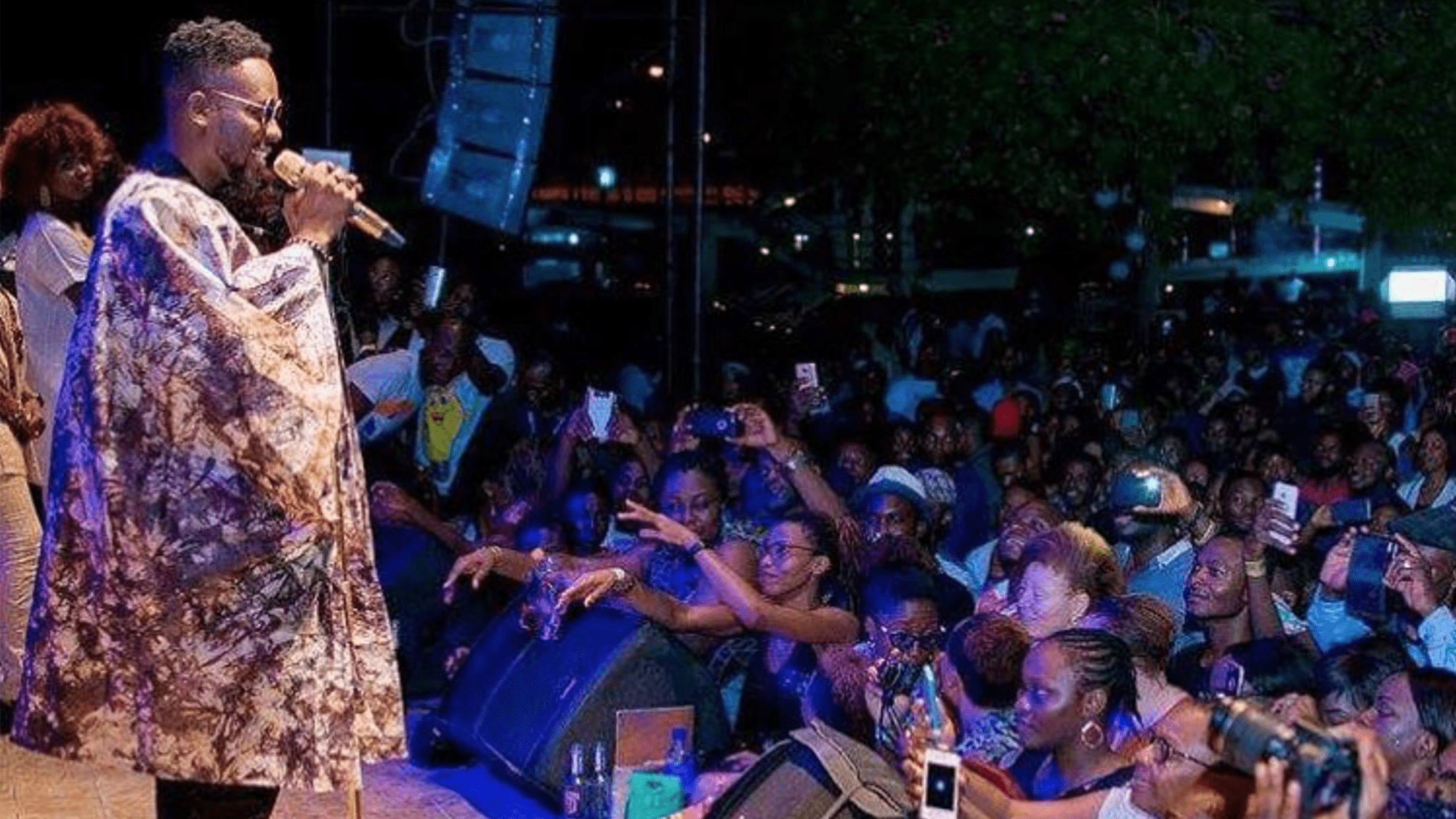
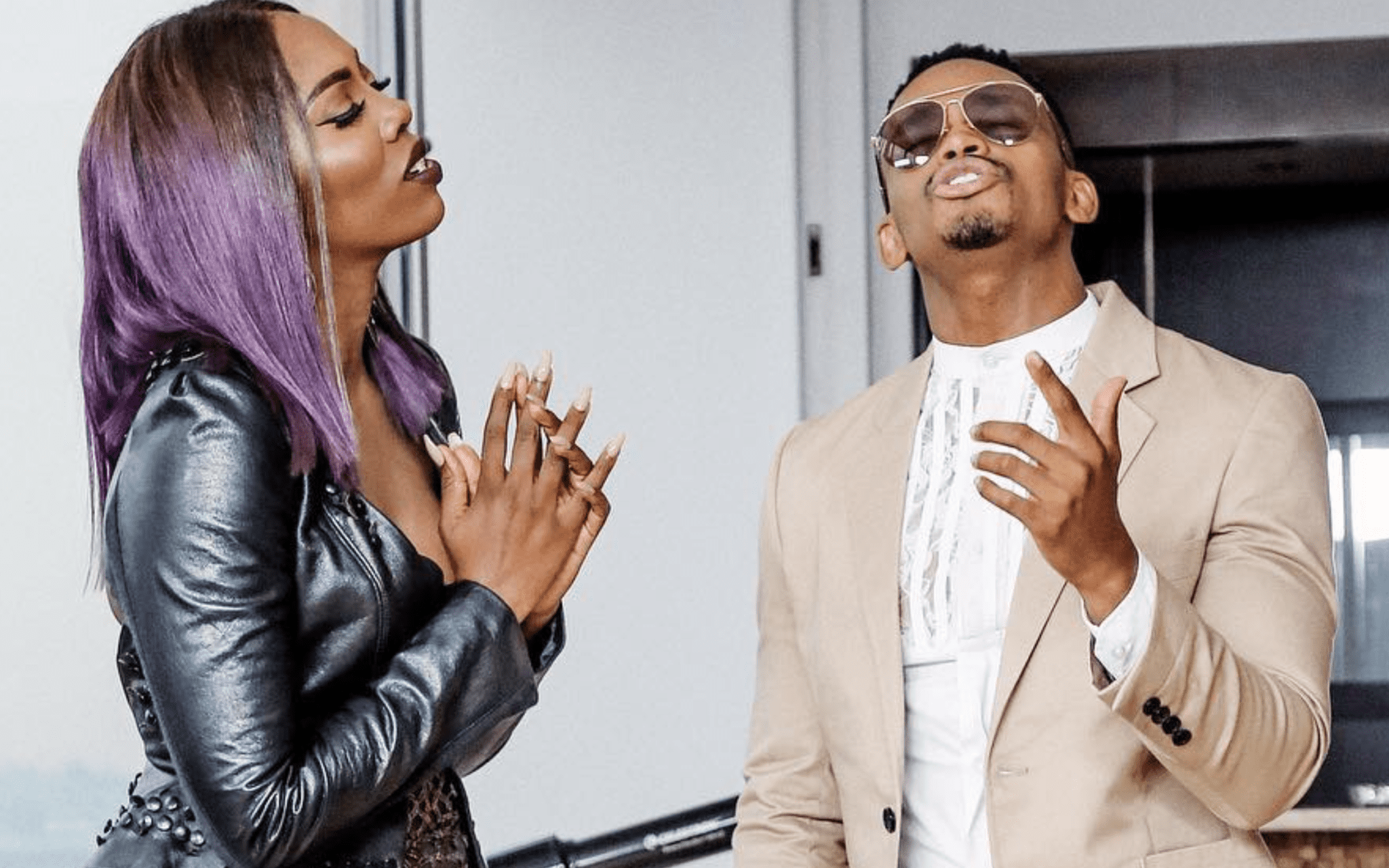
And under three categories, embracing music, art and fashion, there is “Afropunk” –an event, which began with two creative minds, James Spooner and Matthew Morgan in a small town of New York City but has since spread to other cities. Afropunk defines culture. Arguably the most multi-culturally embracing festival in the U.S, it started with a classic documentary of the same name by James in 2003, where he spotlighted Black punks in America. But it has become a bigger deal, expanding to Atlanta and Paris in 2015, then London in 2016. The event has formed a reputation and the word itself is synonymous with open-minded people and an unconventional community. It still has plans to debut in other cities across the world, including South Africa’s largest city, Johannesburg.

It will mark their first stop in Africa, where the word ‘Afro’ in Afropunk originates. It’s exciting to see this grand festival celebrate music and culture on the continent. Although the event primarily focuses on artists of African descent, it also embraces persons of all diversities. It is the place for people who maybe tagged the oddities, for their individualism and non-conformity to norms.

It was announced on Afropunk’s Instagram account that their African debut will take place in December. December maybe a while from now, but mark your calendars still and hold on. If you happen to be in London, Paris, Brooklyn or Atlanta you can experience the thrill of the festival just before then too. Check out their site here for dates, tickets and other information.

Featured Image: Instagram/@AfroPunk

Back to Basics: Davido is finally touring Nigeria with new material

We will have to dance with the devil to crack the code for financial success in the ‘New Age’

So in response to our article about the ‘New Age’ embracing new revenue models, reader @Iambeatmenace decided to take us on our word, and show quite convincingly, that it’s between the Devil and the Deep Blue Sea for indie artists looking to stay financially independent of big labels.

We’ve cleaned up the article a bit for clarity but it is all his words. We learnt a thing or two, you will too.

Enjoy.

Edwin’s analogy of independent artists stampeding established acts and getting their due elsewhere is alarmingly flawed. It’s untrue. It’s a misconception created and sold by the Majors as part of Thor ploy to control or get a chunk of indie movements in different ways or forms as it’s still evolving.

These ‘indie’ artists he’s lauding still use the help of the majors in one way or the order. For instance, Chance the Rapper’s expose after the Grammys. He was paid half a million dollars by Apple Music for his third album ‘Colouring Book’, an album that he then went to market as ‘free’. So basically, he claimed he was independent but needed or used major label infrastructure (advances, publishers, distribution, marketing and press, radio etc) for ‘success’, that’s a scam or a farce… flip it whatever way you want to. It isn’t indie… at least not yet. I’ll explain further.

Also there is a long history of rappers like Chance (and many other indie artists around the globe and even more so in our part of the world) refusing to pay/ compensate his producers (in the hip-hop sense, the beat maker or co-writer who is legally entitled to own 50% of the music BY LAW) and collaborators and instead choosing to fight lawsuits and compensations etc. Can one truly be successful when the numbers they rope in are in reality just ‘half’ because that half belongs to somebody else who you refuse to compensate either deliberately or out of ignorance?… the numbers WERE skewed.

Apple is the largest retailer of digital content on planet earth; music, books and film. Go figure. They’re the vanguard of Major presence in the digital era. It’s not debatable.

Also Edwin’s analogy of a lack of originality or the sameness in today’s music is definitely one of several factors responsible for decline in music buying culture, but certainly one of the major factors; however, albums are not the only solution. Solutions must be Artist-specific. Part of the sameness he speaks about is also as a result of mimicry (style, format, marketing etc).

In the digital era, it’s easy to create or express ideas or self more easily than it ever was at any time in history,very empowering!; however, like everything else, there are always consequences. Fewer people are skilled musically and tend to limit their expression to using similar or similar sounding software and computer programs further relying on pre-defined algorithms to express their ideas; don’t get me wrong, learning to play an instrument won’t guarantee you’ll be better at expressing yourself compared to someone who doesn’t have formal training but it definitely opens up a lot of possibilities for someone who is creative and that can make a major difference.

Artists today are not developed enough or even bother with developing themselves beyond the ability to hold notes. Most just ride a wave because they drop a couple singles and become an Instagram sensation.

And to focus on the album…

It’s one of the solutions… or maybe not. Even decisions about putting out major projects must be tailored to the artist and not just treated as the ‘magic button’ to salvage bad record sales.
Yes, an album takes a lot of skill and expertise to put together and is slowly becoming a dying art form as it must be sequenced, arranged to be more than a ‘mix-tape’ or a random grouping of tracks but must take the listener on a journey. In context of the creative or artistic vision. Highs and lows, plateaus and peaks… That takes a lot of experience and skill for everyone involved in the process… and money.  If the artists don’t make money… how can they put an album together? Many can’t even afford the time in discipline and practice to perfect their art and concentrate on putting out singles (or EP’s or Albums) of high quality etc?

Edwin used Ed Sheeran and Drake as examples to validate his point which disenfranchises the article’s primary audience; the ‘New Age’ or specifically indie artists: These two acts are signed to two of the largest major labels/distribution companies in the world. They have entire corporations behind the funding, development, creation and marketing of their projects… Not to mention that they’ve been professionally making music for at about 6 or so years, churning out fairly great material, relentlessly touring, and using the massive advertising/marketing machinery at their disposal as a way to developing an organic global grassroots following.

They didn’t just go ‘Viral’.

In fact, let me further elaborate that personally, I followed Ed Sheeran’s concerts and bootleg tapes before he was signed to a label. When he was still a busker and had a following to stage shows, the venues he played were usually overbooked and a few times, permits had to be acquired to allow fans who the venues couldn’t accommodate experience Sheeran’s artistry outside with huge LED screens. Why wouldn’t a label want to affiliate with such power which was achieved as a result of hard work, dedication and a plan that took years!. This was at least 6 years ago. I witnessed it personally.

That amount of dedication and building of an underground following for years while maintaining a pretty solid back catalogue or repertoire takes time. And hard work. And dedication. And commitment. And A PLAN!. How many of our new age artists know music business?, how many are truly committed and sacrifice of a chunk of their time in their waking life to improve or develop their skill as artists?

I work with and have worked with a great many in the past and the numbers aren’t impressive. Most are just blinded by the glamour, want to avoid hard work and discipline or ‘structure’ and gravitate towards cheap thrills. Music and music business is hard work. A lot of it. Many major label artists don’t feel as much pressure but the pressure to make sales to balance sheets (or pay an advance back to the label) but a lot of the pressure is absorbed by the team… a team sometimes in the thousands all around the world. Indie artists and major artists who do music for the love without compromise on quality hardly sleep irrespective of the size of their team or how successful they are…

Edwin did have a point of mentioning that without a repertoire, it’s not likely to get bookings etc. That is true, no matter how big or small you are.

I saw one of artists he mentioned perform live in Ghana and it was a disaster. It reminded me of entertainment nights when I was in secondary school. If the ‘New Age’ (I’m not particularly fond of this title… I’ll save my reasons for a later thread.) must take the world stage, we must know that artists are multi-faceted and development must also reflect that.

An artist may get streaming numbers and be shortlisted on Beats radio/Spotify Music and that’s major! Super super major especially for an indie artist from these parts but make no mistake, someone on their team is doing something right to complement their fresh sound. It could be a tireless manager, sibling or friend loosing sleep for months with A PLAN, or even better, expertise or familiarity with music business and some music business connects. ALL or MOST of what I just typed ARE true. They worked for it. Add the fact that ‘afrobeats’ (I again hate this title as it’s stupidly misleading) is the new inspiration in pop culture in the U.K. And some parts of North America making it ever so easier for myopic label heads to once again appreciate African music… music they’ve exploited for almost a century.

As stated earlier, these artists will need more material to make sense of all this attention and success soon enough. The artists have to be ready and developed for this spotlight, else, the bricks may easily come tumbling down when fans see them perform live. It’s one thing to enjoy their studio recordings at home and an entirely different thing to see these ‘New Age’ artists perform live. I won’t pay to see most. I’ll be happy with a Spotify or SoundCloud link for now.

This will become borderline problematic when downloads are almost a thing of the past, physical copies don’t sell, music business infrastructure is nothing but a fairytale and streaming proceeds are pitiful. One of the surest ways of sustenance and economic empowerment for artists will be to be a developed live act. Music is simply coming full circle once again, after all, even before the Internet, music has always had a global audience… the internet should simply be used as a tool to make it more accessible, thus, the discipline of neglecting artist development in any way which is now the norm has to be seriously looked at.

I frequently rant and share industry tips from time to time… want to visit the belly of the beast?, sure.

Instagram/ Twitter: @iambeatmenace

Saving the new age from the sins of its predecessors

Meet Efe Oreka, your new favourite Instagram Cover Artist

Words by Ehimenem Agweh

Twitter might be the haunt of the strong, but the truly talented are bound to be spotted and lifted from the mists of obscurity. Enter Girl Wonder, Efe Oraka who burst into the Twittersphere with her much loved Jon Bellion mashup, getting a nod from Jon Bellion himself and a shout out from Trace Nigeria respectively.

Efe is not only a singer, she is also guitarist who accompanies her singing with her instrument. Her accomplishments as a singer have led her to many stages and collaborations with many starting artists like herself. Her Mariah Carey-like style covers and earth child appearance has won her an unwavering fan base who are not likely to be leaving her anytime soon.

With most of her covers earning her popularity over time, here is the Top 10 over 10 of Efe Oraka’s covers.

Mavin mashup

Bridge House anthem

Tonight/If/Legover/Pepper Dem mashup

https://www.instagram.com/p/BSEhBxMgJFN/?taken-by=efeoraka

Elastic Heart cover

I was Here cover

Comfort Food

https://www.instagram.com/p/BQ-xfFgAq8z/?taken-by=efeoraka

Wherever (Cover) by Lagabaja

https://www.instagram.com/p/BRyheN-gAdP/?taken-by=efeoraka

I feel it coming cover

https://www.instagram.com/p/BR8XZqmAAPf/?taken-by=efeoraka

Jon Bellion mashup

https://www.instagram.com/p/BS9Tk4PAEe7/?taken-by=efeoraka

Halleluyah cover

https://www.instagram.com/p/BQ-vHmTg861/?taken-by=efeoraka

If you’d like to hear more of Efe beyond these short clips, you should listen to her debut and only single “Gbe Mi”, via her SoundCloud.

6 videos you need to see this week

The Shuffle: That one time 2face gave us timeless pure wisdom

“Who get ear, make them hear/ No go tell anybody say you see me for here”

The opening lines of 2face’s second verse on “Only Me” , immediately brings to mind Nigeria’s dark military era; grim years of rule by men in green uniform, culminated by widespread human rights abuse, and persecution of pressmen and the few public figures who dared to speak out against government injustice. 2face’s self-removal from the Nigerian reality here is selfish to say the least, but government backlash against his planned protest earlier this year reminds us times may have changed but the battle for social justice is still largely dependent on individual responsibility. This is the premise upon which “Only Me” is set.

By the end of “Only Me”, there are a few things you will admit to yourself: that actions have consequences, that we all have a social responsibility to be better, and that unless we all play our part effectively, collective progress as a people will be a myth. Though 2face casually mentions his unwillingness to be taken as a preacher, “Only Me” comes against the backdrop of looting public officials, streets rife with poverty, and innate self-centrism of the average Nigerian. His introspection is inverted when he sings of an alternate world where he has no women at his beck and call, but overall, it’s not hard to see the truth at the heart of “Only Me”.

“Only Me” is off 2face’s Unstoppable: International Edition album and perhaps is the strongest indication of what post-Fela activism in music sounds like. Artists like 2face who lived through multiple military regimes, or were regaled with brutal tales of expedient leadership have been forced to see the Nigerian society only through internal lenses. On “Only Me” 2face speaks to himself, but the fingers of blame are pointed at you and me, the bystanders doing the most for ourselves and the barest minimum for everyone else.

Stream “Only Me” via Apple Music below

The Shuffle: Let DaGrin’s “Pon Pon Pon” take you down memory lane

Burna Boy Gets Reflective In Video For “Boshe Nlo”

Burna Boy doesn’t play well with others. Some industry insiders have even gone as far as describing him as a megalomaniac. And while even Burna will concede that he he can be difficult, he describes his actions as a healthy scepticism of industry politics. But he has become defined just as much as his actions off stage as his outsize talent and while he may not have many supporters, his fanbase is fanatically loyal to his sound and continues to support him and his aspersions. Like him or not, you will have to contend with and eventually respect his talent.

https://www.instagram.com/p/BTRlcnhD-LS/?taken-by=burnaboygram&hl=en

“Boshe Nlo” off his His Redemption EP tells Burna Boy’s perspective on the controversies he has had to deal with in his career and how he has managed to stay winning in spite of the bad blood. The video for “Boshe Nlo”, directed by Geezy for Aristokrat Vision Production is inspired by the Amazon (both the rain forest and the fictional women that are rumoured to have lived there). A woman in a bright colored dress is chased down by a skilled looking hunter but she manages to escape, probably a metaphor for how Burna Boy should be an easy target for failure but still churns out hits records regularly. He attributes his rise to stardom to God with flows that never wavers: “Ise Olorun Oba ni o/E bere lowo won o”.

Enjoy the colorful video for Burna Boy’s “Boshe Nlo” below.

Featured Image Credit: Instagram/burnaboygram

A list of 7 burna songs you should get high to

Terry Apala’s “Shape Of You” cover shows how local Sub-Genres evolve

Most Yoruba music genres originate from the Islamic Mersaharty culture. The Yoruba soundscape has since evolved to adopt and accommodate newer traditions, with sub-genres like King Sunny Ade’s Juju to Ayinde Barrister’s Fuji and Queen Salawa Abeni’s Waka, which all evolved in the late-twentieth century. Haruna Ishola created his own Apala music, forming his own niche in the Yoruba musical canon and by 2004, when his son Musiliu Ishola went into music he fused his father’s Apala with hip-hop sounds on Soyoyo: Apala Disco Vol. 1.  The album enjoyed commercial success thanks to the funkadelic fusion of hip-hop and Apala sounds that were only a few jazz touches away from being full blown Fuji.

Yoruba music has always found a way to enjoy nation wide acclaim by fusing their traditional music with pop. Fuji artists like Pasuma feature on pop songs such as Olamide’s “Oga Nla”, taking advantage of fan base from both Fuji and pop scenes. 9ice was also able to dominate Nigeria’s music scene with his Yoruba infused pop song, “Gongo Aso” that went viral in 2008.

https://www.instagram.com/p/BTLu9ciFc95/?taken-by=terry_apala

Terry Alexandar Ejeh introduced himself with “Modernize”, stamping his name as the latest evolution of Yoruba music. Local genres are being neglected for more encompassing pop genres. Even L. A. X’s Fuji-pop was almost unimaginable till he came around a few years ago.

But Terry went for an even more fringe Yoruba genre by changing his Yoruba aesthetic from Apala-pop to Apala-trap. Taking his experimental genre straight to the mainstream, he enjoyed commercial acclaim with singles like “Champagne Shower”. Terry Apala is breaking the norm in a time where the effect of globalization in music is even more pronounced thanks to the internet.

For his latest release, he delivers a cover of Ed Sheeran’s “Shape Of You” sieved through the very distinct vocal timbre that defines most Yoruba genres. This Ed Sheeran cover, brings to mind Adekunle Gold’s One Direction cover, “Sade”. And perhaps this progression in the evolution of local sub-genres is proof of how genre evolution  is aided by today’s globalised digital world. The ease at which we listen to music born from other cultures has influenced ours and artists like Terry Apala seem intent on being the bridge between culture and others. The more cultures are integrated the more music will be diffused with elements originally foreign to the sound.

Perhaps in the future, soundscapes will be completely erased and first movers like Drake who made sub-genres mainstream will become historical figures that bridged the gap between geographical location and sound. Terry Apala would have to be included in those discussions as well with his “Shape Of You” cover. Listen below.

https://soundcloud.com/afrotrap-tunes/terry-apala-shape-of-you-ed-sheeran-cover

Featured Image Credit: Instagram/terry _apala

We summed up Olamide’s career in these five epic songs

An Interview with BFYNE Designer Buki Ade on her “Sahara Collection”

https://www.instagram.com/p/BTCwzCrhdq2/?taken-by=bfyneswim&hl=en

Nigerian-American designer and entrepreneur Buki Ade is in control of the swimwear industry globally. Buki’s signature style is incorporating traditional prints to her swimwear designs, constantly drawing inspiration from her roots to diversify traditional aquatic attire. Seen on models such as Jourdan Dunn, and pop culture heroines like JuJu, Bfyne is quickly becoming the go-to swim wear brand.

Bfyne has been featured in Vogue, Glamour, Afropunk, The FADER, Sports Illustrated and more. We caught up with Buki for a quick chat to discuss her inspiration behind the Sahara Collection and future plans for Bfyne.

Besides natures bold and natural tones, what was your main inspiration behind the Sahara Collection?

The main inspiration behind the Sahara Collection is being Nigerian and tying my designs back to my culture. That was extremely important for me to execute properly. I also wanted to bring sexy to dashiki print which I’m pretty sure this collection showed.

How did your Nigerian background inspire this collection?
Everything about this collection was influenced heavily by my Nigerian background. I live and breathe my culture, and I made it my mission to showcase that through the designs and prints.

Ankara prints are starting to become quite popular, how do you want to set Bfyne apart?
We understand Ankara prints are becoming quite popular on social media. Bfyne stands out because of its uniqueness and boldness.

Any plans to shoot an editorial in Nigeria?
Nigeria is home and we’d love to create something magical back home, definitely it’s in the works.

What’s next for Bfyne?
There’s so much in stored for Bfyne, we plan to keep blowing you away with never before seen designs.

Shop the Sahara Collection here, and check out some of the looks below. 

Meet David Uzochukwu, the photographer behind Nike Campaign

Phyno Takes Us To Church For “So Far So Good” Video

The line between gospel and contemporary music is getting thinner and thinner in Nigeria. One of the reasons for this is the churches ability to discover musical talents early. Artist like Wizkid, Lil Kesh, Simi and a lot of others began their careers in church before crossing over to contemporary music so it’s no surprise when their religious side reflects in their songs. “Oluwa Loni” by Wizkid and Korede Bello’s “Godwin” could fit easily into the special number section in Nigerian churches and Phyno’s “So Far So Good” follows after that same trend of contemporary artist reflecting their religious roots.

It is also hard to separate our Nigerian culture from its religious fetishes. Nigerians are always quick to find a religious angle to situations and it helps for dealing with challenges. Since it is a unifying treat that all Nigerians can relate with, artists are quick to find reasons to show their religious side on tracks to boast album sales and a wider acclaim. Phyno’s sophomore album, Playmaker might be more popular for songs like “Fada Fada” and “Pino Pino” but most of the tracks are heavy with religious subtexts.

The video for his latest release, “So Far So Good” is directed by Patrick Elis who shoots the video showing Phyno performing with a live band at the West Hunter Baptist Church in America. Phyno dedicates the song to God for how far he has come to be the acclaimed artist he is now.

Watch the video for “So Far So Good” below.

Featured Image Credits: YouTube/PhynoVEVO

Why Phyno and Olamide are Nigeria’s most successful super group

FreshL And His DRB Squad Are Ready For The Whistle Blowers On “EFCC Nightmares”

Since the Federal Ministry of Finance’s implemented the “Whistle Blowing” policy, the number of loot related arrests is on the increase in Nigeria. Enough genuine arrests have been made to defend the effectiveness of the policy but the negative extreme sees the police making arrests off flimsy suspicions. It’s starting to look like the quickest indication to a baller status is an EFCC arrest. This is the inspiration behind FreshL’s latest single, “EFCC Nightmare”.

https://www.instagram.com/p/BTPGNEQFhT5/?taken-by=freshldrb

The rapper continues with his No Service series, tapping DRB teammates on the slow-tempo beat for “EFCC Nightmare” produced by Purple Chapel. Teezee takes the chorus before BOJ delivers a chilled verse and FreshL gets the last verse with a pseudo gangster flow. He slyly makes light of the whistle blowing policy by clarifying that he has been working hard enough to live in the sky.

Listen to FreshL team up with DRB squad for “EFFC Nightmares” below.

https://soundcloud.com/freshldrb/freshl-efcc-nightmares-ft-teezee-boj-prod-purple-chapel

Featured Image Credits: Instagram/freshldrb

Watch the video for Freshl’s “Toll Gate”, the first release from his no service series

Here are all the nominations for the 23rd annual South African Music Awards

Words By Fisayo Okare

On the 27th of May 2017, the 23rd South African Music Awards (SAMAS) will take place at Sun City Resort. New artists who released their debut or sophomore projects in 2016 dominate this year’s ceremony.  Rapper, Nasty C leads the way this year, earning himself six remarkable spots on the nomination list, including ‘Best Newcomer’ and ‘Best Album of the Year’ off his Bad air Extensions album. Threading on this path with Nasty C is Kwesta, bagging five nominations, while the singing sensation, Amanda Black has four.

Interestingly, there are minimal nominations for artists who are not southern African citizens even for categories that are all encompassing of the countries on the continent such as ‘Best African Adult Album’ and ‘Best African Artists’. Rapper, Cassper Nyovest is absent from the list again, following his stance from last year that he doesn’t “want to win a SAMA anymore”. Albeit, three songs Cassper features on appear on the list: one with Kwesta, a production with coke studio and collaboration with Major League.

The South African music awards will be broadcasted live on the South African television channel, SABC1.

Check out the full list of nominees below.

Best Newcomer of the Year

Soul Kulture – Ngeliny’ilanga

Babes Wodumo  – Gqom Queen Vol. 1

Sketchy Bongo- Unmasked

Nasty C – Bad Hair Extentions

Amanda Black – Amazulu


Best Duo/Group of the Year

The Soil – The Soil

Jaziel Brothers – Jaziel Brothers

Soul Kulture – Ngeliny’ilanga

The Parlotones – Trinkets  Relics & Heirlooms

Black Motion – Ya Badimo


Best Female Artist of the Year

Lebo Sekgobela – Restored

Babes Wodumo  – Gqom Queen Vol. 1

Kelly Khumalo – My Truth

Amanda Black – Amazulu

Thandiswa – Belede


Best Male Artist of the Year

Dr Tumi – Heart of a king

Kwesta – Dakar II

Musa  – Musa

Nasty C – Bad Hair Extentions

NATHI  – UMBULELO WAM


Best Album of the Year

Kwesta – Dakar II

Black Motion – Ya Badimo

Amanda Black – Amazulu

Nasty C – Bad Hair Extentions

Thandiswa – Belede


Best Rock Album

The Sweet Resistance – Where There Is Hope

Lost & Found – Lost & Found

Richard Stirton – Middle Ground

The Parlotones – Trinkets, Relics & Heirlooms

Albert Frost – The Wake Up


Best Pop Album

Matthew Mole – Run

LOCNVILLE – TASTE THE WEEKEND

GoodLuck – The Nature Within

Sketchy Bongo – Unmasked

TiMO ODV – Origins (Digital Edition)


Beste Pop Album

4Werke – 4 Warm

ADAM – Hoogtevrees

Dewald Wasserfall – Jy Is Die Storm

Kurt Darren – Sal Jy Met My Dans

Snotkop – HKGK


Best Adult Contemporary Album

Elvis Blue – Optics

Hugh Masekela – No Borders

Majozi – Fire

MANGO GROOVE – FACES TO THE SUN

Msaki – Zaneliza: How The Water Moves


Beste Kontemporêre Musiek Album

Adam Tas – Patatas en Pyptabak

Coenie de Villiers – Emoji

Joshua na die Reën – Die Wêreld Binne My

Refentse – My hart bly in ‘n taal

Ricus Nel – Ouskool Boerseun


Best African Adult Album

Dumza Maswana – Molo

Kelly Khumalo – My Truth

NATHI – UMBULELO WAM

Nozipho – Thando

Soul Kulture – Ngeliny’ilanga


Best Alternative Music Album

Arno Carstens – Die Aandblom 13

Chris Chameleon – Firmament

Native Young – Kings

Somerfaan – Alien Boogie Stuff

Tailor – Trust Part 1


Best R&B Soul Reggae Album

Afrotraction – Love and respect

Amanda Black – Amazulu

Brenda Mtambo – So Much More

Karabo – Matters of the heart

Tima Reece – 9


Best Rap Album

A Reece – Paradise

Khuli Chana – One Source

Kwesta – Dakar II

Nasty C – Bad Hair Extentions

Stogie T – Stogie T


Best Kwaito Album

Babes Wodumo – Gqom Queen Vol. 1

Bullistic – N.W.O (New World Order)

Dr Malinga – Goodwill

Taylor K – Paper Chase

Trademark & Zinhle Ngidi – Trademark & Zinhle Ngidi


Best Dance Album

DJ Clock – The 5th tick

Black Motion – Ya Badimo

Durbans’ Finest – Durbans’ Finest – Reloaded

Mobi Dixon – Live The Music

NaakMusiQ – Born to Entertain


Best Traditional Faith Music Album

Deborah Fraser – Uhambo

Sfiso Ncwane – Wethembekile Baba

Spirit Of Praise – Spirit Of Praise Vol.6

TEBOHO – NKUTLWELE BOHLOKO

Zaza – Blowing the horn of chronicle


Best Contemporary Faith Music Album

Dr Tumi – Heart of a king

Dr Tumi – Love and grace

Khaya Mthethwa – The Dawn

Lebo Sekgobela – Restored

We Will Worship – Mmuso


Best Traditional Music Album

Candy – Easy Come Easy Go

Dr Thomas Chauke Na Shinyori Sisters – Shimatsatsa No 34: Xiganga

Mmaausi – Monna Oa Sokelwa

Qadasi & Maqhinga – Lashis’ Ilanga

Shabalala Rhythm – Yebo Ngiyavuma


Best Maskandi Album

Imfez’emnyama – Monalisa

imithente – s”yawuvala umlomo

Khuzani – Inyoni yomthakathi

Shwi noMtekhala – Kwabhalwa etsheni

Thokozani Langa – Amabrazo


Best Jazz Album

Darren English – Imagine Nation

dave reynolds & pops mohamed – live in grahamstown

Nduduzo Makhathini with Umgidi Trio and One Voice Vocal Ensemble – Inner Dimensions

Sydney Mavundla – Luhambo

Thandiswa – Belede


Classical Instrumental Album

BONGANI RADEBE – BUYELEKHAYA SAX RENDITION

Charl du Plessis Trio – Baroqueswing Vol. II

Imilonji KaNtu Choral Society – And Then I Heard A Voice by SJ Khosa

The Voice of Angels – The Voice of Angels Volume 2

University of Pretoria – Love and War


Best Afro Pop Album

Jaziel Brothers – Jaziel Brothers

Musa – Musa

Robbie Malinga – Robbie Malinga

The Soil – The Soil

VUSI NOVA – VUSI NOVA


African Indigenous Gospel Album

Amadodana Ase Wesile – Amadodana Ase Wesile

Jerusalema E Ncha – Jerusalema E Ncha

Lejwe la Motheo – Lejwe la Motheo

Living In Christ Legends – Living In Christ Legends

T.C.C.C MASS CHOIR – T.C.C.C MASS CHOIR


Best African Artist

Jah Prayzah – Jah Prayzah

Oliver Mtukudzi – Oliver Mtukudzi

Patoranking – Patoranking

Vee Mampeezy – Vee Mampeezy

Vuyo Katsha – Vuyo Katsha


Live Audio Visual Recording Album

Joyous Celebration – Joyous Celebration 20 – Part 2 – The Alumni

Joyous Celebration – Joyous Celebration 20 Live at The Moses Mabhida Stadium

Khaya Mthethwa – The Dawn

Krone & Various Artists – Krone 3 DVD

Spirit Of Praise – Spirit Of Praise Vol.6


Best Collaboration Album

Black Coffee – Your eyes

Kwesta ft DJ Bucks, Okmalumkoolkat & DJ Maphorisa – Mayibabo ft DJ Bucks, Okmalumkoolkat & DJ Maphorisa

Kwesta – Ngud’

Miss Pru – Ameni

Musa – Mthande


Best Music Video of the Year

Khuli Chana – One Source

Miss Pru – Ameni

Nasty C – Don’t do it

Nasty C – Good Girls

Reason ft AKA & Khuli Chana – Yipikayay


Best Produced Album

Afrotraction – Love and respect

Brenda Mtambo – So Much More

Matthew Mole – Run

Rubber Duc – The Secret Sun

Sjava – Isina Muva


Best Engineered Album

The Soil – Echoes of Kofifi

Arno Carstens – Aandblom 13

MANGO GROOVE – FACES TO THE SUN

Jesse Clegg – Things Unseen

LeAnne Dlamini – Warrior


Remix of the Year

Distruction Boys – Wololo (Dbanj Remix)

DJ Mizz – Close to you (Mizz Afro Remix)

Evida – The Woods (Evida Remix)

Kyle Deutsch – Can’t Get enough (Official Remix)

Vic – Wena Wedwa (MusicCraftMAN Mix)

Featured Image Credits: Instagram/patorankingfire

AV CLUB: Nasty C’s short film “Bad Hair” is a pretty picture that lacks cohesion

Best New Music: “Man Already” is Poe’s battle chant into glory

Poe will concern himself with a few things as he goes forward. The first is how to leverage his already established rap-stardom for his new record deal with Don Jazzy’s Supreme Mavins Dynasty. Another fresh concern for Poe, is how to manage to stay atop charts, despite his averseness for pop and all of its latent residue effect on sound. The most important concern perhaps, will be preparedness to mark his territory in a rap genre dominated by egos and throne seekers.

Luckily, Poe is both primed for the task ahead and self-preserved enough to understand what the stakes are, and what he has to do. “Man Already” , is not just Grime fused Afropop declaration of intent, its also a battle chant as Poe runs headfirst into the game with the confidence of a man on mission. Altims wispy production is base-heavy and littered with samples without being cluttered. The fast-pace of the tempo however, listens like Poe intended the beat to fire shots in many random directions. But in actuality , “Man Already” is more inward-facing than it is an attack on anyone.

Compared to a lot of his peers and counterparts, Poe has come to the limelight doing the barest minimum. But not for lack of talent. In fact his laid-back demeanour, sparse release calendar and lyrical ability are contrasting characteristics that only tells you Poe knows his worth. He just hasn’t had a reason to prove himself to anyone. Perhaps this is why “Man Already” is so potent as a first single on a new label. After all, the best kind of validation is self-validation.

Stream “Man Already” via SoundCloud below:

5 underrated Nigerian rappers they don’t want you listening to

Dapo and Sleek Dave mix afrotrap and Mario on ‘Level Up’

Ogbeni pass me the blaze.

So the jury’s out, Afro-trap is definitely a mainstream genre now. Many rappers are trying to find their mettle with the monotonous ambient sounds of the afro-trap genre and the soundscapes of angst, anger, detachment and melancholy it is able to conjure, often contrasting the impassioned bars that the rappers who have embraced this wave consistently deliver. Canadian based Nigerian rapper and producer Sleek Dave is taking on the genre his own way.

For rappers Sleek Dave and Dapo, Afro-trap is an outlet for frustrations and the general craziness that is being a Nigerian in 2017. Like all millennials, Sleek Dave (who also produced “Level Up”) draws his references from a wide range of sources, and on this song, he uses the allegory of the insanely popular video game Mario Bros as a metaphor of trying to fly under the radar of the craziness of every day Nigeria. He sings about finding his lane and sticking to it, equates corrupt police officers with Koopa villains (from the video game) and ask that we ‘level up’, find a way to impact change in our own small way. The beat is veritable study in sampling, cartoon character voice overs open the song and 808 beats and alien sounding synths create an beat that mimics growing anxiety. It works with the urgent, occasionally dipping off beat rap styles of both rappers, and the way their bars become increasingly jagged as the song mounts.

There’s no climatic finish, but one would have given us some kind of resolution, and we know that real life never gives you closure, all you can do is “Level Up”.

Listen to “Level Up” here.


Tonero lets us into his life with “missed calls”

Late to the party, but Squeeze Tarela’s ‘Bend’ is a jam and half

There aren’t that many genres that allow for the ‘jollof’ uniformity that defines our music industry. Especially not dancehall that not only requires some proper vocal gymnastics but also outsize charisma. The last dancehall artists that went mainstream were Cynthia Morgan and Patoranking, both requiring some serious leg work to even get there. But if the auguries are telling us anything, it’s that there is a new heir apparent to the dancehall king throne: Squeeze Tarela.

Not since Timaya’s new incarnation as a dancehall behemoth have we seen a Naija singer jump on a dancehall beat and totally dominate it the way new comer Squeeze Tarela do on his new joint “Bend”. Tarela has been making the rounds and drawing some attention for his refix of Ohema and his collaboration with vocal powerhouse Ms Jaie on “I got love”. His debut single “Squeeze Waist” was decent but nowhere near the dexterity of “Bend”. JayPaul Beatz is actually a monster with the beat with splices traditional afrobeats percussions with traditional Dancehall accents, the distinctive honkey tonk piano single notes, and the reverb adlibs. And Tarela is unafraid to take charge, with a booming voice that completely belies his modest body. Bend is only 2 minutes 36 seconds long, but it feels simultaneously much longer and too short.

The classic hip-hop on the music video adds a little extra sum’in. If you need, I’m over in the corner doing the slow whine.

PS: Squeeze Tarela just signed to JustJojo Entertainment so that debut album will be fire.

Listen to “Bend” here.

Strictly Sowa wants you to “Parry on da block”

Get Comfortable And Let Ria Boss’ Debut EP ‘Find Your Free’ Ease Your Mind

Previous singles from Ria Boss has shown her preach themes of retaining happiness despite the negativity in the world. For her debut EP, Find Your Free she follows that same narrative of getting through difficult times with confessional music. The Ghanaian born US singer has seen her fair share of tough situations considering her race and America’s history with xenophobia. Ria Boss has found comfort in her music and she shares its warmth on the 6 track EP.

https://www.instagram.com/p/BTIC47djzgs/?taken-by=riaboss_

Find Your Free listens like a silky caress as the slow-tempo beats wash smoothly over the entire body of work. Piano keys are prominent through the entire project but Soul, Jazz, RnB, Country and soothing Asian lullaby sounds feature thanks to the productions of Edwvn, Superficial and Ahbs. Ria Boss focuses on finding happiness through discovering yourself, singing with a smokey sultry voice similar to Sade Adu’s.

Listen to the Ria Boss’ Find Your Free here . It would help you through the blues.

Featured Image Credit: Instagram/riaboss_

Listen to Ria Boss’ “Carefree” a snapshot of self-love from a black girl’s eyes

Essentials: Ria Boss’ Debut EP asks you to ‘Find Your Free’

For an artist with only a handful of singles and no major projects, Ghanaian soul singer Ria Boss is quite the musical juggernaut, carving a place for herself in Ghana’s musical millennial renaissance as herself and her alter-ego Hajia Kitty.

While trying to fit into society’s roles and boxes, we pretend to be what we aren’t and second guess ourselves making it even more difficult to find our purpose in the grand scheme of the universe. There is so much pressure to conform, especially to western beauty standards. As an artist Ria builds confidence, asking young African women of colour to embrace themselves and their individualities, to see the beauty in their bodies and hair and cultures. So it’s only natural that her debut EP, Finding Your Free expands on that message of finding happiness by finding yourself.

Find Your Free opens with “Golden”, Ria Boss’s voice pregnant with strife, yet encouraging those going through difficult times to believe in themselves. “Just let go of all the bad” are the first words she sings, and she echoes those sentiments all through the entire EP. Tribal drums come in halfway through “Golden”, turning the song’s jazzy beats from slow to mid-tempo, just in case you forgot Ria Boss is Ghanaian and unashamed of her heritage’s influence on her music.

“Love Yourself” is the most pacey song on Find Your Free. It is produced by Superficial who uses synth vocals, substituting them for percussion and making it the bedrock of the song’s bass-heavy instrumentals. The uptempo beat is perfect for Ria Boss’ storytelling as she describes familiar stories of insecurity. She explains how comparing likes on Instagram could lead to self doubt and ask that we not fall for this. The rest of the EP is more relaxed feel from this point on to ensure that by the end of the Find Your Free, the blues get a little warmer.

“Flame On (Live)” is the longest song on the EP and the most proactive. Ria Boss is tired of telling us the world is bad, so she gives us her ways to make the world a little more bearable. But in the end it all boils down to this: Stop pretending to be someone else and love who you are. “Flame On (Live)” is a country song and the chords she coaxes from her guitar are just right to get you all in your feels.

Combining her unique sultry voice with the jazzy pop beats, Ria Boss transforms into a fully formed modern day jazz diva who in time, will sit beside Sade Adu.  That being said, we urge you toFind Your Free.

Listen to Ria Boss’ Find your free here

Featured Image Credits: Instagram/riaboss_

Listen to Ria Boss’ “Carefree” a snapshot of self-love from a black girl’s eyes

7 inventions that your favorite sci-fi film accurately predicted

Sci-fi movies by every definition seek to present realistic representations of what shape the future will take. Classic movies like “Star Wars”, “Back To The Future” and “Terminator” have shown that technology will certainly get more advanced. We definitely don’t have the flying cars we were promised in the Jetsons but we’ve made mind-boggling advancements in science and technology, advancements so vast that a hundred years ago they would have been the stuff of dreams. Some of the inventions already in existence are mind blowing—and borderline strange—enough to make us feel like we are living in a movie.

Hoverboards

Hoverboards may not have lived up to all it was hyped to be in “Back to the Future” and “Ben Ten” but the ideas are very similar. The popularity however wasn’t affected by that fact. The leisure toy enjoyed face-time on celebrity snapchats and IG posts back in 2015 and most part of 2016, forcing the gadget to become the most sort after invention despite its obvious lack of cinematic excitement. Hoverboards still remain one of the best representations of movie induced inventions because as we all know, real life is rarely ever as exciting as the theaters hype it up to be.

Drones

Scientific invention’s primary purpose is to make life simpler and Drones have proven to be quite the handy tools. They come in all sorts of futuristic shapes fitting right into “Robocop” and “Power Rangers” scenes from the 80’s and early 90’s. The public’s reaction to the gadget was initially unfriendly as they were seen as UFO’s but gradually Drones have gotten accepted for their usefulness. Taking fascinating bird-eye photographs and serving as trusty mail carriers are some of the more public acclaimed uses of Drones but the US military has also been accused of finding more sinister uses for Drones. The use of Drones in combat looks to be the future of the war now that destruction can be done remotely via a PlayStation pad or an X Box pad. Basically the “Ender’s Game” script is just an alien invention away now. Exciting enough for you?

VR Glasses

Virtual reality a few years ago meant video games but movies have shown us the possibilities of virtual reality is so much more fun. “Matrix” was action packed and by the 3rd viewing, we could finally listen to the actual plot of the movie that redefined many people’s thinking on VR. While the Snapchat and Google VR Glasses haven’t quite caught on, video game accessories like Oculus Rift VR headsets are booming.

Self Driving Cars

Sci-fi movies have given different narratives for what the future of automobiles would look like. We might get around to flying cars eventually but right now, automobile companies are obsessing over cracking the code for driverless cars. Tech companies have borrowed another page from the sci-fi movies to make life easier for everyone with UK estimating 2,500 fewer deaths will occur between 2014 and 2030 as a result of self-driving cars. Google reported that between September 2014 and November 2015, there were 13 cases where the driverless car would have been at fault for an accident, had the human in the car not intervened in the situation. This worries have set back the wide spread of the cars but while the kinks get ironed out, anyone who has seen “Knight Runner” probably already figured all the how this would end.

Smart Clothes

Marty wore auto-lacing sneakers and auto-drying jacket in “Back To The Future”. Those two inventions are past due with the fashion and convenience benefits. Rumors of Nike launching a similar shoe are already swirling and stain-proof clothes that can change colors really should be included on their to-do list.

Air Touch Screens

Sci-fi flick, “The Minority Report”, featured touch-screen technology with a bit more finesse as Tom Cruise waved his hands in the air and controlled the simulations. A Taiwan company has invented that technology already. The prototype allows you generate a private air touch display using glasses but doesn’t require any voice activation or even a physical keyboard screen for input.

Facebook Mind Reading

Netflick’s “Black Mirrors” have stretched the extent of our futuristic imagination but Facebook is ready to match them with “Building 8”, a mind blowing invention designed to read minds. Facebook announced that their device would let users type hands-free. The goal is to bring both physical and digital worlds together with the aid of smartphone cameras and ultimately, independent of any device and rely on human ticks such as vibrations from our arms representing words and phrases.

Read about the five nigerians who have all claimed to be God

Olamide is in love again on new single “Love No Go Die”

There is never a shortage of radio hits from Olamide’s catalog. Even his most unlikely singles still manage to crease playlists and radio plays in a manner only few artists can. His latest single, “Love No Go Die” is a mid-tempo dance song that features an African variation of Future’s infamous flutes from Billboard charting single “Mask Off” . Like much of Olamide’s singing catalog, he is more laid-back than pro-active.

https://www.instagram.com/p/BTJIlMrDUVo/?taken-by=baddosneh&hl=en

“Love No Go Die” is Olamide’s first single of the year. It comes after the release of his sixth studio album, Glory, an LP many predicted would mark Olamide’s return to rapping again. But while his latest single may disappoint those who expected bars, love is a subject matter that always sells. Depending on hit-making laws of the universe only Olamide seems to be capable of defying, the rapper may not be very far from another radio hit.

Stream to “Love No Go Die” via Apple Music below.

We summed up Olamide’s career in these five epic songs

7 Burna Boy Songs You Should Get High To

Smoke some weed

“Smoke Some Weed” was one of few outakes from Burna Boy’s L. I. F. E. album, released independent of the L.P itself. The message is pretty clear from the title. Burna politeness of a blue collar gentleman, as he implores listeners to get high with him.

Rizzla

On “Rizzla” Burna Boy sings in English, Yoruba and Pidgin English talking about how far he has come despite people hating on his success. He casually asks for a rizzla to roll some weed to help him shut out the negative energy coming from those hating on his success.

Like To Party

What’s a party without the right ambient music to match the atmosphere. Burna Boy’s “Like To Party” maintains a chill synth from start to finish and is perhaps the perfect pick for relaxation aided by a perfectly rolled joint.

Tonight

Burna Boy’s “Tonight” is as relaxing as any high grade strain of weed and he pulls this off thanks to succinct melody and a flow that spirals between different dialects with the practiced ease. Like most songs from Burna, “Tonight” listens like a freestyle but sticks to the central narrative of having a good time.

Mandem

Burna Boy’s late 2016 single “Mandem”, starts off like your walk-in-the-park Afrobeat song. The melody, however is a near-undiluted perfection that would fit into the atmosphere of a late afternoon smoke drive with few trusted friends in your immediate circle.

Pree Me
On “Pree Me” you hear the words of a contemplating mind with a flow that is surprisingly smooth for the house instrumental and hard enough to make you forget Burna isn’t even a rapper.

Soke
Burna’s 2014 psuedo-political single, Soke is perhaps one his greatest highlights of his career. Soke is set on what perhaps remains truest testament of the Afrowave subgenre, with a tempo and synth that is both laid back and well balance on Afro-inspired drum patterns. You may doubt it, but there is no better mid-tempo Burna Boy song, you’d want to get high to.

Listen to our Burna Boy 4/20 playlist below:

Featured Image Credit: YouTube/BurnaboyVEVO

Fuji and S M V L L Z’s “Drugs” gives us a take on Abuja’s drug culture

Tekno Has Quietly Spent The Last 23 Months Being One of the Most Consistent Nigerian Artist

Nigerian music is slowly reaching that height where mediocre releases are slowly being forced out of the mainstream. Though there are occasional misfires from Nigeria’s Afropop A-List, one artist who seems to have lost all abilities to make mediocre music is Tekno.

While other artists have those forgettable singles that fall through the cracks after the initial hype, Tekno has remained as remained in top-shelf form since the release of “Duro” in 2015. From “Pana” to “Rara”, the singer/song writer/producer has consistently released dimes that never falls short of radio hit.

https://www.instagram.com/p/BTHiy2KAmG0/?taken-by=teknoofficial&hl=en

Earlier this year, the singer was credited for producing “If”, Davido’s biggest song this year. He has also managed to retain the same top notch vocal quality on his personal singles as well as on features. Radio stations already figured out the Afrobeat singer’s unlimited replay value and take advantage of the fact to drum his songs into our ears till it becomes a part of our subconscious.

His ability to make timeless music is seen again on his new single “Be” produced by Sarz. Tekno sings on the Afrobeat instrumentals anchored on guitar strums and trumpets that give the song a mid-tempo highlife feel. “Be” like most Tekno songs is pseudo-romantic but it listens more like a tribute to Nigerian music legends.

“Be” has all the bounce and kicks attributes that made “Pana” such a hit. We are confident that like every Tekno song you have heard in the past weeks, this new single will also be coming to dancefloors near you soon.

Listen to “Be” below.

https://soundcloud.com/afrotrap-tunes/be-notjustokcom

Featured Image Credit: Instagram/teknoofficial

Wizkid talks how he caught Drake’s attention

On the everlasting mystery of DaGrin’s last song

It is nearly a hip-hop cliche to say that all the best rappers are dead. The science behind the immortality of great names who passed at their peaks however, is a cross between the value of works left behind, and the haunting vacuum of a maximum potential unfulfilled. For Olaitan ‘DaGrin’ Olaonipekun, the last five years of his lifetime earmarked the crossover of indigenous Nigerian rap into the mainstream. His death, brought to light, details of an eccentric hustler’s life cut short by uncontrollable circumstances.

While the former achievement made him a landmark figure in the success of a slew of indigenous rappers that came after him, the latter aspect of his life was both a problematic posthumous legacy and perhaps, the greatest highlight of DaGrin’s swift rise to the top of hip-hop royalty. This was in part due to how the rapper came from the relative obscurity of a failed 2006 debut, “Still On The Matter” to become the most vocal Yoruba rapper less than three years later. But mostly because of If I Die, a controversial posthumous release reportedly recorded a few days to his death.

Even for DaGrin, a man who infamously declares on “Pon Pon Pon” that he’d gone to the river to wash his head for goodluck, If I Die is a peculiar song. If I Die explores a range of themes: hedonism, fulfillment and the weariness of man who had come to terms with his own mortality. None of these themes would seem out of place in any broody, thought-provoking rap song, except DaGrin was 22 at the time, his only successful album, C.E.O dropped a year earlier and by all standards should be in the celebratory spirits of his early wins.

So why did DaGrin record this seedy song not long before a car accident that claimed his life?

The answer to this question varies, depending on who you ask. Conspiracy theorists will probably tell you, If I Die is proof of a rumoured blood pact the rapper allegedly signed with the Illuminati. Nairaland regulars may mention Esther Falodun, a self-acclaimed witch, who made tabloid headlines nearly a year after DaGrin’s death with claims she helped the rapper rise to fame, then took his life afterwards.

It’s hard to tell if the truth is buried somewhere between these two ridiculous possibilities, but producer , Frenzy who laid the bass-heavy instrumentals, had an alternate story. According to Frenzy, DaGrin came into the studio like any other day and the recording happened in the moment by chance. During an interview with PM News two years later, Frenzy said: “I played the beat of the song to him and he loved it. So he decided to do freestyle on it first, with the hope of coming back later to perfect it. But unfortunately, we didn’t have the time until his accident and eventual death. Dagrin never knew he was going to die”

For a well-versed rapper whose album housed “Ghetto Dreams” —a deep contemplation of strife and social conditioning in the ghetto—its not hard to imagine a mere freestyle to turn out with such a weighty message. The oddity of DaGrin’s alleged occultic affiliations is further highlighted when medical reports of his final days reveal the rapper didn’t give in easily to the jaws of death. After his death, doctors anonymously revealed the rapper had survived seven heart attacks in intensive care like a badass, before dying on the eighth.

Other reports also speculate DaGrin may have been a victim of Nigeria’s faulty healthcare system. According to DaGrin’s mother, Mrs Olaonipekun, the rapper’s final eight days on earth was marred by neglect by medical professionals of the Lagos State Teaching Hospital (LUTH) who were striking at the time. She told journalists that LUTH nurses neither gave the rapper appropriate care or had facilities to run high-end tests that could’ve ensured his survival.

Perhaps the only real mystery around DaGrin’s death is an eye witness report that a companion who had been clubbing with DaGrin before his unfortunate accident, tried to tag along. And oddly, DaGrin who is usually receptive of his squad had refused, insisting that he’d rather drive through the night alone. Admittedly, this singular final act is hard to explain without attributing it to factors outside the ordinary, especially against the backdrop of a lone posthumous single like “If I Die”.

But then again, this was a man who spent years trawling through gritty streets and switching between seedy risk-adjacent jobs, it is not impossible to imagine the rapper had a sense of premonition for danger. His decision to leave his friend at the club is still shrouded in mystery. Yet when you hear him rap “I no be good boy/ but I get loyalty”, you begin to wonder if DaGrin had been aware of his impending exit, and hence, refused to let anyone else go down with him. Perhaps DaGrin’s “If I Die”   already holds all the evidence we need of his enigma. Especially with a jaded chorus where he sings Kole ye won, Ko ye won in Yoruba, meaning “the world will never understand, they don’t understand”.

Rest in Peace DaGrin.

Listen to DaGrin’s posthumous single “If I Die” here

The Shuffle: Revisit the hardest Yoruba song of all time, “pon pon pon” by DaGrin

Tonero lets us into his life with “Missed Calls”

As the director of Euphonic, the music arm of Baroque Age, the collective at the forefront of Nigeria’s Millennial renaissance, Anthony Mogokwu’s influence is help shaping the sound of Nigeria’s sonic future. But first, he is starting with himself, crafting a unique sound as recording artist under the stage name Tonero. His songs  Pandemonium and Fire, both follow ups to his 2016 mixtape Ajna, have a decidedly ambient vibe to them, employing simple bass guitar progressions, chopped and screwed through a midi-synthesizer to give it an otherworldly feel. Tribal drum beats keep the music grounded to the motherland and Tonero’s trippy sung-rap ties everything together.

“Missed Calls” builds on this sound and technique, opening with a classic four count into that Pharrell has all but made his own. All the elements of a Tonero song cameo on “Missed Calls”, Synths, adlibs strained through a vocoder and Tonero having the time of his life. Plus Ose Adeniyi and Alabi Mayowa deliver some seriously rad album art posters, say what you want about Euphonic but they have the most interesting imagery in the game right now.

But don’t be fooled by the song’s uptempo rhythm and the club ready beat, Mokoga is working his way through some serious stuff. He chronicles his journey as a musician, the rejections, both personal and professional, his self doubt and the assertions he’s had to adopt and imbibe to find his place in an industry that eats its young alive. He sings about being alienated by the opinions of outsiders and the crushing loneliness that can come with choosing a creative path.

But its obvious he loves the craft, way too much to care about the ‘missed calls’. This doesn’t deviate too far from the canon when it comes to Tonero, but aint nothing wrong with a little familiarity.

Listen to ‘Missed Calls’ Here.

Best New Music: To Name a few shows range with “based”