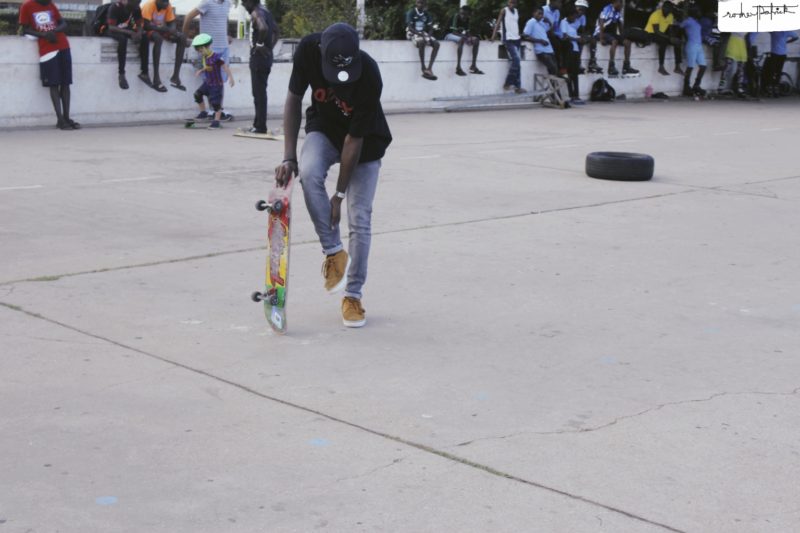
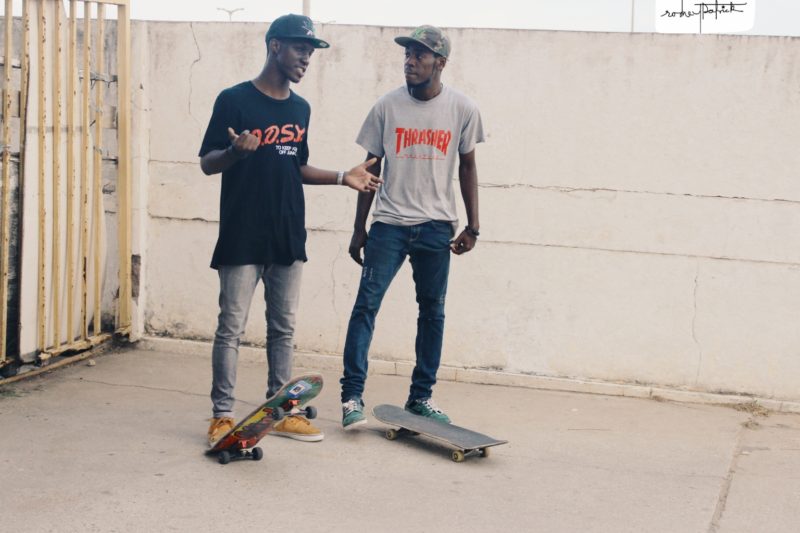
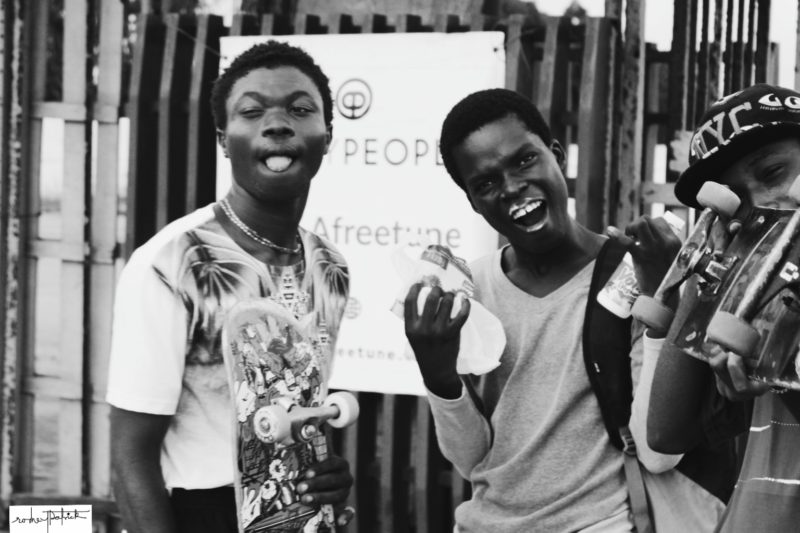
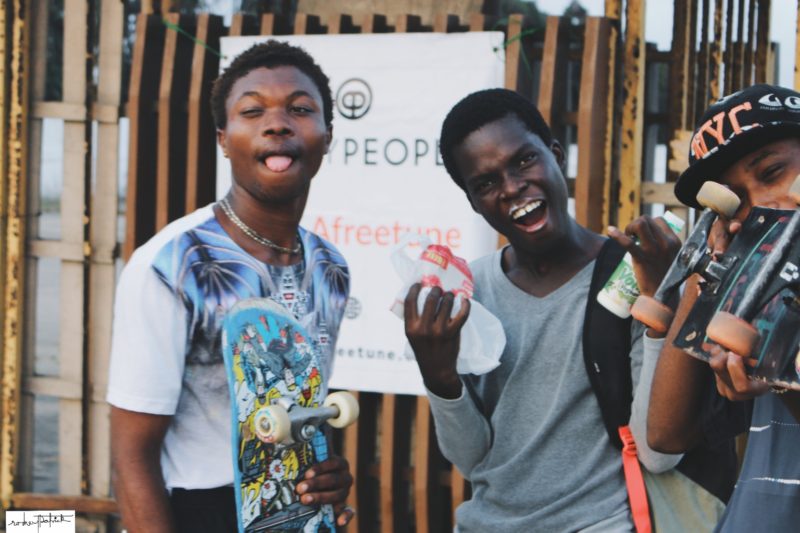
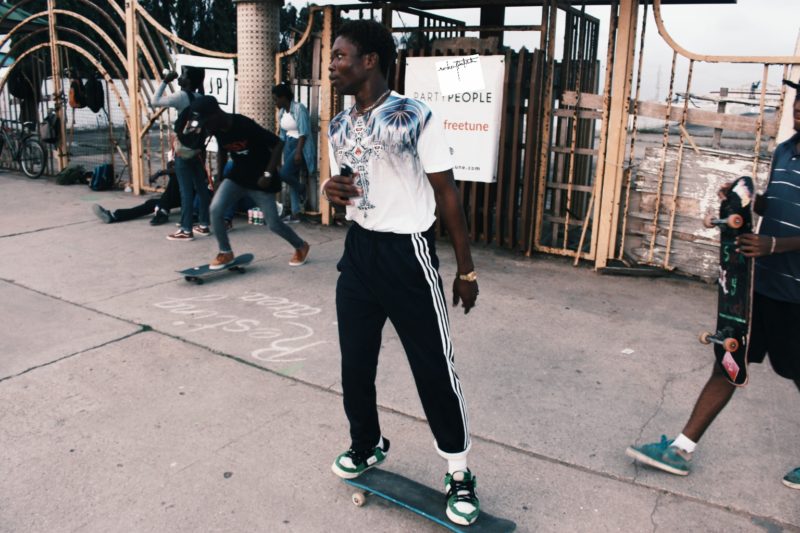
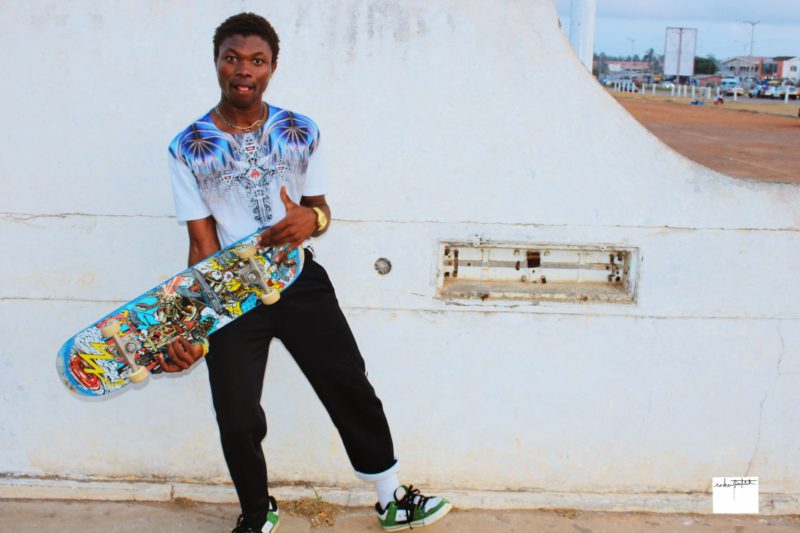
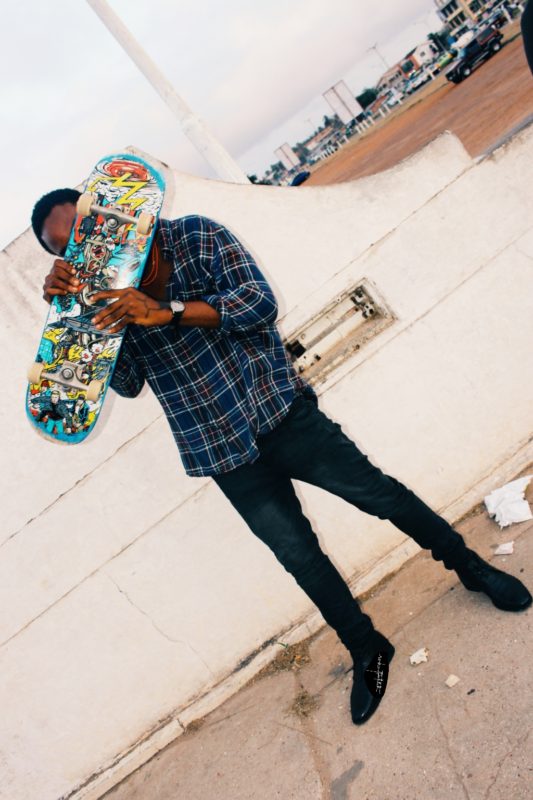
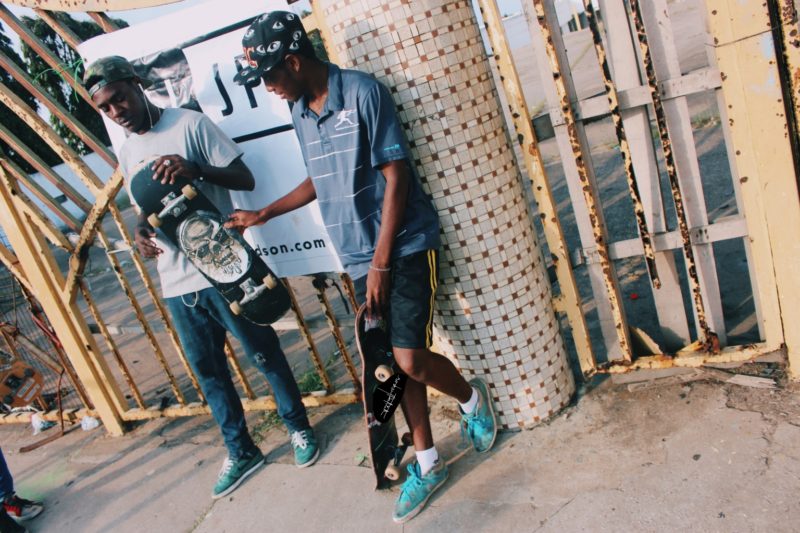
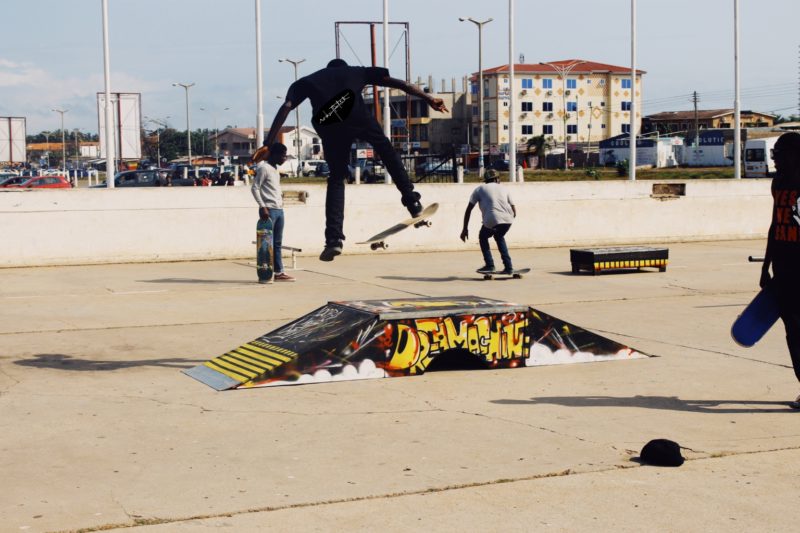
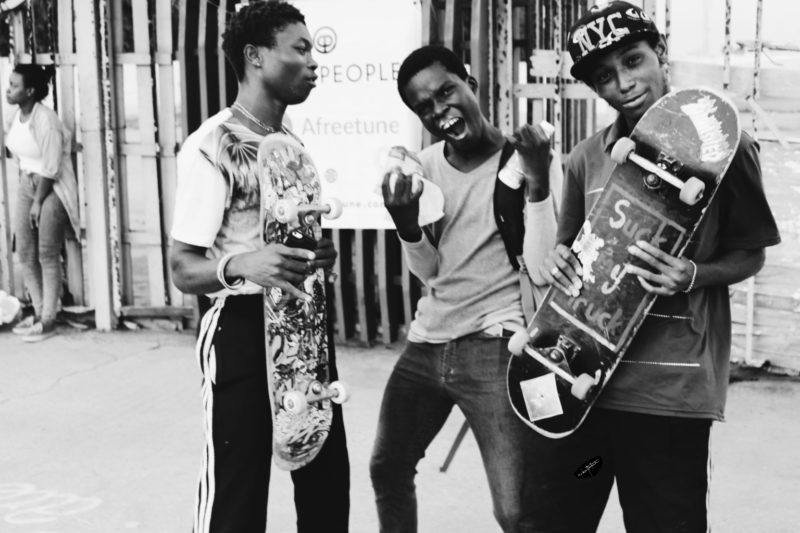
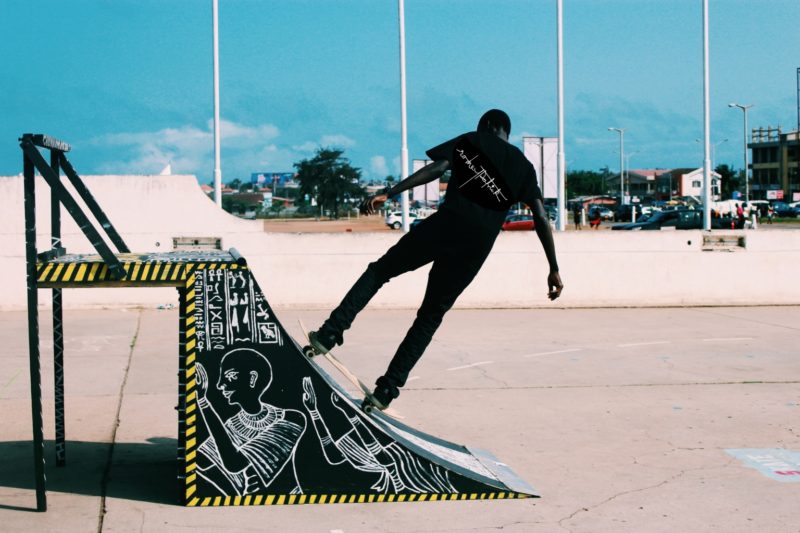
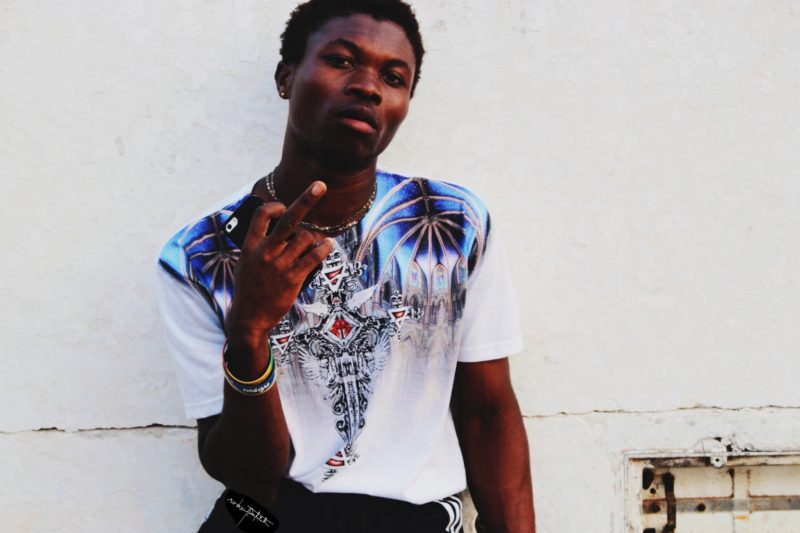
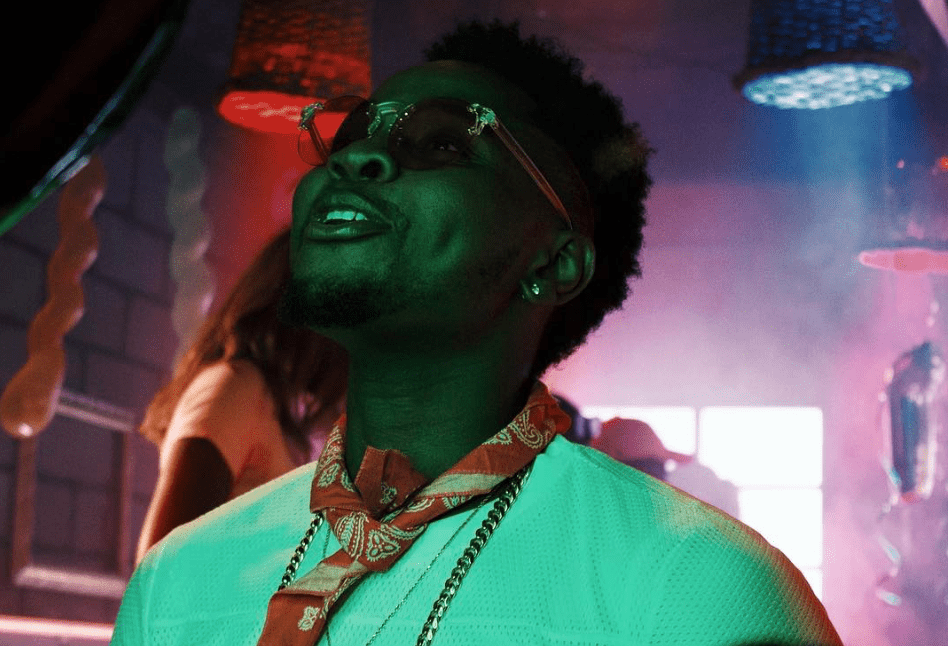
It is somewhat surprising that alternative sports are only starting to gain mainstream attention in West Africa, considering just how much western influence has on us, especially those of us who were born in the age of the internet. But thankfully communities are growing around these singular interests like Waffles’N’Cream in Nigeria and Surf Ghana in Ghana.
Surf Ghana’s growing community of skaters and surfers making the whole regions in Ghana ask questions. The question on everybody’s lips is: Who is this skating and surf collective that came together to promote skateboarding and surfing in Ghana, with connections in Accra, Takoradi, Paris and London? It is unheard of. Surf Ghana is spanking new, fresh, and, there is no story as to why it was created, it is just something founded on passion for an art that cannot be touched but can be felt deep inside, and they plan to bring light and a new way of life to any community in any region in Ghana they find themselves in. More than an association, surf Ghana is a family that works together in giving young adults an opportunity to learn something new that gives them a positive outlook on life, a means to achieve new goals and a firm grasp on a dream they can easily achieve.
I first linked up with Surf Ghana at the Chale Wote Festival where they had an art exhibition with twenty-three artists selected from the UK, France and Ghana to paint on deck strips for an Exhibition at the Brazil House.
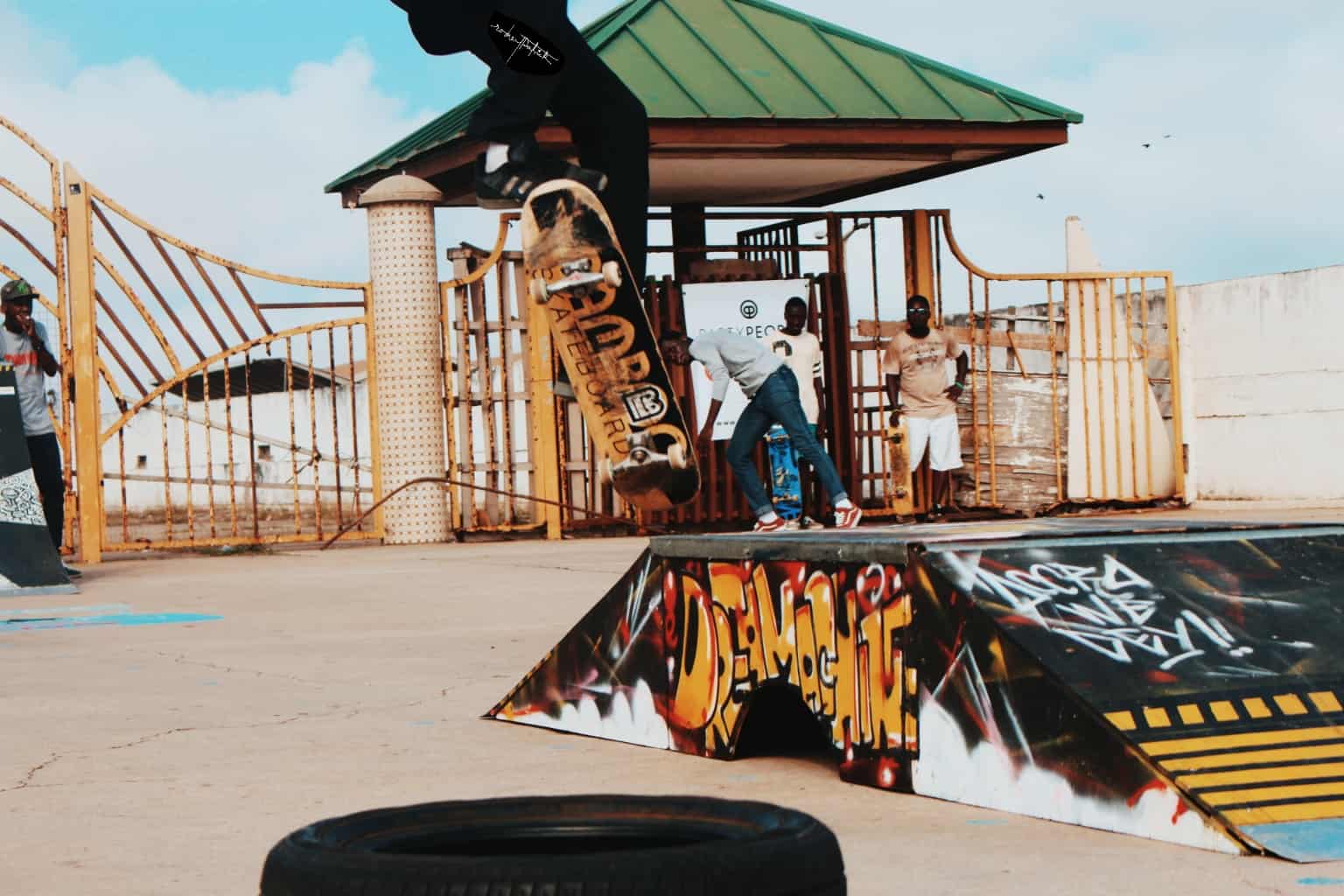
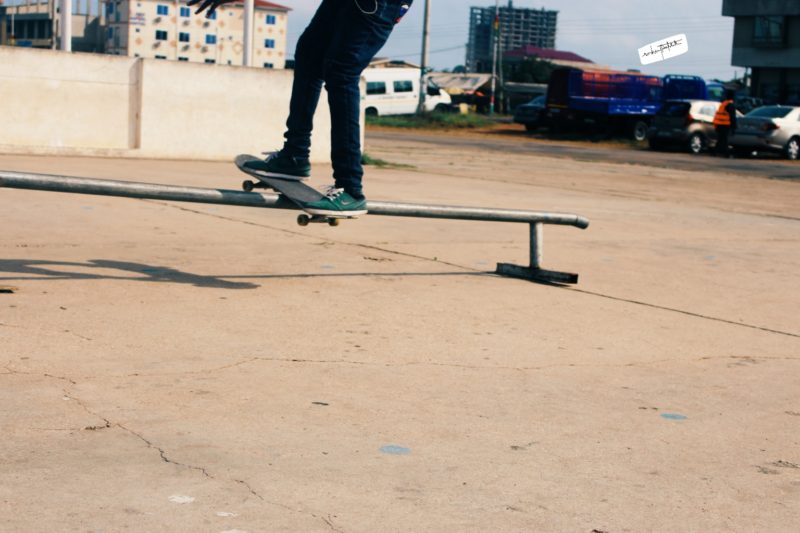
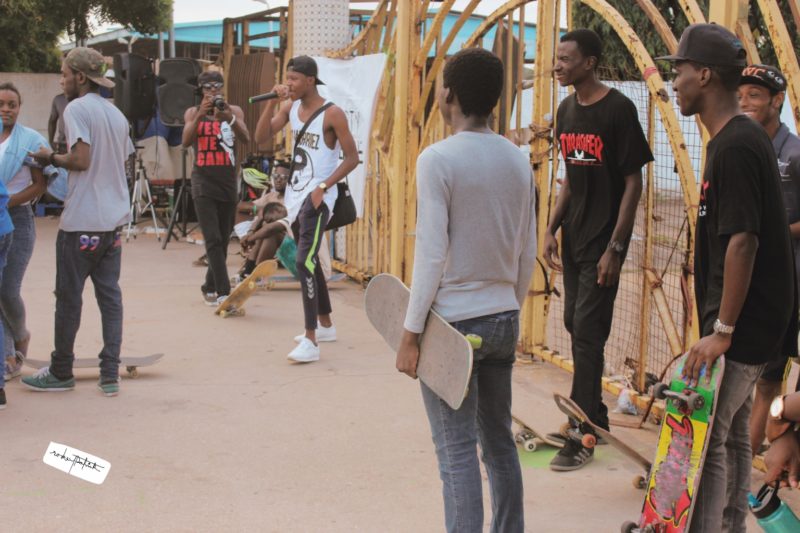
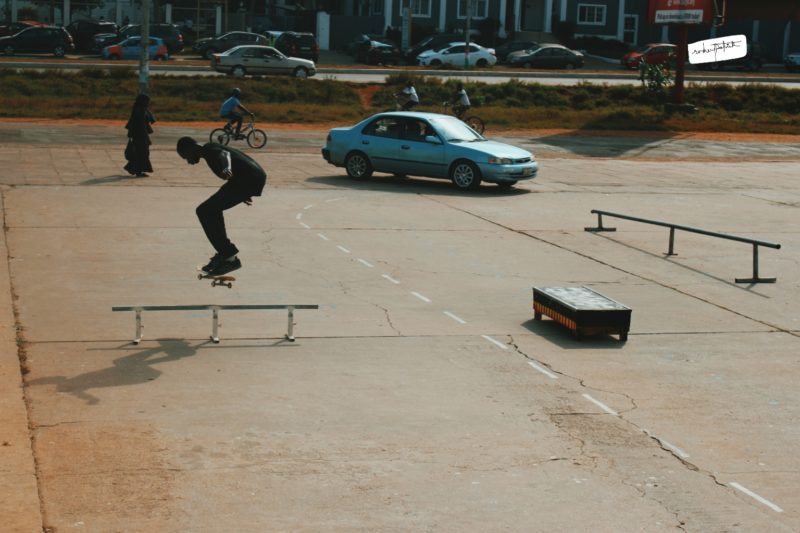
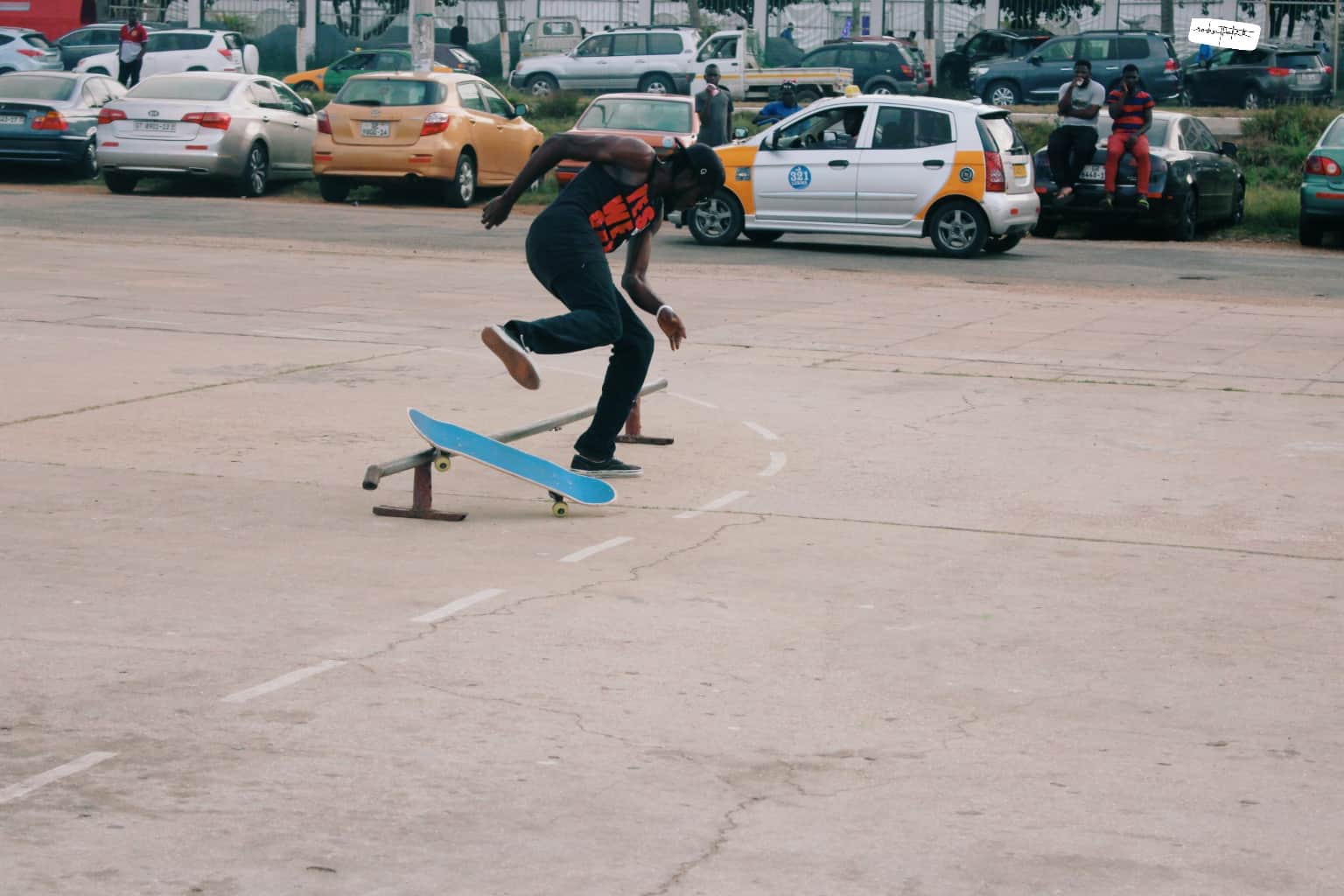
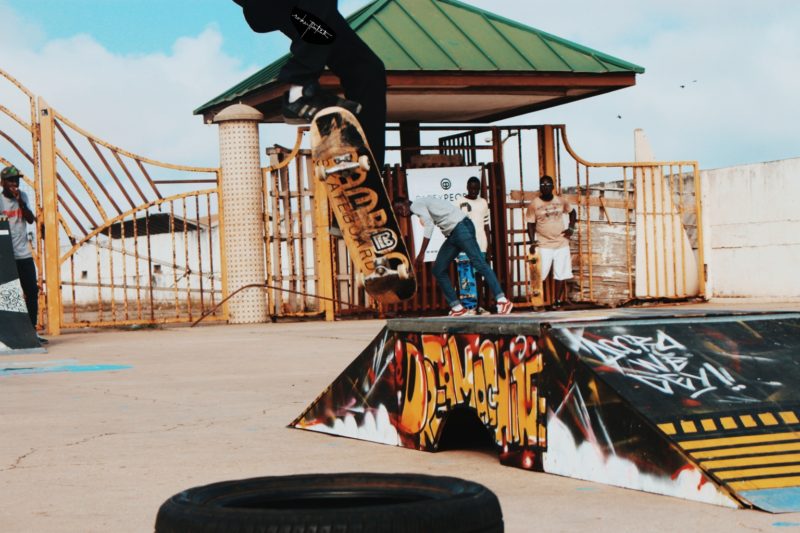
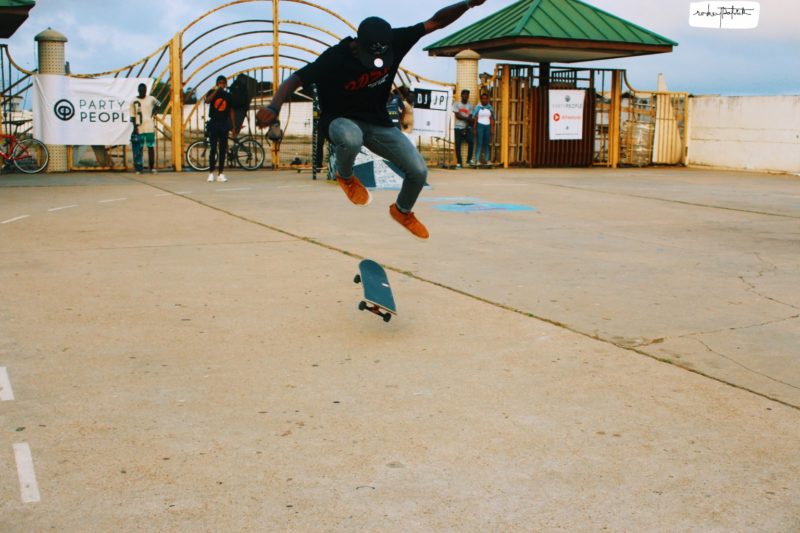
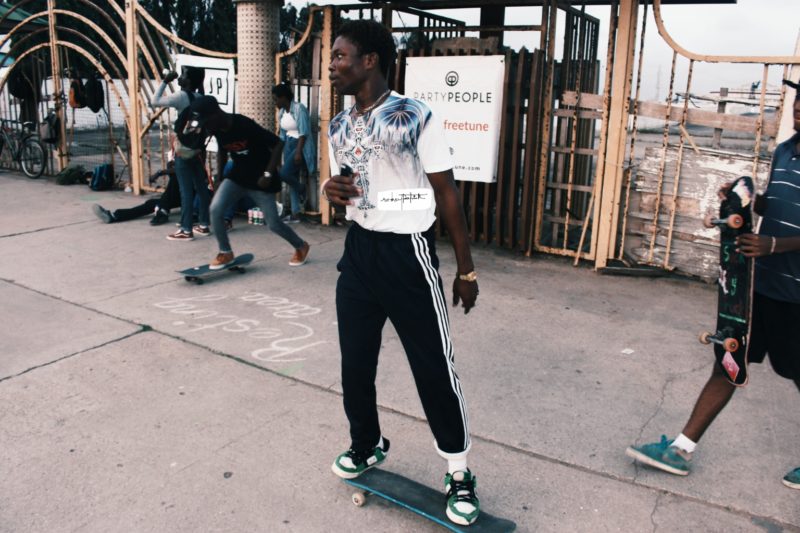
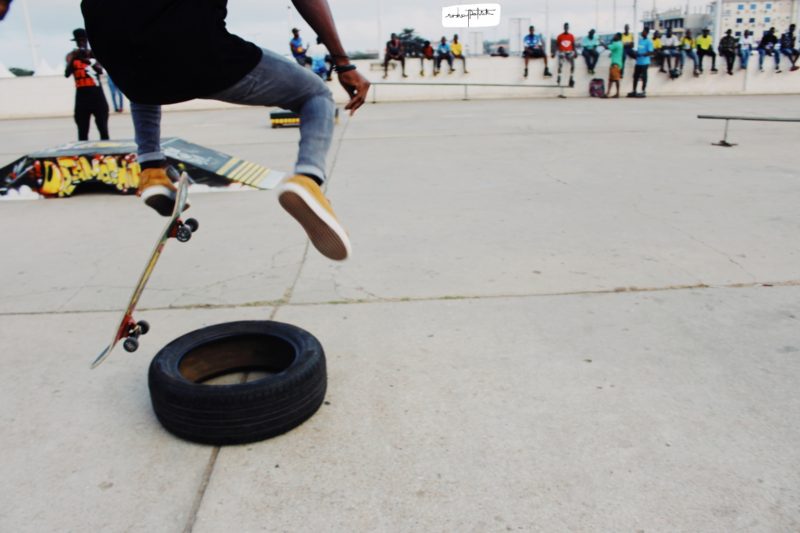
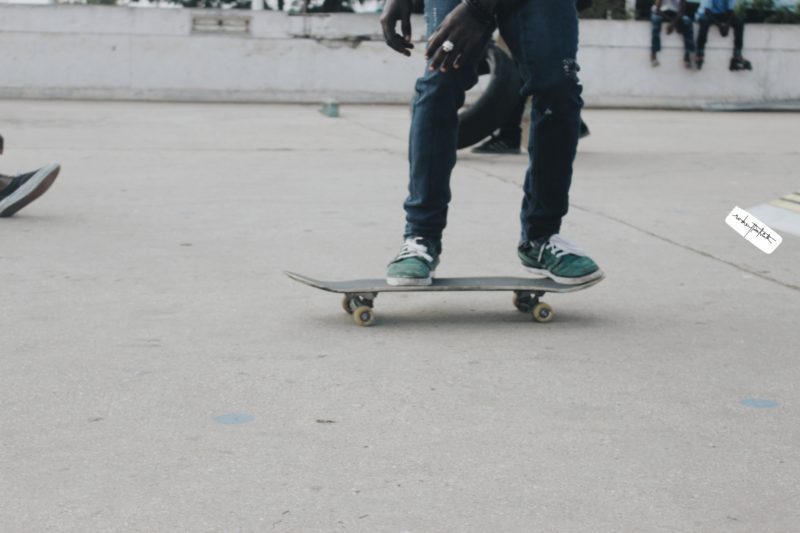
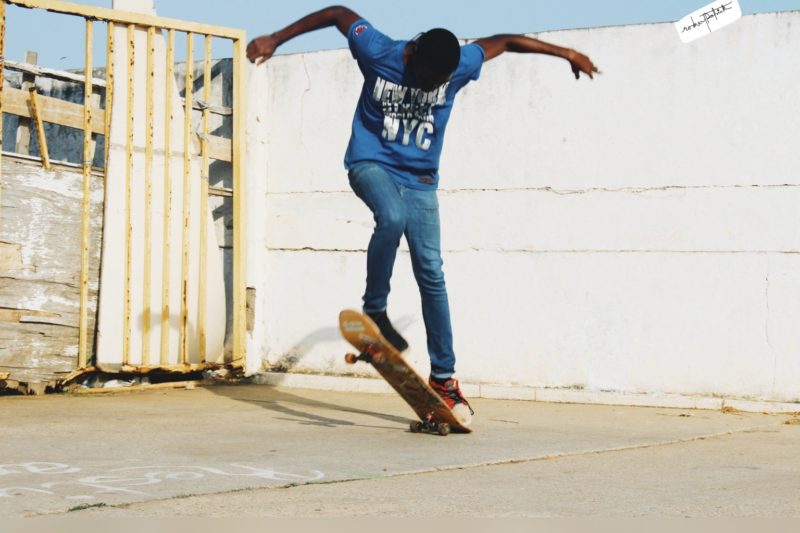
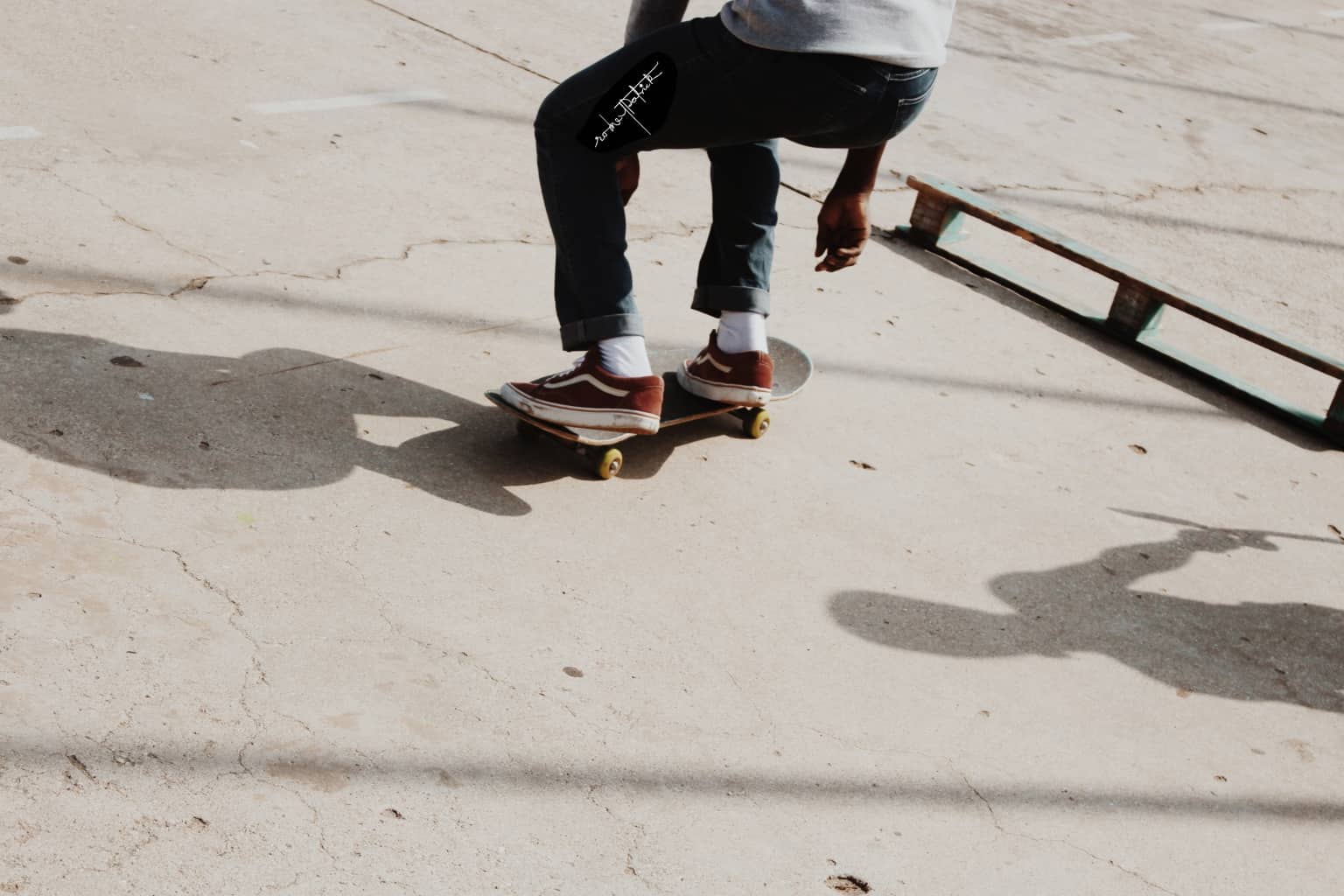
Prior to the Chale Wote Festival, Surf Ghana already had an inception event at the Asa Baako festival and the community at large received it with open arms. They are fast on the rise. Yesterday, 16th of September 2017, Surf Ghana began “Skating league SB” An event where skaters were given a minute to ride around doing stunts to earn points. The first event took place at trade-fair and it was a showdown. See photos here:
While Trap music has been permeating mainstream music in more noticeable ways in America and some parts of Africa (South Africa), the same can’t be said for Nigeria. We’ve seen artists like Playboi Carti emerge from the underground and watched Kendrick switch from his Jazz samples on TPAB, to trap inclined hits like “Humble” on DAMN. Yet, despite the undeniable global influence of these artists, Nigerians are yet to engage with the genre in holistic terms.
The mainstream has mostly stayed clear of the spacious synth genre and its brash brags save for a few experimental releases. Davido’s “Coolest Kids In Africa” featuring Nasty C showed promise for a Trap Afropop fusion that D’Banj later expanded on in recent album standout track, “El Chapo” featuring Wande Cole and Gucci Mane. The sonic experimentation’s alluring vibe still suffers for lack of practical narratives.
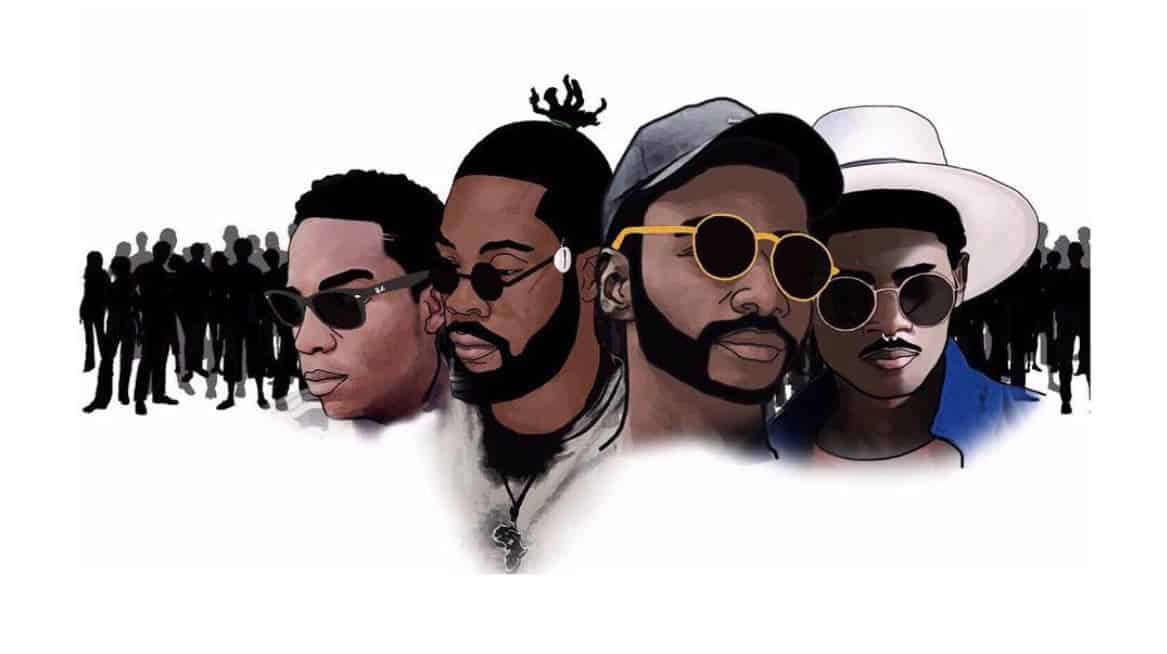
Uwhetu’s latest single, “Way Back” featuring GJTheCaesar, Ayuu and Zilla Oaks reminds this Native writer why the trap genre is probably better off remaining underground in Nigeria—the insincere themes are too inaccessible for any decent listener to fully immerse themseleves in the song. Their subject matter stays surface level as all four rappers exchange conquest stories over Ayuu’s engineered mellow synth harmonies and base heavy drums. The hook tries to tie their boasts into a pseudo-religious narrative—“The Devil On My Back While I’m On This Fucking Journey”—but judging by Zilla Oaks’ line, (“Ain’t Got Time For No Hook”) even they aren’t convinced.
You can stream Uwhetu’s “Way Back” below
Featured Image Credits: Instagram/uwhetu_
You are meeting Debola at a strange time in his life. He wandered into a dream and lost his way back. Tweet at him@debola_abimbolu
Amaka Osakwe’s had a pretty good year, especially considering Issa Rae’s Issa, the lead character of the hit HBO show “Insecure” and one of the biggest afrocentric television characters on American television has been styled in a number of Osakwe’s now instantly recognizable designs. The choice to style Issa is Maki Oh deliberate, the designer’s label has become a major hit with young black women across America, providing that much needed confluence between decisively African clothing and forward thinking design and aesthetics
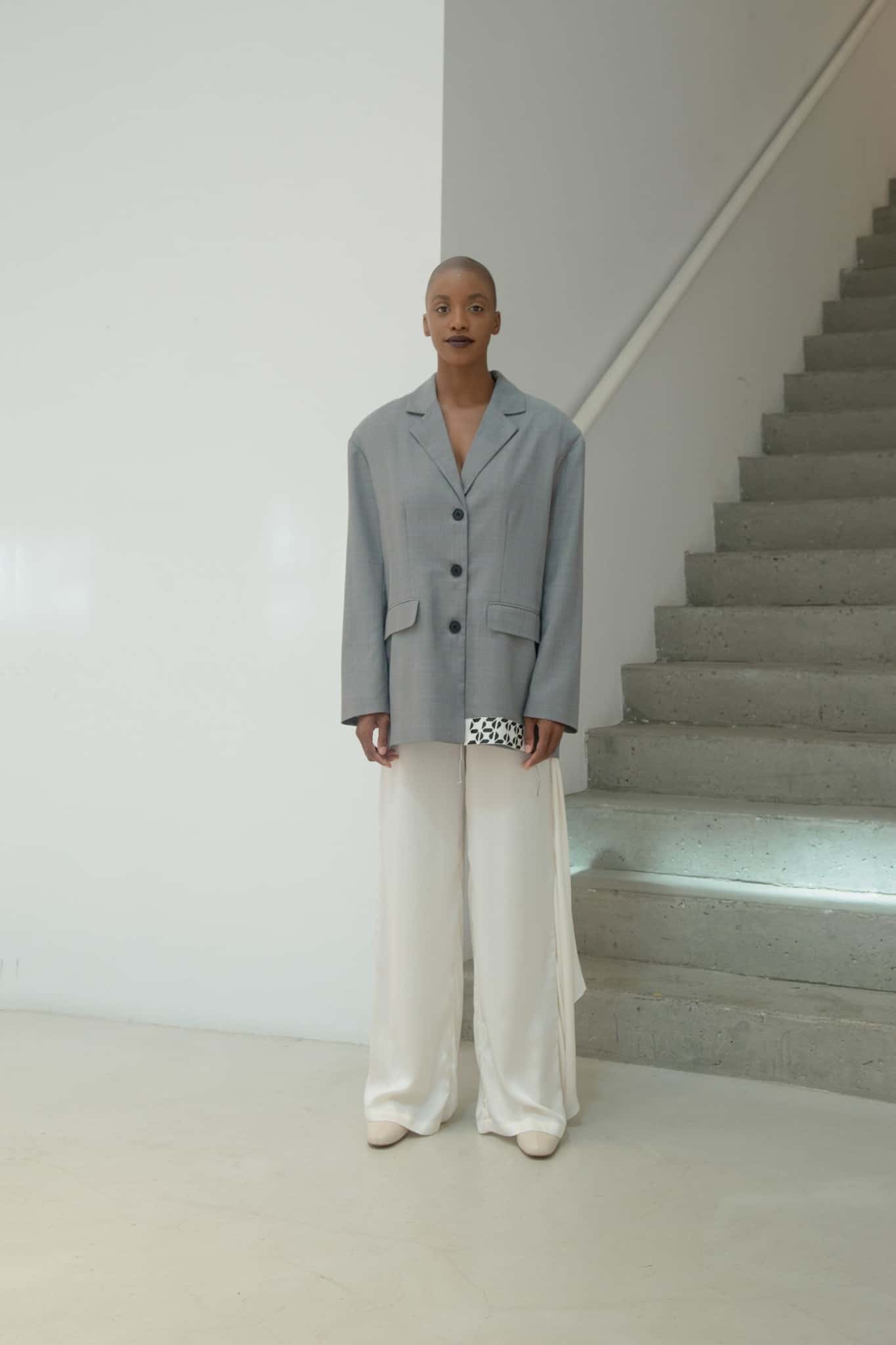
Osakwe returned to New York Fashion Week to consolidate on this renewed interest in her label with a new collection that was shown in partnership with Nigerian American owned premium retailer Oxosi. The designer showed a 26 look collection takes the basic identifiers of the brand and turns them towards a theme that rarely features in Osakwe’s often layered storytelling, her own personal life. In a profile done for the New Yorker, Osakwe sheds some rare perspective on her upper middle class childhood in Lagos Nigeria, and the curiosity that often saw her try to escape its often restrictive privilege to get a better sense for her city.
That duality of innocence and adventure is the main inspiration for her new collection, expressed through some of Maki’s classic prints and silhouettes as well as a few introductions to her oeuvre. Prints shirts embossed with the letters ‘58008’ in a blocky font references the childhood practice of creating vulgar words with calculators, slouchy oversized jackets dressed up with pvc frilling and panelling reminds of dress up parties and gossamer light evening gowns that mimic that frilly dresses that most Nigerian women despised and adored equally as children. In many ways the story telling isn’t as overt as it usually is with Maki Oh’s previous collections, but that is countered by the accessibility of this collection. There is nary any piece that cannot be pulled off the rack and worn immediately.
Osakwe’s very layered story telling through her clothes continues to delight buyers and editors worldwide and remind us why fashion is more than just well tailored clothing.
Edwin eats his rice and cabbages. Tweet at him@edgothboy
Naeto C’s Super C Season debut, despite its critical acclaim as one of the best rap albums of the time, already showed that Naeto was well ahead of his time, and attuned to how much dance music would come to influence rap. Standout tracks like “Ten Over Ten” showcased his strong riff game as he climbed the melodic scale for the track’s catchy hook. And though he’ll probably always be remembered as the first Nigerian MC to declare his M.Sc, his latest single, “Kill’n Me Softly” featuring Sarkodie is more Afropop than Hip-hop.
Masterkraft produces the mid-tempo piano led single with synth harmonies and tin pan drums that emphasize the song’s prospects for DJ turntables. Even the “Aye” ad-lib is reminiscence of Davido’s club favorite, “If” as Naeto C sings of his feelings towards his unnamed love interest. Naeto C coos cheekily through the entire song, pausing only to let Sarkodie throw in a rapid fire guest verse. The Ghanaian rapper references the song’s socio-political context, “When It Be Ghana Naija, You Know Its Gon Be” before getting back to the song’s romantic narrative.
The switch up from hip-hop to pop has gotten quite popular since Drake’s inescapable viral pop album, Views with some artists pulling it off better than others. Naeto C already laid groundwork for creating his own unique blend of Afropop and rap on his last album, Festival released two years ago. “Kill’n Me Softly” with Sarkodie only expands his dance friendly sound outside Nigerian territories. The fact that the song’s title references a Fugees cover of a Roberta Flack song doesn’t hurt it much.
Are not feelings the most meddlesome things on earth, invading the crevices of your soul, taking over both heart and mind, branding you with the feelings of another. Emotions are incredibly catastrophic and cathartic. Perhaps the later is why Ovid permits us to “Let it” work its way through us, even after picturesquely describing how damning it can be, “Feel it creep up your shoulder, feel it come in so much closer”. But Ovid’s invitation really is to the dance floor.
Here on Ovid’s “The Feeling” there’s audibly a person spiking his dopamine levels, primarily aiming for the climax thrill that comes with partying on a high or that giant flood of sensation from “choos[ing] somebody, want or need[ing] some loving”. This helps “The Feeling” come off as a track for those days you need to let loose. This is for ripping your clothes off and jumping in and out of the pool. The producer (also Ovid) here anchors the track with a baseline that has an EDM throb underneath, keeping it tethered to people’s bodies on the dance floor. For some reason, Ovid’s trilling on this track reminds me of Abel Tesfaye or maybe it’s just “Can’t Feel My Face”.
This is Dance and EDM, rare on this side, in it’s finest form. It’s Ovid’s second single after releasing an EP, Unruly five months ago, featuring few similarly millennial artists including Suté Iwar. From Ovid to you, “Let it rock your body <3”, here is “The Feeling”. Enjoy!
https://soundcloud.com/onuohaxo/the-feeling
Featured Image Credit: Soundcloud/Ovid
Fisayo is a journalist in search of words. Tweet at her @fisvyo
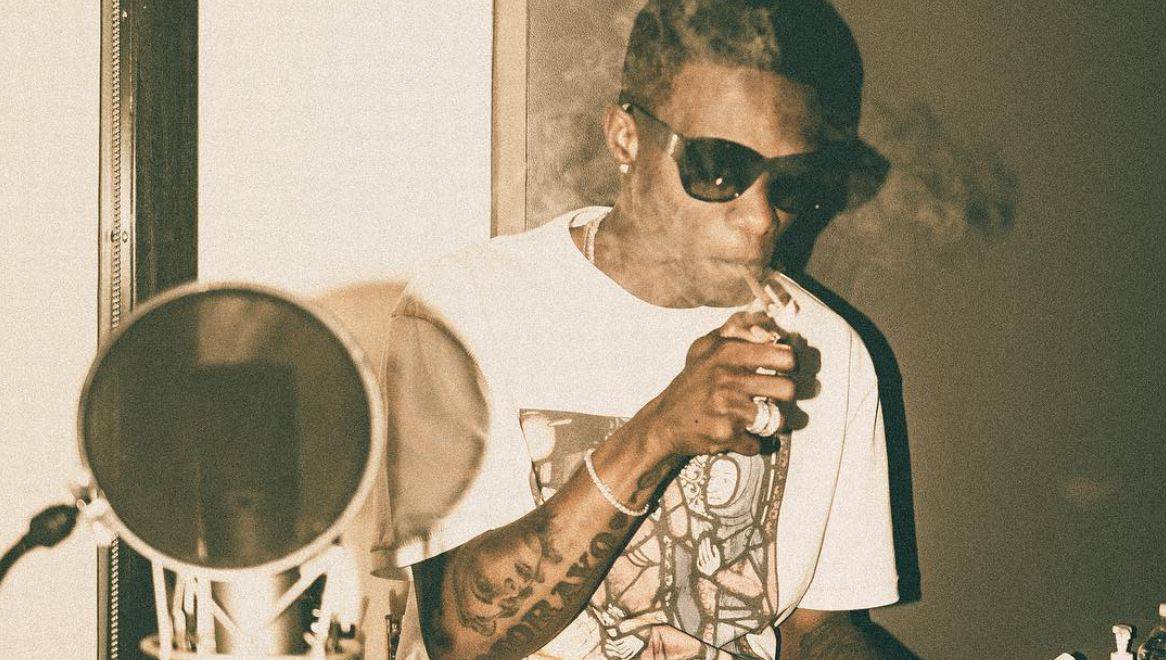
Despite their seemingly different audiences—Future serving Atlanta’s Trap scene and Wizkid dominating dancefloors—both artists occupy lofty perches in the pop culture landscapes and had a tour rendezvous through August that hinted at the release of “Everytime.”
SFTOS has had enough time to marinate, allowing the boldest sentiments of the album to seep into all the cracks of our subconscious. His romantic themes are as convincing as his melodic, introspective, often set to stripped back, downbeat rhythms that have helped him become one of the defining Afropop artists of our time. His latest release, “Everytime” embraces pop music’s frenetic tendency to overdo anything good as he provides yet another club inclined love song. Shizzi produces the beat set at a gentle, mid-tempo pace, with the same three chord sequence repeating all the way through.
Listen to the much anticipated Wizkid Future collaboration, “Everytime” below.
Featured Image Credits: Instagram/wizkidayo
You are meeting Debola at a strange time in his life. He wandered into a dream and lost his way back. Tweet at him@debola_abimbolu
The secret to show don’t tell is not a very popular technique used by many Nigerian artists doing mainstream music. The sonic terrain they navigate is a soup thick static that bubbles with percussion, string instruments, synths and droplets of trite lyricism. It’s not enough to make expressive music. It has to be constructive too. Although, in their music, telling is periodically overlapped with showing, what we do get that’s closest to this however, are innuendos and analogies. Like many of the trend’s guiding lights, Daddy 99, chants with threadbare lyrics on “Odaewu”: “Me I no go run away me I’m here for you, the way that you dancing, the way that you move got me thinking about you”. No complain here though, in fact not even going to be too hard on him. The plot twist here is “Odaewu” may be full of threadbare cliches, but the paradoxical effect of this is that it’s still very effective.
Daddy 99 isn’t really here for the depth. His purpose here is to ensure you have a good time; in your room, commuting, clubbing…everywhere. All you need is pay attention to OTO’s sound direction, feel yourself as you move and perhaps some whiskey —if you aren’’t driving of course.
There is a certain rawness you’ll find in “Everyone Knows”, the same you’ll find when Eri Ife or Jinmi Abduls sing. “Everyone knows” builds effortlessly and feels like an untouched and genuine complimentary match of two of Afropop’s most promising for a track that’s just quite a regular love song.
While Jinmi’s contributions are limited to a short second verse, his energy and lyricism underpins the goodness of the track. When he utters “A pon pe ko re o”, it feels like a yoruba incantation, chanting or beckoning to that pretty girl whom they want to reach out and touch. When he’s done, he provides vocal harmonies that feel like distant voices coming from the other end of a telephone. Eri ife still takes much of the spotlight though. His persona on his new track, plays like a character who is never subtle. The proposition is, how can everyone be knowing and just be on top your matter. But that’s the thing about love, isn’t it? There’s some glow and demeanour that comes with loving a person, and Eri ife doesn’t hide it. If you’re going to spend so much time in your head constantly musing about how a person makes you feel, you might as well share it.
Bump “Everyone knows” produced by Sir Bastien below.
Yinka Bernie’s new EP 16 & Over is only a few weeks old and the singer is already making efforts to add more worlds to the universe around the project. In addition to the tape, he has released “Aura Stir 2.0”, expanding the romantic narrative of “Aura Stir” to almost biblical heights with the Joyce Olong feature. And given her reputation for biblical imagery and poetry on “Shekels”, she makes the perfect partner for the second part of “Aura Stir”.
Her melodies add a smokey ting to the jazzy drums, guitars and piano harmonies. Yinka Bernie retains his mellow vocals on the original cut from the EP where he sings of his love with steamy and atmospheric metaphors; “Sunshine All Day/ Raindrops All Night”. Joyce Olong layers her whispery vocals over Yinka Bernie’s on the chorus and then tops that with a verse of her own, describing her emotions. She builds on the song’s long distance relationship theme that promises love will be enough.
If Sza’s “Love Galore” is the song about two exes ruminating on the state of where they are and where they left things, AYLØ’s “Whoa” would be the premise for that kind of toxic relationship
Like Travis Scott’s grungy second verse on “Love Galore”, AYLØ comes into “Whoa” with a slight irritation. “Baby Whoa, hit the door won’t cha?/ I’m on a low/ don’t hit my phone/ What you want from a nigga?”, he sings with a languid calm. One would presume his refusal to be more sentimental about his proposition is a show of willpower, but AYLØ’s craft thrives on such moments of candour and realism. Any one who has ever pursued a lover knows, the process requires a balance of self-worth to hide insecurities like you hear when AYLØ raps “Oh you don’t think I’m man enough/ give me time the boy be planning stuff”.
Ironically his partner on the single does nothing to quell his self-doubts. Amaa Rae’s uncanny entry does not only dismiss AYLØ’s vexation as the musings of a bitter suitor trying to brag his way into her heart, it also eclipses his presence on the song as a whole. Coming in with a sultry voice that stirs with the accompanying ghostly back-up vocals, Amaa Rae’s verse almost levels at the spiritual; self-assured, omnipresent and precise. Rae wants to hold on when she airily sings “I’d be fucking tripping If I let you go”, but elsewhere she also jokingly asks her lover “Don’t you like thumbs in your ass?”. It’s cheeky way to ease the sparks (or tension) between them, but it also indicates her remiss about his pitch.
While AYLØ’s presence calibrates the narrative for “Whoa”, Amaa Rae transforms the track into the perfect tribute to late night phone calls with past lovers that never really go anywhere or want to fix anything. Perhaps, as sensually and sweetly as Amaa Rae sings as though to taunt her amour, it was probably always more lust than love all along.
Music is the best place to go to find the influence of substance on our society. Weed being among the more inspiring type, is well documented by artists who have tried to draw parallel comparisons between their affection for the green and the women in their lives. Kamar Tachio’s latest single, “Marry Juana” makes a compelling case for the druggy romance with the mellow vibe emphasizing a deep and passionate love for marijuana.
With the Reggae guitar licks and piano harmonies curling around Kamar Tachio’s melodies like smoke rings, the song’s dopey theme is established before his lyrics; “I Want To Marry Juana” subtly plays with the idea of a relationship between a man and his pot. The loving tale never mentions cannabis specifically but that only gives it a stealthy and healthy narrative so it goes under anti-drug radars. His burnt out vocals and Hausa accent when singing “Marry Juana” however makes the theme unmistakable.
Kamar Tachio’s reputation for The Weeknd type narrative helps him pull off a ode to spliffs. And though it’s coded, that is part of the song’s charm.
Featured Image Credits: Instagram/kamartachio
You are meeting Debola at a strange time in his life. He wandered into a dream and lost his way back. Tweet at him@debola_abimbolu
Kiss Daniel is an interesting fella. He has quite a good sense of humour too. I mean, if his video escapades like that of “the legend of chukka” and other funny videos on his Instagram is anything to go by. His spate of successful singles in the past year have also aroused much interest, usually turning into a typical radio number. On his new track “Yeba”, Kiss Daniel doesn’t deviate from what we’ve accustomed to him —as regards theme (of love) and narrative. But here, he merges both humour and chords into something pleasantly tantalising.
Aided by a dulcet wind instrument worked by Killertunes, “Yeba” kicks off with vocables as segue into the meat of the song. At intervals, such hmm and ahhhs and ehhhs are presented to you, keeping you engaged as you listen. Safe to say “Yeba”‘s secret charm is in both the use of these vocables and the wind instrument. The rest of the track are drums, trumpets and do I hear a harmonica? Kiss Daniel’s singing here is captivating, curving twice in the track with a comic dialogue intended to cause laughter, and leaving you to picture the matter in your mind. And then, there’s someone coughing? This is both an exhibition and a party-mover. He’s more interested in flexing his dexterity for jokes and sketches here, yet it doesn’t go at the expense of harmony. “Yeba” proves an enviable skill to move between today’s Afrobeats and 90’s music.
Looks like we’ll be getting a sitcom as visuals to accompany this too. Peep the image snippet above. You just wait and listen to the track below.
Featured Image Credit: Instagram/kissdaniel
Fisayo is a journalist in search of words. Tweet at her @fisvyo
It is easy to forget that hip-hop and contemporary pop do not start and end in West Africa, or to be more specific, Ghana and Nigeria. Both countries have so thoroughly dominated the global conversation about music in Africa that we scarcely remember there are other artists who are doing great things in their countries and challenging the status quo. We have chosen these Lusophone and Francophone artists are singing in Portuguese, French and their local languages, challenging everything we think we know about music on the continent and telling their own stories without any hint of apology for the sensibilities of the West or their more famous siblings. These are the rappers and singers you need to get acquainted with.
Bai Babu, otherwise known as Baboucarr Sambou began dabbling in hip-hop in his late teens. Melding Rap, a traditional interpretation of Senegalese pop called ‘Mbalax’ and Afrobeats, Bai Babu has become a household name in the Senegambia and one of the country’s most important rap exports. He has been rapping for most of his career with his partner Killer Papi in the group called De Gees, even though he also has a well versed solo career. The video for his single Fahass featuring Barhama hit an elusive 1 million plays on Twitter, making him the first artist from his country to attain this kind of virality, a vox populi approval of his song of the year award in the same year.
With the kind of pedigree that Sona Jobarteh was born into, it would have been a crime if she didn’t go into music and totally crush it. She is descended from one of Gambia’s renowned five griot tribes and was indoctrinated into the sacred art of griot singing as a child. A lineage that is usually patrilineal, Jobarteh transcended the odds to become the first female griot to attain world renown for her skill with the Kora and her impassioned singing. Jobarteh is a alumnus of the Royal College of Music where she studied the cello, piano, and harpsichord. She has collaborated on stage with Oumou Sangaré, Toumani Diabate, Kasse Made Diabaté and the BBC Symphony Orchestra
Who can forget the mid 90’s when the Makossa and Soukouss movements spread across West Africa and was exported to the world. Magic System’s Premier Gaou became an international pop sensation, spawning dozens of remixes and charting worldwide, and artists like Awilo Logomba became international sex symbols. Our obsession with the soukous sound might have waned but that doesn’t mean the sound doesn’t continue to thrive in Francophone countries. Guy Serge Beynaud is one of the new generation of Coupe Decale singers, songwriters, and music producers bringing the sound back into the limelight. Born in Yopogon, Côte d’lvoire and widely regarded as as an Ivorian sensation, Serge broke barriers by being the first Coupé-Décalé singer to perform a concert at the Palais de la Culture in Abidjan, with millions of views on Youtube.
One of the younger rappers to make this list, Issam Satou is blazing a trail for younger rappers out of Cote D’Ivoire with his sleek verses and his unconventional beats. Protege of Ivorian artist DJ Kedjevara and with ties to Mohammedia, Morocco, Mc One combines elements of the Arab North with Francophone into a unique, multicultural blend. Do not sleep on him and his badass single Antiche.
You might know of Shatta Wale from his controversial twitter spats with Nigerian artists and singers, but if that is all you know of him, you are sorely missing out on a great thing. Charles Nii Armah Mensah Jr., or Shatta Wale to his fans, is easily one of the biggest and most enduring acts of out Ghana right now. Distinguished in his songwriting and known for his ability to cook up some seriously banging dancehall beats, Wale feeds into Ghana’s long legacy of breeding authentic Reggae artists. Shatta Wale has won numerous awards in his home country, including Artiste of the Year at the 2014 Ghana Music Awards for Dance Hall King.
Joseph Auwa Darko, otherwise known as Okuntakinte, might be known right now more for his philanthropic work across Ghana, especially the Agboloshie Initiative, where he recycles technological waste from the Agboloshie Dump, one of the biggest technology waste dumps into high art. But he was first known for his disruptive music and his tumblresque music videos. His first single Melanin Girls drew interest in mainstream music circles and became the start of a cultural zeitgeist in Ghanaian music video making, with its minimalist colours, its self deprecation and its unending wit. We cannot wait for Okuntakinte to get back into the studio and bless us with more music.
When Efya release Jaynesis in late 2017, it was the culmination of a cycle that had begun nearly a decade ago on the Stars of the Future stage, a music talent reality show out of Ghana. A second generation entertainer, Jane Awindor aka Efya was always destined for the spotlight, but she would have to earn her way there with stints in film and two albums, Unveiled and T.I.N.T that piqued interest but didn’t quite give Efya the fame and acclaim she so rightly deserved. She is finally taking her throne and we couldn’t be more happier.
Before the campaign ‘Buy Naira to grow Naira’, became a tagline and scramble to save the Nigerian currency last year, nearly a decade ago, her music witnessed incremental changes in music quality and production amidst a global economic crisis. The year was 2007 and with the chaos of election year in the air, the country was both tense and uncertain. Yet in this same atmosphere, 9ice calmly hooked his “Street Credibility” on a patriotic refrain that goes ‘Straight from Naija, out of Naija’. 9ice’s optimism is not only reflected in his tribute to the country, there’s also an innate self-confidence he exudes as he assures listeners of his pedigree and of truth he speaks; the same self-aggrandising mindset that made 9ice volunteer himself as a reliable candidate to bring the motherland a Grammy.
It’s been over a decade since and of course, that lofty-minded promise has failed to materialise. But the premise of “Street Credibility” thrives at the core of 9ice’s Gongo Aso era. The golden years.
After 2006’s “Grass to Grace”, 2face was unarguably one of the biggest acts on the continent. The success of “African Queen” two years earlier, coupled with the launch of MTV Africa, opened new opportunities for artists to conquer the continent and 2face was right at the top of the wave, only rivalled by D’banj, P Square, Simphiwe Dana and a handful of other forerunners across the continent. ‘We’re at a Zebra crossing / no cars are passing’ chants 2face on his melodic guest verse, speaking in terms of the new potentialities for himself and the generation he leads.
Time has told a different tale of all the reassurance both 2face and 9ice give on “Street Credibility”. 9ice was recently linked with the Yahoo music underground, and 2Baba (as he’s liked to be called these days), is still trying to cash out with cheap radio baits like “Gaga Shuffle”. But “Street Credibility” marks an era that promised hope for more to come, some of which we have seen in with the success of D’banj, Wizkid and Davido amongst others, in the years that followed. Agreeably both 9ice and 2face have lost credibility to the streets they promised to always ‘nice up’. Still, somewhere online a headline will inform of Wizkid’s recently announced World Record for his contribution on “One Dance”, and moments like this reminds me African music has been at that ‘zebra crossing’ 2face spoke of for a minute now, and it only seems to be getting better.
Stream “Street Credibility” via Apple Music below
Toye is the Team lead at Native Nigeria. Tweet at him@ToyeSokunbi
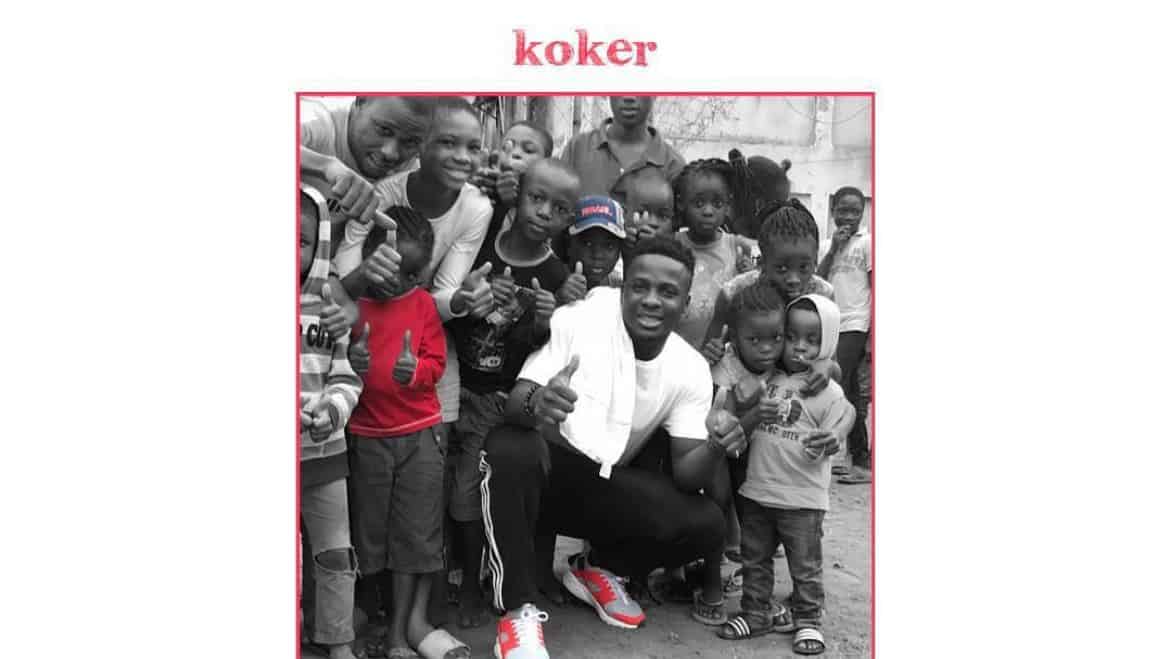
Nigerian pop songs have a tendency to be repetitive and un-experimental but there’s no denying that they give us some of the best feel good music. There’s little or nothing to learn about or explore or probe; you just play them because you know they’ll have a specific emotional effect and they’ll change your mood for the better. Koker has grown to be one of the more prominent names in Nigerian Afropop and his latest single, “Okay” typifies why he’s so lovable among Nigerians.
Over the mid-tempo salad of synth piano harmonies and drum riffs Minz produces, Koker sings on the frustration, dreams and hopes of the average Nigerian. He describes the society, “Money No Circulate/ People Dey Para” and explains that he just wants himself and friends to be “Okay”. The uplifting melodies encourage listeners that things will get better—a staple state of mind for a Nigerian’s survival.
While “Okay” addresses the societal realities in Nigeria, the approach is easy to lose sight of. Tekno tried this same approach last year with “Rara”, “Cooking Pot”, Orezi’s biggest single of the year, also intertwines social problems with a song that passes for your regular dj club spin. The machinations of pop is determined for this lone purpose, sadly it also means it won’t take long for “Okay” to become another song that merely passes through the same turn table. Still, this is single from an artist who mastered the use of nostalgia on his tribute to Shina Peter’s and debut single “Do Something”, and it’s hard to imaging “Okay” randomly shuffling into playlists on cloudy days that need to get sunnier.
One thing Nigerian music lovers have over others is the low chance of a surprise-project induced trauma. Our artists make sure to give proper warning before releasing their music and for this, we are mostly grateful. Tiwa Savage’s sophomore album, R.E.D was released nearly two years ago, and though she has managed to remain in the music scene with her singles and guest features, fans have wondered when she’ll be recording another cohesive project. Especially given her recent hit single, “All Over” and her not so recent Roc Nation management and publishing deal that promises great things.
Saying; “I’ve been in such a good space and been recording some beautiful songs that we decided to share with you all” the Mavins’ lead singer has announced a “Surprise” 6 track EP. Expected for the 22nd of September, the track list features production from Spellz and vocals from Wizkid.
Hennessy Cypher: “King Quest” Feat. Vector, PJ, Jessay and Prometh
The yearly string of releases from Hennessy Cyphers has grown to become one of the most anticipated rap showcases in Nigeria and the latest releases looks to be the final one. Titled the “King Quest”, the 2-minute long video features Vector, PJ, Jessay and Prometh who sit, drink and spit bars at a Hennessy filled table. Whether this move suggesting their higher ranking on Hennessy Cypher hierarchy is open to debates but the performance is impressive none the less.
Anatii & AKA: “Don’t Forget To Pray”
AKA and Anatii’s recently releases joint album, Be Care What You WishFor is getting a new adjoining video through pre-released single, “Don’t Forget To Pray”. The video is directed by 3rd Wrld studio is the second released video from the project following the earlier released “10 Fingers” video. But instead of the outdoor motif on the old video, “Don’t Forget To Pray” is shot in a studio and filled with religious imagery.
Lil Uzi Vert: “XO Tour Llife3”
The animated video initially released for Lil Uzi Vert’s “XO Tour Llife3” worked fine given the song’s dark narrative and animes inclinations seen on Uzi Vert’s cover arts. However, the official video does a better job of taking us through the rapper’s psyche. Directed by Virgil Abloh, the XO tour lead, The Weeknd features as a cameo in the gruesome and bloody video that barely explains why Uzi wants to be pushed any further to the edge.
Xxxtentacion: “Look At Me”
Starting with a comical dildo fairy that suggests a parody video, Xxxtentacion’s “Look At Me” is the most click baiting video you’ll ever see. Asides the fact that the video only got darker and darker, the music video doesn’t even last for up to a minute of the 5-minute play time before Xxxtentacion leads viewers into his dark universe. His violent theme is tied to racial oppression with reference to Emmett Till’s murder. The satirical hanging of a white child helps boost his emo artistry which is summed up perfectly on the poetry that serves as the video’s outro.
YCee: Komije
Tinny Mafia group featuring Tinny Entertainment artists, YCee, Bella Alubo, Dapo Tuburna and affiliates seem set to release a compilation tape with their debut release, “Komije”. Featuring YCee, the single is a classic club inclined Hip-pop song which is basically YCee’s bread and butter following the success of hits like “Juice”. SM directs the video showing YCee at an house party with a couple models as he dances in tune with the song’s snacking narrative.
Tyler The Creator: The Jellies
Since Tyler The Creators feature on Cartoon Network’s “Regular Show”, it obvious that it was only a matter of time before he gets his own cartoon. And though Viceland already gave him a show, “Nuts + Bolts” The Adult Swim section of Cartoon Network is the perfect fit for Tyler’s off color humor and creativity. Their latest cartoon show, “The Jellies” expected to launch in October is co-created by Tyler and Lionel Boyce (a.k.a. L-Boy). They’ll both voice act on the series about a family of Jellyfish who have adopted a human son, Cornell.
You are meeting Debola at a strange time in his life. He wandered into a dream and lost his way back. Tweet at him@debola_abimbolu
There are different ways to market your artists to the world. For record label, Tinny Entertainment is forming a little union of artists branded as Tinny Mafia. We’ve seen this happen before when Chocolate City constantly released music with their signees under the name Choc Bois with songs like “Oleku” and The Indestructible Choc Boi Nation album. Tinny Mafia is set to release new music every now and then, keeping each of them in the media rounds of trendy music and Talks. It can feel both powerful and sublime. It feels like a minor blessing to have Tinny entertainment do this with “Komije”.
Tinny Mafia, all don’t appear in their first music release however. Instead, Ycee dictates like a solo artist on this one. It appears that’s the point —to put one artist after another in the limelight under the umbrella name. And how best than to introduce it with the label’s lead act, Ycee.
“Komije”, isn’t much of an experimental track. It has an arch bump to it that recalls some of Ycees previous songs. His words as always, slurs and rhymes artfully and wittily with a series of flavorful and suggestive innuendos. But in the middle of all of this, is Adey’s bottom-heavy drums and synthesizers hitting body moving frequencies amidst that slurred sing-speak of Ycee’s. He is the same beat maker of Ycee’s “Juice”, and here they serve a successful radio check too.
Bump Tinny Mafia’s “Komije” below.
Featured Image Credit: Instagram/iam_ycee
Fisayo is a journalist who thinks writing is hard and reading too. But her journey somewhere reveals, words are like pawns on chessboard when writing. She wants to see, create and share with the world, experience & communicate these experiences. Tweet at her @fisvyo
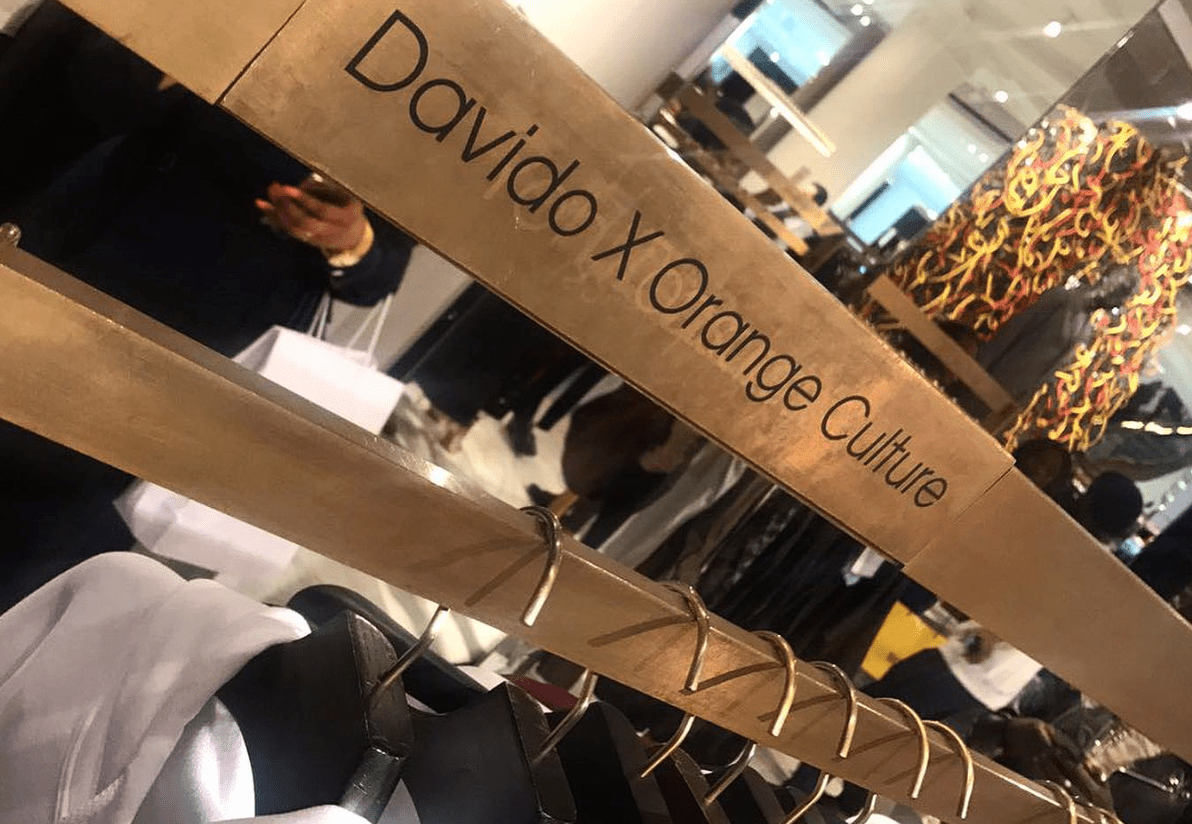
If you’ve been seeing Davido’s new partnership with Orange Culture, well, here is a piece of a good story because they aren’t just a label.
Orange Culture has slowly grown its cult following since debuting as a Nigerian Androgynous wear brand inspired by silhouettes, print fabrics and contemporary urban street wear. Last year, Orange Culture was chosen as a finalist for huge design platforms like the LVMH (Louis Vuitton and Moët Hennesey ) prize – where The Orange Nerd was picked alongside 29 of the hugest emerging designers from all over the world out of 1221. As part of the growth, the brand and its creative director, Adebayo Oke-Lawal have been featured in Elle, Vogue, Marie Claire, Financial Times, Voice of America and the list goes on and on. While most people recognise OC for avant-garde pieces, like most international superior brands, Orange Culture debuts each line as a collection with a particular initiative or narrative, often going for a theme (adolescent rejection, Romanticism etc) that underpins Orange Culture as a “movement”. Adebayo has described OC as “self-aware, expressive, explorative, art-loving nomads”, which is a typical speak for its head-honcho, but one that also points to the soul of a brand for a creative class.
Orange Culture is no stranger to collaborating with other people/brand for creative pieces and collections. One of this was with Dennis Osadebe for a summer collection last year. Hence, this new collection with Davido right in tandem with their core values. As with every collection, The Davido X Orange Culture Capsule collection has its own theme. They choose to explore music matters with minimalist pieces, delving deeply into fashion and music collaborations with the birth of “Music X Fashion”. It’s their first collection, and an apparent attempt to draw more attention to Africa’s current Afropop boom in more ways than music. At the launch was Omoyemi Akerele, creative Director of Style House Files and DJ Cuppy.
This is important for Davido who is currently on his Thirty Billion World tour and Selfridges is one of the longest-operating chain of departmental clothes stores in Britain. A collaboration like this can help create avenues for Davido to rake in extra revenue from merch sales at the remaining for the rest of his tour. Over the past few years, entertainers set on entrepreneurial ventures in fashion have often failed at execution. Wizkid’s unsuccessful attempt at releasing a line of “Starboy” branded T-Shirts, the disolution of Sarkodie’s Sark Clothings are only a few of the examples. Davido and Orange Culture’s collaboration with Selfridges present somewhat of a blueprint for how established brands can benefit from mutual co-existence in the cultural ecosystem.
This post has been updated for clarity and specificity.
Featured Image Credit: Instagram/Orangecultureng
Fisayo is a journalist in search of words. Tweet at her @fisvyo
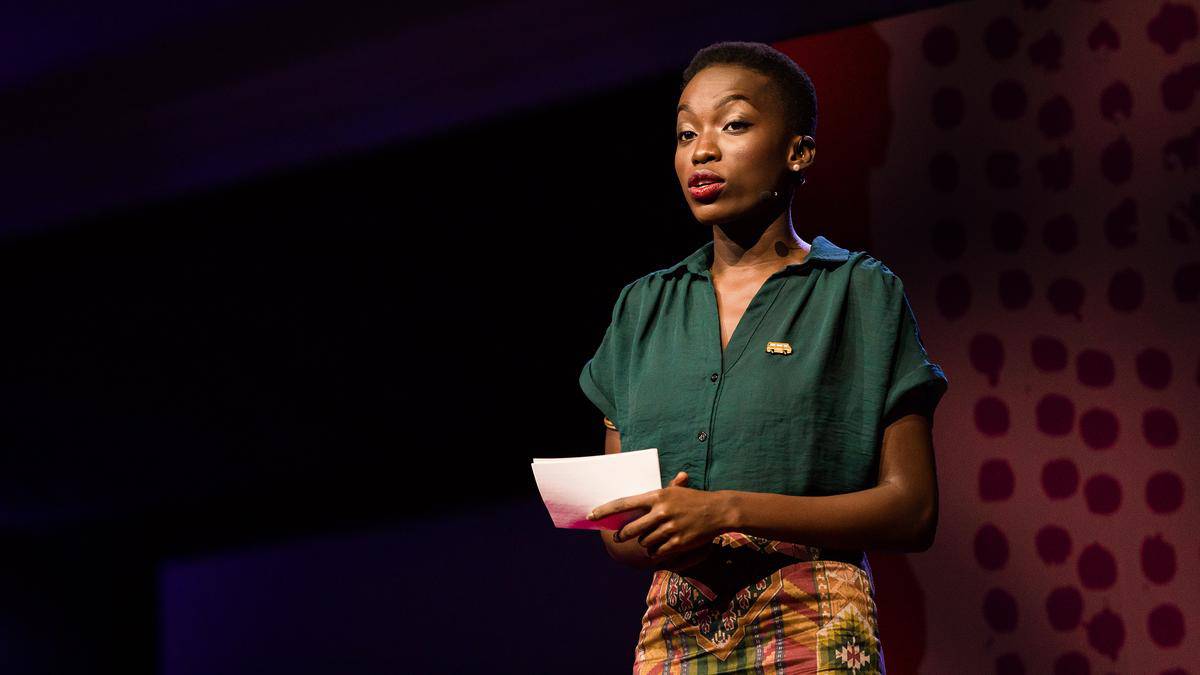
You’d have been excused for not knowing who Olutimehin Adegbeye was three weeks ago. But to still remain ignorant of her brilliance now, is just inexcusable.
Earlier this year, there was a TED event at the MUSON centre in Lagos, and nearly two dozen Nigerians who the good people at TED recognized for the important work they do in advancing innovation and technology, challenging archaic socio-cultural norms and generally sharing their own personal stories. It is a great honour to be invited to give a TED Talk and the speakers at the TED Lagos event more than acquitted themselves. But three speakers from TED Lagos conveyed their messages with so much empathy they were chosen to speak at the 2017 TED Global event, making its return to Arusha Tanzania after a ten year hiatus. Those three were dancer and activist Quddus Onikeku, language advocate Yvonne Chioma Mbanefo and activist and feminist writer Timehin Adegbeye.
As a writer, Timehin Adegbeye’s ability to convey complex ideas in ways that resonate strongly with every day women has won her audience and a following. Her no-holds approach to intersectional feminism saw her invited not once but twice to international feminist fora organized by the African Womens Development Fund (AWDF) But her personal experience with the Lagos state government’s brutality against the residents of former beach-side fishing town Otodo Gbame and connecting with the very human victims of governmental abuse of power was what spurred her to fully immerse herself in climate related activism. Since then, Adegbeye has represented the indigent residents of Lagos’s beach towns, providing much needed counselling and legal aid and raising awareness through articles published locally and internationally; all important tools in the fight to ensure that the Lagos State Government follows the rule of law in its attempts to convert the state to the “New Dubai”. Adegbeye’s talk at TED Lagos expounded on her work with Otodo Gbame and when she was announced as a speaker at TED Global 2017, she hinted that her talk there would streamline the ideas she delivered at the Muson Centre in February 2017.
The accolades started pouring in just before she left the TED Global stage. One of the organizers called it the ‘highlight’ of the entire four day event. It was the first talk from the TED Global Arusha event to be released to the public via Youtube and was given pride of place on the TED website. It is not a talk that cannot be described, you just have to experience it first hand to get the full zing. Timehin Adegbeye takes on a government in her talk, and lays bare its greed and ideological fallacies and she brings a room full of innovators and influencers to their feet. We could all learn a thing or two.
Watch Timehin’s talk here.
Edwin eats his rice and cabbages. Tweet at him@edgothboy
I still remember where I was when the first Asa album ‘Asa’ was released. I was a teenager stuck in that limbo of long senior high school days and short nights, when sleep is never enough. 2007 was an entirely different world culturally from the one we live in now, it was the cusp of the Internet explosion that would start in earnest in 2009, before mobile internet supplanted cybercafes. CD stores were still a big deal then, they were the only way you could find new music.
I’d known of Asa long before her debut album was released, she’d been signed to Storm Records and while she languished in pre-album purgatory, the bigwigs unsure of what to do with a diminutive, guitar strumming prodigy, she did an insanely popular skit for Soundcity TV (that would eventually grow to become the cable channel). Then in late 2005 Asa disappeared, leaving Nigeria for France and the opportunity to see her music properly supported and her vision given flight.
The store was CD Classique on Ago Palace Road, a tiny store couched in a busy highway in Okota, with a newly installed CCTV camera because its constricted shelves made it a sweet spot for teenagers pilfering from their selection of soft core pornography. I had come to replace a couple of my old faithfuls, Meteora, Under My Skin, Riot!, Folie A Deux, when I spotted it, stacked in paper jackets on the counter. There was just something about ‘Asa’, the minimalist album art, a monochromatic portrait of Asa caught midway through a dance, eyes closed, loc’s in motion, sensible glasses. It was nothing like the polished, West gazing art that other Nigerian pop stars of the time favoured. I worried the attendant about the album and she told me what she knew: It was Asa’s debut, I found out for myself, Cohbams Asuquo, who was still coming into his own as well, had produced the entire album. I listened to it from start to finish, and fell head long in love with Asa.
In many ways, Asa is more artist mission statement than personal introspective album. There is a fervor that defines the album through and through. You could tell from the songs that she was ecstatic to finally be able to make the music she wanted to make, the way she wanted to make it. But there were also so many discordant ideas in Asa, Asa’s allure for grand ideals sometimes tips into phantasmagoria. A typical example is her lead single off the project “Fire On The Mountain”, a song that was not only well composed, but also came accompanied with a haunting video of life frozen in motion.
“Fire On The Mountain” parlayed themes of child abuse with real world conflict in the larger society, Asa brings it all to a bridge where she sings “we would run, run, wishing we had put out the fire!”. It’s a promise of an apocalyptic conclusion that offers no respite from the already heavy subject matter. Re-imagining Asa’s diminutive guitar pose from a video at a subway in New York makes all the difference, because what you get is your typical doomsday prophet, who yells signs of the end times at passersby with no promise of retribution for sinners. Understandably, this says more about Asa as an individual threading the fine lines between spirituality and wokeness, than it does about her music, but such grim philosophical leaps resurface across the album, with a noble outlook, that lacks optimism
I didn’t get into Beautiful Imperfection until a year after it was released. I’d gotten into university, gone through the motions and become entirely disillusioned with the whole process. If Asa is Asa exploring her place in the world, Beautiful Imperfection fits as a consolidation of the former project with a new sense of self-establishment through all new ‘costumes’, gimmicky glasses and a whole persona that fit awkwardly on her. The era marked a more self-assured and free-spirited Asa, with cuts like “Be My Man”, “Bimpe”, mirroring some of my own personal struggles in many ways.
The public university system is complicated enough to frustrate even the most gifted. And I struggled, frustrated by the insistence of the entire system that I conform; a decidedly more ‘pop’ bent Asa hued those years with “Dreamer Girl”, a song that subsumes listeners into the mind of a presumably younger Asa with big dreams and nothing but hope. The Asa who forebode the day of reckoning for mankind gave way for Beautiful Imperfection to soar on “Why Can’t We” and “Iba“. Even the initial somber disposition of “The Way I Feel”, explodes into an electric guitar-led chorus. I could never really get into the album beyond these handful. It reminded me too much of the insincerity of trying to conform to external standards, a peeve of the side of me who never got over Asa’s all new pop star markings. It seemed Asa tried to get away from it too, she took a four year hiatus after the album, and grew a whole lot before 2014’s Bed Of Stone.
In 2014, when the video for Dead Again, the first single off Bed Of Stone was released, we could all sense that a realignment had occurred. Asa’s initial pessimism on Asa, may have segued into reassurance and self-confidence on Beautiful Imperfection, but Bed Of Stone, is where disappointment sets in. Starting with “Dead Again”, the lead single off the project, Asa’s leery gaze but optimistic faith in the world seems to have been trounced. Asa is coming to terms with how much she cannot change, the realisation that sometimes love is just not enough and that somethings are to be left forsaken. “Dead Again” is a somewhat existential reflection of how little control we have over the world around us, a fact she already indirectly established on—albeit in a different context— on “Jailer”.
Asa had cut her lock’s into a stylish bob, gone were the costume-y signifiers of the last era and its saccharine songs. In it’s place was urgent agency, emotion. The album was also the longest and the most self-determined. And at its beating heart were two things, “Eyo” the place where everything had started and Asa laying herself bare. The stories Asa told now, were stories about herself, her love for Lagos’ busy street and perpetuatal motion, her experiences with being an immigrant in another man’s country, depression, racism, love and loss and “Moving On”, a particularly harrowing story of what many suspect was sexual assault. There was a rawness to Bed Of Stone that Asa had never given us before, a window into her own mind, her own thoughts as they related to her.
In the following year after the album’s release, Asa returned home for the first time to perform at Eko Hotels, Lagos, as part of the promotional tour for Bed of Stone. It was a magical moment that highlighted her becoming, as she evolved through the years, with her own humanity at the core of her music. Her musings, convictions and trials of love have served as a bed rock for every shade of Asa we have seen in the last decade. In view of a few more years to come, safe to expect the full Asa story to come full circle on the day she drops the mic. (If ever)