Once upon a time, movies, music and even tweets were escapist fares designed to take you away from your troubles and paint a rosy picture of the world. But since the #MeToo movement became a viral trend, social causes have sipped pop-culture and become an ever-present theme, subtext or marketing tool if you’re a more cynical type.
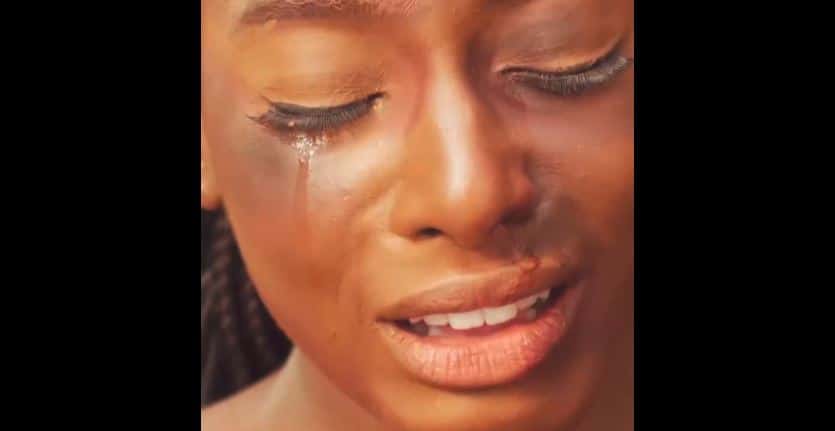
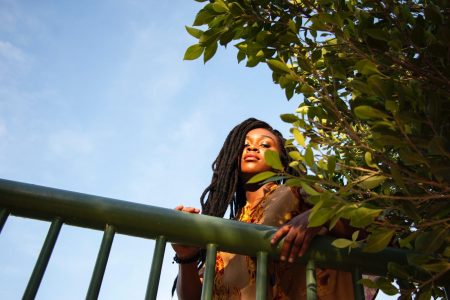
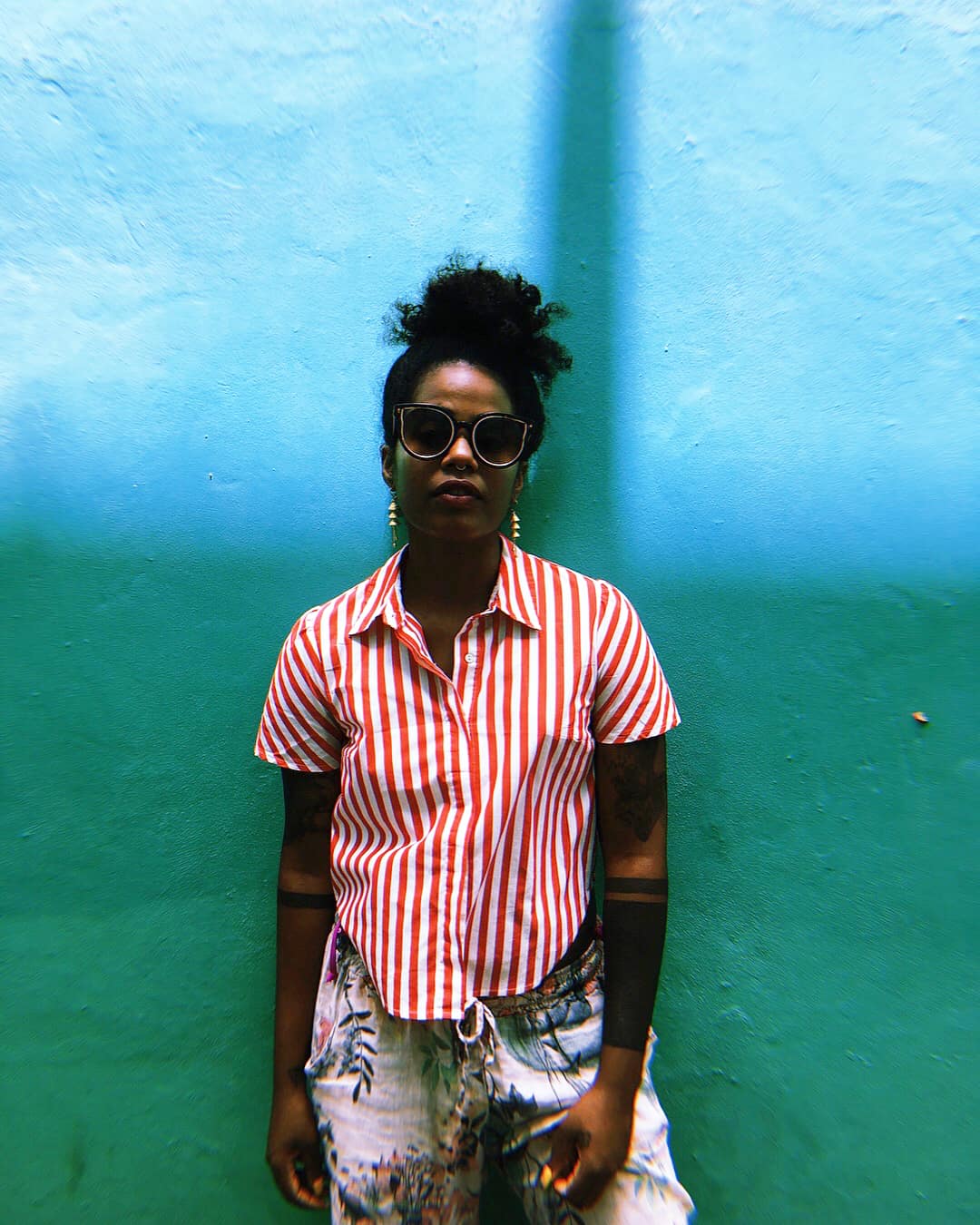
Yesterday, Dorcas Shola Fapson shared a poetic and thought-provoking short film, “I Got Flowers Today” on her social media platform and got thousands of likes and retweets within the first 24-hours of its release. The film addresses abusive relationships, telling the graphic tale of how much lover’s violent impulses cost from the 6-feet depth of the grave. Her poignant performance, narrating tearfully is made even more compelling by the video where she and supporting act, Mawuli Gavor, play out some of the traumatic scenes of the abuse that leads to her character’s death.
While “I Got Flowers Today” offers a hard-hitting reality check for abusive relationships, it doesn’t quite put enough emphasis on cautioning or reprimanding the actual abusers. In fact, it almost seems to absolve them of the crime of murder; “I guess he’s sorry though cause I got these flowers today”.
Unsurprisingly, “I Got Flowers Today” has been trailed with mixed reactions since the video surfaced online. Perhaps a sustainable legacy for the flick would be spawned conversations around cautioning men from harmful and abusive behaviours. It’s great that she’s using her platform to share compelling work, imploring victims to take steps—no matter how small—that can save their lives from abuse, or even death. But the backlash for “I Got Flowers Today” is a cautionary lesson many storytellers can take a cue from; in the face of sensitive topics, execution is just as important as messaging.
You can watch “I Got Flowers Today” below.
https://www.instagram.com/p/ByS2qH4H7BE/
Featured Image Credits: Instagram/ms_dsf
[mc4wp_form id=”26074″]
You are meeting Debola at a strange time in his life. He wandered into a dream and lost his way back. Tweet at him@debola_abimbolu
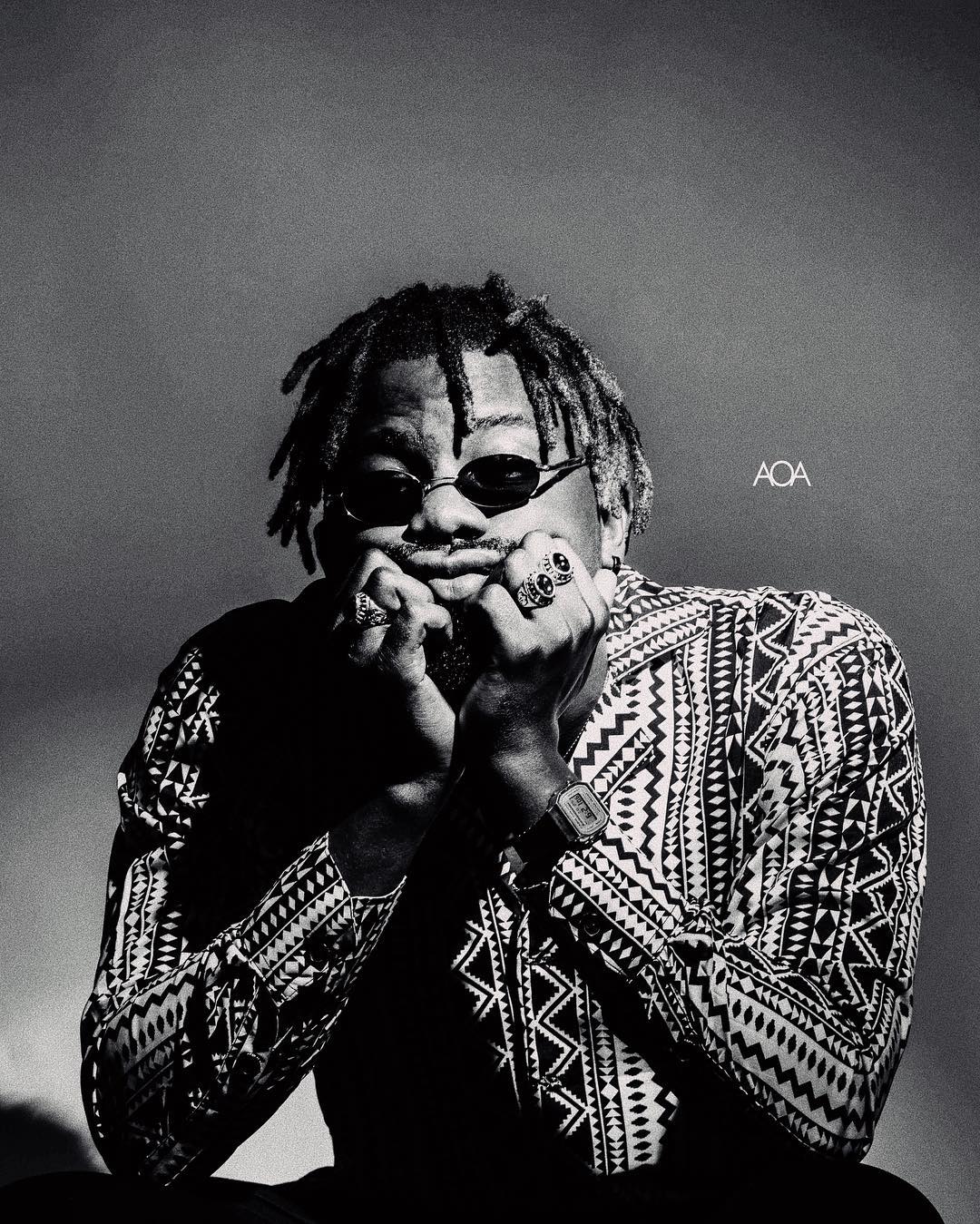
PatricKxxLee’s music paints him in two extremes; A self-loathing wreck and a narcissistic savage. He often balances both extreme personas on songs but for his latest release, “Achoo” featuring Willy Cardiac, he primarily operates in the latter, ditching somber introspection for a freewheeling song that celebrates his accomplished psyche.
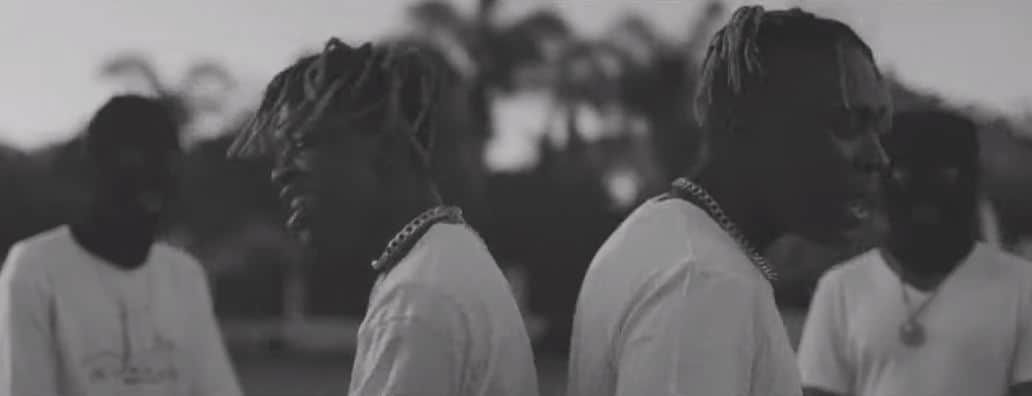
The South African based artist just shared the music video for “Achoo”, his first release since parting ways with his former management, but that doesn’t seem to have affected the fanfare as the video already earned thousands of views within the first 24 hours after its release. The video is set in monochrome, standing at a sharp contrast to the elated mood of the song which PatricKxxLee produces mixing bass-heavy 808 drum machine riffs and catchy synth samples. Thematically, however, the video Motion Billy directs seems to offer some interesting commentary on PatricKxxLee’s mental health as we watch him being pushed on a wheelchair by an old lady till he’s later seen moshpit-ing with Willy Cardiac and his angst crew. Cuts showing drug dealing, deliverance sessions with a spiritual leader and a girl dancing are also featured in the 3-minute long video. But while it might all fit to form a narrative about how he deals with depression, each clip is aesthetically satisfying.
Watch the music video below.
Featured Image Credits: YouTube/PatricKxxLee
[mc4wp_form id=”26074″]
You are meeting Debola at a strange time in his life. He wandered into a dream and lost his way back. Tweet at him@debola_abimbolu
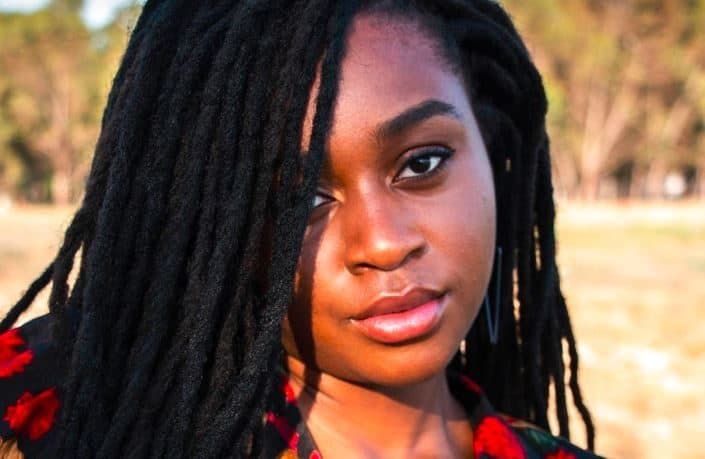
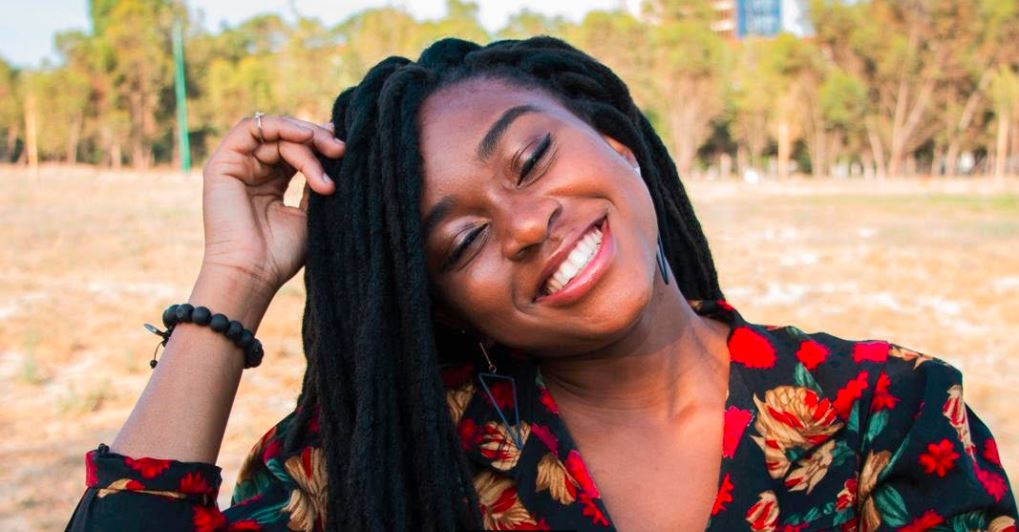
Getting discovered as an artist has gotten more convenient in 2019 with the growing number of artists who owe their fame to the recognition they gain on the internet. However, for Emediong Uduak, the 19-year-old Nigerian whose painting made history in the Cyprus Modern Art Museum last month, she had the luxury of being discovered first in person, then on the internet. “The museum thing is random enough to be luck but I believe it was in God’s masterplan”, she tells me before gleefully giving a dramatically detailed recount of how she went to the museum to appreciate the art and met “this lady in a black suit” who recognized her for an artist before they had even exchanged words.
The lady turned out to be a curator for the museum and requested that she created a piece for the museum. “I was going to replicate the art I showed her and she liked but then I changed my mind because I thought the viewers need to know it came from somebody that wasn’t a local”. American artists like J Cole and Kendrick have featured as muses for her previous paintings, but she chose to channel her African roots, establishing her Nigerian origin by painting a portrait of Afro-juju singer, Lagbaja, wearing his signature mask.
She credits her new found fame on the internet to the Nigerian Instagram blog account, Instablog, explaining that “The first ‘blow-up’ was from Instablog”. Nigerians back home were able to connect with the story she portrayed in the painting and were quick to show their support, helping her grow a notable following on Instagram and spreading the news of her accomplishments across media platforms.
“I feel like the style in which we Africans express ourselves has always been a very rich part of our culture, although every now and then it could be mistaken for a trend. And so I admire how the rest of the world is seeing this ‘Africa’ of ours through the regal and artistic lens as opposed to the preconceived caustic notions they must have had”.
Her rather word heavy response to my question about the growing global appreciation for African art in recent times was quite shocking till she revealed that she comes from a background of writers and has always considered herself an author. “I actually started a book but I never got to finish it”. Her parent’s love for books and music built her interest from childhood, writing stories and painting pictures inspired by the things around her. “I wasn’t really the social type. Sometimes I would paint the stories in the music and the emotional reactions people got out of listening to the music”.
The duality of her identity as a visual artist and writer is also reflected in her life, balancing being a creative with being a medical student. Emediong Uduak moved to Cyprus for her studies but it has also given her the opportunity to express her artistic intentions. “I did a year of University in Florida, US before I came here. You never really identify as African till you’re in America. But in Cyprus it’s different, I mean even the locals here speak pidgin English”, she jokes as she describes the harmonious atmosphere she enjoys on the island country in the Eastern Mediterranean.
“A very typical day for me would be to wake up, shower, rush to school and get back late in the evening because being in medical school is tasking. Usually, I’d wake up and get on my phone but I’ve been researching on YouTube about Alpha Wave brainwave and some other weird shit like that so I’m trying to reshape the first things I do in the morning”. Like any curious teenager, Emediong Uduak is unafraid to explore and learn new ways to improve on herself. Even her creative expression mirrors this as she tells me she tried the whole 9 yards of art media before settling for acrylic paint because, like her, it’s fluid.
“Lately, I’ve delved into textured oil paint or 3D art like we saw in the ‘Lagbaja’ piece for a more realistic feel to the touch. I dare say that in as much as my art is seen, it is felt on a much larger scale. My technique and style is subject to change, but the experience and journey every painting brings to the viewer can’t be duplicated”. Though her confidence in her art has certainly gotten a boost with the exposure she now has, she admits she’s still not yet ready to have her debut exhibition and won’t be till 2020 when she has better structure, resources, time and a message to pass across. “In the meantime, I’m working towards having an auction in Abuja this August. I know every exhibition has to have a message the artist is trying to pass across and that hasn’t come to me yet”.
And yet, you’d be wrong to assume her art currently has no message. She knows exactly what themes she wants to cover, listing mental health and spirituality as recurring themes that drive conversations around her.
NATIVE: What Message Do You Hope To Get Across With Your Art?
“I strongly urge all who sojourn through my art to get inspired to tell their story. We are in a time and generation where, as African youth, we create our own rhythm, our own identities. Each story’s strength and weakness lies in the hands of the one bearing it. Also, I make each piece with the intent of getting viewers out of their robotic daily cycles to think- or the exact opposite; to feel”.
NATIVE: Music Seems To Have a Big Influence on Your Art. Can We Get a Hint of What Shapes Your Preferences And the Type of Music You Enjoy?
“Oh wow. My music taste is eclectic. As a matter of fact, it’ll probably show you how multifaceted I am. You can’t easily track my personality from my music. My musical preferences are shaped by emotion (generically speaking) and that’s anywhere from Fela to Indie Rock Bands”.
NATIVE: What Challenges Have You Experienced as a Young Creative in the Art Industry?
“My challenges were inward for the most part. Mostly the feeling of having to beat my own high score and the challenge of having to juggle two very demanding practices (medicine and art)”.
Emediong Uduak’s “Lagbaja: The Masked One” painting is currently in the possession of Forbes-listed Cypriot businessman, Suat Günsel, but she’s already thinking of her next moves, more concerned about her personal growth than previous accomplishments. It’s a winning mindset that can make any artist a force to reckon with.
Featured Image Credits: Break The Eyes Media – Instagram/Breaktheeyes
[mc4wp_form id=”26074″]
You are meeting Debola at a strange time in his life. He wandered into a dream and lost his way back. Tweet at him@debola_abimbolu
In collaboration with the Zone Agency, Dapo Tuburna released a 3-song project, ‘Gingo Vibes’, earlier this year. One of the songs of the tape is the Spellz-produced “Lituation”, a bubbly mid-tempo cut on which Dapo sings about the possibility of going from zero to a hundred within a short timeframe.
The singer has just put out the official video for “Lituation”, a month after dropping a mishmash, ‘dance video’ for the song. For its official video, TG Omori puts together a colorful visual highlighting the song’s jolly disposition, setting Dapo in the midst of beautiful models, as well as cameos from black market Dollar dealers from the Northern part of Nigeria.
You can watch the video for “Lituation” here.
Featured Image Credits: YouTube/Dapo Tuburna
[mc4wp_form id=”26074″]
Mapping GBNGA’s ongoing musical growth through his discography shows his penchant for quotable-laden raps, developing nous for hook crafting and overall song-making. The North London rapper continues down this path for his latest single, “Civilian”, on which he delivers ambitious raps with playful ease.
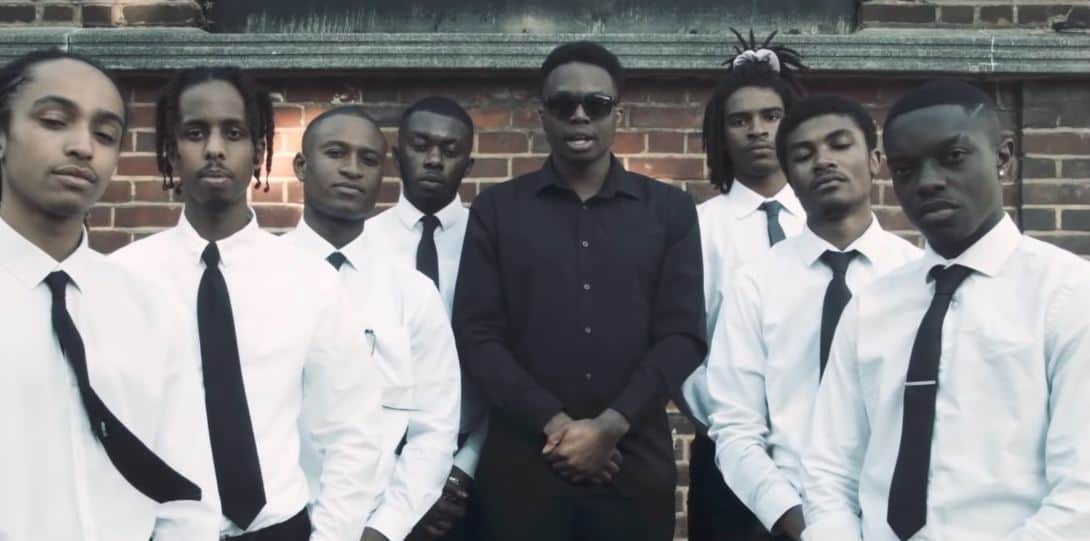
“If you wanna chase your dreams, then that’s MLK or TD Jakes/everyday mans inspired, cos I know I’m better than this”, GBNGA raps in a half-assertive, half-goofy cadence, over the minimalist bounce of flickering piano riffs, 808 bass and ticking hi-hats. The accompanying video GBNGA self-directs and edits for “Civilian” captures the vigor of his lyrics, showcasing the rapper as he performs his lyrics in the company of friends, as well as a few psychedelia-tinged frames with mystical references.
Watch the video for “Civilian” below.
Featured Image Credits: YouTube/GBNGA
[mc4wp_form id=”26074″]
After a 2018 campaign that saw the release of his debut EP, ‘Odyssey’, Loti returns with his first single of the year, “No Souvenirs”, with assistance from R&B artist Tim Lyre. Dedicated to love interests who are aloof to their affections, both singers deliver a heartfelt set of lyrics over mid-tempo Afropop production that helps the song double as a mellow bop. Noting the specific characteristics they fancy, as well as ways in which they can be better lovers, “No Souvenirs” is a love letter or a lengthy paragraph, written at the dead of night after an ill-advised amount of alcohol.
MOJO’s romantic debut single from last year, the AYLØ and Paula B-assisted “Sweet”, showcased the rapper’s knack for clever wordplay as well as his deadpan delivery. On his first single of 2019, “Chop Life Crew”, he continues down already laid out precedents, this time around imbuing the savage-toned quality of his lyrics with a gleaming bluntness.
Assisted by D-O, who continues his 2019 guest run tear with a stellar 16, both artists deliver vivid verses packed with lyrics highlighting the grimy details on the lengths they go to in order to attain maximum pleasure, regardless of obstacles. The murky beat is also striking, emboldening the irreverent lyrics about living to the fullest because life is short.
While the initial idea behind remixing was contrived as a way to increase or improve a song’s commercial performance, the popularity of DIY, electronic production techniques have made it easier for just about anyone to drastically reinterpret any song they wish to. Lagos-based producer, Wasalu has just put out a new song, a no-frills EDM remix of MYV’s “Gold Digger” single from last year.
While the original song melded Afropop melodies with contemporary R&B-styled production, Wasalu, in typical EDM remix fashion, increases the tempo, speeding up MYV’s vocals and the main piano riff, and throwing in a mix of heavy, fast-paced synths and percussions. With his remix, Wasalu turns a mopey love song about a lover only attracted to materialistic possession, into a dance-ready club song.
You can listen to Wasalu’s remix of “Gold Digger” below.
UK grime veteran, Skepta has just released ‘Ignorance Is Bliss’, his fifth studio album and first full-length in three years. In 2016, the rapper released his critically acclaimed ‘Konnichiwa’ album, winning the Mercury Prize for the project in the same year. Skepta has remained visibly active in the three-year gap since his previous effort, guesting on cross-Atlantic collaborations with US rappers, Drake and ASAP Rocky, Nigerian artists, Wizkid, BOJ, Teezee and Olamide, as well as performing at the last two editions of Nativeland and Homecoming respectively.
Skepta’s new album contains thirteen songs, featuring self-production on all songs, with assists from producers, Ayo, Ragz, Trench and IndigoChildRick. Amongst its diverse array of featured artists are J Hus, Wizkid and Cheb Rabi. Last year’s loosie single, “Pure Water” makes an appearance at the tail end of the album, as well recently pre-released singles, “Bullet From A Gun” and the Nafe-assisted “Greaze Mode”.
Earlier this week, Skepta put out the videos for the most recent singles. Co-directed by Skepta and Duncan London, the single-frame video for “Bullet From A Gun” shows Skepta at an underground train station in North London with a baby stroller, while lyric-appropriate events take place around him as he performs the song while sitting. By contrast, the Matt Walker-directed video for “Greaze Mode” is goofy, setting Skepta and Nafe Smalls, dressed in 70s Blaxploitation era fits, in a bank robbery gone awry.
Both songs open ‘Ignorance Is Bliss’, and you can listen to the album here.
When Runtown put out his debut album, ‘Ghetto University’, the commercial reception was a fair indicator of his position on Afropop’s ladder of prominence. While the album was well-received by critics for its dazzling pop instinct and the type of expansive sonic width he achieved, it wasn’t the type of cultural event you’d expect from an album that had DJ Khaled, Wizkid, Phyno and M.I Abaga on its star-studded guest list, as well as hugely successful pre-release singles like the Davido-assisted “Gallardo” and the South African House-inspired “The Banger”.
Well over three years later, the singer has finally returned with a new project, his long-awaited ‘Tradition’ EP, and it’s apt to say he’s a much bigger deal these days. On the back of the behemoth success of his late 2016 single, “Mad Over You”, Runtown shot to a higher level of prominence, going on a run that has spawned a consistent run of quality releases. One of those singles is “Unleash”, one of last year’s best songs, which was coloured by his very public tussle with the boss of his former label, Eric Manny.
Instead of being jaded by his situation, “Unleash” was Runtown at his free-flowing best, and the reestablishment of his jovial philosophy immortalized by the iconic line: “Na spoil we spoil, we no dey thief”. It’s the same merry disposition that informs ‘Tradition’, and also the reason the 6-track project makes for a breezy, enjoyable return.
The EP starts off with “Redemption”, a mid-tempo cut on which Runtown performs a set of affectionate lyrics to his lover, set to the preppy dancehall-adjacent beat Del B produces. The same romance-themed inclination is heard on the next track, “Emotions”. Over the sparse combination of sauntering piano keys, steel pan percussions and intermittent horn scats produced by Spellz, Runtown’s lyrics are on imbued with a palpable sincerity, exuded by the heartfelt quality of his vocal delivery.
Save for the materialistic show of affection on “Goose Bumps”, the rest of the EP takes a carefree, self-mythologizing approach in asserting Runtown’s affluent but continually hustling status. Produced by Elputo, the title track, which samples Donell Jones’ classic R&B hit, “This Luv”, albeit with an oriental feel due to the infused Latin guitar riffs, finds the singer highlighting his paper chase mentality, singing “They gon love me for my ambition, getting money be my tradition” on the song’s hook.
Elsewhere, on the penultimate standout track, “International Badman Killer”, the singer is at his most cocksure, delivering brash one-liners in a robust tone, over Spellz’ dancefloor-ready beat. By the time “Unleash” closes out ‘Tradition’, it signifies Runtown at his freest, rebranded and ready to move his career even higher up the ladder of the Nigerian music zeitgeist.
You can listen to ‘Tradition’ here.
Featured Image Credits: Instagram/runtown
[mc4wp_form id=”26074″]
Since launching in 2012, Mavin records has bankrolled the careers of some of Nigerian music’s biggest artists in recent memory. Group singles featuring a mix of its more established acts and lesser-known ones have been a key part of the longstanding prominence the Don Jazzy-led imprint has continued to enjoy. “All Is In Order”, the latest collective release from the label continues their tradition, and it is very much set to enjoy heavy radio rotation as well as seep into DJ sets in the coming months.
Over the fast-paced beat comprising Igbo Folk-inspired flutes, groovy bass guitar riffs and heavy swinging percussions beefed up with 808 bass, Don Jazzy sets up the infectious hook, singing the titular words clearly indicating how financially well off his label is. Accompanying the label boss, each of Korede Bello, Rema, DNA and Crayon deliver a single verse, relaying their fame and affluence after years of grinding. The Clarence Peters directed video for “All is in Order” shows all the Mavin acts dancing and celebrating, accompanied by the Kabusa Oriental Choir boys, models and others who join them in celebrating their wins.
You can stream “All Is In Order” below.
Featured Image Credits: YouTube/MavinRecords
[mc4wp_form id=”26074″]
You are meeting Debola at a strange time in his life. He wandered into a dream and lost his way back. Tweet at him@debola_abimbolu
Sean Tizzle’s latest single, “Lotto”, is the follow-up to his debut single of 2019, “Gyal Dem”. The song is dedicated to an unnamed love interest who he sings affectionately of over a mid-tempo beat produced by Finito.
The singer has just put out the video for “Lotto”, and it features shots of him performing the song solo, as well as with a model who plays his love interest. While the romantic narrative is pretty straightforward, primed to follow the tropes of most Nigerian music videos, the video for “Lotto” takes something of a scenic route, throwing in a backstory that sorta involves an actual lotto.
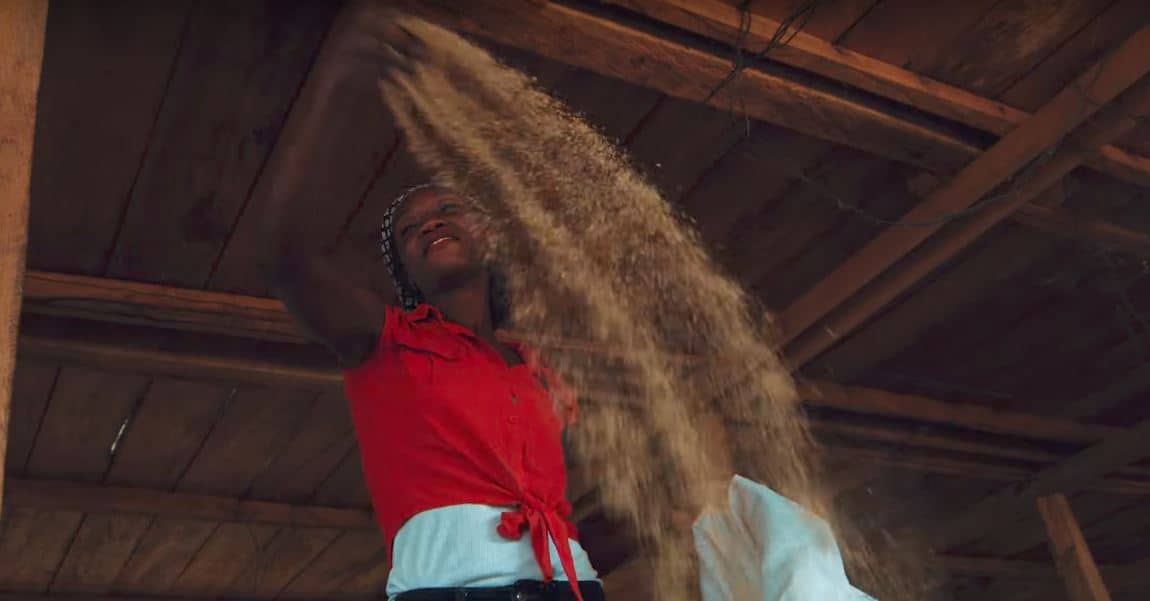
In a bid to raise awareness on the financial needs of young farmers in the rural areas of Africa, the United Nations International Fund for Agriculture Development (UNIFAD) are collaborating with Rwandan Dancer and Creative, Sherrie Silver, for their new ‘Dance For Change’ challenge. By partnering with Sherrie, who is passionate about activism and is well-known for directing the choreography on Childish Gambino’s viral “This is America” video, UNIFAD are counting on the unifying power of dance and music as means to draw in investors from all over the world.
To soundtrack the challenge, Mr Eazi, Guiltybeatz and Empawa Africa Alumni, J Derobie have just put out “Freedom”, a dance-ready song that equally highlights the socioeconomic intentions of the challenge. Guiltybeatz produces the boisterous Afro-EDM beat, while Mr Eazi and Derobie deliver simple but appropriate lyrics, delivered in recital-esque fashion. Set at a location in rural Cameroon, the Olle Enqvist-directed video for “Freedom”, showcases farmers at work, and also features frames of Sherrie Silver dancing with some of the locals.
You can watch the video for “Freedom” below.
Featured Image Credits: YoouTube/ Mr Eazi
[mc4wp_form id=”26074″]
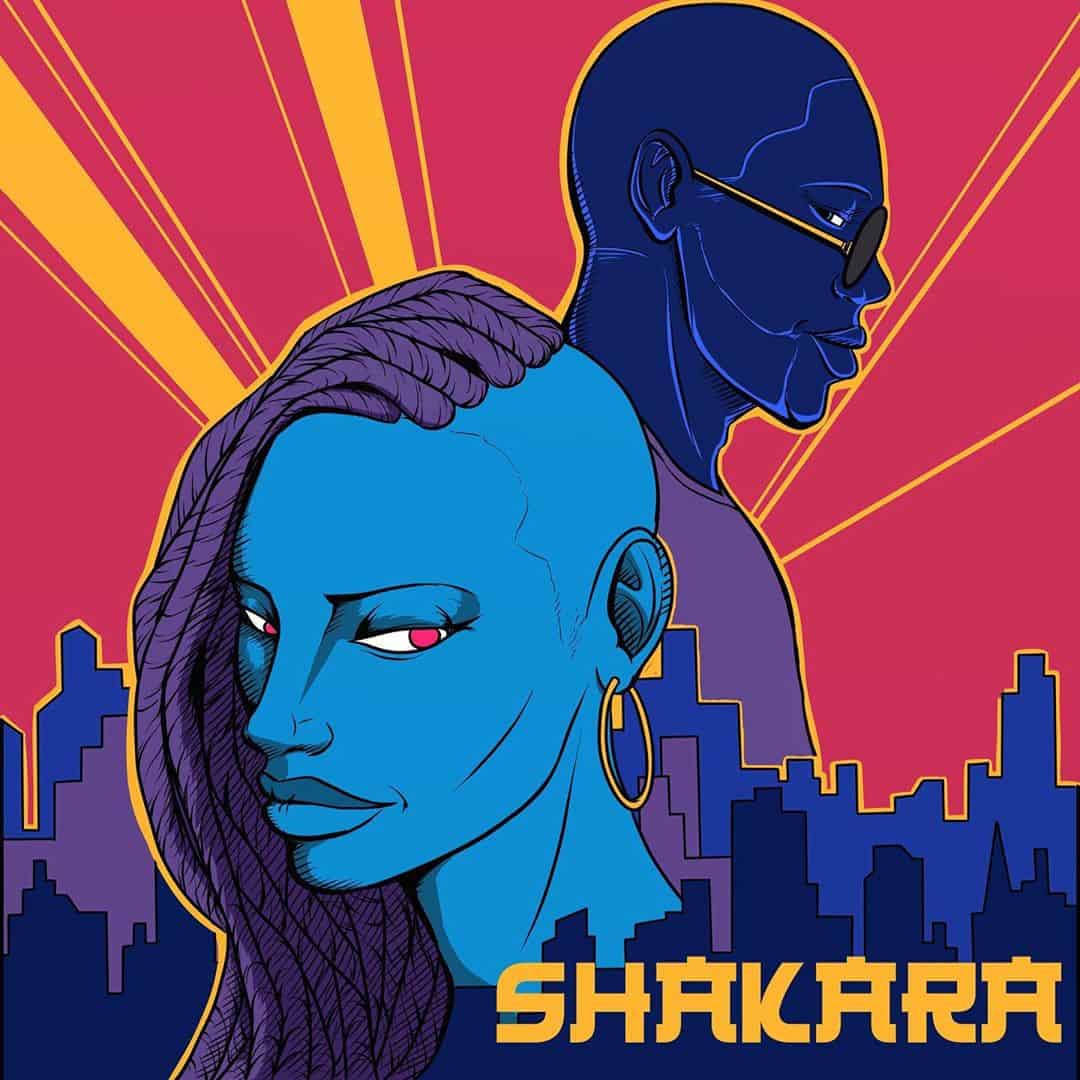
Since emerging into the spotlight, Buju has continued to prove he deserves his reputation as one of the future prospects for Afropop with each new release. Following his breakout single, “Energy”, which was highlighted on NATIVE’s Best New Music column, and the release of the highly anticipated follow-up single, “Commander”, the singer’s third act of 2019 is the contribution of vocals to DJ AJ’s “Shakara”, a song on which Buju cheekily sings about transactional sex.
Describing the initial dramatic, verbal exchange between both parties and the relations that eventually occur, Buju’s Fuji-adjacent lyrics, carries a mischievousness that flouts the touchiness his chosen subject matter often inspires from conservative Nigerian audiences. The dancefloor-ready beat Mavin produces for the song, mixing piano chord samples and bouncy drum riffs further embellish the playfulness of Buju’s set.
You can listen to “Shakara” below.
Featured Image Credits: Instagram/__djaj
[mc4wp_form id=”26074″]
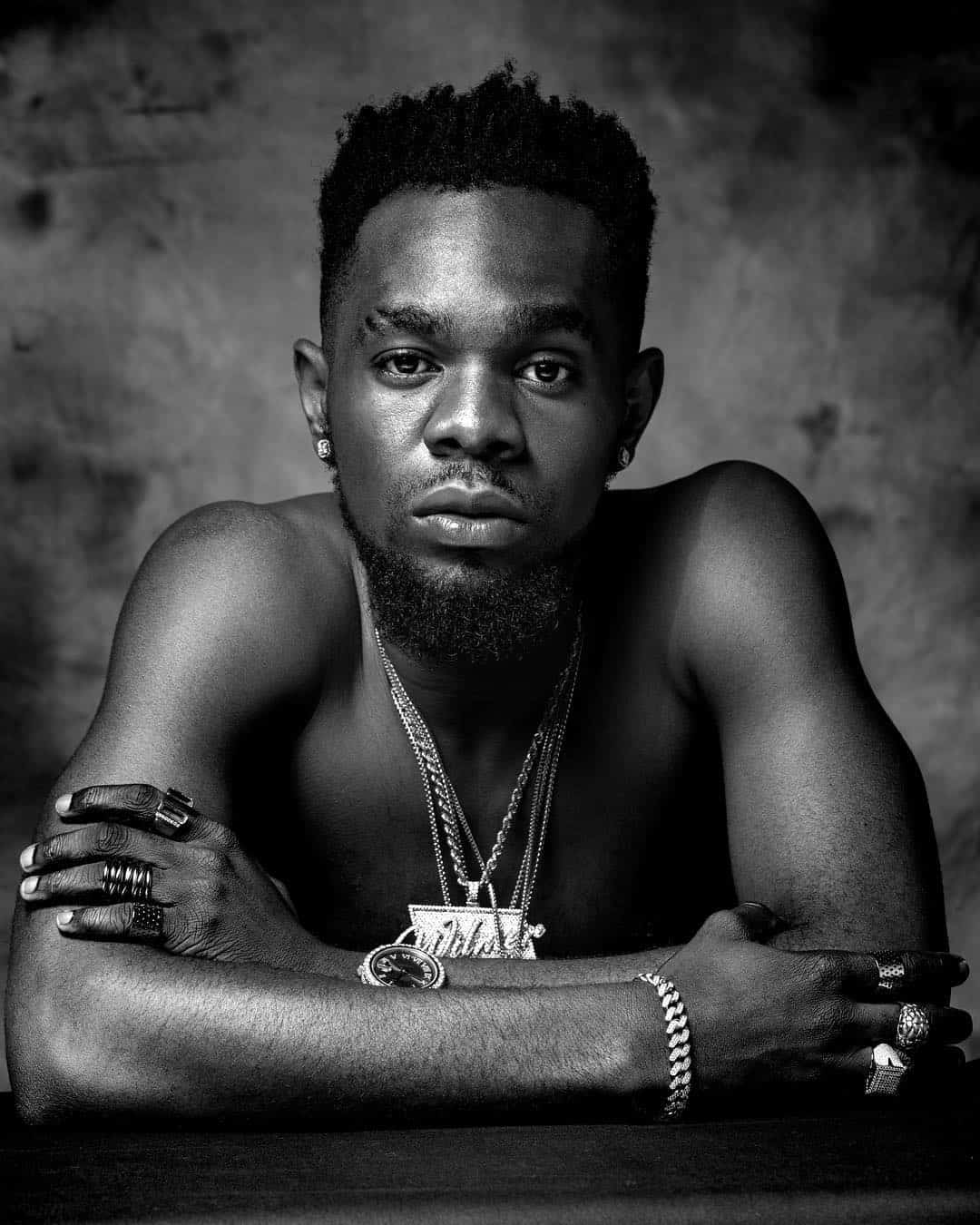
Women are usually the centre of attention in the dancehall space. The rhythm is designed to inspire the female body to wine and the lyrics echo a similar intention, giving dance instructions to encourage listeners to get into the groove of the beat. However, for Patoranking’s new album, ‘Wilmer’, he infuses some sentimental tenderness with the album being named after and dedicated to his daughter who is the centrepiece for the cover art.
https://www.instagram.com/p/Bxj9R_cHG5h/
As a result, the opening track, “Wimer”, is a love song that transcends mere romance with adoring lyrics seemingly addressed to his daughter; “My eyes fill with tears the time I saw your face/Baby dance for me”. Georgian singer, Bera, who has remained friends with Patoranking since their 2018 “Fire to the Sun” feature, is featured on the charming love song, ensuring that the song fits into DJ sets in clubs with his dance centred verse. The second track, “Feelings” sees Patoranking return to the sultry intentions of dancehall with the lightweight theme of appreciating the body of his muse, asking “Could this be love or infatuation” over the laid back Reggae inspired riddim DJ DJ Coublon produces. Though other tracks like pre-released “Lenge Lenge”, “Temperature”, “Go Crazy”, and Donae’o assisted “Turn Up” keep within this dance club specific narrative, Patoranking’s diverse sonic palette keeps each track distinct as he experiments with reggaeton, Afrobeat, Afropop, House.
To assist in his sonic exploration, Patoranking collaborates with several artists to achieve the diverse sounds of ‘Wilmer’. Kenyan singer, Nyanshiki infuses his indigenous language in his verse and the chorus of “Nakupenda” while French singer, Dadju, performs in French for “Zero Probleme” and South African House artist, Busiswa performs in her native language on “Open Fire”.
Introspective track, “Black” is however the album’s highlight as Patoranking offers some social commentary on internalized racism over cinematic instrumentals produced by CTEA. The song is written like an inspiring speech to encourage listeners to love each other and do better in order to ensure a bright future for the coming generation. The 12-track tape closes on an optimistic note with Davido assisted pre-released single, “Confirm”, reminding listeners of the successful run Afropop is having in the international pop culture scene.
You can stream ‘Wilmer’ below.
Featured Image Credits: Instagram/patorankingfire
[mc4wp_form id=”26074″]
You are meeting Debola at a strange time in his life. He wandered into a dream and lost his way back. Tweet at him@debola_abimbolu
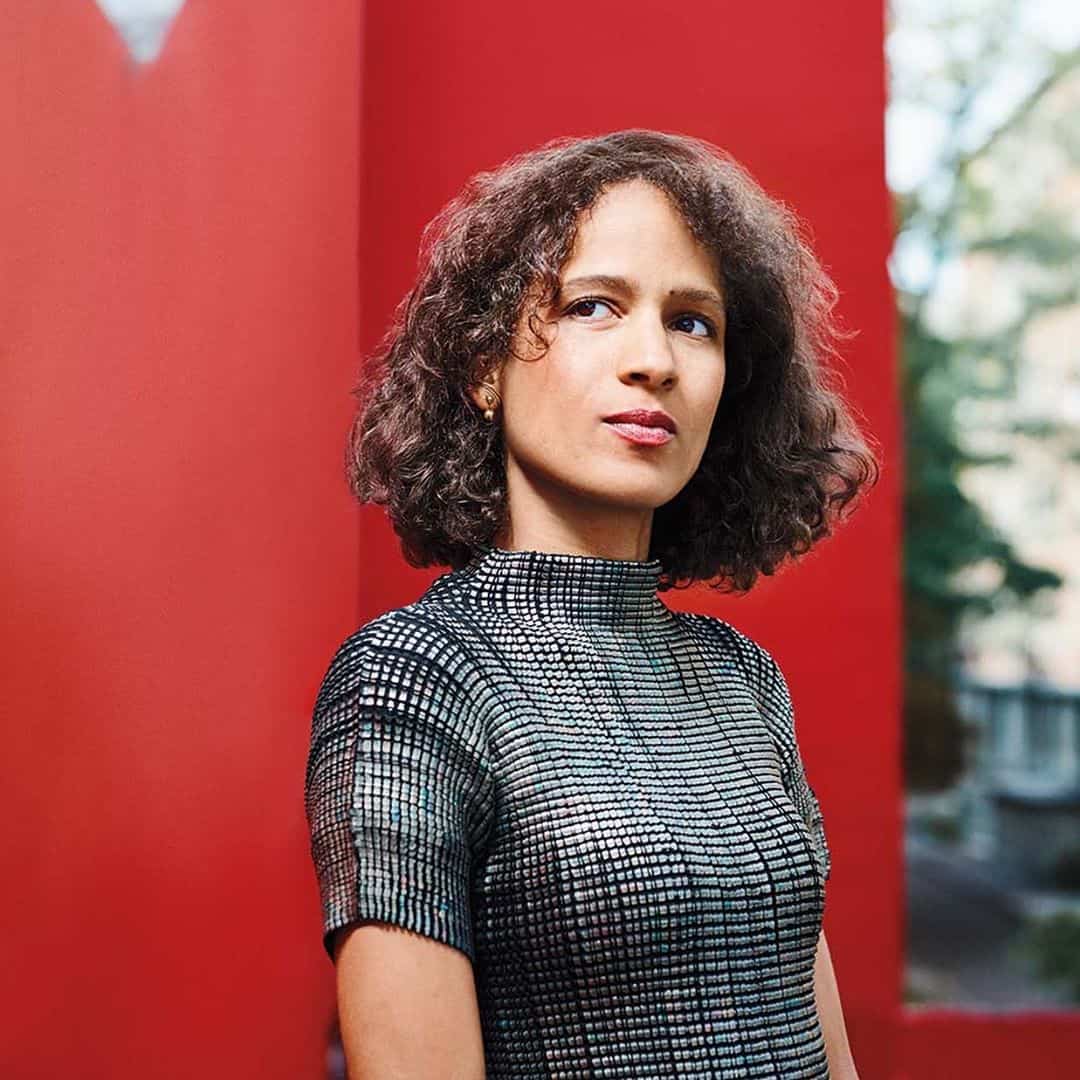
African artists and creatives are increasingly receiving long-deserved global recognition for their efforts and it’s not just Nigerian creatives either. Just last week, Senegalese filmmaker, Mati Diop won the Grand Prix award at the recently concluded edition of the Cannes film festival, for her debut feature, “Atlantique”. Succeeding Spike Lee’s critically acclaimed “BlacKKKlansman”, Diop’s win makes her the first black female director to pick up a prize at the festival in its 72-year run.
Co-written and directed by Diop, “Atlantique” stars Mame Bineta Sane as Ada, a woman whose lover leaves Dakar on a boat heading for Spain, in search of a better life after working construction for months without pay. The feature is based on Diop’s 2009 documentary, “Atlantiques”, which focuses on the migration of workers to Spain via boats, a reputably dangerous journey many still undertake.
‘Atlantique’ has no trailer or release date yet, but it should grace public eyes soon, since audio-visual streaming giant, Netflix have picked up the feature’s worldwide rights. But the Grand Prix prize, which is the second biggest award at Cannes, following the Palme D’Or is a much more significant accolade for the Senegalese movie director.
Emtee’s future seemed uncertain due to the tenuous relationship with his Ambitiouz Entertainment label earlier this year when he revealed that they were hindering his career’s progress. Now in a seemingly better place, the South African rapper has just put out his first single of 2019, “Smogolo”, featuring label mate, Snymaan.
Since breaking out with his “Roll Up” hit single, Emtee’s music has stayed fervently in the Trap stylings, but for “Smogolo”, he showcases his singing chops over an ambient combination of folksy guitar harmonies, 808 bass and skittering hi-hats produced by go-to producer, Kreazo. His heartfelt singing mirrors concerns from early in the year, and adds an affectionate layer to hustle-themed lyrics like: “It’s been a long time coming, all my life I’ve been hustling, I don’t chase the bag for nothing”. Synamaan delivers his lyrics in his native dialect, adding rustic beauty to the song.
You can listen to “Smogolo” below.
Featured Image Credits: Instagram/emteethehustla
[mc4wp_form id=”26074″]
Nigeria is on the rise to be dancehall’s new creative hub with Davido’s hit singles finally crossing over to radio in the states and this year’s Coachella having two separate Nigerian sets. Latin-pop would be the natural competition for dancehall dominance but Latin pop-star, Becky G and Digital Farm Animals seem to welcome the competition, bringing in Davido’s Afropop talent to create, “Next To You Part II”, a song that embodies every aspect of a modern pop song.
EDM’s embrace of Afropop has helped the genre and its ambassadors become sort after in the international music scene, creating a space where the signature blend of reggaeton, rap, and pop felt familiar for audiences in dance clubs around the world. The EDM influenced beat for “Next To You Part II” is the same from the previously released “Next To You” single, but Davido’s charming melodies add a distinctly human gait to make Becky G and Rvssian emotionally compelling verses even more riveting.
Stream “Next To You Part II” by Becky G and Digital Farm Animals, Davido and Rvssian below.
Featured Image Credits: Instagram/davidoofficial
[mc4wp_form id=”26074″]
You are meeting Debola at a strange time in his life. He wandered into a dream and lost his way back. Tweet at him@debola_abimbolu
Nigerian writers have been taking the international literati scene by storm, getting spotlighted by international award bodies and getting big co-op TV nods. While we are still waiting for George R.R. Martin’s HBO adaptation of Nnedi Okorafor’s sci-fi novel, “Who Fears Death”, it looks like another Nigerian author’s book is getting the Hollywood treatment with Akwaeke Emezi announcing working with FX to adapt their “Freshwater” novel into a series.
https://www.instagram.com/p/BxyMSf4HJBI/
The non-binary writer made the announcement on social media last week, explaining that they would be writing and executively producing the project along with Tamara P. Carter to bring the surreal novel rooted in Igbo cosmology to TV screens. The novel explores Igbo traditions, spirituality, identity and mental illness as the heroine, Ada, a Nigerian student in her final year of college, becomes aware of her multitudinous selves and has to make peace and accept that she’s “A village full of faces and a compound full of bones, translucent thousands”.
Though the series is still in early production, the book has made a rockstar of Akwaeke Emezi, earning them a place on The Women’s Prize 2019 longlist of 16 books written by women from across the globe, speaking on different themes of femininity and related topics. “Freshwater” is also a finalist for the Lambda Literary Award for Transgender Fiction, the NYPL Young Lions Award, and the Edmund White Award for Debut Fiction.
Featured Image Credits: Instagram/azemezi
[mc4wp_form id=”26074″]
You are meeting Debola at a strange time in his life. He wandered into a dream and lost his way back. Tweet at him@debola_abimbolu
Since breaking out as a superstar, Dr Sid has nursed his reputation as a hitmaker though his releases come few and far between. He just surprised fans with a new single, “Good Time”, in time for daytime summer parties, with the beat and sentiments expressed on the song designed specifically for DJ setlists at nightclubs.
For “Good Time”, Mavin in-house producer, Ozedikuz sets up a boisterous beat comprising of thumping bass drums and shimmering piano keys, underlining the summery vibe Dr Sid imbues his lightweight lyrics with. While the good doctor delivers both verses with his autotuned vocals, the hook is sung by an uncredited female guest artist, who adds warmth by singing the song’s central conceit: “all we need is cocktails, some cigs, foreplay, good sex, we came to have a good time”.
You can listen to “Good Time” below.
Featured Image Credits: Instagram/iamdrsid
[mc4wp_form id=”26074″]
The unceremonious end of the working relationship between Ycee and former label, Tinny Entertainment created some doubts as to the artist’s trajectory without his trusted machine. Ycee, though, has handled the split impressively, by setting up his indie platform, delivering a handful of winning guest verses, as well as dropping new music. He follows the release of rap-heavy “Balance”with a new single, “Gold”, his second single of the year. And unlike the debut, it features a laidback, pop-centric vibe synonymous with “Juice”, his biggest single till date.
Singing “there’s gold on my wrist and neck” repeatedly on the hook, Ycee uses “Gold” to reiterate the affluence he’s amassed since breaking out. His verses feature cocksure lyrics that are half-sung and half-rapped over the beat Beatsbykarma produces to the swing of dancehall and the grit of hip-hop, mixing cloudy piano chords and steely drums to create a bop.
You can listen to “Gold” below.
Featured Image Credits: Instagram/iam_ycee
[mc4wp_form id=”26074″]