What’s Going On: Building Collapse in Kenya, Ebola Outbreak in Uganda & More

“What’s Going On” Tallies Notable News Headlines From Across The Continent — The Good, The Bad, And The Horrible — As A Way Of Ensuring That We All Become A More Sagacious African Generation. With This Column, We’re Hoping To Disseminate The Latest Happenings In Our Socio-Political Climate From Across The Continent, Whilst Starting A Conversation About What’s Important For Us To All Discuss. From Political Affairs To Socio-Economic Issues, ‘What’s Going On’ Will Discuss Just That.


BUILDING COLLAPSES IN KENYA

A seven-story building in Kiambu, Kenya has collapsed killing at least three people while several others are receiving treatment at a local hospital. Among the deceased include a mother and her two children after the building caved onto adjacent residential houses. According to Kiambu county Governor Kimani Wamatangi, the building was not built as per the required standards and was still under construction. 

The catastrophe occurred despite guidelines recently established by the government to reduce the surge in building collapses around the nation. This is not the first time Kenyans are lamenting poorly constructed buildings in the country. Last year in October, a nine-story building under construction in Kiambu County, collapsed, Luckily, no workers were on site given it was on Sunday. On August 31 last year, another five-story building under construction in Gachie, Kiambu collapsed, killing five people.

Bernard Njiraini, the managing director of the Kenya Bureau of Standards (KEBS), declared that some of the fundamental building materials would receive a quality increase. This comprises building structures thus it was a major factor in the nation’s building collapses. Kenya Red Cross officials, Kiambu County Fire and Disaster Management Department, Kenya Police, and Kenya Defense Forces are combing through the debris to evacuate over ten people who are said to be trapped.

UGANDA EBOLA CASES SPIKE AS 16 TEST POSITIVE

The health authorities in Uganda on Tuesday declared an outbreak of Ebola after a case of the relatively rare Sudan strain was confirmed in the central part of the country. The first casualty was a 24-year-old man who showed symptoms such as vomiting and died a few days later. The World Health Organisation has said the risk to Uganda is high since there is no vaccine as the treatment is mainly supportive care and the outbreak may have started 3 weeks before the first case was detected, raising the possibility of several undetected transmission chains. According to the Uganda Health ministry, there were 31 confirmed and suspected cases as of Saturday, a sharp spike from the seven cases registered on Tuesday, when the outbreak was first confirmed. The total confirmed and suspected Ebola deaths have also increased exponentially from one to 20. 

Dr. Henry Kyobe, Uganda’s Ebola incident commander, said the majority of the cases are in Mubende, the latest Ebola epicenter. Travel restrictions on non-essential work and a ban on large public gatherings have already been imposed in Mubende, said health ministry spokeswoman Emma Ainebyoona. In addition, the outbreak was detected among individuals living around an active local gold mine. Bayo Fatunmbi, head of disease prevention and control at the World Health Organization office in Uganda, told reporters that the Sudan strain is rare and had only occurred in Sudan in 1976 and in Uganda in 2011. He added various vaccines are being tested

LIBYAN MILITIA CLASHES LEAVE FIVE DEAD

Clashes between two militias affiliated with Libya’s Government of National Unity have left five dead, including a 10-year-old girl, and 13 injured. Fighting broke out late on Sunday between armed factions in the west of the capital Tripoli. The clashes reportedly broke out after one militia fired at a member of its rival, both affiliated with the Tripoli-based government of Prime Minister Abdul Hamid Dbeibah. Footage circulating online shows heavy fire lighting up the sky at night. The clashes caused widespread panic among residents, and many government facilities and businesses in the town closed down.

The latest clashes come barely a month after 32 people were killed in Tripoli in fighting between militias loyal to rival political leaders. Both sides blamed the other for the violence, the worst fighting seen in the country in recent months. During the military confrontation, forces loyal to Abdul Hamid Dbeibah, the prime minister of the internationally recognized Government of National Unity (GNU), fought with armed groups of Fathi Bashagha, the former interior minister of the previous Tripoli-based Government of National Accord, which preceded the GNU.

The GNU was formed last year with an expectation to unite the war-torn country’s eastern and western political factions by holding a fair election, in which many have invested their hopes to bring political stability to the Northern African state. But the election has not materialized until now. Libya has been undergoing political war since the murder of longtime dictator Muammar Ghadafi in 2011. Since then there has been conflicting with the transition of power between split administrations each backed by rogue militias. 

TUNISIAN PRESIDENT AMENDS ELECTORAL LAW BEFORE DECEMBER ELECTIONS

Tunisian President Kais Saied has issued a presidential decree amending the country’s electoral law known as the Independent High Authority for Elections before the legislative elections in December. Under Saied’s decree, the commission will be reformed with seven members, including three judges and an information specialist and all shall be appointed by the president himself. Kais Saeid termed the amends as necessary to avoid the struggle of power between political leaders. The decree amends Tunisia’s electoral law which dates back to May 2014, was published in the official gazette late on Thursday. 

Under the new law, people would vote for individuals rather than lists as in the previous elections. The number of seats in parliament has also reduced from 217 to 161. Amendments also included conditions for candidates and voters, recommendations for running in elections, a deadline for appealing results, guidelines for campaigning, and more.

The electoral amendments have received mixed feedback so far, with some critics saying the law is based on exclusion and favors the president’s individualistic tendencies. However, Mr. Saied denied these claims in yesterday’s Council of Ministers meeting, saying: “The upcoming elections will not exclude anyone once they have met all objective conditions as laid out in the electoral law.” Tunisia has been undergoing a political crisis since 2021 under Saeid’s rule after he dismissed the government and assumed executive authority.


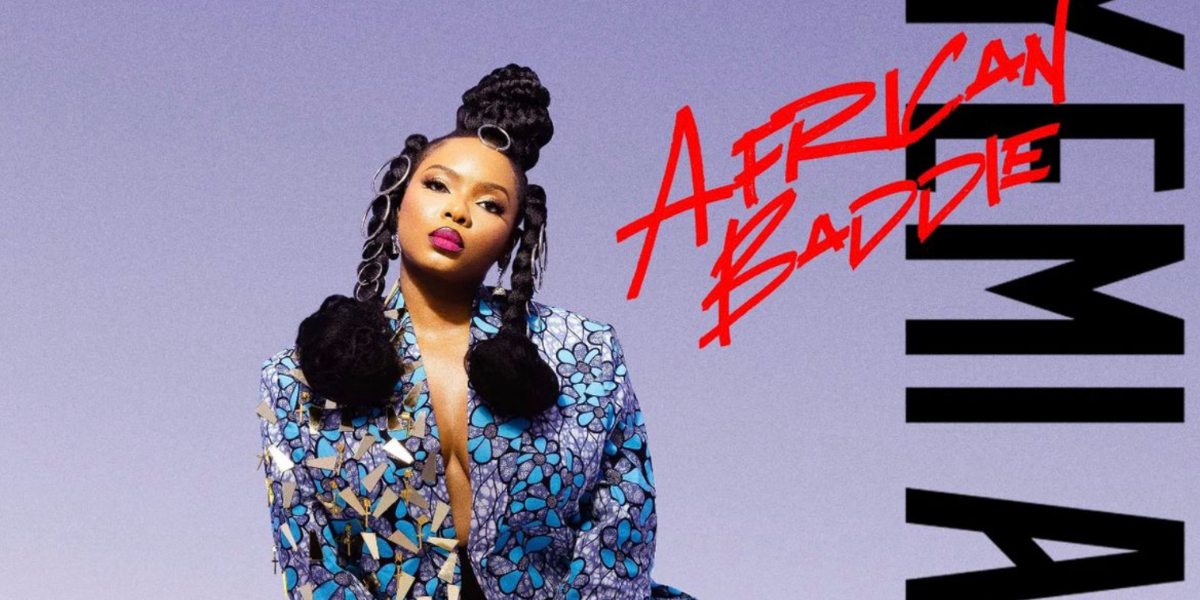
ICYMI: HOW YEMI ALADE, BONANG MATHEBA & MORE ARE JOINING THE FIGHT AGAINST MALARIA

Turntable Top 100: Ayra Starr’s “Rush” Debuts On The Top Ten This Week

After dominating the top 10 last week, Asake still remains at the top of the charts this week. Asake’s “Organise” holds down the No.1 spot  this week on the Top 100 charts. Taking a step down at No.2 is Asake’s “Terminator” while Wizkid’s “Bad To Me‘ leaps from No.11 to No.3 as it tallied 65.6 million in radio reach (No.1 on radio) and 3.51 million streams (No.4 on streaming).

At No.4 is Fireboy DML and Asake’s “Bandana“; It’s the second song to complete clean sweep (an exclusive merit for songs that has reached No.1 on all platforms weekly chart) and sixth overall song in 2022. Following closely behind “Bandana” is Pheelz and Davido’s “Electricity” at No.5 while Asake’s “Joha” moves from No.7 to No.6.

 Debuting on the top ten chart is Ayra Starr’s “Rush” at No.7 this week. The song tallied 3.12 million streams (No.6 on streaming) and 31.7 million in radio reach (No.9 on radio). “Rush” is the second song from the Mavins artist to debut on the Top Ten chart.

“Rush” is Ayra Starr’s fifth top 10 entry in Nigeria, becoming the highest of any female artiste in the country. The record “Rush” is also the biggest debut on this week’s Top 100. Rounding off the top ten from  No.8–10 respectively is Asake’s “Dull”, “Peace Be Unto You (PBUY)”, and “Nzaza“. Outside the Top 10 is  Victony and Tempoe’s “Soweto” with a massive boost  from No.30 to No.15 this week.

Featured Image Credits/Instagram

Best New Music: Black Sherif Turns Introspective On His New Single “Soja”

On “Second Sermon,” the 2021 street anthem that ushered him into the limelight, Ghanaian artist Black Sherif displayed his spirited flows and his knack for emotionally affecting vocals. Shifting between Twi and English, the Konongo-reppin’ musician has seized the moment, keeping the world awed with his artistry. “Kwaku the Traveller,” his first single of 2022, fanned the flame of his stardom, further revealing him as one unafraid to wear his heart on his sleeve.

In August, “Kwaku the Traveller” one of the most Shazamed songs in the world, was number one on the Ghanaian and Nigerian Apple Music charts and reached number two on the UK Afrobeats Singles Chart. The awards and recognition have followed him locally and internationally, most recently a nomination for Best International Flow at the 2022 BET Hip Hop Awards.

Black Sherif is not stopping in his stride. In anticipation of his debut album ‘The Villain I Never Was’ coming on October 6, he has released “Soja,” a new track off the forthcoming project. “Soja” continues his collaboration with Ghanaian record producer Joker nharnah who also produced “Kwaku the Traveller.” The new tracks also deepens the interrogation of self that began on “Kwaku the Traveller.” “[Penned]down in a bloody war,” Black Sherif wrote on Twitter about the track. It is a murky affair on “Soja” as Black Sherif draws inspiration from the song’s title to address deep-rooted issues that plague him.

My mystery box is somewhere very near/I feel it inside me, I’m feelin’ very weird/Somethin’ wey I dey chase/For years back in the days/If you told me I would see this flag wavin’ I won’t believe you, no,” Black Sherif begins on “Soja,” letting listeners in on the anxiety and imposter syndrome that has greeted his global success. It is a phenomenon that is synonymous with most creatives; on his part, Black Sherif further reveals that his unease isn’t a product of only internal tension when he sings, “Inside me, I’m celebratin’/But outside them dey kill me.”

At 20, Black Sherif is experiencing the fortunes of fame at a quick pace, the same way he experienced the dark, pre-fame days. In all these, music is his only outlet, an opportunity to peruse his emotions and find a balance. “I know life isn’t that sweet, but that’s where most of the inspiration comes from: the streets. Not to forget my love for music, which definitely keeps me going,” he recently told Complex UK.

“Soja” is not only about Black Sherif’s pain; it is also about the pain of those close to him. “They bury my brother spirit/He no fit stand proper he dey shake o,” he sings. Black Sherif recognises that he is not alone in the world and as such, acknowledges that pain is a widespread meal. Every day, living in the world, with its complex social and political structures, is a never-ending battle. “This season is a very dark one (A very dark season),” Black Sherif notes. Everyone in the world is a soldier fighting off internal and external pressures, determined to stand their ground.

Just as he did on “Kwaku the Traveller,” Joker nharnah provides Black Sherif with a Hip Hop-influenced sound bed that mirrors the artist’s angst and passion. The beat features a knocking bassline and clinking instrumentals that Black Sherif weaves through with his melodic rapping and singing. Their connection foretells good tidings for Black Sherif’s album.

When the chorus comes on, there is an instant desire to sing along word-for-word.  “Oh, Soja Soja Soja Soja/Stand and beat your chest/ They dey come/They dey come/They dey come/ No make them catch you off guard/Don’t let them touch your skin o,” Black Sherif sings, echoed by the choir-like backing vocals. By telling of his struggles, Black Sherif’s music resonates because everyone can relate to his ordeals. We are united by the challenges we face and the constant effort we make to overcome those challenges

With “Soja,” Black Sherif once again demonstrates why he is so highly rated. A confessed preacher for the streets, he uses his great qualities to curate music that tells stories about himself, his journey and battles. He understands that to strike an emotional chord with a larger audience, that audience must understand the details of his singular story. Hopefully, Black Sherif will cement his legacy with ‘The Villain I Never Was.’

Listen to “Soja” below.

Songs Of The Day: New Music From TÖME, Young Jonn, Elaine & More

We’re more than halfway through 2022, and it’s been an eventful year for Afropop. There’s been a torrent of great new music, spawning a massive stack of inventive smash hit songs. From Highlife-infused Ghanaian pop, to the unrelenting force that is Nigerian street-pop, to South Africa’s indomitable Dance scene, to tantalising Drill explorations in East and Central Africa, and much, much more, we’re living through abundant and musically expansive times.

Every week, many songs from African artists make their way to digital streaming platforms, and wading through them can be intense. That’s where The NATIVE’s Songs of the Day column comes in to help. We go through as many new releases as possible, spotlighting them here, two to three times every week. This Friday, enjoy new music from  Young Jonn, TOME, Elaine, Makama and more. Dig in!

Young Jonn – “Xtra Cool”

Young Jonn arrives with a fresh and relaxing new record titled “Xtra Cool.” The upbeat Reward-produced record is a catchy number which sees the artist singing to his love interest as he describes to her the hold she has over him. Over the melodious production infused with elements of Amapiano, Young Jonn sings “Omo your ringing tone no wan comot for my head/Never seen a girl so fine like you I must confess.” 

Ayra Starr – “Rush”

After releasing her hit record “Rush,” about a week ago, Mavin signee Ayra Starr has now arrived with the TG Omori-directed video for the record. The video sees Ayra in her most comfortable pop princess element as she performs the record freely and happily, while flaunting bundles of dollar bills all around maintaining the initial point of the record.


TÖME – “Handcuffs” 

TÖME continues her streak of powerful releases with the brand new record “Handcuffs.” The Legion-produced number finds the singer holding on firmly to her love interest as she lets him know her intentions, while shuffling between speaking French and English. On the track, she sings enticing lyrics such as “I can’t afford to lose you, baby no/I can’t lose you baby, no,” while declaring her intentions to stay committed.

Elaine – “Deja Vu”

South African singer and songwriter Elaine is back with yet another sensual tune, “Deja Vu.” Over the mid paced production of the track, she sings “but we keep running around in circles doing the same things/but i’ll keep coming back to you” letting her muse know the hold he has over her. 

BadThesoundboy – “No Time”

Fresh Meat (now known as uNder) alum is a Nigerian producer, singer and songwriter BadThesoundboy with a voice of gold. For his latest release, a self-produced track titled “No Time,” he leans into his player side while singing lyrics such as “No time for my baby, no dey do my baby my baby while another nigga dey.” 

Tori Keeche – “Be Fair”

Marlian music signee Tori Keeche is on the cusp of her moment. To open her book for the year, she shares new record “Be Fair,” a mid tempo number produced by Spaz. On the track, she can be found pleading with her love interest to remain with her while showcasing her alluring melodies.

Makama – “Mama”

Earlier this year, Abuja-based producer and rapper Makama collaborated with APEX Village rapper, Zilla Oak$ for a daring EP which found them trading bars about getting their shit popping. Now, Makama is ready to bring listeners into his world with the release of his debut self-titled EP. The 6-tracker features BrisB, Fuji and Bluef7ame. On the standout track “Mama,” he chants “My mama told me I’ll be a star” letting listeners know his current state of mind and where he’s headed. 

KiDi – “Habibi”

Ghanaian singer and songwriter KiDi makes a bold return with sophomore EP ‘4Play,’ a four track EP which reveals a more sensual side to the artist. On the standout “Habibi,” he sings the romantic lyrics to his muse such as “Habibi my love, I want you to kiss me kiss me with your sugar lips/My freaky freaky girl, I need you to whine your waist on me o.”

Featured Image Credits/NATIVE

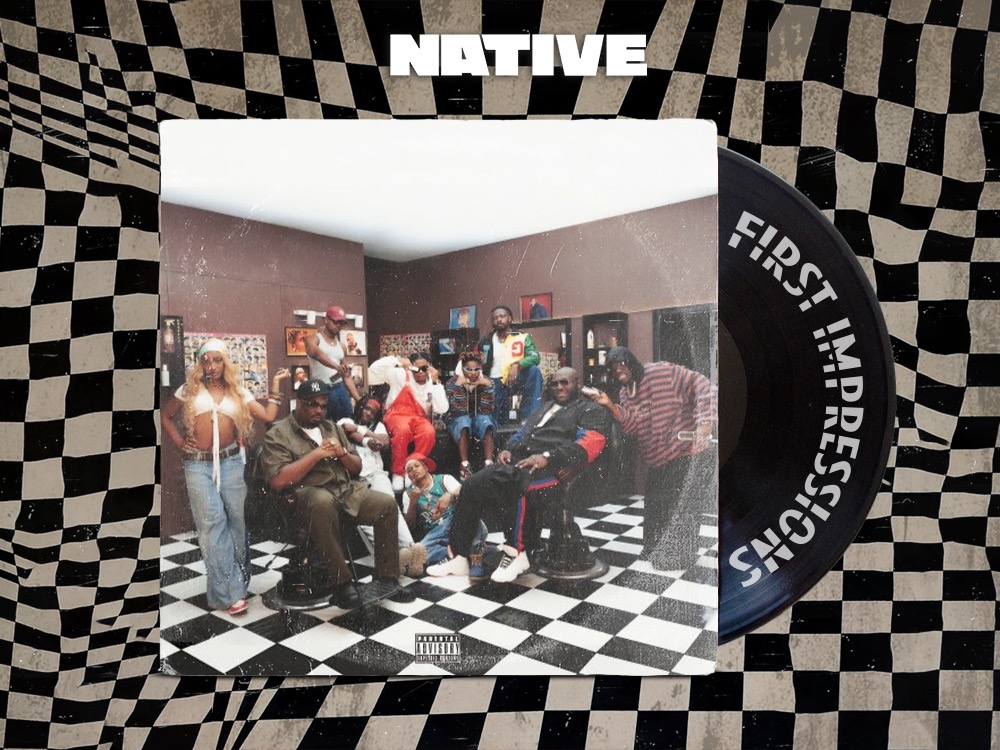
Our First Impressions Of CKay’s Debut Album ‘Sad Romance’

Last year, CKay’s “Love Nwantiti (ah ah ah)” from his 2019 EP ‘CKay the First’ took on new life when it went viral on TikTok. Buoyed by the fan videos on the social media platform and intercontinental remixes, the track became a global smash hit, debuting at No. 80 on the US Billboard Hot 100 and clinching No. 1 on the maiden Billboard US Afrobeats Songs Chart.

The success of the track transformed CKay into a global star, earning him a deal with Warner Music South Africa. This year, CKay consolidated his success with another hit song “Emiliana,” which deepened the roots of his Emo-Afrobeats sound, replete with soulful and romantic lyricism.

In preparation for his hotly anticipated debut album ‘Sad Romance,’ he followed up “Emiliana” with both “WATAWI,” which features Davido, Focalistic and Abidoza, “you” and “mmadu.” Those tracks gave a taste of what to expect from CKay who has continued to refine his sound since his days at Chocolate City. ‘Sad Romance’ is here finally and The NATIVE’s editorial staff steps into CKay’s world to give our first impressions. 


View this post on Instagram


A post shared by 𝙗𝙛 💋 (@ckay_yo)

Favourite Song

Daniel: “you” is my favourite off the album, it’s everything I love about CKay. Leaning into his strength with an easy repetitive hook and a distinct bounce on an amapiano beat. The lyrics speak of deep emotions and understanding of those emotions. “you” is the ultimate love song. 

Uzoma: I enjoyed “emiliana” and “you” when they came out. I still do. Now, my new favourites are “samson & delilah” featuring Mayra Andrade and “by now.” CKay has cracked the code for deeply sensual, romantic tunes. I don’t understand a word of what Mayra Andrade is singing but her voice is so calming. The instrumentals on “by now” are heavenly and it is another remarkable addition to CKay’s intriguing catalogue of songs.

Best Production

Emmanuel: Being a producer, CKay is quite versed in the intricacies of sound. Coming into ‘Sad Romance,’ I was expecting nothing less than sonic treats, and I got exactly that. Production-wise, I’m in love with “leave me alone.” There’s just so many layers to it, from the whistling sound to the flute, and how minimal and purposeful the drums are. “by now” is another solid shout, with live-centric flourishes and really soulful violins. 

Maria: My pick for this is “WATAWI.” Now this might be due to my Amapiano bias (sorry not sorry) but there’s no denying that this song is ear candy. The signature shakers, repetitive piano chords and heavy hitting drums along with CKay’s breezy vocals, Davido’s braggadocios lyrics and Focalistic’s distinct flow with lyrics in Sepitori make for such a pleasurable listening experience. By the way, CKay agrees with me. “WATAWI” is the only song written in uppercase on the album; now if that’s not indication of a standout, I don’t know what is.

Favourite verse

Damilola: Although I have a lot of favourites off the album, my favorite verse has to be Ayra’s verse on come close. I love how she blended in smoothly and made the sound hers just for 40 seconds. Her voice was so serene and beautiful, it just didn’t sound like the usual Ayra. I haven’t heard Ayra sing a song so slowly and sound so peaceful with it. Her verse wasn’t really a shocker but I like it cause it just sounded different from her other verses.

Dennis: There’s a couple of contenders for me, like that wonderful tone-setting verse on “WATAWI,” Ayra’s trademark magnetic presence on “come close” and that mushy opening verse on “emiliana.” Because I’m a fan of edge, I’ll take the first verse of “by now” because of how brazen CKay is. The writing here is sharp, and it reminds me of “dtf” from his first EP, which is a good thing because, like that song, the writing is pointed and CKay is in his bag as a star and a ladies’ man.

Favourite guest feature

Ebube: A favourite feature on this album for me will be Ayra Starr’s feature on “come close.” CKay’s sultry voice coupled with that of Ayra’s just brings out that feeling of calmness you feel when you’re out with someone you care about. Ayra’s verse on this track was just so captivating and makes you want to listen again and again and again.

Cynthia: Sad Romance’ brings out another side of CKay and “lose you” with Ronisia is my favourite featured song on the album. It’s making me not want to lose touch with CKay’s natural calm feel to his songs. Ronisia gives this sultry French touch to the song that has me looking up the lyrics in English. The sound and lyrics had me connecting with the song with deeper meaning and understanding.

Biggest potential hit

Uzoma: My instincts tell me “by now.” It is a catchy tune with eyebrow-raising lyrics that strikes a chord with the youth population. In present times, many people are having sex or talking about those either having sex or not engaging in the act. 

Emmanuel: For the fact Sarz produced “soja,” there’s a good chance it might turn out a hit. However, my soul tilts the most to “by now.” I think its bad-boy vibe would resonate with Nigeria’s younger audience; it’s quite in touch with the convo surrounding heterosexual relationships in recent times, even if from a masculine perspective. I’d surely love to hear how this fits into an outdoor setting.

Overall first impressions

Dennis: I like ‘Sad Romance’ on first listen, but I wasn’t floored. I think maybe it was my expectations because I hold last year’s ‘Boyfriend’ EP in high regard, which ended up growing on me with more than one listen. What’s obvious is CKay has crafted an album with a distinct ambience fitting of that emo-Afrobeats tag he wants to be defined with. From that standpoint, I guess there aren’t that many surprises, but it’s immersive enough for me to want to run back more than once in the next couple of days.

Daniel: CKay’s ‘Sad Romance’ is beautifully put together, with the potential to be a classic. Shout out to love for inspiring such an amazing body of work. 

Maria: CKay’s ‘Sad Romance’ is a well-thought-out and perfectly curated concept album. Each song is spot on with the theme it revolves around be it, love, lust, infidelity or toxicity. From the song titles to the placement, everything is perfect. CKay’s storytelling prowess also shines brightly throughout the project. ‘Sad Romance’ is a beautiful body of work.

Stream ‘Sad Romance’ below.

Featured image credits/NATIVE

Listen to Adekunle Gold & Rick Ross on the remix of “5 Star”

Adekunle Gold hasn’t gone a calendar year without a widely loved hit song since he became a folk-pop darling with “Sade” and “Orente” in the mid-2010s. While his music has evolved from the Yoruba Highlife and Juju-influenced stylings of his breakout, his foray into the sonic centre of Nigerian Pop hasn’t rendered him less unique, imbuing the same charming honesty into his music and giving listeners a clear portrait of his state of being with each new song or project.

Earlier in the year, AG Baby—as he’s fondly referred to by fans—released his fourth album, ‘Catch Me If You Can’, a lively and soulful representation of his convictions as a man and an artist. Six months later, the singer returned with “5 Star”, an outstanding single that feels like a worthy extension of its preceding LP. Over Kel P’s mid-tempo framework of a knocking percussion pattern, cascading piano keys and robust bass guitar riff, Adekunle Gold delivers a celebratory performance, relishing his opulent lifestyle and generally exuding joy.

The song has gone to become a fan favourite and an undeniable hit song, and part of that can be attributed to its affecting quality. On its verses, the singer tersely reminisces on battling with sickle cell, growing up in the hoods of Agege, and showing solidarity with fellow Nigerians who have to deal with terrible governance. Keeping the single’s impact fresh, Adekunle Gold has tapped American rapper Rick Ross for the newly released remix of “5 Star”. It’s not an unwelcome choice of a guest feature, seeing as Ross was one of the first American artists to embrace Nigerian Pop, through his seminal feature on P-Square’s “Beautiful Onyinye (Remix)”.

While nothing changes in Kel P’s beat —except the removal of the horn solo in the outro of the original—and AG’s verses, as well as his memorable hook, remain the same, Ross’ verse on “5 Star (Remix)” is boastful, in the line with the song’s overall feel and the rapper’s well-known disposition to present himself as a boss. Ross’ verse doesn’t come with the emotionally honest bent of AG’s, his cadence is a great addition to the remix and his brags are worthy flex for Adekunle Gold to prove that he is, well and truly, living the five star life.

Listen to “5 Star (Remix)” here.


ICYMI: READ OUR REVIEW OF ‘CATCH ME IF YOU CAN’

Songs Of The Day: New Music From Black Sherif, Mr. Eazi, Nasty C & More

We’re more than halfway through 2022, and it’s been an eventful year for Afropop. There’s been a torrent of great new music, spawning a massive stack of inventive smash hit songs. From Highlife-infused Ghanaian pop, to the unrelenting force that is Nigerian street-pop, to South Africa’s indomitable Dance scene, to tantalising Drill explorations in East and Central Africa, and much, much more, we’re living through abundant and musically expansive times.

Every week, many songs from African artists make their way to digital streaming platforms, and wading through them can be intense. That’s where The NATIVE’s Songs of the Day column comes in to help. We go through as many new releases as possible, spotlighting them here, two to three times every week. This Friday, enjoy new music from  Elaine, Blaq Jerzee, AKA, Majesty Lyn and more. Dig in!

BLACK SHERIF – “SOJA”

Vulnerability has always been a strength of Blacko. His records, even when anthemic in sound, tend to cut into the core of one’s psyche and spirit, at every point referring to his trajectory. “Soja” continues that vision, formed of minimalist drums and brooding keys which set the scene for Black Sherif’s Highlife-dented flow. Here he pensively considers the opinions of naysayers and how that can accelerate one’s own anxiety. “No make them catch you off-guard, don’t let them touch your skin o,” he raps in the chorus, affirming his dedication to staying above the noise and all of that. With an album expected later this year, Blacko is surely keeping us at attention.

MR. EAZI FT. DJ TARICO & JOEY B – “PATEK”

Sonic trends aren’t usually the focus of Mr. Eazi, but on “Patek,” he takes the much-travelled Amapiano route. He’s joined by Mozambique’s DJ Tarico of the “Yaba Buluku” fame and Joey B, who’s a frequent collaborator. The signature log drums are amplified with festival-esque synths, and Eazi stays easy with his flow, charting the excesses of his popstar lifestyle. “Any money wey I get I dey flex,” he sings in the catchiest sections of the record. And though that might not make for sound financial advice, it does bang in the ears. An absolute bop here, and a solid return for Eazi.

BLAQ JERZEE – “CHELE”

A warm record suffused with Highlife influences, “Chele” is another demonstration of Blaq Jerzee’s singing talents. His lyrics are lightly-handled and his flow in tandem with the ebbs of the percussion, brought to sound with a live-centric urgency. “If I leave baby girl say na taboo,” he sings in the exaggerated humour of Afropop musicians, his vocals sunny and alert.

$PACELY FT. DUMEY – “MISS UNIVERSE”

There’s an undeniable Amapiano vibe on here but the direction is more soulful than you’d expect. With the signature log drums paired with moody notes, the vocals are unfurled in their simplicity and splendour. It’s a totally vibey record, with different musicians taking turns at switching up the flow, not unlike a gathering among friends catching a good time. “Miss Universe” still has love at its center, and the tenderness that sticks throughout the record is owed to this thematic choice.

CASSPER NYOVEST FT. K1NG – “PARDON MY ARROGANCE”

Cassper Nyovest has grown to become a much-debated cultural icon in his native South Africa, but at the heart of it the man remains a credible rapper. His latest release takes stock of his wins, as he spazzes over shooting synths with a Kanye West-esque edge. “I used to pay for these snares and these kicks, now I am selling them,” he raps with great affection in one line, then following up with, “that’s a double entendre, I got player money I’m a monster”.


MAJESTY LYN – “STOP DANCING”

The year has been quite productive for Majesty Lyn. The uNder alum had earlier released “Notice,” a sizzling bop which highlighted her unique vocal strengths. Just recently, she’s followed it up with “Stop Dancing,” off her latest EP, ‘Things On Things’. Svelte tones match with a fiery message, propping “Stop Dancing” as a quietly catchy record that would do great things for the storm that is Lyn. The song’s assured pace also flows into the other four songs on her tape, marking out Majesty Lyn as an artist in control of her vision.

TITO DA FIRE – “AFRICAN WOMAN”

In earlier days, Tito Da Fire formed part of iconic two-man group Gent2Men, who produced the Majekaja hit. Tito flies solo now and has done well for himself over the years, releasing his sophomore album ‘One Kiss’ in 2019 to critical acclaim. Earlier today, the musician who was recently inducted into the Recording Academy released ‘OSG (On the Shoulders of Giants)’, his third album. A standout is this warm ode to the African woman, attended by lovely lyrics and Tito’s serenading vocals.

SARKODIE FT. KING PROMISE – “LABADI”

Ahead of his forthcoming album, legendary Ghanaian rapper Sarkodie has released a new single. “Labadi” is a groovy number intended to lit up spaces. He features the sunny vocals of King Promise, and together they court a beachside ambience, Sarkodie’s zesty raps meeting the suave calm of KP. It’s a very promising song, and the colourful beauty and assured splendour of its Capone-directed visuals would resonate even more.

HERMEZ & MAUIMØON – “PART2 (DINNER IN MAUI)”

Vocals drenched in psychedelia and purpose. Known for his exploratory ideals, Hermez makes good on that vision on his new record. “Part2” sees him collaborate with the Ugandan artist MauimØon and the result is this spacey record, one dripping with sensuality. With bumping chords and sharp, seductive synths, the set mood is very ambient and yet present, the words relatable as well. Everything fits.

NEW WORLD RAY – “SHOOTING STAR”

The children of emo are everywhere around us, and New World Ray might be one of them. Well, he’s less moody and more triumphant on “Shooting Star,” his new record. The song however sounds straight from the stars, the sometimes substance-fueled introspection and paranoia. All of that is present in the sound, but New World subverts the lyricism and opts for a simpler perspective on being a pop star. Quite the song, this one.

ELAINE – “DEJA VU”

South African musician Elaine is known for her smooth R&B vibe, and on “Deja Vu” she reinforces those strengths. She charts the troubled tale of a relationship, conjuring images with a focused pen and sharing her own perspective. As usual she sounds electric over the stirring production, with lyrics like “How I love to see you leave me dry, cos that’s the only thing you know how to do right”.

NOBHULE FT. CAIIRO & KENZA – “INDLELA”

A soulful feel permeates the bones of this record. Nobhule has one of the most scintillating voices in South African music, and here she calls up even more mastery in the figures of Caiiro and Kenza. “Indlela” benefits from this naturally allied collaboration, offering a sweet take on the Dream House genre. With the right supply of drums and a flutey sound playing on loop, the record makes for an enchanting listening experience.

THE THERAPIST FT. MAYORKUN – “NACK (REMIX)”

Sierra Leonian musician The Therapist has released the remix of his fun street banger “Nack”. He calls up the sweet-talking skills of Mayorkun on the heavily percussive record. “My head, my neck, my waist, but I still wan nack” is such a line, but the smooth rap skills of Therapist and his “a la la, o lo lo” chant even diversifies the hotspots in the record, one which should become more popular in Nigeria in the coming weeks.

AKA FT. NASTY C – “LEMONS (LEMONADE)”

No matter how long he doesn’t release music, one thing is consistent with AKA’s return: a hit. He’s not had it this great very often, how smoothly he combines with Nasty C on “Lemons”. It’s a very fun vibe, and quite adept with his singing, he lays the ground skillfully for Nasty C for delivers a stunning verse to close out the record. Visuals are very much on point too, packed full of happiness, activity and creative synergy on colourful display.

STARMIX CHIZZY FT. ELTEE SKHILLZ – “KASAKE”

The party-starting qualities of Amapiano have resonated with a lot of Nigerian musicians, and Starmix Chizzy is the latest of those. On “Kasake” he references 2022’s breakout star Asake on the chorus, verbalising his desire to live life to its fullest and without regrets. The voices meld quite well, and the chorus voices adds even more flesh to the record. I wonder would Asake would think of this one; it’s quite impressive.

IDOWEST FT. L.A.X – “KILA”

Off his just-released EP ‘Chico Amante,’ is this highlight. “Kila” is formed with soft percussions and the affirming lyrics of the musicians. A woman is centered on the record’s chorus, provided by L.A.X in a chill but evocative style. Idowest’s verses and the sprinkle of Yoruba is a great infusion as well.

NASTY C FT. NADIA NAKAI & TELLAMAN – “WHAT I LIKE”

Not long ago, the uber-skilled South African rapper Nasty C released his ‘Iverson Army Tour Mixtape,’ a collection of songs birthed from collaborations with other musicians. A stellar addition to that is this Trap-heavy record with Nadia Nakai and Tellaman, musicians he’s worked with in the past. Sharp synths are devoured in the unique styles of the artists, but they all maintain the sensual direction, polished with an effortlessly urban vibe.

NATIVE Exclusive: The second coming of Kirani Ayat

“I didn’t even think I would be doing music, all my life I wanted to be Ronaldinho,” Kirani Ayat says in a tone that’s half-candid, half-jovial. We’re speaking over phone on a Tuesday evening in August, with his long-awaited debut album exactly a month away, and there’s a constant vigour in his voice that illumines the clarity and assured sense of purpose he seeks to convey. Perhaps, that’s what happens when you’ve had to travel the scenic road—the map is clearer because events and memories from the past are seen as an integral part of the present.


View this post on Instagram


A post shared by Kirani Ayat 🌍 (@kiraniayat)

Even though he had a huge reverence for Ghanaian Hiplife and American rap from a fairly young age—he name drops legendary Ghanaian producer Hammer and the 2003 Hiplife compilation LP, ‘The Execution Diary’, visuals from Buk Bak, as well as early ’00s classics from JAY-Z and Eminem—Kirani didn’t see music as a path until later in his life. He became convinced after the encouragement of friends who saw the rawness of his freestyle abilities. “I was a music lover before I became an artist. Being an artist came super late in my life,” he tells me. That lateness, though, still meant he was right on time.

Taking advantage of the SoundCloud era in the mid-2010s, a period when young African artists were bypassing modish industry norms and sharing music that was mostly averse to mainstream trends, Kirani Ayat emerged as a leading figure in a burgeoning movement within Ghanaian rap. “Then, when they’d ask us the genre of music we were doing, we’d just say ‘Wanna Our own be different’,” he recalls. Heavily influenced by Trap and Alternative Rock at the time, the music Kirani was making was sonically boisterous and lyrically exuberant. There was an emphasis on beats with speaker-rattling low end knock, and the rapper regularly mined a raspy vocal cadence for an impassioned delivery mode that prioritised grunge and rage-ready hooks.

On “IDKY”, his official debut single from November 2015, Kirani stomps across KaySo’s synth-laden beat in a mix of Hausa and Pidgin English, proclaiming the tenacity of his drive irrespective of dissenting voices. That song, along with follow-ups like “Let Them Know”, the mellower “My Girl” and Kuvie-produced “Yawa”, brought the rap artist increased notoriety with each new release. The same exuberance he embodied in those songs also coloured his decisions as an independent artist, a special instance being his funding methods for a headline live event in 2016.

Debuting the year before, Kirani founded Music of African Descent Festival—MADFest—an event meant to champion the part of underground rap he was becoming a key part of. Keen on expanding the scope of its first edition, where the stage “was like the size of two tables combined,” Kirani sold nearly all of his personal wares and appliances to pull together funds for the show. With a much bigger stage, he stacked the line-up with Kwesi Arthur, Medikal, Worlasi, and several other rising artists working within the same Ghanaian Trap and alt-rap corner as him. The motivations for his risk was simple: he wanted to show tangible proof of the increasing visibility of him and his peers enjoyed, and he wanted to put on for his hometown of Madina.

“As far as entertainment, there isn’t that much that happens in Madina and it’s not because we don’t have the talent or the audience,” Kirani tells me. Named after the Islamic holy city of Medina in Saudi Arabia, Madina is a suburban town within the Greater Accra Region, growing from a community of less than a thousand people to a bustling part of Accra with well over a hundred thousand people, thriving businesses, and a connecting point to several neighbouring countries in West Africa.

With a significant portion of its population being Hausa and Muslim, the town has an identity centred on community and pride. “I won’t say we like fighting, but we won’t allow you to cheat us,” Kirani Ayat explains. “Because of that, they will say we’re brash and tough, but some people confuse that for, ‘Oh, they like fighting’. That’s life in Madina, you have to be tough to survive here. I love Madina.”

Late last year, Ghanaian rapper M.anifest released his fifth studio project, ‘Madina to the Universe’, an ode to the town that bears the trademark toughness and raw energy Madina is associated with. Earlier this year, Madina native Camidoh became one of Afropop’s latest breakout sensations with the continent-spanning, saccharine hit, “Sugarcane”. Before these more prominent happenings related to Madina’s creative scene, Kirani Ayat has been staunchly repping his town, whether that’s the namedrop on his first single or continually leaning on Hausa language and culture as the primary driver of his lyricism and song-making.

“I love Madina”

While he was plotting his way to making Madina an important hub for new school Ghanaian rap music and gaining relevance within Ghanaian music, scoring co-signs from veteran colleagues and idols like Hammer, Kirani also had to deal with an impending move to the U.S. “Literally six months after I blew up in Ghana, my visa was ready for me to travel,” he recalls. With family in the States, the move was supposed to be a start to a life away from Ghana and Madina, but Kirani didn’t want a life away from his home. After all, his rap dream was starting to become reality. “I’m like, ‘Yo, chale, what the fuck? This thing that I wanted all my life is happening for me here and you want me to travel.’ It was a tough decision for me but I had to do it, and that kind of derailed my career a little bit.”

A lot changes in music within a year. For example, at the start of 2021, Black Sherif was relatively anonymous within Ghanaian music conversations; by year’s end, he’d become inescapable. Imagine Sherif had to move away to another continent just as “First Sermon” was heralding his rising star, there’s every possibility he wouldn’t have been able to build on that success. There’s a grassroots element to properly breaking out in Ghanaian music, and even African music, a proven fact with the many examples of artists—from Reggie Rockstone to M3nsa—making their way back and ensuring their base of operations is closest to their primary audience.

During the year he spent in the U.S., Kirani Ayat tried his best to remain a visible part of that rap movement, even dropping his debut EP, ‘Zamani’, from over there. Without his physical presence, though, the project did little to further his ascent. “It wasn’t satisfying at all,” he tells me of dropping that EP, even though there were fans and friends who praised the project. “One of the things people loved about me was my performances, so releasing that EP while I was away wasn’t good for me, ‘cause I couldn’t perform, and the project had songs that required me to perform. Till date, people still message me about that project but I feel like it could’ve done way more.”

Set on coming back to Ghana, Kirani dedicated himself to working seven days almost every week, in order to save as much money as he could to relaunch his career. “I had to come back and start all over again,” he says. That meant realising that the sound had changed on his return, and his ‘Wanna Our own be different’ peers who were on the ground had popped. Thankfully, his reputation had not been wiped off. On coming back, several producers who always wanted to work with the rapper reached out to him, one of which was respected producer Magnom.

“He gave me two records, I recorded two songs, and M.anifest got on one, and Sarkodie got on the other,” he tells me. Those songs gave him a needed shot of confidence. “Both of them were literally singing praises on the song about me at the end of their verses, which is something these guys don’t do and they weren’t even on talking terms.” That didn’t instantly rocket him back to notoriety, but it provided a steady ground for Kirani Ayat to restart and start growing beyond his regrets of leaving Ghana in the first place.

“At first I used to say I don’t have any regrets, but that’s a lie,” he candidly admits towards the midway point of our hour-long conversation. “Everyone has regrets and the best thing you can do is have awareness of them so you can move forward. There’s some proverb about acknowledging your past to get to your future, so yeah, I definitely have regrets but there’s pros and cons to it. I know that being around would’ve helped my career blow up way more than it is now, but I’m aware of those regrets and that has made me the man that I am now. I know what I want to do, it doesn’t weigh me down anymore.”

There’s a renewed impetus and deeper sense of identity on Kirani’s newly released debut LP, ‘Aisha’s Sun’. Announced back in 2018, the album went through a wholesale change on the verge of its initially scheduled drop two years ago. “When the pandemic happened, I went through shift and it changed my perspective on my music.”

Due to the sonic shift he noticed on his return from the US, Kirani decided to try on various sounds for size, teaming up with Papa Chie for the old school feel, electro-rap 3-pack, ‘Sabo Sabo’, and leaning into mid-tempo Ghanaian Pop on the romance-themed ‘Her Vibe is Right’. This genre-hopping played a huge role in the initial draft of his album, but the rap artist didn’t feel it represents who he is and what the message in his music should be at this point in his career.

“I thought of my legacy and how I want to be remembered, which might seem early in my career but I figured that, once you have an early start with this thing, it gives a clearer focus on your direction,” he says. “I decided to record a whole new album with a whole new identity, and it’s going to be something that’s meaningful to me.” On ‘Aisha’s Sun’, Kirani Ayat leans even more on his Hausa culture and Madina identity, burnishing the album with the stubborn perseverance that has defined his career, the unyielding self-confidence he’s always had, an increased appreciation for family, and a musical canvas that’s as eclectic as it is distinct sounding.

‘Aisha’s Sun’ is an enveloping listen right from Kirani’s yodelling on the intro. While he mostly raps and sings in Hausa, the marriage of Hausa folk music and his earlier Trap influences is a beguiling backdrop to keep listeners, especially those that may not understand most of his lyrics, engaged. Even the attitude is infectious, whether that’s belting out his lungs out over tribal drums on “Ina Jin” or barrelling his way through booming bass on the pre-released drill-tinged single, “Sarki”, which came with a video paying homage to Dambe, the traditional Hausa combat sport. “Take your time/Live your life,” he sings on the hook of the penultimate track, a terse submission that sums up the mission of the album.

“I found my purpose”

“It’s such a powerful language for me to not use it in my music, because it’s so commanding,” Kirani tells of me the increased Hausa use in his music. “I have to make music in the language that I’m comfortable with. There’s some things that rolls off the tongue easier in my language, and English waters down a lot of languages. It’s important that I communicate with the immediate people that understand me, there’s already way too many people making music in English. I’m in the space where I’m making music for the 50 million-plus people who speak my language, and the other people who don’t understand it can fall in love with the beat, the melody and the style.”

A by-product of this lingual and cultural reverence is its cross-generational appeal. Until recently, Kirani’s deeply religious mum and grandma weren’t supportive of his music career, even after an aunt had testified to the thousands she’d seen yelling the rapper’s lyrics at Madina’s Number 1 Park during MADFest 2016. With ‘Aisha’s Sun’, though, they’ve become fans of Kirani Ayat the rap artist.

“These are important people in life that have been unbelievers, but my grandma played the album and told me, ‘I love this album,’” Kirani tells me. “She’s telling me what her favourite song is and she’s singing along. That’s not to be like this is some old people music, because I have friends that are telling me, ‘Yo, Ayat, this album is amazing’. At first, it was just my friends who were fucking with my music, but now, it’s also my grandmother who didn’t even want me to be an artist in the first place.”


View this post on Instagram


A post shared by Kirani Ayat 🌍 (@kiraniayat)

‘Aisha’s Sun’ is a marker of the excellence Kirani Ayat always wants to be associated with. It’s also the most consequential point in his second coming, now fully relishing his journey after years of hopping around for sounds and styles that he thought would immediately vault him back to the path of potential superstardom. “I found my purpose,” he wistfully says towards the end of our chat. “This is the second time I recorded ‘Aisha’s Sun’. That first version was fire but it didn’t have an identity, this one does. You listen to “Sarki”, you listen to “Duniya”, and you know they belong on the same project even if they’re very distinct in sound.”

By turns soulful and boisterous, the album is wonderful portrait of a man who’s embraced what it means to walk your own path and evolve according to the hand life deals you. “I’m growing as a human, I’m not that young anymore. I’m happy that my music is growing with me,” he says. “I told someone that I don’t want to be just jumping on my stage in my 30s, I did that in my 20s. I want the same people who were jumping with me then to be coming to my performances to be grooving and enjoying themselves. At the same time, I want to keep expanding my audience, and the best way I can do that is not to conform and keep being true to myself.”


UNDER SPOTLIGHT: LIRASE IS ONLY CONCERNED WITH BEING HONEST IN THE MUSIC

Bella Shmurda taps Omah Lay for new single, “Philo”

Bella Shmurda is cooking up something special. Since the start of 2022, the Dangbana Republik musician has teased the coming of his forthcoming debut album, ‘Hypertension’. Early last month, he released “New Born Fela”, a sizzling record which indicated that the musician was evolving from the purist Street Hop perspective he’s previously explored, moving into wider spaces in pop music.


View this post on Instagram


A post shared by Yxng alhaji💐 (@bella_shmurda)

Today, Bella Shmurda premieres his latest record “Philo” with friend and colleague Omah Lay. Produced by Krizbeatz, the beat has very brazen percussions and a stirring base line, providing a soundscape as exciting as the situations being described by the musicians.

“Philo” is every bit of a love record, packed with energetic lyricism which peels into the intricacies of the romantic affair. “Nothing wey I no go do for my Philo, rest on me like pillow,” Bella Shmurda sings in the hook, flexing his wordplay with that piercing lilt of a voice he possesses so well. As his verse progresses, he’s even more fluid with his delivery, cashing off a number of internal rhymes and staying on course of the song’s direction.

In his verse, Omah Lay adopts a reserved cool blending into sensually suggestive lyrics, with a mention of Arnold Schwarzenegger bringing his humorous tendency to light. “Nothing wey I no go do for my Philo,” he sings in his own rendition, “my personal olosho, for the days I’m on the low”.

A very simple premise, brought into life with unique textures, “Philo” is a revealing record in the run-up to ‘Hypertension’. As Bella Shmurda told The NATIVE when he premiered his last single, you should expect a brand new expression of his art. And while it’s not much of an experiment, the Omah Lay feature is probably odd but it surely works. A definite slapper that should lit up your weekend and beyond.

SOUNDS FROM THIS SIDE: STREET POP

Hot Takes: The Carter Efe-Berri Tiga Saga, Ajebo Hustlers & More

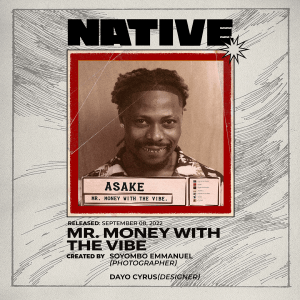
It is Asake’s world and we are all living in it. After soundtracking the Nigerian space with hits since the beginning of the year, the singer’s album ‘Mr. Money With The Vibe’ debuted at 66 on the Billboard 200 album chart, making him the first African artist to attain such a feat. It is an indication of the growth of Nigerian music, which has seen its impact reverberate across the world.

It’s only Thursday but so much has happened in the world of pop culture. For instance, on Monday, the late Queen Elizabeth II was laid to rest, with top dignitaries from around the world attending the funeral. One situation stood out from the occasion: the African leaders that attended the event were put in a shuttle bus while other European dignitaries came in motorcades. Conversations on the matter ranged from laughter to disagreements bordering on racism. On this week’s Hot Takes, I give my thoughts on my film and music addictions and the Carter Efe-Berri Tiga matter that has reminded us of the failings in our music industry. Sit and enjoy the ride.

WHAT I’M LISTENING TO

I find myself returning for regular sips of Ajebo Hustlers’ music. I became aware of the Port Harcourt-bred wordsmiths after I listened to “Barawo,” their hit track about the Nigerian condition. “Pronto,” their collaboration with Omah Lay was an instant favourite. Last year, they put out their body of work ‘Kpos Lifestyle, Vol. 1’ and it remains one of my projects. It is a slim project that is packed with strong attributes: Piego’s catchy, emotive singing, Knowledge’s swagger raps and excellent tunes coloured by Port Harcourt slangs.

Their most recent tracks—“Loyalty,” the Fave-assisted “In Love” and “Caress”—shows that the duo are not relenting in their mission to release excellent music. Recently, their music caught the attention of British-Ghanaian record producer Jae5 and they connected with a promise to work on new music together. I was pleased by the exchange. Ajebo Hustlers are super-good and deserve more visibility for their great work.

WHAT I’M WATCHING

In 1950’s New Zealand, 16-year-old Pauline Parker and 15-year-old Juliet Hulme shared an intense friendship forged by their love for fantasy. When one of the girls’ parents demanded they end the friendship, both girls decided to murder her. It is a grim story that New Zealand film director Peter Jackson’s 1994 film Heavenly Creatures tackles head-on.

Peter Jackson would go on to direct the Lord of the Rings’ trilogy (2001–2003) and The Hobbit’ trilogy (2012–2014). But watching Heavenly Creatures,’ I knew instantly that it was the work of a capable hand. Through CGI, Jackson creates the vibrant world of Borovnia (the fantasy kingdom Parker and Hulme invented in their stories): it is a colourfully rich space filled with clay figures who loved the girls and dealt with their foes. There is also the fantastic casting of Kate Winslet and Melanie Lynskey as Parker and Hulme (Interestingly, the film was both actors’ debut screen appearance). Winslet and Lynskey do a remarkable job of capturing the friendship of the two girls: their ecstatic states and the bitter mien they assume when either of their parents tries to intrude.

The film’s ending is haunting. But it also makes me wonder about the propensity for evil that some friendships can wield. When does being close become too close for comfort? To escape the unpleasantness of their realities, Parker and Hulme find solace in each other and what should be a haven becomes a place that messes with their mental health, making them a danger to everyone in their lives. You should find Heavenly Creatures’ and watch it.


ON CARTER EFE AND BERRI TIGA’S “MACHALA” ISSUE

In July, a song titled “Machala” snuck into the Nigerian airwaves. Produced by Producer X, the song essentially hails the Nigerian artist Wizkid and borrows its title from a popular nickname that OG Wizkid stans fondly call their king. The song was released under the name of Carter Efe, a Nigerian comedian and content creator whose skits are known widely on social media, and features Berri Tiga, a Nigerian up-and-coming singer whose vocals seem to do the heavy lifting on the track.

“Machala” blew up. It is an instantly catchy tune with a production and more infectious lyrics. The chorus toes the line of the crowd vocals phenomenon that has swept through the Nigerian music scene this year. These kind of songs are best performed on stage with the performer demanding a crowd of jumping fans to sing word for word. Given that the world is finding its feet again following the COVID-19 pandemic, it didn’t take long before promoters began reaching out Carter Efe to book him for shows, bolstering the song to greater heights including the number one spot on the Apple Music Top Songs Nigeria Chart. All seemed well until it wasn’t.

In the past few weeks, Carter Efe and Berri Tiga have hurled accusations at each other on social media. On Berri Tiga’s part, he claimed that Carter Efe rejected the 70-30 royalty percentage that he and his team suggested whilst offering a measly 95-5 percentage. He further revealed that Carter Efe and his close associate Sydney Talker had called him to pay him off with the sum of a hundred thousand Naira. Carter Efe fired back at Berri Tiga, citing that Tiga’s claims were untrue and that Tiga had even asked him to remove another artist that he had planned to put on the song.

The clash between the two featured artists has culminated in more accusations and call-outs, with artists Fave and Blaqbonez making their opinions known to followers on social media. While the real details of the ongoing clash is unknown, the rumours flying allege that Carter Efe and Berri Tiga have involved the law in the case; that is a good step to sort the mess. What I would say is that this should serve as a lesson to artists, especially up-and-coming ones, to make sure every loose end is tied before putting out music. There is a general disinterest among artists—and on a larger scale, creatives—when the matter of paperwork is raised. Artists should make sure they get lawyers to draw up or look at contracts before proceeding with any deals. That way, they will be spared the regret and chaos that will follow losing the earnings that are attached to their creative hustles.

An interesting fallout from the matter was when artist Dammy Krane called out Davido for unpaid royalties as regards the latter’s song “Pere.” Quoting Krane’s tweet, a Twitter user called out Dammy Krane for not paying him for writing his 2013 song “Gratitude.” While none of these situations has been confirmed, it shows that the issue of the absence of contracts and nonpayment of royalties runs deep in the music industry. It is about time that everyone involved, whether artists or label owners, should prioritise legal structures and abide by them.

Featured image credits/Israel

Essentials: Layzee Ella’s Sophomore EP, ‘Feel Everything’ Offers A Kaleidoscopic View Of Her World

When Layzee Ella was a young girl, she nurtured a colourful imagination that painted her view of the world. In 2020, when the world was reeling from the effects of the COVID-19 pandemic and life, Layzee Ella put this colourful imagination to the test when she began releasing covers to popular Afropop songs on her social media.

Through making these covers, Layzee Ella garnered a loyal following of her own making. All this led up to the release of her debut single “Sober,” which not only gained her the attention of more listeners, but also solidified the singer’s position in the music space. Since then, Layzee Ella has only doubled down on showcasing her rapid-fire skills.


View this post on Instagram


A post shared by Layzee Ella (@layzee_ella)

Last June, she released her debut EP ‘When The Lights Go Off,’ which featured standout tracks such as “Body On Me” and “Deep Into You.” Since then, Layzee Ella has continued to showcase her star power, landing herself a spot on The NATIVE’s Best New Artists column, uNder. About a month ago, after teasing the release of a new project on her social media, she shared her first official single of the year “Medusa” with 2022 breakout star Khaid which was produced by Nigerian producer, Damie.

Now, Ella is focused on telling more love tales with her sophomore EP ‘Feel Everything,’ a 7-track project which offers a kaleidoscopic view into her world. Layzee Ella begins the tape with her distinct drawl, sailing smoothly over the melodious production on “Rotation.” The uptempo record sees Ella singing sweet and seductive lyrics to her muse as she admits all she’s willing to for their affection.

On the hook she sings “sweet baby girl I’m tryna get to your waist/I’m tryna know what to do to your waist,” mimicking the age-old formula of Afropop love songs. As the EP builds up, Layzee Ella continues to showcase her buttery smooth vocals. On the Damie-produced record “Chemical,” the artist is more relaxed and laid back as she addresses her muse. Over the Afro-dancehall number, she stays on topic with crooning about her romantic intentions while showering her love interest with adoration, gifts and a good time.    

Elsewhere, on the Khaid-assisted record “Medusa,” which arrived ahead of the EP, both artists sing about their respective muses and express exactly how they make them feel. Over the infectious hook, Khaid sings “I thought I want to dey follow water go/I no fit use am,” addressing the hold his lover has over him. This follows through on “Hypnotized,” where Layzee Ella sings about the whirlwind feeling that comes from loving another person. Her vocals are luscious and bright, flowing over the soft production with silk croons and alluring melodies.

On the Majeek-assisted record “Put It On Me,” Layzee infuses elements of reggae into the record as she delivers a sensual romantic number. She pleads with her muse to show her different sides of love. On the standout record, she quips “I feel like you’re wasting a part of life, girl this feeling won’t pass us by/put it on me, girl it’s you, put it on me.” The backup vocals on the track lays a solid and impressive foundation for the record. She rounds up the tape with the record “Who Fell Off,” a mid tempo number which sees the artist hyping up her love interest over the infectious production of the record. On the track, she sings standout lyrics “she step into the building DJ turn the music volume up up, let my shawty buss it down down down.”

In less than a year, Layzee Ella has constructed as she affirms herself through contagious records about love and life with a calm, virtuous presence. Her polyphonic approach to experimental sounds gives her an edge as she is not afraid to step outside of her box. Layzee Ella shows her fans her musical growth in composition and storytelling, as she tackles matters on loving, being loved and romance while constantly drawing from many different spaces. With ‘Feel Everything’ Layzee Ella is truly ready to welcome audiences into her sonic universe.

Listen to ‘Feel Everything’ here

Featured Image Credits/Instagram

Songs Of The Day: New Music From Ckay, Flavour, Alewya & More

We’re more than halfway through 2022, and it’s been an eventful year for Afropop. There’s been a torrent of great new music, spawning a massive stack of inventive smash hit songs. From Highlife-infused Ghanaian pop, to the unrelenting force that is Nigerian street-pop, to South Africa’s indomitable Dance scene, to tantalising Drill explorations in East and Central Africa, and much, much more, we’re living through abundant and musically expansive times.

Every week, many songs from African artists make their way to digital streaming platforms, and wading through them can be intense. That’s where The NATIVE’s Songs of the Day column comes in to help. We go through as many new releases as possible, spotlighting them here, two to three times every week. This Wednesday, enjoy new music from CKay, Flavour, Alewya and more. Dig in!

CKAY – “MMADU”

As he gears up for the release of his debut album ‘Sad Romance’ this Friday, Nigerian artist CKay has released a new single from the project. “mmadu” is cut from the same cloth as the previously released “you.” With his trademark silky vocals, CKay serenades a love interest with assurances of fulfilling escapade between the sheets. “I go make you pass out/Girl na you go first tap out/When I roll my loud loud/Make I glide pon the ting/Make I slide pon the ting,” he sings.


FLAVOUR – “MY SWEETIE”

On his new single of the year, Nigerian artist Flavour goes the love route. “My Sweetie,” produced by Masterkraft, is an uptempo Highlife song wherein Flavour expresses gratitude to a lover for bringing joy into his life. “I don travel local and overseas/Looking for true love and I never see/I don try many logic e no work/Just when I want to give up you come,” he sings. In the colourful video, directed by Patrick Ellis, Flavour and his crew of dancers sport African prints while they show off their dance skills.


HARRYSONG FT. KOLABOY – “CHI CHON TING”

On “Chi Chon Ting,” Nigerian singer Harrysong invites Kolaboy to mock the failed plans of enemies to pull him down. The song’s title is a Nigerian contraption of the words “See Something,” which in the country’s parlance means to experience a life-changing situation, whether good or bad. “My mama chi chon thin/My stepmother show me chon thin/Because the life that we live in is a big chon thin/So, if you no like me/You go chi chon thin eeeh,” Harrysong sings.


B-RED – “FAKING IT”

Nigerian singer B-Red’s new single “Faking It” is a mid-tempo tune about unrequited love. Produced by Napij, B-Red complains to a love interest about her not acknowledging the efforts he makes to strengthen their relationship. “Shey you make them see and believe that you’re not dating me?/You are heart breaking me,” he sings.

;

DUNSIN OYEKAN – “FINGER OF GOD”

Following his brush with death in a car accident a few weeks ago, Nigerian Gospel singer Dunsin Oyekan releases a thanksgiving song “Finger of God.” The song is a soul-stirring tune as Oyekan and his backup singers acknowledge their humanity and the power of the Most High that reigns in their life. “It’s not by my power/And it’s not by might/I’m not that intelligent/But for grace,” he sings.


STARMIX CHIZZY FT. ELTEE SKHILLZ – “KASAKE”

Nigerian duo Starmix Chizzy collaborates with Eltee Skhillz on “Kasake,” a House-tinged tune. The trio sing about their aspirations for a comfortable and luxurious lifestyle. They namecheck Nigerian artist Asake, signalling him as one of their inspirations to reach the top of their careers.


ALEWYA – “LET GO”

British artist Alewya returns with a new single “Let Go” after her 2021 debut EP ‘Panther in Mode.’ Accompanied with a video directed by Rawtape and Lee Trigg, Alewya is a swaggering singer and rapper on the track, which pulses with both African drums and heady EDM production. Alewya, who has Egyptian and Ethiopian heritage, is also a lone performer in the video that features flashes of her hieroglyphic-style illustrations. She breezes through the track, reinstating her confidence and self-belief, refusing to be put down by life’s challenges. “Walk up in your spot widda a bigger blacker swagga/Attitude on loving but don’t play my heart be ready/Alewya keep it cool/Alewya keep it steady,” she raps.

Featured Image Credits/NATIVE

5 Standout Songs From Idahams’ New Album, ‘Truth, Love & Confessions’

Afropop famously cuts across generations of sound. It is a throbbing presence, one that’s interpreted very distinctly depending on the origins of the artist who explores its terrain. In the sprawling field of Nigerian Pop, the southern hub of Port Harcourt has stood out gloriously for its amorphous-yet-recognisable rhythm. Bold percussions and inventive storytelling have been the trademark of musicians like Duncan Mighty, Burna Boy and Ajebo Hustlers, and another noteworthy musician who has created from that tradition is Idahams.


View this post on Instagram


A post shared by Idahams (@officialidahams)

The musician and producer operates under Grafton Records, an iconic record label that has cushioned his foray into the world of pop. Verve and skill has been the standing ethos of Idahams, yet climbing his way onto national ubiquity with projects to show. From 2019’s ‘Amayanabo’ to ‘Man on Fire’ the following year, he’s showed a progressive tendency to sharpen the edges of his 2010s Nigerian Pop-indebted sound, a stylistic design audible in the work of revered hitmakers like Tekno and Kizz Daniel. With sparse political undertones, the music of Idahams is heavy on the reactionary potential of music, an urgent need to move some part of the body.

On his newly-released debut album, ‘Truth, Love & Confessions’, he introduces a personal and sensitive edge into that direction. In thirteen songs the musician dips into a familiar well of sounds, from the lush cadences of R&B to the nightlife-inspired zest of Afropop. Contributing to the collection’s brilliance are these five records, these glittering highlights which evoke the project’s essence.

“GRATITUDE”

As more artists begin to lean into album releases, the opening record has assumed a deserved importance. In recent years we’ve seen listeners pay special attention to a project’s first track, hoping to get an overview of its sound and subject matter in some well-presented way. On “Gratitude”, Idahams ticks all the boxes; a sparse soundscape is lined with church-like strings as he unfurls the stories of his life. He goes from vulnerable to affirming in equal measure, oscillating between time frames to render an epic feel to the record. A cross between Rema’s “Divine” and Burna Boy’s “Glory”, the choir contribution only heightens the feel, while Idahams sidesteps the temptations of cliche lyricism by being incredibly affecting. An album opener for the books.

“BAD GIRL” FT. AJEBO HUSTLERS

The Port Harcourt scene is very heavy on collaboration and this is the necessary PH linkup. For years, Ajebo Hustlers have cemented their names among the most exciting acts in the scene and part reason is because of the duo’s distinct strengths and how they take that into their features. On “Bad Girl,” they’re in familiar territory as they sing about activities of a sensual nature while maintaining technical strength. Piego’s hook is a project highlight, and Knowledge’s verse is brief and powerful, while Idahams plays the graceful host. He’s still present on the record though, providing the post-chorus in moments of high tension. The production is as well stirring, well conditioned with sizzling bass and sombre notes that infuses an extra, soft layer to the record’s brilliance.

“LOVINA (REMIX)” FT. ZACH ZOYA 

At the centre of Idahams’ explorations on ‘TLC’ is love. He’s often rueful of past experiences and welcoming of new ones, giving them the bubbly tone that usually accompanies such feelings. A standout of this category is the Zach Zoya-featuring remix of “Lovina,” a warm record that’s colourfully inflected with Idahams’ vocals. From a purely vocal standpoint, it’s one of the album’s highlights and the verse from Canadian rapper Zach also works, bouncing off the production’s groovy electricity with great emotion. And the finishing touches of Fiokee’s guitar is such a genius choice. Excellent record here. 

“RAPID LOVE”

The penultimate record of ‘TLC’ is a string-based account of a love affair. “This your beauty bad, e make a man tuale,” Idahams sings on the opening lines of his verse, giving an indication of where the record leads. His lamba is in stellar form, calling up local variations of Pidgin English and metaphors to praise his lover. Of the songs on the album, this is the most lean in production, and his breezy vocals rise to the occasion. It’s also a song that shows Idahams ability to be humorous in his approach, while retaining the focus on the theme. When the sun goes down wherever you are, listen to this record somewhere chill, and you’ll be immediately aware of its beauty. 

“WHERE I’M FROM”

It’s perhaps impossible for societal topics to not make their way unto an Afropop album. Whether in the overt style of a Burna or the metaphorical placings of Omah Lay, it’s a tradition well established in the genre’s touchstones. On the closing record of ‘TLC,’ the nuances of South-lying tensions are rendered soulfully by Idahams. “I lost some friends in this struggle, if no be music I for follow,” he sings in the record’s most stark lyrics. Opting for a punchy direction as opposed to melancholy, he leaves the listener with mixed emotions but, surely, an interest in the happenings of the country’s South. He’s most reminiscent of Erigga in such a record, collapsing the result of decades of generational trauma and government interaction into metres of sound, and here Idahams further entrenches his message in Afropop lore by interpolating classic records cut from the same ilk. 


ICYMI: 5 STANDOUT SONGS FROM ERIGGA’S ‘THE LOST BOY’

NATIVE Exclusive: How Yemi Alade, Bonang Matheba And More Are Joining The Fight Against Malaria In Africa

According to the World Health Organization, in 2020, nearly half of the world’s population was at risk of malaria. Current figures state that over 241 million cases were reported with 31.9% of malaria-related deaths coming from Nigeria. As such, Malaria No More, a UK-based non-governmental organisation with a focus on Africa dedicated to curbing the spread of malaria and providing information and resources on its treatment and cure, continued its campaign from last year to further this mission.

The campaign, Zero Malaria Starts With Me–Draw The Line Against Malaria pulls together influential figures and cultural tastemakers across sub-Saharan Africa, in a bid to encourage different citizens of these countries to bite back against the pandemic that kills hundreds of thousands in Africa. Currently in its second installment, this year, the “Draw The Line Against Malaria” campaign seeks to deepen its impact in African communities. 

This year, the campaign is accompanied by the Meji Alabi-directed short film to rally in the fight against malaria. Featuring Zero Malaria ambassadors British footballer and coach, David Beckham; FC Barcelona striker, Pierre Emerick Aubameyang; Kenyan Olympic Gold-medalist, Eliud Kipchoge; Nigerian Afropop artiste and Grammy winner, Yemi Alade; South African Television presenter, Bonang Matheba; and Olympic champion, Faith Kipyegon, the film delivers a personal message to world leaders to accelerate their efforts and mitigate the risk of malaria by 90% by 2030.

This year’s efforts will turn up the pressure on world leaders to commit over $18 billion (USD) to the next phase of the campaign which recently took place at the Kigali Summit and the Global Fund in New York. To this end, we caught up with Yemi Alade, Bonang Matheba, and Laolu Sebanjo to learn more about Malaria No More’s mission in Sub-Saharan Africa and their roles as custodians of the fight against the terminal disease.

Their words which follow below have been lightly edited for clarity.

NATIVE: What does it mean to you to be a Zero malaria ambassador?

YEMI ALADE: It’s a personal choice for many reasons. First off, malaria has been a disease that has plagued Africa for a long time. As a Nigerian, Malaria is a common disease that has been made normal yet it is deadly. It’s all about creating change with the time and resources we have. For me, it is more of a personal decision rather than jumping on the bandwagon. 

BONANG: I have so many answers to this question but really, it means having quite a huge responsibility. Through my work, both with Zero Malaria,Global Citizen, and the United Nations, I’ve discovered the different factors that impact the young African child. This is an organisation that is very close to home and it is something that I know people have dealt with. I think it’s a wonderful position to be in, to lend your voice to such an amazing campaign and to be able to communicate such important messages to people; messages that can save their lives, and that could impact the way they live. I think it’s a wonderful role, a wonderful responsibility and it’s something that I don’t take for granted at all.

LAOLU: To be very plain about it, many people in the West are unfamiliar with malaria. Especially in the US where I work and live. Being a Zero Malaria ambassador gives me a chance to change that, to change people’s perceptions of it. Because growing up in Nigeria, malaria wasn’t uncommon, you know? For me, I had malaria multiple times and I understand the impact that it has on a generation of people; on the lifestyle, on education, on output in terms of productivity. I’ve seen that first hand; I’ve had malaria and like, had to stop going to school to get better. People out here, do not understand the gravity of what that tbh t i’m. Being here and being Nigerian, it allows me the opportunity to be able to express myself in a very different viewpoint [because] the fight against malaria is personal for me.

NATIVE: How did you get to connect with the vision of the project? What was the starting point for the collaboration? 

LAOLU: The folks at the Malaria No More project, they came to my studio in Manhattan and we had the first meeting—this was 2019 or so—and they said, ‘this is what we’re doing and we’d love you to be part of it . Immediately I heard malaria, I was like, yes, this is something I’d love to be part of —. using my visual language, as an artist, to be able to do something to expose ailments that have plagued us in West Africa for so long. It’s like a marriage of what I do as a visual artist and my human rights background, ‘cos I’m also a lawyer as well. To be able to fight for something that I truly believe in. That’s the initial contact point; they reached out to me and I said yes. 

BONANG: I don’t take for granted my appeal and my reach, not only on social media, but also at home. I have a very huge fanbase and I think what I wanted to bring was an insight to people at home about malaria, and how it can impact them when they go do something simple like going on a hike or going for a safari. I wanted to educate my fans, I wanted to introduce them to a message I thought was very very important but I think joining the team, I just wanted to bring another voice to add to the other incredible voices. I think the more people there are, the better it is.


View this post on Instagram


A post shared by Malaria No More UK (@malarianomoreuk)

NATIVE: You were involved in the first Draw the Line Against Malaria campaign — which aims to mobilise young people in Africa and globally to unite efforts to eliminate malaria in this generation; what are some of your highlights of last year’s campaign?

YEMI: Despite the fact we were getting off the lockdown and covid, the people at the zero Malaria found an interesting way to pull the youth towards the campaign. 74% of Africans aged under 35 are youth. This makes them powerful change agents. They rallied the youth to step up against malaria. We all know every 60 seconds a child is dying because of malaria. The campaign came up with the language “MUNDO”. It is made up of lines and patterns. The youths would have to go to zeromalaria.org and add their stroke, a personal line of MUNDO. Most time in politics and things that change the world, you find people gathering around and making empty promises. It’s as if the people in power who need to hear the feedback of the citizens never get the message. Last year, youth were represented with the strokes they put on MUNDO at the Malaria summit. It made them feel included and effective, It found a way to involve Africans all over the world regardless of your location.

NATIVE: One of the campaign’s objectives is to provide a public mandate, reward, and inspire cover leaders across Africa and the rest of the world to commit to malaria. How would you say you are championing this vision?

YEMI: I am a musician. Even though the purpose of my music is to make people happy and distract them from their worries, I would say being part of such movements help the world become a better place. There is normally a huge meeting after every 3 years aimed toward global funding by business leaders and countries willing to pledge their finances towards the eradication of Malaria, AIDS, and Tuberculosis. In 2019 there was a record-breaking 14 billion contribution. With  the meeting that is about to take place in 2022, we hope we can keep these funds coming through.

LAOLU: It’s an ongoing process, and I’m really proud of the work that we’ve been able to achieve in this field but it’s also important that this particular thing serves as a bridge for those who come after. We have to keep championing these causes so that people in the diaspora, world leaders can also see why we’re doing this and why they should be part of it. In our lifetime, the goal is to make sure that Malaria is a thing of the past. And that’s what I’m doing with my art, that is what I am doing with the “MUNDO.”


View this post on Instagram


A post shared by Malaria No More UK (@malarianomoreuk)

NATIVE: The Zero Malaria Campaign aims to get more young people involved in public health issues. How do you think this can be achieved and what role(s) can they play?

YEMI: The youth are the driving force of any economy. The good part about the “draw the line” campaign  is that the core focus is the youth. We live in a world that is fuelled by social media — platforms/ a world dominated by the youths. The youth can lend their voice to the campaign. The youth can take up the role to ensure mosquito nets are distributed, encourage environmental cleanliness, and sensitise our women and kids about Malaria. 

BONANG: The younger generation is very receptive and alert to health messages since the COVID-19 pandemic. I think that right now, it’s very important to be part of things like this where people are alert and they want to empower themselves with as much knowledge as possible, whether it’s on monkeypox, or malaria or COVID-19. I think the youths are ready to champion these projects and protect themselves and know as much as possible. I think the youths are like these big social justice movement champions. They’re behind some of these movements that are absolutely changing the world, so I think that if I can get behind something like Zero Malaria, a disease that impacts so many young people, particularly young women here in South Africa and the African continent, I can influence them too. I want to be able to help young people on things that could impact them and how to prepare and prevent themselves from things like that.

LAOLU: I think it starts by giving young people autonomy over their health. They should be in charge. You know, the new generation of change makers have all the information that they need that those who have come before them do not have. Look at what we can do with our phones now, what we can do with technology, what we can do with AR, VR, to educate one another. We have all these tools, immersive realities, to depict the world that we live in. So giving us the baton, letting us take charge, we can do this job, ‘cos we understand the generation we live in. 

NATIVE: In Nigeria, Malaria is perhaps the one of the most common illnesses that we know. Do you think that contributes to a narrative problem; that perhaps people trivially take the consequences and believe they face no long term harm? 

LAOLU: You don’t blame people; it’s almost like a defeatist mentality which is why we’re pushing the information about malaria heavily. People die of malaria. The havoc that Malaria causes on our economy is much more than you can even imagine. The number of people who dropout of school due to Malaria is crazy. Malaria causes stunted growth in an infant—they are not using their full capacities because of Malaria. These are issues, right, because it’s not physical you’re not seeing it immediately you think ‘oh, it’s not a problem, I’m just going to get better; I’m going to use medication at home.’ No, it’s not that. It’s a lot more than that. We all need to see the havoc Malaria causes. 

Featured Image Credits/NATIVE


Written by Wonu Osikoya, Emmanuel Esomnofu and Tela Wangeci

Burna Boy, Naira Marley & The Case For National Identity

In today’s multicultural society, identity can be a complicated one. For many young Africans, there can be a disparity between where one was raised and regards as their home country, and where once was born, leading to many awkward conversations tracing our lineage or backgrounds. It’s not hard to see why this happens as the world is becoming increasingly more connected with social media acting as a sort of 24/7 global news network.This is the plight of many first-generation Africans who have grown up as citizens of the world, at the intersection of different cultures, people and languages. This may lead to an individual adjusting their behaviour and living two opposing and conflicting lives in order to be accepted and respected in those communities simultaneously.

For artists especially, identity is complex. Many artists have been writing love letters to the cities that raised and made them from time immemorial. Throughout history, we’ve seen MC’s such as Andre 3000 and Big Boi of Outkast share colourful puns about Atlanta, Drake spit rhymes about familiar streets in Toronto and even Afropop stars such as Wizkid and Olamide championing the voice of the streets where they were raised. A famous line from one of Wizkid’s trademark songs goes, “Ni Ojuelegba, they know my story,” a lyric that is interpreted as Wizkid giving the proverbial shoutout to the ‘hoods which raised him. However, as these global stars have now grown beyond their locales, their worldview and soundscape have inevitably expanded, rubbing shoulders with other cultures as they’ve made their way to the upper echelons of the global music scene.

The ability to adapt is integral to the brand of any great superstar and our Afropop frontrunners are able to mould themselves to fit any space they take up. As the impact of Nigerian music continues to grow beyond our shores, gaining reverence and legitimacy on a global scale, many stars are turning the globe into their full-time base of operations. Those sudden shifts in perspective can be difficult to express musically, but many artists are able to move with the aura of mythologised outsiders reflecting the idealised form of the world as a global village. When they sing about the pursuit of happiness from their digs in Surulere or Okokomaiko, they are no longer just singing for the inhabitants of those areas, but for an entire world watching and drawing parallels with their own personal life.

A great example is the Grammy-award winning artist Burna Boy, whose background has recently been a source of contention on social media timelines. In a now viral video from the Port Harcourt-born singer’s Chicken Shop date episode with host Amelia Dimoldenberg, Burna Boy can be heard speaking with a deep Cockney twang when he’s asked to speak in a “British accent” during a series of questions. His host is visibly impressed, cheering the singer on for nailing the accent spot-on. Early reactions to the tweet found users claiming the African Giant grew up in Brixton, a detail that has coloured his career for the past few years despite its fallacy.

Yet, many opponents in the diaspora debated the singer’s background back-and-forth with fans back home on the continent, reinforcing that the singer spent his formative years in London. They’re not entirely wrong—Burna Boy clearly places a significant importance on his time in London, even its brevity. It’s what emboldens the star to make claims like he’s from Brixton, as Burna Boy clearly views his time in the city as an important part of who he is, and his growth to becoming the bonafide superstar he is now. It’s an interesting conundrum, people can spend a few years of their lives in a new place and that experience can go on to impact or colour the way in which they view the world, how they react to things and what type of values they uphold. It’s not unfounded then that British Nigerians feel a sense of closeness to Burna Boy. During the London leg of his African Giant tour at SSE Arena, Wembley, the singer shared, in a moment of rare proximity, to the 10,000 capacity crowd who gathered to watch him perform: “If there is anything like a second home, it would have to be London.”

The musician’s connection to London can be traced back over a decade ago when the artist was only making a name for himself. As the story goes, after finishing school and college in Nigeria in 2008, Burna Boy moved to London for his university education. Here, it is said that he discovered Amy Winehouse and attended his first-ever reggae event, falling in love with the genre and the cadence of the artists he came across. Although his stint in London was brief, with the star making his return to Lagos in the early 2010s, the influences of that time stomping around Brixton and Romford, settled into his sound and affected his reception and public persona.

If you dig back far enough in his archives, early songs such as “Don’t Cross That Line” from his debut mixtape, ‘Burn Notice’, released in 2011, saw Burna draw on Bashment instrumentals with a distinct London drawl now baked into his inflection. Those of us geographically, and often linguistically, separated from our Nigerian or African roots, were able to use Burna Boy’s music to reconnect with our Nigerian heritage, and feel a sense of closeness. In doing so, Burna Boy’s music joined the long line of songs that draw inspiration from the bonds and communal ties that have long existed between Africa and the black diaspora in Britain. “I do not identify with any tribe,” he once told the New York Times. “I do not identify with any country. I do not identify with anything, really. I identify with the world in the universe — I believe I am a citizen of the world, and I have a responsibility to the world.”

Burna Boy’s transatlantic solidarity is in large part to his ascent in the Nigerian music scene. Unlike his peers who were instantly ushered into veteran-levels from the onset of their career, off the back of their stellar debut albums, Burna Boy’s rise to the upper echelons of Afropop has been a gruelling one. While his needle-moving debut album ‘L.I.F.E (Leaving An Impact For Eternity)’ was received with great acclaim, it didn’t quite have the smooth landing that his Afropop counterparts, Wizkid and Davido did, which meant that he spent years operating under the status of an underdog, looking to make a name for himself. That’s not all; alongside a reputation as a bit of a rebellious character and a voracious appetite for stepping on the toes of law enforcement and industry gatekeepers, Burna Boy was written off as an enfant terrible of sorts.

In his NATIVE 001 cover story, Burna Boy shared “E li to mo na,” a Yoruba saying which is roughly translated as “one who knows his own road.” At the time, these proclamations seemed grand coming from the artist who had spent the last few years attracting a deluge of bad press but they soon proved to ring true. For anyone who was paying close attention back then, Burna Boy was singing about his Nigerian identity with a sense of pride and celebration. ‘L.I.F.E’ is peppered with reflections of his life as a young boy from Port Harcourt while making grand assertions about where the rising star was able to go sonically and lyrically. Shouting out his hometown and Lagos, one of the cities which also raised him, was a strategic songwriting decision that set the scene of the place that shaped Damini Ogulu ever since he started singing. So where then did Burna Boy’s link with the UK emanate?

Many argue that Burna Boy’s second act came with his 2018 album ‘Outside’, which came with audible influence from the UK. On his searing third studio album, Burna Boy concocted a body of work that intimately laid bare his global ambitions, as he jam-packed features from JHus and Lily Allen, alongside its refined and contemporary sound which reveals something new each time it’s revisited. During an interview with Interview Magazine, Burna Boy described ‘Outside’ as “The first actual one”, referring to the project as his first truly curated album. Though Burna only means this in the context of his newfound mission to make an album capable of garnering him global appeal, it speaks volumes of the man, his craft and of the actualisation of Afropop.

It is clear that Burna Boy had become a student of the world—a title he still wears to this day, as his recent hit single “Last Last” dominates charts from the UK to Australia. The singer is, in real-time, consuming his influences and spitting them out in all directions. It is also pertinent to note that just two years before the release of ‘Outside’, Burna Boy made his famed return to stages across London, his first time since a five-year absence from the country. While this time away from the UK is marred with many rumours and incendiary tabloid headlines, Burna Boy has never directly spoken about his time away from the country—until now.

Last week, in a series of now-deleted tweets, the ‘Love, Damini’ singer shared that Nigerians back home did not know the real him. “If you knew just half the shit I used to do for money, risking my freedom daily, you would be way happier for me,” he shared to his 7.5 million followers on Twitter. “I came into the music industry straight from Chelmsford HMP,” the tweets had continued. While it is not exactly known what spurred these set of tweets, some threads on social media show this could have been fuelled by Stans of other Afropop artists on Twitter, Burna Boy is boldly assuaging any doubts we may have. He may be Nigerian by birth, but his ambition and his music has taken him farther than the coastal city of Port Harcourt.

Thus, it is on par that British-Africans would boldly claim the African Giant as they do. While Burna Boy may harbour some resentment towards the Nigerian music scene that failed to fully recognise and revere his star-power for years, till it became insurmountable to ignore, it is amiss for the star to wholly separate himself from the place and people who raised him. Over the years, as Afropop has come to dominate global conversations, Burna Boy has co-opted African aesthetics to push his music from this side to the world watching. On stages across the world, from his ‘African Giant’ world tour to his Coachella set, Burna Boy has audaciously wielded memorabilia referencing Nigeria and his African-ness. While he’s quick to state the impact London and the UK had on his globe-throttling career, there’s no denying that Nigeria and, by extension, Port Harcourt carries a special place in his heart.


View this post on Instagram


A post shared by Instablog9ja (@instablog9ja)

On that same ‘Outside’ album, while he set his sights on crossing over to other markets, he also offered an auto-biographical number titled “PH City Vibrations,” an ode to his hometown, Port Harcourt, in Nigeria’s River States, replete with references to roasted plantains and fish and the Yakubu Gowon Stadium. Burna Boy is a man surveying his hometown, while turning inward and assuring himself of his power, and outward, reminding the world of its failures in the southeastern state. Despite his homegrown pride, Burna Boy still feels a deep connection to the UK.

This goes to show the lengths that the UK has played in championing artists from Africa to the world. In Ayo Shonaiya’s Afrobeats: The Backstory Documentary on Netflix, we see first-hand the impact that the Afrobeats or hall party scene in the UK had on furthering the genre beyond our shores. In a 2018 interview, Burna Boy himself shared “I wanted it to appeal to a much wider audience. That was my focus on this one: to gain a wider audience without losing myself in the process.”

His relationship with the UK is similar to Davido’s link to the U.S. While we’re aware of Davido’s deep Nigerian roots, which he never fails to put on display on his social media and in his songs, there’s no denying that the Afropop singer has a deep love for Atlanta, which he sees as his home away from home. As many are aware, the Nigerian-by-way-of-Atlanta artist spent some time during his formative years, travelling between Atlanta and Lagos, before finally capturing the attention of more American listeners in early 2019, when his single “Fall” climbed its way up to No. 22 on Billboard’s R&B/Hip-Hop Airplay chart. In an interview with NY Times, he once shared, “I wouldn’t say my time in the States affects my African music. But my style, the way I dress, my attitude, my charisma, the way I run my label — I think I get a lot of that from studying the American system and people like 50 Cent.”

This is also similar to Ghanaian singer and rapper, Amaarae’s connection with the U.S., where she was born and raised for a few years. In her music, particularly on her dazzling debut album ‘The Angel You Don’t Know,’ she endlessly showcases in her music and on her social media timelines. Although the singer never fails to reference her Ghanaian roots, she also makes omnivorous music that seems like it could be plucked straight from Western genres such as mall rock, Southern Rap and more. It’s endlessly fascinating how one’s time in a different place can have seismic and lasting effects on the way they relate with the world. While it seems that Africa is now setting the global tempo for pop music, some of our biggest stars are at the intersection of various cultures, and imbuing it with their own distinct backgrounds.

On the polar opposite of this end, there is UK-born, Lagos-based Nigerian artist Naira Marley who first experienced his big break in London before moving back to Lagos around 2019. The Lagos via Peckham artist started off his career by fusing his strong Nigerian accent with gleaming dancehall rhythms and palpable sonic influence from the UK. Released in 2014, “Marry Juana” boosted Naira Marley’s career to great heights and instantly became a street classic. Naira Marley himself speaks of this period with much pride: “No one was doing this before I started. There was no Kojo Funds, no J Hus, no Mostack. I kinda set the afro-whatever. Now everyone’s on it and it sounds proper.”

Soon after, Afro-Bashment grew into a sub-genre that would go on to dominate dance-floors all over the UK for years to come. Marley, Sneakbo and many of his peers were at the forefront of this emerging sound, at a time where, many young Africans in the UK were struggling with their identities and the true meaning of home. Marley’s music offered new avenues for dual-nationality kids to be themselves. Even with the acclaim of spearheading a new sound and a new movement, Naira was restless away from home, which lead him to drastically revamp his sonic approach yet again.

This time, his sights were set on Nigeria. Following the successful release of “Issa Goal” with Lil Kesh and Olamide, Naira Marley began soundtracking the pain and plight of the streets which served as his stomping ground earlier in his life. When asked what he believes propelled his music to greater heights, Naira famously replied: “I was already killing it in England before then, ‘Issa Goal’ just dropped at the right time,” he says, unwilling to let a single song define his ascent to the throne. “People say ‘Issa Goal’ blew me. People say ‘Marry Juana’ blew me. People say EFCC blew me. But it was me the entire time. I didn’t stop, I kept going. If I stopped after ‘Issa Goal’, I wouldn’t be here talking to you now.” Now, he’s a bonafide street-pop artist bringing more artists like him into his fold, including Zinoleesky, Mohbad, Lyta and more.

Although a tenuous link continues to exist where identity is involved, this is not to say that we are losing touch with our identity in any way. As Africans, we’ve always been in this position where we have consumed and grown up on entertainment and pop culture from the West as well as many other countries around the world. For many of us, our formative years were literally melting pots for all these different cultures and backgrounds that we were internalising and imbuing with the Nigerian spirit. This goes to show that no matter where we are in the world, and how many cultures we rub shoulders with, it is difficult to forgo of our roots.

Back in 2021, a week to the release of his last EP ‘Everything You Heard Is True,’ Odunsi The Engine shared with the NATIVE in a tell-all interview that “I just feel like there is more and more of a universal language, and I feel like Nigerian kids are going to speak it best. We work very well with pain, and a lot of pessimism mixed with optimism and i think this is what makes us interesting, we see the best and worst in everything. We hope for the best even though we know things are really bad. An awareness that is poisonous but will definitely bring out some of the best work ever.”
[Featured image credits/NATIVE]


ICYMI: OBI ASIKA & THE CURRENCY OF AFROBEATS CULTURE

Where Were You: BNXN Shuts Down London With ‘Bad Since ’97’ Release Party

BNXN is securing his place in the Afropop canon. This year alone, the Nigerian singer has garnered worthy accolades from his coveted Next Rated win at the 15th Headies awards to featuring some of the biggest names in Afropop including Wizkid, Wande Coal, Zinoleesky and more. Less than a month ago, he returned with his well received sophomore EP, ‘Bad Since ’97’ which has earmarked him as a considerable talent and furthered his global ambitions.

Now, BNXN wants his loyal fans to experience the music with him. After gracing stages in New York and Atlanta, BNXN brought his ‘Bad Since ‘97’ listening sessions to London this weekend. Held in an intimate location in Waterloo, London, the night featured a track-by-track rendition of his recently released sophomore EP which featured Afropop heavyweights such as Wizkid, Wande Coal and Olamide.


View this post on Instagram


A post shared by The NATIVE (@thenativemag)
Given my anticipation to watch BNXN perform, I arrived early at the event’s venue in Aures London to witness the recently crowned Next Rated artist take the London stage by storm. As we waited to be ushered into the dimly-lit venue, fans were greeted by colourful and vibrant murals of several local artists. BNXN’s show was hard to miss as guests were welcomed by an abstract portrait of the man, while the booming sound of Afropop blasted through the venues speakers. Inside the venue space, vendors lined up across the hall while displaying racks of BNXN merchandise including T-shirts, album covers and posters. Projected on the walls and corners were vibrant animations and video clips of BNXN in his natural element, singing and enjoying himself, reassuring guests that we’re about to step into a world of BNXN’s own making.

While we waited for the main event to begin, guests entertained themselves with drinks while soundbites from BNXN’s discography echoed across the room. From crowd favourites like “L’enu Remix” featuring Burna Boy to the chart-topping “Spiritual” with Zlatan, and even to award-winning numbers like Ladipoe’s “Feeling” and Pheelz’s “Finesse,” BNXN’s palpable energy was felt all around me. This only served as a further reminder of BNXN’s consistency, masterful pen game and all-round ability to make feel-good music.

Hyped and prepared, the crowd welcomed BNXN on stage to one of his many hit features, Timaya’s “Cold Outside,” after which he dove right into the analysis of his ‘Bad Since ’97’ EP. BNXN got candid about the inspiration behind each track, how the project came together and what listeners can take away from the new release. He emphasised that his mission was for audiences to recognise his improved writing skills, especially in comparison to his 2021 EP, ‘Sorry I’m Late.’

For BNXN, ‘Bad Since ‘97’ was his chance to redress whatever impressions and convictions listeners had regarding his sound, as well as explore his range. During the show, BNXN holds nothing back as he invites us closer into his sonic world. He begins with the project’s first track “Bad Since ‘97,” a song about confidence, and recognising ones trajectory in life. In a rare moment of proximity, BNXN explained that during his childhood, he was mostly compliant with authorities around him, which in its own way restricted him from doing what he truly wanted to. He shares: “Bad Since ‘97” is his way of coming into his own in a reaffirming way.

BNXN also recognised the importance of featuring three of Nigeria and Africa’s biggest artists Wizkid, Wande Coal and Olamide on his second project. For the project’s third track “Many Ways” which features Wizkid, BNXN expressed his need to give people a track with a sensual feel. “I woke up in the middle of the night at a time when everybody should be asleep,” he started. “That was the only thing on my mind, making a song that was for the night time.”

He credited the track’s producer, Juls, who against BNXN’s wishes at the time, persistently checked and made sure he recorded his vocals. “When he sees a vision, he wants to make sure it’s actualised,” BNXN said. To BNXN, “Modupe” is also another special track on the project. Here, credits Olamide and is full of appreciation for the YBNL boss who added his special touch to the number.  BNXN shared that Olamide initially declined featuring on “Modupe” as he felt rusting jumping on slow records. “I brought back the old Baddo,” he shares.


View this post on Instagram


A post shared by BNXN FKA BUJU (@toyourears)

As the show is about to wrap up, BNXN announced his headline show in London which is slated for November 26, 2022 at Indigo O2 Arena. While he was encouraged to tease the night’s guest appearances, BNXN refused to ruin his surprises too soon and promised that it would a shut down like his Lagos shows. The excitement from the crowd grew as the show drew to a close, with many fans buzzing about BNXN’s return to London. With his return to London and his homecoming show slated for the end of the year, BNXN shows once again proves why he’s one of the most compelling Afropop artists of the now.

Featured image credits/NATIVE


ICYMI: NATIVE Records launches joint venture partnership with Def Jam
Stan, A Fan-Led Platform Presents StanCon Pre-Conference Event In New York

STAN, a community-driven platform which connects fans to audiences and vice versa, is set to host the first ever STAN pre-conference in New York on September 22nd, 2022. Founded with a mission to provide a multi-faceted platform where music, technology and community intersect, STAN is committed to providing a space that celebrates the role of audience engagement in the creative economy.

STAN offers a lifetime passport that tracks active and passive fandom activities for consumers, in exchange for exclusive, authentic and accessible experiences, while it offers a comprehensive platform for artists that generates actionable audience insights allowing them to provide specific tailored fan experiences through audience segmentation. 

The StanCon Pre-Conference is scheduled to hold this week Thursday 22 September in New York and will feature the finest voices in media, industry professionals, tech enthusiasts and, of course, fans. Alongside these key stakeholders, our special guest King Promise will share his fandom experiences and dazzle with a signature lively performance and an intimate after party experience.

The Pre-Conference joins a number of events that Stan will be lining up till the end of the year. Following the Pre-Conference is New York, Stan will also host a main Conference in New York and London next month.

More details to follow shortly.

Featured Image Credits/NATIVE

ICYMI: NATIVE Records Launches Joint Venture Deal With Def Jam

NATIVE Records Launches Joint Venture Partnership With Def Jam Records

These are very exciting times. In a groundbreaking deal, NATIVE Records has entered an exclusive partnership with Def Jam Recordings. This was announced today by Tunji Balogun, the Chairman & CEO of Def Jam Recordings, and Seni ‘Chubbz’ Saraki and Teni ‘Teezee’ Zaccheaus, the co-founders of NATIVE Networks and co-presidents of NATIVE Records.

Under the joint venture deal, NATIVE Record, which operates out of Lagos, Nigeria, and the UK, will sign and develop talent. Saraki, Zaccheaus and the COO of NATIVE Networks Sholz Fagbemi – in collaboration with Balogun, who has had groundbreaking success with artists like WizKid and Tems – will use their proven A&R-sensibilities and extensive expertise and contacts in the creative community to sign and develop talent across the African musical diaspora.

NATIVE Records is the music division of NATIVE Networks (the parent company of this very magazine), a Black-owned and operated, multi-platform, multi-disciplinary media and content company dedicated to the discovery and development of young African artists and youth culture. Founded in 2016 by Seni Saraki, Teni Zaccheaus, Shola Fagbemi, Ademide Edgal and Suleiman Shittu, the NATIVE has consistently broken boundaries and influenced the popularising of new sounds, with special attention to the burgeoning Afropop movement.

In a statement, Balogun described the alliance as “authentic and natural”. He said: “As we build a culture here at Def Jam that connects the best in global black music diaspora – from hip-hop to R&B and Reggae, Afrobeats and more – clearly some of the best, most vital, interesting and cutting-edge new artists and sounds in music today are coming out of the continent. Seni, Teni and the Native crew have their fingers on the pulse of what’s truly happening in the scene, as an engine for discovery, and as a hub for creators and artists. I’ve been a fan of their platform, and have been connected to the guys for some time [and] I believe we’re going to discover and develop some amazing talent together.”


View this post on Instagram


A post shared by The NATIVE (@thenativemag)

With this new joint venture deal, the NATIVE has once again proven to be on the pulse of pop culture coming out of Africa. Following its debut album ‘NATIVEWORLD’ from DJ collective and A&R supergroup, NATIVE Sound System (NSS) back in August, this first-of-its-kind venture is an extension of an already oiled structure. Speaking about the new partnership, Seni ‘Chubbz’ Saraki and Teni ‘Teezee’ Zaccheaus shared:

“We are honoured to be invited into his new home, and to be the first joint venture partnership with an African company in Def Jam’s legendary history. We truly believe that for music, the continent is the most exciting place in the world right now.

We want NATIVE Records to be about artistic freedom. [As] a company, we’ve always been passionate about discovering and working with artists that don’t quite colour within the lines, and helping them to express themselves and build community. Africa is not a monophonic continent, and we believe this partnership will prove just that.”

Featured image credits/NATIVE

Best New Music Special: Ayra Starr confirms herself as a generational star with “Rush”

The ebbs and flows of Black art as an expression of our collective identity has moved from facets of activism and media censorship under tyrannical regimes to artistic freedom boosted by the synergy of the Black diaspora via virtual communities. For some of the most prominent African creators—think: Wizkid, Burna Boy, Lupita Nyong’o, Chimamanda Adichie—the wins have been apparent in unmatched superstardom. Now, we are witnessing real-life Africa-inspired narratives in films such as the recently released The Woman King, in music genres like Amapiano ascending globally, and in neo-Fuji music progenitors like Asake debuting at #66 on the Billboard 200, a milestone that may never have happened for an artist of that cadre a few years ago. 

For women in African music, though, attaining success in a male-dominated business has proved challenging. The repeated efforts by Tiwa Savage, Yemi Alade, Angelique Kidjo, Fatoumata Diawara and others—who are only now enjoying a semblance of a level playing field as global stars, after years of being formidable acts on the African continent—speak volumes. Thankfully, as is human nature, evolution is also a constant for the culture. This encapsulates the symbolism and rise of mid-twenties global superstar Pop girls like Tems and Aya Nakamura. Their growing influence on pop culture is changing what it means to be a Black African woman in music. Global recognition aside, these women are now paving the way for an even younger generation of women like South Africa’s Tyla and Mavin’s Pop princess Ayra Starr to get early shots at a lasting legacy.

The smooth Dancehall-led melody on Ayra’s new single, “Rush”, is only one special aspect of the catchy new track. It’s also a palette cleanser from all the chant-led 2022 chart toppers that have dominated the airwaves lately (“Last Last”, “Finesse” and recently released “Bad To Me” etc.). On the new track, Ayra Starr refuses to back down, delivering some of her most self-confident lyrics to date, even as the naïveté that life as a rising star is all strawberries and rose fields starts to peel away. It’s a notable departure from the R&B-inspired bubblegum Pop songs that introduced her to the world barely two years ago.

Fans who have been ardent since her debut album ‘19 & Dangerous’ may say they saw this coming since “Bloody Samaritan” took over TikTok soundbites, but the defining quality of “Rush” is an angsty devil-may-care attitude. If “Bloody Samaritan” was a self-affirming statement that Ayra Starr was meant to be here, “Rush” is her tectonic offering, which finds her gunning for an equivalent of Tems’ “Try Me” moment, a triumphant song with definitive proclamations of a generational greatness that feels inevitable with each new song.

“Rush” strips away the performative respectability politics expected of music industry newcomers. She’s a “sabi girl” of few words who is becoming aware of her role in the making of contemporary Pop music history. It’s not clear who she addresses as she sings “I no dey form say I too righteous, no come dey form say you too like us,” but the message is loud and clear: Ayra is not here to suck up to anybody’s overblown ego. Despite Ayra’s assertiveness on “Rush”, the second verse hints at her self-awareness of her journey to attaining her top form. This may explain why the promotions leading up to the new single cheekily attempted to put forward the cryptic phrase “E Dey Rush”, with a much-needed big sister backing from Tems.

Conceptually, “E Dey Rush” is a formula we have seen before through Nigerian music history from Fela’s “Everybody say yeah-yeah” to Davido and 30BG’s “E Choke”. However, this was majorly orchestrated by male artists in the upper echelons of Nigerian Pop who got to the top of their game before trying to immortalise their personalities in everyday lingo.

Time will tell how “Rush” ages in Ayra’s discography, but an easy parallel to compare would be that Rihanna released Good Girl Gone Bad’ at 19. Her audacious follow-up, Rated R’ came two years later at 21, and nothing has been the same for the musician turned billionaire fashion mogul ever since. It’s not so much the potential for “E Dey Rush” to become a hashtag and trendy social-media quip associated with the singer’s brand for a long time, but that, at 20 years old and confidently harmonising choral hymns at the tail-loop of “Rush”, Ayra Starr is already making record time towards etching her name on the path led by her forerunners.

Listen to “Rush” here


Toye used to haunt the hallways of The NATIVE’s Lagos office with hard facts on the intersection of innovation, black arts and global pop-culture. These days, he runs ARTISH, a cool human-resource start-up for the creator economy. Tweet at him @toyesokunbi.


ICYMI: READ ‘PROJECT RUNAWAY’ WITH AYRA STARR & LOJAY

TurnTable Top 100: Asake claims eight spots on the top ten chart this week

This week, Asake is the first artist to land eight entries on the top ten in a week on any of the aggregate charts in the country. Following the release of his debut album, ‘Mr Money With The Vibes,’ eight of his songs occupy this week’s top ten chart, surpassing the previously held streak of Davido who landed seven records on the top ten back in 2020 when he released his third album, ‘A Better Time.’

Leading the pack is Asake’s previously released single “Terminator” which returns to No.1 on the TurnTable Top 100 with 6.17 million streams, 8 million in radio impressions and 13.6 million in TV impressions. It is followed by “Organise” at No.2 with 5.75 million streams and 23.7 million in radio reach.

At No.3 is Fireboy DML’s “Bandana” which also features label mate, Asake. The song tallied 3.87 million streams, 64.6 million in radio impressions and 12.1 million in TV reach. “Bandana” also logs an eight week atop the radio chart in Nigeria. Taking a slight departure from Asake’s dominance on the top 5 is Pheelz and Davido’s “Electricity” at No.4. Back to round off the top 5 is Asake’s “Peace Be Unto You (PBUY)” with 4 million streams and 13.3 million in radio reach.

Asake claims the next consecutive three spots with “Dull”, “Joha,” and “Nzaza” occupying the 6th, 7th and 8th spots on the chart this week. At No.9 is Burna Boy’s “For My Hand” with Ed Sheeran and Asake’s “Dupe” at No.10 with 3.12 million streams and 1.09 million in radio reach.

Outside the Top Ten, Wizkid’s “Bad To Me” debuts at No.11 with 2.52 million streams( No.11 on streaming) and 14.4 million in radio reach (No.33 on radio), Ruger’s “Girlfriend” drops from No.5 to No.12 with Burna Boy’s “Common Person” following closely at at No.13. Elsewhere on the charts, Oxlade’s “Ku Lo Sa(A COLORS SHOW)” slides from No.10 to No.15 while Crayon’s “Ijo (Laba Laba)” slips from No. 9 to No.19 this week.

Read a full breakdown of the chart here.

Featured image credits/

What’s Going On: Senegal appoints new prime minister, Ghana declares end of Marburg virus outbreak

“What’s Going On” Tallies Notable News Headlines From Across The Continent — The Good, The Bad, And The Horrible — As A Way Of Ensuring That We All Become A More Sagacious African Generation. With This Column, We’re Hoping To Disseminate The Latest Happenings In Our Socio-Political Climate From Across The Continent, Whilst Starting A Conversation About What’s Important For Us To All Discuss. From Political Affairs To Socio-Economic Issues, ‘What’s Going On’ Will Discuss Just That.


Ghana declares end of Marburg virus outbreak

The Ghana Health Service (GHS) has officially declared Ghana free from the Marburg virus disease outbreak that was confirmed in July. According to the World Health Organization (WHO), Marburg virus disease, which belongs in the same family as the virus that causes Ebola virus disease, is a highly virulent disease that causes haemorrhagic fever, with a fatality ratio of up to 88%. This was the first time the disease was detected in Ghana.

GHS’s director general Dr Patrick Kuma-Aboagye made the declaration on behalf of the Minister of Health in a statement, saying that “appropriate outbreak response to Marburg disease has been implemented during the 42 days following the last negative PCR result for the sole surviving patient with a recommendation by WHO. Ghana has therefore successfully interrupted the first Marburg virus disease outbreak and hereby declare that the outbreak is over,” he added.

The outbreak was declared on 7 July 2022 after laboratory confirmation of the virus that affected the Ashanti, Savannah and Western regions. The statement revealed that a total of 198 contacts were identified, monitored and completed their recommended initial 21-day observation period which was then extended for another 21 days out of an abundance of caution by the Ghanaian health authorities. In total, there were three confirmed cases, with two deaths recorded.

Senegal’s president appoint new prime minister

Senegal’s president Macky Sall named Amadou Ba as the new prime minister on Saturday, a position he abolished in 2019 and reinstated last year. The appointment comes after July’s tense legislative elections and five days after the return of parliament in the country.

The 61-year-old Amadou Ba served as minister of finance and economy under Sall between 2013 and 2019 before becoming foreign minister in 2019 until 2020. “The major priorities that the president has outlined include improving household purchasing power, taming inflation, security, housing, vocational training, employment and entrepreneurship,” Ba said on national television after a meeting with Sall on Saturday. Later on Sunday, Sall appointed a new government that included 38 ministers. Ministers from the previous government—defence, interior, foreign affairs and finance—remained unchanged.

Sall, 60, was elected into power in 2012, ruling for seven years. In 2019, he was re-elected for another five years. Sall’s reign has been plagued with concerns over wanting to break the two-term limit and run again in 2024. Last year, protests began in Senegal after Ousmane Sonko, Sall’s main opponent who came third in the 2019 presidential election, was arrested on rape charges, which he denied. Many observers saw Sonko’s arrest as a ploy by Sall to sideline a potential competitor.

Special adviser to Congolese resigns amid bribery scandal

Vidiye Tshimanga, a special adviser to Congolese President Felix Tshisekedi, resigned on Friday after footage showed him promising to facilitate a mining investment in exchange for a “percentage.”

According to AFP, the Organised Crime and Corruption Reporting Project (OCCRP) and Swiss newspaper Le Temps published an investigation on Thursday, which implicated Tshimanga. The investigation showed Tshimanga promising two unidentified people, who claimed to represent a Hong Kong-based conglomerate interested in minerals, to protect their investment in the DRC. “If we do business together, I will take my percentage of the investment,” Tshimanga said in the footage. He also underlined his connection with Tshisekedi saying that he had financed the president’s campaign. “If I ask him something, he gives,” Tshimanga said.

French footballer Paul Pogba’s brother is detained over alleged extortion plot

Mathias Pogba, 32, has been detained and placed under formal investigation over an alleged plot to extort money from his brother, French international Paul Pogba. He admitted his involvement in a video that appeared online last month promising “revelations” about his 29-year-old brother.

Four other suspects, aged 27 to 36 years, who are relatives of the Pogba brothers, have been placed under formal investigation for charges involving extortion with a weapon, kidnapping in an organised gang and criminal conspiracy. “We are going to challenge this decision,” Mathias’ lawyer Yassine Bouzrou told French broadcaster BFMTV. “Justice notes that the most serious offence charged (kidnapping) does not concern my client, and unfortunately, we have a decision that goes against a case.” He added that Mathias is “an individual who has never been talked about, who has a clean criminal record, who is not a thug, who is presumed innocent.”

On 16 July, Paul Pogba filed a complaint with Turin prosecutors claiming he was the target of a 13 million euros (£11.29m) blackmail plot. He told the investigators that he had been trapped by childhood friends and two hooded men holding assault rifles. The group blamed him for not having helped them financially.

Tunisia hikes prices in bid to cut subsidies

Over the weekend, government authorities in Tunisia shared that it was raising the price of cooking gas cylinders by 14% and fuel by 3% as part of a plan to reduce energy subsidies, a policy change which is said to be wanted by the country’s international lenders.

The Energy Ministry said the cooking gas price will increase to 8.800 dinars from 7.750 dinars, in the first raise in 12 years while the gasoline price will be raised on Tuesday to 2.400 dinars per litre from 2.330 dinars, a 3% increase. The rise in fuel prices is the fourth this year in the country which already suffers from an ongoing financial crisis. The North African country is struggling to revive its economy, which is challenged by the impact of the COVID-19 pandemic and the Ukraine war. The inflation steadily increased and edged to 8.6% in August, compared to 8.2% in July.

Featured image credits/


ICYMI: The importance of critical reporting to Nigeria’s burgeoning tech ecosystem