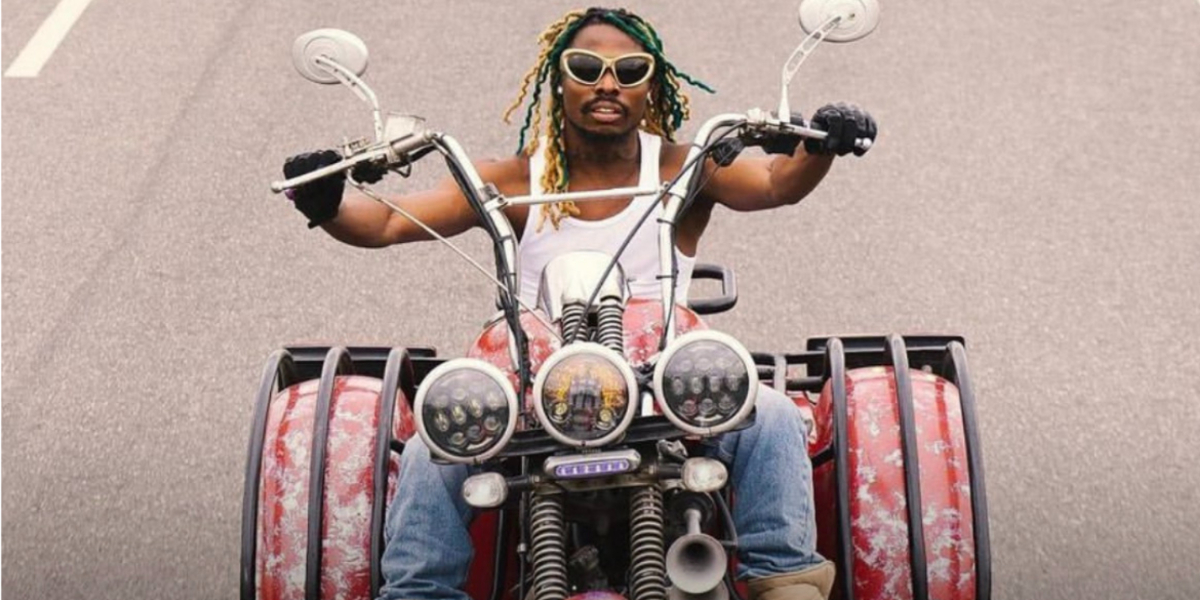
Essentials: Zilla Oaks & Makama Are An Unstoppable Force On ‘MMXXII’

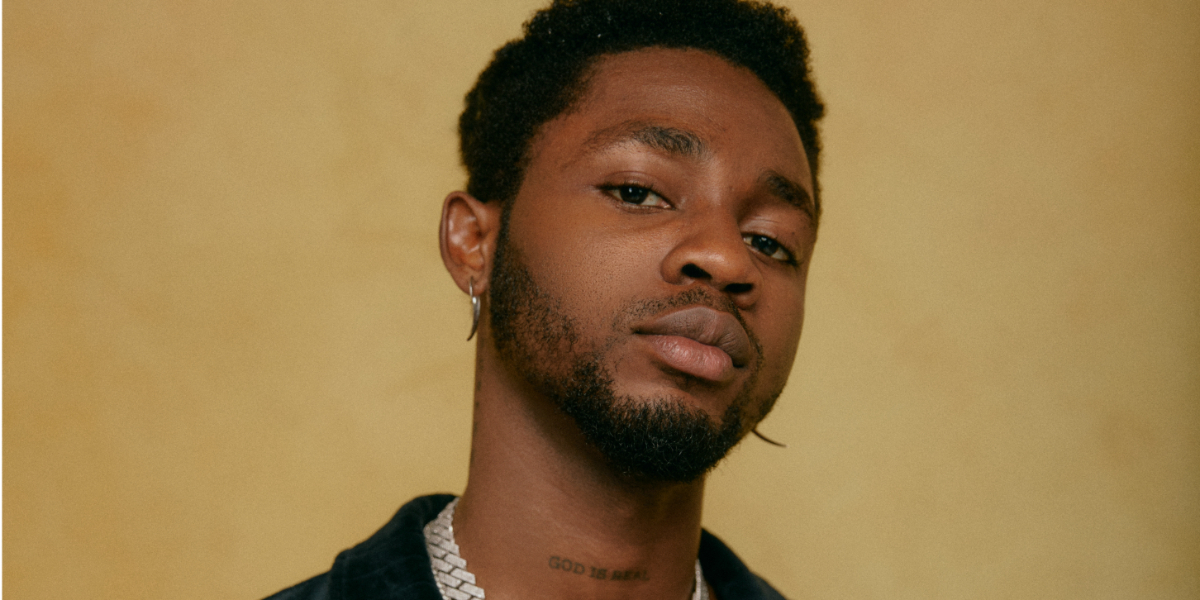
In recent years, Rap music in Nigeria has grown to become a diversely creative form. While online conversations are mostly didactic, mirroring the lack of attention and value from the listening audience, Nigerian rap artists are still pushing out captivating work and finding ways to make meaningful impact regardless of the current conditions. Within the vanguard of new era searing lyricists and versatile stylists, Apex Village’s prodigy Zilla Oaks has placed himself among the prolific rappers in Nigeria, representing the possibilities of rap music out of the country.

Zilla Oaks officially began his hip-hop journey in 2016 via SoundCloud, where he released his debut EP ‘NE:GRO’, a boisterous introduction that also saw him embrace his south-eastern heritage and proclaim his indelible affiliation with Nigeria’s capital city, Abuja. In 2018, he followed with his first full project, ‘No Zzzz’, a 13-track set with a burning grind mentality, using a predominantly trap soundscape to bring listeners into his world. He followed with the sequel, ‘No Zzzz 2’, last year, a more self-assured statement by a rapper who has found his footing in the industry. A more musically expansive effort than his previous projects, ‘No Zzzz 2’ underlined the rapper’s undeniable skill-set as a music-maker, a distinction that earned him a spot on The NATIVE’s best rappers list for 2021. 

For his new project, ‘MMXXII’, Zilla Oaks has teamed up with Abuja producer and rapper Makama to deliver a breezy 5-track EP, and unlike his previous, guest-laden project, this joint tape sees just one from rapper and former LOS member, Bris B. The brisk, 15-minute long project sees both collaborators in their most braggadocious forms as they dish out to listeners their obsession with their grind, delivering a wonderful intersection between bars and vibes. 

On the EP’s opener “11:11”, the production of the record carries the song and draws the attention of listeners to the track. It is immediately obvious that this is a more different approach from the usual Zilla Oaks trap records. Makama opens the track chanting “wish, wish, wish”, referring to the lucky 11:11 number. He goes on to sing “I wanna make a wish/I wanna live forward”, stating his wish. Zilla steps in with a more stern approach to the record, making his own wishes and spelling out what he really wants — to make money and all the good things that come with life. With a subtle fade out and fade in to the next track, the record  “MMXXII” is a more firm and clear statement by the collaborators. The record sees the both artists stating their goals for the year 2022. Makama takes the lead on this record as he makes his goals clear over the bouncy production of the track. On the chorus, he quips “I’m on tour this year, I want more this year/When I talk, listen”.

The sonic and thematic progression of the tape has listeners right where they need to be. On the record “Slap$” , which is a personal favourite and touched down as one of the NATIVE’s best songs this year, both rappers blend energies seamlessly over the production of the record. With the psychedelic feel emitting from the track, the production of the record seems to be the most important takeaway from this trippy number. To close the EP, Zilla Oaks and Makama team up with Bris B for the special number “O$He!.” The trap tune sees all the artists on this record in a braggadocious and unapologetic mood. As all three collaborators make their respective claims, Bris B takes the lead on the record as he brings in a laid back and relaxed energy while still making his points. He quips on his verse, “rapid fire, fire burn these niggas/broke niggas take your whole squad a bunch of old niggas”, proving to opps that he’s all the way up. Zilla and Makama tap into the already existing energy Bris has set as they both maintain a smooth pace throughout the record.

‘MMXXII’ sees a fine combination between sonics and themes that still never feels edgy. The body of work sees the duo in agreement through the short run as they flow flawlessly without obstacles. Produced largely by Makama, multiple emotions are evoked from records such as “Slap$” and “11:11”. All round, the project is a laid-back experiment by two young and powerful rappers who want to get things off their chest through rapping and trapping.

Listen to ‘MMXXII’ here

AV Club: ‘Ayinla’ Blends Portraiture Into A Stirring Cultural Commentary

Tunde Kelani occupies a monolithic space in Nigerian film. Four decades of cinematic brilliance elevated him to that position, yet the 74-year-old remains dedicated to the documentary leanings of his artistic ethos. Last year he released ‘Ayinla’ to credible reception, inspired by the life of Ayinla Omowura, the great Apala musician whose reign of ubiquity across South-West Nigeria came in the seventies.


View this post on Instagram


A post shared by Tunde Kelani (@tkelani)

The greatest strength of ‘Ayinla’ is that although the film is about the musician, the Itoko landscape and the film’s supporting characters are as important to the storyline. When others speak of him, their eyes blaze with the recognition that his story is also their story. The red quaint corners of Abeokuta are masterfully paired with props which evoke a natural feel of how the area must have looked in the 80’s. The entire film reads almost like a love letter to Ayinla and the place which birthed and made him, showing the colourful ways culture seeps into physical spaces and how they inform the resident’s identity.

On ‘Ayinla,’ viewers are immersed in the tale of a man on the ascent to becoming a global musician. His competence rests in Apala, a genre with regional and religious affiliations. Yoruba musicians explored the forms of Fuji and Juju not long after Omowura’s death decades to wide acclaim, but they had the benefit of being popular around urban areas. Apala’s viability outside the South-West was doubted a lot of the time but the film shows that this was far from the case.

Situated at that point of interest, the plot kicks off when an event promoter named Ajala (Kunle Afolayan) organises a concert that will take Ayinla to London. He goes to great lengths to convince the sceptical, illiterate musician that the deal is real and profitable. A consultation with his spiritual guide affirms Ayinla of safety during the trip, and the band begin a promotional tour of Abeokuta before they leave for the English capital.

It’s a simple enough premise but a lot unfolds in between. Central to ‘Ayinla’ is the musician’s relationship with his manager Bayewu played by Debo Adebayo. We are able to see what Bayewu represents to the entire band as manager, most importantly the crucial link he forms between Ayinla and society at large. In his act, Adebayo sheds the humorous tendencies of his Mr. Macaroni comic character, providing a humane contrast for Ayinla’s flaws to come into light.

On his part, Lateef Adedimeji who plays Ayinla is a perfect conductor for the musician’s abrasive character. He is usually disrespectful of Bayewu and others around him, requesting their respect at every step of the way. When Ayinla does not get something he wants, he lashes out in the Egba dialect which makes his curses even more searing. When the London event materialises however, we see a more playful side to him. A particularly joyful scene happens in a bar where he’s presented with a promotional poster bearing his picture. He confirms from Bayewu what the words say, and when told it’s ‘Apala in London’, he declares drinks for everyone in the bar. As the days pass, the London event becomes a myth of its own; everyone wants a taste.

Among those who want a taste is the editor of Iwe Iroyin, played by the veteran Bimbo Manuel. He is a no-nonsense man in the typical way of editors, eager to get a definitive piece on Ayinla by following him as he moves around the country and into England. For this task, he assigns Jaiye (Ade Laoye), a quirky staff writer who is taken by the intellectual movements of the era. This distinction is immediately gleaned from her fashion and flagrant use of English. In a particularly poignant scene, he speaks words that could easily have come from Kelani when he advises Jaiye to ground herself in the philosophy and cultures of her local residence. That is the practical way for one to emerge as an active influence in their society.

Jaiye indeed gets her head in the game and that builds on the layers of this essential subplot. When she meets Ajala to request access to Ayinla, the man calls her bluff. Her superfluous praises cannot hide the fact she hasn’t actually listened to the musician and afterwards, we see her becoming more immersed in his music and the Fuji genre. When it comes to interviewing the star however, she struggles to secure private time with him. This was the actual case of Omowura, who was infamously averse to the media in his days. The limitations of having very sparse first-account material makes Kelani’s movie even more applaudable. It also sketches the detriments that could come with a lack of proper documentation. In the back of a tour bus, when the band members begin to speak to Jaiye about Ayinla there is an almost personal sense of triumph.

The cast were also engaged in their roles. You would hardly find a single performance that is out of place here. Most of the conversations flow in Yoruba, and the translations give an astute leeway into the humorous leanings of the language. Adedimeji in the lead role is a masterclass in acting. He expresses Ayinla’s mannerisms to the tee, right from his pompous walking steps to how he shuffles a handkerchief from hand to hand when performing. He is able to reach diverse spectrums of emotions so seamlessly that sometimes you forget he is not really Omowura.

As the minutes wind down and Ayinla’s death becomes imminent, the tone shifts from the boisterous flourishes of earlier scenes. Kelani condenses the multiple accounts of the singer’s death into that final scene. But, even then, the ebullient personality of the man renders it some unbelievable quality. Just as Egba lost one of its most illustrious sons in a senseless brawl, so does the film carry the undeniable limitations of that trajectory.

The importance of a film like ‘Ayinla’ exceeds mere artistic quality. It has that in plentiful folds, but it is also a signifier to the wealth of stories embedded in the tightly wrought fabric of Nigerian popular culture. Tunde Kelani also has a similar film planned for Fuji pioneer Sikiru Ayinde Barrister, one which he suggests might be a series. It is widely known that African music has a documentation issue with many of our iconic figures’ stories still untold till this day, and even when that happens, they aren’t always wholly represented. ‘Ayinla,’ despite all its shortcomings and successes is a remainder of why proper, critically tight documentation is urgent and important.

Watch ‘Ayinla’ on Netflix Naija here.

Featured image credits/Netflix

Oroko Radio & WATWomxn Present NNWOMEN, A DJ & Production Workshop For Women

Last year, Oroko Radio, an independent radio station founded by friends and creative professionals, Ruseye, Kikelomo, Nico Adomako and Naëmi Ada launched in Accra, Ghana. The community station was set up with the aim of providing a platform for Ghanaian, African and diasporic voices to be heard, by those who look, talk and sound like them.

Similarly, Where Are The Womxn, a female collective based in Ghana and the UK was created with the initiative to promote and celebrate creative femmes and their industry pathways in West Africa. United in a similar goal, the two brands teamed up together alongside Pioneer DJ to host an intensive DJ workshop in a bid to inspire more women in the Ghanaian DJ/Production space to see a bigger picture in these career paths.


View this post on Instagram


A post shared by WHERE ARE THE WOMXN? (@watwomxn)

The workshop which kicked off earlier this year, on the 19th of March and ran through until the 10th of April was also created with the idea to encourage more women to take on more male dominated roles in the music industry. The month-long workshop  included a series of introductory workshops focusing on DJ’ing and production. The collaborative programme also closed out with a ‘Movements into Music’ discussion on the 9th of April, providing a platform to discuss, network and better support women within the music industry.

Speaking about the value of the female-focused DJ workshop, Ceceilia Adjei shared:

“I think it’s so important – a safe space for women to just be free to learn through trial and error. The music industry is so male-dominated, particularly in the DJing space, so to have [ some of the best female DJs] in Accra running these workshops makes all the difference.” 

Over a Zoom call a few weeks after NMWomen closed out in Ghana, The NATIVE got the opportunity to speak with one of the co-founders of WATWomxn Carina, who shared some ideas behind the DJ workshop, the success of the outcome and their plans for the future.

Our conversation which follows below has been lightly edited for clarity.

NATIVE: Who is Oroko radio, what do you do and how was Oroko Radio founded?

Carina: The initiative for female DJs is between two organisations, the first is Oroko Radio which is non for profit, its an internet based radio station that broadcasts from Accra and pulls together local sounds and then there’s the other organisation which is the one i’m from Where Are The Women — a collective of creative women based in Ghana and the UK and we came together to promote and further creative careers specifically women in creative careers, discussing visibility for women based in Accra.

NATIVE: What was the idea behind setting up this workshop? What was the initial plan and how did you hope to take this forward? 

Carina: I met Kikelomo, one of the founders of Oroko Radio and a globally renowned DJ last year. We got talking about how there’s a lack of female DJs in the Accra music scene and we didn’t think that was due to the lack of talent but the lack of opportunities and access. We wanted to provide DJ’ing as a platform for anyone who took interest. Oroko radio has a partnership with Pioneer since last year and last November, we decided to do a little women’s focused DJ sessions so we did a set of three and they were a great success. So when International Women’s Day came around, Oroko Radio reached out to WATWomxn again to put together a short video that showcases what’s going on here and the lack of female DJs.

We also spoke about hosting two face to face workshops for DJ’ing and production. What is important for Oroko and WATWomxn is that we help DJs to be able to be paid well. So a problem we face in Accra is that female DJs are given the intro slots or gigs are for free. So while we’re trying to raise the number of women in the scene, we’re also making sure they’re getting paid well and it’s seen as a career. The takeaways from that were that it’s not easy and doors are going to be shut on your face, you’re sometimes going to be uncomfortable within environments you sit in but you have to believe that if you keep pushing, you’ll achieve it. 

NATIVE: How did the partnership with WATWomxn and pioneer DJ come about? 

Carina: So Pioneer DJ were initially partnering with Oroko Radio and Pioneer have a very intentional plan to raise their focus in West Africa. Accra is one of their cities and so we were lucky enough to combine our strategy with their ambition within this region because it’s quite new for them.

NATIVE: Who are WATWomxn and what role does each member play within the organisation? 

Carina: We are a collective of different creative women with different creative skills. For example, I work in a more curatorial role. Emma Korantema Hanson is a DJ among many other things but our focus is on the music industry in Accra. Emma and I have been working on events in Accra for many years now and just trying to make a difference in our community. The whole focus of our organisation is to try and make a difference in the existing initiatives and where there are gaps and to try and fill them.

NATIVE: The African music industry is growing daily and more women are taking on more male dominated roles. What was it about DJs that caused you to take interest and set up this workshop? 

Carina: Women are taking on more roles, I have to agree. Especially in management, I’m seeing more women taking the lead there but DJ’ing just seems to be kind of forgotten. Kikelomo and Nico are both DJs and they started up Oroko Radio which has led to a bit of a change as this the first time I feel like it’s just going to be just young creative energy on-air. Women artists can be seen globally making a change like Amaarae, Tems but we don’t have globally known DJ’s that come out of Accra. In 5 years time, we want to be able to have globally known DJ’s. We went to the streets and asked what they thought and people made comments like we don’t want to do that, women want to stay at home, they don’t like partying and these aren’t true, these are misconceptions.

NATIVE: What goals were set before this workshop and were you able to bring this to life?

Carina: Yes, so the goals were to provide about 10 DJ’s between the ages of 16 and 35 with the basic skills to be able to decide if they want to be between the DJ”ing space. The production workshop was similar but with slightly smaller numbers and it was to try and build momentum for a long term program to get more women into production. Now we’ve been able to do that and there are people that are ready for what’s next. Doing International Women’s Day and doing events around that is great but it’s not enough. DJ’ing is an expensive hobby and some people may fall off not because they don’t have the talent but because they don’t have the money so we want to bridge that gap.

NATIVE: Are there any plans to train more female producers, sound engineers and other female creatives in the music space?

Carina: Right now, we’re in talks with Pioneer, so it’s kind of watch this space thing right now. However, the whole point is to have something maybe not permanent but regular. For example, have a couple of sessions this year and then also support with online training where possible. So by this time next year, I would hope that with the result of these workshops and initiatives, we’ll have at least 10 DJ’s playing out and have at least 3 producers. 

NATIVE: Is this a movement you’re looking to expand across the continent? If yes, how? 

Carina: So Oroko Radio are global, anyone can tune into their stations as they’re currently running from Wednesday through Sunday but they have a global reach and I know they’re in talks with different organisations and festivals throughout Africa to see how they can have a wider reach in impact. So right now, it’s Ghana but for WATWomxn. The current plan is Ghana then West Africa then throughout the rest of Africa. It gets forgotten that Accra is not the only city in Ghana so it’s important we run these workshops through Ghana first before taking it forward.

NATIVE: How impactful would you say the training was in the lives of the participants? 

Carina: I think it was amazing. Lots of people have wanted to do it but this was the first opportunity they had had to be able to do it, the first time they had actually had the confidence to step up and at the end of the training, everyone had the basic knowledge so I believe it was impactful and people went away with tangible things 

NATIVE: So what’s next? any more collaborations from you all? 

Carina: What’s next is the collaborative partnership and hopefully something long term. We’re speaking with Pioneer DJ and we have a suggestive module for how we can work over the next 12 months which we’re hopeful that they might be interested in. Oroko Radio are expanding rapidly and that means expanding the number of resident DJs they have, WATWomxn are hoping to do an event  in London this summer, focused around diasporan creatives, so yeah that’s what’s next.

Kikelomo: Oroko Radio has a whole host of events, workshops, partnerships, and community initiatives in the works for the rest of the year. We’re working closely with the likes of Nyege Nyege, Asa Baako Festival, Resident Advisor and more to put together some unique programming, as well as very special showcases around the world, featuring Oroko’s very own residents. Last but not least, by the end of summer Oroko should be moving into a new studio in Accra which means we can host live broadcast shows, interviews and mixes from our community. 


View this post on Instagram


A post shared by Oroko Radio (@orokoradio)

Featured Image Credits/NATIVE

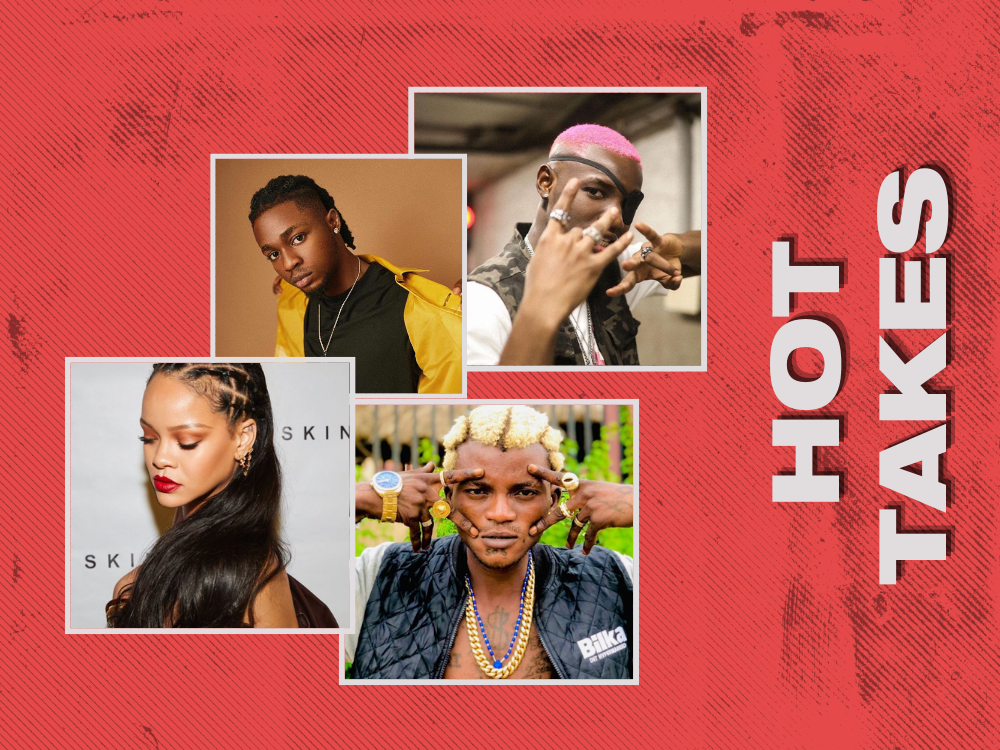
Hot Takes: Fenty’s Launch In Africa, Black Creators On TikTok, BBNaija Reunion & More

It is evident that Gemini Szn has done its worse. Currently, there’s been a wealth of bad news from the spread of monkeypox, to the tragic school shooting in the USA and even the death of 31 people in Nigeria due to a stampede in a church event. There’s no denying that it’s been a gloomy news cycle. Despite this dose of depressing news, the sun has been giving rays of hope and joy as we approach hot girl summer preempting the warmer days are definitely coming with greater.

On top of that we are getting done with the Mercury retrograde period which means everything is about to be aligned this Gemini season. This week I take you through the hottest topics getting keyboard warriors vexed, from Fenty’s beauty launch to the death of Dora the Explorer and Yara Shahidi finally making it out of Harvard College. Stay with me as I take you through the latest happenings in pop culture.

What I’m watching

Since the lockdown period, I got myself into the rabbit hole of Korean Dramas and since then my imagination of life has been more fictional. At the moment my eyes are glued on Studio Phoenix latest series ‘My Liberation Notes.’ The drama follows three siblings who reside in the outskirts of Seoul trying to find love, money and get liberated from their mundane lives. Their lives change when a mysterious man named Mr Gu moves into the neighbourhood and joins the siblings’ father’s sinks business. The highlight of the series is its writing. Taking a detour of K-Drama approach towards love as love oriented, cute and fictional, the show tackles in depth issues affecting the community including alcoholism, violence and mental health.

What I’m listening to

Recently I came across South African songbird Monelle on Spotify and I have been listening to her joint Hip-Hop project ‘Security Clearance’ with IORDN and Masilo the Healer. Drawing inspiration from Rock, Drill, Jazz, Neo-Soul, Gospel, and Funk it is a carefully curated project thematically touching on social injustice, spiritual decline, as well as expressions of joy, passion, courage in the face of adversity. The 16 tracks on the project take you through 58 minutes of sonic explosions and poetic writing.

Big Brother Naija makes its return

After the conclusion of BB Naija ‘Shine Ya Eye’ last year, fans can expect to see their favourite housemates on screen once again after it was officially announced that the reunion starts on 2 June. The show will precede the 7th season which is set to premier in July on DSTV and Showmax.

Hosted by the long-time host, Ebuka Obi Uchendu, the reunion show will see the former 26 housemates discuss their lives after BB Naija and clear the tensions that existed between each other since the series stopped airing last year. The Shine Ya Eye edition was characterised by drama including the shocking fight between White Money and Pere.

Promising to be the hottest reunion Ebuka Obi Uchendu who will be hosting the show for the 5th consecutive season will expose the ex housemates relationship status, career, projects, life successes, disloyalty cases, and unresolved misunderstandings, among other things. The reunion has fans on the edge of their seats as tension is already in the air after a viral clip of housemate Angel Smith claiming a fellow female housemate doesn’t have sense.

TikTok clamps down on Black TikTok influencer, Ehiz

For anyone with a TikTok account, Ehiz is a popular face and name that floods our timelines. Whether he’s teaching you how to get over your ex or busting some crazy dance moves, he’s been able to garner a loyal following all while being himself. However, last month, the rising star came under heat for racist remarks made in a viral TikTok video. On May 14th, he posted a video of him lip syncing to a South Asian religious verse which deeply offended members of the community who arduously followed his TikTok account.

On seeing the negative reactions he was receiving, Ehiz went live on TikTok apologising for the video but adding that he was only attacked because they don’t want to see a black man thriving. “If I am apologising, everyone using the sound should apologise..” he shared on live. Since then, he’s been continually hounded by fans who expected him to do better, and had his account deleted by TikTok. Although his account has now be re-instated, the incident raises the question about how Black influencers are held to a higher standard of scrutiny for committing offences than their white counterparts.

In the internet age, there is a thin line between comedy and being offensive. While what Ehiz did and his approach was certainly off, we cannot fail to notice Tik Tok’s bias when it comes to community violations. Taking down Ehiz’s account is an extreme move since TikTok has been in numerous conversations due to promoting white supremacists, and now it seems the platform’s “community violations” are often targeted to mostly people of colour. If you take a closer look at the racist trend, 3 out of 10 most popular videos were viewed 3.5 million times. The trend was originally produced by Paul Miller, an extremist known as “Gypsy Crusader” who spreads racist and antisemitic rhetoric on social media which still remains on TikTok till this day.

One way or another Tik Tok contributes in spreading hateful content to users on the platform and Ehiz is just a scapegoat to show the “proficiency” in ensuring all its users rights are respected. TikTok needs to find better ways to deal with community violations in this time and era. While banning an account might look like the better option, anyone can open a new account with a new username and continue with their content. Not forgetting that social media has become a livelihood for so many young people, new regulations need to be put in place to prevent such drastic measures that affect people psychologically. If they took down Ehiz’s video for cultural misappropriation, they should do the same for white extremists and people spreading hate against people of colour irregardless of their race and cultural importance.

Fenty Beauty’s lacklustre launch in Africa

Late last month, Fenty Beauty announced its entrance into the African beauty space. The announcement was received with excitement from beauty influencers and Rihanna fans all across the continent. However, it also sparked polarising conversations on the timeline as many recounted sordid details of Western brands previously launching and leaving no impact. Many believed that the launch would fail to connect with the African audience by relying on age-old marketing tactics, missing out on an opportunity to champion those in the beauty and makeup industry and in connection, failing to connect with audiences with any buying power.

In Kenya, the launch sparked online discussions on Twitter and Instagram after the invitations were only sent to a specific crowd of established influencers. To worsen the matter, beauty gurus, beauty influencers and content creators were notably left out of the roster as organisers sought out internet personalities with huge followings. All across Africa, the reactions seem to be the same.

In Nigeria, similar complaints were made about the launch event which opted to invite media personalities more than it did about inviting the professionals in the beauty and makeup industry. The event which was hosted by Livespot 360 overtly disregarded those who should be at the very heart of a Fenty Beauty launch, given that the brand has established itself as a modern disruptor in today’s industry. Right now, I think I’ll be waiting to see how last week’s launch has an impact on sales or what Fenty plans to do long term to sustain their audience on the continent. A big part of me wants to trust that our girl Ri has us covered but I’ll be waiting with bated breath.

JK…Dora The Explorer Is Alive

The internet keeps kill our childhood joys. Five years ago, people were spreading deep rumours about ‘Winnie the Pooh’ representing various mental illnesses and all the kids in the ‘Rugrats’ actually being dead. Now it seems our sweet dear ‘Dora The Explorer’ is facing similar conspiracy theories. Earlier in the month, a TikToker posted a before and after video of herself after searching how Dora died ultimately creating a tTkTok trend that’s now gone viral. Some of the answers include ‘Dora was killed by Boots’ which we all know is impossible since he was her loyal comrade. If anyone was killing anyone it had to be Swipper.

However, at this point I have to ask, what’s this obsession of killing off child hood characters? To me, this all reflects a frustrated community that won’t let people enjoy things. Anyways, I’ve done the investigation so you don’t have to. It seems all these viral trends originated from a fan-made music video called ‘Dora No More’ in 2012 posted by TheStringiniBros. The video which has been viewed over 8 million times shows all the different ways Dora escaped death on her adventuring show with the caption reading: “Exploring can be dangerous kids.” Come on guys it’s just an animation, it’s never that serious.

Yara Shadidi is all grown now

Watch out world she’s grown now. Yara Shadidi has grown in front of the public eye and her graduation from Harvard College had to be a public affair. She took to instagram to share her photo wearing her graduation gown over her custom Dior suit in after penning a 136 page thesis concentrating on Black political thought under a neocolonial landscape.

It’s exciting that not only a person of colour but also a woman is on the forefront breaking the gender stereotypes. Yara managed to graduate while having a busy schedule and still taking on active acting roles as Zoey on ‘Grown-ish.’ It is inspiring that despite her position and success in the theatre, she still gears towards defending equality and equity in the man’s world. Showing the future generation you can make a difference, Yara is pushing Black girls into achieving their dreams and getting good grades. This comes months after Megan Thee Stallion graduated from Texas Southern University. Looking from a bird’s eye view this inspires the hot girls in a couple of ways. One, hotties gotta finish their degree as if their life depends on it and two you gotta strive to make a difference.


View this post on Instagram


A post shared by Paul Mardy (@paulmardyphotography)

Lil Nas X is the crowned prince of the Internet

As we enter pride month today, good news follows with announcement of new collaborations. Whether its releasing pregnancy photos and a baby registry for his debut album or giving satan a lap dance in “Call Me By Your Name” music video we know Lil Nas is unafraid to champion LGBTQIA+ rights. That’s why the collaboration between M&M and Lil Nas is a welcome and monumental moment for the LGBTQ community.

Lil Nas X did not reveal what the collaboration entails but many loyal fans are already trying to piece together what is to come. M&M in a statement revealed that there will be a series of campaigns throughout the year as music is an iconic tool that brings people together. The partnership with Lil Nas X is born out of the brand’s commitment to bringing people together and connecting them through shared experiences which is exactly what music brings to listeners.

The brand aims to inspire moments of fun and connection by encouraging a deeper sense of belonging and Lil Nas X is the perfect ambassador. Coming out to the world and owning his sexuality, Lil Nas X has been a beam of inspiration to not only people in America but worldwide. Through music and his star personality he has continuously proved that your sexuality doesn’t matter but the work you put in towards gearing a better life.

Featured image credits/NATIVE

UNDER: Best New Artists (May 2022)

The NATIVE’s uNder column has one important mission: highlighting African artists we think are special. Throughout the month, members of our editorial team dedicate long hours of listening to make good on that mission, along with the conscious decision to present more variety in our choices. After fronting Fresh Meat since 2020, two months ago we repurposed this into uNder—a play on the word underground. Since then we’ve brought exciting musicians to your notice, with some making their mark on the mainstream not long after. 

This month marks the third installment of uNder, and we have  curated what is perhaps our most eclectic set of artists yet. The majority of them being African women, who have recorded exciting highs in their careers. From boisterous Trap bangers to ethereal world-building helmed by jazzy sonics, the music here reflects the versatility of young artists across the continent who are defying genre categorisation and limitation. 

Though in the nascent stages of their career, the music of each artist on our list is remarkably singular and coated with an accomplished sheen. A couple have regional deals as well, after being spotted by music executives on the search for the next superstar. With all this magic in front of us, we can’t wait for you to dive into what we’ve got in store this month. Enjoy.

ONA DEMA


Fast-rising Nigerian singer and songwriter Ona Dema is a refreshing voice of the new generation; a voice of gold. The storyteller fuses many different sounds and styles together in the most unique ways possible, defining her genre as Afro-EDM. The singer’s musical journey kicked off in August 2019 when she released her debut single “Calm Down,” a romantic Afropop cut which sees the singer blending sweet sensual melodies together with affectionate writing. “Mo ni ko calm down, make I love you/yes you heard right, it’s been a long time since I ever felt something like this,” she giddily declares, a mark of her expressiveness as an artist. 

Following a deal with Sony Music West Africa in 2020, Ona shared the Dremo-assisted “No Time,” a tantalising fusion of EDM with modish Nigerian pop inclinations. On her most recent release, “Krazy,” a mid-tempo afro-fusion tune from mid-last year—which was named Best New Music at the time of its release—Ona speaks on the harsh realities of deceit and rough heartbreaks, combining her emotive traits with a biting edge. “You’re calling me why, the love of your life you’re telling me lies/now you wan do me dangerous, you go see my kraze,” she sings resolutely. Even with just a handful of songs to her name, Ona’s style of music is fresh and revitalising, and we’re looking out for more from her. 

NANETTE

South African R&B/Soul siren Nanette first discovered her passion for music at the very young age of 8. In the 12-plus years since, she’s been exploring the seamlessly entrancing quality of her voice and honing her artistry, from singing in church choirs, to sharing covers, and professionally delving into making her own emotively charged music. The soulful singer’s powerful yet seamless voice is one of the reasons why fans, listeners and music lovers are drawn to her music. 

Officially kicking off her career just last year, Nanette released the debut single “Call Me,” a soul-deep, slow-paced song taking stock of a complicated romantic situation. “I really need to get over it, but you’re the drug that I really can’t quit/If I send you this text, will I regret it?/Smoking everyday when I need your presence,” a vivid encapsulation of craving someone who may be far from ideal for her but still has her attention. The song quickly established Nanette as an emergent voice within the framework of South Africa’s thriving R&B and Neo-Soul scene. Within months, she worked with Una Rams, Thando, uNder alum lordkez and more, bringing her part-smoky, part-sultry voice to bear on these collaborations.

Since the year began, Nanette has continued to strengthen the efficacy of her potential, with more relatable and immersive songs, setting the stage for her newly-released debut project, ‘Bad Weather‘. The 9-song set is a laudable showcase of her vocal range, preference for lived-in writing, and ear for atmospheric production. Nanette is only getting started, and she’s clearly curating musical experience everyone should tap into.

Namakau Star

Luscious vocals are Namakau Star’s strength as a hybrid R&B and rap artist. Hailing from Pretoria but based in Capetown, she plundered into music at an early age, but it was not until 2011 that she got into the booth as a female lead to a Hip-Hop group. She always had an interest in music as she credits the animated video for Tupac’s posthumous song “Do 4 Luv” as an early memory of her connection with music. She also counts R&B trailblazers Erykah Badu, Brandy and Sza as inspirations.

Making her official debut in 2021 with Trance, blending R&B, Hip-Hop, Electronic Rap and Neo-Soul. Working as a genre-bending artist, Namakau explores the boundaries and intersection of her chosen sounds, using emotionally resonant writing and assured performances as the defining factor of her artistry. Voicing ruminative lyrics like, “What is a physical body? Nobody ever knows//The word is spoken, I just watch the heavens open, words like water and a poem,” her approach to music is rooted in articulating femininity in Hip-Hop and freedom in R&B. Known as the Vibe Goddess by her growing fans, her lyricism and affirmative vocals take you on a sonic journey.

Currently prepping her debut album, ‘Landing’, Namakau has already shared three singles ahead of its June 3 release date. “Seazn Luv,” the latest single featuring fellow hybrid singer/rapper LordKeyyz, is an ethereal ode to liberation. It’s the sort of soulful premise that makes her music entrancing, and will continue to help her standout as her voice blooms and flourishes.

Riycon

Ghana is known for its knack of producing stellar African talent. From Yaw Tog, Gyakie to Black Sherif who is dominating the world with “Kwaku The Traveler,” it is no lie Ghana is playing a hand in getting Africa to the world. Cue in Riycon, a Ghanaian rapper with the innate ability to merge dizzying rhymes together that are capable of boggling the mind. This is perfectly displayed during her brilliant verbal exercise in No Time, delivered over an Afropop soundscape.

Starting off her music career at the age of 15 in Kumasi, Riycon perfected her art becoming an ardent student of Ghana’s vibrant Hip-Hop underground scene. Over the years, improving on her skills became a source of pride and it was not long before she began delivering music that told poignant and intimate stories.

Earlier on in May, the rising star announced an album drop apologising to the fans for the long wait. While Riycons’s songs thematically focus on making it and getting out of the hood, she takes us on an esoteric journey through the power of language as she mixes English with her native tongue. Using rap as a medium to deliver a snapshot of her life, her delivery is smooth as she wields rapid-fire lyrics to inform listeners of her undeniable presence. Currently, we can’t get enough of her dazzling catalogue and can already tell she’s in it for the long game.

Frescool

More than sunny Afropop anthems, Frescool’s songs are melodic discourses that pulsate with life, and haul the listener into his world of colours. His 2019 collaborative cut with Oxlade “Surulere” encapsulates this in earnest. Over erupting guitar riffs and thrumming drums, he lays bare his emotions and grapples with a gnawing apprehension about the trajectory of his career. “Omo I don wait, I don dey lose weight o” he sings with a palpable melding of apprehension and gloom in his voice, poking at the age-old maxim of patience being a precursor to success, before making a suave one-eighty to reassure himself that he’ll ascend to the echelons of success.

Each new release from Frescool is a snapshot that crystallises his current mental state. “I’m this person that likes making music around what’s happening around me, I need to feel a certain way before I can even record,” he says of his lived-in approach to making music. This motif bleeds into his latest release, a gratifying, sunny Afropop track, “Alone”. The rich pulsating production may upstage his lyrics but his message is as raw and poignant as it gets: “Everything I think about is money, if I no get kini moni?”

Three years since his momentous debut single, he’s at the cusp of releasing his debut EP, a cohesively strung-together voyage through his struggles in the past few years dubbed Now And Forever. His career may still be in its stage of infancy but Frescool is already a seasoned iconoclast with exciting resonant stories and an inimitable sound poised for mainstream breakthrough.

Njeri

Listening to Njeri’s music can feel like a slow drive through her world, a world brimming with vivid stories of love and longing. Like on “Love” an ode to troubled times with a love interest, or “Ecstacy,”  where she conjures a picturesque motif of a past time of bliss with a love interest. When Njeri belts out these zestful songs with her elastic voice, her stories come alive. Her latest project, ‘D.R.U.G.S: Dear Romance U Got Sweet’, is a perfect soundtrack to cold lonely nights at home and stints of distress with a romantic partner, with Njeri crooning and squealing over mutating, sombre R&B melodies to evoke palpable wistful emotions. 

Given her awe-inspiring music talents, it’s hard to imagine but Njeri describes herself as someone who always shied away from her talents. She hit an inflection point when she had a brush with Covid in 2020. Following that, she took a break from her law degree program to focus on creating music. “Never in my wildest dreams could I have imagined dropping my single “Juju” let alone an entire EP,” she told Tangaza Magazine. “I contracted Covid-19 in December 2020. I contemplated feelings of regret and self-doubt and realised that when all is said and done, music is what I wanted to do with my life.” Just two years into her career, Njeri has already emblazoned her footprint on the Kenyan Music landscape and boasts of a reputation as one of the most exciting R&B acts in the country, with two solid EP’s to her name.


Written by Emmanuel Esomnofu, Wonu Osikoya, Chibuzo Emmanuel, and Tela Wangeci


ICYMI: BOY SPYCE, PABI COOPER & MORE OF THE BEST NEW ARTISTS FROM APRIL 2022

Our First Impressions of Naira Marley’s ‘God’s Timing’s The Best’

Naira Marley ’s position in Afropop is remarkably singular. Packed with boisterous flourishes and hedonist intent his songs take up important space in the extensive sphere of contemporary Street Hop. And in a scene where musicians talk the talk, Marley’s reputation is akin to that of a seasoned veteran. 


View this post on Instagram


A post shared by Naira Marley (@nairamarley)

Naira Marley has dominated conversations, due to his larger-than-life personality and his salacious song lyrics which flood social media timelines. However, regardless of the polarising conversations that trail his career, it’s difficult to refute the hit making prowess of the London-born, Lagos-based artist, whose trajectory ranks among the most powerful in the music scene today.

His debut album arrives with the pomp and flair that surrounds his inimitable character. On ‘God’s Timing The Best,’ the Marlian Records honcho dons a suit, surrounded by chess pieces and an hourglass. The stylistic features depicted on his album cover helmed by photographer and stylist, Daniel Obasi were indicative of his artistic reach. Across 14 tracks, the “Soapy” singer seamlessly integrates Nigerian pop mainstays such as Lil Kesh and Mayorkun to Busiswa and MHD, into his carefully created world.

Delivering fierce reflections of the tumultuous life on the streets to deep incursions into the body of his lover, Naira Marley delivers a body of work that showcases a unique mixture of versatility and style. Following its release earlier this week, our editorial team at The NATIVE have clocked in their listens of ‘God’s Timing Is The Best’, and here are our first impressions of the project. 

Best Verse

Moore: This album is one that is filled with significant verses. For me though, the standout verse has to be the opening verse in Montego Bay, “I decide to runa-runaway, somewhere faraway, go Montego Bay”.  It immediately brings up a feeling of longing for escapism, a feeling that comes up throughout the whole song. Each time the verse is repeated, it emphasises this feeling until it comes to a joyful conclusion in the outro. 

Chibuzo: I think Zinoleesky’s verse on “O’dun” was the hardest, some other verses are also worthy of being crowned best verse, like Jada Kingdom’s verse on “No Panties”, but Zino’s verse just does it for me. His breezy singing and laidback flows on the track are reminiscent of the songs that dominated the early 2010s era. Nothing too ambitious, just cheeky lyrics and utterly irresistible melodies. 

Emmanuel: An endearing quality of Naira Marley’s music is the seamless cohesion between his verses and hooks. He emerges as a unique pop star, not much concerned with the strict songwriting favoured by many of his contemporaries. The times he does go outside that fold though, he’s remarkably exciting. A verse that does that for me is the second verse of “Montego Bay”. Here he adopts a slightly British rap cadence, detailing feelings of detachment and the urge to fly to the famous Jamaican area. It’s one of the more tender moments in an album ravished with pomp and perhaps my favourite song on first listen. 

Best Production

Dennis: I’m going with “Happy” here. Naira and Mayorkun have worked together on a few occasions, but this is probably the best track they’ve pulled off together. Everything just works great: the swing of the percussion, the light and colourful melodies, Mayorkun’s zesty vocals, Naira’s laidback energy. Beat-wise, “Coming” is still the monster on this album, but even though it’s catchy, that song pales to the original template of “KPK,” and it doesn’t have the overall infectious performance of “Happy.” Production is a combo of everything, that’s why I’m going with the Mayorkun-assisted jam.

Maria: My pick for this is “Coming”. Rexxie was clearly trying to make a statement because he went crazy with this. The crescendo at the beginning of the song with Busiswa’s opening chant sets the tone for all the excitement in the rest of the song. There’s drums, cymbals, shakers and many more instruments scattered throughout the track but neither of them overshadow each other. They’re placed so well that even if you focus on just one of them each time you listen, it still sounds great. The energy is at an all time high throughout the song and although it’s not a new release, it’s my favorite off the album.

Tela: “Kojosese” has to be it for me. I don’t know if it’s because I have listened to it repeatedly as it was released late last year but it gets you in a trance from the first second. Combining all the elements that make a Marley hit track, the upbeat synths with a percussive background form the perfect dance floor song. Combining Amapiano and Afrobeats, Marley’s technique seems to have reached its most mastered form yet on this Leobeatz masterpiece soundbed. Perfectly balancing the instrumental filled with drums and whistles with Marley’s voice, the production transcribes positive energy just like the song. 

Best guest verse

Wonu: Of course the Mayor of Lagos had the best guest verse, I mean who else? LOL. Jokes apart, what Mayorkun did on “Happy” is actually unmatched. He delivered a solid verse, I mean Mayorkun’s features are always very standout and this record wasn’t left untouched. The production of the track was also very uptempo and attention catching so yeah, this is certainly one of my favourite tracks on the 14-tracker. 

Tela: MHD’s appearance on this album is what I needed. Delivering his verse in French his fantastic rhythmic cadence and well blended vocals on “Excuse Moi” compliments Naira Marley’s presence over the song. Not being the first time the duo have worked together, his menacing delivery sets a pleasurable eclecticism as the unique and genuine vocals make the song a classic. He gives off a rough, happy energy creating a natural cheer that happens when two cultures interact. 

Emmanuel: The features on ‘GTTB’ did well to broaden Naira Marley’s vision. For sheer presence, I’m inclined to choose Busiswa’s verse on “Coming”. But then, you reason that it was a pre-album single and the repeated spins might have influenced its favourability. Jada Kingdom’s verse on “No Panties” was quite evocative, too. Naira turns in one of his most inspired performances on the album and is perfectly complemented by the sweet, cooing vocals of Kingdom. She makes the song well worthy of repeated listens, portending one of Marley’s most complete songs ever. 

Biggest Skip

Chibuzo: This is a really difficult question to grapple with. The songs on the project really fit well together, personally, I wouldn’t skip any track on the project. ‘God’s Timing’s The Best’  is not a flawless project but with regards to the cohesiveness of the record, you can hardly fault Naira. But gun to my head, I’d lose “Modinat Kai”. This was an incredibly hard pick to make because I absolutely love the song. 

Moore: The biggest skip for me has to be “Happy”. This is a little surprising since it’s only the second track on the album. While the opening chant that spells out the name of the song lifts my spirits in anticipation of an energising song, any energy quickly dissolves as the song begins properly. I don’t find the rhythm particularly engaging, especially as it follows the same beats as many other tracks on the album. 

Dennis: I’m going with that “Modinat Kai” song. Not only is it unremarkable, it’s the worst example of Naira Marley on autopilot.

Biggest Potential Hit

Tela: It has to be “Coming” featuring Busiswa and honestly there is no debate on that. The upbeat tempo caters to the fast life in the African streets. A definite club banger, the song holds an upper hand as it was released late last year. Busiswa’s appearance in this song catapults the song to a different level as the cross culture interaction brings Amapiano and Afrobeat seamlessly merging them into one sound. Despite my ears gravitating towards “Coming”, “First Time in America” is a great contender. Its simplicity and relative references give the song a familiar feeling. I mean he even throws in a Swahili line “Hakuna maganja” showing his language versatility and acknowledgment of his East African fans.

Moore: While I think the whole album is made of back to back hits in the making, what I think has the biggest potential is “Ayewada”. It’s a song with a very catchy hook that will likely get people playing the song on repeat. It has a very familiar rhythm while still standing out from the rest of the album. This is a song that will become very familiar in clubs over the summer. I also won’t be surprised to see many choreographed dances all over Tiktok in the coming weeks, as is often the case with Naira Marley.

Overall First Impressions

Dennis: I heard there’s been a lot of not-so-kind takes on Twitter about this album, and I get it as much as I don’t. This album is exactly what I expected from a Naira Marley project in 2022: groovy beats, madcap yet quotable humour, raunchy and self-aggrandising themes, and serviceable features. Maybe he could’ve broadened the angles he approached his music from, but there’s good marks for dependability. There’s several new songs on here that will go crazy in the streets and infiltrate dancefloors from Abulegba to Mushin to Awoyaya, which remains priority number one for one of street-pop’s most vital superstars. I’m sure Naira isn’t losing sleep if this album is not good enough to be respected by Nigerian music Twitter, as long as those that fuck with him keep fucking with him.

Wonu: For my overall first impressions, I’ll say ‘God’s Timing is The Best’ is an A-class body of work. I personally feel Naira poured his heart into creating this body of work. It gave me the ability to see the artists’ strengths and weaknesses and I think that was a very special thing, especially Naira. The production and engineering was clean, and although I’m not a fan of the album like that (It’s not something I see myself going back to listen to anytime soon), I think Naira Marley tried his best in terms of putting a project together. Kudos to him and all the collaborators on the album, you really made something special.  

Chibuzo: I think Naira could have put together a better project, especially considering how long he made us wait, but in general it’s a pretty solid project. Throughout the project, he’s in his typical element, dishing out bouncy party tunes with countless caption worthy lines. It’s what we love to see from Naira and he pulled his weight in that regard. Another interesting feature of the project is the tempo. By his standards, the project is pretty serene. The mid-tempo cadence of the project makes the project more digestible. In my opinion, it also lends itself to a higher reply value for the project. That, I think, is brilliant!

Emmanuel: As always, a Naira Marley project would have its bops. There is however a bit of a stretch in the pace of the songs. Those bops are far too often, almost obscuring the fine work he does elsewhere on songs like “Montego Bay” and “No Panties”. Still, take them to the dance floors where they’re most likely to fit in, and you’d find an album that does justice to the creator’s reputation. I will revisit a number of its songs but there’s no doubt ‘GTTB’ would have benefited from more lived-in stories. Although Naira Marley has built his legacy off being a kind of troubadour, I think there’s greater potential for growth if he squares up to showing the less flamboyant aspects of his celebrity lifestyle.  

Featured image credits/DanielObasi


Words by Emmanuel Esomnofu, Wonu Osikoya, Dennis Ade-Peter, Moore Wright, Maria Ogunnoiki, and Chibuzo Emmanuel


ICYMI: Obongjayar: ‘Some Nights I Dream Of Doors’ Review

What’s Going On: State of emergency in Sudan lifted, Nigeria records six monkeypox cases & more

“What’s Going On” Tallies Notable News Headlines From Across The Continent — The Good, The Bad, And The Horrible — As A Way Of Ensuring That We All Become A More Sagacious African Generation. With This Column, We’re Hoping To Disseminate The Latest Happenings In Our Socio-Political Climate From Across The Continent, Whilst Starting A Conversation About What’s Important For Us To All Discuss. From Political Affairs To Socio-Economic Issues, ‘What’s Going On’ Will Discuss Just That.


State of emergency in Sudan imposed during coup lifted

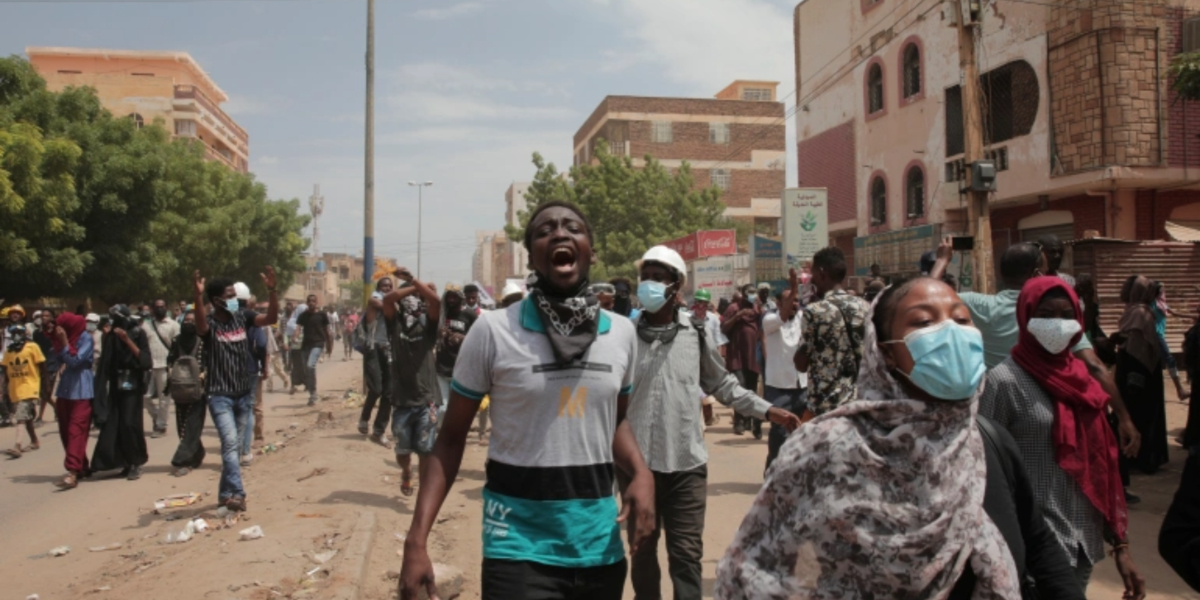
Sudan’s battle towards democracy has not been a walk in the park. After being in the hands of dictators for almost over 3 decades, the country’s transition to democracy is hopeful after a previously imposed state of emergency was lifted. Sudan Army chief, Abdel-Fatah al Burhan, imposed the state of emergency in October 2021 due to widespread protests after he headed a coup that dissolved the civilian-military government, which had been a transitional government until the next general elections in 2024.The civilian-military government stepped into power in 2019 after former president Omar al-Bashir was overthrown due to deteriorating economy and increased cost of living which resulted in civilian protests.

The military replaced Omar al Bashir with the Transitional Military Council, creating more tension between the military and civilians, which resulted in the Khartoum massacre that led to the death of over 100 people. From this point they worked with civilians in the Forces of Freedom and Change alliance agreeing on a 39-month transitional government. After the military took over the government, under Abdel-Fatah al Burhan, civilian Prime minister Abdalla Hamdok and other civilian ministers declared the coup illegal and refused to recognise the transfer of power. On October 25, pro-democracy protesters called for Abdel-Fattah to step down and the protests became violent. Abdalla Hamdok was put under house arrest after the military declared a state of emergency on the same day. Ministers opposing the coup were detained and stripped off their positions

On Sunday, seven months later, Sudan’s army chief Abdel Fattah al-Burhan lifted the state of emergency imposed. The army chief states the move is aimed at creating the right atmosphere for dialogue that achieves stability for the transitional period. The decision was reached after a meeting with military officials decided for the lift of the ban and release of all detained protestors. The military takeover which received international condemnation has seen over 98 civilians killed by security in crackdowns on the demonstrations. The military officials also recommended for the reinstatement of Qatar-based Al Jazeera network to resume operations in Sudan, after authorities banned it in January for “unprofessional” coverage of protests.

About 50 people killed by assailants in Burkina Faso

Residents of Madjoari, an eastern rural village in Burkina Faso are dealing with the crippling trauma after around 50 people in their community were killed by armed assailants. The country has been facing increased, religion-based terrorism as the country has been shaken by Al-Qaeda and Islam State Group Terrorists since 2015. The recent attack has been termed as a jihadist attack, with the Madjoari area considered under jihadist territoy. The 50 people were killed as they were trying to flee the area.

The increase of jihadist-related crime has worsened the Jihadhist insurgency, deepening the effects of the war between the rebels and the government. Despite joint efforts from national and regional security operatives, the violence has expanded and has intensified in the past decade, resulting in the deaths of thousands of civilians annually and widespread displacement of people. For the past 2 months, attacks against civilians and soldiers have taken over 200 lives. Burkina Faso, particularly the north and east, has been hit by movements affiliated with al-Qaeda and the Islamic State for seven years, which have killed more than 2,000 civilians and soldiers and displaced nearly two million.

Nigeria records six cases of monkeypox and one dead

While 2020 (and much of 2021) was held hostage by Covid-19, 2022 might have a new vicious virus outbreak. The Monkeypox which originated from the West and Central African regions, and has been spotted in clusters on different occasions, is causing increasing global hysteria, due to its mild outbreak in Europe, parts of Africa and across the world. With the trauma of the recent coronavirus still looming, there’s fears this viral disease would halt life just as we’re readjusting to normal. According to experts, however, unlike the Covid-19 which experienced several mutations, there is no mutation of the virus as it is a DNA virus.

Earlier this month, Nigeria recorded its first death from monkeypox this year, in a “40 year old patient with underlying health conditions.” On Sunday, the Nigeria Center for Disease Control and Prevention (NCDC) announced it has confirmed 21 out of 66 suspected cases of the disease, which is usually regularly found in Nigeria. 15 of the cases were confirmed between the beginning of the year and late April, while the remaining six cases were confirmed in May. The NCDC said genomic surveillance is ongoing at its National Reference Laboratory in Abuja and so far, all of the cases have been confirmed to be caused by the West African clade Monkeypox virus. The health agency has also asked the Nigerian populace to be on high alert for symptoms of the virus, and adhere to public health and safety measures.

11 newborn babies die in a fire at Senegal Hospital

A fire in the neo-natal unit took the lives of 11 new-born babies, while only three were spared, at the Mame Abdou Aziz Sy Dabakh Hospital in the western Senegalese city of Tivaouane. Authorities believe an electric short circuit caused the atrocious flame. After announcing three days of mourning, the president of Senegal Macky Sall fired the health minister Abdoulaye Diouf Sarr. There was a noise and an explosion that lasted about three minutes, with the fire brigade arriving a few minutes later.

Senegal’s healthcare system has been on a rocky boat due to health scandals. This incident comes over a month after the nation mourned the death of a pregnant woman after three midwives denied her cesarean, and a similar fire-based incident at the neo-natal unit of a hospital in the northern town of Linguère last year. Investigations have since been launched to find out the cause of the fire and to also improve Senegal’s health care system. The country’s president asked for a review of all the equipment and infrastructure dedicated to new-borns who need assistance with machines for their care, while rights group Amnesty International has urged the government to create an “independent commission of inquiry to determine responsibility and punish the culprits, no matter the level they are at in the state apparatus.”

Pope Francis appoints 21 new cardinals, 2 being African

Pope Francis has announced that two African clergy will be promoted to cardinals in the Catholic Church. The two he named are Bishop Peter Okpaleke from Ekwulobia in south-east Nigeria and Bishop Richard Kuuia Baawobr from Wa in northern Ghana and they will be installed during a consistory in August which means they will help in choosing the incoming pope in case he dies. In 2020, Peter Ebere Okpaleke, became the first bishop of Ekwulobia, a new diocese in Nigeria

The list of the new Cardinals includes eight from Europe, six from Asia, four from Central and Latin America, and one from North America. The last Consistory to create new cardinals took place on 28 November 2020. Pope Francis created 13 new cardinals including Archbishop Antoine Kambanda of Rwanda’s Kigali Archdiocese who became the first-ever Cardinal in Rwanda.


ICYMI: WHAT WE KNOW SO FAR ABOUT THE MILITARY COUP IN BURKINA FASO

TurnTable Top 50: Omah Lay’s “Woman” Debuts On The Top 10 This Week

This week, following its 20 May release, Omah Lay’s new single “Woman” debuts on the TurnTable Top 50 at No.5. The single tallies 3.79 million equivalent streams (No. 5 on streaming), 40.3 million in radio reach (No. 8 on radio) and 1.43 million in TV reach (No. 101 on TV).

“Woman” earns a new win for Omah Lay who has recently recorded his eighth top 5 entry on the chart (matching the previous record held by Davido) – and the artist’s ninth top ten entry on the Top 50. At No.1 this week is Kizz Daniel’s “Buga (Lo Lo Lo)” featuring Tekno which tallied 9.03 million equivalent streams (No. 1 on streaming, down 27%) and 59.3 million in radio reach (No. 1 on radio, down 17%). It spends a third consecutive week atop the streaming chart and a second week as the most-heard song on radio.

Mavins’ “Overloading (OVERDOSE)” with Ayra Starr, Crayon, LADIPOE, Magixx and Boy Spyce rises to a new high of No. 2 on the chart. It tallied 5.16 million equivalent streams (No. 2 on streaming) and 49.0 million in radio reach (No. 4 on radio). The song increased in activity on all platforms during the tracking week. It is followed by Asake and DJ Spinall’s “Palazzo,” at No.3 while Burna Boy’s “Last Last” is at No.4.

Zinoleesky’s “Loving You” slips to No.6 this week while Camidoh’s “Sugarcane (Remix)” with Mayorkun, Darkoo and King Promise holds at No. 7 after peaking at No. 4 on the chart earlier. Davido’s “Stand Strong” with Sunday Service Choir falls from its 6th spot to No.8 this week. Rounding out this week’s top ten is former No. 1 Black Sherif’s “Kwaku The Traveller” at No.9 while Fireboy DML’s No. 2-peaking “Playboy” is at No.10 this week. Elsewhere on the charts, Bella Shmurda’s “Fvck Off” debuts at No.15 and Lojay and Sarz’s “Monalisa Remix” with Chris Brown re-enters at No.18 while Simi’s new single, “Naked Wire” debuts at No.32 ahead of her album release.

Featured image credits/Youtube: Director K


ICYMI: Four Takeaways From The 2022 Headies Nominations

NATIVE Exclusive: Young Jonn details journey from prolific producer to all-round artist

Young Jonn moved to Lagos on a whim. While in his mid-teens and waiting to re-enter university, the producer/singer made his way to the bustling capital city of Nigerian pop, choosing to put his studies on hold and live in a studio while working towards his big break. The son of a Nigerian pastor, his upbringing in a church environment furnished him with instrumental chops fundamental to his music-making career, which melded with his keen-eyed approach and youthful audacity, leading him down an illustrious path.

“When I decided to come to Lagos, I was in a studio—Hit Factory studios,” Young Jonn says on a zoom call. “I was basically living there and I was making beats without really knowing where it would end up. I just believed that someday, I’m going to have my shot.” That was the same studio indigenous rap titan Olamide was recording his sophomore album, ‘YBNL (Yahoo Boy No Lapotop)’, and his consistent presence in the vicinity led to a fruitful working relationship with the superstar artist.

First came “Story for the Gods,” the mildly controversial smash hit that instantly emblazoned his producer tag—“it’s Young Jonn the wicked producer”—on Nigerian music’s mainstream consciousness. What followed was Young Jonn leading a trailblazing run for street music in the 2010s, authoring insanely ubiquitous slappers for Olamide, Phyno, Lil Kesh, Kizz Daniel, Naira Marley, and many, many more.


View this post on Instagram


A post shared by JIGGY ☄️ (@youngjonn)

In the midst of dictating the sonic terrain of “street-hop,” Jigga—as he’s known to collaborators and Nigerian music industry insiders—was recording his own music, singing over beats he created. A long time interest, Young Jonn has been singing since those church days, even rapping with his brother and cousin in a now-defunct group. With making beats and producing for other artists according him popularity and an enviable level of reverence, making his own music came with little to no pressures, with his developmental years as an artist being less of a pressure cooker and more of a freewheeling endeavour.

“I’ve always been a singer, and I just really enjoy making music, whether it’s producing or using my voice,” he says. “I just never put that side of me out there on a major level until recently, but it has always been a part of my process.” In the first quarter of this year, Young Jonn took a clear step in unveiling himself as an all-round artist. Over two years after scoring a respectable solo hit with “In Case,” he released “Dada,” a bubbly, infatuation-drunk song that’s one of the most recognisable Nigerian pop songs in 2021. It was so good and popular, it received the Davido remix treatment.

“Dada” is the lead single to Jigga’s late March debut EP, ‘Love is not Enough’. On the brief 5-song tape, the singer uses first person narrative to expound on his grasp of the complexities of modern romance, with tracks skating across devotion, polyamorous flirting, and carnal desire. These themes are accompanied by vibrant production, with his R&B influences—he name checks Omarion and Styl Plus as artistic inspirations—rounding out the Afro-fusion canvas. It’s a notable re-entrance for Young Jonn, a part of his career he’s more committed to than he’s ever been.

Our Conversation with Young Jonn has been lightly edited for clarity and it follows below.

NATIVE: Where did you grow up?

Young Jonn: I grew up in Ibadan and Oshogbo. I was going back and forth, did some years in Ibadan, moved to Oshogbo then came back to Ibadan.

NATIVE: Was that a family thing?

Young Jonn: Yeah, it was. My dad was a pastor and my mum had a school in Osun state, which was why we were moving back-and-forth.

NATIVE: How did that movement play a role in who you’d become?

Young Jonn: I became comfortable moving to new places, like when I came to Lagos, I knew I could settle in.

NATIVE: Was that for the music?

Young Jonn: Yeah, it was for the music. Basically, what happened is, I used to make music in a group with my brother and cousin, I made the beats and we would rap. In fact, that was a main reason I learnt how to make beats, because I wanted to make the beats for us to use. When it was time for us to go to university, all of us went to school and all that. I got admission in the University of Ibadan, and for some reason, I missed out on my clearance date and I’d have to wait till the next year to continue in school. Instead of waiting, I decided to come to Lagos. I came when I was 15, 16, around that age. I was in a studio most of the time when I came.

NATIVE: Before we get into that, how did you get into music?

Young Jonn: I grew up in a church environment, and I was playing the keyboards, I played the drums as well. I already had my foundation in there. That helped me a lot when I started making tracks—the drums, the percussions, the melodies—I was able to have a proper foundation in the basic knowledge of music from being in the church.

NATIVE: Were you making music when you got to Lagos?

Young Jonn: Yeah, I was already making music, because when I decided to come to Lagos, I was in a studio—Hit Factory studios. I was basically living there and I was making beats without really knowing where it would end up. I just believed that someday, I’m going to have my shot.

NATIVE: Yeah, you did.

Young Jonn: Yeah. Coincidentally, that studio is where Olamide recorded the YBNL album. I was always there, in a corner, just always around. I was working on my stuff as well, just getting better. At the same time, Jaywon used to come around, Sexy Steel as well, and I was able to work with them. In time, I got to work with Olamide, but we didn’t put out anything till we made “Story for the Gods,” and that was it.

NATIVE: You played a huge role in one of the greatest runs in Nigerian music. I’m pretty sure that was huge and you learnt a lot.

Young Jonn: Yeah, man. That work ethic Olamide has was big for me, and that’s why I like to consistently go all in on my stuff, you know. That time, he’d work with Pheelz and they’d record so many songs. Me also, we’d record so many songs, and I’m like, ‘this bros no dey rest?’ That work rate was something else and it’s gone a long way into making me the artist I am.

NATIVE: Now that many people know you sing as well, how much of your beats had your voice on them already?

Young Jonn: Haha, I can’t say. I’ve always been a singer, and I just really enjoy making music, whether it’s producing or using my voice. I just never put that side of me out there on a major level until recently, but it has always been a part of my process. Like, I’d make beats and sample my vocals on the beats. It’s always been like that.

NATIVE: I’m sure many of the artists you worked with found out you could sing.

Young Jonn: Funny enough, it wasn’t that many artists I worked with that knew. I wasn’t really playing my stuff for many people. I’m the type of artist that records when I feel like it, vibe to it and leave it on my laptop. It’s only people that I was close to that knew I could sing earlier than a lot of people.

NATIVE: How were you gauging your skill level, since you didn’t have too many external reactions to your music?

Young Jonn: Funny enough, it was just vibes. I wasn’t intentionally recording and listening to other people, it just kept evolving organically for me, till it got to this point it is at now. It was just working gradually, trusting myself, and picking up tricks from artists I worked with and wherever else.

NATIVE: I knew when “In Case” came out, was that the first time you put out a song with your voice on it?

Young Jonn: Nah. There’s a song from 2015 or 2016, I can’t really remember. It was nothing serious.

NATIVE: Did you have any jitters with “In Case” being your first major release?

Young Jonn: Not really. Like I said before, it’s just vibes. It wasn’t really about, “I want to drop this song and it must blow.” I just wanted to put out my music, share this other side of me to world, you know, and whatever happens, happens. I’ve always known I’ll keep on producing and keep on making my own music. It’s all vibes, man.

NATIVE: I get that all vibes thing, but a song like “Dada” has be like some form of validation of your abilities as a standalone artist.

Young Jonn: I felt really good, can’t like. Prior to dropping the song, we put in a lot of effort and planning, so when the song finally dropped, I was hoping it all pays off. When the song dropped and it started climbing the charts gradually, I felt excited, I felt really blessed, ‘cause being able to produce and take it to the max, and I decided to do this and people are accepting it way more than I could expect.

NATIVE: This is a cliché question, but what inspires you as an all-round music-maker?

Young Jonn: I’ll say it again, it’s all vibes. I feel like my music comes from a place influenced by personal experiences—probably not the full song. First of all, I don’t take it too serious when I’m recording, I take it bit by bit and I make sure it all flows. Each line comes from somewhere that has something to do with my experiences; one line could be from my experience with one person, another line could be from someone else entirely. I just have to make it all fit in together.

NATIVE: The title of your EP is very plain, and I just want to ask what your experiences with love have been like.

Young Jonn: My experiences with love have been kinda weird, in the sense that my own understanding of love is quite different from the way many people see it. A lot of people think it’s a do or die thing, but I feel like love doesn’t have to be romanticised. For me, I feel like you could love someone and not be with them, and if we’re being honest, it’s possible to love more than one person at the same time and we can’t be with all of them. I don’t think love can be the only decisive factor for being with someone, so when I say love is not enough, I know it’s amazing to be in love and all that, but other things matter.

NATIVE: The project is out via Chocolate City, how’d that connection happen?

Young Jonn: I was considering letting more people into this side of my abilities, but it’s not like I was aggressively searching for a situation or anything. Coincidentally, Chocolate City heard my stuff, we got to talking and it felt like the right thing to do. It was all so stress-free and it’s working out really good already. I just knew I had to put my best foot forward, go through the process and let it all play out. Nobody really knows the future, it’s just doing it with good faith.

NATIVE: Are you enjoying the moment or you’re already looking at what’s next for Young Jonn the artist?

Young Jonn: Both. Just seeing “Dada” do well has motivated to put in even more work. I’m spending more time in the studio these days, working on new stuff and updating the many unreleased stuff I have. There’s definitely a lot from Young Jonn the artist, and I hope people love it.


ICYMI: NATIVE EXCLUSIVE: OBONGJAYAR HAS BEEN DREAMING OF DOORS

Songs Of The Day: New Music From Loti, Nanette, Lioness & More

2022 is no longer a new year, and Afropop knows that very well. As much as the previous year was packed with scene-defining achievements, especially within the context of global growth, the only way to keep the momentum from falling off is for artists to keep reaching into their bag for great music that holds the ears and captures the hearts of millions of listeners across the continent and well beyond. That’s exactly what’s been happening, so much so that there’s hundreds of new singles, at-least one new must-hear album and a new smash hit every week.

Amid this torrent of new music, the NATIVE is committed to highlighting the best releases you need to hear, and possibly add to your playlists. That’s the essence of our ‘Songs of the Day’ column. Last weekend, we shared new music from DedayoTheSage, Blxckie, Senami, and more. This week, get into new music from Loti, Lioness, Nanette, Savemilli, Ceeza Milli and more.

Loti – “Mainland”

“Mainland” feels like the soundtrack to a typical day in the Mainland axis of Lagos. Over a pensive production, uNder alum (previously known as Fresh Meat) Loti is sombre, introspective and prayerful. He sings about coming from a humble background, broaches the topic of a typical day in Lagos and intersperses the record with inspirational prayers.

Nanette – “Fire” ft. Idahams

Off uNder artist Nanette’s just-released project ‘Bad Weather’, “Fire” is a standout. On this number, South African R&B singer taps Idahams for a soulful ode to rocky relationships. Coming at us with sticky sweet melodies and poignant lyricism, the duo pull apart the sombre angst that trails a troubled relationship.

Lioness – “Danisa (Dance)”

Replete with bouncy percussion and shimmering melodies, “Danisa” is the perfect soundtrack to sweltering drives around town or boisterous nights at the club. Over a groovy production, Lioness teases and offers adulation to her muse with breezy singing and playful rapping.

Ceeza Milli – “Chop Life” ft. Sneakbo & Mr Dutch

Following the success of the original, Ceeza Milli taps Sneakbo & Mr Dutch for a refreshing remix of “Chop Life.” The addition of Sneakbo and Mr Dutch elevates and puts a fresh spin on the track. Over a sunny production, Ceeza Milli delivers an ode to hedonism, as he sings about how he just wants to live a life without struggles, digging deep into the utmost desires of the human psyche and fine-tuning them into uplifting melodies.

Django23 – “Popping” ft. Simba & BNXN

“Popping” sees Django23 rally British singer-songwriter S1mba and BNXN for an uplifting ode to opulence and success. Replete with poignant lyricism and calm melodies “Popping” is a cathartic listen that sees the trio layer a pensive production with affirmations of success.

Princess – “Moving”

Packed with twinkling guitar riffs and rhythmic grooves, the instrumentals on “Moving” commands the ambience of a bright day at the beach. Over the serene production, Princess is introspective as she tunnels down the rabbit hole of a failed relationship and delivers an anthem for heartbroken ladies. She declares that she’s surmounted the feelings of heartbreak and she’s instead going to focus on getting to know herself better.

Best New Music: Zilla Oaks & Makama Recognise No Competition on “Slap$”

Since breaking out in 2016, Zilla Oaks has embodied the possibilities of Nigerian rap. He is super fly with his incorporation of Trap into peculiar Nigerian experiences, especially when repping his hometown of Abuja. He’s also consistently showcased an elite skillset, while burnishing his reputation with an endless desire for artistic growth. His remarkable output ensures that his burgeoning fan base never have to wait long for a new drop, usually leading the rapper to improve with each new release.

This relationship between output and quality has been the defining characteristic of Zilla Oaks through the years. On the rapper’s ‘No ZZZ’ tapes, he’s continued to stretch the tapestry of his sound, cutting his teeth as one of the most exciting artists in today’s diverse soundscape. This weekend, he’s showcased more of that hunger to widen his sonic palette with the release of his latest collaborative effort with producer and rapper, Makama.

On MMXXII,’, Zilla Oaks and his collaorator, Makama opt for minimal but effective chops through the project’s 14 minute run time. Their delivery choice is reflective of the project’s singular thematic focus which does not suffer from any rigidity. Across five songs, the duo are in perfect sync, complementing each other’s flourishes with determined resolve. Zilla’s knack is embodying the perspective of young Africans who grew up in the age of the Internet, a facet the tape takes seriously.

However, of all the songs on ‘MMXXII’, “Slap$” is most demonstrating of this stylistic feature. The track is brilliantly situated in the middle of the tape, carrying the laid-back groove of the entire project. Having a most satisfying progression of production elements, the beat is centered around airy chords and a stuttering drum line which is amplified by the zesty movements of a flute. The groovy overtones captured in this mix plays deftly into the evocative artwork of this project: a black and white picture of the creators caught in mid-dance. 


View this post on Instagram


A post shared by @zilla__oaks

“Slap$” offers an immersive experience into the psychedelic nature of Trap songs. The words being rapped aren’t as important as the emotions evoked. And to its credit, it’s a song that doesn’t require much of its listeners. If you dig it, the verses reveal the braggadocious mood of its creators, pulled into curating a vibe just because they can. Another catch on the song’s direction is their promise of lyrical superiority. “If I wasn’t rapping I’d be in the trap/ smoking a nigga if we on a track”, Zilla raps with authoritative candour, highlighting the song’s central message. 

In a time where the prospects of Nigerian Hip-Hop is constantly argued and projected on, Zilla Oaks and the Abuja community have stuck to winning ways. The fostering of close collaboration between these rappers have continued to raise the bar high for their individual and collective projects. As such, a tape like ‘MMXXII’ can only be created through a shared sense of vision. And with its heavy replay value, the resulting gains of such creative alliance is visible for everyone to see. 

Featured image credits/ZillaOaks

Naira Marley’s Debut Album ‘God’s Timing Is The Best’ Is Finally Here

Since his seminal breakout hit song, the Zlatan-assisted “Am I A Yahoo Boy”, Naira Marley has surged precipitously to the forefront of the Street Pop movement, not just as one of the most prolific acts in the effervescent sub-genre but as a talent manager, having launched a spate of mercurial acts like Zinoleesky and Mohbad into superstardom.


View this post on Instagram


A post shared by Naira Marley (@nairamarley)

Following this prolific run in 2019, Naira Marley has only doubled down on peeling back more layers to his artistry. His brief stint with EFCC on charges of suspected internet fraud, spurned one of the most dynamic runs in Afropop history which culminated in the release of a slew of high-flying singles such as “Soapy”, “Mafo”, and “Tesumole” and the release of his debut EP ‘LOL (Lord of Lamba).’

Two years ago, in his NATIVE 004 cover story, the now Lagos-based singer shared candidly: “People say ‘Issa Goal’ blew me. People say ‘Marry Juana’ blew me. People say EFCC blew me. But it was me the entire time. I didn’t stop, I kept going. If I stopped after ‘Issa Goal’, I wouldn’t be here talking to you now. If I stop now, I would probably be irrelevant in a few years.” This level of defiance and self-assuredness is one that many people have come to expect from Naira Marley across the years. Now, it’s this same sure-fire confidence that trails the singer as he embarks on his most defining moment yet: the release of his debut album.

Released earlier today, Naira Marley’s debut album ‘God’s Timing’s The Best’ gracefully confirms him as one of the most compelling artists of the now. Across the 14-track project, he boasts of a stacked roster of guests, including Mayorkun, Zinoleesky, Jada Kingdom, Lil Kesh, Mohbad, Busiswa, and more, who seamlessly integrate themselves into his world. The album is also replete with gratifying upbeat Pop tracks, including previously released hits such as the Busiswa-assisted “Coming”, “First Time In America”, “Kojossese”, and Zinoleesky-featuring “O’dun”.

Stream ‘God’s Timing Is The Best’ below.

Featured image credits/DanielObasi


ICYMI: Four Takeaways from the 2022 Headies Nominations

Four Takeaways From The 2022 Headies Nominations

Since its debut in 2006, the Headies has remained the premiere music award ceremony here in Nigeria. Formerly known as the Hip-Hop Awards back then, the award show continues to gain relevancy in the music scene for both established and emerging acts, as its longevity continues to preserve its prestige despite public reservations with its award systems and production quality.

This year, especially, nominations for the Headies awards have been eagerly anticipated since the show organisers announced new changes some months back. With a vision to broaden its international standing, the Ayo Animashaun-led platform made numerous changes to the way the show will operate this year, including its shocking move to the US. The announcement sparked widespread discussions into the new direction that Nigeria’s oldest and most revered music awards will take. 


View this post on Instagram


A post shared by The Headies Awards (@the_headies)

The first indication came days ago when the nominations were officially announced. Colourful posters displayed the nominees of the various categories on social media, where it was published. Expectedly, polarising discussions followed the announcement with comments from both Afropop lovers and industry insiders alike. Given the established reputation of the show, a number of complaints rose as well ranging from omissions to discourse about genre classifications, an often argued aspect of Afropop.

Here at The NATIVE, we pride ourselves on being providers of contextual information. As much as the music is exciting, a number of unseen factors weight into decisions such as these nominations. After taking a look at the full list of nominees, below are our takeaways, including the good, the not-so-good and the befuddling snubs.

THE DIVERSITY OF THE NOMINATIONS

An immediately obvious fact of the 2022 Headies nominations list is its lack of diversity. In the past, organisers have tended to follow the ebbs of a single movement, often those spearheaded in the entertainment capital of Lagos. The chosen musicians seemed to also operate in similar circles, and did little to reflect the myriad styles of artistry inherently found across Nigeria. 

However, those problems do not seem to be the case here. An impressive breadth of the nation’s sound is covered, right from the eclectic mix of mainstream acts down to the due attention given to less popular ones. Someone like Falana who scored a couple of nominations (including ‘Recording of the Year’) isn’t on the popular radar but her soulful songs have no doubt made an impression on underground fans. Speaking of, that particular category featured songs like Patoranking’s “Celebrate Me” and Johnny Drille’s “Loving Is Harder” which sound nothing alike, further demonstrating the nuanced perimeters that should ideally be used in judging different genres.

Even the relative absurdity of street-hop artist Portable was recognised. It is important to note that there is no one pattern to creating and releasing music. The Zazoo artist has been one of the most polarising figure in popular culture since his breakout, much like Naira Marley’s reign during the “Soapy” era. He’s the biggest signifier of the Headies’ broadening lens towards movements that reside just outside what is termed mainstream or even alternative. 

WHAT THE MOST NOMINATED ARTISTS REPRESENT 

Every awards show has their own bias. This is a given. Some tend to highlight obscure acts even more vigorously, creating surprises which will slither into more detailed discussions while others unapologetically focus on the big-ticket Pop superstars, relegating everyone else to the background. 

Over the years, the Headies have leaned mostly towards the latter. There have been few surprises, and those have incontrovertibly slithered into bigger controversies. For every award year, observing the most nominated artists is a chance to perceive the academy’s direction. Not surprisingly, Wizkid got ten nominations after spearheading music discussions over the past two years with ‘Made In Lagos’. But more people were pleasantly surprised with Ayra Starr’s strong positioning across the list. Alongside Tems who was the soul of “Essence”, eight time-nominated Starr was the most nominated female artist and joint-second overall. 

Her debut album ‘19 & Dangerous’ was every bit a modern classic, possessing a distinctive mix of teenage flourishes, introspective incursions and juicy pop bangers. Still, a number of people would not have expected the reverence it was given at the awards this year. This is because female musicians have not always been considered in the same breadth with their male counterparts, shunned amongst the bigger categories in the Headies. Starr and Tems just might portend a crucial shift in perspective. Also, considering they share similar lyrical turfs, it would be no surprise that the coming years will see other musicians test out the template they’ve more or less established. 

WHAT THE OMISSIONS REPRESENT 

The most notable exclusion from the nominations list is Burna Boy. Considering the singer released ‘Twice As Tall’ during the eligible period, there’s a chance he may not have submitted his music for the awards. If that is the case, the clearest precedent for his actions goes back to when he was shunned by the Headies in 2013, favouring Sean Tizzle over him for the coveted Next Rated. Since then, he has received just two Headies and his appearance at the awards ceremony is even more rare. He was however nominated for Best Male Artist and African Artist of the Year, both of which are hand-picked categories. It’s unlikely he’ll win any, and that’s no big deal really. 

Someone else addressed their omission directly: Cheque. The Penhauze and Empire rapper made the case that he should have been in the rap categories, alluding to “melodic rappers like Durk and Roddy [who] are idolized in the rap scene worldwide”.  Cheque is yet to be nominated for the Headies, even though he is one of the handful of experimental rappers colouring the scene with their uniqueness.

This is especially interesting considering the rap disses that have been flying back and forth since last week. It raises the question of whether Nigerians view Rap through a limited lens. Several exciting rappers are in the scene today, and those who have entered mainstream discussions should be aptly rewarded. It seems amiss that at a time when Nigerian cities are witnessing a Drill revolution and artists like Psycho YP, SGaWd and Deto Black are trading bars to rival the detractors, a generation-defining musician like Cheque is getting snubbed by the big awards. 

THE NUANCES OF GENRE CLASSIFICATIONS

Every year, the Headies Alternative category is one of the highly contested of the night. This is so because the word alternative, by its very nature, is elusive. Alternative to what? At its basic fragment, genres are touchstones to the eras and musicians which shaped them. It’s an important part of musical history that the machinery around contemporary Afropop does not seem to have properly grasped.

If diversity was truly reflected at the Headies awards, more categories would be created to encompass several other influential genres which aren’t given their due such as gospel. In the Alternative categories, it’s not uncommon to find records unmistakably cut from genres such as Highlife, Afrobeat, Neo-soul and even Pop itself. 

Now, this begs the questions of what should qualify a genre for its own category? Influence, most importantly. How strongly does popular music adapt its peculiarities? How strong is its standing in the musical history of that country? Next, the strength of its fan demography and the wealth of music being released within the genre should also be considered. Are there geographical hotspots for the sound? Third factor would be the sonic material of the genre. It has to be rich enough to be recognised on its own.

If you check all these boxes, chances are that genres like Highlife, Fuji and Gospel should have their own established categories. Many people pointed out the absence of Gospel in the nominations list, which is an anomaly considering the widespread viability of the genre across the popular religions being practised in Nigeria. Ultimately the Headies committee cannot do it alone. This is where collaboration comes in. Consciously following the ebbs of history and highlighting its relationship with the contemporary would make the awards even richer. If Afropop must grow into its potential, there must be an attempt to solidify its roots. 

A 1-Listen Review of Jeriq’s Debut Album ‘Billion Dollar Dream’

In 2020, Jeriq caught the public’s attention for the first time, following the release of his debut EP ‘Hood Boy Dreams,’ a refreshing trap oeuvre that sees him chronicle the tapestry of his life in the hood while displaying his range as an artist. With ‘Hood Boy Dreams’, he left early fans spellbound by his inimitable spin on the Trap genre, which saw him rapping in the Igbo language, resorting to a brazen cadence and a gauzy vocal style as his primary mode of delivery.


View this post on Instagram


A post shared by Jeriq Thehussla (@jeriqthehussla)

His debut EP immediately cemented him as one of the most exhilarating rap talents in the country and reeled in his first set of loyal fans. Since then, Jeriq has only doubled down on improving his skills. Following a relatively quiet stint punctuated by a smattering of singles, he returns rejuvenated with his dazzling debut album, ‘Billion Dollar Dream.’

Jeriq has shown himself to be capable of folding in disparate sounds into a refreshing flourish. ‘Billion Dollar Dreams’, his debut album is the perfect stage for him to display this in earnest. His debut EP was defined by the motif of aspiring to achieve his dreams, going by the title of his debut album, there’s enough to suggest that this thread cuts through this project.

In usual 1-listen review fashion, all reactions are in real time while the music plays. No pauses, rewinds, fast-forwards or skips.

“Billion Dollar Dreams”

This is quite the way to flag off an LP — brazenly establishing the ethos of the project. He casually asserts that he is broke till he touches a million dollars, which basically encapsulates the spirit of this project. The beat is so infectious, I can’t help but bob in lockstep with the ominous 808 beat. Whoa!

“Chukwuebuka”

The beat of this cut is distinct from the previous track but they are cut from the same cloth. The swagger of this song is incredibly infectious. Feels like a soundtrack to a movie about stupendously rich drug dealers, its ominous ambience and his lyrics lend themselves to this effect.

“Back To Basics”

The energy of this one is a notch higher than the previous two. Jeriq has a penchant for spinning tracks from stories of his days in the hood, this is one of the tracks where he toes this arc. I’m a sucker for exciting stories from rappers, so I already know this is going in my playlist.

“Trapping”

Even without listening to this track I already knew it would be fire, I mean Psycho YP and Jeriq, what else could come out of this link-up. I’m barely halfway into the track and I’m completely won over. Psycho YP is a monster rapper, cos what the hell? This is hands down my favourite cut so far, this one is going to get loads of spins from me. Apart from the sleek flows and punchy lyrics another interesting feature of the record is the dynamic production, it keeps mutating, leaving no room for a dull moment.

“Financial Konji”

The ambience of this one is more serene, he’s more introspective. So far, I’ve been impressed by the thematic consistency of the project. He talks about his lofty financial dreams and declares that he’s never going back to the trenches. So far, he’s basically stuck to the theme, finding creative ways to relay the same message. Brilliant!

“DND”

As soon as I saw the title, my mind darted to the beef between dndSection and Psycho YP, safe, the record has nothing to do with that. Sonically speaking, this record is probably the most alluring cut I’ve heard so far. The thumping beat and the shimmering keys blend to give rise to an immersive listening experience. Jeriq is still on theme, relaying his message with thrilling stories from his days in the hood. This project feels like a movie.

“Cartel Business” ft. Kofi Jamar

Okay I guess I spoke too soon, this song is the most sonically exciting track I’ve heard so far. A mutating mix of Traditional Igbo sounds and Trap, layered with a hazy ominous background sound. This sound is evil. Jeriq is nimble and smooth on this one, peppering it with all sorts of cheeky lines. Like when he says “I’m never afraid to take an L, cos after L is M”, smooth!

“Oluoma” ft. Flavour

For the first time on this project, he veers off from telling his stories through a twinge of nostalgia and looks through a sunny lens. On this one, he taps Flavour for a high life-inflected Afropop record. This is the type of record that soundtracks weddings, it’s extremely refreshing but conversely, it feels jarring. From rapping about dropping bodies to dishing out a wedding soundtrack, just like that?

“Backdoor” ft. Alpha P

This is easily the smoothest track I’ve heard so far, Alpha P upstages Jeriq and completely owns this track. I’m suddenly aware of how much I’ve missed Alpha P’s music. I can’t wait for his next drop.

“Airplane Mode”

I’m ten songs into this project and I don’t feel the least bit jaded. Props to Jeriq for this one. Barely one minute into this track and I’m sure it’s going to be one of my favourite tracks. An aura of opulent inertia mixed with introspective rapping, my type of song. “I have to get rich ASAP, maka my mama waiting” cheee! That’s one for the culture. The sheer amount of captions that can be extracted from this cut is staggering, definitely going to be giving this a lot of spins.

“True Life Story”

I’m beginning to believe that Jeriq left the best for the last cos the last few tracks have been simply stellar. He bares his story on this one, talking about how he used to sell weed in school and steal kerosene in his block to assist his mum who was struggling to make ends meet after she lost her husband. Super poignant.

“#1” ft. Dremo

This track is super hard but it doesn’t sound like the closing track of a project this stellar. However, I will say what better way to close a project than to knock em’ dead with a number like “#1.” Dremo’s verse is a bit short but explosive while Jeriq ends what has been an incredibly satisfying project with a bang.

Final thoughts

‘Billion Dollar Dream’ is the work of a raw gem that has undergone the refinement process and emerged as a dizzying lustrous spectacle worthy of our hearts and ears. On his debut project, Jeriq’s growth as an indigenous rapper is palpable. His sound is more nuanced as he layers a Trap sensibilities with shards of R&B, Highlife and Traditional Igbo Music, and conjures a refreshing concoction of awe-inspiring sounds.

His stories are substantive but not overbearing and the confidence in his voice is palpable, almost infectious even. On ‘Billion Dollar Dreams,’ Jeriq is a maverick giving shape to his lofty ideas while imbuing his unique spin to trap, infusing it with a gamut of familiar local sonic elements. All in all, with his debut album he shows that he is capable of ascending into the ranks of the biggest acts in the country.

Stream ‘Billion Dollar Dream’ below.

Featured image credits/Jeriq

Songs of the Day: New Music From Ajebo Hustlers, Focalistic, Blxckie & More

2022 is no longer a new year, and Afropop knows that very well. As much as the previous year was packed with scene-defining achievements, especially within the context of global growth, the only way to keep the momentum from falling off is for artists to keep reaching into their bag for great music that holds the ears and captures the hearts of millions of listeners across the continent and well beyond. That’s exactly what’s been happening, so much so that there’s hundreds of new singles, at-least one new must-hear album and a new smash hit every week.

Amid this torrent of new music, the NATIVE is committed to highlighting the best releases you need to hear, and possibly add to your playlists. That’s the essence of our ‘Songs of the Day’ column. On Wednesday, we shared new music from Davido, Sute Iwar and others. Today, we have new drops from DedayoTheSage, Blxckie, Senami, and more.

KWEKU SMOKE – “CHAIRMAN” FT. BOSOM P-YUNG & YAW TOG

Ghanaian acts unarguably create some of the most explosive rap songs in the continent. Kweku Smoke’s skillset revolves around the thumping bass of drill, and he treads the path in “Chairman”. Looping keys and sizzling drums set him for brilliance, singing the instantly memorable hook in Twi while his features colour immaculate pockets of space with distinctive styles. 

BLXCKIE – “KHUPHUKA”

In February, South African MC released the 4Luv EP where he eased listeners into balmy takes on relationships and their relative drama. His latest single follows a sharp delve from those sensibilities, showcasing the firebrand qualities that made Blxckie so loved initially. “Khuphuka” features head-bopping percussion and shiny keys, dropping intermittently with measured pace as the rapper skirts comfortably around with proclamations of his appeal. 

FOCALISTIC – “3310” FT. MELLOW & SLEAZY & MADUMANE

Focalistic’s consistency borders on obsession with music. Every other weekend is attended by new music from the South African rapper and true to his talent, the quality is never in question. On “3310” he collaborates with familiar names, layering diverse voices over the syncopathic throb of the song. The party flourishes set the tempo for the verses which are delivered with characteristic energy. If you have to celebrate over the weekend, this is a bop you’ll want to turn up to.

AJEBO HUSTLERS  – “IN LOVE” FT. FAVE

Fresh off two nominations at the 2022 Headies, Ajebo Hustlers have released a new song. “In Love” is a mellow number about loving one’s partner, lined with the electric witticism the Port Harcourt-bred duo are famed for. Fave’s scintillating vocals provide the evocative hook, forming a satisfying duet with Piego. Paired with relaxing drums and bright guitars, the song demonstrates the cosmopolitan sheen coming off the recent releases of Ajebo Hustlers. 

MOHBAD – “RONALDO”

Mohbad’s understanding of Street Pop is flagrantly distinct. With hits like “Komajensun” and “Feel Good”, the Marlian Records artist has made his baritone an inescapable part of the Lagos nightlife. “Ronaldo” is almost certain to become a hit song, richly referencing football players over a beat that sounds like trouble. The song’s appeal is polished by his authoritative swag, constructing verses that would make an immediate impression on any listener. 

SENAMI – “BODY”

The popular sound of Nigeria as we know it today isn’t possible without the contributions of women. In recent times, that fact is further proven by the myriad entries of exciting female musicians on the scene. Senami is a name you should take note of. Her debut single “Body” was released today, and already showcases the impressive hues of her vocals and a sensual allure which pronounces the song’s title. “Your body, your body; I’m wanting, wanting body/ And I know you are calling, so stop acting funny” she sings with suggestive brevity on the stirring chorus. 

DEDAYOTHESAGE – “RAINY DAYS/ CHEESE”

The Lagos-based musician DedayoTheSage put out a two-pack today. Melancholic thoughts follow “Rainy Days” where he layers his smooth vocals over pensive production. Like many new-school acts, Dedayo’s awareness of his mental space is obvious. “Cheese” sees him join forces with Shayo Davids, making a delve into the pomp we associate with mainstream Pop. Their better qualities are yet in display, syncing with remarkable ease over the spritzy record.

Featured image credits/NATIVE

Nissi Shares New Single “Gravity” With Major League DJz

After rounding off the previous year with the Telz-produced single “Hold,” Spaceship Records signee Nissi is back with a new single titled “Gravity,” a hypnotic and sensual number which perfectly captures the singer’s soulful vocals and her collaborators Amapiano-infused production.

As we’ve come to expect, Nissi’s music speaks to the core of who she is. She typically tends to reveal layers to her personhood and artistry which she’s done on recent records such as “Ignite” and “Move x2,” where she showed her love for dancing. Nissi’s music has only served to buttress everything she shared in an interview with The NATIVE a year ago: “The best is what you should be aiming for at all times, because that is your capability.”

Nissi’s new record “Gravity” is no different in this case as the song shows off the Afro-jazz singer’s stellar writing and impressive sonic range. Assisted by Major League DJz, the uptempo tune “Gravity” is an Amapiano-infused number which pairs vibrant bass-driven production with the singer’s ear-warm vocals. Over the euphonious production of the track, she chants romantic lyrics such as “I wish that we could fly fly fly away to where only you and I knew/Far from everything blue, keep me going up” over the songs pre-hook as she states where she’d love to be with her love interest. The production on the record creates a fine balance between the love story Nissi is telling and the delivery of the record. 

Speaking about the new track, Nissi shared: 

“”Gravity” was a very natural song for me and I want this record to lift the spirits of anyone who hears it regardless of what you are doing at the time it comes on.”

Listen to “Gravity” here. 

Featured image credits:Instagram/Nissi

Hennessy Nigeria Shares New Mixtape Helmed by M.I and Vector

Hennessy has been at the forefront of pushing Nigeria’s burgeoning music scene for over a decade, actively promoting fresh talents and being an ever-present pillar of the industry. One of the foremost ways through which the brand supports the music scene is through its annual Hennessy Cypher Series.


View this post on Instagram


A post shared by mi_abaga (@mi_abaga)

Over the past few years, the cyphers have served to further Hip-Hop culture in the country by pairing veteran Hip-Hop artists with nascent acts to create unmissable cypher performances. These cyphers have included M.I Abaga, Vector, Psycho YP, Jesse Jagz, Teeto Ceemos, and YCee. Now Hennessy Nigeria has shared a new compilation featuring some of the alumnae including Phlow, Laud Reyes, Barry Lane and more.

The glistening 7-track Hip-Hop mixtape titled ‘The Very Special Tape, Vol.1’ is helmed by two of Nigeria’s foremost rappers, M.I Abaga and Vector who serve as executive producers on the project. The mixtape also boasts of a stacked roster of prolific voices including Vector, Laud Reyes, M.I Abaga, Payper Corleone, Phlowetry, amongst others, who bounce off each other to conjure an eclectic high-voltage offering with themes revolving around ego, ebullience and success.

The release of ‘The Very Special Tape, Vol.1’ spells new strides in the brand’s unwavering commitment to uplifting Hip-Hop culture in Nigeria. The eight installment of the Hennessy Artistry VS Class series is currently underway. The show, which boasts of having veteran rappers Ill Bliss, M.I, Ladipoe & Vector as judges, sees the judges tour the country in search of the most prolific undiscovered rap artists.

Stream ‘The Very Special Tape, Vol.1’ below.

Featured image credits/Hennessy


ICYMI: The Continued Presence of Hennessy In Nigeria’s Hip-Hop Scene

Hot Takes: ABBA Nostalgia, #FreeGunna, Balenciaga’s Identity & more

While summer is basically upon us, things are still moving at a rapid pace, leaving very little time for us to slow down, relax and clear our minds. Alas, the news doesn’t seem to share the same sentiments. In the world of pop culture discourse, things actually seem to be more chaotic. 

Simply attempting to tune all this out is definitely an option, but hearing whispers of the online drama is too tempting. You get pulled back in, having to know the latest news and online drama.I definitely fall victim to this on a daily basis. But because of that, I can give you my hot takes on everything going on. From the strangely enduring nature of a certain fashion house, to the fallout of a physical altercation between an airline employee and an ex NFL player, there is much to get into this week.

What I’m watching  

Recently, I’ve been catching up on the second half of the second season of the ‘Owl House,’ a Disney fantasy series. Catching up with the show has been a little painful, after it was unceremoniously cut short by Disney, with the announcement that this would be its last full season. This means that plotlines and arcs that likely would have taken place over the course of several episodes have now been minimised to happen in just one episode. 

For example, a B plot between Willow and her friend-turned-bully-turned-friend-again, Amity, as they work out the new dynamic in their friendship seems to be solved as soon as it’s introduced. The show runners have certainly handled the unforeseen circumstances as well as they can, but it’s sad being reminded of what could have been in each episode. As someone who became invested in several Netflix series’s around the time that they became notorious for cancelling shows, it feels particularly sour. Fingers crossed that the next show I start isn’t given the same familiar announcement.

What I’m listening to

Recently I’ve been taking a walk down memory lane and listening to the discography of the Swedish pop group ABBA. ABBA is a band that I used to associate most with my mum’s preferred car trip soundtrack . It was a familiar part of my childhood that I paid much attention to but in retrospect, I really enjoyed it. I have to thank TikTok yet again for introducing—and in this case re-introducing me—to good music .

Songs from the album ‘Voulez-Vous’ in particular have been played on loop. The ending of “Chiquitita” and the entirety of “Gimme! Gimme! Gimme! always get me in a dancing mood. The iconic “Dancing Queen” also makes it impossible to not sing passionately along to. I think I need to schedule a viewing of Mamma Mia.

Dolce and Gabbana remain un-cancellable

The topic of cancel culture comes up on a daily basis in online discourse. However, this past week because of the wedding of the internet‘s second most bizarre couple, it has come up yet again. Travis Barker and Kourtney Kardashian recently tied the knot, with the ceremony taking place at Dolce and Gabbana’s Portofino Villa. D&G’s distinct designs were worn by the couple as well as their famous families who were in attendance.

This led people to ask the now familiar question, ‘isn’t D&G supposed to be cancelled?’ Dolce and Gabbana has had several incidences that have incited online fury, including racist and homophobic actions. A notable example is when they released an ad showing a Chinese model eating pizza with chopsticks, with several more incidents following this. It seems that with the Kardashians seal of approval, D&G escapes responsibility yet again for their actions. That is until the brand make the same mistake yet again.

Every time the founders expose themselves, there is uproar. Yet, every time this seems to have no lasting effect. Their designs continue to pop up on notable figures and now has been a major part of a highly publicised ceremony. D&G is a brand that exemplifies the overstatement of the effects of cancel culture. It’s difficult for a truly powerful person to get cancelled. It’s even more difficult for a brand or an institution to be cancelled because they remain faces to the average consumer, so their crimes feel less personal. While I wish I didn’t have to see their designs pop up so frequently, all there is to do is side eye the people who continue to wear their designs.

United Airlines and protecting the everyday Black person

Seeing slap-related news still triggers me, after the never ending discussions on the incident between Will Smith and Chris Rock at the Oscars. Unfortunately, this kind of news seems inescapable. Yet another slapping incident has occurred, but this time a much more bloody one. In a now viral video, a United Airlines employee is shown slapping a passenger, who happens to be the former NFL player Brendan Langley. Langley responded by punching the employee until he was knocked over, resulting in a bleeding head wound. United Airlines has since announced that the employee has been fired.

There have been a few incidents lately where I’ve seen a famous Black person gets support and wonder,  ‘What would happen if they weren’t famous?’ It reminds me of a similar where Black Panther director Ryan Coogler got taken away by police officers at a bank for no reason. He was let go fairly quickly and physically unharmed but would the same thing have happened if he didn’t have a recognisable name? 

The situation with United does seem a lot more complicated as Langley has since been arrested and may have instigated the situation (although he claims to have been defending himself). The fact that United took any action at all feels pleasantly surprising. I just hope the same energy would have applied if it had happened to a regular non-famous Black customer.


Gunna’s arrest and the criminalisation of rap

Artist Sergio Kitchens, also known as Gunna, has been arrested on charges of conspiracy to violate the RICO Act, with references to his song lyrics and music videos used as evidence. Gunna’s lawyer has since made a statement calling it ‘deeply problematic’ for this to be used as evidence, implying that it sets a dangerous precedent on crime and artistic expression.  

The focus on Gunna’s song lyrics certainly does leave a bad taste in my mouth. Black people have historically been looked at with disdain for engaging with rap whether through consuming or creating. Rap is something that is often seen as criminal in and of itself, while also being heavily associated with blackness.  This is not the first time that rap lyrics have been used to prosecute a musician. There have been several examples across the years from Bobby Shmurda to Drakeo the Ruler whose music and videos were used against him in a murder trial that he was since been acquitted of. This YSL case feels like one of the many ways that all actions of Black people are policed.


Balenciaga’s show and the power of controversy

Balenciaga is a brand that has attracted much attention in recent years for the strange nature of their marketing. For those in the know, their strange Instagram feed, which most of its pictures having since been deleted, featured an array of pale bodies contorted into all manner of shapes, with a lack of cohesion that made it seem almost like a fashion shitposting account. This output by the brand seemed to both intrigue people and keep them coming back for more.

Their 2023 NYC Show Spring 23 Collection took place at the New York stock exchange. With gimp suit-y latex headpieces accessorising every outfit, and the strange gait of the models, the show had an off-beat nature that reflects the current state of the brand. With many taking to the internet to discuss the peculiarities of the show, many others also praised its innovation. Whether through their shows or through social media, Balenciaga is effective at keeping people talking.


ICYMI: INTRODUCING ‘WALE IN THE WILD’ WITH WALE OLOWOREKENDE

Track By Track: Khaid Breaks Down His Debut EP, ‘Diversity’

At the start of the year, internet sensation and comedian Sydney Talker announced himself as the CEO of new record label, Neville Records, and also announced its first signee, Khaid. Not too long after this, Khaid showed off star power as he delivered one of the biggest songs in 2022 so far, “With You” — a romantic number which garnered the attention of listeners shortly after the release, and landed him a spot on March’s edition of ‘uNder’, NATIVE’s Best New Artists column.

Now, Khaid is pulling listeners into his world with the release of ‘Diversity’, a debut EP that shows the Afro-trap artists’ range and pen game. On the 6-track project, Khaid flows melodiously, and broaches coming of age themes, including romance, the circumstances of his upbringing and self-assurance. With production from a wide range of producers from Ozedikus to Mage, ‘Diversity’ is a collage of vibrant sounds that will appeal to young (and young-at-heart) listeners. In conversation with The NATIVE, Khaid breaks down the six songs on his debut tape.


View this post on Instagram


A post shared by Kay kay🕷 (@khaidxr)

“With You”

“With You” that’s the first song on the Ep. Coming up with the full Ep took us 2 years but “With You” in particular took us 5 months to mix, master and do everything. That’s the first song we were going to release so we had to put more energy into the production and everything. Creating It was fun but not always fun, you know everything has hard times so it was fun putting it together with my boss. I just had some melodies in my head so my boss actually called me and said “can you just come to my house let’s put this out”. So I went over, he’s a creative person because he spends time doing creative things so for him to go wrong creating is just not possible. So he was just like can you put this here, put this here and I just listened and that was how “With You” came about. 

“Ski”

“Ski” is a different and new sound, a very new sound. I’m trying to just bring this type of trap sound to Nigeria to make it an essential part of music in Nigeria. On the Hip hop side we’re lacking a little bit so “Ski” will promote Hip Hop. Coming up with “Ski” was like getting inspiration from street life the way the streets are. Instead of putting it on Afrobeats, I thought about doing something different. So we did it on a trap beat. The melodies, everything is to inspire more people that are doing trap music. I’m not saying I’m the pioneer or anything, I’m just saying the song will ginger a lot of trap artists to do more. 

“Apako” 

Yeah, I love this track so much. It’s just like a reflection of my past life. Once you’re listening to it you’re basically listening to my past story. Instead of coming up and telling you a story just listen to “Apako” and you’ll understand how things were for me at the time. It’s actually a street type of vibe, this is how the streets are most of the time. It’s not like the streets are always bad but the streets are full of fun, sadness, happiness, deaths and many other things. So I just put all that on “Apako” so people know the real me. Hearing my trap side might make people think i was a privileged kid but i wasn’t. The song will make you know yeah this guy is from the streets, he just had an opportunity to do stuff. “Apako” was sounding too raw for the Ep, there’s actually 2 songs like that on the Ep but we had to take off some songs to put them when we were finalising the EP. 

“Blessed” 

This is also a trap sound. “Blessed” is basically just me saying I have God by my side there’s nothing anyone can do. I always have to infuse Godly things into my lyrics. This song “Blessed” just shows how far I’ve come and how far God has guarded me. Basically it’s more like a trap sound but once you calm down and get to listen to the song you’ll be able to relate to it properly. 

“Fire” 

This is an amapiano sound. We needed something to make everyone dance, i can’t just be spitting bars without making people dance so Fire just had to make the EP because the EP wasn’t sounding complete. Everybody needs something to dance to so I created “Fire” for my own purpose and for fans too. I just wanted to be listening to it just to feel my vibe. I was in the studio and my boss was hearing the background play of Fire. He was like i can hear this stuff you’re doing, don’t you think we should put it in the EP?” At that point I was like okay we need “Fire” on the Ep. It’s like a combination of everybody’s opinion into 1 so before we can remove and replace we have to go through some steps and it’s just a little bit stressful. Everybody liked the song so i was just like since everybody likes the song why not. 

“Bad Man”

“Bad Man” was just out of happiness, we were just vibing the first day I saw my boss. We had to get producers, make the beats to create a perfect song. That’s how Bad Man came about, it really wasn’t anything too serious. 

Listen to ‘Diversity’ here.


ICYMI: JESS ETA FINDS HIS VOICE ON ‘PLAYING WITH FIRE’

Introducing Wale In The Wild With Wale Oloworekende

Hi, my name is Wale Oloworekende.

Growing up, the only music I listened to was Nigerian music. When I say Nigerian music in this regard, I mean the primordial fusion of R&B, Rap, and Reggae laid over rudimentary instrumentals that floated on TV programs like Primetime Africa at the turn of the 2000’s. While I often say that I grew up in silence, that picture is not entirely accurate. I was raised with books and music or, more accurately, Nigerian music. My first memory of melodies came courtesy of 2Face Idibia’s wildly-successful ‘Grass To Grace,’ his sophomore album that housed Nigerian pop cornerstones like “No Shaking,” “4 Instance,” and “If Love Is A Crime.” In addition to 2Baba’s effervescent bangers, I delighted in songs like Zule Zoo’s “Kerewa”—a song that admittedly I should not have been listening to, but I listened to anyway—and the bombastic ghetto gospel of the Danfo Drivers, African China, and Daddy Showkey. 

As I grew older, my relationship with Nigerian music deepened to reflect the realities of my immediate life. I saw shards of the truth of how I lived in the music and verbosity of DaGrin. There was candour, artistic fire, and bravado, yes, but if you stripped the music away of all these elements, there was fear. The subtle type of fear that ponders how one’s life might turn out when you’re basically trapped in a community where you can’t see too many people that have gone on to do life-changing stuff. Of course, we know how the DaGrin story ended and many oral historians can pick a line through how Olamide emerged as the spiritual scion of indigenous rap following ‘Grin’s passing. These days, it is almost canonical history to trace a line from Olamide’s era-defining run to the rise of other indigenous rappers like Reminisce, Phyno, Lil Kesh, and, more recently, Zinoleesky and MohBad. 

Last year, The NATIVE shared a definitive history of the rise and origin of street-pop and what struck Dennis and I the most about the sub-genre was how much street-pop is for better or worse the history of the city that birthed it: Lagos. Street-pop moves to the pace of Lagos’ jagged hoods and reverberates with the hedonistic desires of the children that these hoods raised because the identity of the city is imprinted on the people who make music in homage to Lagos. The truth is that music is a sociological tool that means different things to different people in different cities. 

Late last year, Tami,  the Managing Editor at The NATIVE, brought up the idea of immersing myself in the cities that form the boisterous tapestry of Nigerian pop and telling their stories across formats: text, audio, and visual. As we approach a critical junction in the international proliferation of our own thing, it is important to keep rigorous records and provide contextual knowledge about the people, places, and communities that are powering this omnivorous meld of Pop, Reggeaton, EDM, and House that we now call Afropop. We want to know the story behind Port Harcourt’s contribution to wider Nigerian pop, we want to understand the critical role that Benin City has played in widening the talent pool of our nation, and to better understand the new sound of Highlife powering its way out of Nigeria’s East. We hope that you stay with us and enjoy following us down these rabbit holes. 

Listen to what I’m listening to on Wild’s Gems below.


SOUNDS FROM THIS SIDE: STREET POP

Nonso Amadi & Majid Jordan Are Hopeless Romantics On “Different”

Nonso Amadi is back and killing it. After taking a two year break from releasing new music, the Nigerian singer returned withForeigner some months back. Today he’s debuting “Different”, a breezy collaboration with fellow Canada-based artists Majid Jordan. The duo perfectly complement Nonso’s distinct take on R&B, joining him to sing of a woman’s unique appeal.


View this post on Instagram


A post shared by Nonso Amadi (@nonsoamadi)

The contours of young love has been a favoured theme of Nonso Amadi and “Different” plays to those jagged edges. Here, he is persistent in his pleas, trying to convince a love interest that she’s the missing link to his life. Set by moody drums with flourishes of electronic music, he relays his heart’s contents in relatable lines, stripping his usual verbosity for emotional clarity. Lust invariably colours the insides of his desires, but he’s visibly focused on the love.

“You’re so different, I don’t recognize you/ With all these pretty girls in my life, baby you’re so different,” he sings on the chorus with an exhilarating sense of wonder. On their part, Majid Jordan’s vocals are icy cool, a tonal contrast to Nonso’s passionate longings. In a statement, the duo’s lead singer said they connected with Nonso Amadi during the pandemic at Toronto’s Noble Studios and “just started making a bunch of music together”.

The Nigerian brought the duo to Lagos, where the visuals of “Different” was shot. Directed by UAX, it features beautiful Black models in well lit locations. Nonso stays true to the subject of the song, focused on a particular lady with whom he shapes the video’s storyline. 

Nonso Amadi is said to be working on his debut album, backed by renowned labels like Universal Music Canada and Def Jam. With that, the 26-year-old wants to continue making songs which reveal a core of his personality. “Different” is thus another forward step towards what should be a wholesome journey. 

Watch the video of “Different”