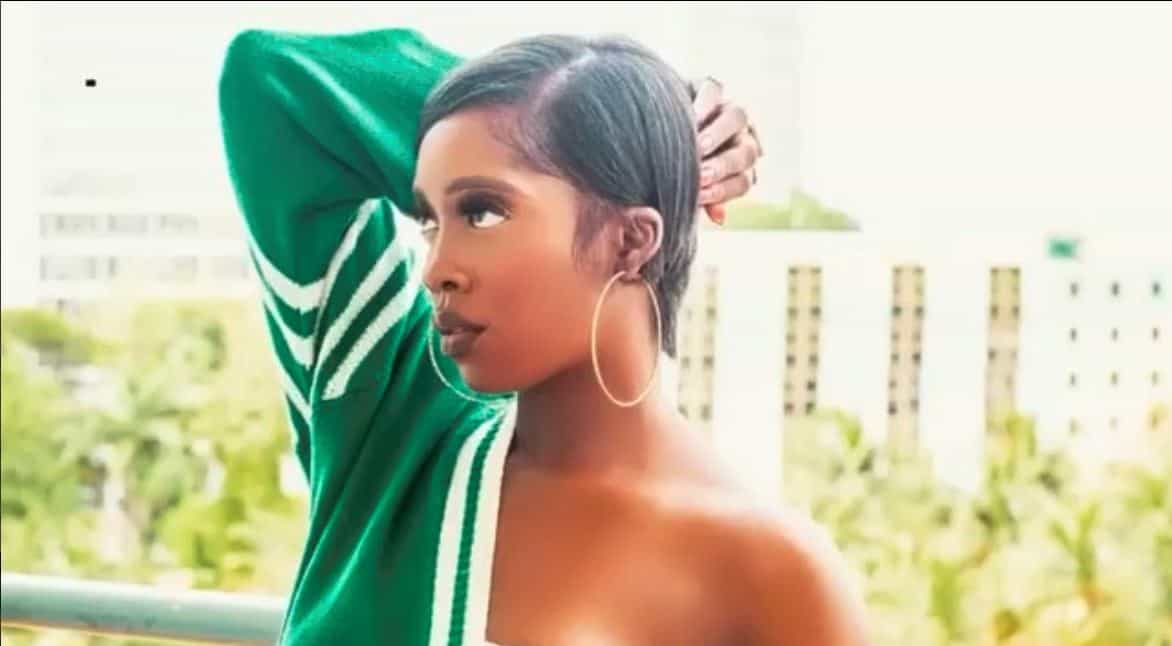
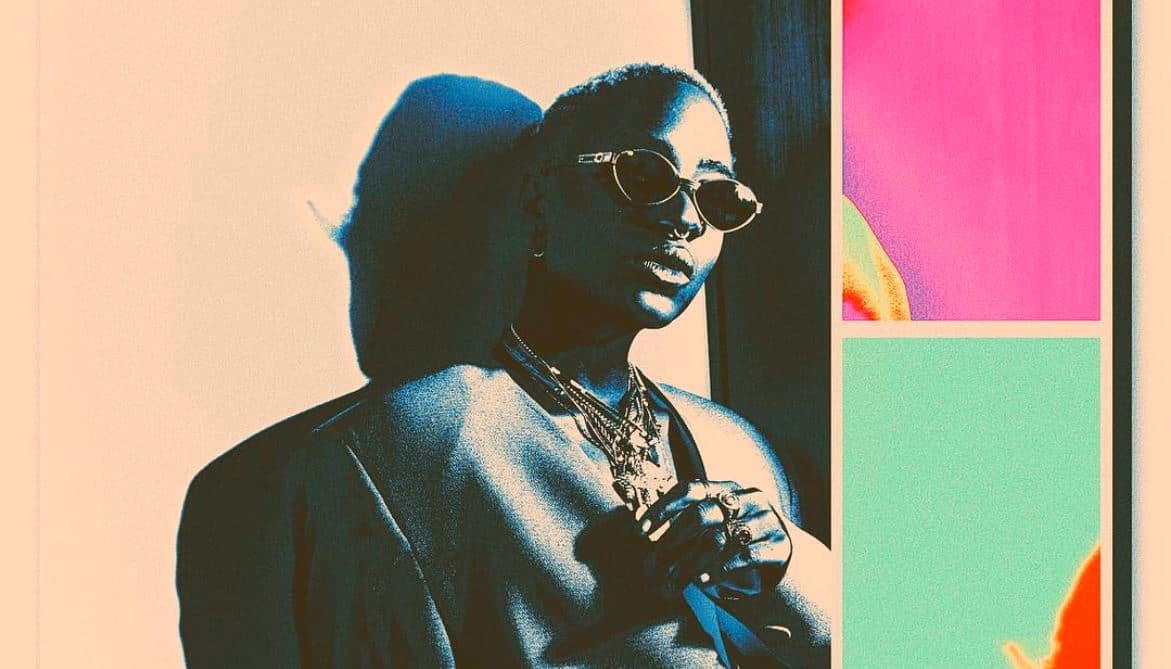
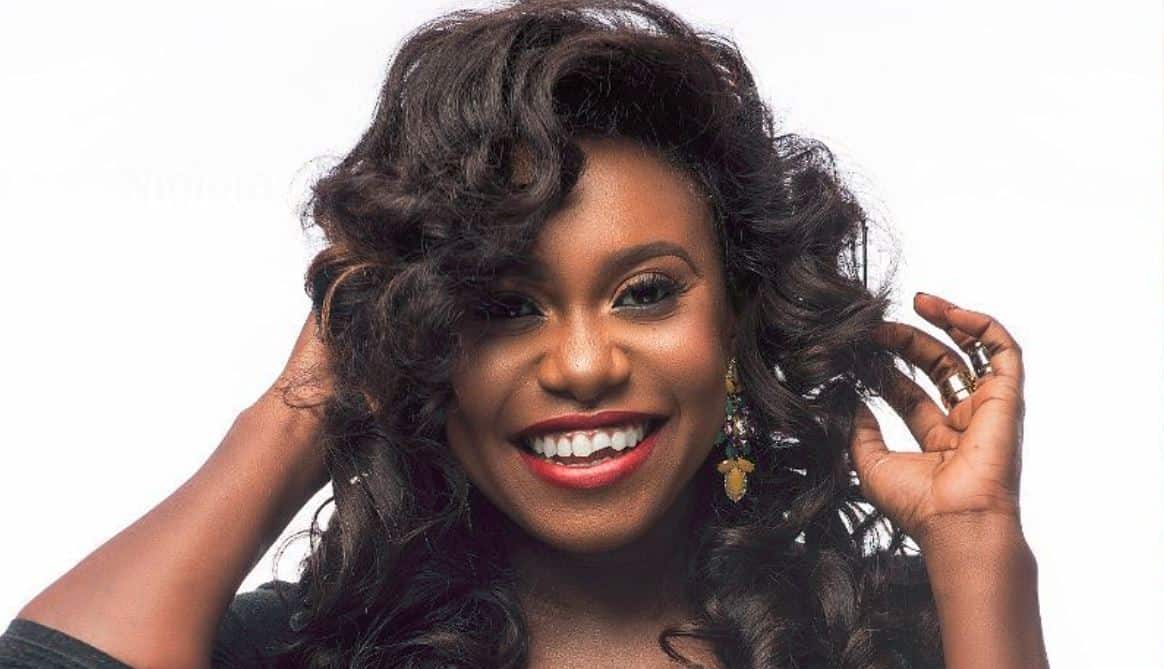
Through her music, Tiwa Savage has continued to debunk the notion that a woman needs to be convinced to express her sexual desires. On Di’Ja’s “The Way You Are” both singers celebrate their sexuality simply by expressing it, and since then, Tiwa has gone on to add songs like “Get it down” to her pool of body and sexual positive music. Her new song “LabaLaba” is her latest addition to the collection.
“Laba Laba” translates to Butterfly and through the song, Tiwa displays her sexual freedom by drawing parallels between herself and the life of a butterfly. “Omo e don tey wey i dey buzz you/I dey busy I dey hustle”, she begins explaining that she is a working woman who has sexual urges sometimes. “When I get this feeling, I want sexual healing”, and she only wants it from him because he’s “the sweetest”.
Earlier this month, RAYE announced the release of her latest project, ‘Side Tape‘, a six-track EP featuring stellar artists like Mr Eazi, Stefflon Don, Maleek Berry, Kojo Funds and a host of others. The British singer announced the release via Twitter, also asking fans to watch out for “Crew” and “Confidence”, her favourite tracks on the EP.
My BABY #SideTape is out now. S/o to all the incredible artists who featured 🧡 I hope yall love it . Make sure u listen to crew and confidence my two favs heehee 😎 pic.twitter.com/PwsCMiUi1N
RAYE’s fondness for “Confidence” may have fueled her decision to start off what we hope would be an array of videos for this EP. Though the video does not feature Maleek Berry or the producer, Nana Rogues, their presence is felt in the one-man dance piece and RAYE’s lips moving along to the lyrics.
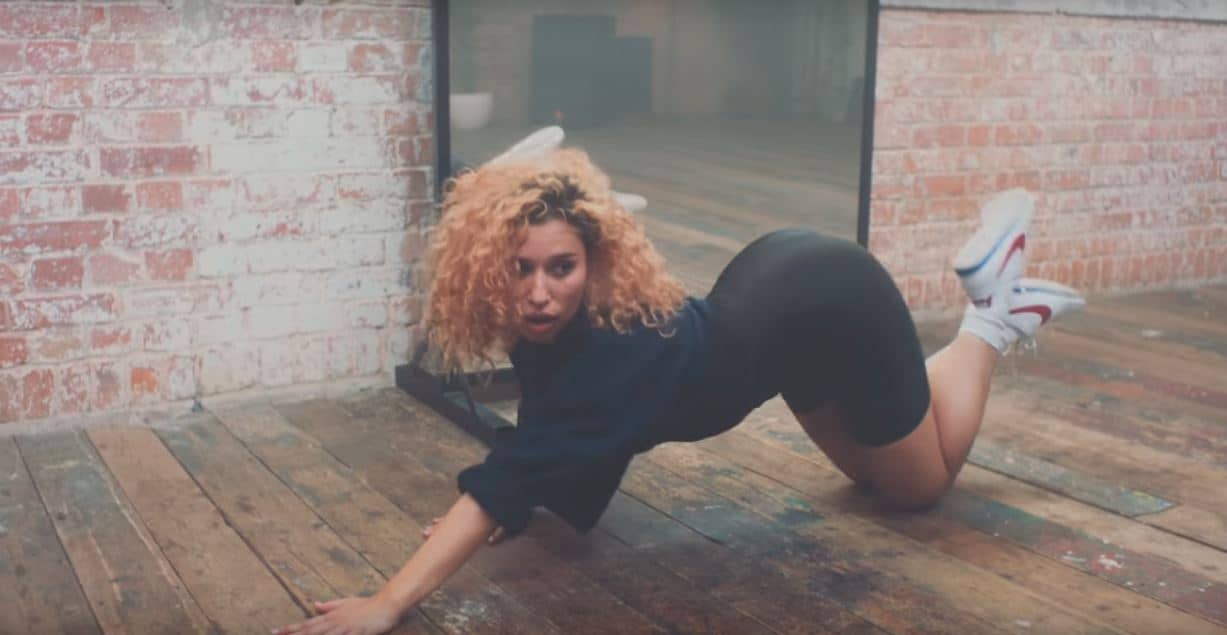
For “Confidence”, Walid Labri directs a plain sailing video that begins and ends with RAYE dancing in a room by herself. As she dances around the room and in front of a mirror, RAYE assertively tells “African Man” about what exactly she’s looking for. “Confidence” may remind of the enthralling dance moves seen in the movie ‘Dirty Dancing’ and Cassy’s winsome video for “Me & U”
Watch RAYE’s “Confidence” here:
Featured Image Credits: YouTube/Raye/VEVO
“Tomiwa is figuring it out…” Tweet at her @fauxxbella
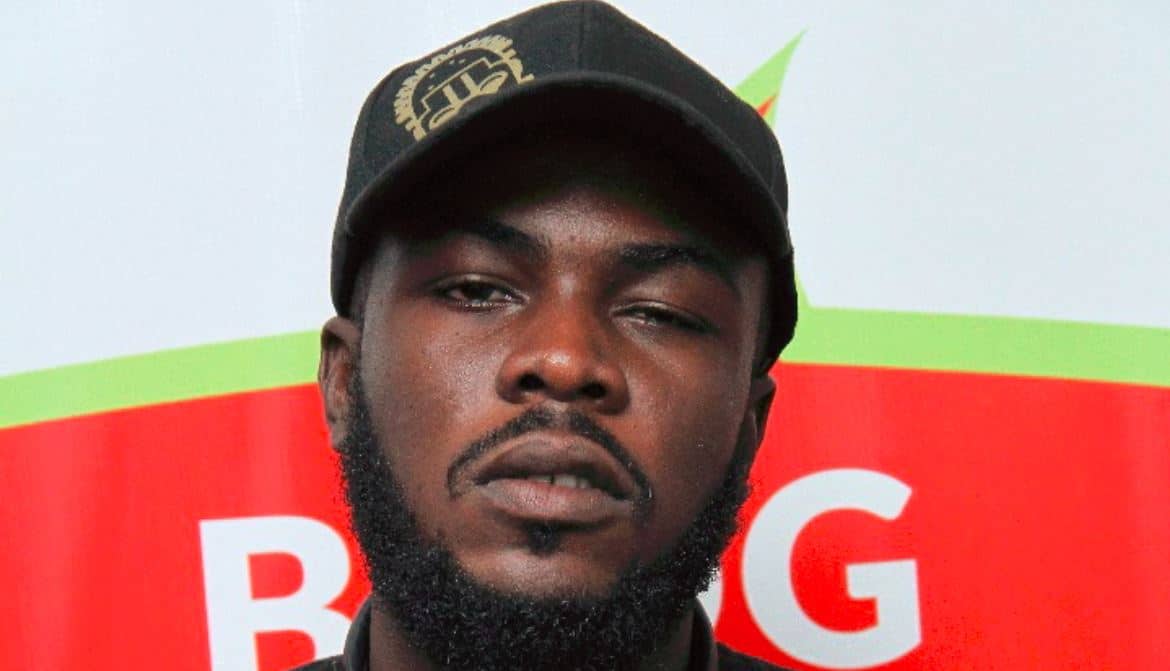
If you’ve ever wondered what happens to winners on music competition shows after the spotlight fades, Vader’s new single, “Not Famous”, offers some insight that may be shocking—if only for it’s candidness.
Over a mid-tempo beat Nano produces, mixing hip-hop’s bouncy drum and bass thud with traditional drums, percussion and horns, the Hennessy VS Class 2017 winner explains and indulges in the minutiae of how little his life has changed since emerging as the most promising Nigerian rapper. The somber instrumental gives the song an air of severity that makes his grievance with his lack of recognition crushing, but he manages to keep things light with an offhand sense of humor; “Why Should I Be Talking Bout Haters, Nobody Gives A Damn About Vader”.
At it’s best, “Not Famous” crosses goofy wordplay with a satirical eye for the current conversation on Nigerian’s seemingly cold shoulder to hip-hop. By giving such an earnest depiction of his life since winning the prestigious hip-hop competition, his commentary on the climate is both eyeopening and touching. But mostly impressive because rather than lamenting the situation, he seems to find inspiration in his current obscurity; “Good Part is No One Asks For Hands Out”.
Listen to Vader’s “Not Famous” below.
Featured Image Credits: Instagram/vaderthewildcard
You are meeting Debola at a strange time in his life. He wandered into a dream and lost his way back. Tweet at him@debola_abimbolu
As electronic music continues to seed into Africa’s mainstream from Johanessburg to Lagos, the lines between what is considered “streets” and the elevated urban culture will continue to blur. WavyTheCreator’s latest single, “Shaku”, offers a glimpse of what that inflexion will look like, lending inspiration from the popular Afro-house sound dance infused with her soulfully altered vocals about “dancing the night away”. Laced with trippy dance drums, ambient synths and pianos, the message at the core of “Shaku”, seems simple enough, even in the vapid emptiness of our existence, true beauty is in the simple things like a dance move we can all enjoy no matter what side of continent you are from.
Given that both artists only just debuted projects last year, it may be premature to immediately expect another full solo body of work from either of them in this age of digital releases. Make E No Cause Fight, embellishes the synergy of more ambitious full-length joint projects, in a good way. This is why the 5-track offering almost feels too short. However, between pseudo-romantic musings and trap-inclined party starters, both collaborators make the short run time count.
The tape’s Apple Music description reads aptly, “Five tracks of buttery, slow-wind goodness”. And from the opening track to the last, BOJ and Ajebutter 22 maintain a mid-tempo groove backed by production from Spaz, EKelly, and Studio Magic. Both artists have proven to be quite the harmonious pair with their pseudo-alternative take on Afropop, heard on previous singles like “Omo Pastor”. But their latest collaborative effort is more expansive, allowing them cover several themes like supernatural favor on opening track, “24”, something for the lovers on “Tungba” and an hustler’s anthem on Teezee assisted closing track, “Amala”. ‘Make E No Cause Fight’ also features additional vocals from Tay Iwar on the pre-released lead single, “Yawa”, though it’s not nearly as prominent as Teezee’s.
You can stream BOJ and Ajebutter 22’s ‘Make E No Cause Fight‘ below.
Featured Image Credits: Instagram/ajebutter22
You are meeting Debola at a strange time in his life. He wandered into a dream and lost his way back. Tweet at him@debola_abimbolu
In the perpetual turn of the spotlight wheel for Afropop stars in Nigeria, no artist is sacred—not even Wizkid. The Starboy’s fans will say otherwise but returning from a world tour in 2016 to run his RCA album campaign in 2o17 took him away from home for far too long. Rising to international fame on the steam of “One Dance”, allowed him to venture into American soundscape with his ‘Sounds From the Other Side‘ album, but it came at the cost of his lockdown of the homefront.
While music pundits anticipated the RCA recording deal will force Wizkid’s releases to become few and far between, that wasn’t to be the case. It merely led to a more experimental sound from Wizkid than Nigerian fans could take, leaving just his familiar vocals and charisma to make it convincingly Nigerian. But over the last few months since the album’s release, Wizkid has doubled down on connecting with home fans again, releasing music under his Starboy label’s imprint.
“Medicine”, his first release, just a couple of weeks after the album dropped, features tin-pan drums popularly referred to as ‘pon-pon’. Thanks to the beat Masterkraft produces, fusing ambient synths with the Afropop drums that had become the rave following hits mimicking Tekno’s “Pana”, Wizkid was presented as being in tune with the local zeitgeist. He quickly followed that with “Odoo”, also produced by Masterkraft as they continued to push a local sounding Wizkid.
Though “Medicine” and “Odoo” were given the attention deserving of Wizkid’s releases, local fans couldn’t shake off that subtle indifference they had developed since Wizkid’s outlook turned global. Releasing “Everytime” next with a feature from Future sure didn’t help either, despite the uniqueness of their unexpected chemistry. It wasn’t till the release of “Manya” in November that Wizkid seemed to really hit gold with the interpolation of VIP’s 2003 hit single, “Ahomka Womu”. And even then, it was first met with skepticism till the video’s release, showing Wizkid partying at the Fela memorial African Shrine. Something about the bold embrace of his local influences made the song exponentially more affecting and led Wizkid into a career renaissance.
The Starboy team quickly queued up “Soco” featuring guest verses from Wizkid, Terri, Ceeza Milli and Spotless. The single dropped just weeks after Wizkid had been on Twitter, promising fans a new album and hinted that the sound would be closer to home than ‘Sounds From The Other Side’. And as promised, “Soco” is reminiscent of the good ol’ days, a subtle Baba Nla’s flex to show off Wizkid’s prominence on the soundscape
Having scored two back to back hits with what seemed to be effortless throwaways, Wizkid was now returning to past glory. And what better way to go than to release a pseudo ‘Twitter project’, promoted almost solely via his tweets. Wizkid doesn’t need a major label’s backing to realise his music goals, especially in Nigeria, when he can take advantage of his 4 million followers and have the song go viral on social media.
His latest Starboy release, “Fake Love”, featuring himself and Duncan Mighty is not only a great Afropop song, it also maintains Wizkid’s connection with his roots. The Duncan Mighty feature is a sharp contrast from last year when the Starboy still had his international campaign running through Drake’s contribution on “Come Closer”. Though both songs were well accepted by fans, “Come Closer” didn’t have the nostalgic tone that makes “Fake Love” so intimate for Wizkid fans.
If the goal for SFTOS was to reach a new audience, Wizkid has spent the last couple of months using his Starboy music group to appease the bruised ego of jilted fans. Perhaps somewhere along the line, he realized he’s better off staying true to his local sound, or it’s all just PR for an album targeted at a local audience. We may never know for sure. But the Starboy is back to his roots, where it all started and we can’t wait to see what he has in store.
Featured Image Credits: Instagram/wizkidayo
[mc4wp_form id=”26074″]
You are meeting Debola at a strange time in his life. He wandered into a dream and lost his way back. Tweet at him@debola_abimbolu
Bad bosses are the worst, aren’t they? I wouldn’t know myself (thankfully), but my neighbour, Martin, once described his as a blood-sucking demon who terrorised his life. My cool friend would see his boss’ name pop up on his phone screen and have a panic attack. Emeka Kachikwu’s new film, “Boss of All Bosses” is a satire of those terrible office situations when your boss is particularly evil.
Tony, an obnoxious managing director of an oil and gas company, is the ‘Boss Of All Bosses’ in Emeka Kachikwu’s film. Tony somehow finessed his way into running the company the way he likes until the CEO of the company returns, and his joy ride is finally put to a halt.
Comedic as the trailer promises it to be, “Boss of All Bosses” touches on toxic masculinity, sexual harassment in the office, and inhospitable work environments. We hope that these issues don’t get attenuated like Nollywood likes to do sometimes, but we’ll know for sure when its released on the 15th of June.
It is always a bit of a struggle piecing the history or Nigeria pre-colonial times together. We do our best to piece the information taught by students of history, books we stumble on from that period and what our parents and grandparents may recall. But with the growth of the information distribution, it’s easier to exchange materials and stories, making it easier to piece our history holistically. Nigerian Social Entrepreneur, Olasupo Shasore, SAN, intends to add to this pool of information with a new documentary.
Titled “Journey of an African Colony; The Making Of Nigeria”, the documentary is modelled after Olasupo Shasore’s book, “A Platter of Gold; Making Nigeria”. Like the book, the film promises to bring suppressed truths about Nigeria’s history to light, to tell the stories of the real heroes, the riots that were fought and survived, and the history of Nigeria’s growth from colonization. It also promises to debunk myths about Nigeria and our history and replace them with the truth. Not only will he show us what Nigeria was and what it has come to be, he will also touch on the history of Africa in relation to the rest of the world.
Olasupo Shasore is a writer, historian, commercial lawyer, and former Attorney-General of Lagos State. There’s currently no official release date for “Journey of an African Colony; The Making Of Nigeria”, but we can watch the trailer in anticipation here:
Slim Case has become the face of street music’s renaissance in Nigeria. Off a handful of features on hit street-pop releases like Idowest’s “Shepeteri” and D’banj’s “Issa Banga”, his distinctly slurry vocals quickly became popular and instantly recognizable heard from all the features, with his humors take on the street lifestyle. Recently, he featured on MTV Base Africa’s Official Naija Top 10, where he delivered a freestyle over a Maleek Berry produced beat. His mixture of Yoruba and English bars are introspective, revealing his street reality and his hip-hop influence.
Craig David – “Magic” Feat. Yxng Bane
Craig David just released the video for the opening track, “Magic”, from his ‘The Time Is Now‘ album, released at the start of the year. The new video features a guest verse from Yxng Bane and well choreographer dance sequence from the featured dancers who dance to the glossy pop song. Against a sleek backdrop with lighten effect, they all groove to the energetic blend of 90s R&B pop and the new sound on UK radio. And if you pay attention to the dance routine, you’ll notice a shaku shaku inspired dance move, so keep a look out.
Victoria Kimani – “Wonka”
The video for Victoria Kimani’s “Wonka” in inspired by her raunchy lyrics. Shot with a jungle themed setting, the Kenyan singer is seen in a leopard print attire, accompanied by a well built and tattooed model who dances and watches her performs over the Gospelondebeatz produced track. Just like the song, the video also contains some suggestive sexual metaphors like the monkey and the banana imagery. “Wonka” is the lead single from Victoria Kimani’s coming album, ‘AFROPOLITAN‘, set for release on the 18th of May.
Kyle – “Playinwitme” Feat Kehlani
Kyle’s ‘Light of Mine’ album debut is also due on the 18th of May and he just released the video for “Playinwitme”, the album’s lead single featuring Kehlani. The video is a parody of ’80s/’90s dating show, “The Dating Game” directed by Colin Tilley. He casts Kyle and Kehlani in the game, trying to win the affection of Bianca (Amara Vayder) through a series of competitions like ‘Question and Answer’, ‘Surfs Up’ and ‘Dance Off’, but she eventual picks her date through a blindfold game, leaving both Kyle and Kehlani for the nerdy third contestant. Just like the video for Kyle’s break out single from 2 summers ago, “iSpy”, the video for “Playinwitme” is colorful and cheerful, only more humorous and derivative.
Phyno “Onyeoma” Feat. Olamide
Coming up with new videos for each hit song must be a bother for artists like Phyno and Olamide, with the good run they’ve had with their music releases. The strain to keep up the good quality for their visuals to match their songs may have started to tell as they latest collaboration, “Onyeoma” has a rather interesting concept. The video starts off showing both artists exchanging ideas for the song’s video but after some back and forth, eventually decide their best bet is to leave it to the fans to come up with a video on social media. The result is a collage of skits reflecting the money spraying sentiments heard on the song.
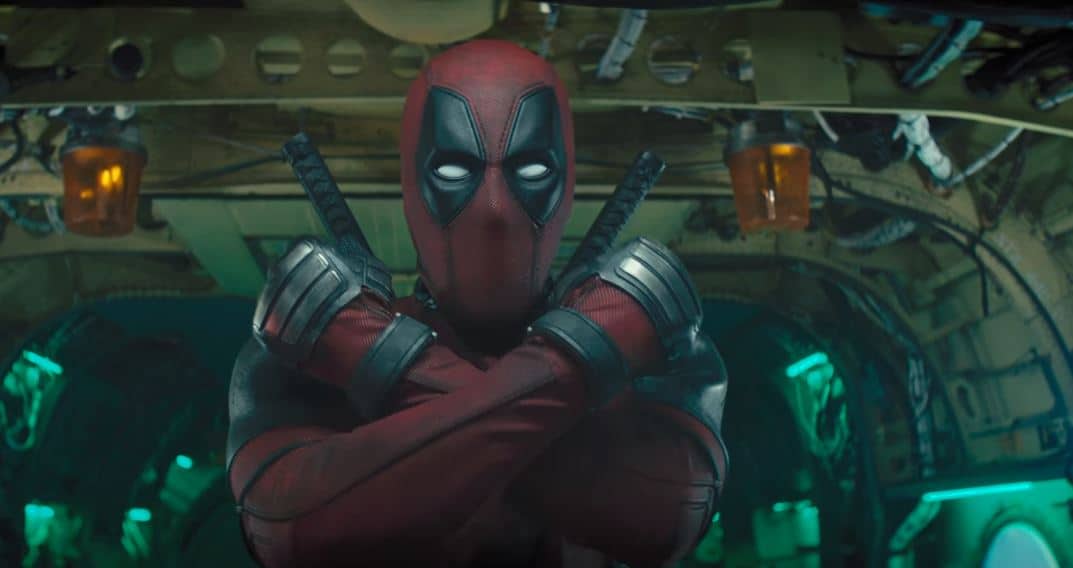
Trailer “Deadpool 2”
Set to debut in cinemas around the world on the 18th of May, Marvel’s favorite anti-hero, Deadpool, is set to return for a thrilling second part of his film. If you’ve seen the first “Deadpool” film, you may already know you’re in for some bloody violence, comical fourth wall breaking and more swearing than can ease the pain from smashing your toe against a table. Wade Wilson is reunited with his girlfriend but has a new mission that requires him to create a team called the X-Force. They’ll go up against Cable who seems badass (*Deadpool Interjects* “But what’s a badass when you have some sweet buttcheeks like these”). Really looking forward to seeing that. I mean the film.
Featured Image Credits: YouTube/20th Century Fox
You are meeting Debola at a strange time in his life. He wandered into a dream and lost his way back. Tweet at him@debola_abimbolu
Whether you make visual art or music, foreign licensing is important and insanely lucrative for business. Mr Eazi is undoubtedly tapping into this honey pot as relentlessly as he can muster the will to. Signing a record deal with Mad Decent, a record label owned by Major Lazer’s DJ Diplo and also a licensing deal with Universal Africa, before signing another licensing deal with Columbia records is the cherry on top of the events that have trailed the announcement of his new project, ‘Lagos to London’, a sequel to the ‘Life Is Eazi: Accra to Lagos’ EP.
Davido and Tiwa Savage have been announced as nominations for the “Best International Act, Music” category at the BET music awards. This is not the first time either one would be nominated though. In 2014 Davido won a BET international award which Tiwa Savage was also enlisted for. He was also nominated in the same category in 2016, along with Tekno and Mr Eazi, and Wizkid, who won the award.
But this year is a little different. In the past, the International award category was split into UK and Africa. The has been changed to accommodate acts from everywhere outside the United States. While this integration gives room for universality, it means the artists are paired from all regions in the world, except America.
Davido and Tiwa Savage are nominated in the category along with equally notable acts such as Cassper Nyovest from South Africa, Booba from France, Stormzy and J Hus from UK.
The 2018 BET Awards is scheduled to take place on Sunday, June 25, 2018at the Microsoft Theater, Los Angeles, California, United States. See the full list of nominees below.
Best International Act Award
Fally Ipupa (DR Congo)
Booba (France)
Cassper Nyovest (South Africa)
Davido (Nigeria)
Dadju (France)
Distruction Boyz (South Africa)
J Hus (UK)
Niska (France)
Tiwa Savage (Nigeria)
Stefflon Don (UK)
Stormzy (UK)
Best Female R&B / Pop Artist Award
Beyoncé
SZA
H.E.R.
Rihanna
Kehlani
Best Male R&B / Pop Artist Award
Bruno Mars
Chris Brown
The Weeknd
Khalid
Daniel Caesar
Best Group Award
Migos
A Tribe Called Quest
N*E*R*D
Rae Sremmurd
Chloe x Halle
Best Collaboration Award
Bruno Mars f/ Cardi B – “Finesse (Remix)”
DJ Khaled f/ Rihanna and Bryson Tiller – “Wild Thoughts”
DJ Khaled f/ Jay Z, Future & Beyoncé – “Top Off”
Cardi B f/ 21 Savage – “Bartier Cardi”
French Montana f/ Swae Lee – “Unforgettable”
Kendrick Lamar f/ Rihanna – “Loyalty”
Best Male Hip Hop Artist Award
Drake
Kendrick Lamar
DJ Khaled
Jay Z
J. Cole
Best Female Hip Hop Artist Award
Cardi B
Nicki Minaj
Remy Ma
Dej Loaf
Rapsody
Video of the Year Award
Drake – “God’s Plan”
Cardi B – “Bodak Yellow”
Bruno Mars f/ Cardi B – “Finesse (Remix)”
DJ Khaled f/ Rihanna and Bryson Tiller – “Wild Thoughts”
Kendrick Lamar – “Humble”
Migos f/ Drake – “Walk It Talk It”
Video Director of the Year Award
Benny Boom
Director X
Ava DuVernay
Chris Brown
Dave Meyers
Best New Artist Award
SZA
H.E.R.
Daniel Caesar
GoldLink
A Boogie Wit Da Hoodie
Dr. Bobby Jones Best Gospel/Inspirational Award
Lecrae f/ Tory Kelly – “I’ll Find You”
Snoop Dogg f/ B Slade – “Words Are Few”
Ledisi and Kirk Franklin – “If You Don’t Mind”
Marvin Sapp – “Close”
Tasha Cobbs Leonard f/ Nicki Minaj – “I’m Getting Ready”
Best Actress Award
Tiffany Haddish
Lupita Nyong’o
Issa Rae
Angela Bassett
Letitia Wright
Taraji P. Henson
Best Actor Award
Chadwick Boseman
Michael B. Jordan
Donald Glover
Sterling K. Brown
Denzel Washington
Daniel Kaluuya
Young Stars Award
Yara Shahidi
Ashton Tyler
Caleb McLaughlin
Lonnie Chavis
Marsai Martin
Miles Brown
Best Movie Award
Black Panther
Girls Trip
A Wrinkle in Time
Detroit
Mudbound
Sportswoman of the Year Award
Serena Williams
Venus Williams
Skylar Diggins-Smith
Candace Parker
Elana Meyers Taylor
Sportsman of the Year Award
Stephen Curry
LeBron James
Kevin Durant
Dwyane Wade
Odell Beckham Jr.
Album of the Year Award
Kendrick Lamar – Damn
SZA – Ctrl
Jay Z – 4:44
Migos – Culture II
Kendrick Lamar and Various Artists – Black Panther: The Album
DJ Khaled – Grateful
BET Her Award
Janelle Monáe – “Django Jane”
Lizzo – “Water Me”
Mary J. Blige – “Strength of a Woman”
Remy Ma f/ Chris Brown – “Melanin Magic (Pretty Brown)”
Chloe x Halle – “The Kids Are Alright”
Leikeli47 – “2nd Fiddle”
Coca-Cola Viewers’ Choice Award
SZA f/ Travis Scott – “Love Galore”
Cardi B – “Bodak Yellow”
Kendrick Lamar – “Humble”
Drake – “God’s Plan”
Migos f/ Nicki Minaj and Cardi B – “MotorSport”
DJ Khaled f/ Rihanna and Bryson Tiller – “Wild Thoughts”
Featured Image Credits: Instagram/BETAwards
“Tomiwa is figuring it out…” Tweet at her @fauxxbella
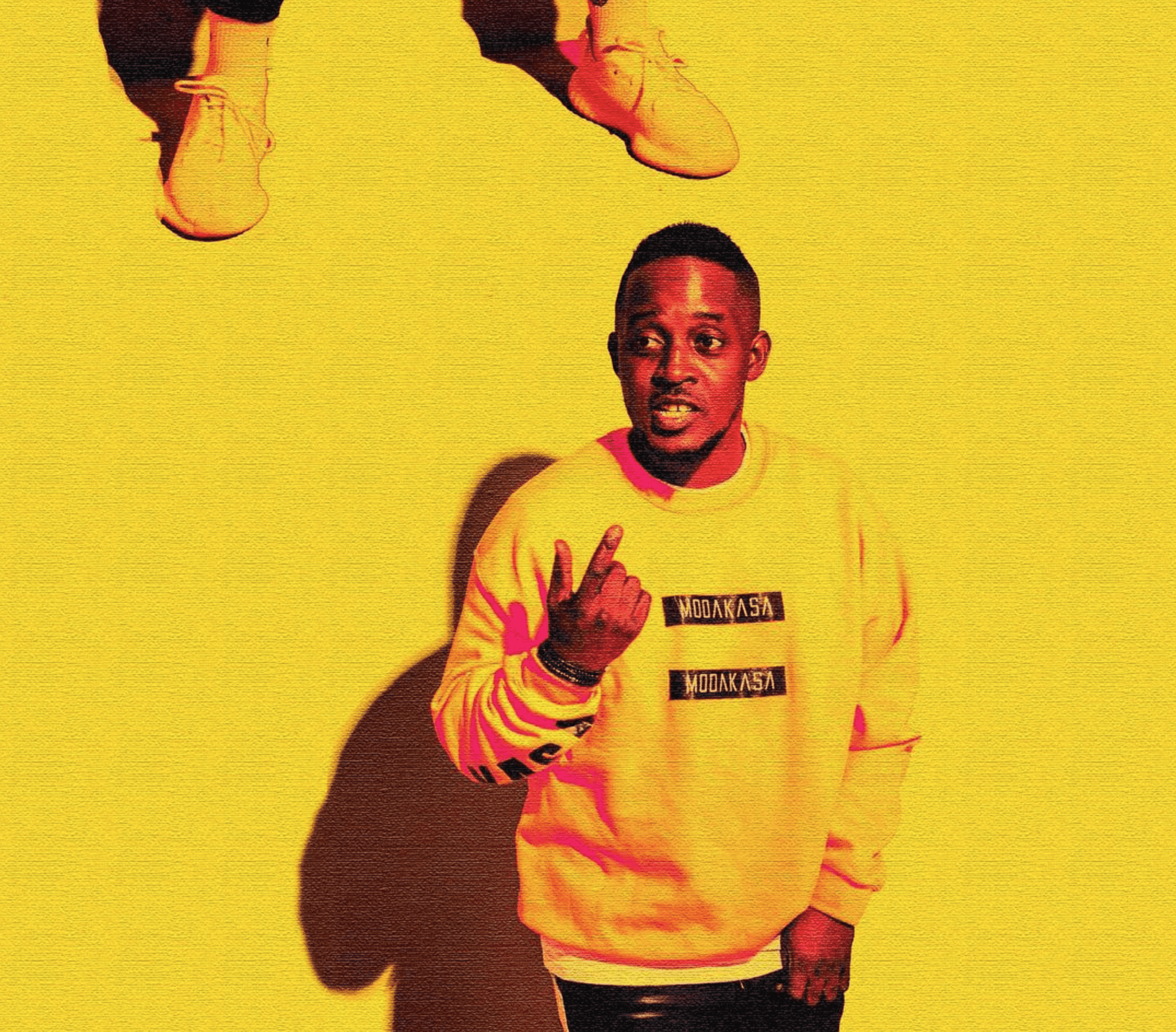
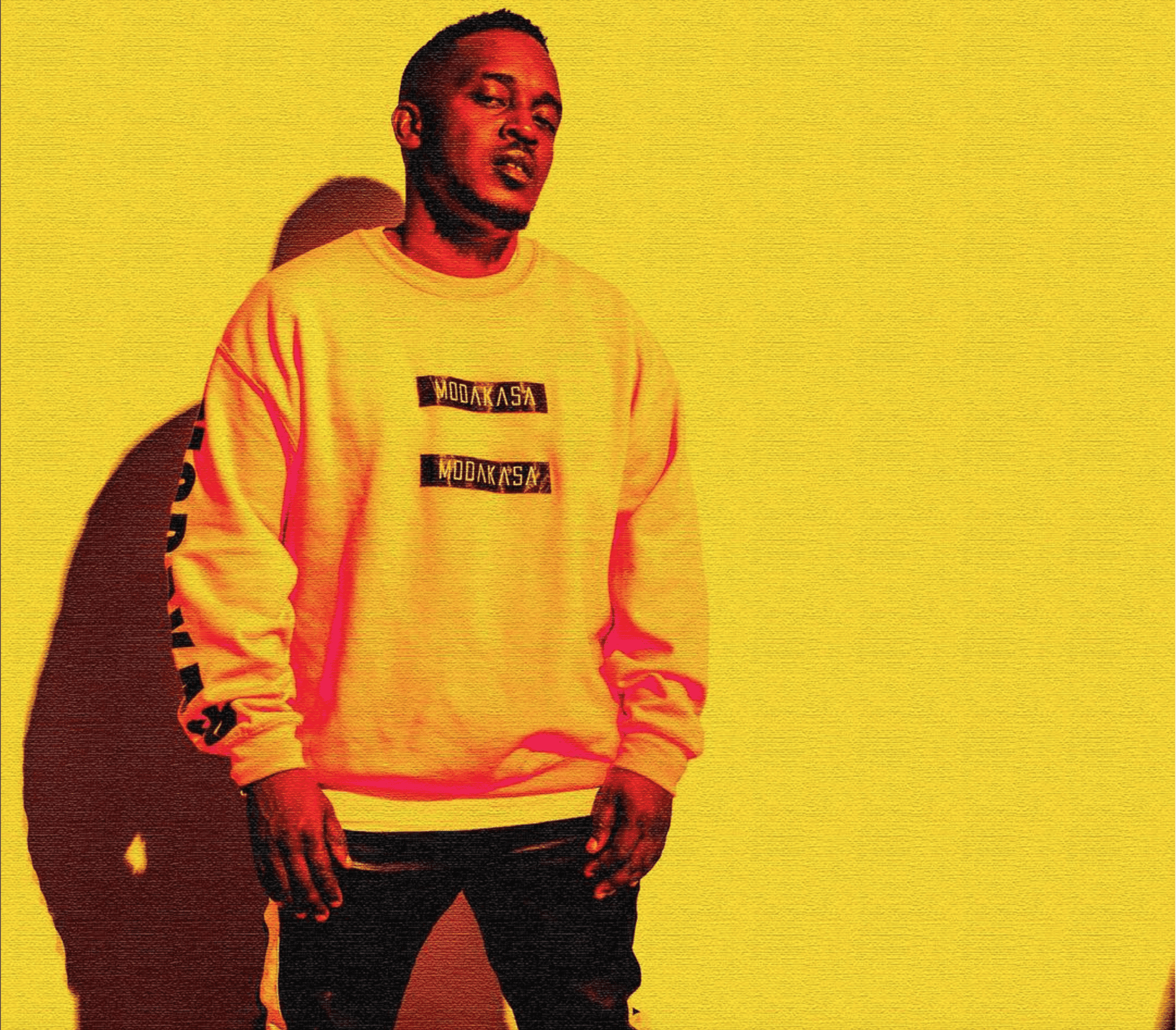
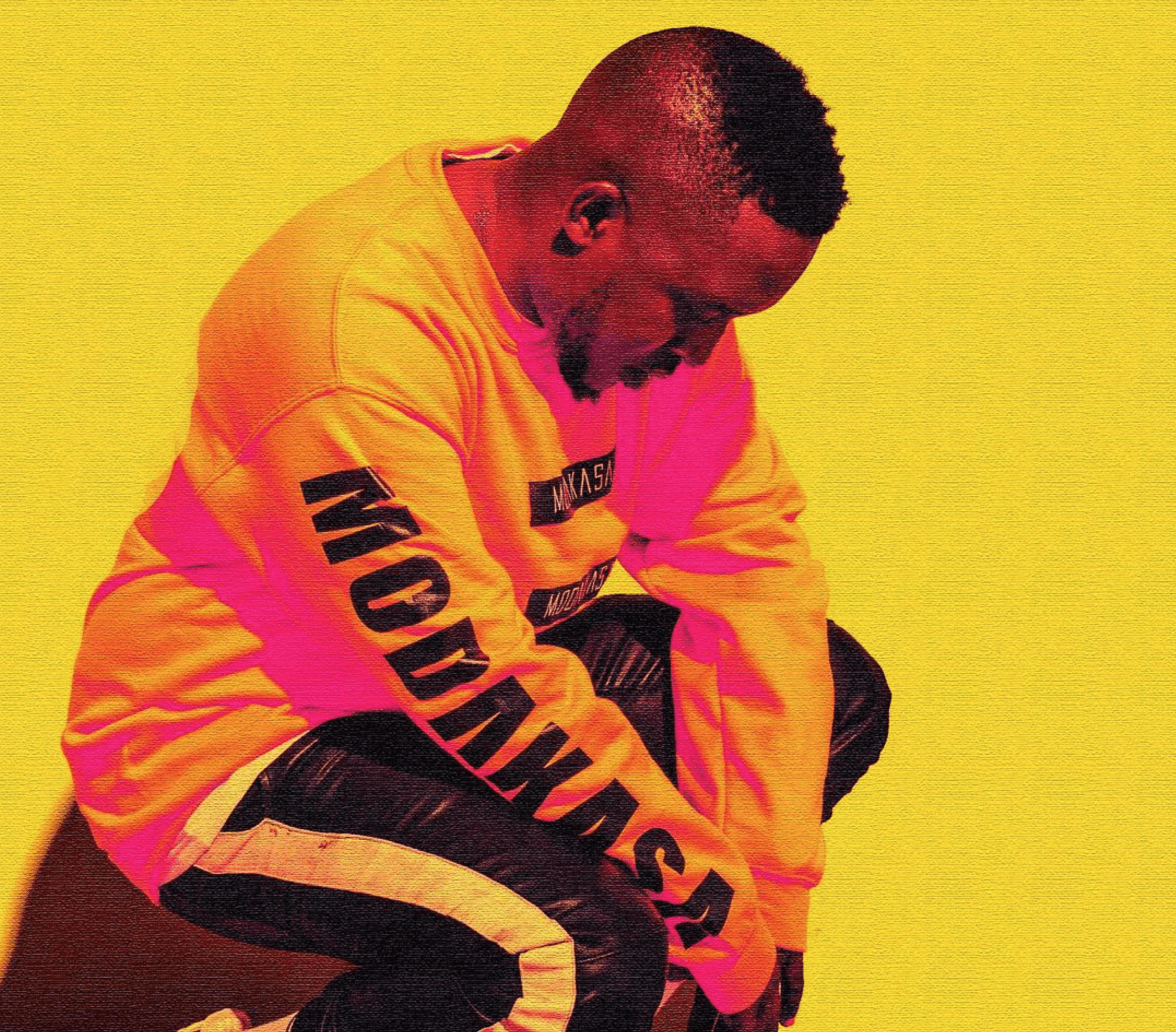
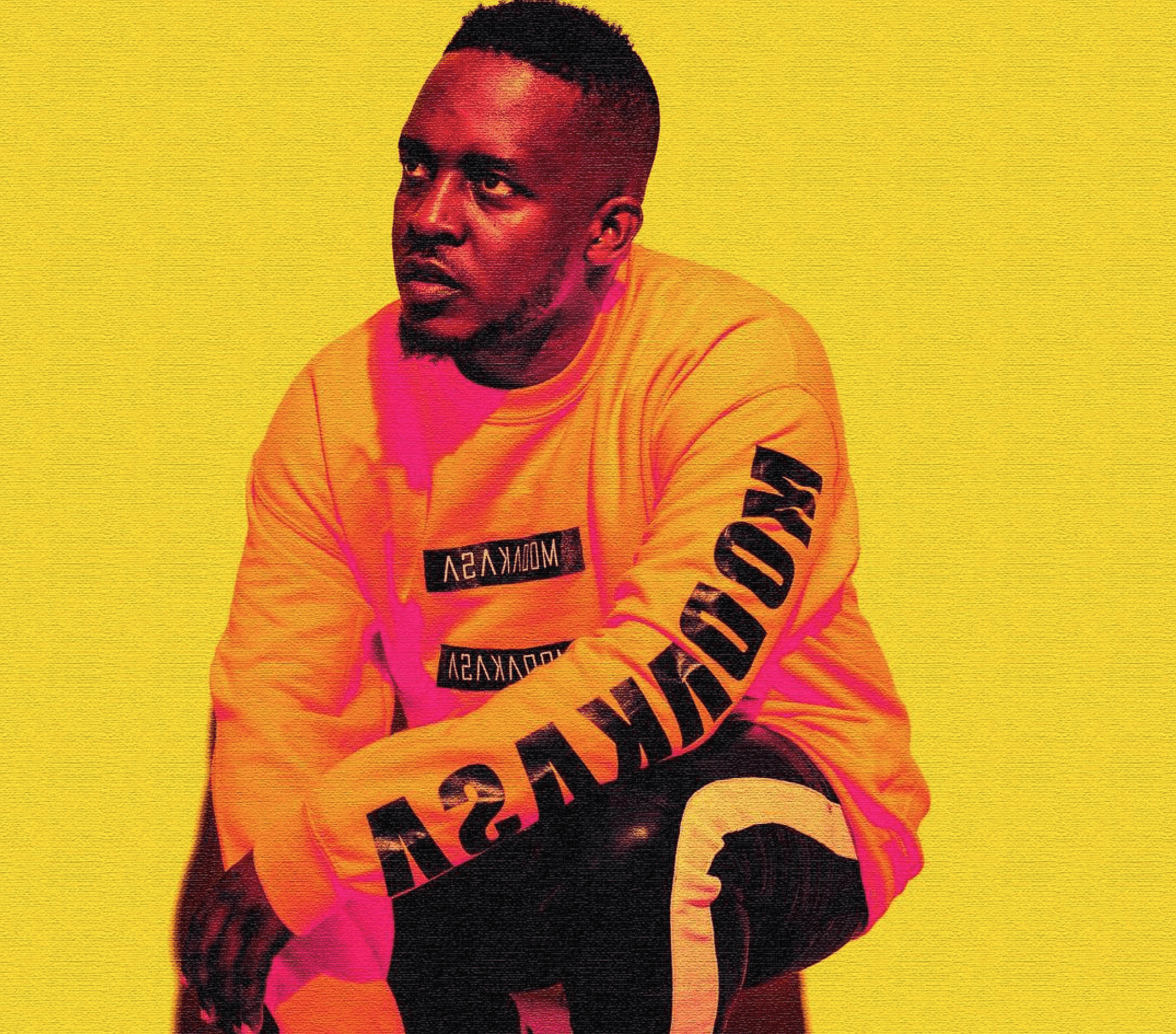
I watch as M.I walks into the room, full of life, handing warm hello(s) to everyone like a regular at the lounge with a casual habit. It’s a Thursday afternoon, a few weeks after the release of his Rendezvous album. After fussing over his internet connection for a bit, he settles into a cheerful calm as we start to talk about the album, where his head was while recording and its impact on pop culture
“I’m super excited,” he says, his voice dipping into the silky but familiar baritone. “In terms of feedback and appreciation for the music, I’m overwhelmed. I knew it was a risk making new sounds because a lot of my fans hadn’t really transitioned into the trap bounce, but the feedback has been great.” While trap music has already seeded into the streets of Lagos through the works of artists like Terry Apala, MI’s concern for Rendezvous, probably spoke more to the pressure to keep up the standard.
Like his adventurous Talk About It debut, Rendezvous, takes M.I back to basics, to do ground-work important for exploring unique sounds that aren’t very mainstream yet. Before that, he made bold statements with “You Rappers Should Fix Up Your Lives”, riding on a trap-inclined sound produced by South African punk-trapper, Patrickxxlee. The track got under many skins, spurring a range of replies and diss tracks, many questioning M.I’s moral ground but none contesting the validity of his logic.
Subtly but certainly, M.I had flagged off another campaign to save Nigerian hip-hop that pays off handsomely to his credit based on his track record, because, who else but M.I ?
Oddly, when I mention the impact of Talk About It, and how you could easily swap tracks between Rendezvous and his decade-old debut, his reaction was self-amusement, like a genius who had finally gotten recognized as such. “I was just in the studio putting in hard work and trying new sounds” He doesn’t exactly blush as he speaks, but admits that the ingenuity of Talk About It was just a product of really hard work.”Wizkid came in and heard the beat that Kraft had sent me and he just laid this amazing chorus on the song and that was it”
But many of his biggest critics accuse him of pandering to popular sounds to stay relevant. When I ask M.I about this, his response is very matter-of-factly. “I can tell you categorically that I’ve never made music I didn’t want to, or compromised what I wanted for market reception”. He maintains that making music for him is only subject to his creative process; it’s a sale of something that has value, reception is just a plus.
It’s the exact answer you’ll expect from an artist who understands the dynamics of being a celebrated star. Regardless of how obvious the gimmick or marketing strategy, the lyrics and emotions pop stars express are expected to be their real lives. It’s hardly a wonder that the image of the artist as a solitary genius—noble, enviable, pleasant object of aspiration and projection—has kept its hold on the collective imagination of fans, the media and other artists. Whether M.I asked for it or not, the acclaim of rappers like him inspires cult-like loyalty from fans who forget that artists are just trying to make a living off what they love, they aren’t responsible for any dreams and visions but their own.
Between pulling up receipts and promising tea if anyone can come out of the shadows to refute his claim, M.I addresses the media’s inclination to run with the sensational headlines in a bid to run up numbers. A slippery slope we’ve seen result in hours of a testosterone pageant with two journalists on Pulse’s “Loose Talk” podcast. “I’m a human being and I was attacked for trying to change an artist’s sound, and I feel like the media let me down the most at that period. They just heard a story and ran with it without any kind of fact checking”.
Though M.I is self-aware enough to ask questions within himself, it’s important we don’t assume his critics are merely just angry their favourite rapper evolved. Rendezvous, allows M.I explore niche sounds of artists like Odunsi and Santi, and the entire country thanks him for giving these “new-ish” kids a spot on a big-budget roll-out. That’s great indeed, except that artists signed to Chocolate City could have gotten that ball rolling years ago.
Allegations that CC influences the creative process of artists under its umbrella for commercial viability has always trailed M.I’s leadership at the label. Milli’s exit from the label in 2016, followed by a 5-Part Facebook post vaguely detailing his time at the label casts an even darker shadow on M.I’s messiah status. What sort of messiah would arm wrestle an upcoming artist for a Wizkid feature, then ask him to re-write a perfect 16 in pidgin, to make it more “streets”. It makes it even harder to argue that the label didn’t technically successfully replicate the Milli formula on a more willing artist, Dice Ailes, who made soulful trap songs till he made a recent Afropop song switch under Chocolate City.
M.I refutes every claim that his label is so inclined to profit, that it would disregard an artist’s viewpoint. “That has never happened, in fact, I don’t think any label that’s serious will try to make an artist into anything they aren’t. I have to think about keeping the lights on, I have a board to report to, where do I find the time to tell every artist what to do and how to do it?” he told me. Though he’s careful not to take cheap shots by naming anyone, he adds that Chocolate City wouldn’t push to be a coalition of pop stars because it wasn’t a producer based label. “Listen, It doesn’t matter what genre of music you make, Chocolate City will sign anyone as long as we believe you’re talented,” M.I says, his tone giving off more passion and urgency than at any other point in our conversation. “But it is your responsibility to put forth your vision”, he adds, absolving himself and the label of any control if an artist ends up putting out work that isn’t truly reflective of their craft.
M.I also thinks it’s unrealistic to put him on such a pedestal so as to assume that he’s expected to always bring the fire and not ride already established waves. “For me to expect that I have to be the face of a new sound, would mean that I have to believe that I am always right and my opinion is always right. I’m looking to be inspired myself. I don’t want anyone thinking if M.I isn’t doing things this way, then it must not be the right way”. And while it does sound like a daunting ideal for anyone to live up to, most of M.I’s career is built on his carefully crafted enigmatic personality, hyped up to deified status.
It’s not just in his lyrics or songs like “You Rappers Should Fix Up Your Lives” either, it’s a personality he embodies through his day to day living. In our conversation, M.I has a modest confidence; everything he says feels like it’s been pondered on many times before our talk. His calculative demeanour has undoubtedly contributed to his success, but the dip in his aura at the mention of the problematic side to Rendezvous was unmistakable. Its ingenious play at rejuvenation is the stuff of legends—incorporating the younger generation—but for all of M.I’s forth-rightness and good intent, the project reeks of casual sexism and is tone deaf to the world within it was released.
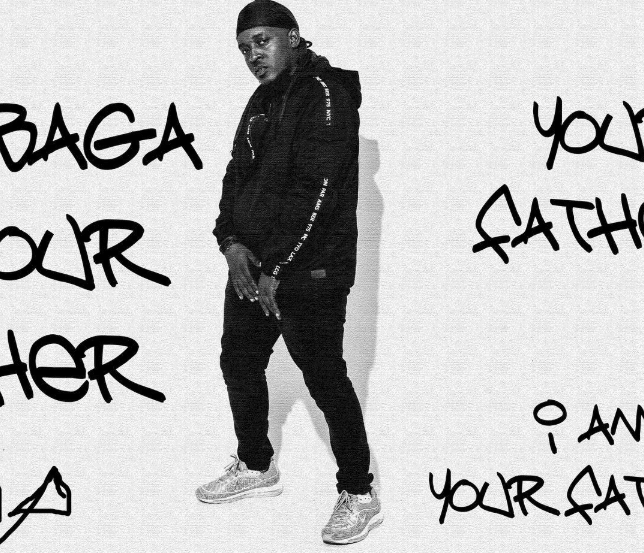
From entitlement dressed up as fondness on “Jungle” (“party tonight, girl come through because if you don’t I’m going to hunt you down”) to every other line from “Your Father”, the project doesn’t reflect any of M.I’s media-friendly personae as a feminist. If you’re thinking “That’s Hip-hop”, then you share similar sentiments as M.I as he confidently explains the importance of artists being allowed full autonomy of their ‘creative space’ without necessarily being perceived as a reflection of their ideals and personality. “We have to be careful that in our push for progressiveness, we do not take away people’s artistic freedom.”
As magnanimous as this sounds, Hip-hop is and has always been the by-product of a specific culture; The music, the visual style, the verbal communication, the value system and the art are expressions of this culture. But if we’re deciding to be forward thinkers, we have to be ready to walk the walk of overhauling it through whatever platforms directly affects us. M.I’s unwillingness to do anything to change Hip-hop’s sexist culture shows just how subject even he is to its failings. One wonders if it’s a thing of not wanting to bite the fingers that fed you or just a general lack of concern.
People asking who he?
They call me M.I-er/ Just because I’m getting higher
I’m spitting fire/ This written for ya
There’s no bullshitting, I’m sitting on top, Naija’s rap Messiah
These bars off “Safe” created MI’s mythos before he had the accolades or even substantial music releases to back his claim to hip-hop’s ostentatious throne. His introduction to the rap game presented him as more fantasy than human, ripping through the vale that separated pop music and rap in Nigeria. With no one else worthy to step up, M.I became “The Most Incredible Out of Naija”. He says that in a way that is no less revolutionary than Lil Wayne’s proclamation that he’s the best rapper alive.
And that’s hardly a surprise, given his position on top of Hip-hop’s hierarchy. He is one of the few who can withstand getting picked apart by the very mob that deified him every now and then, without letting the pressure weigh too heavily on him and his mission. With Lady Lambo being the president of Chocolate City, it’s a smooth sail to shore as she ensures that it’s business as usual for M.I while she deals with the nitty-gritty.
A decade and seven albums after (the eighth expected later this month), through the deification and picking apart of the ‘enigma’ for substance, the legend has witnessed the epic highs and lows of being at the top and is finally coming to terms with an important but not-so-larger-than-life place in Nigerian music history.
By any set standard, M.I is outliving the relevance of his many of peers by releasing an album that still very hip and widely accepted and that makes him one of the most successful music careers in the country. I won’t advise holding your breath expecting a Cole to M.I’s Hov anytime soon though but maybe that’s okay. Our stories are not linear, The Chairman has evolved enough to stay relevant through the changing era, against all odds, with Rendezvous, he’s levelled up.
[mc4wp_form id=”26074″]
Mariam is (insert pretentious stuff about myself here). Share your thoughts with me @MA_Y_M
South African artist, Nasty C is on an impressive roll. His most recent win is an African Artist of the year award a few weeks ago, but he’s going guns’ a blazing with the release of his album, one he excitedly intimated fans about via his instagram. If a margin of error of 0.00000001 is nothing to you, the album is ready.
If Nasty C intends to get ‘hella woke’ on this album, we hope it comes correct. Except of course, he can make a trippy, life-in-the-inner city film to rebrand.
Ahhaaah! Maybe THATS what we should do.. give the word bakism a new meaning 🤷🏽♂️ clown it.. give it new energy.. we managed with “nigga” didn’t we?.. that word used to cut deep to some people till they gave it a new life.. u follow now??
In this clime, you have to get it and get it RIGHT. It’s one bad move from being surrounded by a tribe connected by the internet brandishing their cellphone shaped pitchforks, as they chant ‘canceled’ around a fire set on really good memes. That said, we’re rooting for Nasty C, and can’t wait for the release.
Yung L’s preference for melody has always caught the attention of music lovers and earned him features on media platforms even before his Chocolate City record deal. His album debut, ‘Better Late Than Never‘ however came under the label’s imprint and has since seen him grow into the superstar we’ve always known him to be. His latest release, the video for “Anya” off the album, pays tribute to media platforms as if to say thanks for the support.
It’s not exactly in line with the song’s theme, but there’s a convenient connection of singing a love interest’s praise. Clarence Peters directs the video for “Anya”, set in a YouTube inspired universe where we watch Yung L perform the romantic number accompanied by models. Asides his appreciation for the visual content platform, there are also print media tributes like the magazine cover themed photo shoot and page flip transition effects used through most of the video.
The combination of his inspirations, including cuts from Micheal Jackson’s “Black and White” and Kendrick’s “All The Stars” video, makes for a delightful video that’s sure to increase media buzz around Yung L and his often underappreciated music releases.
You can watch the video for “Anya” below.
Featured Image Credits: YouTube/Yung L
You are meeting Debola at a strange time in his life. He wandered into a dream and lost his way back. Tweet at him@debola_abimbolu
Lately, Wizkid’s music videos have been inspiring in its depiction of Nigeria. For his latest Starboy release, “Fake Love” featuring Duncan Mighty and himself, Clarence Peters gives the emotive single a fittingly sensual video set in a nightclub with exotic dancers, stimulating lighting and a stocked bar, shaped like a guitar.
All these elements make the video inviting as we watch the dancers perform their sexy dance routines and giving suggestive stares. But given the strained theme of “Fake Love”, their seduction only emphasizes the singers’ torment as they lament their inability to find love. Though Wizkid manages to move in line with the mid-tempo beat Killertunes produces, Duncan Mighty can’t hide the anguish from his performance, even when he’s lying down on a pile of money.
Watch the video for Wizkid and Duncan Mighty’s “Fake Love” below.
Featured Image Credits: YouTube/Starboy TV
You are meeting Debola at a strange time in his life. He wandered into a dream and lost his way back. Tweet at him@debola_abimbolu
Doling out not one but two new singles after her recent Headies win, Teni’s confidence and talent seems to be growing as her music discography keeps expanding. “Lagos”, one of the singles she released over the week, is an ode to the metropolis; Its sights, culture and energy. The mid-tempo bop is produced by Jaysynths Beats.
“Askamaya”, released on the same date is however more groove with the fuji inspired melody and beat Produced by Spellz. The lines, “Olomoge askamaya, allen avenue ni’le yin wa”, throws you back to Adewale Ayuba’s classic, “Omoge Cinderella” as Teni performs a feel-good song, albeit with a credible improvisation of form, style and content.
Mavin In-house DJ, DJ Big N continues building a collection of music on the other side of the booth with his latest track titled “My Dear”. He has done well in directing collaborations with artists in the past, pairing some of the most celebrated artists within and outside the Mavin family to produce wavy afro-pop love songs. For his latest, “My Dear”, he teams up with Don Jazzy and Kiss Daniel.
Don Jazzy doesn’t just produce the beat for “My Dear”, he also drops a few lines promising his lover enjoyment and offering her his genuine love and affection to go with the material promises. The song’s traditional drum instrumentals, fit for a live wedding band complement Kiss Daniel’s verse. He serenades his lover with lyrics that make promises but don’t come on too strong, riding on the playful tone of the beat.
Listen to “My Dear” here:
https://youtu.be/Uem87xsZVG8
Featured Image Credits: Instagram/djbign
“Tomiwa is figuring it out…” Tweet at her @fauxxbella
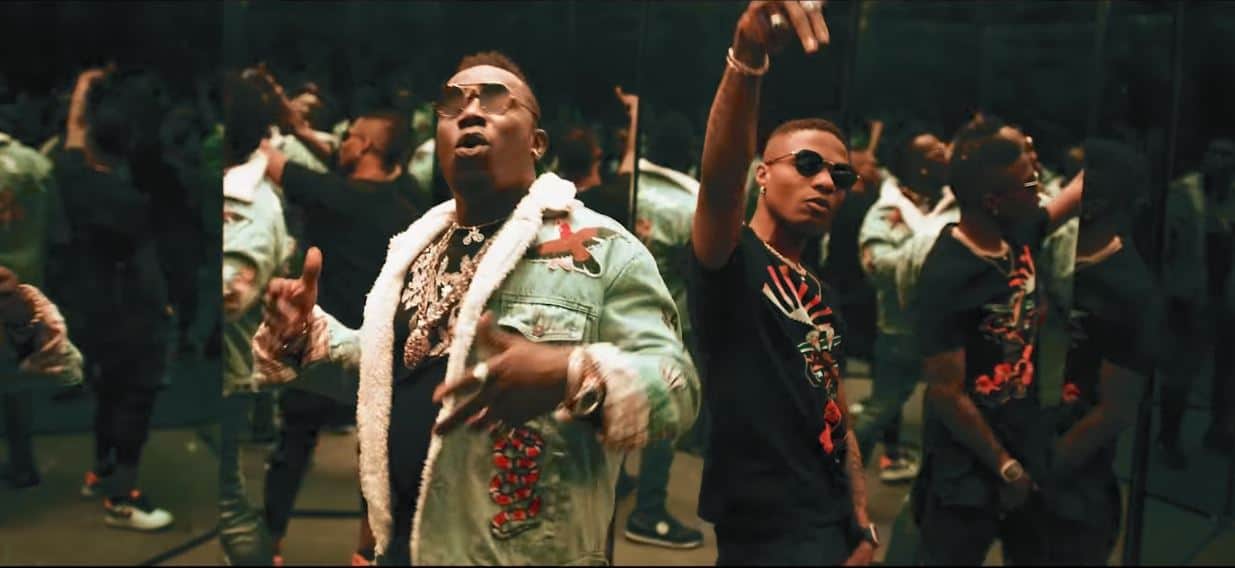
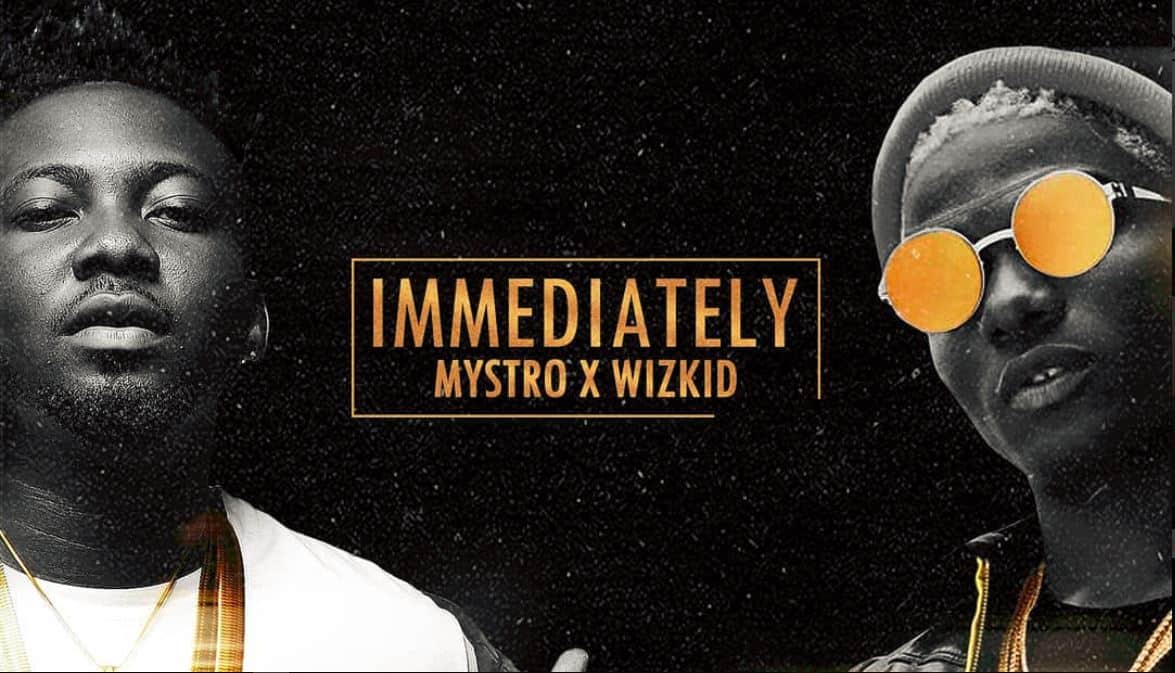
As far as media reception goes, Mystro’s first post-album single, “Immediately”, carries embers of his 10-track Sugar project. It’s convenient to chalk up the Complex premier to guest feature, Wizkid’s international media presence, but given that Mystro’s album was chock-full of features from artists like Maleek Berry, Simi, YCee and others, we’re inclined to believe the allure for “Immediately” lies in its sonic attributes.
From the warm keyboard tones, rubbery bass, and a mid-tempo gait that hits somewhere between Wizkid’s “Soco” and music you’ll expect from live bands at weddings, “Immediately” is tailored for murky dancefloors. The lyrics, encouraging listeners to get their grove on heightens the song’s potency on dance floors exponentially as Wizkid and Mystro’s soothing vocals blend together to make “Immediately” a truly communal song for the summer.
It’s great to talk about what makes “Immediately” good, but you know what? It feels even better to just listen to it. You can stream it below.
Rockstar’s action-adventure video game, “GTA” inspires for WavyTheCreator’s latest single of the same name featuring Akuchi. According to the track’s description, the new single is titled “GTA” because Wavy and Akuchi “made this track while (they) played GTA.” . “GTA” embodies the violence, nudity and coarse language of its muse.
An ambient atmosphere and nihilistic beat glean some of this rawness. Even Wavy’s delicate, belied by power and subtly complex vocals is couched in the track, too risqué for innocent ears. Her voice melds atop, around, and inside the beat, sounding increasingly distant behind her. Akuchi’s brash rap verse about his money-driven compulsion however forces it farther into the background, emphasizing Wavy’s unrivaled ability to perform uplifting hooks.
Stream Wavy Thecreator and Akuchi’s “GTA” below.
Featured Image Credits: Instagram/wavythecreator
You are meeting Debola at a strange time in his life. He wandered into a dream and lost his way back. Tweet at him@debola_abimbolu
Boyewa is about as secretive and enigmatic as Daft Punk and as press-averse and slow-working as Frank Ocean. His songs have always been a magnet for words like “seemingly” and “apparently,” and conducive to conspiracy theories about his anonymity because so little is known about him for sure. Take the 6-minute length of his latest release, “Conyarevival.radio1”, for instance (Let’s move past his bizarre title this time). The actual recording only lasts till the 2:14 minute-mark, leaving listeners to wait in silence for the rest of the 4 minutes. Maybe he just likes the way the sound-graph looks on his Soundcloud, or he wants listeners to take the time to reflect on what they just heard, we may never know for sure.
What we know from listening to the warped bass thud, percussion harmonies and slinky, submerged synth lines gorgeously suffocating Boyewa’s own chopped-up croon isn’t much either. Asides how tantalizing his darkly-shaded slice of echo-pop is, his distorted vocals on “Conyarevival.radio1” won’t provide any grand discovery or even words to latch on to. Just good baseline and melody to groove to.
Listen to Boyewa’s “Conyarevival.radio1” below.
Featured Image Credits: Soundcloud/boyewa
You are meeting Debola at a strange time in his life. He wandered into a dream and lost his way back. Tweet at him@debola_abimbolu
Since Niniola displayed her Afro-house versatility on her debut album, ‘This is me’ , the songbird has been thriving as a queen of electronica. Her latest single, is a collaboration with DJ Crowd Kontroller for his new single “Bam Bam”. Though the track isn’t as lyrically diverse as we’re used to from Niniola, the beat produced by Benie Macaulay gives her a chance to have a little fun with it and try some brashness we’re not mad at.
Listen to “Bam Bam” here.
Featured Image Credits: Instagram/officialniniola
“Tomiwa is figuring it out…” Tweet at her @fauxxbella