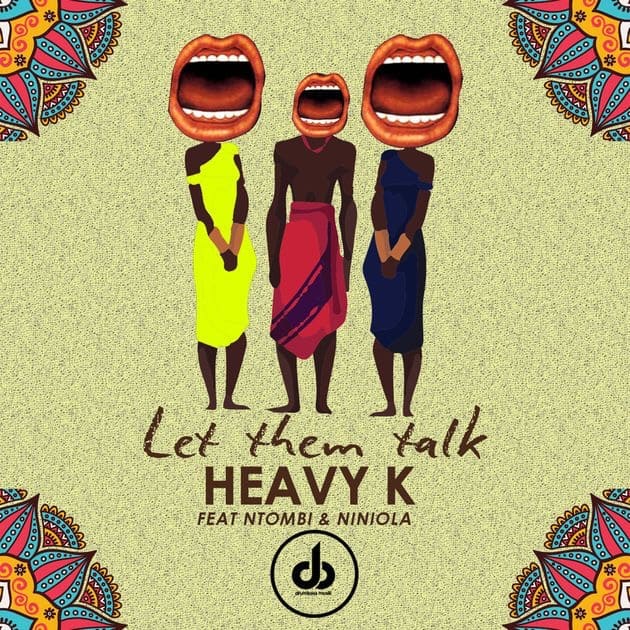
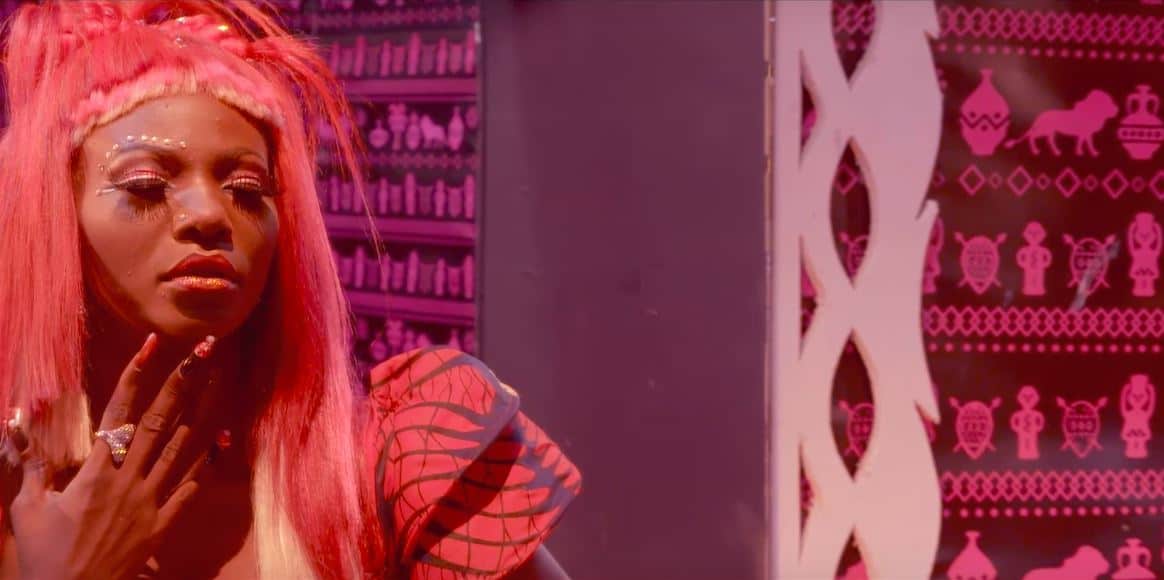
Between releasing music videos for songs from her debut album This Is Me, Niniola has also found time to join the league of PAN-African artists making an effort to unite the African Music industry. Earlier this year, she joined Kenyan singer Kagwe Mungai on a love song titled “Till The End”. Niniola’s latest is a collaboration with South African producer, Heavy K and South African singer, Ntombi, titled “Let Them Talk”.
For “Let Them Talk”, Heavy K produces a South African house beat that complements Niniola’s usual Afro-house sound. Both Niniola and Ntombi take turns singing in traditional languages, but this does not disrupt the flow of the songs, which reemphasizes the oneness in the African music industry.
Listen To Heavy K’s “Let Them Talk” here:
“Tomiwa is figuring it out…” Tweet at her @fauxxbella
We are in a climate where infinite musical choices are a click away, making artist prone to hawk their product and brand incessantly across media platforms. The fear of overexposure has been replaced by the fear of being forgotten entirely, and artists—alternative or otherwise—have reacted by shoving themselves in the face of their audience to the point of exasperation and passivity.
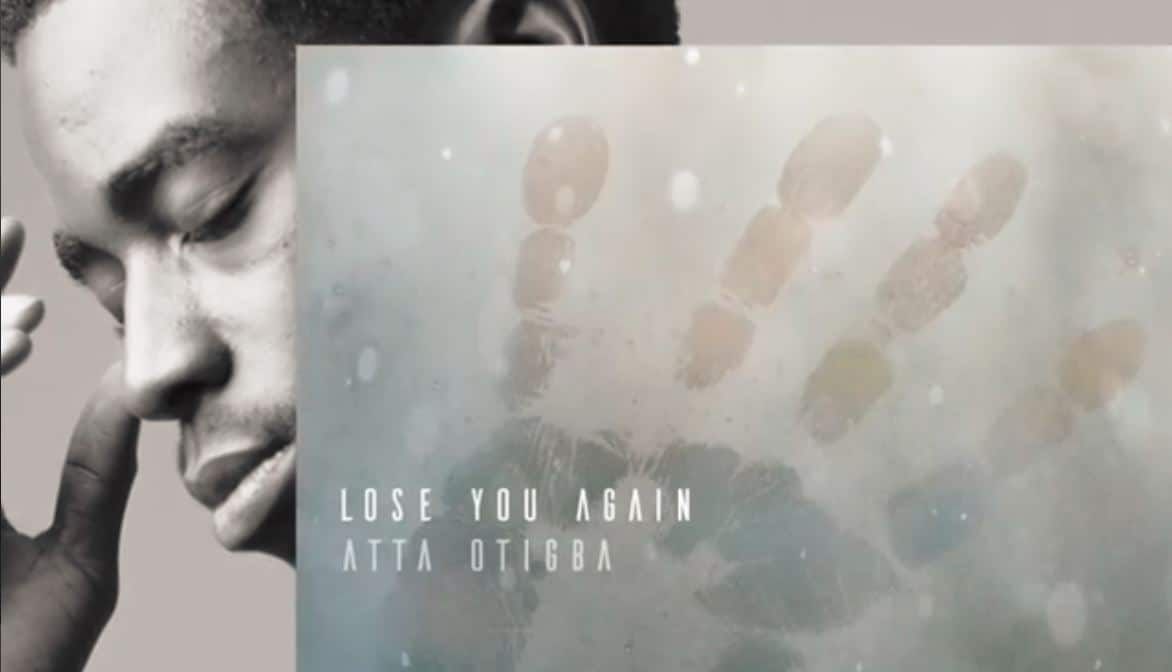
But Atta Otigba isn’t like most artists, he’s more renowned as a producer and a composer, credited for his works on songs by Ilaye, Bemyoda, Lindsey Abudei, Chocolate City’s Rudy Gyang. Yet, as an artist, his music releases are often underappreciated, with the media reception undermining his competence. For his latest release, “Lose You Again”, the first thing that hits you is his melodic voice over the beautiful sound of the soothing beat as he makes a promise and affirmation to a lover, “I’ll rather not have you than lose you again”.
The slow rolling mix of guitar and piano harmonies he produces will curve any doubts you’ve had about the glory of folk music while his deft songwriting narrates a romantic tale of emotional turmoil with fairytale-esque allegory. What makes “Lose You Again” so captivating however is how it can amplify whichever end of the romantic scale you’re in—enthusiastic or over it. Though his emotional performance is convincingly endearing, you get the feeling he might not actually be interested in any sort of relationship with said lover.
You can stream Atta Otigba’s “Lose You Again” below.
Featured Image Credits: Instagram/atta_lenell_otigba
You are meeting Debola at a strange time in his life. He wandered into a dream and lost his way back. Tweet at him@debola_abimbolu
Tekno’s preference for sampling classic Afropop hits on his music releases is only one of the many reasons he has grown to become one of the most relevant Afropop artists of our generation. Asides the instant familiarity, the media can always promote the song by spinning the refix to encourage comparison and even gaslight the sampled artists to instigate beef. The latter was nearly the case for “Jogodo”, Tekno’s Danfo Driver influenced single, after the duo accused him of stealing their song. Fortunately, they were able to settle the matter amicably.
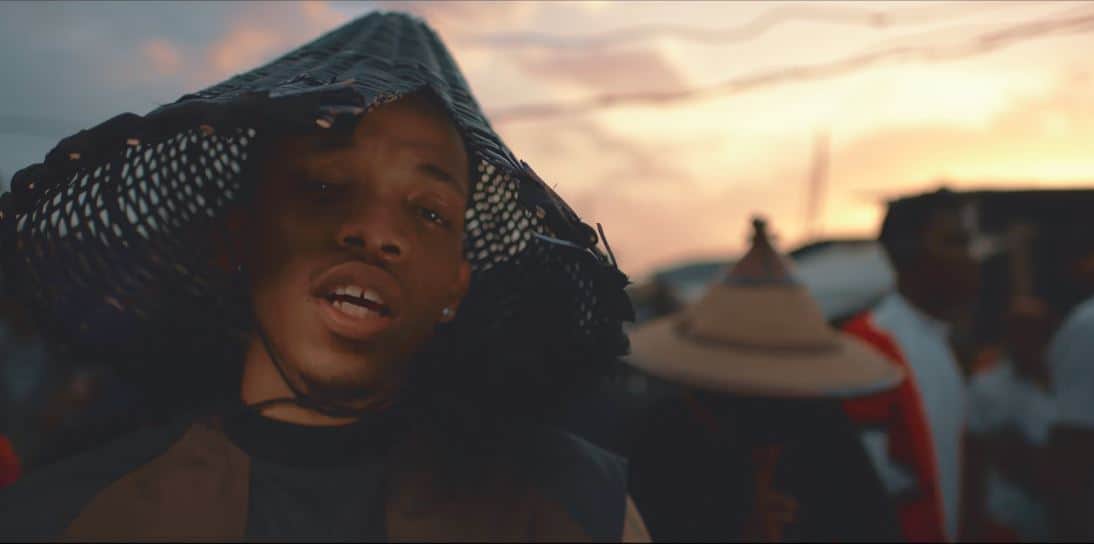
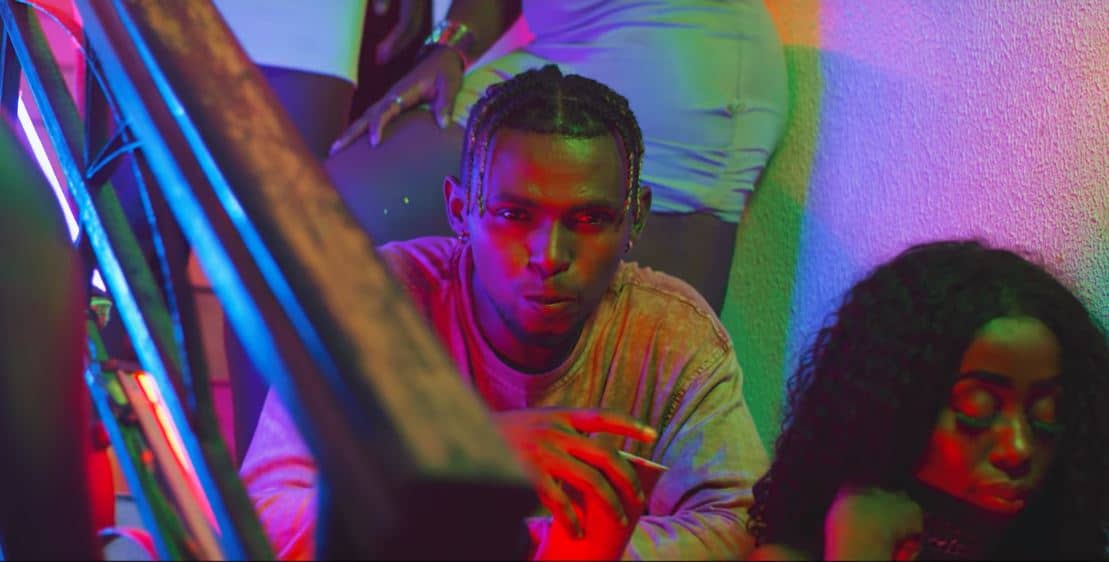
Tekno just released the video for “Jogodo” directed by Clarence Peters. The video depicts a romantic tale centered around Tekno and a love interest we assume is a ‘mammy water’ because she’s seen emerging from the sea looking fabulous. The video offers a chance to see Tekno’s choreographed dance moves, his Asian inspired wardrobe and his keenness to scout for potential hits. I mean, how else do you explain the kids shown playing music with makeshift instruments in the opening scenes of the video asides the possibility that Tekno is interested in sampling their sound.
Watch the video for Tekno’s “Jogodo” below.
Featured Image Credits: YouTube/TeknoMilesVEVO
You are meeting Debola at a strange time in his life. He wandered into a dream and lost his way back. Tweet at him@debola_abimbolu
I’ve always preferred the future to the past. Well, not always. A few summers ago I finally watched The Sopranos, and Tony Soprano (RIP James Gandolfini) said:
“ ‘Remember When’ is the lowest form of conversation.”
It’s really stuck with me.
In the world of music, especially in the transitory period that currently defines Nigerian music, it would be ill-advised to ignore the mistakes of our predecessors – and that’s everyone, from artists to press. I still can’t help but look ahead. Sometimes when you have the ball, you just have run with it. Yeah sure, watch the tapes the night before, watch what went wrong in the last game, try and remember it. But nothing is quite like being in the position yourself, and just doing.
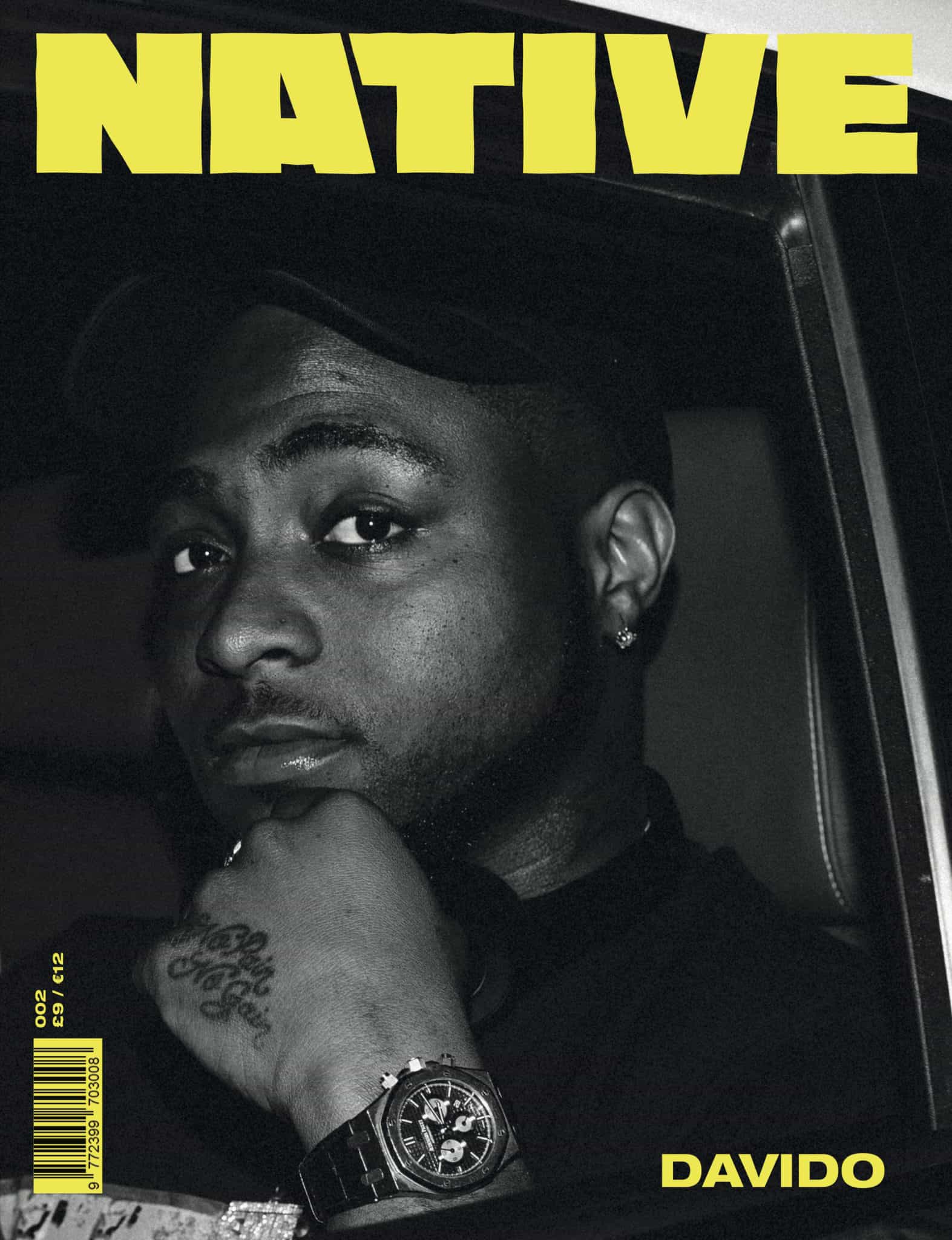
In the last couple of years, we have been inundated with the phrase “Africa To The World.” What does it mean? Who is the world? Who exactly is Africa? It sounds more like a UNICEF tagline than anything, but I’ve come to appreciate the sentiment behind it. When looking to the future, so many of us can be extremely self-centred – and it’s very normal. You hear people setting themselves goals for the New Year: whether it’s to become healthier, or to cut out certain vices, they all tend to be very individualistic. What we’ve tried to show with our NEXT Issue is how the right kind of team work can push you to heights you never expected. We spent months with Davido, who went “Back to Basics” with the team he came into the game with seven years ago, and had the most dominating year we’ve seen in modern Afrobeats. We met Darkovibes and La Meme Gang, an Odd Future-esq posse loudly taking over the streets and airwaves of Ghana, one banger at a time. We sat with Odunsi The Engine, the lifelong outcast that finally found his tribe, and is now the poster boy for the alternative music revolution in West Africa. The three minds behind Daily Paper formed a legendary partnership to give back to a girl’s school in Accra. Of course sometimes it’s good to be selfish, sometimes it’s good to be competitive, but sometimes, collaboration really is all you need to level up.
It’s crazy to think it’s been just over a year since the launch of The NATIVE. There have been so many highs, and luckily so far, not so many lows. One thing I must admit, as an editor, is that I’ve found myself grappling with the big question of audience. Due to the increasingly popular nature of African music around the world, we have garnered a lot of attention, not just from the homegrown/diaspora, but also general music lovers who may not know much about the place this music actually comes from. To be the first point of contact that someone has with a country, and in many ways, a continent, is a massive responsibility. There are so many amazing things happening in Africa in different sectors: music, art, fashion, sport, film, tech…the list goes on. Sadly, these things are happening in spite of the conditions of the continent, rather than because of it. It would be easy for us to be so optimistic about things, and paint this improving picture to the unknowing outside world. But in reality, there are still so many things wrong. We asked a variety of young people in different spheres the same question: “what are you and your friends worried about this year?”. We got identical answers. Tech geniuses and R&B maestros went through similar things at school – being outcasts based on a system that simply isn’t inclusive enough in 2018. But these dark truths are where we draw the ray of light from: this is why The NATIVE exists, to show that there is a way. To the young boy reading this, who has a million and one ideas, but can’t concentrate in class – Timi Ajiboye and Odunsi The Engine are here to tell you not to beat yourself up about it. Keep trying, but don’t let your ideas go. They’re just as important as your education. In an ideal world they go hand in hand. To the young girl who is confused about who she is and where she fits into the world, Wavy The Creator is here to show you that you don’t need to fit in to stand out. To the graduates who are just trying to find their feet, Mowalola and Daberechi are here to tell you that timing is everything and you can always make it work. To the young person that takes that risk to do what they love in spite of what your parents or friends first said, Davido and I are here to tell you that sometimes you have to trust yourself: people don’t always understand the bigger picture at first.
What does a new year mean to me? Honestly, just another year closer to fulfilling the promise.
If there’s anything to take from Big Shaq’s invite to the royal wedding, it’s that internet trolls are the new celebrity. His goofball grime freestyle went from being a mere internet sensation to a certified hit, confirming music pundits prediction of social media’s impact on charts. El Prince’s new single, “Accolades”, is inspired by this trend but more specifically, by Charles Okocha’s recent “I deserve some accolades” comedy sketch.
El Prince’s “Accolades” attempts to turn the viral meme into music backed by spacious Afropop instrumentals and guest verses from Brizy Emmanuel and Oluwadolarz, two popular comedian on social media. Big Juice directs the video for “Accolades” set in at a party where all three singers perform their comical verses interpolating lines from Charles Okocha’s meme. Though he doesn’t himself appear in the video, his influence is so present, he doesn’t have to. But what really separates this rap parody from so many others is its inclusiveness—they seem to be having fun more than they are making fun. It’s an apt representation of 2018, where imitations of life has become the new reality and parodies can now inspire reality.
Watch the video for E Prince’s “Accolades” featuring Brizy Emmanuel and Oluwadolarz below.
Featured Image Credits: YouTube/El Prince
You are meeting Debola at a strange time in his life. He wandered into a dream and lost his way back. Tweet at him@debola_abimbolu
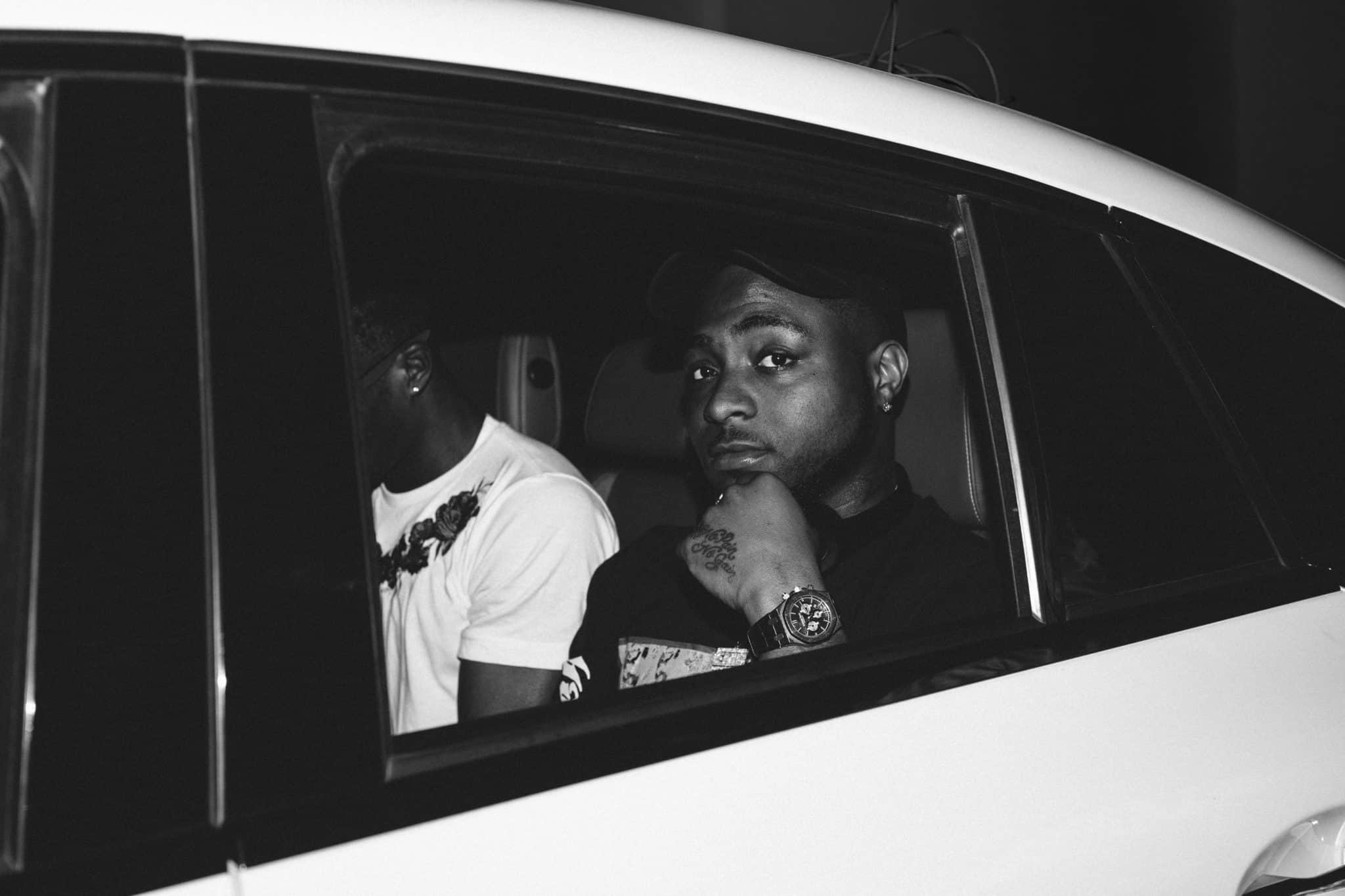
Davido took on the world in 2017. He won. Now, he’s up against his biggest challenge yet: Himself.
Words: Toye Sokunbi
Photography: Chris Okoigun
Styling: Baingor Joiner c/o Alara
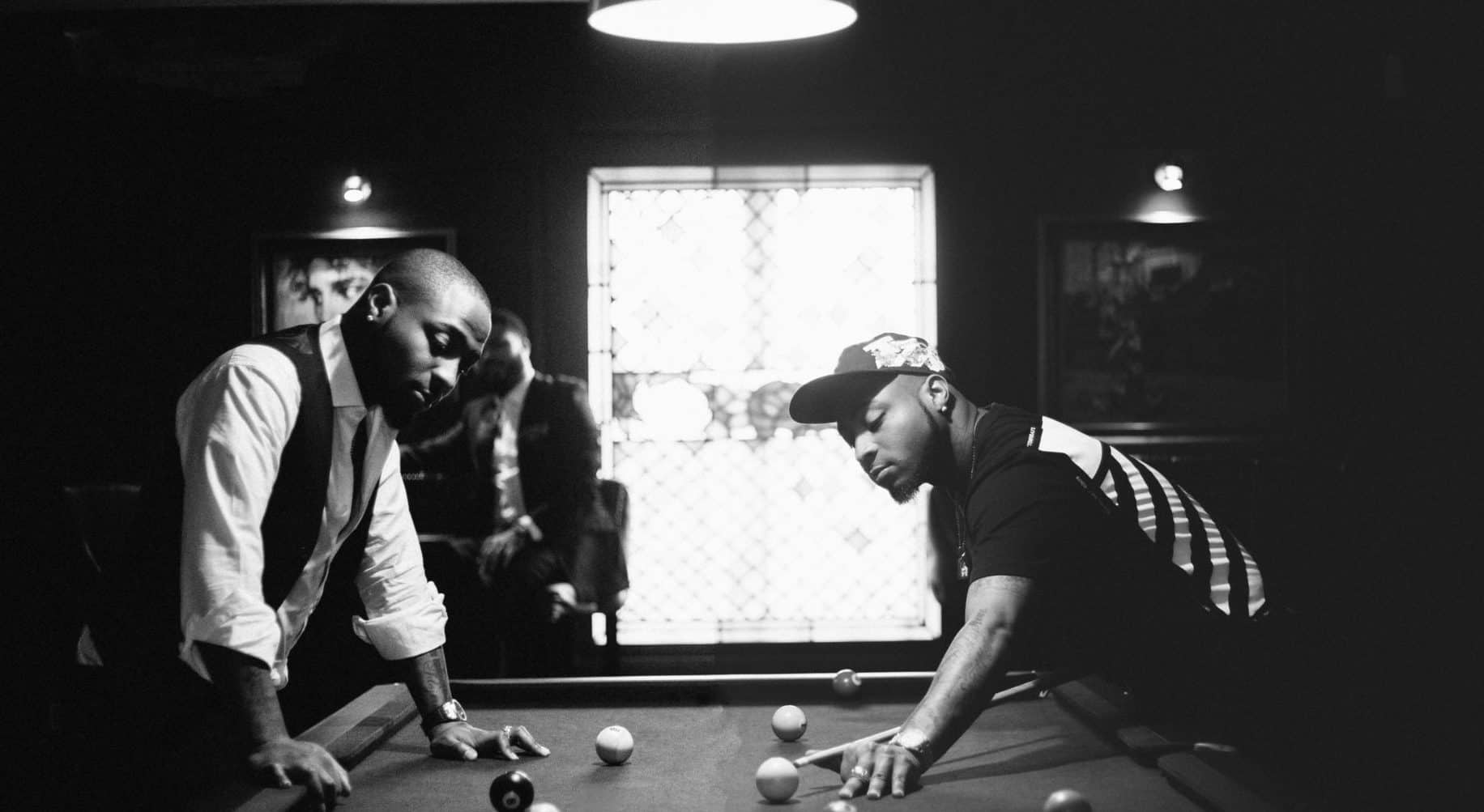
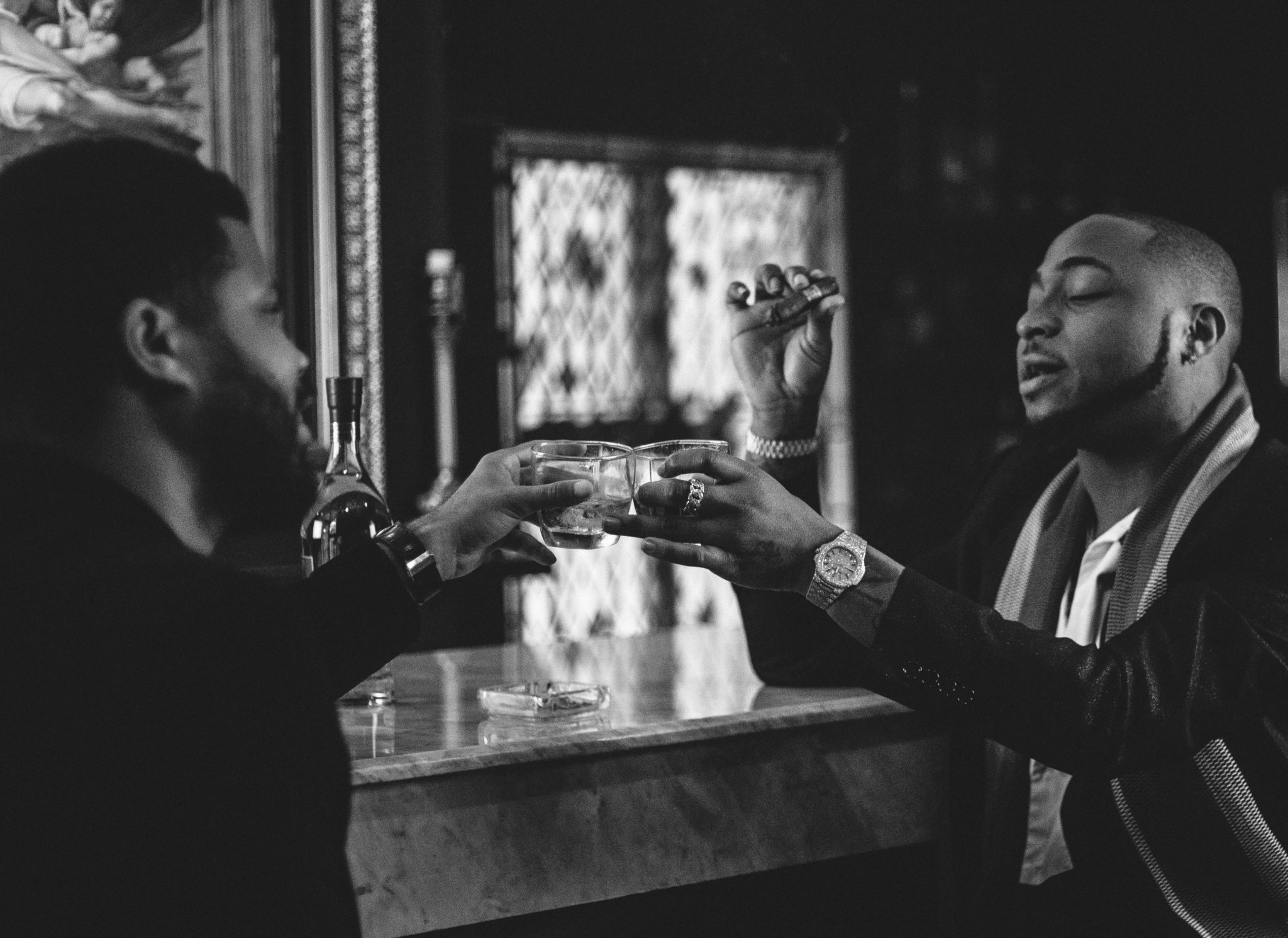
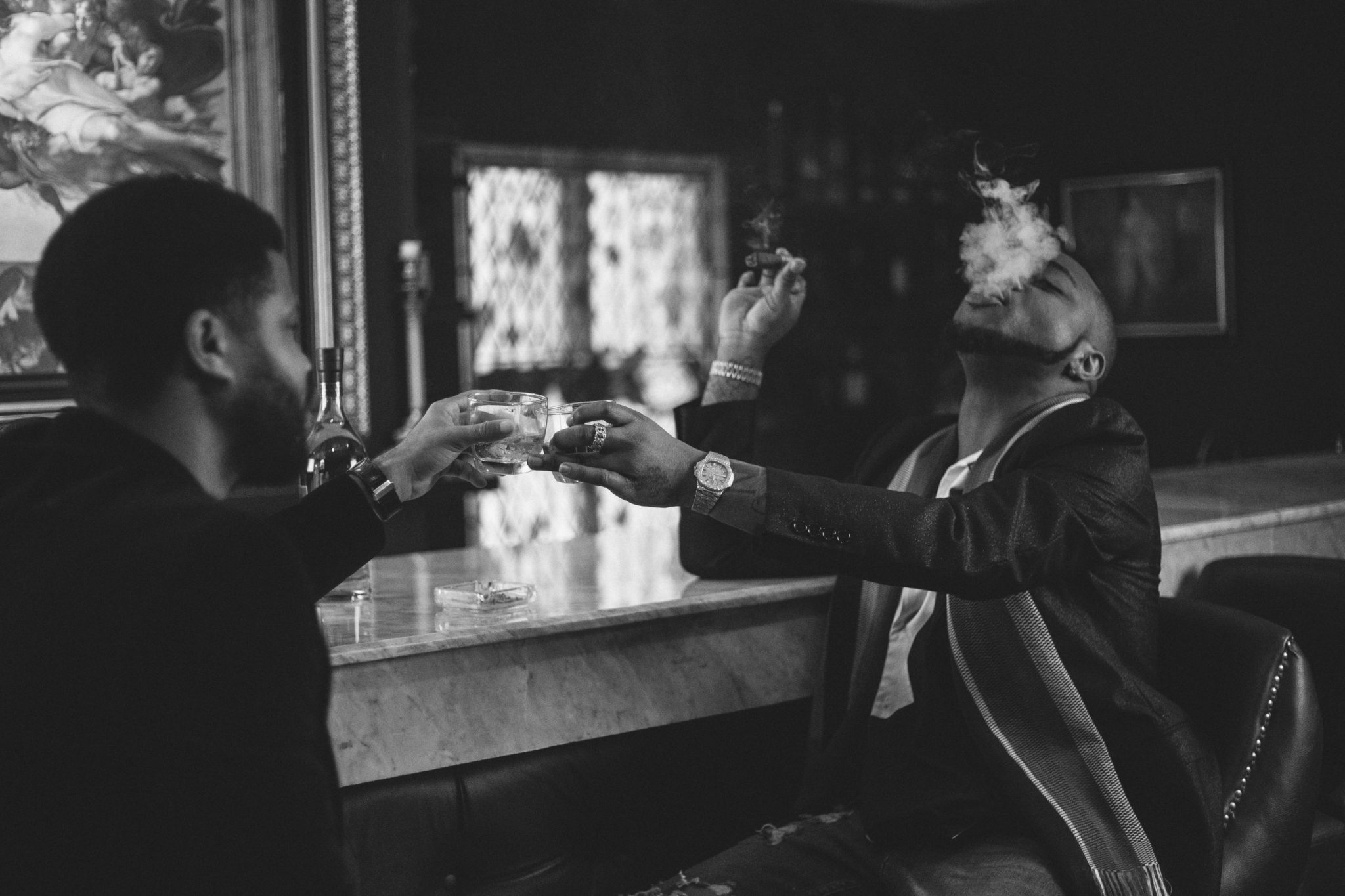
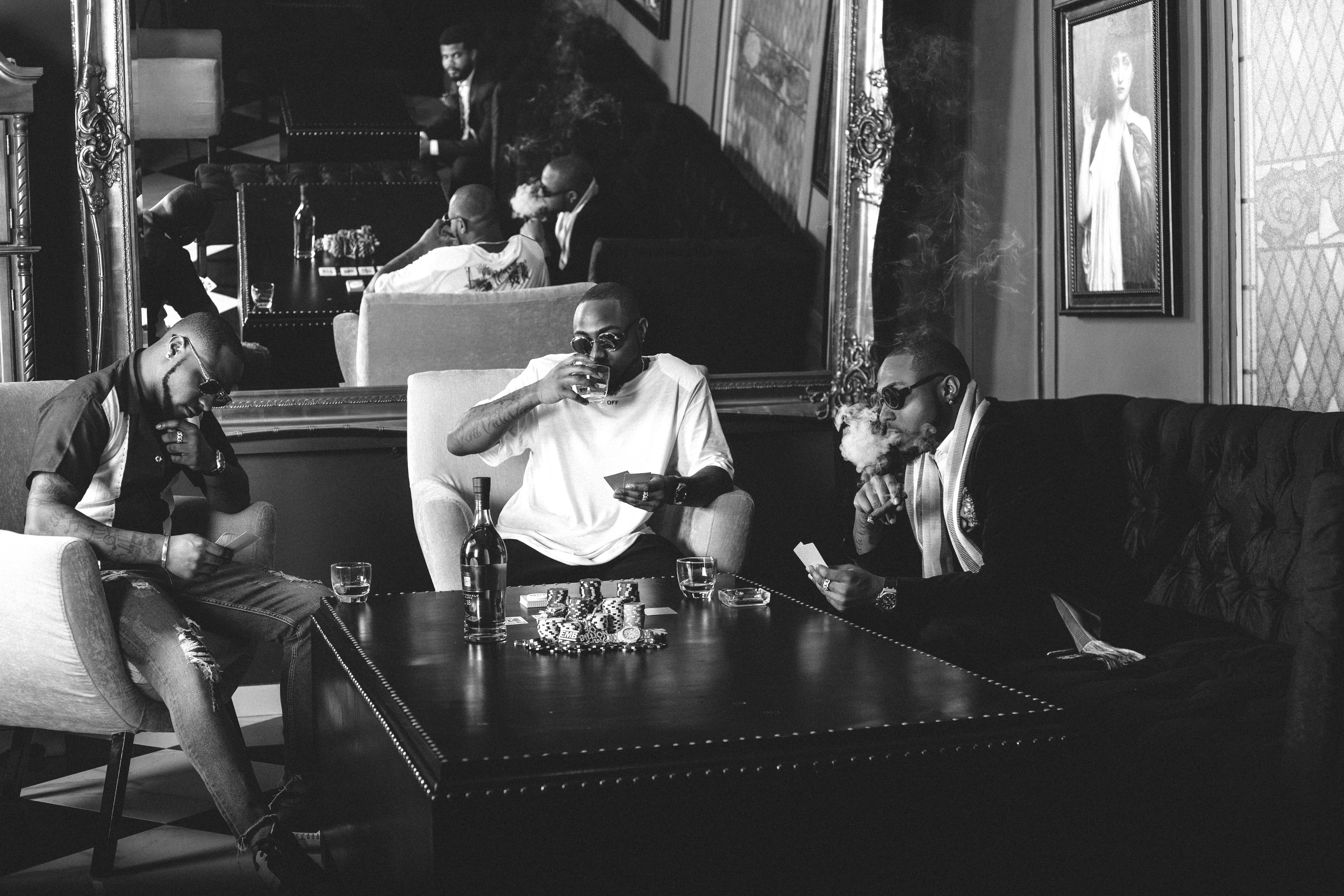
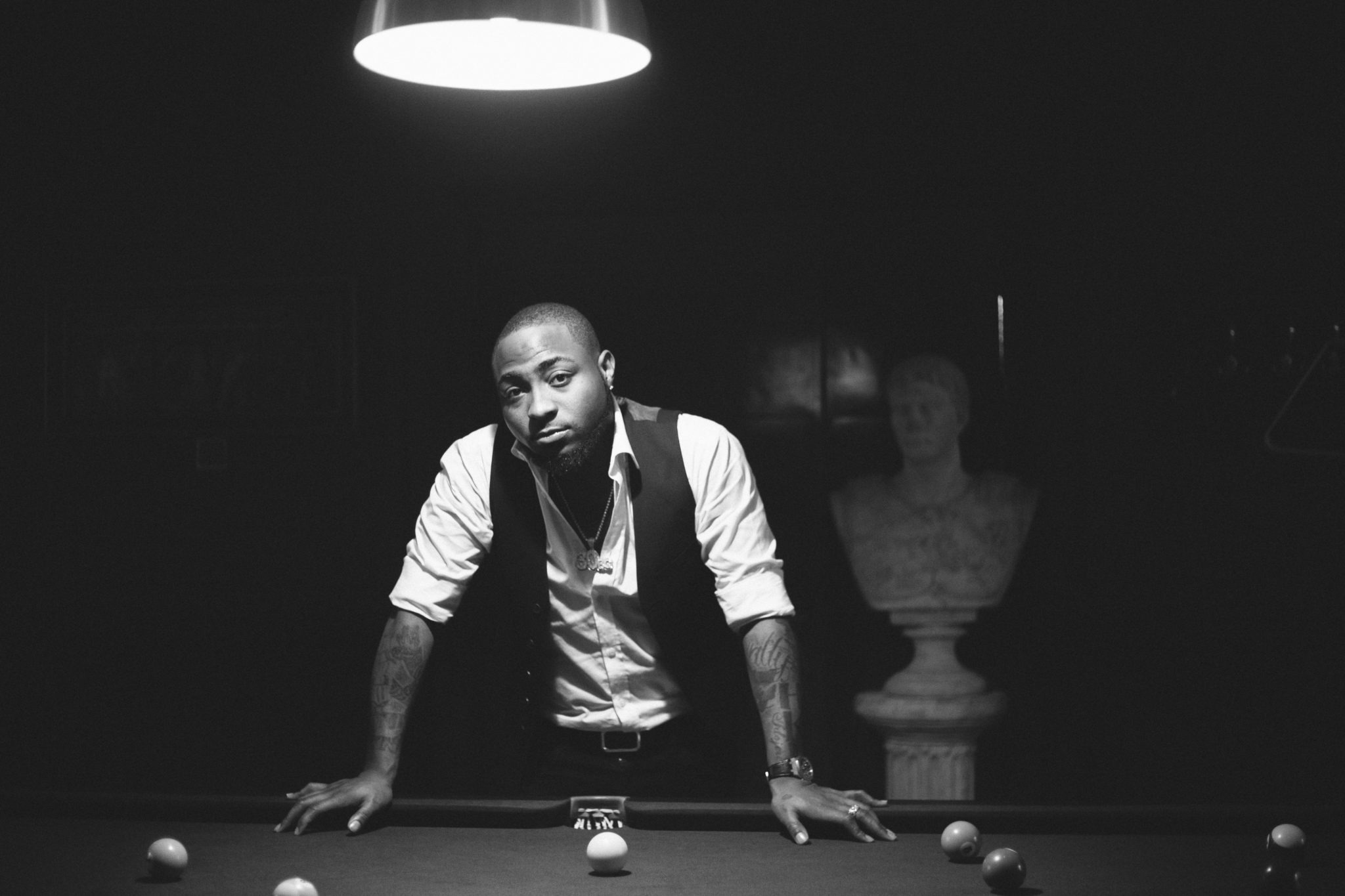
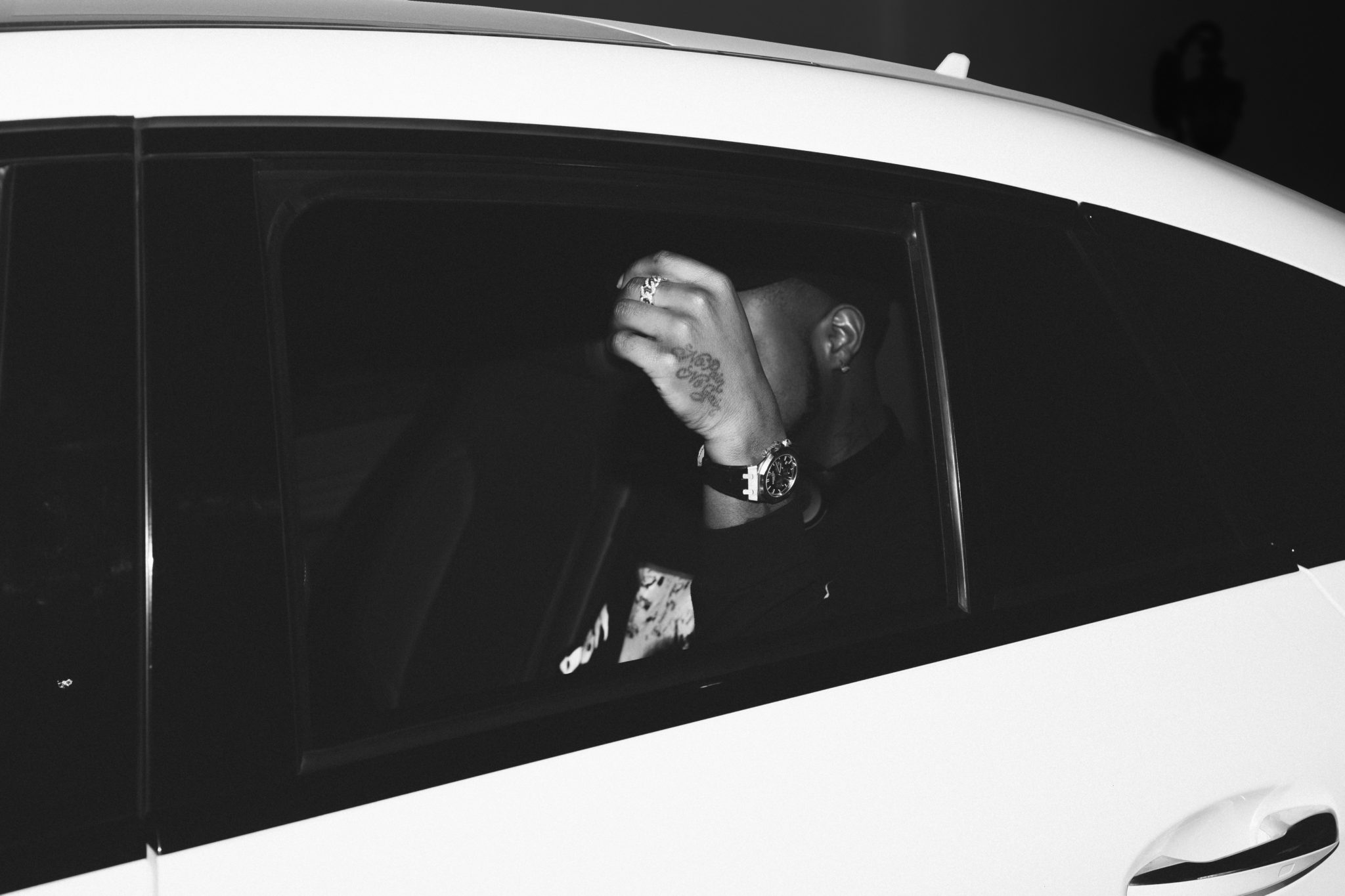
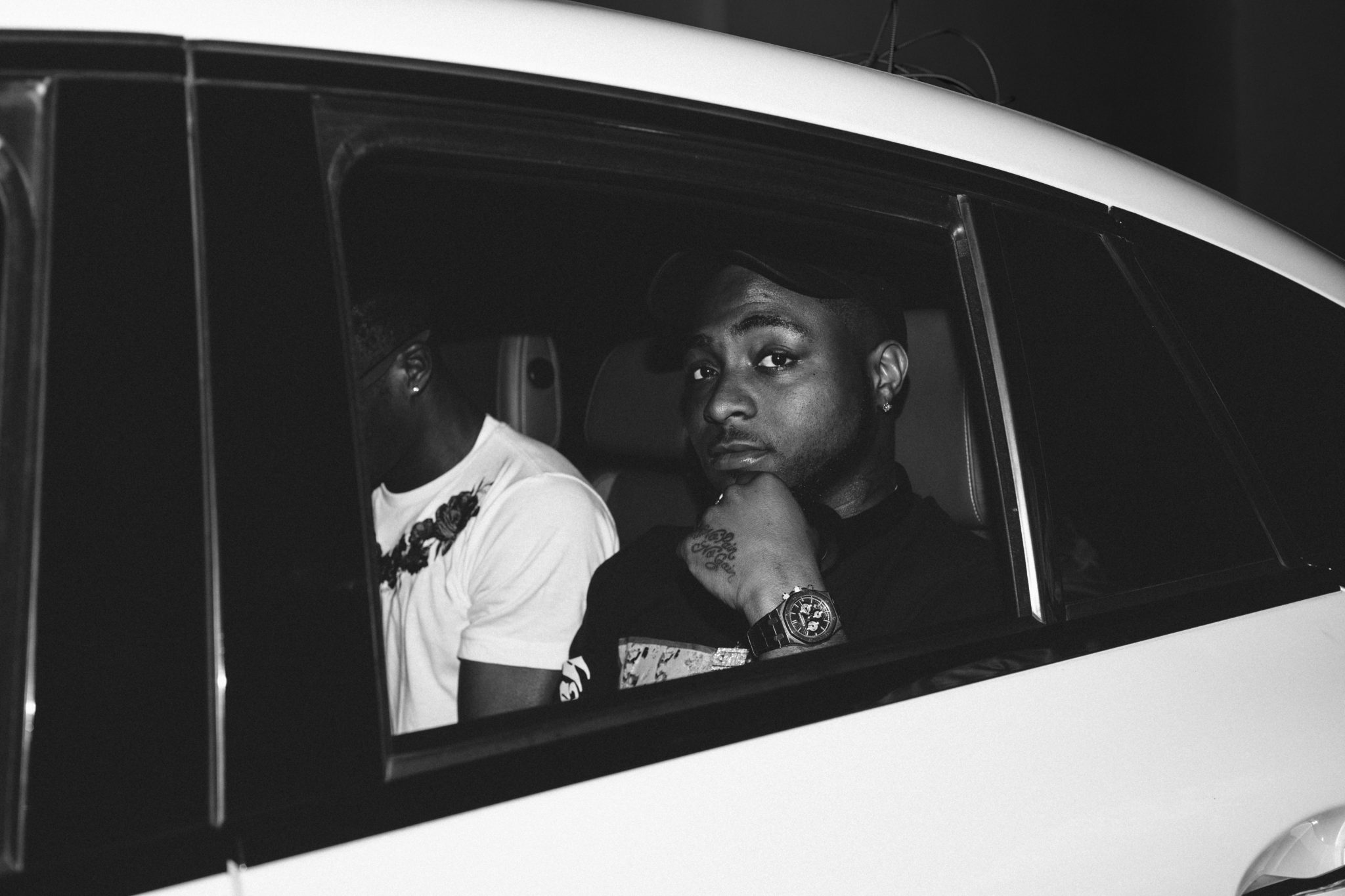
David Adeleke, holding a glass of cognac in one hand and a Montecristo no.5 delicately balanced between the thumb and index finger of the other one, is sharing a toast with his partner Asa Asika at a new lounge in Lekki. As Davido exhales the thick Cuban cigar smoke to the heavens, you would be excused to think we were in the middle of a mob flick – he’s actually been filming a movie in his “free” time recently – but this is just the set of The NATIVE’s Cover Shoot.
Perched on a leather bar stool, Davido takes sips from his drink as he scrolls through Instagram, waiting for direction from Chris Okoigun. He seems relaxed. It’s a stark contrast to his mood just over a year ago.
Harken back to December 2016, and Davido is similarly reclined in an arm-chair, tucked away in a covert corner of The Federal Palace hotel’s bar. But this time, he doesn’t seem so relaxed. As the mayhem from the electrifying Migos concert died down and fans streamed out into the parking lot, David and his entourage had ducked into the hotel to grab a bite. He ordered a club sandwich upon arrival, but he hasn’t touched it. He’s by no means in a mood – he’s still exchanging in conversation with his crew, toying with the idea of attending the after-party. A few fans manage to spot him despite the location of his table, and he dutifully obliges their request for pictures.
But something isn’t quite right.
Earlier in the day, David got a call from The Black Beatles, asking him to be the special guest during their headline set for a local radio station’s Christmas concert. He accompanied them to the show, flanked by mobile police and respective entourages, before being invited onto the stage by the trio from Atlanta to deliver a mini-set. Performing singles from his then recently-released major label debut, Son Of Mercy, David raced through two songs to an already raucous crowd before promptly leaving the stage.
Every Davido performance is met with understandable fanfare – he has been one the most prominent artists on the continent for half a decade. But on that night in Lagos, there was something missing. The telepathic, electric connection Davido usually has with his fans wasn’t what he had grown accustomed to. Whilst they dutifully sang along to “Gbagbe Oshi”, the lead single off the aforementioned EP, there was a palpable feeling of expectation. Whether the ragers were waiting for his classic hits like “Dami Duro”, or for the members of Migos to join him to debut an unreleased banger, the atmosphere never fully reached a crescendo. That was until he closed his set with the 2014 single “Aye”. As the opening notes of the TSpize-produced love song blared out in the hall, the crowd erupted. Suddenly, David was back at the apex, at least for the duration of the song. It was a feeling he had felt before, but perhaps had not felt in too long for his own liking. He wasn’t going to let that happen again.
BACK TO BASICS
It’s late 2017 and we’re in Abuja for a scheduled performance at a big society wedding. I’m chilling with Lati, Davido’s tour manager, and another “protocol” guy called Israel. David – dressed like a pilot – is filming for a movie in the spare hours before the show. Flanked by two male actors and a crew of too many to count, he’s growing impatient as the director scurries around the set preparing for the next take. Lati has just called him over and told him in no uncertain terms that he only has five minutes to “wrap up” – a statement met with confusion but a sullen acceptance. As another minute passes with interns adjusting lights and fiddling with outfits, Davido declares “I have to go do my job too, you know”. It wasn’t really directed at anyone, but everyone reacted to it. After a couple of takes, Lati pulls David out of the shoot and we walk back to his suite to get ready for the performance.
David is in-between outfit changes for the night and for the first time that evening, it’s just us. Before I can even complete my question on the mixed reaction to his dancehall switch-up on Son of Mercy’s lead single, “Gbagbe Oshi”, he interrupts me.
“Nah, the EP was shit”, he says bluntly, before pulling a frighteningly white dress-shirt over his head. “The songs were not picked by me, I wasn’t in the right place.”
Self-critical artists are not that uncommon, but admitting it to other people – let alone a journalist – takes a certain level of internalised brutal honesty, and an elemental analysis of what actually went wrong.
The influx of major labels taking an interest in African artists has been seen as an indicator of the continent’s elevated standing in the Pop music landscape worldwide. And with Nigerian artists dominating the dance-floors and airwaves on the continent for the last decade, many of the country’s top acts have slipped into bed with these legendary record companies. Whilst this sonic Scramble for Africa has been on the cards for a while, there’s a reason it took so long: these companies simply don’t have the lay of the land. Record labels thrive on knowing the target audiences of the stars like the back of their hand – it’s how they stay successful, despite the fluctuating nature of Pop music. But Africa, and Nigeria specifically, is a region they are yet to figure out. Metrics and statistics are scarce, if available at all, and almost all promotion happens at street-level. This leads to situations such as the one Davido and Sony found themselves in: the international record label utilising the same blueprint used for marketing Caribbean artists, by repurposing his sound with an Afro-Caribbean tinge and American mannerisms.
The result was an offering so far from what the people had come to expect from Davido, and one which lacked the usual bravado and raw emotion we initially fell in love with. And he agrees.
“I knew myself. I was like, ‘this is not Davido’. My career has always been on fire at all times, [‘till then] there was never a time that I didn’t have a hit out, and that time I didn’t have a hit. So I called Sony up, and I told them look, you have to let me do what I want to do. That’s what inspired Back to Basics.”
What came next was probably the most dominating run by a Nigerian artist this century. Over the twelve months of 2017, Davido dropped four back-to-back-to-back-to-back hit singles, went on a 43-city world tour, before capping the year with a sold-out show in Lagos.
The phrase “Back to Basics” was the mantra, constantly repeated by Davido and his crew throughout the whole run. As the name signifies, it was the tagline of a return to what he knew, a return to the methods that made him the star Sony wrestled to sign in the first place.
“First, I had to stop making the music that they (SONY) wanted me to make,” he says, turning to me. “So I came back to Nigeria to record a couple of songs. That’s when I recorded ‘IF’ with Tekno”, he adds, dusting imaginary speckles off his perfectly-pressed suit. “It’s funny. Until then, Tekno used to always tell me ‘David I get beat o, I get beat o.’ This life.”
In late 2016, the simultaneous mainstream successes of Mr. Eazi, Runtown and Tekno indicated producers, artists and fans alike were turning to a mid-tempo Ghana-hiplife-inspired sound for contemporary Afro-Pop. The sound was re-packaged as “pon-pon”, earmarking the beginning of the over-saturation and replication of the Afro-Electronic texture across the entire industry – a sound that was only recently overthrown by the Shaku craze.
The stripped back nature of “IF”, void of over-production and the usual complex instrumental layering that had dominated Nigerian pop music for years, was a style previously reserved to the left field, alternative sound of artists such as BOJ and Mr. Eazi. David recorded “IF” with his unique spin on the genre’s nuances and a lyrical sample from Lagbaja “Gra Gra”, off the millenium album, WE. The fusion of nostalgia mixed with Davido’s clarity on Tekno’s sparsely arranged instrumentals tilted him in a new creative and artistic direction, surpassing limitations producers trying to place his gruff voice on mellower melodies have misunderstood as the need for auto-tune in the past.
David’s career has been centred upon teamwork; whether it’s his musical partnerships with producers such as Tekno, Fresh or Shizzi, or his songwriting bonds with Peruzzi and Yonda; David has always valued the importance of bringing the best minds to the table to reach his end goal. This is why when he decided to go “Back to Basics”, there was really only one man he could have called to spearhead the mission: his old friend and manager, Asa Asika.
David and Asa first formed a team back in 2011, after the former had dropped out of university to pursue a full-time career in music. “He had hands in the industry and he was young like me,” Davido recalls from their first run. “So I told him, oya now, come and manage me. He started taking me around with him. I remember one of first places we went was Ice Prince’s house.” He stops for a moment, visibly trying to recollect more memories. “Asa is actually the one that introduced me to Wiz officially back then, like ‘this is my guy’.”
The young duo formed a formidable partnership, jolting an industry in transition following the Mo’Hits era of domination. But even the best of unions can fall apart, and eventually their youth told. Whilst neither David nor Asa divulged the exact details of the split, they both agree that it was almost a necessary occurrence.
“At the beginning of David’s career, we both knew where we wanted to go and what we wanted to do, we just didn’t quite know how to get there.” Asa explained to me via a series of voice-notes. “Shit went down. I was 21 and he was 19. I don’t think there are many people who would have been able to handle the success we had at that age. It was a blessing in disguise that we split for those years – we both needed to grow.”
And grow they did. Asa went on to launch his own management company, with acts ranging from BOJ to DJ Obi coming through the doors. Meanwhile, Davido had matured into one of the biggest stars on the continent. Asa sees similarities between the Davido he parted ways with in 2012 and the one we see now, but stresses how much he has grown and improved in almost every aspect.
“He’s a bigger artist [now], period. He’s a father now, he takes care of more people. Back then we could drop a hit and ride off that for one year, but now he’s too big for that. He’s gone from being just a Nigerian artist to an international superstar. He’s always had a crazy work ethic, but even that has improved. I’ve never seen anything like it. At the end of the day, we just understand each other. We know what works.”
Since he was in his teens, Asa has always had a firm pulse on everything related to music in the country, and this is something that David appreciated from early on. It’s something that a major label can’t really offer you, as much as they try – a local player that knows what it takes to get shit done. David admits Asa was instrumental to the success he has had in the last year, echoing his partner’s words that they were now reunited with a renewed “hunger and drive”.
Watching them interact at The NATIVE Cover shoot is almost surreal. They’re just like friends in their mid 20s: sharing jokes, catching up about whatever happened last night, exchanging funny videos on Instagram. The only difference is that these are two of the most powerful men in the Nigerian entertainment industry, and it doesn’t look like their run is stopping any time soon. Asa mentions how “Back to Basics” was centred upon making “big moves” whilst connecting with “every corner of David’s fanbase”. The 30 Billion Gang World Tour was unprecedented in its range, and it exemplifies just how driven the duo were to take back the throne. Across the 43-stop tour, they would go from stadium shows in Freetown, Sierra Leone and Bamako, Mali, to intimate sets in Helsinki, Oslo and Portland. Unrelenting and tirelessly, they took Davido to the world.
OMO BABA OLOWO
I didn’t see Davido coming.
We’re in Lagos, and I’m meant to be meeting him at fashion show, for the launch of his collaboration with Orange Culture, one of the country’s most exciting labels at the moment.
As always, Lagos traffic got the best of me and I arrived at the venue just as he was leaving, only catching a glimpse of him within a raucous spectacle of hailers and flashing cameras.
The two men in bulletproof vests who were supposed to be clearing the path for him were losing themselves to the chanting crowd. Davido didn’t look very happy in the eye of the storm, but that didn’t stop him from playing the role of OBO; as the exit of his envoy fogged the night air with exhaust fumes, the sky also began to magically rain Naira notes he’d thrown out of his car window. The atmosphere grew frenzied as the crowd shoved, pushed and pulled each other,grabbing as much free money as possible. In a country like Nigeria, where the privileged few are practically preyed upon by opportunists (think the usual suspects: area boys, 419ners, kidnappers, the police – the list goes on), the mere presence of a man whose name literally translates as the heir to a vast fortune should indeed be marked by a show ofsome of this presumed wealth. Or why else would he have the name?
There’s a long-running debate as to whether stars are made or born, Pulitzer Prize-winning journalist, Hanson W. Baldwin shares this belief; that nurture and sheer luck may play a role, but the ‘thing’ that makes one a bonafide superstar is inherent in their being. If that was ever to apply to one person, it would be Davido. But he has never hid who he was, or where he came from – instead, he’s embraced it as part of his character.
Born David Adeleke, Davido is the second son of business tycoon, Mr. Adedeji Adeleke – affectionately known as simply Chairman by the 30 Billion Gang. Even before David became Davido, he lived in a certain level of comfort only imagined by a few in any economy in the world. When I asked him about his public image as “Omo Baba Olowo” later that night, he says bluntly that “It’s made things harder for me!” His unapologetic response was ironic, but I was not surprised, “They always have this feeling that like…[because] your daddy has money…” he trailed off, as if to imply ‘“they” would attribute every ounce of success to that fact, if they could. “In my head, I’m like, I didn’t choose my Dad, I am his son. I came into the world like anyone else.”
But Davido is not anyone else. The influence of Davido’s father on his success as a musician has long been both a public relations crux and an enigmatic characteristic of his unlikely career. Due to the unchecked and ever-widening divide between those living in poverty and the embarrassingly wealthy in Nigeria, humility is considered social currency, while embracing privilege – no matter how justified – is often met with disdain.
Davido’s privilege has been hung over his head since his cataclysmic arrival in the music industry. On his debut single “Back When”, Asa orchestrated a collaboration with Naeto C, who himself is the son of an affluent Nigerian politician. Whilst the song performed phenomenally well commercially and shot Davido to almost instant stardom, it didn’t go down well with the critics. As Davido sings on the hook “Back when I was broke yo…”, certain sections of the press – and the fans – thought it was disingenuous. They believed he was trying to appropriate some sort of “Rags to Riches” storyline, which simply was not who he was. Davido explains his debut quite simply by stating it was a time he was more or less cut off from his father. It’s a well documented story at this point – Davido was sent to school in Atlanta, but dropped out to pursue his music career. Whilst he may not have literally been hand-to-mouth, Davido certainly wasn’t living the life his surname had afforded him at the time.
“Honestly, Fuck all that international shit, I stay true to myself. I can’t sing American music like Chris Brown, Chris Brown no fit come Naija tell me say, he wan kill Nigerian music like me.”
However, by the time Davido moved back to Nigeria to promote “Back When” and subsequently “Dami Duro”, him and his father were on better terms. David and Asa moved around in Lagos like a young Jay-Z and Dame Dash – no expenses were spared to get Davido to the top. They shot the best videos, threw the best parties, they were everywhere. At the time, there were rumours of champagne hampers sent to radio stations upon the release of any new Davido single – a tactic employed by Dame Dash in the early Roc-a-Fella days to get artists over. When I ask David about some of these rumours – ranging from humorous stories of large club bills, to more serious accusations of payola – he states typically bluntly “Music is an investment. Anywhere in the world, if you want to blow you have to spend money.” He pauses, before adding through a light chuckle. “But If you like have one billion dollars, if the music no sweet, e no go work.”
And at that moment, Davido’s music was undisputedly the sweetest. As he went “Back to Basics”, David followed up the success of “IF” with “FALL” and “FIA”, each track rolled out and consumed with more fervour and hype than the last. It’s crazy to think that the release with the least fanfare was the star-studded Cali-tinged collaboration with Rae Sremmurd and Young Thug. Contrary to reports, Davido states all his international collaborations have been organic, but wants to make it very clear that his focus is on making the best Nigerian music possible.
“Honestly, Fuck all that international shit, I stay true to myself. I can’t sing American music like Chris Brown, Chris Brown no fit come Naija tell me say, he wan kill Nigerian music like me.”
It’s a rare, brutally honest outburst from him during our time together but I see where the sentiment is coming from. Whilst he’s not saying he will never collaborate with international artists again – he’s been in the studio with Migos, Young Thug and Tory Lanez, this year alone – he is simply stating where his priorities lie. And that’s firmly at home. Chris Brown’s name could have been swapped out for any American artist, but it feels like that particular comment was a rallying cry to Nigerian musicians to know their value – don’t let anyone make you feel like you have to change to fit in elsewhere. Davido has been there – respective singles with Tinashe, Meek Mill and Rae Sremmurd haven’t performed anywhere near the level he has seen himself reach doubling down on sound, and going Back to Basics.
Three years ago, if someone had said to me that Davido would be the artist making genuinely Nigerian music whilst Wizkid would be making major international plays with crossover singles, I wouldn’t have believed them.
In the time I’ve spent with Davido, his feelings towards Wizkid have ranged from a curious ambivalence, to seemingly full on beef, to “best friends” – as they have both quipped in their recent onstage reunions. As David slips on his shoes for his second look of the day at our cover shoot, I ask him what really ended the cold war between them. In his words:
“It just got to a point where we just thought, this shit is getting old. I mean, it got physical between our camps. We just wanted to make the relationship mutual. He has three kids, I have two kids. I’ve travelled a lot, I have experienced so much more in life, I have two artists that are doing well. Like, this shit is old bro, we’re not getting any younger.”
This was a considerable departure to his thoughts on his contemporary just a month or so earlier, when he simply stated “I don’t care about no comparison.” It’s a testament to both of them that as soon as it got violent, they recognised that it was time to put their differences aside. As the beef thawed, we saw them special guest at each other’s respective headline concerts – it almost felt like Batman and Superman finally coming together. The debates could stop, friendships could resume, the war was over. Davido and Wizkid were calling each other best friends, clubbing together, and all the things you do when you make up with a long lost brother. It’s great that they’ve dialled back the animosity, but from two artists of this calibre, it’s impossible for them not to compete – and that’s really how it all started in the first place.
Back in 2012, David released “All Of You” – Nigerian Pop Music’s version of Kendrick Lamar’s “Control”. “All Of You” immediately gained post-release notoriety because many interpreted it as Davido officially laying claim to the top of Afropop’s pyramid of pop stars and upstarts. Understandably, when buck shots are fired, no one is safe from the ricochet. No one knows for sure how the relationship between Wizkid and Davido began to spiral. In fact, until 2012, both artists cameoed in each other’s videos for “Pakurumo” and “Dami Duro” respectively. But on “All Of You”, Davido dropped the gauntlet, lumping everyone who is not Davido under one umbrella, and stating in no uncertain terms that he was ready to go to war with any worthy challenger
From Biggie and 2Pac, to Cristiano Ronaldo and Lionel Messi, it’s an unwritten universal law that once two people reach the apex of their field, comparisons are foisted on them relentlessly. Whenever Messi does something great, Ronaldo’s name is immediately brought up. There were points last year where Davido would drop a single, and Wizkid’s name would trend on Twitter. This is just an example of how deeply this rivalry was taken by fans, media, and at one point (maybe still), themselves.
Davido and Wizkid’s careers have been intertwined since they picked up microphones — the rivalry was always inevitable, almost necessary. Wizkid was everything Davido was not: an underdog, the local hero who was adored by fans and loved by the press. He was the people’s champion, the streets of Ojuelegba forming the perfect backdrop for his ambitions, the most promising iteration of the Nigerian Dream. Davido on the other hand was vilified for refusing to downplay his father’s wealth or separate himself from the affluent lifestyle of the people he was associated with. He was the boy who was given everything. But, as always with these things, it’s far more nuanced than that – and that’s why this rivalry essentially transcended music. It became a mirror to which Nigeria could take a long hard look at herself.
We are so far gone from the days of “Baddies” and “Goodies”, but for fanbases and even the press sometimes, they struggle to see beyond that. Everyone needs a hero, and a villain. Wizkid was seen as the pre-ordained chosen one – it all seemed so effortless for him, he had this God-given talent, this star quality that you couldn’t quite explain. On the other side, Davido had worked and worked to get to the top, going through various transformations, constantly reinventing himself to stay at the pinnacle of the game. The similarities between the narrative points between Wizkid and Davido are uncannily similar to that of Ronaldo and Messi, and their respective fans feel just as strongly, regardless of the “beef” being settled.
Luckily for the state of the industry and the artists themselves, they were able to quell their disagreements before it got too serious. But one cannot help but wonder the role the media and fans played, especially in gas-lighting the socio-economic disparities between the two artists at the inception of their careers. Davido has always embraced the tag of “OBO” – it is who he is, and he would never change that, understandably. But due to the nature of the country’s economic and political climate, who you are has always been more important than what you do, or have done. Davido would learn this the hard way, in the toughest battle of his young life.
FIA SZN
David Adeleke was on top of the world.
After a string of hit records, viral music videos and a world tour, Davido had the keys to the game. Thinking back to that sobering moment on stage at the Migos show, I’m sure even he couldn’t quite believe the year he was having. Endorsement deals were flooding in, and he was preparing to close out the year with another single and his first headline show in Lagos since his debut album. As all seemed to be going right, tragedy struck in his life.
Within the space of weeks, Davido lost two close friends in very unexpected circumstances. At the height of his grief, and still trying to navigate the last stops of his tour, the Nigerian broadsheets and gossip blogs reared their ugly heads, and thus began the fight of Davido’s life.
Rumours that his late friend Tagbo had died of alcohol poisoning were conflated in the media by unfounded claims that Davido was somehow culpable as they were out together, much earlier on the same day. Jungle Justice is a common occurrence in the markets of Nigeria, but it was remarkable and quite frankly disgusting to see it play out on the steps outside a police station, as an official abandoned all protocol to blast out the address of David’s private residence on live television, despite no crime being charged against him.
“They were trying to put me in jail for ten years. Like it wasn’t a joke” Davido calmly tells me. “At the end of the day, the CP (Commissioner of Police) was doing his job, but I guess there were some things they could’ve handled more professionally. Because of who I was, I felt like they were trying to make a story out of nothing and to be honest, I did nothing.”
Davido is clear in that he’s not blaming the Police for investigating, but rather the media who gave these unfounded claims a platform to live. Great artists are familiar with adversity – it’s almost impossible to get to the top without it. The more pressure you put them under, the bigger and brighter the diamond they produce is. He’s very calm talking about it now, but listening to “FIA”, you can hear the passion in his voice. Of all that is said about Davido – where he is from, how he composes his music, his demeanour and everything in-between – with his back against the wall, on the verge of losing it all and seemingly the world against him, he dug deep and delivered his 2017 magnum opus on “FIA”. Later that year, at NATIVELAND, he took to the stage to perform the hit record. Just before he was about to start singing the legendary second verse, he dropped the microphone and left the stage. For the remainder of the song, the 3,000 strong capacity of Nigerian kids sang the lyrics word-for-word. At that moment, his legacy was cemented. If not forever, for 2017 alone, Davido was The One.
***
David puts down his cigar, and Chris Okoigun flicks through the photographs from the last frame. He’s happy with them, and David is politely asked to do one more outfit change to round off the shoot. As we wait for the stylist to assemble the last look, I ask Davido the most important question
What’s Next?
After the greatest year in his music career, where could he possibly go from here? He’s conquered the continent. He has made significant strides to conquering the world too, whilst still not straying from his musical roots. As I put all of this to him, Davido responds with the same sentiment almost every great artist in this position does: he plans to retire.
“I am 25 now, and I have a five-year plan.” He says with a stern glare in his eyes. “By the time I am 30, I don’t want to be actively doing music anymore”.
This did not surprise me.
To truly understand why David would say this, the year after putting the Nigerian music industry in a chokehold, you need not look any further than other great musicians who have echoed similar sentiments, at the peak of their powers.
Jay Z made The Black Album when he was 33, and this was billed as his last album ever. Lil Wayne declared in 2011 that he would retire just two years later. Drake confidently stated that he plans to retire by 35. The list goes on. These artists are not saying this because they envision that magical age as the time they will no longer be able to make music. They are not saying it because they have a financial figure they need to reach by then, like some sort of retirement plan. Jay-Z, Drake, Lil Wayne and Davido are saying it for one reason only: Legacy.
There is nothing great artists fear more than tarnishing their legacy. Knowing when to walk away is almost just as important as the accomplishments in the career itself. In a rare interview, Drake was surprisingly candid as to what would make him walk away from music: “I want to make as much music as I can until a story from Drake doesn’t impact you as it used to.” In my eyes, this is the nagging thought in Davido’s mind when he says he wants to retire in five years time. Artists like Davido, Drake and Jay-Z don’t want to be Michael Jordan at the Wizards. The thought of being Ronaldinho at AC Milan makes them sick. They would rather leave the game, than go from being a King to a Prince. And you can’t blame them
For now though, David is working on his legacy within music. He wants to keep growing his label, whilst helping them navigate the fundamental issues in the African music market.
“I keep telling Mayor: Collaborate, collaborate, collaborate. Collaborate with artists from other African countries. That’s what worked for me.”
Seeing Davido, this family man, hopelessly in love and the boss of a record label, it’s a stark contrast to the boy who put the entire music industry on notice with “All Of You”. Whilst he may not be in “role model” territory quite yet, he’s certainly on the way there. As I float the idea of future political ambitions after he “retires”, he quickly rebuffs that. “The plan is to keep putting out bangers, more shows. I’m about to tour the world again. I’m playing festivals this year, and my album is dropping. I mean, I sold out London to fucking….five thousand people.”
He’s still as competitive as ever. He’s working with Sony closely this year to keep making the “big moves” Asa spoke about – in the time since I last saw them, David has been announced as an act at Wireless Festival in London and Afropunk Festival in Paris. He’s been trading music with some of the biggest names in UK and the US, and he’s preparing for another headline show in Lagos at the end of the year which Asa says will be run in-house.
Waiting for my uber before leaving David for the very last time, I ask him one more question.
“Do you have a chip on your shoulder?”
He pauses, adjusting his belt as he mentally went through a catalogue of responses before landing on the best one.
“I don’t have any chip on my shoulder o, I always be OBO.” He joked before his tone turned low and serious. “But I am ready for them”.
No one saw Davido coming last year. But this year, don’t say we didn’t warn you.
[mc4wp_form id=”26074″]
Toye is the Team lead at Native Nigeria. Tweet at him@ToyeSokunbi
African International Film Festival (AFRIFF) winner, C. J. Obasi has released a trailer for his adaptation of Nnedi Okorafor’s Afrofuturistic short story, titled “Hello, Moto”. His film is also titled “Hello, Rain”, and it takes us through the life of a woman, as she discovers and explores links between witchcraft and science to create wigs that would give her friends supernatural powers.
C.J Obasi, runs Fiery Film Company, with his wife, the TV and film producer, Oge Obasi. So far he has released two thrillers that gained attention at international movie festivals for “Ojuju”, which won four awards, including the best Nigerian film category at AFRIFF, and “O-Town”, which won the award for best soundtrack at the Africa Movie Academy Awards.
Considering his track record, we’re excited to see what C. J. Obasi does with Nnedi Okorafor’s gripping short story.
Watch the teaser trailer for C. J. Obasi’s “Hello, Rain” here:
Featured Image Credits: YouTube/Fiery Film
“Tomiwa is figuring it out…” Tweet at her @fauxxbella
A few documentaries have been done about the insurgency currently threatening lives in North Eastern Nigeria. In 2015, Vice News released a short documentary focused on the soldiers fighting Boko Haram, and last year, Nigerian media station, ChannelsTV released a longer video, discussing the origins of the terrorist group and giving a broader picture of the trouble in the North.
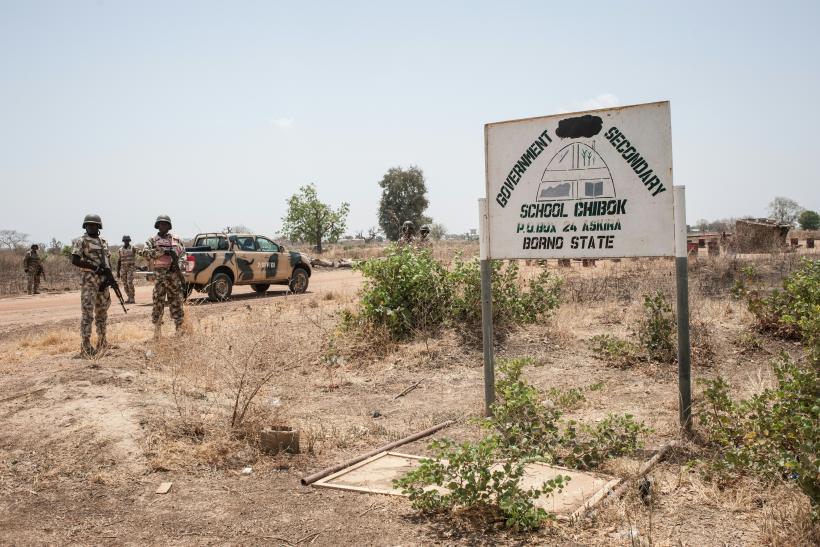
National and international coverage of the insurgency and the group started in 2014, after 276 School girls were kidnapped from a secondary school in Chibok, a town in Borno state, and forcibly concealed in the Sambasia forest for three years by the Boko Haram. The international uproar started with the #BringBackOurGirls campaign started by Obiageli Ezekwesili, the former Federal Minister of Education of Nigeria. This campaign ultimately lead to the release of 82 of the girls. But very little is known about the lives of these girls after the abduction beyond the news surfaced that the girls were under the custody of the Nigerian Government, receiving medical care and evaluation.
With their new documentary titled “Stolen Daughters: Kidnapped by Boko Haram”, HBO intends to shed more light on the lives of these girls after the abduction. The documentary will show the girl’s rehabilitation at the secret government safe houses in Abuja. It will also explore how the label “The Chibok Girls” was formed and what it represents; children who aren’t allowed to live outside of their protected environment with limited access to the outside world. The documentary does not forget the rest of the Chibok girls who are still missing, their fates are discussed, perhaps reigniting the national and international outrage that fueled the freedom of the girls in custody. They will also explore the conditions of the refugee camps and the fates of the women who have been tucked away in displacement camps since their homes became unsafe.
Though this documentary focuses on the young girls, it will also shed more light on how the government has handled the abduction cases and provide a platform for the people who are most affected by these incidents to speak to us in their own voices. “Stolen Daughters: Kidnapped by Boko Haram” was directed by Gemma Atwal and Karen Edwards, who also produced it.
There’s no official release date yet, but HBO promises “Stolen Daughters: Kidnapped by Boko Haram” will be released later this year.
Featured Image Credit: Web/ibtimes
“Tomiwa is figuring it out…” Tweet at her @fauxxbella
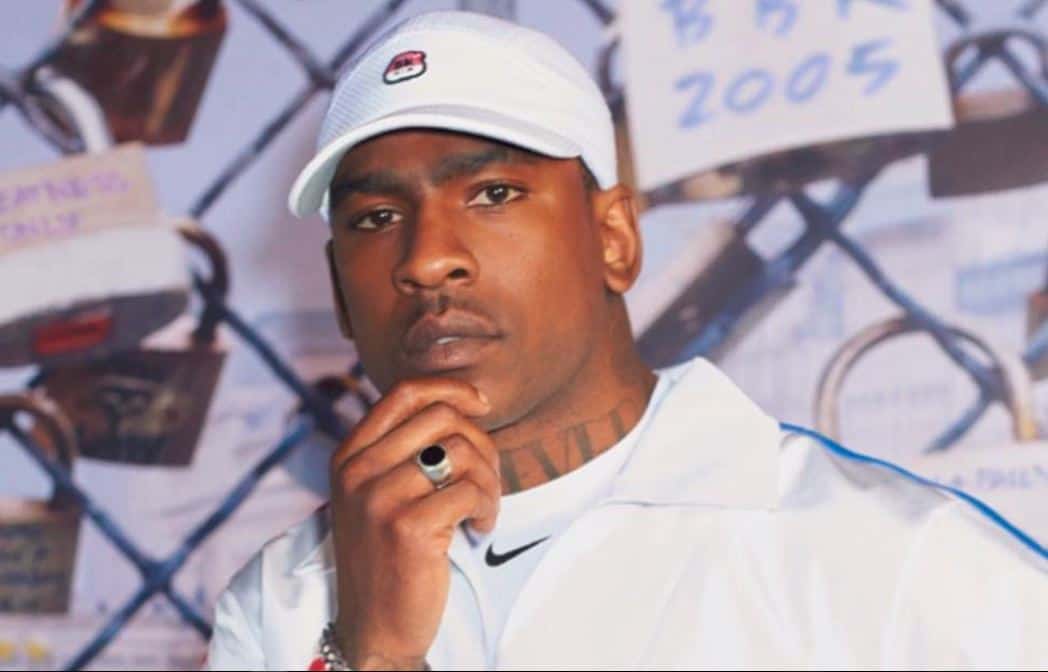
There has been much talk this year following the “BBK Homecoming”, as Skepta continues to emphasise (and build) his bond with Nigeria. Getting ordained with a chieftaincy title, as the “Amuludun of Odo-Aje” in his hometown in Ogun State has been one of this years moments for the culture and his new single, “Pure Water”, establishes he hasn’t lost touch with the pulse of UK grime in his quest for personal recognition around the globe.
“Pure Water”, integrates everyday Nigerian lingo for Skepta’s gritty swag rap. The track is a rare statement that gives as much away about the rapper’s acclaim as it leaves the listeners to imagine exactly what his experience was like in Nigeria. In any other context, the hook, “Pure Water and Lots of Ice/ She Knows That I’ll Be The Boss of Life” would be a paradox, but if you’ve been to Nigeria, you’ll understand how real Skepta’s bars are.
Listen to “Pure Water” below.
Featured Image Credits: Instagram/skeptagram
You are meeting Debola at a strange time in his life. He wandered into a dream and lost his way back. Tweet at him@debola_abimbolu
Labelled a playlist, OVID’s follow up to his ‘Unruly‘ project debut, ‘To The Moon‘, is a buffet of sonic delights if you have a taste for things that are sweet and sharp. Hopscotching across the border between EDM, indie pop, R&B, and dreary-eyed rapping, OVID is an omnivorous producer and artist as he provides a utopian vision of what music can be in 2018, assisted by guest features from Panky3s, Zilla and Sahyel.
‘To The Moon‘ is steeped in oceanic pressures as well as stratospheric swirl, testing the outer limits of synth texture and OVID’s ability to convey his anguished feelings over droning synths. Though his emotions are turned inwards, dealing with heartbreak, the extreme noise eliminates the possibility of socializing while the music is playing, leaving listeners alone with their thoughts; It’s music for dreaming.
The opening track, “PTSD|DND (DND on the Beat)” is punctuated by cuts from voice recordings giving some context for OVID’s harrowed emotions; “The Ones That Cut You Off, The Ones That Didn’t Believe in You”. The song starts with a slow and haunting percussion as he speaks to an ex who he blames for turning him into a strip club going savage. But the beat takes a distorted turn on the second half of the song. Over the layers of stretching and bouncy synths, he turns to his ‘homies’ and questions their loyalty. OVID’s trust issues with friends is a sentiment heard on couple other tracks on the project, like “Real Ones| Hater” featuring Sahyel, “Friends|HODL” and “Change Up”, all set to amplified synths harmonies that OVID produces himself.
On the fifth track, “ILY2”, OVID’s vocals are stretches into abstract bellows and moans, processed into strips and steam. They’re mixed to become modest conduits for the whole, making his emotional lyrics all the more striking. His glittering falsetto gives a vivid depiction of his feelings singing, “Sometimes When I’m Laying on My Own, And I Feel Emotional, I Wanna Get Next To You, And Make Love Under The Covers All Night Until The Daylight Comes”.
Pre-released single “The Feeling”, in an invitation to dance. But he quickly returns to somber reflections on the following tracks. The nihilism on moody track, “Illuminated / Angel Wings on a Trip” takes a subtle bloom on “F.ace E.verything A.nd R.ise” thanks to the confident bars heard through Zilla’s feature. Arguably though, the production has always been the most interesting element of OVID’s projects. And ‘To The Moon’ showcases his still-sharp ear for cool, electronic sound.
You can stream To The Moon by OVID below.
https://soundcloud.com/onuohaxo/sets/to-the-moon
Featured Image Credits: Soundcloud/onuohaxo
You are meeting Debola at a strange time in his life. He wandered into a dream and lost his way back. Tweet at him@debola_abimbolu
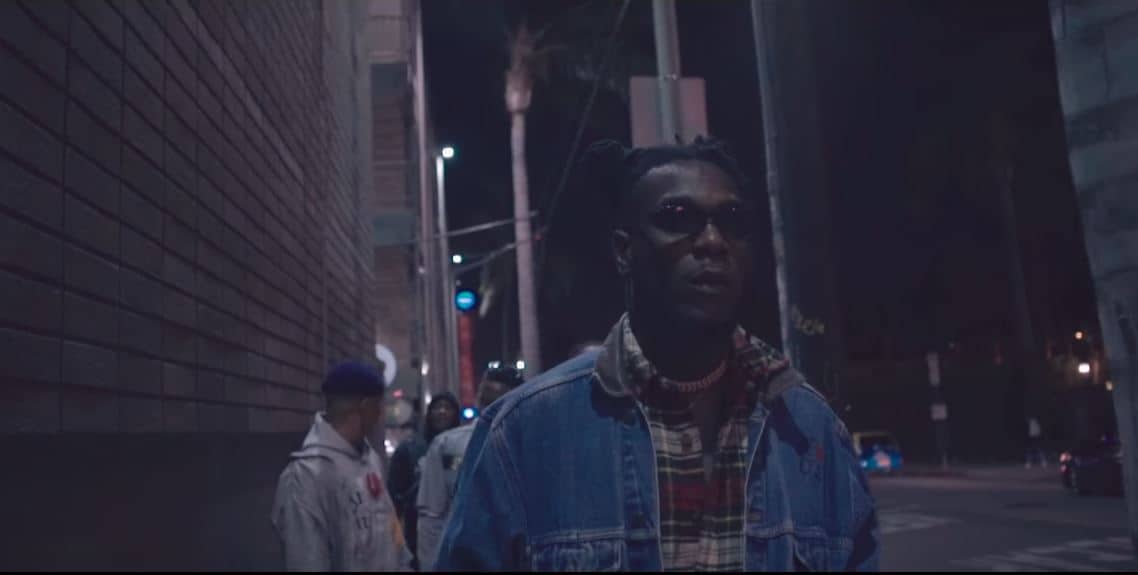
Burna Boy rolls through the streets of California in the new video for “Devil in California”, a neo-R&B cut off his latest project, Outside. The Gabe and Chris directed video starts with panned shots of buildings in the city, seen through a retro framed screen with blurry filter and glitch effects.
The video for “Devil in California” follows Burna Boy as he makes his way through Los Angeles. As if to emphasize the ‘chip on my shoulder’ message of the song, several people are seen through the course of the video—including a particularly elusive model—but none is seen long enough to leave an impression beyond their role as cameos in Burna Boy’s cinematic universe. It’s a theme also heard on the confessional love song that also doubles as a chance to show off his vocal range and reckless celebrity lifestyle.
Watch the video for “Devil in California” below.
Featured Image Credits: YouTube/Burna Boy
You are meeting Debola at a strange time in his life. He wandered into a dream and lost his way back. Tweet at him@debola_abimbolu
It’s just another opportunity to do some dope shit. Every day is a new start for fresh ideas.
You’ve previously been heavily involved in the visual arts, but it seems like music is definitely at the forefront of your creative endeavours right now. Is this the case?
Definitely, right now it would seem like this. When I first got to Nigeria, I was more focussed on film and photography. I think everything has its season. There will always be one at the forefront, but it doesn’t mean the rest have died, they’re just in the shadows.
What message do you want to give with your music?
With everything I do, it is an extension of myself. Whatever it is I’m going through: whether it’s peace, love, patience, forgiveness – I want to pass on that understanding to whoever will receive my art.
What role do you feel you play in the Nigerian music scene?
I feel the major role that we all play is bridging the gap between the old and new. To be very honest, the industry is not united at all, especially with the younger generation. We have these conversations everyday amongst ourselves. Everyone wants to fight to get to the top or be the first person to do something, but in reality we should be focussed on getting ourselves all out there. It’s not going to take one man to put Nigeria on the map: it’s going to take a bunch of people who are working hard towards one common goal. We are supposed to be a support system to help each other, and I want everyone that listens to my music to understand what we are pushing for.
What do live performances mean to you?
It should be an extension of your music. I believe that when I put songs or videos, performing them is another way to show a different side to your listeners. It’s so important for artists to be in control of their sets.
Who is your biggest inspiration?
The only person I’ve looked up to [musically] has been Michael Jackson. His work ethic and the actual quality of his work. Another person would be Steve Jobs. Watching the two of them in their different fields just make things work has been very inspiring. But honestly, my own life is a big source of inspiration for me. I always want to motivate myself, to get the most out of everything I do. My current situation always inspires my next move, to get to the level I’m meant to be on.
What are some of the things you are worried about this year?
I’m not worried about anything. I’m more excited about things that are about to happen. It’s an opportunity to create. Jiggy Things Only (laughs).
How do you feel when people approach you about your identity before anything else?
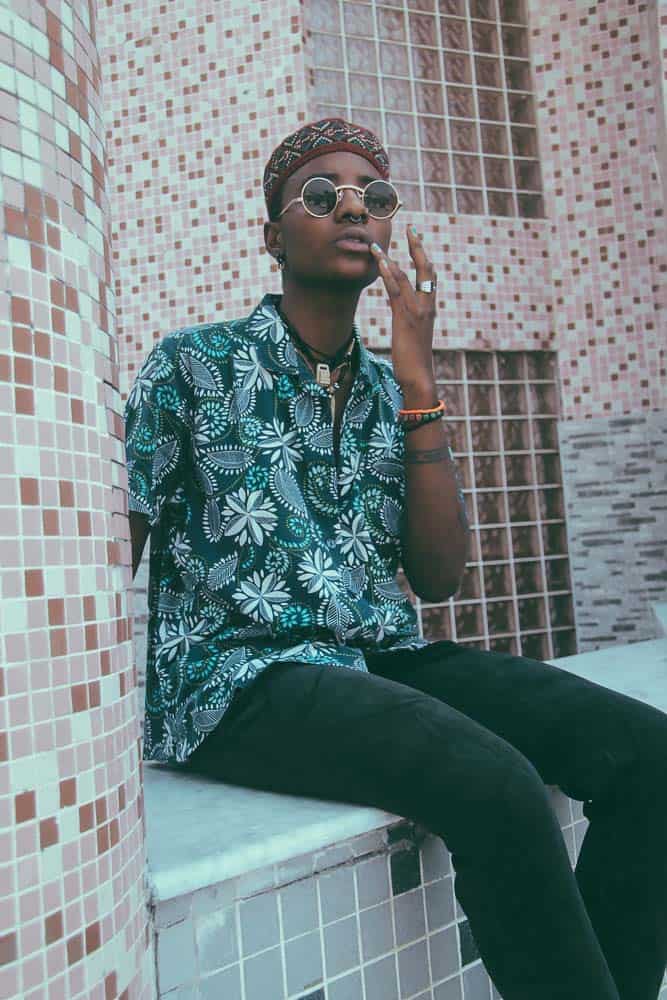
The question about my identity has always been a part of my life. In some ways, I’m used to it. It’s interesting to see the different reactions of people when they find out what my actual gender is. But I don’t mind – it leaves people wanting to know more. They’re researching me, they want to know who Wavy is.
Who are you tipping for 2018?
Myself, really. It’s going to be an amazing year. There’s so much goodness to give and amazingness to experience. I can’t wait.
What would success look like for you at the end of the year?
Success for me is always just self-fulfilment. Knowing that I’ve done my best is the only thing I need.
Yadichinma isn’t the only young female artist whose work is making rave reviews right now, but there are only a few as articulate, charismatic and fully-realised in their work as she is. In an industry full of poseurs and middling artists, propped up by privilege they refuse to acknowledge, being self-taught and free of godfathers or institutional privilege elevates her as a talent to truly root for.
Yadichinma tells me she has always dabbled in art, but she began to take it seriously while pursuing a diploma at the University of Lagos, a degree she eventually switched to visual art in 2017. Almost immediately, she began to attract the attention of Lagos’s art community; she quickly fell under the representation of the Whitespace Agency, who helped expose her to the scene in 2014 and ‘15 through a series of group exhibitions for young artists. In 2016, she was invited to showcase her work at ART X, West Africa’s biggest art fair, then in 2017, she held her first solo exhibition – the first of a handful.
Following exhibitions in Nigeria came international exhibitions in South Africa and France, magazine features, and a personal nomination (from the editor of the Intense Art Magazine) for the Orisha Prize – a prize geared towards financing solo exhibitions for young artists. All this attention would frazzle a lesser artist but Yadi, as she is known to close friends, is pretty unfazed by it all.
” I always think of myself as a channel through which my work comes. If you put light through a red filter, you’ll still get light, but it is going to be red.”
This is how Yadichinma Ukoha-Kalu explains “Birthscapes”. Her most recognizable body of work, “Birthscapes”, which draws on the work of Salvador Dali and Pablo Picasso, is a series of abstract gouache paintings that loosely depict alternative worlds, drawing allusions to the female anatomy and its emissions. This series was the one she entered for the Orisha Prize, and is what branded her as a womanist artist; although she tells us that the designation, while amusing, is inaccurate.
Yadi explains to me that her work is often the result of curiosity rather than an expression of some internal mental state, or catharsis from an emotion. Although this process leads to a relative detachment from the work she creates, as she finds herself moving onto other projects once her curiosity is sated, Yadi is intent on holding onto this curiosity for as long as it continues to seep into her art. Still, accounting for this fluidity, she has taken to documenting and cataloguing her process in a series of physical journals, her Instagram page and digital cubby holes coded by her sister, Daberechi, who is also part of the Native XI 2018. These archives are a way for her to measure her progress as an artist, documenting how far she’s come from a semi-professional artist whose first exhibition was held as part of a collective of emerging artists.
“Recently I feel like I have more dead friends than alive ones.”
She muses when I ask her about her influences. She names some of the regular suspects; Picasso, Dali, and intimates me that she’s chosen them for their experimentation, their vibrant inner lives and their refusal to be pigeonholed into the artist niche. She also mentions Nigerian artists such as Kadara Enyeasi, Nengi Omuku and especially Wura Natasha-Ogunji and Ruby Onyinyechi; a collaborative duo who make colossal collages that reclaim the domestic crafts of embroidery and threading.
Before I can explicitly ask of her thoughts on the future, she tells me she knows what is coming, excusing me from apologising for bringing it up at all. Appreciating the difficulty of being asked to choose one future out of a thousand timelines of possibility, unlike many of her creative counterparts, Yadi surprisingly doesn’t hate being asked about her future. Ultimately, she has decided on a future: the present.
Growing and changing, as she is doing right now, is how she always wants to be.
For me, it’s really a whole new chapter in my story. It’s a chance to be better, to work harder and to be more consistent.
What inspired you to start making music?
When I was younger, I used to be really into fashion, and that was how I got into music; I used to watch these music videos to see the outfits, to see the bling. My mum and her sister used to play CDs all the time at home, literally everything from Craig David to Jay-Z. When I got to high school, I used to write raps but I still didn’t really care about music. Then I heard Naeto C’s album U Know My P. He reminded me of Jay-Z, he was just so cool, and all I wanted to do was be like him. Moving to New York for college years later was when I really started to take music seriously.
What prompted the transition from the trap-slanted King D-O, to the dancehall-inspired Pretty Boy D-O?
Honestly, I’ve felt I’ve always been a rapper and a singer, but for a long time I was only singing on hooks, because my rapping was so much better. I started making Afro-Trap as a way to differentiate my music from the “pangolo” music in 2013. I made these two songs, “Bance” —RIP my brother Olu—and “Gbese”. Even back then, I was still singing, but not many of the tracks made it out. One of the tracks that really helped me break into the Nigerian market was “Tinko Ko”, and I actually wrote it that year. It took me a year to write that song. After that, going from freestyling on youtube tracks to working with a producer like July Drama (producer of “Peter Piper and “Footwork”) definitely shifted me more towards that style of music. But I’m still rapping, man, even “Footwork” has a lot of rapping on it.
Following the success of“Footwork”, do you ever see yourself going back to your former self?
Yeah man, for sure. My tape, Everything Pretty, is going to have a lot of rap on it. Honestly the way I make music, I really believe in the relationship I have with my fans. They give me the confidence to do exactly what I feel is right. For example, “Chop Elbow” doesn’t sound like “Footwork”, but I know my fans will love it and take it far. But I can never stop rapping man.
What role do you feel you play in the Nigerian music industry?
For a long time, I was trying to conform to the commercial sound that was dominating the mainstream, but it just wasn’t me. I really believe in my sound now. I am working to be consistent so that no one can call to replace me. If you want D-O’s sound, you have to call D-O.
What message are you trying to send with your music?
I’m just trying to be a voice of the people. The voice of the regular guy. Whether I’m talking about love on “Peter Piper” or the Nigerian system on “Chop Elbow”, I just want to tell real stories. It’s a spiritual thing.
On “Chop Elbow” you talk about some socio-political issues that frustrate you. What are some of the problems you and your friends are facing this year?
The song was inspired by the police stopping me for having kpoli on me, they wanted me to give them money, but I could see it in their eyes that they were high, too. And when I got back to the studio, I started freestyling about all the things that make me angry. “Poverty, chop elbow/Etisalat, chop elbow/Toll gate, chop elbow/NEPA, chop elbow/Corruption, chop elbow”. These are just the things the average Nigerian goes through, it’s real life shit.
It’s well publicised that you’re a big movie head – I’m a big fan of your Oscar predictions every year. If your music could be the soundtrack to a movie, which one would it be?
I want to hear “Bumvita” in The Notebook with Ryan Gosling and Rachel McAdams. The bit where they’re reconciling after the big fight, “Bumvita” go enter well.
What does success look like to D-O?
First of all, it’s just making my mum happy. I want to leave a mark on the game. When I die, I want people to remember my name.
Who are you rooting for in 2018?
I’m rooting for our country in general man, we have so much potential. I’m rooting for Santi —I love that guy— I’m rooting for July Drama. I’m rooting for myself.
What do you want out of 2018?
More success and more peace of mind. More life man, I don’t want to lose anyone this year.
The cinema room at the 2017 Ake Books and Arts Festival seemed the unlikeliest place for Bariga Sugar to find an audience. The year’s theme was “The ‘F’ word” – feminism (or female depending on who you asked) – and the room was packed with writers, essayists, activists, and generally just people who negotiated the tricky job of stirring up emotions with words. But by the end of the film, everyone was in tears. Even the film’s director, Ifeoma Chukwuogo.
Though Chukwuogo made her first short film in 2013, she only started sharing her work professionally after she graduated from film school in 2015. In many ways Bariga Sugar is her real debut. First premiered in 2016 at the Africa International Film Festival in Lagos, it has quickly grown into a cult favourite, loved as fiercely by critics as it is praised and shared by viewers. Chukwuogo uploaded it to Youtube for a limited time, but it has since been taken down and returned exclusively to the film festival circuit, popping up most recently at Ake.
How does it make you feel to be seen by many as the most promising director of your generation?
“Nervous. Because [now] people now have very high expectations of me. As an artist, risk is always involved in anything that you do.”
Every young Nigerian understands this perfectly; we are very vocal people, mix that with a deference to “culture”, any ideas that do not run through worn channels are feared and destroyed. But the pressure and the increased expectations are a crucible in which Ifeoma is ready to be tested. Staying consistent and outdoing her previous work are metrics she’s sieved from all the noise around her, and all she is focused on achieving now. She tells me she’s read almost obsessively since she was a child, dabbled in writing during her early teens, before spending her late teens immersed in the rigour of theatre. Filmmaking was a natural progression, because her stories were always visual. Being behind the camera allowed her the omnipresence to fully re-enact her internalised stories in the way she always hoped.
She has been telling stories in some form throughout her life. The process has always been intrinsic to her identity, to the extent that she has given up on separating her work from her everyday life. There were questions and allusions in Bariga Sugar that mirrored her personal life in some way. Bariga (which she conceptualised with her co-producer Ikenna Edumund Okah) was inspired by a friendship that thrives in a bleak environment.
“Friendship can save you, and a good friend can be like a saviour to you”, she explains, as she walks me through the story’s tragic leads, a boy and a girl born to sex workers. But the film is more than that: it explores how the failures of a system can ripple out, irreversibly changing the lives of people who feel far removed from the system itself. The world in Bariga aligns a fantastical world with the one we live in, and connecting us to both is what Chukwuogo does best.
The work she intends to finish and share later this year spans several genres, most notably book adaptations, starting with the ones from her childhood. She mentions Ngozi Achebe’s Onaedo – The Blacksmith’s Daughter, and the narratives from Chimamanda’s The Thing Around Your Neck, and a certain freckled mixed raced Nigerian author whom she asks me to keep a lid on temporarily, so we don’t jinx it. She also wants to collaborate with other filmmakers, building leverage for other emerging writers. But Chukwuogo allows herself some wistfulness when she talks about her laundry list of actors she wants to direct; Somkhele Idhlama for obvious reasons, Fabian Ladoja for his work in the South African drama Jacob’s Cross, David Oyelowo and Lupita N’yongo. There is one more person, a wild card she offers hesitantly, after negotiating with herself.
“By the time I blow enough to afford Meryl Streep, she’ll probably be retired, but yeah, Meryl.”
It is a big dream, but ifeoma Chukwuogo has shown she is built to upend improbabilities.
Sometimes it’s just another day, like what’s all the hype about, you know? But then other times, I’m just like anyone else: I get excited to write that end of year post, [to] throw a party, the fireworks, the champagne and all that stuff. It’s nice to have a day that you cross and it seems like you have a second chance at things.
How did you get into tech?
I think I’ve always known, and the people around me have always known. When I was 10 I thought I was going to be like Dexter, I kept telling people. I think my parents also realised – they were really great at buying stuff that helped. They got me this electrical kit when I was 11, and I used to go round the house making alarms and shit.
What role do you feel you play in the growing tech community in Nigeria?
Some days I feel like I have some sort of responsibility to play a role, but other days I just want to make my dollars, make some cool shit and keep moving forward. If there is one thing to be taken away from Timi’s life in the tech community, it would be: don’t put yourself in a box. I think I’m just trying to show people that there’s a different way to live. You choose your own way. I want to end up as a lecturer. I want to teach, I like teaching people who are just hungry for knowledge. I think I’m going to be responsible for creating a ton of cool shit. Some of it, hopefully, will find its way into your everyday lives.
What are your thoughts on Yaba being the Silicon Valley of Nigeria?
Fuck that! I’m only here because this is the sexiest estate on the Mainland. If they transported this estate to somewhere on the Island, it would break my pocket. In America they have Silicon Valley and it makes sense – companies gravitated there because of the natural environment, and then there was a ripple effect. I don’t know why it feels we have to sell a similar narrative to America. [At first] people said it was because Yaba had fibre optics, but IPNX dey Lekki now. I like Yaba because that’s where I went to university before I dropped out.
What was the university experience like?
I went to Uni-Lag (University of Lagos). Anyone who went to university in Nigeria – whether or not you graduated – can tell you that the education is shit. I don’t thrive in environments that are geared towards cramming rather than actually learning. Maybe it’s my Achilles heel, but I just can’t cram. There were just so many issues with universities in Nigeria, from the syllabuses to the lecturers. My friend Dimeji is a computer scientist, and in his exam, he was asked to write JavaScript. On paper. There are just so many issues. I want to build a peer-to-peer review platform for universities, that will actually be constructive. And it’s not like I don’t understand that there are systemic problems, but I just couldn’t stay there. I was depressed, I was doubting myself, feeling stupid. You start defining yourself by your ability to pass [exams]. My parents tried to understand though. I respect how we arrived at the decision [for me to leave].
How did you get into coding?
I learnt the basics when I was younger, my uncle taught me, but I didn’t take it very seriously. When I started properly was after my first failure at Uni-Lag. I got a 1.71 GPA – you can print this – I actually got a 1.71 GPA. I called my friend Jibola and basically told him, “Fuck school, I need to figure out a path for my life, I want to work.” So he set me up to work on M.I. Abaga’s official website and that was the very first coding job I got paid for. I was honest and told them that I was still learning, but they were into it.
How would you break Bitcoin down to a dummy?
It depends on if said dummy is interested in it as technology or as a financial asset.
As technology, cryptocurrencies basically shift control from central banking powers to the rest of the world. With cryptocurrencies, anyone in the world can verify a transaction has happened – that is inherent in the way it is built.
As a financial asset, it’s really just like any other financial asset that conforms to the standard rules of supply and demand. But right now, it’s just very volatile. To the extent that if someone famous [in the tech world] says “oh this crypto won’t get anywhere”, the price drops. My only piece of advice regarding cryptocurrencies is: Do not spend more money that you can afford to lose.
What does your company Bitkoin Africa do?
Bitkoin Africa right now is a safe platform in Africa to trade Bitcoin without fear of being scammed. We’re just the middle-men. Once we escrow the value,you can trade freely. Right now it’s limited to Bitcoin, but we’re running more coins soon.
What is the future of Bitcoin to the everyday Nigerian/African? Is it more than a get rich quick scheme? The Future of currency?
Honestly, it’s both. It’s nothing like MMM – that comparison really affects me. MMM is just a thing where you pay, and invite other people to pay. Some people saw that there was no value, got in early and bailed fast. Bitcoin could get you rich fast, but it’s more than that. And it’s not just Bitcoin – it could be any cryptocurrency. It’s not quite clear yet which one will be here say, ten years from now.
For the average Nigerian, I just hope that it opens up more access to money – either by replacing money or becoming an integral part of how we transfer money. I hope it makes it easier for a farmer in Zaria to pay someone for goods in Gambia or Kenya, for example. There are other applications like block-chain that aren’t necessarily cryptocurrencies but could really help Nigerians with things like land-ownership. The future is financial inclusion, and I think that’s really where we are heading.
What are some of the issues you and your friends are facing this year?
This may sound like a first world problem, but my house-mates don go buy BMW and na pressure. I’m not going to buy one, but I dey pressured. More generally, man, Nigeria. Nigeria is the problem we all need to watch out for.I don’t even know where to start. We haven’t conquered [bad] roads. We haven’t conquered [the problem of] power. These are just things to live a basic life before we even decide to want more. The police think we’re all yahoo boys. Can’t somebody just be working hard and making one or two tins? It’s hard for young people. In tech, we’ve changed significant things in this country – look at Paystack and Flutterwave. We have a long way to go but there’s just so much against us/When I was living in Shomolu without constant power and internet whilst in Uni-Lag, it was fucked. I’m sure there are so many people more talented than I was who are in worse conditions. It would be so much better if we could just conquer power and internet.
And the reason I did not initially answer with this is that it’s just so normal.
What excites you most about technology today, and five years from now?
For me, the most exciting thing for me right now is that I can build something in my room, and then like 700 people are using it. That’s amazing to me. I just like making things, and I found out early on that software is one of the forms of creation in which the barrier to entry is relatively low. I almost get too excited thinking about the future. Just the fact that our kids are going to be living different lives to the ones we are excites me. Like when our parents were growing up, there was no Uber. You couldn’t book your hotel and flight online, then land somewhere and put it on Snapchat. That just didn’t exist.
Peter Thiel question: What is something you think is true that very few people agree with you on?
The Dark Knight Trilogy is crap. Jay-Z is overrated – he’s a good businessman though.
Who are you tipping for 2018? (in any field, but specifically tech)
Every hard-working person out there. Everybody that just wants do to better. All my friends, you know. I have a friend who wants to take a break from his architecture firm and start designing software, I’m rooting for him. I’m rooting for my guy who just got a job after a dry spell. I’m rooting for Paystack, I’m rooting for Bitkoin. My friend just started selling hair, I’m rooting for her too. I’m rooting for YOU. Just anyone who is working hard.
What are you trying to achieve in 2018?
More than anything, I’m just trying to be in the right place at the right time. We have some interesting things lined up with Bitkoin. Like anyone else, I really want to travel, I haven’t travelled in a while. I’ve never been to America. I would like to go to San Fransisco, [to] finally see what all the hype is about.
Mayorkun’s earliest memories of music paint a familiar story.
Born Mayowa Adewale-Emmanuel, Mayorkun was introduced to music through the word of God. “Morning devotion would be like a choir rehearsal,” he says, describing how prayer sessions also doubled as vocal training sessions. He’s come a long way since singing treble at his local church.
When I walk in on Mayorkun, he’s watching performance clips from a recent show, like an athlete reviewing his game-tape. He’s smiling, remembering the reaction of the crowd, but still focused on how he could improve. This frame perfectly encapsulates where Mayorkun sees himself right now: he has come so far so quickly, but he doesn’t intend on stopping anytime soon.
“How can I say I am successful when there is still a Davido? How can a Davido say he is successful when there is still a Drake? And how can a Drake say he is successful when there is still a Michael Jackson?”
It’s a rather blunt way of making sure he remains grounded, but it seems to be working for Mayorkun. Success is relative to him at every step of the way. He is thankful for all he has achieved till today, but he knows how much further he can take it.
With the growing popularity of Afrobeats worldwide, and Nigerian music being at the forefront of that, Mayorkun recognises the opportunity he and his peers have to represent the genre in the best possible way. Open conversation amongst young Nigerians may indicate a yearning for thought-provoking content in music, but Mayorkun is convinced that all artists are a product of their time. He has seen the memes and tweets inspired by his iconic upfront one-liners such as “I want to poke you like Pokemon”. But he doesn’t pay much attention to it. “People don’t even really listen to what you’re saying. Till today, people still ask me, what I was saying on ‘Eleko’”
Whilst he seems to be very relaxed when it comes to the idea of perhaps making more meaningful music, that doesn’t mean his lyrics aren’t carefully thought out. Take his late 2017 hit “Mama”, one of the best songs of last year. The strategic placement of the Ghanian twi phrase “si mi ka odo” – which loosely translates to “let me spend all my money loving you” –into the refrain of the hook points to an artist and a team that knows just how to reach their goals of world domination.
The worst assumption that can be made, he assures me, is that Nigerian artists do not have the range to pull off anything. “We’re all singing pon-pon now, but if reggae is what is reigning tomorrow, we would all sing it.” Where Kun – as he is called by his 30BG brothers – benefits more than his counterparts, is that he is one of the more versatile of the lot. He recognises trends and does not just fit in, but takes them into his own world. He refuses to take all the credit for this though, as he openly admits his song-making process is extremely collaborative; a useful habit he seems to have picked up from his label head, Davido.
“It was Kiddominant that came up with the Pokemon and Pacman lines – I wasn’t even sure about them but he was like ‘say it jo, e go blow’”
Mayorkun is half-laughing describing the making of his “Mama” follow-up, “Che Che”. He insinuates that he was really testing just how “low” he could go, lyrically, on the single which was a critical and commercial success. He enjoys these songs, especially performing them, but hints that his album will be the best place to really get to know him.
Looking forward to the rest of the year, Kun wants to keep growing as an artist and as a brand. He tells me about plans to do an African version of “We Are The World”, in which he would write the whole song and distribute the lyrics and ad-libs. That would be quite a feat. He’s a playful character, but quietly confident in his ability. He knows how hard he has worked to get to where he is now, but he’s not putting his feet up. Although he openly admits to staying on-trend with the popular sound of the pop landscape, Mayorkun knows how to make people feel something. That in itself is special and is what will see him continue to elevate to the lofty heights he envisions himself at.
Last summer, anybody keeping a close eye on the London Fashion scene could not have missed the name: Mowalola. Her graduate collection at Central Saint Martins, inspired by 70s and 80s Nigerian Pyschedelic Rock, depicted an aspect of the nation that has otherwise been hidden, from its population and the rest of the world. With tight, cropped and printed pieces, Mowalola reconfigures Nigerian menswear as she fulfils her predominant intention of celebrating alternative African history and culture.
Mowa uses more than just her apparel to celebrate Africa, as she collaborates with other creatives from her motherland, Nigeria. The NATIVE spoke with Mowalola about her industry favourites, philosophical approach to fashion and her perception of the new year. She’s up next Now.
What does a new year mean to you?
Mo’ Money, Mo’ Problems! (Laughs). No but seriously. I feel like each year I’m just learning more about myself, in terms of what I want to create, who I am. A new year for me is when I can just out-do myself. Doing more than I did the last year, learning from my mistakes, moving forward in a more positive way. Just being more open to new opportunities. It’s really important to keep moving and growing.
What was the one thing you learnt about yourself that you want to take into 2018?
Never be afraid to fail, because [failure] is a real amazing thing. Every time I made mistakes whilst doing my collection, it just pushed me to do something even better.
What inspired you to take that step to making your own collection?
It was my graduate collection at CSM (Central Saint Martins), so it was something I had been working towards for the past six years. I remember being in first year, and being very nervous about having to do my own collection. But all the growth over the years prepared me from that. When it got to it, I knew exactly how I wanted to present my vision.
How would you describe your approach towards fashion and the philosophy behind your brand?
To me it’s about connecting to the people around me, and being able to communicate with them through my clothes and all of the visual imagery I produce. It’s important for me [to] represent my country in a different way [than they already know], and show them our rich history. I want to connect with other Nigerians around the world to inspire them to fall in love with themselves again.
What songs will you play to open and close your first solo presentation on the runway?
Late 90s New Guinea Rock Music. That energy is everything. They mix traditional African instruments with the [electric] guitar, and it’s just crazy.
Where do you feel you fit into the ongoing renaissance of the arts scene in Nigeria?
I am showing people a different narrative. We don’t always have to do all the same stuff to be successful. And [to] look deeper into ourselves to find what we want to create. True Self Expression.
Have you always viewed fashion as the best way to fully express yourself?
No not at all! I studied Fine Art when I was in school. But I feel like all the things I know, I combine it with what I do with fashion. In my work, I create all the textiles, I hand-paint, I pick the music, I create the jewellery. I still have so many ideas of ways to express myself: I want to make furniture, I want to make films, it’s really endless. If you have any creative drive, I feel like your mind will always find new mediums to express yourself.
On Psychedelic, you worked with Ruth Ossai and IB Kamara. Who would you most like to work with next?
Arthur Jafa. Viviane Sassen. Crack Stevens. Jenn Nkiru. Petra Collins. And I want to continue working with IB and Ruth, because I feel like they fully understand my vision, and we all share the same ideas. Working with them is so natural.
How do you intend to use your platform for change?
Instead of working with already established models, stylists and photographers, I try to work with local Nigerians who may not be given a chance: people such as Stephen Tayo and Dafe Oboro. There are so many talented creatives in Nigeria, and I feel like they just need people to give them a chance to show themselves.
Who are you tipping for 2018?
IB Kamara. He is the most original, unapologetically black stylist I have seen in a long time. I am constantly moved by his work. It speaks to my soul.
What does it mean to you to be unapologetically black, in today’s world?
As black people [even in Africa], we grow up being taught that we should be more like The West, as that is the “right” way to be. We fail to recognise the greatness within us. It’s important as black people to look to each other for inspiration. So as creatives, being unapologetically black is to celebrate our beauty, our world and our people through our work.
Daberechi had to miss Lagos Fashion and Design Week. It was supposed to be her second cycle, and her first since being crowned the first winner of the Face of Few Model Search, a competition that cemented her position as the new girl to watch in Nigerian fashion. But after months of meticulous planning and successfully auditioning for LFDW, she got the call that her visa had been approved for her move to South Africa to begin a new career under the acclaimed 20 Models – just four days before she was due to hit the runway. Whilst she admits it was “unexpected” in its timing, it was a move that was very much in line with her trajectory.
After walking 20 plus shows last season, fronting campaigns for Maki Oh, Lady Biba and Tsemaye Binitie, Daberechi is cleaning slate and starting again – and making a play that she hopes will see her on the catwalks of Milan and Paris come Fall season. Daberechi is part of the Ukoha-Kalu creative sibling trio, subtly but undeniably affirming themselves as the best in their respective fields: her elder sister Yadichinma, a stellar visual artist, is also part of our NATIVE 12.
I had the pleasure of catching up with Daberechi on how she got into modelling, her big move, and how she spends her time off the runway.
How long have you been modelling for, and how did you get into it?
I have been in modelling for about a year now. I got into modelling by actively seeking it out – I decided I wanted to give it a go and not long after that I got scouted by my mother agency, Few Models.
You are a coder when you’re not on the runway. That is super rad and very unconventional. Why did you get into tech?
Thank you! I got into tech when I finished secondary school. I was an art student and I was fully aware that in Nigeria, my career options were limited to either studying Law, Mass Communications, English or something I had never heard about. I wasn’t ready to dedicate seven years of my life to Law so I decided to diversify. I took a gap year and began learning how to code.
What is the biggest difference for you between the two worlds?
Modelling demands that I be very aware of myself physically while coding only demands that I be mentally present. That is the biggest difference for me. At my first photo shoot, before I joined Few, I was an obvious mess and the photographer was giving me tips. I remember actively thinking “I don’t need this, I can code, I’m never modelling again.”
They are both worlds apart but it is so much fun to just perform! Tell a story with your eyes and craft a whole experience [on the runway] with your movement! And other times it is so relieving to jump into any outfit, not worrying too much if it flatters me or not, and sit in front of my computer.
You got your big international break by winning the inaugural Face of Few competition. Do you consider yourself a pageant girl now?
No, I’m not a pageant girl, although I’ve gotten many comments from people encouraging me to do pageantry. But that’s just not where my head is at. Few’s Next Face was a scouting contest, much more high fashion than pageantry which is why I participated in it. Even though I had been working for a few months before then, I saw it as a chance to get scouted and see what the rest of the modelling world had to offer me. It was a wonderful experience and I’m glad it turned out well.
You’ve worked with a number of high profile Nigerian designers, who has been your favourite so far?
It’s hard to just name one. I like Maki Oh, Deola Sagoe, and Tsemaye. In that order. These are designers that I can feel and see the amount of thought and creativity put into their garments. I’m absolutely in love with them, it’s insane.
Do you think models are finally getting their due in Africa?
I believe it’s a work in progress. I can testify to the Nigerian Fashion Industry, it is a small one but it is growing and developing. The scene now cannot be compared to the scene in 2012 and that was just five years ago. Models are definitely being treated with a lot more respect, people are no longer dismissive to models, and we are now fairly compensated for the work we do. It is obviously not where it should be, but we (as models) have become more aware of ourselves and our worth. We are demanding what we deserve.
What are your plans for 2018?
You know what, I believe in organised chaos. I think you run into problems when you try to bend the universe to your will. So I think I’ll just let things fall as they may.
As the pioneer of the “Alté”sound, Boj has been on the edges of mainstream success for years. From his beginnings as DRB’s enigmatic singer who captured listeners with his deep hooks, he has continued to contribute instrumentally to the dominating mid-tempo sound in contemporary Afrobeats.
He works in his own time, and he finally feels ready to take the next step.
What does a new year mean to you?
For me, it really feels like hitting the refresh button, especially this year.
What was the hardest part about transitioning from being in a band to being a solo artist?
It was never really a band, we were always solo artists who made music as a group. Even in 2013, we (DRB Las Gidi) all dropped solo mixtapes. It has always been like this.
How did it feel to release your debut album in 2017?
It was a big deal for me, and I’m very happy I got to do that. It was actually meant to be the beginning of a new chapter for me, but it turned out to be the end of one. I’m not with that label anymore, but it’s whatever.
What are your thoughts on independence, now you’ve left your label?
I feel like if you already have a following, the best thing to do is grind it out as an indie artist. I won’t lie to you, [looking back] I don’t know why I signed to a label. I wish I didn’t, but it was a learning curve. I am a pure creative – I just want to be in the studio and do shows. But I need to have someone I trust sort out all the other stuff.
What role do you feel you play in the Nigerian music scene?
Not meaning to brag, but I really feel like I’m one of the reasons why there’s this whole “chilled” vibe in Nigerian music right now. When I first started doing it, everyone told me “you can’t do this, it won’t work”, and now everyone is on that P. We created a new generation of music.
I agree. The general tempo in Nigerian pop music has definitely changed. Do you feel like you’re given the appropriate credit for that? Do you care?
Honestly it’s not even about credit. When I first started taking music seriously, one of my main goals was to inspire people to do exactly what they feel like doing. Just knowing I’m influencing people is good enough for me.
Yeah I get that – you want to show people that it’s okay to be themselves.
Exactly.
What is success to Boj?
Happiness. Financial Security. And being perceived as an icon.
How would you describe your music to an alien that just got to earth?
Zone-out music. You know chill music. Assuming aliens chill (laughs).
Who are you tipping for 2018?
I think Burna [Boy] is going to have a big year. I think Maleek [Berry] is going to have a fucking big year. Mayorkun, too.
What are your plans for 2018?
I want to make it a visual year. I want to shoot as many videos as possible for songs off my album. I’m also making a joint album with Ajebutter [22]. It’s something our fans have wanted for a while, so we just started working on that.
Odunsi [The Engine] has spent the last two years crossing over from the underground – on his own terms. Now, he’s on the cusp of greatness.
What does a new year mean to you?
I relate to people that start their new year whenever they feel like it’s right. Coincidentally, I started my career in January 2016, so for me they both align. I almost feel like every new year is my birthday – so I’ve just turned 3 (laughs).
How does that feel?
It’s scary man, I’m not going to lie. I feel like I’ve passed that stage where people ask “is he good or not?”. They know I’m good. So now, it’s like “what are you going to do next?”
What role do you feel you play in the Nigerian music scene?
I feel the need to recreate an era where everyone is being themselves. Before Afropop, when artists like Tony Tetuila and The Tribesmen were just telling their stories. They weren’t worried about [the structure] of hooks and verses, they were just being themselves and that became Pop. That’s an era I connect to in so many ways, and I want to try and recreate that.
What message do you want to give with your music?
Love. But more than that, I just want to tell my stories. I feel like there’s an under-representation of the middle class in the the music industry, in Lagos anyway. It’s either you’re from the streets…or you’re super wealthy. I’m just a normal guy who watched Channel O, Africa Magic and MTV and was influenced by that. Then I started using the internet – Hi5, Facebook, Twitter, everything. Everyone’s a product of their environment and that was mine.
Who influenced what you listened to growing up?
My big brother. He used to play a lot of Biggie, Aaliyah, Sade Adu, Craig David. Basically all the best stuff from the 90s and early 2000s. We used to have one of those Sony systems that you could put like 20 CDs in there, and all I did was watch those videos.
Did you always know you wanted to make music when you grew up?
Nah, not at all. I wanted to paint at first, I used to draw and shit. Then I went to high school, and girls weren’t really into artsy guys, so I starting getting into sport.
What sport did you play?
I played football and basketball, but my main thing was running track. I was actually pretty fast – like going to all these tournaments and shit, representing the school.
If your life was a 100M race, where would you say you are right now?
I haven’t even started man. For so much of my life, no one took me seriously. Growing up in Nigeria, the only way to prove that you have something to offer is through academics – and to me that’s just an unfair. If I fail an exam, how does that mean all my ideas aren’t good? Then I dropped out and started making music, and people liked it. Suddenly, when I talked, people listened. And I realised I have a lot of shit to say about non-music related things, I have ideas. So when I say I haven’t started yet, it’s because I know what music is going to do for me – it’ll open doors for me to kill shit in other places.
Were you scared to leave school?
For me it was really unavoidable. I was suffering from ADHD, and for so long I didn’t know. My parents didn’t know. My teachers didn’t know, so they would write stuff on my report cards like “yeah he’s smart, but he’s not applying himself.” I went into depression man…I didn’t understand what was wrong with me. I would just be in class staring at someone’s shoes, or staring at the clock. No one could give me answers, I didn’t even know what questions to ask. So once I found out, [that I had ADHD] I made the decision to leave school.
Yeah that’s definitely a big issue, especially in Africa – teachers aren’t necessarily looking out for learning disabilities in students.
Exactly. They’re actually paying more attention to the kids doing well, rather than to the kids struggling that actually really need help.
What helped you through these times?
When I was younger, I just thought things would get better. Then later on, I tapped into music a lot to feel better. Sade Adu and The Lighthouse Family were very key to me. The words were so reassuring. Obviously they made love songs, but they were more than that to me.
You’ve previously spoken publicly about your battle with self-discovery. What does peace of mind look like for you?
Knowing that I can be the best version of myself, even if I’m not quite there yet. Understanding that you can graduate to higher levels of yourself – rather than trying to be someone else – is something I’ve learnt and it’s so important. Self-awareness is the key to peace of mind. At the end of the day, you have to realise that there are certain things only you can understand about yourself.
I’ve heard a lot of people paint you as a lover boy. How do you feel about that?
I feel like there are a lot of sides to me, but that’s definitely the easiest to express. The foundation of life is love and relationships: with your mother, your father, your friends. That’s my language for now.
What is your one true Desire?
I really just want to tour the world man. I want to connect with different kinds of people that just do dope shit. I have so many ideas and I know I just need to meet the right people. Being alone most of my childhood felt like one big mental exercise. It was like how people go to the gym, I was doing that with my mind. Constantly thinking. I would be in my room just thinking for hours, thinking myself to sleep. I would dream up so many scenarios, and in every one I was a star. It was kind of my escape from what I was actually going through. Now I want to live out those dreams.
What does Family mean to you?
Man, to me, family is everything. It’s so important for me to establish honest relationships because I didn’t really have those growing up. I’m making a conscious effort to the understand the role of different people in my life.
How has music helped you establish these relationships?
It helped me find my tribe. I’ve met so many of my closest friends doing this. Instead of feeling like I need to fit in, I’m now comfortable being an outcast.
What are some of the things you and your friends are worried about this year?
Man just the country in general. Everyone is always talking about leaving, because it’s too tough. But I’m not really in a position to be taking vacations. Things are already hard enough for artists like myself, Santi or [Lady] Donli – then add that to what’s going on in the country – it just feels like you’re fighting Goliath. Or two Goliaths. But it’s not something that’s really on my mind, but every now and then it just flashes and scares you a bit. Is this going to work? How long will it take?
Who are you tipping for 2018?
Burna Boy for sure. I feel like this year will be crucial for us, too. 2018 is all about making decisions. For me, it’s like a bus. There’s a bus at 15:15, and there might not be another one till 7PM. So you have to make sure you get on the bus. It’s like the NBA Draft.
Do you feel like that for the genre as a whole?
No, but 2018 is the year that the conversation will intensify.
How does it make you feel when people group you and other upcoming acts under one umbrella?
It’s kind of lazy, but I understand it. They don’t understand us, so they feel like they have to [group us]. But there are definitely two sets of people that do this.
The first set of people legitimately don’t understand what is going on. They’re not grouping us maliciously, it’s just naive.
The second set are actually trying to do all they can to diminish us, so we don’t become anything. I’ll give you a scenario. There is one guy in a room surrounded by a bunch of people. He is playing darts, and he keeps hitting the bullseye. And everyone in the room says “Wow, bullseye again and again, amazing.” And then the other guy walks into the room whilst all this is going on, and starts playing the flute. A couple of people in the room say “Where is that flute coming from? Let’s go check it out.” The majority of the people in the room just say “We’ll go later, we still love what the darts guy is doing.” They both keep doing their thing: the darts guy continuously hits the bullseye, the flute guy continuously riffing. Then, the girl that the darts guy is really doing all this to impress, checks out the flute guy, and she loves it. Obviously hitting the bullseye is amazing, but she just thinks the flute guy is so cool and original. So the darts guy, seeing this girl giving the flute guy all this attention, summons him over. He pats him on the head and goes“Oh yeah, this is the flute guy everyone, we met last week. How you doing, man? How’s the flute? You know what, let me buy you a new flute.”
That’s a great analogy man (laughs).
I actually deal with all this stuff man. They’re trying to make you feel like you’re going to be small forever.
Word. And little do they know, the flute guy can probably play darts too.
Exactly. They want to force us into this box. It’s like fake support. But at the end of the day, I’m built for it. I’ve done my homework. I’ve watched how transitions happen in any industry – not just music – and it’s always the same. When shit is about to happen, it’s always the same. There’s nothing new.
What do you want out of 2018?
I want to solidify a following. I want to really have a tribe. Like if I [tweet] a full stop, they know exactly what I mean. I want my listeners to become my family. With them, there isn’t anywhere I can’t go.