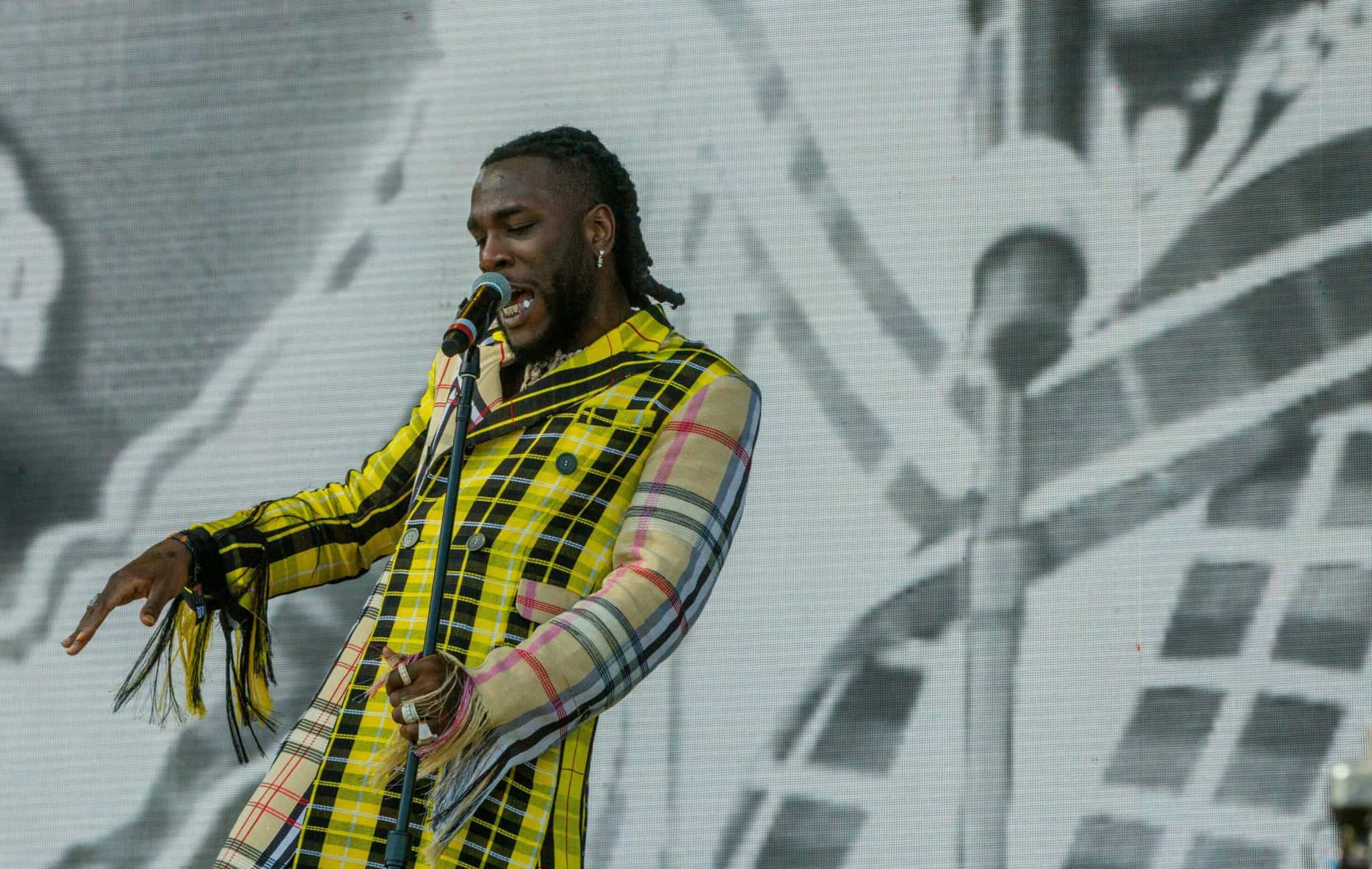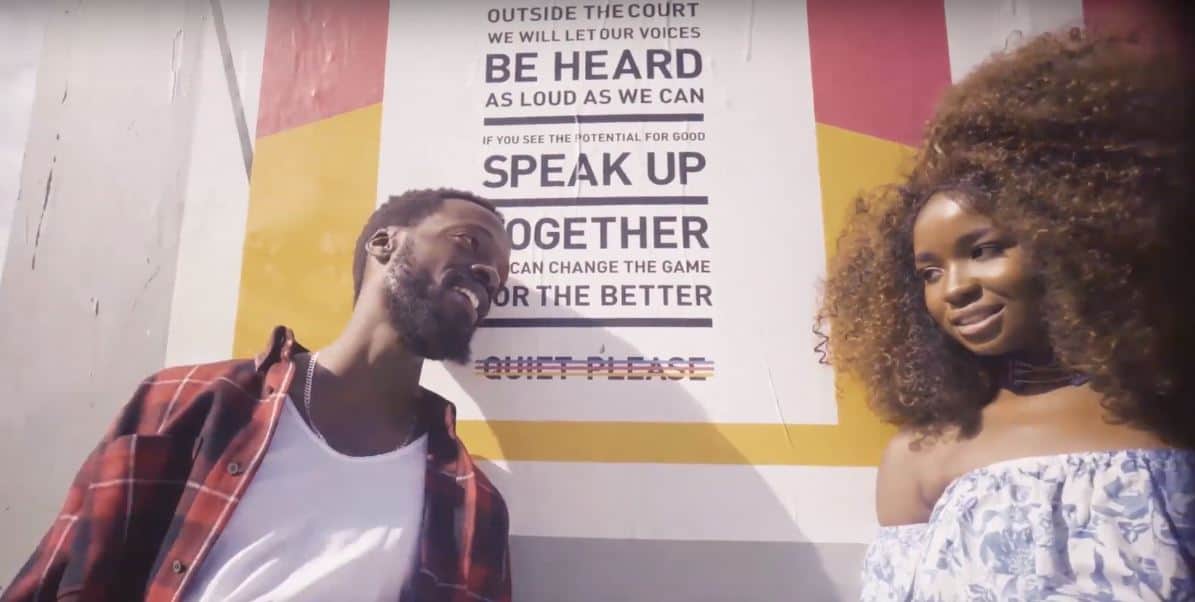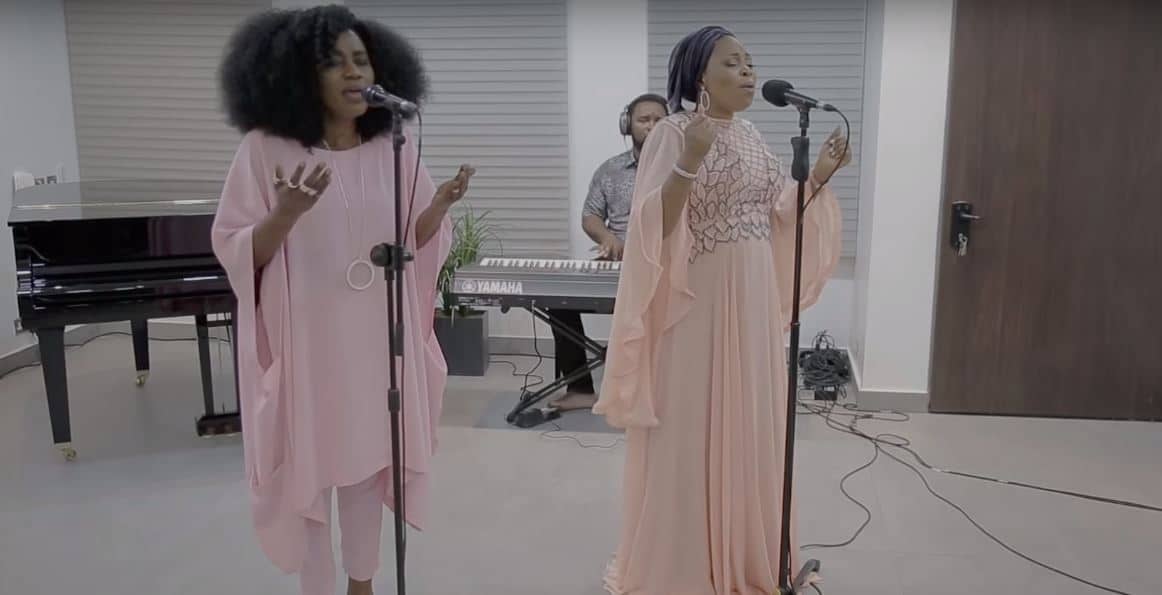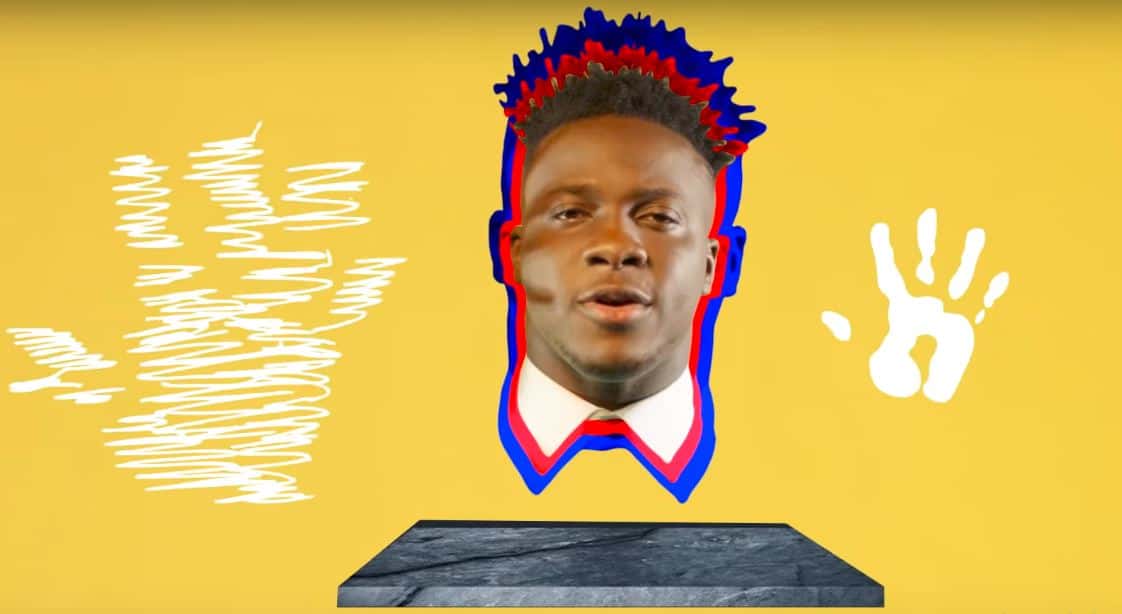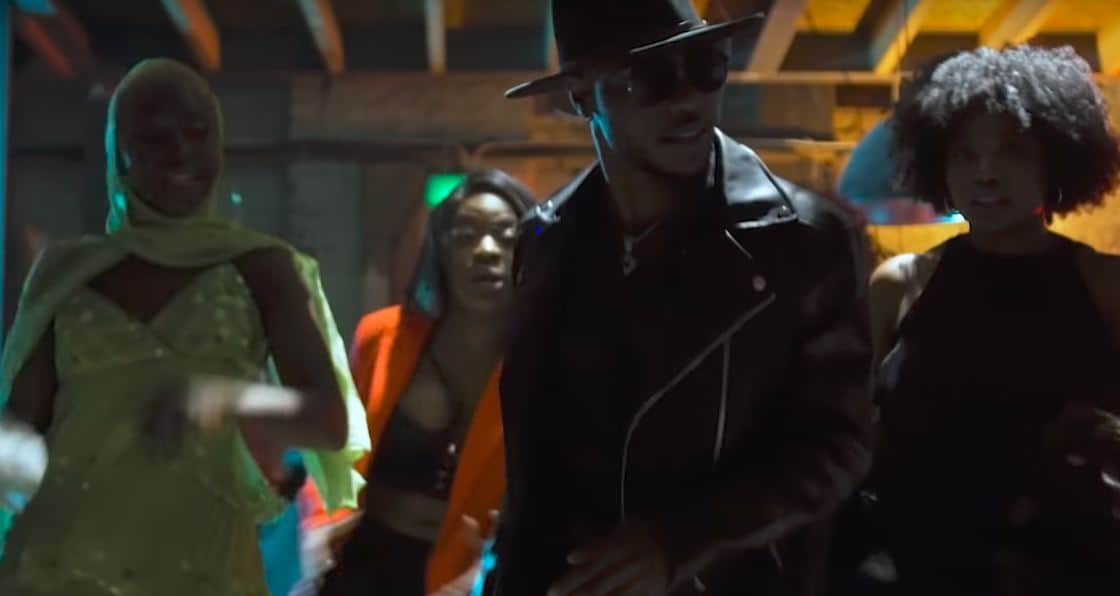
Asides being one of the biggest flex in the music industry this year, Sarz’s 6-track EP, ‘SINYM (Sarz Is Not Your Mate)’, also highlights the wide range of the prolific producer’s sonic palette. With just the one feature from Dr Alban on “Hello Africa Riddim”, Sarz’s production dictates what direction the project takes, favoring a mix of African harmonies with EDM inspired samples.
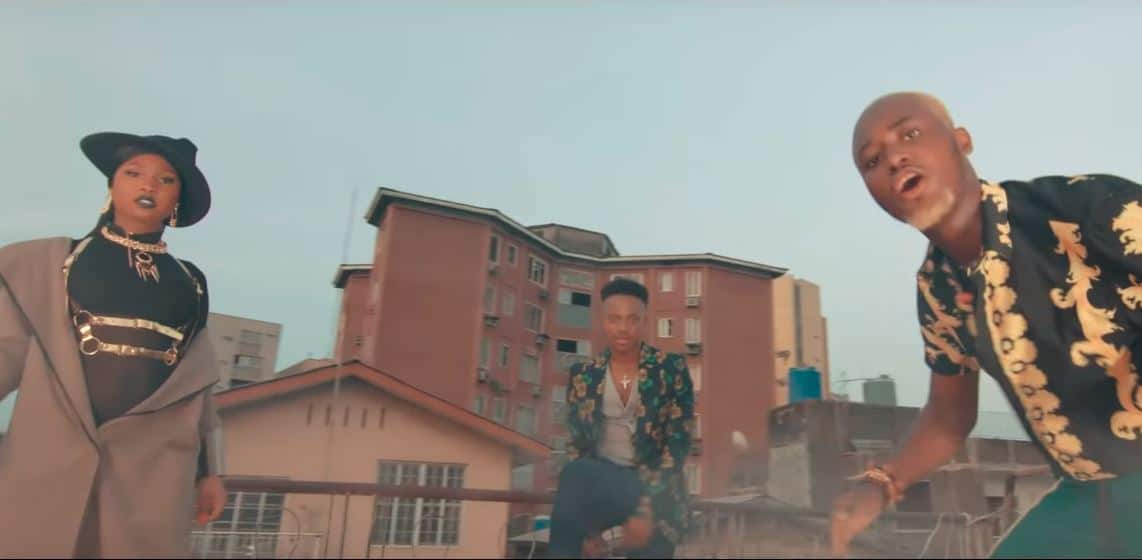
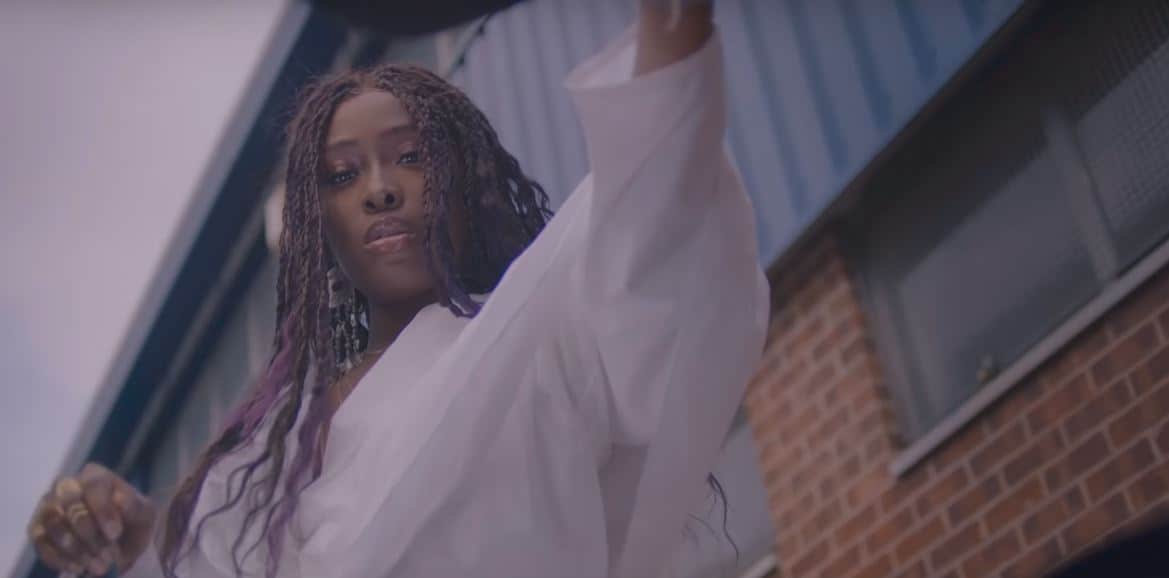
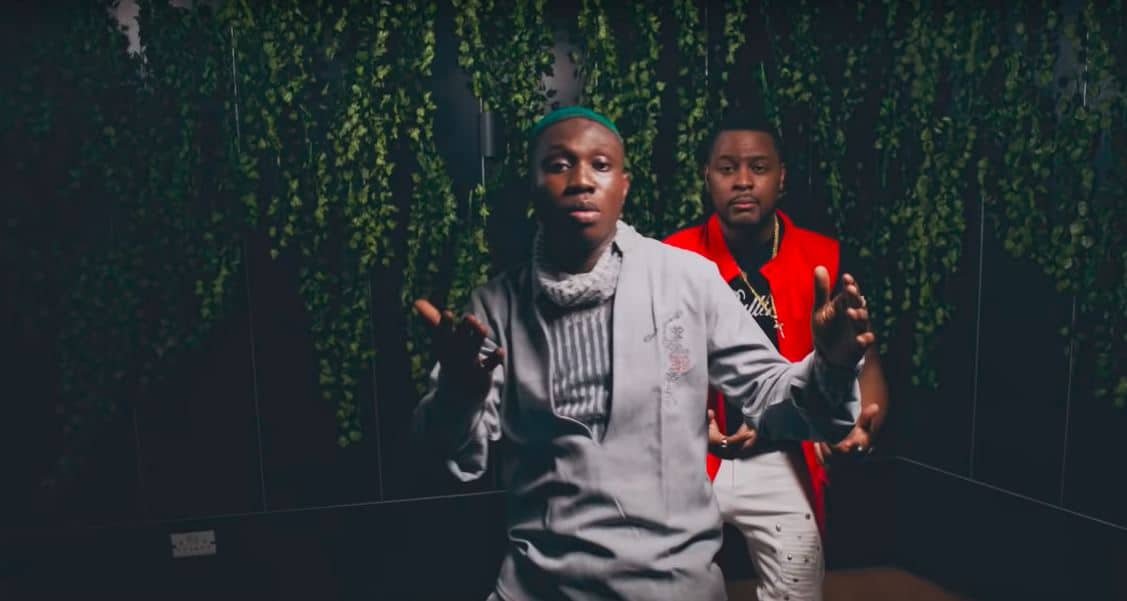
The opening track, “Good Morning Riddim” is a hearty song, celebrating the pleasant mood his music inspires. Ifeme C.S. brings that point home in the music video he directs for the song, displaying a collage of people dancing and having a good time as the energetic beat plays in the background. As if to emphasize music’s unifying quality, the same cheerful expression is mirrored across all the different faces that appear in the video; from street kids playing to celebrities like Wizkid, Niniola and Reminisce. By the time Sarz makes an appearance halfway into the video, the sense of kinship he shares with his listeners has already been established before the video moves from the individual cheerfulness to a more festive gathering under the bright lights of a concert.
You can watch the music video for Sarz’s “Good Morning Riddim” below.
Featured Image Credits: YouTube/Only1Sarz
[mc4wp_form id=”26074″]
You are meeting Debola at a strange time in his life. He wandered into a dream and lost his way back. Tweet at him@debola_abimbolu
Timmy Knight debuted for 2019 with the release of “Afrofire”, where he featured Boybreed for a romantic serenade. His follow up single, “KPO”, continues right where he left off on his sultry sentiment as he professes his affectionate feelings for a love interest the best way he knows how; singing over a catchy beat set to the lightweight swing of percussive Afropop harmonies.
SynX produces an atmospheric beat for “KPO”, blending ambient synth work and catchy Afropop drums. The resulting chill vibe of the beat inspires a sultry set from Timmy Knight, exploring desires inspired by a great time on the dancefloor; “She Got the Wickedest Whine to My Ringtone/I’m the Baddest She Seen Cause My Thing Long”. Though the sparse songwriting doesn’t offers much description beyond the sensual nature of the relationship, Timmy Knight’s charming and melodic vocals, never betray the fun and ecstatic sentiments of romance within the four corners of the dancefloor.
“KPO” is expected to feature on Timmy Knight’s coming EP, ‘Knight Rising’, expected to be released on the 22nd of March.
You can stream “KPO” below.
Featured Image Credits: Instagram/Iamtimmyknight
[mc4wp_form id=”26074″]
You are meeting Debola at a strange time in his life. He wandered into a dream and lost his way back. Tweet at him@debola_abimbolu
In this 3-part special for The NATIVE, Journalist Joey Akan takes you into the intrigue and inner battles that characterised Made Men Music Group (MMMG). Speaking with Ubi, Iyanya, and many other key players, he takes you behind the scenes of how and why MMMG is fractured beyond repair.
The conversations have been edited for clarity.
**Note**: Some real names have been swapped for fake names, in an attempt to protect the safety and wellbeing our sources who agreed to speak to Joey Akan. These names are denoted through italics.
The background
On the evening of Saturday, June 30, 2018, Ubi Franklin walks into his Lekki penthouse bar and lounge, Tilt Terrace. The bar is uncharacteristically full, with young, colourful musicians, drawn from the rank and file of underground hustlers in Lagos crawling the place. They are buzzing, calling for drinks while paying attention to the reason for the gathering; Squeeze Tarela, on stage giving a live music performance.
In Ubi’s company is his personal assistant, Omini Otah, a gymed-up, barrel-chested bro. Barely 30 minutes later, the place is in commotion. Ubi is bleeding with a cut to his face, while four boys drag him downstairs, with brutal blows and kicks interrupting the hurried journey. Bouncers and barmen are stunned, and before they can react, the deed had already been done. Ubi Franklin, a popular Lagos entertainment entrepreneur, father to a son, ex-husband of Actress Lilian Esoro, and the CEO of numerous companies, had been beaten by four young men.
The perpetrators of the violence were led by a musician named Chibbz, a singer who had been unveiled as a MMMG (Made Men Music Group) signing in 2016. “Ubi isn’t the subject I want to discuss,” Chibbz told me with conviction when I reached out to him for his thoughts. “He is dead to me.” Attempts to further contact Chibbz and his management for further comments have been nought, as all parties have since requested privacy on the altercation.
Industry insiders who heard about the attack on Mr. Franklin, say it is no surprise that label boss was assaulted. They say it has been a long time coming – they legitimately sound surprised was that it took so long for it to happen. “That Ubi guy is a very shady person,” says Adeshina, a prominent booking agent and talent manager. “He deserves more than just to chop that beating.”
Deserving of assault or not, Ubi Franklin remembers the night differently. Fractures in his relationship with Chibbz began in 2016 when the singer approached him for a deal to use his record label as a public cover to kickstart his music career. “He told me he wanted to join us, his father was wealthy and he has the cash to pay for his bills and stuff. So I told him no problem, I’ll talk to Iyanya,” Ubi says in a telephone conversation with me. He says Chibbz agreed to a deal where he would pay a N5 million sign-on fee, and use the label’s name for promotion. But that money wasn’t paid in full.
“So he paid 2 million out of the money,” Ubi says. “Iyanya took half of the money, I took half of the money. And then, two years into the game – like almost a year doing music he could not even shoot one video.” Ubi, claiming a strong desire to help out and save the artist, offered him a proper recording contract, which all parties signed after Iyanya’s exit from the label.
“Now, every time you tell him to go for an interview, he tells you he is not around,” Ubi continues. “You’d tell him to go and perform a show, open a show, and he’d tell you he is not around; he has travelled to Owerri, to Aba, he travelled to this place or that place. I shot a video for him o! A very good video shot by AJE. One day I told him, ‘you know I’m a businessman and all this money I am investing is my personal money I’m putting in. I don’t want you to come and be taking my investments for granted. I didn’t hear from him again. One day I got a letter asking that he wants his contract terminated. I just laughed and ignored him.”
Why did they attack him? He says when they walked into his lounge, Tilt Terrace, he approached them and asked them to leave because “once artist does that and you want to leave, go, don’t come around my space.” Ubi continues: “So, he fought me, I have pictures of wounds, I just left him. His sister called me and asked me why are we doing this? She said Chibbz is a kid that I should leave him. I said ‘okay, no problem.’ I just left him, I didn’t say anything to him anymore”
Part 1: The misadventures of Made Men
By pure coincidence, on July 1, 2018, the next day after Chibbz attacked Ubi, I was in a duplex near Jakande, Lagos, sitting in a living room and waiting to meet with a man called ‘Illskills’. Over several weeks, he had tried to reach me via Instagram but we had failed to connect. Two missed appointments later, and a brief conversation with his assistant and we finally meet. He was a tall, lean figure, with a beard, whose first words to me were: “Iyanya is finally ready to talk and I want you to write the story.”
We were later joined by a group of people. Among them, I recognised an old music industry acquaintance, a guy named Demola Bishop. Bishop had worked with a few people in the industry. I first met him in 2014 when he was managing an artist named Zaina. She was signed to R&B singer, Darey Art Alade. Later, he pitched tents with Kiss Daniel, but was released by G-Worldwide after the singer had his breakthrough. Sources tell me that he was a troublemaker, who was fired because he tried to cause a rift in the label. One of his core brags, which he tells anyone who cares to listen, was that he was instrumental in splitting up Kiss Daniel and his ex-record label, G-Worldwide Entertainment. He got his revenge, I guess.
Being experienced, I understand that he had been drafted in by Illskills, who is his close friend for the meeting. Why? As they discuss, I find out that they were setting a plan into motion to release Iyanya from his recording contract with Temple Music, a record label which the singer joined earlier that year. Bishop, a self-proclaimed artist extractor, was to play a supporting role in the plot.
An hour later, an elderly man walked in with a small bag under his arm. Illskills tells me that it is his Uncle, a lawyer, who he had “flown in from London”, to assist with ending Iyanya’s contract with Temple Music.
He also says that Iyanya’s story – which they were about to give me as an exclusive – was to be a key part part of their PR onslaught. That story would paint Ubi bad, shock the world and generate enough controversy to bring Iyanya back to relevance. They would use that momentum to release a project. I was interested. I am a journalist, I was being offered a story. Get that story! So I stuck by them, nodded and got on board.
It’s also important to note that I was offered an undisclosed sum of money to help them execute this plan. They offered to pay me for my journalistic services, which they wanted to co-opt for a fee and use as promotion for Iyanya, while dragging Ubi through the mud. I never demanded, requested or agreed to collect their money for a story. I just wanted to hear all sides of this particularly compelling saga.
We drive to Iyanya’s house somewhere in Lekki, where numerous people have told me was a rental paid for by Temple. There was no car outside. We were ushered into a palatial home, with a butler who served everyone. Iyanya sits, and everyone takes a position around the dining table. We gather and introduce ourselves. As Iyanya begins to talk about his contract, I leave the room.
I go outside, and standing in the drizzle, smoked a cigarette and caught up on music. After an hour, the legal meeting was over. I was ushered back into the room whilst everyone shook hands and laughed. The mood was optimistic. Iyanya sat back smoking something rolled up. It was almost dark outside, I joined the elderly lawyer and his driver in a ride back to the mainland.
Two days later, on Tuesday, July 3, 2018, I was back in the house playing video games with Bishop and Illskills, while we waited for Iyanya. When he showed up, he hugs everyone, and they play us some songs. One of them is his single “No Drama”, which they all agree to be his next single. Another single had Don Jazzy on it. They were all optimistic that a hit was present in their current batch of recordings. Orange juice was shared to take the edge off the loud that we all smoked at the table. Someone offered us food, White rice and chicken stew. We hold off on the food, Iyanya readies himself emotionally and begins to talk.
“See ehn, where do I start?” Iyanya breathed into the quiet room, exhaling a thick cloud of smoke.
The story of Ubi Franklin in the music industry is long and winding, but much of it is connected to the man that stood before me, ex-business partner and pop superstar, Iyanya. The duo were “co-owners” (more on that later) of Made Men Music Group (MMMG), a former powerhouse of the music industry which at some point was home to producer Selebobo, singers Tekno, Iyanya, Baci, and Emma Nyra.
Today, with the exception of Tekno, none of those artists are signed to the record label. Tekno, who is currently one of Africa’s most popular and bankable musicians, isn’t in a 360 deal with Ubi Franklin. He is a product of a joint venture between MMMG and Upfront and Personal Global Management Consultants (UPGMC). UPGMC is owned by Paul Okoye, the entertainment veteran businessman, who is also the founder of One Africa Music Festival.
Ubi Franklin (real name Ubi Ekapong Ofem) was born on February 2, 1986. The artist manager and entrepreneur is the founder of popular music label Made Men Music Group, Triple MG and two businesses, Instant Pickup and Instant Apartment, that provide tech solutions for laundry and real estate businesses.
Ubi made his bones as a manager and partner of Iyanya. In 2014, I was in Victoria Island, Lagos, at a special edition of the weekly concert series, Industry Nite. This edition was dedicated to MMMG, as a celebration and launch of their group album, Evolution. On that night, Iyanya led all artists onstage for various performances. In between joyful choruses and verses from the team, he kept expressing his happiness with the lines, “It was just a dream.”
Ubi echoed his sentiments too, beaming proudly in happiness. His team cut a public figure of a house in array, where music was their business, and each member was an integral part of the team.
4 years later, that night has become a distant memory. Only Ubi Franklin and Tekno still fly the MMMG name, Iyanya had pitched camp with Mavin Records, and later Temple Music. Tekno got half of his business signed over to Paul Okoye of Upfront and Personal, and Emma Nyra is far removed from the picture in France, where she has just given birth to twins. Selebobo has an affiliation with the company but is keen to exit. Baci cried his way out of the house. In their place, the company did become a management home for a new wave of artists including Ellyman, Kizz Daniel (who left almost immediately he joined), Rogerlino and a few others.
Ubi has always been a hustler. He started off as a índustry guy; a slang widely used in the music industry for people with no defined employment status who are present at music gatherings and events. His first major gig was with comedian Julius Agwu, whom he served as a personal assistant. He also had stints working with AY Makun, and a few others, as well as promoting concerts, and getting paid for gigs.
Iyanya on the other hand, was catapulted to fame once he hit the public eye. He began his journey as the winner of the debut edition of the reality TV show, MTN Project Fame West Africa. His victory, the first of its kind in Nigeria, was a watershed moment for the industry. But the euphoria failed to make his debut album succeed. Iyanya dropped My Story, but it was received with apathy from critics and fans alike.
In 2009, he relocated to Lagos from Abuja, and found a sponsor named Kelvin Orifa. Orifa was a top management staff at a telecommunications firm, MTN, and he picked Ubi Franklin as his manager. All the planning and execution of Iyanya’s breakthrough single, happened at this point. After the release and subsequent success of “Kukere” a couple of years down the line, Iyanya and Ubi struck out on their own. Partners, bound by music, the Nigerian dream, and the promise of wealth in the future.
“Iyanya had just enough money for that video,” says Ade, a music industry veteran who was close to Iyanya before his breakthrough. Ade describes how Iyanya spent a night in his house, on the week of the video shoot, fretting over the video and if the song would become another failed attempt to fly. His fears were unfounded. ‘Kukere’ blew. The boy from Project Fame finally had become a star. “If that song had not blown, do you think Ubi would have happened?” Ade asked. We both don’t know the answer.
Ubi and Iyanya struck out on their own to create a partnership and launch the music company, Made Men Music Group. Like all good business partnerships, they defined their roles and responsibilities. Iyanya was the evangelist; the passionate artist who brought business and opportunities into the door with his powerful singing, branding, machismo and chiselled abs. Ubi was the swift executor, with a head for numbers, and a business acumen that bordered on legendary. He was swift, he was cunning, and he got whatever he wanted done. On paper, this looked like a winning team; a fusion of talent and the brains to monetize it. They were a good fit.
The success of “Kukere” ignited a wave. The single was the spark for his sophomore album, “Iyanya VS Desire” which was a hit. It came ready with super singles “Ur Waist”, “Sexy Mama”, “Flavour” and others. It was the pop record designed with a winning formula. Ubi Franklin and Iyanya were the winning kids in the game. They had crossed over from music hopefuls to Made Men. Money was being made.
“Iyanya was generating as much money as Ubi Franklin was ready to spend,” says Jide, a former fringe staff at the company, who left after a fallout with Ubi Franklin. When I asked him how they were able to sign artists and invest in their art, accommodation and cars, he sighed, looked to the sky and shook his head.
“If you see how much Iyanya was making, you would know that there was nothing they couldn’t afford. Iyanya was never in the house. It was one flight to another, one event to another. He was making plenty money.”
Ubi Franklin handled the money, the conversations, the bookings, and many more. He was the one who put things in shape, structured MMMG and signed artists. In football parlance, he played the number 10 role. That’s why the next set of events could happen. That’s why he was able to carry out one of the most heartbreaking scams in music history.
Two years into his contract, Iyanya was at home when a strange number rang his phone once. He didn’t pick up. The caller was relentless, and as the hours progressed, the number of missed calls were amplified. Iyanya refused to pick it up. It was a strange number, and superstars don’t take strange calls. Might be a groupie, might be a conman, might be the father of your ex looking to shoot you for breaking his daughter’s heart. Best not to touch it.
And then the SMS came. The message was short and simple, sent to Iyanya’s phone: “Hello Iyanya, I am trying to save your life. Please, pick your call. It is very important.”
According to a close friend who was in a room with him, Iyanya was disturbed and curious. He had never received a message with this tone and urgency. He pondered over his next steps for a little while. His curiosity won. Iyanya dialled the number.
His world was put on a fast spin.
A male voice told Iyanya to go to Abuja. “I don’t know you, you don’t know me. But I am trying to help you. Go to the Corporate Affairs Commission (CAC) and ask for your Made Men Music Group company papers.”
All efforts by Iyanya to find out the owner of the voice and verify the person’s identity proved futile. The caller didn’t want to be known. According to him, he would lose his job if this tip was discovered. He just wanted to help because he liked Iyanya and his music. He was just a well-placed fan, looking out for his idol.
Iyanya obeyed. He flew to Abuja, found a hotel and began processing his papers at CAC. It took two days for it to be ready. When it got delivered to his room. Iyanya broke down in tears.
The papers brought on a very grim reality: Iyanya was never a part of Made Men Music Group. His name was not found in any of those papers, neither was his signature located in those papers. While creating and registering the company, these were not the papers that his lawyers reviewed and got him to sign. Those were forged. In his place, equity for the company was shared between Ubi Franklin and his siblings. Iyanya did not own a piece of his company. He was only an employee and talent signed to the company.
It broke him down and led him to depression. Friends who saw him at this time recall that he was a different person. They said he “moved like his world was ended,” and also stopped all activity and retired to his room, alone. “He just wanted to sleep, eat and stay indoors. He didn’t even want to drink or see any of his female friends,” one explained.
It was a grave betrayal, premeditated and executed by Ubi Franklin. He had dealt Iyanya a wicked hand and had broken the man.
“What made things worse was that Iyanya almost lost his life at the 2012 Dana Air Crash. So if he had died, it would have been all for nothing,” his friend said.
The 2012 Dana Air Crash is a sad event in the recent history of Nigeria. A Lagos-bound Dana Air from Abuja, On Sunday, June 12, 2012, crashed into a two-storey building at Ishaga, at the outskirts of Lagos, killing all 153 passengers.
The aircraft, marked 5N-RAM, disappeared from the radar scope of the Lagos Air Traffic Control after communication from the tower to the pilot in command failed, before it crashed into the residential building on Tolulope Street, in Toyin area of Ishaga.
The General Manager of the Lagos State Emergency Management Agency (LASEMA), Femi Oke-Osanyintolu, said that the aircraft hit a power line and subsequently crashed into the building which comprised of six flats. The aircraft exploded on impact and razed the building. Iyanya narrowly missed that fight.
“When its not your time.. Its not yours.. it took me 30mins to convince my manager that we should stay back in abuja.. God is great. I don’t think I had an authentic reason to stay back in (Abuja). I just came up (with) an excuse that I (wana) go to the studio in (abuja)….” Iyanya shared on Twitter, on the day of the tragedy.
What happened? According to a member of the crew who was with them in Abuja, Iyanya, Emma Nyra, Selebobo and other members of the MMMG travelling party went to Abuja for a concert. On their way back that Sunday, they were booked to fly on the ill-fated aeroplane. They got too busy and ran late, to ensure that the celebrities got on, the plane was delayed for them because the booking agent wanted a token monetary appreciation gift. But Iyanya was restless. He didn’t want to be on the flight. He had not had enough of Abuja’s finery and fast life. He wanted to spend another night in Nigeria’s capital city.
First he had to convince the team to concede his plan. He argued endlessly on the way to the airport, fighting for them to have another go at the city, for one night. There was resistance. Everyone wanted to get home as fast as possible except Iyanya. And he won, thanks to his position of power within the group. 10 minutes to the airport, the vehicles were turned around on Iyanya’s insistence.
They hadn’t arrived at their hotels when they heard the news. The crew had stopped to buy food at a restaurant. And while eating, everybody’s phone was blowing up. People kept calling to check up on them. Iyanya stood up, as he walked outside, Emma Nyra rushed in, tears streaming down her powdered cheeks and ruining her makeup, as she hugged him and cried. In between sobs, she kept repeating the words: “You saved our lives. I would have died today.”
Iyanya and the team were shaken, but grateful. That would have been the end of the career and lives of Iyanya, Tekno, Emma Nyra, Selebobo, Baci and others. To this day, they are grateful to Iyanya for that.
“If Iyanya had died, Ubi Franklin’s family would have inherited all of his sweat and hardwork,” a former staff said. “You see Ubi, he is very wicked. Far more wicked than you can imagine.”
The reconciliation process was long and winding. But it happened at the home and behest of their mutual Godfather. Ubi had no reason for what he had done. He attributed his criminal actions to the fact that “Iyanya was not very sure about the company.” Their Godfather persisted, reunited all parties, and brokered a peace that involved a rectification of the crime, and also a reinstatement of Iyanya’s equity and entitlement.
“It was a scary time for all of us working at the company,” a former employee said over the phone. “Nobody admitted anything openly, but somehow, someone who knew about that event shared it via gossip, and we all couldn’t believe what just happened. In the end we knew not to trust Ubi.”
From here, the relationship between Ubi and Iyanya changed. The trust from Iyanya had been broken. Friendship was no longer a possibility. It was all business. Prior to this event, Iyanya was inundated with numerous complaints about the business practices of Ubi Franklin. Every week, there was a new story of someone complaining about Ubi, and his allegedly shady ways. Iyanya paid no attention to it. Two people who were a part of their crew at the early stages admitted to Iyanya placing an unhealthy amount of trust with Ubi.
“I remember once when someone came to complain that Ubi had taken money for a show, and Iyanya didn’t show up. When he confronted Ubi, all he got was that ‘these people are making up stories because they are envious of our new success’,” says Iyanya.
Artists who have been under Made Men Music Group till date
Another reason why Iyanya found it hard to believe the numerous accusations was because, the same people laying the complaints, are usually later pictured with Ubi, hanging at celebrity parties and events, and asking for favours. It’s hard to believe people who party with their oppressors.
Things were never the same after that. Iyanya legitimately feared for his life. The label became shaky. Their investors were wary after these numerous stories. The duo appeared as a cohesive unit in public, but when the cameras went off, they were two enemies, installing a number of checks and balances to protect themselves from each other. Paranoia was their common bond. Sources close to the house said the tension was always felt, and they never spoke to each other, or enjoyed any semblance of a relationship. It was all work or nothing.
A source told me how Iyanya was torn on leaving, mainly because he didn’t have the industry network that Ubi Franklin had, and to be honest – business was going well. “He saw how Ubi treated Emma Nyra, and all the moves he made against her, and was biding his time.”
Iyanya was stuck between a rock and a hard place. It was either go to war with one of the strongest figures in the Nigerian music industry, or continue to live out your career looking over your shoulder.
It was time to stick or twist.
The second part of this story featuring Iyanya’s explosive uncut interview will be published 8PM tomorrow 20th of March, 2019
Joey Akan is an award-winning music journalist based in Lagos, Nigeria. He is a public relations consultant and commentator on African music and pop culture.
The last time we saw R2Bees was in their music video for “Yesterday”, where Darkovibes cameos as a presenter on a romantic match-making game-show. For their latest video offering however, Mugeez and Omar Sterling head to the streets to celebrate their passionate hip-hop track, “Site 15”, off their recently album of the same name.
While they brag about their accomplished hustler instincts over the gritty hip-hop beat, the accompanying music video authenticates their street credibility through an affectionate tribute to the Site 15 neighborhood in Tema, Ghana, where they grew up in. David Duncan directs the video, glorifying the tough reality on the street with captivating images of people working out at a makeshift gym, eating local dishes and some mob action to hype up R2Bees while they perform their verses.
You can watch the music video for “Site 15” below.
Featured Image Credits: YouTube/R2Bees Music
[mc4wp_form id=”26074″]
You are meeting Debola at a strange time in his life. He wandered into a dream and lost his way back. Tweet at him@debola_abimbolu
Nasty C’s emotionally-driven sophomore album, Strings and Blings, tilted the rapper towards conceptual narratives. To capitalise on his new artistic direction, the rapper has released two videos for “S.M.A (Send Me Away)”, one of the standout heart-tugging tracks on an album.
“SMA” invokes memories of Eminem’s award-winning “Stan”, as Nasty C tells two sides to a story of love seemingly beyond the point of no return. For the double video treatment, the love story is broken into two. Vol. 1 features a couple going through the motions as adults, while Vol.2 sets the story between high school sweethearts who are also experiencing emotional highs and lows
When Strings and Blings first dropped, The NATIVE featured “S.M.A” as best new music, this double video treatment only confirms the validity of that choice.
On paper, it makes sense that the EbonyLife movie, Chief Daddy continues to do as well as it is. It has all the makings of a good movie: totally relatable, fun content made into a salacious comedy-drama by the entertainment industry current faves and veteran actors who still kick ass.
What you’ll quickly find out within minutes of the film, however, is that it doesn’t live up to the talents of its stars and the Osuofia character trope is exactly where it needs to be: in distant, fond memories. We love our movie stars, but there’s only so much a good cast and fine performance can do to salvage insufficient screen time that ultimately plagues ensemble films like Chief Daddy.
Because there is a sharp limit to the quantity of time that one performer can get onscreen, these films rise and fall on the creation of vivid moments and characters being distilled into gestures and inflections. Ultimately, the substance and the style of the individual actors that emerge in alluring flashes throughout the movie is engulfed by a black hole of an overly dramatic framework, a central emptiness that is a built-in problem of an already blase story-line.
When the uber-wealthy Chief Beecroft dies in his home, it’s a devastating blow to his immediate family of four. That is until the troops are rallied by his lawyer and it turns out Chief had a penchant for mistresses and families outside the provisions of his marriage to Joke Silva. In the true colour of a patriarch, he holds his family to ransom even in death by hinging the sharing of his estate on their working together as a unit to plan his funeral, however much disdain and heartbreak they might harbour towards each other. The family grows from two socialite sisters, Funke Akindele and Kate Henshaw who harbour a seething disdain for their stepmother and brother, played by Joke Silva and Falz to include two mistresses: Shaffy Bello and Ini Edo and five extra children.
There’s the heir who has his heads stuck in the clouds imagining a massive payout, the chaos that surrounds seemingly straightforward decisions like picking a theme colour, going through proposed vendors never forgetting the thin line between scoring a bargain and getting your event royally fucked up by an underachieving planner. The film is directed to play to its strengths: the stars and the familiarity of the drama, tugging firmly at the tropes of aesthetics and nostalgia to maintain a super delicate balance that unfortunately doesn’t hold up well as far as cohesiveness is concerned.
Chief Daddy is a kind of funny comedy-drama, almost in ways, Instagram skits are: sometimes its a hit, other times you curiously want your time back. Beverly Osu, Falz’ girlfriend and perhaps the only one who believes in the rapper is one to watch in this movie, her performance is a lot more believable than Linda Ejiofor who is assumed to be the deceased’s youngest mistress.
Chief Daddy‘s first major plothole becomes apparent here. Given the role of Chief Beecroft’s conniving and self-serving sister (Rachael Oniga) who appeared the most conversant with his rolodex of extracurricular activities, It was odd she also didn’t know about his adopted daughter. The film manages to skirt around gaps like this one through it’s run time. An example of this is Shaffy Bello’s own certificate of a customary marriage to a married man: the authenticity of which is confirmed by all persons present including the family lawyer.
Where Chief Daddy really collapses on itself is in the climactic funeral and will reading; as expected the funeral did not go hitch free. As it turns out, a promised payout is not enough to keep a group of people nursing both grief and the heartbreak of being completely blindsided by the deceased’s secrets at the same time. The continued undermining of Mrs Beecroft and the legitimacy of her marriage to Chief Daddy throughout the film sends her over the edge and a fight breaks out at the funeral. No money for anyone right? Only, Chief Beecroft anticipated the meltdown and only arranged it as such to leave his big family with the burden of fostering healthy relationships before pulling the rug from under their feet with the news that his estate couldn’t be split or liquidated at the time.
Chief Daddy is not the film to look to for original storytelling; it’s essentially Yvonne Nelson’s 2013, even more, stellar-ensembled “House of Gold” with a few tweaks. If you’re looking to have a few laughs watching your favourite entertainment stars in really nice outfits, this is the one.
Chief Daddy is a parade of really good actors that has you looking forward to the next faces to pop up on your screen. That coupled with the fact that when it comes to the weird family stuff that surrounds planning a party and splitting inheritance in this part of the world, the film is spot on, will work to keep your interest till the end if you’re a sentimental person.The only caveat is that you don’t expect too much of anything.
Myspace has confirmed the loss of over 50million songs from 14million artists and bands, uploaded to the social networking website between 2003 and 2015. Last year, news of broken music links on surfaced via a technology subreddit thread, but Myspace temporarily allayed fears that all files would be restored, without stipulated time-frame.
In a new statement, the interactive platform now says the files were lost during a server migration process. “As a result of a server migration project, any photos, videos and audio files you uploaded more than three years ago may no longer be available on or from Myspace”, the statement reads. “We apologize for the inconveniences and suggest that you retain your back up copies.”
Created in 2003, Myspace, apart from being one of the earliest social media websites, served as the pre-streaming era platform for artists and bands looking to build a global fanbase, and avid music listeners looking to discover new music. Arctic Monkeys, Lily Allen and Sean Kingston are amongst the prominent names who advanced their careers through the platform.
Since the advent and eventual domination of Facebook in 2008, the popularity of Myspace has dwindled. While it’s a miracle that the site still functions, the news of the lost files has been met with criticism from older users, even if it’s for nostalgia sakes. It has also sparked comments on the reliability of digital storage. If anything, this situation is invaluable proof that backing up important files locally is invaluable.
They may not be markers for quality, but generic pop hits are indicators of popular trends in music. As a genre subject to the whims of popular demand, an overwhelming percentage of Afropop tends to mirror the dominating sound.
Usually, the norm is a rampant proliferation of whatever music style, practice, or even artist aesthetic that is garnering the highest appeal.
Just last year, Duncan Mighty made an auspicious re-entry into the mainstream, with “Fake Love” , a collaboration with Wizkid. Within months of the hit, Mighty stacked a host of collaborations with A-list stars effectively becoming the hottest commodity around.
Because music is inadvertently a commodity, the perception of opportunity means financially-buoyant artists, record labels and other gatekeepers, are always on the prowl for bubbling musical trends already turning heads, like investors hungry for profitable innovations. If this sequence seems exploitative, that’s because it is. Unsurprisingly, this voyeuristic tendency for popular trends is also most glaring in the trajectory of Nigerian street music and its firebrands.
The mass concentration speedily moves artists from novel to modish to oversaturated, at which point there’s either normalization or a fade into obscurity. What follows is the pervading desperation for something/someone new to introduce the next predominant thing, so the cycle can be repeated.
In the last days of 2017, the ‘Shaku Shaku’, a dance move involving quick leg and arm movements became a global phenomenon. The dance was accompanied by bonafide street hits like Mr. Real’s “Legbegbe” and Idowest’s “Omo Shepeteri”, which featured Slimcase. Not only did this sudden spotlight throw the more underground street artists into overnight stardom, but the novelty of their sound would also erode in time due to its unmitigated adoption by the mainstream.
At the end of last year, Zanku replaced the Shaku Shaku as the new preferred dance move, thanks to the seismic success of Chinko Ekun’s “Able God”. Zlatan, who had a stand out verse on “Able God”, has since become the newest sensation. In the time since “Able God” became a national hit, Zlatan has dropped verses alongside Davido to Burna Boy and (gentrifier-general), DJ Xclusive.
In the post-internet age of heightened exposure and access, it’s not uncommon that something or someone random becomes the rave of the moment. These days, an inexplicably street-looking group of young boys in a freestyle video, is a recipe for virality. YBNL scooping up Picazo Rhaps, off a video freestyle is perhaps the greatest indicator for why rappers like Lil Frosh, have surfaced and more of them are expected to pop up, till year end.
https://www.instagram.com/p/BuQgNTDgJDL/
While this availability of new choices should be an exciting break from the monotony of Afropop, the mainstream’s penchant for limiting, or even altogether precluding itself of the moral responsibilities owed to what/who is profited off, is a jarring downside.
The increase in omnivorous tastes has broadened Afropop’s scope amongst a wider audience range, but the genre’s cultural value hasn’t elevated past its objectified state. Incoming sounds considered as oven baked and lowbrow especially, are tugged at incessantly, simply for the sake of hits. This treatment effects a serialisation, one that creates a perception that the genre is, more or less the sum of its most economically valuable parts at a point in time.
The domino effect of this vulturing is two-fold. At the local level, originators of temporarily predominant styles face either mainstream inattention or flat out obscurity after brief intense popularity. It is telling for example that Small Doctor’s innovative Fuji-Pop, didn’t push him into pioneer reverence.
On a wider scale, this exploitative trend-adoption culture affords unguarded leeway for specious narratives to be peddled. Narratives are often owned by those who popularize them, especially where none pre-exists in definitive terms. This is why it is important to understand why the oversimplification of African music is dangerous; on one end, the music becomes more accessible to non-Africans, but undefined context behind the music also subjects it to a potential loss of history.
For example, The discord associated with ‘Afrobeats’, the misnomer, propagated in the UK, wraps contemporary African pop music into a neat box, complete with a bow, a conundrum actively aided by the self-styling of Afropop as a revolving door of fads. But when we Africans rob each other of true origin stories behind our music, it would be hypocritical to be surprised when outsiders do the same.
While the Shaku Shaku started on the streets of Lagos, it was accompanied by music brazenly owed to the South African House subgenre, Gqom. This detail, though vivid and of utmost importance, wasn’t widely acknowledged and probably for good reason. In early 2017, Mr. Eazi caught flak online after stating that Ghanaian music has been influential to Nigerian music. While the since-deleted tweet was a little to blunt to escape the ire of prideful Nigerians, his claim is actually backed by proven history that goes all the way to Fela.
It is disingenuous that many wouldn’t accept that cross-pollination is important to Afropop. Genre identification not only signals diversity, but it also offers the opportunity to emphasize the genre’s encompassing range and hybrid capabilities. The broad but definite identity of Latin Pop offers a great example, a genre that spans subgenres from the ubiquitous Reggaeton and Salsa to the lesser known ones like Dembow and Merengue. The recognition of various subgenres explicitly respects that Latin Pop is a nebulous aggregation, thereby owning its narrative in the process.
For Afropop to own its full narrative, it needs to go beyond exploiting its own sounds solely for monetary value and respect the potential for impact and longevity each style has to offer. Charity, as they say, begins at home.
The boundless range of our dreams and ambitions often leads to comparison with staring at the stars, floating in the vast expanse of the space. It’s fitting that “Dream”, SoulBlackSheep’s latest single, finds engulfing himself in the tranquil landscape of dreampop as he performs an ode to the eternal chase after our dreams.
The blissed-out mood gotten from his lyrics, “I Wanna Dream/ I Wanna Rule the World/ I Wanna Be Just Like The Stars Above”, are echoed in the delicately rambling piano melodies, swinging guitar lines and crisp drum samples. The result is as ephemeral as it is stunning, paired with a rap verse from Tron who delivers a 90s rap-esque performance, detailing the cocky effect of his ambitious instincts. While their optimistic lyrics and the catchy beat lull listeners to sway in the warm spring breeze, SoulBlackSheep peels back his dreamy-eyed attitude to reveal his morose longing for a lover when the beat swirls and fades for the outro, where he sings “You Got Me Waiting By The Phone/Baby When Are You coming Home”. It seems to portray the singer’s inability to shake melancholy despite his appreciation for glamour.
You can stream “Dream” by SoulBlackSheep and Tron below.
Featured Image Credits: Instagram/soul_blacksheep
[mc4wp_form id=”26074″]
You are meeting Debola at a strange time in his life. He wandered into a dream and lost his way back. Tweet at him@debola_abimbolu
J Molley continues to earn the spotlight as one of the most promising artists from South Africa, sharing the music video for “Lightning” off his ‘Leader of the Wave: A Playlist’ EP from last year. While Ricco produces a catchy trap beat to match J Molley’s melodic cadence, his lyrics are bone chilling, narrating the extremely troubling thoughts of someone struggling to deal with the romantic blues; “Out Here Tripping Cause I Know That If I Fall I Die, Shit!”.
With his serious nonchalance burning itself onto the lens in his newly released music video for “Lightning”, his dopey intentions take center of the video Jasyn Howes directs. Nearly every frame carries markings of intoxicated sentiments as he slinks around a house with smoke machine fogged windows, twitching lights, a lit blunt and models who almost seem oblivious of his presence.
You can watch the music video for J Molley’s “Lightning” below.
Featured Image Credits: YouTube/J Molley
[mc4wp_form id=”26074″]
You are meeting Debola at a strange time in his life. He wandered into a dream and lost his way back. Tweet at him@debola_abimbolu
Johnny Drille released “Shine” earlier this year, along with “Forever” and an announcement celebrating his milestone achievement of 10 Million streams across all his streaming platforms. The Mavin singer just shared the music video for “Shine”, offering a buoyant manifestation of his “Life is beautiful” good tidings through the 4-minute long clip Clarence Peters directs.
The music video seems to highlight the soothing effect Johnny Drille’s impassioned singing has on fans of his folk style music as we watch a woman shimmying across the busy streets of Lagos with her headphones on. Other listeners are also seen having a pleasant time, going about their daily lives while Johnny Drille is seen performing the song, seemingly inspired by the calming ambiance of the beach. The video ends with the fans meeting him to perform the song together on a stage while a clip from his ‘Johnny’s Room’ concert which held last year is also included to make for a compelling video, appreciating his fans support.
You can watch the music video for “Shine” below.
Featured Image Credits: YouTube/MavinRecords
[mc4wp_form id=”26074″]
You are meeting Debola at a strange time in his life. He wandered into a dream and lost his way back. Tweet at him@debola_abimbolu
23rd of March will see Boiler Room and Ballantine’s True Music Africa present an evening dedicated to celebrating the new wave of music in Ghana. Ballantine’s True Music Africa already toured Cameroon, Kenya and South Africa, giving a global platform to some of the freshest talent the continent has to offer. DJ Mic Smith, Vision DJ, Amaarae, Kwesi Arthur and La Meme Gang will represent the R&B, Hip-hop and Trap music scenes in Ghana at the event expected to take place in Accra.
But before the show this weekend, Boiler Room and Ballantine’s True Music Africa have shared the video for the 6th episode of their documentary on YouTube, highlighting the rich history of Ghanaian culture while also spotlighting the artists unafraid of expressing themselves through their musical influences. The documentary also sees them sharing experiences from their ambitious journey to becoming superstar. With their audience of over 17 million people from around the globe, Boiler Room and Ballantine’s True Music Africa provides massive exposure for these young artists who have self-made success stories, navigating the shifting musical landscape through their devotion to their unique sound and building a local fanbase.
You can RSVP for the show here and watch the documentary video below.
Featured Image Credits: YouTube/Boiler Room
[mc4wp_form id=”26074″]
You are meeting Debola at a strange time in his life. He wandered into a dream and lost his way back. Tweet at him@debola_abimbolu
Darkovibes, who is currently on a US press tour, blessed fans with “Dance For Me” over the weekend to celebrate his birthday. Produced by Vacs, the new single thrives a mid-tempo baseline decorated with electric guitars and thumping drums. Perhaps as a nod to his origins, the composition spins a backstory about a supportive lover, who has been there for him, and his longstanding dedication to loving her.
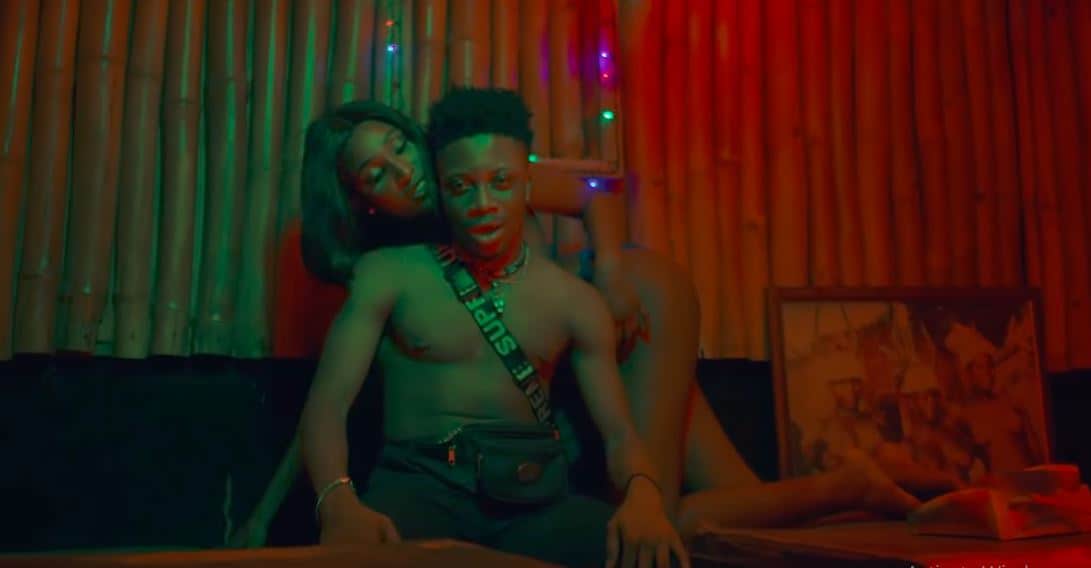
Loose Kaynon and A-Q’s collaborative project, ‘Crowns’ asides establishing the duo’s rap proficiency, also highlights the powerhouse of Chocolate City’s lineup. The 10-track project boasts of a diverse guest-list of featured artists like SDC, Blaqbonez and more. But they just released the music video for “Gang Gang”, featuring Torna who infuses a necessary indigenous vibe with his eastern influenced melody and lyrics.
The video The Myth directs for “Gang Gang” is set in Lagos, following Loose Kaynon and A-Q as they drive around the city and brag about their accomplished rap instincts. The nightlight from streetlamps and cars in traffic light up the city and give the video an endearing quality, further highlighted by cameos that show up at the end of the video.
You can watch the music video for “Gang Gang” below.
Featured Image Credits: YouTube/Chocolate City Music
[mc4wp_form id=”26074″]
You are meeting Debola at a strange time in his life. He wandered into a dream and lost his way back. Tweet at him@debola_abimbolu
2Baba gave us his “4 Instance” gem before streaming services and other technological advancement made our music space too saturated for impactful music to have any real lasting effect. You’re free to debate his ability to replicate the mass appeal of the politically conscious song, but there’s no doubt “4 Instance” will go down in history as a timeless classic, holding a nostalgic pull on listeners who probably still remember where they were the first time they heard the song in 2006.
The election season last month saw a number of artists speaking on the socio-political state of Nigeria, but 2Baba keeps the conversation going with a new release, “4 Instance Again”. The new single is a remix of his classic hit, laying a new verse over the catchy beat and featuring verses from Sound Sultan and award winning actor, Alex Ekubo. While they all address the political irregularities in Nigeria, Sound Sultan looks inwards before offering his criticism of the government. “4 Instance Again” comes with a music video, showing their recording sessions and a stage performance for the song. But with the newspaper headline edits clipped into the video, you might feel compelled to check out the animated video for “4 Instance” again.
You can watch the music video for “4 Instance Again”, featuring Sound Sultan & Alex Ekubo below.
Featured Image Credits: YouTube/Buckwyld Media Network
[mc4wp_form id=”26074″]
You are meeting Debola at a strange time in his life. He wandered into a dream and lost his way back. Tweet at him@debola_abimbolu
More than the average listener, DJs recognize the wide range of influences that makeup the Afropop songs played in clubs across the country. They are also skilled at picking out the different sounds that gets the party jumping and DJ Enimoney seems to use this to his advantage on his latest single, “Ogede”, featuring Reekado Banks.
The beat Egar Boi produces for the dance-driven song listens like a throwback to the early 2000’s era of dancehall, when Caribbean fueled songs were popular across the globe. But with the fusion of Afropop drums and Reekado Banks’ melodic cadence, “Ogede” take a timely direction, in tune with the summer-ready Latin-pop sound. DJ Enimoney also adds a verse of gruffly melodic dancehall toasting, infusing a Reggaeton melody to the already festive song.
You can stream “Ogede” by Reekado Banks and DJ Enimoney below.
Featured Image Credits: Instagram/reekadobanks
[mc4wp_form id=”26074″]
You are meeting Debola at a strange time in his life. He wandered into a dream and lost his way back. Tweet at him@debola_abimbolu
Teni’s stellar 2018 run is continuing this year with the singer’s on-going tour. “Party Next Door”, her latest single comes ahead of the pre-summer atmosphere, bearing mark of the mix of sad lyrics on preppy instrumentals already popularised by Sia. Though the reports are unconfirmed, some music pundits speculate “Party Next Door” is the lead single off Teni’s upcoming EP.
The lineup for Wireless Festival was announced in January with headlining acts, Cardi B, Travis Scott, Future and A$AP Rocky, guaranteeing a record sellout time for tickets to the music festival. Other acts like Maleek Berry, Torey Lanez, Lil Uzi Vert, Young Thug, Rae Sremmurd, Ella Mai, Juice WRLD, Stefflon Don, Tyga, and many more featured on the star-studded lineup initially announced, but a newly updated lineup has been announced and it features Tiwa Savage.
https://www.instagram.com/p/Bu8vZ4ZAPG7/
Wirelessfest announced Tiwa Savage, Lotto Boyzz, Lil Yatchy, One Acen and THEY. will be joining the other stars billed to perform when Wireless Festival makes a return to London’s Finsbury Park. While reports of complaints from residents in the area, asking for the show to be moved to a different location because of the festive noise, raised doubts about where the event will hold this year, the show seems set to go on as usual. However, artists have been asked not to swear or wear offensive clothes as the rock the stage on the 5th – 7th of July scheduled dates for the festival.
Kizz Daniel has come under fire for often choosing themes that border along the lines of problematic. To his credit, he has repeatedly clarified his music merely represents real-life situations using an unadulterated filter. However, the release of last year’s “Yeba”, showed how easily details surrounding consent can be misconstrued, especially when the pre-existing social problem is subtly (albeit unintentionally) reinforced.
On his latest single, Kizz Daniel sings of a relationship where he is not his preferred lover’s first choice partner. The story gets a little bit weird from here. “Fuck You” appears to slut-shame a woman for her decisions, but Kizz Daniel also sings, “Shebi na me dey find Sisi yellow”. His admission of his personal culpability in the relationship says he is probably aware the same woman is out of his league.
Still, a chorus bitterly name-calling his lover for being promiscuous may leave a bad taste in the mouth of listeners with more heightened PC sensibilities. The real winner in this story perhaps is his lover, who as Daniel sings is still going ahead with her decisions anyway (“She still dey change am for me”). Good Riddance!
The excitement in Austin Texas for this year’s South By Southwest music festival just got more intense with the announcement of the “Africa to The World” stage. Though the festival began since 1987, this is only the 4th year African artists are featuring on the global festival’s stage. But as indicator of the upwards trajectory of African music in international music scenes, this year is the first time SXSW is offering a dedicated big stage with the debut of “Africa to The World”.
To ensure the best African acts are featured on the global stage, SXSW are collaborating with Nigerian-based entertainment company, Bavent Street Live, who have prepared a 35-act lineup for the 3-day long showcase. The stage is expected to feature a cross-section of artists with diverse range of genres in Africa, including the popular Afropop, Reggae, Kwaito, R&B and Hip-hop.
“Africa To the World” is expected to run from the 14th to the 16th of March. You can check the full set-list below.
https://www.instagram.com/p/Bt1EvSWHF65/
Featured Image Credits: Instagram/adekunlegold
[mc4wp_form id=”26074″]
You are meeting Debola at a strange time in his life. He wandered into a dream and lost his way back. Tweet at him@debola_abimbolu
“Able God” made Chinko Ekun into a household name with the radio success the song enjoyed. His street savvy remains the driving force for his latest release, “Samena”, but here he’s more romantic and features DMW singer, Peruzzi, for the love song.
Over the dancefloor-inclined beat Big Dre produces, both singers sing a tribute to their lovers, highlighting the several things they adore about them. Though their attention to serving club audiences means most of their lyrics focus on the sensual and physical attractions, they also include a few words of praise for class, singing, “Get Class Like a Teacher/ Girl You Too Fly Like a Visa”.
You can stream Chinko Ekun and Peruzzi’s “Samena” below.
Featured Image Credits: Instagram/chinkotiger
[mc4wp_form id=”26074″]
You are meeting Debola at a strange time in his life. He wandered into a dream and lost his way back. Tweet at him@debola_abimbolu