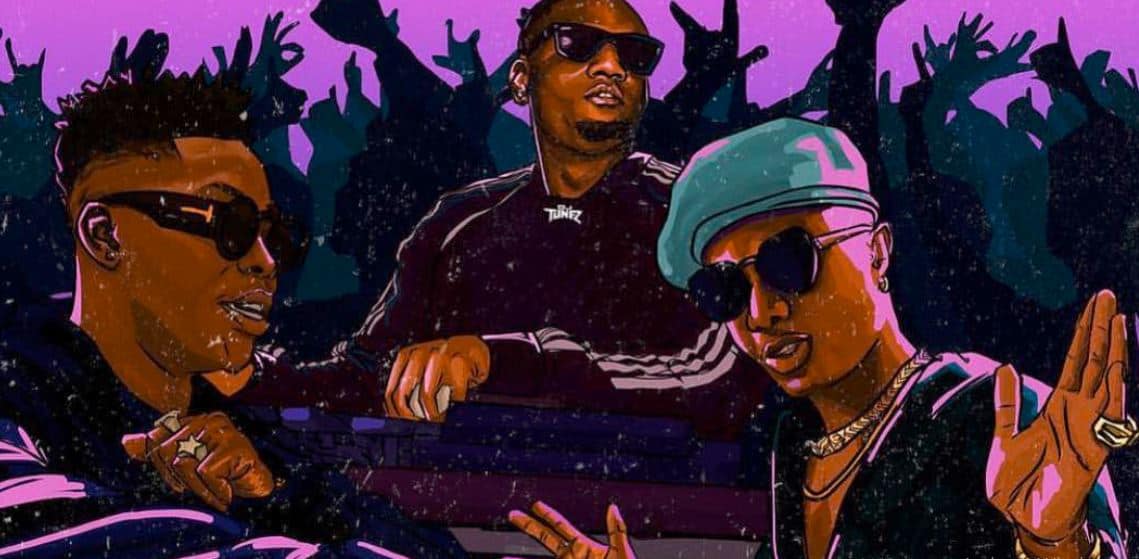
Afropop has always concerned itself with keeping the dance club alive and merry, but in the hands of artists like Davido and Peruzzi, the genre has gotten more intimate. This year has seen no shortage of vibrant music, but the two singers have made a name for themselves, operating outside the traditional boundaries of pop with their forward-thinking arrangements, incisive introspection, and vibrant personality spilling into their heartfelt lyrics book. 2Sec employ both singers for their latest single, “My Head”, and the romantic story they spin over the mid-tempo beat Fresh VDM produces don’t disappoint. The duo of 2Sec contribute a verse, infusing metaphors to highlight their indigenous eastern influences.
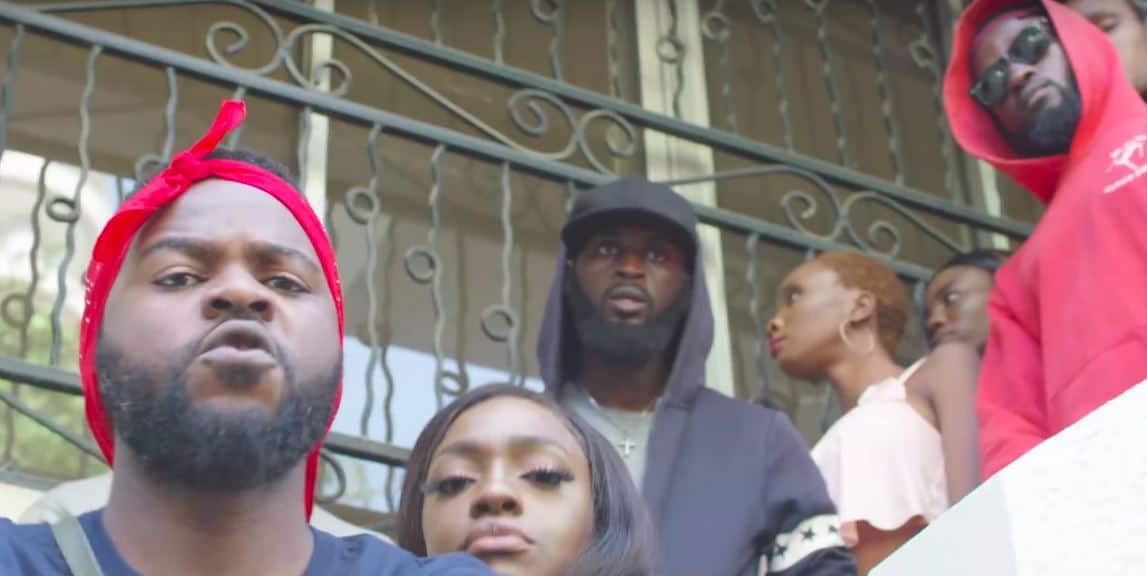
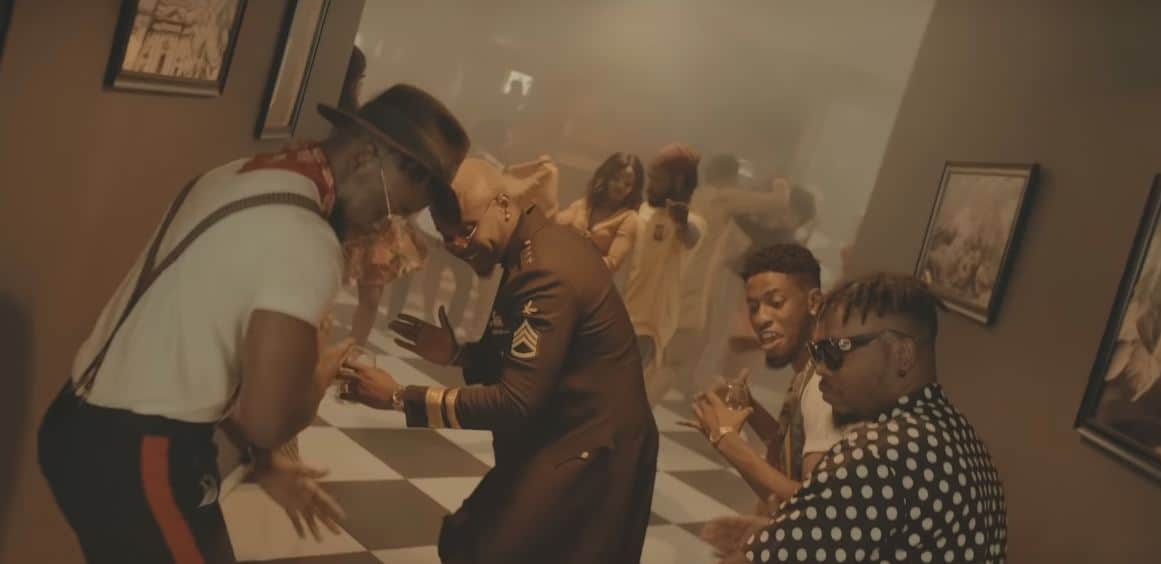
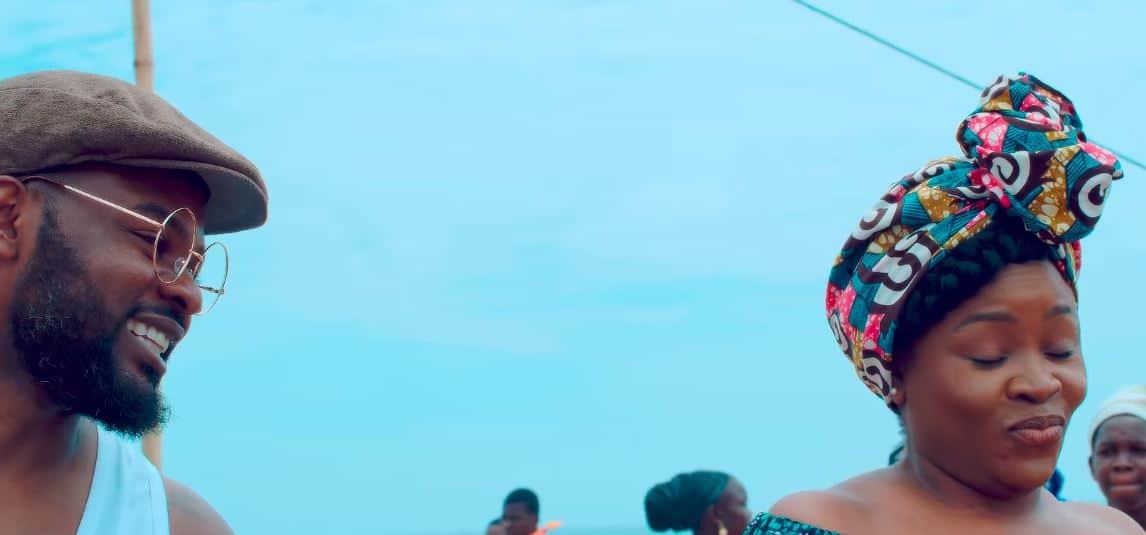
2Sec just released the music video for “My Head”, directed by Dammy Twitch and it’s sure to result in a major broadcasting push for the single. The video opens at a night party in an open space where Davido performs his verse, lit up by neon lights. Though 2Sec and Peruzzi are seen in the cut along with Fiokee and his guitar, 2Sec perform their verse at a pool party set on a sunny day before the video cuts back to the night party for Peruzzi’s verse.
You can watch the music video for 2Sec’s “My Head” featuring Davido and Peruzzi below.
Featured Image Credits: YouTube/2SecVEVO
[mc4wp_form id=”26074″]
You are meeting Debola at a strange time in his life. He wandered into a dream and lost his way back. Tweet at him@debola_abimbolu
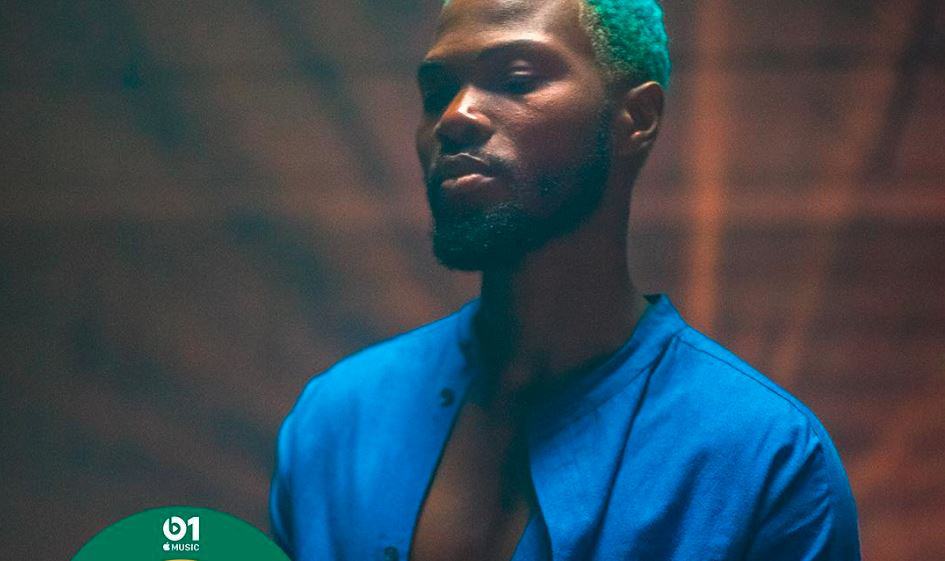
If you haven’t heard Oxlade’s underground sleeper, “Ojoro”, then you probably also haven’t heard that Davido has eyes on the young singer. Unlike his philosophical debut, “Ojoro”, his latest single “Win It” packs positivity and goodwill into a motivational track about ensuring a win always. Oxlade’s “Win It” thrives on a simple bounce and bass arrangement suspended on a synth baseline.
“To cross the limit/ fore’ you can reach the top/ you gats to double up”, he sings on this prayerful number that is sure to stay on replay as the end of the year kicks in.
The singer is back in Abuja to complete her work on her upcoming album. Her latest release is a video for “Games”, a single she’d released back in June, featuring GJTheCeasar.
“Games” is being released under Mr Eazi’s emPAWA platform that aims to shoot music videos for artists all over the continent. Lady Donli is notably the second recipient of the emPAWA grant and for her video, a twist of colour and dramatised dance moves makes for a stellar depiction of the song’s themes of mind games in love.
See Lady Donli in “Games” below
[mc4wp_form id=”26074″]
Toye is the Team lead at Native Nigeria. Tweet at him@ToyeSokunbi
When Santi released the video for “Freaky” earlier this year, the internet was alight with comments suggesting the singer was testing the limits of conservatism in Nigeria. It does appear however that the noir aesthetic of “Freaky” comes from a deeper chest of similarly themed music creative direction.
https://www.instagram.com/p/BqhJPsrgPG5/
“Rapid Fire”, Santi’s latest single featuring Shane Eagle and Amaa Rae was released earlier this month. The self-directed video tries to bring the Shane Eagle and Amaa Rae into the dark and gothic world Santi prefers to operate in, and though it successfully accomplishes this feat, the South African rapper and Ghanaian singer add an exotic touch to the self-assured message of the track. Nothing will stick with you in a music video this year like that drop and switch between Shane Eagle’s verse and the chorus.
Off just a handful of single releases, Hamzaa grew a reputable prominence in the UK to impact the Nigerian music scene. She first featured on Odunsi’s “Mine”, then later played a more significant role as a featured artist on his ‘rare’ album debut. Hamzaa’s debut single, “Stranded Love”, made its way into NATIVE’s list for “Best Songs of the Year So Far” for its zen pop portrait of the artist’s melancholy. This same sense of misery in romance is what fuels her debut project, ‘First Signs of Me’.
‘First Signs of Me’ is a 6-track EP that highlights music’s ability to help us feel better. The opening track, “Red” is a soulful scene-setter that introduces the project’s themes of grief, suicide, and self-empowerment to the rousing rhythm of the piano led instrumentals. The next track, “Breathing”, one of the 3 pre-released singles from the tape shows off Hamzaa’s autobiographical songwriting style as she performs a confessional set that feels more like an intimate conversation heard from a neighbouring apartment, with all the missing pieces and context left to the imagination. Though the percussion and subdued drum riff of the beat crawls along at a sombre pace, Hamzaa seems most triumphant on the 2nd track, closing the song with an uplifting gospel inspired acapella performance.
Even with the subtle narrative of romance running through the EP, “Nothing Can Be Done” stands out for her captivating vocal performance over the R&B inspired beat. Here, Hamzaa’s penchant for honest confessionals tugs at tear ducts as she laments the hopeless state of her relationship with a lover. And while her lyrics on “Saving Grace” come off as though she’s settling for music to distract from the pain of failed romance, her melodious performance over the cinematic chord of the instrumental is rewarding if you, too, are feeling at the end of your rope.
‘First Signs of Me’ however ends on a pleasant note, through the previously released “You”. The guitar led slow burner finds Hamzaa defending her love as though her initially moody depiction of romance was to remind us that sadness is just another part of life. Her vague and ambiguous lyrics however affords her the freedom for her lover to be a cat or her guitar. But through all the delusions though, the EP presents Hamzaa as glassy eyed, looking in the mirror for her own reassurance.
You stream Hamzaa’s ‘First Signs of Me’ below.
Featured Image Credits: Instagram/realhamzaa
[mc4wp_form id=”26074″]
You are meeting Debola at a strange time in his life. He wandered into a dream and lost his way back. Tweet at him@debola_abimbolu
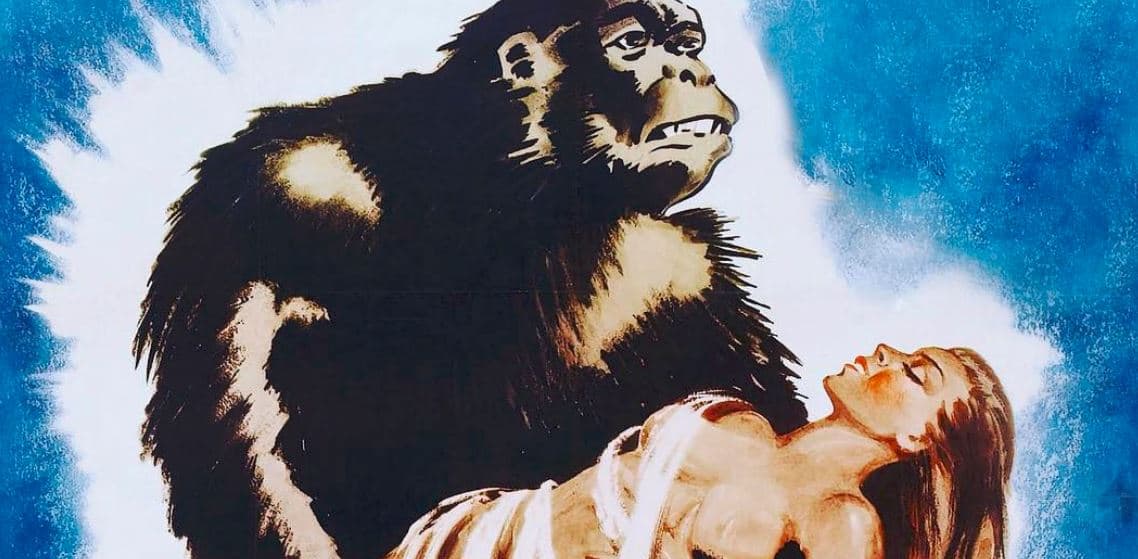
Hip-hop’s gritty and unapologetic honesty sets the genre up as the perfect weapon of choice for artists trying to make bold socio-political statements. Though personality is more important than the genre, as far as making an impact goes, rappers seem to have an instinctive ability to convey powerful messages with the potential to speak against oppression. With the 2019 general elections edging ever closer, rappers are doubling down on their political sensibilities as Superwozzy addresses the political issues dominating conversations and the wave of police incidents. His “The Cops The Youth The Country” is peak conscious rap with lyrics primed to light a fire in the hearts of listeners to inspire positive change.
“The Cops The Youth The Country” asides establishing Superwozzy as a concerned citizen of the country, also earmarks his deft ability, stringing words together in captivating rhymes while also weaving those rhymes into stunning narratives that retain listener’s attention. Over a decidedly soulful beat, Superwozzy retells the story of a young hustler in such riveting detail that the familiar hip-hop narrative feels like nothing we’ve never heard before. In less than 5 minutes, his lyrics describe the day to day hardships of being a young creative in a conservative and overpoliced society.—“SARS Mu Wa La Se/ Wan Mr Bean Wa/ Treating Us Like Trash bi Idoti Ninu Bin Wa”( Sars Took us by the legs/Did us like Mr Bean/treating us like trash, like I idiots, in our own bin).
Perhaps aware that his ability to create meaningful change is just as dependent on his lyrical content as it is on being heard by an audience that might act upon what they’ve heard, Superwozzy just released an accompanying music video for “The Cops The Youth The Country”, capturing the entire lifestyle of the persona the song creates. The music video Nayaeffectz directs is set in the hood, following Superwozzy’s tragic story on the harsh reality of the street life and the police’s hand in making it even more unbearable. And with lawyer-like coherence, the video also contains a number of graphic clips from news channels reporting Nigeria’s security challenges, presented like damning evidence to bury SARS for good.
You can watch the music video for “The Cops The Youth The Country” below.
Featured Image Credits/ Wayvee VEVO
[mc4wp_form id=”26074″]
You are meeting Debola at a strange time in his life. He wandered into a dream and lost his way back. Tweet at him@debola_abimbolu
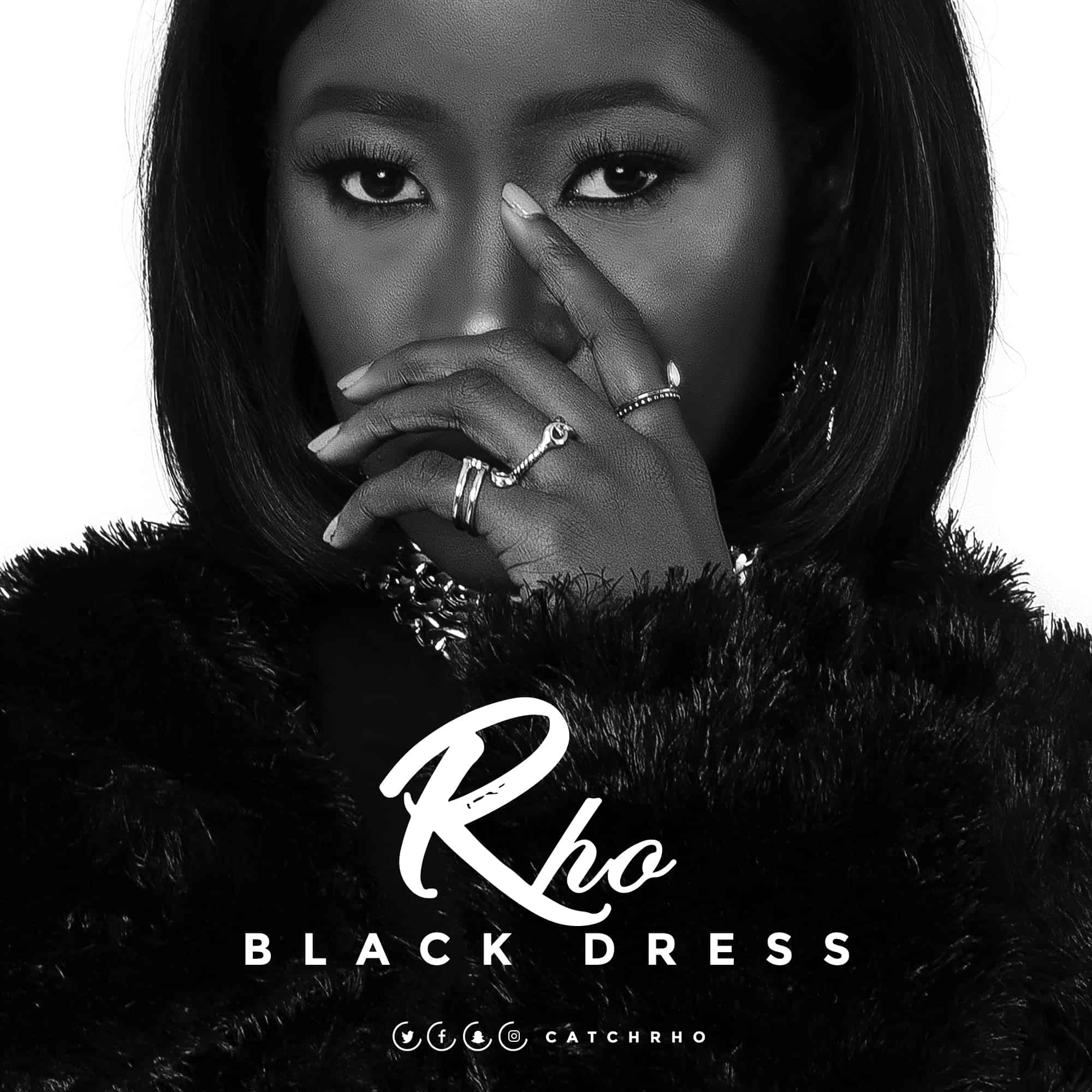
Just hours after reminding fans of her accomplished sound through her highlife inspired new single, “Oga”, Yemi Alade released another single, “Open, Close” and quickly followed that up with “Number One”, her third single in just as many days.
Though it’s still unclear if Egar Boi’s credit as the producer of all three singles will mean anything going forward, the releases showoff his adapt skill at making beats to set the head-bumping tone at clubs. For “Oga”, he produces a mid-tempo piano led beat with uplifting horn samples, energetic drum patterns and a catchy highlife guitar riff that emphasize Yemi Alade’s claims of being unmatched at putting out bangers. And though she sings “I no Dey Like to Blow My Trumpet” on the more mellow “Open, Close” single where Egar Boi turns to Caribbean influences and vocal samples from dancehall, her self-absurdness remains the subject on the club-driven song.
Her latest single, “Number One” continues the vanity fare, basking in and celebrating her accomplishments. But this time, she turns to a more romantic narrative. Over the laid-back beat, she asserts herself as deserving of being ‘number one’ in her lover’s life. All three singles show off her inner strength and incisive self-awareness that has allowed her to occupy such a prestigious place in Afropop in Nigeria today. “Number One” comes with an accompanying music video sets Yemi Alade in a mansion where she shows off her radiant smile and glowing skin.
You can watch the music video for “Number One” below.
*this post has been updated with the music video for “Number One”.
Featured Image Credits: Instagram/yemi Alade
[mc4wp_form id=”26074″]
You are meeting Debola at a strange time in his life. He wandered into a dream and lost his way back. Tweet at him@debola_abimbolu
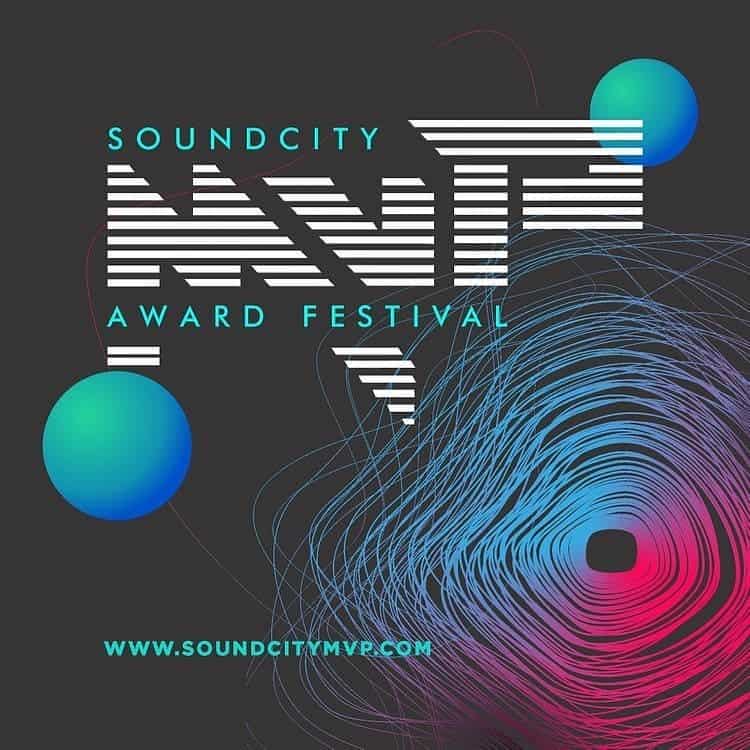
I started listening to the radio in 2009, the summer Akin’s family moved to America.
My first radio, a Coca-Cola branded radio-hat was a souvenir I got at the World Cup trophy display in Lagos. South Africa was hosting the FIFA World Cup next year, and the radio-hat was what I had on my head, sullen, as Akin told me, Uncle Kenny had just brought him back from picking up his approved visa.
Though I already owned a cell phone before that, I still say ‘my first radio’ with nostalgia, because this was still 2009 Nigeria, and the first approved private radio station hadn’t even been around for up to two decades.
After Akin moved away, I suddenly had nothing to do or anybody to do it with; TV got boring quick, video games offered no respite. Akin had not only been my best friend, but we both loved music. Cable TV was gradually gaining popularity in the mid to late 2000s, so by default, our favourites were: Akon, G-Unit, Black Eyed Peas, Ludacris and whoever else filtered through MTV or pirated VCDs collections of latest music videos from all over the world.
Because this was also the era of Nigeria’s CD boom, Styl Plus, 2face, PSquare, 9ice, Olu Maintain, Lord of Ajasa, DaGrin, Wande Coal, D’banj and others all formed a major part of our process. With Uncle Kenny as our litmus for what’s hot or not—whether it played on MTV Base or Channel Z—we eventually started to write our own songs. Our musical bond seeps into juvenile years that still foregrounds my best childhood memories.
By the time were 10, we’d mapped out over 15 songs, all the way down to the dance/performance routines to a fictional crowd going crazy. We kind of had it at the back of our minds that’d we’d eventually have to record our songs. But we were also two kids with no money, and don’t even get me started on asking your civil servant Nigerian parents to support your child star ambitions (Funkeee !).
But none of that really mattered to us back then. We built our entire persona around who we tried to be with our music. I still have colourful memories of being an urban jungle misfit; a street footballer; a comic book artist; and mobile phone filmmaker; all adventures earmarked by the beaming smile of my comrade by my side.
Oddly, in the haze of emotions, I felt after late broadcaster, Tosyn Bucknor’s death was confirmed, this was the memory that stuck with me.
In salute of ‘Area Mama’: Between a boy and his radio
There wasn’t a lot of Urban FMs, or SoundCityFMs in those days, so working my way around what I liked and didn’t like on the Nigerian airwaves took patience. It also didn’t help that technology in Nigeria was at a weird place where, me, a mid-90s baby who had SONY Walkman player, as a child, was also part of a smartphone revolution by his mid-teens.
The first couple of shows I got hooked on were daily shows. Rhythm 93.7’s ‘Top Seven Jams At Seven’, a music chart show hosted by JAJ the Mecadon, Cool FM’s after-dark “Nite Cafe” with N6 and Joyce, but my favourite was Tosyn Bucknor’s “Top of The Morning” on Top Radio.
Morning drive shows, are usually too serious or not accessible for younger audiences but “Top Of The Morning” peeped on that sweet spot between quirky and endearing. The positivity of the voice of Lagos was unmissable but peculiar. Tosyn’s favourite, catchphrase “We thank the lord”, was often repeated throughout the show. In a country where there is any hardly any visible cause to embrace the hope religion promises, it was at least ironic.
But the more I listened, the more I came to understand Tosyn Bucknor’s charm offence.
The ‘Area Show’ as it was aliased, was a world of Tosyn’s own making. Asides thanking the Lord and bringing positive vibes all-around, she became the Area Mama during the traffic-report segment, “Areaa!”. Whether you are Dave calling with updates from Victoria Island or Mr Charlie from Ojuelegba, the first salute must first go to the Lord, then to Area Mama, who inspired the first salute.
Though unscripted and live-recorded, the “Top of The Morning” was structured accordingly to the day of the week. The week started with ‘Motivation Mondays’, eased up to ‘Women’s Wednesdays’, then concluded with ‘The Friday Area Show’.
Each day was defined by its own theme. But combined with a request hour slot where Tosyn took music recommendations from the public daily, two days particularly stood out: Women’s Wednesday and Alternative Thursdays.
As the name implies, Women’s Wednesday only features songs and interviews with female artists. Eva Alordiah’s 2011 “I Done Did It” is a great Women’s Wednesday success story. The single had dropped in February but didn’t become a phenomenon until later in the year. By the time other radio stations were catching up to her viral single, Tosyn had been months ahead of the curve. In fact, without Women’s Wednesday, Simi’s “Ara Ile”, Retta’s “Kolo For You”, and other songs by women that weren’t necessarily alternative but didn’t fit into the conventional Nigerian sound, would have never gotten their cult success.
‘Alternative Thursdays’, and a culture changed forever
My understanding of the word “Indie Artist” came from listening to Tosyn’s Alternative Thursdays. If Women’s Wednesday served a marginalised gender in music, ‘Alternative Thursdays’ served marginalised voices. Yes, there were other OAPs who did what they could, but none of them had a primetime morning slot or Tosyn Bucknor’s enthusiasm as a convener. This defined Tosyn Bucknor’s influence in the growth of Nigeria’s ‘Alternative’ scene.
At the dawn of the millennium, live music in Nigeria gave way to electronic replication and production of music. With major international labels in Lagos all gone by the late 90s, a new lawless industry was in full-swing with piracy headquarters, Alaba, as its centripetal centre.
We already had a roll-call of Trybesmen, Styl Plus, 2face, Mo-Hits, Choc Boiz, Banky W, Neato C, Wande Coal, 9ice, SoundSultan, Asa and Omawunmi amongst others by 2011, so it was not all bad. However, there was a problem with discovery.
Terrestrial TV and local radio rotated the same class of these seemingly top-flight artists, who already had funding, endorsement deals and big-budget music videos. Nobody was really trying to push the boundaries beyond snazzy instrumentals, good songwriting, and a great performance, which are – basics of a good artistry. But still basics.
Tosyn used ‘Alternative Thursday’ as more than a platform to plug new music. She introduced artists in catalogues and selections, easing fans into their personality and songcraft through interviews and rare personal co-signs.
Western indie bands like Switchfoot, Life House, Sixpence None The Richer, were among the oft-rotated favourites of ‘Alternative Thursday’. ‘Alternative Thursday’ was also home to soul singers Bez, Brymo, Aramide, and Timi Dakolo—whose 2011 “Heaven Please” tended towards hard rock.
Tosyn spotlighting growing voices extended beyond being the ‘Voice of Lagos’ on Top of The Morning. She joined the WePushGoodMusic Initiative to co-produce One Mic Naija, a live music and comedy showcase series.
The first edition of ‘One Mic Naija’, held in August of 2011, it was the first time, anyone in Nigeria attempted to curate a stage for Nigeria’s rising talents on a consistent monthly basis. As attendance for One Mic Naija became bigger, more mainstream acts also joined the line-up. Till date, One Mic Naija is the singular platform that has hosted the widest array of Nigerian mainstream artists as upstarts; from Wizkid in February 2012 to BOJ in 2014, Adekunle Gold in 2015 and Terry Apala last year.
‘Alté Everything’
I try to evade the question, but every now and then, I find myself around music people and someone asks me: “What is alté” or “How long will the alté scene last?”. Usually, I become tongue-tied as to how to respond without offending the asker. Because, in my memory, after ‘One Mic Naija’ showed the potential of Nigeria’s youthful urban culture, Afropolitan Vibes, Basement Gig, Mainland Block Party and 90s Baby’s Kick Back etc, have all happened.
It’s easy to see now, why what is considered as “alternative” in Nigeria has always been defined by attention to detail and quality control. But while that is true, it’s merely half of the story. The other half is the story of a road taken for better or for worse, by artists who simply wanted to do what they loved. “Alternative” may be one way to describe their style, but alternative to?
The internet is changing what it means to be an alternative or independent artist altogether these days. The story of Asa, a chorister who left Nigeria to study abroad, due to incessant strikes, but spent all her money on a guitar instead, is unique. Yet, it’s a story just as distinct as Mr Eazi’s, a university party promoter, whose DIY style and strategic digital media use, have made him an international sensation. Or the story of the late Tosyn Bucknor herself, an award-winning, OAP, blogger, podcaster and writer, who was also the lead singer of alternative rock band CON.tra.diction.
Nigeria’s Instagram-generation has grown amidst accelerated leaps in innovation that have defined even this era in human history. You hear this in Teni The Entertainer’s Fuji-Hip-hop fused Afropop, the suspended-in-time feel of Odunsi and Davido’s funk-inspired collaboration, “divine.”, or the Afro-fusion of Burna Boy with undertones of social commentary. None of these artists make “alternative” music in the sense, but they’re also indicative of the natural progression influenced by social-economic shifts like mobile internet and Cable TV.
If newer generation artists are ‘alte’ for representing the music, fashion and pop culture, they grew up on, in their art, then the term “alté ” conceptually falls apart. They may be somewhat alternative, but that’s mostly because of the unique and far-reaching influences that inspire their DIY process.
Earlier this year, I read Malcolm Harris’ “Kids These Days: Human Capital and the Making of Millennials”. In the book, Harris introduces the concept of a “Pedagogical Mask”, a psychosocial tool he suggests society uses to fool young people into pouring hours of countless manpower into activities like education that promises a better life that is not guaranteed in reality.
While Harris’ book has a limited perspective because it uses the United States as its only model, the concept still put my years of writing raps, drawing comics and filming short clips with Akin in perspective. Had he not moved away, who knows how our “alte” story would have played out? Especially now that anyone can become famous off sharing content they created in their bedroom, at no cost at all.
******
A few days ago, I sat at NOK by Alara, with Mars and Barzini, two rappers who started making music while they schooled in Enugu. We were in the area for Nasty C’s exclusive listening session at another location around Alara, and got talking while we waited for the show to start.
Mars is quick to inform me, they only recently just moved to Lagos and naturally always had their guard up around strangers. But none of that mattered when we began to rib about the state of hip-hop globally. By the time we were headed to the Nasty C thing, we’d gotten lost in an argument about male feminism in African music, while discussing albums from Falz and PrettyBoyDO.
If what it means to be Alté is to do like Tosyn/Banky to get involved in a community you care about; or do like Fela/Olamide and make a song about a real-life problem affecting people who relate to your music; or be Burna Boy: a self-assured uncomprising artist, who can do no wrong; then everything has been alté for a long-damn minute.
The late-night ragers, retro filters, the auto-tune, laughs, memes, cartoons and innocence of good-natured friendships borne of similar interests; all markers of a generation born.
I know what my answer to the next person that condescendingly asks me about “The Alté scene” would be.
“I don’t know what you’re talking about”
[mc4wp_form id=”26074″]
Toye is the Team Lead at Native Nigeria. Tweet at him@ToyeSokunbi
On the strength of streaming numbers on Soundcloud, we’ve seen the alternative music scene take more dominance in mainstream conversations this year. Prettyboy D-O is one of the few artists pushing the boundaries to make a complete crossover and his recently released album debut, ‘Everything Pretty’ is a 13-track testament that the metrics have finally caught up to the zeitgeist.
The project is packaged along with pre-released singles, “Itty Bitty”,“Footwork”, an album version of “Chop Elbow” with an additional verse from Falz and 10 newly released tracks. Prettyboy D-O’s penchant for paying extra care to his image translates into cover art that frames his noir edited head-shot in a surreal and spacey frame which aptly reflects his fearlessly explicit dance music, blurring the lines between personally motivated lyrics and radio-friendly pop.
https://www.instagram.com/p/Bp7xI1MlvZJ/
‘Everything Pretty’ opens with a heartwarming prayer from D-O’s mom on the opening track, “The Motto”. The ambient and atmospheric led beat Timlyre produces for the track sets the surreal mood he stays in through most of the album. Singing “I Say The Money Na The Motto/ Try’na Get My Mama Motor/ You Know The Money Na The Motto”, his motto clearly has no room to accommodate fake friends and haters. The follow-up track, “Shawn Michael” however sees him slink into his more affectionate psyche, performing a Reggae-inspired set with sultry lyrics designed to win the heart of his love interest and pop culture references to capture pop culture lovers.
Though ‘Everything Pretty’ never strays from the sultry charm of Prettyboy D-O’s laid-back guise, the album incorporates featured artists who are plunged into the gooey aura of his sound without losing their individual personality. On “Terminate” for instance, Sugar Bana infuses a necessary energetic performance, singing “Bad Vibes, We’a Terminate/ Say We’a Jubilate” in his upper register, while Esojay Luciano’s rap verse on “Rabba Man” further authenticates the album’s gangster themes.
Standout track, “Pull Up”, features Santi’s smooth flow. While it’s the bouncy trap beat Hvrry and Higo produce that guarantees the song a place on playlists, it’s Prettyboy D-O’s ability to be philosophical in nature yet craft-like in practice that will resonate with fans.
You stream the album below.
Featured Image Credits: Instagram/prettyboydo
[mc4wp_form id=”26074″]
You are meeting Debola at a strange time in his life. He wandered into a dream and lost his way back. Tweet at him@debola_abimbolu
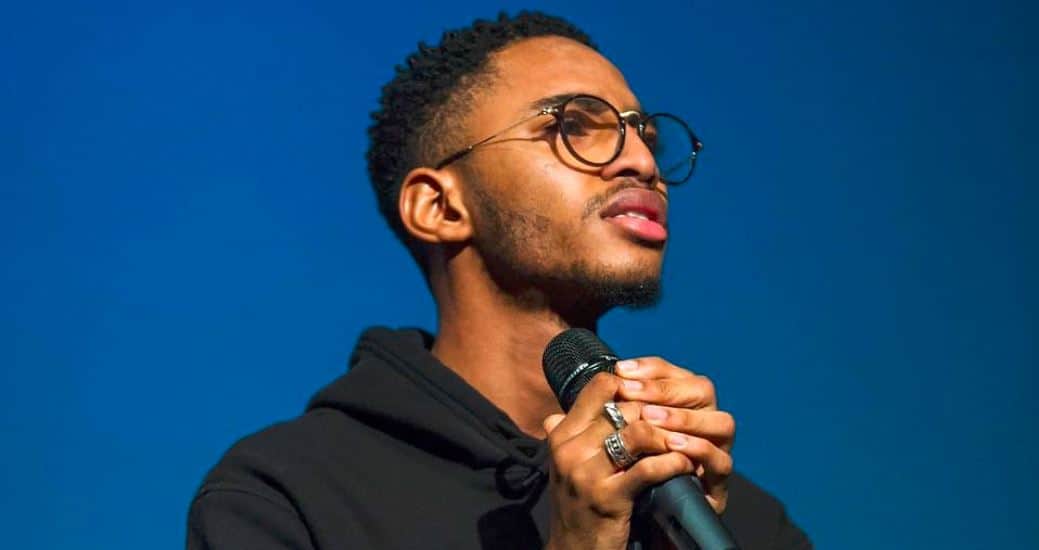
Last year Ghanian pop diva, Becca released Unveiling, her third studio album and since then, the singer has bagged awards, taken on local and international stages and gotten married. Her latest single “Gina”, featuring Kizz Daniel whose sophomore project is expected later this month, is an RNB-inspired number that signals another mark of her elite class artistry in West African music.
https://www.instagram.com/p/BqO7T_Pldu8/
Good Afropop duets have always been few and far between, so it’s nothing less than pure bliss to hear two evenly paired power vocalists declare undying affection. “Gina” is built with equal parts empathy and melody, and the result is a deviation from the dance music Tiwa Savage and Wizkid have made a staple. In the age where artists cook all sorts of stews then sell it to the masses, “Gina” wins as a song by two artists who only care about the music.
Stream “Gina” via Apple Music below:
[mc4wp_form id=”26074″]
Mariam is (insert pretentious stuff about myself here). Share your thoughts with me @MA_Y_M
One of the deft hands behind the production on L.A.X’s Rasaking debut is producer Bizzouch. Bizzouch’s place as an iteration of Nigerian Afropop beatmakers who have mastered how to balance flair with minimalist melody is becoming more evident. His latest release features NATIVE Trybesman MINZ, Starboy’s Spotless and Rasaki Records boss, L.A.X, and all three artists are in grateful spirits.
https://www.instagram.com/p/Bp9PPq_AnBG/
Minz opening verse on “Japa” beckons haters to get off his back, while his thanking God for elevation. L.A.X’s reassured feature also makes way for Spotless’ pseudo-philosophical verse about backstabbing friends and how money makes people treat you differently. “Japa”, is another take on breaking out of bad situation, a trope D’banj used for “Mobolowon” off his 2005 debut, No Long Thing . It’s not so much about celebrating victories against odds, as it is about trusting the process. In the words of L.A.X: Japa now, we be popping!
“Supa Sigh”, starts out ominously with the sample of a woman’s voice saying “You only want to give me your D when I’m on camera”. Bris B’s latest single is his first for the year. “Supa Sigh” features Santi, the same artist that brought his fascinations with evil Nollywood to give us “Freaky” this year. With a hook indented with dick jokes and threesome references, the crassness of “Supa Sigh” may stick out above all, but not against the backdrop Higo Music’s seductive mid-tempo production.
When Ghanaian rapper, M.anifest released “Feels”, his new single with Kwesi Arthur, the most potent narrative seemed to be the OG cosign of the new generation of artists. Given that Sarkodie had followed a similar path with the released of two La Meme Gang features just last month, M.anifest’s testimony on his climb to success over the trap infused beat MikeMillzOnEm produces resonates more like a blueprint for younger generations to follow.
But now, with the recently released music video, “Feels” can be heard anew, with its rich complexities basking in the fresh optimism of the vibrant clip. The video is set a skating ring where M.anifest and Kwesi Arthur performs in the midst of skaters having a good time in the sun.
You can watch the music video for “Feels” below.
Featured Image Credits: YouTube/M.anifest
[mc4wp_form id=”26074″]
You are meeting Debola at a strange time in his life. He wandered into a dream and lost his way back. Tweet at him@debola_abimbolu
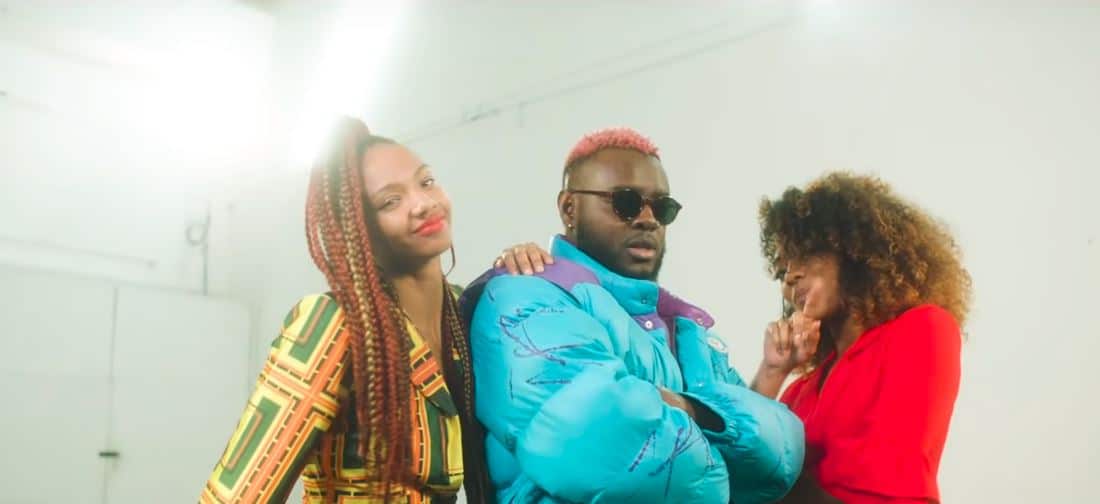
Chi Modu is one of hip-hop’s most famous photographers, taking documentary style photographs of artists like Biggie, 2 Pac and Snoop Dog while working at a magazine during Hip-hop’s formative years. Practically all rappers who made any impact in hip-hop during the early 80s’ and 90s have stood in front of the Nigeria-born, New Jersey-raised photographer’s lens for a shoot. On the 1st and 2nd of December, Chi Modu will be exhibiting some of his works for the first time in Lagos at Budweiser’s music showcase, BUDx.
BUDx is a 2-day event that features masterclasses and workshops featuring the key tastemakers in the music industry. BUDx debuted in Abuja back in October with their Electronic Music Lab which brought artists, producers, DJs and fans together for an entertaining and educative brand experience. But this December, music and culture lovers will get an opportunity to see some of Chi Modu’s captivating photos that typically show the more human side of the celebrities he captures. The photo exhibition and workshop is scheduled to hold at the African Arts Foundation in Victoria Island, Lagos this December.
You can register for the BUDx Photo exhibition here to get a chance to meet Chi Modu and see some of his best works.
[mc4wp_form id=”26074″]
You are meeting Debola at a strange time in his life. He wandered into a dream and lost his way back. Tweet at him@debola_abimbolu
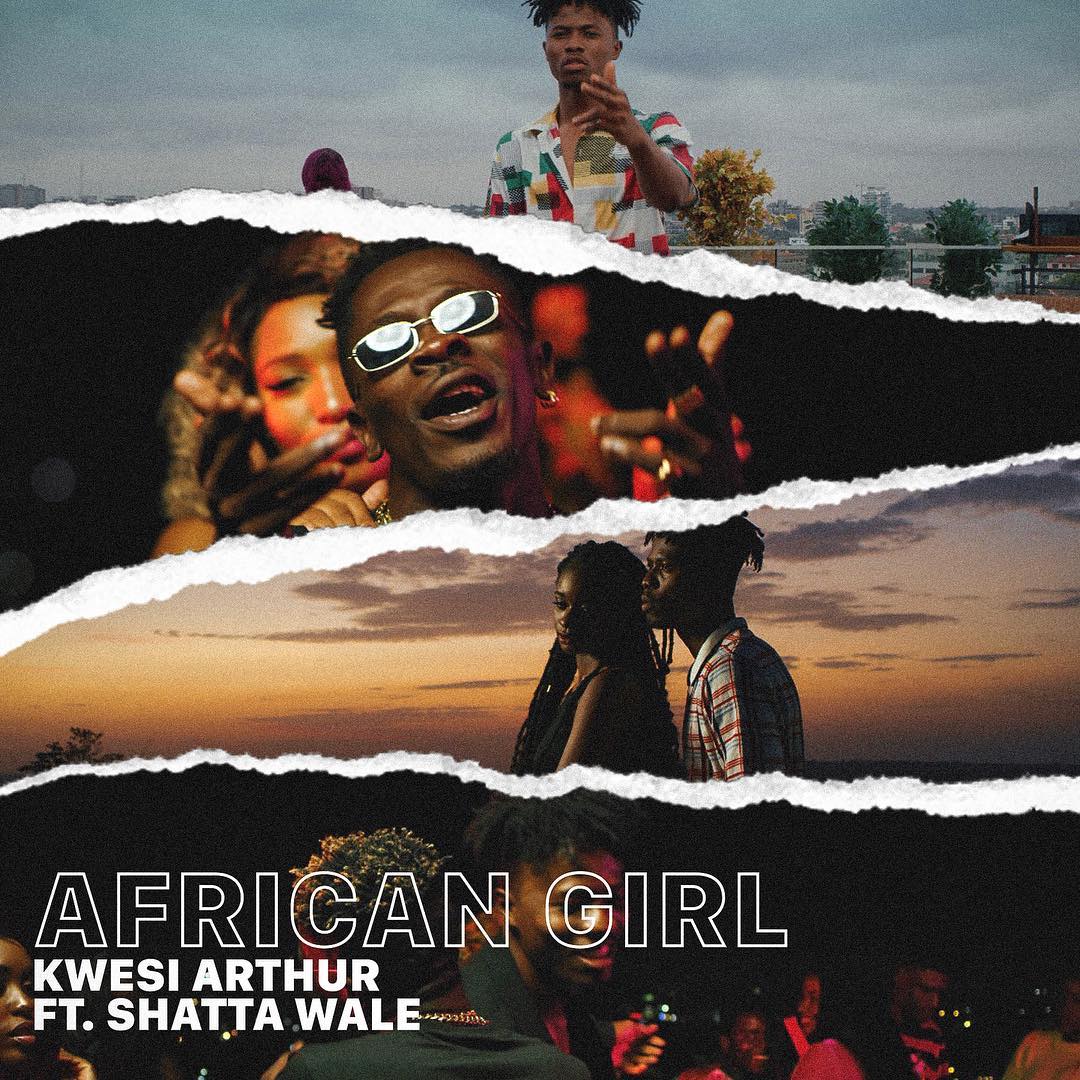
It didn’t take long for Mayorkun to make his mark in the industry, winning the Headies ‘Rookie of the year’ award off the strength of his first releases, “Eleko” and “Love Your Tire”. He went on to build a reputable discography, punctuated with solo hits and notable guest verses at DMW where he oozes the charm and swagger of a leader for a stronghold of the group’s following. His prolific run of hits made his ‘The Mayor of Lagos’ album debut one of the most anticipated albums to come out of Nigeria when he shared the project’s tracklist earlier this month with promised guest appearances from D’banj, Sarkodie, Patoranking, his mom and a new collaboration with the DMW squad.
The 14-track album opens with “Intro (Feelings)” where he tells the inspiring tale of his grind to get to the top over a bouncy beat Speroach Beatz produces with percussion harmonies that highlight the severity of his message. The track also features a recording of a phone conversation between Mayorkun and his mom which instinctively ends in a prayer for the pop star. Mayorkun picks up the pace on the next track, “Sope”, jumping right into the partying spirit as he celebrates his life and encourages listeners to join him over the catchy beat Cracker Mallo produces. And with the familiar interpolation of Jason Derulo’s “Swalla” and his own rendition the meal-time nursery rhyme Wande Coal explored on his similar titled “Se Ope”, “Sope” has all the markers of another hit from the DMW singer.
Even when things slow down to a crawl on sultry tracks like “Aya Mi”, the rock-steady groove of the highlife influenced guitar riff and rattling samples of the DJ Coublon produced beat casts a charming spell while Mayorkun attempts to charm a love interest with witty lyrics; “Now I’ve Decided Designer Lo Ma Ma Wo/ I’ve Got A Small Doctor Wey go Treat Their Fuck Up”. He stays in his light-hearted mood through most of the project and on D’banj assisted “Oshepete”, the two singers deliver verses where they seem to be passing court-room judgment but written with the seriousness of bear parlour conversation. A number of other collaborations also standout like the Reggae melodies Patoranking infuses on “Mofo” and the rap verse from Sarkodie on “Jonze Me”.
Including pre-released singles, “Bobo”, “Che Che”, “Mama”, “Posh” and “Fantasy” on the project helps keep the album cohesive and familiar. But it’s the DMW team up of Peruzzi, Dremo and Yonda on “Red Handed” that really stands apart from the rest with the good-natured vibe of the chemistry they always seem to share matching the infectious melody of the Reggae inspired beat Fresh VDM produces. ‘The Mayor of Lagos’ paints Mayorkun’s strife through life as a lovable and attractive young man with a poetic pen and an ear for catchy melody that’s sure to win the hearts of those who may somehow have not heard about him before his album debut.
You can stream ‘The Mayor of Lagos’ by Mayorkun below.
Featured Image Credits: Instagram/iammayorkun
[mc4wp_form id=”26074″]
You are meeting Debola at a strange time in his life. He wandered into a dream and lost his way back. Tweet at him@debola_abimbolu
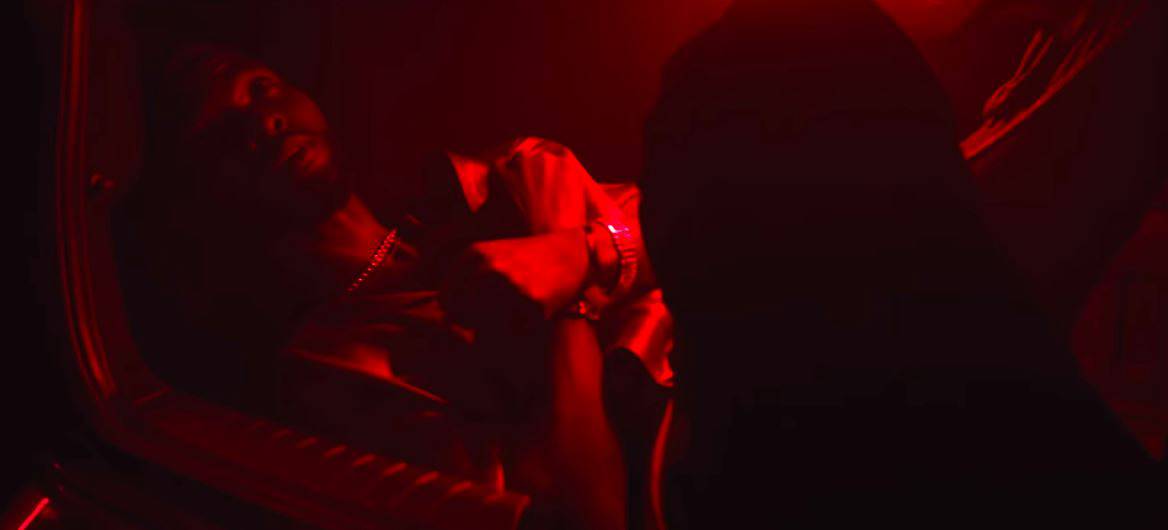
Live performances and tours play significant roles in Lady Donli’s blooming music career. She expressed how the chance to perform in front of fans around the world has helped her personal growth as an artist in a recent interview with NATIVE where she was quoted saying “These shows have made me break out of my bubble”. And though her performance conveys the emotions from the song, she just released a documentary video for her Toronto tour, providing context that her audience can benefit from. The “Lady Donli in Toronto Documentary” video shows behind the scenes cuts of her performances in the 6, bringing new depth and colour to her well-loved songs. It also features scenes where Lady Donli discusses the intricacies of her music and the emotions and thought the process that goes into creating her songs. But the documentary doesn’t sell itself as an exposé. Rather, its value comes in the form of sentiment—watching her setting up the stage and have nervous conversations before getting on stage.
Nas – “Nasir – The Film”
Nas just shared a short film titled “Nasir-The Film”, an accompanying video for his similarly titled ‘Nasir’ album. The 16-minute long clip is directed by Rohan Blair-Mangat, mirroring the socio-political sentiments expressed on the album. Set in his Queens neighbourhood in New York, the video speaks to police brutality and racial subjugation of blacks. All 7 tracks from the Kanye West executive produced album serve as the soundtrack, while Slick Rick and Demarius Mack make cameos.
Afro B – “Melanin”
An obvious indicator of Afropop’s success in the UK is the amount of UK based artists that have made the genre their bread and butter. Afro B has grown into a household name in African communities off of the impact of his “Joanna” hit single. The British-Ivorian singer has released a new single, “Melanin” with a thematically apt music video to match. While he performs his laid-back, romance fueled lyrics over the airy beat Team Salute produces, the music video Visionaire Pictures directs, celebrates the melanin beauty the song is dedicated to. The video is set on a sunny field with dark skin women flaunting their glowing skins against the vibrant coloured backdrop of the flowers and the props.
Ariana Grande – “Breathin”
Though Ariana Grande is currently sitting pretty at the top of the Billboards chart, this year has been a rough one for the R&B singer. Fresh off the loss of her ex-boyfriend to drug overdose and breaking off her engagement with Pete Davidson, she released “Thank u, Next”, proving that she’s still the ponytailed patron saint of grace, light, and sass. She follows up the new single with the release of the music video for “Breathin” off her ‘Sweetner’ album, reassuring fans she can take anything the world throws at her. The Hannah Lux Davis-directed clip finds the pop superstar at a train station while the world passes her by at a dizzying pace while she sings, “Just Keep Breathing and Breathing and Breathing and Breathing/I Know I Gotta Keep, Keep on Breathing”. The video for “Breathin” is the fourth visual from her album following the release of “God is a woman”, “The Light is Coming” and “No Tears Left to Cry”. And already, she is gearing to release a new project titled ‘Thank u, Next’ featuring her single of the same name.
JazzZ Owo – “WhoBeJazzZ Unplugged Live Performance”
Among the many privileges of being an indie artist, the chance to perform intimate sets for fans has to be the most fulfilling. And if you were wondering why, JazzZ’s recently released video for her “WhoBeJazzZ Unplugged” show satisfies that curiosity. The event which held in September at the Ayo Van Elmar Fashion Cafe location in VI also featured guest performances from Barelyanyhook, PayBac, UglyTwizzy and others who gave memorable performances to entertain the small audience. But as the official video from the event shows, it was JazzZ who owned the stage, delivering a warm performance that emphasizes the affectionate power of her music. The video shows JazzZ performing “Owo” featuring System, dancing so carefreely, it’s a wonder how her voice never strays offbeat.
The Passport of Mallam Ilia Teaser Trailer
The animated movie scene in Nigeria has gotten a lot more interesting over the years and things are only looking to get better. Magic Carpet Studios have made the announcement that Cyprian Ekwensi’s classic novel, “The Passport of Mallam Ilia” will be adapted into an animated feature film after the animation film studio acquired full rights of the book from the HEBN PLC Publishers. And just like the book, the film is set in 19th century Kano, following a young warrior’s vengeful quest to find and kill his wife’s murderer. The teaser trailer shows the film’s lead, Mallam Ilia, fighting a spirit while a Hausa voice-over plays in the background and gives the film the intimacy of the first person narrative. The trailer hints at a promising and authentic Nigerian animation we’d be looking forward to.
Featured Image Credits: YouTube/MagicCarpet Studios
[mc4wp_form id=”26074″]
You are meeting Debola at a strange time in his life. He wandered into a dream and lost his way back. Tweet at him@debola_abimbolu
The sparse releases from Ajebutter22 over the years led some to believe he’d return to hiding after his album debut, ‘What Happens in Lagos’ in 2017. However, this year has seen him string together a consistent stream of music releases including the ‘Make E No Cause Fight’ joint project with BOJ and a remix to his commercially successful “Ghana Bounce”.
The rapper is back in more familiar territories with his new collaboration with Studio Magic. Studio Magic is Ajebutter’s long-time collaborator who has already strummed up a string of hit, working behind the scenes with the rapper. “Standard Guy” is Studio Magic’s first official single release as a producer, and Ajebutter basks in the soothing ambience of the laid-back beat and ambient synth harmonies.
“Standard Guy” blows its own trumpet as the ethos of the ‘standard guy’. And though Ajebutter mostly focuses on building a melodious flow with lyrics like “Party Go Ma-a-a-ah/ Because I’m the GOAT like Bah-a-a-ah”, his god-like reference for himself is unmissable.
You can stream Studio Magic and Ajebutte22’s “Standard Guy” below.
Featured Image Credits: Instagram/studiomagic_
[mc4wp_form id=”26074″]
You are meeting Debola at a strange time in his life. He wandered into a dream and lost his way back. Tweet at him@debola_abimbolu
Although Patroranking is one of the artists at the core of Afropop’s global boom, he hasn’t exactly been the face of the narrative. And after releasing the music video for his latest single, “Everyday” without featuring in it, your guess to why is as good as mine. His absence from a music video being promoted as the official music video for “Everyday” is a marker of the era we live in where there are so many angles from which to present an artist’s success (and from which to “engage” with their “content”).
Filming the music video for the EDM influenced song on locations in Lagos, “Everyday” cements the cultural position of the song as the video features the Westsydelifestyle dancers whose “Shaku Shaku” dance step helped boost Afropop’s viral trends. For the dance music video however, they perform a variety of well choreographed dance moves that seems to translate to having a good time despite the seeming hostility of living in the rural parts of Africa. And just like the smooth rhythm of the Dutch DJ and Alvaro produced single, the dance sequence flow in such fluid synchrony, the video looks like art.
Watch the music video for “Everyday” below.
Featured Image Credits: YouTube/Patoranking Fire
[mc4wp_form id=”26074″]
You are meeting Debola at a strange time in his life. He wandered into a dream and lost his way back. Tweet at him@debola_abimbolu
“Ride or Die” is Falana’s first music release since her impressive 2014 EP, ‘Things Fall Together’. For her new song, she evokes the charm and confidence of a faithful lover for an emotive vocal performance over a groovy beat that rises and drops in line with her vocals in true live music fashion. While the bouncy rhythm of the beat leans to dance-pop territories with some Afrobeat influences, her lyrics, filled with vintage imagery of soldiers and fire places, has all the hallmarks of a sprawling ballad.
The music video for “Ride or Die” is set such that we watch the story unfolding like a gorgeous piece of modern art in motion. Falana is the center of almost every frame in the video as she runs, dances and poses in a series of artistically satisfying designed settings with flowers, red smoke and a car as prop. Slow-motion edits ensure that each screenshot-worthy scene lingers as she celebrates her love and her return to music releasing ways.
You can watch the music video for Falana’s “Ride or Die” below.
Featured Image Credits: YouTube/FALANA
[mc4wp_form id=”26074″]
You are meeting Debola at a strange time in his life. He wandered into a dream and lost his way back. Tweet at him@debola_abimbolu
Not a lot of people can pull off a mug so awash in self-satisfied cool that they throw a big fuck you to their competition and get the whole hood to show up in the music video to drive home the message. But that’s exactly what J Molley is doing on his new single, “Leader of the Wave”. Even though his discography is accentuated by heartbreak fueled tracks like his “Dreams Money Can Buy” tape, the South African rapper has never been one to shy away from supplying sassy brags. “Leader of the Wave” however finds him armed with a slew of showy one-liners not only about the cost of his drip but also about how little he rates other rappers.
Rapping, “Levi on My Shoe When I be Stepping on these Many-mes” over the ambient synth base beat Illrose produces, J. Molley comes across as amusingly dismissive and pleasantly curt. But after watching him play himself in an hostile-takeover themed music video where he barges into a conference room meeting and knocks things over, it sinks in that he’s done holding hands.
Watch the music video for “Leaders of the Wave” below.
Featured Image Credits: YouTube/J Molley
[mc4wp_form id=”26074″]
You are meeting Debola at a strange time in his life. He wandered into a dream and lost his way back. Tweet at him@debola_abimbolu
Fame and success are funny things: whilst we all want them for our favourite artists, you lose the access and intimacy you once had with them in the come-up. It’s crazy to think of a time when Wizkid wasn’t one of the biggest artists on the continent. A time when his arrival at an event didn’t lead to a mini-stampede. A time when he could chill on a random road in Surulere freestyling.
But this was once a reality. As Wizkid built towards the release of his critically-acclaimed debut albumSuperstar, he was fast becoming a local champion. With a string of hits consistently in rotation on the airwaves and on the dancefloors, the boy from Ojuelegba was on the cusp of greatness – and it was palpable. Everyone around him could see it, all his counterparts could see it, and it was only a matter of time. That is why footage like this is such a rare look into the life of a rising star: sitting in the front seat of his friend’s car, StarBoy delivers a raw, emotional freestyle over a beat that would end up being used as the phenomenal outro track on his debut album, “Shoutout”.
Before the Rolexes, before the ice, before the runways: this freestyle is a snapshot of a young Wizkid, somewhere between Ayo Balogun and Starboy Wizzy, ready to take on the world.
LEGACY is a video series by The NATIVE highlighting iconic performances and moments in Nigerian Music. As we celebrate the growth of the community and increasing popularity of the music, we must remember the greats of the past.
[mc4wp_form id=”26074″]
Fisayo is a journalist in search of words. Tweet at her @fisvyo