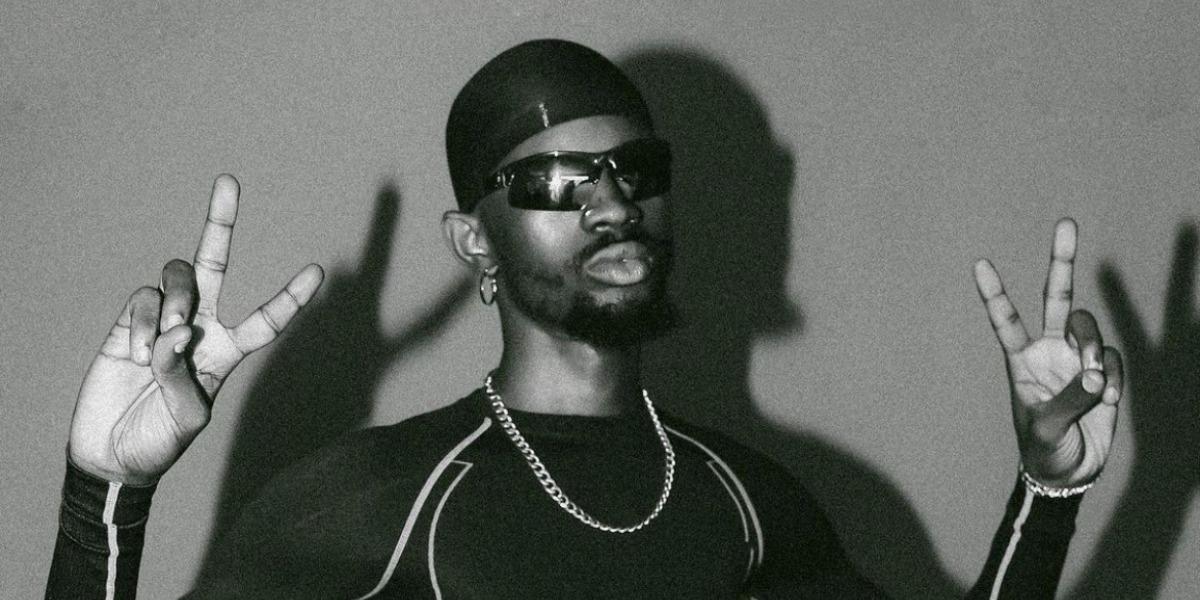
British-Nigerian actor Martins Imhangbe, who plays Bill Mondrich in the 2021 Netflix period drama ‘Bridgerton’, has always had a passion for acting, right from an early age. Despite being Nigerian-born, where creative careers are typically shunned, he was fortunate enough to have parents who nurtured and supported his creative talent. Imhangbe would eventually find his feet, after attending Lewisham College and securing a diploma in Performing Arts.
At the time, he auditioned for drama school but failed to gain admission. Without losing any steam, he auditioned once again, and was finally accepted into the Royal Central School of Speech and Drama. After graduating in 2013, he officially kicked off his acting career by entering into theatre. Although ‘Bridgerton’ marks an impressive TV debut for the theater actor, he’s also landed roles in productions such as ‘Death of a Salesman’ and ‘The Tragedy of King Richard the Second’ in London.
In 2020, while the world picked up the pieces from the seismic effects of the COVID-19 pandemic, Imhangbe found himself in his biggest role yet: as Bill Mondrich, best friend to the Duke on Netflix’s hit TV series, ‘Bridgerton.’ Mondrich, unknown to many, is based on a real boxer called Bill Richmond, who became the first black boxing entrepreneur in the 19th century.
“First of all, when I got the audition, I didn’t know that character actually existed. I didn’t know that Bill Richmond was such a pioneer.”
For most actors, training to play a boxer is tough, as they have to undergo rigorous training that they might not otherwise be used to, but training to play a boxer in the late 18th and early 19th century has a whole new set of challenges. However, Imhangbe was almost primed for a moment and a character such as this. Speaking to the NATIVE a few weeks before the new season’s release, he shares: “I love boxing a lot, the discipline, I love the endurance and honestly, there’s nothing like it,” revealing that he had earlier played a role that involved boxing.
It’s clear that Imhangbe is immensely dedicated to his craft and assumes the life of whichever role or character he is emulating. It’s this strong conviction in himself and his abilities that endeared him to Shonda Rhimes and the series casting agents. Imhangbe, himself also echoes this by sharing that there’s a lot of heart poured into the new season. “In one sentence, I would describe the new season as heartful,” he says over the phone.
With the new season only hours away, and anticipation already rife for the return of the ‘Ton and their mischievous and nosy, Lady Bridgerton, we caught up with Martins Imhangbe to talk his journey to ‘Bridgerton,’ his relationship with his work and find out some exclusives.
Our conversation, which follows below, has been lightly edited for clarity.
NATIVE: How was working on the new season for Bridgerton?
Martins: Well, it was nice. It was really interesting coming back to a show that everyone was proud of, and coming back to film a new season. All of that was quite interesting. There was a new energy but at the same time, there were COVID-19 restrictions and, so navigating that was a bit of a hassle but we’ve done it, so yeah, it was good.
NATIVE: So let’s talk about the new season. Your character plays Will in the series, and you’re really close to the Duke. How was bringing that character to life?
Martins: It was amazing because I was learning so much at the time. First of all, when I got the audition, I didn’t know that character actually existed. I didn’t know that Bill Richmond was such a pioneer and such a black pioneer, so it was nice to be able to be a part of telling that story and be a part of that history. To really get into character, I just read books going into the history, and learned a lot about the time. That kind of informed all my choices going into the role.
NATIVE: How was working on this new season of Bridgerton? Coming back to work and creating with everyone for a second time.
Martins: It was really good, because I mean now, the show is now established and successful. So, it felt like everyone was sort of proud of the show and knew their characters a bit better now that we had done the first season. So, the relationships in this season were a lot clearer and fully formed.
NATIVE: In terms of relationships, do you think viewers are going to relate more to the characters in this season?
Martins: Oh yes, I definitely think so because you’ve had a whole season to really get acquainted with these lot. Now, you’re going into another season so you’ve had time to get to know these characters and what makes them tick. For this reason, people are definitely going to feel more connected to these characters and love them even more.
NATIVE: Period dramas like “Bridgerton” are important for many reasons. As a Black character in a predominantly Eurocentric period drama, what was it like navigating the role you were embodying?
Martins: This was a real life character so yeah, that was amazing. Black people were doing a lot in those old times and doing extremely great things. Bill Richmond was one of the first black boxing entrepreneurs and he was very successful, so I felt very proud actually, just being able to be a part of that narrative. I think often times we’ve seen black people in those times being victims of oppression so it’s nice to see someone who is actually successful and thriving in their own field.
NATIVE: Did you have to learn boxing for that role or that’s something you do normally?
Martins: I don’t usually box but I had to reconnect with boxing. I did a play, a while ago, which required me to start training as a boxer. After that, I did boxing for about three years, then I got this role which really helped me reconnect with it. I love boxing a lot, the discipline, I love the endurance and honestly, there’s nothing like it.
NATIVE: Will we be seeing more of you in the new season?
Martins: Well, you’ll be seeing more of me in a new light that’s all I can say. I’m really excited about seeing what everyone will make of it and it’ll be nice to see how the audience takes the change.
NATIVE: How would you describe the new season in one sentence?
Martins: In one sentence, I would describe the new season as heartful. There’s a lot of heart poured into it and it’s going to be quite moving.
NATIVE: What will you want viewers to take away from the new season?
Martins: I would like viewers to just enjoy the characters and just enjoy the journey of each character because I feel like there’s so much put into it. For those paying attention, there’s a lot to take from it, in terms of the journey and the characters so I would really love for viewers to enjoy the ride.
NATIVE: What personal projects are you working on?
Martins: Well right now, I’m just gearing up for the release of season 2, that’s pretty much it. There are quite a number of things but I can’t really talk about those right now so we’re really just focusing on the release which is out in a few weeks.
2022 is no longer a new year, and Afropop knows that very well. As much as the previous year was packed with scene-defining achievements, especially within the context of global growth, the only way to keep the momentum from falling off is for artists to keep reaching into their bag for great music that holds the ears and captures the hearts of millions of listeners across the continent and well beyond. That’s exactly what’s been happening, so much so that there’s hundreds of new singles, at-least one new must-hear album and a new smash hit every week.
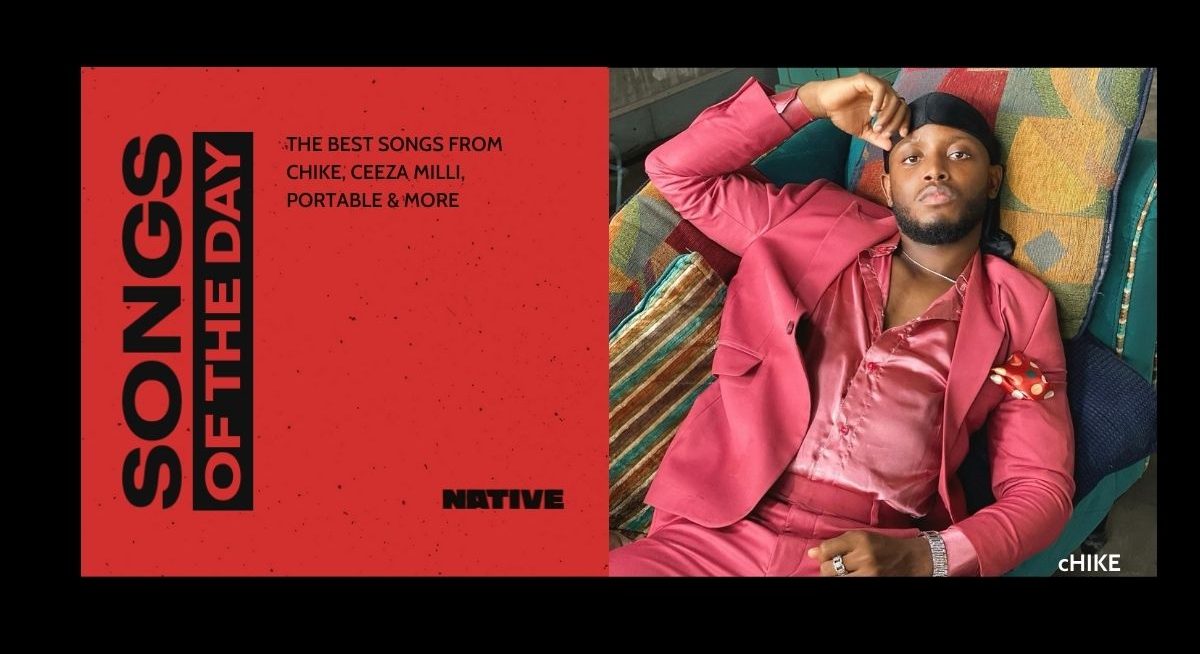
Amidst this torrent of new music, The NATIVE is committed to highlighting the best releases you need to hear, and possibly add to your playlists. That’s the essence of our ‘Songs of the Day’ column. On Monday we brought you highlight selections from Young Jonn, Elaine, Dremo, Shane Eagle and more. For today here are songs from Skiibii, DEELA, Smallgod, Tekno, Badboy Timz and more.
DEELA – “GET A GRIP”
Nigerian-born UK-based rapper DEELA released her latest mixtape, ‘DONE DEEL’ to incredible fanfare last year. The tape which featured fan favourites such as “FIT” and “GET A GRIP”, a track which sees the artist spitting fiery bars over a bouncy and catchy beat. Now, she’s expanding the visual world around the project with the release of her debut music video for “GET A GRIP,” its lead single. Arriving today, the video of the track sees the artist partying with a group of friends, getting drunk and having a great time, while she sings her lyrics in a colourful party scene.
Tekno – “Jinja”
Arriving today is Tekno’s latest single “Jinja”, a mid-tempo track which sees the artist singing romantic lyrics to his love interest. Tekno delivers smoothering lyrics such as “I go treat you right baby, swear I go make you shine baby/I go make your life better”, as he promises to make his muse happy. Accompanying the track is a colourful video, which sees Tekno in different settings as he performs his verse. He goes from taking his muse shopping and gifting her clothes, shoes and more to performing with his dancers where he showcases his dance moves and free spirit.
Bad Boy Timz – “One In Town”
Bad Boy Timz is on a roll. From “Move” to “Skelele”, the number of hit singles coming from the singer’s camp is undeniable. To continue this streak, he has shared new single, “One In Town“. Over the melodious production of the track, the singer hypes up his muse, reminding her that she’s the only one he sees and the only one in town. He sings lyrics such as “Baby na one in town, her body na coke bottle”, describing his love interest’s beautiful physique.
Smallgod – “Falling” ft Darkoo & KiDi
Ghanaian singer and producer Smallgod is here with new single titled “Falling”. This time, he has teamed up with British-Nigerian rapper Darkoo and Ghanaian singer KiDi for an irresistible number. The track is a mid tempo number which sees Smallgod delivering his romantic affections to his love interest with lyrics such as “I want to know where you come from, You’re like a fantasy/baby girl you got a mandem tight, I’m falling”.
Lady Du – “Mandule” ft. Djy Ma’Ten, Mellow & Sleazy
South African singer Lady Du has teamed up with Djy Ma’Ten, Mellow & Sleazy for new single “Mandule”. The Amapiano track is an irresistible number with an even more catchy production. Featuring glitchy kicks and airy snyths, the song’s productions provides the perfect backdrop for Lady Du to fire off her bars. While she speaks in her mother tongue, there’s no missing her universal message of finding enjoyment and having a great time.
Timaya – “Charger”
Following the release of the music video for “No Pressure,” Afropop superstar has now shared his latest single, this time titled “Charger.” The uptempo dance tune finds the singer operating in familiar territory, as he delivers a radio-ready jam. On the chorus of the track he sings, “anything when I put my hands must go well o/anywhere when I dey, I swear must dey well o”, making subtle prayers and hoping for the best of life.
Lovn – “Abena”
Newcomer and fast rising act Lovn is here with his first single of the year titled, “Abena”. On this mid-tempo number, the singer delivers a romantic number to his muse as he tries to win her over with sweet words. With lyrics such as “Oh baby, Casanova, no baby/Abena give me your love, Abena give me your love”, he is unafraid to state his desire and please with his love interest for her time and affection.
Few songs in 2021 matched the global reach of Amaarae’s “Sad Gurlz Luv Money.” In a year full of breakthrough moments, the Ghanaian artist’s spritzy collaboration with Moliy enjoyed a great run, especially after its remix with US-Colombian star Kali Uchis. It debuted at #80 on the Billboard Hot 100 Chart and went to #1 at the Spotify Viral chart, also charting on US TikTok and on the UK Singles chart.
However, it has been revealed however that the record’s main creators aren’t exactly on the best terms. Earlier this month, Moliy took to Twitter to make strong ownership claims against her collaborator, Amaarae. She revealed that she wrote eighty percent of the original song, and claimed she wasn’t properly credited on the remix and has had “limited visibility” on the two videos that’s been released. She also faulted Amaarae for allegedly lip-syncing her lyrics without her approval and ultimately said she hadn’t received “any proceeds from the record and have no idea what’s been accumulated so far.”
Sharing the thread on the Ghanaian Independence Day, the matter was eagerly discussed on social media as diverse opinions stood out. Some were quick to call out Amaarae, obviously on the grounds that it’s a universally relatable feeling, to perform so diligently and not be fairly rewarded. It was, however, resolved that no fair assessment can be made if the other party didn’t explain their side of the story.
Hours later, Amaarae responded with a thread of her own. Charting the start of their working relationship, the Ghanaian-American singer revealed how Moliy reached out to her for a prospective collaboration and she gave Moliy two minutes on her acclaimed debut album ‘The Angel You Don’t Know.’ Amaarae shared this was “because I believed in your talent and wanted to give a fellow Ghanaian up-and-coming woman an opportunity. I had the confidence to take a backseat and let you shine.”
Amaarae went on to dispute Moliy’s claims of sidelining her, saying she has always expressed her love for Moliy and that, at her first live festival performance in America, she shouted out “this special artist” who created the song with her and asked the crowd to do so as well. “Meanwhile your team was busy fighting my team in the background and sabotaging our efforts to promote the record,” she wrote, breaking down the financial and social investments that have been responsible for the song’s success. Amaarae also shared that Moliy’s demand for her share of revenue was unusual because the costs for promotion had not been recouped.
I’m sure it comes as a shock to most cos @amaarae performs my lyrics of the song every chance she gets. I wrote it to motivate all young women to be confident and successful, and this was the perfect opportunity for two Ghanaian women to be the face of that.
According to Amaarae, a number of confrontations suggested that Moliy’s team almost sabotaged the promotion of the record and that the artist herself did not promote the record until it began blowing up on TikTok. Near the end of her thread, Amaarae confirmed that Moliy “has a larger publishing split on the original than I do and an equal publishing split on the remix…she is credited as a featured artist on both songs meaning she can earn her mechanical royalties.”
There’s been a lot of takes on social media, some finding Amaarae’s riposte satisfactory and others, quite not. There’s no doubt that both parties will now be looking to solve their differences behind the scenes. Still, there’s a larger conversation that’s now been opened, one that takes the legal framework of collaboration into a larger context, especially now that afropop is moving into the world and, more than ever, artists are joining forces to conquer new ground.
To this end, we spoke to Tokunbo Komolafe, a music and entertainment lawyer in Lagos, Nigeria and Frank Nwafor, a music publisher and co-founder of Jam Distro to find out more about royalties, publishing and protecting oneself in the music business.
Our conversation which follows below has been lightly edited for clarity.
NATIVE: To start off, what’s one thing every party should have in mind when creating a song?
FRANK: As a main artist without features, it’s essential to send out split sheets. There are two split sheets which are necessary and a main artist should have their publishing split sheets and the mechanical royalty split sheets. A producer is not entitled to mechanical split sheets but is entitled to publishing split sheets. When a featured artist is involved, the publishing split sheets is necessary for everybody involved, which includes the producer, main artist and the featured artist. No matter how little a person participates in a song, the person is entitled to something from the publishing of the song. If an artist is featured on a song, and is paid in cash upfront, then the artist isn’t going to get any percentage from the song later on. That’s why a split sheet is necessary to avoid any future drama.
If you’re an artist looking to get another artist on a feature, I would advise to throw in an obligation one pager. This obligation one pager involves how an artist posts, supports etc. Another important thing is the clearance process because it is only when your split sheet is signed that a track can be cleared. Anybody can come and throw a percentage at you that doesn’t align with what you want, so you can negotiate for a higher price. When looking at the percentage, it’s necessary to keep in the back of your mind that investors can come into place. It’s always advisable not to over split cause when investors are involved, they always prefer percentage to any other option.
TOKUNBO: With what I’ve seen, I think they’re very interested in their rights, royalties and money too. Although, I would say it varies cause it depends on the literacy and exposure of the artist. I’ve worked with clients that, prior to the time the song is even released, they ask for their money upfront while a few would request for their money after their song has blown up. Also, compared to the time I started working in the music space, which is about 6/7 years ago, artists needed to be convinced that split sheets was important. But now, most of them or about a half of them demand for split sheets and producer agreement. I think it’s a giant leap in the right direction and it can only get better if there’s more education and more avenues to learn.
“We’ve passed the days where when an artist makes music and the only way to make money from the music is performance fee or appearance fee.”
NATIVE: Why is it important to protect and look out for your rights and obligations?
TOKUNBO: This is because at the end of the day, it’s their creative product. Artists have put in effort to create something unique, tangible, something to stand the test of time and, it’s only right that they earn something from it. Now the actual product is the music, the music has its own specific copyright, IP right and is a creation on its own. We’re in the era where people sell their own catalogue like John legend selling his IP rights to different entities and then making millions of dollars from it. Even in contracts, when doing contracts and you’re listing the revenue channels of the song, the primary revenue channel is the music, so your streaming revenue, publishing revenue, even your endorsement deals are called ancillary channels.
The main thing really should be the product. However, the reverse was the case in the past, when we didn’t have streaming platform and there was rampant piracy which made it difficult for artists to make money. But now with technology, DSP, and actual distribution companies doing their work, things are getting better. Even investment companies are seeing value in IP and are willing to put money behind to purchase it. My advice is for everyone to hold on to their catalogue, even if it’s 5percent or 10 percent of the piece in the pie because it’s not even just for now. It’s just like pension that you can earn from in the future because if the music is good, we would keep listening to your music and you will keep making money from it.
NATIVE: In Africa, where the music industry is still finding its structural footing, how easy is it to protect your rights as an artist, songwriter or producer?
FRANK: It’s easier now than before because now you can communicate with DSPs if you have a copyright infringement release and they can take it down. Gone are the days where one has to go through a long process or find the person that released it and you can also report blogs that release your songs without your approval. Although, I think the Alaba market thing is still an issue because you can’t go to every shop and scatter there to check which store has your music. However, compared to 5 or 6 years ago , it’s better now and as time goes on, people will become more aware of their rights which would, in turn, give room for improvements.
NATIVE: Are there still structural challenges as regards the Nigerian constitution, or just like attitudes on intellectual property in the entertainment industry?
TOKUNBO: From the legal perspective, there’s an entire process to follow. Here, you can take the parties to court. They can be sued at either the Federal or High courts which have the jurisdiction for copyright or intellectual property matters. At the end of the day, the whole point of justice is to be quick but in Nigeria, there are many issues with the court system. For instance, it can take awhile to get a fixed court date when there are other channels for alleviating these issues. A quick alternative is that you can always communicate with the DSPs, that you have a copyright infringement issue with necessary proof. This usually takes about 24 hours before the song is pulled down from streaming platforms.
In my experience, with my clients, we communicate with the DSP and also take them to court. This way, it’s a bit more forceful because just taking down the song won’t redress the pain caused to the other party. However, when you sue them, then you can sue for damages or they settle out of court. The only problem is the legal landscape in Nigeria. They are very slow. It’s almost not even beneficial to go to court, but we still do it to show seriousness or to force the other party to settle.
NATIVE: In your experience, when do things usually go sour and how can that be fixed?
FRANK:Things can go sour anytime. In most cases, things go sour when the artist starts to blow up. For example, in the case of Moliy and Amaarae, according to what I saw, I don’t think it should have gone that far. You can still go for your rights as an artist without burning that bridge. In the music industry, for every song that you distribute, the person investing in that record has to be recouped before any discussion on royalties. The discussion on splits can be had but damage in relationships begins when people start thinking about how much they can actually gain rather than focusing on how big the record can actually be.
TOKUNBO:I did come across that case and what stuck out to me is the importance of having your contracts sorted out prior to the release of a song. For instance, during negotiations and preparing the contract, there will be conversations about the commercial aspects of the record, so like the percentage to be split with the featured artist, the publishing share, and if there’s a remix to the song in the future, who owns that and how would that be split. This will also include discussions on social media posts, promotions, their appearances in video shoots and, also negotiations on recouping. For instance, if the featured artist was asking for 25% of the mastered earnings, the negotiation can be 25% but 25% of the net profit. Net profit means whatever we make from the record, after the expenses have been deducted.
This particular case just highlights the necessity for doing your contract properly. Moliy also made a complaint about Amaarae singing her portion of the song but sometimes in contracts, this can be addressed. There can be an agreement stating that both parties have rights to perform depending on how it is worded. If the entire copywriting in the master, belongs to the primary owner of the song, they can perform the record, if they want to it doesn’t really matter who it belongs to. If they own the rights, they can perform it, and the other person also has rights to perform because they also own it. In this Moliy and Amaarae case, I would say it’s really just a thing of communication and clear contract terms. It’s a good thing that it came out because it does highlight to other artists who’ll be featured on other songs to do the right thing prior to release.
NATIVE: So far, we’ve spoken about artists with good teams and capital. How about independent artists who cannot afford a lawyer or a manager?
TOKUNBO: There are different ways to negotiate these things. There are entertainment lawyers who are flexible, there are entertainment lawyers who won’t charge as much, depending on how you negotiate. Now for managers, they usually earn a percentage off the artist’s earnings, so I don’t think there should be an excuse about not being able to afford a manager. However, in the event that a record was released without any professional on the team, then the song blows up and you want to then clear it, there are companies that actually do these things for a living, clearing songs after the fact. In these instances, you just have to set up meeting with the other artist’s teams and if they are unable to clear, you clear what you can until there’s an issue. I would add that the right thing to do is reach out to the team of the person and come to an agreement of some sort because at the end of the day, earning 10% is better than not earning anything at all, if that isn’t sorted.
NATIVE: Looking at it from the outside, it seems like protecting your interest takes away from the fun of collaboration. Have you come across clients who just won’t do that?
TOKUNBO: Yes, there are clients who won’t bother simply because they won’t want to deal with the back and forth. Some clients are just like whatever they want, give them or let’s just release the song. As lawyers, this is certainly not advisable to any client, but at the end of the day, it’s a business and not a sprint. It’s a long race and relationships are so crucial in the Nigerian entertainment industry. You have to think about where you are as an artist, and put things into consideration when demanding and negotiating royalties and publishing. Most of the time, in the Nigerian entertainment space, it depends on your level as an artist. There are some artists who focus more on the music and leave their producers and lawyers to do whatever they can to get their money so that it doesn’t affect their creativity or relationships but it’s the managers behind the scenes that are fighting.
NATIVE: What do you think about artists’ education with regards to rights, what to do, what not to do? How do you think we can bridge the education gap on this issue for African creatives?
TOKUNBO: Education is really important. The more educated the ecosystem we have, the better for us. When people in the ecosystem understand the business, it makes my job as a lawyer easier. I don’t have to explain to you this is what royalties are or this is what publishing rights are. So yes, education is paramount and it’s our responsibility to educate people, but also people who are more experienced and learned should take up the responsibility to pass the information across. For me, I speak to a lot of students about the kind of knowledge they need to have as an entertainment lawyer and share resources they can use, podcasts, youtube videos, articles they can read. Also, in my team, we try to give our clients a little level of education on the different rights in music.
FRANK: Artists can also help themselves by taking online courses, online courses will definitely help you. With artists signed to my distribution company, I take my time to actually learn on their behalf, I learn and summarise to them. Yes, their job is to create, but at the same time they have to be very knowledgeable about the music business. You have to have a good team that actually believe in you and even with that, you can’t depend on anyone. So, it’s best you have the knowledge and know these things. An hour a day should not be too much for an artist in terms of studying and understanding the business.
Featured image credits/NATIVE
Words by Emmanuel Esomnofu and Q&A by Wonu Osikoya and Wale Oloworekende.
Last week, nominees for the 2022 Africa Magic Viewers Choice Awards (AMVCA) were announced to incredible fanfare. The livestream event was hosted by Adesua Etomi-Wellington and Daniel Etim Effiong, and was eagerly followed after being missed out on last year, the pandemic being the familiar reason yet again.
As expected of such a prominent award show, there was a buzz of reactions across social media that evening. Film professionals celebrated their nominations in real time, turning up the excitement for May when the award is scheduled to hold. The AMVCA is no small feat, and pretty much everyone knows it.
Upping the ante for this year’s show, award organisers Multichoice had made announcements of their own. The award gala will be held on May 14, but the entire week before then will be attended by a host of events which celebrate non-acting professionals. Voting is now open for the nominated categories and will close on the 29th of April.
Certainly with the burgeoning interest in modern Nigerian filmmaking, the 2022 AMVCA Awards would be an important week for the entire entertainment ecosystem. These nominations have really got us piqued, and here are four talking points from the whole affair.
Most nominated films
As with any nomination list there’s bound to be focus on the most nominated directors and films. Through these choices the preferences of the award organisers are assessed and their motivations sometimes argued. Given the influence of the AMVCAs, its nominations list inherently shapes the direction of the film industry, a signifier of the films that could be produced in the near future.
The historical drama ‘Amina’, co-written by Okechukwu Ogunjiofor and Izu Ojukwu, had the most nominations: thirteen, including major categories such as Best Overall Movie and Best Director. The film, a portrait of the famed warrior queen Amina of Zazzau received mixed reviews, some faulting its usage of English language in telling such a peculiarly Hausa narrative. Others lauded its cinematography and fashion, still it was largely considered inferior to Ojukwu’s other historical film, ‘76’, which was a stirring depiction of military life and its relative terrors.
Making up the most nominated films were Ramsey Nouah’s ‘Rattlesnake: The Ahanna Story’ which got eleven nominations, making it two for two in Nouah’s vision of remaking classics from Nollywood’s spiritual-inspired era of the nineties and early 2000s. Nominated also was Larry Gaaga, whose soundtrack successfully replicated the colourful Highlife-pop scoring that made ‘Living In Bondage’ such a delight. Highest-grossing Nollywood film ever, Funke Akindele-Bello’s ‘Omo Ghetto (The Saga)’ earned nine nominations, including Best Overall Movie, Best Picture Editor, Best Actor in Comedy and Best Makeup, making her the most decorated actor in AMCVA history with fourteen nominations and five wins.
A new category is introduced
Of the many categories announced, there was one which notably struck out: Best Online Content Creator. This new category had seven nominees, all of them famous to viewers of the myriad skits found across social media. In recent years these skitmakers have grown their cultural currency, massively contributing to the cache of trend worthy phrases and moments.
Among the catchphrases we identify with right now are ‘something hooge’ and ‘freaky freaky’, which can be traced to Oga Sabinus and Mr Macaroni respectively, both early favourites for the award in May. The nominations list is however filled with uniquely talented creators such as Tee Kuro, Bukunmi Adeaga-Ilori, Jacqueline Suowari, Eden Victor and Elozonam.
The larger conversation here concerns the prospects of social media video making in film awards. Content creation is gradually being accepted as a part of the entertainment ecosystem and requires a significant level of talent and dedication to pull off properly. The Oscars have been slowly incorporating TikTok into their awards, announcing last year’s nominees live on the platform. Another similar collaboration was the Cannes Film Festival partnership with TikTok to create the #TikTokShortFilm global competition, where in-app videos between thirty seconds and three minutes will be judged in the categories of Grand Prix, Best Script and Best Editing.
Nigerians love a good story and the nominations had a number of those. One that certainly struck out was that of Abiola Popola, the makeup artist who was cast as a sex worker in ‘La Femme Anjola’ after the original actress didn’t show up.
“She saved us,” wrote director Mildred Okwo in a tweet that went out just after the film was nominated in the Best Makeup category, a while after Okwo’s film which also starred Rita Dominic in the main role had been nominated for Best Overall Movie.
Another high point was Bisola Aiyeola’s nomination in three different acting roles. The former BBNaija housemate has proven to be a versatile creative, relentlessly carving a space for herself and showing she’s actually a good actress. Viewers of her nominated films ‘This Lady Called Life’ (best actress in a drama), ‘Dwindle’ (best actress in a comedy) and ‘Sugar Rush’ (best supporting actress) would surely fancy her to snag at least one of them.
Notable omissions
There were a number of high profile movies that were missing from the nominees list. Not only were these movies made by some of the biggest directors in Nollywood, they had progressed societal discussion about sensitive topics such as sex work and politics, inspiring reactions to both its message and artistic heft long after they were released.
Till today, some still ask: is the second instalment of ‘King of Boys’ a good movie? Obviously the first had established Kemi Adetiba as a fine practitioner of the intricately outlandish, sketching diverse stories through characters like Eniola Salami, Makanaki and Odogwu Malay who brought their act to life on screen. Many loved it, and though most people thought the part 2 only faltered minimally, it ordinarily would have been on the nominee list.
The films ‘Oloture’ and ‘Citation’ were also missing from the list, even after being some of the most discussed films of last year. Also pushing its mode of storytelling, both movies featured a documentary-style narrative and a non-actor lead respectively. Daniel Ademinokan’s ‘Gone’, a story of a returnee immigrant touches on the warm messages of familial strength and got a shout among viewers who thought it’d be nominated.
On my part, I thought Tunde Kelani’s characteristically brilliant ‘Ayinla’, a biopic of the Apala star Ayinla Omowura who was stabbed to death by his manager in 1980, would have gotten some nominations. All these films were however nominated last year at the Africa Movie Academy Award (AMAA), leading speculations as to why the AMVCA didn’t feature them in any categories. They might not have been submitted by the directors, which would be due to a number of underlying factors not privy to the public. There’s still so much to anticipate in May though, and we’ll be keeping our eyes for eventual winners.
Most shocking snubs😱?
King of Boys 2
Oloture
Gone
Citation
N.B to qualify for an AMVCA nomination, the producers of the films must have submitted them. These films were likely not submitted. pic.twitter.com/hUA0DoSO7W
Afropop has gone global. Last year, many Afropop numbers debuted on the Billboard Hot 100, including Wizkid’s Tems-assisted “Essence,” Ckay’s “Love Nwantiti” and Fireboy’s “Peru”, with some going on to dominate the chart for weeks at a time. While this is not the first time Afropop will break into wider conversations, it is the first time that these conversations have culminated in a global chart–save for the UK Afrobeats chart.
Officially announced yesterday, Billboard has partnered with Afronation, to launch the United States Chart for Afrobeats music which aims to spotlight the best Afrobeats songs in the United States. The chart will officially begin next week, on 29th March via Billboard.com.
Billboard to launch new US Afrobeats Songs Chart, ranking the top 50 songs in the country. Starting next week, March 29.
According to the official announcement, the Billboard US Afrobeats charts will rank the top 50 most influential, popular and well-accepted songs in the country and will be based off formula incorporating official streams on both subscription and ad-supported tiers of leading audio and video music services, plus download sales from top music retailers
In a press statement released via Billboard, Afro Nation founder Obi Asika mentioned that:
“The last decade has seen Afrobeats explode into a worldwide phenomenon, influencing culture and fashion across the globe and I am humbled to have made a contribution to growing the genre alongside many talented, passionate people.”
Billboard’s SVP of Charts and Development, Silvio Pietroluongo also added that:
“As with much of the world, Afrobeats has grown tremendously as a genre in America and we are proud to showcase the top songs and artists with this new weekly ranking.”
Earlier this month, Cruel Santino released his sophomore album ‘Subaru Boys: FINAL HEAVEN,’a kaleidoscopic snapshot of futuristic sounds and genres, helmed almost exclusively by his close-knit circle Monster Boys, which played out as a cohesive movie sequence to the world he had built.
Taking cues from a range of genres such as R&B, Rock, Dancehall, Pop and more, Cruel Santino places listeners firmly into an underwater world, where the Subaru Boys rescue the day and make it just in time for the party. Most of the album plays out in this way, setting up stories with an accompaniment of sounds and glittery chimes, while casually retooling familiar sounds to create new vibrations—and memorialise feelings—within Santino’s world.
Termed as “scaping,” a word used to describe the creation of a sonic environment, Cruel Santino makes a bolshy one-eighty from the atmospheric and melodic sound that defines his stellar 2019 debut album ‘Mandy and the Jungle.’ “Scaping songs is very key because your brain is taking in so many things subconsciously that kind of let you travel,” Cruel Santino shared in an interview with RollingStone, following the album’s release.
While journeying through the immersive soundscape is one of the album’s strong suits, one of the most enjoyable parts of the album are the collaborators Cruel Santino brings into his world. While Cruel Santino is a credited writer on every song, penning some of them on his own, a significant portion of the 21-song album features and benefits from outside assists, some of them being unknown names to music listeners on the continent.
So to fully appreciate the communal brilliance of ‘Subaru World: FINAL HEAVEN,’ here are some of the collaborators (songwriters, producers and engineers) that helped bring Santino’s world to life.
Newcomer Brazy first caught the attention of many early last year with the hit single, “Siren”. Since stepping into the rap scene, Brazy has delivered entertaining bars, which listeners and fans can relate to heavily, alongside guest verses from her equally fierce rapper friends. In short of a year, Brazy has carved out a name for herself with her quippy beats and rambunctious raps, going on to deliver a slew of singles including “Girls”, “Night Light”, and her most recent offering “Selecta”.
So what is it about Brazy that’s got us slowly hooked on her? On Cruel Santino’s album opener “MATILDA”, she delivered a clutch performance, gliding and sliding over the heavy baseline of the track very casually, while still maintaining a firm and expressive tone, structuring the track into the pointed tone-setter it is. Her contribution on the album encapsulates her rapid-fire abilities, as she bursts on any beat with colourful puns and glitchy saccharine-sweet melodies.
Of the five arcs that make up the conceptual narrative of Subaru Boys, ‘Subaru Girls Worldwide’ is the only arc that comprises one song. “OWN GAME” sees Cruel Santino setting up the scene with a numb chant, before ceding space to two verses from guest rappers. One of those verses is delivered by UK-based artist EbEE, whose deadpan flow forms an entrancing counterpoint with the twitchy, technicolour beat. Her 16 is a dazzling display in metronomic control and picturesque lyricism that lends itself to being quotable—“Can’t stretch my legs ‘cause you’re other side of the bed/ drown in my thoughts when you suck on my head.”
That contribution is a solid encapsulation of EbEE’s capacity as a malleable rap artist. Across her catalogue, which is currently limited to about half-a-dozen singles—mostly uploaded to her SoundCloud—and a handful of features, her music a positively dizzying experience, filled with sonic experiments that range from electro-rap to cloud rap to bedroom pop to whatever else she feels like. Armed with a helium-toned voice that contort to multiple shapes, EbEE is capable of walking the spectrum between rapping and singing from song to song. EbEE clearly makes music that centres on her own choices and idiosyncrasies, a trait that she shares with, and most likely endeared her to, Santi.
Dennis Ade-Peter
Seo
Seo, who also goes by Moonbather, is one of the luxuriating female voices on “OWN GAME”, the eight track on ‘Subaru Boys: FINAL HEAVEN’ On there she bridges the rap showcases of Bratzbih and Ebee, layering soothing vocals which balances the zesty direction of the other contributors. A Fresh Meat alumni in 2020, Seo possesses an understated catalogue, delivering catchy projects during and after the proliferation of SoundCloud in the Nigerian music space. Her music sparkles of a relationship with bedroom pop and its known indulgence into concurrent streams of other niche sounds. Earlier this year Seo released Nightblood, an album of eleven songs inspired by soulful incisions into her deepest concerns and fears, all delivered through fine, quaint songwriting.
UK-based rapper Bratzbih was first discovered on producer singer and songwriter Tochi Bedford’s ‘After Eternity’ EP on the track “Wassup”, where she talked about being married to the money and focusing only on the bag. She’s seen again on Santino’s “OWN GAME”, alongside Seo and EBEE, where she naturally emerges as a fierce lyricist. On “OWN GAME,” the only arc under ‘Subaru Girls Unlimited,’ all three artists have charisma that permeates off the screen. Bratzbih seamlessly merges energies with all artists on the track, giving listeners a taster course to what she’s got to offer while setting a vast tone for where she’s able to go sonically.
There are few rappers anywhere in the world who have rapped any more prolifically (or with precision) than WifiGAWD in the last two years. The DC native has risen to fame for creating exciting rap music that’s a product of teaming up with boundary-pushing producers who are blurring the divide between rap and other genres. On ‘Subaru Boys’: FINAL HEAVEN’ WifiGAWD’s jaunty flow slides in after a mad cap intro by Santi, putting a cap on the teasing message of “SWAGGER BACK.”
A true rasta, WifiGAWD’s music is influenced by a free-wheeling sense of wonder that has seen him take inspiration from sonics inspired by hip-hop’s golden age and the 2015-2017 SoundCloud trap laboratory. WifiGAWD’s most recent album, ‘Chain Of Command,’ is a video game-inspired, anime-adjacent horrorcore hip-hop project that melds WifiGAWD’s knack for effusive lyricism with a sonic palette that borrows influences from soul, EDM, and shoegaze.
On “FALLIN”, the 17th track on ‘Subaru Boys’, the crystalline voices of Solis and Chi Virgo unite to provide a backbone to one of the most beguiling songs off sprawling project. The London-based, Nigerian-born singer Chi Virgo has built a reputation for herself for making feathery, soul-infused alt-pop songs that pack a punch.
Ecelectism and singularity is at the heart of Chi’s music and her music reflects those characteristics. A string of singles from 2019 and 2020 found her ruminating over emotions like angst, self-assuredness, and upheaval with inspirations from legends like Tina Turner, Whitney Houston, Beyonce and Sade. In 2020, she released her debut project, ‘Under The Moon,’ a collection of mooning R&B and neo-soul cuts that brought her distinctive attempt of songwriting to the fore over a mix of uptempo and mooning instrumentals. Her contribution on “FALLIN” taps into the vividness of her 2021 pack, ‘Crybaby/Rain’ while fitting nicely into Santi’s hyper-vivid universe of sounds.
On “War In The Trenches”, a standout on ‘Subaru Boys’, 1takenandos is the masked master pulling the strings behind the scenes on this track. 1takenandos takes ethereal piano melodies, brazen horn sounds, bouncy drum patterns and strings them together, end on end, creating a breezy otherworldly sound that reels listeners knee-deep into this project.
Born Nnamdi Eluwah, the artist is a 26-year-old Nigerian multi-hyphenate from Abuja. He moved to Dubai when he was 11 and has been there ever since, it was there he met Santi. Among his creative pursuits are music production and DJing. He also does radio mixes and hosts electrifying parties in hubs across Dubai. During his nascent days as a producer, he majored in crafting thumping House music beats, along the line, his career swivelled a new curve, these days he majors in producing punchy Hip-Hop/ Trap music.
Tyler Turner is a 29-year-old Japanese -American producer and songwriter based in Los Angeles. He spent the greater part of his career as a producer crafting Hip-Hop records but he has since evolved into a sonically expansive producer, fashioning and blending a colourful assortment of sounds that cut across genres. Prominent cuts on which he has production credits include Juice Wurld’s “I Want It”, Sloan Evans’ “Honest”, Lil Keed’s Roddy-Ricch-assisted “Dragon”, amongst others.
Tyler’s work is one of the key elements that upholsters ‘Subaru Boys’. While he’s not a featured artist, he boasts of production credits and creative input on a smattering number of songs on the album. He produced “Mermaid Aqua”, “Final Champion” and “Falling”. He also has credits on seven other tracks— “Matilda”, “I Told Gus I’m Dreaming”, “War In The Trenches”, “Tapenga”, “Beautiful Nothing”, “Way of the Serpent” and “Dirty Eyes Evil Manners”.
Gus Dapperton is the only artist featured on multiple songs on Subaru Boys, and even has a song, “I TOLD GUS I’M DREAMIN”, named after him. So who’s the man? Born in Warwick, New York, 24-year-old Dapperton released his debut single in 2016 and followed up with his debut EP, ‘Yellow and Such’, the next year. Since then he’s released another EP and two albums, the latest, ‘Orca,’ coming in 2020.
Dapperton’s sound is a fusion of indie pop and all its modern iterations, powered by his inventiveness which seeps into his fashion style and its resultant gender discourse. His contribution is immensely felt in “BEAUTIFUL NOTHING” where he bounces off Santi’s introspective crooning on the psychedelic production. Near the end of the song, his affecting vocals take the beat in stride, singing “I can’t live without you”. He emerges into the center stage on “WICKED CITY”, turning in a hook that’s both emotive and tightly controlled, setting Santi up for a more carefree approach.
Emmanuel
Words by Chibuzo Emmanuel, Emmanuel Esomnofu, Dennis Ade-Peter, Tami Makinde, Wale Olowrekende and Wonu Osikoya.
Continuing from its previous winning streak, Pheelz and BNXN’s “Finesse” has retained its position at the top of the TurnTable Top 50 charts for a second week in a row. This week, “Finesse” continues to climb the charts across all platforms, tallying a record 6.29 million equivalent streams and 42.9 million in radio reach.
Skiibi’s “Baddest Boy” assisted by Davido retains its spot at No.2 this week right after topping the charts for 5 consecutive weeks. Although it slips down one position, it is currently the longest No.1 song of 2022 so far. At No. 3 is Asake and Olamide’s “Omo Ope”, which holds the same spot it was in last week.
Omah Lay “Attention” is at No. 4 this week, with 53.2 million in radio reach, 8.61 million in TV reach and 1.46 million equivalent streams. It’s followed by Rema’s “Calm Down” which rounds up the top 5, tallying 64.5 million in radio reach in the latest tracking week.
Lil Kesh’s “Don’t Call Me” with Zinoleesky is at No. 6 after peaking at No. 3 on the chart – it remains the only song to have stayed in the top 10 throughout 2022. Following at No. 7 is BNXN’s “Italy” with Blaq Diamond which rises to a new peak from last week; it tallied 43.9 million in radio reach.
This week, following the release of her fifth studio album, Asa and Wizkid’s “IDG” jumps seven spots from last week and makes its debut in the top ten this week at No. 8. It becomes Asa’s first top ten entry on the chart and Wizkid’s seventh. The Wizkid-assisted “IDG” tallied 41.6 million in radio reach and 920,000 equivalent streams, ending an 8-week run of no female artiste in the top ten.
According to the chart data, the last female entry in the top ten was Fave’s “Baby Riddim” at No. 7 on the chart dated January 24, 2022. To round up the top 10 this week is Fireboy DML & Ed Sheeran’s “Peru” at No. 9 and TI Blaze’s “Sometimes (Remix)” with Olamide which rests firmly at No. 10. Outside of the top 10, we’ve got newcomer Khaid’s debut single, “With You” at No.12, Ajebo Hustlers “Loyalty” at No.21 and Victony’s “Apollo” debuts at No. 39.
Elaine seemingly crept out of nowhere to become one of the most celebrated young voices in South Africa’s thriving R&B scene. Her 2019 debut EP, ;Elements’, instantly situated the smoky-voiced singer as a divulger of vulnerable moments, detailing the emotions attached to them, and how these experiences affect our perspective on romantic ideals. After signing a major label deal with Columbia Records in the previous year, Elaine dropped “Right Now” as the sole release of 2021, a balmy, self-liberating salvo in the aftermath of snatching yourself from an unideal entanglement.
Where her debut EP revelled in being love-struck, with heartache evident in every lyric about unrequited or unclear feelings, there was a cocky sense of clarity on “Right Now,” which may have prompted speculations that future output would chock the middle finger at unabashed love. Well, that’s not even remotely the case on her new single, “Shine,” a song where Elaine completely devotes herself to being supportive of her partner’s happiness. Similar “You’re the One,” this new single personifies that consuming feeling of knowing you’ve found your person, but without the air of uncertainty that haunted that breakout hit.
On “Shine,” Elaine offers the wholesome warmth of assurance, the type that comes from being pretty confident that those sentiments are reciprocated from the other direction. As she’s done all through her small but significant catalogue, her writing is plain and direct, making sure that her intent is matched by a frankness that makes her music relatable.
There’s no way to misconstrue the supportiveness in lines like, “All eyes locked on you, are they seeing what I’m seeing, babe?/Like diamonds, flashing lights/Your aura so bright when I’m near you.” It’s not all frictionless, though—“I just hope that they know you’re mine,” she coos—because you can only be 100% certain of your own devotion.
Co-produced by Zeke and American R&B stalwart Stwo, who has worked with Drake, Jeremih, Roy Woods and more, “Shine” is a speculative attempt at furthering the singer’s international reach, considering that the minimalist, contemporary R&B slant of her previous work already caught some significant ears stateside. Beyond the career ambitions, the song does Elaine’s expand the sonic purview. It’s her most upbeat song yet, assuredly sidestepping her foundation of moody chords, minor key melody, and skittering 808 bass, for a gleaming pop song.
Pulling in cues from Funk and synthwave, “Shine” is glossy and bouncy, a more maximalist canvas that brings out an ebullient performance from Elaine, as she even plays around with her falsetto and the upper register of her voice in restrained but notable bursts. It all feels very fitting, especially as “Shine” spotlights the ongoing evolution of Elaine from minimalist R&B singer to diverse savant. At the heart of this marquee change, though, she’s still very much in her vulnerable element, wearing her heart on her sleeves and imbuing soul into every sung line.
2022 is no longer a new year, and Afropop knows that very well. As much as the previous year was packed with scene-defining achievements, especially within the context of global growth, the only way to keep the momentum from falling off is for artists to keep reaching into their bag for great music that holds the ears and captures the hearts of millions of listeners across the continent and well beyond. That’s exactly what’s been happening, so much so that there’s hundreds of new singles, at-least one new must-hear album and a new smash hit every week.
Amidst this torrent of new music, The NATIVE is committed to highlighting the best releases you need to hear, and possibly add to your playlists. That’s the essence of our ‘Songs of the Day’ column. Last Friday we brought you highlight selections from Terri, Oxlade, Goodgirl LA, NSG and more. For the new week, here are songs from Skiibii, Young Jonn, Elaine, Dremo and more.
Elaine – “Shine”
Still an undergraduate when she released her debut EP ‘Elements’in 2019, Elaine’s career has continued its upwards trajectory. Her experimental takes on glossy R&B renders her music a unique quality and coupled with a Columbia deal, new Elaine has been expected since the May 2021 release of “Right Now.” Elaine’s new single “Shine” is aptly titled, set to music that throbs with the colourful sheen of an interstellar experience. The rich vocals of Elaine vibrate with purpose as she sings of self-belief. “You should live inside of your moment, let go, just be yourself,” she sings, tenderly calling listeners toward their truest form.
Young Jonn – “Dada”
The sound of Nigerian pop in the 2010s would be markedly different without the output of Young Jonn. With an array of clients (but primarily Olamide) tapping from his mastery of high tempo production that saluted the musical history of southwest Nigeria, he cemented his name among the greats of that formative era. And yet Young Jonn is not done: recently signed to Chocolate City, he’s reintroducing himself as a musician with an EP slated for later. “Dada” is the first song from that project and it’s a largely enjoyable offering. Amidst the bubbly production Jonn’s surprisingly accomplished vocals take center stage as he describes the often dramatic actions inspired by being heads over heels in love with someone.
Skiibii – “Trenches”
With the Davido-assisted “Baddest Boy (Remix)” still doing a madness, Skibii has shown no signs of riding out its momentum for the longest. To that end “Trenches” is a celebratory moment, both in sound and direction as Skiibii sings of living the life. His channeling of popular culture’s humour-laced interpretation of ‘trenches’ also casts an aspirational quality to the record, sizzling beneath with Runcheck’s measured production. Maintaining his bright songwriting, Skiibii’s vocals and his surefire hook elevates the song’s overall quality.
Dremo – “Confam” ft. Simi
Nigerian rapper Dremo taps singer Simi on his new single “Confam”. The song is dramatically composed in duet style, with Dremo’s character eager to get the ball rolling on a relationship. They are however complications to smooth out and that vast middle ground is explored from both spectrums, the artistes’ voices blending in seamless chemistry. “I’m waiting for you to give confirmation,” sings Dremo in the lyric that most encapsulates the wistful groove at the heart of the song.
Praiz – “Wait” ft. Joeboy
The music of Praiz is recognisably cut from the epic, scene-setting R&B tradition that artists like Alicia Keys and John Legend emerge from. With a captivating vocal range he powered his way to stardom in the early 2010s and though his output has significantly reduced over time, his releases have been nothing short of praiseworthy.
Few days ago his third album, ‘Reckless’ was released, a strong offering with some of his best records ever. Although the album’s most important pieces are guitar-based musings, one of its high points is also the groovy union with Joeboy on “Wait”. Having all the colour of a typical Afropop song, its rich vocals and the simple allure of its chorus takes the song beyond average, the kind to soundtrack the evening after a productive day.
O’Kenneth, Reggie & G4 Boyz – “Loading”
The explosion of Ghanaian drill internationally happened over two years ago but acts from its Asakaa scene are pushing the bar for even more acclaim and quality. The quartet of O’Kenneth, Reggie and G4 Boyz are no strangers to collaboration, merging their distinct strengths to make rap bangers which thrill with the pervading mystery of a ghost tale. “Loading” has a bouncy base, a textured groove that highlights the urgency in the spritzy deliveries all over the records. The chorus is particularly progressive, complementing the beat’s enigma with an almost joyful twang as they stunt on haters.
Shane Eagle – “STREETFIGHTER”
South African rapper Shane Eagle is famed for his spirited raps which tackle many topics, from personal motivations to social anxieties and the extent of the generational vices we all share. “Streetfighter,” the second song off his new album ‘Green,’ channels from boisterous, trap-influenced cadences as Eagle stack lines that are deceptively simple, unfurling in greater depth as the song advances. “They know that Eagle the GOAT, but this one is not for the slaughter,” he raps, talking his shit over production that sounds like the soundtrack of a blockbuster video game.
YTBOUTHATACTION – “BLOW UP”
Trap music has blossomed in Nigeria in recent years, particularly among young people who are inspired to document the complex details of their life in the way rappers like Lil Durk are known to do. 22-year-old ytboutthataction is one of the most inventive rappers from this side, possessing the ability to condense serious topics relative to being young in eccentric, colourful production. For her first offering of 2022, the Lagos-based act releases a two-track package, boolean logic. “blow up” finds her coasting on a triumphant beat, matching its bounce with dexterous flows that are evocative of the Migos, but with more purposeful melody and lyrical awareness, as she raps “imma do this shit on my own” before going on to deliver accordingly.
Last year, WANI offered a timeless showcase of his undisputed talent on the follow-up to his debut EP ‘Lagos City Vibes,’ bringing his audience much closer to the heart of his art and inspirations on songs like “Calvin Clean” and “God Bless The Kid” off ‘Lagos City Vibes II’while teaming up with stars like Buju, Prettyboy D-O, and rap duo, Show Dem Camp.
While ‘Lagos City Vibes II’provided a fresh glut of WANI music, it didn’t necessarily sate fans who have been waiting on music from the singer for years. To tide his fans over, WANI announced a plan to release two new tracks every quarter and the first dispatch of that promise, “Silver Spoon Interlude/ Jezebel” is here.
The two-song pack sounds like it was cut from the ‘Lagos City Vibes II’ era with “Silver Spoon Interlude” featuring a distinct melodic progression from “God Bless The Kid (GBTC”) that continues the storytelling arc of that track while “Jezebel” is inspired by the singer’s more salacious desires with a woman he fancies.Four months after the release of ‘Lagos City Vibes II,’ WANI has offered some more perspective on the personal truths and thrilling escapes that inspired his sophomore project while giving new material to the listeners who have championed his work.
2022 is no longer a new year, and Afropop knows that very well. As much as the previous year was packed with scene-defining achievements, especially within the context of global growth, the only way to keep the momentum from falling off is for artists to keep reaching into their bag for great music that holds the ears and captures the hearts of millions of listeners across the continent and well beyond. That’s exactly what’s been happening, so much so that there’s hundreds of new singles, at-least one new must-hear album and a new smash hit every week.
Amidst this torrent of new music, The NATIVE is committed to highlighting the best releases you need to hear, and possibly add to your playlists. That’s the essence of our ‘Songs of the Day’ column. Earlier this week, we brought you highlight selections from Timaya, Ms Banks, Iyanya, Tia and more. For our Friday installment, here are recent releases from Falz, Goodgirl LA, NSG, Terri and more.
Oxlade – “Want You”
Fresh off his signing with Columbia UK, Nigerian vocalist Oxlade has released his first single of the year. “Want You” continues in the direction of Oxlade’s soul-wrenching stories about unrequited love. Here, he finds the sweet middle ground between wistfulness and groove, colouring every second of this delightful record with his famed falsetto.
Terri – “Danger”
Music from Terri hasn’t been forthcoming as his burgeoning fan base would like but every new drop is usually well received. With “Danger,” the singer has scored himself another remarkable record, a prospective hit in every sense of the word. Flowing over Krizbeatz’s mellow production, there’s a tender quality to Terri’s lyrics about staying loyal to his lover. “I know some kind love money cannot buy, the type you no fit say bye bye,” he warmly sings on the opening lines, setting the song’s mood.
Falz – “Ice Cream” ft. BNXN
Among Falz’s greatest strengths as a hitmaker is combining his rap skills with smooth pop-esque beats, and that’s the route he takes on new song “Ice Cream”. Layering bad boy punchlines over Yung Willis’s bouncing bass lines, he’s joined by BNXN who delivers the catchy hook in his trademark saccharine vocals. “All hits, no misses; I feel like Tyson,” sings BNXN on either side of Falz’s vivid verses, a narrative that fits perfect in the hedonistic allure of cities like Lagos.
T’NEEYA — “COMING”
Singing over Hip Hop-inspired beats encouraged the rise of neo-soul in the nineties, a genre otherwise termed progressive soul. On her new record, the Cameroonian-born artist T’neeya taps from those sensibilities, with an electric bassline and horns infusing more gravitas. She sings of being in love, employing over-the-top metaphors to depict the thrill of being swept up in someone else’s goodness. “All the feels I feel right now, you don’t even know how much I want it,” she sings, expressively leaning into the sultry quality of the record.
NSG — “SUZANNA” ft. Patoranking
The six-man Afroswing group NSG have roots in West Africa, and their music have often tapped from the region’s sonic energies. Their captivating records usually feature sing-along choruses and individually distinct verses, making them a group you’d want to chill over the weekend listening to. Earlier this year they released “Suzanna”, a JAE5-produced collaboration with Dancehall scion Patoranking. Their contributions humorously straddle the line between romantic interest and hedonistic trappings, qualities which are conveyed with pomp on the recently-released visual.
Nu Fvnk – “Just Say It”
Famed for his innovative production and insightful raps, the multidisciplinary creative Nu Fvnk has been the pride of East Africa (and his home country of Kenya particularly) for a while now. Inspired by similarly eccentric creators like Pharell Williams and Tyler, The Creator, Fvnk’s sound has flitted between sounds and eras, but with foundations on Hip Hop. “Just Say” progresses with the brooding prescience of a film score, carried along by Fvnk’s bassy voice and lyrics packed with dare. “Say what you wanna say,” he repeatedly sings, building the song’s atmosphere from dusty drums and vintage-styled keys.
ANYTHING WITH YUSEF — “EYE TO EYE”
Anything with Yusef has an amazing presence on records. He’s typically self-aware on his new song “Eye To Eye”. A trippy record with allusions to desolation and revenge, his vocal strength brings alive the vision of a lovelorn ballad. ”I hear my ex has a new best friend, her and I don’t see eye to eye,” he sings matter-of-factly on the hook, channeling the bluntly introspective vibe that comes with hitting play on this song.
Good Girl LA – “Goodbye”
Boasting one of the most captivating voices in Nigerian music, Goodgirl LA is highly sought after, both by listeners and other musicians. “Early Momo” was released over a year ago, but the duet still remains a sonic pleasure, LA’s husky vocals still as effective. Her new song “Goodbye” uses the psychedelic feel of emo-rap to explore heartbreak, possessing its range of associated emotions from anger to catharsis and eventual acceptance. “I was a loner when you met me, and you took all my energy for free/ like a thief in the night,” she sings, going back memory lane as we all do when these situations unfold.
Kay Slice – “Takin’ It Home” ft. Reynolds the Gentleman
The range of afro pop is no doubt influenced by African musicians in the diaspora who channel from their roots even as they navigate the world around them. Based in Netherlands, Kay Slice stands on the verge of mainstream acclaim, loved for pairing Ghana’s colourful rhythms with rap. Off his latest album Back To Back, those qualities are on display, especially on “Takin It Home”, a record that sounds like Kay’s manifesto for his hybrid experiments.
The lyrics echoes different shades of proud, from expressing his love of Ghana (“back it up, back it up right now, baby we’re taking it home,” he sings on the chorus”) to proving his mettle as an MC (“they be using my song as a reference”). The Edward Pappoe visual understands the assignment, incorporating strong elements of the Ghanaian culture into his video, mirroring the song’s cherry outlook with its intimate shots of Black people being happy and in love.
QUAMINA MP — “DADA BA”
The artist and producer has excited fans since his breakout in 2017, melding the signature Hiplife sound of his native Ghana with other contemporary sounds. New record, “Dada Ba” bounces with urgent percussions famous among African listeners, but Quamina’s voice will entrance anyone in the world. Gliding authoritatively across the bubbly beat, “Dada Ba” is the kind of love record that turns up a party, seamlessly soundtracking the night’s activities until it is over and everyone’s eager to know whose song just played.
In the crowded and competitive world of rap, Atlanta-based Nigerian-born artist, dndSection takes advantage of his Nigerian roots, pulling different stylistic threads together in order to stand out. After closing out last year with stellar tracks such as the Maradona-assisted “Red Eyes” and “Bad Bitches, Bad Decision,” the rapper opens his book for the year with a new Mannywellz-assisted single titled “Runaway (Devil Is A Liar).”
“Runaway (Devil Is A Liar)” is an Afroswing production seasoned with exotic horns and shimmering guitar riffs, which provides the perfect background for the pair who take turns delivering amber-hued lyrics with their sultry vocals.
“I saw you calling but I ain’t replying/I hear spirits calling so I run away,” dndSection chimes on the song’s first verse, swapping his off-the-cuff raps for a mid-tempo drawl about a mesmerising women who spells nothing but danger. Prior to the release of the single, dndSection took to his Instagram page, announcing the record with a picture of himself and Mannywells. In the picture, they were clad in clean-cut suits and black leather boots, in what looked like the set of a video shoot.
“Runaway (Devil Is A Liar)” is coming off the heels of the singer-rapper’s last release “24 Days In Lagos”, a sombre rap freestyle released in February, which was based off his visit to Lagos.
If you’re anyone with an active social media account, you’d probably have come across the viral video of a South African DJ dancing and entertaining a crowd with her fire DJ set and entrancing dance moves. Now hugely popular, the DJ known as Uncle Waffles has become one of South Africa’s most visible flag bearers as she takes the global sound of Amapiano to the world through her captivating sets.
After entertaining and spreading the gospel of her home town through her DJ sets and tours, Uncle Waffles is now ready for her biggest effort yet – her official entry into music. Recently, Waffles recently took to her Instagram to announce the arrival of her debut EP ‘Red Dragon’, which will be arriving towards the end of March. The 4-track tape is set to feature acts such as Tony Duardo, Boi Bizza, Given Kau, Yedda and more.
Sharing to her 731k Instagram followers, she said:
“This journey has continually proven to be a blessing, now we move into a new part of the journey. My EP, RED DRAGON dropping soon, with the lead single Tanzania ft @sinomsolo @real_boibizza @tonyduardo dropping tomorrow, 16/03/2022.”
In preparation for her debut tape, Waffles has now released her debut song and the lead single off her forthcoming tape. Titled “Tanzania”, the new single puts on display what Waffles has to offer as a solo artist. The single is assisted by fellow South African’s Tony Duardo, Sino Msolo and Boi Bizza. The self-produced Amapiano track, “Tanzania” is a combination of heavy elements of production, from the bass to the kicks on the beats. The track sees the performers singing in their dialect, over the melodious production of the beat, giving listeners and fans an insight on what to expect on the talent’s debut.
Google’s Art and Culture platform was launched in 2011 to highlight cultures all around the world. Using high resolution videos and images, it encapsulates a wide range of artsy knowledge about places and eras of public interest. Recently the program executed one of its most brilliant packages yet, ‘Mali Magic’, an extensive dive into the cultural history of Mali.
The West African nation features prominently in the continental history of trade. Having formed the earliest basis of African interaction with the outside world, trading posts along the Sahara were identifiable structures of economic prosperity as early as the 14th Century.
Its city of Timbuktu would be renowned in latter centuries as a great learning center, benefiting from the teachings of great Islamic scholars and the diplomatic qualities of its leaders who built some of the greatest mosques and universities of its period. In Timbuktu were kept scrolls wherein knowledge of vast subjects were embedded. These were ultimately threatened in 2012 after insurgents seized the Northern part of the country. Around that period the United Nations Educational, Scientific and Cultural Organization (UNESCO) declared Timbuktu an endangered World Heritage Site while Google made plans to digitise the scrolls.
Beyond that, ‘Mali Magic’ comprehensively spans the breadth of Malian culture by viewing them through four M’s: Manuscripts, Music, Monuments and Modern Art. It’s a pretty immersive experience, so to this end, we made sure to check it out for things to watch out for.
MANUSCRIPTS
The Timbuktu manuscripts represent some of the oldest documented knowledge on earth. The vibrancy of the city’s literary scene used to attract enthusiasts from far and wide, and in popular culture, would come to be seen through this central feature.
After the takeover of Northern Mali, the librarian Dr Abdel Kader Haidara was amongst those that smuggled them to safety and consequently worked with Google to make them available to anyone. In their digital form they number about 40,000 pages, initially written on materials that ranged from animal skin to Italian paper. These classic manuscripts were written as early as the 11th Century, and encapsulate Philosophy, Islamic Jurisprudence, Education, History, Medicine, Mathematics, Poetry, Astronomy and more.
However, a glance through the manuscripts show that they’re completely digitised in their original form, which means they’re mostly in Arabic. This undoubtedly limits the number of people who can actually read their contents. Still it’s important enough that these manuscripts however exist on the internet from where further translation can take place. The gallery’s presentation is as well nostalgic, mirroring the atmosphere of someone entering an ancient library.
MUSIC
The music of Mali is interwoven with its history as a people. Although there are different ethnicities within its vast lands, the Mande people who are descendants of the ancient Mali Empire are the most represented in its mainstream sound, taking centuries-old oral traditions into string-based music.
Malian acts Salif Keita, Toumani Diabaté and Ali Farka Toure were prominent among the many African musicians who made international entrees in the eighties with stirring folk-based music. Diabaté comes from a family of kora custodians who’ve played the instrument for centuries. His son Sidiki also plays the instrument.
Fatoumata Diawara produced the soundtrack of ‘Mali Magic’, and fittingly so. Not only is the Grammy-nominated artist among the most accomplished Malians today, her discography echoes of the nation’s musical legacy. The seven-track Maliba showcases her virtuosic ability to evoke strong emotions with scintillating vocal turns and delicate guitar-playing. Another influence of the 2012 coup on the Mali landscape was the hate on music that was deemed secular by Islamic insurgents. Many musicians resident in the severely affected northern region fled the country, but kept making music. Fatoumata’s singing channels the rebellious streak of that period.
The music section also features annotations of Fatoumata’s album, highlighting the relevance of its themes in relation to the project’s mission. I especially found the posse cover of Ali Farka Toure’s “Howkouna” by modern Malian acts to be delightful, layering expressions like Rap to propel the vision of Niafunké, the 1999 album where it’s housed, into something more contemporary and urgent. If you’re in anyway unfamiliar to Malian music, the five-minute cover is a good place to start.
MONUMENTS
As befitting of its rich history, Mali has a number of remarkable monuments to show. Dating back centuries, structures such as mosques, libraries and schools can be explored by visitors of the gallery. Some of the places available to view are The Great Mosque of Mopti, Tomb of Askia, The Great Mosque of Niono, Bandiagara Escarpment, Hamdallaye and others.
The highlight of the monumental showcase is The Great Mosque of Djenne, with its importance represented through the expansive space the mosque’s details takes up on the gallery. A UNESCO World Heritage Site, the city of Djenne is itself a Malian landmark, and famed, just like Timbuktu, for its involvement in the Saharan trade and as well Islamic movements that penetrated into Mali.
The Djenne mosque has a number of fascinating traditions. From its day-long music festival during a yearly replastering (to prevent its muddy structure being washed by rain) to its long association with magical practices, there’s a lot to check out within Google’s gallery.
To offer a modern perspective on art, there’s an appraisal of diverse artists expressing flair beyond the dusty streets of Mali. This section of the gallery has profiles on the contemporary creators Abdoulaye Konate, Opa Bathily, Souleymane Guindo, Seydou Camara, Ange Dakouo, Dramane Toloba, Aboubacar Traore, Mohamed Dembele, King Massassy and Mohamed Diawara. Their disciplines range from textile art to photography, painting and sculpture, influenced strongly by their navigation of the Malian landscape.
The artists also discuss their creations, sketching its motivations which range from the spiritual to sociopolitical and geographical. Movement and colour in the work of Mohamed Diabagate is discussed by the artist himself and, over a melancholic score Abdou Ouologuem tells the inspiration of Blue Death, his painting which poignantly echoes the confounding terror of the sea, and the many black lives it has claimed throughout history under different circumstances.
After successfully connecting creative communities across Lagos, Toronto and London through her awe-inspiring photography and editorial campaigns, Nigerian photographer Isabel Okoro recently released her debut monograph ‘Friends in Eternity’. The new book encapsulate themes she’s explored throughout her career, displaying various images of Black people in a worry-free state, that she believes should be the norm.
Okoro studied Neuroscience and Psychology, a fact that isn’t as surprising as it may sound at first, given her chosen profession. Her photography has been extremely people-focused in a way that embraces her psychological studies. Okoro’s work until now, has documented Black people, both within Africa and diaspora, examining themes of wanderlust and escapism through different mediums such as documentaries and more.
Her photo story, ‘Waiting For Forever’, made in collaboration with the brand 4ye, leaned heavily into these themes with photos of the three kids chasing the sun to the edge of the shore, as far as they can go. Okoro states that the series is based in Eternity, a concept that explores people – specifically Okoro and her friends – waiting to exist in the world, exploring the perpetual feeling of adolescence and the feelings that come with it.
These ideas have been examined in much of her work. She has made a habit of working with close friends, which brings a particular type of intimacy to the photos that may otherwise not be there. Following the release of monograph and her recent exhibition in Toronto, we caught up with Isabel to discuss the inspiration behind her work, Black personhood and what is next for her.
Her words which follow below have been lightly edited for clarity.
NATIVE: Let’s talk about your book — ‘Friends In Eternity.’ Now that it’s out, how does it feel for you?
Isabel: I think it’s been kind of bittersweet. Bitter because it’s something that I’ve been working on for a long time, and you know, I feel like a lot of the way that I interact with my work, within the past two years, has been centred on the idea of the book. Even when I wasn’t necessarily creating anything for the book, I still always had the book in mind and would try and keep my work consistent in that way. Now that it’s out in the world, I feel like I’ve just let go of something and that can be quite bitter for an artist, to let go of their passion projects in that way. But, I think it’s nice just having it out in the world and having it exist beyond me which has always been the goal.
NATIVE: How long have you been working on your monograph?
Isabel: I would say, like in general, for the past four or five years. I’ve known that I wanted to make a book regarding the concept of eternity but the idea for ‘Friends In Eternity,’ came in 2020. Around this time, about two years ago, I really started to look through my older work and try and connect all these dots that I saw. That is how I think Eternity revealed itself to me.
NATIVE: So why the name ‘Friends In Eternity’? Like what influenced that? What was the whole mindset behind the name?
Isabel: So eternity is my world, it’s what I call my visual universe. I call it that because I think one of my main goals is to immortalise images of my friends and images of other young Black people existing in this space. So that is where ‘eternity’ came from, and also, a lot of the things I’m inspired by like light and the sun are all eternal and forever.
NATIVE: So the concept is centred around you taking pictures of your friends?
Isabel: It’s not necessarily just about my friends but they are a main focus. With my work and with this world, I’m honestly just trying to create images that consistently represent young Black people in these spaces of joy, peace and freedom. These are our realities: You do have friends that you hang out with, you do have friends that you laugh with and friends that you feel at peace with sometimes. I wanted to make that image of our lives a consistency, so that it now becomes the norm.
I use the term ‘normtopia’ to define my world because I would say that it’s only normal and not perfect. At the end of the day, human beings by virtue of our humanity are imperfect. I’m not necessarily concerned with being anyone’s saviour or anything like that. I want the work to serve as an aide and to be a driving force in depicting what Black existence can be, when you don’t suffocate it with violence or dehumanisation.
“I’m honestly just trying to create images that consistently represent young black people in these spaces of joy, peace and freedom.”
NATIVE: Why was it important for you to memoralise the ‘normal’ experiences of Black people?
Isabel: I think I’m getting to a point in my life where I only care about real life. I say that to mean, I care about work that exists in real life and, I care about people I interact with in real life. I care about these real human interactions and connections that are very intentional. I think that the process of creating something physical forced me to think about what images people were going to gravitate more towards.
Working on this book forced me to really go back, and think about why I wanted to make the work in the first place. At the end of the day, once the book is out, it’s permanent. I can’t change it, I can’t adjust it to be more of what anyone else wants it to be. I have to stay true to myself and my work in that way and so caring about what’s real and what happens in real life meant that I had to create something that existed outside of social media and outside of the virtual spaces. I needed to create something that people could hold and flip through, something tangible that lasts and exists outside of me.
NATIVE: What was the selection process for the images that made it to your monograph? Were they taken all at once or over a period of time?
Isabel: I began thinking about eternity and creating this visual universe in early 2020, but before then, obviously I had been photographing and making images. Around 2019, I started to notice that my images had a certain feeling that they carried that I didn’t notice and I liked it. So, I started trying to do more of that although not necessarily on a conscious level but just like subconsciously by staying true to who I am and making the kind of work that I like. I ended up at this point, where it just felt so familiar, there was a certain feeling that these images carry that I know it was just me trying to say something. Once Eternity revealed itself to me, I, then started becoming more intentional with my approach to shoots. I would look for specific models or try and shoot at specific places because I knew at that point what I wanted to say in my work.
NATIVE: When did you realise that photography was something you wanted to pursue full-time?
Isabel: My first year of uni. I had been taking photos for a while and I kind of saw I was good at it. and I liked doing it and I knew that I really had something in me. At the time, I didn’t really know what it was yet but I just knew that there was something there. It wasn’t just like ‘oh I’m taking photos just cuz I’m taking photos.’ I mean there was a bit of that but more that I’m taking photos because I’m feeling a certain type of way or I’m dying to remember this thing, there was always this kind of emotion attached to it.
NATIVE: Out of all the images which one would you say represents your book’s entire concept the most?
Isabel: I don’t really think I can choose. If I had to, I’d say maybe the cover image, just because I just love that image so much and I really went through a lot to get that image. Having that image as the cover and also what it represents and the references and motives behind why I wanted to create that image, it just stands out to me as what I would say describes my world.
NATIVE: You’ve been very honest with what normatopia or eternity means to you, but what does it represent?
Isabel: I think more than anything, to me, on a personal level, it just represents the journey. I shoot a lot of my work on film so, I’d done this shoot for the cover and something was wrong with my camera. All the photos came out blank and it was the same exact shoot, the same exact place but the photos came out blank. So I had to call my friend whose little sister I photographed and ask ‘can she come back again and lets try and get the image one more time?’. We did and this was kind of the strongest from the set and I just loved it so much. Since that day, I knew it was going to be the cover of the book because it just represents again the journey because literally, I think there’s a part of me that’s always trying to appease my younger self and this girl just kind of reminds me of a younger me.
NATIVE: When people get this book and look through it, what kind of emotion do you want it to evoke?
Isabel: More than anything, I just hope that they feel something. I don’t think I can necessarily dictate what exactly that is or what I think it should be. I just hope that they do feel something. I will say I hope the feelings are feelings of calmness or a sense of ease, peace, you know, just stillness, I guess.
NATIVE: Now that you’re done what’s next for Isabel?
Isabel: (laughs) I don’t know what’s next really. I’m still trying to process where I am at right now but I would just hope that the work keeps growing and growing however that may be.
You can purchase a copy of ‘Friends In Eternity’ here.
More than ever, the gaze of the world is intently pressed on what’s coming out of Africa. Across music, fashion, food, and academia, the continent is making a grand leap forward that would have been simply unimaginable only ten years ago. Streaming giant, Netflix, was one of the earliest global powerhouses to make a move into the continent, spreading its wings with shows like Queen Sono and Blood and Water. The next level of Netflix’s engagement with Africa is set to be predicated on the unscripted drama of reality TV shows.
‘Young, Famous and African’ is set to be the streamer’s flagship, cross-continental show and is going to be built around some of Africa’s most famous celebrities, starring Khanyi Mbau (South Africa), Diamond Platnumz (Tanzania), Annie Macaulay-Idibia (Nigeria), 2Baba (Nigeria), Zari the Boss Lady (Uganda), Naked DJ (South Africa), Nadia Nakai (South Africa), Swanky Jerry (Nigeria), Andile Ncube (South Africa), and Kayleigh Schwark (South Africa).
According to the show creators, the high-octane life of these celebrities will collide across seven episodes that were filmed in South Africa. Peace Hyde, show co-creator and executive producer, told Africanews that the show would serve as a medium to change perceptions of Africa moving forward. “This has been a labour of love that has finally become a reality. Growing up in the U.K, there were no glitzy and sexy images of Africa; all we saw were the stereotypical images that have been propelled in the media for years. Young, Famous & African presents an Africa that is vibrant, beautiful, glossy, and sexy to the world,” Peace Hyde said.
Ahead of the official debut of the show on Friday, The NATIVE caught up with some members of the cast to discuss shooting the show, what its stated objectives are, and what perceptions they hope to help change with the show.
NATIVE: Can you describe what the series is about in one sentence for anticipating viewers ?
ANDILE: We’re going to give that one to Nadia cause she’s really awesome with this sort of thing.
NADIA: I honestly think that it is a show that showcases African talent in different spheres, in different industries and people that inspire each other, that are inspired by the African continent and I think we are a group of people that are very strong headed and have very strong will but that also have drama, we have drama and issues we just like any other person. I think anybody that watches the show will resonate with that because I think no matter what group or dynamic that you find yourself in there are certain things regardless of fame money or youth that we deal with as humans and people so I think that’s something that will be a big resonating factor when you watch the show as well as super inspiring.
ANDILE: Never mind a sentence she gave you 16!
NATIVE: So what did you say individually sparked your interest when you were initially presented with working on the reality show?
ANDILE: Well, number one, being in Nigeria you know how Africa is proceeding projected around the world. We get to see the most beautiful pictures from Europe, the most beautiful pictures from America of lives well lived, an inspiration to Americans, etc. Which then outpours into Africa. This is Africa showing a side that CNN won’t show you, this is a side of Africa that interested in me in telling a different story to the narrative of Africa that out there to be are part of something that says Africa is not a jungle Africa is not a war zone that is life beyond that in the continent, that was definitely one of the big things that sparked many of our interest.
KAYLEIGH: I think my interest was very similar to Andile’s. And it was the fact that it’s Netflix ,and Netflix is obviously a huge platform, I think all of us are usually blessed to be able to be on such a huge platform and also again you know Africa is such a beautiful place and the way it is perceived in other countries and you know the way the media shows it and the way the propaganda puts South Africa out to be or Africa out to be is not always 100% accurate so it’s a great platform to showcase that
NATIVE: Nadia how about you?
NADIA: I think the biggest thing for me is the fact that one of the major exports when it comes to fashion and music is from our continent and I think more often than not when its showcased from another country‘s perspective. I think this is the first time you’re able to see this to see it from our perspective from African people that are actually cultivating and defining what is new in fashion, what is the new sound in music and other industries as well. So coming from us by us which is the most exciting thing for me as a creative as well.
NATIVE: And what was the most enjoyable part of shooting?
NADIA: The most enjoyable part for me was how our dynamics are as a group. It’s exciting to see how I’m at the beginning of shooting. We might not know every single person but real relationships formed from this experience. I’m sure you Andile, you and Annie would never cross paths if it wasn’t for this kind of platform to bring everyone together, you guys have cultivated a really good relationship even now.
With me and Swanky, like I’ve always known him on socials I’ve always known him when I went for the Afrimas in Nigeria but I never got close to him like I did, and he’s one of my good friends today. Like I’ll say also with Khanyi, she is someone that is in the same industry with me that I’ve always looked up to. But now I can say she’s really my big sister because of experiences in the show, which is really exciting and great.
KAYLEIGH: I think for me it was the fact that I was unscripted and there was real life everything was 100% real, you know. It wasn’t put on in any way. And then also just being able to meet these amazing people . Every single one of the cast members are amazing, they all have their own personas and they’re all so different but we all come so well—we all come together so well—
ALL: *laugh*
KAYLEIGH: Quinton would’ve been the one to say this! But we all come together well.
NATIVE: I know each one of you are celebrities in your own right and you know have worked with the media in some way, but how would you say things kind of shifted going from you controlling what you put out there to being on a reality show and having to give them access to different parts of your life that you would not ordinarily give access to?
ANDILE: I’ll tell you what, there is a therapy around this as well. Nadia and I shared moments that are not things we’d ordinarily do, I know diamond and I shared moments like that as well, Quinton and I as well. So the access to part of you that you ordinarily wouldn’t share was then shared out of altruism thinking about other people. I mean my father’s passing is not something that I speak about, but I know for sure that there are people who struggle with that. Diamond was the same. *To Nadia* You know and you and your father’s situation that we spoke about as well is exactly the same. So in what we go through and what you see in the show there’s a lot of people that are gonna see relatable content that are gonna find a way to move on and deal with conflict that we move on and deal with on the show so that’s what I took out of it rather than it’s me just sharing my life no it’s me sharing part of me hoping to reach a part of you that’s at the same journey in life.
NATIVE: Yeah understandable. How about you guys, Nadia and Kayleigh?
NADIA: For me I think it’s a big concern at the beginning to the fact that I’m not used to showcasing myself in things that have to do with my personal life the way that I did on the reality show and there’s nothing that’s really compared to it. They obviously get a feeling of what we discuss and how things come out and how we interact with people that you actually forget what you said, and you hope that ‘oh my gosh I hope that was received the way I intended it, I hope that people can really see my personality and don’t think that I’m actually just being bitchy or ungovernable or unmanageable or difficult’.
That’s the thing, in the fact that we haven’t watched the show at all contributes to that, because all we were doing was just being honest and living our life in that moment, and you being honest and living your life in that moment you’re going to question yourself like were you authentic and being yourself. So there is always going to be that concern. It was exciting, but the first thing I wanna see is –I know it’s really like, primitive of me to think of it like this– but I want to see how people are going to receive me when they see my personality and if it’s likeable. It’s like a test , like a study I’m doing on myself to think what are they gonna see how they’re gonna think of me and not just on my music on my music videos but literally from the words that I say and how I deal with people and how I interact with people which is interesting.
NATIVE: That’s a really lovely answer, thank you. Did you guys face any particular challenges while shooting?
KAYLEIGH: I think prior to the show I had a perception or I had an idea of what I wanted to share and what the boundaries were and you know what I was willing to give to the to the rest of the world but when you actually start shooting you realise she start giving away so much more than what you ever anticipated to do because you need to be able to deliver the message, the correct message to the person which makes so much sense once you share the full story, so and yeah I think that that’s it for me.
NATIVE: Alright, thank you everyone this has been a really really lovely, interesting conversation and I’m looking forward to the show coming out and everyone seeing more of it. Can we expect a season two already?
NADIA: I hope so!
KAYLEIGH: Definitely. We have to. We have to see more.
Around this time three years ago, BNXN, the artist formerly known as Buju was beginning to infiltrate ears and turn heads with his distinct, folk-tinged voice. As his stock rose and singles like the Zlatan-assisted “Spiritual” and “L’enu” brought him closer to the mainstream, the singer, was consistent in clarifying the source of his stage name: It was an abbreviation for “Beauty underneath just understood,” an expression that meant a lot to him. The reason for the clarification was glaring, since anyone could’ve concluded that he wilfully and liberally borrowed the moniker from popular Jamaican reggae/dancehall artist, Buju Banton.
Earlier this year, the man born Daniel Benson announced that his stage name going forward would now be the latter half of his government name, stylised as BNXN. There were no public explanations, and no philosophical reasons as to why he changed his stage name away from one that clearly meant a lot to him. While it may have very well been a straightforward artistic choice, the music industry hallways are always buzzing with spicier reports on these sorts of decisions. In this case, the speculation is that the Nigerian singer formerly known as Buju reached the awareness of Buju Banton and his team, after it became news that he would be serving as an opening act on Jamaican superstar Koffee’s next world tour.
You might wonder, why would it bother a renowned Jamaican artist that his moniker is very similar to that of a burgeoning Nigerian artist? The answer is a two-fold reason that merges into one very strong argument: We live in a highly connected, globalised world, and the legality of an artist’s name is a unique feature. In terms of the former, it’s now trite to say streaming and social media has broadened the reach artists can aspire to, from local fame to worldwide recognition, a trajectory BNXN has been on with each solo release and feature-killing appearance. It’s the story of Nigerian pop music these days, where nascent artists are quickly exposed to audiences beyond boundaries and continent-separating oceans.
“It’s not just about the name, it’s the brand equity that comes with the name.”
With the upcoming Koffee tour, Daniel Benson might have been Buju to many new listeners, but to other listeners outside the African continent, he was effectively affecting the knowledge and prominence of Buju Banton, which leads to the other side of the argument. When these instances such as BNXN occur, there’s legal provision that helps protect that uniqueness and everything that comes with it. “Trademark, in general, is the aspect of intellectual property law that protects brand equity,” Oyinkansola Fawehinmi, a Lagos-based lawyer and music executive popularly known to insiders as “Foza,” tells The NATIVE. “It’s not just about the name, it’s the brand equity that comes with the name.”
Trademark is a precept applicable to any and everything with a distinct attached value. Names, logos, and colours, can be protected under trademark law, with the affiliated persons or entities owning exclusive use as long as these features are registered to them. This level of control plays a huge role not just as a means of stamping identity, but also within the very broad concept of branding. Every brand has a perception they want to create and an image they want to project, in addition to the services they offer, which makes distinct features like names and logos quite significant. Trademark prevents any copycats from gaining off the value attached to these features, making them recognisable and solely attributable to their owners.
As everyone with the faintest knowledge of the music business will tell you, an artist is a brand. Since names are important in the base level of brand identity, trademarks are an integral part of the music business. In Nigeria’s developing music industry, where due process isn’t always kindly received, trademarks aren’t being widely used just yet. “It’s kind of something we’ve been saying for a while now but people don’t really pay attention, because the posture in Nigeria to trademark and IP in general is quite lukewarm,” Foza explains of the parochial situation. “A lot of people have just neglected this thing over the years and no real action has been taken.”
Well, it looks like the days of zero consequences are winding down. Amidst the 2020 lockdown, the Nigerian experimental artist now known as Cruel Santino revealed that he had to lengthen his moniker following a strong request from a Spanish artist with whom he shared his previous stage name, Santi. Formerly known as Ozzy B, the artist had made the previous moniker change while undergoing an artistic rebirth that saw him move from rap lyricist to outré, fusion leanings. But this moment was different given that the name was inspired by his obsession with American genre-mashing singer/rapper Santigold, making the nominal situation with the Spanish artist Santi an honest coincidence.
These days, most Cruel Santino fans still refer to him by that immediate, previous moniker, mainly because it’s a shortened version of the current one. However, the change underlines the real implications of using a trademarked entity when it’s not registered to you. It’s also interesting that the change happened after ‘Mandy & the Jungle’, the 2019 debut album that increased Cruel Santino’s notoriety in the U.S. and across Europe, which may have caught the attention of the Spanish artist Santi and/or their reps, and ultimately enforced the change. “Even if your local situation isn’t as stringent, you have to be more responsible in the global age,” Foza says.
Within the context of music globalisation, though, it doesn’t mean name trademarks aren’t globally binding. That an artist registers their name as a trademark in Nigeria doesn’t mean it automatically translates in the UK, or even any other African country for that matter. According to Foza, it’s advisable that Nigerian artists locally trademark their stage names as soon as they’re certain of their path, regardless of their popularity. As they begin to grab more attention and based on future projections, they should start the process in other international territories.
“What we usually recommend is, there are some treaties that allow you to do one singular registration and you’re protected in Europe in general or America in general,” Foza explains. “Africa doesn’t have a central trademark thing going on, so you have to go to each country to register your trademark. So, if you’re an artist that’s starting out in Nigeria, what we usually advise is that you register in Nigeria and as your audience grows, we usually recommend you register in the UK because it’s very receptive to Afrobeats. If you see or feel that in the next 2 to 3 years, your band is going to grow into something exponential, you register in America.”
It’s sound advice, considering that even in more diligent music ecosystems, name trademarks are still disputed over. In 2020, the country music band formerly known as Lady Antebellum sued the American blues/soul singer Lady A over nominal rights, after the band decided to remove the “ntebellum” part of their stage name, due to its ties with slavery, following the wave of civil rights protests in the wake of George Floyd’s brutal murder at the hands of police officers. After the band announced their name change, it became wider news that there was an artist who had been recording and performing under that moniker for over two decades. Both acts filed lawsuits against each other, and eventually settled earlier this year, but the dominance of the band on web search engines and streaming search tabs proves the importance of outright, legal ownership of a registered trademark.
The semantics of registering a trademark are slightly more complex than picking a name. For example, “you can’t register your natural name, except that you’ve built so much clout with that name,” Foza tells me towards the end of our conversation via WhatsApp call. “Even someone like Beyoncé, she had to use the apostrophe to distinguish it. You can’t register state names, location names and the like; the other thing to it is maybe changing the spelling, changing the logo, changing how it’s written. So, even BNXN isn’t spelt the regular Benson, because naturally you can’t trademark that because it’s a lot of people’s name.”
Further, trademarks work in classes, meaning that a feature is only peculiar to a person or entity in each class it is registered. If an artist registers their name in the entertainment services class, that name can be used by someone else in another class. “If you’re registering, say, Foza in the Entertainment services department, it means no one can use Foza as a stage name, as a performing actor, as an actor or whatever it is,” she explains. “However, someone can use Foza in the cooking industry. If I don’t want anyone to use Foza for anything at all, I have to register for each class.”
Trademark is quite nuanced, but it’s quite the imperative endeavour because, as Foza puts it, “anything can blow up.” While BNXN might not have envisaged that his previous moniker would have caused a minor wrinkle in his transition, and Cruel Santino was entirely oblivious of the Spanish artist Santi, they are solid examples of why artist need to invest in the details of what makes them identifiable. Both artists have moved on quite well from these name changes—BNXN is part of the biggest song in Nigeria at the moment and Cruel Santino recently dropped his sophomore album to much conversation—but that sort of smooth transition might not always be possible for every artist that falls into the same situation.
When it comes to trademarks, like they say, to be forewarned is to be forearmed. Or as Foza bluntly puts it, “We’re no longer in the era of artists being negligent, you could get away with it before but now you can’t.”
Over the past couple of years, an exciting sound has emerged from South Africa’s busiest townships. The genre-mashing sound which borrows from other homegrown sounds has evolved from the depths of the underground to become a mainstream disruptor in today’s global world. Despite rising from the townships, Amapiano continues to influence global tastes thanks to the likes of the genre’s frontrunners including Kazba de Small & DJ Maphorisa, De Mthuda, MFR Souls, Vigro Deep and more.
At the forefront of the sound is South Africa’s Major League DJz have played a vital role in spreading the sound far and wide, from their base in Johannesburg, South Africa.
After helming a number of hits off their recently released album, ‘Outside,’ the duo announced yesterday that they had crossed another milestone in their fast rising career. Shortly after signing a music licensing agreement with emPawa Africa last year, the hitmaking brother-duo have now signed a global recording deal with Atlantic Records.
Sharing in an Instagram post, they said:
“PIANO TO THE WORLD” was just a phrase that we believed in so much so that it changed our lives. This is just the beginning, there’s still so much work to do, the door stays open for kids coming after us. Black child your dreams are valid. Let’s dream as a nation because wow the doors are open wide & the world is ready to embrace Africa.”
The pair also dedicated this moment to their late colleague and friend, Riky Rick who unfortunately passed away earlier this month. This global moment for Amapiano and indeed South Africa is a collective effort, and Major League DJz themselves emphasise the genre’s collaborative effort in our Sounds From This Side digital exclusive.
In 2007, 9ice wasn’t an unknown commodity. In addition to his indelible feature on Ruggedman’s seminal Nigerian rap smash, “Ruggedy Baba,” the Lagos-raised singer and songwriter dropped his debut album, ‘Certificate’, to mild reception, even spawning multiple cult classic hits like “Little Money” and “Ganja Man.” While he was recognisable to keen listeners, at the time, he wasn’t quite popular to the wider audience to validate that stardom. Part of that is because he came up in an era where artist couldn’t skip steps on their way to widespread notoriety.
In hindsight, that first LP was a forecast of what was to come, a raw and vibrant mash-up of Yoruba Folk adages, Fuji-indented melodies, and vivid Hip-Hop influences, all held together by that guttural voice that squeezed out the elemental feelings and memories behind his stimulating writing. Building on these artistic axioms, 9ice fully arrived the following year with ‘Gongo Aso’, an album that stunned Nigerian music and all of Afropop with its overall ingenuity, merging aspirational grit, folksy soulfulness, measured bravado, and a booming sonic canvas.
Fourteen years later, calling ‘Gongo Aso’ a classic album feels like an undersell. 9ice, greatly assisted by main producer ID Cabasa, delivered one of the most essential, and one of the greatest records in the history of Nigerian music. To the latter point, greatness is usually attached to impact, and only a handful of albums are on the same scale of impact as 9ice’s sophomore. Led off by its titanic title track, nearly every other song off ‘Gongo Aso’ became hugely popular—“every other track became a single,” Osagie Alonge had once said while discussing the album on his podcast, ‘A Music in Time’.
While the album is largely dedicated to being a musician confident in his powers and a young man getting set to live out his glory, 9ice focuses more on the romance-fuelled stuff on the album’s second act. The Spanish guitar-flavoured “Wedding Day” remains a staple at many nuptial ceremonies, and “Kasa Final” is thinly veiled in its raunchy aggressiveness but you could make a case for it as an ode to unbridled attraction within the confines of a monogamous relationship. Where there’s real tension in that one skit and 3-song run is “Bachelor’s Life,” a brash celebration of being emotionally non-committal, where the only commitment 9ice and his trio of collaborators devote themselves is to consistent carnal pleasure.
Handling just song’s the chorus, over rippling guitar chords and jazzy percussion with a folk twist, 9ice sets a mischievous tone, chanting “I’m a bachelor” eight times each at the beginning, in between three verses, and at the end. That line is sung with a knowing smirk, as a justification for blatantly prioritising hedonistic thrills over connections with depth, so much so that when he proclaims, “all the girls wey dey for my area/ ni mo n ba s’ere (is who I’m messing with),” you’re tempted to smirk along with him.
Since his soulful voice makes the mischief charming, it gives his collaborators licence to be more exuberant and granular with details of their own preference for casual entanglements. Reminisce opens with a verse that pre-dates his flip into being at the vanguard of indigenous rap, slinging his Lothario boasts in a cadence that sounds very much inspired by the American rapper Ma$e. XP follows with a slightly more cinematic verse, ending with a vignette where he dismisses a potential interest intent on commitment before sex. Six O’s verse provides a solid capper, totally denouncing the idea of living a domestic life within his first eight bars.
In relation to its two preceding songs, the thematic tension “Bachelor’s Life” brought to ‘Gongo Aso’ was evident, even more so when you consider 9ice got married shortly after. There’s a possibility he was channelling his past, hence the slightly wistful tone, but the vigour of his guests roots it in the present and makes it ever relatable to those dedicated to being in the streets. ID Cabasa even shifts the musical tone on those verses, throwing in sharply screeching piano strings, droning synths, and emphatic bass beneath those belligerent raps.
It would be disingenuous to not point out that “Bachelor’s Life” plays into the “boys will be boys” trope for its appeal, especially in a society that holds women to a higher standard. At the same time, though, it’s an indicator that situationships and other forms of casual relationships aren’t limited to recent times, where the complexities of two people getting together is more pronounced than ever. That’s more points for the timelessness of ‘Gongo Aso’, that 9ice made a song, well over a decade ago, that could easily serve as a soundtrack for a modern-day reality show like ‘Too Hot to Handle’, or even more immediate, the dating scene in a mythically promiscuous city like Lagos.
It’s official, the Real Housewives franchise is coming to Lagos, Nigeria. Set to debut on the 8th of April, the reality television show ‘The Real Housewives of Lagos’ will follow the lives of six of the most intriguing women in Lagos, Nigeria including social media influencer and entrepreneur, Laura Ikeji, CEO of Hutchings limited, Carolyn Hutchings, CEO GoodHair limited, Chioma Ikokwu, fashion designer and CEO Tiannah’s empire, Toyin Lawani-Adebayo, Nollywood actress and business mogul, Iyabo Ojo & PR expert and creative director, Mariam Timmer.
The show is available exclusively on ShowMax in more than 40 African countries and should feature a new episode every Friday from the 8th of April. The Real Housewives of Lagos will be bringing all the drama, power, high fashion, luxurious lifestyles and exclusive showcase of wealth around the lives of these women, just as the franchise has been known for in the past years.
This version will mark the 16th version of ‘The Real Housewives’ format and the third African adaptation joining the Real Housewives of Durban and Johannesburg. RHOLagos is produced by Livespot 360 and will be the first installment of the franchise, distributed internationally by NBC Universal Formats.
Speaking about the upcoming series, Busola Tejumola, the executive head of content and West Africa channels at MultiChoice Nigeria shared:
“The Real Housewives of Lagos has long been anticipated by fans of the franchise across Africa, and we’re excited to finally bring it to your screens.
The show will explore the rich culture and lifestyle of Africa’s largest megacity, Lagos, through the eyes of six of the city’s most glamorous women. Each of these women is unique, fabulous and watch-worthy. We are certain that our viewers will enjoy the ride.”
2022 is no longer a new year, and Afropop knows that very well. As much as the previous year was packed with scene-defining achievements, especially within the context of global growth, the only way to keep the momentum from falling off is for artists to keep reaching into their bag for great music that holds the ears and captures the hearts of millions of listeners across the continent and well beyond. That’s exactly what’s been happening, so much so that there’s hundreds of new singles, at-least one new must-hear album and a new smash hit every week.
Amidst this torrent of new music, The NATIVE is committed to highlighting the best releases you need to hear, and possibly add to your playlists. That’s the essence of our ‘Songs of the Day’ column. Earlier this week, we brought you highlight selections from Reekado Banks, Niphkeys, Busiswa, Bisa Kdei and more. For our mid-week installment, here are recent releases from Timaya, Ms Banks, Iyanya, and more.
TIMAYA — “No Pressure”
Following his 2021 continent-spanning, BNXN-assisted smash hit “Cold Outside”, Timaya shows no sign of losing steam as he follows through with his debut record of the year, “No Pressure”. Over the past few years Timaya has refined his sound and lyrics, establishing himself as a purveyor of chill groovy music with lyrics that tilt towards hedonistic themes and a general gospel of giving yourself to the moment. His 2019 smash hit, “I Can’t Kill Myself” highlights this superfluously. With its chill groovy cadence and its relatable hook, it spawned a full blown cultural moment. On “No Pressure” the singer continues on this route, as he bounces over a swanky mid tempo production, inflected with melodious horns, preaching his gospel of hedonism as he declares his earnest desire of living a life without pressure.
IYANYA — “CALL” (FEAT. AYRA STARR)
In the 2010s Iyanya thrilled the world with Afropop records spanning the entire spectrum, from the high-octane club jam “Kukere” to the R&B-inflected “Mr Oreo”. Following a string of low-key releases in 2021, he starts off this year with the Arya Starr-assisted “Call”. On the record, Iyanya draws from his archetypal late 2010s sound which leaned full tilt into mid-tempo R&B melodies. The production is a stripped-down, R&B-inflected Afropop sound featuring minimalist drum patterns and bouncy grooves. Iyanya and Arya both deliver mesmerising vocal performances over the mid-tempo bouncy groove, their vocals skimming and bouncing over the beat. The effect is an immersive soothing experience.
MS BANKS —“TYPA WAY” (FEAT. TION WAYNE & EIGHT9FLY)
On this record, British-Nigerian singer-rapper MS Banks rallies fellow British-Nigerian Tion Wayne and singer Eight9Fly for a sunny bouncy number. The production is a salacious bouncy groove peppered with high pitched guitar riffs and zingy drums. Eight9Fly blesses the record with his swanky flows and sultry vocals over the addictive hook. Ms Banks and Tion Wayne hold up their end, delivering electrifying rapid-fire verses, with lyrics like “Hair money green and my swag look clean” and “Love them smooth and brown like Banks and Meghan”.
WURLD — “PRESS”
Off the just released My WorlD With U, “Press” is one of the conspicuous standouts on Nigerian soul singer WurlD’s debut album. The record follows his characteristic percussion-heavy and sensual melodic sound. The song reflects on the disquieting aspects of the dynamics of wooing a love interest. On the song he tunnels through the full gamut of emotions experienced by a person chasing a muse who is not quite interested in the love proposal. He sings about being forlorn because his love interest isn’t interested in his advancements as she has someone she’s in a relationship with, even though she’s giving him mixed signals. Expressing his tumultuous emotional state with lyrics like, “She no dey press, she tell me baby, she no want stress, she got her own so she no they press”.
SEYI VIBEZ — “C Major”
“C Major” follows Seyi Vibez’ archetypal sonical arc. On the record he blends quintessential Yoruba melodies and exotic aspirational soul melodies into a brilliant whole. On the percussion upholstered record, he contorts his voice, scooting from a cool speaking-like tone to poignant sonorous crooning and vice versa as the song burns through. He explores themes like hope and divine assistance as he delivers his lyrics in Yoruba.
TIA — “MAKE IT RIGHT” (FEAT. ONYINYE)
On “Make It Right”, sensational newcomer TIA taps Onyinye for a slowburn groovy RnB number. The production is immersive, lush and delicate—like dipping your hand into a jar of marshmallows. The pair take turns surfing the beat with their sultry vocals, as they deliver a salacious duet. On the record, TIA surfs a familiar arc, exploring the theme of unconditional love as he sings “Shey we dey dey, shey we dey dey like that, shey you dey dey when I dey say my mind”.
FRAYZ — “WEAK”
On “WEAK”, newcomer Frayz delivers a sunny ballad, laying his sultry vocals over percussion-heavy Afropop production punctuated by shimmering guitar riffs. On the record, he displays his dexterity as an artiste, contorting his voice and employing his usual clipped cadence to convey a range of emotions. The narrative of the song follows a familiar arc, he sings about his attraction to his muse and showers her with adulation, employing soulful melodies and cheeky lines to this effect.
KELVYN BOY — “DOWN BAD”
In 2020, Kelvyn Boy was among the slew of musicians that added colour and vibrance to the otherwise gloomy year, thrilling fans with a smattering of singles and his debut album, ‘Blackstar’. If his 2020 was a bubbly montage, his 2021 was a fine point — going the full year without a release. This year, the Ghanaian singer comes full circle, returning to the scene with a sunny highlife-inflected Afropop record. “Down Bad” is a bouncy, percussion driven number, peppered with exotic melodies, anthemic horns and tantalizing guitar riffs. On the record, Kelvyn Boy shuffles between nonsensical playful chants and offering adulation to his muse. The effect is an infectious playful summertime bop.