6 videos you should see this week

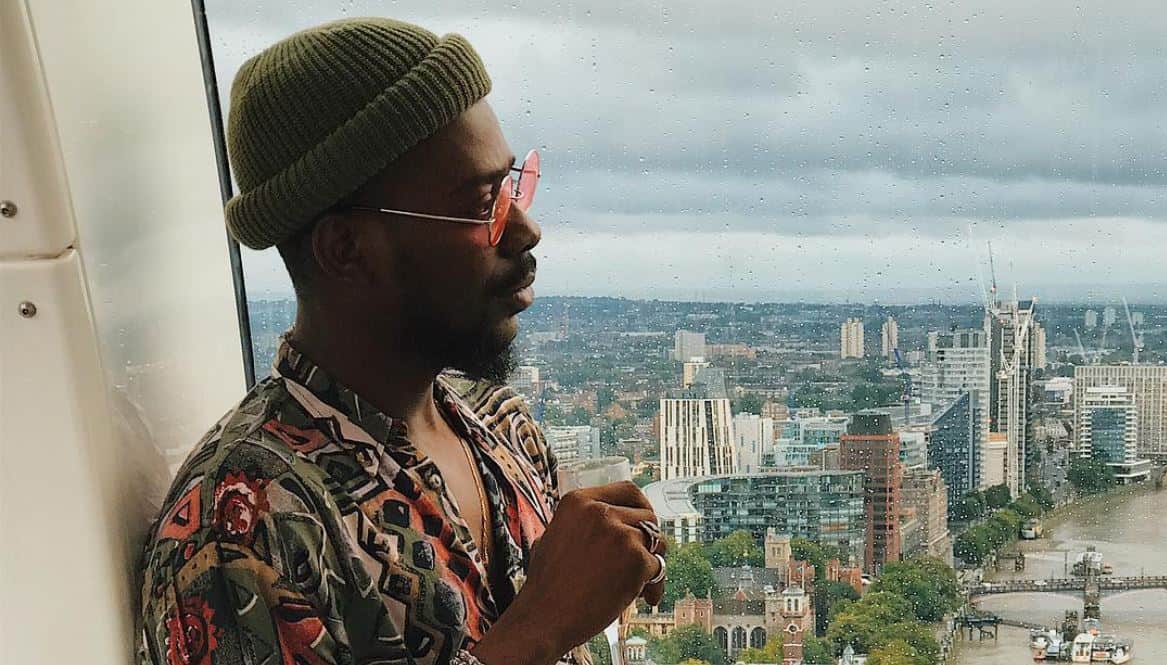
Terry Apala – Palongo Feat. Haruna Ishola

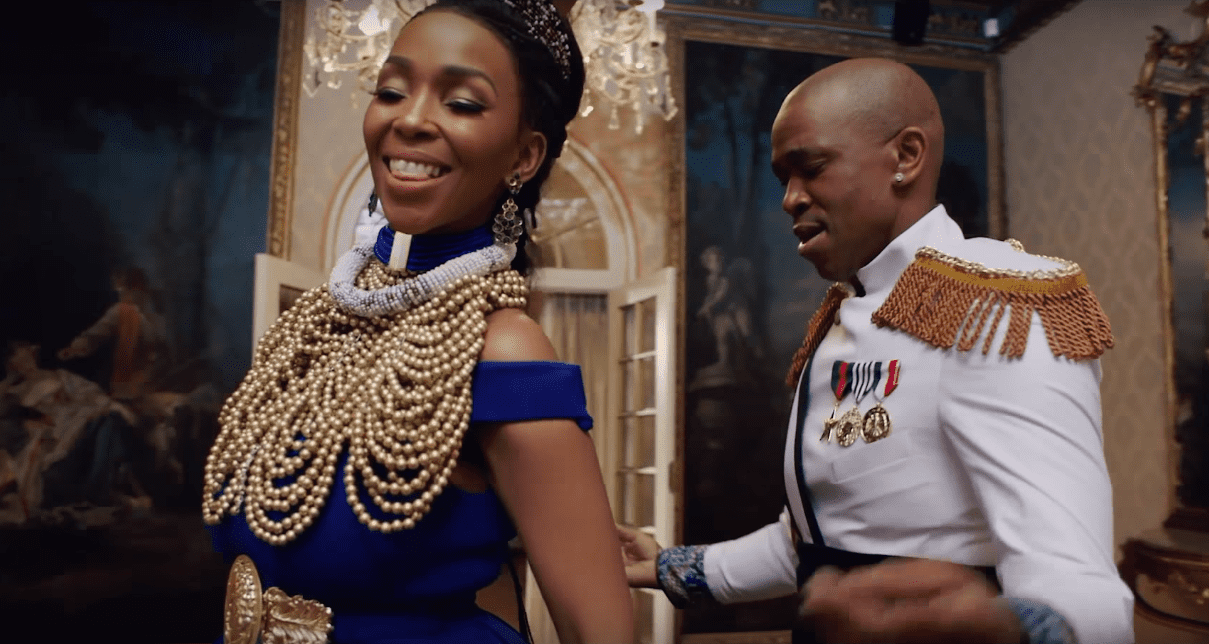
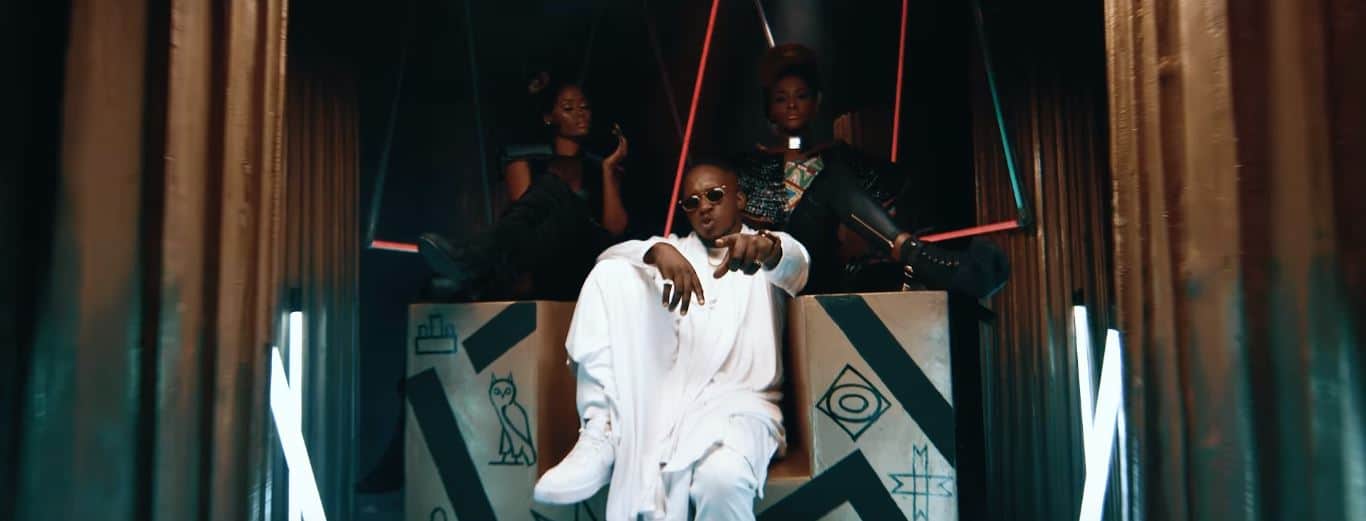
It’s always fascinating to see how the classic indigenous genres have survived in today’s heavily western-influenced era of pop music in Africa. Fela’s Afrobeat remains relevant through his immortalized legacy prompting his samples on contemporary songs from across the world. But for Apala music, Terry Apala’s fusion of trap with the traditional genre means Apala music will live on for at least another few years. His latest single, “Palongo” brings his cultural influences into the limelight with the feature of Haruna Wusiliu Ishola and a video referencing the dance tropes from his era. Duets bring out the best in most artists, but there’s something special about it when the collaboration is between a veteran and a newbie. Both share a chemistry on the song reminding everyone Apala is also one of good places to turn for good Nigerian music.

Joey  Bada$$ –  BBC Radio 1’s Piano Series

Released back in April, Joey Bada$$’s ALL-AMERIKKKAN BADA$$ peaked at No. 5 on the Billboard 200 and is Joey’s highest-charting project to date. The Brooklyn raised rapper’s critical and mass appeal has continued to grow exponentially since his debut with 1999 and for his feature on BBC Radio 1’s “Piano Series”, he paid tribute to New York’s rap icons; Jay Z and Nas. Backed by Dave who provides the piano-rendition of “Dead Presidents” off Jay Z’s Reasonable Doubt tape, Joey Bad$$ mashes-up his verse from “Amerikkkan Idol” with hook pulled from Nas’ “The World Is Yours”. The combination of the three highlights the vibrant hip-hop culture in New York as he continues in the conscious light of the greats before him speaking on social justice and the lack of it.

M.I – You Rappers Should Fix Up Your Lives

Say what you will about Mr Incredible’s “YRSFUYL”, but it got the attention he wanted. He might not be in the best position to criticize anyone for compromising lyrical content for commercial credibility but “You Rappers Need To Fix Up Your Lives” proves M.I still knows how to keep Hip-hop in popular conversation; even if he has to throw himself under the bus in the process. Rapping “I’m Doing This For The Culture” leaves room for the possibility of this parody premise yet it still inspired reactions from hip-hop heads in Nigeria. Vader, the most recent winner of the Hennessy Artistry among others (Dremo would rather you “Fix Up Your Bank Account”) have replied MI’s cry for attention. And in case you missed it, the recently released video directed by Clarence Peters emphasises MI’s pseudo-emeritus narrative with imageries of resurrection.

Migos – Culture Tour in Durban and Johannesburg

Drake’s verse on “Versace” may have put Migos on the map, but their debut album has seen the trio grow to become international sensations. The album’s world tour brought them to Nigeria late last year where they also shot the video for “Call Casting”. South African also got to experience the “Bad and Boujee” hit makers this month with the two-legged event in Durban and Johannesburg but while the show was highly anticipated by fans, the Ticket Dome in Johannesburg had delay hiccups. The Durban concert at the International Convention Centre, however, sold out and made up for it with performance by Nasty C and Riky Rick and other South African rappers.

Junior Boy – My Prayer

https://www.youtube.com/watch?v=pmzU5Ujgcp8

Since breaking big with his career-defining “Irapada 2.0” Junior Boy has gotten the type of acceptance that advanced him from curiosity to superstar. His latest single, “My Prayer” attempts to remind show everyone he’s not just another one hit wonder with his catchy and repetitive flow over the mid-tempo beat Phantom produces. Continuing with his fame seeking narrative, he is logging a follow-up to galvanize the listener base at retail. But while “Irapada 2.0” featured 9ice and had more chemistry and fun, “My Prayer” is more sincere and prayerful. The recently released video that Unlimited LA’s directs accentuates this through religious symbols and a all together serene ambience.

Marshmallow – Silence Feat. Khalid

After bringing the “Silence”, Marshmallow and Khalid get loud and bring light to the darkness in their music video. Khalid’s somber vocals are reflected through the several shots of despair that show the harsh realities suffered around the world; argumentative disputes, eviction letters, and confrontations with police. But the uplifting EDM harmonies shed some light to dark realities with the colorful visuals and aesthetically satisfying neon colors.

Featured Image Credits: YouTube/MI Abaga


You are meeting Debola at a strange time in his life. He wandered into a dream and lost his way back. Tweet at him @debola_abimbolu


ICYMI: Check out our roundup of videos from Nigerian pop culture this October

Not.Nilc turns to some good ol’ slut shaming on “Is You A Hoe”

The world is vastly different place than it was when majority black musical genres like hip-hop and R&B first rose from fringe genres to the mainstream. Back then, there was a lot of oppression and oppressive ideologies around race, gender and sexuality that were inadvertently woven into the narratives championed by these genres and then subsequently promoted into the mainstream. The change might have come, but it certainly missed singer Not.Nilc.

Few tropes have remained as pervasive as the backward expectations and stereotypes about female sexuality the majority male musicians in these genres spread through their music. Women were separated into two distinct categories; the good girl who was praised her for her humility and subservience to her man and her willingness to ‘hold him down’ even when he stayed largely irresponsible and sexually promiscuous. The other category was the ‘hoe’, a woman who embraced her sexuality and treated sex the same way the men who made and listened to this music did. The hoe was desired because she had no hang ups about sex, but she was also punished for daring to enjoy sex and actively pursue it.

Not.Nilc’s new single “Is You A Hoe?” is pretty literal, the entire song revolves around the singer’s musing about the sex life of his new lover, who he specifies he met in a club. He is ready to go serious but he needs to know if she’s had sex with people other than him, you know if she’s a hoe? He wants her to be demure and asks her friends if she’s a virgin, suggests that she’s looking at him ‘thirsty’ and then in the very next verse asking that she ‘show him’ if she really is interested in him. It feels as though perhaps Not.Nilc should be evaluating his own life and decisions instead of projecting on the subject of the song. It’s pretty sad that Not.Nilc chosen this lazy approach to songwriting because the production on “Is You A Hoe?” is pretty rad.

What a waste of a great instrumental.

Listen to “Is You A Hoe?” here .


Edwin eats his rice and cabbages. Tweet at him@edgothboy


Listen: Nova goes the lo-fi route with King Zamir for ‘Maddness’

Ayo Awosika’s “You’re The One” : An Ode to Nigeria

Gone are the days Africa and her culture were portrayed as destitute, and unethical to Africans in diaspora. Here to stay are the days of Africa and her culture getting the recognition, and representation they rightfully deserve in Western mainstream. With the rising popularity of western artists incorporating Afro-beats. it’s no secret that the music industry lent a hand, towards achieving the aforementioned goal. The result of the intercultural success has led to artists putting their creativity to test in search of new ways to bring to us the best of both worlds. And on this sonic level, Ayo Awosika’s “You are the one” was produced. But the lyric came to her on a more personal note.

The journey which started from The States to Nigeria back to The States, birthed the lyrics to ‘’You are the one”. In an interview with Essence, Ayo described the inspiration for the lyrics as “ A labour of Love”, born from an inner desire to satiate the hunger in her soul, the hunger for home.
For the multi talented artist, having the spotlight on her is nothing new. As she has worked with quite a number of impressive pop culture celebrities. Like Chris Martin (of Coldplay), The Chainsmokers, Seun Kuti. Has performed on The Today’s show, The Tonight’s Show, The Voice, and is currently a background singer for pop princess Miley Cyrus. Ayo may have a pretty impressive references but more notably is her remarkably good single

“You’re The One” opens with just the right combination of jazz and pop, to get our heads swaying before moving in for the kill. With her soulful vocals, giving off the aura of someone who isn’t afraid to experiment on sounds and sing it like she feels it. Ayo tells her story, but she could very well be telling the stories of millions of foreigners, with a desire to trace their way back to their ancestral homes. If they could. “I’ve been looking for you, a home I never knew, cos I never got to choose”.  she sings from experience, the total satisfaction that comes from satisfying this desire.  As she goes “You are the one I want, been waiting for this so long” .   Each one of her emotional explorations, perfectly expressed, by the instrumental flourishes and vocal shift.  And just when you think it doesn’t get any better, the chorus sang in Yoruba launches into a’ Afro-beat meets pop’ kind of organic feel. Underlain with the talking drums, serving us just the right amount of Nigerian culture. She ends this ode like a faithful lover, who’s finally found someone worthy of her attention. “I’m coming back to you”

True to her words, Ayo Awosika has started an organization “Naija Girl Tribe”. One she promises would be dedicated to the youth of Nigeria, particularly girls. with a vision to nurture and help them realize their life goals.

You should stream You’re The One” below


“Ifunanya is too queer to live, too rare to die” Tweet at her @Iphynaya


Fridays just got better with Omagz’ playlist “229 Friday”

Put into consideration the crazy number of artists that spring up each day in the music industry, throw in the fact that in this era of ever evolving popular culture, there are more accessible streaming sites for endless selection of new music, then you’ll realize it’s no surprise that a lot of singers and rappers easily get lost in the fold. But with the tactics of consistency and preemptiveness, some artists get to actualize their dreams of making it big and that exactly is what singer Omagz is doing.

After a series of collaborations and his 2016 EP Young Magazine racked up an impressive number of plays on SoundCloud. Omagz took a short hiatus, and returned this year with two singles “Óshó Free” featuring Genio Bambino and “What You Like“ featuring Wavy the Creator. Where he showed us, he had the prowess to get better and better. And as a reaffirmation to that testament,  Omagz is switching it up a bit by curating a playlist called “229 Friday” . Which he promises would be updated with new releases every Friday, just in time for the weekend. How sway.

To get you through the week, in anticipation for the next. “Motives” the first song on “229 Friday” has officially been released. Featuring Zamir, the track mimics the ocean, falling and rising and falling back into the chorus.  As the artist sings about heart desires “deep down I wanna be loved” . And the result of baring your soul to undeserving people “I never shoulda shown the real me” .  While holding out that his lover, or perhaps anyone would realize his worth.   As he confirms he knows exactly how to please in “I know what you like” .  Amidst the light piano harmonies playing over the drums with a backdrop flourish. So soothing you could almost close your eyes and get carried away in the sonic aesthetics of “Motives” .
Their youthful delivery, complete with relatable lyrics filled with sentiments.  Serve to remind us that great songwriting and youthful energy, are always in fashion.  And for Omagz we can truthfully say, it’s only up from here, no downward spiral.
Listen to “Motives” below


“Ifunanya is too queer to live and too rare to die” Tweet at her @Iphynaya


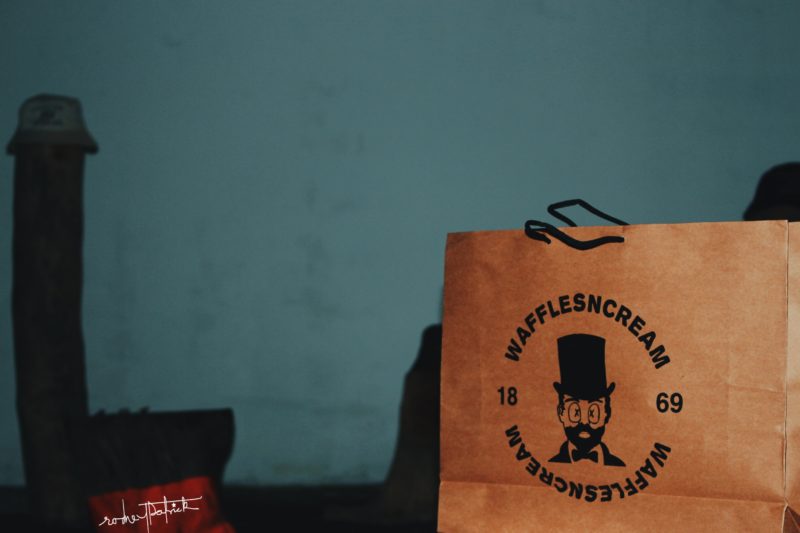
WafflesNCream partied with Surf Ghana in Elle Lokko and it was rad

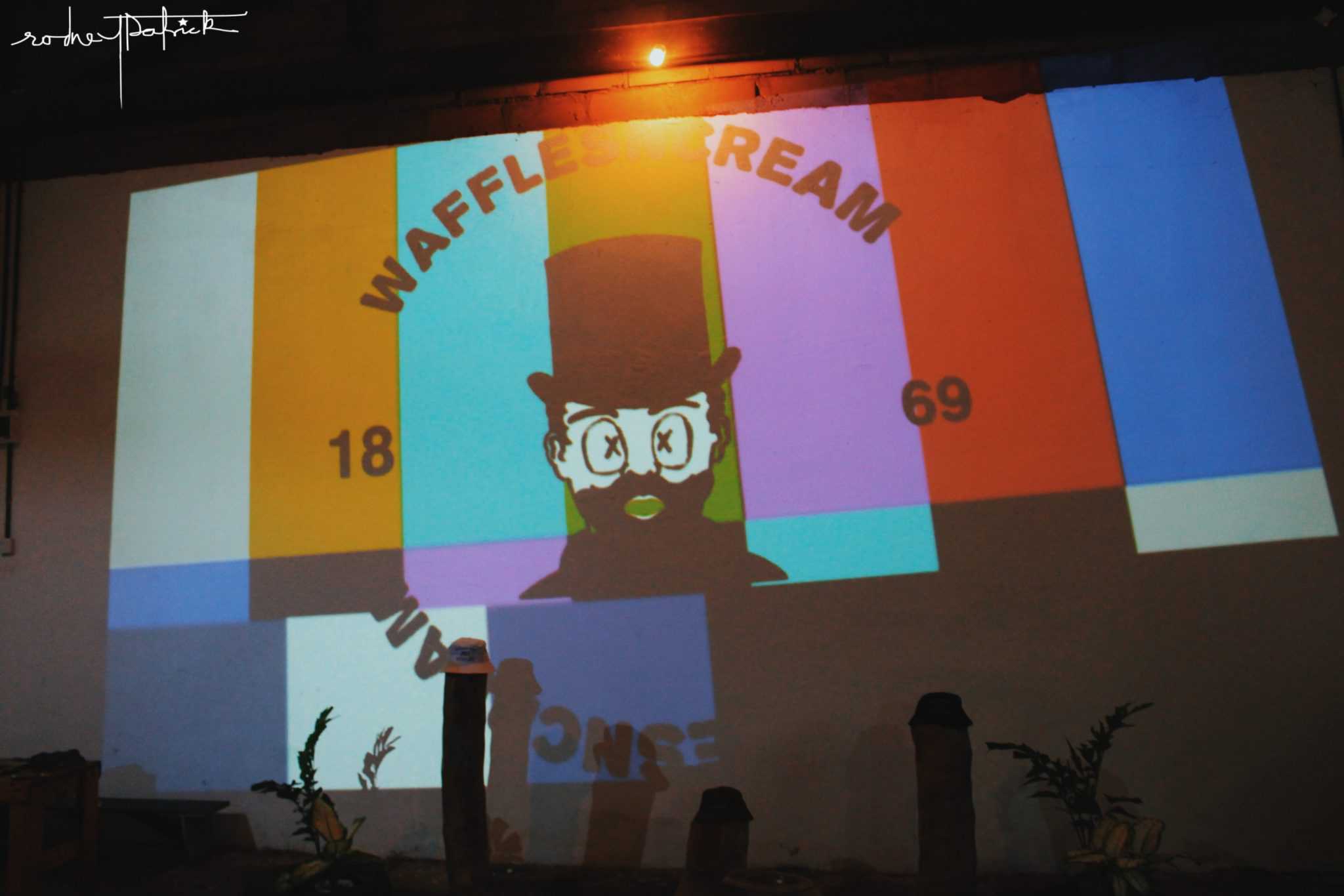
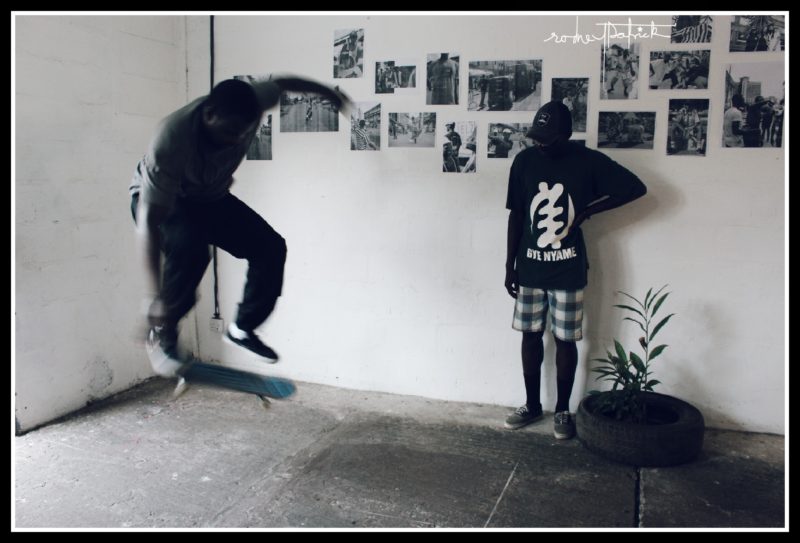
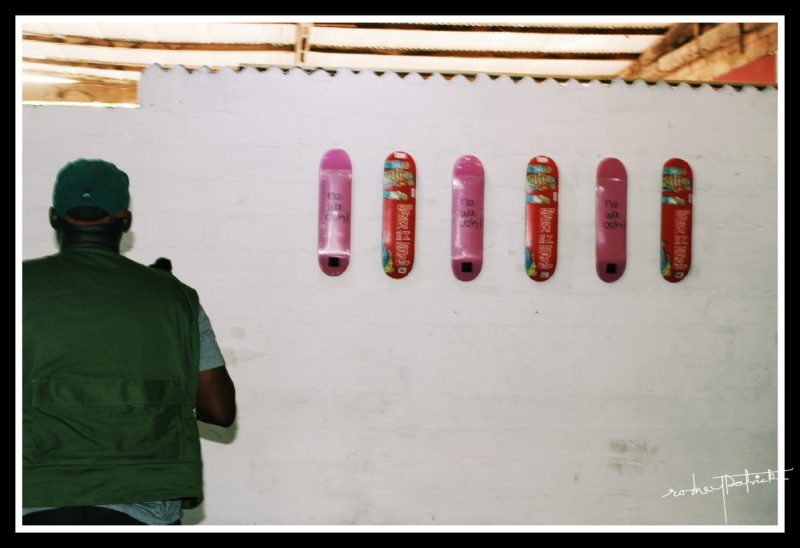
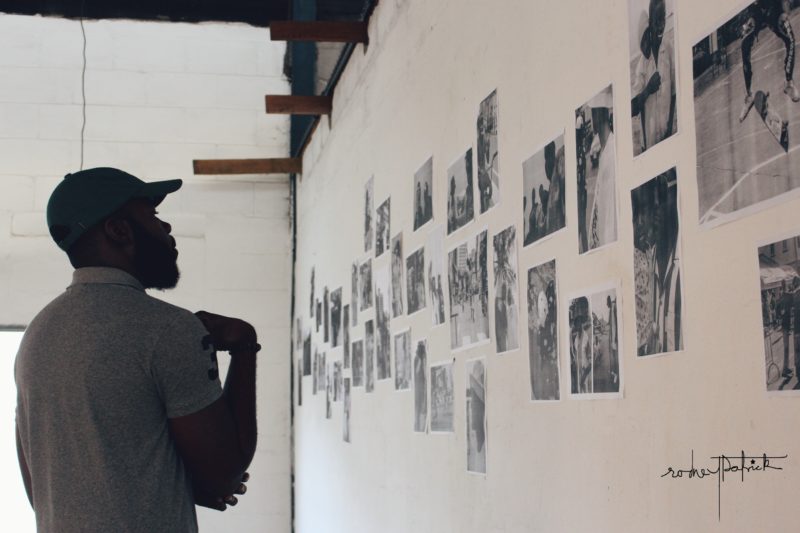
The passion they say runs deep like the ocean, it flows, and it grows. On the issue of travelling creatively as well as physically, WafflesNCream, the first skate and surf collective in Nigeria paid a visit to the Gold coast, to skate in the streets, sell some of their creatively crafted merchandise as well as make connections and network with other like minds like themselves, especially Surf Ghana their sister collective (Surf Ghana is also the first skating and surfing collective in Ghana).

There is an entrepreneurial wave sweeping through the world right now and Africa as no plans to be left out this time. A good number of shows of festivals that have been celebrated in the past few months are enough to let us know that Africa is expanding creatively from the inside out and soon there will be an outflow that will cover the streets and change the way outsiders look at Africa forever. Good examples are these collectives and creative groups springing up from the ground and developing exponentially to do great creatively crafted exploits.

What happens in Lokko stays in Lokko but I care to share a few, there were drinks, music, fun WafflesNCream skateboards and merch and loud chatter. It smelt like teen spirit and happiness pressed down and shaken together.


Processed with VSCO with h4 preset


ICYMI: Surf Ghana brought surf and skate to the Gold Coast

Adekunle Gold’s “Money” offers a neon-trimmed portal into his coming album

Considering the very healthy run of indigenous pop hits on radio so far in 2017, we’re willing to bet that Adekunle Gold’s chances of continuing the trend are very high. His debut with Gold saw him become a fan favorite with his close attention to home friendly themes. And thought his latest release, “Money” stays true to his native Juju sound, Pheelz—“Mr Producer”—add elements of European house harmonies; fusing the traditional with international.

https://www.instagram.com/p/Bag2tGDg0-j/?hl=en&taken-by=adekunlegold

Opening with drum and guitar riffs lifted from Robin Schultz remix of Mr Probz’s “Waves”, “Money” seemed destined for recycle bins where covers go to die. But The 79th Element, Adekunle Gold’s band quickly morph and expunge most of the foreign samples for more native driven guitar riffs. And while there are still traces of foreign elements in the beats that listen like they belong somewhere on a Major Lazer tape, Adekunle Gold’s spiritual narrative in a mixture of Yoruba and pidgin English emphasizes his indigenous aesthetic.

His prayerful lyrics—“Oluwa Visit Me, I Dey Wait Oh”—are reminiscent of his 2015 hit single, “Pick Up”. While it was popular in Nigeria, it wasn’t among the recent slew of hits that made rounds around the globe. The blend of international sounds on “Money” suggests that his coming album, About 30 may have a more global outlook. But we’ll have to wait and see.

You can stream “Money” below.

Featured Image Credits: Instagram/adekunlegold


You are meeting Debola at a strange time in his life. He wandered into a dream and lost his way back. Tweet at him @debola_abimbolu


Adekunle Gold’s video for “Call On Me” is everything you’ve come to expect from the artsy artist

2 Face may not have matched the excellent Face 2 Face but he’s still doing the legend thing anyway

Though 2 Face has been fairly active as an artist and a label owner since his 2004 solo debut with Face 2 Face, a follow up classic has failed to materialize. His pleasant enough releases have been obscured by his inability to separate his often scandalous lifestyle from his music with songs alluding to personal strife. The introspection on songs like “Implication” may have worked in hip-hop’s down-to-earth soundscape but for a party driven pop song, it listens like a clumsy hybrid.

Straddling the political and the personal into music is probably the most obvious hack to earn the seemingly prestigious tag as a conscious artist. But by ditching the sonic signifiers that made him popular in favour of something thicker and more complex, 2 Face diluted his charm and all the while raising the standard expected of him. And not to knock his ambition, but he never managed to execute well enough to reach his goals—stunts like marketing his Unstoppable album for international audience was a classic case of flying too close to the sun and getting burned.

After releasing a string of forgettable singles this year before finally scoring a sleeper-hit with “Gaga Shuffle”, the thought of 2 Face as a legend seems absurd. The freshness in his vocals and the honesty in his lyrics that helped him explode in 2004 has slowly fizzled enough to warrant a reappraisal. Especially when the pseudo-conscious lyrics on “For Instance” plays against the backdrop of his failed anti-government protest. His otherwise good intentioned artistry has been left in theatrical shambles and made it difficult to defend his legend.

Sure, he’s still big enough to crush a prime festival slot and perhaps even send an album to a big first week of public frenzy, but he’s not really pushing the dial on popular culture anymore. But rather than find comfort in this space, 2 Face is still trying—really hard if I may add—to leave a mark. For his latest singles, “Hold My Hand” and “Unconditional Love” he is relying on sentiments.

“Unconditional Love” is a heartwarming love song laced with bass guitar riffs and soaring piano harmonies for the mid-tempo single dedicated to mothers’ love. With lyrics like “Sweet Mama/ No One Compares To You, I Swear”, the touching ballad is sure to have fans and mothers swooning; it might even cause a few waterworks. And while his sentiment is charming enough, he keeps at it on his second release, a video for his UNHCR inspired “Hold My Hand” single.

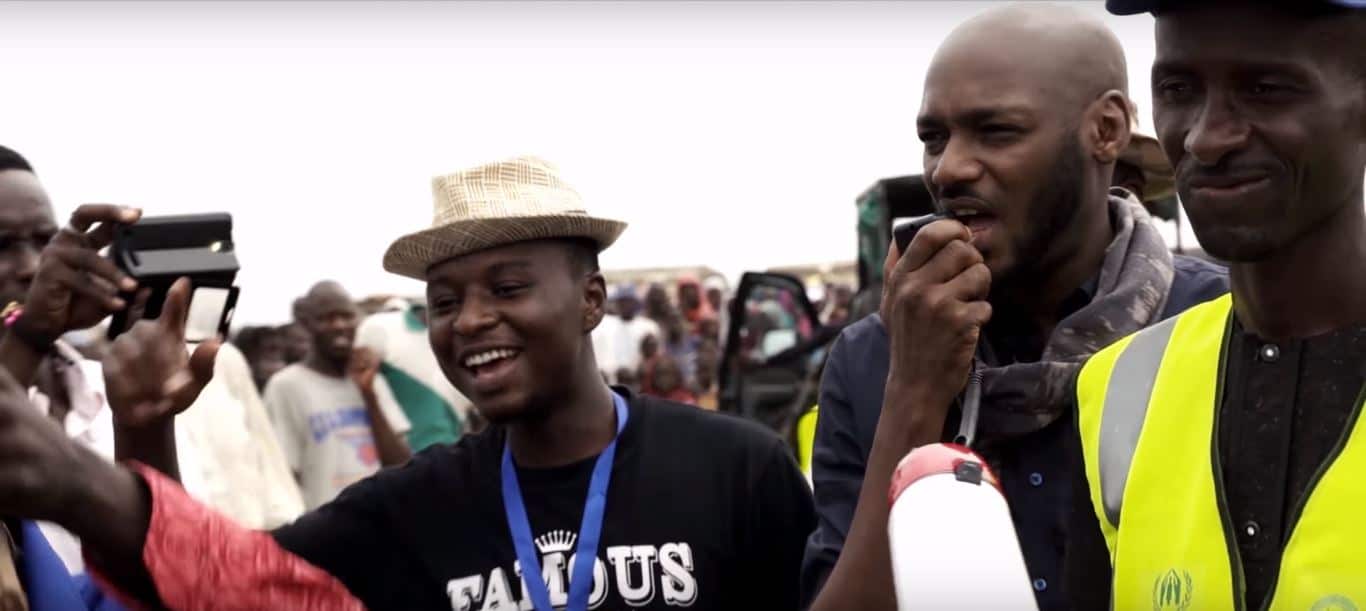
His compassion for the victims of the Boko-haram attacks in the North-East region of Nigeria is highlighted on the humanitarian song where he advocates for a unified Nigeria and solicits for a spirit of compadre. The video shows 2 Face’s appearance at the musical concert organised by the Nigerian Army at the Maimalari Cantonment in Maidugur. He is seen performing the song in front of adoring fans before going to the schools.

The video for “Hold My Hand” makes a grand statement similar to Michael Jackson’s “Heal The World” but the impact is light years apart. 2 Face is either playing preacher for the umpteenth time or he’s getting weary and pulling back from the edge of darkness by clinging to the concepts of home and family. 2 Face may never drop another classic again, but he’s back to wearing his heart on his sleeves and focusing on others for anyone who cares to look. After so many years in the industry, maybe that’s as good as it gets.

Watch the video for “Hold My Hand” below.

Featured Image Credits: YouTube/2BabaVEVO


You are meeting Debola at a strange time in his life. He wandered into a dream and lost his way back. Tweet at him @debola_abimbolu


ICYMI: Check out how 2 Face nearly removed himself from an industry he helped build

More Branches vs LFDW: Millennial entitlement is a very real problem

On Saturday, the 28th of October 2017, five of Africa’s biggest and most celebrated designers all showed on the same stage. Gert Johan Coetzee known for his eponymous couturier label , Amaka Osakwe whose label Maki Oh has become the standard for the Afrocentric New York fashion girl, Rich Mnisi the South African Wunderkind whose design challenge the boundaries of gender and sexuality, Tsemaye Binitie who recently completed a prestigious residency at the DC Fashion Institute and Christie Brown who has turned her label into the standard for Ghanaian fashion. In the front rows where Chioma Nnadi, fashion news  director at Vogue US, Mobolaji Dawodu, style editor at GQ, Irene Ojo Felix buyer for Oxosi.com and stylist at Models Dot, Reni Folawiyo creative director and Head Buyer at Alara, Bryan Ramkilawan, head of Fashion at Africa Fashion International, South Africa and even media folk from WIRED Japan and Essence USA. Bloggers from across the continent flew in to see the shows, and document. It was a genuine celebration of the best fashion talent in Nigeria and the continent, a long way from the first showcase in 2011.

The Lagos Fashion and Design Week is easily Nigeria’s most prestigious platform, built painstakingly over the last 7 years by Omoyemi Akerele and her team into an Pan-African authority on African fashion and a global mover in the world of fashion. Akerele has been named an international gatekeeper of fashion and for good reason. She has crushed glass ceilings, courted giant sponsors and created a globally respected brand. Of course, the Lagos Fashion and Design Week has its flaws and shortcomings, many of which several fashion bloggers and journalists have highlighted in the past, but it is important that ignorant presumptions and personal bias never take the place of fact based, context driven critique.

Ignorant presumptions were the scaffolding on which Cosmas Akhere of New Age magazine More Branches built his ‘takedown’ of the Lagos Fashion and Design Week franchise. In his article, which you can read here, he posits that the LFDW is ‘exclusionary’ and ‘elitist’, because the organization sells tickets to see the four day shows. He argues that LFDW doesn’t ‘care’ about youth interested in fashion and the young designers who want to enter the industry based on the argument that there is a fee to see the shows. He also suggests that Nigerian youth have been socialized to feen for western brands and that perhaps opening up the Lagos Fashion and Design Week to everyone will somehow correct this narrative and alludes that the longevity of the music of Ebenezer Obey and Fela Kuti is a direct consequence of them opening their music to the ‘youth’ of their time. These are strong presumptions to make, especially when they are not based by fact.

First of all, we must get rid of this idea that fashion is simply an art form and that we are entitled to a person’s art simply because it exists.

Fashion might be driven by creativity, but it is more than just a medium through which a person expresses themselves. Good fashion always satisfies the tripartite purpose of aesthetic, design and functionality. It must look good, it must tell a design story that draws inspiration from external elements and it must be functional enough that it can successfully integrate into some facet of a person’s life while causing minimal discomfort. Every designer and fashion lover eventually learns that good design exacts a steep price both on the creator and the consumer. The designer must invest time and effort into every piece they make and walk a tightrope of sourcing materials that are durable, aesthetically pleasing and affordable. The consumer must choose to invest limited resources in pieces that are durable and aesthetically pleasing. Fashion is functional art and a fashion consumer only becomes a fashion lover when they start to see clothes as an investment.

How ever you swing it, good fashion costs money.

Not everyone has access to money. In fact, very few people have access to the kind of money that one would need to build a good fashion label. This is why, like in art and music, good fashion is often underwritten by a third party. Artists have galleries and curators and residencies, musicians have record labels and distribution deals, designers have fashion conglomerates and showcase organizations. These organizations provide the capital required for a creative to work on their craft, perfect it and present it to an audience. They also handle the mass marketing of said art and in exchange a take cut of the proceeds of the commercialization of the artist’s intellectual property. The artists and their financiers often have to compromise on how their art will be showcased and/or marketed to an audience.

In Nigeria, we do not have the structures that would guarantee investors proper returns on creative investments (think piracy, corruption) and as such, creative industries remain largely underfunded. Most of our labels are run out of pocket by their owners and this limits their creativity, their reach and their access to the millennial generation of savvy youths to which their clothes appeal. It also keeps their price points high, since many of the benefits of industrial backing (mass production) are absent.

Third party showcase organizations like the Lagos Fashion and Design Week have become an important part of the Nigerian fashion ecosystem; they democratize the process of showing finished collections by providing a mutual pool of resources (models, equipment, stylists, accessories and access to press) which individual designers can tap into by showcasing with the organization for a preset fee. These resources best serve younger designers just breaking into the industry for whom the costs of organizing private showcases would be overwhelming and helps them piggyback off the press and attention celebrated Nigerian designers bring. But running a world class showcase is expensive, and while the LFDW routinely partners with multinational sponsors to defray some of the costs, the organization has to pay for some things out of pocket. This is where the showcase fees and ticket sales that Mr. Akhere cries Wolf about come handy. Ticket sales also serve a secondary purpose; all the venues the Lagos Fashion and Design Week has used for its showcases was designed to hold a certain capacity of people. After VIP ticketing and passes for press have been handed out (about 600 in all) ticketing is used as way to ensure that the spaces are not overwhelmed and damaged. And ultimately, if you cared about an artist’s work, why wouldn’t you want to support them financially? Isn’t that what we all preach to consumers of art?

There have been a few preliminary responses to the Akhere’s “Fuck LFDW” article, but this one in particular by Anthony Audiri, goes some way in correcting Akhere’s errors. But I chose to reference it as well, because Audiri makes an erroneous error of his own, and it is one that many millennial Nigerians secretly hold. This misconception that fashion showcase organizations, and the LFDW in particular do not ‘care’ about the young designers who showcase on their platforms. It is quite simply inaccurate, as anyone who follows Nigerian fashion will tell you.

Programmes designed specifically to provide financial support and access to mentorship opportunities and resources have always been an integral part of the Lagos Fashion and Design Week. A good number of the country’s celebrated young designers are alumni of the LFDW’s Fashion Focus incubator programme which partnered them with the British Council, provided scholarships to Instituto Maragoni in the United Kingdom and internships with eco-friendly New York label Edun and provided them free slots to showcase capsule collections at the showcase itself. The Fashion Focus programme has constantly evolved to better serve young designers, morphing from a month long intensive, to a year long incubator for the 2016 finalists who showed critically received collection’s last weekend. The LFDW also facilitated three consecutive teams of Fashion Focus finalists to exhibit at the prestigious International Fashion Showcase, one of the world’s most coveted fashion showcases. The LFDW has also facilitated for a slew of Nigerian designers, emerging and established, to showcase at several international tradeshows, the companion platform showcases where designers court  sponsors and sell their collections to international buyers, a huge deal if your brand is ever going to transition into the big leagues.

There are also Fashion Business Series held around the country and open to everyone with an interest in fashion and the LFDW’s garment manufacturing partnership with the Human Capital Development Centre for young people who want a way into the fashion industry but don’t want to work as designers, the Lagos Fashion Talks. We could go on and on.

It is important to reiterate that the Lagos Fashion and Design Week has it flaws. Information about their work could be presented in ways that are more accessible to young people without fashion connections, multiple venues could open the showcase to more people, a reevaluation of the current Western fashion calendar is long overdue and guiding designers to create more functional pieces for our cultural and literal climate is something that needs to happen. But it, and all the other mainstream organizations bridging the gap in our punishing socio-economic climate aren’t ‘bad’ simply because they are mainstream. The discussion has far more nuance than that.

And if we are going to contribute to the conversation, ‘New Age’ or not, we are going to have to do so armed with a comprehensive, fact backed understanding of the subject matter that we choose to tackle. Anything less is unconscionable.


Edwin eats his rice and cabbages. Tweet at him@edgothboy


AV Club: Daniel Obasi’s fashion film, ‘Embers of Bloom’ is a facile narrative about gender in Nigeria

There’s more to Falz’ new album “27” than meets the ear

Secrets, we all have them. That part of us we never want to unveil and so tread carefully when we finally do because we fear that these hidden parts of ourselves could deviate so much from the persona we have presented that it could open us to either ridicule or praise. Such is the case of Folarin Falana popularly known as Falz the bahd guy in his new album “27”.  At first it looked like the entertaining, if rather lightweight artist, was being his old comical self. With the way he served us mainstream culture, by pulling a Beyonce and emulating Adele’s style. But two songs into the album, one would realize it is an important record, with equally important messages.

The 17-track album, which contains some pre-released songs, the likes of “Something light” ft Ycee, “La Fete”, “Bahd, Baddo, Baddest” ft Olamide and Davido, touches on a whole lot of social problems.  While giving us traces of that light-hearted artist, who caught our attention in 2015 with his album “Stories that Touch”. And held it with “Chemistry” an EP with Simi. On 27,  he raises the issue of internet scamming in “Confirm”as he ridicules,  “no work but you wan chop” and challenges these scammers to rise up and do better, all the while, reminding them that success in life is a gradual process. He also goes in on internet bullies and braggarts, who leave threatening comments, perhaps forgetting they could end up in prison.

Amongst other notable tracks, the obvious touchstone that many have pointed out is “Child of the World”. A song which throws light on the struggles of single parenting, and victims of sexual abuse. Where he urges the said victims to not feed their integrity to the slum, by clinging to immoral life, as he sings “ don’t be a fool now, don’t go astray”. He goes further to persuade the people life has dealt a hard hand, to stop living in reckless abandon and do better. These messages coming from someone who for quite some time, has thrown around his jolly bahd guy facade In 27, Falz allowed us see if only but a glimpse, a socially woke artist with a vision to create awareness through satire with his platform.  But this album doesn’t transcend the common goal of commercial rap music, as it looked like he targets discotheques [the core demographic for Nigerian mainstream] featuring quite a number of acts like Maleek Berry, Sir Dauda, Burna Boy, Wande Coal, Terry Apala.

For an artist who has a couple of awards to his name, including BET’s “Best Internatonal Act” and City People’s Entertainment Award for “Album of the Year”.  It is rightly expected that Falz’ sonic and visual aesthetics blend in like a brilliant paint, on the rather colourful wall of  Nigerian culture.  And as we witnessed the lyrical progression on “27”, it is likely this artist has got a couple of tricks up his sleeves

Listen to 27 below


“Ifunanya is too queer to live and too rare to die” Tweet at her @Iphynaya


Watch Falz go french on new single “La Fete”

Mafikizolo is finally bridging that gap between SA and Nigerian Afropop

Very much like the American way of things to presume the world revolves around all things American, many Nigerians also falsely presume Afropop is primarily set around its Nigerian firebrands. In retrospect, years of domination of the continent’s sound by some of the most successful Nigerian musicians of their era (think: 2face, Dbanj and recently Davido and Wizkid) has probably played a huge role in skewering the narrative in this direction. But it would be a shame if music anthropologists talk popular African music without mentioning the divergent and equally relevant success of South African Afropop.

Looking through history, the works of Brenda Fassie, Hugh Masekela , Miriam Makeba and Lucky Dube among others, are testaments to the success and cultural impact of South African music. These days, to speak of the biggest acts in South Africa, conversations will have to circle around the likes of Nasty C, AKA, Casper N’yovest and Simphiwe Dana amongst others whose work have set them in the same running class as their superstar African counterparts.

Mafikizolo however is a step further. The group is not only one of Africa’s longest/surviving bands (20 years and going, as at their last release), they’ve also succeeded in recently organically crossing over into the continental market, most notably with 2013’s “Khona”, a tribute track to a late band mate.

“Khona” remains one of the biggest songs in the continent. The years since its release also earmarked the beginning of Nigerian collaborations with producer, Uhuru, who is still largely benefiting from Nigerian Afropop’s penchant for genre-blending. Perhaps seeing this as a potential opportunity for expansion, Mafikizolo has also dabbled into collaborations, working with May D “Happiness”, Davido “Tchelete” and most recently working with producer, MasterKraft on “Love Potion” the first single off their anticipated album 20, in honor of two decades in the game.

“O fana nawe” the second single off 20 has been released and this track also produced by MasterKraft and DJ Maphorisa features  “Mama Africa”  Yemi Alade. Interestingly,  Yemi Alade has also been on a  rather Pan African trail, with collaborations and alternate Swahili and French covers of her own tracks, so it makes sense that her latest appearance is on a Mafikizolo single and album. In  anticipation  for 20  Mafikizolo is no doubt bridging the gap between the divergent but cumulative successes of progressive African music.

Listen to “O fana nawe” below.


“Ifunanya is too queer to live and too rare to die” Tweet at her @Iphynaya


Yemi Alade takes us on a tangent

Essentials: Mars and Barzini debut strong with ‘In Spirit’

Months after releasing their vibrant Afropop single, “Colours” which has gotten over 100,000 plays on their SoundCloud, Mars and Barzini continue to drape themselves in Afropop’s most jolly threads. Their debut tape, In Spirit builds on their fun, polarizing, and oddly rewarding back and forth music style that switches between pop and rap over grubby basslines and hard drum loops.

https://www.instagram.com/p/BadfV_dl9gy/?taken-by=marseze

With their vocal combination and Afropop melodies, it’s easy to mistake Mars and Barzini for cheap P-Square reincarnates. But with their pseudo-satirical lyrics and progressive harmonies that Syn-X, Ricky Beatz, Black Lions and 8-8 Trel produce, they are uncloaked for the gems they undoubtedly are. Over the 8-tracked In Spirit debut tape—including pre-released “No Okada” track featuring DJ Pulz—they mash trap, soul, reggae, dancehall and Afropop flow for an electronic based sonic experiment.

Opening track, “More Songs” showcases their peculiar deftness with songwriting as they exchange boastful punchlines like a well rehearsed hand to hand combat between Jackie Chan and Jet Lee. But rather than attack each other, they rap like a tag team—“Mars, Look At These Children, On IG Slaying And Kinging”. Though the neo-soul beat with hard hitting base drops that 808 Trel produces is a pleasant enough listen, it’s Mars and Barzini’s humor that steals the show; “Roll Dope In The Maintime/ Oh Baby Follow Me Inside/ I Go Dey Your Body Like Skintight.”

Despite the Hip-hop influences heard in the rap flows swimming in and out of their Afropop melodies, Mars and Barzini are hardly what you’ll describe as hip-hop artists. But that didn’t stop them from debunking Hip-hop’s premature postmortem on the EP’s title track, “In Spirit”. However, the most Hip-hop track on the album doesn’t come till midpoint “Thank You” track which still had a lot of singing till Barzini sneaks in a few hard hitting bars over the base heavy beat Syn X produces.

While DJ Pluz assisted “No Okada” saw them deliver low-level hustler anecdotes with a broad grin etched across their face, the last track “Tactics” finds them giving a spiritual take on their come up; “Na God Dey Lift Me Higher”. Crediting a higher being for their success story, their humility transcends the talent. But after listening to some very contemporary themes including drugs and sex, they seem fixated on performing a bigger chorus and a quieter ballad on “Tactics” to show remorse.

You can stream Mars and Barzini’s In Spirit below.

Featured Image Credits: Instagram/marseze


You are meeting Debola at a strange time in his life. He wandered into a dream and lost his way back. Tweet at him @debola_abimbolu


ICYMI: Yung L’s ‘Better Late Than Never’ debut album is finally here

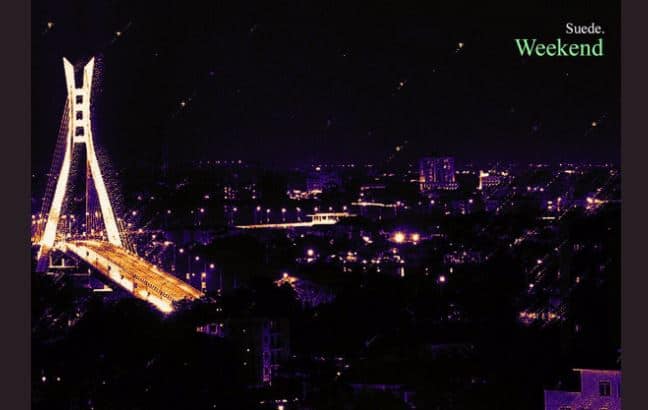
Suede’s “Weekend” has some good ideas for the weekend turn up

Even the most hardworking people recognize how important the weekend is for a healthy lifestyle; it’s the perfect time to kick back, reminisce on days passed and plan for the future. Though let’s face it, after spending so much time grinding for a paycheck, the only way to truely make up for the stress is to turn all the way up on work-free days. Countless songs have been written and dedicated to that two-day break when we’re free to do whatever the hell we want and Suede’s “Weekend” is the latest update to the jovial and carefree experience.

Bond produces a mid-tempo piano led beat that gives Suede’s “Weekend” an atmospheric ambience to mimic weekend’s laidback . The mellow tune though is catchy with repetitive melody, stays clear of upbeat harmonies. Plus with his pseudo-romantic narrative, we get the impression that Suede’s idea for a perfect weekend is to escape into a lover’s arms; “Girl I Want To Wake Up With You On A Saturday”.

However, not to be inconsiderate to single folks who can’t “Make Love All Weekend”, he has other suggests too; “Be Fucking High On A Weekend”. Regardless of the difference between the two, they’ll both help unwind from the stress of the week.

We know the weekend doesn’t start till you clock out on Friday, but there’s nothing wrong with keeping your eye on the price. You can indulge with Suede’s “Weekend” below to take your mind off that 9-to-5.

Featured Image Credits: Twitter/Suedeoff


You are meeting Debola at a strange time in his life. He wandered into a dream and lost his way back. Tweet at him @debola_abimbolu


ICYMI: Check out Suede’s African anthem, “Alkebulan”

Daramola’s reinvents Michael Jackson’s “Liberian Girl” into an Afropop ballad

Michael Jackson’s genius saw him dominate pop charts right from his debut in the Jackson Five and even years after his death. The king of pop has such an iconic discography that several of his releases have inspired covers from different genres around the world of music; R&B, Rock, Reggae, Jazz and even Afropop. But while P Square’s “Personally” music video paid tribute to Michael’s happy feet and penchant for mind blowing music video—suit costumes and his classic anti gravity lean—few Afropop artists have successfully recreated his falsetto. And that’s what Daramola is doing on his recently released “Liberian Girl” cover.

https://www.instagram.com/p/Baorc1bBiFV/?taken-by=itsdaramola

It goes without saying that it’s near impossible to replicate Michael Jackson’s vocals. Fortunately, Daramola doesn’t need to given his reputation for a similar falsetto on previous releases like cult favorite, “Lotto”. His performance goes beyond just a ripoff of the Bad classic as delivers a knock-you-off-your-feet cover that fuses the Remedies’ “Shakomo” (a classic in it’s own rights) with Quincy Jones’ produced beat as though they were always made for each other.

Daramola’s “Liberian Girl”, like the original showcases the infinite shades of longing Jackson can coax with each syllable. The Afropop makeover however builds on the desire by adding “ehh” to add more groove without stripping away the raw emotions.

Listen to Daramola’s “Liberian Girl” below.

Featured Image Credits: Instagram/itsdaramola


You are meeting Debola at a strange time in his life. He wandered into a dream and lost his way back. Tweet at him @debola_abimbolu


Watch Falz and YCee team up for “Something Light”

“Dante’s Awakening” continues PatricKxxLee’s Hip-hop evolution

Hip-hop greats have left in their wake such a startling aura of efforts that for many purist, it’s unimaginable for new acts to knock them. But rather than lay down and accept defeat, it has fueled this era of raw and rebellious rappers to look outside the genre for inspiration. As a result, hip-hop is evolving faster than ever with different mutations by artists incorporating punk, hardcore and emo. PatricKxxLee’s has used tracks like “Today Not Today” among others to channel some of his inherent lyrical nihilism through anime characters.

https://www.instagram.com/p/Bat9ZiNlJ6F/?hl=en&taken-by=patrickxxlee

Previous releases on his debut tape, Diary of An Arsonist already showed his penchant for metaphors alluding to his animated perspective of the world. His latest single, “Dante’s Awakening” finds him in a gruesome Devil May Cry-esque universe where his pseudo-violent narrative feel right at home. Over the haunting mid-tempo synth based beat, he describes how he’s “Killing Demons” and “Leaving Bodies In The Mud”.

His punk like purity and rawness allows him draw parallels between his moral dichotomy and Dante, the lead character in Devil May Cry. While Dante manages to balance both sides of his genes to become the most badass gunslinger and swordsman—being the product of an unholy romance between a powerful demon and an angel—PatricKxxLee apparently is still in struggle with his seemingly opposing sides; “I’m Fighting Demons/ You And I Are Quite Alike And I Don’t Like That”.

Listen to PatricKxxLee’s “Dante’s Awakening” below.

https://soundcloud.com/patrickxxlee/dantes-awakening

Featured Image Credits: Instagram/patrickxxlee


You are meeting Debola at a strange time in his life. He wandered into a dream and lost his way back. Tweet at him @debola_abimbolu


ICYMI: Rage with PatricKxxLee on his energetic single, “Run”

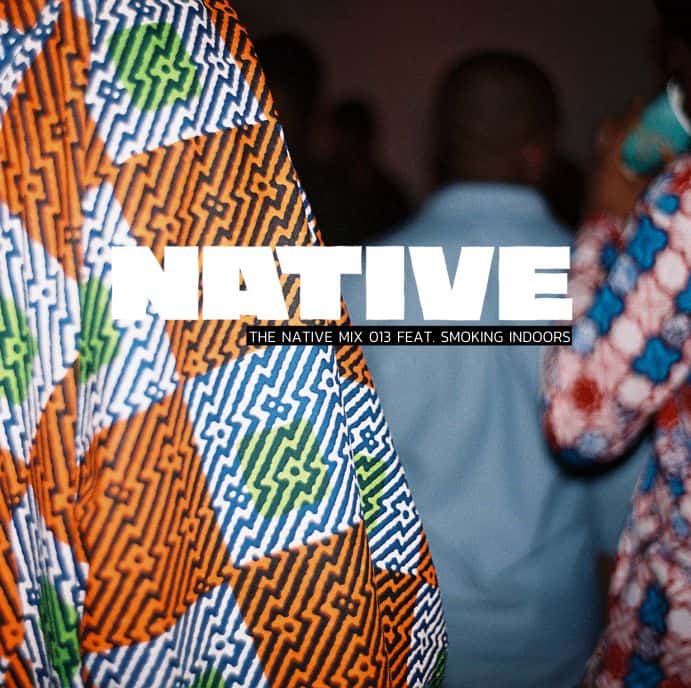
NATIVE MIX 013: Featuring Smoking Indoors

It’s officially the end of summer and the long nights are gone for another twelve calendar month. Playlists need to slow down for the ember months ahead as we prepare to jam out all holiday season to loud, energetic end-of-year music. AYLO opens this mix by Smoking Indoors, with supporting cuts from the A$AP Mob, Ria Boss, Goldlink and more.

Stream NATIVE 013 and see our tracklist below.

Gardens feat Tau Benah & Chris Generalz – Aylo
HeartBreak Kid – Kasien
Blowin Minds (Skateboard) – A$AP Mob
Carefree – Ria Boss
Own Up To Your Shit – PARTYNEXTDOOR
Timeless – A Boogie With The Hoodie
Antidote feat Ycee – Boj
Text Message – Vybz Kartel
Ice Cream feat Tomi Thomas – Lady Donli
Happy feat Ayo Jay – Boj
4×4 – Young T & Bugsey
Murder She Wrote – Tay-K
Paraga – K Sly
Closer Than Close – Rosie Gaines
On My Mind – Jorja Smith x Preditah
Crew (Richie Souf Version) – Goldlink
Hell Shell – Young Nudy
Live Up To My Name – Baka Not Nice
Right Now – Young Nnelg x Larry Racer
Ken Griffey – Focus The Truth
Sunny Delight – Bias
No Wok – Lucki

Revisit: The Native Mix 012 featuring DJ Wayne

The Shuffle: Hope, grind and remembering Bez’ “Super Sun” featuring Eldee, Ice Prince and Eva Alordiah

Like we are revisiting the works of Fela, King Sunny Ade and Haruna Ishola amongst other sound progenitors via their cultural impact today, the classics of our time have also been written. Some of those classics are from careers that enjoyed short-lived but widespread relevance like Remedies, Styl-Plus, Plantainshun-Boiz, others are from elite class artists like 2face, Omawumi, Asa and Bez, outliers who defined their reign with a distinct style and a sound that cuts across the times. “Super Sun”, the original track off Bez’ 2011 album of the same name, opens with what sounds like a rowdy school morning. Bez motivates, dreams and keeps a light-heart, with the airiness of a man who strongly believes in the promise of better days to come.

The remix however somewhat inverts things. Though Cobhams Asuquo initial production is sustained on the Eldee, Ice Prince and Eva Alordiah’s version, verses are given an additional bass lift o give a more hip-hop feel. On the first version of “Super Sun”, Bez proclaims that all one needs to imagine our wildest dreams is closed eyes and a little imagination. Eldee who opens the remix, brings a contrast instead, offering a glimpse at the bleakness of the music grind, the sleepless nights and the long wait to reaping sowed seeds. Ice Prince’s contribution is a bit of bleep on this remix, thankfully Eva Alordiah gives a pitch-perfect sing-song closing rap verse, bearing the same weary optimism Eldee began with, in a manner similar to the style heard on No Name’s 2016 mixtape, Telefone. For Eva who delivers the most potent verse, the problem with success is not just ‘doing it’, it’s wanting more. As she puts it aptly “I see stars/ but the sun is what I’d rather be”

Because there is a new rapper on the block every other day, the uncertainty of the hip-hop game, even for the most successful, is almost tied with its hustle. In Nigeria, the odds are even further stacked against rappers, who have to struggle for airplay because their sound is not as viable for the mainstream as the generic Jollof sound. It’s not a surprise therefore that having three rappers on a presumably uplifting track about reaching for excellence, can quickly turn the number into a mid-tempo reflection of hope amidst unfulfilled potential and the never-ending music grind. Albeit unintended, “Super Sun” remix, reminds us that contentment is not necessarily accepting where you are, it’s appreciating that position but charging forward anyway, especially if your dreams supersede your current reality.

Stream “Super Sun” remix via SoundCloud below


Toye is the Team lead at Native Nigeria. Tweet at him @ToyeSokunbi


Revisit: The Shuffle: “Trouble Sleep Yanga Wake Am” was Fela at his most succinct

All the things to look forward to at Smirnoff’s nationwide X1 Tour

Alcohol’s lightweight feels easily takes credit for directly inspiring the majority of songs—particularly in Afropop’s nimble territories. So it only makes sense that Smirnoff, one of the biggest liquor franchise has tried to merge their brand with the music industry in Nigeria. Their investment in music through organized shows that allow music fans experience music is one of the few instances of truth in advertising. And earlier today, they called a press conference to announce a nationwide tour that promises to bring your favorite artists to venue near you.

https://www.instagram.com/p/BarWumIhohB/?hl=en&taken-by=djspinall

The X1 Tour is expected to help generate publicity for two of the latest flavors of their drink; the Smirnoff X1 extra smooth vodka and the Smirnoff X1 intense chocolate flavoured vodka. To ensure that the experience is as fun as it is advertised, artists such as M.I, Wande Coal, Niniola, Illbliss, Yung L, Timaya, Zoro and more are expected to turn up for the tour that will touch on 7 different states.

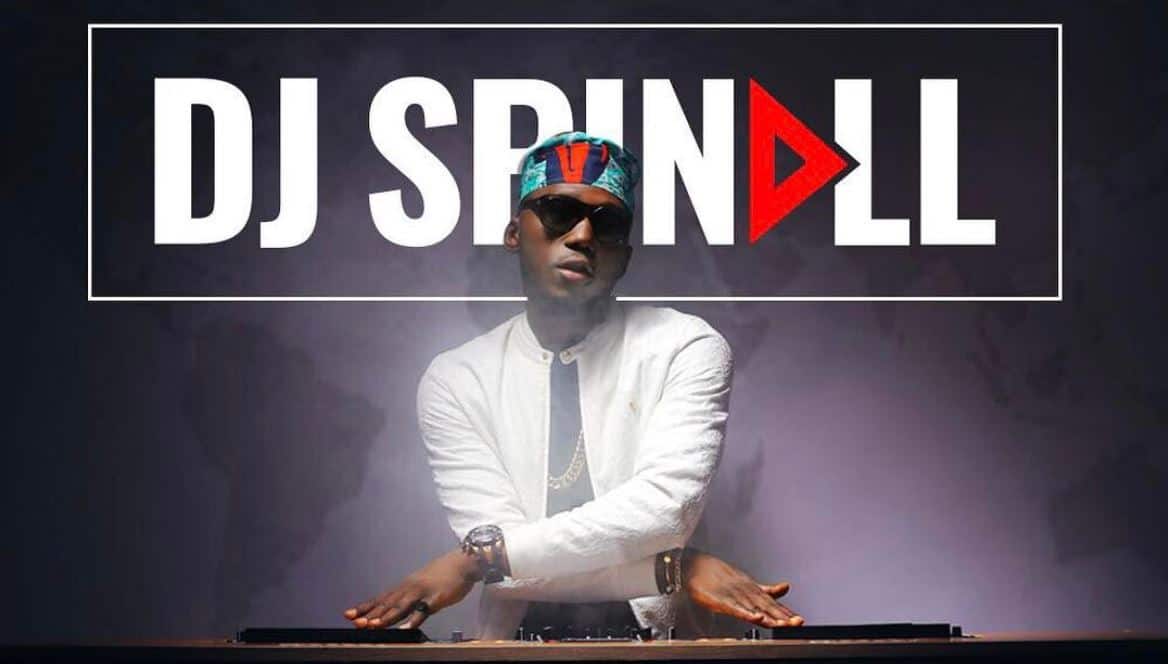
Brand ambassador, DJ Spinall will be the official DJ at all shows including his recently released Dreams album’s launch party—essentially making 8 shows where the music can be experienced along with the buzz of a DJ Spinall’s favorite vodka.

Check out the lineup below.

28th October 2017: Owerri

26th November 2017: Lagos

22nd December 2017: Abuja

26th January 2018: Benin

16th February 2018: Port Harcourt

9th March 2018: Jos

13th April 2018: Ibadan

12th May 2018: Lagos

Featured Image Credits: Instagram/djspinall


You are meeting Debola at a strange time in his life. He wandered into a dream and lost his way back. Tweet at him @debola_abimbolu


Watch DJ Spinall’s video for “Olowo” featuring Davido and Wande Coal

#HLFDW2017: 6 designers we’re excited for at this year’s Lagos Fashion and Design Week

Holy shit! It’s fashion week!

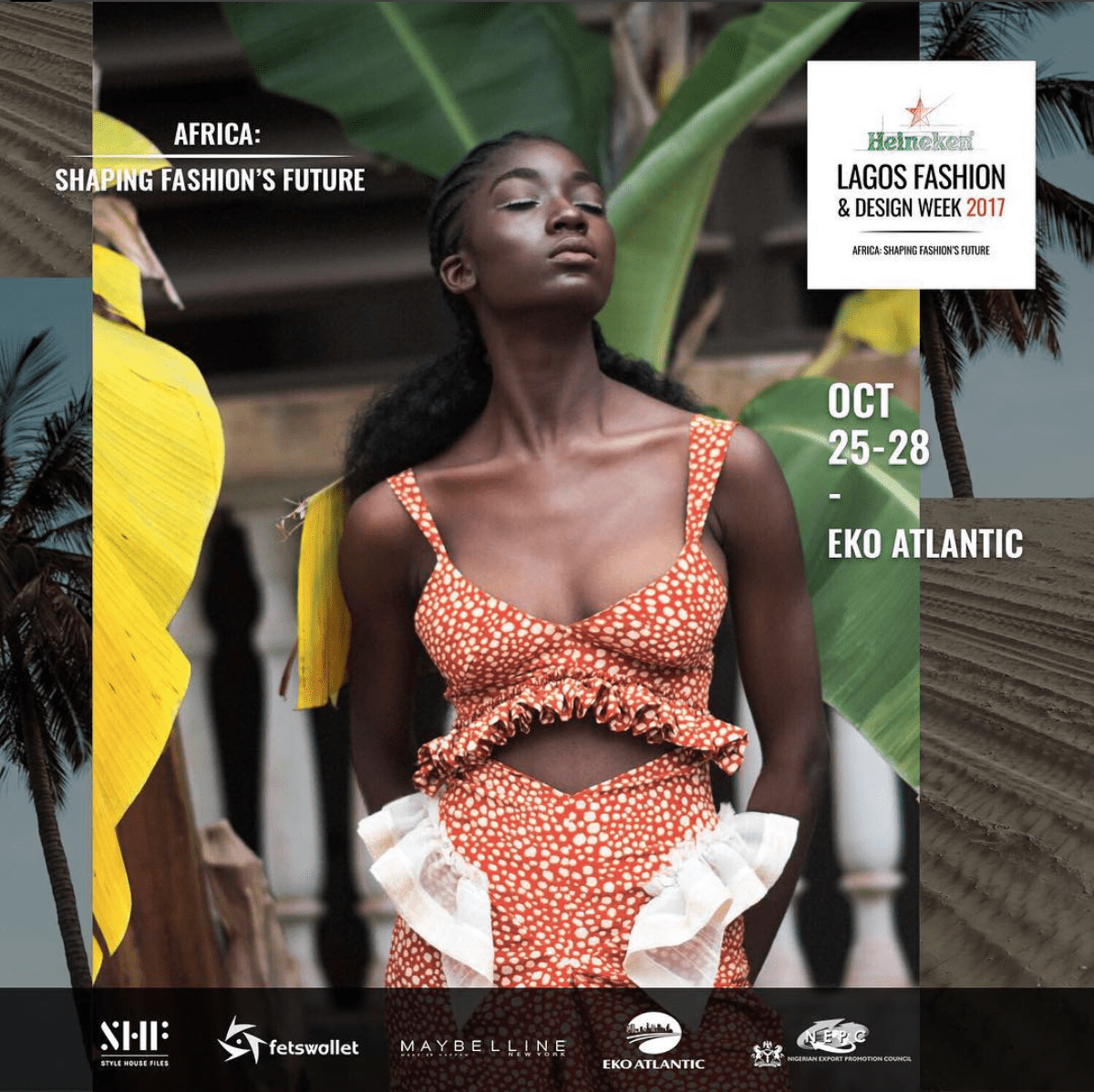
The Lagos Fashion and Design Week is the very pinnacle of the Nigerian fashion calendar, drawing designers of Nigerian/African descent from all around the world who come to showcase their newest ideas brought to life on the Lagos Fashion and Design Week Runway. The showcase has also served as a springboard for its own crop of homegrown designers, models, stylists, journalists and photographers who have grown to become internationally celebrated for their groundbreaking work. Now in it’s seventh year, the Lagos Fashion and Design Week is moving house to the Eko Atlantic and promising the best show in years. We are particularly excited about the designers showing this year and have compiled a list of our designers you absolutely have to see this year.

CHRISTIE BROWN GH

Ghanaian design label Christie Brown is finally making its Lagos debut at this year’s Lagos Fashion and Design Week. The brand is known for its attention to detail, its cosmopolitan clothing that celebrates a meeting of African heritage and world class tailoring and its stylish accessories. From what we’ve seen at the Glitz Africa Fashion Week, for this collection Christie Brown has brought on Ghanaian powerhouse talent Papa Oppong. Oppong is master illustrator and a creative genius in his own right, and a collaboration between these two brands is bound to be something to behold. This will be a show you have to see in person.

TITI BELO

Titi Belo rose through the ranks, participating in the 2014 Lagos Fashion and Design Week Fashion Focus Incubator programme where she won a scholarship to study at the Instituto Maragoni in the UK. Since then Titi Belo has honed her talents and built a brand that actual every Nigerian women love and wear. She has focused  her energies on creating clothing for contemporary Nigerian woman and takes inspiration from contemporary Nigerian pop culture. Her collection this season is inspired by her time at Queens College Lagos, and by the secondary school experience in general, and we are intrigued to see how she translates the very specfic style of the 2000’s into contemporary 2017 looks.

GERT JOHAN COETZEE

Another internationally renowned designer making their Lagos Fashion and Design Week debut is South Africa couturier and design behemoth Gert Johan Coetzee. The very apex of design in Africa, Gert Johan Coetzee’s designs have been worn by Hollywood royalty, South Africa’s elite and Nigeria’s biggest socialites. Coming to Nigeria is a strategic decision for him, considering he just finished showing at the South Africa Fashion Week. What better plan to dominate Africa than show on the continent’s two biggest fashion platforms back to back.

CLAN (DEOLA SAGOE)

Since Deola Sagoe focused on her bridal line, Komole by Deola Sagoe, her hip, ready to wear diffusion line run by her daughter Teni Sagoe was put on the back burner for a bit. But now that the Deola Sagoe bridal and bespoke line is firmly established, the designer is turning her attention back to Clan, and making a splash by returning to the Lagos Fashion and Design Week stage. It will be interesting to see just how much of Teni’s influence will play out when Nigeria’s favorite tween high fashion brand makes a play to take back its throne from the other diffusion line by the offspring of a celebrated Nigerian designer.

BRIDGET AWOSIKA

It is always, always, a delight to see Bridget Awosika on any runway. With her attention to detail, her unique and often whimsical approach to design inspiration and her excellent silhouettes, Bridget Awosika has become the label for the woman who wants pieces that will remain evergreen. A firm staple in Tiwa Savage’s dress repertoire, Awosika’s collections are always the standard for subtle but excellent storytelling and we are eager to see where her whimsy takes her this season.

MAKI OH.

Where Bridget Awosika is subtle, Maki Oh is jubilant. Amaka Osakwe never makes a collection that doesn’t take you by the hand and guide you through a whirlwind of emotions as it tells back to you, some intricate but often ignored aspect of living as a contemporary Nigerian woman in a culture that is simultaneously progressive and restrictive. She will be bringing home her Spring 18 collection (which she sort of already debuted in New York) and introducing it again, to us, in person. And anyone who has seen a Maki Oh show in person knows absolutely nothing substitutes for the seeing the real thing up close.

Fashion Week starts today, the 25th of October 2017. If you haven’t gotten your tickets to see the shows yet, here’s how you do it.

You can register for LFDW 2017 daytime events here

You can buy tickets for the runway shows here 


Edwin eats his rice and cabbages. Tweet at him@edgothboy

AV Club: Daniel Obasi’s fashion film, ‘Embers of Bloom’ is a facile narrative about gender in Nigeria

The A.N.A.I Foundation is providing much needed support for Nigerian artists

One of the interesting things we found out while speaking to Aminat Agoro is that while Nigeria consumes what amounts to millions of dollars in ceramics, and has extensive clay deposits, all the ceramics we use in Nigeria is imported. All of it. This is one of the reasons why Peju Alatise, an award-winning contemporary artist created the Alter Native Artists Initiative (A.N.A.I), a non-profit foundation for the visual arts in Nigeria. Aminat Agoro is the arts programme manager at  A.N.A.I. and we got her to answer a few questions about the project and what it means for young Nigerian artists before it launches on the 4th of November 2017.


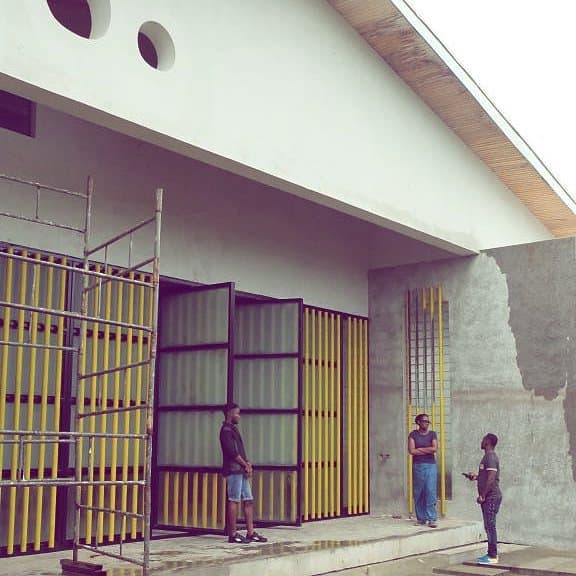
One of the things she told us was that A.N.A.I. has a physical space, that will house a ceramics studio – the first of its kind in Nigeria, a purpose built residency – another first of this magnitude – that will facilitate training of Nigerian emerging and established artists. The project also plans to manage a cultural exchange programme where artists from Nigeria can meet, learn from and collaborate with international artists and vice versa.

In addition, it will build capacity of women in its immediate community – where it is located – through training in creative practices to create goods and reduce the barrier to entry into the craft market.


Here’s everything else we talked about:

One of the reasons the Alter Native Artists Initiative (A.N.A.I.) really intrigues here at The Native, is your pedigree as an artist and the pedigree of the artists that young creatives who choose to join the initiative will have access to. Was this a deliberate move on your part?

Yes. The very idea of what drives ANAI is to alter the current state of what is native to the Nigerian artist. This is where our name comes from, a play on the word alternative. What is native to the Nigerian artist currently is a standard that is in dire need of raising. Formal arts education in the country is decent. But it is not world class. ANAI seeks to fill existing gaps by bringing the very best of experts in the world across different mediums to train emerging artists and get them accustomed to global best practices.

A big argument used to discredit some young artists trying to make their own space in our often restrictive art community is that the digital mediums they choose to express themselves in are somehow ‘less’ . Is this a concern A.N.A.I is taking into consideration?

We do not think one medium is inferior to the other. We are rather more concerned about the mind of the artist exploring any given medium: what story are they trying to tell, how far outside the box will they push themselves; is their work relevant to, engaging of their immediate communities? These are the things thay matter.

The ceramics studio really intrigues us, especially because of Nigeria’s long history with ceramics and greats like Ladi Kwali. How will this work?

One of our principal objectives is to revive and develop the art of ceramics to a level compatible with international health and quality standards. To this end we have a purpose built ceramics studio that is equipped for professional ceramics practice, with equipment such as kilns, various throwing wheels, slab roller etc. We will also grant access to the ceramic studio to interested artists for hire.

There are a few residencies in Nigeria, but none that really prioritizes the work of emerging artists quite like A.N.A.I. It’s a huge statement. Why now?

Why not now? Clearly the need is there and it is urgent. This residency is the fruit of a years-long dream by founder, Peju Alatise who by virtue of her work has travelled the world and has seen what obtains in other climes. There’s a global mentoring and grooming chain for artists to experiment, grow and thrive and that’s how you keep an industry alive. This is missing in Nigeria. To answer your question simply, for anyone who cares about keeping the Nigerian art industry alive, this is necessary. It had to be done.

Are there any young artists on the A.N.A.I roster already, or artists that the collective is interested in bringing in?

Emerging artists will be taken on through applications through a specific residency for same. Our programme will focus on supporting emerging practice and will enable emerging and mid-career artists in Nigeria an opportunity to produce new work, on a major public platform.  The residency takes the form of free studio provision and aim to relieve an artist from pressure for a period during which they can focus on their practice and progress within their chosen field.

Exhibitions, any planned now or in the near future?

We’ll be announcing our programme for 2018 in a few months. Till then…


Edwin eats his rice and cabbages. Tweet at him@edgothboy


AV Club: Lola Shoneyin dishes on Ake, literature and everything else on Culture Diaries

Omawumi could have done better with her performance at the World Food Prize Event

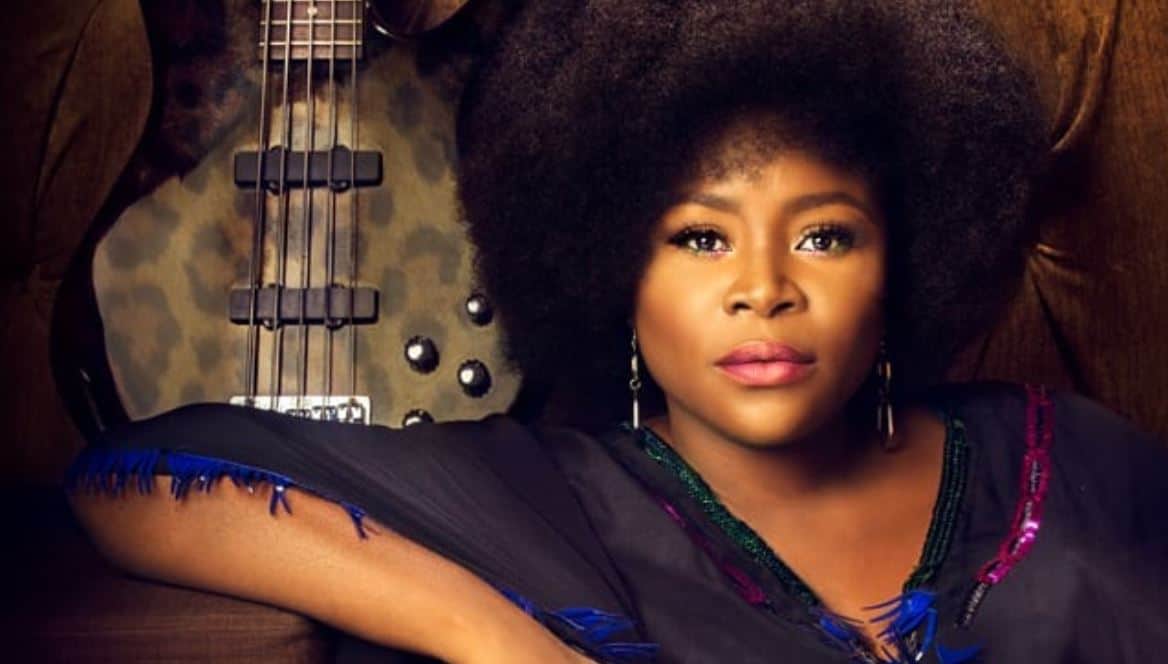
Omawumi has been making music long enough to know that opinions on any artist’s output tends to ebb and flow. From her brilliant start and the warm reception for her vocals as a contestant on Idols West Africa to her songwriting’s appraisal in critical communities, terms such as “underrated” have been as overused as “genius” to describe her. Given her dime in a dozen aptitude with stage performance in Nigerian soundscape, the high praises were more than justified and have seen her grow to elite status, seemingly invincible to negative press.

https://www.instagram.com/p/Balx__eDB9X/?hl=en&taken-by=omawonder

But after years of building a fanbase with dozens and dozens of perfectly crafted songs, her performance at World Food Price in Iowa, America left a lot to be desired. The annual event, aimed at eradicating global hunger featured delegates and representatives from around the world. Omawumi was one of the acts invited by the African Development Bank (AfDB)’s, Akinwumi Adesina, the honourary of the night for the World Food Prize (the food industry’s equivalence of a Nobel Prize).

Because Omawumi has proven herself a decent vocalist in the past and she isn’t one to develop stage fright particularly in a hall that small, we could chalk her occasional fleet between keys as one of those off-nights that every artist inevitable experiences. The cringe, however, comes when Omawumi switches from a powerful entry with her own ballad, “The African Way”, to Salif Keita’s “Africa”, beaming all smiles in what easily turned into the most predictable ‘African’ performance ever. All due respect is given to the legacy and works of Malian Legend Salif Keita, but to discuss contemporary African music, one must analyse the music within the socio-political context of the times. Thus is could be said that the identity for popular African music artists from Salif Keita’s generation curated and created for the continent is largely a reflection of their era. Is it so hard to fathom then, that popular African music would have made more advancements nearly twenty-one years after Salif Keita recorded that song?

Omawumi is no stranger to Afrocentric themes; she’s constantly using her music to celebrate her culture. But never has it felt this watered down and deliberate—almost as though she considered it far more important to be remembered as the ‘Nigerian singer’ from far-away ‘Africa’, instead of simply being the amazing singer who caused all the bougee white people seated to lose their breaths. Even more frustrating is that before Omawumi’s set, a trio of women from Ibadan already opened the night with an authentic non-pretentious tribute to the man of the night, Mr Femi Adesina. Why then, did Omawu

mi deem it fit to brandish the African flag again with so much brazen insubstantiality on her own set?

Interestingly, much of the reaction from the internet to the video has been positive, particularly from Rubbin’ Minds Host Ebuka Uchendu who captioned a clip from the performance with well-meaning words to the singer. No doubt his intentions are pure, but he also falls victim to the same cultural hype machine that celebrates achievements and efforts over actual transcendental value. Omawumi’s slight work over the years has produced a fair number of deftly written classics, there is actually no excuse for not bringing her A-game with a more inventive setlist, or this average performance that could have been mistaken for a ‘UNICEF for Africa’ fundraiser theme song.

Watch the full video below.

Featured Image Credits: Instagram/Omawonder


You are meeting Debola at a strange time in his life. He wandered into a dream and lost his way back. Tweet at him @debola_abimbolu


Watch Omawumi “I No Sure” off her new album

Watch Shaydee and Wizkid in new video for “Make Sense”

Lately, Afropop artists have taken a minimalist approach to music making and given rise to an era of smooth sounding Afropop songs. These easy listening dance-friendly songs essentially mean summer songs play all year round in Nigeria. And if Shaydee’s recently released “Make Sense” single featuring Wizkid didn’t already establish that through the Spax produced mid-tempo number, the video certainly does.

https://www.instagram.com/p/BamajgkA87E/?hl=en&taken-by=shaydeeboi

In most climates, the bright and sunny Director Q directed video will be a few months too late for the party. But Nigeria’s bipolar—dry and rainy—season calendar leaves a leeway to continue the song’s romantic and joyful themes. “Make Sense” heralds an escape to the excitement of new love and the warmth of hanging out by the beach.

The easy atmosphere of the single carries right over into the video set at pool party. Fader quoted Shaydee describing the video as; “A Birthday Do That Turned Into A Music Video” and this too is reflected in the video’s fun and simplistic outlook. Wizkid joins Shaydee at his birthday pool party to perform his verse, groove along the Spax produced baseline and look cool in his Luious Vittion shades.

Watch the summer tinged video for “Make Sense” below, hinged on the everlasting warmth of Nigerian summer vibe.

Featured Image Credits: YouTube/506MusicNG


You are meeting Debola at a strange time in his life. He wandered into a dream and lost his way back. Tweet at him @debola_abimbolu


ICYMI: Check out Shaydee’s Make Sense” single here