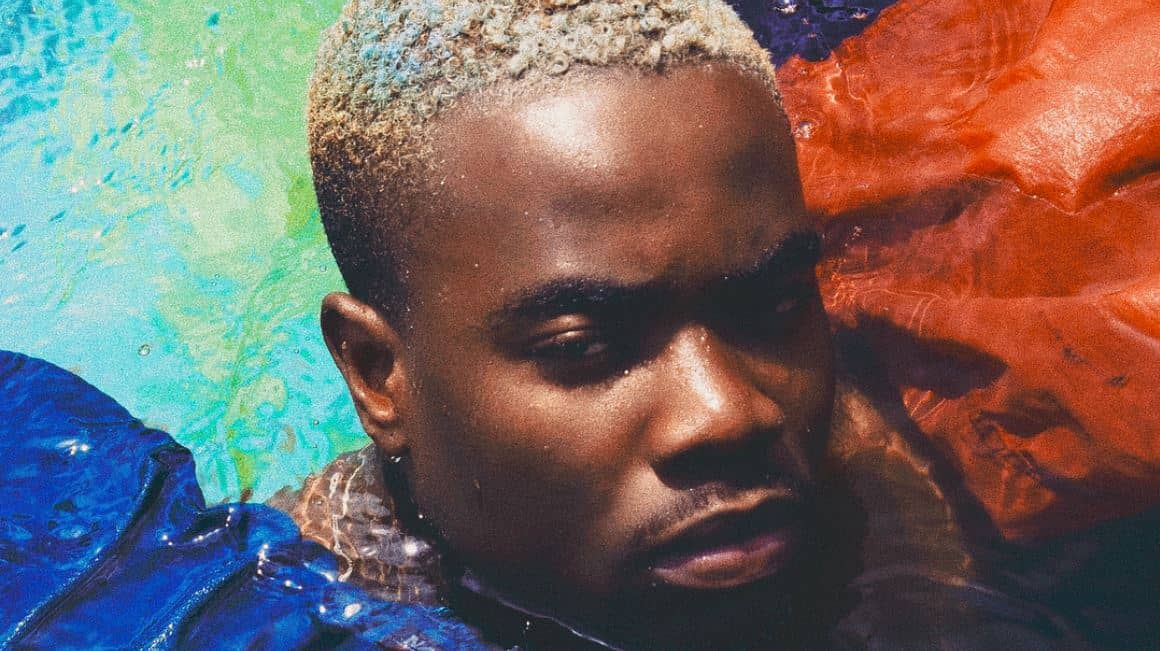
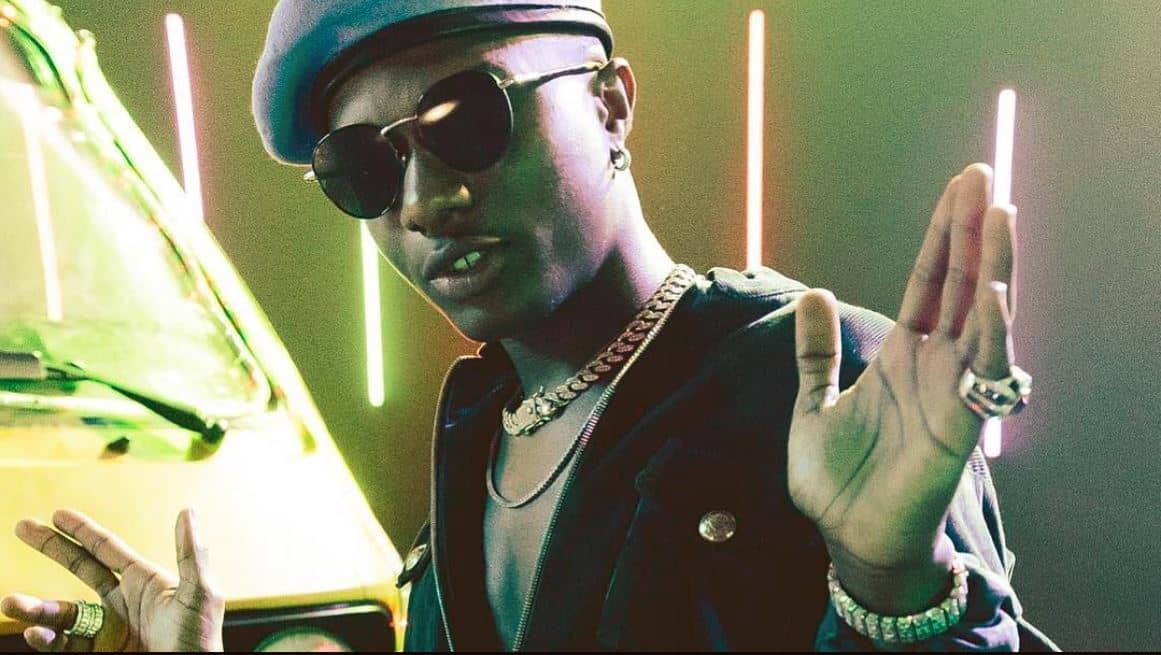
Because it’s easy to appreciate things when you realize it could be worse, ‘started from the bottom’ stories are usually the best. For Darkovibes’ latest single, “Bangers”, he narrates his climb to success with energetic, a full-throttle flow that lifts his inspirational tale to eloquent heights.
Over the pacy synth-driven beat NOVA produces, Darkovibes brags about his acclaim, but the point is to highlight the rough patches on his path to success; “We Dey Pop Champagne Like Still Thirsty”. Even though like all ‘started from the bottom’ stories, he takes all the responsibility for his come-up—“Everything I Know, I Learnt With No Help”—he has the presence of mind to shout out his dad. His honesty at the risk of discrediting his hustle, however, makes his story more wholesome.
Listen to Darkovibes’ “Bangers” below.
Featured Image Credits: Instagram/darkovibes
You are meeting Debola at a strange time in his life. He wandered into a dream and lost his way back. Tweet at him@debola_abimbolu
Anyone who knows how to dance the ‘Shaku Shaku’ will tell you it’s just the Step over soccer move with some extra finesse to it. But if it’s a coincidence the dance got popular just months before the World Cup, no one can say for sure. Conspiracy theory or not, you can look forward to some interesting celebrations from the super eagles team when they score at the world cup starting in a few weeks. If nothing else, Naira Marley’s latest single, “Issa Goal”, featuring Olamide and Lil Kesh all but guarantees it.
Using a catchy line by line writing technique similar to hits like Jabless “Jooor” and Eldee’s “Wash”, “Issa Goal” is cheerful dancehall song celebrating the football session while also highlighting Nigeria’s vibrant festive culture. The layered backup vocal harmony adds a nice pseudo-spiritual touch to the verses from all three artists who juxtapose sentiments from scoring in football to everyday accomplishments; “So What If It’s A Penalty; It’s A Goal”.
The video for “Issa Goal” was premiered on Fader’s YouTube as the ‘official-unofficial anthem for Nigeria’s soccer team’. Featuring shots of the artists performing their verses, dancers doing the Shaku shaku, jubilation at football viewing centers, panned shots of Lagos scenery and lots of national jersey merchs, it’s certainly what the director, Crackstevens was going for.
Watch the video for Naira Marley’s “Issa Goal” featuring Olamide and Lil Kesh here.
Featured Image Credits: YouTube/The Fader
You are meeting Debola at a strange time in his life. He wandered into a dream and lost his way back. Tweet at him@debola_abimbolu
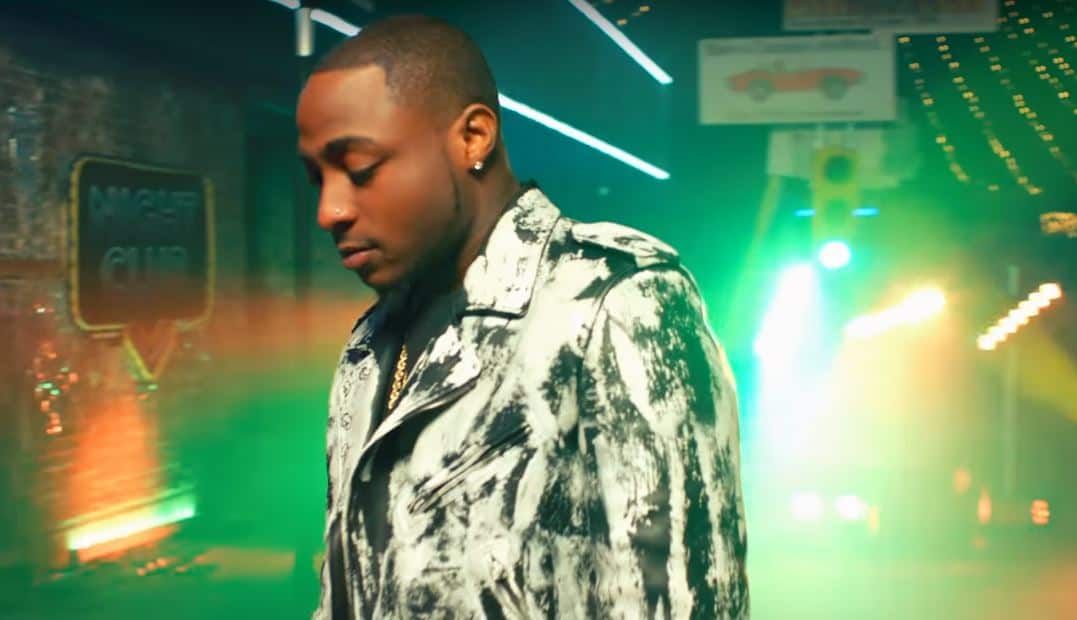
When you really think about it, love is pretty logical; a series of predefined behaviours and attitudes of empathy and affection towards people we feel attracted to. Davido’s latest single, “Assurance” predetermines this fact as the underlining to a truly prosperous relationship.
It’s almost unlike the OBO to have a muse at the centre of his music, but “Assurance” is no doubt dedicated to his current paramour, Chioma, whose birthday turn-up was splashed across Davido’s SnapChat last night. With the OBO in love and summer underway, one wonders what other mushy themes may surface in Davido’s music in the coming weeks.
Analogical Thinking: A method of problem solving where we use information [or transfer knowledge] from one source to solve problems in another. it derives a conclusion from one’s experience in one or more similar situation.
Fundamental Fixedness: The human a tendency to see objects as only working in a particular way, seen as a type of cognitive bias
First Principle thinking: The first basis from which a thing is known. [Elon Musk further explains it as “[When] you boil things down to the most fundamental truths and then reason up from there”]
In maths class, it is demanded that you show your workings. This is so that the person is sure that you assimilated and can reproduce the matter you were taught when the teacher is not there to explain it.
The trouble though, at least with the schools I went to, is that no one was willing to answer the fundamental foundation questions like ‘how did these solutions come to be’, or ‘what were the constraints at the time these solutions were discovered and what has changed since then?’ were not part of the syllabus, so what we needed to do was practice this solution with different forms of the same questions until we could answer all of the forms.
This is what fundamental fixedness is. but sometimes, the questions are asked in exams in ways that we’re not familiar with or haven’t practised them in. A clever kid would rewrite the question in the way that they understood and then answer in the way that they have been taught. This is an example of a combination of fundamental fixedness and analytical thinking.
A person who can solve problems in their field of study, or life, would be referred to as an expert. The flaw in expert’s state of mind is that they have done this thing in the same way for so long that they now just know what to do, they don’t necessarily understand the foundation of their work. So if they were to come to a hurdle the person they outsourced their thinking to had not (or they were asked a question about the foundation they did not look deep into), they get stuck and can’t answer as they would if they had come to the solution themselves.
This is very common because every solution is limited by the restrictions set by the solver, these restrictions are subject to their environment, what information was available to them at the time and their minds. A sweet example is Adam Smith’s assumption that humans are rational, it because the foundation of many economic theories (no one asked how he came to this conclusion), economists only began to question it after the 2008 financial crash and they realised humans are not as rational as they originally thought (in 2008, the global market was growing, population was higher compared to Adam Smith’s time and banking had advanced).
If thought foundations are as fickle as the before mentioned, why do we, who have come after those solutions, take them as is and allow ourselves be restricted by the individuals mind? This is why we must come to our own conclusions, question the foundation of every solution. The questioning is referred to as the first principle thinking.
Instead of doing what you feel you just do what other people think you should do
Kanye West has been on a twitter spiral about thinking for yourself lately, so it is only right that I use his tweets to back up my point. I don’t agree with everything Kanye has tweeted, ideologically and from a political standpoint, but philosophically, he makes good points. Kanye invites us to think for ourselves. His tweets remind us that the mere fact that we can question everything means that we should. That simply because something is how everyone else has said it ought to be, does not mean we should take it as so. We don’t have to agree with anything he says, but we have to understand why we disagree, and this is why first principle thinking should be added to everyone’s mental model.
It is easy to say but difficult to implement, especially in these times when the mere thought of questioning a common conception could scare you because there are a million people (who have borrowed their own ideals) waiting to eat you up for even thinking the idea could be wrong. But we have to remind ourselves that most of the thoughts are borrowed ideologies. That most people, although they seem well versed have most probably only improved upon someone else’s ideologies and there are core beliefs that may later be discovered to be false by someone questioning. But why wait for someone (who will defiantly have their own biases) to discover the cognitive errors in foundations when we can do it ourselves?
What we’d need to do to discover the answers to our questions, or know the questions to ask at least, is go back to basics, try to understand your definitions and where those definitions have come from, we need to compare our realities with those of the people who found these ideologies so that we may better understand them (and even discover ourselves in the process), we need to see if you can break the assumptions further down and come to your own conclusion.
The thing is you may end up with a similar, or the same solutions as the people who you have outsourced your thinking to in the past. But the difference is that you’d understand the core of our beliefs when all of society’s expectations of you, all the terms and definitions, all the intellectual discourse is taken away. You will be confident in the foundation of your beliefs.
Growing up with hits like P Square’s “Forever” and other Afropop songs with American pop samples, lots of artists in 2018 have developed the habit of writing songs, adapting lines and melodies from the wealth of pop music culture. YEYO’s latest single, like most of the songs in 2018, references familiar songs to make his romantic single more endearing.
The single titled “Show Me” has a mid-tempo beat Geek produces with a synth piano baseline, rattling samples and a bouncy drum pattern that makes the instrumental catchy. YEYO sings a passionate ode for his love interest, confessing his feelings; “I Like It, I Really Really Like It”. If that line sounds familiar, it’s cause P Square used it on “Forever”. But it was probably inspired by Mase’s “I Really Like It”, which sampled Harlem World’s similarly titled track. YEYO’s heartfelt vocals may be responsible for the romantic feelings “Show Me” inspires, but it’s the familiar harmonies that makes it most charming, shouting out Burna Boy’s “Chillin Chillin” single from last year.
Listen to YEYO’s “Show Me” below.
Featured Image Credits: Instagram/yeyo_pbg
You are meeting Debola at a strange time in his life. He wandered into a dream and lost his way back. Tweet at him@debola_abimbolu
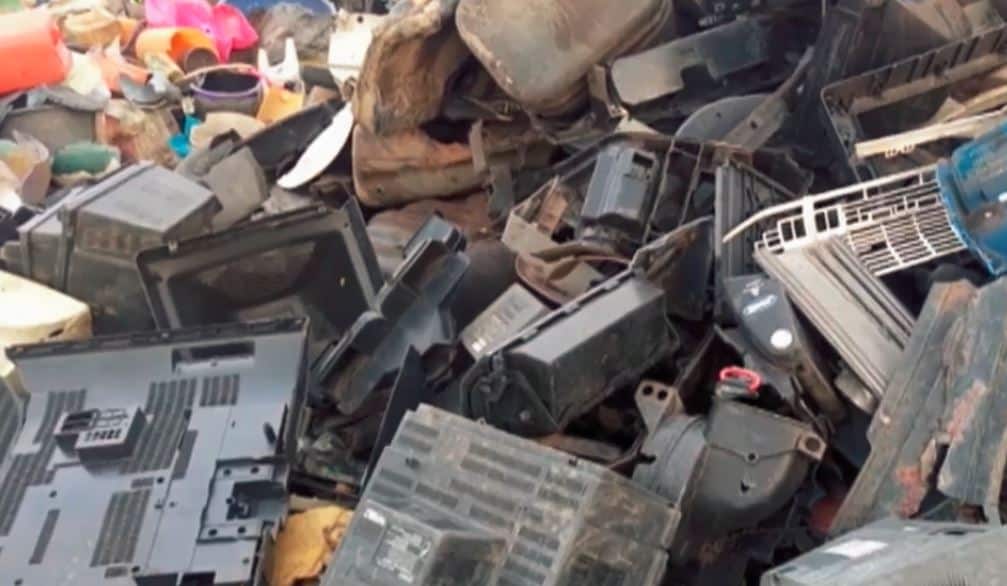
The market for secondhand electronic materials in Nigeria is thriving. These materials, either working or not, are encouraged as imports from other countries with designated dumping ports around the country (mostly Lagos), where people dig through these items, break them apart and strip them for valuable metals like gold, silver, palladium and others. This process, according to a report by Aljazeera, is known as ‘Urban Mining‘. However, the trouble with Urban Mining is not only that it compounds and adds to the national waste problem, the toxins released from the process also leads to environmental degradation and human rights violations: the toxins released during, and the heavy metals left behind after the process, release toxic waste that ends up polluting the air, soil, and water, and could potentially kill people living nearby.
Since the import of these electronics became illegal in 2002, the importers and foreign exporters have devised creative ways to bring them in. According to a report conducted by United Nations University, over 70% of the e-waste imported between 2015 and 2016 came from Europe. The items were smuggled through the containers of used cars sent into the country by taking up all spare space left after the cars have been uploaded. According to the study, around 19 percent of the electronics were not functional, which is an indication that the exporters were aware that these were waste materials and have purposely sent their toxic waste into Nigeria. The remaining were brought in shipping containers which were declared in official paperwork to be personal/household goods.
The report also indicated that many of the electronics discarded contain hazardous materials that like most e-waste, are highly flammable and contain materials like mercury, lead, cadmium that could expose the importers, the handlers and the people who live around the environment to health risks. Not to mention the soil and water pollution that could harm the country at large through the cultivated crops and could potentially affect the sea life.
Sure, Nigeria needs stricter laws and better law enforcement policies, but the countries these exports are coming from also need to regulate what happens with their waste too. If they’re not dumped in Nigeria, its going to be some other developing country, or an undeserving desert somewhere. Lets hope international policies get catch up to this problem soon.
Featured Image Credits: Web/aljazeera
“Tomiwa is figuring it out…” Tweet at her @fauxxbella
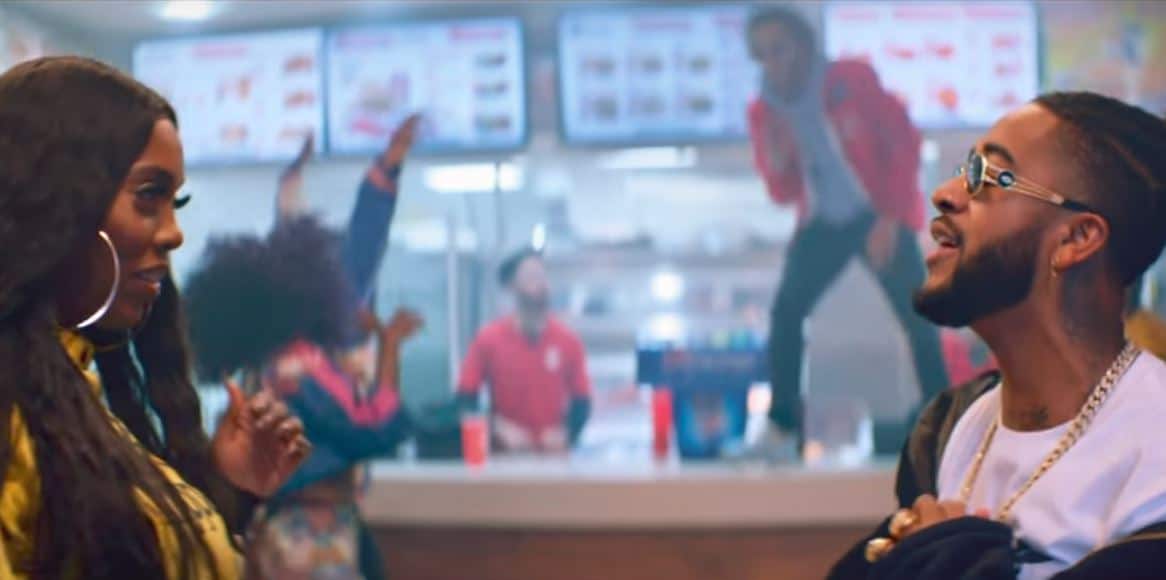
After releasing the video for “Get It Now”, one of the more sultry tracks from her last project, ‘Sugarcane‘, Tiwa Savage went on to record a remix featuring vocals from Omarion. His charming take on the radiant, dance-floor-ready track adds a bit more drama to the romantic song, plus recently released video is equally thrilling.
Meji Alabi directs the video for the remix of “Get it Now” with a cheerful theme, set in a fast food place. Tiwa and Omarion exchange suggestive looks though they both have their partners seated across from them. Though they stick with their dates, the connection is palpable, leaving viewers wondering which of them will eventually make the first move; “Time Is Running Out”. But the real allure of the video lies in its adequate representation of the youthful lifestyle, showing friends laughing, gossiping, dancing and ultimately disturbing the peace of the fast food place.
Watch the video for Tiwa Savage’s “Get It Now” remix featuring Omario below.
Featured Image Credits: YouTube/Tiwa Savage
You are meeting Debola at a strange time in his life. He wandered into a dream and lost his way back. Tweet at him@debola_abimbolu
Kiss Daniel is having a tip-top time collaborating with other artists; shouts to Venus for contracts and all the loopholes that conveniently come with them. For “Baba”, his latest collaboration with DJ Spinall, Kiss Daniel settles into his crowd-pleasing high-life comfort zone.
“Baba” resonates with every Nigerian party goer who just wants to have a good time with a healthy account balance. This braggart turn for Kiss Daniel is almost unusual for a singer whose themes usually borders on larger society narratives, but Kiss Daniel uses “Baba” to touch on some of the more intriguing parts of his career: his featureless reign, his growing critical acclaim and most of all, his undaunting ability to make really good Afropop.
With many Nigerian DJ’s trailblazing the hottest songs right now, DJ Spinall continues to prove that he is one of the best at the game; enlisting Killertunes again to follow up his hit track “Nowo” with Wizkid, paid off heavy.
After making a sort of cameo in Black Panther (Sort of), with a featured cut of the instrumentals for his infectious single, “Available”, “Suh different”, fuses an upbeat ‘party till you lose it’ vibe with a bit of romance. Produced by Mix Master Garzy, the energetic beat ensures that the song quickly sticks to you.
There’s something about dancehall music in patois that makes you want to let loose and see how far you can push your sacroiliac joint. “Suh different” is definitely a fave and we’re looking forward to losing it when it hits the big speakers. Plus, yeahhhh, we’re all excited it’s the weekend Pato.
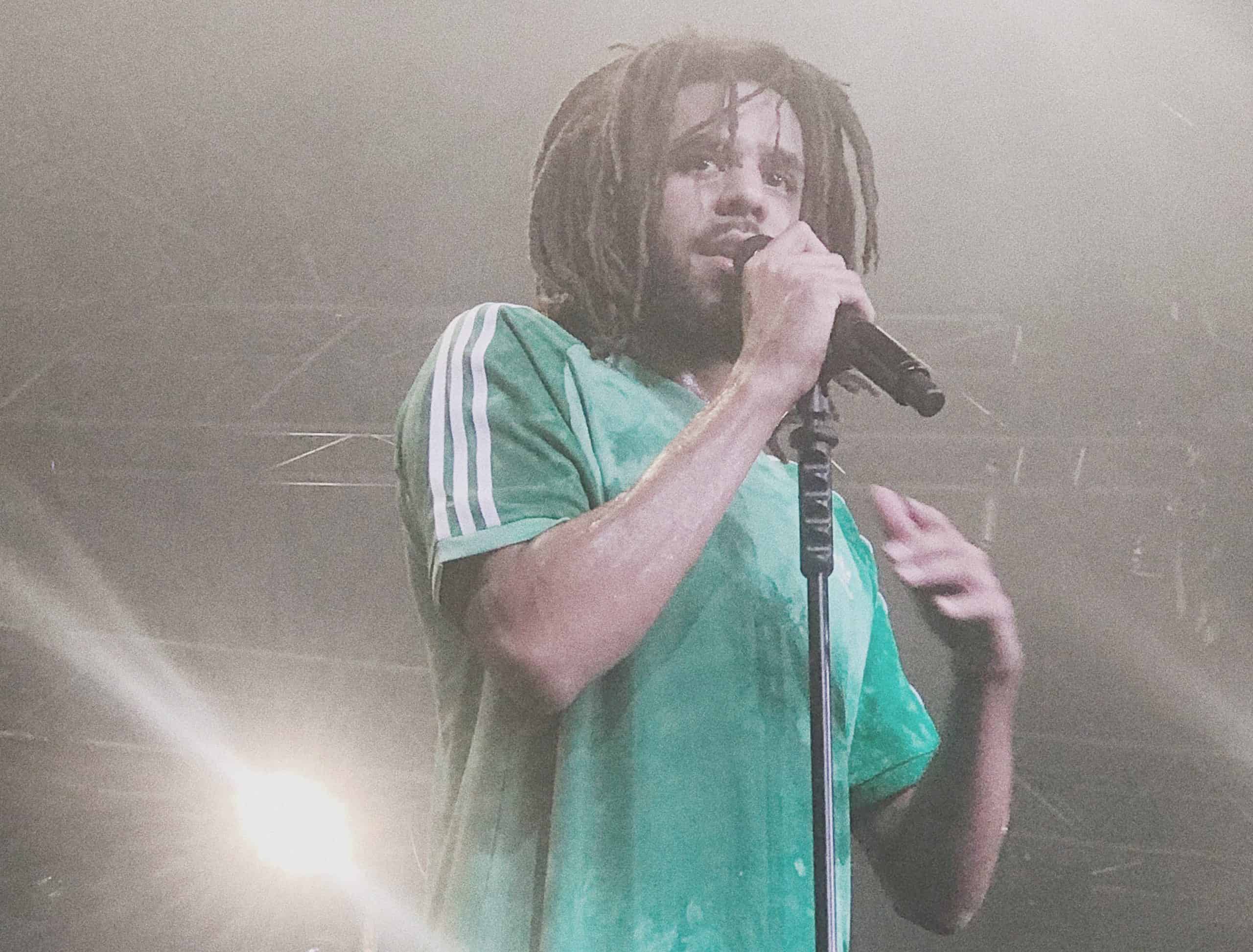
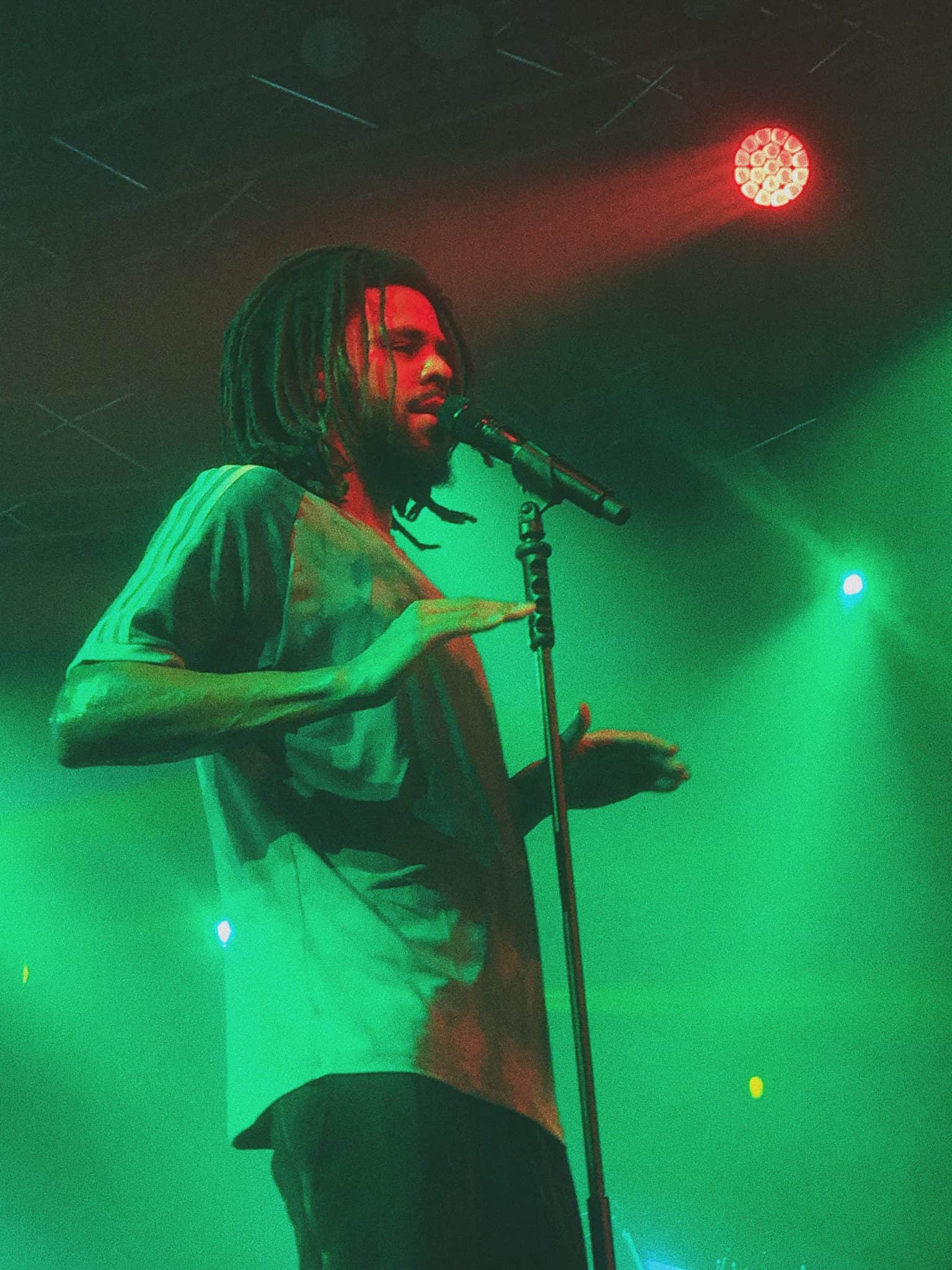
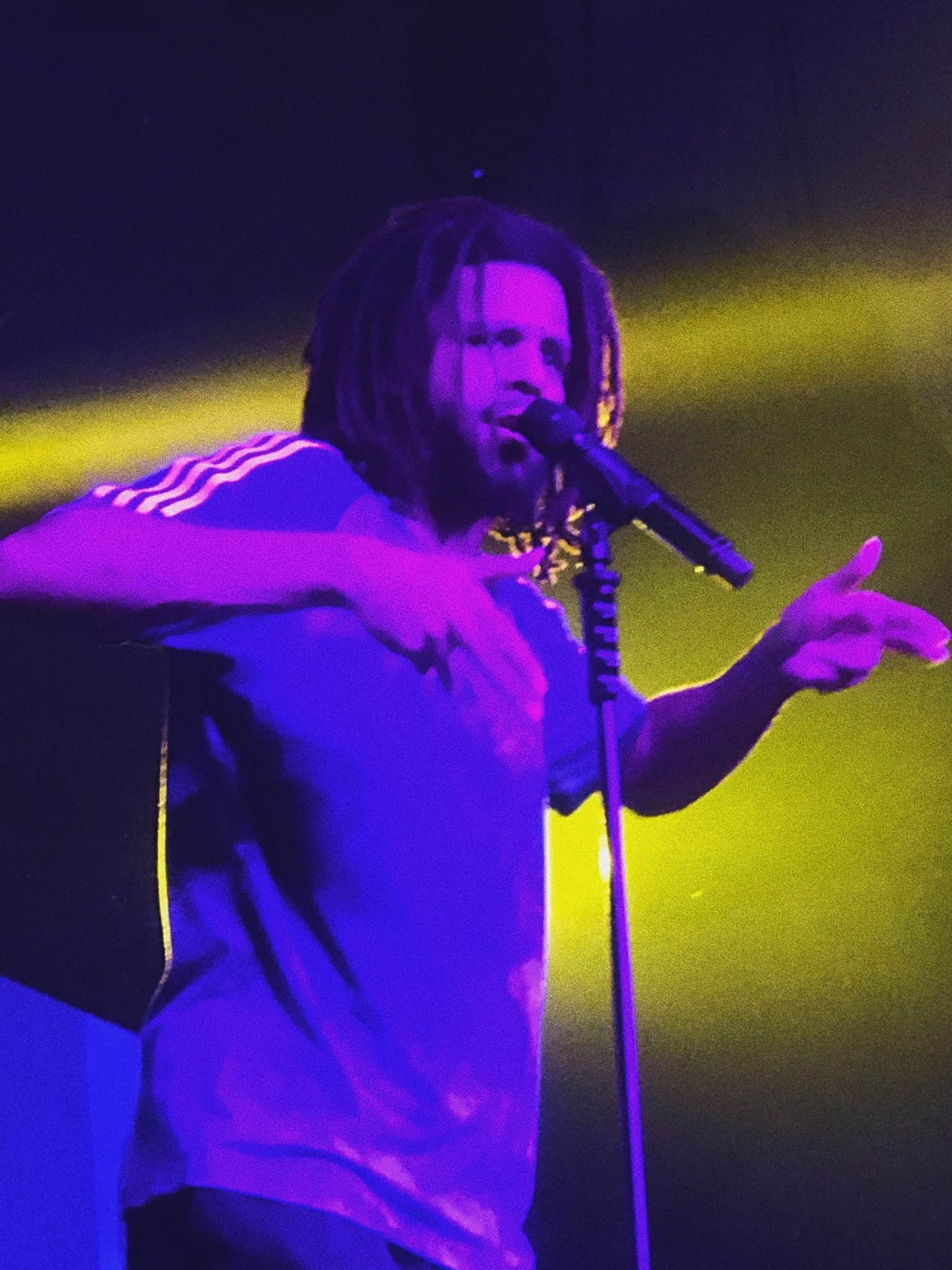
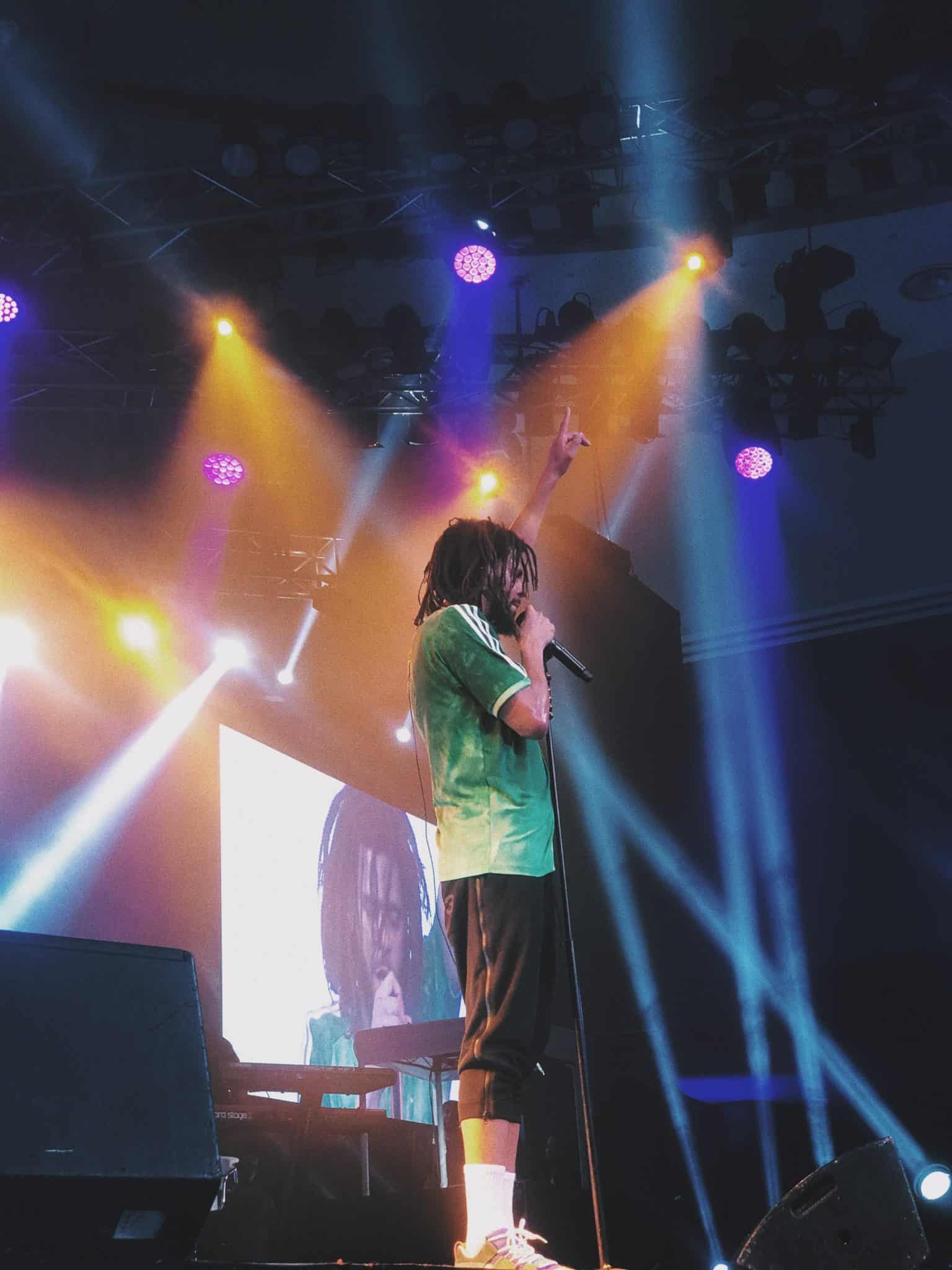
Last night, J.Cole performed at the Eko Convention Centre to an arena filled with fans who raged along with him, word for word, track for track for a show worth a thousand lifetimes. From us here at NATIVE, here are some of the best close-ups of J.Cole while he was on stage last night.
Since announcing No I.D as his album’s executive producer in a DjBooth interview earlier this month, fans have anticipated the eventual release of the project meant to establish Tobi Lou as an artist in L.A. The album won’t be released till this summer, but he just put out a new single, “Darlin”, a potential cut from the album.
“Darlin'” is a cheerful ode to getting rid of lovers who make life miserable. Set over somber mid-tempo harmonies Swrly., LEJKEYS and Tobi Lou produce, Tobi Lou’s melodies ride the beat gracefully, infusing mundane quirks that add a lived-in touch to the song. His penchant for highlighting sentiments from wrecked relationships has become such a staple on his songs that even he seems to acknowledge it; “I Dunno How Ama Get Through Ya/ I Feel Like Tobi Lou”. It’s less a flex than it is a reflection of how honest his music is.
Listen to Tobi Lou’s “Darlin'” below.
Featured Image Credits: Instagram/tobilou
You are meeting Debola at a strange time in his life. He wandered into a dream and lost his way back. Tweet at him@debola_abimbolu
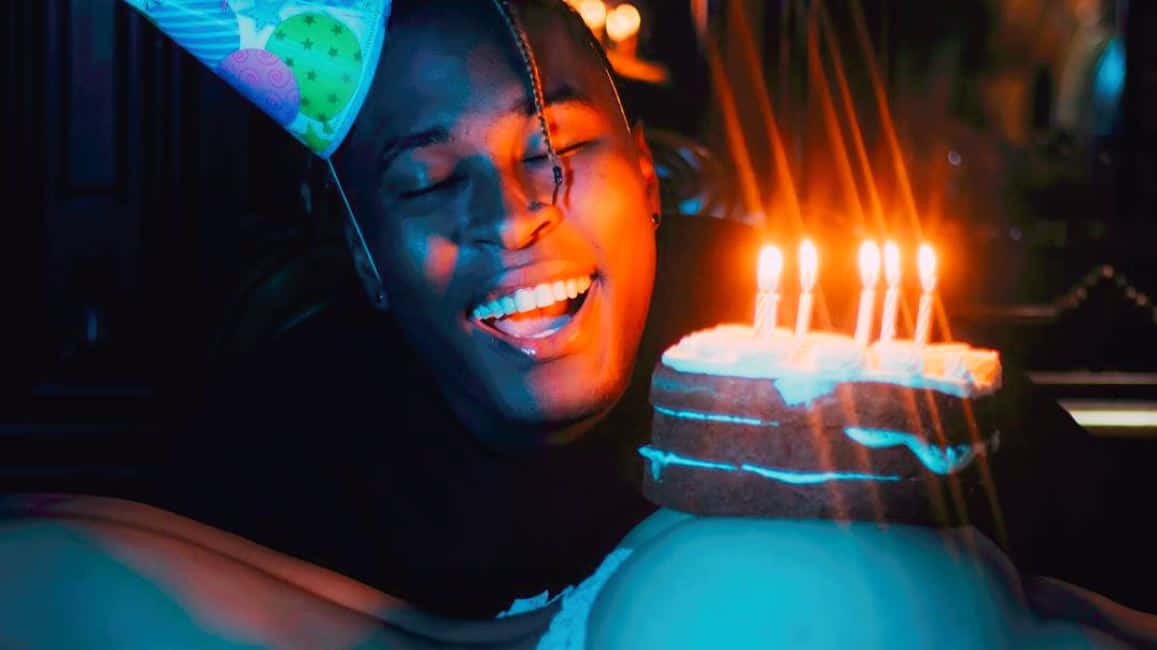
With emo anime inspired cover arts, tracks like “Dante’s Awakening” and his hellishly sinister ‘Dead by Dawn, The Old Me Is Gone‘ compilation project, PatricKxxLee has the sort discography that inspires a rage every time he climbs a stage. His latest single, “Birthday Cake”, might be a celebration of life, but the rapid style sludgy bars come across more aggressive than cheerful.
“Birthday Cake” is subdued with layered droning synths and drums. It stands as a sharp contrast to PatricKxxLee’s rage-fueled chants, exuding the kind of emotion that’s only soothed by screaming. But you also get a sense that PatricKxxLee getting turnt on sex like it’s his birthday is the most optimism we will ever get from this punkster, thanks to a catchy melody that’ll keep heads bumping through the 2-minute listening time.
Listen to PatricKxxLee’s “Birthday Cake” here.
https://soundcloud.com/patrickxxlee/birthday-cake
Featured Image Credits: Instagram/patrickxxlee
[mc4wp_form id=”26074″]
You are meeting Debola at a strange time in his life. He wandered into a dream and lost his way back. Tweet at him@debola_abimbolu
With debates on album shelf life and a rumours of talent mismanagement, there’s enough controversy in the media to fuel another lively M.I album. His most recent project, Rendezvous, showed he’s still one of the most savvy rappers from this part of the world, but its accommodating direction left fans wanting more from the rapper. And he seems geared to deliver just that.
I'm lost, MI is dropping another album?
— Rapper | Designer | Oghenekaro (@DifferentKaro) April 17, 2018
Before the release ofRendezvous, M.I had already hinted at a ‘Yung Denzel’ project in the works and we’ve gathered from more his more recent tweets that we can still expect the album to be released in May. Naturally, we’re looking forward to what Yung Denzel offers.
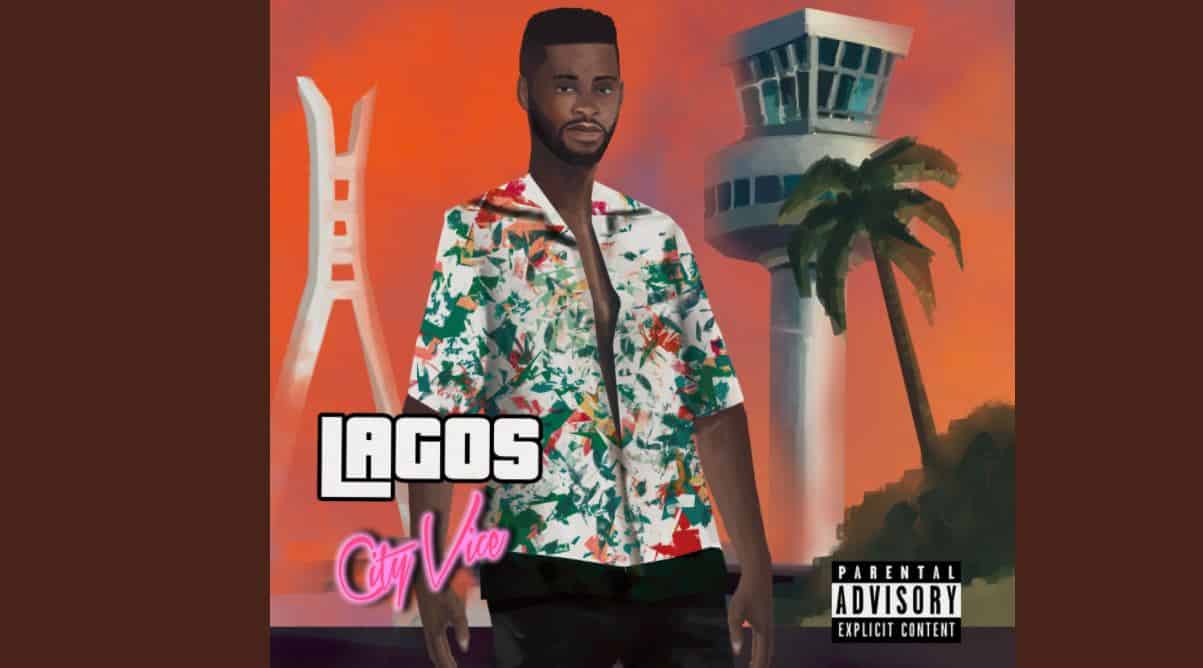
WANI has announced his debut project, ‘Lagos City Vice’ EP, will be released on the 4th of May. He made this announcement a few hours ago on his Twitter, along with cover art for the project and a tracklist that features previously released single, “Instaman”.
Though WANI has only released a handful of singles since emerging in the Nigerian soundscape, he has grown quite a strong following with his smooth and melodious Afropop, releasing covers and freestyle cuts on his Soundcloud. His clever “Keep On Rocking” interpolation to Drake’s breezy wine-friendly dancehall track, “Blem”, made our Best New Music pick. And you can bet we are looking forward to the EP’s release next month.
-Lagos City Vice🌴 – Available May 4th – Preorder link in bio Thank you guys for all the love this past year ! I need all your RT’s on this one can’t lie . level up season 🙏🏾
Kenyan filmmaker, Wanuri Kahiu, just released the trailer for her feature film, “Rafiki”. The film tells the story of lesbian lovers, Kena and Ziki, who have to navigate their love around society’s reservation. Their relationship is made even more unlikely by the political rivalry between their parents, and ultimately they have to choose between love and their safety.
Set in Nairobi, the trailer offers shots of the couple’s romantic affair but also shows some of the judgmental stares and remarks they have to deal with living in a housing estate. “Rafiki” depicts the difficult decisions and choices of homosexuals in Africa. However, the film will be premiered at the Cannes Film Festival as the first ever Kenyan film to feature at the award ceremony. Which is just as well, seeing as it’ll almost definitely be banned from Kenyan cinemas.
Watch the trailer for Wanuri Kahiu’s “Rafiki” below.
Featured Image Credits: YouTube/IndieWire
You are meeting Debola at a strange time in his life. He wandered into a dream and lost his way back. Tweet at him@debola_abimbolu
Yesterday, Chimamanda Ngozi Adichie joined Hillary Rodham Clinton for a conversation at a PEN America’s Arthur Miller Freedom to Write Lecture. On the event’s description, Chimamanda and Hillary were rightfully classed as two of the worlds strongest advocates for women and girls, with unique insights into how we can imagine a better future.
During the session, Chimamanda took the opportunity to confront the former Democratic presidential candidate with something she said she found upsetting. “In your Twitter account, the first word that describes you is ‘Wife.’, she said. “Then I think it’s ‘Mom,’ and then it’s ‘Grandmother'”. She then asked if it was Hillary’s choice to first identify in relation to her husband, and if so, why.
After listening to Chimamanda’s point of view, Hillary agreed to change her bio. But it’s not difficult to see figure why the former Secretary of State didn’t see the problem with her self-labelling before Chimamanda brought it up.
Firstly, Hillary is not just a ‘person’, she’s one of the most influential people in the world. She serves as a baseline for what a lot of women should aspire to at a time when the world demands we reorganize how society sees women. Likewise, Chimamanda is a vocal public figure who has fought an ideological battle against a misogynistic Nigerian culture, where women are not only seen as the lesser of the two genders but are ultimately defined by their husband’s worth. It is understandable that Adichie would consider a woman choosing to be identified in this way as regressive because this is the foundation of the anti-feminism she is most familiar with.
Although Chimamanda’s question is valid, her personal offence at another woman’s choice of identity also inversely defeats the what it means for a 21st-century woman to have aspirations without the influence of societal expectations either for men or women. Feminism, as we have come to know it, is different across the board. The base definition is the freedom of expression and choice. Through intersectional egalitarianism, we know that feminism is different for everyone depending on our environments. Hillary has had to form an identity outside of her husband’s, but Chimamanda has had to fight for her feminism in a more regressive environment where having careers is considered secondary to being a homemaker.
Still, tweets like the one above are proof that Chimamanda’s question is part of an important conversation that needs to be had nonetheless. Where she may have erred, however, is projecting her own reality on to Hillary, forgetting the contextual differences in their perspectives. But for people who look up to both iconic women, these well-rounded contexts helps to apply the acquired knowledge from diverse experiences to on-going conversations around equality and the furtherance of women’s rights.
Featured Image Credits: Instagram/chimamanda_adichie
Of all the curious things about Wizkid’s upward climb, his management’s many shortcomings is easily one of the most befuddling. It’s not quite as cringe as Chris Brown, but Wizkid has gotten away with some of the most epic career fails without much of an impact on his popularity. Last year, none of his managers (in UK, America and Nigeria) were able get him on Viceland’s feature on modern Nigerian music. But more recently, the Starboy’s chance to represent Afropop on the Coachella stage was thwarted cause of his inability to secure the travelling arrangements for his band.
Nigerians were quick to throw shade at him on Twitter for letting us down. And while some of the remarks were rather harsh, it’s understandable considering he was booked 8 months before the festival. Wizkid’s confidence in his career is so cloud high, he seems to have let go of the wheel and shifted gear to cruise. From lacklustre music releases via social media to airy songwriting, he’s starting to develop quite the reputation for being careless. But either through luck or just past glory, still remains the beloved Starboy nonetheless.
We are sorry to announce that Wizkid is unable to make it into the country to join us this weekend but will be performing next weekend.
Coachella’s tweet that Wizkid will be performing at the coming week of the festival initially appeased fans who were looking forward to seeing his performance. However, though Beyonce was able to make a return after killing her headline set from the opening week, Wizkid remained a no-show for the second week. If you thought his initial excuse was lazy, this time, he doesn’t even bother making any. He has moved on to promoting new music on his Twitter and even fans aren’t too torn anymore. Wizkid’s absence from Coachella was conveniently ignored for the just concluded Big Brother Naija game show. Which is just as well seeing as he might have had more trouble dealing with such bad publicity twice within the space of a week.
Featured Image Credits: Instagram/wizkidayo
You are meeting Debola at a strange time in his life. He wandered into a dream and lost his way back. Tweet at him@debola_abimbolu
A few weeks ago, Bella Alubo and Ycee released ‘Late Night Vibrations‘; a project that fused R&B-pop and hip-hop into a romance fuel six-track mood piece. Off the same EP comes the video for “Empathy”, shot by Visionaire pictures.
“Empathy” gives a hazy look into the love lives of YCee and Bella with people who we can safely assume to be exes now. The song finds the pair singing about the apathy that trails their breakup. And it does make sense they’ll feel bereft after seeing them get a love lock with someone who doesn’t care that the relationship failed.
On “Wame”, Stonebwoy toes the line between his commonplace dancehall sound, bringing Cassper Nyovest along for a catchy rap verse. “Wame” is a love song which literally translates to ‘marry me’. But over the energetic beat, most of their words are lost in translation as they perform in their native languages. With a catchy hook and chorus (from which we gather they like the waist of African woman).
Nearly 8 years since we first heard his voice on Ice Prince’s “Oleku”, Brymo’s mid-tempo, retro style; a fusion of Fuji, soul, RnB, and alt-rock and an understated catalog has earned the singer a distinguished stature among fans and critics likewise. In his self-presentation as seen in interviews, BrymO is modest; his elocution articulate, if tentative, and with an awareness for a crisp enunciation.
Indeed, BrymO may be a pop singer but some of his impulses are also clearly literary: already the author of a book, BrymO can be found mingling with writers at book festivals, like Aké, and other literary types on university campuses. In the pop culture polarity between artist and celebrity, Brymo leans on the former, and this schtick, of an introspective, literary-lyrical everyday human, no doubt, constitutes a significant part of the Brymo appeal.
Brymo’s rise to cultural prominence began ostensibly by complementing the hip-hop of former Chocolate City label mates: MI, Ice Prince, and Jesse Jagz, with befitting hooks. But since an acrimonious split from that record label, Brymo had charted a different solo trajectory, starting with the uber philosophical, Merchant, Dealers, & Slaves, released in 2014.
Without ignoring BrymO’s unusual Freudian turn with his compilation album, Trance (2015), as an intuitive metaphor for his fame and stardom as a dream state, Tabula Rasa effectively marked the beginning of Brymo’s once philosophic and, well, vacant outlook. Then came the whimsical and infamously suggestive Klitoris (2016).
Across these projects, Brymo has consistently managed to spark curiosity by edging on minimalism and obscurity, using a combination of intriguing album titles, and poetically waxed lyrics. He is no doubt, an indemnification for what should exist as conscious music, but with the release of most recent album is revealed, Oso (2018), a self-referential Yoruba word which translates to ‘wizard’, BrymO had perfected a long-running theme but may have also worn the narrative thin.
BrymO’s competence as a singer is rarely ever in question but it is the non-musical quirks and posturing, which are perhaps a broader reflection of his personality but also serve as a crutch to some form of artistic avant-gardism, that are a curiosity. None more relevant than in the recent uproar about one of the lead singles and video to his new album: “Heya!”
“Heya!” is set around the Lagos lagoon, and shows BrymO naked but for a San bushman traditional thong, covering his pubic region. The video opens with the aerial view of the Third Mainland Bridge, then the striking image of a steam engine boat, before cutting on to a naked BrymO emerging from the middle of the river, leaving small ripples in his wake, while walking on to a parched path, toward a grand piano covered in white clothing.
Directed by Ayomikun Oludoyi, “Heya!” can be read as a metaphoric allusion to the mystical powers of deep waters in Yoruba cosmology, a connecting theme with the album title, and a comment on his self-presentation as a mysterious child, of humble beginnings in riverine Lagos who walking on to a predestined career in music.
BrymO’s singing is accompanied by a simple piano acoustic progression and indistinct synths backing. In the song lyrics, BrymO dabbles in more tendentious self-eulogizing: notably, a cursory reference to having been ‘stubborn since a small pikin’ and smugly to a supreme talent of always being the first to diagnose a problem. In the following verse, some of this childhood predilection resurfaces, with a conclusion that tracks the ‘problem’ of men and women is down to collective ‘ignorance’. Without irony, BrymO, an otherwise proficient musician, had assumed the haughtiness of a priest, one no less common in men of letters.
“Heya!” is Brymo’s attempt at profoundness that comes off bare and deficient instead, against the backdrop of hollow introspection and self-indulgent social meta-commentary. A more cynical reading of the script is to take BrymO’s daring naked video as an excuse, and misguided prop, to shore up a half-assed musical performance. Given the video, we have gotten for “Heya!” off his Oso, Brymo’s flair for shock value and mysticism has disproportionately skewed to the spectacular-controversial at the expense of his primary duty as a competent singer-songwriter. It is almost too odd that for a man whose art seemingly borders on self-awareness, Brymo seems to be easily consumed by a distracting solipsism when thrust in the centre spot.
Having experienced and perhaps broken some of the barriers of opportunities we may assume are peculiar to our geographic location, Toye offers a well-rounded outlook on whether or not greener pastures are ever what they seem.
Words By Toye Sokunbi
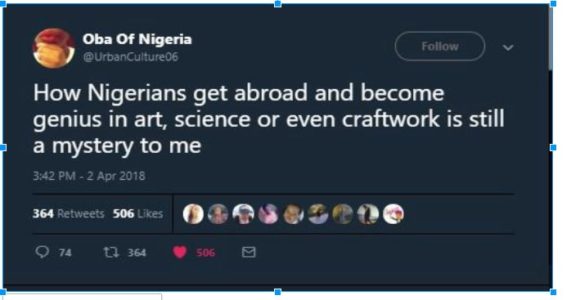
I saw this tweet and couldn’t stop thinking about it.
To answer the question, we must go to the beginning.
Because every African child is raised to seek a baseline range of accomplishments as we mature, every phase of our lives comes with its own unique set of anxieties; you worry about grades, until you have to worry about getting a job, then you swap the latter for a new goal, to keep the cycle of life going, basically.
In this warped process of growing into our own skins, we’re all forced to drown in the weight expectations, overestimating our capabilities for excellence to delusional levels. As we grow older, heartbreak and disillusionment sets in once it occurs that perhaps some people do have two heads. It gets worse when you realize that life is a twisted extension of a kindergarten playground with a “members only” sandbox and you need certain privileges to enter.
It is a universal law though, that only a few can [and will] actually get to the top. I begrudgingly indulge the assumption working with more resources may accelerate career growth outside Nigeria. But it’s also just as noteworthy that all these perks of emigration would be irreverent if the person didn’tーby stroke of ambition, luck or biologyーbelong at that top spot.
While this stirs-up the age-old argument on whether high-achievers are born, or made, it doesn’t mean we’re not as well-adjusted adults as we think we are. It just means the top 1%ーin any strata of lifeーis only a single percentage of multitudes who share varying shades of mediocrity in common. It also means, even at the top, life has taken a fundamental understanding of consequence and task-mastering the art of keeping up. Otherwise, toppers must learn the lesson the loose tightrope taught the gymnast; If it can go high, it can come down, hard.
Chimamanda Adichie’s legendaryTED talk, on the dangers of a single story, echoes a similar but divergent perspective on what happens when people only opt for parts of the wholesome narrative. Many Nigerians understandably share a similar mindset with the tweet above; that Nigeria is the only obstacle in the way of a maximum potential that would’ve been a smooth sail in any other economy.
That premise is false.
Business Insider reported American “Consumer-debt levels are now well above those seen before the Time of Shedding and Cold Rocks”. According to the NerdWallet, “Americans’ total credit card debt continues to climb in 2017, reaching an estimated $931 billion — a nearly 7% increase from the previous year”. This report by The Guardianspeculates that British citizens may be on course to be halving personal income month-to-month to service mortgage and car loans. Other developed countries with similarly insane household debt levels like Australia and Japan, have had to implement policies toavert major financial crisis.
The problem with that narrative is only more glaring at the individual level. For every Nas, who is a legend in hip-hop circles, there is a Wale who just got dropped by his label. For every 4.0 graduating CGPA caption posted on graduation week social media, many dropped out for bad grades, got expelled or moved back home because their parents couldn’t continue paying tuition. For every middle-class Nigerian family that saved up enough to successfully emigrate their comfortable life, you can bet your ass, there are thousands more whose children had to join the U.S Army for health insurance and a permanent residence.
Again this doesn’t mean you should ever settle under any circumstance. Human endeavour itself is predetermined on striving to be better, and people who already embody this betterness are the finish line and the gunshot you hear at the start of the race of life. However, understanding your current limits is very helpful when aligning who you are with where you want to go.
In Nigeria, we are forever swirling in the waters of our over-dramatized existence, thus the search for a higher purpose/meaning outside religion is a fool’s errand. It’s not odd that these same people who’ve read about miracles in their holy books, pray against the enemy’s evil eye when they feel they are not making progress in life. If you have been taught to all your life to move chronologically from point A to B, getting stuck at a solid Lーlike joblessness after Uni, or singledom after doing all the things a “modest woman” does to be a “good wife”ーmay leave you at God’s feet, imploring him to ask your Aunt Chi-Chi from the village what’s really good?”
Where it all crumbles though, is that a society that uses a single scale to measure the extent of an individual’s fulfilment will most likely ignore all the peculiarities of everyone’s personal legend. Think of these examples: The story of that speed painter who went viral after sketching a tweeter, may have turned out differently if he’d been a poor black American who had spent all his youth gang-banging to survive the streets instead of practicing art; International students make up a multi-billion dollar industry for American colleges, because even American households can’t afford to pay, so children have to take on heavy student loans to pay for their own education; If there is somebody for everybody, then nobody is for everybody, and that means and we all have a narrow range of potentials who can match our goals and interests.
“Are Nigerians abroad more successful or are you just failing at life right now?”
“Who the fuck wants to know?”
The biggest argument to support this idea that Nigerians thrive in abundance, I’ve noticed, often bullishly romanticizes the post-colonial years that culminated Nigeria’s oil and agricultural windfall. I have no problem believing fairy-tales of a pound to a dollar in 2018, but I’d like the same people who make those claims to keep factors like population, national literacy, and per-capita income within context too.
The Nigerian government has indeed poorly adapted to changes in our societal structure over the years, but in any case, we would still be products of our environments no matter what the fates are. When you’re done feeling sorry for yourself, you can revel in the bliss of knowing that this social media age is all about storytelling, and you can start sanitizing your mind by separating fake news from the facts or at least telling your own damn stories.
Psychology of Things Unknown is a weekly column by Tomiwa Isiaka, published every Saturday.
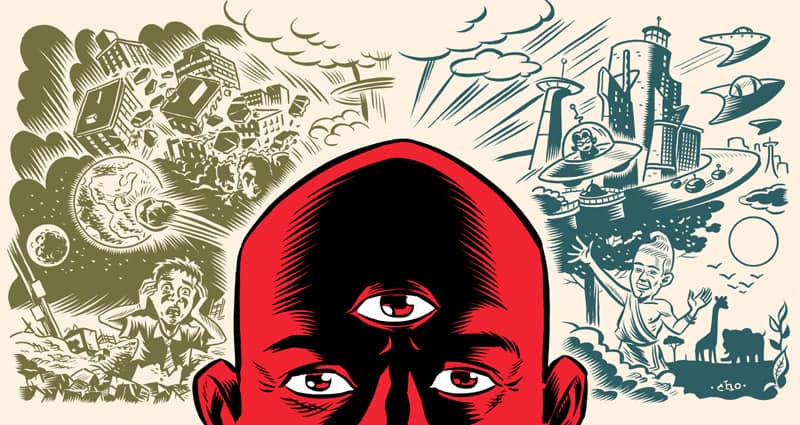
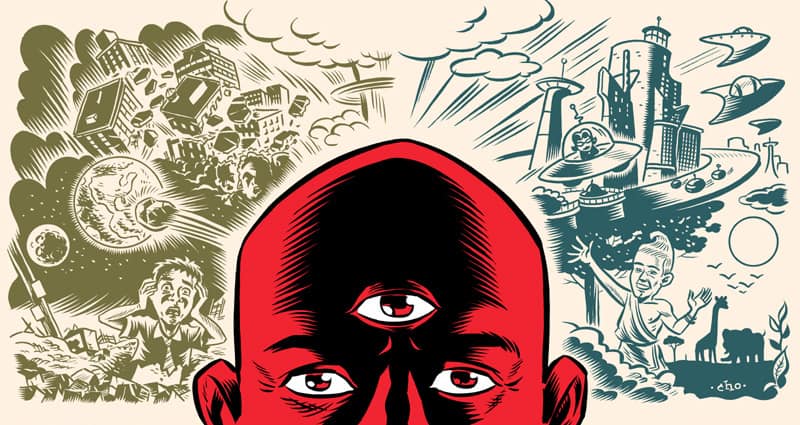
Featured Image Credits: Micheal Cho
“Tomiwa is figuring it out…” Tweet at her @fauxxbella