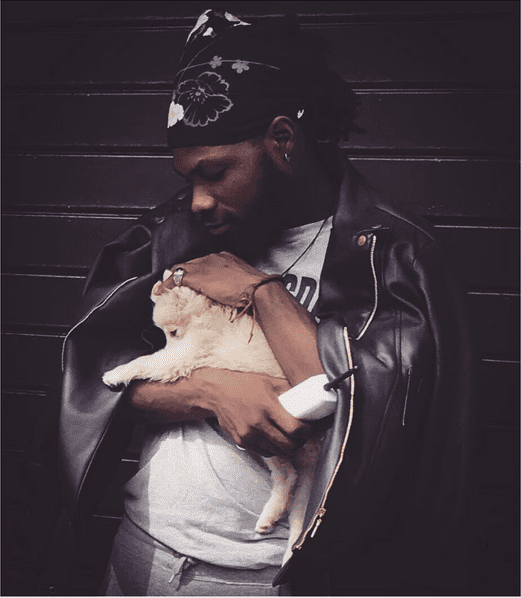
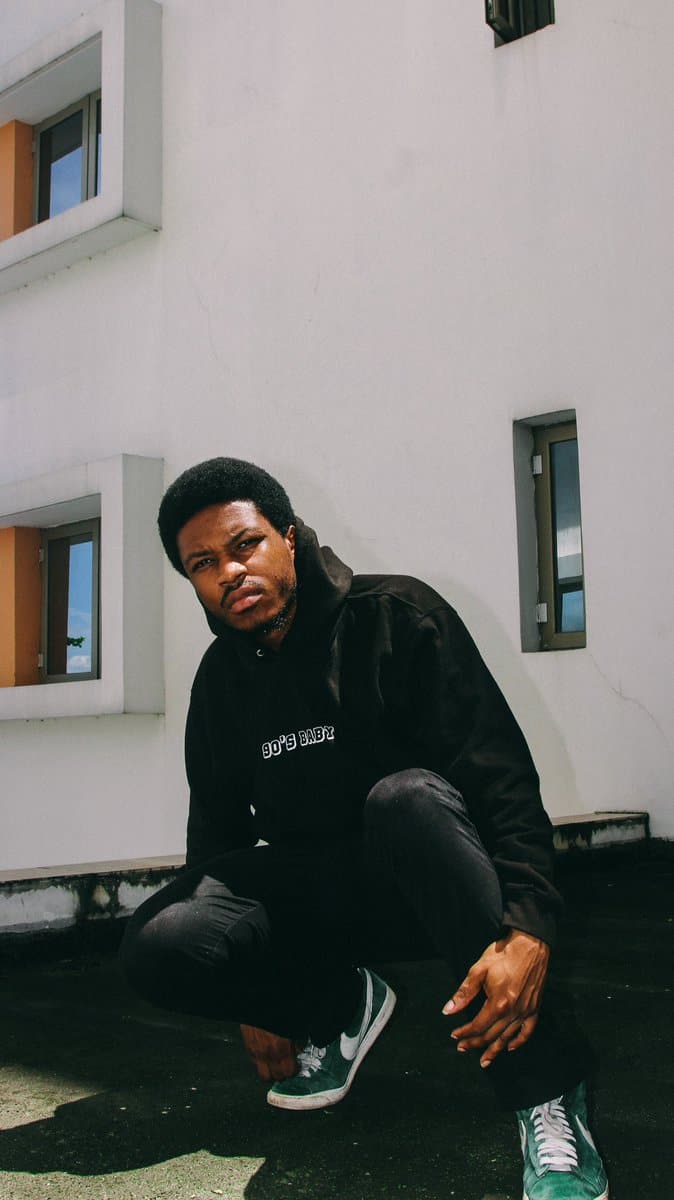
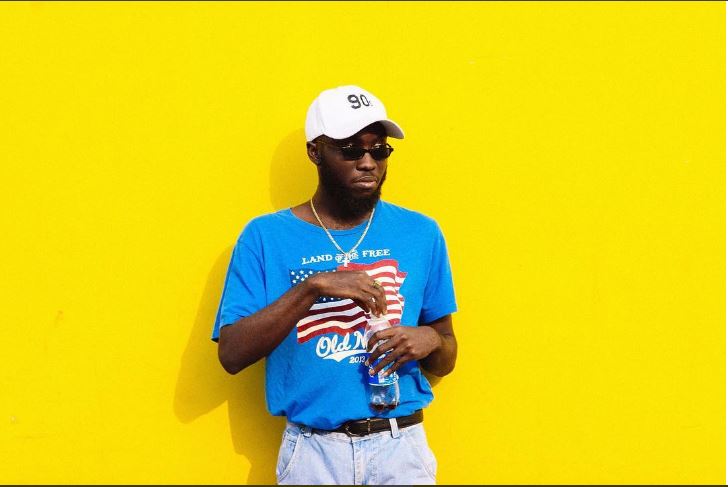
At Native Mag we love anthems; those songs that take all the hallmarks of the sounds dominating the charts in any epoch and combines them into an Oeuvre that transcends all the flaws of the genre. This is especially hard to do when you’re a hip-hop rapper in a post-millennial music industry where the scene can just as quickly be changed by a record executive as it can by a 16 year old Tumblr rapper with 4 million followers. So when we first heard the BankyOnDBeatz produced ‘Squad’ by #90’sbaby affiliated bilingual rapper Idris King, I was pleasantly surprised to find, we had on our hands an Anthem!
King pays homage to 90’s rap, the era that he and the other denizens of #90’sbaby, completely stripped of references to violence and drugs or even hypersexuality, choosing instead to celebrate community and camaraderie. When he asks ‘Who you know fresher than my squad’, it’s more a rhetorical question than an affront. King already knows exactly who he is and where he stands. The wordplay comes swift and King makes suprisingly good use of the pauses to emphasize his punchlines.
But Squad simply wouldn’t be the juggernaut it is without BankyOnDBeatz’s production work. He’s been on our radar since his female rapper led mixtape Fuego Senoras, so his technique of stripped down instrumentals, heavy percussion and horn adlibs are quite familiar. Squad is even more impressive when you realise Idris King only met Banky a week before the song was recorded.
In 2016, Yemi Alade headlined Coke Studio Africa, appeared in a short jollof skit with Trey Songz, joined the ranks of Jennifer Hudson, and had a great 2016 altogether.
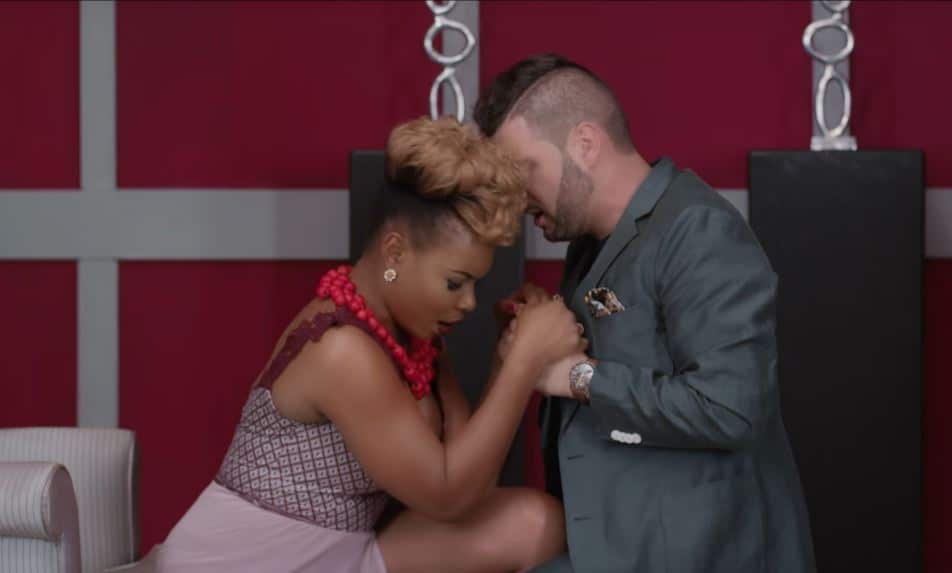
She continues her Mama Africa reign this year with the visuals for “Get Through This” her MTV Music Award winning single featuring South African group Mi Casa. “Get Through This” is produced by Maleek Berry, and comes directly off her Mama Africa sophomore studio release.
Though the song is decidedly romantic, the video portrays an estranged love, as the couple attempt to work through their problems. Her collaboration with Mi Casa might be a salve of sorts, especially within recent news of conflicts between immigrants and the South African government and xenophobic attacks on Nigerians.
Watch the video for Yemi Alade’s “Get Through This” here:
One of the rap subgenres that soared in the 90’s was ‘heartbreak rap’, mushy ramblings that chronicled love gone wrong bridged by emotion drenched hooks and choruses by the biggest R&B stars of the era. Rappers like Loon and P.Diddy made an entire science out of it, dropping the biggest hits around their yearnings for a woman they could give their all to. No one born in the 90’s can forget P.Diddy’s “I need a girl,” Fat Joe’s “What’s Luv, “and of course, the song that introduced us to Jennifer Lopez Ja Rule’s “I’m Real”.
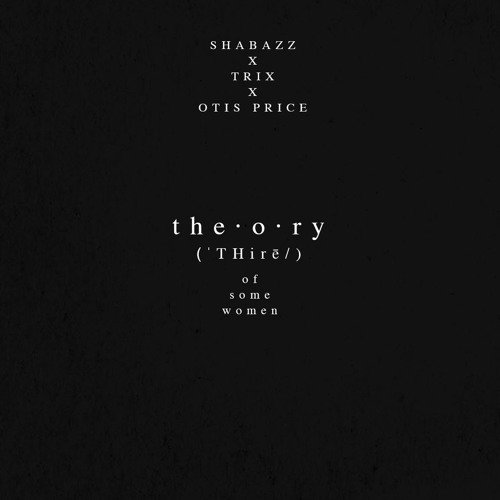
Rap has drifted away from this ideal and returned to it, slurred by the purp and screwed by vocoders. The kind of heartbreak rap that Drake and Kanye West have championed. This is why the new single by Ghanaian rapper Shabazz “The Theory of (Some) women”is so interesting. It is equal parts cerebral and nostalgic, even more so as it was released on Valentine’s day.
Shabazz enlists the help of fellow rapper Trix (who released his debut EP Brontidein 2015) and singer Otis Price on an ironic tirade that subverts the entire idea of Valentine, chronicling the end of relationship by a frustrated boyfriend.
The very first notes which starts with a vocal sample and a neat delay trick. By the time the Spanish guitar riff starts Shabazz launches into a rapid 16, revelling his newfound singleness after leaving a surprisingly mental girlfriend. Trix drops a wicked verse and Otis Price murders the chorus. By the time the last riff ends you’re firmly on the side of our protagonists and done with (some) women.
Ghana’s music is going through a renaissance where they’re stripping away the electronic acoutrements and exploring all the things they loved about the music they grew up with, and The Theory of Some Women is evidence of this at its most accomplished.
Listen to “Theory of (Some) Women” by Shabazz, our best new music for this week below.
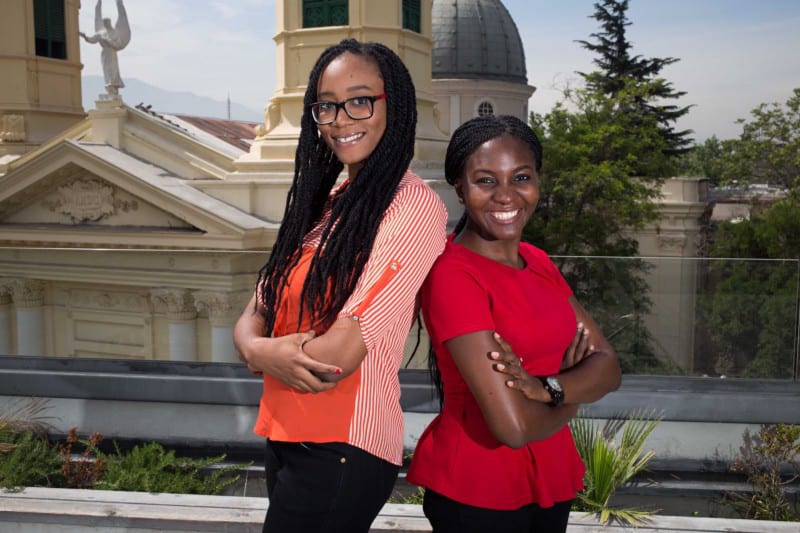
Innovation starts by spotting a problem and creating a solution to fit that void and two young Nigerian freelance writers, have done just that. Kelechi Udoagwu and Tolu Agunbiade came up with the idea of connecting private individuals, brands and startups to a community of freelance writers and editors through an app called ‘Skrife’ last year. The app is now public after Kelechi and Tolu spent most of 2016 test-running the platform.
Skrife allows individuals and companies who need services of a copywriter to be paired up with a writer and editor with the added bonus of two revisions until the copy turns out right.
On their interview with Disrupt Africa, they spoke about the inspiration to create such a platform and whether or not there’s a viable market for it. “From personal experience and from other founders around us, we noticed that most startups always hope to use content marketing, but don’t have the skills to write good content.
“Writing is a chore for most people but not us, so we decided to create something that solves this problem for them and leverages our skills”. Upon launch, Skrife quickly caught the attention of the S Factory, a spin-off from the Start-Up Chile program, receiving US$15,000 equity-free funding as a result.
Skrife’s progress since the launch is particularly noteworthy. It completed over 150 requests for more than 20 clients from seven countries during its beta period, with brands currently using the platform including the African Leadership University, Paystack, Ingressive, Tress and Start Smart.
Tolu said Skrife will strategise on more deliberate expansion plans at the end of next year, but for now it is focused on achieving a product-market fit and conquering Anglophone Africa.
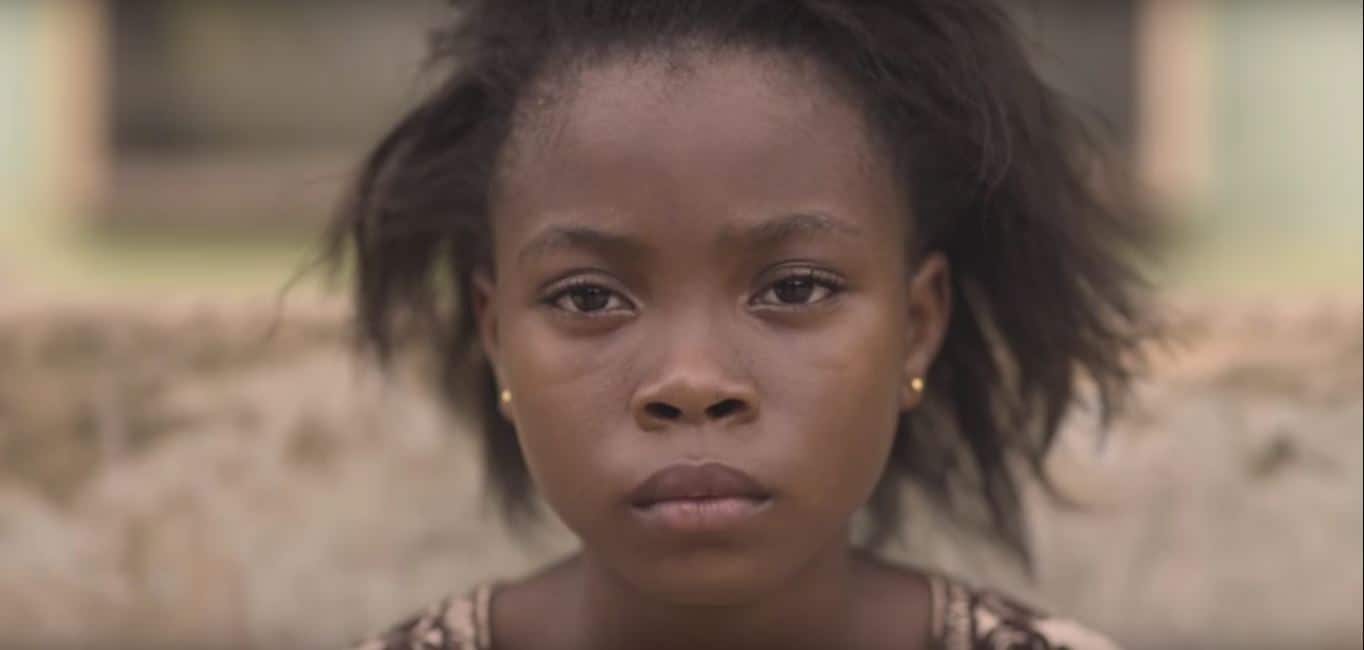
Totally here for independent Nigerian films trying to tell stories from perspectives other than the ones we’ve already flogged to death and Ifeoma Chukwuogo’s Bariga Sugar seems to be one of those films. First off, its attempting to explore sex work in Nigeria from the perspective of eight year old Ese, the daughter of a sex worker who has lived her entire life in a brothel compound in Bariga and becomes with friends with Jamil another slum kid. She has big dreams but is already disadvantaged by the circumstances of her birth and the world in which she lives The trailer of the film does a great job of stirring interest in the film without really giving away any plot points.
There aren’t that many films with a child protagonist in Nollywood and the actress who plays Ese is surprisingly articulate. I do have my reservations, films tend to portray sex work in Nigeria as one dimensional at best, or ‘evil’ at worst. It won’t be too much to hope for a film that is multi-dimensional with fully realised characters, especially for Ese, our lead. Bariga Sugar has already shown at the Africa international film festival (AFRIFF) to critical acclaim and is going to get a wide release on the 23rd of February. So mark your calendars.
For as long as film has existed, black life has been misrepresented or caricatured for the amusement or comfort of white people. There were minstrels of the silent film era, the servants of early Hollywood, the drug addicts and the drug addled of contemporary film. It seems black people only exist in film as a monolith, or a two dimensional placard on which others can place their preconceived presumptions. The films of the American Blaxploitation era started a movement of films by black filmmakers for black audiences, and while the genres have expanded the idea has remained the same.
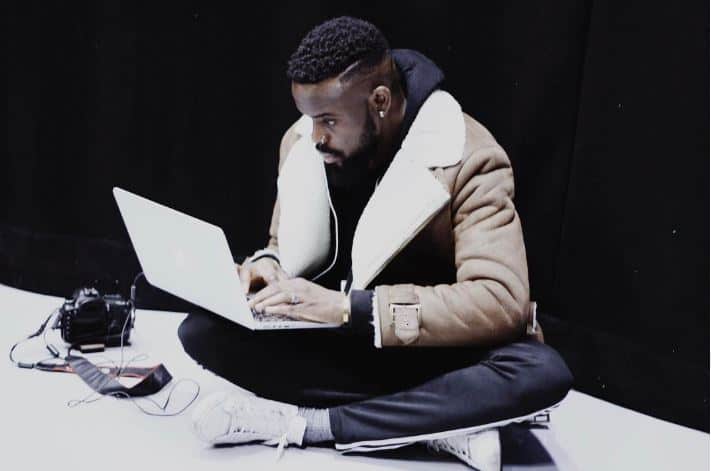
2016 was a great year though for Black cinema, with films like Hidden Figures with Taraji P Henson, Barry Bandry’s Moonlight, Beyonce’s Lemonade and even Todrick Hall’s Straight Out of Oz. It was also the year British Nigerian filmmaker Seye Isikalu put out his full length short film The Ocean, a lush representation of heterosexual black love. Distinguished by its gorgeous lighting that seemed to preempt Moonlight’s lighting work and the undeniable chemistry between the film’s leads, it put Isikalu, formerly known solely for his extensive work as an in-demand fashion photographer as a voice to listen into in film.
There have always movies by black filmmakers for exclusively black audiences, exploring the vagaries of black life, but they have always been on the fringe, consumed outside of the mainstream. Perhaps this is because the common narrative around this medium is why Seye Isikalu’s The Ocean is not as widely known as it should be, but his sophomore film, Skinny Jeans will change all that. He has just released a short film Monochrome, almost exactly a year to the day since The Ocean was released, this time focusing specifically on stereotypes around black male intimacy and deconstructing them through ‘found footage’ style documentary footage of black men at ease around each other. There are longtime collaborators on this film as well as new faces, and subtle homage to Wole Soyinka’s memoir Ake, the younger years.
Monochrome seems to be a standalone project as well as a piece of a larger piece of work that will probably be released later in the year, and frankly we cannot wait.
In Greek mythology there is the story of Icarus, who flew too close to the sun with wings of wax, and fell to his death in the most brutal way. Its message is simple: whatever goes up will come down. It explains the nature of things; how trends come and go and how people rise and fall.
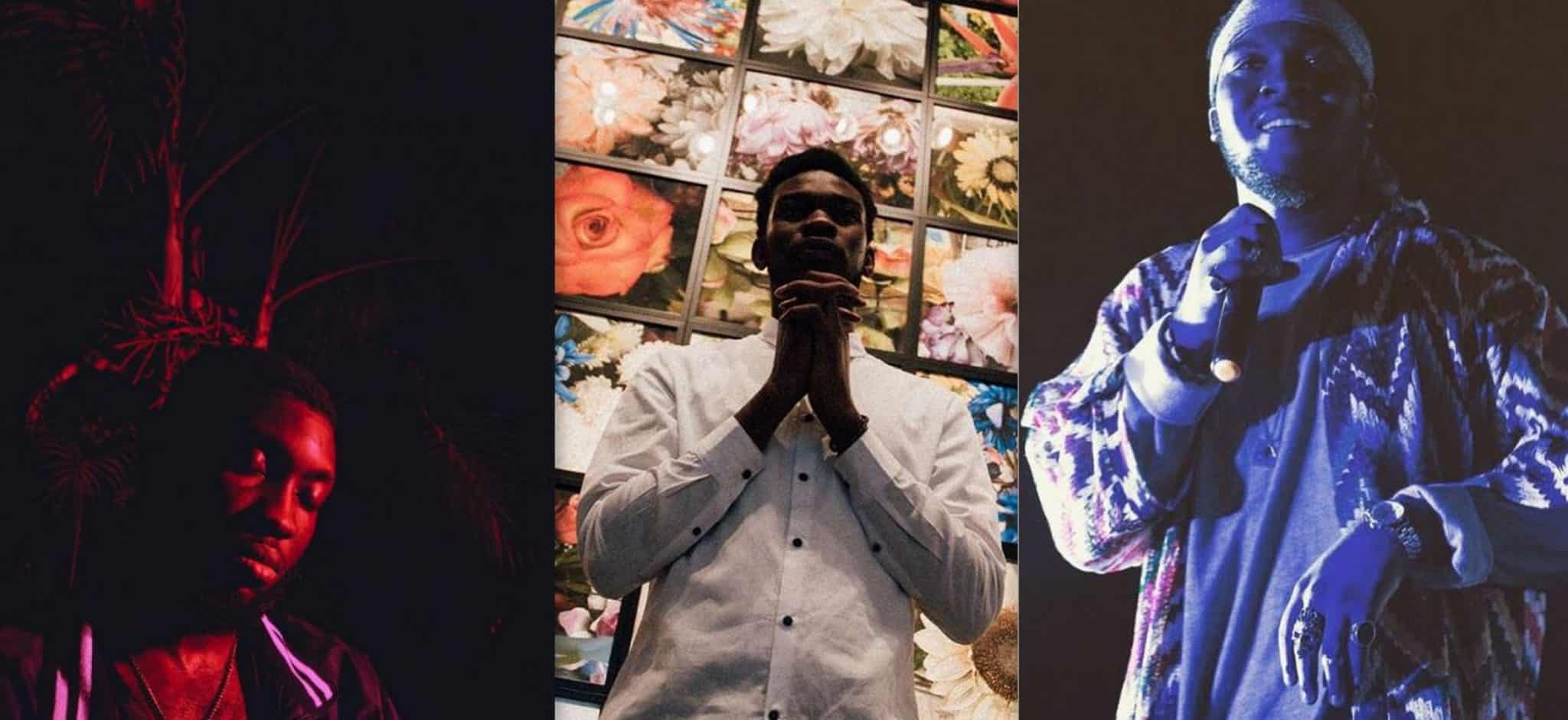
On the rise of an outward demand for African music and other sibling sounds, a class of ultra-aesthetic experimental artists have come under spotlight. This is against the age-long belief that beyond the mainstream jollof sound, fringe sounds with complex arrangements and abstract ideas will never pop. But as social media would prove, there is always a little corner on the internet for anyone to self-publish and become a sensation.
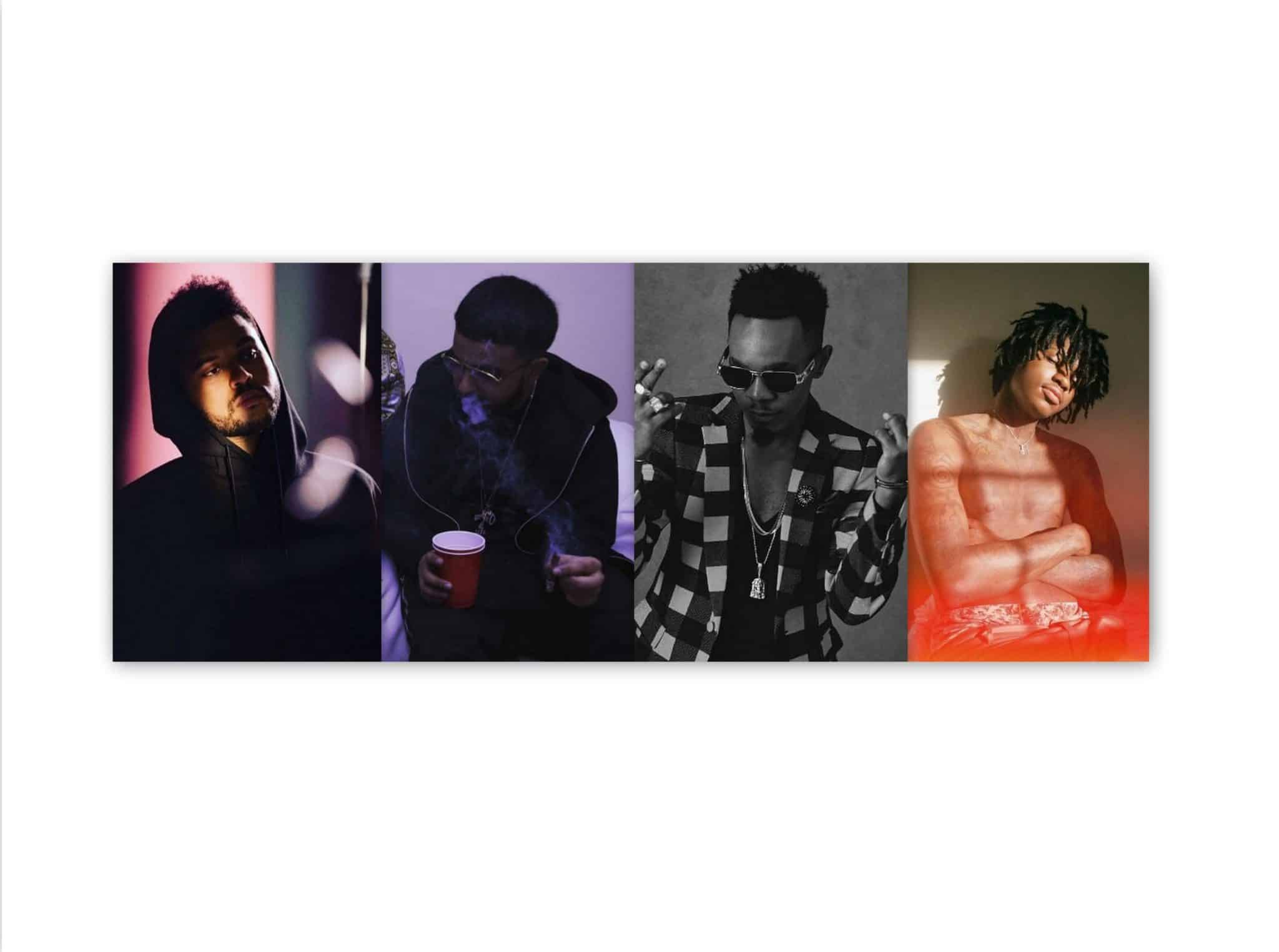
The emergence of seemingly broad-thinking younger artists has come in part, because of a latent generation of culturally literate and cyber-aware 90s babies influenced by multiple genres music and wired to create on their own. These artists have come of age in the years of wave-based mood music often aliased (and refuted) as ‘tumblr music’. Think of it as inward music that comes with its own aesthetic and narrative (See Drake, Frank Ocean, Lana Del Rey et-al). Because the dearth of good Nigerian content is exemplified in how often concepts are recycled, standing out can take as little as having a different creative approach to having distinct visuals. All you need is an artist with a little confidence and privilege for relative consistency. This is how you get a metrosexual Odunsi, a broken-hearted Nonso Amadi or a romantic Tay Iwar—artists who cleverly push an African narrative while riding the post-Drake neo-R&B wave.
But like young Icarus’ discovery of flight, we’re reminded that taking off the ground is possible for anyone who leaps high enough. The hard part is staying airborne.
Interesting as the future prospects for Nigerian music may seem, history would also make it appear that we have been here before. Nearly ten years ago, renewed interest for production, imagery and costumes paved the way for a slew of returnee artists including Sauce Kid, Banky W, Eldee, Olu Maintain, M.I, Don Jazzy et-al. MTV Base and Channel O launched a few years earlier and both terrestrial broadcasts were major influences on the continental urban culture. The radical shift to improved quality is still evident in picturesque art and lush chrome filtered videos today, the sounds, however, have become staid and uninspiring. Because the same so-called innovators got too comfortable with being just Africa-famous, to worry about being good artists.
For ‘new age’ artists, the tendency for validation bias is even higher. The information age obsesses over numbers, most of which are directly availed by social media and streaming platforms. The high of unexpected celebrity can become a mental trap for artists, insulating them from the rest of the world with a blind assumption that their music is not and cannot be universally accepted because it is ‘not for everyone’. This is already evidenced in the repeated themes and low replay value of many ‘new age’ artists who consistently manage to be above average but not great; conceptual but not focused; potential talent but not especially distinct.
As the legend goes, Icarus’ only sin was getting too caught up in flight to remember he’d been going somewhere. Beyond its mastery of aesthetics and flowery language, the ‘new age’ will have to look inward for authenticity and outward for possibilities. The respective successes of Davido, Burna Boy and Wizkid has turned mainstream attention to African music like we haven’t seen in a long time, its fruits should not be wasted on the self-facing ephemeral experiments.
Featured Image: Instagram/@odunsithengine, @tayiwar, @nonsoamadi
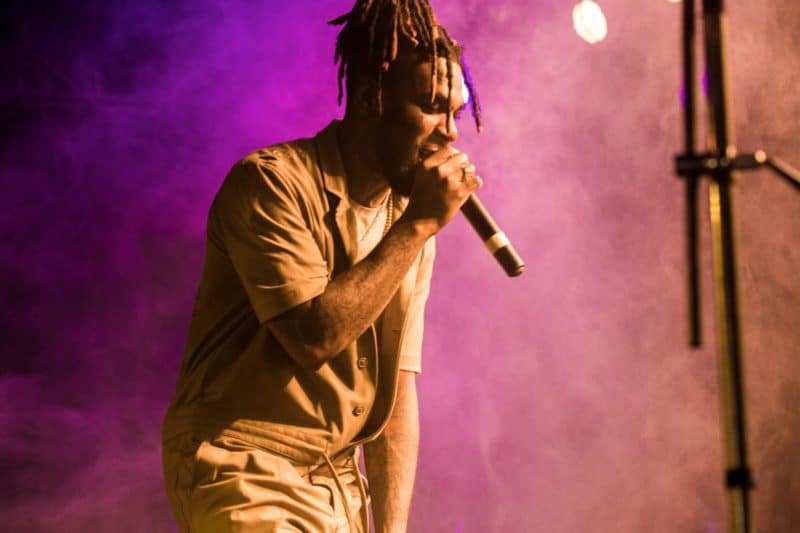
Nearly two weeks after teasing new material, OdunsiTheEngine, the wunderkind behind Billboard charting single “Situationship”, is back with with a new single “Desire”.
“Desire” is Odunsi first single of the year, featuring Bantu Music’s Tay Iwar and The Collectiv3’s Funbi. Set on ambient synths and slightly reverbed vocals, “Desire” listens like the exact kind of neo-Afro-R&B song you’d expect Odunsi, Tay and Funbi to make; lush, well treated and ultra chill.
P.R.E moved to Nigeria from the UK in 2009 and has relentlessly put in work to get a foot in the door of the industry with collaborations with heavy-weights like Tuface, Leriq and Yung6ix amongst others. In September of 2016, he tapped Native favourite Burna Boy for “Wonleto”, an Afro-pop number produced by underground beat-maker, Rexxie.
The video for “Wonleto” is directed by Jazzy Generation Pictures and it comes from a long line of videos with the “house chill” vibe, only with hot models and a glimpse of high art. Burna is looking fly as usual, but there’s a lot more to see when you hit play.
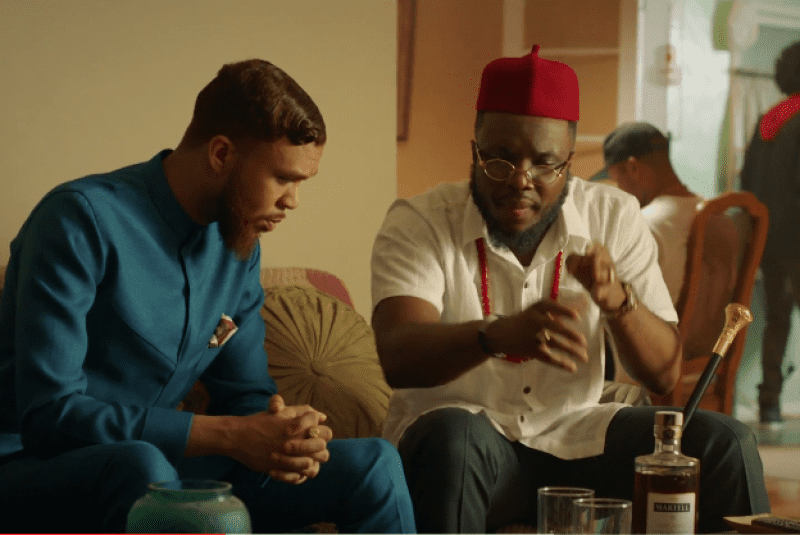
After teasing the world with four singles, “Long Live The Chief”, “Chief Don’t Run”, “A Little Bit” Of More off and “The Let Out” feat Quavo off his album, Jidenna has finally put out the rest of his long-awaited debut LP, The Chief. The Chief is a 14 track long album with guest features from Wondaland Records label mates, Janelle Monáe, St. Beauty, Roman GianArthur and Nana Kwabena,
https://www.instagram.com/p/BQLhiCCDHVJ/
Jidenna’s “The Chief” is now available on digital download stores and across streaming platforms. You can cop first feel via iTunes here Featured Image Credit: Jidenna/Instagram
The Birmingham-bred MC follows up his Dubai-based visual for “Ain’t The Same” (think quad bikes and sand dunes), with a darker insight in to how his life has changed since fame. In the MayowaHD directed “Madness”, we see Mist cut from cemetery visits to his mother to helicopter rides to Birmingham, and a string of sold out shows in-between.
“Too Young” – DAP The Contract
NATIVELAND alum DAP marks his first release of the year with a piercing visual (Felege Gebru) for his single, “Too Young”. Dedicated to young people all over the world taken before their time, the video alternates between dark images of news clippings to more hopeful displays of youthful exuberance and defiance.
“Pull Up Wit Ah Stick” – SahBabii
One of my favourite things in the world is an underground song blowing up unexpectedly and a new video immediately being commissioned. These are usually high budget affairs, to reflect the artist’s newfound fame and fortune. However, this was certainly not the case in SahBabii’s breakout hit. Rather than blow the budget on the latest Turrell-inspired Hollywood director, he partnered up with HoodRich Films for a WorldStar Hip Hop Exclusive, comfortably showcasing the biggest array of authentic firearms in music video history. A fitting visual for the hottest song on the Atlanta streets.
“Pepper Dem Gang” – Olamide
Olamide is a bonafide singles star, and you would be remiss to suggest otherwise. As much as people reference the dominance of The Big 3 (Davido Wizkid, Burna Boy) in the last few years, the YBNL figurehead has been up there with them. As well as his knack for churning out hits, he seems to have a legitimately solid ear for new artists, as seen by his latest signee Davolee, who appears via FaceTime on this Moe Musa directed visual.
“Reminder” – The Weeknd
The King of The Fall rounds up Drake, A$AP Rocky, French Montana and the gang for a bit of a party, soundtracked by album standout “Reminder”. Standard Friday night out, really.
“Something Special” – Tinie Tempah
Tinie Tempah has been one of the biggest pop stars in the UK for nearly a decade, ruling nearly every summer since his arrival with a ridiculously infectious single that we can’t get out of our heads. However, in the past year, he seems to be getting back to basics. The latest teaser from his Youth album sees the rapper remind people of what he actually is – a fucking good rapper. The VeryRare produced visuals sees Tinie at his technical best.
By the end of 2016 Davido had, signed a record deal with Sony, unleashed two young firebrand acts (Dremo, Mayorkun) and aligned himself with a more centered approach for his aesthetic and brand. The OBO is kicking off this year with “If” , his first post-Son of Mercy single, rolled out with visuals by Director Q.
On If, Tekno re-creates the same “Pana”‘s acoustic baseline flow, but with a pattern further stripped for dissolving claps, trumpets and drums. It’s a bit too much Tekno for a Davido production but the OBO rips through the instrumentation, sampling “Lagbaja”‘s 2000s hit Gra Gra for a refreshing refrain and edging his gruff voice for an emotional melody.
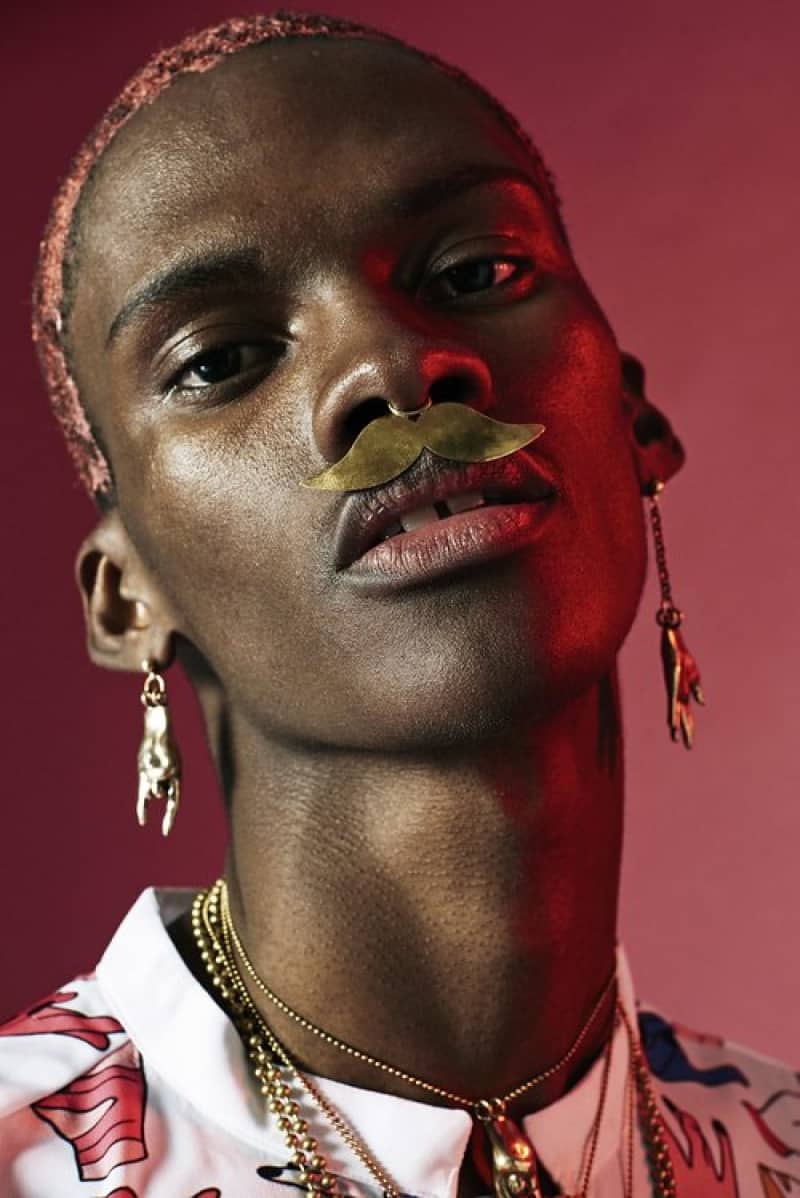
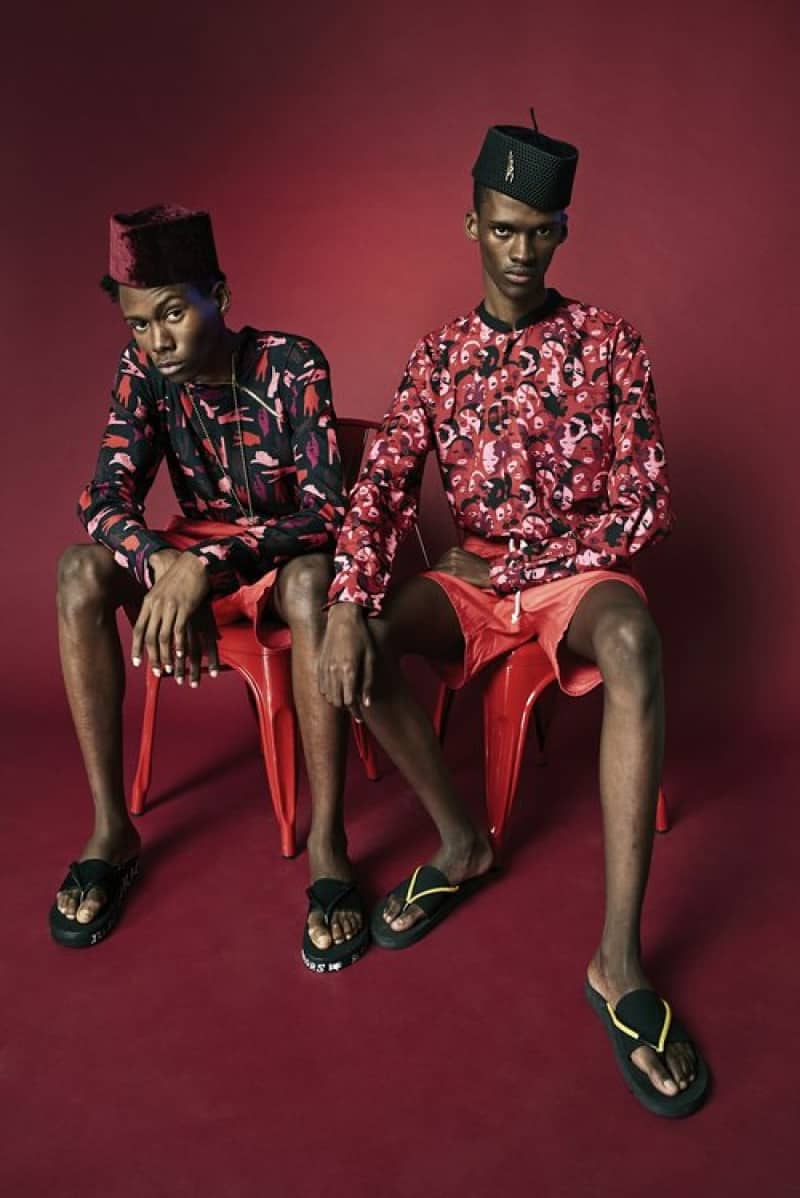
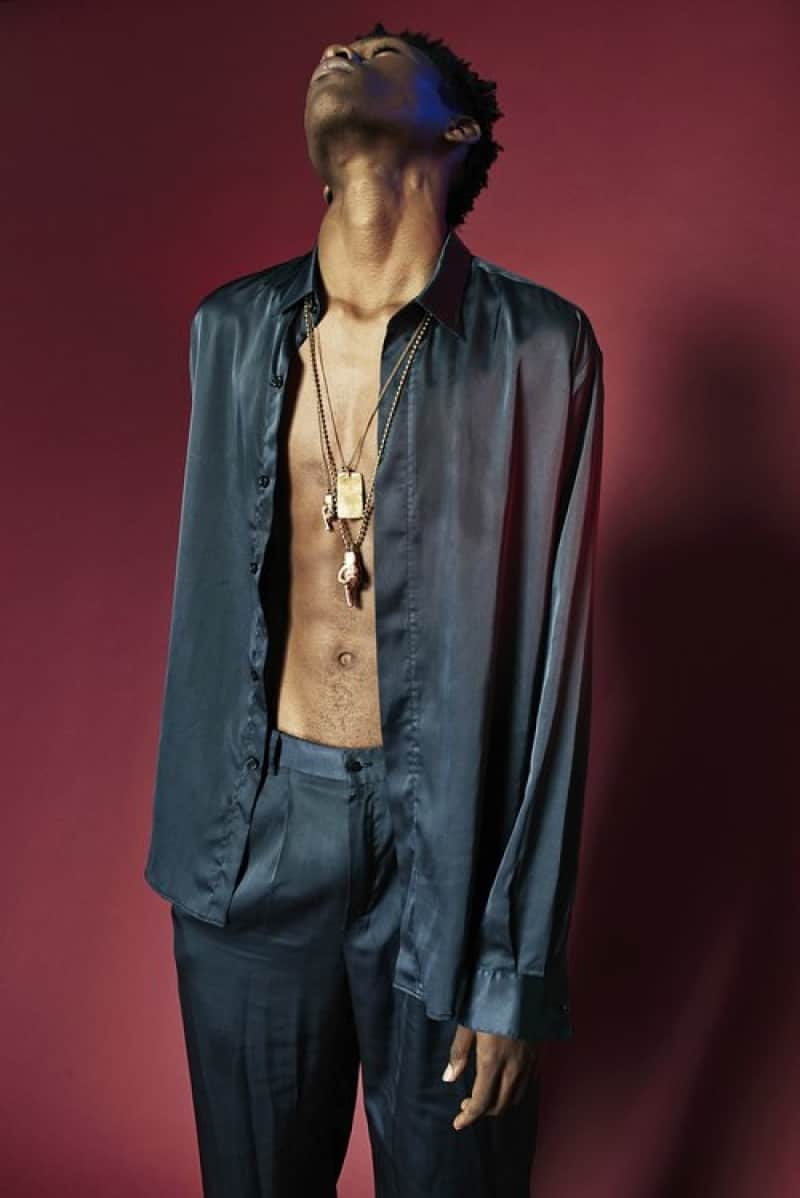
Leading Nigerian fashion brand Orange Culture, will be the first Nigerian brand to feature in the UK’s biggest independent showcase for pioneers. Their new Autumn/Winter 2017 Collection will be showcased in the London Fashion Scout segment on February 17th at Freemason’s Hall, 60 Great Queen St.
Tagged under the “Ones To Watch” category, Orange Culture was picked by a select group of industry experts, fashion scouts and editors from a curated list of innovative fashion designers. The Fashion Scout London is the largest off schedule event during London Fashion Week. It is especially credited as a platform that helps to propel the brightest promising designers to stardom, which will serve as an added advantage for the brand in the cutthroat industry.
London Fashion Week is set to kick off on 17th February until 21st February 2017. Check out some of the shots from Orange Culture’s Spring/Summer 17 collection.
“Don’t worry, worry worry”, Tomi creams on “Versus”, a hidden gem like many lost in the bottomless pit of SoundCloud’s talented-but-undiscovered. “Versus” is nearly a year old, but with trap-drums and ambient synths it would easily fit into the class of forward-thinking Nigerian music new age artists have been churning out.
Ria Boss – Bones Heavy
There’s always room for music that sinks into the pit of belly and submerges you like an ocean, allowing you to forget yourself and just reveal. You’ll never feel lighter than after this song.
Ngempela – Sjava x Dj Maphorisa x Howard
South African Kwaito tends to be a closed off genre with its own distinct rhythms and sung entire in Xhosa. But Sjava’s “Ngempela” gets a foot in the door with its sample of the Sade Adu classic “Sweetest Taboo”. DJ Maphorisa is well titled, he helped produce the Drake smash hit “One Dance” and has featured Wizkid on music of his own. Ngempela is definitely going to get you in the groove.
Make Me Better (feat. Cheno) – Daramola
From Daramola, the same artist who gave us this weeks’ Best New Music, comes this 80s inspired dance number featuring rapper Cheno.
From Our Pot Of Jollof
Zone (feat. Vector & Uzikwendu) – Kid Konnect
Producer Kid Konnect (M.I, Ice Prince) is currently making moves to release his debut project titled SONIKK later this year. Off the unreleased project comes “Zone” , a bass-heavy track featuring rappers Vector and Uzikwedu.
Na Wash (feat. Patoranking) – Becca
Ghana’s Becca is edging into late-career glory like many artists in her class (2face, D’banj et al), so we’re not surprised she tapped a younger Patoranking for a fresher perspective on “Na Wash”, a neo-Afropop critique of the social media culture. “Na Wash”, comes with a baseline that settles into the back of your mind, even as Becca and Patoranking remind of the volatility of our social media relationships.
Empty – Cobhams
After what seems like forever, veteran producer, Cobhams Asuquo is prepping to release his debut body of work, For You next month. Off the upcoming LP is “Empty”, a love ballad about completeness and the longing of desire.
Overseas
Pull Up Wit Ah Stick (feat. Loso Loaded) – SahBabii
What Young Thug is to Lil Wayne, SahBabii is to Young Thug. That is to say he is an artist heavily inspired but not to the point of imitation. SahBabii, born in Chicago but raised by Atlanta, has a curious identity of his own that is clear to see on the breakout single “Pull Up Wit Ah Stick”, off his SANDAS mixtape. The infectious hook is delivered as jovially as it is sinister in its meaning, perhaps this is what makes it so unforgettable.
Some Way (feat. The Weeknd) – NAV
Ever since NAV stole the show on Birds In The Trap Sing McKnight standout “Beibs In the Trap”, we’ve been waiting to see what was next for the mysterious XO artist. Finally he has released the first single from his first solo project, out later this month. On “Some Way” he trades verses with label mate The Weeknd, and more than holds his own.
Majek Fashek’s era may seem like lifetimes ago for many, but if his latest row with Timi Dakolo has taught anyone anything, it is that music will always outlive its mouthpiece.
Earlier this week, documents permitting Timi Dakolo to remake Majek Fashek’s classic, “Send Down The Rain” hit the internet. This was a response to an N100m lawsuit filed prior by Majek Fashek’s team, slamming Timi Dakolo for his 2013 EDM-remake of the reggae veteran’s song. Timi Dakolo’s documents add a new twist toa 7-month long row over royalty payments between both artists that began last year with Majek blatantly calling his younger colleague a thief for never contacting him before re-recording his 90s hit.
But according to Timi Dakolo’s documents, he paid Majek Fashek for rights through November Records, the label that represented Majek at the time. The conundrum, however, is Majek Fashek was an internationally celebrated artist at his peak and his standing claim remains November Records neither represented him nor had rights to lease out his song for sampling in the first place.
This is a classic case of misappropriated rights. Both Majek Fashek and Timi Dakolo remind us all of Nigerian music’s dark history with sampling and of an industry plagued with problems—inherent in itself—beyond piracy. It brings back memories of an eventually dismissed Trouble Funk vs Beastie Boys lawsuit that opened a provocative investigation into the sampling sins of mainstream American hip-hop in 2014.
Illegal sampling has existed nearly as long as hip-hop itself. First through chopped and screwed vocals on 70s DJ sets and in the early works of pioneer producers like Grandmaster Flash. But over the years, legal basis guarding the process of re-using pre-existing music have evolved all over the world to ensure originators are better rewarded. The establishment of COSON (Copyright Society of Nigeria) was intended to largely provide a platform for royalty collection in this part of the world. But for many artists issues of copyright ownerships are still better left unattended until the court comes calling—case in point: Skales’s video got pulled off YouTube temporarily due to copyright claims by Fela Kuti’s estate.
But royalty collection problems merely glean the loopholes in industry structure. Sampling as a latent culture of modern pop is encouraged as a way of allowing music transcend its orifice without sacrificing originality of new material. Beyond obviously modern instrumentation, Nigeria artists only lazily chunk out lyrical samples from prior hits without any additional creative twist. Music samples that ought to highlight creative ways to present old ideas for new originators to be born are reduced instead, to three-minutes-plus of listeners trying to figure out which of their childhood favs recorded the original song (Tip: the answer is always Fela).
There is no doubt that as Nigerian music continues to reach for more international mainstream milestones, cultural habits like sample clearing will be taken more seriously for fear of consequence. Creativity with samples, however, may require a different breed of artists, a different approach by producers and a total re-evaluation of the social and cultural value of appropriating other people’s work.
Jidenna’s debut LP The Chief is yet to be released but he has teased his upcoming album with a string of singles, including “Bambi” and “The Let Out” featuring Migos’ Quavo. In anticipation of the upcoming album, visuals for lead single, “The Let Out” came noticeably without audio collaborator Quavo.
On “The Let Out” Jidenna relives teenage years living with his parents and sneaking out with friends to party in the club’s parking lot. He’s broke, but looks excited and super fresh as he rolls around in a Honda Civic with his crew.
“Everytime I pull up at the let out it’s a spectacle/Heard the shit was jumpin’ like the wall that border Mexico”
“The Let Out” also features guest cameos by Wonderland producer Nana Kwabena and popular Nigerian comedian, Chief Obi. “The Let Out” is the fourth single from Jidenna’s upcoming The Chief album which will be released February 17th.
Watch Jidenna crash the nightclub parking lot below:
The 59th Edition of The Grammsy did not only disappoint the Beyhive, who expected Beyonce to win the highly coveted Album Of The Year award, it also left a lot of Nigerians feeling robbed. Wizkid and Kah-Lo were both nominated for their contributions on “One Dance” and “Rinse and Repeat” respectively, but were unable to take home music’s biggest prize. However, there was another singer of Nigerian descent who did go home with a Grammy.
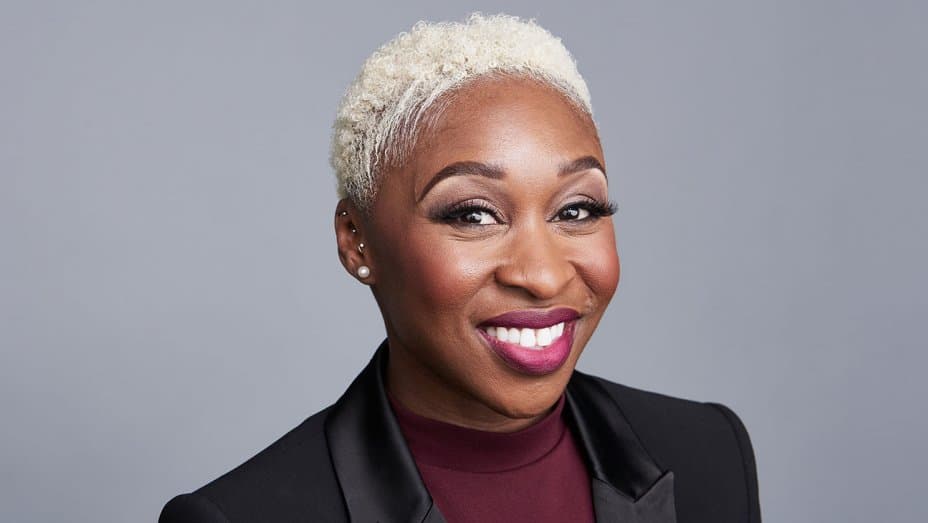
Cynthia Erivo, a British-Nigerian singer and actress won a Grammy for Best Musical Theater Album for the cast recording of the musical The Color Purple, she played the role of Celie Harris in the Menier Chocolate Factory production.
Cynthia also performed on the Grammy night, joining John Legend for the “In Memoriam” segment. They performed a cover of Beach Boys’ “God Only Knows”, paying respect to members of the wider music family who passed away in the past year, including legends such as Muhammad Ali, George Michael and Lee “Q” Worldstar”.
Cynthia also won a Tony award for Best Actress In A Musical for the same role. Before her role in the award-winning The Color Purple, Cynthia appeared in British television series Chewing Gum and played a role in the stage-remake of Sister Act.
Much sooner than we expected, Synth-funk singer Nukubi has put out his second single “Local Champion” off his debut project Bronze. We’re still not quite over the eponymous“Bronze” and its references to the synth pop movement and visionaries like Dev Hynes. “Local Champion”, despite its misleading name, stays true to Nukubi’s interest in specific sonic influences, but expands the influences from which he draws inspiration, mimicking the emotion monotonous drone of post EDM electronic music, made popular by vocalists like Alice Glass of Crystal Castles. The music arrangement is sparse, barely there even.
Nukubi puts his vocal arrangement through a wash and spin through a vocoder for that effect of being played through a cassette player instead of the lush vocal arrangements that we’ve come to expect from contemporary Nigerian artists. This effect is heightened when he layers his voice for a chamber pop choral effect emphasizing the dour refrain before dipping back into the song’s extended chorus. A fitting follow up to “Bronze”, but not quite on it’s level of ingenuity.
The EP will be released later in the year, and while Nukubi hasn’t confirmed, we suspect there will be a third single before the EP drops. How long is too long to wait for a project, we’re about to find out, because Bronze should have been here yesterday.
After a January break, Afropolitan Vibes returns for its first of the year on the 17th of February. Bantu Collective, the team behind Afropolitan Vibes, released its set list for Friday’s show earlier this week with neo-soul singer and songwriter, Lindsey Abudei as headliner alongside rapper Ice Prince and Jaywon. There will also be performances from The Bantu Collective and a host of other upcoming acts.
You can get look at Afropolitan vibes with highlights from Burna Boy’s 2015 performance below.
The 59th Annual Grammy Awards was a glamorous event with winning performances far outweighing the bad ones. Just in case you missed it, We’ve got a lineup of the best moments that happened during the event: Adele gracefully dropping f-bombs, Beyonce’s unborn twins performing, Bruno Mars’ astounding riff, Chance’s spirit-moving gospel performance and dramatic sharing gestures.
Adele dumps F-bombs on Grammy stage
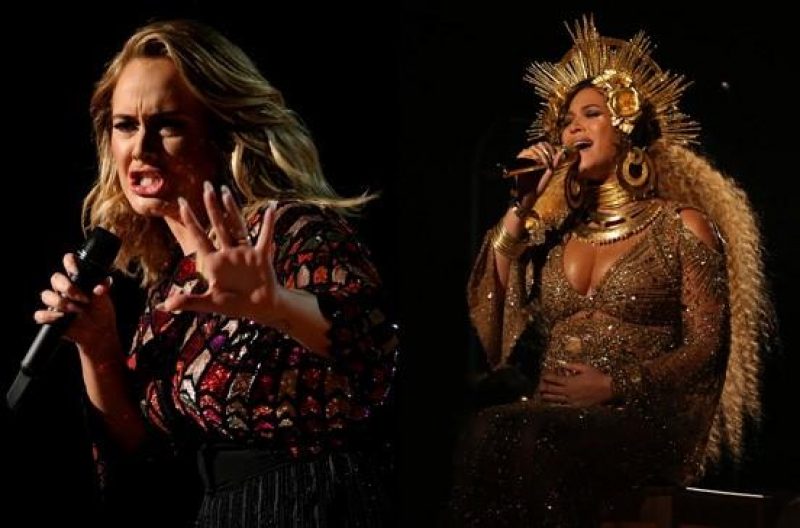
Adele paid homage to pop great George Michael at the Grammys in her second performance of the evening. For her tribute, she sang Michael’s “Fastlove”, a Hot 100 top 10 hit off his 1996 album Older. A few seconds into the song. Adele stopped the set saying, “I fucked up, I can’t do it again like last year”, referring to her critically-panned performance at the 2016 Grammys. It’s nearly edgy and unexpected of an artist of Adele’s calibre, but it eased tensions for her eventual killer re-do. See Adele’s performance of George Micheal’s “Fastlove” below.
Beyoncé stole the night with her performance of “Love Drought” and “Sandcastles” off her Lemonade album. Her highly spiritual performance is heavily centered around latent themes from her recent album; motherhood, forgiveness and love. Beyonce styled herself as not one but at least two religious icons: Osun, a Yoruba deity from West Africa, and the Virgin Mary. Highlights included holograms of her, her mother Tina and Blue Ivy, a levitating chair and the singer tenderly cradling her baby bump while wearing a golden headdress.
See the Beyonce performance everyone is talking about below.
As part of this year’s tributes, Morris Day and The Time performed “Jungle Love” and “The Bird”, two songs by beloved pop icon, Prince, who passed in 2016. For the second act of their performance, Bruno Mars joined the band on stage dressed up in Prince’s iconic sparkling purple suit while his symbol glowed in the background. Bruno performed Prince’s “Let’s Go Crazy”, closing the song with an incredible electric guitar solo.
Watch him work his 24k Magic on the strings below:
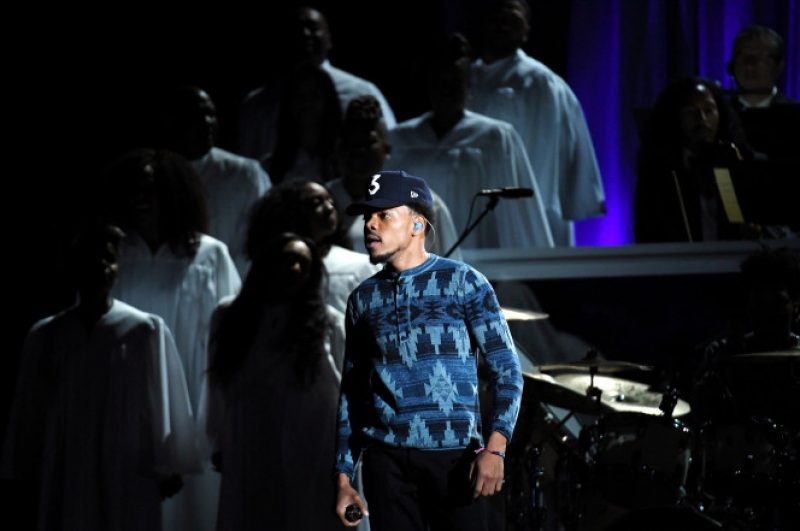
Chance The Rapper has come a long way from recording a basement mixtape while on a 10-day suspension in high school to performing at the Grammys. The 23-year-old bagged three out of seven nominations for Best Rap Performance (“No Problem”), Best New Artist, and Best Rap Album. For his performance, Chance gave a moving gospel-infused performance of “How Great” and “All We Got” off his Colouring Book mixtape. He was joined by Kirk Franklin, Francis and the Lights, Tamela Mann, and backed by a huge black gospel choir.
How Great/All We Got at the #Grammys w/ My Cousin Nicole, Kirk Franklin, Tamela Mann & Francis and The Lights pic.twitter.com/voCrerCtvb
The 59th Grammy Award had a classic Mean Girls (If you have not seen Cady’s epic crown-breaking scene, shame on you, but click here) moment after Adele broke her Album of The Year gramophone in two-halves and offered one to Beyonce.
Adele later added backstage: “I thought it was her year. What the fuck does she have to do to win Album of the Year?”
Check out Adele’s moving acceptance speech below:
Tena Tenpo’s debut EP For The Ladies On The Runway was released via his SoundCloud earlier this month.For The Ladies On The Runway is a parent project to his prior released single “Dirty Designer”. On the EP he uses samples and Afro-Carribean beats to talk relationships, sex and insecurities.
“Taboo”, one of the main highlights of his new project samples Sade Adu’s “Sweetest Taboo”. It opens with Tena Tenpo begging for forgiveness if he has done any wrong. He is seemingly in love with an unnamed girl, but he is also unwilling to open up to her due to pressure from his friends to be a ‘hard guy’.
Listen to “Taboo” and other songs on Tena Tenpo’s For The Ladies On The Runway below.



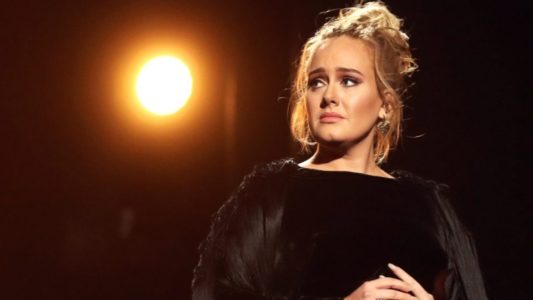 Adele paid homage to pop great George Michael at the Grammys in her second performance of the evening. For her tribute, she sang Michael’s “Fastlove”, a Hot 100 top 10 hit off his 1996 album Older. A few seconds into the song. Adele stopped the set saying, “I fucked up, I can’t do it again like last year”, referring to her critically-panned performance at the 2016 Grammys. It’s nearly edgy and unexpected of an artist of Adele’s calibre, but it eased tensions for her eventual killer re-do. See Adele’s performance of George Micheal’s “Fastlove” below.
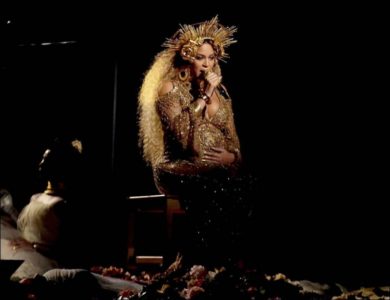 Beyoncé stole the night with her performance of “Love Drought” and “Sandcastles” off her Lemonade album. Her highly spiritual performance is heavily centered around latent themes from her recent album; motherhood, forgiveness and love. Beyonce styled herself as not one but at least two religious icons: Osun, a Yoruba deity from West Africa, and the Virgin Mary. Highlights included holograms of her, her mother Tina and Blue Ivy, a levitating chair and the singer tenderly cradling her baby bump while wearing a golden headdress.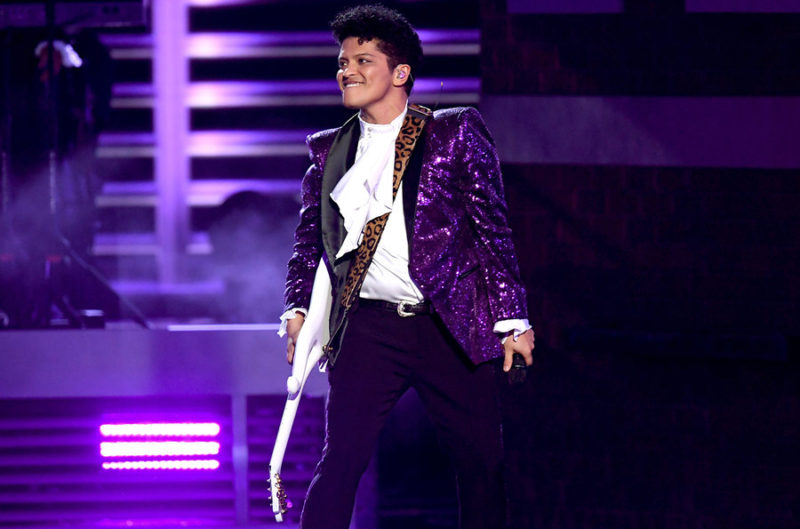
 Chance The Rapper has come a long way from recording a basement mixtape while on a 10-day suspension in high school to performing at the Grammys. The 23-year-old bagged three out of seven nominations for Best Rap Performance (“No Problem”), Best New Artist, and Best Rap Album. For his performance, Chance gave a moving gospel-infused performance of “How Great” and “All We Got” off his Colouring Book mixtape. He was joined by Kirk Franklin, Francis and the Lights, Tamela Mann, and backed by a huge black gospel choir.