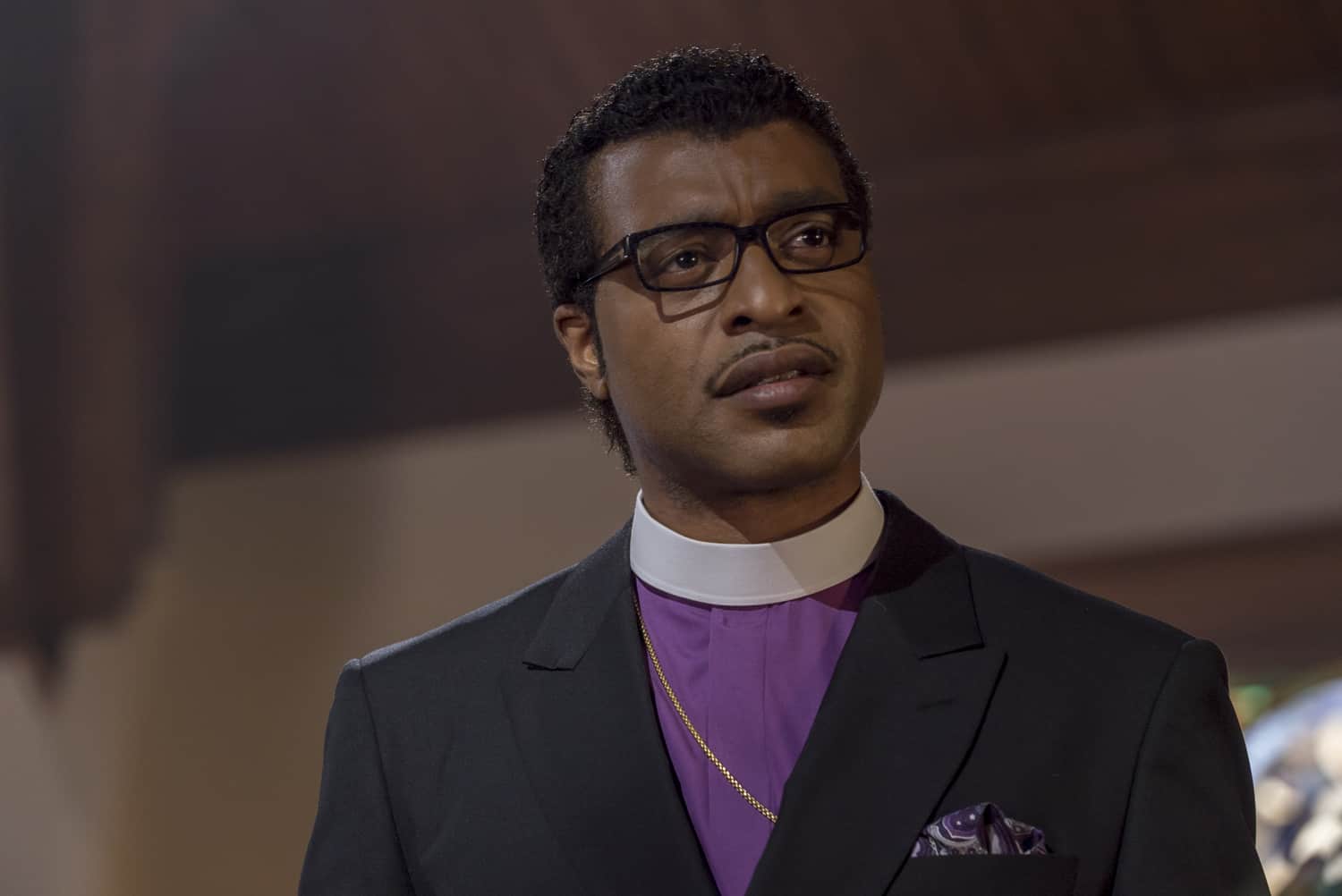
“Come Sunday” is a biographical film about something many of us may be familiar with: examining and re-evaluating our religious beliefs and faiths. The real-life Bishop Carlton Pearson had a revelation that had him examine the existence of hell, how God decides who would be condemned, and if eternal damnation of the souls those who are found unworthy paints God as evil.
Chiwetel Ejifor takes us through Bishop Pearson’s life with the direction of Joshua Marston. After the death of his uncle (played by Danny Glover), Pearson has an epiphany. He considers people like his uncle who never gave their lives to the Lord before death—like the innocent ones caught in wars and mass murders—and wonders if they would be condemned to hell. After reevaluating his faith, he reveals to his church that he does not believe anyone is condemned to hell, he does not believe that hell is real. His new resolve obviously does not go down well with the most conservative of Tusla, Oklahoma-based megachurch. Many condemn and many leave the church on a Sunday he declares this revelation while preaching.
Pearson’s motivation to continue to push through question the notion of hell also came from his relationship with Reggie (played by Lakeith Stanfield), one of Bishop Pearson’s most faithful followers and the church’s musical director who was part of the LGBTQ community. The Bishop wondered if this faithful servant of the Lord would be condemned to hell by a God who is believed to be accepting.
“Come Sunday” is to be released on Netflix today! But first, check out the trailer here:
“Tomiwa is figuring it out…” Tweet at her @fauxxbella
The classes in my second degree were more intimate and often more engaging than my first. There were seldom wrong or right answers, because they were mostly classes that focused on and backed students’ worldview with methods to tackle whatever social problems we saw, or related with. These classes were filled with people from various cultural backgrounds, experiences and age groups and so we hardly ever agreed on anything.
One debate I remember having was about shoes. For context: The founder of Toms pushed a cause where he gives one child in a rural area of a third world country one pair of shoes, for every pair bought at stores. The company had done this a few times and while kids were now provided with good quality shoes, local cobblers were losing money. As you would expect, in a scenario like this, the class was divided on what constitutes common good.
Some of my classmates believed though those who could afford to buy local shoes would get free shoes too, thus reducing sales for the cobblers, those who cannot will also be benefiting, so the cobbler’s lack of sales is collateral for the kid’s health. While the other side of the classroom believed the free shoes were disrupting the local economy and stifling the community (and maybe the country’s) ability to become self-sufficient. While both arguments are defendable (Life 101: there’s no correct answer), it is clear that both parties see the world differently. Both were looking at the same case study through different frames. The world is the same, but the frame of reference differs.
Our frame of reference is how we perceive what we view as reality through our subconscious frames: the frame through which we view and interpret our external environment. And because we believe our perceptions to be real, we believe everyone else sees them the same way. Our frames are influenced by our environments and often by the interpretations of the people we interacted with the most in our early years. Our beliefs in the first few years of our lives echo our guardians’ and we tend to interpret the world around us the way they’ve taught us to. In some instances, we disagree with these views based on data from core beliefs we may gather from other sources. But because they are the ones we interact with most, and most of our development happened around them, we tend to hold on to their beliefs more than we’re willing to admit, and sometimes more than we’re aware of.
But as we grow and start to have our own experiences, we start to form our own opinions, and as these opinions become stronger we begin to question our previous beliefs and compare our developing worldview to our previous one. Learning and engaging with various points of views by giving people who think differently from us platforms to speak, expand and shape our lives and eventual worldviews. This kind of growth only comes when we allow it. The problem is that we can only allow it if we know we’re biased. But bias is not easy to spot because it is in our subconscious. Our frames dictate how we view the world and interpret information and how could you possibly comprehend that people might interpret information totally different from you?
Because of this inability to spot our biases, our frames lead us to create mind, and ultimately, conversational bubbles where everything that doesn’t agree with our ideologies is filtered tuned out, or coloured with our counter arguments supporting our beliefs. Because we believe our frame is the only one- how could it not be? It’s literally how we see the world – we are naturally drawn towards people who share similar frames with us.
In debates with people with different beliefs, we question and counter their opinions by referencing data we’ve gathered from friends, authors, academics and others who share our minds-eye. Ironically, how we perceive the world is merely a simulation of reality translated through our personal or acquired experiences. This is why it is possible to have long-drawn arguments and still find no cause to adjust your chosen viewpoint; because you just don’t get where the other person is coming from.
The new age has made gathering information easier for us as a generation, through this new material source, we learn, and we grow, and we gather information. However, we have also seen how people with opposing views aggressively dispute arguments by attempting to bully others out of their opinions.
In today’s Google-smart world, algorithms now tend to support our conversational filtering methods, usually, this information tends to be clouded by our belief bubbles. Search results now focus very heavily on what the algorithm assumes to be your preferred answers based on previous searches.
The goal of these engines is to tailor the searches to our preferences so that we are not overwhelmed with information, but this is really only killing our chances of expanding our frames. User behaviour research has revealed over time, that people tend towards search results that affirm pre-established notions. That is, usually, we merely look to re-adjust our frames to accommodate new information. But this does not mean we should not keep trying to learn (even within our bubble), because we are doomed to only circle around. We are in a time when societal norms are no longer taken as is because people are more willing to have open discussions, others have discovered they’ve been living in bubbles and have learnt to break free.
The most interesting thing about the human experience is that there are multiple layers to our personality because individual grey lines will be still coloured by the rules of nature and nurture. At childhood, we are easily impressed upon and vulnerable to whatever our immediate surrounding offers as truth. My goal with this column is to compress the gap between the known and unknown so that perhaps it is less scary to question ourselves, our beliefs or our existence. This journey requires that you are patient with me, and the success of this quest demands that you share as many thoughts as your mind will allow. The psychology of the unknown requires that we walk the tightrope to the road rarely taken together.
Psychology of Things Unknown is a weekly column by Tomiwa Isiaka, published every Saturday.
Featured Image Credits: Micheal Cho
“Tomiwa is figuring it out…” Tweet at her @fauxxbella
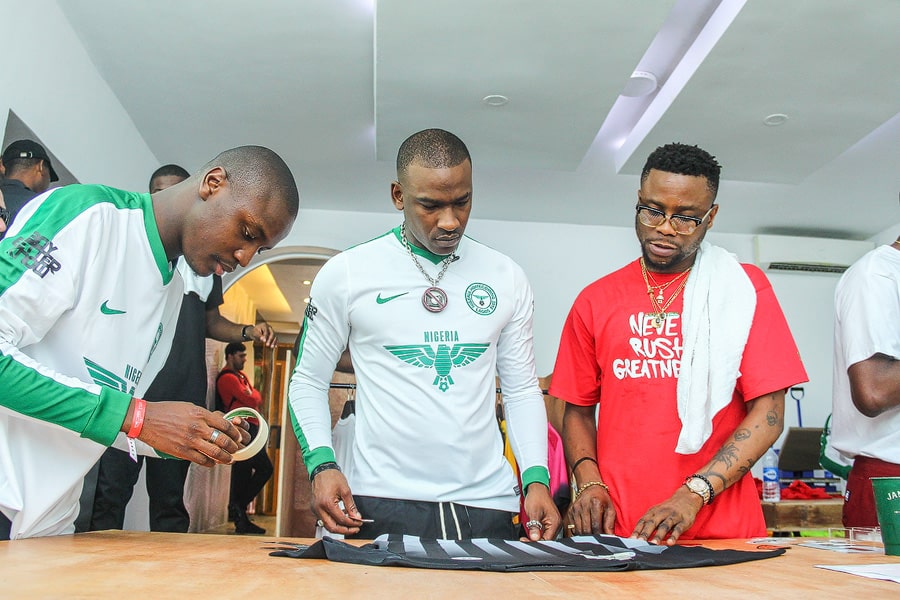
Last weekend, Lagos was a movie, and we’ve only just about recovered. As much as that expression has been used and abused over the years, that is the only way to describe it. Linking up with BBK (helmed by Skepta and Greatness Dex), Grace Ladoja and our family at Nike, we curated a three day experience designed to further strengthen the bridge between Nigeria and the rest of the world – a bridge that The NATIVE has been committed to forging since our inception.
As the weekend was centred upon the marrying of homegrown and diaspora, it saw a two-day pop-up shop featuring international brands such as Patta and Off–White, paired with Nigerian outfits such as WAFFLESNCREAM and Vivendii. Nike set up a jersey customisation space, which saw everyone from Naomi Campbell to Odunsi The Engine to your little sister drop by over the weekend to make their 1/1 Naija-inspired jersey. We linked up with grassroots football organisation Ball Off and Nike again, to put together two football tournaments – one featuring the teams from a Lagos-based semi-pro league, and another featuring teams captained by the likes of Skepta and Not3s, with a special guest team consisting of Super Eagles legends like Taribo West and Daniel Amokachi.
The weekend’s events culminated in the Homecoming Concert, a line-up helmed by DJ Obi with no headliner – artists graced the stage one after the other performing their hit songs. Not3s and J Hus returned to Lagos to great acclaim, whilst homegrown stars such as Wizkid, Olamide and Davido did what they do best.
As the relationship between Nigeria and the diaspora grows seemingly every passing day, we spoke to six young Nigerians about why they feel Homecoming was another important step in the right direction.
Homecoming’s presence in Lagos was vigorous over the long weekend. I think the merging of the local youth presence with the international, brought a whole new spotlight to the culture in Lagos. The cultural revolution has been televised, and the drive of authentic growth is happening before our eyes at an insane rate.
It shone a light on the importance of the creative industry in Lagos and I think it has definitely helped to put the “culture” on the map. People are proper intrigued about the scene and want to see how they can be a part of it, or help it to grow. With people like Odunsi, Santi and Wavy on the bill it also showed that the new generation of unconventional artists are important. We aren’t just creating music on the internet, but we’re on significant bills like this. So it definitely was a WIN. The reviews from the show itself have been good, and the events leading up to it built a sort of community feel. A sense of community is always important.
NATIVE and Homecoming are like a match made in heaven. We set the template for how things should be done for New Gen with Nativeland, now events like that can happen every season. The voice of the youth stays relevant. It’s the bigger picture for our people. Our goals and visions are aligned.
The importance of Homecoming was the fact that everything happened here in Nigeria. It gave various creative scenes a genuine spotlight and created a feeling of real appreciation and love.
NATIVELAND was the highlight of my 2017. Being able to go then back to my motherland to perform [again], it was just so sick to me. I didn’t know I had a following in Nigeria, so to be able to do what I love and see people vibing with me and to my music was just proper.
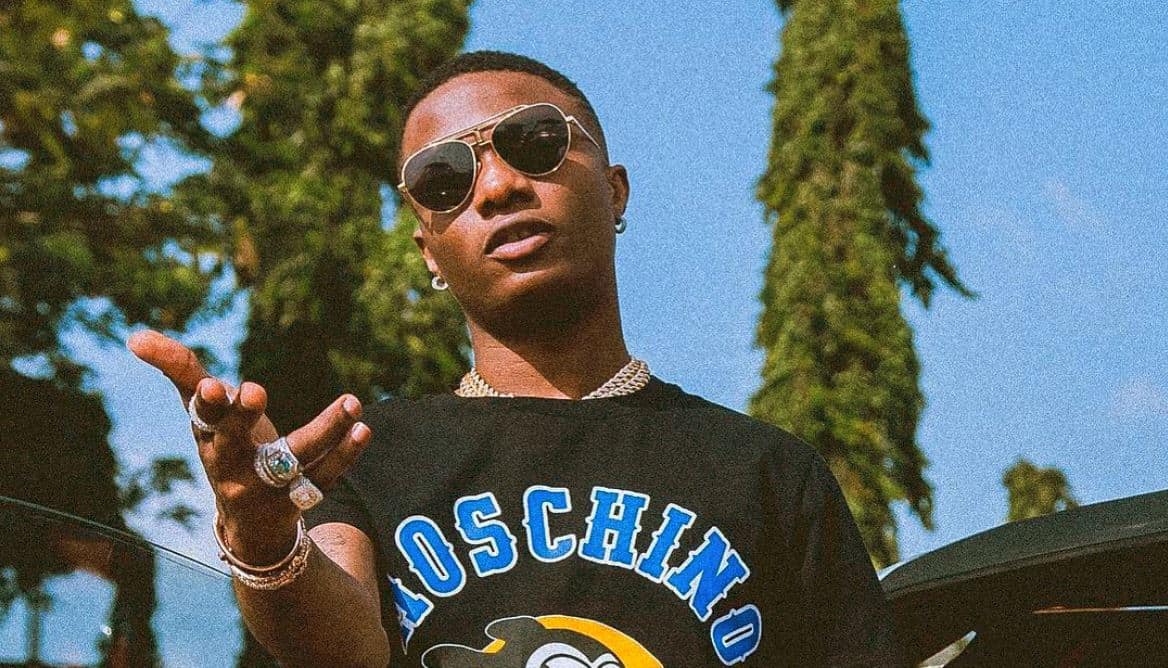
Since Wizkid’s recording deal with RCA, we’ve watched the Starboy grow into an international sensation through prestigious collaborations and his widely circulated SFTOS project. With that success though, came an increased amount of pressure. Luckily, the singer is constantly finding innovative ways to keep his fans entertained. But no one saw Wizkid’s latest move coming.
On Friday the 13th, Wizkid took to his Twitter to announce the release of four new singles ‘by Starboy’. And with over 4 million followers, there’s very little need for publicity beyond that. His fans have flooded the timeline singing his praise and it’s hard to blame them. Though there’s no intellectual or conceptually arching narrative for the releases, all four tracks are proof of Wizkid’s elite Afropop sensibility and a template for artists working to make the most off their music within their label obligations.
It’s classic Wizkid to start a trend in such an unassuming way, releasing four new singles at the same time. It’s exemplary of how social media has reconfigured our music listening culture. Listeners no longer seem to have the patience for lengthy project releases when they can just listen to certified hits that everyone on social media is talking about. Artists recognise this and keep their projects as short as possible, hoping at least one or two songs go viral. And Wizkid is taking advantage of social media’s ability to crack the musician-audience barrier, knowing that there’s no need to spread himself thin releasing a full-blown project. With enough hype, each of the four songs will reach its audience.
“Highgrade” features Ty Dolla $ign who already featured on two tracks off Sounds From The Other Side. The two combine for yet another romantic number, this time produced by Mut4y with mellow synth harmonies, fitting for the ‘highgrade’ buzz, while Wizkid and Ty Dolla $ign profess their affections for their love interest. Spotless produced “Lagos Vibes” follows the same mid-tempo baseline but listens a lot more honest with the highlife sound brought on by the soothing guitar riffs and soft drums. Wizkid’s ride the sombre harmonies effortlessly, spinning a romantic confessional. Though “Lagos Vibe” is too much of a love song to really be an ode to his favourite city, he manages to hint at a relateable Nigerian electricity and traffic struggle through some clever songwriting; “When You Leave, My Battery Pia/ When You No Move, Man No Fit Move”.
Like “Manya”, “Commando” is credited to one the Legendury Beatz producer duo, Mut4y. Spellz produces the synth-based beat with tin-pan drums, bass and vocal samples while Wizkid and Ceeza Milli sing the praise of their love interests. “Aphrodisiac”, a NATIVE favourite, Wizkid delivers a sultry number backed by steamy R&B production from Northboi who interpolates Ashanti’s vocals from Ja Rule’s “Always On Time”. Wizkid’s wistful vocals keep the misty atmosphere as he performs an Afropop song to slow-dance to.
Listen to all four new singles from the Starboy below:
Featured Image Credits: Instagram/Wizkidayo
You are meeting Debola at a strange time in his life. He wandered into a dream and lost his way back. Tweet at him@debola_abimbolu
Attaining the sort of fan support that leads to a world tour off a debut project takes some doing. But that’s exactly what Mr Eazi did after releasing his Life is Eazi Vol 1: Accra to Lagos’ mixtape in 2016. He was able to seed the tracks into radio and the interweb by building relationships with editors, OAPs, influencers, blogs and music affiliations like Starboy and Apple. Not to mention the timely nature of subsequent videos releases for tracks off the album. It was a model fit to serve as a blueprint for artists in our era digital music age.
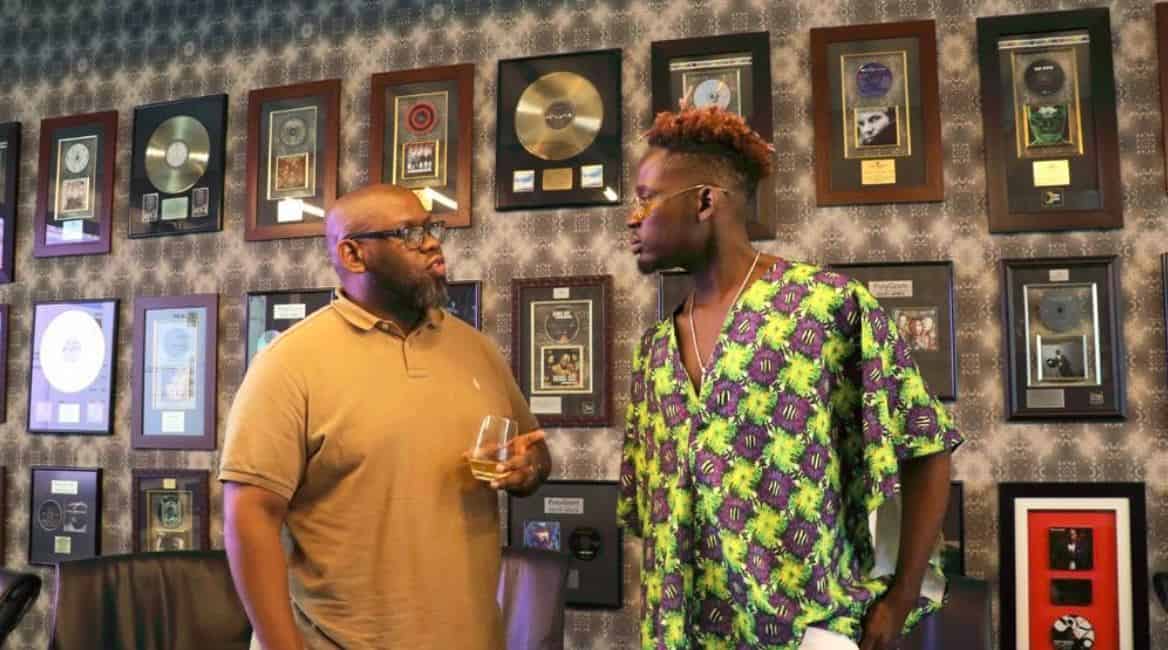
To continue his rather stellar run, the singer recently announced via his Twitter that he has signed a label licensing deal with Universal Music Africa. The deal, which is a distribution deal between Mr Eazi’s record label, Banku Music, and Universal Music Africa, will allow the labels jointly release Eazi’s forthcoming project, ‘Life is Eazi Vol 2: Lagos To London’,in Africa exclusively. The singer shared the news along with a photo showing himself and Sipho Dlamini, the Managing Director of Universal Music South Africa and Sub-Saharan Africa.
For “Magun”, the 11th track off Niniola’s ‘This Is Me’ album debut, the singer returns to her prevailing sensual form, spinning sexual lyrics over Afro-house beats. Her confidence to explore other sounds on the album after scoring a hit with “Maradona” made for a wholesome listening experience. But after venturing into pseudo-gospel, R&B and folk, “Magun” saw her assert her dominance as the queen of the house genre and with the new video treatment, she may have a sleeper hit on her hands.
While Niniola swears that “Only The Foreplay Is Allowed For You”, the video Clarence Peters directs features some of the the most suggestive imagery ever seen from Niniola’s often seductive video catalog. She performs the song against a dark backdrop that allows the glow from the strobe lightscaress her skin while lightening effects are seen in the distance. Though Niniola looks sexy in her outfit, it’s the extra casts that offer provocative shot of lip licking, seduction.
Watch the video for “Magun” below.
Featured Image Credits: YouTube/Officialniniola
You are meeting Debola at a strange time in his life. He wandered into a dream and lost his way back. Tweet at him@debola_abimbolu
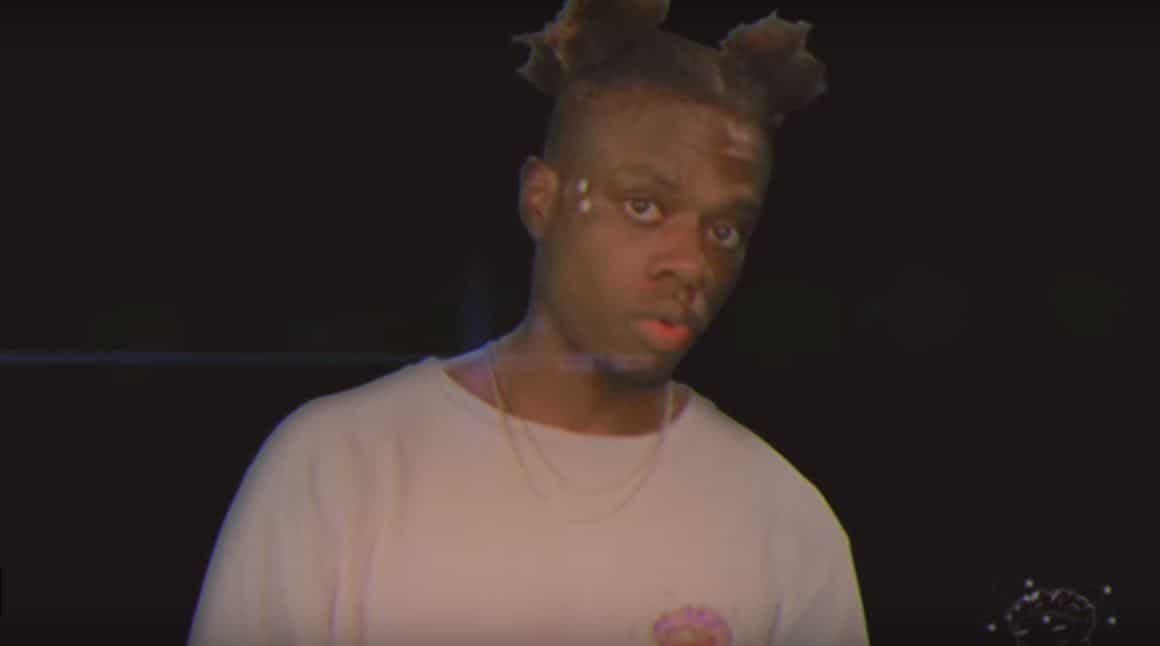
Tobi Lou’s ‘Tobi Lou and The Moon’ EP may not be the most talked about project released this year, but with the series of complimenting music videos exploring surrealism, it’s catching on. In an interview with DjBooth, he mentioned that the project, along with a series of EPs he plans to release through the year, is his way of establishing his brand as an artist in L.A. Apparently, this resolve came after executives tried to morph him into a bootleg version of another artist; “If he was going to fail in this industry, he would fail as Tobi Lou”.
And as it turns out, his decision to stay true to his authenticity is paying off. According to the article, Tobi Lou has announced that his forthcoming album debut will be executive produced by renowned hip-hop producer, No I.D. The album’s title is yet to be announced but we know it has been set for release this summer. He was quoted in the announcement on DjBooth saying “Being from Chicago, ever since I heard Kanye [West] mention No I.D. on ‘Last Call,’ he’s been someone I’ve hoped to work with one day. And now it’s actually happening, so I guess the proper word is surreal, that’s how it feels.”
Stream Tobi Lou’s Tobi Lou and The Moon here:
Featured Image Credits: Instagram/tobilou
“Tomiwa is figuring it out…” Tweet at her @fauxxbella
Sope Aluko has always known she wanted to act. In an interview with Shadow and Act, the Nigerian-born actress said she “wanted to be an actor ever since I was tiny”. But being a daughter of traditional Nigerian parents, her “burning desire” was sidetracked and pushed towards more traditional jobs. “I was given the mandate it had to be something professional where you can make some money. So it was doctor, lawyer, etc”. It’s a familiar story people with similar backgrounds will relate to.
Fortunately, being the daughter of a diplomat gave her the unique opportunity to learn about different cultures through her adolescence and play different roles in her real life—all of which she agrees contributed to her edification while she nurtured her passion.“I lived everywhere from Tanzania to Trinidad and Tobago, to France, Indonesia and so I got a really good sense of multiculturalism and just embracing different cultures all over the world. All of it contributes to me being a better actor as well”.
Though Sope Aluko went the traditional job route, earning herself a Masters in Marketing and Product Management, she knew what she wanted to do. She later went on to work as a Brand Marketer for over a decade, all the while taking acting classes in secret. “I was not letting my parents, family, or colleagues know”. And in 2009, after over a decade of taking secret classes, Sope decided to take her passion beyond the classes and get active with her learnings.
Since she began, Sope Aluko has featured in a number of films and series, including a role as Detective Shelby Diaz on “How To Get Away With Murder” in 2015, and more recently, she was cast as Shaman on Marvel’s big money earner, “Black Panther”.
But despite the prestige that comes with that, news Sope Aluko posted on her Instagram today is evidence that this is just the beginning for her. Florida county, where she lives with her two sons has proclaimed April 10, 2018 “Sope Aluko Day” by the county commissioner. Aluko’s growing career also shows no signs of slowing down. She currently has two movies in the works: A part in “Venom”, which is to be out later this year and also in Astute Films’ true-life race drama, “The Best of Enemies”.
Featured Image Credits: Instagram/sopealuko
“Tomiwa is figuring it out…” Tweet at her @fauxxbella
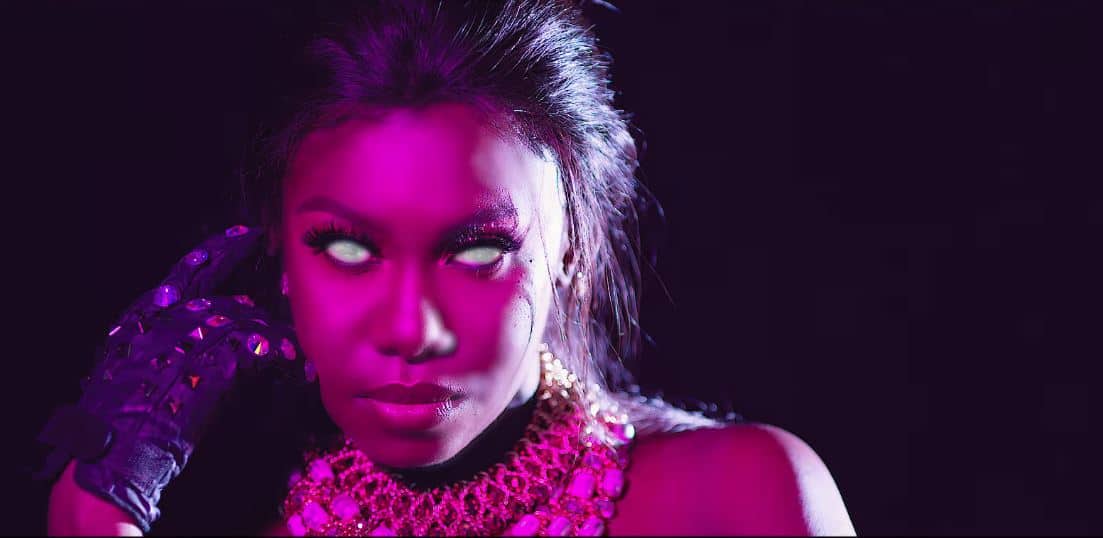
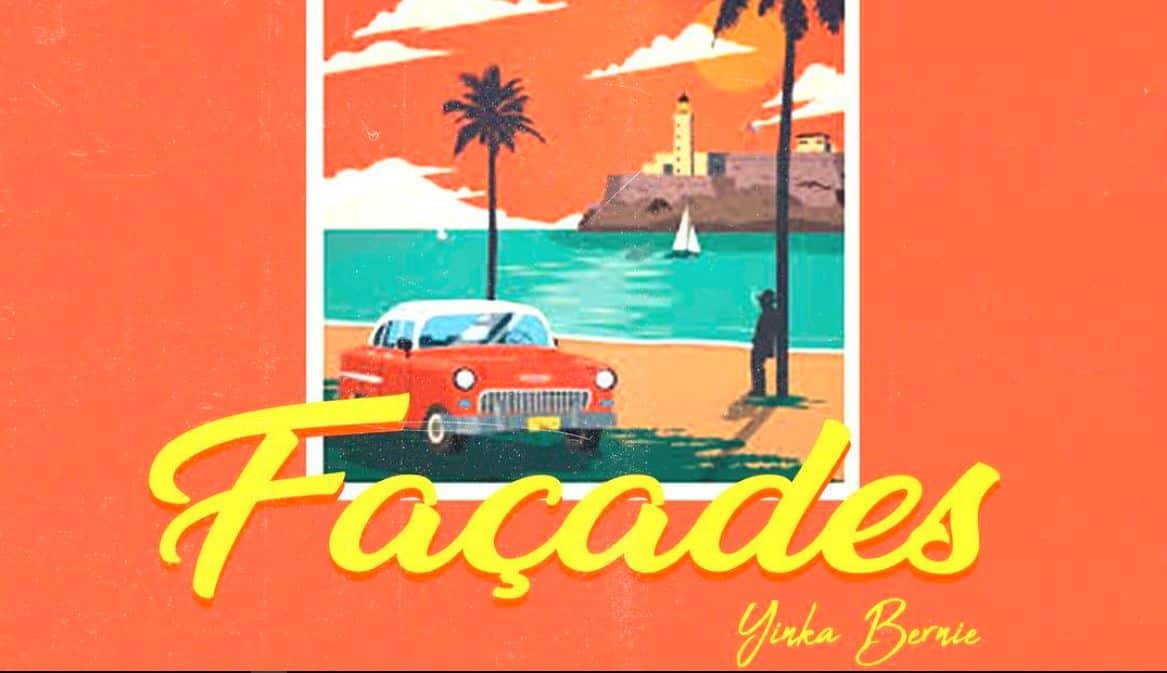
What does reconciling relationships sound like? Well, in Yinka Bernie’s world, it sounds really chill, if not a little cheerful. The singer’s latest release, Façades finds him baring his emotions despite the title’s hint at a guarded theme. The 3-track EP deals with the pleasant sentiments from rekindled romance with guest verses from Amaa Rae, Idris King and AYLØ.
The opening track on the album, “Again” captures the mood for the project full of gorgeous, dream-pop. The mid-tempo drums, lo-fi synths, vocal samples and rattling harmonies serve as the backdrop for Yinka Bernie’s drowsy vocals to coast as he addresses a love interest who he wants to “Start All Over Again” with. Though he admits the disconnect and the issues they have to fix, his affection and desire to revive the relationship is his most pressing concern. And by embracing his more tender feelings, “Again” takes a very romantic hue that’s heard through the rest of the tape.
“Epistle” featuring Idris King and Amaa Rae retains the lo-fi harmonies but focuses on only the pleasant side of romance. All three artists are laid-back seeming too lost in the romantic feelings. Idris King adds a signature French line and Amaa Rae’s sultry voice is always seductive even when she isn’t singing “I Need You”. Though their melodies are playful, it also captures the dizzy rush when you tell your crush how much time you spend thinking of them.
The last track on Façades, “Rockstar”, doesn’t change the romantic mood but infuses a party energy. With the showy and stargazing inspired lyrics, catchy drum riffs, synth percussion and featured artist, AYLØ, it all adds to a deliriously fun love song.
Listen to Yinka Bernie’s Façades below.
Featured Image Credits: Instagram/yinkabernie
You are meeting Debola at a strange time in his life. He wandered into a dream and lost his way back. Tweet at him@debola_abimbolu
Kuvie’s self-produced new single, “Energy”, listens like the warm beach breeze announcing the coming of summertime. The warm synth percussion wrapped with traditional drums rattling along to the mid-tempo harmony is laid-back, but like the song’s title, featured artists, B4Bonah and RJZ deliver spirited verses. It’s a happy honeymoon-phase ass song grounded in hip-swing friendly rhythm.
Though the chorus, “Whenever You Smile at Me, You Make Me Feel This Energy” is vague, the verses taken by B4Bonah and RJZ delves further into the theme of romance. Listen to “Energy” below.
Featured Image Credits: Instagram/kuvie_
You are meeting Debola at a strange time in his life. He wandered into a dream and lost his way back. Tweet at him@debola_abimbolu
For our interview, Dare invites me into the micro-office of his home on Lagos’ upper east side. We go through a black-tiled stairway, with a painted portrait of his Dad hanging on the wall with ‘Chief Olaitan’ written just beneath the image. He has grown reluctant to grant interviews because the questions are often mundane; ‘like, what’s your best colour?’.
Funnily, when we meet, I want to ask if his favourite colour is green because he is polite and self-possessed in green tees and green sweatpants, with a green bottle of beer in his hand. Dare isn’t interested in an interview that doesn’t appreciate the needful art of conversation; it’s got to be an interview that’s going to pull something out of him. But it’s exactly this seeming self-importance that makes Dare stand out, as someone who is still in his early years, in the scope of Nigeria’s movie industry.
Dare Olaitan’s debut feature movie, Ojukokoro was one of the most successful last year, solidifying Dare as one of the most compelling young filmmakers out. Three weeks from now, is the screening of his movie at Metrograph in New York, made possible through KJM 3 Entertainment Group’s new program “Nollywood 3.0; Images and Stories From the African Diaspora”. Dare is content, mostly he seems unfazed. His main concern is still just figuring out new ways to market Ojukokoro and an upcoming movie set for next year.
After choosing to study Economics and Business Management in Ilinois for his first degree, only later did Dare’s decision to pursue a career in filmmaking arise. His final senior year project (BSc) had been to write a paper about a market industry in an emerging country; he chose to do it on Nollywood.
In the years to come, Dare would transfer his knack for Economics and Business, the skills he gained from two years of film school and one year of NYSC working in film production and eventually birth his debut movie, Ojukokoro.
He made Ojukokoro two years ago after he had gotten back from Colorado Film School in Denver. He was trying very hard to earn a living in Nigeria, “to plug into things and see how things work” he says. But “the sense of how things worked, and how things were meant to work weren’t meshing”. At that point, exasperated Dare was like “what if everything in Nigeria is just a fraud” because the Nigerian economy wasn’t making any sense to him. His ‘mind-set was that he’d get to make a film and hopefully, sell it to Amazon in America.
Part of the motivation behind his international outreach is a desire to build audiences in foreign markets—to become a truly global filmmaker and “economically, get the World to know that there’s a viable film culture out here”, he says. More than erecting a global tent pole brand with Singularity-Media co-managed with his brother Niyi Olaitan, Dare is reaching out for inspiration and new ideas about how well to integrate storytelling into marketing.
With KJM3’s new program, “Nollywood 3.0: Images and Stories From the African Diaspora”, Ojukokoro is going to be screened in New York. What does this mean for Nigerian cinema?
Basically, other avenues of distribution, which is the most important thing at this moment, in my opinion, to make the industry grow.
What does the screening mean for you as a young African filmmaker?
So in the business of movies, almost every Nigerian movie is an independent movie. An independent movie being there’s no studio system. Independent meaning that most likely the director is going to be the one raising all the funds. The whole shebang is in someone’s head.
In a studio system, the studio has the money and can plan. For studio movies, there already set links that will be a source of distribution. So I’ve always known from the jump, for this to make any sense, my movies have to go to America. There we can get the exposure to hopefully build a system here. So this New York thing just means my plan worked.
Have you been to Metrograph before though or would this be your first? Apparently, it’s a sanctum for cinephiles, a complete ecosystem. How are you preparing for the Q&A session?
No, I sent a couple of friends to go check it out, just to see how it is. It’s like fire. You can’t really prepare for a Q&A but I know the length and breadth of what can happen.
Can you talk briefly about Ojukokoro, the representation it brings to cinema and why you were compelled to tell this story?
It wasn’t really a compel-a-tion. I had moved back, my parents were always on my head and I was trying very hard to earn a living, to plug in to see how things worked. Like I said when you’re trying to do something for the first time, you always try to learn from people that did it before. So I was like what’s the closest thing to the Nigerian movie industry that is kind of formal; and it was the Mexican movie industry. But they make better movies than us. So I was like who has made it from that scene to Hollywood? (Cause that’s my long-term aim. By 30, I want to be making movies in Hollywood)
So there’s this guy, Rodriguez (that made Spy kids, Sin City). For his first movie, El Marachi, he made that with $7,000, a guitar case, and a bar. Essentially, he wrote a story around what he had.
So I sat down there and I’m like what the fuck do I have? I have a petrol station, a brief case; I have one prop gun, I know some guy with a camera. And I wrote my story around what I had. That was the only story I could have written at that point in time, based on where I was then.
When I made this movie, I had one goal. I made a movie to prove I could be a filmmaker in this industry. Additional goals were hopefully an Amazon and iTunes release.
I did not think I was going to American cinemas [Just yet]. My long term was always to be here. So this is a surprise in that aspect. This movie is good but I don’t think it’s that good. I feel like I know the limitations.
The movie you were on the set of in Abeokuta, which I suppose is still in the works, was that your movie?
Yeah, it is, I’m not making anything for anybody for a while.
Is the movie going to be out this year?
No, it’s not going to be out this year.
What else have you been up to in the past three months of 2018 and what do you have on the schedule for the rest of the year?
This movie.
That’s what I’ve been doing for the past year and that’s what I’m going to be doing for the next one year.
What’s the movie about?
The movie is tentatively called Knock Out Blessing. It’s a movie about a girl who was born in the village, and comes to Lagos after a great personal tragedy with her grandpa who was training her to be a boxer. It should be really good. But it’s going to take us a while to make it; there’s like a bunch of VFX and CGI.
What were some of the challenges you encountered while producing Ojukororo and how are you trying to overcome some of those challenges for this new movie?
Sometimes people think of challenges in terms of the physical things that stand in your way. In terms of number of cinemas…etc. But I’ve started to have a more holistic view of this thing. I guess my problems last time was people told me things and I believed them. I let people tell me things because of my lack of experience. Currently, Black Panther is about to make 350-400 million naira in the cinemas that exist in Nigeria. So there’s that amount of people that can watch a movie like that in Nigeria; the people exist.
There’s a difference between Art and there’s a difference between Business. I now know filmmaking as a business is finding a way for both to coexist or balance at the same time. The way I’m looking at marketing now from what I’ve learnt from Ojukokoro is more about Legs-in-seat marketing vs. people-knowing-about-your-movie marketing.
Starting with this first movie, Dare Olaitan has been levelling up continuously, and with the huge year he has just had; Knock Out Blessing will represent the culmination of yet another growth spurt. In the main time, he will be seen at Metrograph with his producer, Femi Ogunsanwo, on April 13th to screen Ojukokoro with audiences.
Fisayo is a journalist in search of words. Tweet at her @fisvyo
The Twist Fashion Show invites you to their debut event this summer. The show’s founders, Alina Abdullahi, Adanma Nwankwo and Etopima Umanah are fresh out of secondary school, and they started this project to create a platform for self-expression for visual artists around their age.
The founders also plan to use the project and their platform for active advocacy in support of rape and domestic violence victims. 50% of their proceeds from their debut show will go to Mirabel Sexual Assault and Referral Centre For Rape Victims, one of the few sexual assault centres in Lagos. The support is important as the NGO almost closed down last year due to lack of funding.
— Twist the fashion show (@thetwistfashion) March 18, 2018
The Twist Fashion Show will be a 2-part show held at the venue in Ikeja on the 23rd of June 2018 from 4pm to 10 pm. First a fashion show, then an art exhibition. We spoke to Etopima Umanah, one of the founders of The Twist Fashion to get a better understanding of the motive behind the Fashion show.
“Alright so it’s a fashion show and exhibition organized for teenagers by teenagers cause that’s our major target audience. It’s also involved in charity, particularly for rape and sexual assault victims because they are often ignored and marginalized group of people—both by society and government. And speaking from experience, it really hurts when no one believes you or it’s just so trivialized that speaking up about it is discouraged.
We’re donating a significant amount of the proceeds to the Mirabel Centre for Rape and assault victims at the end of the whole thing. It nearly got shut down last year in February due to a lack of funding, so yeah, we don’t want anything that horrid to ever happen. The Twist Fashion Show is also a youth empowerment event in the sense that all the art, fashion etc presented during the event will be delivered and produced by teenagers.
We hope to demonstrate the responsibility of the adolescent as well as our commitment to society through the efficiency of the organization because those are things adults often consider us as lacking.”
See the flyer, showing the dates and venue entry fees for The Twist Fashion Show below.
Though Aramide is singing about her lover being magic, it’s her voice and aura over persistent guitar licks that enchants. Singing “Iwo l’adun mi, you are the sweetest thing”, she expresses her feelings as magic, warmly enough to melt hearts, whether they’re in love or not. Bash’em preemptively directs a clean and simple video for “Magic”, depicting only the beautiful singer showing off her pipes. Distractions with a cameo from the object of the affection would’ve been unnecessary and thankfully, it was left out. Instead, we get to watch Aramide have a lot of fun within bright colourful settings.
Watch the video for “Magic” here;
Featured Image Credits: YouTube/Baseline Music
Mariam is (insert pretentious stuff about myself here). Share your thoughts with me @MA_Y_M
Earlier this year, Banky W brought our attention back to his most recent project, ‘Songs For You’, with the release of a music video for “Love U Baby”, the fifth song from the album. After continuing the string of releases through a remix of “Whatchu Doing Tonight” featuring Susu, he complements the release with a video.
The video for “Whatchu Doing Tonight” is directed by Banky W. Through the video, we see Banky and Adesua enjoy their night together. While the song finds Banky W trying to coax a love interest to come out and hang with him for a fun night, he and his Mrs are seen leaving a club, then cruising through the third mainland bridge before ending at a party to perform the lyrics to the song.
Though it’s Susu’s verse that complements Banky’s, agreeing to hang with him through the night, Adesua plays out the singer’s part by miming the lyrics in dark love scenes and a stage performance with her husband. The final scenes of the video shows a twist that may be proof that crime is the glue that binds a couple.
Featured Image Credits: YouTube/Banky W Wellington
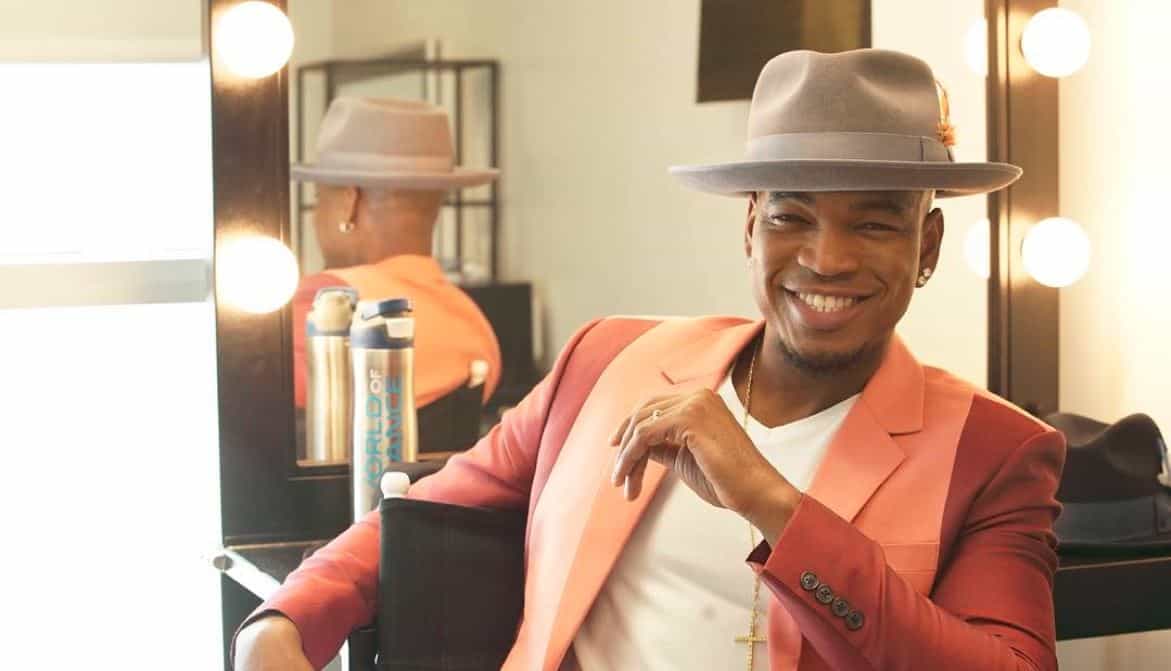
For Ne-Yo’s latest track “Push Back”, he complements dancehall with R&B and pop featuring, American singer, Bebe Rexha, British-Jamaican rapper, Stefflon Don and Stargate, his long-time producers. Mavin boss, Don Jazzy also revealed via an Instagram post that he co-produced the song along with the Stargate duo.
https://www.instagram.com/p/BhD76AtFy-0/
“Push Back” creates a platform for all three artists to shine within their spaces. Ne-Yo delivers his familiar R&B melodies, after which Bebe Rexha takes the second verse with a more pop approach before Stefflon Don performs a fun rap verse over the Don Jazzy and Stargate produced instrumentals.
Watch the lyrics video to Ne-Yo’s “Push Back” here:
Featured Image Credits: Instagram/neyo
“Tomiwa is figuring it out…” Tweet at her @fauxxbella
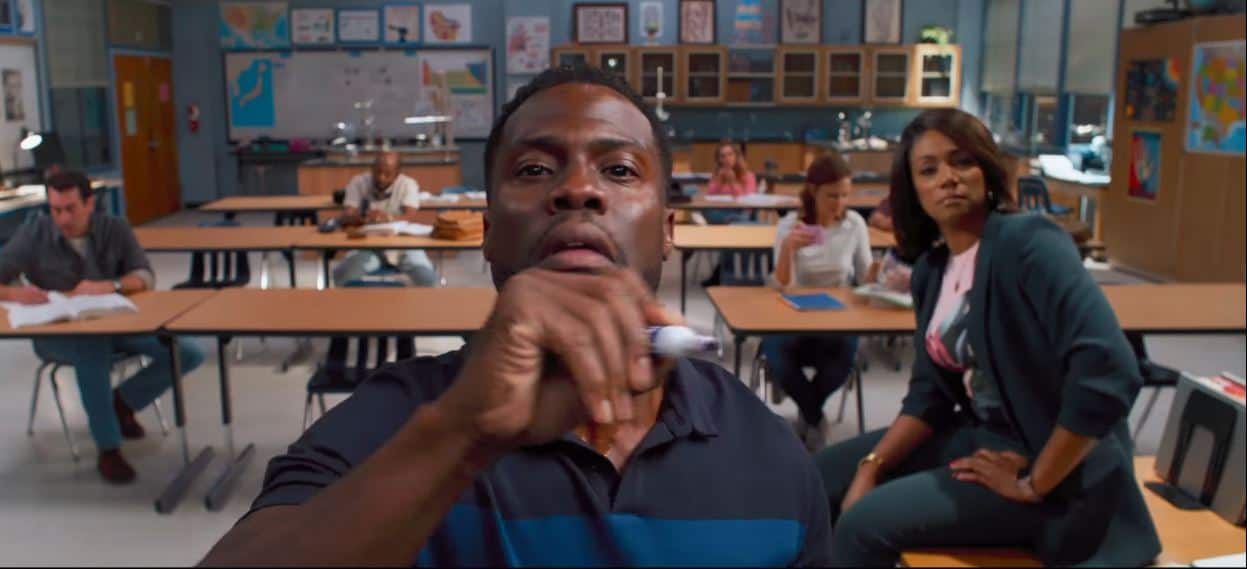
Universal Studios has released the first trailer for “Night School”; About a group of adults attempting to get a high school diploma. The Malcolm D. Lee-directed film teams up Kevin Hart and Tiffany Haddish as lead characters while also starring “Insecure” breakout star, Yvonne Orji and Megalyn Echikunwoke from “Arrows”.
In “Night School”,Kevin Hart’s character meets his match and then some in Tiffany Haddish’s after being forced to enroll in high school to get his GED as a consequence for the explosion he caused at his business. Haddish is his no-nonsense night school teacher, who explains that she’s taken the gig so she can “make a little cash”.
The Will Packer produced “Night School” is set to premier on the 28th of September but you can watch the trailer here;
Featured Image Credits: YouTube/Universal Pictures UK
Afropop’s top hit makers recognize that one of the quickest ways to score a radio hit is to create a wedding soundtrack. Just ask Wizkid, Davido or Sunny Nneji, there’s something about celebrating love backed by live band music that Nigerians simply can’t resist partying too. From the gospel inspired “Haaaa Halle-lujah” riff, Yinka Ayefele-esque Yoruba ad-libs and the instrumentals Blaq Jerzee produces with horns, percussion, and drums, “E Dey Your Body” plays right into wedding tropes even before Koker’s pseudo-romantic lyrics. The video however focuses more on the romance as Adasa Cookey directs showing Koker playing music to entertain his lover through the days of the week. While it’s a bit of a nuisance for his love interest, she doesn’t seem to mind much and eventually replicates the romantic gesture at the end of the video.
Watch the video for Koker’s “E Dey Your Body” below.
Featured Image Credits: YouTube/Koker
You are meeting Debola at a strange time in his life. He wandered into a dream and lost his way back. Tweet at him@debola_abimbolu
Cobhams has sustained an uncommon connection with the mainstream over the years, from helming production to assisting the becoming of some of Nigeria’s biggest household names today. Thematically however, his own records often border on faith and pseudo-consciousness. His latest, the video for “One Hit”, a single released earlier this year, “One Hit” is a plea, a confession and an anointment.
Cobhams guides listeners through a somber mindset, weaving his voice around the organ that sounds alone, as if transmitting from an empty heaven. Cohbams references several pop stars with a songwriting style similar to Reekado Banks’ “Like”and pretty much every Tekno song since “Go”. It makes for an enjoyable and easy listen, but the somber melodies and his sighs gives the song an air of seriousness.
The video for “One Hit” follows in the same serious tone as Kurlevra Pictures directs a darkly painted room set where Cohbams sits at a chair singing the lyrics of the song. We also follow the story of another character’s longing to ‘blow’ through fragmented video cuts showing him staring at popular artists’ album cover arts while crumpled paper liters the floor.
Watch the video for “One Hit” here.
Featured Image Credits: Cohbams Asuquo
You are meeting Debola at a strange time in his life. He wandered into a dream and lost his way back. Tweet at him@debola_abimbolu
Skepta’s Homecoming concert fulfilled the rapper’s long dream to establish a sturdy home-base in Nigeria. But the fanfare wasn’t just an energetic performance for Lagosians who could make it to Federal Palace Hotel alone, after the concert, Skepta headed to Ogun state for matters closer to his heart. The rapper paid a visit to his parent’s hometown in Odo Aje, Ogun state to be robed with a chieftaincy title, as the “Amuludun of Odo-Aje”.
Skeppys’ new title loosely translates him to be the designated entertainer for his hometown, Odo-Aje. It’s a fitting role that strengthens his dedication to fully reconnecting with his roots. He shared a video from the ceremony where he can be seen in a black Agbada, a cap to match and white bids around his neck while traditional drums are heard celebrating his title. It’s the kind of heroes welcome for a man who has detailed struggles with embracing his Nigeria heritage while growing up.
Black Panther was breaking records months before its release. Post-release statistics have shown the Marvel flick did even better than projected, breaking more records and receiving even more fanfare from fans and skeptics. Just over a month after its release, the film is about to break another record: It will be one of the first foreign films to be shown in Saudi Arabia since the kingdom banned movie theatres in the early 1980s.
The removal of the ban was announced in December 2017. To celebrate the lift, Crown Prince Mohammed bin Salman organised a week of film screenings of animated films like “The Emoji Movie” and “Captain Underpants: The Epic Movie”. Speaking on the ban lift, the event’s designated organiser, Mamdouh Salim said, “Until now, there is no infrastructure for movie theatres, so we are trying to take advantage of (alternative) venues to approximate the cinematic form”. At the time, the public screenings of the animated films were held temporarily at the state-run cultural hall in the Red Sea city of Jeddah. But a newly branded AMC cinema originally intended to be a symphony concert hall, was recently revamped into a cinema, and “Black Panther” is to be the first official film they will be screening.
Disney and it’s Middle East distribution partner, Italia Film are set to show the film at the new cinema on the 18th of April, according to Italia Film’s spokesman representative. According to Vanity, this is the first of 40 cinemas AMC Entertainment intends to launch in Saudi Arabia within the next five years.
Featured Image Credit: Web/TheStar
“Tomiwa is figuring it out…” Tweet at her @fauxxbella
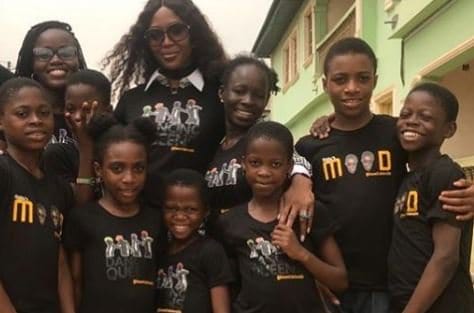
If you were at BBK’s homecoming concert, you may have witnessed Naomi Campbell introduce a kids dance crew, DreamCatchers to perform as her special guests. Dream Catchers, also known as the Ikorodu kid dancers or Ikorodu Talented Kids, have been gaining steady recognition since stars like Naomi Campbell, Diddy and Rihanna shared videos of them performing on their social media pages.
The Dream Catchers are made up of 10 children who have been performing together since November 2014. The group was formed by the children’s caretaker and guardian Seyi Oluyole, who formed the group as a Social Enterprise to teach underprivileged street kids to dance and perform, using earnings to cater to their needs. Though the crew is fairly new, the recognition goes beyond celebrity encouragement, Seyi Oluyole and the crew were recently nominated for Best Creative Social Enterprise Award via African Creative Exhibition and Awards.
Naomi expressed her excitement to meet the crew before she came to Lagos for ARISE fashion week