On Tekno, the purpose of pop music, and what the future holds for it.
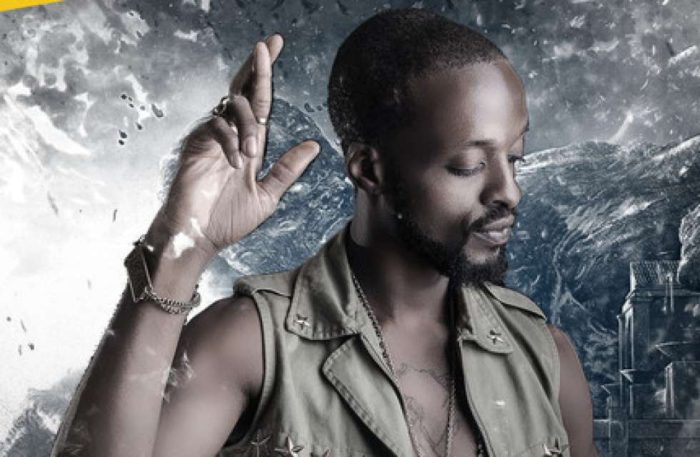
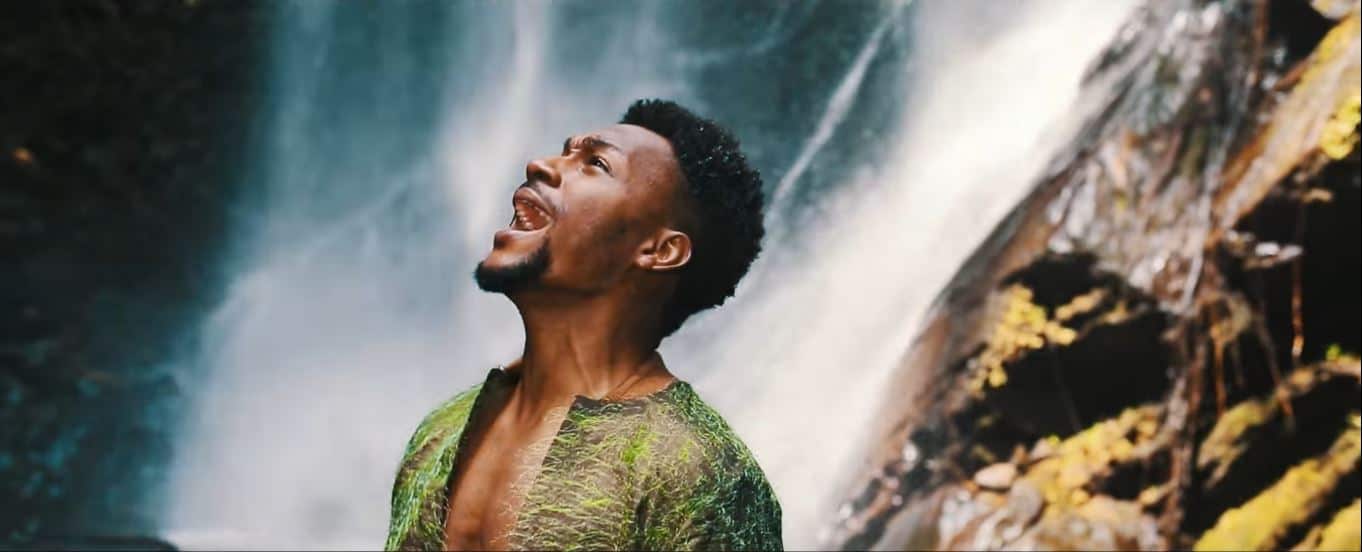
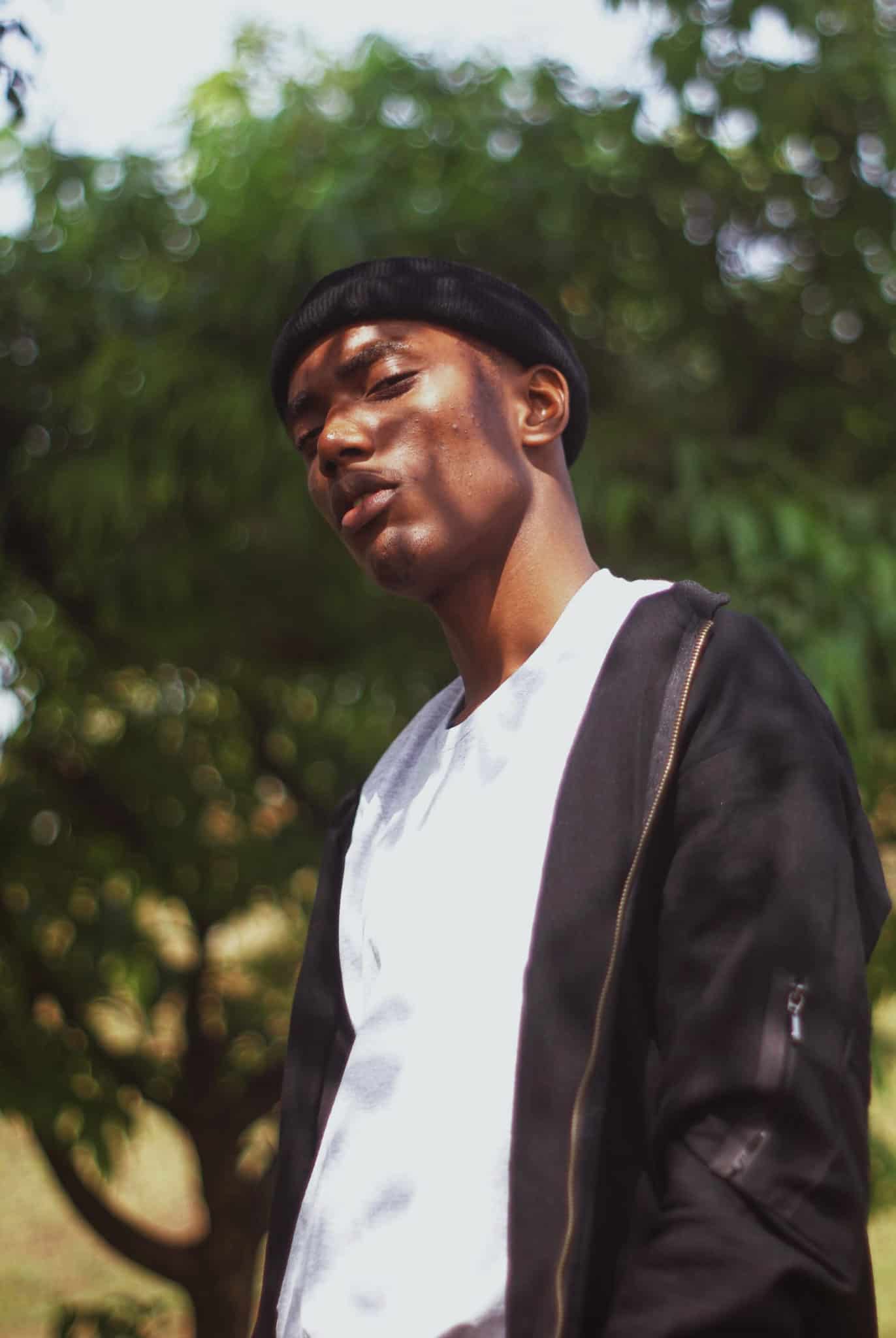
Tekno’s overnight success with Pana was probably one of the most unforeseen revelations of last year. The infectious track has led to Tekno topping charts, creeping into international airplay and recently inking a global distribution deal with Sony. Yet despite these achievements, critics have reacted to the content, meaning and lyrics of the summer hit with raised noses and eyebrows.
“Artists don’t create society, they reflect it” – Ben Elton
Questionable composition aside, Nigerian music is still a deeply human art form that gleans the artist’s reality and in some respect, the listeners’ too. This is not to say, for example, that the Nigerian life is nothing but a series of endless parties or love bordering solely on physical attraction, sex and money. At its best, modern Nigerian pop music represents an underlying aspirational mindset to go from rags-to-riches by any means necessary. And furthermore, to bask in those riches for the entire 15 minutes of stardom. At its worst? Modern Nigerian pop music is tone-deaf to the struggles of its listeners, submissive to the system, and embarrassingly materialistic. Most pop songs in the recent singles dominated market have fallen somewhere in the middle of this spectrum, however artists on the wrong side would likely unknowingly reference novelist Ben Elton’s claim that “Artists don’t create society, they reflect it”. They would argue that they only make the kind of music they make because this is what the audience want to hear.
Over the years, Nigerian music has relied more and more on heavy instrumentals and vocals augmented with electronic tweaks, two universal trends in world music. However, because Nigerian artists neither have access to training or legions of songwriters who can help shape their thoughts into sound, the music is heavily dependent on the craft of its producer than the actual vocals of the artist.
This more or less explains the creative process behind Nigerian music. Producers are usually students of the game who have also evolved alongside the sound. Some artists task themselves with making their music relatable, and leave the producers with the job of directing play. In this case, the voice of the artist is just another instrument the producer works into the hit song. This is what has led to some amazing artist-producer duos this century. And more recently, led to producer-artist hybrids such as Tekno and Maleek Berry, who are a relatively new breed in Nigeria.
To immerse yourself in Nigerian music, the foreign listener requires a hard reset. Forget everything you know and listen anew. While you’re at it, find an artist that produces as well, to avoid the inevitable heartbreak of the infamous producer-artist breakup
Everyone, and we mean everyone, has been inspired by Fela Anikulapo-Kuti. Some by his style, some by his unique sense of political activism, and most by his genre-defining music. Fela’s brand of afrobeats; revolutionary but not forceful, enlightening but not preachy, and danceable but not brainless; is still unrivalled till today. His music has endured three decades and the man has become a legend all over the world.
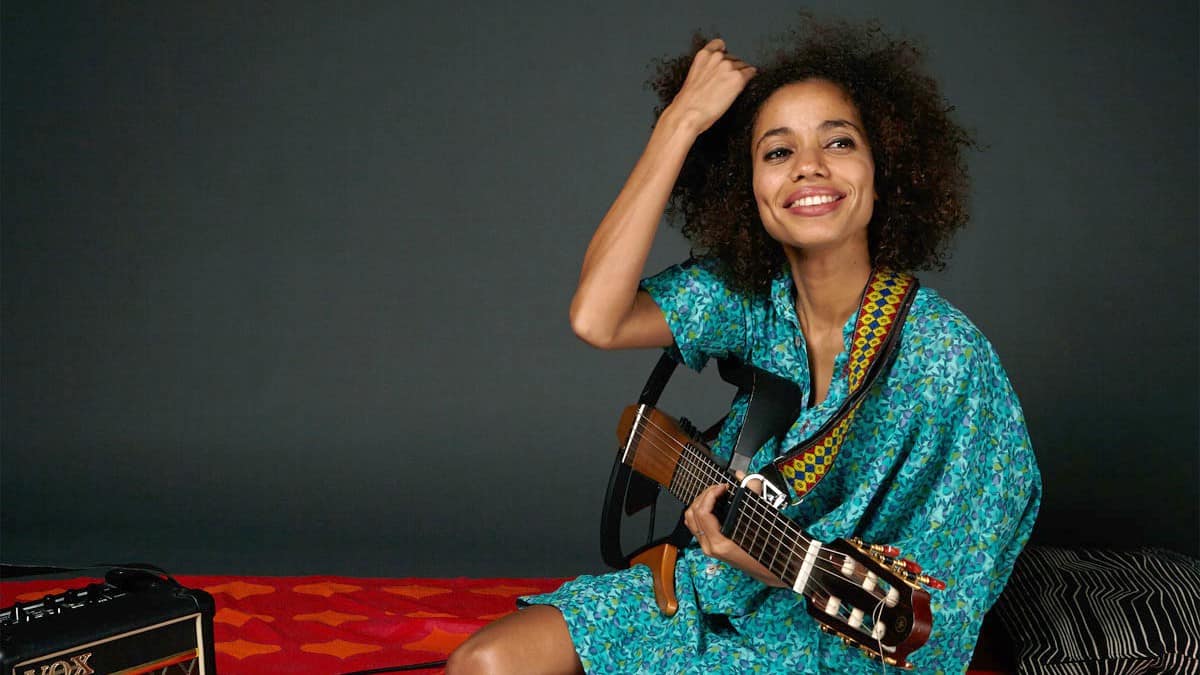
There is no contemporary Nigerian musician who isn’t inspired by, or doesn’t eventually get compared to Fela. His music has been sampled by Timaya and Tuface, his lyrics have popped up in songs by Olamide and Terry G, his songs have been covered by Falana and Somi in her spectacular The Lagos Music Salon. But it would be naive to assume that his influence starts and ends in Africa. There is the critically acclaimed broadway musical, several hundred covers on Youtube and new tribute bands popping up every day. But none have interpreted Fela’s influences quite like Hiatus Kaiyote.
For the uninitiated (and seriously, what are you doing with your life), Hiatus Kaiyote is an Australian Future Soul band started by Naomi ‘Nai Palm’ Saalfied. They are Australia’s most successful R&B export, being the only band from the continent to get nominated for not one but two Grammy awards for best R&B performances with two albums that have received global critical acclaim and mainstream success. The band’s second album, Choose Your Weapon, is one of the decade’s most sonically adventurous albums and here’s the kicker, Nai Palm has actually come out to confirm that one of the album’s major influences was Fela’s life and music. To get a taste of just what Fela sounds like in the hands of a truly reverent fan, take the band’s song “Jekyll” for a spin.
Musicians are interesting creatures. Whilst most people in the world spend their entire lives searching for their soul-mates, whether romantically or in business, those in the music industry seem to find theirs fairly quickly. Due to the statistical miracle this is, you do tend to see producers and artists sticking together for long periods of time; Dr. Dre and Eminem, Metro Boomin and Future, 40 and Drake, Nas and Salaam Remi; the list goes on. However in the Nigerian industry, these relationships seem to go as quickly as they come.
One would think in a market in which the producer-artist match-ups are so influential to the hit-making and career-defining potential of both parties involved, they would be better protected. Guess Not.
Here are some of the most tear-jerking break ups in recent history:
Wizkid x Samklef
Pop stars all over the world often require a plethora of producers with hands buried deep in the production of their albums and singles. While Wizkid similarly worked with a horde of beatmakers on the production of his chart-topping Superstar debut, producer Samklef had the most credits for 6 songs on the LP. Wizkid had been introduced to Samklef by former label-mate Skales in 2009, but Wiz and Samklef didn’t really hit-it-off creatively until he produced his second major label single, “Tease Me”. He went on to produce other smash hits on Wizkid’s debut, such as “Pakuromo” and “Don’t Dull”. This set the groundwork for a sonic bond between them that transcended music, until differences sent Wizkid in the direction of younger calibre producers like Legendury Beatz and Maleek Berry. While the cause of their split is still unclear, Wizkid has gone on to well-documented levels of success, so it would be fair to say he’s not really losing sleep over this.
Burna Boy x LeriQ
Though LeriQ and Burna Boy have re-ignited their creative bromance on Burna Boy’s latest Redemption EP, the depth of the duo’s personal relationship had caused many to be teary eyed when they parted ways in 2014. LeriQ revealed in an interview that Burna was introduced to him in Port Harcourt by a friend in 2010. Burna had just returned from an extended stay in the United Kingdom and was looking to record music. Theirs was a true love at first ear story as they immediately recorded a freestyle titled “Freedom” off the Burn Notice mixtape, on the night they met. The close contact they had over the next year gave them enough time to record 5 more songs for the mixtape and 15 tracks for its follow up, Burn Identity. LeriQ coined his signature tag, “It’s LeriQ, call the paramedic” and the duo took their relationship further by working on Burna’s critically acclaimed debut album L.I.F.E. Although Burna has since parted ways with Aristokrat Records, we’re all relieved to see them back making music together.
Jesse Jagz x Chocolate City
Signed to Chocolate City alongside his brother, M.I, Jesse Jagz was both a recording artist and the label’s in-house producer. But after producing a bulk of the songs on two major label LPs for his brother and labelmates Ice Prince and Brymo, Jesse Jagz eased himself out of Chocolate City in 2013 due to never-really-revealed differences. Media reports reveal the Jagz Nation boss had been encumbered more with production duties for this label mates ahead of his own music and the frustration led to his exit from the label. Till date, fans and music pundits still cite the absence of Jesse Jagz’ production magic fingers as the cause of the critical flop of Ice Prince’s Fire of Zamani album. Thankfully, these days he is not only right where he belongs, he is also floating his own label imprint. Fans however, will not be forgetting the dark years of Jesse Jagz’s absence from Chocolate City in a near future.
Don Jazzy x D’Banj x Wande Coal
Still listed as one of the most heartbreaking events in the history of modern Nigerian music, the breakup of Mo’Hits Records was a national tragedy. Mo’Hits were running the game for six straight summers, and the trio of Wande Coal, Don Jazzy and D’Banj can take a lot of credit for that. The summer of 2008 will forever go down as the most dominant period by any record label in Nigeria, with Mushin 2 Mohits and The Entertainer occupying airwaves and dance-floors all over the country and continent at large. While Wande Coal has had relative success after the split with singles such as “Amorawa”, his sophomore album was mostly criticised for a perceived lack of sound progression since his debut. Similarly, D’banj’s incessant misfires seem to be an endless attempt to trying to rediscover a new sound with the same level authenticity and uniqueness that he created with Don Jazzy. As for the architect behind Mo’Hits, Don Jazzy himself has moved on to launch and relaunch his Mavin family, with what seems like a hit and hope strategy. Despite this strategy delivering its fair share of hits, he seems to have realised that the magic created in this Mo’Hits dynasty can not be replicated, and is thus working with various artists as opposed to the tight-knit crew he once called family.
DTunes x Iyanya
Despite being the winner of the first edition of Project Fame West Africa in 2008, Iyanya didn’t get a breakout single until 2011 with the DTunes produced banger “Kukere”. This marked the birth of a relationship that saw DTunes produce 12 tracks on Desire, Iyanya’s sophomore album, including hits such as “Flavour” and the Emma Nyra featured “Ur Waist”. Although Iyanya has repeatedly insisted there was no animosity after their split as it was a purely professional move, fans and the media have speculated otherwise. Why break up a winning formula?
Nollywood gets a bad rap. It’s not the best in terms of directing. Or writing. Or acting. It’s all about the sheer volume of movies being churned out, ultimately at the expense of quality. But gone are the days of having to sit through part 1-8 of ‘chance of fate’ (not quite gone, but there’s more variety), and there is light at the end of the perilously long tunnel of terrible filmography. The industry is evolving, and more and more directors are attempting to make films that are culturally relevant, interesting and in a much higher resolution. We now have the option of not just movies but tv shows, treating topics like the difficulties of worklife in Nigeria, peer pressure, religion, and drug abuse. If you’re like me and you love a good nollywood binge (guilt-free), IrokoTV has a great selection of movies and shows that you can actually enjoy, and here are some of the best!
Jenifa Diaries
A spin-off from the hit movie franchise “Jenifa”, this show follows a girl from a small village trying to make it in the big city Lagos. Jenifa diaries is great because not only is it hilarious, it also touches on current social issues such as drug abuse, domestic violence and even the increasing popularity of ponzi schemes (MMM, I’m looking at you)! The best thing about Jenifa diaries is that it’s a great show to watch with the whole family.
Gbomo Gbomo Express
The film is centred on the kidnapping of a record label boss and a companion he met at a bar, one that quickly becomes very complicated for the amateur kidnappers. With stellar performances from Ramsey Nouah (the GOAT) and Gideon Okeke, it’s hard to take your eyes off the screen!
Dry
This compelling drama successful doctor, Stephanie Okereke on her journey to self-discovery. She lives in Wales, and reluctantly embarks on a homecoming trip to Nigeria to treat illnesses commonly associated with young women. Here, she battles with childhood memories she fought hard to forget, and ends up finding and fighting for way more than she bargained. Warning: this one’s a real tearjerker!
Husbands of Lagos
This extremely amusing comedy follows the scandalous lives of five men living in Lagos, and their turbulent relationships with the women in their lives. The men find it hard to stay out of trouble, with their morals and love for their significant others being questioned at every turn.
Baby Shower
What starts out as the happiest day of a woman’s life, soon turns out to be a day that rocks her marriage and relationships with her friends and family, as things take an unexpected turn when shocking secrets are revealed.
2004 was interesting. We were four years removed from the new millennium and George Bush was about to begin his second term as the US President of the United States. Spider-Man 2 (the greatest Spider-Man movie of all time, by the way) was released and Kanye West – a relatively unknown producer to the general public at the time – released his life changing album The College Dropout.
2004 was also an interesting time in my life. I was 12 years old and just starting to figure out what music I actually enjoyed listening to. European/American music dominated the airwaves. MTV solely played music from the top 20 of the American Billboard charts and even the South African owned Channel O played the foreign stuff. My main musical influences came in the form of Destiny’s Child or ‘NSYNC. Bow Wow was in my top five dead or alive, primarily because we were more or less the same age and he rapped about basketball rather frequently. 50 Cent had dropped his magnum opus, Get Rich or Die Tryin’, the year before so I knew I liked “grown” hip-hop, but there was really no Nigerian artist I could get behind or relate with.
I’d heard my dad play Fela and yeah it sounded nice, but I wouldn’t be appreciating his revolutionary tracks for years to come. There was Lagbaja, but his mask spooked me. King Sunny Ade was also a main staple of the Adetunji
household, but my Yoruba was (and still is) very poor. None of those tracks felt like my music or at least music for my era.
Then suddenly, everything changed. 2004 saw the breakup of one of the most underrated (or unknown tbh) R&B trifectas in Nigerian history: The Plantashun Boyz. Innocent Ujah Idibia (2Face), rapper Blackface (Ahmedu Augustine Obiabo) and producer Faze (Chibuzor Oji) formed the band in early 2000 and they enjoyed relative local success before they went their separate ways. You know where this is going.
After their disbandment in 2004, 2Face decided that he was going to create a name for himself and he released his first solo project: Face2Face. Idibia’s first solo outing wasn’t exactly a flawless masterpiece, but on it, was the mammoth hit of that year and many years to come: “African Queen”. We are willing to bet that since its release, not a single wedding has taken place on African soil without it being played. It’s that big. Forget Marvin Gaye, Elton John or Beyoncé, 2face Idibia penned one of the greatest love-songs of all time, and he will go down as one of the GOATs for it.
The composition of the song itself is nothing to write home about: ‘Face serenading the love of his life over the repetitive plucking of a guitar. The song is so Nigerian, you have to love it. Its staying power in Idibia’s live sets is a testament to the timeless nature of the genre-defining hit. Almost greater than the impact “Queen” had on 2Baba’s career, was the impact it had on Nigerian music as a whole. He bridged the underground to the mainstream in a way that had not been done for many years. My friends loved it, my parents loved it and the radio loved it.
In the last couple of years, there has been a raging argument between listeners (which usually pits young vs old) as to what exactly is “Afrobeats” and who invented it. 2004 saw the beginning of my love for Nigerian music and the beginning of a shift in the norm. For me, 2004 also introduced the recognition of the notes, chords and strings that form the Afro-Pop movement.