Njerae Is Rewriting The East African R&B Story
Njerae unpacks the creative decisions behind ‘Four Letter Word (Deluxe)’ and her growth as a critical voice in East Africa’s R&B scene.

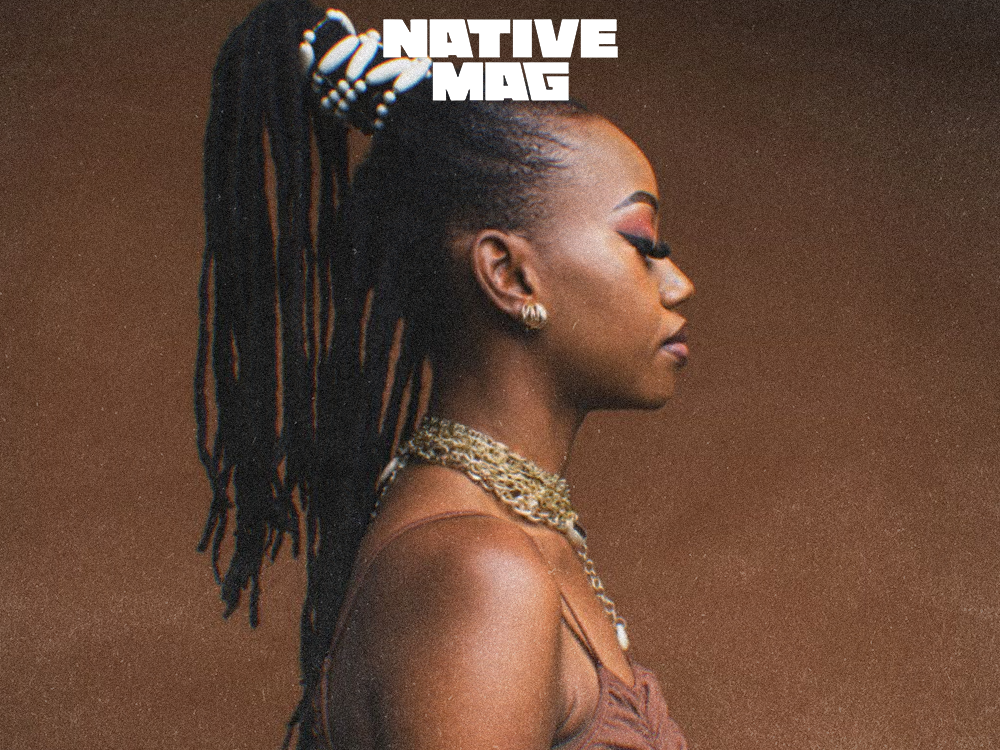
Njerae unpacks the creative decisions behind ‘Four Letter Word (Deluxe)’ and her growth as a critical voice in East Africa’s R&B scene.
If 2025 has proven anything, it’s that Njerae’s moment has truly arrived. From signing with Universal Music Group to releasing her sophomore EP, ‘Four Letter Word,’ in February 2025, and becoming Spotify’s EQUAL ambassador, Njerae has spent the year charting new territory for East African R&B and Afropop.
While some might call her recent wins an overnight success, her journey tells a very different story. With over 10 years in the Kenyan music scene, Njerae’s rise is built on discipline, consistency, and quiet conviction. From her early days at Sauti Academy (then mentored by Sauti Sol) to her time at the Perform Incubator led by Muthoni Drummer Queen, she has sharpened her craft into something both soulful and intentional, and her ‘Four Letter Word (Deluxe)’ release is proof of that evolution.
Today, Njerae’s catalog reads like a slow burn toward mastery, boasting a digital footprint of over 10 million streams for “Aki Sioni,” nearly 5 million for “OTD,” and a growing community of more than 245,000 monthly Spotify listeners.
Her sound continues to expand beyond borders, with Nigeria standing as her second-largest market and the UK among her top 10, cementing her as one of the few Kenyan R&B acts resonating across continents. The ‘Four Letter Word (Deluxe)’ is more than just an extended project; it’s a reflection of how far Njerae’s sound has traveled. The deluxe version sees her leaning further into global textures, stretching R&B into Afro-House, Amapiano, and stripped-down Soul while keeping her pen sharp and her stories deeply personal.
We caught up with Njerae to unpack the creative decisions behind ‘Four Letter Word (Deluxe)’ and understand her growth as both an artist and critical voice in East Africa’s blossoming R&B scene.
You’ve just dropped the deluxe edition of ‘Four Letter Word.’ Why did you feel this project needed a second chapter?
In a way, the deluxe felt like closure. I originally wrote ‘Four Letter Word,’ with the concept of love in its vulnerable and pure state. After releasing it, I have felt growth and processed new vaults in life. The deluxe is me coming back to love not just as a feeling but as a choice. I have grown, and there is a reflection of a soft kind of power in love.
What prompted your shift from independence to joining Universal Music Group?
I have always wanted to be independent, but artistry comes with evolution. Signing with Universal Music Group wasn’t about giving up my power as an artist but expanding my reach. I also wanted to build a team that understood my vision, and I saw that UMG has the potential not only to take East African R&B to a global scene but also to create an impact on my music. It’s still my story, but I get a bigger microphone
You recently performed at the first international edition of Blankets & Wine in the UK. What did that experience teach you about your craft and your audience abroad?
It was an amazing and memorable experience, I won’t lie. It reminded me that music travels. Guys in London were singing Swahili lyrics, and they knew each song. Basically, music doesn’t need language or translation.
In June, you were named Spotify’s EQUAL ambassador, a program spotlighting women pushing boundaries in music. How do you use your platform to open doors for the next generation of female creators?
I believe representation matters, and I would want women to know it’s possible when they see me take this space. I am producing, writing, and performing. I want them to see themselves in me. I mentor and collaborate with lots of women around, and I hope that we can build a pipeline rather than a moment. I want more women to freely tell their stories regardless of where they come from.
As an artist and storyteller, how do you use your voice to speak up for creators and preserve authenticity in digital music spaces?
It starts with being transparent about what the system looks like for artists, creators, and what needs to change. I like being fair and valuing artistry over virality. I try to keep my releases intentional and not just algorithmic. Music should be a feeling and not a format.
Fashion has become an integral part of your aesthetic lately. When ‘Four Letter Word’ dropped, we saw you embracing earthy tones and soft silhouettes. How do you weave fashion and music together in your storytelling and personal expression?
Fashion, just like instrumentation, is an extension of music and sound. It’s how you make music visible. When I did the EP in February, the earth tones were to represent grounding and intimacy, and I have evolved since then, and so has my style. With the growth of my aesthetic, I am telling a story without words.. With every palette, tone, and texture, I am telling people about myself and what emotions I am feeling.
You exist in a delicate R&B pocket that often leans on heartbreak and longing. How do you keep your themes fresh while staying emotionally honest?
I like to live first as a human, then write. Every time I think I have said everything about love or life, I pull away from conversations. I sit in silence and draw my own personal inspiration from how Nairobi feels to me in different seasons. The key is finding new ways to feel out loud. Just living as a person and allowing everything to flow.
Talking about “Decide (Remix),” the original version flirted with Amapiano, but the remix pushes deeper into Afro-House. Was that a conscious pivot or a product of creative experimentation?
I think it was both. When I revisited the original song, I felt the urge to make it more cathartic. There is a way music can speak to you, and it creates a moment of hypnosis. “Decide” was giving me Afro-House, and I decided to follow that route. I also really wanted to make people connect with it on the dancefloor without being introspective. It’s the same story just at a different tempo.
The deluxe includes two new tracks, “Gone” and “Colors.” What’s the story behind those records, and how do they complete the ‘Four Letter Word’ narrative?
“Gone” is about letting go of love that lingers, while “Colors” is the healing after all of that. It’s joyful, light, and a discovery. I felt that together they complete a whole circle as the deluxe begins with a heartbreak and ends with the peace of choosing yourself again, and that was the whole intention.
This body of work feels distinctly more international in production, tone, and energy. What story were you trying to tell through this evolution?
More than anything, I wanted to show that East African R&B can live and survive anywhere while being timeless and borderless. This time, as an artist, I feel it’s more about expanding myself and my reach. I am telling a story about myself in Nairobi, and I want the story to echo and relate to everyone around the world.
Listen to ‘Four Letter Word (Deluxe)’ here.

