uNder: Best New Artists (September, 2025)
For our September entry, we have Kobilou, Lusanda, Kwelit, and Wanavokali.

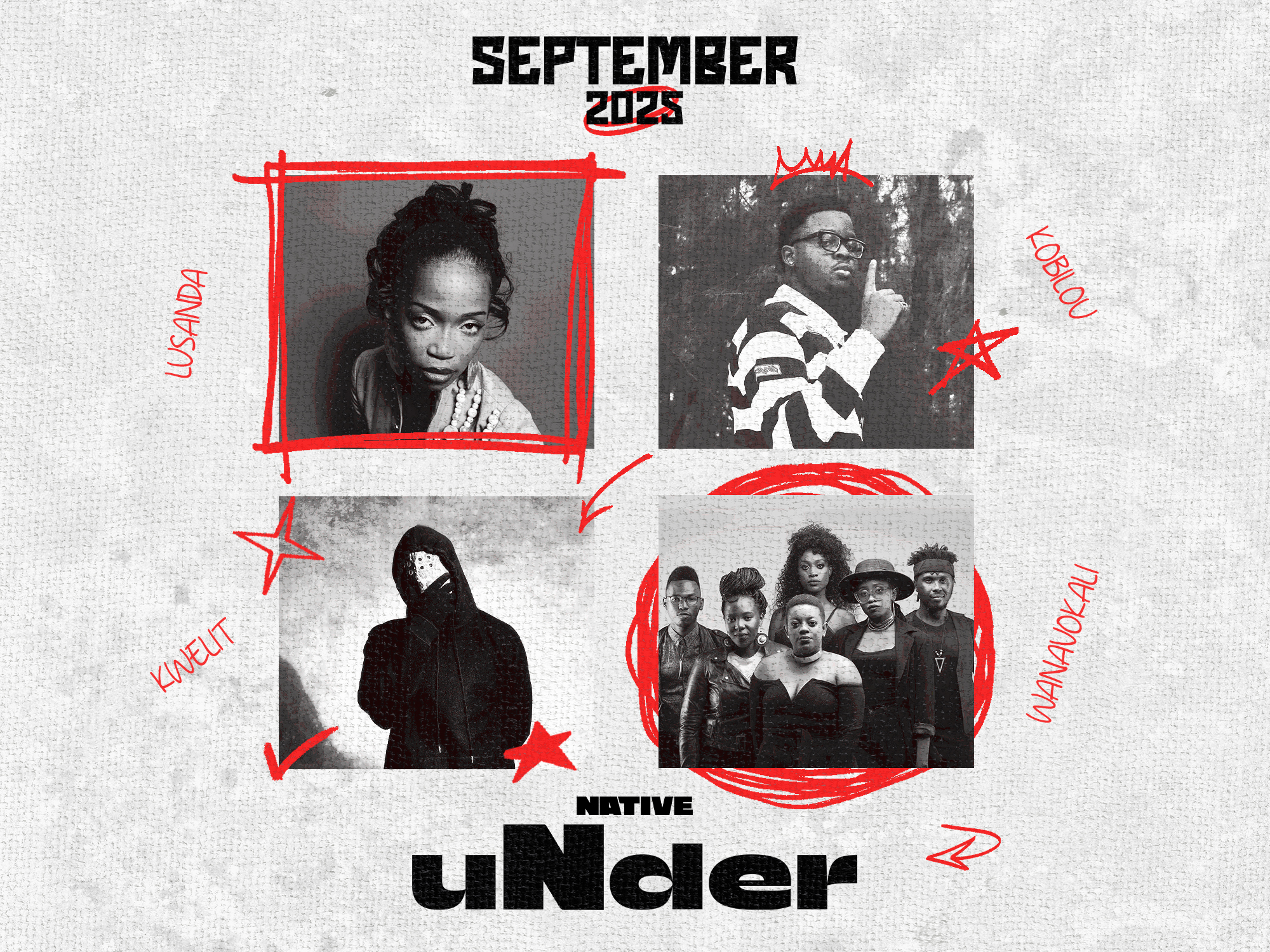
For our September entry, we have Kobilou, Lusanda, Kwelit, and Wanavokali.
The conversations that keep coming up during our daily newsroom more often than not revolve around platforming the music we love and the communities that surround its wider culture. Very regularly, the music that excites our team reflects The NATIVE’s vision of being a bastion of music from parts of Africa and the Black diaspora. There are exciting acts from the ever-evolving Nigerian music underground, rappers experimenting with Dance Music and Hip-Hop from South Africa, as well as emotive singers whose work blurs the boundary between Hip-Hop and R&B.
Discovering these acts, being blown away by their skills, and sharing our community about them continues to excite us more than three years after we conceived this column as a platform to spotlight talents that represent all that’s exciting about African music. In a world where marketing budgets, ad spends, and PR placements continue to reshape the music landscape, uNder is still our way of raging against the system and spotlighting deserving acts whose works are vital to sustaining the creative spirit that makes African music indispensable. For our September entry, we have Txmmyily, Lusanda, Kwelit, and Wanavokali. This cohort is united by a thrilling sense of freewheeling experimentation that is sure to serve them well as their career progresses. We hope you enjoy discovering them half as much as we enjoyed listening to their music and writing about them.
Kobilou
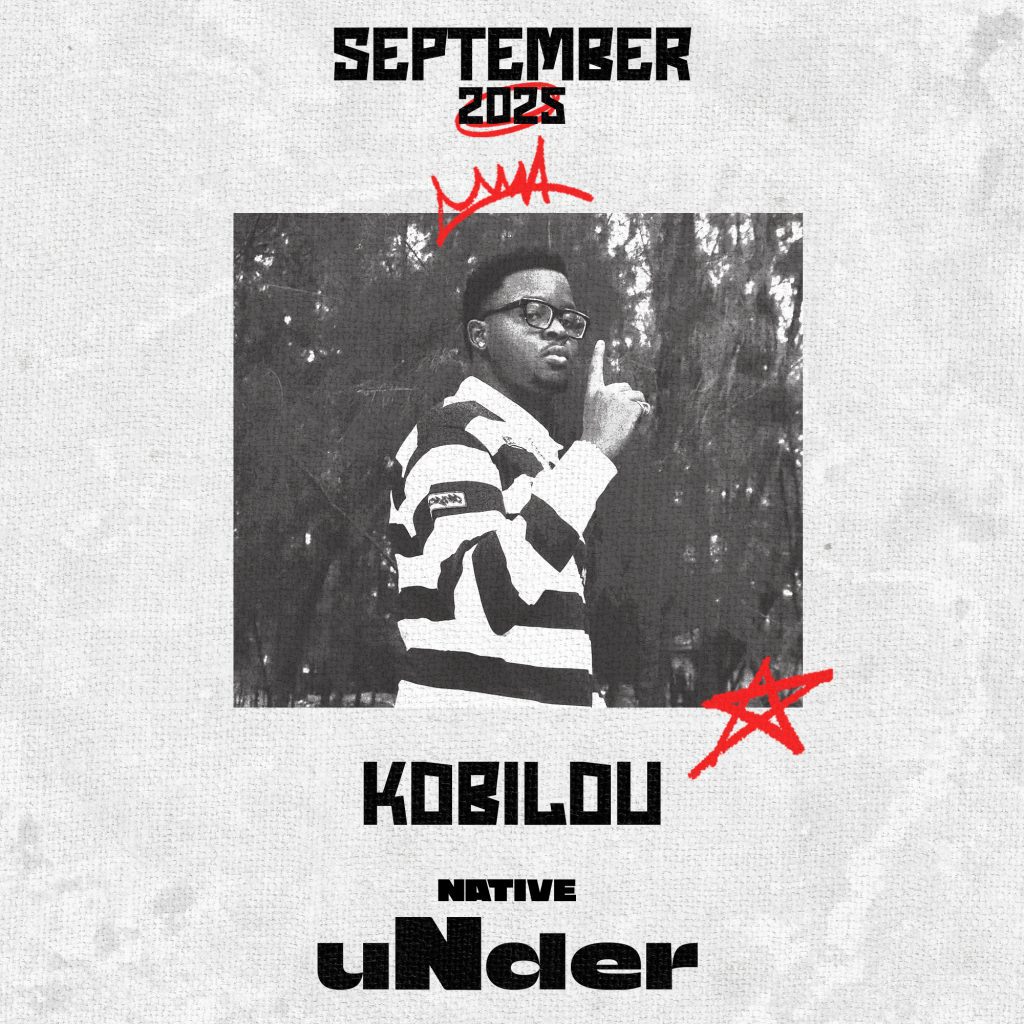
For Fans Of: Shallipopi, Olamide, and Victony.
There has never been a better time to be an artist from Abuja. In recent years, musicians from Nigeria’s capital city have surged to popularity without losing sight of the unique sonic callisthenics that distinguish them. Singer and rapper, Kobilou, is keenly aware of the strengths that mark him out as a potential era-definer. Blessed with a blistering flow and a knack for searing melodies, he has been steadily building up his profile since 2021’s “October (PS32,” a zappy Hip-Hop collab that saw him flex his lyrical prowess in tandem with IDK Young J and CloudyNotes. The next time we heard from Kobilou was on “My Woman,” an Afropop-leaning duet with Tartmon that showed a sensitivity for rhythm that has become more pronounced as the years have gone by.
Last year, he made a big splash with ‘Kobilou Kilobizzy,’ a four-track collaboration with Mavo. Meeting on an equal footing, both rising stars explored their fascination with women, life in the fast lane, and looking fly over luxurious instrumentals that sounded retrofitted for their spastic flow. On “Swaggernometry,” all of these subjects collide for a fascinating insight into the inner workings of the duo’s mind, while “Nemesis” is a pared-down investigation into the dynamics of modern friendships that found both acts reminiscing on the highs and lows of camaraderie.
If ‘Kobilou Kilobizzy’ provided a glimpse into Kobilou’s process, 2025’s ‘Pretty Girls Love Lou’ offers the most extensive summation of his id. As always, he’s still inspired by romantic desires and impulses. “Waist” is a heartfelt declaration of interest in a potential lover expressed over a blend of flutes, muted drums, and twinkling chords. There is a dedication to the enduring promise of Friday nights out on the town on “Friday Night,” that sees him lean into a playboy stance, but the true gems of ‘Pretty Girls Love Lou’ are “Abj City Vibrations” and “Lagos Love,” a pair of city-specific jams that expand on the dating cultures of both cities.
Lusanda
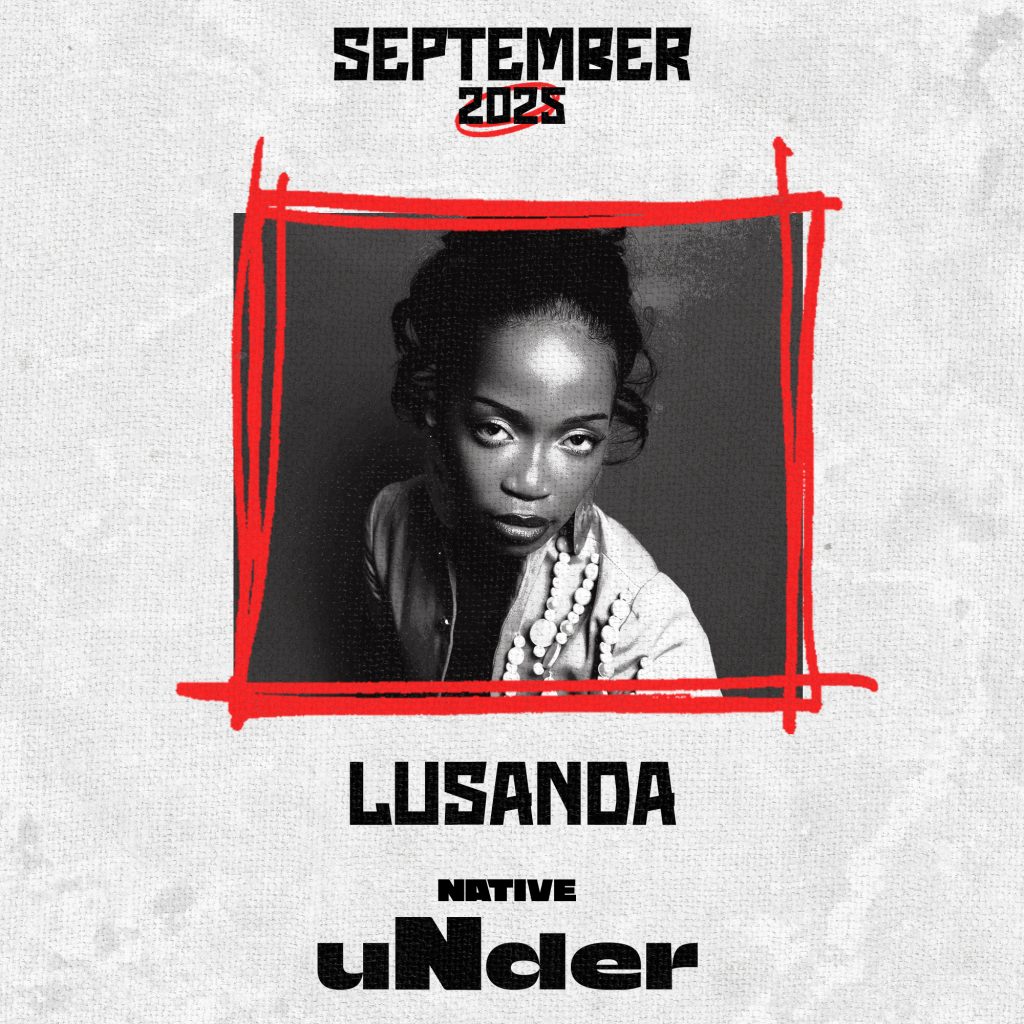
For Fans Of: Shekhinah, Elaine, and Ami Faku.
Lusanda wasn’t supposed to make music professionally. As a child, she trained to be a ballerina, going on to study choreography at the University of Cape Town. Still, music was always in her life in some fashion, with teachers asking her to sing in school plays and join the choir as a young student . It was an education that played a role in shaping one of the most important new voices emerging from South Africa. To listen to Lusanda is to be entranced by the beguiling grooves she conjures from the depths of her soul, weaving her feelings on love, desire, and divinity into neatly-woven candid narratives that pack a punch.
Like most singers in the digital era, Lusanda got her start by making covers of popular songs and sharing them with a growing community of listeners on social media. A delightfully inventive cover of OutKast’s “Hey Ya” particularly launched her to the fore, leading to opportunities to show her gift on a string of collaborations starting from 2023’s “My Ride Or Die,” a sung-rap highlight off ‘Big Boy,’ an extended play by Tony Dayimane. If “My Ride Or Die” set Lusanda off, “Higher Power,” the emotive opener of Riky Rick’s posthumous album, ‘Boss Zonke Forever,’ catapulted her to national fame.
Further appearances on songs like “Sundays Ate For Lovers,” “Mehlomadala,” and “Imibuzo” have shown her range and sharpened her voice, displaying her capacity for emotional rigour without sacrificing thematic balance. For all her contributions to a range of thrilling songs, Lusanda never sounds out of place on her own, delicately peeling at the layers for an intimate exploration of self that gives her songs emotional heft. In September 2024, she released “When You’re Around,” a sweeping declaration of devotion to a love interest, which found the former ballerina dovetailing effortlessly with London-based polymath Noxz.
Ever keen to broaden the scope of her work, Lusanda returned with a new song, “Progress,” a little over one year after “When You’re Around.” Built around the same minimalist pattern that birthed her debut single, “Progress” is a document of growth, even if she’s still working her way to the finish line. Produced by Biako and Sunny Kale, it’s hauntingly delicate, capturing the tension between progress and hanging on to what one finds comfortable. Not to be tethered by the past, Lusanda is squarely focused on the future, with her delivery skating between traditionalist R&B flows and a more Hip-Hop-influenced style.
Kwelit
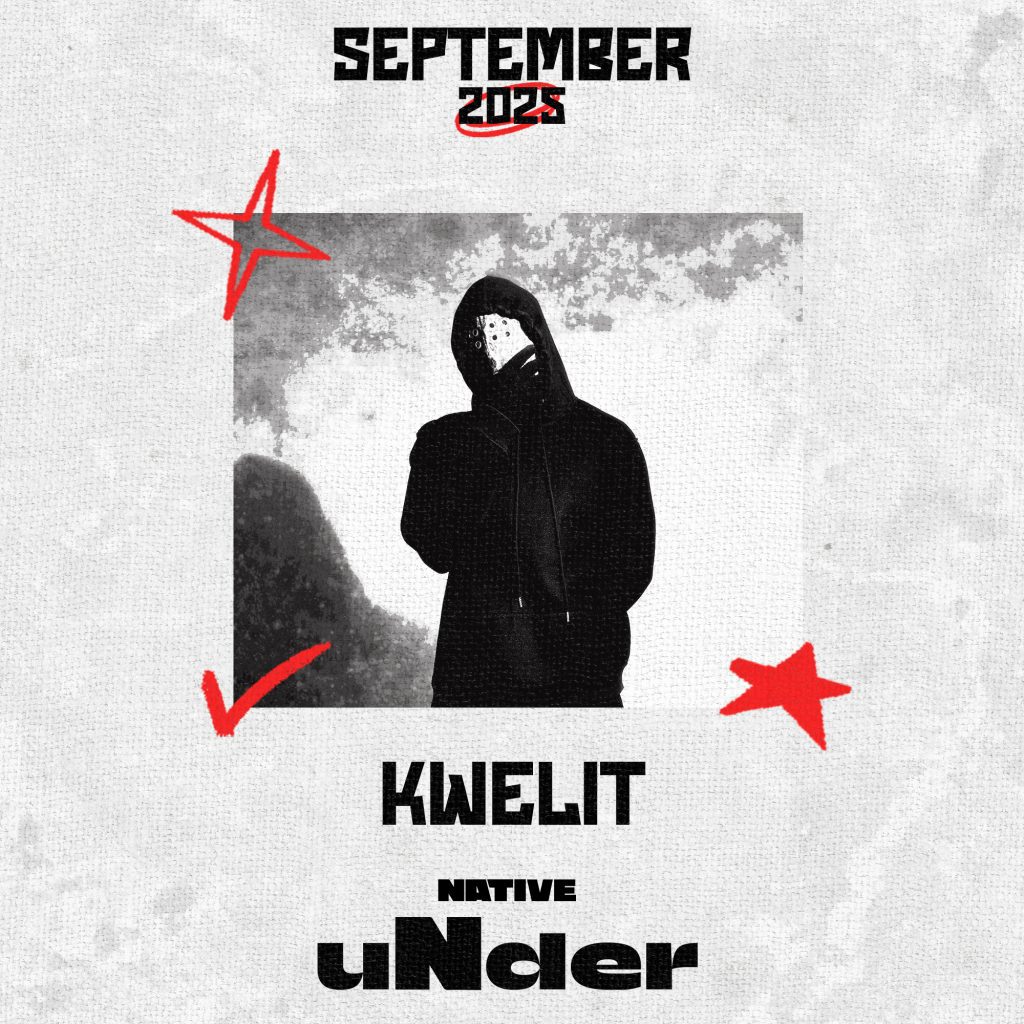
For Fans Of: Nasty C, A-Reece, and Stogie-T.
Kwelit does not abide by genre-bound conventions. The Ghanaian act has mastered the art of blurring the lines between genres into abstraction. Whether experimenting with Shoegaze, R&B, Soul, Jazz, or Bossa Nova, the enigmatic rapper pulls a diverse range of influences into his universe to create music that pays homage to the specificity of feelings rather than any specific sonic style. He’s as prolific as he’s ingenious, releasing a steady stream of music since 2021. More importantly, he prefers to explore his thoughts on growing up, pain, and the experience of being a young African within highly dense album structures that give him the space to parse his feelings properly.
He kicked off his run with 2022’s ‘WHAT YOU DOING CARL ?!,’ a free-wheeling collection of 10 songs that moved from the reverb-heavy trap-adjacent braggadocio of “F U PAY ME” to a spaced-out dedication to chasing after money on “I dey stress / RAMPAGE.” Across ‘WHAT YOU DOING CARL ?!,’ Kwelit is keen to let his listeners know that he’s in a fight for sustainability, bringing it to a close on the Soul-tinged “Save Me.” 2023 was an especially prolific year for the rapper, kicking off with the Jazz-inflected “Lone On Valentine,” a mournful look at the sobering reality of spending a day for lovers alone. A collaborative single, “Mr Anonymous,” portended the arrival of ‘Rage Bruddas,’ a joint tape with Cyril Shey and RAGE BRUDDAS that captured the dynamism of Ghana’s hip-hop underground.
Not quite done with the year, Kwelit returned later that year with ‘PA!N,’ a sprawling 14-song tribute to the boundless limits of hurt. Largely, the subtext of ‘PA!N’ is romantic anguish, with Kwelt wholeheartedly embracing a range of sonic influences to bring this project to life. The tyler-leigh-featuring “BULLET PROOF” is a chest-thumping declaration of not being hurt by a disappointing lover. At the same time, “WHEREAREUNOW” is a teary-eyed heartbreak anthem built on a simple drum loop, clearly hinting at the emotional undercurrent of ‘PA!N.’ The stakes are drastically upped on ‘Luv*,’ his 2025 orchestral opus that has the scope of love as its primary influence. “On my way back to your arms,” regular collaborator, tyler-leigh, sings dreamily on “Back In Your Arms,” a song about renewing bonds. There’s a similar invocation to embrace love on the “Hopeless Romantic.” In other parts of the project, he continues to be as genre-agnostic as always, embracing Dance influences on “Sellin N Dealin,” showcasing a sensitivity that continues stands him apart from his peers.
Wanavokali
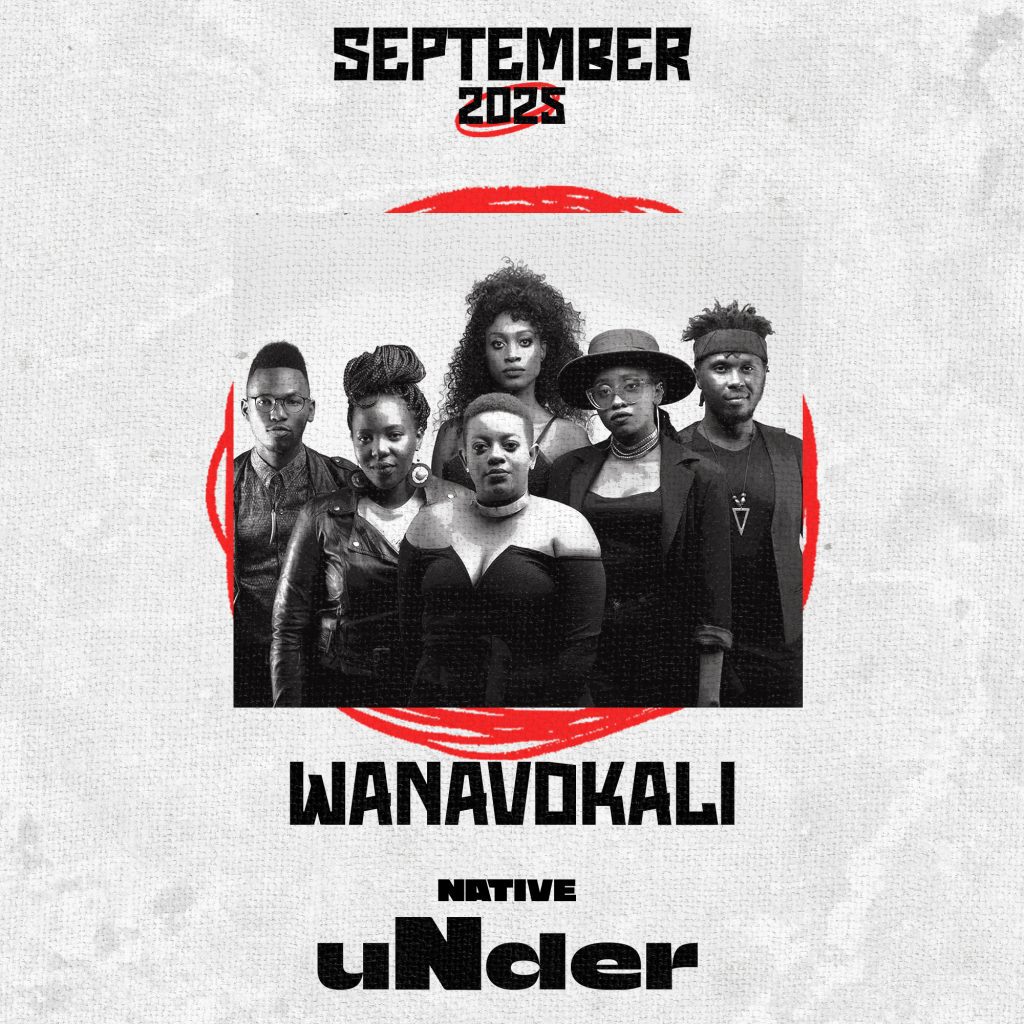
For Fans Of: Sauti Sol, SuperJazzClub, and Ezra Collective.
Wanavokali might be comprised of six members, but the sextet is in sync with each other, living up to their name, which means “Those with the vocals” in Swahili. Made up of Chep, Lena, Mella, Riki, Sam, and Ythera, they first met one another as background vocalists during the 2018 Safaricom Twaweza Live tour in Kenya. Encouraged by the chemistry between them, they came together to set up the group in 2019 with the hope of creating bigger opportunities for themselves in Kenya’s music scene. They have since established themselves as one of the most unique voices in the scene while deepening their connections with one another. “Unioshe,” their first original and collaborative project with Kenyan Gospel artist Collo G, was a widespread success that set the stage for 2021’s “Rhumba,” a celebration of the golden age of the genre with the same name.
The positive reaction to “Rhumba” encouraged the group to work on their debut album, ‘Wanavokali: The Album,’ a breezy showcase of the synergy between the six friends that saw them put their spin on Pop, Gospel, and R&B across 11 songs. At different turns, they explore a variety of subjects without watering down the essence of their message. “Trying” is a call for a love interest to return the attention given to them, while there’s a call to action to demand a better world on “Revolution.” For the majority of its 41-minute run, ‘Wanavokali: The Album,’ presents an integrated version of the group’s vision, providing an invigorating debut that planted them as voices to look out for from East Africa.
Close to one year after ‘Wanavokali: The Album,’ the group released a new single, “Dunia,” presenting their take on Bongo Flava, an artistic declaration that they would do whatever they wanted with their music. A series of singles followed before the release of 2024’s “Supa Dupa,” an instant fan favourite that found the group paying homage to Rhumba like they did with 2021’s “Rhumba.” Their second studio album, ‘Vibes & Vokals,’ soon followed, with the group doubling down on their genre-bending ethos across 10 songs. The voice of actress, Nyokabi Macharia, ushers fans into the album on “Intro.” From there, listeners are immersed in a daring journey through the group’s reflections on growth, love, and faith. There is a growing confidence in the way Wanavokali orchestrate a dance anthem on the Iyani-featuring “Whine Selekta” and urge bravery on “Selina.” Following their exploits on ‘Vibes & Vokals,’ 2025 has been a somewhat quiet year for the group, who only popped up to support Kethan on “Niangalie,” in February. Still, no one can ever accuse the group of failing to live up to their name with a ‘Vibes & Vokals’ concert forthcoming.

